Wednesday, April 8, 2026
Home Blog Page 3353

Iran Dismisses US VP’s ‘Nazi’ Comments

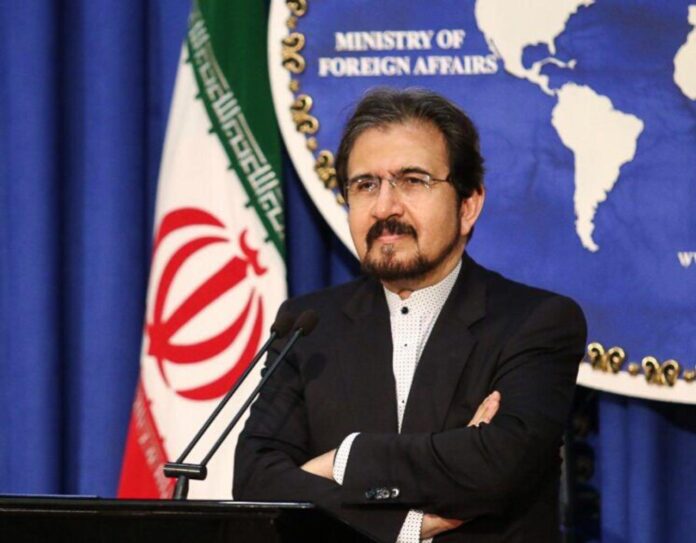
“Iran’s historical and cultural record in coexistence of and respect for divine religions, particularly the Jewish religion, has been registered in credible documents of various nations,” Bahram Qassemi told ISNA Saturday.

“The long-standing and several-thousand-year-old history and civilization of Iran shows the way Iranians thought of and viewed other cultures and religions and their peaceful coexistence and tolerance in such issues,” he noted.

“Those who have some understanding and knowledge of the world’s history and culture and are familiar with books and history and have a minimum level of fairness and justice in their words would not make such hollow and false words so recklessly,” he said.

Pence’s remarks were “empty and propagandistic” ones made out of grudge and hysteria, Qassemi said.

“Our criterion and yardstick in foreign policy is the aggressive and occupying nature of the fake and illegal Zionist regime and the killing machine of the Palestinian people which has cruelly imposed itself on the region, caused division and rift among regional countries and is a source of crises and long-term and costly tensions in the Middle East.”

“They should know that making these allegations and futile and irrelevant remarks won’t help resolve the main issue or remove the root causes of their anger and crisis,” the spokesman added.

“Be patient, read and learn as history is full of facts that no power can delete or change forever,” Qassemi said, addressing the American official and his allies.

On Friday, Pence accused Iran of Nazi-like anti-Semitism, following a visit to the memorial site of Auschwitz in Poland.

Pence said the visit to the Nazi camp had made him more determined to confront Tehran, which he claimed was “breathing out murderous threats with the same vile anti-Semitic hatred that animated the Nazis in Europe,” Radio Free Europe reported.

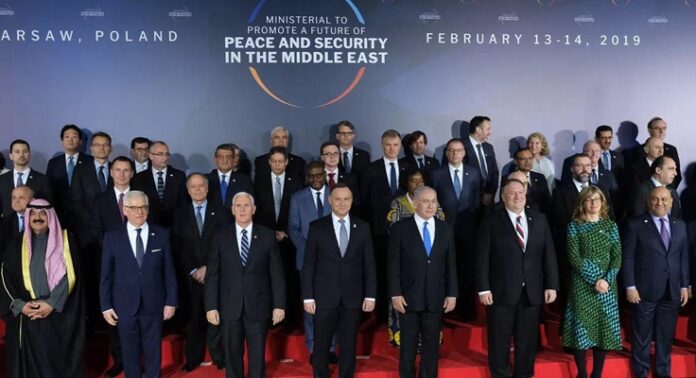
‘Warsaw Confab Turns Iran into Symbol of Resistance for Muslims’

In an op-ed in Rai al-Youm, senior Palestinian journalist Abdel Bari Atwan says the Warsaw conference turned Iran into the symbol of resistance and defence of Arab-Islamic societies and their sanctities after Arab rulers elected Netanyahu as the leader of their new coalition.

Atwan cited Warsaw conference as a catastrophic and shameful turning point in the Arab world’s history, a report by Fars news agency said.

While European officials, the main allies of the US in the NATO, had either boycotted the conference or sent low-ranking officials to Warsaw, the Persian Gulf Arab foreign ministers decided to join the new “Warsaw Treaty”, led by the US and Israel, Atwan said.

“I congratulate the foreign ministers of Arab states who humiliated themselves by accompanying Benjamin Netanyahu, Mike Pompeo [US Secretary of State] and Jared Kushner [senior advisor to Trump] because they have been pushed towards a war [against Iran] by the US and Israel,” he was quoted as saying.

Atwan also said this is the Arab nations and the future generations of the Arab world who will pay the price of war with their cities probably being razed to the ground, their oil reserves turned into a volcano and the Persian Gulf contaminated with nuclear particles.

The Arab analyst then added, “We wished that an Arab minister attending the conference was brave enough to take the podium and talk about Israel’s threats against the regions or raise the issue of the US’ 7-trillion-dollar budget spent so far to fan the flames of war in Iraq, Afghanistan, Syria, Libya and Yemen, killing millions of people by smart bombs and nukes.”

He expressed regret that the days of brave Arab politicians are gone and the Arab world is engulfed by ignorance.

Atwan said it is not clear how the Arab participants of the anti-Iran conference will face their own nation after returning from the conference. “But we know it well that the conference has turned the Islamic Republic into the symbol of resistance and defence of Arab and Islamic nations and their sanctities.”

He said the Arab states have chosen Netanyahu as the leader of a new alliance and humiliated themselves by following him.

“This is a historic moment. We are sure that those who defeated the US in Afghanistan, Iraq and Syria and pushed Israel back in southern Lebanon and the Gaza Strip will have the upper hand in the coming wars against them,” he concluded.

War with Iran to Be Suicidal for US, FM Zarif Warns

Zarif, who is in Germany to attend the 55th Munich Security Conference (MSC) 2019, made the remarks in a wide-ranging exclusive interviewwith NBC News on Friday when asked if there would be a war between Iran, the US and Israel.

He said the “same gang” behind the US invasion of Iraq in 2003 were “at it again” in pushing for war with Iran.

“I’m not saying [US] President [Donald] Trump’s administration, I’m saying people in President Trump’s administration are trying to create the same eventually and I believe they will fail,” the Iranian foreign minister said.

“But I think at the end of the day, some sense will prevail and people will find out that it’s suicidal to engage in a war with Iran.”

The United States, under former President George W. Bush invaded Iraq in 2003, claiming that the then-Iraqi regime possessed weapons of mass destruction. No such weapons were ever found. President Bush later called his decision to order the invasion of Iraq “an emotional one.”

Bush’s successor, former President Barack Obama, officially ended the occupation of the Arab country in 2011.

The top Iranian diplomat further said Washington has a “pathological obsession” with Tehran and added, “Iran is different from other countries. The United States is used to dealing with countries that rely on outside as their source of legitimacy [and] as their source of strength.”

However, he emphasized, Iran has survived for 40 years in spite of the US pressure and not with its support.

On Wednesday, hawkish Israeli Prime Minister Benjamin Netanyahu said in a short video recorded on the sidelines of an anti-Iran meeting in Warsaw, Poland, that the event “is an open meeting with representatives of leading Arab countries that are sitting down together with Israel in order to advance the common interest of war with Iran.”

Netanyahu’s office posted the Hebrew-language video on Facebook and Twitter, in which he could be heard using the Hebrew word “milchama,” which literally translates to “war.”

It also tweeted Netanyahu’s remarks on its English-language Twitter account.

The Israeli premier’s open call for war with Iran led to an uproar on social media and even startled the White House, which had earlier claimed the Warsaw forum was not meant to “demonize or attack Iran.”

The backlash prompted Netanyahu’s office to quietly delete the tweet and replace it with another one that changed the phrase “war with Iran” to “combating Iran,” without issuing a retraction or a correction of any kind.

Elsewhere in the interview, Zarif once again expressed Iran’s objection to the idea of renegotiating the landmark Iran nuclear deal, officially known as the Joint Comprehensive Plan of Action (JCPOA).

President Trump withdrew Washington in May from the Iran nuclear agreement, reached between Iran and the P5+1 group of countries in 2015, and decided to re-impose unilateral sanctions against Tehran.

Under the deal, Iran undertook to put limits on its nuclear program in exchange for the removal of nuclear-related sanctions.

Vice President Mike Pence on Thursday urged Washington’s European allies to withdraw from the JCPOA and accused them of trying to break US sanctions against Tehran.

“Sadly, some of our leading European partners have not been nearly as cooperative. In fact, they have led the effort to create mechanisms to break up our sanctions,” Pence said.

Pointing to Iran’s attempt to launch a satellite last month that failed to reach orbit, Zarif said it was possible the failure was due to Washington’s sabotage campaign as suggested by a New York Times report this week.

He added that Iran had already been investigating these failures but was now “looking into the specifics” after the story in The Times.

“It’s quite possible. We don’t know yet. We need to look into it very carefully,” the Iranian foreign minister said.

The New York Times reported on Wednesday that the Trump administration had reportedly revived a secret plan to sabotage Iran’s ballistic missiles as part of its broader plan to weaken the Islamic Republic’s military might and harm its economy.

It cited current and former administration officials and reported that the clandestine operation has been ongoing for some time now but it was practically impossible to determine whether it has been successful and if yes, to what extent.

Iran launched a scientific satellite into space to collect environmental information to boost the country’s forecasting system. However, technical problems that occurred during the final stage of the launch prevented the spacecraft from reaching orbit.

Iran’s Minister of Information and Communications Technology Mohammad Javad Azari Jahromi tweeted on January 15, “The Payam (Message) satellite was successfully launched this morning aboard the satellite carrier. But the satellite unfortunately failed to be placed in orbit in the final stage.”

He, however, stressed that Iran was preparing to launch another satellite, named Doosti (friendship).

Pakistan Backs Terrorists behind Zahedan Attack: IRGC Chief

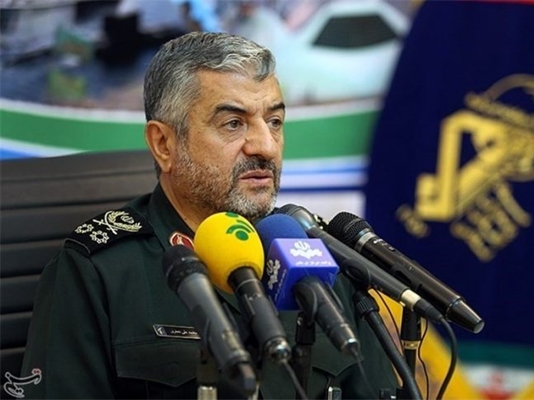
Major General Mohammad Ali Jafari said on Saturday the Pakistani government supports terrorists who committed the recent attack on IRGC forces, and its security service knows the whereabouts of these groups.

The Pakistani government must change its approach towards these groups, he said, adding that Iran reserves the right to directly respond to the attack if Pakistan does not move to fight terrorists.

Last Wednesday, a suicide attacker hit an explosive-laden vehicle into a military bus carrying IRGC personnel in the south-eastern Sistan and Baluchestan province.

The attack killed 27 and wounded 13 others.

The Jaish al-Adl group, an offshoot of Jundallah which has carried dozens of terror operations inside Iran in recent years, has claimed responsibility for the attack.


Iran’s Revenge Coming

General Jafari said the attacks had been carried out at the order of Saudi Arabia and the UAE, two Arab governments hostile towards Iran.

Iran will no longer show patience towards plots and reactionary governments in the region, particularly Saudi Arabia and the UAE, which take these measures at the order of the US and Zionist regime, and will certainly take compensatory measures from now on, he said.

The IRGC chief said such terror attacks would only strengthen Iran’s will to deal blows to enemies.

“The enemies must be assured that the comrades of these martyrs and all those responsible for protecting security of people will be more determined to defend and deal bigger blows to enemies,” he said.

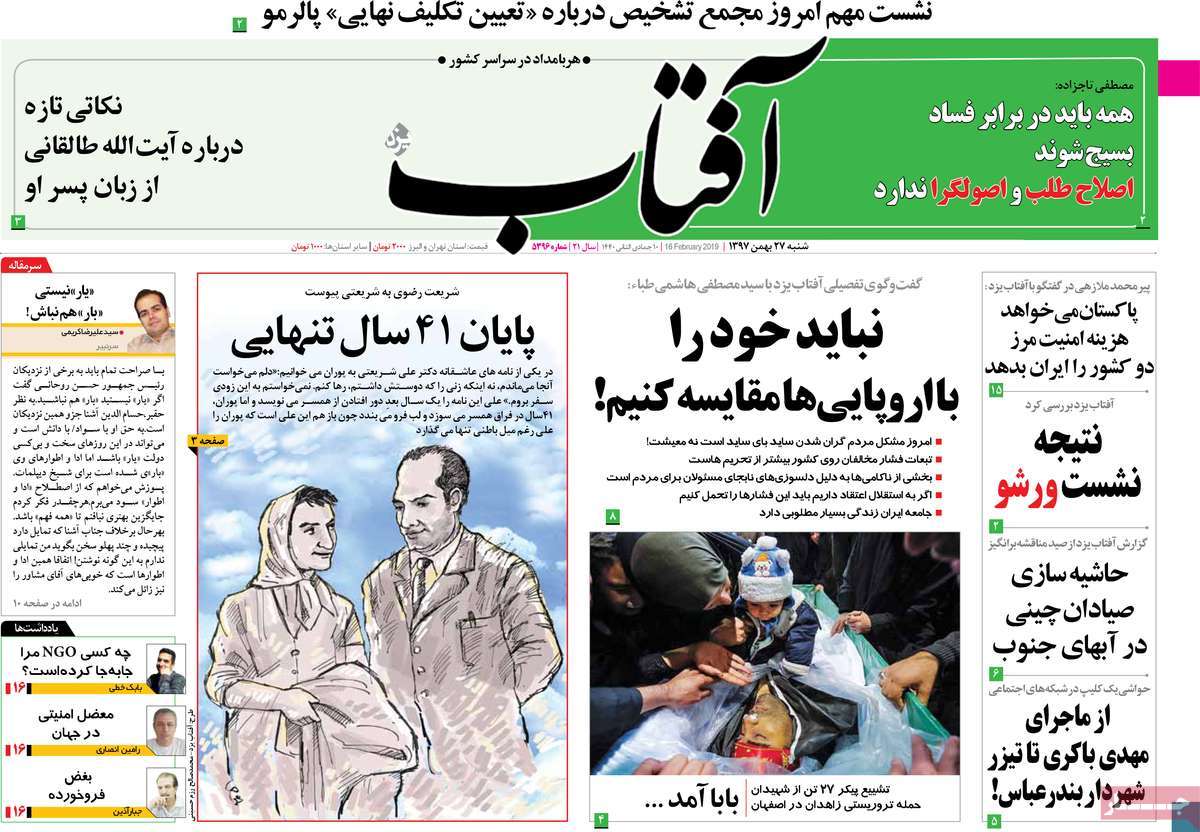
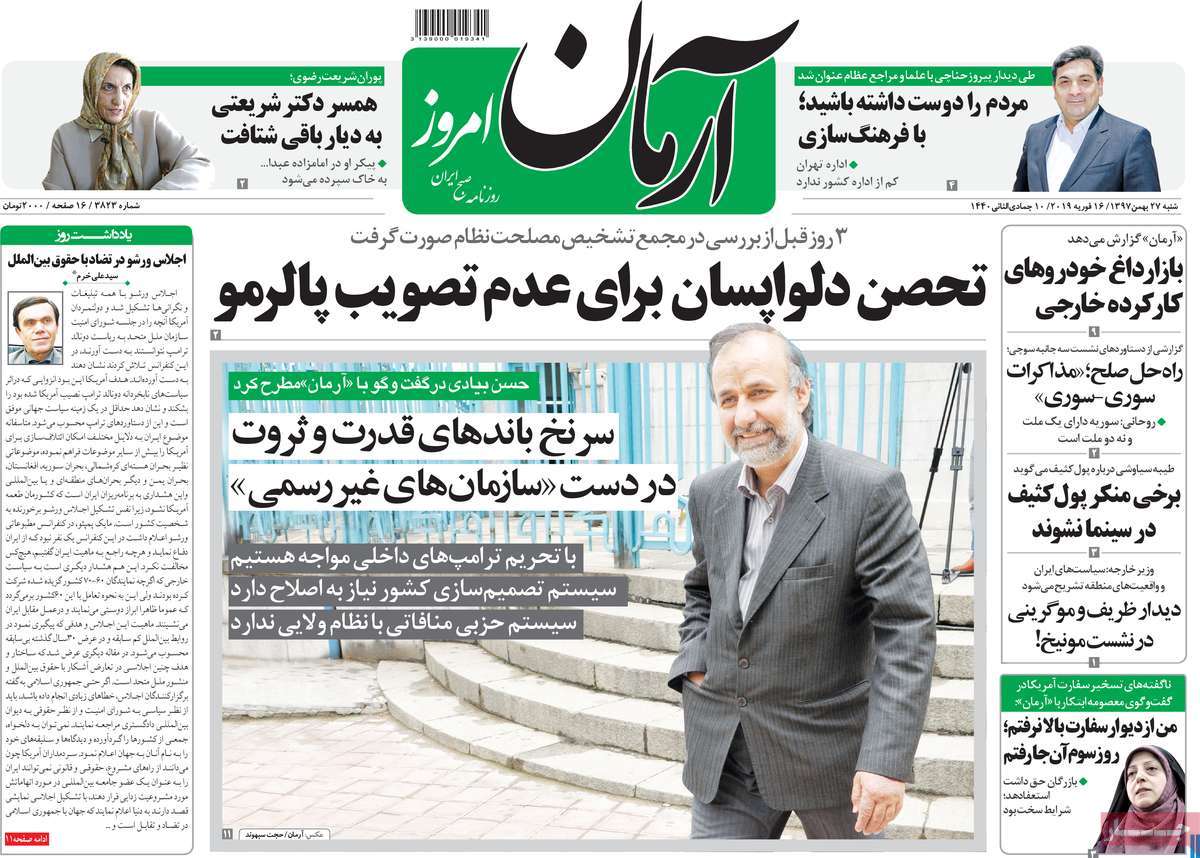
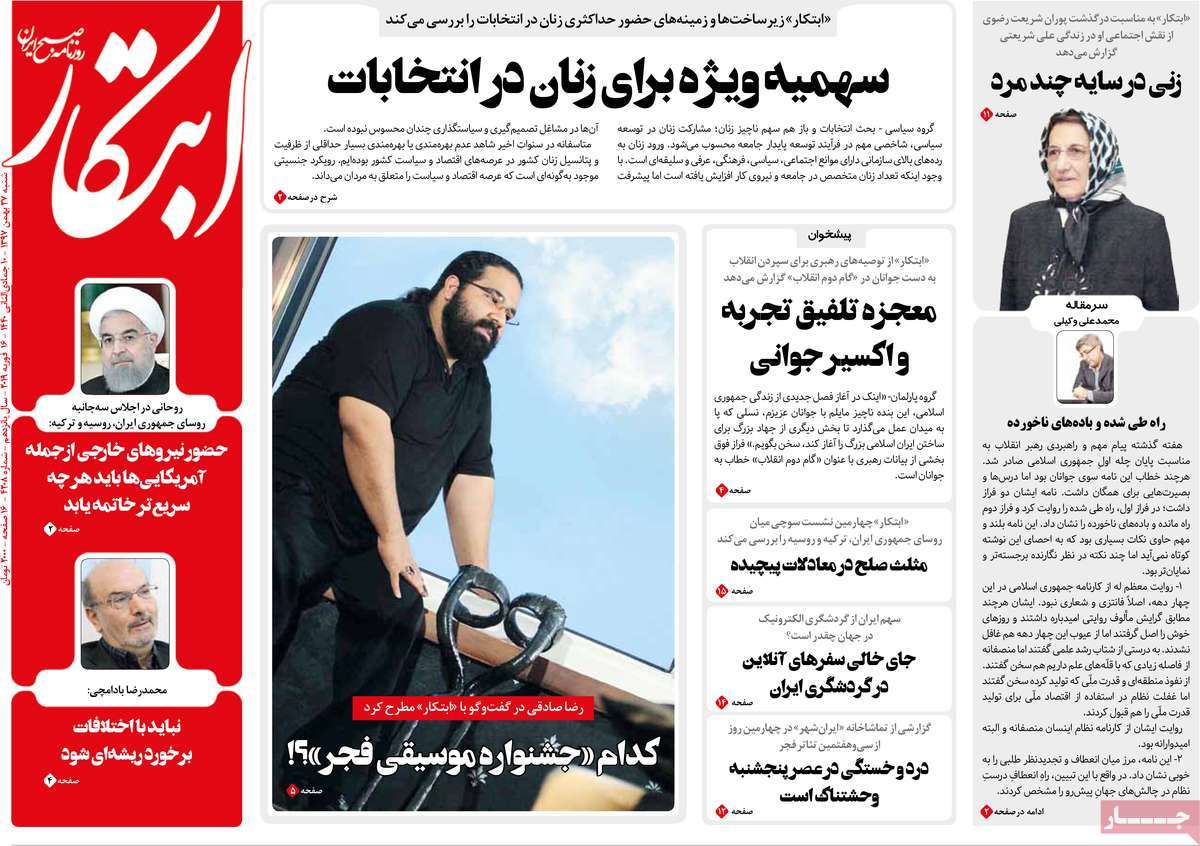
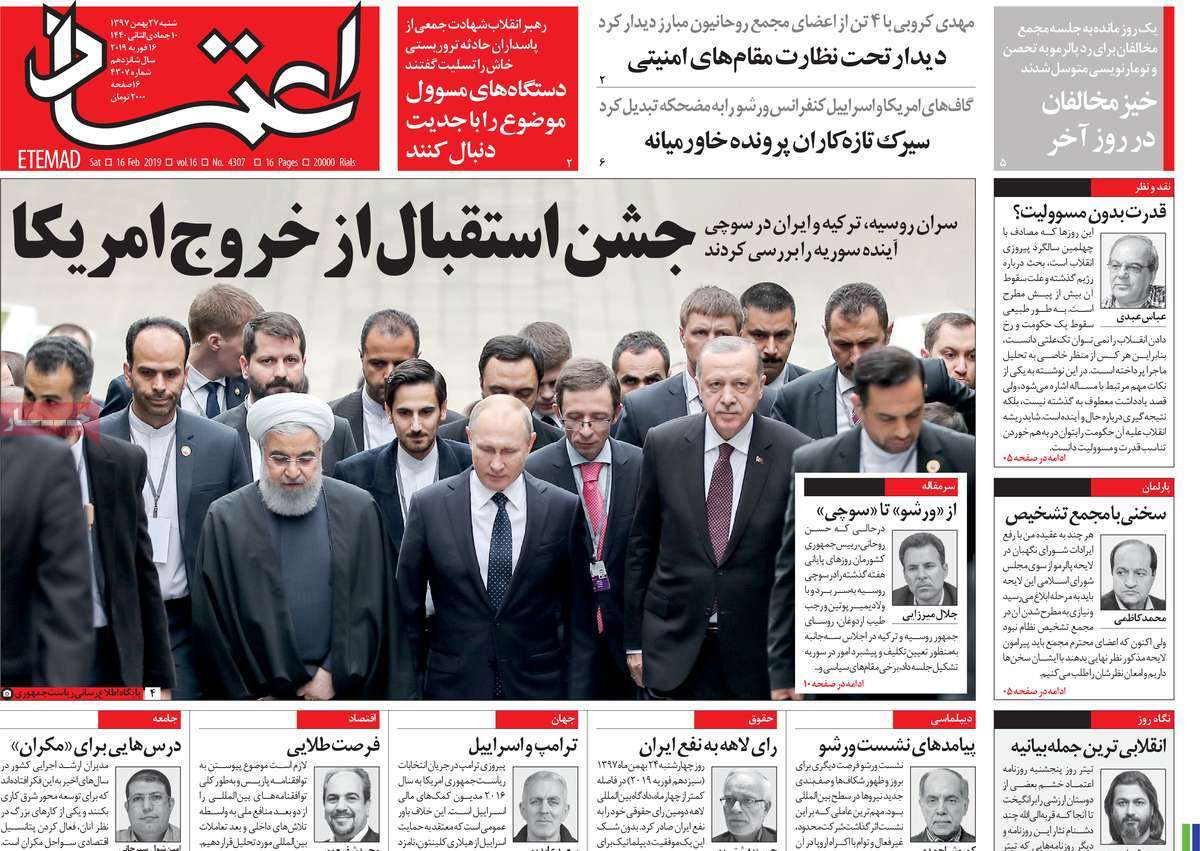
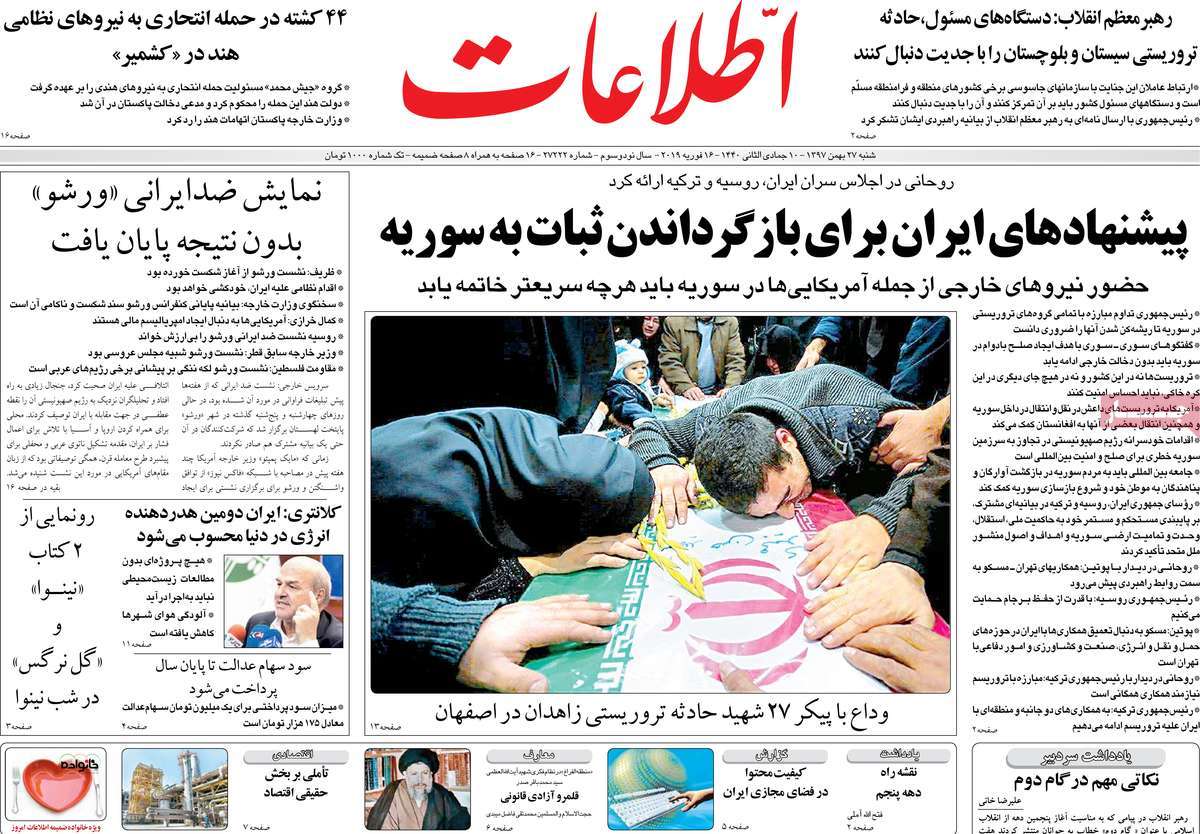
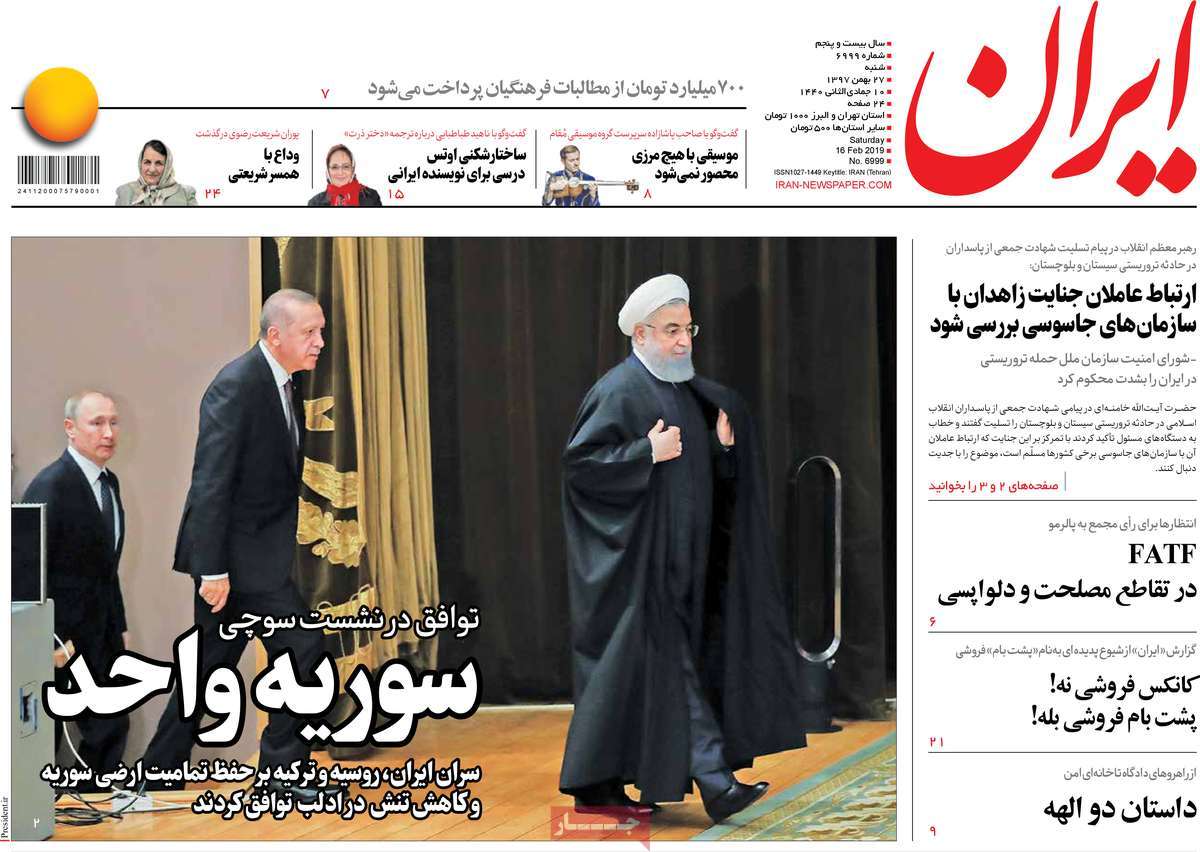
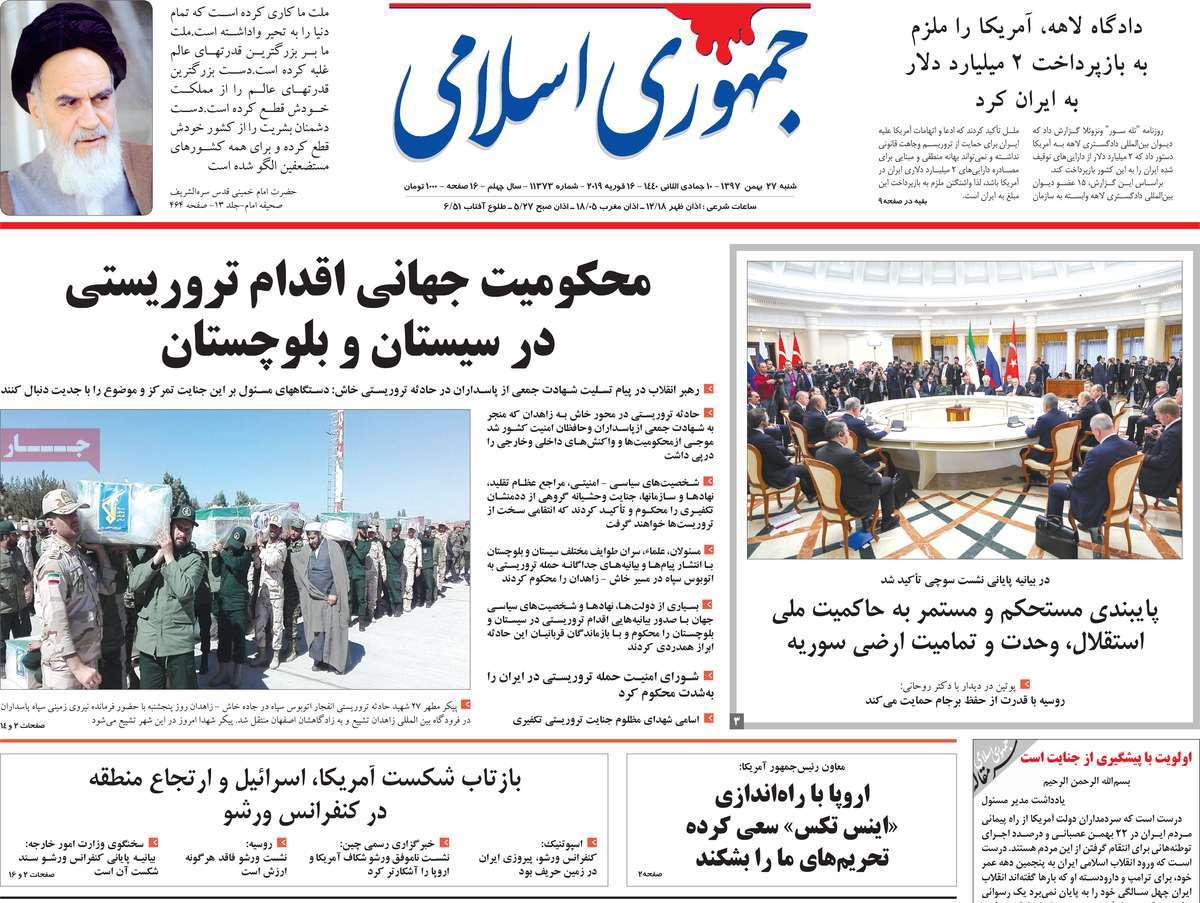
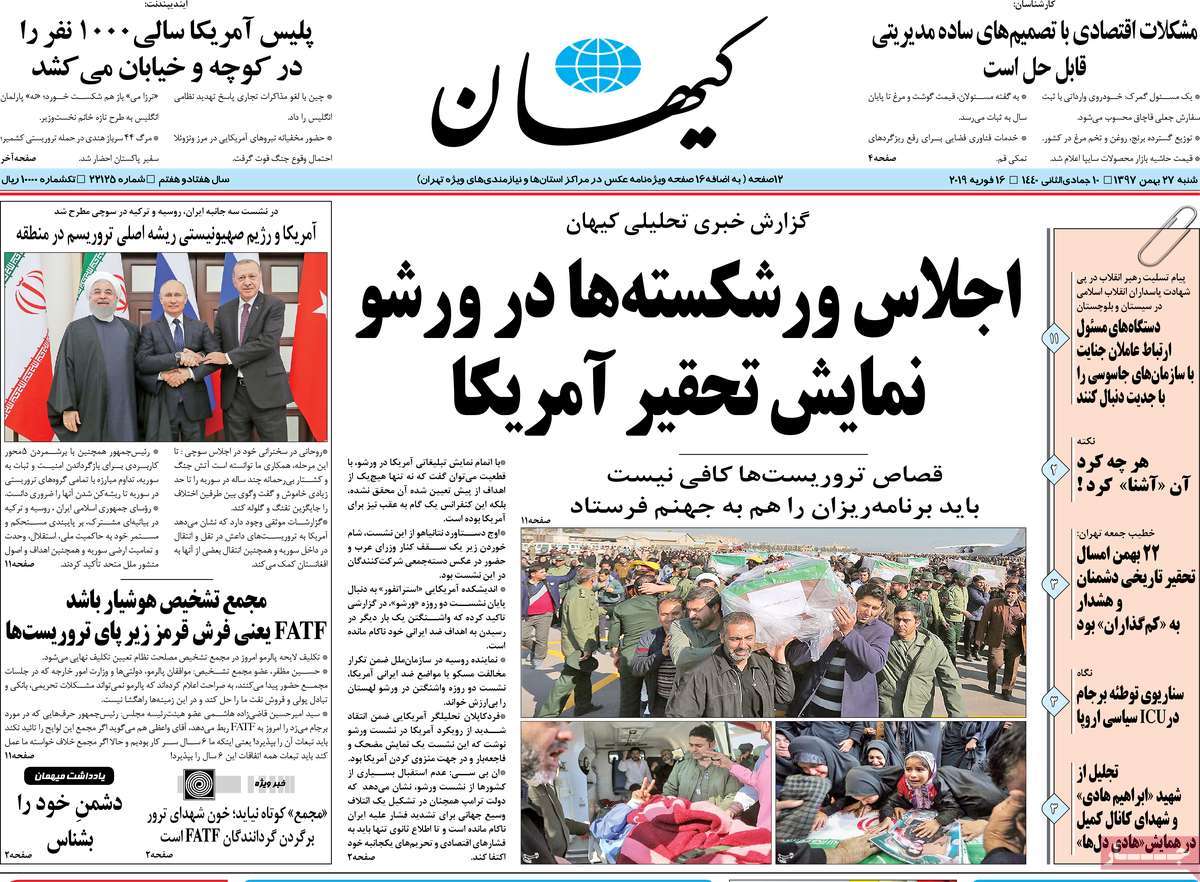
A Look at Iranian Newspaper Front Pages on February 16

A Look at Iranian Newspaper Front Pages on November 19

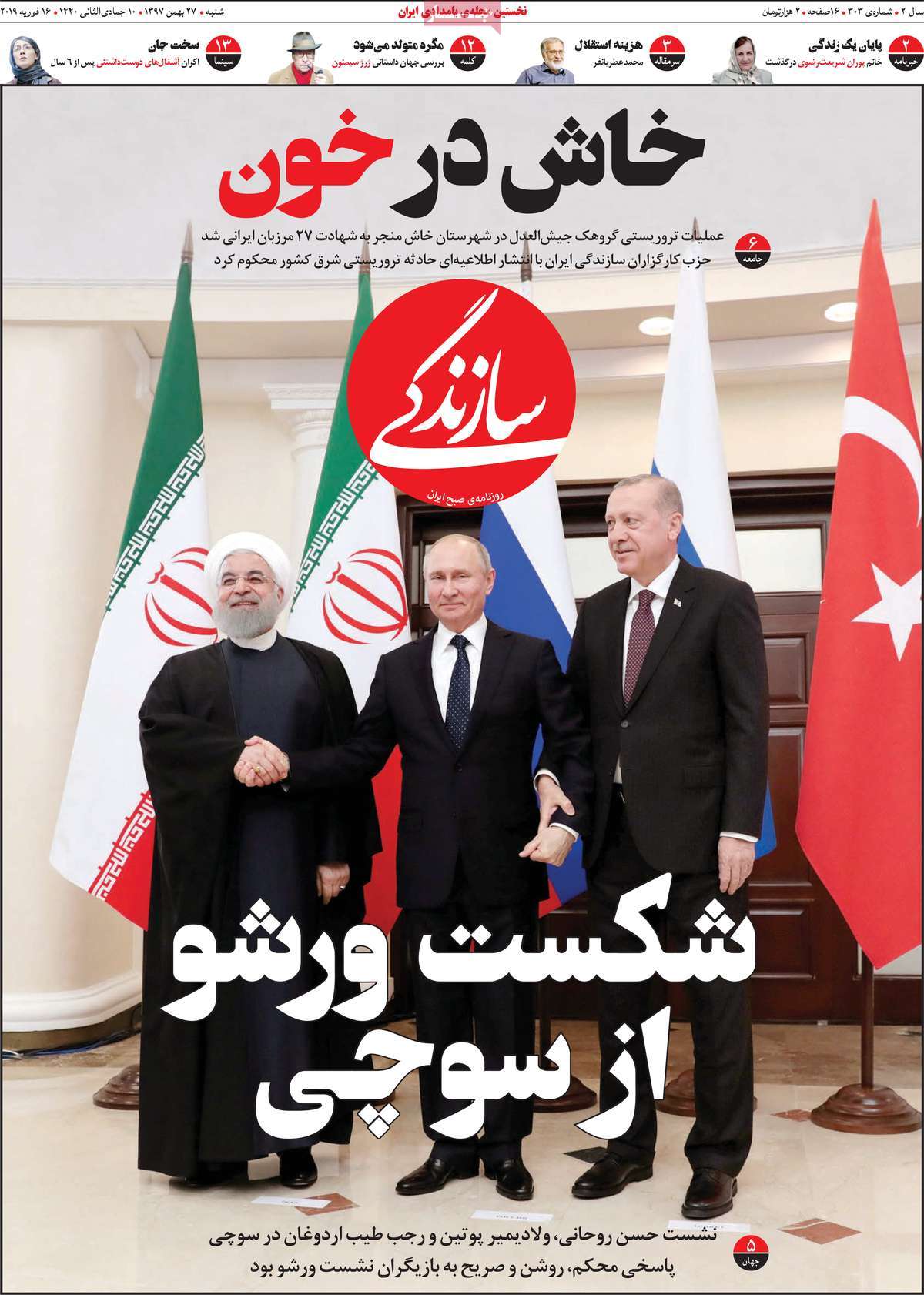
The top story today was the remarks made by President Hassan Rouhani during his tripartite meeting with his Russian and Turkish counterparts in the city of Sochi. The withdrawal of US forces from Syria was among the topics highlighted by most papers.

Several papers also covered the Warsaw Summit and resembled it into a circus staged by Washington. Some dailies also said that the Sochi Summit could defeat attempts at Warsaw to give a bad picture of Iran.

Reactions to the Wednesday terrorist attack in Iran’s Sistan and Baluchestan province in which 27 border guards were killed was another topic highlighted by Iranian dailies.

The above issues, as well as many more, are highlighted in the following headlines and top stories:


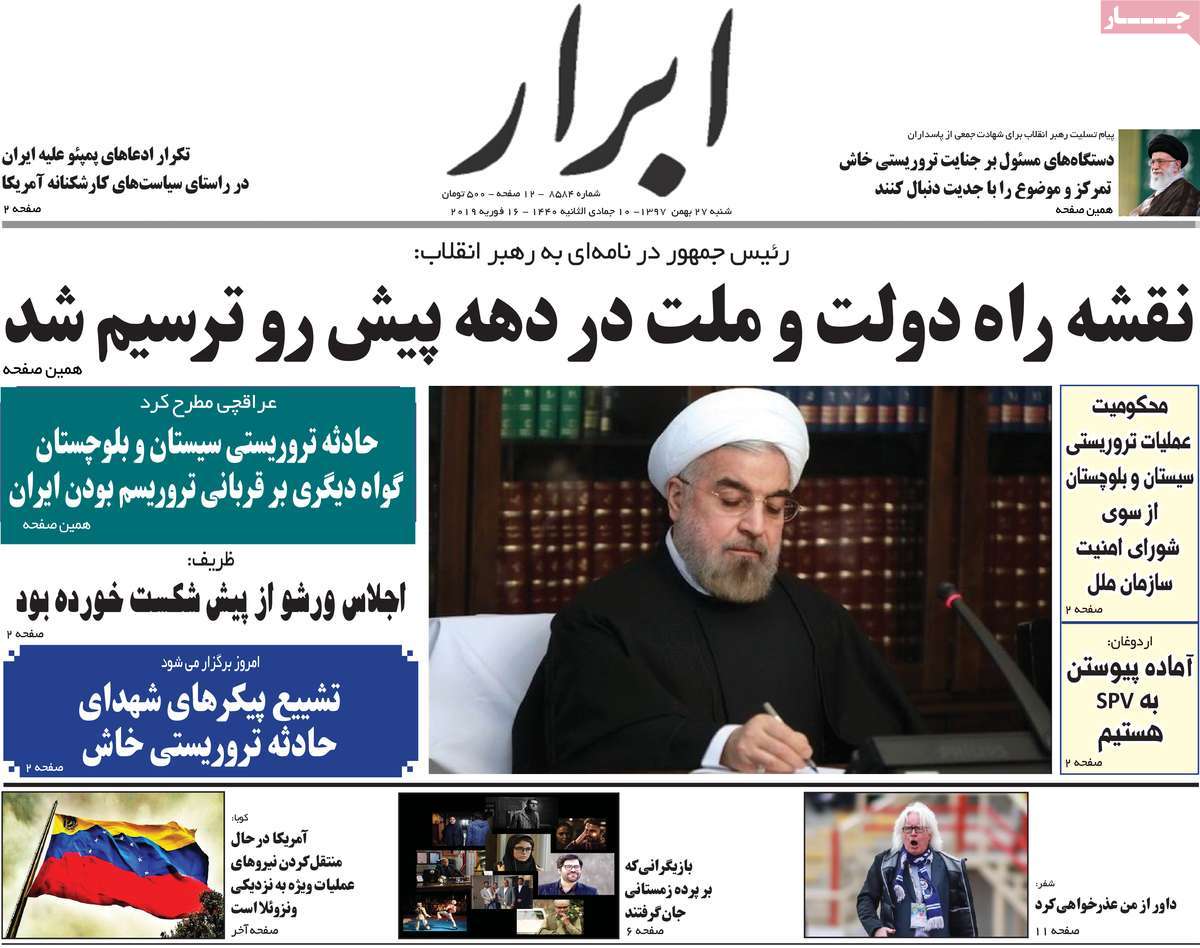
Abrar:

  • Pompeo Repeats Anti-Iran Claims in Line with US Disruptive Policies
  • UNSC Condemns Iran’s Sistan and Baluchestan Terrorist Attack
  • We Are Ready to Join SPV: Erdogan
  • US Moving Special Operations Forces Near Venezuela: Cuba

A Look at Iranian Newspaper Front Pages on February 16


Aftab-e Yazd:

  • ‘Pakistan Wants Iran to Pay Border Security Costs’
  • Warsaw Summit Outcome
  • Disputes of Chinese Fishermen’s Fishing in Southern Waters

A Look at Iranian Newspaper Front Pages on February 16


Arman-e Emrouz:

  • Syria Has One Nation Not Two: Rouhani
  • Peace Solution Only Through Syrian-Syrian Talks
  • Zarif, Mogherini Meet in Munich
  • Iran’s Policies, Regional Realities Described: Zarif

A Look at Iranian Newspaper Front Pages on February 16


Ebtekar:

  • Presence of Foreign Forces, Especially US, Should End ASAP: Rouhani in Sochi
  • Equations of Peace Triangle
  • A Look at 4th Sochi Summit between Presidents of Iran, Turkey, Russia

A Look at Iranian Newspaper Front Pages on February 16


E’temad:

  • US, Israeli Gaffes Turn Warsaw Conference into Farce
  • Celebrating US Withdrawal
  • Turkish, Iranian, Russian Leaders Study Syria’s Future in Sochi

A Look at Iranian Newspaper Front Pages on February 16


Ettela’at:

  • Responsible Organisation Must Look Seriously into Sistan & Baluchestan Terror Attack: Leader
  • 44 Killed in Suicide Attack on Indian Troops in Kashmir
  • Rouhani Sets Forth Proposals to Restore Stability to Syria

A Look at Iranian Newspaper Front Pages on February 16


Iran:

  • Iran, Russia, Turkey Leaders Agree on Maintaining Syria’s Territorial Integrity, Reducing Tensions in Idlib

A Look at Iranian Newspaper Front Pages on February 16


Jomhouri Eslami:

  • The Hague Orders United States to Pay $2 Billion to Iran
  • World Condemns Terror Attack in Iran’s Sistan & Baluchestan
  • EU Have Led INSTEX to Create Mechanisms to Break up Our Sanctions: Mike Pence

A Look at Iranian Newspaper Front Pages on February 16


Kayhan:

  • US Police Shoot Almost 1,000 Dead Every Year: Independent
  • US, Zionist Regime Cause of Terrorism in Region: Iran, Turkey, Russia Discuss in Sochi
  • Warsaw Summit Displays US Humiliation

A Look at Iranian Newspaper Front Pages on February 16


Sazandegi:

  • Khash in Blood
  • Terrorist Attack in Khash Kills 27 Iranian Border Guards
  • Warsaw Defeated by Sochi
  • Sochi Tripartite Summit Clear Response to Warsaw Players

A Look at Iranian Newspaper Front Pages on February 16


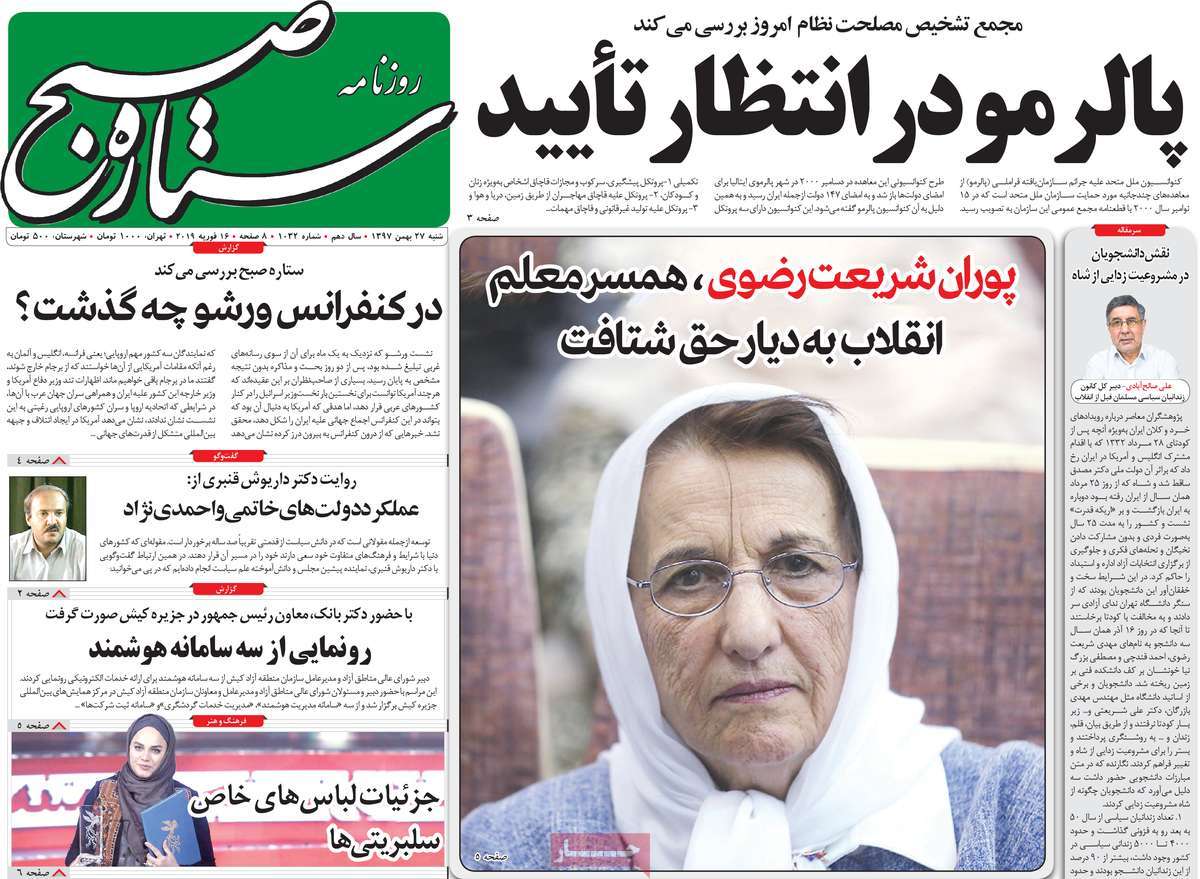
Setareh Sobh:

  • Palermo Convention Waiting to Be Approved
  • Iran Expediency Council Looks into Palermo Convention Approval
  • What Happened at Warsaw Conference?

A Look at Iranian Newspaper Front Pages on February 16


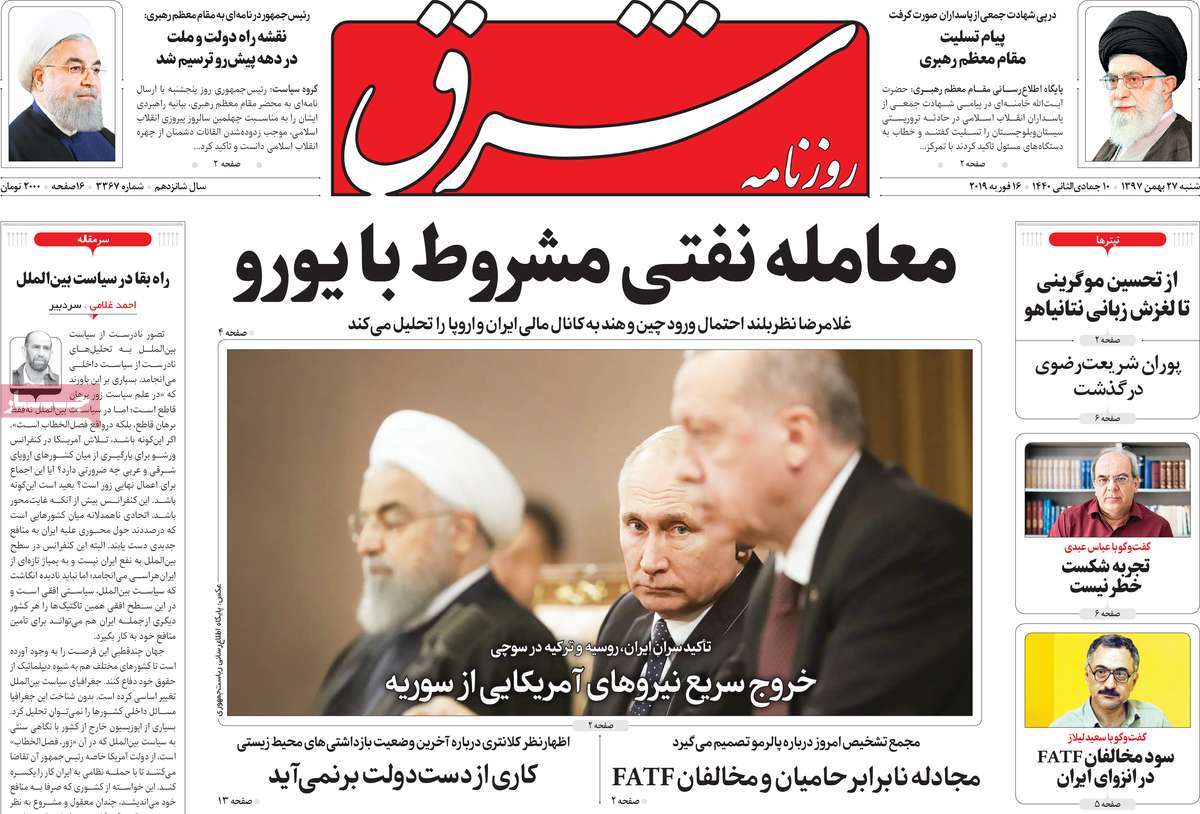
Shargh:

  • Oil Trade with Euro
  • Expert Analyses Likelihood of China-India Coop with Iran Through EU Channel
  • Rouhani Writes Letter to Leader on Roadmap of Coming Decade for Gov’t, Nation
  • Iran Leader Expresses Sympathy over Martyrdom of IRGC Forces
  • Iran, Russia, Turkey Leaders Confirm Withdrawal of US Forces from Syria

A Look at Iranian Newspaper Front Pages on February 16

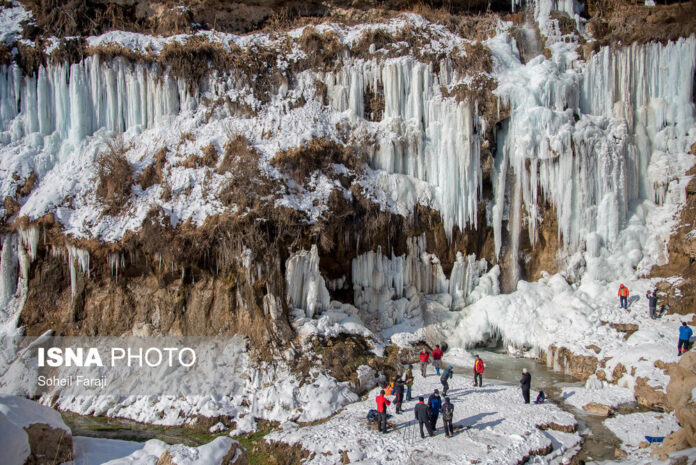
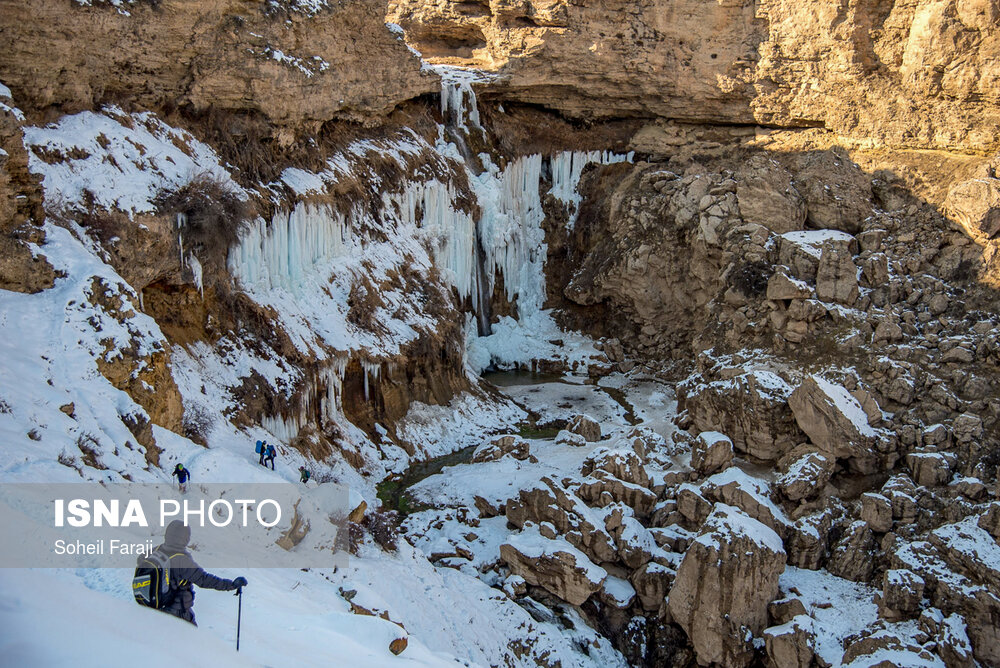
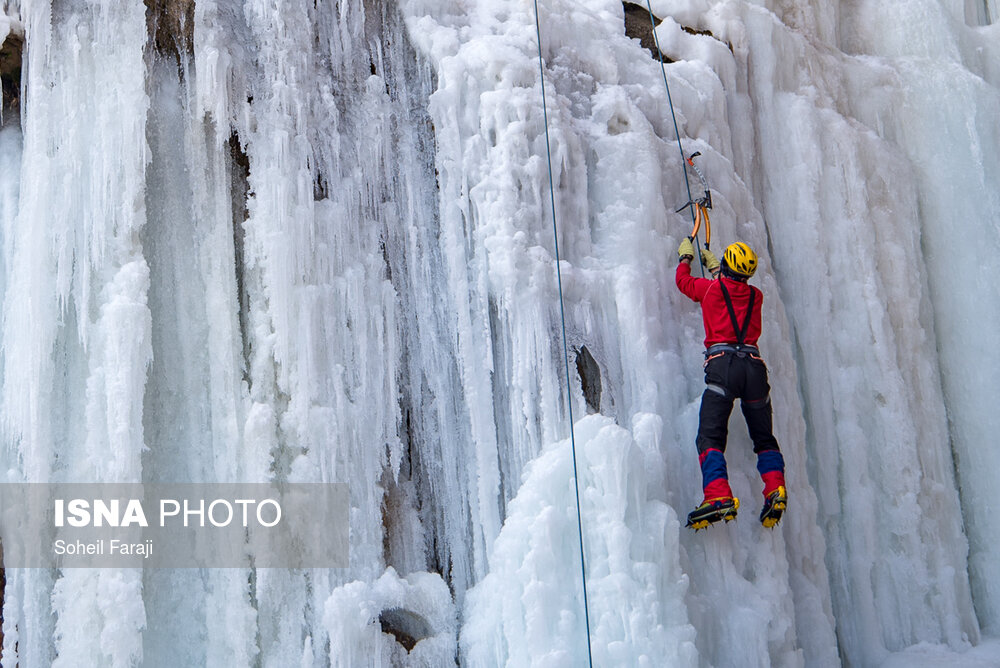
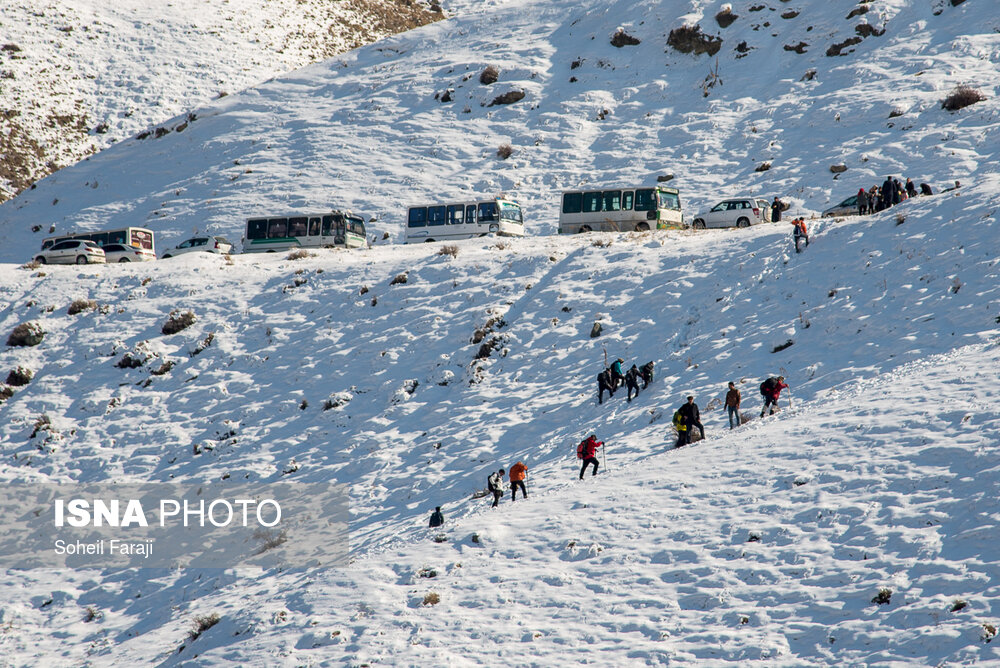
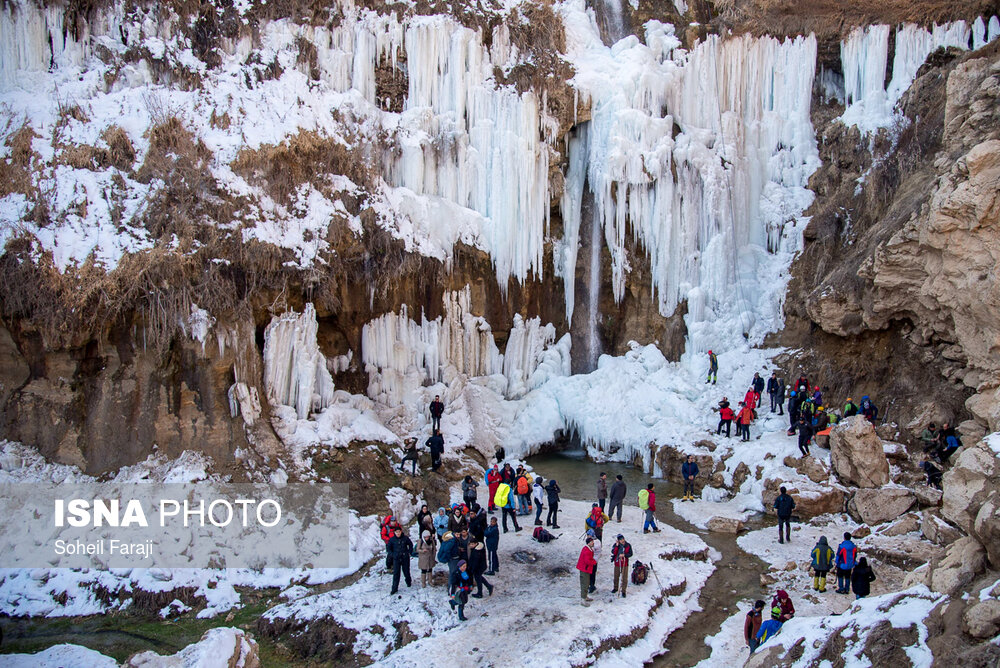
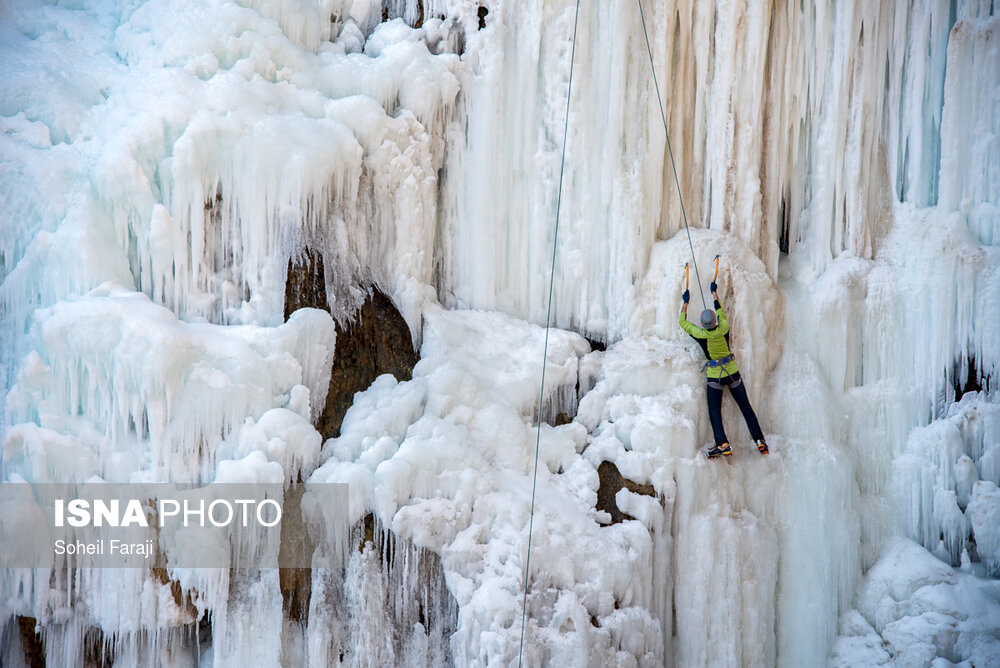
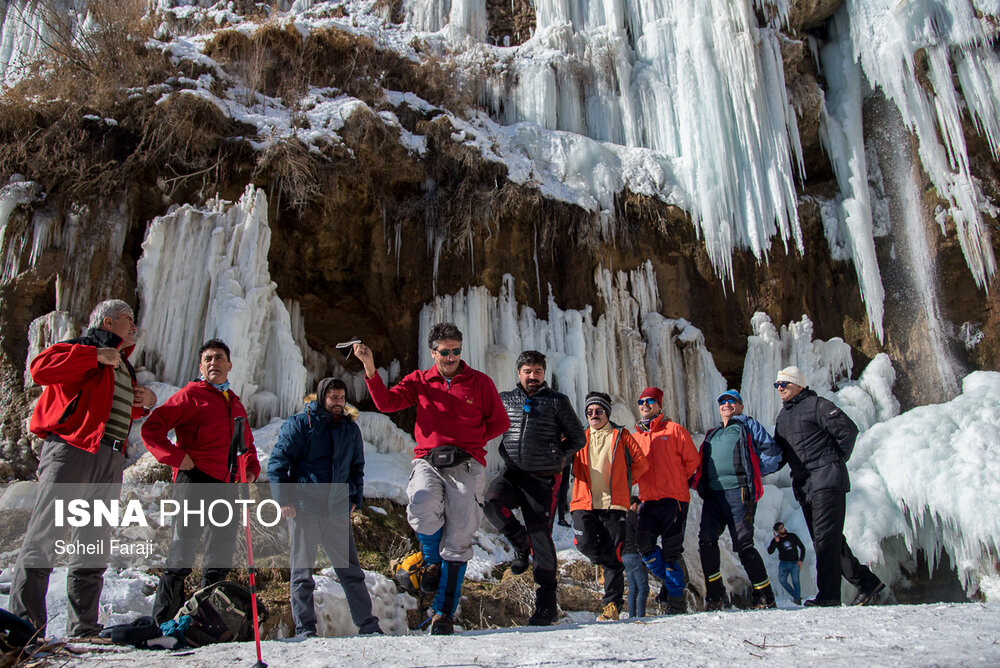
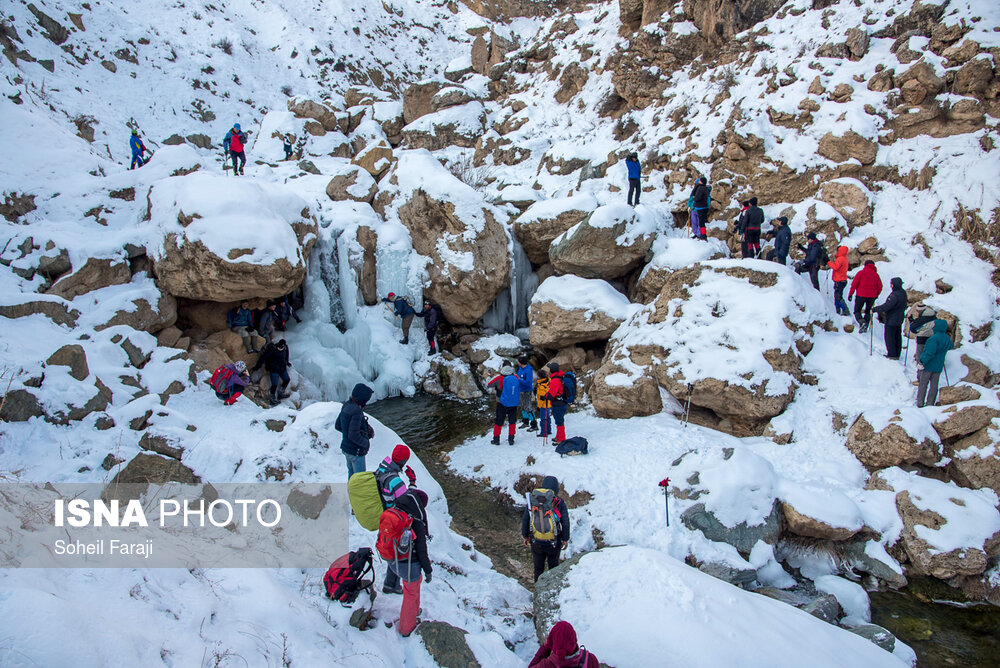
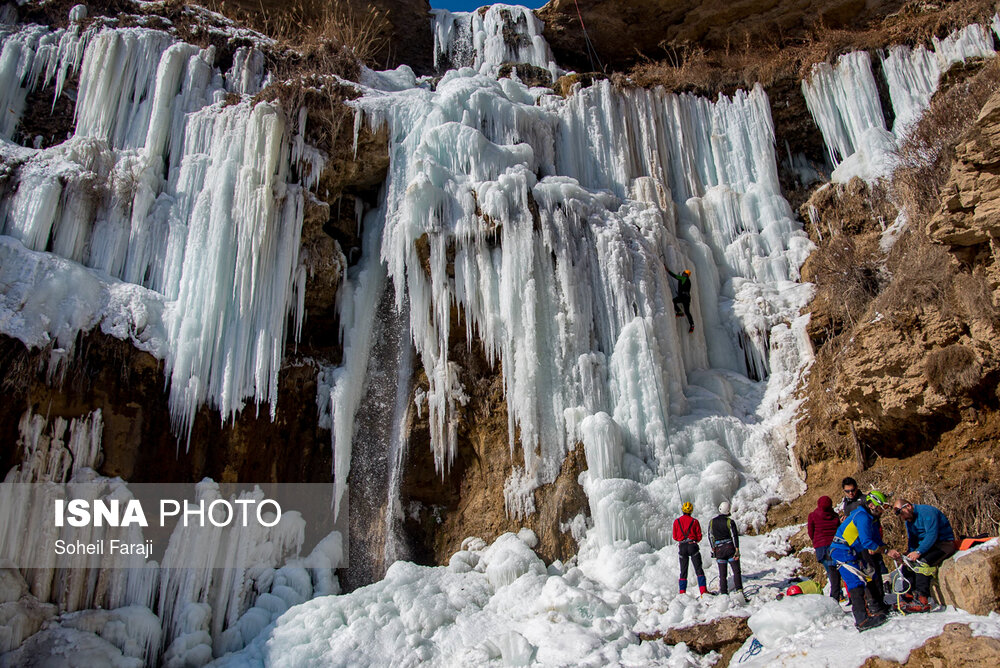
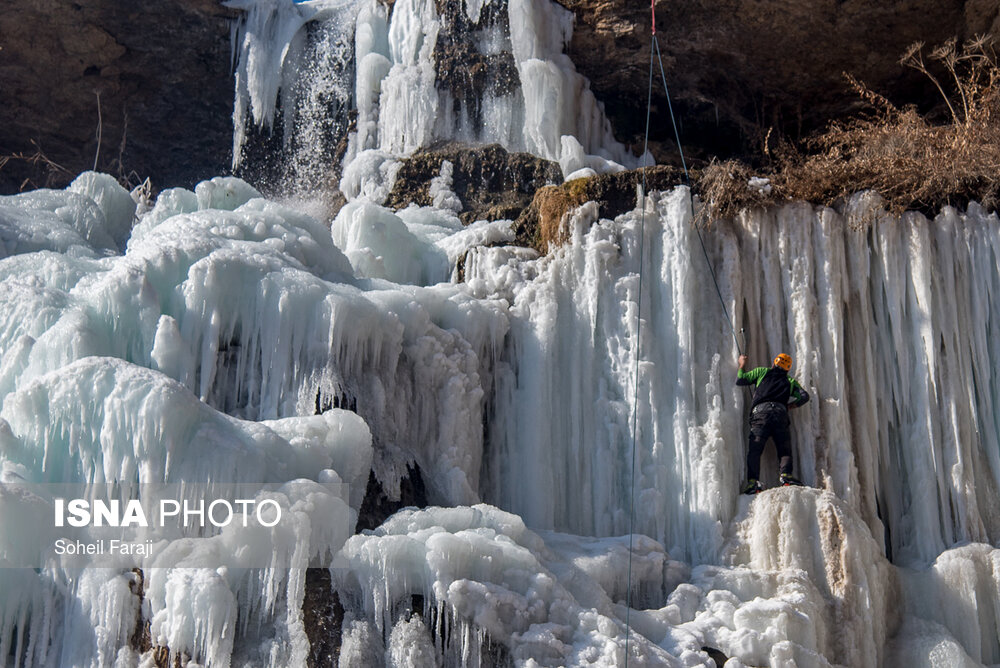
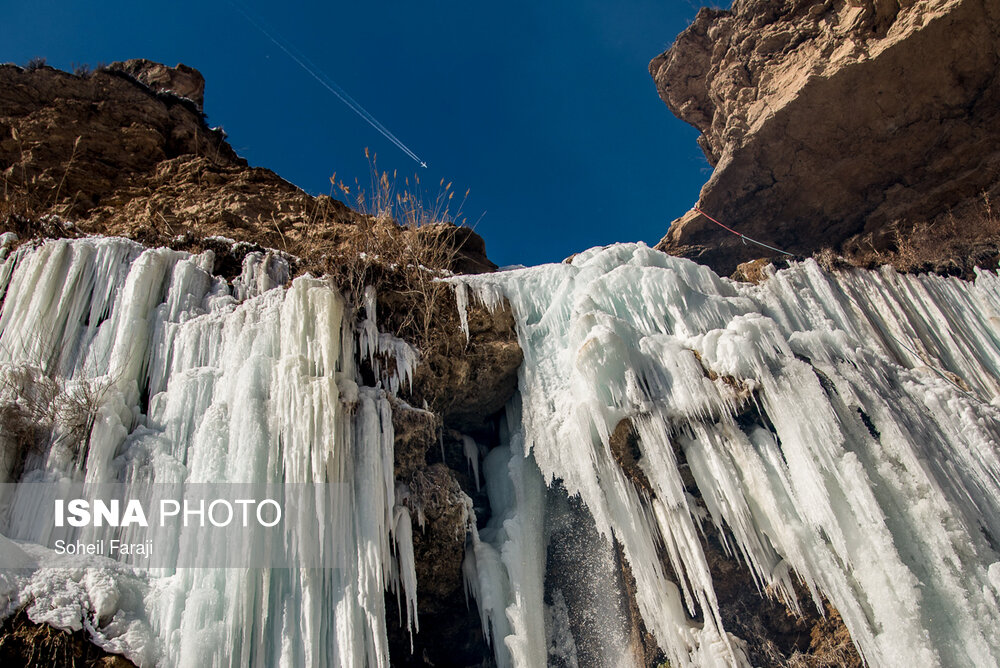
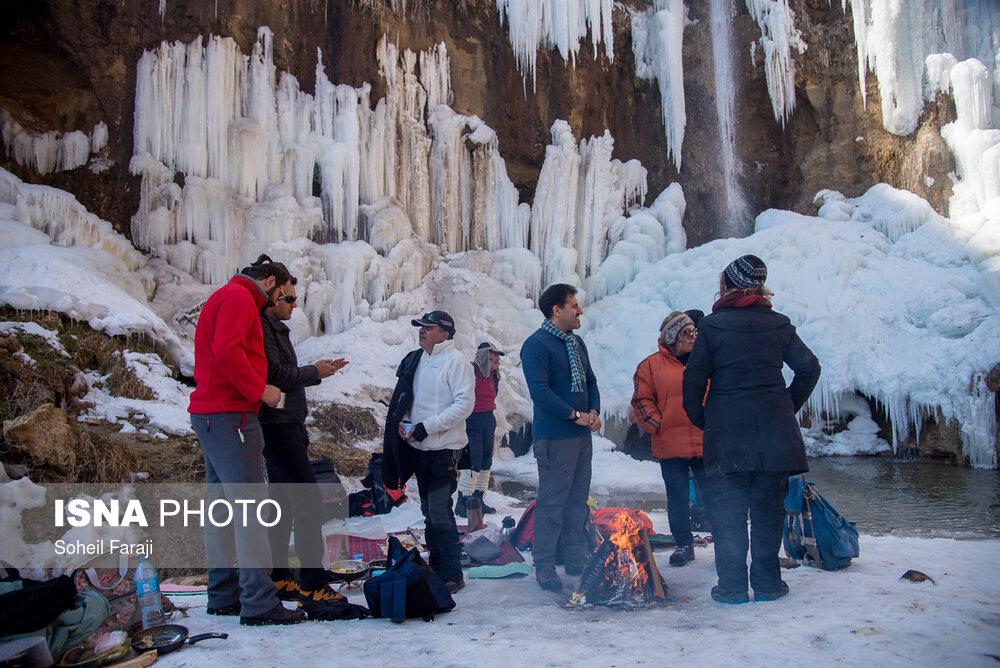
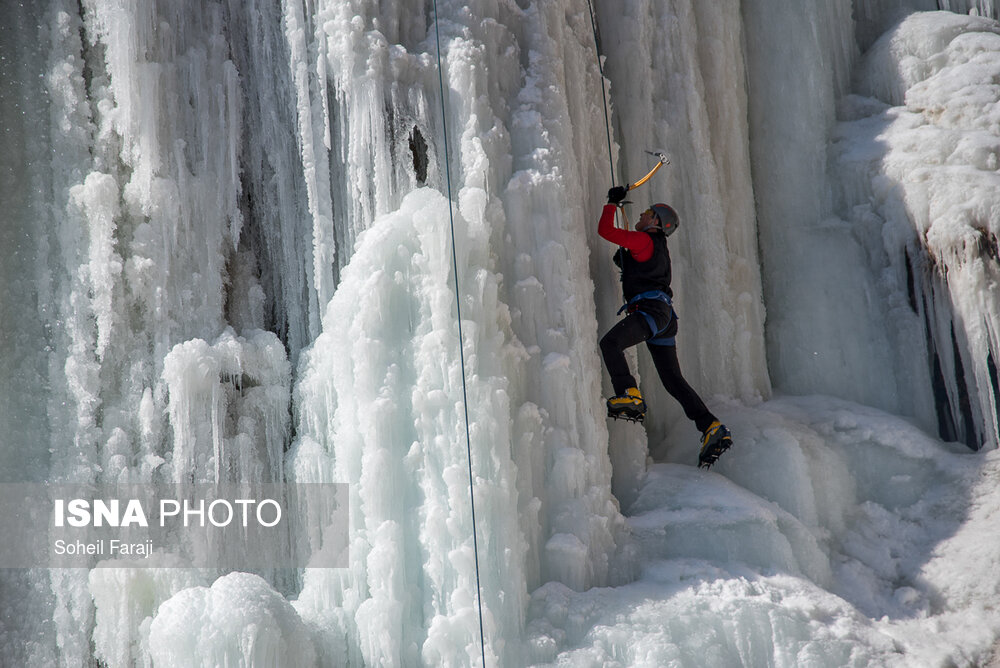
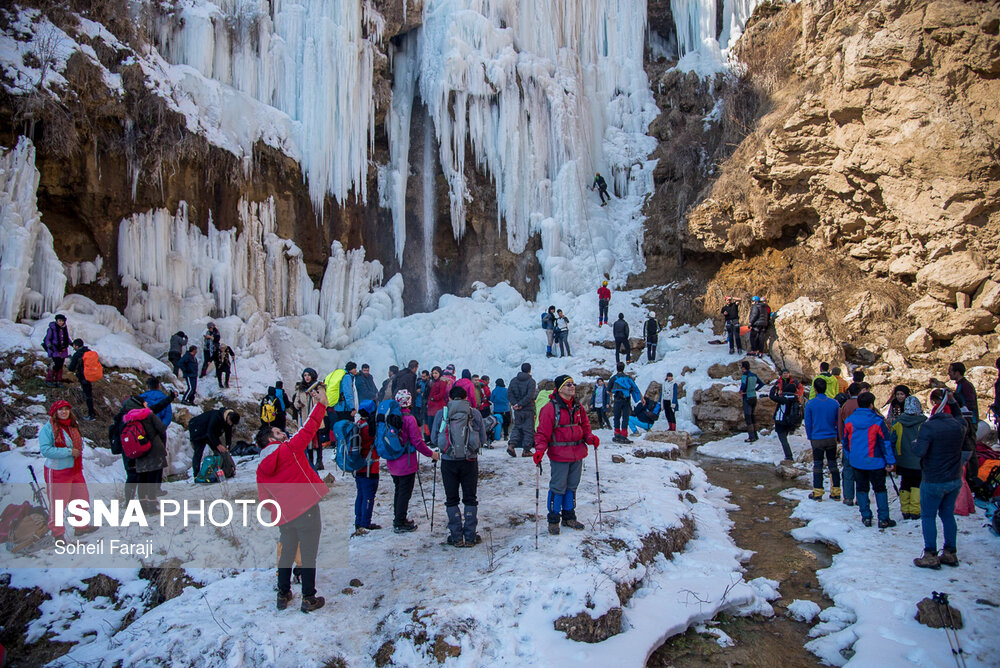
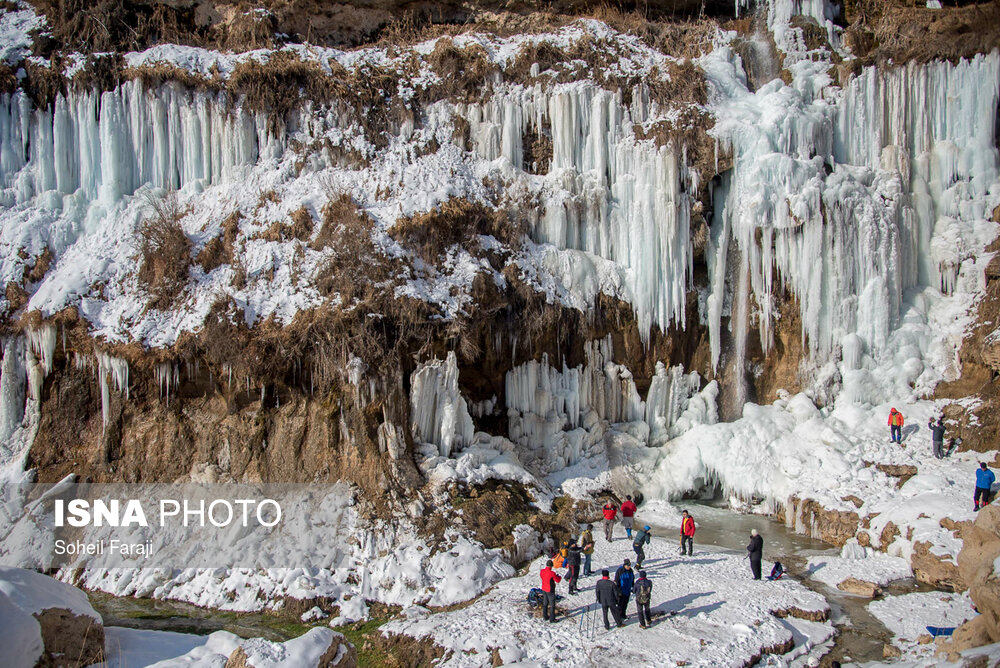
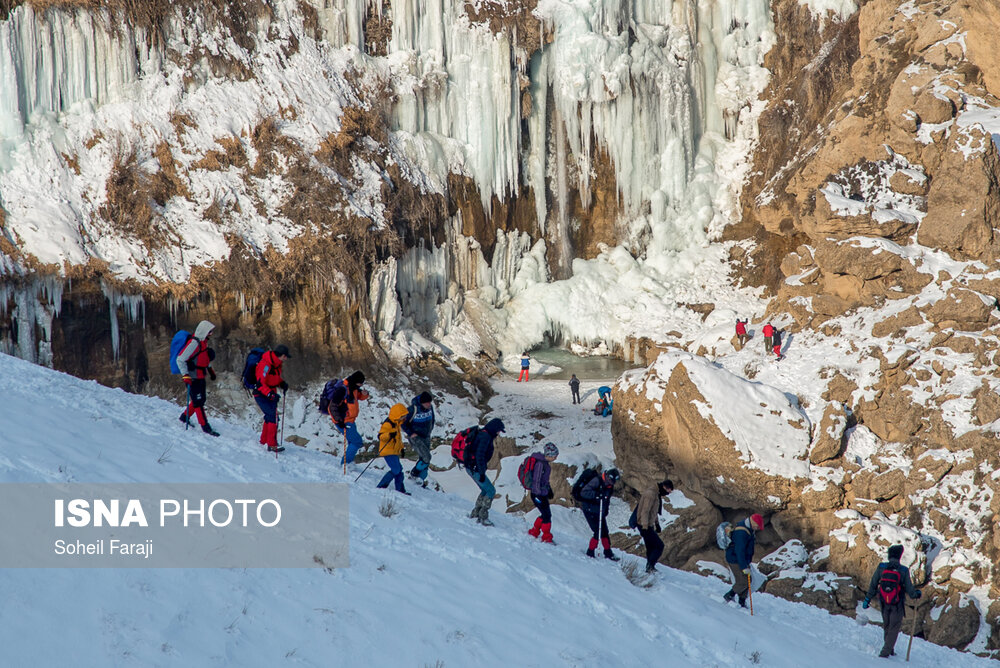
Iran’s Beauties in Winter: Suli Waterfall in Azarbaijan

Among the most important tourist attractions of Azerbaijan are its snowy mountains and ice waterfalls that attract every nature-lover and climber during cold seasons.

Located 90 km north of the city of Oroumiyeh and 33 km south of Salmas near Suli Village, Suli waterfall is one of the most beautiful ice waterfalls in the country.

During winter this village hosts numerous climbers from various cities, including Oroumiyeh, Tabriz and other cities of the country who come for ice-skating and recreational activities.

Following you can find photos of the waterfall provided by ISNA:

Iran Expediency Council Postpones Voting on Palermo Bill

Foreign Ministry Condemns FATF’s Blacklisting of Iran

Ahmad Tavakoli, a member of the council, told ISNA after a meeting of the state arbitration body on Saturday that the Council needs to further discuss the bill.

“The Palermo [bill] was discussed in today’s council meeting,” he said.

“Since the issue needs further deliberations, the voting on it has been postponed to the next meeting of the Council,” he said, adding that the next session will be held two weeks later.

The bill is one of four parliamentary bills proposed by the government of Hassan Rouhani for getting Iran out of the global anti-money laundering body’s blacklist.

Only two of them have so far gone into effect and the fate of the last one, a bill amending Iran’s Combating the Financing of Terrorism (CFT) law is also in limbo.

The decision comes as Iran’s deadline for completing reforms to meet conditions for getting out of the FATF’s black list will finish soon.

In its latest meeting late last year, the global standard setter on money laundering had given Iran until the body’s February meeting to fulfill requirements.

The upcoming Financial Action Task Force meeting is to be held in Paris from February 17-22.

Iran’s Ties with Tajikistan Familial: Spokesman

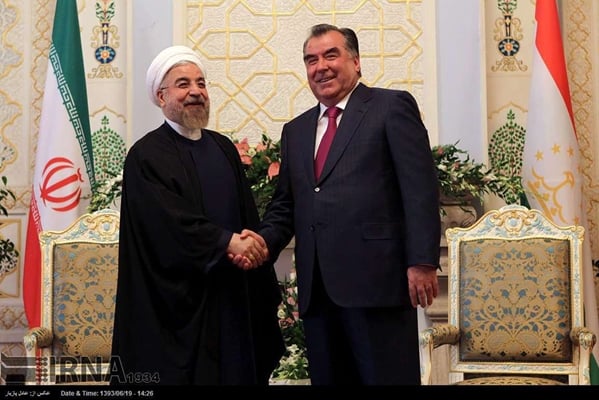
“Relations between Iran and Tajikistan are deep and based on shared and old roots. Such bonds, which are legacies of the remote past, cannot be ignored,” Qassemi told IRNA Friday.

“I agree with the remarks made by the Tajik foreign minister in the Islamic Republic of Iran’s national day ceremony and believe that history, geography, the past and the future and all commonalities among us stress increased cooperation and empathy between the two governments and nations,” he said.

“Principally, Iran’s policy towards [its] neighbours is an open and quite clear policy based on deepening cooperation in all possible fields and [developing] relations with good neighbourliness and closeness of ties between governments and nations,” he noted.

“We seek a Tajikistan that always enjoys security and stability, is powerful, growing, and developing. The policy of the Islamic Republic of Iran during the years after the country’s independence has been to stand by the Tajik government. This is an approach that we still adopt and has not changed.”

“Iran has not and is not supporting any group that acts against Tajikistan’s legal bodies and has always sought good and brotherly relations with that government. For us, the independence, territorial integrity and national sovereignty [of Tajikistan] and friendly and brotherly relations between the two governments are a basic priority and principle. We consider our relations with the Tajik government as familial,” he said.

“We hope that, using all available potential capacities and by making the commission for joint cooperation between the two countries more active, we would take effective and shared steps to broaden bilateral relations.”

“Our heart’s desire is to increase empathy and broaden relations in all fields and shape a bright future in this regard. Of course, we should be careful and vigilant because our friendly and brotherly relations have always had enemies and ill-wishers and we should vigilantly foil mischievous efforts to damage the two countries’ relations,” he said.

“Considering the region’s conditions and centres that work to expand extremism and terrorism and target security and stability and sovereignty of the countries, collective cooperation should be established to eliminate these threats and this requires a universal and even global will.”

“For its part, Iran has taken steps in this path with full force and has stood by all countries and governments that had been threatened by terrorism and extremism and will keep up this approach,” he said.

Qassemi was reacting to remarks by Tajikistan’s Foreign Minister Sirojiddin Muhriddin on Wednesday that the country is taking efforts to improve its relations with Iran.

Speaking to reporters, the Tajik minister hailed Iran as the first country that recognized Tajikistan’s independence in 1991.

“No one can deny historical and cultural commonalities between our countries,” he said.

Iran-Tajikistan relations have seen tensions since 2015, when the leader of Tajikistan’s Islamic Renaissance Party, Muhiddin Kabiri, attended an international conference in Tehran.

Tajikistan has banned the party as an “extremist and terrorist organization” after it blamed IRPT for 2015 attacks on a police station and an arsenal near Dushanbe that killed 26 people.

‘Seoul Keen to Keep Good Ties with Tehran despite Sanctions’

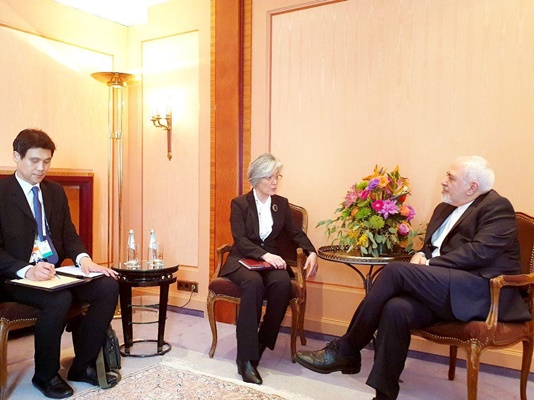
She made the remarks in a Friday meeting with Iranian Foreign Minister Mohammad Javad Zarif in the German city of Munich.

During the meeting, which was held on the sidelines of the 55th Munich Security Conference, the Korean minister offered sympathy over the recent terrorist attack in south-eastern Iran.

She also expressed Seoul’s interest in continuing decades of good relations between the two countries despite pressures and sanctions.

The two sides also conferred on economic and trade relations between Iran and South Korea, the most important regional and international issues including the situation in the Korean Peninsula, the Iran nuclear deal, and other topics of mutual interest.

Back in December, Iran finalized a deal with South Korea to trade oil for goods as part of a larger strategy to bypass US sanctions re-imposed on the country following Washington’s unilateral withdrawal from the 2105 Iranian nuclear deal.

Head of Iran-South Korea chamber of commerce said the deal was made for returning oil export revenues from South Korea.

“By the new mechanism, Iran’s oil export revenue will be bartered with imported goods,” Hossein Tanhayi said.

Seoul has fully complied with the US sanctions in the past few months, and totally stopped its oil imports from Iran in September for the first time in six years. The country made the decision before US sanctions against Iran take effect in November 4.

South Korean buyers, which are among major Asian buyers of Iran’s crude oil, suspended Iranian oil loading from July due to the uncertainty of getting a waiver from the US government.

South Korea relies on Iran for 13 percent of its imported oil, making Tehran its third crude supplier following Saudi Arabia and Kuwait. In 2017, the South purchased 147 million barrels of Iranian oil.

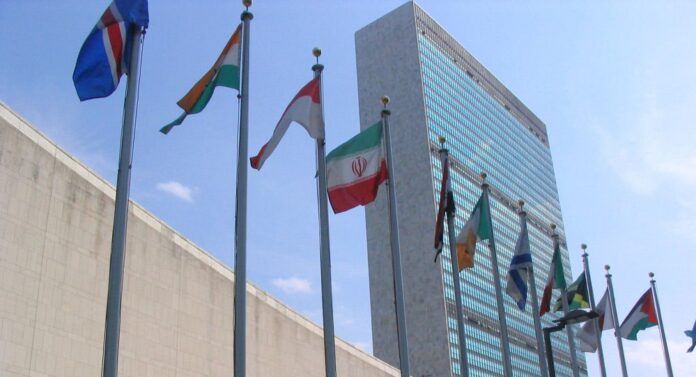
Iran Elected to UN Peacebuilding Commission

In their Thursday meeting at the UN headquarters in New York, 35 out of 46 member states of the ECOSOC voted in favour of Iran’s membership in the commission.

“Iran’s membership in the council came amid US delegation’s fierce opposition,” a report by IRNA said.

According to the report, the US delegation called for a secret ballot as part of a larger plan to stop Iran’s membership in the council but the ECOSOC’s members resolutely voted for Iran’s membership.

The UN’s Peacebuilding Commission is an Intergovernmental advisory body of both the United Nations General Assembly and the United Nations Security Council that supports peace efforts in conflict-affected countries, and is a key addition to the capacity of the international community in the broad peace agenda.

Members are elected to the UN Peacebuilding Commission for a two-year term. The commission has 31 members selected by the United Nations Security Council (seven countries including five permanent members of the UNSC), ECOSOC (seven members), the UN General Assembly (seven members), five members paying the highest amount of the UN budget and members of the UN with the highest number of military and police forces in the world body’s peacekeeping missions (five members).
ECOSOC is one of the six principal organs of the United Nations, responsible for coordinating the economic and social works of 15 UN specialized agencies, their functional commissions and five regional commissions