Sunday, April 12, 2026
Home Blog Page 3239

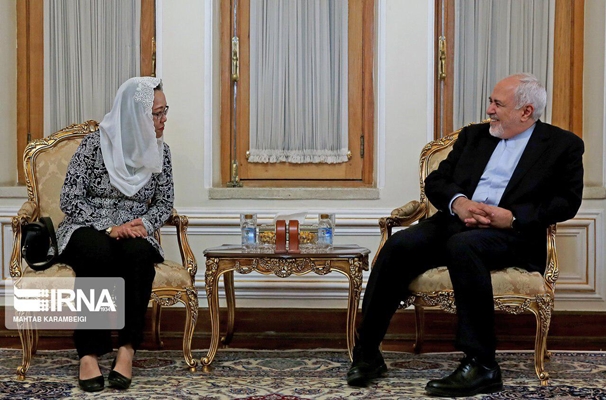
Iran FM, UN ESCAP Chief Meet in Tehran

In their Tuesday meeting, the two sides talked about the most important issues and developments in regional and international affairs.

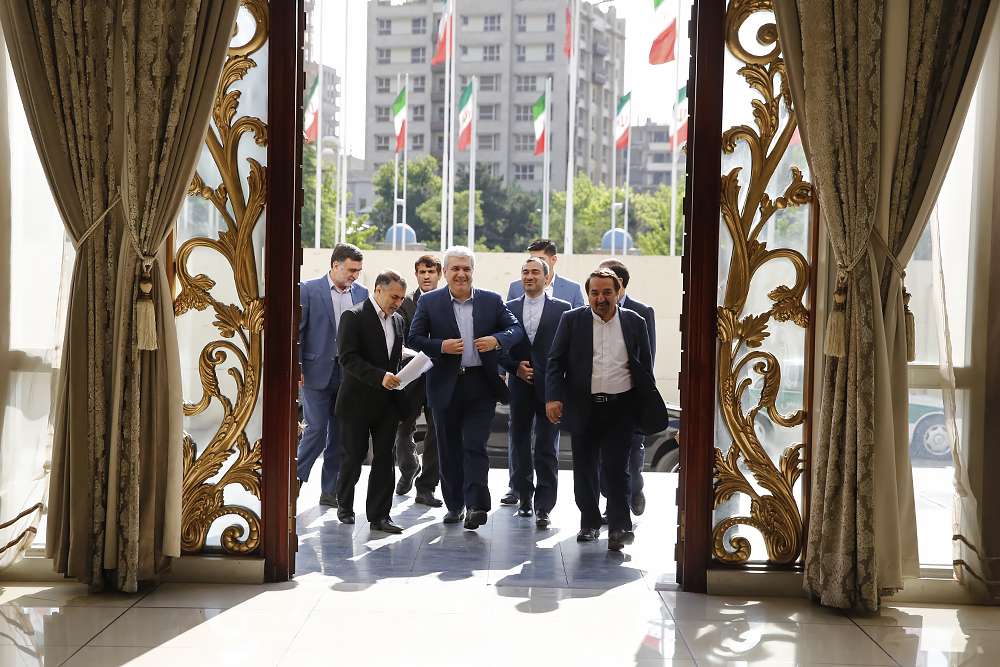
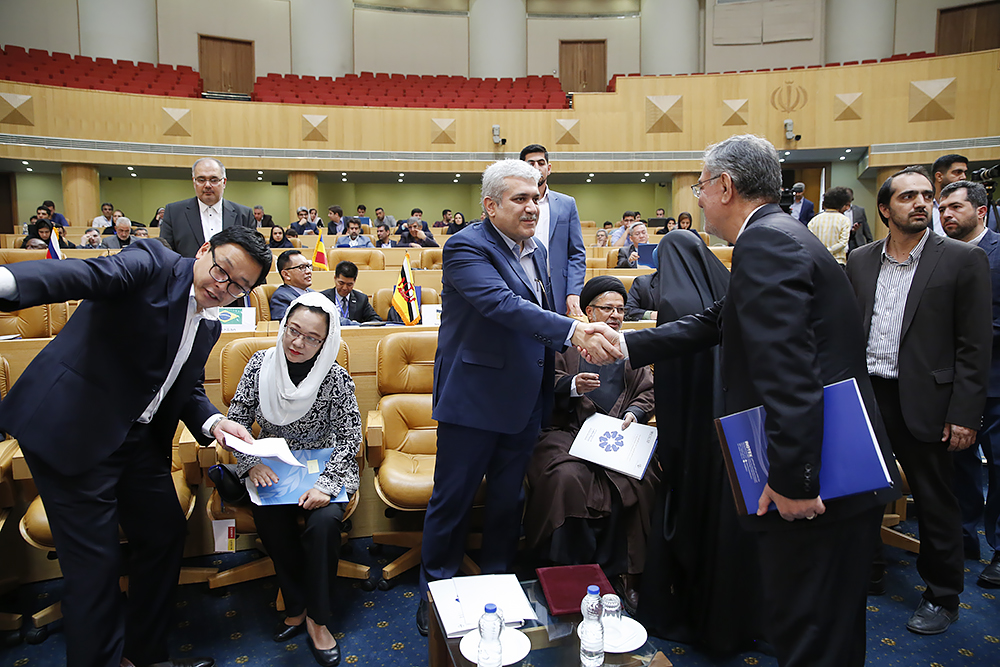
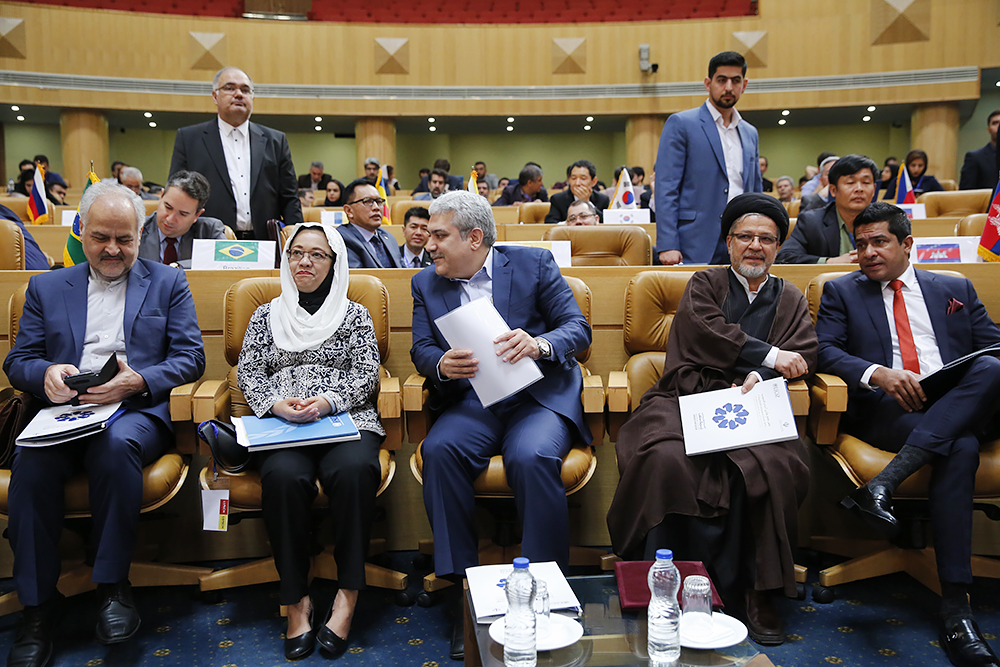
Armida Salsiah Alisjahbana is in Tehran to attend the first Asia Pacific Innovation Forum (APIF) which is underway in the Iranian capital.

The Forum is jointly organised by the ESCAP and the Government of the Islamic Republic of Iran’s Vice Presidency for Science and Technology.

Iranian Startups Eyeing Regional Markets: VP

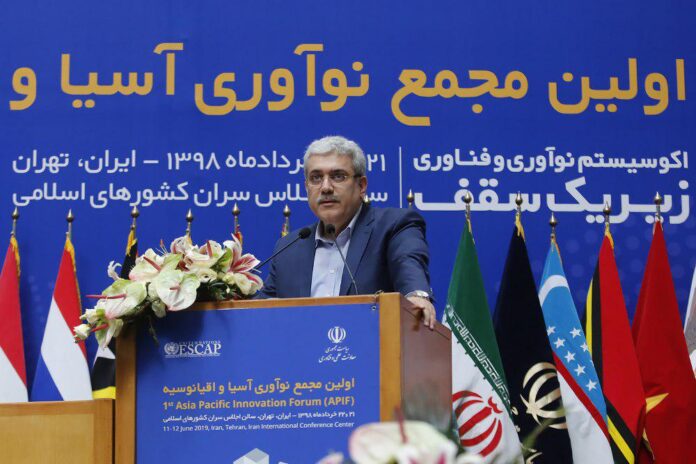
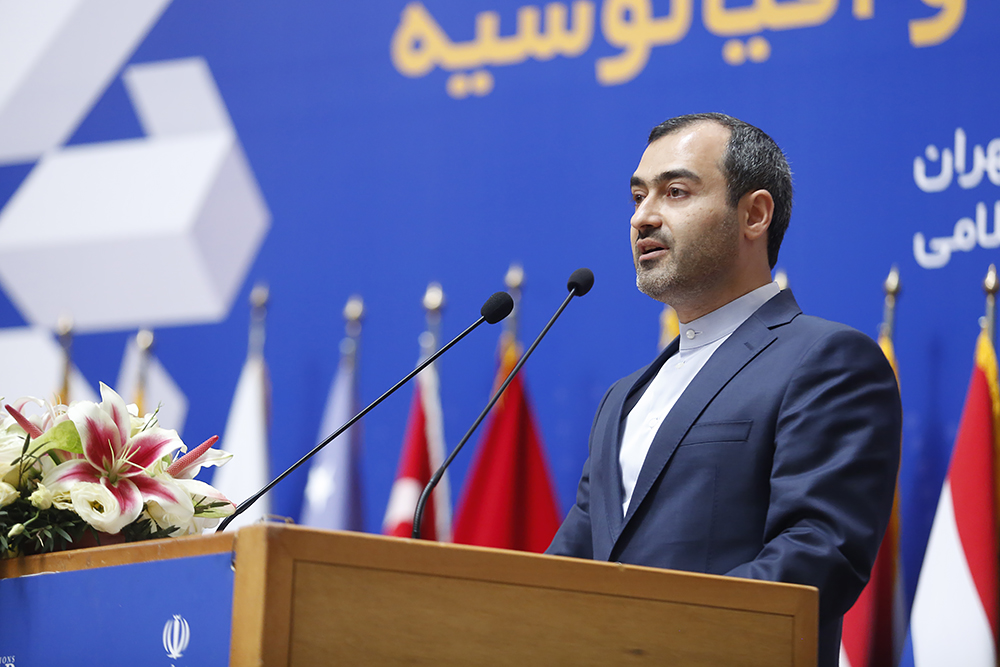
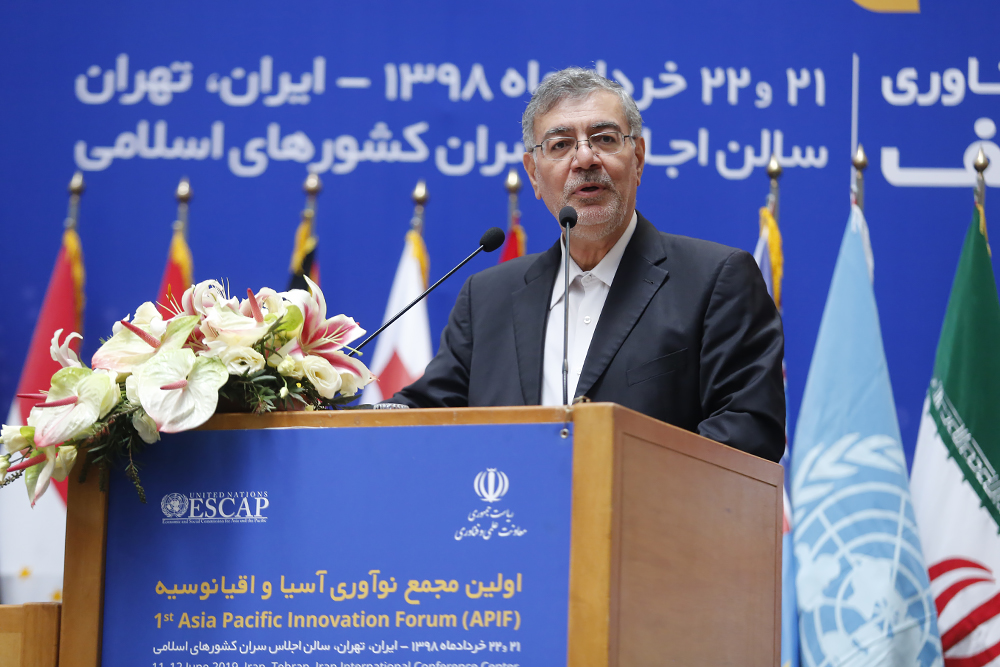
Iranian Vice-President for Science and Technology Sorena Sattari speaks at the First Asia-Pacific Innovation Forum (APIF) held in Tehran on June 11, 2019

Vice President for Scientific and Technological Affairs Sorena Sattari said three new scientific waves have emerged in Iran.

“Maybe everybody knows Iran by its oil and gas, but three important waves took shape in Iran in recent years, namely the wave of universities, the establishment of knowledge-based companies and the development of these companies,” said Sattari at the inaugural of the 1st Asia-Pacific Innovation Forum also attended by foreign guests.

“Iran has a very fast-moving scientific progress and ranks 15th in the world when it comes to the production of science,” he said.

“Start-ups in Iran have turned into capable companies,” he noted.

The official said Iran has made progress in different scientific domains, adding more than 4,000 knowledge-based companies have been supported.

He said the resources and potentialities distributed in the country should be utilized and attention should be paid to less-privileged classes of society.

He also underlined the necessity of creating a network as well as legal frameworks to preserve the rights of consumers, not to mention the need for training manpower.

“Private institutions and agencies which have close relations with start-ups can contribute to the activities of the network.

He noted Iran has played a role in major regional forums.

He said the holding of the Asia-Pacific Forum is one of the instances of Iran’s contribution.

The 1st Asia-Pacific Innovation Forum opened in Tehran, bringing together a host of local and foreign dignitaries. It is organized by the Science and Technology Department of the Presidential Office.

The event has been held as Iran is home to 4,400 knowledge-based companies, 364 innovative firms and 80 innovation centres, making it one of the most influential countries in the world in the field of nanotechnology. The existence of 45 sci-tech parks, 190 development centres, 80 innovation centres and 30 risk funds has turned Iran into a role model for other countries in the region and across the world.

Iranian Daily Raps Maas’s Visit: Berlin Is Washington’s Flunkey

In a front page article, Kayhan wrote that German authorities have argued their goal of traveling to Tehran is to mediate and ease tensions between Iran and the US and help salvage the JCPOA. This comes as Germany is a country known for being America’s servitor.

“How can Germany protect the rights of Iran while it always serves the US, and without Washington’s permission cannot even provide the Iranian foreign minister’s jet with fuel on its soil?” reads an article by Kayhan.

The visit of the German foreign minister to Tehran as a mediator between Iran and the United States comes in a situation that the German foreign ministry said in an outrageous statement a few days ago that the full implementation of the JCPOA by Iran is a key factor for stability in the region!

Germany has never referred to its own and other European parties’ (France, Britain) inaction in the fulfilment of their commitments. In a situation that Germany owes much to Iran, it tries to show itself as a demanding party claiming that Iran should fulfil its obligations unilaterally!

More than a month has passed from Iran’s 60-day deadline to Europe. In the current situation, Germany has to answer what steps have been taken to comply with this deadline. Now, it cannot blame Iran which has complied with all its obligations according to the IAEA’s 15 reports.

Kayhan goes on to say that in October 2017, in an insincere attempt the German embassy in Tehran put up a poster on its wall reading “Aye to the JCPOA”, at the same time, however, the country’s foreign minister in an irresponsible comment said that Berlin was prepared to increase diplomatic pressure on Iran along with the United States.

At that time, the German embassy in Tehran published some photos in cyberspace. In these photographs, the German ambassador was shown standing next to the posters in talks with the citizens of Tehran. The posters featured comments by former German Foreign Minister Sigmar Gabriel and the country’s ambassadors to Iran and the United States. The posters read “We do not like to endanger the nuclear deal with Iran, let alone end it, not today or in the future.”

This hypocritical act by the German embassy and a ridiculous gesture of standing next to the Iranian nation came in a situation that Germany did not support the Iranian people after the signing of the deal – exactly like before the JCPOA.

Germany has never fulfiled its obligations after the JCPOA. For example, in March 2017, it refused to provide fuel to the airplane carrying our country’s Foreign Minister, Mohammad Javad Zarif.

In July 2018, Germany arrested Iranian diplomat Asadollah Asadi, in an unlawful and inappropriate move.

In the summer of 2018, after the unilateral withdrawal of the United States from the nuclear deal, European companies, including several German ones rushed to leave Iran without paying attention to their commitments.

In September 2018, German Foreign Minister Heiko Maas said “We are pursuing common goals with the US regarding Iran. Just the paths we are taking are different from each other.”

In December 2018, when the EU was claiming to open a financial channel with Iran, the German telecommunications company cut off the Iranian banks’ internet service and landlines in a rude move.

Kayhan says these are only part of Germany’s inaction in fulfiling its obligations. German authorities have claimed that their goal of traveling to Tehran is to mediate to salvage the JCPOA and reduce tensions between Iran and the United States, while Germany is a country known as the US servitor.

Saying that Germany has been one of the countries that provided Saddam Hussein with weapons during the imposed war on Iran, Kayhan concludes that German foreign minister’s visit to Tehran can never protect the rights of the Islamic Republic.

This Iranian daily also refers to the fall of US dollar exchange rate in Tehran at the time of German official’s visit to Tehran claiming that it is a psychological move by a domestic movement to instill that this is only the beginning and if Tehran starts negotiations with the US the exchange rate would fall more and more!

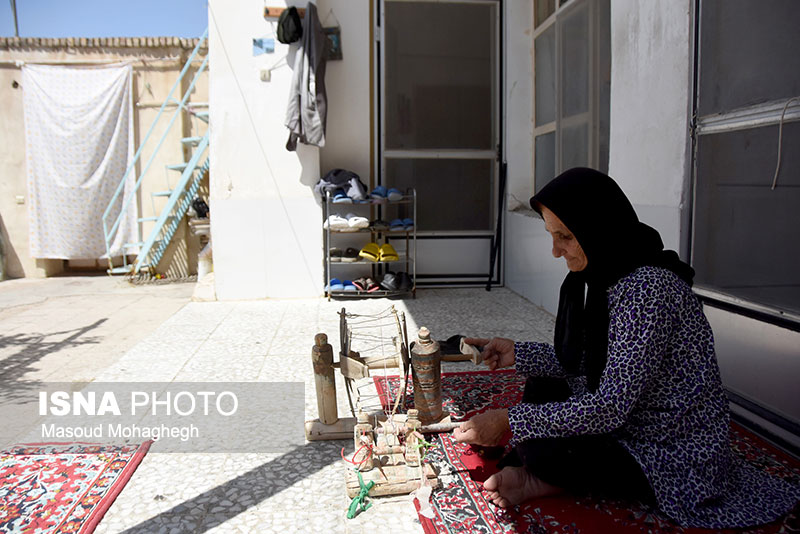
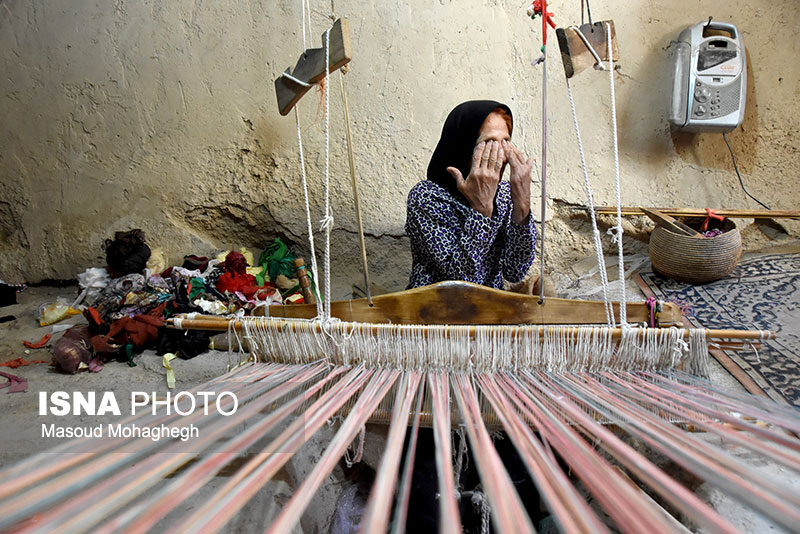
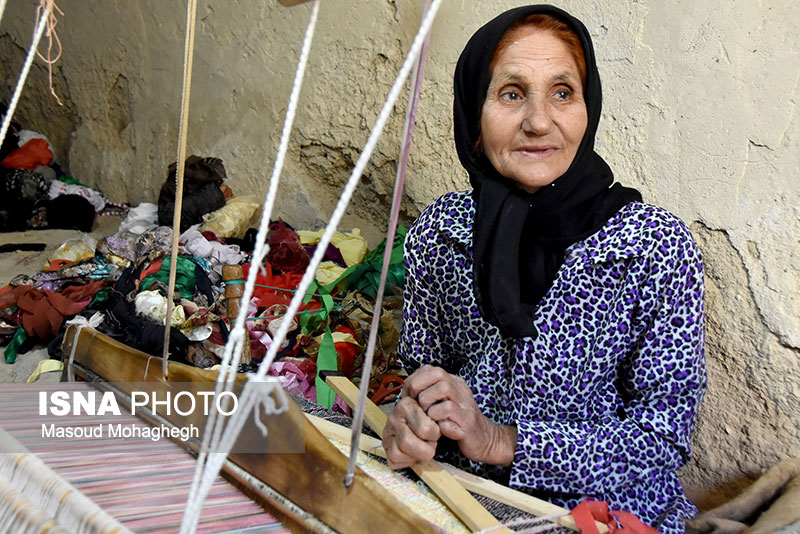
Iranian Lady Keeping Decades-Old Legacy Alive

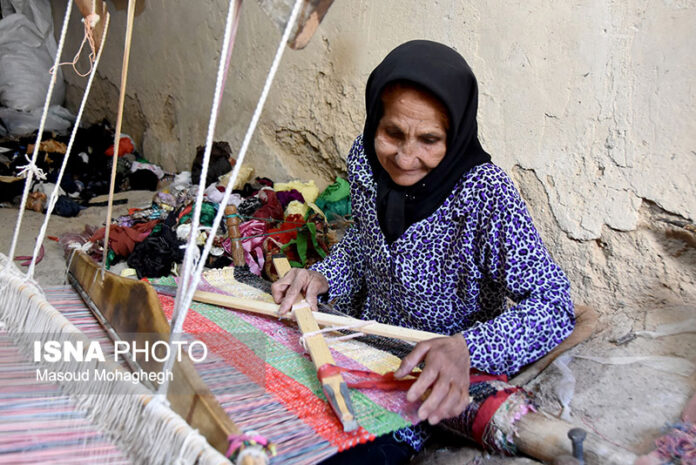
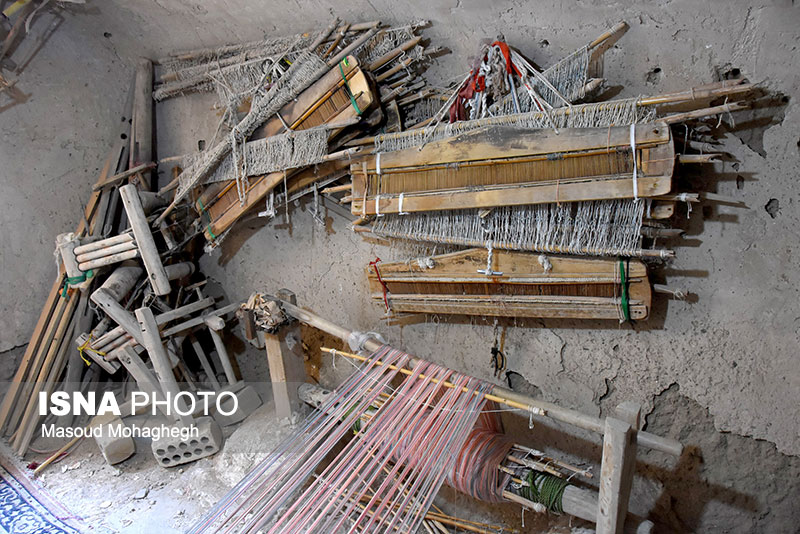
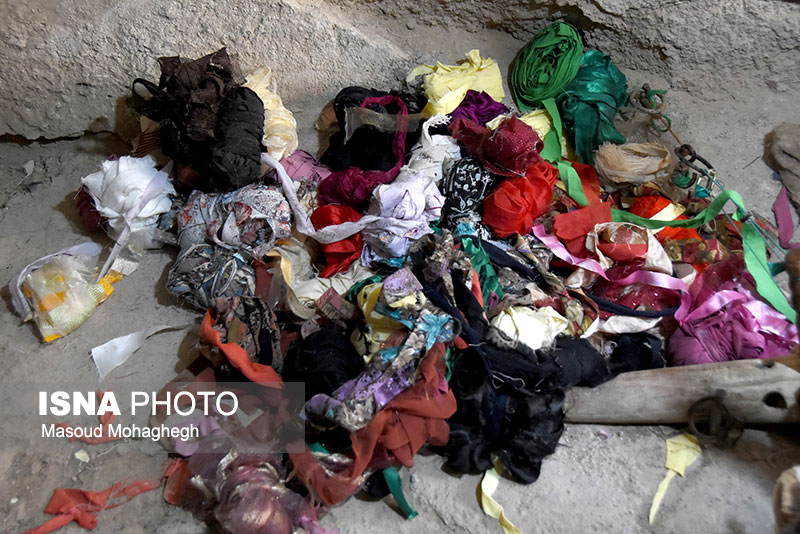
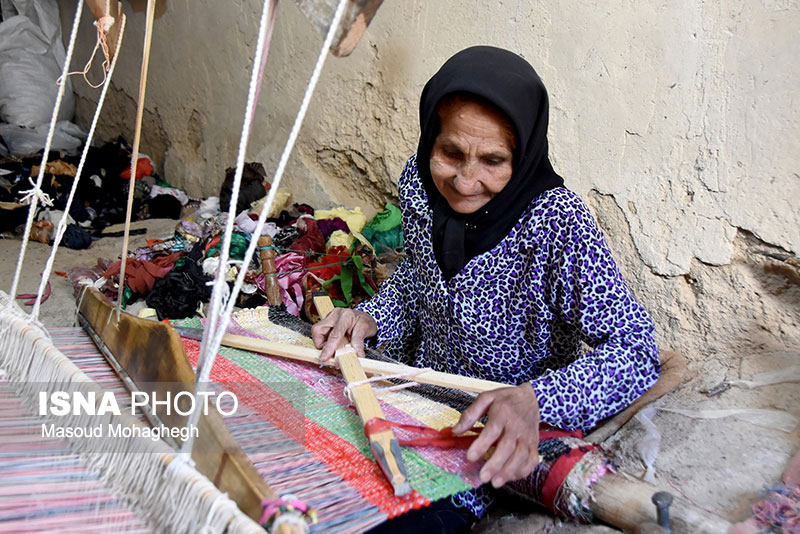
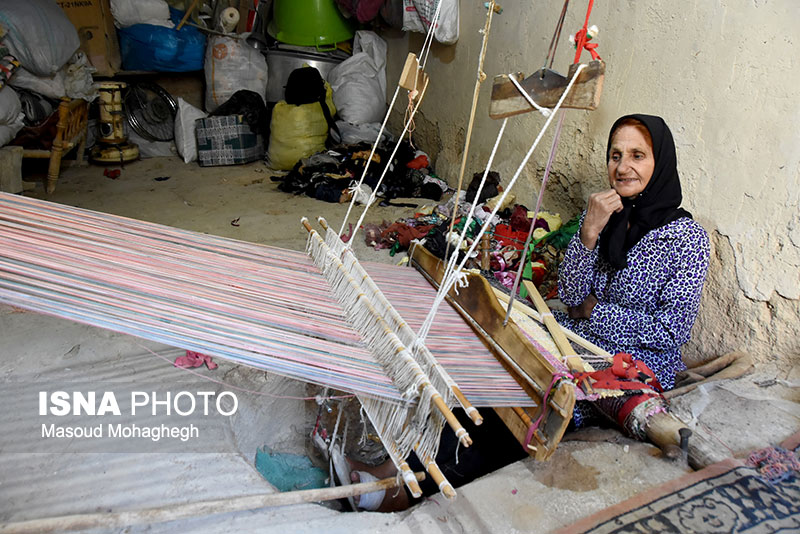
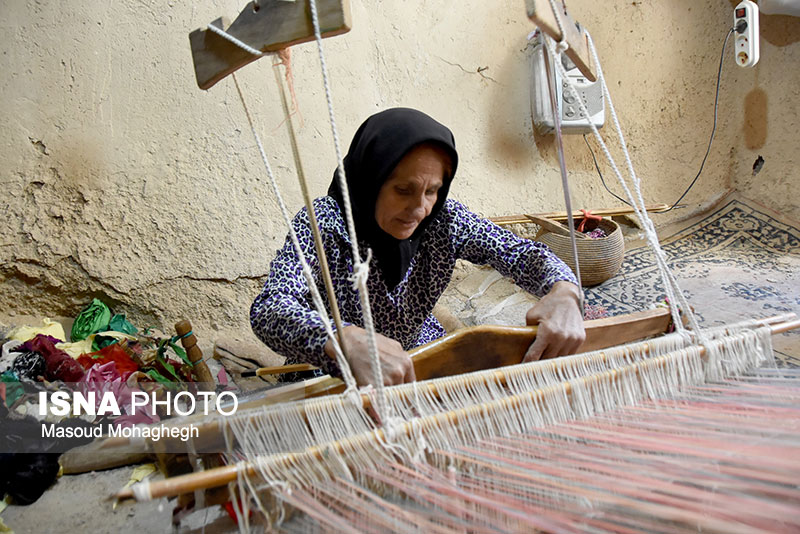
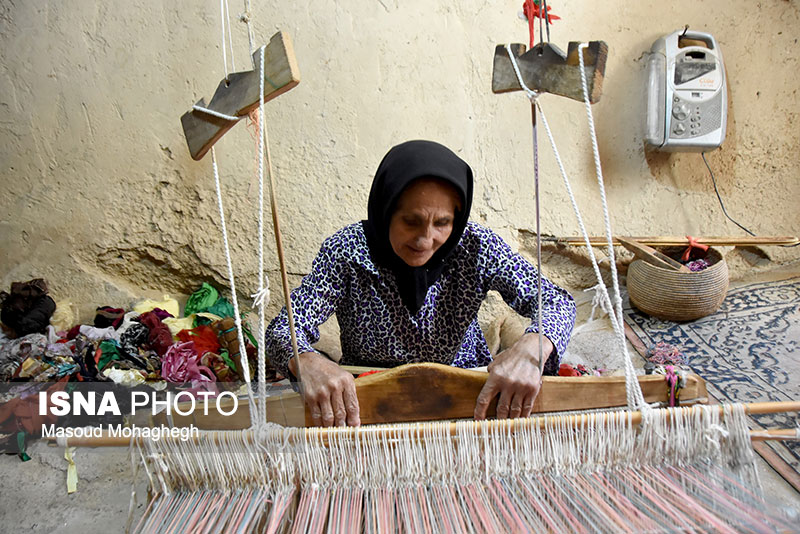
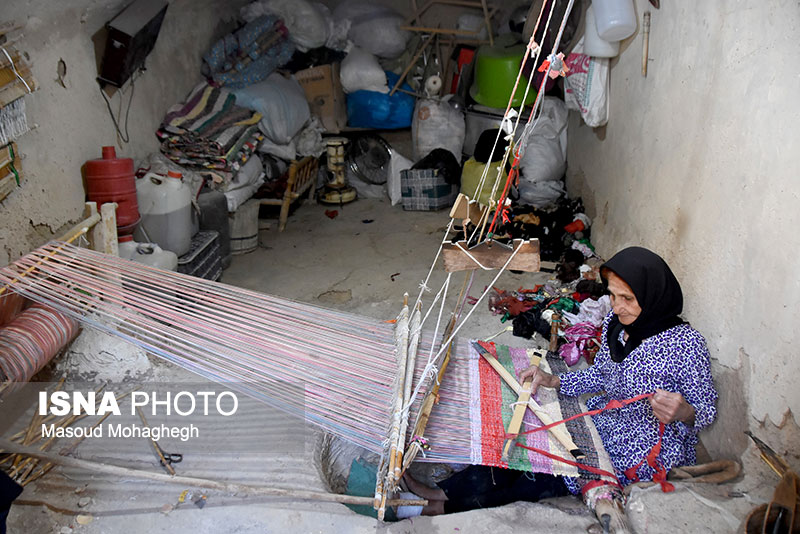
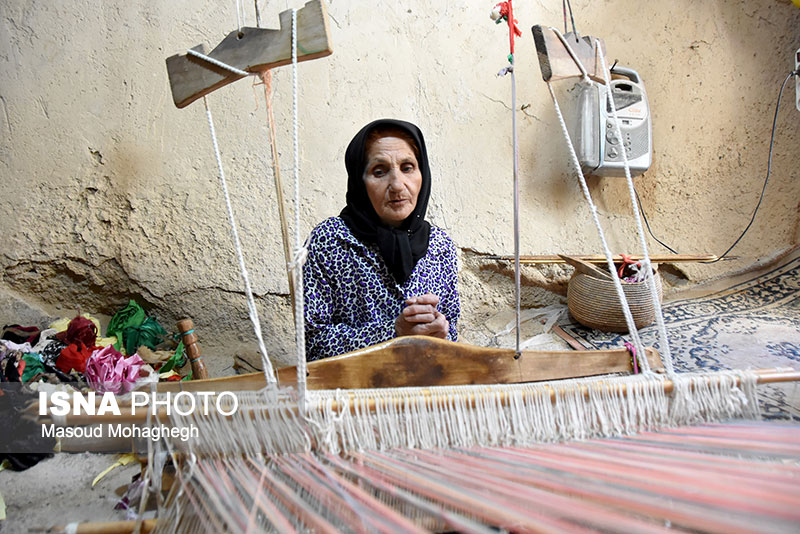
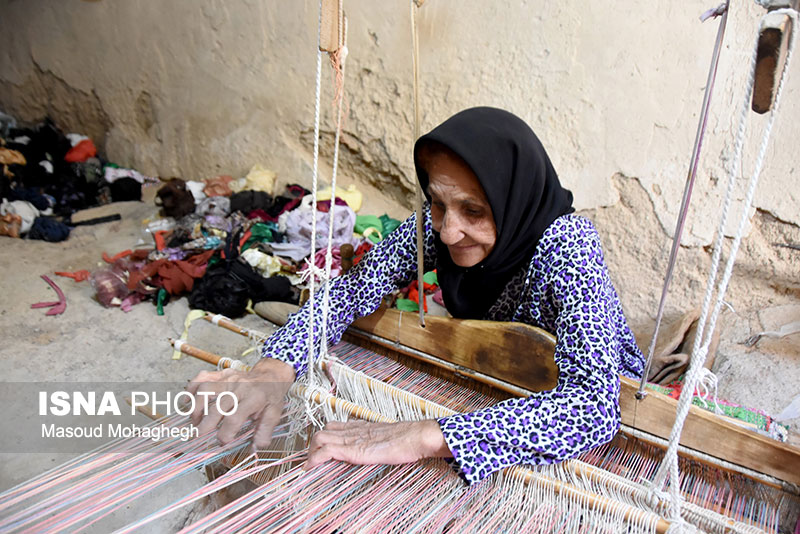
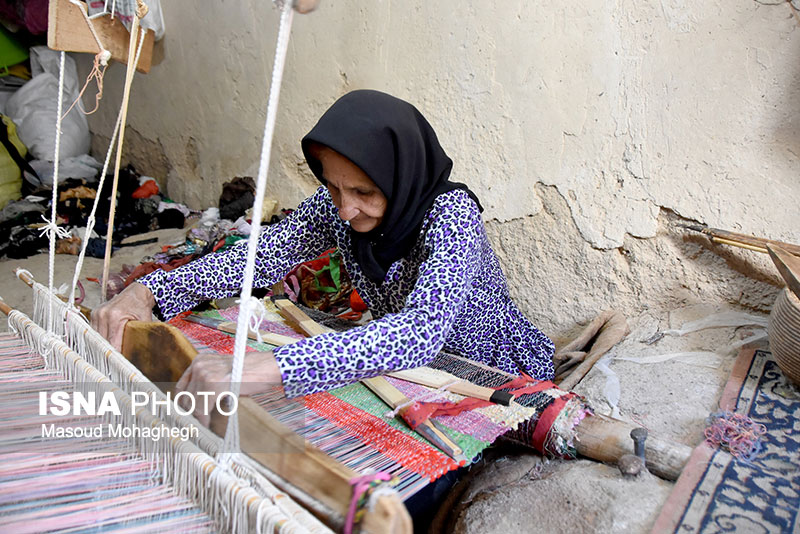
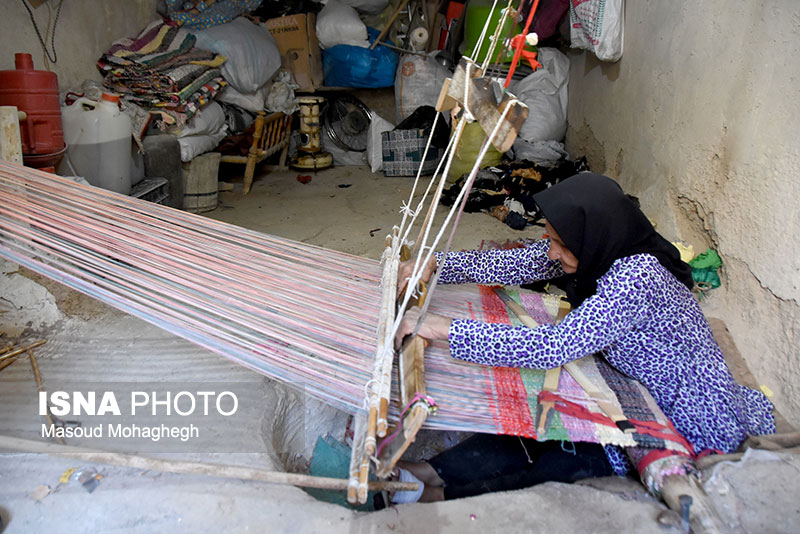
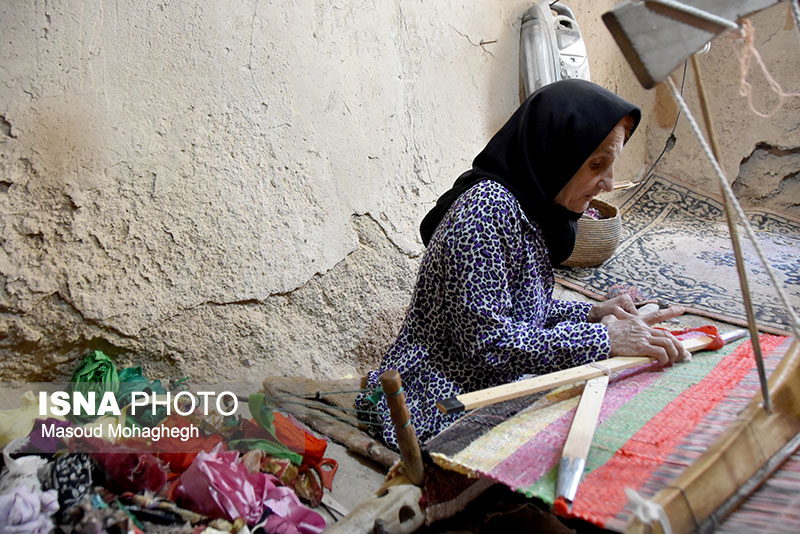
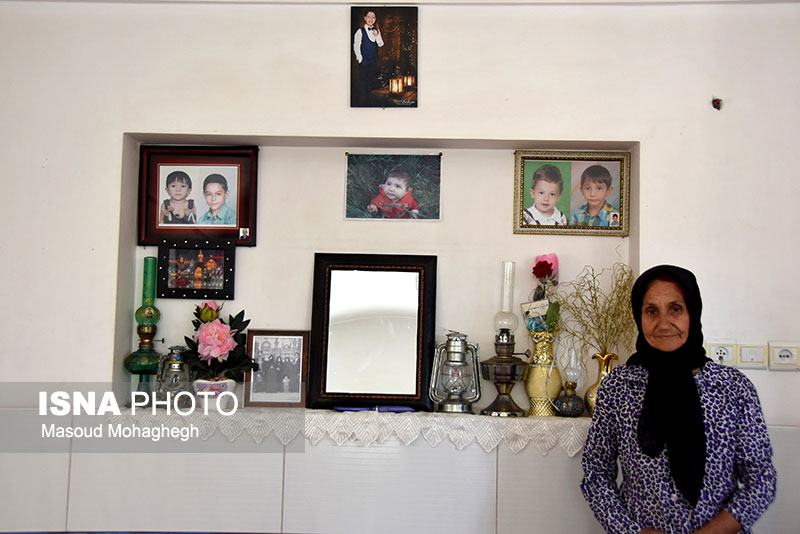
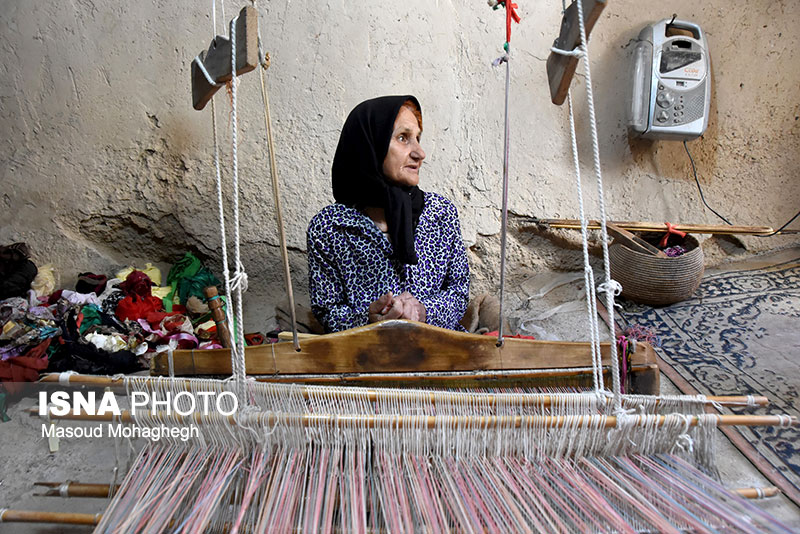
In the basement of Auntie Shahrbanoo’s small house you can find some everlasting heritage.

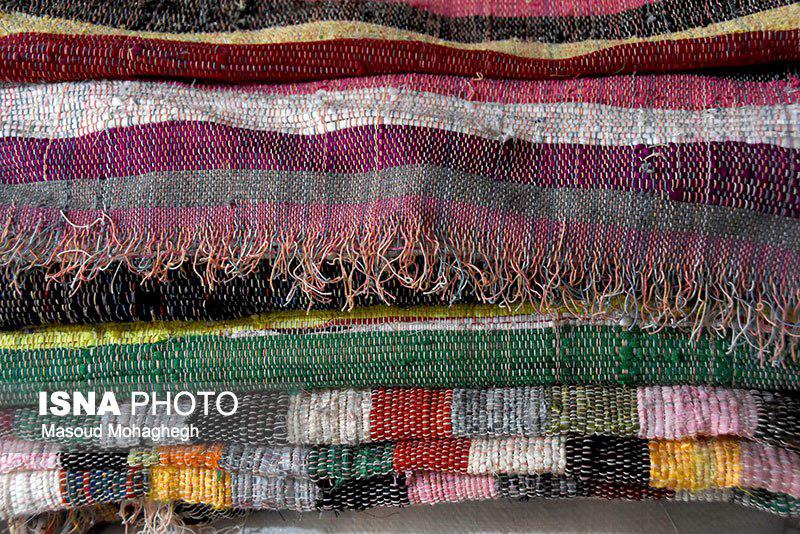
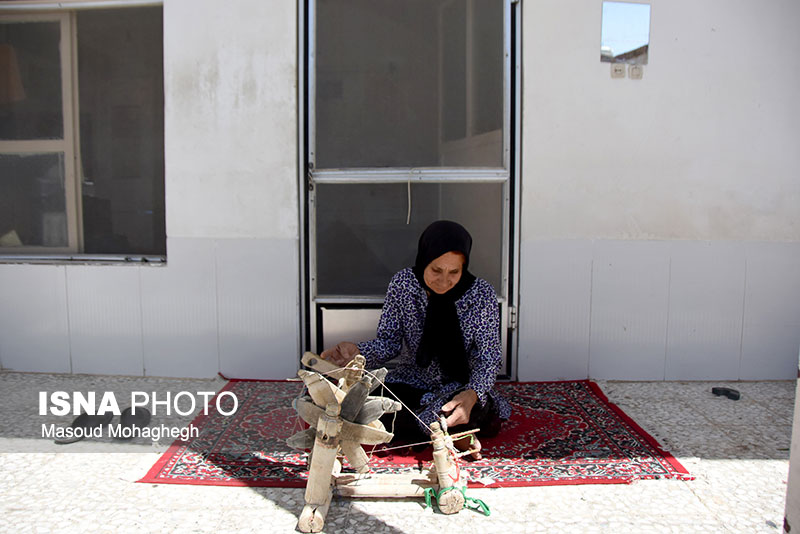
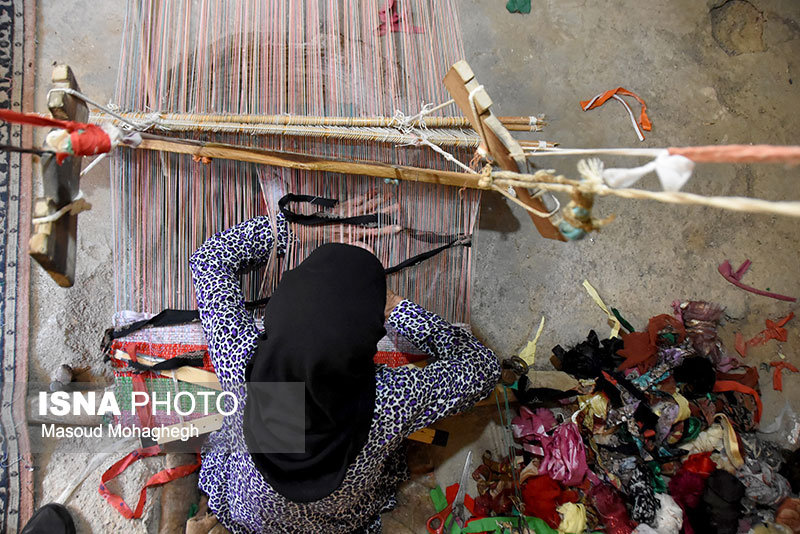
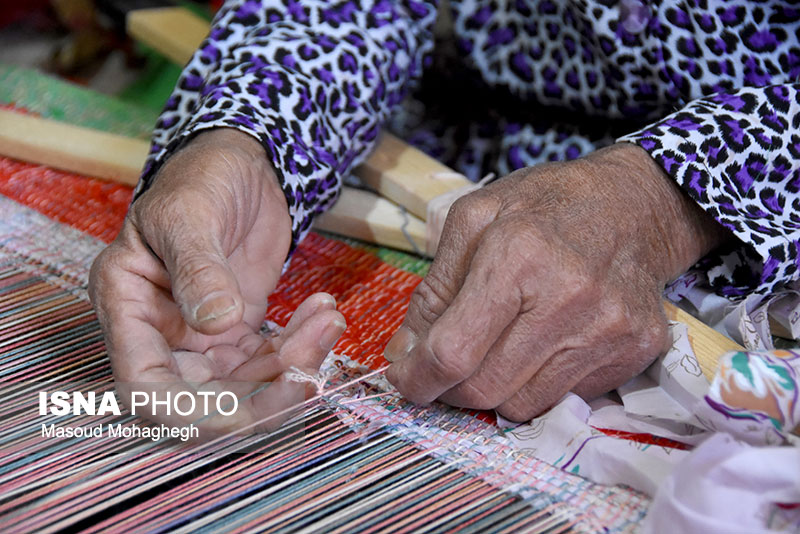
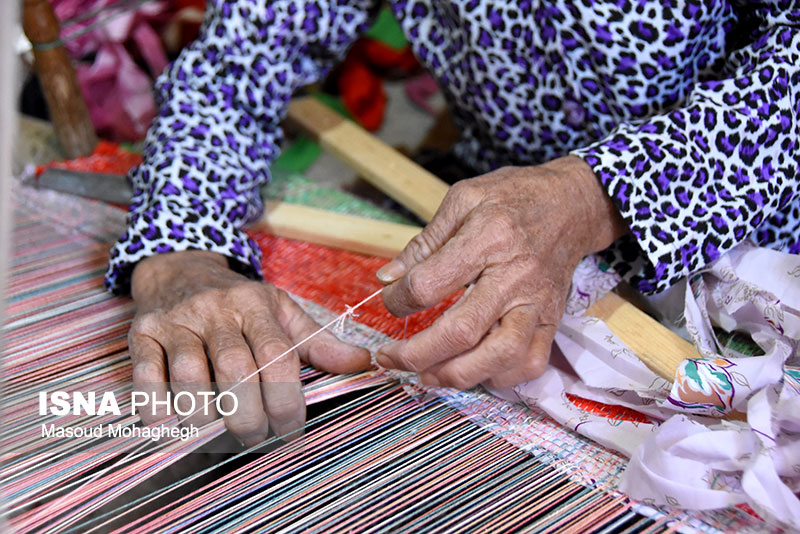
“Julkin Pelas” or “Pelas” is one of handicrafts and weaving products of Sorkheh preserved by Auntie Sahrbanoo as an original legacy. Auntie Shahrbanoo makes this product with her dexterous hands using colourful pieces of cloth. It is used as a carpet, rug, etc. Shahrbanoo Kalami known as Auntie Shahrbanoo among residents in Sorkheh is 70 years old. She has been weaving Pluses for 50 or 60 years now in the basement of her rented house known as the Auntie Shahrbanoo workshop. She makes Pluses using a weaving loom that she has inherited from her mother.

June 10 marks the International Handicraft Day.

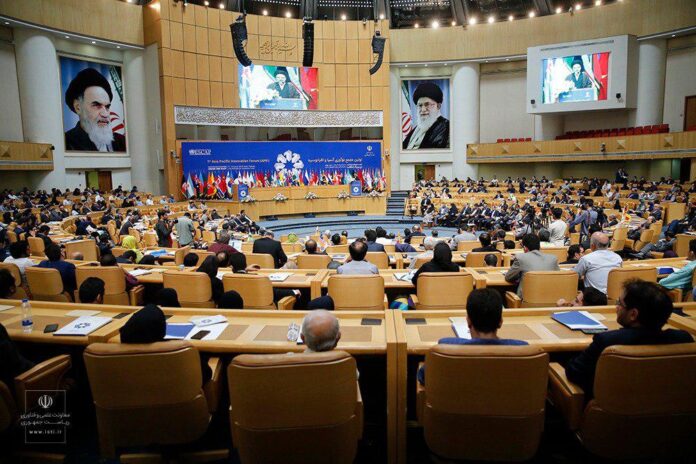
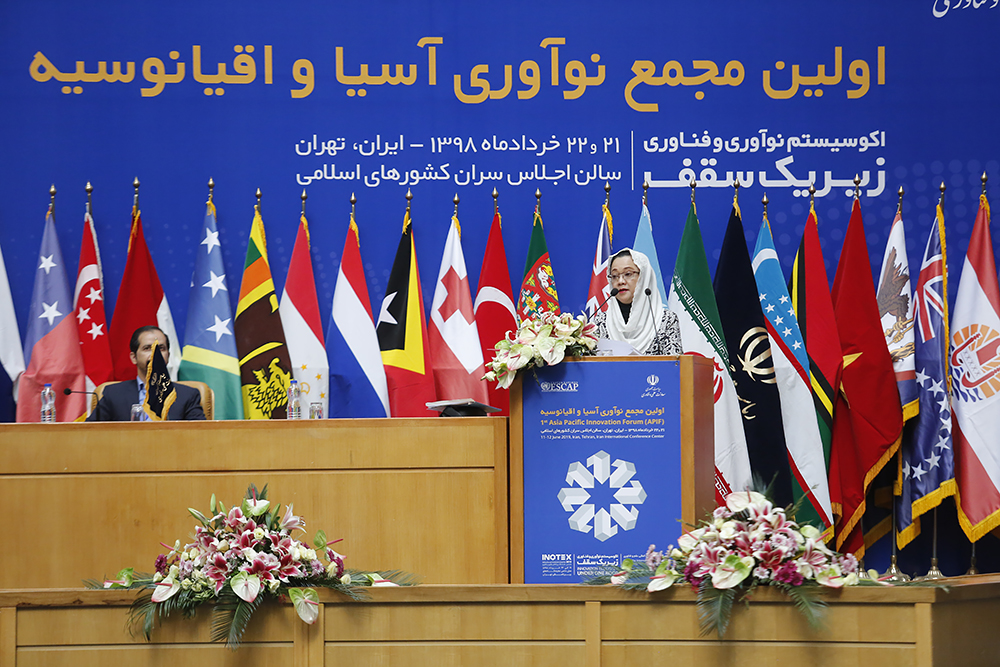
Asia-Pacific Innovation Forum (APIF) Starts in Tehran

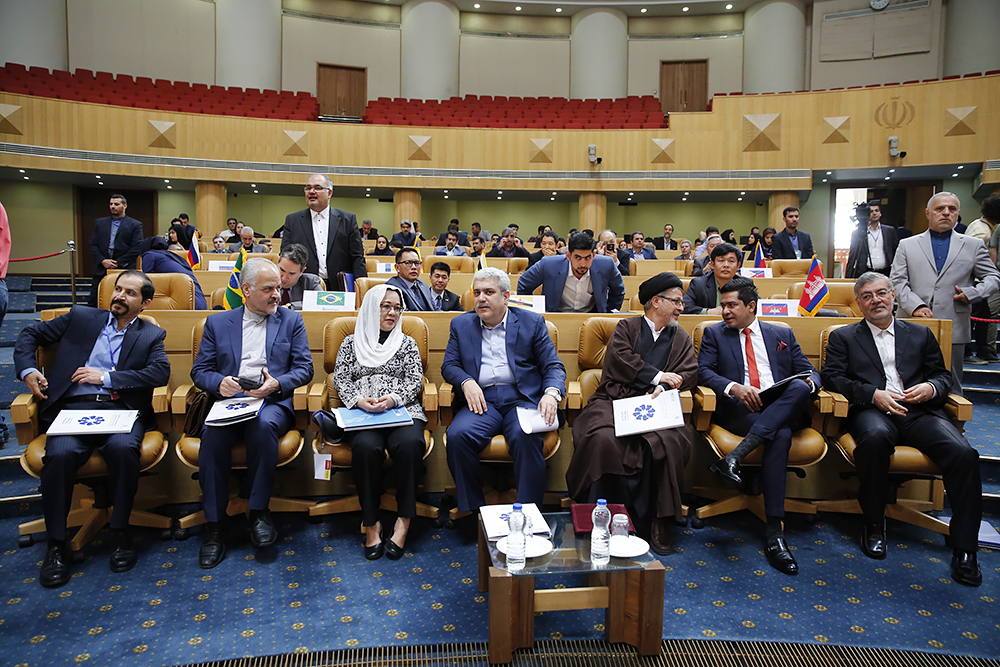
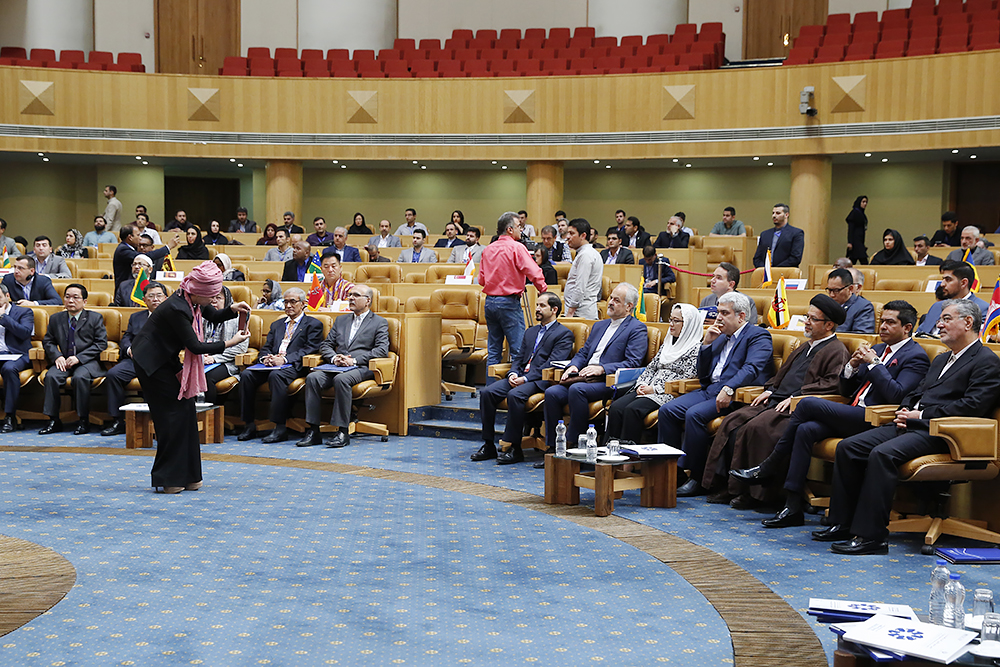
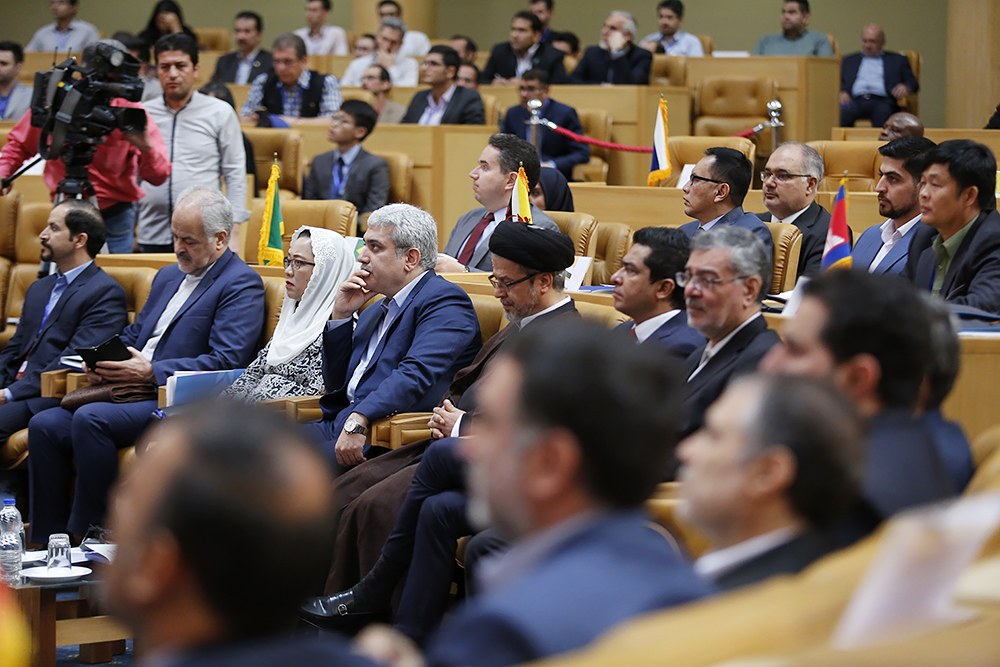
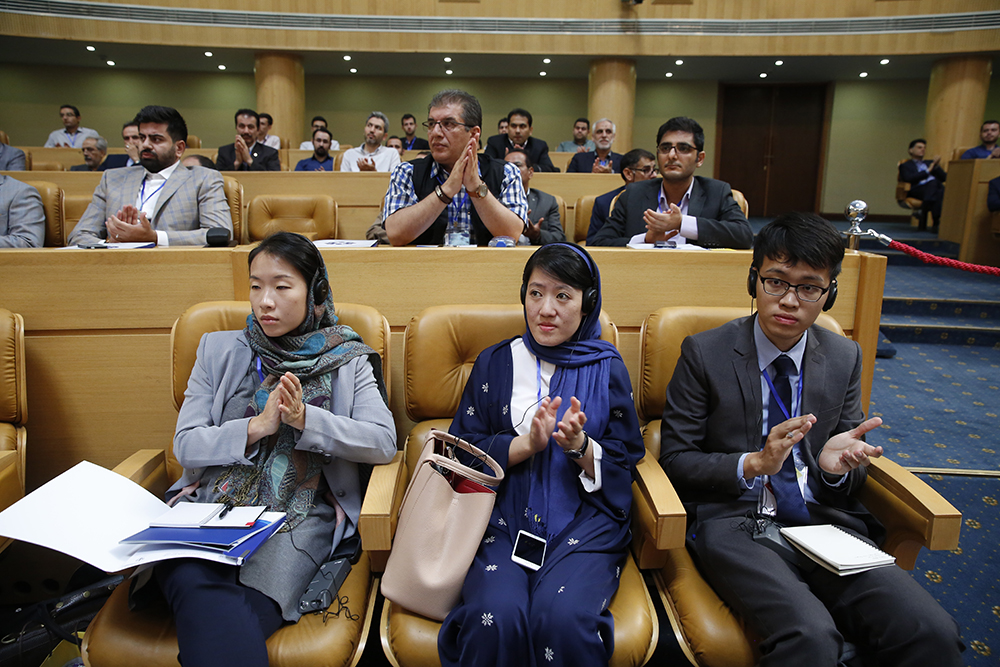
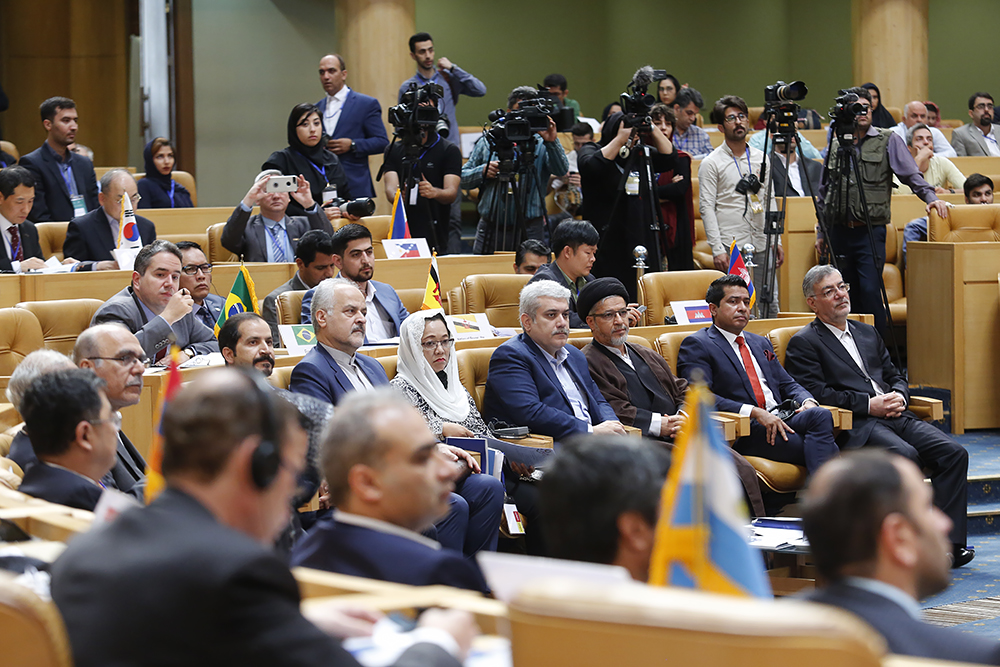
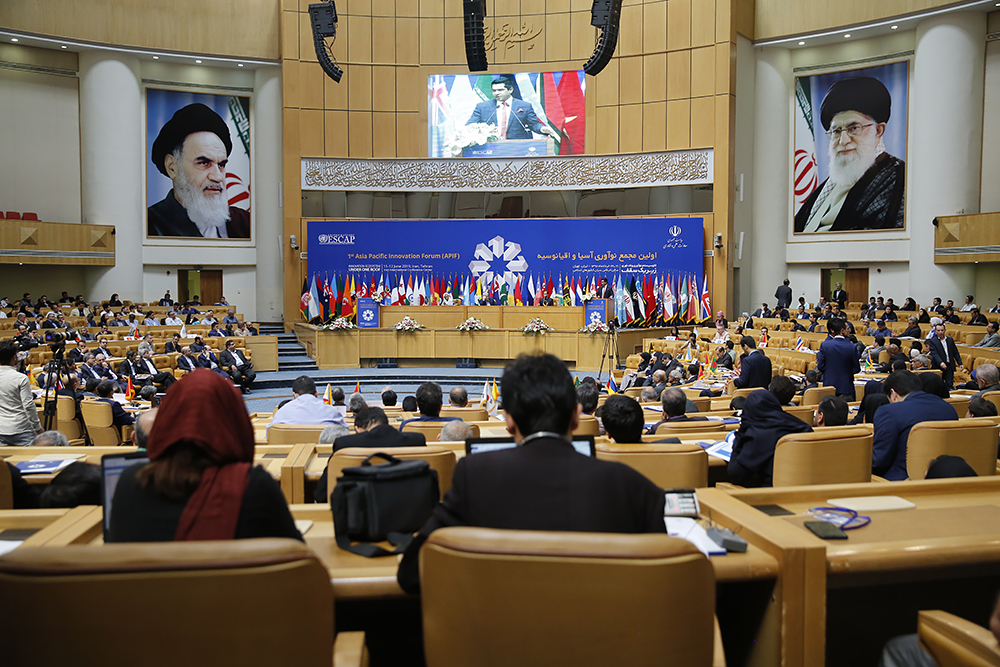
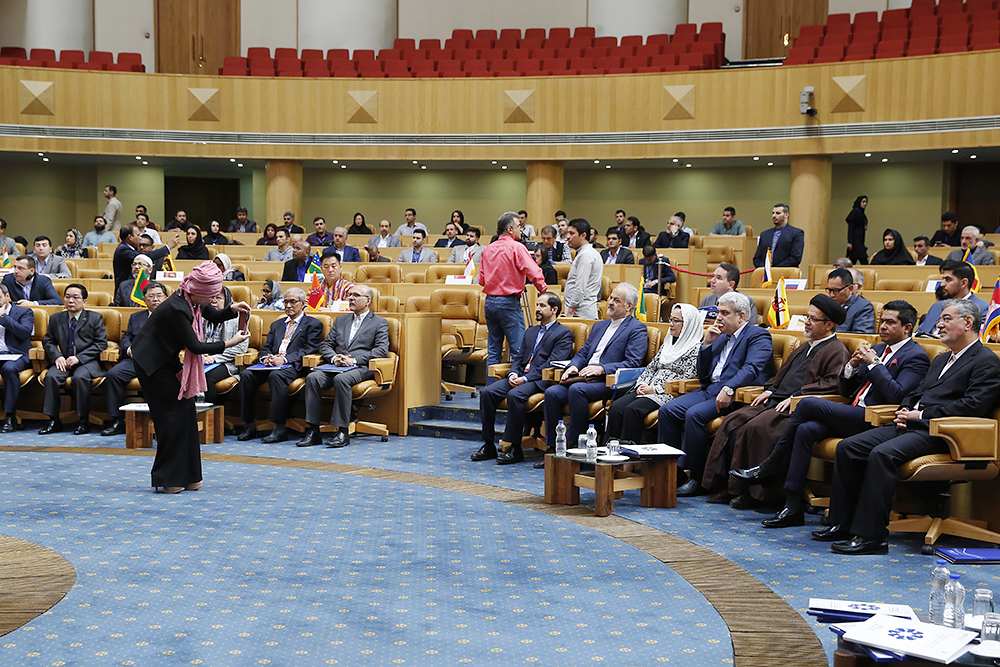
The forum is being attended by top officials from dozens of countries, and is held at the Iran International Conference Centre in Tehran.

Addressing the opening ceremony on Tuesday, Iranian Vice President for Science and Technology Sorena Sattari praised the achievements of Iranian startups, and promised a bright future for them.

“Iranian startups have managed to replace YouTube, Uber, and Amazon in domestic market,” Sattari said.

“They’re now seeking to expand their work to regional countries,” he added.

The 1st Asia-Pacific Innovation Forum opened in Tehran on Tuesday, bringing together a host of local and foreign dignitaries.

It is organized by the Science and Technology Department of the Presidential Office.

The event has been held as Iran is home to 4,400 knowledge-based companies, 364 innovative firms and 80 innovation centres, making it one of the most influential countries in the world in the field of nanotechnology. The existence of 45 sci-tech parks, 190 development centres, 80 innovation centres and 30 risk funds has turned Iran into a role model for other countries in the region and across the world.

Japan Needs More Powers from US If It Wants to Mediate: Iran

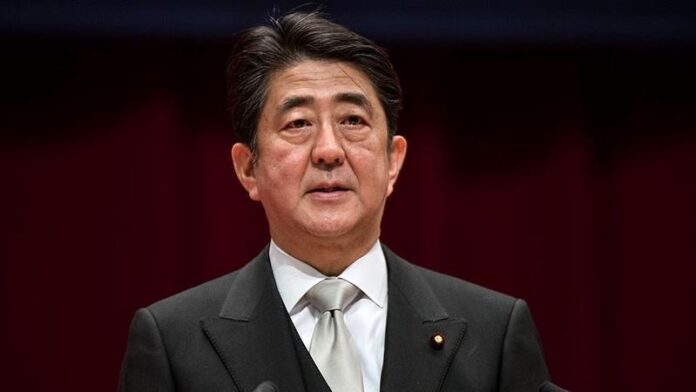
Morteza Rahmani Movahed told Iran’s Labour News Agency (ILNA) that Tehran and Tokyo already had enough shared interests to get to during Abe’s visit but a “third country” was affecting bilateral ties.

He said Japan relied on Persian Gulf for 80 percent of its fossil fuel imports it was only natural that it would react to tensions in the region.

“Of course Japan, in order to protect its interests, will use all its potentials to resolve issues and bring stability back to the region,” he said.

That’s why, Movahed argued, Tokyo is keen to use it closeness to both the US and Iran as the basis for its de-escalation plan.

However, the Iranian envoy noted that if the Japanese premiere has made it a mission for himself to take a mediatory role then he should first ask US President Donald Trump to give him more freedom.

He said, “If Japan is for different reasons interested in doing this then it must have the necessary powers from the party that has asked it to do the job,” he said. “Even though it has not asked for it, the he Islamic Republic will hear the ideas of an old friend.”

One way Japan can help resolve the tensions is if it uses its influence to persuade the Trump administration rejoin the 2015 Iran nuclear deal, after it left the agreement in May 2018, Movahed argued.

Back then, according to Movahed, Japan lashed out at Washington’s decision and now it might be able to help compensate the losses Iran sustained as a result of the US departure.

Moreover, countries like Japan cannot accept Washington’s use of sanctions against others and hopefully will try as a key aspect of the trip to convince the US to drop this and other policies that “run against international norms”, said the ambassador.

Movahed said many Iranian and Japanese firms had signed agreements to work together after the Joint Comprehensive Plan of action was signed between Iran and the P5+1 group of countries in  2015.

However, those agreements are now put on halt because of US sanctions.

“Due to the widespread connections that Japanese and American companies have and the way they are intertwined, Japanese firms’ risk-taking is at its lowest level,” Movahed added.

Rouhani Urges Europe to Resist US Economic Terror against Iran

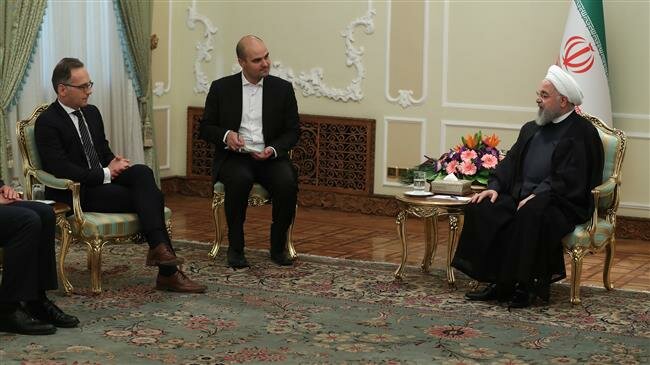
Rouhani made the remarks in Tehran on Monday afternoon in a meeting with the visiting German Foreign Minister Heiko Maas who had already met with his Iranian counterpart, Mohammad Javad Zarif, earlier in the day.

“We expect Europe to stand up to and resist America’s economic terrorism against the Iranian nation and fulfill its obligations in accordance with the JCPOA (the nuclear deal, officially known as the Joint Comprehensive Plan of Action),” Rouhani told Germany’s top diplomat, adding that following the US withdrawal from the deal, Iran could have done the same on the strength of Article 36 of the JCPOA, but rather decided to remain patient and give other signatories a chance.

Germany’s Foreign Ministry said on Thursday that addressing ways to save the JCPOA, following the unilateral withdrawal of the US from the deal in May last year, was the main goal of Maas’ visit to Iran.

Under the JCPOA, Iran undertook to put limits on its nuclear program in exchange for the removal of nuclear-related sanctions imposed against Tehran.

US President Donald Trump pulled his country out of the JCPOA in May 2018 and re-imposed harsh sanctions against the Islamic Republic in defiance of global criticism.

On the first anniversary of the US withdrawal from the nuclear deal, Iran announced that it would suspend the implementation of some of its commitments under the deal, adding that it would stop exporting excess uranium and heavy water, setting a 60-day deadline for the five remaining parties to the deal to take practical measures towards ensuring its interests in the face of the American sanctions.

Elsewhere in his remarks, the Iranian president said the US is pressing ahead with its policy of economic terrorism through “cruel sanctions,” stressing that “we believe, in particular, that we must stand against those who block people’s access to medicine and food.”

“The war that the US has waged against Iran since a year ago, will not serve the interest of anybody and the Iranian nation has proved during this period that it will resist against pressure and bullying,” Rouhani said.

The Iranian president added that the US restrictions on the imports of food and medicine to Iran are aimed at exerting pressure on the Iranian people and are in line with Washington’s policy to foment insecurity in the region, saying, “Regional security will never be achieved through imposing pressure and sanctions on the Iranian nation.”

On his official Twitter page earlier this month, the Iranian foreign minister lashed out at the US “economic terrorism” against the “innocent” Iranian people, saying war and talks will never go together.

Zarif posted a video showing a “little boy whose heartbroken mother can’t get him prosthetic legs as he grows” and emphasized that innocent civilians are being targeted by sanctions and economic terrorism applied to Iran by the United States.

Elsewhere in his remarks, Rouhani pointed to Iran’s efforts to restore stability to the region and fight terrorism, particularly in Afghanistan, Iraq and Syria, saying that the Islamic Republic has always played an “influential and positive” role in promoting regional stability and security.

He added that the three European signatories to the JCPOA have promised to remain committed to their obligations under the nuclear accord and to adopt measures to make up for the US withdrawal.

“Over the past year, despite relatively appropriate political positions [adopted by the European countries], we have not witnessed any serious practical move taken by the Europeans, and now we should make a decision and act in a way that will benefit us, you and all countries and the region,” the Iranian president told the German diplomat.

He said the JCPOA could have formed a basis for the promotion of dialog and diplomacy in the world, but it has turned into a factor for pessimism toward the principle of negotiations due to the unilateral US measures and other parties’ failure to live up to their commitments.

Rouhani noted that Iranian officials have worked out all necessary plans to manage the country’s affairs under any conditions, but “we believe that there is still an opportunity to save this agreement and the European Union can play a positive role in this regard.”

He categorically dismissed claims that Iran seeks to manufacture nuclear weapons, citing 15 reports by the International Atomic Energy Agency (IAEA) verifying its compliance with the Safeguards Agreement and a fatwa (religious edict) by Leader of the Islamic Revolution Ayatollah Khamenei prohibiting production of nuclear weapons.

EU seeks to ease tensions in region: Maas

The German foreign minister, for his part, expressed concern about increasing tensions in the region, saying that the EU countries, including Germany, seek to ease tensions and will spare no effort in this regard.

Maas criticized Washington for leaving the JCPOA and said his country does not agree with many US policies against Iran. He noted that Germany is trying to keep the nuclear deal alive and fulfill its commitments in cooperation with other European parties.

“Anybody familiar with the history of Iran will know that the strategy of maximum pressure on the Iranian nation will never bear fruit and, for this reason, the European Union is making an all-out effort to maintain the JCPOA,” the German foreign minister said.

Last month, a senior German diplomat said European countries will continue efforts to preserve the landmark multilateral nuclear accord between Iran and six world powers.

Jens Ploetner, the political director at the German Foreign Ministry met with Iranian Deputy Foreign Minister Abbas Araqchi in Tehran during which he said his country will “remain committed” to the agreement.

Unique Art of Gold Making in Yazd

The innovative and sophisticated way of making these jewelry has almost made it impossible to copy them. Some samples of them, which have been around for about 500 years, are not available anywhere except Yazd.

Making jewels is one of the traditional arts of the historical city of Yazd, and it is known in Iran and around the world as “Yazdi Zargari”.

The gold that is generally made in Iran has a fineness of 18 karats, but the gold traditionally made in Yazd by the goldsmiths always has a fineness of 20 karats. This is one of the reasons for the reputation of traditional jewelry of Yazd.

Unique Art of Gold Making in Yazd
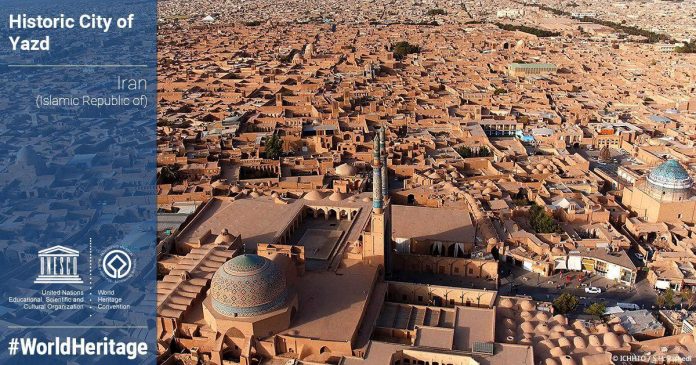
Historical City of Yazd Inscribed as World Heritage Site

An official with the Cultural Heritage and Handicraft Department of Yazd province says in the works excavated in the historic region of Mehriz, there were some jewelries from the Parthian era dating back to about 2,000 years ago.

For example, the chains known as “Chin-Abi” are the traditional brands of Yazd. The name of this chain is taken from its type and the style of its manufacturing. The softness of this chain should be like water. In other words, it should be made as soft as water. These types of chains are made up of golden filaments, rods, a chain with 20-karat gold rings, which just belong to Yazd, as well as copper and silver alloys.

The method of making chains called “Hel Malileh Yazdi”, “Toop Malileh Yazdi”, “Hel va Gol-e Yazd”, etc., are the techniques belonging to Yazdi Zargari which has been registered as an intangible cultural heritage of the country.

In addition to the sophisticated creation of Yazdi jewelry, measuring the purity of gold in Yazd is a special and traditional method registered as a national heritage.

In Yazd, the purity of gold is measured using the karat millesimal system. Yazdi goldsmiths of the past have been using this method. By this method of measurement, Yazdi goldsmiths measured their products precisely and without any shortcomings.

78 cultural and historical works have been listed as intangible cultural heritage of the province so far. Officials are preparing a case to register Yazd Zargari as a world heritage as well.

Acid Attackers in Iran May Face Capital Punishment

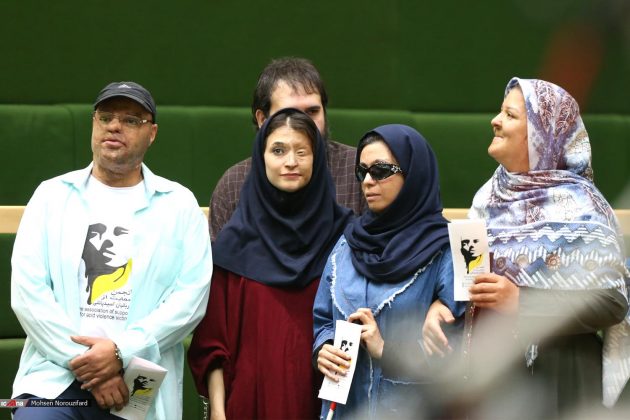
According to the bill, approved by 161 votes out of the total number of 245, those who disrupt the society’s law and order through their acid attack will be subject to capital punishment and the crime amounts to “corruption on the earth”.

In other cases, in addition to eye-for-eye punishment, the acid attackers may be amputated or banished based on the severity of the case.

Acid violence is a global problem, but in some parts of the world, such as South and Southeast Asia the issue is more prevalent.
India has one of the highest rates of attacks: Some 250 to 300 cases are reported annually, according to Channel News Asia (CAN).

In the past, sporadic cases of such attacks were committed in various parts of Iran. Iranian lawmakers in reaction to the call by the victims of acid attacks and public pressure took the measure as deterrence.

Visit Some Strange, Attractive Hotels in Iran

Iran Home to Several Strange but Attractive Hotels

Many tourists who travel to different cities and countries like to have different accommodation experiences. Staying in places that are different from a few star hotel will be exciting for many. The more diverse the centres are, the more attractive they will be. That said, there are many attractive, strange hotels in Iran.

In foreign countries, well-off investors have used any idea to cover the tastes of tourists in order to attract them. In Iran, this issue has been dealt with, but since a while ago some investors have come up with the idea that they build some accommodation centres a little different from those of other countries.

Staying at Underground Place Far from Urban Attractions

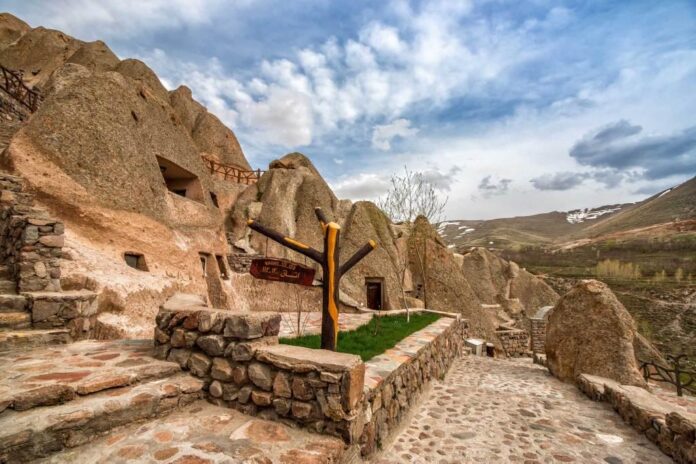
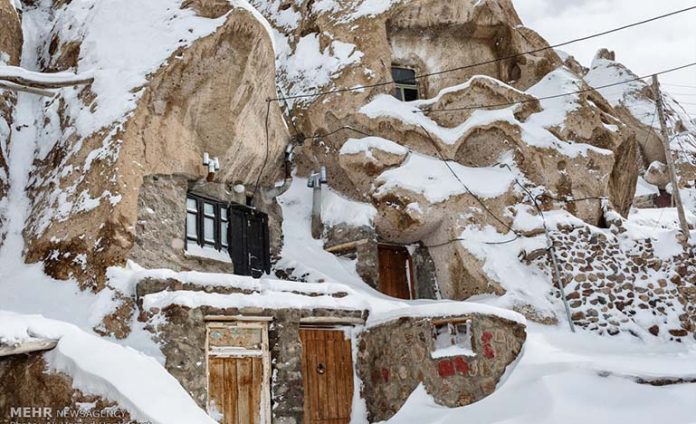
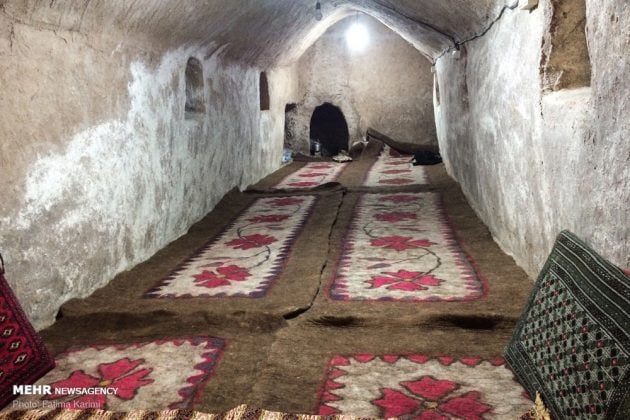
Kandovan Village in East Azarbaijan province is known for its rocky houses, which are similar to ice-cream cones. These houses have been built in the rocks, both inside and outside of which are attractive. Anyone can stay in them because these houses are now occupied by the local people of Kandovan and they will live next to you. Next to these houses, there is a rocky hotel that can provide a more beautiful and private space for any tourist.

Kandovan village, north-western Iran
Rocky houses similar to ice-cream cones in Kandovan village, north-western Iran

Semnan’s Underground City

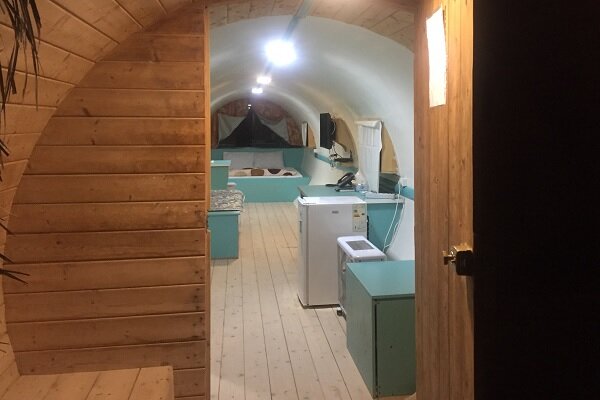
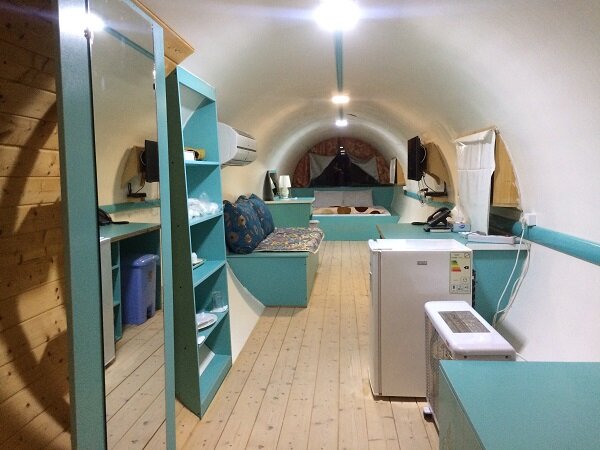
In Semnan province, one of the mine-owners in the city of Aradan near Garmsar has run a residence underground. He has created something like an underground city where a tourist could stay in the rooms and whenever s/he likes, s/he would come up on the ground from the basement to do some recreational activities in the desert.
Underground residence in Aradan, Iran
Underground residence in Aradan, one of the most attractive hotels in Iran


Lord of the Rings Habitat!

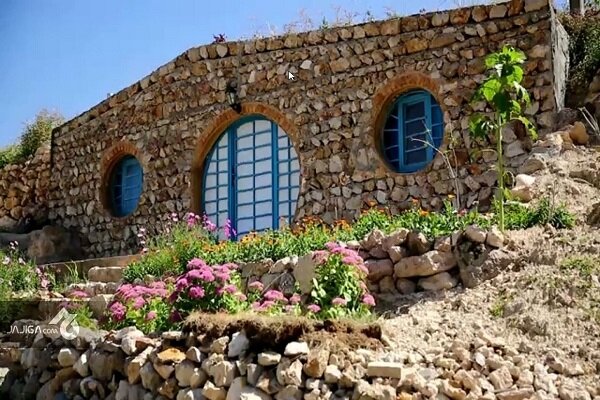
One of the tourism activists in Ardabil province has built homes in the form of those seen in The Lord of the Rings feature. This is an experience of another style of accommodation in the intact nature of Ardabil.

"Lord of the Rings" style habitat in north-western Iran
“Lord of the Rings” style habitat in north-western Iran

Meymand Rocky Village

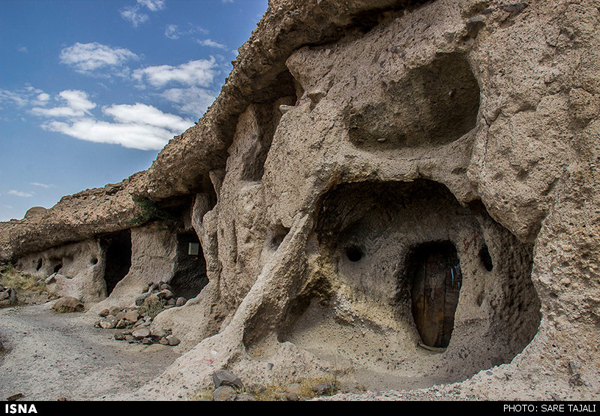
There is a rocky village in the central part of Shahr-e Babak which dates back to 8,000 to 12,000 ago. There are several houses in the area that are equipped for accommodation and have hosted domestic and foreign guests since 15 years ago.

The attractiveness of these lodging resorts is that their old structure is preserved and you feel that you’ve spent thousands of years at the heart of history.

These homes are registered on the UNESCO World Heritage List to remain for all the people of the world forever.

Rocky houses in south-eastern Iran

Experience of Tribal Life in Kerman Province

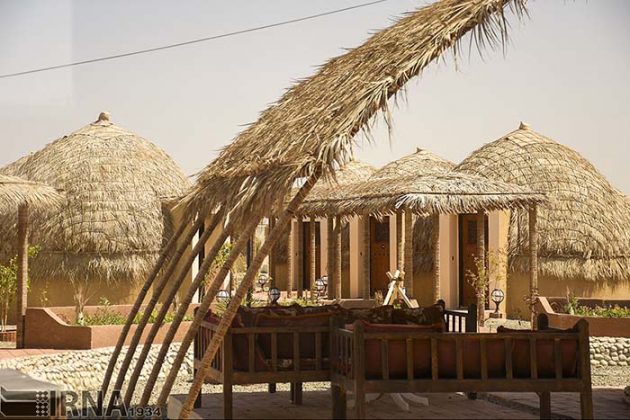
Local houses can now be found in all provinces, but you can also spend the night at a hut. People in the desert areas of Sistan and Baluchestan and Kerman build these huts to protect them against heat and cold. Now these huts have been built in the form of a five-star hotel in Kerman province.

Tribal houses in Kerman, south-eastern Iran
Tribal houses used as hotel in Kerman, south-eastern Iran

Hotels at Tree House or Inside Tubes

In Bushehr province and the port city of Shirinoo in Asaluyeh, you can find some hotels that are built inside tubes on the beach.

Each family can stay in these industrial tubes that have been converted for this purpose. You can even spend the night on a floating tube, or lodge on a tree house.