Wednesday, December 24, 2025
Home Blog Page 3233

Oldsters Thrilled to See Their Portraits Painted on Village’s Walls

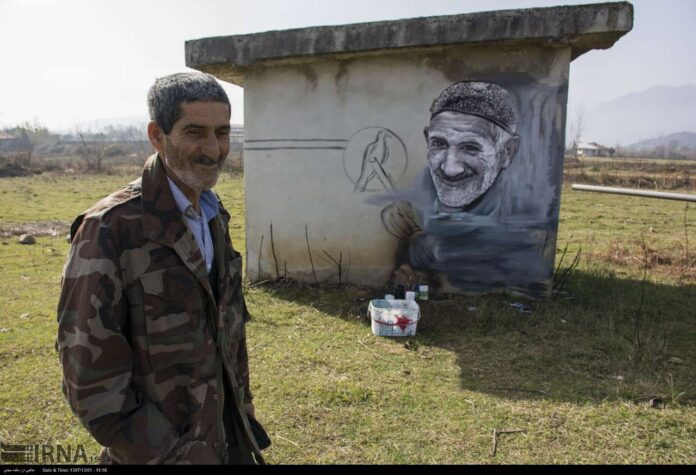
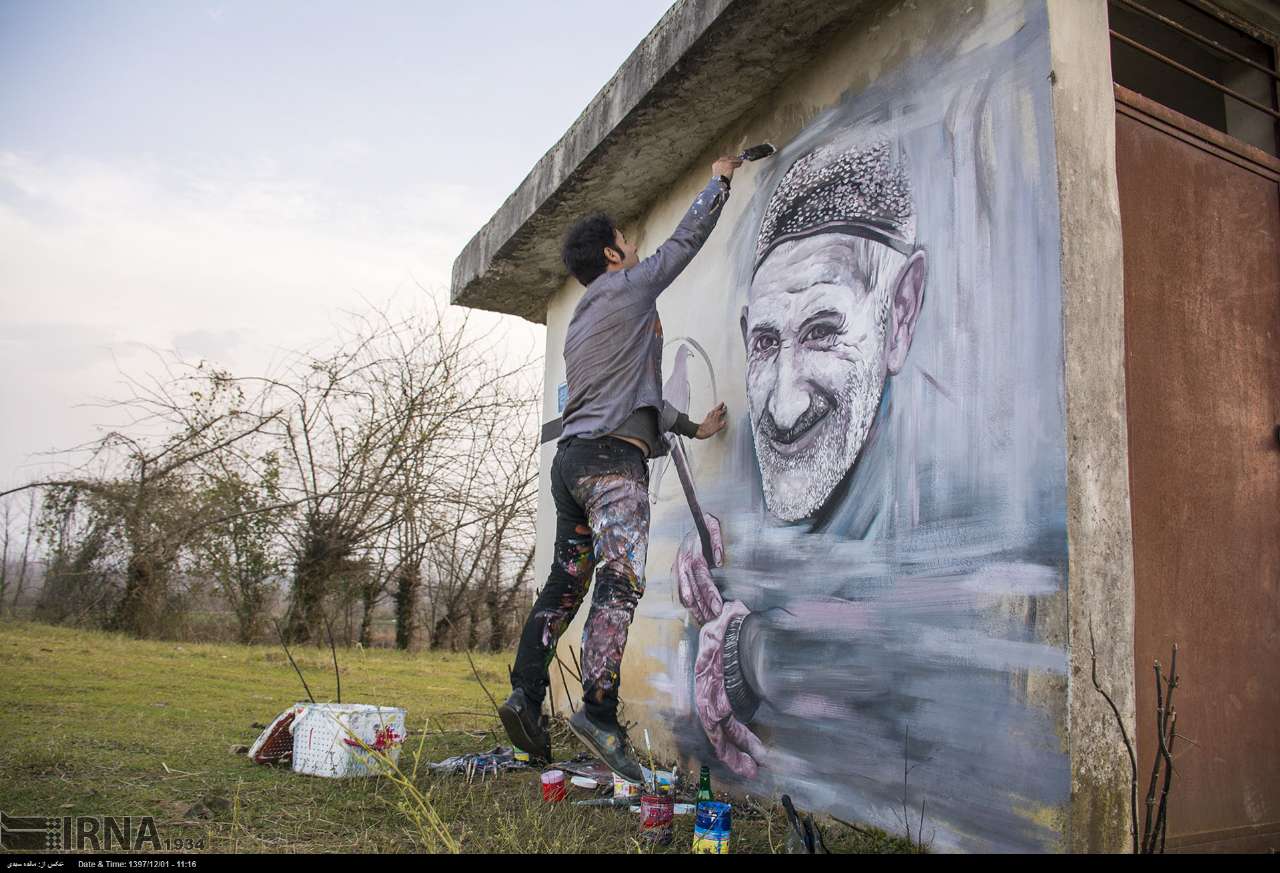
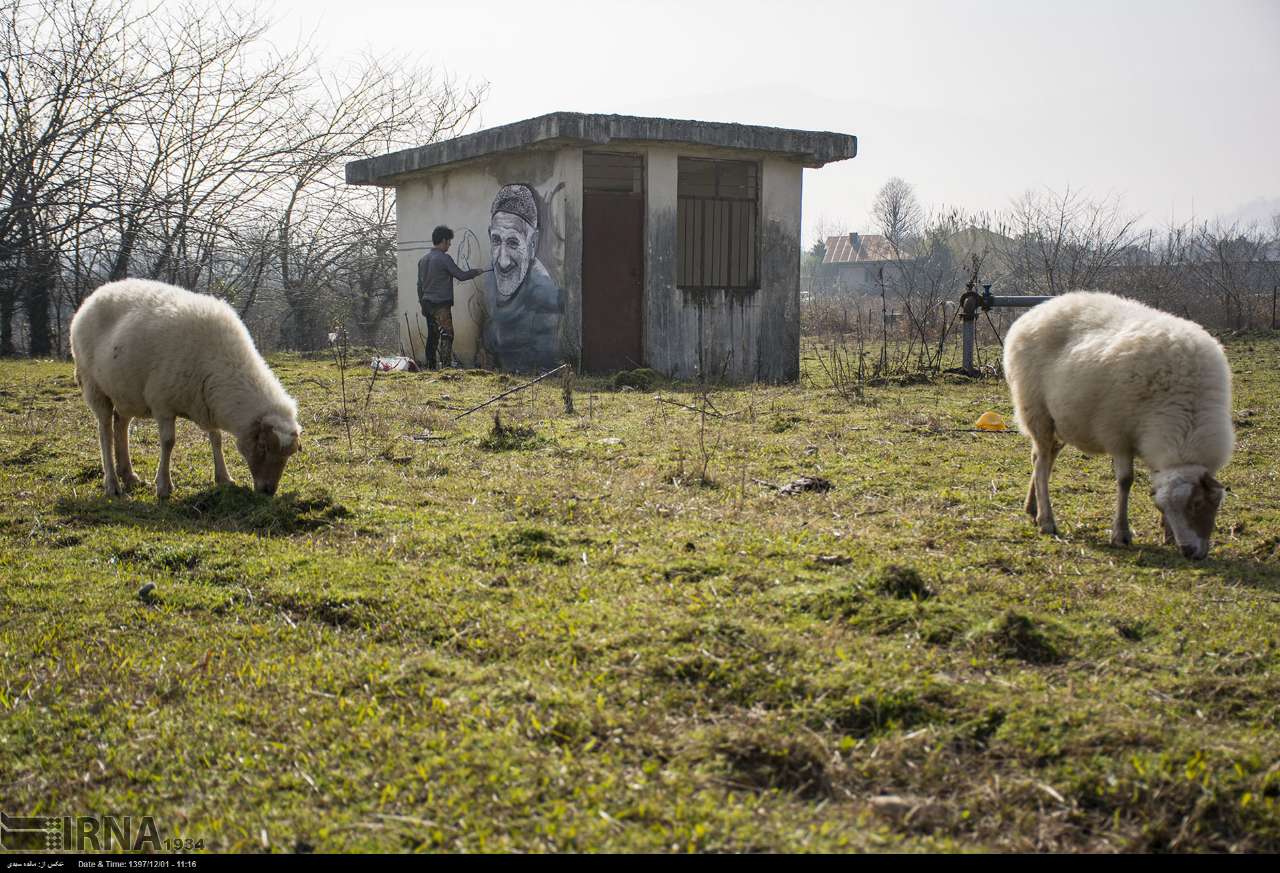
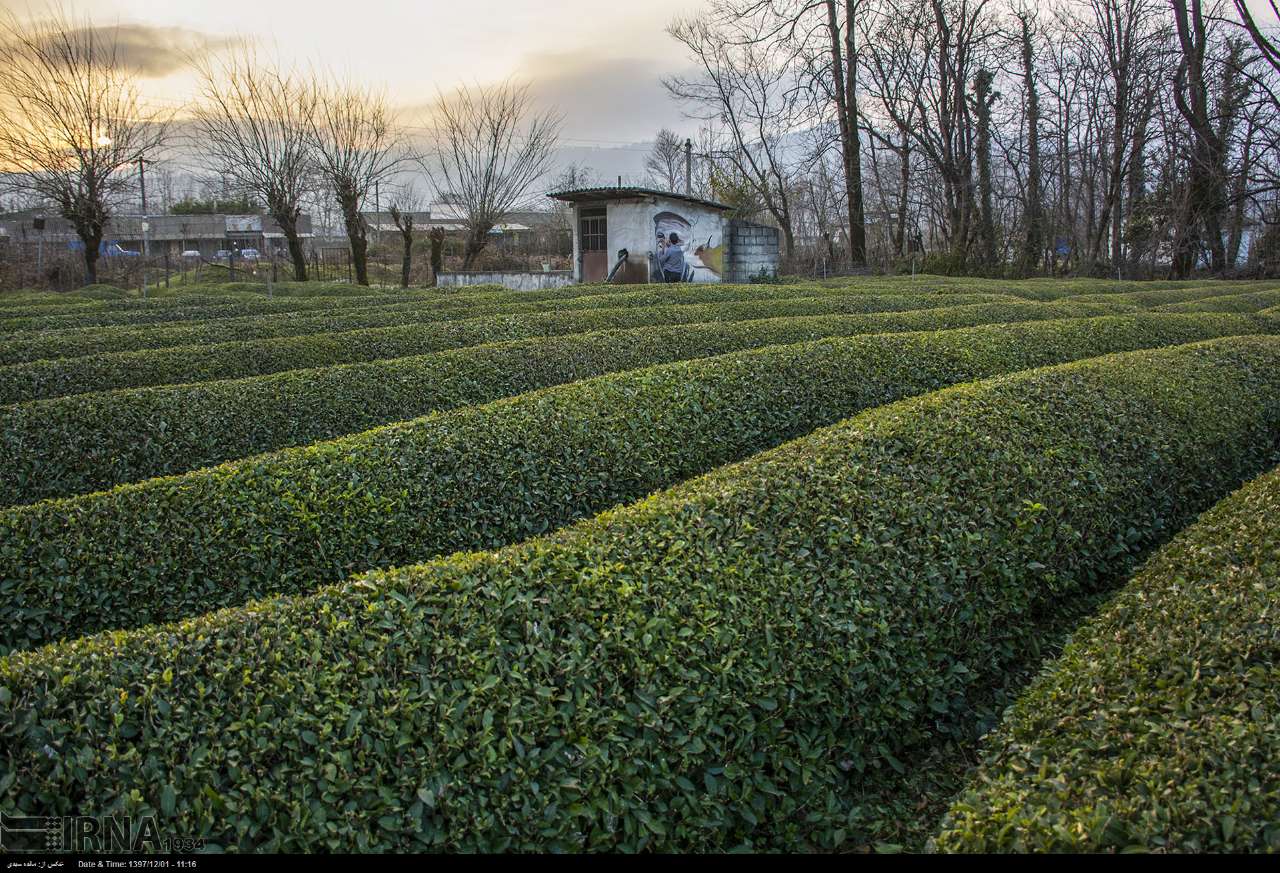
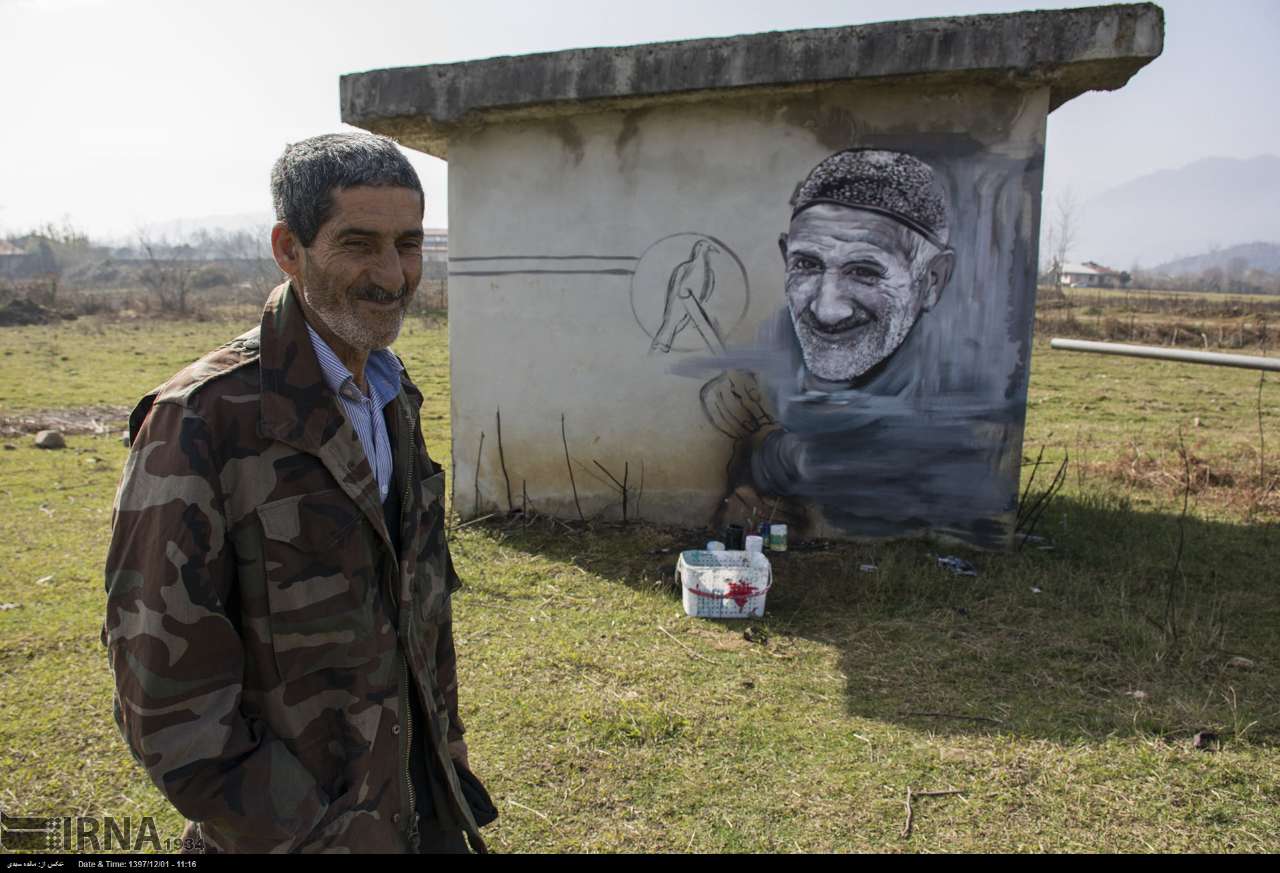
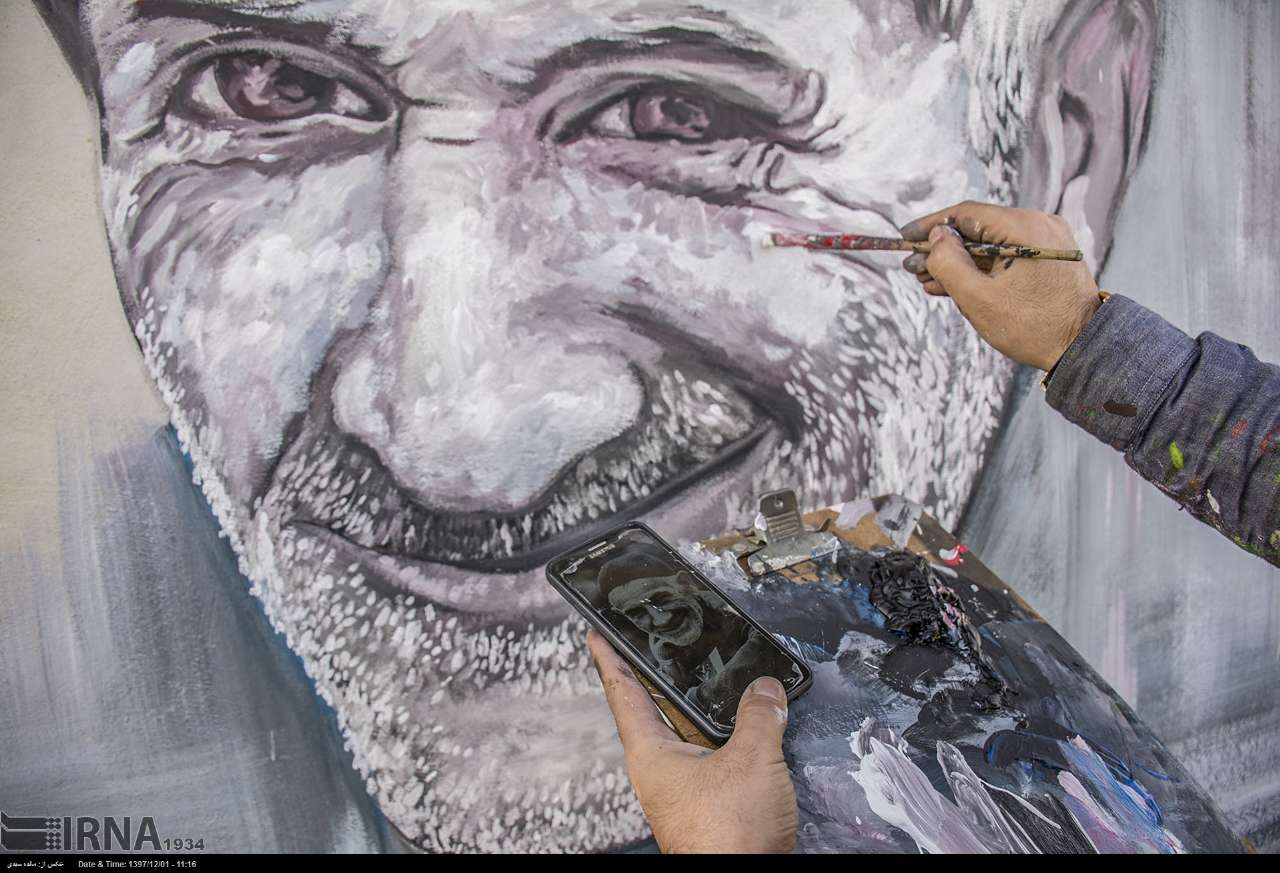
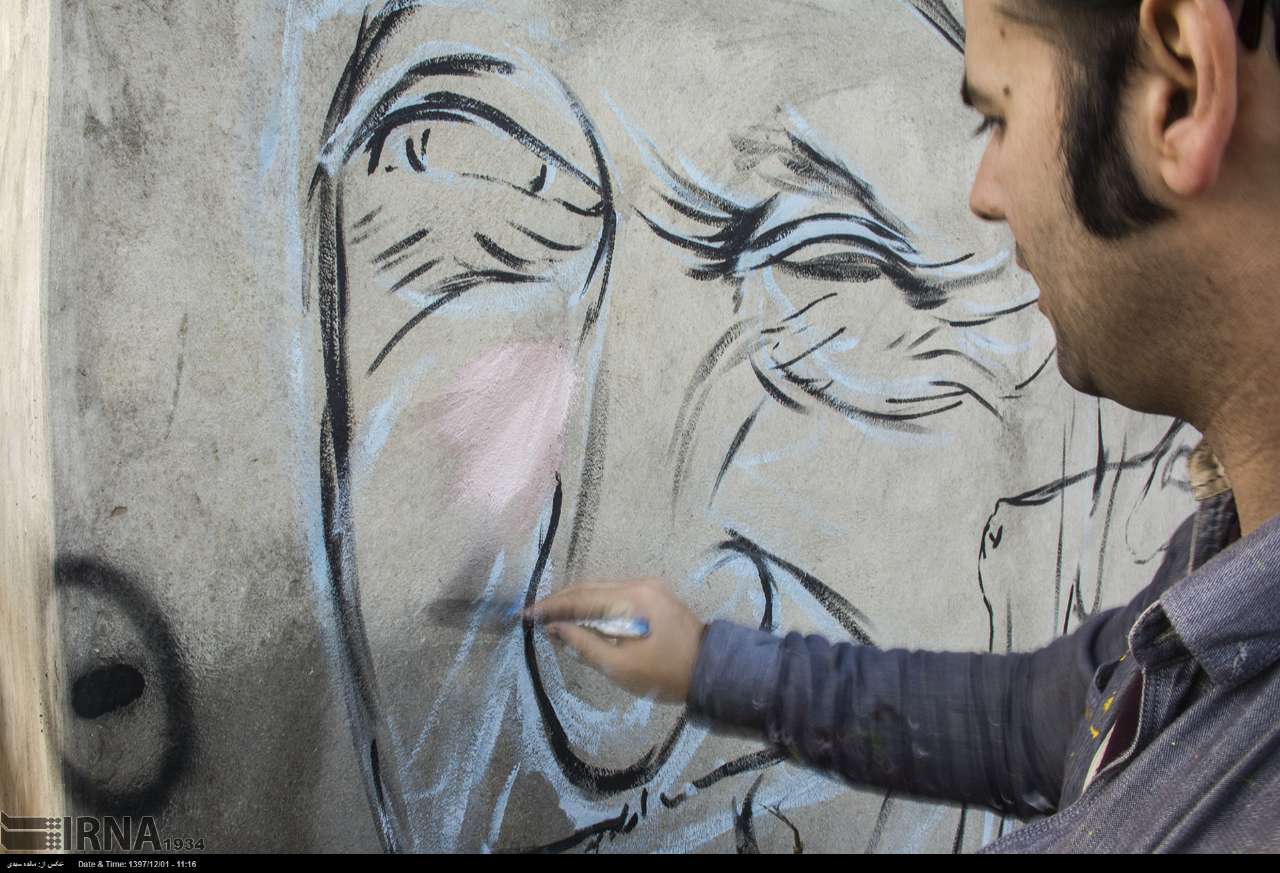
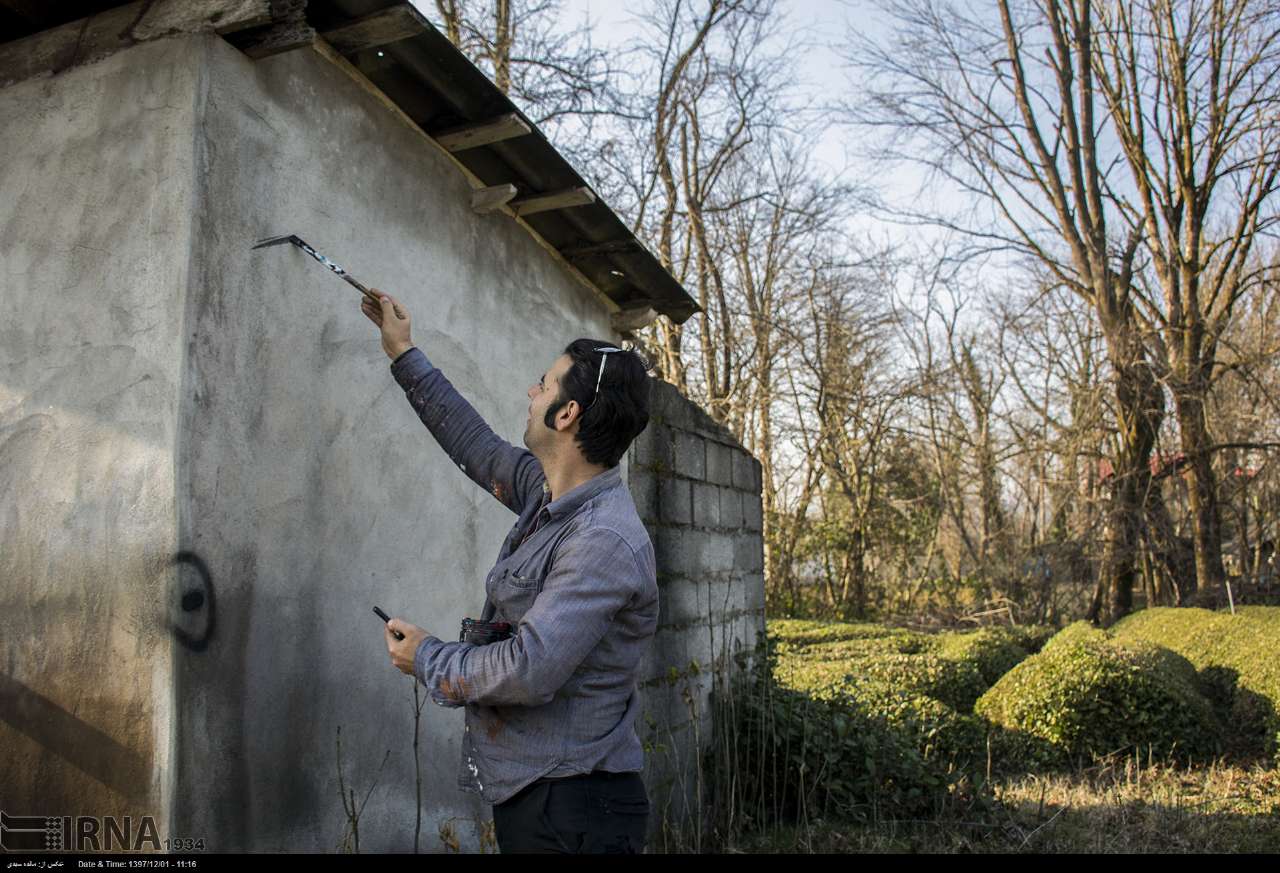
Sina Ramezani Moqaddam, together with the natives of villages in Gilan province, in particular those near Fouman and the surrounding towns, is drawing portraits of the old men and women of the same villages on the walls of the houses.

In this way, he says, the memory of their faces would be reflected on the walls for at least a few months.

Since childhood, Sina used to go with his father to visit the countryside. He was in close contact with the villagers which is why most of his urban works have a rural atmosphere.

He is planning to continue to paint on the walls in other villages of Iran in accordance with the customs of each village.

What follows are photos of some of his works retrieved from IRNA:

Rituals for Rain: Legacy of Drought in Eastern Iran

The culture of people in the eastern Iranian province of South Khorasan is littered with beliefs and customs which have their roots in the drought gripping this land. In fact, those beliefs and traditions emerged when residents saw they were defenceless in the face of the nature’s wrath.

The significant value of rain, especially for farmers and stockbreeders, has caused them to always have their eyes on the sky waiting for rain.

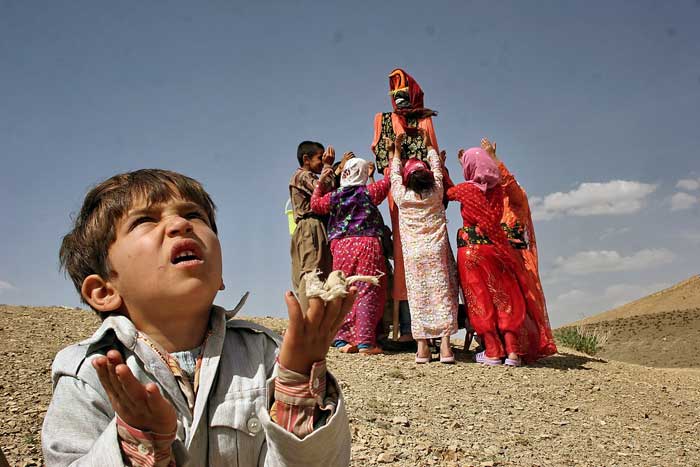
The ritual where locals requested rain in South Khorasan often had a religious touch. The rite featured people worshipping God Almighty and asking Him to send down rain. Special prayers were said in the ritual where people usually fasted for three days. They would say prayers led by Imams in the desert and under the sky, requesting God to give them rain.

“South Khorasan has always faced the issue of drought and a lack of rain. Since the past, rituals where people would pray for rain have been held, given the little rainfall in the province,” says Mofid Shateri, a university professor.

“Interesting customs and traditions in this province show that locals have always been longing for rain,” he says.

The academic noted the most important and interesting ritual where locals requested rain was called the “Ataloo Doll.”

“It has been years that this rite has not been performed, or is rarely held in some villages in the years marked by severe drought,” he says.

The following are some of the rituals where people would ask for rain.

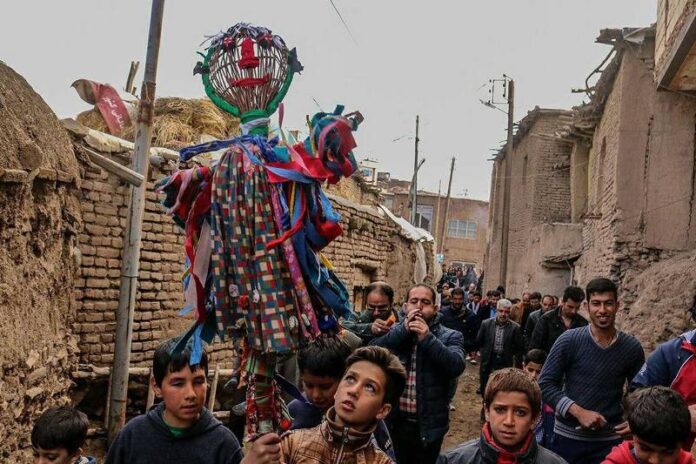
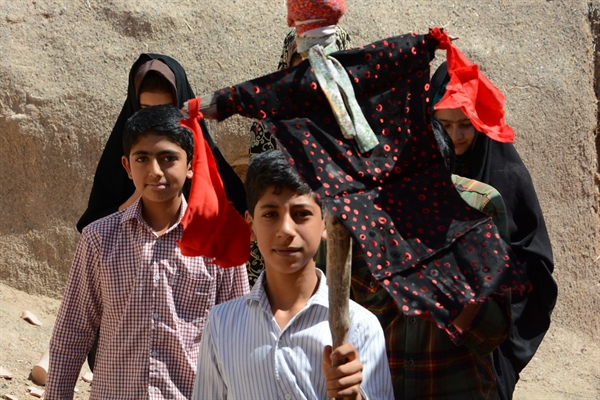
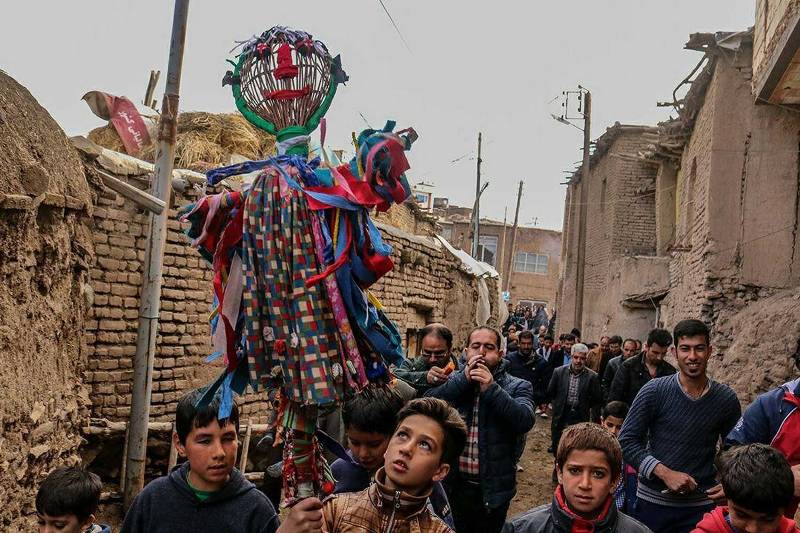
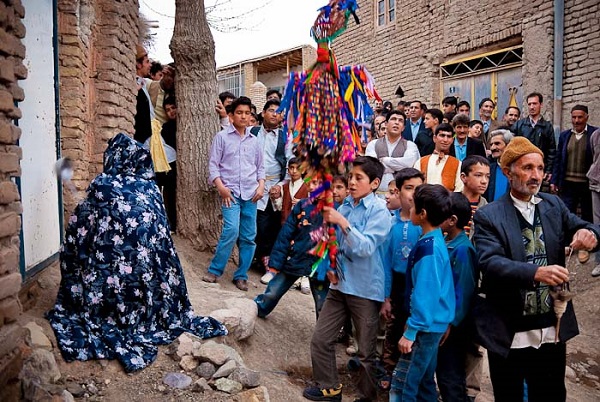
Rituals for Rain: Legacy of Drought in Eastern IranAtaloo Mataloo: During the drought season, the youth would make a doll named “Ataloo Mataloo” out of wood and dress it in old and worn-out clothes. Then they would hold the doll in their hands and walk through alleys and usually sit down outside the homes of the wealthy and sang, in chorus, a rhythmic song asking for rain.

Ataloo Mataloo is one of special rain-asking rituals in South Khorasan province and has been registered on Iran’s National Intellectual Property List.

Darnak Darnakoo Rock: It is another ritual in South Khorasan whereby people would ask for rain. In this rite, locals would go to a ditch in their village during drought and pick up a rock inside the ditch. They would take the so-called “Darnak Darnakoo Rock” back to the village and believed the move would make it rain.

The Rain Prayer Mosque in Qaenat: The Qaen city located in the provincial country of Qaenat is home to an area named Farrokhabad Gate where the Rain Prayer Mosque is built. It has a very big underground water storage chamber. During the drought season, wheat would be collected from locals’ homes and brought to the chamber. Then they would cook meals and give them away as votive food while praying for rain.

Currently, too, week-long prayers and worship rituals are held at this mosque during most years whereby people pray for rain.

Haft Fatemeh in Koreh Village in Qaenat: During the years when there is no rain, seven popular people whose names are Fatemeh are chosen. They should bring seven pebbles from seven springs. Then in a special ceremony, they would take the lead followed by other local women and walk toward a holy shrine in the vicinity of the village and sit around the mausoleum and recite prayers to the seven pebbles and cry. The rite possibly originates from the Old Testament which says women sobbed while sowing seeds and believed shedding tears would bring rain.

Iran Condoles with China over Chemical Plant Explosion

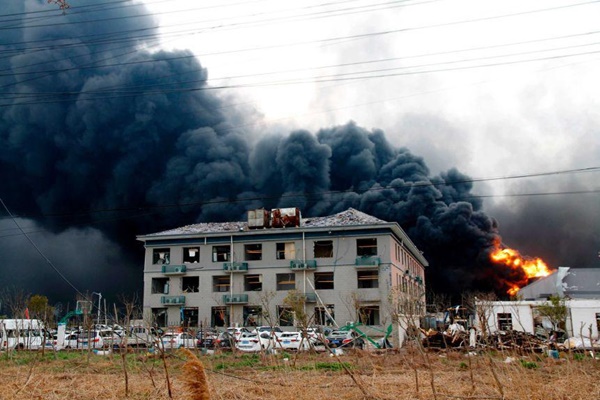
Fire burns at the site of a massive explosion in China / Photo by AP: Chinatopix

In a Saturday statement, Qassemi sympathized with the Chinese government and nation, and the survivors and families of the victims of the heartbreaking and tragic incident.

He also expressed hope that those wounded in the horrible accident would recover as soon as possible.

The death toll from a massive explosion at a chemical plant in eastern China has risen to at least 64, with hundreds of others injured, 90 of them seriously.

Rescuers pulled a survivor from rubble early on Saturday (local time), more than 24 hours after the blast at the factory, which had a long record of safety violations.

The number of deaths appeared likely to rise still further, with another 28 people still listed as missing, the official Xinhua News Agency reported.

Just 26 of those confirmed dead in Thursday’s explosion have been identified, it said.

The blast in an industrial park in the city of Yancheng, north of Shanghai, was one of China’s worst industrial accidents in recent years.

State-run television showed crushed cars, blown-out windows and workers leaving the factory with bloodied heads.

Women in Bushehr Make Delicious Breads to Welcome Nowruz

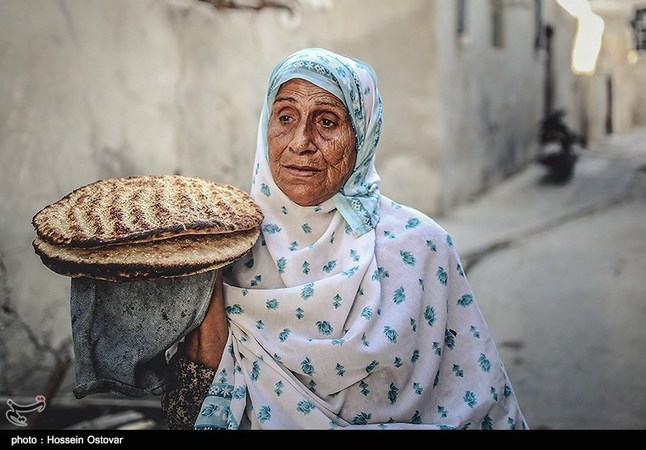
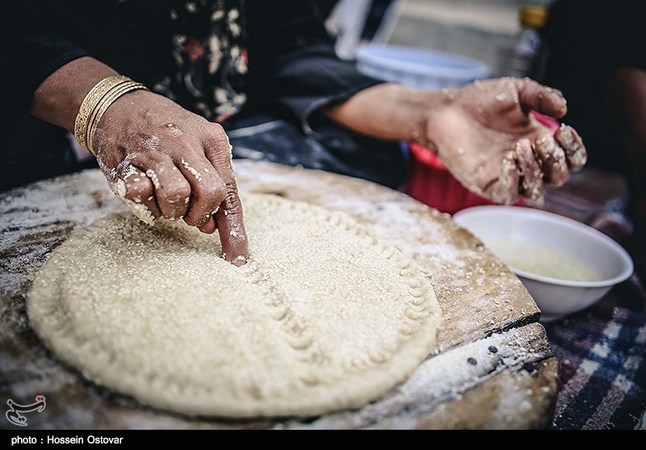
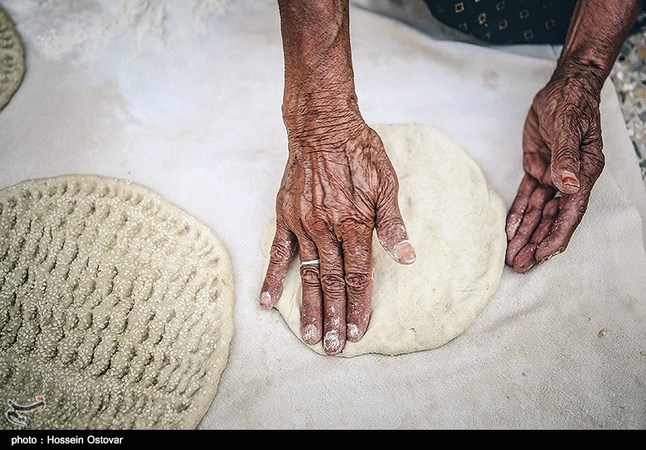
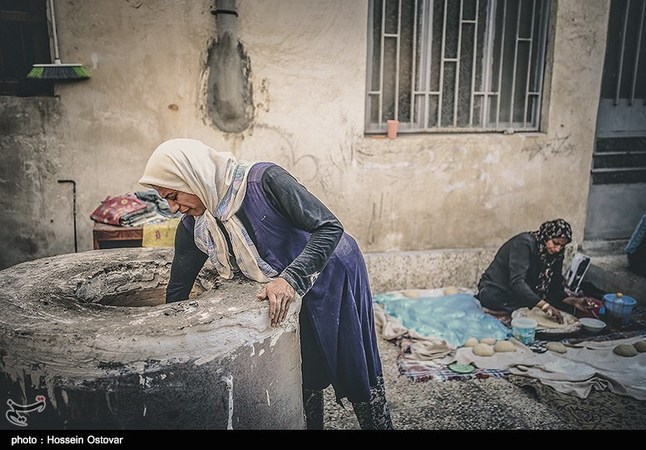
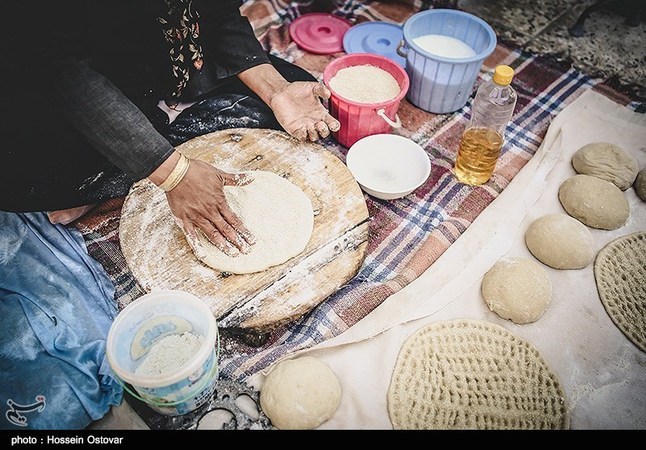
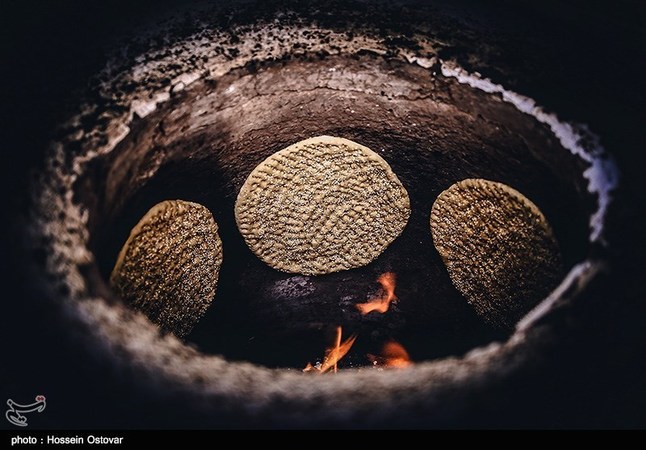
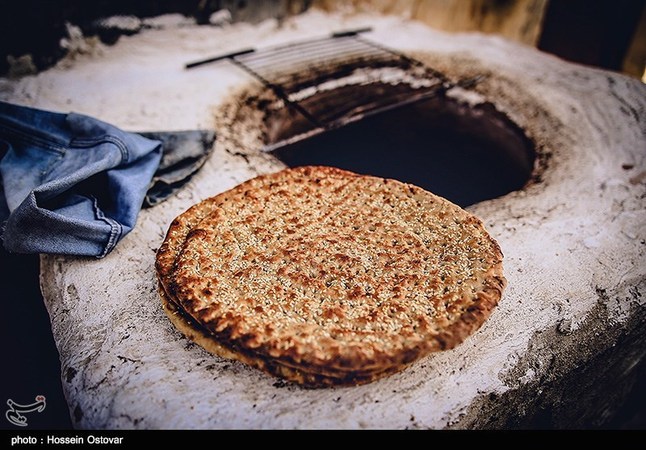
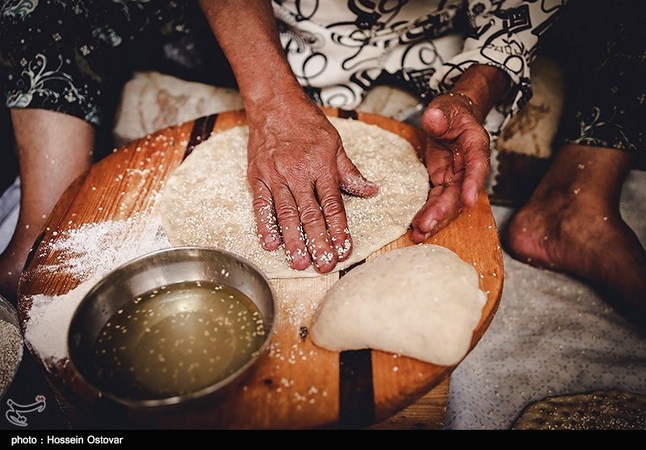
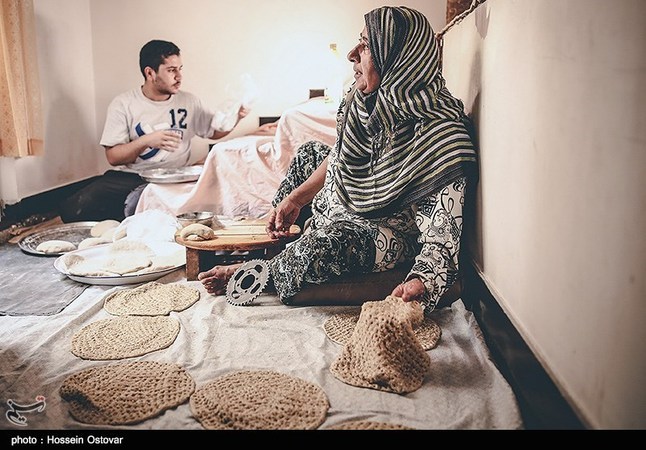
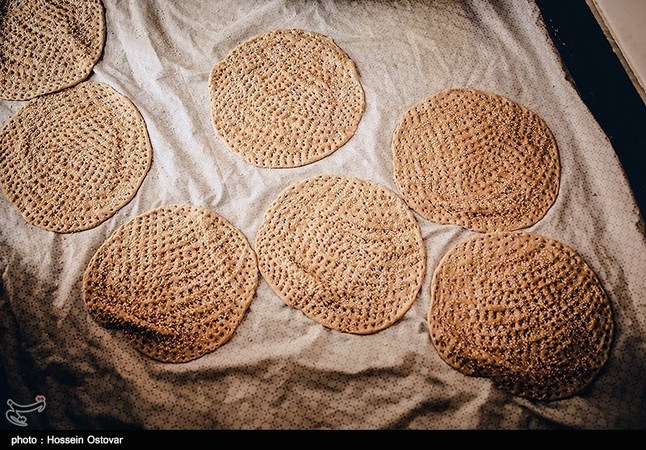
Two methods of baking bread are common in Bushehr: inside a tandoor and on a pan. The one cooked in a tandoor is thick and known as Gordeh. They spray sesame on the bread before putting it in the tandoor.

The bread baked on a pan is thin. It is spread out on a special board using a roller pin. Then it is put on the pan to be baked. This thin and dry bread comes in different types and can be preserved for months.

A smaller and soft type of bread is also baked on the pan. It is called Moshtak or Bolbol and usually used for breakfast.

Bushehr is also known for its local and traditional foods whose most important ingredients are fish, shrimps and dates. The traditional foods in Bushehr include fish fillet, shrimp fillet, grilled shrimps, shrimp-and-rice, etc. These are among the popular traditional foods that locals cook for their guests.

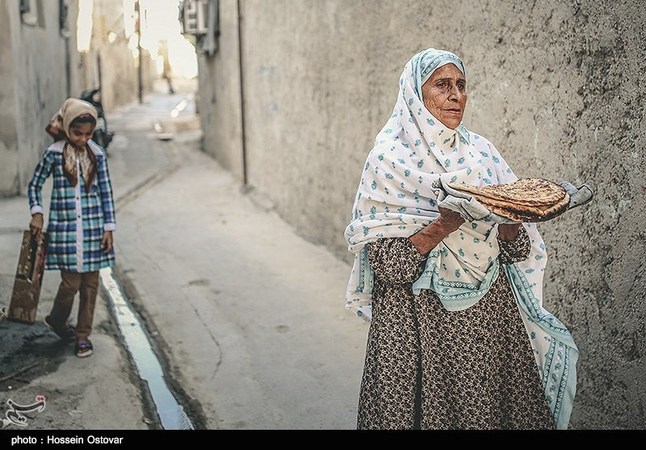
The following are Tasnim News Agency’s images of local women baking the traditional bread Gordeh in Bushehr province.

135mn-Year-Old Cave: A Mysterious Tourist Attraction in Iran

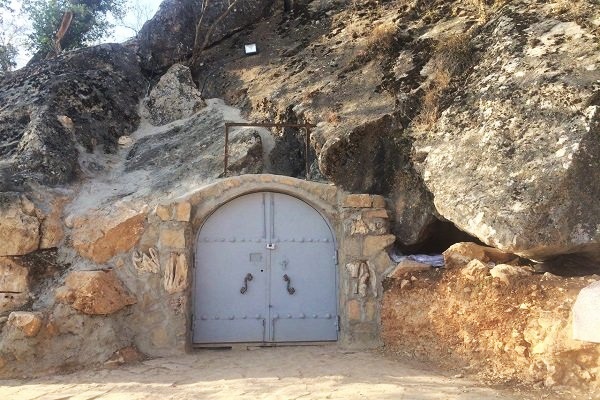
The Dah-Sheikh cave, which is 135 million years old, is located in the heart of the Dena mountains near a village in Kohgiluyeh and Boyer-Ahmad province. It is one of the 600 discovered caves in Iran, ranking second in terms of depth and size. The cave is estimated to be 6 kilometres deep. As the cave is so large, parts of it have not been explored yet.

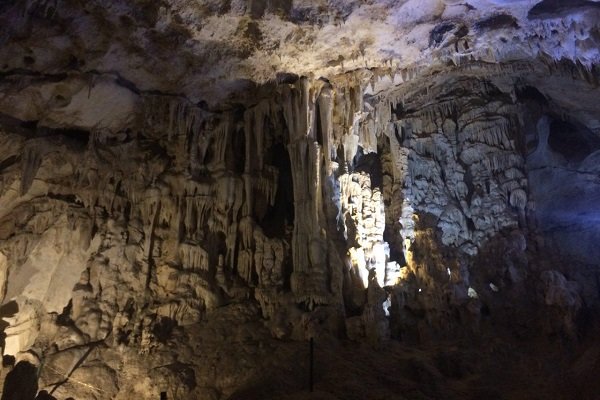
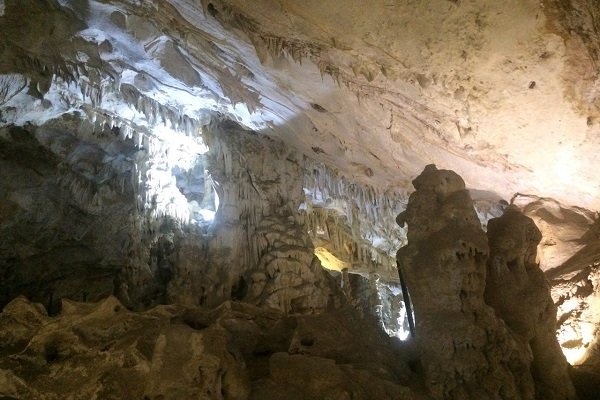
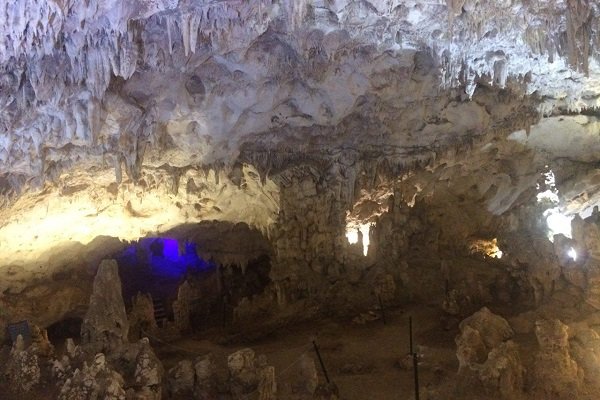
The cave dates back to the second geological era and is a completely natural lime cave. Rain and snowfall have created holes in the cave over the years. That has caused water to flow out of the holes, creating wonderful icicles and passageways.

There are no paintings on the walls, which indicates this place has remained intact for centuries. What is strange about this cave is that the weather inside is warm in winter and cold in summer. The mysterious warmth inside the cave during cold season is a puzzle not solved yet.

The entrance to the cave lies 1,670 metres above the sea level and is so small and dark that one needs to pass through it in a squatting position for five to six metres. The cave is up to seven metres high in some parts. One can find different types of beautiful lime icicles in its passageways.

The Dah-Sheikh cave is one of the caves where remains of humans, animals and clayware have been unearthed in archaelogocial excavations. This shows humans who existed during the emergence of Islam used to live in the cave.

The clayware items and bones discovered in the cave date back 135 million years old, which shows human beings chose to live in that colossal cave.

Archaeological studies show the discovered clayware dates back to the Achaemenid and Sassanid eras.

In some passageways of the cave, one may find insects like spiders, centipedes, cockroaches and beetles as well as birds and other animals such as bats, rats and different types of arthropods.

Iranian Couple Develops Technology for Rehab, Treatment of Joints

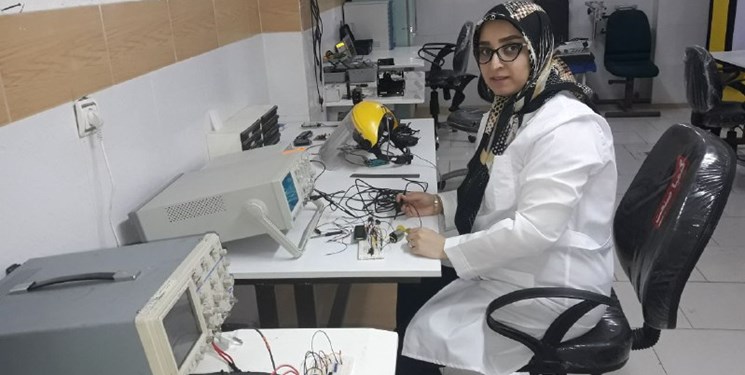
33-year-old Jafar Aqazadeh and his wife Zeinab Roshani have conducted research work at their own expense in a bid to meet their fellow countrymen’s needs amid the US sanctions. They are working on a number of technologies and research projects at the moment.

Jafar says the reason behind their success in developing new products is that they take people’s needs into account and work to meet their needs.

“We work on the priorities of people’s needs,” he told Fars News Agency.

“At the moment, we are conducting studies to produce good products in the field of treating special diseases such as multiple sclerosis (MS) and Parkinson’s disease,” he added.
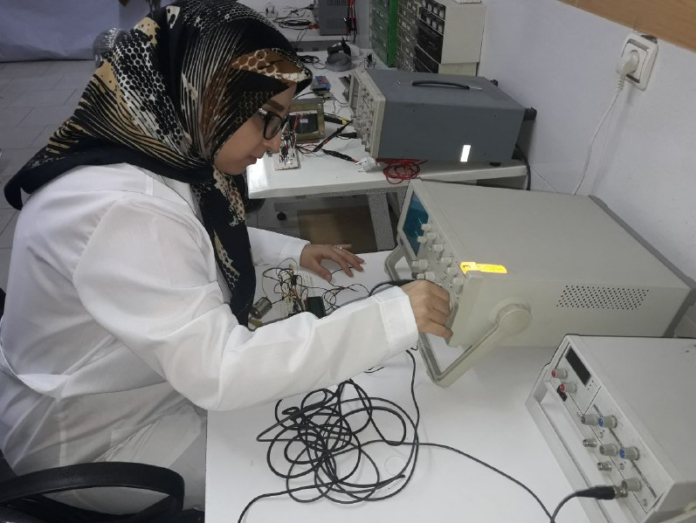
Iranian Couple Develops Technology for Rehab, Treatment of Joints“We began our activities in 2008 in the form of a technology firm at a sci-tech park in East Azarbaijan province by producing several innovative products needed in the country in the domain of rehabilitation,” he said.

“We developed a product for that place. Then we began producing a sample physiotherapy and rehabilitation apparatus used to keep damaged knee and pelvis joints in constant motion, and we were able to offer the product on the market,” he said.

“Then we presented several knowledge-based products developed for shoulder and elbow joints,” said the researcher.

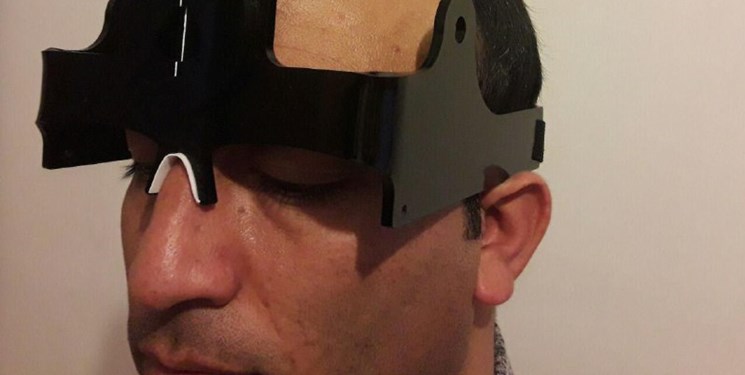
“We also presented an electronic wheelchair which works by controlling signals from the brain and the eye. We used a combination of the two to identify the directions of the wheelchair,” he said.

The wheelchair can be used for people with severed spinal cords but healthy brains, so that the brain can process and analyze the data, says the researcher.

“This wheelchair is connected to the user’s head via a wireless headset which is a trade module, and the received data is sent to the wheelchair via Bluetooth,” said the researcher.

He said no wires are used in the wheelchair because wires impede the wheelchair’s movement and the patient cannot move.

For a brief review of Iran’s achievements in various fields of science and technology, check the book “Science and Technology in Iran: A Brief Review

“We used a wireless headset which has a receiver that is installed in front of the eyes and controls eye movements and, this way, identifies the main directions. The headset detects the disabled person’s needs, analyzes them and meets them through a robotic structure installed on the wheelchair,” he says.

According to the researcher, another apparatus has also been developed to detect neck deviation by analyzing the degree of the deviation.

“It is an electro-goniometer whose samples we have already developed, and now we are in the designing stage,” says the researcher.

The measurement of the degree of the deviation of the neck used to be conducted manually, and there was no digital method to analyze it, he says.

“But this apparatus makes it possible to detect the degree of the deviation and administer the necessary treatment accordingly,” he said.

“Our next product is related to photography and phototherapy. It is used to make the skin young,” said the researcher.

“In cooperation with our research team at Tabriz University of Medical Sciences, we are developing samples in this project and receiving the required permits. This product has been warmly welcomed. Its industrial sample is ready and will be offered on the market,” he said.

Meanwhile, Zeinab Roshani touched upon the problems created by sanctions.

“There are impediments. They usually buy foreign goods and do not allow Iranian projects, which are of better quality as well, to be sold,” she said.

“But we have managed to sell the projects via collaboration with medical sciences centres,” she added.

“They are having good cooperation with us. We have also conducted a needs analysis for some medical centres and hospitals. We make products depending on the orders we take. We have avoided sanctions through our own efforts,” said the researcher.

Iranian Couple Develops Technology for Rehab, Treatment of Joints

Iran Condemns ISIS Attack on Kabul Gathering

In a Friday statement, Bahram Qassemi expressed condolences to the Afghan government and nation as well as the families of those killed or wounded in this inhumane act.

“Nowruz and the culture of Nowruz have been a unifying factor among various ethnic groups in different regional countries and among those countries as well,” he said.

“This act committed by ISIS amounts to targeting elements of unity in the region,” he noted.

“We are confident that they (terrorists) will not achieve their sinister objective of creating discord in and among regional countries,” he said.

At least six people were killed and more than 20 others were wounded as a result of multiple explosions that hit a shrine in the west of Kabul. According to Afghan officials, the blasts were caused by improvised explosive devices.

The attack struck a gathering where people were celebrating Nowruz, which marks the beginning of the Persian New Year and is celebrated in many countries. The ISIS terror group claimed responsibility.

Iran Strongly Condemns Trump’s Decision on Occupied Golan

bahram

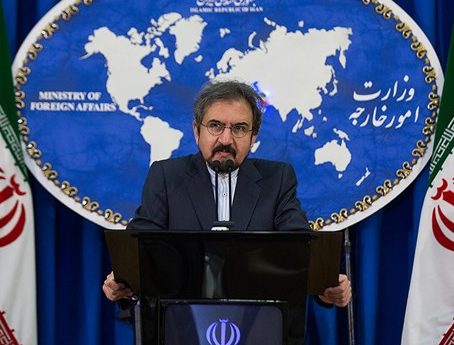
In a Friday statement, Bahram Qassemi slammed the decision as “arbitrary and impulsive”, saying such moves would move the volatile region of Middle East towards back-to-back crises.

“As an occupying regime, the Zionist regime [of Israel] does not have sovereignty over any of Arab and Islamic territories, and this regime’s aggression and occupation should be ended soon,” said Qassemi.

“Based on the United Nations Security Council resolutions, Golan is an occupied territory of Syria, and the only solution to the issue is to end the occupation [of Golan Heights],” the spokesman added.

“The seizure of this land via occupation and aggression is condemned, and the US president’s interventionist decision on the issue of Golan will not only not change the fact that it is part of the Syrian soil, but also bears witness to the failure of decisions aimed at making compromises,” he said.

“It also proves the resistance front is on the right path and that resistance is the right thing to do in the face of the United States and the Zionist regime’s expansionist and aggressive attitude,” he added.

Qassemi also touched upon Trump’s behaviours in violation of UN Security Council resolutions as well as international rules and principles.

“His personal and impulsive decisions have unmasked yet another instance of the United States’ real policies – policies which are dangerous for the whole world, and will particularly push this sensitive region (the Middle East) to the brink of back-to-back crises,” he added.

The spokesman warned against such bullying behaviour by the US and the Israeli regime, which can trigger a fresh wave of conflicts in the region.

“The Islamic Republic of Iran will closely monitor all upcoming developments and will adopt appropriate policies in cooperation and consultation with the government of Syria and other countries,” Qassemi said.

The US president recently declared his bid to recognize Tel Aviv’s sovereignty over the Syrian territory of Golan Heights.

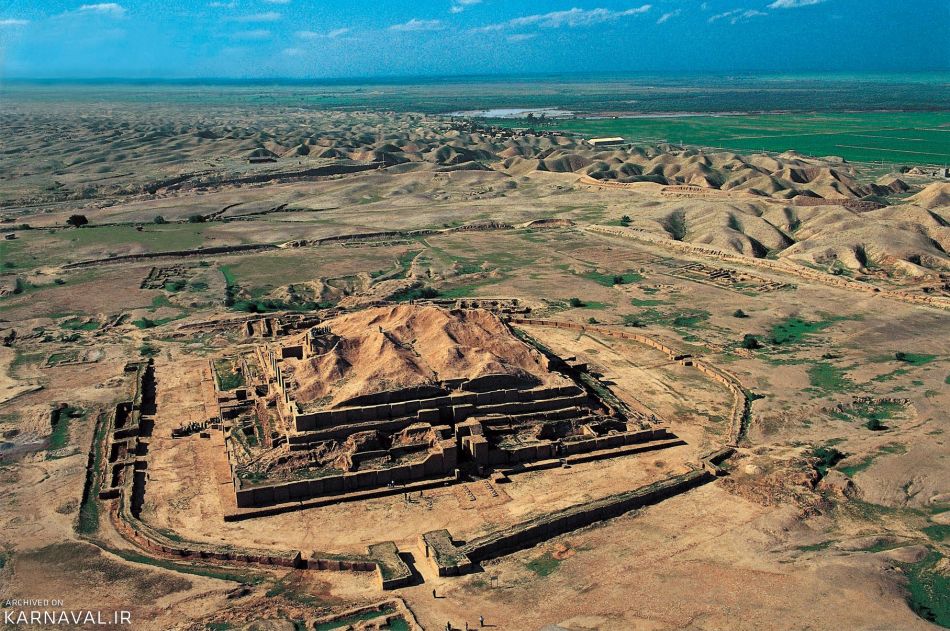
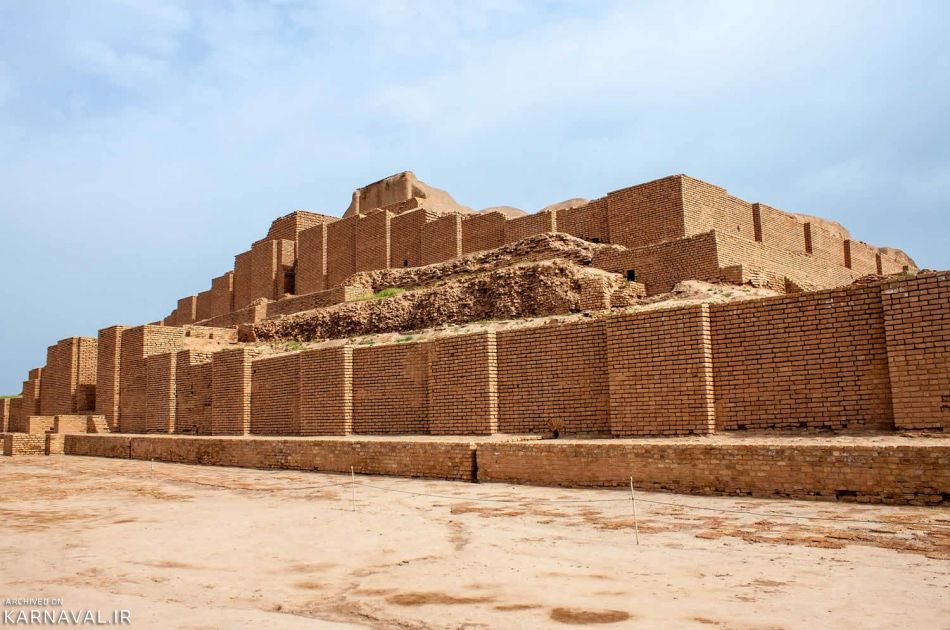
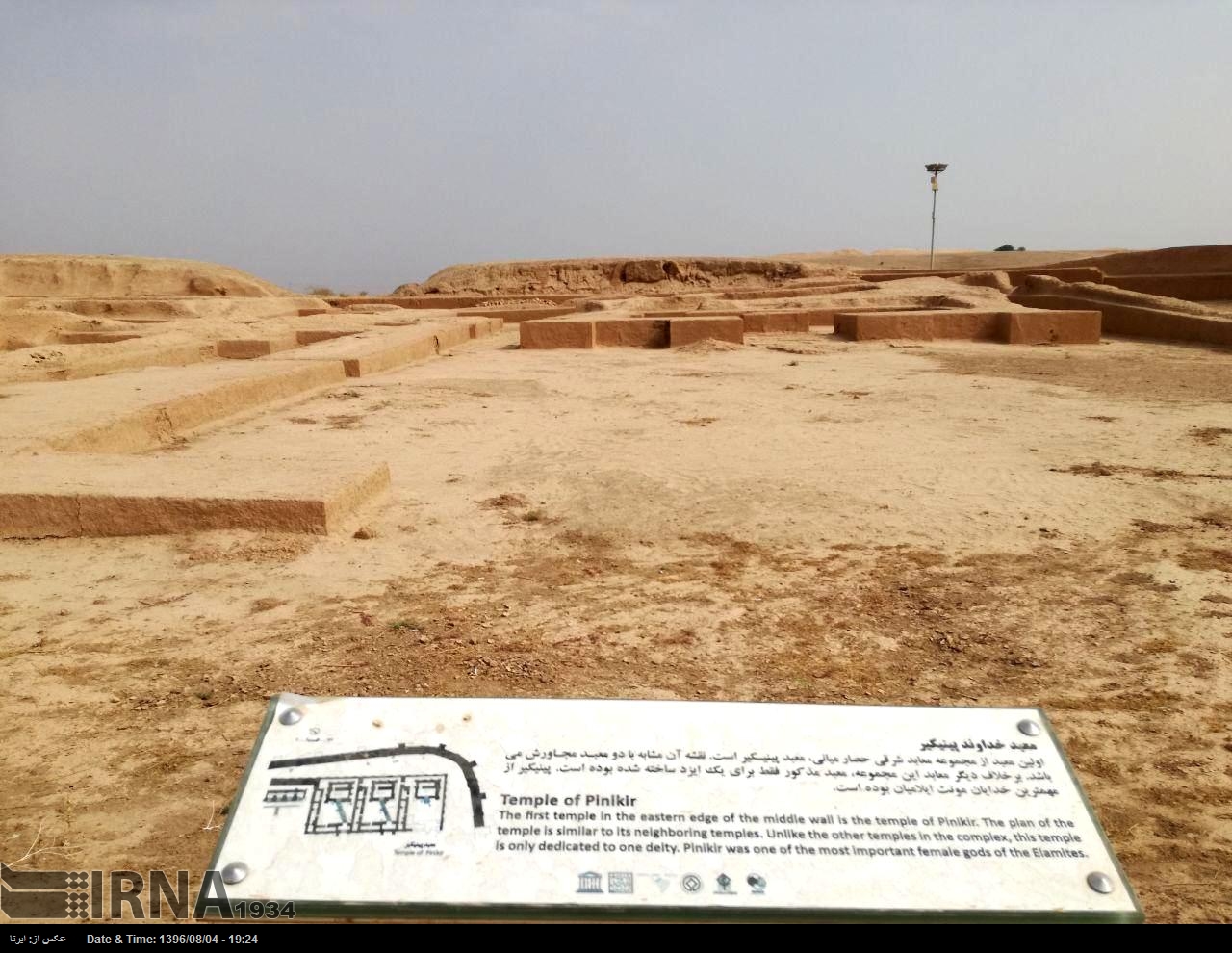
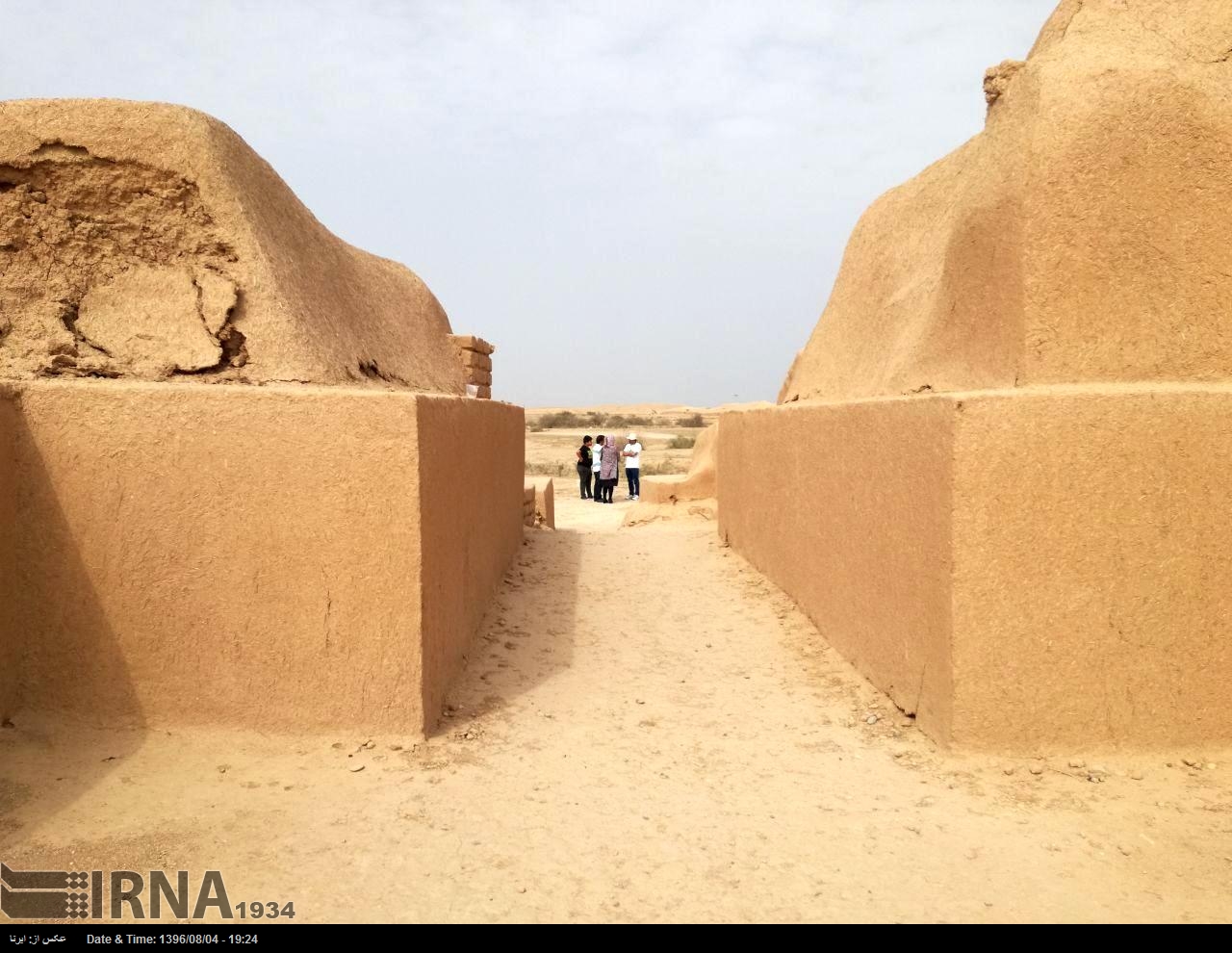
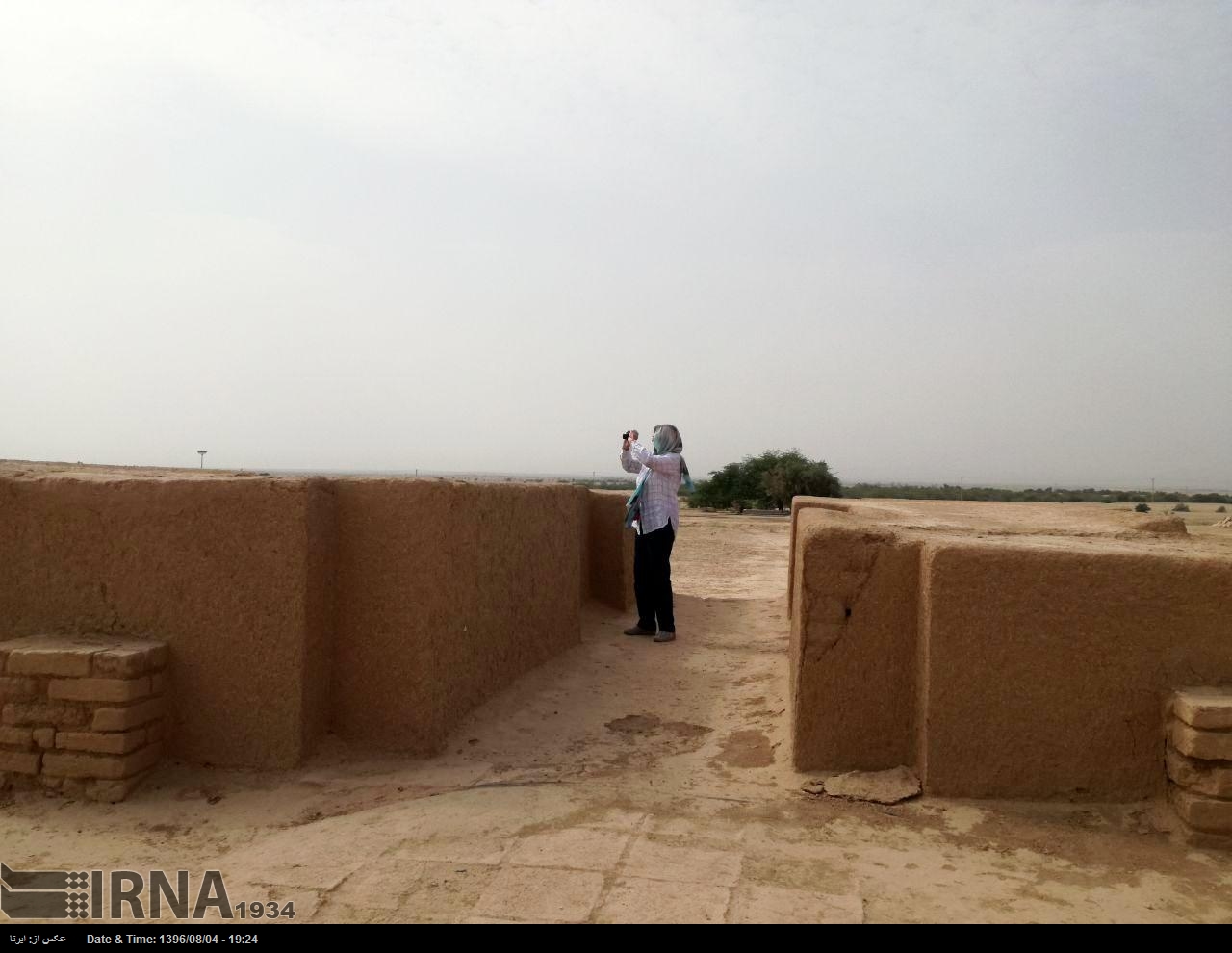
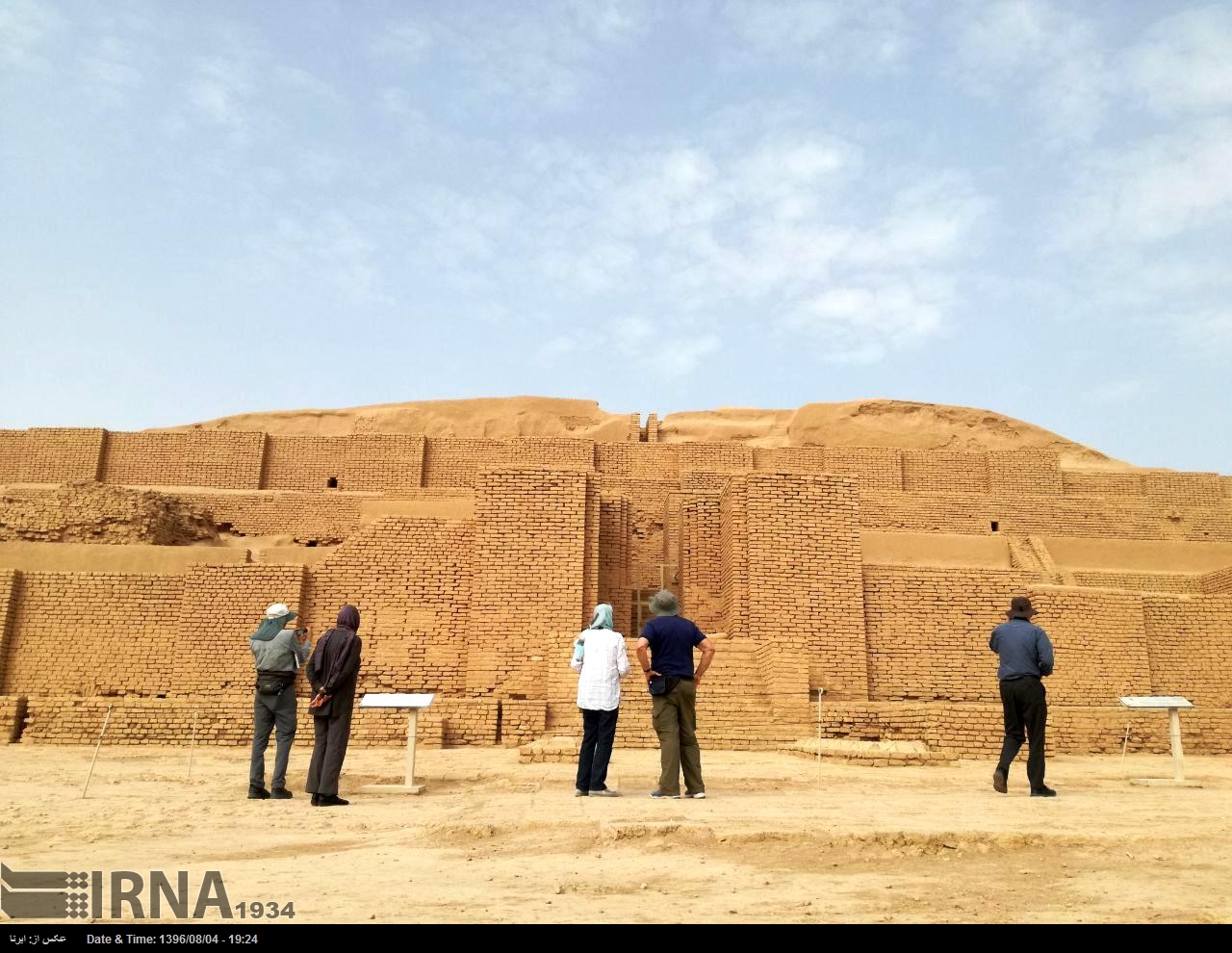
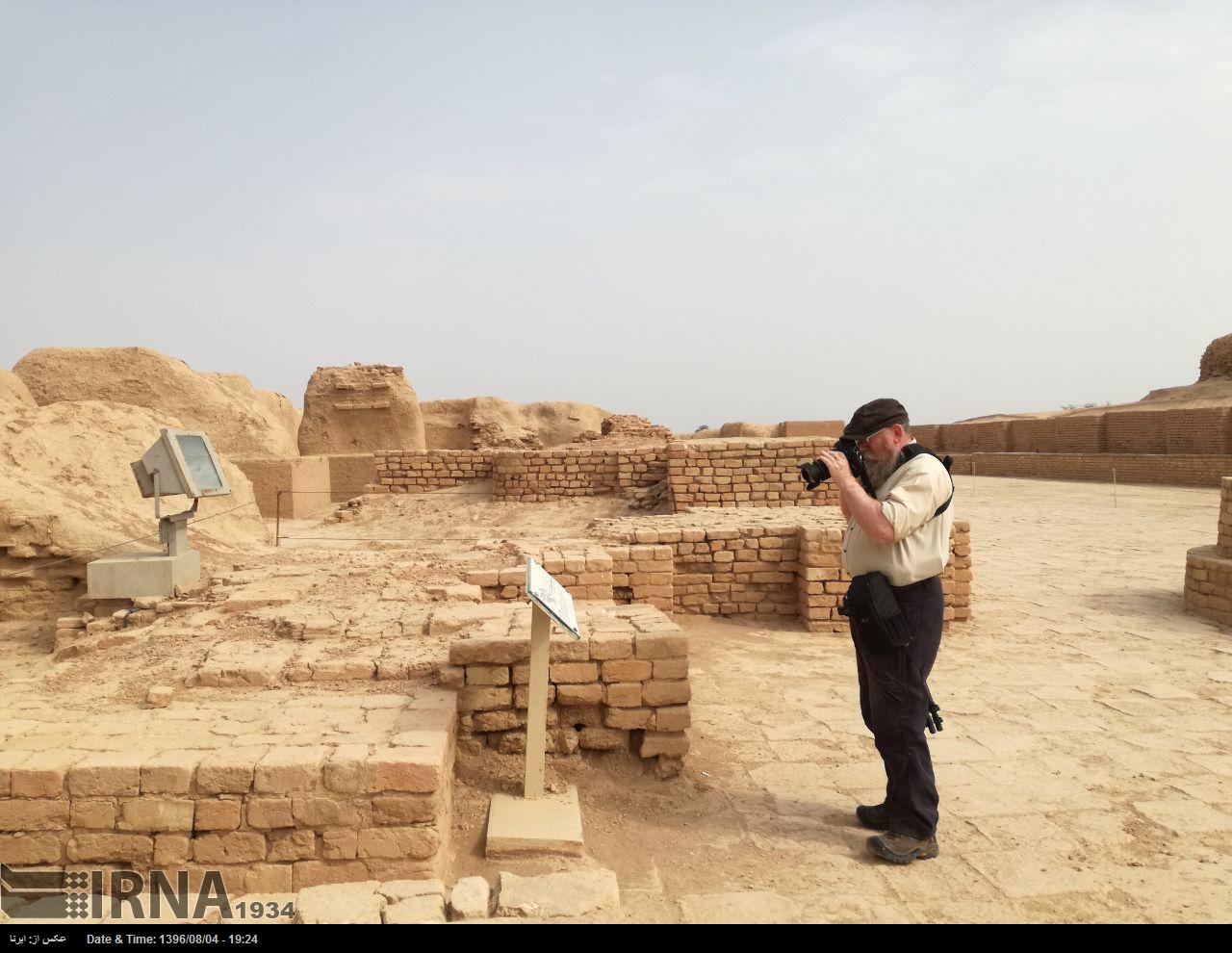
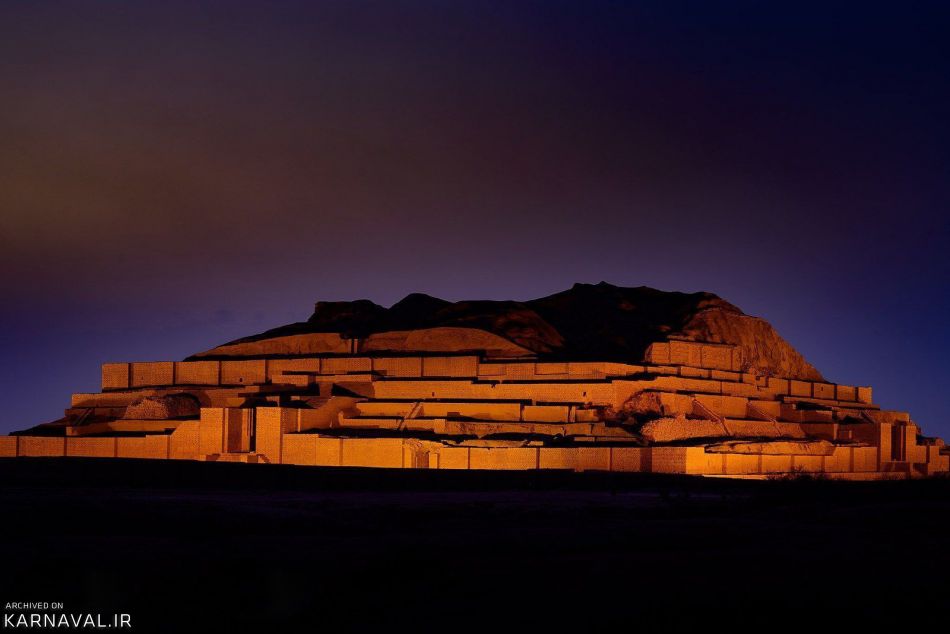
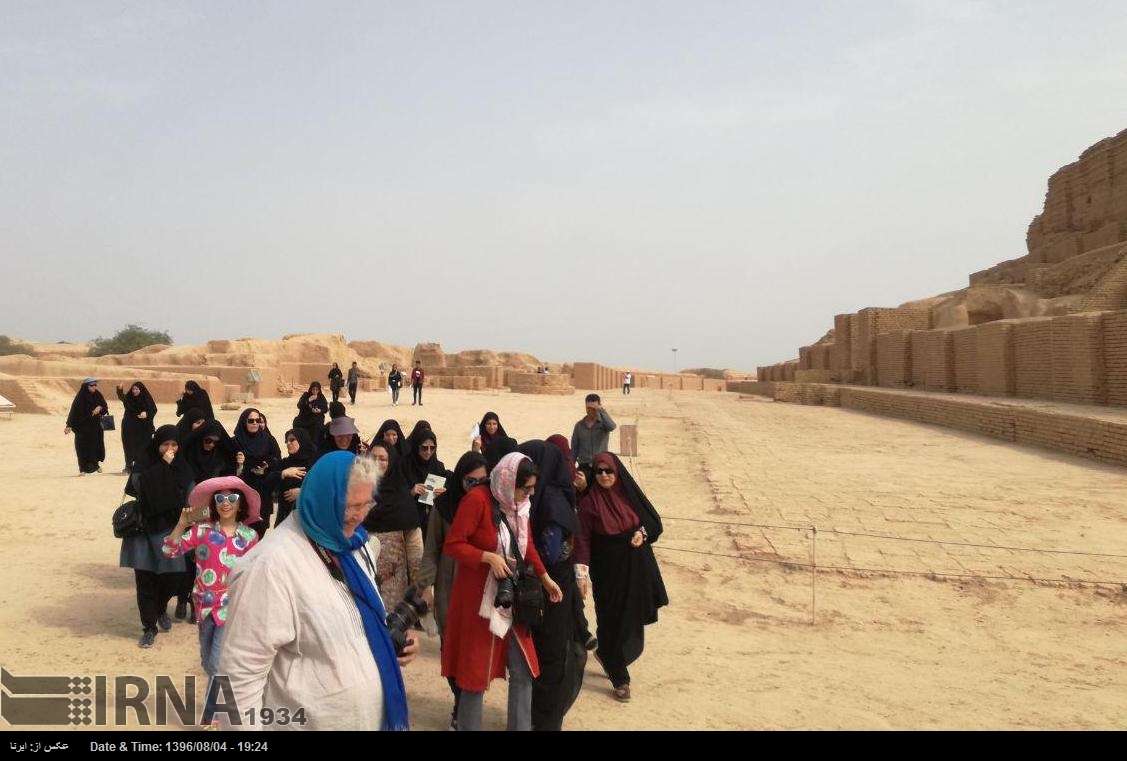
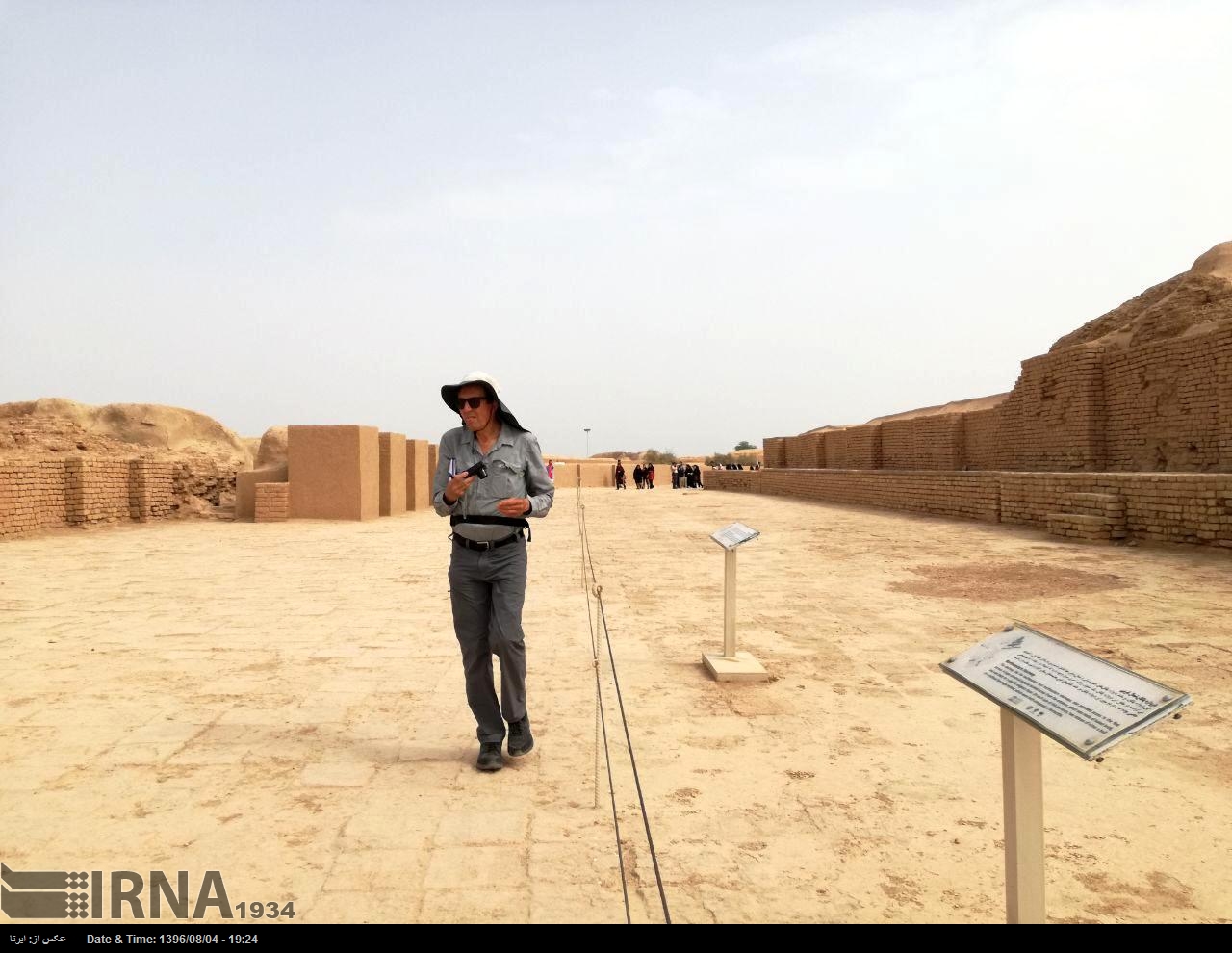
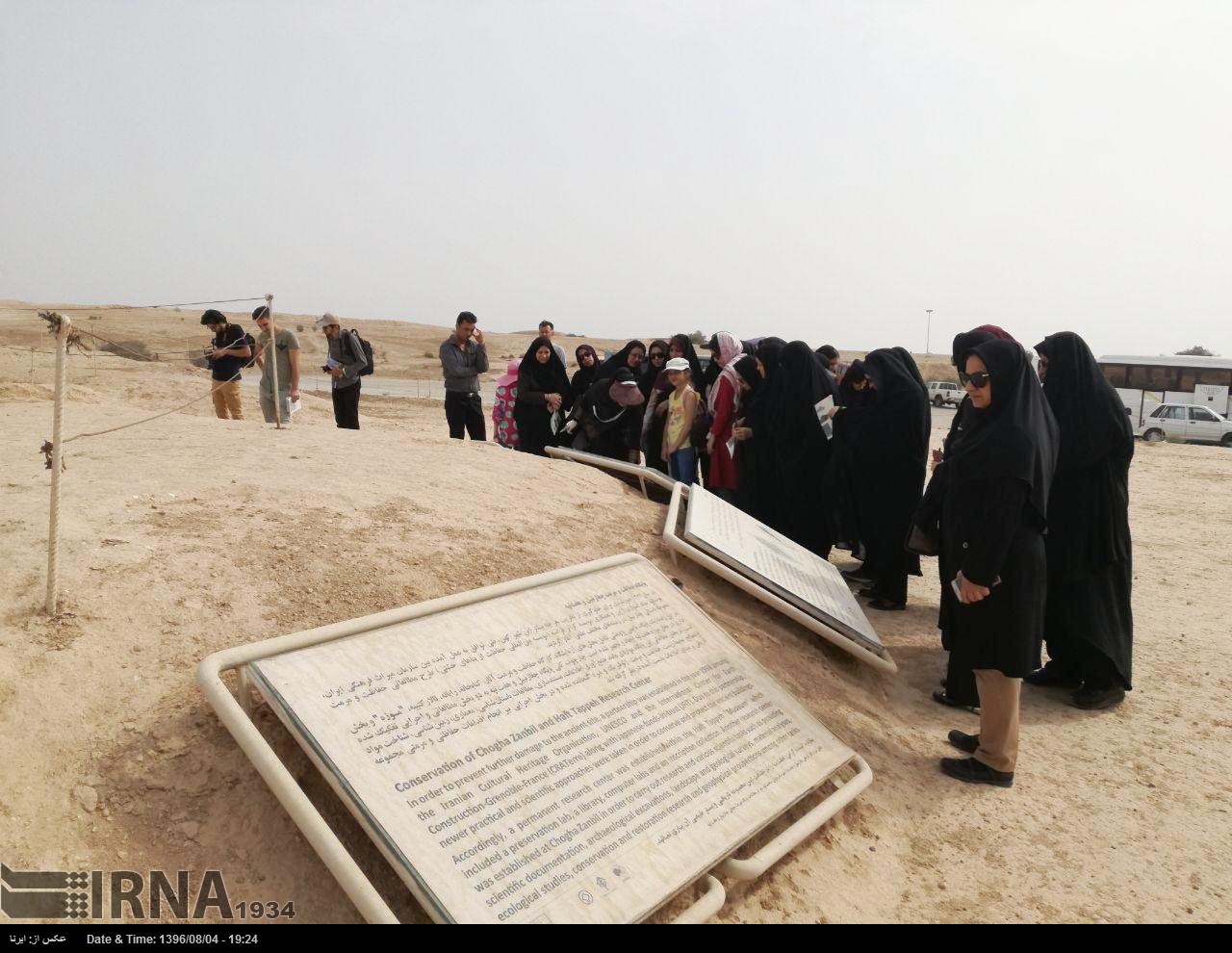
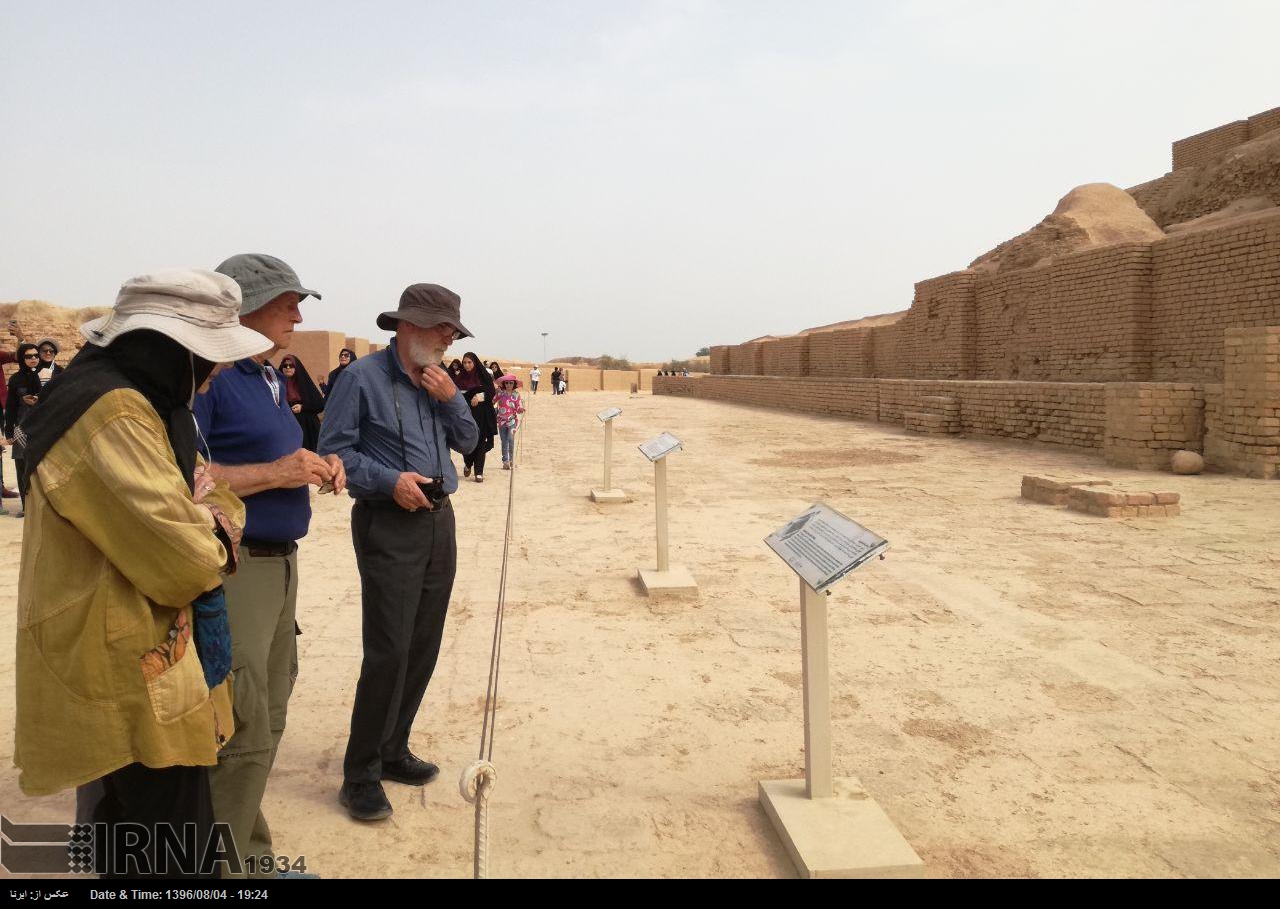
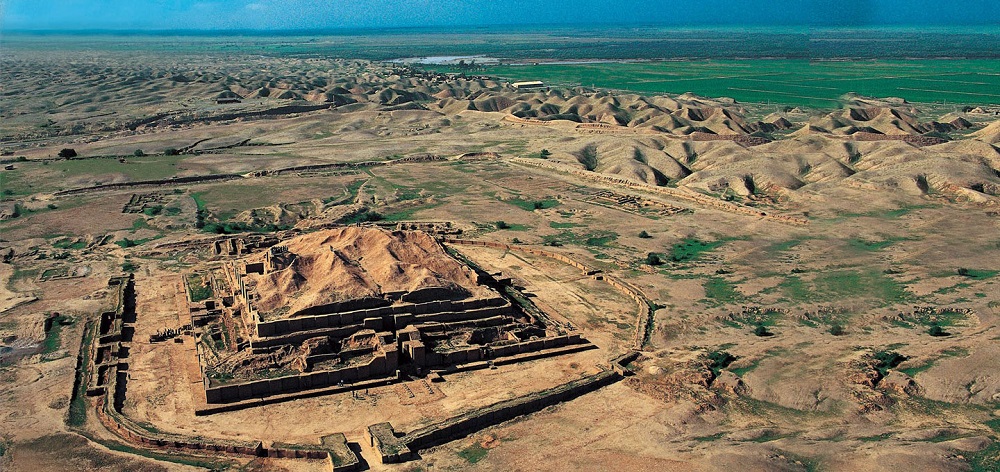
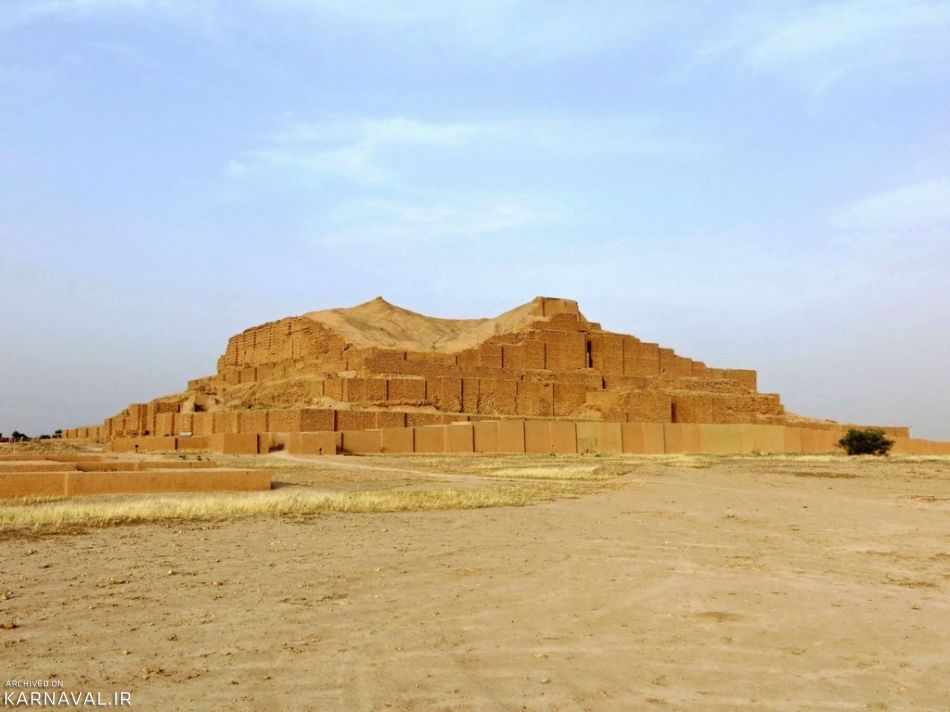
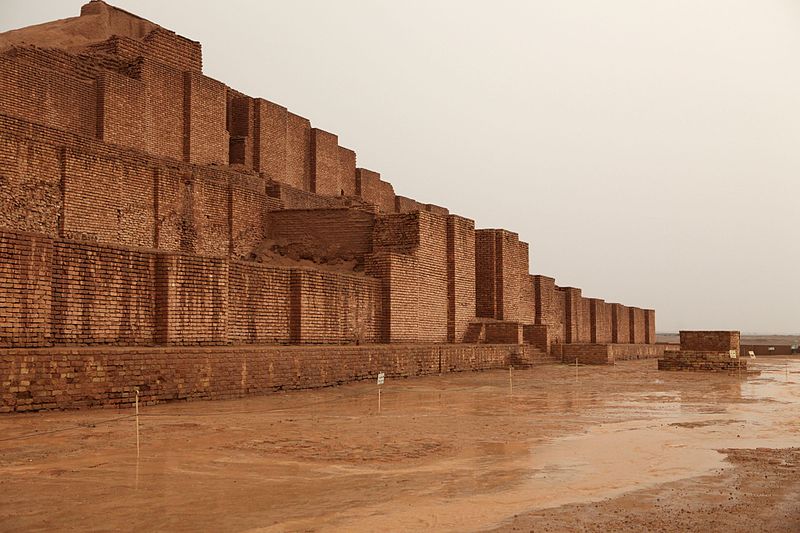
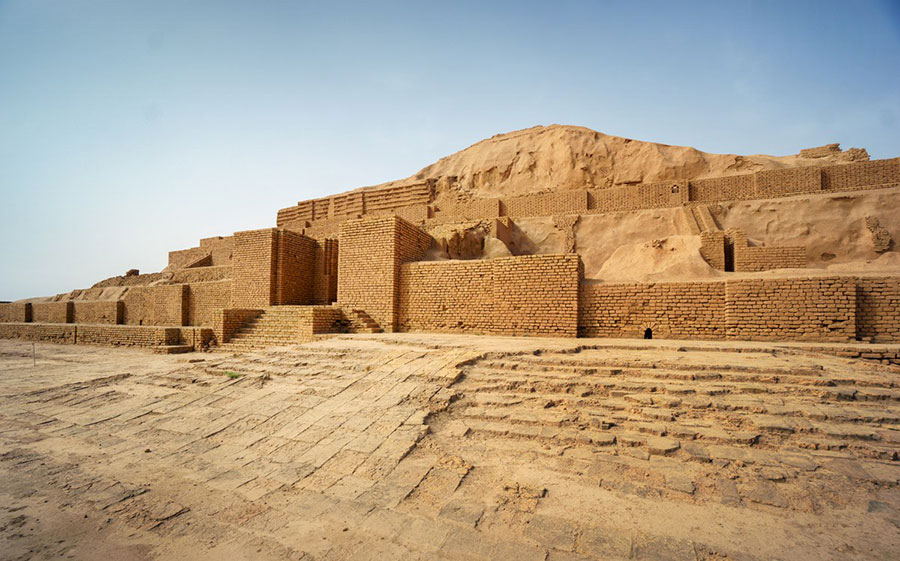
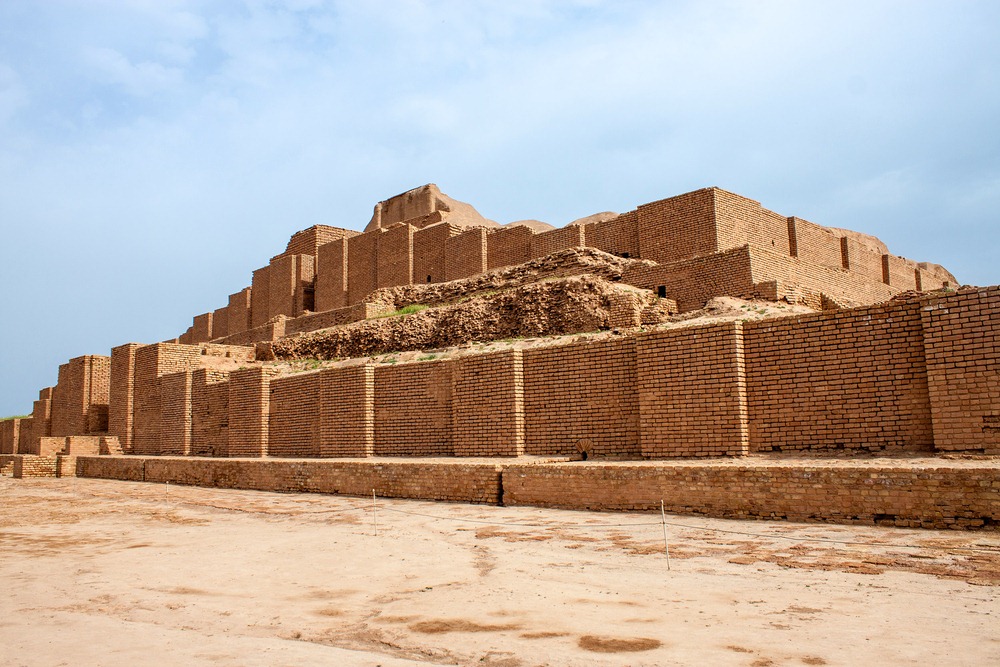
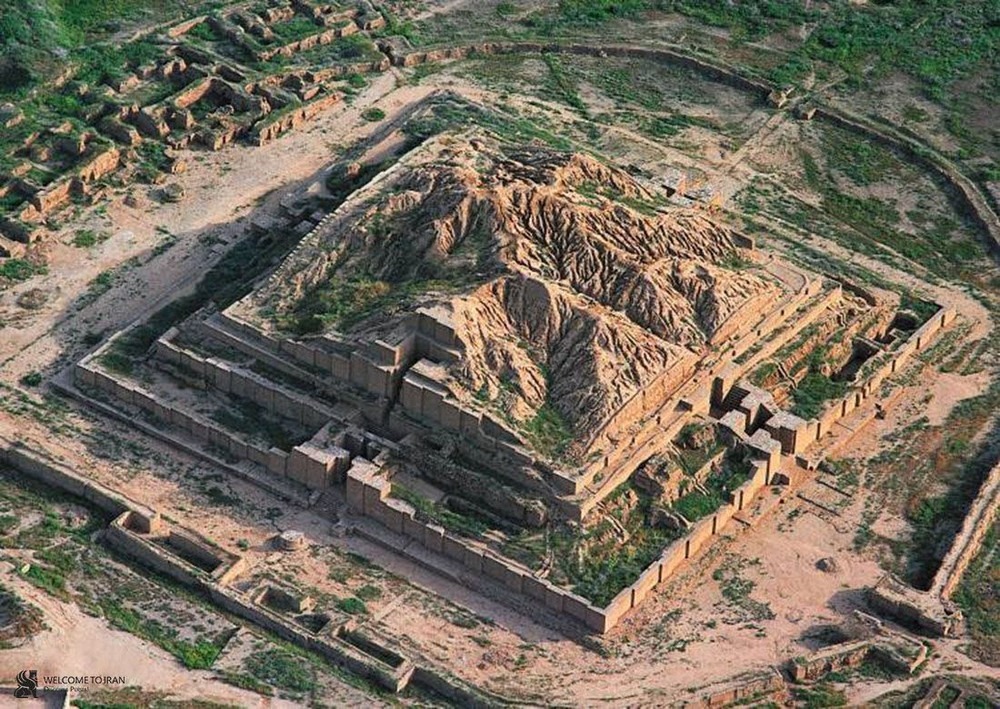
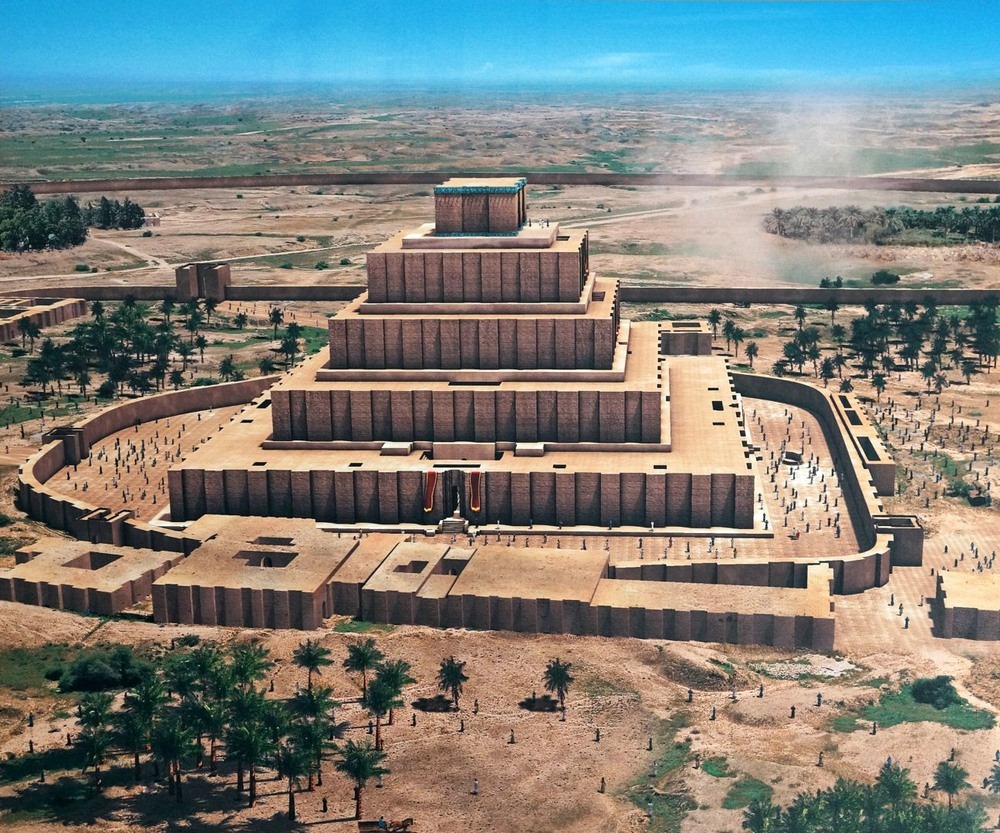
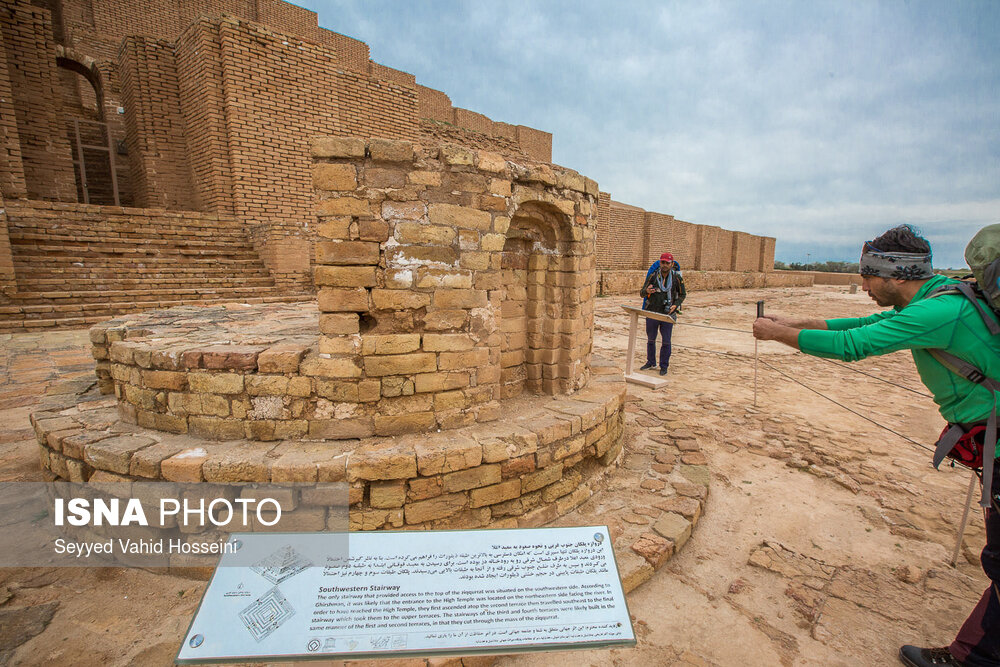
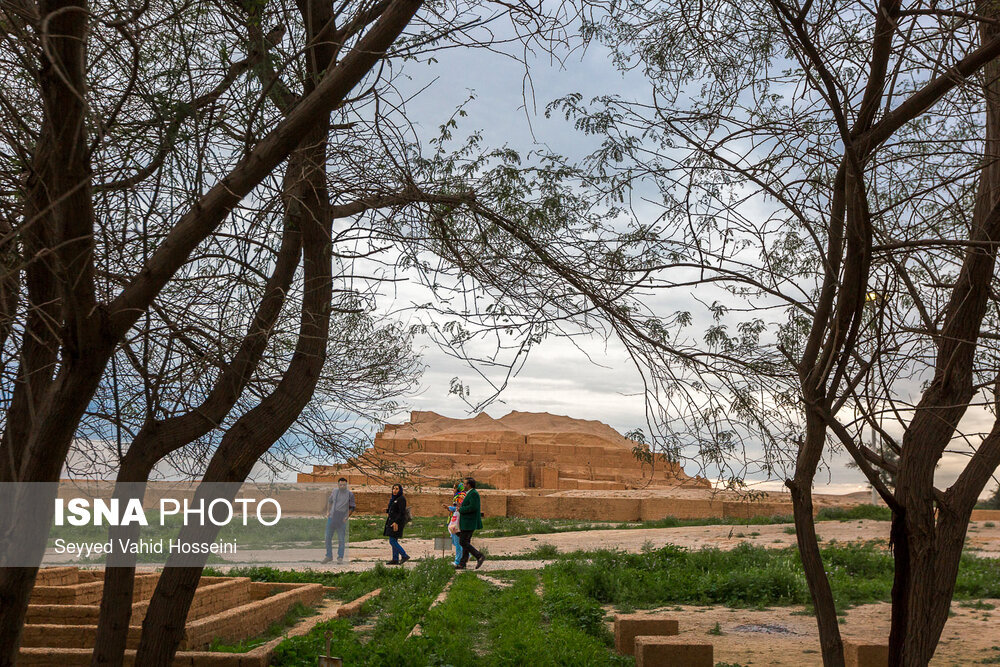
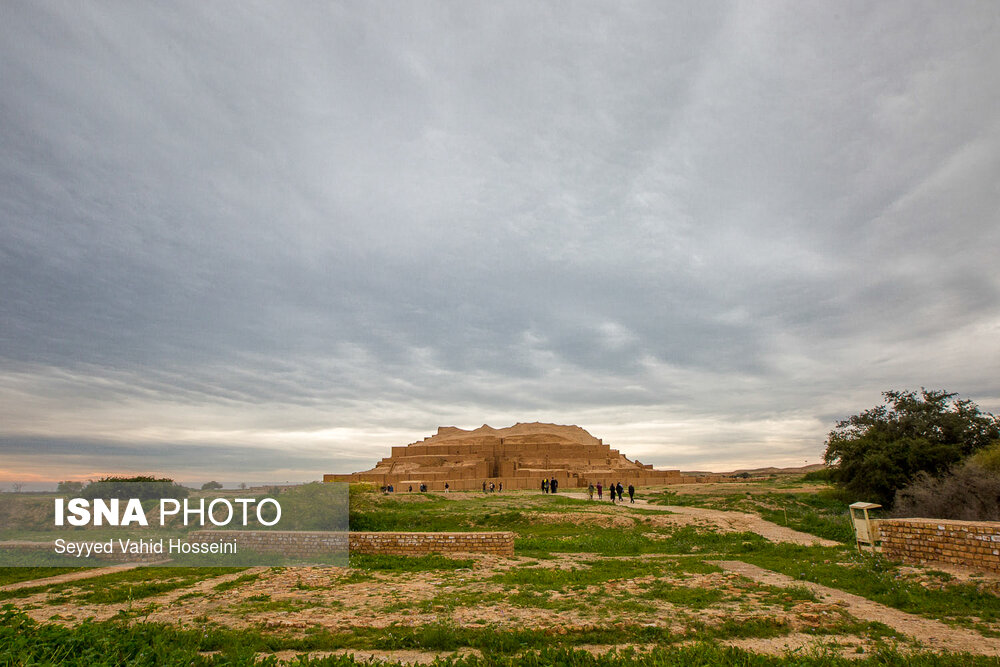
Iran’s World Heritage Sites: Ziggurat of Chogha Zanbil

Ziggurat of Chogha Zanbil, Iran

The temple is one of the three Persian sites that were first registered in 1979 as the first national monument of Iran in the UNESCO World Heritage List.

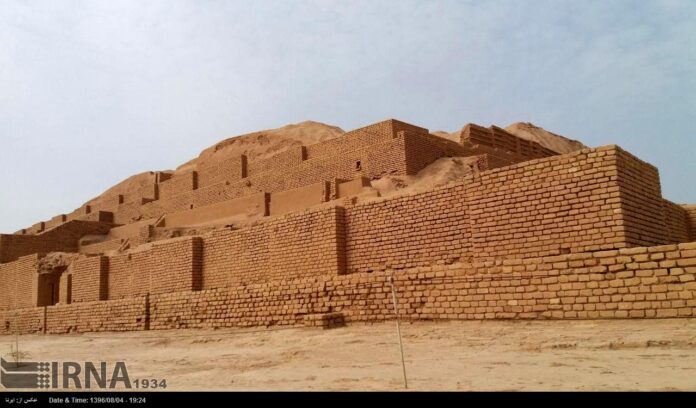
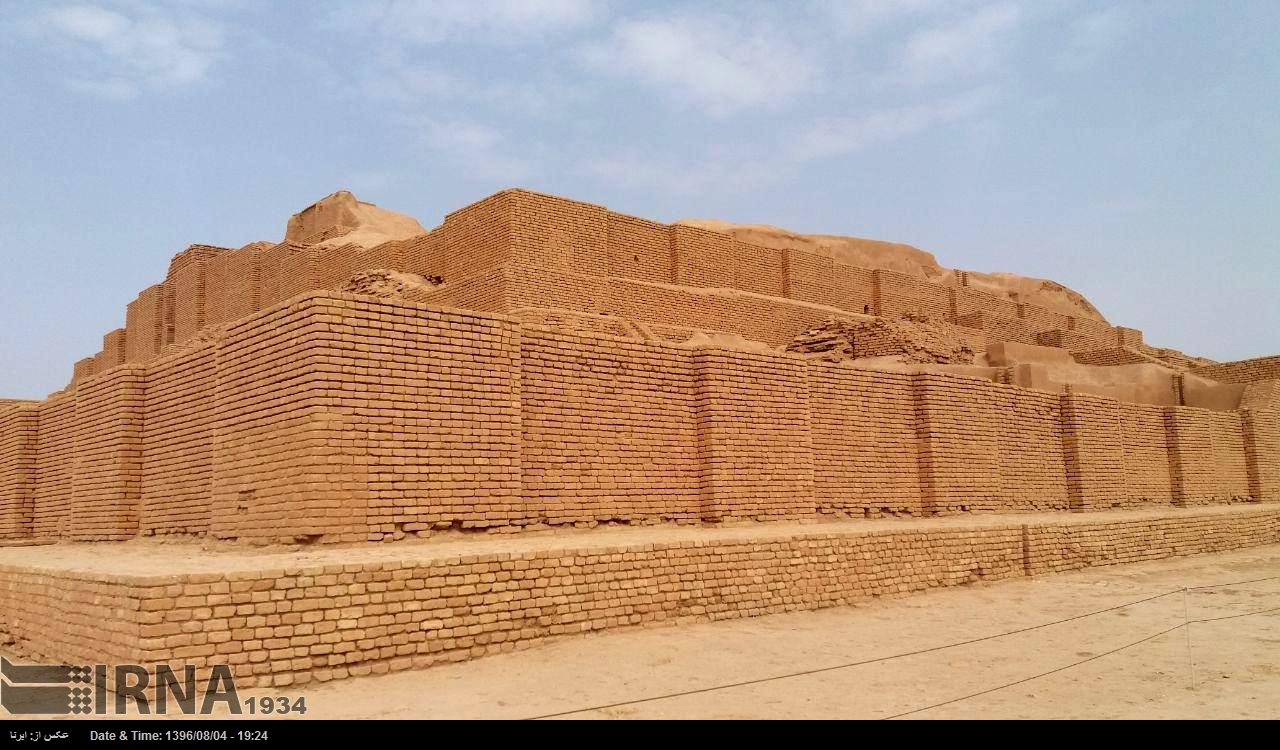
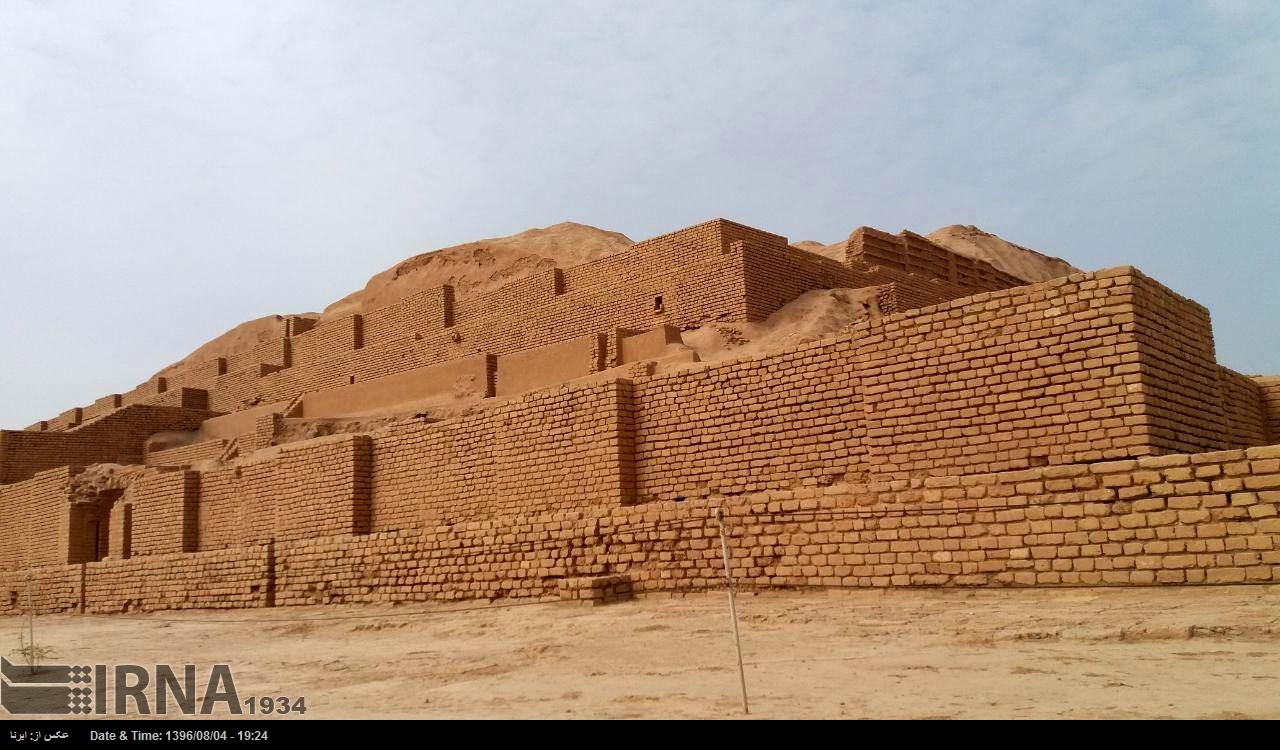
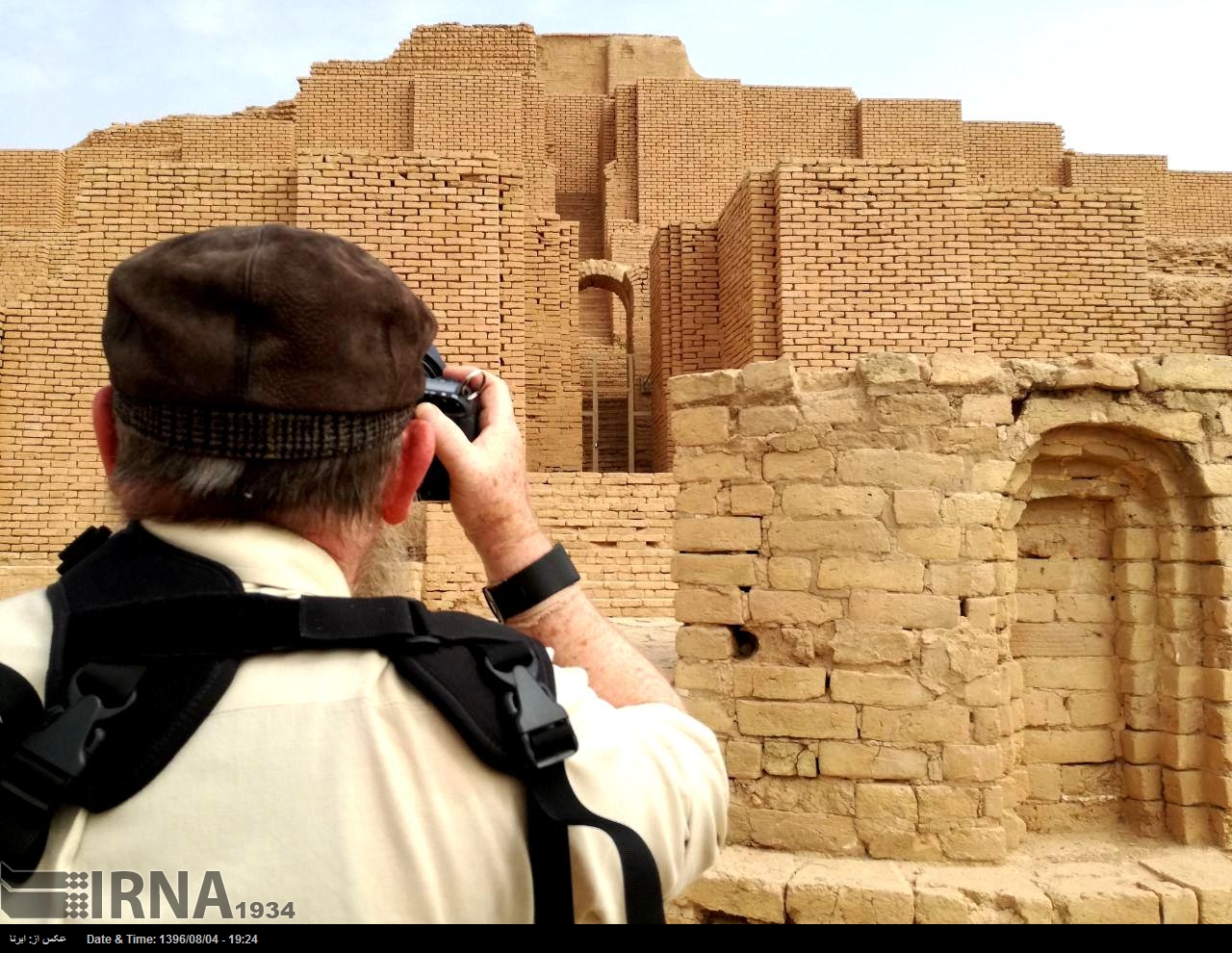
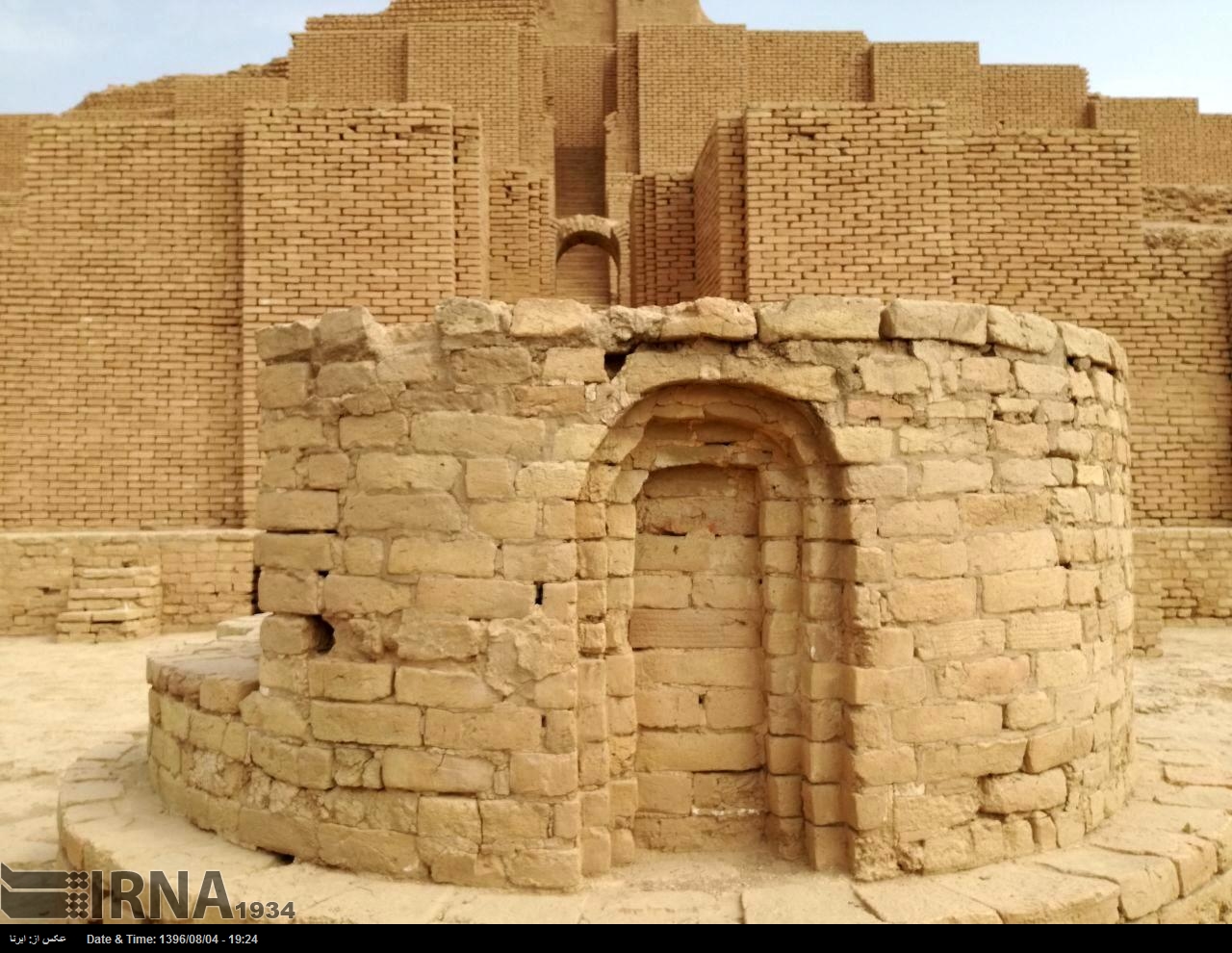
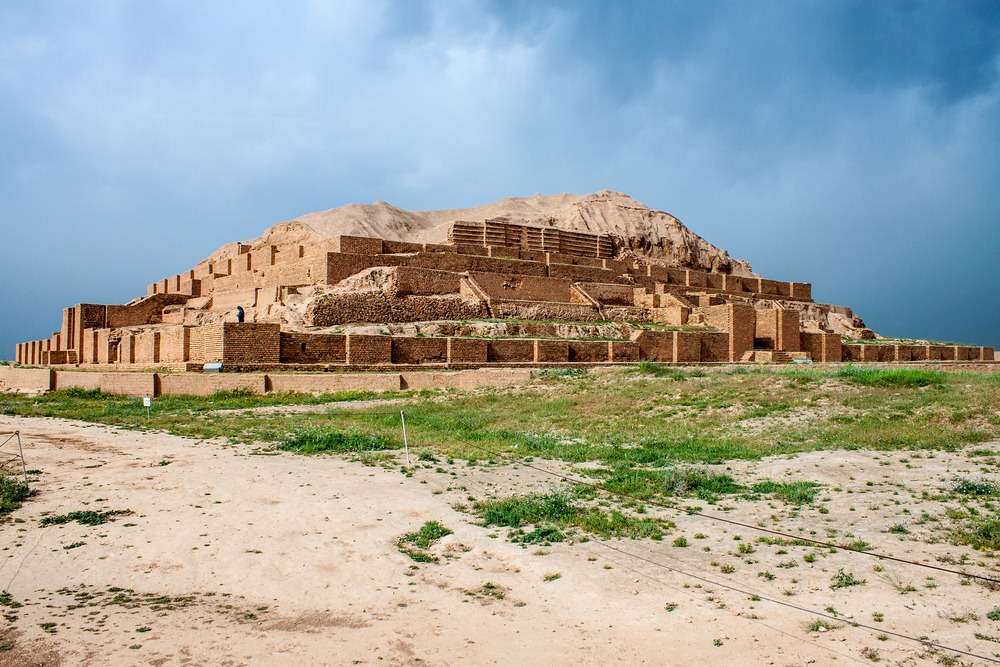
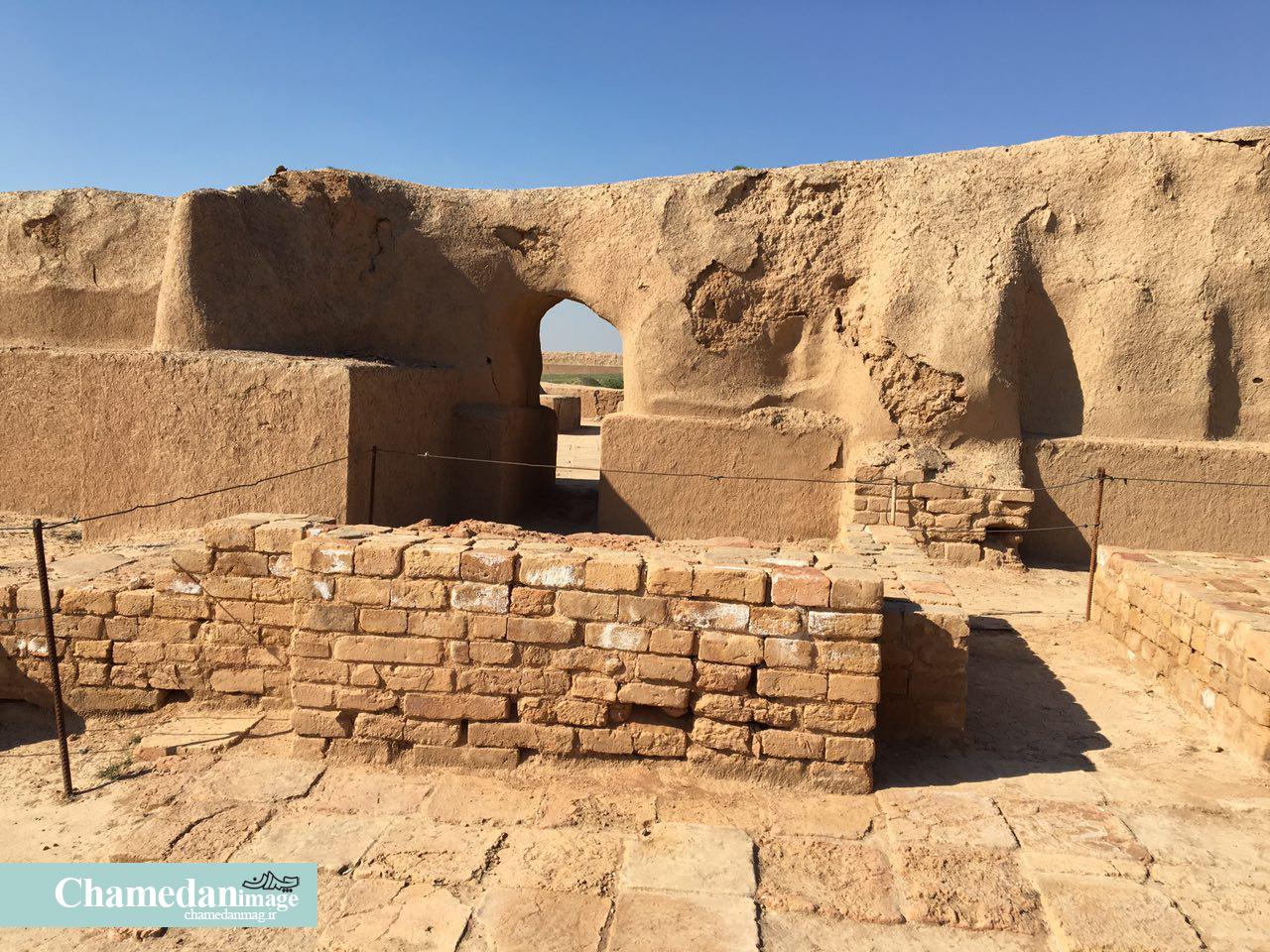
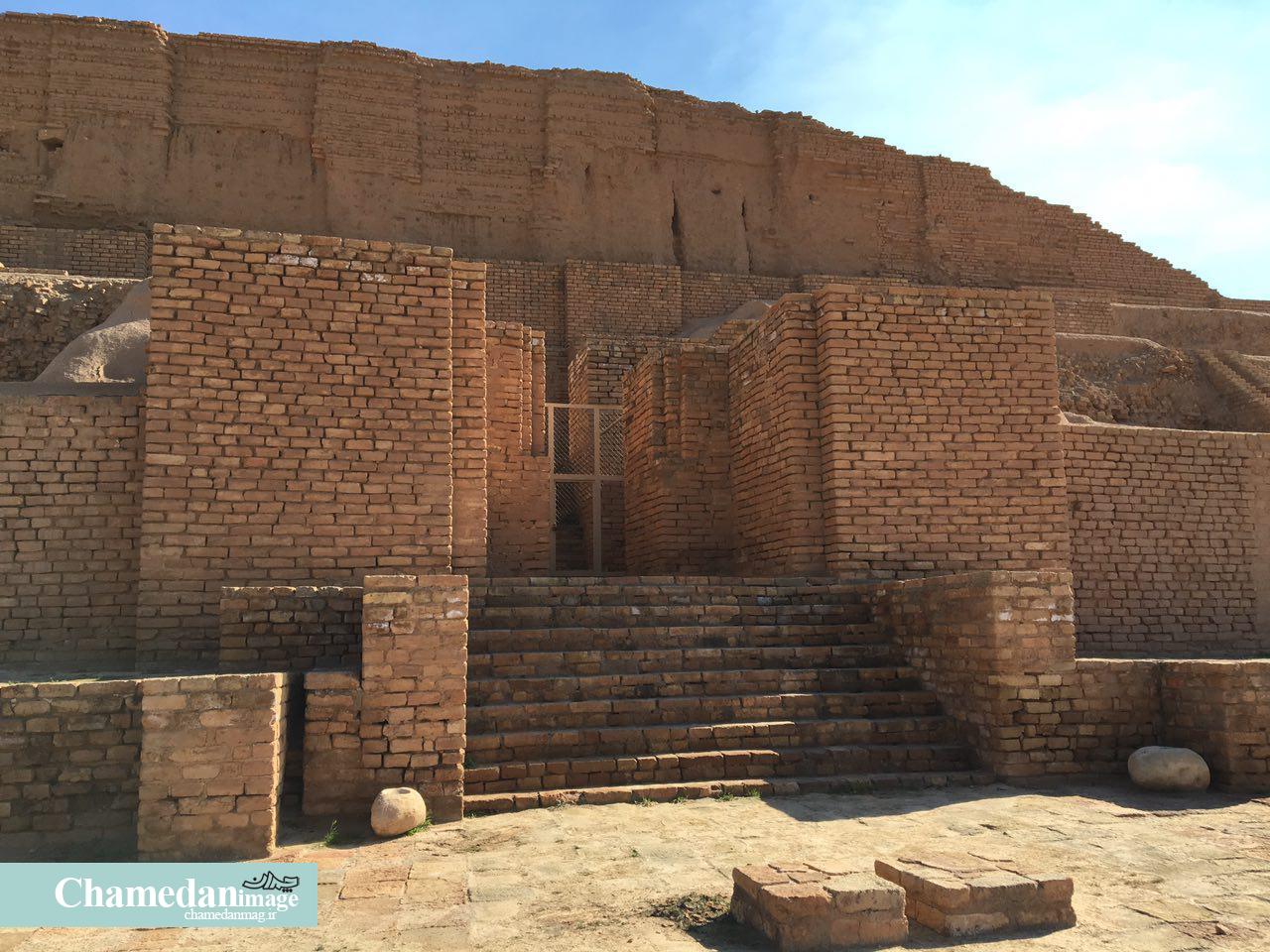
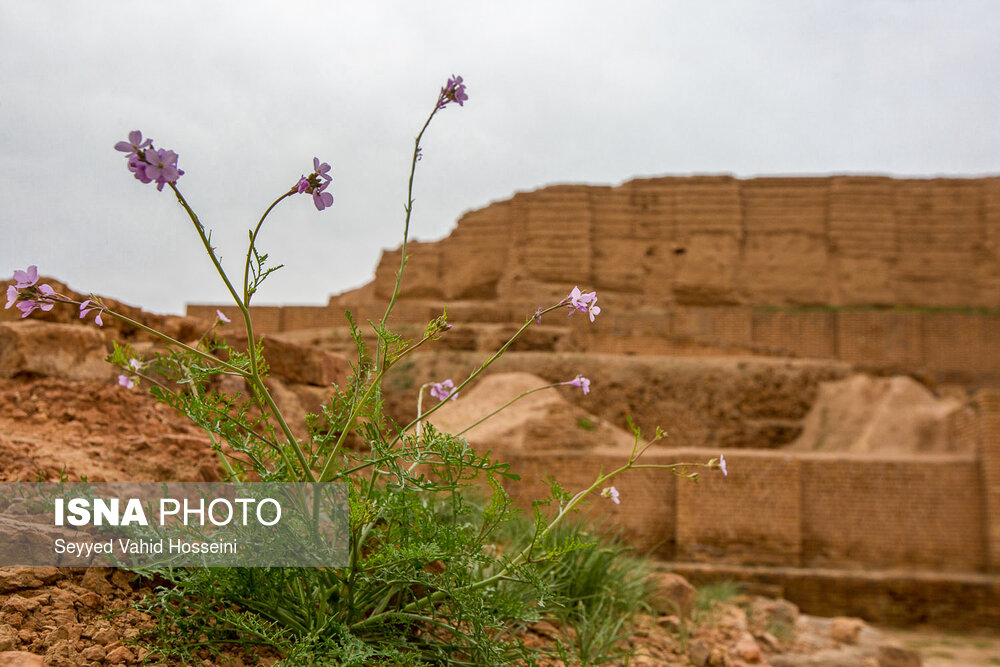
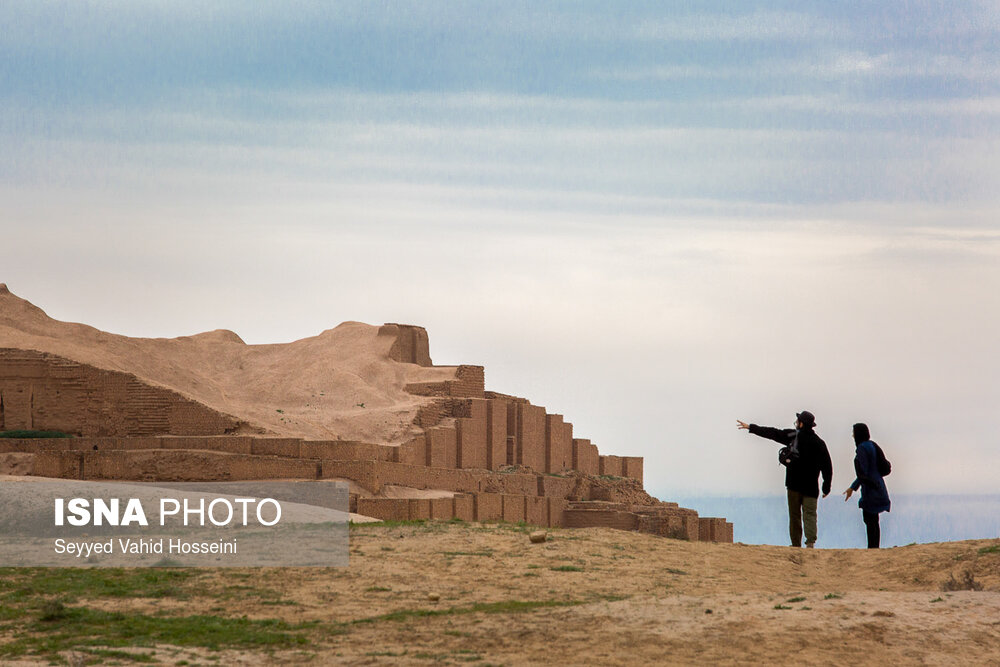
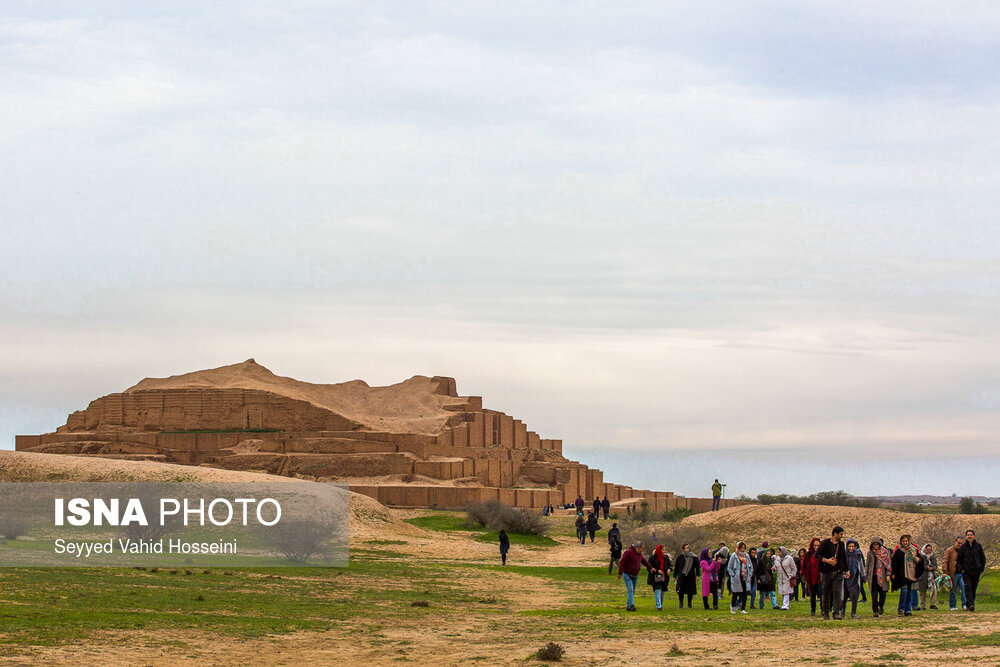
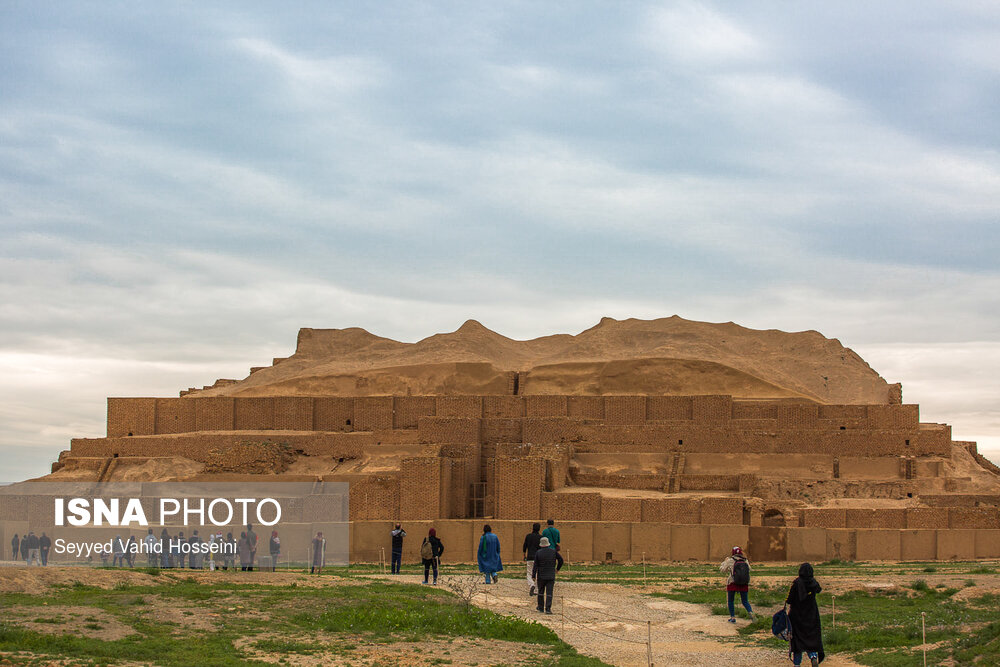
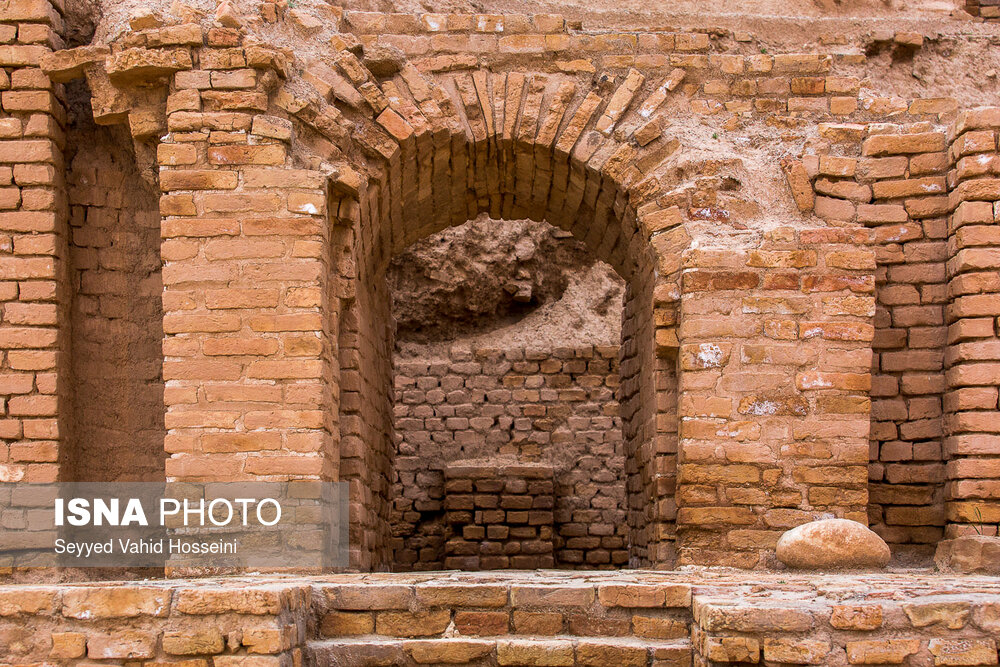
The Ziggurat of Chogha Zanbil is a pyramidal structure built with bricks. Ziggurats are pyramidal structures and staircases constructed in the West Asian civilization as temples.

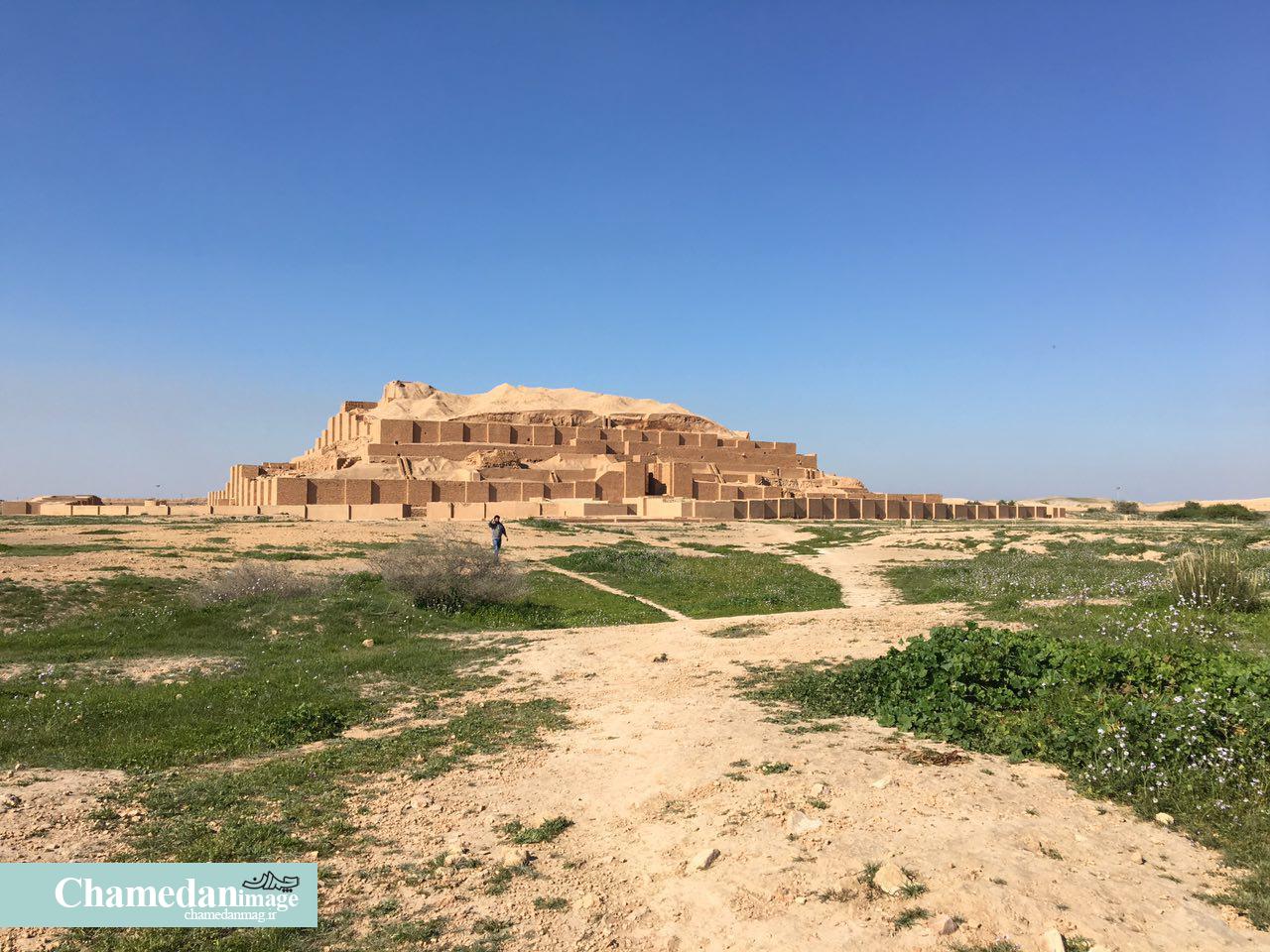
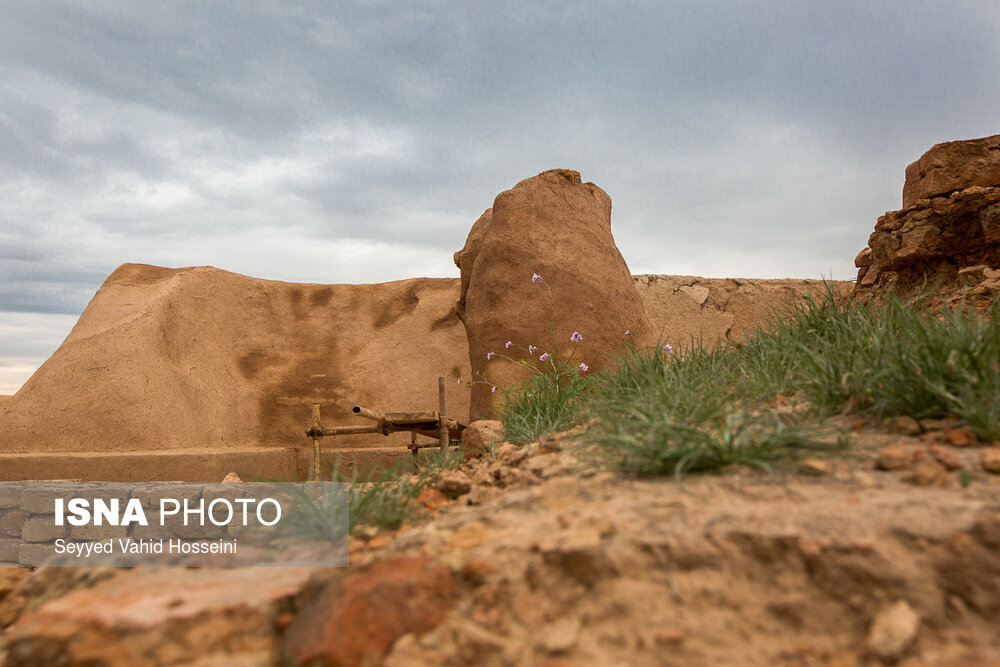
The historical site was built upon the order of King Untash-Napirisha. Unfortunately, this structure was destroyed during the clashes and the invasion of the Assyrian army and was long buried under the ground. That’s why the temple took the shape of a hill until it was excavated by a French archaeologist.

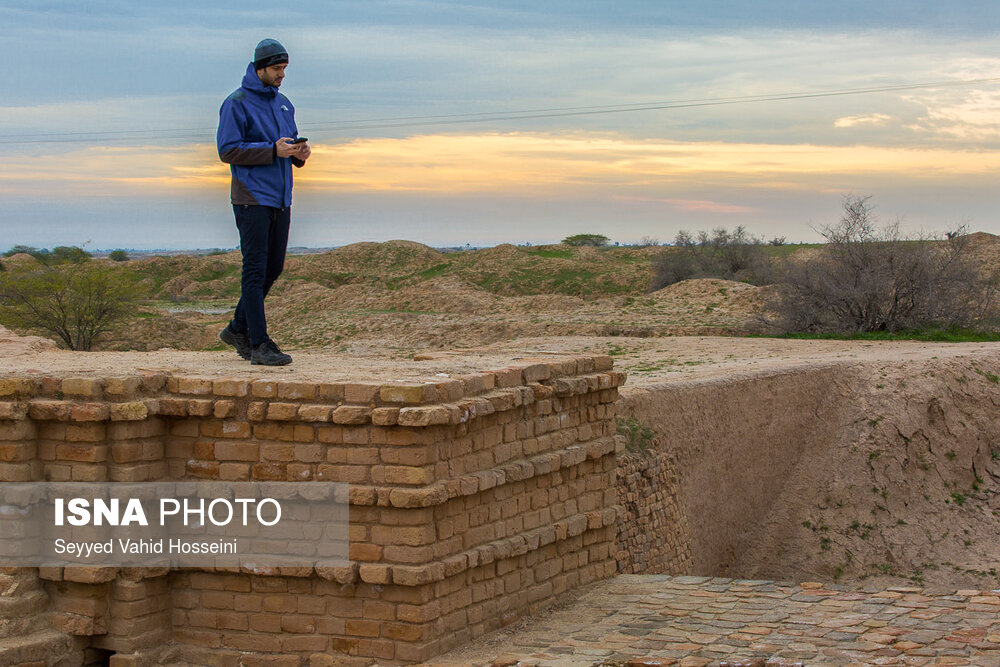
Iran’s World Heritage Sites: Ziggurat of Chogha ZanbilThroughout the construction of the ziggurat, there were waterways visible, perhaps constructed to protect the building against the flashfloods. All around Chogha Zanbil is paved, and one can see the footprints of a kid there. The reason for this is unclear.
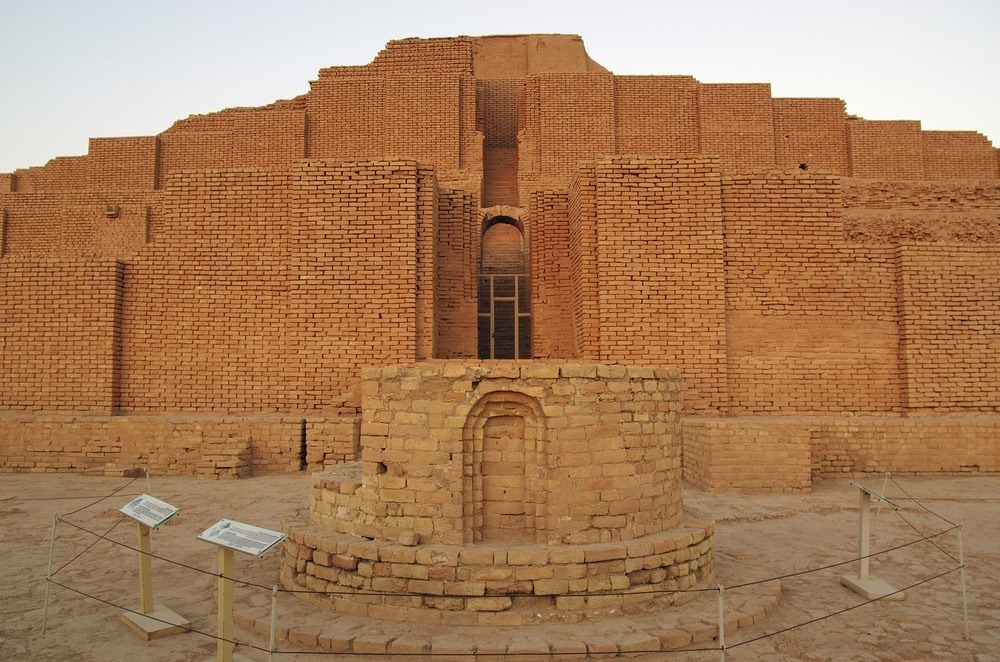
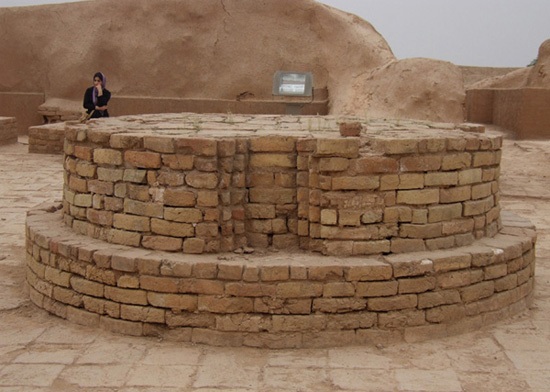
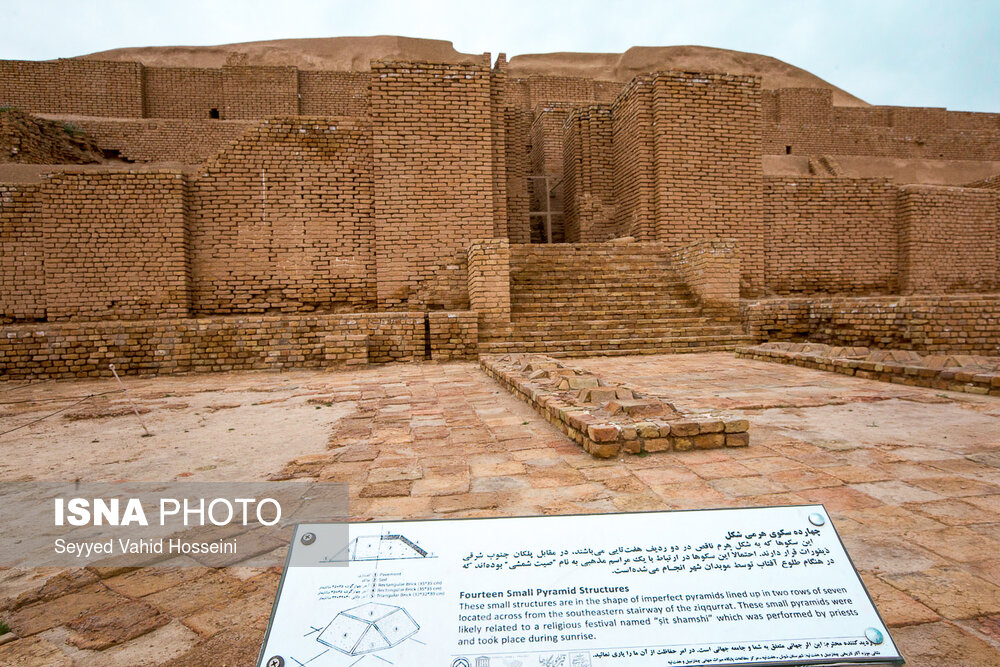
There are small shelters in the northwest of the ziggurat, which are built in honour of Elamite god Inshushinak. There is also a large sundial inside it.

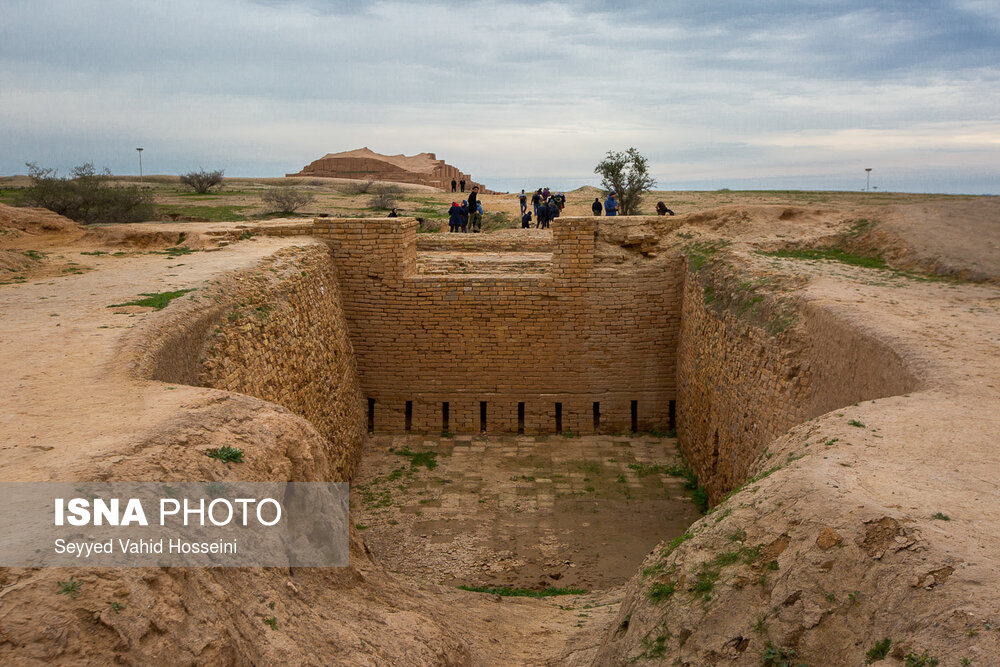
Among other things, there is a reservoir, the palaces of tombs, and palaces no. 2 and 3 in the ziggurat. Under one of these palaces, there are five underground tombs that probably belong to the royal family.

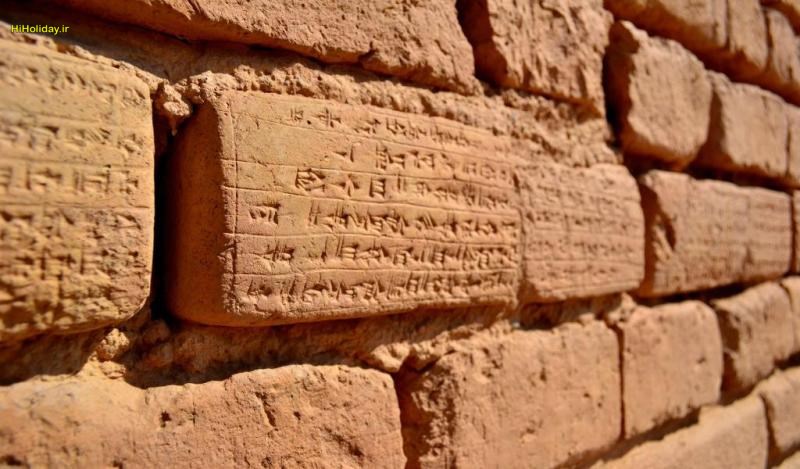
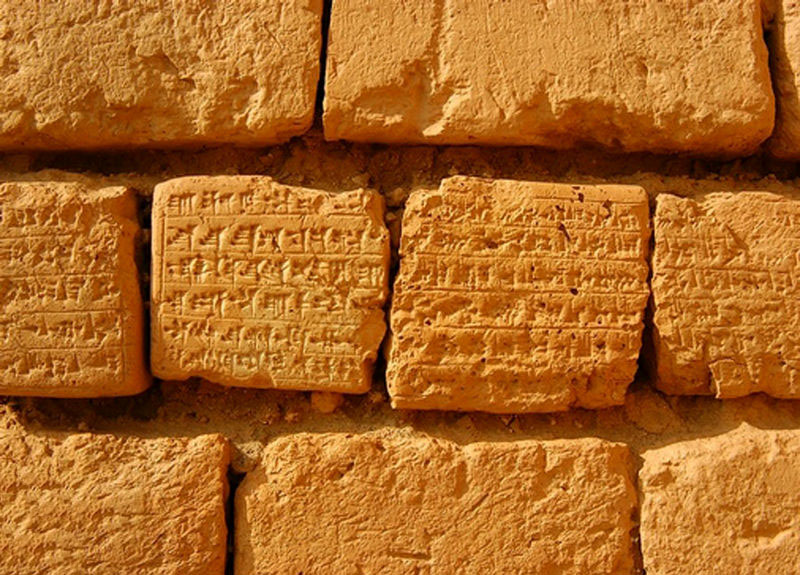
On the other side of the city and on the northwest side there is a water reservoir. One of the issues about Chogha Zanbil ziggurat is that the important monument, before being completely completed, was destroyed by one of the kings of that time. On an inscription found there, it is written: “I destroyed the Susa’s ziggurat, which was built with bricks, but I leveled the Elamite structures.”
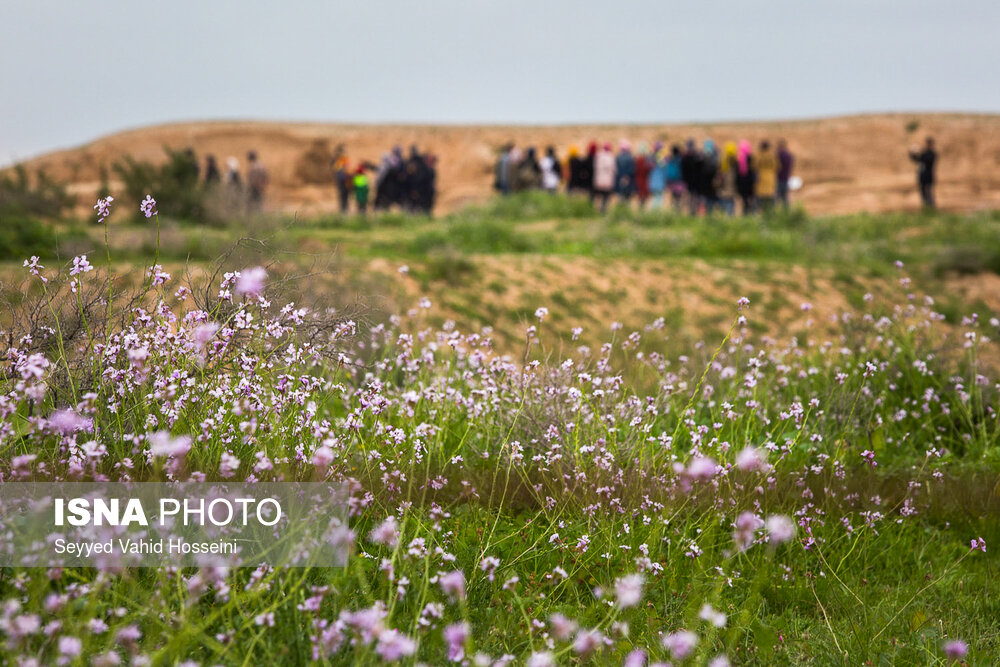
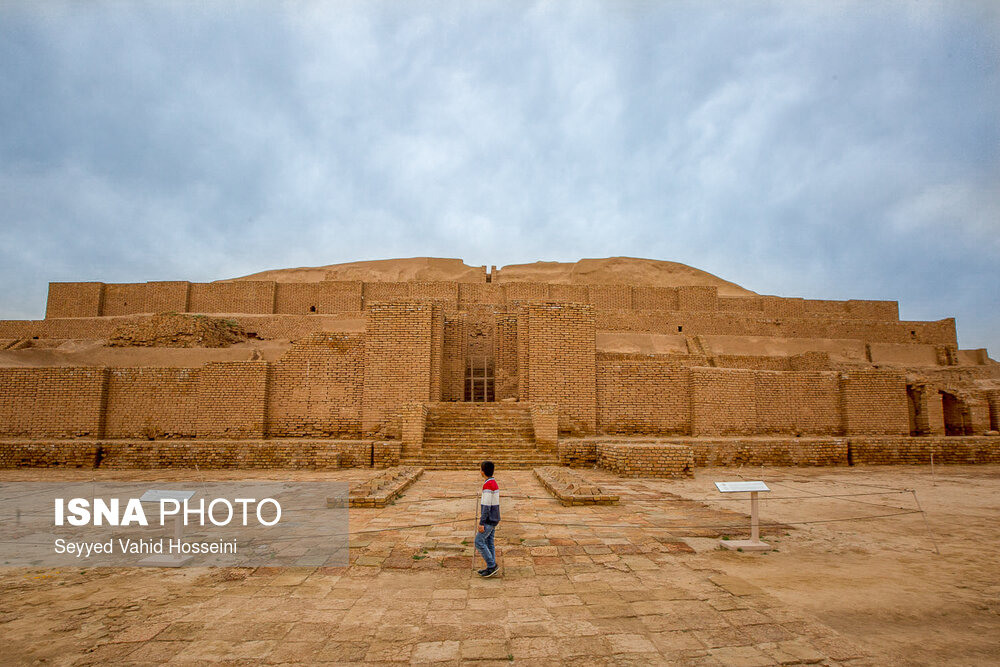
During the excavations, archaeologists have managed to find rock paintings that date back to the era of Elam. There is also an interesting picture on this rock figure. It is the picture of a woman with a tail of fish who has snakes in her hand.

The temple’s monument is a valuable relic of Iran’s culture and history which represents several thousand years of Iranian civilization kept at the Louvre Museum of France.

 Ziggurat of Chogha Zanbil, Iran

Another interesting thing is the Napir-Asu statue. She was the spouse of Untash-Napirisha, the king of Elam. This statue is made of layers of gold and copper on a bronze molding and is one of the most beautiful historical works of Iran at the Louvre Museum.

Near the temples of Kiririsha and Hishmitik-Ruhuratir, kilns were found that were probably used for the production of baked bricks and decorative materials. It is believed that the ziggurat was built in two stages. It took its multi-layered form in the second phase.

Choghazenbil ziggurat is located 45 km south of Susa near the ancient region of Haft Tapeh in Khuzestan province.

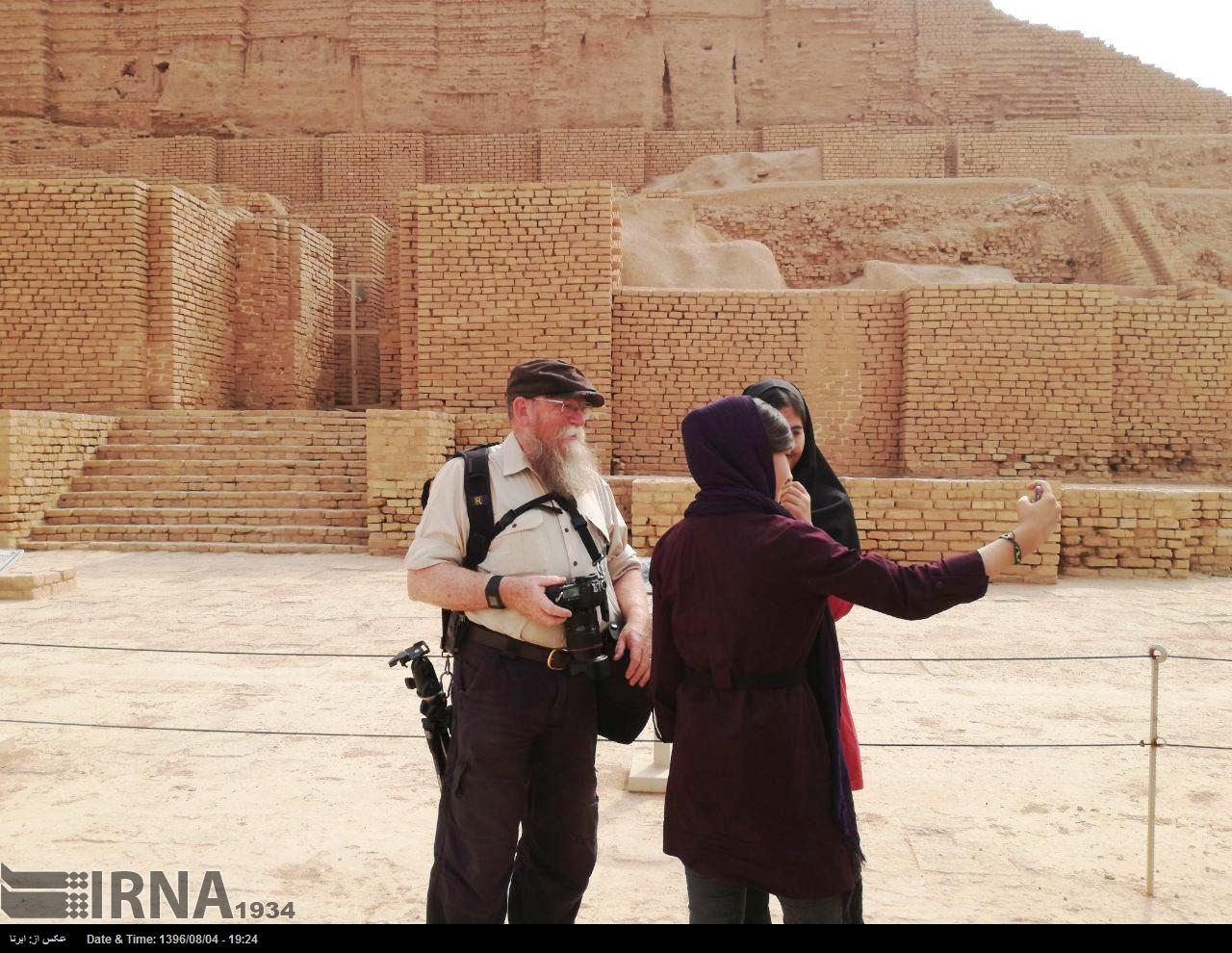
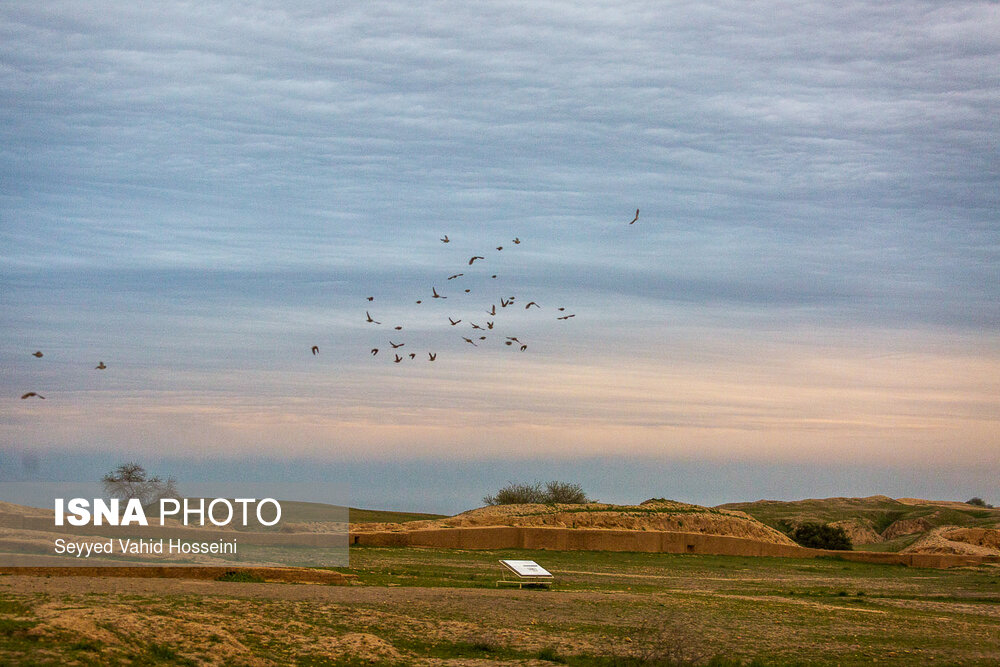
Here you can see photos of the important historical building retrieved from different sources:

Iran Urges World to Condemn Demagogues Supporting White Supremacists

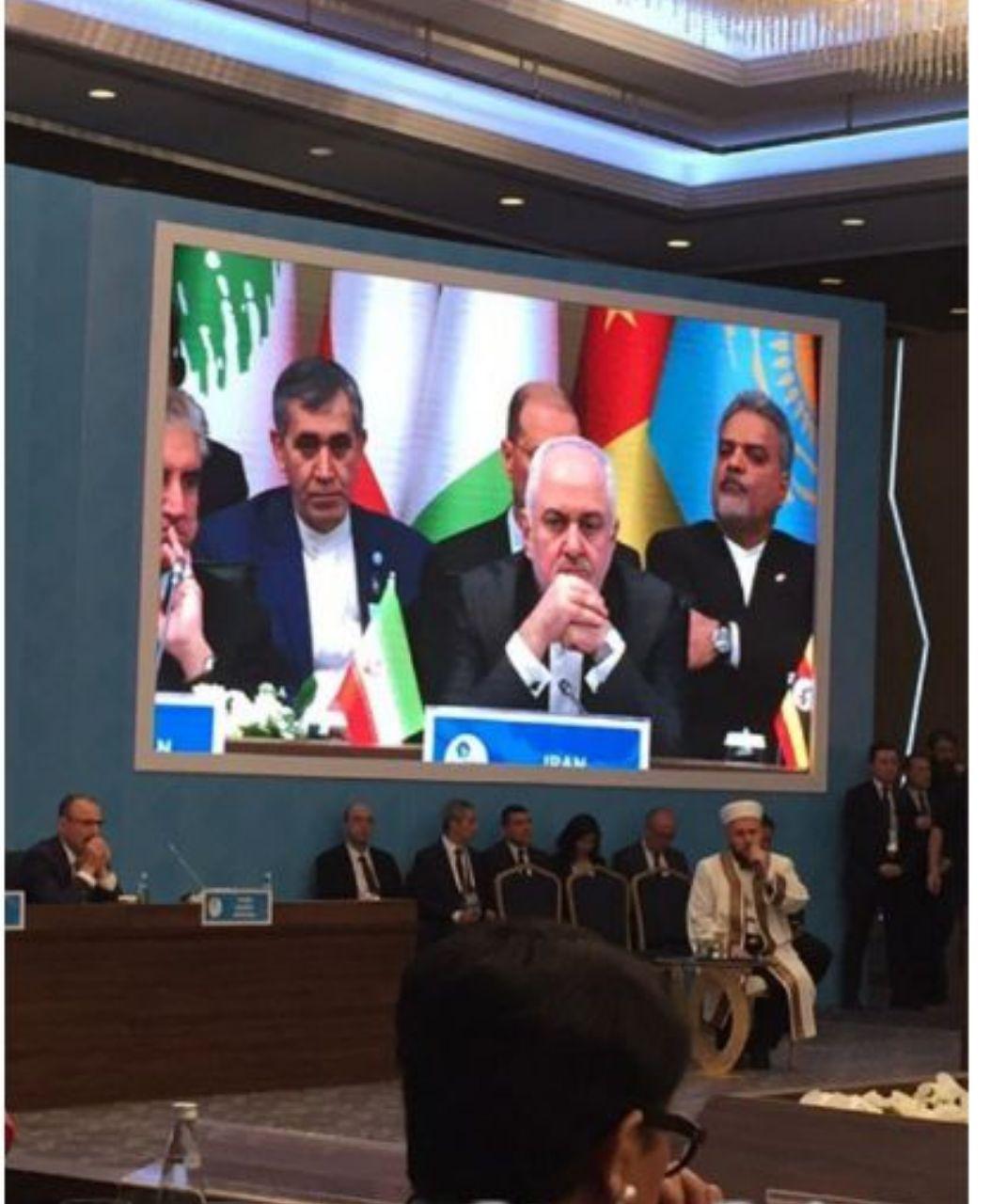
“We should identify the demagogues that encourage racist terrorism and white supremacists within governments, and official and semi-official quarters,” Zarif said Friday.

He made the comments in an address to an emergency meeting of the Organization of Islamic Cooperation (OIC) held in Istanbul, Turkey, to discuss the recent terrorist attack on Muslim worshippers in New Zealand.

The following is the full text of his speech:


In the Name of God, the Compassionate, the Merciful

Mr. Chairman,

Distinguished Colleagues,


Allow me to begin by expressing my sincere gratitude to you and President Erdogan for accepting our request to hold this emergency ministerial meeting to address the criminal terrorist attack against innocent Muslim worshipers in Christchurch. The Islamic Republic of Iran condemns this racist terrorist act in the strongest possible term, offers its deepest sympathies to the families of the victims and wishes a quick recovery for the injured.  Let me take this opportunity to express our appreciation to the P.M. of New Zealand for her compassionate behavior vis-à-vis the victims and to the Foreign Minister for attending our meeting.


Mr. Chairman,

Iran Urges World to Condemn Demagogues Supporting White SupremacistsThe Christchurch attack was deliberately planned and carried out against Muslims; hated by the perpetrator and those who have indoctrinated him. The anti-Muslim literature that the terrorist left behind and similar ones created in abundance in the West are a serious cause for concern. Over the last few decades there has been an unsettling rise of a vast network of anti-Muslim propaganda outlets masquerading as news platforms, hate groups masquerading as think tanks and even civic groups promoting a hostile and abusive environment against Muslims in the West. These are well financed institutions backed by affluent, government-tied tycoons in the US and elsewhere.  If unchecked, this nefarious network has the capacity to undermine stability within many societies and strain the relationship between States and great religions, thereby jeopardizing international peace and security.

We should clearly formulate our demands and expectations from the States where activities of these racist-terrorist and white supremacist groups are on the rise. In my view, we need to focus on the following:


First, those in the West, who claim to believe in democracy, inclusive and participatory politics and open societies, should be held to their words. They should account for why they fail in providing basic requirements for a safe and decent life for Muslim minorities in their midst. And what they intend to do to restrain Islamophobia.


Second, we should identify the demagogues that encourage racist terrorism and white supremacists within governments, and official and semi-official quarters. While we should recognize and encourage those Western politicians who condemn racist and white supremacist terrorism, we must criticize those who fail to discourage hate speech and acts of hate against Muslim, including through refusing to call attacks on Muslims as terrorism. We should stand together against any authority who encourages Islamophobia, including through such measures as the Muslim travel ban, banning Muslim symbols such as headscarf and Minaret, and the abhorrent use of such ignorant terms as “Islamic terrorism”. The continued disregard by the Trump administration for the right of Muslims and Arabs has reached the abhorrent level of giving away what is not theirs, be at Al-Quds Al-Sharif or the occupied Golan to the aggressive Zionist entity which is at the forefront of violating international law while promoting Islamophobia as well as division within the Muslim Ummah.


Third, we need to fulfil our duties on our end as well. We must root out terrorism and extremism within the Islamic world. Some in the West misuse Daesh and al-Qaeda extremist terror—which have nothing to do with Islam—as pretext for fanning their Islamophobic extremism. We need to take a collective resolute stand against exporters of hateful Takfiri ideologies.


Distinguished Friends,

We should focus more on Islamophobia and discrimination and hate practices against Muslim minorities and raise the issue, whenever necessary, in the United Nations, the Council of Human Rights and other relevant international and regional organizations. At the same time, we need to initiate a serious dialogue with other countries, especially in the West, to find ways and means to collectively combat Islamophobia, hate and discrimination.

Thank you.