Wednesday, April 22, 2026
Home Blog Page 3208

Why Shinzo Abe’s Iran Visit Turned into Failure

Abe made the first visit of the highest Japanese executive official to Iran after 41 years, and many expected the visit to result in a major change in Iran’s relations with the international community.

Before Abe’s visit to Iran, some American media had reported that the Japanese prime minister would visit Iran to convey offers from the American side. The New York Times had reported that Abe would set forth three proposals during the visit: reducing restrictions on Iran’s oil exports, decreasing limits on banking interactions, and removing auto industry sanctions. Later reports showed he was actually supposed to make those offers during the visit. Informed sources say Abe had received the offers from the American side and was supposed to share them with Iran with the aim of easing tensions and prepare the grounds for the beginning of Tehran-Washington talks. It becomes even more convincing when we recall that ahead of Abe’s visit to Tehran, Donald Trump had travelled to Tokyo and held long talks on Iran with the Japanese side.

The offers had reportedly been conveyed to Iran before Abe’s trip, and Tehran had implicitly expressed its satisfaction, saying that it would wait for Abe’s visit to hear the offers from himself and make its final decision, but it was OK with the offers in general. According to informed sources, the offer of reducing restrictions on oil exports was indeed based on giving temporary waivers to some of Iran’s oil clients. This was actually the main demand of Japan and Abe, who has in recent years always tried to maintain Tokyo’s economic relations with Tehran, and meet its oil demands through Iran. On average, Japan used to import about 300,000 barrels of oil per day from Iran before the re-imposition of Washington’s unilateral sanctions against the Islamic Republic. Also when it comes to sanctions on the auto industry, we see that Japanese carmakers are active in Iran and Tokyo is looking for a solution to be able to secure their continued operation.

The issue of waivers was so serious that, amid Abe’s visit to Tehran, some sources reported the US administration was set to extend Iran’s oil waivers for some countries including Japan, South Korea, and China. Informed sources also say Iran had told the Japanese side it did not want to hold direct talks with Washington, but considered Tokyo a good mediator for such negotiations.

However, everything suddenly changed. Two days before the Japanese premier’s visit to Iran, in a move that came against Tokyo’s expectations, the US imposed petrochemical sanctions against Iran. Abe thought Trump’s offers were still in place. However, when the Japanese leader was starting his trip, he was suddenly informed by the White House that the Trump administration had taken back its offers. High-ranking informed sources say when Abe went to meet with Iranian President Hassan Rouhani and Iran’s Leader Ayatollah Seyyed Ali Khamenei, he did not raise any of those offers. This comes as according to sources familiar with the issue, Abe had shared those offers with Iran ahead of his visit.

Nevertheless, Abe believes his visit had two important achievements: the first one was Rouhani’s remark that Iran is not after a war, and the second was the Leader’s emphasis on the fact that Iran considers development of nuclear weapons “haram” based on his fatwa.

Therefore, the visit – that could not only ease regional tensions and de-escalate Tehran-Washington relations, but also mark the beginning of a new diplomatic initiative – was neutralized by the US itself. Informed sources say the team of anti-Iran hawks surrounding Trump – who are against any serious talks with Tehran and have been known as the B-Team – were directly behind the sudden change in Trump’s approach.

Tehran Raps US for Requesting IAEA to Hold Meeting on Iran

Iran Calls for IAEA’s Impartial Verification of Saudi Nuclear Activities

Iran’s mission to the IAEA said in a statement on Friday that the recent developments related to the Iran nuclear deal known as the Joint Comprehensive Plan of Action (JCPOA) have nothing to do with the responsibilities of the IAEA’s Board of Governors.

The Iranian mission described as a “sad irony” Washington’s asking the IAEA to hold a meeting to discuss Iran’s reduction of its commitments under the nuclear deal in reaction to the US withdrawal.

“It is indeed a bitter irony that the concern about the JCPOA’s implementation is being raised by the very regime which has practically violated the deal through its illegal and unilateral withdrawal, and has pressured others to do the same,” read the statement.

“The fact that the US, as the first and main violator of the JCPOA, has made such a request indicates its isolation, which results from its opposition to multilateralism and the rule of law in international affairs,” it added.

The statement also read that Iran’s decision to scale back its commitments under the JCPOA is in response to the situation created by the US and is aimed at restoring the “lost balance” to the nuclear deal.

“Iran’s decision completely conforms to the provisions of this agreement,” read the statement.

“Moreover, the recent developments [ in the JCPOA] have nothing to do with issues related to the IAEA’s Safeguards Agreement and responsibilities of the IAEA’s Board of Governors. Issues related to the JCPOA will be discussed within the framework of designated mechanisms,” it added.

The International Atomic Energy Agency (IAEA) announced it would hold an emergency meeting on Iran next Wednesday at the request of US Ambassador to International Organizations Jackie Wolcott.

According to a statement by the US mission in Vienna, the meeting requested by Wolcott is scheduled to be focused on Iran’s move to exceed the 300-kg limit of low-enriched uranium stockpiles as stipulated under the JCPOA.

The planned increase in the level of Iran’s uranium enrichment is part of the country’s reduction of its commitments under the JCPOA to reciprocate Europe’s inaction to fully abide by the agreement.

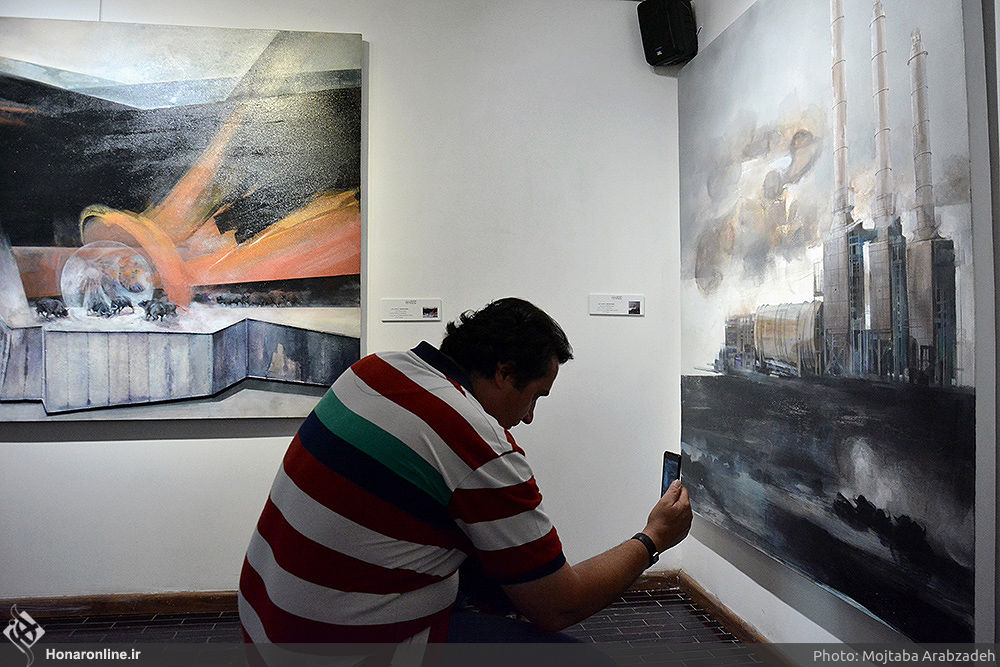
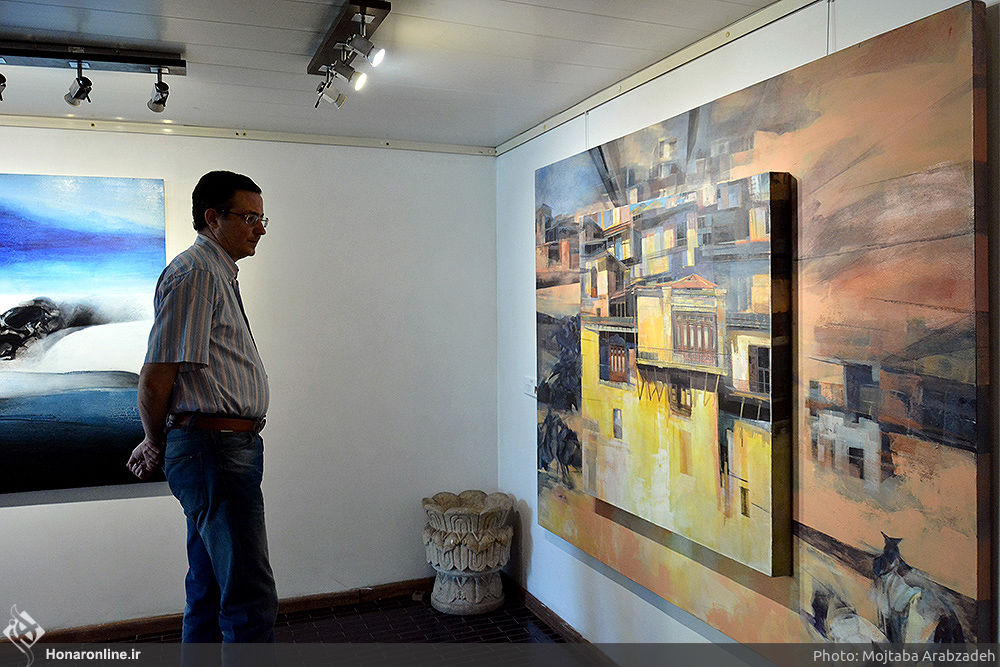
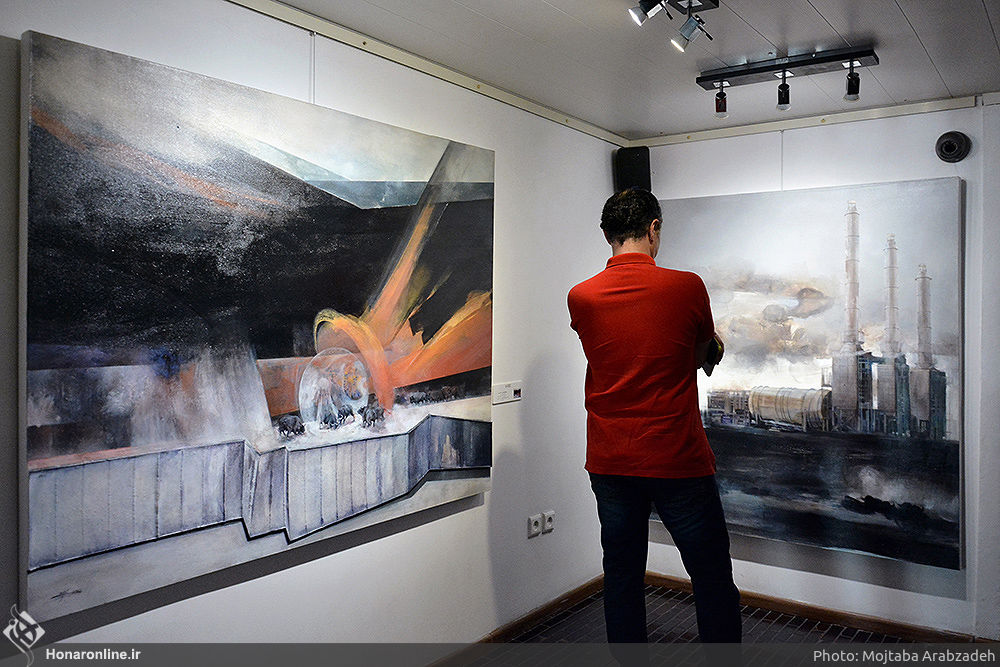
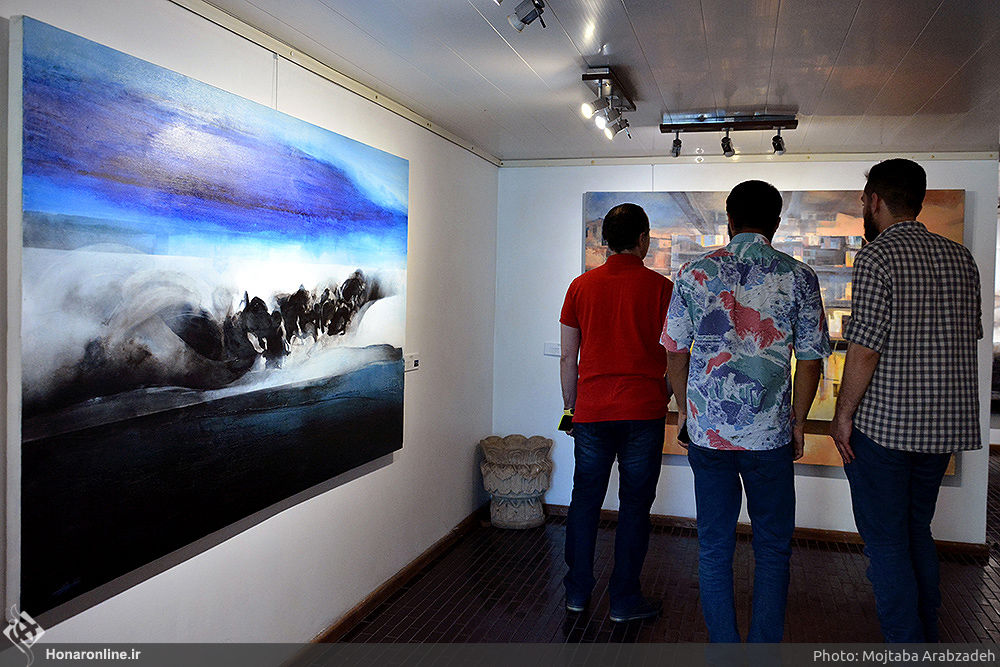
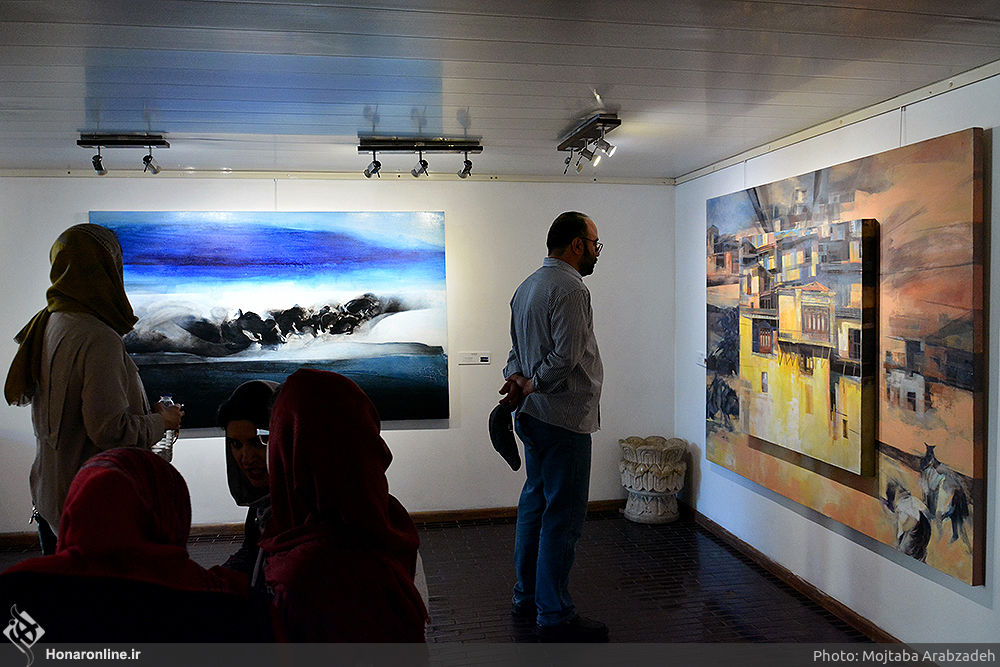
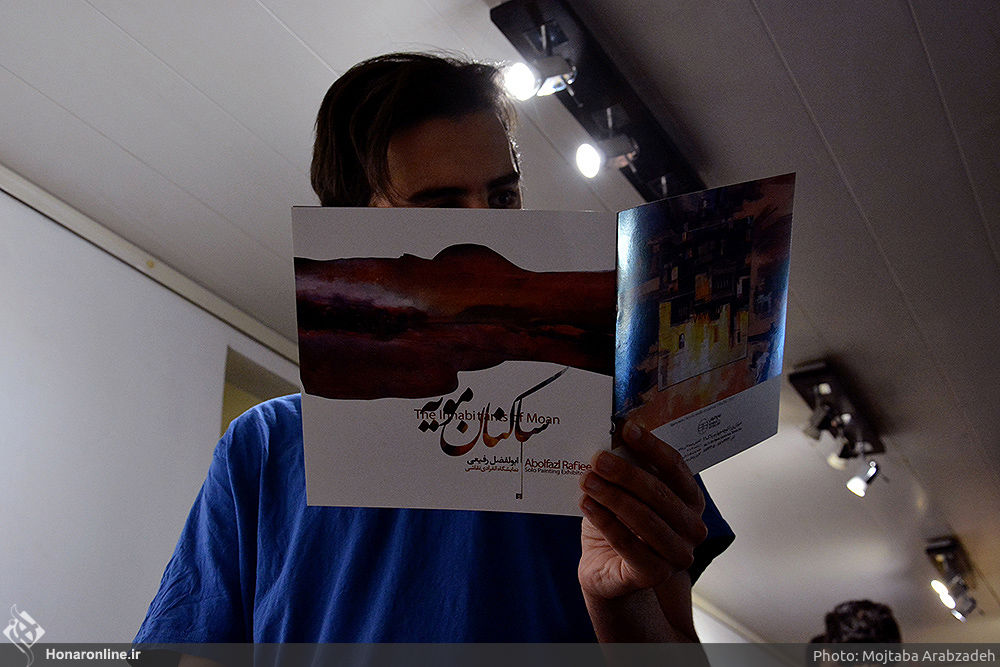
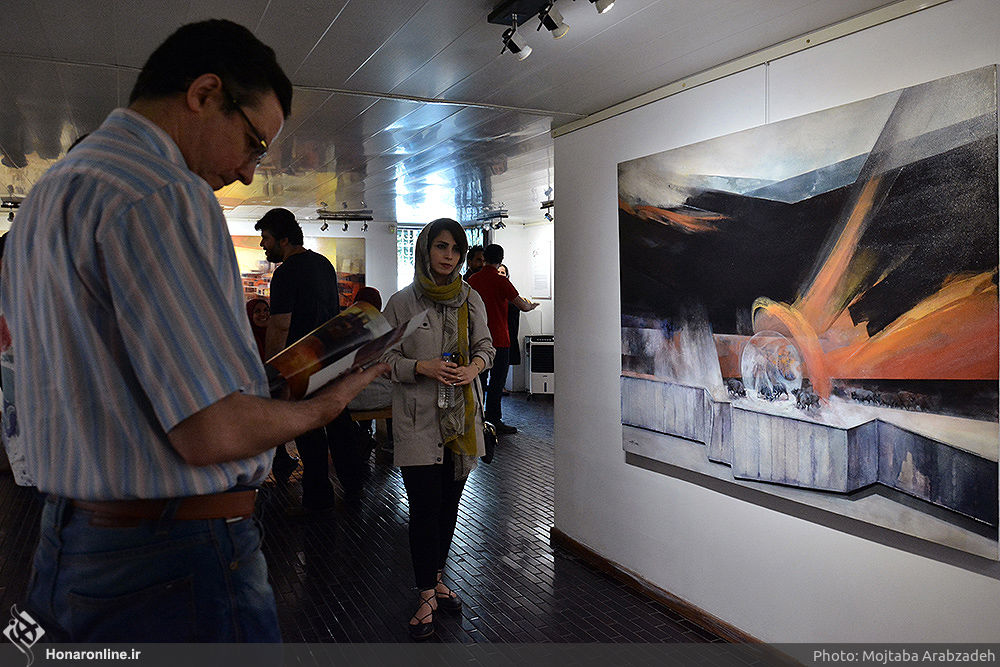
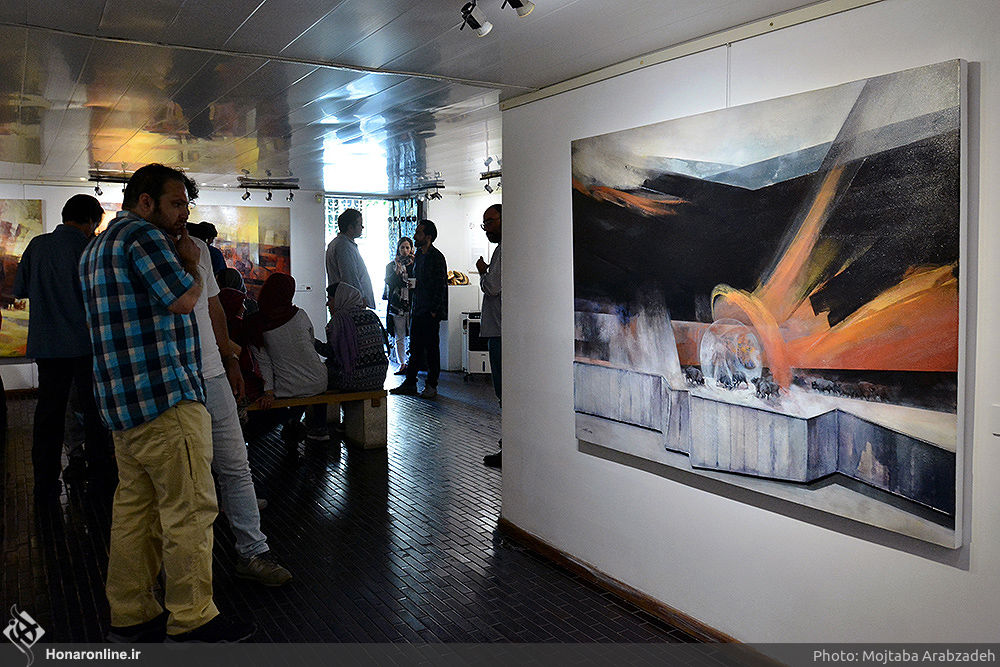
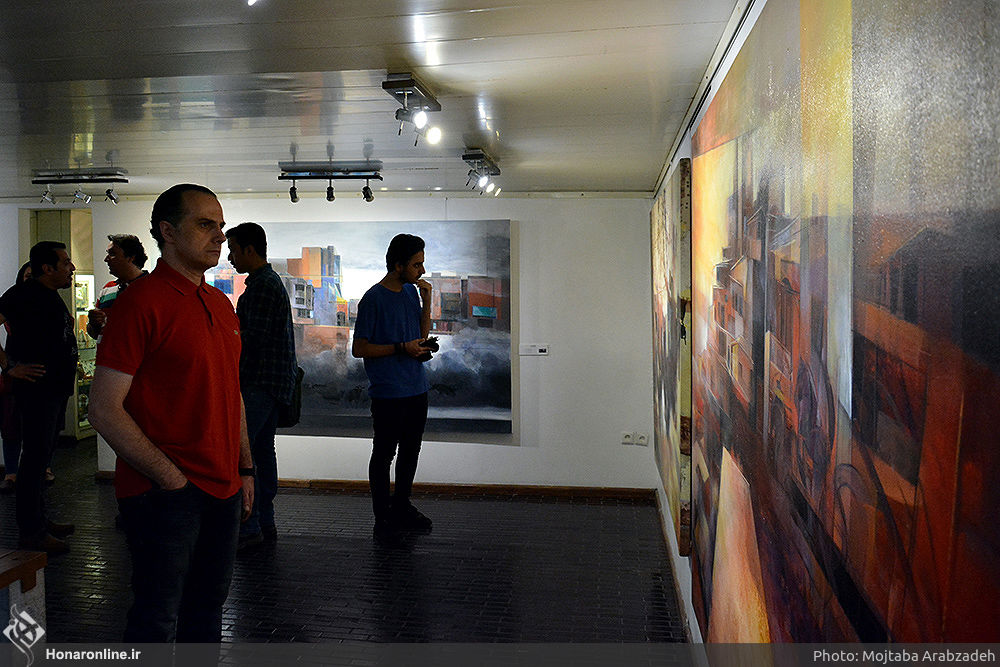
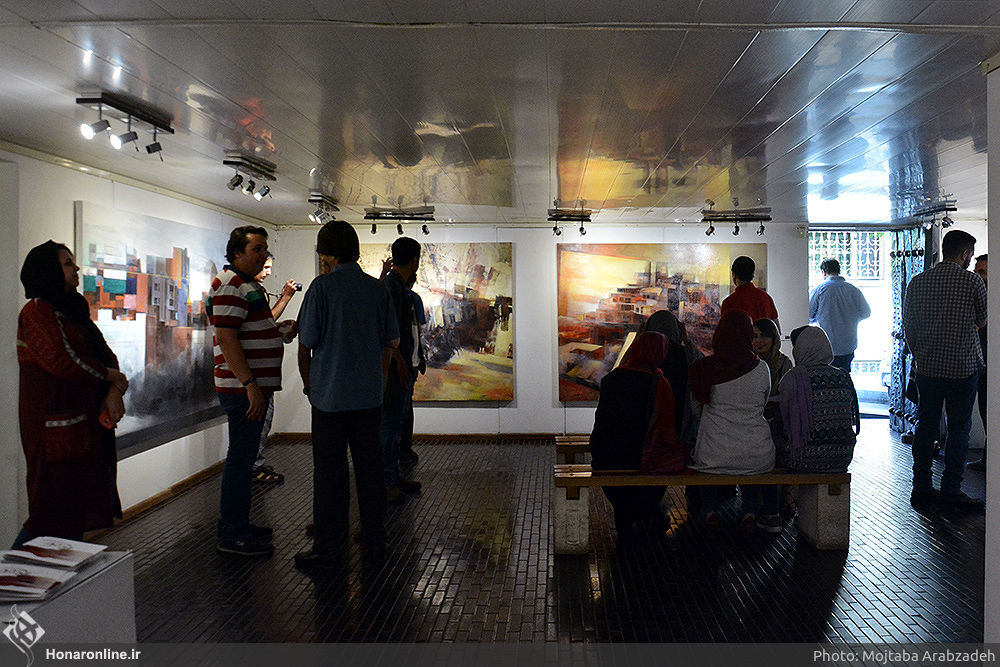
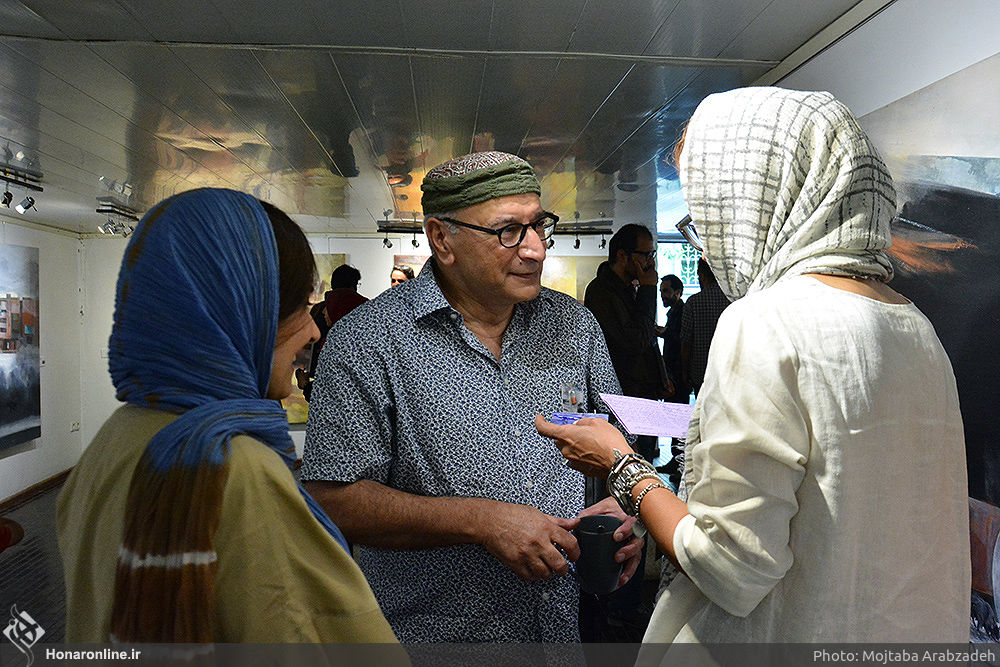
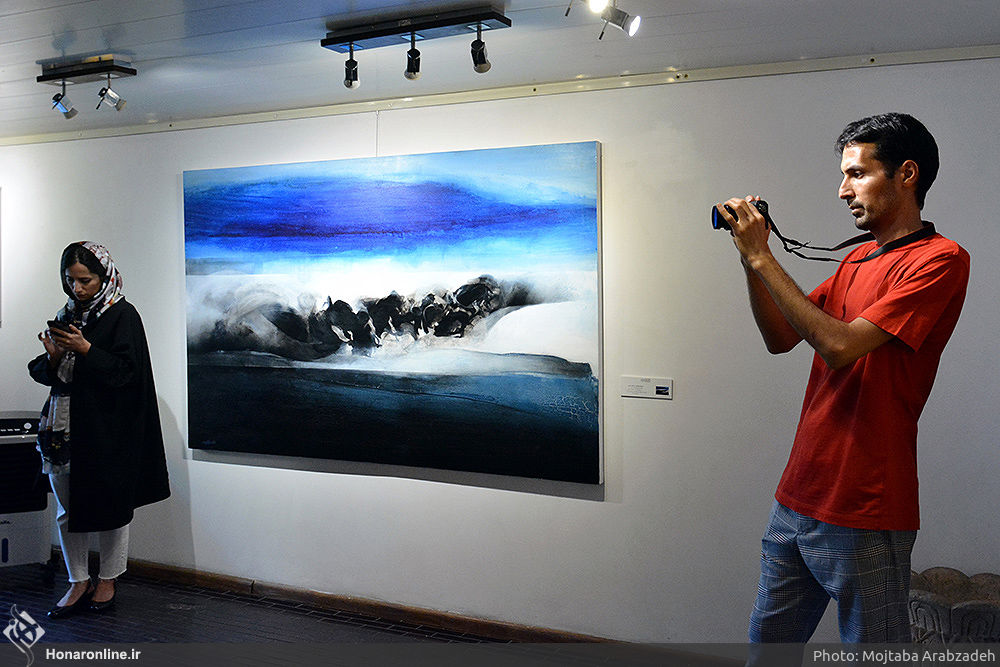
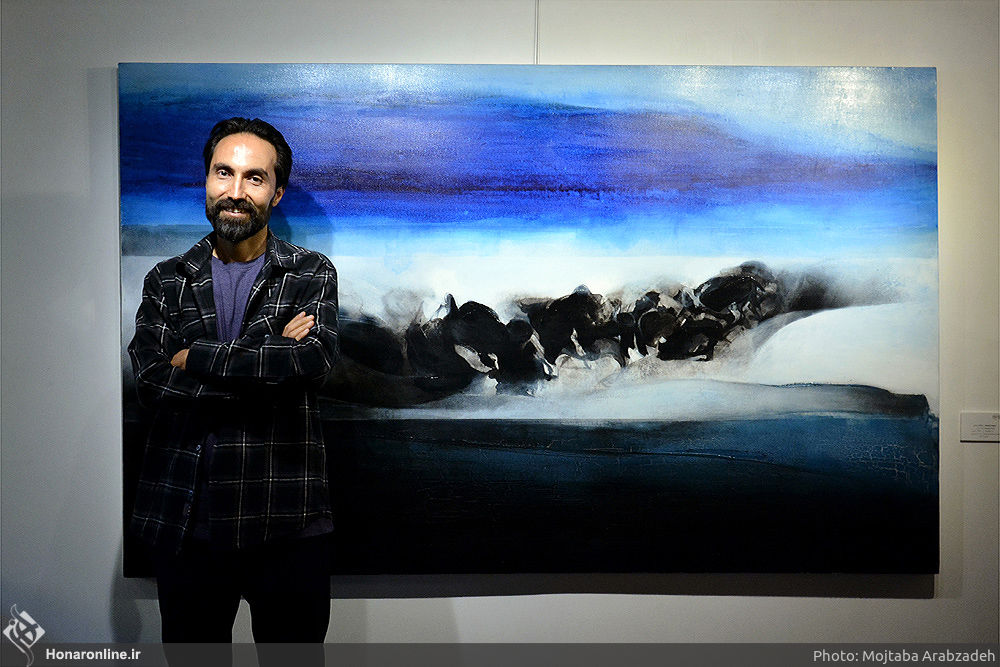
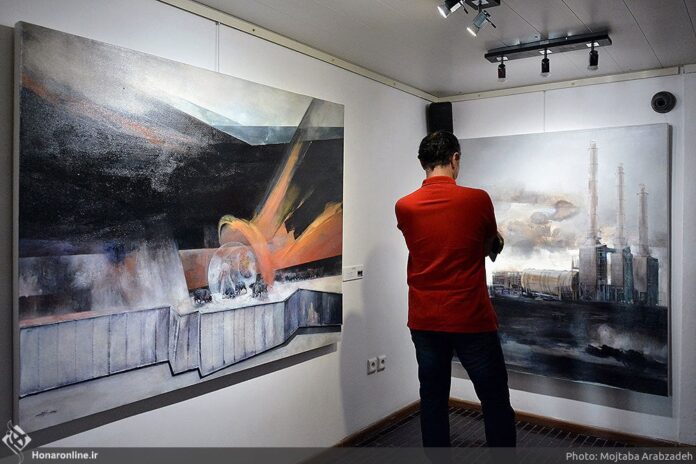
‘Inhabitants of Moan’ Exhibition Underway in Tehran

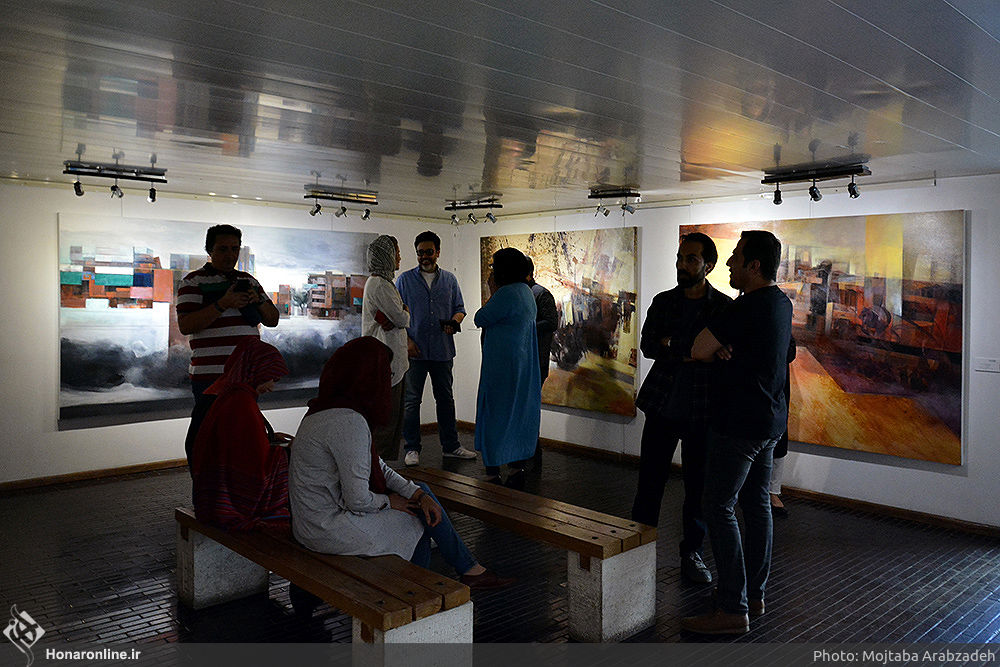
The exhibition, held at Seyhoun Art Gallery, narrates the story of a great ancient territory which has been looted by oppressors during various periods of time.

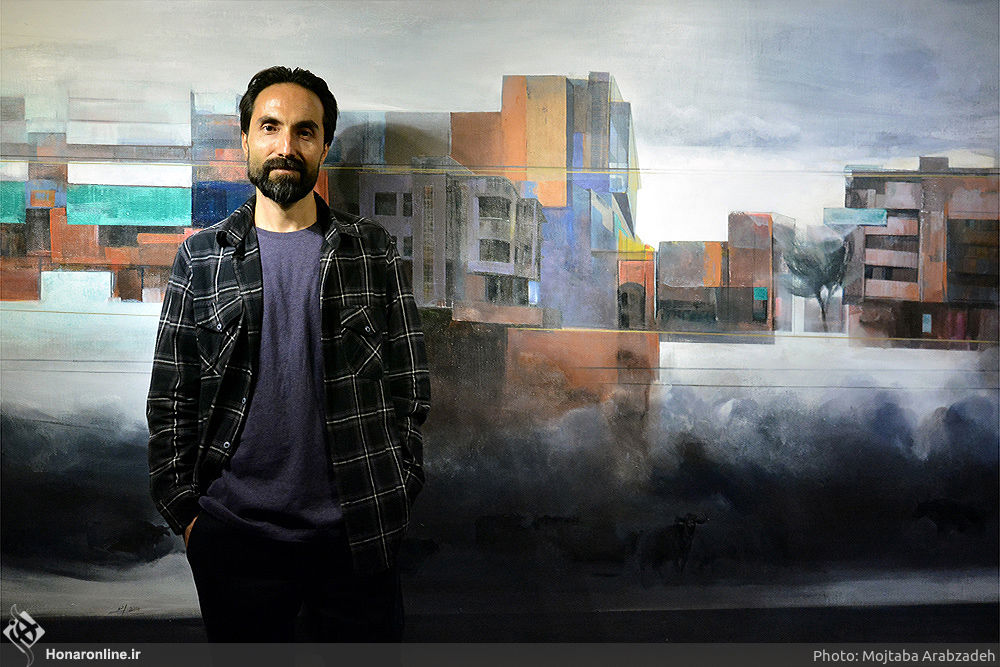
The painter says the theme of the exhibition is deeply rooted in his homeland Nishapur, an ancient city which was violently attacked by Tatars, a Turkish-speaking people living mainly in Russia and other post-Soviet countries.

He added this is a great city which has been the scene of anguish for thousands of years and looted by various groups during various periods of time.

Elaborating on the theme of the exhibition, he referred to the urban and civilisational spaces and the presence of desperate and strained animals sacredly seeking for a place to live and survive and added the Buffalos depicted in the paintings – as the long-time associates of human beings – are fighting to retrieve their lost lands.

“The blackness and whiteness of the heavy and painful forms narrate the story of people’s grief, confusion and divagation; people, who have a history of thousands of years of pride and pain, and a fog of doubt and smoke of fear ahead. From the apprehension of Tatar’s plunder to the remorse for the burned alleyways of poetry they whimper. They are the inhabitants of moan,” he noted.

Rafiee underlined that he improvised the paintings to create vast spaces triggering the visitors to think deeply.

The exhibition will be underway at Seyhoun Art Gallery until July 10. The exhibition is open to visitors every day, except Mondays, from 11 am to 7 pm.

Below you can see a series of photos of the exhibition retrieved from Honar Online:

Airlines No Longer Avoid Iran’s Airspace despite US Warning

Siavosh Amir Mokri, who heads Iran Airports and Air Navigation Company, said on Thursday that the number of flights using Iranian-controlled skies above the Persian Gulf and the Sea of Oman had increased over the past several days to reach its normal level of 840 flights a day.

The official said the increased use of the airspace came despite a notam (Notice to Airmen) issued by US Federal Aviation Administration on June 21 which banned flights from using skies above the region.

The notam came after Iran shot down an intruding American drone which officials said had violated the country’s airspace above the Persian Gulf waters.

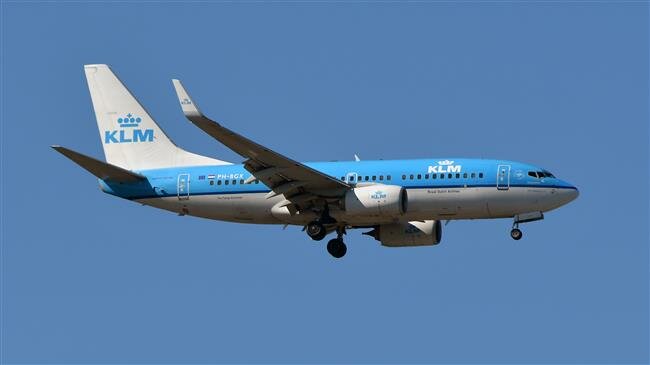
The move caused a serious escalation in military tensions between Iran and the United States and caused major airlines, including British Airways, KLM and Lufthansa, to follow the FAA instructions and stop to use the Iranian airspace.

However, Amir Mokri said carriers had reversed the decision as they have noticed that security in the Persian Gulf has been restored. He said that returning to the Iranian airspace would also be more economic for the airlines.

“That tension is gone and airline companies have understood that the country’s airspace is still safe,” he said, adding that the number of international flights using the Iranian airspace had decreased to 800 a day, down five percent, since the downing of the US drone by Iran.

The official said Iran had lodged an official complaint with the International Civil Aviation Organization over the FAA notam as it inflicted losses on the country. He said Iran’s total revenues from overflight fees in the last Iranian calendar year which ended in March topped $180 million.

Iran Urges Int’l Probe into Fate of Abducted Diplomats

In a Friday statement released on the 37th anniversary of the abduction, the Foreign Ministry said based on ample evidence, the Islamic Republic of Iran holds the Zionist regime of Israel and its allies legally and politically responsible for the abduction and the terrorist move.

The statement also slammed the international community and the self-proclaimed advocates of human rights for refraining from adopting any serious measure against the crime and said the Zionist regime backed by the US keeps continuing its crimes and measures against the international law and evading responsibility.

It then reiterated calls for the establishment of an international fact-finding committee to follow up the fate of the abducted diplomats.

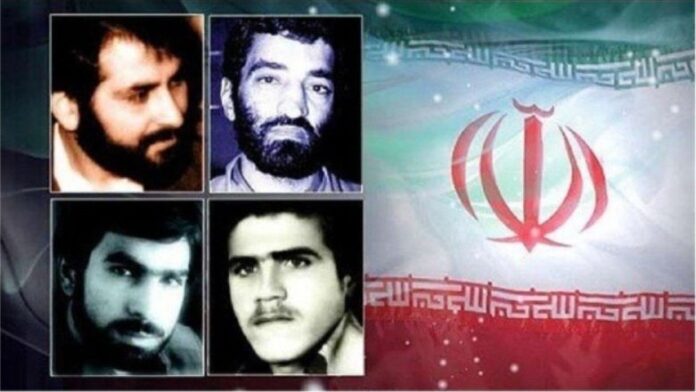
Four Iranian diplomats – the then charge d’affaires of the Iranian embassy in Beirut Seyyed Mohsen Mousavi, military attaché Ahmad Motevasselian, embassy technician Taqi Rastegar Moqaddam and a journalist working for the Islamic Republic News Agency Kazem Akhavan were kidnapped by a group of Israel-backed gunmen at an inspection post in northern Lebanon on July 4, 1982.

3,000-Year-Old Antiquities Seized from Smugglers in Iran

At least five people have been arrested with connection to the seizure, said a local commander, Brigadier General Seyyed Mahmoud Mirfeyzi.

“The Law Enforcement began a massive operation to seize the antiquities after receiving several reports on efforts by a gang which had access to the ancient items,” he said.

After an operation by the Iranian forces, the ringleader was spotted and the antique items were confiscated in his home in Galugah.

“At least fifty items have been confiscated including lace and bronze dishes,” the commander said and added based on estimations by archaeologists, the priceless items date back to three thousand years ago.

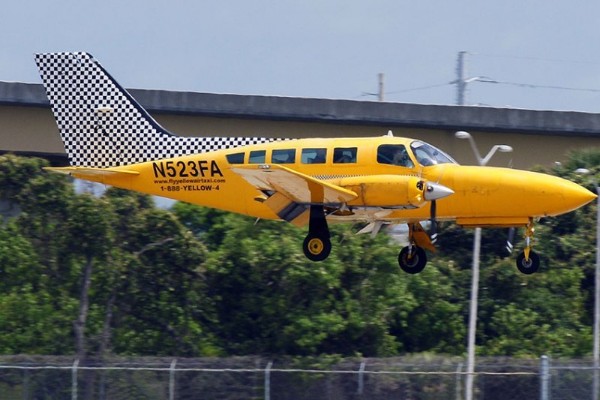
12 Air Taxis to Become Operational in Iran by March 2020

“Based on the agreements made with the State Civil Aviation Organization, as many as 12 air taxis will enter service in the country by [the Persian] year’s end,” said Manouchehr Manteqi, the secretary of the Modern Transport and Air Technologies Development Commission of the Science and Technology Department of the Presidential Office.

“Air taxi services have been established in several provinces, namely North Khorasan and Hormozgan in order to render services from the provincial capital to nearby town and cities, and this domain is going to be further developed,” he said.

An air taxi is a light or ultralight airplane whose capacity is as large as that of an ordinary taxi or bus and can carry passengers over short distances.

The air taxi is the phrase used to refer to small commercial planes at airports which can be hired by passengers to take them to their destinations on time without any delays.

Manteqi said the aircraft used as air taxis can seat between 4 to 10 passengers.

“With air taxi services becoming operational, the most important thing which will be done is that it will activate small airports where few flights operate at the moment, and will link provincial capitals to the capitals of nearby provinces or cities with large airports.

“Air taxis are also used for non-scheduled flights.

For scheduled flights, passengers need to spend a lot of time to finally get on board, but this time can be shortened via air taxis,” he said.

“At the moment, many airports in the country are hosting only a few passengers. With the arrangements made … we intend to put 12 air taxis into operation by the end of this year,” he noted.

He said air taxis are part of public aviation, which is one of the key components of the air industry in the country and more needs to be done in that domain.

Iran Summons UK Envoy over Oil Tanker Seizure

Iran Appoints Female Ambassador to Denmark

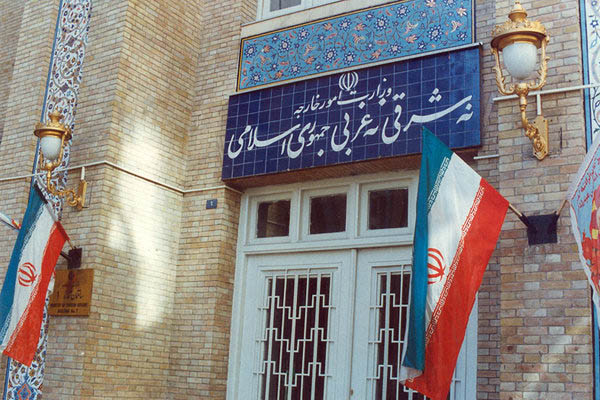
The ministry’s spokesman Seyyed Abbas Mousavi said on Thursday Iran expressed its strong protest to the top British diplomat over the incident.

Mousavi also slammed the seizure of the vessel as an illegal and destructive measure.

“This is a destructive move done at the request of the US government,” said the spokesman in an interview with the state TV.

“This amounts to the imposition of a kind of extraterritorial sanction and will fuel tensions in the region,” said the spokesman.

Robert Macaire was summoned to the Iranian Foreign Ministry on Thursday evening.

As the ambassador appeared at the Foreign Ministry, Director of the Third Department of Western Europe described the UK move as unacceptable, and called for the immediate release of the oil tanker, given that it has been seized at the request of the US based on the information currently available.

Pointing to the fact that the oil tanker was sailing in the international waters, the Iranian diplomat described the UK Navy’s measure as being tantamount to maritime piracy, and stressed that Britain has no right to impose its own unilateral sanctions or those of the European Union in an extraterritorial manner against the other countries.

This is the very bullying policy of the US, about which the European countries have been always protesting, he added.

In the meeting, the UK ambassador was provided with the documentation about the oil tanker and its cargo indicating the ship’s completely legal movement.

It was also emphasized that the Islamic Republic of Iran will be employing all its political and legal capacities to secure the release of the vessel and uphold its rights.

The UK ambassador said he will immediately convey the protest to London, stressing that the UK does not follow the unilateral US sanctions against Iran.

The Grace-one tanker was halted early on Thursday by Gibraltar police and customs agencies, aided by a detachment of British Royal Marines.

The Gibraltar government claims the vessel was carrying crude oil to a refinery in Syria. The UK, which regards Gibraltar as part of its territory, said the shipment was a breach of European Union sanctions against Syria. However, Spain, which challenges the British ownership of Gibraltar, said the action was prompted by a US request to Britain and appeared to have taken place in Spanish waters.

Saudi Arabia Demanding ‘Ransom’ to Let Iran Ship Go

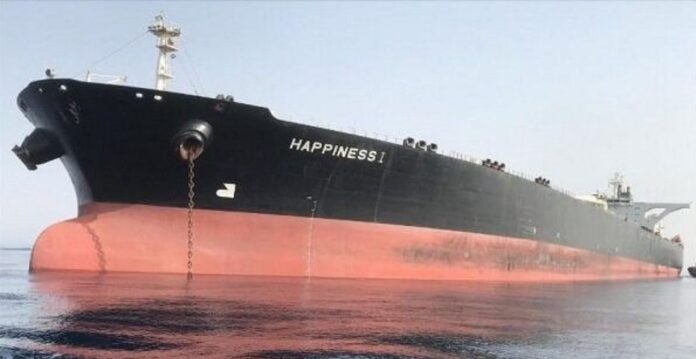
Iranian tanker Happiness 1

“We have learned that one of Iran’s oil tankers ran into technical problems while on its mission, and the circumstances in the environment forced it to dock at the Saudi coast. However, Saudi Arabia wouldn’t let the oil tanker leave after it underwent repairs,” said Mansour Haqiqatpour, an ex-MP and former member of Parliament’s National Security Commission.

“Incoming reports suggest that Saudi Arabia demanded the payment of an exorbitant repair cost, which makes it all the more necessary for the Foreign Ministry to follow up the issue in order to solve the problem,” he noted.

Meanwhile, Iranian Petroleum Minister Bijan Namdar Zanganeh also weighed in on the issue.

“Iranian officials are pursuing the matter through the National Iranian Oil Company in order to return the oil tanker to Iran. In addition to financial costs, the presence of our personnel there and the possibility of the outbreak of an environmental disaster are also important,” said Zanganeh.

Earlier, an Iranian lawmaker warned Saudi Arabia against holding the oil tanker “hostage,” describing it as an “illegal seizure” and a case of “ransom-seeking” aimed at gaining concessions from Iran.

Mohammad-Javad Jamali Nobandegani, a deputy chairman of the Iranian Parliament’s National Security and Foreign Policy Committee, said “Saudi Arabia’s refusal to discharge the Iranian vessel in the Arab country is a sort of ransom-seeking and hostage-taking. I think Saudis want to use the situation to take revenge for the damages they have suffered in such places as Yemen.”

However, he added, this is a “stupid and childish game, which will finally result in Riyadh’s harm.”

The Iranian oil tanker was plying across international waters when it ran into technical problems.

As the port of Jeddah was close by, the vessel, under international regulations, asked to dock at the port in order to undergo repair works. However, Riyadh refused to allow the oil tanker to leave the port after repair work was done.

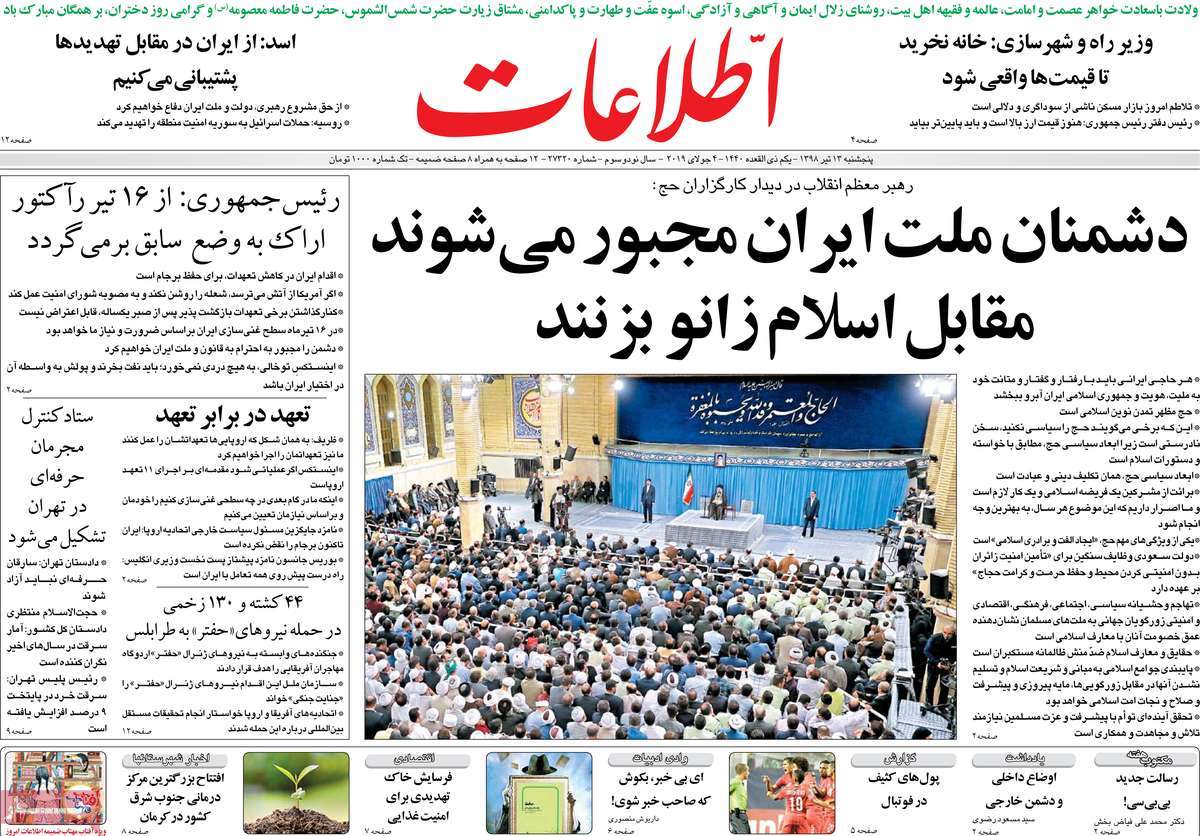
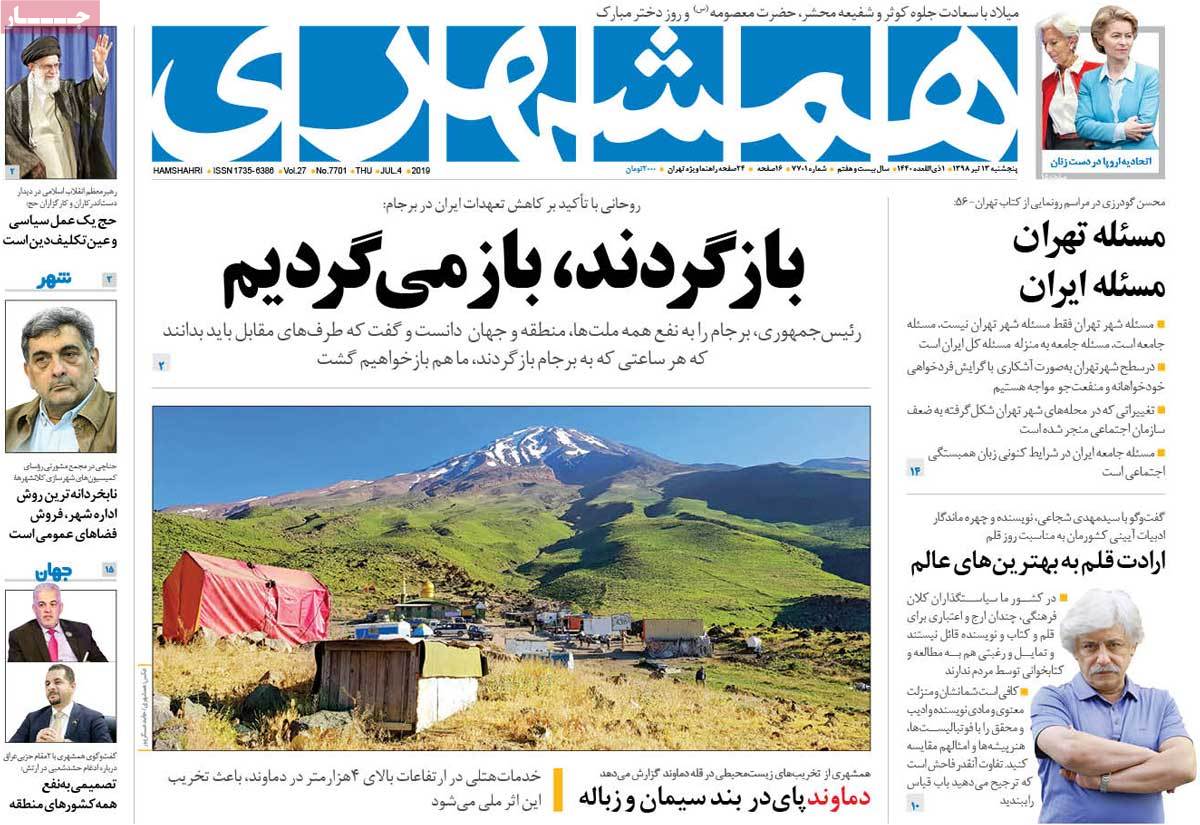
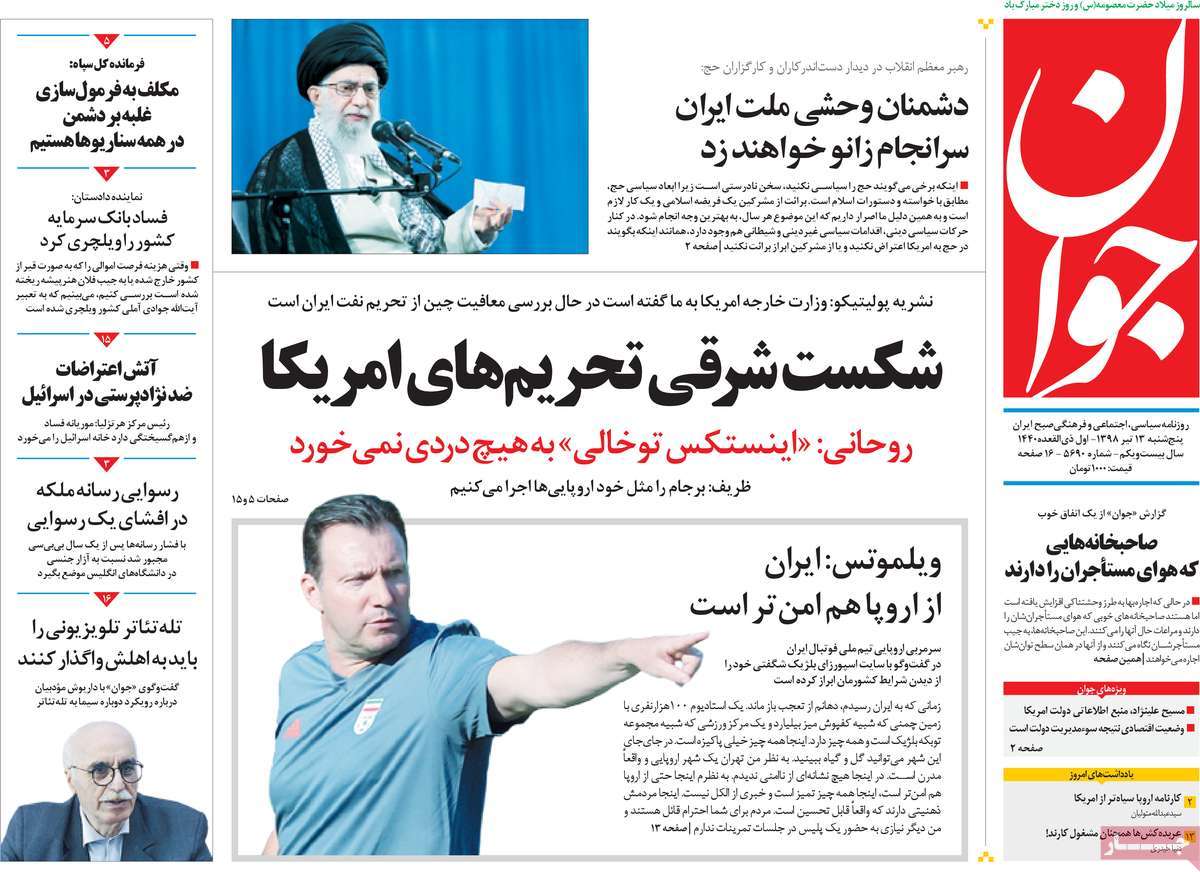
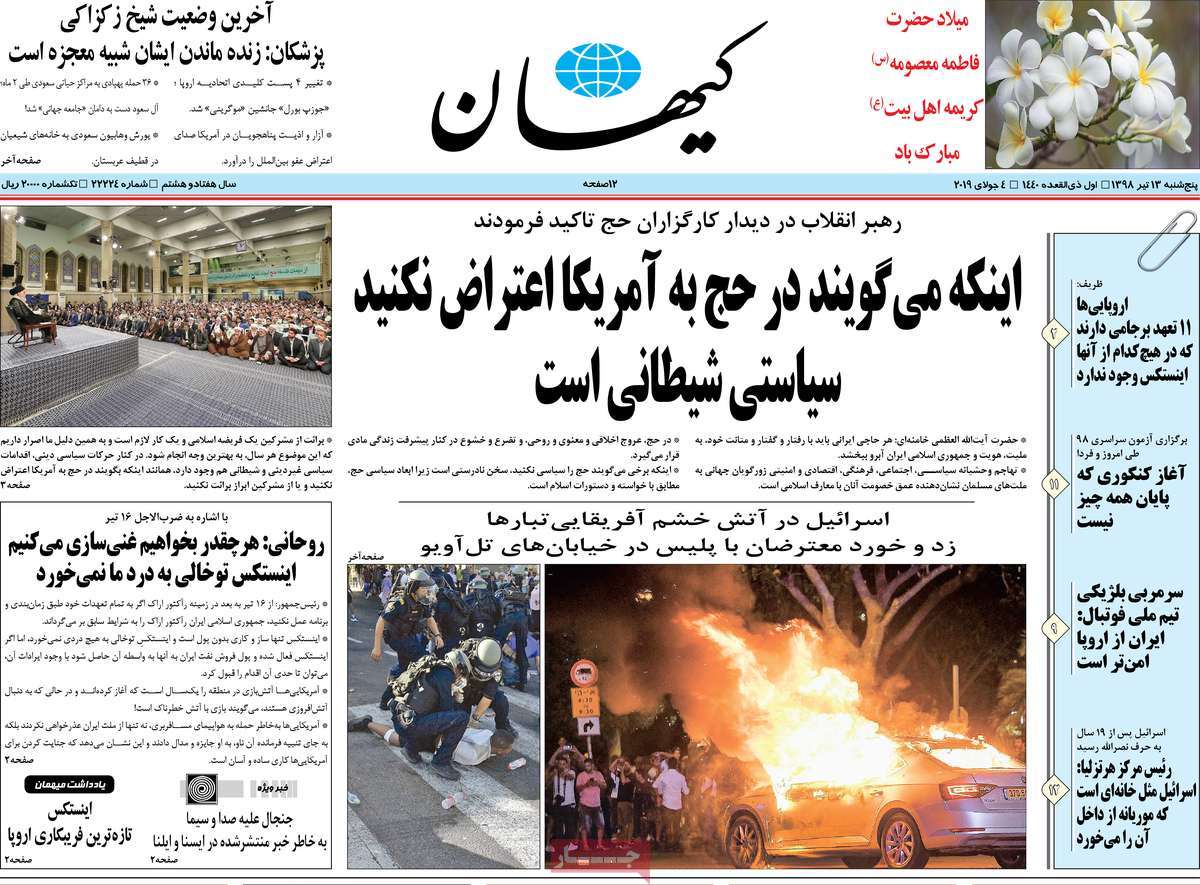
A Look at Iranian Newspaper Front Pages on July 4

A Look at Iranian Newspaper Front Pages on November 19

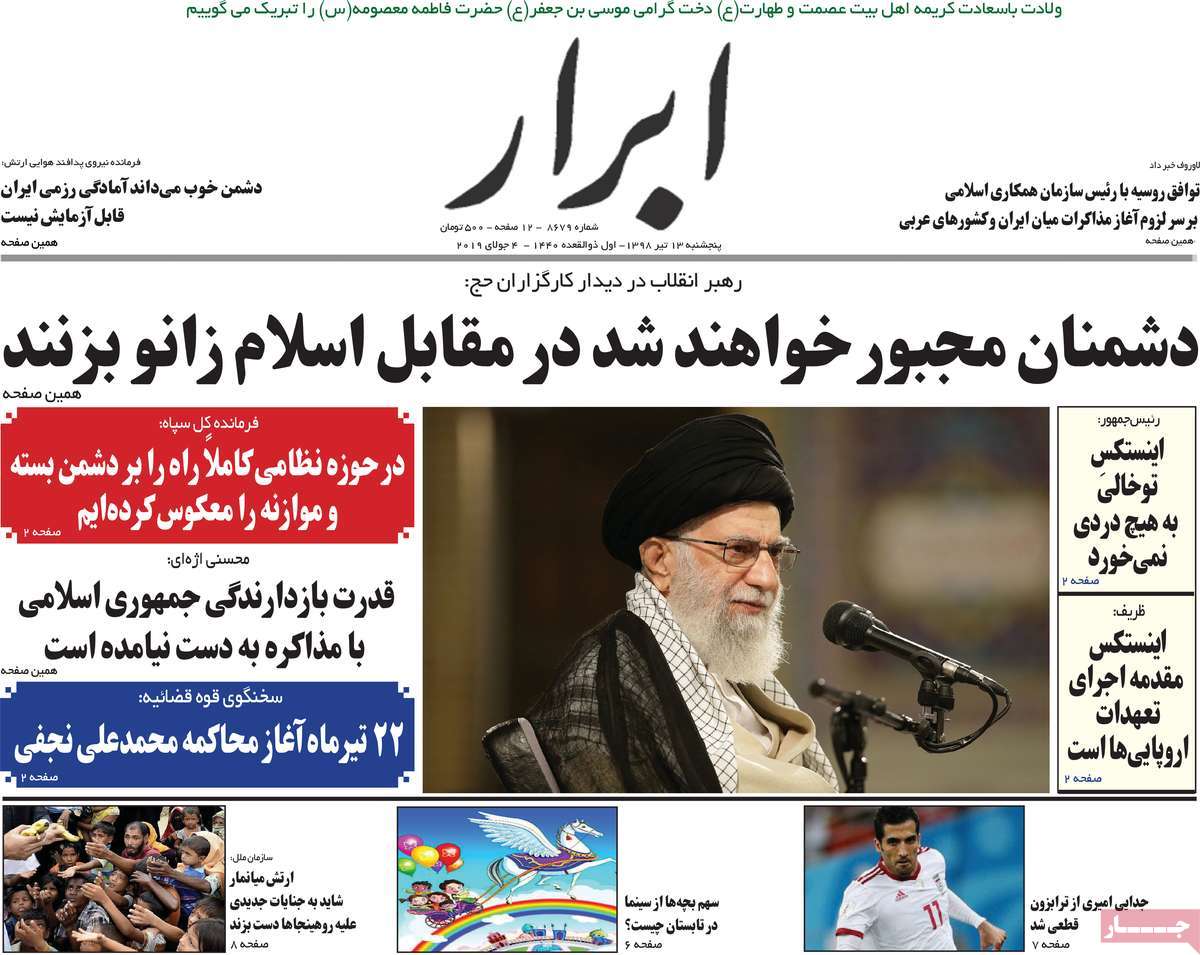
Abrar:
1- Russia’s Deal with OIC Chief over Beginning of Talks between Iran, Arab States
2- Enemies Will Have to Bend the Knee against Islam: Iran Leader
3- Zarif: INSTEX Prelude to Implementation of Europeans’ Commitments
4- IRGC Chief: We’ve Reversed Balance in Military Area

A Look at Iranian Newspaper Front Pages on July 4


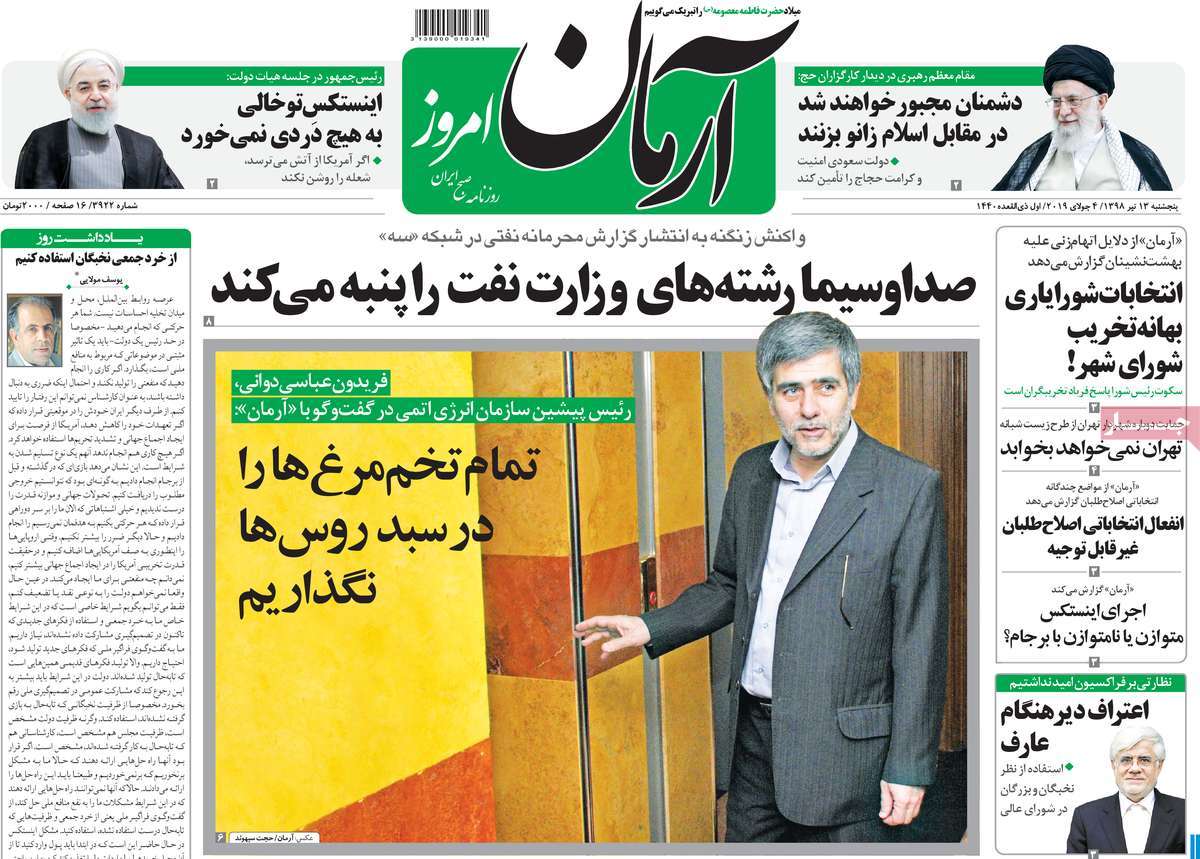
Arman-e Emrooz:
1- Hollow INSTEX of No Use: Rouhani

A Look at Iranian Newspaper Front Pages on July 4


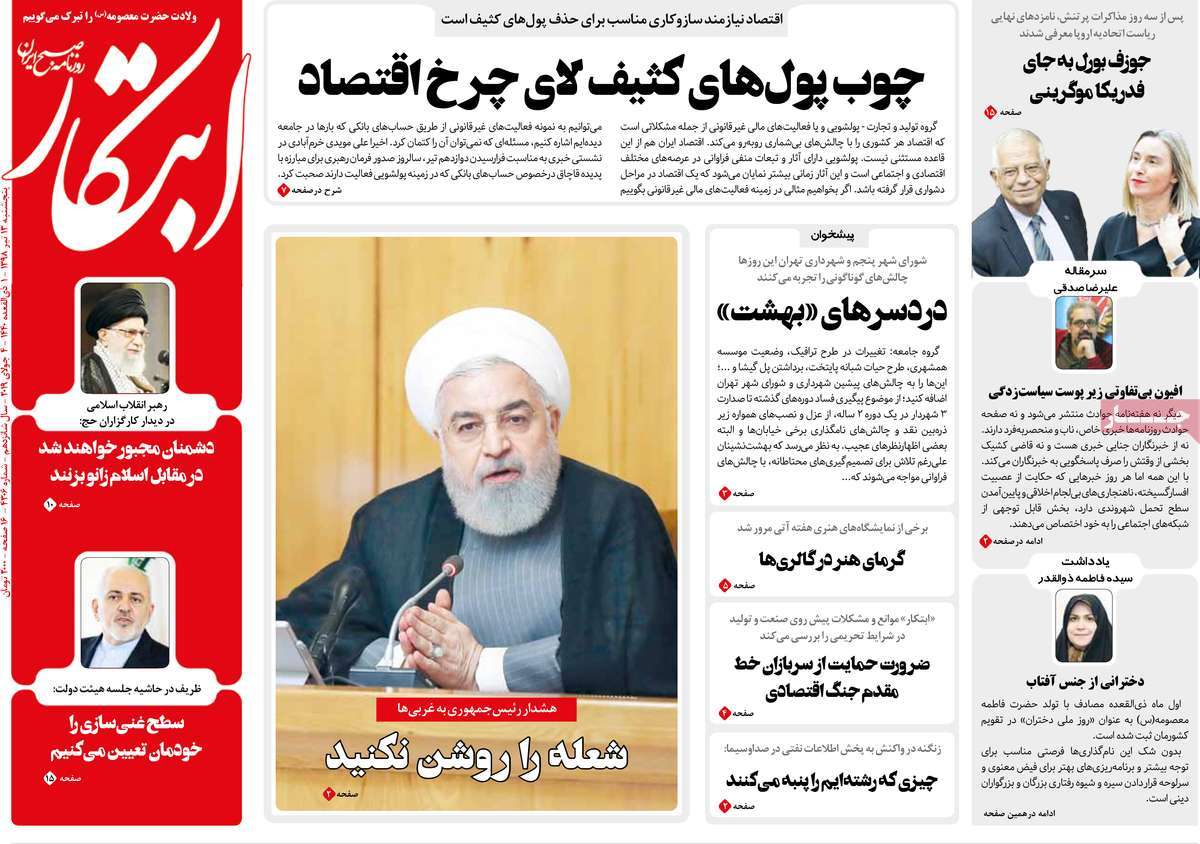
Ebtekar:
1- Josep Borrell to Replace Mogherini after 3 Days of Tense Talks
2- Don’t Start the Flame: Rouhani Warns Westerners
3- We’ll Decide Level of Our Uranium Enrichment: Zarif

A Look at Iranian Newspaper Front Pages on July 4


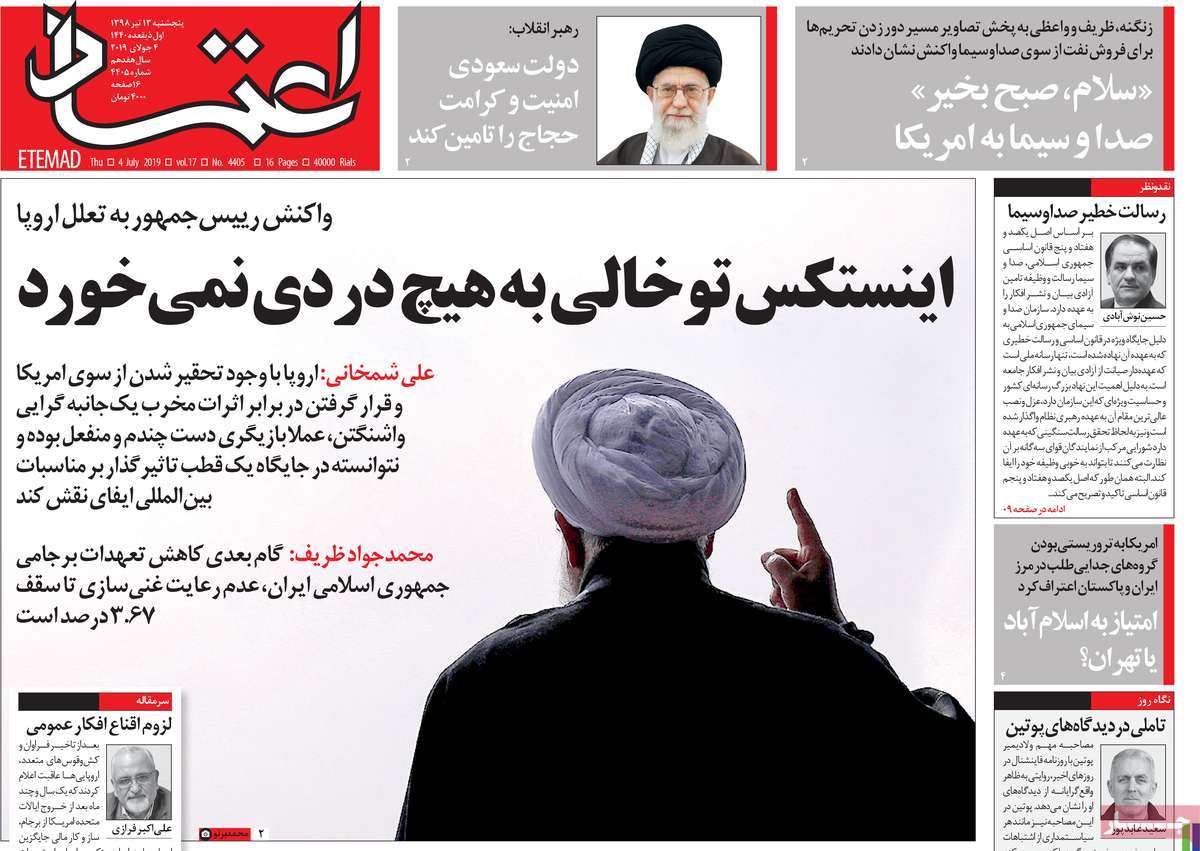
Etemad:
1- Iran Leader: Saudi Gov’t Must Ensure Safety of Hajj Pilgrims
2- Rouhani: Empty INSTEX of No Use to Anyone
3- Zarif: Iran to Exceed 3.67% Level of Enrichment in Next Stage

A Look at Iranian Newspaper Front Pages on July 4


Ettela’at:
1- Assad: We Support Iran against Threats
2- Rouhani: Arak Reactor to Be Restored to Previous Status as of July 7

A Look at Iranian Newspaper Front Pages on July 4


Hamshahri:
1- We’ll Return If They Return: Rouhani Says Iran’s Nuclear Measures Reversible

A Look at Iranian Newspaper Front Pages on July 4


Javan:
1- Failure of US Sanctions in the East: Politico Says US Mulling Giving China Oil Waivers
2- Wilmots: Iran Safer than Europe

A Look at Iranian Newspaper Front Pages on July 4


Kayhan:
1- Rouhani: We’ll Enrich Uranium at Any Level We Want; Hollow INSTEX of No Use
2- Zarif: INSTEX Not among Any of 11 JCPOA Commitments Europe Undertook
3- Latest Conditions of Sheikh Zakzaky: It’d Be a Miracle If He Survives, Doctors Say

A Look at Iranian Newspaper Front Pages on July 4


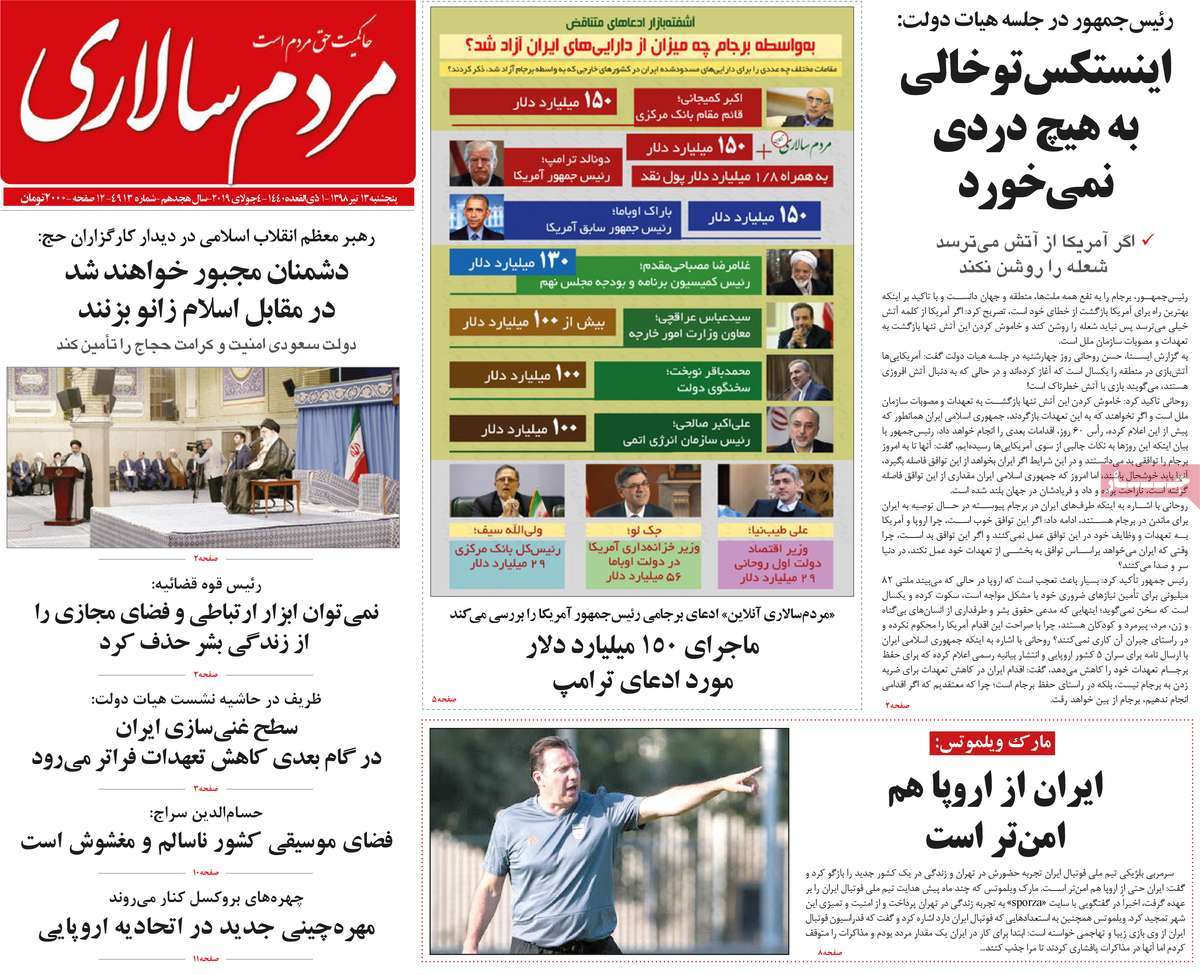
Mardom Salari:
1- Zarif: Iran to Increase Level of Uranium Enrichment in Next Step
2- New Arrangement in European Union
3- Wilmots: Iran Safer than Europe

A Look at Iranian Newspaper Front Pages on July 4


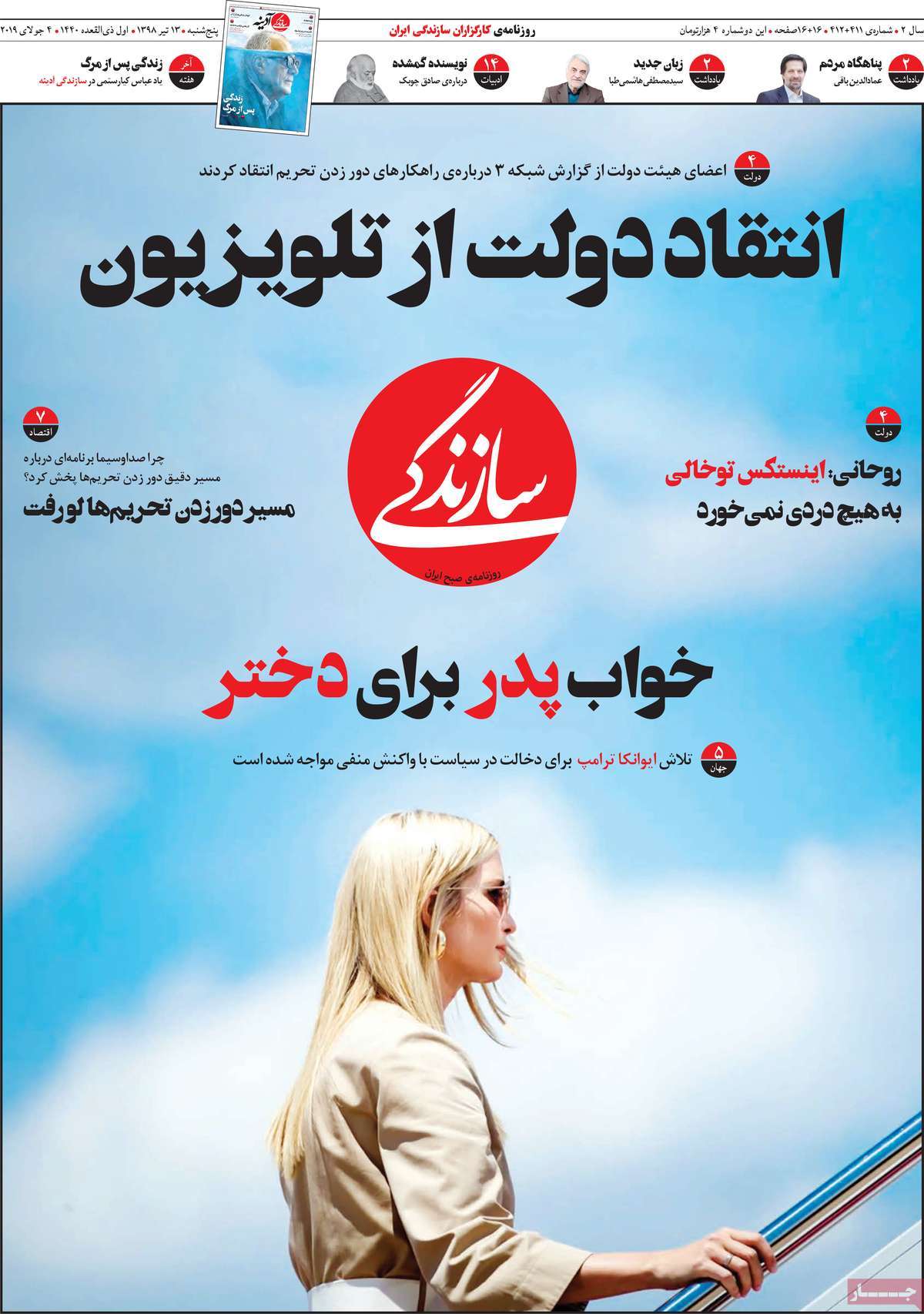
Sazandegi:
1- Trump’s Dreams for Ivanka: Negative Reactions to Trump’s Daughter’s Efforts to Meddle in Politics

A Look at Iranian Newspaper Front Pages on July 4