Wednesday, April 8, 2026
Home Blog Page 3055

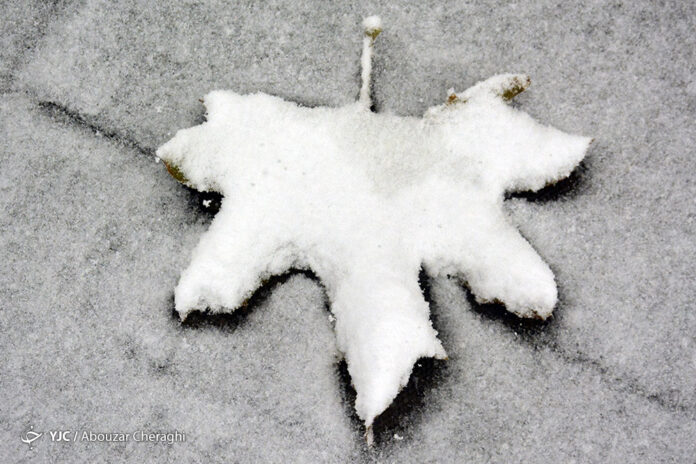
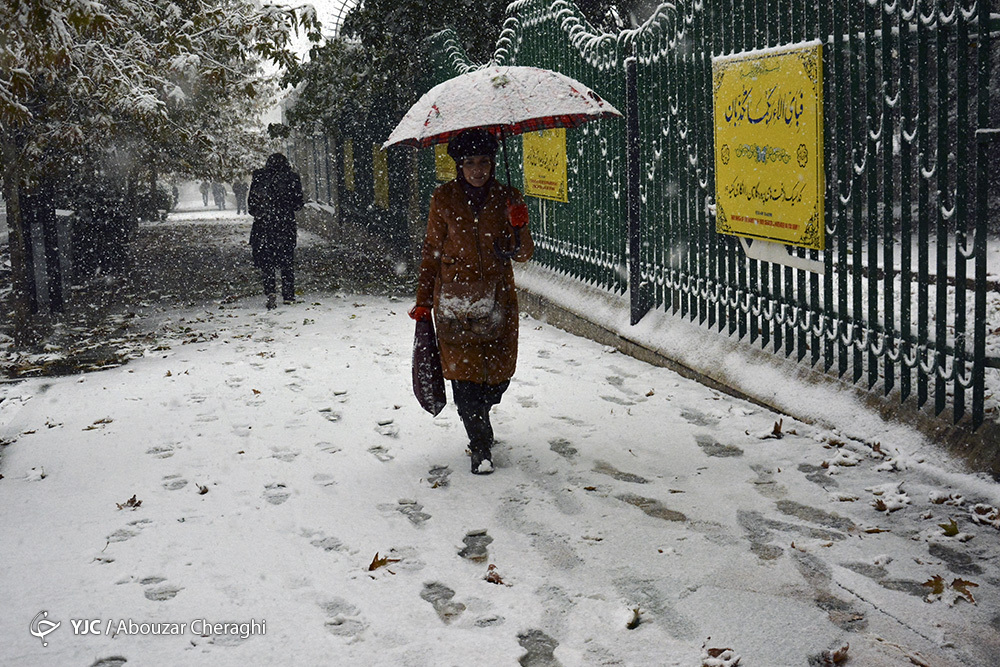
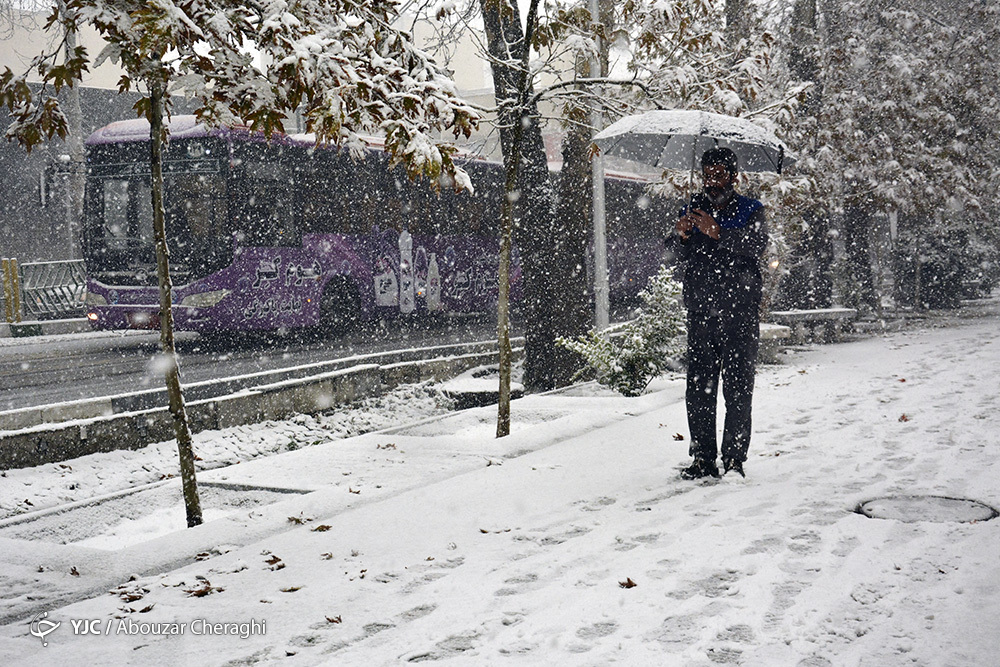
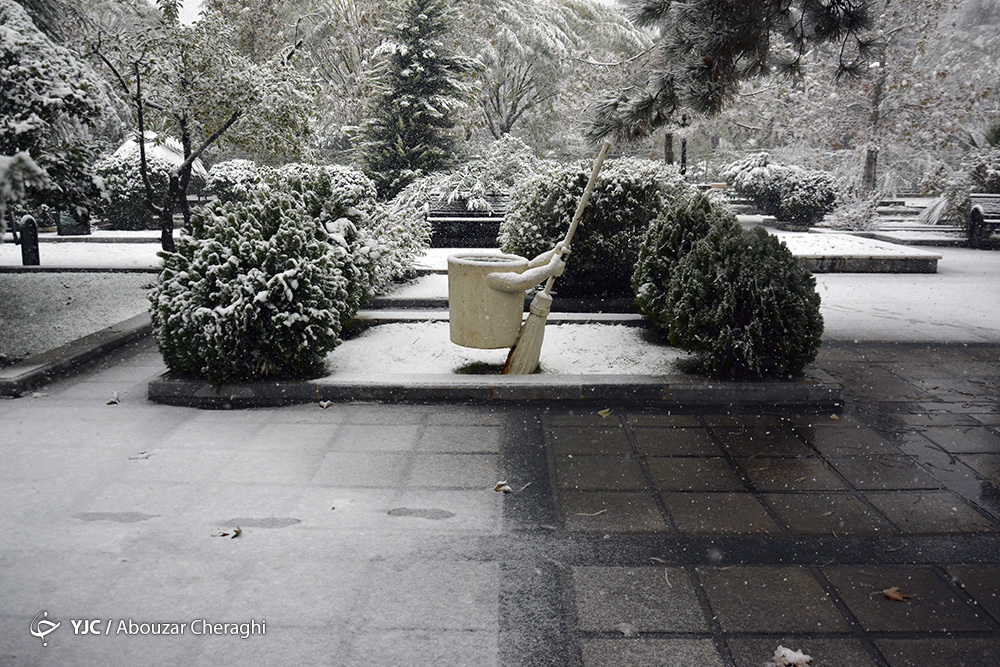
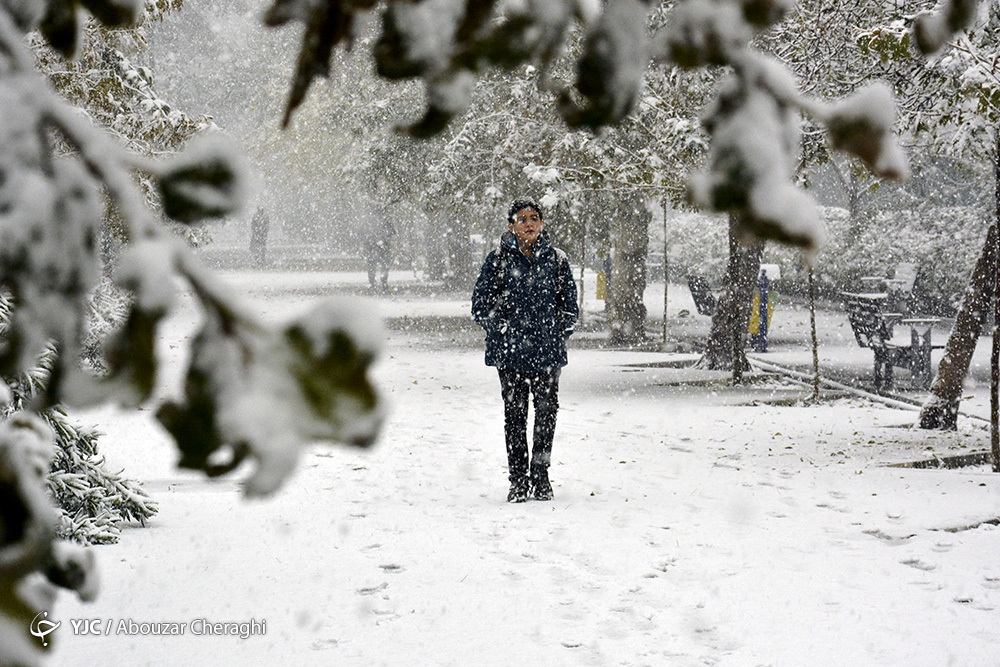
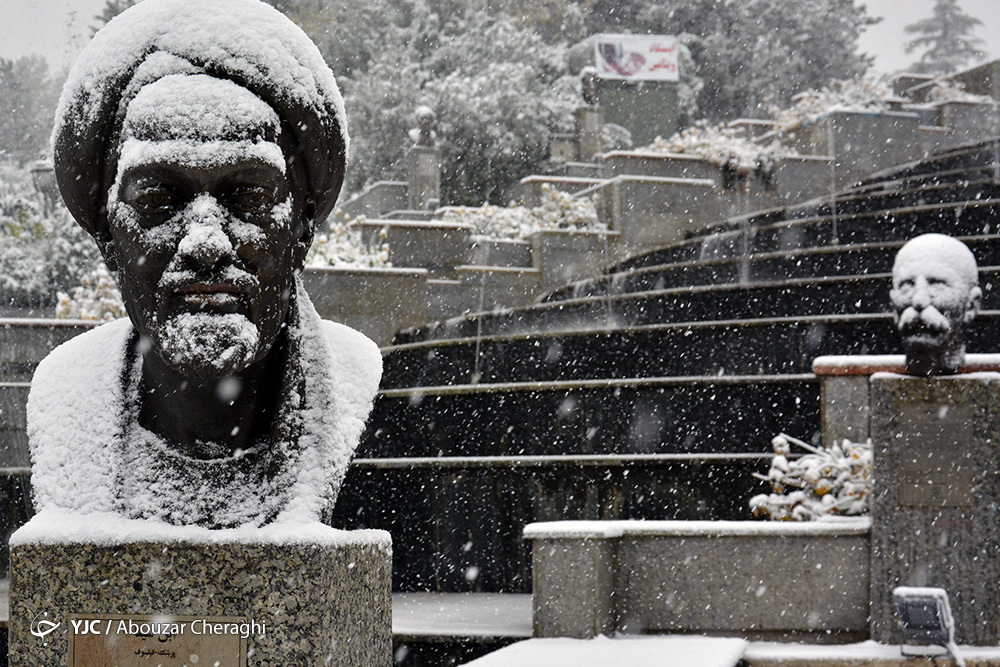
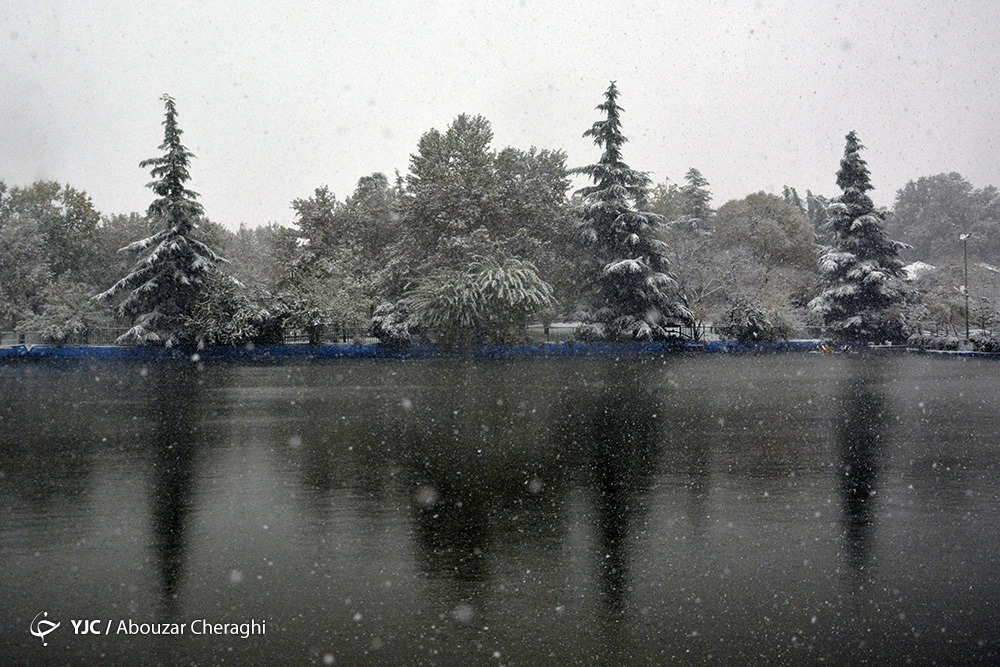
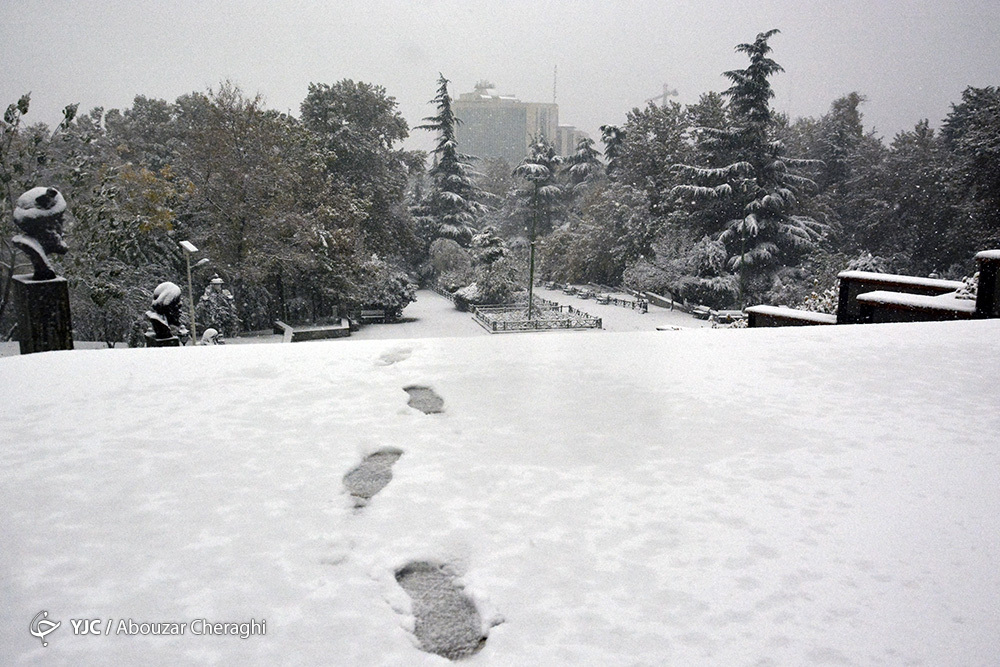
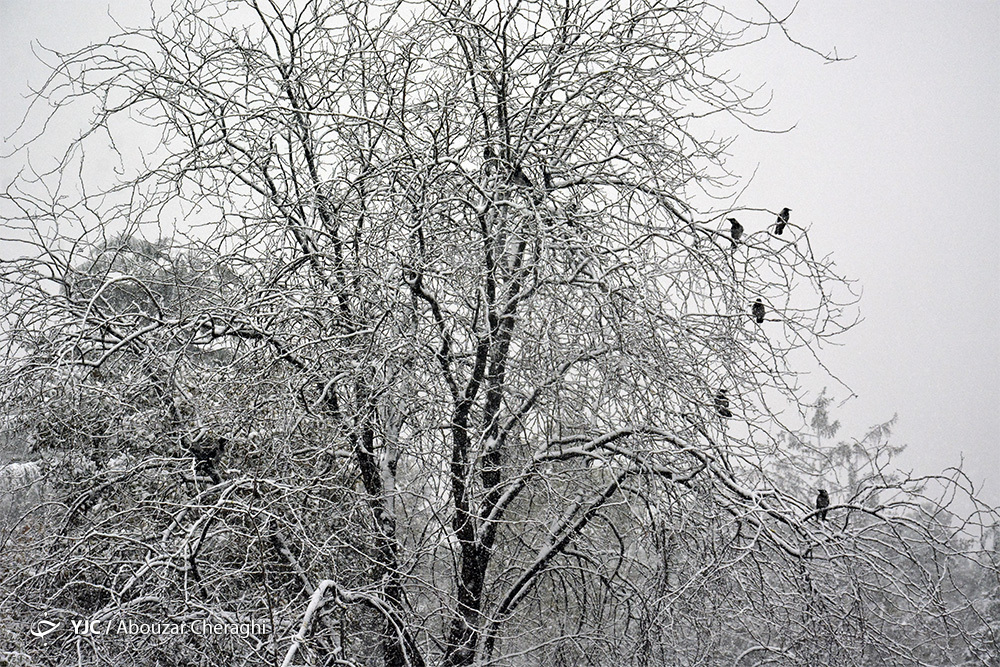
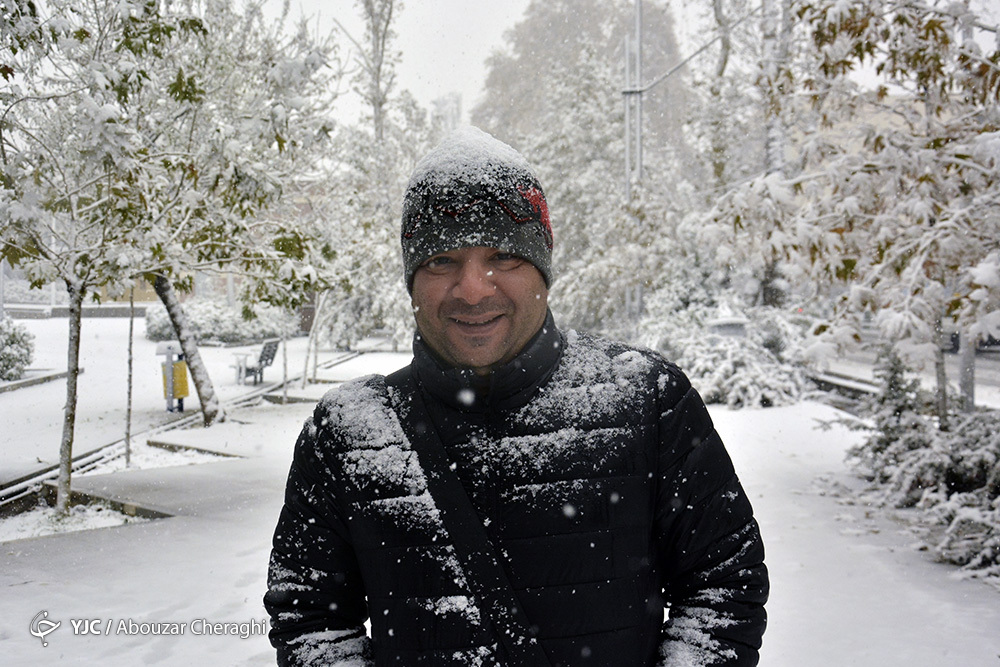
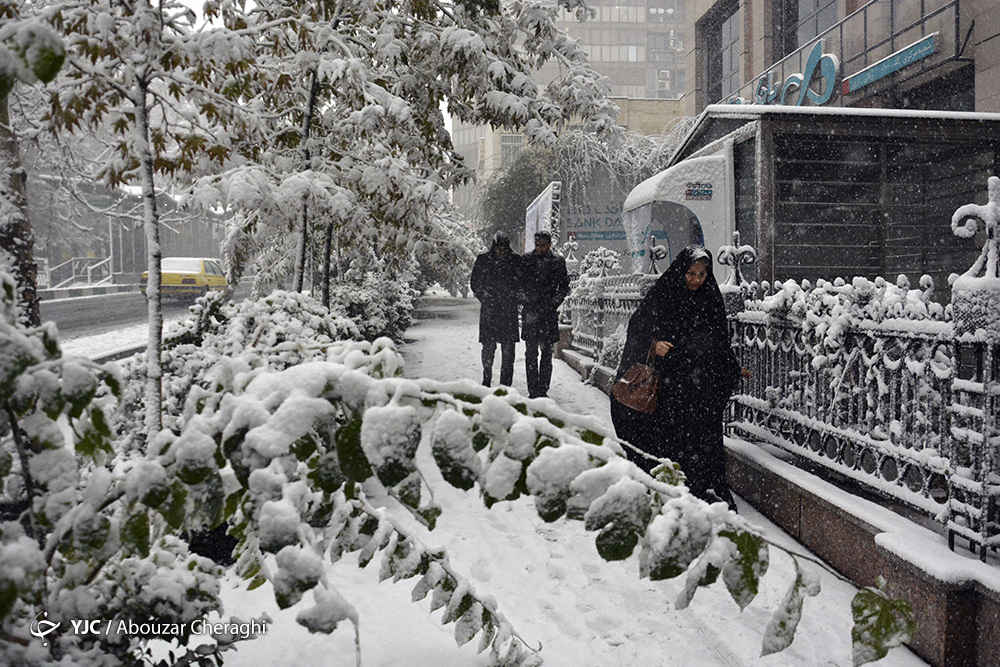
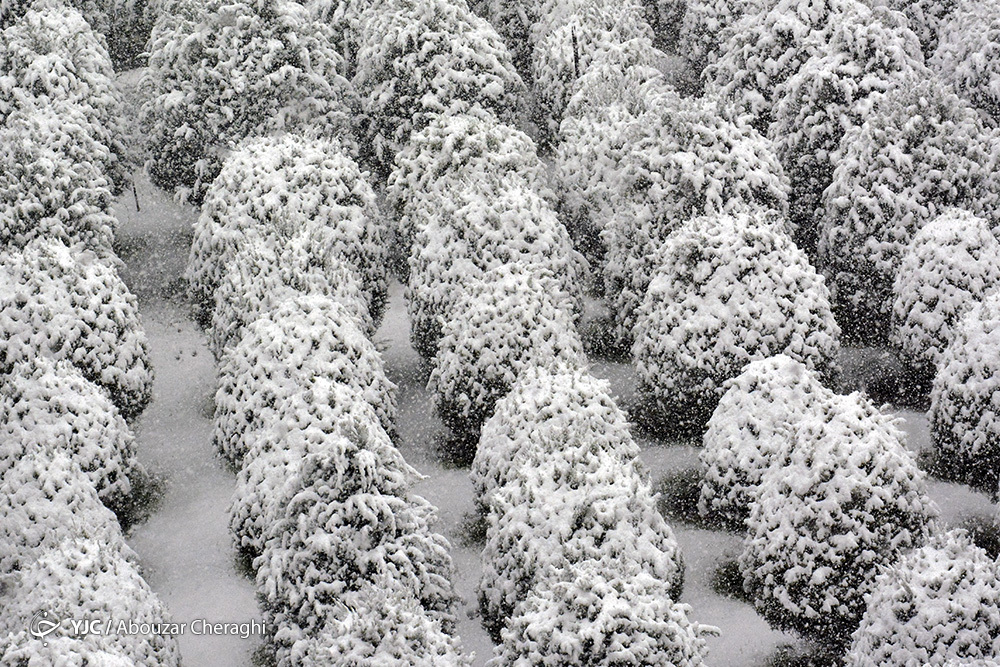
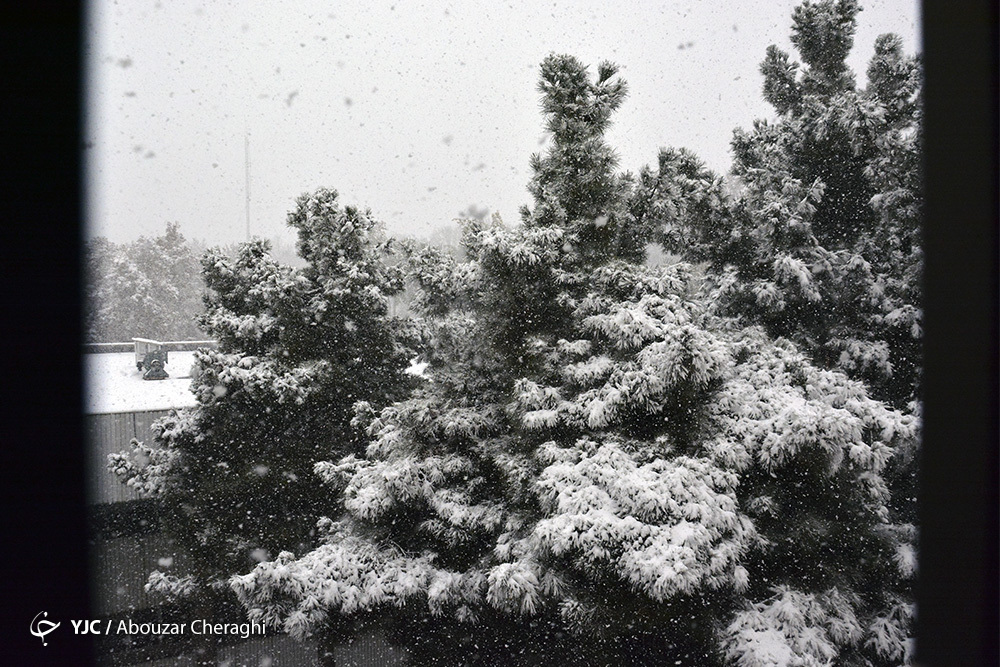
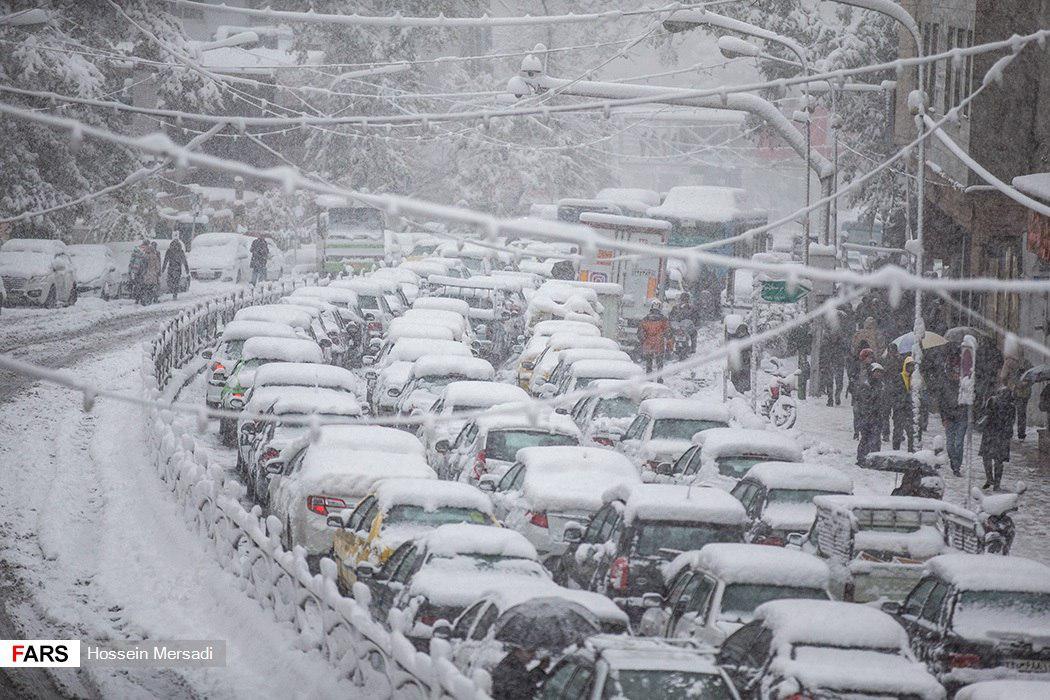
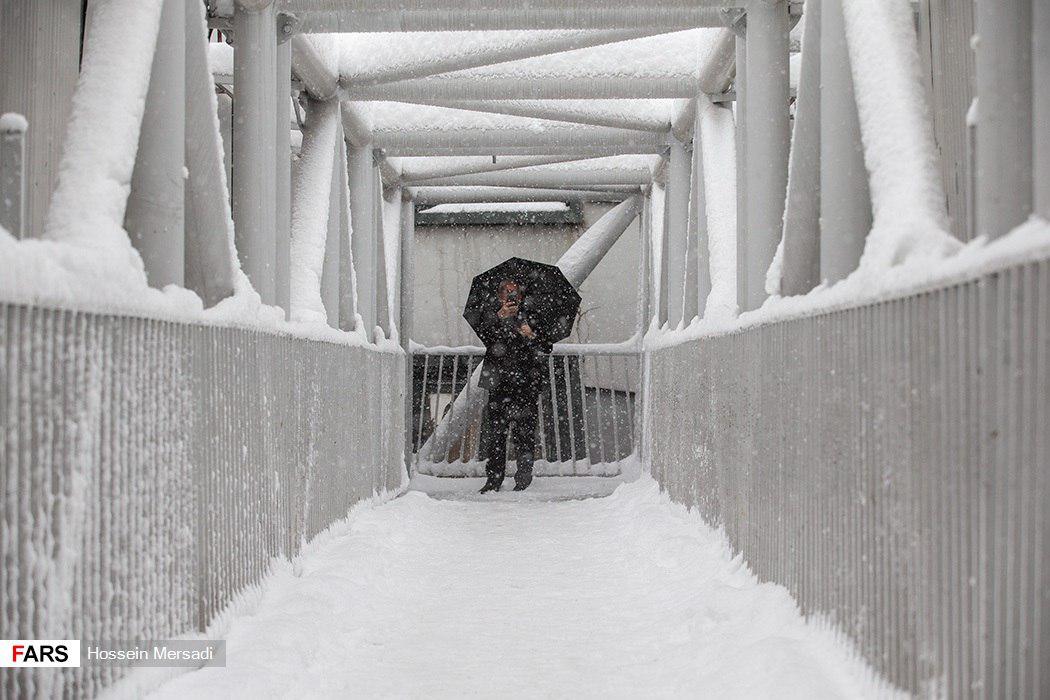
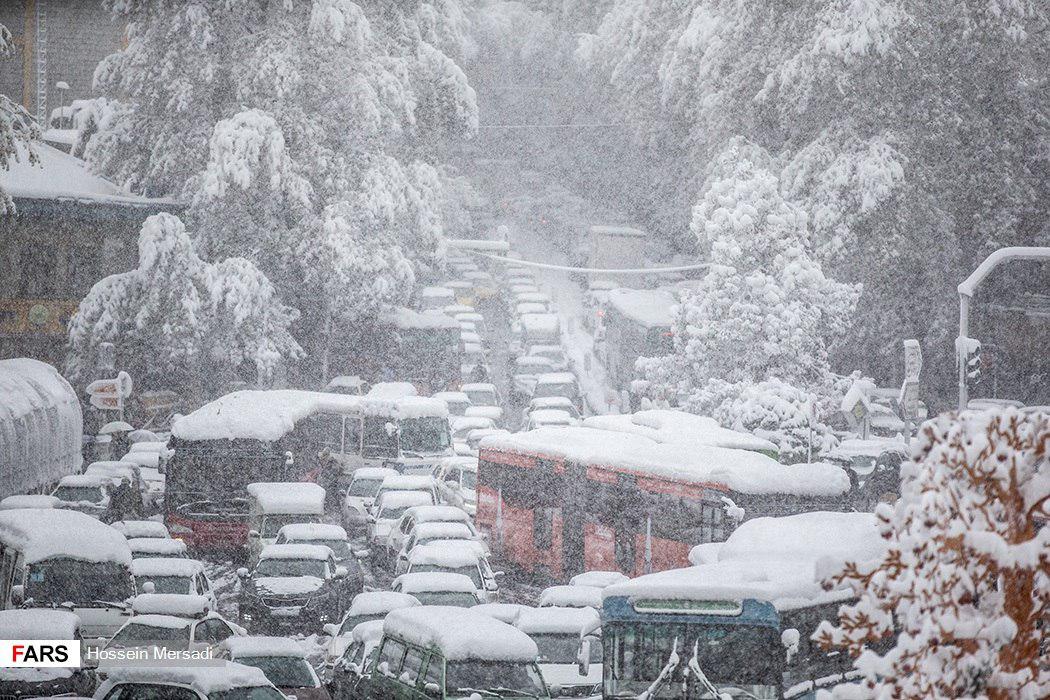
Tehran Citizens Surprised by First Autumn Snowfall

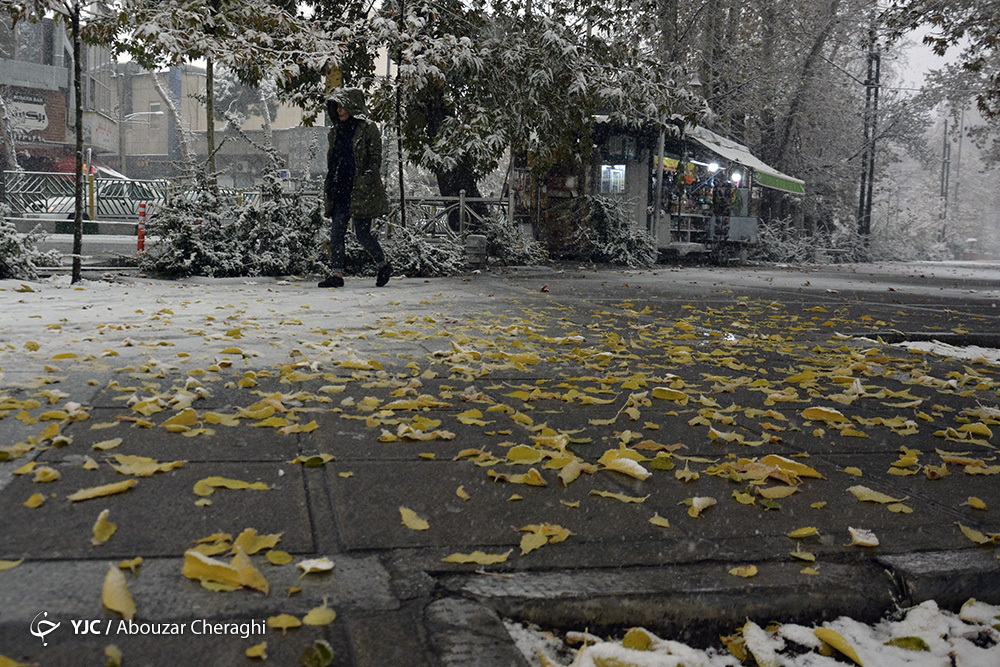
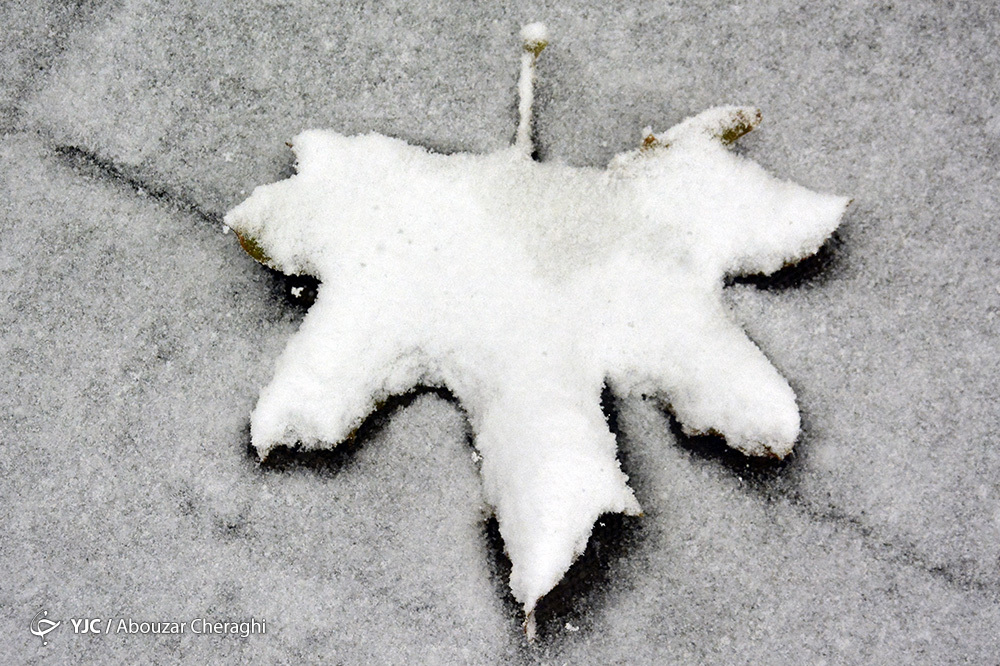
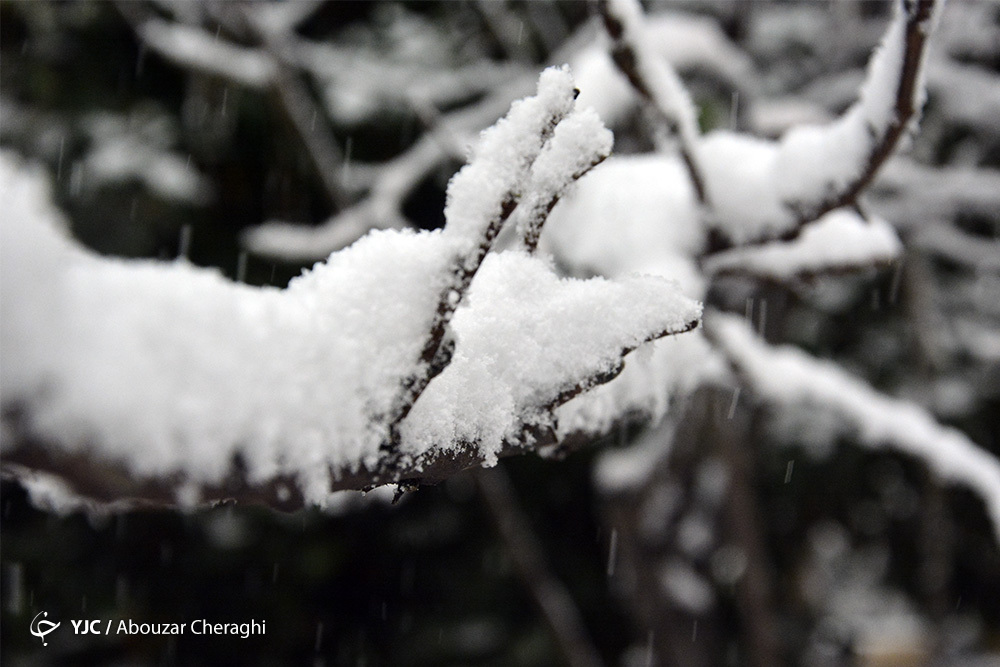
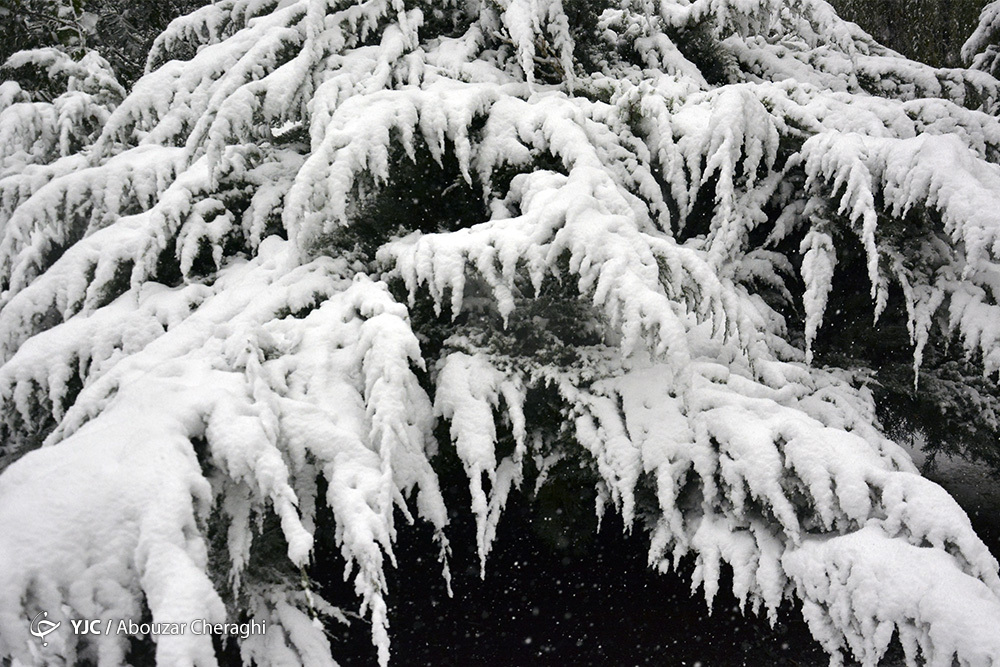
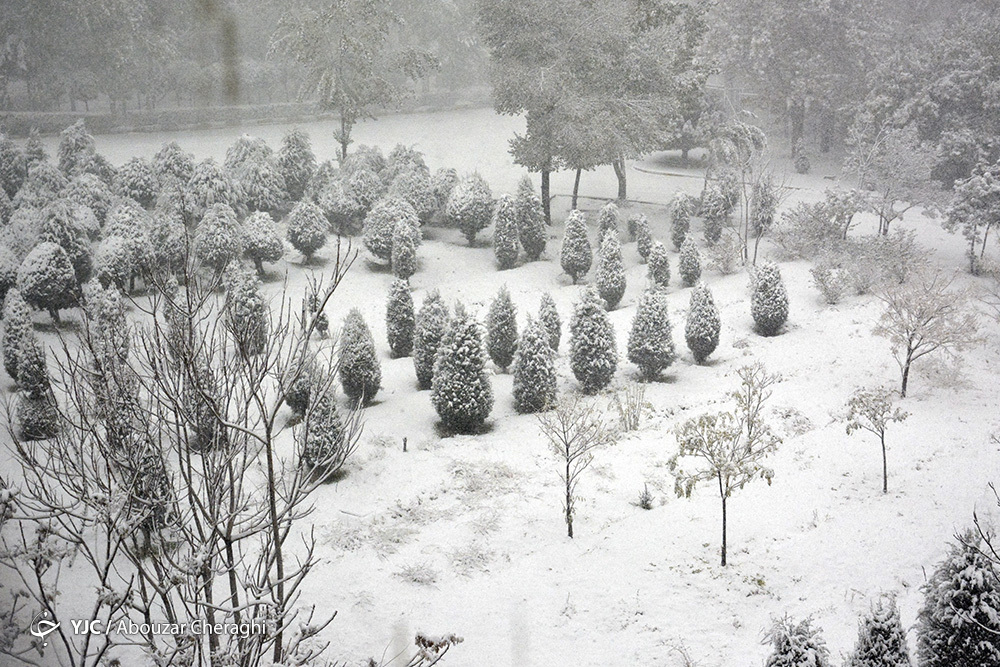
Autumn Leave under Snow

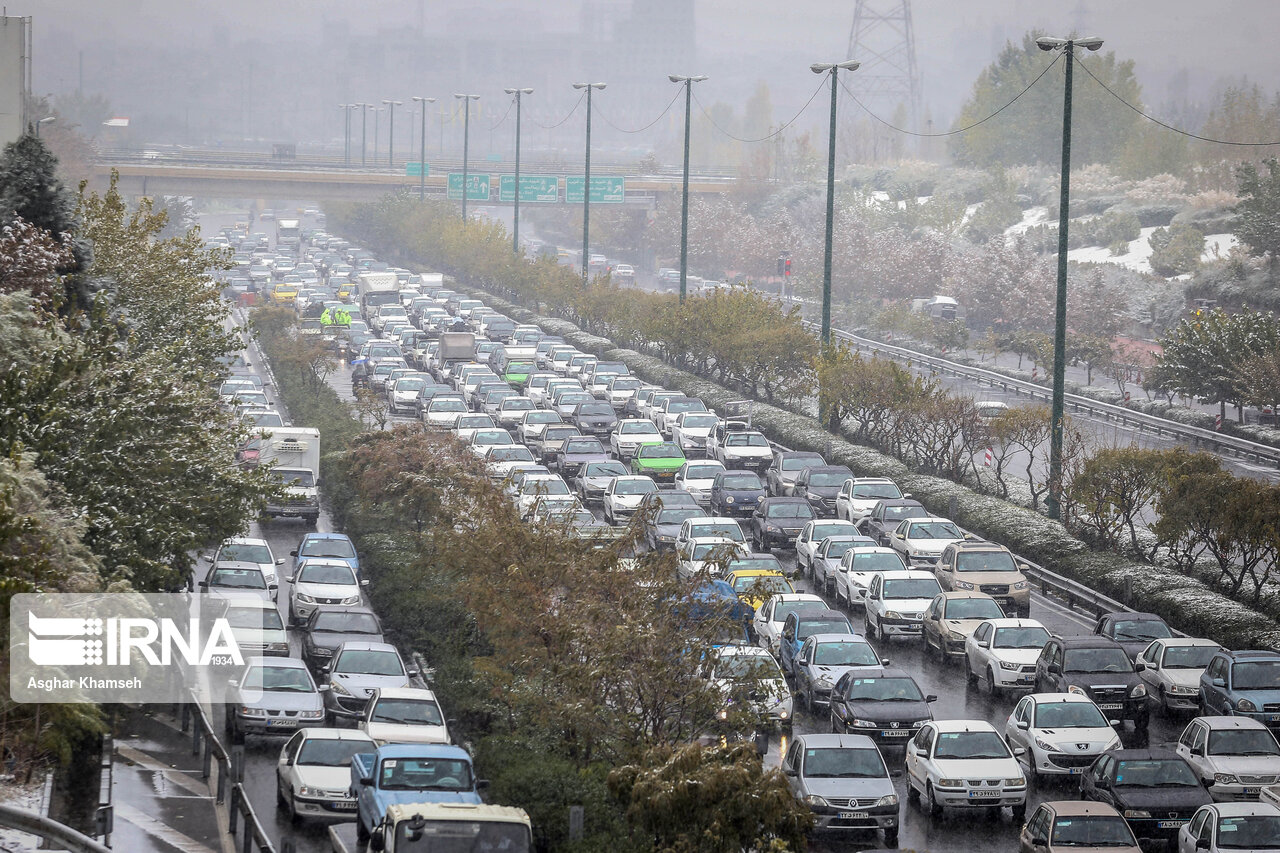
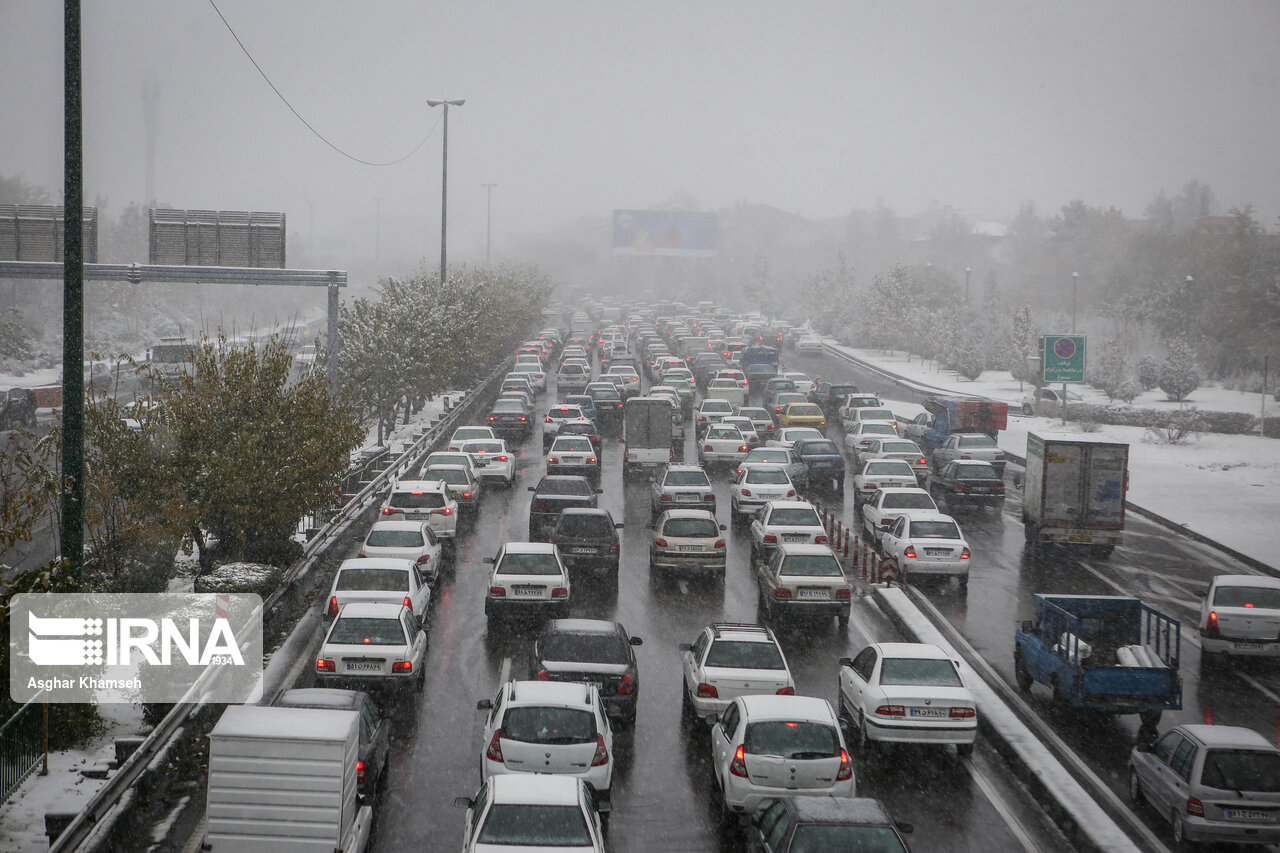
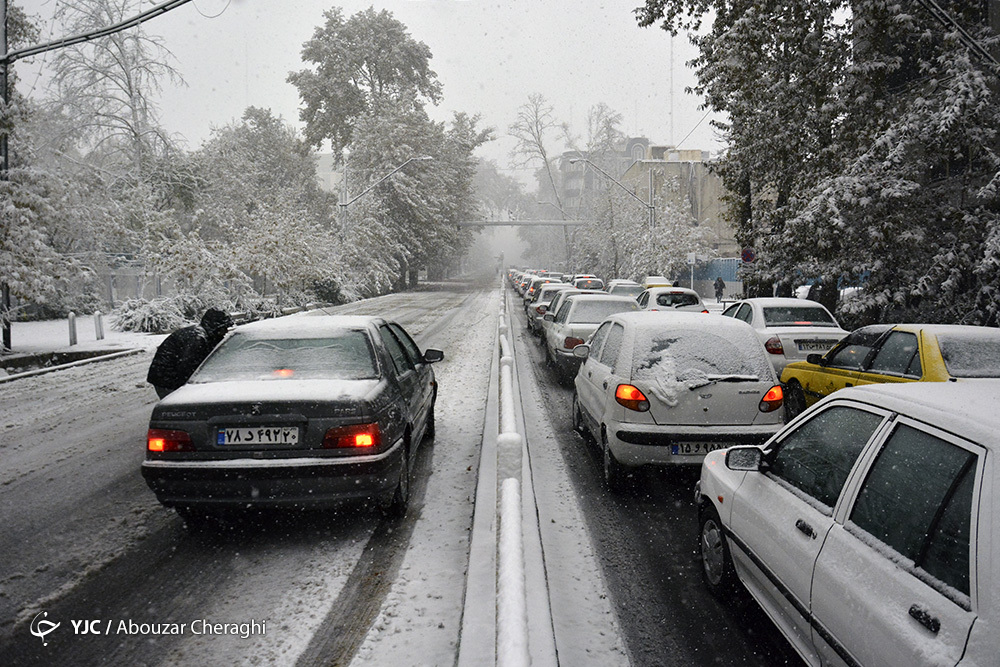
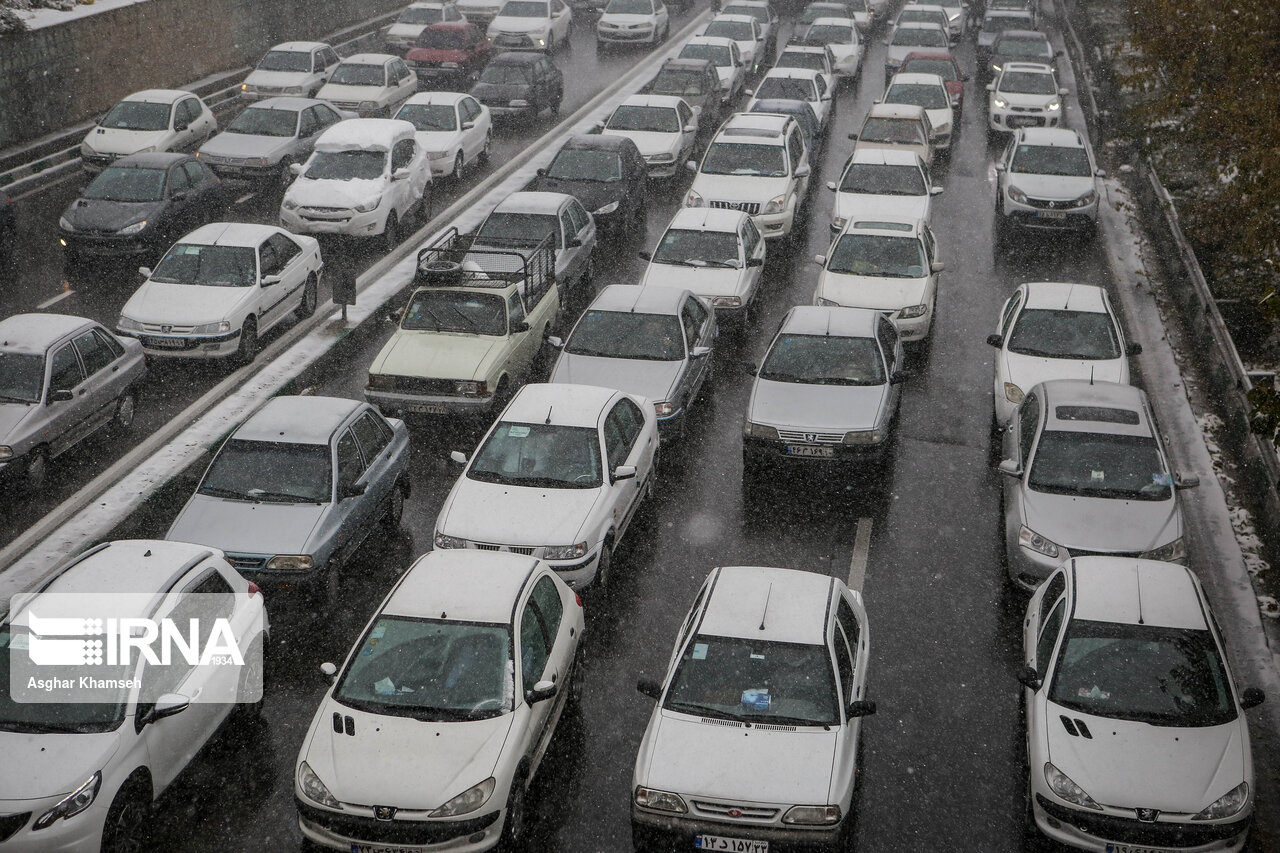
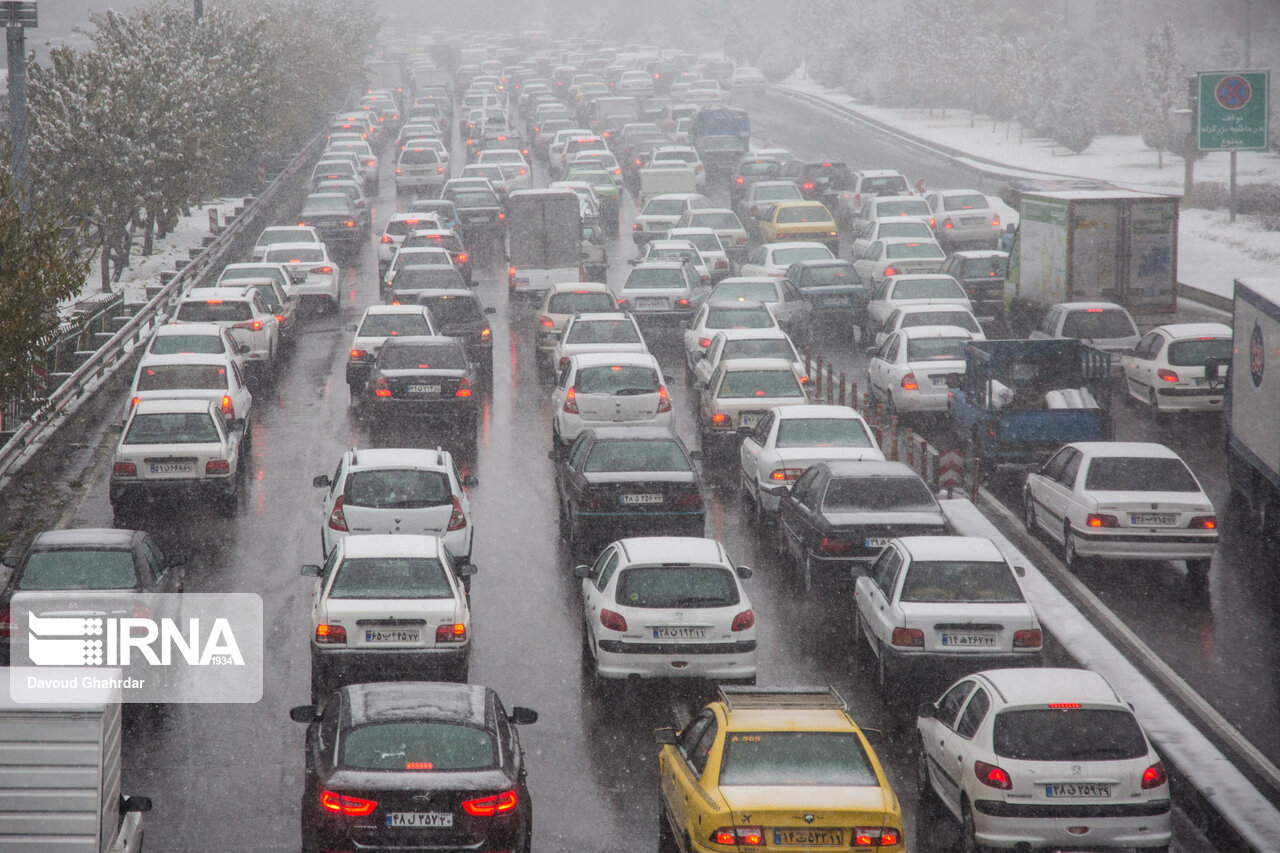
Despite earlier weather forecasts, the snow has left many people stranded in the streets.

Many highways and roads are currently blocked due to the autumn snowfall; and a heavy traffic jam has kept people in the streets, particularly in northern Tehran.

The heavy autumn snowfall comes shortly after the rise in gasoline prices, which has outraged many people across the country, causing sporadic protests in the streets.

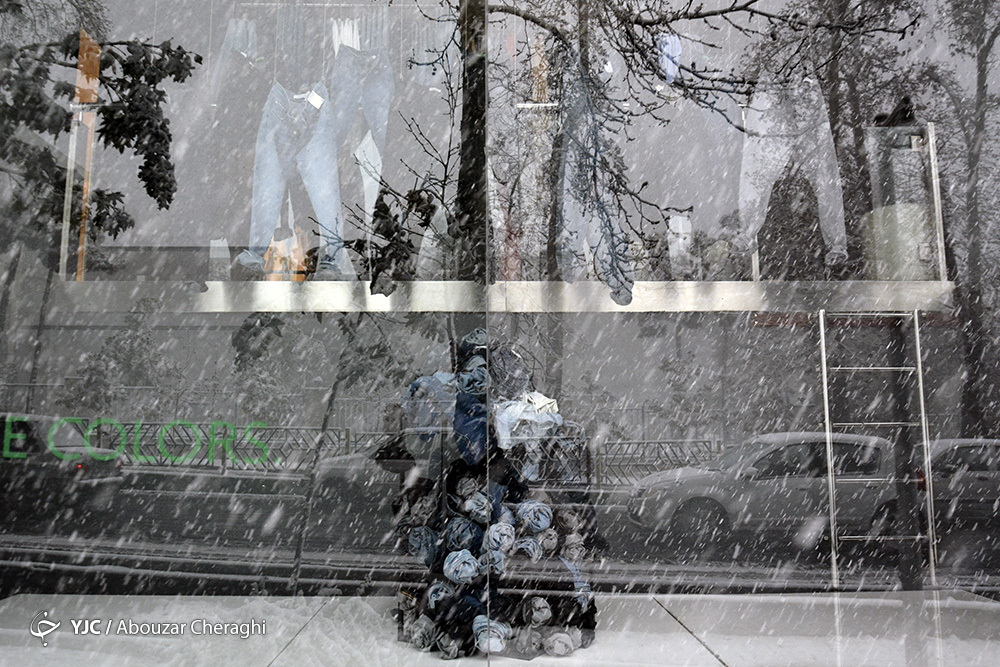
What follows are photos of the autumn snowfall in Tehran retrieved from various sources:


Iran Friend of Saudi, Bahraini, Emirati People: Rouhani

“Over the past weeks, I wrote letters to the heads of all the regional states, and invited them to set aside animosities and divisions,” Rouhani said in a speech on Nov. 14.

“Israel is no friend of anybody, neither is the United States. But we are friends of the people of Saudi Arabia. We are friends of Kuwaiti people. We are friends of the people of the United Arab Emirates. We are friends of Bahraini people. We are friends of people in the regional countries,” he noted.

“We love the Palestinian nation. We love combatant and freedom-seeking groups. Let’s have no doubts about this,” Rouhani stressed.

He also called for “reigniting” the belief in today’s world and in the region.

“What belief? The belief in our power, belief in that we will win if we unite, belief in that our enemies are still enemies and have not become our friends,” he went on to say.

Iraq Blames ‘Third Parties’ for Killing Protesters in ‘Gruesome’ Way

Shammari said on Thursday the range of smoke canisters used by the Iraqi security forces is between 75 and 100 meters, and they are of the conventional type used by all countries in the world to disperse demonstrators.

However, he said, the strange thing is that some protesters have been killed by smoke canisters fired from a distance of 300 meters directly at the people.

“Each one of them weighs three times heavier than the smoke canisters conventionally used,” he added.

“The canisters found by forensic experts in the dead bodies and heads of the protesters have been imported to the country without the knowledge of Iraqi officials,” he said.

These weapons have never been imported by the government and officials of Iraq, he emphasized, adding that it is vague and unclear how they have been imported to the Arab country.

His comments came after the Amnesty International expressed deep concern over the use of such deadly canisters against civil demonstrators.

Brian Castner, Amnesty International’s senior crisis adviser on arms and military operations, says “the [casualty] photos are almost unshareable. These are truly gruesome deaths.”

“We have never seen these grenades being used in this volume, in this way, or in any sort of civilian protest,” he said.

The Washington Post has also quoted doctors in a Baghdad hospital as saying that these grenades are fired directly at the heads and chests of protesters, smashing skulls and killing at least 31 people on impact.

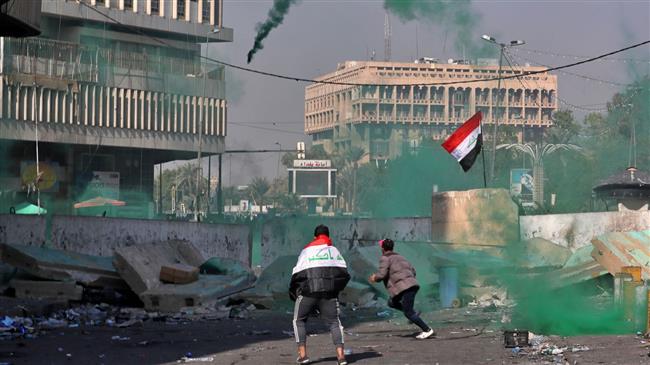
At the start of October, street protests erupted in several Iraqi cities over unemployment and a lack of basic services. Protests have often turned violent, with security forces opening fire and protesters torching government buildings.

So far, over 300 people including civilians and security forces have been killed in the protests, according to the Iraqi Parliamentary Human Rights Committee.

Iraqi protesters set fire on US, Israeli flags in Karbala

Meanwhile, a group of angry demonstrators in the Iraqi holy city of Karbala have chanted slogans against the US and Israel and set their flags on fire, a viral video cited by a media report suggests.

The video released by UNews shows the protesters setting fire on the two flags, and holding placards that read “We don’t want Ba’athists to return, our leader is Ali Sistani,” and “5,000 suicide attackers, the gift of Saudi Arabia to Iraq.”

Iraqi people and officials have in recent weeks lashed out at the United States for its interference in the Arab country’s internal affairs.

Influential Iraqi Shia cleric Muqtada al-Sadr recently threatened to take millions of demonstrators to streets if Washington keeps meddling in the Arab country.

He said that the Iraqi people want an early election free from the US intervention, as the country does not need arrogant countries and the help of others.

Sadr’s statement came after the United States called on Iraqi officials to hold early polls as more people fall victim to ongoing anti-government protests that Baghdad says are being hijacked by foreign-backed elements.

President: Iran Not after Rebuilding Its Empire

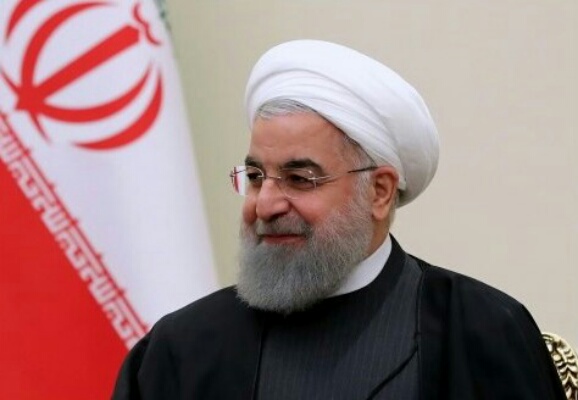
Hassan Rouhani

In an address to a gathering of Iranian authorities and participants in an international conference on Islamic unity in Tehran on Friday, President Rouhani prayed that the Muslim world might strengthen unity and fraternity in order to win victories against the oppression and aggression.

Paying tribute to Prophet Muhammad (PBUH) for impressing the world and establishing a new civilization with the miracle of Quran, prudence, ethics and policies, the Iranian president said the Islamic Republic also follows the teachings of Prophet Muhammad (PBUH) and his model of governance and is not seeking to create an empire either.

Iran’s regional clout does not stem from its military and scientific power or from its strategic geographical position, Rouhani added, stressing that Iran’s influence is a result of the Islamic Revolution’s impact on the hearts of people.

Iran’s faith in a revolution in favor of Islam and the restoration of prophetical values has made the people in Iraq, Syria, Lebanon, Bahrain, Yemen and elsewhere to develop close bonds with Iran, the president noted.

He further stressed that the Iranian forces went to Iraq and Syria as military advisors and devoted their lives to combatting terrorism, saying Iran only cares about the freedom of humans in Iraq, Syria, Lebanon or anywhere else, no matter whether the people are Muslims, Christians, Jews, Turks, Arabs or Kurds.

Being a Persian or an Arab is not a privilege, Rouhani underscored, noting, “We do not seek to conquer lands and bloods or an empire. What we want in the region is fraternity, unity, following the God’s prophet (Muhammad) and his leadership.”

Tehran is hosting the 33rd Islamic Unity Conference which marks the birth anniversary of Prophet Muhammad (PBUH). Themed “Ummah unity in defending the al-Aqsa Mosque,” the event will run until November 16, with 350 personalities from 93 countries in attendance.

Iran Not Anti-Semitic, Wants Zionist Regime’s Elimination: Leader

“The issue of ‘the elimination of the State of Israel’ … doesn’t mean the elimination of the Jewish people; we don’t want them harmed. This means the elimination of the imposed regime and state,” the Leader said on Friday.

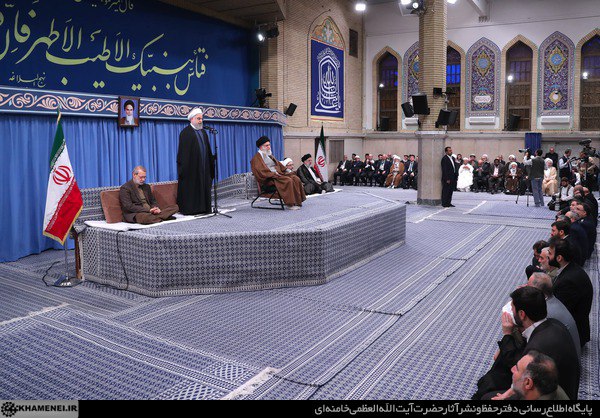
He made the remarks in a Friday meeting with the heads of government branches, a group of government officials, ambassadors of Islamic countries and participants in the 33rd edition of the International Conference on Islamic Unity in Tehran.

“The elimination of the Zionist regime means that the Palestinian people, be they Muslim, Christian or Jewish who are the true owners of that land, choose their own government and oust people like Netanyahu,” the Leader said.

“This is going to happen, as in the Balkans, which became independent after 60 years, and the nation returned to their country,” he noted.

“We are with the people and for the independence of Palestine; we are not anti-Semitic. The Jews live in full security in our own country, Iran,” the Leader noted.

“Our position on the case of Palestine is definitive. Early after the victory of the Revolution, the Islamic Republic gave the Zionists’ center in Tehran to the Palestinians. We helped the Palestinians, and we will continue to do so without any reservation. The entire Muslim world should follow suit.”

Ayatollah Khamenei further referred to the enemies of the Islamic unity, especially the US government and the Zionist regime, and stressed that the US is not just Iran’s enemy. 

“They are hostile to the Muslim world, to Palestine, and to the nations of West Asia and North Africa. The nature and logic of Islam is why they are hostile,” he noted, saying the nature of Islam is based on rejection of tyranny, arrogance and hegemony.

“The US and Israel are more opposed to Iran, but they’re also opposed to the Saudis. They openly say the Saudis only have money, and they should take it,” he said, referring to the approach as clear hostility.

“The Saudis must understand the duty of a dignified man facing this enemy. What’s required by the Islamic and Arab dignity and honour against such insults?”

He further referred to the US presence in the West Asia region as a source of trouble, corruption, insecurity, and a root cause of the formation of such groups as ISIS.

Ayatollah Khamenei said Muslim nations need to get familiar with Washington’s true and hypocrite face.

He also warned that the United States’ main weapon today is infiltrating into sensitive centres, causing rift among nations, creating mistrust among governments and people, and implying that surrendering to Washington is the only way to resolve the problems.

“This weapon is even more dangerous than the military and hard weapons,” he warned.

He said Islamic unity has a number of degrees: The lowest level is non-aggression between religions. The second is unity against a common enemy. And the third is solidarity in Islamic goals.

The highest level, according to the Leader, is unity in making a modern Islamic civilization, which Iran has put on top of its agenda as its ultimate goal.

“If Muslims had observed the lowest level, this suffering wouldn’t exist in the Islamic World and Palestine wouldn’t be like this,” he regretted.

Nuclear Chief: Iran Can Exceed 20k-SWU Enrichment in A Month

'Iran Has Strong Reasons for Not Responding to IAEA Groundless Questions'

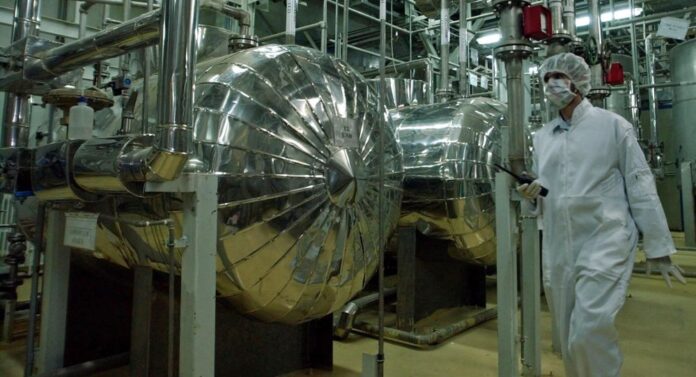
In a radio interview on Thursday, Ali Akbar Salehi said the Iranian nuclear experts are able to lift the level of uranium enrichment capacity to beyond 20,000 SWU in a month.

He said Iran’s enrichment capacity stood at around 6,000 SWU in the past, but the country managed to increase the level by 50 percent, namely around 3,000 SWU, in recent weeks.

Salehi explained that the limitations that Iran had accepted on its nuclear program have not undermined the country’s capabilities, such as the exploration and extraction of nuclear materials, construction of power plants, or the process of nuclear fuel cycle.

The Iranian official also warned the European parties to the 2015 nuclear deal that Tehran would not remain silent anymore if they continue to fail to honor their commitments.

He noted that the US measures forced Iran to accelerate a series of plans and prove that it is capable of resuming uranium enrichment with 490 new centrifuge machines.

Last week, Iran restarted enrichment at the Fordow nuclear facility as the fourth step away from the Joint Comprehensive Plan of Action (JCPOA).

Tehran had earlier reduced its commitments in three other phases, but the latest one, the injection of uranium hexafluoride (UF6) gas into centrifuges at Fordow, is believed to be the most important step so far, and a serious warning to the other parties.

Iran Congratulates Muslim Nations on Prophet Muhammad’s Birthday

Hassan Rouhani - President of the Islamic Republic of Iran

Addressing the leaders of Islamic countries in separate messages, President Hassan Rouhani said, “We are proud to be among the Ummah of the Prophet, who is the messenger of peace and mercy to all people around the world.”

In these congratulatory messages, the President expressed hope that by following the lofty teachings of the Prophet (PBUH), we will be followers who bring security, justice and reconciliation to the world, especially the Islamic countries.

President Rouhani also wished health and success for the leaders of the Islamic nations and prosperity and felicity for the people of these countries.

His messages were sent during the Islamic Unity Week, an annual event commemorated by both Shiite and Sunni Muslims as a sign of solidarity among different Islamic schools of thought.

The week is held between two dates of the birthday of Prophet Muhammad: one of the dates is narrated by Sunnis and the other by Shiites.

The week was named so by Imam Khomeini based on a proposal by Ayatollah Montazeri in reaction to Saudi Muftis’ attacks on Sunnis and Shiites.

The two dates are the twelfth of Rabi Al Awwal (Nov. 10 this year), the first week of the third lunar month of the Islamic calendar, according to Sunnis, and the seventeenth of Rabi al Awwal (Nov. 15 this year), according to Shiites.

Iran Rejects Invalid Rights Resolution by UNGA Committee

Iran Vows Appropriate Response to US Interception of Mahan Air Flight

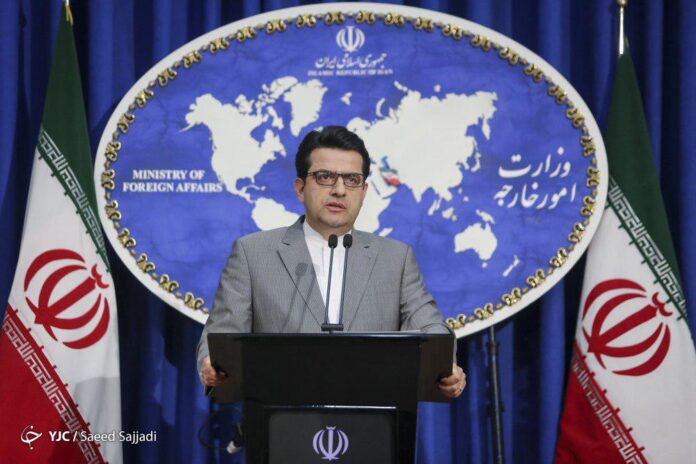
Seyyed Abbas Mousavi said on Thursday that modern-day criminals, who are proponents and supporters of this resolution, have committed any crime against humanity including killing children, mutilating their critics and using economic terrorism against free and independent nations, and thus have no say when it comes to human rights.

Mousavi said the supporters of this resolution are governments with a long history of systematic human rights abuses.

“People around the world remember the bitter and excruciating experiences of their interference, and are even today falling victim to the endless wars, dictatorships and occupation of their allies,” the Iranian spokesman said.

Therefore, he added, they are not in a position to give any advice to the Iranian government and people on human rights.

The unrealistic and one-sided resolution is adopted against Iran at a time when one of its main sponsors, namely the United States, is violating the most fundamental rights of more than 83 million Iranian citizens, especially women, children, the elderly and patients through economic terrorism against the country, he noted. 

Mousavi stated that the child killing usurper regime of Israel and reactionary regimes of the region are supporting this resolution while they have the blood of defenceless Palestinian and Yemeni people and their domestic critics on their hands. 

“Therefore, these are enough to prove the illegitimacy of this resolution,” he emphasized.

“On this basis, the Islamic Republic of Iran condemns the Western countries’ instrumental and political use of human rights against independent states and regrets that the UN mechanisms are being abused,” said the spokesman. 

He went on to say that from the Islamic Republic of Iran’s viewpoint, an appropriate mechanism for assessing the human rights situation in countries is the UPR mechanism at the Human Rights Council that deals with all cases without discrimination. 

“Our country’s constructive and active participation in this mechanism just one week before the adoption of this political resolution demonstrates Iran’s seriousness in promoting human rights and fulfilling its international obligations through constructive cooperation and dialogue-based mechanisms.”

Respecting human rights is a religious and legal must for the Islamic Republic and an issue of national interests and security, Mousavi said, stressing that the country has always strived to promote human rights.

“The Islamic Republic of Iran, as a religious democratic system, has taken steps within the framework of national commitments and adherence to the Constitution, civil law and international obligations to promote and uphold human and citizens’ rights at national, regional and international levels, and is committed to following it in practice,” stressed Mousavi. 

His comments came after the Third Committee of the United Nations General Assembly expressed concern about what it called Iran’s continued attacks against religious minorities. 

This came in a resolution adopted Thursday by a vote of 84 to 30, with 66 abstentions, from the Third Committee of the General Assembly

China Moves to Promote Technological Ties with Iran

In a meeting with Iran’s Vice President for Science and Technology Sorena Sattari, held in Beijing on Thursday, Chinese Minister of Science and Technology Wang Zhigang highlighted the results of the Iranian vice president’s previous visit to China and the growing trend in the scientific and technological cooperation between the two countries.

The Chinese minister also noted that the level of cooperation between Tehran and Beijing would be raised during the trip and the two countries would sign a memorandum of understanding that signifies an increase in the level of mutual cooperation.

Wang Zhigang also stressed that Iran and China could promote cooperation in such a way that would serve as a model for scientific and technological cooperation among the other countries.

He then highlighted the significance of the One Belt One Road plan for China and Iran, saying his country would do its utmost to strengthen scientific and academic cooperation with Iran under that scheme.

For his part, Sattari expressed Iran’s readiness to boost interaction with China on the basis of the knowledge-based companies.

He also pointed to the presence of 5 million university students and 200,000 PhD graduates in Iran, adding, “The innovative and knowledge-based economy has been put on the agenda of the Islamic Republic of Iran’s government.”

Iran is the world’s third biggest producer of gas and holds the largest oil and gas reserves, Sattari added, noting, “Iran’s economy is being affected by the young people interested in the start-ups.”

He further hailed China as the world’s top power, noting, “China’s scientific progress is such that it will outstrip the US within the next few years.”

The governments are duty-bound to link the knowledge-based companies, universities and the scientific and training centers with each other, Sattari noted, expressing Iran’s readiness for cooperation with China on the science parks.

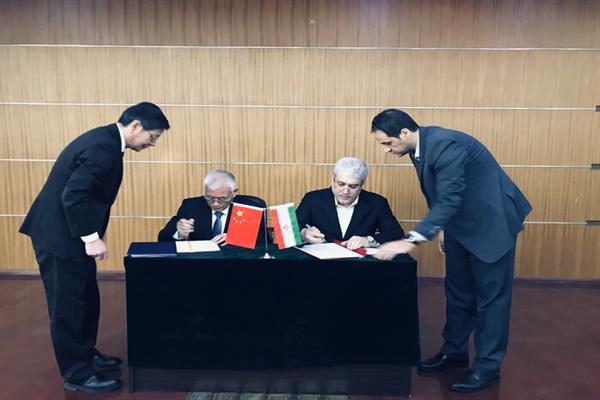
At the conclusion of the meeting, the Islamic Republic of Iran’s Vice Presidency for Science and Technology and China’s Ministry of Science and Technology signed a memorandum of cooperation.

Led by Sorena Sattari, an Iranian scientific and technological delegation, including the managers of 70 Iranian knowledge-based, innovative and creative companies, has paid a visit to China for the purpose of contributing to the promotion of exports from the knowledge-based and innovative firms to China and preparing the ground for the technological exchanges between the two countries’ corporations.

On Wednesday, Sorena Sattari delivered a speech to the opening of China High-Tech Forum 2019, highlighting Iran’s great scientific and technological capacities.

Iran opened a pavilion at the forum for the fifth consecutive year, displaying the products of 10 knowledge-based companies.

The Iranian vice president also participated in a trade and technology conference in the Chinese city of Shenzhen. The Iranian knowledge-based companies and China have signed 7 memoranda of cooperation at the event.

Was GST Implemented Hastily?

To understand if the GST was implemented in haste, we cannot discuss the GST Bill in a vacuum.

If politics has taught us anything, it is that nothing that a political party in power does exist in a vacuum. We must discuss factors surrounding the implementation of the GST Bill, its impact, how GSTR-9 is creating so much controversy and why it is considered to have been implemented in haste.
Was GST Implemented Hastily?The Oppositions’ Arguments

The former Prime Minister Manmohan Singh, hailing from the Congress, outright called the implementation of the GST a hasty move, stating that it had adversely affected the Indian economy and the problems it had caused would take a long while to sort.

Singh claimed that the hasty implementation of the GST Bill had caused the GDP growth rate to lower from 7.2 percent in 2015-16 to 5.7 percent in the first fiscal quarter of 2017-18.

The former PM admitted that the UPA Government had also planned on implementing the GST, however, he said that if the UPA Government had done so, they would have done it with the utmost care, without rushing the process.

The Economic Climate

To add some weight to the argument of the opposition, we must first consider the economic climate in which the GST came to be.

It had not even been a year since demonetisation that the GST was implemented as another major fiscal and economic policy. Demonetisation, a major debating motion of its own, had created a lot of ruckus within the market and among several businesses.

It came easily be argued that demonetisation was a failed act of valiance by the government, seeing as it failed to produce viable and solid results, be it short term or long term.

Demonetisation sent businesses running to banks and not just that, there were several cases where ATMs did not have money, therefore, several people did not have access to cash that they might have needed urgently. Demonetisation, while it aimed to break down on black money, affected the lower sections of the society most, especially farmers that did not have access to electricity, let alone the internet.

The implementation of GST in a country that was still recovering from the blows of demonetisation only caused more havoc, making traders and businesses run to file GSTR-9.

While the concept of GST seemed noble and the legislation somewhat feasible, the climate it was implemented in was a wounded one that was struck down while it was still trying to recover.

The Political Climate

As mentioned before, no policy, economic or social, exists in a vacuum, especially not in a country like India. Although GST was purely an economic bill, it can easily be asserted that it boiled down to a political approach for political gains.

The BJP, coming into power after long governance by the UPA Government, sought to improve and add progress to the status of the country. From the very start, the party and the government is known for their policy of action, as opposed to promises, but this action based policy, as opposed to thought based policy, will only get you so far.

The BJP, while they might have good intentions, always dive headfirst into their policies, taking big steps and major actions, not evaluating a policy through and through, and here is the interesting evaluation, this very act of the BJP is what gets them their vote bank.

Take a country that was sick of a government not taking any actions at all and give them a government that takes immediate action (no matter how detrimental), and watches the country fall in the feet of the latter. The BJP has used this tactic to remain in power, to show that they have been an action based government.

To say that the GST had no political connotations at all is an ignorant remark. Again, nothing in India, the politics especially, exists in a vacuum.

The Social Response

It is quite reasonable to understand why people have been positive towards a bill like the GST. Of course, the GST, as a fiscal bill, has its positive sides to it, but what attracts the people towards it is the promptness of it. More than the bill, the people are attracted to the government that implemented the same.

As for the hasty implementation of the bill, it is quite apparent that the government was trying to bury the blunder of demonetisation with another landmark fiscal policy that would change the country’s future. After all, do we ever discuss demonetisation anymore or have we buried that in the midst of all our GST conversations?