Wednesday, April 29, 2026
Home Blog Page 276

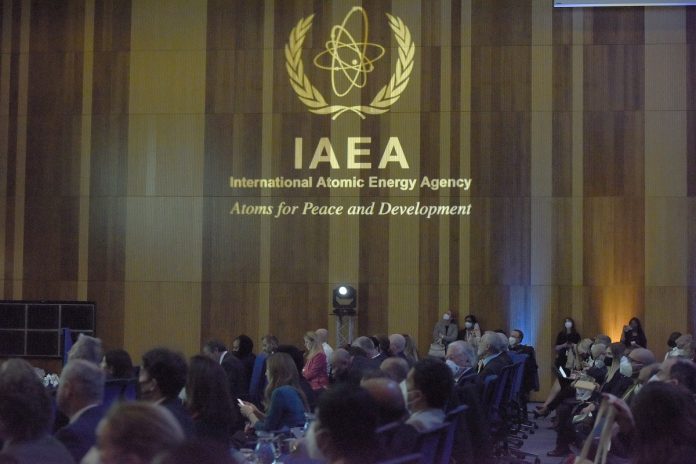
Iranian atomic chief calls on IAEA to avoid politicizing nuclear issue 

IAEA

Mohammad Eslami said that the IAEA inspectors  inspect Iran’s nuclear sites according to an existing timetable.

He further referred to the European trio’s escalating pressure on the IAEA to force the body to give a report on Iran’s nuclear program, in a reference to France, Germany and the Uk.

Eslami said Iran hopes that the IAEA act professionally and respect the rights of all nations as this is enshrined in the organization’s charter.

He also expressed hope that the IAEA will avoid politicizing the issue, act according to its own rules and also avoid being reduced to the level of a tool for illegal moves against nations.

Eslami went on to say that the construction of nuclear power plants is ongoing in Iran including in Bushehr.

He added that building each nuclear power plant, regardless of funding, requires 7 to 9 years for its completion and that Iran hopes to increase the country’s nuclear capacity from 1,000 to 3,000 megawatts per hour.

Iran denies Russian FM, Qatari Emir carried messages from US

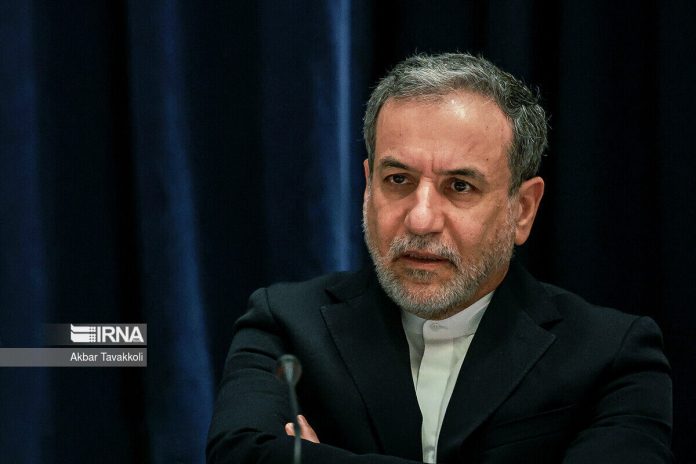
Abbas Araghchi

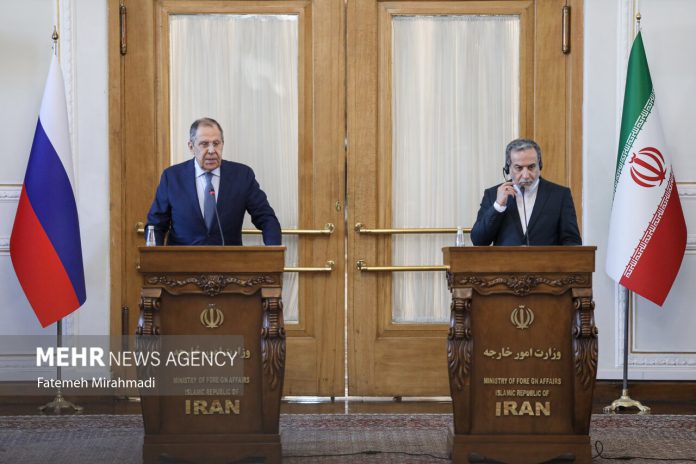
Speaking to reporters on the sidelines of a cabinet meeting, Araghchi said that Lavrov, in his Tuesday trip, provided a detailed report on Russia’s negotiations with the US and other regional actors but did not convey any messages.

Araghchi emphasized that his discussions with Lavrov focused extensively on regional issues and bilateral cooperation.

He also addressed Iran’s ongoing nuclear negotiations with the three European countries -UK, Germany and Franc- noting that talks in Geneva earlier this week covered nuclear issues and other matters.

The Iranian foreign minister acknowledged the complexities of the negotiations, stating that they would continue despite challenges.

Regarding US pressure aginst Iran, Araghchi reiterated Iran’s longstanding position, asserting that Tehran will not negotiate under “maximum pressure.”

He highlighted Iran’s resilience in the face of sanctions, stating that the country has charted its path of progress independently. However, he added that Iran remains open to dialogue based on mutual respect.

Araghchi also addressed regional dynamics, stressing the need for continuous consultations among regional players.

He mentioned his recent engagements with Persian Gulf Cooperation Council officials, the UN secretary-general, and others, underscoring the importance of sustained diplomacy in addressing complex regional issues.

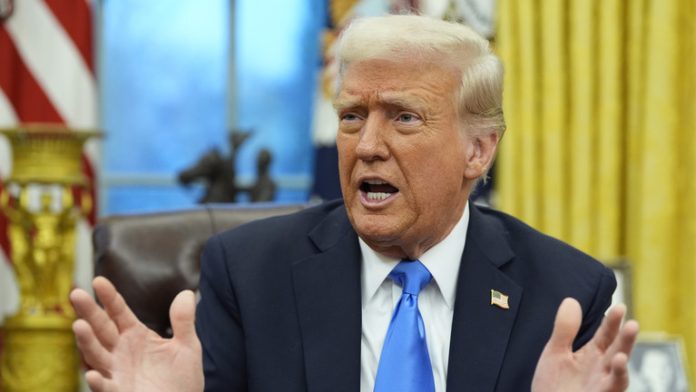
Trump says US could lift Russia sanctions during Ukraine peace talks

The US and other Western nations have placed an unprecedented number of economic restrictions on Russia since the Ukraine conflict escalated in 2022. Moscow considers the sanctions illegal and has consistently demanded their removal.

“No, we haven’t lifted any sanctions on anybody… I guess it will be at some point, but right now we haven’t agreed to lift sanctions on anybody,” Trump said at a press briefing, responding to a question on whether the issue has been part of Russia-US discussions so far.

US Secretary of State Marco Rubio recently suggested that Western nations will have to consider lifting sanctions on Russia in order to find an “enduring, sustainable” solution to the Ukraine conflict. Speaking after high-level talks between Moscow and Washington in Saudi Arabia last week, he indicated that in order to bring an end to the conflict, “there has to be concessions made by all sides,” including letting go of sanctions policies. Rubio noted, however, that the EU will have to be “at the table” to discuss sanctions relief as well, as it has also imposed restrictive measures targeting Russia.

Brussels has indicated it is prepared to pursue an independent sanctions policy regardless of Washington’s stance. EU Commissioner Valdis Dombrovskis said last week that the bloc has no plans to lift sanctions against Moscow even if the US decides to do so. Earlier this week, the EU adopted its 16th package of restrictions, largely targeting Russia’s military-industrial complex and energy projects. It also introduced additional measures against alleged sanctions circumvention, including dual-use export restrictions.

Moscow has often noted that sanctions have failed to destabilize or isolate it while backfiring on the countries that imposed them. Russian President Vladimir Putin said last week that Western sanctions have inadvertently bolstered Russia’s development. Speaking at the Future Technologies Forum in Moscow, he stated that despite the challenges that Russia was forced to overcome due to the measures, they played a “stimulating role,” prompting closer collaboration between Russia’s domestic businesses and science and bolstering the country’s economic and technological sectors.

ICC called on to investigate Biden, Blinken, Austin over Gaza war

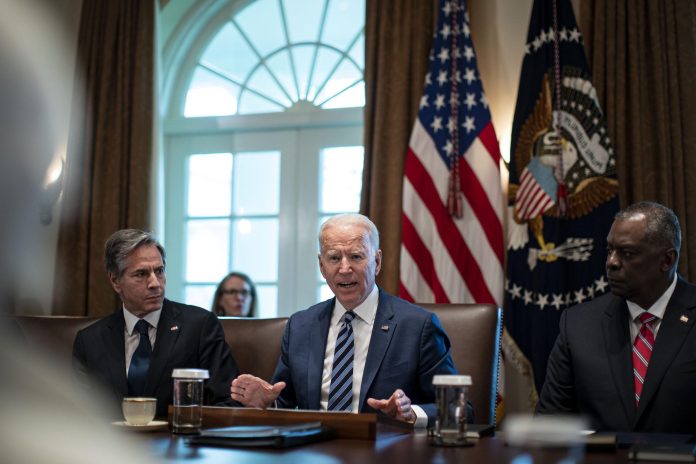
Biden Blinken Austin

Democracy for the Arab World Now (DAWN) lodged its request with ICC prosecutor Karim Khan last month, according to a press release by the nonprofit. Last year, Khan secured arrest warrants for Israeli Prime Minister Benjamin Netanyahu and his former Defense Minister Yoav Gallant, as well as three figures in the Hamas leadership, over alleged war crimes committed in the besieged enclave.

Biden, former Secretary of State Antony Blinken, and former Defense Secretary Lloyd Austin made “deliberate and purposeful decisions” to “provide military, political, and public support to facilitate Israeli crimes in Gaza,” the press release said.

DAWN’s 172-page communication to Khan laid out the legal reasoning, built with the help of ICC-registered lawyers and war crimes experts, according to the nonprofit.

“There are solid grounds to investigate Joe Biden, Antony Blinken and Lloyd Austin for complicity in Israel’s crimes,” DAWN board member and war crimes lawyer Reed Brody stated in the press release.

“The bombs dropped on Palestinian hospitals, schools and homes are American bombs, the campaign of murder and persecution has been carried out with American support,” he added.

Israel’s military operation in Gaza has devastated the enclave, and killed more than 48,000 Palestinians, according to local Hamas-run health authorities. The EU, UN and the World Bank estimated that it would take more than $53 billion over the next decade to rebuild Gaza, in a joint statement last week.

Since his inauguration last month, US President Donald Trump has sanctioned the ICC and Khan over arrest warrants for Netanyahu and Gallant, accusing the court of setting “a dangerous precedent” and putting Israeli and US personnel in danger of “harassment, abuse and possible arrest.”

Neither Israel nor the US are signatories to the Rome Statute, and therefore do not recognize the ICC’s jurisdiction.

Trump could be liable for obstruction of justice under the treaty, DAWN wrote in its press release. The US president’s proposal to displace Palestinians and take over Gaza “would also subject President Trump to individual liability for war crimes,” the nonprofit added.

In early February, Trump announced that “the US will take over the Gaza Strip,” level the destroyed buildings and develop it. Palestinians would be displaced to “neighboring countries of great wealth,” Trump suggested.

Met with outright rejection by Arab states, Trump has stressed he is not “forcing” the plan.

“I think that’s the plan that really works but I’m not forcing it. I’m just going to sit back and recommend it,” he told Fox News radio in an interview last week.

President Pezeshkian vows to accelerate Iran-Russia cooperation

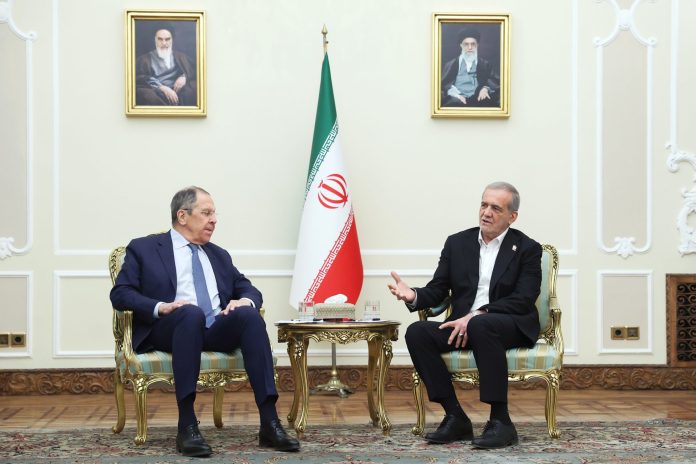
During a meeting with visiting Russian Foreign Minister Sergei Lavrov, Pezeshkian described the bilateral relationship as growing and stressed the need to accelerate the implementation of agreements, especially the comprehensive strategic agreement between the two countries.

“Iran and Russia have notable capacities to enhance their cooperation, and we are determined to strengthen interactions between Tehran and Moscow,” he stated.

He further emphasized the significance of a continuous, constructive engagement between the two nations.

“Iran and Russia have closely aligned perspectives on regional issues and are seeking to strengthen their regional and international cooperation, both through bilateral interactions and via organizations such as the Shanghai Cooperation Organization, the Eurasian Union, and BRICS,” the president said.

The Russian minister also underscored that every effort would be made to sustain and accelerate the growing cooperation and implement bilateral agreements, particularly the comprehensive strategic agreement.

Lavrov said the completion of Iran’s accession to the Eurasian Economic Union would provide a new and effective channel to strengthen bilateral relations — especially in economic and trade areas.

“Iran and Russia have many mutual interests in maintaining effective regional cooperation.”

Iran and Russia have deepened cooperation in recent years. Both countries are under Western sanctions.

In January, Pezeshkian visited Moscow and signed a strategic partnership agreement with Russian President Vladimir Putin to bolster economic and military collaboration between the two nations.

Iran FM: Direct talks with U.S. impossible under maximum pressure

Araghchi underscored Iran’s close consultation with Russia regarding nuclear negotiations, stating that Iran will not engage in direct talks with the U.S. as long as Washington continues its maximum pressure campaign.

He highlighted the rapid progress in Iran-Russia economic relations, announcing that the Joint Economic Cooperation Commission is set to convene in April.

Araghchi condemned Israeli actions in Gaza and reaffirmed Iran’s unwavering support for the resistance axis in the region.

Lavrov also welcomed the strengthening of Iran-Russia ties, emphasizing the importance of the Rasht-Astara railway project in establishing the North-South Transport Corridor.

He also praised Iran’s balanced stance on the Ukraine conflict and reiterated Moscow’s commitment to resolving global disputes based on the UN Charter.

Lavrov expressed hope that diplomacy could still play a role in reviving the JCPOA, provided that negotiations are conducted without threats or coercion.

Lavrov stressed that resolving the Syrian crisis is impossible without the involvement of Russia, Iran, and China.

Regarding Ukraine, he thanked Iran for its measured position, attributing the crisis to NATO’s expansionism and Western interference.

Lavrov concluded by confirming that Moscow had shared details of its latest contacts with the U.S., particularly regarding Ukraine, with Iran.

Trump refuses to describe Putin as ‘a dictator’

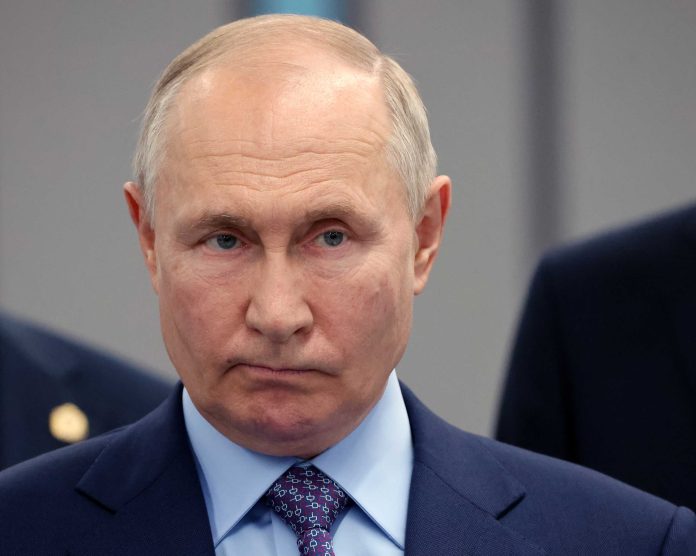
Vladimir Putin

“I don’t use those words lightly… I think we’re going to see how it all works out,” Trump said  when asked if he would call Putin a dictator the same way he labeled President Volodymyr Zelensky.

Trump called Ukrainian leader a “dictator” in a post on his social media platform Truth Social, accusing him of refusing to hold elections, and repeating false claims about the war in Ukraine.

Trump’s remarks disregard Ukraine’s constitution which prohibits elections under martial law and echoed the narratives of Russian propaganda.

Trump will meet with Zelensky within the next two weeks to finalize a minerals deal. Ukraine and the US have been working out the terms of such a deal for weeks.

Trump stated in early February that he wanted to strike a deal with Ukraine involving access to rare earth minerals in exchange for continued aid. Trump later claimed that Kyiv has “essentially agreed” to a $500 billion resource deal. A former Ukrainian official described the initial deal as “a colonial agreement.”

Following Macron, UK Prime Minister Keir Starmer is set to meet Trump.

Netanyahu will be able to visit Berlin despite ICC warrant: Germany’s next chancellor

Benjamin Netanyahu

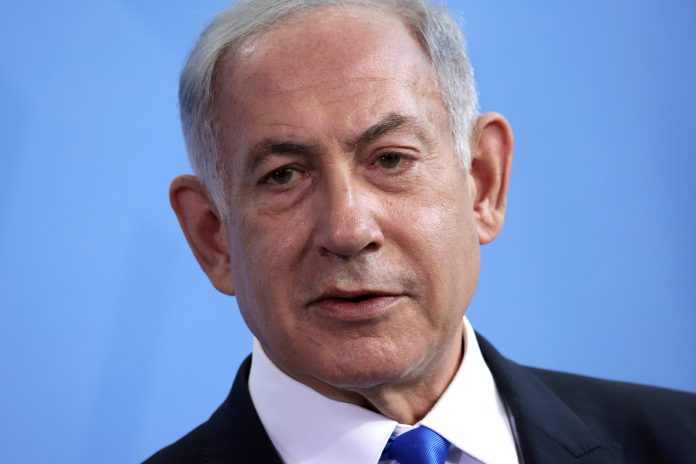
Speaking to reporters on Monday, a day after his conservative Christian Democratic Union (CDU) party won national elections, Merz said he told Netanyahu in a congratulatory phone call that the pair should meet after a new German government is formed.

“In the event that he [Netanyahu] plans to visit Germany, I have promised myself that we will find a way to ensure that he can visit Germany and leave again without being arrested,” Merz stated.

“I think it’s a really absurd idea that an Israeli prime minister can’t visit the Federal Republic of Germany. He will be able to visit Germany,” he added.

In an earlier statement, Netanyahu’s office announced Merz had invited the Israeli prime minister “to make an official visit to Germany, in overt defiance of the scandalous International Criminal Court decision to label the Prime Minister a war criminal”.

In November, the ICC issued arrest warrants for Netanyahu and his former defence minister Yoav Gallant on charges of war crimes and crimes against humanity.

The ICC, which is based in The Hague, Netherlands, responded to Herz’s remarks on Monday, saying that states have a legal obligation to enforce its decisions.

Any concerns countries may have should be addressed with the court in a timely and efficient manner, the court added.

“It is not for states to unilaterally determine the soundness of the court’s legal decisions.”

EU suspends Syria sanctions to encourage democratic development

Syria War

The bloc announced on Monday that it had suspended restrictions on oil, gas and electricity, along with sanctions on the transport sector including aviation, with immediate effect.

However, it cautioned that the decision could be reversed should Syria’s de facto leadership not implement expected reforms.

The EU also reinstated the possibility to fund and provide certain economic resources to five banks. Restrictions on the export of luxury goods to Syria for personal use will also be eased.

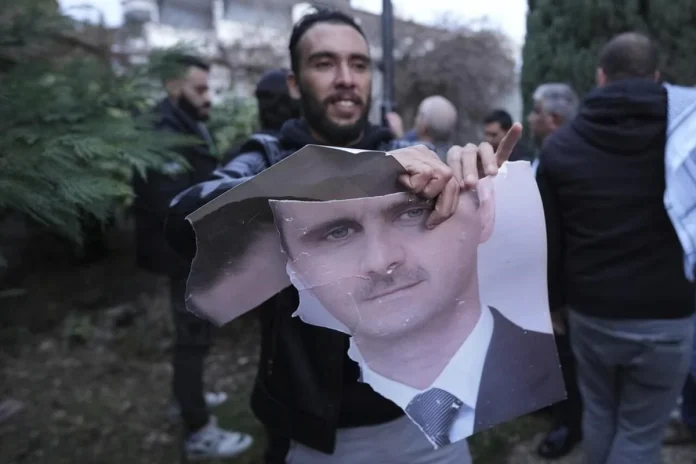
The EU maintains a wide range of sanctions on entire economic sectors and individuals in Syria, levied during the rule of ousted President Bashar al-Assad. The country’s new leadership has urged the West to ease the restrictions in order to help Syria recover from years of despotic rule and civil war.

The EU said in a statement that its foreign ministers had made the decision to suspend select sanctions as part of efforts to “support an inclusive political transition in Syria, and its swift economic recovery, reconstruction, and stabilisation”.

The bloc added that should Syria’s interim rulers move in the wrong direction, sanctions could be quickly slapped back on.

Ahmad al-Sharaa, the leader of the Hayat Tahrir al-Sham (HTS) armed group, was named interim president last month after a meeting of most of the country’s former rebel factions that overthrew al-Assad and five decades of his family’s rule.

Al-Sharaa has been meeting with regional and international leaders in an effort to establish ties and lead a reconstruction campaign after over a decade of war devastated the country and left parts of Syria occupied by foreign forces.

Syria’s new authorities are expected to hold a national dialogue conference starting on Tuesday to discuss a new path for the nation.

The conference has been a key pledge for the new government to shape a constitutional framework, an economic roadmap and a plan for institutional reform as it also seeks to lift sanctions imposed by the United States.

A new government that the authorities have promised to form by next month is expected to take into account ideas and proposals to be put forward in the conference.

Geir Pedersen, United Nations special envoy for Syria, said the formation of a “new inclusive government” by March 1 could help determine whether more Western sanctions are lifted.

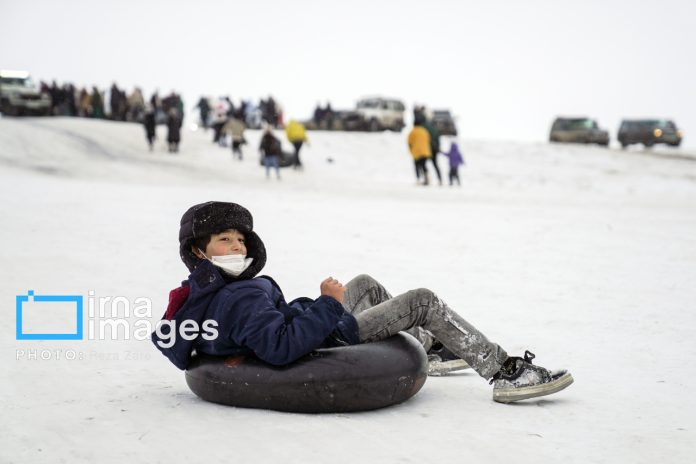
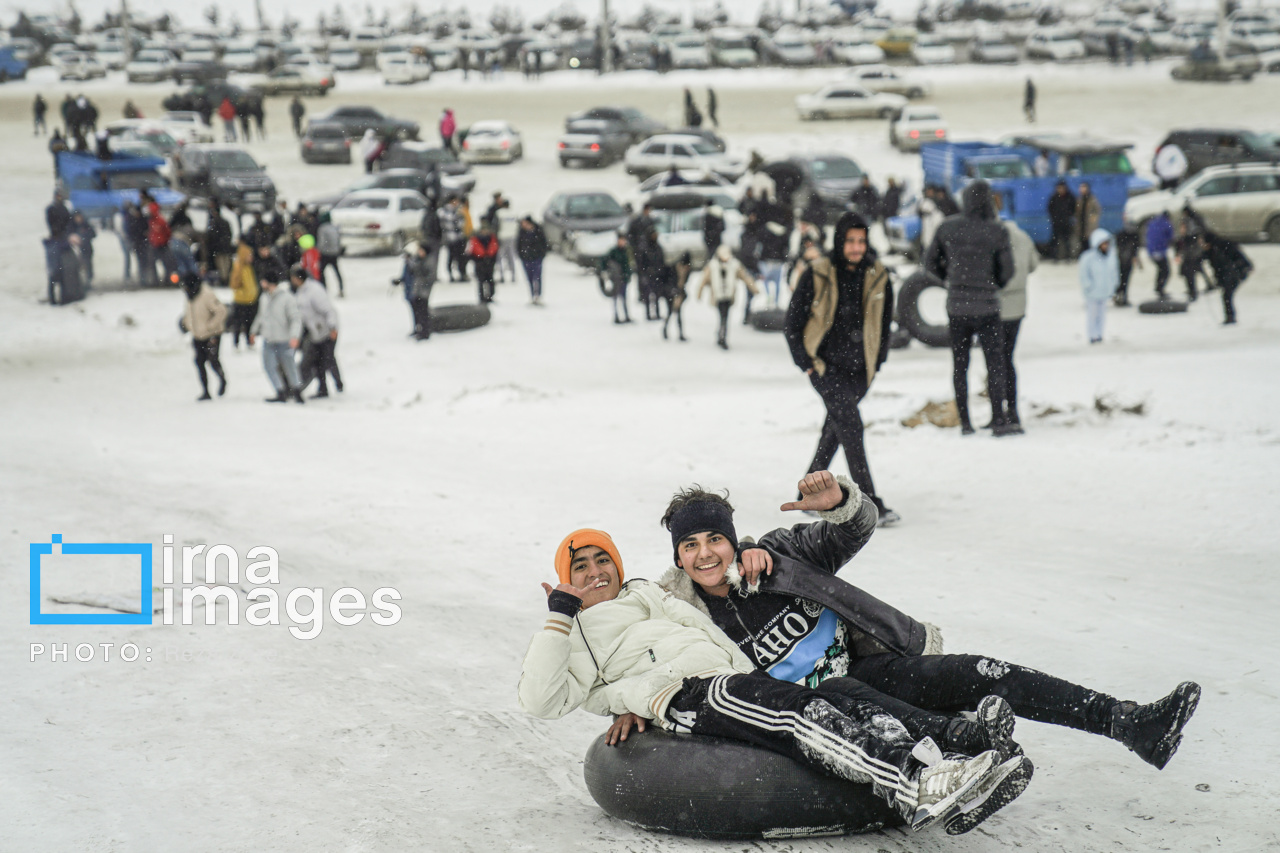
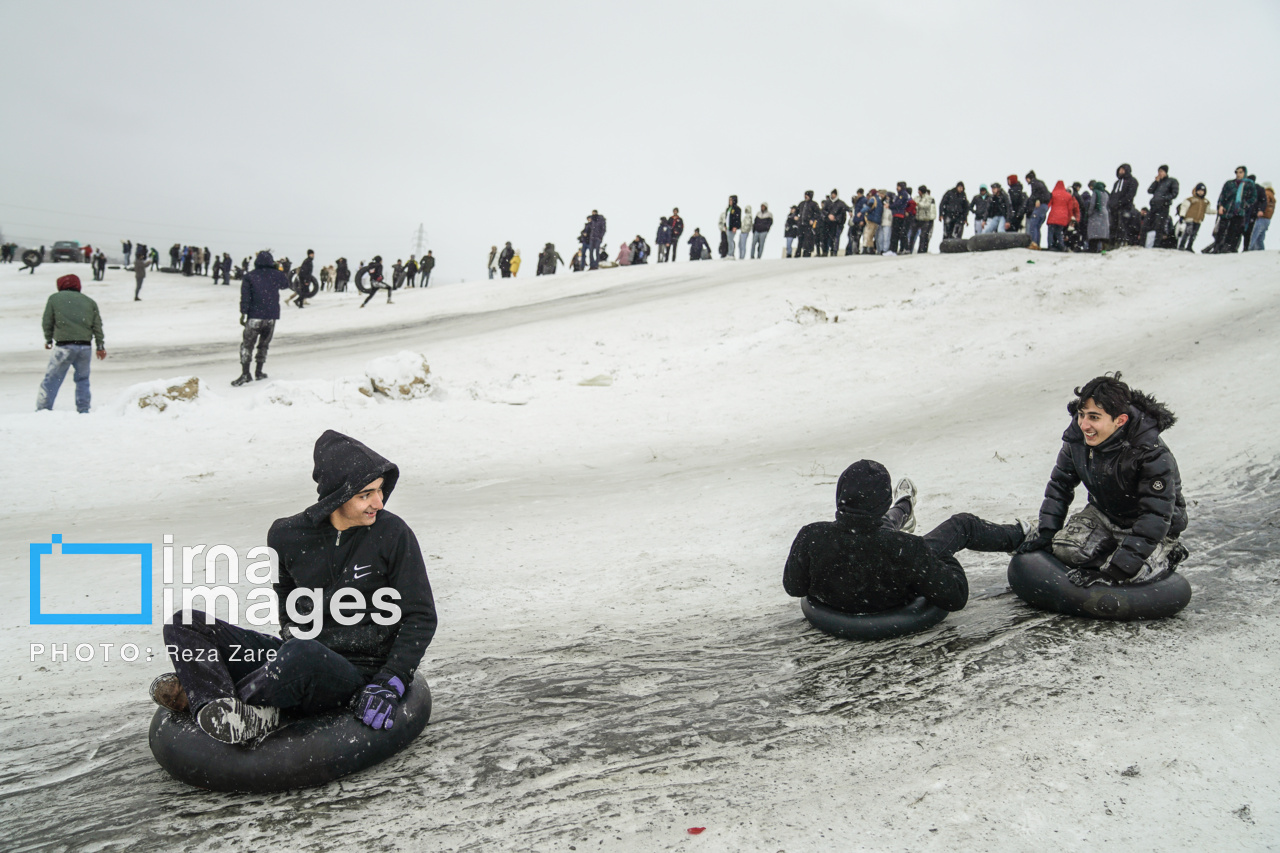
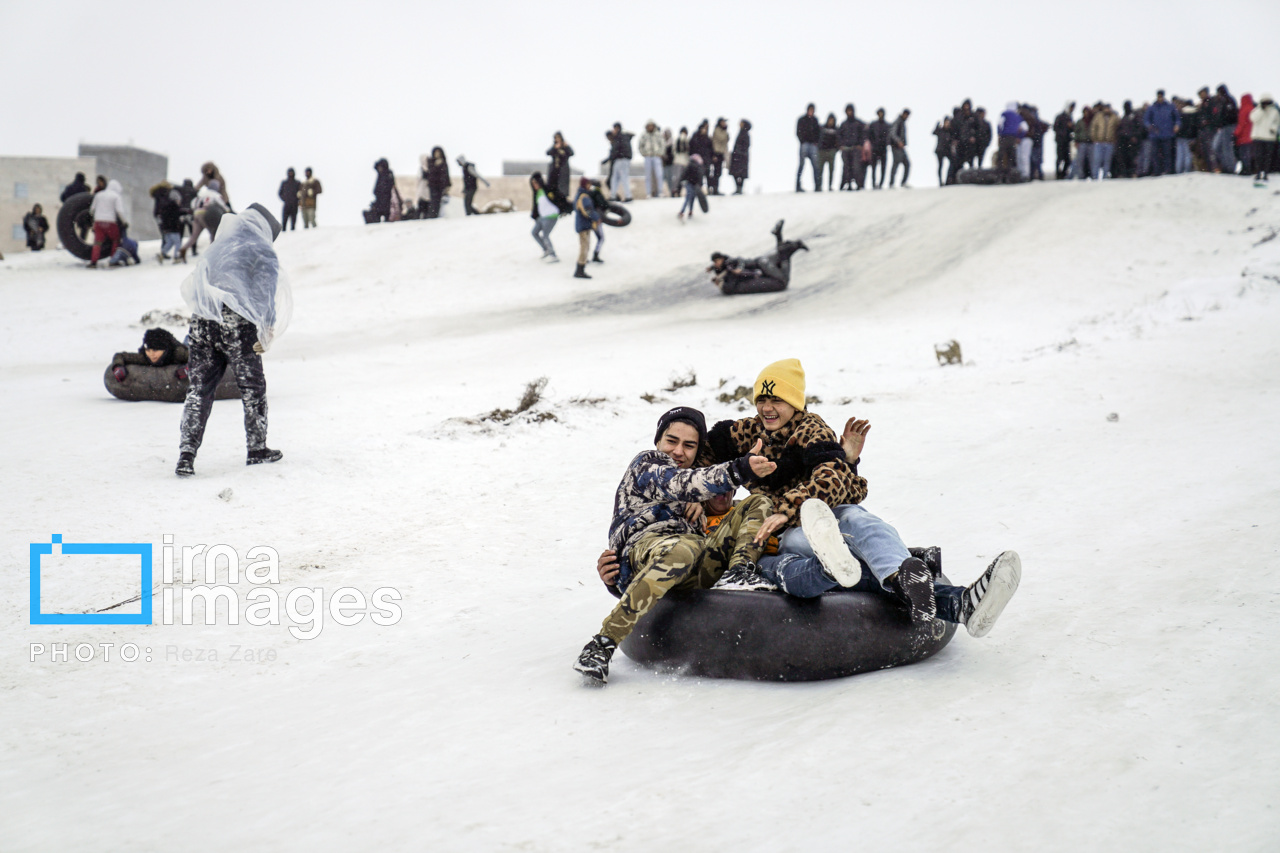
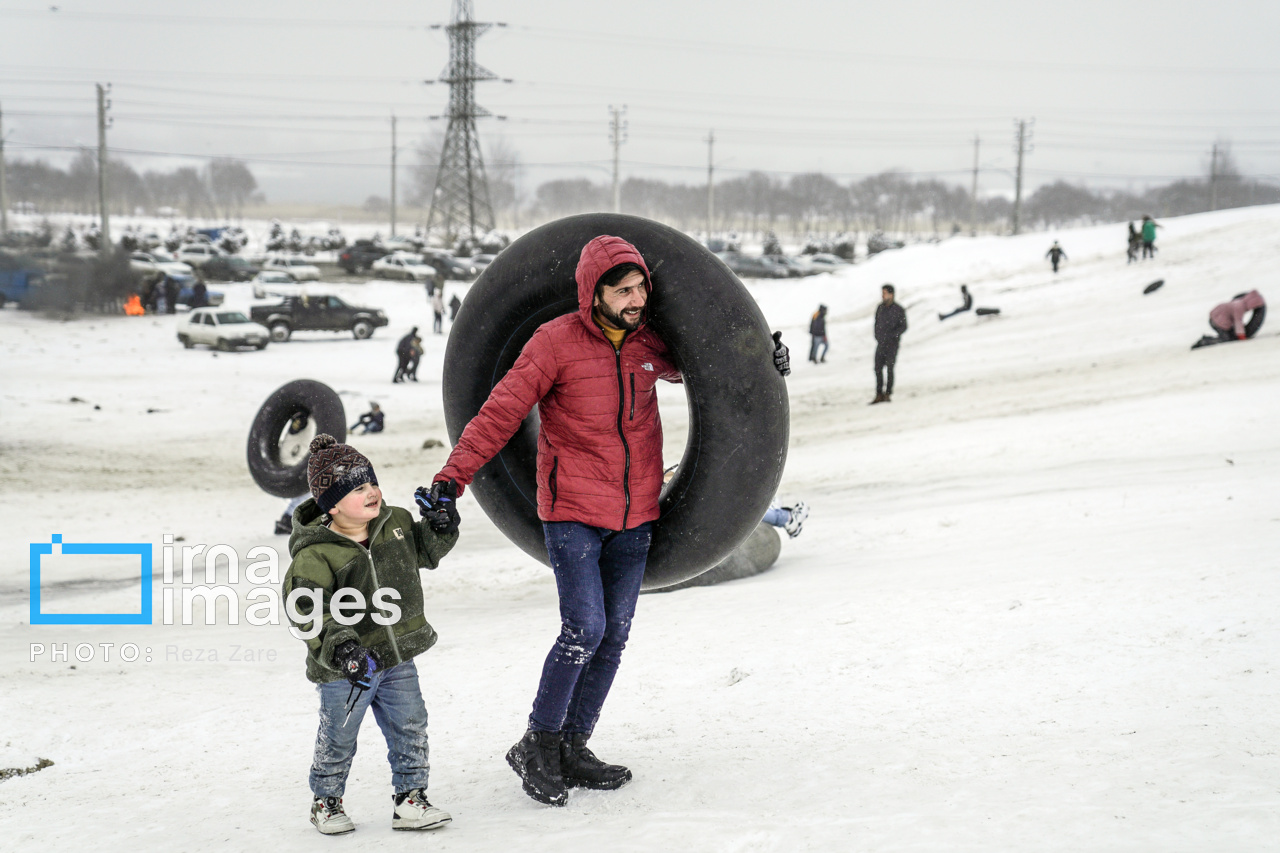
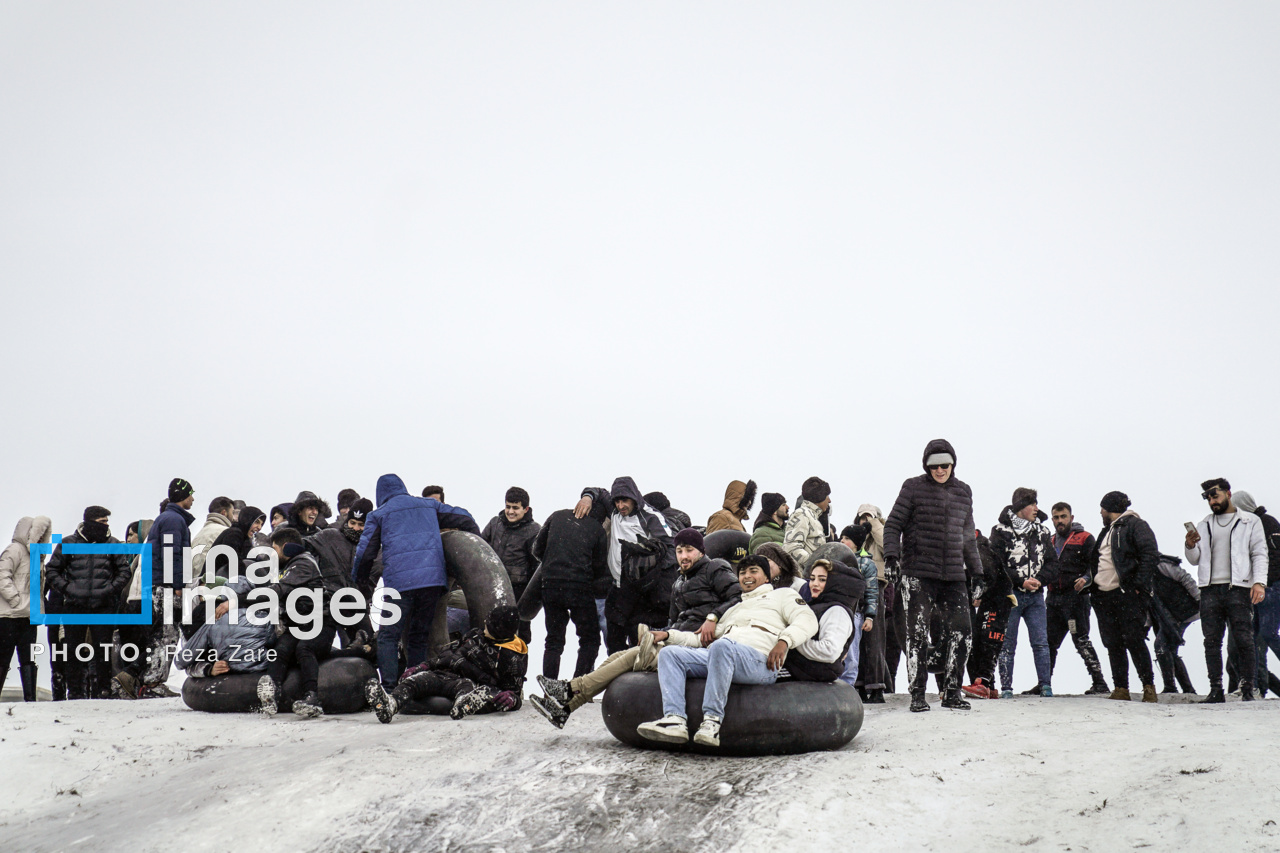
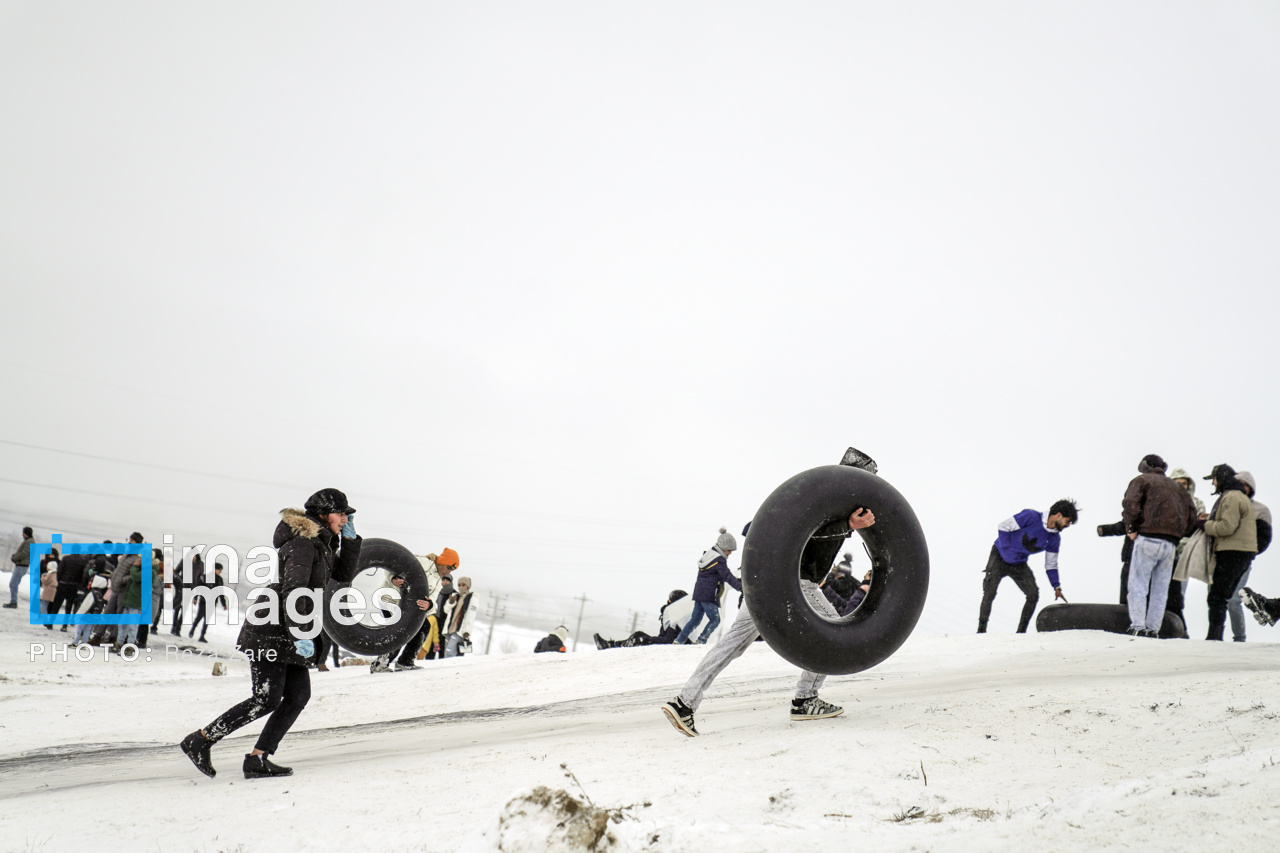
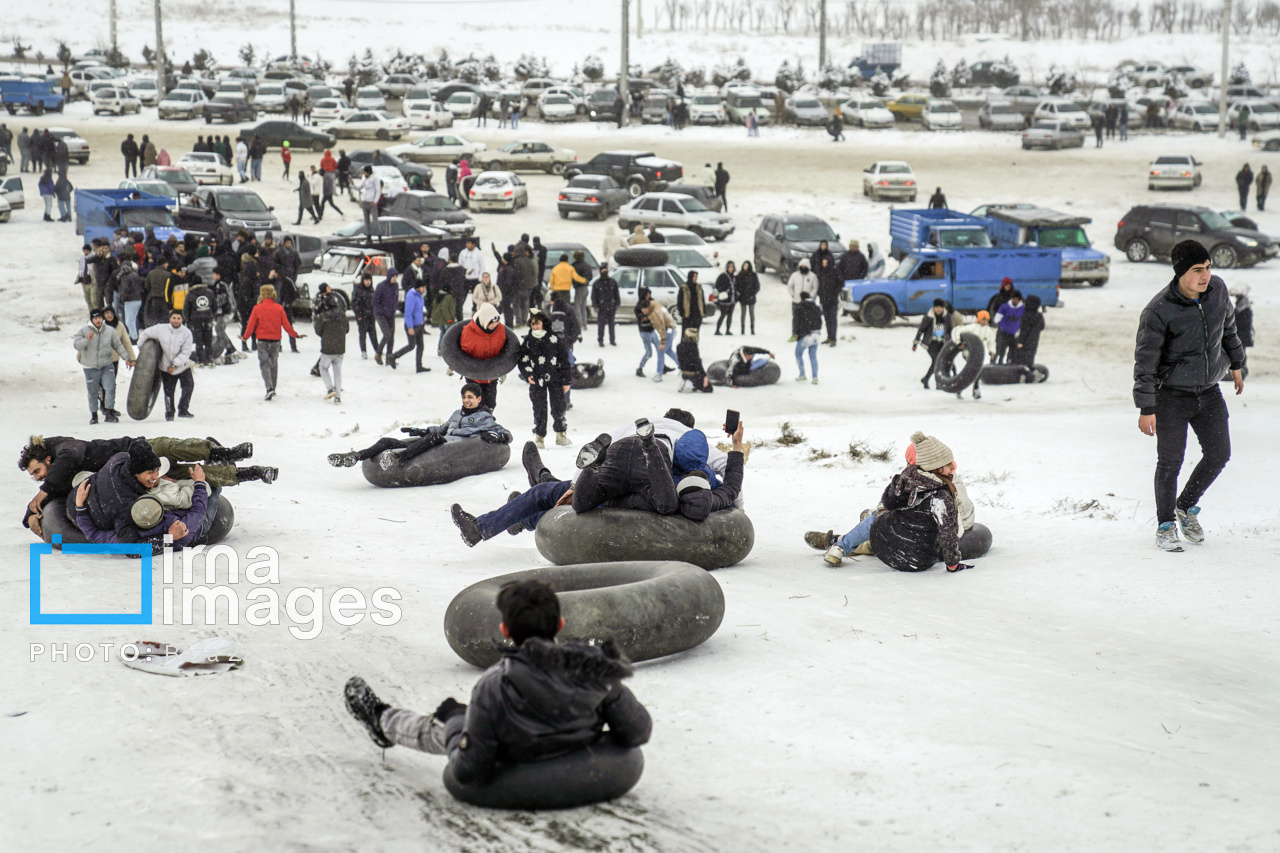
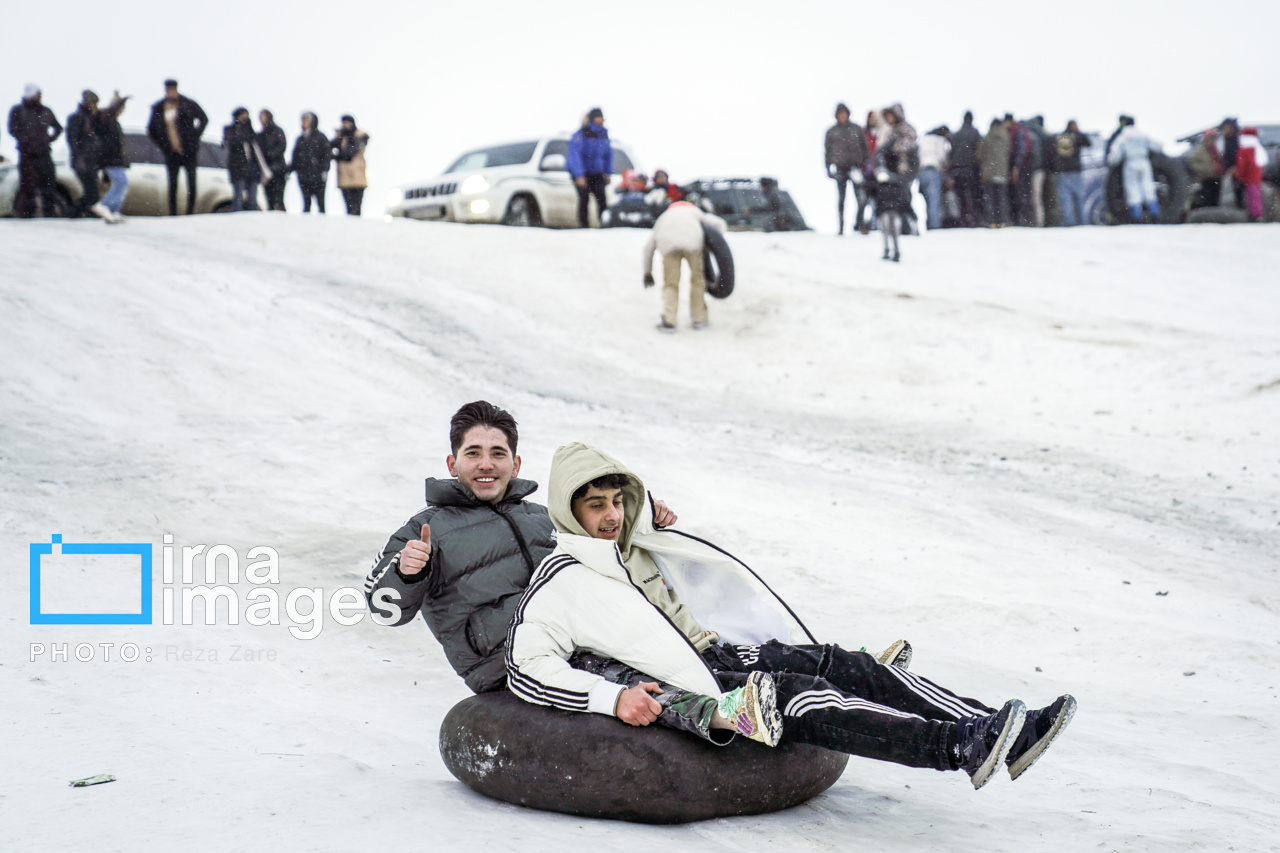
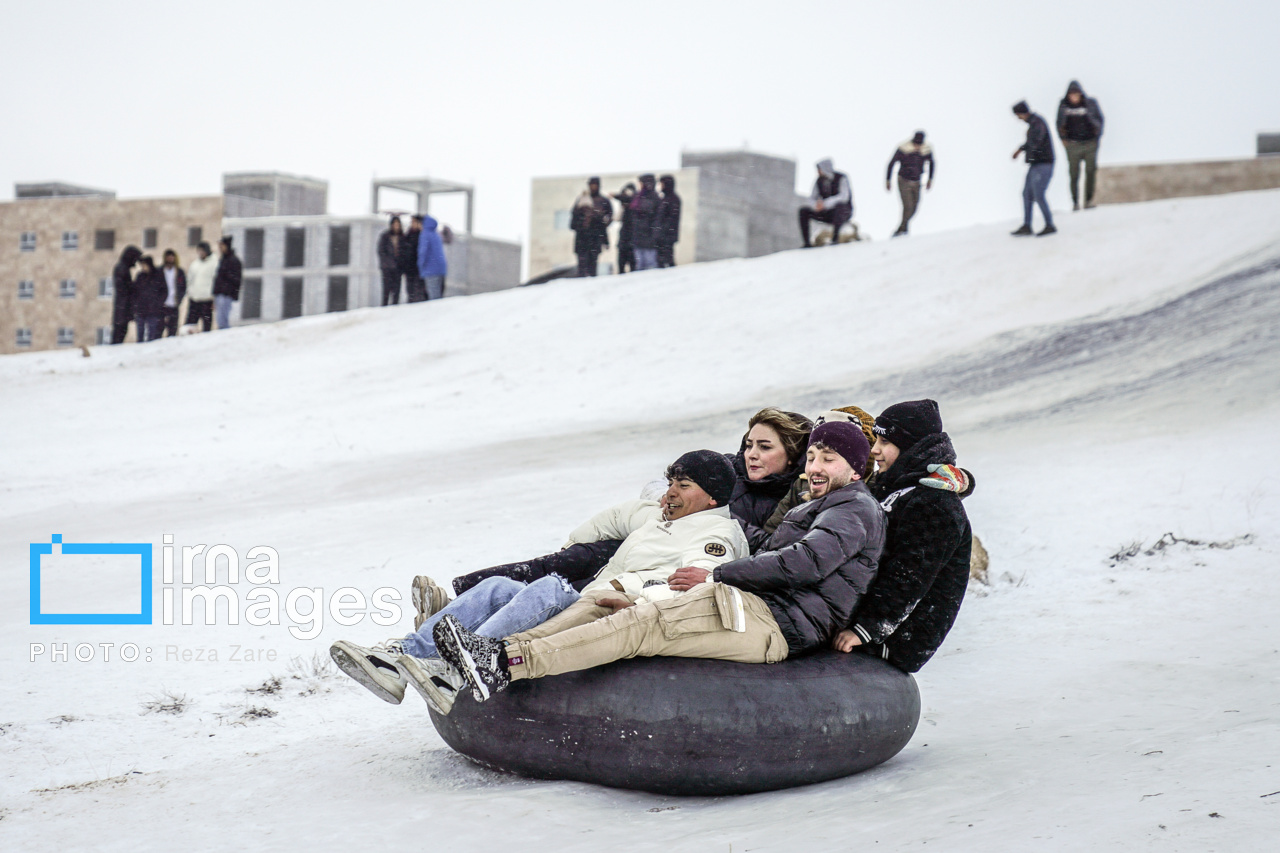
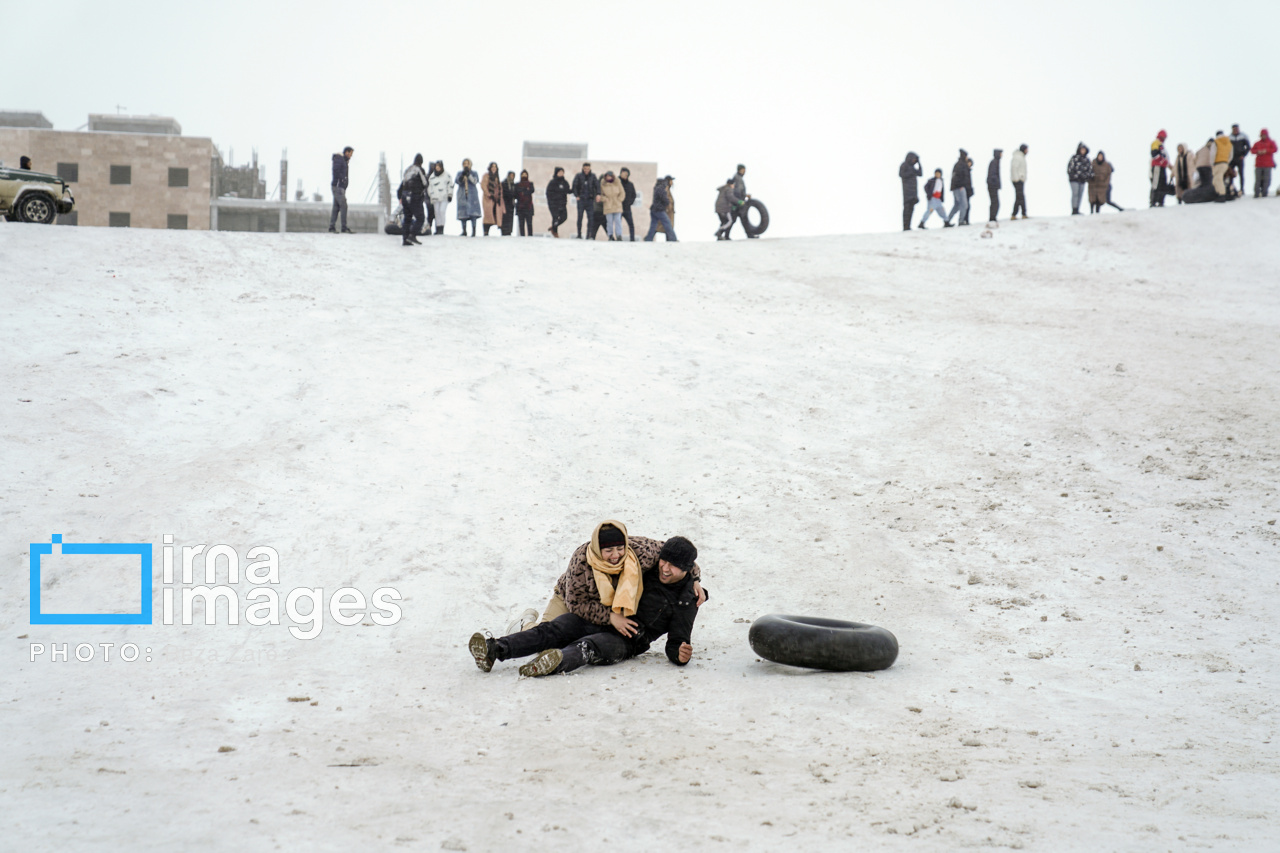
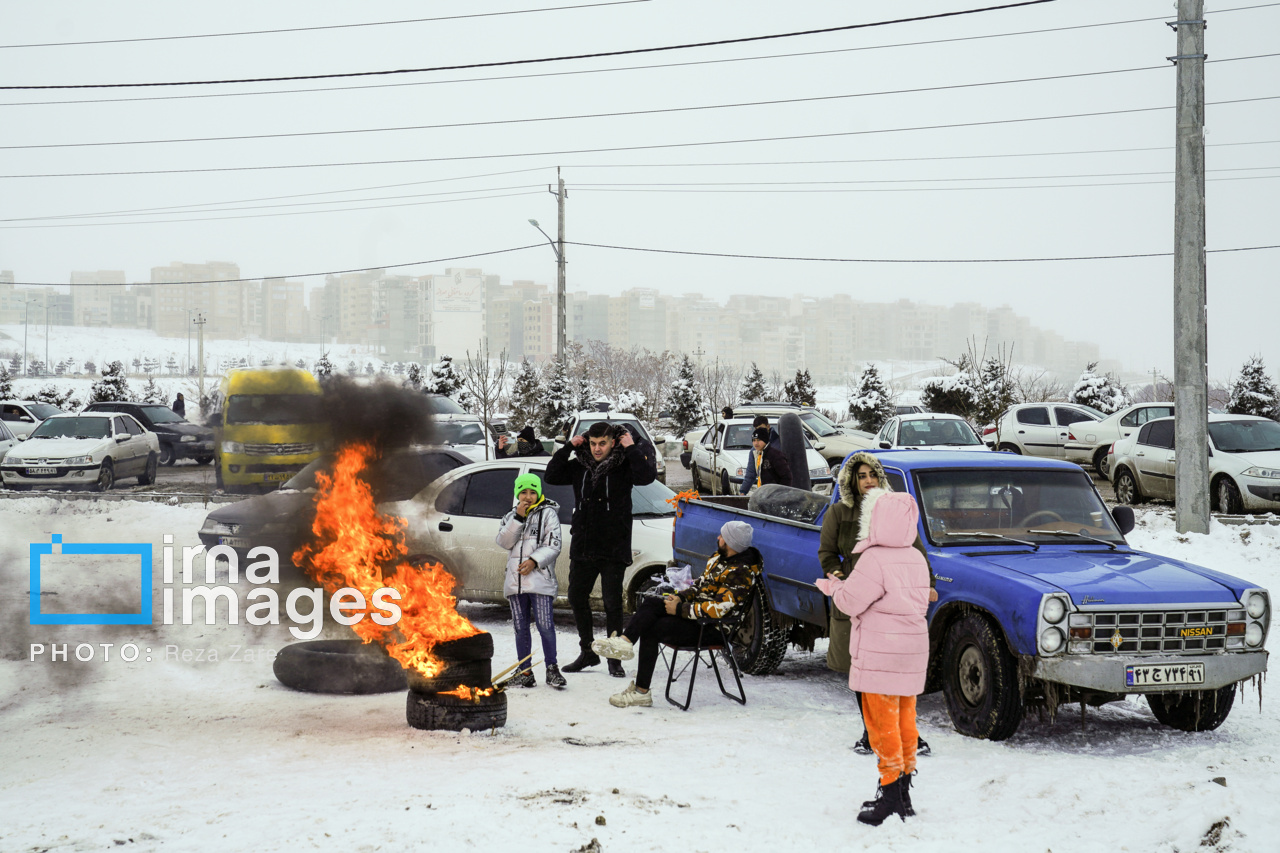
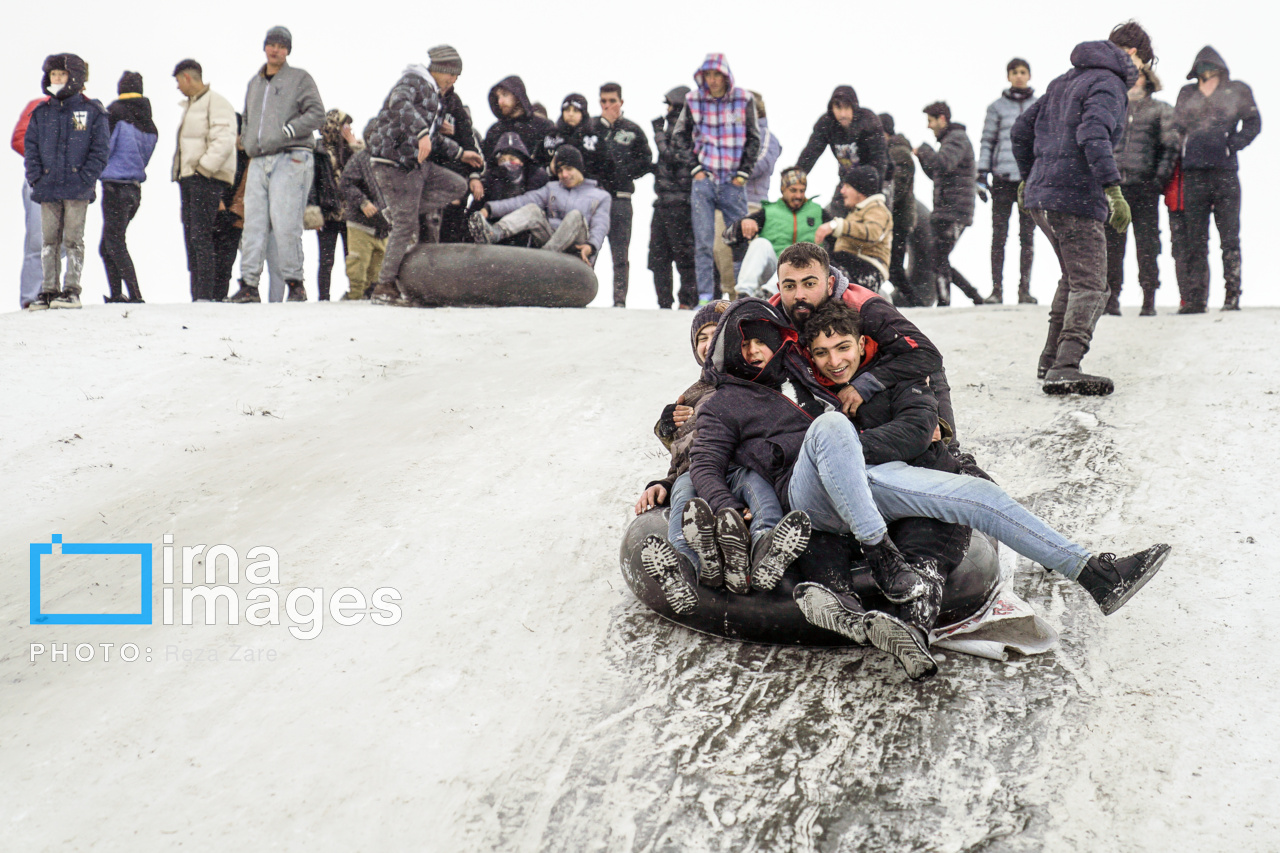
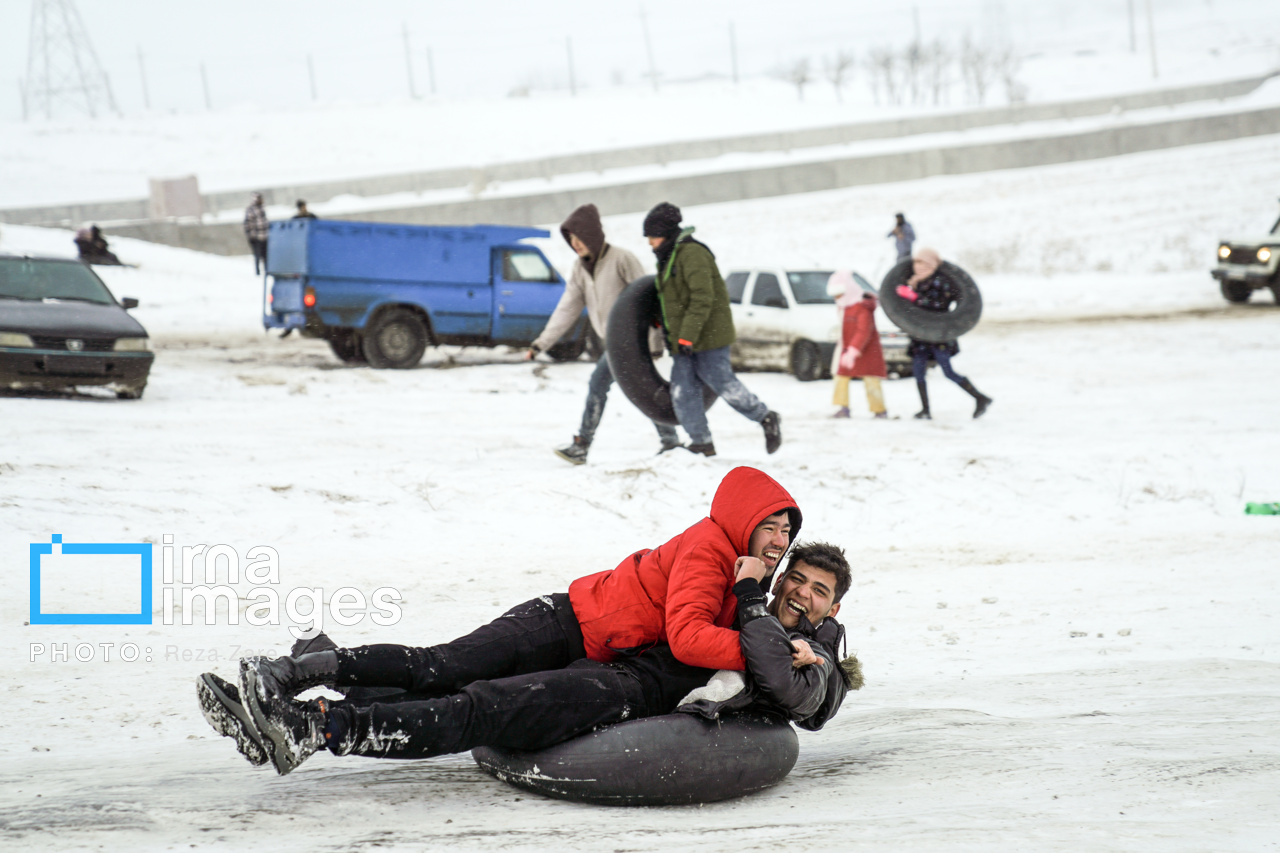
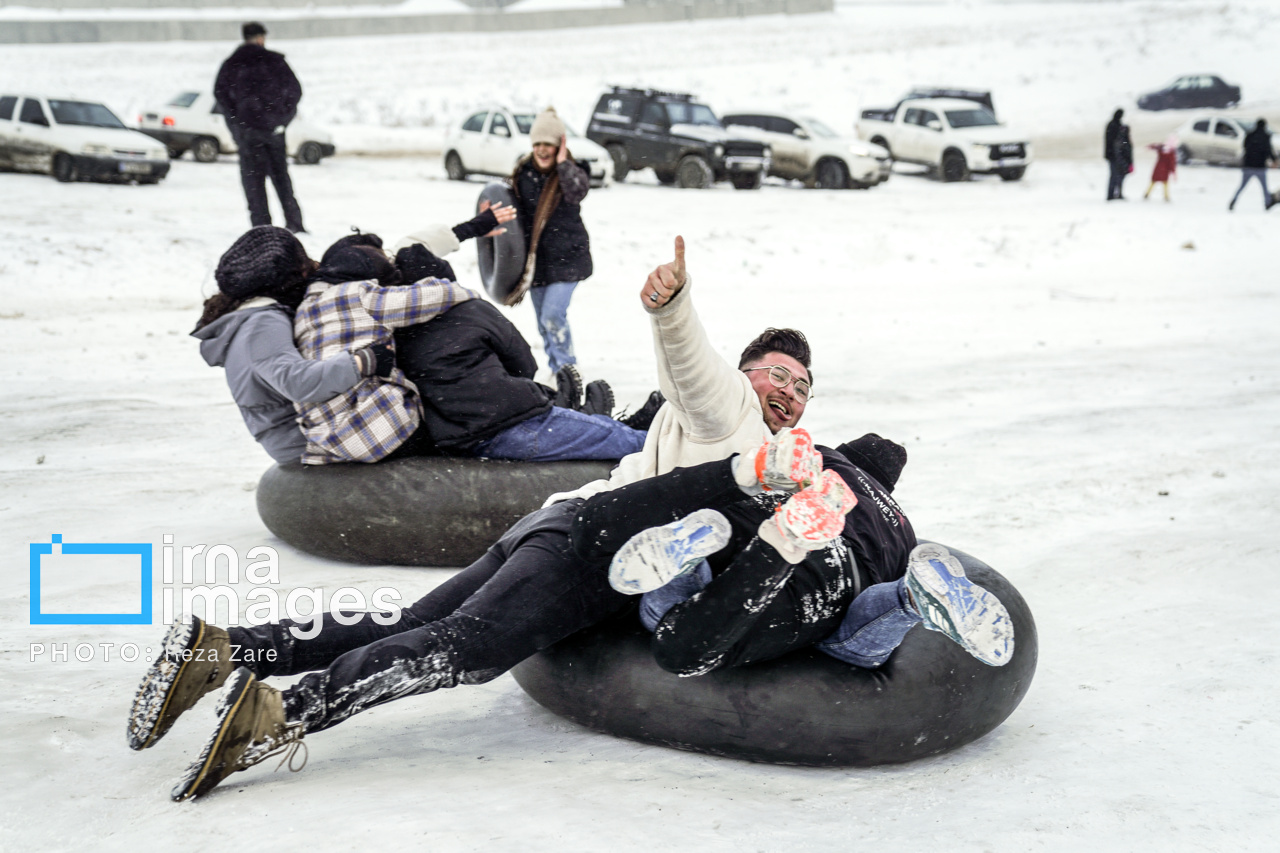
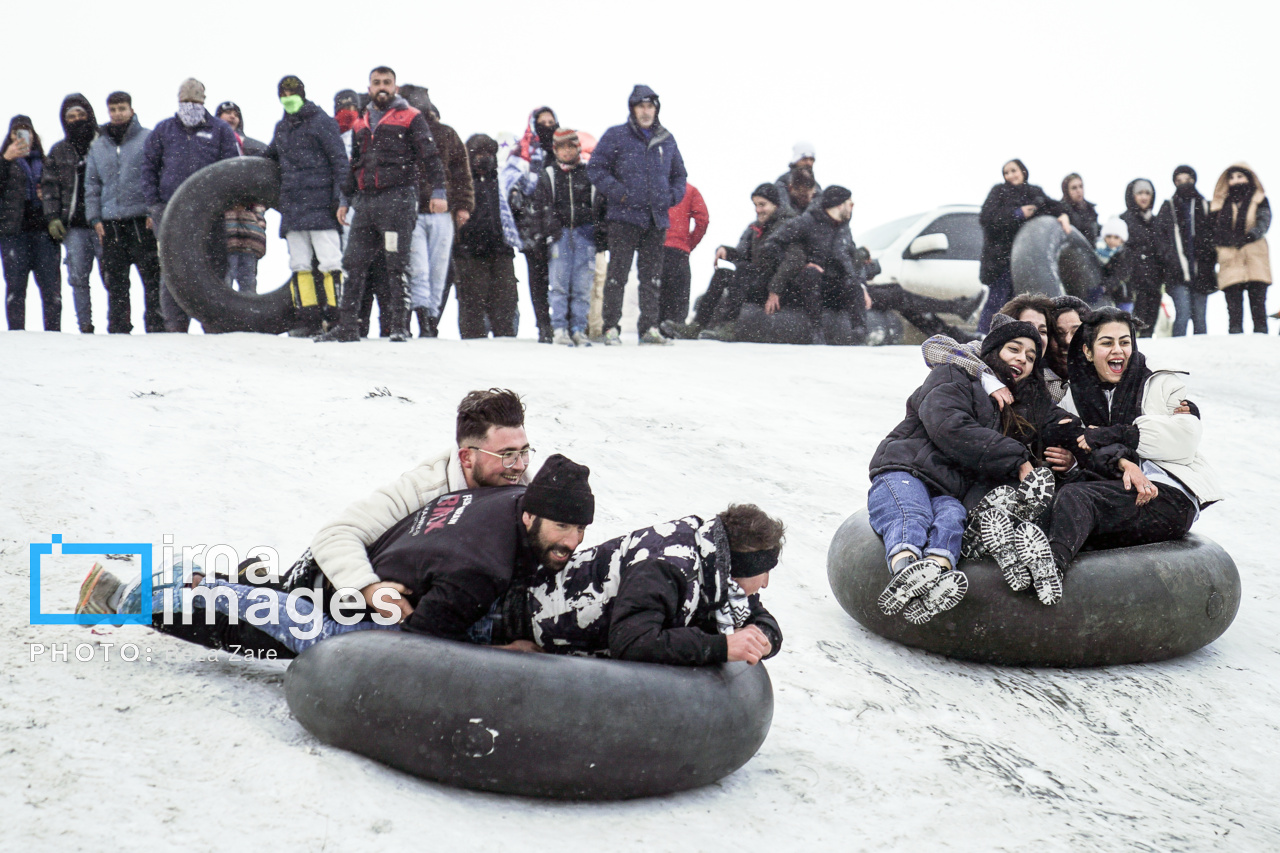
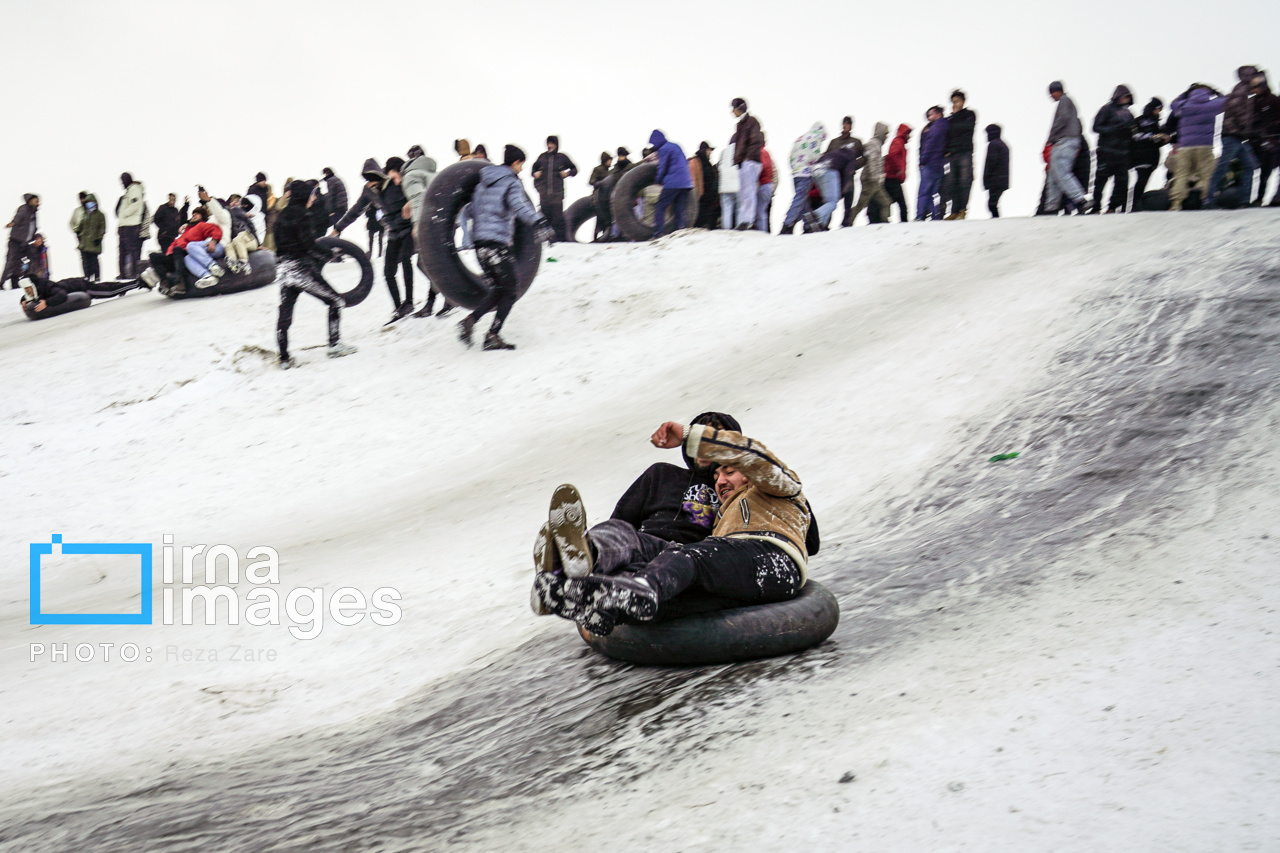
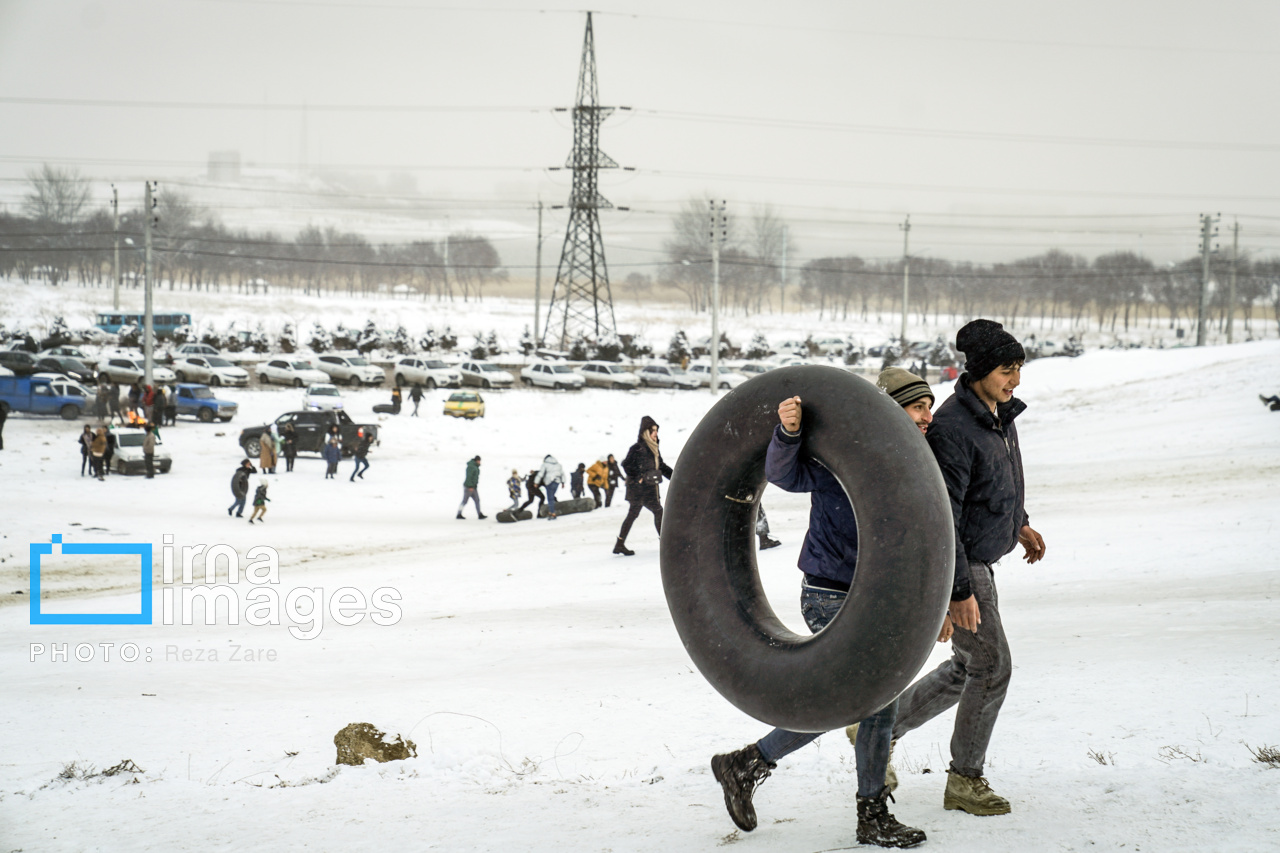
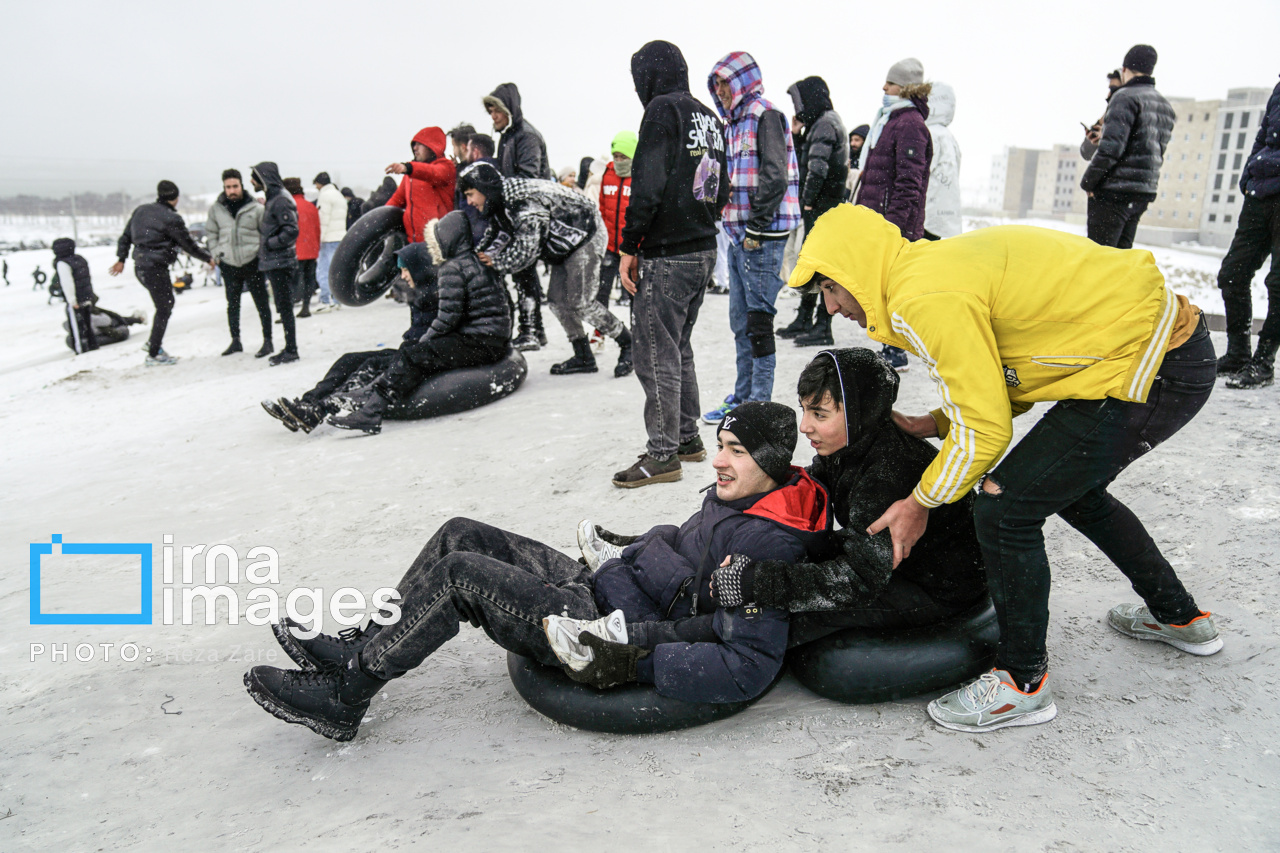
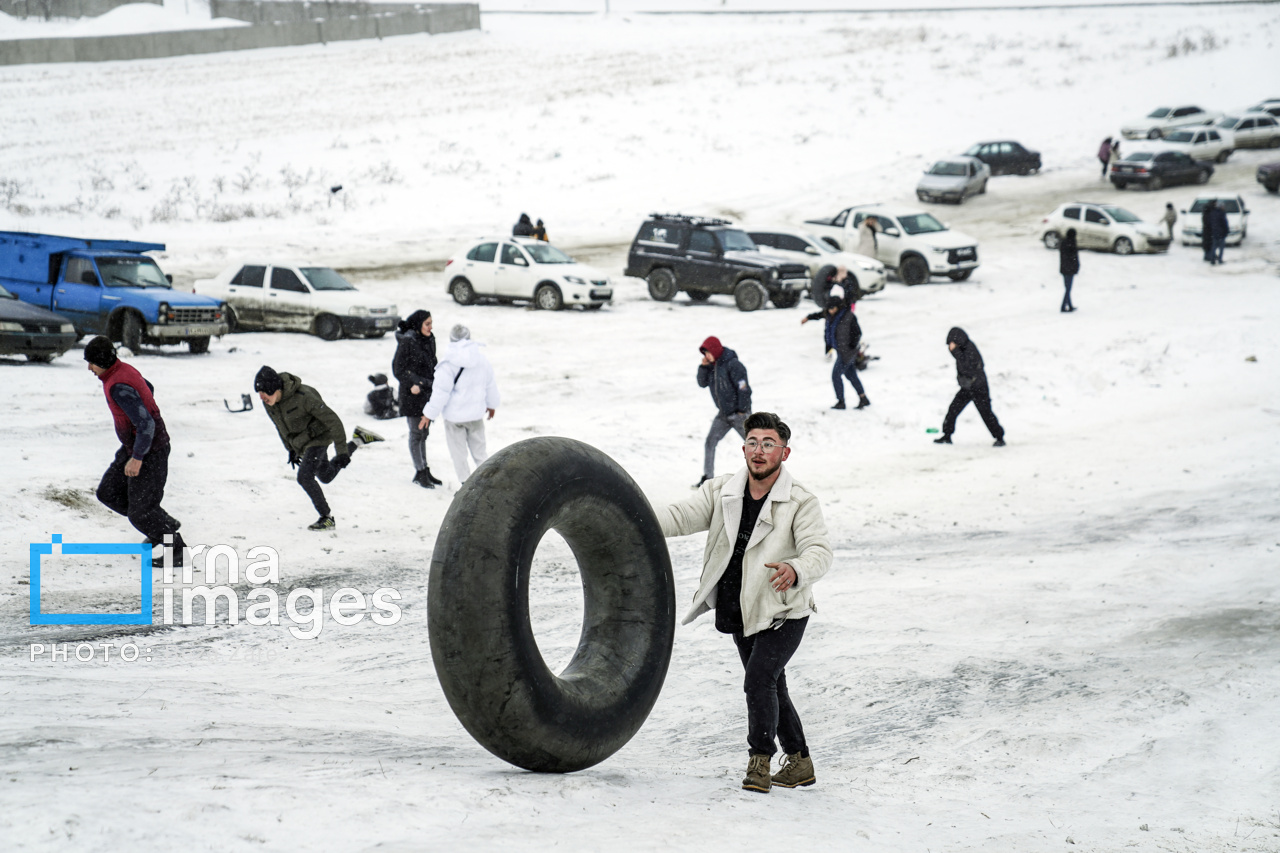
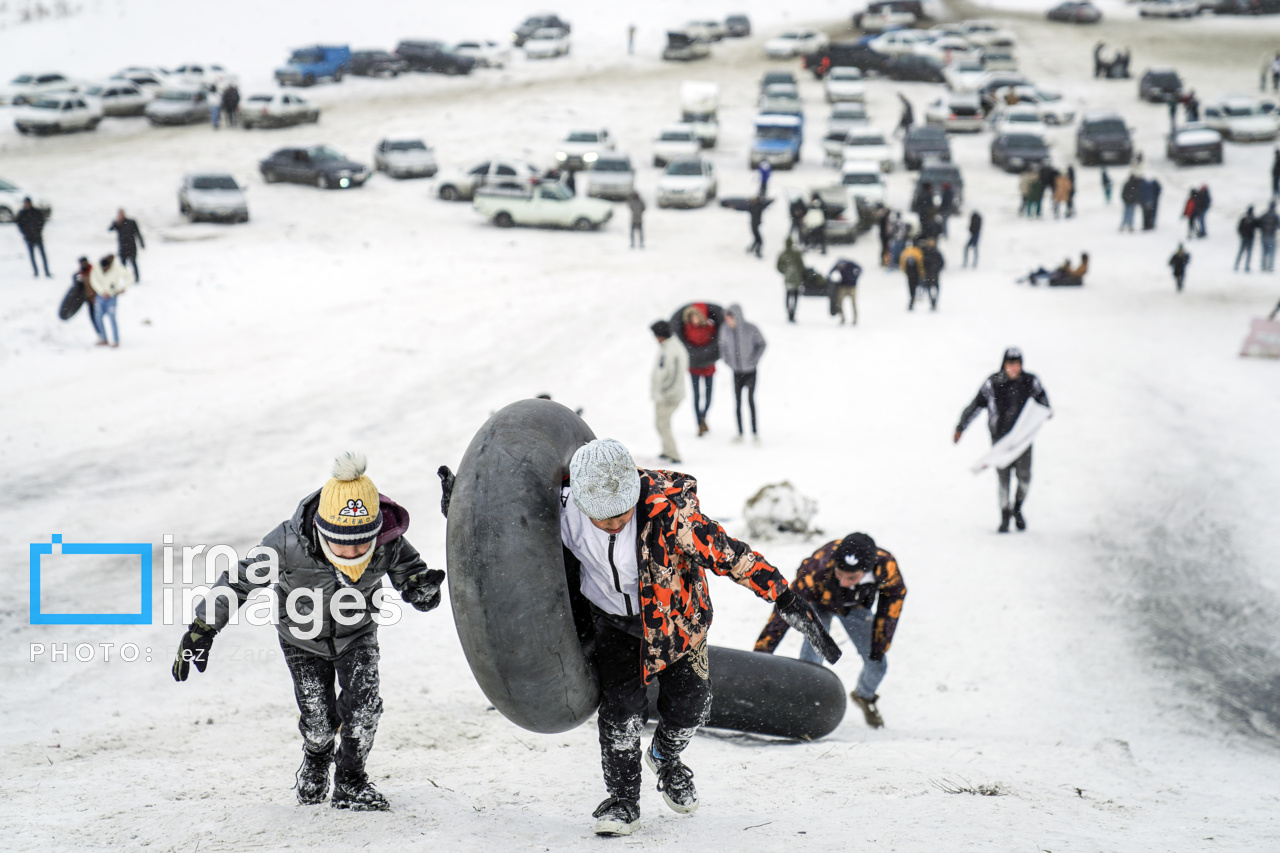
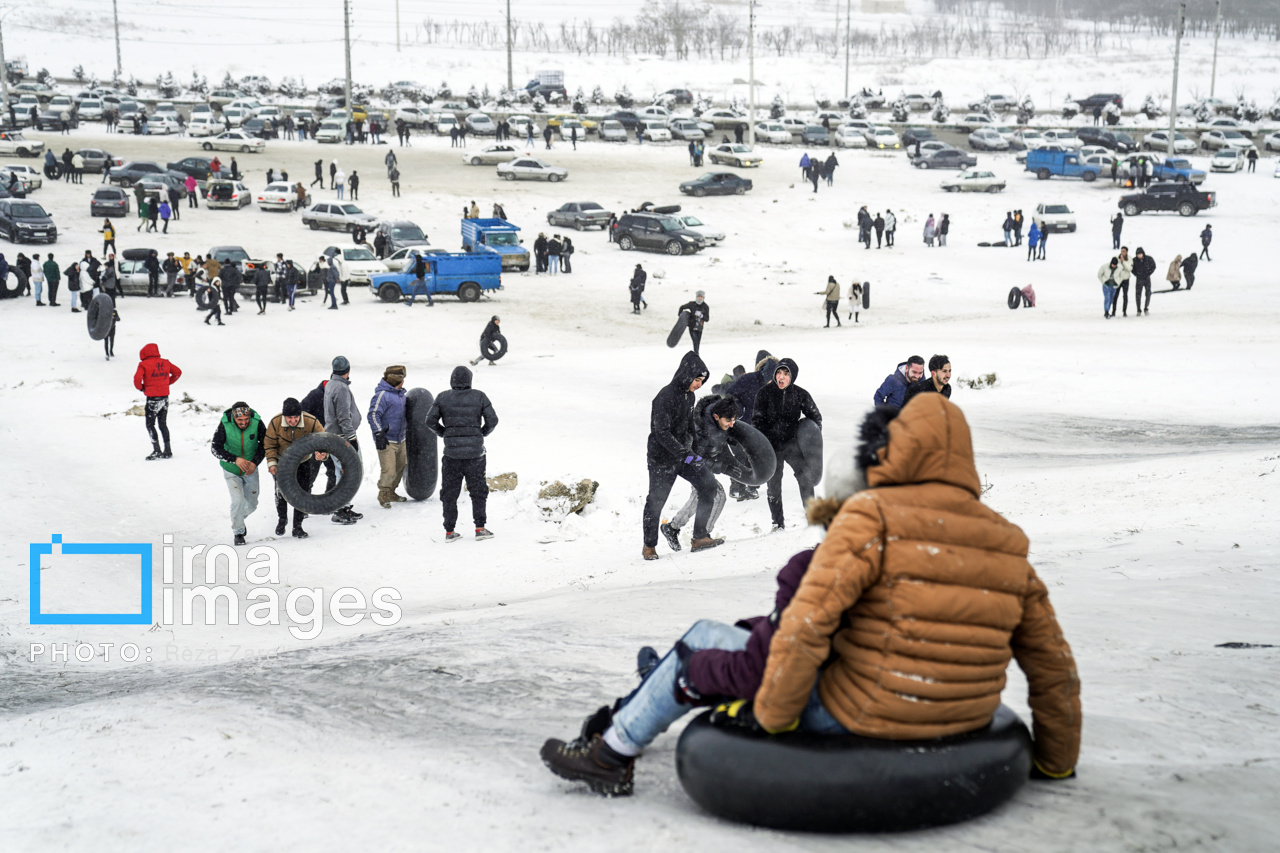
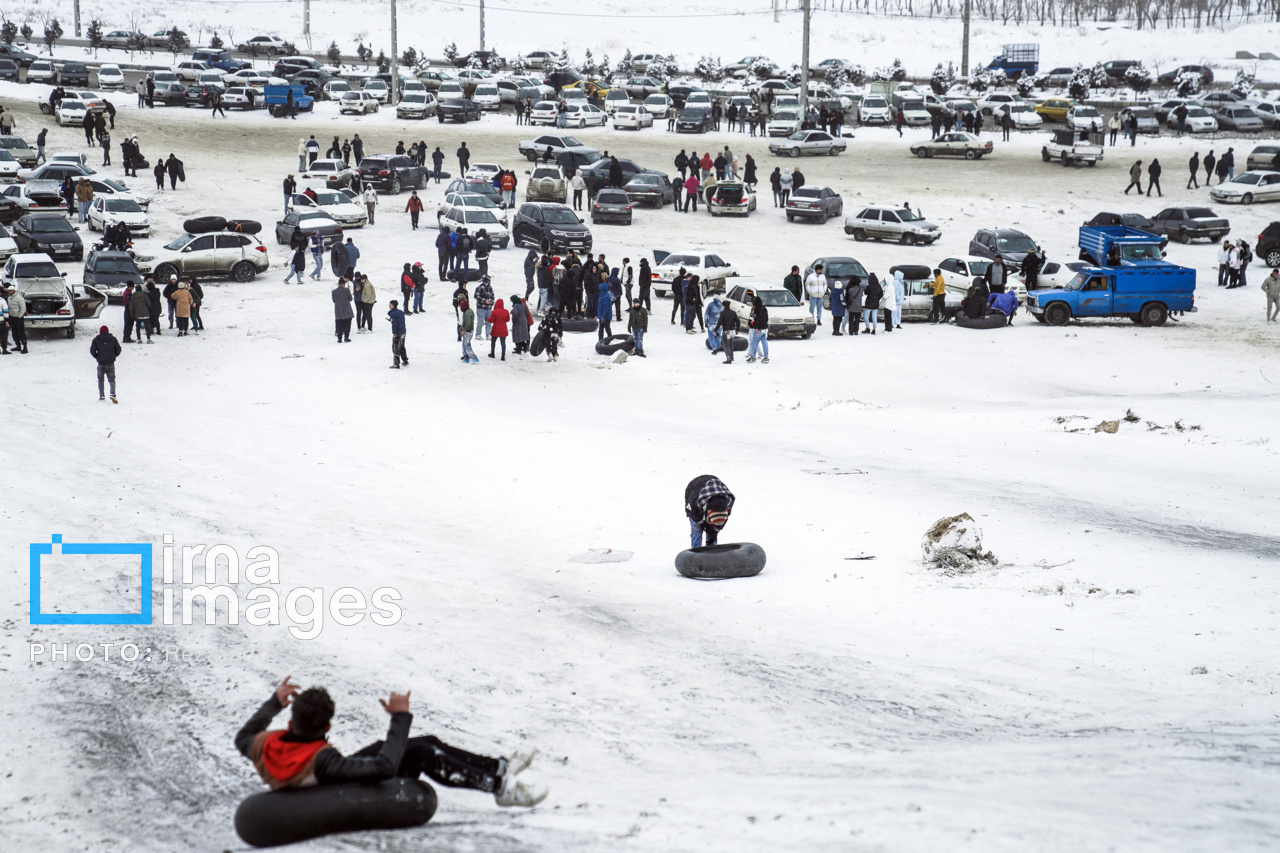
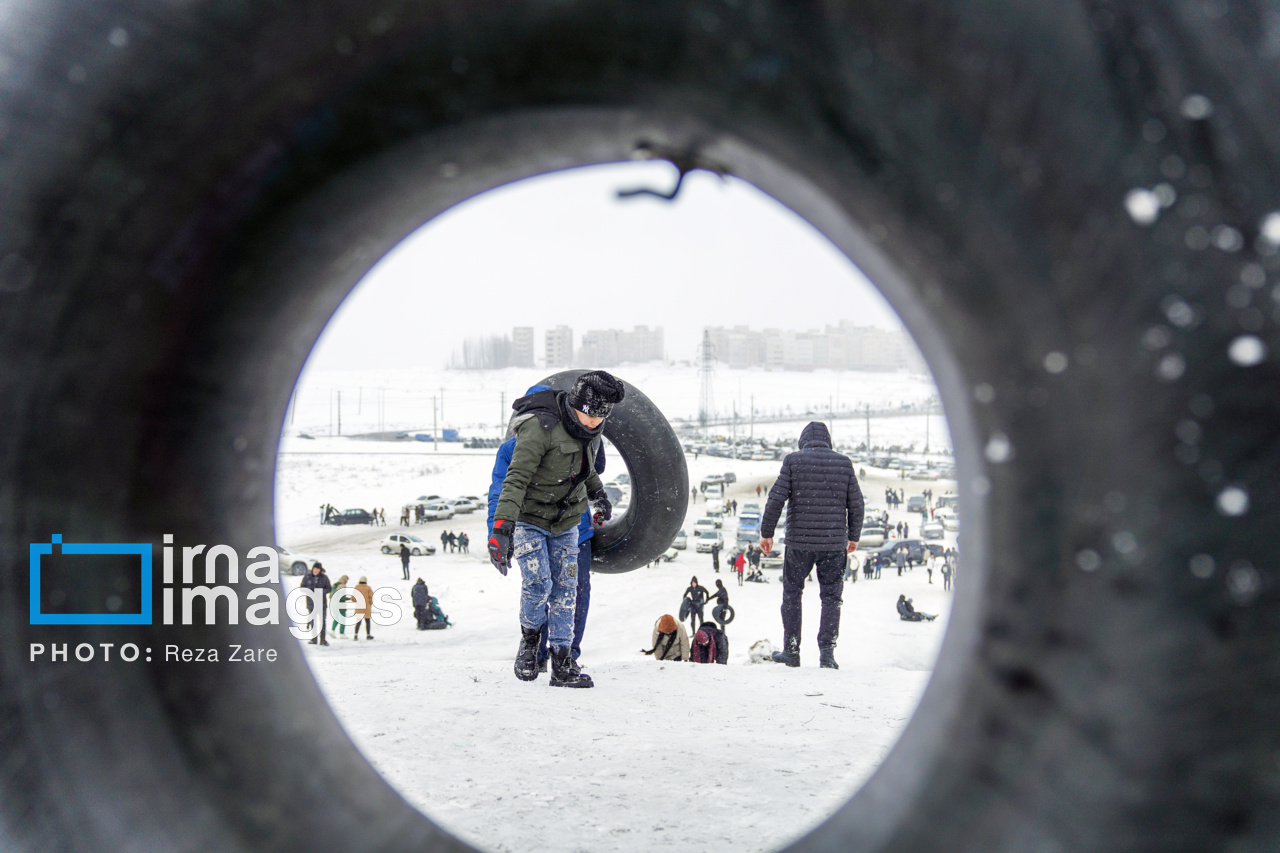
Snow delight in Ardabil: Locals embrace winter’s charm

On Saturday, the residents seized the opportunity to enjoy the pristine white landscape by flocking to the nearby hills for some exhilarating tubing adventures.

The snowfall, which had been gracing the region for the past four days, finally halted on Monday morning, but the bone-chilling -21 degrees Celsius recorded over the past 24 hours is still in place.

More in pictures: