Sunday, December 21, 2025
Home Blog Page 2632

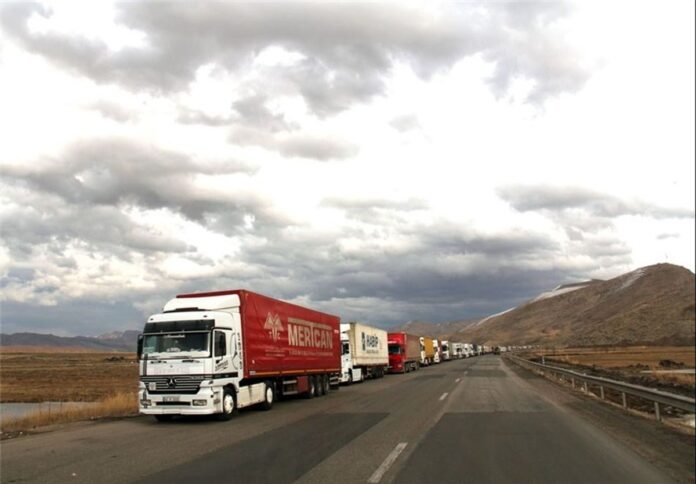
Future of Transportation Industry during COVID-19 Pandemic

Future of Transportation Industry during COVID-19 Pandemic

“A drop in demand in different sectors of the industry and an increase in vacancies, the need for healthy and trained workforce, unpredictable transportation restrictions in certain countries and an increase in the length of time spent on inspecting the transportation fleet will be among the major challenges facing the transportation industry until the end of the year 2021,” said the entrepreneur on the effects of the COVID-19 virus on the future of the pandemic.

“Moreover, the transportation industry is one of the world’s most important industries during the coronavirus pandemic. The need for providing the main supplies needed by factories as well as timely and prompt distribution and supply of products, namely medicines, hygienic items and foodstuff, to consumers across the world via online shopping, makes the need for utilizing the best fleets and workforce and easing regulations all the more necessary,” Dezfulian added.Future of Transportation Industry during COVID-19 Pandemic 1
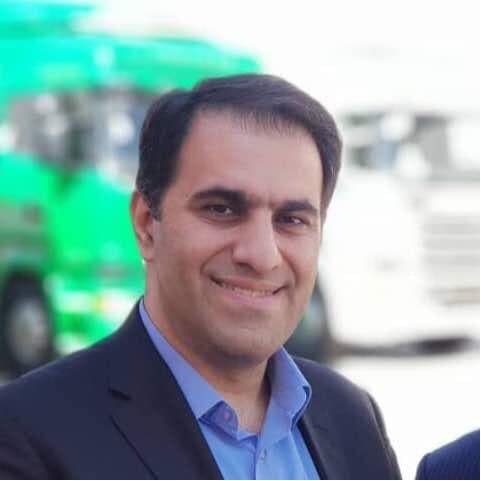
At a time when some countries have introduced special transportation regulations, the prompt supply of raw materials for companies producing foodstuff, medicines and hygienic items requires a dynamic fleet and the prediction of the situation in critical conditions, says Dezfulian.

“Trained workforce and transportation fleet are two key contributors to the success of logistics and transportation during the coronavirus pandemic,” he said.

“As for the fleet and equipment, logistics and transportation firms should be able to improve their fleet and resources management skills; however, the bigger challenge exists on the human front as drivers, in particular, are very much exposed to coronavirus infection because of travelling to various areas,” the entrepreneur added.

“Human resources in the logistics and transportation industry, especially drivers, are at the frontline of fighting the coronavirus pandemic because, on the one hand, they shoulder the important responsibility of sending and distributing vital items, goods and medicines across the world and, on the other, they themselves as well as their families are highly likely to contact coronavirus as they travel to different locations,” Dezfulian said.

So, he noted, it is highly important to support drivers in the transportation industry.

“Whether we intend to send vital goods, namely medicines and basic commodities, to other parts of the world, or we want to maintain the chain of supplies to factories during the coronavirus pandemic, it is necessary to pay due regard to the drivers’ community and their health,” he added.

“Furthermore, illness and drivers’ infection with the COVID-19 virus not only stops the supply of goods and jeopardizes the chain of supplying commodities across the world, but can also further spread the disease as individuals working in this industry naturally travel a lot,” Dezfulian said.
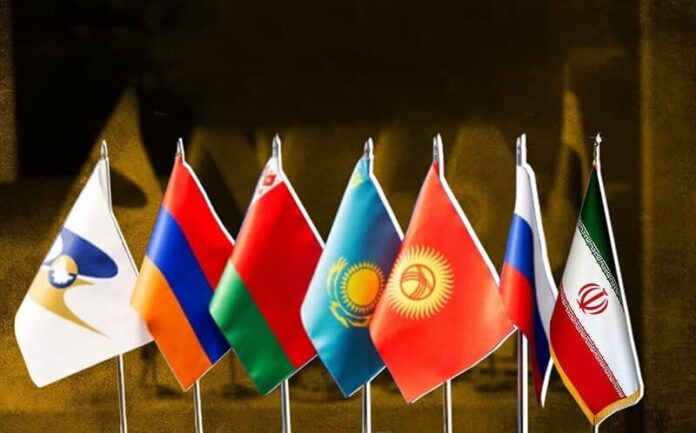
Iran Calls for Closer Cooperation Among Eurasian Nations

Iran Calls for Closer Cooperation Among Eurasian Nations

Reza Ardakanian added the EAEU is an emerging organization among regional bodies.

“If a higher level of regional unity, cooperation and convergence is reached at this union, it has the potential to turn into one of key economic and even political hubs of the world,” said Ardakanian, who is charged with coordinating the implementation of the temporary free trade agreement with the EAEU.

“If the Eurasian Economic Union boosts its performance, it can protect its members and trade partners against the negative effects of globalization, and can also help them improve their capabilities for global competition,” he noted.

He touched upon the conflict between Armenia and the Azerbaijan Republic near Iran’s norther borders, saying closer cooperation between regional countries and the EAEU as well as the enhancement of mutual trade can prevent further insecurity in the region.

“Given the new nature of threats and the vast number of security conflicts and challenges in the expansive Eurasia region, it is necessary to make more efforts to boost economic convergence among the regional countries; the EAEU has pave the way for this important measure,” he said.

He made the comments in a video message to an EAEU conference held in the northern Iranian port city of Anzali.

Iran’s Foreign Minister Meets New Envoys of Slovakia, Thailand, Japan

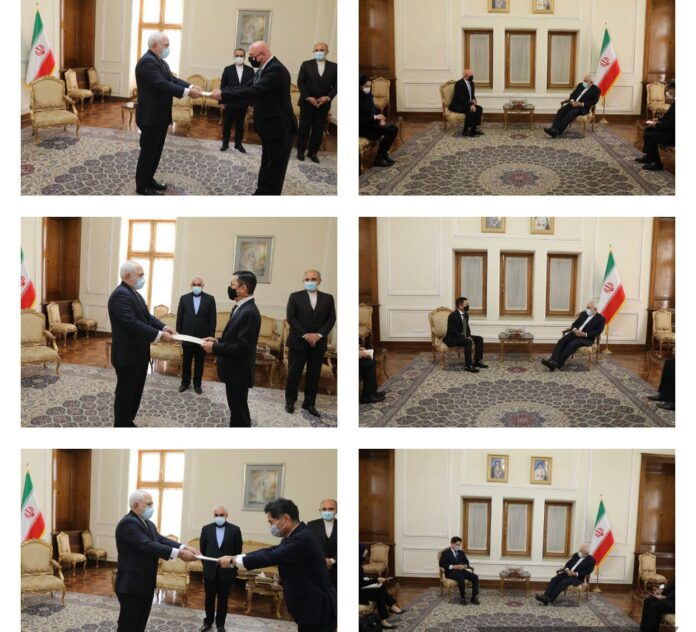
In these meetings, which were held on Monday at the beginning of their diplomatic missions in Iran, Slovakia’s Ladislav Ballek, Thailand’s Worawoot Pongprapapant, and Japan’s Aikawa Kazutoshi handed over copies of their credentials to the Iranian top diplomat.

Iranian, British Top Diplomats Hold Phone Talks

In this phone call, the two sides conferred on bilateral cooperation between Tehran and London within the framework of the Joint Comprehensive Plan of Action (JCPOA).

They also exchanged views on other issues of mutual interest including bilateral relations and certain humanitarian issues.

Zarif Condoles with Syria over FM Muallem’s Death

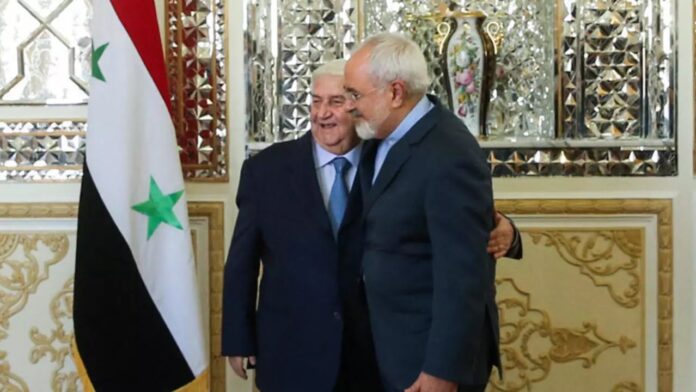
In this file photo, Iranian Foreign Minister Mohammad Javad Zarif (right) meets his Syrian counterpart Walid al-Muallem (left) in Tehran

“It was with greet regret and deep sorrow that I received the news of the demise of Walid al-Muallem, the deputy prime minister and the minister of foreign affairs and expatriates of Syria,” Zarif said in a message to Prime Minister Hussein Arnous.

“I would like to extend my condolences over this tragedy to you, to the respected family of the deceased, and to my colleagues at the Syrian Ministry of Foreign Affairs,” he added.

Foreign Minister Zarif further noted in his message, “In the course of his life, he played an important role in serving and protecting the national interests and security of his country.”

Zarif finally asked Almighty God to grant mercy to the late Syrian foreign minister, and success and prosperity to the Syrian people and government.

Muallem died at dawn on Monday at the age of 79. There were no details on the cause of his death, but Syria’s top diplomat had for years been suffering from a heart condition.

According to a source close to the Damascus government, it is widely expected his deputy, Faisal Mekdad, will succeed him as foreign minister.

Muallem first took on the portfolio of the foreign minister in 2006. He was also designated deputy prime minister in 2012.

The veteran diplomat held a succession of top diplomatic posts, including ambassador to the United States.

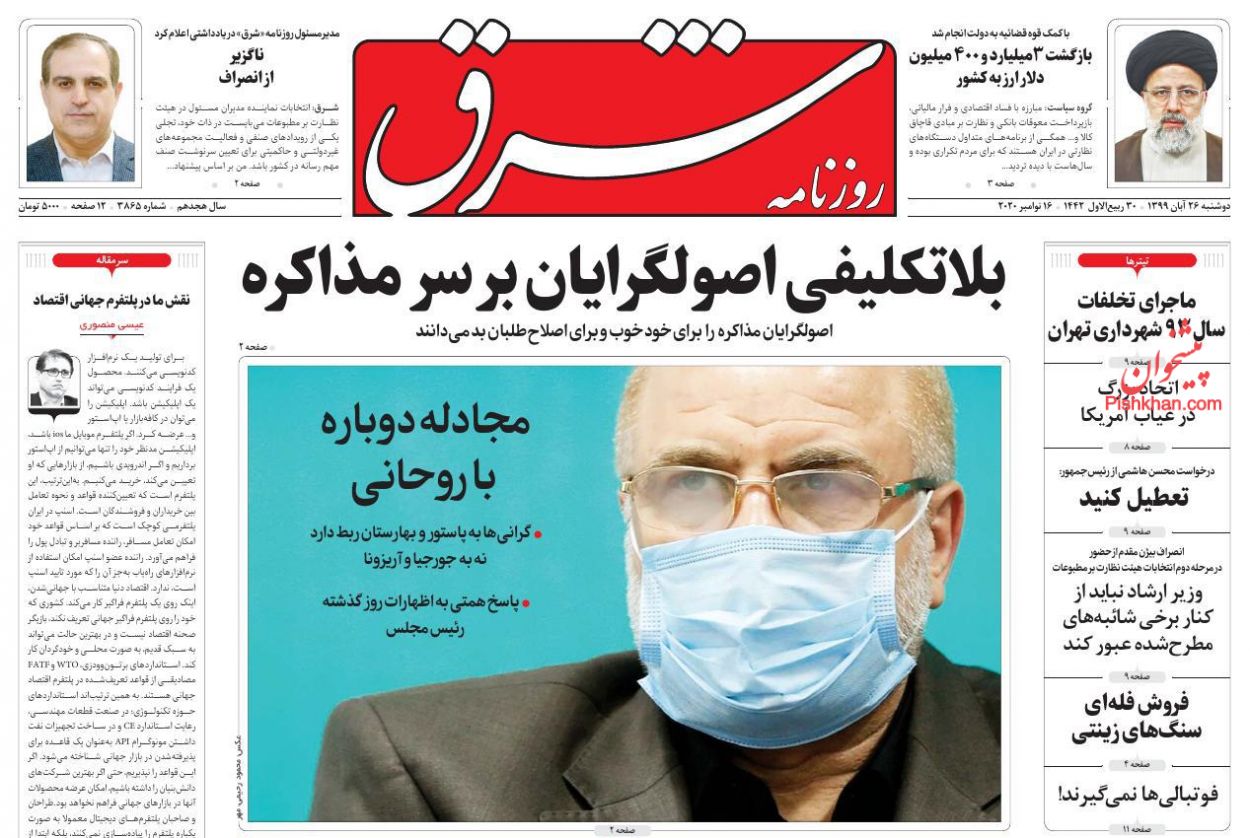
A Look at Iranian Newspaper Front Pages on November 16

A Look at Iranian Newspaper Front Pages on November 18

Iranian Newspapers

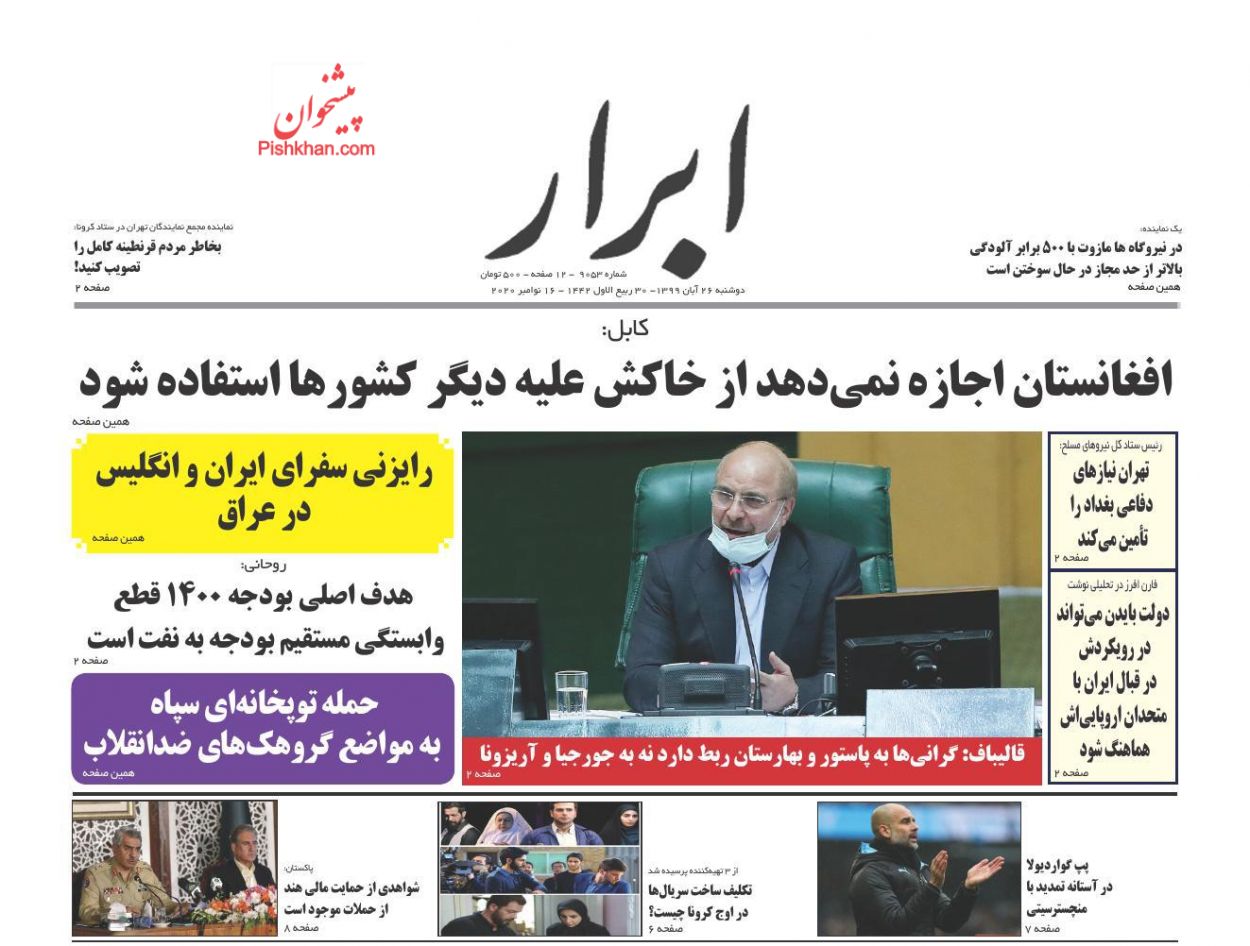
Abrar Newspaper:

1- Iranian, UK Envoys Hold Talks in Iraq

A Look at Iranian Newspaper Front Pages on November 16


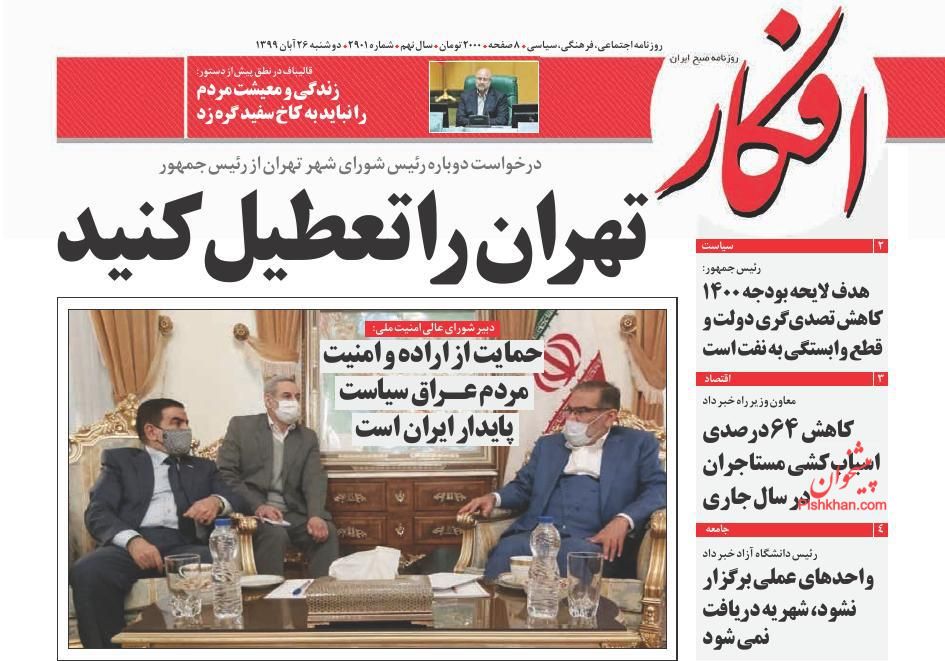
Afkar Newspaper:

1- Shamkhani: Supporting Iraqi People’s Security Is Iran’s Sustainable Policy

A Look at Iranian Newspaper Front Pages on November 16


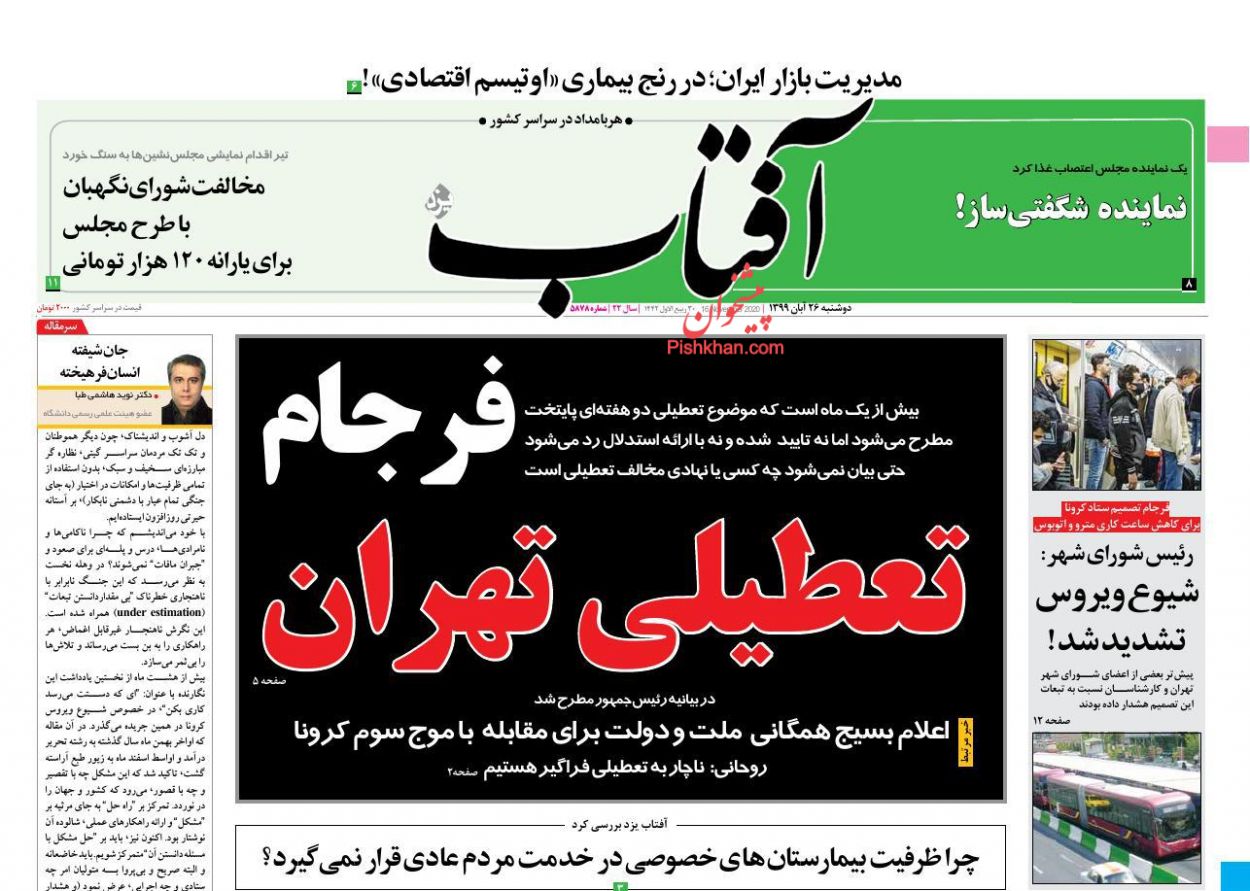
Aftab-e Yazd Newspaper:

1- Fate of ‘Tehran Lockdown’

2- Coronavirus Outbreak More Severe Now: Tehran City Council Chairman

A Look at Iranian Newspaper Front Pages on November 16


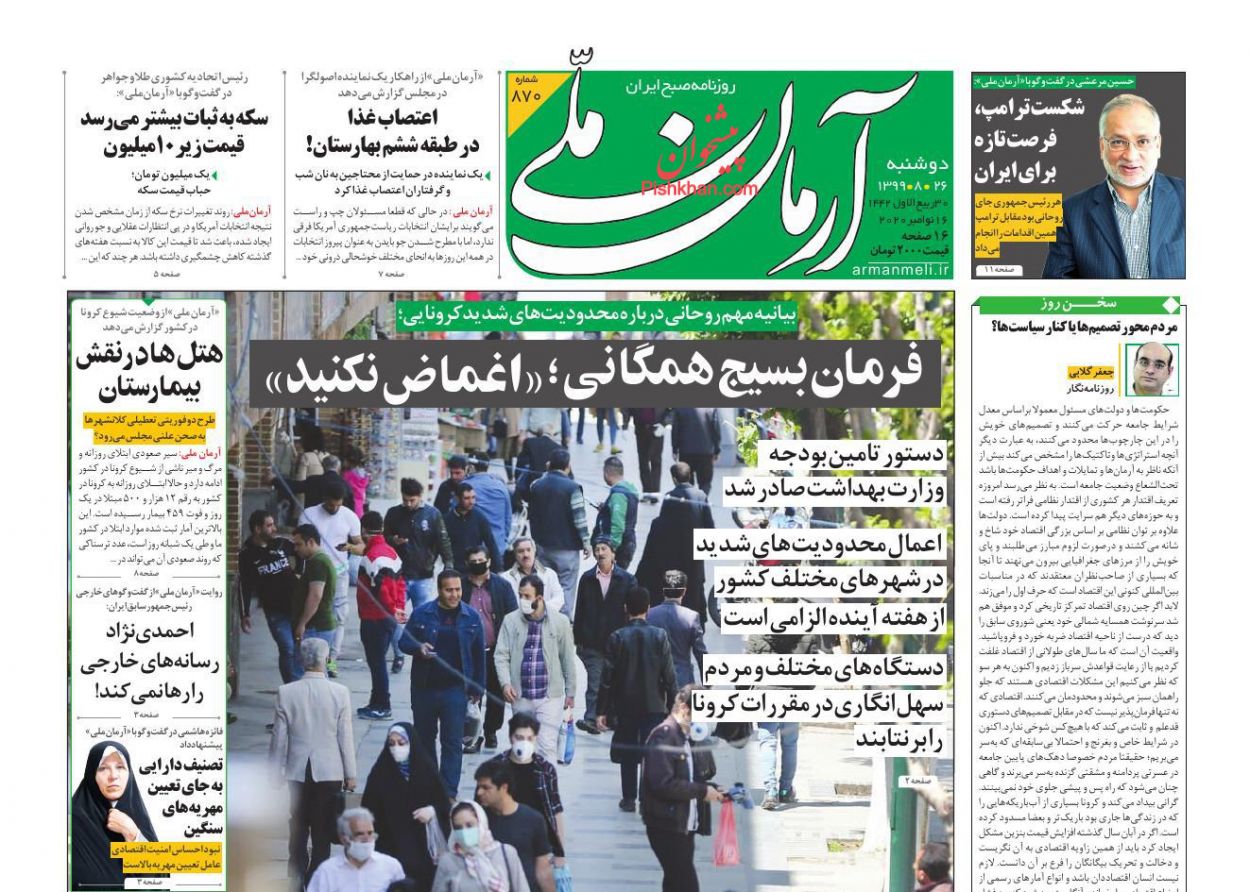
Arman-e Melli Newspaper:

1- Rouhani Orders Strict Punishment for Those Violating New COVID-19 Restrictions

2- Trump’s Defeat, New Opportunity for Iran

A Look at Iranian Newspaper Front Pages on November 16


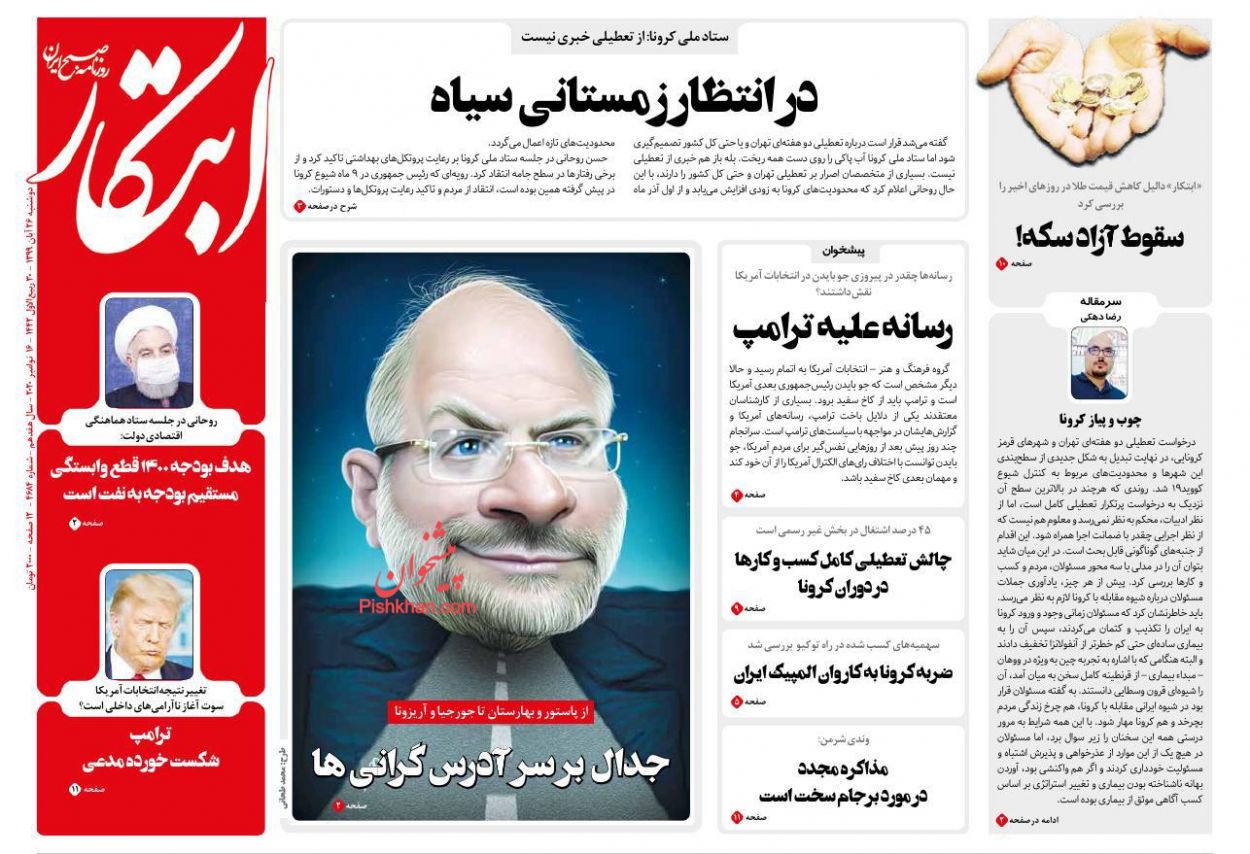
Ebtekar Newspaper:

1- Trump, the Loser Who Claims Victory

* Change in US Election Results May Start Civil Unrest

2- Media against Trump

* What Role Media Played in Biden’s Victory

3- Sherman: Renegotiation of JCPOA Difficult

A Look at Iranian Newspaper Front Pages on November 16


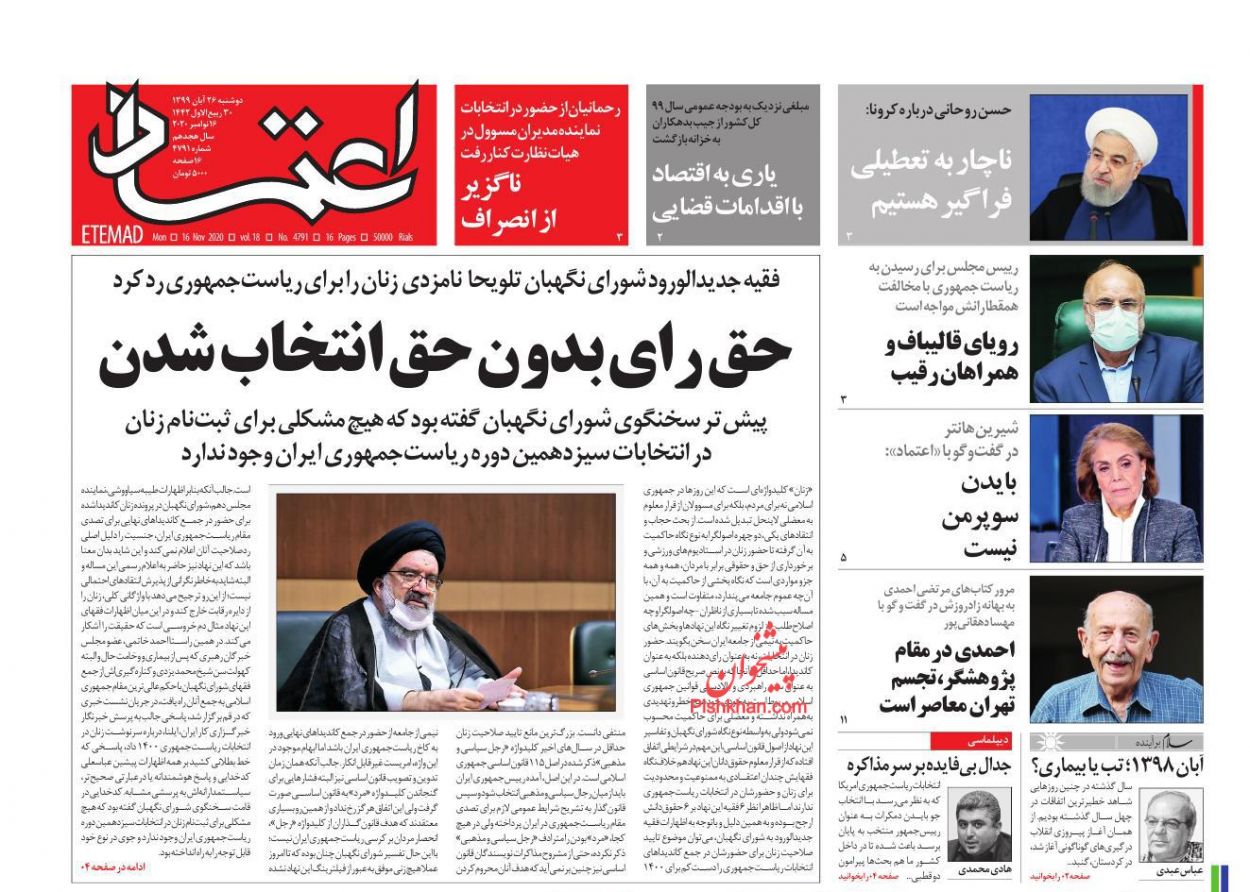
Etemad Newspaper:

1- New Guardian Council Member Implies Women Can’t Become President in Iran

2- Iran Has No Choice but to Impose ‘Comprehensive Lockdown’: Rouhani

3- Shireen Hunter: Biden Not a Superman

A Look at Iranian Newspaper Front Pages on November 16


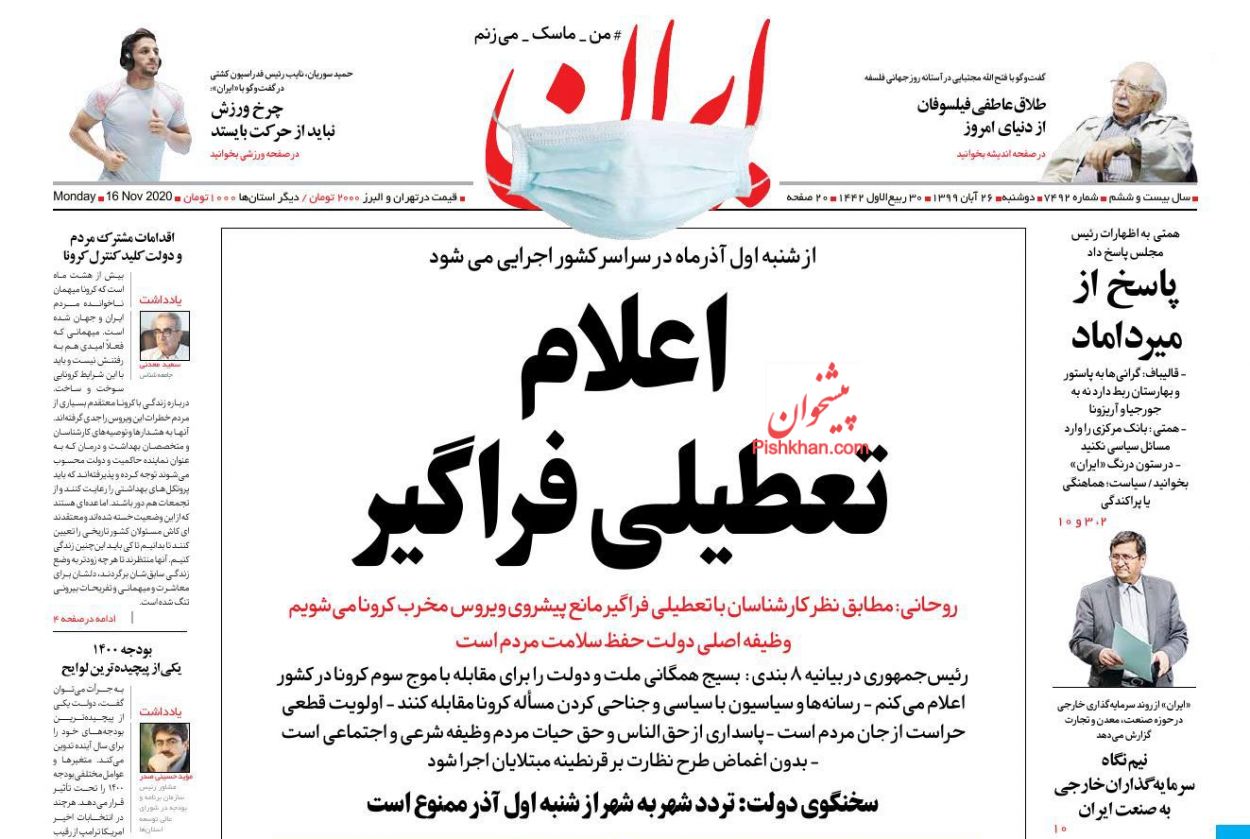
Iran Newspaper:

1- Comprehensive Lockdown

A Look at Iranian Newspaper Front Pages on November 16


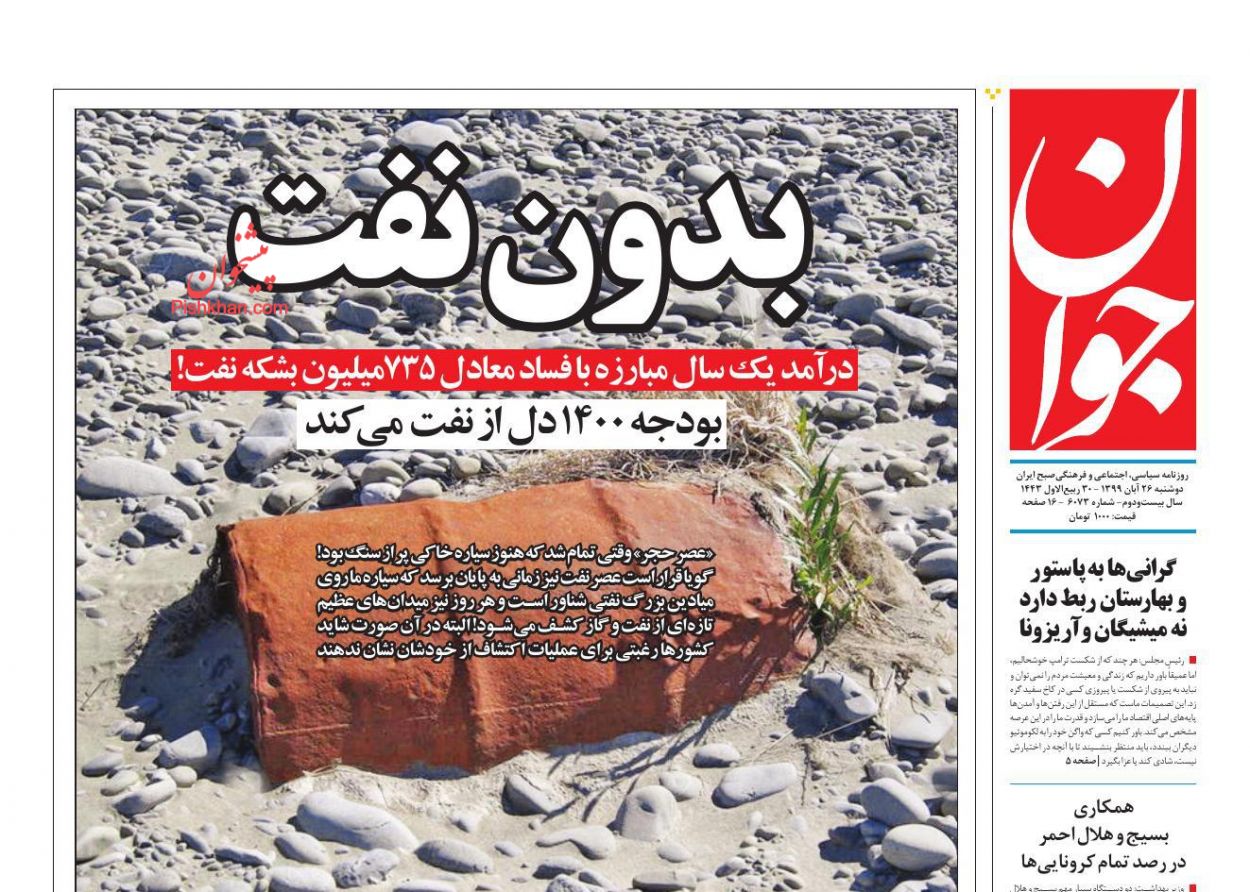
Javan Newspaper:

1- Oil-Free: Next Year’s Budget Bill Not Dependent on Oil Revenues

2- Qalibaf: Price Hikes Related to Gov’t, Parliament, Not Michigan and Arizona

A Look at Iranian Newspaper Front Pages on November 16


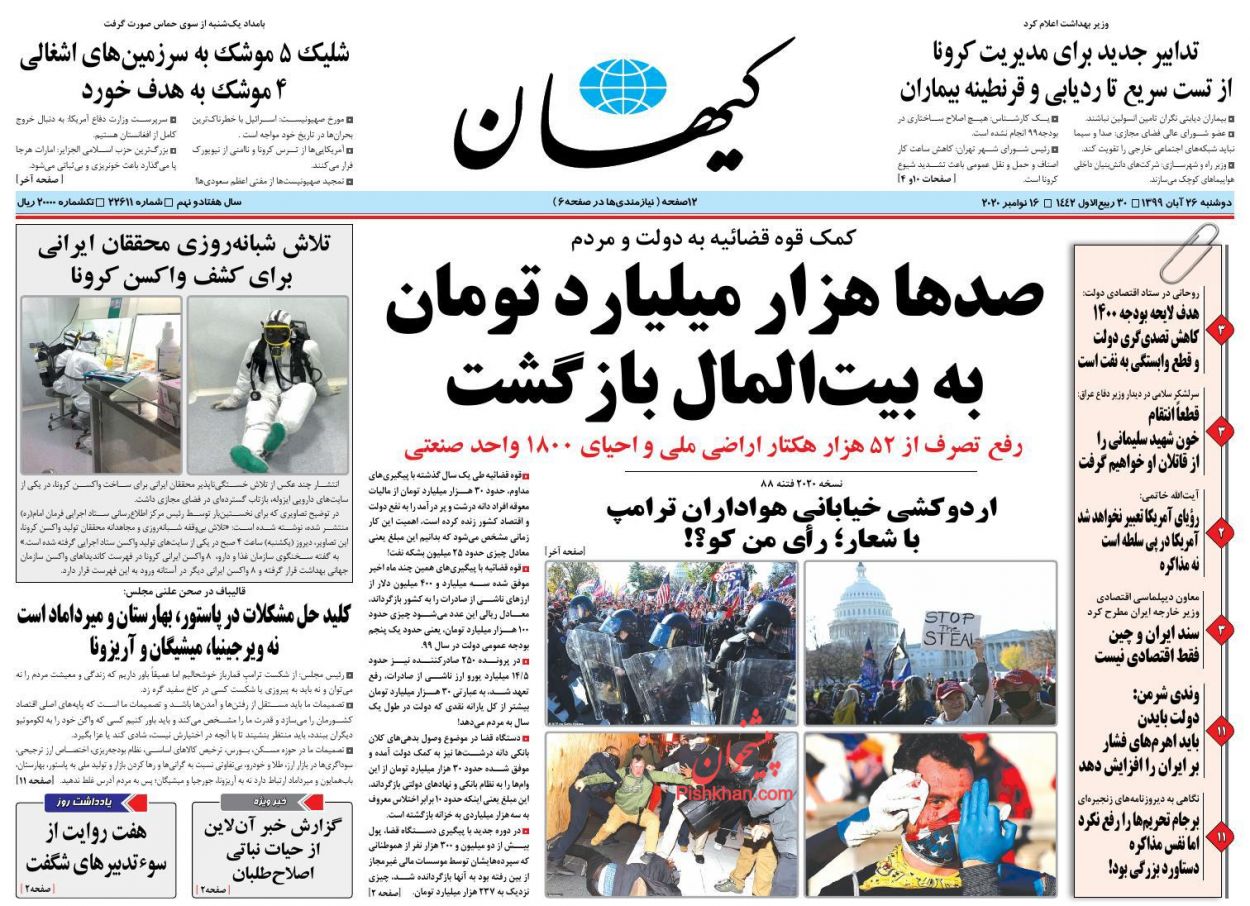
Kayhan Newspaper:

1- Trump Fans Pour into Streets, Shouting ‘Where’s My Vote’

2- Iranian Researchers Working Day and Night to Develop COVID-19 Vaccine

3- Ahmad Khatami: US Dream Won’t Come True; US Looks for Dominance, Not Negotiation

A Look at Iranian Newspaper Front Pages on November 16


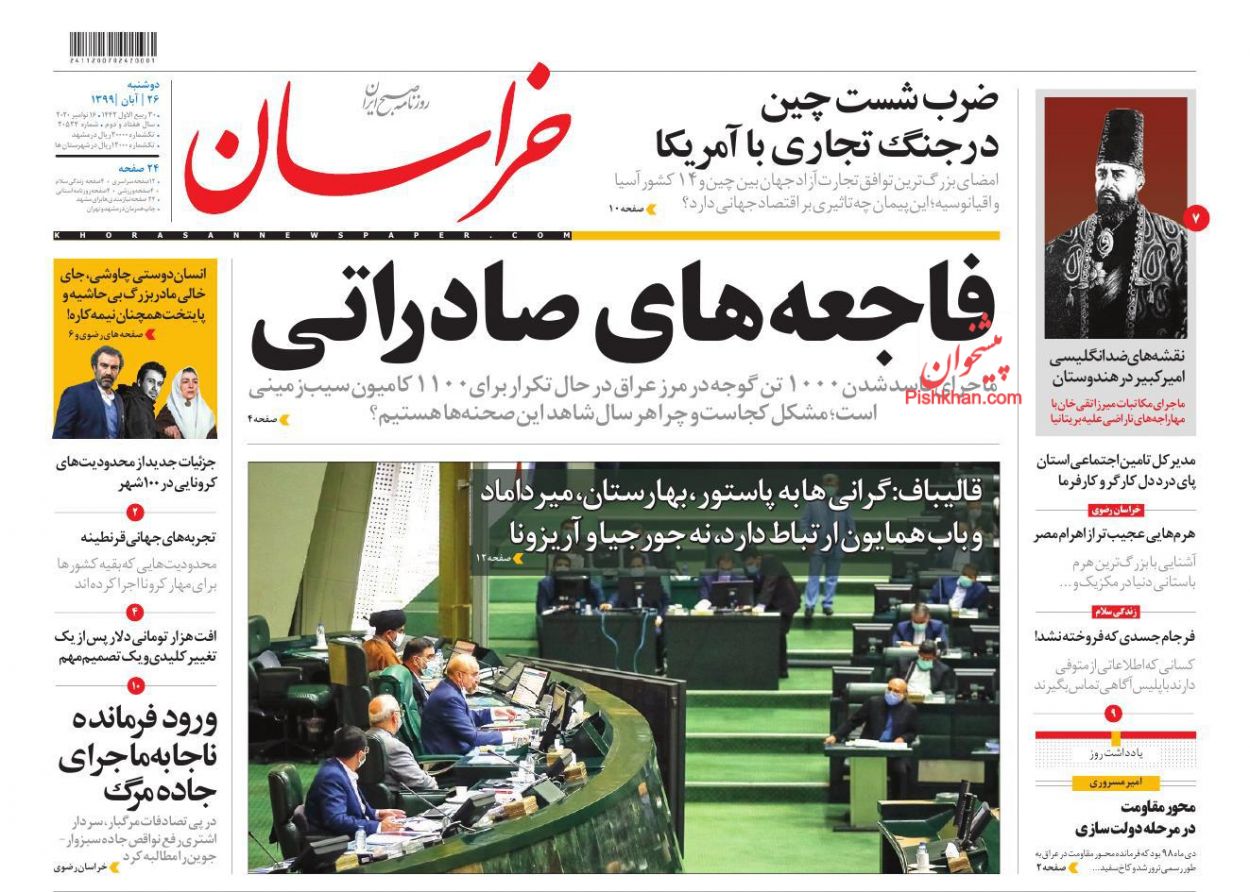
Khorasan Newspaper:

1- China Shows Off Its Power in Trade War with US

A Look at Iranian Newspaper Front Pages on November 16


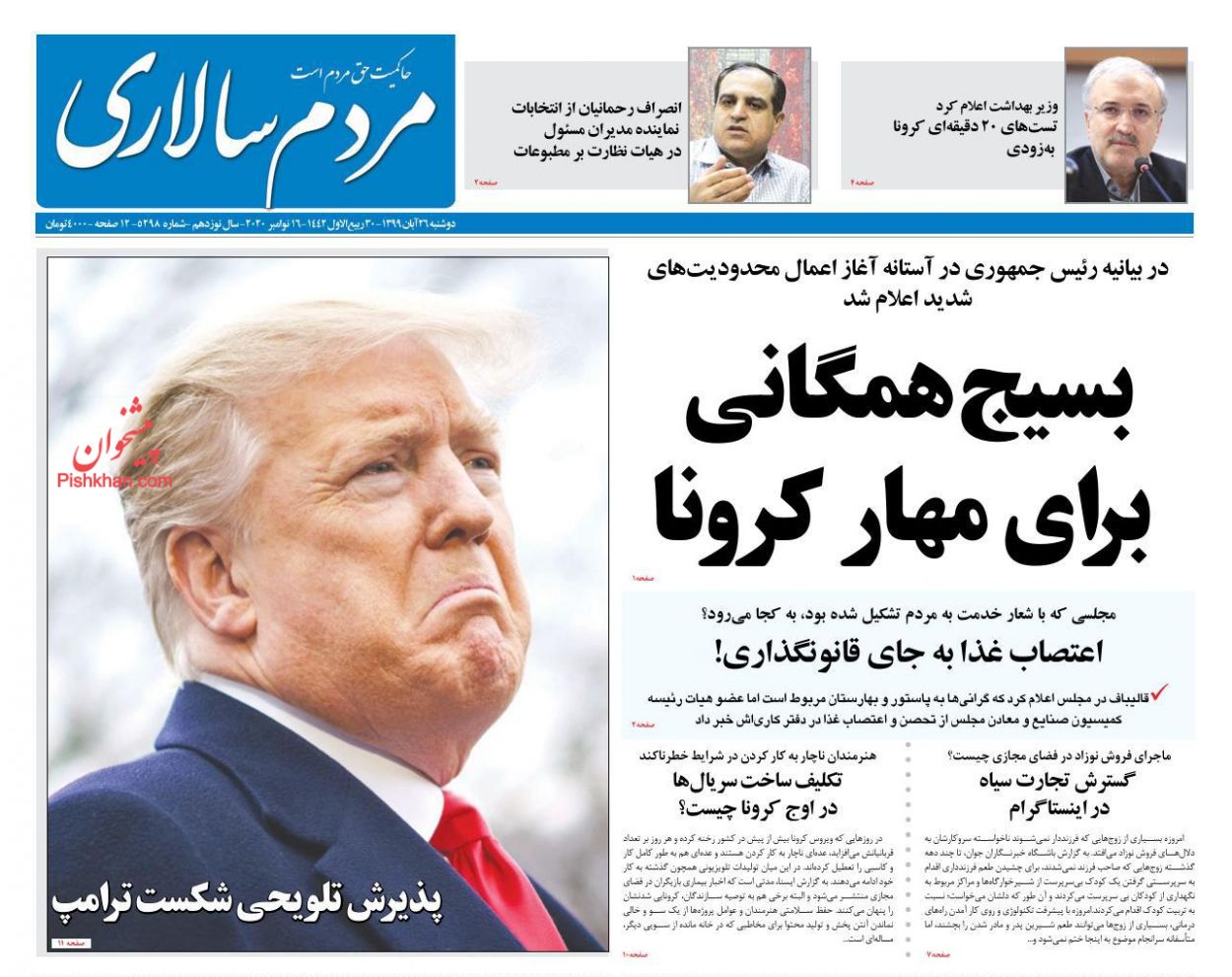
Mardom Salari Newspaper:

1- Trump Apparently Concedes Defeat

2- Health Minister: 20-Minute COVID-19 Tests to Be Released Soon

A Look at Iranian Newspaper Front Pages on November 16


Shargh Newspaper:

1- Tehran City Council Chairman Urges President to Shut Down Tehran

A Look at Iranian Newspaper Front Pages on November 16

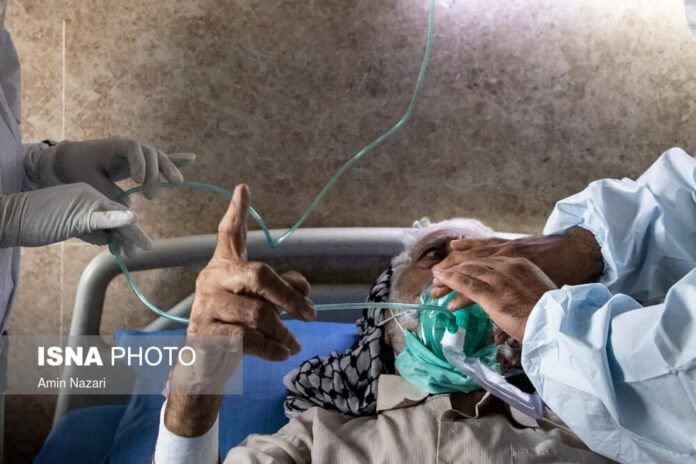
Iran Reports over 13,000 New Cases of COVID-19 Infection

Iran Reports over 13,000 New Cases of COVID-19 Infection

In a press briefing on Monday, Sima-Sadat Lari said the new cases raise the total number of cases to 775,121.

She said the virus has also killed 486 patients since Sunday noon, increasing the overall death toll to 41,979.

So far, she added, 564,699 patients have recovered from the disease or been discharged from the hospital.

Lari said 5,677 patients are also in critical conditions caused by more severe infection.

The spokeswoman noted that 5,545,444 COVID-19 tests have been taken across the country so far.

She said the high-risk “red” zones include Tehran, Qom, Mazandaran, East Azarbaijan, Isfahan, Yazd, Ardabil, Khorasan Razavi, Khuzestan, Hamadan, West Azarbaijan, Bushehr, Chaharmahal and Bakhtiari, Kohgiluyeh and Boyer-Ahmad, Alborz, Lorestan, Markazi, Ilam, South Khorasan, Kermanshah, North Khorasan, Semnan, Gilan, Zanjan, Qazvin, Kurdistan, and Kerman provinces.

The “orange” and “yellow” zones also include Golestan, Hormozgan, Fars, and Sistan and Baluchestan provinces, she added.

No Change in Iran’s Borders as Karabakh Peace Deal Unfolds: Spokesman

No Change in Iran’s Borders as Karabakh Peace Deal Unfolds: Spokesman

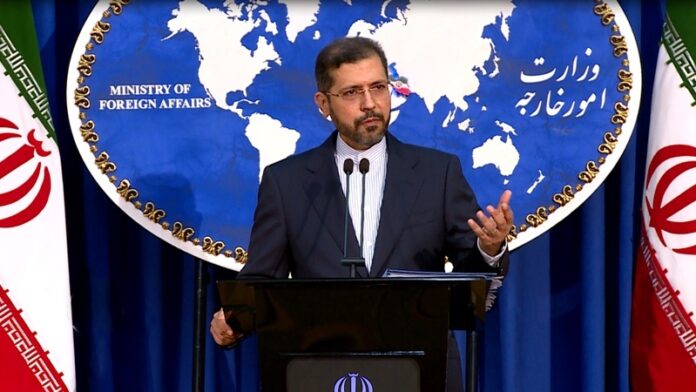
Foreign Ministry Spokesman Saeed Khatibzadeh said the ceasefire deal between the two countries will not lead to any changes in Iranian frontiers.

“The geographical borders of the Islamic Republic of Iran as well as the regional borders have not changed, and will not change in the future. Neither Iran’s borders, nor regional borders will change,” he said in his weekly press conference.

“Our understanding of what has been published, an understanding which we have clearly told everyone about, is that it is just a simple transit route whose ifs and buts, way of ensuring its security and other issues related to it must definitely be discussed,” he added.

“Naturally, the Islamic Republic of Iran will pursue the matter with sensitivity and vigilance. Our envoys are vigilantly following up on the issue in the capitals of the regional countries,” the spokesman noted.

He further highlighted Iran’s policy of seeking to resolve the crisis in the Nagorno-Karabakh region.

“Iran has welcomed, and will welcome any permanent settlement of this crisis. Over the past three decades, Iran has tried to help resolve this issue peacefully.

Naturally, Iran embraces any move that will contribute to this trend,” he noted.

“As a country which has good, regular and balanced access to both capitals, the Islamic Republic of Iran will definitely concentrate an important part of its efforts on settling this issue.

“The Islamic Republic of Iran’s proposal, which was also presented to the capitals [of the concerned countries], has considerable overlap with the initiative being implemented at the moment,” he said.

He then emphasized that terrorists reportedly operating near Iran’s borders should leave the region.

“I hope the Takfiri troops reported to be operating in our backyard have left the region by now because they no longer have any excuse for their continued presence in the region,” he said.

“We have announced time and again that this (the presence of terrorists near our borders) is our red line. I hope Takfiri forces are no longer there, as we’ve been told. I hope they have already left the region,” said the spokesman.