Thursday, April 23, 2026
Home Blog Page 2576

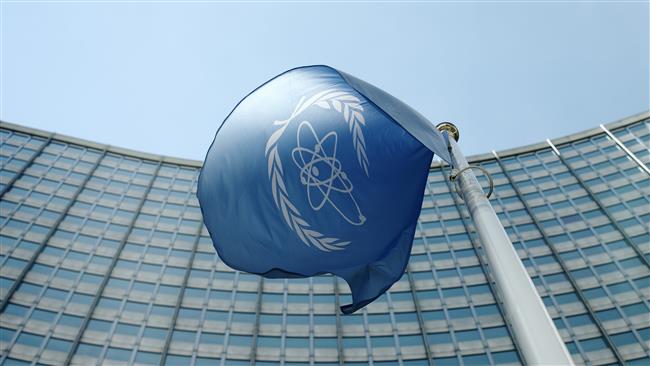
Iran to Stop Implementation of Additional Protocol Next Week: Spokesman

Saeed Khatibzadeh said the move will be in line with legislation passed by the Iranian parliament regarding the lifting of sanctions.

Speaking in his weekly press conference, he said if the other parties to the JCPOA fail to comply with their commitments, “the government will, based on the parliament’s legislation, be obliged to stop the voluntary implementation of the Additional Protocol.”

“That means [IAEA] inspections beyond the Safeguards Agreement will stop, i.e., the inspections which Iran had allowed on a voluntary basis within the framework of the Additional Protocol, and does not mean all inspections will stop,” Khatibzadeh explained.

“Iran is a member of the Safeguards Agreement, and, in keeping with its obligations under the agreement, will keep part of the inspections in place because they are not related to the Additional Protocol,” the spokesman said.

“The implementation of the Additional Protocol will definitely stop,” he stressed.

“Iran will move forward with its cooperation with the IAEA, and Iran has, in a letter, informed the IAEA of all relevant issues, and all the measures adopted by Iran are simply reversible on the condition that the other parties make good on their commitments,” he said.

The spokesman also touched upon the IAEA’s negligence with regards to the principle of confidentiality and the letter that Iran has sent to the agency in that regards.

“Unfortunately, information has been leaked before on several occasions. The IAEA is definitely and directly responsible for preserving the confidentiality of all documents of all countries, including those of the Islamic Republic of Iran,” he added.

Iran’s Economy Thriving despite Sanctions: Vice-President

Iran Boosting Exports to Kuwait as COVID-19 Restrictions Eased

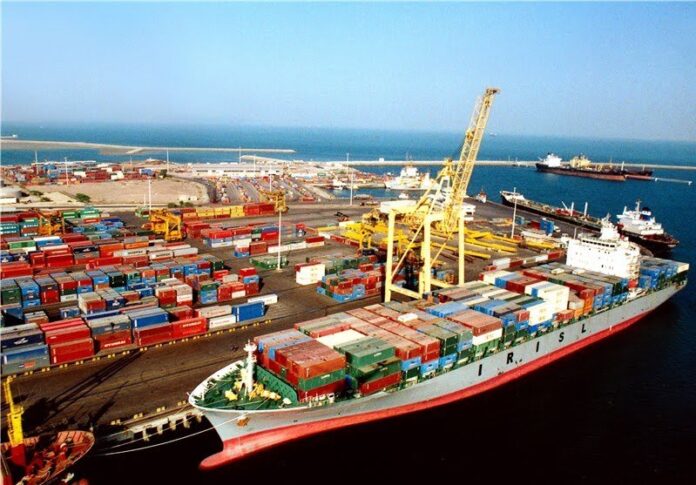
Es’haq Jahangiri said the most important program for the nation’s economy in the post-sanctions era should be to enhance exports.

“Chairpersons of joint commissions of Iran and neighbouring countries should remove problems with the infrastructure of foreign trade as soon as possible,” the vice president said.

Jahangiri also noted that small vessels should be produced to replace old launches as soon as possible.

He also stressed the need to boost the country’s transit potential and enhance transportation corridors.

Elsewhere in his remarks, Jahangiri touched upon the recent huge fire which broke out at a customs post on Iran-Afghanistan border.

“Afghanistan and Iraq are among the largest markets for Iran’s exports, and Iran sends most of its exports to these countries,” he said.

Jahangiri added all resources should be mobilized to rebuild and retrofit the Islam Qala border crossing in order to maintain the trend of foreign trade between Iran and Afghanistan.

Iran Informs IAEA of Decision to Halt Voluntary Implementation of Nuclear Protocols

IAEA to Send Two Rapid Coronavirus Testing Devices to Iran: Envoy

Iran’s Ambassador to International Organizations in Vienna Kazem Gharibabadi said Iran has submitted to the IAEA’s director general a letter announcing the country will stop implementing voluntary actions on February 23, 2021.

“The move is in line with the enforcement of legislation passed by the Iranian parliament to lift sanctions and safeguard the interests of the Iranian nation, and is also in keeping with the rights of the Islamic Republic of Iran stipulated in paragraphs 26 and 36 of the Iran nuclear deal,” said Gharibabadi.

He said Iran is stopping the implementation of certain voluntary actions because the other signatories to the nuclear agreement have failed to live up to their commitments with regards to the lifting of illegal sanctions on Iran.

“In this letter, we asked the IAEA to immediately take the necessary measures to meet Iran’s demand that it stop the implementation of different voluntary actions, including the implementation of the Additional Protocol,” the ambassador noted.

Iran, Qatar Discuss Closer Transport Cooperation in Tehran

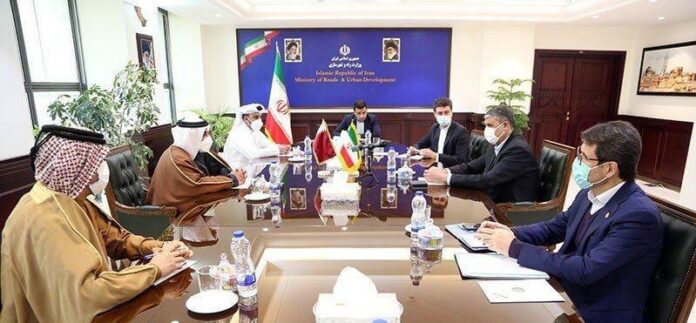
In the Monday meeting, the two sides discussed the enhancement of mutual cooperation in the transport sector.

The Iranian minister, for his part, highlighted the cultural and border commonalities between the two countries.

“It is a reality that the two countries enjoy numerous opportunities for the promotion of bilateral cooperation,” he noted.

Eslami underscored that the hears of Iranian people and authorities are filled with kindness and friendship.

He said this common ground is of significance and cannot easily be overlooked.

“Iran belongs to all cultures and religions, so much so that Arabs, Baluchs, Turkmens, Azeris and other ethnic groups have integrity and live in harmony with one another,” he said.

The Qatari minister, in turn, described the meeting as positive, and invited his Iranian counterpart to visit Qatar and see for himself the projects underway in the country’s transport sector.

Iran Welcomes Talks with Persian Gulf Countries, Rouhani Tells Qatari FM

President Rouhani said on Monday that the progress of any regional country will be achieved through establishment of peace and stability in the region.

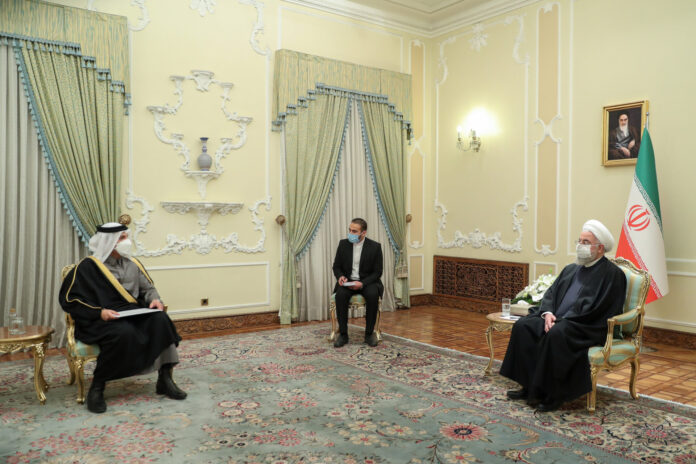
Speaking in a meeting with Qatar’s Foreign Minister Sheikh Mohammed bin Abdulrahman Al-Thani in Tehran, Rouhani said Iran welcomes dialogue and cooperation with the countries of the Persian Gulf.

“We remain committed to the Hormuz Peace Endeavour (HOPE) initiative and believe that peace and stability in the region will not be achieved except through cooperation and dialogue between the countries of the region, and it is the countries of the region that must decide for their own.”

Rouhani referred to the recent developments in the region and underlined the need to develop joint cooperation between Tehran and Doha.

“Relations between the two countries have been very good and developing in recent years, and with the new international conditions, opportunities should be tapped to develop and deepen relations and cooperation,” he added.

The Iranian president also referred to the agreements reached during the Qatari emir’s visit to Iran last year and the agreements of the Joint Economic Commission of the two countries, and emphasised the need to accelerate the implementation and operation of these agreements.

“Iran and Qatar can develop relations in various fields, including economic, commercial, cultural, scientific and tourism, and cooperation between the private sectors of the two countries can play an important role in this direction,” he added.

Referring to the recent developments in the United States and the end of Trumpism in the country and the announcement of different policies by the new US administration, including the desire to return to the Joint Comprehensive Plan of Action (JCPOA), Rouhani said, “Today, it has been proven to the world that the policy of maximum pressure has failed and the new US administration has no choice but to make up for the mistakes of the previous administration and fulfil its legal obligations.”

Emphasising the need for the United States to lift its anti-Iran sanctions and return to UN Security Council Resolution 2231, the President said, “Whenever the United States lifts illegal sanctions and returns to law, Iran will immediately fulfil all its obligations under the deal.”

For his part, the Qatari Foreign Minister described Iran as a friendly country in the region and stressed the development and deepening of bilateral relations in all fields, especially commercial and economic cooperation.

He referred to the Islamic Republic of Iran as a powerful and influential country in the region and stressed the need for cooperation and consensus in the region and the Persian Gulf.

“We have always believed in maintaining peace and stability and dialogue between the countries of the region, and we also call for regional dialogue to resolve the issues between regional countries following the HOPE initiative,” he added.

Appreciating Iran’s support and cooperation in the period of sanctions against Qatar, the Qatari Foreign Minister said, “We hope that with the return of the United States to the JCPOA, the problems and sanctions within the framework of this agreement will be resolved as soon as possible, and Qatar will not hesitate over any kind of assistance in this regard.”

Sheikh Mohammed bin Abdulrahman Al-Thani also delivered a written message from the Emir of Qatar to President Rouhani.

Iran‌ Says Ready to Provide Lab Equipment for Afghan Universities

Iran‌ Says Ready to Provide Lab Equipment for Afghan Universities

The Iranian vice-president said currently the majority of lab equipment are being manufactured inside Iran.

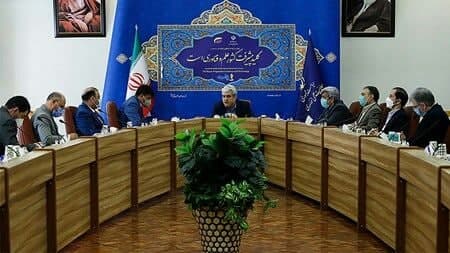
Speaking in a Monday meeting with Abdul Zahir Shakib, the president of the Academy of Sciences of Afghanistan, Sattari said Tehran is prepared to cooperate with Afghanistan in supplying the lab equipment needed by Afghan universities.

“Iran has this capability, and all this equipment can be supplied to Afghanistan with special conditions and reasonable prices,” he noted.

In turn, the Afghan official said the two countries are neighbours and friends with lots of cultural, religious, and lingual commonalities, which should be used to develop their relations.

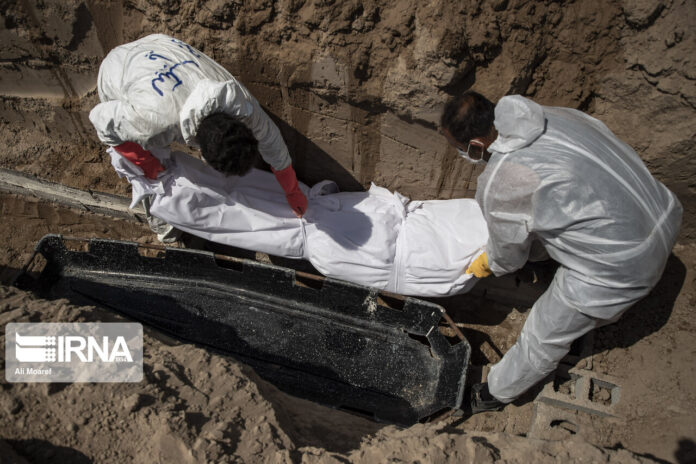
Iran’s COVID-19 Fatalities Hit 59,000: Health Ministry

424 More Iranians Die of Coronavirus: Ministry

In a press briefing on Monday, Health Ministry spokeswoman Sima-Sadat Lari reported 7,760 new cases of COVID-19 infection, raising the total number of cases to 1,526,023.

So far, Lari added, 1,304,330 patients have recovered from the disease or been discharged from the hospital.

Lari said 3,704 patients are also in critical conditions caused by more severe infection.

The spokeswoman noted that 10,105,080 COVID-19 tests have been taken across the country so far.

She said currently nine cities are in the “red” zone, 39 cities are in the “orange” zone, 228 are in the “yellow” zone, and 172 are in the “blue” zone in terms of coronavirus outbreak.

According to Lari, the “red” cities are all in Khuzestan province in southwestern Iran, and include Abadan, Ahvaz, Mahshahr, Dezful, Dasht-e Azadegan, Shadgan, Shushtar, Karoun, and Hoveyzeh.

Pregnant Iranian Nurse Dies of Coronavirus before Seeing Her Baby

The devoted nurse left her infant alone before savouring the taste of being a mother, said the Iranian government spokesman Ali Rabiei in a note marking the death of Mahshid Goodarz, the pregnant nurse who worked at Tehran’s Loqman Hospital.

“Deaths caused by coronavirus are bitterer than mortalities caused by other types of diseases. Coronavirus deaths are associated with lingering bitterness, loneliness, shock and disbelief,” he said.

“Maybe a definitive cure is found for this disease in the not-too-distant future, but economists say the economic fallout from COVID-19 will linger on for seven years.

However, the psychological and social repercussions of coronavirus will remain not only for seven years, but for the generations to come.”

“Tragic accounts will be recited and many stories will be written, one of which is the story of Mahshid, the pregnant nurse who lost her life to the killer virus,” Rabiei said.

“This devoted nurse was, above all, a woman and a mother with full love for her baby.

Maybe when she began to rest while tired from the arduous task of taking care of coronavirus patients, she would, in her dream, write a letter to her unborn baby and would tell her baby stories about the bitter grief caused to her by seeing the sufferings of coronavirus patients and her efforts to save them,” he added.

“Mahshid departed this life, and her memory was left behind as a health hero in the minds of society,” he noted.

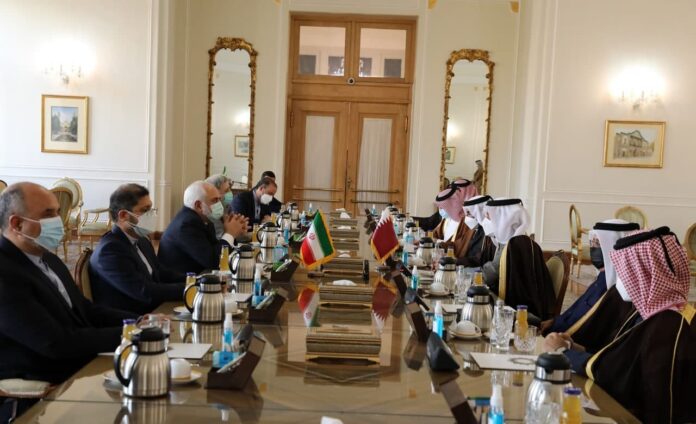
Qatari Foreign Minister Meets Iran’s Zarif in Tehran

During the meeting, Zarif welcomed his Qatari counterpart and offered congratulations on Doha’s recent success in ending the blockade imposed against the Arab country.

He further highlighted the importance of bilateral relations between Tehran and Doha in the eyes of the Iranian nation and government, and expressed the Islamic Republic’s preparedness for expansion of collaborations with Qatar in different fields.

Elaborating on Iran’s principled policy of opposing the policies that are based on coercion and force in the region, Zarif emphasised the necessity for cooperation among regional countries to settle the issues and achieve a set of regional arrangements that brings about further stability, and said bilateral relations between Iran and Qatar play a key role in this path.

The Qatari foreign minister, in turn, expressed Doha’s preparedness for expansion of bilateral relations at all levels, including in the economic fields.

He appreciated all the assistance provided by the Islamic Republic of Iran at the time when Qatar was under a blockade, and said his trip to Tehran is in line with expansion of bilateral relations and within the framework of regular consultations between the two countries.

He also underlined the region’s need for a new approach and all-out collaborations, and expressed his country’s preparedness for playing an effective and pivotal role in this regard.

Sheikh Mohammed bin Abdulrahman Al-Thani finally expressed hope that the existing problems will be settled within the framework of regional initiatives as soon as possible.

Exploring the avenues for promoting economic relations and the fields of mutual cooperation were also on the agenda of talks between the Iranian and Qatari top diplomats in Tehran.

The Qatari top diplomat’s visit comes a few days before the deadline of February 21st, after which Iran has vowed to reduce the IAEA inspections if the US sanctions are not lifted.

He had announced a few days ago that Doha is ready to help de-escalate the Iran-US tension and facilitate Washington’s return to the 2015 nuclear deal between Tehran and world powers.

The Qatari diplomat has long called for a summit between leaders of the six-member Persian Gulf Cooperation Council and the Islamic Republic.

Speaking in a January interview with Bloomberg, Sheikh Mohammed bin Abdulrahman Al Thani said his government was “hopeful that this would happen and we still believe this should happen.”

“Qatar will facilitate negotiations if asked by stake holders and will support whoever is chosen to do so,” he said.

“We want the accomplishment, we want to see the deal happening,” he said of potential talks between the U.S. and Iran. “Wherever it is, whoever it is conducting this negotiation, we will support them.”