Monday, April 13, 2026
Home Blog Page 2571

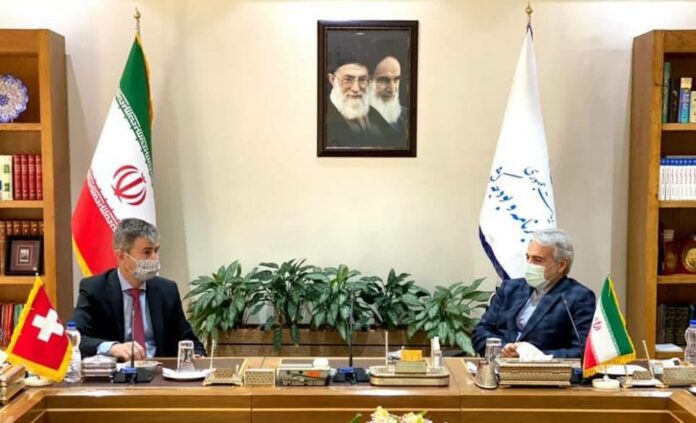
Swiss Companies Willing to Make Investment in Iran Despite US Bans: Envoy

Swiss Companies Willing to Make Investment in Iran Despite US Bans: Envoy

Speaking in a Monday meeting with Iranian Vice-President Mohammad-Baqer Nobakht, the European ambassador said the Swiss companies Fuller, Syngenta, Roche, Novartis and Nestle are willing to make investment in Iran despite the US bans.

Markus Leitner also called on Iran to remove the customs barriers, among others, considering the Swiss companies’ demand for presence in Iran.

Nobakht, who is also the head of Iran’s Budget and Plan Organization, welcomed the European country’s approach, and said the recent negotiations between the two countries’ presidents were positive and indicated mutual trust.

“The reason why Iran survived the US sanctions was the institution-building in Iran, which gives Iran the possibility of making decisions under sanctions,” he noted.

Nobakht expressed pleasure that Switzerland has always endeavoured to have good and logical ties with Iran.

“The sun of sanctions is setting, and the sun of collaborations is rising. God willing, we will have wider cooperation with the Swiss side in the future,” he added.

Iran-IAEA Agreement in Line with Parliament’s Law: Foreign Ministry

Iran Calls for IAEA’s Impartial Verification of Saudi Nuclear Activities

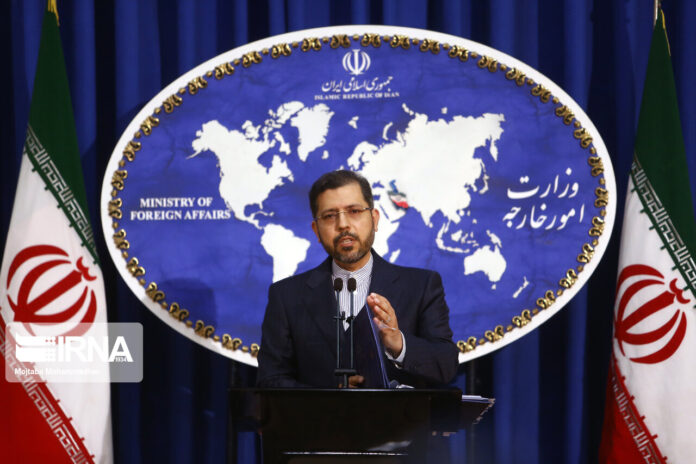
Saeed Khatibzadeh underlined that all actions adopted by Iran are in line with the legislation passed by Iranian lawmakers.

“The outcome of the technical negotiations held between the Atomic Energy Organization of Iran (AEOI) and the International Atomic Energy Agency (IAEA) during this trip was a considerable diplomatic and technical achievement for the AEOI,” said Khatibzadeh at his weekly press briefing.

“Dr. [Ali-Akbar] Salehi (the head of the AEOI) and his colleagues made a lot of efforts to, first of all, move in line with the [Iranian] parliament’s binding legislation,” he added.

“As stipulated in the statement issued by Mr. [Rafael] Grossi (the IAEA director general), all measures adopted are in keeping with the parliament’s law and enactments. All of them have been written down. Everything which has been agreed on, has been written down clearly and straightforwardly. There is nothing beyond the parliament’s legislation,” the spokesman explained.
“Some agreement have been made on the continuation of verification work within the framework of the Safeguards Agreement, including the point that cameras running beyond what is required by the Safeguards Agreement may keep working in the next three months, but no film recorded will be handed over to the IAEA and will be kept by the AEOI until the three-month period ends and the result is out,” he said.

“So, practically, not only has the voluntary implementation of the Additional Protocol been stopped, but also the limited agreements reached now are all within the framework of the parliament’s legislation,” Khatibzadeh added.
He said the technical aspects of the agreements reached between Iran and the IAEA will be announced soon.

“Of course, this does have some technical aspects. I know that the AEOI will announce these technical aspects to media and the public today or tomorrow,” he added.

Iran Confirms Exchange of Message with US on Prisoner Swap

“The Swiss Embassy in Iran as well as some foreign ministers have given Tehran messages suggesting the American side is interested in resolving this humanitarian issue,” Saeed Khatibzadeh said, referring to the issue of prisoners.

“We have also sent them, through the same channels, our message indicating a proposal put forward by Iranian Foreign Minister Mohammad Javad Zarif during his trip to the United Nations two years ago still holds,” the spokesman noted in his weekly press briefing on Monday.

“The proposal suggests all Iranian inmates [being held in the United States] be freed in return for American prisoners behind bars in Iran,” he said.

He expressed concern over the situation of Iranian inmates kept in US jails, and said the condition of the Iranians imprisoned in the United States has always been one of the priorities of the Islamic Republic of Iran.

“Many of our prisoners are in deplorable conditions and specifically subject to unfair treatment in the United States,” he noted.

He underlined many Iranian nationals are incarcerated in the United States for no good reason.

“They put handcuffs and shackles on an Iranian professor on pointless pretexts and keep him in solitary confinement. They condemn another Iranian prisoner on pointless pretexts. That inmate serves his time, and they defiantly keep him behind bars until his jail term ends,” he explained.

“There are many other examples like this. Naturally, the government of the Islamic Republic of Iran cannot [sit idly by and] see such blatant injustice takes place, especially with regards to Iranian nationals,” he said.

Khatibzadeh said the unfair treatment of Iranian prisoners by the US government is the legacy of the administration of former US President Donald Trump.

“This is the wicked heritage left behind for the current US administration by the previous one. We still can’t see the incumbent US administration distancing itself from this wicked heritage,” he added.


Iran, South Korea Reach Deal on Transfer of Iranian Assets

Iran, South Korea Reach Deal on Transfer of Iranian Assets

The two sides reached the deal in a Monday meeting held upon the request of the South Korean embassy.

During the meeting, the two sides agreed on the transfer of Iranian assets to its desired destinations, and the Central Bank informed Seoul of the amount of money it wants to be transferred and the destination banks.

The South Korean ambassador said his country is prepared to take all the measures required for enabling Iran to use all its assets in South Kore.

“There is no limit and restriction in that regard,” the diplomat said.
Hemmati, in turn, welcomed the change in Seoul’s approach, and said, “Although Iran welcomes the change in other countries’ approach and the expansion of collaborations, the Central Bank will continue its legal procedures to demand compensation from South Korean banks which refused to cooperate with Iran in the past few years.”

“The South Korean side needs to make a lot of efforts to erase this negative record,” he added.

Since 2019 when then US President Donald Trump ended the US sanctions waivers for South Korea to buy Iran’s oil, Tehran and Seoul have been at loggerheads over the latter’s blocking of some seven billion dollars of Iran’s cash assets.

Korea was one of the main purchasers of Iran’s oil after the nuclear agreement. It also turned into the largest buyer of Iran’s oil derivatives and gas at the same time. However, after souring the ties, they lost access to Iran’s oil and also the country’s large market for their products.

Earlier, the South Korean Deputy Foreign Minister visited Iran and held talks with the country’s top officials. His visit raised hopes that after the end of Trump’s era Tehran and Seoul could mend ties again.

Iran, IAEA Issue Joint Statement after Reaching ‘Temporary Understanding’

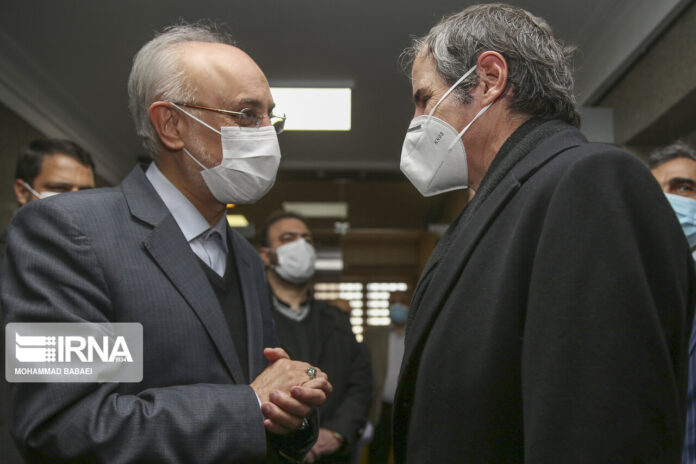
Ali Akbar Salehi- Rafael Grossi

According to the joint statement released on Sunday night after bilateral talks between IAEA Director-General Rafael Grossi and the AEOI Chief Ali Akbar Salehi in Tehran, the two sides recalled and reaffirmed the spirit of cooperation and enhanced mutual trust that led to the Joint Statement in Tehran on 26 August 2020, and the importance of continuing that cooperation and trust.

“The AEOI informed the IAEA that in order to comply with the act passed by the Parliament of the Islamic Republic of Iran called ‘Strategic Action to Cease Actions and Protect the interest of Iranian Nation’ Iran will stop the implementation of the voluntary measures as envisaged in the JCPOA, as of 23 February 2021,” the statement said.

“In view of the above and in order for the Agency to continue its verification and monitoring activities, the AEOI and the IAEA agreed:

1. That Iran continues to implement fully and without limitation its Comprehensive Safeguards Agreement with the IAEA as before.

2. To a temporary bilateral technical understanding, compatible with the Law, whereby the IAEA will continue with its necessary verification and monitoring activities for up to 3 months (as per technical annex).

3. To keep the technical understanding under regular review to ensure it continues to achieve its purposes,” it added.

In a later statement, the AEOI shed more light on the second part of the agreement regarding the IAEA’s ‘necessary verification and monitoring activities’ in the three-month period.

“As explained in the technical annex, the ‘continuation of necessary verification and monitoring activities’ means Iran will record the data of some of its activities and monitoring equipment, and keep them for three months,” the AEOI said.

“In this period of time, the IAEA will not have any access to the data recorded by Iran, and they will be exclusively kept in Iran. If the sanctions are fully removed in three months, Iran will share the data with the IAEA; otherwise, it will erase them forever,” it added.

The AEOI statement says the technical annex, which includes a list of Iranian nuclear facilities, will remain confidential due to security considerations and the need for keeping secret the exact location of Iran’s key facilities.

Iran-Turkey Cooperation Imperative in Countering Regional Threats: Rouhani

Speaking in a Sunday phone conversation with his Turkish counterpart Recep Tayyip Erdoğan, President Rouhani hailed as “good and developing” the relations between Iran and Turkey, as two important and influential countries in the region.

He stressed the need to strengthen Tehran-Ankara cooperation and relations in addressing common threats as well as to resolve regional issues.

President Rouhani expressed his support for Turkey against US sanctions, and stressed, “The only way to counter the United States’ unilateral and illegal actions is unity and empathy of the countries under its sanctions.”

Emphasising the need to increase trade and economic relations between the two countries by amending the preferential trade agreement, the Iranian president stated that the implementation of the agreements of the sixth meeting of the Iran-Turkey High Cooperation Council is important.

He also expressed Iran’s readiness to host the 28th meeting of the Joint Commission in the near future.

Referring to the illegal behaviour of the previous US administration, Rouhani said, “The lifting of sanctions by the United States is a legal and reasonable demand from Iran, which we have emphasised several times, and Iran will return to its obligations at the same time as the lifting of the sanction.”

“Iran’s strategy, as has been repeatedly stated, will be action against action,” added the President.

He stated that Iran has always been in favour of dialogue and the use of peaceful methods for resolving disputes in Syria, and called for the continuation of the dialogue process between the leaders of Iran, Turkey and Russia (Guarantors of the Astana Process).

He also stressed the efforts to resolve Syria’s issues, including paving the way for the return of Syrian refugees to their country and drafting a constitution.

Referring to the Nagorno-Karabakh crisis between Azerbaijan Republic and Armenia and the ceasefire between the two countries, Rouhani said Iran adopts the approach of supporting the settlement of disputes through dialogue and negotiation.

Welcoming the regional cooperation initiative with the participation of Iran, Russia, Turkey, Azerbaijan and Armenia, the President said, “This plan can have significant benefits for all parties and Iran is ready to cooperate in specialised fields with countries in the region.”

In turn, the Turkish President stressed the importance of developing bilateral relations, holding a meeting of the two countries’ joint commission, developing trade relations, especially by using preferential trade and cooperation capacities, and effective dialogue to strengthen peace and security in the region.

Erdoğan also emphasised the use of diplomatic solutions and dialogue as well as using the positive international environment to resolve problems and lift unfair US sanctions.

Iran’s Zarif, IAEA Chief Discuss Nuclear Cooperation in Tehran

Collaborations between Iran and the IAEA, the Agency’s efforts to settle the two sides’ issues, and the cooperation between Tehran and the UN nuclear watchdog within the framework of the Safeguards Agreement were among the most pressing issues discussed by the Iranian Foreign Minister and the IAEA director general.

New Historical Rock Carvings Found in Western Iran

The Department announced the carvings were found during the course of a project to register the historical monuments of a provincial town.

“These carvings include images of humans, animals and plants as well as scenes of hunting and horse riding,” the department said.

The provincial cultural heritage authority added these shapes possibly date back to the first millennium BCE.

The ancient carvings were first discovered by a researcher who is a faculty member of Lorestan University.

The file of the discovery has been sent to the Ministry of Cultural Heritage, Tourism and Handicrafts to go through the legal procedure for registration.

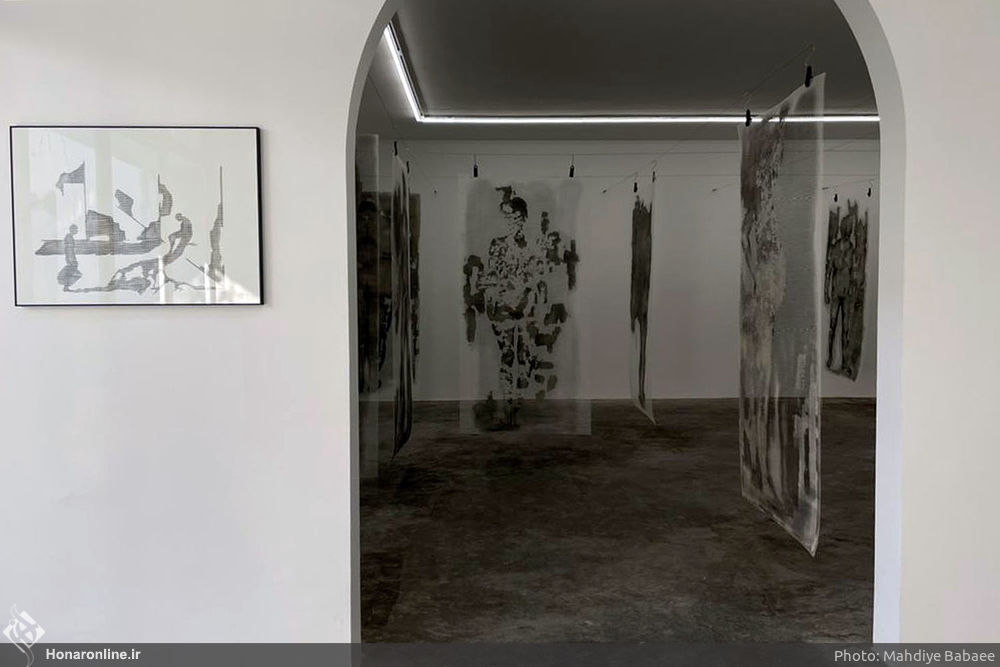
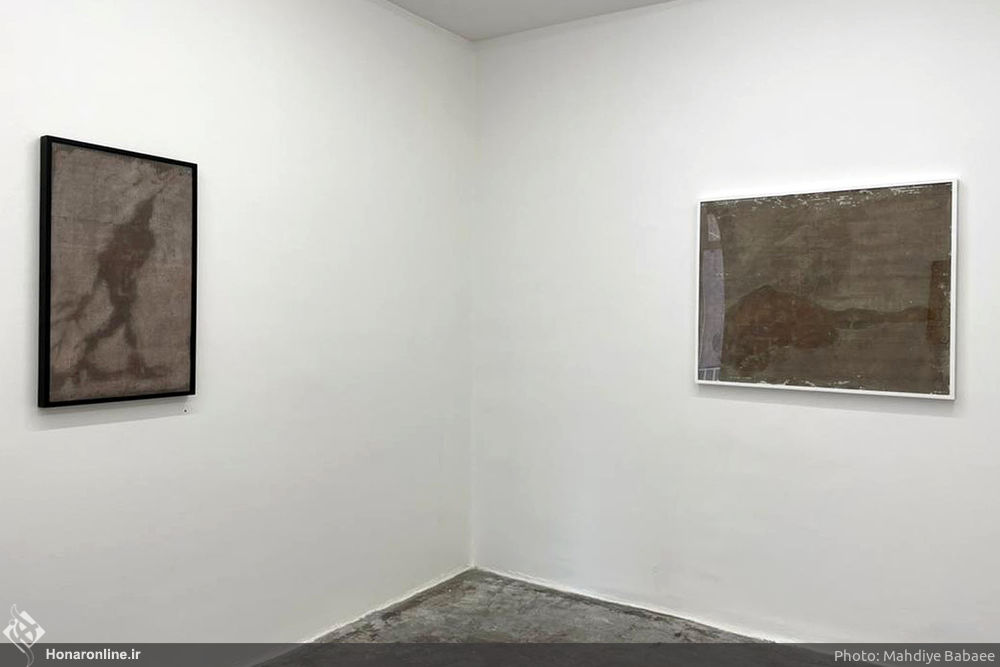
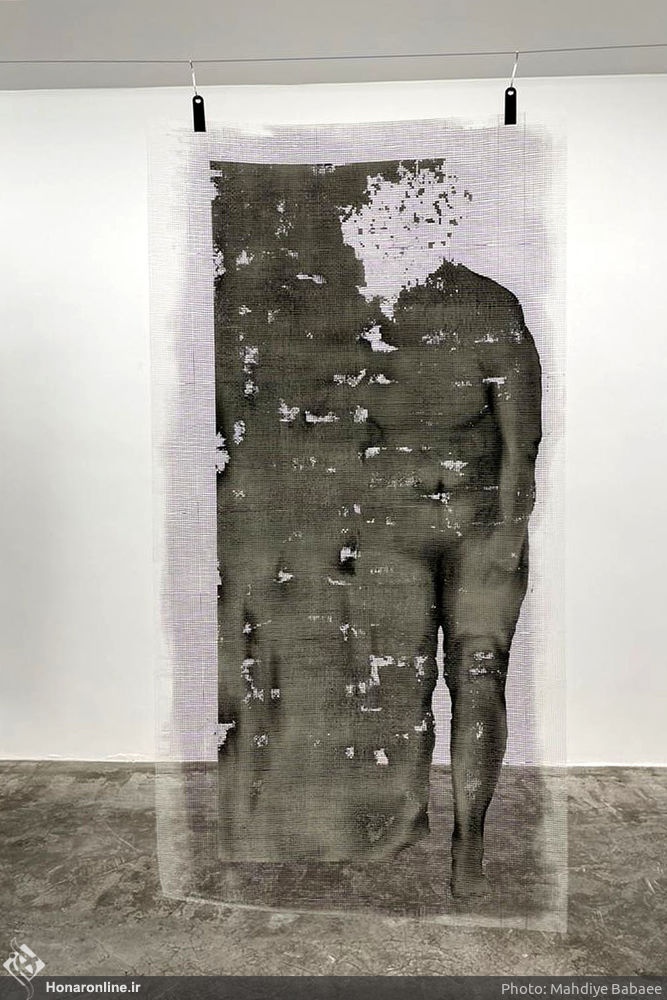
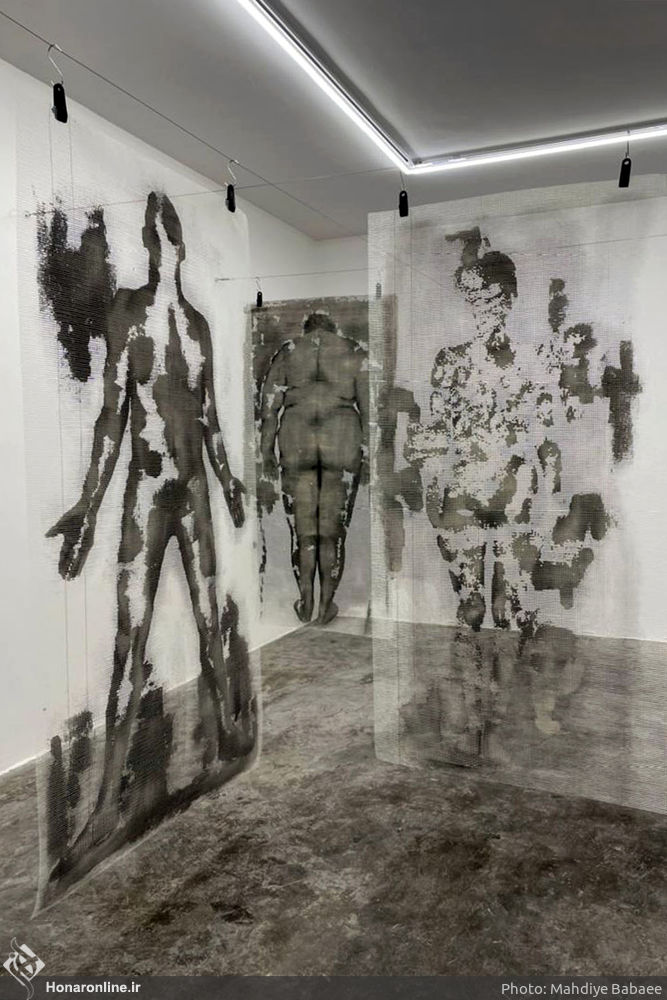
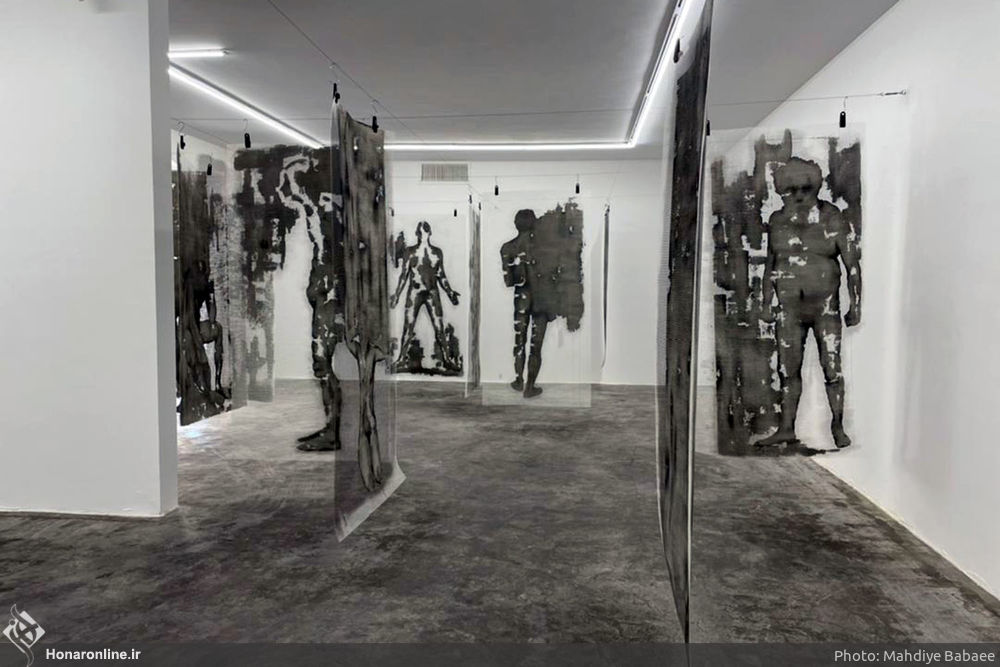
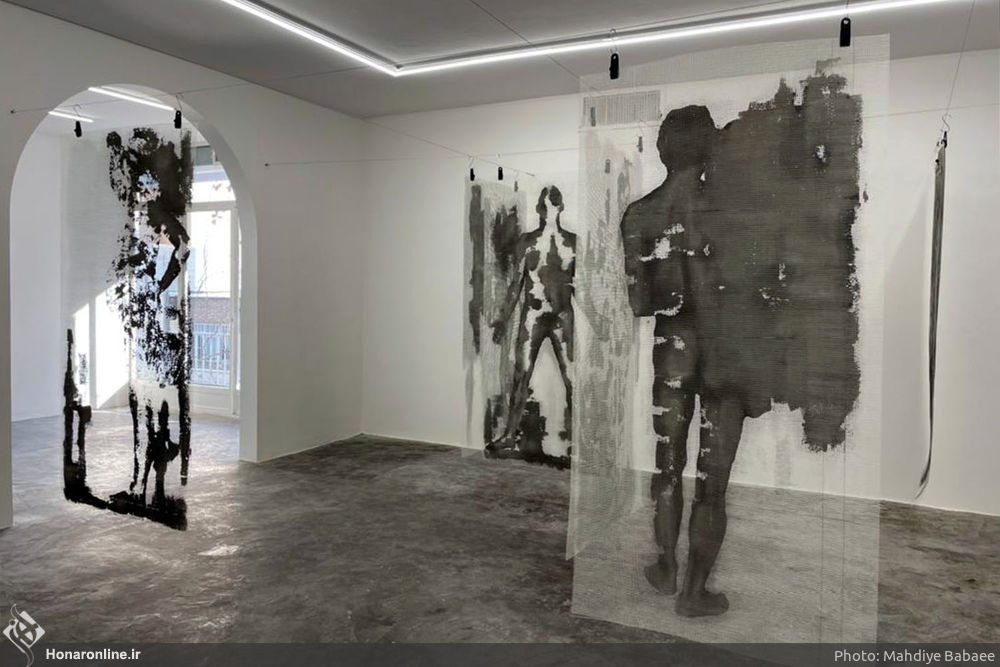
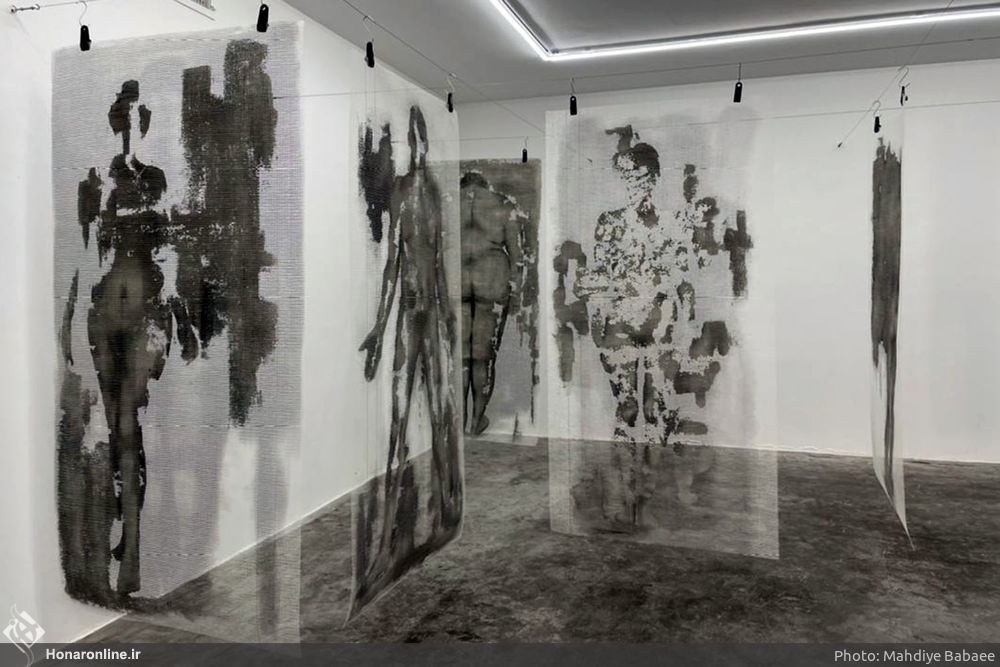
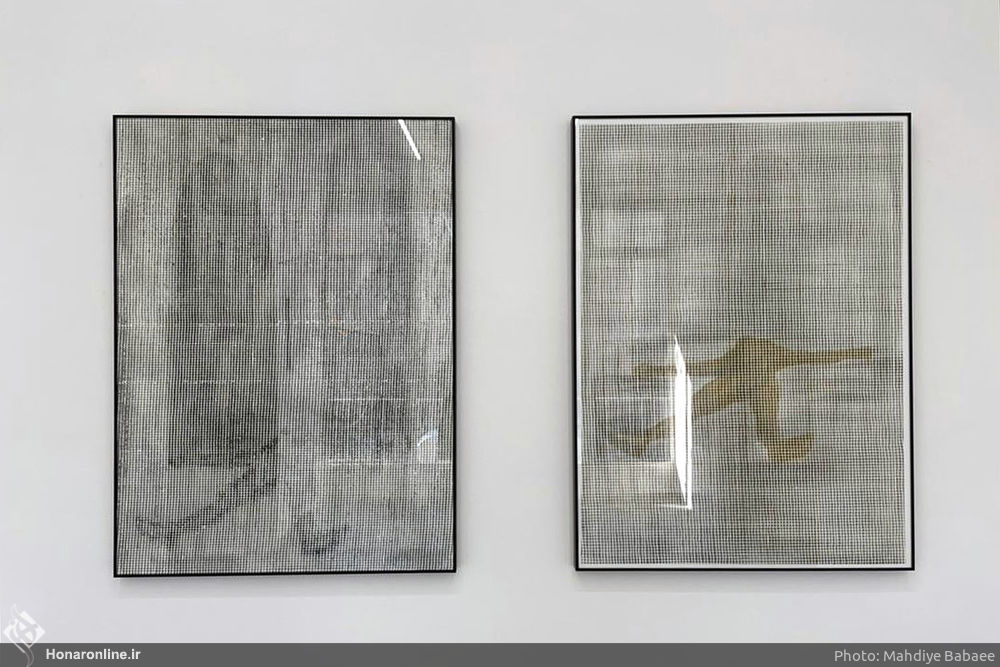
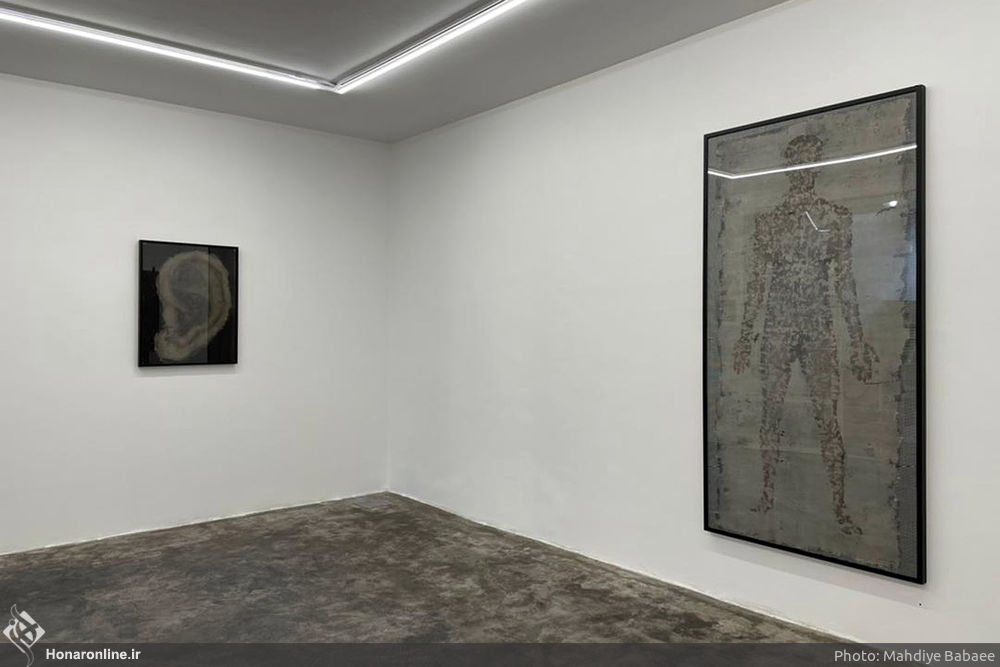
‘Hanging Roots’ Exhibition Displays Trend of Human Decline

His works themed have been inspired by the roots of trees which have surfaced from deep inside the ground due to much rain, and portray human bodies.

His works offer a review of the trend of decline and its aesthetic aspects, a trend ranging from two-dimensional designs to a 3D atmosphere.

The human bodies depicted in Vaziri’s works are like layers isolated form a collapsing old wall as they belong to nowhere: a moment they are seen, and another moment they tend to vanish.

Vaziri’s individual exhibition underway at a Tehran art gallery runs until February 23, 2021.