Wednesday, December 31, 2025
Home Blog Page 2548

Zarif Says to Present Iran’s Constructive Plan of Action on JCPOA

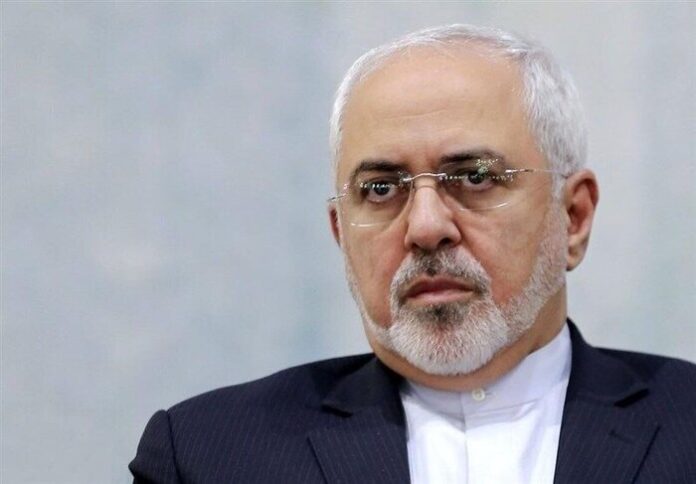
“As Iran’s foreign minister and chief nuclear negotiator, I will shortly present our constructive concrete plan of action—through proper diplomatic channels,” Zarif tweeted on Friday.

He made the remarks after Mohsen Rezaei, the Secretary of Iran’s Expediency Council, told the Financial Times that Tehran is prepared to negotiate with the US on the JCPOA if they send a clear signal that the anti-Iran sanctions will be lifted in a year.

In his Friday tweet, Zarif downplayed Rezaei’s comments and said, “Iranian polity is vibrant and officials express diverse opinions, but those opinions should NOT be confused with state policy.”

Iranian Security Forces Foil Hijack Attempt

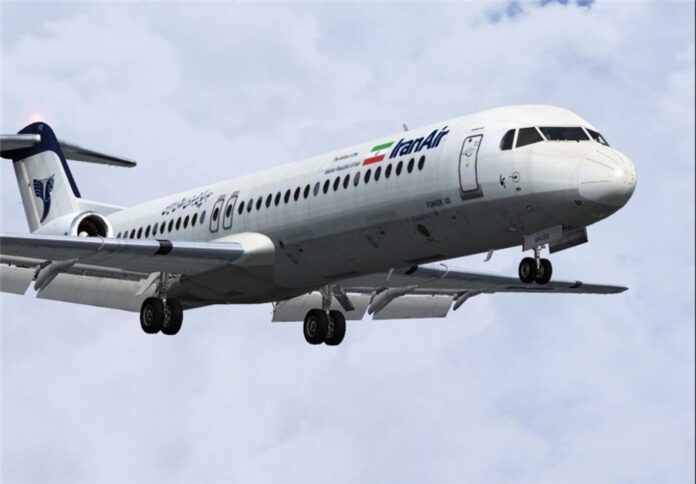
According to a statement by the IRGC, a Fokker-100 plane operated by Iran Air departed Ahvaz at 22:10 (local time) and was en route to Mashhad when a hijacker tried to take it to a Persian Gulf state.

However, the pilot had an emergency landing in Isfahan and the hijacker was arrested, the statement added.

All the passengers and crew members are safe, and were taken to another plane to resume their travel, the IRGC said.

ILNA later gave more details of the incident, and said it was a family of four who first had a quarrel with a flight attendant, and then claimed they are carrying bombs with them.

The pilot was informed by one of the attendants, and after the emergency landing, it was revealed that there was no bomb in the plane, according to ILNA.

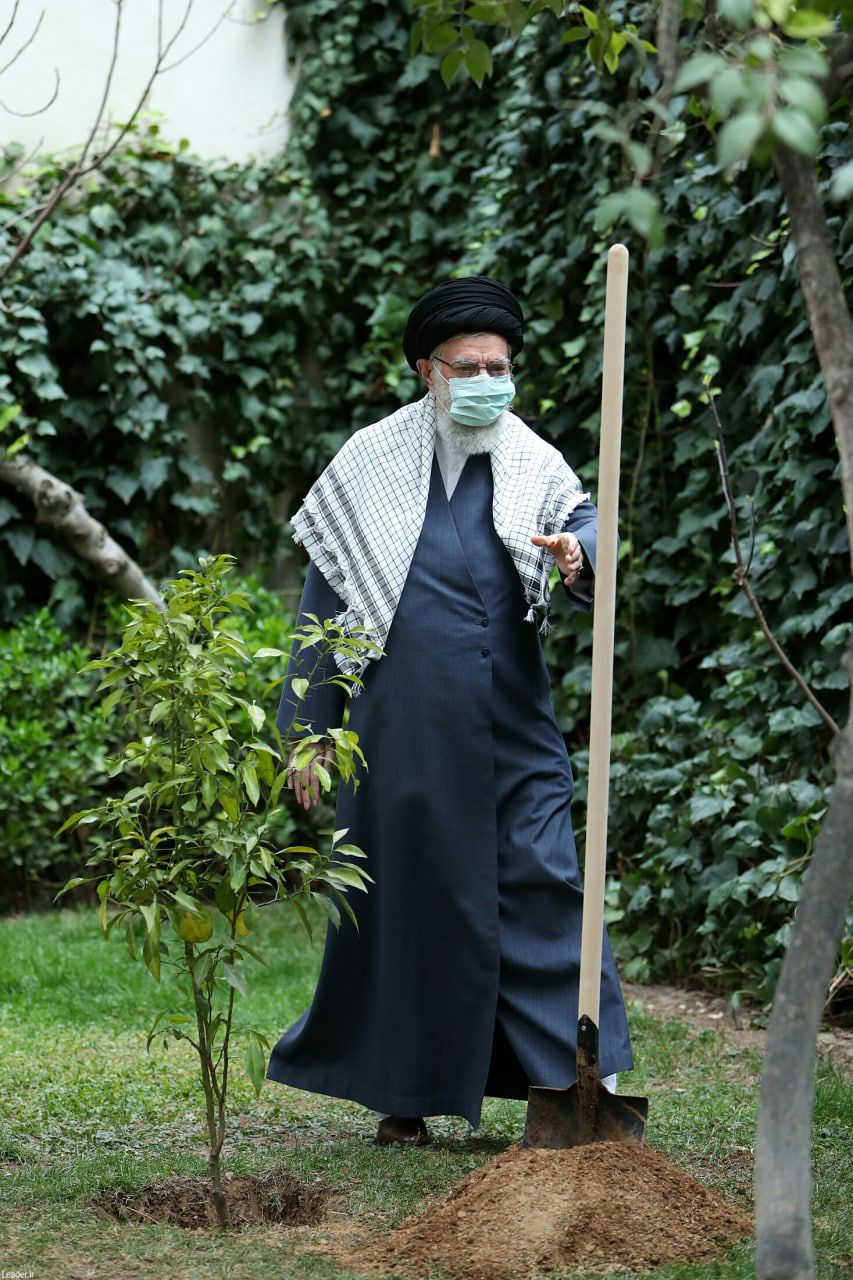
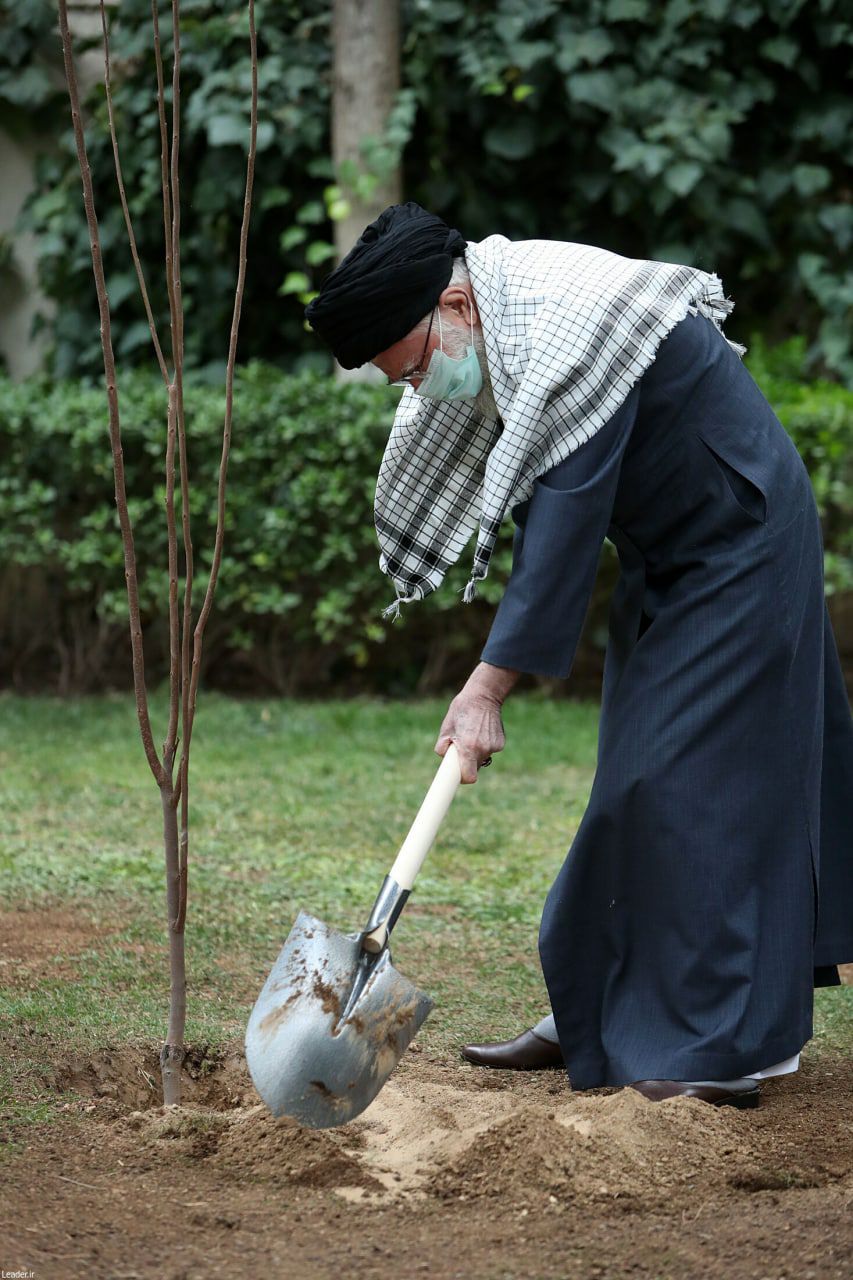
Ayatollah Khamenei Plants Sapling on Arbour Day

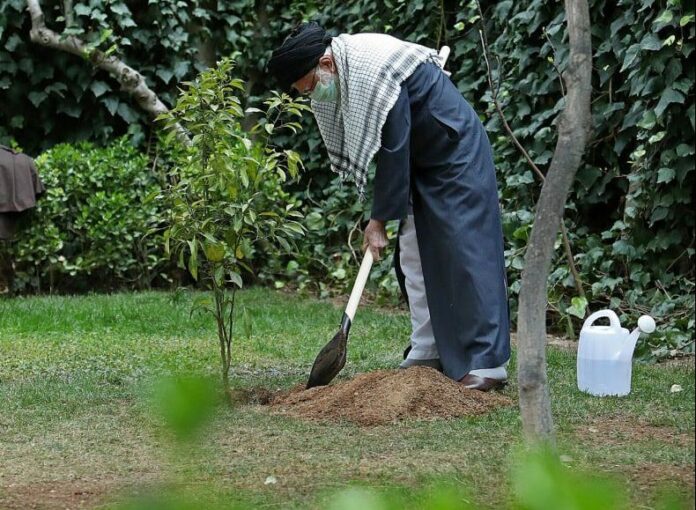
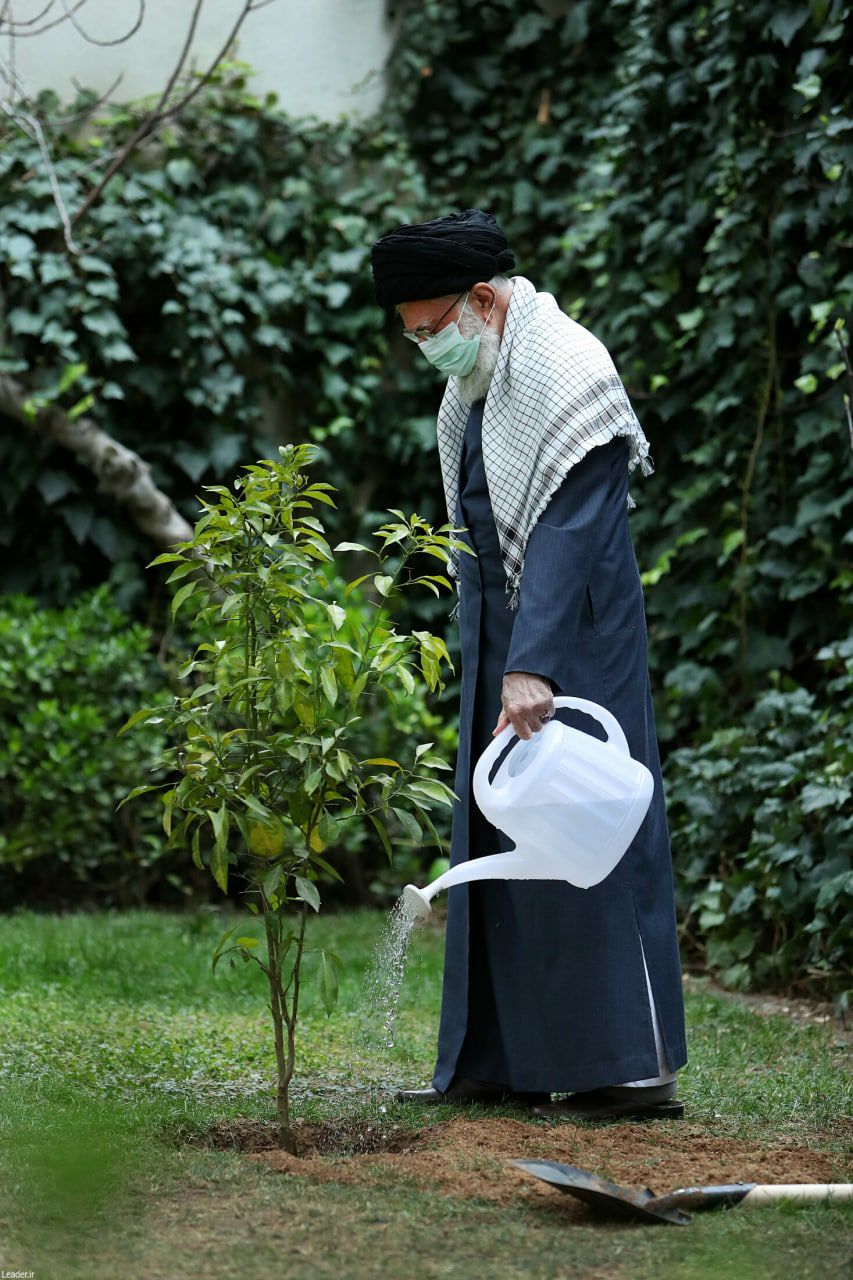
The Leader planted the saplings on Friday morning in a move to mark the Arbour Day and National Week of Natural Resources.

On Iran’s official calendar, 3 March is named as Arbour Day when people are encouraged to plant saplings.

This day is also the beginning of the National Week of Natural Resources. The first day of this week is dedicated to planting saplings.

What follows are photos of the Leader planting the two saplings:

Return Path to JCPOA Straightforward, Iran’s President Tells US

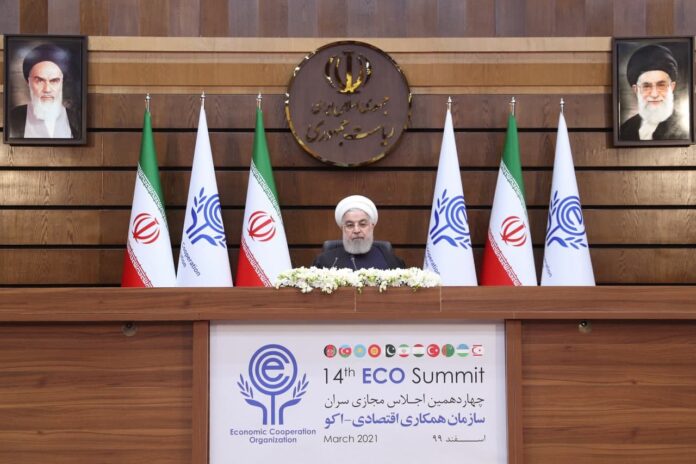
President Rouhani made the remarks in a virtual address to the 14th Summit of the Economic Cooperation Organisation (ECO) held on 4 March 2021.

What follows is the full text of the Iranian president’s speech:

In the name of Allah, the Most Beneficent, the Most Merciful

Your Excellency Mr Erdoğan;

At the outset, I would like to express my gratitude to you and to your colleagues for effective efforts during Turkey’s chairmanship of the Economic Cooperation Organisation (ECO), as well as for organisation of this important meeting. This is a great pleasure to have another opportunity to attend this august meeting of the honourable Heads of ECO Member States. I hope that this Summit will serve as yet another step towards integration, welfare, and prosperity of the nations of the ECO Region as well as the promotion of the ECO.

Honourable Presidents,

Economic Cooperation Organization constitutes a priority in the paradigm governing Iran’s regional and neighbourhood policies. ECO enjoys invaluable potential in terms of human and natural resources, energy reserves, complementary economies, interested private sectors, and an incomparable regionally and globally transit and transport advantages. In fact, ECO meets all the requisites for being a success story of regional integration.

There have been major steps towards the enhancement of economic cooperation within ECO and precious achievements have been made. However, in certain areas such as trade, the achievements have not met expectations. Despite the high trade potential and the necessary infrastructure in place, intra-regional trade remains as low as less than 10 percent– totally unacceptable. This has also been addressed in the ECO Vision 2025.

We are of the view that we need to concentrate on operationalization of the ECO agreed programmes and decisions with a view to accelerating the pace towards realization of the goals and objectives of the Organization. To that end, the following proposals are suggested:

  • Implementation of ECO trade agreement as well as working out ways and means to expand intra-regional trade,
  • Further activation of private sectors for the sake of trade boost,
  • Strengthening and activation of the existing and new ECO agencies such as ECO Trade and Development Bank, ECO Reinsurance Company, ECO Regional Institute for Standardization (RISCAM), and ECO Chamber of Commerce,
  • Removing the obstacles and challenges encountering transit and transport cooperation as the fundamental infrastructure for trade expansion.

The Islamic Republic of Iran remains ready to actively contribute to the operationalization of the ECO Trade Agreement (ECOTA) and creating the necessary financial, banking and customs arrangements while having on board all ECO Member States. Given our geographical location, we are prepared to share our transport network as well as infrastructures and facilities along Persian Gulf and Oman Sea with ECO Members, particularly the landlocked countries, bridging them with international waters and markets.

Ladies and Gentlemen,

The international community is now experiencing formidable challenges which have affected all facets of human life. The COVID-19 has deeply and destructively affected economic and welfare conditions of the countries in the world. No country can afford to tackle such challenges single-handedly. Rather, it requires collective will along with joint cooperation. Accordingly, we consider very timely and promising for ECO Region the theme of this Summit, namely “Regional Cooperation in the Post-COVID Era.”

In the time of the pandemic, the international community has disappointedly failed to act against unilateral measures and unlawful sanctions dragged into the realm of the fight against the disease, targeting the countries’ capabilities in their struggle against this global plague. The great powers’ depriving other nations of fundamental rights as well as their disrespect for international organisations necessitate response from the likeminded countries including through strengthening cooperation and creating a united front against these challenges.

In the last 4 years, the international community has witnessed the US illegal approach and a full-scale economic war against Iran. These cruel and illegal sanctions have inflicted irreparable damage to Iran’s government and people. As per Iran’s wisdom and insight, the JCPOA has so far survived despite the fact that the US had opted for its obliteration. The US, as the one who violated the Deal, shall lift all sanctions and take practical steps in order to be able to return to JCPOA. The Islamic Republic of Iran will reciprocate action by action. The return path to the JCPOA is straightforward, and if the US government is determined to return, there is no need for negotiations.

Allow me to announce that the US unlawful unilateral measures have failed to bring the great Iranian nation to its knees. Notwithstanding severe economic pressure, this nation has relied on its domestic capabilities and has even made breakthroughs and achieved great achievements including in the fight against COVID-19 and its impacts. A vivid example is the production of coronavirus vaccine by Iranian scientists, where we are prepared to extend cooperation with other countries, particularly ECO countries. We are also ready to exchange our views on how to deal with post-COVID era and lay solid foundations for regional cooperation.

Mr President,

Let me conclude by renewing my gratitude to you as well as to the organisers of this Summit in Ankara, and the colleagues in the ECO Secretariat in Tehran. Seizing this opportunity, I would also like to express my congratulations to my dear brother, H.E. Mr Berdimuhamedow, on the occasion of incoming ECO Chairmanship by Turkmenistan.

I thank you for your attention.

Iran Says IAEA Censure Resolution Shelved Thanks to ‘Intensive Diplomatic Efforts’

Iran Sees ‘Positive Outlook’ for Ties with IAEA after Latest Report

“Today’s development can maintain the path of diplomacy opened by Iran and the IAEA, and prepare the grounds for the full implementation of commitments by all parties to the JCPOA,” Iranian Foreign Ministry Spokesman Saeed Khatibzadeh said on Thursday.

“Iran hopes the parties involved in the JCPOA would be able to tap into this opportunity, and guarantee the full implementation of the JCPOA by everyone through serious cooperation,” he added.

Britain, France and Germany scrapped the US-backed plan for the UN nuclear watchdog’s board to criticise Iran for scaling back cooperation with the agency, diplomats have said.

Three diplomats, who follow the IAEA closely, said on Thursday the so-called E3 had scrapped their plan for a resolution.

“Cooler heads are prevailing,” said one diplomat from a country on the board that had been skeptical about the proposed resolution.

Other countries had expressed concern that a resolution would undermine attempts to rescue the deal. Iran had also warned that the resolution will negatively impact its cooperation with the IAEA.

The European powers, all parties to the 2015 nuclear deal, were lobbying for the International Atomic Energy Agency’s 35-nation Board of Governors to adopt a resolution at this week’s quarterly meeting.

However, Iran bristled at the prospect, threatening to end a recent agreement with the IAEA that limits the impact of its latest moves and enables monitoring of its facilities to continue in a black-box-type arrangement for up to three months.

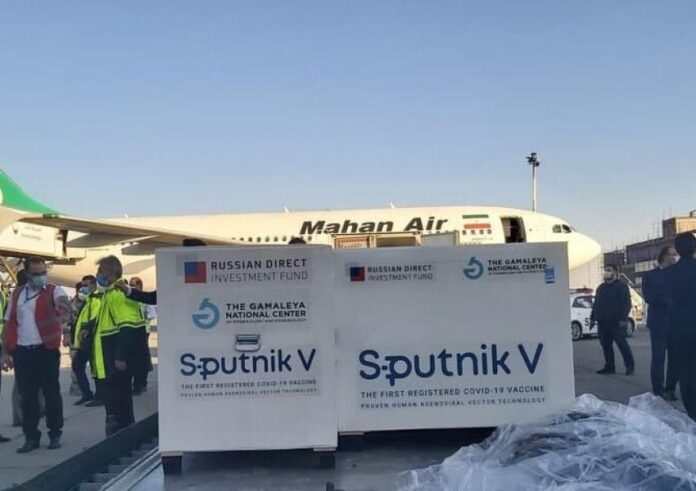
Third Consignment of Russian-Made Sputnik-V Vaccines Arrives in Iran

The consignment, including 200,000 doses of the vaccine, arrived at Tehran’s Imam Khomeini International Airport.

Iran’s ambassador to Moscow earlier announced that Tehran plans to jointly produce the vaccine inside Iran and will soon be able to meet the needs of neighbouring countries as well.

Sputnik-V vaccine has so far been approved for use in 42 countries globally with total population of over 1.1 billion people. It is thus one of the world’s top coronavirus vaccines in terms of the number of approvals issued by government regulators.

Sputnik-V has been approved in Russia, Belarus, Argentina, Bolivia, Serbia, Algeria, Palestine, Venezuela, Paraguay, Turkmenistan, Hungary, the UAE, Iran, Republic of Guinea, Tunisia, Armenia, Mexico, Nicaragua, Lebanon, Myanmar, Pakistan, Mongolia, Bahrain, Montenegro, Saint Vincent and the Grenadines, Kazakhstan, Uzbekistan, Gabon, San-Marino, Ghana, Syria, Kyrgyzstan, Guyana, Egypt, Honduras, Guatemala, Moldova, Slovakia, Angola, the Republic of the Congo and Djibouti.

The efficacy of Sputnik-V is 91.6% as confirmed by the data published in the Lancet, one of the world’s oldest and most respected medical journals.

The Sputnik-V vaccine is based on a proven and well-studied platform of human adenoviral vectors, which cause the common cold and have been around for thousands of years.

Sputnik-V uses two different vectors for the two shots in a course of vaccination, providing immunity with a longer duration than vaccines using the same delivery mechanism for both shots.

The safety, efficacy and lack of negative long-term effects of adenoviral vaccines have been proven by more than 250 clinical studies over two decades.

• The developers of the Sputnik V vaccine are working collaboratively with AstraZeneca on a joint clinical trial to improve the efficacy of AstraZeneca vaccine.
• There are no strong allergies caused by Sputnik V.

IAEA No Place for Playing Political Games: Rouhani

US to Suffer Humiliating Defeat This Weekend: Rouhani

President Hassan Rouhani warned against playing political games at the agency.

“The IAEA is not a place for political games, and the three European countries should realize that the IAEA is a technical institution and should allow it to go ahead with its technical job, so that the recent good deal between Iran and the agency will last,” he said on Thursday.

“Our nuclear activities are 100% peaceful as always, and the IAEA is going ahead with its monitoring work,” said the president.

“Of course, if the IAEA’s monitoring work is not at the agency’s desired level, the US and its sanctions against Iran are to blame. If these sanctions are removed, relations with the IAEA will get warmer and its inspectors can conduct their monitoring work within the framework of the law,” said President Rouhani.

He said the Iranian nation stood up to the violations and terrorist acts of the previous US administration, urging the new US administration to lift sanctions and make good on its commitments as a goodwill gesture.

He reiterated that Iran will not renegotiate the JCPOA, and underlined the country will immediately begin to fulfill all of its obligations under the deal once the US lifts sanctions.

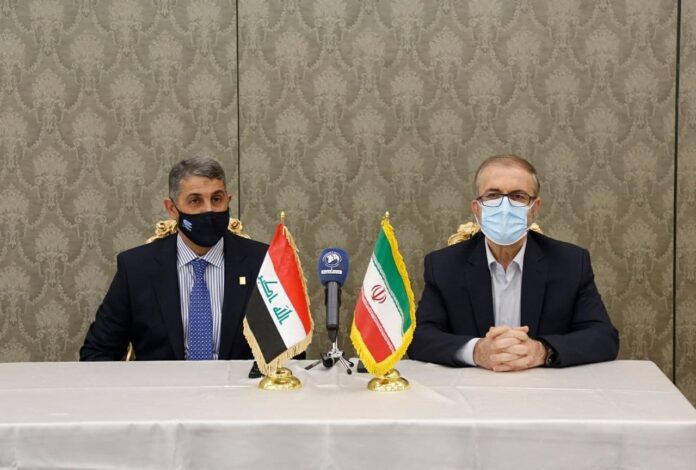
Iran, Iraq Discuss Mutual Security Cooperation

That was announced by Iranian Deputy Interior Minister Hossein Zolfaqari in a meeting with High Counselor of Iraq’s Interior Minister Abdulhalim Fahim al-Farhoud where the two sides discussed ways of expanding mutual security cooperation.

“We have good cooperation with Iraqi officials in different sectors and at the level of the interior ministry, and people of both countries will benefit from the outcome of this cooperation,” said the Iranian official.

Iran and Iraq will reportedly sign the MOU on security and law enforcement cooperation in the near future.

Lifting Sanctions Only Way Forward with Iran Nuclear Deal: Araqchi

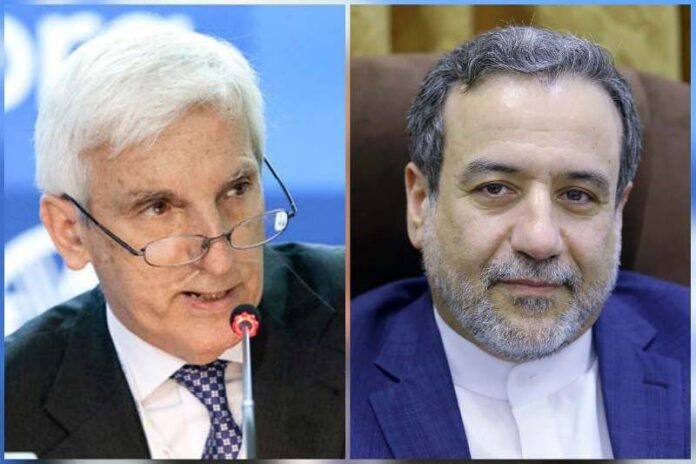
“We expect the other sides to seize, in a constructive manner, the opportunity left for diplomacy and avoid any move that would further disrupt the existing atmosphere,” Araqchi said in a virtual meeting with Secretary General of the Greek Foreign Ministry Themistoklis Demiris.

Araqchi emphasized the importance of preserving the JCPOA as a diplomatic achievement in the contemporary era.

He said the United States’ unconditional and full return to the JCPOA as well as the lifting of all sanctions are the main conditions for Iran to fully comply with its obligations under the JCPOA.

“Iran scaling down its nuclear commitments was in line with the provisions of the JCPOA and came in reaction to the US and Europe’s failure to make good on their commitments,” he said.

Araqchi described as “insufficient” the announcement by France, Britain and Germany that they will make good on their commitments.

“The Islamic Republic of Iran’s restraint over the past four years has been the key contributor to the preservation of the JCPOA,” he added.

The top diplomat also dismissed as a “wrong move” attempts by three European countries to draft a resolution at a meeting, this week, of the Board of Governors of the International Atomic Energy Agency (IAEA) following the agreements reached between Iran and the IAEA during a recent visit to Tehran by IAEA Director General Rafael Mariano Grossi.

“After the failure of the United States’ ‘maximum pressure’ approach, Iran will not accept similar behaviour,” he said.

Araqchi then called for the promotion of Iran-Greece relations given the existing potentialities.
Demiris, in turn, said Greece does support the use of diplomacy to settle differences.

He said Athens, in tandem with its European partners, has always been against the United States’ withdrawal from the JCPOA and the imposition of unilateral sanctions against Iran, and has supported the JCPOA.

The Greek official highlighted the importance of enhancing Tehran-Athens ties on all fronts.

Iran, Syria Clinch Several Deals on Sci-Tech Cooperation

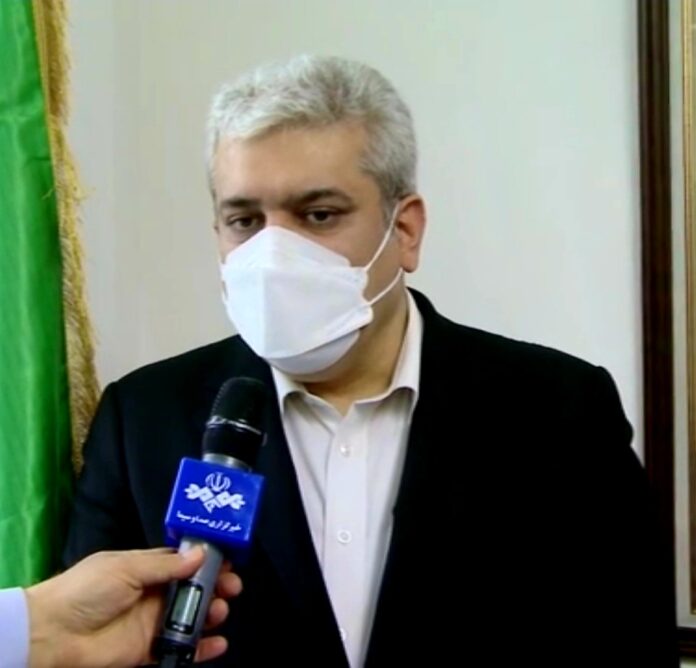
Sorena Sattari, who was on a visit to Syria to discuss scientific collaboration between the two sides, said agreements were also reached on the export of products by knowledge-based companies.

“We had a very fruitful trip to Syria, a friendly country of ours. We had numerous meetings with different ministers and the respected [Syrian] prime minister,” he told reporters.

“We laid the groundwork for closer cooperation, especially for exporting the products of knowledge-based companies,” he added.

The vice president added Iran has set up an innovation and technology centre in Syria.

“This centre is one of the centres we have established outside Iran. It is called Iran’s House of Innovation and Technology Exports. Major developments are unfolding in this domain, i.e., exporting knowledge-based products to different countries, in different fields,” he explained.

“We have reached an agreement with the Syrian side on equipping Syrian universities both in the medical field and in areas pertaining to science and technical-engineering fields. We produce a major part of our lab equipment inside the country. Some ten thousand types of such products are now produced inside the country,” said Sattari.

He said Iran’s House of Innovation and Technology in Syria will facilitate scientific and technological exchanges between the two sides.

“This centre will set the stage for expanding the export of products by companies in both countries as well as developing technologies in both countries and also transferring technology to Syria,” he noted.

“Good events have happened over the past few days and many contracts have been concluded between the companies of both sides. Definitely, good things will happen in the future in the domain of scientific-technical cooperation between Iran and Syria,” he said.

“We had lengthy meetings with the Syrian ministers of industry, agriculture and health as well as the prime minister and the minister of higher education. Good events are in the offing; that’s for sure,” he added.