
The exhibition, called “Peace in the Painting Frame”, was held at Shafaq Culture House.
What follows are IRNA’s photos of the exhibition:
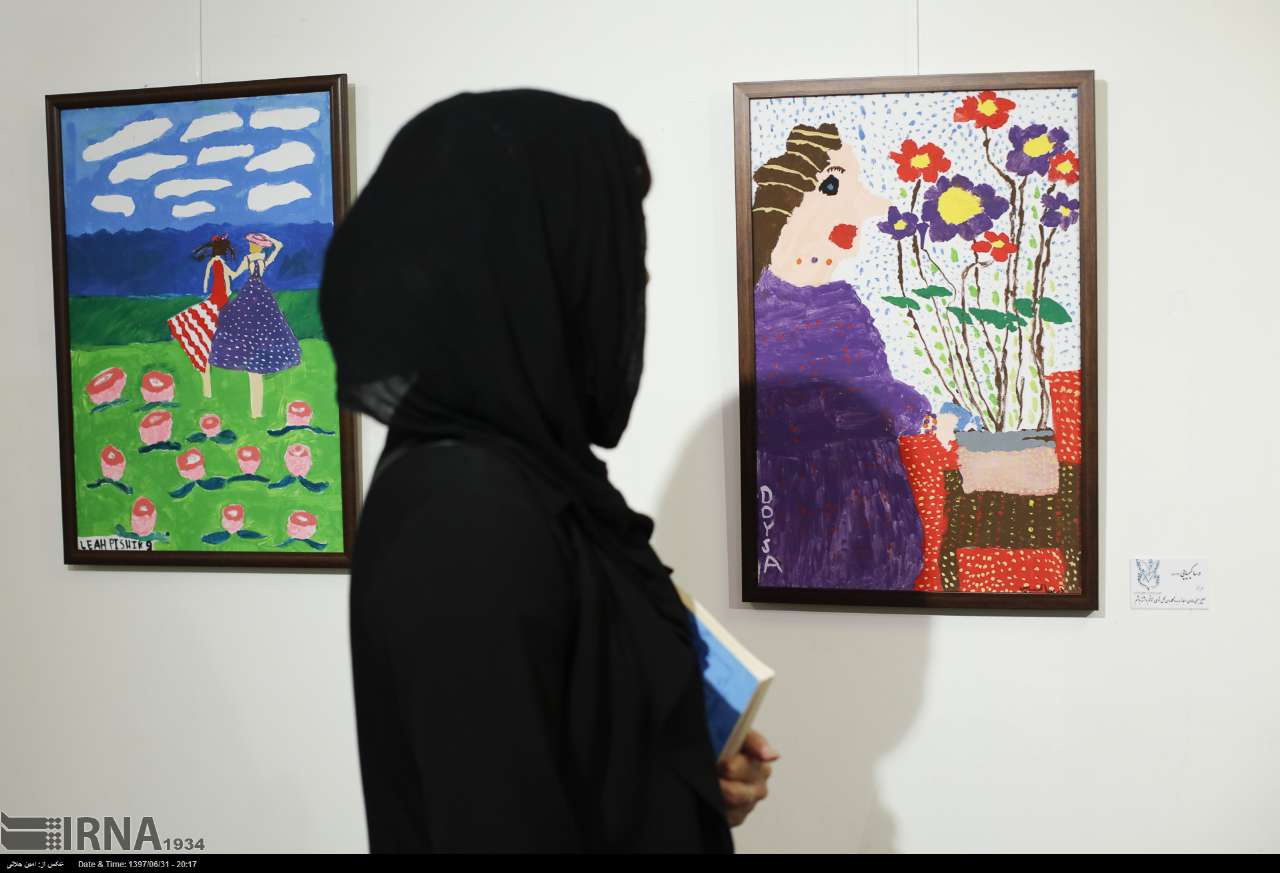
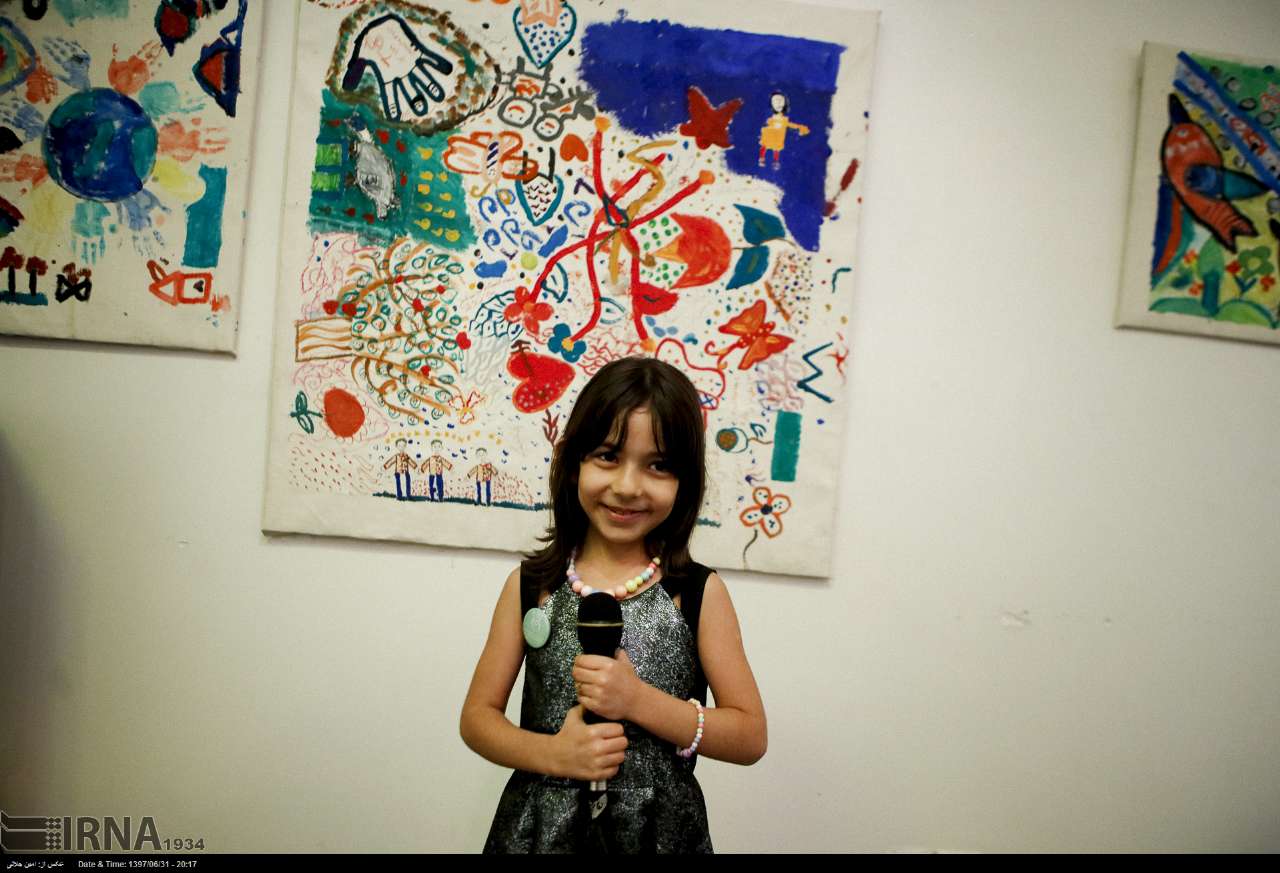

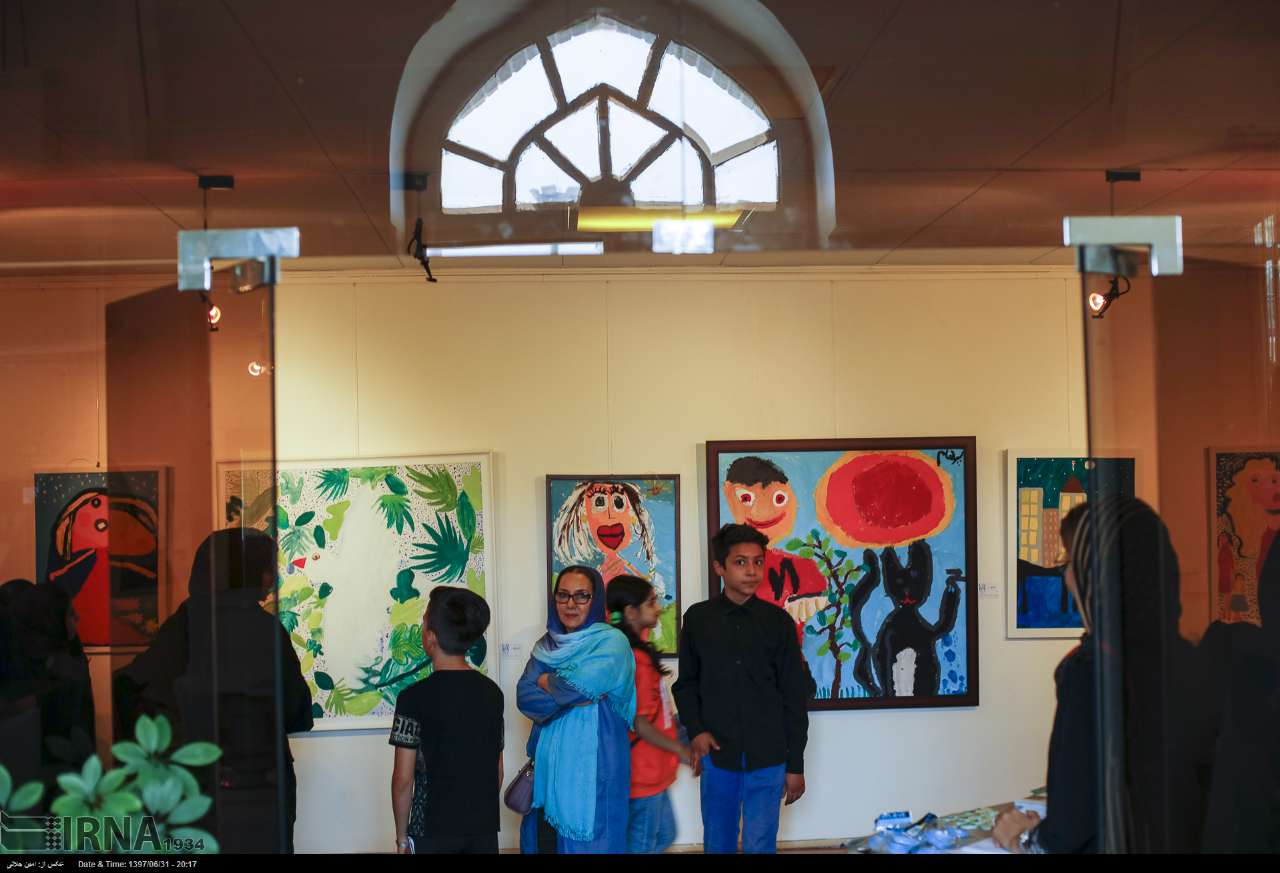
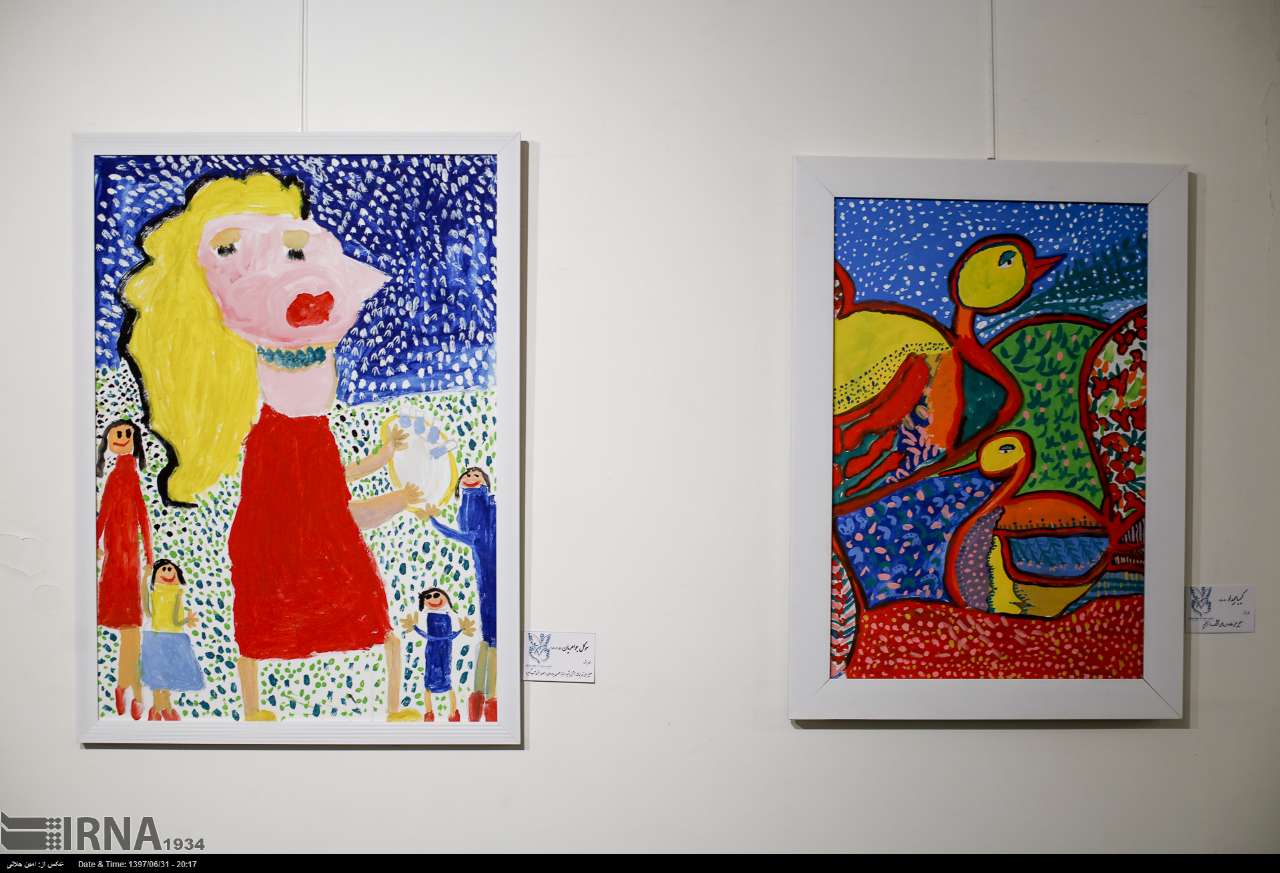
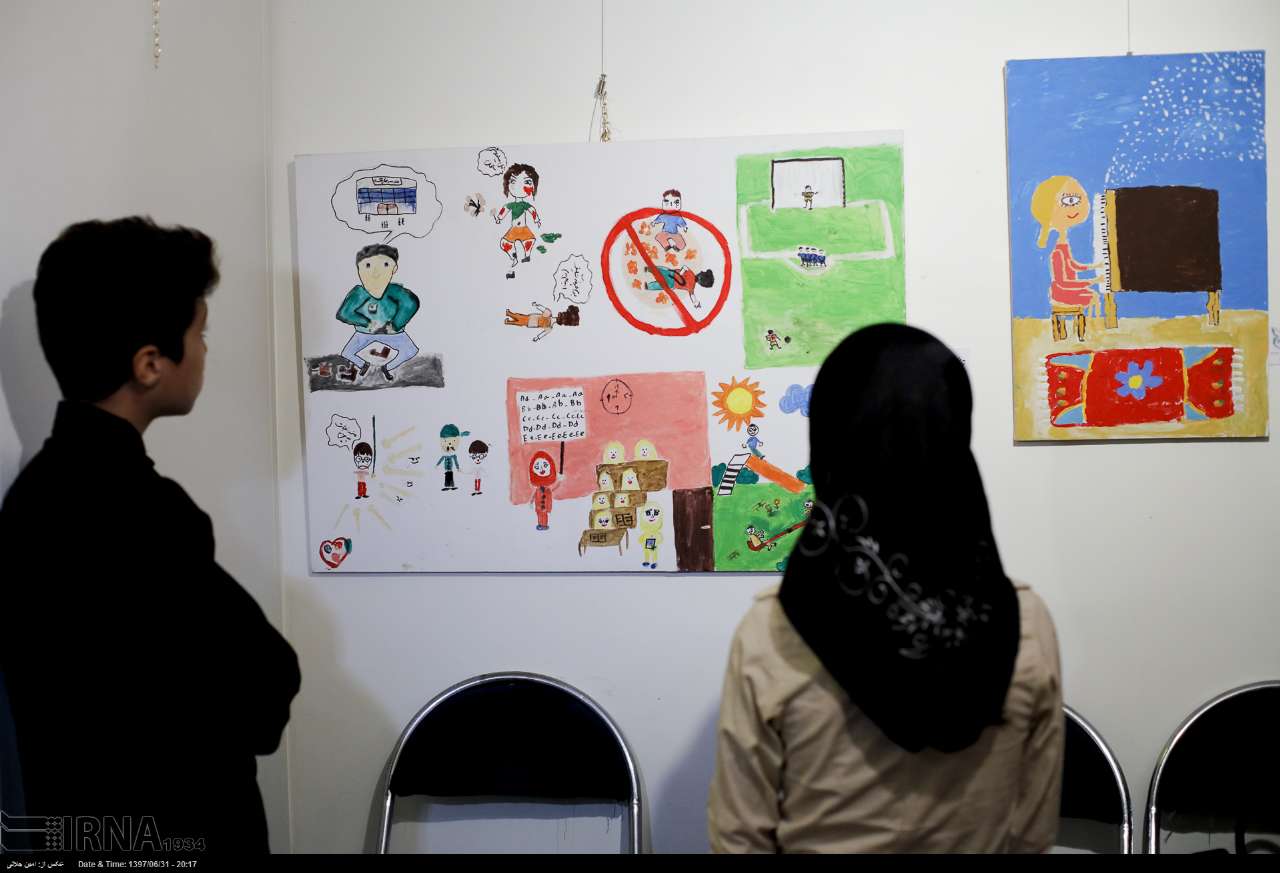
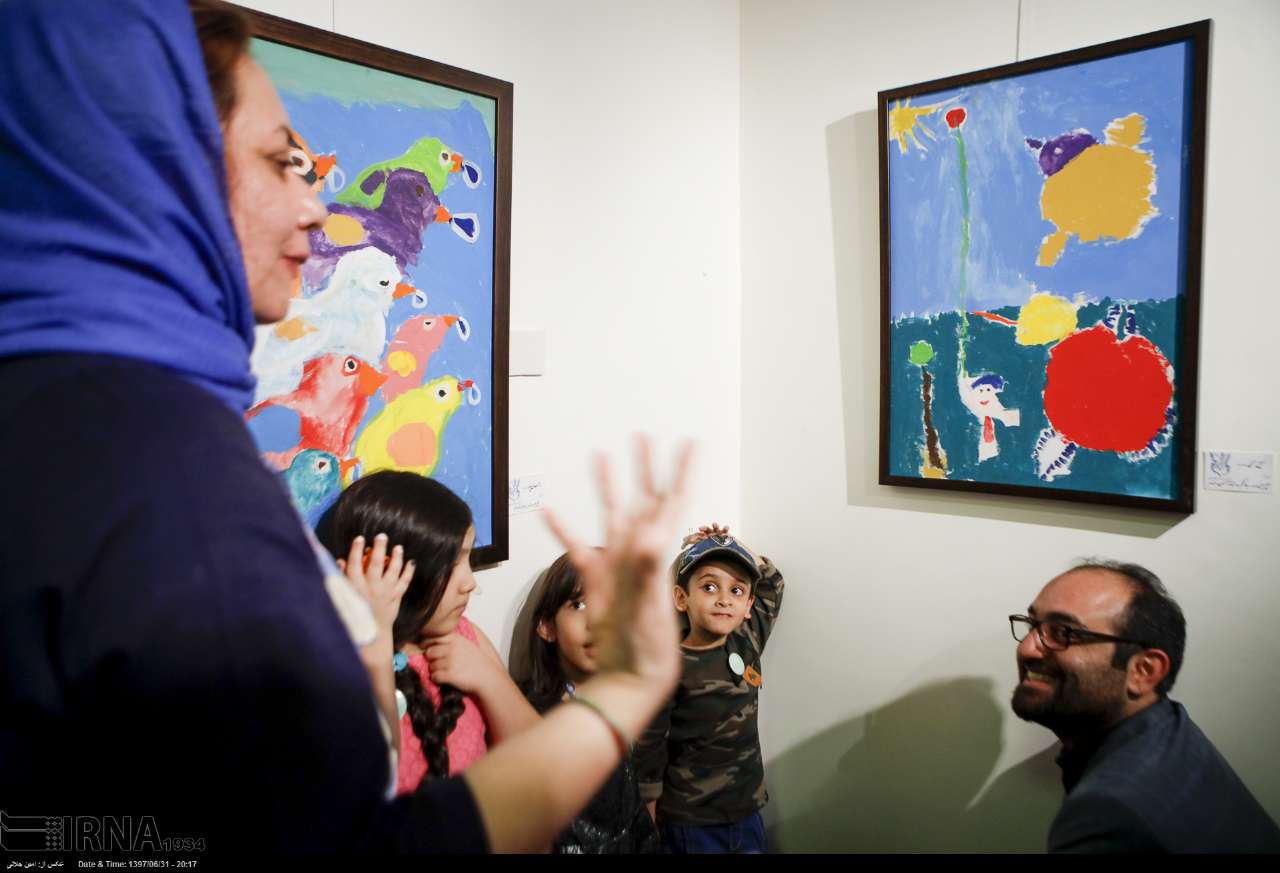
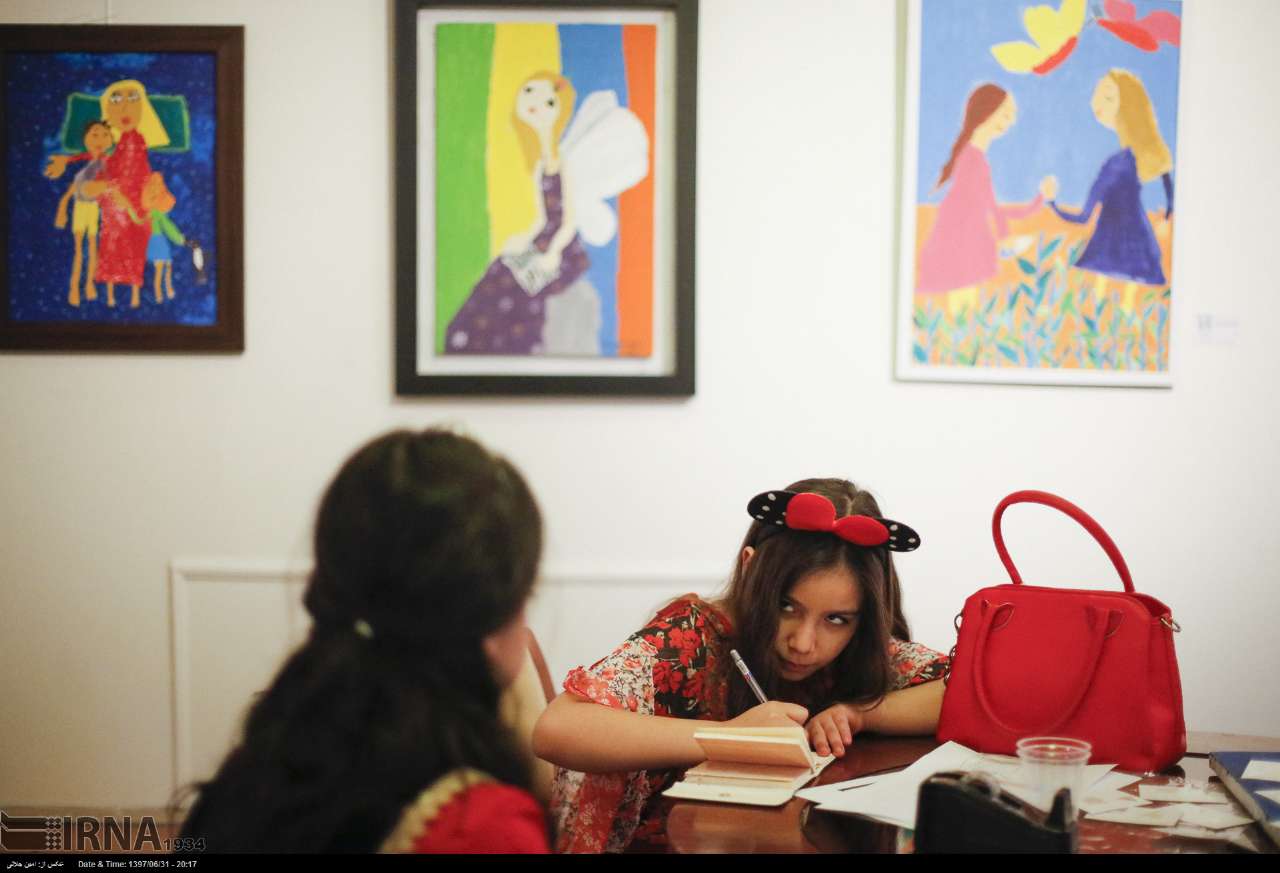
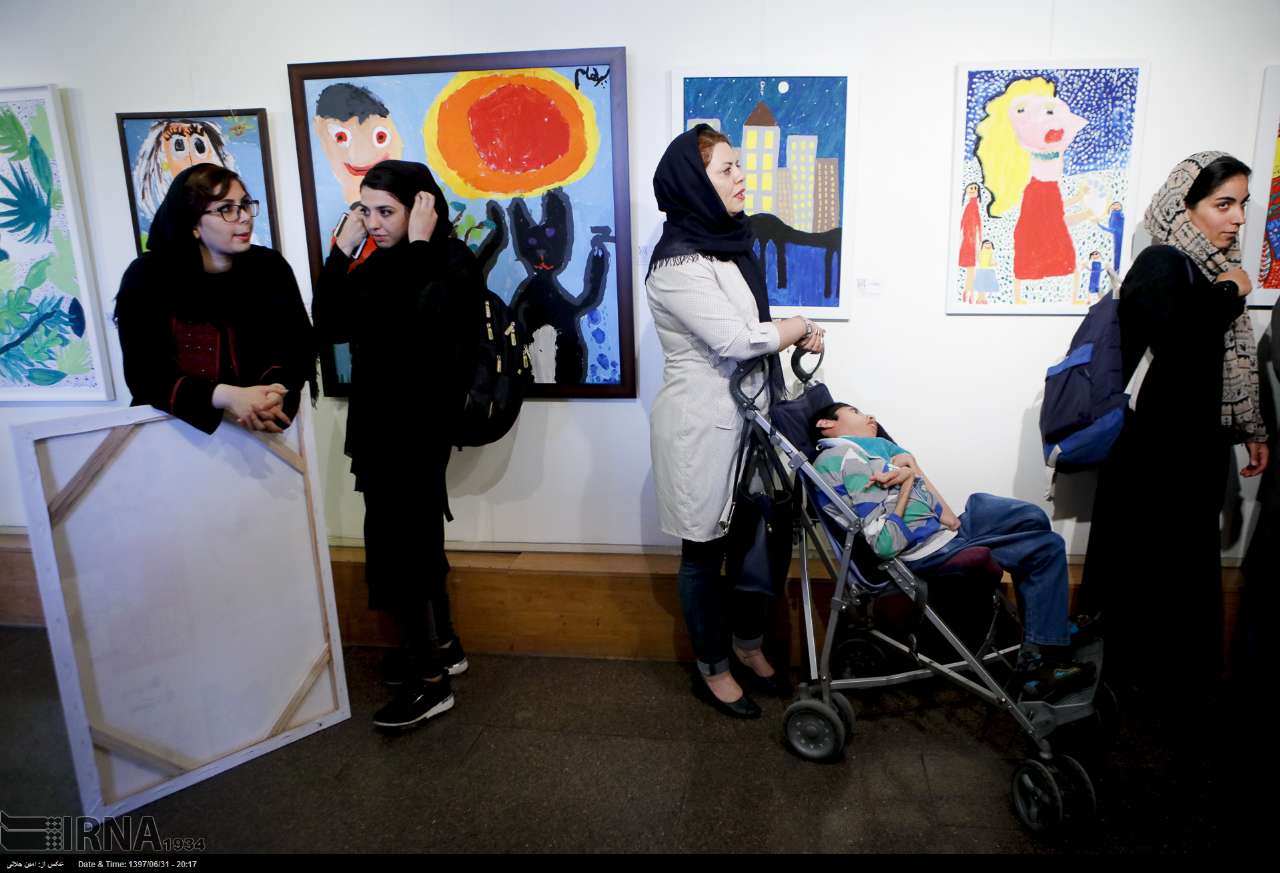
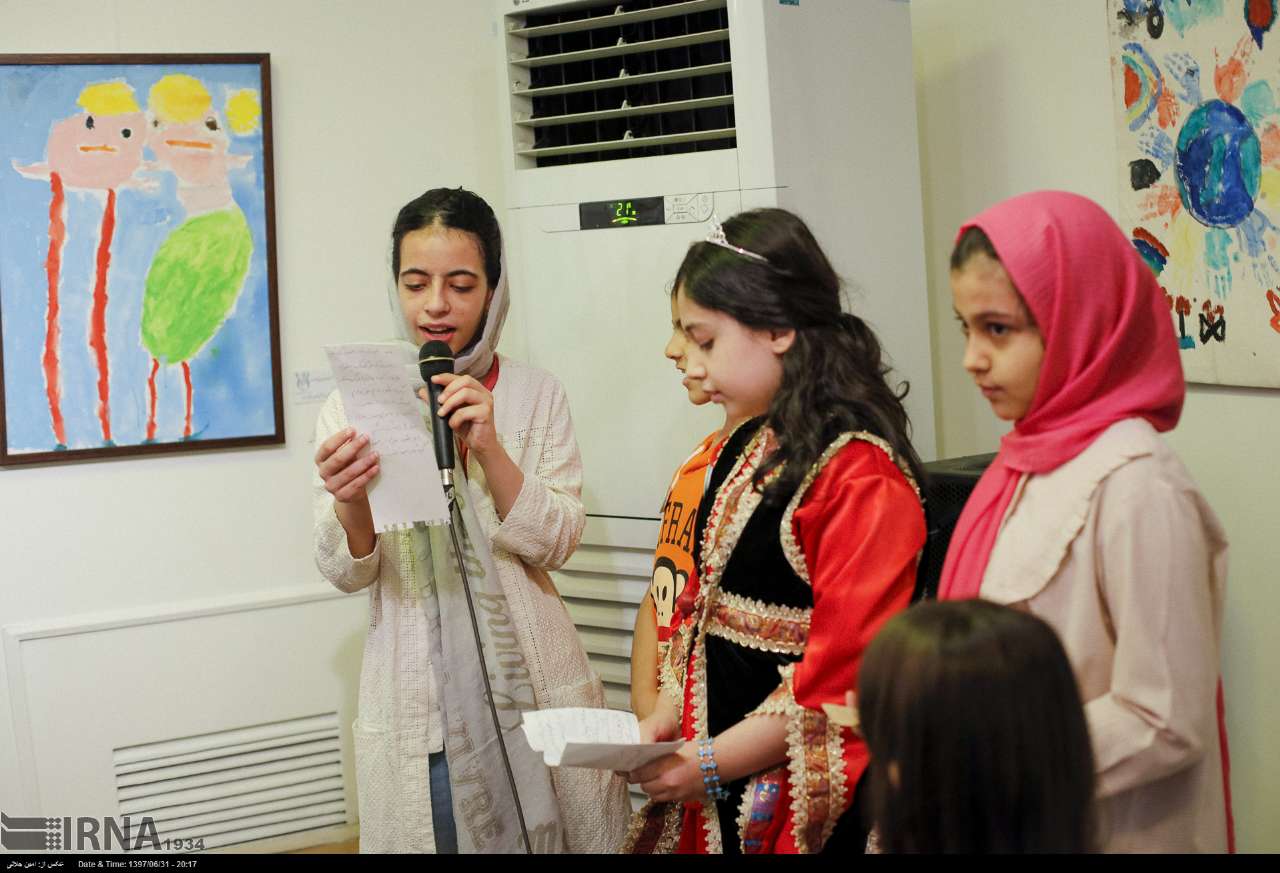


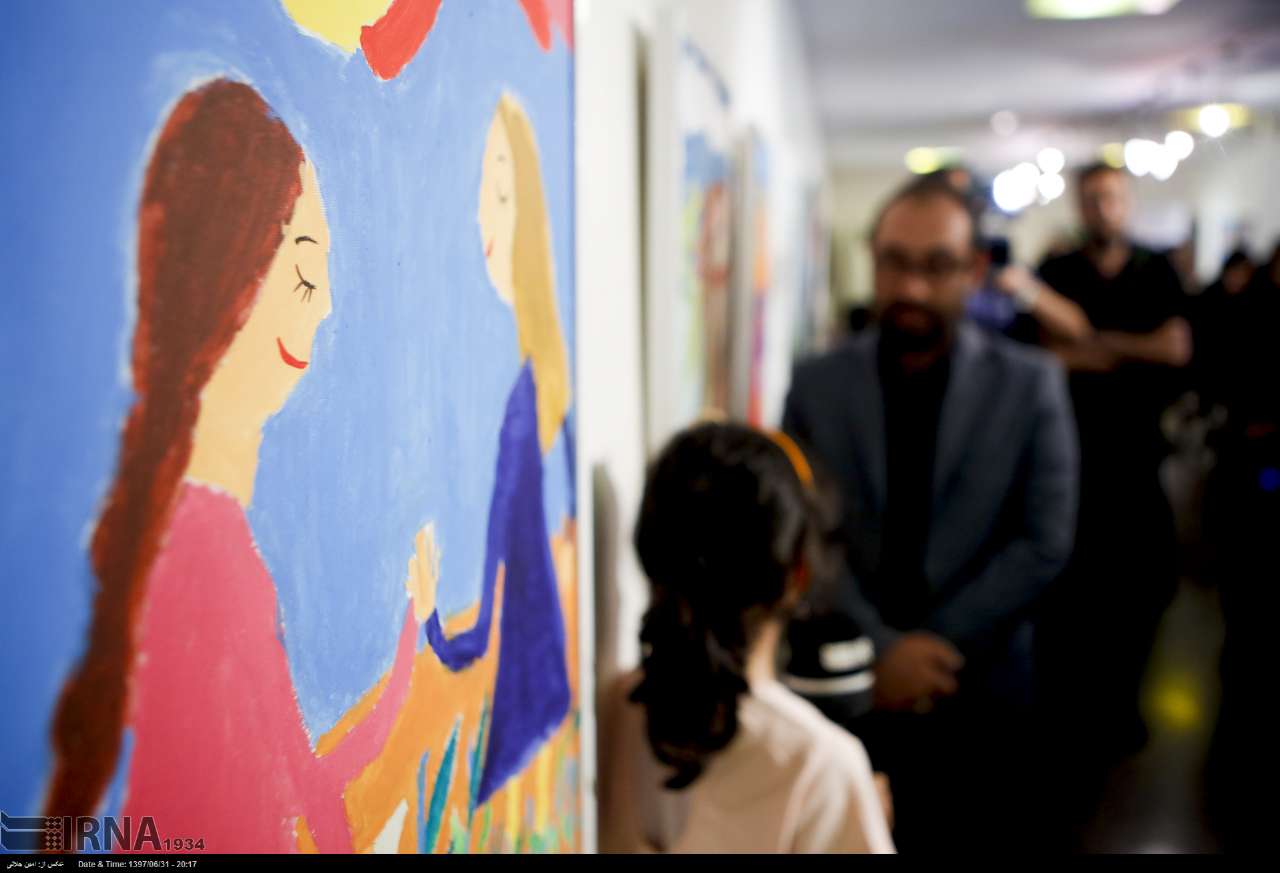
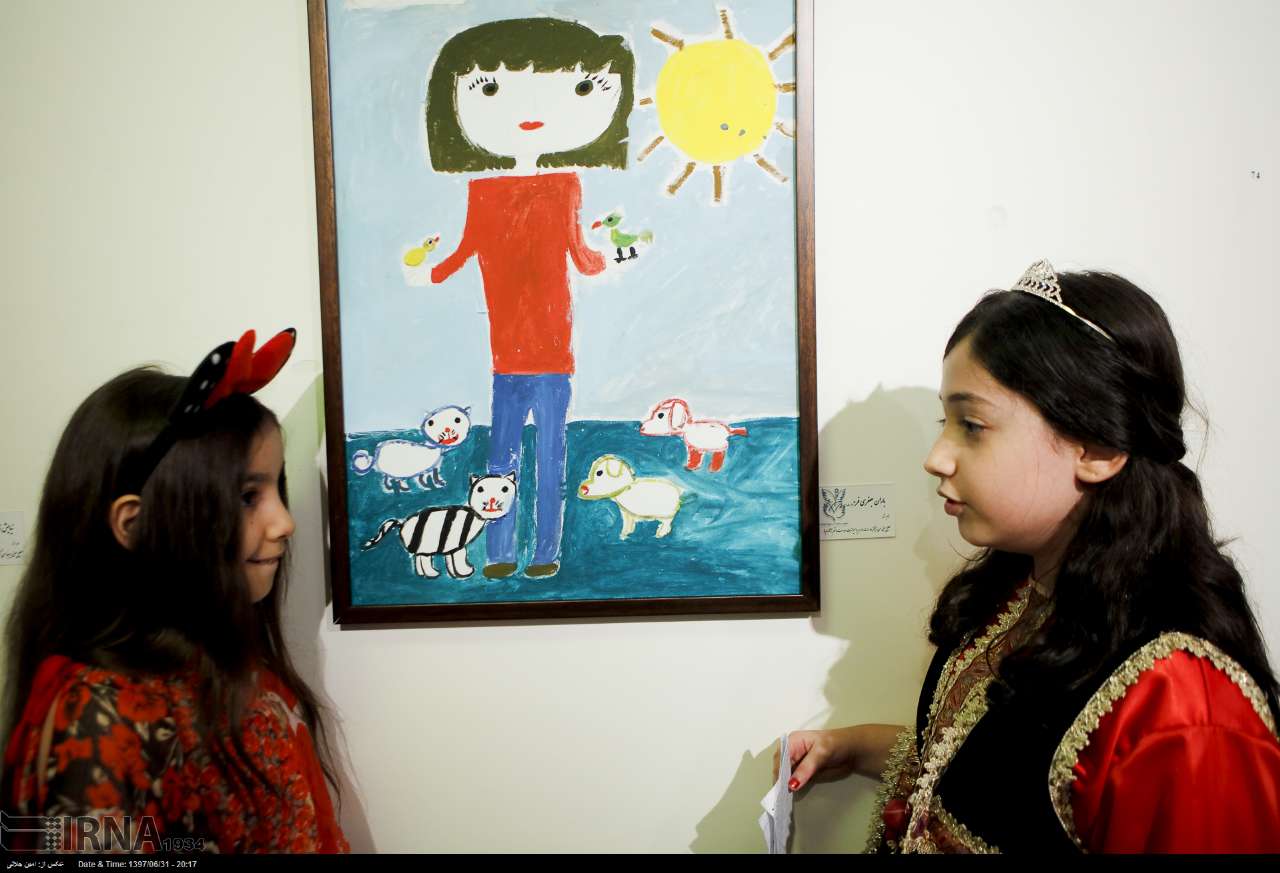
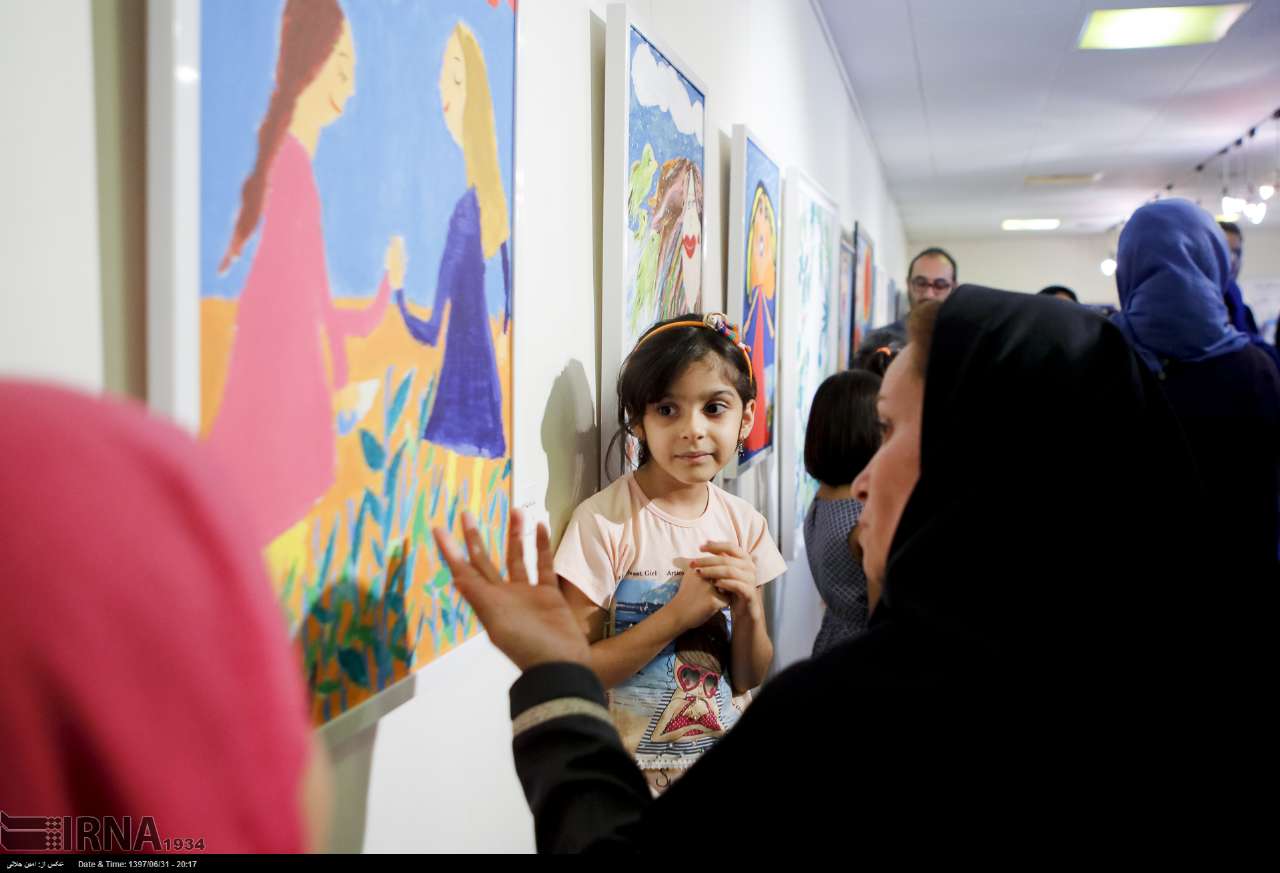
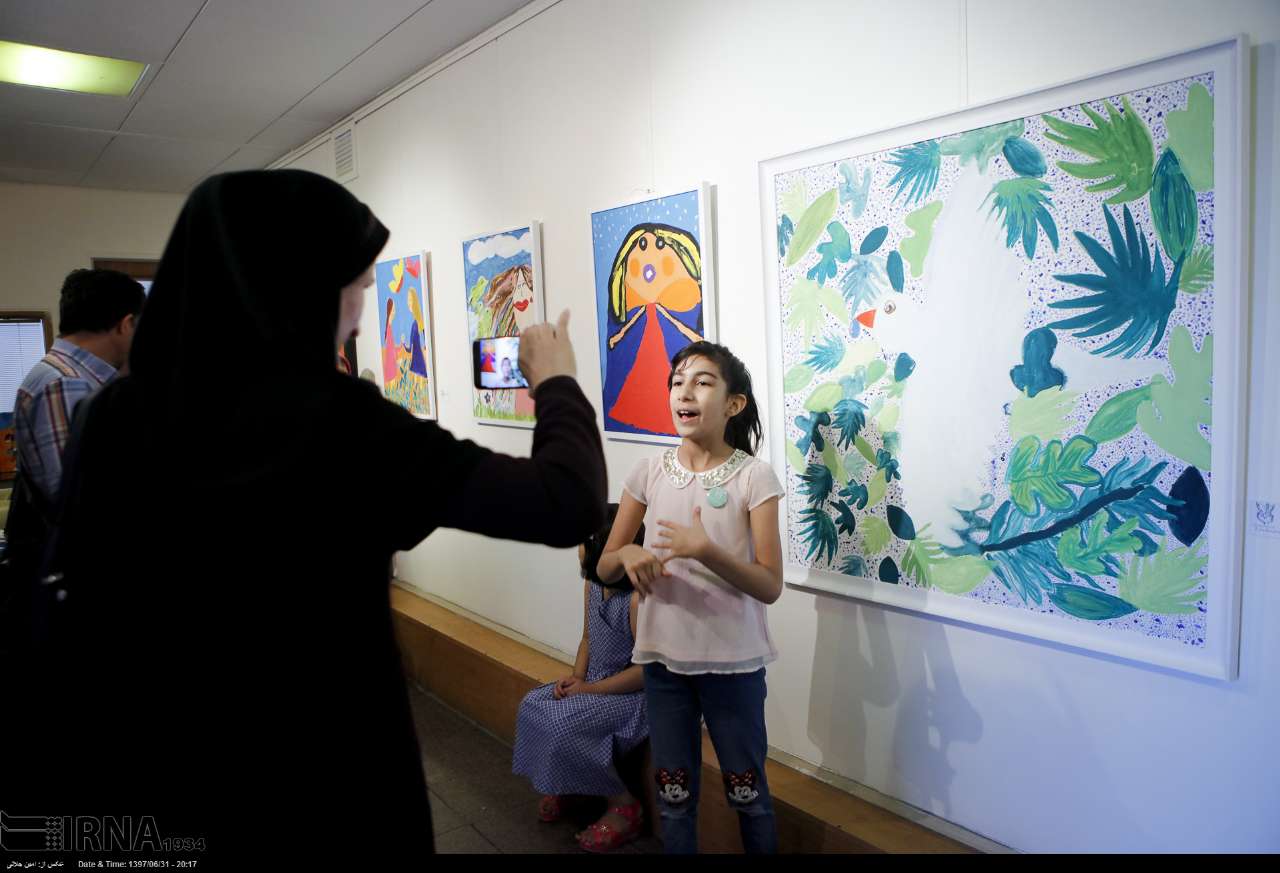
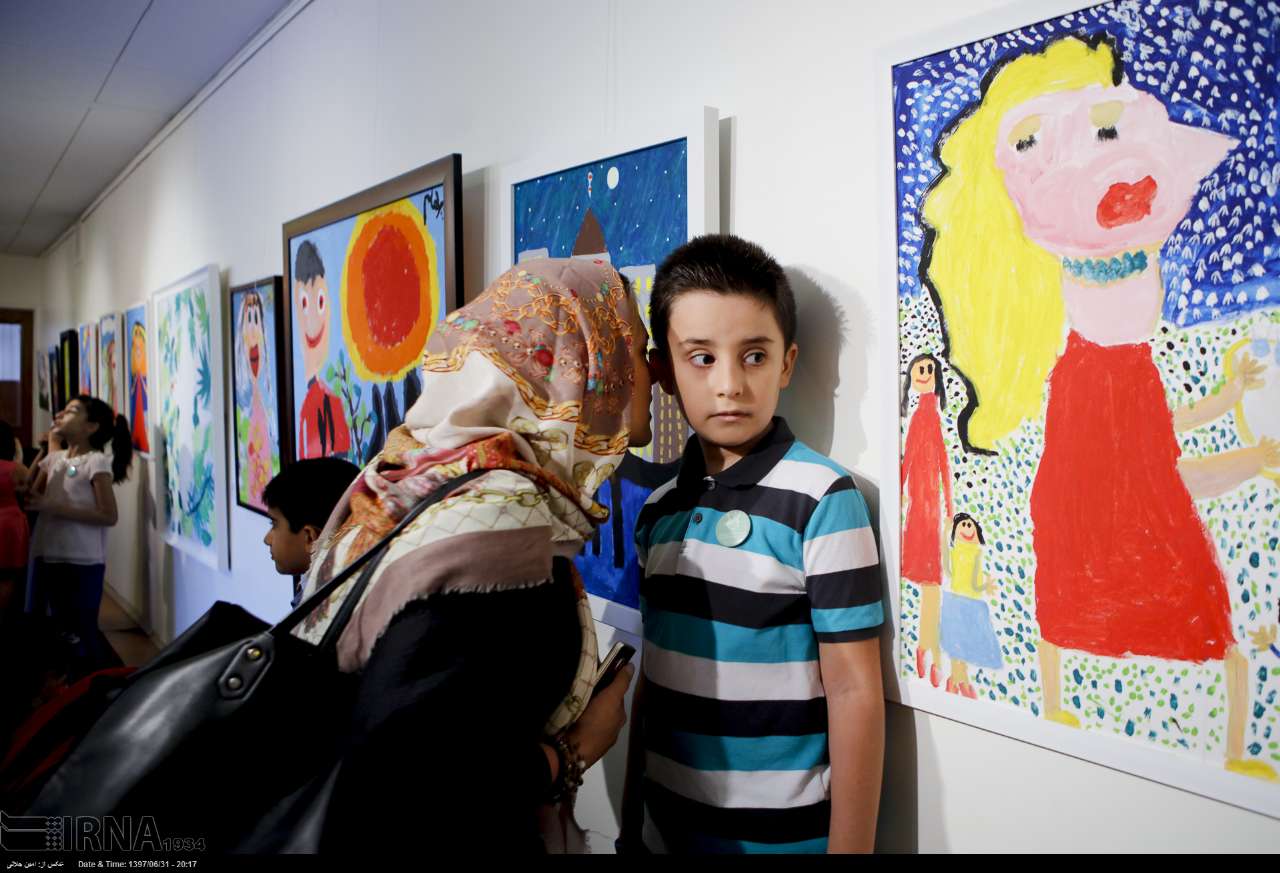
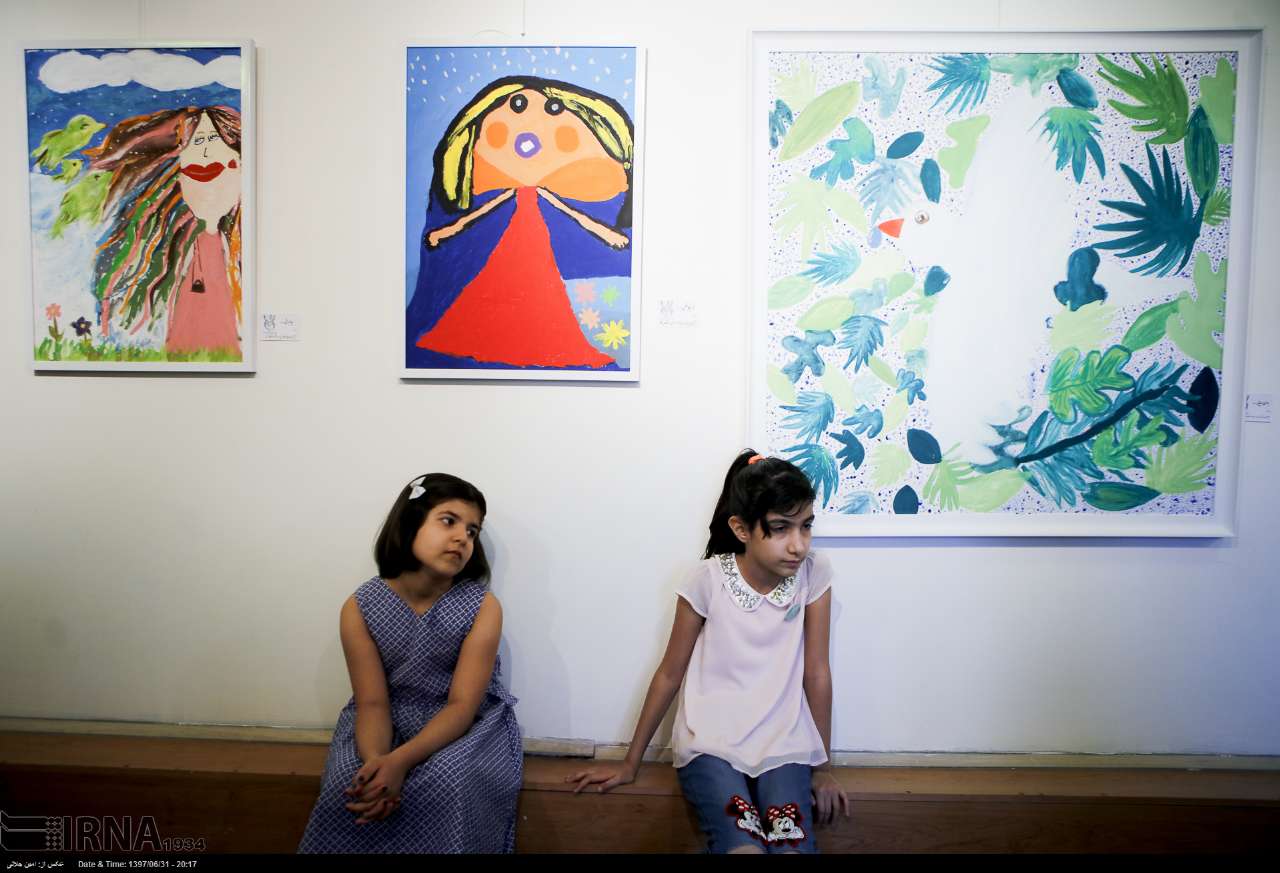
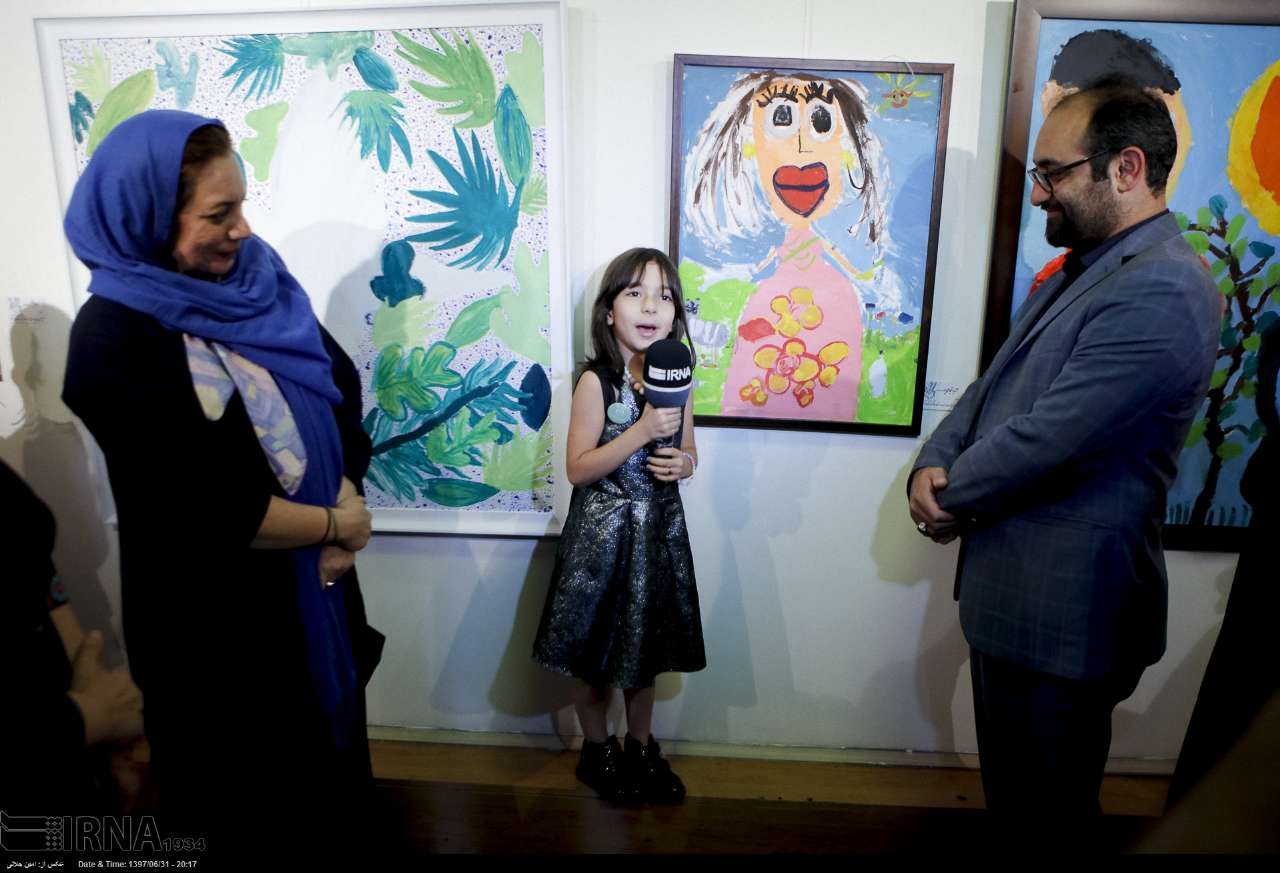
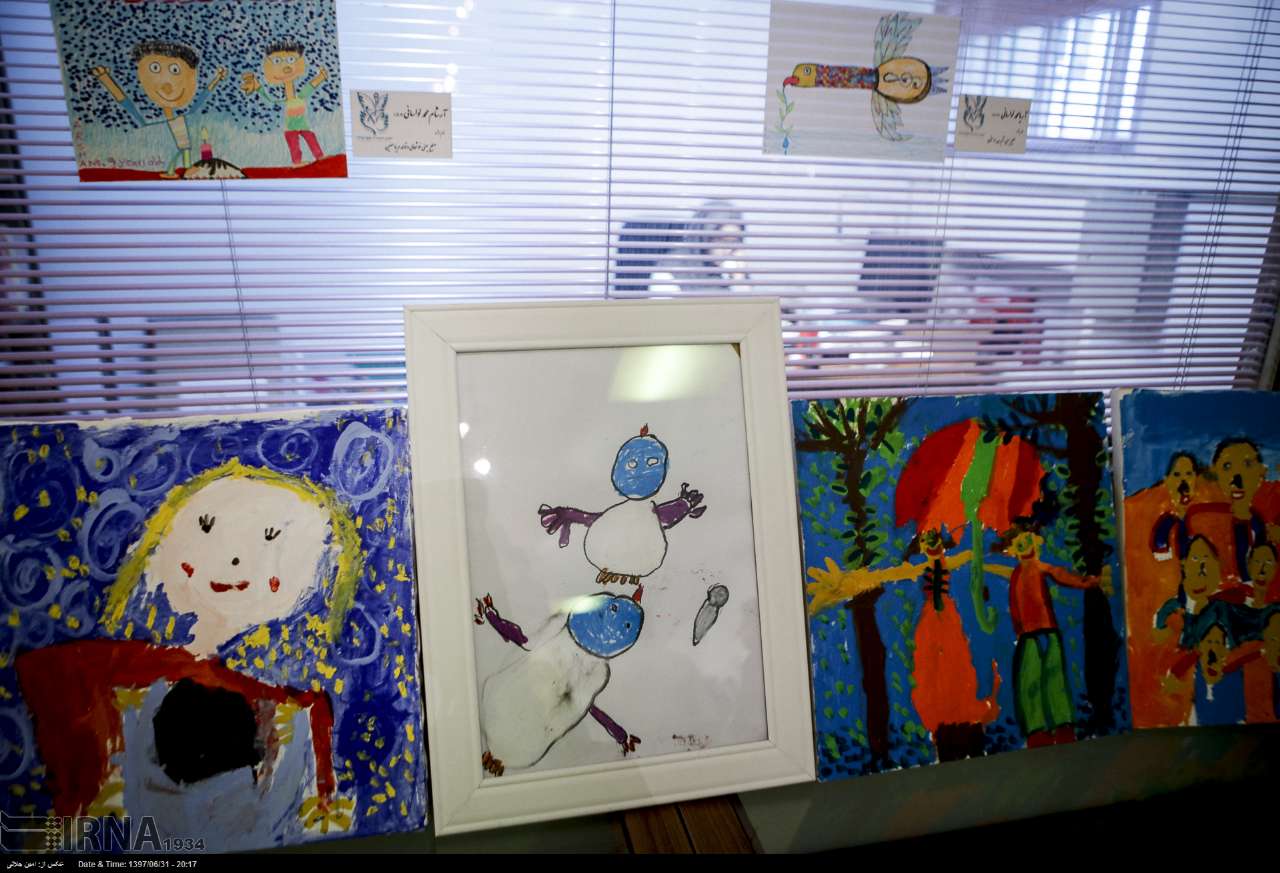
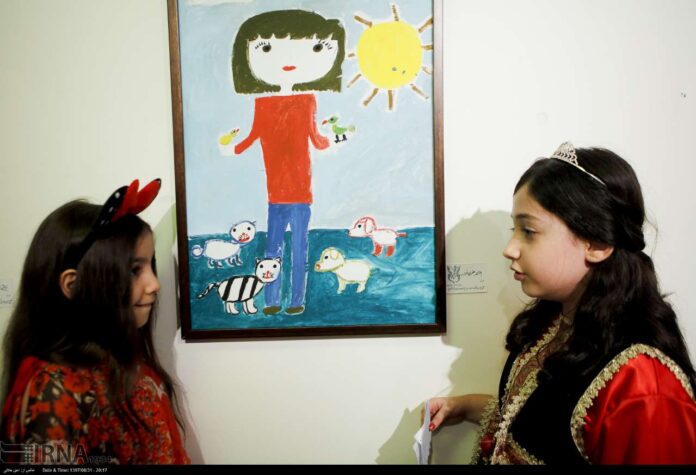
The exhibition, called “Peace in the Painting Frame”, was held at Shafaq Culture House.
What follows are IRNA’s photos of the exhibition:
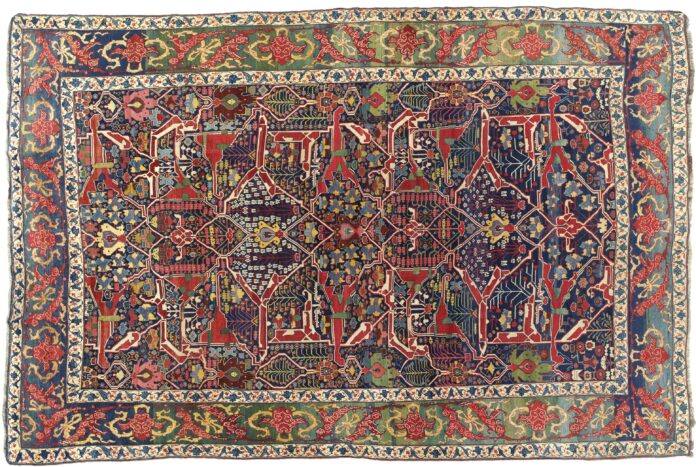
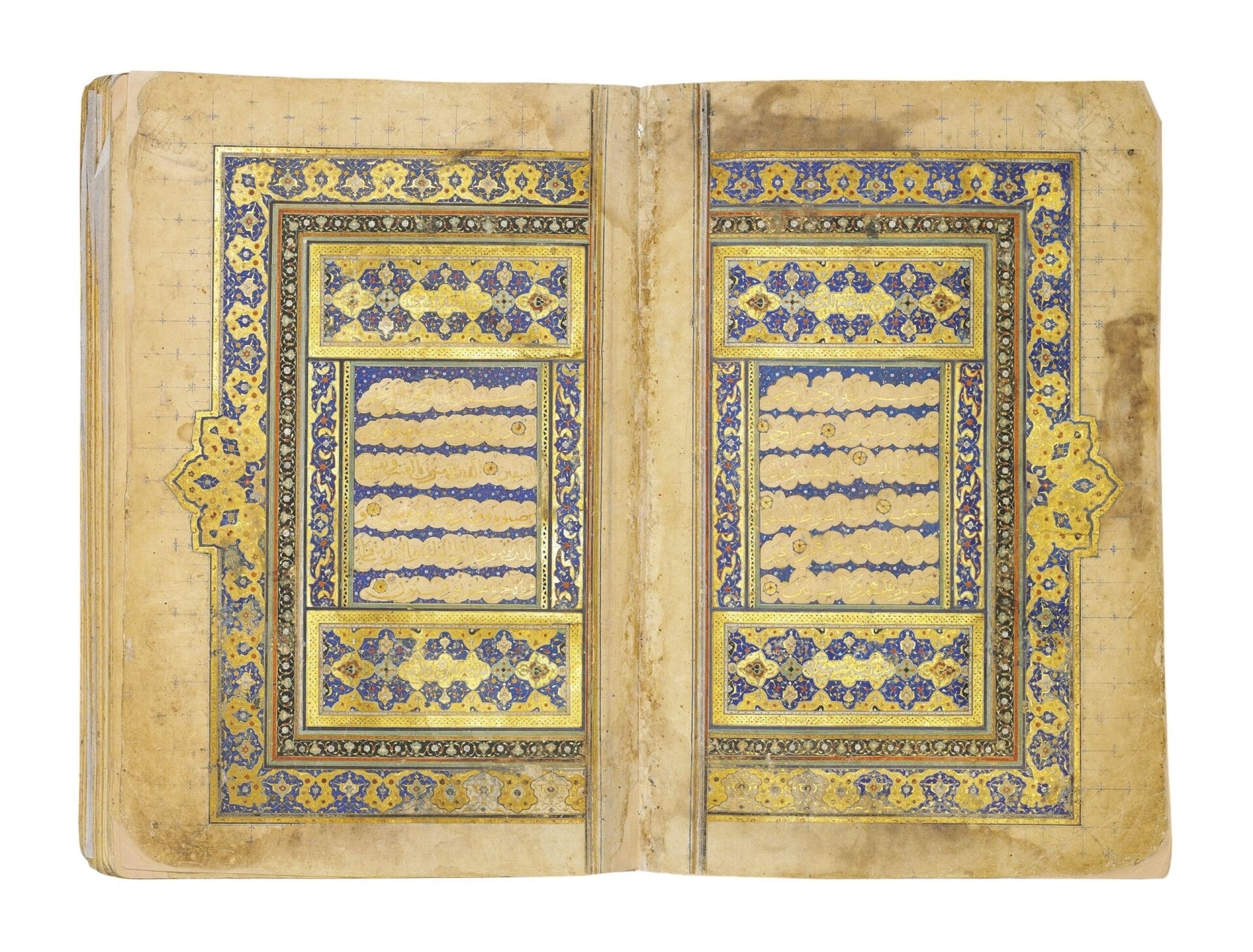
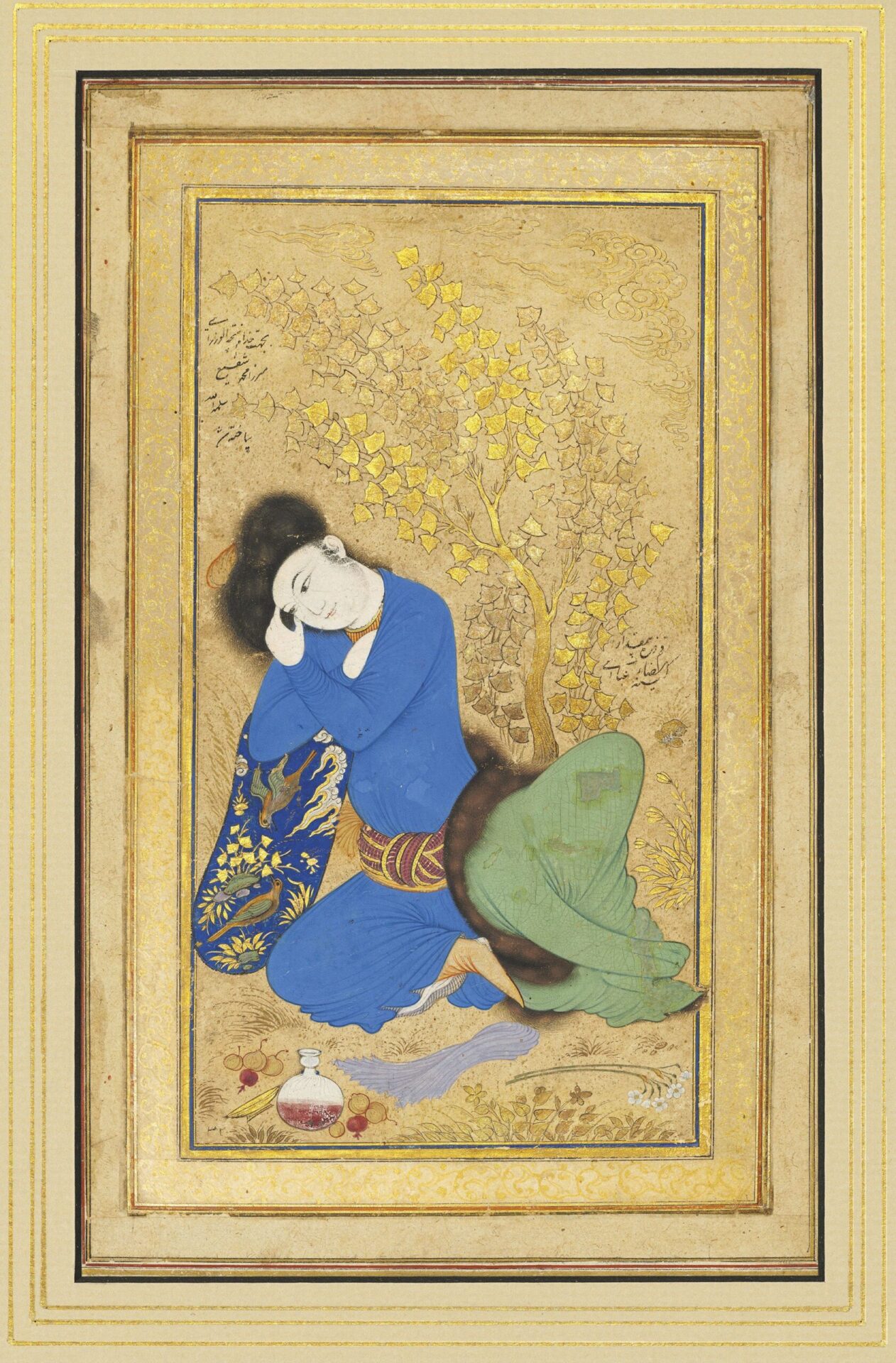
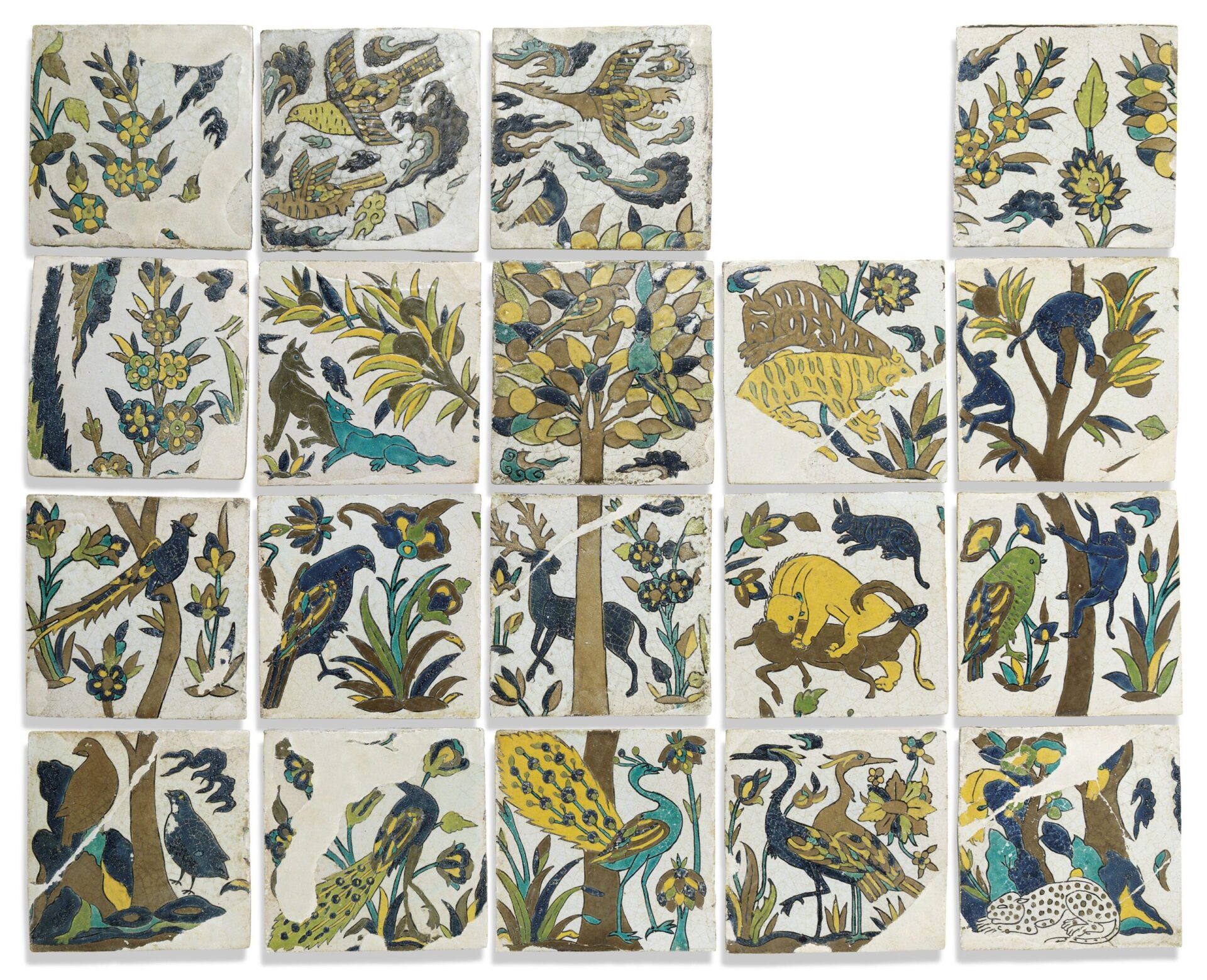
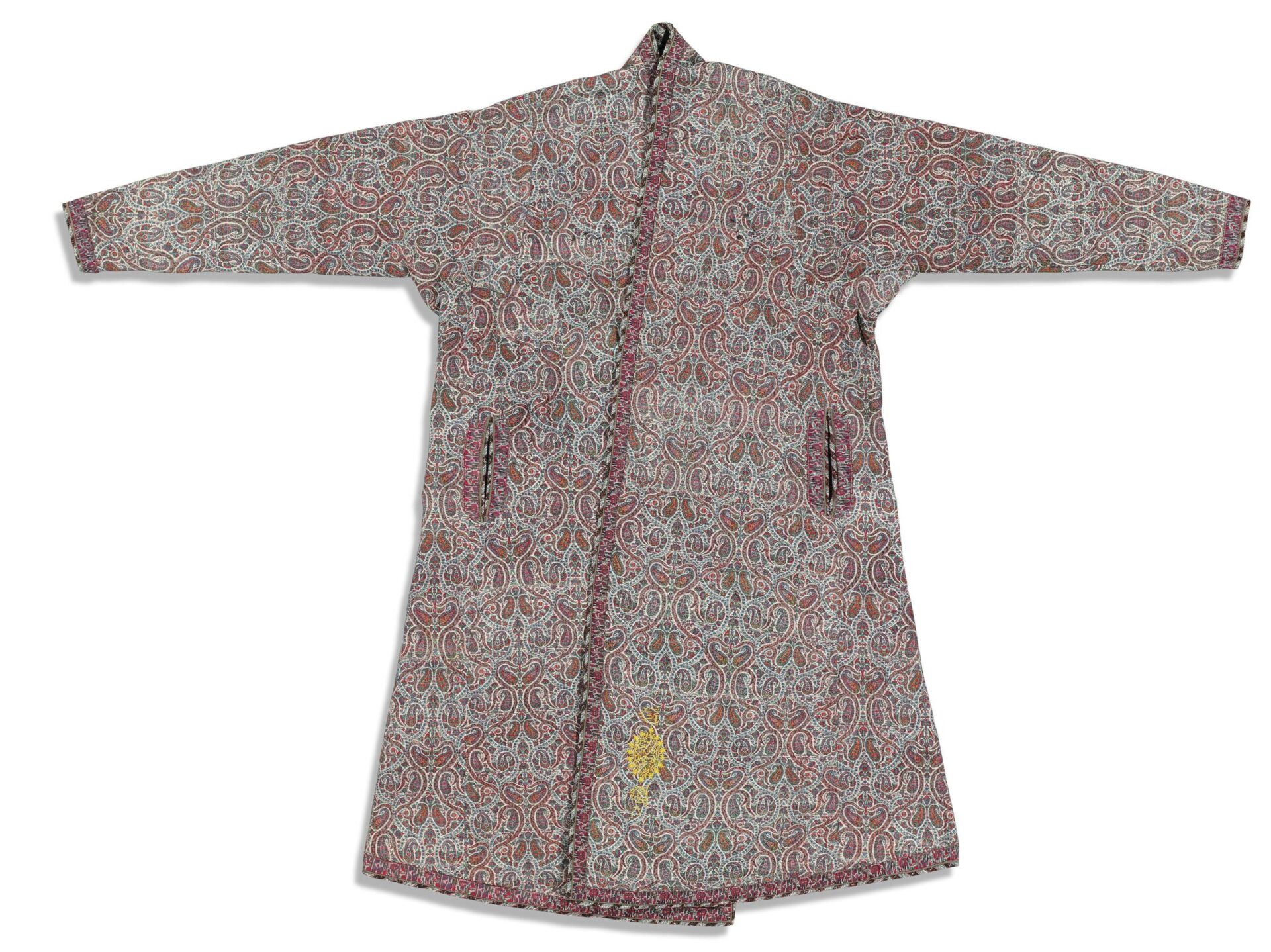
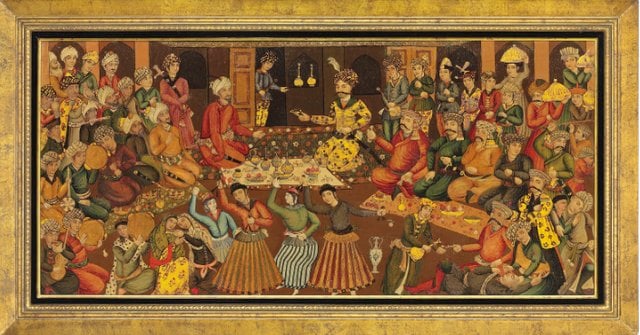
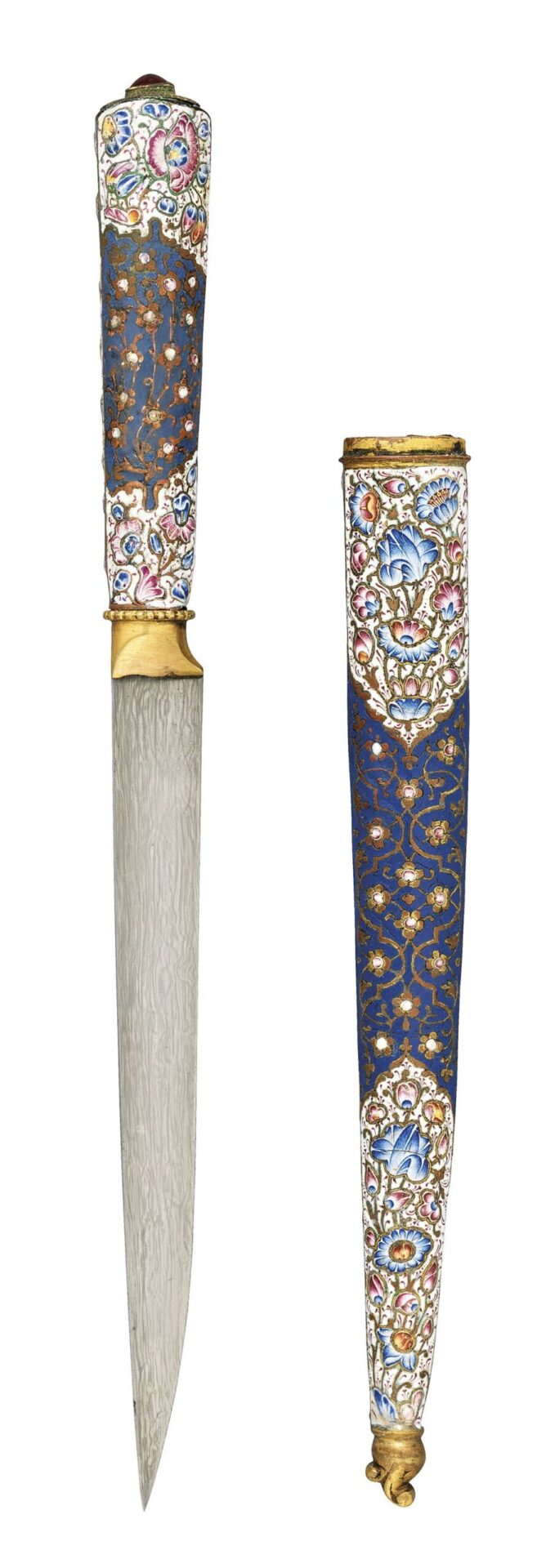
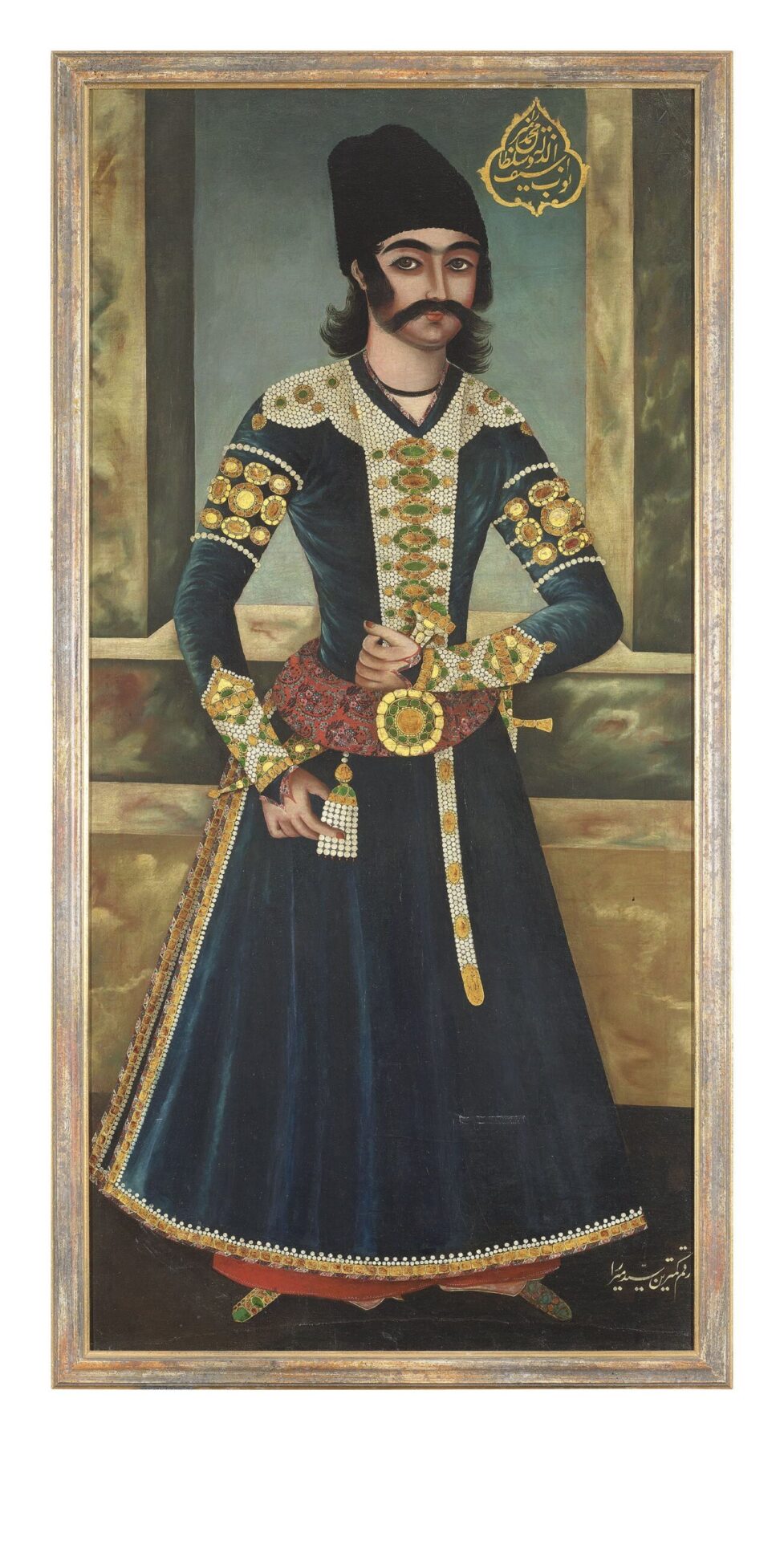
In this exhibition, which is called Art of the Islamic and Indian Worlds, nearly 150 Iranian works are going to be auctioned at an initial price of $1,000 to more than $230,000.
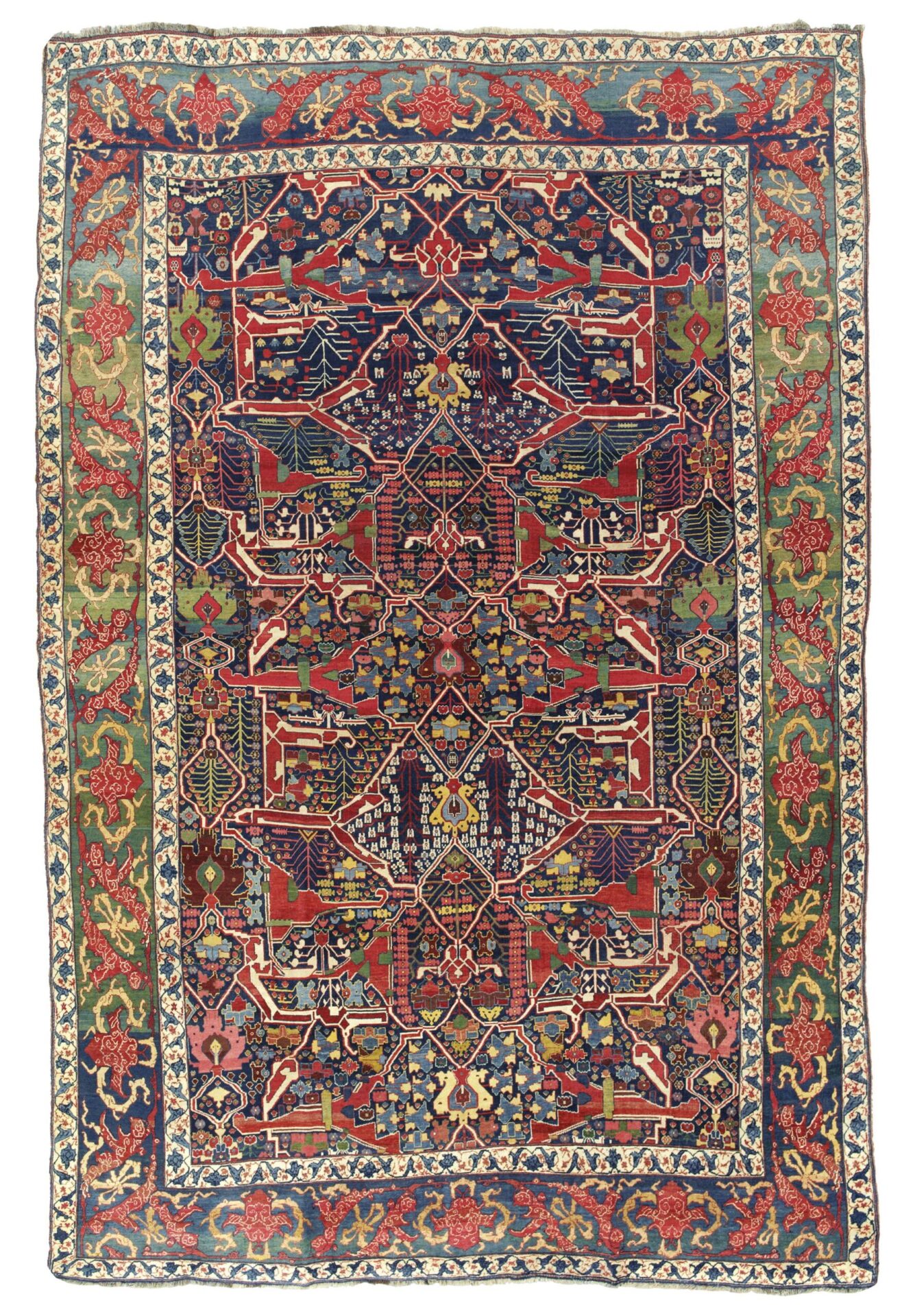
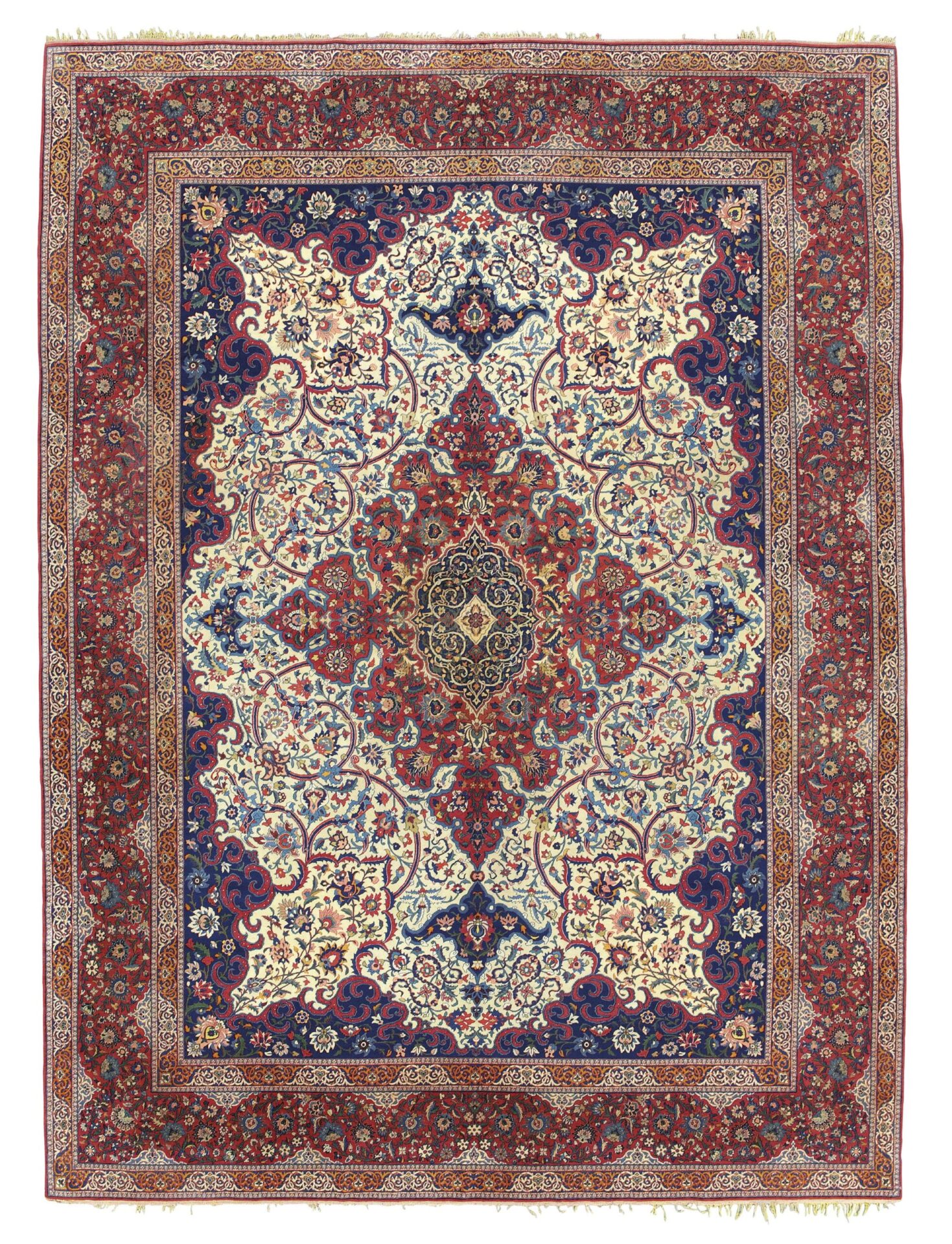
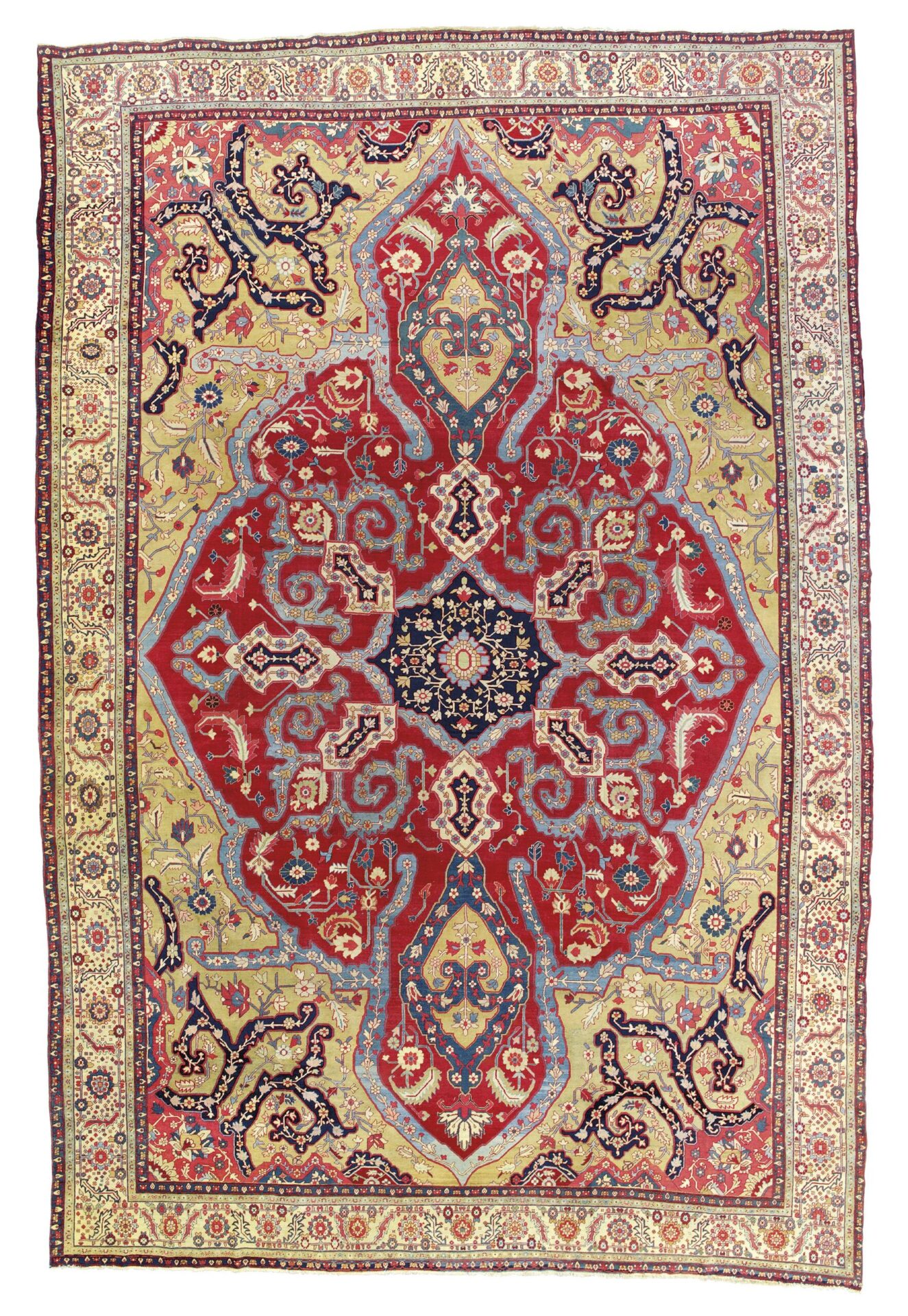
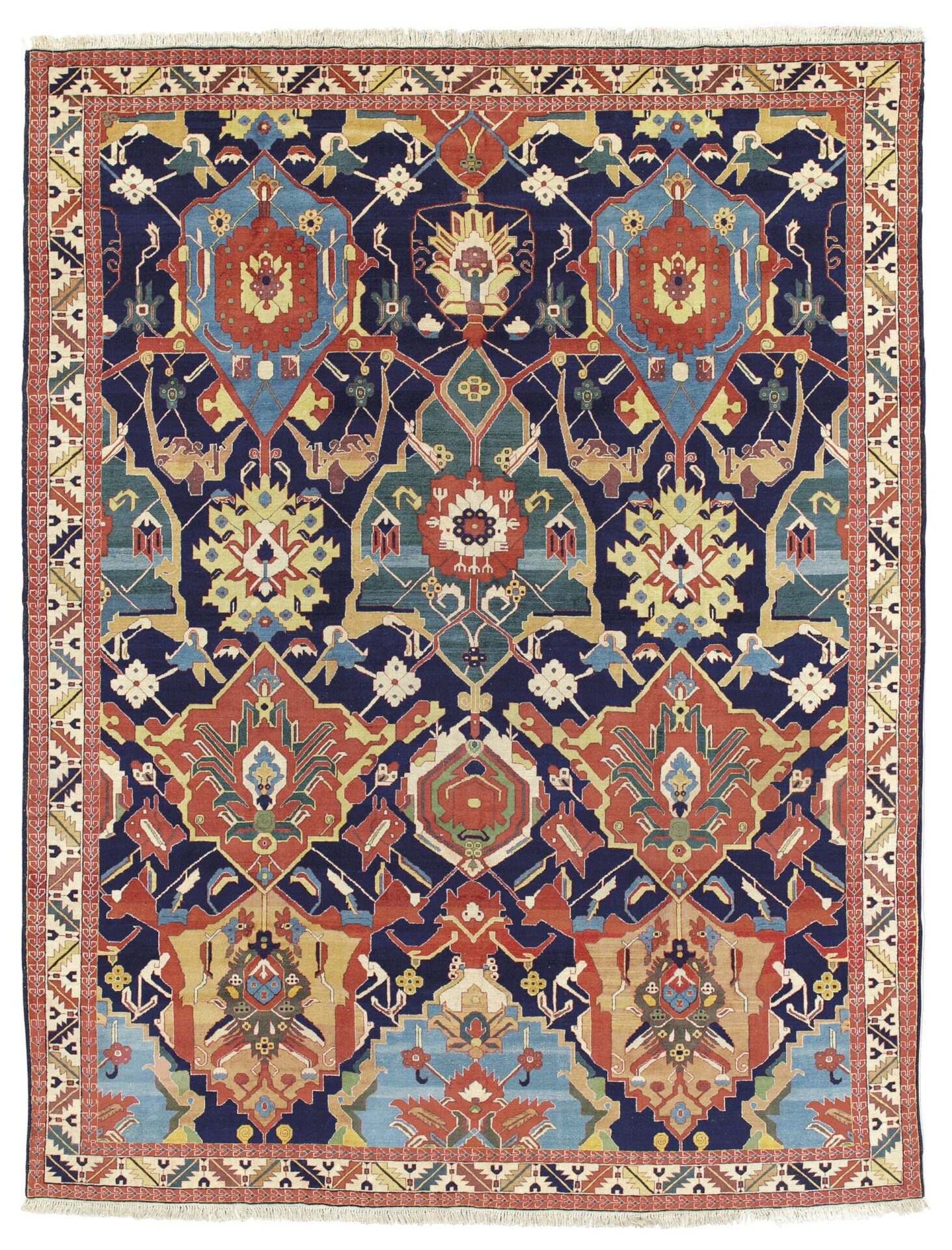
The works include the manuscripts of the holy Quran, Ferdowsi’s Shahnameh (Book of Kings), and Rumi’s Masnavi next to the paintings and tiles of the Safavid period as well as 45 Persian rugs.
At the Christie’s auction, a total of 385 works from Iran, India, Turkey, China, Syria, Saudi Arabia, Spain, Russia, Palestine, Morocco, Jordan, Italy, Egypt, Britain, Iraq, Uzbekistan, Turkmenistan and Tunisia will be sold to the visitors.
Among the Iranian works, a manuscript of holy Quran belonging to the Safavid era is ranked first as the most expensive Iranian work and the second most expensive work in the auction.
Among the 45 Iranian rugs, a Bijar carpet and a carpet of Isfahan are the most expensive ones.


President Saleh met with Iran’s Ambassador to Baghdad Iraj Masjedi at the seat of the Iraqi presidency, the al-Salam Palace, in the capital on Sunday night.
During that meeting, Saleh pointed to the commonalities and the long-running relationship between the two nations and called for the deepening of bilateral ties.
Saleh said that in telephone conversations with regional leaders and in meetings with envoys from various countries, he had stressed the importance of deescalating tensions in the region and the enhancement of relations with Iran, according to Islamic Republic News Agency (IRNA).
The Iraqi president said the betterment of relations among the countries in the region would serve both Iraq and other regional states.
A group of Arab countries in the Persian Gulf have developed hostilities toward Iran. And Iraq considers itself to be the field of a proxy war between those regional governments and Tehran. Iran, for its part, has said it is involved in no such war, and on October 4, Iranian Foreign Minister Mohammad Javad Zarif once again extended a hand toward regional countries in spite of their hostilities.
The United States, under former president George W. Bush invaded Iraq in 2003, claiming that the then-Iraqi regime possessed weapons of mass destruction. No such weapons were ever found. And President Bush later called his decision to order the invasion of Iraq “an emotional one.” In a memoir published in 2010, he also claimed, “No one was more shocked and angry than I was when we didn’t find the weapons [of mass destruction].”
Bush’s successor, former president Barack Obama, officially ended the occupation of the Arab country in 2011.
Despite the end of the occupation, and the tacit American expressions of guilt, Iraq continues to reel from the American invasion and years of occupation and the persisting insecurity that it has caused to this day.
Saleh, a Kurdish politician, was elected president at the Iraqi parliament on October 2. Parliamentary elections had been held earlier, in May.
Ambassador Masjedi congratulated President Saleh on his election in their Sunday meeting and affirmed the Iraqi president’s stance on the betterment of ties between Tehran and Baghdad.
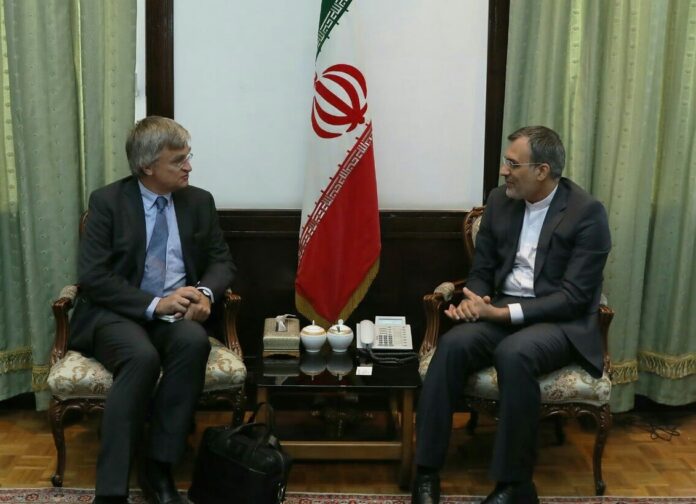
In their Sunday meeting in Tehran, Jaberi Ansari and Peter Semneby exchanged views on the latest developments in Yemen.
They also talked about Iran-Sweden cooperation in order to help put an end to the Yemen crisis and the human catastrophe in the country.
The Swedish ambassador to Tehran was also present at the meeting.
Yemen is in the grip of a humanitarian disaster with millions facing starvation and disease after years of war on the country waged by Saudi Arabia and its allies.
The Saudi-led war in Yemen started in March 2015 as an attempt to crush the Houthi Ansarollah movement in the region and reinstall former president Abd Rabbuh Mansur Hadi. The conflict has created a dire humanitarian situation in the country.
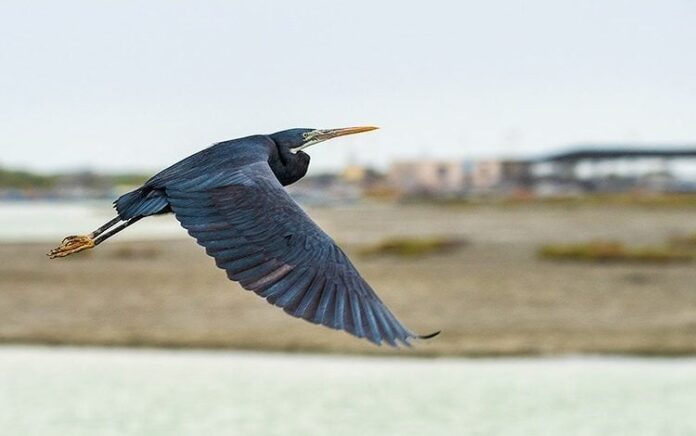
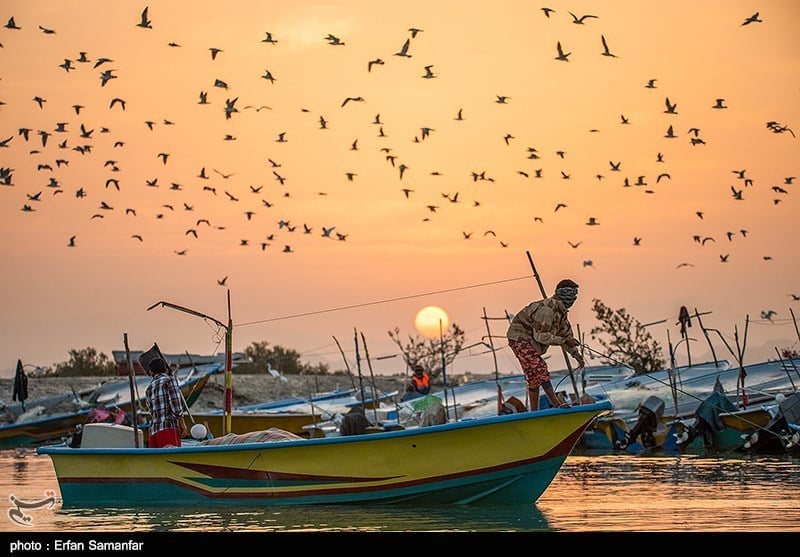
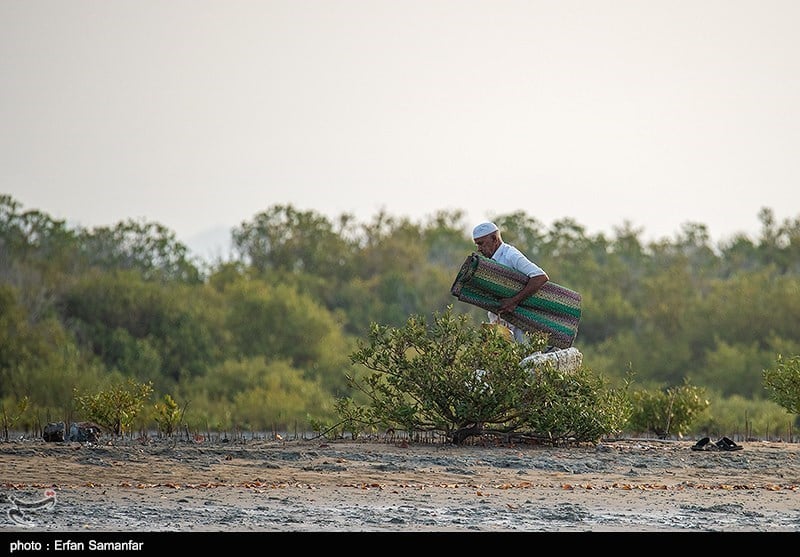
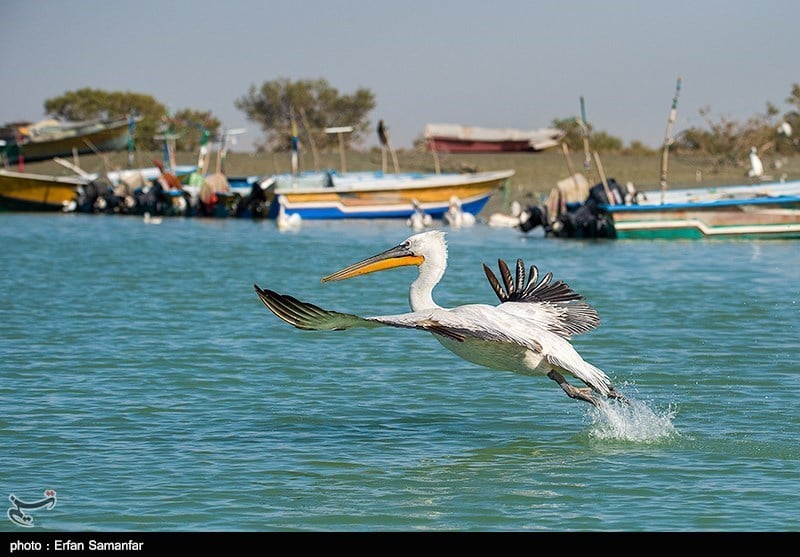
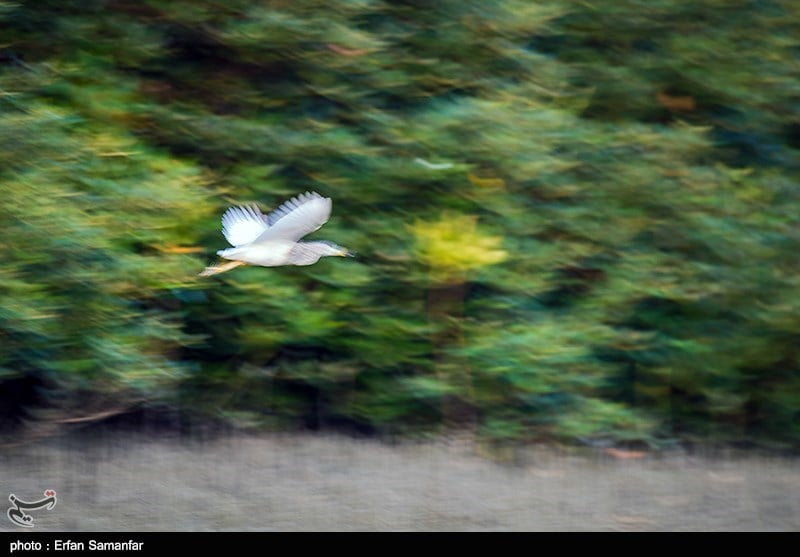
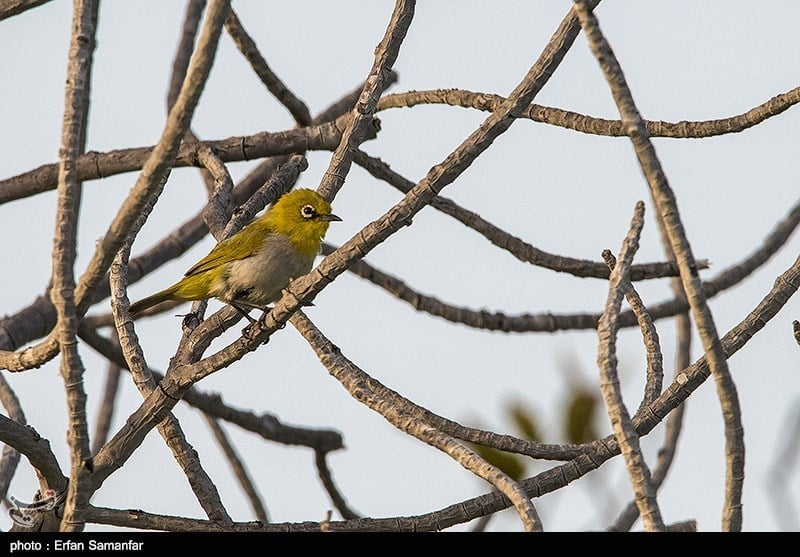
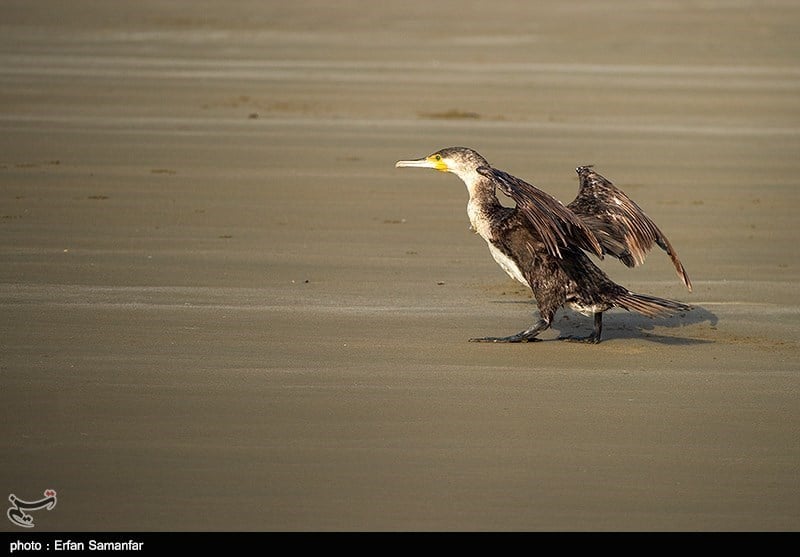
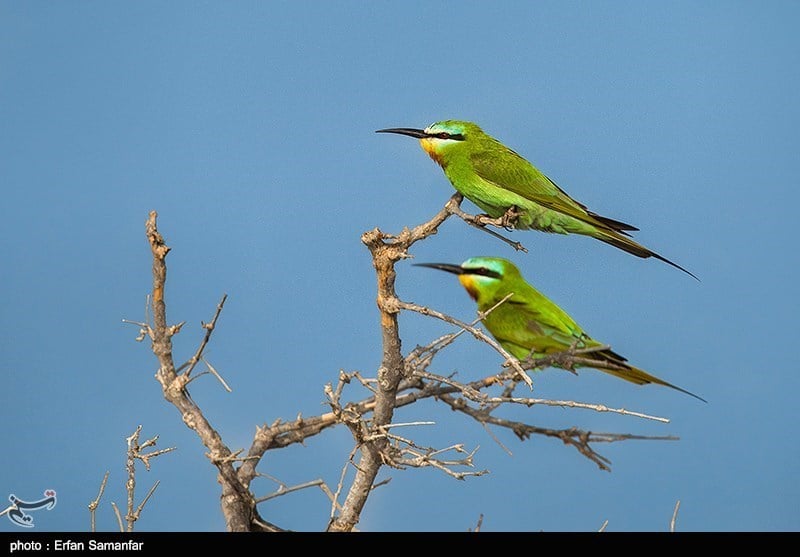
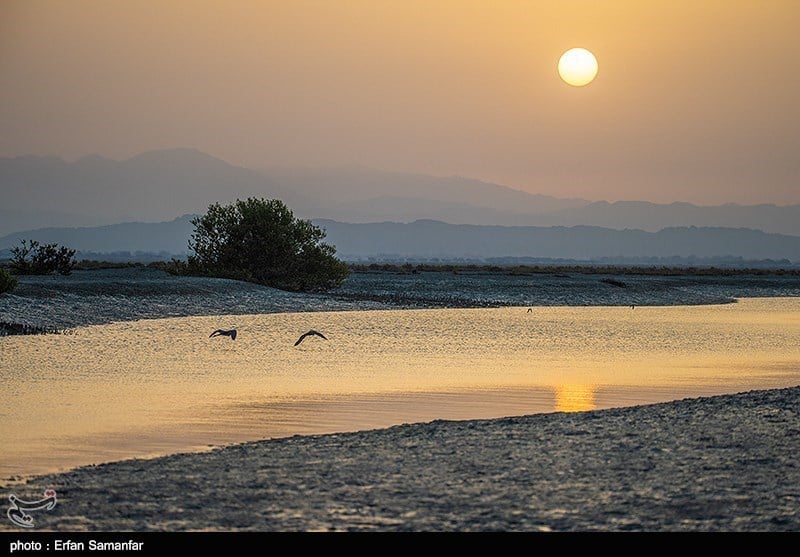
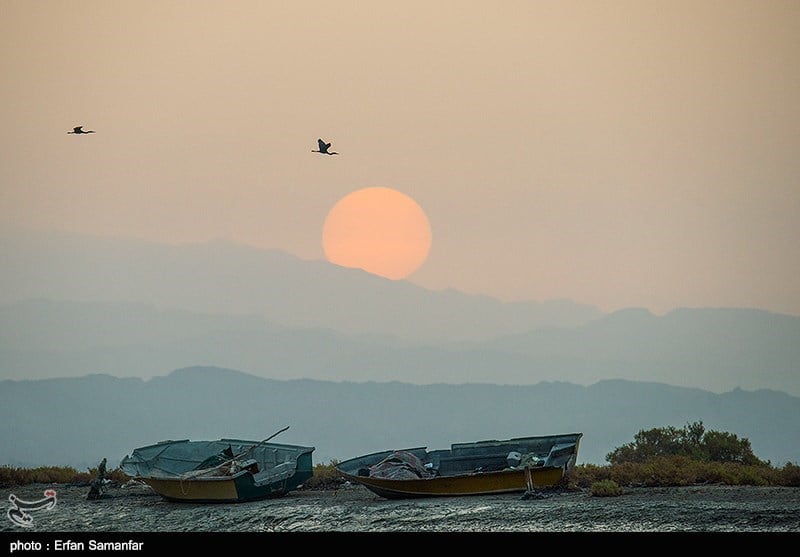
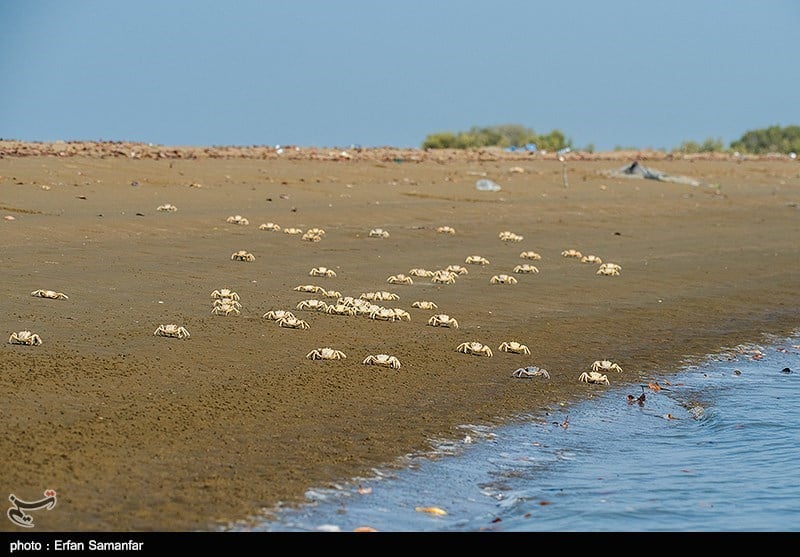
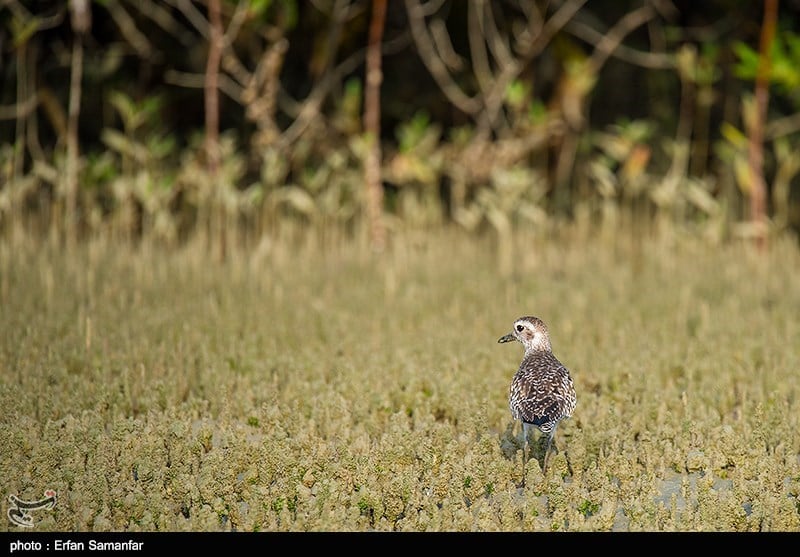
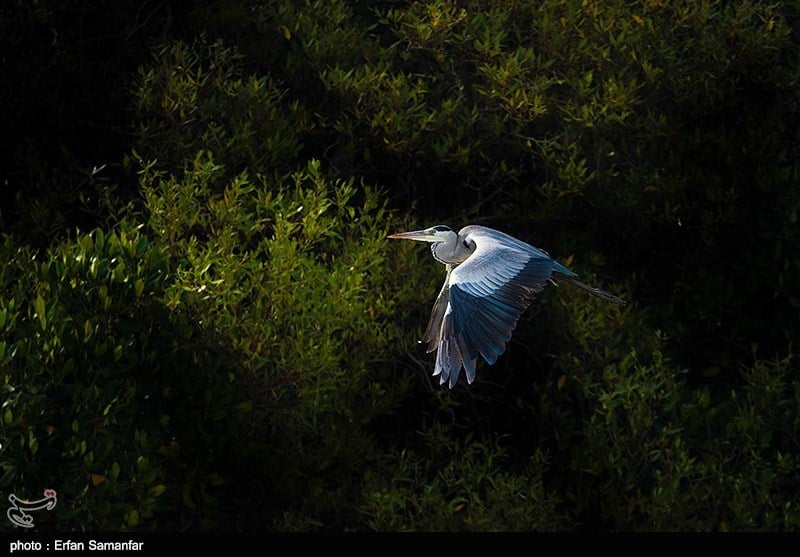
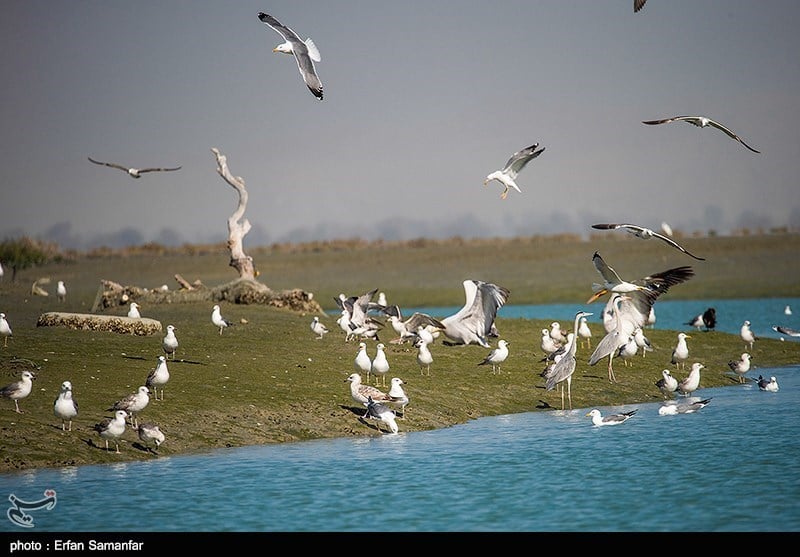
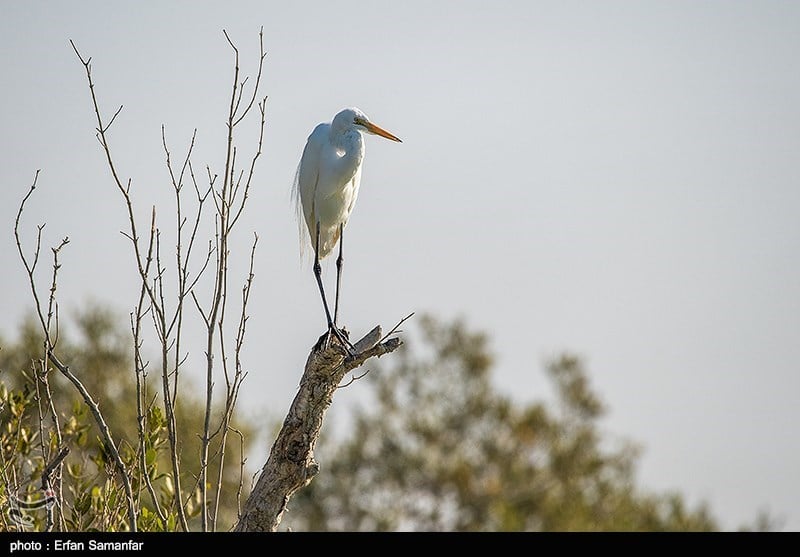
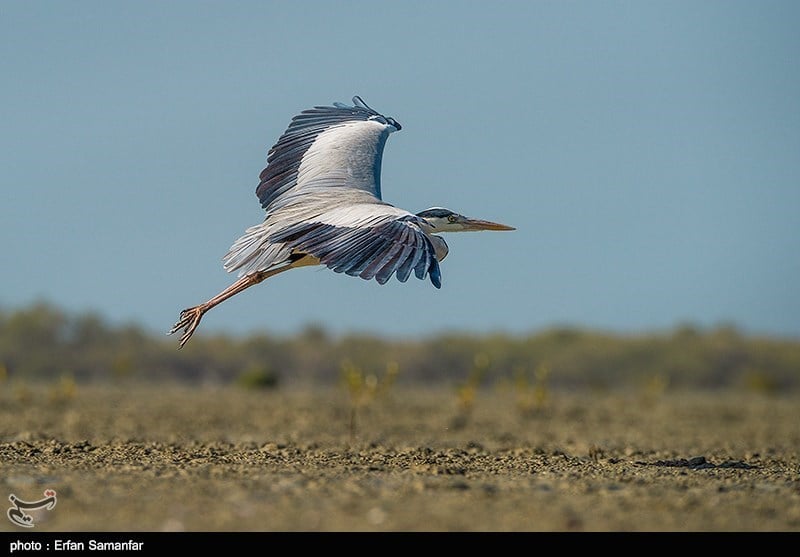
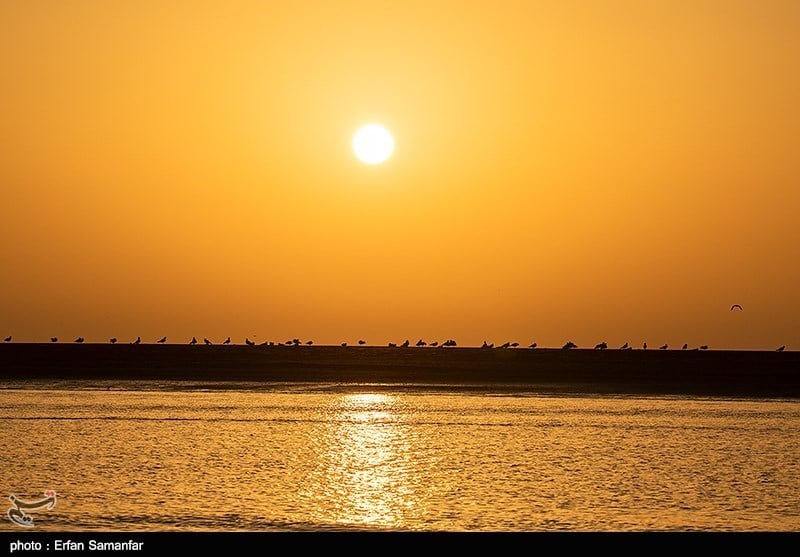
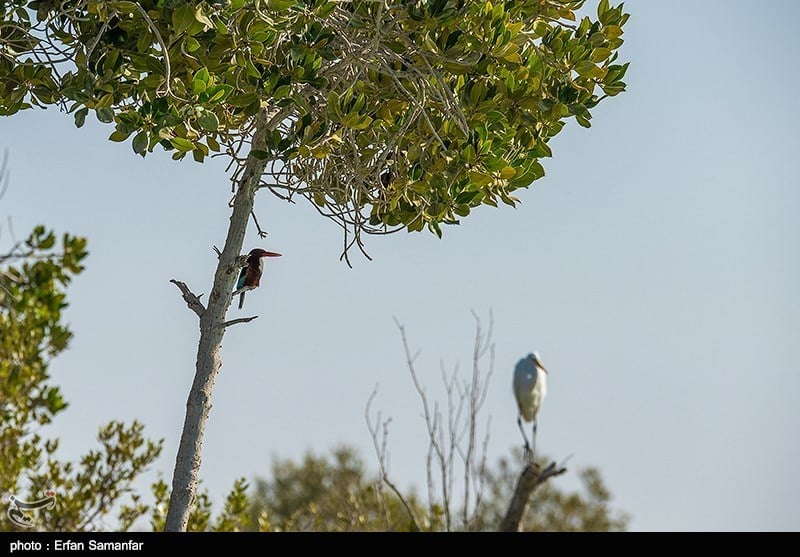
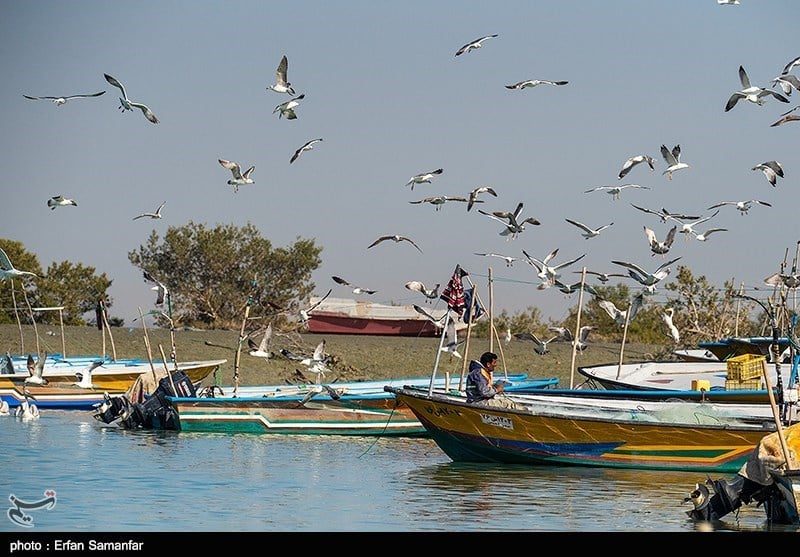
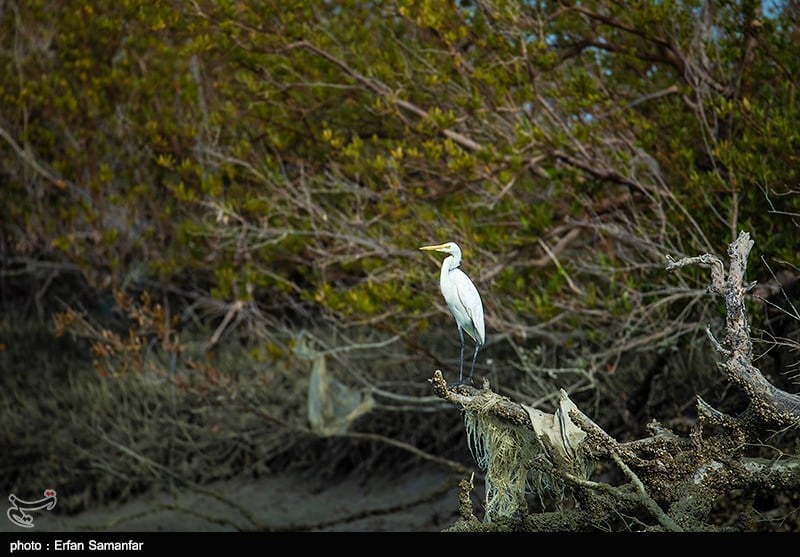
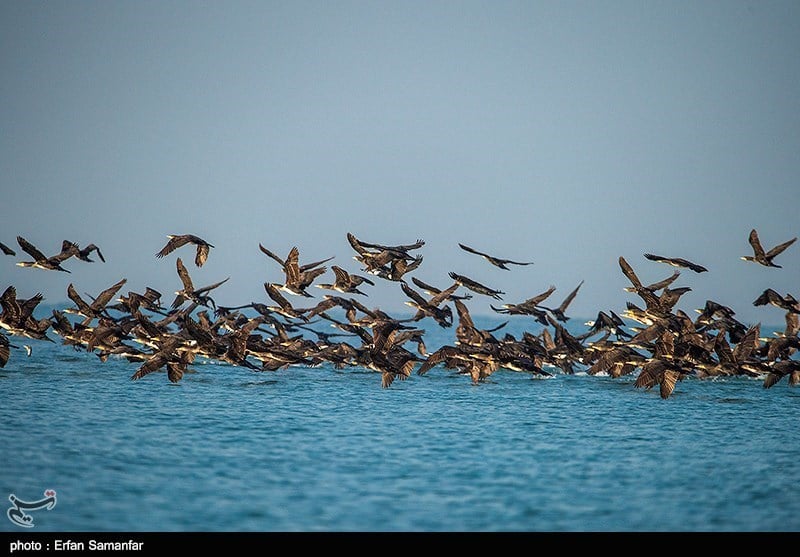
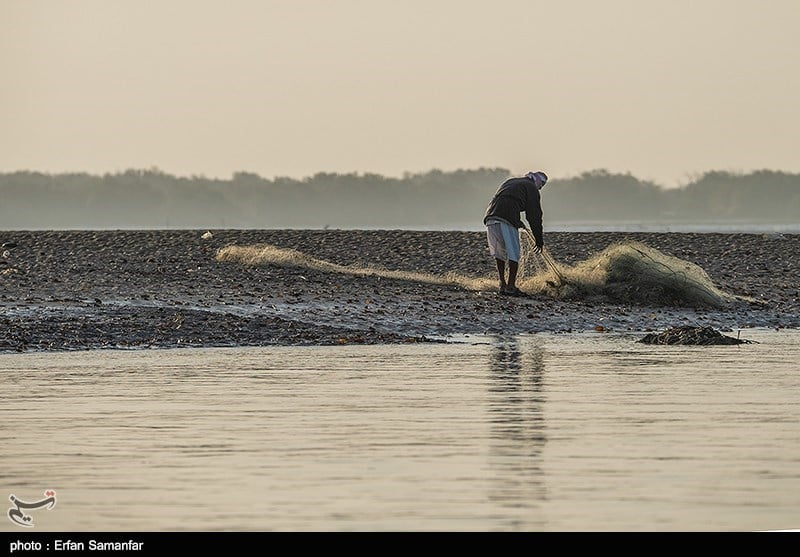
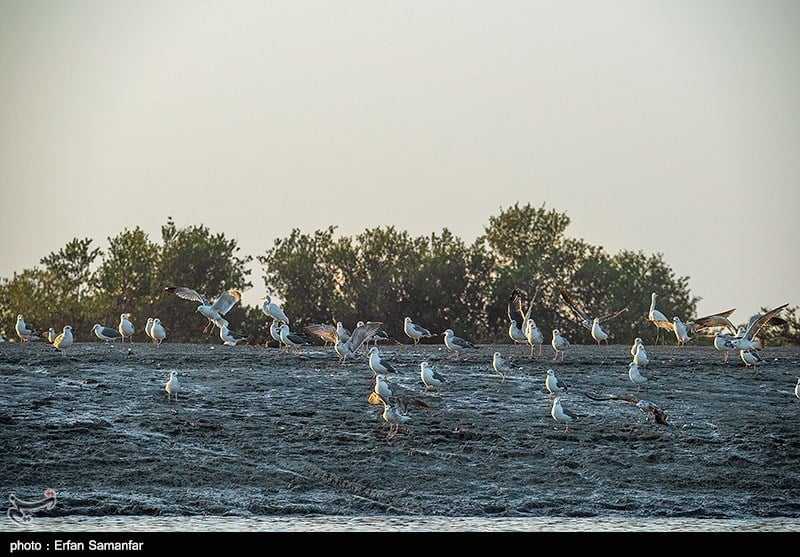
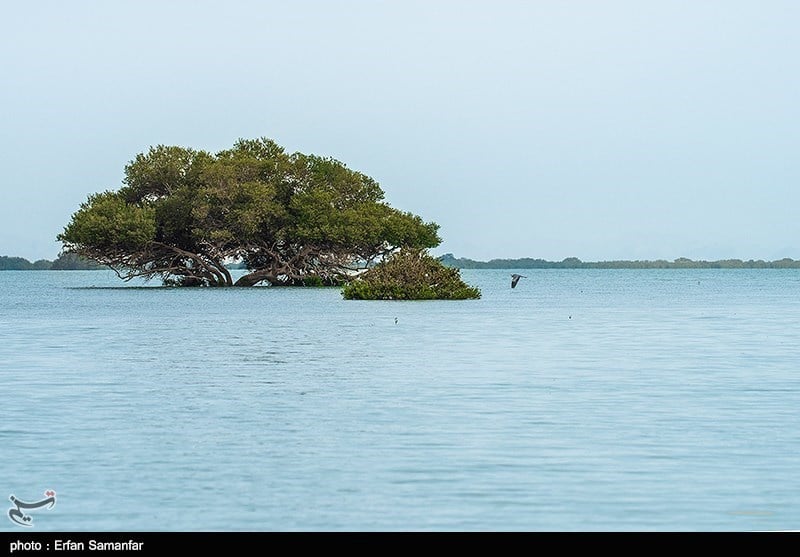
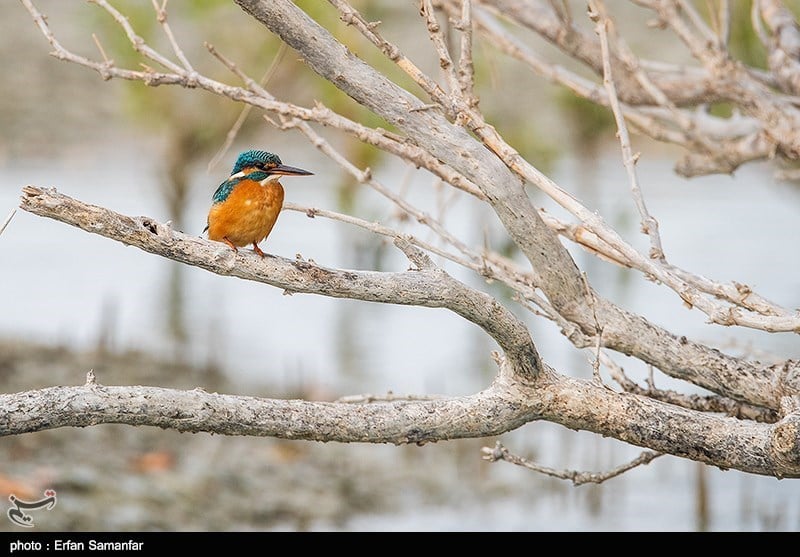
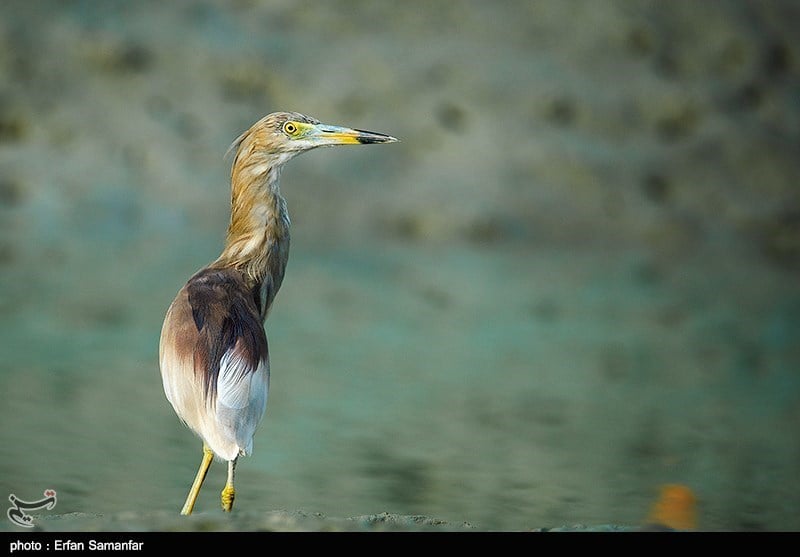
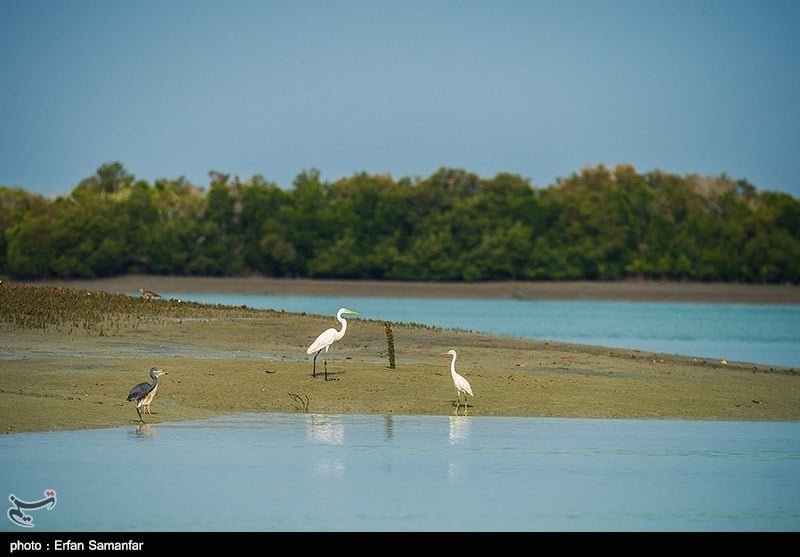
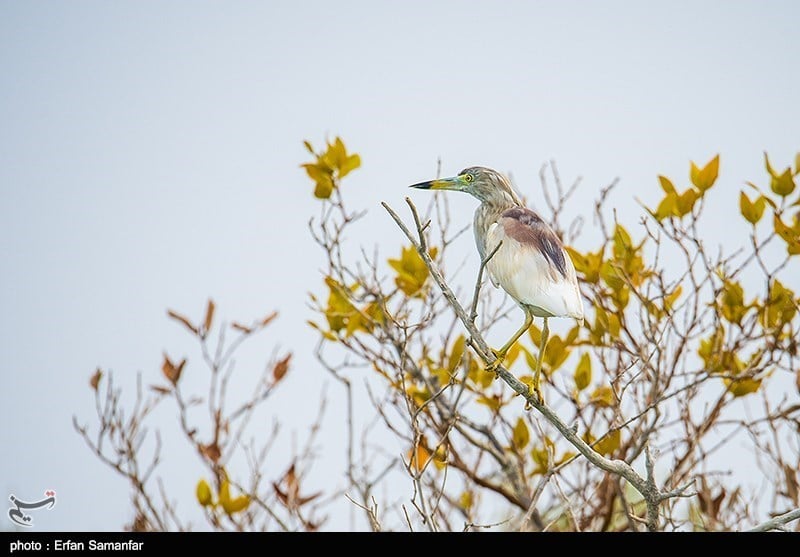
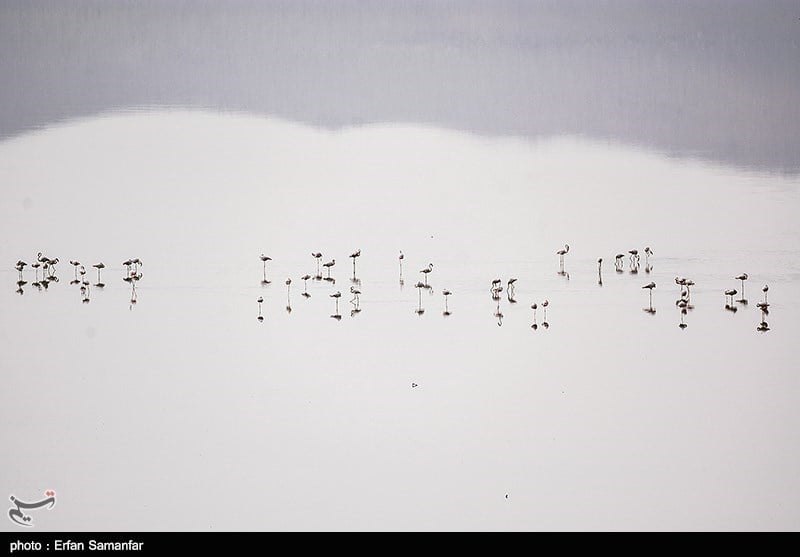
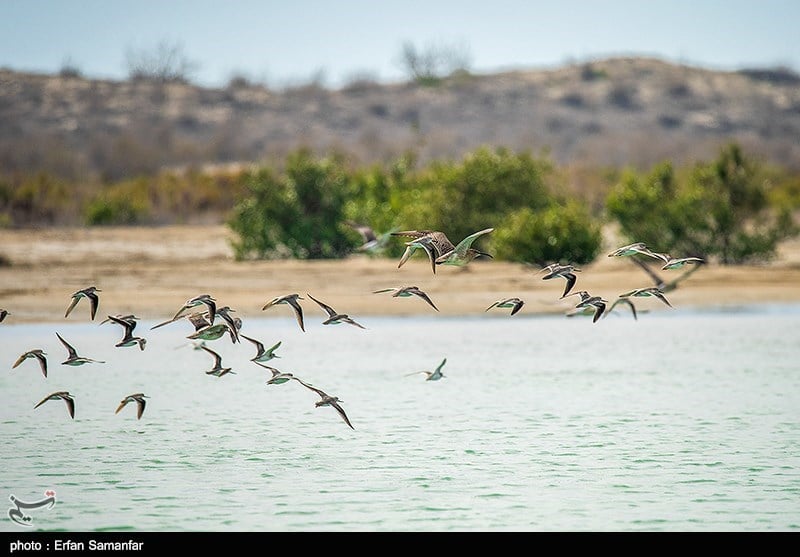
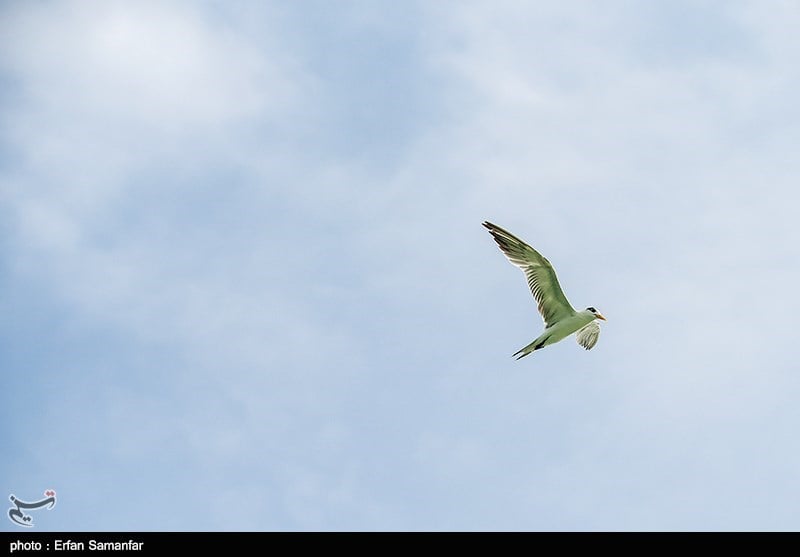
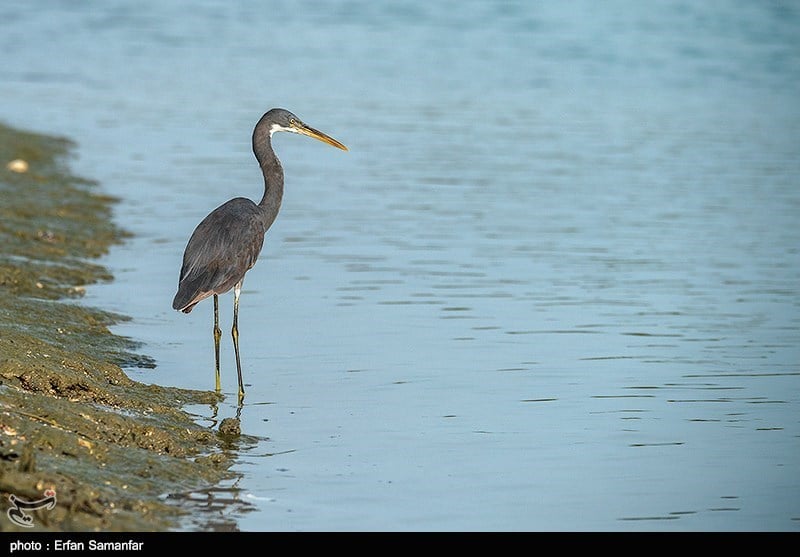
The lagoon is home to a unique mangrove forest with an area of over 500 hectares. It has a great potential to attract domestic and foreign tourists.
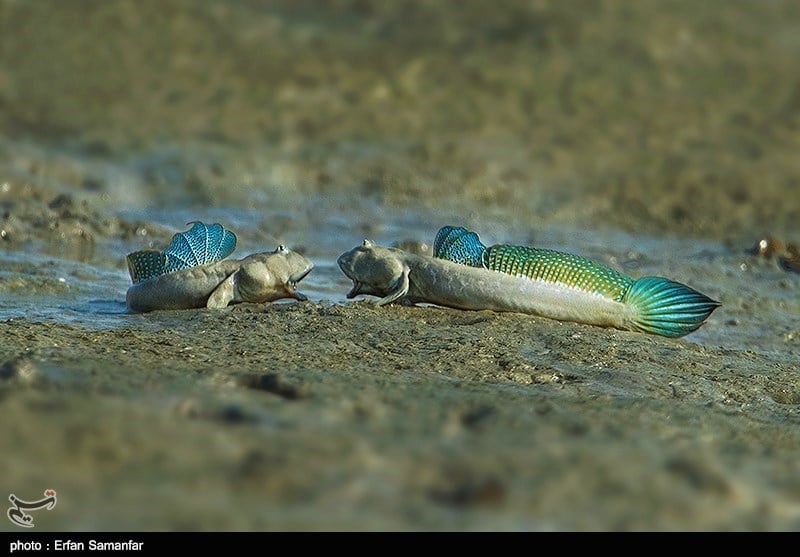
The two grey and red species of mangrove that grow up in this wetland appear and disappear with the ebb and flow of the sea. As a result, the lagoon is a breeding ground for aquatic species as well as marine birds.
What you see here are Tasnim News Agency’s photos of Sirik Lagoon:
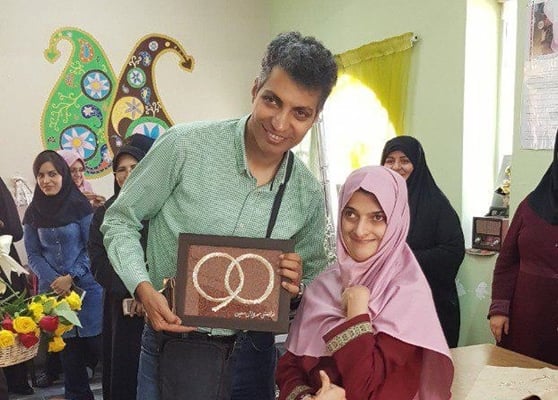
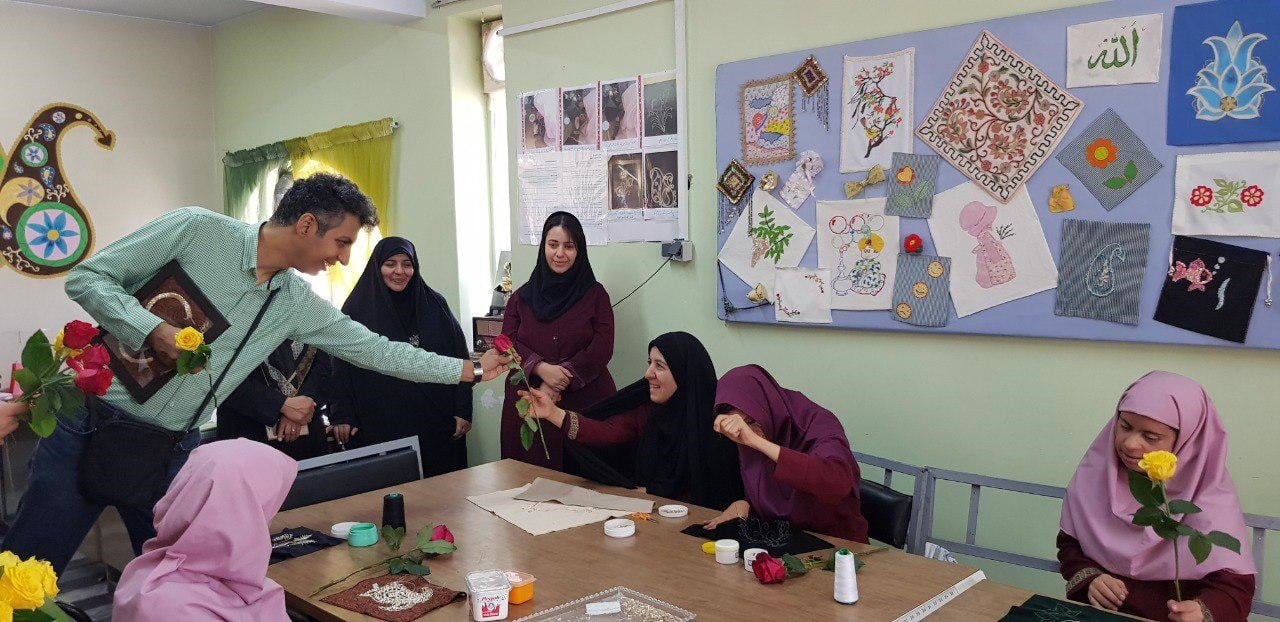
On the first day of the new school year, Adel Ferdowsipour surprised a group of girls with intellectual disability, but got shocked at the girls’ intense love for football when meeting them.
Despite their mental retardation, the girls are learning different skills at the institute as a ray of hope for their families.
On the first day of the school year, the girls hosted Ferdowsipour, the most famous football commentator as well as the host of the most popular football program in Iran, Navad (90), aired on national TV weekly.
He saw for himself the activities of the girls in different classes, from sewing to leatherwork to painting. He also listened to what their teachers and instructors had to say.
The girls recited poems to him, gave him the needlework logo of the Navad program as a gift, and took group photos with him.
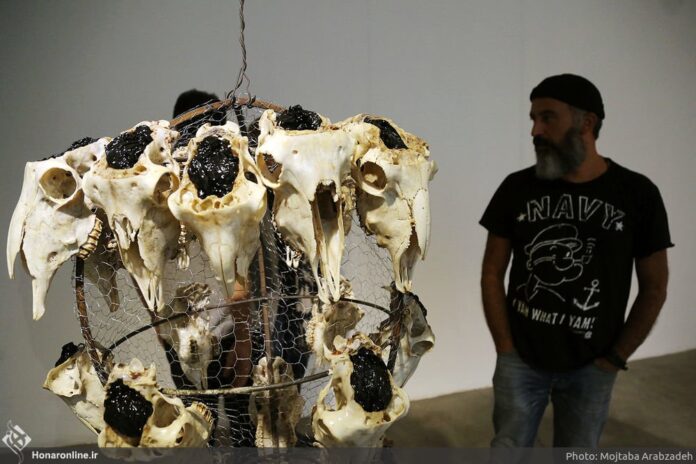
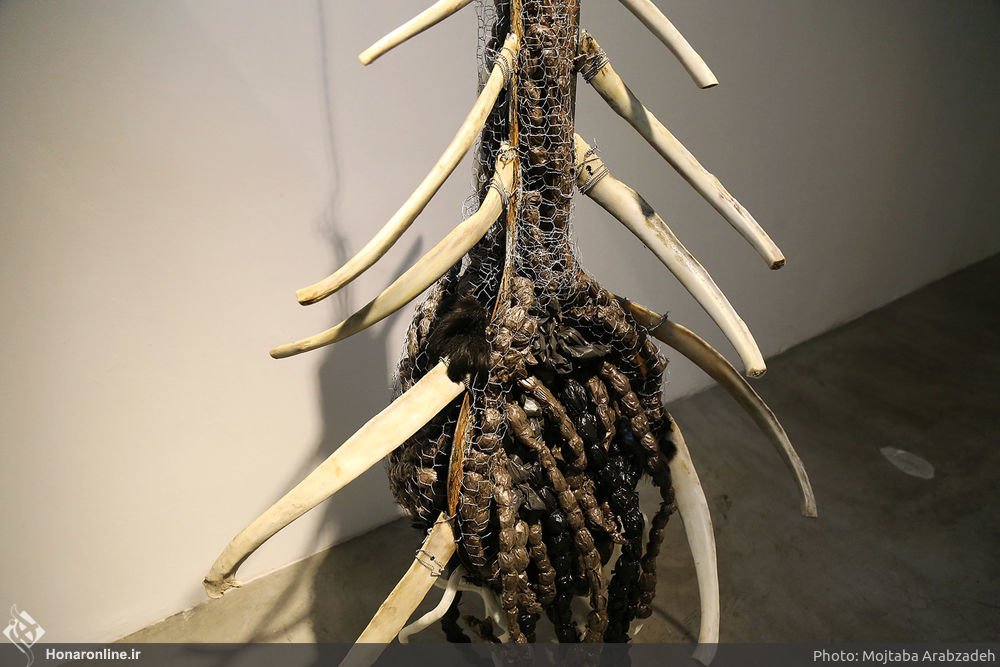
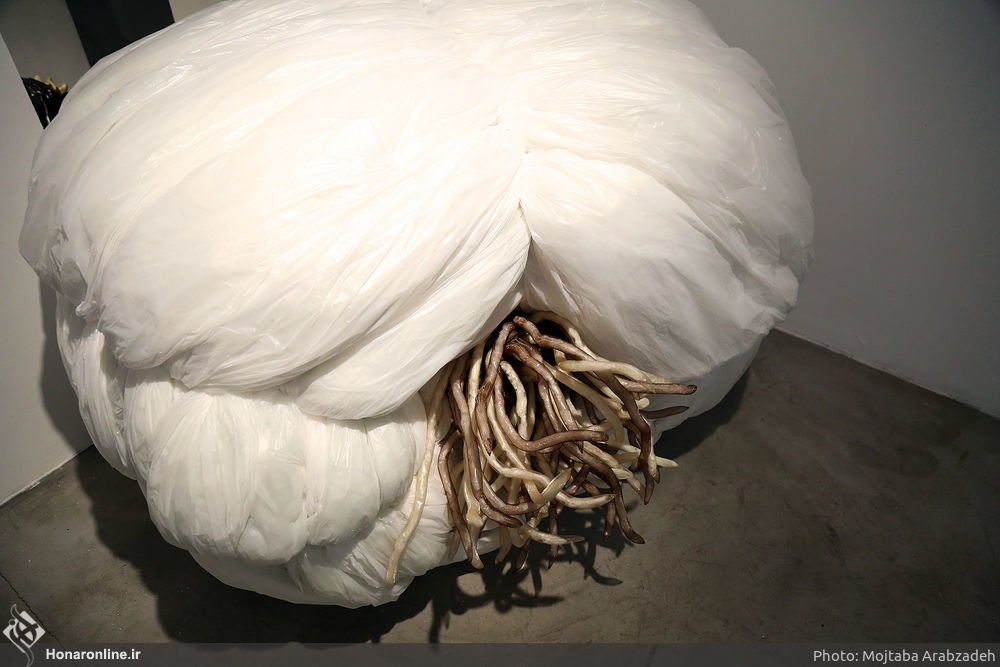
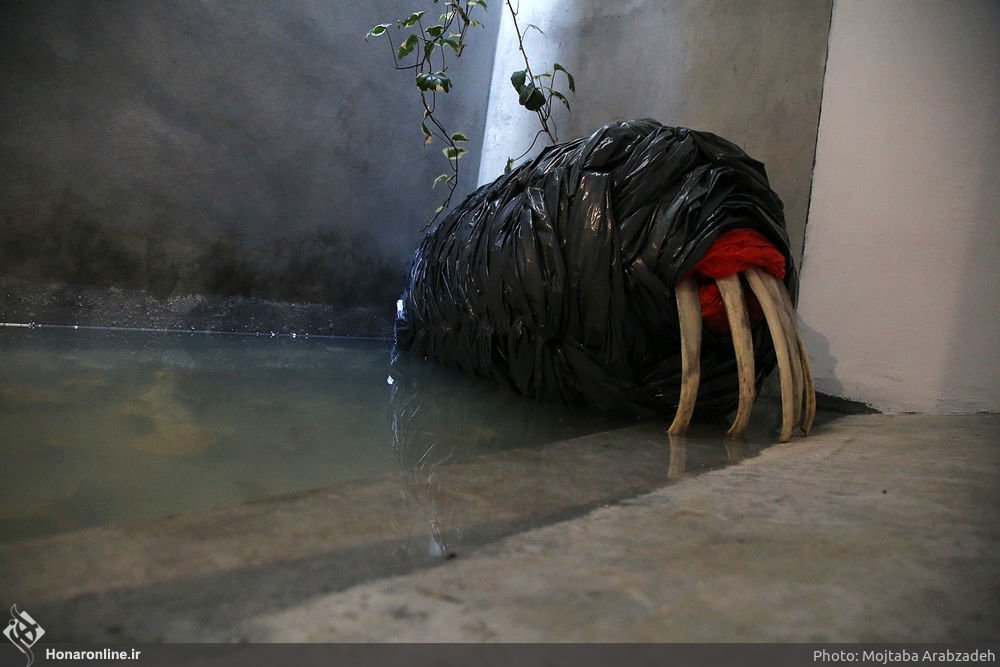
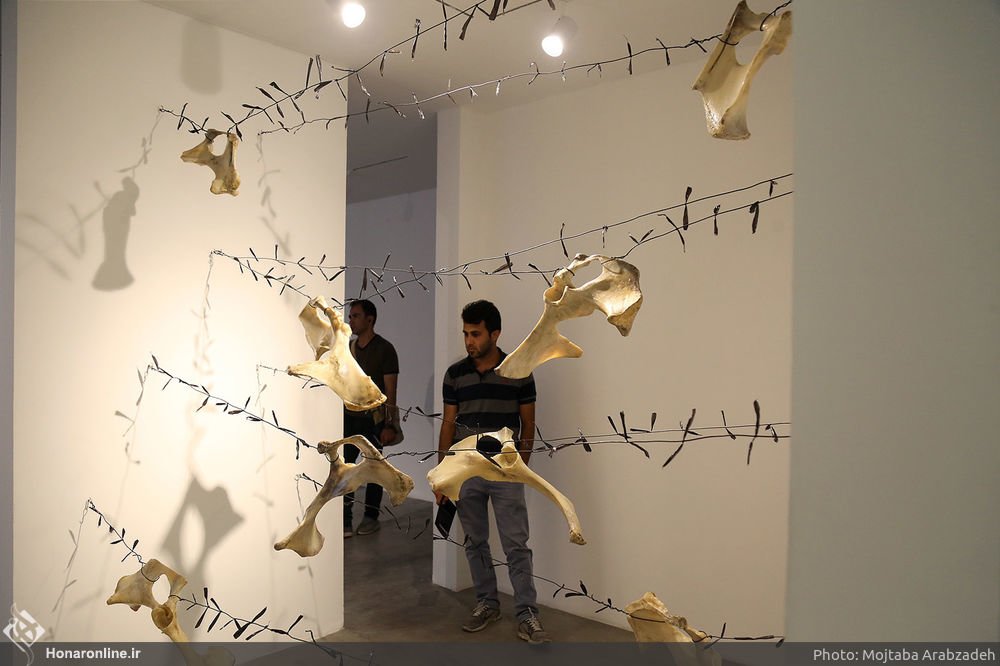
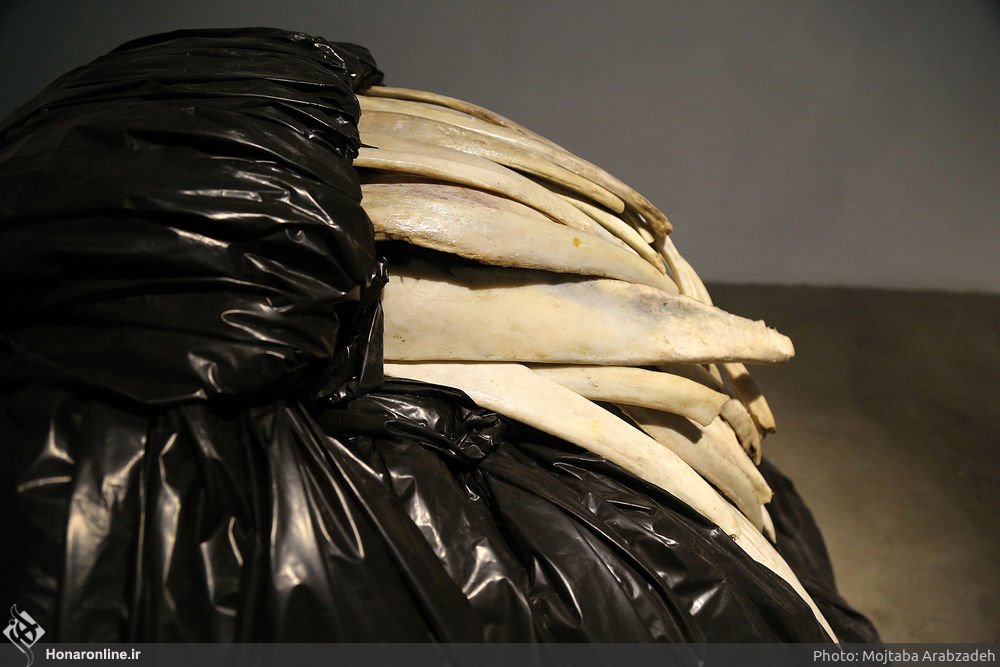
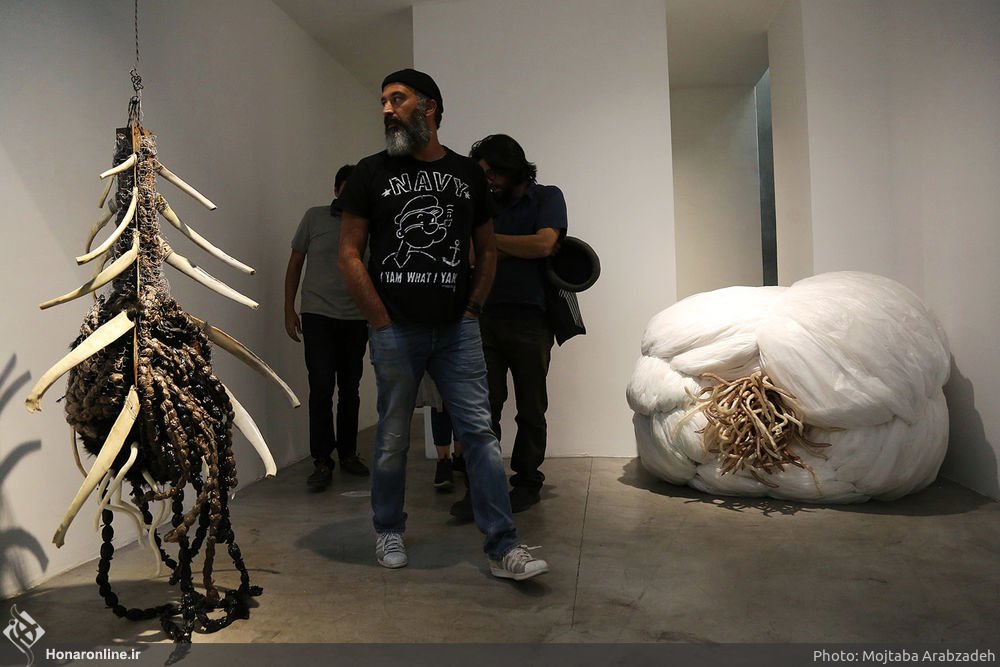
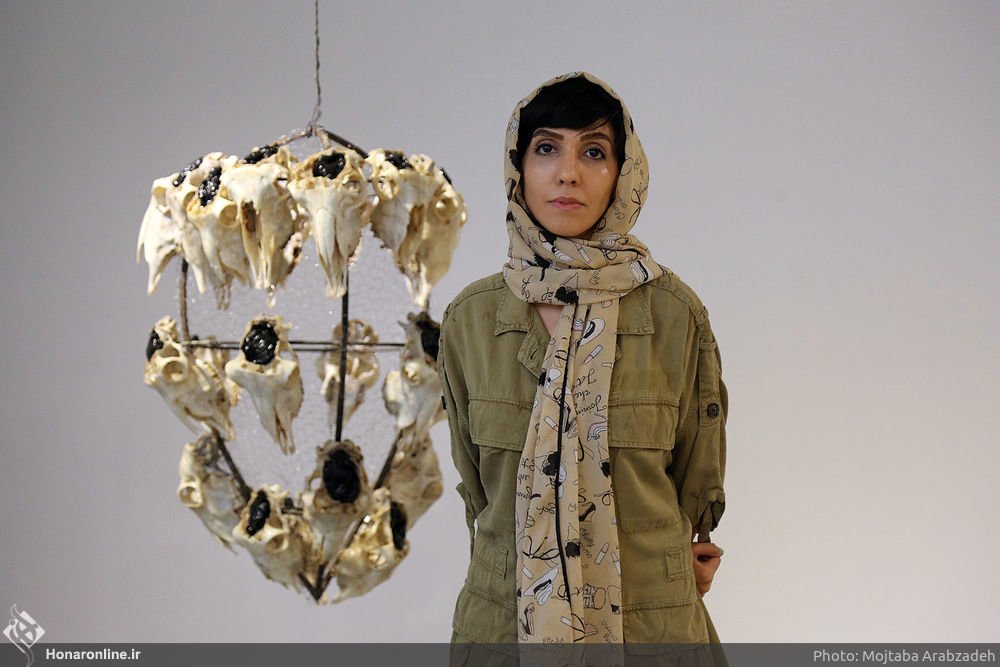
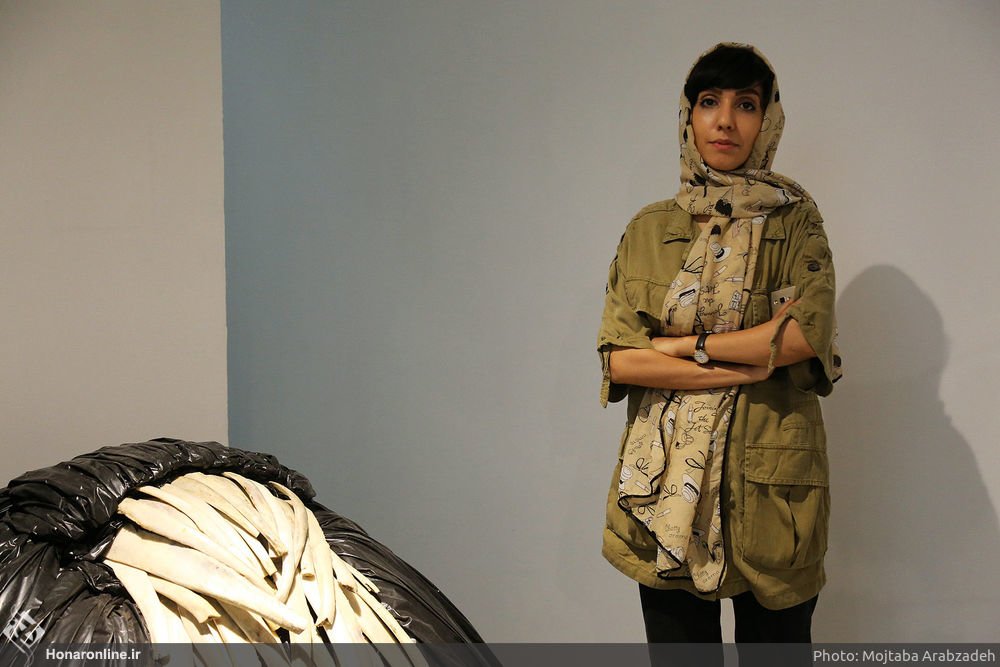
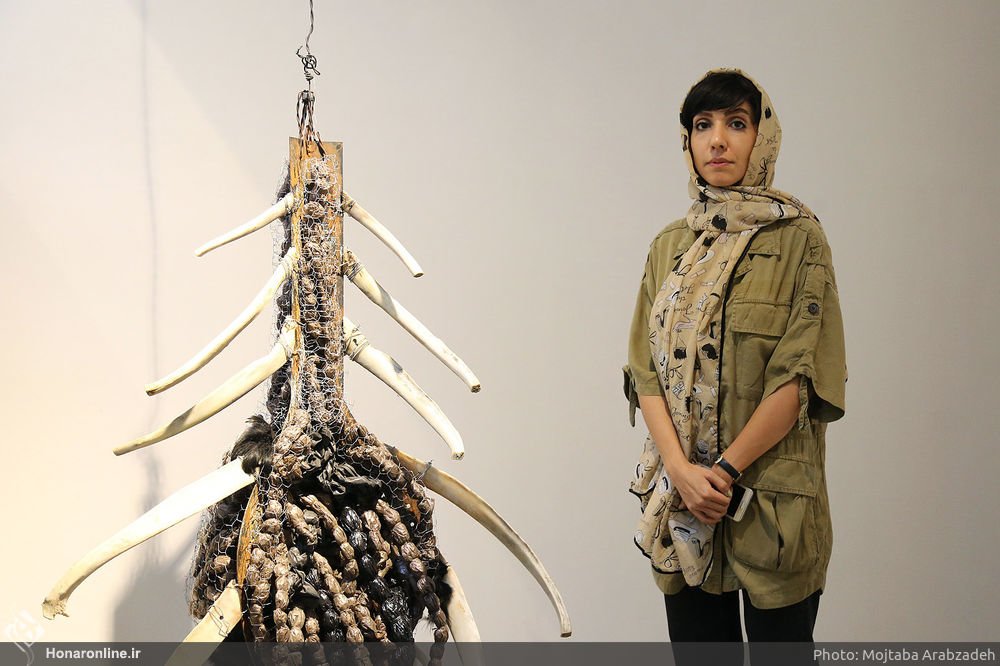
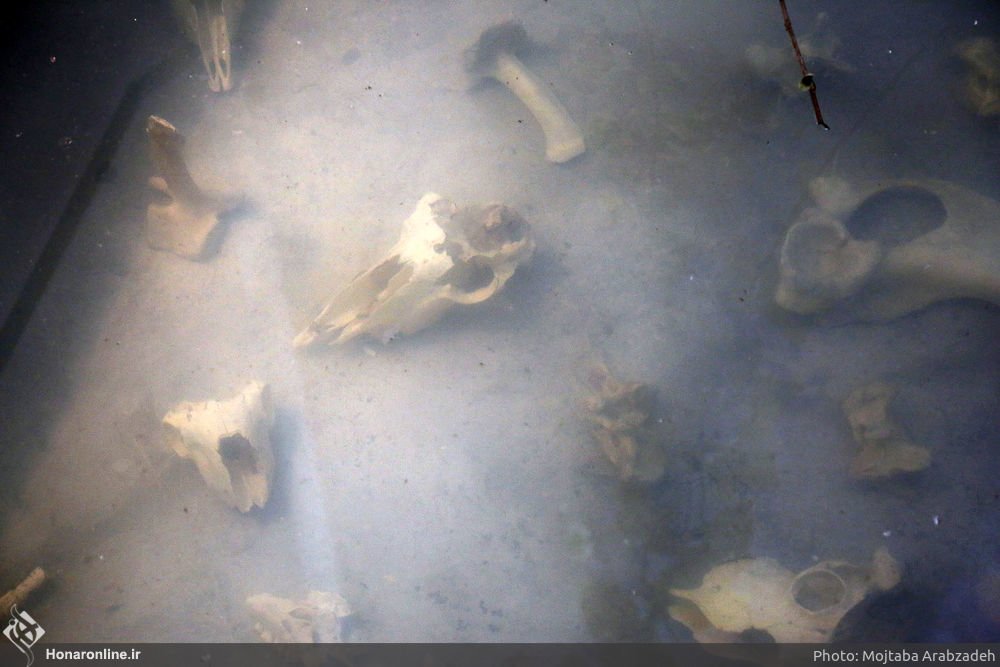
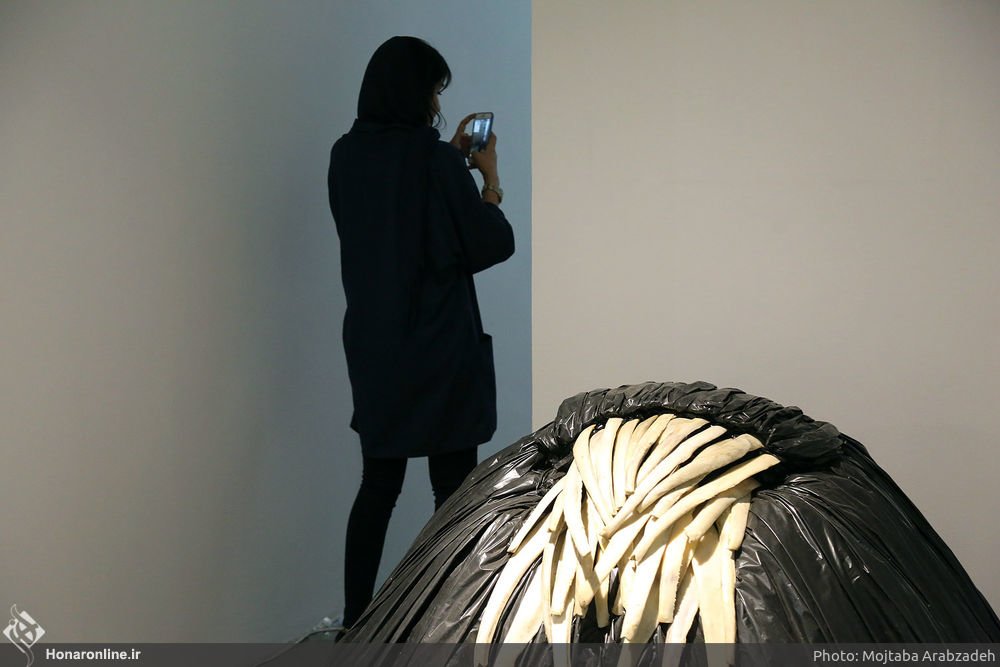
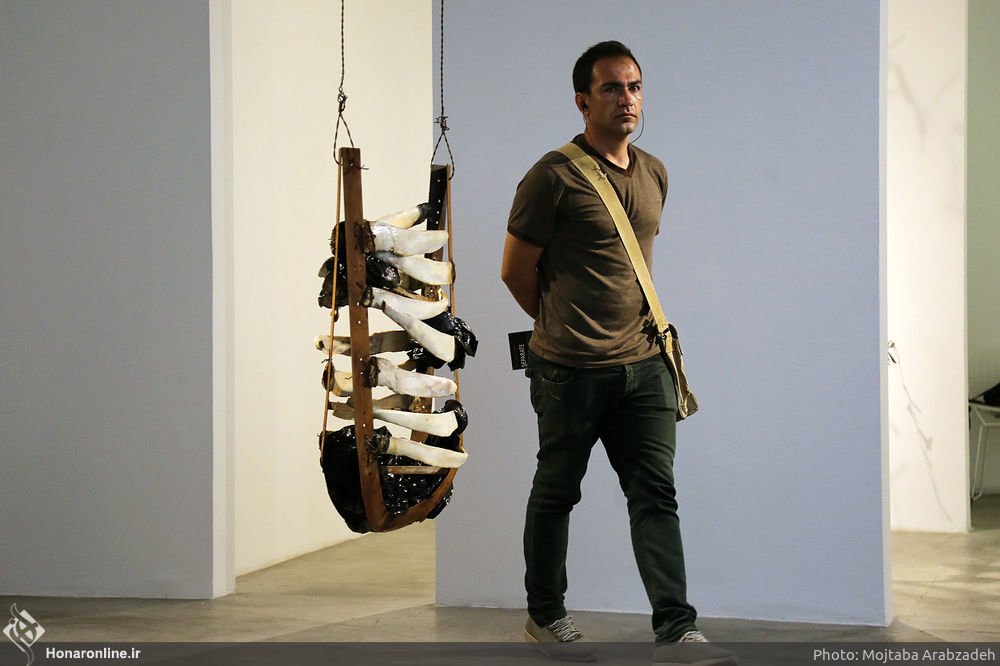
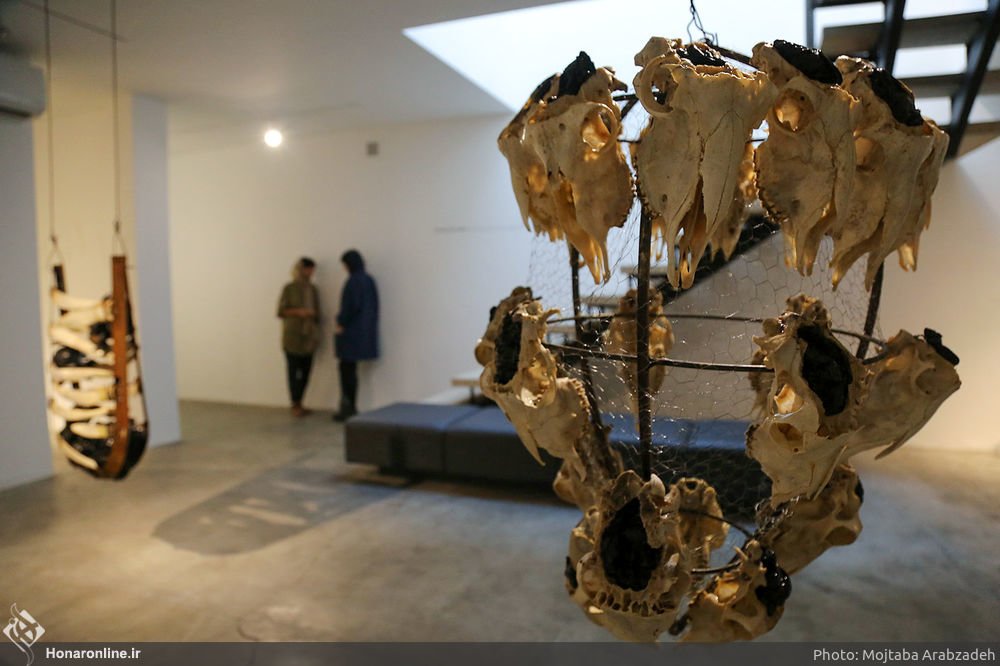
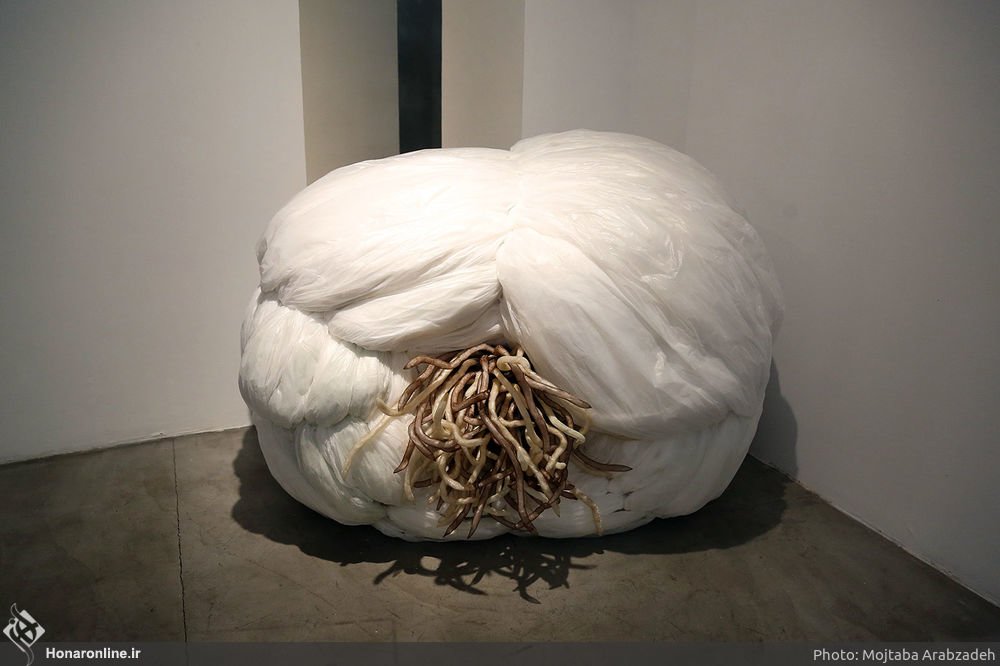
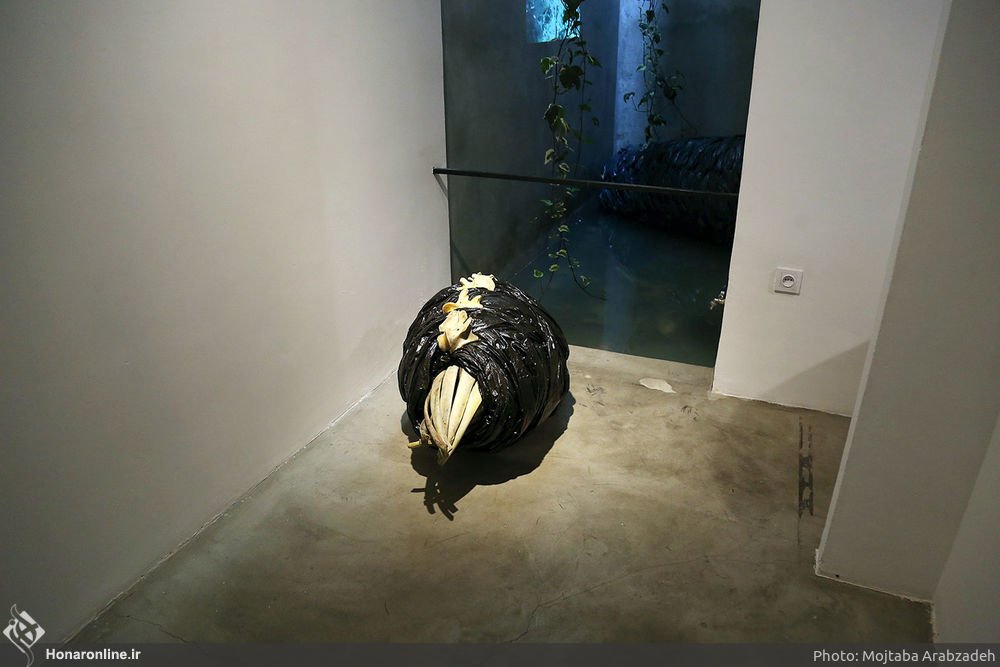
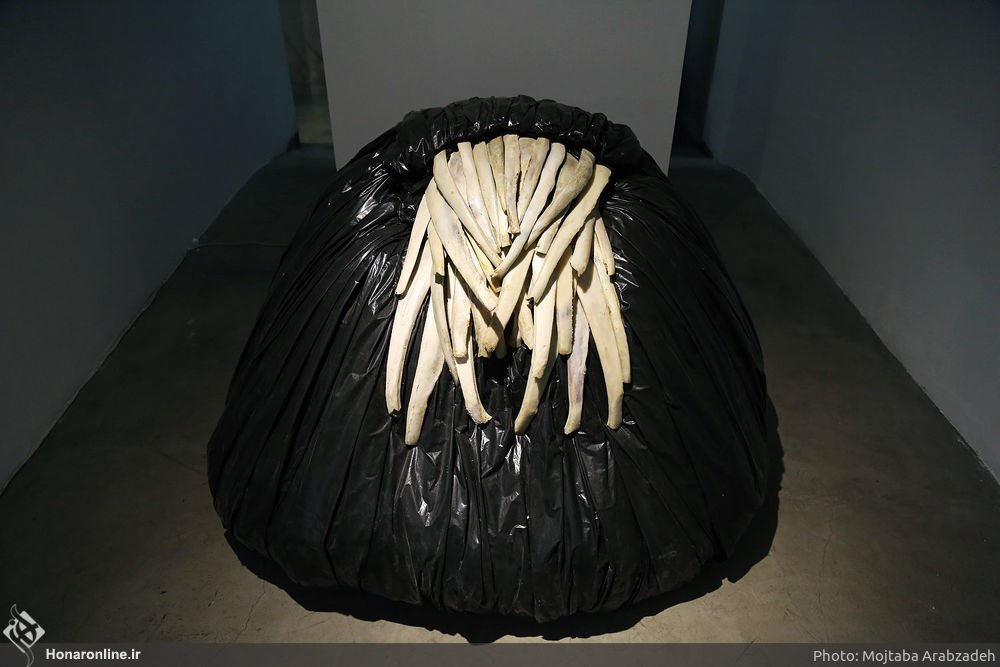
In her exhibition, Noushin Sharifat used plastic bags to create special shapes showing some dead animals that are either buried in the bags or carrying them in their bodies.
Titled “Indifference”, the exhibition was recently held in Tehran’s Sayeh Gallery with the aim of sending this clear message to the visitors that with the current excessive use of plastic bags, nothing but death is awaiting the animals around us.
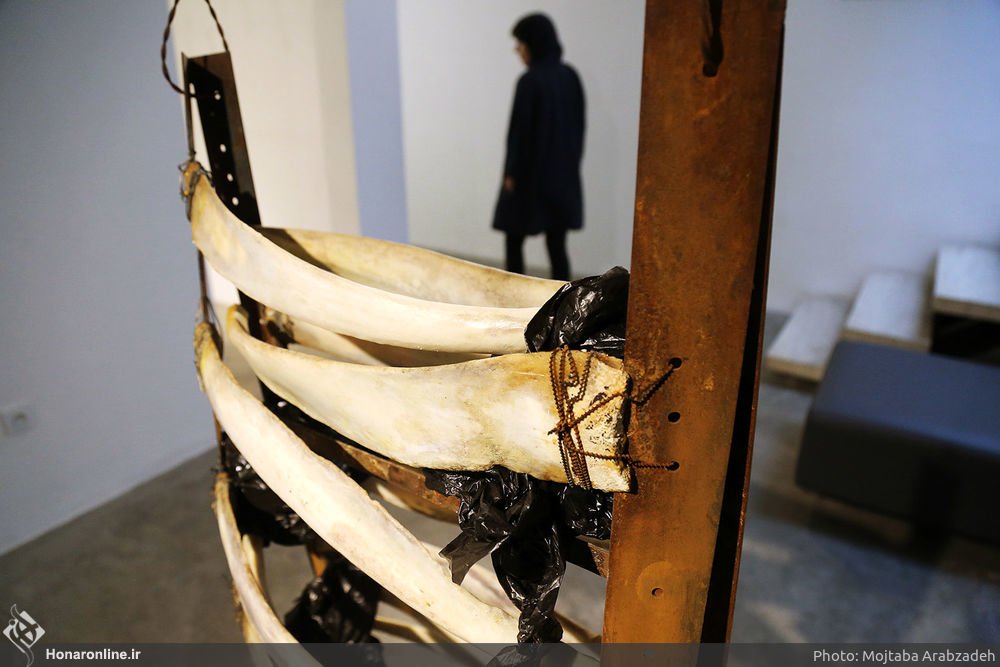
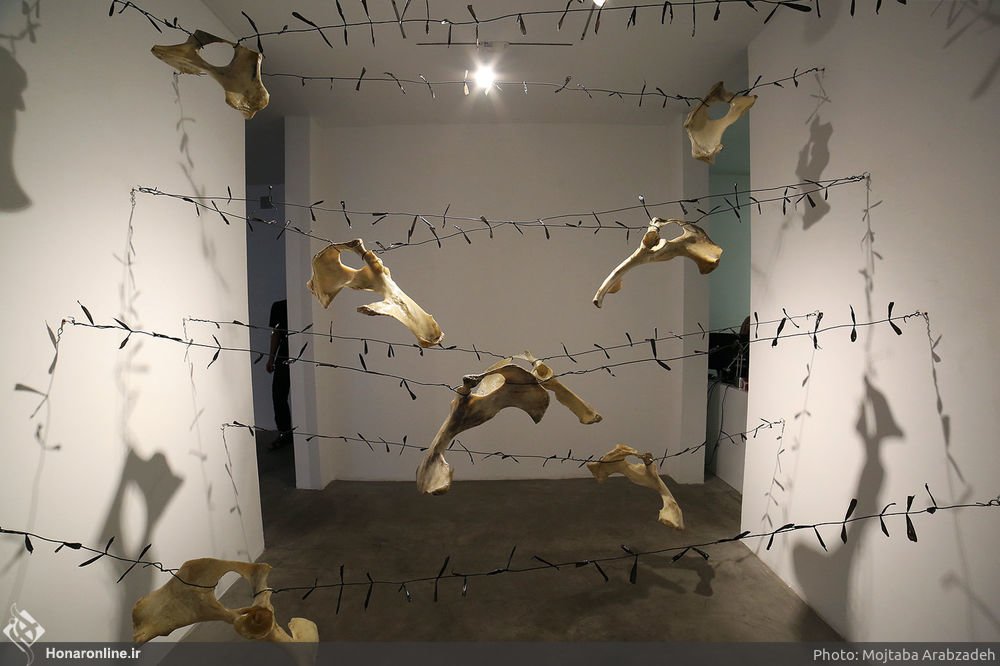
Black and white plastic bags mainly used in our daily lives are the sole material used in the exhibition. Sharifat’s artistic pieces have been arranged in a special way to raise awareness about the death of animals around us by our excessive use of plastic bags.
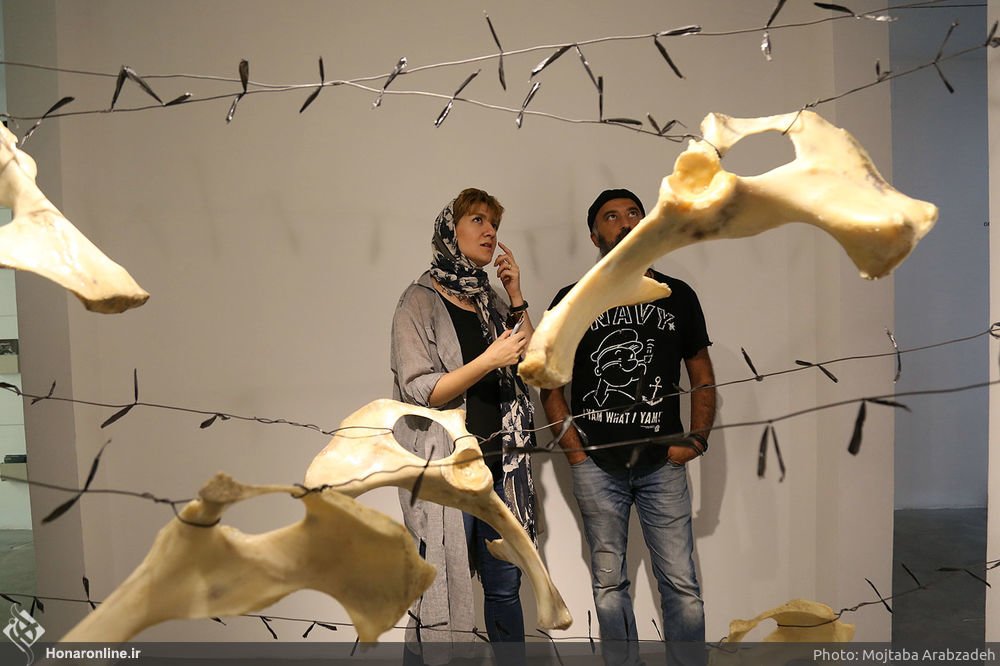
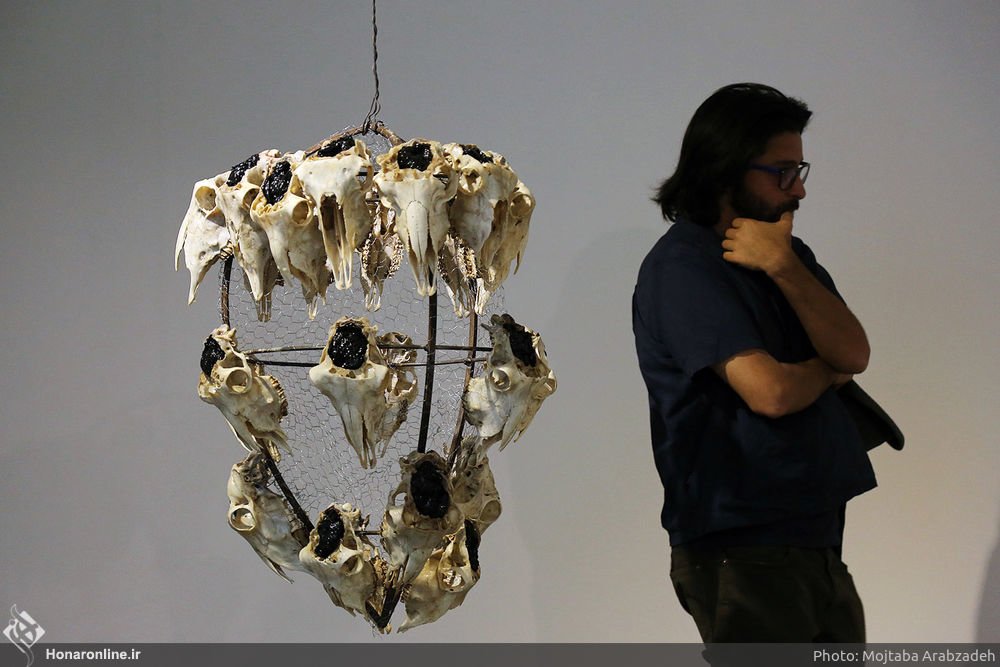
The arrangement of the skeletons of the animals in the bags creates some strange shapes turning the exhibition into a shocking one for some visitors.
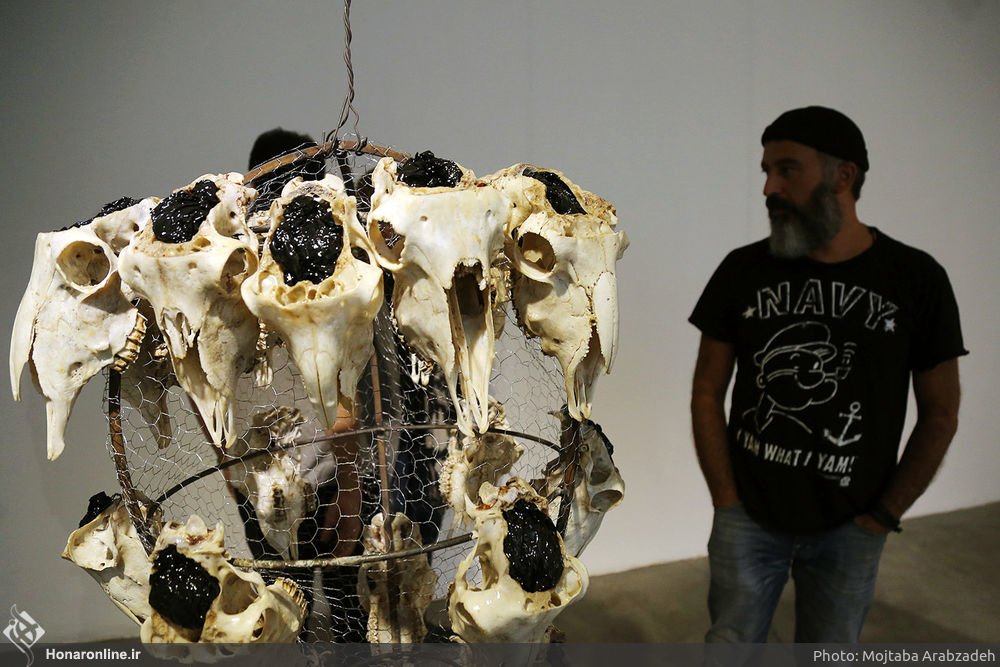
Use of real skeleton instead of artificial and hand-made shapes encourages the visitors to look for a logical connection among various parts and concepts of each piece.
A general view of the exhibition warns the visitors that they are facing an environmental issue. The damages inflicted on the environment and human’s negative impacts on the nature and the wild life were the main focus of the exhibition.
The plastic bags used excessively by human beings are highly visible in the creation of each piece. The bags left in the nature or thrown into the seas by the people pave the way for the deaths of many animals.
Sharifat has also used some animal sculls on a piece of barbed wire pointing to the human’s dominance over the nature, limitation of animals’ freedom and restriction of their life-space.
The exhibition was wrapped up on September 26.
What follows are photos of the exhibition, retrieved from

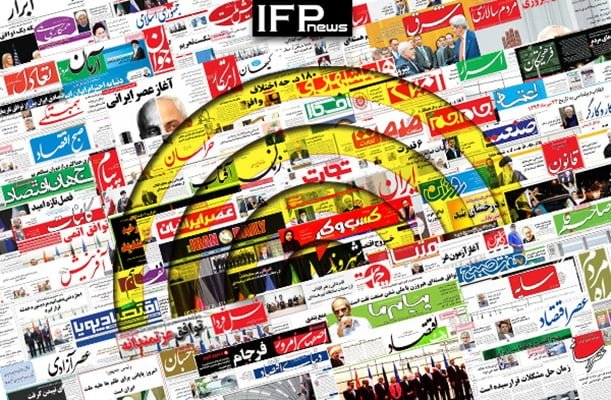
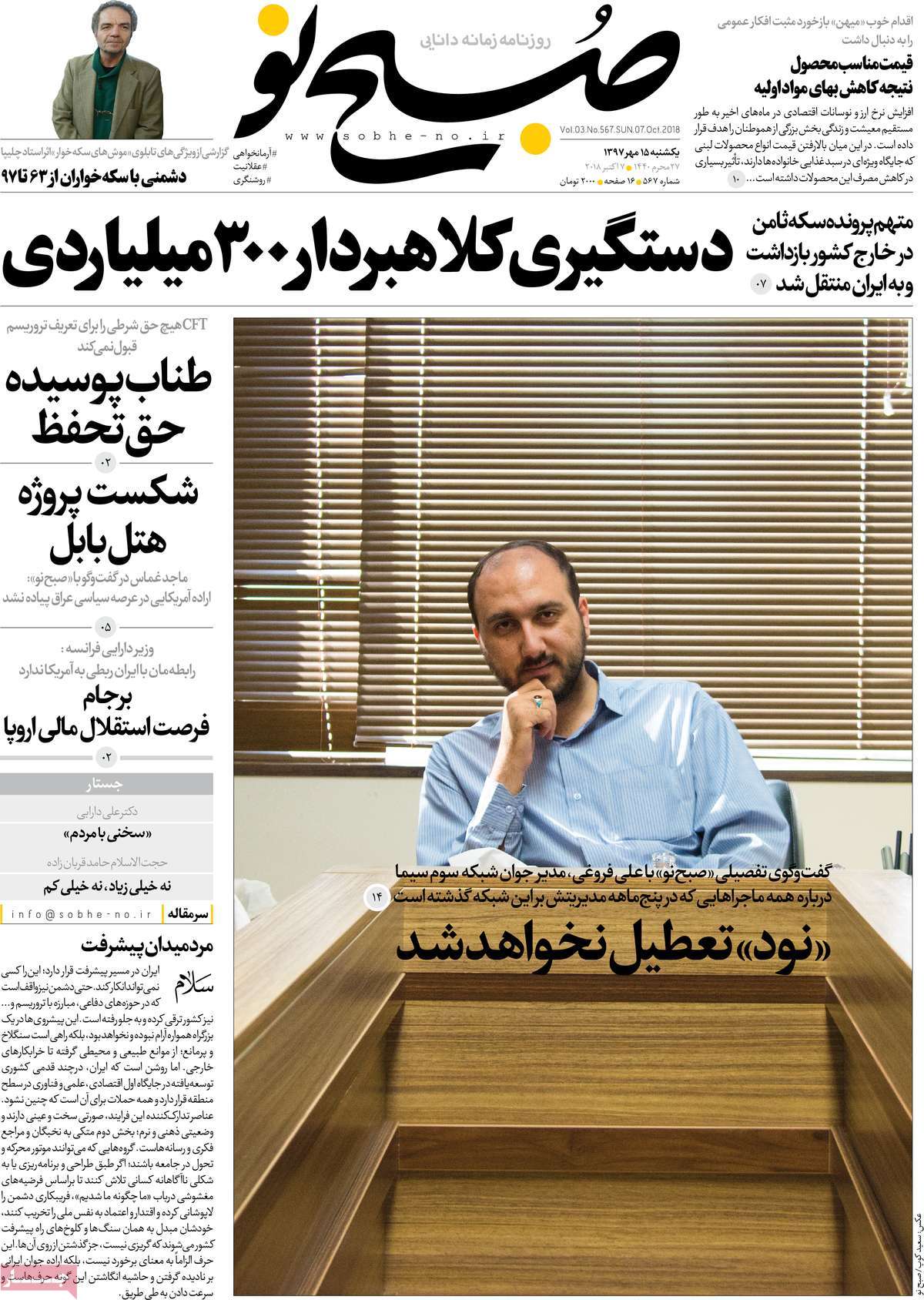
All papers today covered the Parliament’s Sunday session to discuss a bill proposed by the administration of President Hassan Rouhani to adopt the Combating the Financing of Terrorism (CFT).
Ratifying the bill is necessary for getting the country out of the Financial Action Task Force (FATF)’s blacklist; however, conservatives are strongly opposed to the efforts, arguing they would undermine the country’s security and economy.
Also a top story was the heavy rainfall and floods in northern Iran, which have so far killed seven people and wounded many more, and destroying many houses and bridges.
Remarks by Saudi Crown Prince Mohammed bin Salman, in an interview with Bloomberg, about his country’s ties with Iran and the US also received great coverage.
The above issues, as well as many more, are highlighted in the following headlines and top stories:
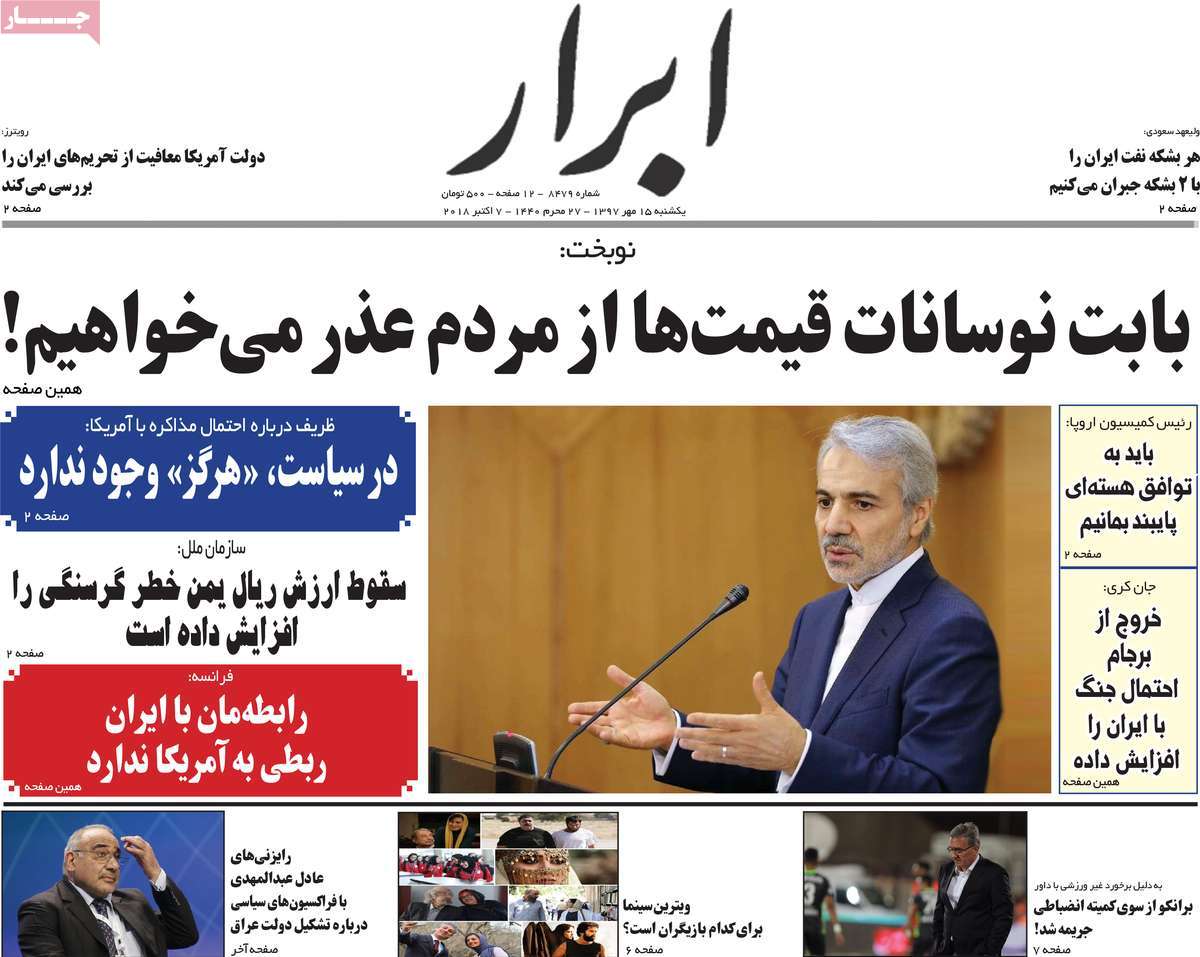
Abrar:
1- Saudi Crown Prince: We’ll Sell Two Barrels for Each Iranian Barrel to Compensate for Deficit
2- France: Our Ties with Iran Have Nothing to Do with US
3- Zarif on Talks with US: Never Say ‘Never’ in Politics
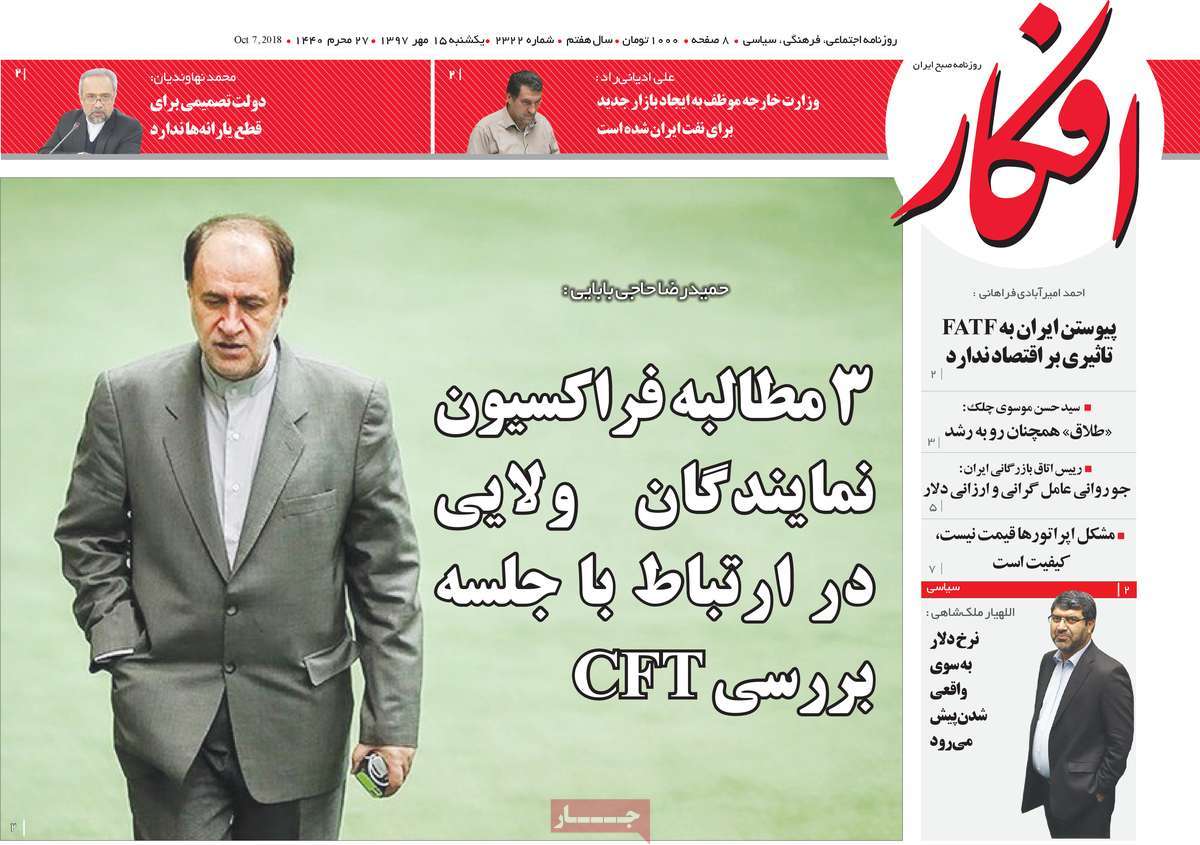
Afkar:
1- Iran’s Adoption of FATF Standards Not to Impact Economy: MP
2- Conservative Lawmakers Have Three Demands Regarding CFT
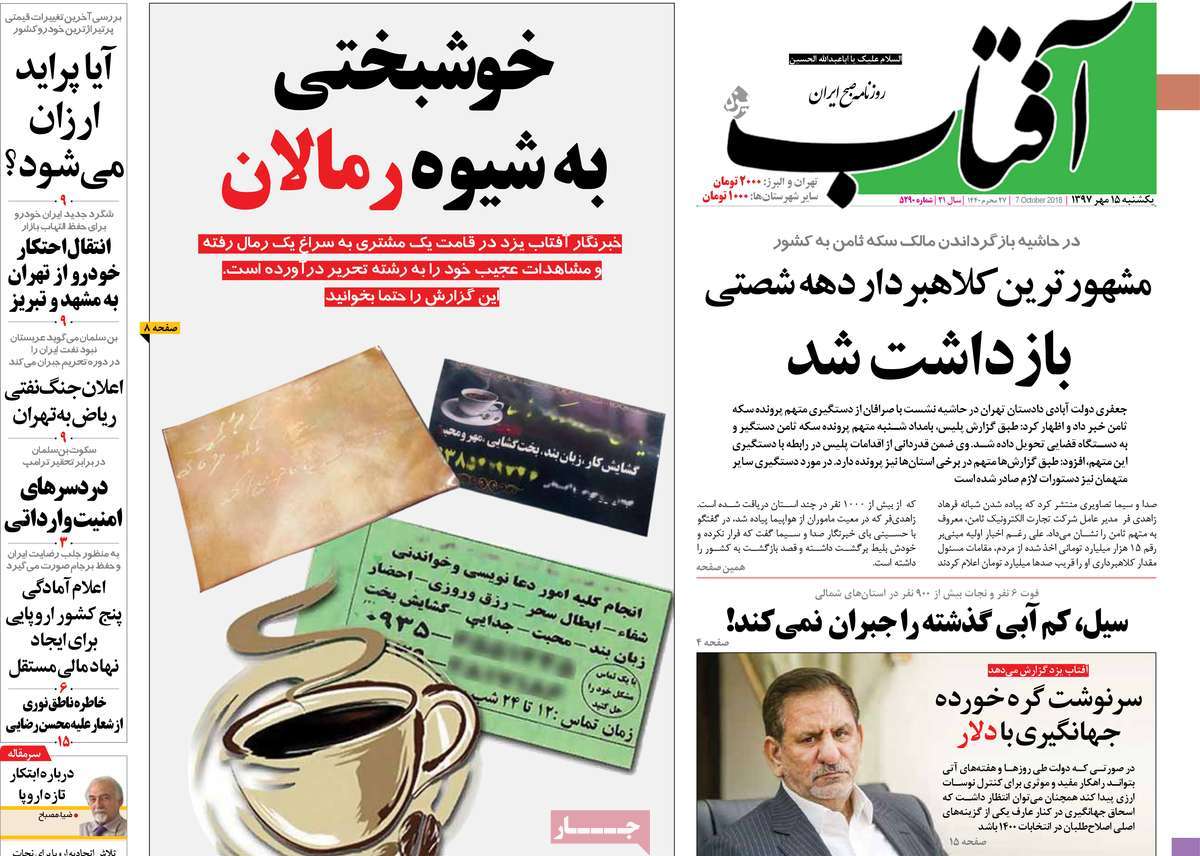
Aftab-e Yazd:
1- Floods Won’t Compensate for Water Shortage
2- Riyadh Declares Oil War against Tehran
Arman-e Emrooz:
1- World Bank Releases Positive Report on Future of Iran’s Economy
2- CFT to Be Measured against National Interests
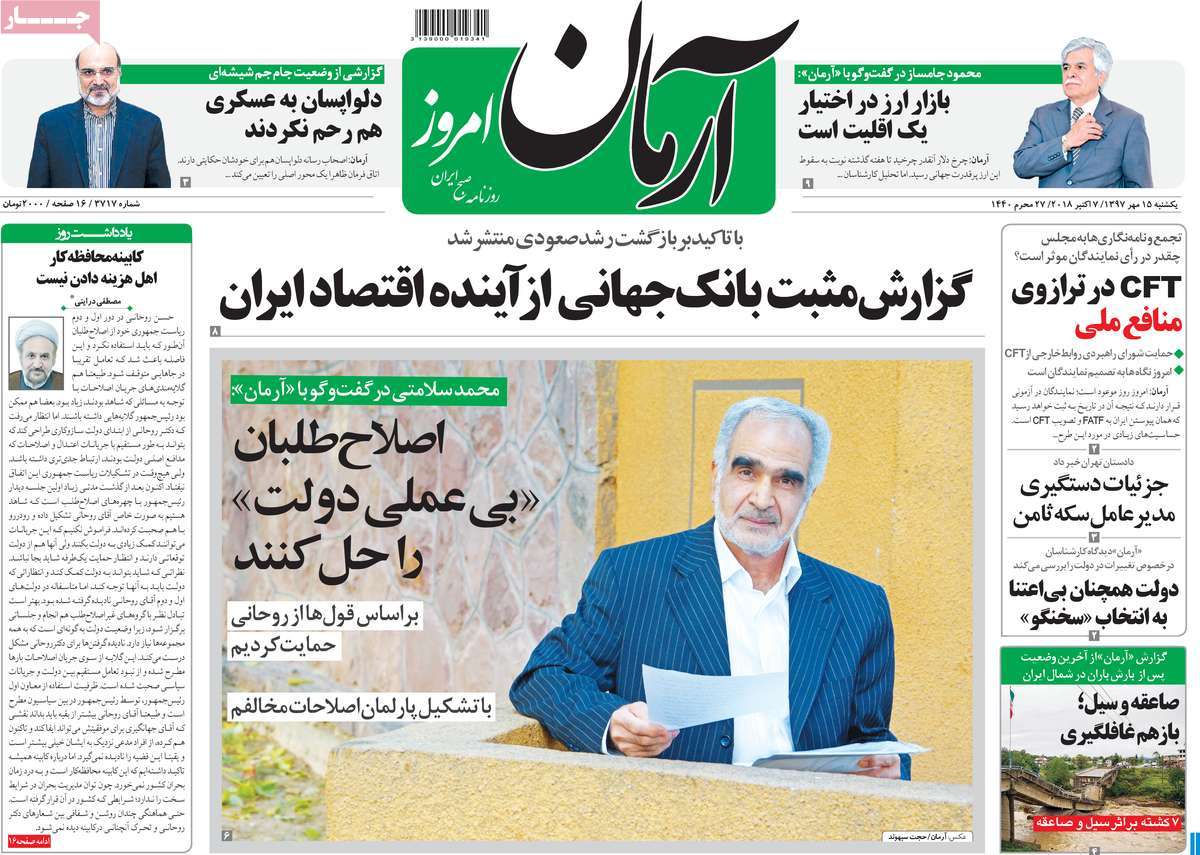
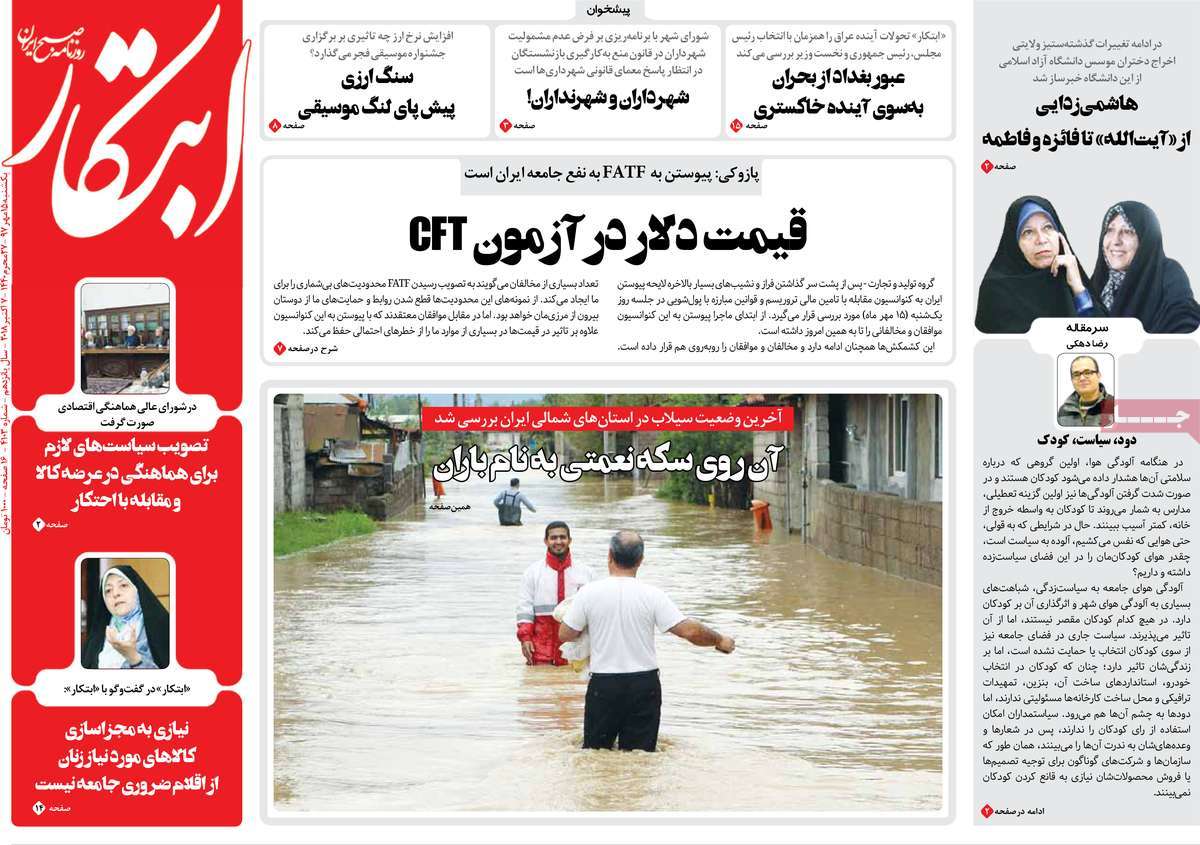
Ebtekar:
1- Other Side of a Coin Called ‘Rainfall’: Flood Hits Northern Iran
2- Dollar Rates to Change after Parliament’s Session on CFT Bill
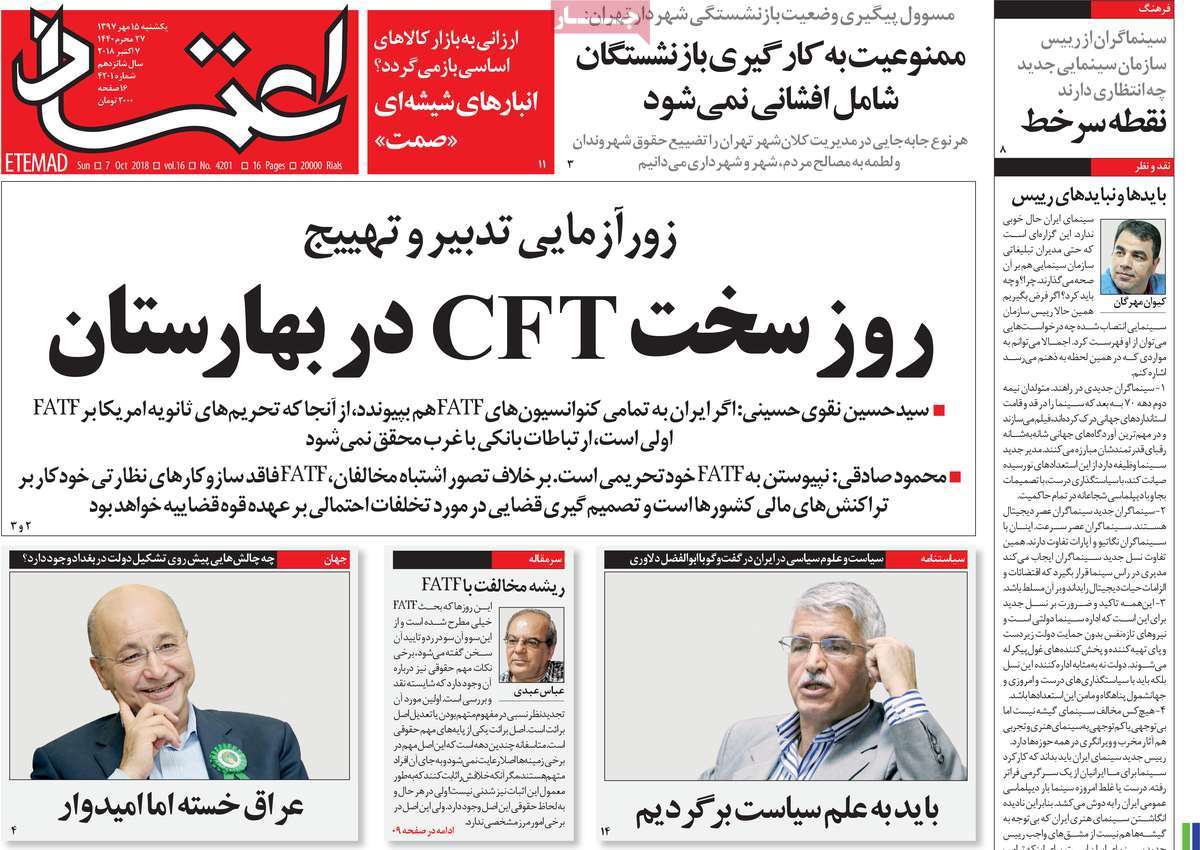
Etemad:
1- Hard Day of CFT in Parliament
2- Roots of Opposition to FATF [Editorial]
3- Iraq Tired or Hopeful
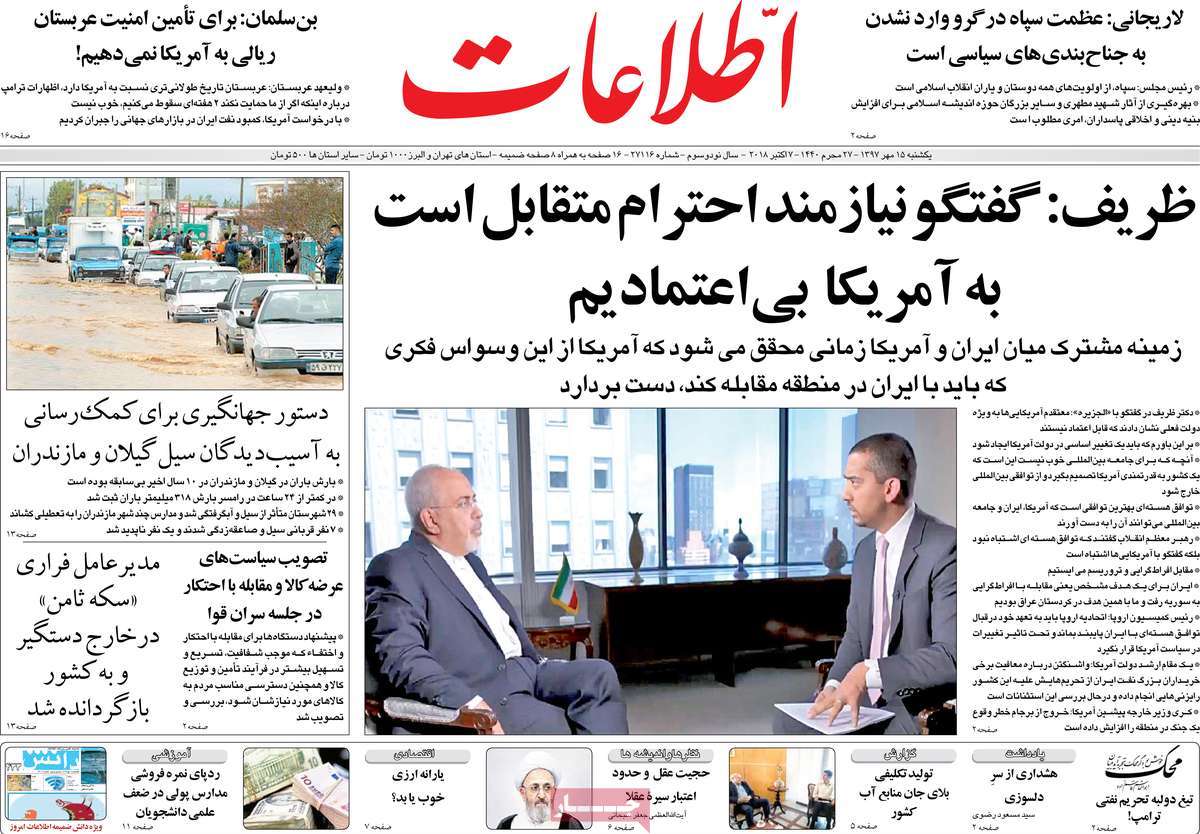
Ettela’at:
1- Zarif to Al Jazeera: Dialogue Needs Mutual Trust, We Don’t Trust US
2- Bin Salman: We Won’t Pay Anything to US for Saudi Arabia’s Security
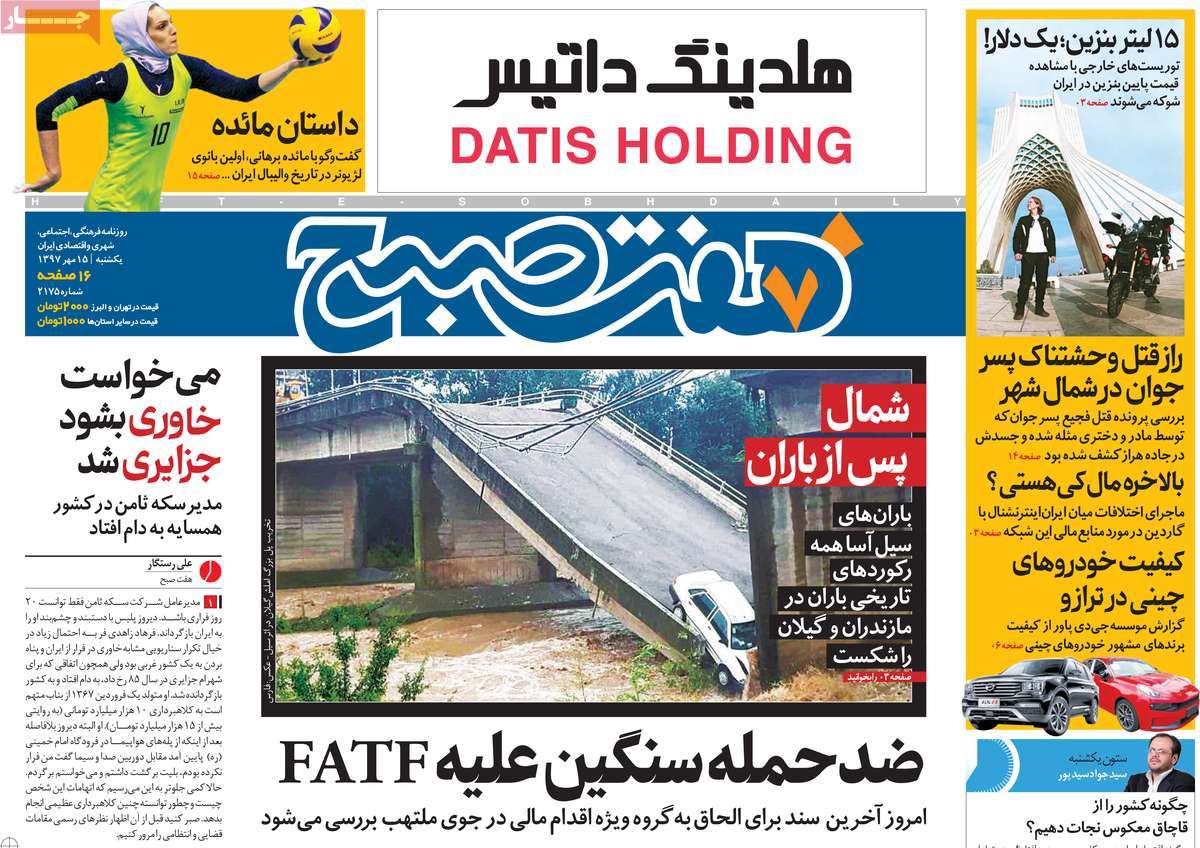
Haft-e Sobh:
1- Heavy Rainfall Breaks All Records in History of Gilan, Mazandaran
2- Strong Counterattack against FATF: Tension High as Parliament Discusses CFT Bill
Iran:
1- People Waiting for Lawmakers’ Decision on CFT Accession
2- Autumn Comes with Flood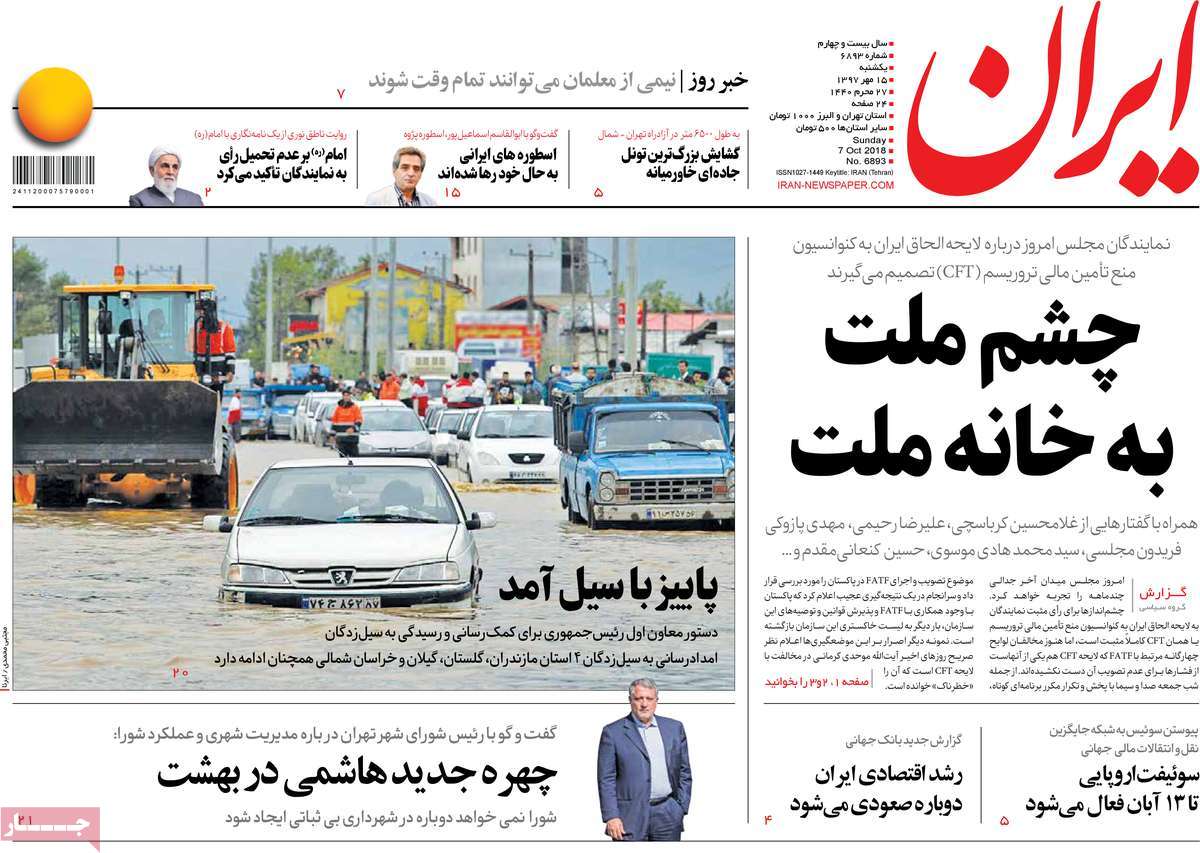
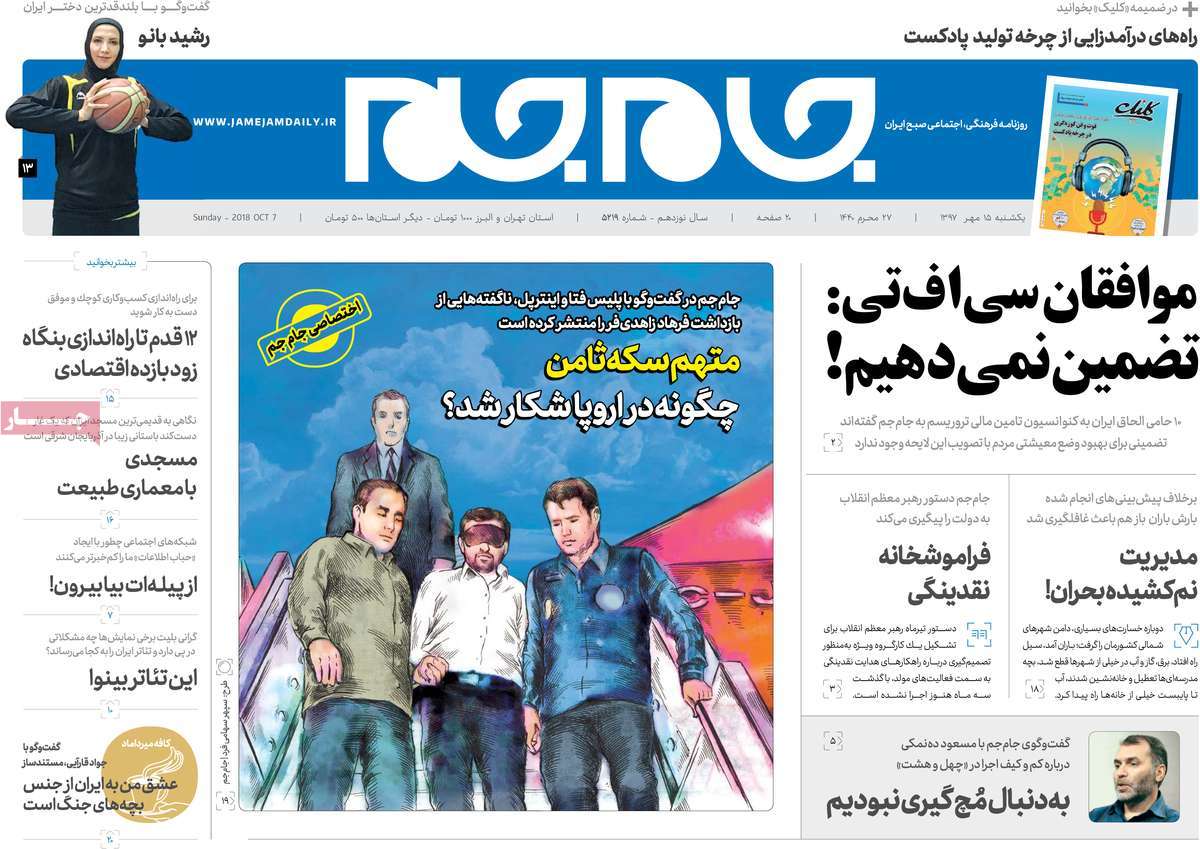
Jame Jam:
1- Proponents of CFT: We Don’t Give Any Guarantee!
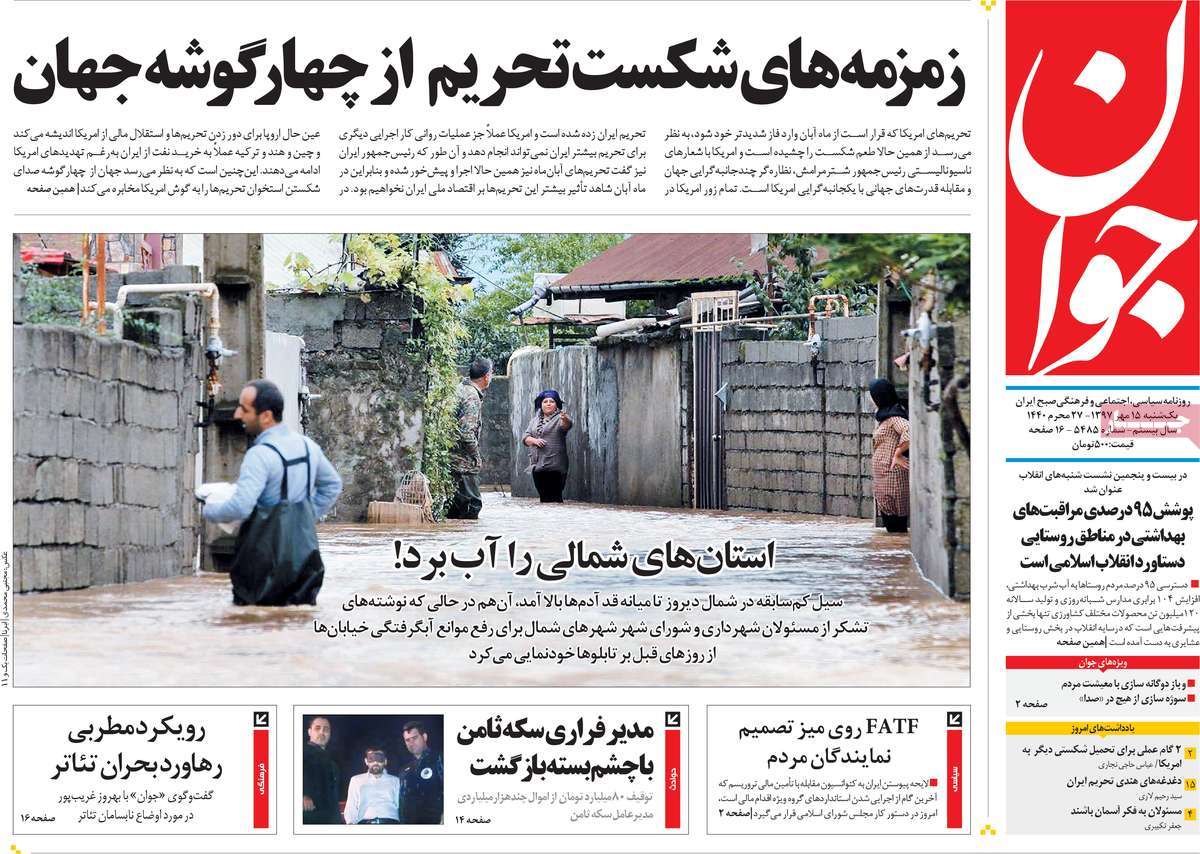
Javan:
1- Reports Show Sanctions Failing across the World
2- Northern Provinces Flooded after Heavy Rainfall
3- FATF on the Table: MPs to Make Final Decision
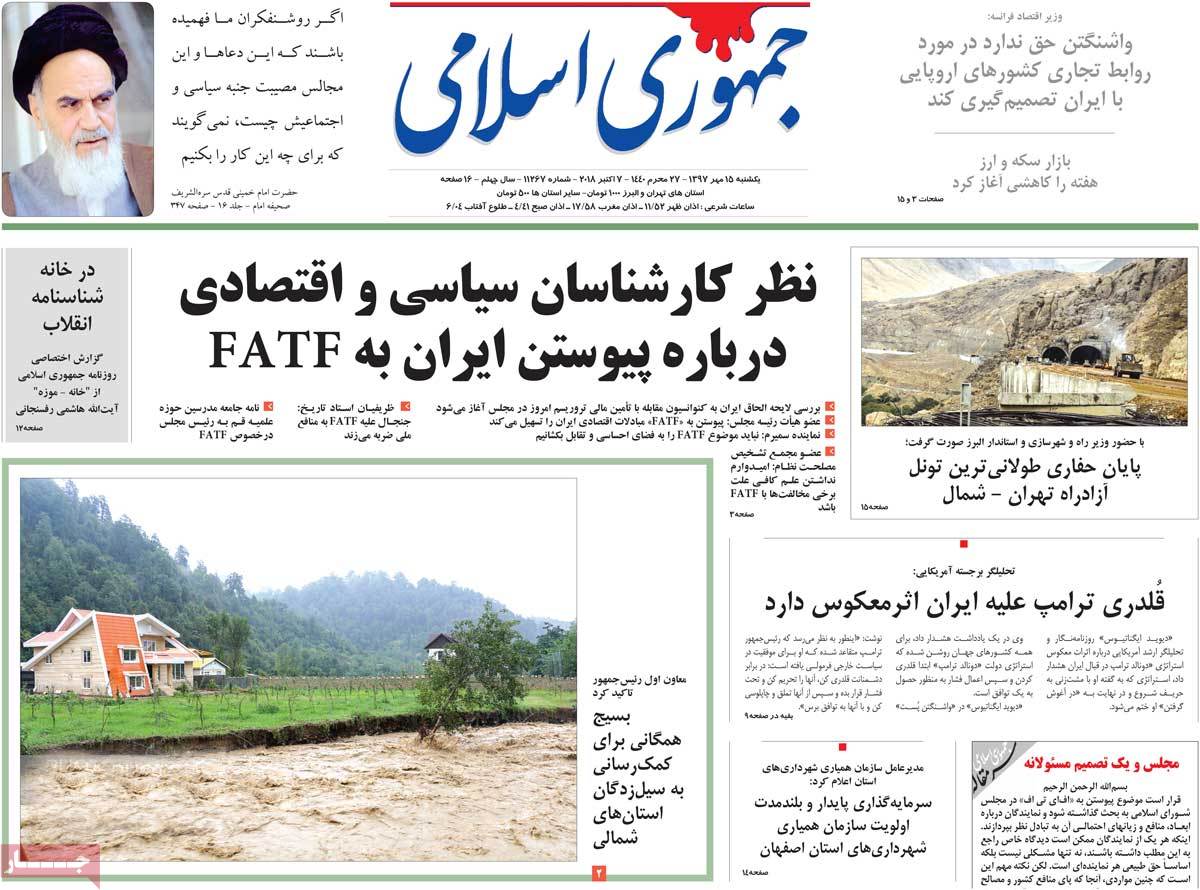
Jomhouri Eslami:
1- France: Washington Has Not Right to Make Decision about EU’s Ties with Iran
2- American Analyst: Trump’s Bullying towards Iran Will Backfire
3- Rouhani’s First VP Calls for Immediate Efforts to Help Flood-Hit People in Northern Iran
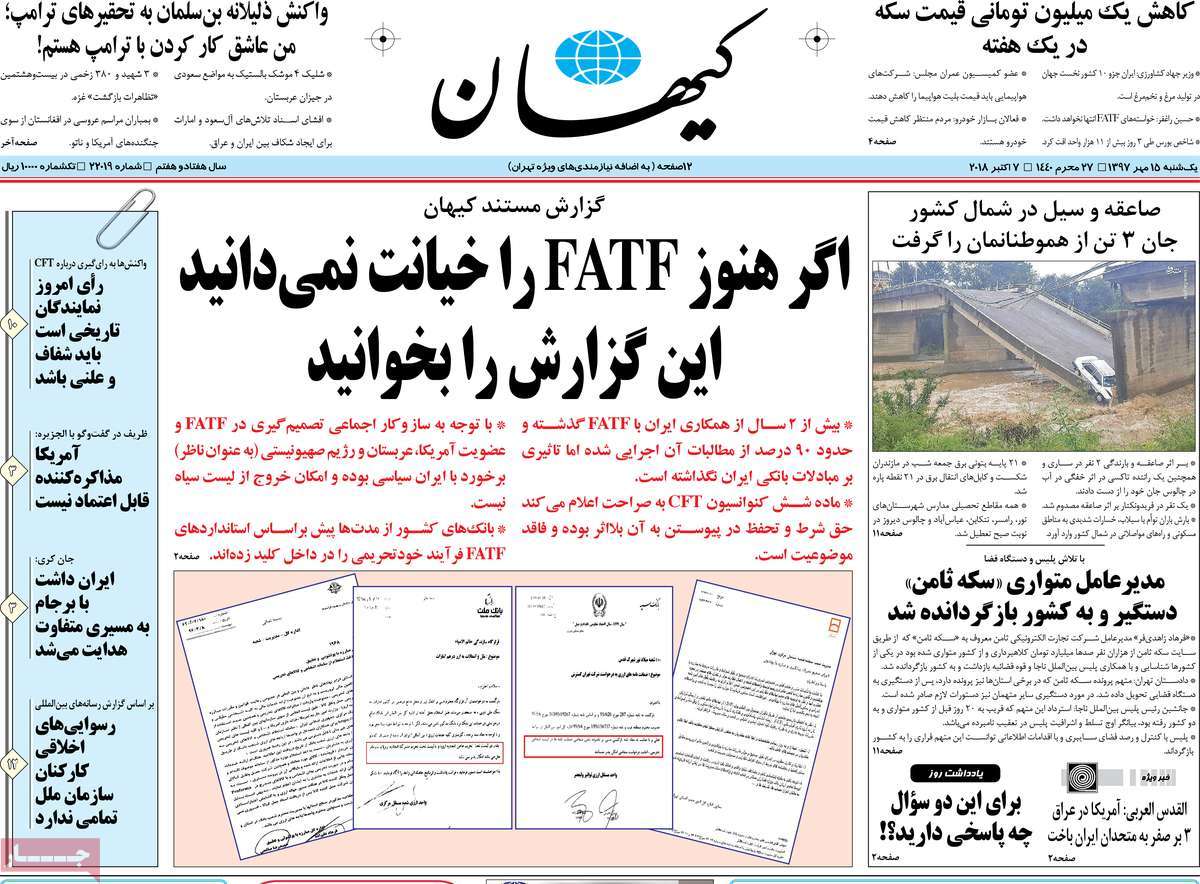
Kayhan:
1- Read This Report If You Still Don’t Consider FATF a Treason
2- Huge Decrease in Gold Coin Prices in One Week
3- Bin Salman’s Submissive Response to Trump’s Humiliating Comments
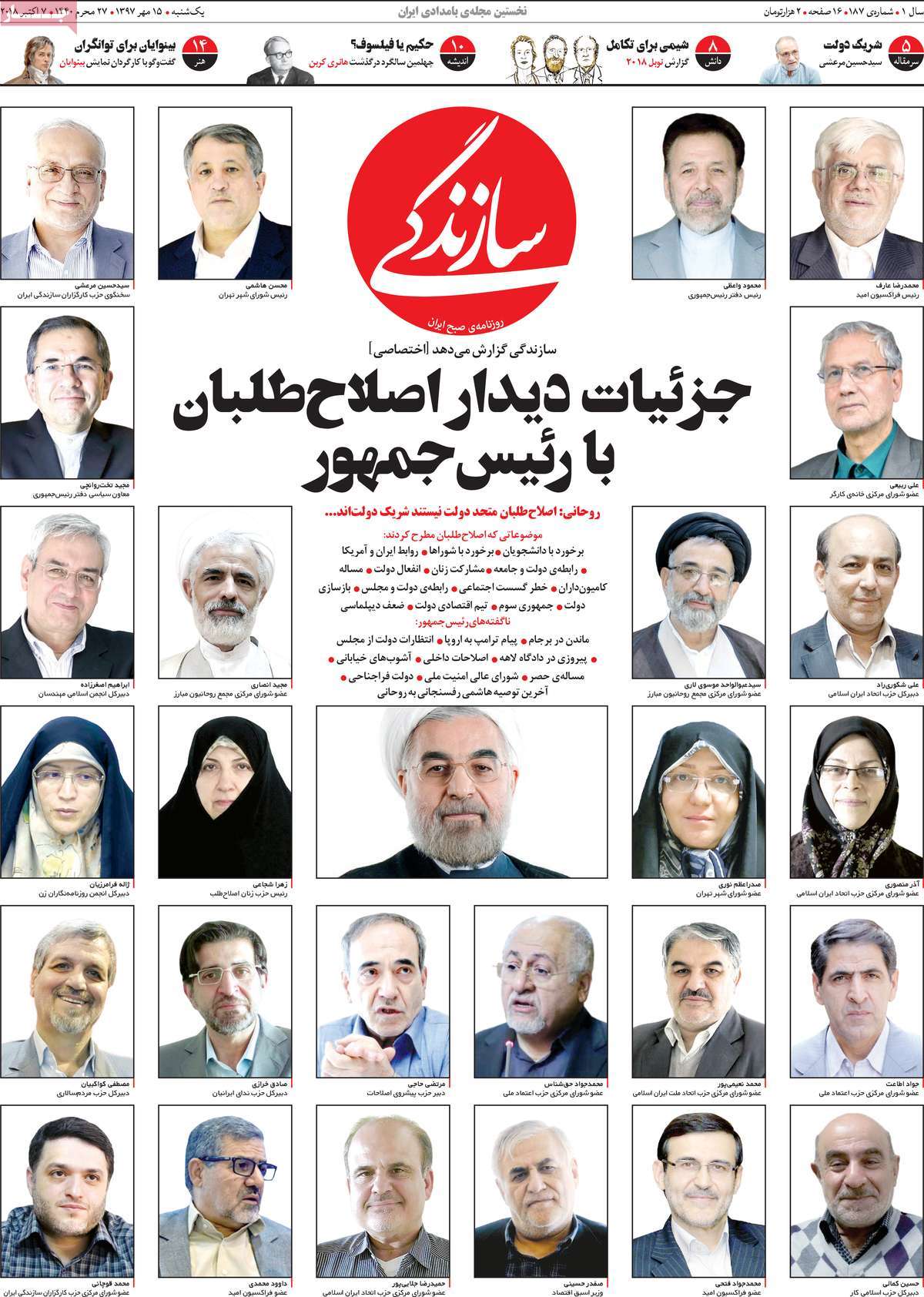
Sazandegi:
1- Rouhani: Reformists Not Allies of Government, They’re Our Partners
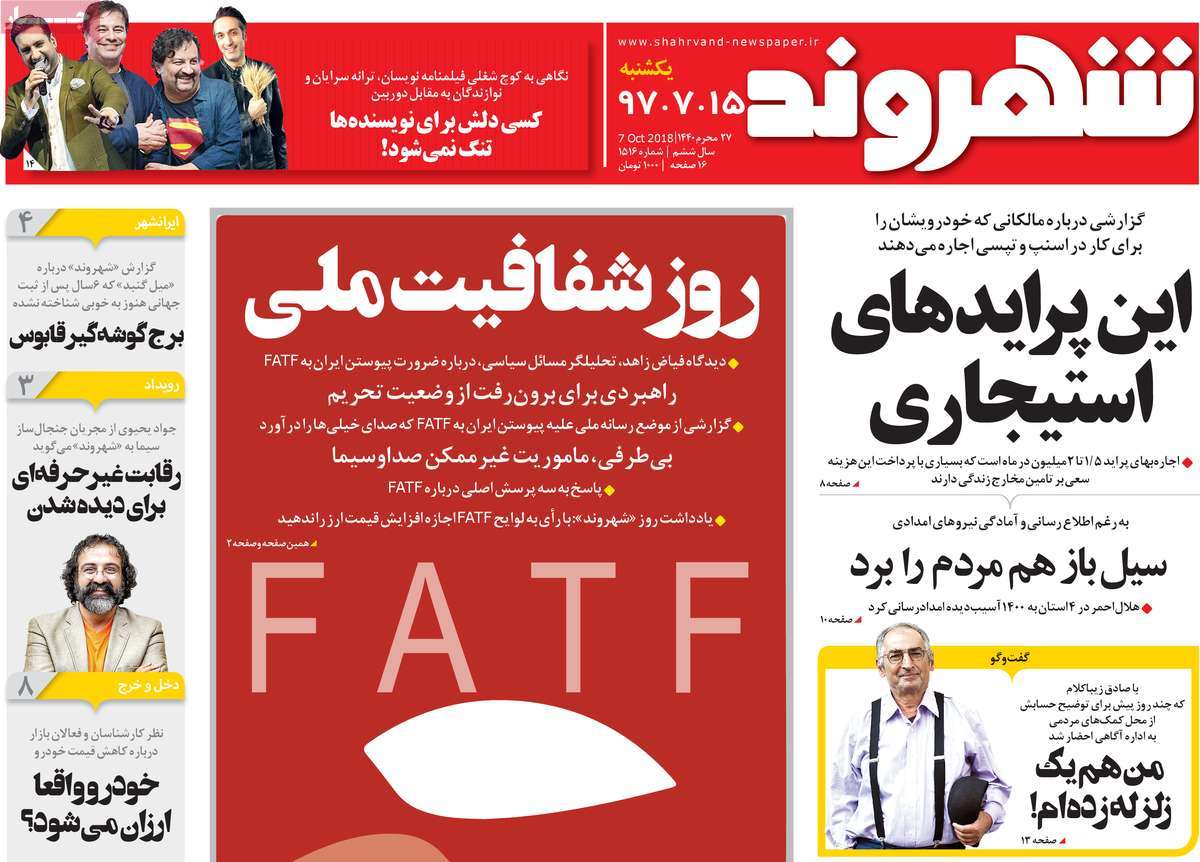
Shahrvand:
1- Day of National Transparency
Shargh:
1- Opponents of FATF Harming Themselves
2- Iran’s State TV against FATF
3- Everyone Obliged to Observe the Law on FATF [Editorial]
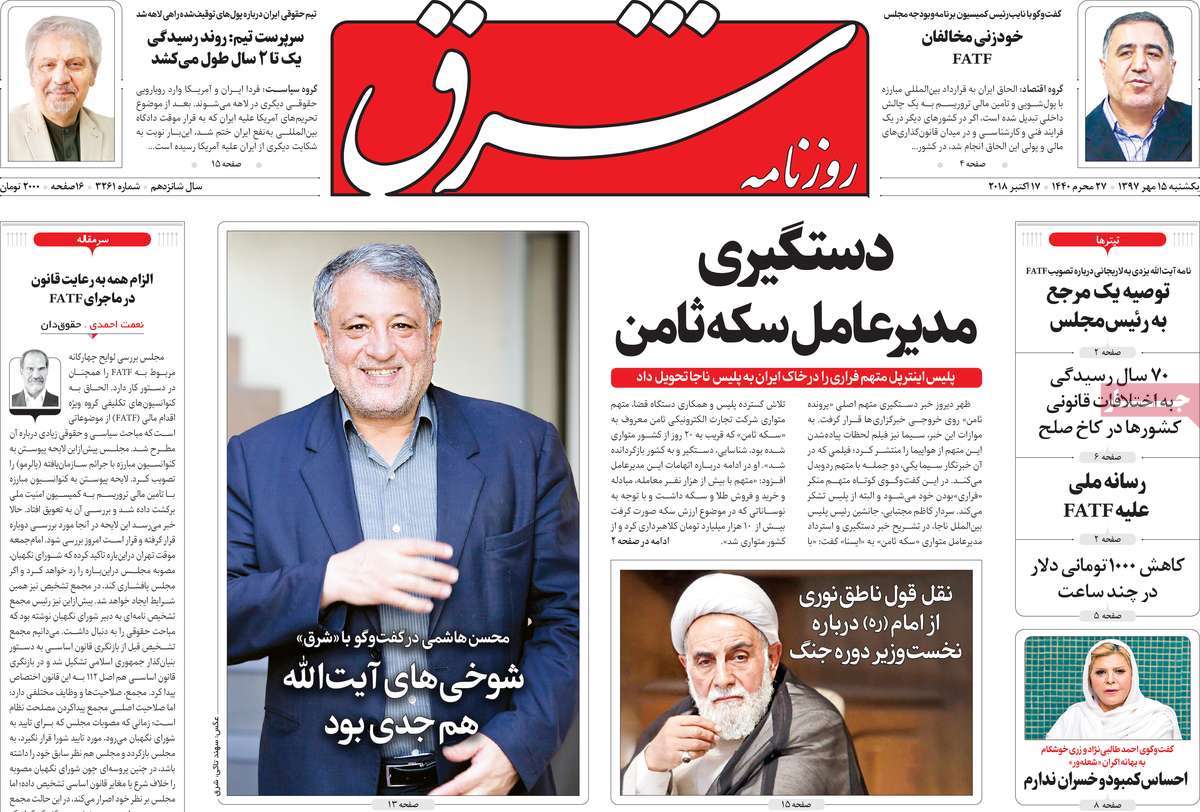
Sobh-e Now:
1- Deceitful Article of ‘Reservation’: CFT Not to Accept Any Reservation on Definition of Terrorism
The legislation authorizing Iran to join the convention on Combating the Financing of Terrorism (CFT) was passed with 143 votes in favour, 120 against and 5 abstentions.
The MPs authorized the government of President Hassan Rouhani to join the CFT under certain conditions.
Before the bill was put to the vote, Iranian Foreign Minister Mohammad Javad Zarif spoke in support of it.
“I guarantee that if this bill is not ratified, the US will find an important pretext to increase our problems,” said Zarif.
He said lawmakers are to make a “historic decision,” adding, “Today, Parliament will decide based on national interests.”
Back in June, 2018, members of the Iranian parliament discussed the CFT accession bill, which is one of the four bills proposed by the government on Iran’s adopting the standards of the Financial Action Task Force (FTAF), but shelved it for two months.
The Parliament earlier approved a bill on the country’s accession to the United Nations Convention against Transnational Organized Crime, also known as Palermo Convention, but the bill was rejected by the Guardian Council. Then the Parliament insisted on its decision, and the case was referred to the Expediency Council to make the final decision.
The same thing happened to an amendment to the anti-money laundering law of the Islamic Republic, which was proposed by the government, approved by the Parliament, but rejected by the Guardian Council. This one also needs the Expediency Council’s approval.
Meanwhile, the fourth bill, which was an amendment to the country’s law against financing terrorism, was approved by the Parliament and the Guardian Council, and signed into law by President Rouhani.
In his Sunday statement, Qassemi offered sympathy to the nation and government of the DR Congo and the bereaved families of the victims.
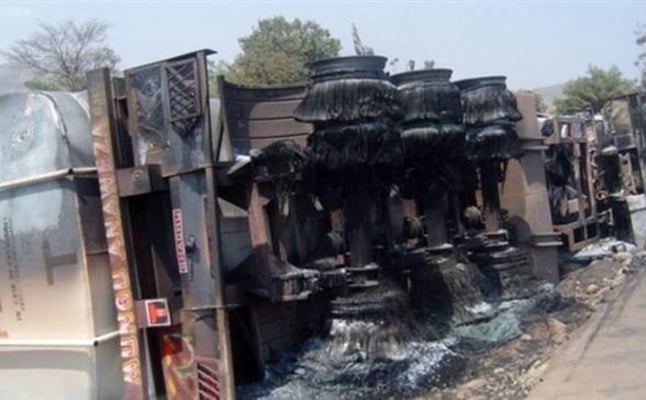
At least 50 people died after an oil tanker collided with a car on a major road in the west of the Democratic Republic of Congo.
The incident occurred near the city of Kisantu, between the capital Kinshasa and the port of Matadi.
One hundred people suffered second-degree burns, Atou Matabuana, the governor of Kongo Central region said.
“The flames spread rapidly engulfing nearby houses,” the UN’s Okapi radio reported.
Roads in the central African nation have often been neglected after years of war.
In 2010, 220 people were killed when an overturned oil tanker exploded and set fire to parts of a village in the country.
© All Content by IFP News ( Iran Front Page ) is licensed under a Creative Commons Attribution 4.0 International License.
