Monday, April 13, 2026
Home Blog Page 2495

Saudi Admits It Can’t Compensate for Iran’s Oil after US Sanctions

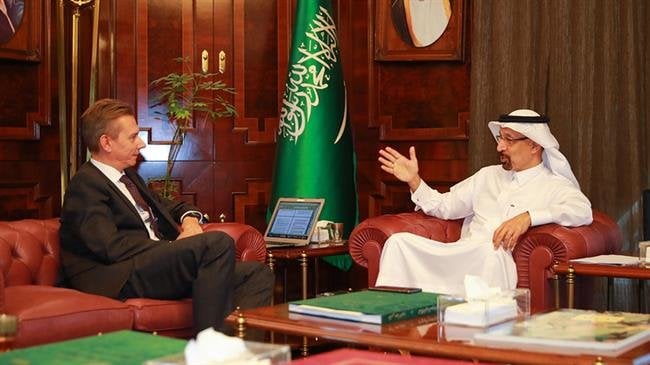
Speaking in a Monday interview with Russian news agency TASS, Khalid al-Falih said Saudi Arabia will have to use its oil reserves if it wants to cover 3 million barrels per day of oil loss from Iran.

However, he added, there is no guarantee that oil prices would not go higher once anti-Iran sanctions come into force in early November.

Al-Falih’s remarks flatly contradicted those by Saudi Crown Prince Mohammed bin Salman, who claimed earlier this month that his country has “already replaced” Iranian crude lost to the US sanctions.

The Saudi energy minister’s comments came shortly after his Iranian counterpart, Bijan Zanganeh, said Saudi Arabia and Russia cannot replace Iran’s oil as the two countries’ production capacity has reached its peak.

“As I have repeatedly said there is no replacement for Iranian oil in the market. Saudi Arabia and Russia’s output is near their highest level ever and they have no spare capacity to pump more to replace Iran’s oil,” he told SHANA. “The market’s knowledge of this inability has raised the prices as the average price (of crude) … oil prices had slowed down the economic growth of most of the consumer countries, which is affecting the global economy.”

Iran, the third-largest producer of the Organization of Petroleum Exporting Countries (OPEC), has blamed US President Donald Trump for oil price hikes, but the US president has pointed the finger at OPEC and called on the oil-producing body to boost output.

The US president wants the Saudis to raise their oil output to prevent prices from spiking ahead of midterm elections on November 6, potentially undermining the kingdom’s place among two dozen oil-producing nations which may think Riyadh is doing Washington’s bidding at their expense.

“The United States imposes its own conditions on the oil market. They actually stick a needle in their body and then say ‘ouch’, asking others to fix their problems,” the Iranian oil minister said last Tuesday. “One has to tell them, ‘You don’t need to stick needles in yourselves.’ Remove sanctions and let prices settle down and the market move out of imbalance.”

Khashoggi’s Murder Reveals True Nature of Saudis: Iran

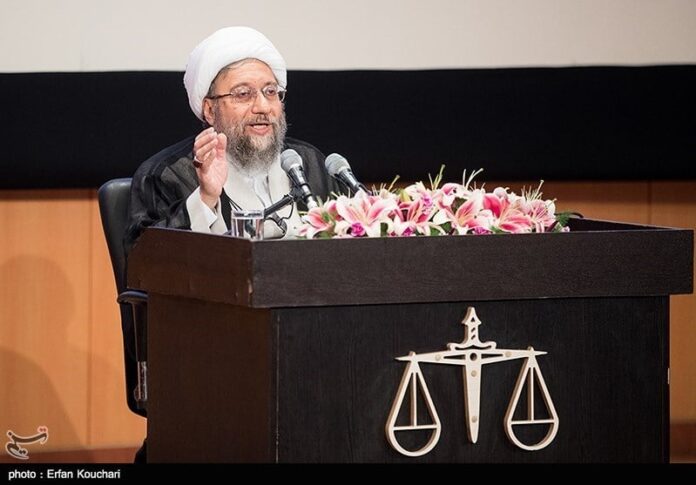
Addressing a meeting of top Judiciary officials in Tehran on Monday, Ayatollah Amoli Larijani said the gruesome murder of Jamal Khashoggi reveals the terrorism-sponsoring nature of Saudi Arabia, its monarchy and its young crown prince who is seeking fame and slaughtering innocent people.

At first, Saudi Arabia sought to whitewash the murder of Khashoggi with the help of Westerners, but after being forced to admit the killing, it has blamed rogue elements as a way of sanctifying the corrupt ruling regime, the top Iranian judge added.

He further lashed out at the West for adopting double standards on human rights, saying many Western governments have focused on the Khashoggi case and are ostensibly pursuing the issue, but have remained silent about the Saudi crimes in Yemen.

The conscientious parties in the world and Muslims countries must care about “Saudi Arabia’s state-sponsored terrorism” and address the problem which has turned into a tool for the US to achieve its colonialist objectives, Ayatollah Amoli Larijani went on to say.

Khashoggi went missing on October 2 when he entered the consulate in Istanbul. After weeks of denying knowledge of his fate, Saudi officials said the prominent journalist was killed in what they describe as a “rogue operation”.

After denying any involvement in the disappearance of Khashoggi, 59, for two weeks, Saudi Arabia on Saturday morning said he had died in a fistfight at the consulate. An hour later, another Saudi official attributed the death to a chokehold.

The death of Khashoggi has snowballed into a massive crisis for the kingdom, forcing the 82-year-old monarch, King Salman, to personally get involved.

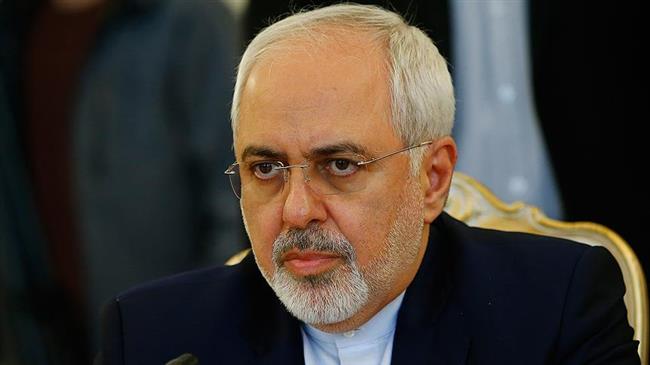
Iran Will Definitely Overcome US Sanctions: FM Zarif

Mohammad Javad Zarif

“Many countries have shown readiness to do business with Iran,” Zarif said in an interview with Kyodo News published on Monday.

In response to a question about efforts by Britain, France and Germany to preserve a 2015 nuclear agreement after the United States’ unilateral move to withdraw from the deal, the foreign minister said “serious measures” must be taken before a second round of US sanctions in November.

Zarif said the three European signatories to the deal, officially known as the Joint Comprehensive Plan of Action (JCPOA), have made commitments and proposals, but some technical details still need to be worked out.

He criticized “US massive illegal interference” in the process, but emphasized, “For the time being, we are selling our oil (and) we are able to maintain our economy.”

In addition to the three Europeans, other countries that attach great importance to the JCPOA, including Russia, China and Japan, “are ready to implement their part,” Zarif added.

The JCPOA was signed between Iran and the five permanent members of the UN Security Council — the United States, Britain, France, Russia and China — plus Germany in 2015.

US President Donald Trump announced in May that Washington was pulling out of the nuclear agreement, which lifted nuclear-related sanctions against Tehran in exchange for restrictions on Tehran’s nuclear program.

A first round of American sanctions took effect in August, targeting Iran’s access to the US dollar, metals trading, coal, industrial software, and auto sector. A second round, forthcoming on November 4, will be targeting Iran’s energy sector and financial transactions.

On September 24, Iran and its five partners released a joint statementannouncing the setting up of a “Special Purpose Vehicle” to facilitate continued trade with Iran, bypass the US’s financial system, and avoid any impact of America’s secondary sanctions.

That statement did not provide details and EU foreign policy chief, Federica Mogherini, said technical talks would ensue.

Participants in the Asia-Europe Meeting (ASEM) on Friday reaffirmed their “collective support” for the multilateral nuclear agreement, saying the lifting of sanctions against Tehran is an essential part of the deal.

Leaders recognized that, alongside full and effective implementation by Iran of its nuclear related commitments, the lifting of sanctions including the consequences arising from it constitutes an essential part of the JCPOA,” the European and Asian leaders said in a joint statement issued at the end of their two-day meeting in Brussels.

Asked about the possibility of an Iranian withdrawal from the JCPOA, Zarif said Tehran must determine for itself whether the economic and political benefits of staying in the deal exceed the costs, adding, “We will make (that) decision based on our own evaluation of (our) national security and interests. We are not working against any deadline.”

Iran has stayed in the deal but has emphasized that the other parties to the agreement have to work to offset the negative impacts of the US pullout for Iran if they wanted Tehran to continue to remain in it.

Europe has been taking a range of measures to meet the Iranian demand for practical guarantees.

Iran open to dialogue but no sign of readiness from US: Zarif

Elsewhere in his remarks, the Iranian foreign minister said Tehran is open to dialogue with Washington without any preconditions, but such talks remain elusive so long as the US fails to respect Iran.

“We do not have preconditions, but we can say that what is required for dialogue is mutual respect, not mutual confidence,” Zarif said, adding, “Usually people (who) engage in negotiation do not necessarily have trust and confidence in each other, but it requires mutual respect.”

Although the Trump’s administration “illegally” pulled out of the JCPOA, it still could pave the way for dialogue by adhering to the deal and halting its unilateral sanctions, the Iranian foreign minister explained.

He said if a new US administration is authorized to suddenly abandon the fruit of two-and-a-half years of intensive negotiations, it brings into question whether Washington can be relied on other international agreements reached with it.

“The United States has failed to respect its legal obligations, [and] its treaty obligations. Unfortunately, the way that the United States has acted…has created conditions that would basically undermine the utility of negotiation,” Zarif pointed out.

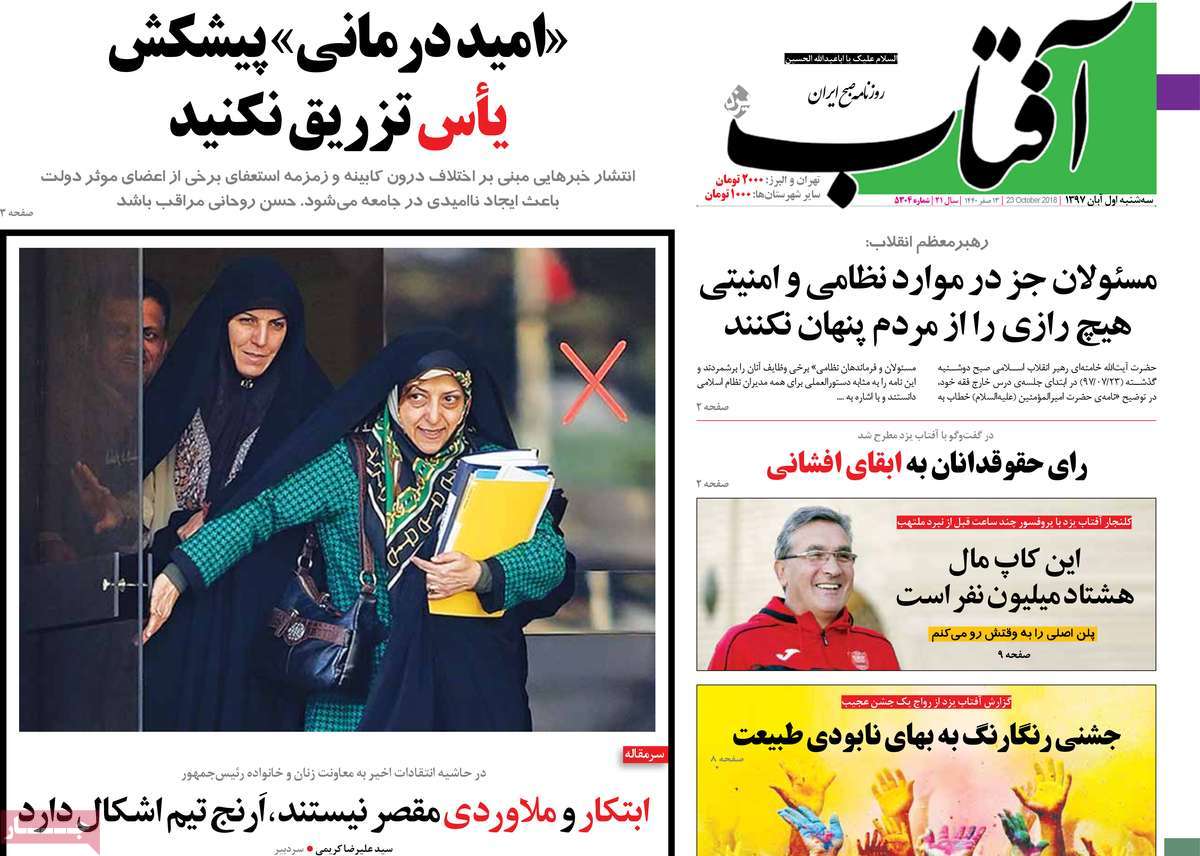
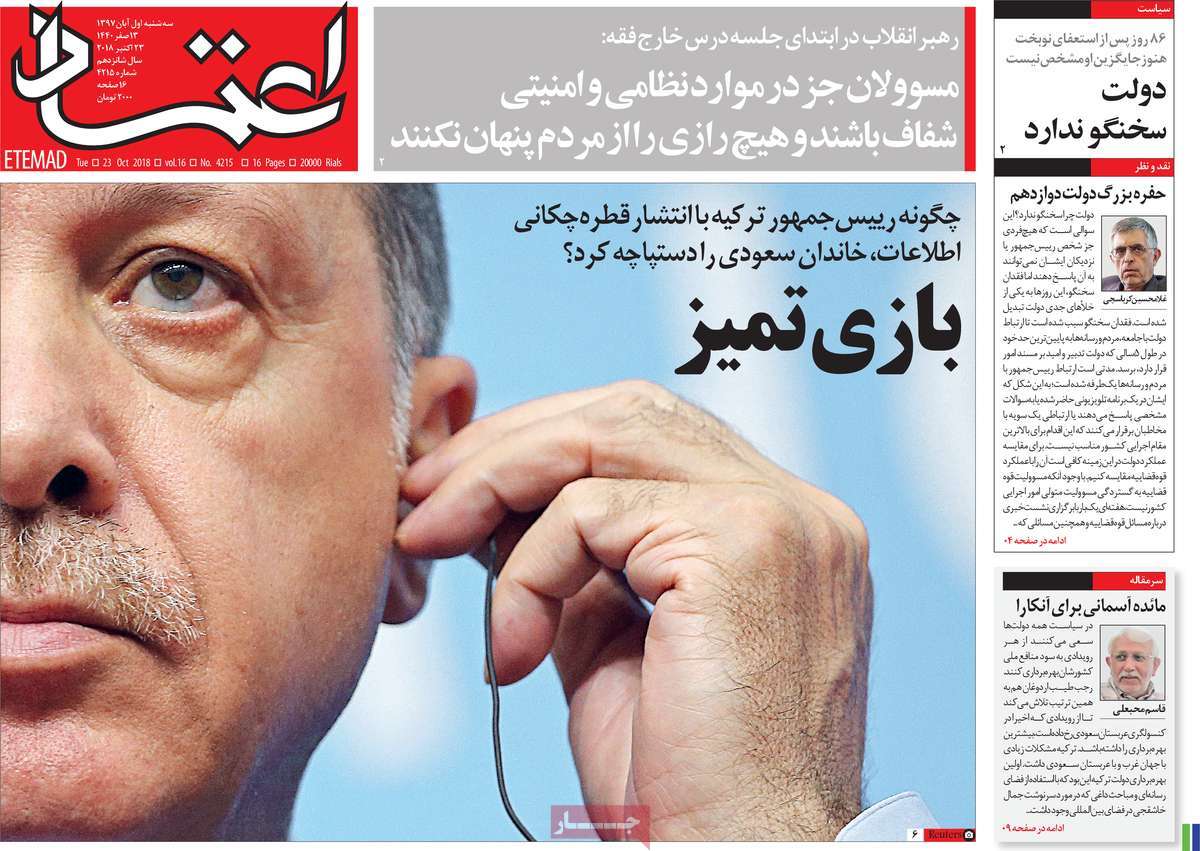
A Look at Iranian Newspaper Front Pages on October 23

A Look at Iranian Newspaper Front Pages on November 19

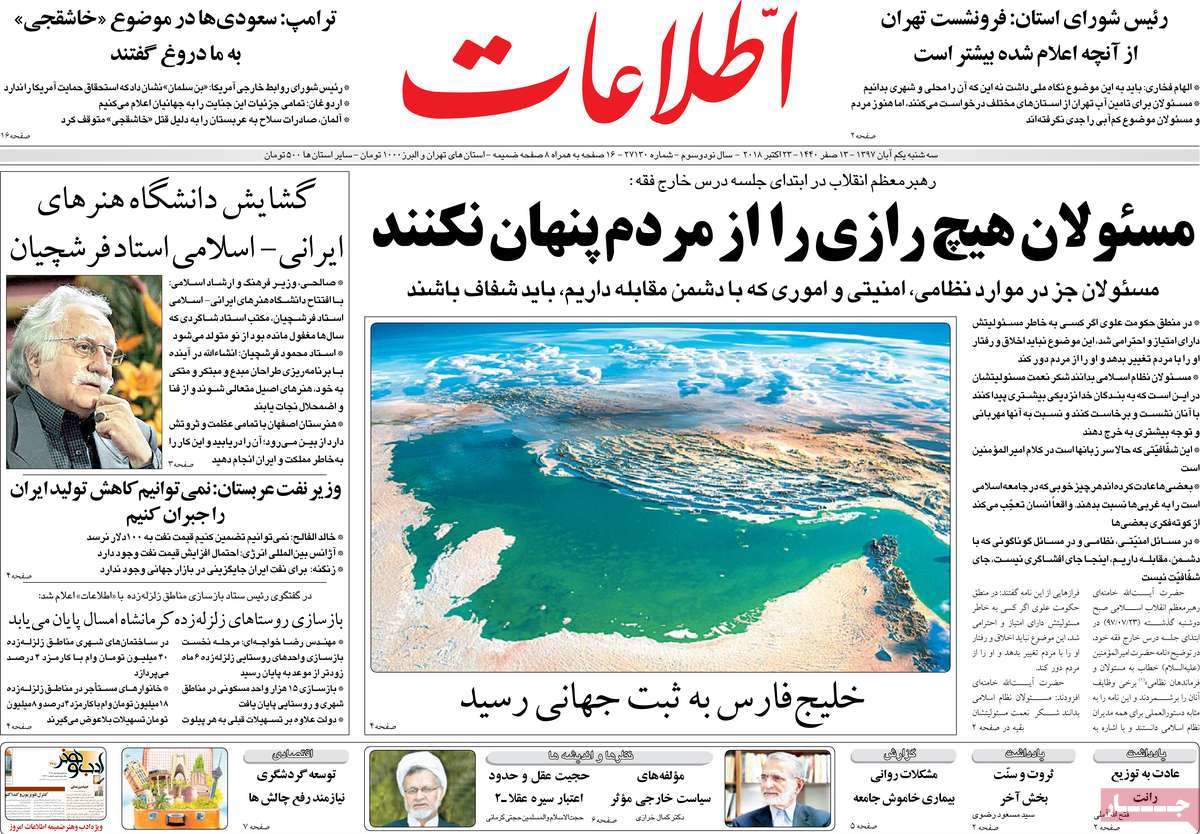
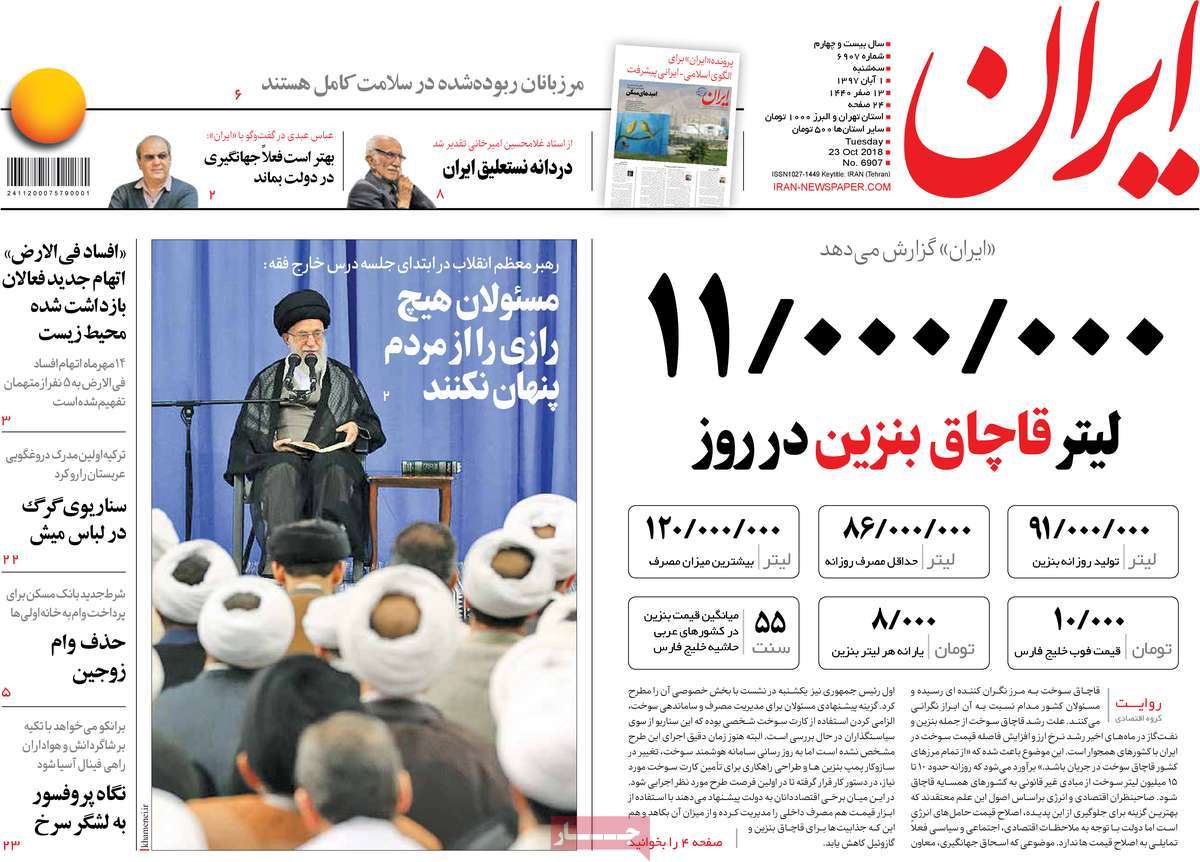
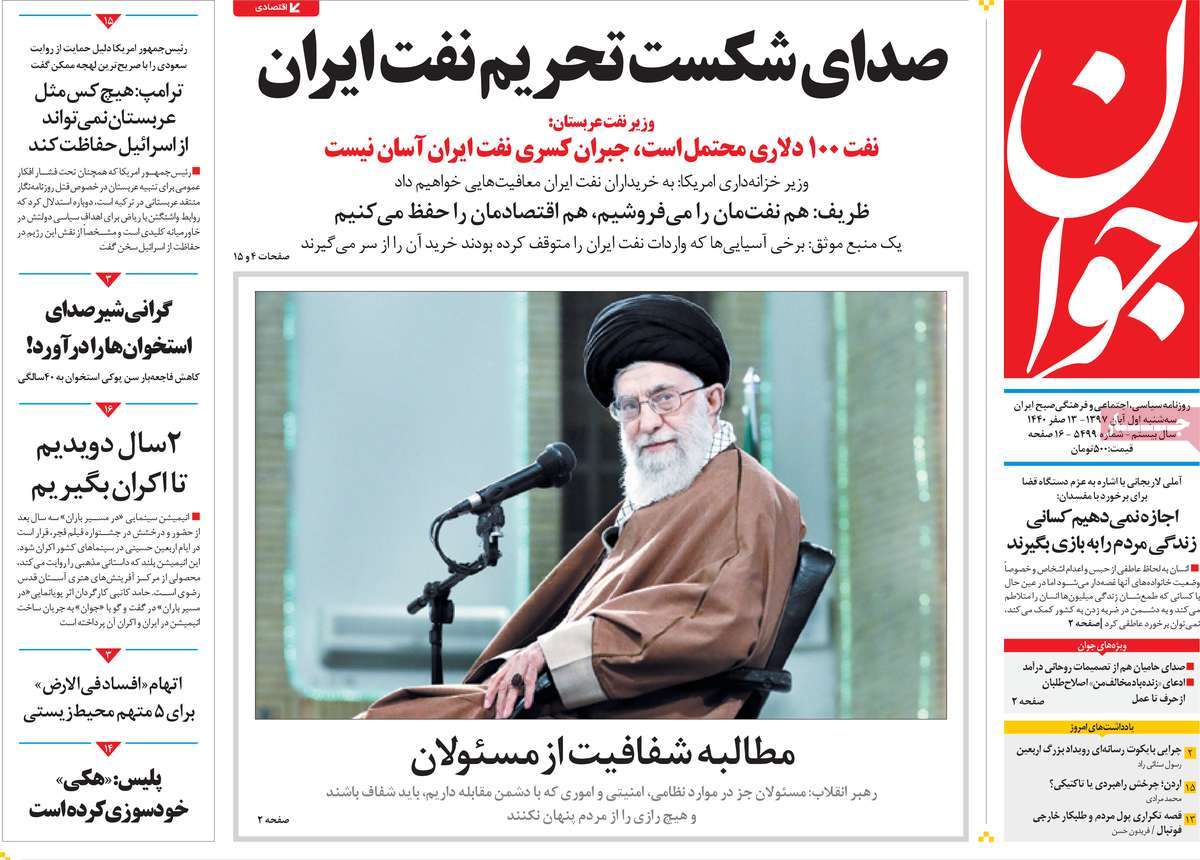
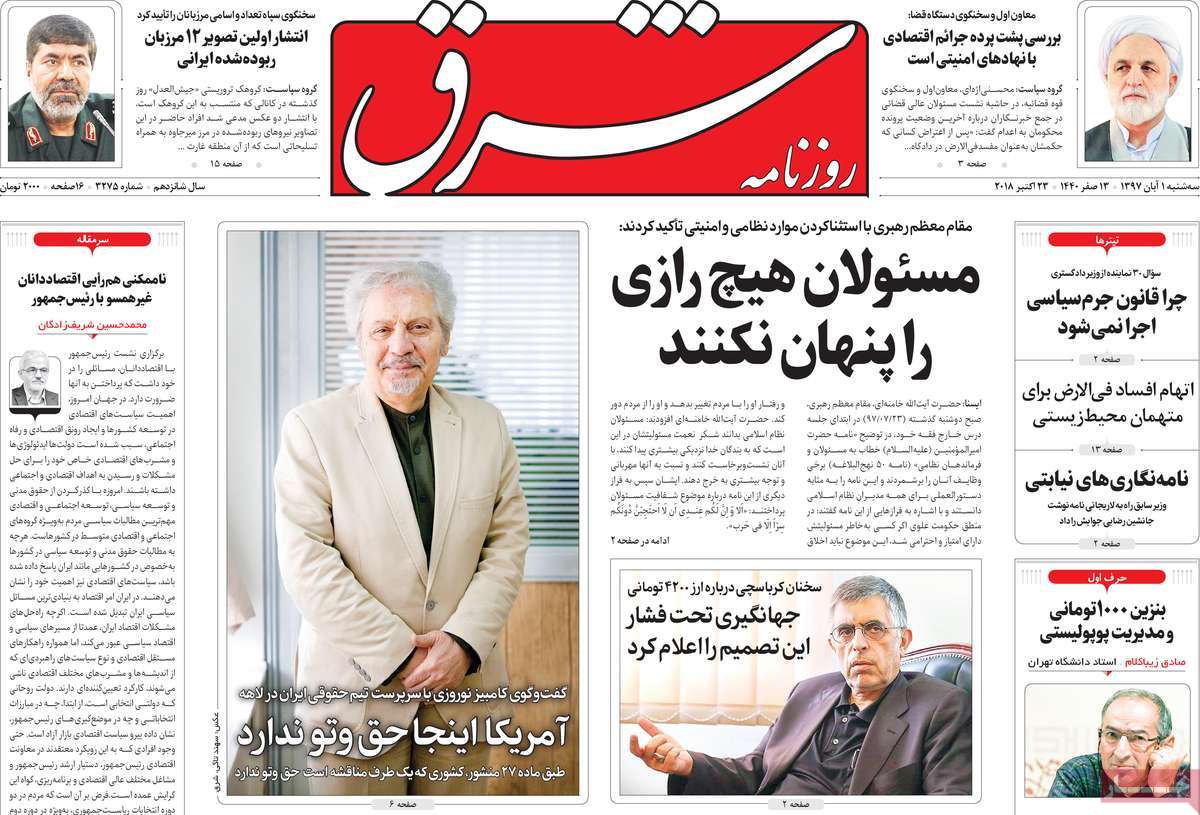
Iranian papers today widely covered the remarks made by the Leader of Islamic Revolution Ayatollah Seyyed Ali Khamenei about the need for officials to be honest and transparent, and avoid hiding anything from the nation, except for military and security issues.

Also a top story was the remarks made by Saudi energy minister about the difficulty of compensating for Iran’s crude oil after the US sanctions, and inevitability of oil price hikes.

The Tuesday semi-final match between Iran’s Persepolis and Qatar’s Al-Sadd in Tehran also received great coverage, as it can let the Iranian side advance to the finale of AFC Champions League for the first time in history.

The above issues, as well as many more, are highlighted in the following headlines and top stories:


Aftab-e Yazd:

1- Officials Shouldn’t Hide Anything from People Except for Security, Military Cases: Leader

2- Colour Celebration: A New Colourful Practice Which Destroys Environment

A Look at Iranian Newspaper Front Pages on October 23


Etemad:

1- Well-Organized Game: How Erdogan Baffled Al Saud by Releasing Information Gradually

2- Government Has Had No Spokesman in Past 86 Days

3- Iran Leader Calls for Officials’ Transparency, Honesty

A Look at Iranian Newspaper Front Pages on October 23


Ettela’at:

1- Iran to Open University of Master Farshchian’s Iranian-Islamic Arts

2- Persian Gulf Globally Registered

A Look at Iranian Newspaper Front Pages on October 23


Iran:

1- 11m Litres of Petrol Smuggled Out of Iran Every Day

2- Abducted Border Guards Are Safe

3- Arrested Environmentalists Charged with ‘Corruption on Earth’

A Look at Iranian Newspaper Front Pages on October 23


Javan:

1- It Seems Iran Sanctions Already Losing Their Impact

* Saudi Minister: Oil Price May Increase to $100, It’s Not Easy to Make Up for Iran’s Oil

* US Treasury: We’ll Give Exemptions to Purchasers of Iran’s Oil

2- Five Environmentalists Charged with ‘Corruption on Earth’

3- Police: Economic Analyst Haki, Whose Body Was Found Dead in His Car, Has Killed Himself

A Look at Iranian Newspaper Front Pages on October 23


Jomhouri Eslami:

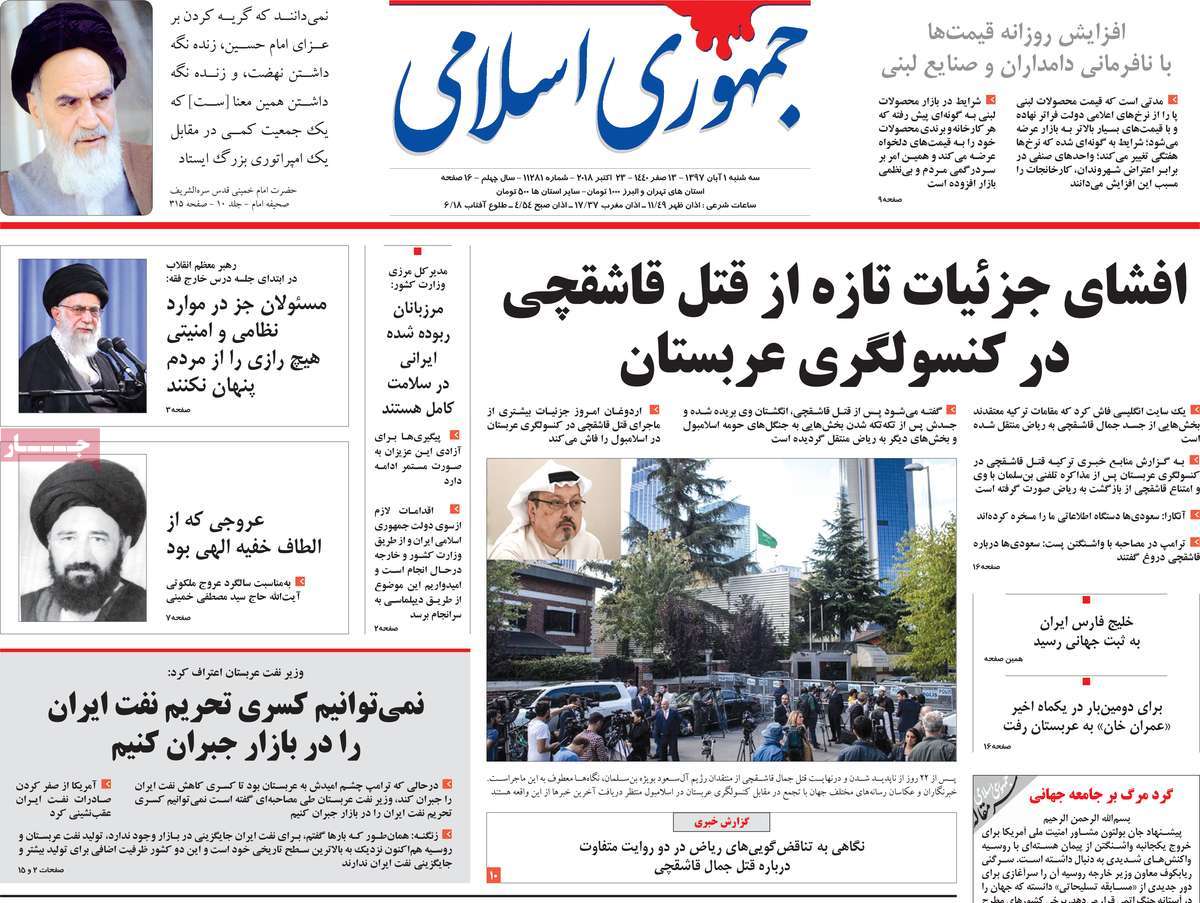
1- New Details of Khashoggi’s Murder in Saudi Consulate Revealed

2- We Can’t Compensate for Iranian Oil: Saudi Energy Minister

A Look at Iranian Newspaper Front Pages on October 23


Kayhan:

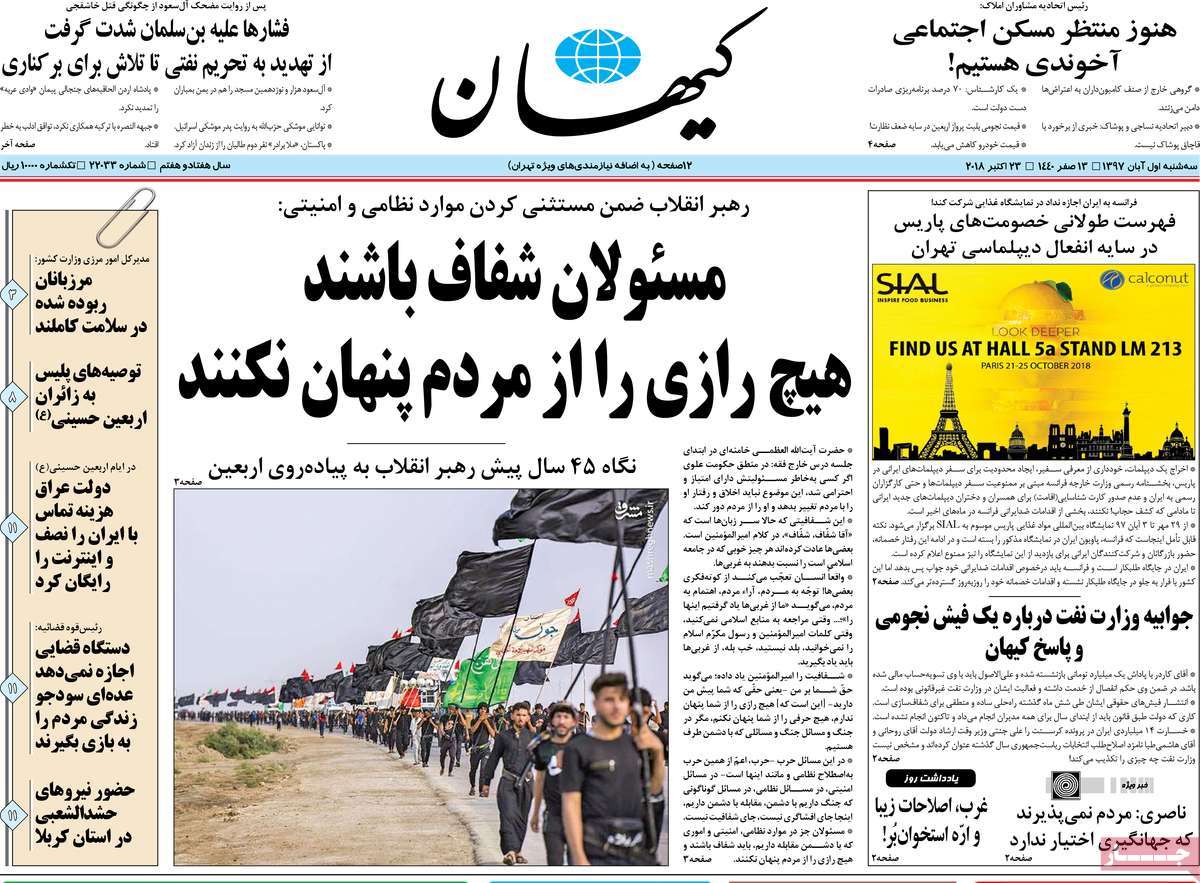
1- Pressures on Bin Salman Increased: From Oil Sanctions to Overthrow

2- Iran’s Passive Diplomacy in Dealing with Long List of France’s Hostility towards Iranians

A Look at Iranian Newspaper Front Pages on October 23


Sazandegi:

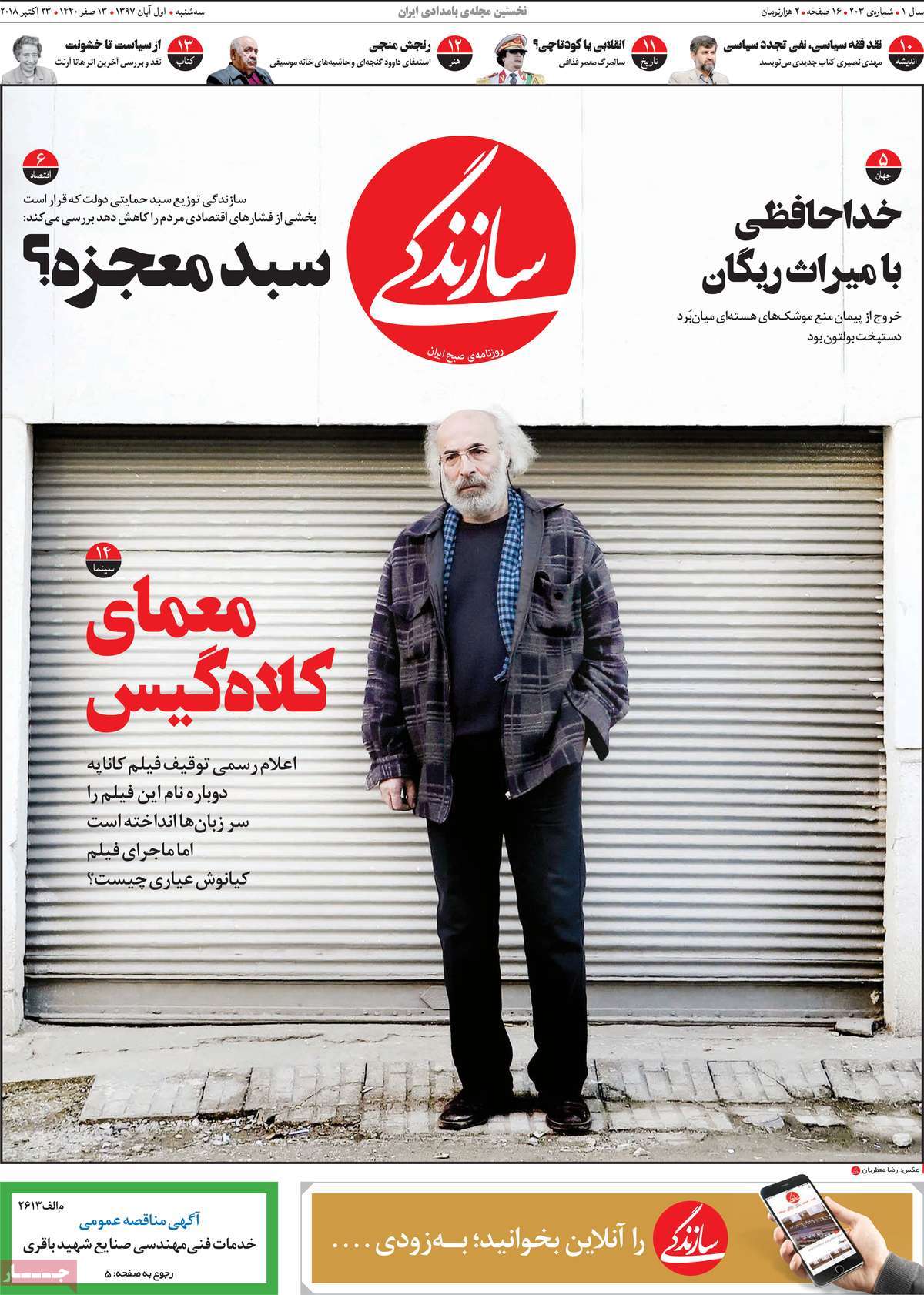
1- Farewell to Reagan’s Heritage

* Bolton to Blame for US Withdrawal from INF Treaty

2- Iranian Film Officially Banned for Showing Women Wearing Wigs

A Look at Iranian Newspaper Front Pages on October 23


Shahrvand:

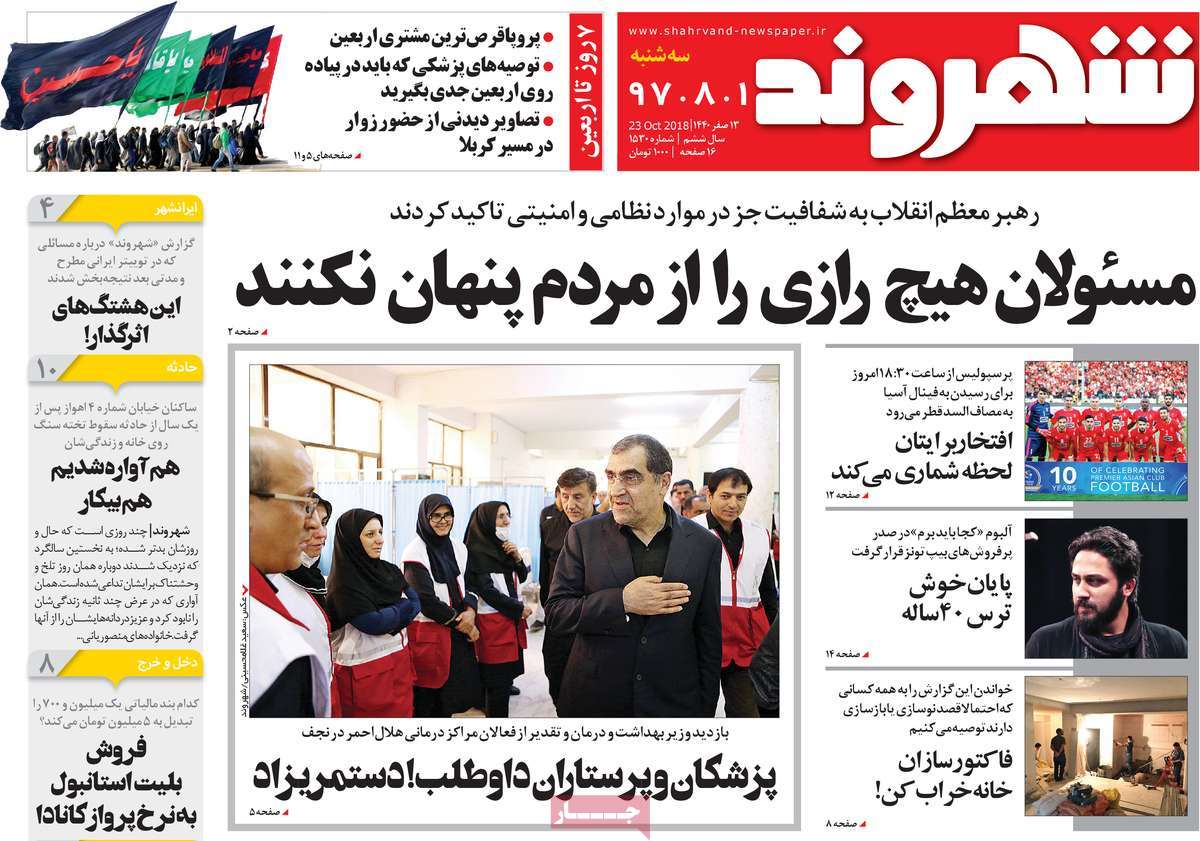
1- Plane Tickets to Istanbul Being Sold at a Price Similar to Canada Flight

2- Countdown to Historic Moment

* Iran’s Persepolis Can Advance to AFC Champions League’s Final Today

A Look at Iranian Newspaper Front Pages on October 23


Shargh:

1- Leader: Officials Shouldn’t Keep Any Secret from People

2- First Photo of 12 Abducted Border Guards Released by Pakistan-Based Terrorists

3- US Has No Veto Power Here in The Hague: Iranian Lawyer

A Look at Iranian Newspaper Front Pages on October 23


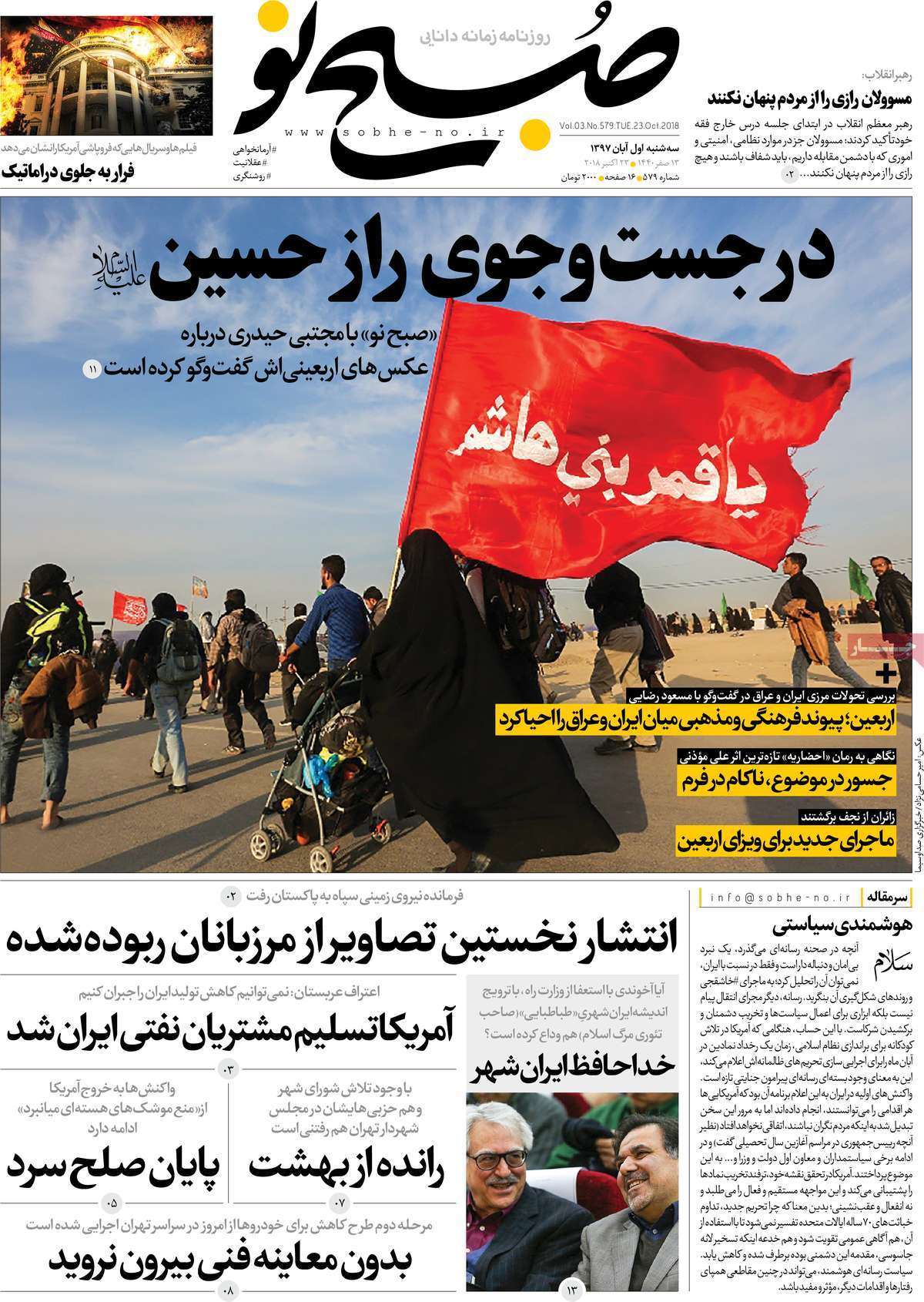
Sobh-e Now:

1- In Pursuit of Imam Hussein Secret

2- Arba’een Revives Cultural, Religious Bonds between Iran, Iraq

3- US Gives in to Iran’s Oil Clients

A Look at Iranian Newspaper Front Pages on October 23


Vatan-e Emrooz:

1- Man of Reforms!

2- Terror Squad’s Stunt

3- Jahangiri May Resign as First VP: Reformist Figure

A Look at Iranian Newspaper Front Pages on October 23

Iran Hosts Conference on Economic Diplomacy

This national conference was held on October 21 at the Office of the Institute for Political and International Studies. The event was organized by the Foreign Ministry’s Department for Economic Diplomacy in collaboration with the United Nations Office for South-South Cooperation.

Several foreign agencies working in the field of international cooperation also attended the conference.

The event opened with speeches by Gholamreza Ansari, the Iranian Deputy Foreign Minister for Economic Affairs; Jorge Chediek, the Director of the United Nations Office for South-South Cooperation; and Mohammad Khazaei, a deputy finance minister and the head of Organisation for the Investment, Economic and Technical Assistance of Iran.

More than 300 senior executives of various Iranian ministries and departments as well as Tehran-based ambassadors and diplomats attended the event.

The conference was aimed at explaining new methods in the field of international cooperation, especially in economic diplomacy.

The speakers focused on the benefits, and the added value of cooperation, in particular through the sharing of experiences. They also discussed exchange of technology and various aspects of the issue.

The speakers, including experts from the United Nations and international cooperation agencies in Japan, Turkey, and Mexico, discussed the mechanisms of development cooperation, and transfer of their countries’ experiences and ways to secure the national interests of partner countries within the framework of development cooperation.

South-South cooperation as one of the models of development was also a major issue discussed in the conference.

Representatives of a number of domestic organisations such as Education Ministry, the Iranian Red Crescent Society (IRCS), the Department of Environment, and the Nanotechnology Headquarters also elaborated on their plans and achievements.

At the end of the conference, Iranian foreign ministry official Ahmad Massoumifar outlined the high capacities of the Islamic Republic of Iran in the field of development cooperation and called for the recognition of all aspects of this component in foreign policy.

The official also highlighted the significance of development cooperation in international and bilateral relations, development of national policies, coordination and synergy of all the institutions of the country, and the use of smart and innovative methods in this area.

He also called on the country’s scientific and academic institutions to carry out integrated studies on development cooperation and help the foreign ministry and other relevant bodies in this field.

France Looking for Mechanism to Facilitate Banking Ties with Iran

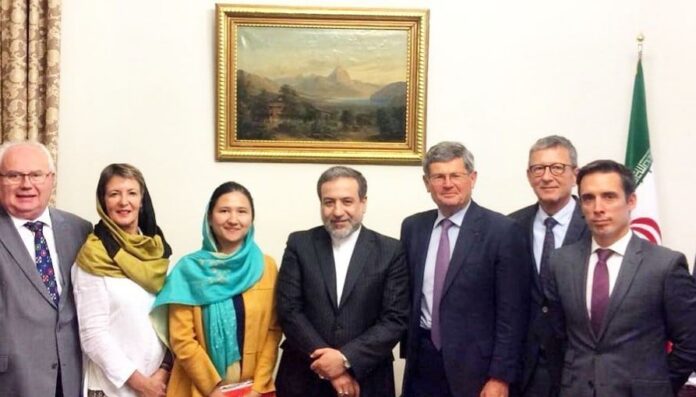
The remarks were made by members of a visiting French parliamentary delegation in a meeting with Iran’s Deputy Foreign Minister for Political Affairs Abbas Araqch in Tehran.

During the Monday talks, Araqchi discussed various bilateral, regional and international issues with the French delegation, which included Philippe Bonnecarrere, the President of France-Iran Friendship Group at the French Senate, and Delphine O, the President of France-Iran Friendship Group at the French National Assembly.

Araqchi welcomed the French government and Europe’s efforts to preserve the Iran nuclear deal and expressed hope that the efforts could lead to practical and operational strategies.

He also praised France’s will to stand against the US’ unilateralism as well as extra-regional laws and said through its unilateral and illegal withdrawal from the JCPOA, the US has not only violated a UN Security Council resolution but also put pressure on other states to follow in its footsteps.

“If the Iran nuclear deal collapse, the political situation of the Middle East will get more complicated and above all, a successful diplomacy experience in the world will end up in failure,” he said.
The Iranian deputy foreign minister then elaborated on the Islamic Republic’s regional policies and said the Islamic Republic’s policy is preserving stability and expanding security in the region.

“Iran fought ISIS as the most destabilizing element in the region and stand against any division of regional countries or demarcation of regional boundaries,” he said.

For their parts, the French lawmakers underlined the French parliament’s support for the JCPOA and said developing a mechanism for banking ties and making sure that Iran reaps the benefits of the Iran nuclear deal is a top priority and France is following up the issue seriously.

The members of the parliamentary delegation also thanked the Islamic Republic for its undeniable role in fight against ISIS.

Iran Discusses Yemen, Syria Crises with ICRC, UN Officials

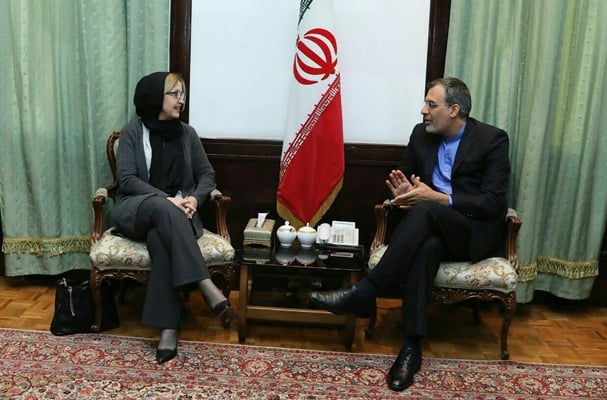
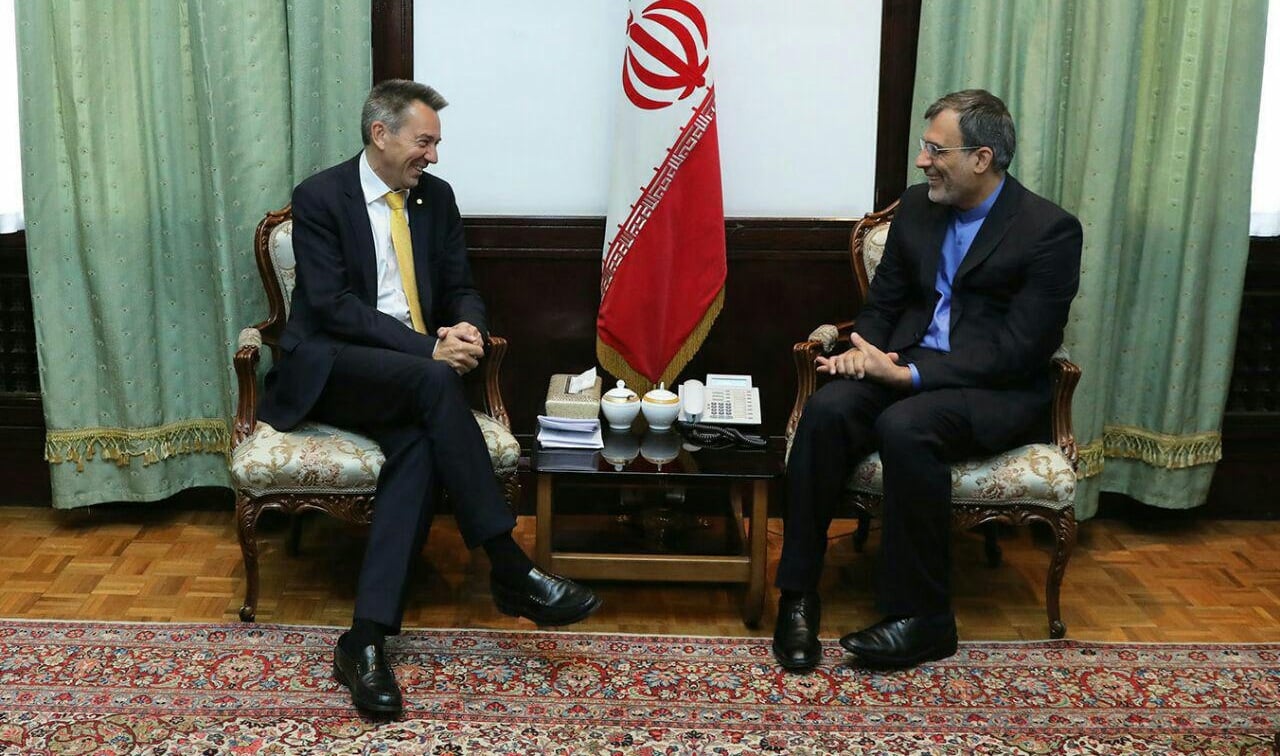
Hossein Jaberi Ansari, a senior assistant to Iran’s foreign minister in political affairs, meets with Susanne Rose, the Director of Middle East and West Asia Division at United Nations, on Oct. 21, 2018. / Photo by Jaberi Ansari's Telegram channel

In a Sunday meeting held at the Iranian foreign ministry, Jaberi Ansari and the ICRC chief Peter Maurer conferred on the latest developments in Syria, the Astana talks, the committee on the exchange of detainees and the missing, the special situation in Idlib, and issues related to the return of the Syrian refugees to their homes.

They also discussed the conditions in Yemen, the ongoing efforts to resolve the crisis in the impoverished country and facilitating the delivery of humanitarian aid to its people.

Jaberi Ansari also discussed the issue in a separate meeting with Susanne Rose, the Director of Middle East and West Asia Division at United Nations.

The two sides discussed the latest developments and regional efforts to quickly resolve crises in Yemen and Syria by facilitating the Syrian-Syrian and Yemeni-Yemeni talks.

Iran Discusses Yemen, Syria Crises with ICRC, UN Officials
Hossein Jaberi Ansari, a senior assistant to Iran’s foreign minister in political affairs, meets with Peter Maurer, the President of the International Committee of the Red Cross (ICRC), on Oct. 21, 2018. / Photo by Jaberi Ansari’s Telegram channel

Yemen’s defenceless people have been under massive attacks by a Saudi-led coalition for over three years but Riyadh has reached none of its objectives in Yemen so far.

Since March 2015, Saudi Arabia and some of its Arab allies have been carrying out deadly airstrikes against the Houthi Ansarullah movement in an attempt to restore power to fugitive former president Abd Rabbuh Mansour Hadi, a close ally of Riyadh.

Over 14,000 Yemenis, including thousands of women and children, have lost their lives in the deadly military campaign.

US Withdrawal from INF May Lead to another Cold War: Iran

In a tweet on Monday, the Iranian ambassador wrote that the treaty on destruction of mid-range missiles has played an important role in preventing a nuclear arms race and reaching a state of equilibrium in global security.

The withdrawal from the Intermediate-range Nuclear Forces Treaty known as INF and the reintroduction of nuclear missiles will lead to an intensification of the Cold War and global strategic instability, he added.

Trump told reporters on Saturday that he intended to withdraw the country from the INF Treaty, signed by the Soviet Union and United States in 1987 during the final years of the Cold War.

The INF Treaty was signed by former US President Ronald Reagan and his USSR counterpart Mikhail Gorbachev and remains the only live Cold War-era arms control agreement between the two countries.

The treaty required the US and Russia to permanently eliminate their stockpiles of ground-based nuclear and conventionally armed ballistic and cruise missiles with ranges of roughly 300-3,400 miles, and to refrain from developing or testing such missiles.

Over 1m Azeri Tourists Visited Iran in Past 9 Months

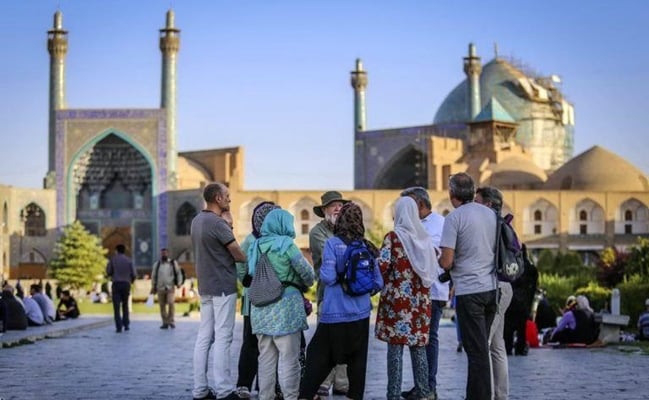
At least 1,068,000 Azeri tourists visited Iran in the first three quarters of 2018, up 53.2% year on year.

This comes as the number of visits to the Azerbaijan republic dropped by 32.7 percent in the same period.

Experts believe the reason behind a rise in the number of visits to Iran by Azeri nationals is the devaluation of the Iranian currency, the rial, and a rise in the value of the Azerbaijan Republic’s currency, the Azerbaijani manat.

In recent years, Iran has always been at the centre of attention by Azeri tourists. Azeri nationals have been visiting Iran mostly for medical treatment, visiting holy shrines and touring the country. Iran is considered the second popular destination for Azeri tourists after Georgia.

However, with a rise in the value of the greenback against the Iranian rial this year, Azeri nationals, especially those residing in border towns, chose to visit Iran to buy different commodities.

Another contributor to the rise in the number of visits to Iran by Azeri nationals is a visa waiver program which allows them to travel to Iran without a visa while Iranians have to obtain visas in order to visit the Azerbaijan Republic.

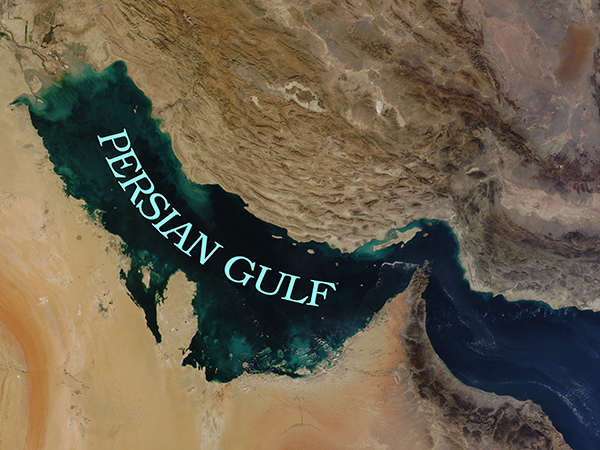
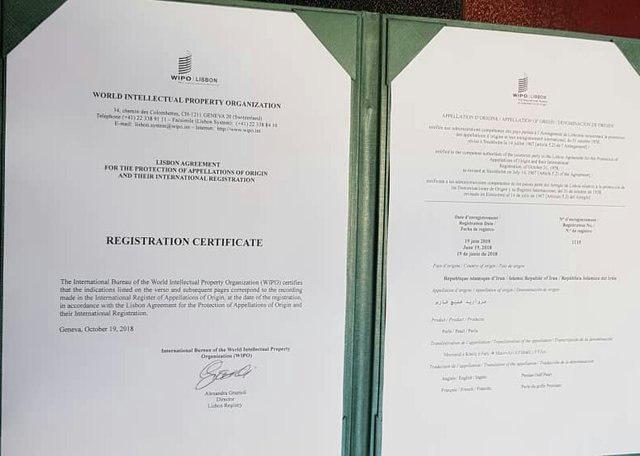
WIPO Recognises ‘Persian’ Gulf in Official Document

Iran Says Persian Gulf Always ‘Persian’ Gulf, not ‘Washington’ Gulf

This was announced on Monday by Seyyed Mahdi Mirsalehi, an official at Iran’s Ministry of Industries, Mining and Trade.

The WIPO’s move came after two years of efforts by the Iranian ministry’s office of Industrial Properties, the official said, addressing a news conference in Tehran.

Mirsalehi also noted that the decision will keep other countries from misnaming the Persian Gulf and using fake names from now on.

WIPO Recognises ‘Persian’ Gulf in Official Document

The name Persian Gulf has been used throughout history, in maps, documents and diplomacy, from the ancient Persians, whose empire dominated the region, to the Greeks and the British.


The push by certain Arab countries and their Western allies to call it “Arabian” gathered steam during the Pan-Arab nationalist movement of the late 1950s, propelled by president Gamal Abdel Nasser of Egypt.

The United Nations uses Persian Gulf. A 2006 paper by a United Nations working group found unanimity in historical documents on the term, which it said was coined by the Persian king Darius in the fifth century BCE.