Friday, April 24, 2026
Home Blog Page 2396

IRGC to Avenge Foreign-Backed Terrorists’ Attack on Its Forces

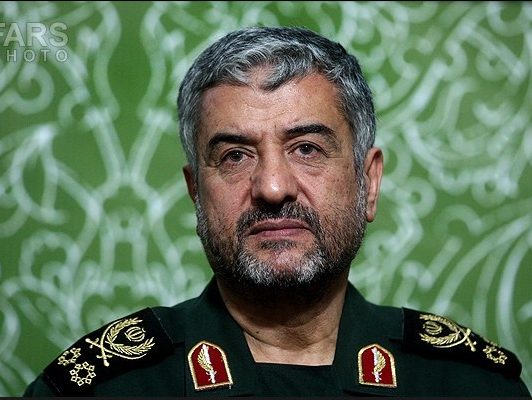
Mohammad-Ali Jafari

In a statement, General Jafari strongly condemned the “brutal” terrorist attack in Zahedan-Khash road in Sistan and Baluchestan province, which killed 27 and injured 13 other IRGC personnel.

He offered sympathy to the families of the victims, the Supreme Leader, and the people of Isfahan province, which was the place where the majority of the martyrs had been born.

He also gave assurance that the IRGC will continue its mission to secure the country’s borders in a more determined way, and will take revenge against the wicked enemies affiliated with the global arrogance.

The attack was carried out only two days after the miraculous turnout of tens of millions of Iranians in nationwide rallies marking the 40th anniversary of the Islamic Revolution, and this shows the hegemonic powers, the Zionists, and the American sponsors of terror have been given a slap in the face, he said.

General Jafari further noted that the “brotherly” government of Pakistan, its security bodies and army are expected to tighten their security measures in their joint borders with Iran in a bid to restrict the activities of Takfiri terrorists and mercenaries who are the enemies of both nations.

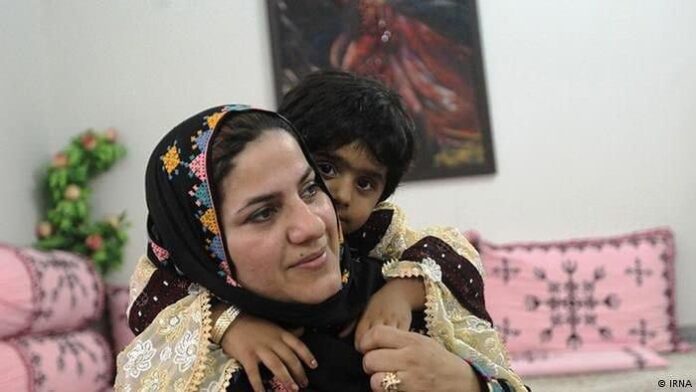
Iran Appoints Sunni Woman as Ambassador

Rigi is the second woman to serve as an ambassador, following Marzieh Afkham, who is currently serving as Iran’s ambassador to Malaysia.

Forouzandeh Vadiati will also start her work as Iran’s ambassador to Finland as the country’s third female ambassador.

Afkham is a career diplomat and Vadiati has served as the Foreign Ministry’s director-general for human rights and women affairs.

Rigi was the first Sunni female governor in Iran.

Those behind Attack on IRGC Staff to Be Punished Soon: Rouhani

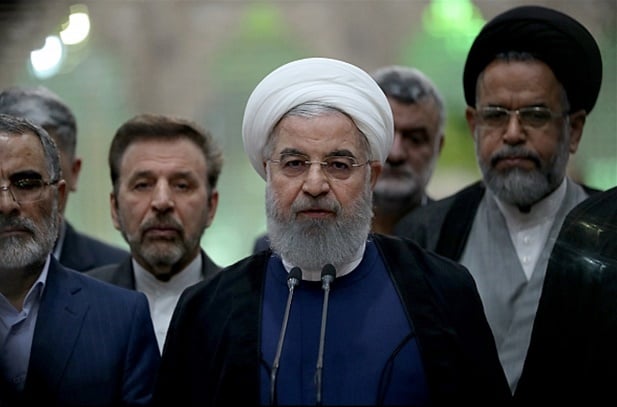
In a message on Thursday, President Hassan Rouhani said the brutal attack on the bus carrying the devoted personnel of Iran’s Islamic Revolution Guards Corps (IRGC) on the Khash-Zahedan road signifies the true extent of the desperation of criminal mercenaries and the cronies of the Iranian nation’s enemies.

The full text of the president’s message follows:

In the Name of God, the Compassionate, the Merciful

“And those who emigrated in the way of God and then were killed or died, God will bless them well ” (Koranic Verse)

Criminal mercenaries and the cronies of the Iranian nation’s enemies could not tolerate the glorious and epic turnout of our countrymen on the 40th anniversary of the victory of the 1979 Islamic Revolution of Iran, and showed off the great extent of their desperation and disappointment by launching a savage attack on a bus carrying the devoted personnel of the IRGC on the road from Khash to Zahedan.

This terrorist and cowardly act, which killed or wounded a large number of brave IRGC forces and those who had put their lives on the line to safeguard the security and power of Islamic Iran, touched the hearts of all Iranians.

While expressing my heartfelt condolences to the bereaved families, I also condole with the Supreme Leader [of the Islamic Revolution Ayatollah Seyyed Ali Khamenei], the Iranian nation, and the Armed Forces, especially brave IRGC personnel, and wish the most elevated positions for those martyrs, wish patience and reward for the survivors, and wish rapid recovery for those wounded in the incident.

This crime is yet another ignominious blot on the dark track record of main supporters of terrorism at the White House, in Tel Aviv, and of their regional cronies, who both carry out farcical and fabricated acts to promote Iranophobia, and claim to be fighting terrorism and seeking to create security in the Middle East. However, the lives and property of people across this region have fallen victim to their arms deals and dollars stained with the blood of the oppressed.

Incontrovertibly, those ordering this sinister and shameful act as well as its perpetrators will soon receive their retribution thanks to the efforts and perseverance of the country’s powerful security and law enforcement forces, and the rapport and integrity of Iranian people in safeguarding the lofty ideals of the Islamic establishment and national sovereignty will once again kill off their pious hopes.”

Attack on IRGC Forces Linked to Regional Spy Services: Leader

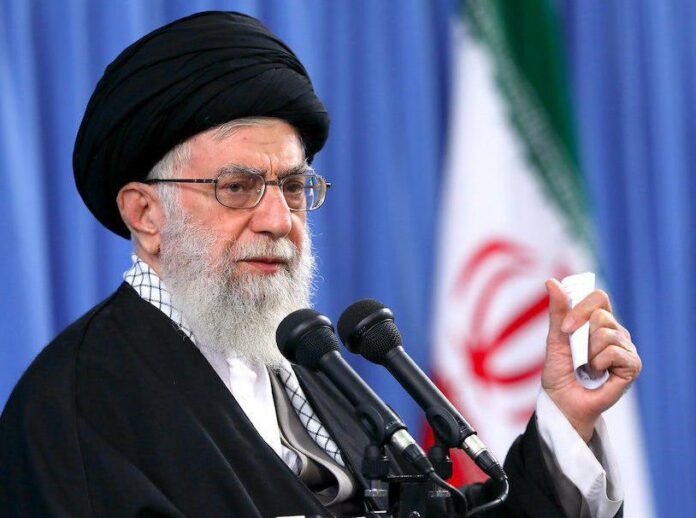
Ayatollah Seyyed Ali Khamenei

In his Thursday message, Ayatollah Khamenei said the “hands of the mercenary criminals were once again stained with the blood of decent and young servants of the country.”

“A group of our human assets, who had dedicated themselves to protecting our borders and safeguarding the people’s security, were martyred in the attack of evil and stonehearted terrorists,” the Leader said.

“The perpetrators of the crime are definitely linked to the spy services of certain regional and ultra-regional states, and the country’s officials must focus on that, and seriously pursue it,” he added.

“The Islamic Revolution Guards Corps (IRGC) is duty-bound to pursue any possible fault that caused the incident,” he said.

The Leader offered condolences to the families of the innocent martyrs as well as the great family of the IRGC. He wished patience for them and speedy recovery for the wounded.

A suicide attack by Pakistan-based Takfiri elements on a bus carrying Iranian border guards in Iran’s Sistan and Baluchestan province has killed and wounded dozens of IRGC forces.

The attack, claimed by the so-called Jaish ul-Adl terrorist group, targeted the bus carrying IRGC border guards travelling between the cities of Zahedan and Khash in south-eastern Iran.

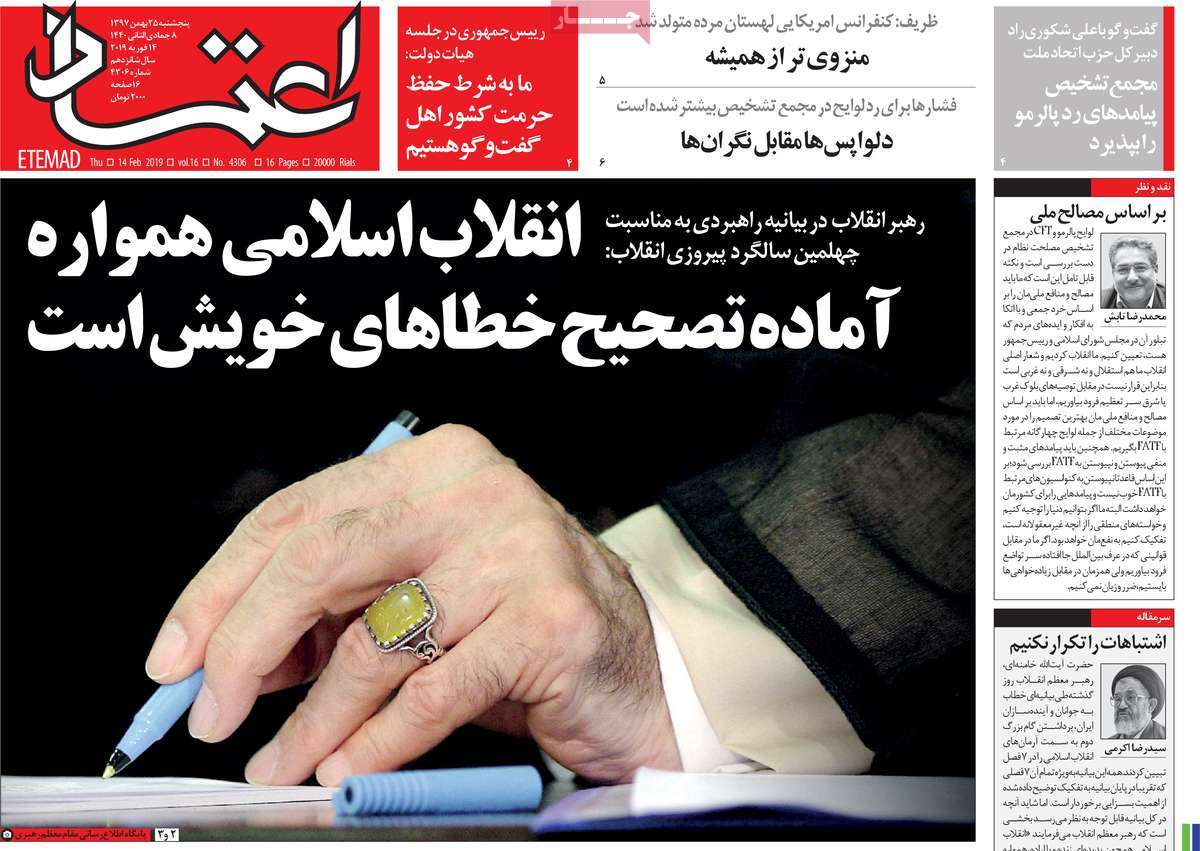
A Look at Iranian Newspaper Front Pages on February 14

A Look at Iranian Newspaper Front Pages on November 19

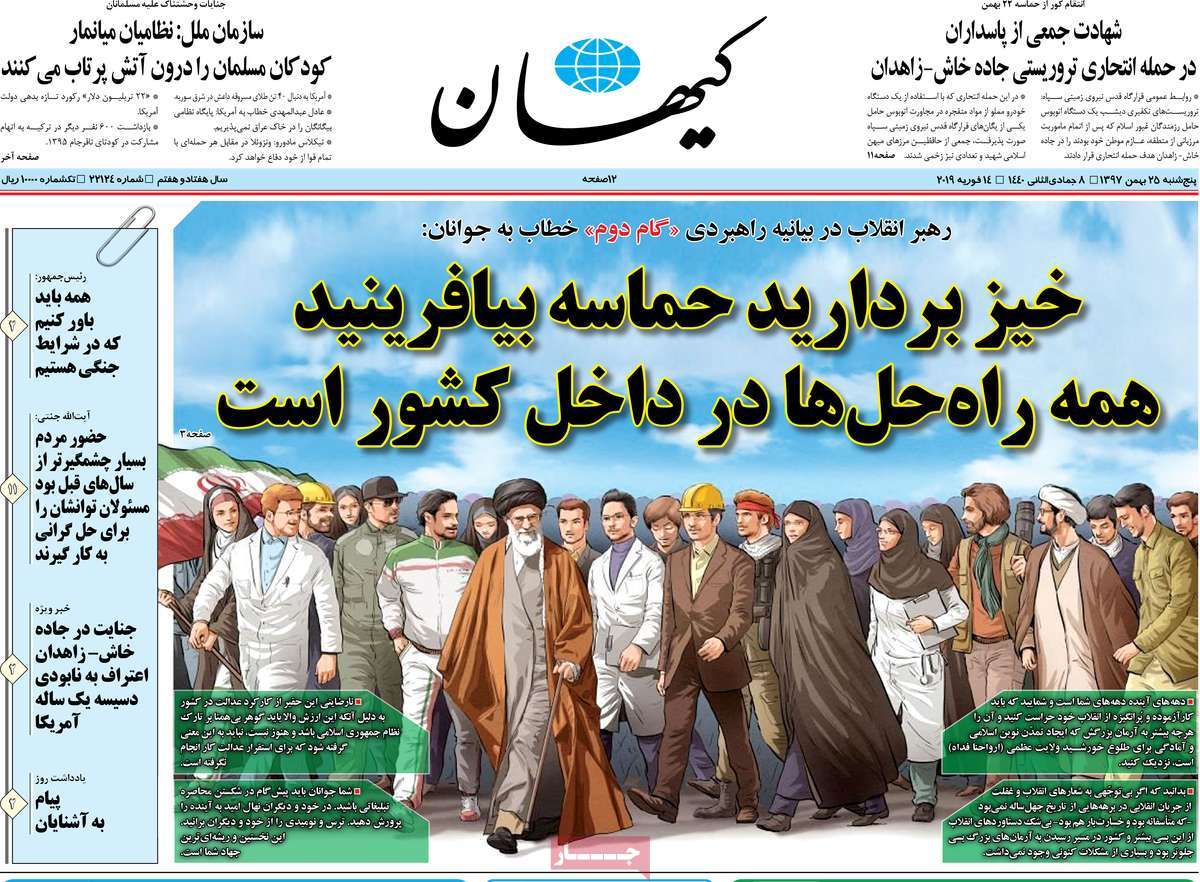
All papers today covered the “strategic and important” statement released by Leader of Iran’s Islamic Revolution Ayatollah Seyyed Ali Khamenei, entitled “Second Phase of the Islamic Revolution”.

The top story in today’s newspapers was an attack by Takiri terrorists on a bus carrying a group of Iranian border guards, which killed 27 and wounded 13 IRGC personnel.

The anti-Iran Warsaw Conference being held by the US in the Polish capital also remained a top story, with many papers highlighting its failure to create a consensus against Iran.

The above issues, as well as many more, are highlighted in the following headlines and top stories:

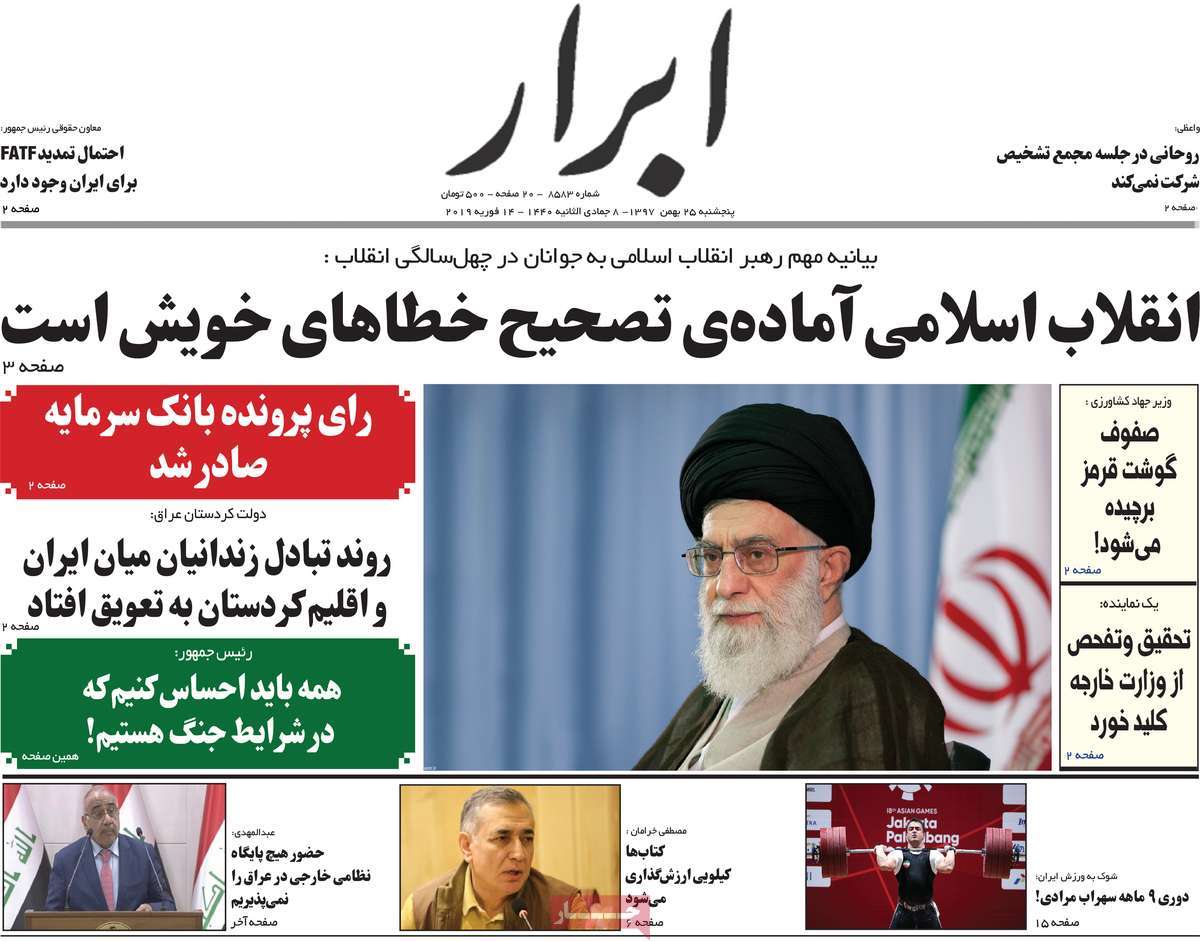
Abrar:
1- Rouhani’s VP for Legal Affairs: FATF Deadline Might Be Extended for Iran
2- Iraqi Kurdistan Government: Iran-KRG Prison Swap Postponed
A Look at Iranian Newspaper Front Pages on February 14


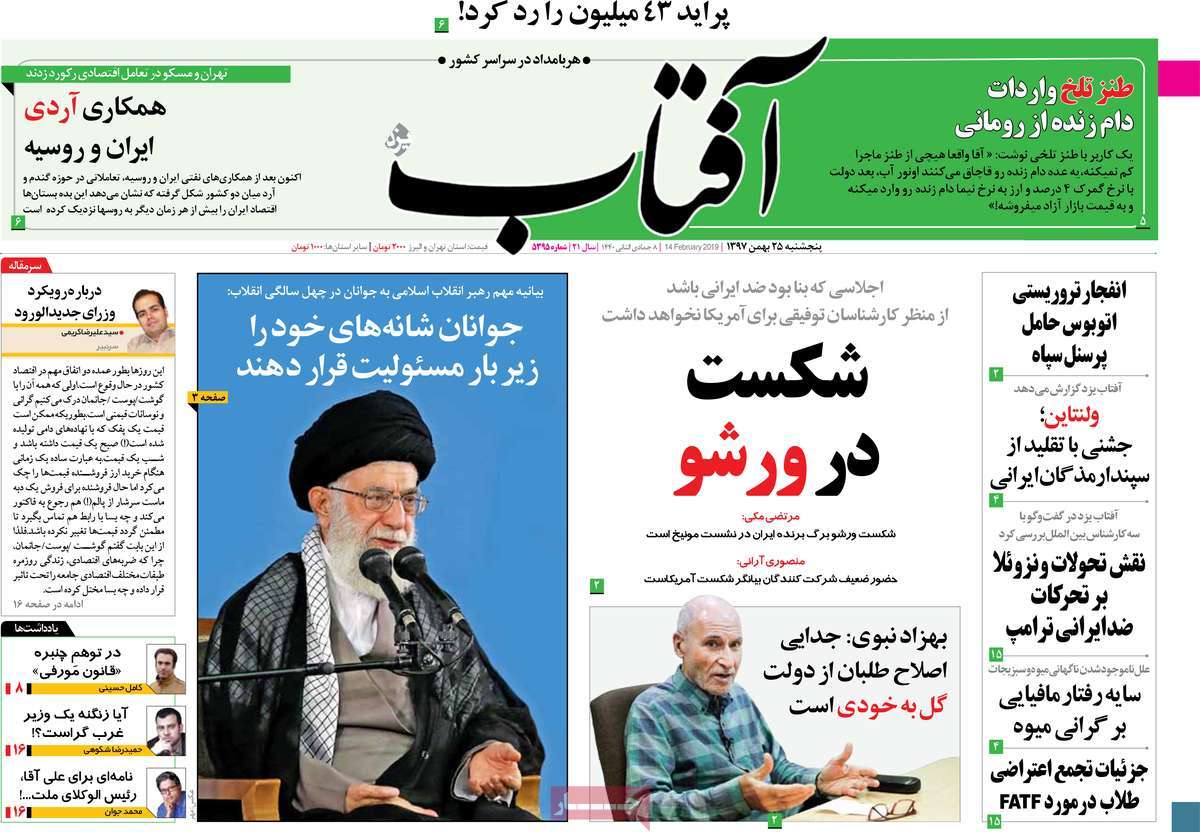
Aftab-e Yazd:
1- Flour Cooperation between Iran, Russia
• After Oil Cooperation, Now They’ll Work on Wheat, Flour
• Iran’s Economy Closer than Ever to Russians
2- Iran Leader’s Important Message to Youths at 40th Revolution Anniv.
3- Failure in Warsaw: Conference Supposed to Be Anti-Iran Not to Bear Any Fruit for US
4- Terrorist Explosion Hits Bus Carrying IRGC Personnel
A Look at Iranian Newspaper Front Pages on February 14


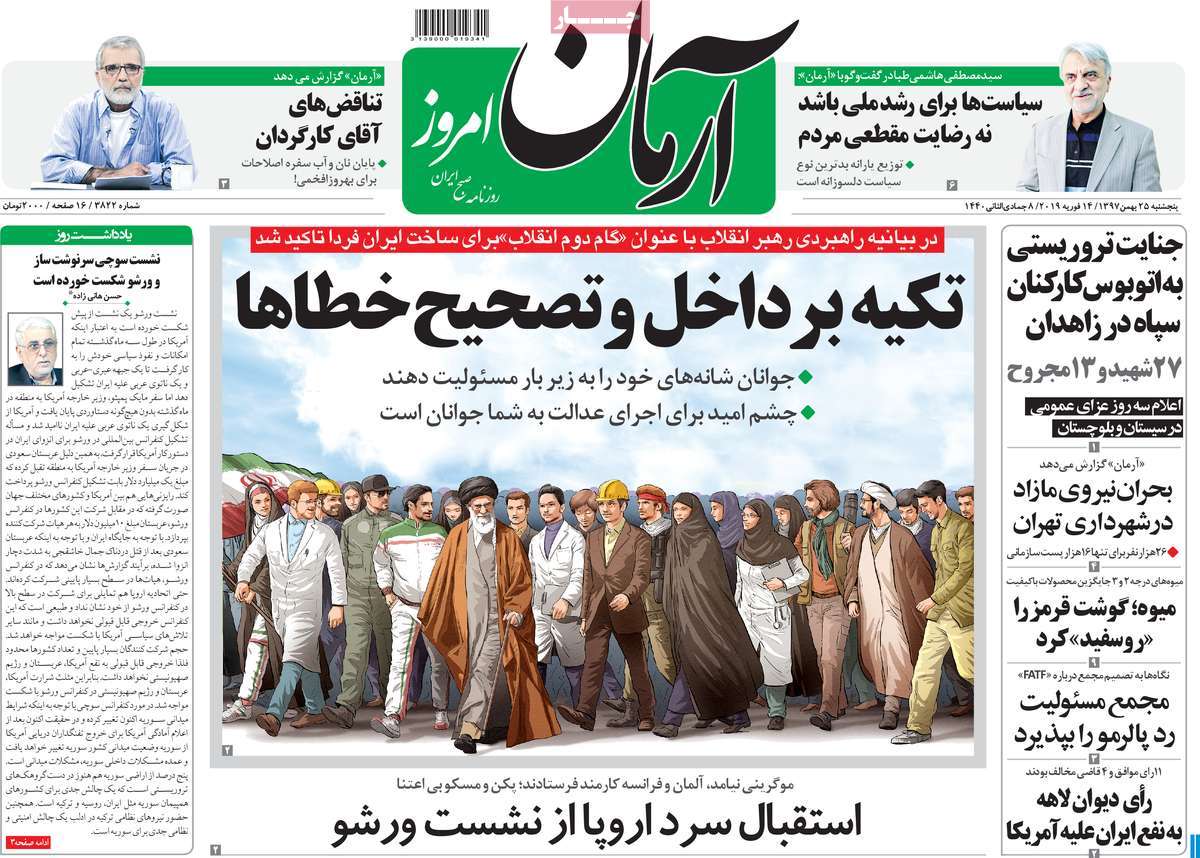
Arman-e Emrooz:
1- Terrorist Attack Hits Bus Carrying IRGC Staff in Zahedan: 27 Killed, 13 Wounded
2- The Hague Votes in Favour of Iran, against US
3- Europe Gives Cold Shoulder to Warsaw Summit
• Mogherini Didn’t Attend; Germany, France Sent Low-Ranking Representatives
A Look at Iranian Newspaper Front Pages on February 14


Etemad:
1- More Isolated than Ever: Zarif Says US Conference in Poland Born Dead
2- Rouhani: We’re Ready for Dialogue If Iran’s Dignity Preserved
3- Iran Leader: Islamic Revolution Always Ready to Correct Its Mistakes
A Look at Iranian Newspaper Front Pages on February 14


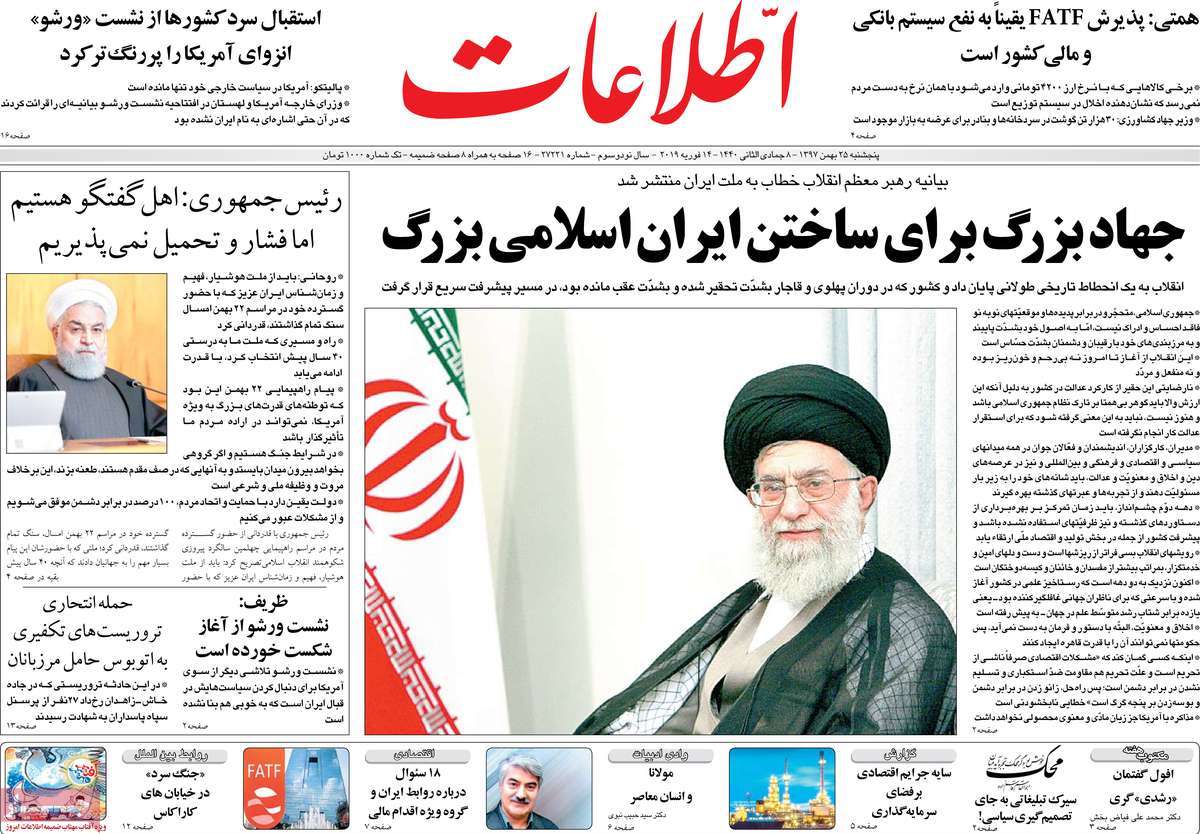
Ettela’at:
1- Iran Leader Calls for Great Jihad to Create Great Islamic Iran
2- Rouhani: We’re Interested in Dialogue, but We Don’t Accept Pressure, Imposition
A Look at Iranian Newspaper Front Pages on February 14


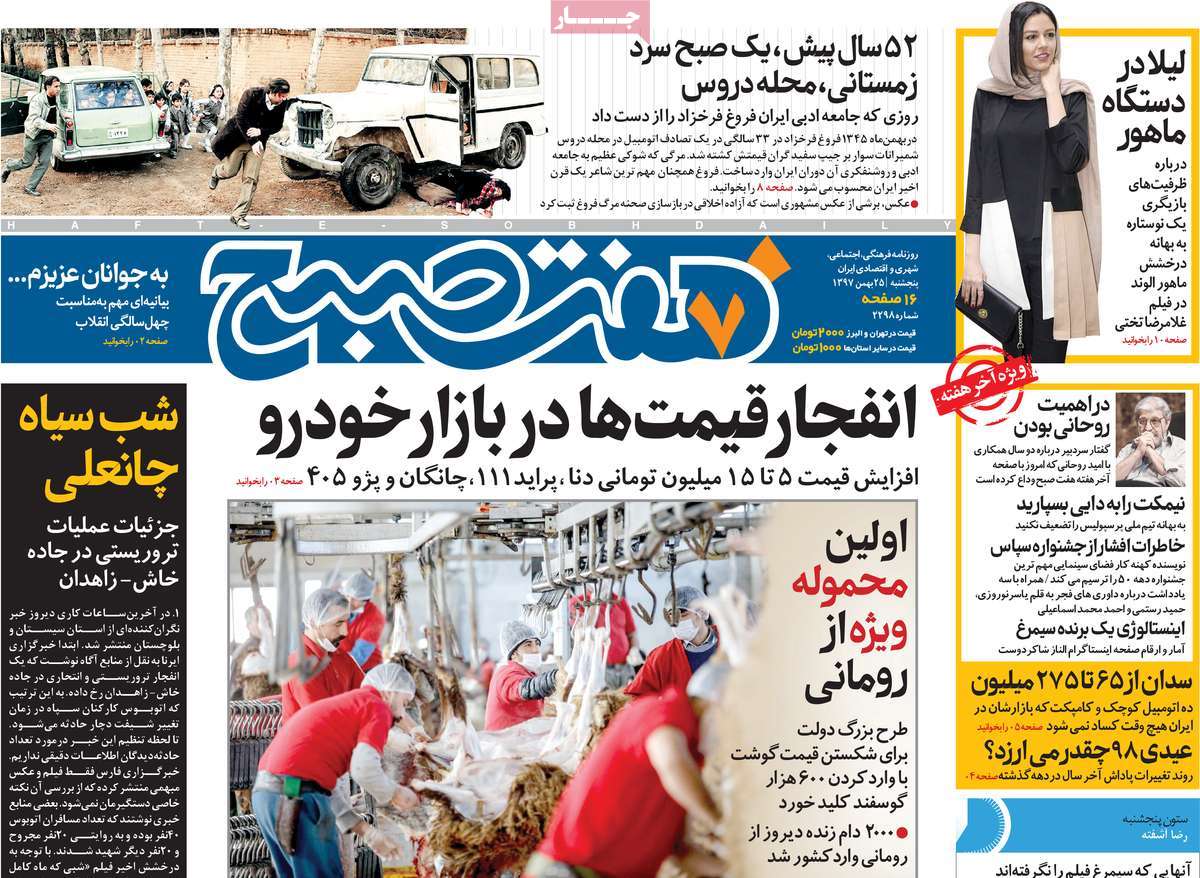
Haft-e Sobh:
1- Gov’t Trying to Decrease Meat Price by Importing 600,000 Sheep
• First Cargo, Including 2,000 Sheep, Arrives from Romania
A Look at Iranian Newspaper Front Pages on February 14


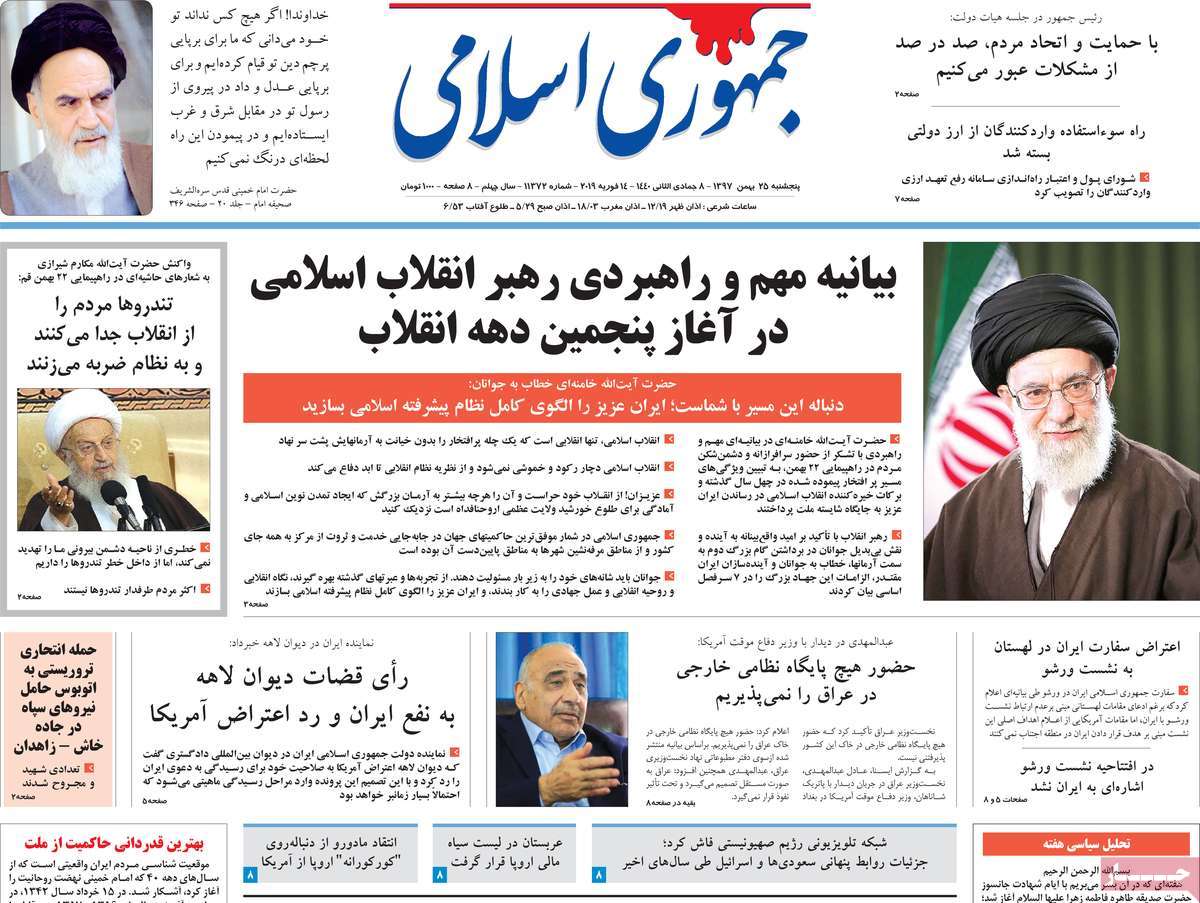
Jomhouri Eslami:
1- We Don’t Accept Presence of Any Foreign Base in Iraq: PM
2- No Mention of Iran in Opening of Warsaw Conference
3- Saudi Arabia Blacklisted by Europe
A Look at Iranian Newspaper Front Pages on February 14


Kayhan:
1- All Solution Inside the Country: Iran Leader
2- Rouhani: We Should All Believe We’re in War Conditions
3- Crime in Zahedan-Khash Road
A Look at Iranian Newspaper Front Pages on February 14


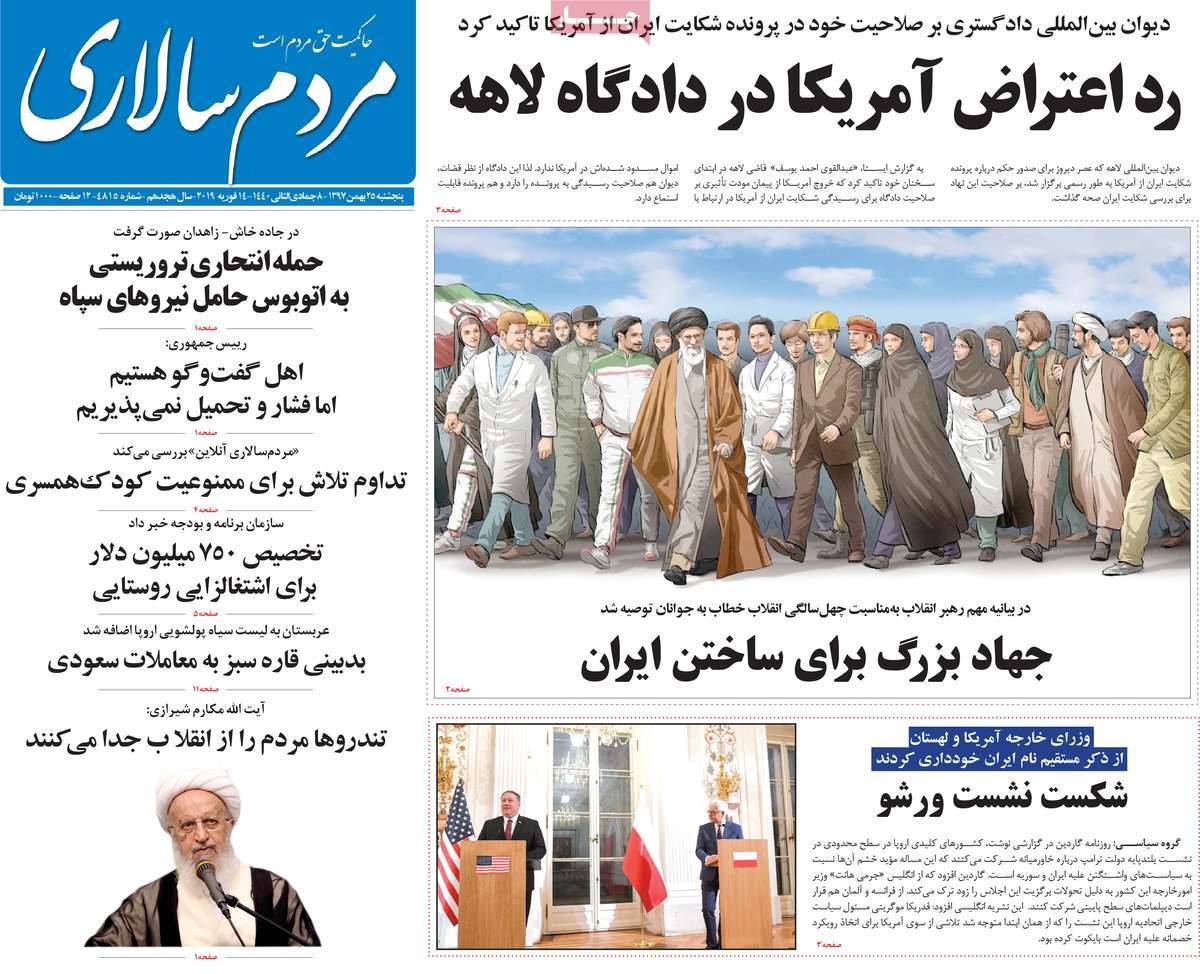
Mardom Salari:
1- US’ Appeal Rejected at The Hague
2- Europe Skeptic of Saudi Deals: Riyadh Added to Europe’s Black List of Money Laundering
A Look at Iranian Newspaper Front Pages on February 14


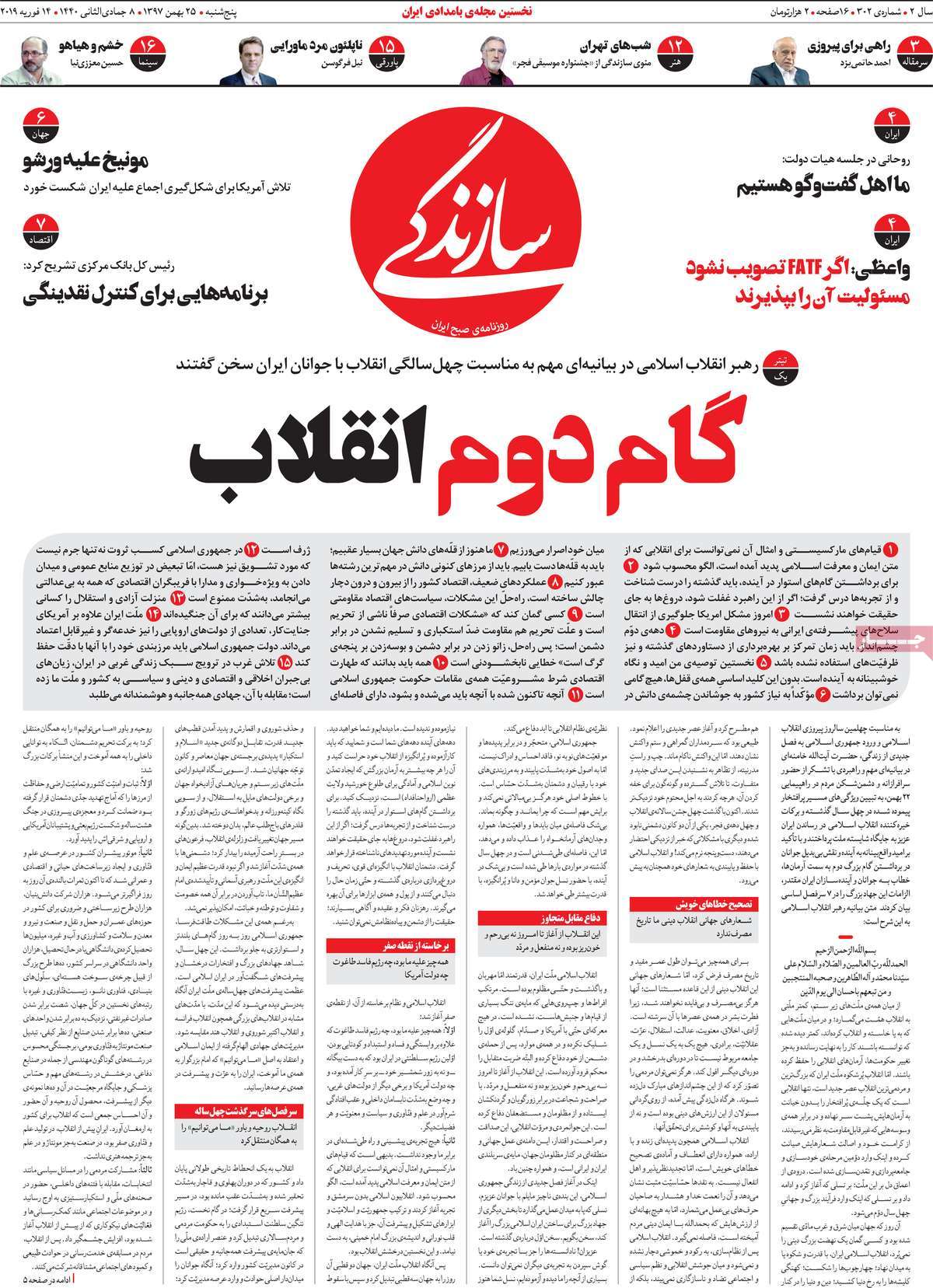
Sazandegi:
1- We Seek Dialogue: Rouhani
2- Munich against Warsaw: US’ Effort to Create Anti-Iran Consensus Fails
3- Second Phase of Revolution: Iran Leader Talks to Youths in Major Statement
A Look at Iranian Newspaper Front Pages on February 14


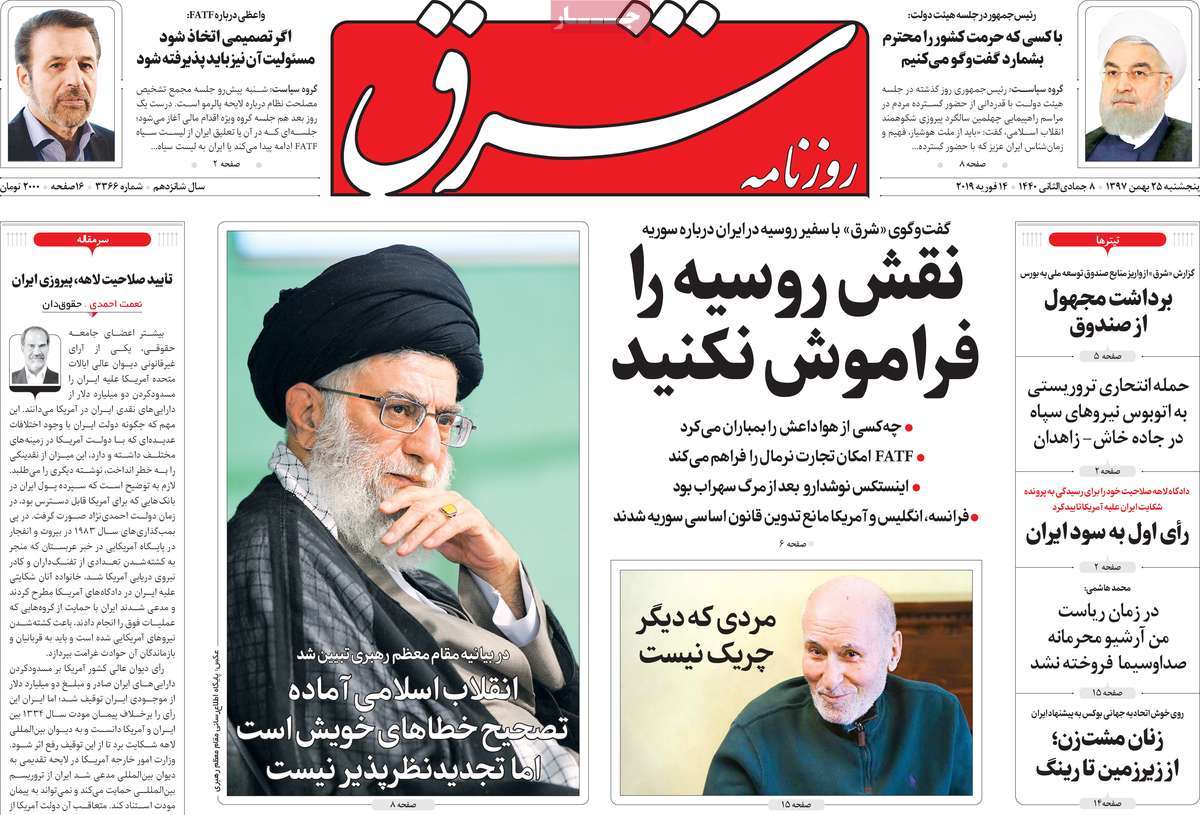
Shargh:
1- Rouhani: We’ll Hold Talks with Those Who Maintain Our Dignity
2- Don’t Forget Russia’s Role; Russian Ambassador Talks of Syria
3- First Verdict in Favour of Iran: ICJ Rejects US’ Appeal on Iran Case
4- Islamic Revolution Ready to Correct Its Mistakes: Leader
A Look at Iranian Newspaper Front Pages on February 14

Iran to Avenge Terrorist Attack on IRGC Forces

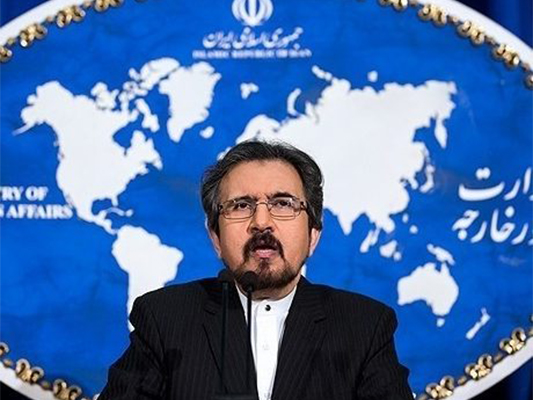
In a Wednesday statement, Qassemi offered sympathy to the families of the victims and those injured in the tragic incident.

He condemned the inhumane attack by the terrorist group that claimed responsibility for it, and said the group receives military, financial, and intellectual support from certain regional states.

Such inhumane attacks will just make the Iranian nation and government more determined to continue its fight against terrorism in the region, he noted.

Qassemi also vowed that Iranian intelligence and military forces will definitely take revenge for the blood of the incident’s martyrs.

A suicide attack by Pakistan-based Takfiri elements on a bus carrying Iranian border guards in Iran’s Sistan and Baluchestan province has killed and wounded dozens of IRGC forces.

The attack, claimed by the so-called Jaish ul-Adl terrorist group, targeted the bus carrying IRGC border guards travelling between the cities of Zahedan and Khash in south-eastern Iran.

At least 27 have been killed and 13 other wounded in the blast.

The IRGC’s Quds Headquarters said in a statement that an explosive-laden car rammed into the bus, which was taking the personnel back to their homes.

Following the deadly attack, the governor-general of Sistan and Baluchestan declared three days of mourning.

Foreign Ministry Explains Why Iran Not Invited to FATF Meeting

Iran Appoints Female Ambassador to Denmark

“The Islamic Republic of Iran is not a member of the FATF council or an official member of the regional groups affiliated to it,” Qassemi told ISNA on Wednesday.

“That’s why the country has never been invited to attend the body’s regular official meetings,” he added.

He referred to the reports of Iranian delegations’ participation in the FATF’s previous meetings, and said expert delegations from Iran previously attended the body’s unofficial expert meetings and panels, which are usually held one month earlier, in order to technically review the situation of Iran’s accession within the framework of the FATF’s agenda.

“In the absence of the technical agenda, such a meeting has not been held,” Qassemi added.

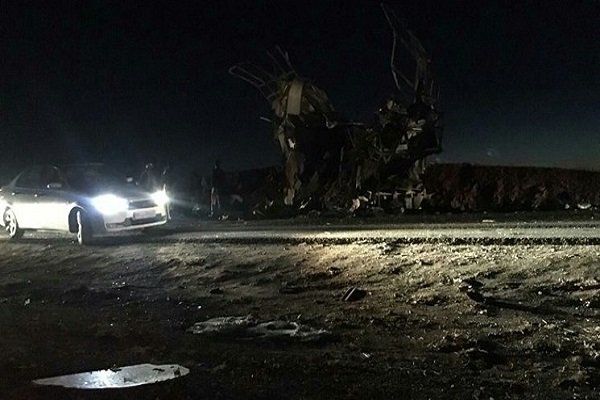
27 Killed in Terrorist Attack on Iranian Border Guards’ Bus

The attack, claimed by the so-called Jaish ul-Adl terrorist group, targeted the bus carrying IRGC border guards travelling between the cities of Zahedan and Khash in south-eastern Iran.

At least 27 have been killed and 13 other wounded in the blast.

The IRGC’s Quds Headquarters said in a statement that an explosive-laden car rammed into the bus, which was taking the personnel back to their homes.

Following the deadly attack, the governor-general of Sistan and Baluchestan declared three days of mourning.

Iran Signs MoU with Russia, Kazakhstan for Free Trade

The document was signed in Moscow Tuesday, bringing the countries closer to the free trade zone between Iran and the Eurasian Economic Union, which Russia has established with its neighbors.

“The memorandum is an integral part of the free trade zone agreement signed between the Eurasian Economic Union member states and Iran last year,” Kazakhstan’s Deputy Minister of Agriculture Gulmira Issayeva said.

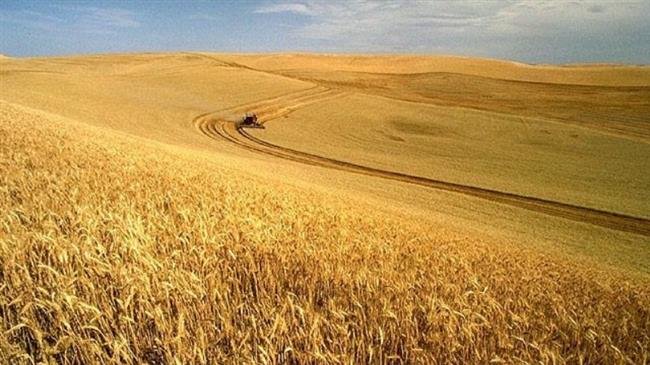
Under the deal, Iran will import wheat for its private millers who will produce flour for export, her Iranian counterpart Ali-Akbar Mehrfard said.

Iran, he said, has enough wheat harvested inside the country to cover its needs but it can export Russian and Kazakh grain to other countries. Iranian private millers are not allowed to use domestic wheat for flour exports.

“In Iran, there is suitable infrastructure in the flour industry, which is twice as much as domestic demand. In addition, Iran’s wheat silage is at a good level, and we now have 5 million tonnes of flour trade,” Mehrfard said.

Kazakhstan has welcomed using Iran’s transit and logistics network to deliver its agricultural goods to customers, he said, adding the two countries are also working on wheat swap arrangements.

No volume has yet been set, with Mehrfard saying the issue is up to the private sectors to decide. He also said the memorandum does not specify the currency to be used but the countries can trade in their national money.

Last year, an Iranian official said the country was negotiating importing around 100,000 tonnes of Russian wheat per month to increase flour exports to neighboring Iraq.

“We have a little financial problem to resolve but after it we will be able to go through with the deal,” secretary general of the Iran Federation of Food Industry Associations Kaveh Zargaran said.

A Russian official said at the time that the talks were part of broader negotiations about a free trade zone between Iran and Russia.

Iran is in advanced talks about creating a free trade zone with the union, known as the EAEU.

Iran’s Ambassador to Moscow Mehdi Sanaei said on Friday he expected the Iranian parliament to ratify the free trade agreement with the EAEU “in the near future.”

“The agreement is very important for Iran because it opens the gates to a big market for our country, and also opens the Iranian market to Russia and northern countries,” Mehr news agency quoted him as saying.

The union aims to ensure the free movement of goods, services, capital and workers between the member states.

The EAEU was established in 2015 by Russia, Kazakhstan and Belarus and later joined by Armenia and Kyrgyzstan. In 2016, Vietnam officially became the first non-regional country to join the bloc.

Russia’s First Deputy Minister of Industry Sergei Tsyb said last week that the EAEU would sign free trade agreements with Singapore, India and Egypt “in the near future.”

The bloc has also held negotiations with South Korea. According to Russia’s RT television, more than 40 countries and international organizations, including several South American states, have expressed interest in joining the EAEU.

Most world countries are currently a member of World Trade Organization (WTO) which is dominated by the United States.

Tsyb said WTO member states are currently using over 7,500 non-tariff measures such as quotas, licenses, restrictions and embargoes with respect to industrial goods.

Russia is coming under growing pressure from the West, including economic sanctions. Iran is also the target of the toughest sanctions announced by US President Donald Trump in May.

‘Jews Living in Peace, Harmony with Other Iranians’

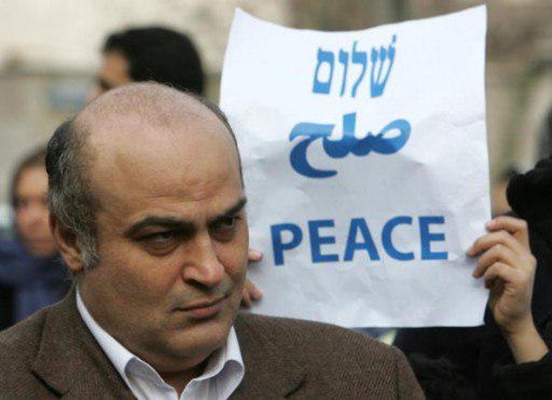
Undated photo of Siamak Morreh-Sedgh, the representative of the Jewish community at the Iranian Parliament, attending an anti-war demonstration of Iranian Jewish community.

Morreh-Sedgh was born in the city of Shiraz in 1955. He graduated in medicine, and worked in Kurdistan province from 1995 to 2001. Afterwards, he worked as a technical expert at a pharmacy. He is now serving for a third term as the representative of the Jewish community in the parliament.

The following are excerpts of his interview with ISNA where he has weighed in on the situation of the Jews in Iran, his memories of the days of the 1979 Islamic Revolution of Iran as well as the role of Jews in the revolution and in defending the country during the 8-year Iraqi imposed war on Iran in the 1980s.

In the interview, he has also touched upon the difference between Zionism and Judaism, the origins of the Jews’ culture in Iran and their concerns and positions on the enemies’ acts of sabotage.

Are there any differences between Jews in Iran and in other countries?

As far as Judaism is concerned, there are not many religious differences between Jews in different parts of the world. However, all Jews across the globe cannot be categorized into one group, as Muslims cannot either. This applies to all divine faiths.

Religiously speaking, Jews in Iran are followers of Judaism, and from a strategic perspective, they are Iranian citizens. Therefore, we fully abide by the laws and regulations of our country when it comes to politics and international relations. During the 8-year Iraqi imposed war on Iran in the 1980s, all Iranian people, including Jews, Muslims, and Zoroastrians, joined hands to defend our national values as well as Iran’s territory. It makes no difference to us whether our enemy is Saddam Hussein, Trump or Netanyahu. Whoever poses a threat to Iran’s national interests and values is an enemy of Jews, too.

How do you evaluate the coexistence between Iranian people and Jews?

Jews have been living alongside other Iranians for around 3,000 years now. In fact, Iran is one of the places where Jews have always had ease of mind as their homeland and have been able to have peaceful coexistence with Iranian people. Jewish Iranians have had an undeniable role in medicine and pharmacy as well as cultural issues such as music plus philosophy. Furthermore, several other things such as their costumes, eating habits and even ceremonies held on Jewish occasions have been inspired by the Iranian culture.

Iran is one of the places where Jews have always had ease of mind as their homeland and have been able to have peaceful coexistence with Iranian people.

What are the most important concerns of the Jewish community in Iran?

They share the same problems that other Iranians have. At the moment, the most important issue and concern of the Jewish community in Iran, especially the youth, is unemployment, which is a problem that all Iranians have.

How do you compare the situation of the Jewish community in Iran before and after the revolution?

Emigration is a natural phenomenon that takes place after every revolution. In Iran, too, many people, including Jews, emigrated after the revolution. Interestingly enough, Iranian Jews’ abidance by Judaism has become much stronger after the revolution because a more religious atmosphere has prevailed across the country following the revolution. This impacts all communities and ethnic groups. Moreover, the emergence of some social issues has influenced the Jewish community. For example, divorce was considered a taboo in the Jewish community until 20 years ago. However, the rising divorce rate in the country nowadays has had an impact on the Jewish community as well.

What is the Jewish community’s position on the current US economic war against Iran?

The Jewish community is not separate from other Iranians. Iranian Jews who have stayed in Iran have no intention of emigrating to other countries and have always defended Iran as their one and only homeland and have shown their loyalty. We have experienced economic problems more severe than what we are facing today. I don’t think the intensity of the current problems, even the initial sanctions, are comparable to the events that took place during the Iraqi imposed war on Iran.

How do you see the propaganda campaign launched by Western media against the rights of minorities, especially Jews, in Iran?

We have always emphasized that the general situation of religious minorities in Iran is improving. Of course, there are some problems, too. But the Islamic establishment seeks to settle those issues, and they have cooperated with us in this regard as much as possible. This reality should be promoted across the globe. If that happens, then no one outside Iran will speak for us. I have had interviews with foreign media several times. Once, I sat down with Ahmed Shaheed

in Geneva, and he finally confessed that the human rights situation in Iran is better than that in other Middle East countries, even by Western standards.

Minorities have spontaneously held different ceremonies all the time to safeguard the ideals of the revolution, but unfortunately, such events have not been properly covered.

When Leader of the Islamic Revolution Ayatollah Seyyed Ali Khamenei underwent surgery, prayers were held in all synagogues across Iran for the Leader’s health, but no report was filed in that regard. Another case in point is the Sepir hospital, which is the Middle East’s only charity hospital for Jews. It is also the only Jewish hospital in the world which admits all patients, Jewish and non-Jewish alike, based on charity regulations. More than 90 percent of its staff members and patients are Muslims. One of the Old Testament’s key statements is written on top of the gate of the hospital. It reads: “Love those of your kind the same way you love yourself.” It does not say “those of your religion” or “your brother.” Rather, it uses the phrase “your kind.” That means it would be enough to be a human. Well, has this been covered more frequently in Iranian or foreign media?

The world’s safest synagogues are located in Iran. Even in Europe, synagogues are protected by security guards.

Iran is the only country to have practically defended Christians in Iraq and Syria during the time when the ISIS terrorist group was at the peak of its activities. But where was this reported? At that time, I brought up the issue at the European Parliament. It is an honour for Iran that Christians in Iraq and Syria regard General Qassem Soleimani as a saviour. Asia’s oldest synagogue in Syria was targeted by ISIS, and Africa’s oldest synagogue in one of Tunisia’s islands was struck by the Taliban. This comes as the world’s safest synagogues are located in Iran. Even in Europe, synagogues are protected by security guards, including one from Mossad, who safeguards the building along with local security personnel and police. However, there is no need for the presence of police at synagogues in Iran. We only use police when we want to establish internal order at our synagogues. Where in the world can we see such security, and where have we covered this story?

It would be naive to think the US secretary of state would tell the truth about minorities in Iran. I have said time and again that it would be pointless to respond to such individuals because their words are so repetitive that they are not worth being responded to. The only solution is that we ourselves should have an integrated system to promote realities.