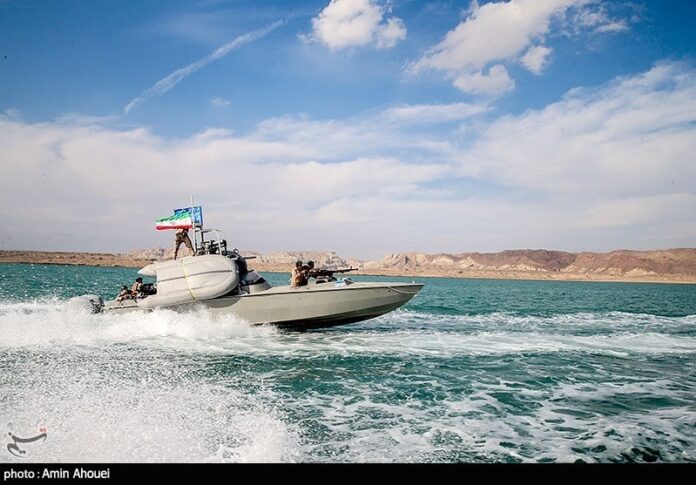
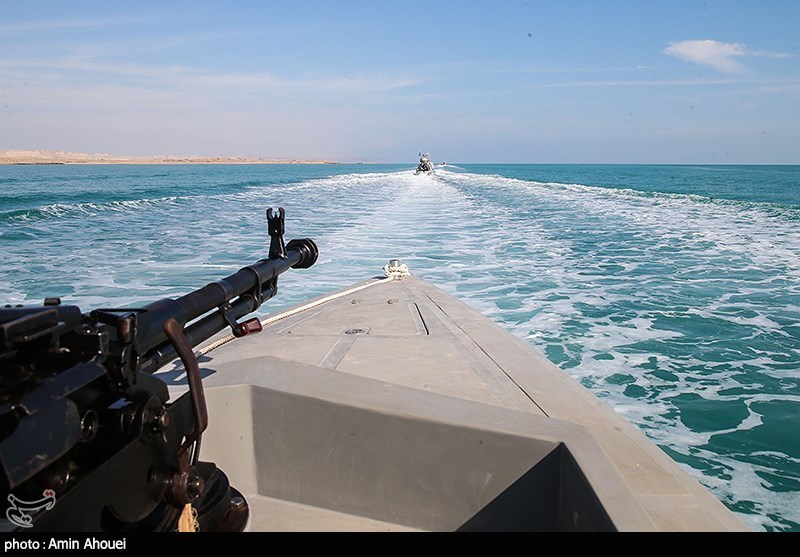
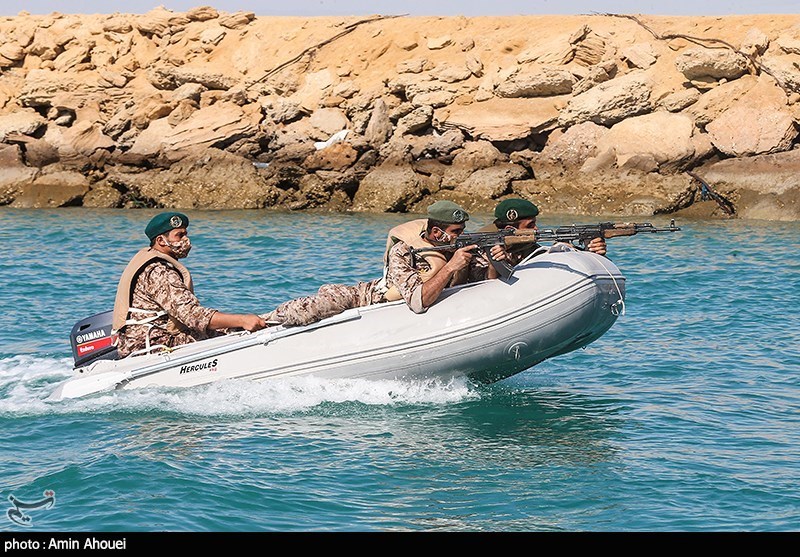
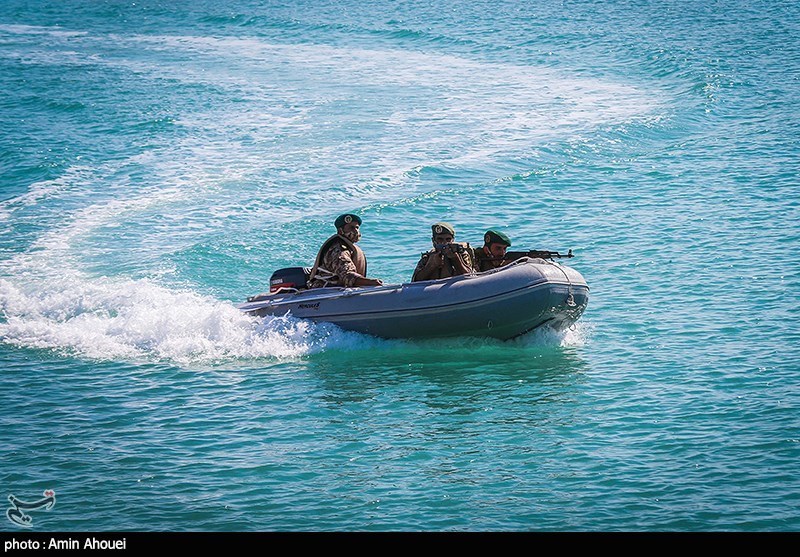
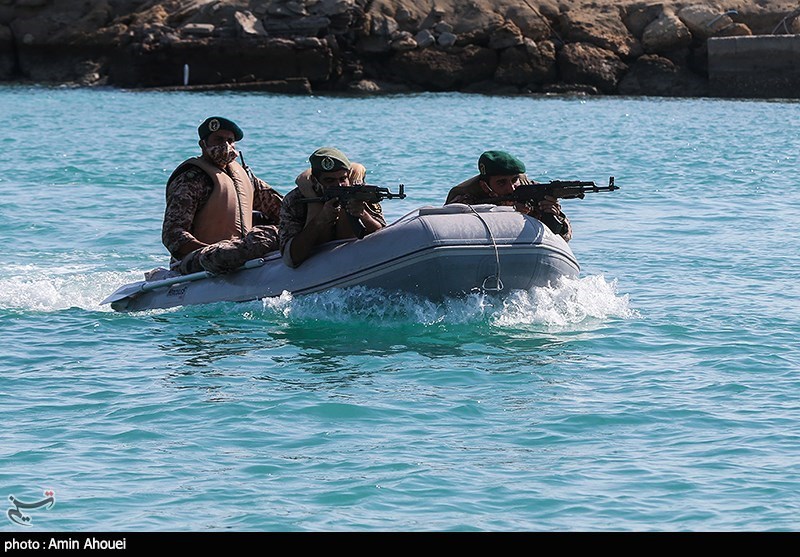
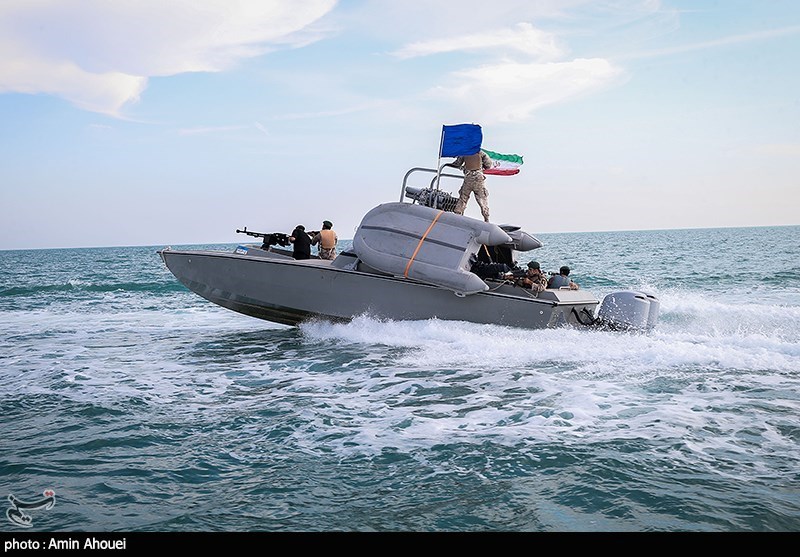
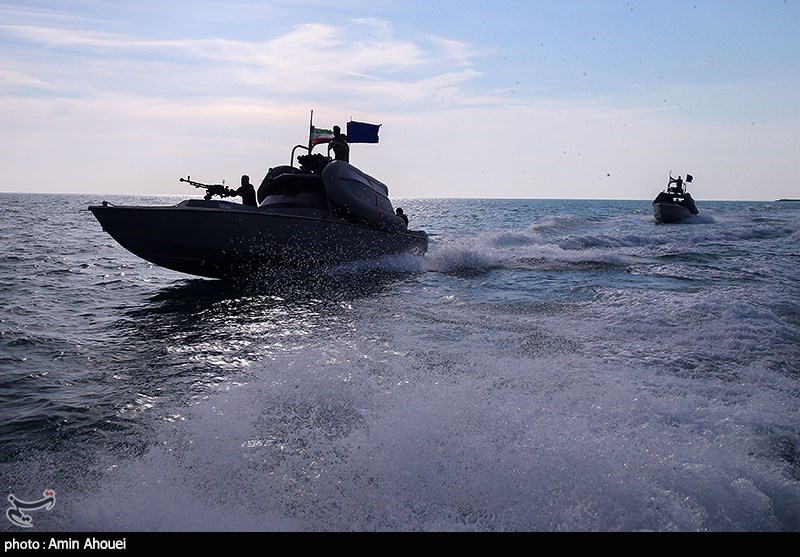
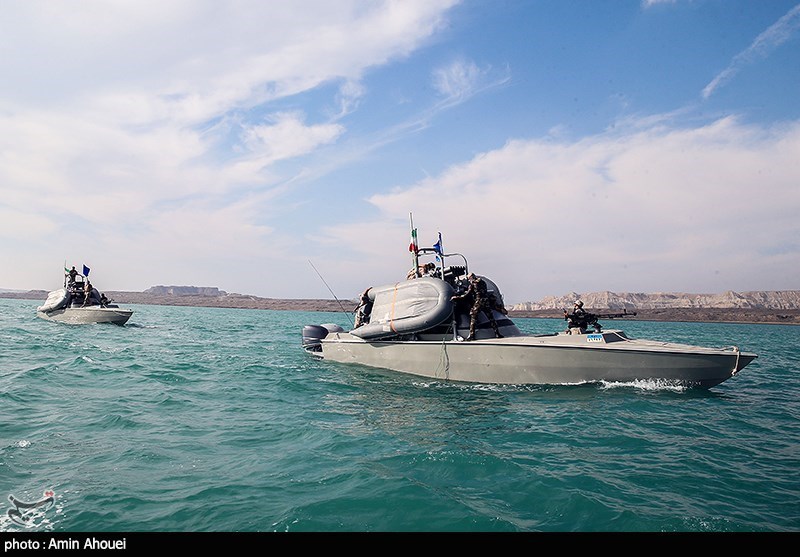
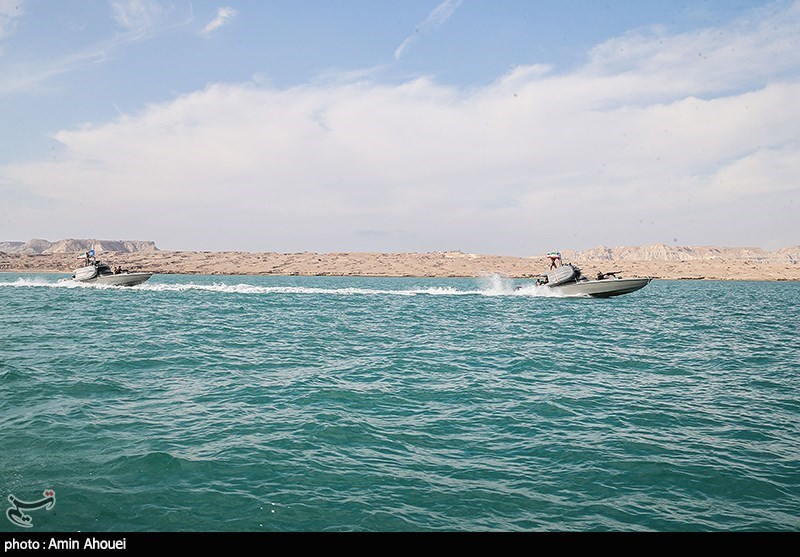
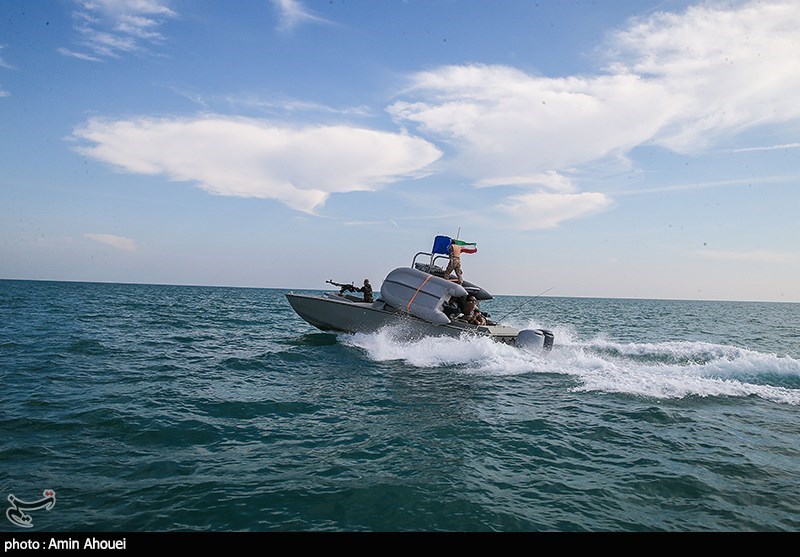
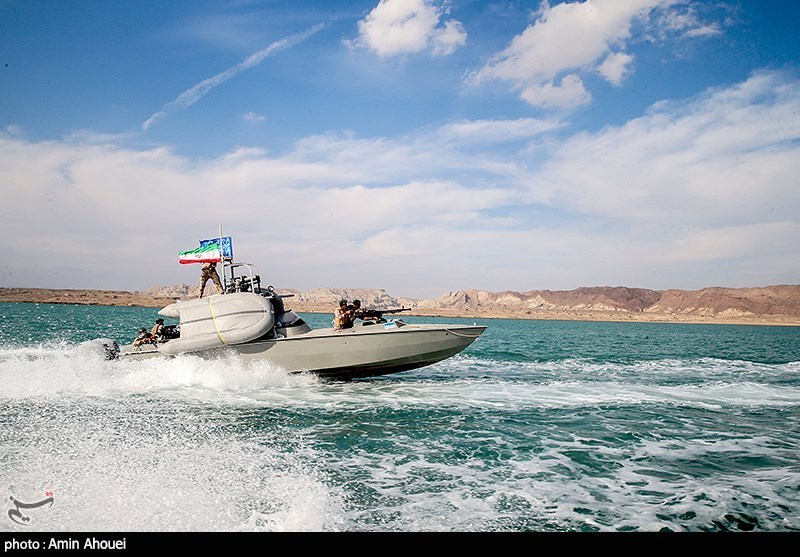
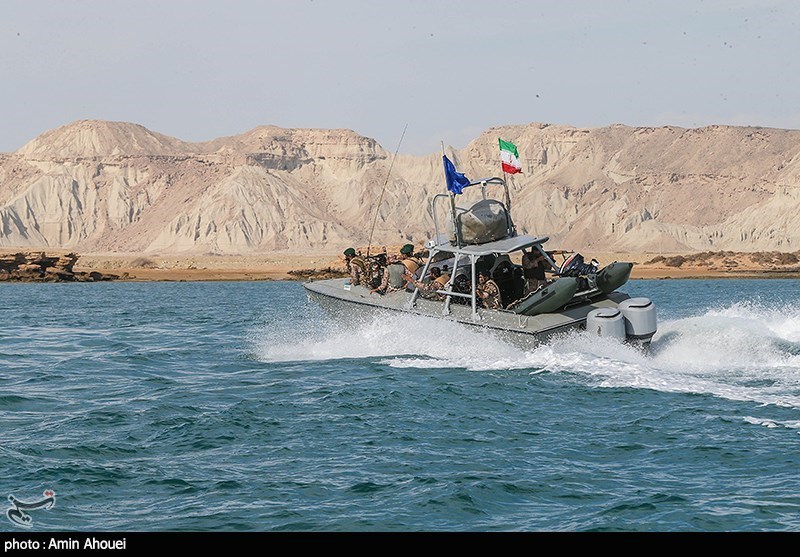
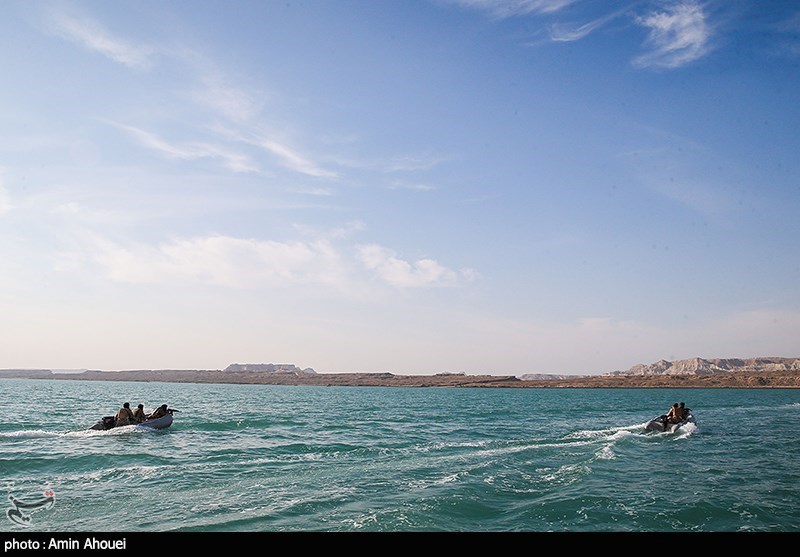
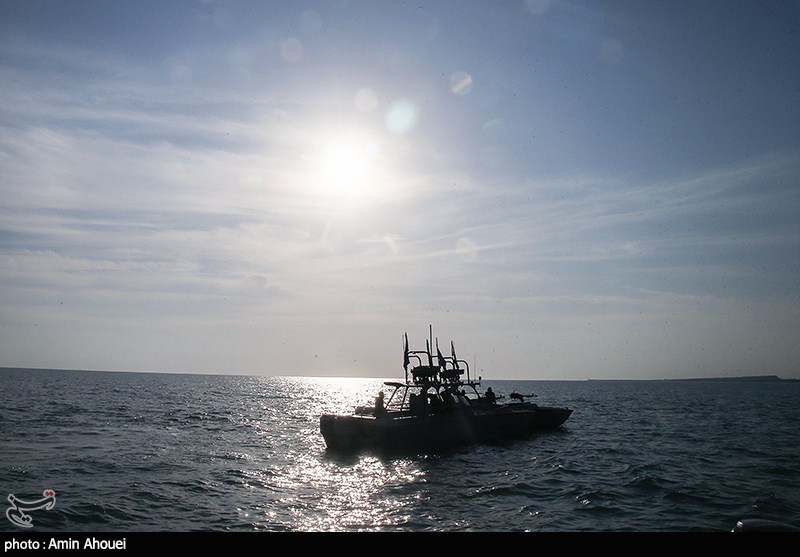
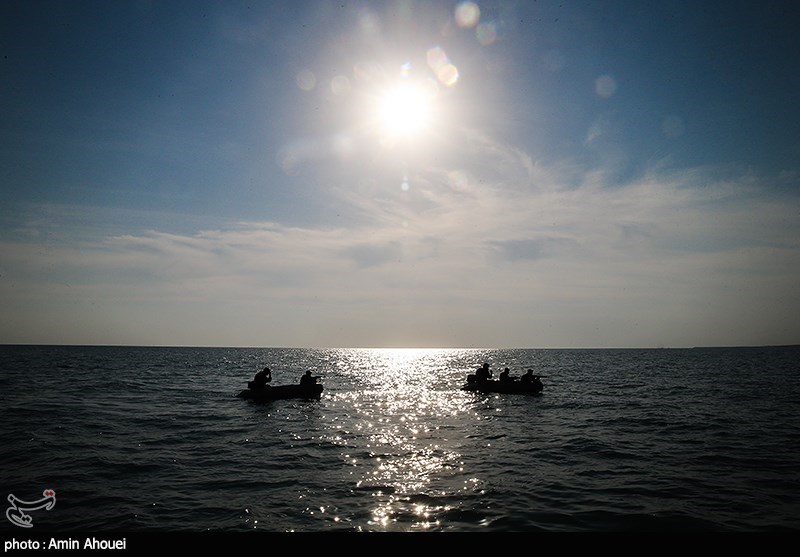
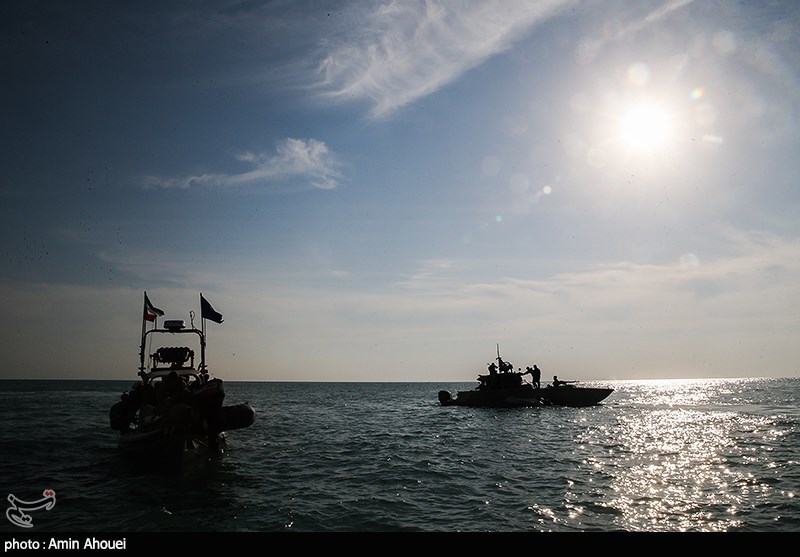
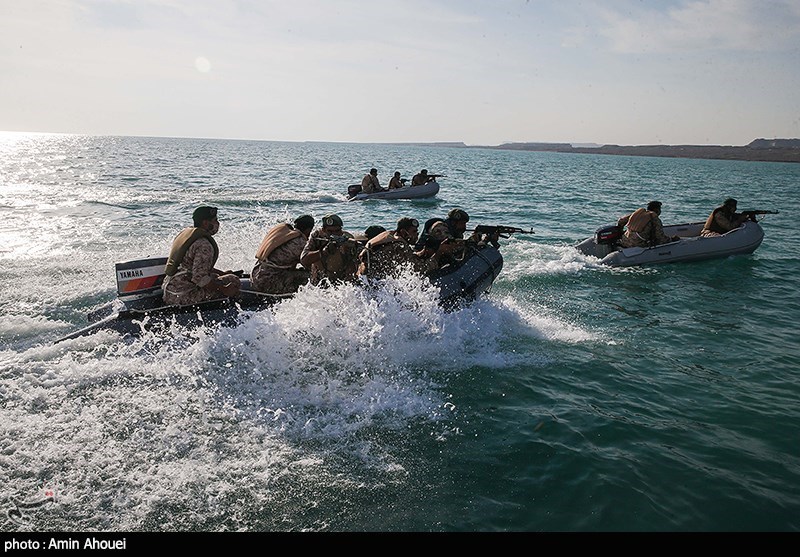
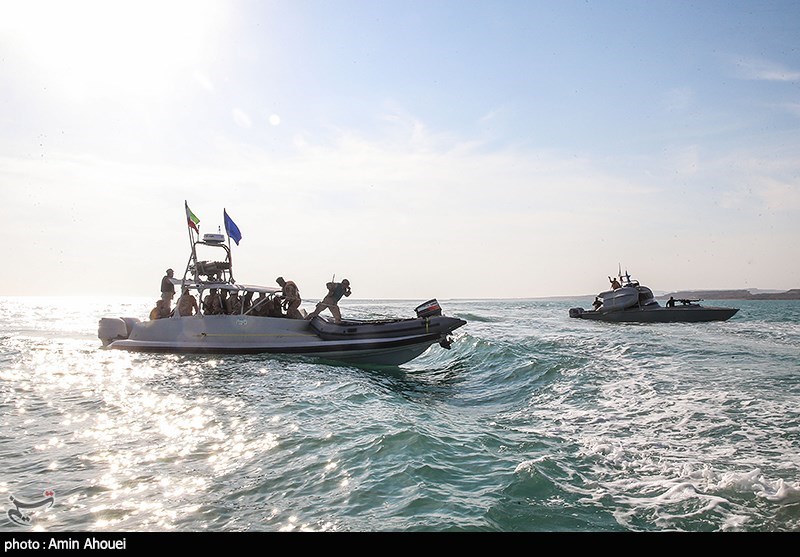
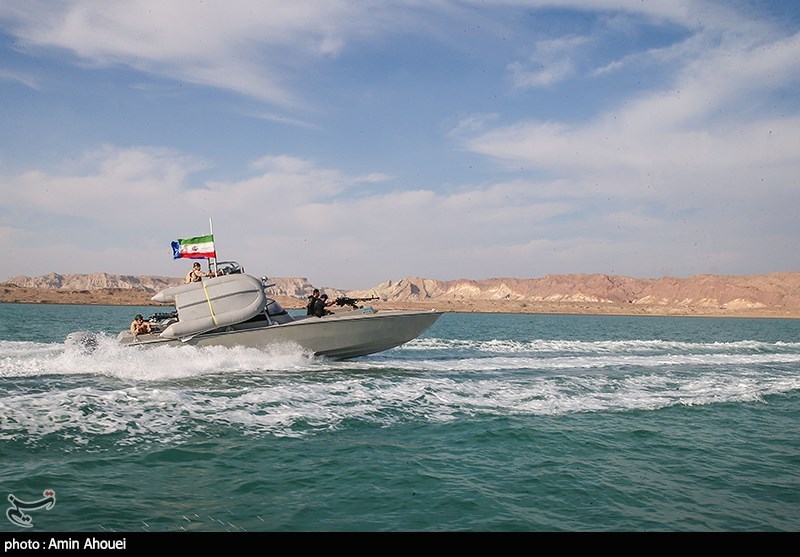
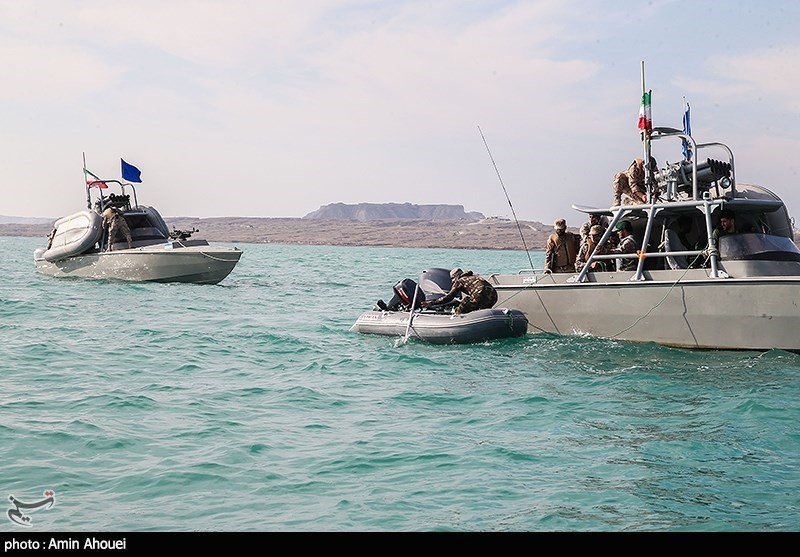
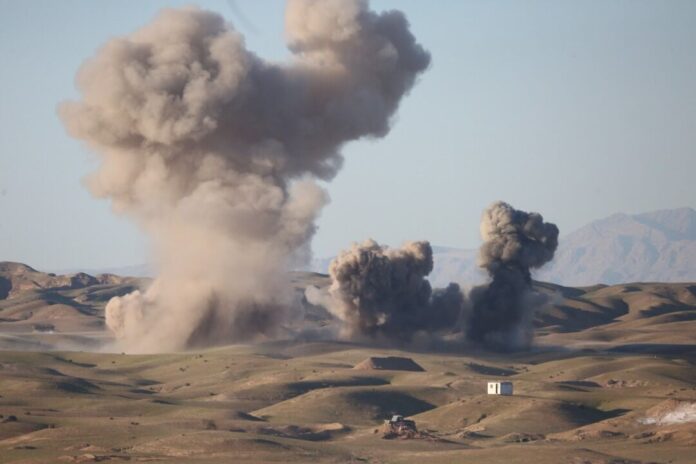
The drills, codenamed Great Prophet (PBUH) 17, also saw the IRGC hit the enemy targets, including vessels, bases and facilities, with ballistic missiles.
In this phase of the exercises, surface-to-surface missiles were used to hit the targets.
The forces also destroyed marine targets of the mock enemy with surface-to-surface missiles from the shorelines.
That was part of a scenario to practice defense of the shores in the area of the drills, including against heliborne operations.
The exercises, which began on Monday, cover the Persian Gulf and the Strait of Hormuz and the three littoral Iranian provinces of Khouzestan, Bushehr and Hormozgan.
Iran drills: Precision-strike drones, ballistic missiles hit targets
“Reshteh Polo”, Yalda Night’s dinner in old Tehran
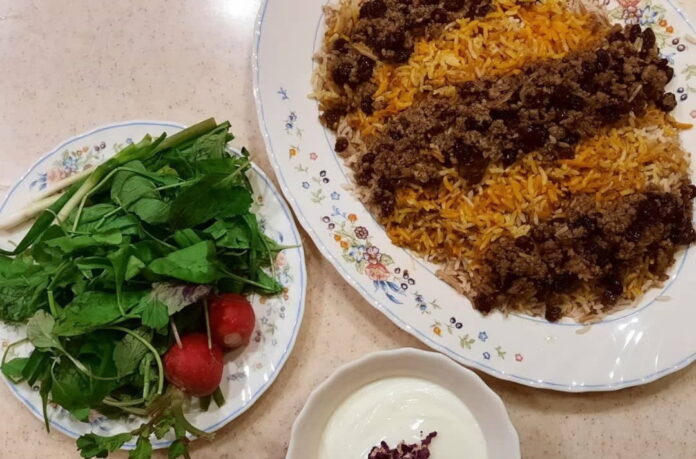
Of course, residents of Tehran’s Shemiran Neighborhood and people, who had migrated to Tehran from other cities, had their own cuisine for the last night of autumn, Yalda. But the food for the night was Reshteh Polo in Tehran.
The Reshteh Polo prepared for Shab-e-Chelleh or what is called Yalda Night in Tehran, did not feature chicken or meatballs. It was rather eaten together with dried apricots and grape honey and anyone, who did not like it that way, went for dates and sugar powder.

How to make Reshteh Polo for Yald Night:
Put rice, left to soak in salt water, into water and boil. Then add thin roasted noodles and let them boil with the rice for a few minutes. Make sure the mixture is heated only for long enough for the noodle not to turn soft. Then rinse the mixture and put in a pot where the bottom is greased with a mix of water and cooking oil and is covered with bread. Then also add a mix of water and cooking oil on top. The old practice was roasting the dried apricot in cooking oil and putting it inside the pot, next to the rice, and letting them steam together.
How to Serve:
Place the dried apricot inside the Reshteh Polo and top with a mixture of heated butter and turmeric. It was old practice to add white grape honey stirred in hot cooking oil and serving it with the Reshteh Polo.
Old people of Tehran also served dried and roasted seeds from spring and summer fruit such as watermelon, apricot and melon as refreshments during Shab-e-Chelleh.
Israeli spyware targets UN investigator into Yemen war crimes

Kamel Jendoubi, a Tunisian who served as the chairman of the now defunct Group of Eminent Experts in Yemen (GEE) – a panel mandated by the UN to investigate possible war crimes – was targeted in August 2019, according to an analysis of his mobile phone by experts at Amnesty International and the Citizen Lab at the University of Toronto.
The targeting is claimed to have occurred just weeks before Jendoubi and his panel of experts released a damning report which concluded that the Saudi-led coalition in the Yemen war had committed “serious violations of international humanitarian law” that could lead to “criminal responsibility for war crimes”.
Jendoubi’s mobile number also appears on a leaked database at the heart of the Pegasus Project, an investigation into NSO by several media outlets, which was coordinated by Forbidden Stories, the French non-profit media group.
The leaked list contained numbers of individuals who were believed to have been selected as potential surveillance targets by NSO’s government clients.
The data suggests that Jendoubi was selected as a potential surveillance target by Saudi Arabia, which was a longtime client of NSO before it was dropped earlier this year after allegations that it abused the surveillance tool.
In a statement in response to questions about Jendoubi’s case, an NSO spokesperson said: “Based on the details you have provided us we can confirm that Kamel Jendoubi was not targeted by any of our current customers”.
Jendoubi, a human rights defender and opponent of former president Ben Ali’s regime in Tunisia, was appointed by the Office of the UN high commissioner for Human Rights to lead a group of international experts to investigate human rights violations in 2017.
The UN mandate to investigate the possible war crimes came to an abrupt halt this October, after the members of the Human Rights Council voted to end the investigation.
Citing political and diplomatic experts with close knowledge of the matter, the Guardian reported earlier this month that Saudi Arabia used “incentives and threats” as part of a lobbying campaign to shut down the UN investigation.
Jendoubi told the Pegasus Project that the targeting of his phone marked the actions of a “rogue state”.
“There are no other words. As international investigators, we are supposed to be at least protected. But I am not at all surprised. I’ve been apprehensive about this since 2019,” he stated.
“We knew that we [the panel] could be potentially targeted since the publication of our 2018 report. That report had created a shock in Saudi Arabia and the UAE. They did not expect such findings,” he continued.
Jendoubi added, “They used all their propaganda, their media … to defame us and discredit our work. Everything you would expect from them. Until the 2021 vote that ended our mission.”
The investigator said he did not believe that his work had been compromised on the targeted phone because he had used another device to conduct his investigations. He added the targeting of his phone was indicative of a state that did not care about “commitments and minimum international rules”.
Iran Yemen ambassador passes away due to Covid
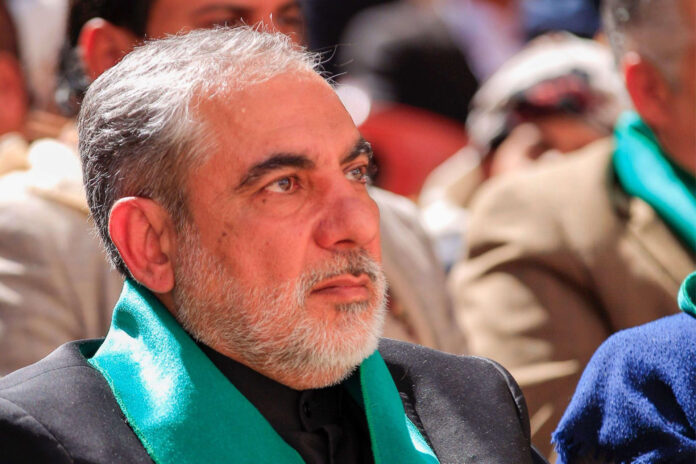
“Martyr [Hassan] Irlou, who was a disabled veteran exposed to toxic chemicals during the imposed war, was infected with the coronavirus disease at his duty station, and due to belated cooperation of certain countries, unfortunately, he returned to the country in an inappropriate condition, and despite going through all phases of treatment for the improvement of his condition, he attained martyrdom during the early hours of Today [Tuesday],” Saeed Khatibzadeh said.
The announcement comes after the foreign ministry announced Irlou’s transfer from the Yemeni capital Sana’a to a hospital in the Iranian capital Tehran on December 18.
Irlou was picked as Iran’s ambassador to Yemen’s National Salvation Government last year.
Iran FM calls on Intl. community to pay attention to Afghan refugees
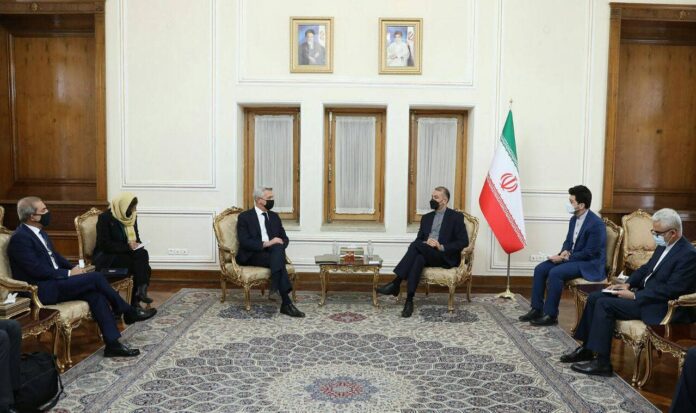
Hossein Amir Abdollahian made the remark in a Monday meeting with the United Nations High Commissioner for Refugees Filippo Grandi in Tehran.
During the meeting, Amir Abdollahian thanked the UN High Commission for its assistance regarding Afghan refugees, but said that the assistance provided was insignificant compared to the volume of our country’s measures in this regard.
The Iranian minister of foreign affairs pointed out that more than 520,000 foreign students in Iran study for free and that the vaccination of Afghan asylum seekers has been considered and taken on a par with that of Iranian citizens.
Amir Abdollahian added that Iran does not have the capacity to provide more services than the current level to new asylum seekers, and that the international community must pay special attention to the living conditions of the Afghan people.
He praised the UN Commission for its services, but said that they were inadequate given the scale of the refugee crisis. Amir Abdollahian added that the crisis of Afghan refugees’ influx towards neighboring borders is increasingly large but the volume of international aid is very small.
The Iranian foreign minister further called on the UN Commission to be more active inside Afghanistan and to help reduce asylum seekers from Afghanistan by providing assistance inside the country.
Amir Abdollahian also stressed that European countries must pay their fair share in this regard, and while the presence of several thousand refugees on the European borders turns into a crisis, they should not expect help from Iran forever and just pay lip service with kind words.
The Iranian foreign minister also suggested that the UN High Commission and the UN secretary-general put holding an international fundraising conference for the people of Afghanistan on their agenda.
During the meeting, UN High Commissioner for Refugees Filippo Grandi also praised Iran’s extensive efforts to help new refugees from Afghanistan.
He called Iran’s attention to vaccinating a high percentage of Afghans in Iran and the resettlement of new refugees who enter Iran every day a humane and important step, adding that: We are pursuing an increase in the UN Commission activities and financial resources inside Afghanistan.
He also presented a report on the actions of the UN Refugee Agency, especially regarding Afghan asylum seekers to the top Iranian diplomat.
Iran calls on Europe to fulfill obligations regarding Afghan refugees
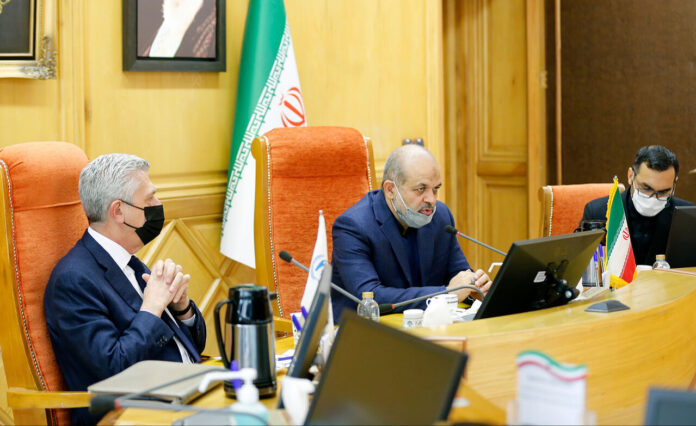
“We expect international organizations and Europe to live up to their financial obligations in the area of refugees,” Iranian Interior Minister Ahmad Vahidi said in a meeting with United Nations High Commissioner for Refugees Filippo Grandi in Tehran on Monday.
Vahidi said Iran has always treated foreigners well from a humanitarian point of view, but this cannot be used as a pretext by Europeans to not fulfill their responsibilities, and that they must keep in mind that the main destination of these migrants is Europe.
“Our feeling is that the Europeans have the impression that the Islamic Republic of Iran accepts the refugees and therefore they do not worry about the flow of these refugees towards their own borders,” the Iranian interior minister stated.
He referred to the United States actions in Afghanistan and said the US is behind the current situation in the country, it has blocked Afghan funds and is the root cause of the plight of the Afghan people.
Referring to medical and educational services provided for Afghan citizens living in Iran, Vahidi said: “Foreign nationals living inside the country, like Iranian citizens, receive appropriate health and medical services.”
“The Islamic Republic of Iran has never built a wall to prevent the entry of immigrants, while international support for the services that Iran provides to foreign nationals is insignificant,” the Iranian interior minister noted.
Iran has hosted millions of refugees from the neighboring country over the past decades.
Following the Taliban takeover of Afghanistan last August, thousands of Afghans have been flocking to Iran on a daily basis.
Russia warns of military response if NATO ignores concerns
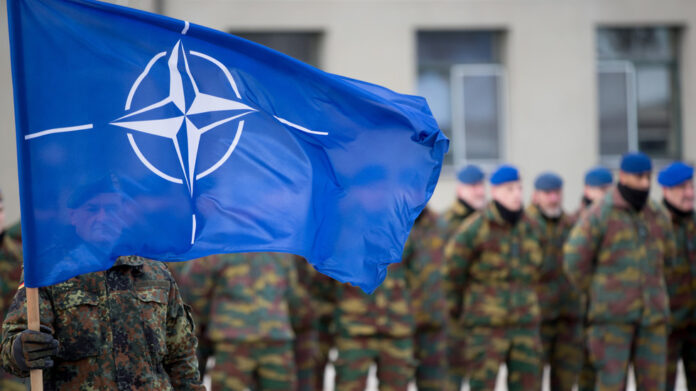
“I said that we would find forms to respond, including by military and military-technical means [if NATO ignores Moscow’s concerns again],” the high-ranking Russian diplomat told TASS on Monday.
“I reaffirm this. We will have to balance the activities that are of concern to us, because they increase the risks, with our countermeasures,” Ryabkov added.
The senior Russian diplomat also stressed that Russia would seek to prevent this scenario and was aware of the need to hold a dialogue to avoid serious implications.
On December 17, the Russian Foreign Ministry released two Russian draft documents on the provision of legal security guarantees from the United States and NATO.
Russian President Vladimir Putin earlier called on NATO to begin substantive talks on reliable long-term security guarantees to Russia. He stressed that Russia needs legally binding guarantees because the West has failed to fulfill its verbal commitments.
As Kremlin Spokesman Dmitry Peskov told reporters, Presidential Aide Yury Ushakov told US National Security Advisor Jake Sullivan that Moscow was ready to immediately begin talks on draft documents on security guarantees. Russia will be represented at these talks by Ryabkov.
Earlier, Peskov stated Moscow is considering various moves in response to NATO’s possible deployment of weapons near Russia’s borders.
When asked if Russia could deploy nuclear weapons to Belarus, he noted, “It is no secret that the deployment of various kinds of weapons near our borders, which can pose danger to us, clearly requires adequate steps to balance the situation. Various options are available.”
Belarusian Foreign Minister Vladimir Makei said earlier that the former Soviet state was ready to host nuclear weapons on its soil if a threat emanated from NATO. President Alexander Lukashenko of Belarus, in turn, stated that Minsk would propose Moscow take such measures if NATO deployed nuclear weapons to Poland.
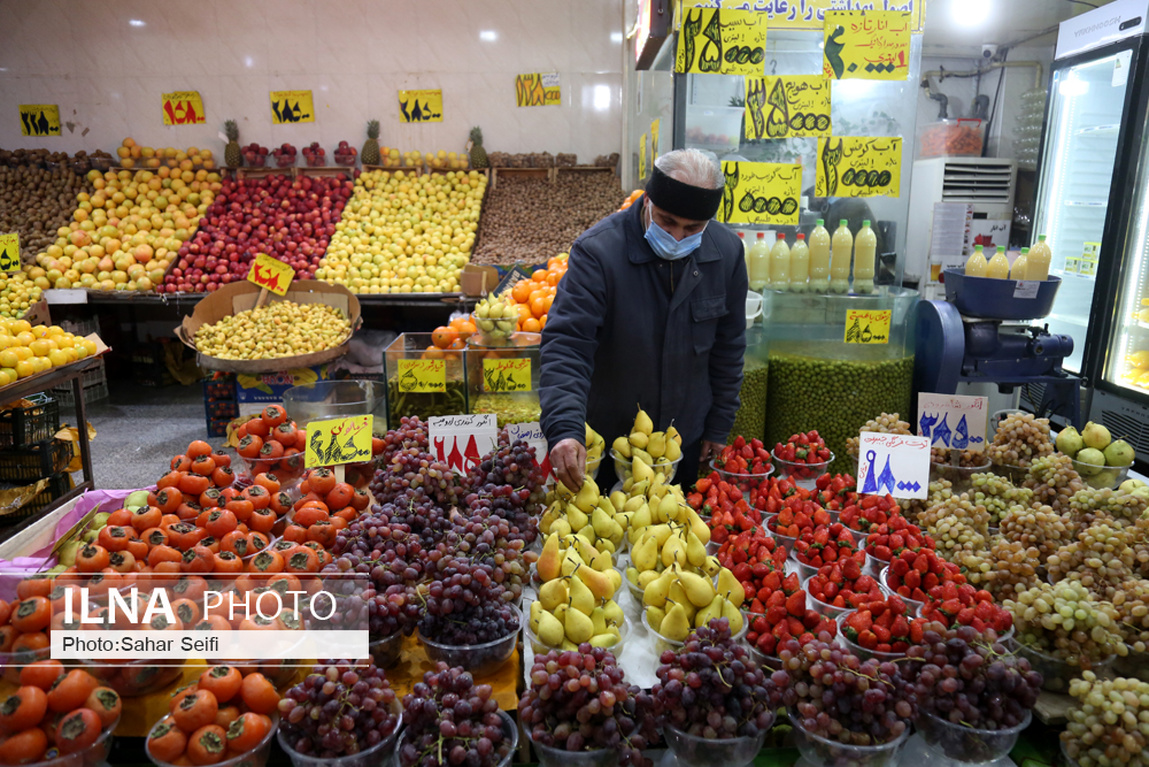
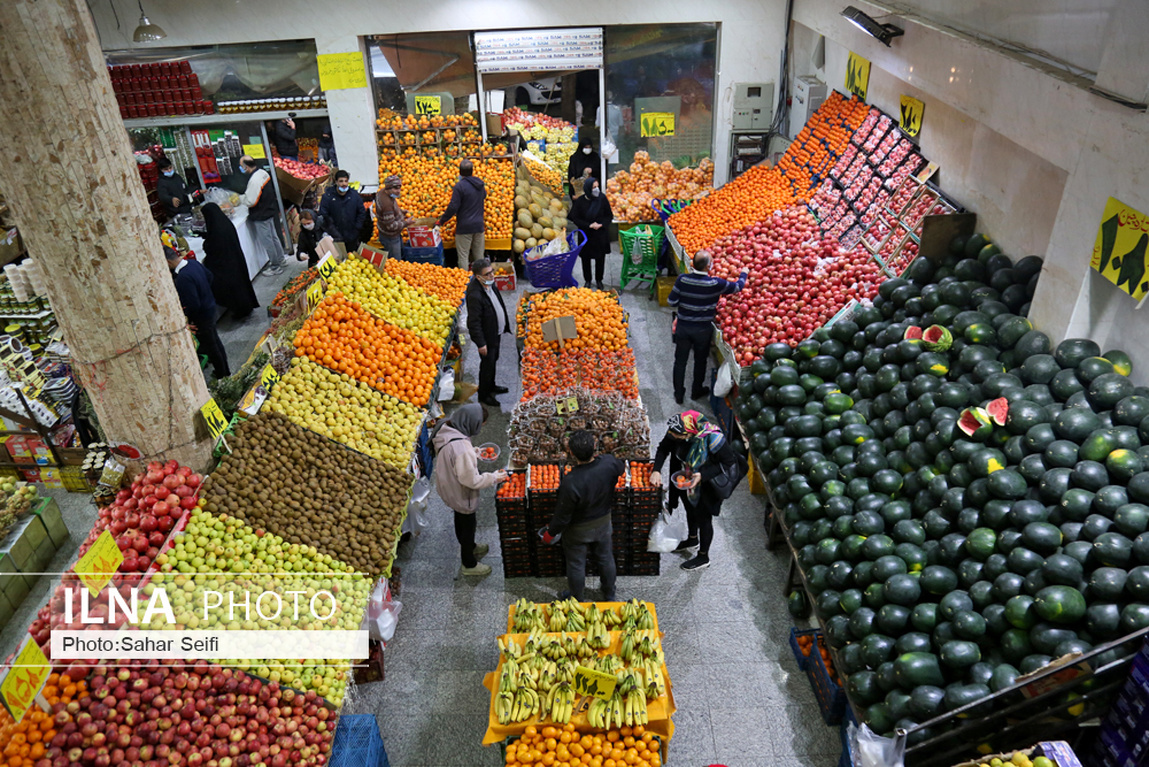
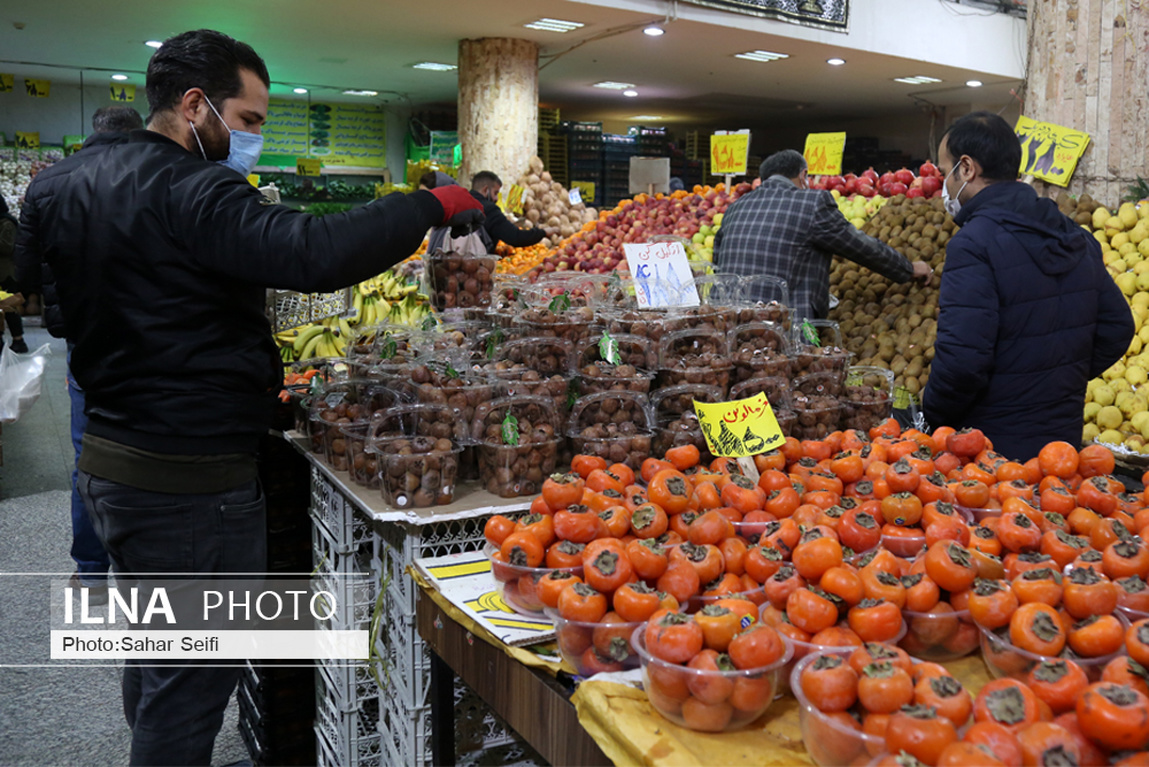
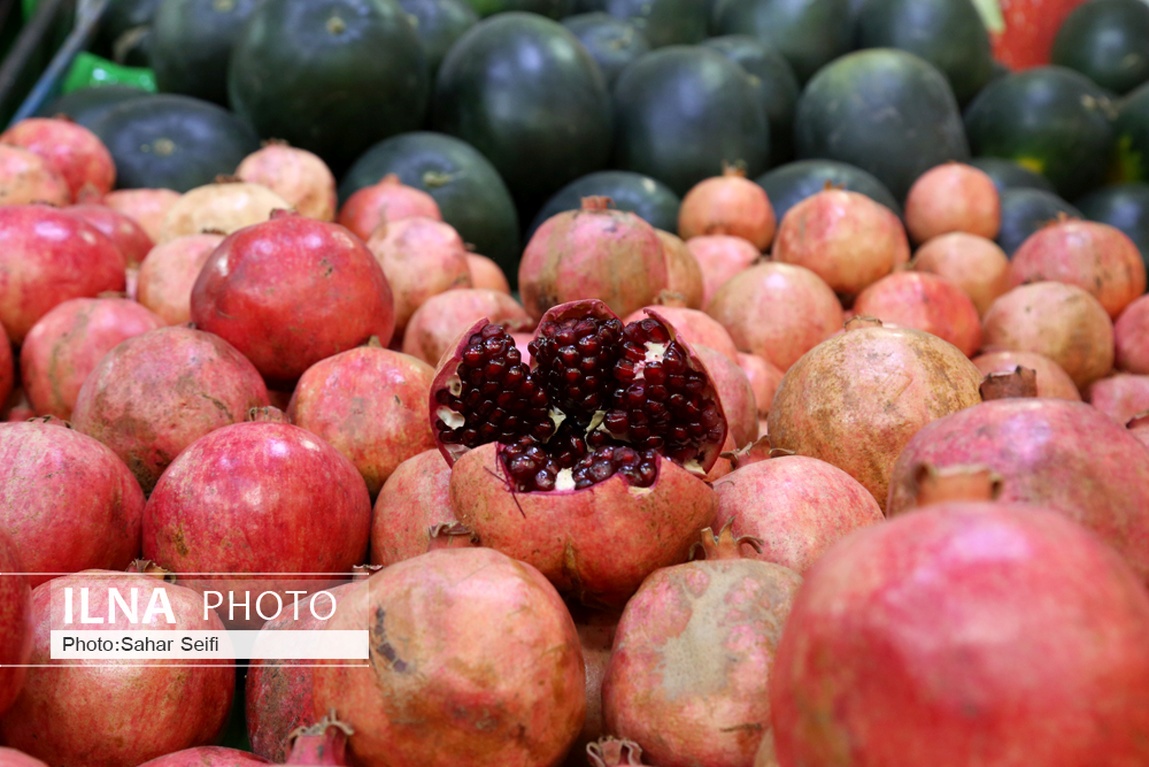
Welcoming Yalda 1400
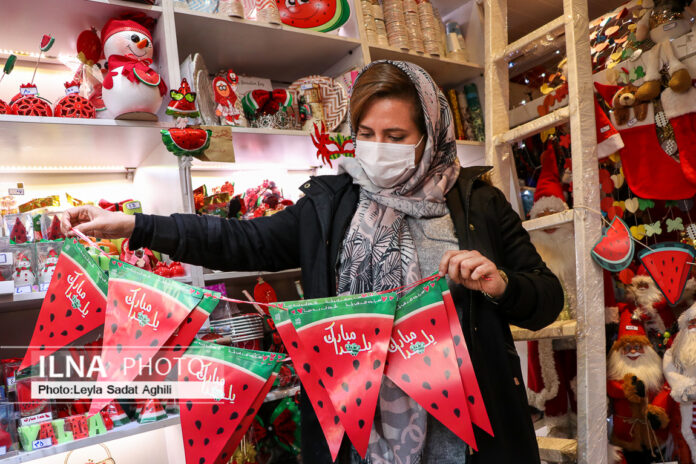
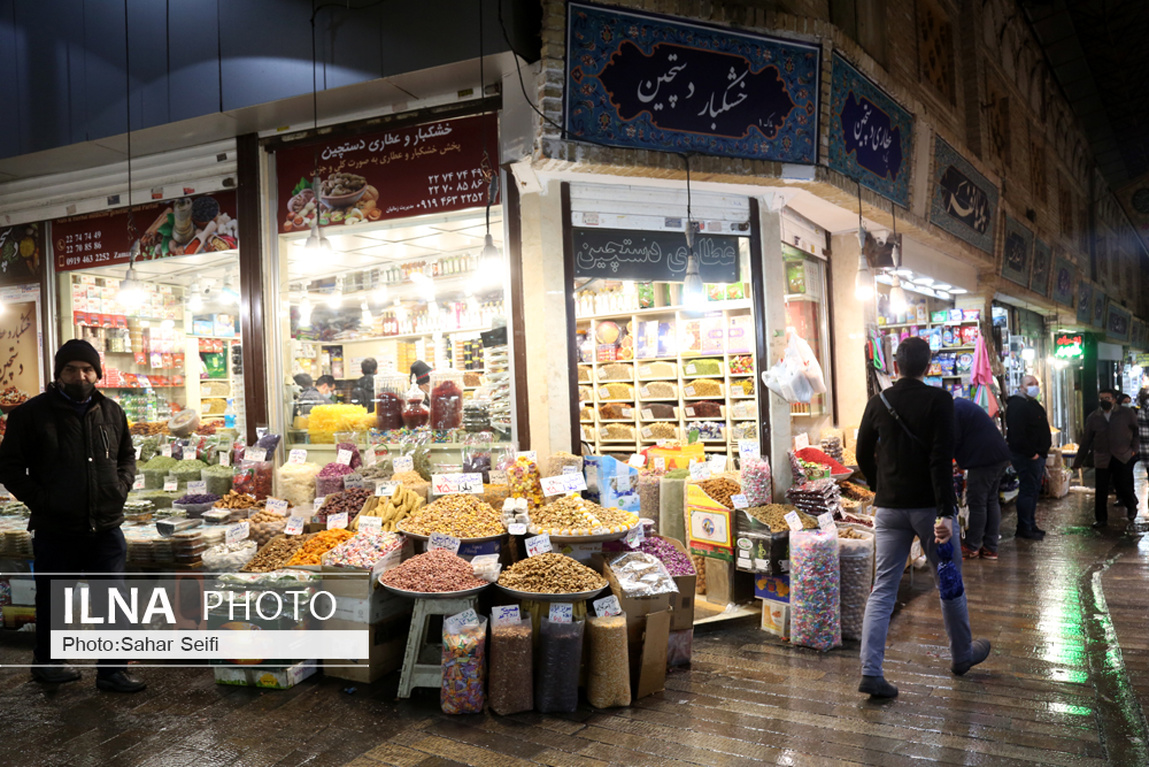
This year, we will celebrate Yalda Night after a very long period of coronavirus restrictions and social distancing.
Last year, few families observed the ancient custom of visiting grandparents and gathering at the Yalda Night table, with many paying a visit to their grandparents online.
But this year, amid the coronavirus vaccination campaign and decreasing fatalities, it seems that people are widely welcoming the celebrations marking the winter solstice.



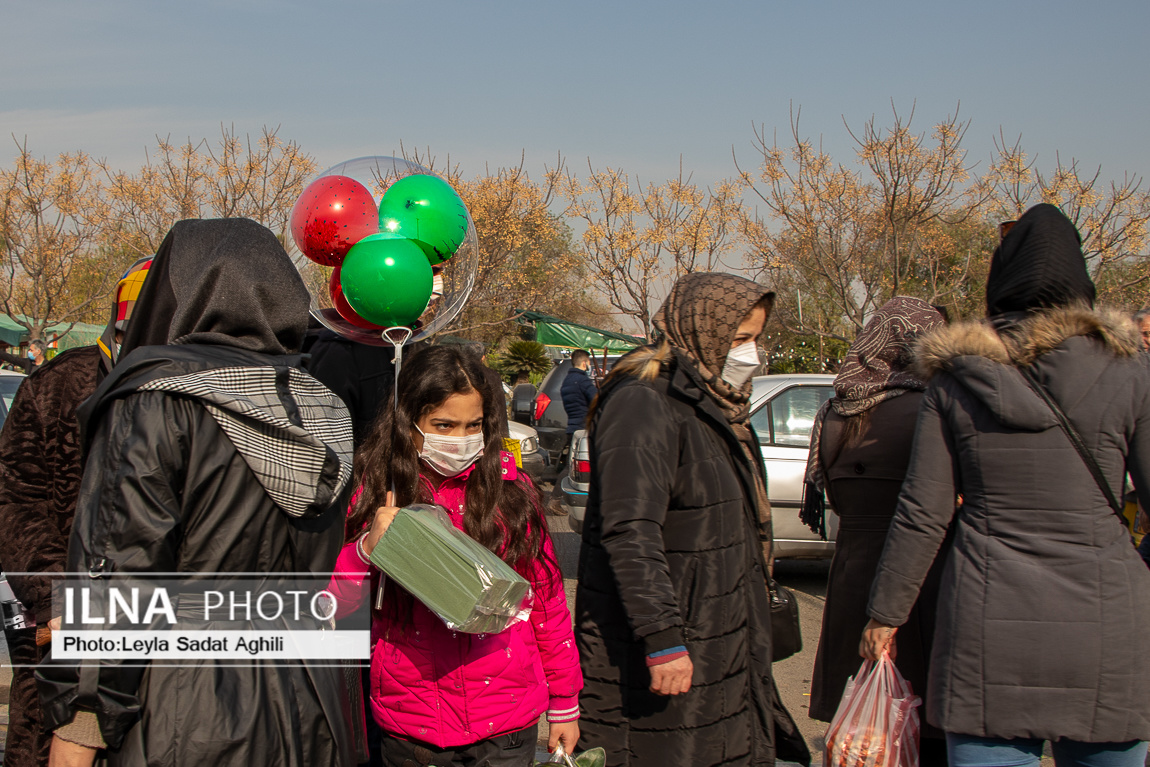
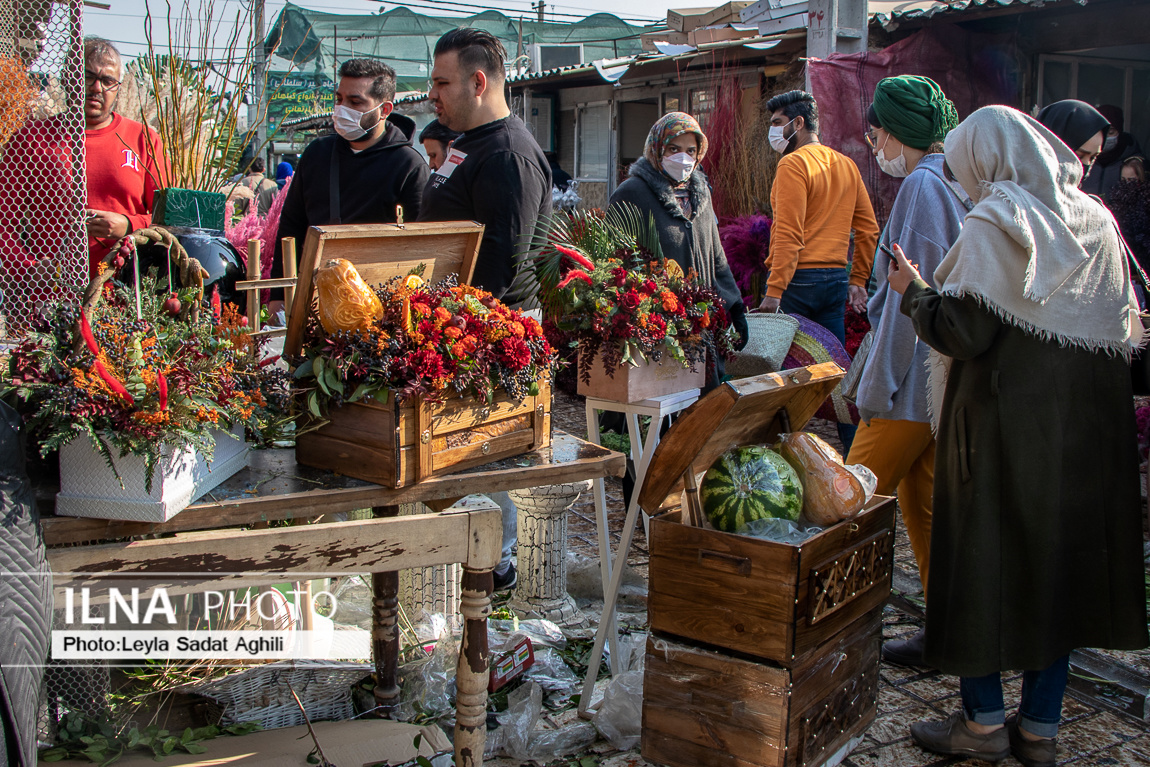
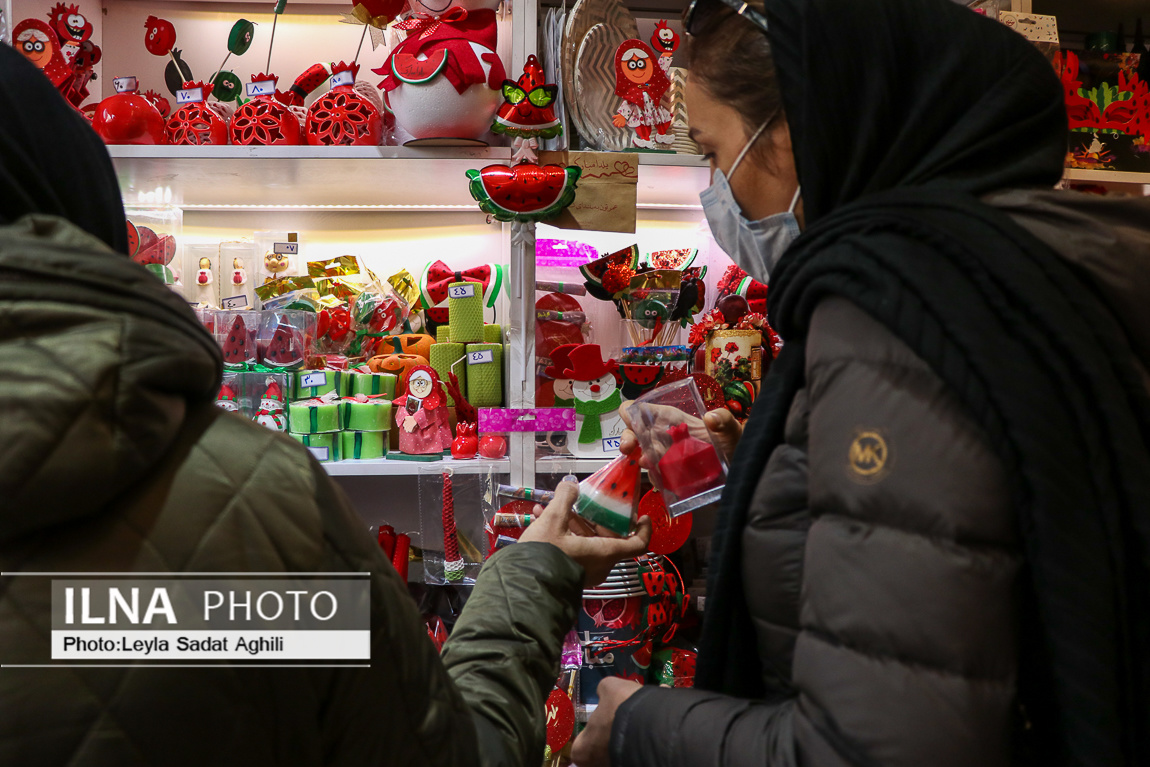
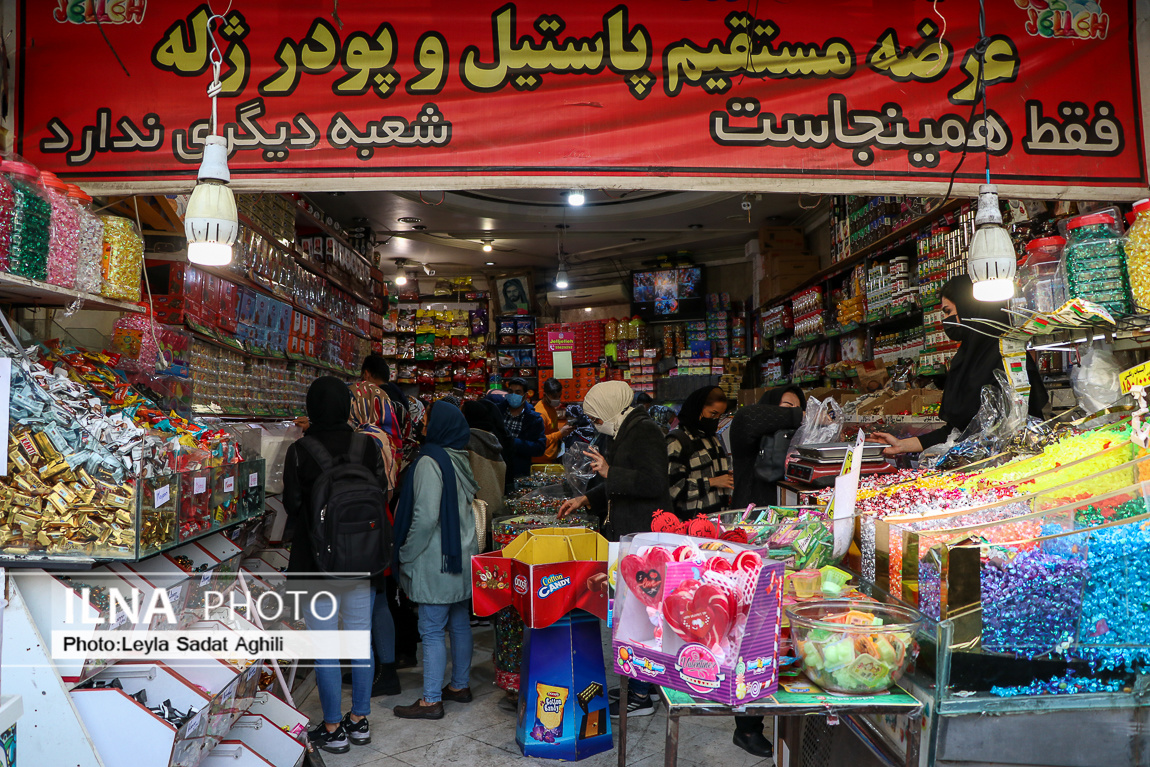
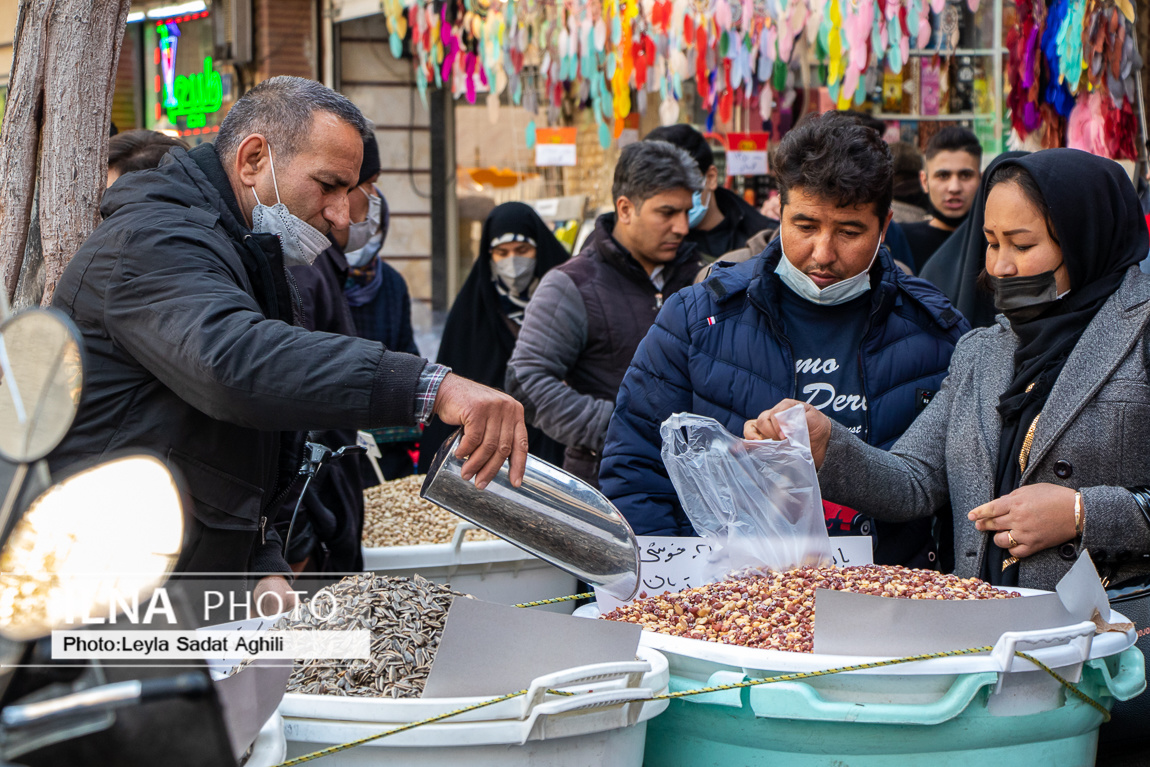
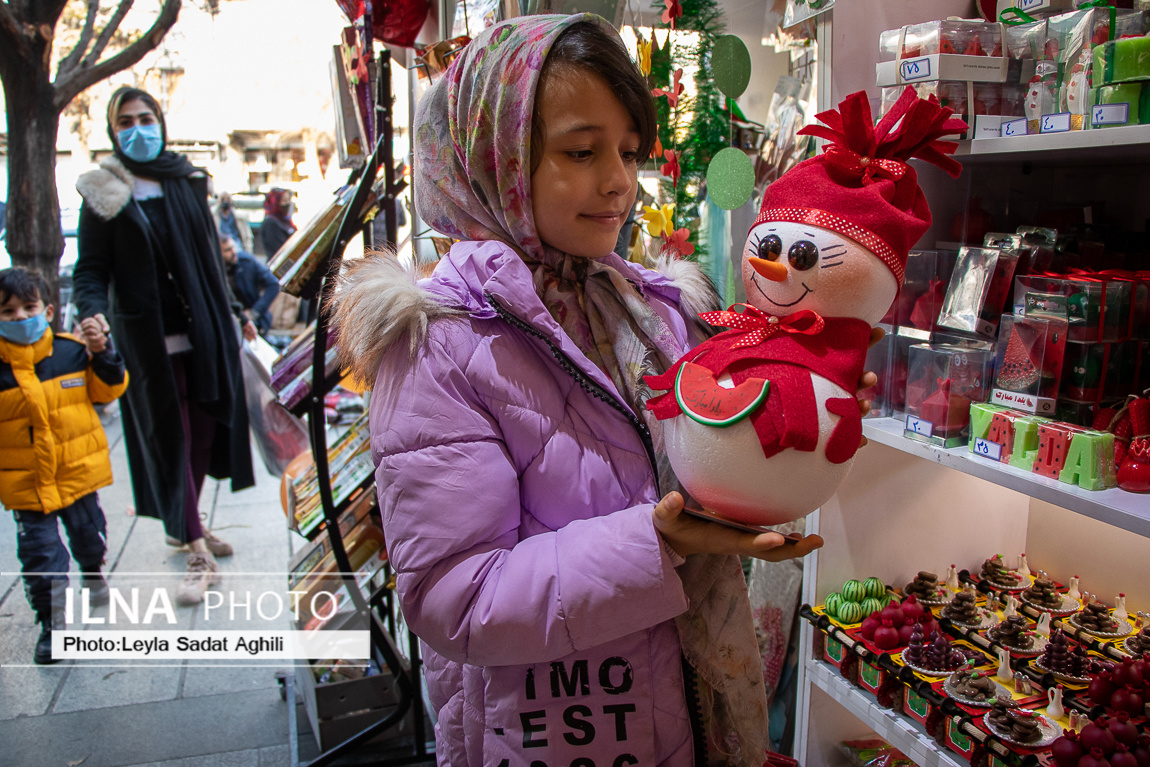
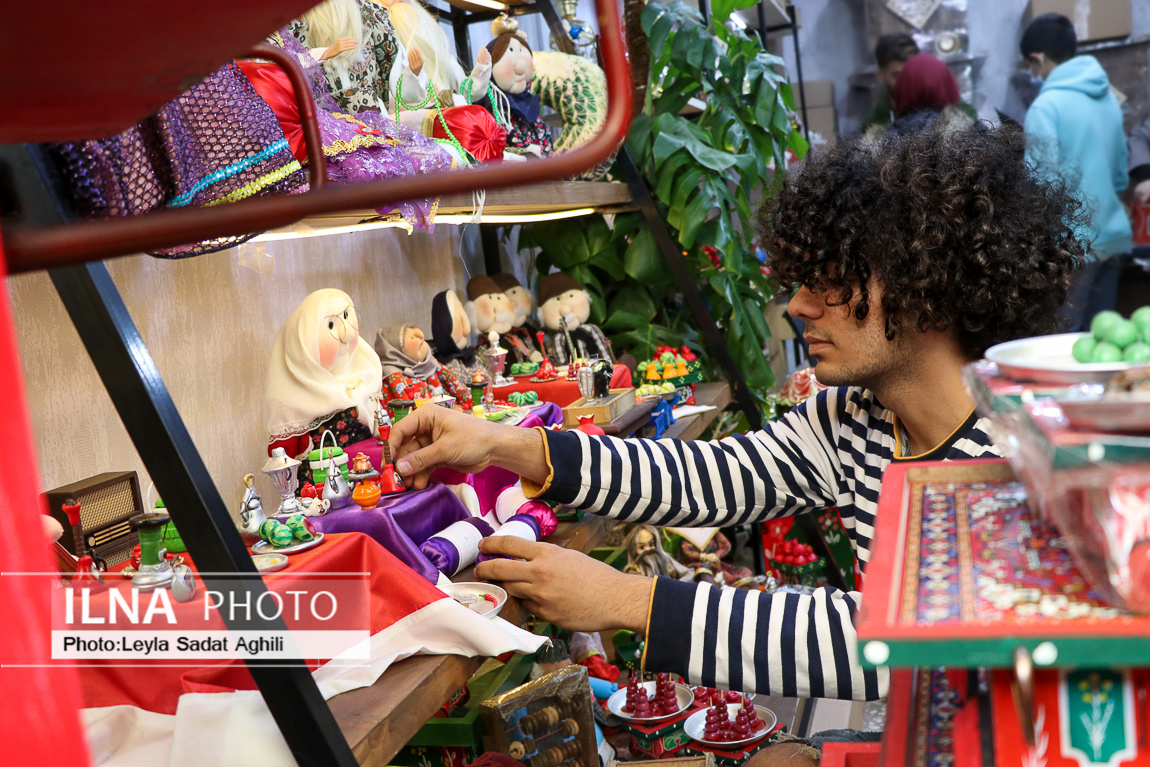
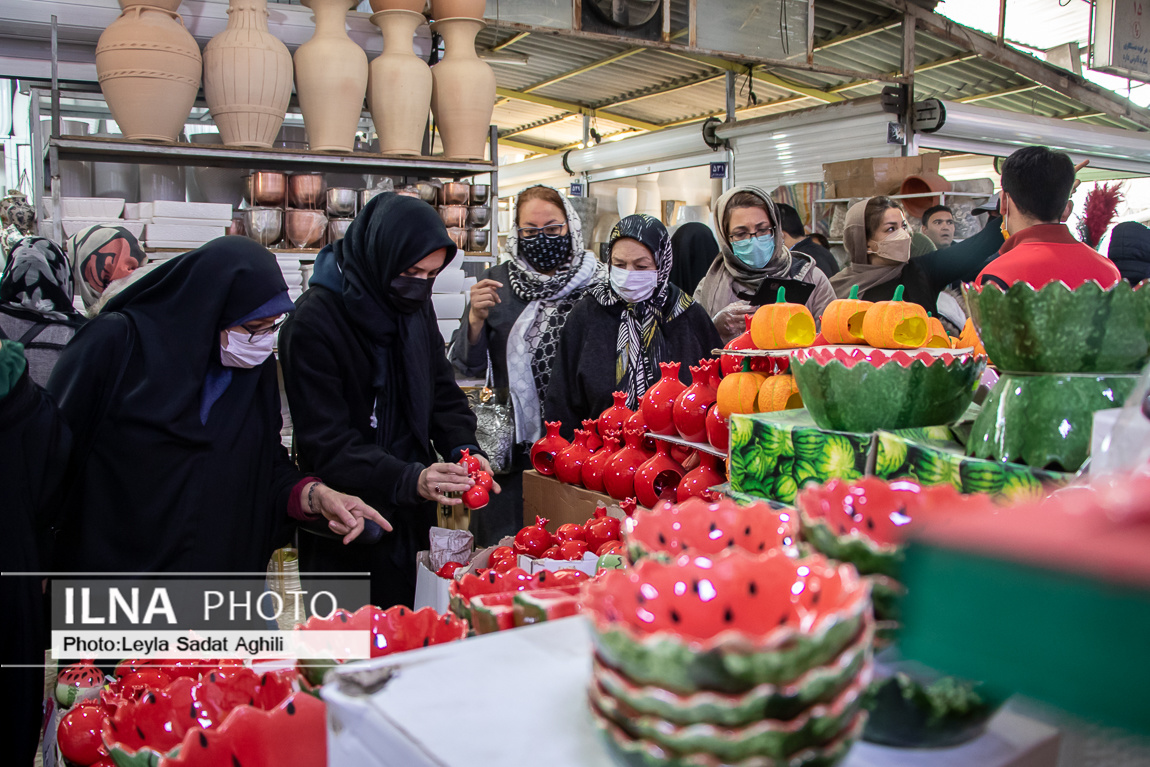
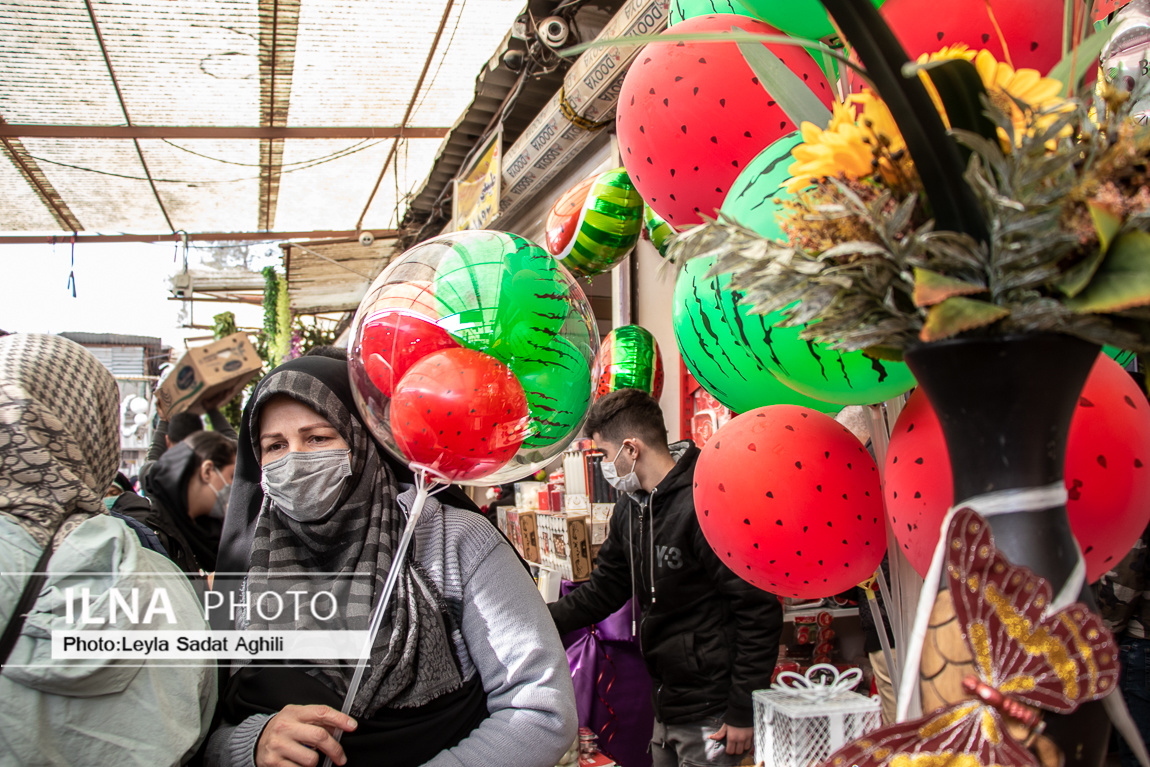
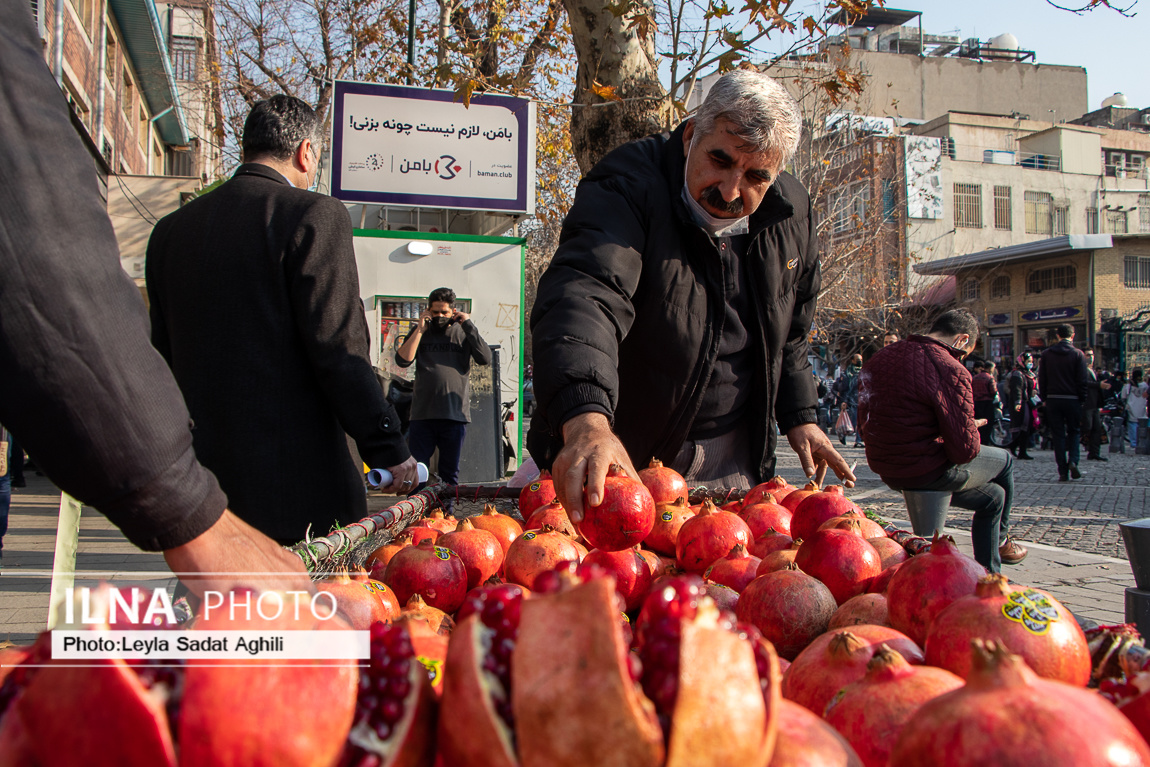
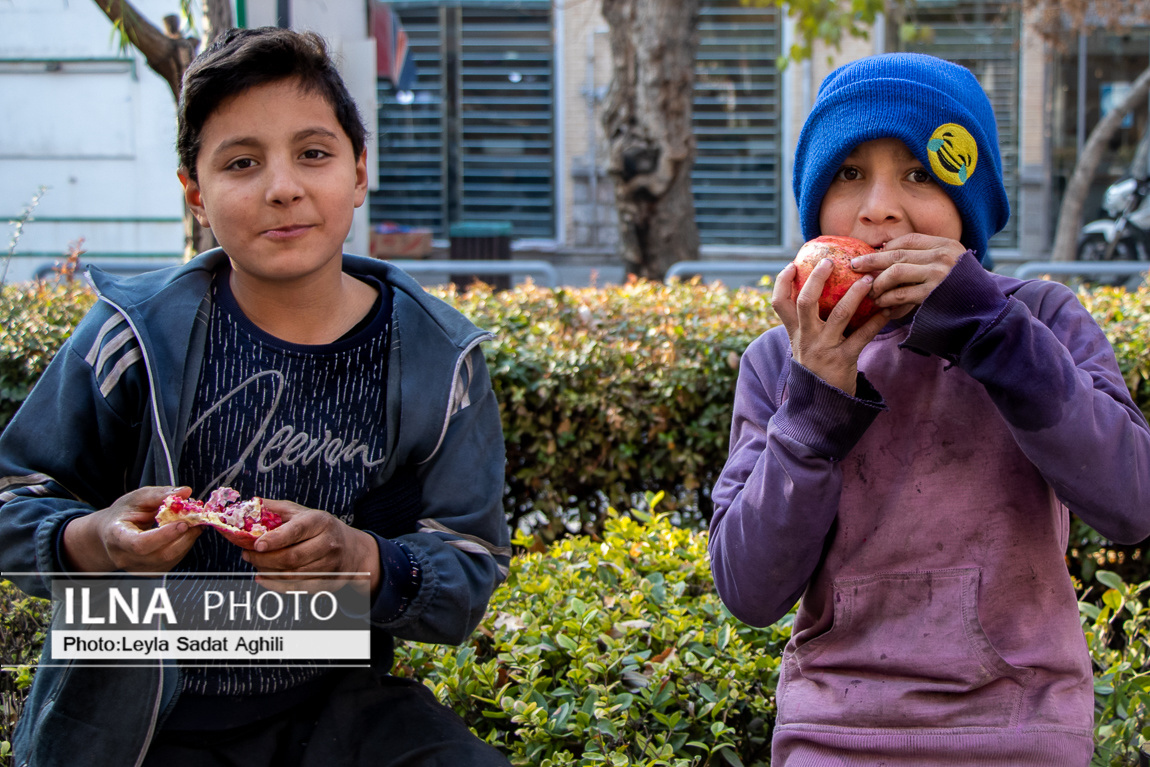
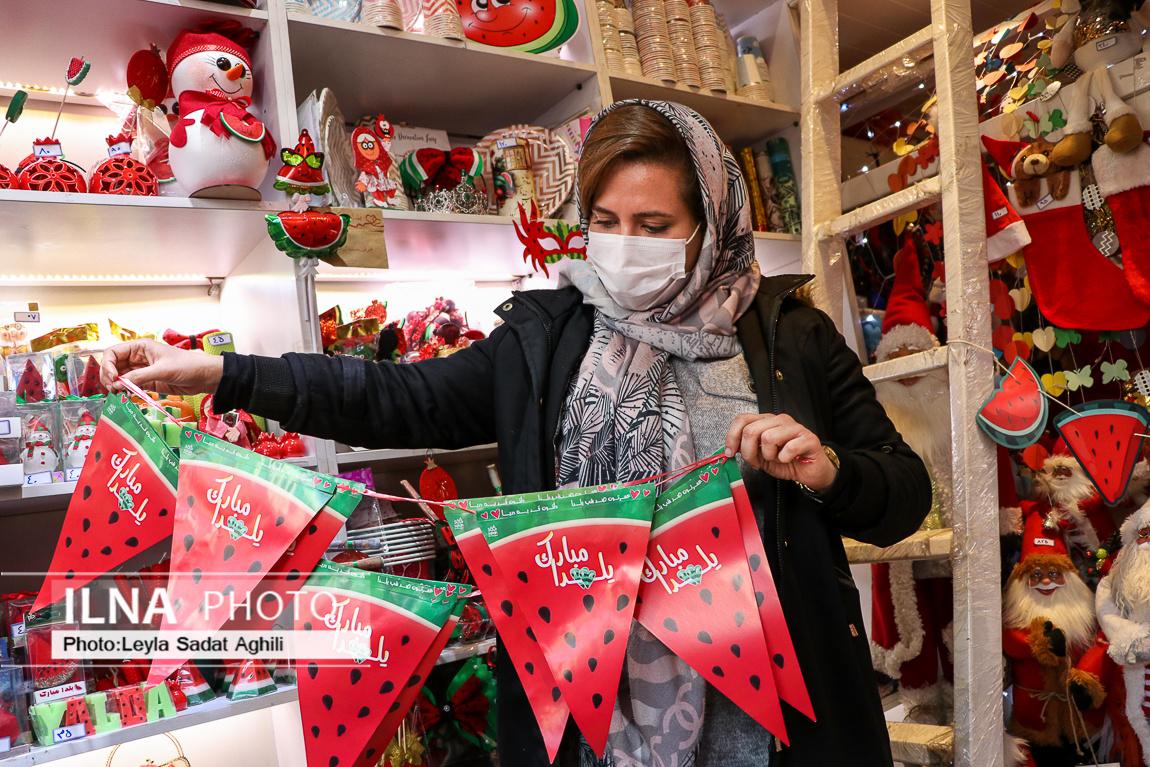
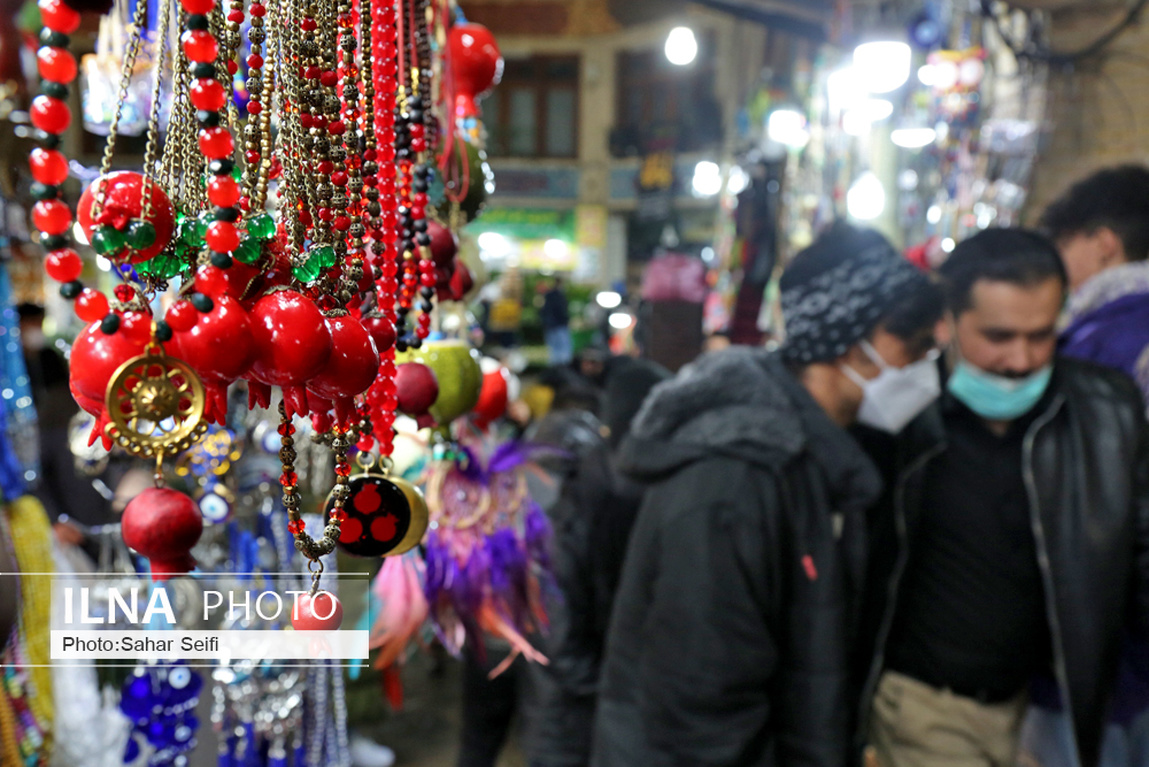
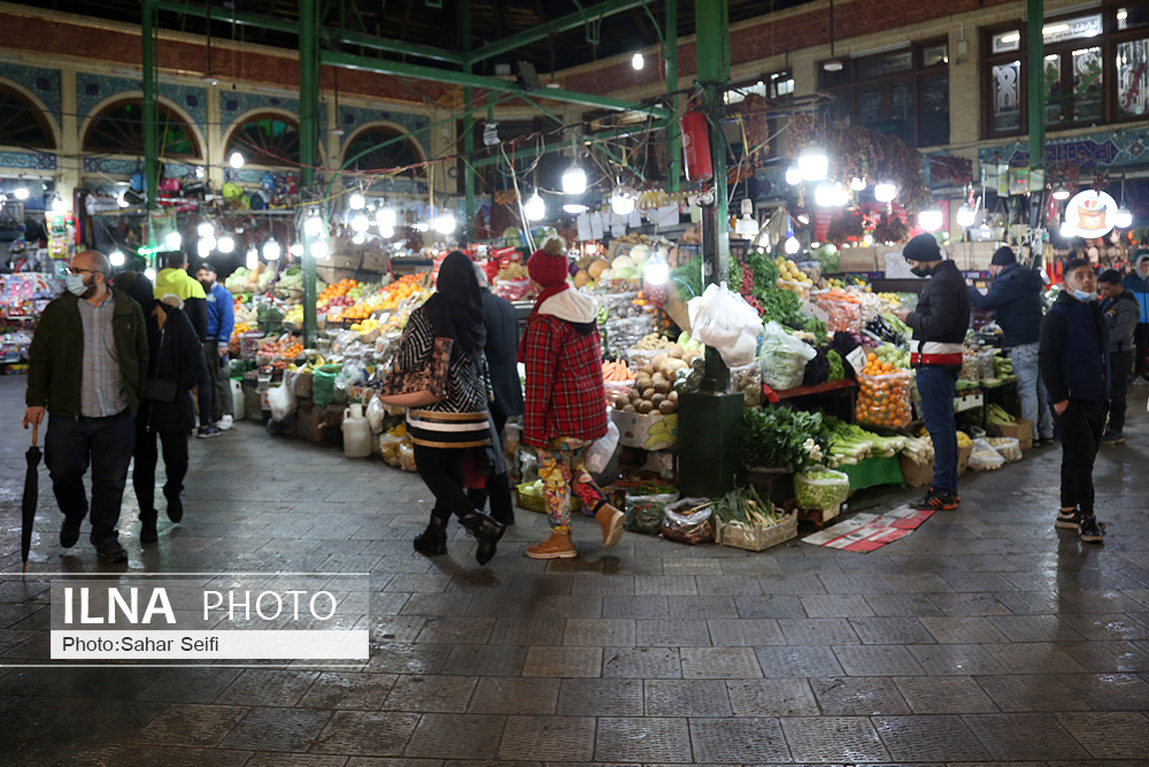
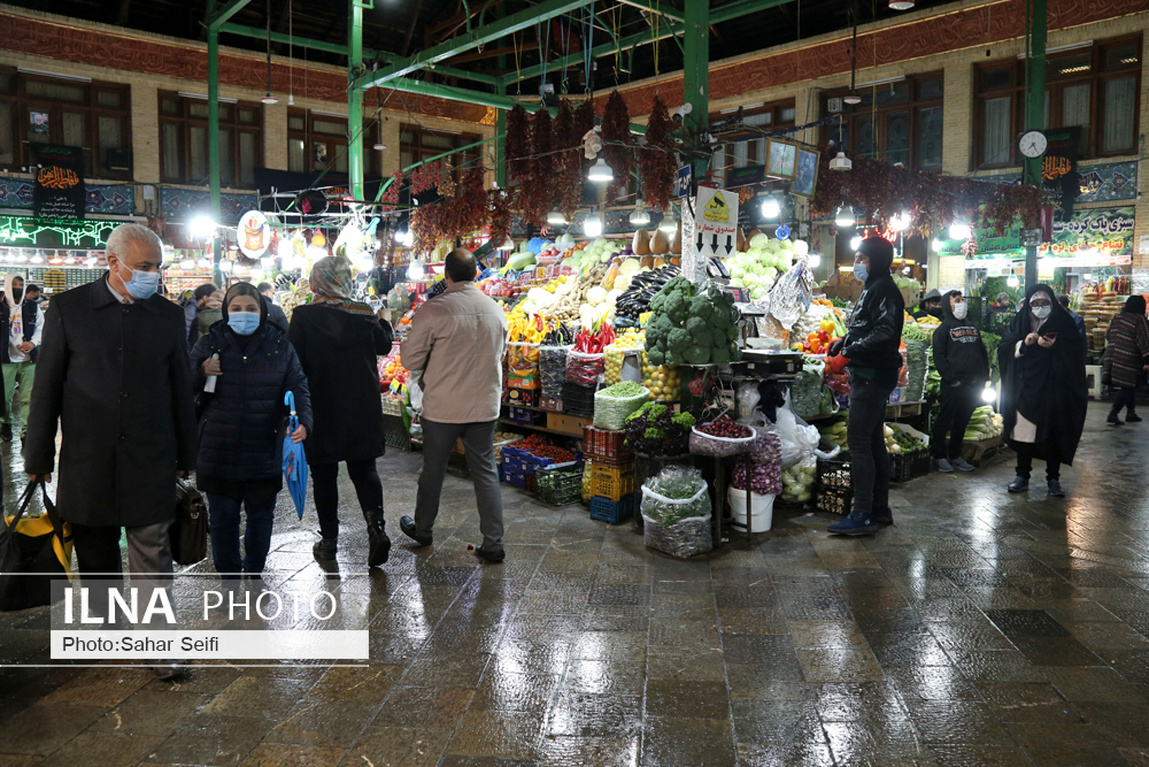
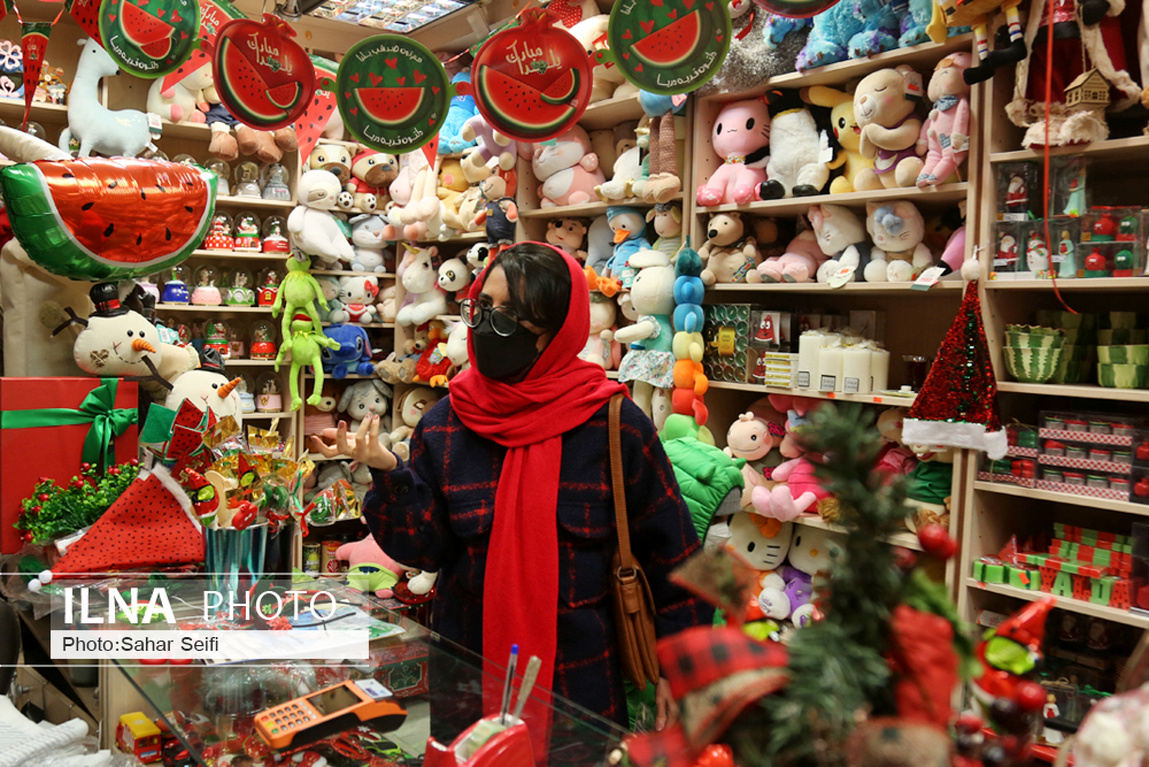
Tajrish Bazaar on the eve of Yalda Night
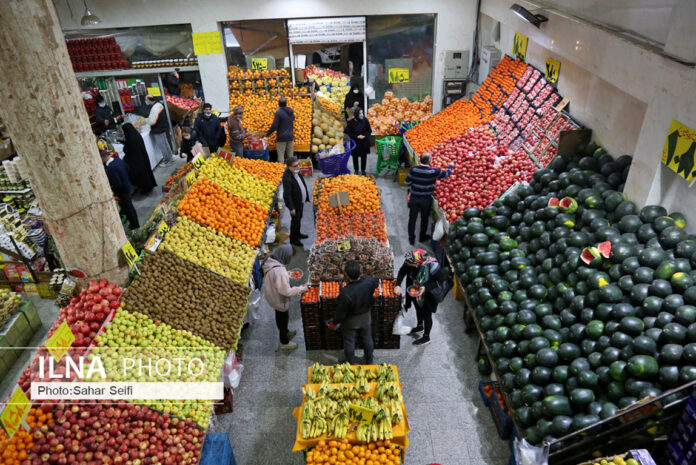
Yalda Night is one of the most important Iranian customs and celebrations that’s several thousand years old.
Iranian families have long celebrated the last day of autumn called Yalda.
Today, this old tradition is still celebrated enthusiastically, and Iranians, wherever they are, have long been preparing and buying Yalda gifts and nuts.