Saturday, December 27, 2025
Home Blog Page 196

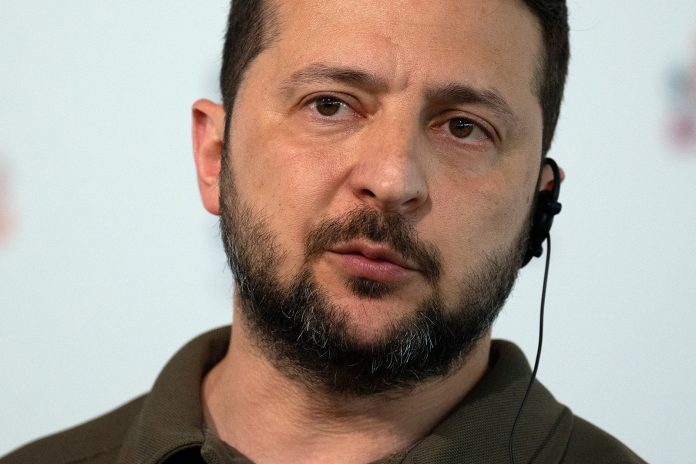
Zelensky rejects Trump’s peace terms ahead of White House meeting

Russia Ukraine War

Trump wrote on his Truth Social platform on Sunday that Zelensky “can end the war with Russia almost immediately, if he wants to, or he can continue to fight.”

According to the US president, a settlement would require “no getting back… Crimea” and “no going into NATO by Ukraine.”

The Ukrainian leader made a post on X an hour and a half later, again stressing his unwillingness to compromise to end hostilities.

Not Ukraine, but “Russia must end this war, which it itself started. And I hope that our joint strength with America, with our European friends, will force Russia into a real peace,” he insisted.

Zelensky then declared that “I am confident that we will defend Ukraine.”

“Of course, Crimea should not have been given up then, just as Ukrainians did not give up Kiev, Odessa, or Kharkov after 2022,” he added.

Crimea officially became part of Russia in 2014 after the peninsula’s population overwhelmingly supported the move in a referendum.

Despite refusing to make concessions, the Ukrainian leader thanked Trump for the “invite” to the White House and insisted that he and the US president “share a strong desire to end this war quickly and reliably.”

Zelensky is coming to Washington following Friday’s summit in Alaska between Russian President Vladimir Putin and Trump, at which both leaders underlined their commitment to resolving the Ukraine conflict.

Putin reiterated after the talks that eliminating the underlying causes of the fighting is the key to any settlement. According to the Russian side, for lasting peace to be achieved, Ukraine should renounce its aspiration for NATO membership, demilitarize, and recognize the current territorial realities; including the status of Crimea, as well as of Donetsk, Lugansk, Kherson and Zaporozhye regions, the latter four of which voted to join Russia in 2022.

Israeli military mulls recruiting Jewish youth from abroad amid soldier shortage

Israel Army

The broadcaster said the army is exploring outreach to Jewish communities in the diaspora to convince young people to join its ranks.

The move comes as the military struggles with a shortfall of 10,000 to 12,000 troops, driven largely by the refusal of ultra-Orthodox Jews, or Haredim, to serve.

Haredim, who account for about 13% of Israel’s population of 10 million, reject compulsory service, saying they dedicate their lives to Torah study and warning that integration into secular society would erode their religious identity.

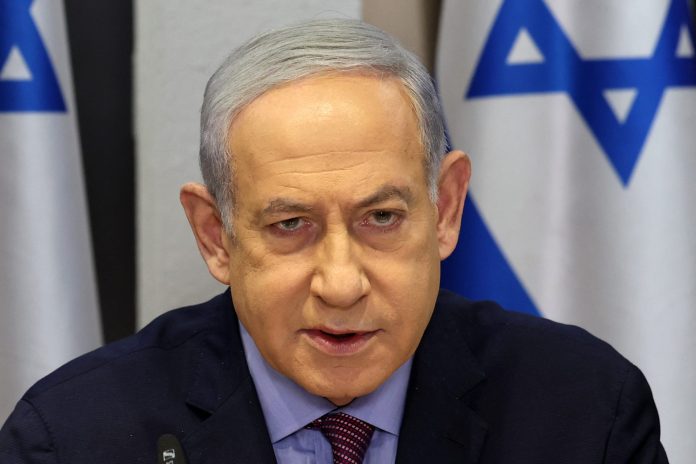
Prime Minister Benjamin Netanyahu’s bid to advance legislation granting blanket exemptions for Haredim has drawn resistance from the coalition and opposition lawmakers alike, with critics denouncing the plan as discriminatory.

According to the Army Radio, the military intends to target major Jewish communities abroad, particularly in the US and France, with the aim of adding around 700 recruits each year.

The shortage has compounded wider problems for Israel’s armed forces, including equipment deficits and a reserve system strained by months of fighting in Gaza. Many reservists have reported psychological trauma and exhaustion linked to the war.

In July, the Israeli daily Maariv reported senior commanders had, for the first time, admitted to the scale of the depletion, estimating a gap of about 7,500 soldiers. Battalion leaders cited crushing workloads, with some signaling plans for early retirement.

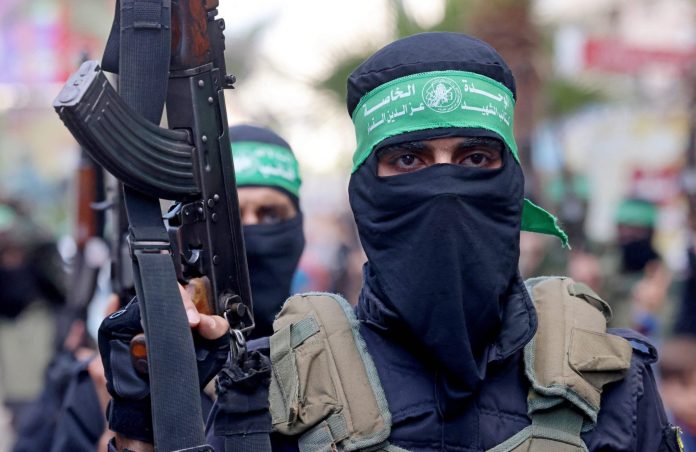
Meanwhile, Palestinian resistance groups in Gaza, led by Hamas’ military wing Al-Qassam Brigades, continue to release near-daily footage of operations targeting Israeli forces in ground battles that have raged since Oct. 27, 2023.

Israel has killed more than 61,900 Palestinians in Gaza since October 2023. The military campaign has devastated the enclave, which is facing famine.

Last November, the International Criminal Court issued arrest warrants for Netanyahu and his former Defense Minister Yoav Gallant for war crimes and crimes against humanity in Gaza.

Israel also faces a genocide case at the International Court of Justice for its war on the enclave.

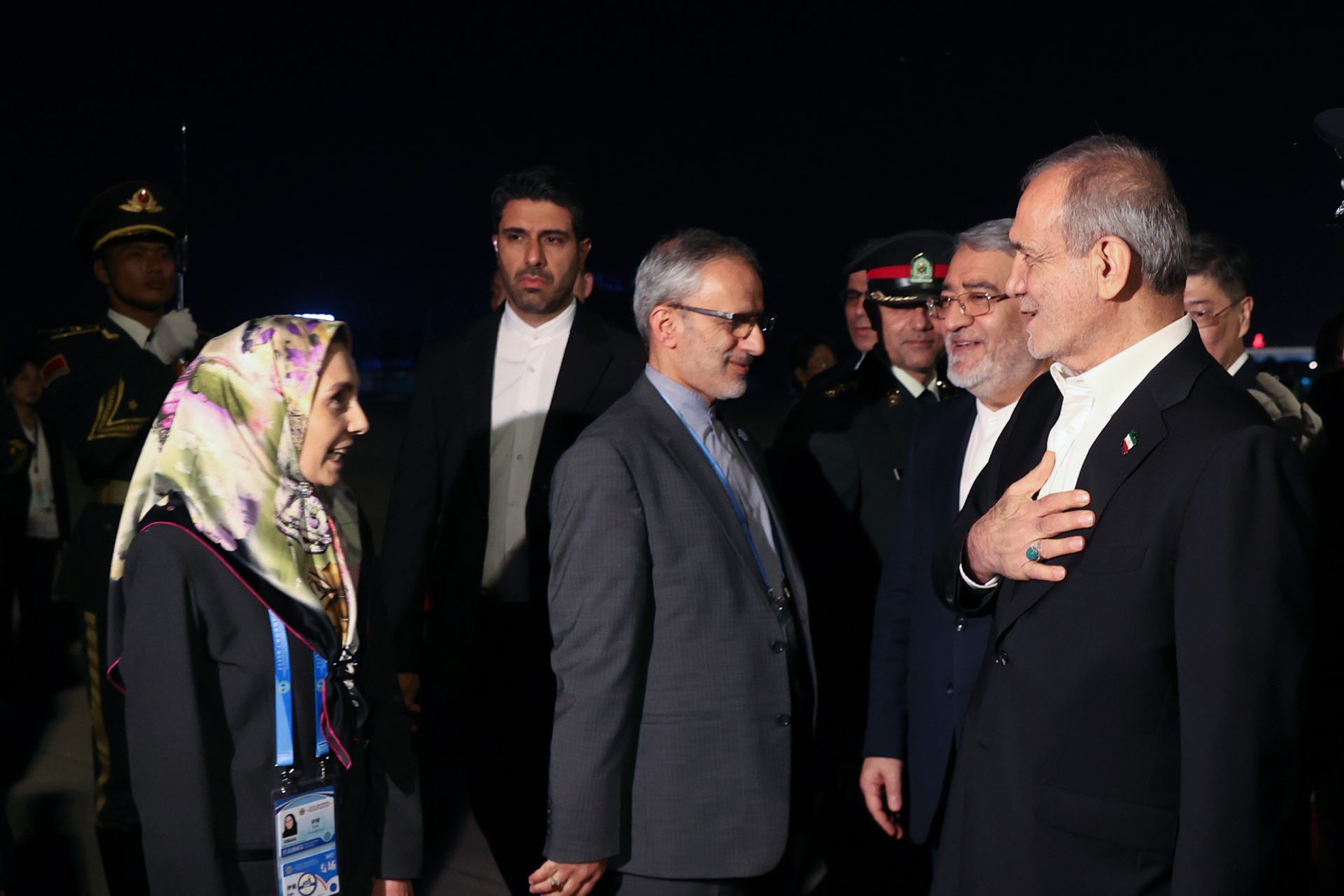
Iranian vice president warns of fragile situation after US-Israeli aggression

Mohammad Reza Aref

“We are not even in a ceasefire; it is merely a halt in fire…we must be prepared at any moment to face confrontation”, he said.

While underlining Iran’s strategy of pursuing dialogue and negotiations, he expressed doubts over sincerity on part of the US.

“Our concern is whether they even believe in negotiations at all”.

Aref went on to say that what the US dictates, under the name of Western civilization and human rights, is that everyone must simply say ‘yes’ to whatever they demand.

He reiterated that the Western approach to human rights and civilization is essentially one-sided compliance with their dictates.

Israeli economy contracts by 3.5 pct in Q2: Report

The business sector saw the most significant decline, contracting at an annualized rate of 6.2 percent in the second quarter, after expanding by 4.4 percent in the first quarter.

Private consumption spending fell by 4.1 percent in the second quarter, following the same decline rate in the first quarter. Investment in fixed assets such as buildings and equipment also dropped sharply, down 12.3 percent.

The bureau said the growth figures were strongly affected by a 12-day war between Israel and Iran in mid-June, which disrupted economic activity.

Data from the bureau showed that Israel’s GDP expanded by 3.4 percent at an annual rate in the first quarter.

In July, the Bank of Israel set its GDP forecast for 2025 at 3.3 percent, down from 3.5 percent in its previous forecast in April.

Trump says Zelensky could end Ukraine war ‘immediately’

Zelensky has been summoned to the White House for a meeting on Monday to discuss the potential peace proposal. According to reports, the plan could involve Kiev giving up its remaining positions in Donbass while freezing battle lines elsewhere in exchange for a halt to hostilities. Zelensky has previously rejected such terms.

Zelensky “can end the war with Russia almost immediately, if he wants to, or he can continue to fight,” Trump wrote on his Truth Social network on Sunday.

“Remember how it started. No getting back Obama-given Crimea (12 years ago, without a shot being fired!), and NO GOING INTO NATO BY UKRAINE. Some things never change!!!” he added.

Trump was referring to the events of 2014, when the administration of then-US President Barack Obama did not intervene after Crimea voted to reunite with Russia following a Western-backed coup in Kiev.

The US president argues concessions may be needed for peace, but Zelensky insists Crimea and other regions remain Ukrainian and has rejected any compromise.

The meeting comes shortly after Trump’s talks with Russian President Vladimir Putin in Alaska, their first face-to-face encounter since the escalation of the Ukraine conflict in 2022. Both leaders voiced cautious optimism that discussions could help move toward a resolution of the hostilities between Moscow and Kiev.

Moscow has repeatedly stated that any settlement should see Ukraine abandoning its NATO ambitions, undergoing demilitarization and denazification, and recognizing the new territorial reality on the ground, including the status of Crimea, Donetsk, Lugansk, Kherson, and Zaporozhye regions, all of which have voted to become parts of Russia.

Putin stated any settlement must address Russia’s concerns, adding that restoring a fair balance in Europe is essential for lasting peace.

On Sunday, US special envoy Steve Witkoff told Fox News that Washington and its European allies were considering offering security guarantees to Ukraine outside the framework of NATO.

Iraq begins work on IS mass grave thought to contain thousands

Daesh

The first phase, which was launched on August 10, includes surface-level excavation at the Khasfa site, director Ahmed al-Assadi said.

An AFP correspondent visiting the site in northern Iraq on Sunday stated the team unearthed human skulls buried in the sand.

Khasfa is located near Mosul, where IS had established the capital of their self-declared “caliphate” before being defeated in Iraq in late 2017.

Assadi added that there were no precise figures for the numbers of victims buried there — one of dozens of mass graves IS left behind in Iraq — but a UN report from 2018 said Khasfa was likely the country’s largest.

Official estimates put the number of bodies buried at the site at at least 4,000, with the possibility of thousands more.

The project director said the victims buried there include “soldiers executed by IS”, members of the Yazidi minority and residents of Mosul.

Exhuming the bodies from Khasfa is particularly difficult, Assadi said, as underground sulphur water makes the earth very porous.

The water may have also eroded the human remains, complicating DNA identification of victims, he added.

Assadi stated further studies will be required before his team can dig deeper and exhume bodies at the site — a sinkhole about 150-metre (nearly 500-foot) deep and 110-metre wide.

Iraqi authorities announced it was the site of “one of the worst massacres” committed by IS militants, executing 280 in a single day in 2016, many of them interior ministry employees.

In a lightning advance that began in 2014, IS had seized large swathes Iraq and neighbouring Syria.

The United Nations estimates the terrorists left behind more than 200 mass graves which might contain as many as 12,000 bodies.

In addition to IS-era mass graves, Iraqi authorities continue to unearth such sites dating to the rule of Saddam Hussein, who was toppled in a US-led invasion in 2003.

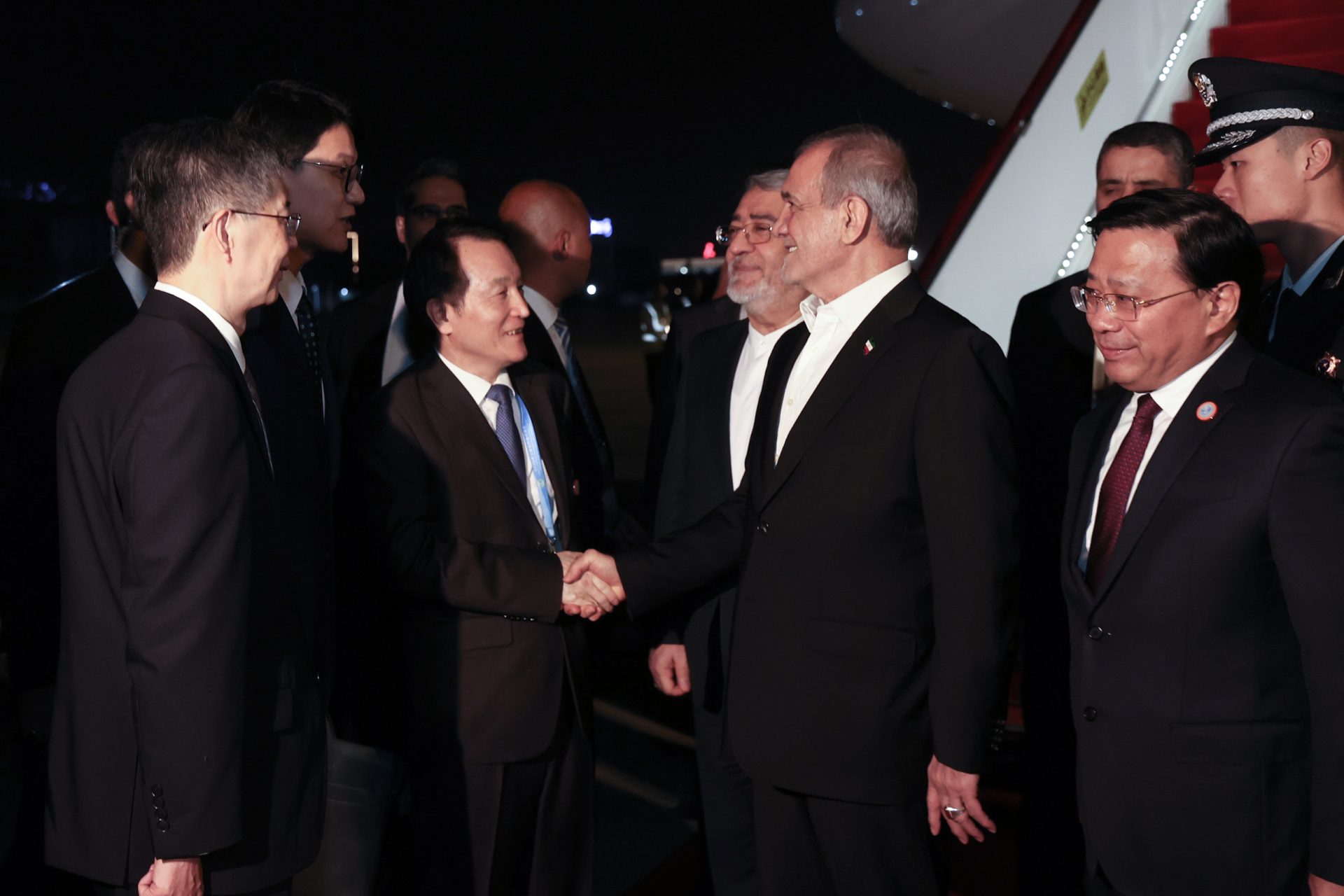
Iran renews warning against US presence in South Caucasus, criticizes Israeli expansionism

Foreign Ministry Spokesman Esmail Baqaei said Monday that Tehran has “clearly conveyed” its concerns to Armenia regarding cooperation with the US. He noted that Yerevan assured Iran its partnership with Washington would be limited to a company registered in Armenia.

Baqaei emphasized that the joint statement recently signed by Armenia and the Republic of Azerbaijan underlines the principles of sovereignty, territorial integrity, and the inviolability of borders.

He stressed that plans to open transport routes, including a rail link through southern Armenia connecting Azerbaijan to Nakhchivan, must not undermine recognized borders or Armenia’s sovereignty.

Turning to Israeli prime minister Benjamin Netanyahu’s so-called “Greater Israel” plan, Baqaei said the concept reflects “unlimited expansionism” and demonstrates Israel’s threat to regional security.

He warned that ambitions extending to Lebanon, Syria, and Saudi Arabia highlight the “existential danger” posed by the occupying regime’s policies.

On global issues, Baqaei welcomed any initiative to end the war in Ukraine, including the recent meeting between the US and Russian presidents in Alaska, while urging dialogue and peaceful settlement of disputes.

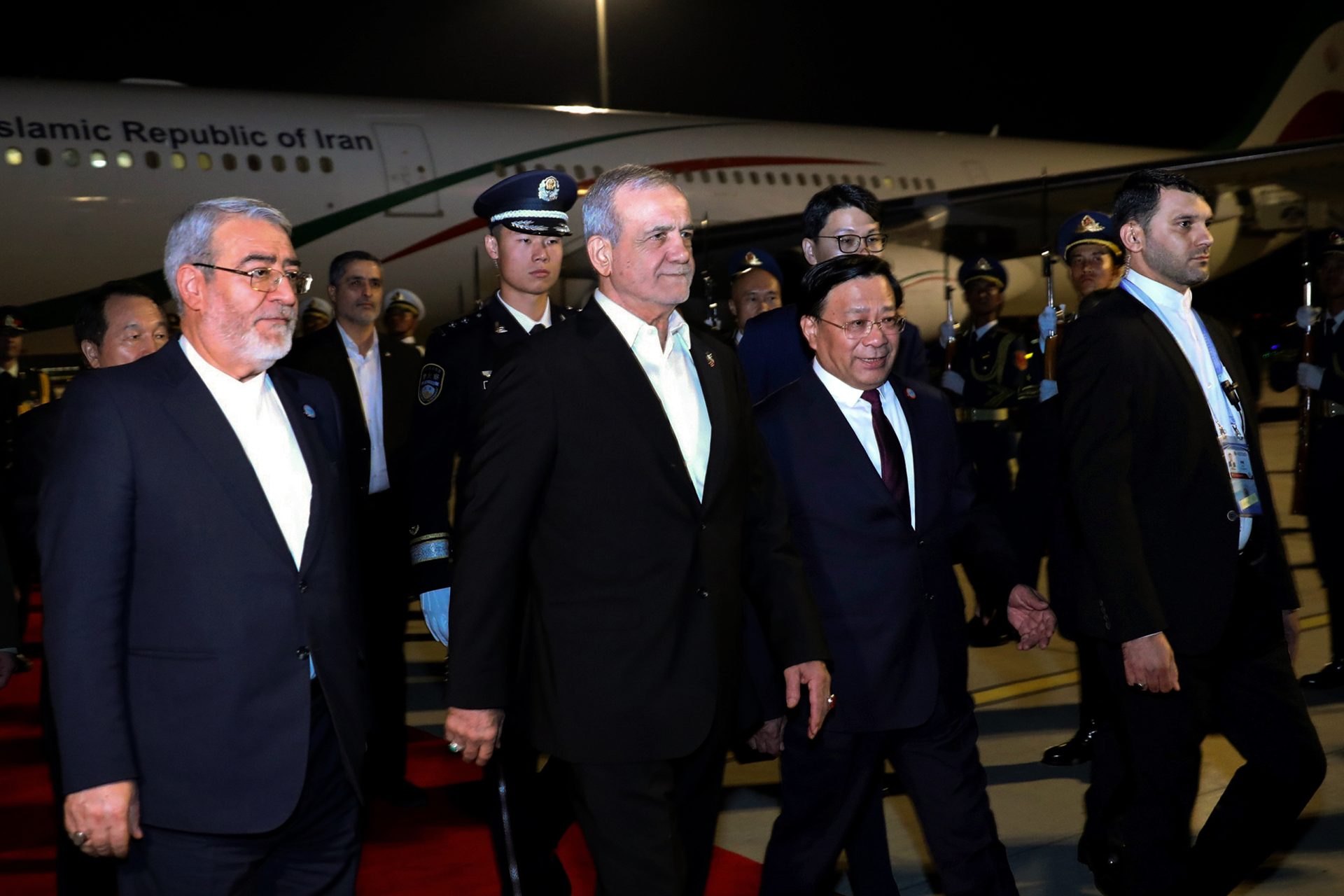
Iran says 1.2 million undocumented Afghan nationals have returned home

Afghan Refugee in Iran

Speaking to reporters in Mashhad on Monday, Interior Minister Eskandar Momeni said over 70 percent of those who left returned voluntarily.
He added that the largest number of departures occurred through border crossings in northeastern Khorasan Razavi province.

Momeni noted that Iran currently hosts more than six million Afghan nationals, many of whom entered legally.

However, he stressed that the government’s priority is the “dignified return” of around two million individuals who entered the country irregularly.

“This policy is not hostility toward migrants,” Momeni said, highlighting Iran’s historic ties with Afghanistan.

“But every country has its own rules, and Iran does not have the capacity to host such large numbers. All undocumented individuals must return to their homeland through legal and respectful processes.”

The minister also said his trip to Mashhad would include discussions on border security.

Russia and Ukraine ‘have to make concessions’ for peace agreement: Rubio

Marco Rubio

“You can’t have a peace agreement unless both sides make concessions – that’s a fact,” the Trump administration’s top diplomat said Sunday on ABC’s This Week.

“That’s true in virtually any negotiation. If not, it’s just called surrender. And neither side is going to surrender. So both sides are going to have to make concessions.”

Rubio stated the recent talks in Alaska between Russian President Vladimir Putin and his US counterpart Donald Trump toward ending the war had “made progress in the sense that we identified potential areas of agreement – but there remains some big areas of disagreement”.

“We’re still a long ways off,” Rubio added.

“We’re not at the precipice of a peace agreement. We’re not at the edge of one. But I do think progress was made and towards one.”

He declined to go into specific areas of agreement or disagreement, or outline what Trump has described as “severe consequences” for Russia if its aggression toward Ukraine continued.

“Ultimately, if there isn’t a peace agreement, if there isn’t an end of this war, the president’s been clear – there are going to be consequences,” Rubio remarked.

“But we’re trying to avoid that. And the way we’re trying to avoid those consequences is with an even better consequence, which is peace, the end of hostilities.”

US special envoy Steve Witkoff said Putin agreed at the summit to allow the US and Europe to offer Ukraine a security guarantee resembling NATO’s collective defense mandate as part of any peace deal.

In an interview on CNN, Witkoff said the US had won the concession that “the United States could offer Article 5-like protection, which is one of the real reasons why Ukraine wants to be in NATO”. He added the concession was “game-changing”.

Rubio agreed that no agreement was possible without both sides – including that of Ukrainian President Volodymyr Zelenskyy – being at the table.

“You’re not going to reach a ceasefire or a peace agreement in a meeting in which only one side is represented,” Rubio told ABC News.

“That’s why it’s important to bring both leaders together – and that’s the goal here.”

Rubio confirmed that a ceasefire – or, as Trump now reportedly prefers, a straight-to-peace deal – “is going to be difficult”, despite the White House’s openly demanding one.

The war, he said, has been “going on for three and a half years”.

“You have two very entrenched sides, and we’re going to have to continue to work and chip away at it,” Rubio noted.

Separately, on NBC’s Meet the Press, Rubio said a ceasefire was “not off the table”, though he added: “It was agreed by all that the best way to end this conflict is through a full peace deal.”

He said the US had advocated for a ceasefire, but “unfortunately, the Russians as of now have not agreed to that.

“But the ideal here, what we’re aiming for here is not a ceasefire,” he continued, adding, “What we ultimately are aiming for is an end to this.”

Soon after Rubio told Meet the Press that “no one is pushing” Ukraine to give up territory, Trump shared a Truth Social post from a supporter that said: “Ukraine must be willing to lose some territory to Russia otherwise the longer the war goes on they will keep losing even more land!!”

Nonetheless, Rubio said he doubted that a new set of western sanctions on Russia would force Moscow to agree to any deal.

“The Russian economy has basically been turned into a full-time wartime economy,” Rubio told CBS’s Face the Nation on Sunday – while pointing out that Russia is estimated to have lost 20,000 soldiers in the last month alone.

“That just tells you the price they’re willing to pay,” Rubio added.

“Not saying any of this is admirable – I’m saying that this is the reality of the war that we’re facing. It’s become attrition, in some ways. It’s a meat grinder, and they just have more meat to grind.”

He also denied that Trump, as critics claim, had merely given the aggressor in the conflict, Putin, an unwarranted place on the world stage.

“Putin is already on the world stage,” Rubio stated on ABC News.

“The guy’s conducting a full scale war in Ukraine. That doesn’t mean he’s right about the war. That doesn’t mean he’s justified about the war. You’re not going to end a war between Russia and Ukraine without dealing with Putin. That’s just common sense. So people can say whatever they want.”

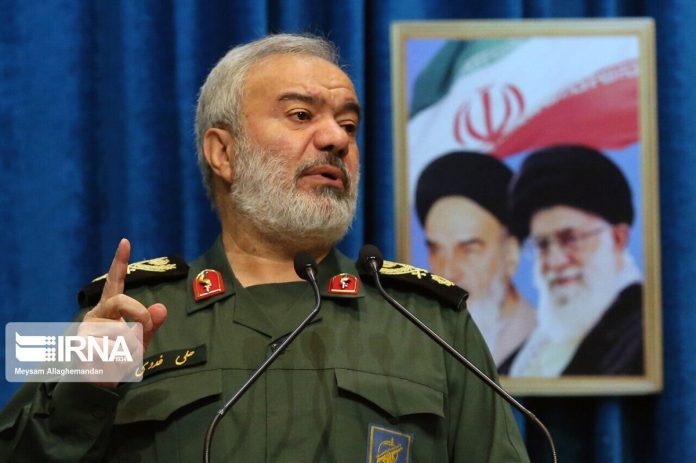
Top Iranian military adviser warns of possible renewed war

Yahya Rahim Safavi

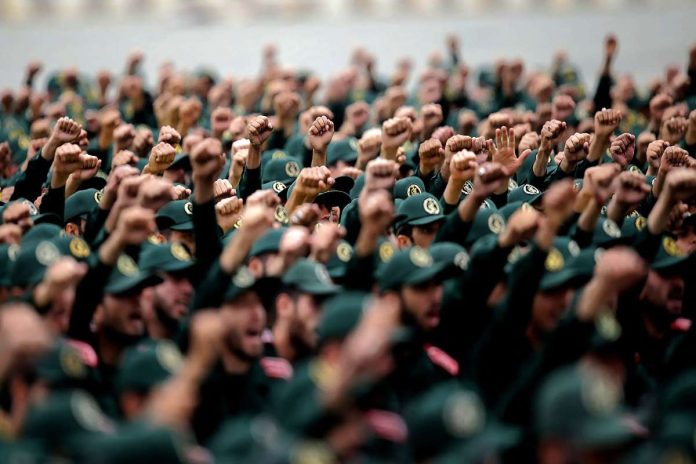
Major General Yahya Rahim Safavi, senior adviser to Iran’s Leader Ayatollah Seyyed Ali Khamenei, said Iranian military planners always consider the most difficult scenarios and prepare accordingly.

“We are not in a ceasefire; we are in a stage of war. At any moment the situation may collapse, as there is no protocol, agreement, or treaty between us and the US and Israel,” he said.

General Safavi suggested that another war could break out but added, “After that, it is possible no further war would occur.”

He explained that the concept of ceasefire merely means a halt in fire that could resume at any time.

Arguing that strength is essential to achieving peace, the top military adviser called for Iran to enhance its “diplomatic, media, missile, drone, and cyber strategies.”

He added, “If you want peace, prepare for war. The best defense is attack.”

Israel, aided by the US, launched an unprovoked 12-day attack on Iran on June 13 to target senior military commanders and scientists. The assault claimed the lives of over a thousand civilians as well.