Thursday, December 25, 2025
Home Blog Page 1441

French says gravely concerned over developments in Gaza

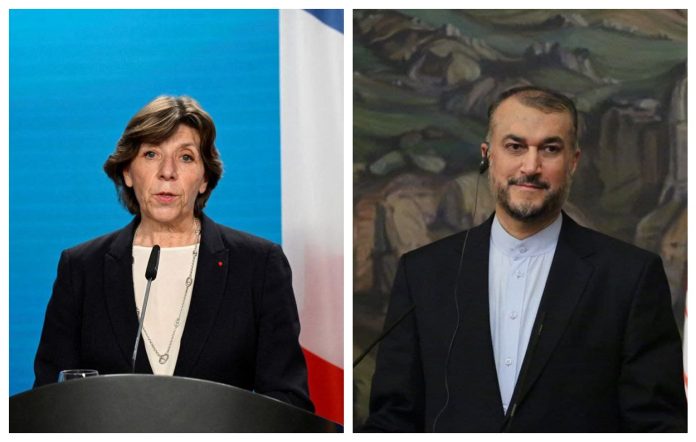
Iran and French FMs Hossein Amirabdollahian and Catherine Colonna

Catherine Colonna, in a phone conversation with her Iranian counterpart Hossein Amirabdollahian added France pursues the acceleration of efforts to decrease the tensions and stop the military conflict in Palestine.

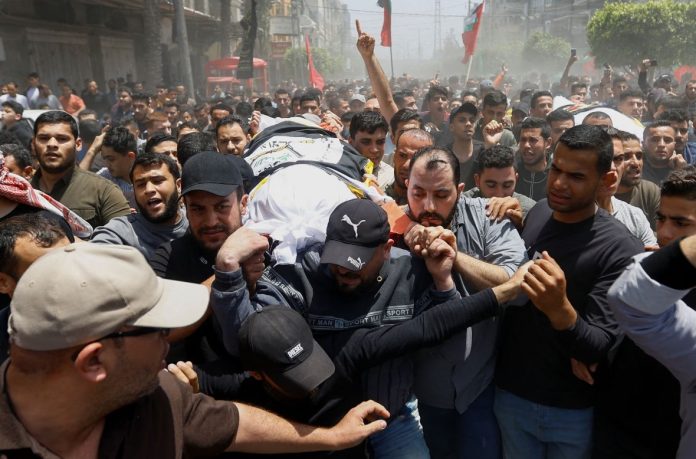
Over the past few days, at least 30 Palestinians including women and children have been killed in Israeli air raids on the Gaza Strip
Colonna also expressed gratitude for Iran’s humanitarian move to free two French nationals and described it as an effective and trust-building step.

She expressed satisfaction with the fact that Iran pays attention to France’s desired policy of strategic autonomy and said constructive dialog is the best way to help resolve the problems.

In that regard, she added, France welcomes the continuation of constructive and deep talks between the two countries.

For his part, Iranian Minister of Foreign Affairs Hossein Amirabdollahian condemned the crimes of the Zionist regime in the Gaza Strip and said, “During my visit to Lebanon, I realized that the Palestinian resistance stands ready and determined to defend the rights of the Palestinian nation, and the developments in Palestine will definitely not be in the interest of the warmongering Zionist rulers.”

Commenting on Iran’s Islamic Revolution Guards Corps (IRGC), Amirabdollahian said, “The IRGC has an unrivaled role in safeguarding national security and countering Takfiri terrorism in the region. As the guardian of the country’s security, the IRGC is our red line.”

The top Iranian diplomat described France’s recourse to a realistic approach toward the Islamic Republic of Iran as a positive step.

Amirabdollahian referred to recent comments by the French president on the policy of strategic autonomy, saying practical efforts to realize such a strategy will be an effective step in today’s changing world.

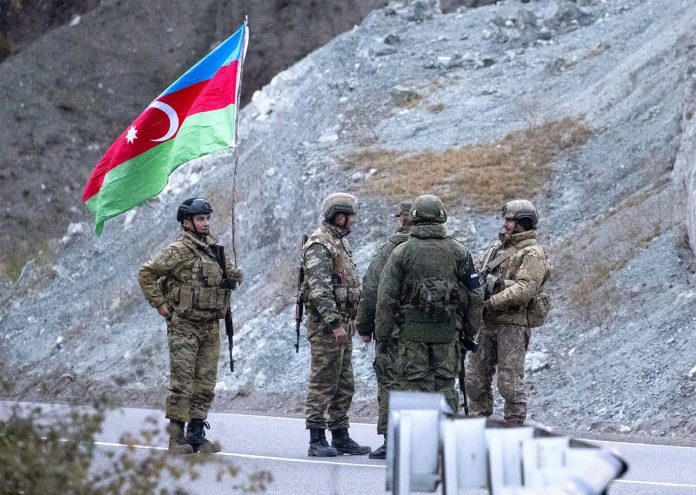
Azerbaijan conducts drone attack on Armenian positions, wounding two servicemen: Yerevan

Azerbaijani Forces Nagorno-Karabkh

Renewed border clashes have erupted between Armenian and Azerbaijani forces, according to Yerevan, a day after deadly fighting threatened to derail European Union-led weekend peace talks between the Caucasus arch-foes.

Border clashes on Thursday left an Azerbaijani serviceman dead and four Armenian troops injured.

“On May 12, at around 10am, the Azerbaijani Armed Forces violated the ceasefire in the direction of Sotk using UAVs. Two servicemen of the Armenian Armed Forces were wounded. The health condition of one serviceman is assessed as satisfactory and [that of] the other one is critical,” the statement said.

The ministry also reported that as of 10:30am, the situation at the front line is relatively stable.

Baku and Yerevan are locked in a decades-long territorial dispute over Azerbaijan’s Armenian-populated region of Nagorno-Karabakh, over which they have fought two wars.

Armenian Prime Minister Nikol Pashinyan and Azerbaijani President Ilham Aliyev are scheduled to meet on Sunday in Brussels for talks led by European Council President Charles Michel.

The rival leaders had also agreed to jointly meet the leaders of France and Germany on the sidelines of a European summit in Moldova on June 1, according to the EU.

Pashinyan on Thursday accused Azerbaijan of looking to “undermine the talks” in Brussels.

He warned there was “very little” chance of signing a peace deal with Azerbaijan at the meeting.

A draft agreement “is still at a very preliminary stage and it is too early to speak of an eventual signature”, Pashinyan continued.

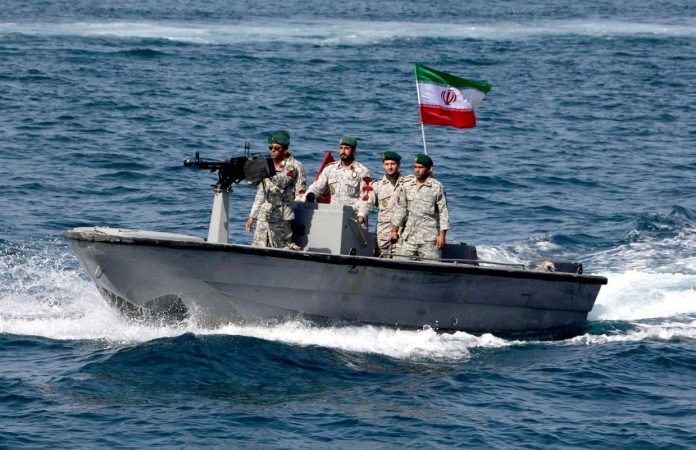
IRGC Navy in full command of Persian Gulf: Commander

IRGC Boat Persian Gulf

“With reliance on domestic capabilities, the force (IRGC Navy) is at the height of preparedness and is in full command of the Persian Gulf in aerial, surface, and subsurface levels,” Tangsiri told reporters in Iran’s southern city of Bushehr on Friday.

“The movement of enemy vessels in the Persian Gulf is under constant and 24/7 monitoring of the IRGC Navy,” he added.

Tangsiri said he assessed the security of the Persian Gulf positively. “This strategic waterway has full security,” he said.

The commander said advanced important military equipment were today being developed at the Iranian Defense Ministry by Iranian youths and being handed over to the armed forces.

He added great advancements had occurred in the development of such equipment. “With these powerful equipment and capable personnel, the level of preparedness in the Islamic Republic of Iran Armed Forces increases by the day,” Tangsiri said.

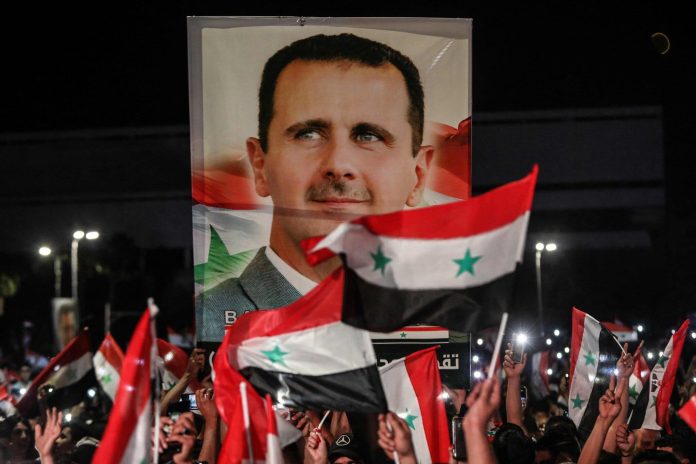
US lawmakers introduce bill targeting normalization with Syria

Syria Bashar Assad

The bill, first reported by Reuters, would prohibit the government from recognizing or normalizing relations with any Syrian government led by Assad, who is under US sanctions, and expands on the Caesar Act, which imposed a tough round of sanctions on Syria in 2020.

The proposed legislation comes after Arab states turned the page on years of confrontation with Assad on Sunday by allowing Syria back into the Arab League, a milestone in his regional rehabilitation even as the West continues shunning him after years of war.

Regional countries, including Saudi Arabia, Qatar and others, had for years supported anti-Assad rebels, but Syria’s army – backed by Iran, Russia and allied paramilitary groups – regained most of the country.

“Countries choosing to normalize with (the) unrepentant mass murderer and drug trafficker, Bashar al-Assad, are headed down the wrong path,” US Representative Joe Wilson, the chair of the Subcommittee on the Middle East, North Africa, and Central Asia, said in a statement.

The bill was introduced by Wilson, House of Representatives Foreign Affairs Committee Chairman Michael McCaul, a fellow Republican; Republican French Hill and Democrat Brendan Boyle, who co-chair the Free, Democratic and Stable Syria Caucus; and others.

The legislation is a warning to Turkey and Arab countries that if they engage with Assad’s government, they could face severe consequences, a senior congressional staffer who worked on the bill told Reuters.

“The readmission of Syria to the Arab League really infuriated (Congress) members and made clear the need to quickly act to send a signal,” the staffer said.

The staffer added the State Department was consulted in the drafting of the bill.

Asked about the measure at a regular news briefing, State Department deputy spokesperson Vedant Patel declined to comment on pending legislation. But he said Washington has been very clear it does not seek to normalize relations with Assad’s government and would not support its allies and other partners doing so either.

The bill’s provisions include a requirement that the secretary of state provide Congress with a strategy for countering normalization with Assad’s government – including a list of diplomatic meetings between Syria’s government and Turkey, the United Arab Emirates, Egypt and others – every year for five years.

The legislation would also pave the way for sanctions to be imposed on airports that allow landings by Syrian Arab Airlines and another carrier, Cham Wings, the staffer added.

If passed, the bill would also require a review of transactions, including donations over $50,000 in areas of Syria held by Assad’s government by anyone in Turkey, the UAE, Egypt and several other countries.

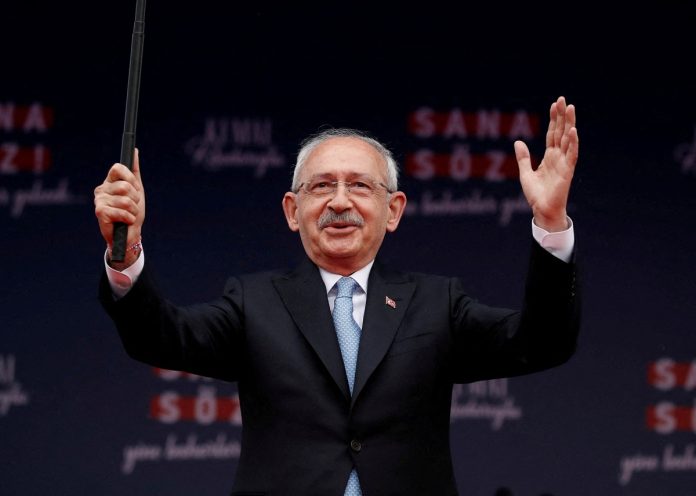
Erdogan’s rival accuses Russia of election ‘deep fake’

Kemal Kilicdaroglu

Kilicdaroglu, who has a slight lead over long-time leader Erdogan according to opinion polls, did not specify to which material he referred.

A third presidential candidate, Muharrem Ince, withdrew from the race on Thursday citing a faked “character assassination” carried out online. He gave few details.

Kilicdaroglu accused Turkey’s “Russian friends” of responsibility for “the release in this country yesterday of montages, plots, deep fake content…”

“If you want to continue our friendship after May 15, withdraw your hand from the Turkish state. We are still in favour of cooperation and friendship,” he said on Twitter on Thursday in both Turkish and Russian.

Kremlin Spokesman Dmitry Peskov denied rumors about Russia interfering in the presidential and parliamentary elections in Turkey, calling anyone who spreads such information a liar.

“We strongly reject such statements, we officially declare that there is no interference. If someone provided such information to Mr. Kilicdaroglu, then they are liars, that’s all I can say,” Peskov told reporters on Friday.

In general, according to the spokesman, Russia “very, very much values bilateral relations with the Republic of Turkey.”

“Because it [Turkey] has so far taken a very responsible, sovereign and thoughtful position on a whole range of regional and global problems that we face,” the official added.

“And this position is very much to our liking,” he pointed out.

“As a country that values bilateral relations, it will especially make sure not do anything against its partner,” Peskov concluded.

“We have repeatedly said and continue to insist that we do not interfere in the domestic affairs and electoral processes of other countries,” he stressed.

According to Peskov, Kilicdaroglu “should recall what the Americans have done.”

“They spent tens of millions of dollars on investigations and then came to the conclusion that there was no interference,” the Kremlin spokesman emphasized.

Asked about the upcoming election in Turkey last month, Russian Foreign Minister Sergey Lavrov stated that Moscow “never interferes in the domestic affairs” of other countries.

At least 30 Palestinians killed in Israeli attacks on Gaza

Israel Gaza

The victims include six children and three women as well as several commanders of the Palestinian Islamic Jihad (PIJ).

Palestinian factions in Gaza continued to fire rockets in retaliation from the besieged coastal enclave into Israel, killing one person on Thursday.

Amid mediation efforts by Egypt, neither side seemed ready to douse the worst flare-up since August.

“We are at the height of a campaign, both offensive and defensive,” Israeli Prime Minister Benjamin Netanyahu said in a videotaped statement issued during a visit to an air base.

“Whoever comes to harm us – his blood is forfeit,” he added.

Egypt announced it was trying to secure a truce but so far, its efforts have proved futile.

Cairo, which hosted senior PIJ official Mohammad al-Hindi for talks, was circumspect about prospects for a ceasefire.

“Egypt’s efforts to calm things down and resume the political process have not yet borne fruit,” Egyptian Foreign Minister Sameh Shoukry told reporters.

Meeting Jordanian, French and German counterparts in Berlin, Shoukry urged “peace-sponsoring countries to intervene and stop the attacks” and said Israel must “stop the unilateral measures that aim to destroy the future of the Palestinian state”.

The initial Israeli air attacks on Tuesday that set off the exchange of fire killed three senior PIJ fighters and at least 10 civilians, most of them women and children.

The deaths of Ali Ghali and Ahmed Abu Daqqa brought to five the number of senior figures from PIJ killed since Israel began attacking Gaza early on Tuesday.

More than 90 people have been wounded in the attacks that destroyed five buildings and damaged more than 300 apartments, said Salama Marouf, chairman of the media office for the Hamas group that governs Gaza.

Israel has kept crossings for the movement of people and goods closed since Tuesday, blocking travel entirely, even for urgent humanitarian needs, and preventing patients from accessing medical treatment not available in Gaza, human rights groups have said.

Gaza Strip is home to more than two million people, making it one of the most densely populated areas in the world. It has been under an Israeli air, land and sea blockade since 2007.

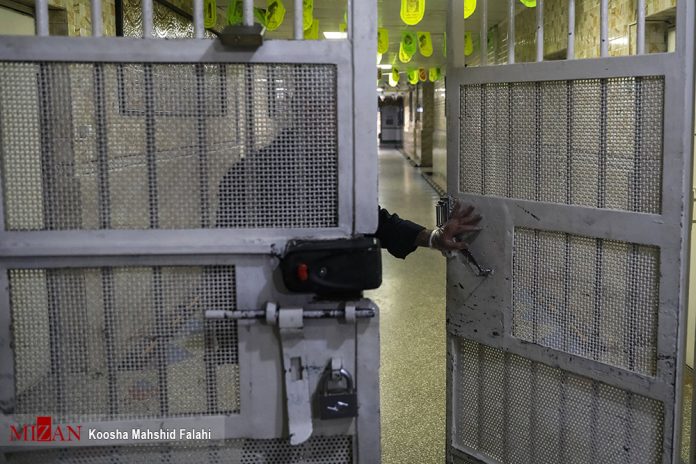
Iran pardons, frees Irish-French citizen jailed for security crime

Iran Prison

In a tweet on Thursday, the diplomatic mission said Bernard Phelan had been released from jail “on consular and humanitarian grounds.”

“Constructive diplomatic engagement between Iran and Ireland has resulted in pardoning and releasing of the Irish citizen, Bernard Phelan, on consular and humanitarian grounds,” read the post.

Phelan was arrested in October in the northeastern city of Mashhad as the country was grappling with a wave of protests and riots over the death of young women in police custody.

He is said to have been taking photographs of police officers and a mosque that had been burned.

The 64-year-old, who was traveling on a French passport, was found guilty of “providing information to an enemy country,” and sentenced to six-and-a-half years in prison.

In a phone call with his Iranian counterpart, Hossein Amirabdollahian, Irish Foreign Minister Micheál Martin thanked Tehran for pardoning Phelan on Thursday.

Iran arrested several foreign nationals in the course of the unrest and deadly riots that broke out in September 2022 and went on for several months.

The Islamic Republic’s intelligence organs said they had found links between foreign spy services, especially those in the West, with the turmoil in the country.

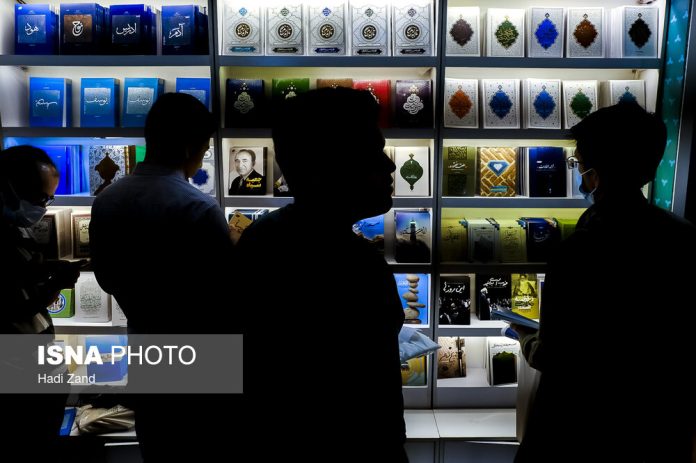
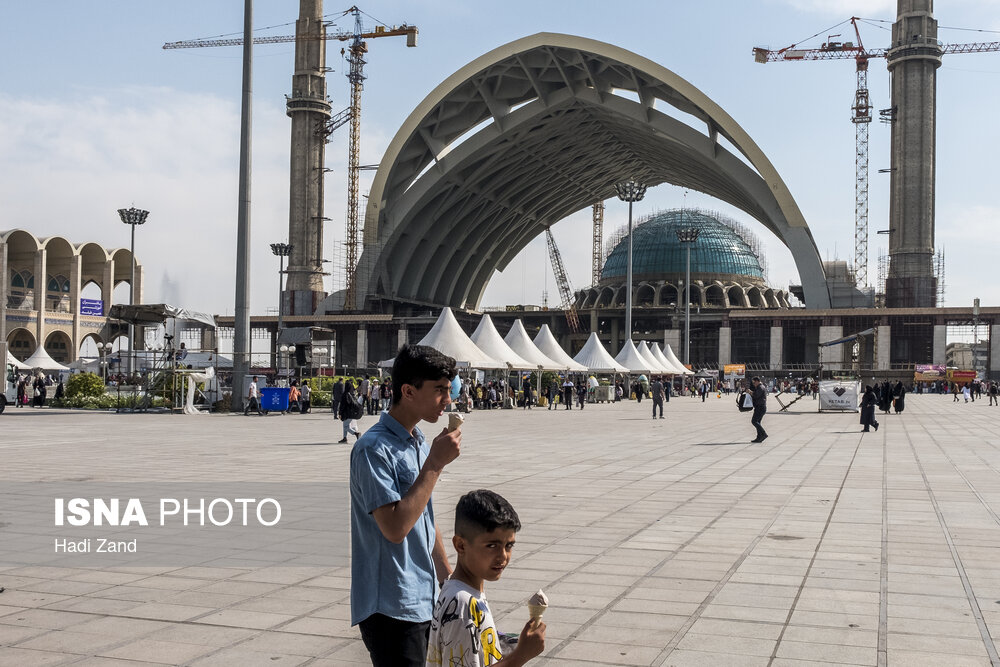
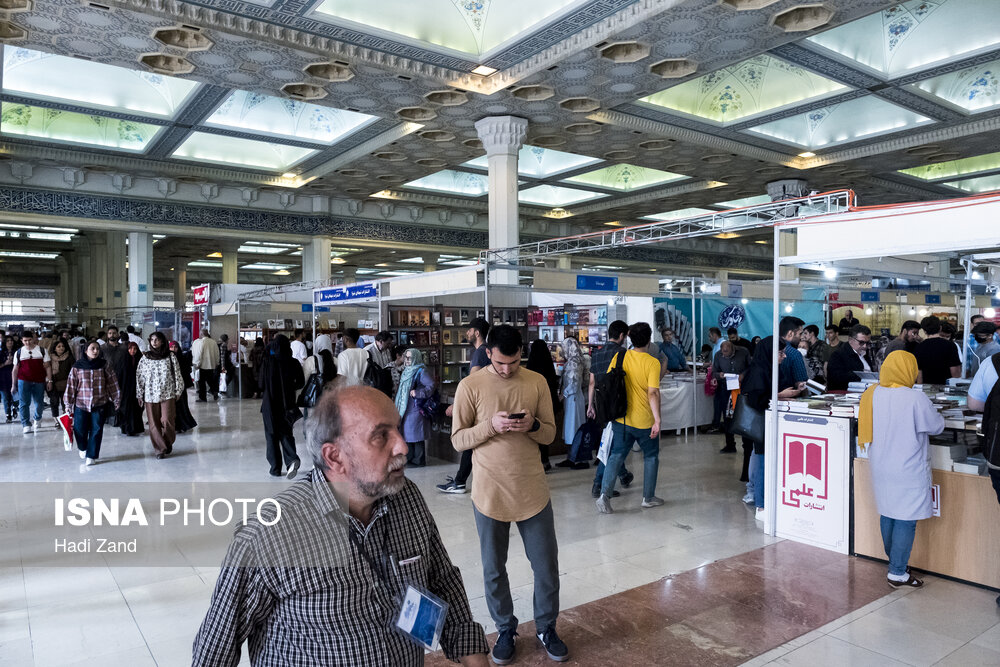
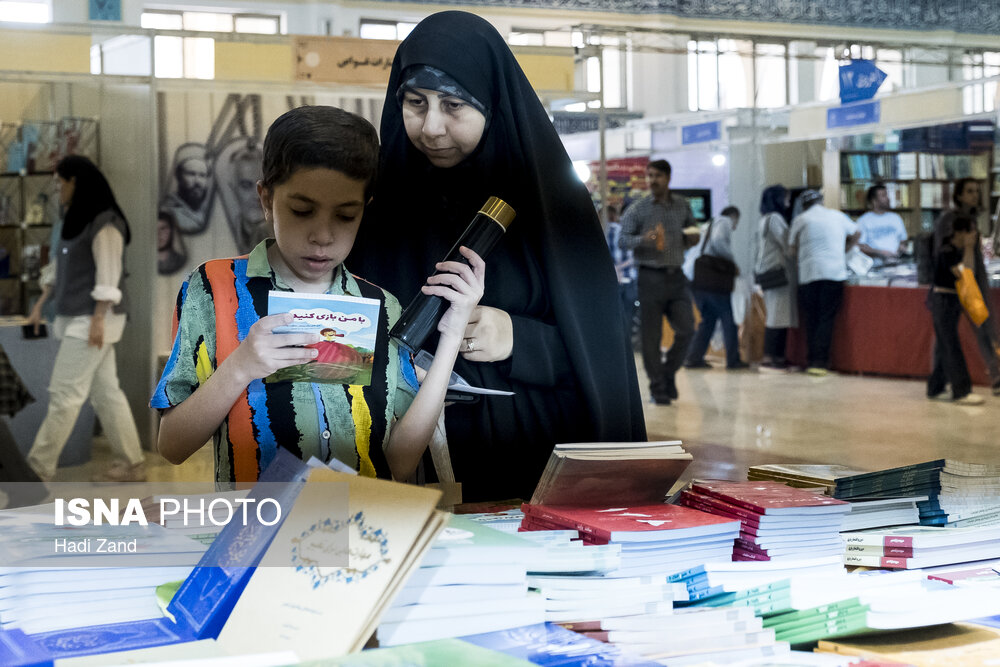
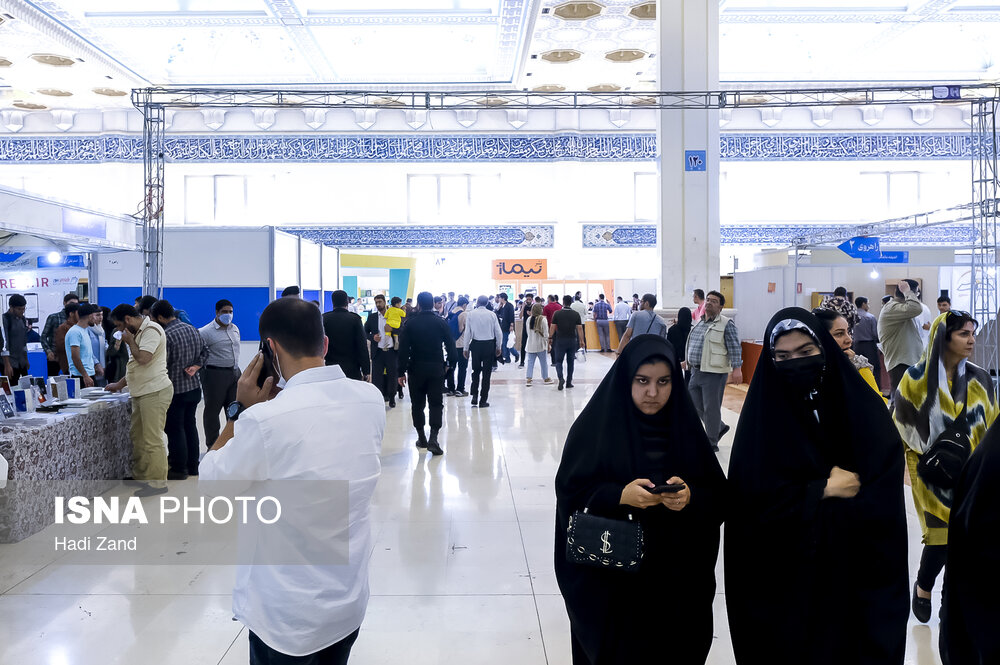
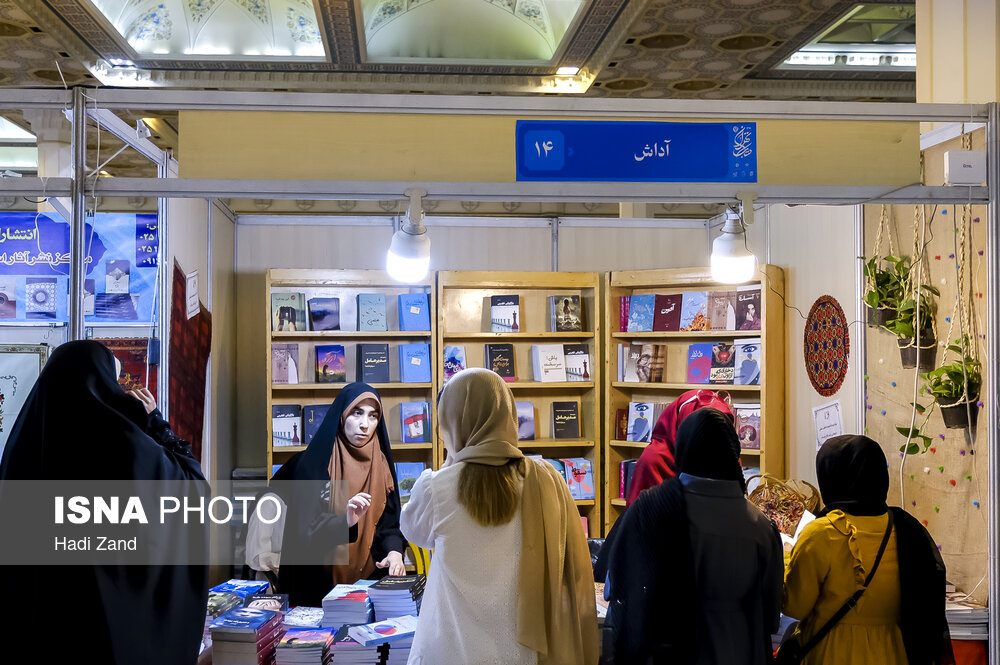
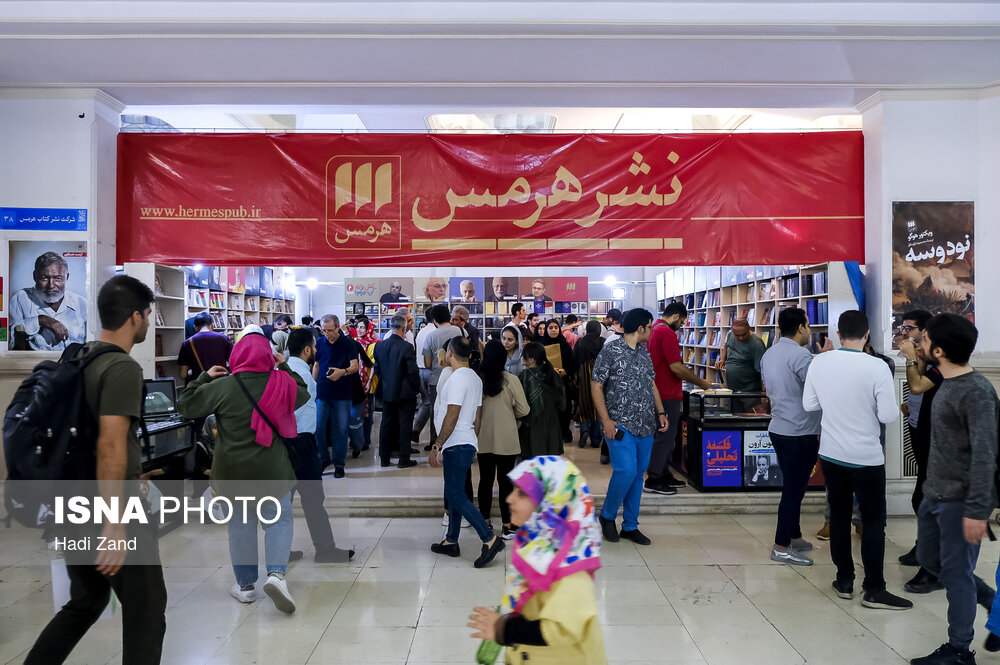
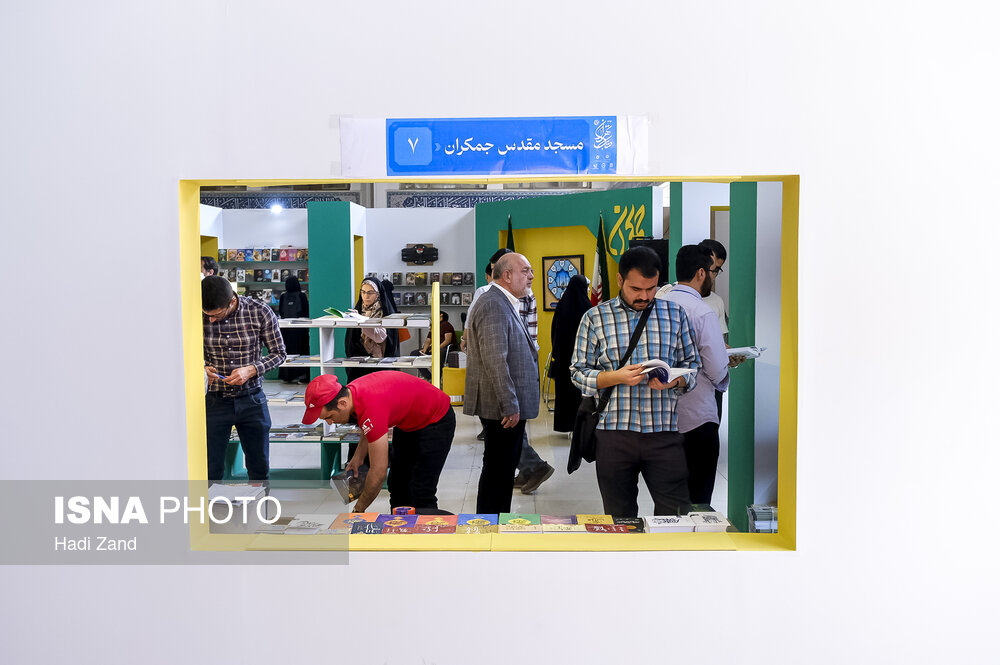
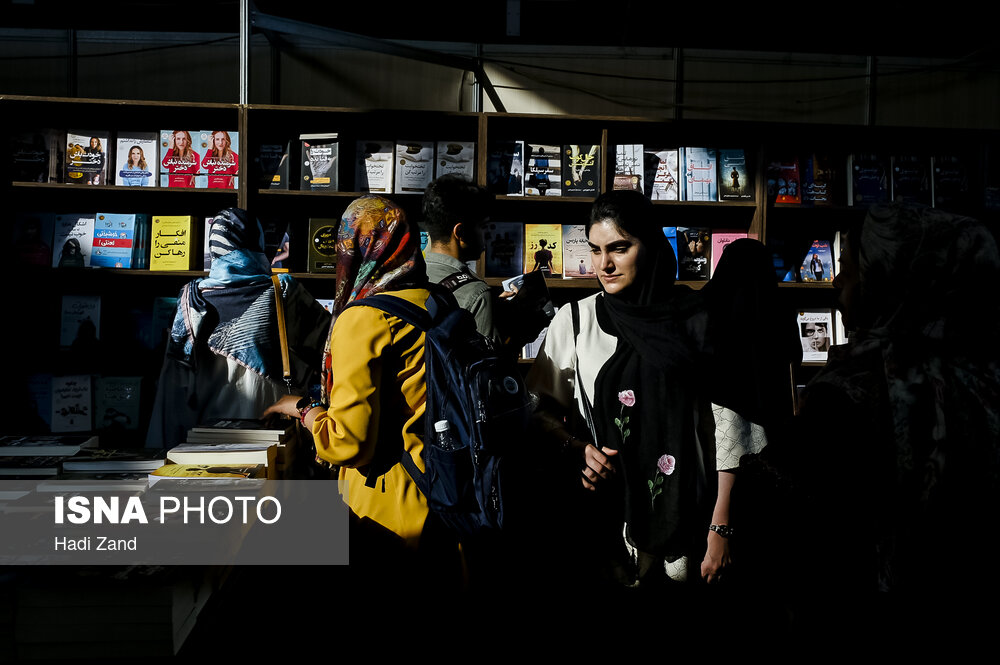
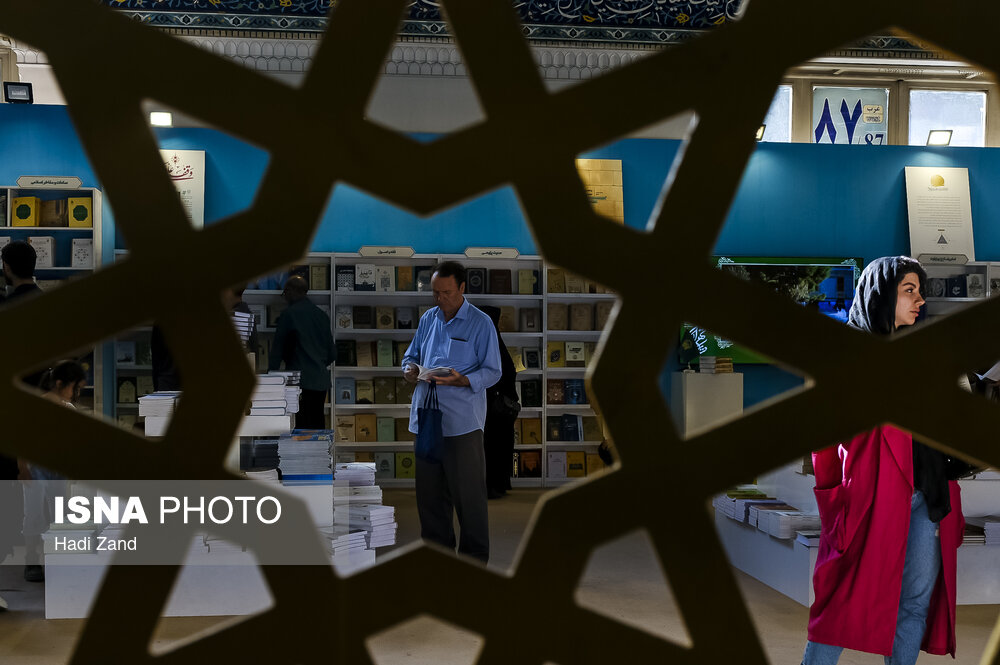
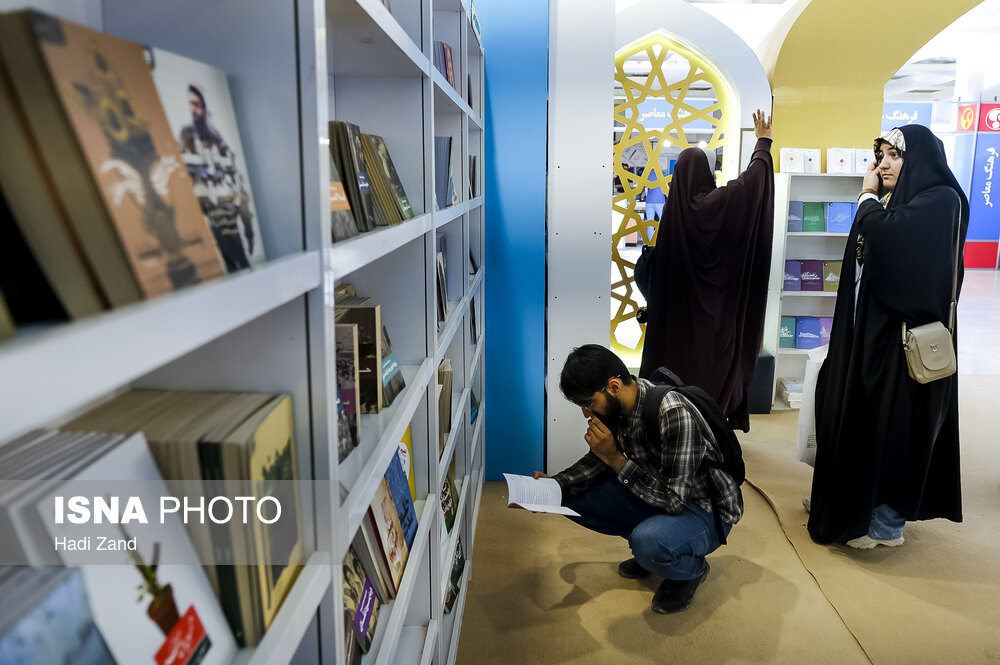
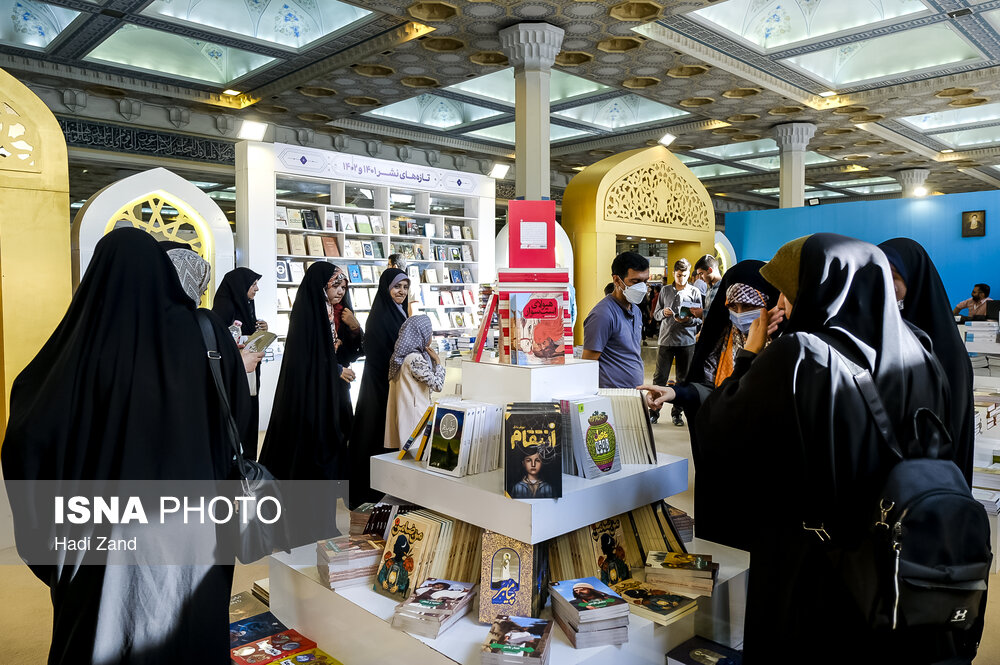
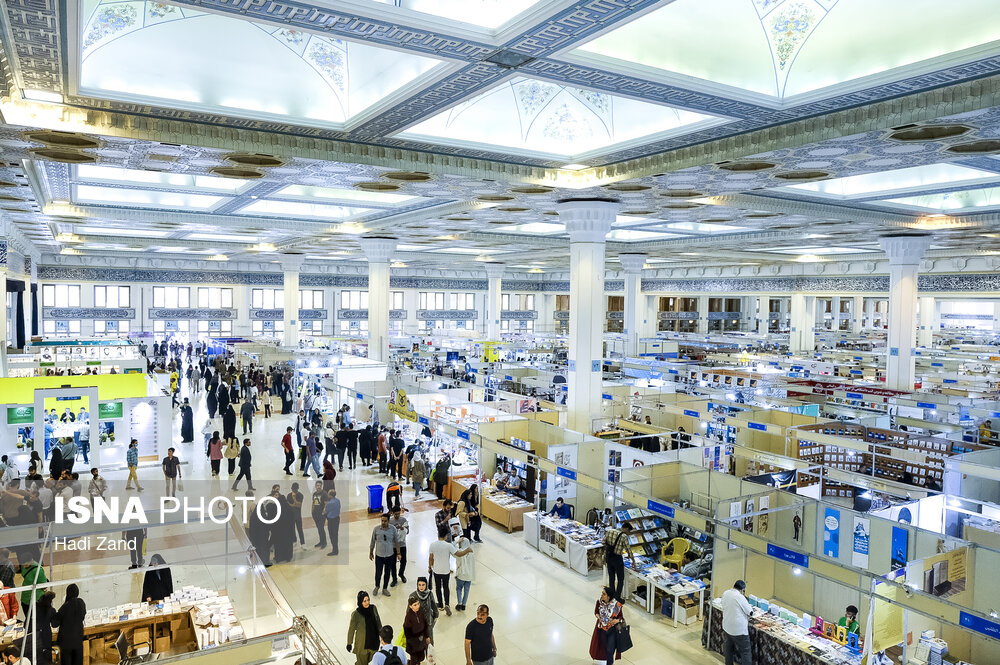
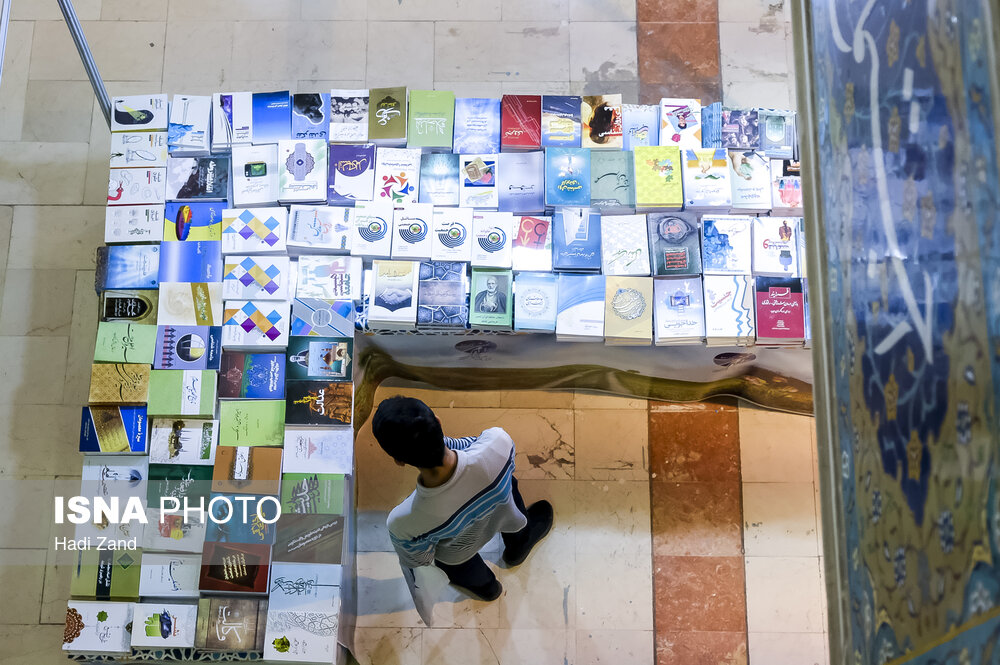
‘Future is readable’: Iran capital hosts 34th edition of Tehran Int. Book Fair

Tehran Int. Book Fair

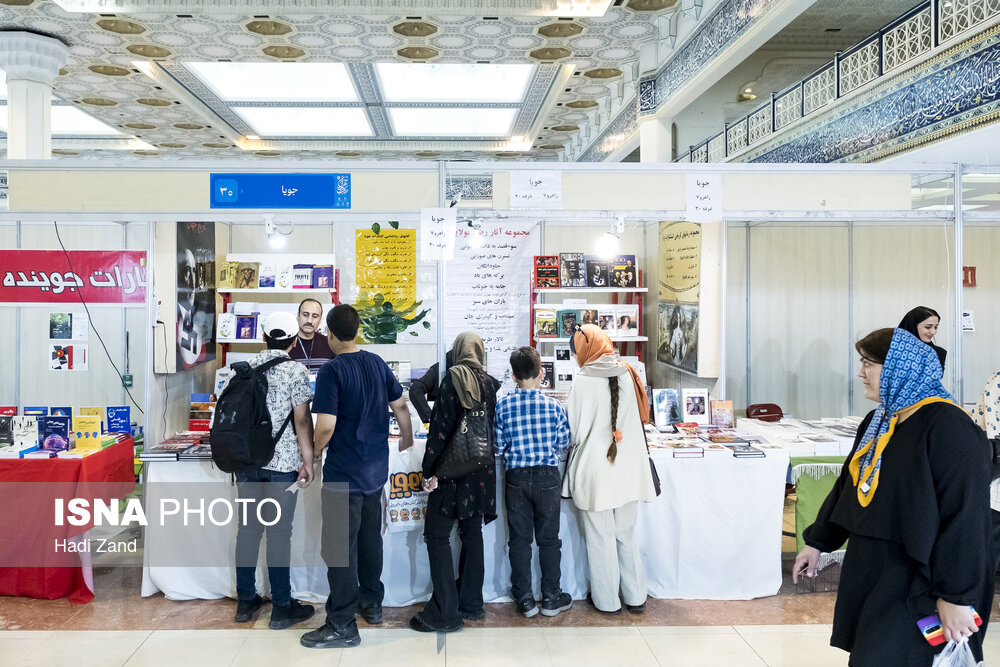
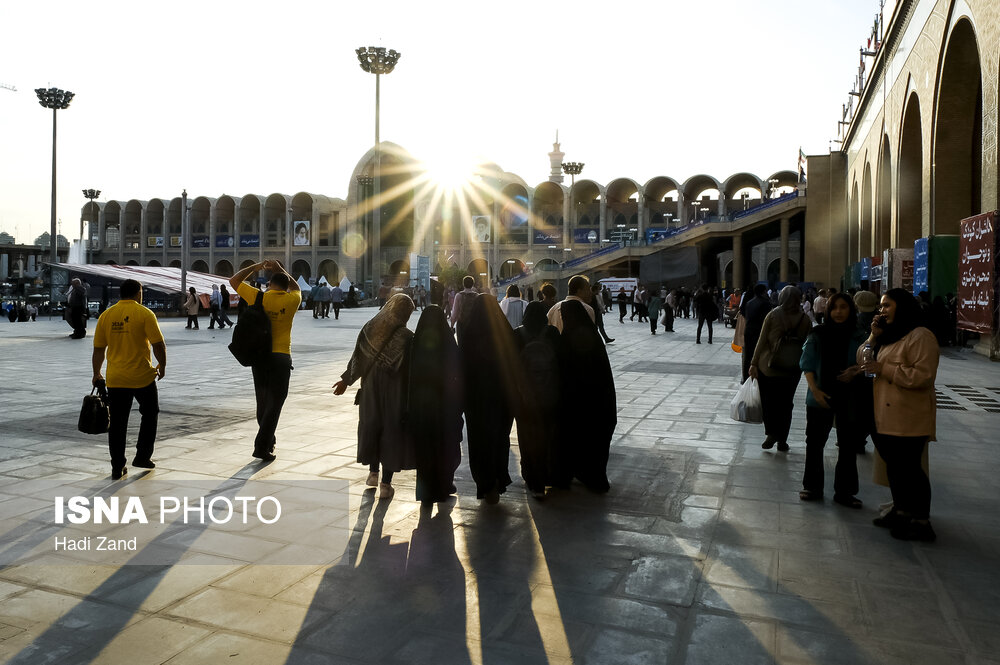
The widely-popular book fair — known to be the largest cultural event in the Middle East — officially opened on Wednesday and will run until May 20, with the motto of ‘The Future Is Readable.”

The opening ceremony was joined by directors from a number of book fairs, including the Doha International Book Event, New Delhi World Book Fair, and Muscat International Book Fair.

Ali Ramezani, the book fair’s deputy director, said over 3,000 foreign and Iranian publishing houses and over 200 major bookstores in Iran have applied to participate in the fair.

He said efforts have been exerted by various institutions, publishers and bookstores to organize an “amazing fair” this year.

The international section of the fair seeks to introduce the capacities of Iran’s publishing industry, promote cultural exchanges, and set the stage for communication between Iranian and foreign publishers.

Guest of honor

Tajikistan was named the guest of honor at the fair, with the country’s culture minister joining the opening ceremony.

Attending the opening, Tajik Ambassador Zohidi Nizomiddin Shamsiddinzoda, said, “We have many cultural, historical, and religious issues in common with Iran, and the shared cultural and historical values lay the foundation for increased cultural exchange between the two countries.”

“We are ready to be really active in all programs arranged by the organizers. Therefore, our delegation to Tehran has brought an extensive collection of books to the book fair,” he added.

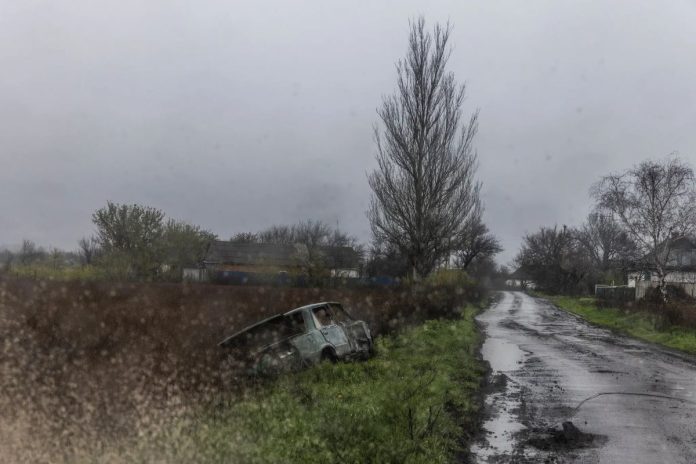
Live Update: Russia’s “Special Operation” in Ukraine; Day 443

Russia Ukraine War

‘Diplomatic track’ never refused: Putin

Russian President Vladimir Putin says Moscow has never refused the “diplomatic track” to resolving the conflict in Ukraine during a phone call with his South African counterpart, the Kremlin said.

The Russian leader stated he supported South African President Cyril Ramaphosa’s proposal to involve African leaders in the peace process, according to the Kremlin’s readout of the call.

He also repeated an offer to deliver Russian grain and fertilisers free of charge to African countries.


Estonia, Latvia and Lithuania to disconnect from Russian power

The leaders of Estonia, Latvia and Lithuania are considering speeding up a plan to disconnect the Baltic region’s electricity supply from Russia’s power grid.

“Today, we agreed to continue discussions on accelerating as soon as all of our studies are finished,” Estonian Prime Minister Kaja Kallas told a joint news conference with her Latvian and Lithuanian counterparts.

“Technical studies, especially on production capacity and energy crisis, will allow us to clarify the details and exact timing of this process,” she added.


Putin, Erdogan talks will not help grain deal: Kremlin

The Kremlin says there is nothing new to report about the renewal of the Black Sea grain deal in Istanbul and that a potential conversation between the leaders of Turkey and Russia would not help reach an agreement.

In a call with reporters, Kremlin spokesman Dmitry Peskov said that only full implementation of the deal would facilitate its renewal.

Earlier on Friday, Turkey’s Defence Minister Hulusi Akar said parties to the Black Sea grain pact were nearing a deal to extend it.


Russia’s Black Sea Fleet strengthens defences

The commander of Russia’s Black Sea Fleet has said its defences are being tightened amid a flurry of Ukrainian drone strikes targeting the Crimean port of Sevastopol.

Vice Admiral Viktor Sokolov told the military newspaper Krasnaya Zvezda (“Red Star”): “In connection with the threat of attacks by robotic surface and underwater systems, we have increased the technical defences of the fleet’s main base and of the ships’ anchorages.”

Sevastopol has repeatedly been attacked with drones since the start of the invasion in February 2022.

Ukraine has generally avoided taking direct responsibility for raids on the Crimean peninsula.


Russia deploy anti-drone unit in St Petersburg

Police in St Petersburg have created a new anti-drone unit to detect unmanned aerial vehicles following an alleged drone attack on the Kremlin.

The city’s interior ministry said that the unit was launched on May 9 during the Victory Day celebrations.

Its purpose is to “ensure the protection of public order” during large public events, Roman Uvarov, the department’s head, said in a video message.

The unit will include officers armed with sniper rifles and carbines, groups trained to neutralise unmanned aerial vehicles, and mobile patrols to detain those suspected of operating drones.


Ukrainian forces have begun “shaping” operations for counteroffensive: Senior US military official

Ukrainian forces have begun “shaping” operations in advance of a highly-anticipated counteroffensive against Russian forces, a senior US military official and senior Western official tell CNN.

Shaping involves striking targets such as weapons depots, command centers and armor and artillery systems to prepare the battlefield for advancing forces. It’s a standard tactic made prior to major combined operations.

When Ukraine launched a counteroffensive late last summer in the southern and northeastern parts of the country, it was similarly preceded by air attacks to shape the battlefield. These shaping operations could continue for many days before the bulk of any planned Ukrainian offensive, according to the senior US military official.

Ukrainian President Volodymyr Zelensky said his country still needs “a bit more time” before it launches the counteroffensive, in order to allow some more of the promised Western military aid to arrive in the country.

“With [what we have] we can go forward and be successful,” Zelensky told European public service broadcasters in an interview published on Thursday, adding, “But we’d lose a lot of people. I think that’s unacceptable.”

“So we need to wait. We still need a bit more time,” he said.

Among the supplies Ukraine is still waiting for are armored vehicles — including tanks —which Zelensky said were “arriving in batches.”

Shaping operations can also be designed to confuse the enemy.

Last summer, Kharkiv had very little in the way of softening up; it was a lightning ground offensive. Most of the shaping came in Kherson, through long-range attacks on bridges, ammo stores and command centers. Most of these were carried out by HIMARS. There were some, but not many, air strikes.


Ukrainian president expected to meet pope on Saturday: Sources

President Volodymyr Zelenskyy is expected to meet Pope Francis in the Vatican on Saturday, diplomatic sources have said.

The planned trip, which has not been officially announced, comes just two weeks after the pope said the Vatican was involved in a peace mission to try to end the conflict between Russia and Ukraine.


US senators accuse Pentagon of hindering war crimes prosecution of Russia

Lawmakers have accused the Pentagon of effectively undermining war crimes prosecution of Russia by blocking the sharing of US military intelligence with the International Criminal Court (ICC) at The Hague.

US Senator Dick Durbin, a Democrat, said at Senate hearing that he had been told by the ICC’s chief prosecutor, Karim Khan, that the US Departments of State and Justice were both cooperating. But the Department of Defense, under the leadership of Defense Secretary Lloyd Austin, was refusing, Durbin added.

“Why are you reluctant to share the evidence that we have gathered in the United States through the Department of Defense for those who are holding Vladimir Putin accountable for his war crimes?” Durbin asked Austin, referring to the Russian president.

“Why we would hold back evidence against this war criminal Vladimir Putin and the terrible things he’s doing, I don’t understand at all,” Durbin stated.

Austin, a retired Army general who is rarely expansive in his answers to the public, did not deliver a detailed defence of his position at the hearing, where Durbin and another lawmaker urged him to follow a law passed last year allowing international cooperation to hold Russia accountable.


War in Ukraine has ‘dramatic impact’ on vulnerable, displaced populations: Monitoring centre

Alexandra Bilak of the Internal Displacement Monitoring Centre has told Al Jazeera that the group’s latest report highlights the issue of food insecurity, an issue that has come up repeatedly in monitoring activities across the globe.

“We’re seeing a visible overlap between many of the countries with the highest numbers of IDPs and countries currently facing acute levels of food insecurity or higher,” she said.

“The global food crisis that has been partially driven by war in Ukraine has had a dramatic impact on already vulnerable and displaced populations,” she added.


South Africa hits back over US charge of arms to Russia

South Africa has slammed remarks by the US ambassador in Pretoria, who accused the country of having covertly provided arms to Russia despite its professed neutrality in the Ukraine war.

“The Ambassador’s remarks undermine the spirit of cooperation and partnership” between the two countries, President Cyril Ramaphosa’s spokesman Vincent Magwenya said in a statement, adding it was “disappointing” that the envoy had “adopted a counter-productive public posture”.


EU says it has not seen high levels of weapons smuggling from Ukraine

The EU has not observed any significant smuggling of weapons into Europe from wartime Ukraine, the European Commission’s top internal affairs official has said during a visit to Kyiv.

“I must say that we have not seen any industrial smuggling of firearms out of Ukraine,” European Home Affairs Commissioner Ylva Johansson stated in an interview with Reuters.

Speaking on a rooftop in central Kyiv after meeting Ukraine’s interior minister, Johansson said that some individual cases of small arms being taken out of Ukraine had been recorded.

They were mostly individuals attempting to take weapons out as trophies or for personal protection and “they’re being taken, of course, at the border by the border guards,” Johansson added.

Russia denies reports of Ukrainian breakthroughs around Bakhmut

In an unusual late-night post on its Telegram channel, the Russian Ministry of Defense has pushed back on claims that Ukrainian forces broke through parts of the front line around the eastern city of Bakhmut.

“The statements spread by individual telegram channels about ‘defense breakthroughs’ in various sections of the line of contact are not true,” the ministry statement reads.

At least two Russian military bloggers have reported a deteriorating situation for Russian forces around the city, where a battle of attrition has been grinding on for months.

The defense ministry announced that Russian assault units are making progress in the western part of Bakhmut with air and artillery support. It said troops are battling to repel Ukrainian troops “in the direction of Maloilyinovka” — apparently a reference to a village in the Bakhmut area.

“The enemy suffers significant losses in manpower and hardware,” the defense officials claimed.

A report from the Ukrainian military’s General Staff Thursday described a “dynamic” situation in Bakhmut, claiming Kyiv’s forces are heaping pressure on Russian fighters and probing weak spots in their lines.

A Ukrainian military officer said Ukraine is on the offensive in Bakhmut this week after months of defense. Kyiv has reported “effective counterattacks” around the eastern city despite constant Russian bombardment.


Areas captured by Wagner around Bakhmut are being lost to Ukraine: Russian warlord

The head of the Wagner private military company, Yevgeny Prigozhin, has again complained that areas captured by his fighters around the eastern city of Bakhmut at the expense of heavy casualties are now being lost to the Ukrainians.

“The situation on the western flanks is developing according to the worst of the predicted scenarios. Those territories that were liberated with blood and lives of our comrades every day progressing by dozens or hundreds of meters during many months, today are abandoned almost without any fight by those who are supposed to hold our flanks,” Prigozhin said in a Telegram message Thursday.

His perspective is in stark contrast to the views of one Ukrainian battalion commander in the area, who stated that it was Russian regular forces that were putting up the stiffest resistance, while Wagner units had been the first to run.

According to one well-known Russian military blogger in the area, the task of defending the flanks around Bakhmut was passed to regular Russian forces, while Wagner has consolidated its presence in the city itself.

One Ukrainian commander in the Bakhmut area said Thursday that Ukrainian units had struck at the Russians’ flanks and the enemy had retreated. However, Taras Deyak of the Karpatska Sich tactical group told Radio Liberty, that the situation remains “very difficult, very tense and at times uncontrollable.”

Geolocated footage published since Tuesday also shows that “Ukrainian forces likely conducted successful limited counterattacks north of Khromove (immediately west of Bakhmut) and northwest of Bila Hora (southwest of Bakhmut) and made marginal advances in these areas,” according to the Institute for the Study of War.


Ukrainian commander says Wagner fighters “ran away” from Bakhmut first, countering claims made by mercenary chief

The Ukrainian commander of a battalion involved in the country’s attack on Russian positions near Bakhmut this week has told CNN the first Russians to abandon the area were Wagner fighters, contradicting claims by the mercenary group’s chief that regular Russian troops initially fled the battleground in eastern Ukraine.

The commander of the First Battalion of the 3rd Assault Brigade, whose call-sign is Rollo, told a CNN team in eastern Ukraine that while Wagner units left their station southwest of the city of Bakhmut, the troops of the Russian army’s 72nd Brigade stayed and fought.
His remarks contradict those of Wagner boss Yevgeny Prigozhin, who accused the 72nd Brigade of deserting their positions.

At one point, Rollo said, Kyiv’s forces used powerful HIMARS rockets against Russian infantry, who were gathering to reinforce positions. HIMARS rockets, provided by the United States, are normally used on more long-range targets such as ammunition depots and have a reputation for pinpoint accuracy.

Rollo added that the Russian soldiers only capitulated after being surrounded, saying, “We spent two hours trying to persuade them to surrender.”

He said Prigozhin wanted to blame the Russian army for the failure, but they were good soldiers and fought hard. Prigozhin was a liar, he added.

Much of the fighting occurred in close quarters, and sometimes the enemy was just 20 meters away, according to Rollo.

Rollo commented that at least 200 to 300 Russian soldiers were killed and it may have been more.

Prigozhin accused Moscow’s troops of “abandoning their positions” in front-line Bakhmut, laying bare deep fissures between the Wagner head and the Kremlin amid Russia’s faltering invasion of Ukraine.

Earlier this week, he stated that “one of the units of the Ministry of Defense fled from one of our flanks, abandoning their positions. They all fled and [laid] bare a front nearly 2 kilometers wide and 500 meters deep.”

In comments on Tuesday, Prighozhin claimed the “72nd brigade f***ed up three square kilometers today, on which I had about 500 people killed. Because it was a strategic bridgehead. They just ran the hell out of there.”


US envoy says Russian ship picked up arms in South Africa

The US envoy to South Africa says he is confident that a Russian ship had picked up weapons in South Africa, in a possible breach of Pretoria’s declared neutrality in the Ukraine conflict.

South African President Cyril Ramaphosa did not confirm or deny the shipment took place but said his government was looking into the matter, when an opposition leader asked him about the issue in parliament.

The US ambassador to South Africa, Reuben Brigety, told local journalists in a briefing earlier on Thursday that Washington was confident a Russian vessel had uploaded weapons and ammunition from South Africa in December.

“Amongst the things we noted were the docking of the Russian cargo ship Lady R in Simon’s Town between December 6 and December 8, 2022, which we are confident uploaded weapons, ammunitions … as it made its way back to Russia,” Brigety added.

Later, South Africa’s presidency announced that South Africa will hold an independent inquiry led by a retired judge into an alleged arms shipment to Russia.

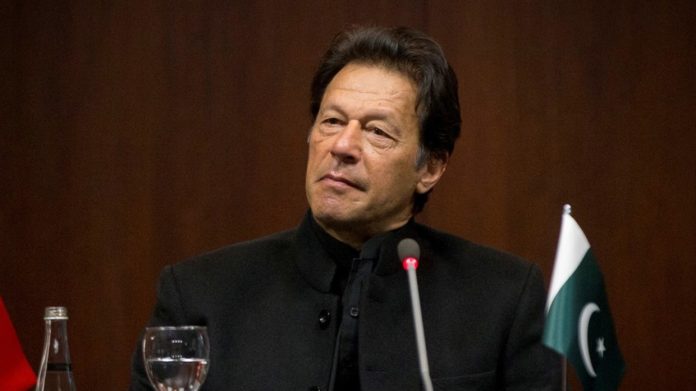
Pakistan top court orders release of ex-PM Imran Khan

Pakistan PM Imran Khan

The top court’s order on Thursday came after Khan’s legal team challenged his arrest by the National Accountability Bureau (NAB) in a corruption case on Tuesday, triggering violent protests across the country and prompting the government to call out the army to help restore order.

Supreme Court chief justice Umar Ata Bandial also asked Khan to issue an appeal to his supporters to remain peaceful, as the country faced growing turmoil in its streets.

Authorities have also arrested at least three senior leaders of Khan’s Pakistan Tehreek-e-Insaf (PTI) party as of Thursday, including a former foreign minister in his cabinet during his premiership between 2018 and 2022.

A total of nearly 2,500 people have been arrested so far and at least 11 killed and dozens injured after Khan’s supporters clashed with police in several cities.

PTI supporters have attacked military establishments and set other state buildings and assets ablaze.

Tensions remained high on Thursday with paramilitary troops and police on the streets in big cities.

Footage shared by an Islamabad police official showed military vehicles with mounted guns lined up on the side of a road and soldiers holding assault rifles.

Mobile data services remained suspended and schools and offices were closed in two of Pakistan’s four provinces. Social media platforms such as Twitter, YouTube, Facebook and Instagram have been blocked.

The action against Khan, 70, a cricket hero-turned-politician and Pakistan’s most popular leader according to polls, has aggravated instability in the nuclear-armed country of 220 million people that is grappling with a severe economic crisis.

Khan, currently on an eight-day NAB remand, was also indicted on Wednesday in another corruption case in which he is accused of illegally selling state gifts during his tenure as the prime minister.

More than 100 police cases have been registered against Khan by the government since his removal from power in April 2022 after he lost a confidence vote in parliament.

Meanwhile, rights groups have urged Pakistan to show restraint in dealing with the protests and restore internet.

“The Pakistani government should uphold the right to peaceful protest while responding to violence with the minimum force needed,” Patricia Gossman, associate Asia director at Human Rights Watch, said in a statement on Thursday.

Pakistan’s President Arif Alvi, who is also a senior PTI leader, stated on Thursday he was “alarmed, shocked and deeply disturbed” over the situation in the country.

“Protest is a constitutional right of every citizen of Pakistan but should always remain within the bounds of the law. The way some miscreants have damaged public property, particularly government and military buildings, is condemnable,” the president added.