Tuesday, December 23, 2025
Home Blog Page 1406

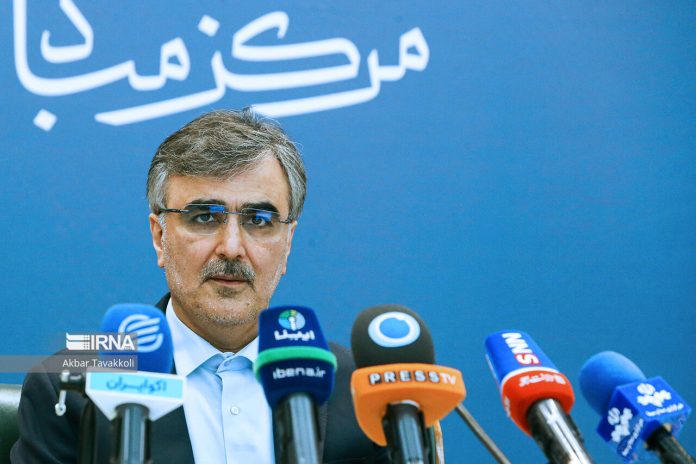
Iran to soon gain quick access to $6.7 billion of its financial resources at IMF: CBI chief

Mohammad Reza Farzin

Speaking to reporters on the sidelines of a meeting in Washington with IMF officials, Farzin said Iran would be able to spend the amount to promote its efforts to battle the country’s economic woes.

Currently, he said, Iran has 4.8 billion worth of Special Drawing Rights (SDRs), which is equivalent to $6.7 billion.

At times when the global economy faces recession, the IMF enables Special Drawing Rights, a type of reserve asset issued by the body to all countries to help supplement their official reserves. SDRs are not cash, but they can be traded for hard currency such as dollars, pounds, or euros.

Until before 2021, Iran enjoyed 1.4 billion SDRs and 3.4 billion more SDRs were added to the previous account in order to confront the economic recession caused by the global coronavirus pandemic, the CBI governor noted.

Foreign diplomats make tour of women’s prison in Iran’s capital

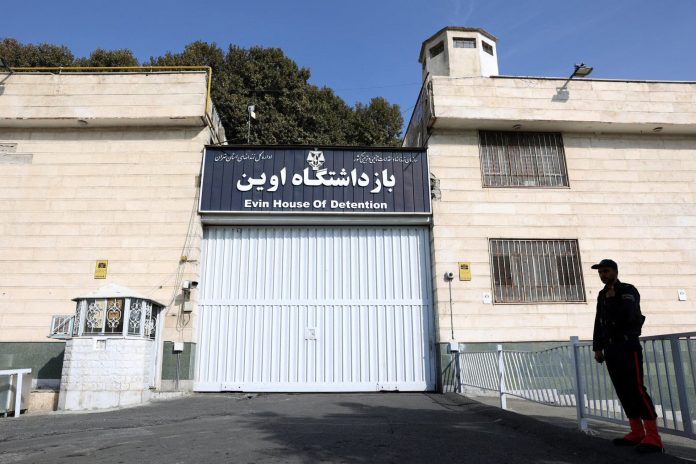
Evin Prison

Accompanied by a number of Iranian judicial officials and Kazem Gharibabadi Secretary General of Iran’s High Council for Human Rights, the envoys made a tour of the prison which lasted three hours.

The diplomatic team visited various workshops that help the prisoners learn skills. They also visited one of the prison cell and got to know the special programs of the prison authorities.

At the event, Gharibabadi said the women’s penitentiary was chosen “to enable the foreign diplomats to see the unique and diverse services and facilities for female prisoners and get a correct understanding of the principles of Islamic prisons.”

The facility is the only women’s prison with about 700 inmates in Tehran Province, which has a population of more than 13 million people, he added.

According to the Iranian official, in general, women make up about 2.5 percent of Iran’s prison population, which indicates a very low rate of crime among Iranian women, compared to the global figures.

IRIB chief rejects calls for return of popular sportscaster Ferdosipour to state TV

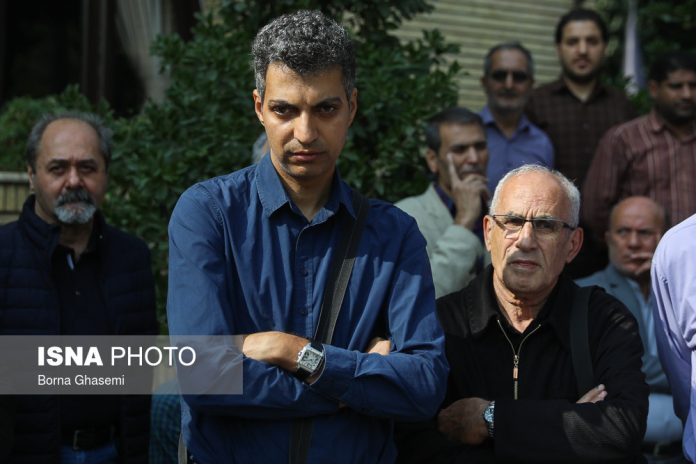
Adel Ferdosipour

Asked by a group of students about his stance on Ferdosipour and if the IRIB chief would facilitate his return to the state TV, Peyman Jebelli replied that the popular sportscaster had “spurned” the nation’s beliefs and the Islamic establishment, although he used to attract a huge audience for the national television.

“Now, do you expect me to go and beg him to return only to attract audience?” said the IRIB chief.

Ferdosipour was the host of a widely popular soccer show called “90,” which kept millions of Iranians tuned to Channel 3 of the national broadcaster on Monday nights for some two decades. He was not just the host but he had created, developed and taken the show to the pinnacle of popularity.

The show tried to uncover corruption in the world of Iranian soccer and openly criticized the interference of officials in the field to gain votes.

Despite his popularity, the show was stopped from being aired after Ferdosipour got into a dispute with his boss over the sports commentator’s brazen intervention in politics.

Ferdosipour also sided with the protestors during a wave of riots and unrest that erupted in the country following the death in police custody of the young Iranian woman, Mahsa Amini.

Moscow says CIA hacked iPhones of Russian diplomats, citizens

iPhone

The FSB said that a joint operation with the Federal Guard Service (FSO) had “uncover[ed] a surveillance operation by American intelligence agencies, carried out with the use of Apple’s mobile devices.”

An assessment of Russia’s telecom infrastructure revealed “anomalies” in the operations of the iPhones, caused by “a previously unknown malicious program that uses software vulnerabilities provided by the manufacturer,” a statement by the agency read.

Several thousand phones made by Apple have been infected with the malware, according to the FSB.

Not only Russian citizens were targeted, but also “foreign phone numbers and subscribers that use SIM cards registered with diplomatic missions and embassies inside Russia, including countries from the NATO bloc and the post-Soviet space, as well Israel, Syria and China,” it noted.

The discovery is more proof of the close cooperation between Apple and the US intelligence community, the FSB claimed. It also confirms that “the declared policy of ensuring the privacy of personal data of Apple users has nothing to do with reality,” the agency added.

The FSB also accused Apple of “providing the American intelligence services with a wide range of opportunities to survey any persons of interest to the White House, including their partners in anti-Russian activities, as well as their own citizens.”

In March, the Kommersant newspaper reported that members of the Russian presidential administration had been told to discard their iPhones. According to the paper, the step was taken over concerns that advanced cyberwarfare tools, such as the Israeli Pegasus software, could allow Apple gadgets to be breached, despite the producer’s claims of their enhanced security features.

Kremlin spokesman Dmitry Peskov declined to comment on the report, but noted that Russian officials were in any case barred from using smartphones “for work purposes” due to the potential vulnerability of devices.

Tape recording reveals Trump kept classified Pentagon document on Iran: Report

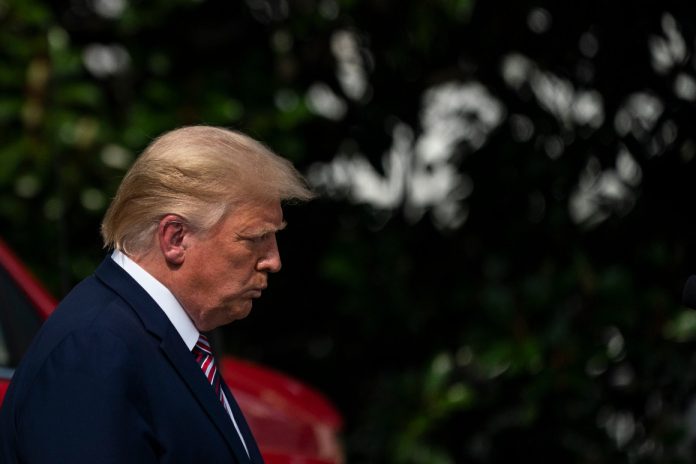
Donald Trump

CNN did not listen to the recording but quoted unidentified multiple sources describing it in its report on Wednesday.

According to CNN, the recording shows Trump, who is seeking the 2024 Republican presidential nomination, understood he retained classified material after he left the White House in 2021.

Trump’s remarks indicated he would like to share the information but was aware of the limitations on his ability to declassify documents after leaving office, two sources told the broadcaster. Trump has denied any wrongdoing.

A Trump representative would not comment on the report of the recording or on the specific remarks attributed to Trump and called the investigation politically motivated, Reuters news agency reported.

“Leaks from radical partisans behind this political persecution are designed to inflame tensions and continue the media’s harassment of President Trump and his supporters,” Trump spokesperson Steven Cheung told the news agency on Wednesday.

Peter Carr, the spokesperson for Special Counsel Jack Smith’s office at the Justice Department, declined to comment.

The Justice Department is investigating whether Trump broke the law by retaining US government records, some marked as top secret, after leaving office in January 2021.

In August, the department disclosed that it was investigating Trump for removing White House records because it believed he illegally held documents, including some involving intelligence-gathering and clandestine human sources – among America’s most closely held secrets.

Smith’s probe includes whether Trump or his associates obstructed the Justice Department’s probe into his retention of thousands of government records, about 300 of which were marked classified.

The special counsel is also investigating efforts to overturn Trump’s 2020 election loss that culminated in the deadly January 6, 2021 attack on the US Capitol.

Young Saudi woman sentenced to more than 30 years in prison over tweets on human rights

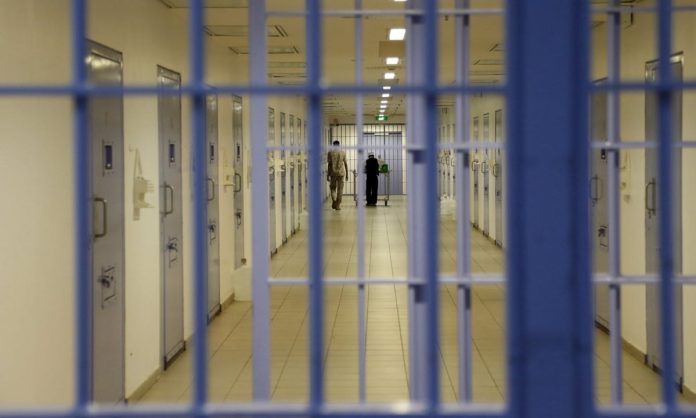
Saudi Prison

Fatima al-Shawarbi, who is from Al-Ahsa province and believed to be under 30, was sentenced by the Specialized Criminal Court (SCC) during an appeal hearing, sources inside the kingdom with knowledge of her case told Alqst.

The court also handed her a 30-year and six-month travel ban.

Shawarbi is reported to have used her anonymous Twitter account to highlight the plight of the Howeitat – a tribe whose members have been forcibly displaced for the Neom megaproject – women’s rights, and calling for a constitutional monarchy.

She told friends whom she met online to sound the alarm if she stopped tweeting for more than a month but had not shared her real name or photo so they could campaign if she disappeared, MEE reported.

Sources told Alqst that Shawarbi was arrested in November 2020 and is believed to have been sentenced by the SCC earlier this year.

In March, the same sources said she participated in a hunger strike along with Leeds University PhD candidate Salma al-Shehab and six other women, in protest against their imprisonment and calling for their immediate release.

Shehab, meanwhile, has learned from prison that her husband is divorcing her, Alqst added, stressing cases in the past where authorities have coerced spouses of human rights defenders to divorce them.

“As information is coming out of prisons, and the authorities have confirmed imprisoning people over tweets, nobody can deny it now,” Lina al-Hathloul, head of monitoring and communications for Alqst, told MEE.

“It is time for the world to speak up on behalf of them all and to urge for their release immediately and unconditionally,” al-Hathloul added.

Shawarbi is the latest Saudi to receive a lengthy sentence over social media posts.

The trend began last August with the sentencing of Shehab to 34 years in prison and a 34-year travel ban, later reduced to 27 years, for retweets in support of women’s right to drive and for calling for the release of activists, including Loujain al-Hathloul.

Nourah al-Qahtani, a mother of five, was sentenced a week later to 45 years in prison over tweets from two anonymous accounts.

Saad Almadi, a dual Saudi-American citizen, was sentenced to 16 years over his tweets, which was increased to 19 years by an appeals court before he was released in March. A 16-year travel ban, however, remains in place.

Abdullah Jelan, a university graduate who dreamed of becoming a health educator for the Saudi government, was handed 10 years in prison, plus a 10-year travel ban, over anonymous tweets which largely focused on unemployment.

Other Saudis continue to face criminal charges over their social media activity, including most recently, sisters and well-known social media influencers, Manahel and Fouz al-Otaibi.

According to charging documents seen by Alqst, the two are accused, in part, of breaking the kingdom’s cybercrime law for tweets about feminist causes, including calling for the end of the kingdom’s repressive guardianship rules and urging authorities to close state-run shelters where women and girls have been abused.

Manahel, 29, was arrested in November 2022, while Fouz fled the kingdom to an undisclosed location.

“The Saudi authorities are doubling down on repression. We have recently learned of many more cases of unprecedented prison sentences for tweets or Snapchat videos,” Hathloul from Alqst said, adding, “Reading the charges, everything has become a red line, even expressing opinions in line with the authorities’ policies. Nobody should be talking about anything else than applauding their policies.”

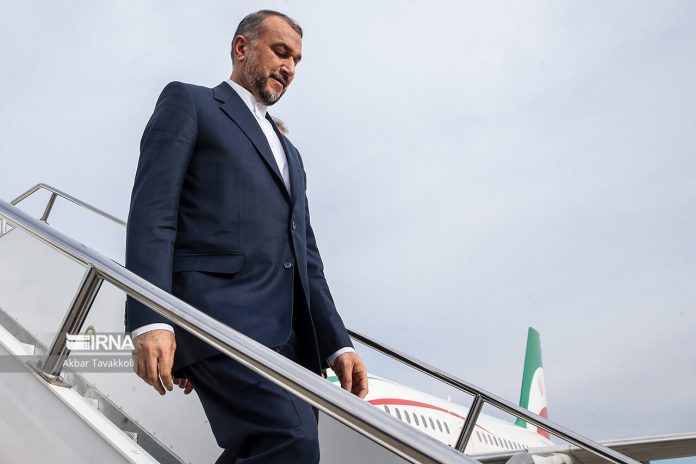
Iran FM in South Africa to join Friends of BRICS meeting

Hossein Amirabdollahian

The foreign ministers of BRICS, comprising India, Russia, China, South Africa and Brazil, will meet in Cape Town to discuss the enlargement of the group.

The “Friends of BRICS” meeting will take place on the sidelines of the foreign ministerial meeting.

Early on Thursday, the Iranian foreign minister highlighted, in a tweet, the significance of BRICS, which he said represents “half of the world” and around one-fifth of the global economy.

“Active participation in international circles is yet another step of the (Iranian) administration’s balanced foreign policy doctrine,” the top diplomat added.

Iran — one of the world’s most energy-rich countries — said in June 22 that it had submitted an application to become a member of the group.

During his stay in Cape Town, Amirabdollahian will hold separate meetings with his counterparts there.

US says Biden prefers diplomacy with Iran over JCPOA

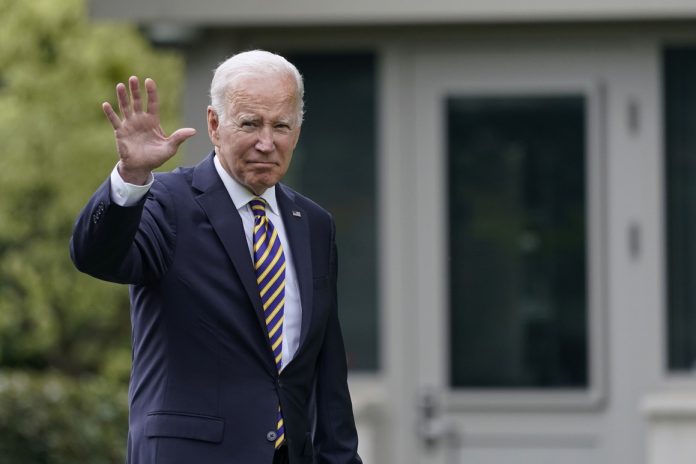
US President Joe Biden

“The JCPOA is just not on the agenda right now. We’re not — we’re not focused on that,” Kirby told reporters on Wednesday, referring to the 2015 nuclear deal, officially known as the Joint Comprehensive Plan of Action.

“Now, nothing has changed about the fact that we want to make sure Iran doesn’t get a nuclear weapons capability,” he continued, adding that President Joe Biden still believes that a diplomatic solution to that would be highly preferable.

“But the Iranians were not negotiating in good faith. They’ve shown no inclination to move in that direction,” he claimed.

Iran has cautioned the United States that the window of opportunity for an agreement on reviving the nuclear deal will not remain open forever, urging Washington to adopt a constructive approach to salvage the accord.

Iran showed to the world the peaceful nature of its nuclear program by signing the JCPOA with six world states — namely the US, Germany, France, Britain, Russia and China. But, Washington’s unilateral withdrawal in May 2018 and its subsequent re-imposition of sanctions against Tehran left the future of the deal in limbo.

Negotiations between the parties to the landmark agreement kicked off in Vienna in April 2021, with the intention of bringing the US back into the deal and putting an end to its “maximum pressure” campaign against Iran.

The discussions, however, have been at a standstill since August 2022 due to Washington’s insistence on not lifting all of the anti-Iran sanctions and offering the necessary guarantees that it will not exit the agreement again.

Imprisoned Iranian breaks all-time record of solitary confinement in Sweden: Report

Hamid Nouri

Swedish daily newspaper Aftonbladet, quoting his lawyer Thomas Bodstrom, reported on Wednesday that Nouri has now spent 1,295 days (by the end of May) in a 7-square-meter cell and is separated from other prisoners.

He is currently the person with the longest time of imprisonment in solitary confinement in Sweden, Bodstrom said, describing him “the most isolated prisoner” in the history of the country.

Bodstrom added that the 62-year-old Iranian citizen has met his family several times in the past, but now he is not allowed to meet and contact them.

“We had to spend a lot of time and energy for Nouri to even be allowed to talk to his Iranian lawyer, which is completely meaningless,” he continued.

Nouri was arrested upon arrival at Stockholm Airport in November 2019 and was immediately imprisoned. He was put on trial on unfounded allegations staged against him by elements representing the Mujahedin-e-Khalq Organization (MKO) terrorist group that has openly boasted about carrying out terrorist operations against Iranian officials and civilians perceived to be supporters of the government.

The terrorist group had falsely claimed that Nouri was involved in the execution and torture of MKO members in 1988, but he has vehemently rejected the baseless allegations.

Last July, a Swedish court sentenced Nouri to life imprisonment. The court, which was described by Iran as illegitimate in the first place, convicted Nouri of “war crimes and crimes against humanity” entirely based on claims made by MKO terrorists living in exile across Europe.

He has been placed in solitary confinement since his illegal arrest.

IAEA confirms Iran nuclear site file over traces of uranium closed

IAEA

The IAEA announced in a confidential quarterly report on Wednesday that it had decided to close off the investigation of traces of uranium allegedly found at the Marivan site in Abadeh County, the southwestern province of Fars, after receiving a “possible explanation” from the Atomic Energy Organization of Iran (AEOI).

“The agency at this time has no additional questions on the depleted uranium particles detected at Marivan … and the matter is no longer outstanding at this stage,” the watchdog added.

The Marivan site is the first to be addressed under a work plan agreed upon by Iran and the IAEA back in March. The other two sites are in Varamin and Turquzabad, both located on the outskirts of Iran’s capital, Tehran.

The confidential report by the Vienna-based IAEA also said its inspectors no longer had questions on uranium particles found to be enriched to 83.7% at Iran’s underground Fordow facility.

“The agency informed Iran that, following its evaluation of the data, the agency had assessed that the information provided was not inconsistent with Iran’s explanation… and that the agency had no further questions on this matter at this stage,” the report said.

The report came days before the IAEA’s Board of Governors is due to meet to review progress in addressing the watchdog’s remaining concerns about Iran’s nuclear program.

Iran and the IAEA agreed in March to take steps aimed at facilitating enhanced cooperation and expediting the resolution of outstanding safeguards issues.

The two sides are currently in a dispute triggered by the agency’s Israeli-influenced accusations, which were leveled against Tehran’s peaceful nuclear activities. The IAEA insists to probe into what the agency claims are “uranium traces” found at “undeclared nuclear sites” in Iran.

Last September, the head of the AEOI, Mohammad Eslami, strongly rejected all accusations, including the UN nuclear watchdog’s allegations, about the existence of undeclared nuclear activities or material in Iran.

In a meeting with IAEA Director General Rafael Grossi in Tehran early in March, Iranian President Ebrahim Raeisi said Tehran expects the IAEA to adopt a “professional and fair” approach to its nuclear energy program and refrain from being affected by certain powers which are pursuing their own specific goals.