Tuesday, December 30, 2025
Home Blog Page 1358

Putin: US delivery of cluster munitions to Ukraine “a crime”

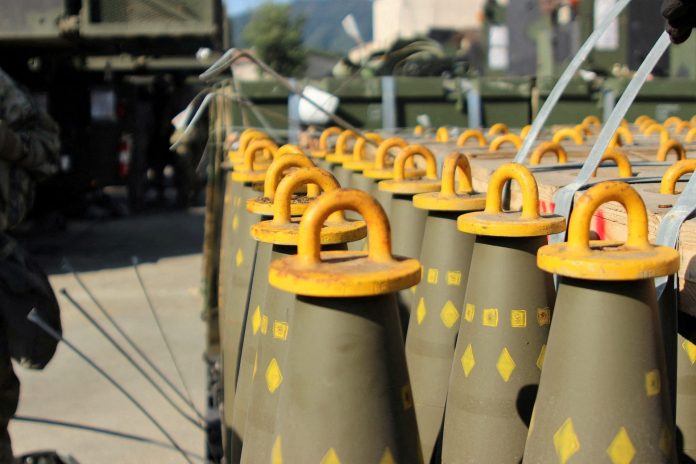
Cluster Bomb

Speaking to journalist Pavel Zarubin, Putin offered his take on the decision by the administration of US President Joe Biden to provide Ukraine with cluster munitions – which are banned in more than 100 countries due to the risk they pose to civilians.

“The US administration itself gave an assessment of these munitions through the mouths of its employees some time ago… calling the use [of these munitions] a crime. This is how I think it should be regarded,” he said, according to an extract of the interview released on Sunday.

The Russian president was apparently referring to a statement made by former White House Press Secretary Jen Psaki in late February 2022, days after the start of the Ukraine conflict, in which she said that the use of the controversial munitions could be regarded as a war crime.

The Russian leader suggested that the US approved the move due to a shortage of ammunition, noting that Ukraine’s shell consumption far exceeds the current stockpiles of the West.

“Russia has a sufficient stock of various types of cluster munitions… So far, we have not used them. We have not needed to, despite the well-known [munitions] deficit for a certain period of time,” Putin continued.

“But of course, if [Ukraine] uses them [cluster munitions] against us, we reserve the right to reciprocal measures,” he stressed.

Washington announced the decision to send cluster munitions to Kiev earlier this month, and American officials recently confirmed that the controversial ammo has already arrived in Ukraine.

Cluster munitions are notorious for releasing large numbers of bomblets over a wide area when they explode. The submunitions often fail to detonate, posing a serious threat to civilians for many years after the fighting has ended.

Many of Washington’s allies have expressed concerns about the move, while Moscow has outright condemned it. Anatoly Antonov, Russia’s ambassador to the US, called it a “gesture of desperation” and a tacit recognition of Kiev’s lackluster performance on the battlefield. He also accused US policymakers of “ignoring the arguments about the inhumanity” of the step, and of “turning a blind eye to civilian casualties.”

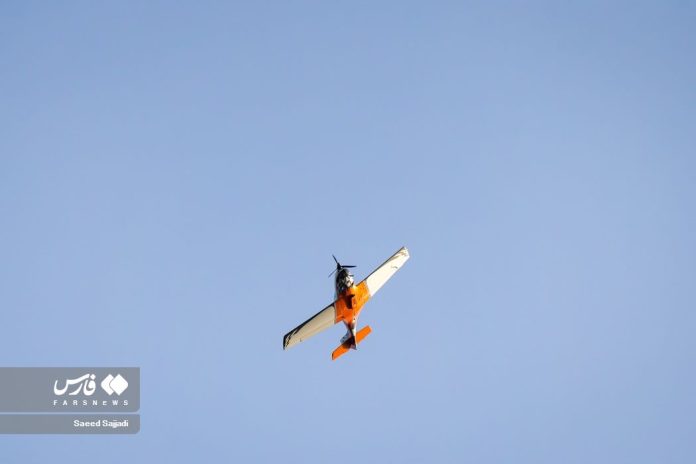
In drill, Iranian female pilot flies in ultra-light VL3 jet over Tehran

The flight, which was the first of its kind, took place with the permission of the Civil Aviation Organization.

The plane flew around Milad Tower, the world’s sixth tallest telecommunications tower.

Iran VP lauds French court’s rejection of US anti-Tehran call

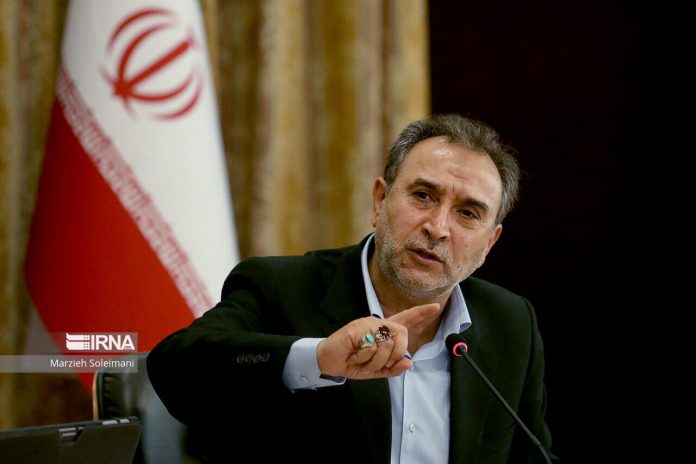
Mohammad Dehqan

On June 28, the French Court of Cassation upheld a March 2021 verdict by a court of appeal which refused the US call for confiscating Iranian assets as per a US federal court verdict in 1998.

“This measure marks a very important legal achievement for the Islamic Republic of Iran and the [Raeisi] administration, because it cemented the failure of the US pressures to have their rulings recognized and implemented in Europe,” Dehqan said on Saturday.

Dehqan argued that the verdict will have an important reverberation on European countries’ judicial procedure and in their courage to dismiss US bids to impose its baseless and unfounded rulings on them.

Back in 1998, a US court ordered Iran to pay $247 million to the family of Alisa Flatow, a 20-year-old US citizen killed in a bomb explosion in Gaza in April 1995, claiming that Iran was responsible for her death over its alleged support for the Palestinian Islamic Jihad, which claimed responsibility for the act.

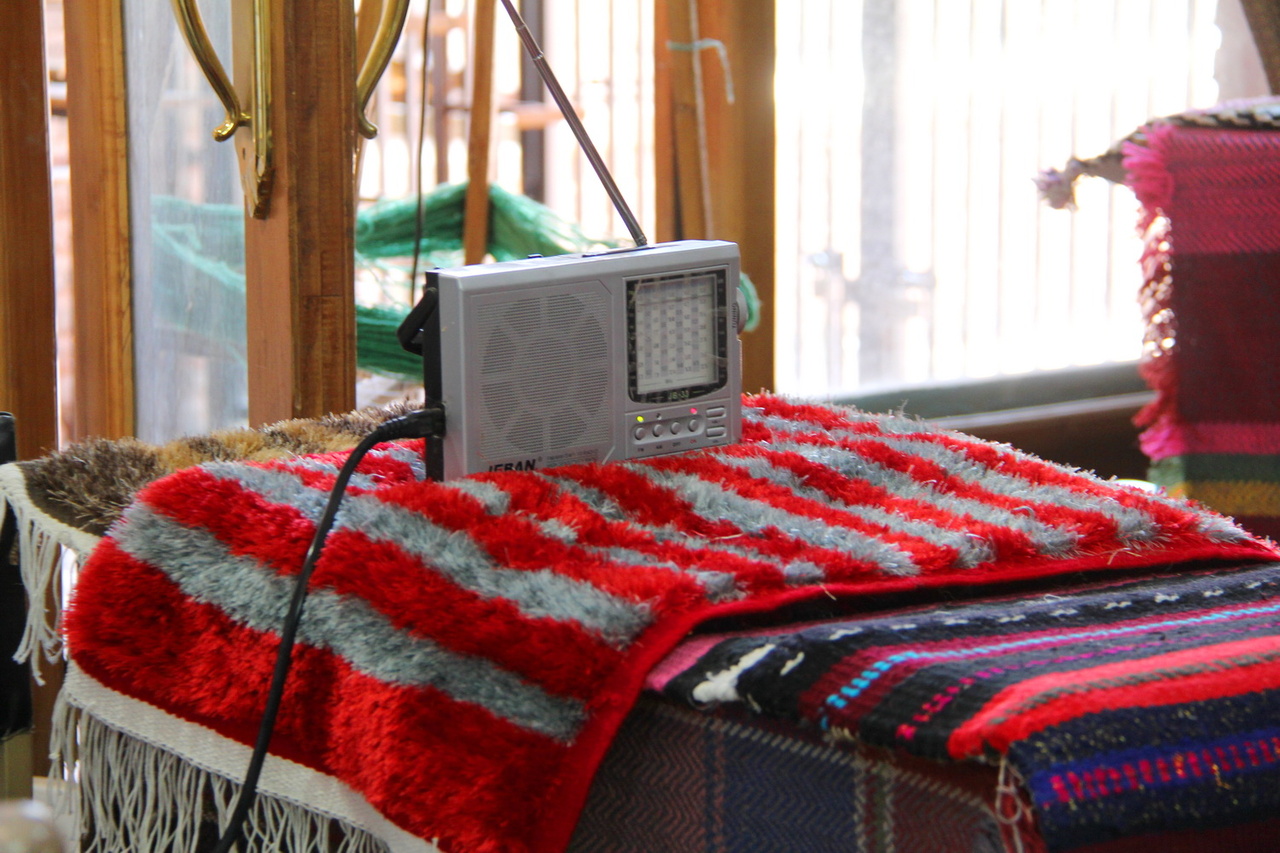
The art of Mowj weaving, an important Iranian handicraft

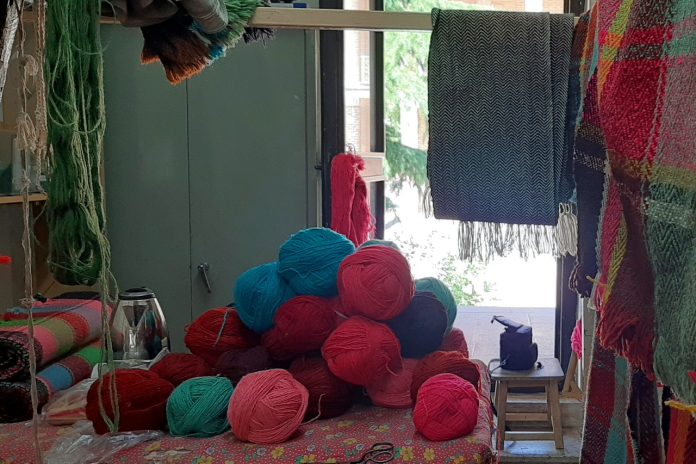
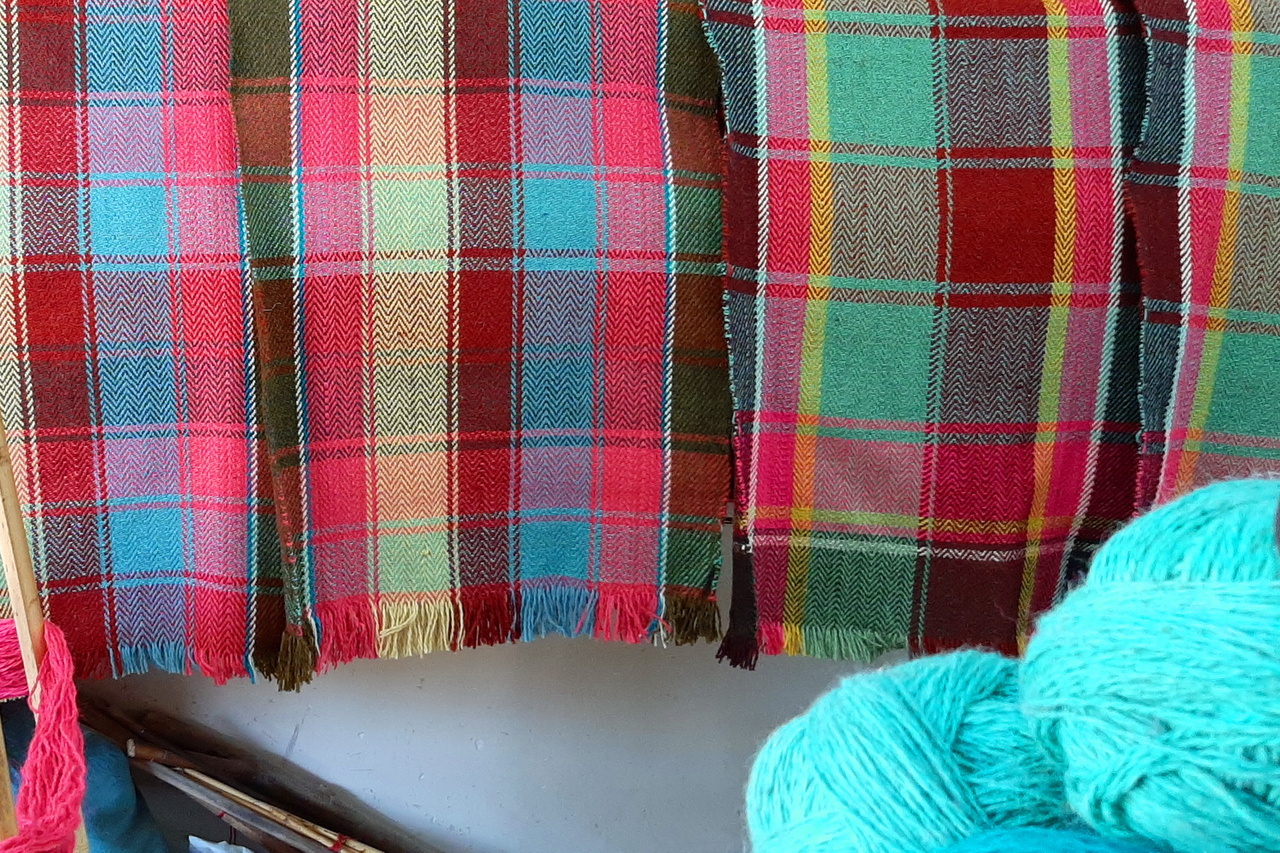
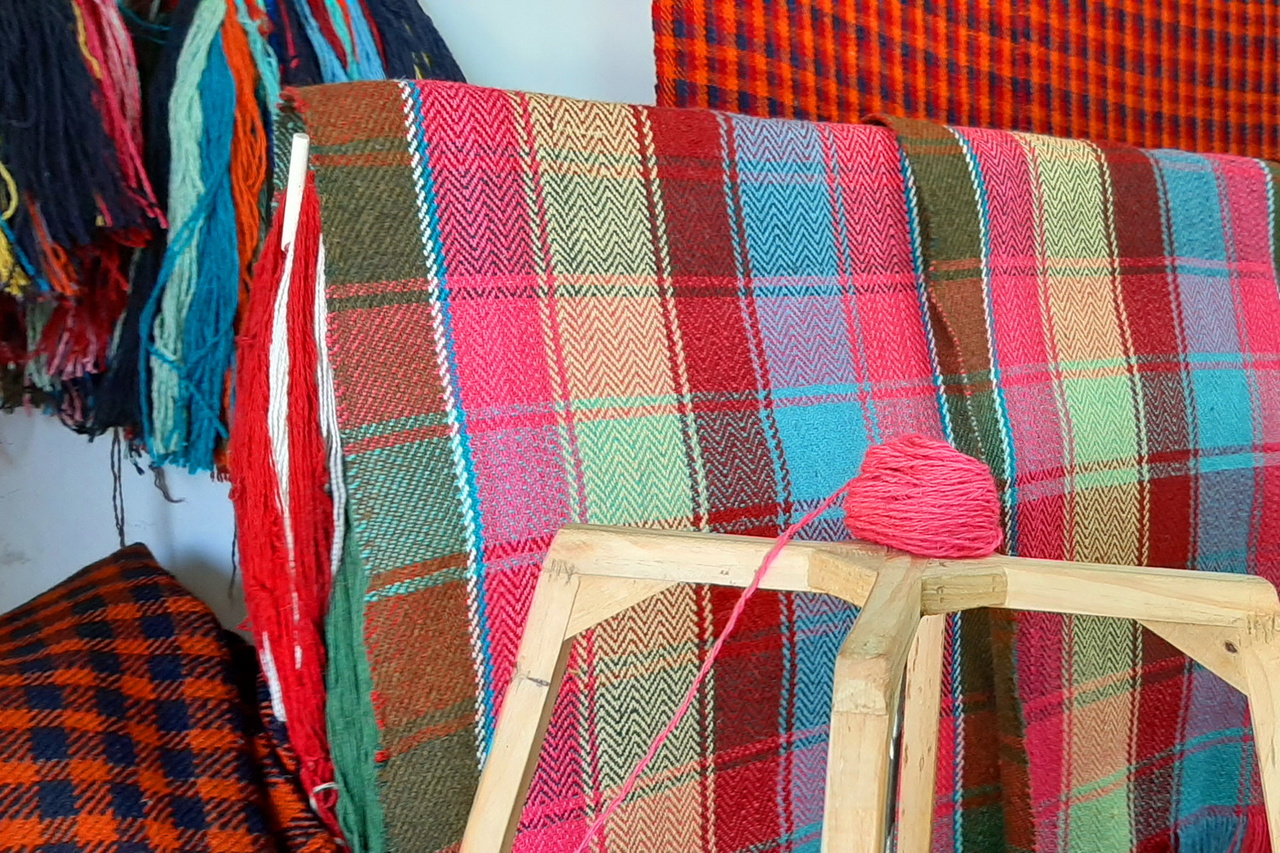
Mowj weaving, also called Sachim weaving, Mashte weaving, Jila weaving is similar to Chadorshab, a piece of cloth traditionally used to organize mattresses, blankets and pillows at homes, in terms of appearance and pattern, but it is more complex in terms of design and composition.

Mowj weaving is applied in blankets, Iranian Korsi, blankets, mattresses, and sometimes for nomadic tents. In fact, this art has different applications in harmony with weather conditions and different seasons of the year.

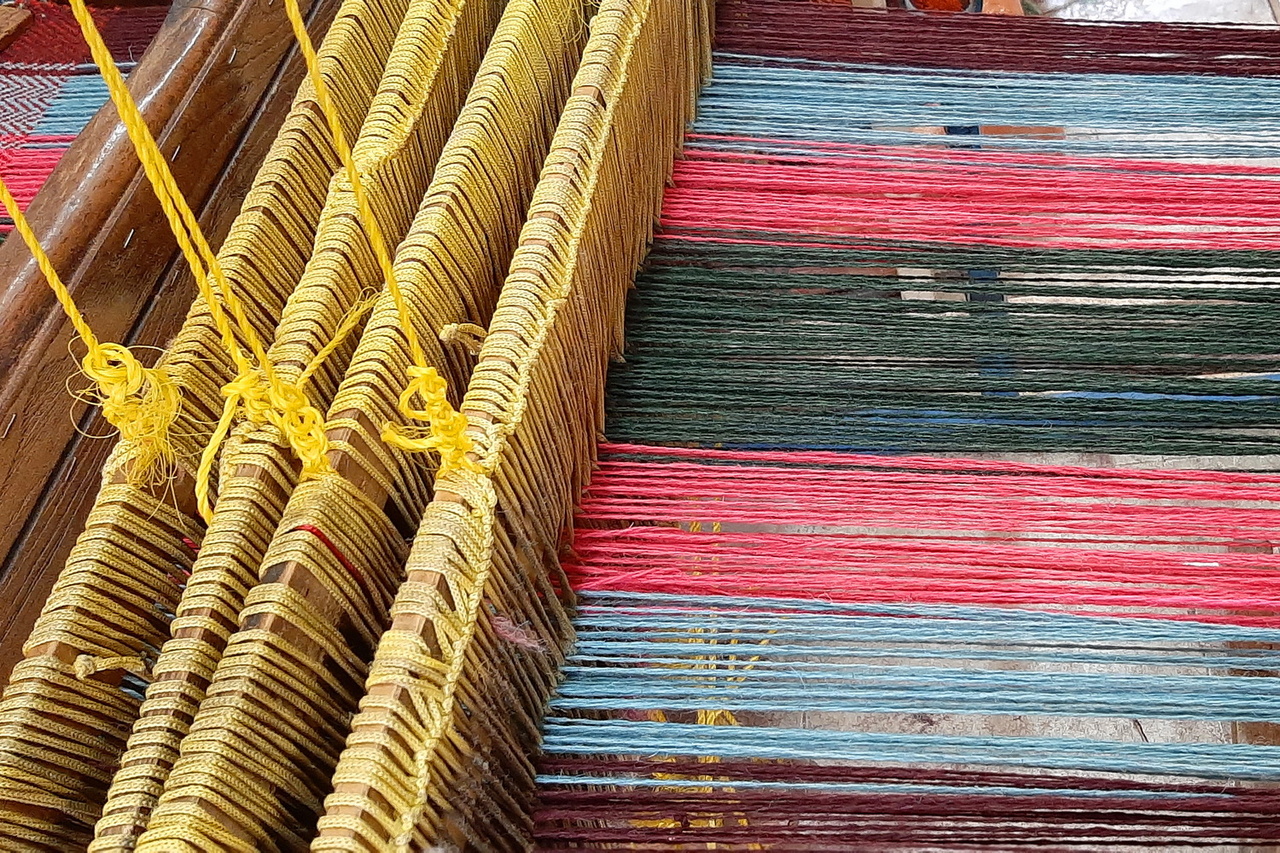
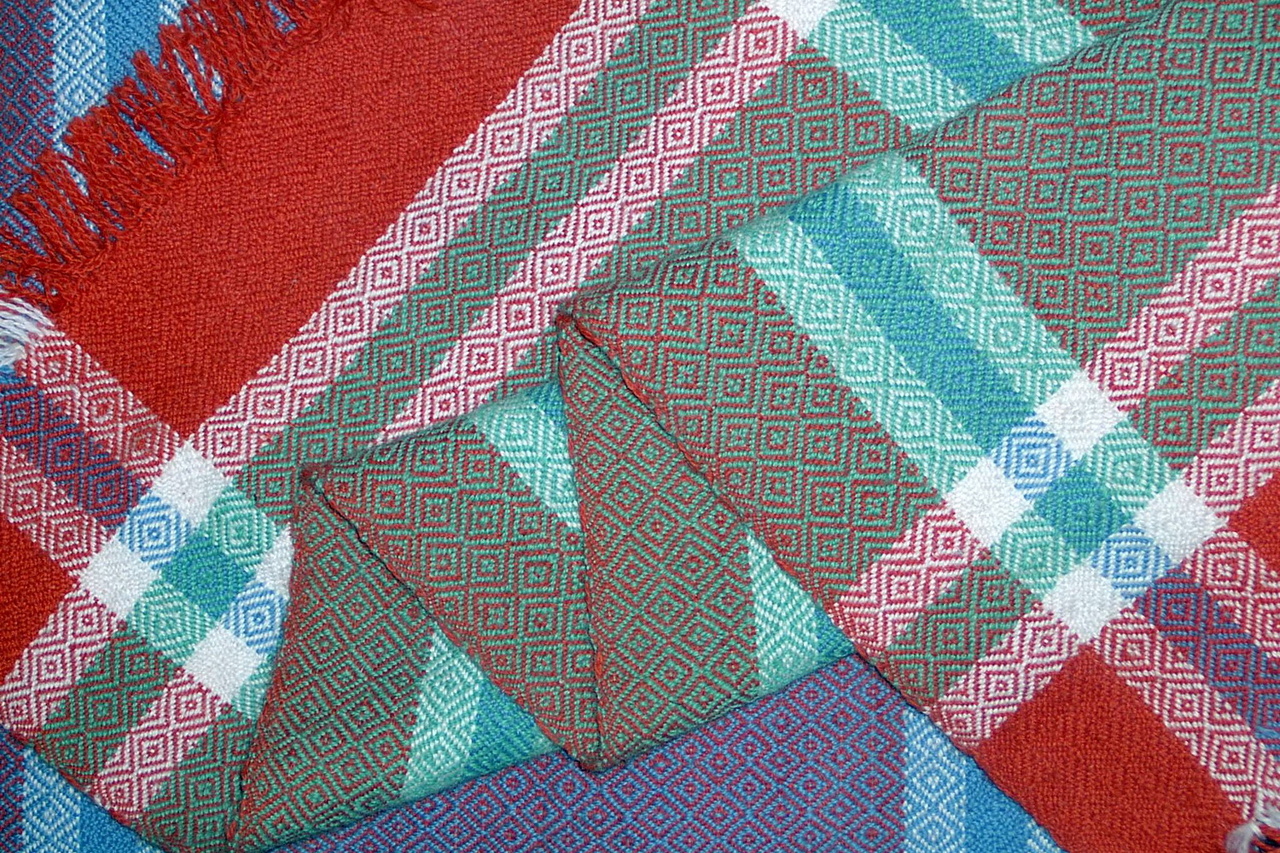
Mowj means ‘wave’ in Persian, and the naming of this art stems from the linked zigzag designs woven on the colored stripes along the threads.

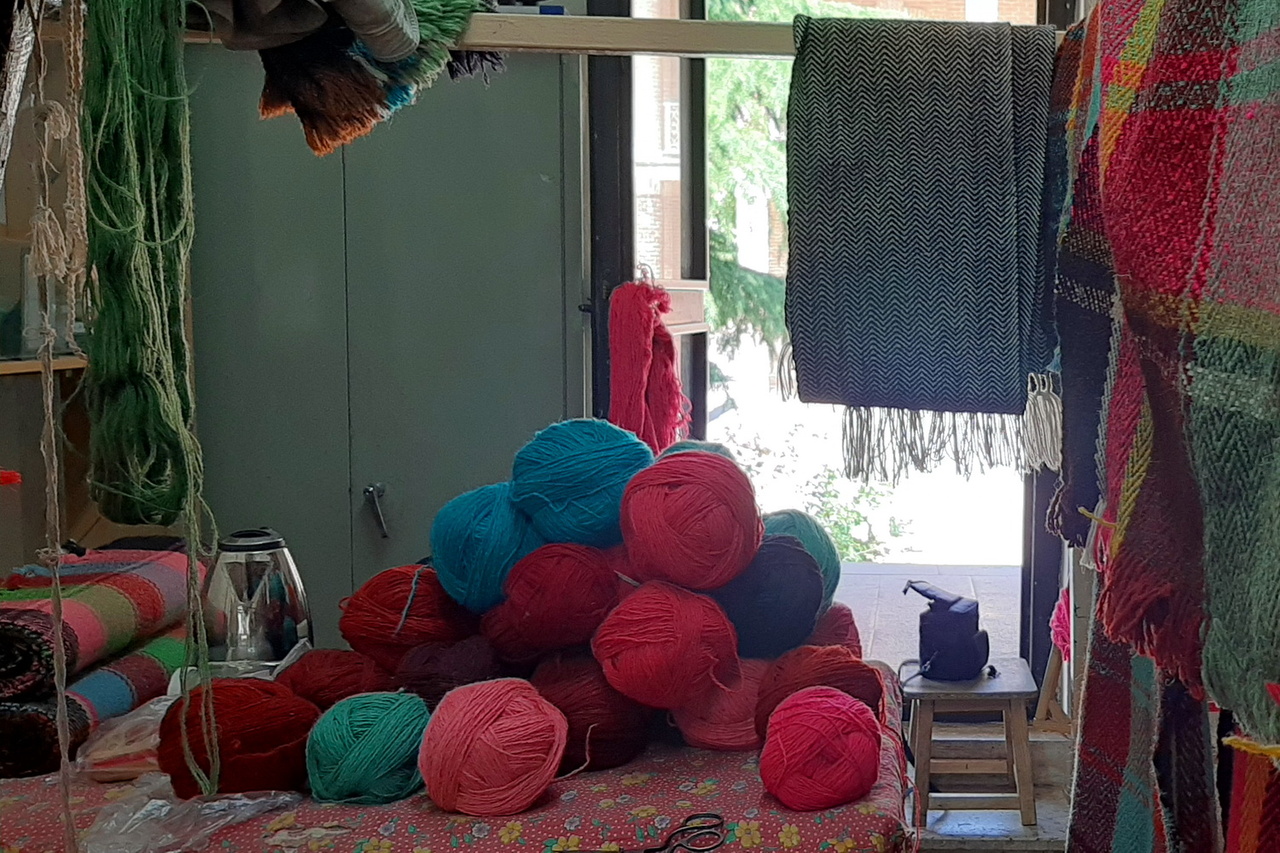
Mowj is usually woven in the form of small and large squares of navy blue, orange and dark red colors among the Kurdish tribes. Of course, other colors such as orange, green, creamy, black, blue and light and dark red are also common.

The art of Mowj weaving, an important Iranian handicraft

Peacock feather, checkered forms, black and white, red, ponds, flower, partridge head, sparrow, grapes, butterfly, goat, bird, tree, etc. are among the decorative designs used in this art.

Zahra Safaei, an Iranian handicrafts expert, said the age-old art, with a history of 400 years, has been popular in the provinces of Kordestan, Lorestan, Kermanshah, Ilam, Chaharmahal and Bakhtiari, Qazvin and the country’s southern provinces, but unfortunately, it has faded in recent years.

In 2011, Mowj weaving was registered as a spiritual heritage under the name of Qazvin Province, and in 2013, handicraft experts standardized it and got a national standard number for it.

The art of Mowj weaving, an important Iranian handicraft

Reviving the art

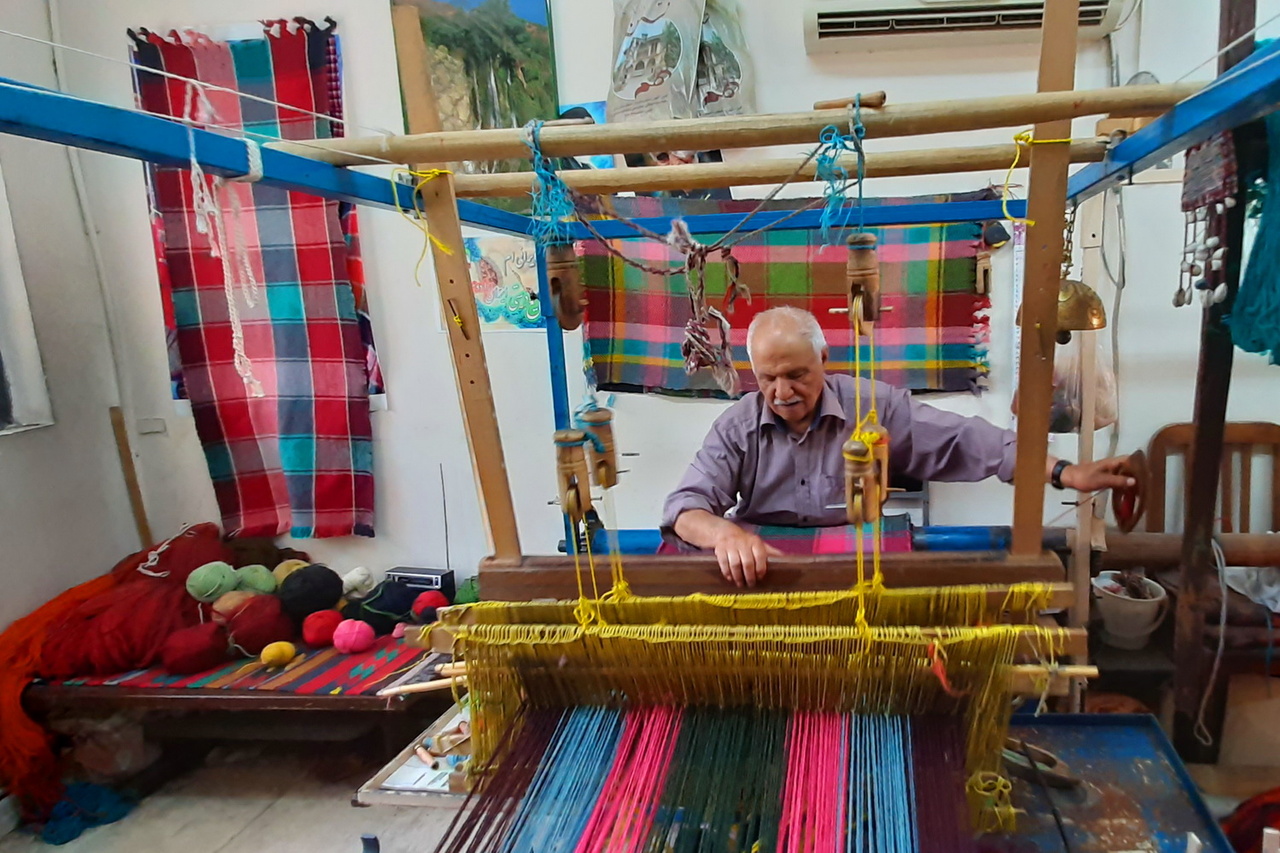
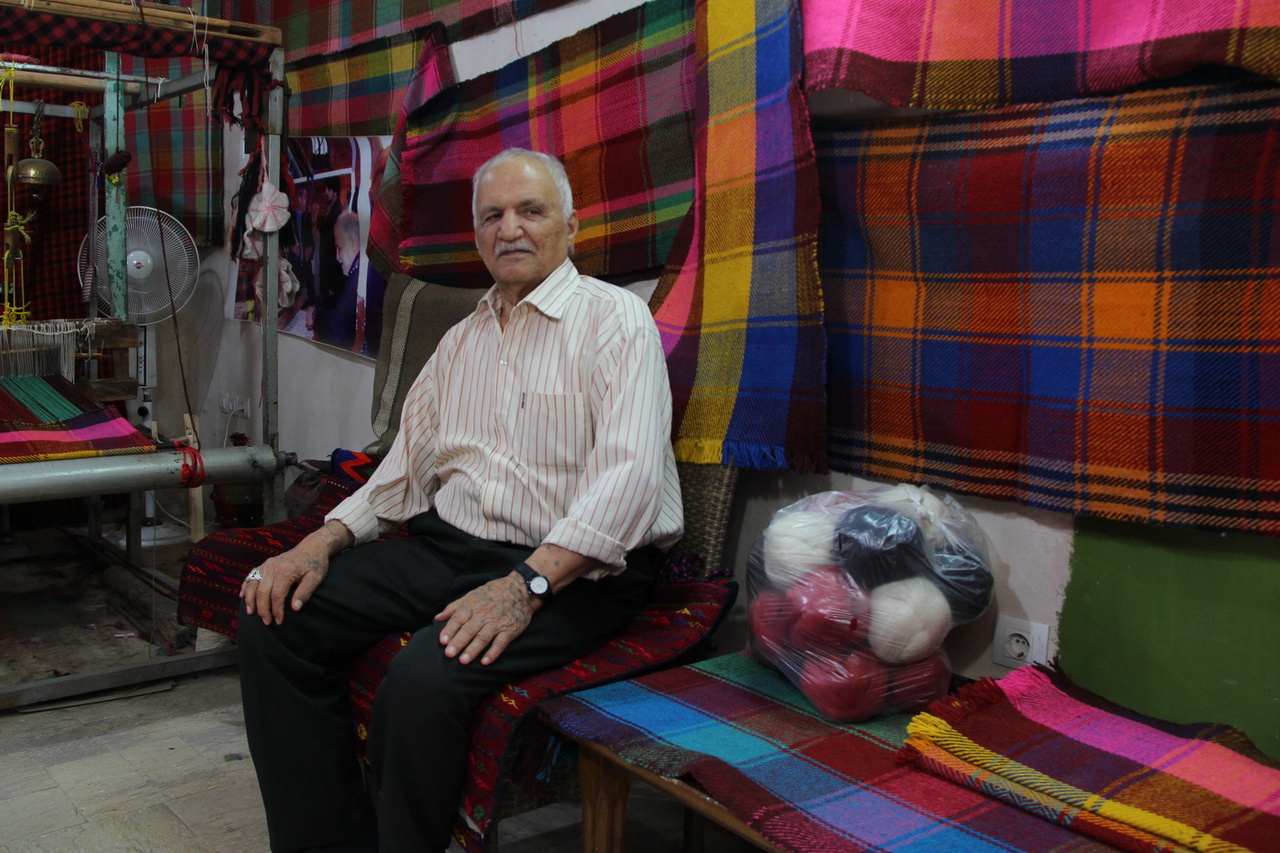
Ahmed Bamshad is the only expert active in this field in the country and one of the pioneers of this art in Qazvin city. Born in 1937, he learned this art as a family heritage from his father and spent more than 70 years of his life in practicing Mowj weaving.
He is currently offering the art to those interested at Saraye Sa’d-o-Saltaneh and helping to revitalize it.

Different Iranian handicrafts based on weaving and fabric

Woven rugs, Zilu, Gebeh, Jajim, Fabric and Palass, fabrics woven with golden threads, embossed velvets, Abaa, night veils, silk fabrics, and Termeh are among other similar handicrafts in Iran.

Related Articles:

Azerbaijan accuses Russia, Armenia of failing to fulfill Nagorno-Karabakh ceasefire deal

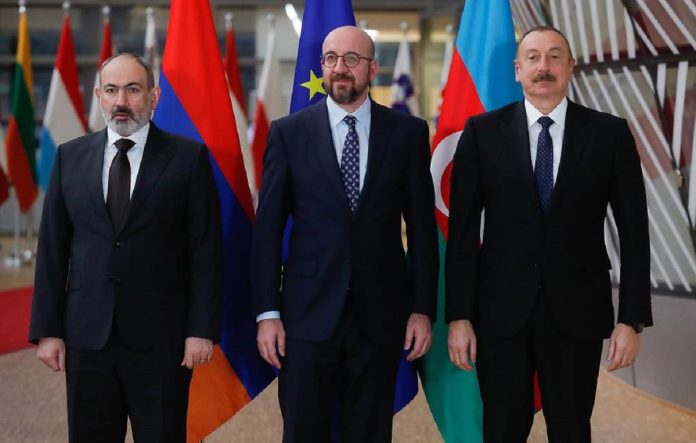
Armenian Prime Minister Nikol Pashinyan, President of the European Council Charles Michel and Azerbaijani President Ilham Aliyev

The Azeri government’s criticism of Russia on Saturday came as Azerbaijani President Ilham Aliyev and Armenian Prime Minister Nikol Pashinyan met in Brussels for talks aimed at resolving their decades-long conflict for the control of Nagorno Karabakh.

Since the collapse of the Soviet Union, the neighbours have fought two wars over the small mountainous enclave that is part of Azerbaijan but populated by about 120,000 ethnic Armenians.

After heavy fighting and a Russian-brokered ceasefire, Azerbaijan in 2020 took over areas that had been controlled by ethnic Armenians in and around the mountain enclave.

Baku and Yerevan have since been discussing a peace deal in which Russia is also pushing to retain a leading role and in which the two countries would agree on borders, settle differences over the enclave and unfreeze relations.

Tensions, however, have flared again with Azerbaijan blockading and closing the sole land link between Karabakh and Armenia earlier this week.

It blamed the shutting of the Lachin corridor – which is policed by Russian peacekeepers – on “smuggling” by aid agencies.

Russia announced on Saturday that it was ready to organise a three-way meeting with Armenia and Azerbaijan at the level of foreign ministers and said this could be followed up with a Moscow summit to sign a peace treaty.

It added an integral part of this pact should be “reliable and clear guarantees of the rights and security of the Armenians of Karabakh” and the implementation of earlier agreements between Russia, Azerbaijan and Armenia.

Baku – which insists that any security guarantees for Karabakh’s Armenian population should be provided at the national level and not via an international mechanism – responded angrily.

It said Russia’s statement “causes disappointment and misunderstanding” and contradicts Moscow’s declarations of supporting Azerbaijan’s territorial integrity.

“The Russian side did not ensure full implementation of the agreement within the framework of its obligations,” it stressed, adding that Moscow “did nothing to prevent” Yerevan’s military supplies from reaching separatist forces in Karabakh.

Meanwhile, in Brussels, European Council President Charles Michel, who mediated talks between the Azeri and Armenian leaders, said their exchanges had been “frank, honest and substantive”.

“Real progress depends on the next steps that will need to be taken in the near future. As a matter of priority, violence and harsh rhetoric should stop in order to provide the proper environment for peace and normalisation talks,” Michel said.

“The population on the ground needs reassurances, first and foremost regarding their rights and security,” he added.

Michel stated that he also expressed the EU’s encouragement for Azerbaijan to talk directly to the Karabakh Armenians to develop confidence between the parties.

It was not clear how Aliyev reacted as he and Pashinyan left without briefing reporters.

The European Council president said he intended to organise a new meeting between Aliyev and Pashinyan in Brussels and another in Spain in October involving German Chancellor Olaf Scholz and French President Emmanuel Macron.

Besides the EU, the United States has also been pushing the sides to reach a peace deal.

Russia, the traditional power broker in the region, has been distracted by the war in Ukraine and risks seeing its influence diminished.

Iran Parliament chief warns Russia ‘not to promote West plot to destabilize Persian Gulf’

Mohammad Baqer Qalibaf

Mohammad-Baqer Qalibaf on Sunday reaffirmed Iranian sovereignty over the Persian Gulf islands of Abu Musa, Lesser Tunb and Greater Tunb, to which the United Arab Emirates lays territorial claims, and strongly rejected the content of the statement with regards to the issue.

He said Russia had itself been a victim of and fighting against the geopolitical expansionism of the West and the NATO military alliance; therefore, “it should not contribute to the West’s geopolitical agenda to destabilize the Persian Gulf.”

“This is while Iran has been the sole guarantor of stability in the Persian Gulf and neutralizer of the West’s perilous plots in this sensitive region,” the Parliament chief added.

“We declare to the neighbors of Iran, including Russia, that protecting the region’s stability and economic development will be possible only through observing the good-neighborliness principle, including respecting our country’s territorial integrity,” he said.

Qalibaf said Iran reminds all parties once again that authentic historical documents prove the three islands belong to Iran, and “mere political statements cannot change the historical facts.”

Russia says foiled Ukrainian plot to assassinate RT editor-in-chief

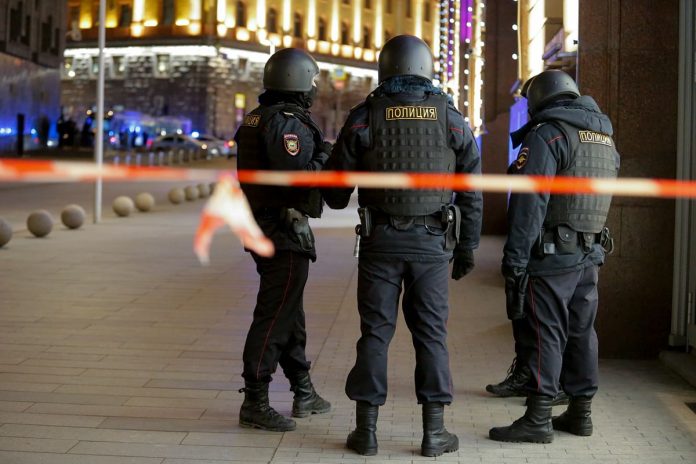
FSB

In a statement on Saturday, the agency declared that, together with the Interior Ministry and the national Investigative Committee, an unspecified number of “neo-Nazis from the Paragraph 88 group who were gathering information at the work and home addresses of Simonyan and Sobchak” had been arrested.

Those detained were caught carrying out reconnaissance on Friday in Moscow and Ryazan Region, according to the FSB.

During the operation, law enforcement personnel seized a Kalashnikov assault rifle, 90 cartridges, rubber hoses, knives, brass knuckles, and handcuffs, the FSB said. Officials added that “computers with information confirming criminal intentions” were also found.

The FSB operatives also confiscated chevrons and flags, along with Nazi paraphernalia and literature, as well as communications equipment.

“The detainees confirmed that they were preparing assassinations on the instructions of the Security Service of Ukraine for a reward of 1.5 million rubles [$16,600] for each murder,” the statement read.

Simonyan has been chief editor of RT since its founding in 2005. Born and raised in the southern city of Krasnodar, she is married with three children.

Sobchak is a well-known celebrity in Russia and a former presidential candidate. The daughter of a former St. Petersburg mayor, she has known President Vladimir Putin since her childhood. Regarded as a liberal, Sobchak currently hosts a popular YouTube channel. She previously fronted the country’s most popular reality TV show, Dom 2. She is married with one child.

In April, it was reported that six alleged members of the banned terrorist group National Socialism / White Power had been arrested on suspicion of preparing to assassinate prominent Russian journalist Vladimir Solovyov. Investigators claimed that those arrested were also acting on behalf of the SBU.

The same month, Russian military blogger Maxim Fomin (Vladen Tatarsky) was murdered in a bomb attack in St. Petersburg. Local activist Darya Trepova was arrested for the crime and reportedly admitted that she had been recruited by a man linked to Ukrainian intelligence.

Last year, another Russian journalist, Darya Dugina, was assassinated by car bomb on the outskirts of Moscow. The FSB claimed that Ukrainian special services were behind the killing. The New York Times reported that US government officials also believe Kiev was responsible.

Pentagon says considering ‘military options’ against Russia in Syria

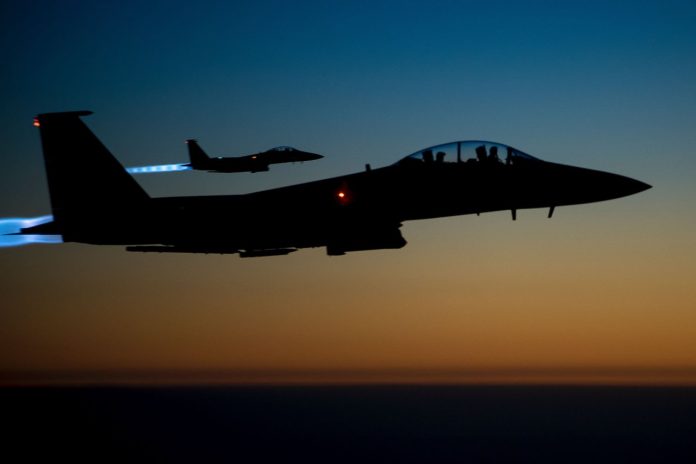
US Warplanes

The anonymous official refused to state what options were being considered, but claimed that the US intends to “address increasing Russian aggression in the skies over Syria”.

Earlier this month, US Air Forces Central commander Lt. Gen. Alex Grynkewich claimed that Russian fighter jets “harassed” American MQ-9 Reaper drones over Syria on three separate occasions in a week. The Russian Air Force was conducting joint exercises with its Syrian counterpart at the time, and Moscow accused the US of violating restricted airspace with the drone flights, a charge that the Pentagon denied.

Syrian President Bashar Assad invited the Russian military to assist his forces in the fight against Islamist militants in 2015. Russia has maintained a military presence in Syria ever since, as has the US, which launched its own bombing campaign against Islamic State (IS, formerly ISIS, ISIL or Daesh) in 2014. The US also provided covert and overt support for dozens of militant groups opposing Assad’s government.

Assad has repeatedly called for American troops to leave Syria, but Washington refuses. Around 900 American troops are stationed in Syria at any one time, and the anonymous official told AP that the US will continue to fly sorties in the western part of the country.

According to the official, the “growing cooperation” between Russia, Syria, and Iran is aimed at driving the US out of Syria once and for all.

Iranian Greco-Roman wrestlers grab 5 medals in Asian Championships

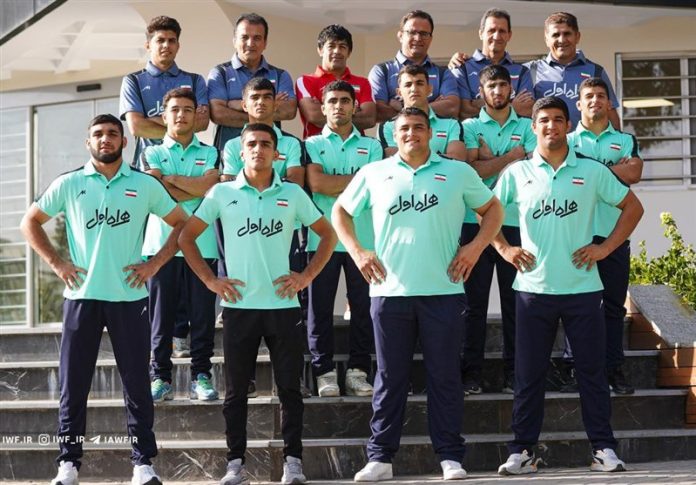
Iranian Greco-Roman wrestlers

On Saturday, Ali Abdollah Ahmadi-Vafa overwhelmed Turkmen contestant Abduvali Rahimbayev 9-0 in the third-place bout of the men’s 55-kilogram weight division at the Princess Sumaya Hall in the Jordanian capital city of Amman, and collected the bronze.

Reza Firouz Gheitasi, who routed Japanese rival Shoya Iwata 9-0 in his opening round contest of the 63-kilogram weight category, fell to Uzbek counterpart Khusniddin Olimboev 3-5 in the second showdown.

Gheitasi overpowered Hassan Hatem Mohammad Saleem Naghouj, a wrestler from the host nation, by 10 points to zero in the last contest and received the bronze medal.

Moreover, Alireza Morad Abdevali prevailed over his Kazakh rival Dias Kaltay 3-3 in the repêchage round of the men’s 77-kilogram weight division, and snatched another bronze medal for Iran.

In the 87-kilogram weight class, Abolfazl Ali Choubani outmuscled Kazakh wrestler Nurassyl Amanaly 9-0 in the final match and snatched the gold medal.

Fardin Shaban Hedayati claimed Iran’s second gold medal after he overcame Chinese opponent Wenhao Jiang 11-1 in the final contest of the 130-kilogram division.

The U-15 and U-20 Asian Wrestling Championships kicked off in Amman on July 12 and will wrap up on July 20.

Dozens of male and female freestyle and Greco-Roman wrestlers from various Asian countries, including the Islamic Republic of Iran, China, India, Kyrgyzstan, Turkmenistan and Uzbekistan have taken part in the tournament.

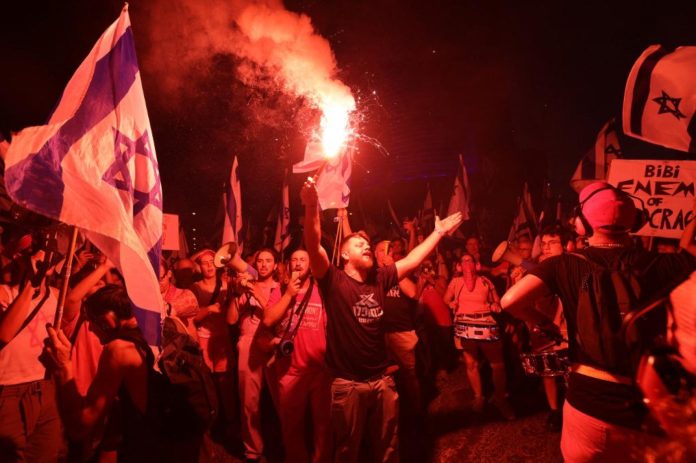
Israelis continue protests as PM advances judicial plans

Tens of thousands of protesters have rallied in the streets of Tel Aviv and other cities, promising “days of disruption”, as Netanyahu’s far-right government advanced its plan to overhaul the judiciary.

Later on Saturday, Netanyahu was admitted to hospital with apparent dehydration after a coastal break during a heatwave, delaying the weekly cabinet meeting.

Saturday’s rallies, the 28th since the reform agenda was unveiled in January, come days after parliament approved in its first reading a bill that would reduce the “reasonability” clause, through which the judiciary can strike down government decisions.

The proposals would also give the government a greater say in the appointment of judges.

“This is a battle for the country. We want to keep Israel democratic, and the dictatorship laws won’t pass here,” protester Nili Elezra, 54, told AFP.

To her, passing the laws would harm Israel’s financial and global standings.

“Things will be bad. People are already leaving, money is being lost, investors are fleeing, the world doesn’t want to talk to us, nobody is happy with what’s going on here,” she said.

Following stiff opposition and growing international criticism – including from US President Joe Biden – Netanyahu ordered a “pause” in March to allow for talks on the proposals.

That cross-party dialogue collapsed last month.

To Elad Ziv, the upcoming weeks were crucial in stopping the legal reform.

“We have two and a half weeks to the end of parliament’s summer session and we have to block them, otherwise Israel will become a worse place,” the 45-year-old programmer stated.

And while the weekly demonstrations did not seem to hamper the coalition’s legislation, they did afford support to members of the technology sector and military reservists opposing the government’s ambitions.

“We do see the protest working in supporting people who are fighting,” he continued, adding, “The numbers make a difference.”

Protests have swept Israel for the last six months, as hundreds of thousands of demonstrators have railed against Netanyahu’s plans, denouncing them as a coup.

The political crisis has pitted Netanyahu’s far-right government against the country’s civil society, academic and business elite, as well as former government ministers and military figures.

The American Jewish Committee, a powerful advocacy group in the US, expressed concern following the passing of the latest piece of legislation and said it supported efforts to find a compromise and include opposition voices.

The government argues that judicial reform is necessary to ensure a better balance of power.

After unsuccessful talks with the opposition following weeks of mass protests earlier this year, the government was on the offensive once again last week.

Netanyahu is on trial for corruption, and the judicial reforms could enable him to evade conviction or see his case dismissed. Since being indicted in 2019, Netanyahu has publicly railed against the justice system, calling it biased against him.

Israel has no constitution and there is little separation between the executive and legislative branches, as governments nearly always hold a majority in parliament, the Knesset.

This has historically meant the Supreme Court is the most effective check on government power.

In January, dozens of prominent American legal scholars from several leading law schools signed a public statement voicing deep concerns about the proposed changes to Israel’s judicial system.

In the statement, more than 70 US law professors stated the proposed reforms “will seriously weaken the independence of the judiciary, the separation of powers, and the rule of law in Israel”.

As the protests raged, Netanyahu was admitted to hospital with apparent dehydration after a coastal break during a heatwave, delaying the weekly cabinet meeting, even though he declared himself fit and well.

Netanyahu’s office said the 73-year-old was admitted to Sheba Hospital, close to his private residence, after experiencing dizziness, and would stay there overnight.

In a video from hospital, a smiling Netanyahu said he had been taken ill on holiday on Friday at the Sea of Galilee in temperatures hitting 38C.

“Thank God, I feel really well,” he added, according to Reuters.

Netanyahu’s office announced that Sunday’s scheduled cabinet meeting would instead be held on Monday. The office also added he was admitted on his physician’s recommendation after complaining of “light dizziness”.

In early October, Netanyahu was taken ill during the Jewish fast of Yom Kippur and was also briefly hospitalised.