Monday, December 29, 2025
Home Blog Page 1346

Iran studying ‘non-diplomatic’ ways to restore right to water share from Helmand: Lawmaker

Iran Water Crisis

Fada-Hossein Maaleki, who represents Zahedan in the Iranian Parliament, said a committee of Iran’s Supreme National Security Council (SNSC) was studying ways other than diplomacy to establish Iran’s right to water shares from Helmand.

Maaleki who sits on the Parliament’s National Security and Foreign Policy Commission, said among the options being studied were closing the Taliban’s embassy or reducing political, trade, and economic relations through Chabahar City in Sistan and Baluchestan Province. Maaleki made the remarks in an interview with Asr-e Iran news outlet that was published on Sunday.

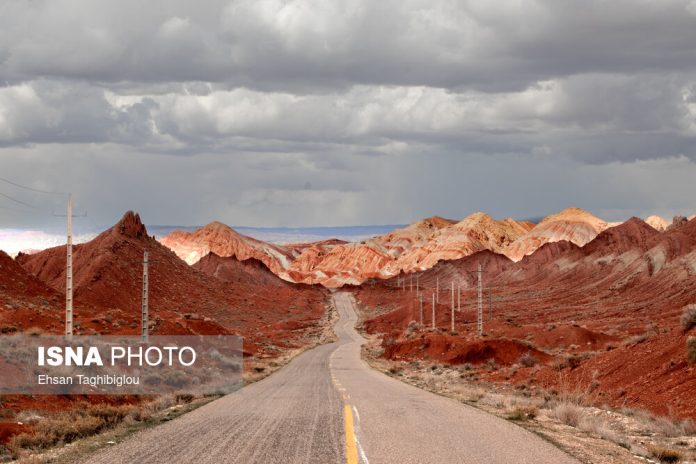
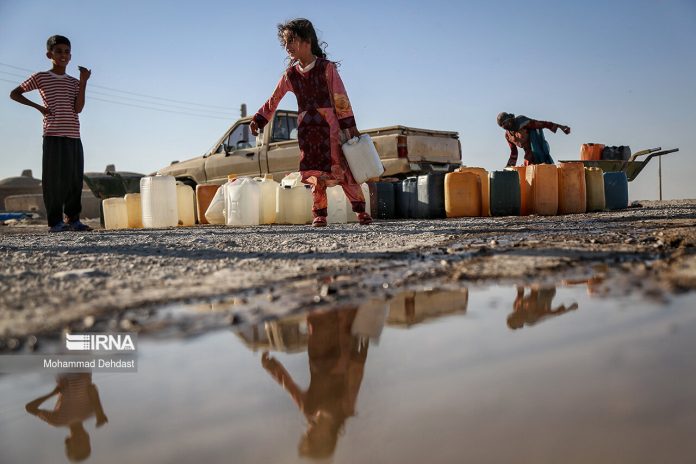
The Taliban have been refusing to allow Iran’s share of water from Helmand to stream into the country. That has caused a drought in Iran’s Sistan and Baluchestan, which has in turn become a national debate in the country.

Iran’s Space Agency said recently that images obtained from Iranian satellites showed that the Afghan government was preventing water from reaching the Iranian side of the border by building numerous dams and diverting the flow of the water.

Earlier this year, Iranian President Ebrahim Raisi “warned” the Taliban to open the gates into Iran.

Netanyahu to be fitted with pacemaker overnight

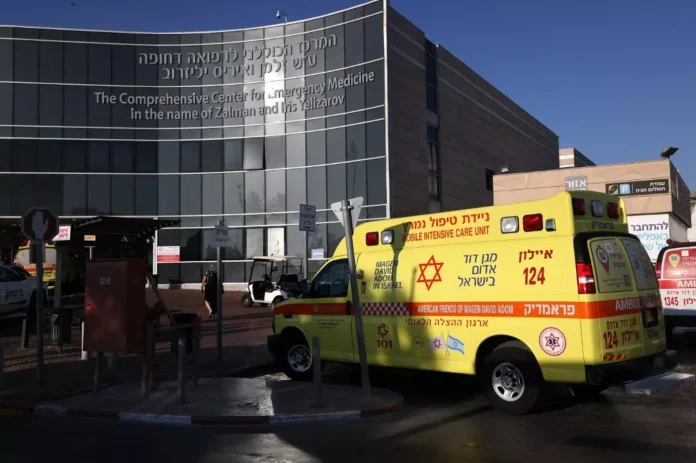
Hospital Israel

“A week ago I was fitted with a monitoring device. That device beeped this evening and said I must have a pacemaker and that I must do this already tonight,” Netanyahu said in the video.

“I feel great, but I need to listen to my doctors,” he added.

Standing in the video and smiling, Netanyahu, 73, stated that his doctors assured him he would be discharged from the hospital “tomorrow afternoon”.

His office announced he would undergo the procedure at Sheba Medical Center in Tel HaShomer, Reuters reported.

Netanyahu was initially discharged from hospital on Sunday following an overnight stay for dehydration, Dr. Amit Segev of the Sheba Medical Center said at the time in a video posted to Twitter.

Segev, an interventional cardiologist, had said Netanyahu’s heart was “completely normal” but that a heart monitor was needed to collect and analyse data further.

The information gathered by the monitor has indicated the need for a pacemaker, which is a small, battery-powered device that helps the heart beat at a normal rate and rhythm using electrical pulses.

Netanyahu was rushed to the hospital last week after experiencing “mild dizziness”, his office said in a statement at the time.

Turkey to give in to EU demands over immigration rules: Report

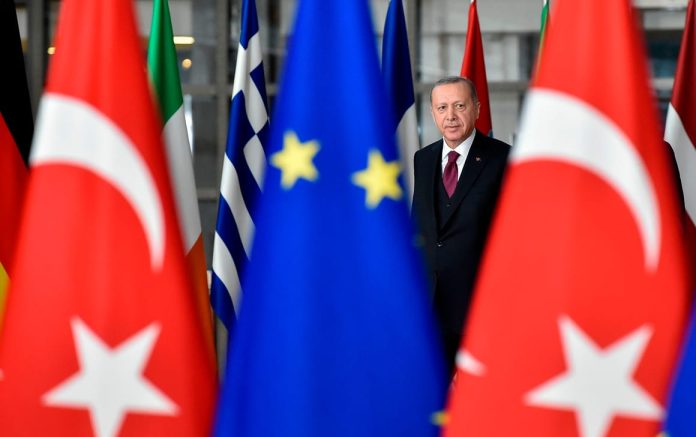
Turkey EU

Citing anonymous diplomatic sources, Hurriyet wrote on Saturday that Turkish immigration officials intend to introduce more robust measures to scrutinize asylum applications, particularly as they relate to Syrian nationals. It adds that Brussels is concerned by the possibility of migrants obtaining a Turkish EU visa, potentially leading to an influx of former asylum seekers to other nations in the bloc through Ankara.

“There are people who get citizenship from Turkey and go to Europe,” a diplomat told Hurriyet, identifying this as one of the potential issues hindering Turkish accession.

“The European Union also has a lot to do. It is not something that cannot be done, provided that Turkey protects its borders well, guarantees to prevent the migration of immigrants to EU countries, and progresses in [other] issues,” the diplomat added.

Turkey’s protracted application to join the EU has been complicated by numerous factors, not the least of which are the standards and requirements imposed on applicants by Brussels. Having already met 66 of the 72 criteria needed by the EU for visa-exempt travel for Turks in Europe, Hurriyet said, Ankara has begun addressing the remaining six.

In addition to the strengthening of immigration controls, these include anti-terrorism and anti-corruption rules, as well as cooperation with the European police service Europol, personal data protection, and legal assistance for other EU members. The latter is a complicated issue due to the international community’s view that Northern Cyprus, or the Turkish Republic of Northern Cyprus, is a Turkish-occupied territory of Cyprus – a full EU member state.

Separately, an acceptance of ‘freedom of expression’ is also under debate in Ankara, Hurriyet’s source said, and the compatibility of this with Turkish views on issues like public protests and demonstrations. Ankara reacted with anger to a recent Quran-burning stunt in Stockholm, which threatened to derail Sweden’s entry in NATO before Turkish President Recep Tayyip Erdogan relented and gave the greenlight for the Scandinavian country to enter the US-led military bloc earlier this month.

Turkey was granted EU candidate status in 1999. Discussions on accession to the EU usually take around a decade, though Turkey’s has been ongoing for 18 years due to issues related to Ankara’s adoption of the Copenhagen criteria – the rules generally considered necessary for an applicant to join the bloc.

The EU suspended the talks in 2018 over what it said were human rights issues, following a failed coup in 2016. There are also thought to be concerns in Brussels over allowing a Muslim-majority nation into the EU, and expanding the bloc’s borders eastward towards Syria, Iran and Iraq.

Emirati FM welcomes Iran’s initiative to hold OIC meeting over desecration of Quran

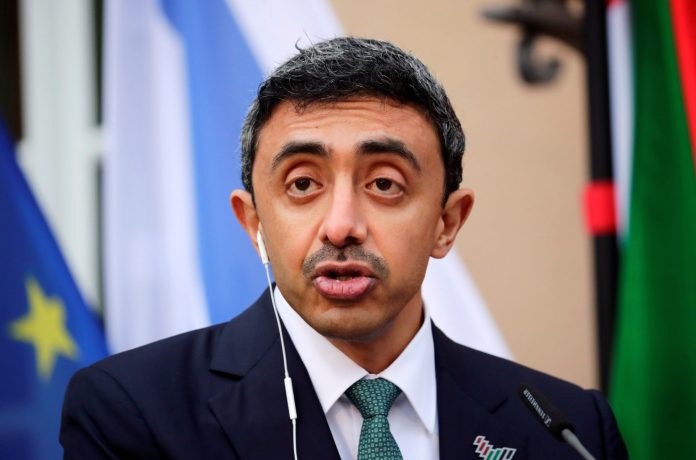
Abdullah bin Zayed Al Nahyan

Abdullah bin Zayed Al Nahyan, in a phone conversation with Iranian Foreign Minister Hossein Amirabdollahian, strongly condemned the sacrilege of divine books, religions, and religious beliefs.

The Emirati minister also pointed to the mutual visits of the two countries’ officials, describing Amirabdollahian’s recent trip to the UAE as very important.

Amirabdollahian for his part said insulting the Holy Quran had hurt the feelings of Muslims across the world and emphasized the serious need to confront those responsible for the blasphemy.

He also pointed to his recent trip to the UAE and the “very good and constructive meetings” with the country’s high-ranking authorities and said the necessary arrangements had to be made to implement the agreements reached.

The Iranian foreign minister, in other comments, said the security of the Persian Gulf region was important for the Islamic Republic of Iran and said, “Regional countries can provide the security of the region without foreign interference.”

The top Iranian diplomat also held a separate phone conversation with his Pakistani counterpart, Bilawal Bhutto Zardari, during which the two foreign ministers strongly condemned the desecration of the Holy Quran, calling for a united Islamic front to counter such acts.

Amirabdollahian also in a phone talk with Hakan Fidan, the Foreign Minister of Turkey, hailed Ankara’s condemnation of the insult to the Quran and proposed that Muslim countries’ foreign ministers hold a meeting at the earliest.

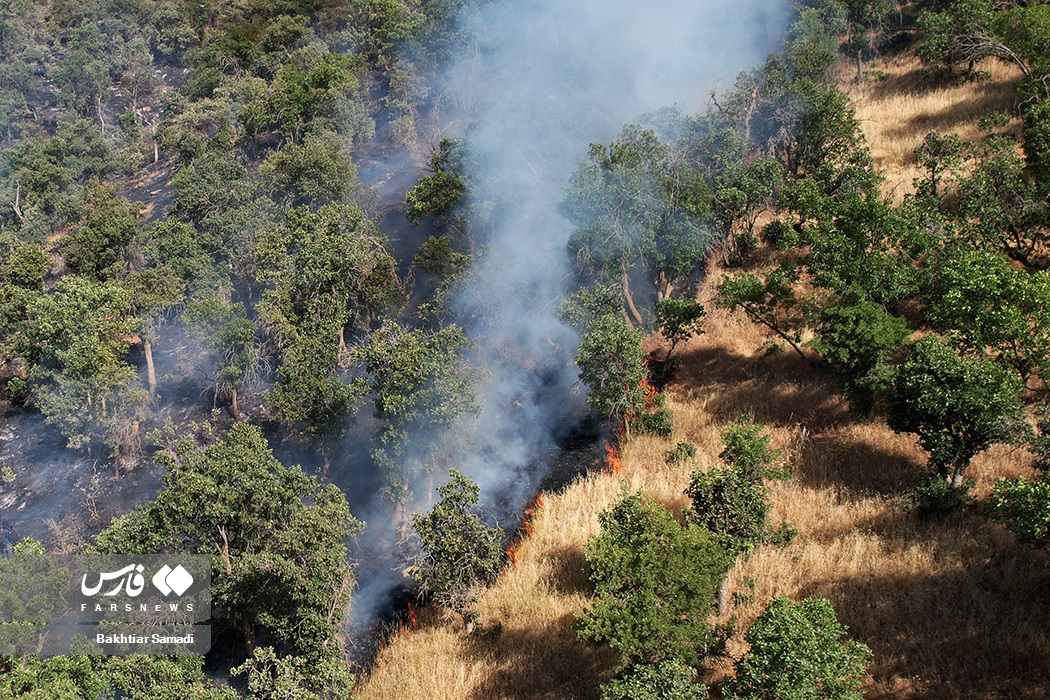
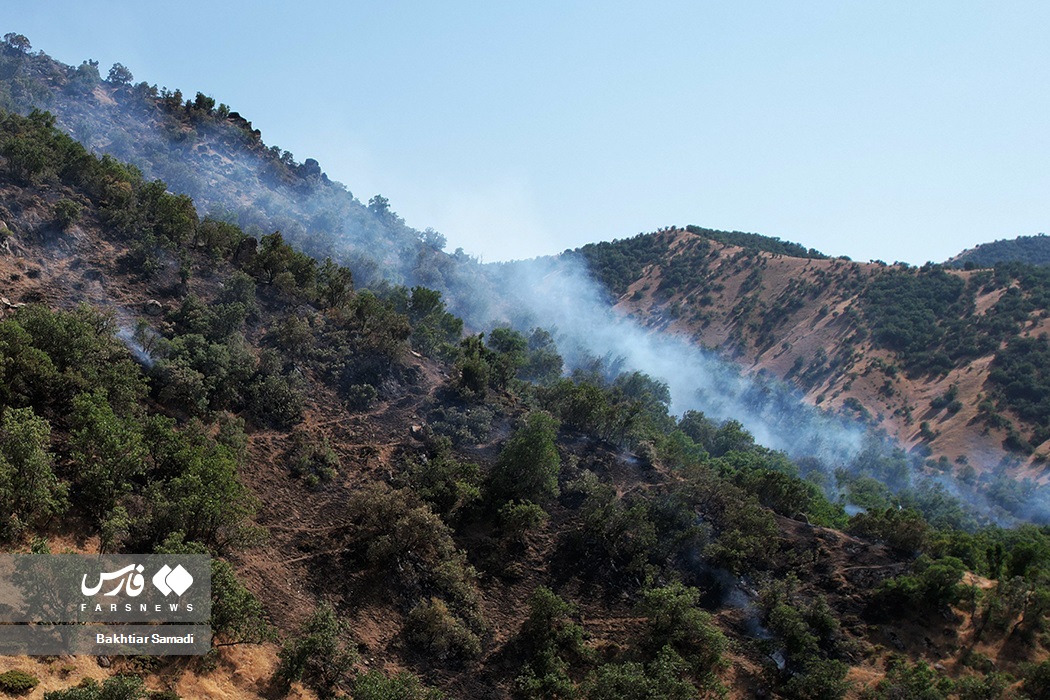
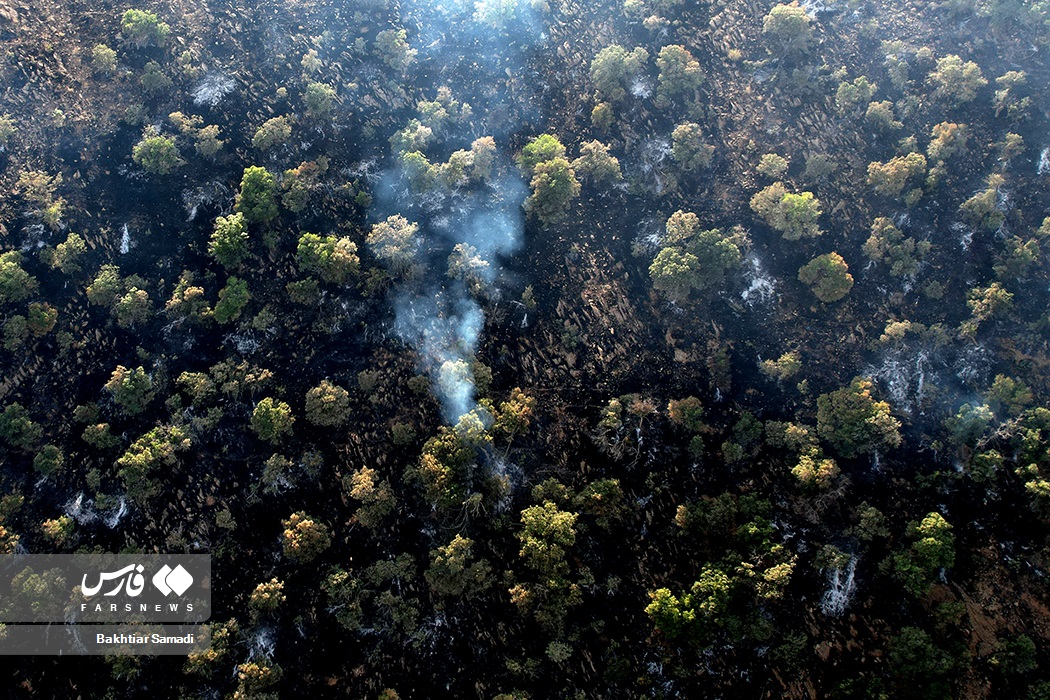
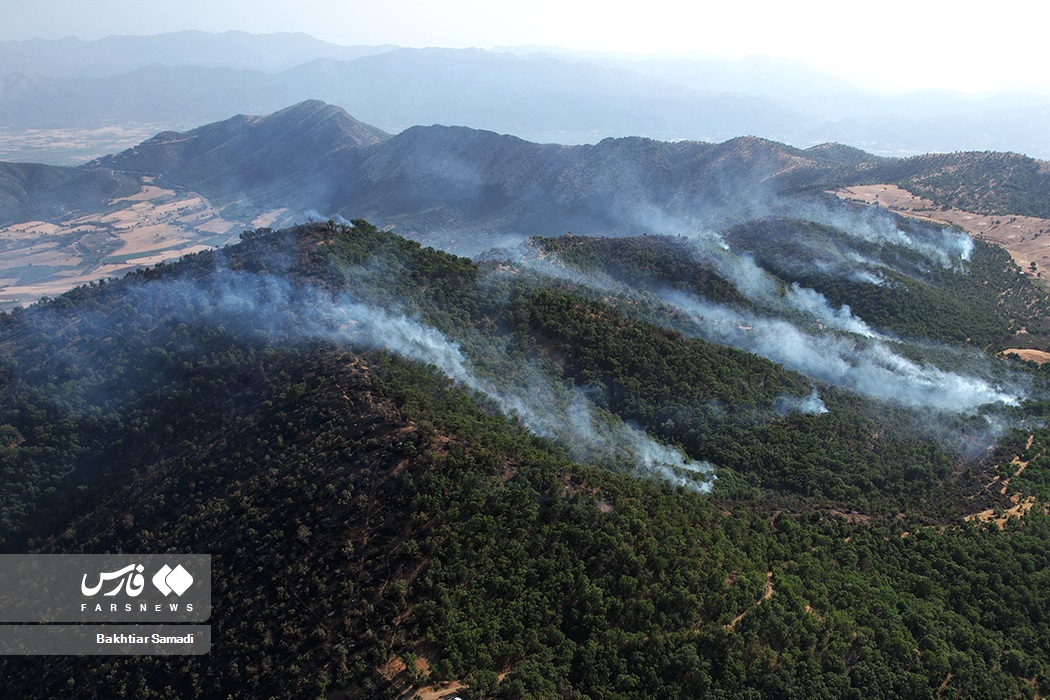
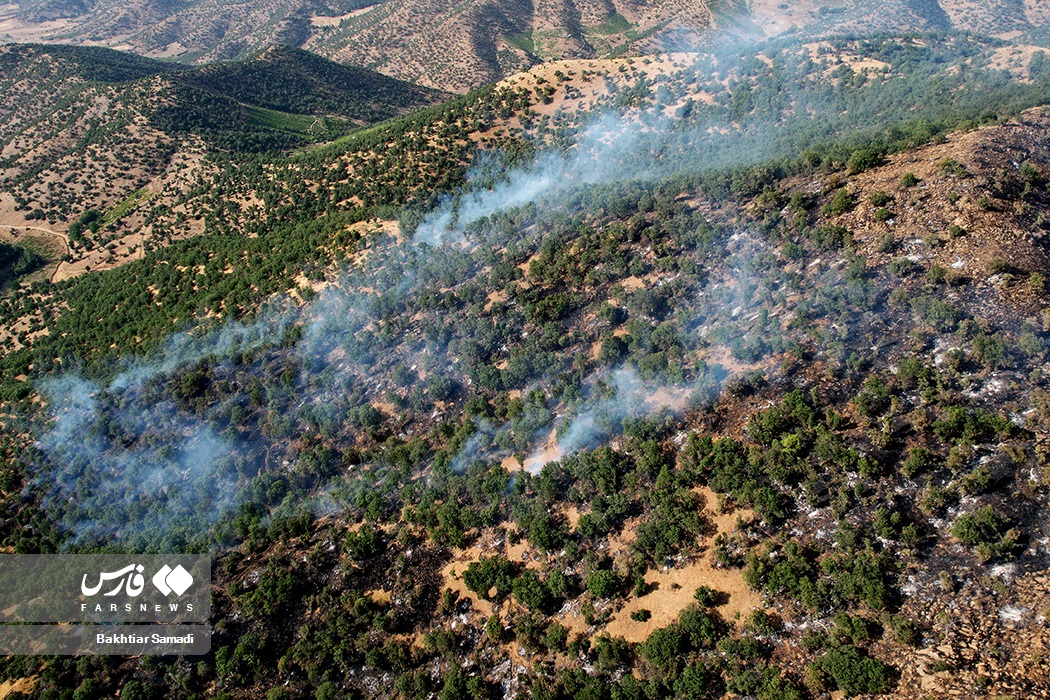
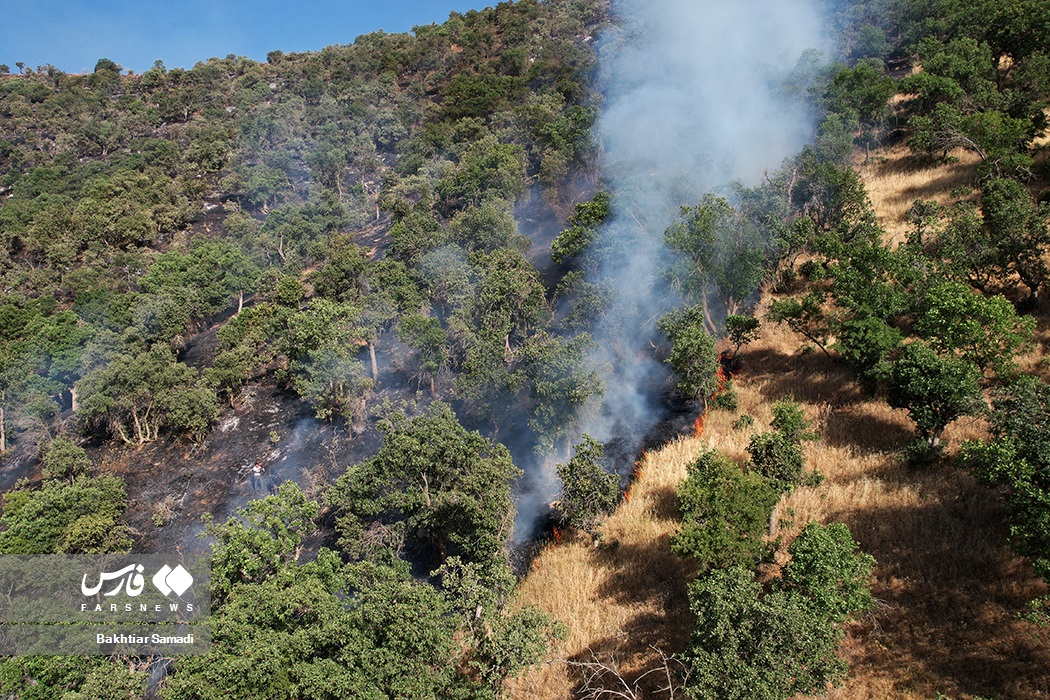
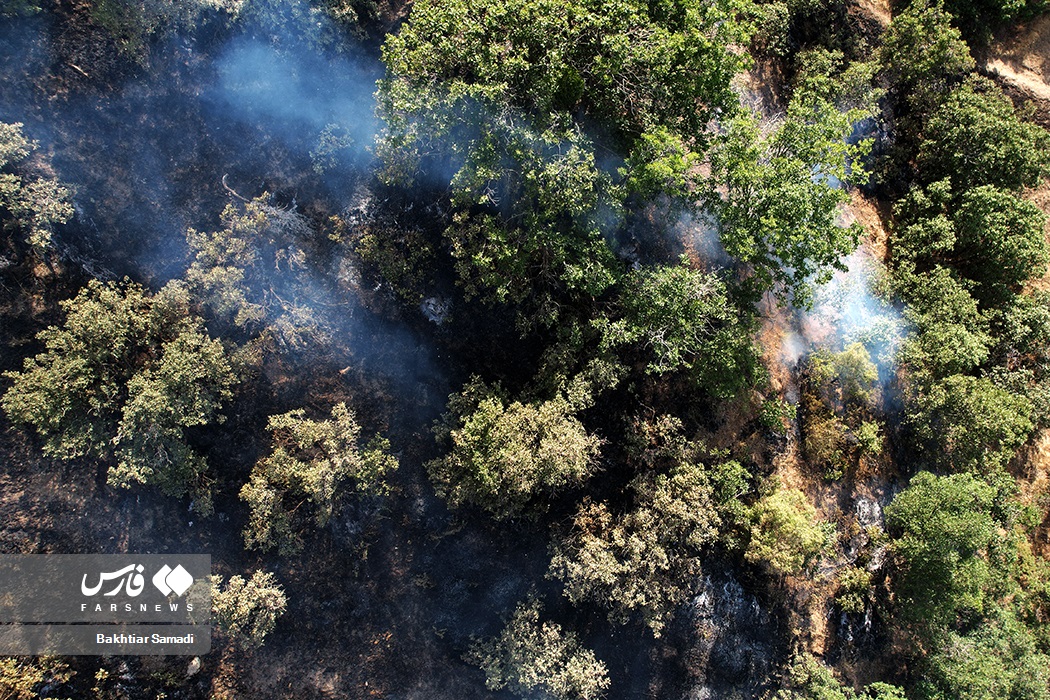
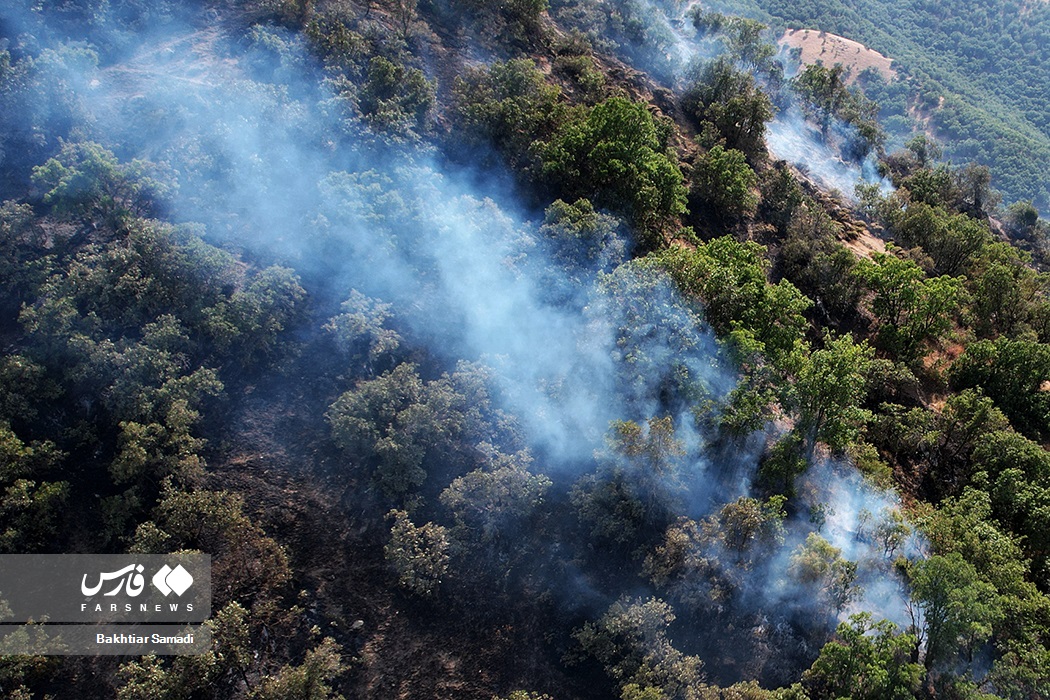
Wildfires extinguished in western Iranian forests

Wildfires Iranian forests

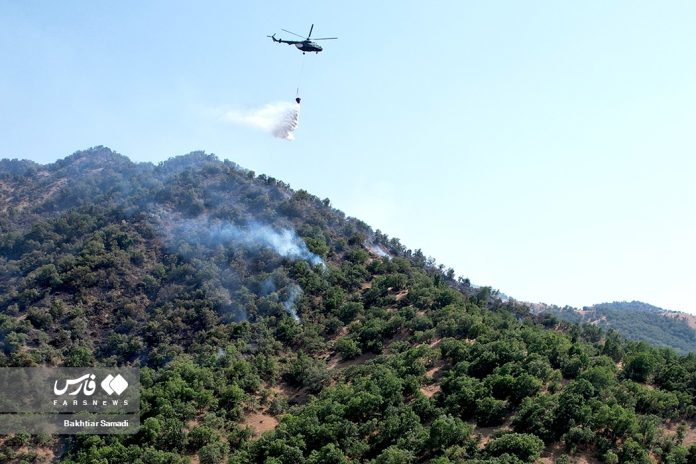
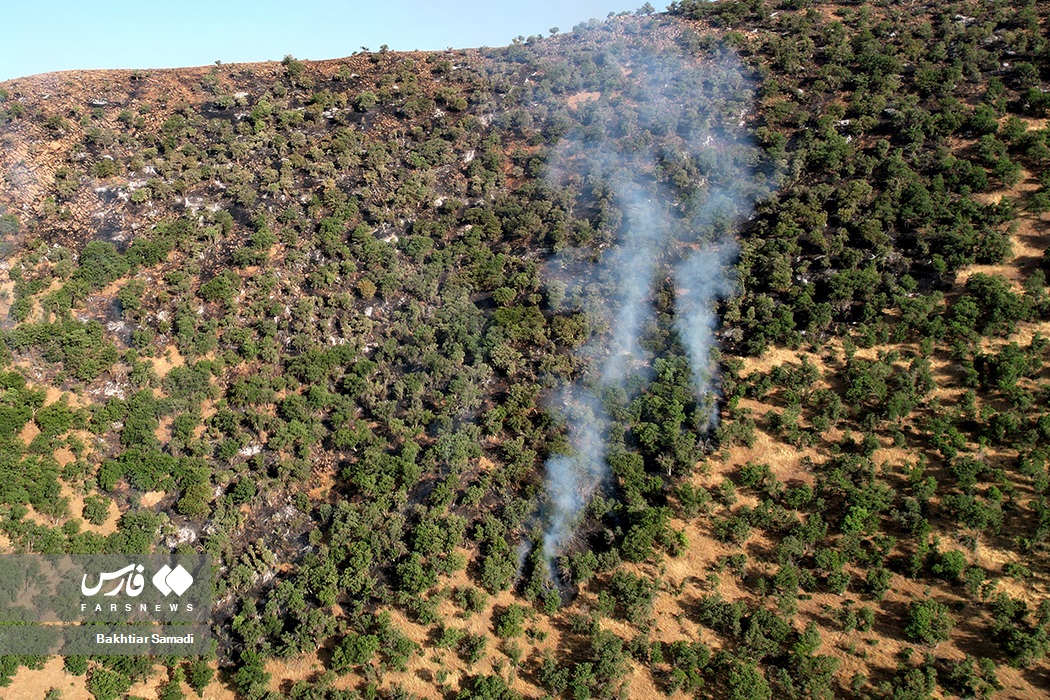
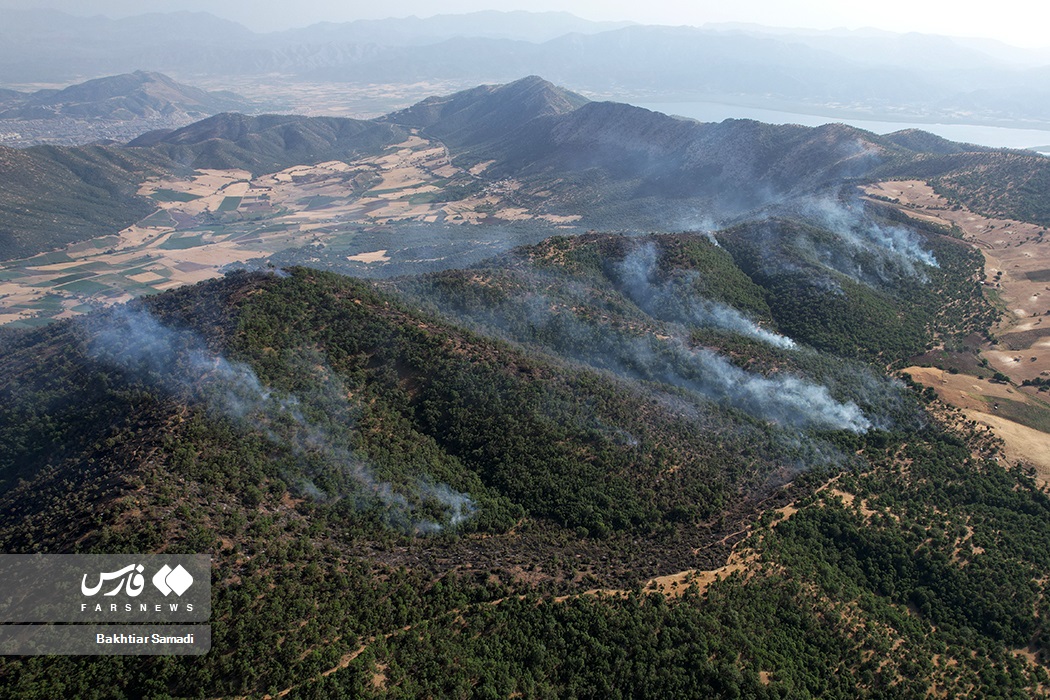
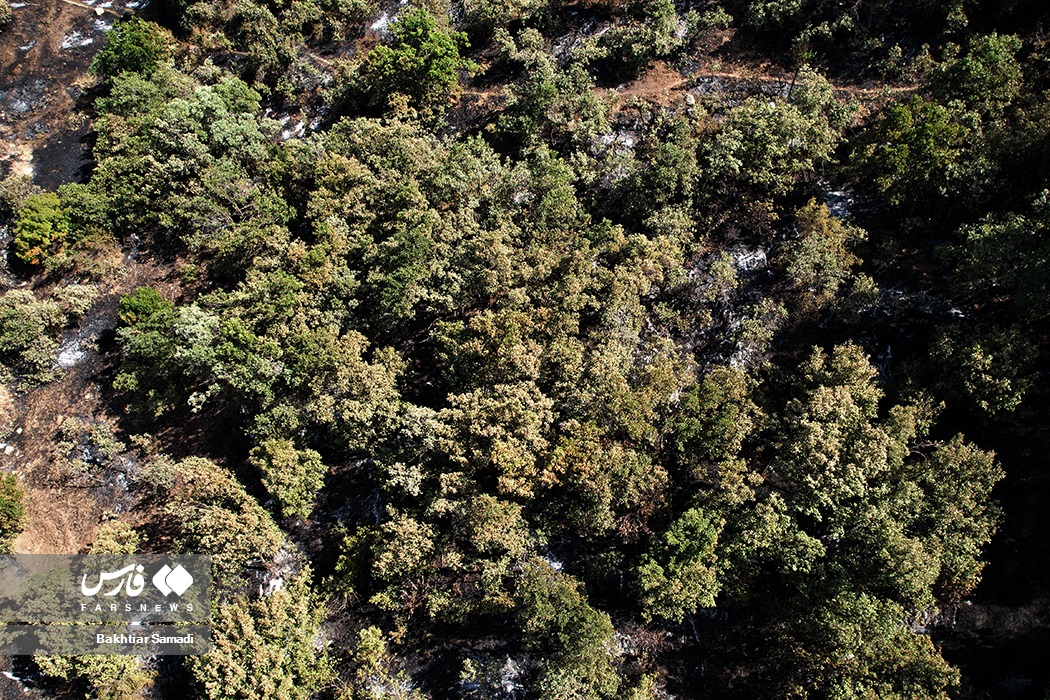
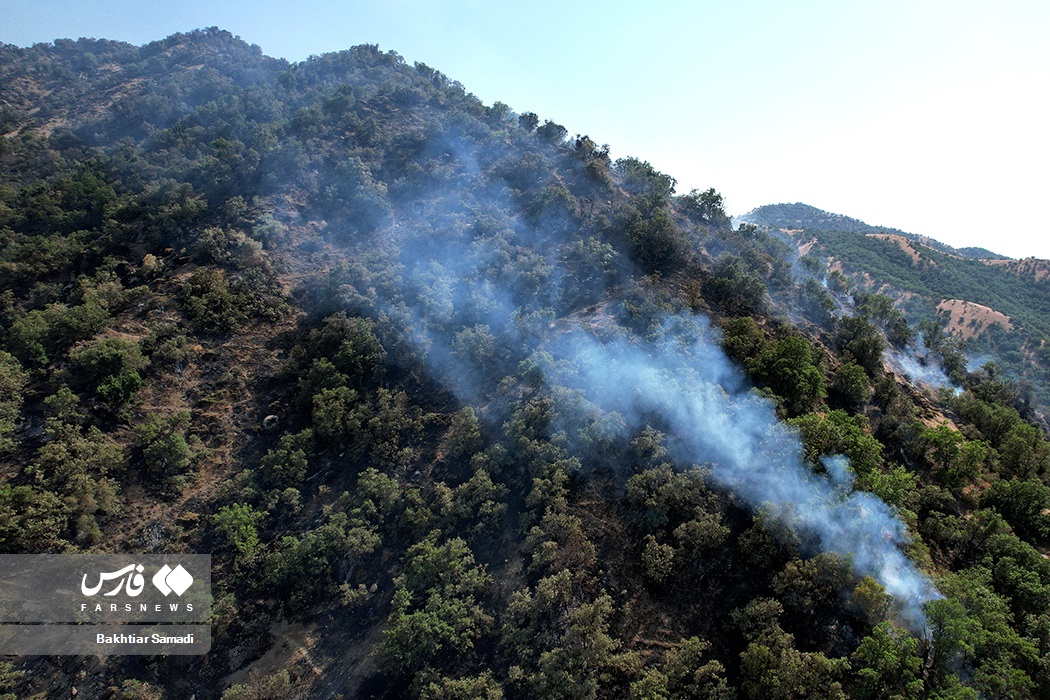
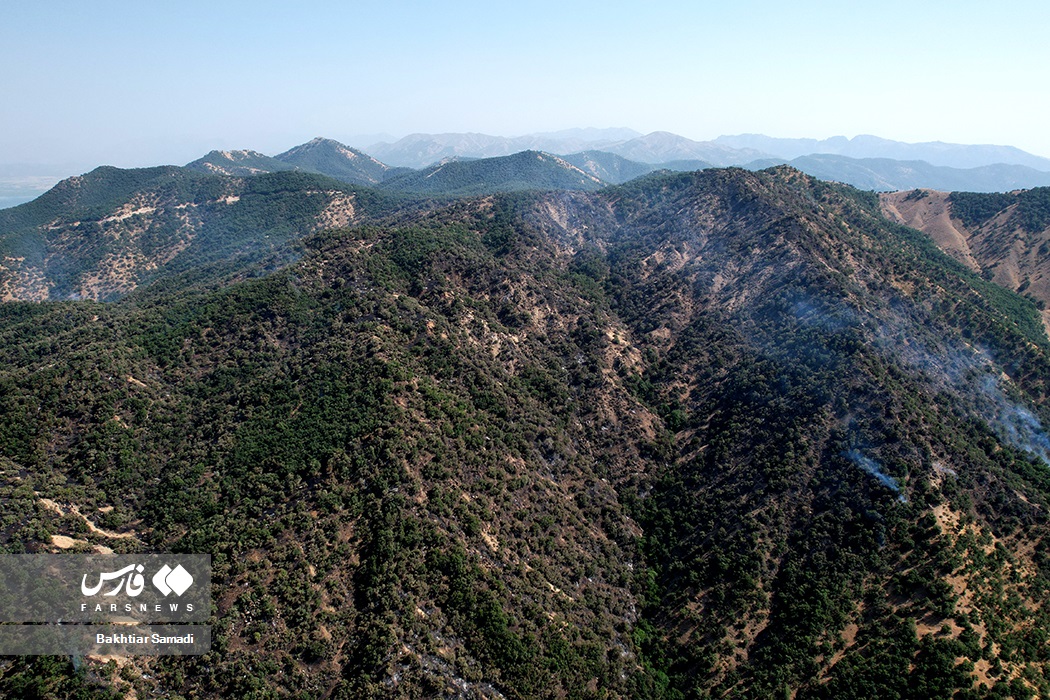
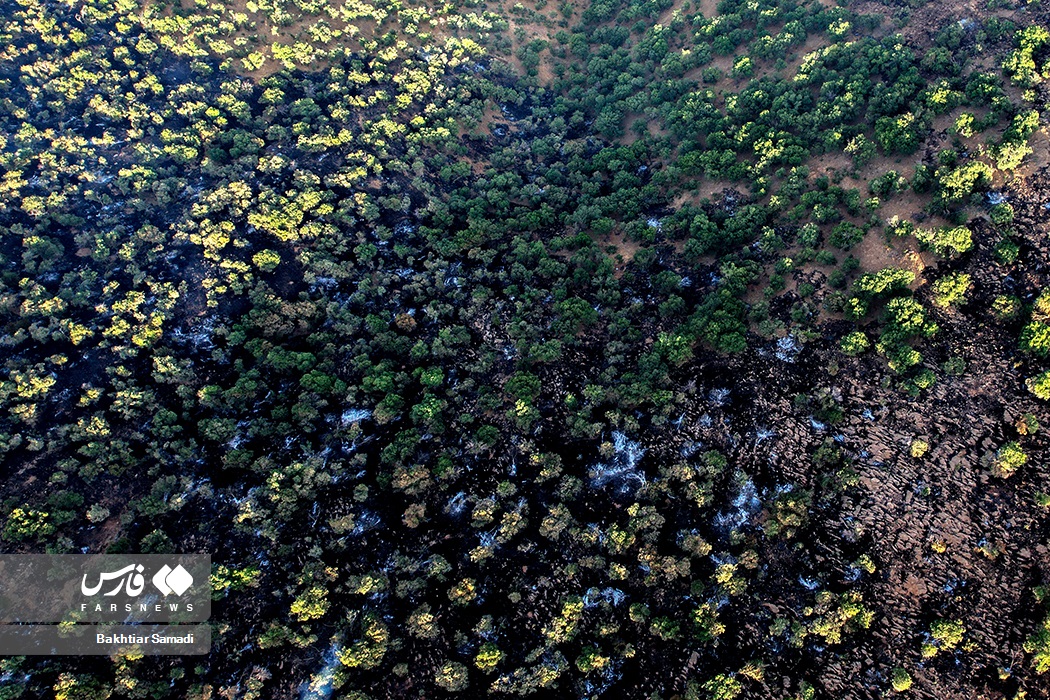
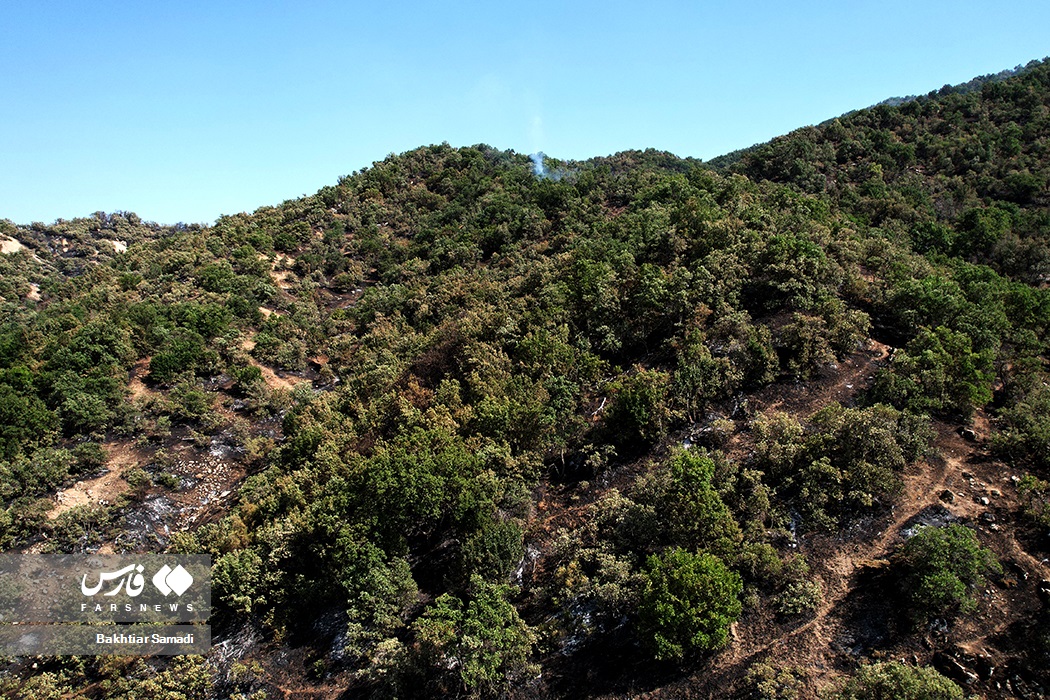
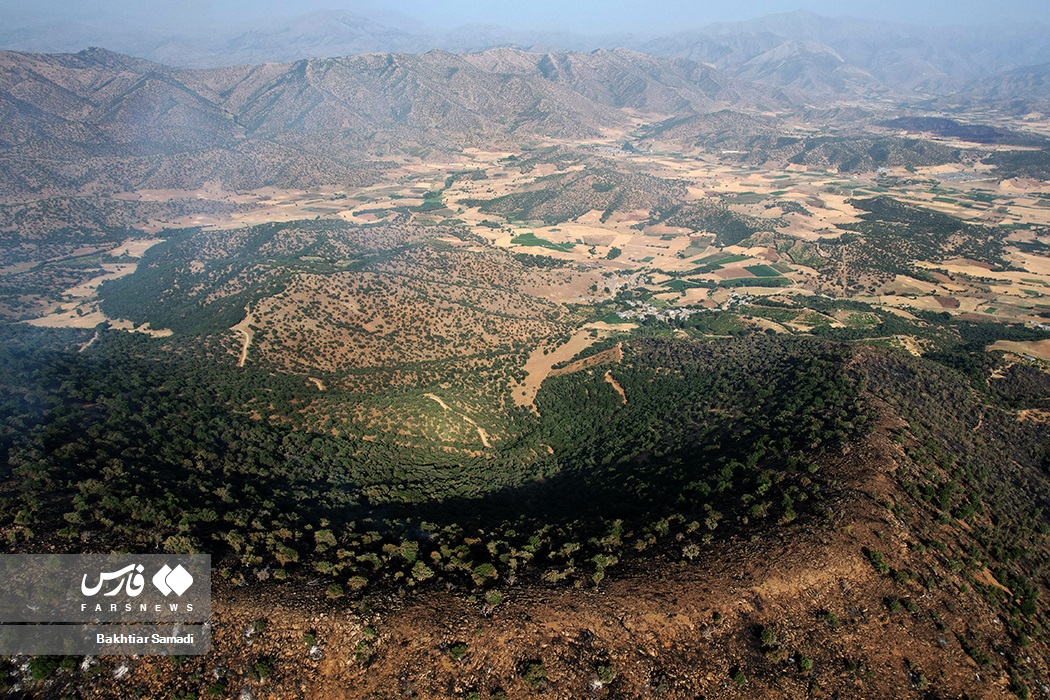
The fires started in “Be Radeh Rashe” Forests in Marivan City on Thursday noon and were put out on Saturday night.

Behzad Sharifipour, the director general of the province’s natural resources and watershed management organization, told IRNA on Saturday night that the fires had been successfully extinguished.

Sharifipour said the fires had been burning in an area of 165 hectares and were human-caused.

He added that once started, the fires led to the explosion of a landmine dating back to the Iran-Iraq War of the 1980s, which wounded six people. All of them were treated as outpatients and were now fine.

Locals, NGO members, personnel from Sharifipour’s organization, and members of the Basij and the Islamic Revolution Guards Corps (IRGC) worked together to put out the fires. A helicopter dispatched from the capital, Tehran, also significantly assisted the operations, he said.

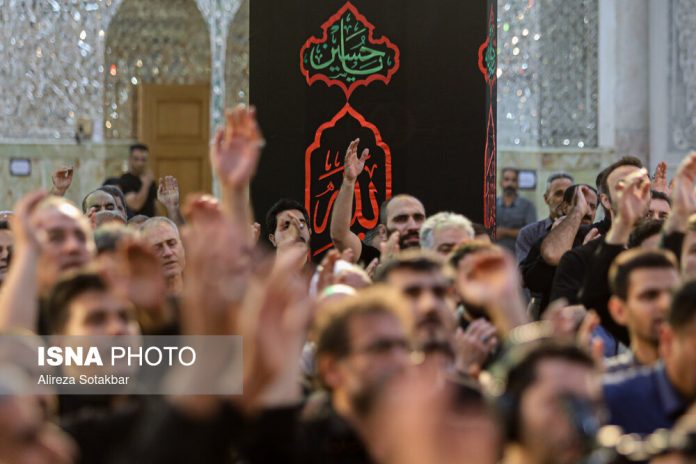
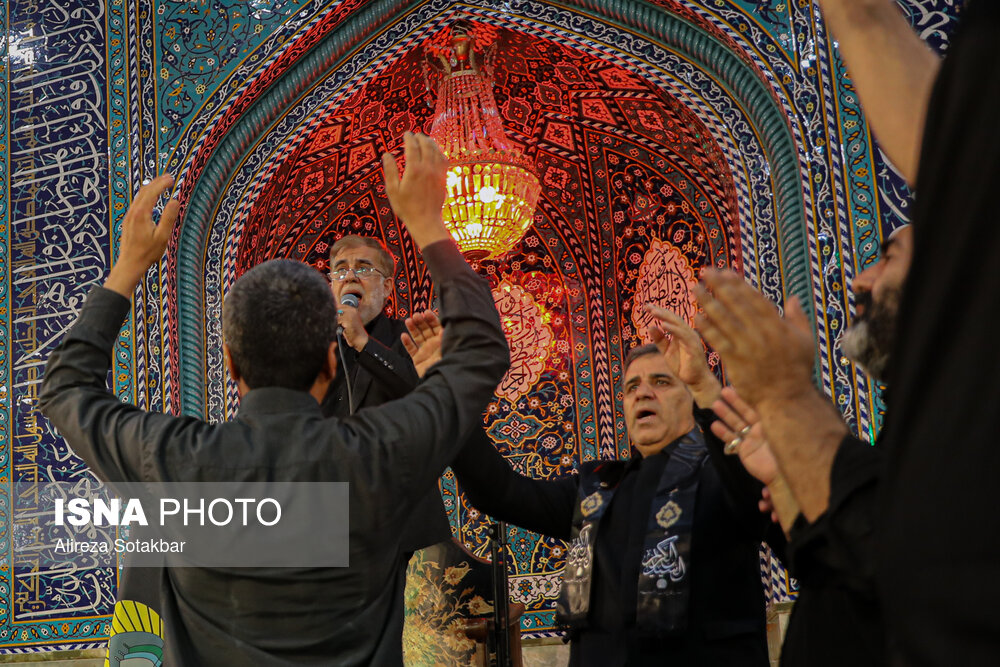
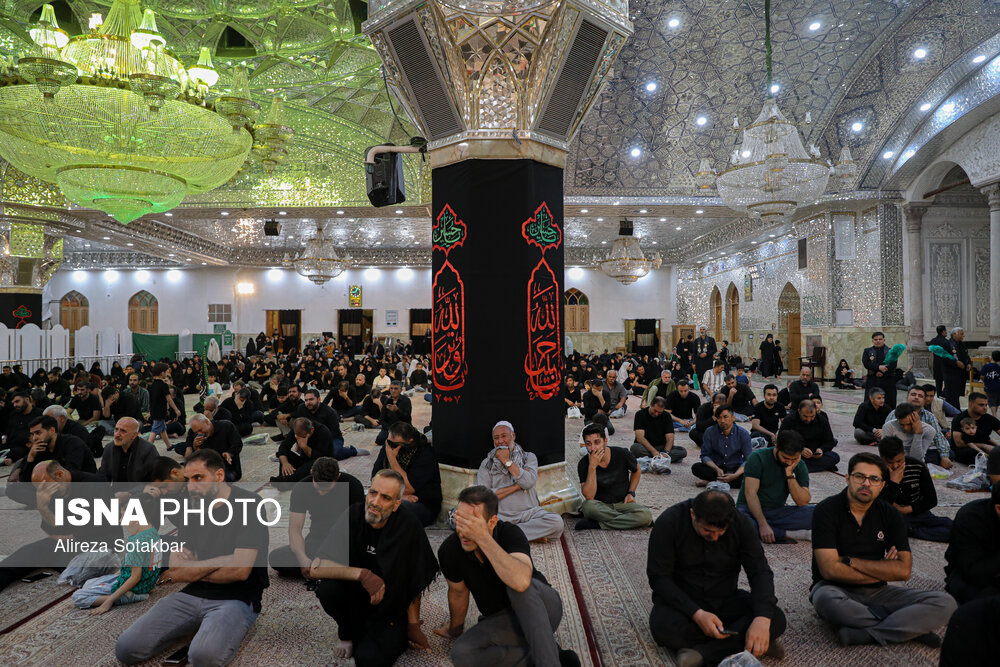
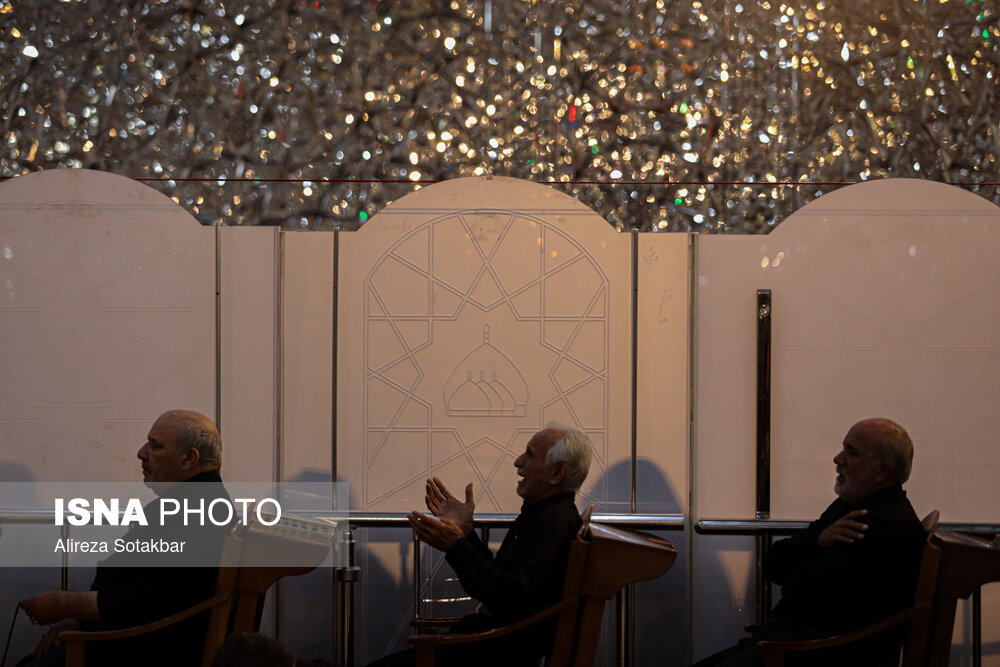
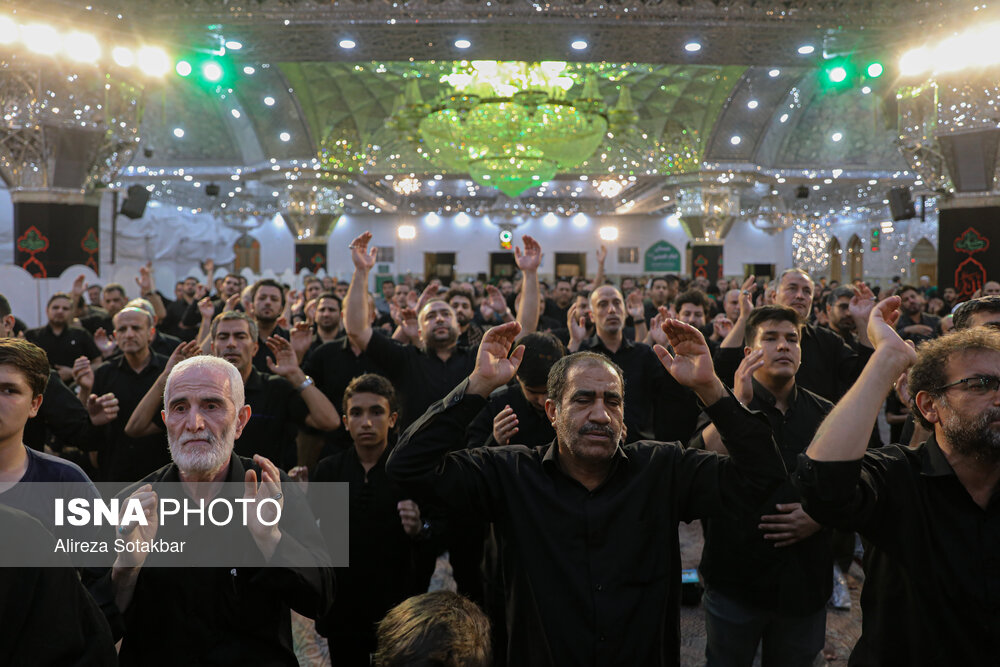
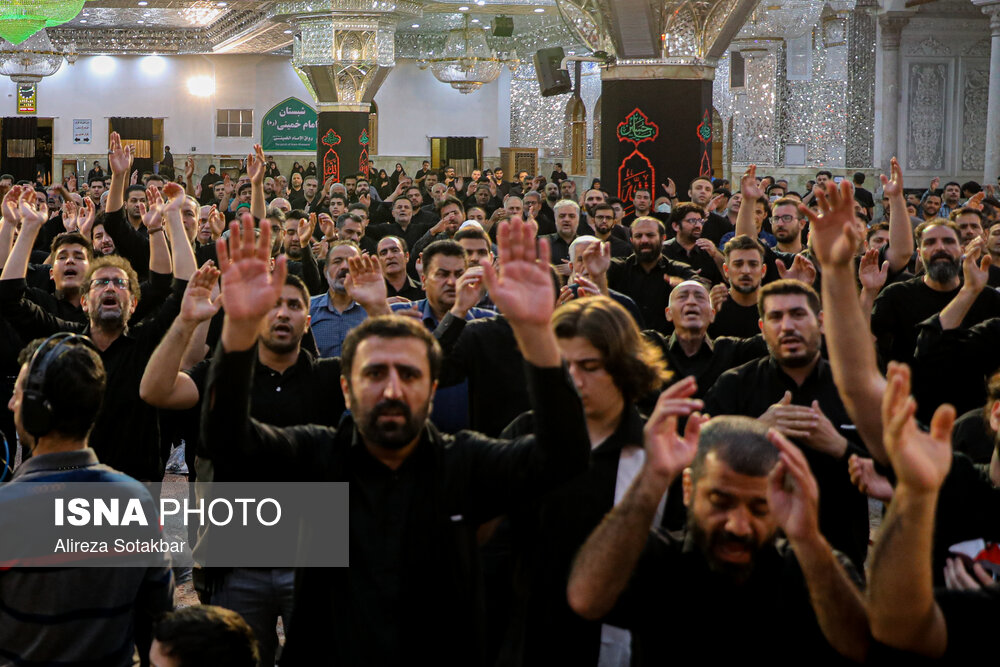
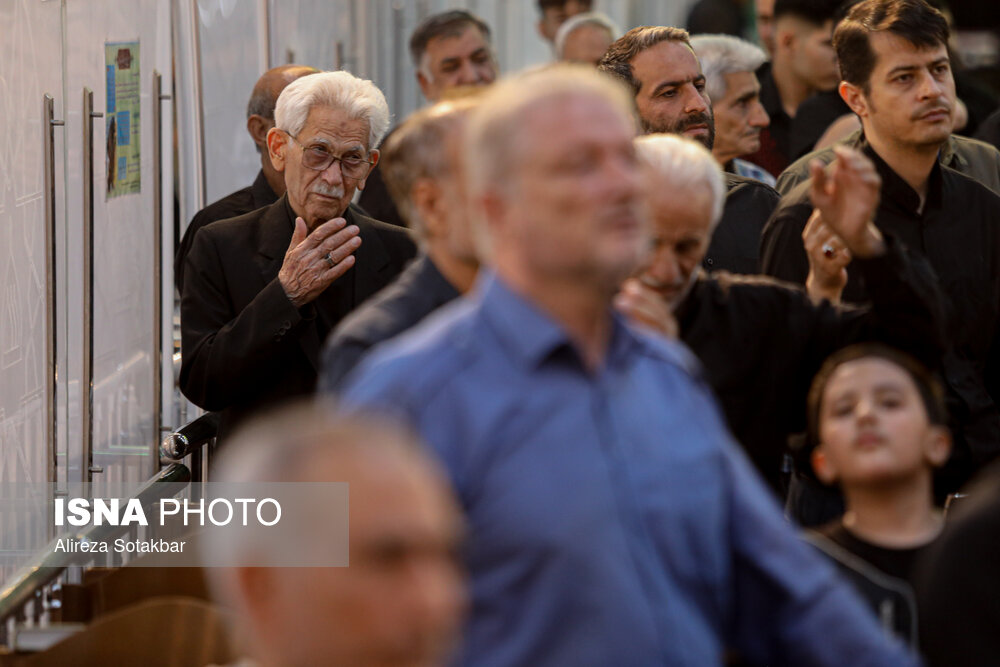
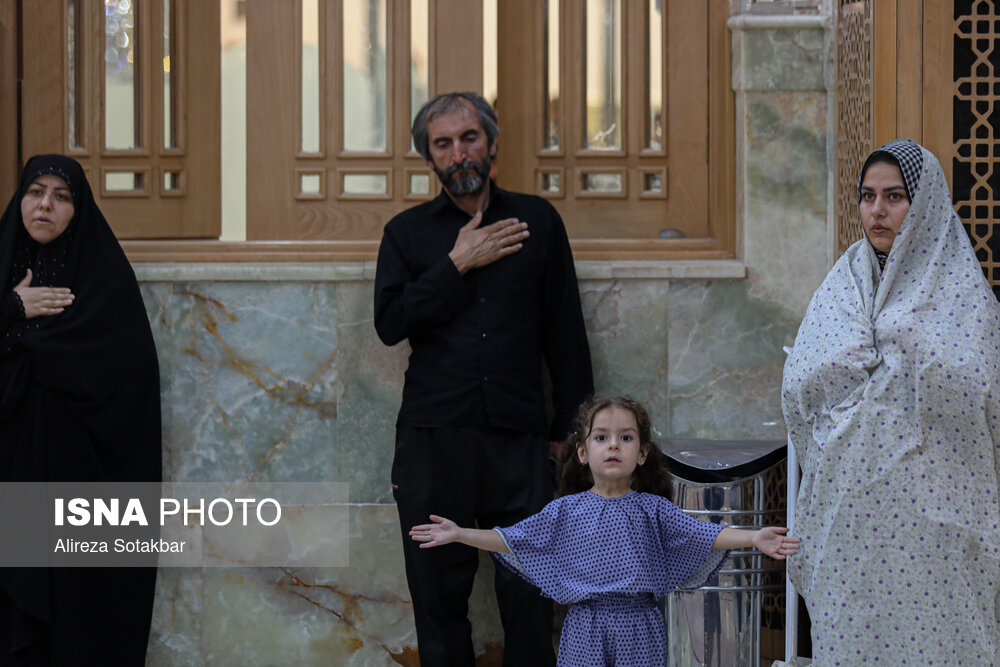
Mourning ceremonies held as Iranians mark Muharram

Iran Muharram

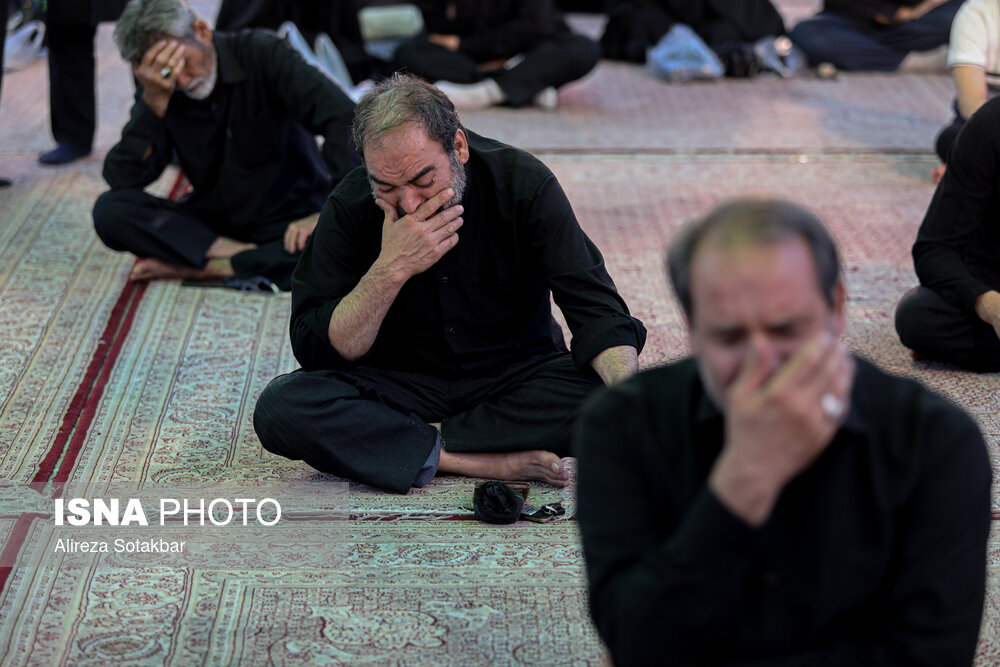
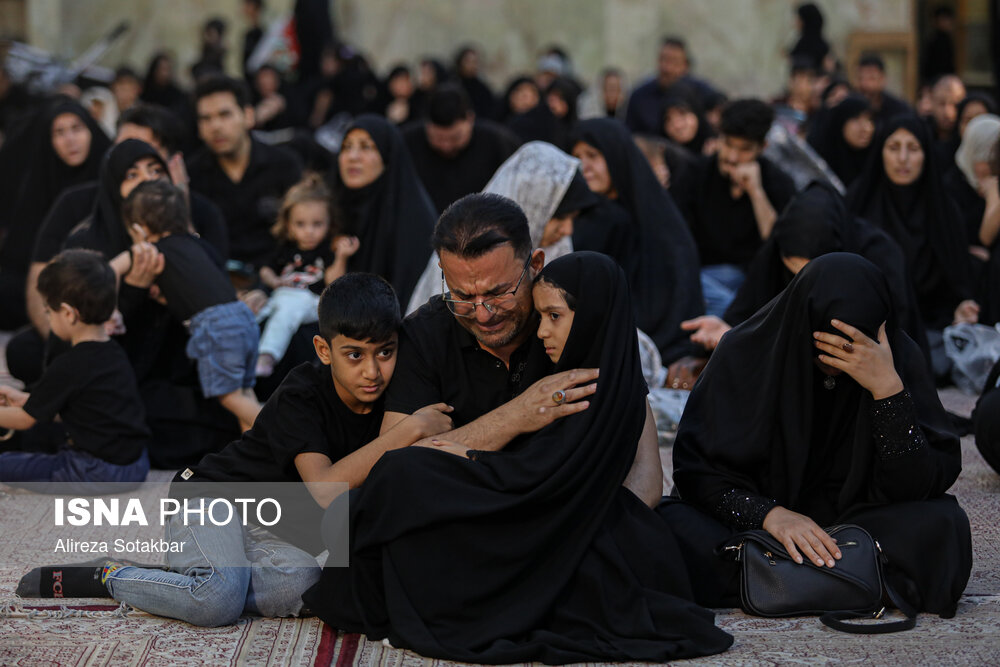
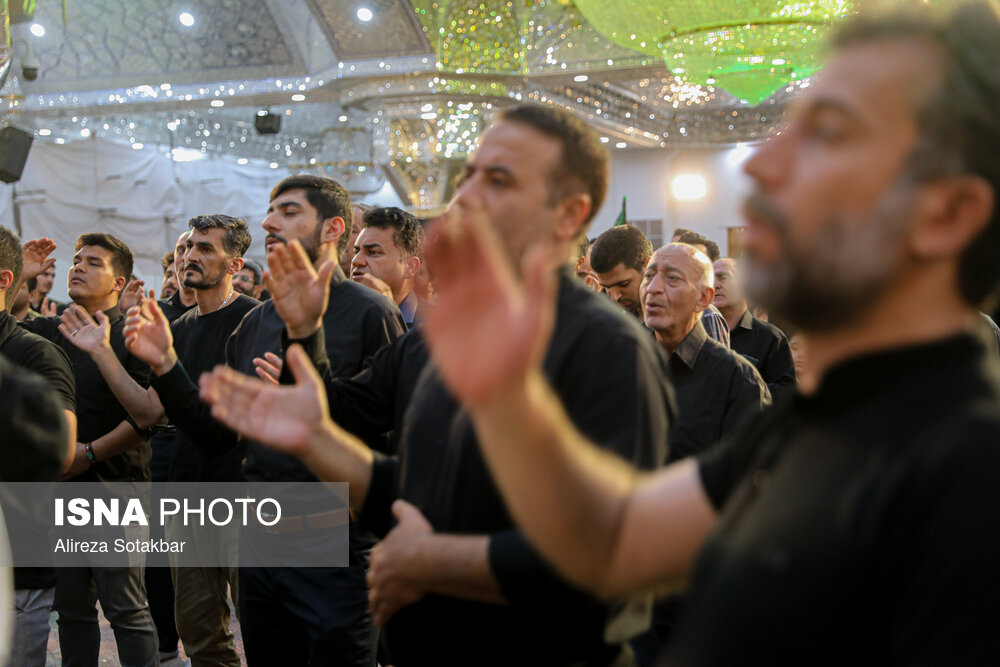
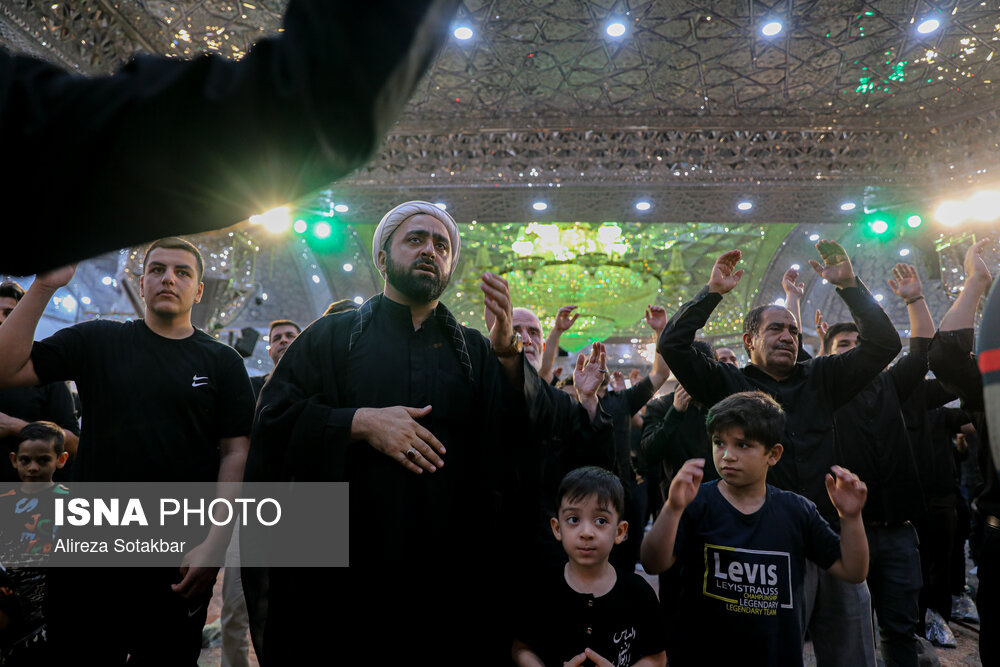
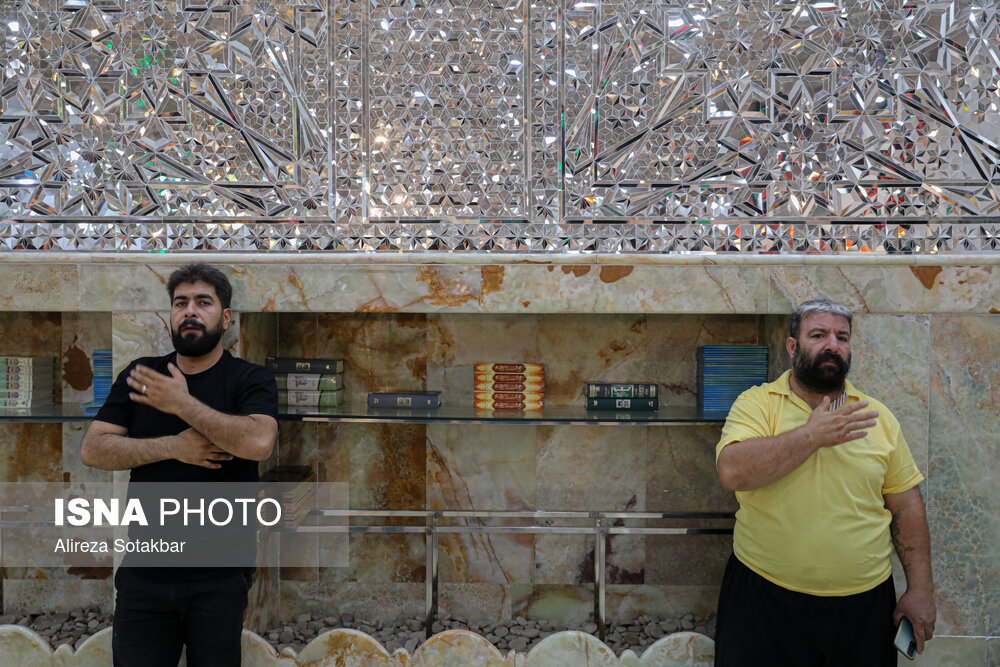
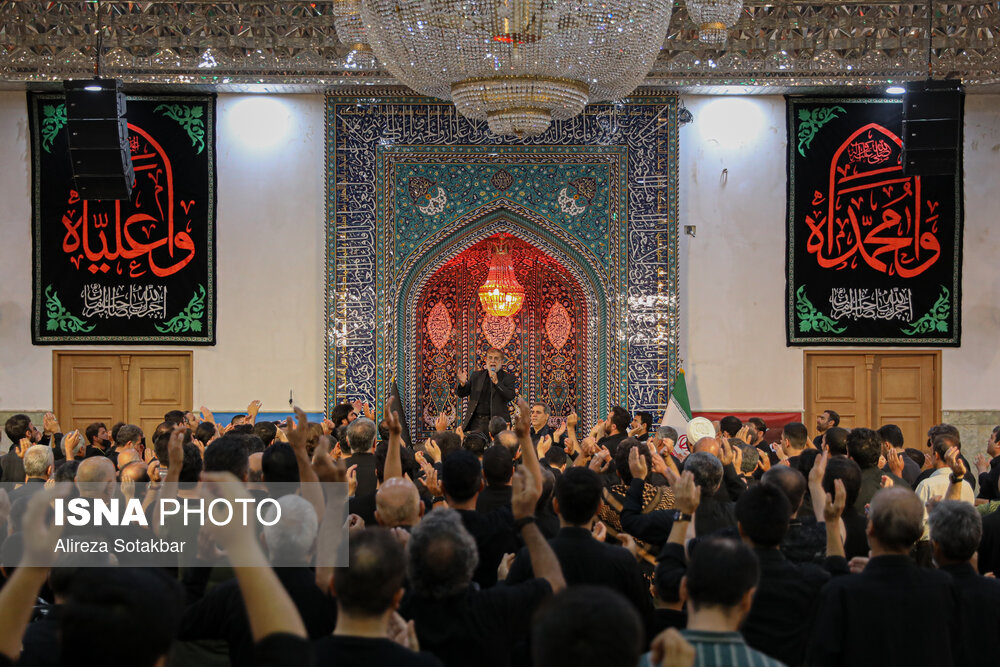
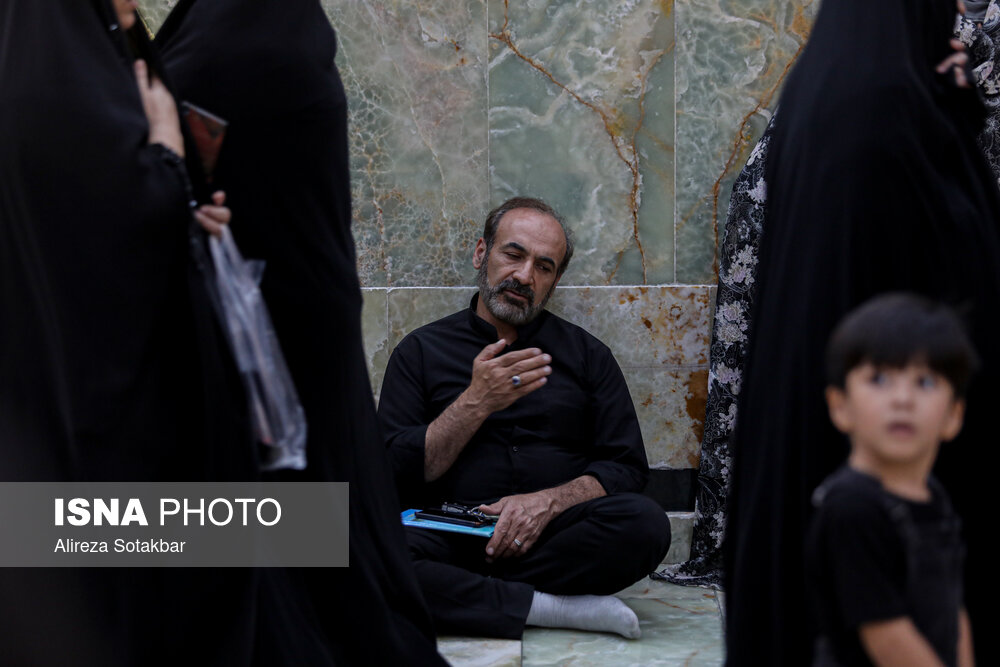
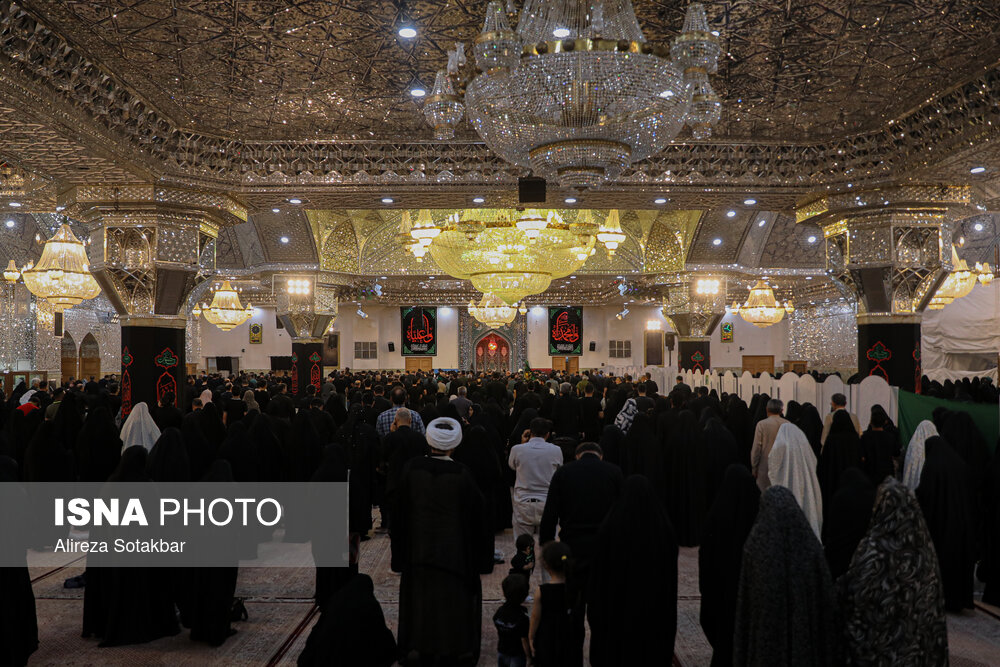
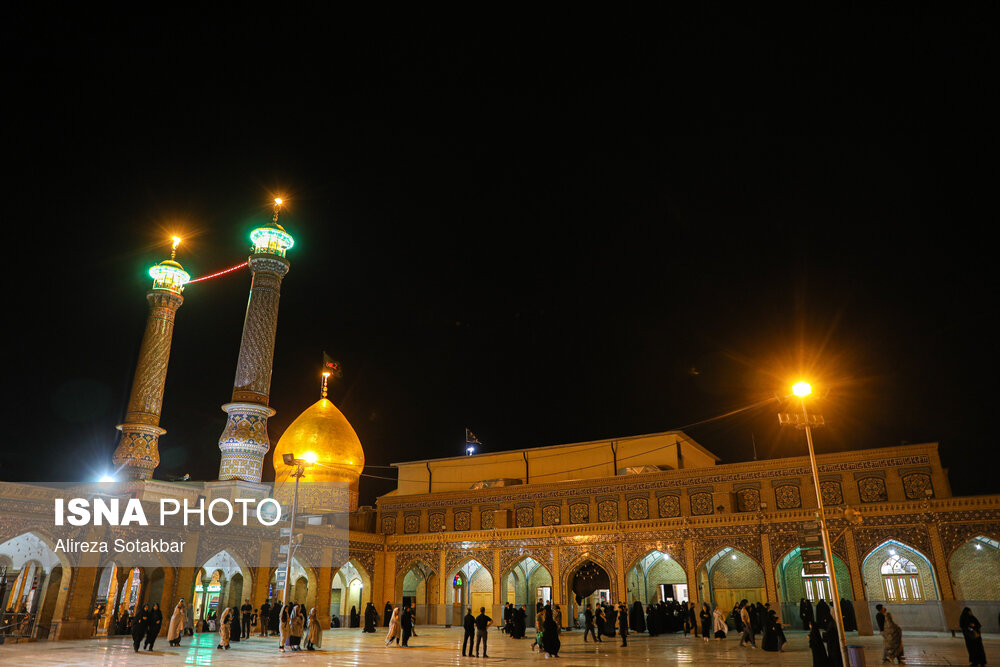
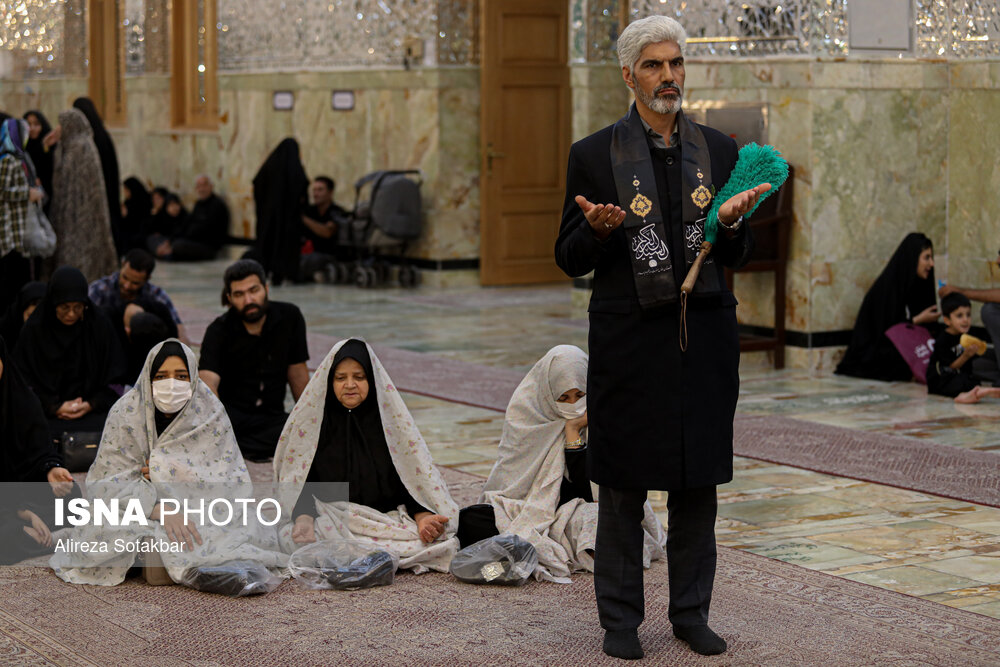
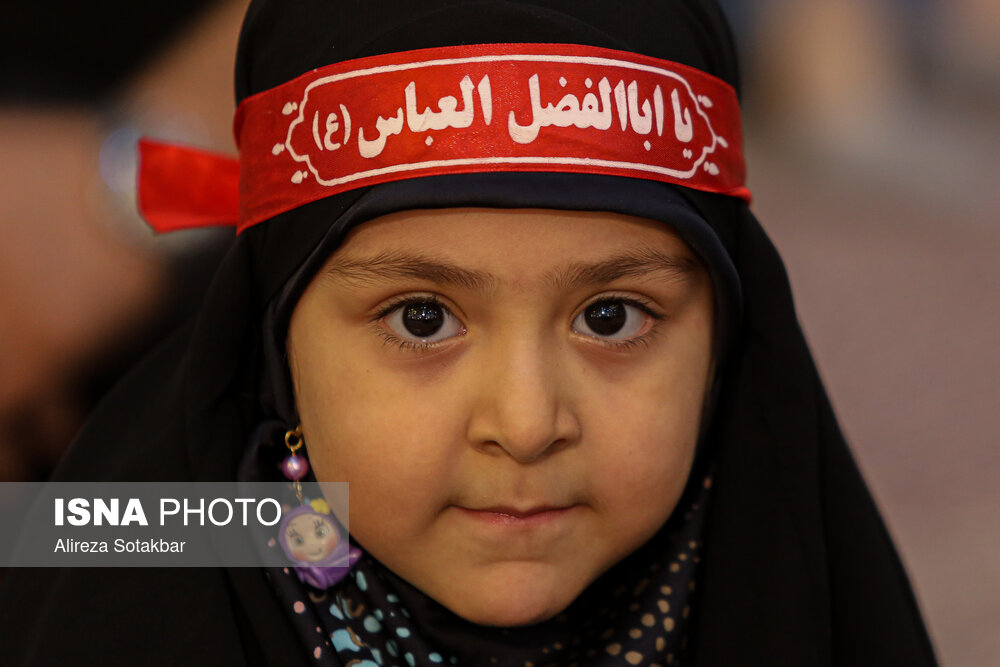
Mourning sessions were observed on the third night of the month at Shah Abdol-Azim Shrine in Rey, to the south of the Iranian capital of Tehran, on Saturday.

Here are photos from that solemn event, one of many across Iran and other countries to mourn the third Shia Imam and the Grandson of Prophet Muhammad.


Islamic countries should cut diplomatic, economic relations with Sweden: Hezbollah leader

Quran

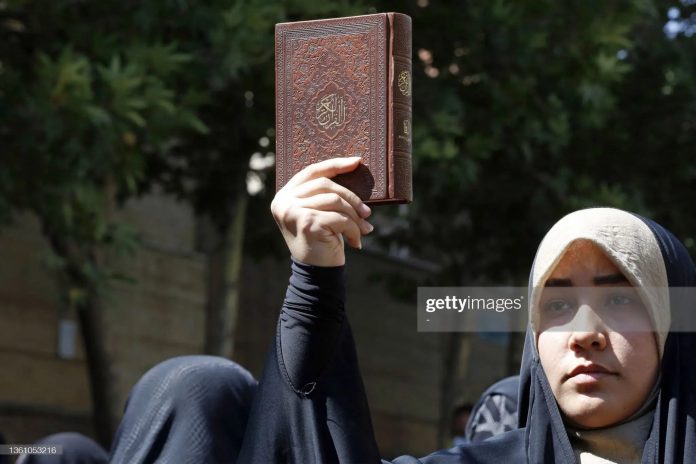
Nasrallah’s Saturday remarks came after on Friday, he called on all Muslim countries to expel the Swedish ambassadors from their capitals in reaction to a second instance of the desecration of Muslims’ holy book in Sweden.

Nasrallah said the positions that are being adopted by Arab and Muslim countries on this sacrilegious act “must lead to severance of [their] diplomatic and economic relations” with the Swedish government.

Adding to his Saturday comments, the Hezbollah leader stated the Muslim world should not be duped by the Swedish and Danish governments sufficing to mere apologies over the sacrilegious acts.

Nasrallah was referring to two instances of the desecration of the Holy Quran in Sweden and the repetition of the sacrilegious act in Denmark, which prompted Iran to summon the Danish ambassador to Tehran in vehement protest at the insulting act.

“We must not be deceived by the Swedish and Danish [governments’] apologies, [because] they are not enough and these governments must prevent such abusive behavior,” the Hezbollah leader added.

He also hailed the Iraqi government for reacting to the insulting act by expelling the Swedish ambassador from Baghdad and withdrawing its own envoy from Stockholm.

Nasrallah also warned the Swedish government against allowing the repetition of such sacrilegious acts on its soil, saying, “If the Swedish government remains on this path, it will be considered a country fighting Islam and Muslims.”

The Hezbollah leader urged the Swedish government to pay due attention to the remarks made by Leader of the Islamic Revolution Ayatollah Seyyed Ali Khamenei, especially to that part in which the Leader described Stockholm as a “government that has taken battle array against Islam” by authorizing desecration of Muslims’ holy book.

Nasrallah also warned that if it is confirmed that the Israeli spy agency, Mossad, is behind the desecration of the Quran, it would mean that such sacrilegious acts would continue and would be followed by strong popular and official reactions from the Muslim world.

Earlier in July, Iran’s Intelligence Ministry said the Iraqi national who burnt a copy of the Holy Qur’an in Stockholm was affiliated with the Israeli Mossad spy agency and engaged in espionage activities against resistance groups.

The ministry said in its statement that Salwan Momika was born in Iraq in 1986 and was hired by Mossad in 2019, stressing that his notoriety and criminal records in his home country were “accepted and welcomed by Zionists” at the time.

After being recruited by the Israeli spy agency, the Iraqi man “played a major role in spying on the resistance movement and advancing the project of Iraq’s disintegration,” the Intelligence Ministry added.

The ministry stressed that the desecration of the Holy Quran by Momika was part of an Israeli project to detract the world’s public attention away from the regime’s atrocities against Palestinians in the occupied West Bank, especially in the city of Jenin.

Palestinians call for international investigation into Israeli killing of teenager

Israel Palestine

Fawzi Hani Makhalfeh, 18, was driving with his friend Mohammed Mukheimar when Israeli forces opened fire at their car at about midnight.

Mukheimar was injured and arrested by Israeli forces.

Ahmed Jibril, the director of ambulance and emergency services at the Red Crescent, said that Makhalfeh was hit by several bullets, one of them directly in the head, out of dozens of bullets fired by the Israeli soldiers.

In a statement, the Israeli army claimed that the two Palestinians tried to drive a car into soldiers, but Makhalfeh’s family said the two did not target soldiers but were ambushed while driving home, and that their car was riddled with bullets.

The mayor of Sebastia, Mohammad Azem, stated that he was one of the first to arrive at the scene. He described a scene of bloody carnage, with more than 50 bullet holes in the chassis.

“He was a university student,” Azem continued, adding, “It was just so brutal.”

In a statement issued on Saturday, the foreign ministry described Makhalfeh’s killing as an “execution” and called for “bringing the perpetrators and those behind them to justice”.

“The firing of a hail of bullets at the vehicle they were traveling in reflects the magnitude of hatred, aggression, racism, and premeditated killing, which makes every Palestinian vehicle suspicious to the occupation soldiers a target that can be shot at and killing whoever is inside it,” the ministry stressed.

It held the Israeli government fully responsible for what it described as “the heinous crime of execution” its soldiers have committed in Sebastia, calling for an international investigation into it.

Hundreds of people attended the funeral ceremony in Sebastia on Saturday. Makhalfeh’s father helped carry his son’s body which was covered with the Palestinian flag while his head was wrapped in a keffiyeh. He told local media his son was hoping to get married soon.

Makhalfeh had just passed his high school exams and was in good spirits before the shooting, according to local reports.

The shooting came hours after a 17-year-old Palestinian was killed by Israeli fire elsewhere in the occupied West Bank.

The killings are part of a year-long period of violence, marked by repeated Israeli raids on the occupied West Bank, which has shown no signs of abating.

According to reports, 202 Palestinians have been killed in the occupied territories this year alone, with 165 in the occupied West Bank.

Sebastia, northwest of Nablus, is home to an ancient archaeological site, which the Israeli military seeks to seize from the Palestinians and assume full control over it.

Huge crowds march in Israel as vote on judicial curbs nears

Protest Israel

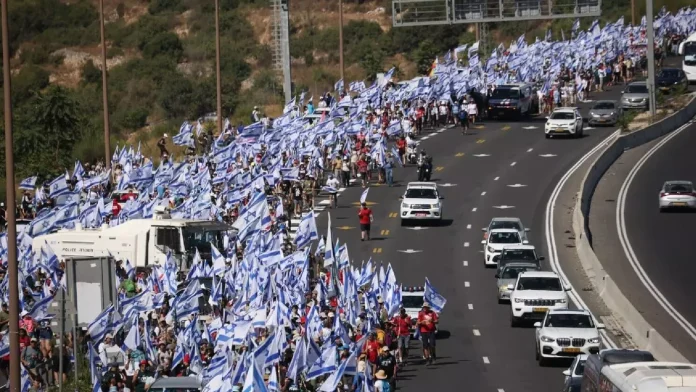
Carrying Israeli flags, a long column of protesters hiked up the winding highway to Jerusalem under a scorching summer sun, to the sounds of beating drums and anti-government chants and cheers.

The government’s attempt to change Israel’s judiciary has plunged the country into one of its worst political crises, sparking nationwide protests, denting the economy and stirring concern among western allies.

Protesters have been walking for days through a heatwave, camping out overnight and met by local people offering food and drink, with their numbers swelling as they reached the city gates in an unprecedented sight.
They plan to rally outside parliament before a Sunday debate and subsequent vote on the bill, which would limit the supreme court’s powers to void what it considers “unreasonable” government or ministerial decisions.
Netanyahu’s religious-nationalist coalition says the bill is needed to balance out the branches of power because the court has become too interventionist.

Critics say the amendment is being rushed through parliament and will open the door to corruption and abuses of power.

Polls suggest widespread misgivings among Israelis. Washington has urged Netanyahu to seek consensus on any judicial changes, which it said should keep Israel’s judiciary independent.

The crisis has even sown divisions within the military, long viewed as an apolitical melting pot for a fractious society, with concerns about war-readiness voiced on both sides of the debate.

Dozens of former security officials, including the heads of the military, police and the Mossad, some of whom served under Netanyahu, published an open letter to the premier on Saturday urging him to call off the vote and negotiate widely agreed reforms instead.

“The legislation is crushing those things shared by Israeli society, is tearing the people apart, disintegrating the IDF [Israel Defense Forces] and inflicting fatal blows on Israel’s security,” the letter said.

Netanyahu, who is on trial for corruption, which he denies, has stated he has been striving for broad agreements and has placed the onus on opposition parties to make compromises.