Sunday, December 28, 2025
Home Blog Page 1292

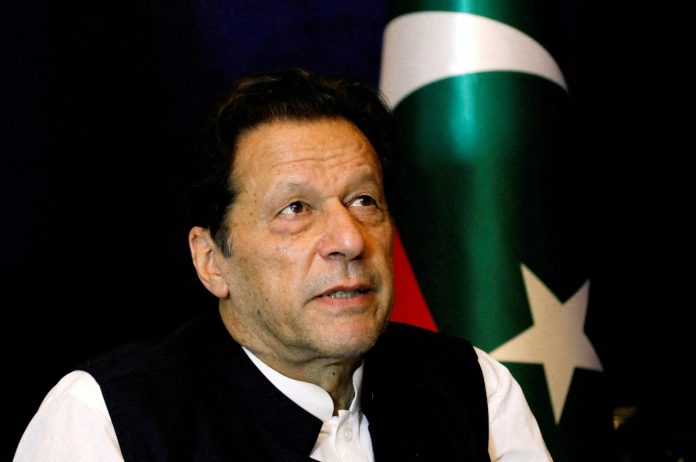
Pakistan court “dismisses murder charges” against ex-PM Imran Khan

Imran Khan

“God be praised,” his lawyer Naeem Panjutha wrote on X, formerly Twitter.

Panjutha said that the charges, which were related to the murder of a lawyer in the southern city of Quetta, had been dropped by the Balochistan High Court.

Khan was accused of the murder in June this year, and has been grappling with this and around 170 other cases brought against him since he was ousted from office. He has denied the charges, which range from graft to sedition, as politically motivated.

He was arrested earlier this month in relation to a corruption case and remains in detention.

Earlier this month, a trial court found Khan guilty of illegally selling state gifts, locally known as the Toshakhana case, and sentenced him to jail for three years. A separate hearing was also taking place on Monday at the Islamabad High Court in which Khan’s lawyers were appealing for that conviction to be suspended.

Abdul Razzaq Shar, a senior advocate, was murdered by unidentified individuals riding three motorcycles on 6 June. The attack on him took place as he was on his way to the Balochistan High Court, local media reported.

The slain lawyer’s son had registered a First Information Report (an initial chargesheet that represents the first step in criminal investigations in Pakistan) with the police against Khan and others from Pakistan Tehreek-e-Insaf (PTI).

Ataullah Tarar, special assistant to Prime Minister Shehbaz Sharif, stated at the time that the murder was closely connected to a treason case against Khan, which Shar had been working on.

Khan remains in the high-security Attock prison in connection with a corruption case. He was arrested immediately after the court sentence in the eastern city of Lahore.

The former prime minister was also barred from politics for five years by the Election Commission of Pakistan.
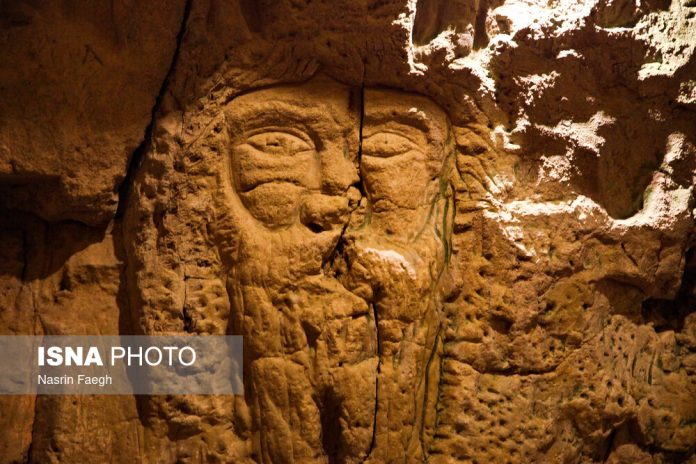
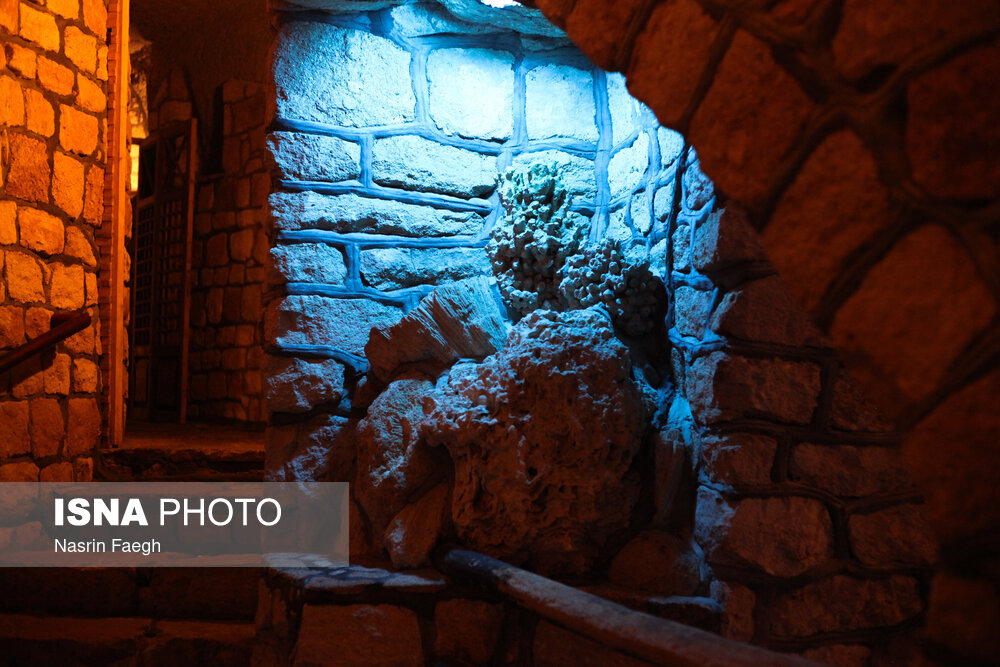
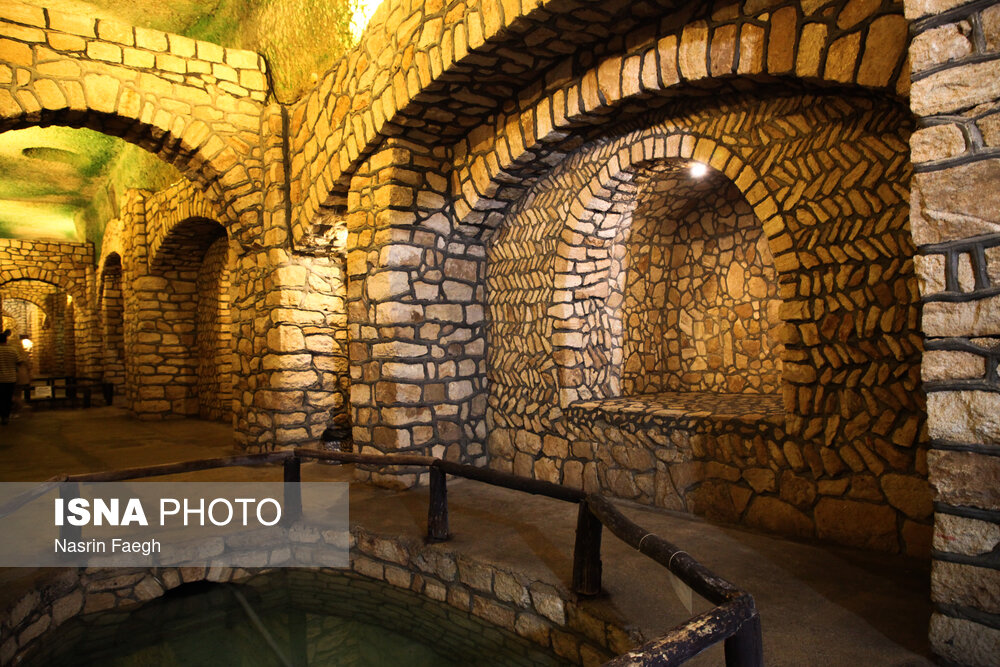
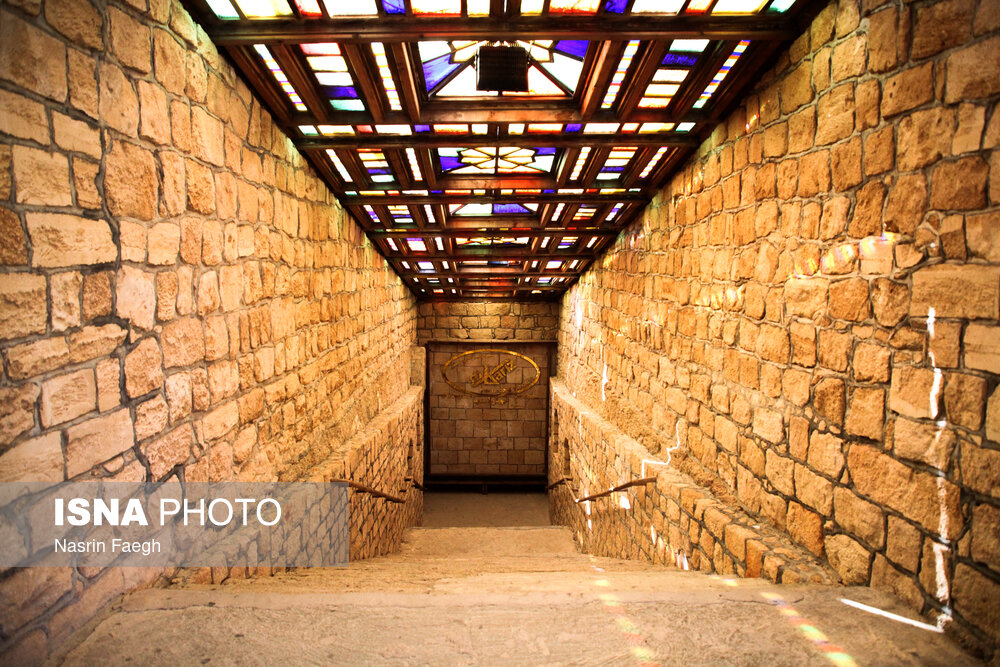
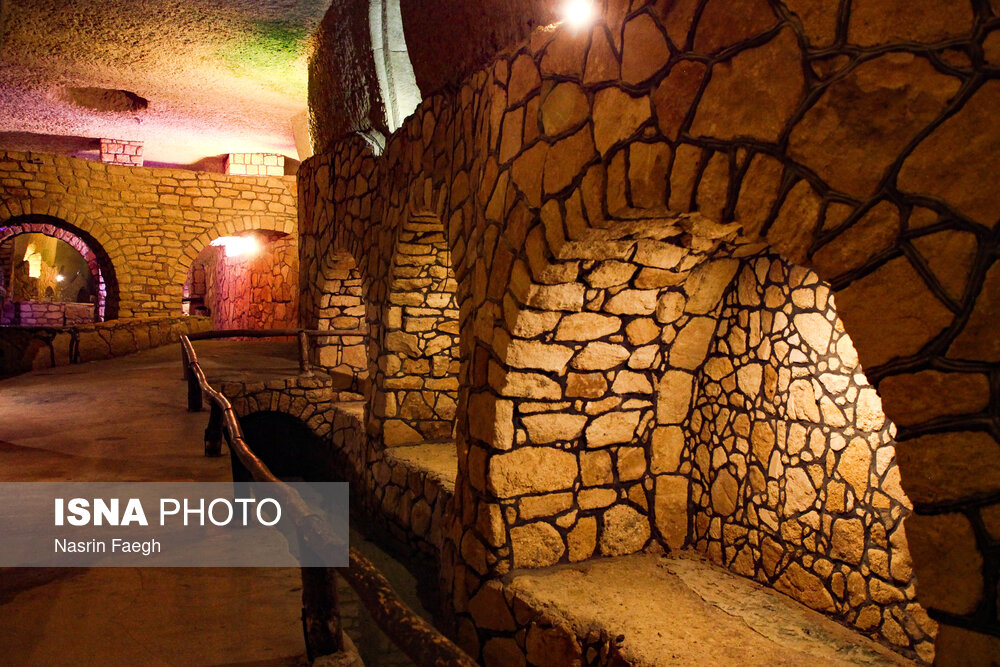
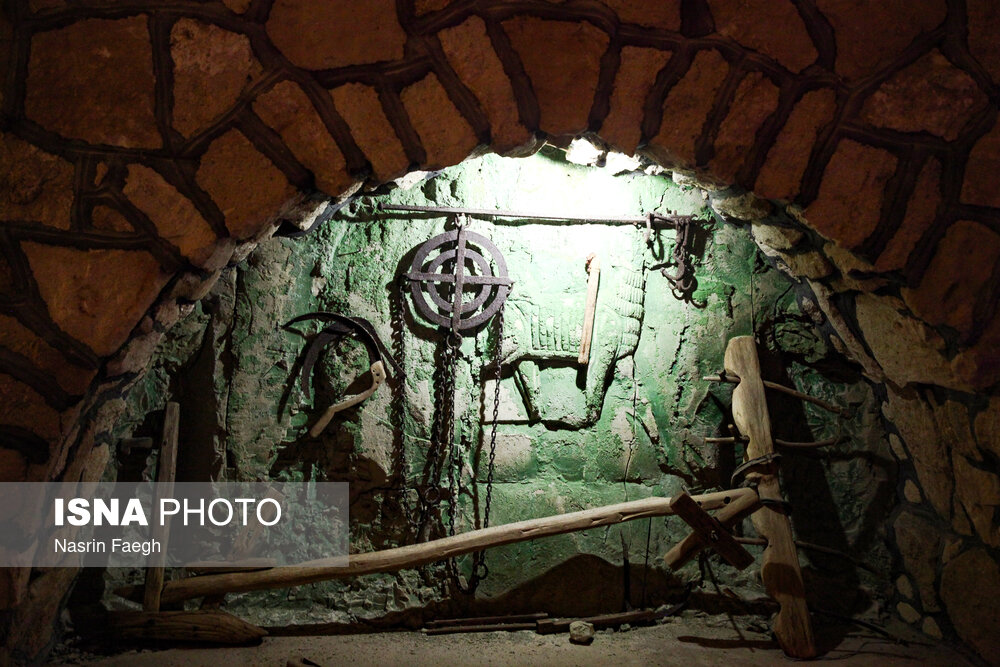
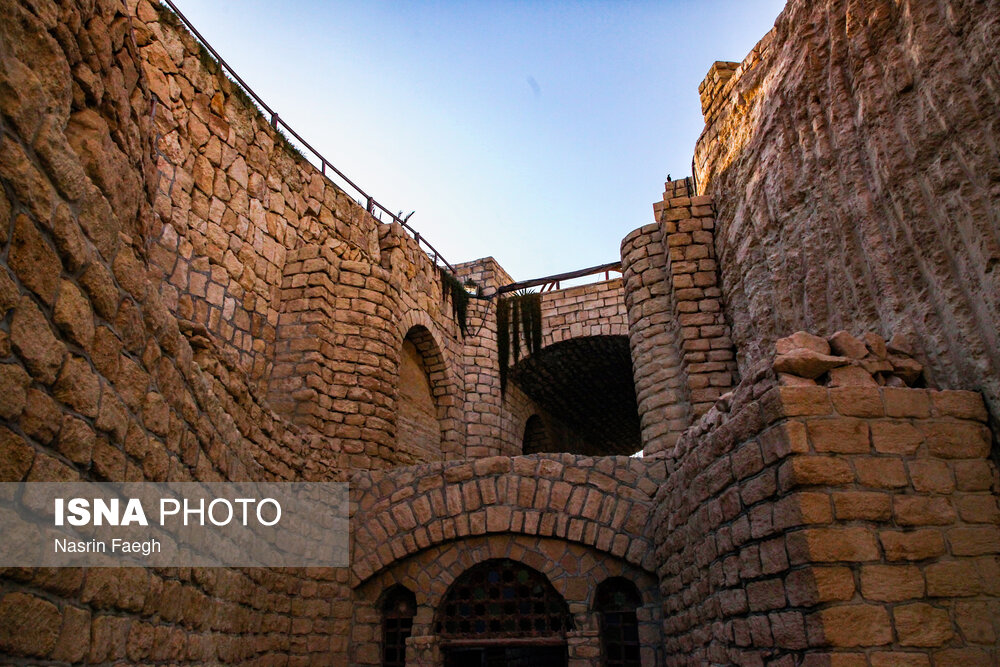
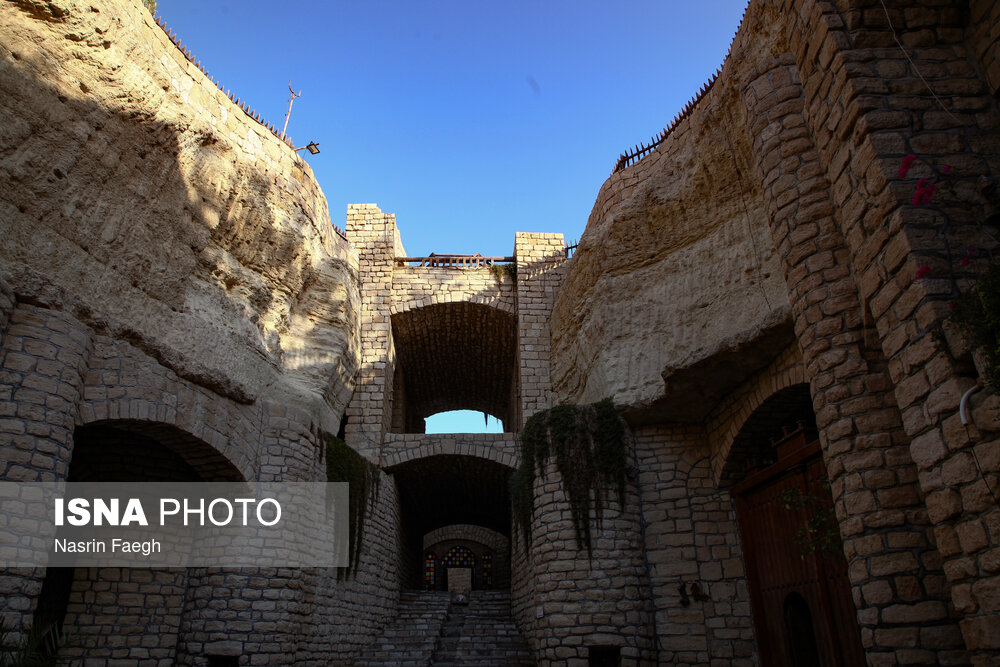
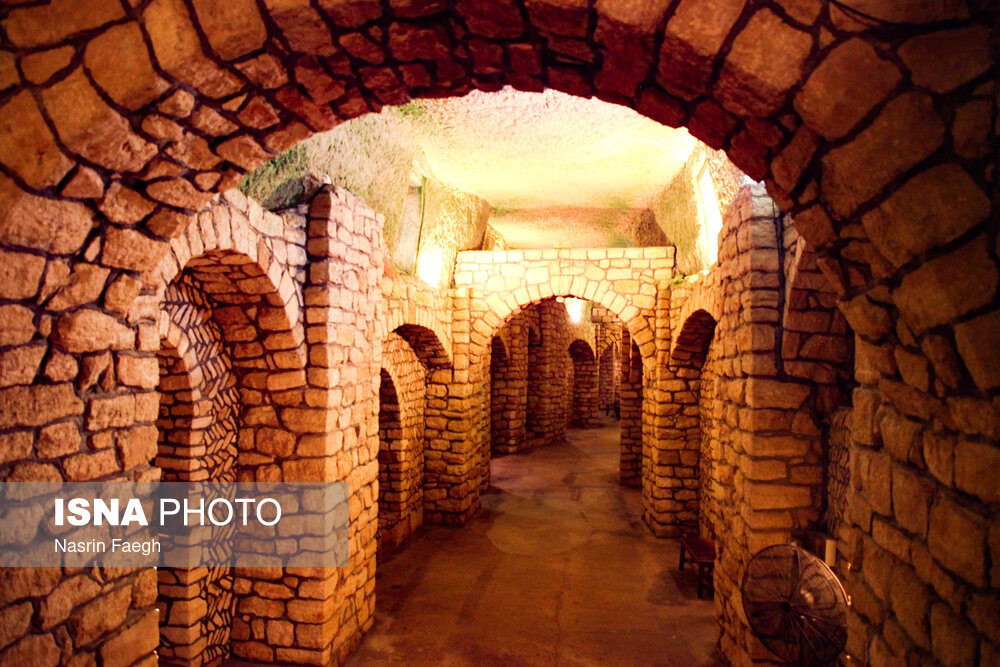
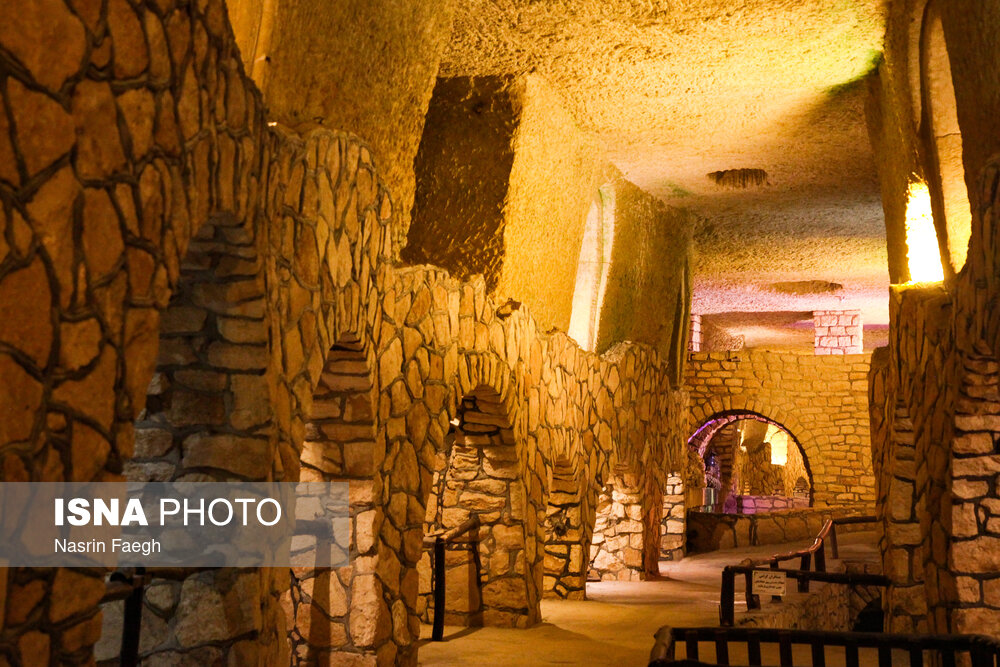
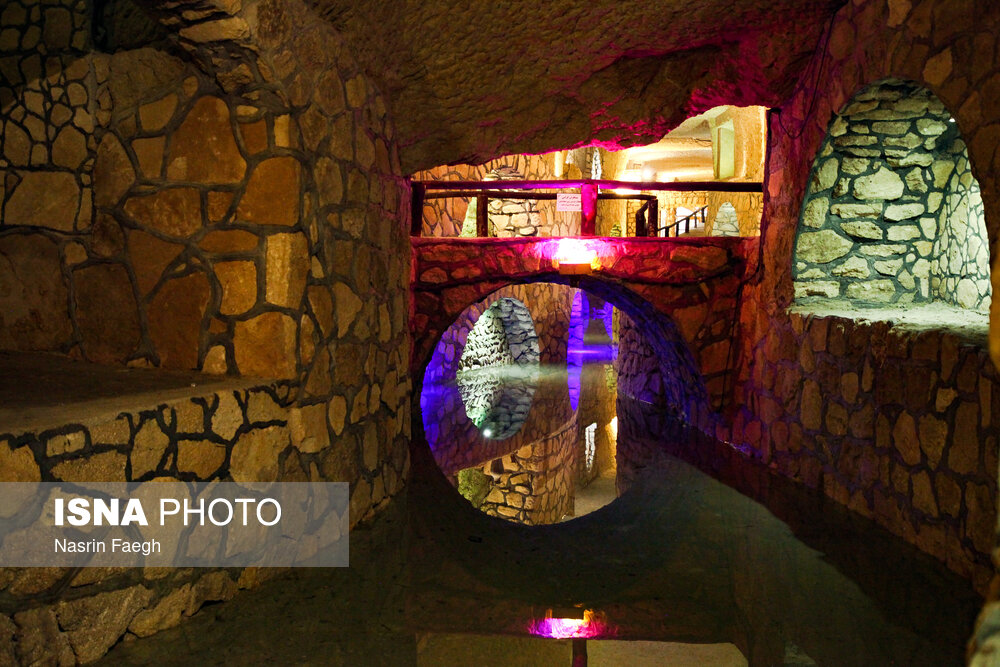
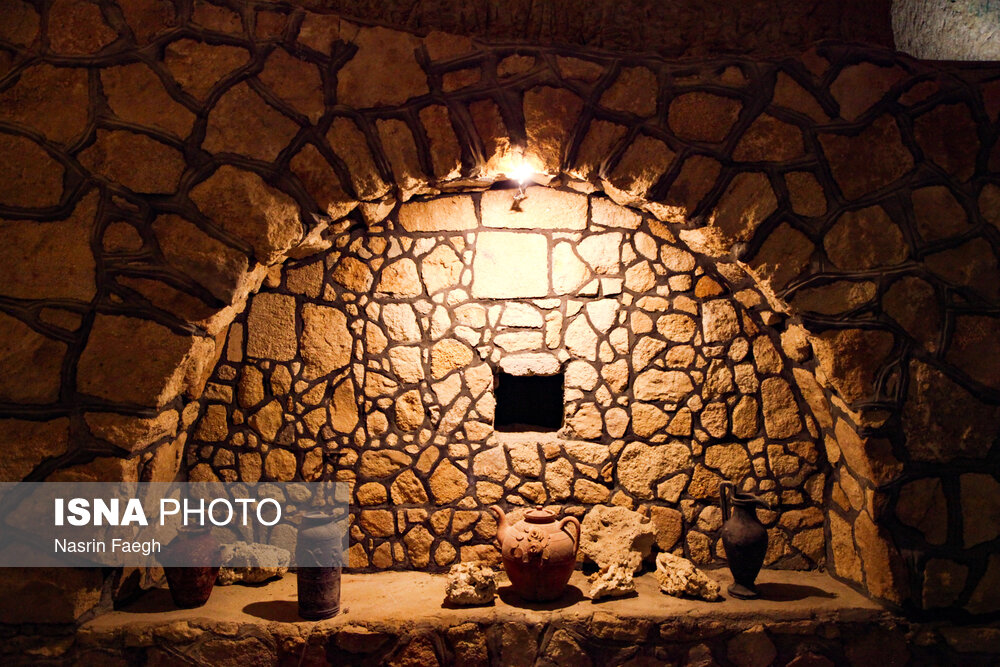
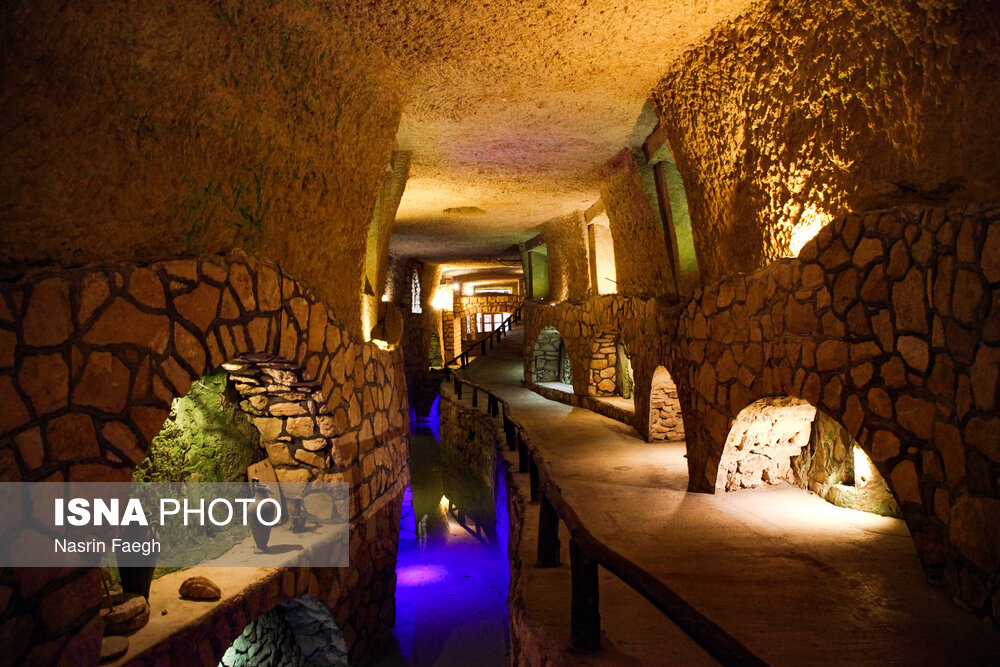
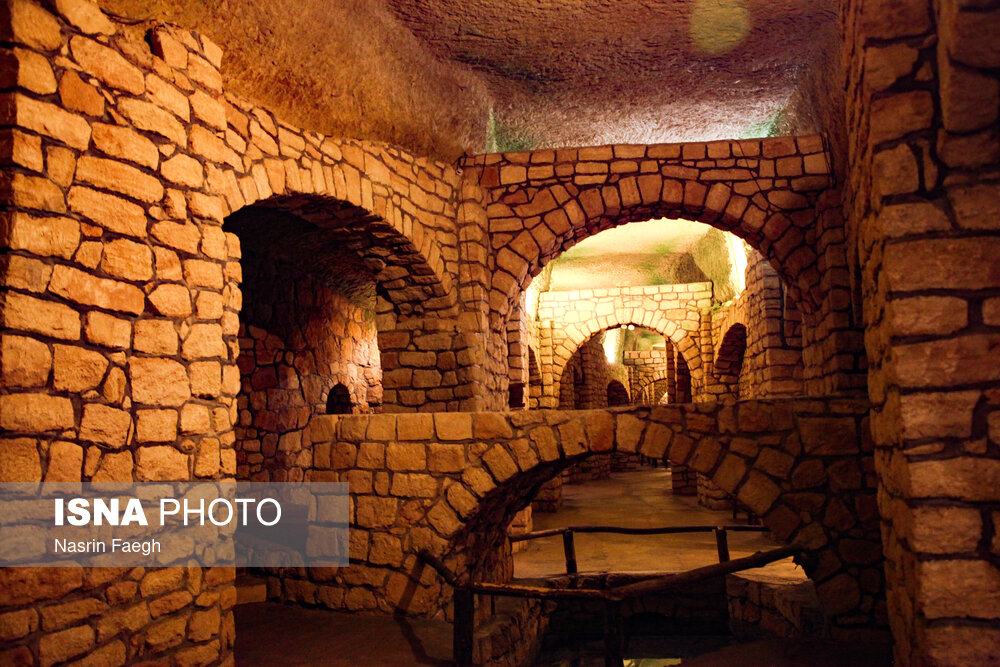
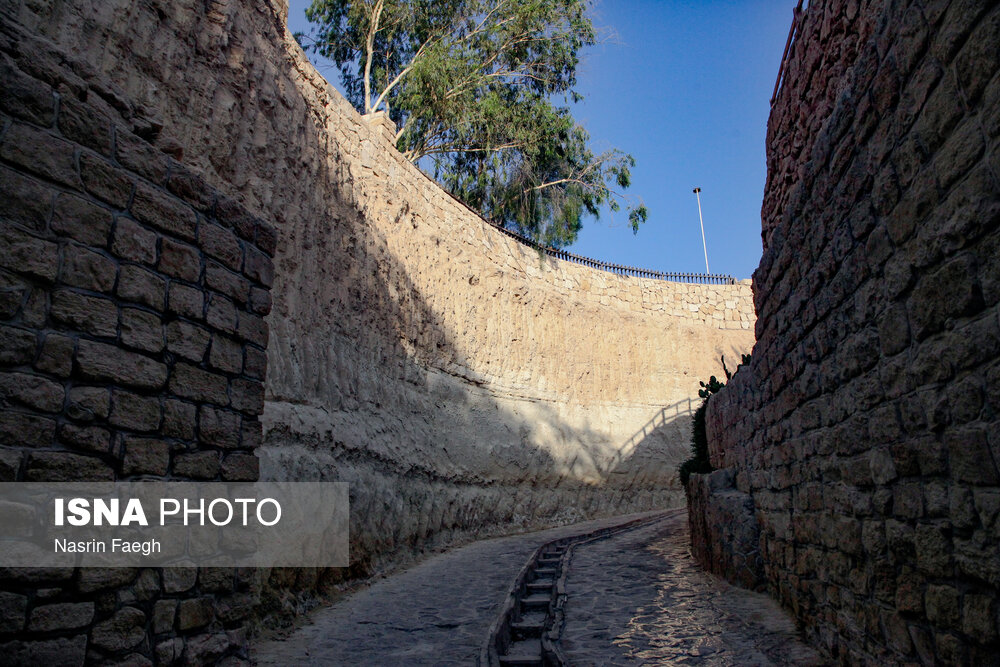
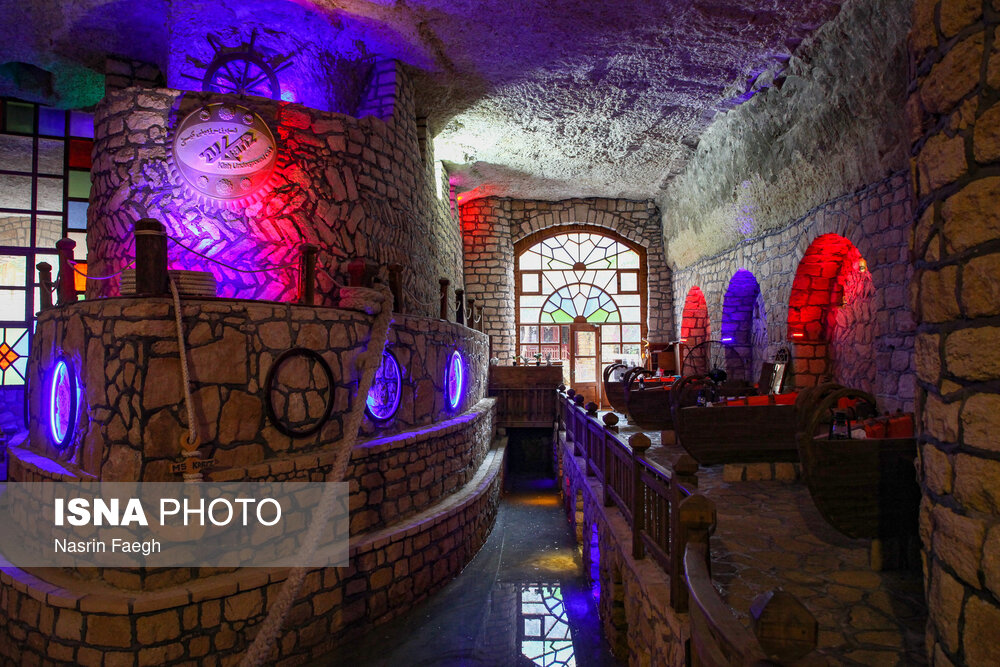
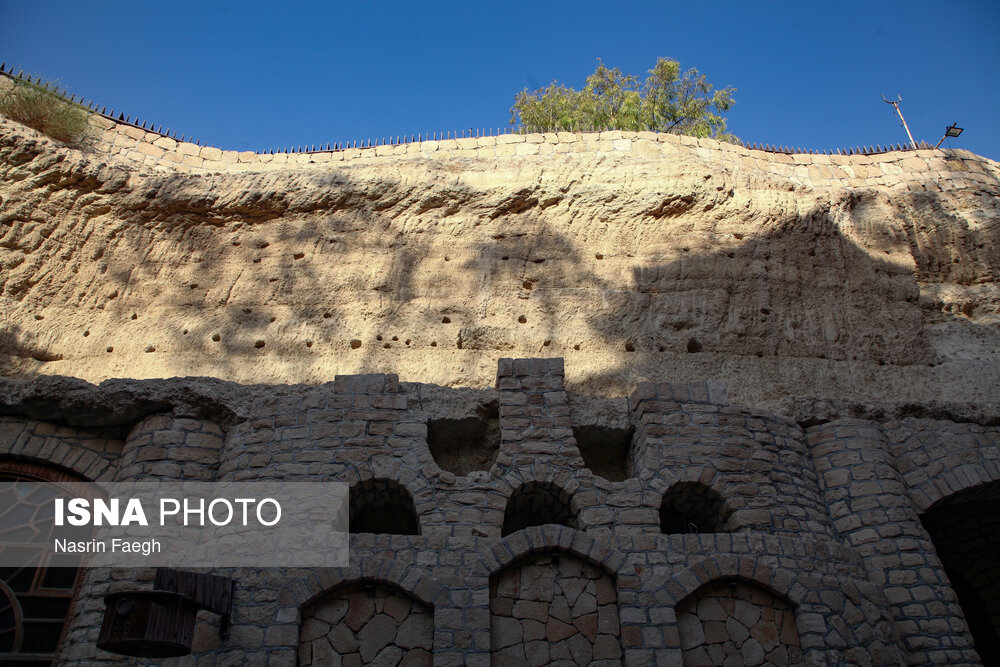
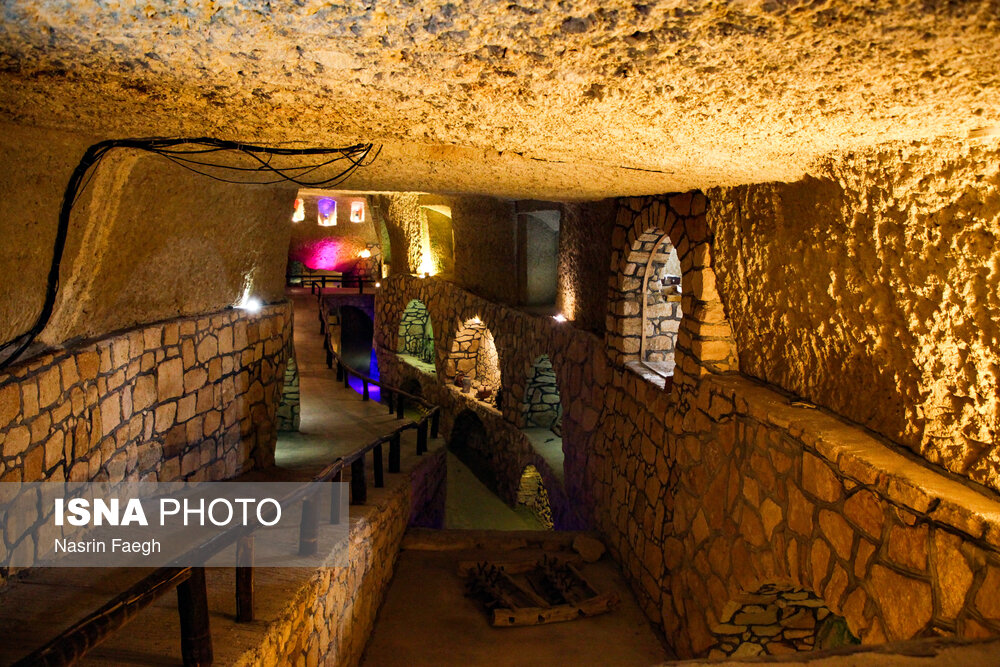
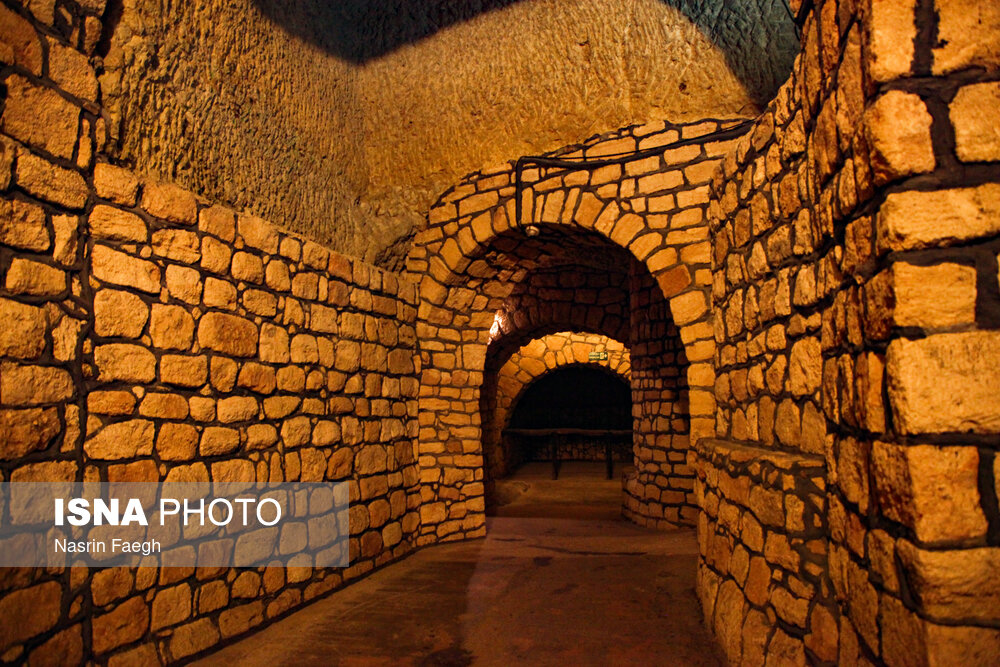
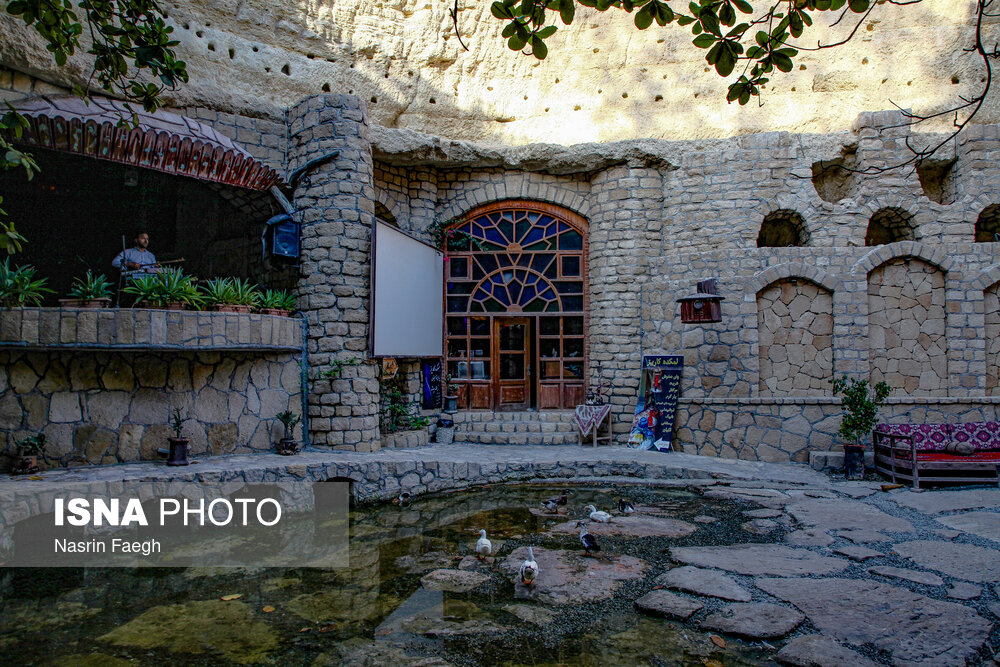
Kariz in Iran’s Kish Island, underground city with natural beauty and Iranian art

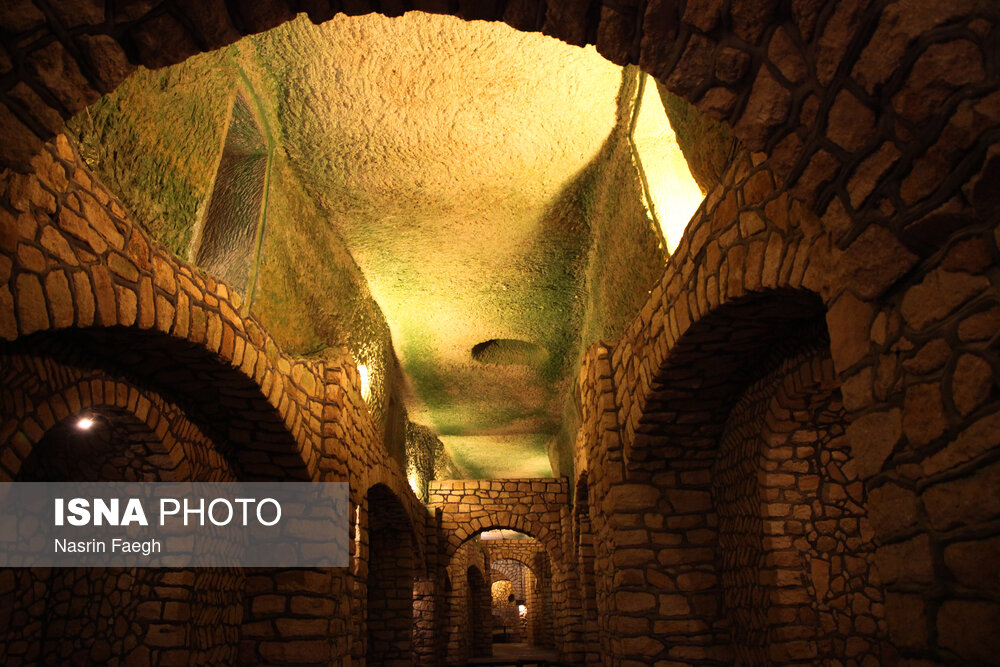
The aqueducts of Kish Island in the Persian Gulf date back to 2,500 years ago. It once provided the islanders’ drinking water. Today, it is transformed into an amazing underground city, with an area of 10,000 square meters. The complex is now called Kariz-e Kish.

Now, Kariz has opened up a new exceptional chapter for all nature lovers who are able to visit the largest coral collection directly. Various other facilities, such as residential, shopping, and leisure centres in an area of 60,000 square meters will be built on Kariz grounds.

Its experienced advocates took on the painstaking design work and have tried to keep its historic fabric while providing new uses during its renovation.

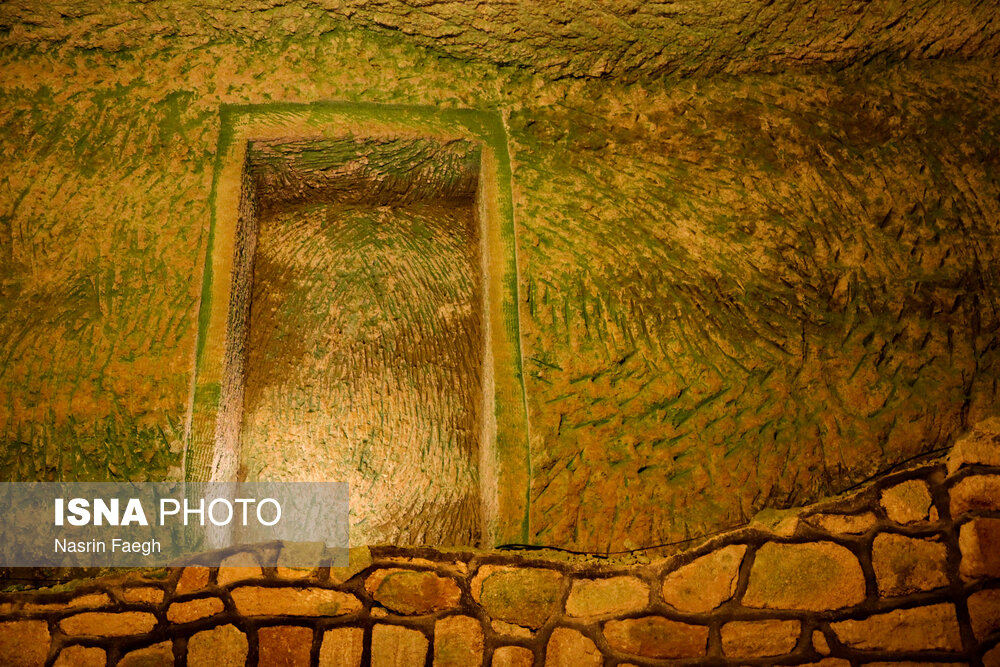
The city is located 16 metres beneath the ground. Its ceilings are eight metres high and mostly covered by fossils, shells, and corals estimated to be 270 to 570 million years old.  Each one has been identified and they all have official IDs.

It is the only structure with a ceiling of natural shells and corals, for which there were only two ways to be sees– natural museums or scuba diving in free waters.

And finally, it must be said that the earth excavated from Kariz has much medicinal value and will have abundant use in “mud treatment”.

The ground above Kariz will be transformed into a large park with two high hills. These hills are made of the excavated grounds of Kariz and will turn into a unique view of Kish Island.

Here are ISNA’s photos of the historical complex in Kish Island:

Iran president inaugurates gas production at Phase 11 of South Pars field, Persian Gulf

Ebrahim Raisi

President Raisi launched the project, termed as the National Iranian Oil Company (NIOC)’s most strategic and important projects, in Asaluyeh port city in the southern Bushehr Province.

During the ceremony, the head of the NIOC Mohsen Khojasteh Mehr said the project will generate an income of $5 billion a year once it is fully developed.

South Pars Phase 11 is tipped to produce 56 million cubic meters of gas, 50,000 barrels of gas condensate and 750 metric tons of sulfur per day.

The drilling operations at the South Pars gas field started in 1996 and phases 1 to 10 of the field were launched by the end of 2009, but the project hit snag and was halted.

Iran’s Petropars Company and indigenous experts took up the project at South Pars Phase 11 after France’s Total and China National Petroleum Corp (CNPC) shirked their responsibilities to develop the field due to US embargoes.

Iranian Daily raises security alarm over growing number of Afghan refugees in Iran

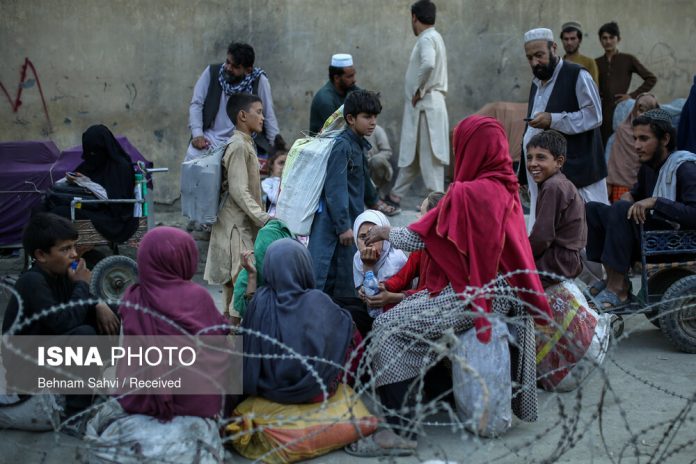
Afghan Refugees in Iran

Johmouri-e Eslami, in an article on Monday, wrote that the increasing number of Afghans who seek refuge in Iran can provide the ground for terrorist attacks similar to the deadly incidents in the southern Iranian shrine of Shah Cheragh on August 13 this year, and October last year, perpetrated by Daesh-affiliated foreign nationals.

The Tehran-based daily also said the refugees are straining the country’s shrinking resources amid crippling Western sanctions.

“In a month in the fall last year, out of 300 deliveries and births in the hospital of Kavar, 40 kilometers away from (the southern city of) Shiraz, only 3 deliveries were for Iranians, and the rest of the deliveries were carried out by Afghans,” Johmouri-e Eslami wrote, citing unofficial data.

Iranians increasingly perceive undocumented Afghans as a threat to security and society, as there are concerns about radicalization among Afghan refugees.

Government figures put the number of Afghan refugees in Iran at five million, a vast majority of them undocumented.

Arbaeen pilgrims cross Iran-Iraq border at night to dodge scorching heat

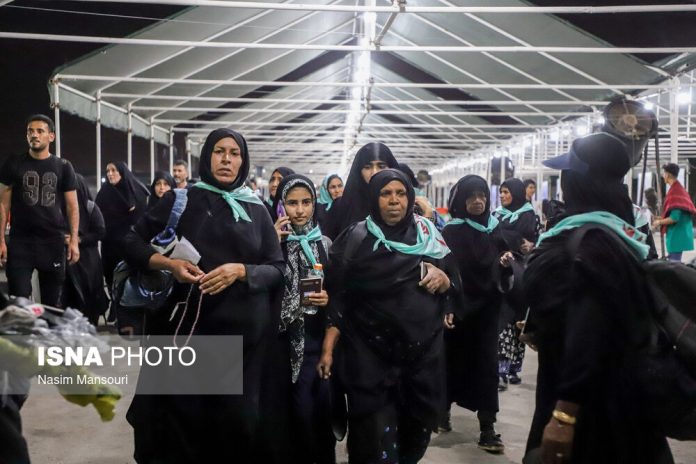
Iran Pilgrims Iraq

But due to the hot weather, a large majority of pilgrims prefer to hit the road at night to stay away from the heat.

Arbaeen, which is expected to draw several million pilgrims from across the world, falls on September 6 this year.

Syria’s Aleppo airport “out of service after Israeli raid”

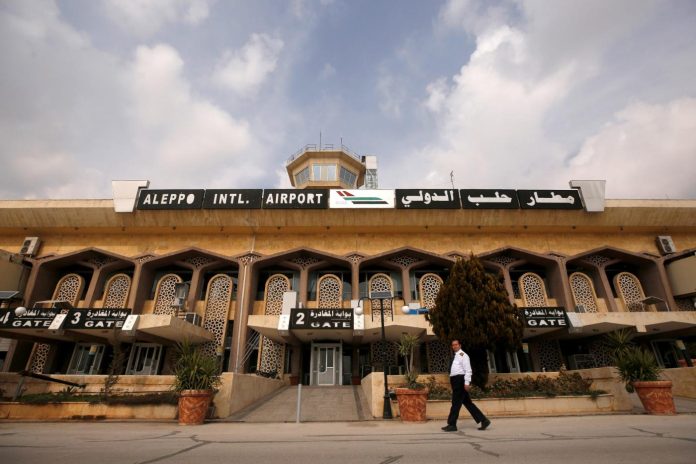
Aleppo Airport

Citing a military source, the official Syrian Arab News Agency (SANA) said the air raid was conducted at around 04:30 a.m. local time (0130 GMT) on Monday.

“The Israeli enemy carried out an air aggression from the direction of the Mediterranean, west of Latakia, targeting Aleppo International Airport,” the source added.

“The aggression caused material damage to the airport runway and put it out of service,” the source continued.

There were no reports of casualties so far.

Back in May, the Tel Aviv regime staged a similar attack on the Aleppo airport, killing one Syrian soldier and wounding several other people.

It also struck the airport on two different occasions in March and put it out of commission for several days.

Israel frequently attacks the positions of Syria’s military and its allies since 2011, when the Arab country found itself in the grip of rampant foreign-backed violence and terrorism.

The regime’s attacks mostly target the positions of Syria’s allies that have been aiding the country in its uphill battle against foreign-sponsored terror groups.

Damascus has repeatedly complained to the United Nations over the Israeli assaults, urging the world body’s Security Council to take action against Tel Aviv’s crimes. Its demands, however, have fallen on deaf ears.

Disputed gas field with Kuwait can be settled through peaceful means: Iranian diplomat

Arash gas field

Khaji said in an interview with the Arabic-language al-Masirah TV that Iran is not worried that the issue of Arash gas field, known in Kuwait as al-Durra, would become problematic in bilateral relations with Kuwait.

He added Iran and Kuwait could settle the dispute over the strategically important gas field through cooperation on the basis of the historical situation of the two countries.

The diplomat stated Iran is “very optimistic” about resolving the issue notwithstanding the negative atmosphere that some media outlets seek to use to generate friction among regional countries.

“We are very optimistic about a settlement on Arash gas field regardless of the negative atmosphere that some media outlets want to use to create division among regional countries,” Khaji continued.

The remarks come after a series of statements by Kuwaiti officials claiming that the country and Saudi Arabia own exclusive rights to resources of Arash, a field that straddles an undemarcated area in Iranian and Kuwaiti waters in the Persian Gulf.

That comes as some experts believe Iran could have the lion’s share of the gas field if its boundaries with Kuwait are demarcated.

Iranian authorities have expressed dissatisfaction over a contract signed between Kuwait and Saudi Arabia last year that enables them to develop the field and share its resources without Iran’s involvement.

Khaji said, however, that Iran believes the gas filed dispute with Kuwait can be settled through peaceful means, adding that Iran and Kuwait have held rounds of technical negotiations over the issue in recent years.

“This issue will not be a complicated one and it can be resolved given the goodwill of the Iranian authorities,” he continued.

Oil pipeline blast hits village in Iran’s Hormozgan, Persian Gulf

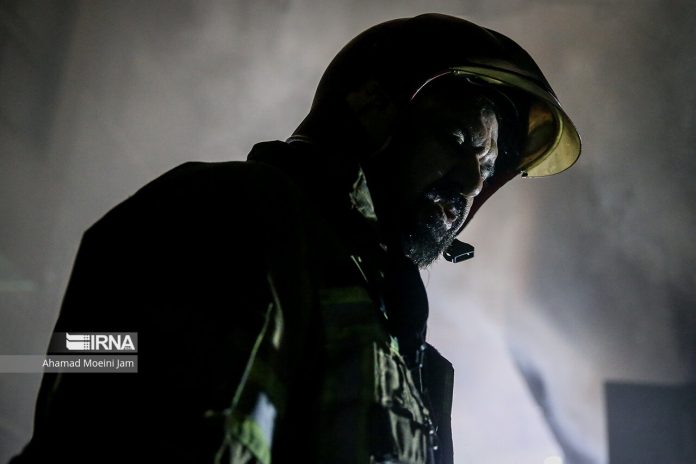
Iran Firefighters

The blast hit Keshar at about 04:40 local time (01:10 GMT) on Monday and firefighters are on the site to contain the flames.

No report has been released on the casualties, if any, and the damage.

Investigation is going on to find out the cause of the incident.

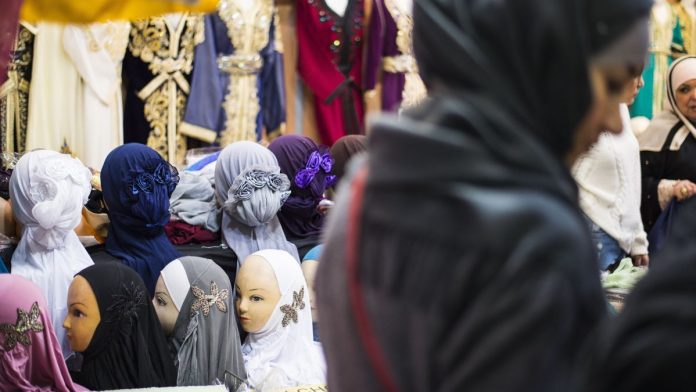
French education minister announces ban on Muslim dress in state schools

France, which has enforced a strict ban on religious signs in state schools since 19th-century laws removed any traditional Catholic influence from public education, has struggled to update guidelines to deal with a growing Muslim minority.

In 2004, France banned “the wearing of signs or outfits by which students ostensibly show a religious affiliation” in schools. This ban included large crosses and Jewish kippas as well as Islamic headscarves.

In 2010, it passed a ban on full-face veils in public, angering many of its five million-strong Muslim community.

Unlike headscarves, the abaya – a garment worn to comply with Islamic beliefs on modest dress – occupied a grey area and faced no outright ban until now.

Defending secularism is a rallying cry in France that resonates across the political spectrum, from left-wingers upholding the liberal values of the Enlightenment to far-right voters seeking a bulwark against the growing role of Islam in French society.

“I have decided that the abaya could no longer be worn in schools,” Attal said in an interview with TV channel TF1.

“Secularism means the freedom to emancipate oneself through school,” he continued, describing the abaya as “a religious gesture, aimed at testing the resistance of the Republic towards the secular sanctuary that school must constitute”.

“When you walk into a classroom, you shouldn’t be able to identify the pupils’ religion just by looking at them,” he added.

The announcement was the first big move by Attal, 34, since being promoted in the summer to handle the hugely contentious education portfolio.

Along with Interior Minister Gerald Darmanin, he is seen as a rising star who could potentially play an important role after President Emmanuel Macron steps down in 2027.

Iraq announces reward for information on missing people from Persian Gulf War

Persian Gulf War

In a joint statement on Sunday, the Iraqi ministries of defence and interior called on anyone who has information about graves of missing persons inside Iraq or Kuwait to come forward.

“A reward will be allocated to those who provide useful information that helps us reach tangible results,” said the statement published on X, formerly Twitter, without announcing how much the reward would be.

Efforts to find the remains of missing persons killed during the 1991 Persian Gulf War have been ongoing since the conflict ended.

The Tripartite Commission and its Technical Sub-Committee were established in 1991 and 1994, respectively, to find answers for hundreds of families in Iraq and Kuwait.

The committee is chaired by the International Committee of the Red Cross (ICRC) and composed of representatives of Iraq, Kuwait, Saudi Arabia, the United States, the United Kingdom, and France. The United Nations Assistance Mission for Iraq (UNAMI) joined in 2014 as an observer.

The issue of people missing as a result of the Persian Gulf War is still a focal point of contention between the two neighbouring countries, whose diplomatic ties were severed after the Iraqi invasion of Kuwait.

Relations were restored after former Iraqi leader Saddam Hussein was removed from power in 2003 after another US-led invasion.

According to previous figures from the ICRC, only 215 Kuwaitis and 85 Iraqis who were missing have been found, mostly in southern Iraq.

Kuwait has announced its number of missing people is 320, while Baghdad says more than 5,000 Iraqis remain unaccounted for since the end of the war.

Iraq announced in February 2017 that Kuwait received the remains of about 300 prisoners who were held in the country.

In August 2019, Iraq handed over the remains of 48 Kuwaiti prisoners killed in the war. Their remains were exhumed from mass graves in Iraq.

The Kuwaiti soldiers had been taken prisoners by Saddam’s forces and appeared to have disappeared after they were moved to the desert near Samawa in Iraq, according to the ICRC.

In February last year, Iraq completed a payment of $52.4bn to compensate individuals, companies and governments who proved damages from its 1990 invasion and occupation of Kuwait, the United Nations reparations body said at the time.

The sum was ordered paid to Kuwait by the UN Compensation Commission, set up by the UN Security Council, after the seven-month occupation of Kuwait and the US-led defeat of Saddam’s troops in the Persian Gulf War. Kuwait has received a portion of proceeds from Iraqi oil sales for the past 30 years.

The Iraqi ministries directed people with information on graves to share with Iraqi embassies and consulates or a hotline number, and provided an email for the defence ministry’s directorate of human rights.

The statement also included numbers for the Iraqi ministry of foreign affairs, the ICRC in Baghdad, the Kuwaiti embassy in Baghdad, and Kuwaiti consulates in Basra and Erbil.