Monday, December 29, 2025
Home Blog Page 1290

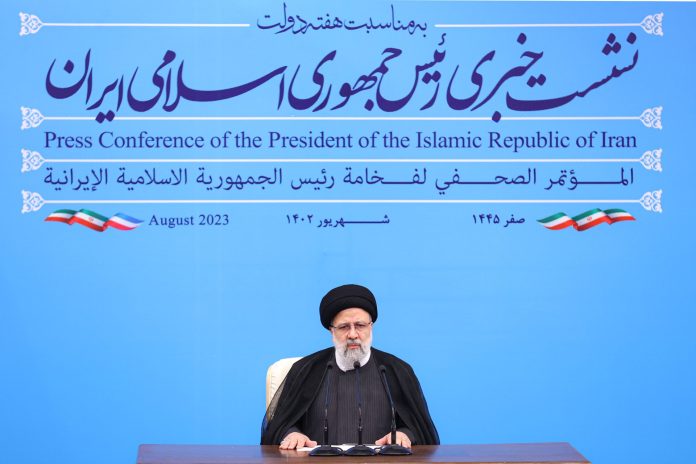
Pres. Raisi: West pinned hopes on Iran riots, left negotiations

Ebrahim Raisi

In a press conference in the capital Tehran on Tuesday, President Raisi highlighted Iran’s foreign policy shift to the east, saying, “We’re not waiting for a smile (from the U.S. and Europe), and we don’t make the economy and people’s livelihoods dependent on their will.”

Raisi highlighted Iran’s accession to the BRICS emerging economic powers – Brazil, Russia, India, China, and South Africa – and the Shanghai Cooperation Organization (SCO) as achievements of his administration to shield the country from the Western embargoes.

He said Iran’s growing ties with Latin America, Africa, and Asia has helped the government tackle its budget deficit.

The president noted Iran has experienced a 14 percent increase in its trade exchange with neighboring countries since his administration took office in August 2021.

Meanwhile, he called on Japan to show an independent foreign policy from the United States and release Iran’s frozen assets.

US complains to Israel over exposure of secret meeting between Israeli-Libyan FMs: Report

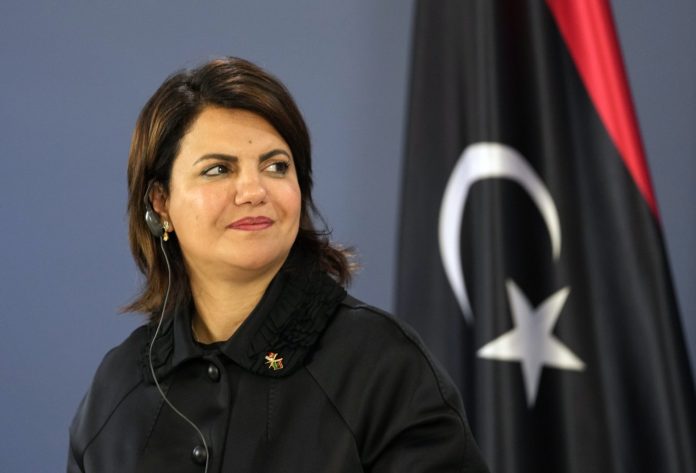
Najla El Mangoush

Al-Mangoush met with Cohen in Italy last week, despite the two countries not having formal relations. Cohen boasted in a statement about “the great potential for the two countries” to cooperate.

“Libya’s great size and strategic location afford huge importance to contacts with it and huge potential for Israel,” Cohen said.

One US official told Axios that the Joe Biden administration was surprised when Cohen revealed the meeting, saying that Washington’s understanding was that it was meant to be kept secret.

Axios reported that US officials spoke to Cohen and other Israeli officials on Sunday, protesting against the Israeli foreign minister’s handling of the issue.

An aide to Cohen stated there was an understanding that the meeting would become public eventually, and decided to put out a statement after his office was asked about the meeting by the Israeli press.

The Israeli disclosure prompted widespread protests across Libya and left the Tripoli-based government scrambling to address the unrest. The Libyan Foreign Ministry issued a statement saying that the interaction did not include “any discussions, agreements or consultations”, calling the meeting “an unprepared, casual encounter”.

Libya’s prime minister suspended and later dismissed Mangoush, who reportedly fled to Turkey over fear of her security.

Libya has historically opposed normalising ties with Israel and is supportive of the Palestinian cause. The protests add a new layer of instability to the oil-rich country, which is split between two rival governments.

Prime Minister Abdulhamid al-Dbeibah leads the Tripoli-based western government, which came to power in February 2021 under a UN-backed process with the aim of unifying Libya and preparing the country for elections. Dbeibah has faced growing pressure to step down as Libya’s political elite hamstring the election process.

Eastern Libya is ruled by a government backed by field marshal Khalifa Haftar, who leads the Libyan National Army (LNA). Haftar has done his own outreach to Israel. In November 2021, his son and key LNA military commander Saddam Haftar visited Israel.

The backlash on Libyan streets to Cohen’s meeting with Mangoush also provides a rare rebuke to Israel, which has grown accustomed to publicly displaying its ties with Arab states.

Since 2020, Israel has normalised ties with the United Arab Emirates, Bahrain, Morocco and Sudan in a series of deals brokered by the United States. Saudi Arabia is also reported to be considering normalising ties and has publicly taken part in military exercises with Israel.

Egypt and Jordan established diplomatic relations with Israel decades ago. Although public ties are kept at a minimum, meetings between leaders and officials are often announced.

Three US and Israeli officials told Axios that the Biden administration had been working on getting Libya to normalise relations with Israel for two years.

According to reports, the prospect of normalisation was discussed in a meeting between Dbeibah and CIA director William Burns, who visited the country in January. Now with the fallout over the meeting in Libya, those efforts and the efforts to get other Arab countries to normalise with Israel have been harmed, one official told Axios.

“The Biden administration is concerned the exposure of the meeting and the unrest that followed will not only kill efforts to normalize relations between Israel and Libya, but will also harm efforts that are underway with other Arab countries,” the official added.

Over 170 Palestinians killed by Israel in WB in 2023: UN

Israel Palestine

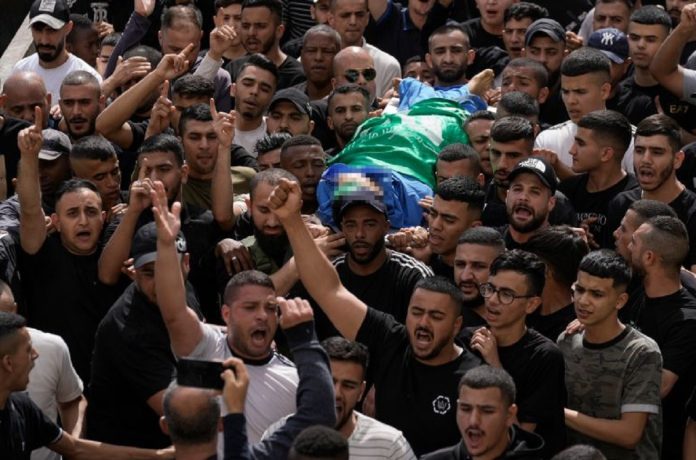
“The number of Palestinians killed in the West Bank and Israel by Israeli forces so far in 2023 (172) has surpassed the total number killed in all of 2022 (155),” the UN Humanitarian Affairs Office (OCHA) said in a statement.

Year 2022 “already saw the highest fatalities in the West Bank, including East Jerusalem, since 2005,” it added.

According to the UN office, at least 705 Palestinians were injured by Israeli fire in the West Bank this year, exceeding the figure of 2022, which stood at 411.

There was no comment from the Israeli authorities on the OCHA report.

Early Monday, Human Rights Watch (HR) stated that 2022 was the deadliest year for Palestinian children in 15 years, with at least 34 children killed by Israeli fire.

Tensions have been running high across the occupied West Bank in recent months amid repeated Israeli raids into Palestinian towns along with attacks and assaults carried out by Israeli settlers who are usually guarded by the Israeli army.

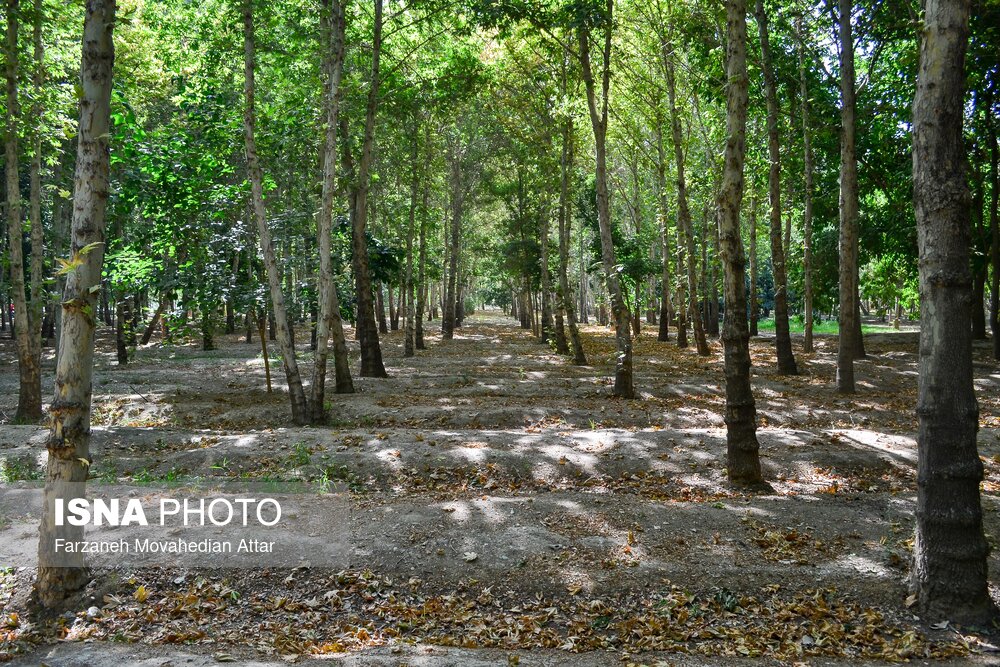
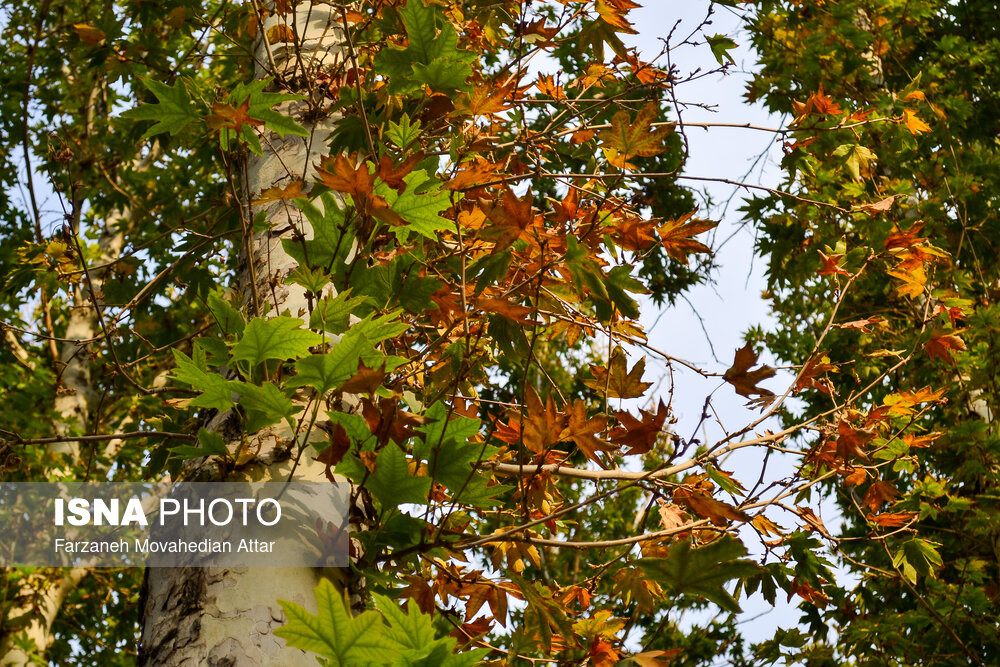
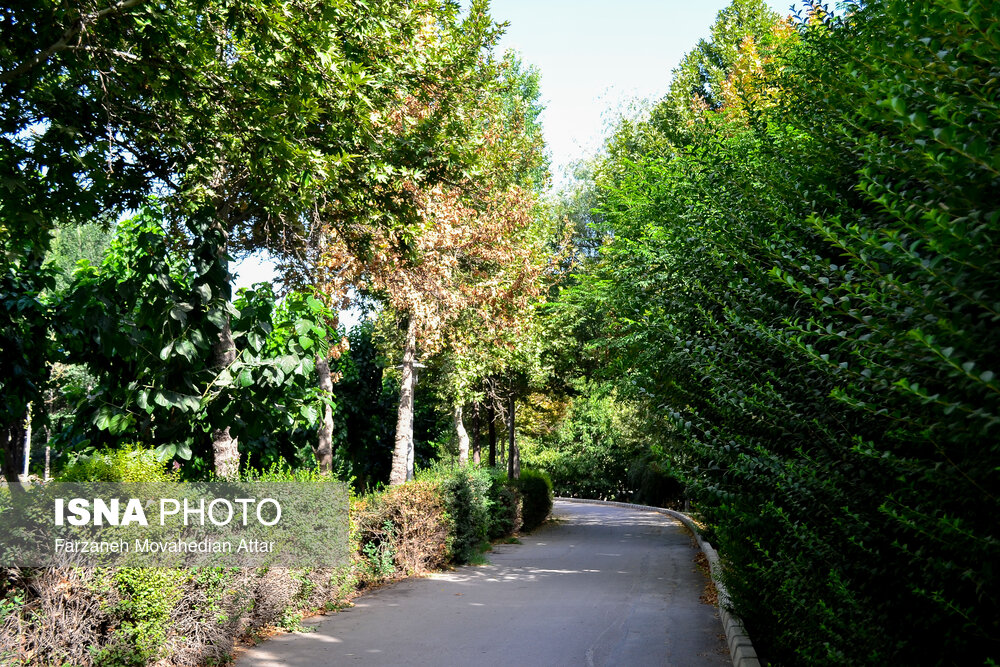
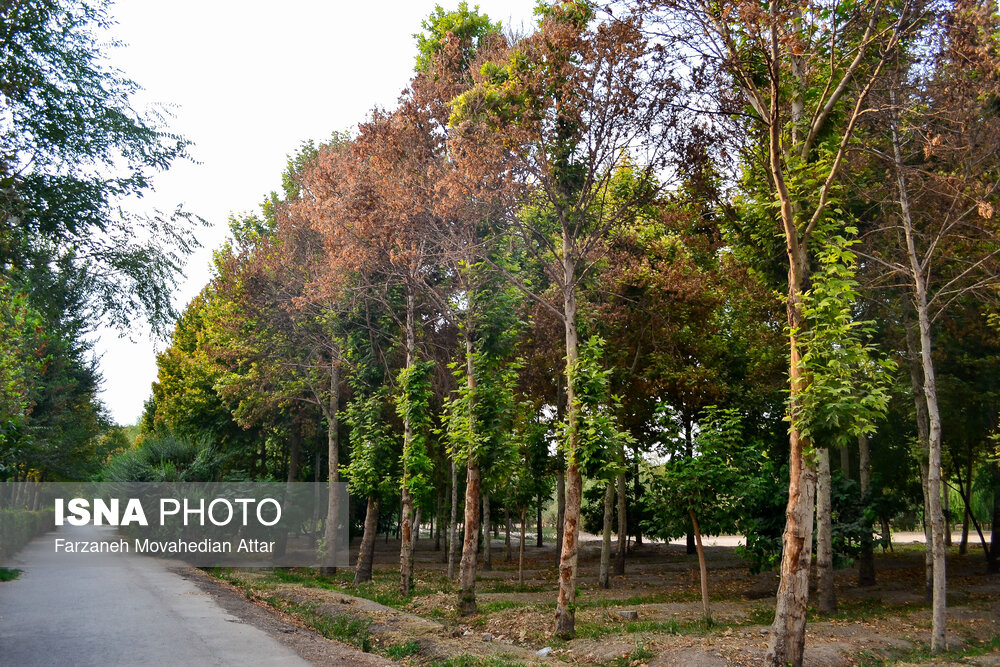
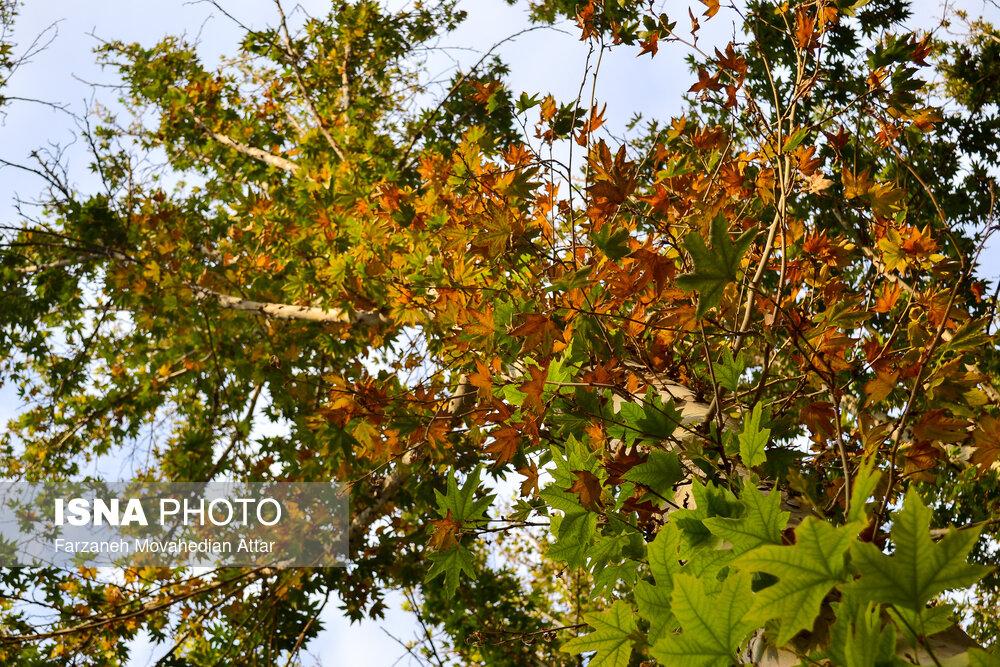
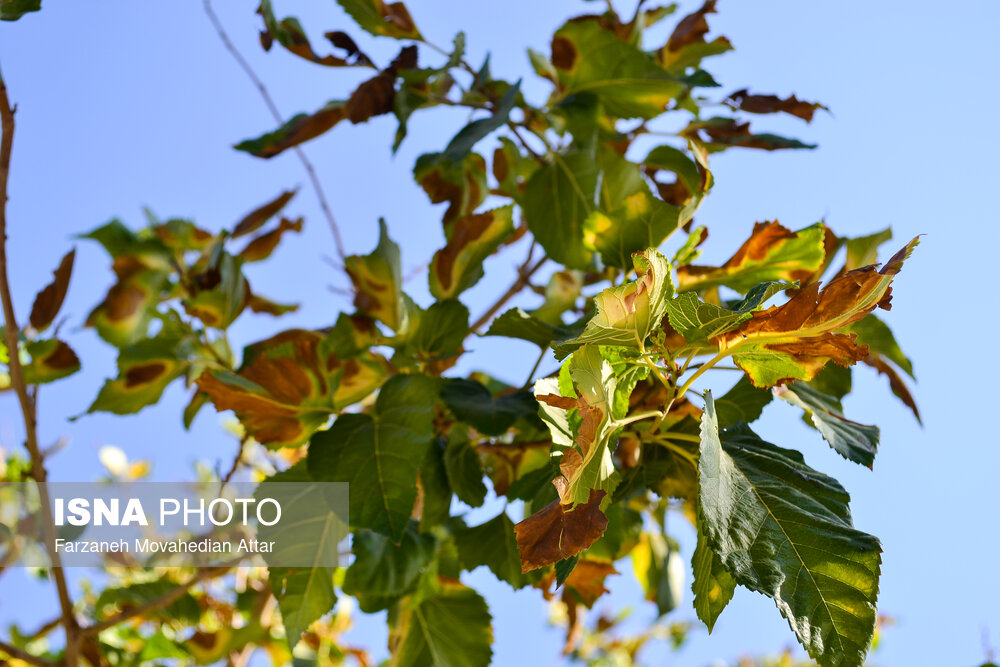
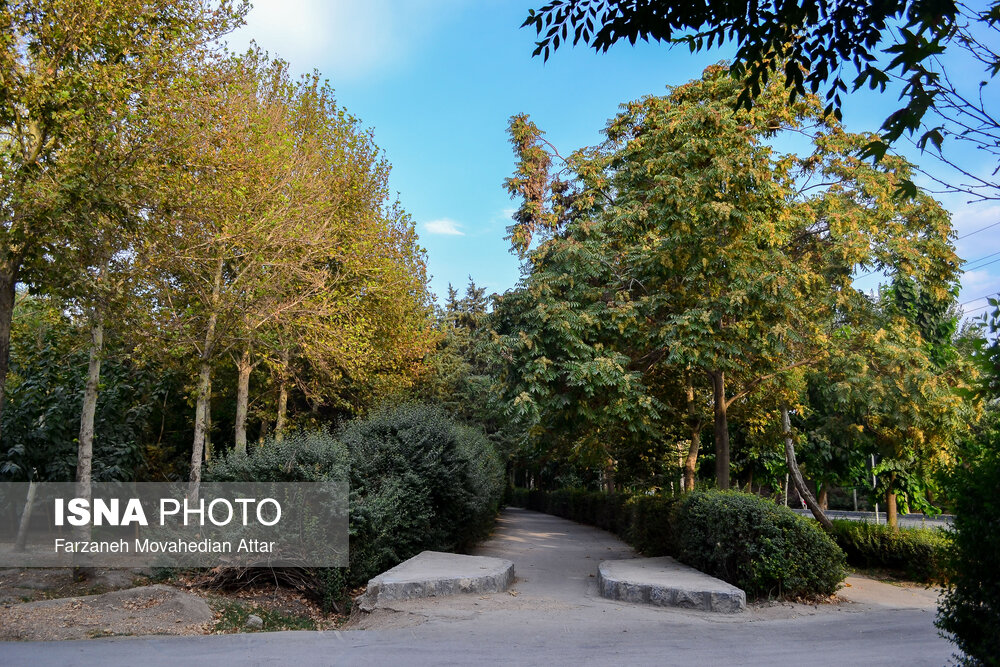
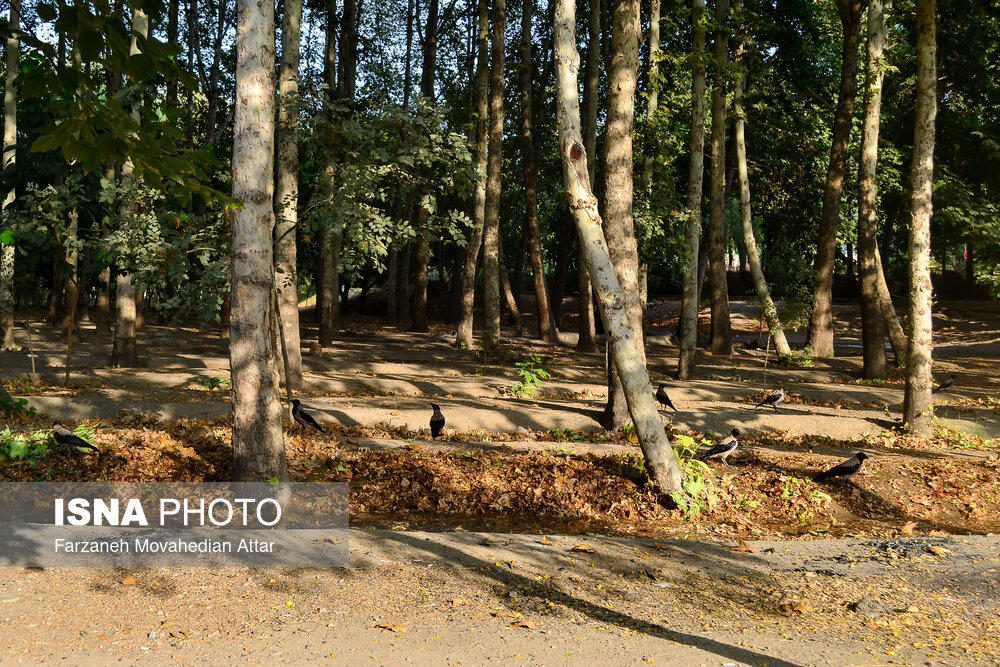
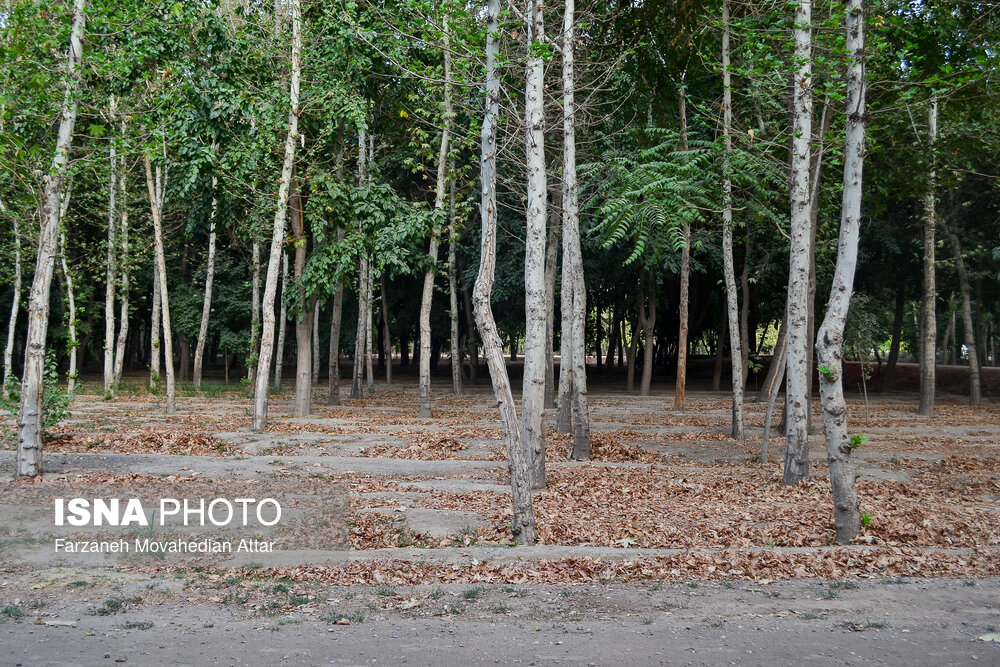
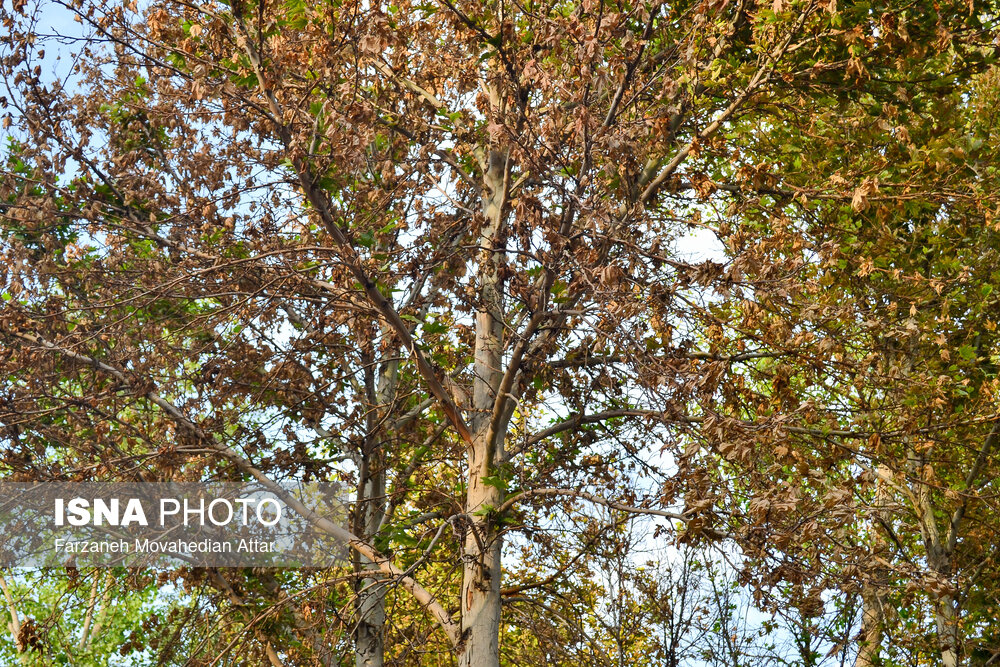
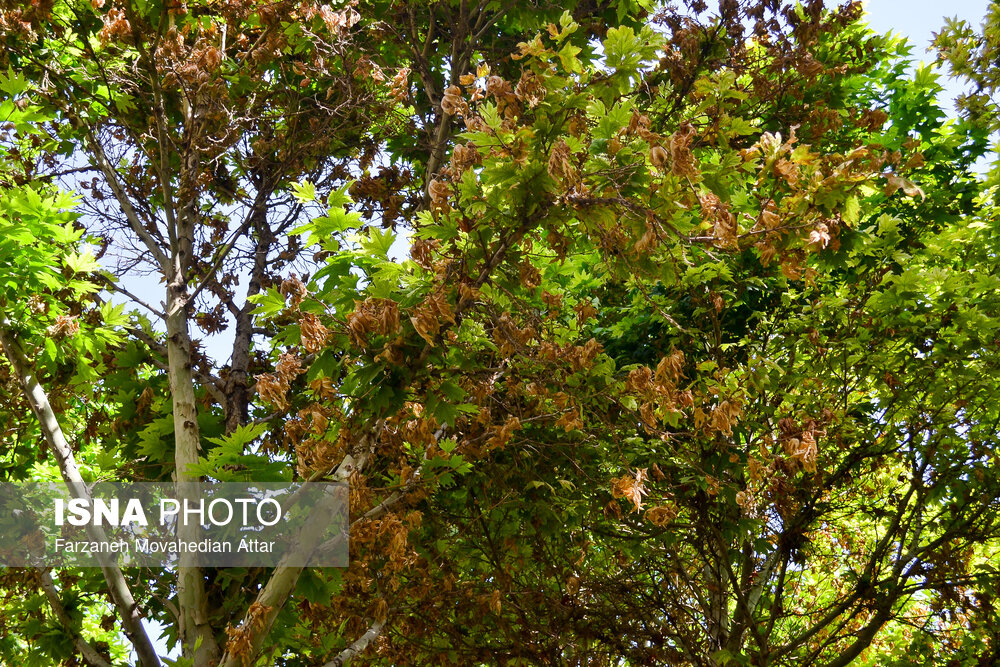
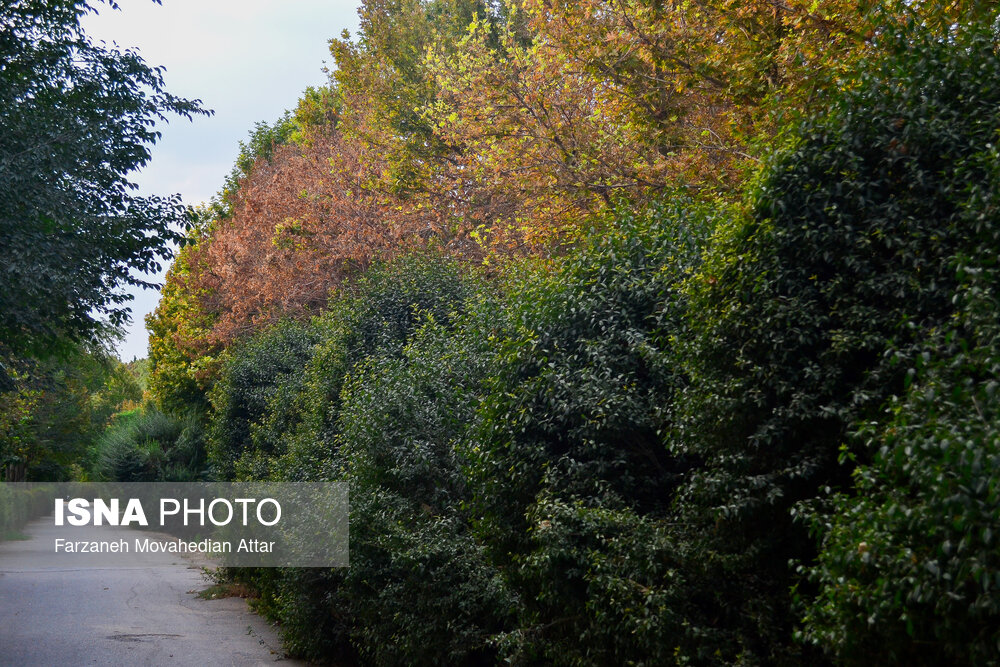
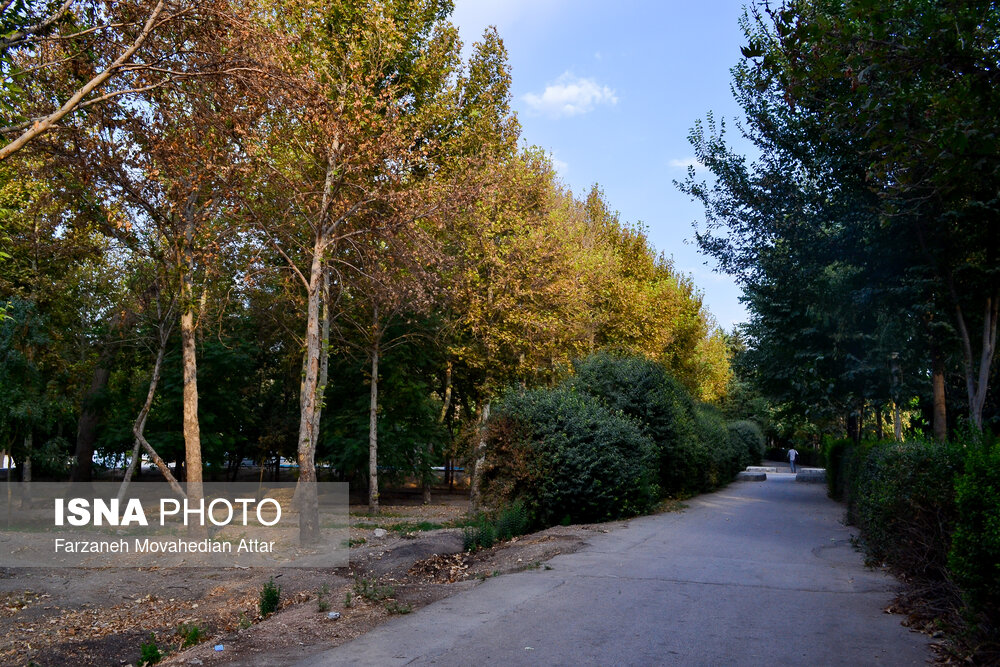
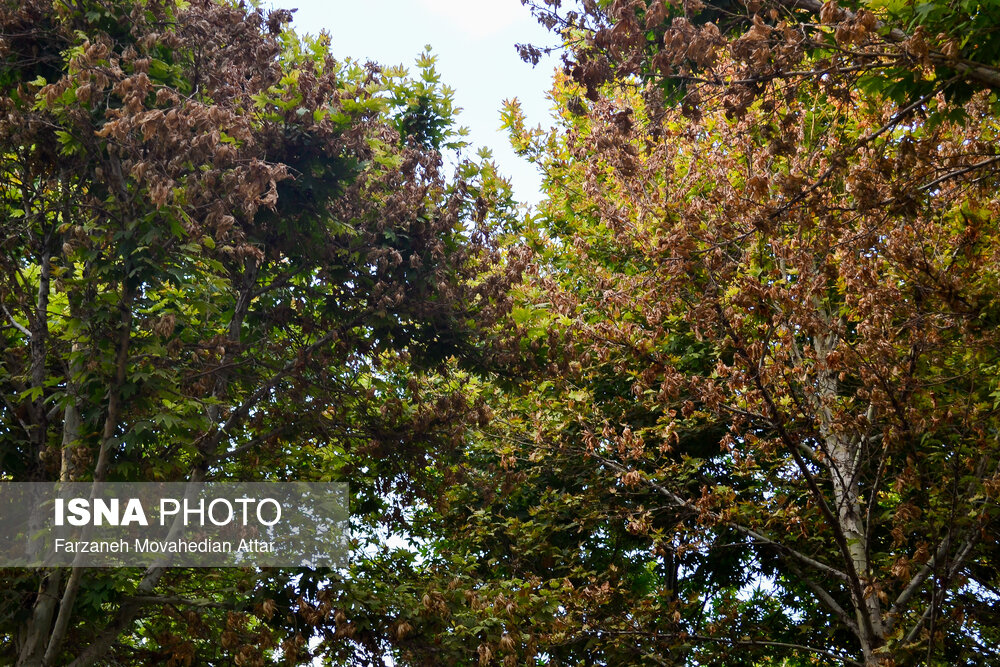
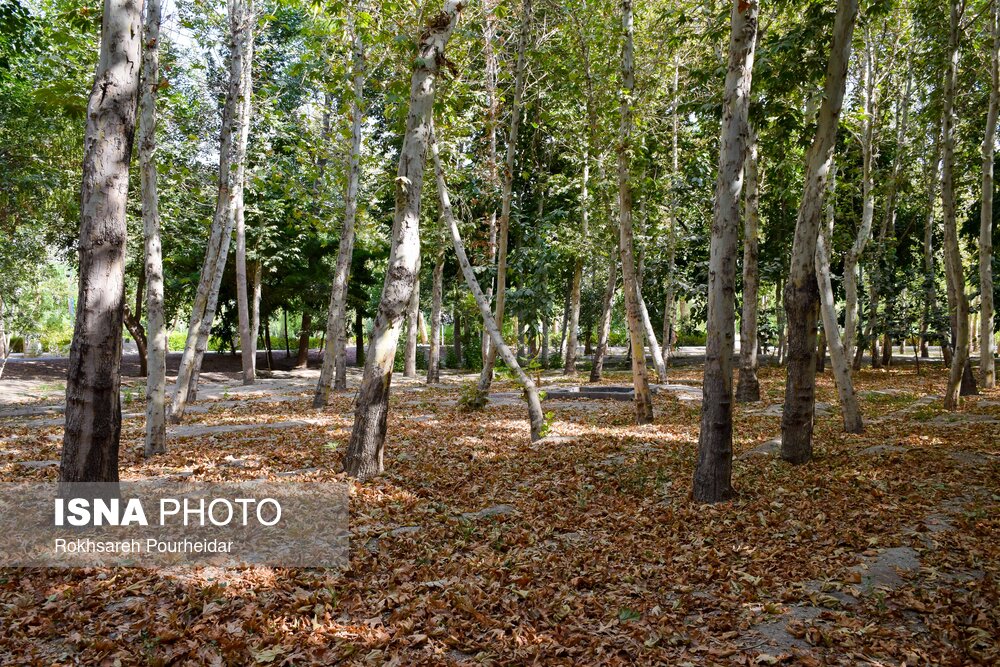
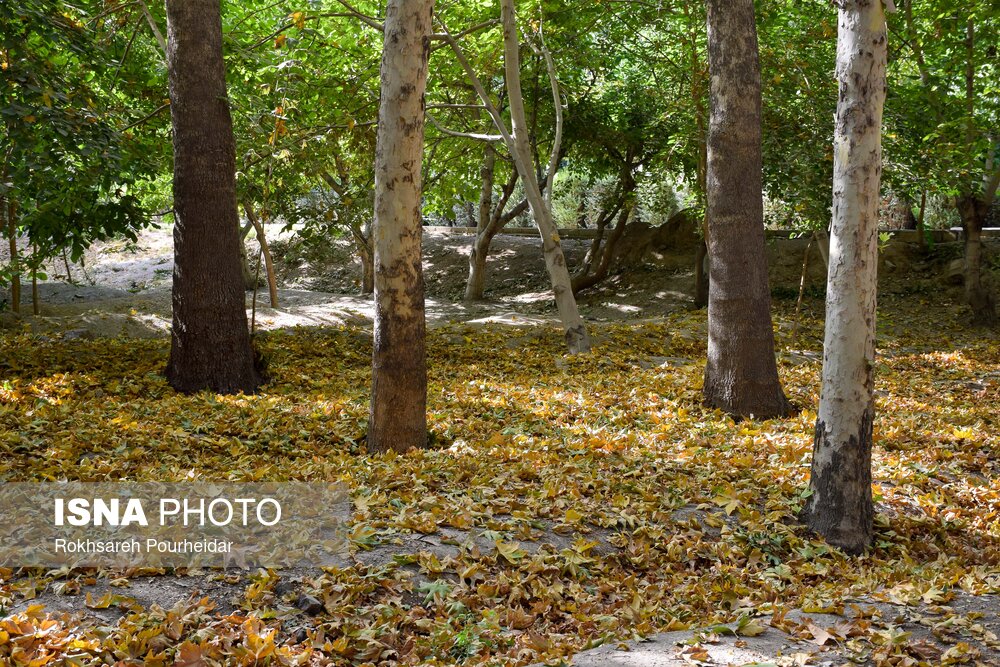
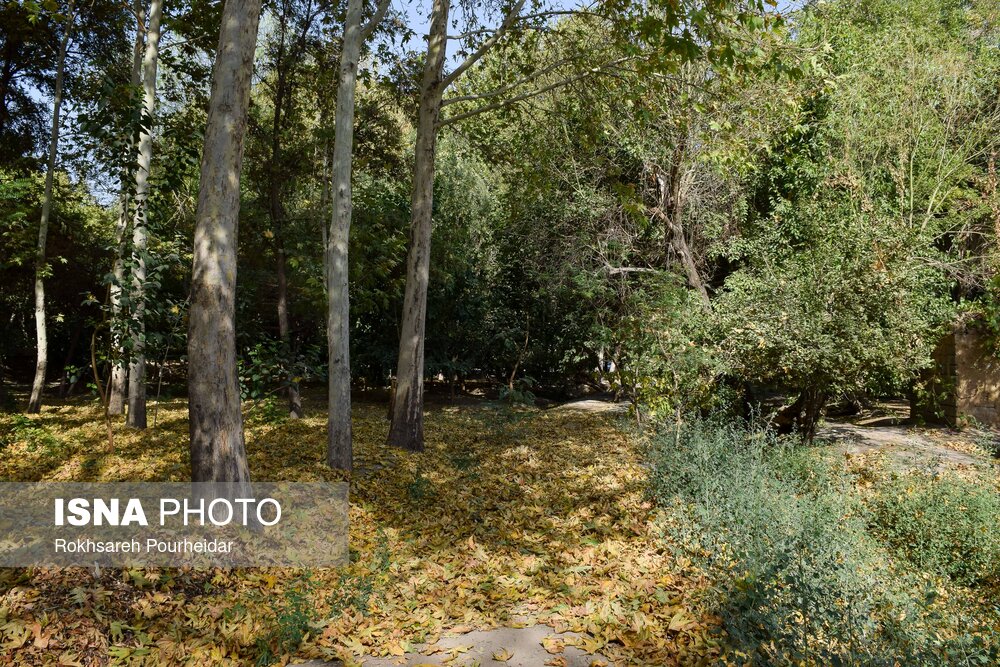
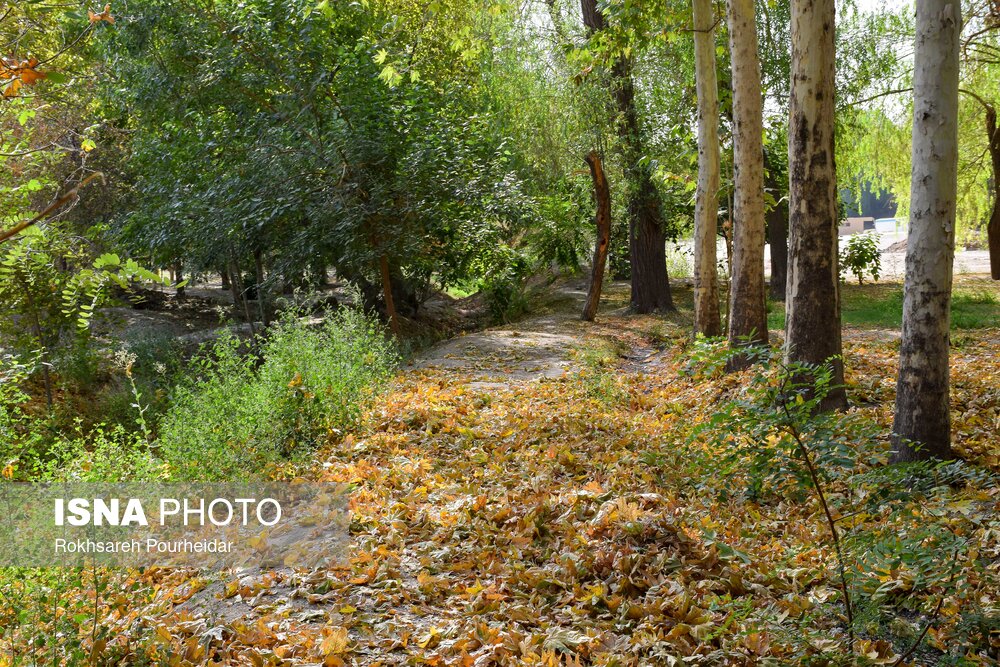
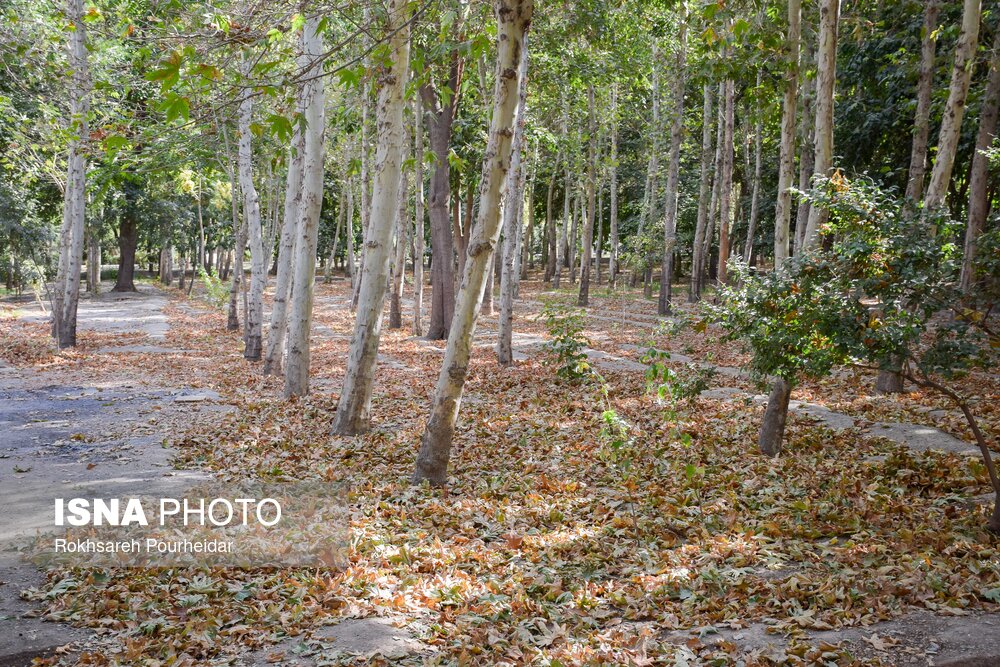
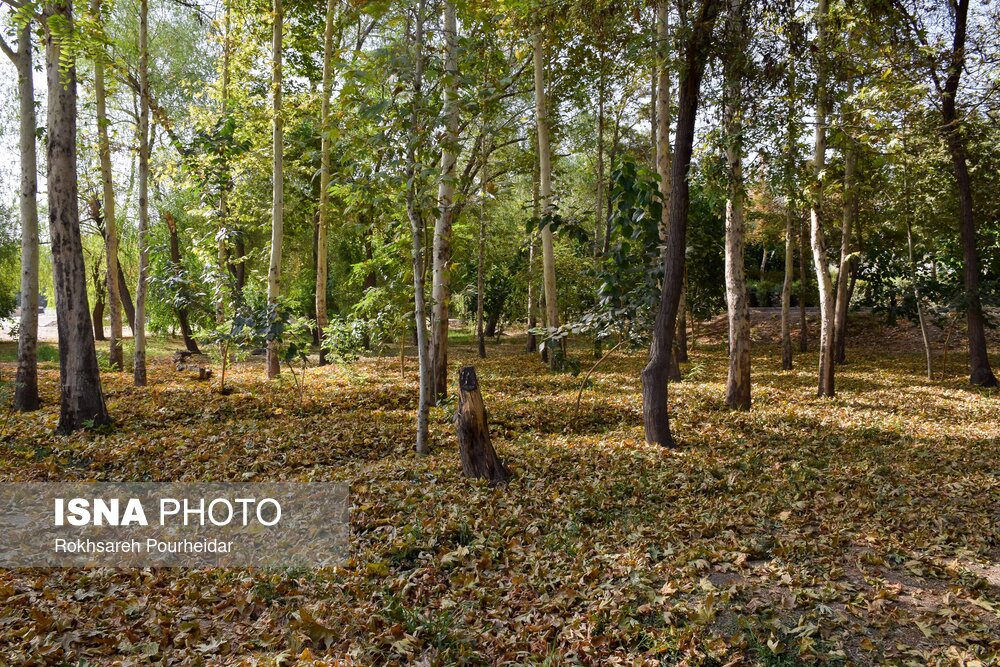
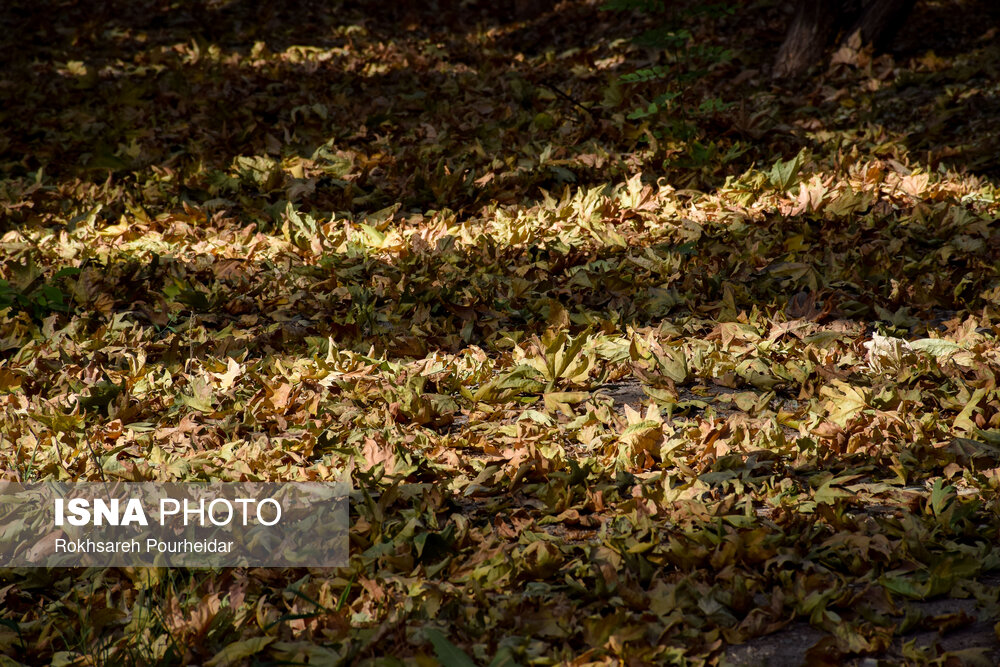
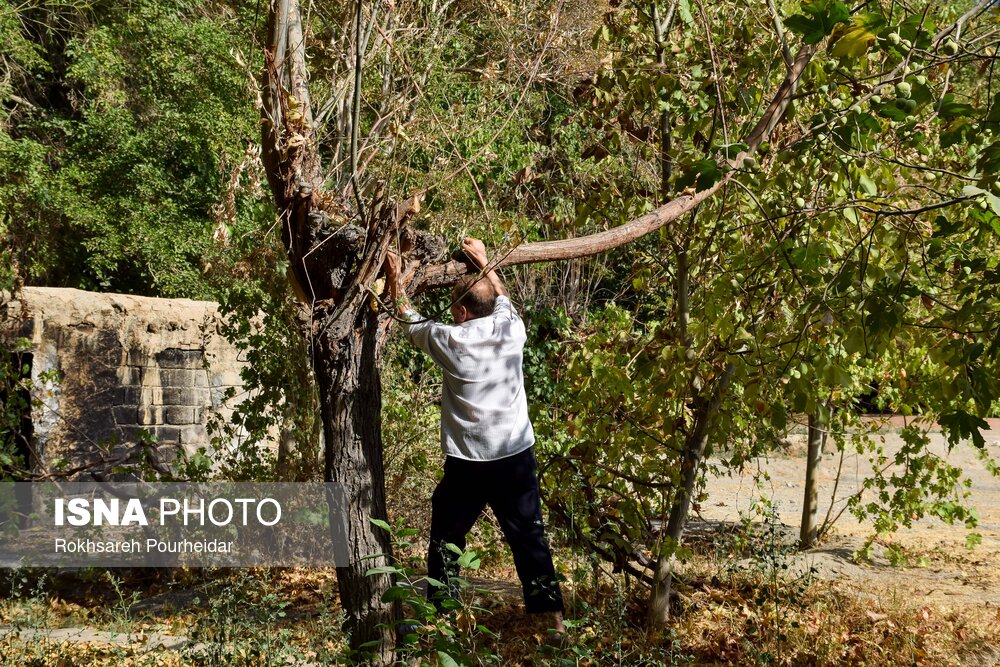
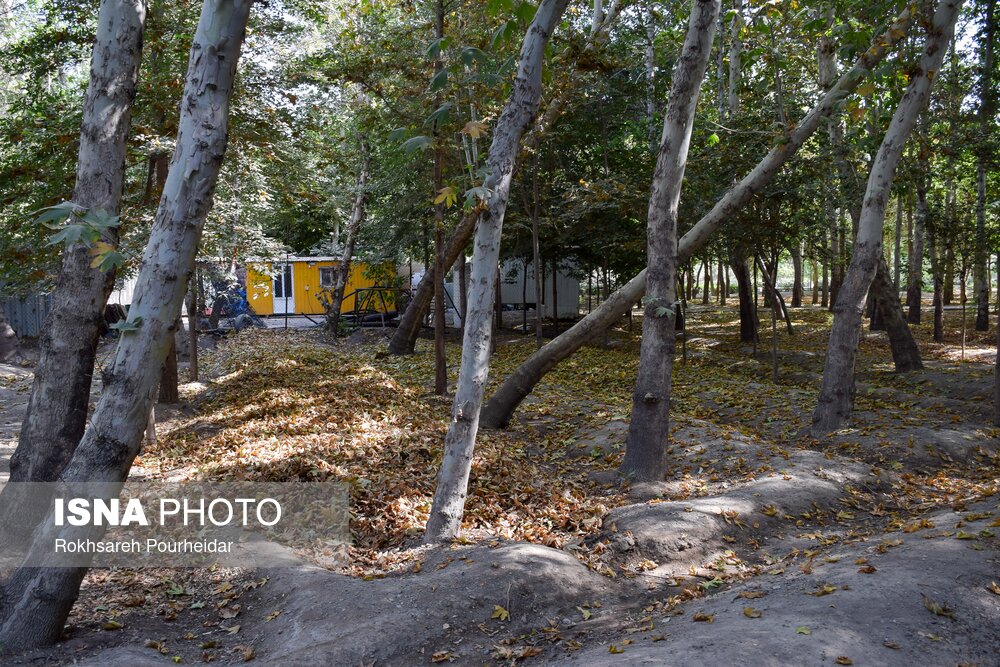
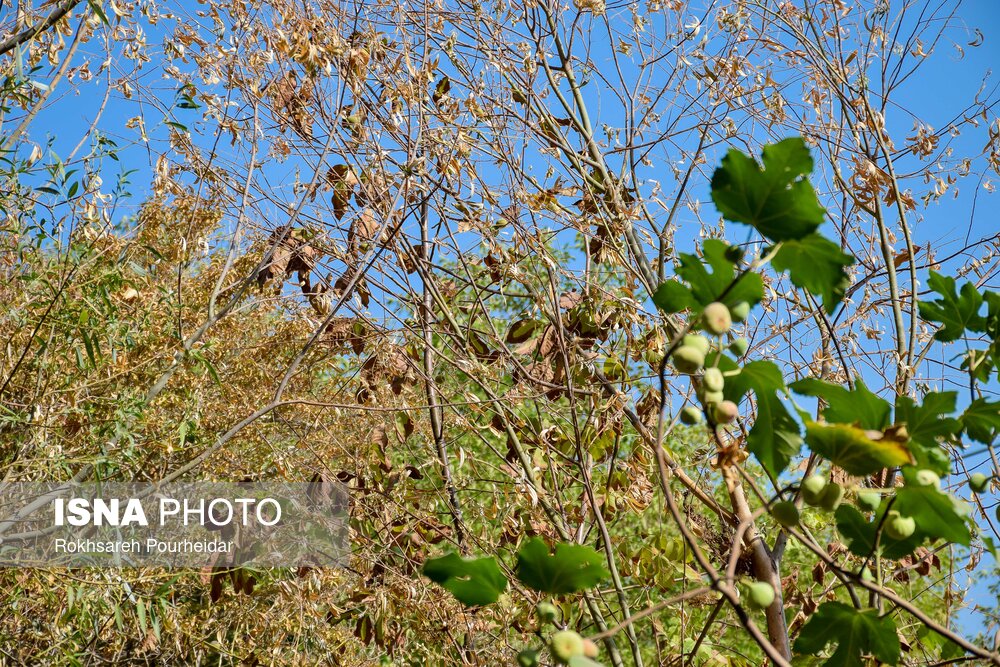
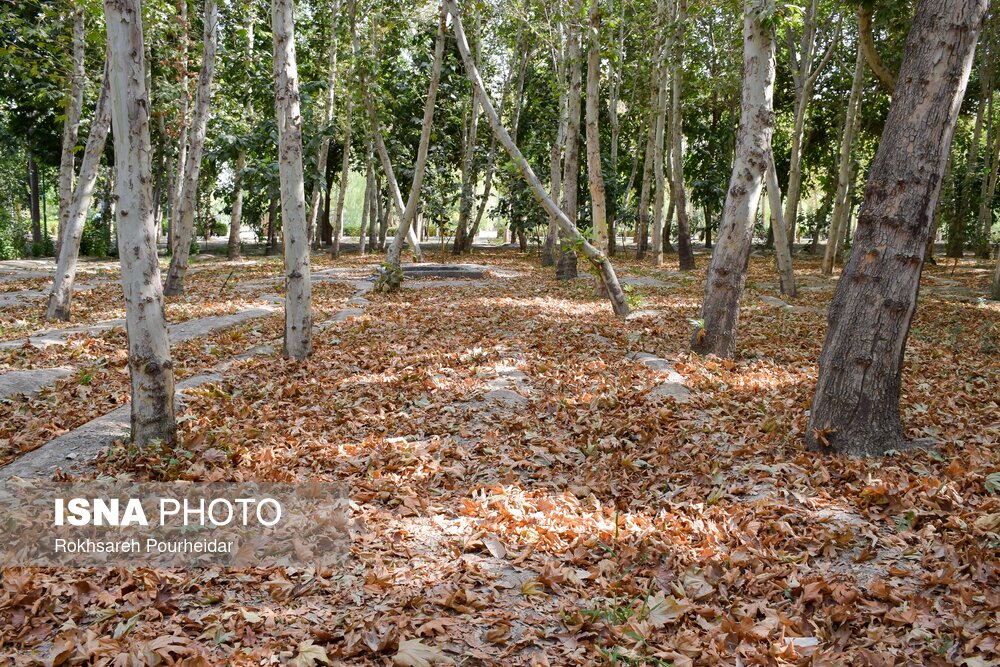
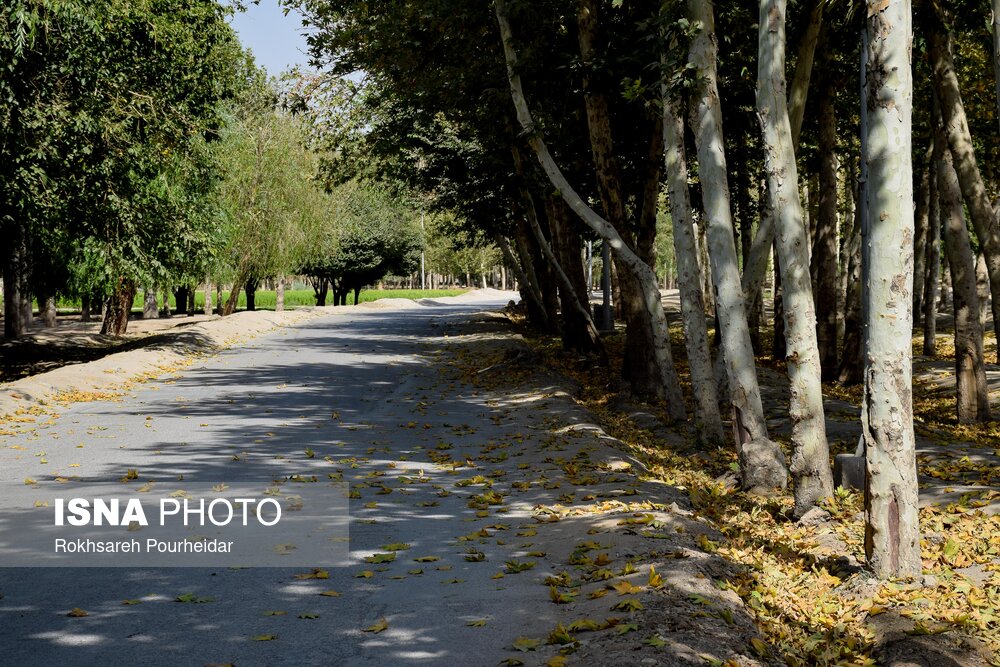
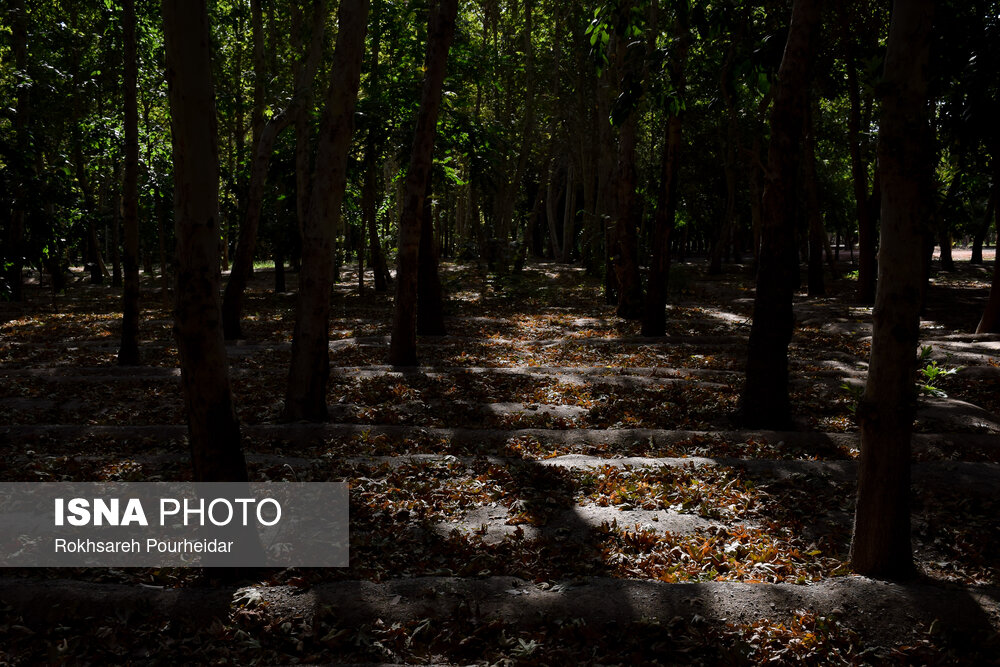
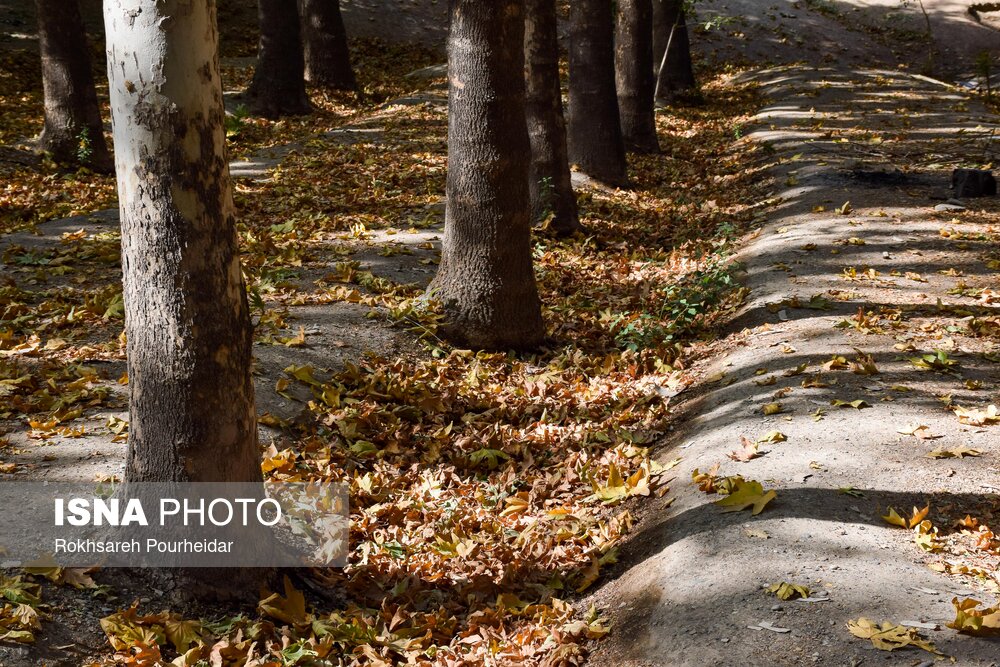
Premature fall in summer in Isfahan

Premature fall in summer in Isfahan

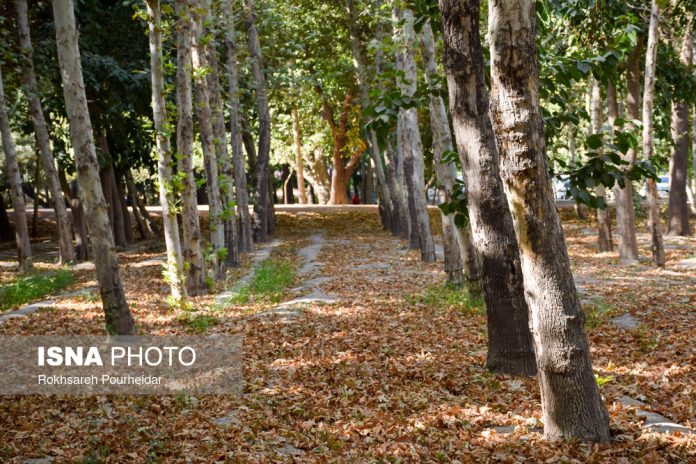
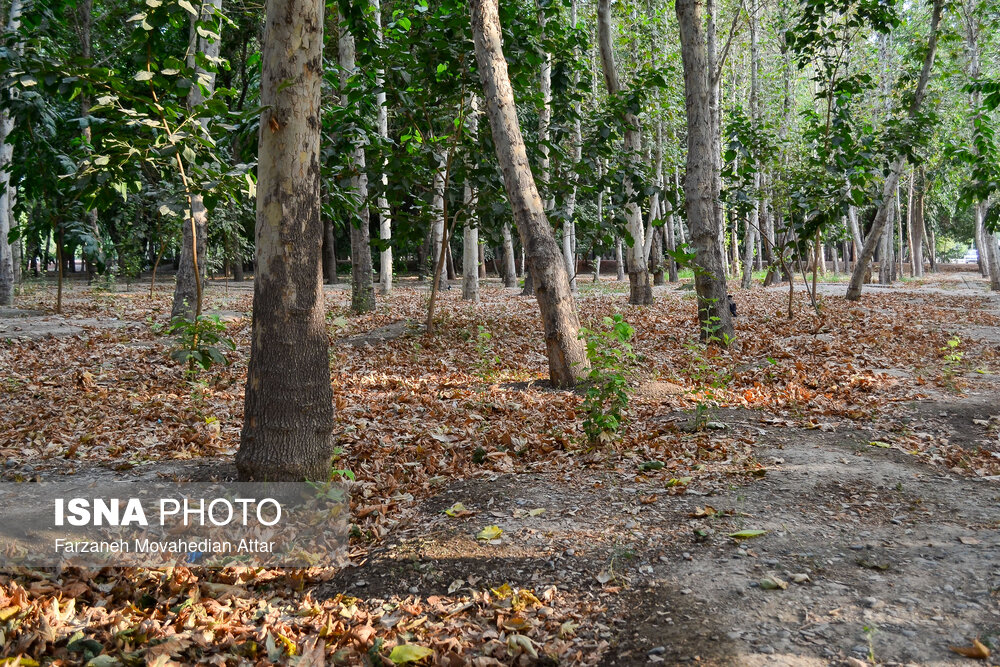
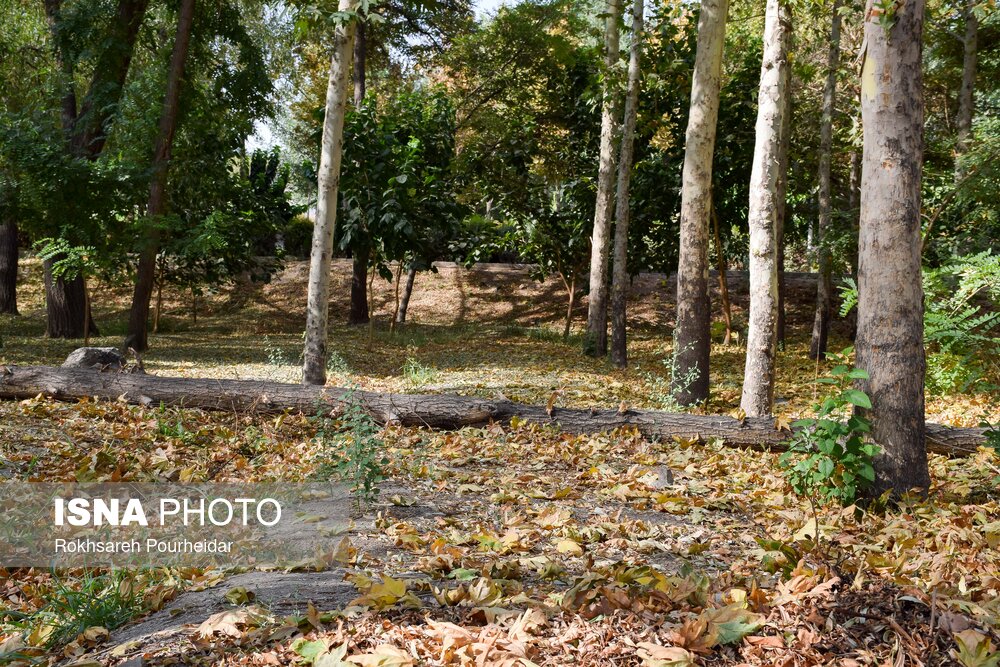
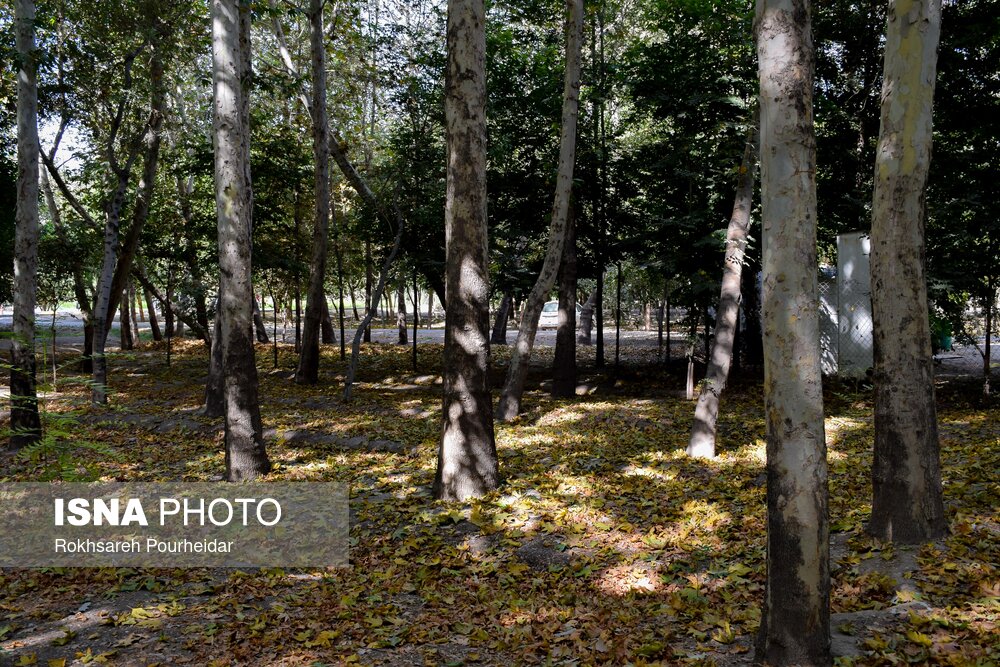
Many old trees on the banks of Zayandehroud River, whose roots were in the soil around the river, are now facing water stress due to the lack of water flow on the river bed.

Despite water supply by tankers many rooted trees in Isfahan suffer from drought stress as the underground water level is insufficient.

The above factors have all triggered the early fall in summer in Isfahan.

Here are some of the pictures of the unfortunate phenomenon:

Iran cleaning up oil spill in Genaveh, Persian Gulf

Iran Oil Spill

Ali Salajegheh said the transmission pipeline linking Iran’s Kharg island to the mainland port of Genaveh was shut off for repairs after the oil leak was detected on Sunday.

Diving teams have been dispatched to prevent oil leakage on the seabed from the pipelines and two vessels had been sent to Kharg and Genaveh’s coasts to help with the clean-up.

Over the past years, erosion of oil pipelines has caused widespread environmental pollution in the region.

Israeli official slams US ‘hypocrisy’ over human rights

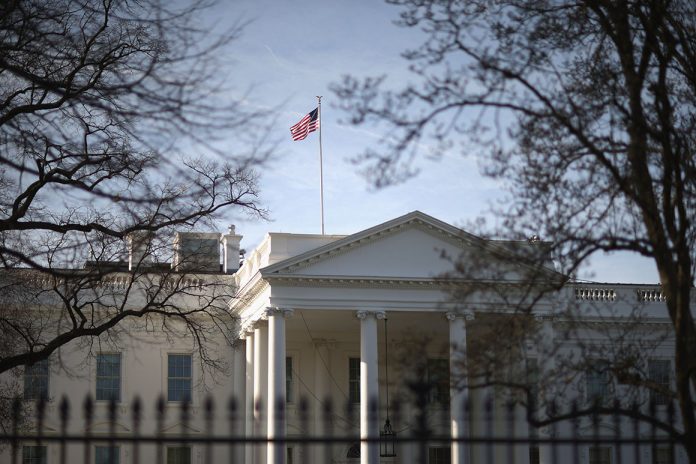
White House

In an interview in Israeli media, Smotrich was asked about the controversy caused by National Security Minister Itamar Ben-Gvir who last week said that his right to safe travel in the West Bank was “more important” than the rights of Palestinians, and that more needed to be done to ensure the security of Jewish settlers.

In response, a spokesperson for the US State Department said it “strongly condemn[s] Minister Ben-Gvir’s inflammatory comments on the freedom of movement of Palestinian residents of the West Bank”.

Speaking to Army Radio on Monday, Smotrich hit back at the US and said there was “no more moral country than Israel”.

“There is no nation that has been fighting for its survival in the face of murderous terrorism for decades in a cleaner and more careful way than the Jewish people,” he stated.

“I am not talking about the Americans and how they acted in Afghanistan and Iraq. They shouldn’t preach to us about human rights, neither to the IDF nor to us on a political level. This is unmitigated hypocrisy,” he added.

Smotrich, who also took administrative control of large sections of the occupied West Bank from Israel’s military – in a move experts say amounts to “de jure annexation” – earlier this month froze funds for Palestinian towns and Palestinian education programmes in East Jerusalem.

He is also holding up about $53m slated for educational preparatory programmes for young Palestinians, claiming that “Islamic radical cells” had taken root in Israeli colleges and universities.

Smotrich, the leader of the Religious Zionism political alliance and one of the most far-right ministers in Israel’s government, previously said that “there was no such thing as Palestinian people”.

MP: Israel-linked terror group disbanded in Iran

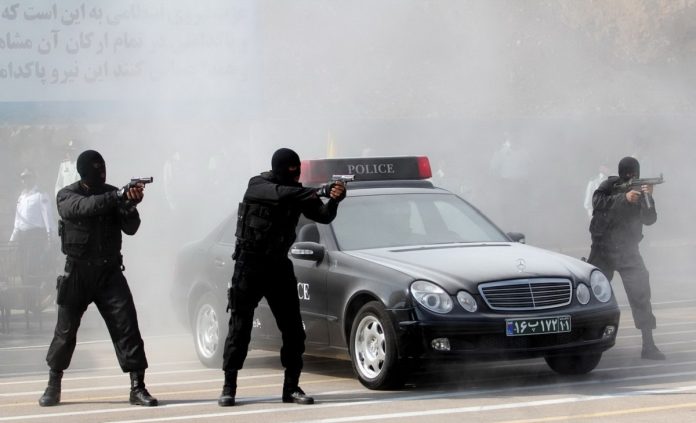
Iranian security forces

The terrorists, who were working in coordination with the Israeli regime, sought to carry out acts of sabotage in Kerman and other provinces across the country, the head of Kerman assembly of lawmakers Mohammad-Reza Pour-Ebrahimi, said on Monday.

He added that Kerman intelligence forces have succeeded in foiling a big plot against the country.

Late in May, Iranian intelligence forces dismantled a terrorist team affiliated with Israel in the northwestern province of West Azarbaijan and arrested its 14 members.

It came a week after Iran’s Intelligence Minister Esmail Khatib announced that a terror team affiliated with the Israeli Mossad spy agency had been arrested in the western part of the country.

Khatib stated that the terrorists had sneaked across the border into western Iran from Iraq’s semi-autonomous Kurdistan region.

Former Egyptian minister says Sisi feared arrest in South Africa over Rabaa massacre

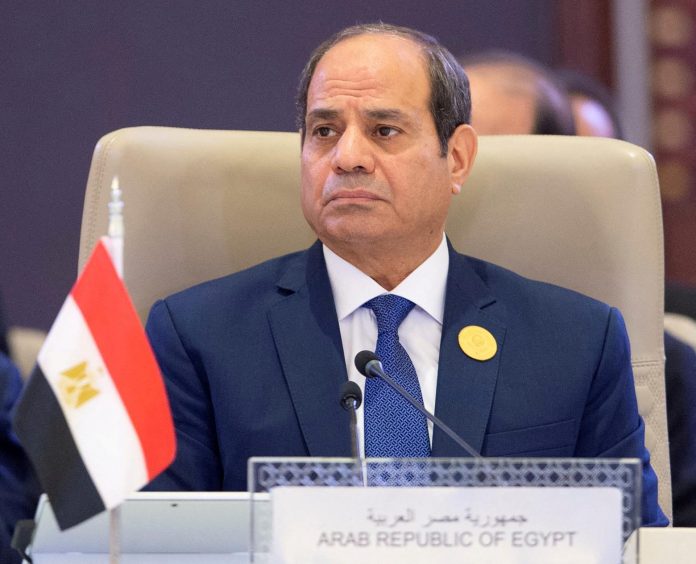
Sisi

The revelation was made by Abdel Nour in an explosive interview on news website Zat Masr, which has since been suspended in Egypt. The interview was first published last week but was later deleted. It has been shared by social media accounts run by Egyptian dissidents abroad.

In the interview, Abdel Nour, who served as a minister between July 2013 and September 2015, lambasted Sisi’s government.

He attributed the economic crisis in the country to “excessive borrowing and a lack of confidence in the government’s decisions”.

He also warned that the upcoming presidential elections, scheduled for February 2024, will be a “farce” and alleged that security services will approve the list of candidates who can run against Sisi.

On the situation of freedom of opinion and expression, he said “people in Egypt are afraid, and anyone who expresses an opinion on public affairs is arrested”.

“The evidence is that if two people meet up and want to talk about public affairs, they put their phones away, fearing surveillance,” he added.

The highly critical comments by Nour have been widely shared online by opponents of the government, as the former minister is still considered an ally of Sisi.

Abdel Nour was a leading figure in the National Salvation Front, an alliance of parties and public figures that opposed the rule of late President Mohamed Morsi, Egypt’s first democratically elected leader.

He rallied Sisi, then defence minister, to oust Morsi from power ahead of the 2013 military coup.

Abdel Nour was appointed minister in the post-coup interim government, which was accused by Human Rights Watch of committing possible crimes against humanity in the mass killing of pro-Morsi supporters, in what is known as the Rabaa massacre.

In August 2013, tens of thousands had gathered in Cairo’s Rabaa al-Adawiya Square to demand the return of Morsi.

Egyptian soldiers and police officers killed at least 900 people as they forcibly dispersed a protest camp in the square on 14 August.

At the time, Abdel Nour publicly supported the use of starvation and siege tactics to disperse the protests.

He reiterated his comments in the recent interview, saying that he faces charges of international crimes in the UK and South Africa as a result.

“During Rabaa, in a TV interview, I said I don’t understand why can’t we besiege the protesters and ban food and drinks from reaching them. By banning delivery of food and drinks, they would have to leave the protests,” Abdel Nour stated.

Lawyers representing Morsi and his Freedom and Justice Party filed criminal charges against Sisi and leading members of the Egyptian government believed to be involved in the incitement and killings of protesters.

According to Abdel Nour, he and Sisi cancelled a trip to South Africa in 2015 because of their fears of being arrested there under universal jurisdiction, as South Africa is a signatory of the Rome Statute and has incorporated the treaty into its domestic legal system.

The former minister said he has also not visited the UK for years following advice from the former British Ambassador in Cairo James Watt and Egypt’s foreign minister Sameh Shoukry.

“I was about to be arrested in the UK and was advised to return to Egypt quickly,” he said, referring to a planned visit to the UK in 2014.

“I travelled with the Egyptian-British businessmen association to promote Egypt and investments in Egypt,” he explained.

“The British ambassador told me ‘don’t you ever travel to the UK without informing us, because there is an order to investigate you because of that issue,” he added.

Watt told Middle East Eye he “categorically denie[s] having said anything of the sort to Mr Abdel Nour or to anyone else”.

“I was not aware of any such investigation, and I continue to believe that there was none. If I had been aware of such an investigation, it would have been entirely incorrect of me to mention it to him,” Watt said, adding, “I can only think that that Mr Abdel Nour, who I respect greatly, has misremembered.”

Then in 2015, during a conference in Sharm el-Sheikh, Abdel Nour said that Sisi’s top aide at the time Abbas Kamel warned him against travelling to South Africa.

“Neither you nor Sisi are travelling to South Africa because the Muslim Brotherhood filed a lawsuit there and there was a judgement,” he added.

US accuses Russia of intimidation after former consulate worker was charged with spying

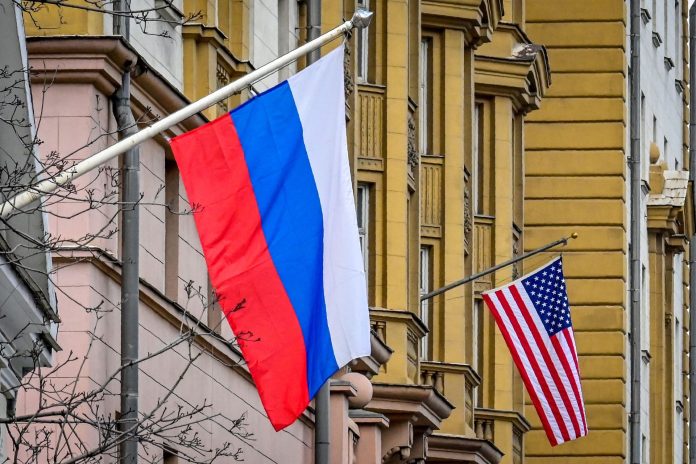
Russia US Flags

Russia’s state-run TASS news agency quoted Russia’s FSB security service as saying that Robert Shonov, a Russian national, had supplied information to US embassy staff in Moscow on how Russia’s conscription for the war in Ukraine was affecting political discontent inside Russia ahead of the country’s 2024 presidential election.

The charge of “cooperation on a confidential basis with a foreign state” carries a maximum prison sentence of eight years in prison.

“Russia’s targeting of Mr Shonov under the ‘confidential cooperation’ statute only highlights the increasingly repressive actions the Russian government is taking against its own citizens,” US State Department Spokesperson Matthew Miller said in a statement on Monday.

Miller stated that Shonov provided services to the US Embassy in Moscow “in strict compliance with Russia’s laws and regulations”.

“We strongly protest the Russian security services’ attempts – furthered by Russia’s state-controlled media – to intimidate and harass our employees,” Miller continued, adding that Washington was aware the FSB had also summoned two diplomats working at the US embassy in Moscow in connection to the case.

Shonov, who has been under arrest since May, was employed by the US Consulate General in the eastern Russian city of Vladivostok for more than 25 years until Russia in 2021 ordered the termination of the US mission’s local staff.

“Shonov’s sole role at the time of his arrest was to compile press summaries from publicly-available Russian media sources,” the State Department said following his arrest in May.

“The fact that he is being prosecuted under the ‘confidential cooperation’ law highlights the Russian Federation’s blatant use of increasingly repressive laws against its own citizens,” it added.

The FSB announced it also planned to question two US embassy employees – identified as Jeffrey Silin and David Bernstein who worked in the political department at the diplomatic mission in Moscow – who were in contact with Shonov.

Russian news agencies released undated footage on Monday distributed by the FSB showing Shonov’s detention on a snow-covered street. It also published images of Shonov testifying on camera.

The FSB said Shonov had begun handing information to the US diplomats last September about the war in Ukraine and the resulting mobilisation of Russians to fight in the war. It added that Shonov had been tasked with gauging protest sentiment ahead of presidential elections scheduled for next year in Russia.

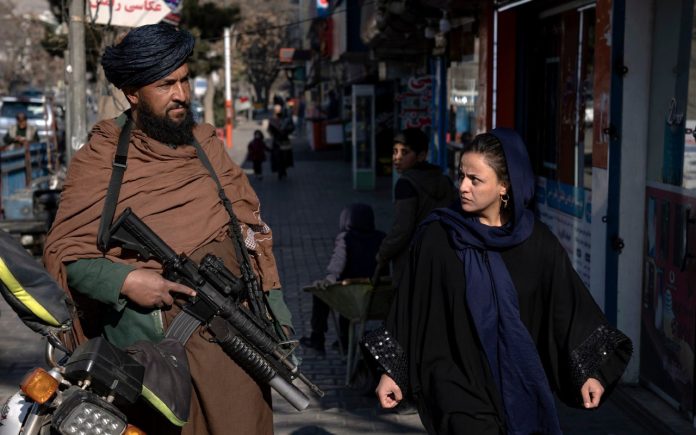
Rights groups denounce Taliban’s new curbs on women

Women in Afghanistan

Amnesty International said it denounced the Taliban’s latest action prohibiting female students from travelling to Dubai to start their university studies.

“This preposterous decision is a flagrant violation of the right to education and freedom of movement and demonstrates the continued gender persecution against women and girls in Afghanistan,” the rights group said in a post on X, formerly Twitter.

“The Taliban de-facto authorities must immediately reverse their decision and allow these female students to travel and study.”

The head of a Dubai-based conglomerate said Taliban authorities had stopped about 100 women from travelling to the UAE, where he stated he had sponsored their university educations.

Khalaf Ahmad al-Habtoor, founding chairman of Al Habtoor Group, said in a video posted on X that he had planned to sponsor the female students to attend university and a plane he had paid for had been due to fly them to the UAE on Wednesday.

“The Taliban government refused to allow the girls who were coming to study here – 100 girls sponsored by me – they refused them to board the plane, and already we have paid for the aircraft. We have organised everything for them here – accommodation, education, transportation, security,” he added in the video.

Al Habtoor included audio of one of the Afghan students who said she had been accompanied by a male chaperone but airport authorities in Kabul had stopped them from boarding the flight.

Laila said their scholarships were their “only hope to go abroad to continue our education”.

“This was an amazing opportunity for us, but like everything else, this opportunity was taken from us,” she told the Agence France-Presse news agency.

The 22-year-old was due to start a law degree in Dubai, having been forced to abandon her journalism studies under a Taliban government ban.

Laila added she and the other women made it to their departure gate but were turned away at the last moment by men in airport uniforms who said they had an order that those with student visas were not allowed to leave the country.

The Taliban administration has closed universities and high schools to female students in Afghanistan.

In a video posted on X, Human Rights Watch (HRW) urged the international community to “press the Taliban to end their violations of women’s rights”.

On Sunday, the Taliban government’s Ministry for the Promotion of Virtue and the Prevention of Vice closed the Band-e-Amir national park to women, saying female visitors were failing to cover up.

The park, a UNESCO World Heritage Site 175km (110 miles) west of Kabul, is renowned for its striking blue lakes surrounded by sweeping cliffs.

The park in Bamyan province is a popular spot for domestic tourism and is regularly swarmed with Afghans relaxing at the shore or paddling the waters in rented boats.

HRW Associate Women’s Rights Director Heather Barr told AFP the decision to ban women was “cruel in a very intentional way”.

“Not content with depriving girls and women of education, employment and free movement, the Taliban also want to take from them parks and sport and now even nature,” she said in a statement.

“Step-by-step, the walls are closing in on women as every home becomes a prison,” she added.

The minister for the promotion of virtue and prevention of vice, Mohammad Khalid Hanafi, justified the ban, saying women were failing to wear hijabs properly.

“We must take action from today. We must prevent the non-observance of hijab,” he stated during a visit to Bamyan.

Ministry spokesman Akef Muhajir told the AFP news agency that local religious leaders requested the temporary closure because women from outside the province were not observing the hijab dress code.

Other national parks in Afghanistan remain open to all, he added.
On Sunday, the United Nations special rapporteur on human rights in Afghanistan, Richard Bennett, asked in a social media post: “Why [is] this restriction … necessary to comply with Sharia and Afghan culture?”

Women have been barred from visiting parks, fairs and gyms and must cover up in public since the Taliban returned to power two years ago.
They have also mostly been blocked from working for UN agencies or NGOs. Thousands have been sacked from government jobs or paid to stay at home.