Thursday, December 25, 2025
Home Blog Page 1276

X accused of assisting Saudi Arabia in cracking down on critics: Report

X Twitter

The legal filing alleges that the network disclosed user data to the Saudi authorities “significantly more often” than to the US, UK and Canada, and ignored “the red flags” of a systemic crackdown on dissent on the platform by Saudi authorities dating from December 2014, when it was infiltrated by three Saudi agents.

The security breach exposed the identities of thousands of anonymous users, some of whom were subsequently detained and tortured.

The lawsuit was first filed in May by Areej al-Sadhan, the sister of a Saudi aid worker who was forcibly disappeared and subsequently sentenced to 20 years in jail.

The new claims, updated last week, say that Twitter, under the leadership of then-chief executive Jack Dorsey, overlooked efforts by the Saudi government to use the platform as a means to crack down on its critics, in the interests of preserving close ties with its top investor.

The claims come shortly after a Saudi court handed out a death sentence to Muhammad al-Ghamdi based on views he expressed in tweets, in what Human Rights Watch (HRW) condemned as an “escalation’” of the government’s campaign against freedom of expression.

Additionally, the new lawsuit claims that Ahmad Abouammo, a former Twitter employee who was later convicted in the US for acting as a double agent, had sent a message via Twitter to Saud al-Qahtani, a close aide to Saudi Crown Prince Mohammed bin Salman who was later accused of orchestrating the murder of journalist Jamal Khashoggi, that read “proactively and reactively we will delete evil, my brother”.

According to the lawsuit, this was a reference to the crackdown on Saudi dissidents using the platform that X either knew about or “deliberately” chose to ignore.

The lawsuit alleges that even after his resignation in 2015, Abouammo continued to submit requests to the platform for users’ confidential data, openly stating that the requests were on behalf of his “old partners in the Saudi government”.

Twitter was also quick to hand over documentation confirming users’ identity following emergency disclosure requests (EDRs), the lawsuit alleges, enabling Saudi authorities to access user information within hours of a tweet deemed critical of the kingdom.

Furthermore, the platform failed to alert its users of the scale and severity of the data breach and, by doing so, the company “put thousands of Twitter users at risk”, the lawsuit said.

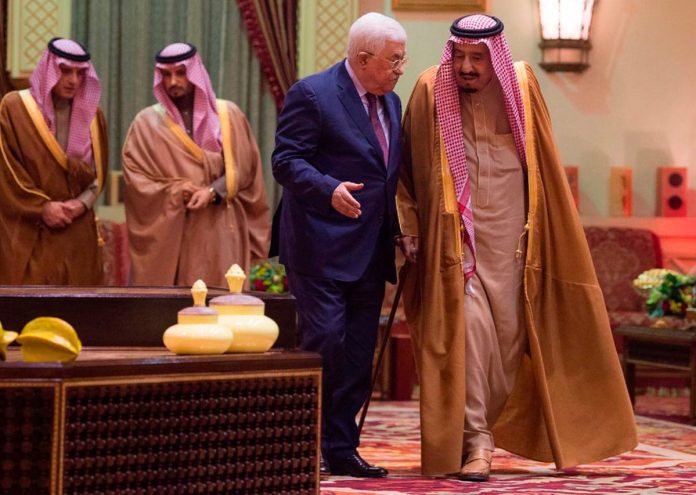
Palestinian delegation to discuss Israeli-Saudi normalization with officials in Riyadh: Report

Mahmoud Abbas King Salman

The delegation will travel to Saudi Arabia on Monday and include Hussein al-Sheikh, President Mahmoud Abbas’s deputy, Majed Farag, head of the PA intelligence service (GIS), and Majdi Khaldi, senior diplomatic advisor to Abbas.

The trio will hold discussions with Saudi Arabia’s Foreign Minister, Faisal bin Farhan Al-Saud, and the national security advisor, Musaed bin Mohammed Al-Aiban. They will also meet with Brett McGurk, the White House’s coordinator for the Middle East and North Africa.

According to Palestinian sources with knowledge of the trip, the PA officials will discuss issues raised by Saudi Arabia about the possible normalisation deal without presenting specific demands.

For months, Washington has been leading efforts to strike a deal between Saudi Arabia and Israel that would see them establish formal ties.
Saudi Arabia has held out the offer to normalise ties with Israel since 2002 under the Arab Peace Plan, which calls for an independent Palestinian state in the West Bank and Gaza Strip, with East Jerusalem as its capital.

However, many analysts and people familiar with the Joe Biden administration’s thinking tell MEE they believe Riyadh would settle for much less.
In exchange for normalising ties, Saudi Arabia wants security guarantees from the US, help in developing a civilian nuclear programme, and fewer restrictions on US arms sales.
While the Palestinian issue is not thought to be central to the agreement, a component of the deal would include possible benefits to the Palestinians.

The PA has in the past rejected similar US-brokered normalisation deals between Israel and Arab countries, including the United Arab Emirates, Bahrain and Morocco.

A senior source in Fatah, which dominates the PA, told MEE that some elements within the Ramallah-based authority are reconsidering this approach.

“They think normalisation is happening with or without us, so they may as well benefit from it, at least politically and financially,” the source added.

Last week, Israeli outlets reported a list of demands presented by the PA to US officials at a “tense” meeting in Jordan’s capital, Amman.

They included transferring parts of the so-called Area C in the occupied West Bank to partial Palestinian control, a move that would not likely get the approval of Israel’s ultranationalist government, which has pushed for annexation of Area C.

The West Bank was divided into three areas during the Oslo Accords, giving the PA limited control in areas A and B, while Israel was given full control in Area C, which forms 60 percent of the Palestinian territory.

Other Palestinian demands included getting backing from Washington for recognition of Palestinian statehood at the United Nations, the reopening of the US consulate in Jerusalem, and the resumption of “final status” negotiations between Palestinians and the Israelis.

As the PA takes a pragmatic approach to the potential Saudi deal with Israel, Riyadh has reportedly offered to resume financial aid to Ramallah frozen since 2020.

Saudi Arabia was one the top funders of the PA between 1994 and 2020, giving it almost 10 percent of the total aid it received in that period. The aid package in the past reached more than $200m a year.

The PA has denied any link between the resumption of financial aid and the normalisation deal.

However, the Fatah source who spoke to MEE said the PA is not likely to receive anything “other than money and some non-enforceable political gestures” from the potential agreement.

“Saudi Arabia wants to ensure Palestinian silence over the deal, and the PA will agree to normalisation in the end,” the source stated.

The deal could generate anger among the Saudi and Arab public, which is why Riyadh is seeking to get “Palestinian cover” to justify it, according to Ayman Talal Yousef, professor of international relations at the Arab American University.

The Palestinian issue will likely remain low on the agenda, with Saudi Arabia, the US, and Israel prioritising other geopolitical interests, Yousef told MEE.

China’s Huawei opens cloud data center in Saudi Arabia to grow MENA footprint

Huawei

The cloud data centre in Riyadh, Huawei’s 30th worldwide, will support government services for the Saudi kingdom and allow for AI applications and language models in Arabic, a company official told a briefing.

“The implementation of Huawei cloud is not just about us, but is a bridge that will bring other Chinese companies to Saudi Arabia,” stated Steven Yi, the company’s regional president.

The step would contribute to the development of the country’s digital economy, he continued, adding that Huawei opened its regional headquarters in the Saudi capital this year.

Saudi Arabia has previously said it would not sign contracts with foreign companies that did not have regional headquarters in the kingdom after this year.

Huawei ranked fifth in the global cloud services market in the first quarter, with a market share of 2.4%, although it was the second-largest vendor in mainland China, according to research consultancy Canalys.

In February, Huawei noted it would invest $400 million in the Saudi Arabia cloud region over the next five years.

US, EU to warn UAE against trading with Russia: Report

Putin Bin Zayed

Officials from Washington and European capitals are visiting the UAE this week where they will raise concerns with their Emirati counterparts about the trade of dual-use products like computer chips and electronic devices, according to the WSJ.

The visit is not surprising. For months now, senior US officials have publicly labelled the UAE “a country of focus” as they look to clamp down on Russia’s evasion of Western sanctions.

The UAE is a key US partner in counterterrorism operations, but like its larger neighbour, Saudi Arabia, has increasingly pursued a path independent from the West on foreign policy.

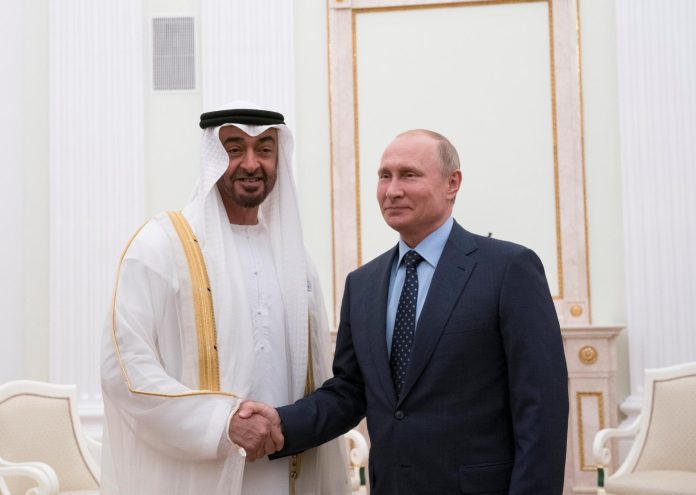
It has staked out a neutral position on Russia’s invasion of Ukraine, keeping economic and diplomatic channels with the Kremlin open. In June, Emirati President Sheikh Mohammed bin Zayed met Russian President Vladimir Putin in St Petersburg during an economic forum.

The UAE has reaped financial dividends from its diplomatic position.

Dubai, perhaps the flashiest of the UAE’s seven Emirates, has been one of the biggest beneficiaries. An influx of Russian emigres has helped turbocharge the city’s property scene, making it the world’s fourth most active luxury home market behind New York, Los Angeles and London this year. The city-state has also become a hub for Russian oil traders at a time when it is competing to attract international business with Saudi Arabia.

For their part, Emirati officials have not been squeamish about deepening economic ties with Moscow despite western pressure. UAE Trade Minister Thani bin Ahmed Al-Zeyoudi pledged last December to push commercial relations “to even greater heights” after the UAE reported non-oil trade with Russia growing by 57 percent in the first nine months of 2022 – breaking all records.

The UAE’s gold industry, a lucrative sector of the economy that has also helped expand Emirati geopolitical clout as far as war-ravaged Sudan, has also enjoyed an uptick in business thanks to trade with Russia. Imports of Russian gold increased about 700 percent the year after Russia’s Ukraine invasion, from 1.3 tonnes during 2021 to 75.7 tonnes, or about $4.3bn worth of the precious metal.

But one of the key concerns for western officials is the re-export of dual-use technologies like semiconductors and integrated circuits which are used in civilian industries, but also military gear.

According to the WSJ, western officials are concerned that the transit of these goods from the West to Russia via the UAE is increasing as Washington and its allies lobby Russia’s neighbours, specifically Armenia, to stem their own booming trade in goods.

As recently as December, the UAE was still exporting drones to Russia, according to Russian government data analysed by the Washington DC-based Free Russia Foundation. The group lists the UAE, along with Turkey, Cyprus and China, as countries that have “dramatically expanded” exports to Russia.

The US banned the export of sensitive technologies to Russia immediately after the invasion of Ukraine, but US officials say the UAE continued to send US-export controlled goods, including “semiconductor devices, some of which can be used on the battlefield”, to Moscow.

According to the Ukraine-based Kyiv School of Economics the UAE exported approximately $144m worth of critical components for Russian Unmanned Aerial Vehicles (UAVs) in the first five months of this year.

For its part, the UAE says that it abides by all international- and UN-imposed sanctions. The tiny Persian Gulf state is also not alone in maintaining economic ties to Russia. Egypt has boosted its purchases of Russian wheat amid the war and Saudi Arabia along with other regional states have purchased discounted Russian crude.

The UAE’s growing trade with Russia pales in comparison to that of NATO-member Turkey, where the value of bilateral goods exchanged has surged about 200 percent even as the war rages. Turkey exported more than double the value of component parts critical to Russia’s drone industry in the first five months of this year, according to the Kyiv School of Economics.

North Korea leader to meet Putin in Russia: Report

Putin Kim

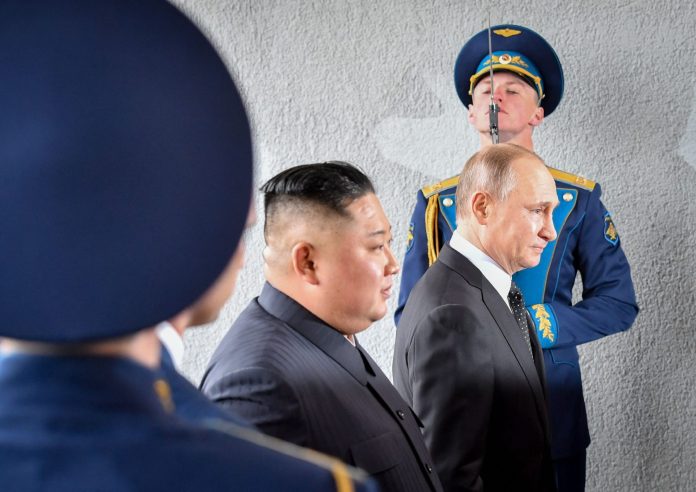
Kim would travel to Vladivostok, a city on Russia’s Pacific Coast, “probably by armored train,” where both leaders would attend the annual Eastern Economic Forum (EEF), scheduled for September 10-13, the NYT report said, adding that Kim plans to visit a Russian naval base.

Neither Moscow nor Pyongyang have commented on the matter.

Kim, who rarely leaves the country and mostly travels by train, last met with Putin in Vladivostok in 2019.

Russian Defense Minister Sergey Shoigu made a surprise visit to Pyongyang in July, where he and Kim attended a military parade, marking the 70th anniversary of the end of the 1950-1953 Korean War. Shoigu later said that Moscow was open to holding joint drills with North Korea. Shoigu also delivered “a personal message” from Putin to Kim, according to the Kremlin.

The NYT cited its sources as saying that Kim planned to discuss “the possibility of supplying Russia with more weaponry for its war in Ukraine and other military cooperation.”

The report came after the US claimed last year that North Korea was secretly sending shells to Russia. These allegations were denied by the Kremlin and later by Aleksandr Matsegora, Russia’s ambassador in Pyongyang.

North Korea has consistently backed Russia during its military operation in Ukraine and warned that deliveries of US-made F-16 fighter planes could spark “a nuclear war.” Pyongyang has also accused the US of orchestrating the Ukraine conflict and the standoff between NATO and Russia.

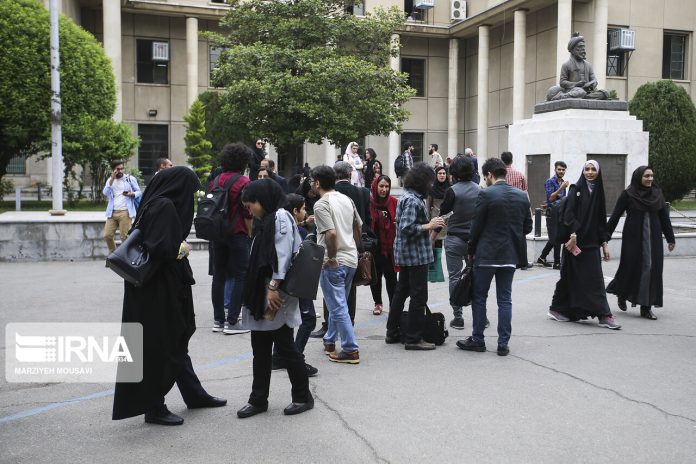
Iranian daily: Sacking university professors will wither society

Iran University

Ettela’at wrote in an article on Tuesday that the discharging spree in some of Iran’s most prestigious universities has created a tense atmosphere, which will take away hopes in academic centers and consequently the entire Iranian society.

The terminations, at the cusp of the reopening of universities and on the anniversary of the 2022 nationwide riots and protests, have prompted debates over whether they are linked to support for last year’s unrest.

Ali Sharifi Zarchi, a professor of bioinformatics and artificial intelligence at internationally-renowned Sharif University of Technology in Tehran, is among dozens of top professors who have been expelled since President Ebrahim Raisi took office two years ago.

On Tuesday, many reformist newspapers, including Arman-e Melli, ran front-page stories on controversial religious eulogist Saeed Haddadian who is slated to teach “Literature of Resistance” for a master’s program at Tehran University.

Citing sociological studies in different countries, Ettela’at wrote there is direct link between universities and their spillover effects on societies, warning the move will lead to an academic and social decline.

This comes as pro-government figures and dailies have defended the moves.

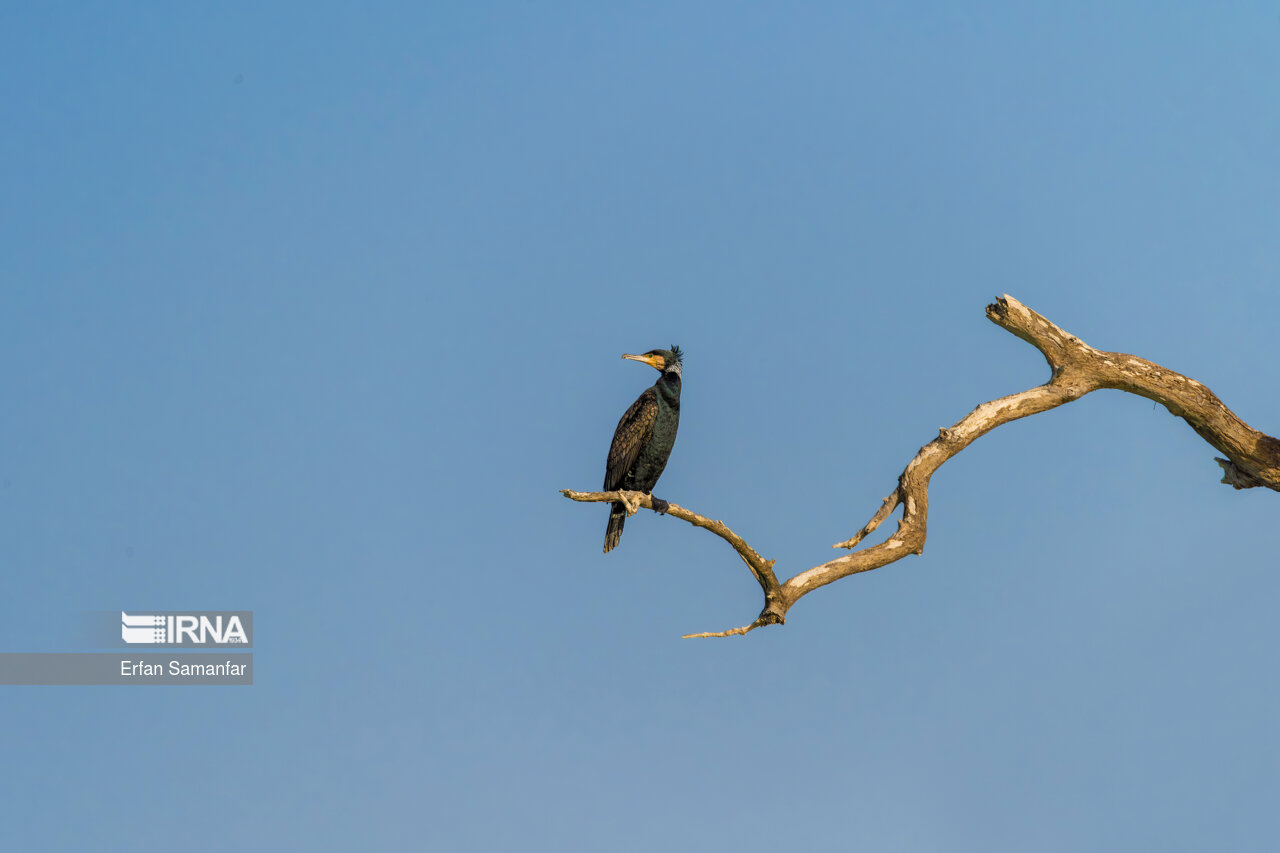
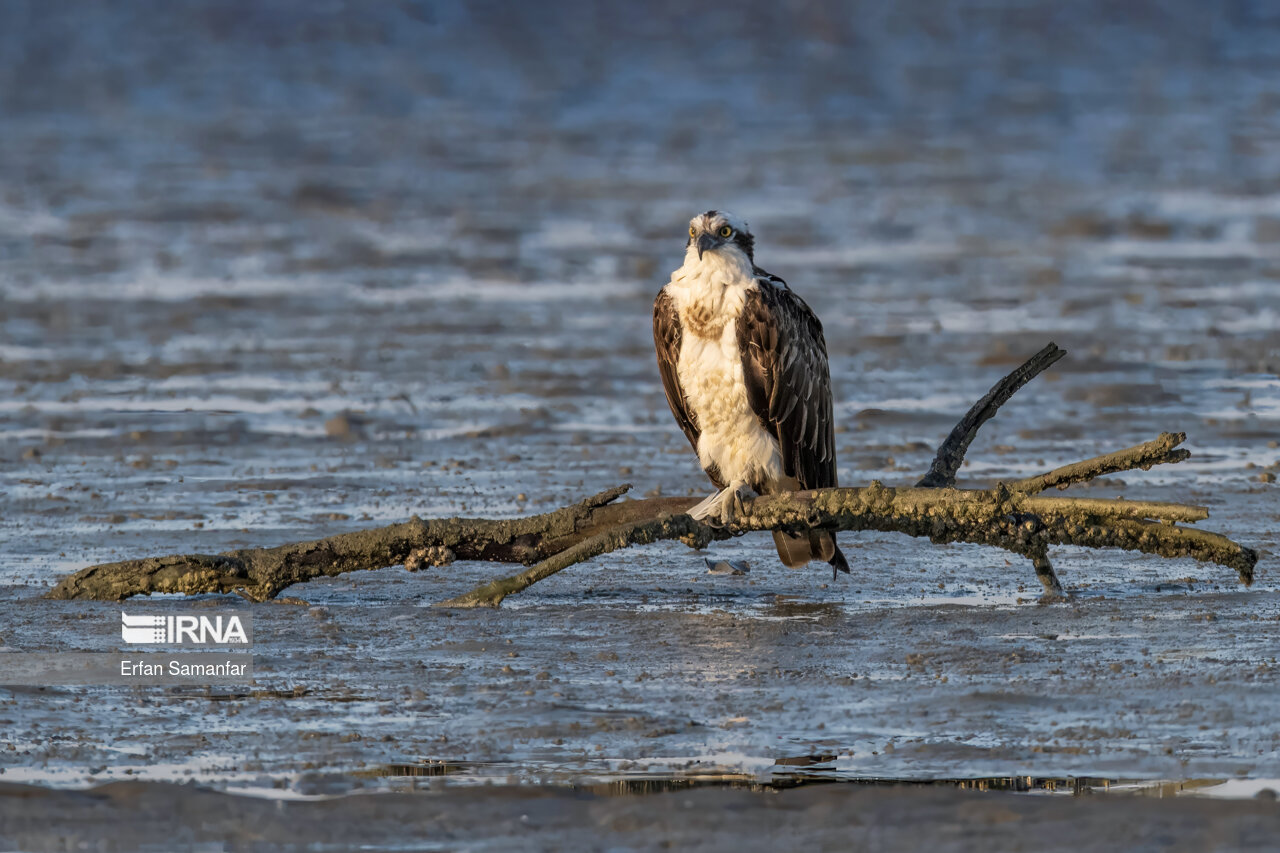
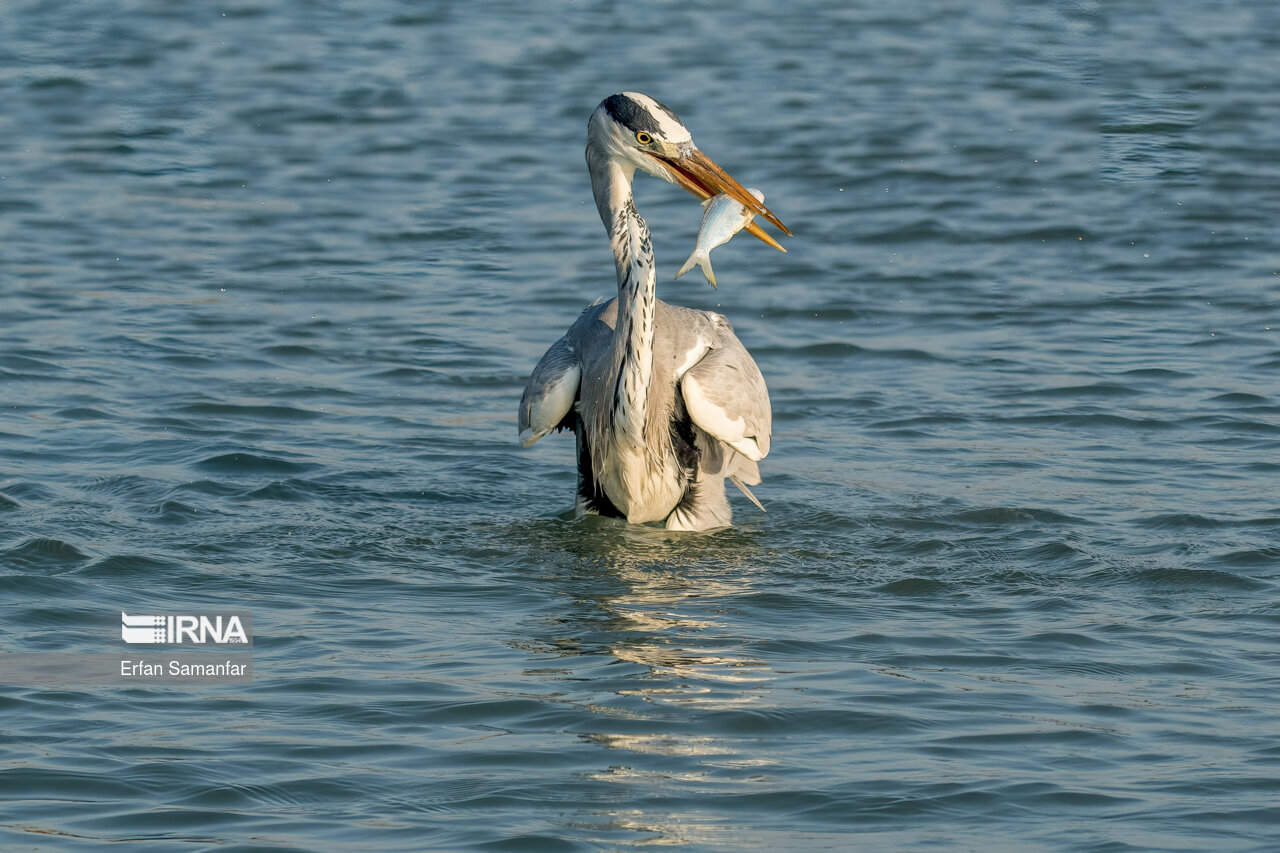
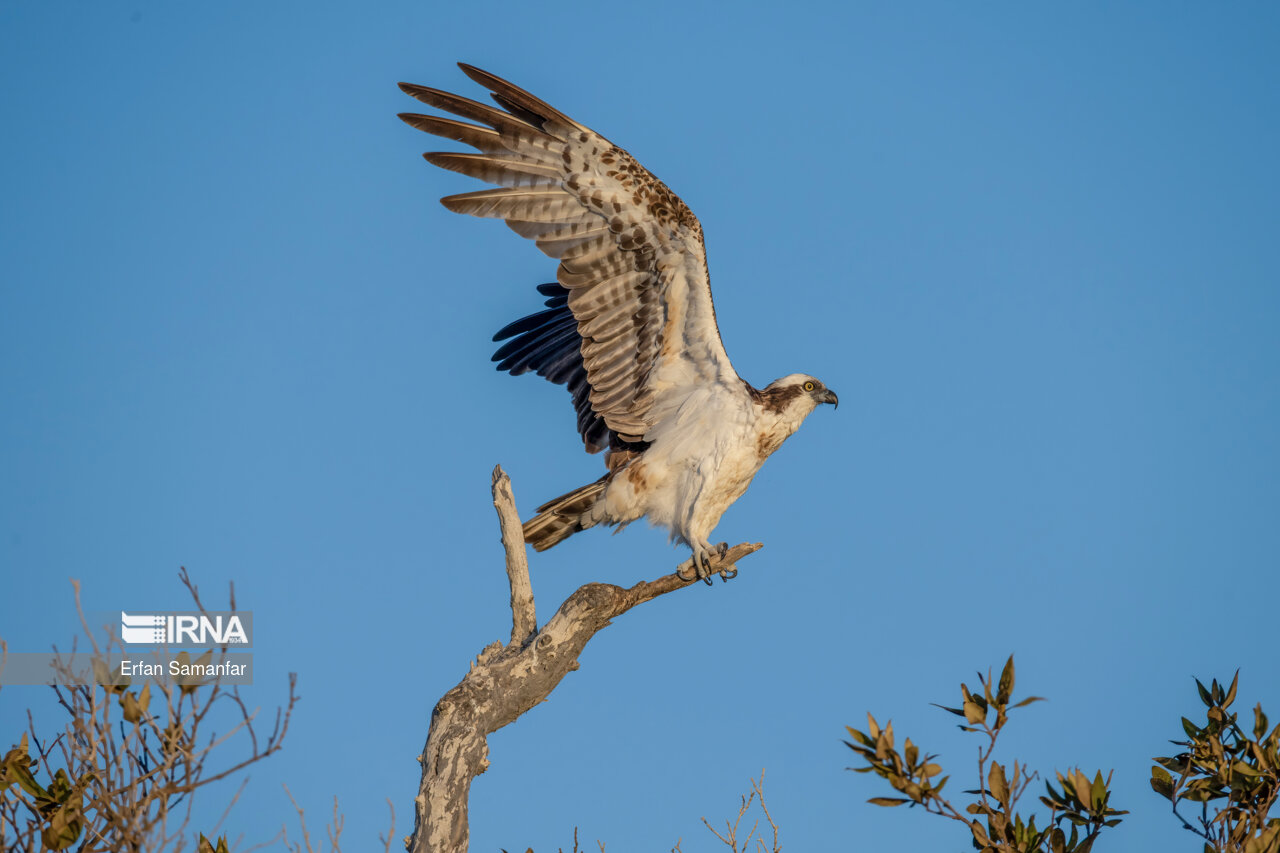
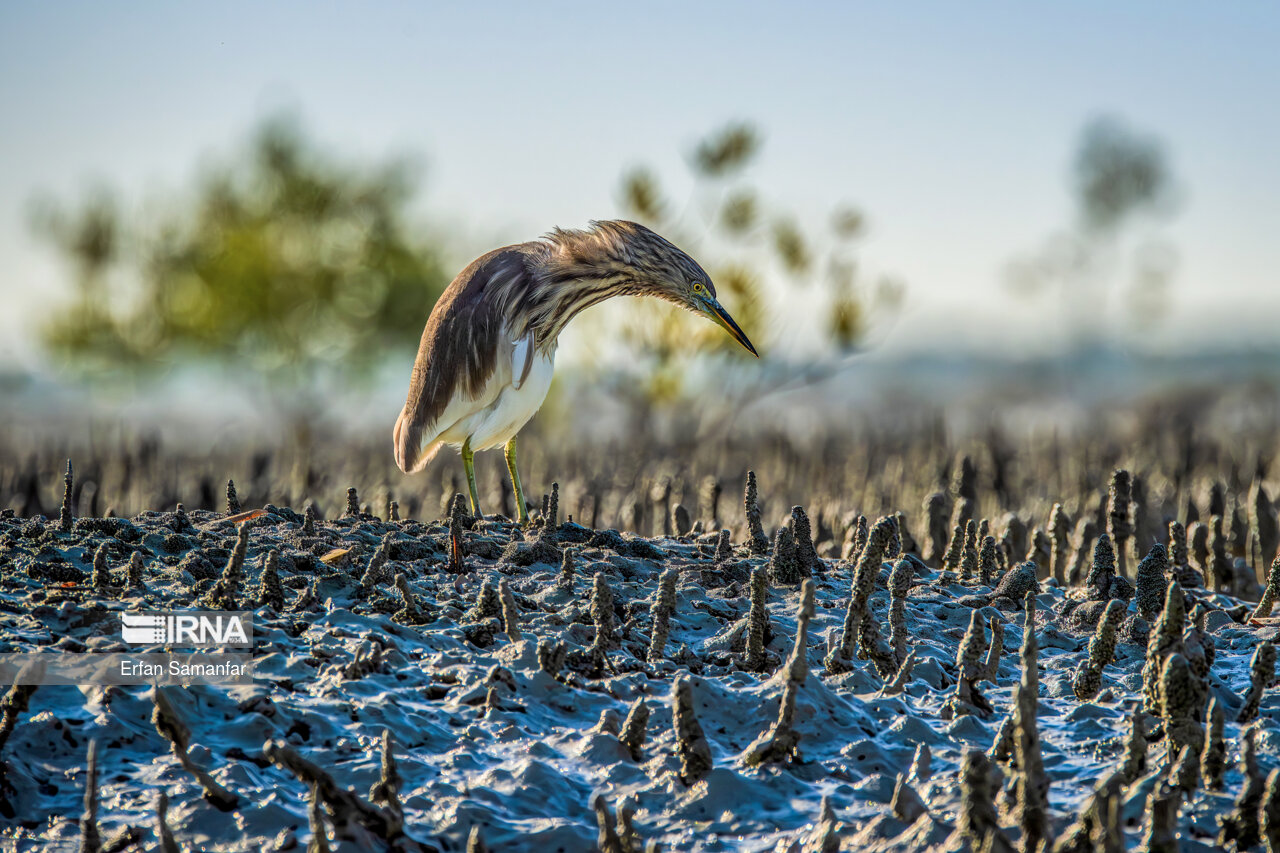
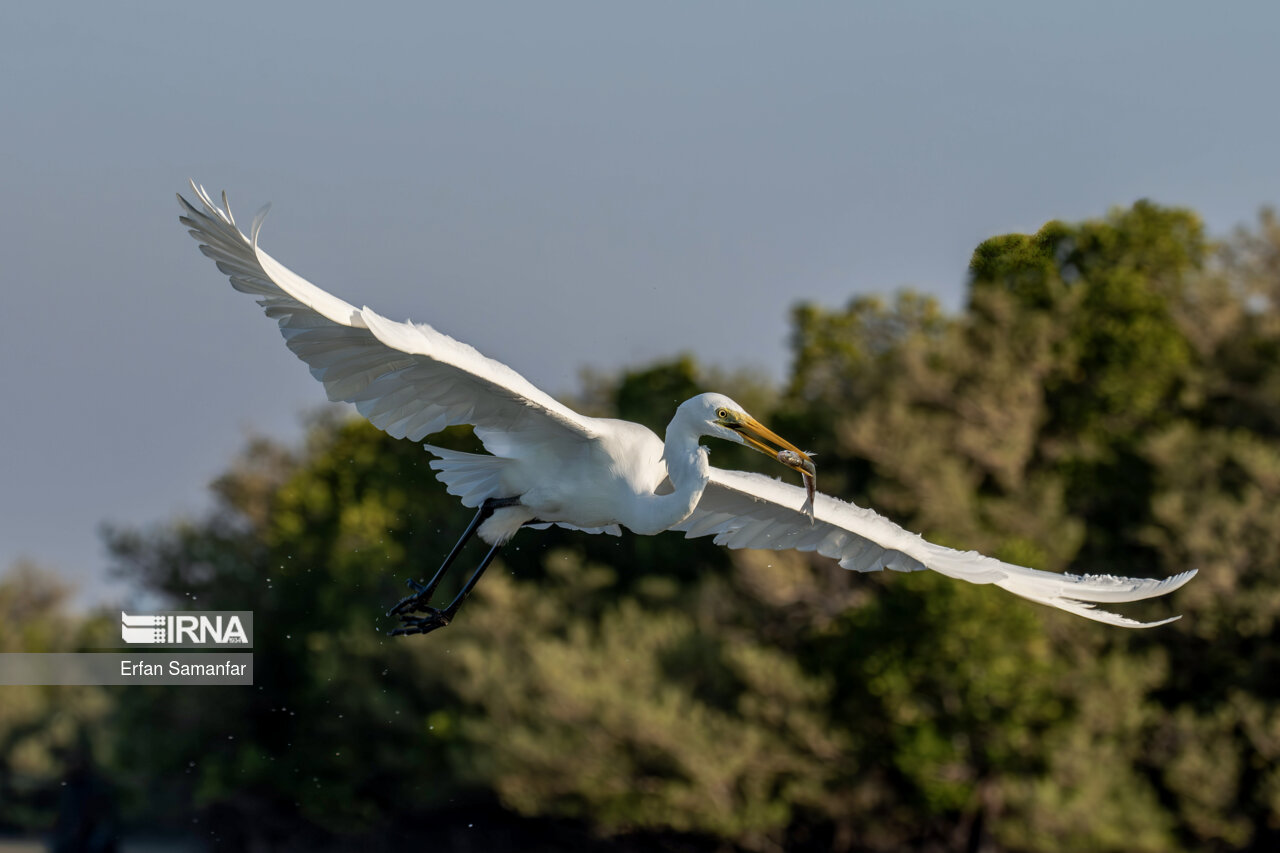
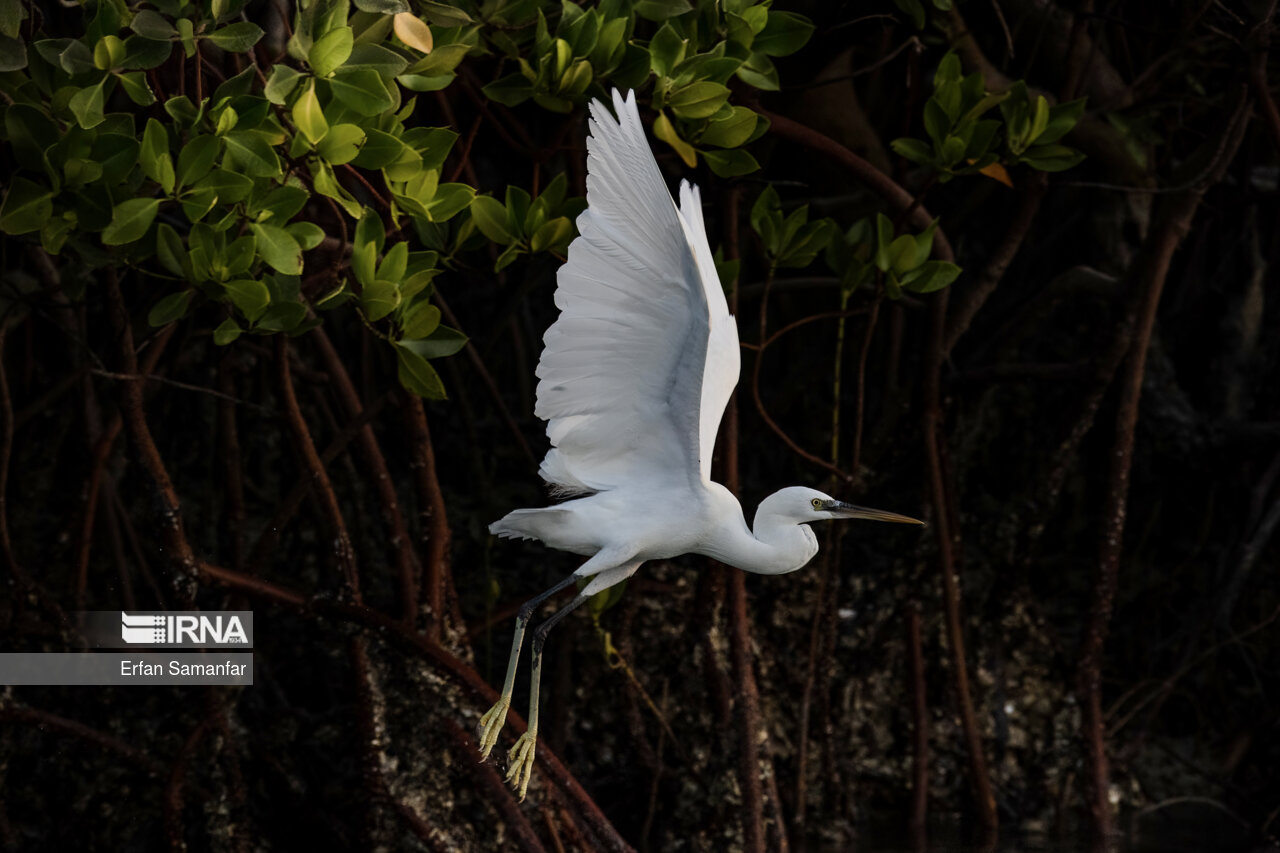
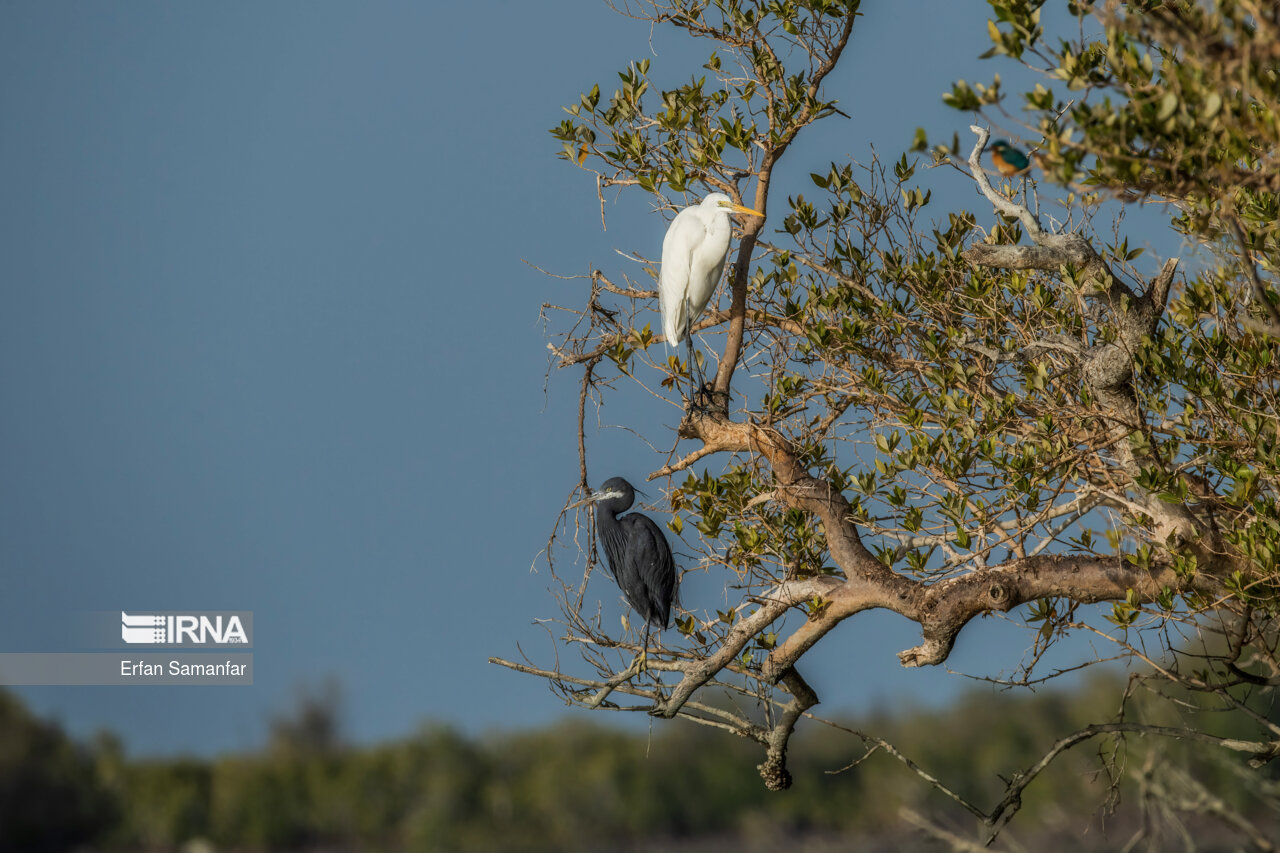
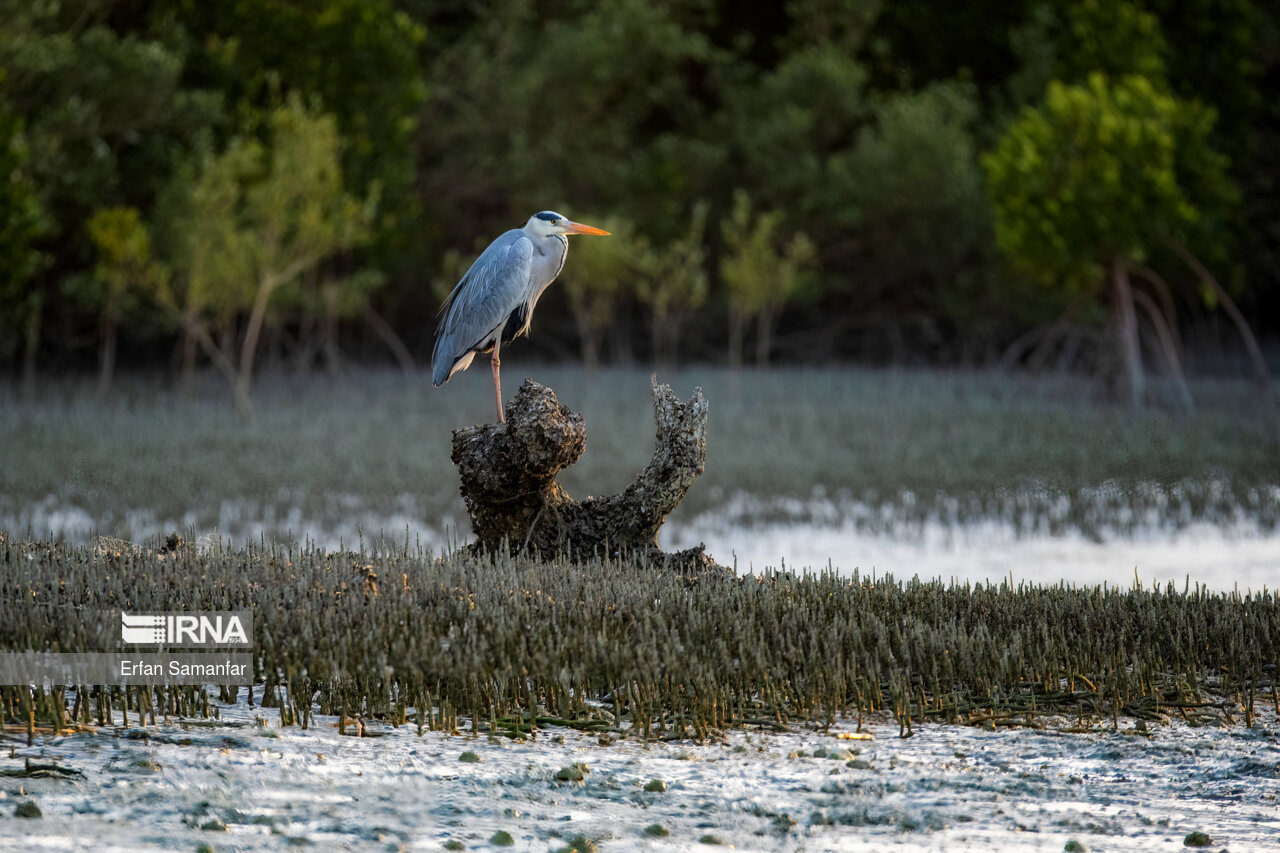
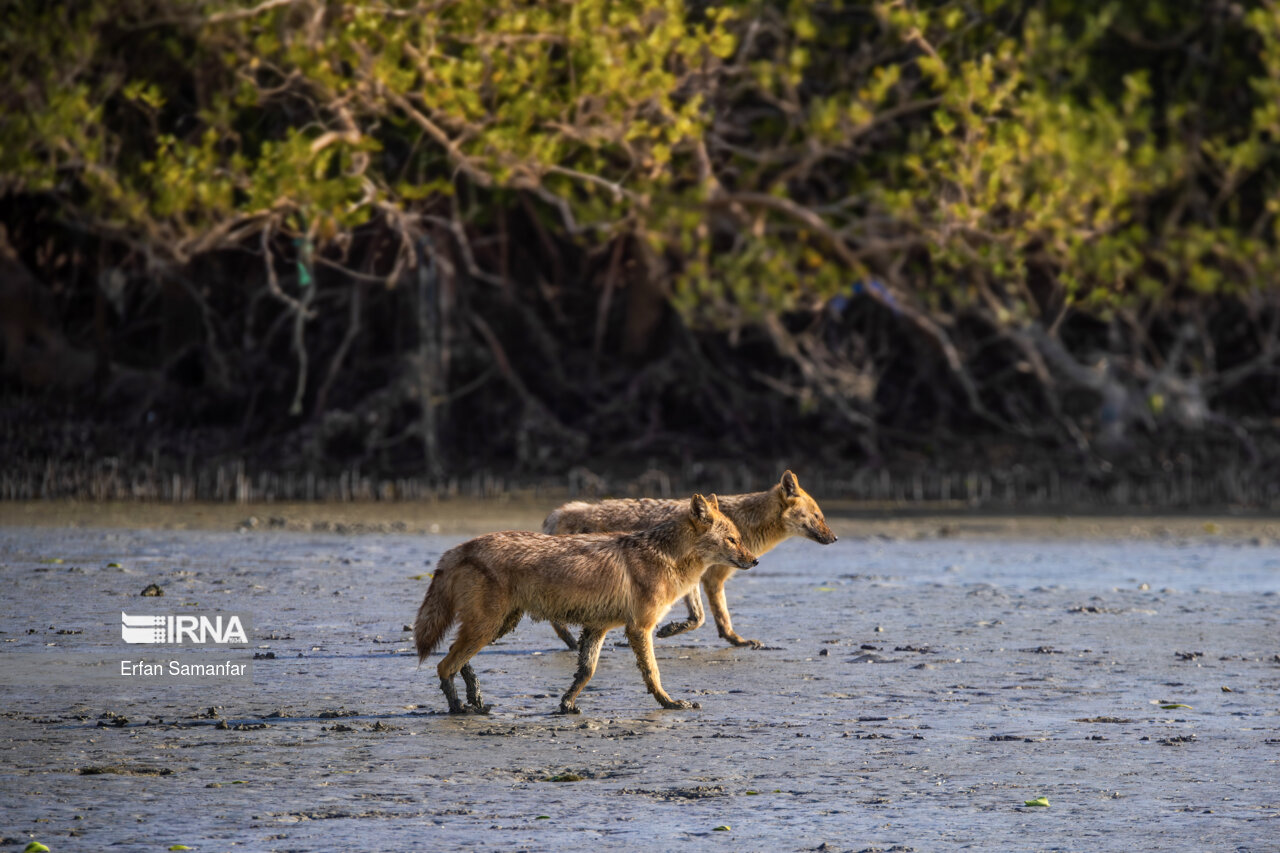
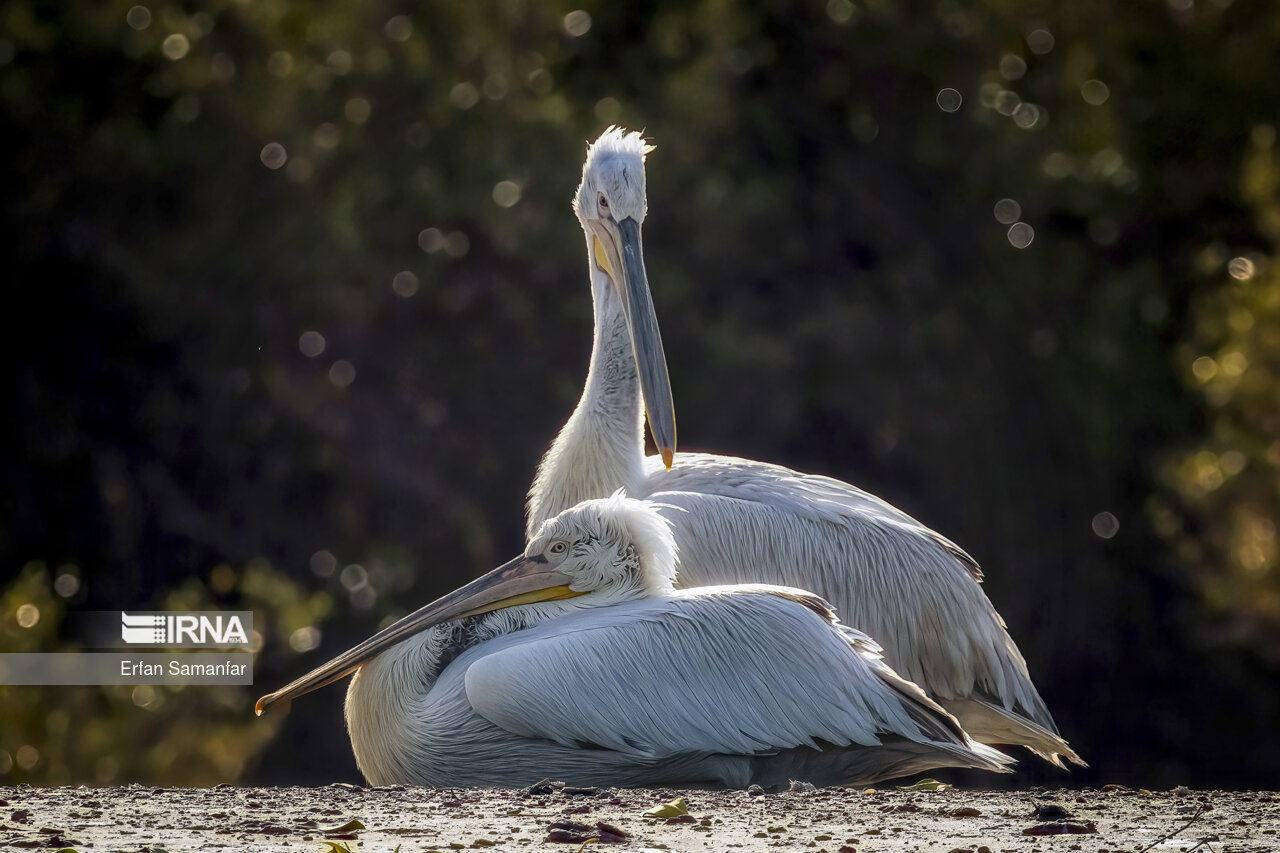
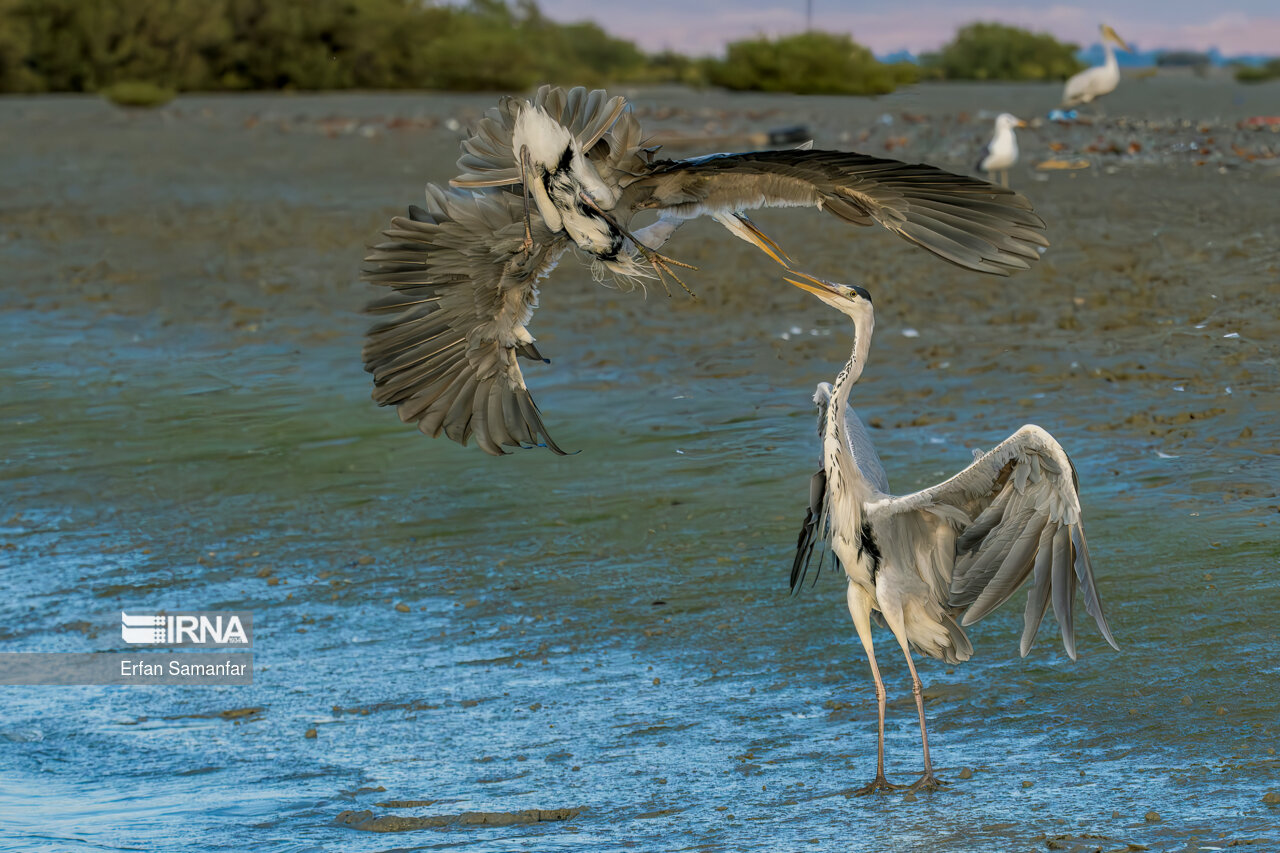
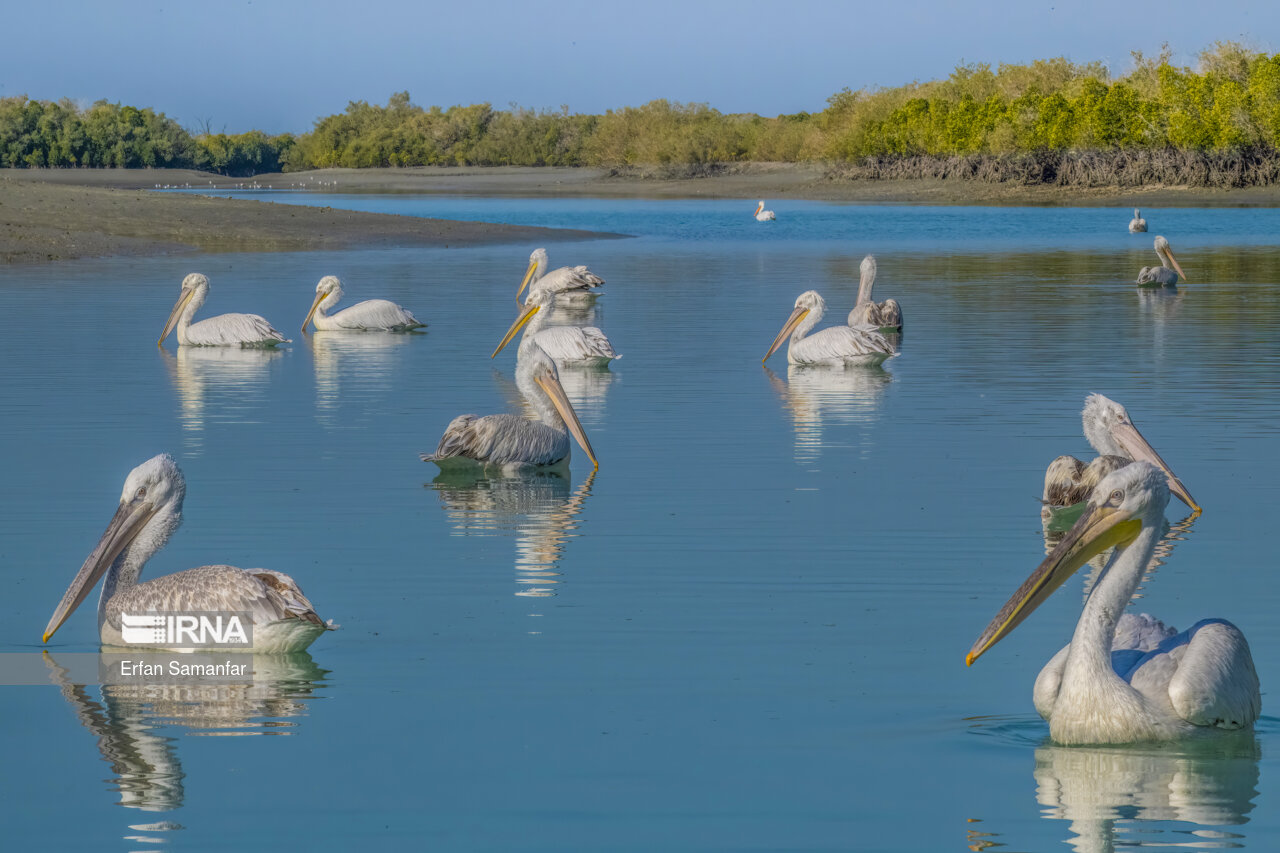
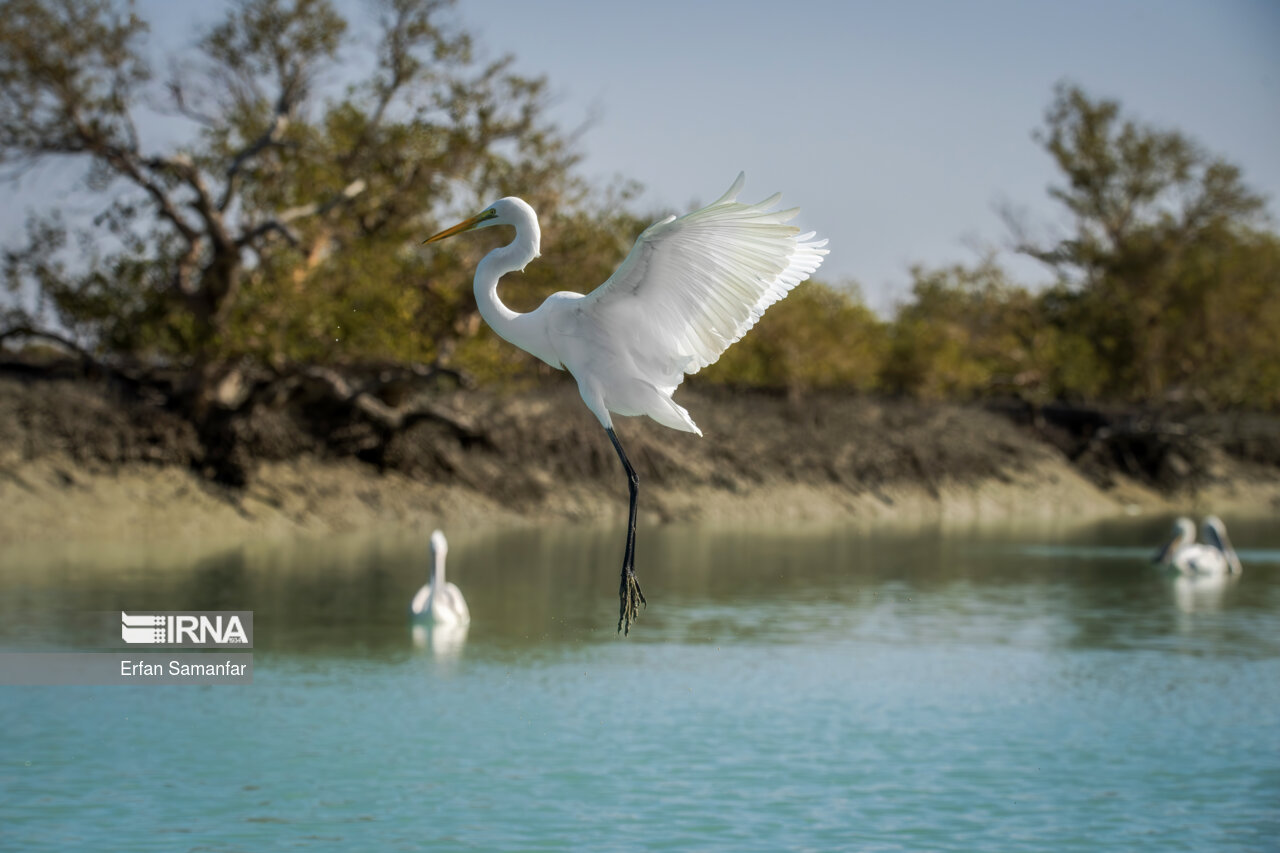
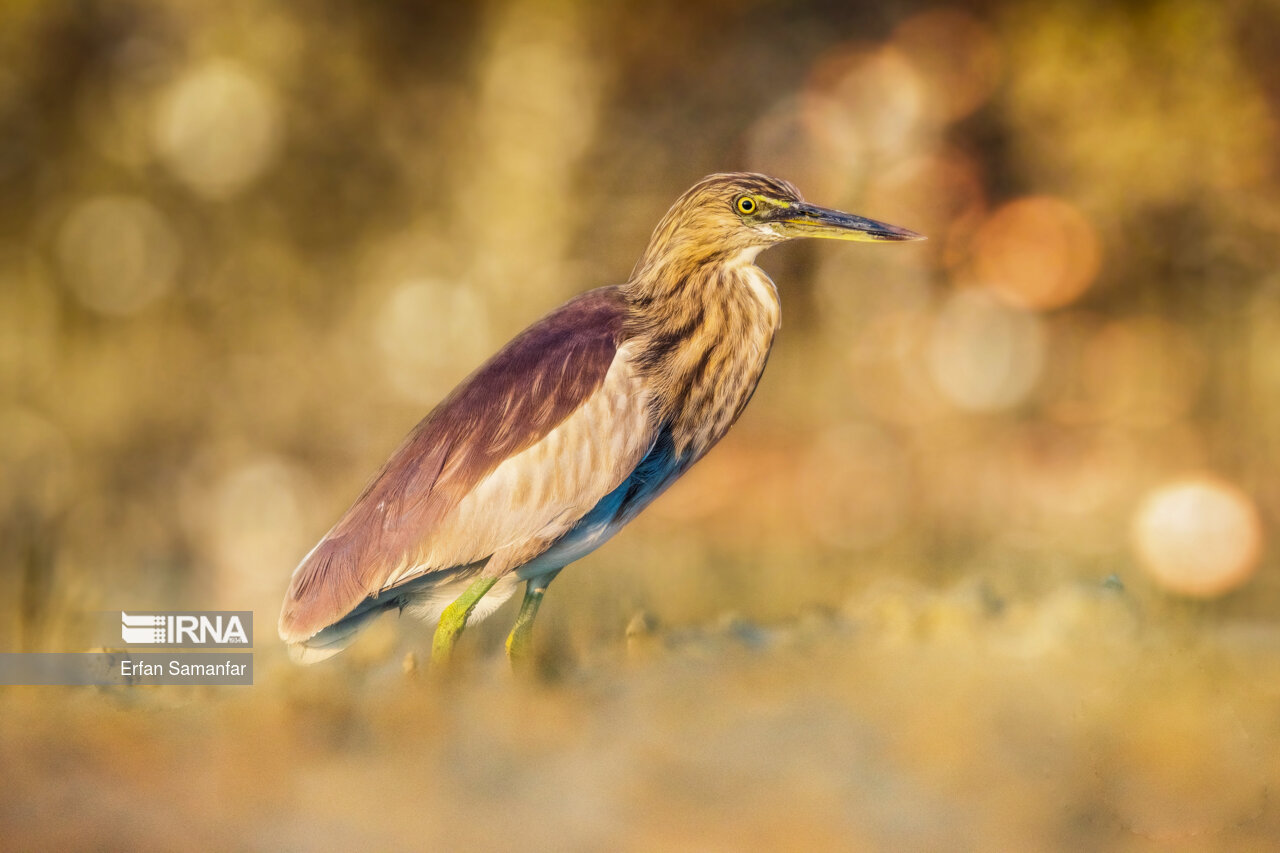
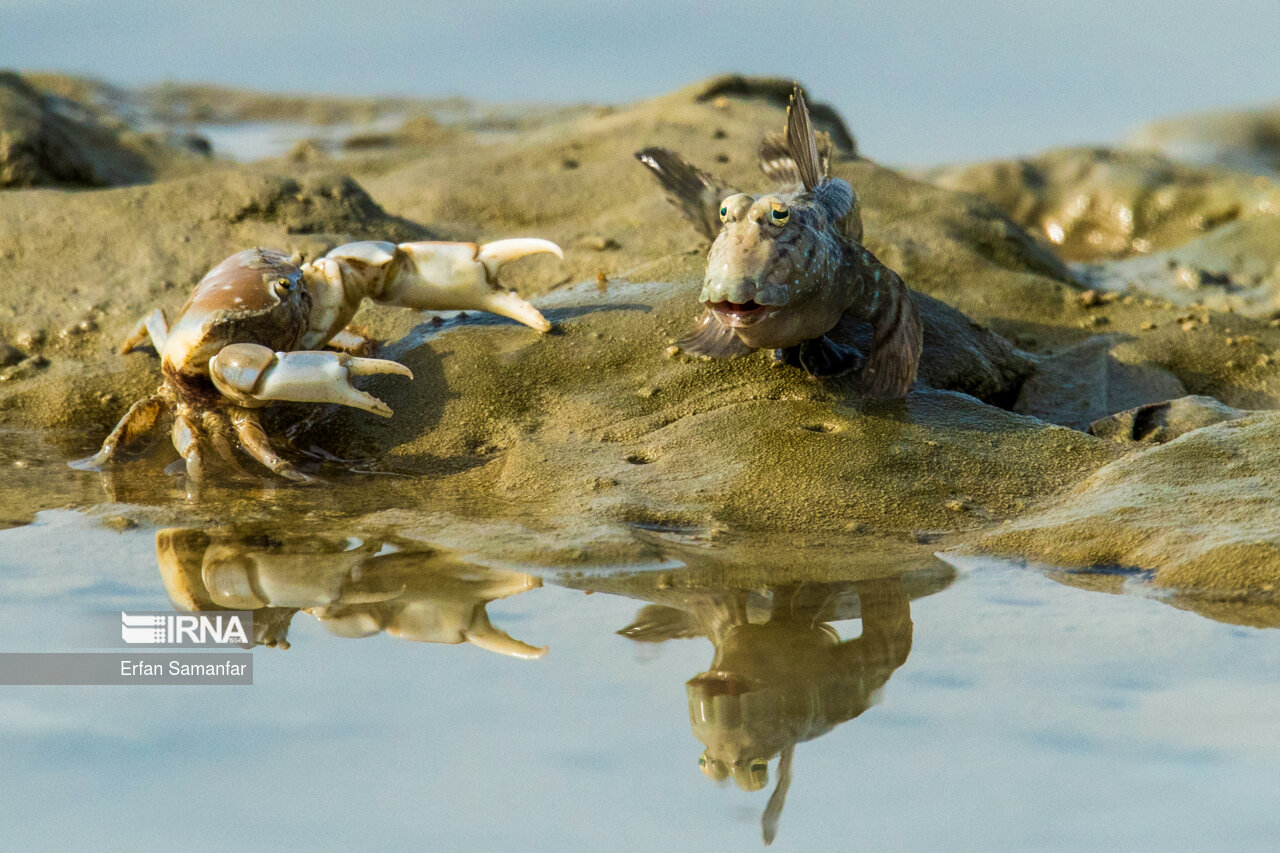
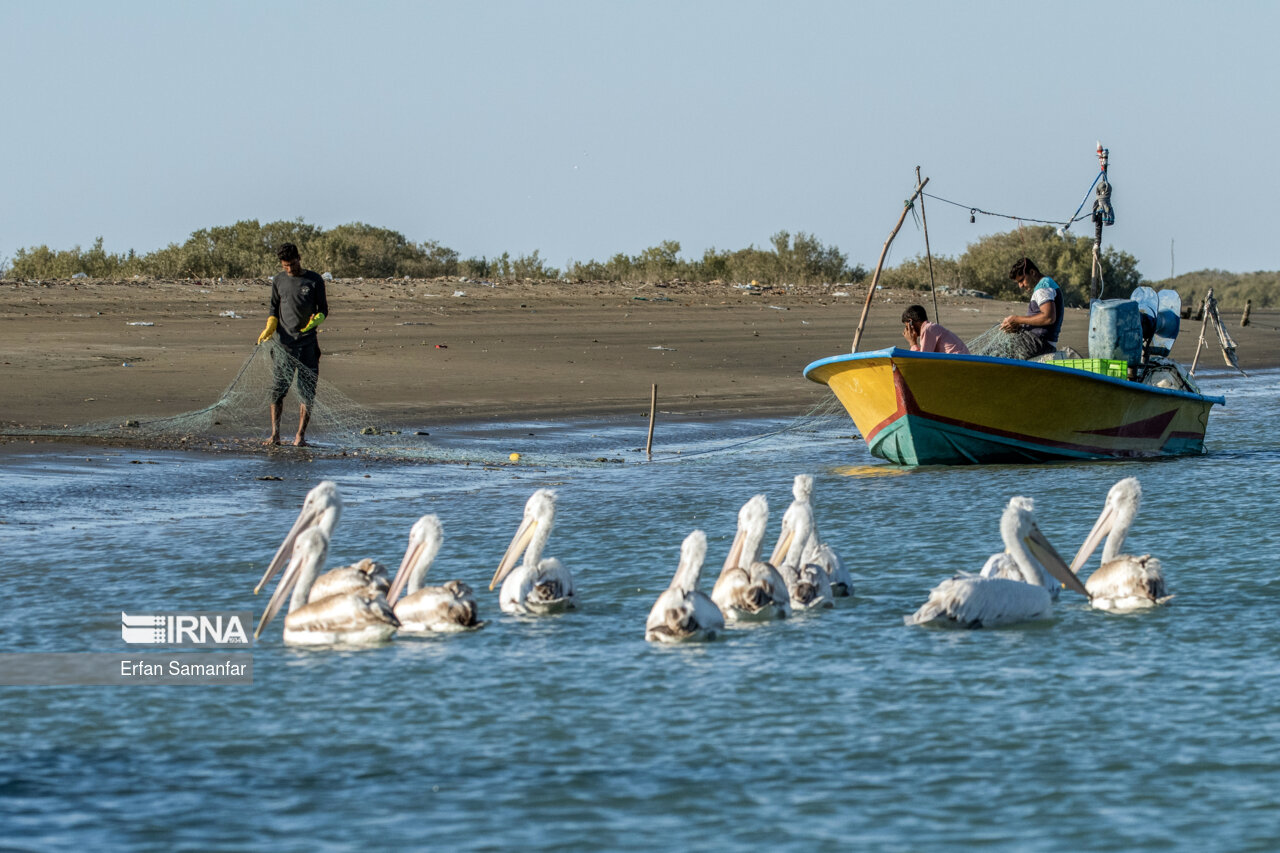
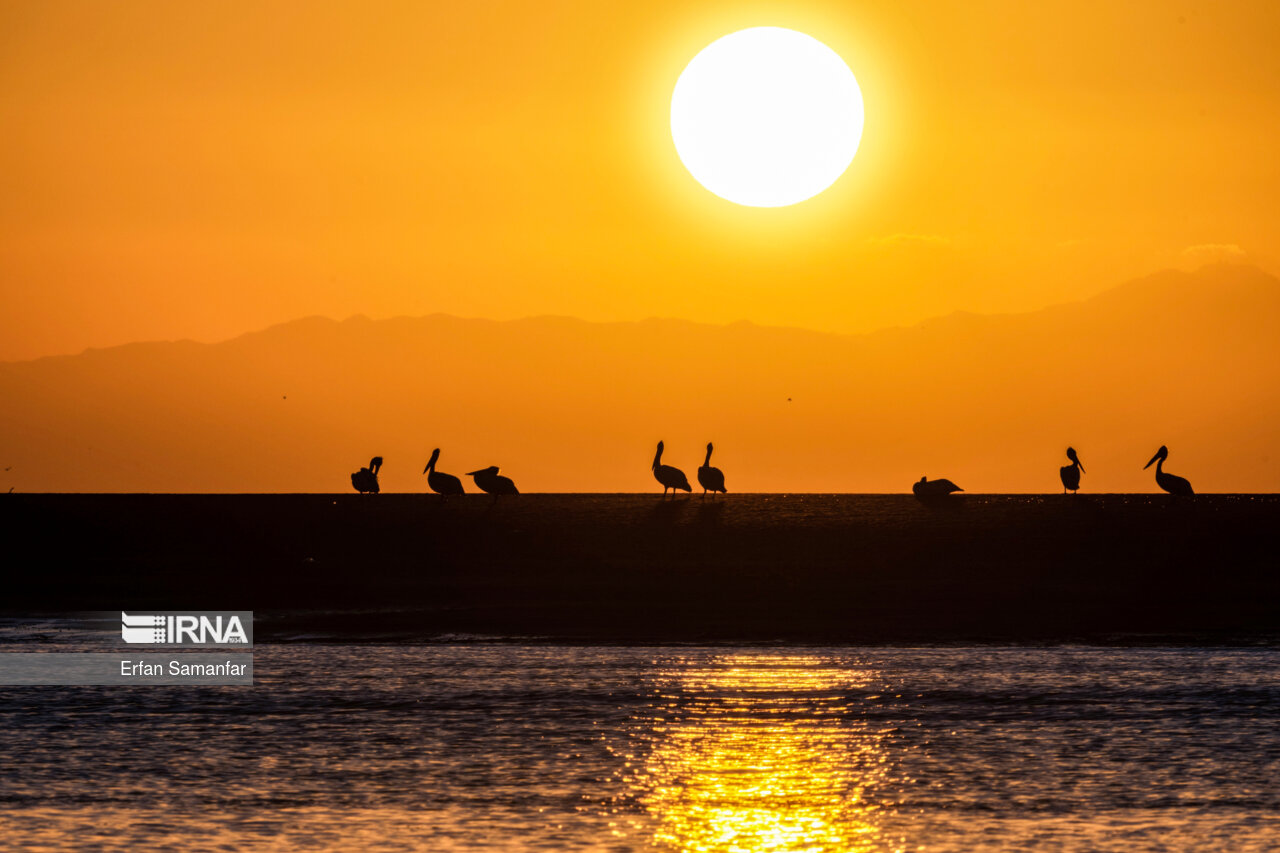
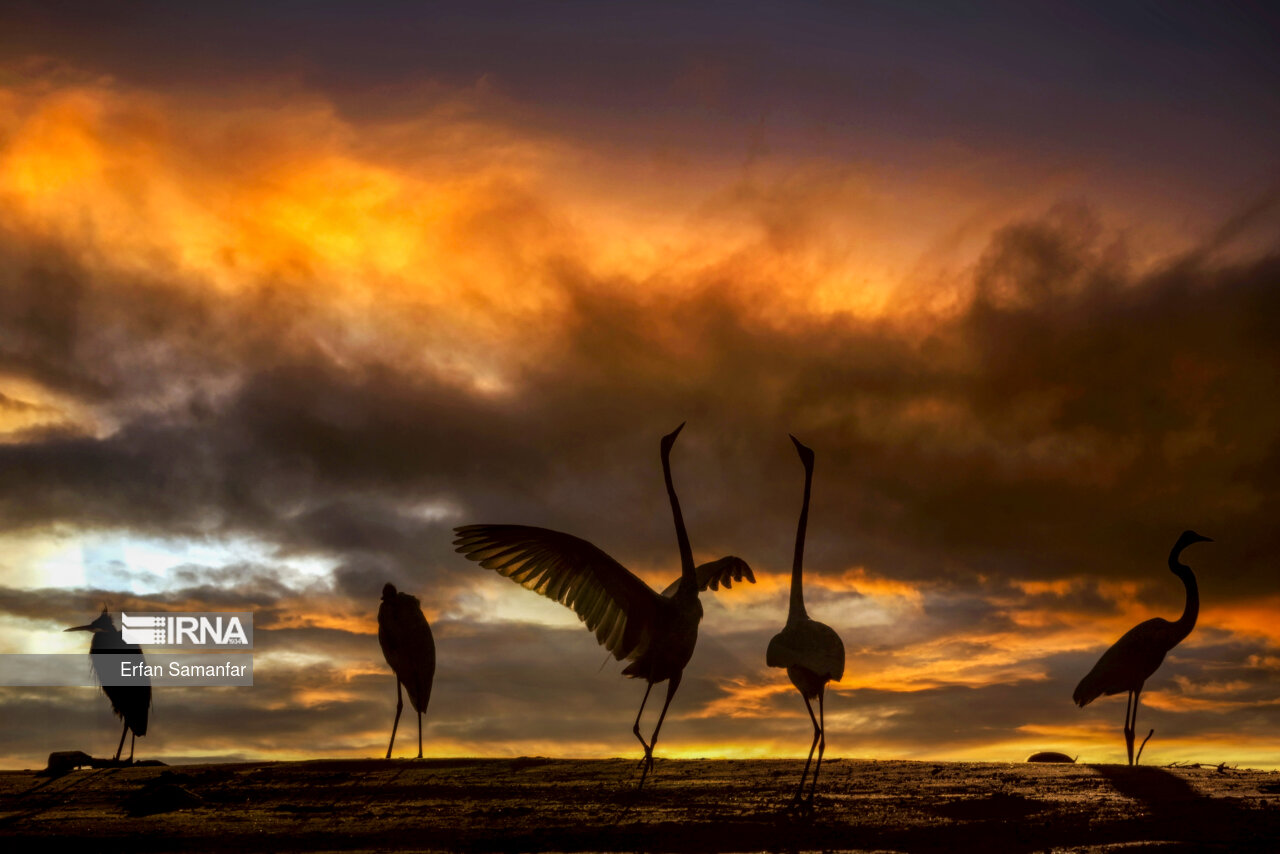
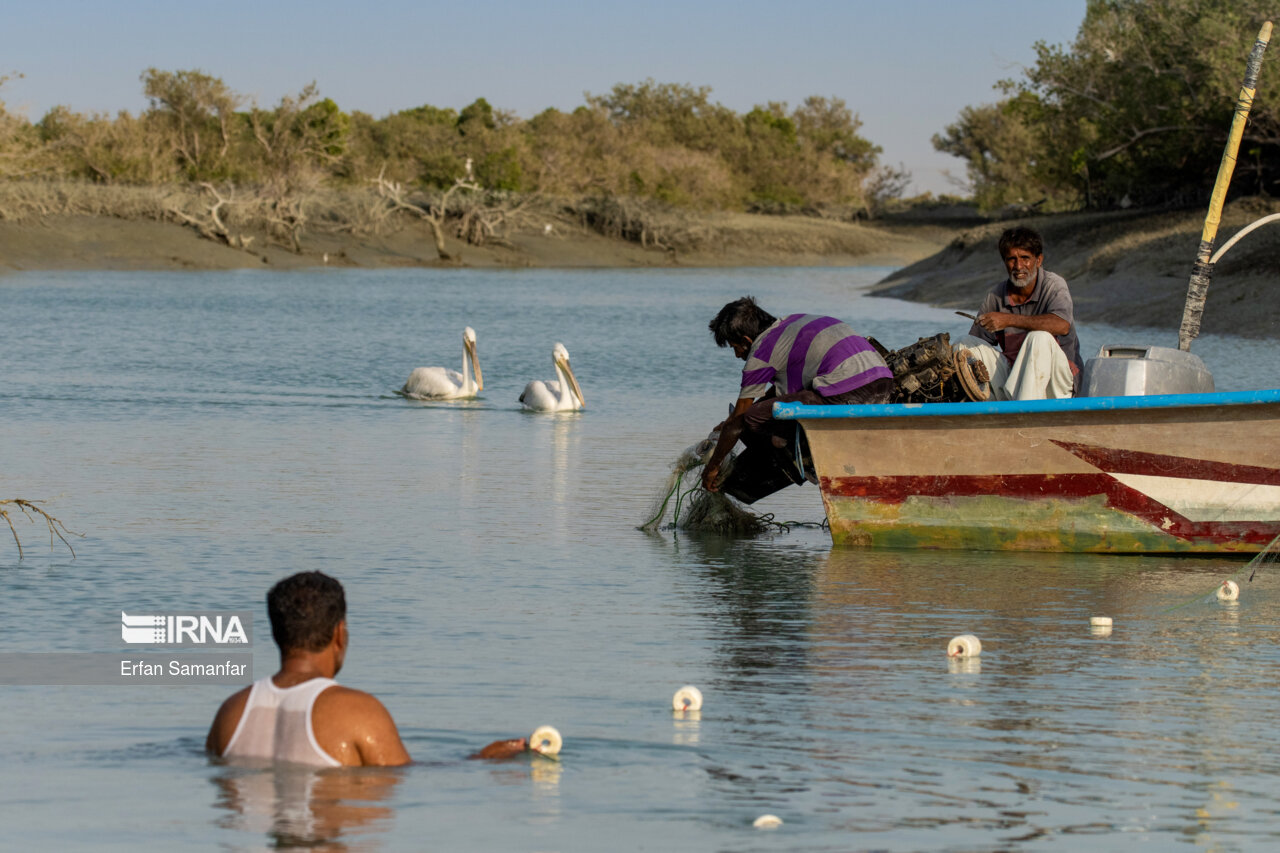
Iran’s Azini Wetland, a winter abode for endangered birds

Iran’s Azini Wetland

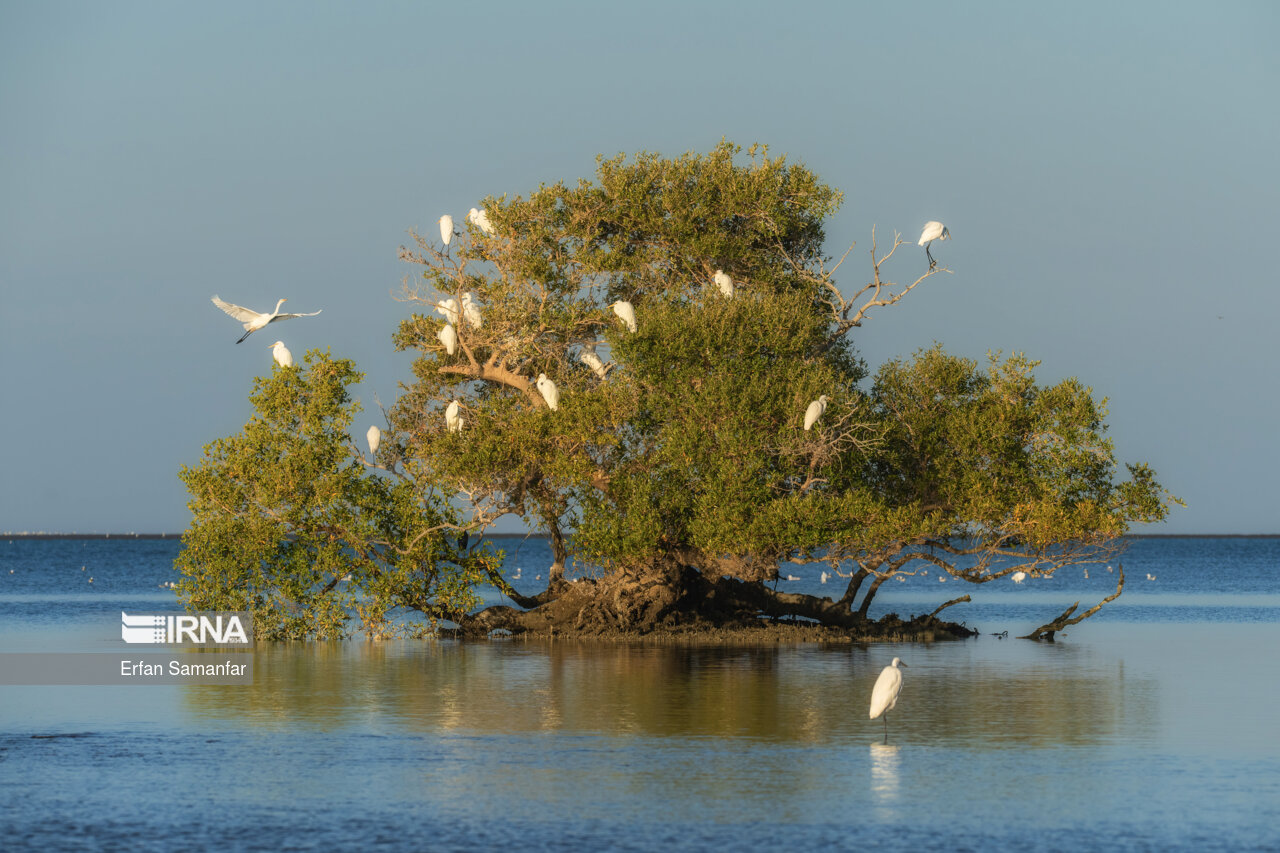
The wetland is comprised of a set of mangrove forests with the two best species of mangrove, including loop-root ones.

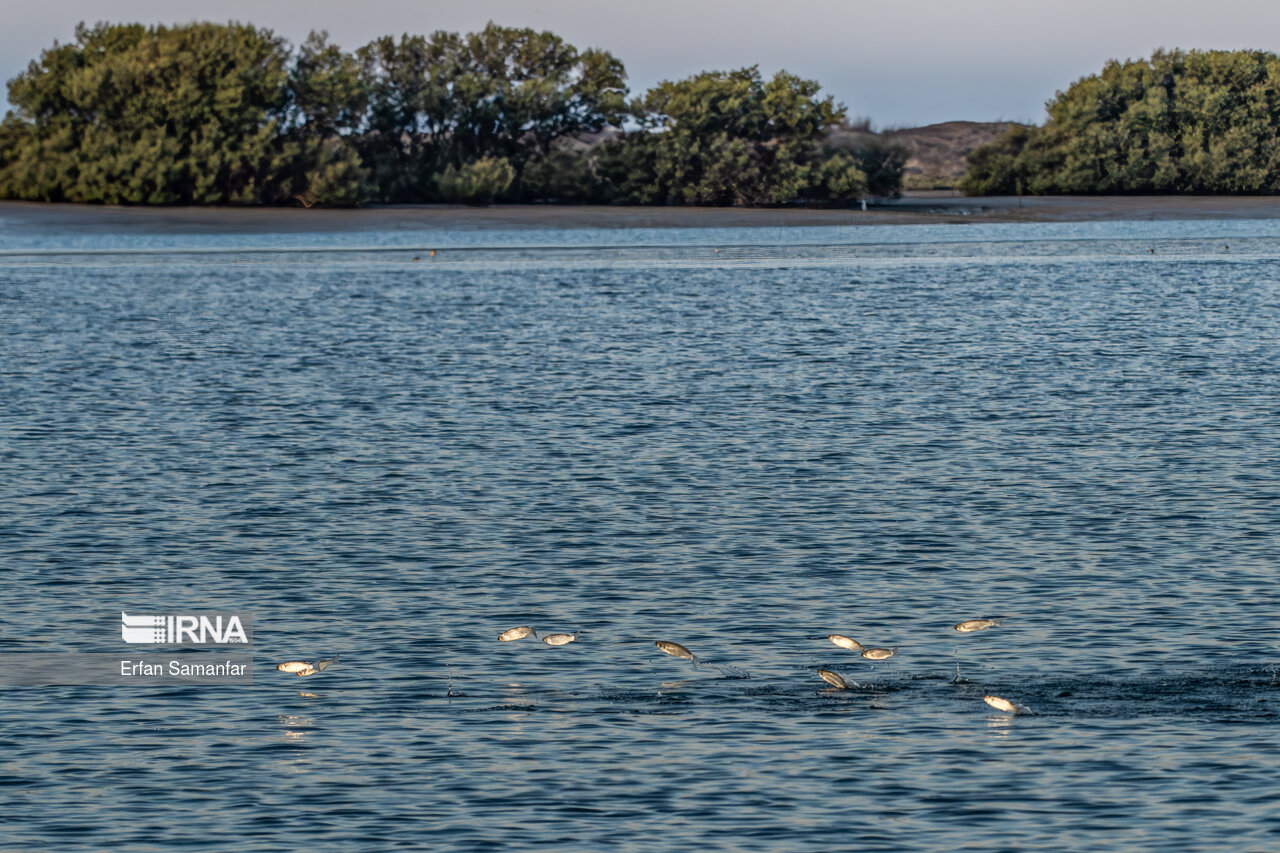
Azini is a muddy, sandy and intertidal wetland with large and small estuaries and houses scattered small islands covered by mangrove forests in the distance between the Gaz and Hiwe rivers.

The wetland, with an area of more than 500 hectares in a special geographical location, has a high ecological and genetic diversity.

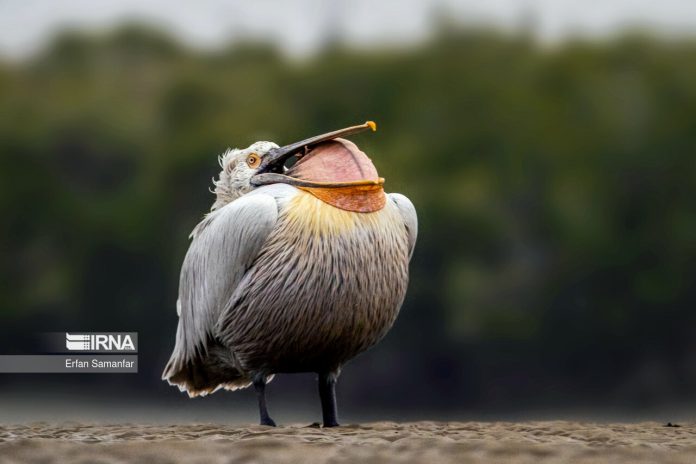
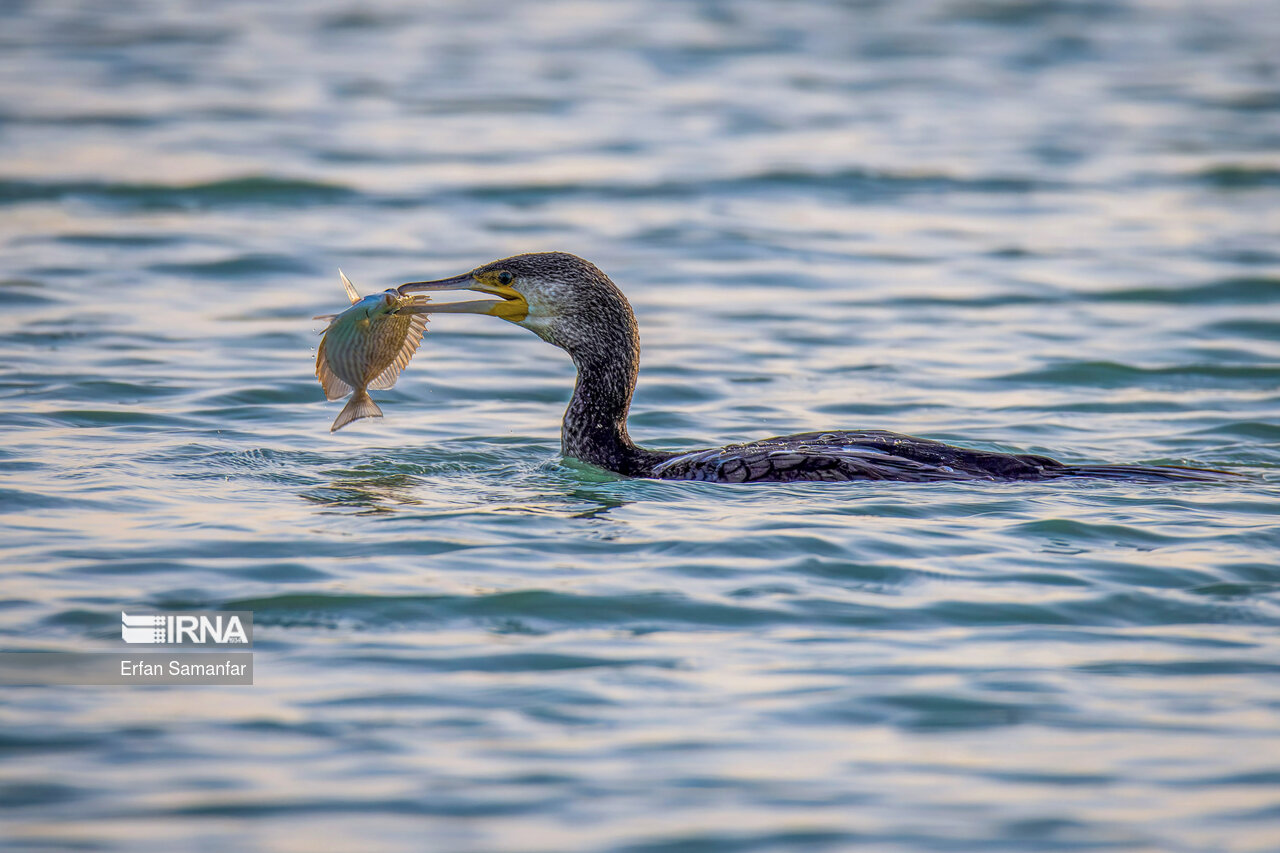
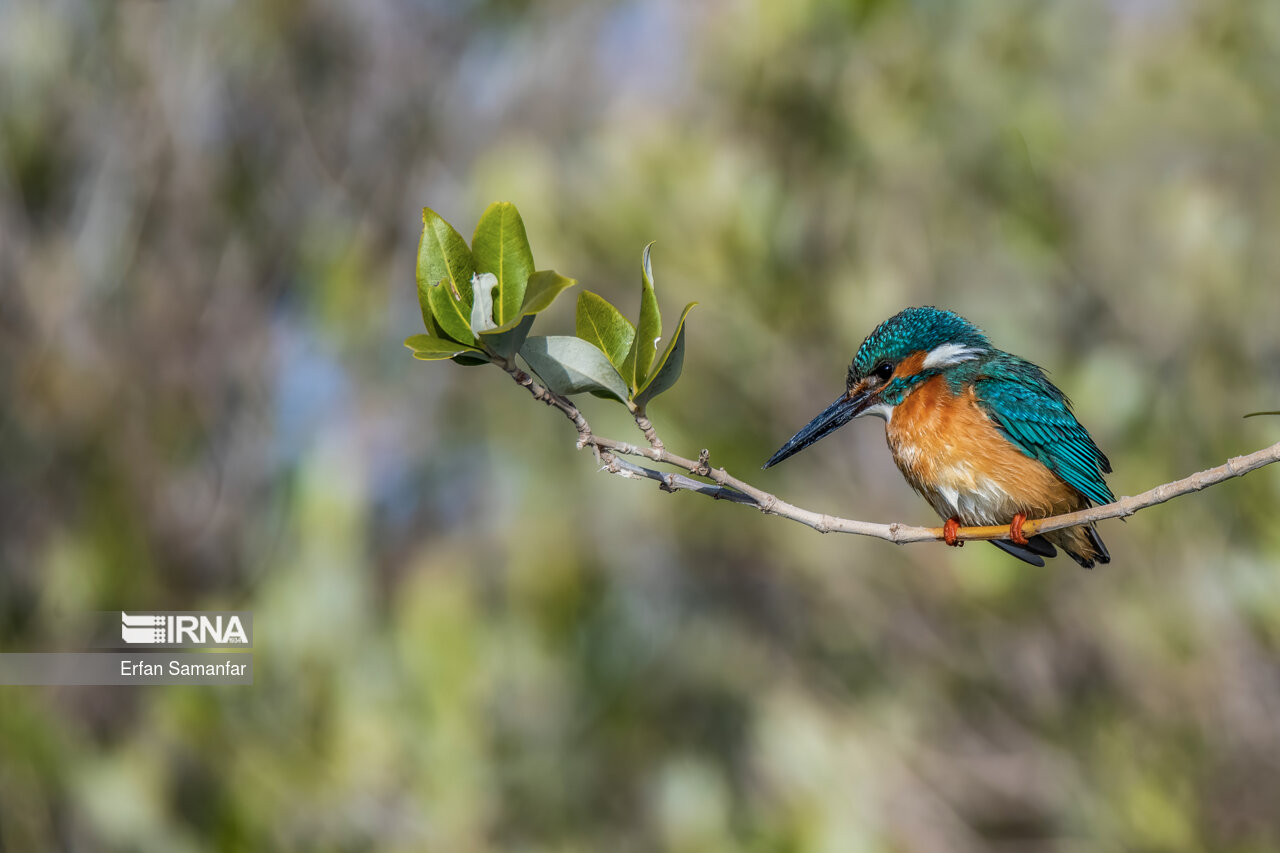
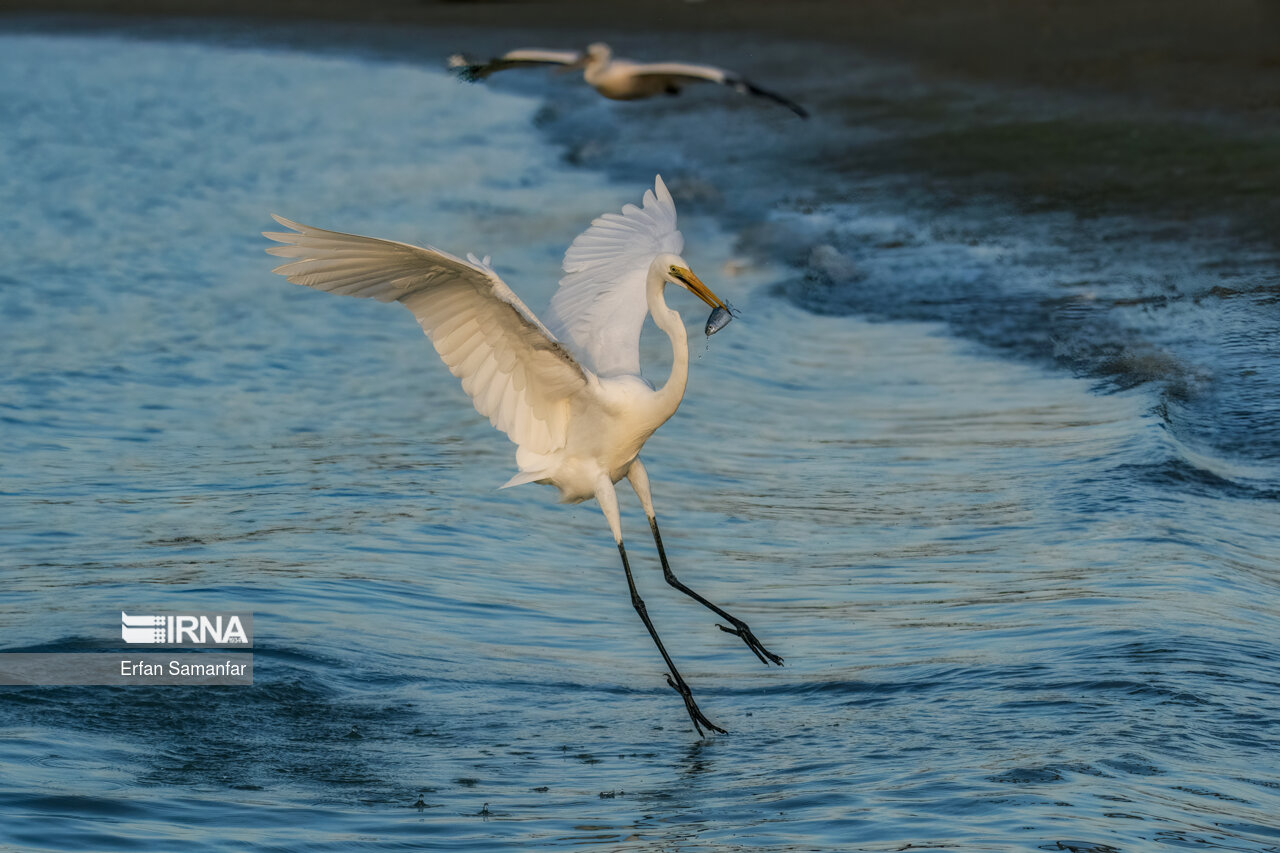
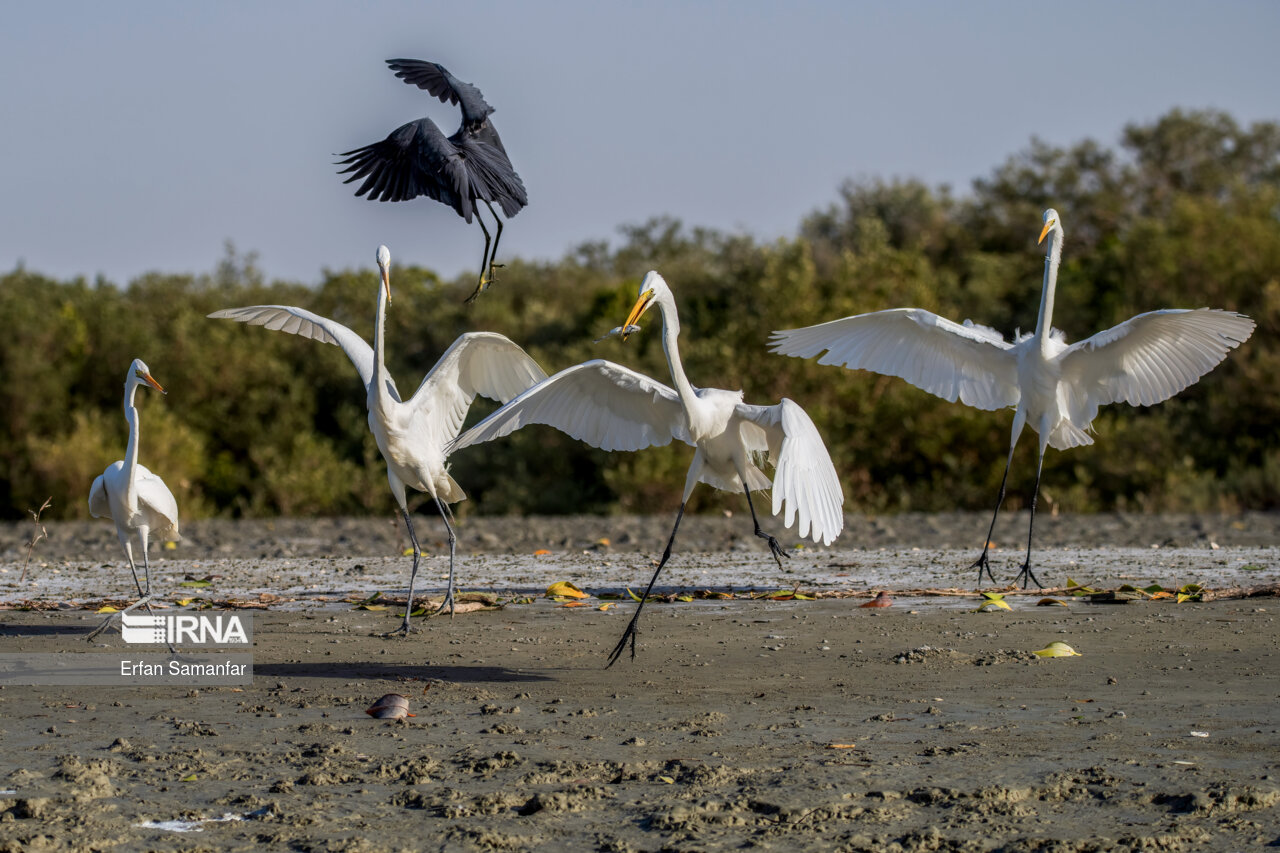
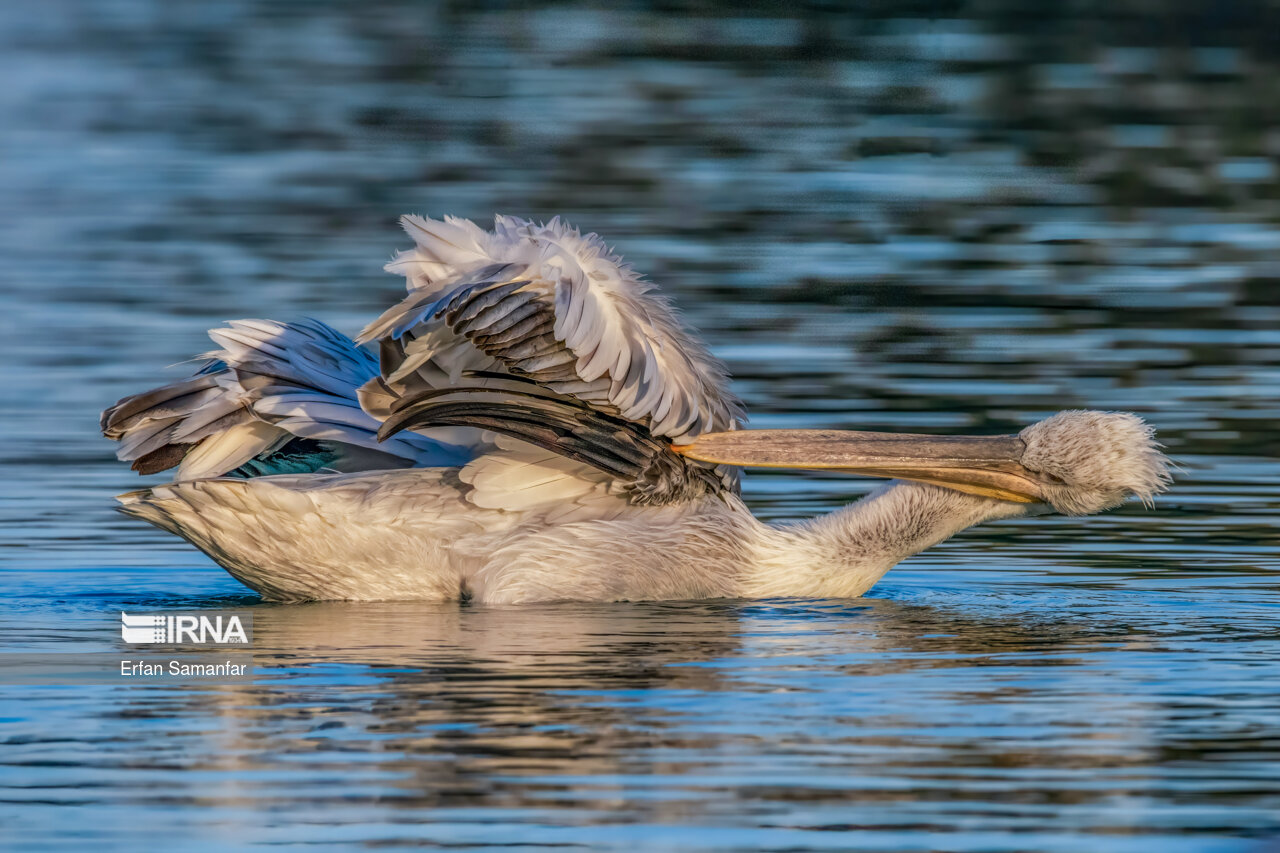
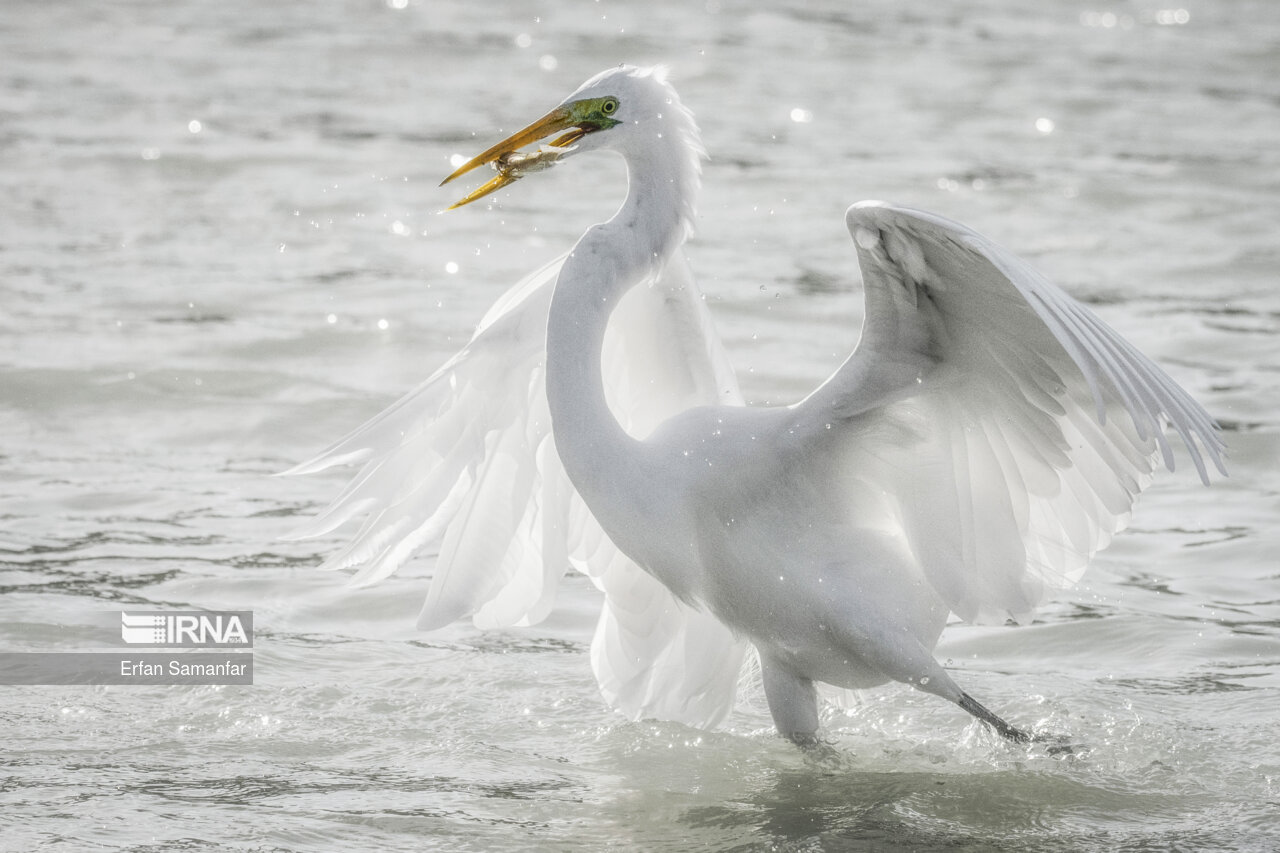
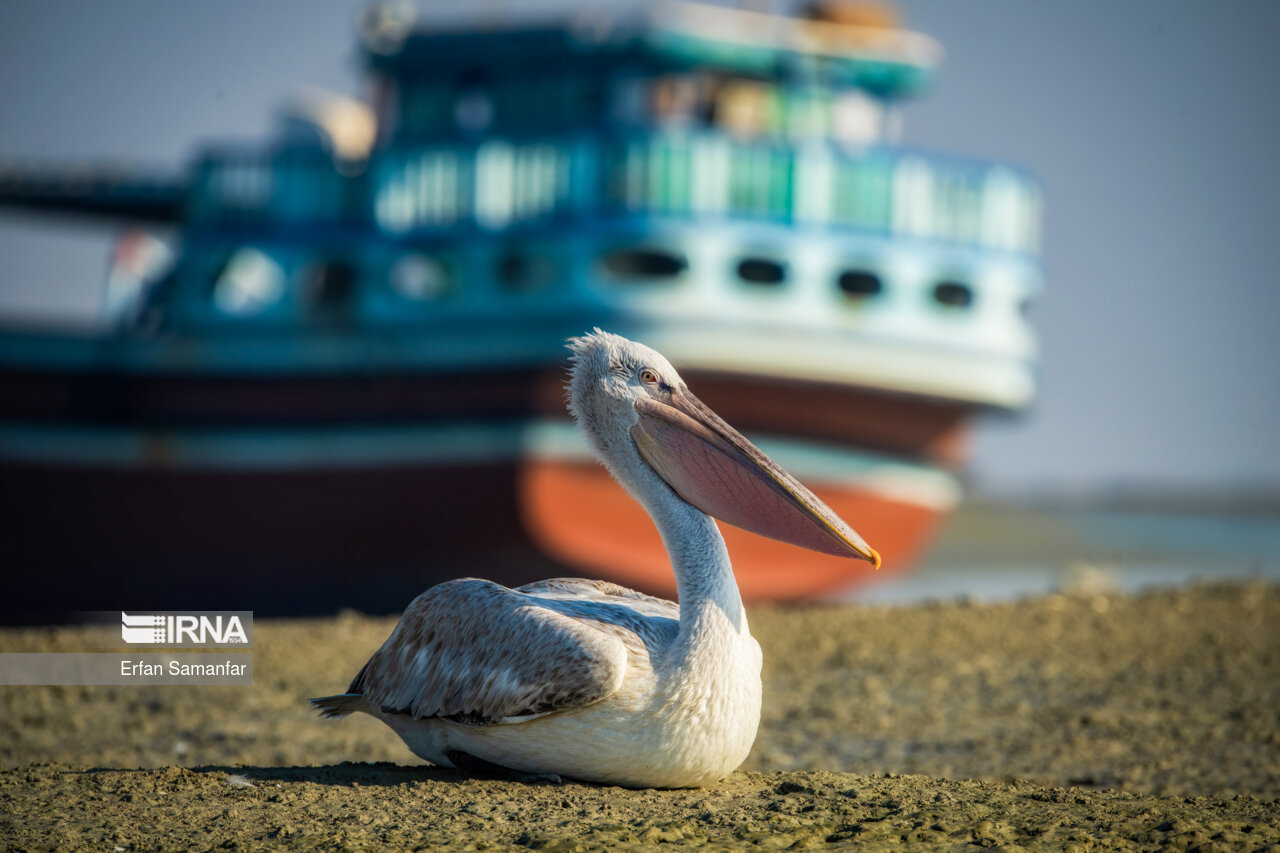
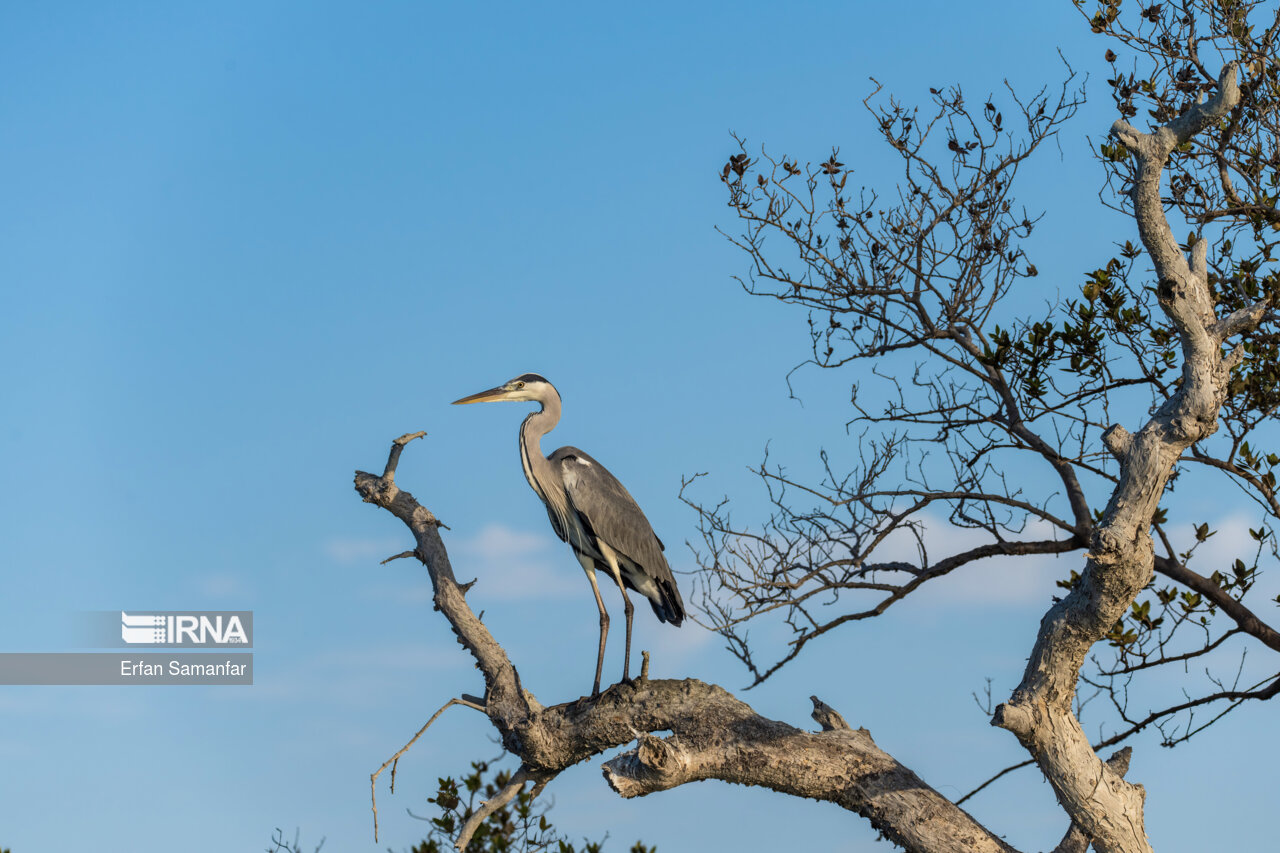
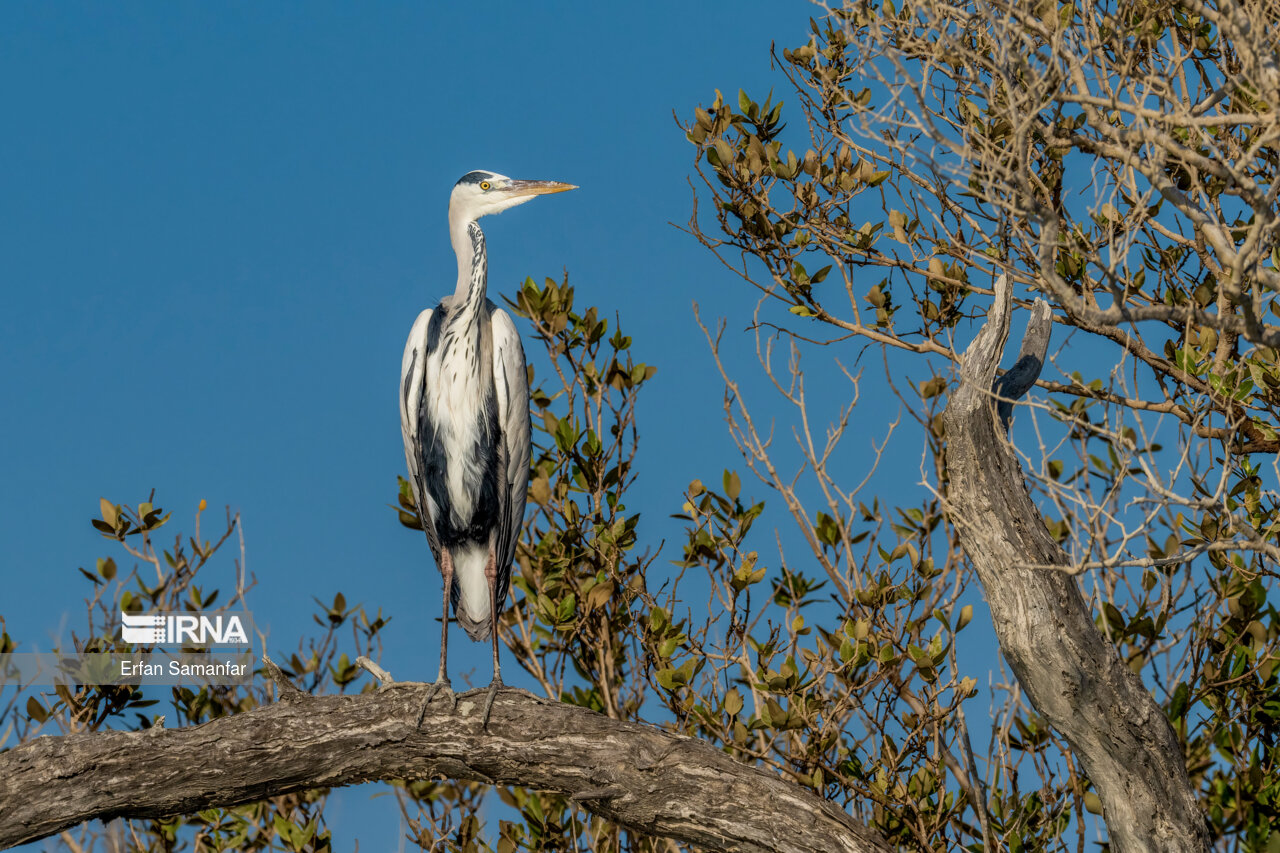
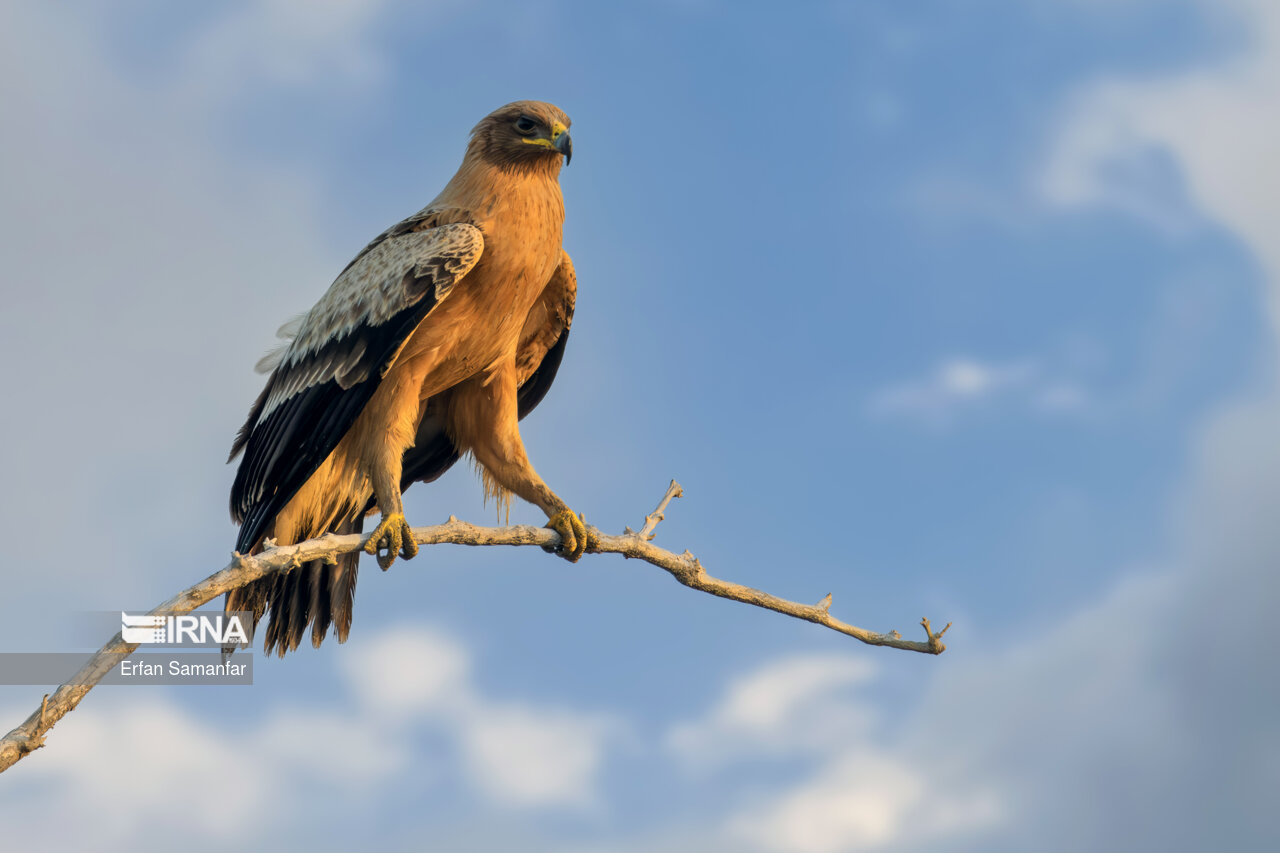
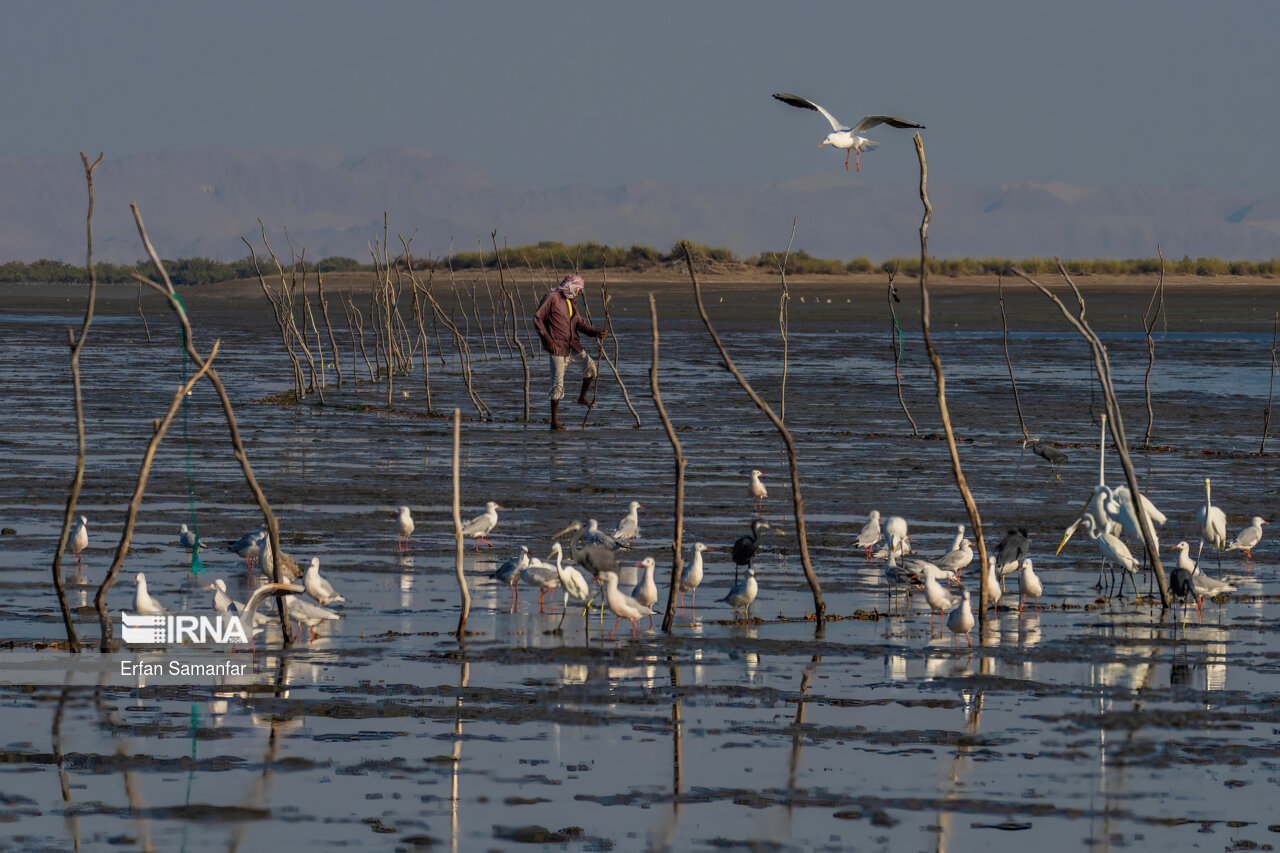
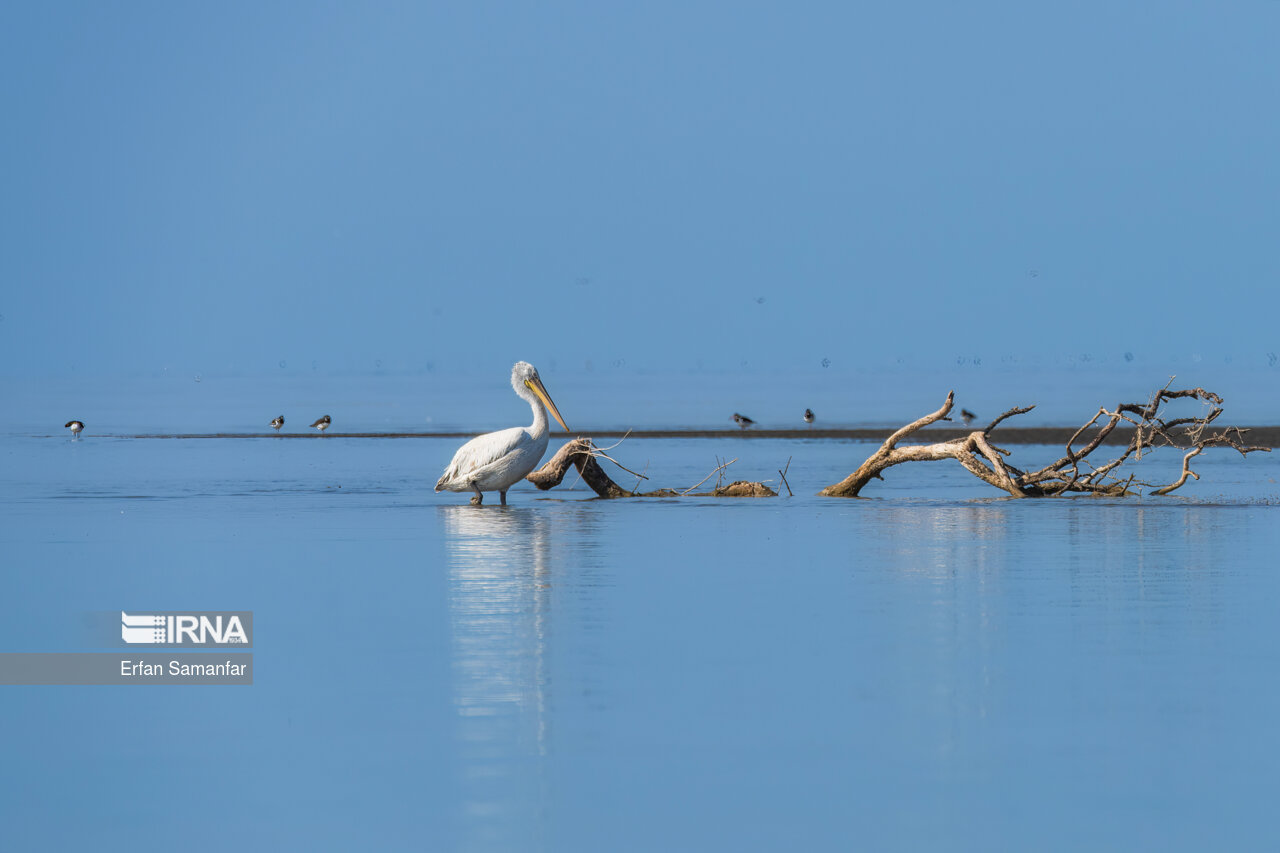
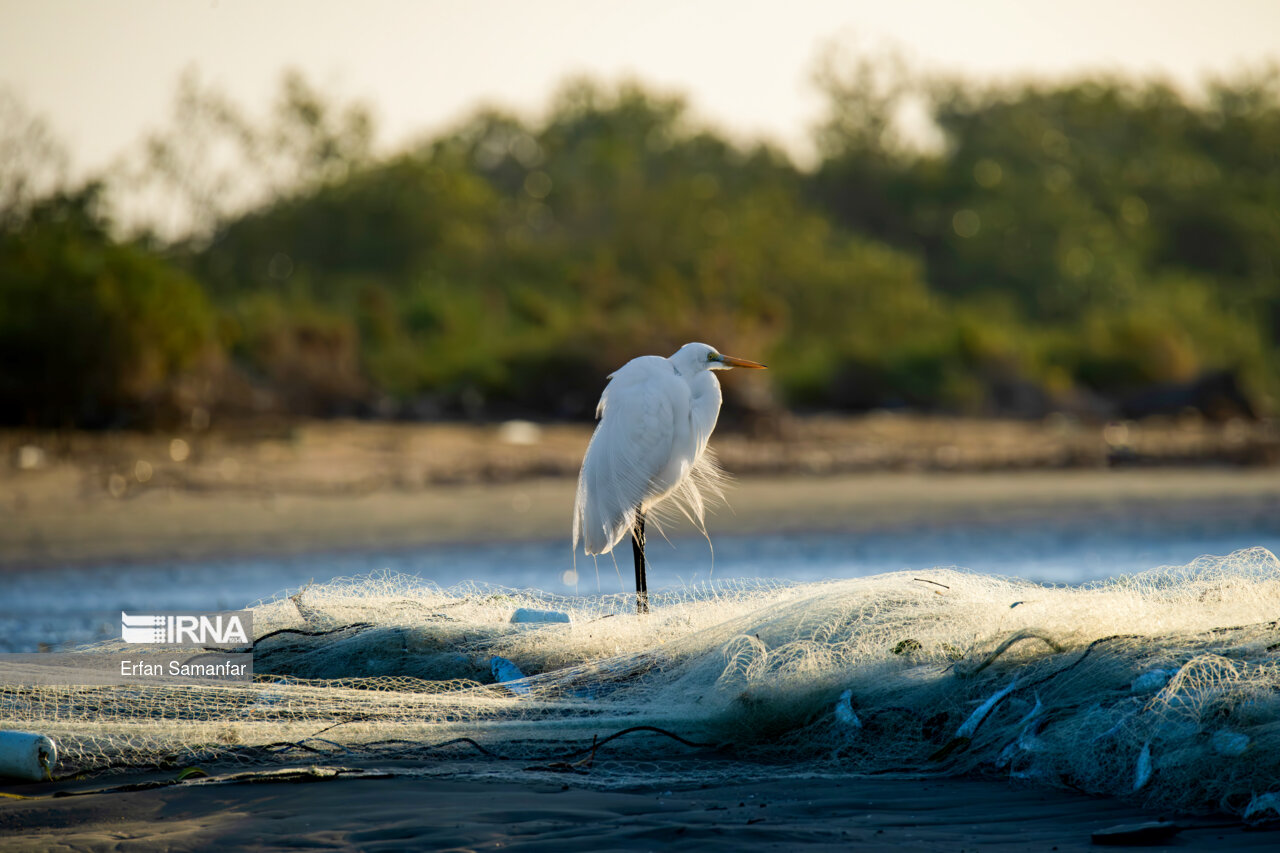
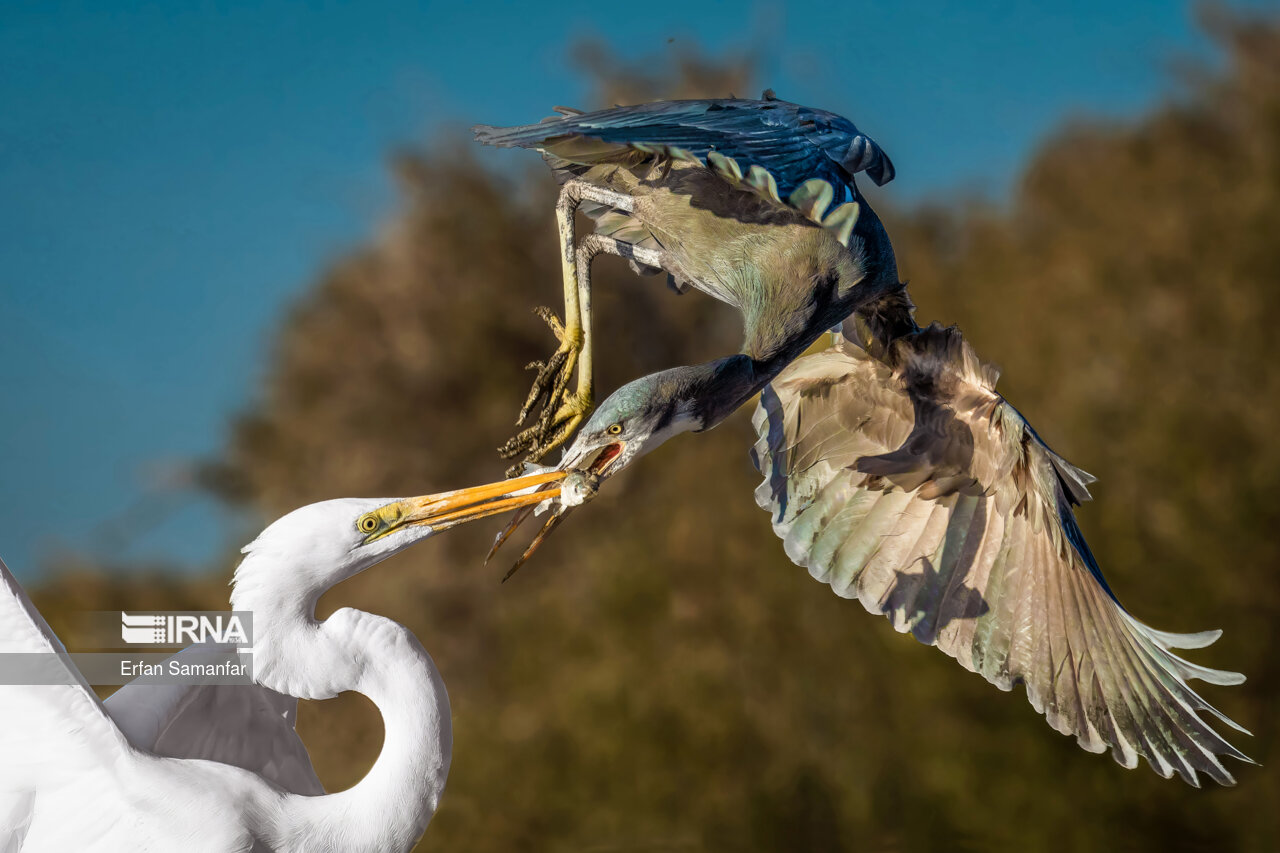
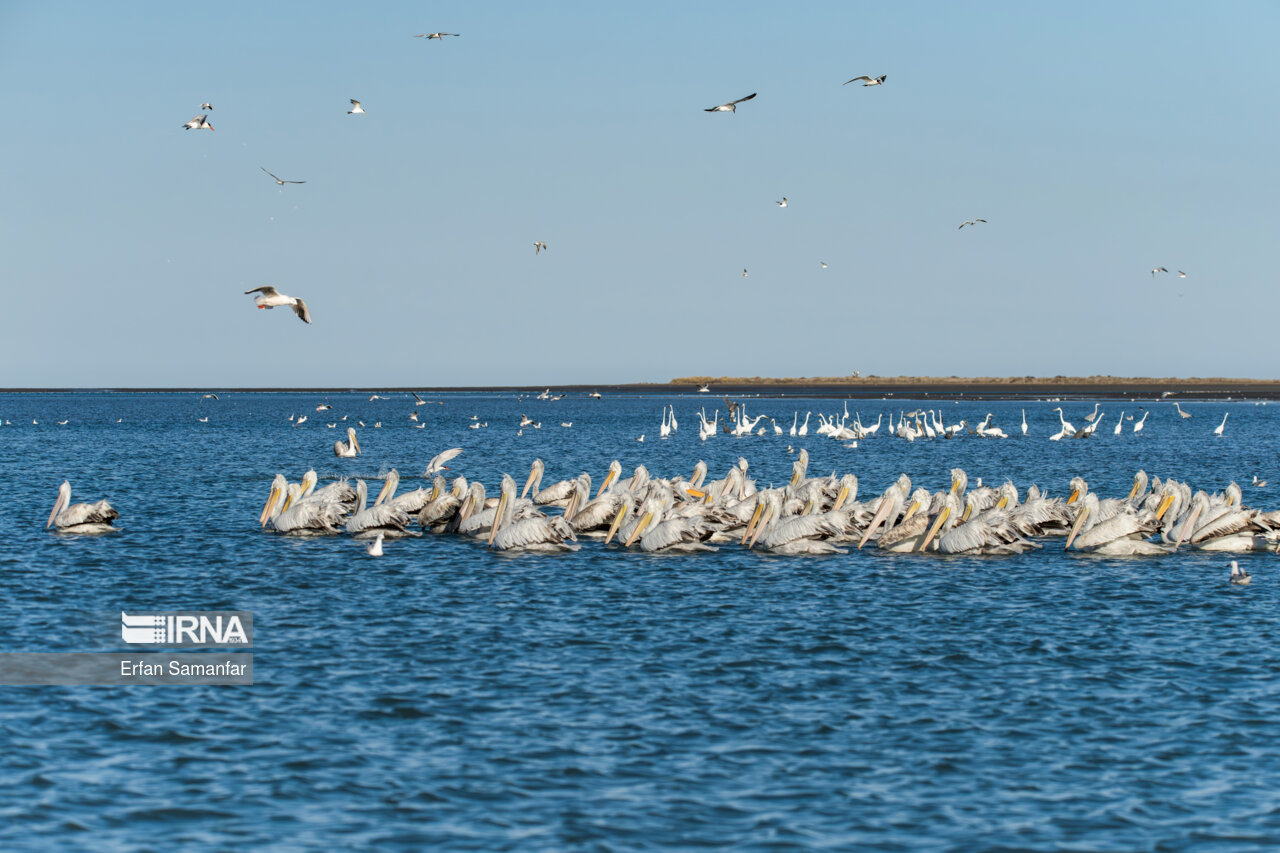
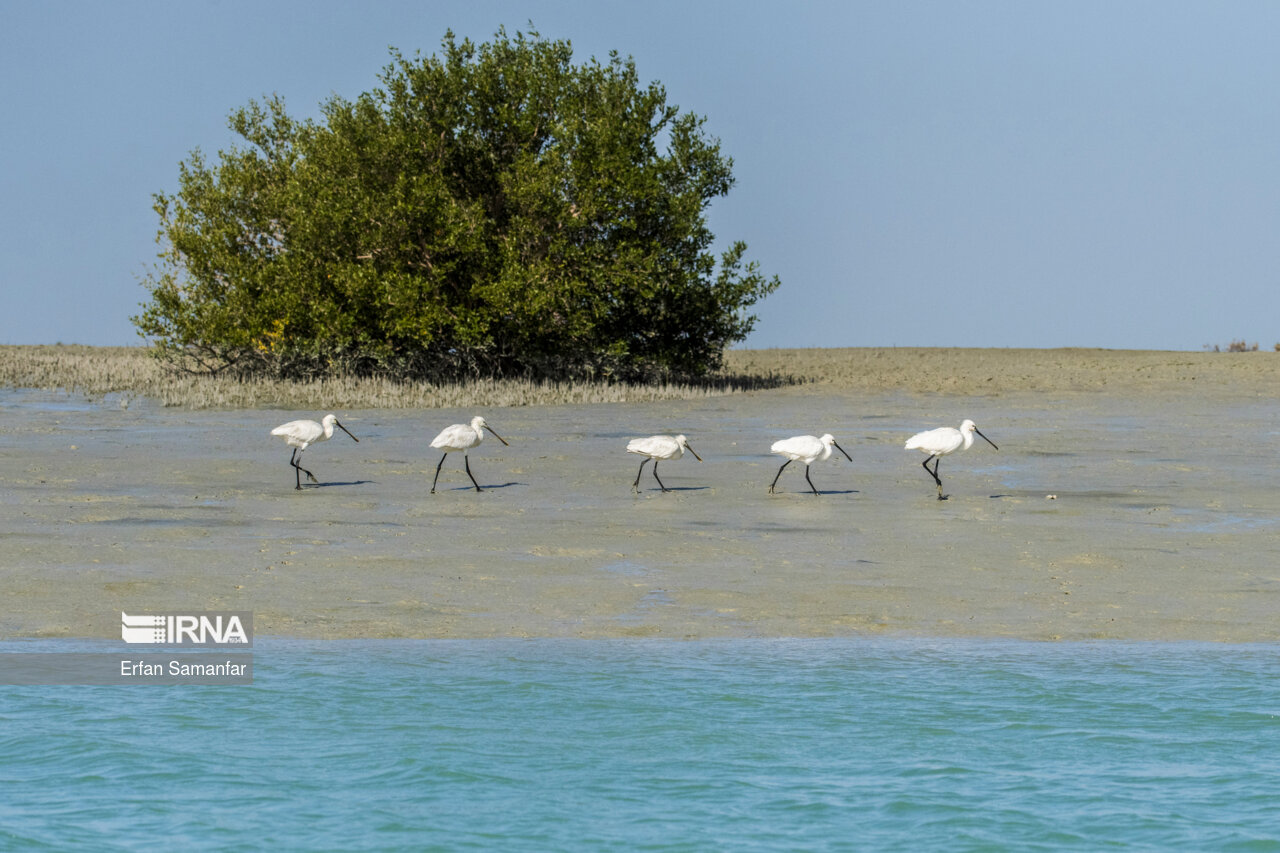
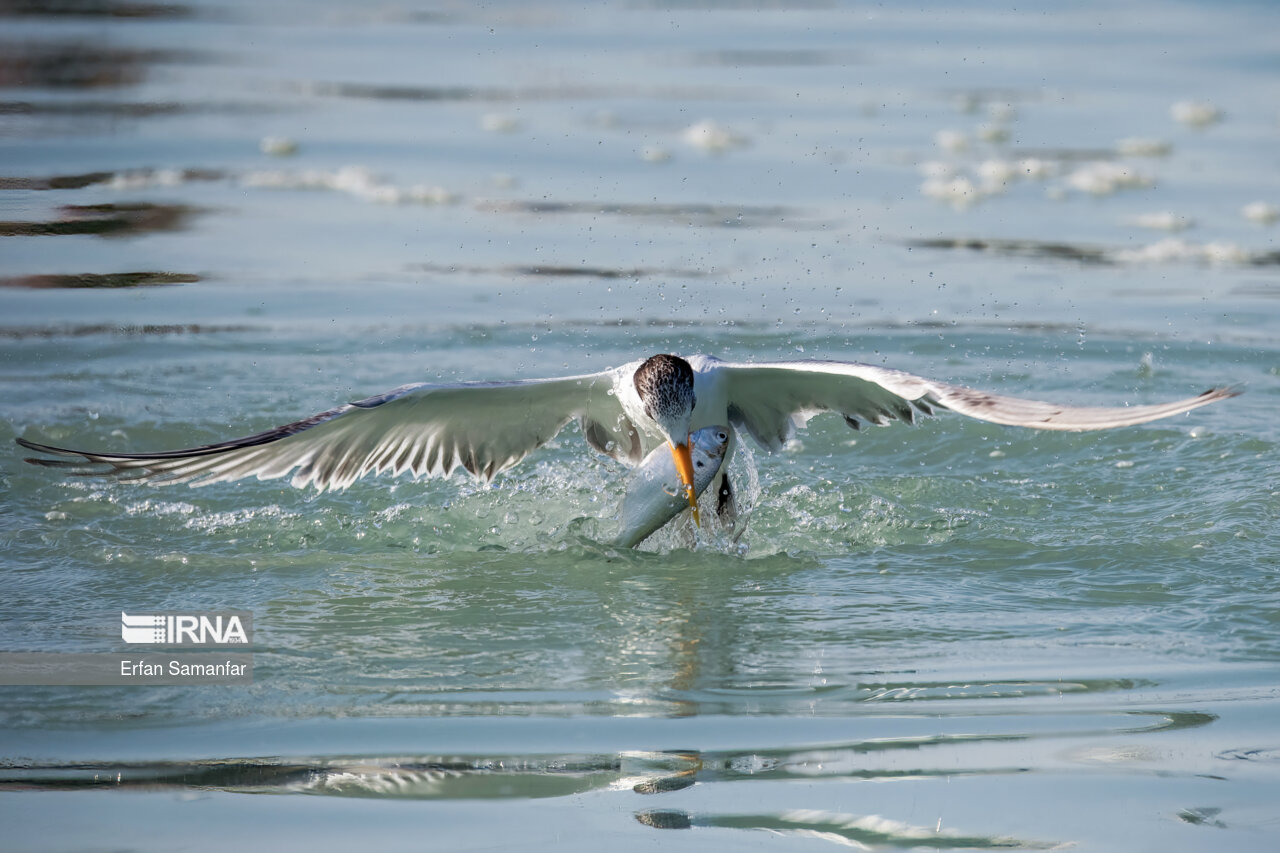
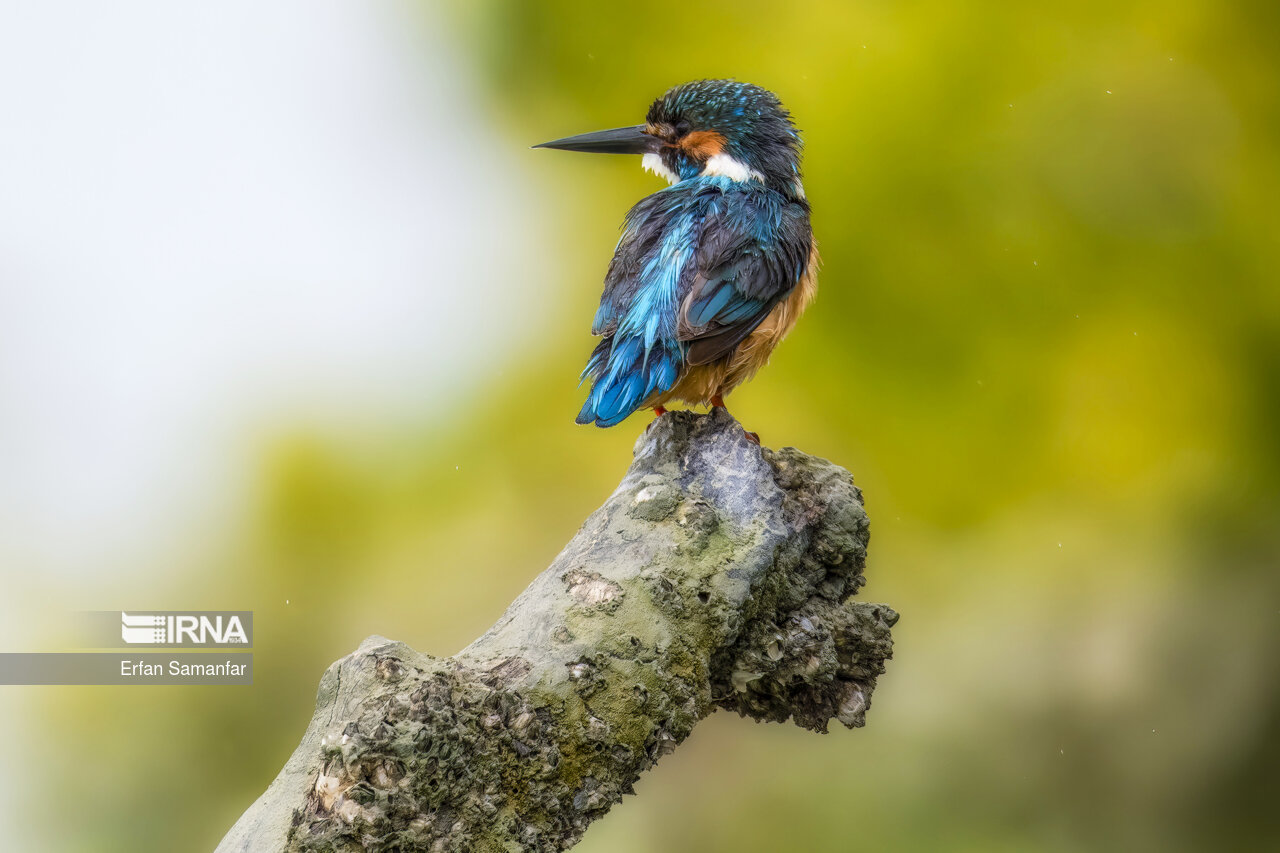
It is a valuable habitat and protected area, and an important abode for endangered birds in the winter, such as the gray-footed pelican, gray heron, large egrets, coastal egrets, curlews with white eyebrows, brown curlews, etc.

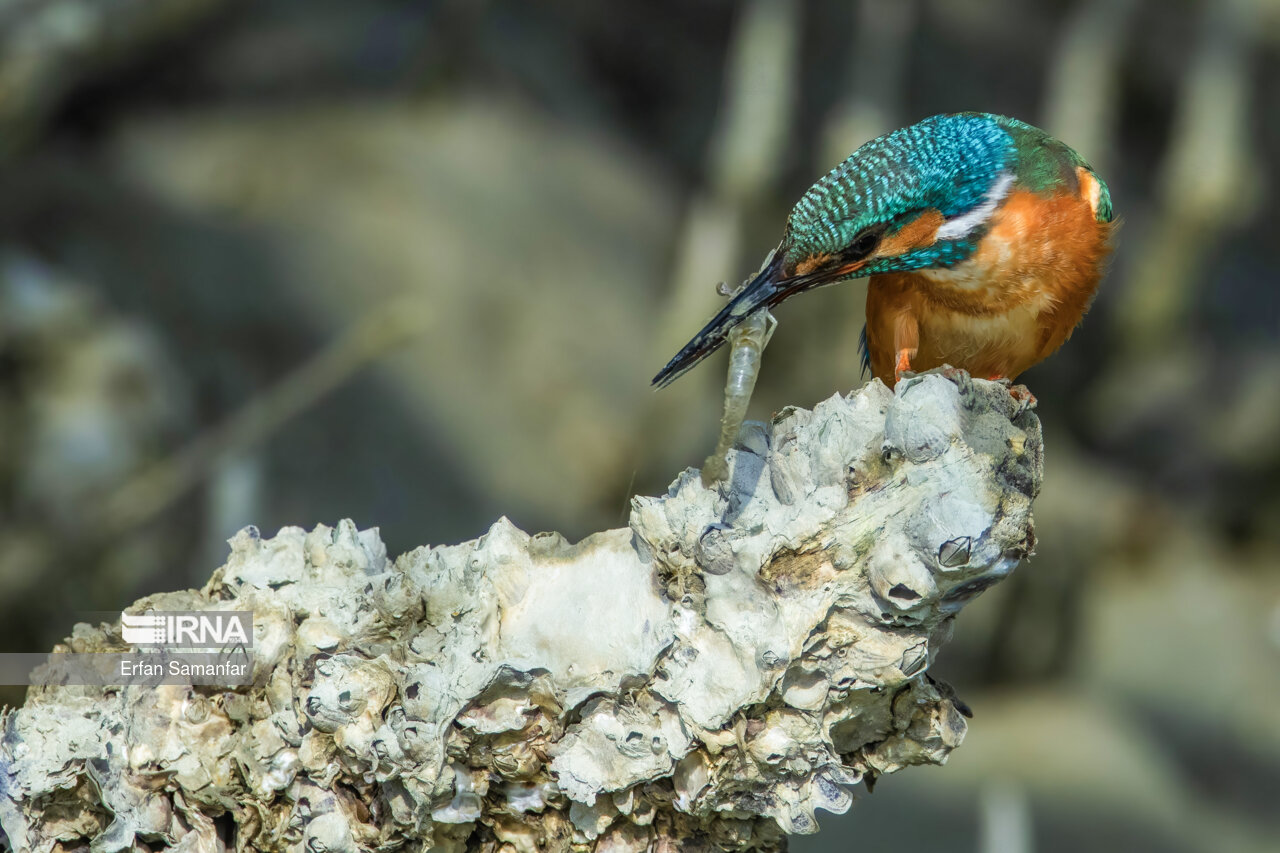
Local people refrain from hunting the birds, so the birds live safely in the wetland. Here are some of the pictures of the wetland.

Israel halts Gaza exports after “explosives found”

Palestinian Workers Gaza

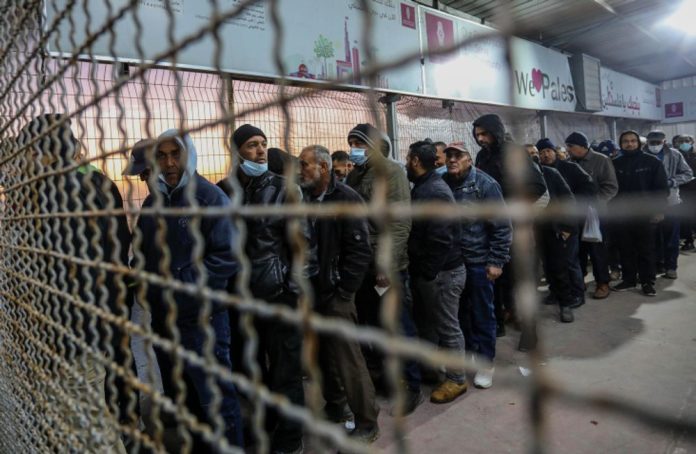
Israel’s military, which controls the crossing points between Israel and the Palestinian enclave, “detected several kilograms of high quality explosives, hidden within a clothing delivery carried by three trucks” at the Kerem Shalom crossing, the army and ministry said in a statement on Monday.

The halting of all “commercial deliveries from Gaza to Israel” is being carried out to allow “security adjustments to be made at the crossing”, according to the statement.

“Deliveries will resume in accordance with subsequent situation assessments,” it added.

Palestinian border officials said they were told by Israel that the crossing would be closed “until further notice”.

The Kerem Shalom crossing is the only point of export of goods from Gaza, which has been under a crippling Israeli blockade since Hamas seized power there in 2007. The blockade has exacted a huge economic toll and most Palestinians in Gaza depend on foreign aid.

The closure of the crossing point for goods comes amid raging tensions in the occupied West Bank and spiralling violence that has seen at least 225 Palestinians killed so far this year. At least 32 Israelis, a Ukrainian and an Italian have also been killed during the same period.

Releasing Iran’s assets in South Korea opens new chapter in bilateral ties: FM

The Bank of South Korea

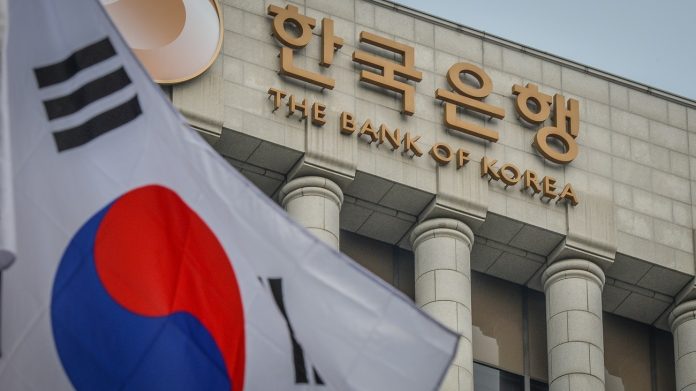
Amirabdollahian made the remarks in a Monday phone call with his South Korean counterpart, Park Jin, during which the two sides discussed the most important issues of bilateral interest on regional and international levels.

Referring to transfer of Iran’s funds from South Korean banks to Switzerland, Iran’s top diplomat said, “Now we can open a new chapter in bilateral relations.”

He added, “The Islamic Republic welcomes any initiative that would help promote ties between the two countries.”

The Islamic Republic and the United States recently reached a deal regarding the unblocking of about six billion dollars worth of Iran’s funds, which were illegally blocked in South Korea under the pretext of US sanctions.

South Korean media reported in late August that the unblocked Iranian funds had been transferred to Switzerland’s central bank ahead of their transfer to Iran.

Governor of the Central Bank of Iran Mohammad Reza Farzin stated on August 12 that all of Iran’s blocked funds in South Korea were released and will be used in the form of banking payment to purchase non-sanctioned goods and commodities.

Elsewhere in the phone conversation, Amir-Abdollahian said promoting ties with Asian countries is among the priorities of the Iranian administration’s foreign policy, adding, “We believe that the current century belongs to Asia.”

He emphasized that Iran and South Korea are “two important players” in Asia, and Tehran attaches special importance to cordial relations with Seoul.

The top Iranian diplomat also expressed Tehran’s readiness to boost cooperation with Seoul within the framework of regional and international organizations.

The South Korean foreign minister, for his part, lauded the agreement on unblocking Iran’s frozen funds in his country, saying the move showed Seoul’s practical commitment to the Iranian government and people.

Pointing to recent positive developments in relations between the two countries, he voiced Seoul’s readiness to boost cooperation with Tehran with the goal of promoting peace and stability in the West Asia region.

Live Update: Russia’s “Special Operation” in Ukraine; Day 559

Russia Ukraine War

Three ships leave Ukraine through Black Sea carrying metal products

Another three ships were able to leave Ukraine through the Black Sea, despite the termination of a UN-brokered deal that allowed grain to be exported from ports in the Odesa region, but this time carrying metal products.

The vessels, Primus, Anna Tereza and Ocean Courtesy, which had been stuck in Ukraine since before the Russia’s full scale invasion on February 24, became the second, third and fourth ships respectively that have managed to leave Ukrainian ports since the termination of the grain agreement in July.

The ships are carrying products of Ukrainian steelmakers and miners, including “over 76,000 tonnes of rolled steel produced by Azovstal, Zaporizhstal, Kamet Steel and ArcelorMittal Kryvyi Rih, as well as 172,000 tonnes of iron ore concentrate produced at Metinvest Group’s mining and processing plants,” said Metinvest in a statement Tuesday.

The international steel and mining group has operations in Ukraine as well as in other European countries and the US.

Metinvest said the ships were able to effectively break what it called “a maritime blockade” by Russia of Ukraine’s seaports, opening the door for further exports.

“This means the accelerated recovery of Ukraine’s economy, which has suffered enormous losses, including due to the illegal blockade of Ukraine’s ports by the Russian Federation,” said Oleksandr Vodoviz, the head of the Metinvest CEO’s Project Office, adding that a full unblocking of ports for all cargo will help “bring additional tens of billions of dollars of foreign currency earnings annually to the Ukrainian economy.”


North Korea seeking advanced technology from Russia for weapons in potential deal: US officials

As the US government says North Korean leader Kim Jong Un may travel to Russia to meet President Vladimir Putin for discussions on a potential deal to supply Moscow with weapons for its war on Ukraine, Washington and its allies are concerned about the technology Pyongyang is seeking in return, according to two US officials.

North Korea is looking for technology from Russia that could advance its satellite and nuclear-powered submarine capabilities, officials said. Both kinds of technology could significantly advance North Korea’s capabilities in areas that the rogue regime has not fully developed.

Just last month, North Korea’s second attempt to launch a spy satellite into orbit failed, according to the state-run Korean Central News Agency.

North Korea does not currently have any nuclear-powered submarines, according to an assessment of their submarines from Nuclear Threat Initiative, a think-tank focused on reducing nuclear threats.

Kim’s possible visit to Russia comes as the US has expressed increasing concerns about North Korea’s military assistance to Russia’s war effort in Ukraine – a move that would be in breach of US sanctions.


Turkey in close contact with UN on grain deal: Erdogan

Turkey is in close contact with the United Nations on reviving the Black Sea grain deal, President Recep Tayyip Erdogan has reportedly said.

Speaking to reporters after a meeting in Russia with President Vladimir Putin, Erdogan stated the latest UN proposal sought to address some Russian demands and believed a solution could be found soon.

“On August 28, UN Secretary-General Guterres, in the letter he sent, proposed an intermediary mechanism that would result from the SWIFT transaction, not directly SWIFT as the Russians wanted,” Erdogan continued.

“They said work was under way on the insurance issue too.”

He added Moscow was putting these two demands as “musts” to revive the deal and that Putin had told him he would not take steps on this until “Europe keeps the promises they made me”, according to Turkish media.


Ukraine’s counteroffensive unsuccessful on every front: Russian DM

Kyiv’s counteroffensive has failed to register success on any front, Russia’s defence minister has claimed.

“Ukraine’s armed forces have not achieved their goals on any front,” the defence ministry quoted Sergei Shoigu as saying.

The much-vaunted counteroffensive, which began about three months ago, has seen Kyiv’s troops recapture more than a dozen villages but no major settlements yet.

Progress has been hampered by vast Russian minefields and defensive lines.


Kremlin declines to comment on potential meeting between Putin and Kim

The Kremlin has declined to comment on the United States government’s claim that North Korean leader Kim Jong Un is expected to meet with Russian President Vladimir Putin in Russia to advance arms negotiations between the two countries.

“We have nothing to say on the subject,” Kremlin spokesman Dmitry Peskov said on Tuesday.

Washington’s National Security Council warned on Monday that weapons discussions between Moscow and Pyongyang are “actively advancing.”

“We have information that Kim Jong Un expects these discussions to continue, to include leader-level diplomatic engagement in Russia,” the council’s spokesperson Adrienne Watson said in a statement.


Russian-appointed official injured in apparent assassination attempt

An official in the occupied Luhansk region in eastern Ukraine has been injured after an explosion at his house.

The blast is being described as an assassination attempt by both Ukrainian and Russian sources, but there are conflicting reports on Yuriy Afanasievsky’s condition.

Russian state news agency TASS reported Afanasievsky was “not seriously injured,” but added his son was hospitalized.

“His son is in the hospital, not him. But the terrorist attack, most likely, was directed specifically against Afanasievsky,” officials in the so-called Luhansk People’s Republic (LPR) told TASS on Tuesday.

Ukrainian officials, however, suggested Afanasievsky’s condition was more serious.

“Let’s look at the severity of his injuries,” the Ukrainian head of the Luhansk regional military administration Artem Lysohor wrote on Telegram Tuesday.

“The house of Yuriy Afanasievsky, who headed the ‘state customs committee,’ was blown up in the ‘LPR’.”

Lysohor accused Russia of being behind the assassination attempt, without providing any evidence.

“Another collaborator did not meet the expectations of the Russians,” he added.

It comes as authorities backed by Moscow pushed local elections in four Ukrainian regions that were illegally annexed last year, including Luhansk, Donetsk, Kherson and Zaporizhzhia. Russian forces held similar elections last year, which are illegal under international law.


Ukrainian drones destroyed near Moscow

Russian air defenses destroyed Ukrainian drones over Moscow and two regions neighboring the capital on Tuesday morning, according to Russia’s defense ministry.

In a statement on Telegram, the ministry said the drones were thwarted over the regions of Moscow, Kaluga and Tver.

Moscow Mayor Sergei Sobyanin stated a household facility was damaged as a result of falling debris.

No casualties were reported.

Reports of Ukrainian drone attacks on Russian territory have become an almost daily occurrence in recent weeks as Kyiv ramps up its apparent efforts to wear down Russian domestic support for the war.


US says Kim Jong Un expects to engage with Putin to actively advance arms negotiations

North Korean leader Kim Jong Un expects to engage with Russia’s President Vladimir Putin in Russia to continue actively advancing arms negotiations between the two countries, according to the US government.

“We have information that Kim Jong Un expects these discussions to continue, to include leader-level diplomatic engagement in Russia,” said National Security Council spokesperson Adrienne Watson of ongoing arms negotiations between Russia and North Korea.

Watson did not say when and where a potential meeting between Kim and Putin in Russia might take place, but it would follow Russian Defense Minister Sergei Shoigu’s visit to North Korea in July and comes after US officials last week said the two countries are “actively advancing” their negotiations over another potential arms deal that could see Pyongyang providing weaponry to support Russia’s war effort in Ukraine.

The Shoigu visit was made “to try to convince Pyongyang to sell artillery ammunition to Russia,” Watson continued, adding, “We urge the DPRK to cease its arms negotiations with Russia and abide by the public commitments that Pyongyang has made to not provide or sell arms to Russia.”

Since that trip another group of Russian officials traveled to Pyongyang for follow-on discussions, NSC strategic communications coordinator John Kirby said last week. Putin and Kim have also have exchanged letters pledging to increase their bilateral cooperation, he added.


“Classic blackmail”: Ukrainian foreign minister criticizes Russia’s grain deal demands

Russia’s conditions to revive the Black Sea grain deal amount to “blackmail,” Ukrainian Foreign Minister Dmytro Kuleba told national news agency Ukrinform on Monday.

The deal “must be restored,” but not “at the expense of blackmail and fulfilling Russia’s whims,” he said.

Russia withdrew from the initiative in July, nearly a year after it was brokered by Turkey and the United Nations to guarantee the safe passage of Ukrainian grain through the Black Sea and help facilitate Russian exports of grain and fertilizer. Its withdrawal has caused spikes in wheat prices and fears about food security worldwide.

On Monday, Russian President Vladimir Putin told his Turkish counterpart that Moscow will be ready to consider rejoining the deal “as soon as all the agreements on lifting restrictions on the export of Russian agricultural products are fully implemented.”

Russia claims it was forced to pull out of the deal and that promised guarantees made about its own agricultural and fertilizer exports had not been upheld.

In his interview with Ukrinform Monday, Kuleba said “there were no legal or political grounds for the Russians to withdraw from the agreement,” adding that if Ukraine “makes concessions now,” Russia will “come back and then once again withdraw a month later to put forward new terms.”

“It’s just classic blackmail,” he added.

Kuleba claimed Russia cannot be trusted, so it is necessary to develop alternative maritime export lanes, which can be accomplished by Ukraine with strengthened security.

“We have already shown that it works,” he said. “We have already shown that there are countries expressing interest in helping us organize these lanes on a stable basis.”

Following his meeting with Putin on Monday, Turkish President Recep Tayyip Erdogan said Ukraine needs to “soften its approach” to revive the grain deal “in order to be able to take common steps with Russia.”

Kuleba told Ukrinform that Ukraine and Turkey have “trusting relations” and he anticipates that discussions will be held between the Ukrainian and Turkish presidents about the grain deal.


Ukraine needs to “soften its approach” to revive Black Sea grain deal with Russia: Erdogan

Ukraine needs to “soften its approach” to revive the Black Sea grain deal, from which Russia withdrew in July, Turkish President Recep Tayyip Erdogan stated on Monday.

“In order to be able to take common steps with Russia, Ukraine needs to soften its approach. Especially now, grain which will be sent to the least developed poverty-stricken African countries is important,” Erdogan said at a joint press conference with Russian President Vladimir Putin after a meeting in Sochi.

“Putin rightfully does not approve if 44% of the grain goes to European countries,” the Turkish leader added.

Erdogan said Turkey has prepared a new proposal with the United Nations to revive the grain deal, which involves “important improvements.”

“From the Turkish side, I believe we will be able to reach a solution soon which fulfills the expectations (regarding the grain deal),” he added.

The previous grain deal from which Russia pulled out, was brokered by Turkey and the United Nations. It lasted about a year and allowed billions of dollars worth of grain and wheat to safely transit out of war-torn Ukraine via the Black Sea.


Putin says Russia is not refusing negotiations over Ukraine conflict

In brief remarks on the conflict in Ukraine, President Vladimir Putin said Russia is not refusing to negotiate on how to end the war.

“I want to say that Russia has never refused negotiations and now we are not refusing,” Putin stated.

He added that Turkish President Recep Tayyip Erdogan raised questions about negotiations on the war during meetings between the two leaders on Monday.

“As we know, through the mediation of the President of Turkey, an agreement was reached, draft documents were agreed upon between the Russian and Ukrainian delegations, but then Ukraine sent them to… to the scrapheap! Nobody is coming back to this. We hear about some new initiatives, but this is not something that was ever discussed with us. Therefore, we do not accept anything new. As for mediation services, we have never refused them. We are also grateful to the President of Turkey for his efforts in this direction,” Putin continued.

The Russian president also stressed the Ukrainian counteroffensive had been a failure.

Ukrainian leaders have acknowledged the counteroffensive’s slow progress, but in recent days, the Ukrainian military said it notched victories in the southeastern Zaporizhzhia region, penetrating the “first line” of Russian defenses.