Saturday, December 27, 2025
Home Blog Page 1112

Report: Some Israelis caught in crossfire on October 7

Israel Hamas Attack

The investigation was based on testimonies, text messages, video footage and phone recordings.

The report found that 97 civilians were killed during the attack, constituting around one in ten people living in the kibbutz.

It recounts an incident in which a number of Israeli captives being held by Palestinian fighters in Be’eri were killed during crossfire with Israel’s military, in what was described by the report as “a delayed and chaotic military response”.

The Israeli military launched a rocket-propelled grenade at the house, according to witnesses.

Barak Hiram, an Israeli general in charge of recapturing the kibbutz from Hamas fighters, recalled telling his men: “Break in, even at the cost of civilian casualties.”

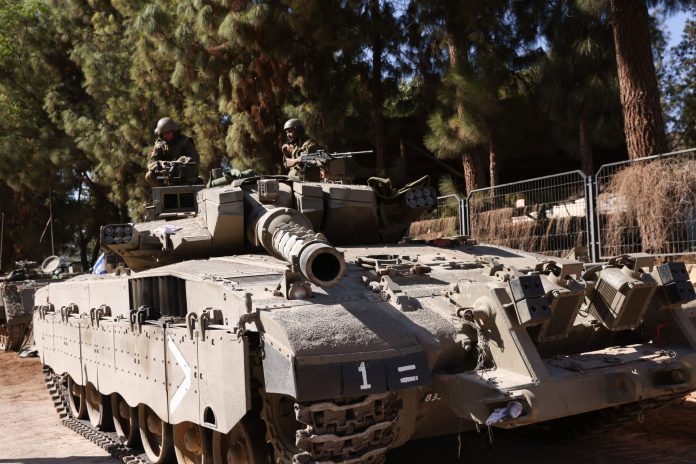
Shrapnel from an Israeli tank which fired shells at the house killed at least one Israeli civilian, according to his wife who was interviewed in the report. Only two of the fourteen Israeli captives in the house survived.

Around 1,200 Israelis were killed in total during Hamas’ attack on 7 October, the majority of whom were civilians.

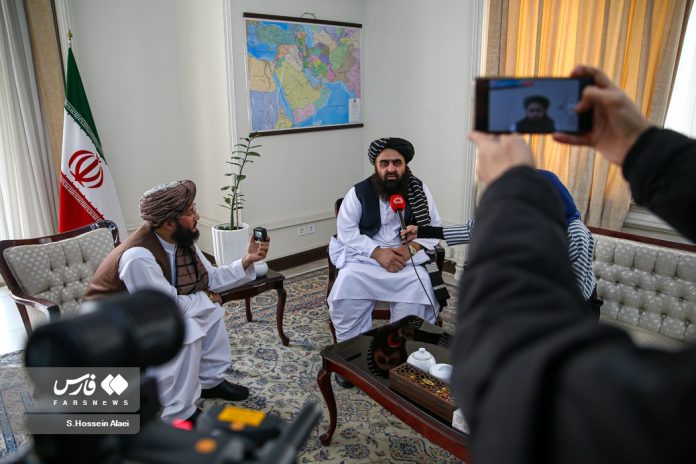
Afghanistan seeks economic revival to facilitate return of Afghan immigrants

The Taliban official said: “In the wake of a prolonged period of conflict spanning over four decades, the nation aims to bolster economic prospects and living standards, signaling a concerted effort to invite back its diaspora.”

“For 45 years, our country has weathered the storms of war and occupation, prompting some to seek refuge abroad. We are earnestly striving to enhance living conditions, encouraging our citizens to return autonomously,” stated Mottaghi.

Acknowledging the hosting nations for their support to Afghan immigrants, he said the government aims to extend its gratitude by fostering dignified returns.

“We appreciate the generosity of the countries sheltering our citizens. Our objective is to pave the way for a gradual and dignified return of Afghan immigrants to their homeland,” emphasized Mottaghi.

He went on to say that the government’s overarching goal revolves around revitalizing the country’s economic landscape, ensuring that a conducive environment is in place for the voluntary repatriation of Afghan immigrants.

According to official figures, about five million Afghan nationals are living in Iran now.

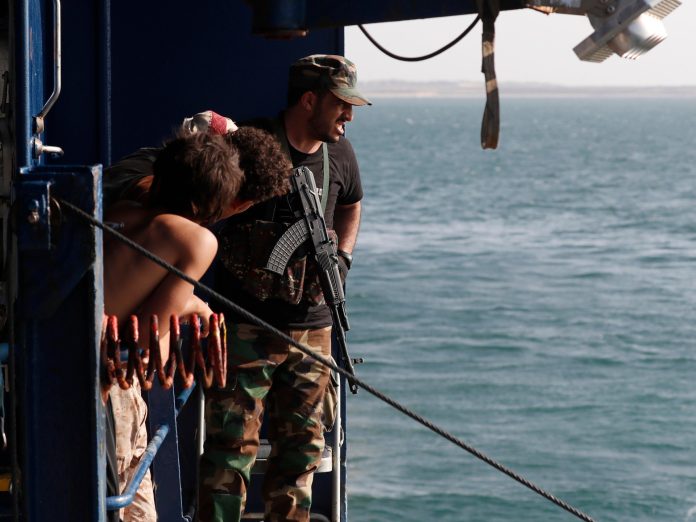
France, Spain, Italy leave US-led coalition against Yemen

Yemen Houthis

The three nations have explicitly stated their commitment to operating exclusively under the command of international bodies such as the United Nations, NATO or the European Union, choosing not to align with the United States.

The French Defense Ministry announced in a statement that it supported efforts to secure freedom of navigation in the Red Sea and surrounding area and said it already operated in the region.

However, it added its ships would stay under French command and did not say if it would deploy more naval forces.

Italy’s Defense Ministry also stated it would send naval frigate Virginio Fasan to the Red Sea to protect its national interests in response to specific requests made by Italian ship owners.

It added this was part of its existing operations, and was not part of the US-led naval coalition in the waterway.

Moreover, Spain’s Defense Ministry said it would only participate in NATO-led missions or EU-coordinated operations.

“We will not participate unilaterally in the Red Sea operation,” it noted.

On Thursday, the Pentagon announced more than 20 countries had now agreed to participate in the US-led maritime task in the Red Sea, known as so-called Operation Prosperity Guardian.

The lack of details and clarity over what countries are doing has added to confusion for shipping companies, some of which have been re-routing vessels away from the area, amid a flurry of drone and missile attacks in the Red Sea by Yemeni forces in retaliation for the Israeli war on Gaza.

Pentagon chief Lloyd Austin announced the formation of the coalition – including Bahrain, Canada, France, Italy, the Netherlands, Norway, the Seychelles, Spain and the UK – on Tuesday.

On Thursday, Austin said Greece and Australia had also joined the grouping, taking it to a total of 20, but added that at least eight countries taking part have declined to be publicly named.

Yemenis have declared their open support for Palestine’s struggle against the Israeli occupation since the regime launched a devastating war on Gaza on October 7 after the territory’s Palestinian resistance movements carried out a surprise retaliatory attack, dubbed Operation Al-Aqsa Storm, against the occupying entity.

The relentless Israeli military campaign against Gaza has killed at least 20,258 people, most of them women and children. Another 53,688 individuals have been wounded.

Reports revealed that Israeli shipping companies have already decided to reroute their vessels in fear of attacks by Yemeni forces.

Yemeni forces have also launched missile and drone attacks on targets in the Israeli-occupied territories of Palestine after the occupying regime’s aggression on Gaza.

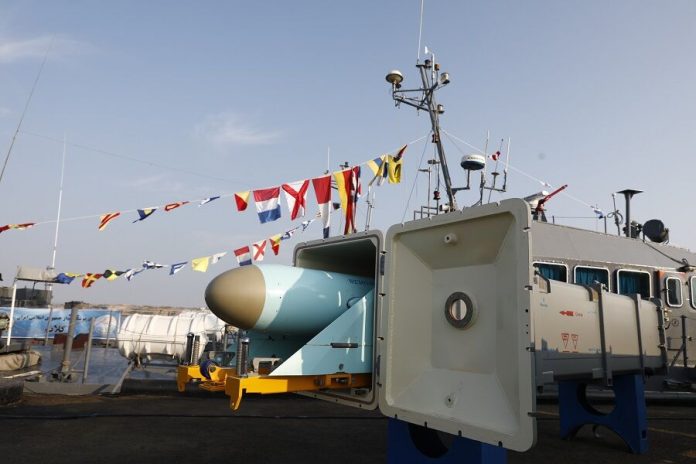
Iran’s Navy unveils new modern equipment, including drones, missiles

The new equipment includes cruise missile systems, the first helicopter used in electronic warfare, the first intelligence chopper, surface-to-surface missile systems, a loitering munition drone, a versatile system used for drone operations as well as e-warfare and intelligence-gathering, tug boats and several other systems.

The unveiling ceremony was attended by Major General Abdurrahim Mousavi, the general commander of the Army.

Israel says expanded ground operation across northern and southern Gaza Strip

Israeli Army

Hagari stated ground forces have destroyed and seized weapons and underground infrastructure from Hamas, including thousands of explosive devices, anti-tank missiles and rockets.

The IDF is basing its operations in part on information gained by detaining and interrogating many Hamas fighters, Hagari continued.

He added returning the remaining hostages held in Gaza remains a key objective of the ground offensive.

Thousands of people gathered at a rally in Tel Aviv on Saturday, organized by the Hostages and Missing Persons Families Forum, calling for the release of hostages held in Gaza.

“We are doing everything we can with great determination to bring back the hostages,” Hagari told reporters.

Multiple top Israeli officials have indicated that the IDF will expand its operations on the ground in Gaza, and Israel has called on residents in new areas of the enclave to evacuate.

The director of affairs for the main United Nations agency in Gaza has criticized the IDF’s call, stressing tens of thousands of residents in central and southern Gaza — many of whom have already been displaced — have “nowhere to go”.

At least 20,000 people have been killed in the besieged Gaza Strip since Israel began bombarding the enclave more than 10 weeks ago, according to Palestinian officials. At least 8,000 children and 6,200 women are among those killed, Gaza’s Government Media Office reported on Wednesday.

The war has flattened large parts of northern Gaza and driven most of the population to the southern part of the besieged territory, where many are in crowded shelters and tent camps. Some 1.9 million Palestinians – about 90 percent of Gaza’s population – have fled their homes.

Israel’s defence minister and former defence minister, who, along with Prime Minister Benjamin Netanyahu make up the Israeli war cabinet, visited northern Gaza.

In a post on X, Yoav Gallant said the pair held a “situation assessment”.

The defence minister also promised more attacks on southern Khan Younis, stating it will soon look like the ravaged city of Beit Hanoon and the Gaza City neighbourhood of Shujayea.

Gallant noted “every house that is shot from, ever place where there was terrorism will be dismantled”. He added it would be done so “the residents of the south can return to their homes safely”.

Turkey launches air raids on Iraq, Syria after 12 soldiers killed

Turkey Fighter Jet

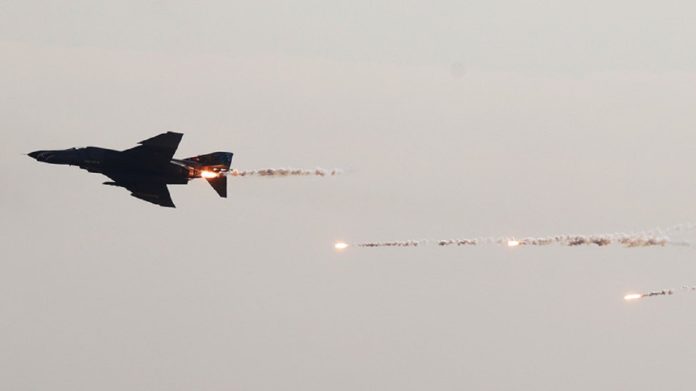
The operations were conducted in northern Iraq and Syria at 20:00 (19:00 GMT) and the targets hit included bases, shelters, and oil facilities believed to be used by PKK militants, the ministry said.

It did not say which regions of northern Iraq and Syria the air strikes had struck.

Earlier on Saturday, the defence ministry reported that 12 Turkish soldiers had been killed in the past two days in clashes with PKK militants in northern Iraq.

Six of the soldiers had been killed in an attack on a base near Hakurk, which was attacked by members of the PKK on Friday, the defence ministry added.

The military carried out operations on PKK targets, “neutralising” at least 16 PKK militants on Saturday in ongoing clashes, the ministry said in a statement.

Turkey typically uses the term “neutralised” to mean killed. The ministry also added seven militants had been killed on Friday.

The PKK, designated a terrorist group by Turkey, the United States and the European Union, took up arms against the Turkish state in 1984.

Turkish President Recep Tayyip Erdogan vowed in October to continue stepping up its strikes on “terrorist” targets in Iraq and Syria.

Turkey regularly carries out air strikes in neighbouring Iraq as part of its offensive against PKK militants based there.

UN says Yemen warring parties agree to implement new ceasefire

Yemen Saudi Arabia prisoner swap

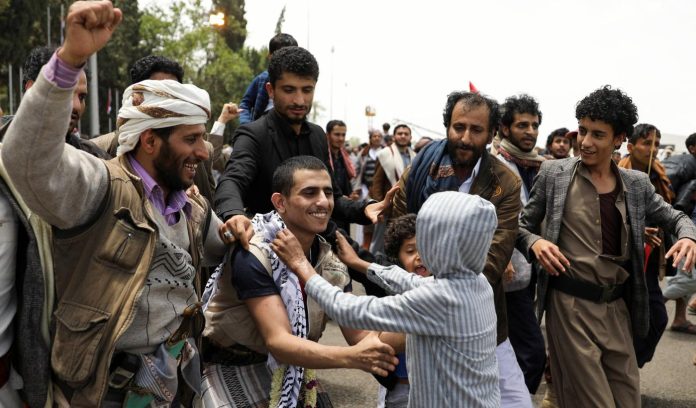
The UN special envoy, Hans Grundberg, in a statement issued by his office, said he “welcomes the parties’ commitment to a set of measures to implement a nationwide ceasefire, improve living conditions in Yemen, and engage in preparations for the resumption of an inclusive political process under UN auspices”.

Grundberg “will now engage with the parties to establish a roadmap under UN auspices that includes these commitments and supports their implementation”, the statement added.

The roadmap, along with a ceasefire, will also include the two sides’ commitment to resume oil exports, pay all public sector salaries, open roads in Taiz and other parts of Yemen, and “further ease restrictions on Sanaa Airport and the Hudaydah port”, the statement read.

Saudi Arabia and a number of its allies, including the United Arab Emirates, began the war in March 2015 to restore power in Yemen to the impoverished country’s Western- and Riyadh-allied government.

The former Yemeni government’s president, Abd Rabbuh Mansur Hadi, resigned from the presidency in late 2014 and later fled to Riyadh amid a political conflict with Houthis. The movement has been running Yemen’s affairs in the absence of a functioning administration.

The war and a concomitant siege that the Saudi-led coalition has been imposing on Yemen has, meanwhile, caused the death of tens of thousands of Yemenis and turned the entire country into the site of, what the United Nations has described as the world’s worst humanitarian crisis.

Houthi officials in September visited Riyadh for the first time since the war broke out. That followed a first round of Omani-mediated consultations between Riyadh and Sanaa, running in parallel with UN peace efforts, when Saudi envoys visited Sanaa in April.

The peace initiatives gained momentum after arch-rivals Saudi Arabia and Iran agreed to re-establish ties in a deal brokered by China. A permanent ceasefire in Yemen would mark a milestone in stabilising the Middle East.

“Yemenis are watching and waiting for this new opportunity to provide for tangible results and progress towards lasting peace,” Grundberg stated.

“The parties have taken a significant step. Their commitments are, first and foremost, an obligation to the Yemeni people.”

The agreement comes amid a flurry of attacks by the Houthi rebels on key shipping lanes in the Red Sea in solidarity with Palestinians in the Gaza Strip, where Israel is fighting Hamas fighters.

The Huothis have pledged to attack Israel-linked vessels or ships heading to Israeli ports unless an end is brought to the Israel-Hamas conflict that started on 7 October.

They have launched more than 100 drone and missile attacks, targeting 10 merchant vessels involving more than 35 different countries, according to the Pentagon.

The attacks by the rebels are imperilling a transit route that carries up to 12 percent of global trade, prompting the United States to set up a multinational naval task force to protect Red Sea shipping.

Iranian MP: Iran failed to properly identify national interests in relations with Russia

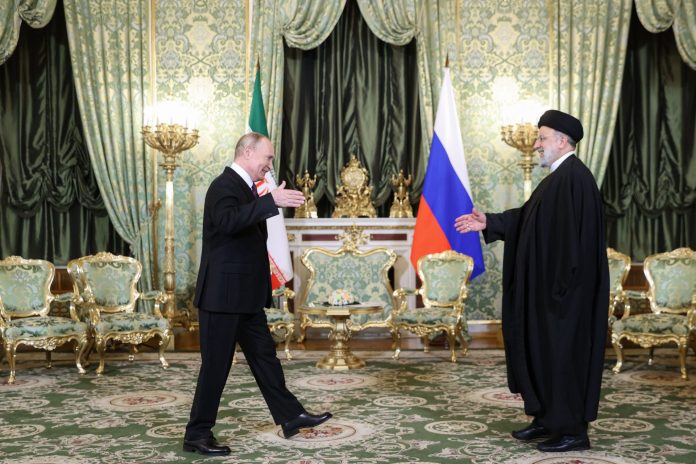
“It seems like the government has made a mistake in identifying national interests,” said Ahamad Avai, who sits on the Parliament’s National Security and Foreign Policy Committee.

“The Russians have been the same since the beginning. Don’t think that they have changed,” he said.

“The Russians are more interested in petro-dollars than in Iran,” the MP added.

The parliament representative added the Kremlin did not seek to solve the problem regarding the controversy over the 2015 Iran nuclear deal known as the Joint Comprehensive Plan of Action (JCPOA).

“In the JCPOA, the Russians did not want to solve the problem because they favor an isolated Iran whose only option is to have relations with Moscow,” he explained.

“Iran is so capable that it does not need to opt for appeasement simply because it needs the Russians,” added the MP.

“I was not surprised at the Russians’ claim because that’s the nature of the Russians, and no one else should be surprised, either. But it would be surprising if the Islamic Republic of Iran did not show a proper reaction to Russia,” he said.

Russia has recently sided with the United Arab Emirates’ regarding its sovereignty claims over the three Iranian Persian Gulf islands of Abu Mousa, The Greater Tunb and The Lesser Tunb.

“The Russians always overcharged Iran in all political, economic and other areas, so Russia does not offer any considerable services to Iran,” he noted.

Hamas says Israel’s threats to eliminate resistance empty

Hamas

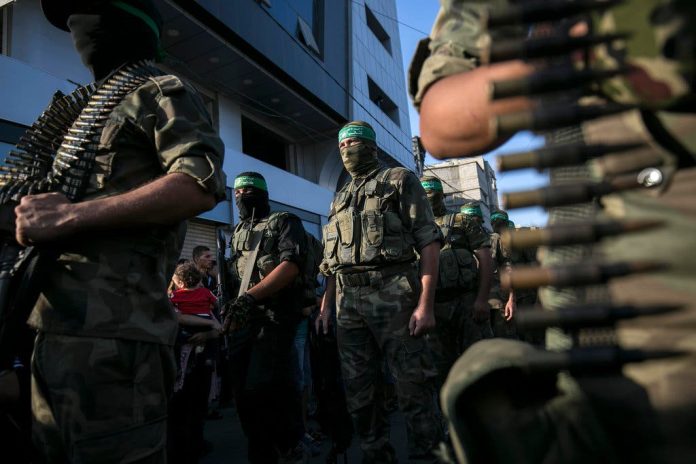
Osama Hamdan, who represents the movement in Lebanon, made the remarks while speaking to reporters at a press conference in Beirut on Saturday.

The regime launched its onslaught on the besieged Gaza Strip on October 7 following an operation by the territory’s resistance groups, called Operation al-Aqsa Storm.

Through its military aggression, the regime has been seeking to achieve such goals as eliminating Hamas, releasing its captives, and forcefully displacing the people of Gaza to neighboring Egypt.

“The Zionist terrorism will not break the will, steadfastness, and resistance of our people, nor will it succeed in achieving any of its aggressive goals,” Hamdan said, adding, “The Israeli threats to eliminate the resistance are empty” and only attest to the regime’s “bankruptcy.”

Hamdan added that Israel’s achievements in its war of genocide on Gaza were “nothing but terrorism; killing and massacring civilians, children, and women; and the destruction of all components of human life.”

The Palestinian Health Ministry reported in a Saturday statement that the total death toll from Israel’s brutal onslaught has reached 20,258, mostly women and children, with 53,688 people injured.

“Our people will remain resistant and steadfast in defense of their land and sanctities, and the [Israeli] invaders will [finally] leave our land, as we are owners of this land and the occupation will disappear soon, God willing,” Hamdan emphasized.

The Hamas’ official asserted that the people of Gaza will not be defeated and will not surrender, because they are determined to attain freedom and independence and emerge victorious.

“The Zionist occupation continues its genocidal war against our people in the Gaza Strip with American support and weapons, and through the international community’s silence and failure to stop it and prevent its continuation,” Hamdan noted.

Throughout the war, the United States has supplied the regime with more than 10,000 tons of military equipment. Washington has also slapped its veto against all the United Nations Security Council resolutions that called for an immediate ceasefire in Gaza.

Concluding his remarks, the Hamas’ official explained about a possible prisoner exchange deal with Israel.

“We reiterate that there will be no negotiations regarding prisoners of the occupation until after the aggression [totally] stops. If the enemy and its supporters want their prisoners alive, they must stop their criminal aggression against the Gaza Strip,” Hamdan said.

He stressed that the people of Gaza do not want a partial cessation of the regime’s attacks for a short period, “after which the [Israeli] aggression and terrorism will continue.”

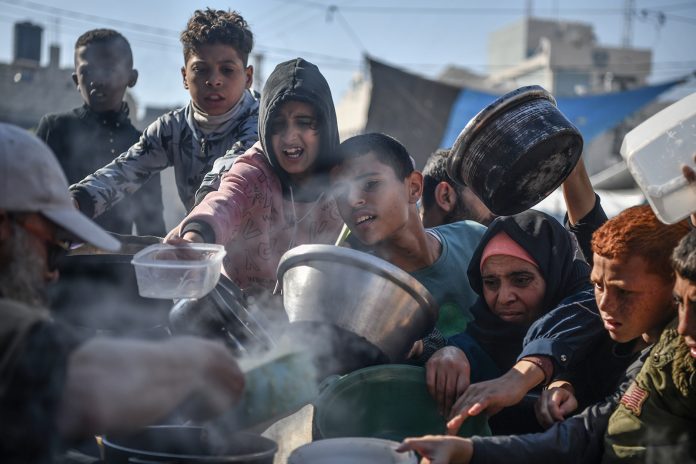
UN chief: 4 out of 5 hungriest people globally are in Gaza

Gaza War

“Four out of five of the hungriest people anywhere in the world are in Gaza. As the conflict intensifies and the horror grows, we will continue to do our part,” the UN secretary-general wrote on X.

“We will not give up,” he added.

The World Food Programme has announced half of Gaza’s population is starving and residents are often going entire days without eating.

A UN-backed report by the Integrated Food Security Phase Classification (IPC) also found that the entire population of Gaza is facing a food crisis, with 576,600 people at catastrophic – or starvation – levels.

Between November 24 and December 7, over 90 percent of the population in the Gaza Strip (about 2.08 million people) was estimated to face high levels of acute food insecurity the IPC report found.

“We have been warning for weeks that, with such deprivation and destruction, each day that goes by will only bring more hunger, disease and despair to the people of Gaza,” Martin Griffiths wrote on X, adding, “The war must end.”

The report adds that there is a risk of famine in Gaza if the “current situation” continues.

“The only way to eliminate any risk of Famine is to stop the deterioration of health, nutrition, food security and mortality through the restoration of health and WASH [water, sanitation and hygiene] services, and the provision of safe, nutritious food to the whole population,” the report said.

“The cessation of hostilities and the restoration of humanitarian space to deliver this multi-sectoral assistance and restore services are essential first steps in eliminating any risk of Famine,” the report added.

According to a study by the rights group Euro-Med Monitor, seventy-one percent of the population in the besieged Gaza Strip faces extreme hunger as they continue to endure relentless Israeli bombardment,

According to the study’s findings, which included a sample of 1,200 people in Gaza, 98% of the respondents said they eat insufficient amounts of food, while 64% admitted to eating grass, fruits, immature food and expired materials to satiate their hunger.

The study also found that the rate of access to water in Gaza, including drinking, bathing and cleaning water, is down to 1.5 liters per person per day.

“This is 15 liters less than the minimum amount of water required for survival at the level required by international standards,” it stressed, adding that 66% of the respondents reported having experienced diarrhea, skin rashes or intestinal diseases in the past month.

Gaza’s Health Ministry reported the death toll since the start of the attacks rose to 20,258 on Saturday, most of them being women and children.

According to UN estimates, the war has displaced 1.9 million of Gaza’s 2.3 million population.