Friday, December 26, 2025
Home Blog Page 1109

US strikes Iraq after three American troops wounded in attack

US Troops

The back-and-forth clash was the latest demonstration of how the Israel-Hamas war is rippling across the Middle East, creating turmoil that has turned US forces at bases in Iraq and Syria into targets.

“Iran-aligned groups” in Iraq and Syria oppose Israel’s campaign in Gaza and hold the United States partly responsible.

At President Joe Biden’s direction, the U.S. military carried out the strikes in Iraq at 1:45 GMT, likely killing “a number of Kataib Hezbollah militants” and destroying multiple facilities used by the group, the US military said.

“These strikes are intended to hold accountable those elements directly responsible for attacks on coalition forces in Iraq and Syria and degrade their ability to continue attacks. We will always protect our forces,” stated General Michael Erik Kurilla, head of US Central Command, in a statement.

A US base in Iraq’s Erbil that houses American forces came under attack from a one-way drone on Monday, leading to the latest US casualties.

The Pentagon did not disclose details about the identity of the service member who was critically wounded or offer more details on the injuries sustained in the attack. It also did not offer details on how this drone appeared to penetrate the base’s air defenses.

“My prayers are with the brave Americans who were injured,” US Defense Secretary Lloyd Austin said in a statement.

The White House National Security Council stated Biden was briefed on the attack on Monday and ordered the Pentagon to prepare response options against those responsible.

“The President places no higher priority than the protection of American personnel serving in harm’s way. The United States will act at a time and in a manner of our choosing should these attacks continue,” NSC spokesperson Adrienne Watson added.

The Iraqi government on Tuesday condemned the US targeting of its military sites, labelling it a “clear hostile act”.

The strikes on the US-run military installation in Iraq and neighboring Syria come amid growing anti-US sentiments over Washington’s firm support for Israel’s war against Palestinians in the besieged Gaza Strip, which has killed at least 20,700 people, most of them women and children. Another 54,500 individuals have been wounded as well.

The Israeli regime launched the war after Gaza’s resistance groups conducted Operation Al-Aqsa Storm, their biggest operation against the occupying entity in years.

Since the onset of the war on October 7, the United States has backed Israel’s ferocious attacks on Palestinian territory as a means of “self-defense.”

The US House of Representatives on November 2 passed a standalone $14.3-billion military assistance package for Israel. The legislation, however, is yet to clear the Senate.

Washington has also vetoed United Nations Security Council resolutions that called for a ceasefire in Gaza.
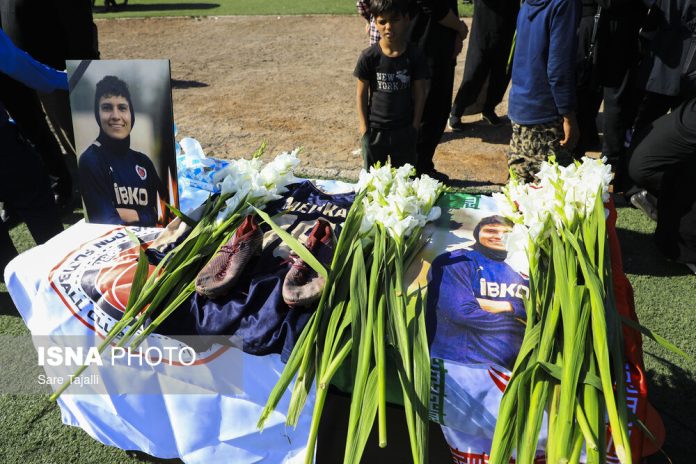
AFC extends condolences on death of female Iranian football player

Melika Mohammadi

Sheikh Salman bin Ibrahim Al Khalifa said in his Tuesday message, “On behalf of the Asian football family, I would like to convey my deepest condolences to the family and friends of Ms. Melika Mohammadi.”

“Her contributions as a key player of the Islamic Republic of Iran’s women’s national team will be long remembered. We join the Football Federation of the Islamic Republic of Iran in mourning this great loss,” the message read.

The AFC chief also expressed hope for the speedy recovery of those injured in the tragic accident in the southern Iranian city of Bam in Kerman Province.

The 23-year-old Iranian national team’s center back died in a collision. Two of her teammates were injured in the car accident and were rushed to the hospital.

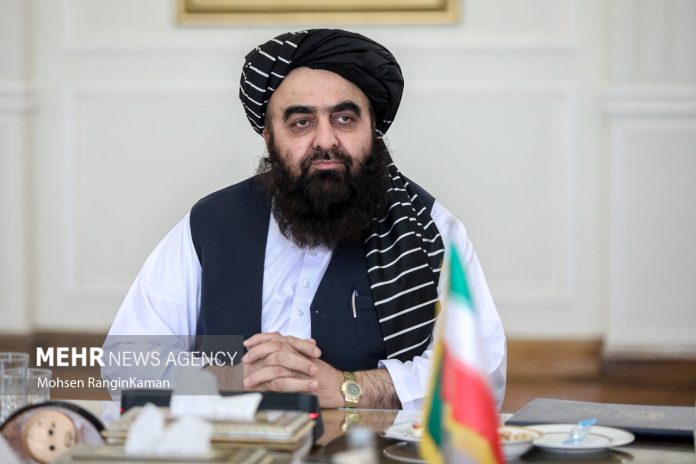
Acting Afghan FM urges migrants in Iran to return home

Amir Khan Muttaqi

Muttaqi thanked Iran for hosting nearly five million Afghan migrants fleeing war and poverty for decades, but asked the refugees to return to their country to serve the Afghan nation.

“Currently, security has been established throughout Afghanistan,” the Afghan foreign minister said, noting, “In recent years, Afghanistan has been the only country whose national currency has become stronger against the dollar.”

Muttaqi and his delegation were also welcomed by the governor of Khorasan Razavi Yaqub Ali Nazari earlier on Monday and they discussed promotion of bilateral ties in various fields.

In an interview with the Iranian IRNA news agency on Friday, the Afghan foreign minister said his country is committed to creating an environment conducive to the repatriation of Afghan immigrants.

“For 45 years, our country has weathered the storms of war and occupation, prompting some to seek refuge abroad. We are earnestly striving to enhance living conditions, encouraging our citizens to return autonomously,” stated Muttaghi.

In many cities, Iranians increasingly perceive undocumented Afghans as a threat to security and society, as there are concerns about radicalization among Afghan refugees.

Israel pushes for “voluntary migration” for Palestinians in Gaza: Report

Gaza War

According to the Israel Hayom daily, Netanyahu made the comment during a closed-door parliamentary session for his ruling Likud Party lawmakers.

“Our problem is the countries that are willing to absorb (them), and we are working on it,” he reportedly said.

Danny Danon of the Likud Party stated during the session that there are countries that actually raised this issue, including Canadian Immigration Minister Marc Miller and former US Ambassador to the UN Nikki Haley, who is seeking the US Republican Party nomination for the 2024 presidential elections.

He added that Israel must form a committee to follow up the issue to ensure that anyone who wants to move to a third country can do that.

On several occasions, the US, Arab and European countries have voiced firm opposition to imposing any form of “forced migration” on Palestinians in Gaza.

The Palestinian side, including the Palestinian Authority and Hamas group, has yet to comment on the reported Israeli statement.

Israel has pounded the Gaza Strip since a cross-border attack by the Palestinian group Hamas on Oct. 7, killing at least 20,700 Palestinians, mostly women and children, and injuring 54,536 others, according to local health authorities.

Around 1,200 Israelis are believed to have been killed in the Hamas attack.

The Israeli onslaught has left Gaza in ruins, with half of the coastal territory’s housing damaged or destroyed and nearly 2 million people displaced within the densely populated enclave amid acute shortages of food and clean water.

Palestine has condemned Netanyahu’s plan to encourage Palestinians to voluntarily leave Gaza, calling for an international stand against it.

“Netanyahu’s confessions regarding the displacement of our people is a new blow to the countries supporting him in the genocidal war on Gaza Strip,” the Foreign Ministry said in a statement.

Palestinian group Hamas also condemned Netanyahu’s plan, saying it is an attempt to “prolong the aggression.”

“The Palestinian people will not allow to pass any plan that aims to obliterate their cause or to get them out of their lands and sanctities,” it added.

Report: Protracted war with Hamas could cause food crisis in Israel

Gaza War

FIAI Chairman Dodi Manevich and the president of the Manufacturers’ Association of Israel (MAI), Ron Tomer, appealed to David Bitan, chairman of the economy committee in the Israeli parliament, asking for an emergency meeting to discuss food security and emergency food stockpile, The Jerusalem Post reported.

Manevich and Tomer warned that the Israeli government needs to prepare a strategy to ensure that at least 75% of all food products are sourced locally to prevent a food crisis. At the moment, about 90% of the Israeli food production facilities are located in the conflict zones in the north and south of the country, FIAI estimated.

The facilities continue to operate even though they are exposed to rocket attacks from Gaza or Lebanon and many of their employees have been evacuated to safer areas.

The two officials also pointed out the threat to supply chains posed by attacks by Yemen’s Houthi movement on Israeli merchant vessels in the Red Sea.

Israel has pounded the Gaza Strip since a cross-border attack by the Palestinian group Hamas on Oct. 7, killing at least 20,674 Palestinians, mostly women and children, and injuring 54,536 others, according to local health authorities.

Around 1,200 Israelis are believed to have been killed in the Hamas attack.

The Israeli onslaught has left Gaza in ruins, with half of the coastal territory’s housing damaged or destroyed and nearly 2 million people displaced within the densely populated enclave amid shortages of food and clean water.

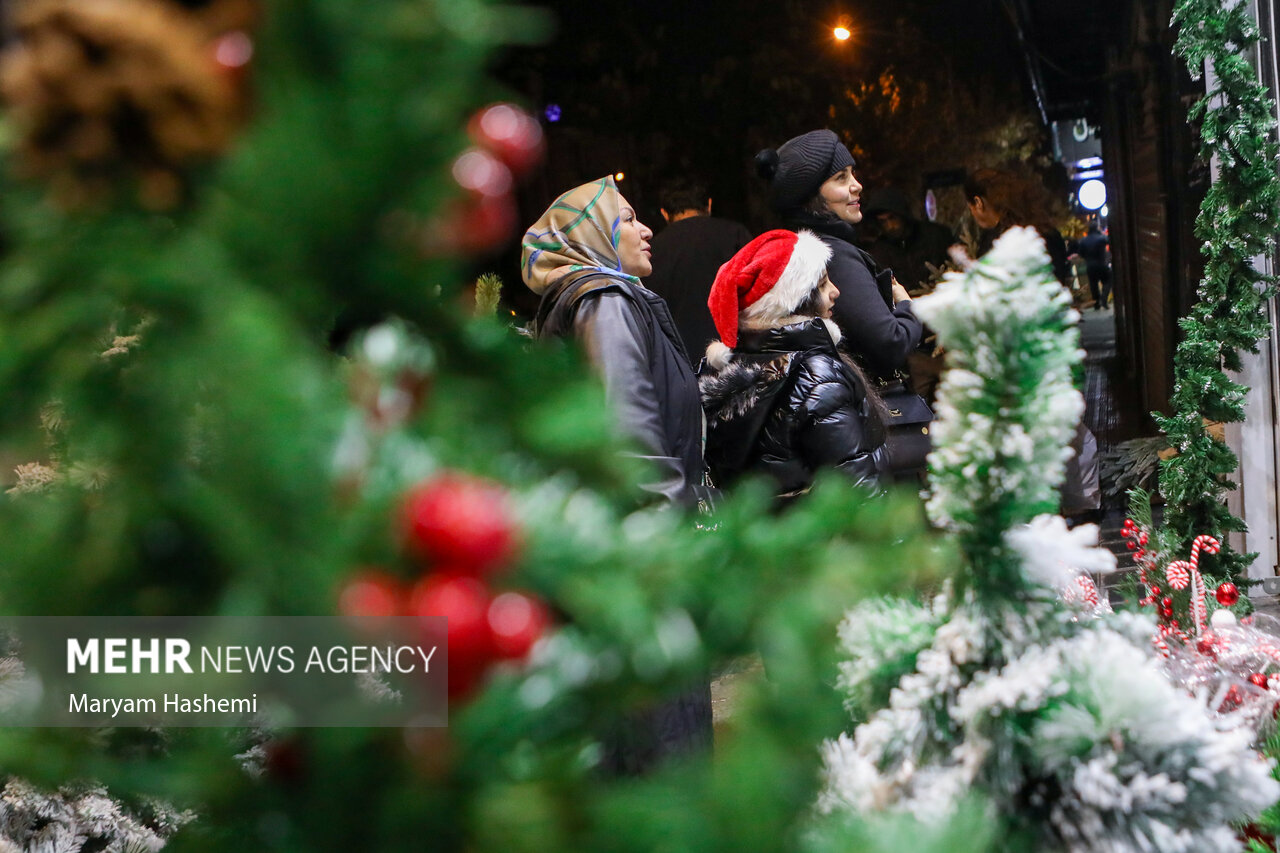
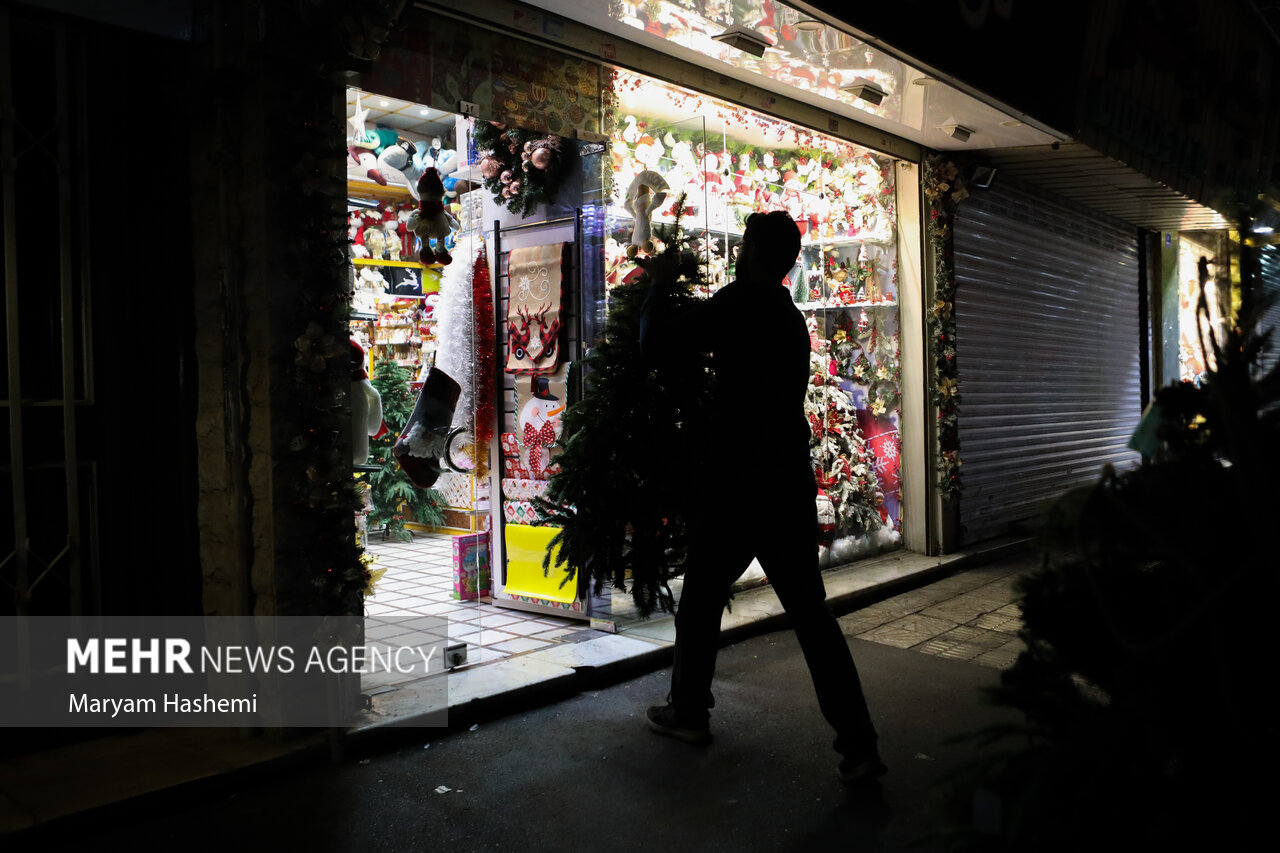
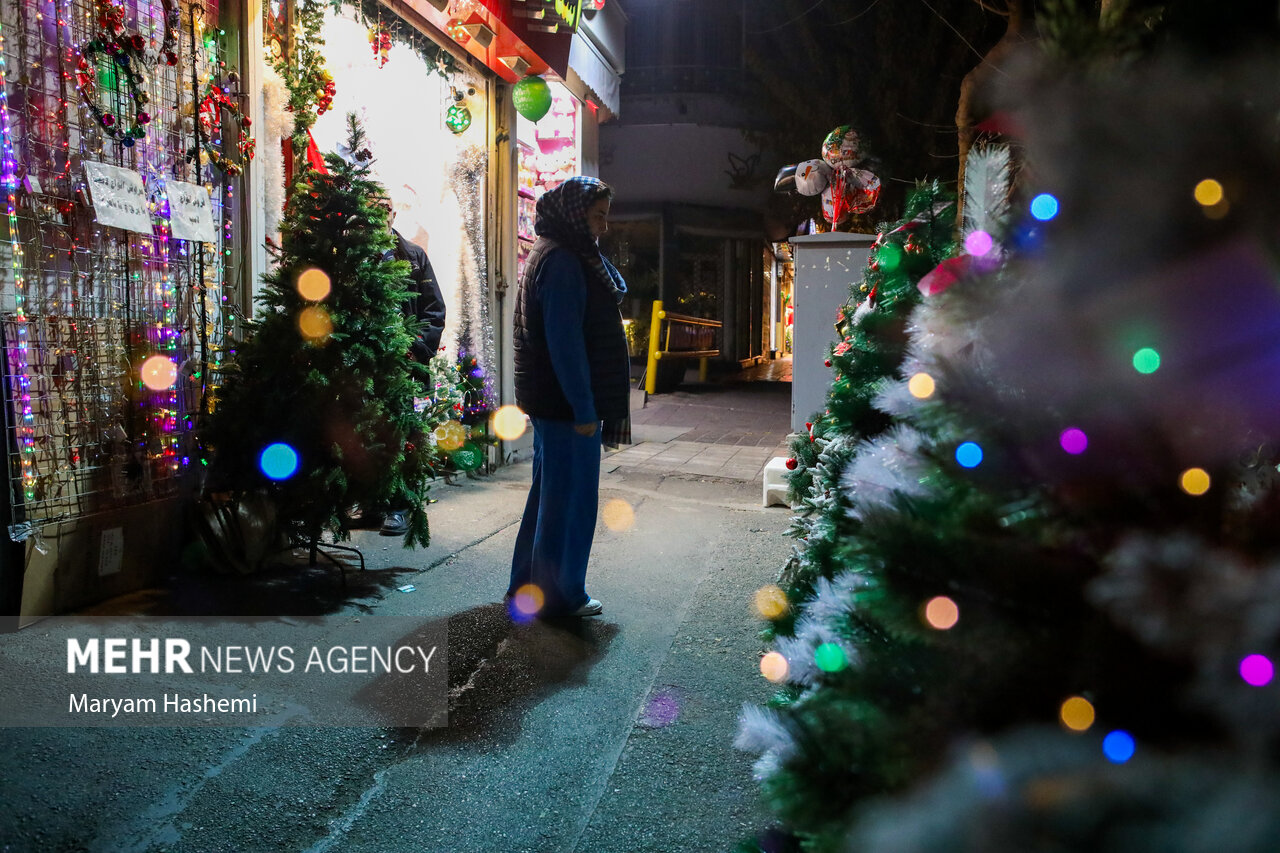
Christians celebrate Christmas in Tehran, prepare for New Year

Christians celebrate Christmas in Iran

Here are some of the pictures of the jubilant Christians:

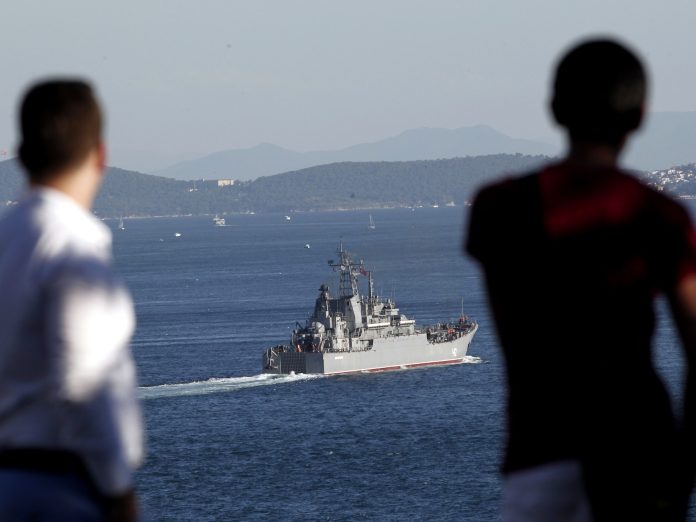
Ukraine air force claims to have destroyed Russian ship in Crimea attack

Russian Ship

The Novocherkassk, a large landing ship, was “destroyed”, the air force said on the Telegram messaging platform on Tuesday.

People say that it transported drones, the message added.

The air force did not identify the location of the attack, but commander Mykola Oleshchuk posted a video of an explosion at the Russian naval base of Feodosia, on the Black Sea in Crimea, and said the Novocherkassk had been hit.

Russia seized and then annexed the peninsula from Ukraine in 2014.

“And the fleet in Russia is getting smaller and smaller! Thanks to the Air Force pilots and everyone involved for the filigree work!” Oleshchuk wrote without providing evidence.

Sergey Aksyonov, the Moscow-installed governor of Crimea, acknowledged Feodosia had been hit and said the attack had triggered a fire that had been brought under control: “An enemy attack was carried out in the area of Feodosia.”

“The port area is cordoned off,” he wrote on Telegram.

Footage shared by several Russian news outlets on Telegram showed powerful explosions and fires over a port area.

Ukraine and Russia have often exaggerated the losses they claim to have inflicted on the other since Russia launched its full-scale invasion of Ukraine in February 2022.

They have also underplayed their own casualty and equipment losses.

In recent days, Moscow has claimed to have taken control of the eastern city of Maryinka, with Kyiv denying that it has.

Kyiv and Moscow have also each claimed success in shooting down the other’s fighter planes, with each side denying any losses.

In April 2022, Ukraine sank the cruiser Moskva, the Soviet-era flagship of Russia’s Black Sea Fleet.

Moscow announced “a detonation of ammunition” triggered a fire and forced the crew to evacuate, and the ship sank as it was being towed to port.


Iranian president, FM say Israel to pay heavy price for assassinating IRGC military advisor

Raisi and Amirabdollahian

In a message on Monday, Raisi said the vicious act of assassinating the IRGC military advisor in a missile attack in Syria was yet another sign of the usurping Zionist regime’s desperation.

Seyyed Razi Mousavi, who was serving as a military advisor in Syria, was killed in an Israeli airstrike in the Sayyeda Zeinab neighborhood of the Syrian capital of Damascus earlier on Monday.

The president extended his condolences to Mousavi’s bereaved family, his fellow comrades in the IRGC and the Iranian nation over his assassination.

He added that the brave military advisor who was one of the companions of Iran’s top anti-terror commander Lieutenant General Qassem Soleimani was killed while “safeguarding lofty Islamic values.”

General Soleimani, commander of the Quds Force of the IRGC, and his Iraqi trenchmate Abu Mahdi al-Muhandis, the second-in-command of Iraq’s Popular Mobilization Units (PMU), were martyred along with their companions in a US drone strike on January 3, 2020.

Iran maintains an advisory mission in Syria at the request of Damascus with the aim of helping the war-torn Arab country get rid of the foreign-backed militants who have been fighting the democratically-elected Syrian government since 2011.

Amirabdollahian has also expressed his condolences on the occasion of the martyrdom of the top general, emphasized that Tel Aviv should wait for a tough countdown.

Netanyahu booed inside Israeli parliament by families of Hamas-held captives

Israel Hostages

“Now! Now!” the families chanted from the gallery on Monday when Netanyahu promised to bring the captives home but added that he has been told by Israeli field commanders that “more time” was needed.

“We wouldn’t have succeeded up until now to release more than 100 hostages without military pressure,” Netanyahu stated, adding, “And we won’t succeed at releasing all the hostages without military pressure.”

A deal brokered in late November by the United States, Qatar and Egypt saw the release of more than 100 of the estimated 240 captives taken to Gaza during attacks by Hamas on October 7 on southern Israel.

Israel says 129 captives are still held in Gaza. Three of them were mistakenly killed by Israeli forces this month.

“We won’t stop until victory,” Netanyahu said over the cries of the protesters in parliament.

The family members of the captives sat in the chamber looking down on the prime minister, holding posters of their relatives behind the Plexiglass of the gallery and intermittently interrupting him.

Netanyahu’s address came after his Likud party reported that he visited the Gaza Strip on Monday and promised to ramp up Israel’s assault there.

Shortly after his return, Netanyahu said the war was far from over. He said it was false media speculation that his government might end the fighting.

“We’re not stopping. We’re continuing to fight, and we’re intensifying the fighting in the coming days. It’s going to be a long war that’s not close to ending,” the Israeli leader added.

Israel’s Ministry of Finance stated the war, which it foresees lasting through February, will likely incur an additional cost of at least $14bn in the 2024 budget.

Meanwhile, about three months of Israeli bombardment has killed more than 20,674 Palestinians and wounded 54,536 – most of them women and children.

In an op-ed published in the Wall Street Journal on Monday, Netanyahu said “Hamas must be destroyed, Gaza must be demilitarized, and Palestinian society must be deradicalized. These are the three prerequisites for peace between Israel and its Palestinian neighbours in Gaza.”

He writes that to destroy Hamas, “its military capabilities must be dismantled and its political rule over Gaza must end.”

“Unjustly blaming Israel for these casualties will only encourage Hamas and other terror organisations around the world to use human shields,” he added.

“To render this cruel and cynical strategy ineffective, the international community must place the blame for these casualties squarely on Hamas. It must recognize that Israel is fighting the bigger battle of the civilized war against barbarism.”

In the op-ed, Netanyahu also called for an Israeli security zone within Gaza and new Israeli oversight over the Rafah crossing.

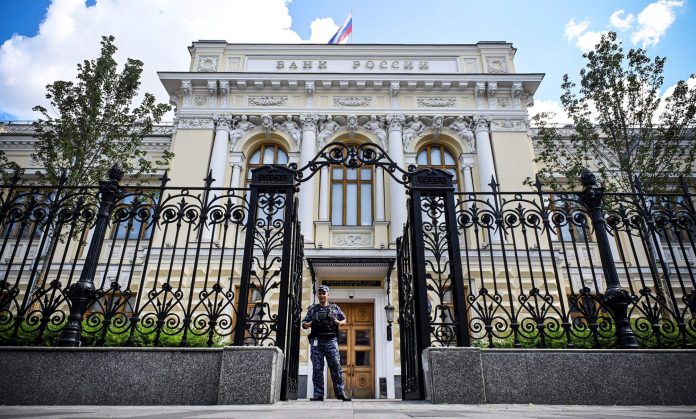
Russian central bank discloses most ‘painful’ sanctions against Moscow

Russian Central Bank

The regulator has been assessing the risk of sanctions since 2014 and was prepared for many of them, Nabiullina told the outlet.

The US and the EU imposed their first batch of restrictions after Crimea joined Russia following a referendum in response to the armed coup in Kiev in 2014.

“Large banks, when they fell under sanctions, were already largely prepared for this to happen. Disconnection from SWIFT has been a threat since 2014, so they were building a national payment infrastructure. We diversified our reserves and increased the share of yuan and gold,” the head of the central bank stated in the interview.

Last year, the US and EU imposed a range of financial restrictions on Russia in response to Moscow’s military operation in Ukraine. These included disconnecting Russian banks from the SWIFT interbank messaging system, a ban on Russia servicing its dollar debt, the freezing of Russian assets held abroad, and the exit of Visa and MasterCard from the country. Sanctions effectively deprived Russia of the ability to conduct international transactions in dollars and euros.

“We have been able to respond to most of the challenges regarding the financial sector. But there are also problems in the financial sector that have not been fully resolved, including cross-border payments. Yes, supply chains are being built, they are constantly changing, but this remains a problem for many enterprises,” Nabiullina added.

The freezing of Russian assets by Western countries has served as a “very negative” signal for central banks worldwide since it is a “violation of basic principles of the security of reserves,” the central bank chief believes.

“Millions of people who are not subject to sanctions have ended up with their assets frozen. This is a very painful issue,” she continued.

An estimated €260 billion ($285 billion) in Russian central bank assets were immobilized in G7 countries, the EU, and Australia following the start of the Ukraine conflict in 2022, with most of the reserves being held in Europe.

On top of that, around 5 million private Russian investors saw their assets blocked in accounts of international financial institutions. The value of frozen securities in portfolios of private investors amounted to $3.4 billion as of July of last year.