Thursday, January 1, 2026
Home Blog Page 1077

US, UK announce new strikes on Yemen’s Houthis over Red Sea shipping attacks

The Houthis, who control much of Yemen, have attacked dozens of ships in the major waterway since November, disrupting international maritime trade and raising concern about the impact on the global economy.

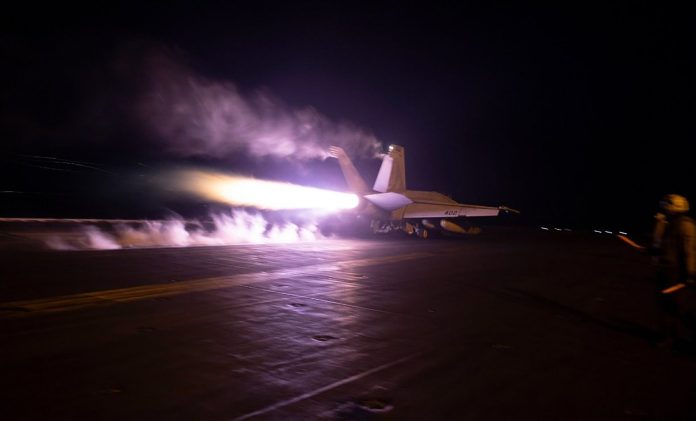
On Monday, the US and UK said they had carried out eight strikes, with support from Australia, Bahrain, Canada and the Netherlands, targeting a Houthi underground storage site as well as missile and surveillance capabilities.

“These precision strikes are intended to disrupt and degrade the capabilities that the Houthis use to threaten global trade and the lives of innocent mariners,” the joint statement read.

The Houthis have stressed the attacks are in response to Israel’s war in Gaza and to show their support for the Palestinians.

The armed group has carried out more than 30 attacks on international shipping since mid-November, according to the UK’s Ministry of Defence.

It added the attacks on Houthi sites were to hold the group “accountable for their illegal and unjustifiable attacks on mariners and commercial shipping” as well as to “de-escalate tensions and restore stability in the Red Sea”.

Following the latest round of US and UK air raids in Yemen on Monday, Houthi leader Mohamed Ali al-Houthi stated the assault would only make the Yemeni people stronger.

In a statement posted on al-Houthi’s account on X early Tuesday, he said that “the American and British must understand that we are in a time of response and that our people do not know how to surrender.”

“Your strikes will only make the Yemeni people stronger and more determined to confront you, as you are the aggressors against our country,” added al-Houthi, who is the head of the group’s Supreme Revolutionary Committee.

Yemenis “are fighting to prevent the genocide and siege of the people of Gaza”, he continued, while accusing the US of protecting Israel, which he described as a “terrorist criminal” country.

Mohammed al-Bukhaiti, a member of the group’s political bureau, stated that “We will continue our military operations against the Zionist enemy no matter how aggressively they might bombard Yemen”.

“Our strikes will go on as long [Israeli] atrocities and genocide in Gaza persist,” he pointed out.

Monday’s strikes came after the Houthis claimed to have conducted a successful attack on the US military cargo ship Ocean Jazz in the Gulf of Aden. US Naval Forces Central Command denied the claims as “patently false” and noted it had “maintained constant communications with M/V Ocean Jazz throughout its safe transit”.

The Houthis did not say when or precisely where the attack took place, or if any damage was caused.

“The Yemeni Armed Forces affirm that retaliation against American and British attacks is inevitable, and any new aggression will not go unpunished,” the group announced in a statement.

UK maritime security firm Ambrey said the vessel named by the Houthis on Monday had been contracted by the US military.

The US and UK militaries launched attacks against Houthi forces on January 11, a day after the United Nations Security Council condemned “in the strongest terms” the group’s attacks on Red Sea shipping and demanded they stop.

The Houthis began targeting merchant ships on November 19 when they seized the Japanese-operated Galaxy Leader and took it to the port of Hodeidah. The ship’s 25-strong multinational crew, many of them from the Philippines, have been held ever since.

The Yemeni group says the Red Sea attacks are part of their support for Palestinians who have been under attack from Israeli forces in Gaza for more than three months.

More than 25,000 people have been killed, according to Palestinian officials in the territory.

Israel launched its assault on Gaza after fighters from the Hamas armed group carried out a surprise attack on southern Israel on October 7, killing at least 1,1200 people. Some 250 others were seized as captives during the attack.

So far, Houthi activity has been concentrated in the narrow strait of Bab el-Mandeb, which connects the Gulf of Aden to the Red Sea. Approximately 50 ships sail through the strait daily, heading to and from the Suez Canal – a key artery for global maritime trade.

Some of the world’s largest shipping companies have suspended operations in the region, instead sending their vessels on the longer route around the Cape of Good Hope in South Africa slowing trade between Asia and Europe.
95% of those facing starvation across world are in Gaza: Report

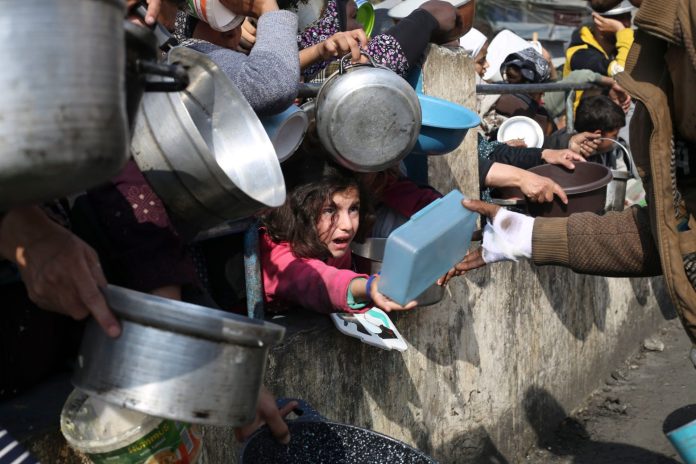
The organization made up of United Nations agencies and other non-profit groups also announced 90 percent of Gaza’s population of 2.3 million people faces food insecurity.

Israel’s siege in Gaza has devastated swathes of the territory, diminished food, fuel and water supplies, and crushed the enclave’s medical system.

UN Special Rapporteur on the Right to Food, Michael Fakhri, also said Israel is destroying Gaza’s food system, in a post on X on Monday.

“It’s unprecedented to make an entire civilian population go hungry this completely & quickly. Israel is destroying Gaza’s food system. Israel is intentionally imposing a high rate of disease, prolonged malnutrition, dehydration + starvation by destroying civilian infrastructure,” Fakhri added.

The United Nations has repeatedly reiterated that Gaza is grappling with catastrophic hunger and nearly half of the population is at a risk of famine, calling for an urgent scaling up of aid. United Nations Secretary-General Antonio Guterres has recently sounded the alarm on the dire humanitarian crisis in the besieged strip, lamenting that four out of “five of the hungriest people anywhere in the world are” in the coastal territory.

Since a cross-border attack by Hamas on Oct. 7, Israel has continued relentless attacks on the Gaza Strip, killing more than 25,000 Palestinians and injuring many more, according to local health authorities.

The Israeli onslaught has left Gaza in ruins, with 60% of the enclave’s infrastructure damaged or destroyed, and nearly 2.3 million residents displaced amid acute shortages of food, clean water and medicine.

Last week, Martin Griffiths, the man in charge of the UN’s relief operations in Gaza, painted a dire picture of conditions in the besieged strip, saying his colleagues have witnessed “scenes of utter horror”.

“Corpses left lying in the road. People with evident signs of starvation stopping trucks in search of anything they can get to survive,” Griffiths, UN Under-Secretary-General for Humanitarian Affairs and Emergency Relief Coordinator, told members of the UN Security Council.

Griffiths stated many people no longer had homes to return to, with shelters in the enclave housing far more people than they could cope with.

Food and water was running out and the risk of famine was growing by the day, he added.

The health system, he said, was “in a state of collapse,” where women were unable to give birth safely, children could not get vaccinated, infectious diseases were on the rise and people had been seeking shelter in hospital yards.

In a stinging criticism, Griffiths added his team’s efforts to send humanitarian convoys to the north have been met with delays and denials amid impossible conditions, with the safety of aid workers being put in danger.

“Orders for evacuation are unrelenting. As ground operations move southwards, aerial bombardments have intensified in areas where civilians were told to relocate for their safety,” Griffiths said of Israel’s evacuation policies.

“There is no safe place in Gaza. Dignified human life is a near impossibility,” he continued.

PA official rejects Israel’s artificial island proposal for Palestinians

Gaza War

Reports in Brussels claimed that Katz made such a proposal during talks with his EU counterparts aimed at de-escalating the conflict in Gaza.

“The land of Palestine is ours and we will remain there,” Al Maliki told reporters as he headed into a meeting with the EU’s 27 foreign affairs ministers shortly after Katz to discuss the Gaza war.

EU officials said the two men would not meet in person.

Without naming Israel, Al Maliki stated that “those who had the idea” of creating an artificial island may go live on it if they wish.

Before the meetings, top EU diplomats said that the bloc would continue pushing for a two-state solution and criticised Israeli Prime Minister Benjamin Netanyahu’s rejection of Palestinian statehood.

Comments made by the bloc’s top diplomat Josep Borrell hinted at a deepening rift between Israel and the West.

“Which are the other solutions they have in mind?” Borrell noted, adding, “To make all the Palestinians leave? To kill off them? From now on, I will not talk about the peace process but about the two-state solution process. We are serious about that.”

Katz, however, declined to take questions from reporters about Palestinian statehood.

Holding pictures of Israeli hostages in Gaza, including one-year-old baby Kfir Bibas, he said Israeli soldiers were fighting in the enclave with two goals: “to bring back our hostages and restore security for citizens of Israel.”

About 1,200 Israelis died in a Hamas-led attack on October 7. Israel’s retaliatory military operation in Gaza has killed more than 25,000 Palestinians.

Like the US, the EU has not called for a ceasefire due to opposition from several more Israel-aligned states including Germany. They have argued that Israel must be allowed to carry out its military objective to destroy Hamas.

Yet some criticism of Netanyahu’s strategy has started to emerge within Israel. War cabinet minister Gadi Eisenkot appeared to criticise the PM on Friday when he stressed that complete victory over Hamas was unrealistic and called for new elections.

Reluctance to call for a ceasefire positioning has caused bewilderment in much of the Arab world, most of all from Palestinians who have accused the West of double standards. “We have to call collectively for a ceasefire,” Al Maliki continued.

He also called for Brussels to introduce sanctions against Israel, which is unlikely to happen. Talk of blacklisting extremist settlers from European soil has been delayed due to reluctance from some member states. The EU issued sanctions on Hamas last week.

“The collective responsibility of the EU right now lies in this particular moment at a time when they have to show leadership and courage,” he added.

“Otherwise, what we have been saying for a long time about double standards will be clearly shown.”

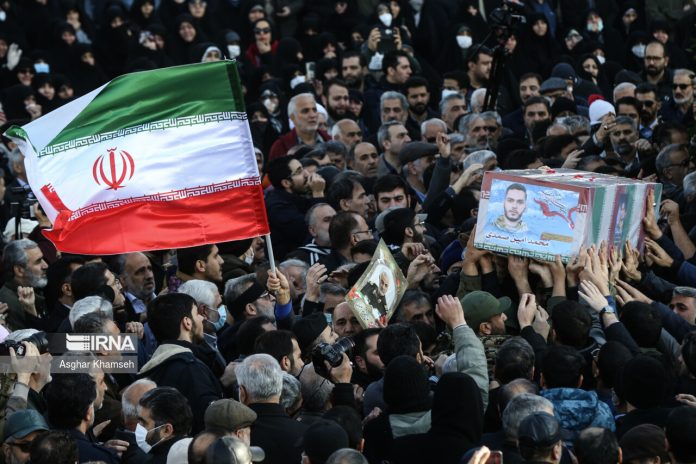
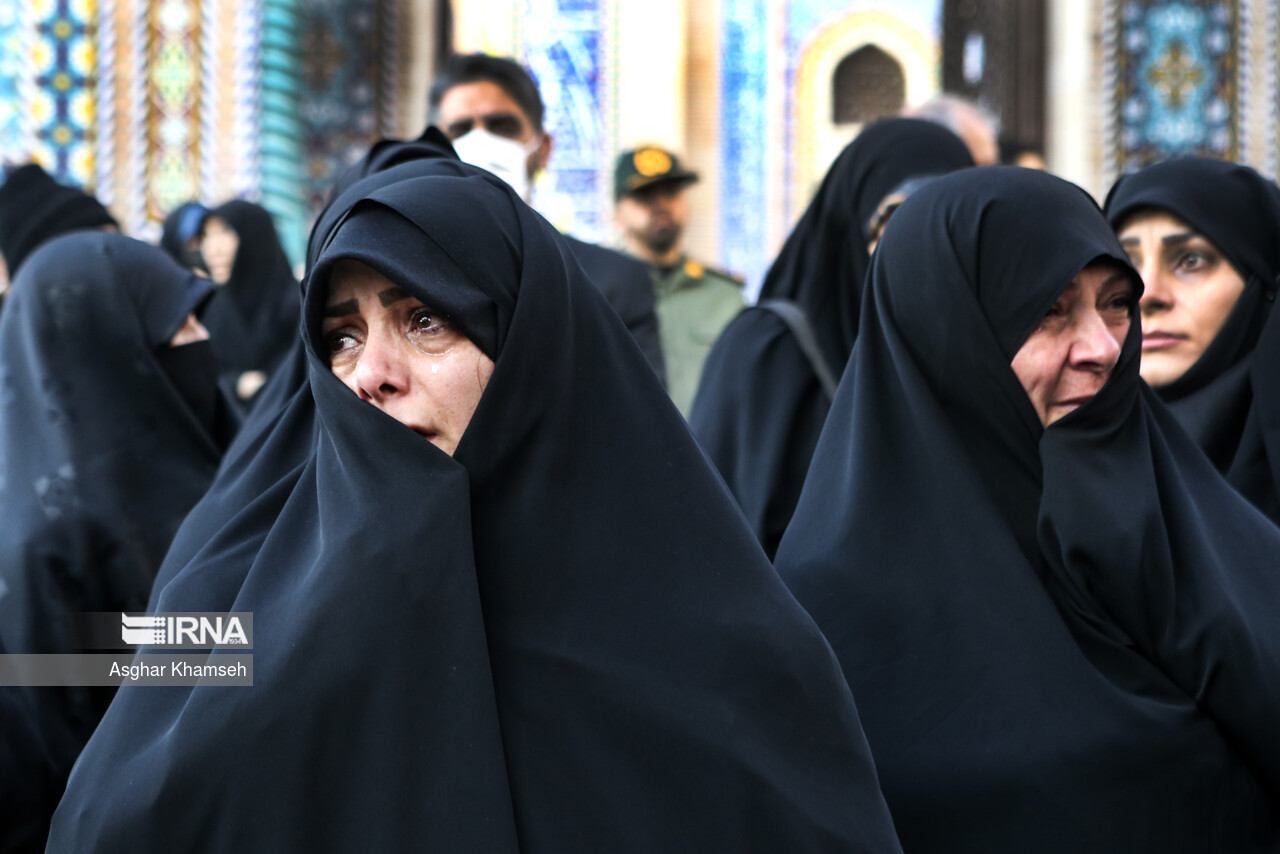
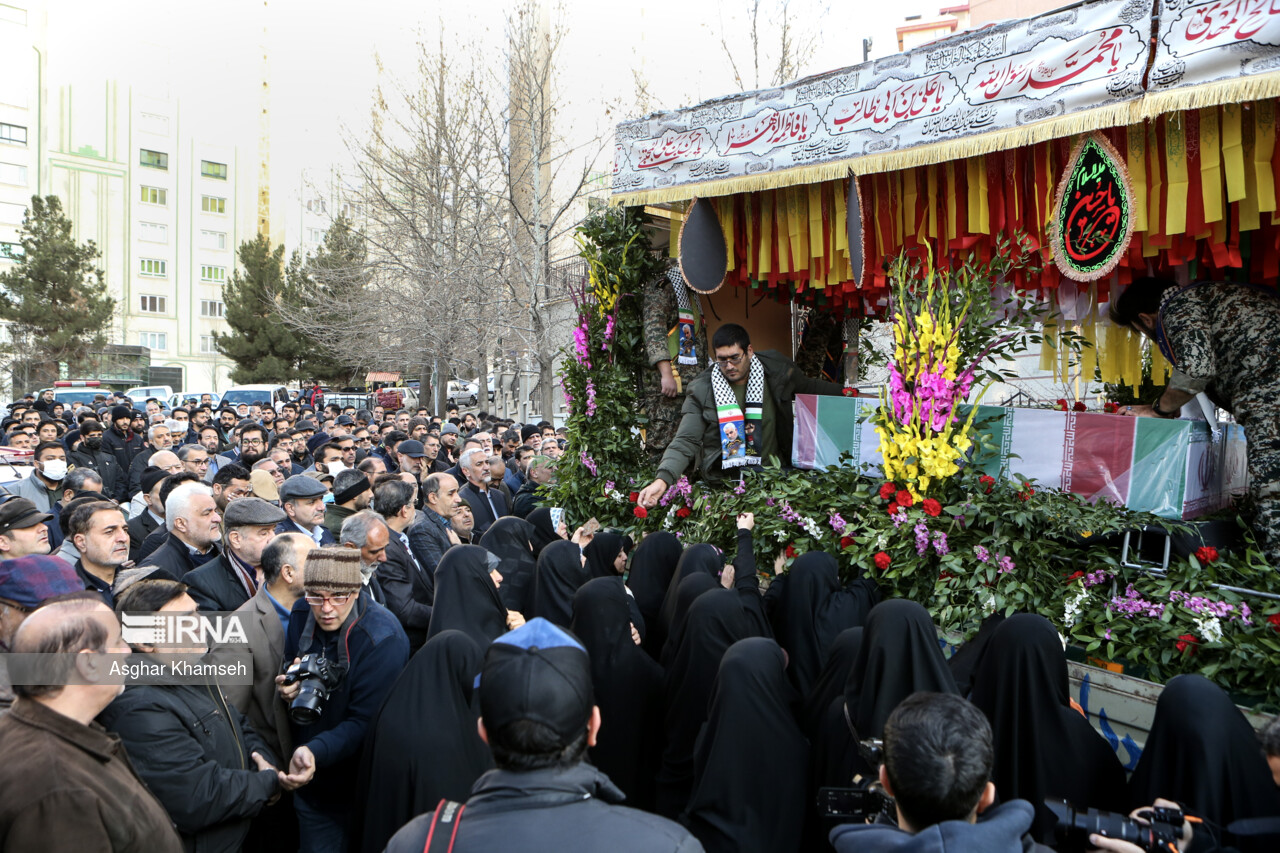
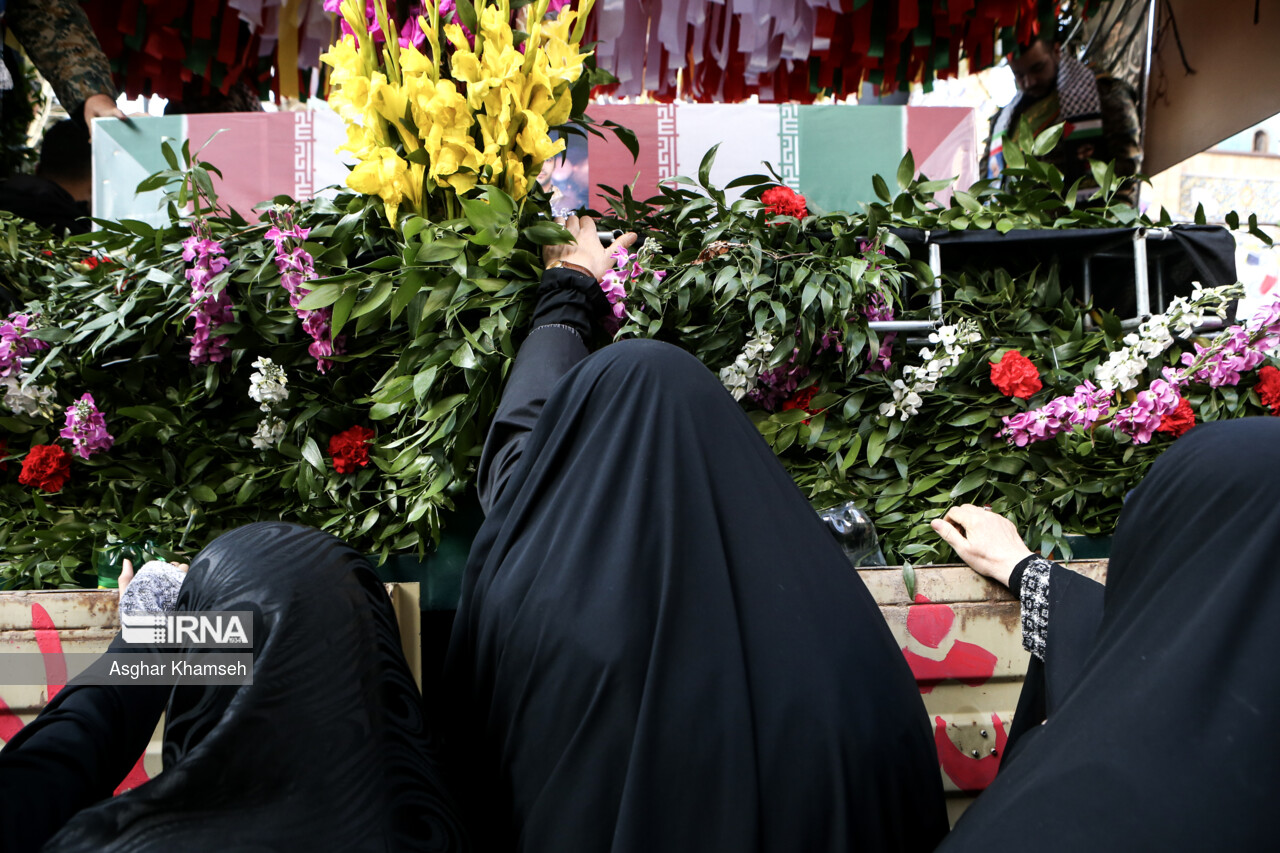
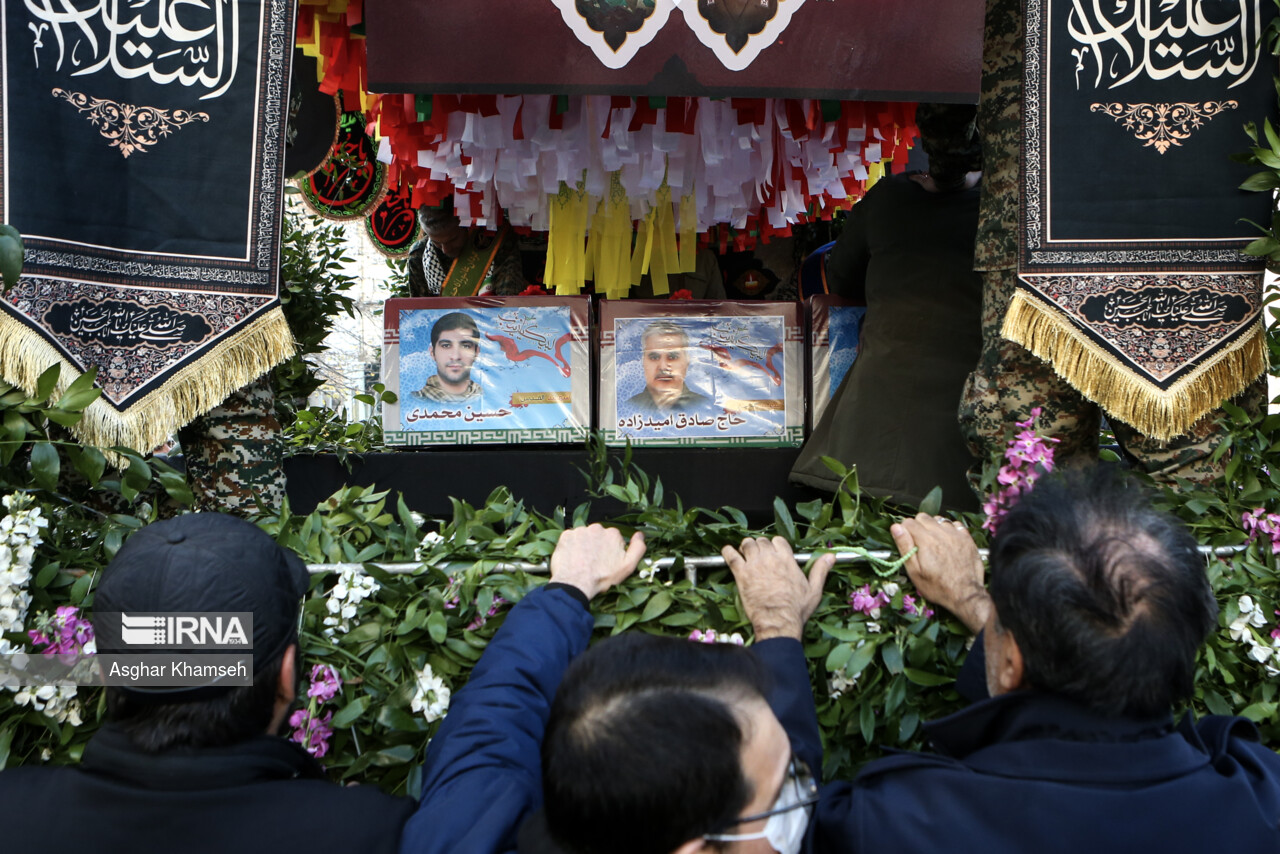
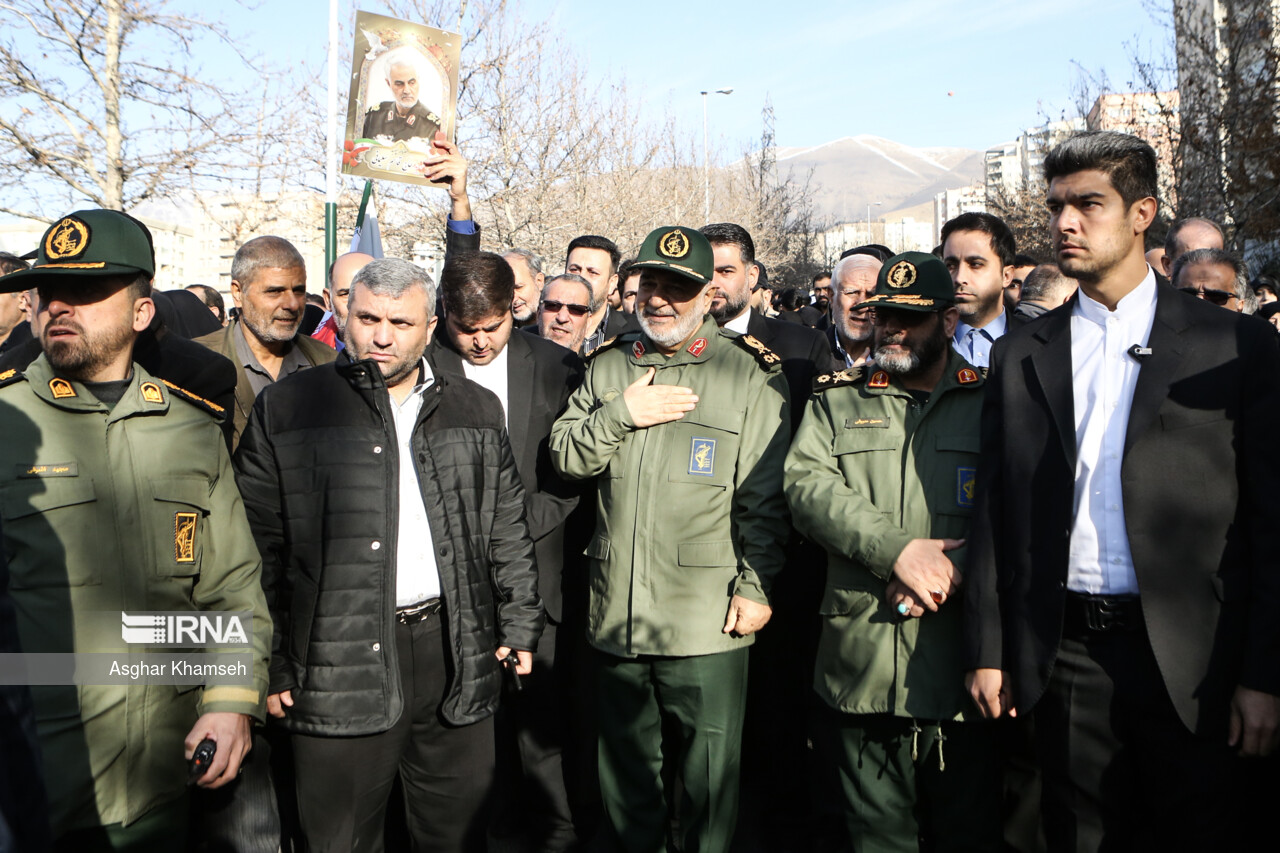
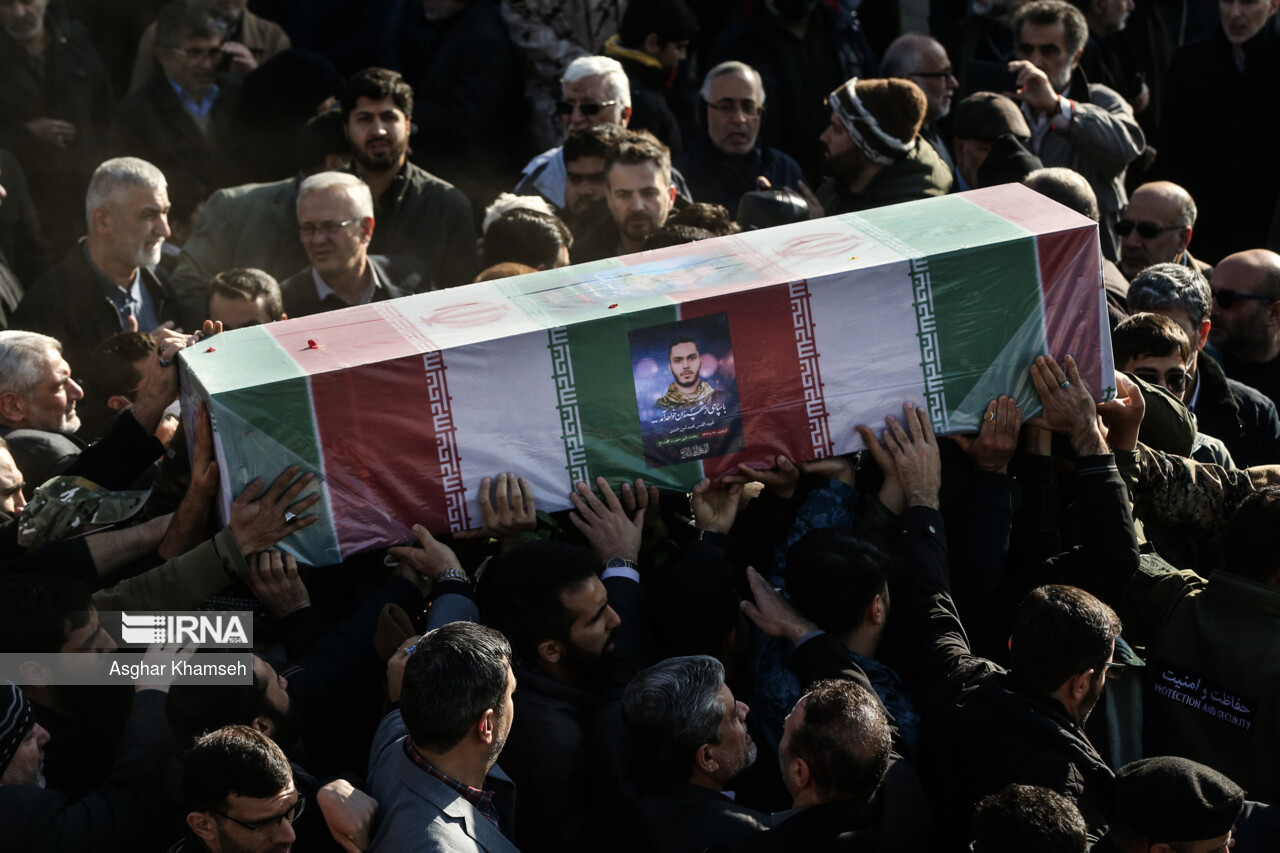
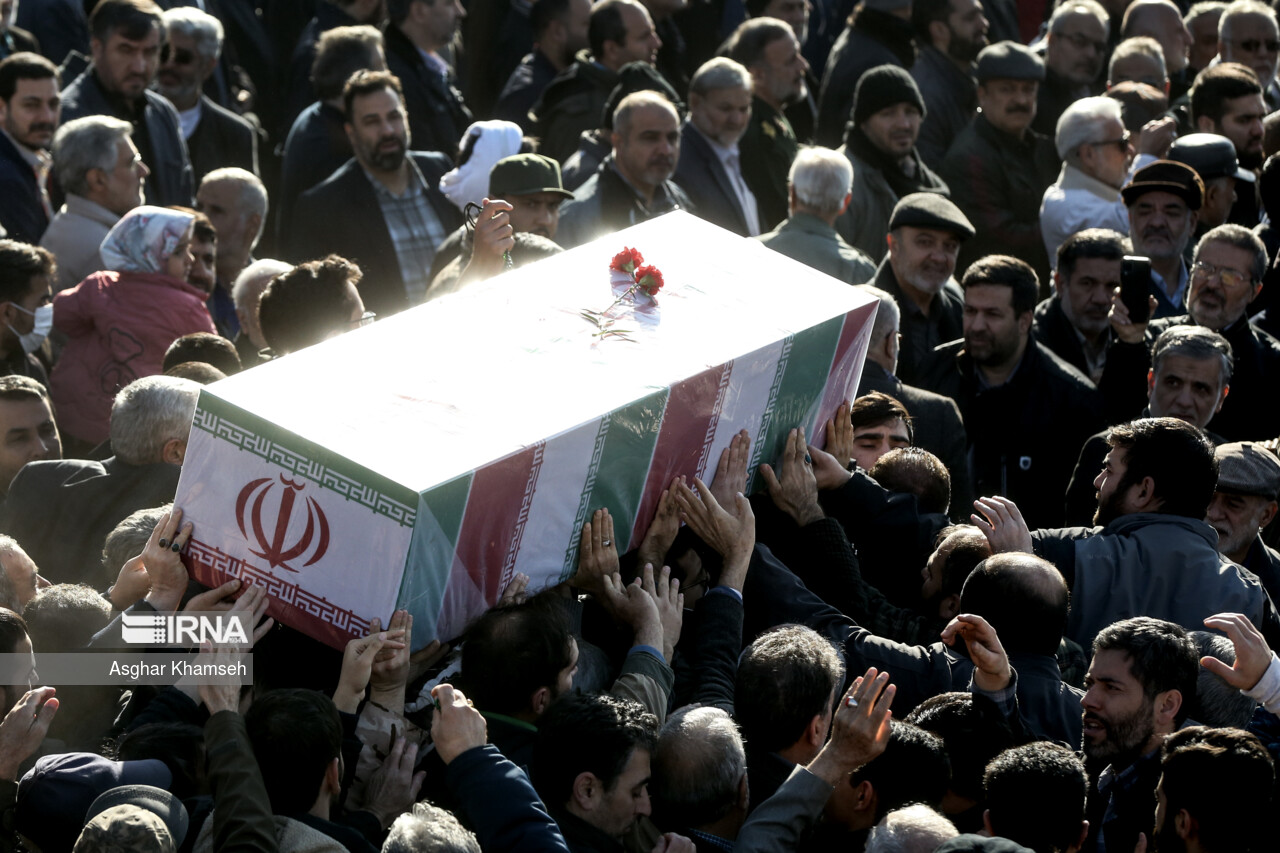
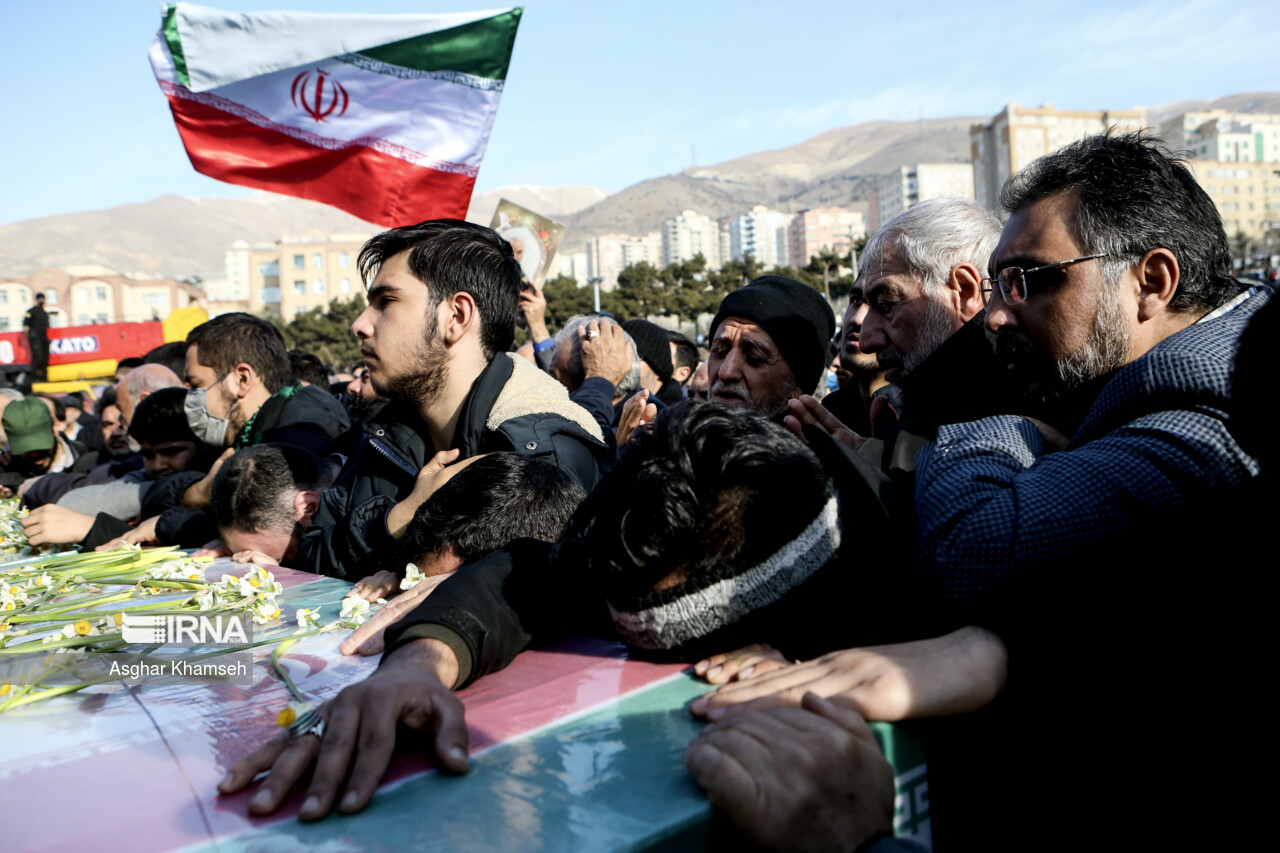
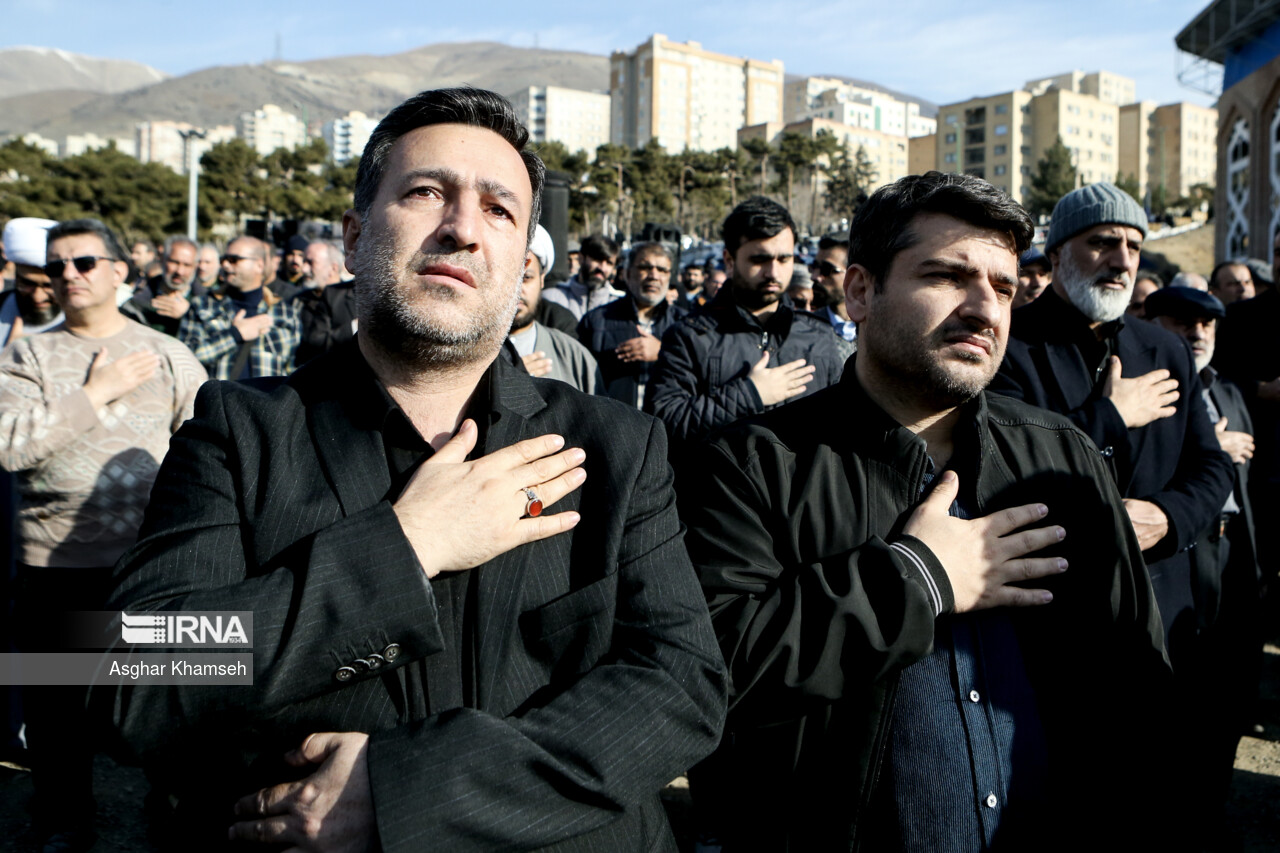
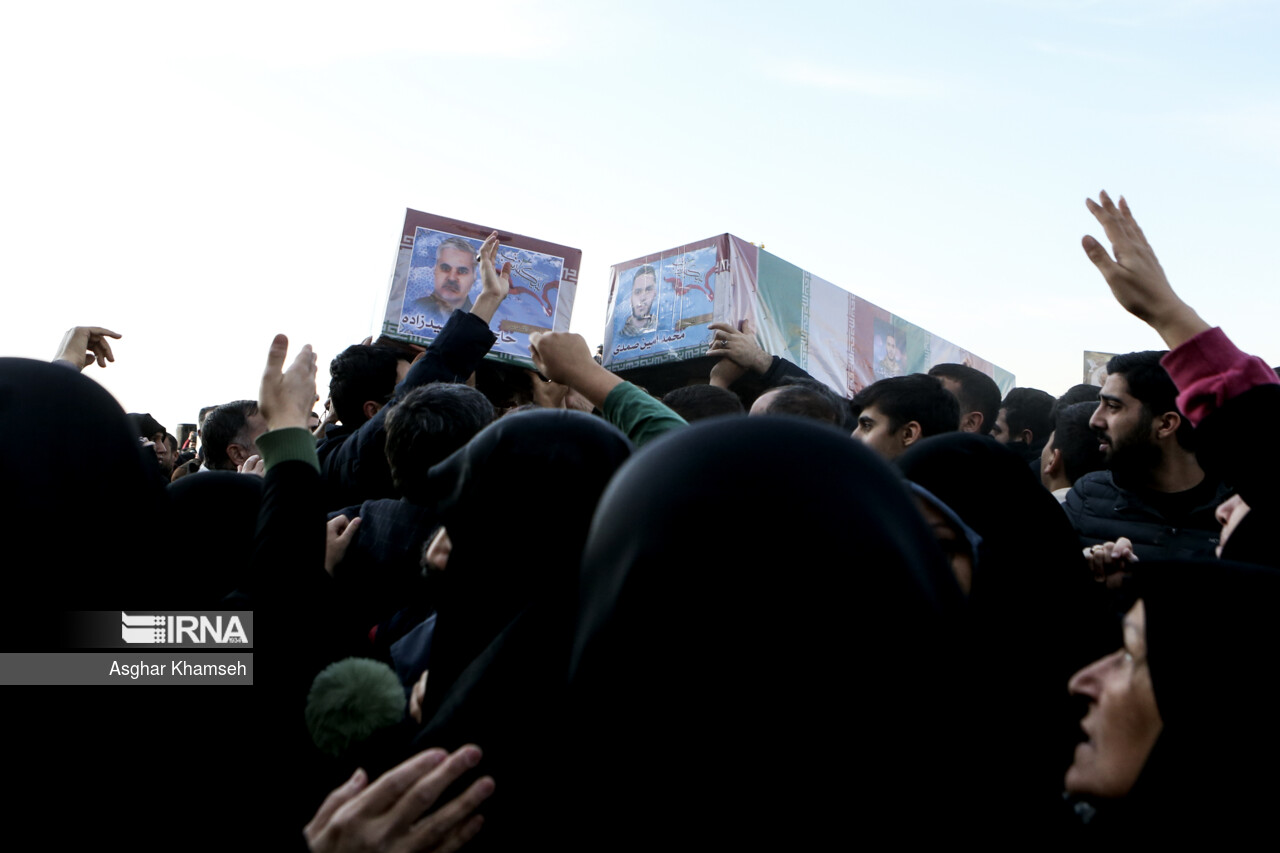
Iranians hold funeral for IRGC military advisors killed in Syria

IRGC Military Advisor

The funeral for the three military advisors happened in Shahid Mahalati neighborhood of northern Tehran.

A number of IRGC officials also attended the ceremony.

The airstrike that killed five Iranian military advisors, hit a building in the Mazzeh district of the Syrian capital Damascus.

The Zionist regime has carried out many airstrikes against Iranian military advisors who are in Syria at the official request of the Syrian government.

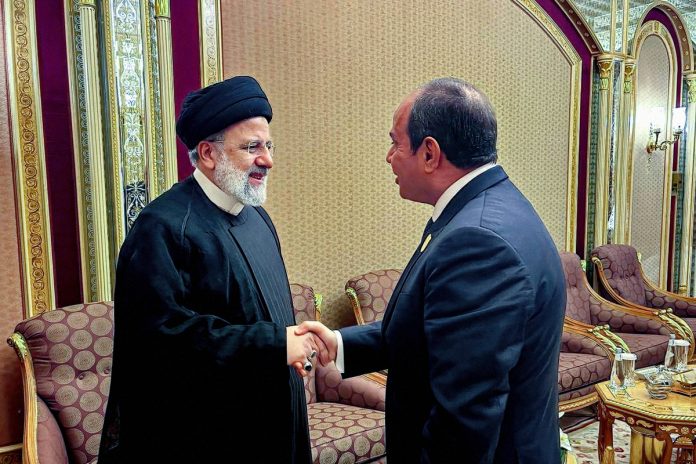
Iran says road map outlined on restoration of Tehran-Cairo diplomatic ties

Raisi and Sisi

“We are currently in a good situation and have made good progress on [bilateral] relations. Consultations are positive, and previous meetings between officials [from the two countries] are indicative of the new positive atmosphere,” Kanaani said.

He went on to note that a road map has been outlined in light of presidential decrees, face-to-face meetings as well as telephone conversations for the continuation of discussions on settlement of sticking points and final rapprochement between Tehran and Cairo.

“We are optimistic that we will move ahead. We have common areas to hold talks about. Moreover, the issue of Palestine has been discussed by officials from the two countries. Humanitarian institutions, like the Iranian Red Crescent Society (IRCS), are in constant contact with Egypt. We will continue our efforts based on the agreement clinched between the two presidents,” the spokesperson pointed out.

Member of the Egyptian Council for Foreign Affairs, Rakha Ahmad Hassan, said in an interview with the Arabic service of Russia’s Sputnik news agency on December 29 that an exchange of ambassadors between his Northeast African country and Iran is likely to happen soon.

Earlier that month, Iranian President Ebrahim Raisi congratulated his Egyptian counterpart Abdel Fattah el-Sisi on securing a third term in office as leader of the Arab world’s most populous nation, hoping for the resolution of existing issues between Tehran and Cairo and the restoration of diplomatic ties.

In the first telephone conversation between the two heads of state in more than four decades, Raisi warmly felicitated the 69-year-old Egyptian politician on his reelection.

They discussed developments in the Gaza Strip in light of the relentless Israeli strikes, which have killed at least 25,105 people, most of them women and children, and wounded more than 62,000 individuals, and underlined the significance of unity among Muslim countries.

The two presidents also agreed to take tangible steps for the final resolution of issues between Iran and Egypt, and the re-establishment of diplomatic relations.

Egypt severed its diplomatic relations with Iran in 1980 after it welcomed the deposed Pahlavi ruler of Iran and also recognized the apartheid Israeli regime.

Report: Iran FM to visit Egypt in coming days

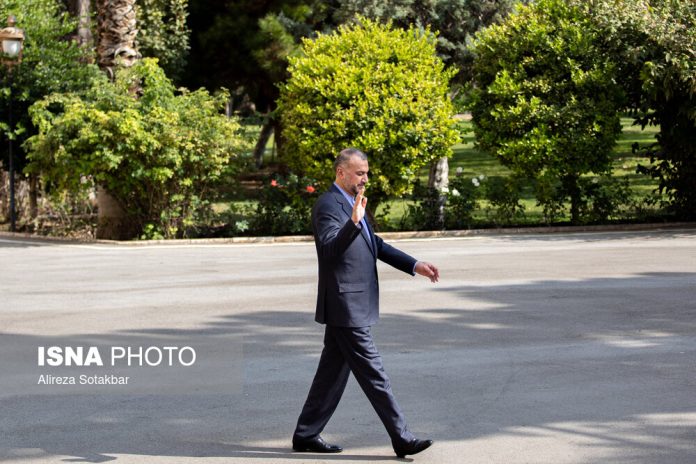
Hossein Amirabdollahian

Arabi 21 website has said that the top Iranian diplomat’s upcoming visit is expected to strengthen relations between Iran and Egypt and comes at a sensitive time in the region.

Yedioth Ahronoth newspaper has expressed concern over the visit. The daily published a report that raised warnings over Iran and Egypt getting close to each other in the wake of the Gaza war.

According to the Israeli paper, Iranian and Egyptian officials as well as leaders of Yemen’s Ansarullah Movement have held intense negotiations in recent days over tensions escalating in the Red Sea.

Yedioth Ahronoth reported that Tehran-Cairo ties are expected to further strengthen due to tensions between Israel, Egypt and the US. Also, Tehran and Cairo have common interests amid the ongoing developments in the region, while Iran is a key regional player; issues that the Israeli daily believes would contribute to reasons behind the deepening of relations between Iran and Egypt.

Iran and Egypt severed diplomatic relations in 1980 partly because of the latter’s recognition of Israel a year earlier.

The two sides decided last year to resume their ties, with the Iranian Foreign Ministry spokesman saying on December 25 that talks had been promising.

Back in June 2023, Supreme Leader of Iran’s Islamic Revolution Ayatollah Seyyed Ali Khamenei told the visiting Omani Sultan that Iran welcomed the resumption of ties with Egypt after Haitham bin Tariq conveyed Cairo’s willingness to restore relations with Tehran.

Death toll among Hezbollah fighters rises to 165 in cross-border clashes with Israel

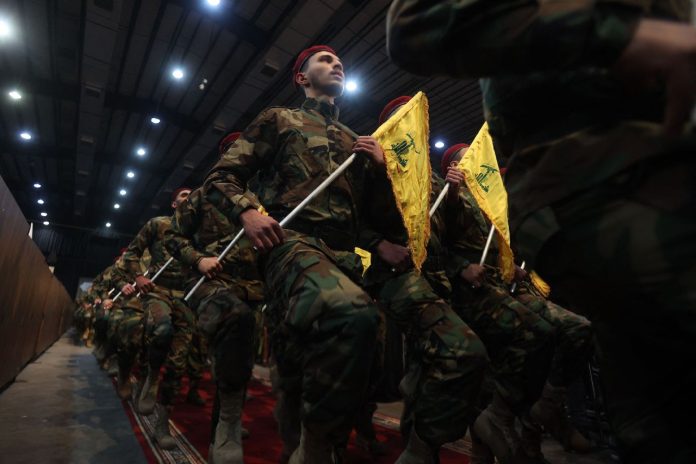
Hezbollah

Lebanon’s Hezbollah said Monday that one of its fighters has been killed in the ongoing border clashes with the Israeli army in southern Lebanon, bringing the group’s death toll to 165 since Oct. 8.

The fighter was identified as Samah Asaad Asaad (Abu Tarab) from the town of Kfarkela in southern Lebanon.

Earlier on Monday, Hezbollah announced that it had repelled an attack by Israeli forces off the southern border.

Amid the conflict in the Gaza Strip between Israeli troops and Hamas, tension has flared along the border between the Israeli-occupied territories and Lebanon, with exchanges of fire between Israeli forces and Hezbollah.

Hezbollah and the Israeli regime have been exchanging sporadic fire since October 8, a day after the Zionist regime started bringing the Palestinian territory of the Gaza Strip under a relentless and indiscriminate war.

The Lebanese resistance movement has announced the group’s “guns and rockets” were with Palestinian fighters, and stressed that it will intensify its attacks against Israel if necessary.

Israeli Defense Minister Yoav Gallant has recently told senior Israeli officials that Hezbollah is “ten times stronger than Hamas”, Israel’s Kan public broadcaster has reported.

President Joe Biden and his aides have also advised Israeli Prime Minister Benjamin Netanyahu not to launch pre-emptive strikes against Hezbollah in Lebanon.

Hezbollah has already fought off two Israeli wars against Lebanon in 2000 and 2006, forcing a humiliating retreat upon the Tel Aviv regime’s military in both cases.

The resistance movement has vowed to resolutely defend Lebanon in case of any Israeli-imposed war.

Iran, Pakistan agree to reinstate envoys following tit-for-tat attacks

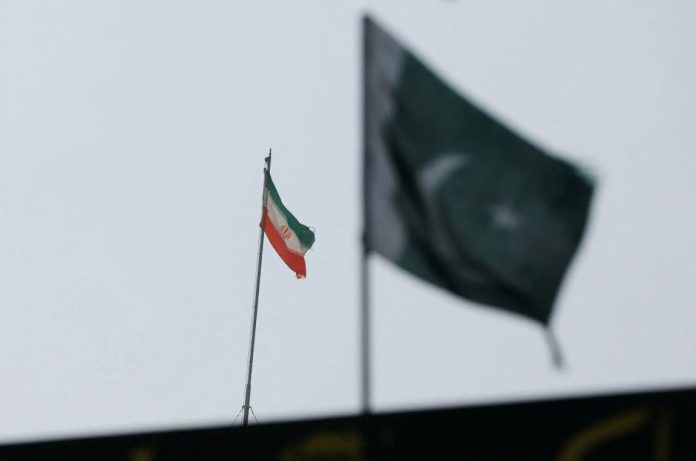
Iran and Pakistan Flags

It comes after the exchange of missile and drone attacks by the Iranian and Pakistani armed forces last week, raised fears of further instability and insecurity in the region.

Following a phone conversation between the foreign ministers of Pakistan and the Islamic Republic of Iran, both sides agreed that the ambassadors of the two countries will return to their places of mission by January 26, 2024, according to a joint statement by the Foreign Ministries of the Islamic Republic of Iran and the Islamic Republic of Pakistan .

Iranian Foreign Minister Hossein Amirabdollahian will travel to Pakistan at an invitation by his Pakistani counterpart Jalil Abbas Jilani on January 29, 2024.

Last week, Iran and Pakistan launched attacks across their border into each other’s territory.

Both stressed they are targeting armed groups and cited “national security” for their actions.

Source: Loud noise in Iran’s Garmsar city heard after sound barrier breached

Iran Border Guard

The governor of the city, Reza Khani, dismissed initial reports that the noise was caused by an explosion in Garmsar’s industrial town.

The sound was heard at 09:15 am local time (05:45 GMT).

Rescue teams were immediately dispatched to the industrial town, but there were no traces of smoke or destruction in the area.

Iranian daily: Israel’s F-35 fleet legitimate target for retaliation

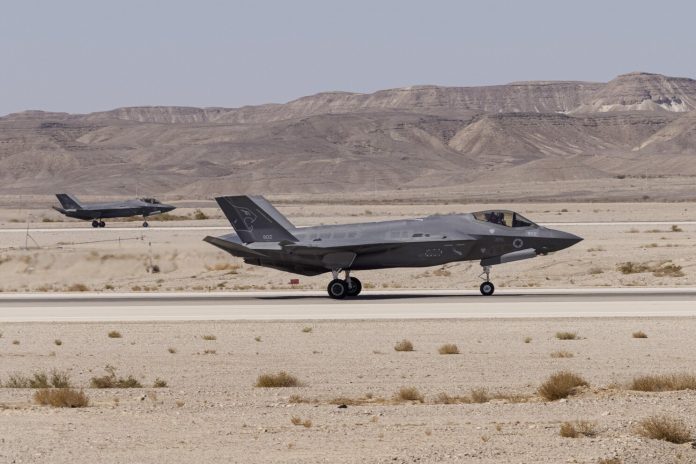
F-35

Khorassan wrote in its Monday edition that Iran needs to revise its protection and security measures, without giving the enemy the opportunity to make dangerous moves.

“The response to a terror campaign is not effective except by direct attacks on some military and special sectors of the Zionist regime,” the daily wrote.

Khorassan further noted, “Due to Israel’s direct attack on the advisory forces, Iran has this international right to direct response. The response must be integrated and even simultaneous.”

It added that the resistance forces have previously targeted the Israeli regime’s F-35 fighter jets’ bases in the port city of Eilat and other areas in the occupied territories, calling on Iran to carry out the same strikes.

Five Iranian military advisors were recently killed in an Israeli air raid on the Syrian capital, Damascus.