Monday, December 29, 2025
Home Blog Page 1037

Biden urges US Congress to approve $14bn for Israel amid Gaza war; 28k Palestinians killed in Gaza

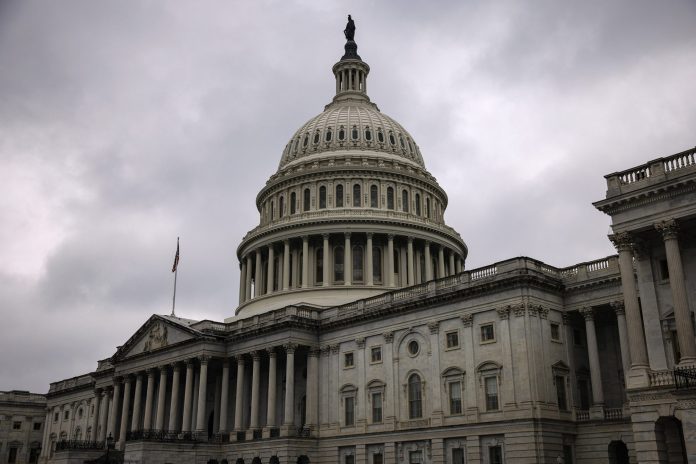
US Congress

Hours after the Senate finally approved security funding for Ukraine, Taiwan and Israel, on Tuesday Biden challenged the House of Representatives to “move on this with urgency”.

The bulk of the bill provides $60bn in military aid to Ukraine, whose stock of ammunition supplies is rapidly dwindling. But it also sets aside $14bn in aid to Israel which Biden in a statement said, “will provide Israel with what it needs to protect its people against Hamas terrorists”.

The bill would provide an additional $10.6bn in military assistance to Israel in addition to the $3.5bn in foreign military financing it regularly receives.

While it earmarks $1.6bn in humanitarian assistance for Palestinians in Gaza, it specifically prohibits funds from going to the UN Agency for Palestinian Relief (UNRWA), in response to Israeli allegations that members of the agency have ties to Hamas.

The bill passed the Senate by a vote of 70 to 29.

Three Democrats, Bernie Sanders, Jeff Merkley and Peter Welch, voted “no” in response to Israel’s conduct in Gaza. But resistance to the bill came mainly from Republican lawmakers who opposed it with the backing of former President Donald Trump, amid a spat with Democrats over immigration.

The bill is unlikely to become law anytime soon because Republican Speaker of the House Mike Johnson has indicated he will not allow it to come to a vote in the lower chamber in response to Trump’s plea.

Biden’s statement on Tuesday, urging the House to pass the bill, included just two lines on Israel. Despite publicly rebuking Israel for what the US president labelled an “over the top” military response to the Hamas-led 7 October attack which sparked the war, his administration has shown no willingness to cut its military funding.

The bill’s passage in the Senate comes at a critical juncture in the war.

On Tuesday, CIA director Bill Burns met Israeli Mossad chief David Barnea, Egyptian intelligence chief Abbas Kamel and Qatari Prime Minister Sheikh Mohammed bin Abdulrahman al-Thani in Cairo, according to the Wall Street Journal.

Burns, the Biden administration’s top troubleshooter, is pushing for a prisoner exchange between Hamas and Israel that would pause the fighting in Gaza and create space for what the administration hopes will be a permanent ceasefire, former US officials told Middle East Eye previously.

At the same time, thousands of Palestinians already displaced by the war are streaming out of Rafah amid fears of a looming Israeli invasion of the border city, whose population has swelled to 1.4 million with people seeking refuge from Israeli bombardment.

On Tuesday, UN humanitarian chief Martin Griffiths warned Israel’s planned military push into the southern city “could lead to a slaughter” of Palestinians.

But an Israeli assault would also reverberate outside the besieged enclave, with experts telling MEE that Palestinians may flock to Egypt’s Sinai peninsula to escape the offensive, a development that could spark a political firestorm in Cairo, a key US ally and Israeli peace partner.

In a meeting on Monday with Jordan’s King Abdullah II at the White House, Biden reaffirmed his opposition to forced displacement, saying Palestinians in Rafah needed to be “protected”. He looked on as the Jordanian monarch, a key US ally, issued a stark warning from the White House podium.

“We cannot afford an Israeli attack on Rafah. It is certain to produce another humanitarian catastrophe,” he stated.

But Washington has moved from fully opposing an Israeli offensive in Rafah to saying that Israel first needs to come up with a plan to protect Palestinian civilians before attacking.

The Biden administration is unlikely to risk a full-blown rift with Israel over Rafah because it wants its cooperation to strike a hostage deal, Aaron David Miller, a former US Middle East negotiator now at the Carnegie Endowment for International Peace, told MEE.

“They (the Biden Administration) are so tethered to the Israeli war that creating an open breach with Netanyahu will leave them with no policy,” Miller added.

“Rafah is not the fulcrum from which US policy on Israel and Hamas is going to be waged. They want a hostage deal. You can hang a ‘closed for the season’ sign if the US doesn’t get that done.”

The looming Israeli assault comes as some of Washington’s closest western allies have started to criticise its military aid to Israel. On Monday, European Union foreign policy chief Josep Borrell asked why the US was continuing to provide arms to Israel “if you believe that too many people are being killed”.

The bill’s passage in the Senate also underscored how criticism of Israel has taken a back seat to US lawmakers’ concerns over Ukraine and Taiwan. US Senator Chris Van Hollen, one of Israel’s harshest critics in the Senate, voted for the bill the same day he accused it of conducting “a textbook war crime” in Gaza.
Number of Palestinians detained in West Bank since start of Gaza war passes 7,000

Israel Palestine

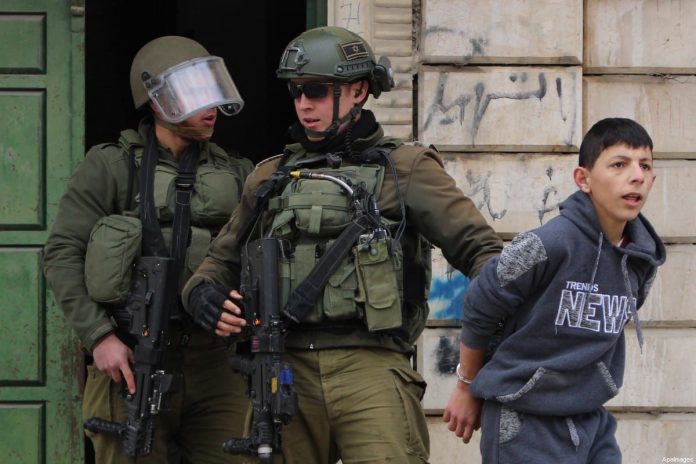
According to the document, there are over 220 women and about 440 children among those detained. At least eight Palestinians have died in Israeli prisons.

“The ongoing arrest campaigns since October 7 has been accompanied by escalating crimes and violations, including: acts of abuse, severe beatings, and threats against detainees and their families, in addition to widespread sabotage and destruction of citizens’ homes, confiscation of vehicles, money, and gold jewelry,” the report added.

There were more than 9,000 Palestinians in Israeli prisons in total as of the end of December 2023.

Israel has pounded the Gaza Strip since an Oct. 7 attack by the Palestinian group Hamas, killing at least 28,500 people and injuring 68,000 others. Around 1,200 Israelis are believed to have been killed in the initial Hamas attack.

The Israeli war on Gaza has pushed 85% of the territory’s population into internal displacement amid acute shortages of food, clean water and medicine, while 60% of the enclave’s infrastructure has been damaged or destroyed, according to the UN.

Israel stands accused of genocide at the International Court of Justice, which in an interim ruling in January ordered Tel Aviv to stop genocidal acts and take measures to guarantee that humanitarian assistance is provided to civilians in Gaza.

Iran successfully destroys simulated Israeli airbase with home-grown missiles

Iran Drone Missile

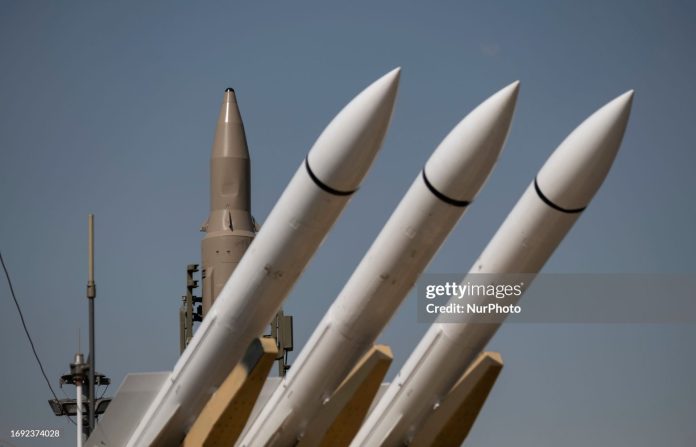
The simulated Palmachim Airbase, the main base where Israel’s F-35 warplanes are stationed, was targeted with Emad and Qadr ballistic missiles fitted with enhanced explosive warheads.

The missiles used in the exercise were enhanced versions of the projectiles with an increased range and changes to the structure of their bodies and warheads.

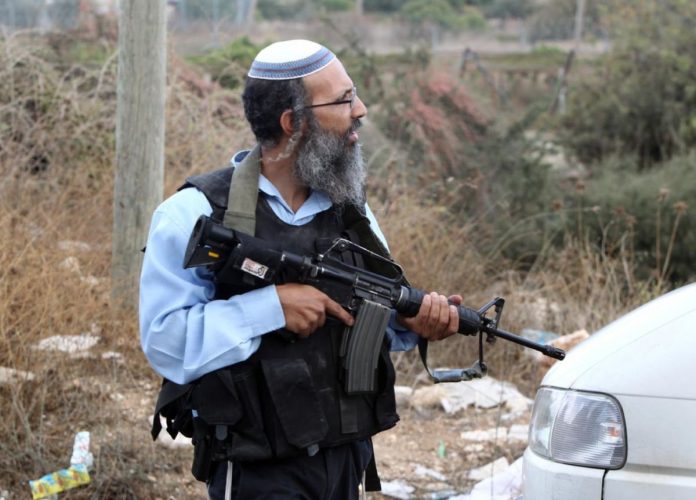
France sanctions dozens of Israeli settlers over West Bank violence

Israeli settler

The 28 individuals would be banned from entering France, the Ministry for Europe and Foreign Affairs said on Tuesday.

“These measures come as violence perpetrated by settlers against the Palestinian population has increased in recent months. France reaffirms its firm condemnation of this unacceptable violence,” the ministry announced in a statement.

On Monday, the French, Polish and German foreign ministers issued a joint statement, saying violence against Palestinians in the occupied West Bank was unacceptable and “shall be sanctioned”.

France added it would also seek sanctions at the European level.

“Colonisation is illegal under international law and must stop,” the ministry noted.

“Its continuation is incompatible with the creation of a viable Palestinian state, which is the only solution so that Israelis and Palestinians can live, side by side, in peace and security.”

France’s decision comes on the back of similar sanctions by the United States and the United Kingdom, which have expressed concerns about settler violence and the rise of attacks on Palestinians.

On Monday, British Foreign Secretary David Cameron announced the sanctions on four Israeli nationals accused of attacking Palestinians in the occupied West Bank.

“Extremist Israeli settlers are threatening Palestinians, often at gunpoint, and forcing them off land that is rightfully theirs,” Cameron said, adding, “This behaviour is illegal and unacceptable. Israel must also take stronger action and put a stop to settler violence. Too often, we see commitments made and undertakings given, but not followed through.”

The United Nations has recorded more than 516 settler attacks against Palestinians in the occupied West Bank since October 7, when Israel launched an assault on Gaza after the Palestinian group Hamas carried out attacks on southern Israel.

At least 1,139 people were killed in the Hamas attack. At least 28,500 people have been killed in Israel’s intense bombardments and ground offensive in Gaza, according to the Palestinian Ministry of Health.

Raids by Israeli soldiers and settlers on West Bank towns and villages have increased since the outbreak of the war on Gaza, killing hundreds of Palestinians.

Settler attacks often take place with Israeli security forces standing by or joining in.

According to the Israeli human rights group Yesh Din, Israeli officials have routinely failed to hold Israeli settlers accountable for their actions.

In the last 18 years, police failed to investigate at least 81 percent of cases opened.

At least 700,000 Israelis live in fortified, Jewish-only settlements across the occupied West Bank and East Jerusalem. They are considered illegal under international law.

Settler attacks include shootings, stabbings, rock-throwing, severe beatings, as well as arson and serious damage to homes, vehicles and agricultural lands.

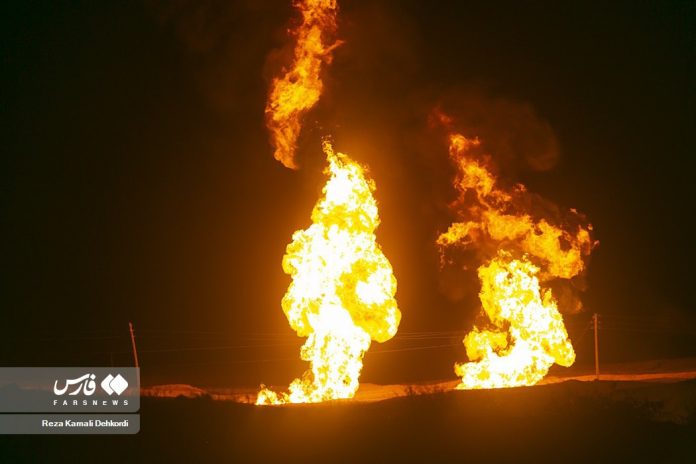
Blast on gas pipeline in south Iran leaves no casualties

Blast gas pipeline Iran

The blast left behind no casualties as it happened in an area in Khorrambid City which was far away from the urban district.

There are no words yet on whether or not the explosion was a sabotage attack.

An investigation is underway into the cause of the incident. The blaze has been extinguished and the pipeline has been secured.

The blast caused a halt in, or a drop in the pressure of gas supplies in certain areas, but technicians shortly restored the supplies.

A nearby road blocked due to the explosion has been reopened, too.

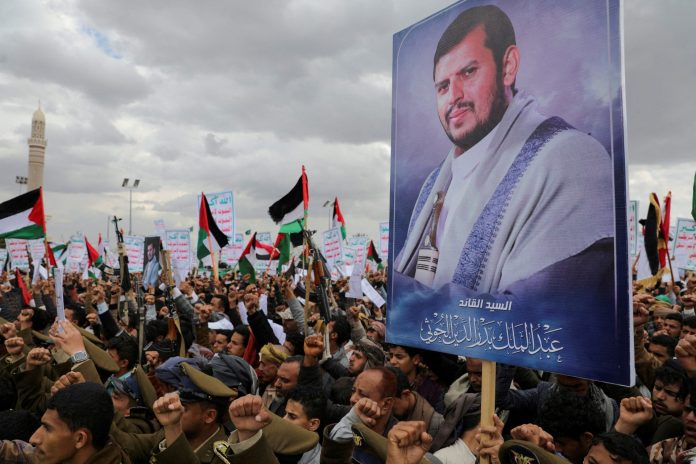
Yemen Houthi leader says no Israeli-linked ships passed  during last week

Yemen Houthi

“The Americans and the British failed to secure the passage of any ship heading to Israel. They were unable to protect these ships. They can no longer protect even American-British ships, and this is a real and major victory for us,” Abdul Malik al-Houthi said in a televised speech.

“The Israeli, American and British agenda seeks to bring an end to the Palestinian issue,” al-Houthi added.

Houthi operations in the Red Sea, he stated, were “legitimate (ones) to help support the people of Gaza and lift the siege being imposed on them.”

Yemenis have in recent months conducted the maritime attacks in a solid display of support for the Palestinians in the besieged Gaza Strip. Yemenis say unless the Zionist regime ends the bloody hostilities, the strikes will continue.

Israel has killed almost 28,500 people, mostly women and children, in Gaza since early October.

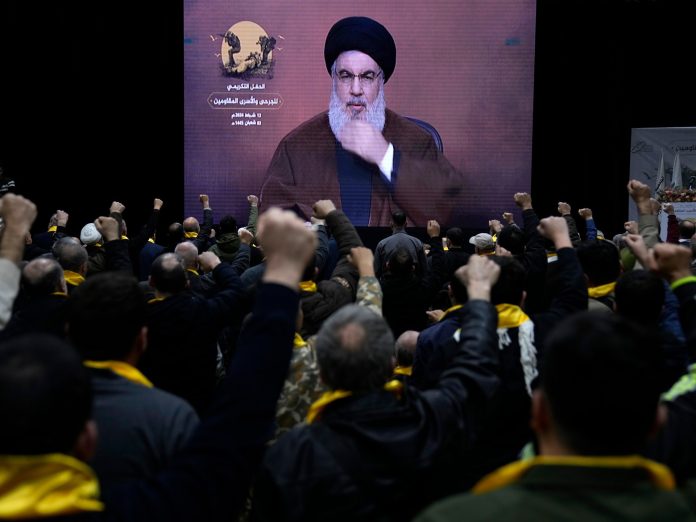
Hezbollah leader says only Gaza ceasefire to end Lebanon border tensions

Seyed Hassan Nasrallah

The Lebanese armed group has been trading fire with the Israeli military across Lebanon’s southern border in support of its Palestinian ally Hamas, which launched a cross-border assault from the Gaza Strip into Israel on October 7 that met heavy Israeli bombardment by land, air and sea.

Nasrallah stated on Tuesday his group would only stop its exchanges of fire if a full ceasefire was reached for Gaza.

“On that day, when the shooting stops in Gaza, we will stop the shooting in the south,” he said in a televised address.

There are growing fears of another full-blown conflict between Israel and Hezbollah, with tens of thousands displaced on both sides of the border and regional tensions soaring.

Late last month, Defence Minister Yoav Gallant said Israeli troops would “very soon go into action” near the country’s northern border with Lebanon.

Recent weeks have seen a flurry of diplomatic activity in Beirut, with foreign ministers including from Germany, France and the United Kingdom visiting in efforts to dial down tensions.

Nasrallah added many foreign “delegations” had travelled to Beirut with “proposals” to end hostilities in southern Lebanon, but said they only seemed to “have one goal, which is: the security of Israel, the protection of Israel”.

France’s foreign minister delivered a written proposal to Beirut that calls for fighters including Hezbollah’s elite Radwan unit to withdraw 10km (six miles) from the border, among other measures, the Reuters news agency reported, citing a document.

Without specifying the French proposal, Nasrallah stressed one delegation had “presented a paper as a mediator”.

“You read the paper – there’s nothing. There’s Israel’s security,” he added.

“Let nobody think Lebanon is weak and afraid, or that they can impose conditions” including over the withdrawal of Hezbollah fighters,” Nasrallah continued, stating that if Israel widened the war further in Lebanon, his group would do the same.

He warned that if Israel decided to wage war on Lebanon, those displaced from northern Israel “will not return” and Israeli officials should “prepare shelters, hotels, schools and tents for two million people” who would be displaced.

Last week, Israeli Foreign Minister Israel Katz warned that “time is running out” to reach a diplomatic solution in southern Lebanon.

“Israel will act militarily to return the evacuated citizens” to its northern border area if no diplomatic solution is reached, he stated.

The cross-border shelling has killed about 200 people in Lebanon, including more than 170 Hezbollah fighters, as well as 10 Israeli troops and five Israeli civilians.

South Africa calls on ICJ to intervene to halt Israel’s Rafah offensive

Gaza War

The International Court of Justice (ICJ) last month ordered Israel to take all measures within its power to prevent its troops from committing genocide against Palestinians in the besieged Gaza Strip in a case brought by South Africa.

Israel has denied all allegations of genocide in connection with its assault on Gaza and asked the court to reject the case outright, saying it respects international law and has a right to defend itself against Hamas, the group that governs Gaza.

Israel announced it is planning to expand its ground assault into Rafah, where more than 1 million Palestinians have sought refuge from the offensive that has laid waste to much of the enclave since Hamas fighters attacked Israel on October 7.

“In a request submitted to the court yesterday [Monday], the South African government said it was gravely concerned that the unprecedented military offensive against Rafah, as announced by the State of Israel, has already led to and will result in further large-scale killing, harm and destruction,” a statement issued by South Africa’s presidency said.

“This would be in serious and irreparable breach both of the Genocide Convention and of the Court’s Order of January 26.”

There was no immediate comment from The Hague-based ICJ.

In past cases, the ICJ has sometimes granted additional emergency measures when circumstances on the ground had changed.

The court has not yet ruled on the core of the case brought by South Africa – whether genocide has occurred in Gaza. But it recognised the right of Palestinians in Gaza to be protected from acts of genocide.
The court also ordered Israel to allow in much-needed humanitarian aid, including fuel.

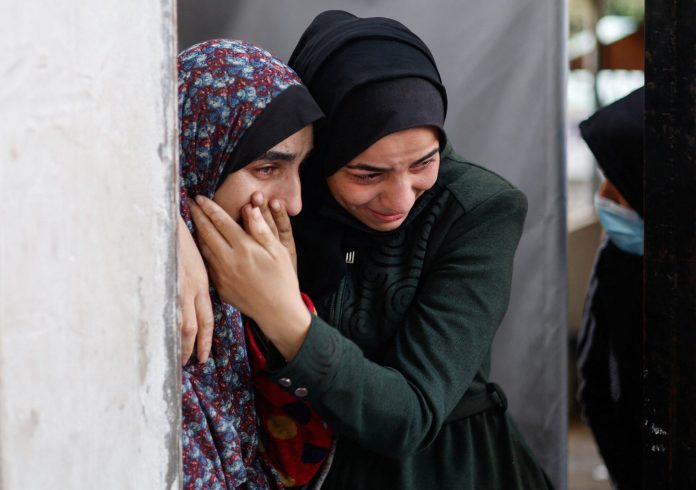
The day South Africa filed its request, Israeli forces attacked 14 houses and three mosques in Rafah, killing dozens of people and prompting hundreds of displaced families to flee.

Israel’s military campaign in Gaza has killed at least 28,500 people, more than 70 percent of them women and children, according to Palestinian health officials.

About 80 percent of the population has been displaced, and a humanitarian catastrophe has pushed more than a quarter of the population towards starvation.

United Nations aid chief Martin Griffiths warned Tuesday military operations in Rafah could lead to “a slaughter” and leave humanitarian efforts in Gaza “at death’s door”.

His comments add to growing international opposition to Israel’s potential ground offensive into Rafah, where more than 1 million displaced Palestinians are estimated to be crammed into makeshift shelters.

“They, like the entire population of Gaza, are the victims of an assault that is unparalleled in its intensity, brutality and scope,” Griffiths said of those displaced.

He urged Israel to listen to the international community’s warnings against “the dangerous consequences” of a ground invasion.

“History will not be kind” if those calls are ignored, he added.

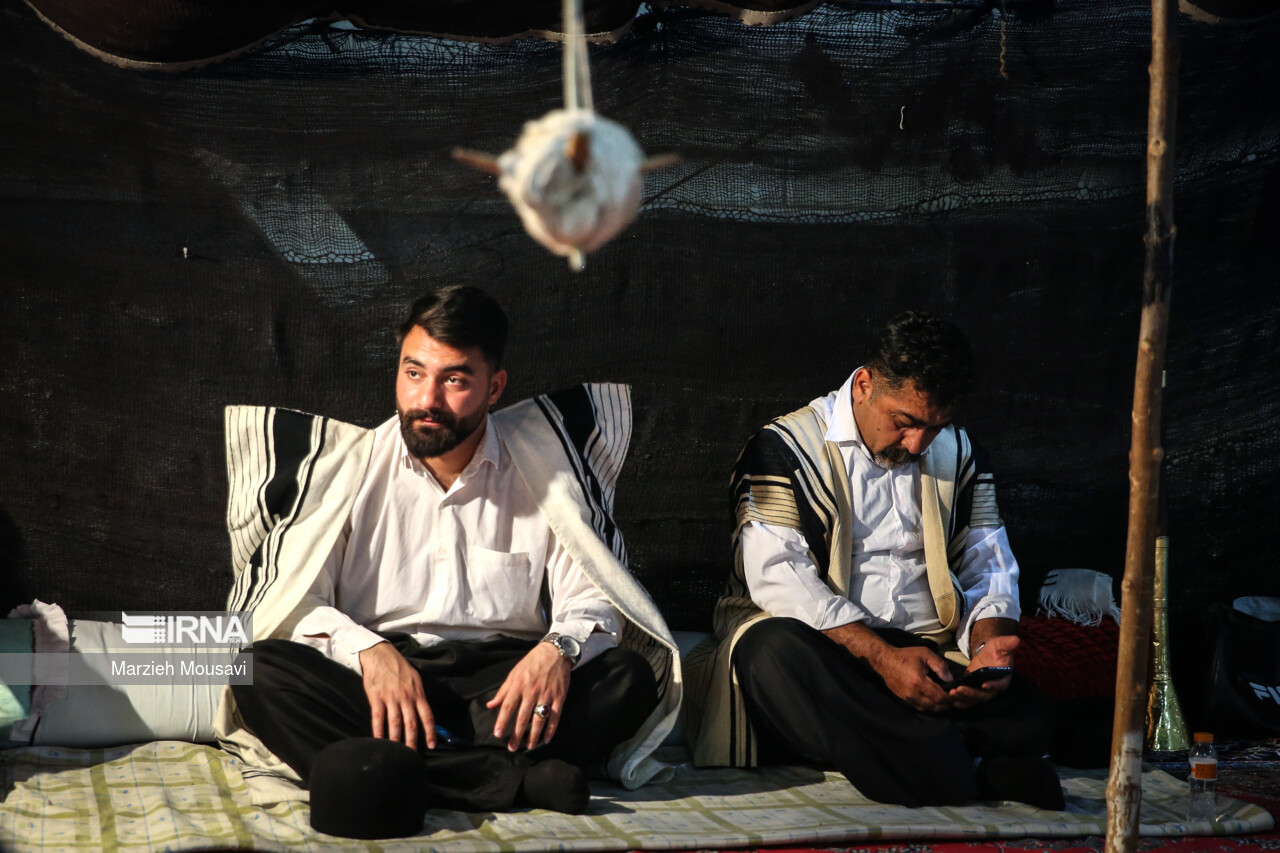
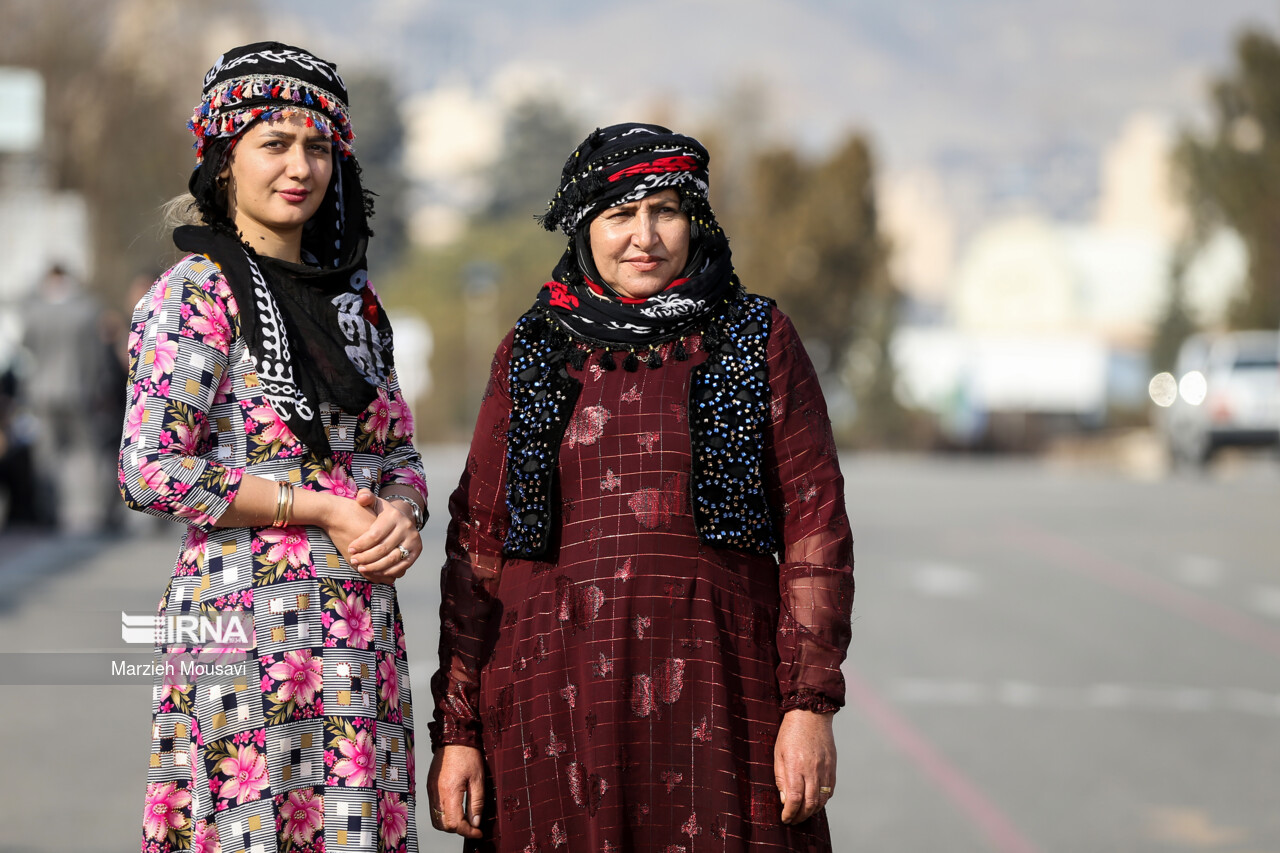
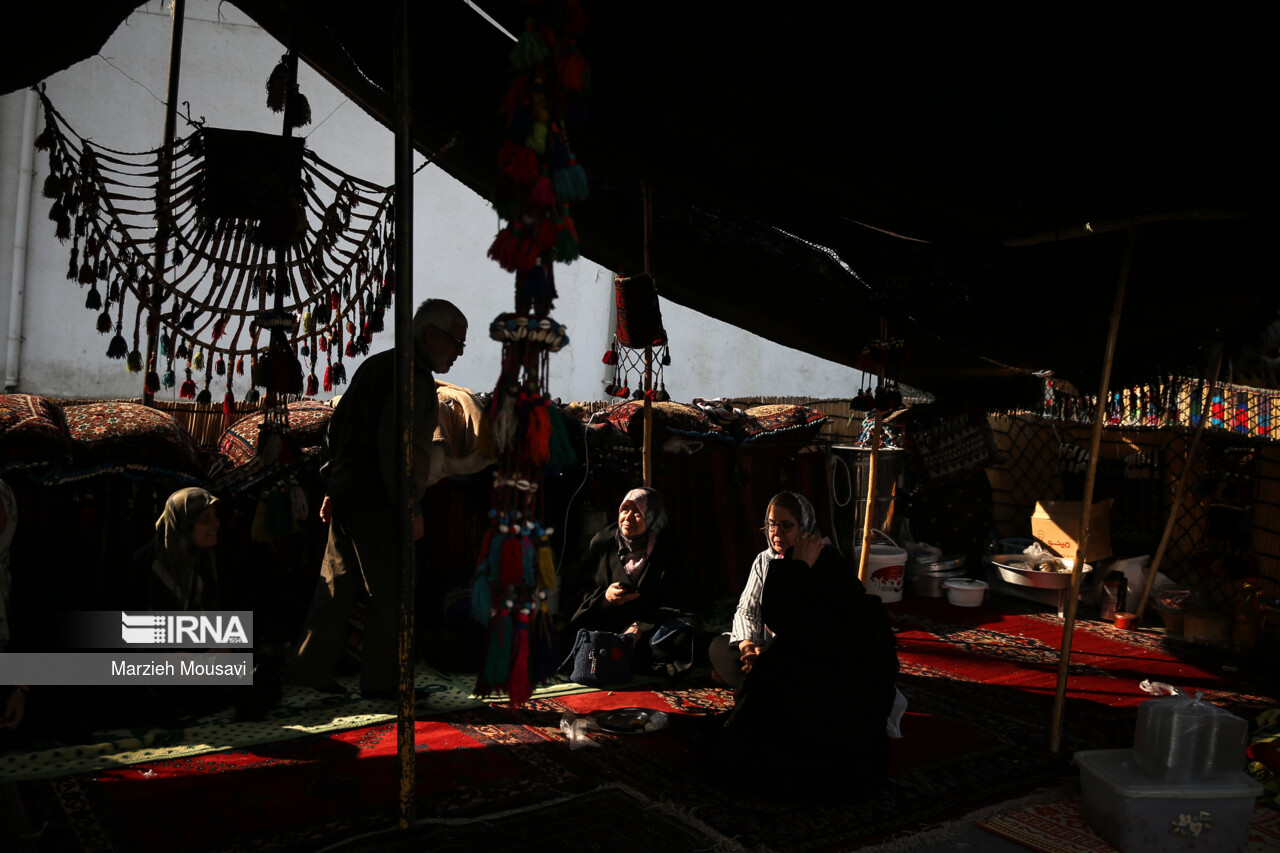
Tehran International Exhibition of Tourism underway

Tehran International Exhibition of Tourism

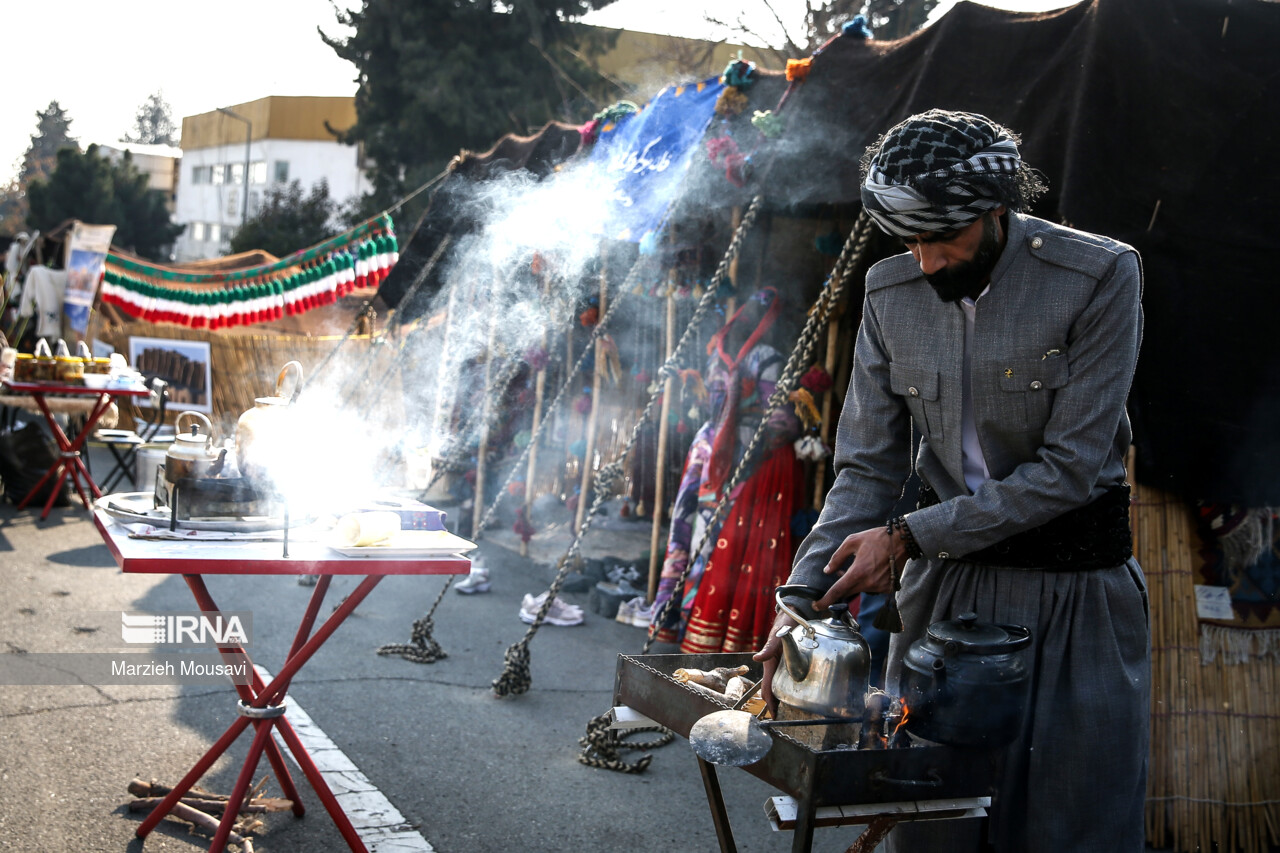
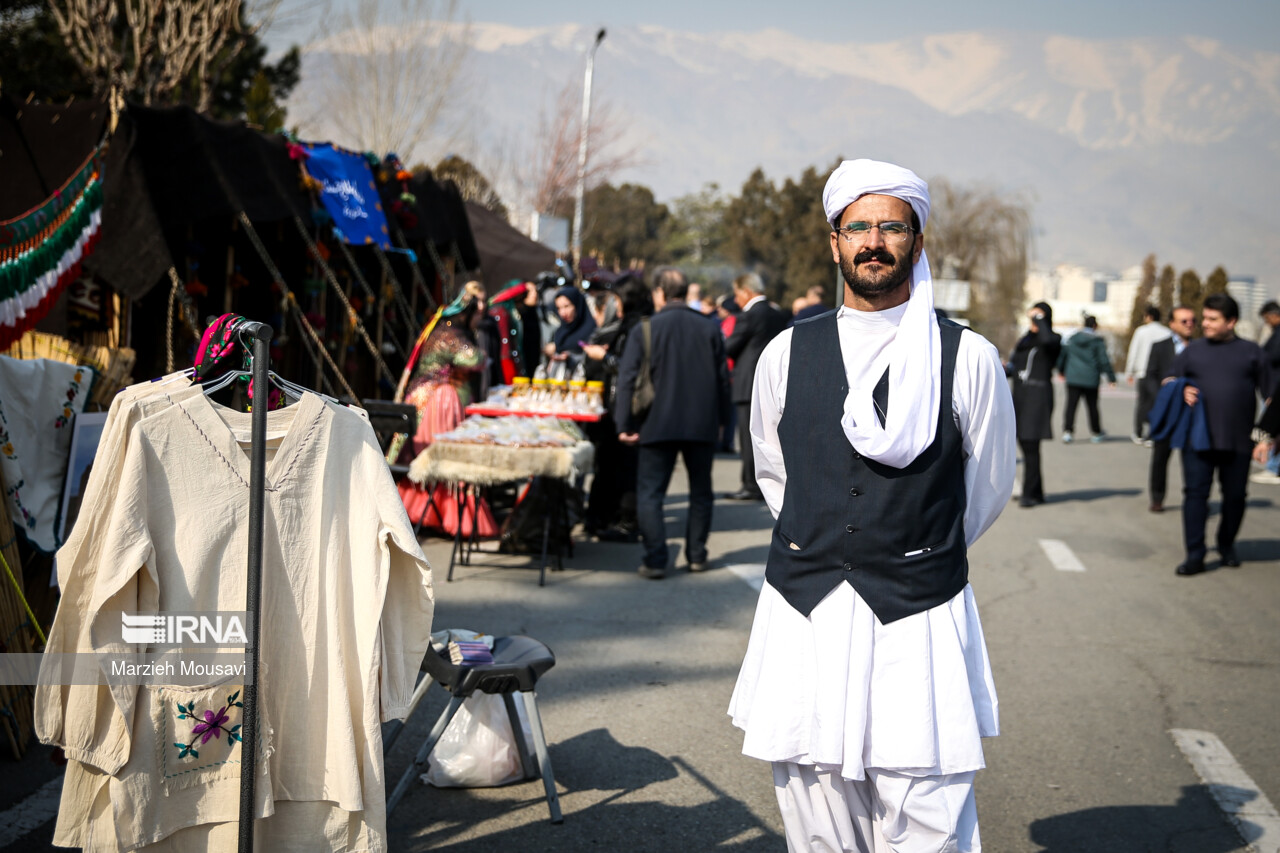
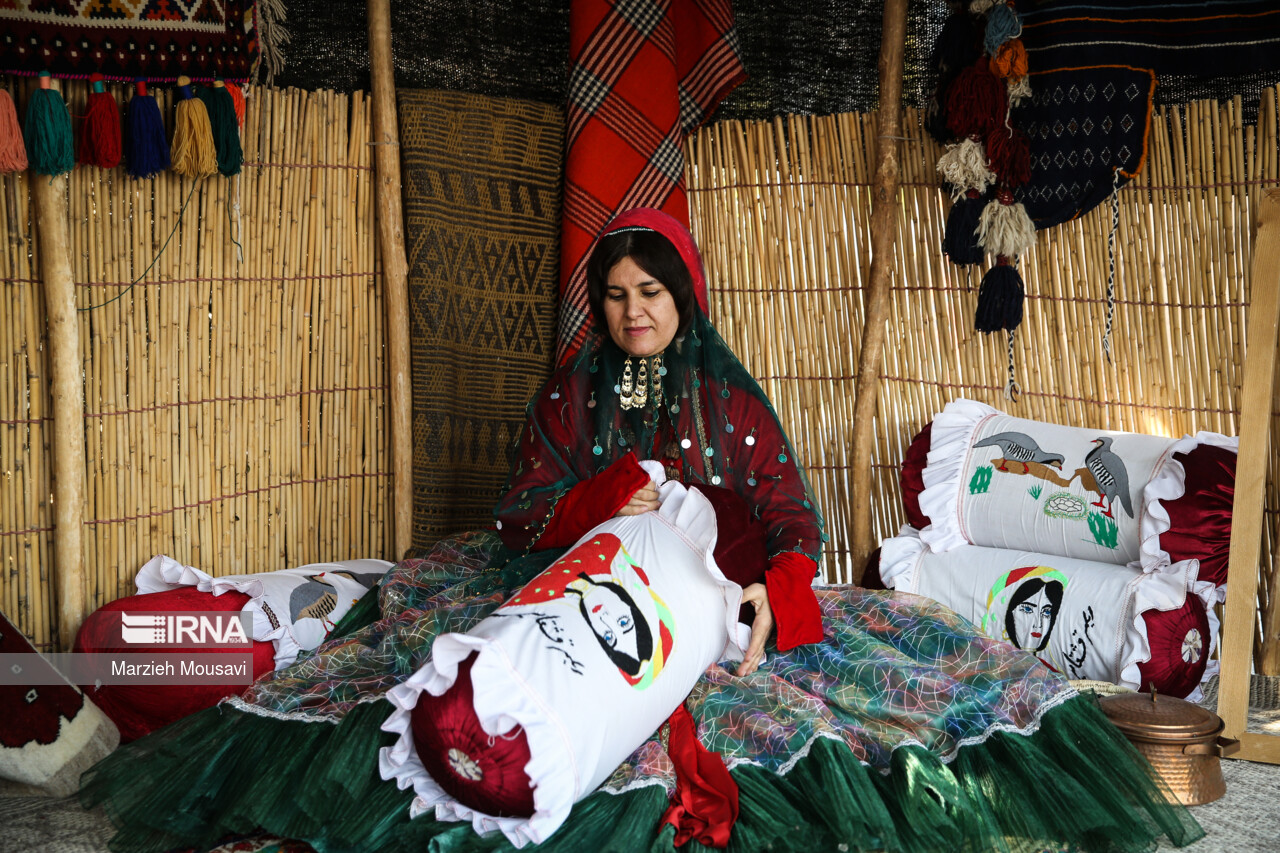
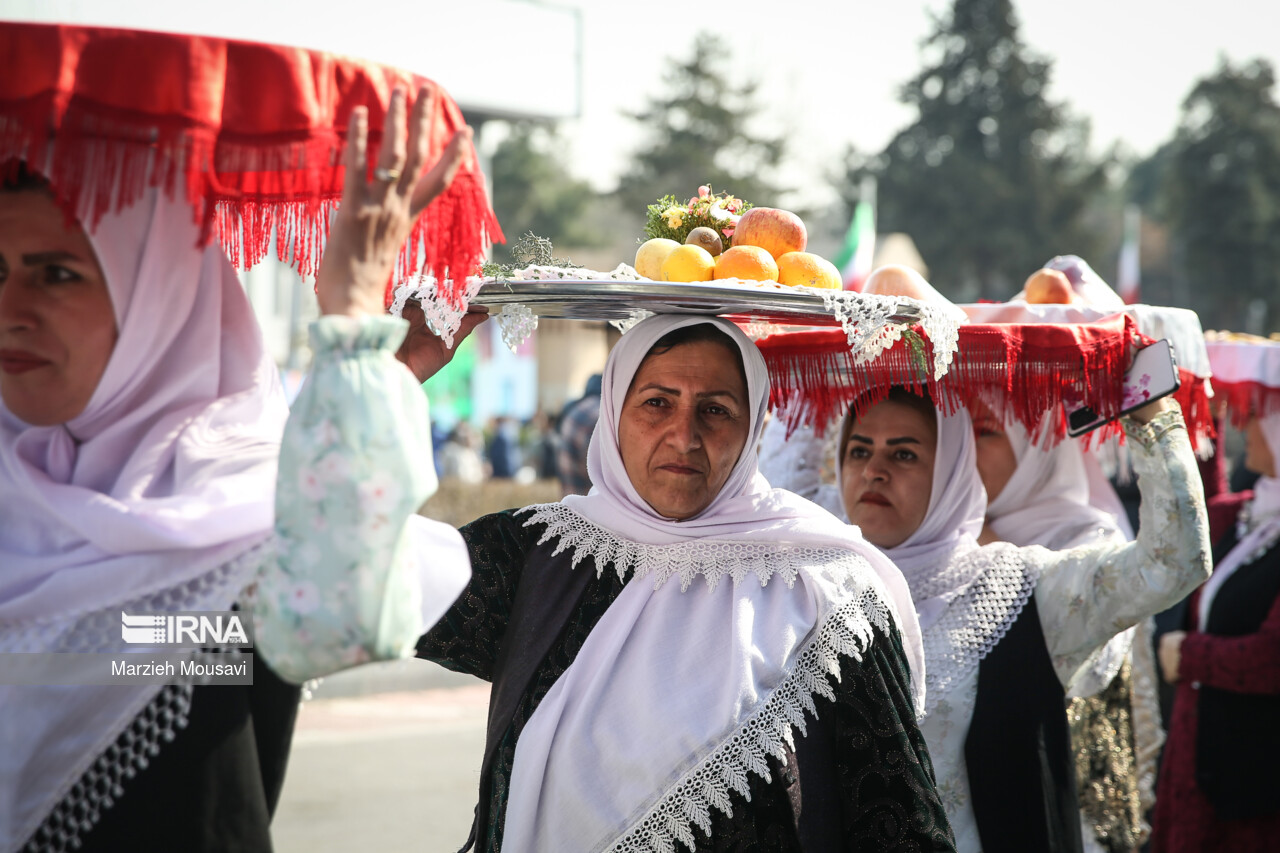
The exhibit comprises 20 halls and is being held on grounds measuring 60,000 sqm. The event runs until February 15, 2024.

Related footages:

Ukraine’s new general reveals major change in war strategy

Russia Ukraine War

The interview was recorded several days before President Volodymyr Zelensky appointed Syrsky commander-in-chief of the Armed Forces of Ukraine, in place of the sacked General Valery Zaluzhny.

“The war is entering a new stage,” Syrsky told ZDF.

“We have transitioned from offensive actions to conducting a defensive operation,” he added, in order to “exhaust the enemy and inflict maximum losses on them, using our fortifications, our technical advantages, unmanned aerial vehicles, electronic warfare systems, and prepared defense lines.”

The Ukrainian armed forces have turned to aerial and even ground drones to preserve the lives of troops, Syrsky said.

“I’d rather leave a position, but I won’t allow the loss of personnel,” he told the German outlet. He claimed that Russia places “no value” on the lives of its troops, which is reflected by its losses being 7-8 times higher than Ukraine’s – according to Kiev’s estimates, anyway.

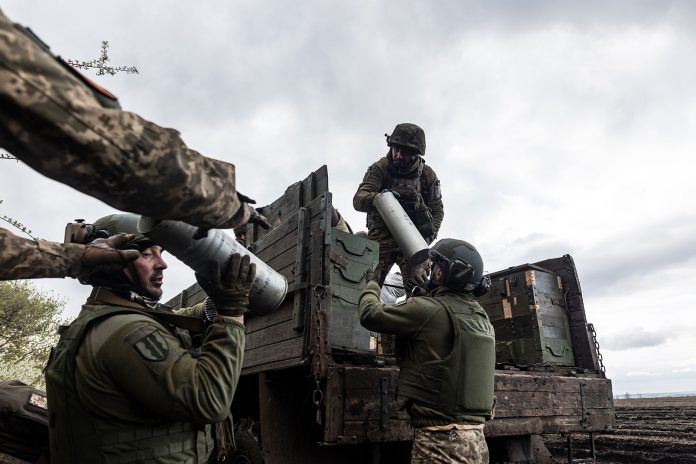
Multiple Western outlets, from the Washington Post to the New York Times, have highlighted Kiev’s shortage of frontline infantry as well as ammunition in recent weeks. According to the Times, Kiev is facing the very real prospect of “a cascading collapse along the front” unless the US sends military aid very soon.

The need to mobilize another 500,000 Ukrainians to replace the battlefield losses has exposed a rift between Zelensky and Zaluzhny, which resulted in the general’s sacking last week. Syrsky, the former commander of Ukrainian ground forces, is reportedly reviled by the troops, who consider him a bull-headed “butcher”.

According to Politico, the soldiers have given Syrsky the nickname “General 200” (a reference to the code for killed in action, i.e. ‘General KIA’) because he had sacrificed so many lives in futile attempts to hold and then retake Artyomovsk (known as Bakhmut in Ukraine) last year.

Speaking to ZDF, Syrsky said Ukraine needs to build up domestic weapons and ammunition production to make up for the possible loss of external support. Kiev has become almost entirely dependent on the US and NATO, who have poured over $200 billion in weapons, equipment and ammunition to Ukraine over the past two years.

The general also confirmed that Kiev still considers reaching Ukraine’s 1991 borders as the main victory condition.

“Everything is based on the fact that we must end the war by reaching our borders. Other options are not considered because we simply have no other way out,” he added.

Moscow has repeatedly announced that Ukraine recognizing Crimea, Donetsk, Lugansk, Zaporozhye and Kherson as part of Russia is a prerequisite for any peace talks.