Wednesday, December 31, 2025
Home Blog Page 934

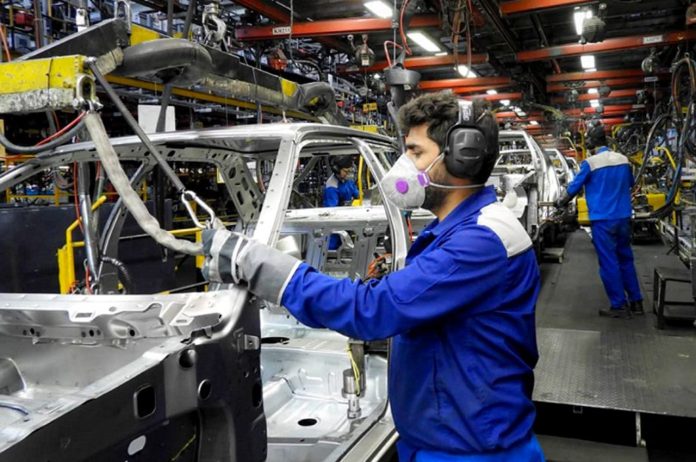
Official: Iran has become regional economic, industrial hub

Iran car industry

Aliabadi noted that Iran’s foreign trade amounts to 153 billion dollars, of which 50 billion dollars account for non-oil exports.

He was speaking at the inauguration of the Iran Expo Exhibition in Tehran on Saturday.

Aliabadi said the most important goal of the exhibition is to expand international cooperation among participating countries.

He added that holding an exhibition with the participations of guests from 100 countries will help us get to know each other and will pave the way for doing business with ease.

According to the Iranian minister, neighboring, African and Muslim countries as well as other friendly nations are the priority for expanding relations.

Aliabadi noted that Iran is now an observer member of the World Trade Organization and we have constructive interactions with other countries through participating in regional and international agreements.

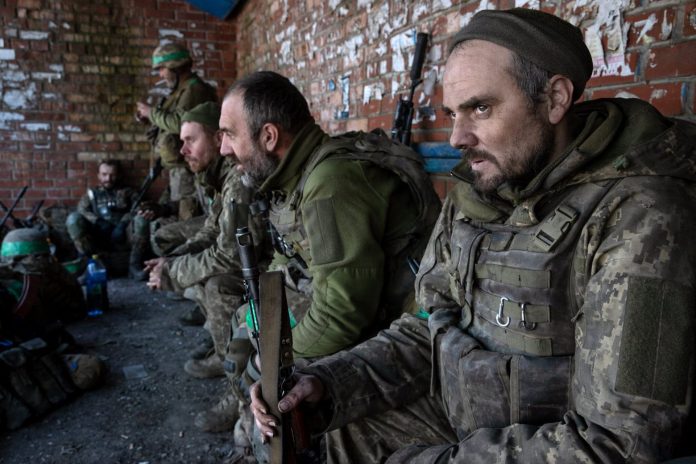
Russia: US prolonging Ukraine conflict, UK blocking peace deal

Russia Ukraine War

The deal, which could have ended the Ukraine conflict weeks after it started, was approved by negotiators in Istanbul, but Kiev later pulled out of the talks.

The German newspaper Welt reported on Friday that Moscow had issued additional demands after a deal had already been outlined, such as making Russian the second official language in Ukraine, implying that this had ended any hopes of an agreement.

Peskov denied those claims on Saturday, citing remarks made by Ukrainian MP David Arakhamia, who led Kiev’s delegation at the talks.

In an interview to domestic media last November, Arakhamia said then-British Prime Minister Boris Johnson had intervened in the peace process and had urged the Ukrainians to “just fight” Russia.

Kiev effectively discarded the deal under “direct pressure by London,” Peskov stressed, adding, “The rest is speculation. I suggest we learn from the source.”

Asked whether the draft treaty could serve as a basis for further peace talks, Peskov said Kiev’s public position was to reject talks with Russia. The idea of reviving the failed agreement was floated by Belarusian President Alexander Lukashenko when he met Russian counterpart Vladimir Putin earlier this month.

Johnson has denied derailing the peace talks, but has also bragged on multiple occasions about his policy of nudging Kiev into continuing hostilities with Russia, which the British politician claims to be a fight for global democracy.

“There could be no more effective way of investing in Western security than investing in Ukraine, because those guys without a single pair of American boots on the ground are fighting for the West,” Johnson told students at Georgetown University during a visit to the US this month. The Ukrainians “are effectively fighting our own fight, fighting for our own interests,” he added.

Russian officials have described the Ukraine conflict as a Western proxy war against Moscow, which the US and its allies allegedly intend to wage “to the last Ukrainian”. Their goal, according to Moscow, is to contain Russia and stall its development, rather than protect the interests of the Ukrainian people.

Also on Friday, Shoigu identified Washington as a major source of global instability, citing its record of military interventions in Afghanistan, Iraq, Libya, and Syria. The US also uses financial and diplomatic tools to damage its adversaries and fuel chaos in different parts of the world, he claimed.

“The US had first created, and now is deliberately prolonging the Ukraine conflict,” the minister stated, adding, “As it signals purported intention to de-escalate, the West keeps pumping Kiev with weapons.”

Ukraine cannot properly manage the donations, however, which increases the risk that the funds could go to terrorist groups, Shoigu warned. He also pointed to direct NATO involvement in the ongoing Ukraine conflict.

“They provide real-time intelligence, train Ukrainian troops, deploy Western military specialists and mercenaries on the battlefield,” Shoigu noted.

UN expresses concern over students arrests at US universities

Protest US Universities

“We’re very concerned by the arrests of hundreds of students at US universities, and a number of cases that are quite heavy-handed response by the police to the protests,” spokesperson Jeremy Laurence told Anadolu.

Stressing that rights to freedom of expression and freedom of assembly are “fundamental,” Laurance said: “Everyone has a right to peacefully protest, and they shouldn’t be obstructed in doing so.”

He added the office is aware of reports about “antisemitism” and “anti-Islamism” at the protests, adding that they should also be condemned and stopped.

“People have the right to protest and (express their) political views as long as they respect. Their political views, in this case, with respect to what’s happening in Gaza, that they’re allowed to air their opinion and express their views on the events that are unfolding that which are tragic, we know that,” he continued.

“They should be entitled to express those views.”

Pro-Palestine student protests in the US started days ago at Columbia University and spread to other universities and colleges.

Student-led protests demanding universities condemn Israel’s genocidal war on Gaza and divest from Israeli companies have continued to spread, with new encampments erected in the face of law enforcement crackdowns.

Israel has waged a brutal offensive on the Gaza Strip since a cross-border attack by the Palestinian group, Hamas, on Oct. 7, which Tel Aviv said killed less than 1,200 people.

More than 34,000 Palestinians have since been killed, mostly women and children, and nearly 77,000 injured amid mass destruction and severe shortages of necessities.

Israel is accused of genocide at the International Court of Justice. An interim ruling in January ordered Tel Aviv to stop genocidal acts and take measures to guarantee that humanitarian assistance is provided to civilians in Gaza.

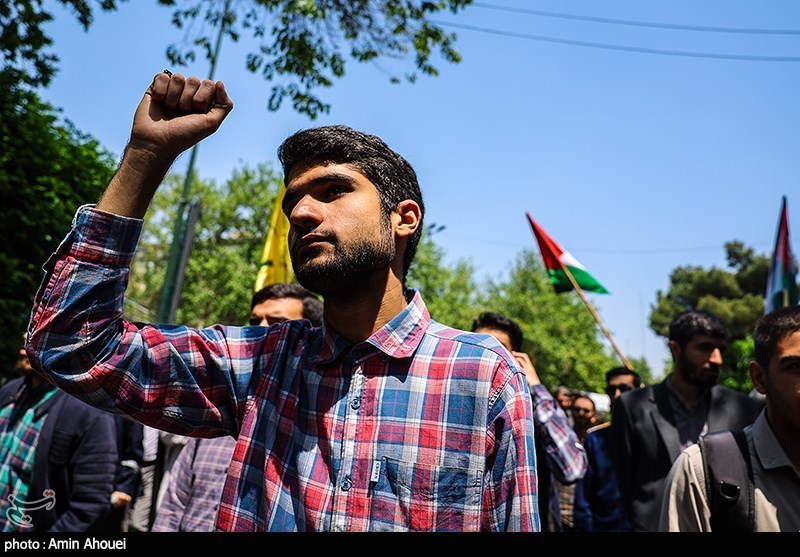
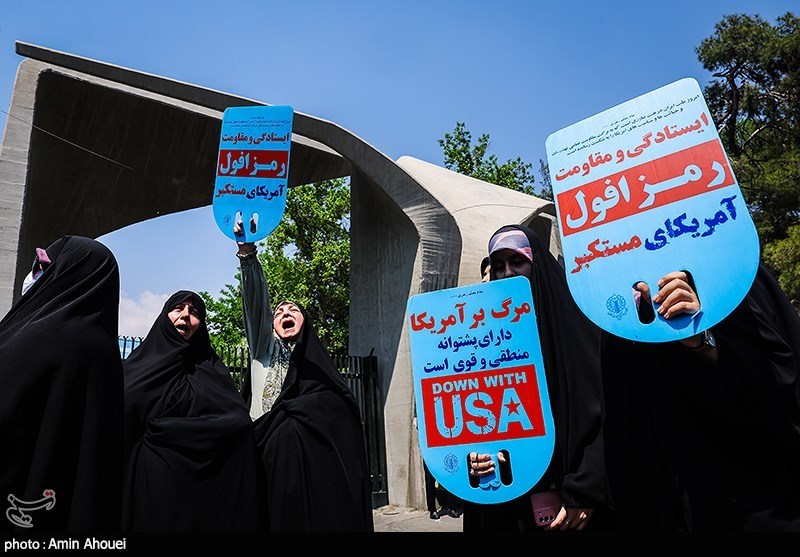
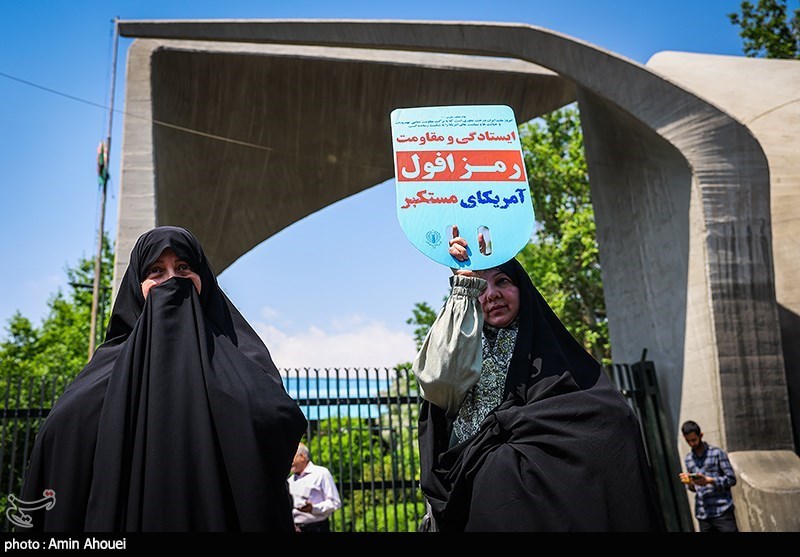
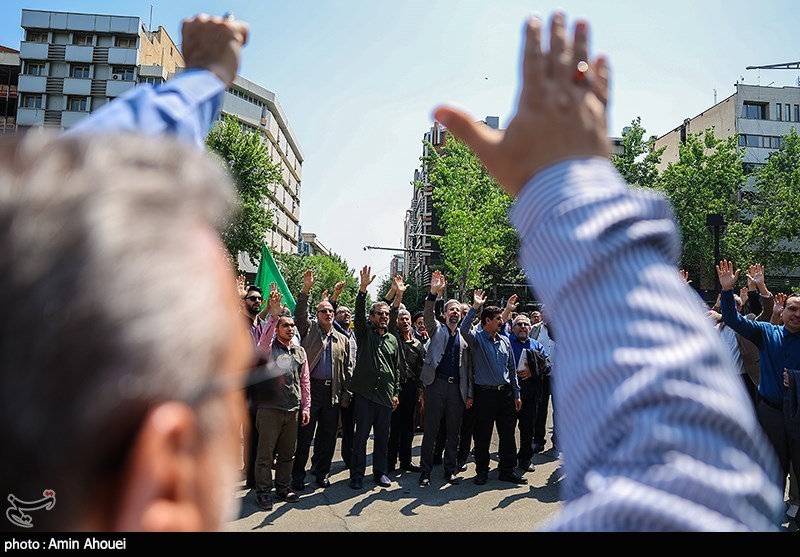
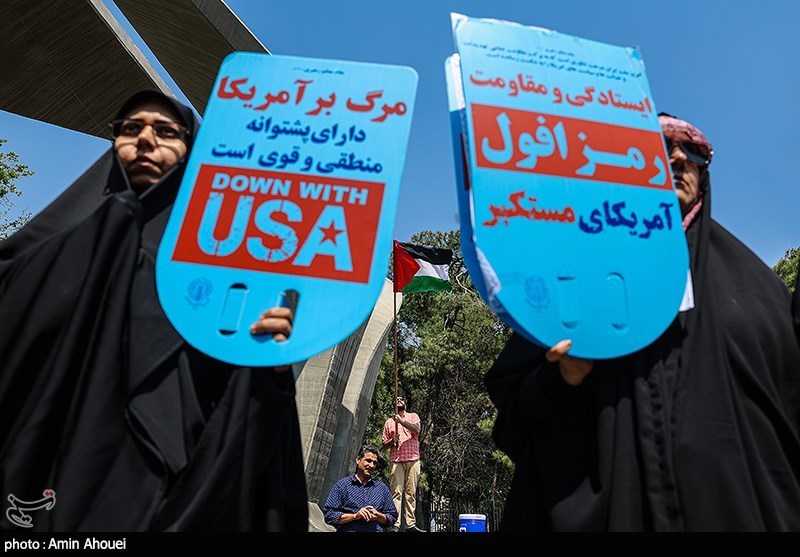
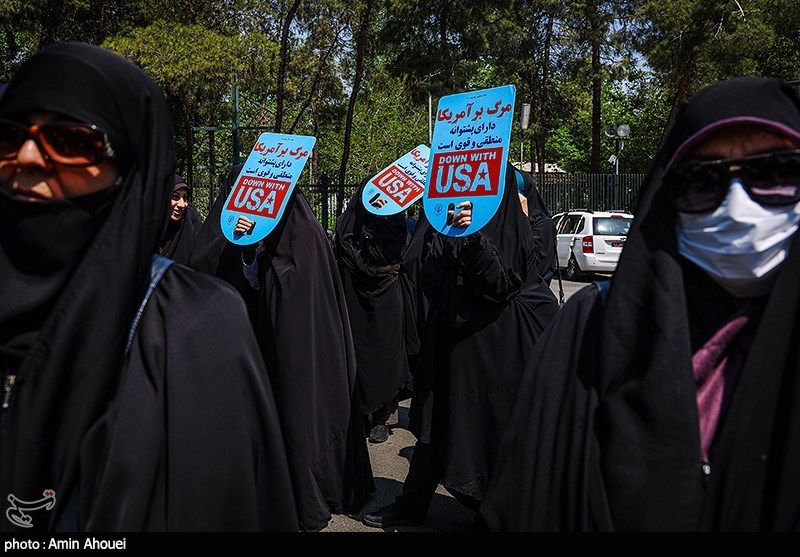
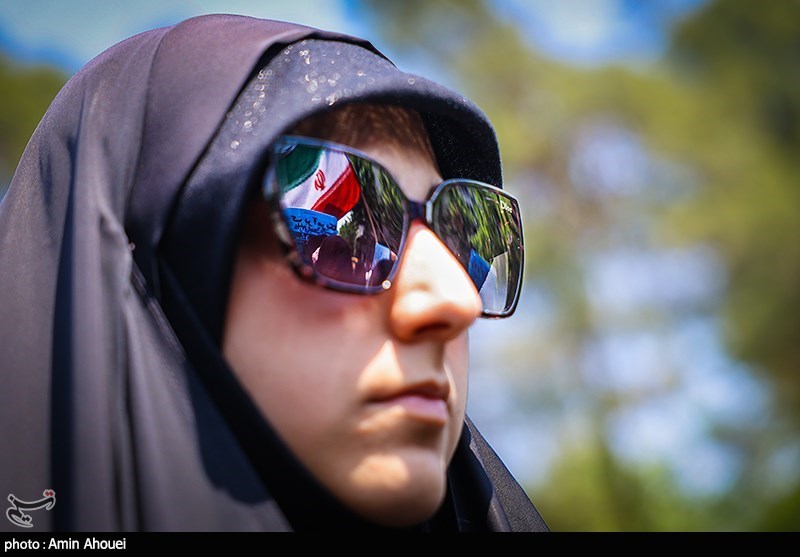
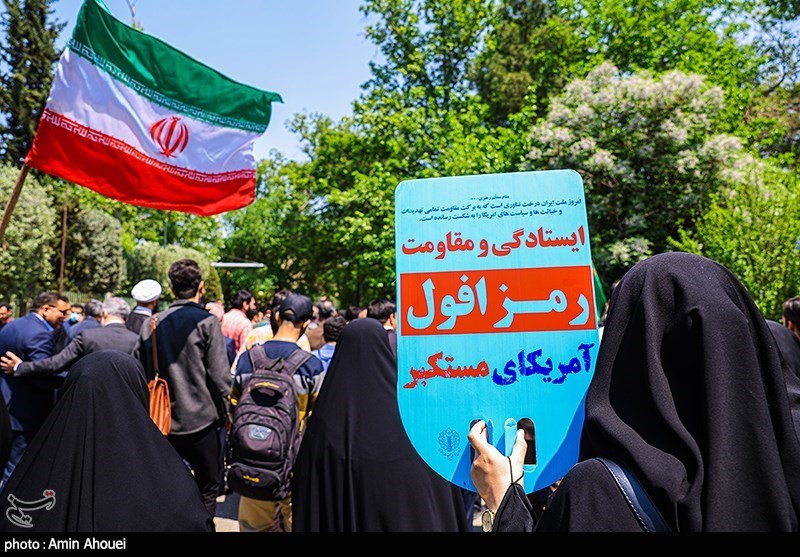
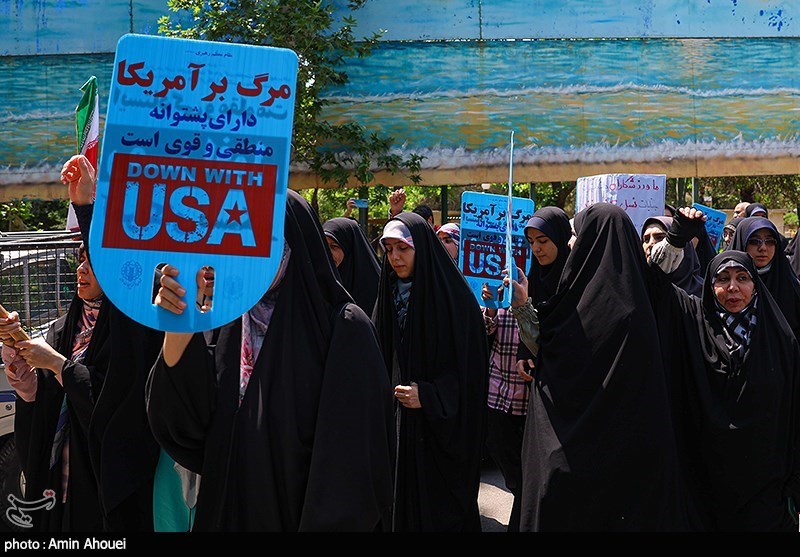
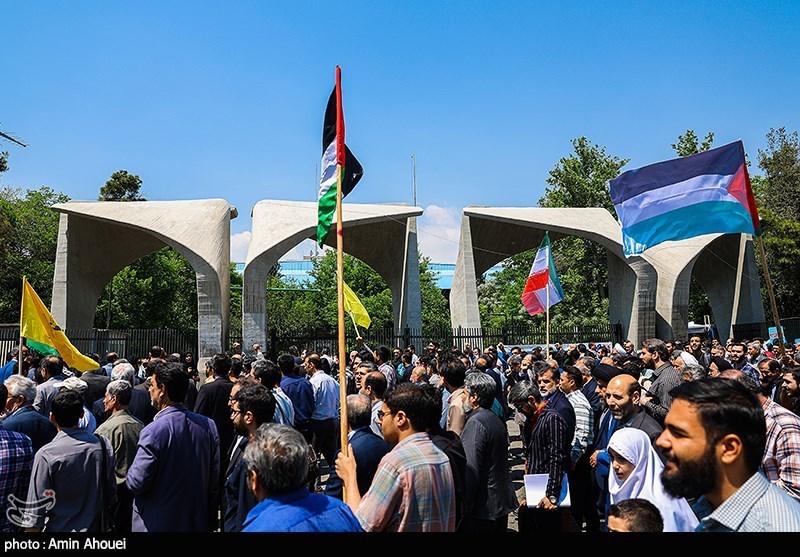
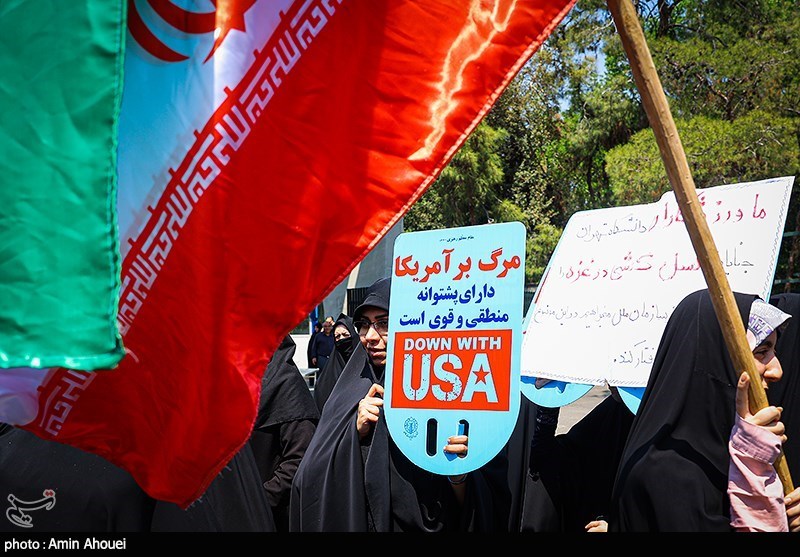
Iranian students rally in solidarity with pro-Palestine American peers

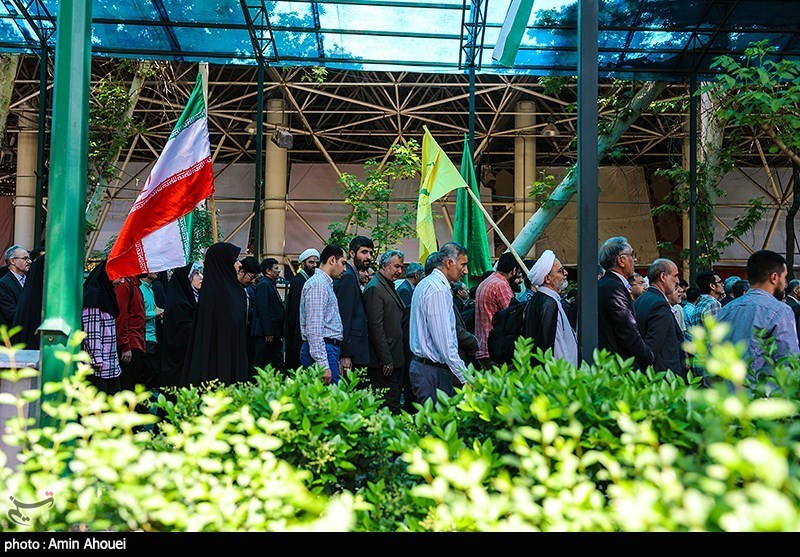
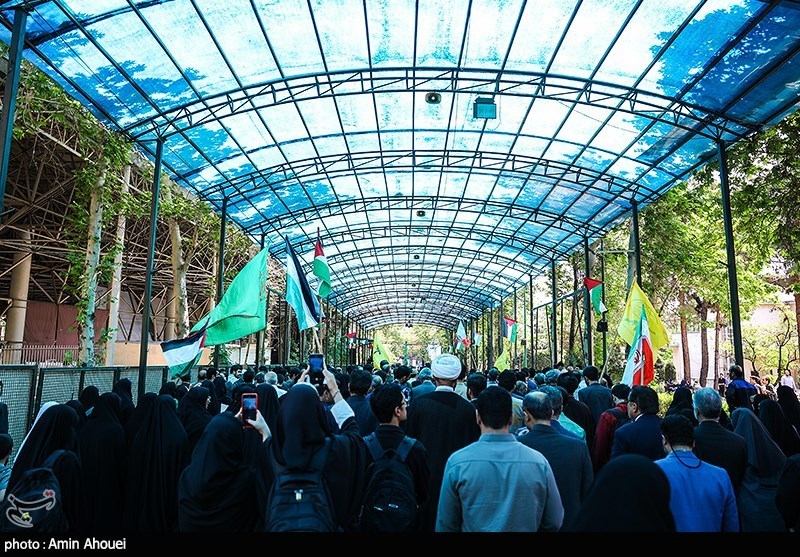
The rally was held on Saturday noon during which the ralliers condemned the US police crackdown on the students.

More in pictures:

Russia says repelled Ukraine drone raid on energy infrastructure

Russia Ukraine War

Air defenses foiled “an attempt by the Kiev regime to carry out a terrorist attack” and intercepted more than ten drones over the Slavyansk, Kushevsk and Seversky districts, Veniamin Kondratyev wrote in a Telegram post on Saturday morning. There were no reports of casualties, he added.

The Russian military intercepted a total of 68 UAVs overnight, including two over the Crimean Peninsula, the Defense Ministry reported on Saturday morning.

An aerial strike damaged a distillation column at the Slavyansk-on-Kuban oil refinery, the head of the Slavyansk district, Roman Sinyagovsky, reported. The attack caused a fire which has since been extinguished, the official wrote in a Telegram post.

“There have been nine attacks in total on the tank farm and distillation column. Thanks to the built-in protection system, the tank farm hasn’t been damaged.”

The region’s operational headquarters later reported that a fire had also been extinguished at a separation unit at the crude processing facility.

Eyewitnesses told the SHOT Telegram channel that Ukrainian kamikaze drones had struck at around 4 a.m. Explosions reportedly lasted for more than 30 minutes as air defense and electronic warfare systems were activated.

The Slavyansk oil refinery in Krasnodar Region has already been targeted by Kiev’s forces. In March, it caught fire after a Ukrainian drone strike in which one person died from a suspected heart attack, local officials said.

Since January, Ukraine has launched a series of long-range drone attacks on Russian energy facilities, including oil depots and refineries.

Russian Defense Minister Sergey Shoigu has suggested the strikes are intended to impress Kiev’s Western supporters and compensate for a lack of progress on the front line.

US Vice President Kamala Harris privately told Ukrainian President Volodymyr Zelensky to refrain from striking Russian oil refineries when they met on the sidelines of the Munich Security Conference in February, the Washington Post wrote earlier this week.

The White House reportedly fears attacks on refineries inside Russia could raise global prices and provoke massive retaliation from Moscow.

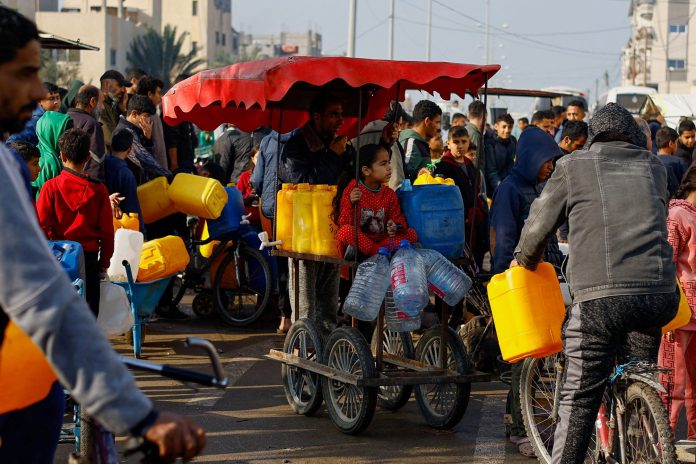
Israel destroyed 70% of northern Gaza water wells

Gaza War

Beit Lahia Mayor Alaa Al-Attar told Anadolu news agency that the army also destroyed 50% of sewage pumps in northern Gaza.

“The Israeli army destroyed all agricultural crops in the town (Beit Lahia) which is considered the primary food basket for the Strip,” said Al-Attar.

He added that marketplaces were destroyed by the army in addition to more than 80 kilometers (50 miles) of water and sewage pipelines in the town.

Israel has waged a brutal offensive on Gaza since a cross-border attack by the Palestinian group, Hamas, on Oct. 7 which killed less than 1,200 people.

More than 34,000 Palestinians have since been killed, mostly women and children, while vast swathes of Gaza lay in ruins, and 85% of the enclave’s population has been forced into internal displacement amid a crippling blockade of food, clean water and medicine.

President Raisi: Iran cannot be sanctioned

Ebrahim Raisi

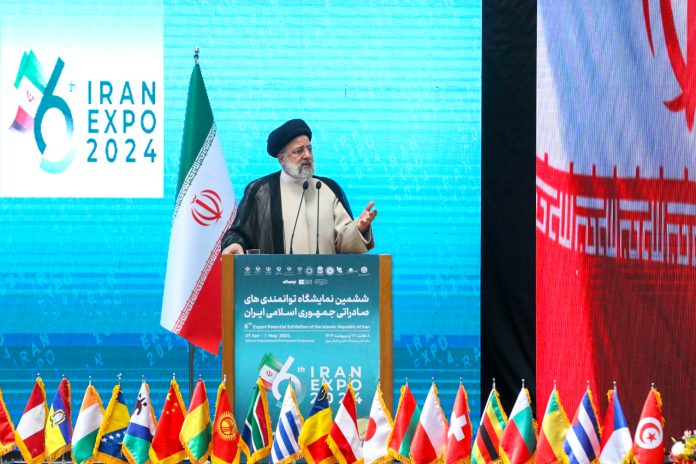
President Raisi made the remarks on Saturday in a ceremony to inaugurate Iran Expo 2024, the 6th edition of the exhibition of Iran’s export capabilities.

“The evil plans to isolate Iran have not succeeded and will never succeed. It shows that Iran with its material and spiritual reserves and efficient and determined human resources and with initiatives and creativity and with the benefit of new technologies can have innovations for the world in various fields and to the world,” he said.

President Raisi stated that Iran Expo is a benchmark that shows the country has managed to “turn threats into opportunities,” referring to decades long US-orchestrated sanctions against Iran.

He said imposing sanctions is a declaration of war, but added that Iran can beat the embargoes by indigenizing knowhow and boosting its production and exports capacities.

“Sanctions are a kind of war, but not a military one, a war that deprives a nation of what it can achieve,” he said.

Israel turns down US calls for investigating into Gaza mass graves

Gaza War

On Wednesday, US National Security Advisor Jake Sullivan said that Washington wanted to see the deaths “thoroughly and transparently investigated.”

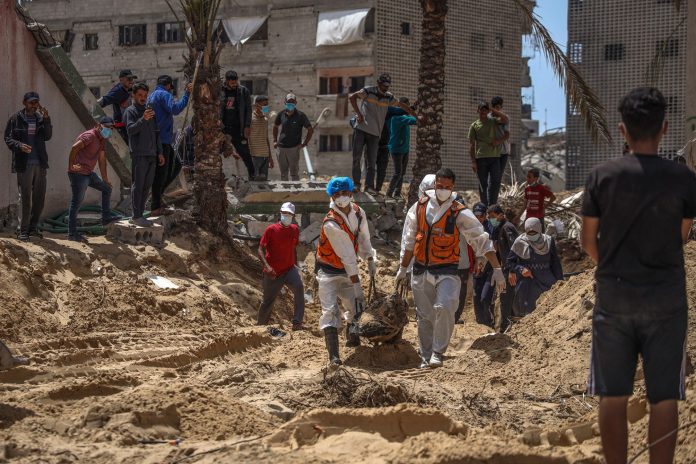
Officials in Gaza have said a total of 392 bodies, including those of children and women, with signs of torture and executions, have so far been found at makeshift burial sites at two hospitals that were earlier raided by the Israeli military.

Shoshani told Politico on Friday that reports of Israeli troops having anything to do with the burials were “fake news.”

When asked whether that meant that Israel would not investigate the matter, he replied: “Investigate what?”

“We gave answers. We don’t bury people in mass graves. Not something we do,” the spokesman insisted, without specifying to whom those answers were given.

An unnamed US official told Politico that “the Israelis have told us privately what they’ve said publicly, that they totally reject the allegations”. However, the source stressed that the authorities in Washington “aren’t in a position to validate that, and would like a thorough and transparent investigation into the reports”.

Israel earlier said its forces had to fight inside the Nasser and Al-Shifa hospitals because Hamas militants used them as their bases – a claim that both the Palestinian armed group and medics have denied.

Sullivan’s call for a probe into the mass graves came on the same day that US President Joe Biden signed a $95 billion foreign aid package, which included $26.4 billion in military assistance for Israel.

The death toll from Israel’s airstrikes and ground offensive in Gaza over the past six months has reached 34,356, with 77,368 others wounded, according to the Palestinian enclave’s health ministry.

Yemen’s Houthis claim responsibility for strikes on UK oil tanker, U.S. drone

Yemen Houthis

Houthi military spokesperson Yahya Saree said that Yemen’s naval forces struck a British oil tanker in the Red Sea with missiles.

Saree also added the military also shot down an American MQ-9 drone in Sa’ada province.

The new operations were also a show of solidarity with Palestinians in the Gaza Strip, amid the Israeli genocide there, he continued.

The spokesman stressed that the Yemeni armed forces will continue operations in the Red and Arabian Seas as well as the Indian Ocean until the Western-backed Israeli genocide comes to a halt.

Since the start of the brutal campaign in Gaza, the regime has killed more than 34,000 Palestinians and injured over 77,000 others. It has cut off fuel, electricity, food and water to the more than two million Palestinians living there.

The maritime attacks have forced some of the world’s biggest shipping and oil companies to suspend transit through one of the world’s most important maritime trade routes.

Tankers are instead adding thousands of miles to international shipping routes by sailing around the continent of Africa rather than going through the Suez Canal.

The pro-Palestine maritime campaign has also prompted airstrikes by the U.S. and its allies on Yemen – in violation of the Yemeni sovereignty and international law.

In consequence, Yemen’s armed forces have declared U.S. and British vessels as legitimate targets.

Tehran and Moscow need to boost defense cooperation to improve regional peace: Iranian defense chief

Sergei Shoigu and Mohammad Reza Ashtiani

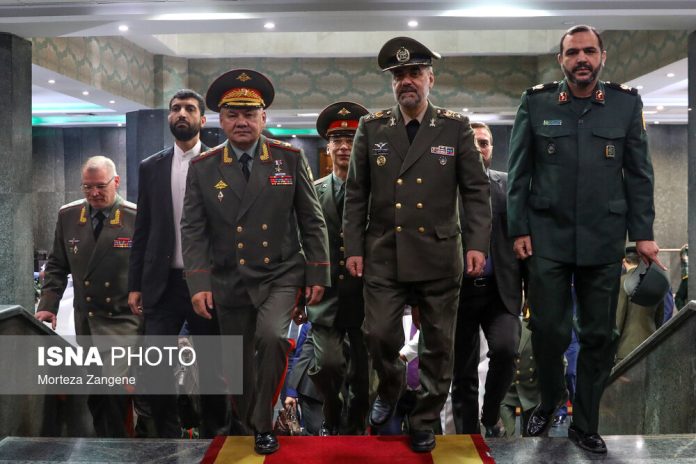
Ashtiani made the remarks in a meeting with his Russian counterpart Sergei Shoigu on the sidelines of the 21st meeting of the Shanghai Cooperation Organization (SCO) Defense Ministers in Astana, Kazakhstan, on Friday.

He said Tehran and Moscow should oppose unilateralism in global issues.

He thanked Russia for condemning Israel’s illegal and unlawful airstrikes against Iran’s diplomatic premises in the Syrian capital of Damascus on April 1 and expressing support for Tehran’s legitimate response.

“Terrorist attacks in Russia and Iran are the outcome of support of Western countries, especially the United States, for terrorist groups,” Ashtiani emphasized.

On April 1, the Israeli regime carried out terrorist airstrikes on the consular section of Iran’s embassy in the Syrian capital, which killed two generals of the Islamic Revolution Guards Corps (IRGC), Brigadier General Mohammad Reza Zahedi and General Mohammad Hadi Haji Rahimi, as well as five of their accompanying officers.

In retaliation, the IRGC targeted the occupied territories on April 13 with a barrage of drones and missiles. The retaliatory strikes, dubbed Operation True Promise, inflicted damage on Israeli military bases across the occupied Palestinian territories.

Elsewhere in the conversation, the Iranian defense chief warned that the North Atlantic Treaty Organization (NATO) and some Western countries are taking steps in line with the policy of expansion to the East.

He urged the Shanghai Cooperation Organization (SCO) member states to use the body’s capacities to thwart common threats.

For his part, the Russian defense minister slammed Israel’s attacks on Iran’s diplomatic premises in Damascus and said Tehran’s response was in accordance with the legitimate right of self-defense.

Ashtiani and Shoigu also hailed the successful experience of Iran and Russia in the fight against terrorism in the region and called for the expansion of cooperation to counter terrorist threats, separatism and extremism.

The Iranian and Russian defense chiefs emphasized that the developments in the South Caucasus are important to the two countries’ interests, noting that the presence of extra-regional powers in this region is detrimental to common interests.

They said that the 3+3 format, which is being implemented in the presence of all the countries of the Caucasus region, is an appropriate framework for solving problems, according to a statement by Iran’s Defense Ministry.

The 3+3 format includes three southern Caucasus countries (Azerbaijan, Armenia, Georgia) and three neighboring countries (Russia, Turkey and Iran).

Iran was one of the countries that proposed the formation of a 3+3 group in line with its foreign policy of resolving problems, differences and challenges faced by countries in the region.