Friday, December 26, 2025
Home Blog Page 775

Hamas official killed in Israel attack in Lebanon

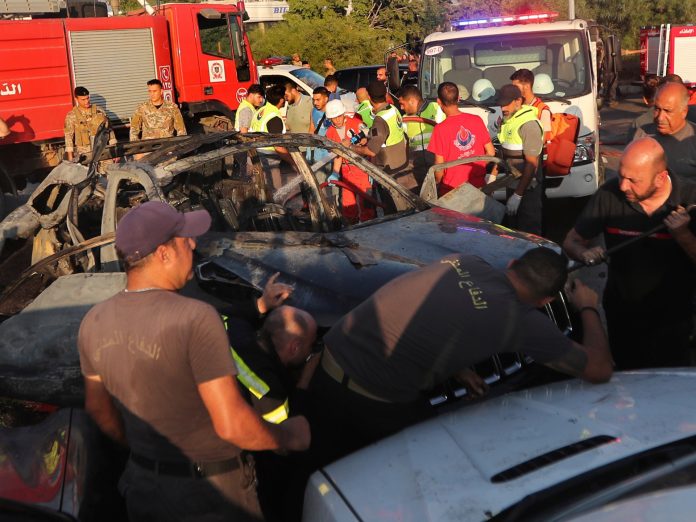
An Israeli drone raid in the coastal city of Sidon on Friday, about 50km (30 miles) from Lebanon’s southern border, killed Hamas official Samer al-Hajj – who was based in the neighbouring Ain al-Hilweh Palestinian refugee camp.

The attack also injured two civilians, according to Lebanese media outlets.

Hamas hailed al-Hajj as a “martyr” on Friday. The Israeli military described him as a commander who was responsible for attacks on Israel from Lebanon.

Lebanon National News Agency reported that impromptu protests broke out in Sidon on Friday to denounce the killing of al-Hajj.

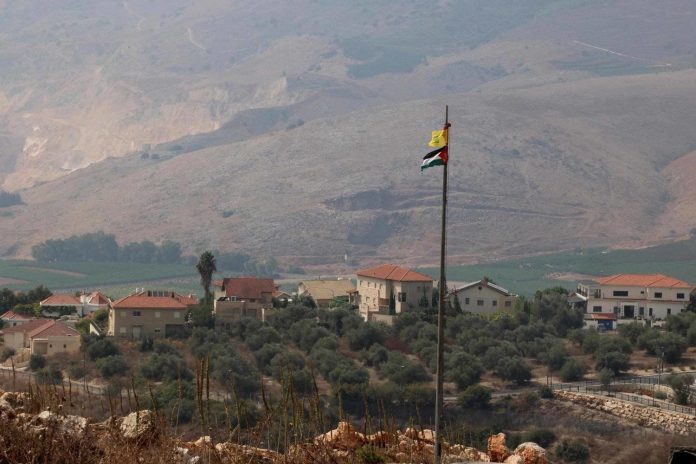
Israel also carried out attacks in border towns and villages, including in Kfar Kila and Meiss el-Jabal, Markaba.

The Israeli raids come as Hezbollah officials say that the group will respond to the assassination of Shukr, who was killed along with several civilians in an Israeli air strike in Beirut late in July.

Iran is also expected to launch its own retaliatory attack against Israel for the killing of Hamas chief Ismail Haniyeh in Tehran.

At the same time, Hezbollah has continued its near-daily clashes with Israel across the border.

On Friday, the Lebanese group claimed several attacks against Israel, including targeting buildings used by troops in the northern Israeli town of Dovev and al-Manara and launching rockets against a military base in Kiryat Shmona.

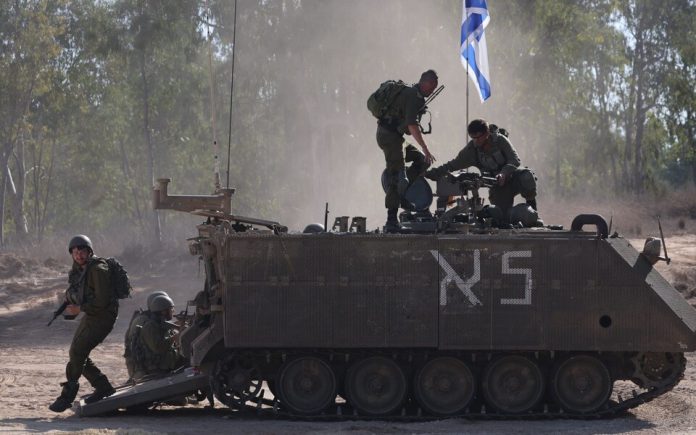
Hezbollah started attacking military bases in northern Israel the day after the outbreak of the war on Gaza on October 7 in what it says is a “support front” to back Palestinian groups.

The hostilities have been largely confined to the border region, forcing tens of thousands of Lebanese and Israeli residents to flee the area.

But the assassination of Shukr in the Dahiyeh suburbs of the Lebanese capital have fuelled fears of escalation between the two sides.

Hezbollah maintains that it is not seeking an all-out war, but that it is ready for one should it break out.

Last week, the group’s chief Seyyed Hasan Nasallah said Israel crossed red lines by attacking Beirut, stressing that the retaliation for the killing of Shukr is “inevitable”.

The assassination of Shukr was the second Israeli assault on the Lebanese capital and its suburbs this year. In January, an Israeli air raid in Dahiyeh killed Hamas official Saleh al-Arouri.

The killing of al-Hajj far from the border on Friday is likely to further fuel tensions between Hezbollah and Israel.
UN says 2/3 of Gaza buildings damaged or destroyed during war, social fabric torn apart

Gaza War

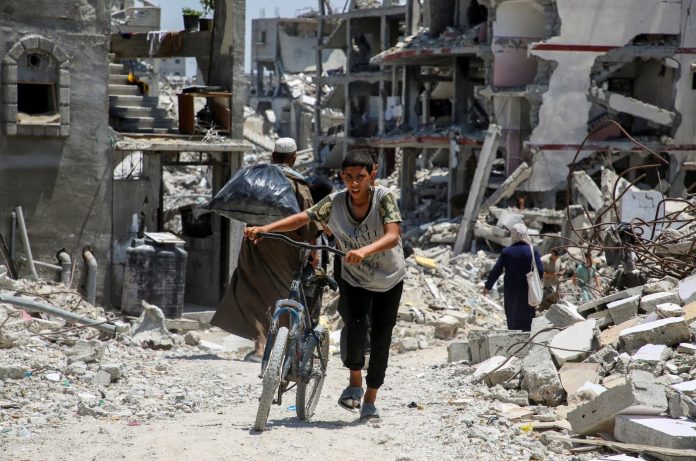
Citing the latest data from the United Nations Satellite Centre (UNOSAT), Lazzarini highlighted the extensive destruction in Gaza, emphasizing that the damage goes beyond physical infrastructure.

“Every day this war goes on, the destruction of a whole community continues,” Lazzarini said in a post on X.

“Beyond the brick and stone, these are people’s homes, schools, markets and places of worship.”

The UNRWA chief expressed concern about the impact on Gaza’s social fabric, stating: “The once closely-tied society and kinship are being torn apart day after day, under our watch.”

Lazzarini stressed the urgent need for both a cease-fire and efforts to rebuild community ties. “With a ceasefire comes equally the urgency to rebuild the social fabric and community ties,” he added.

Israel has continued a devastating military offensive in the Gaza strip since an Oct. 7, 2023 Hamas attack despite a UN Security Council resolution demanding an immediate cease-fire.

Nearly 40,000 Palestinians have since been killed, mostly women and children, and over 91,700 injured, according to local health authorities.

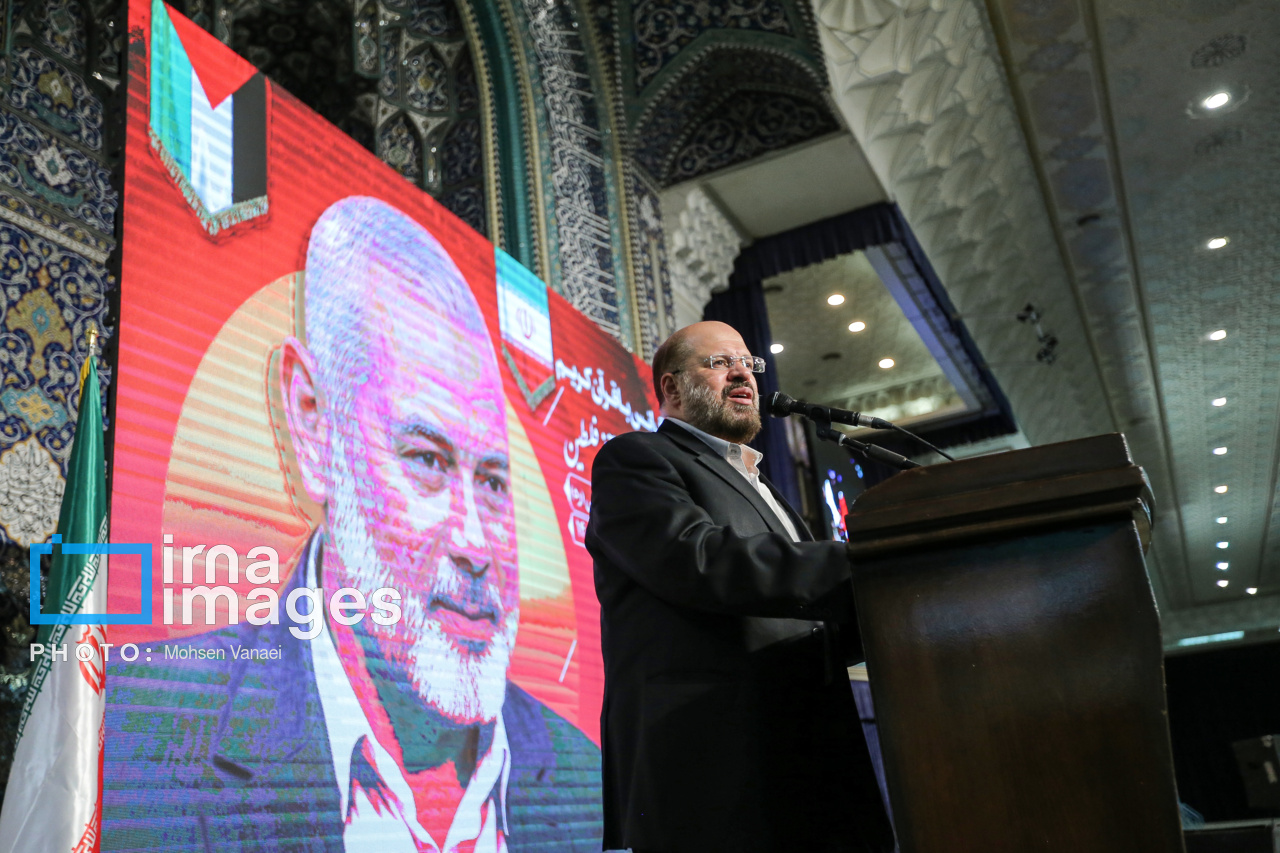
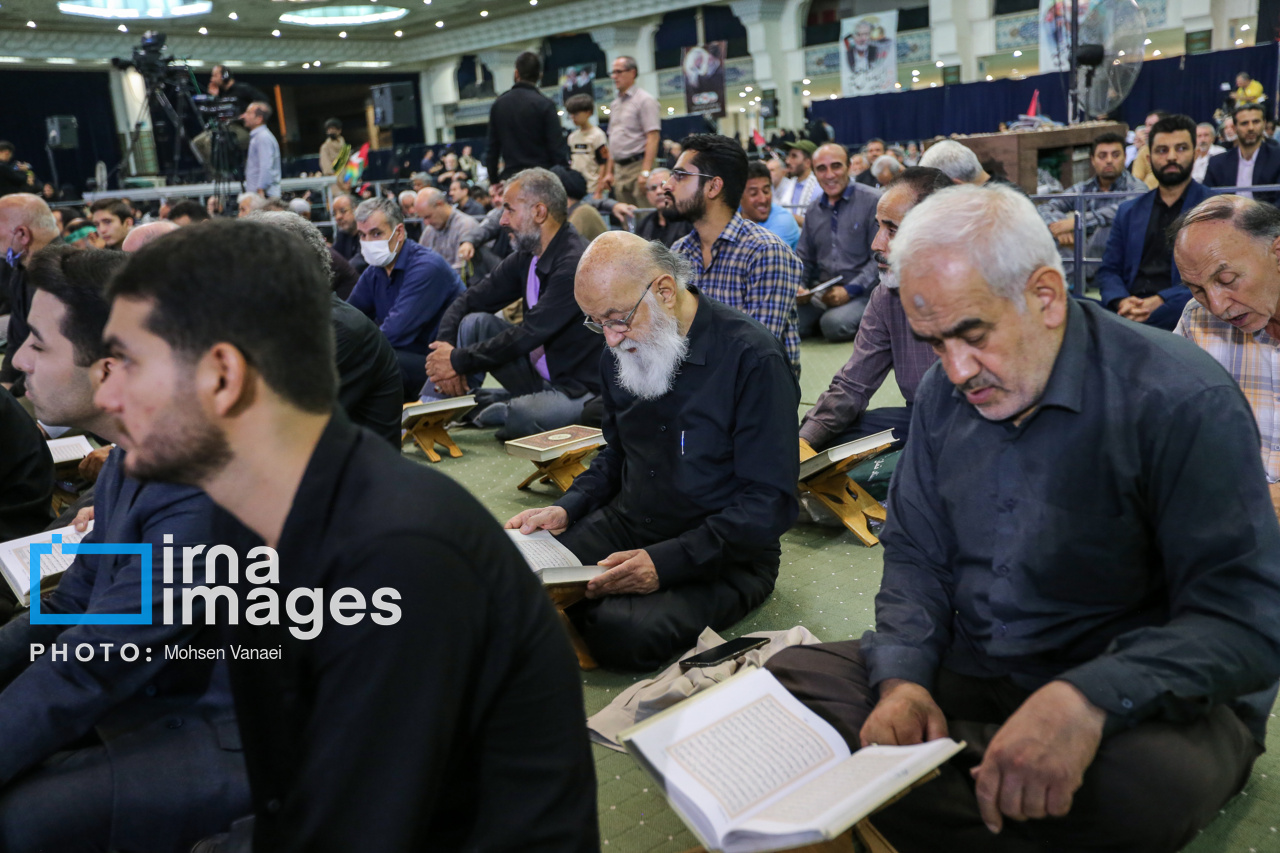
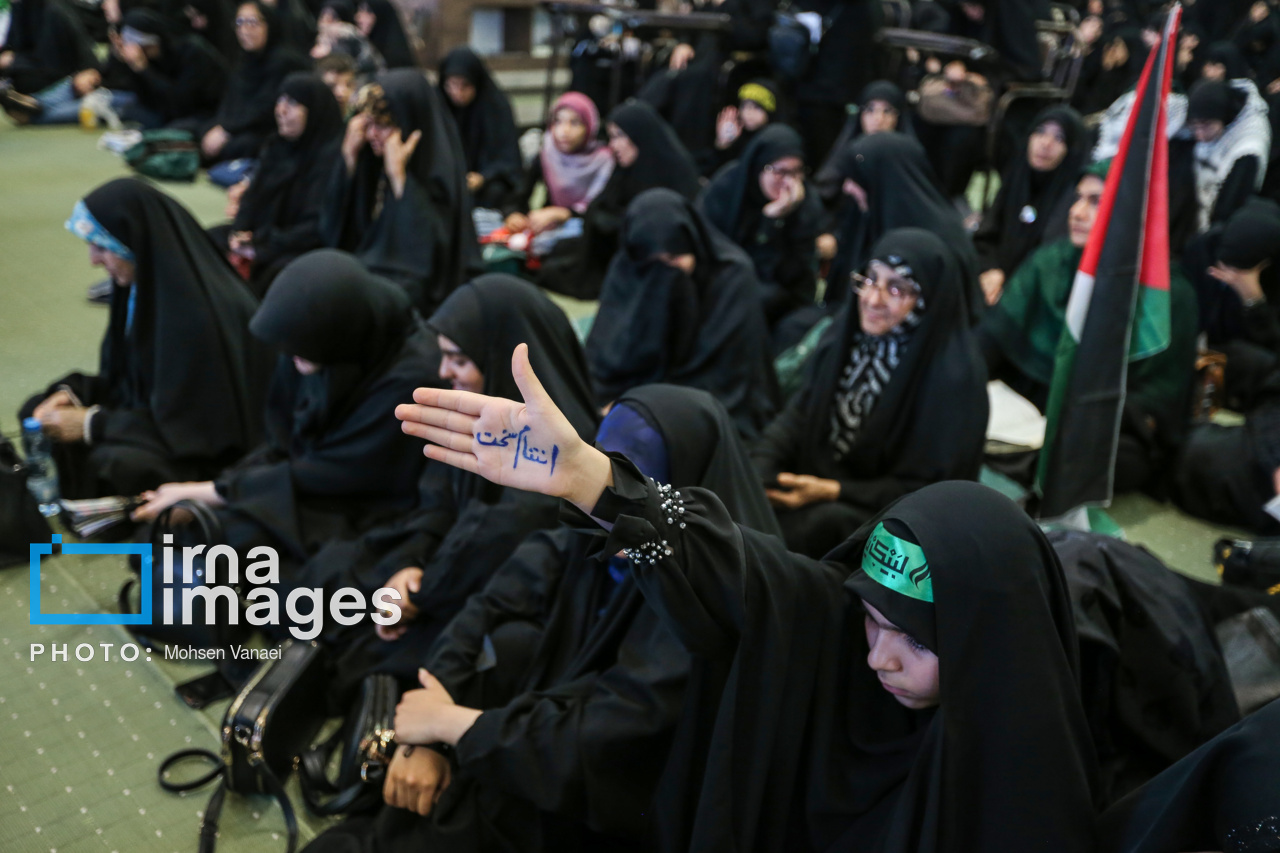
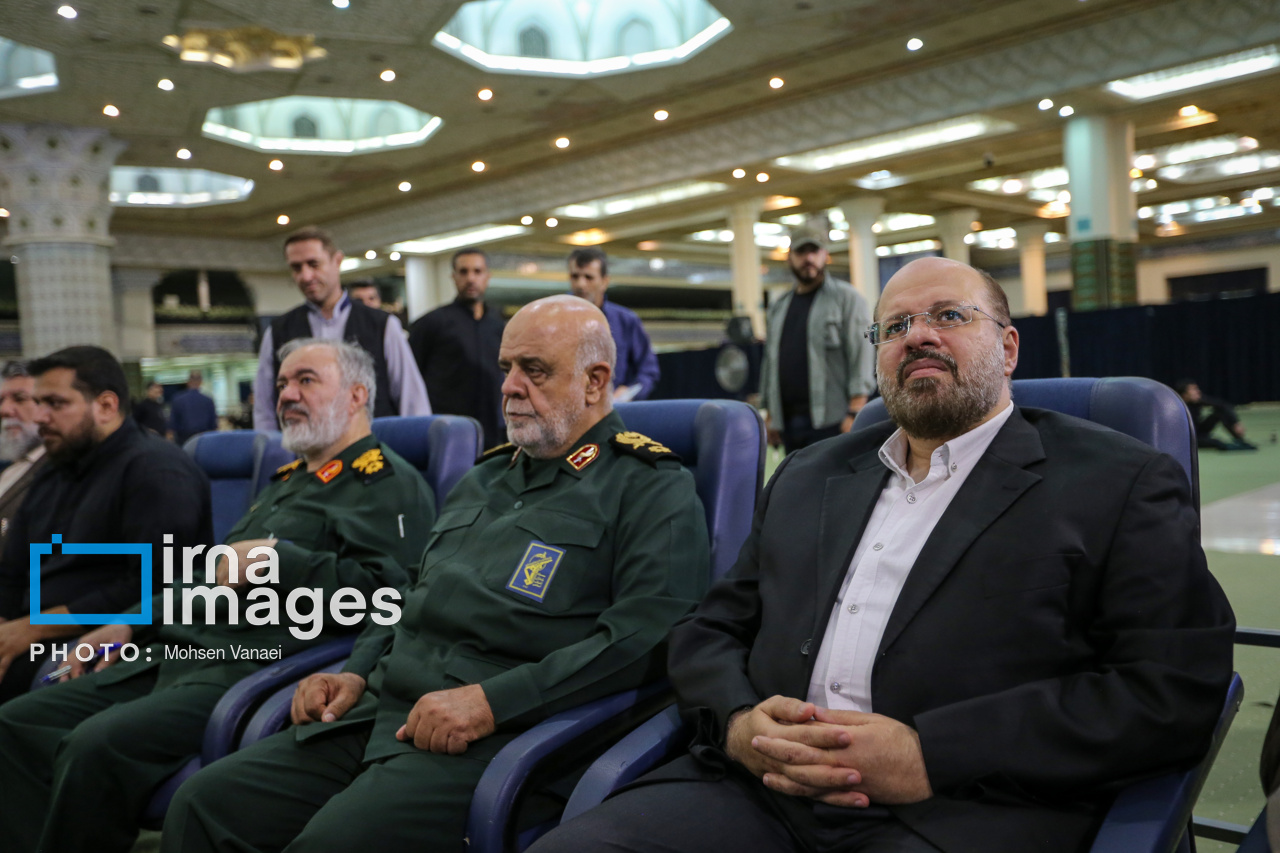
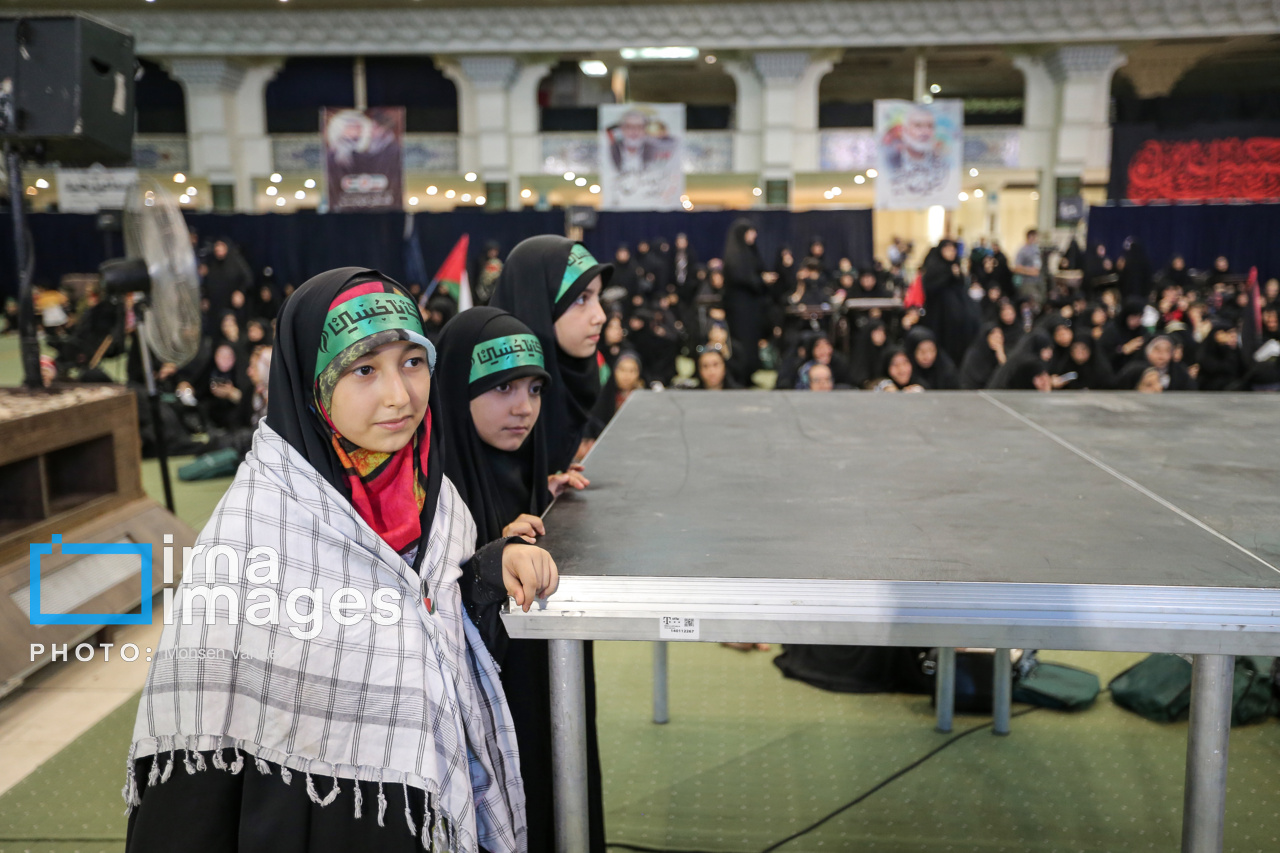
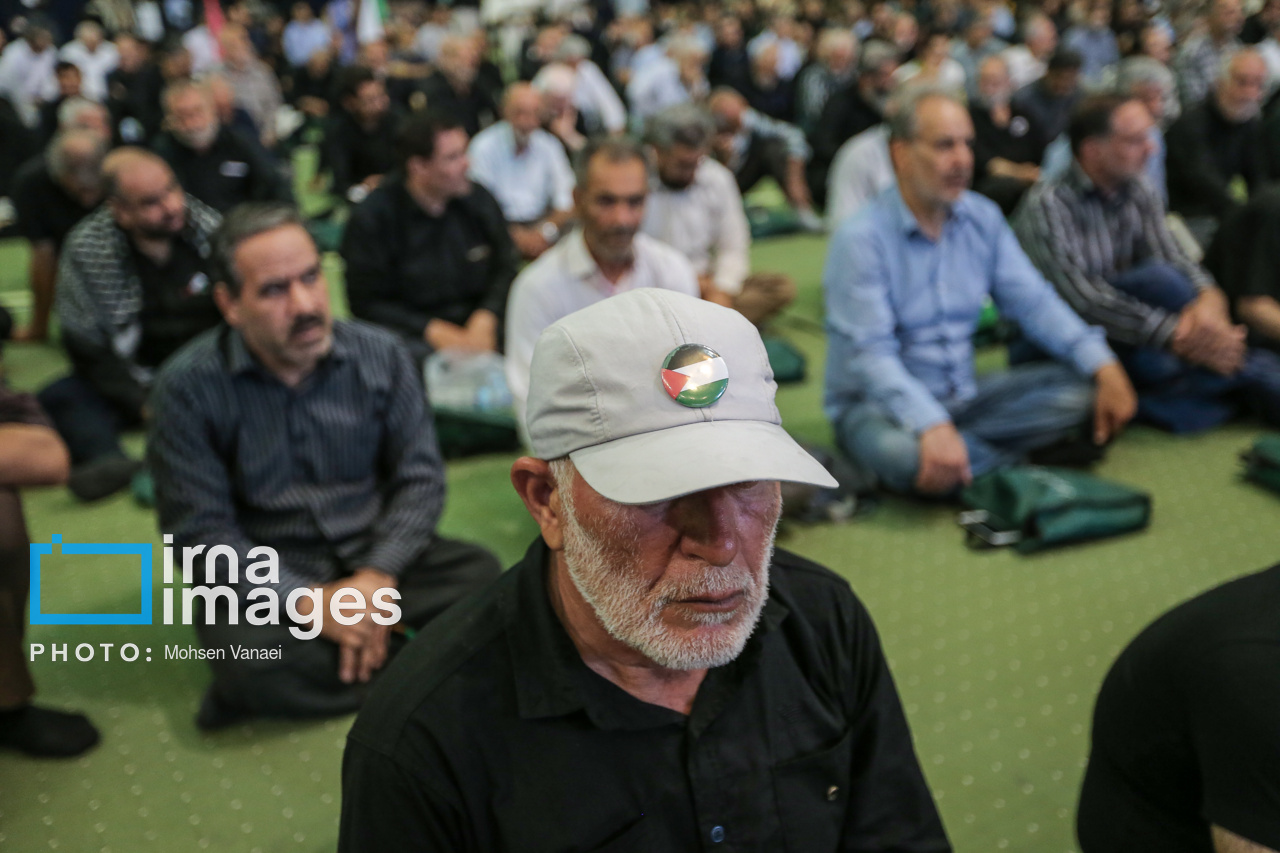
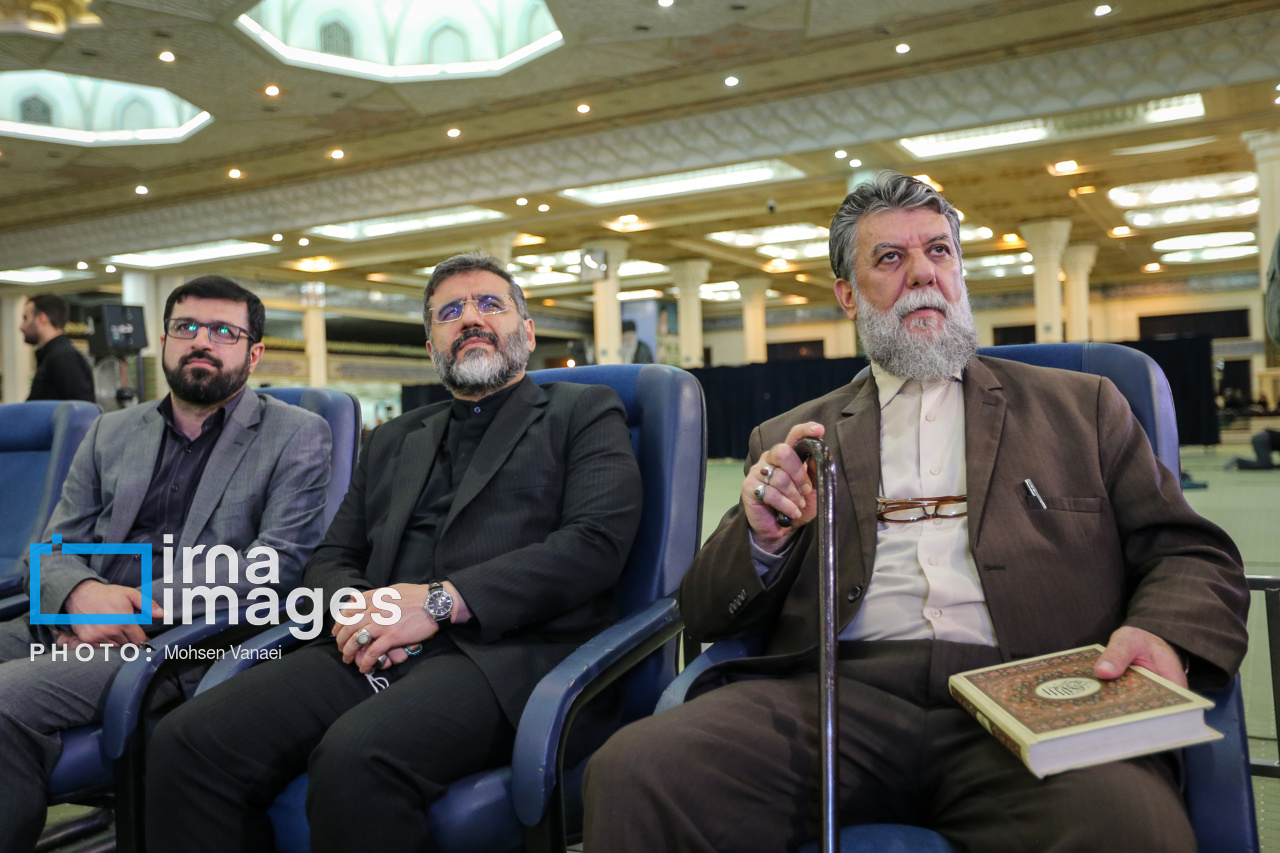
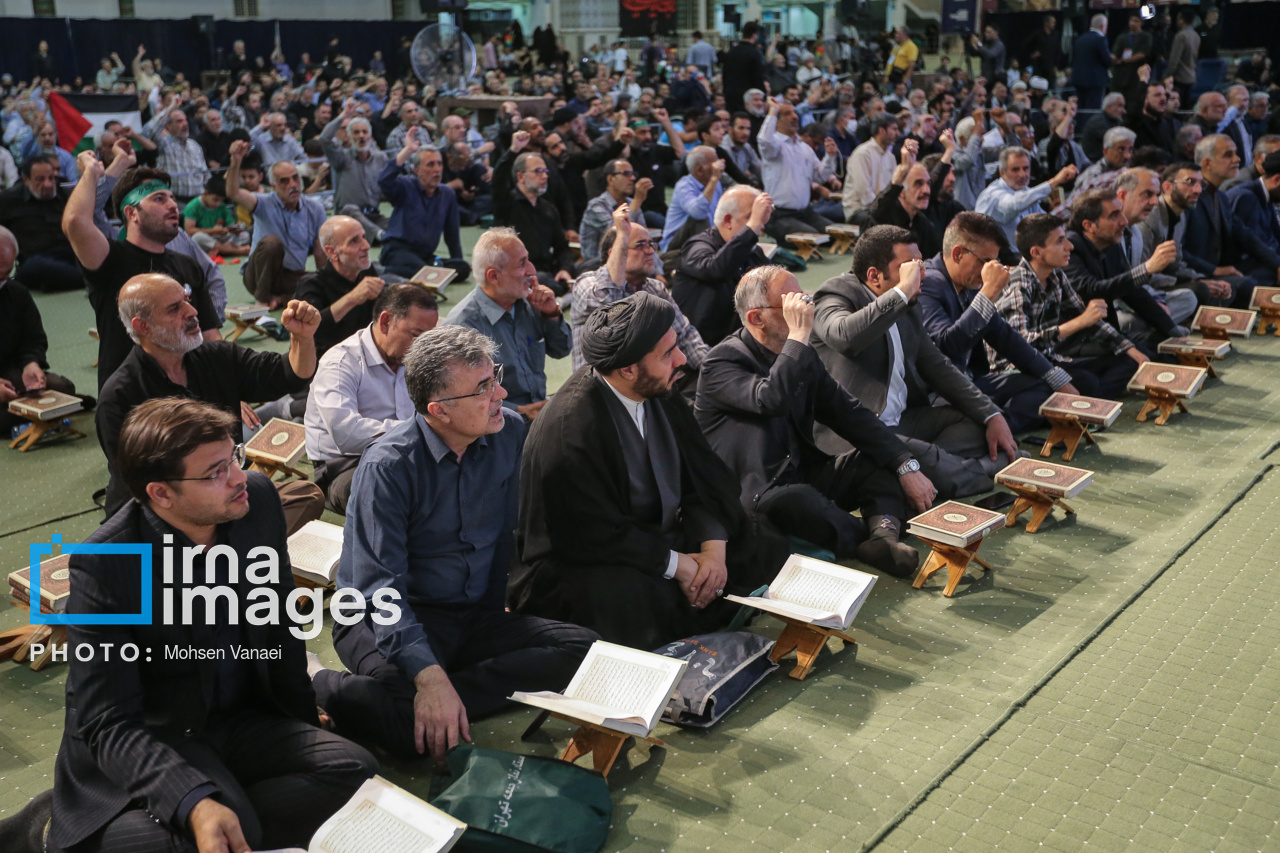
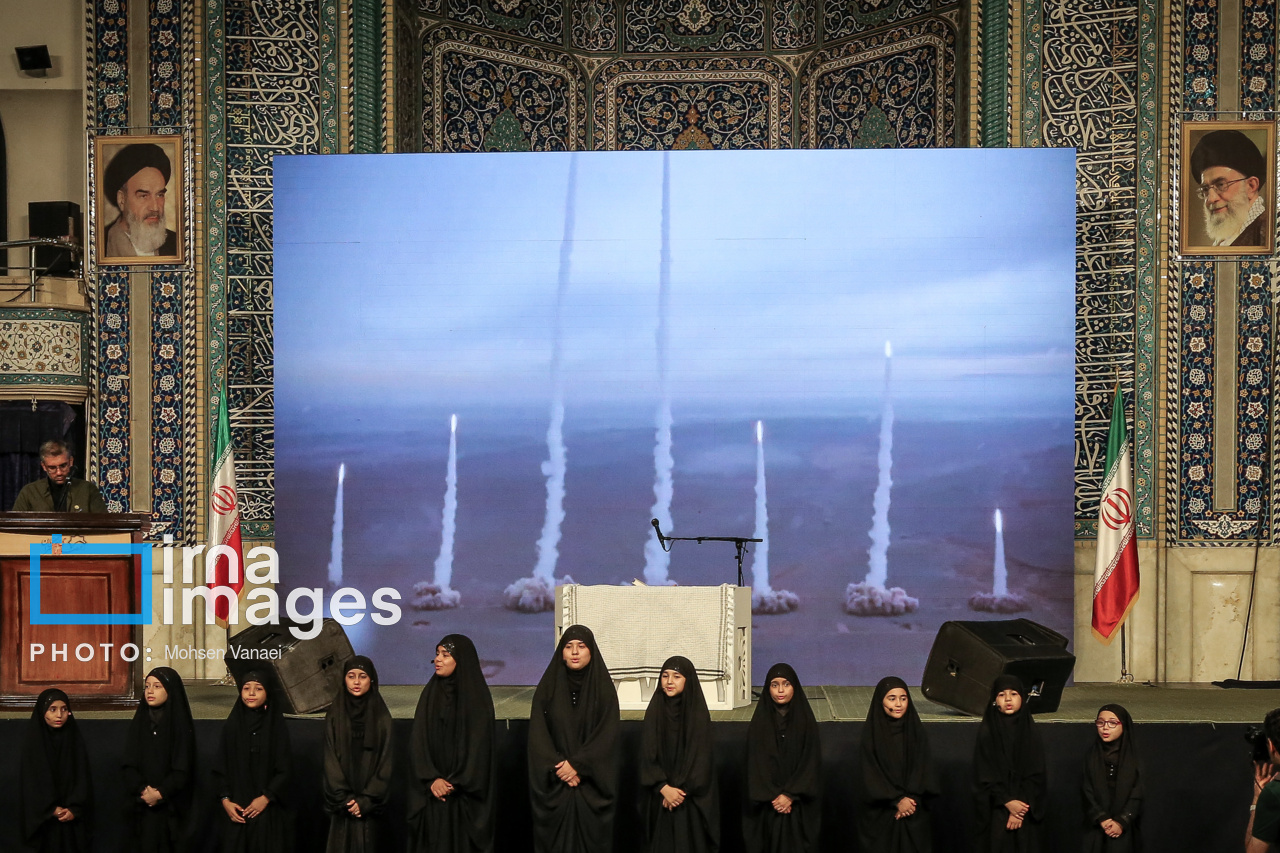
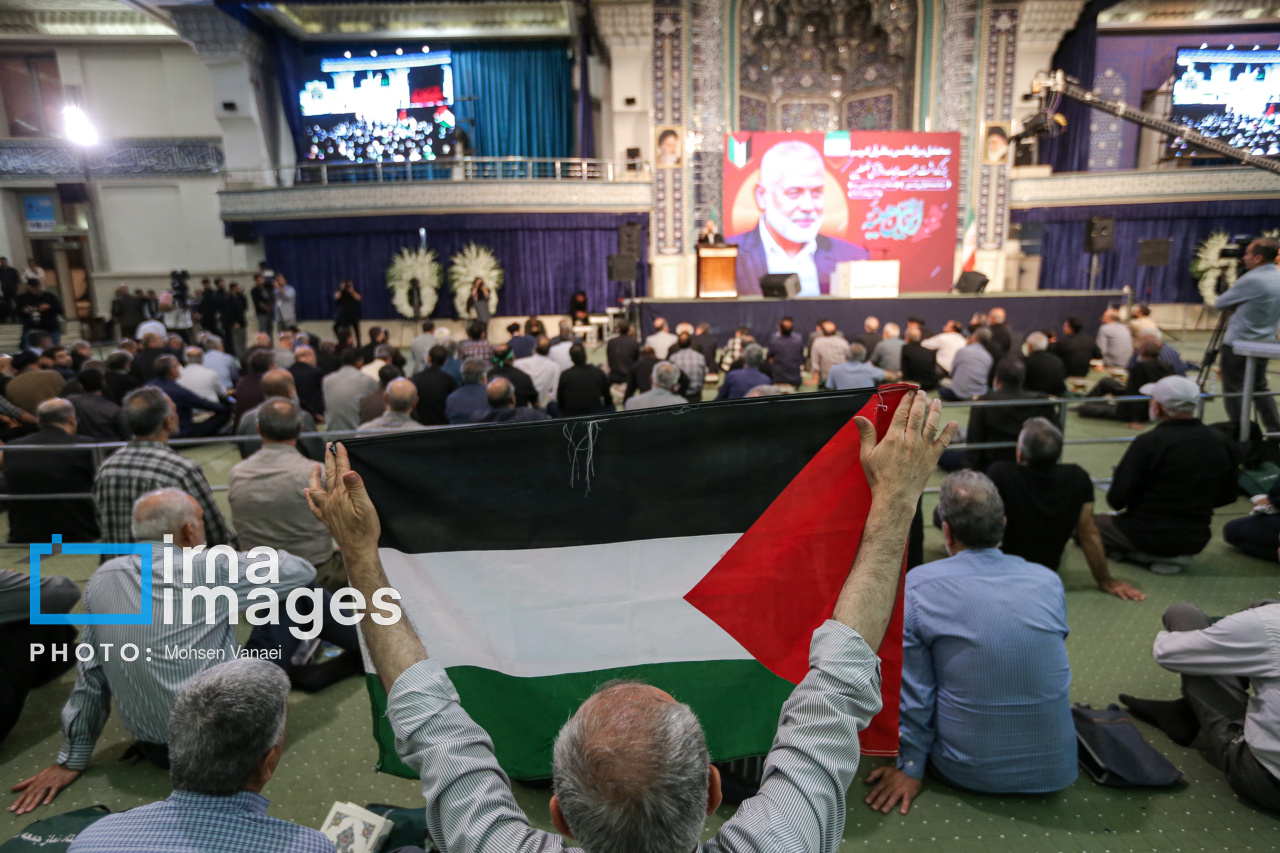
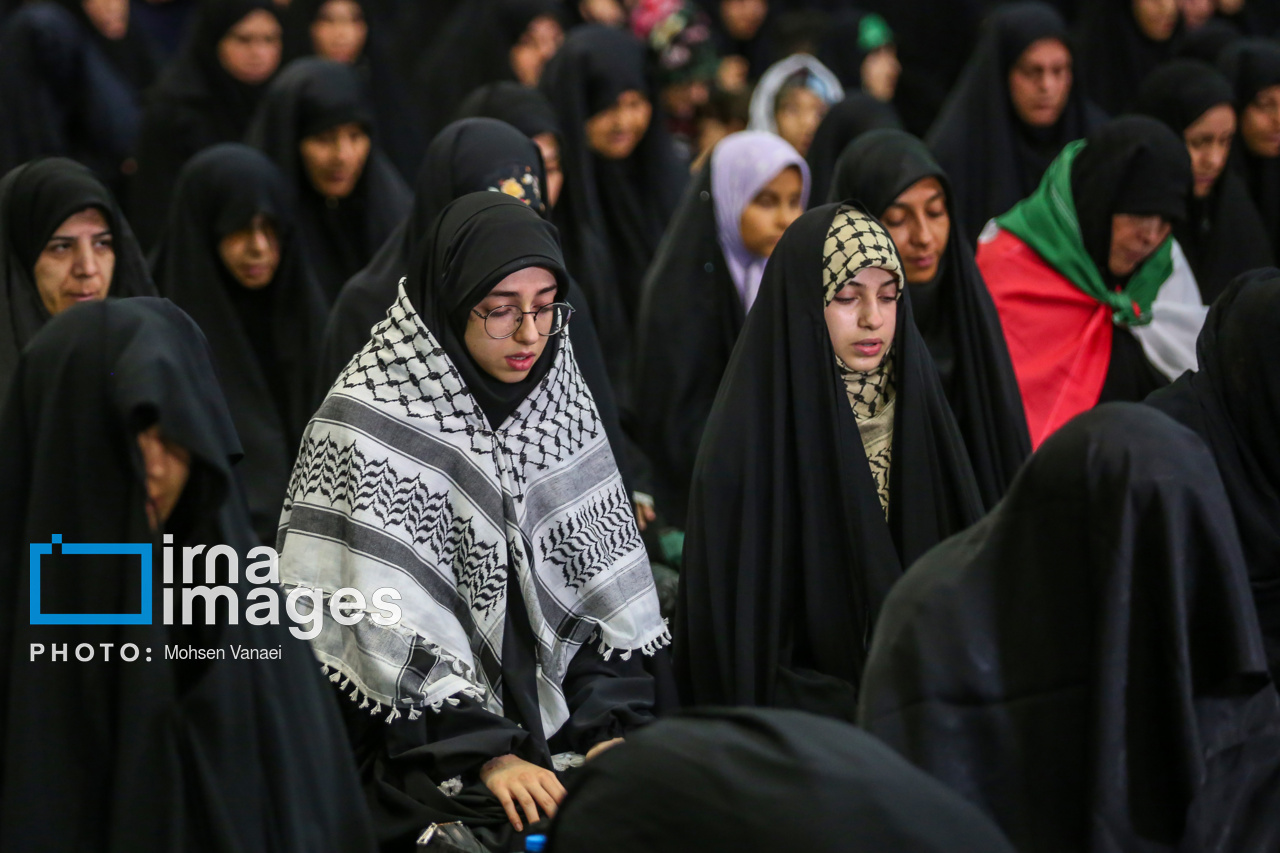
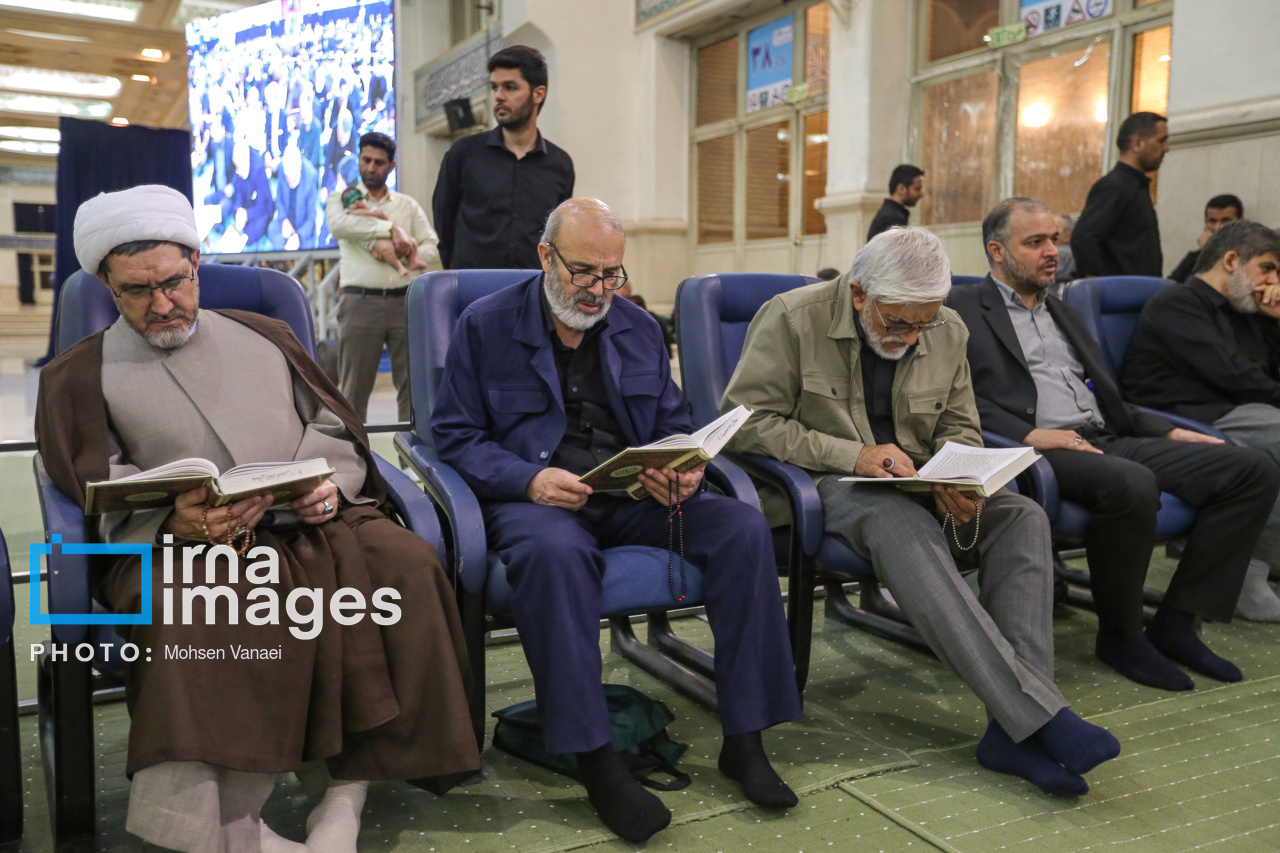
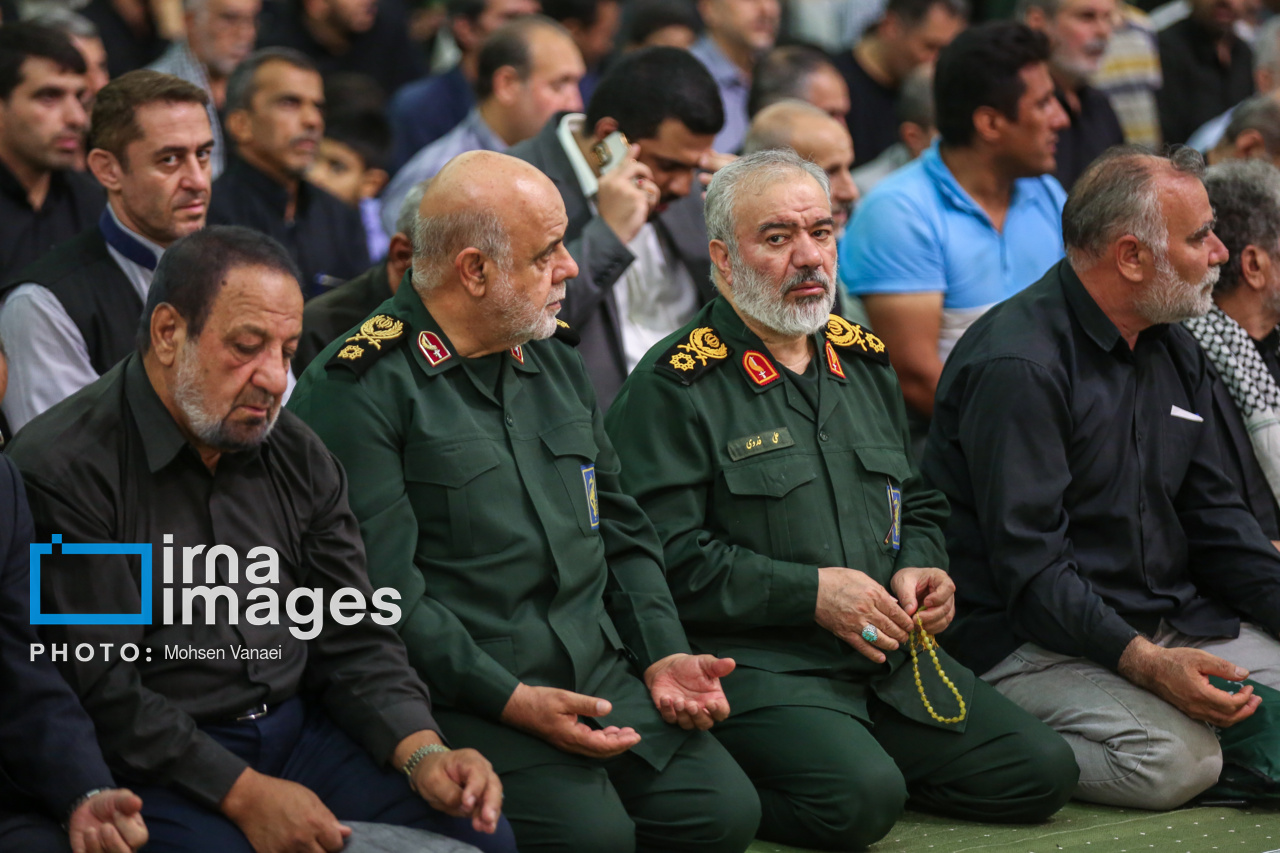
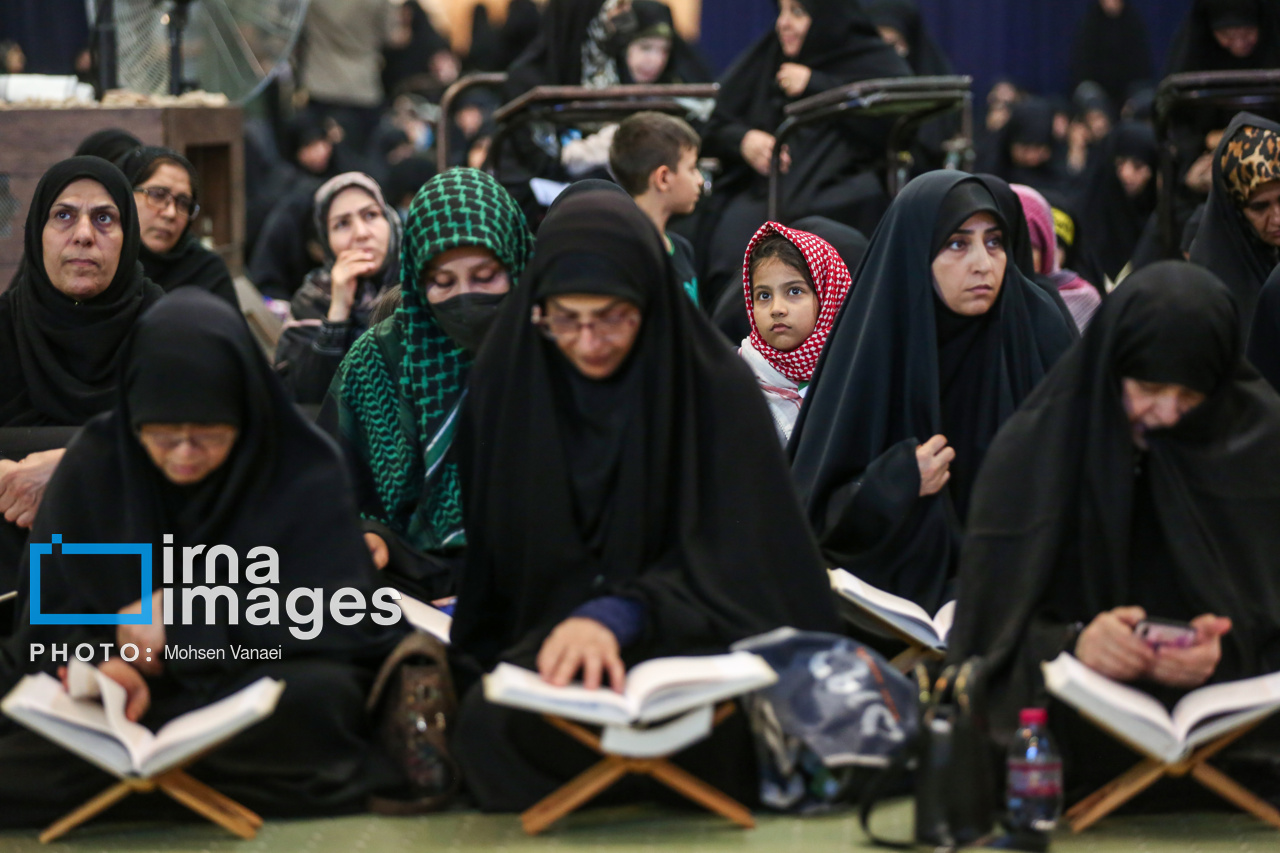
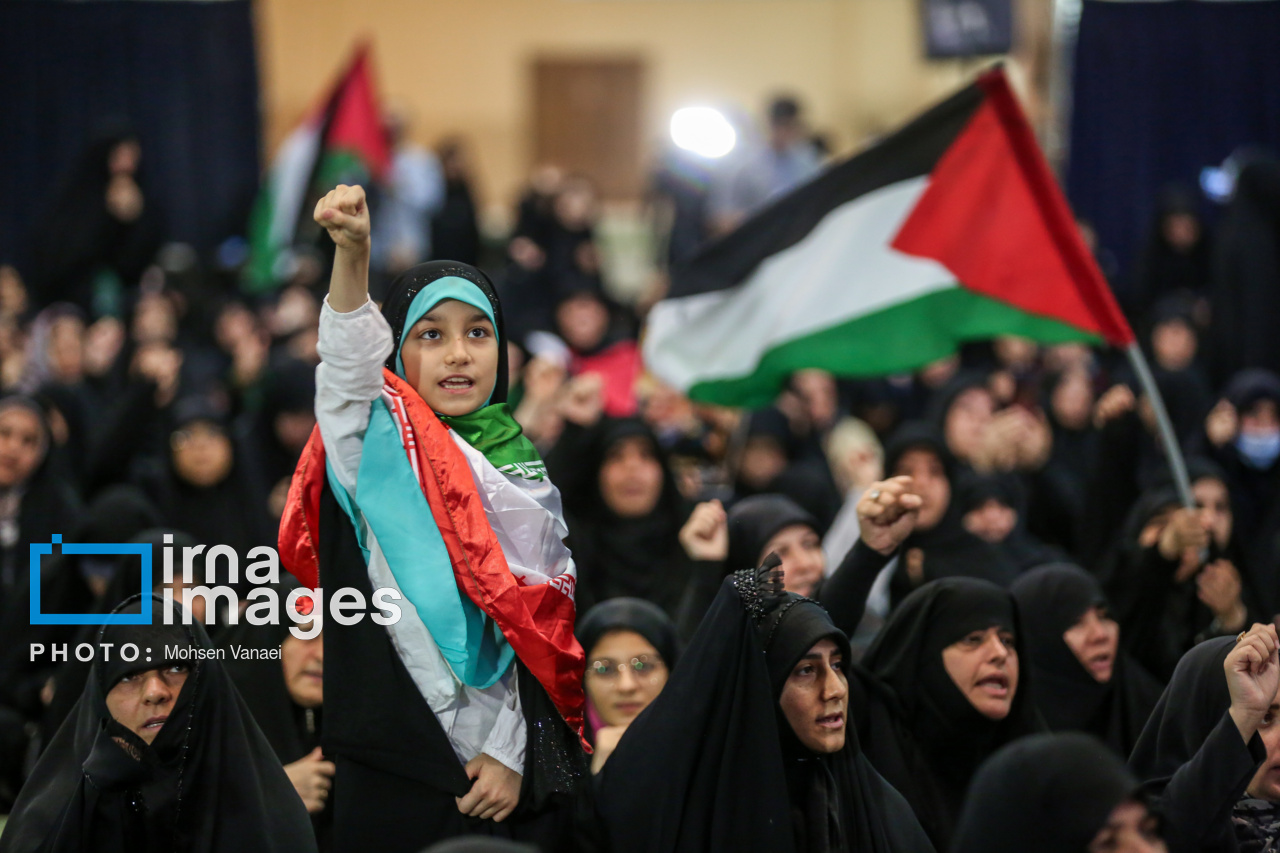
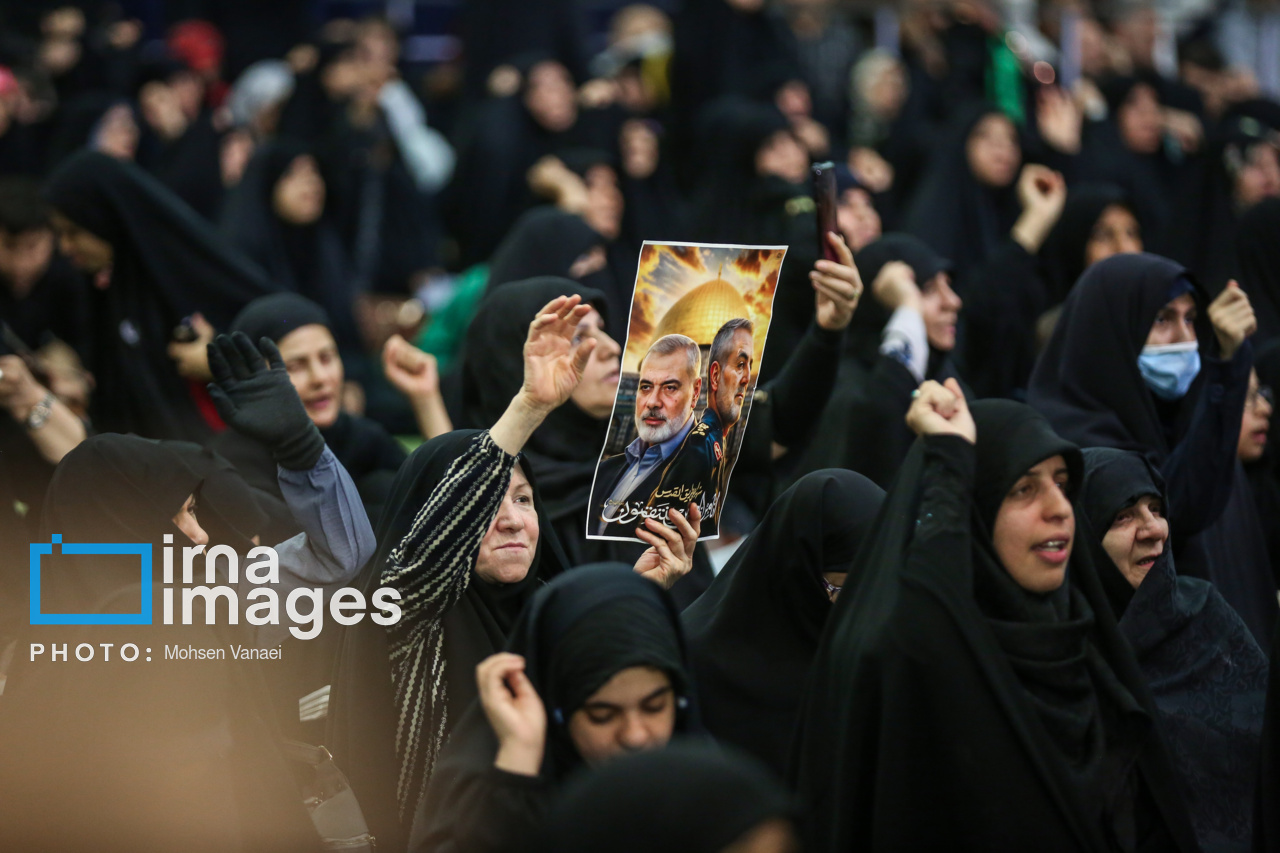
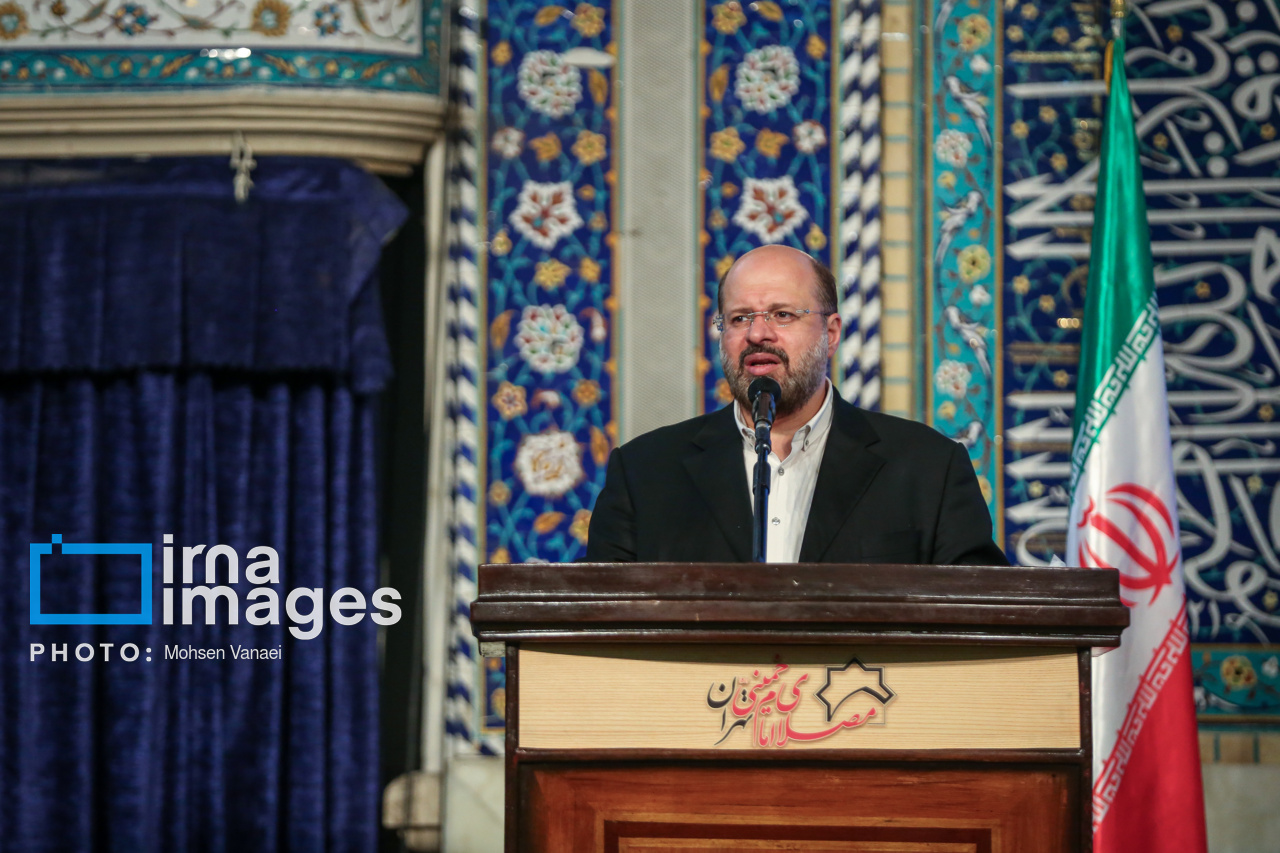
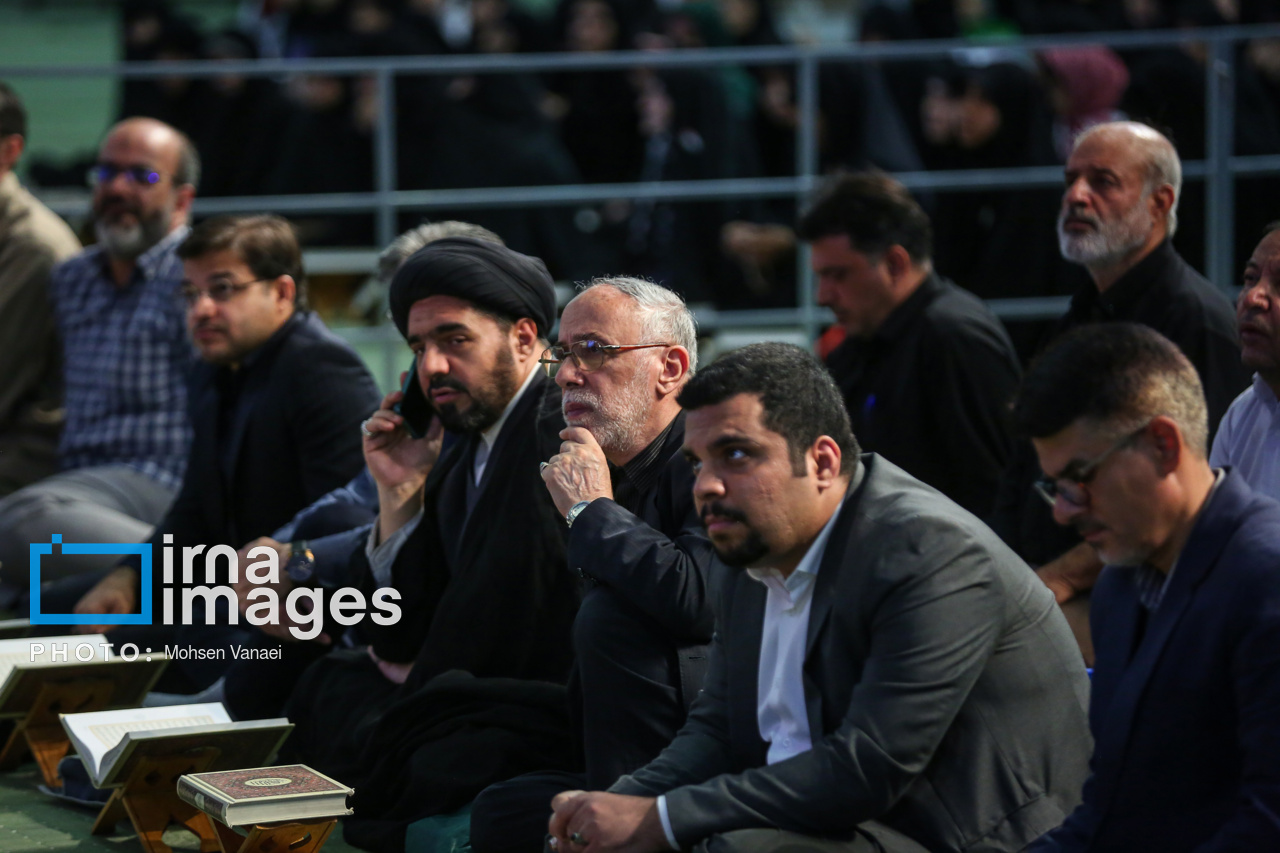
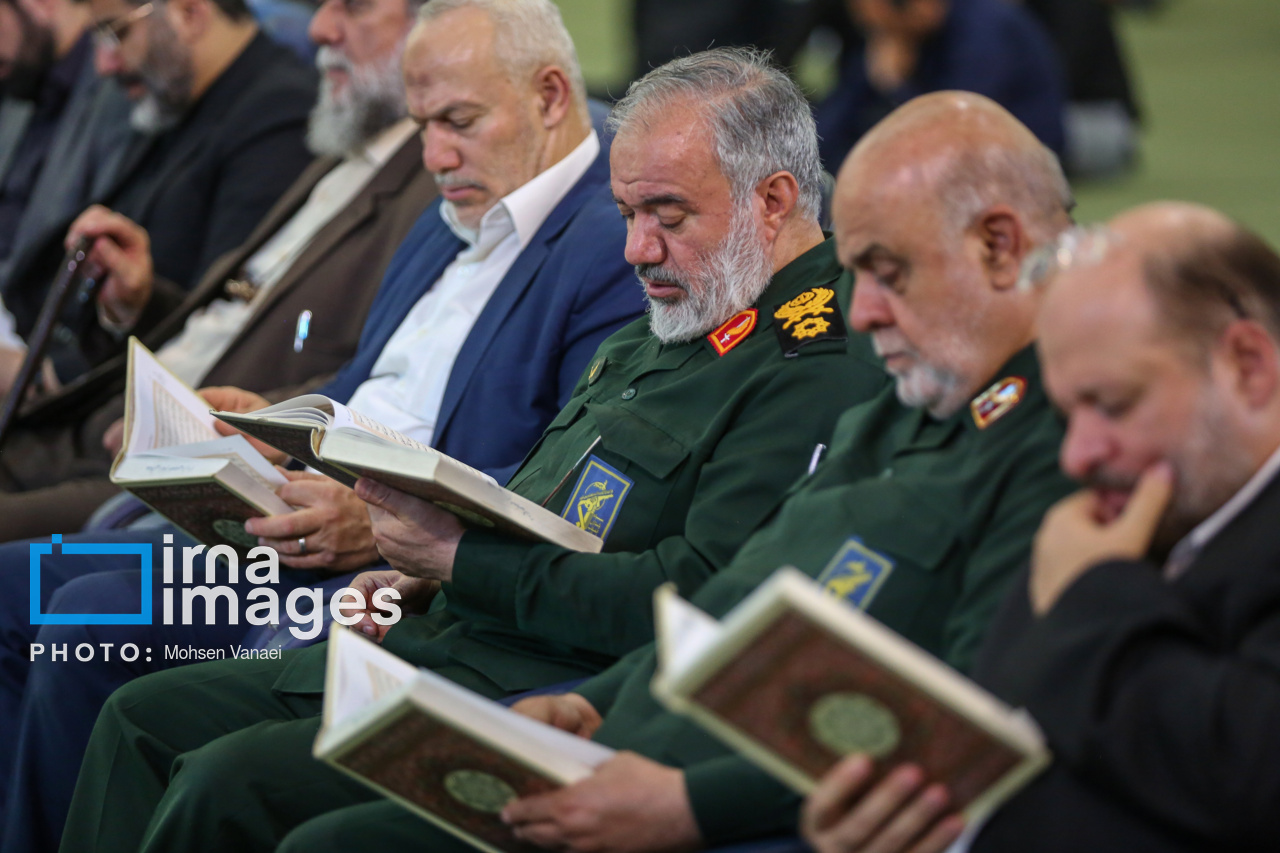
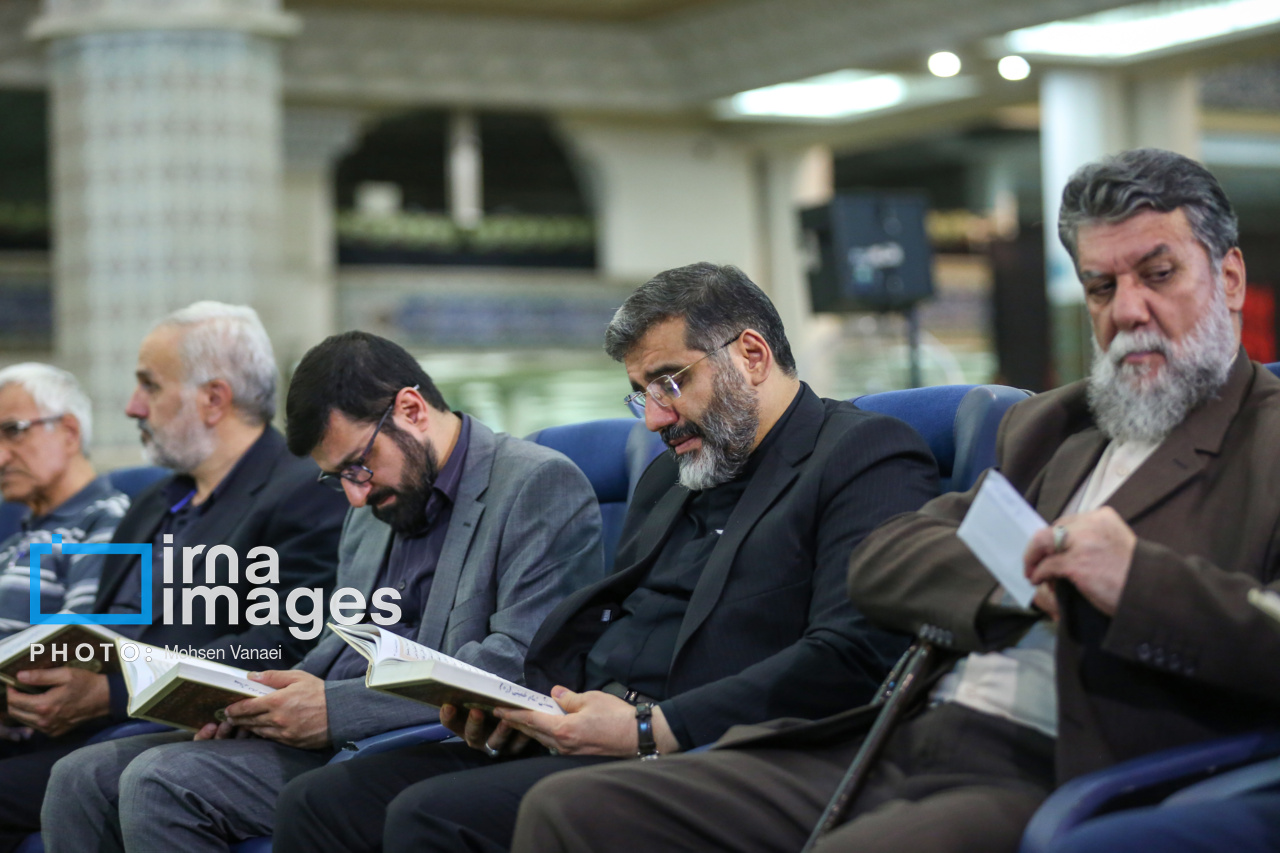
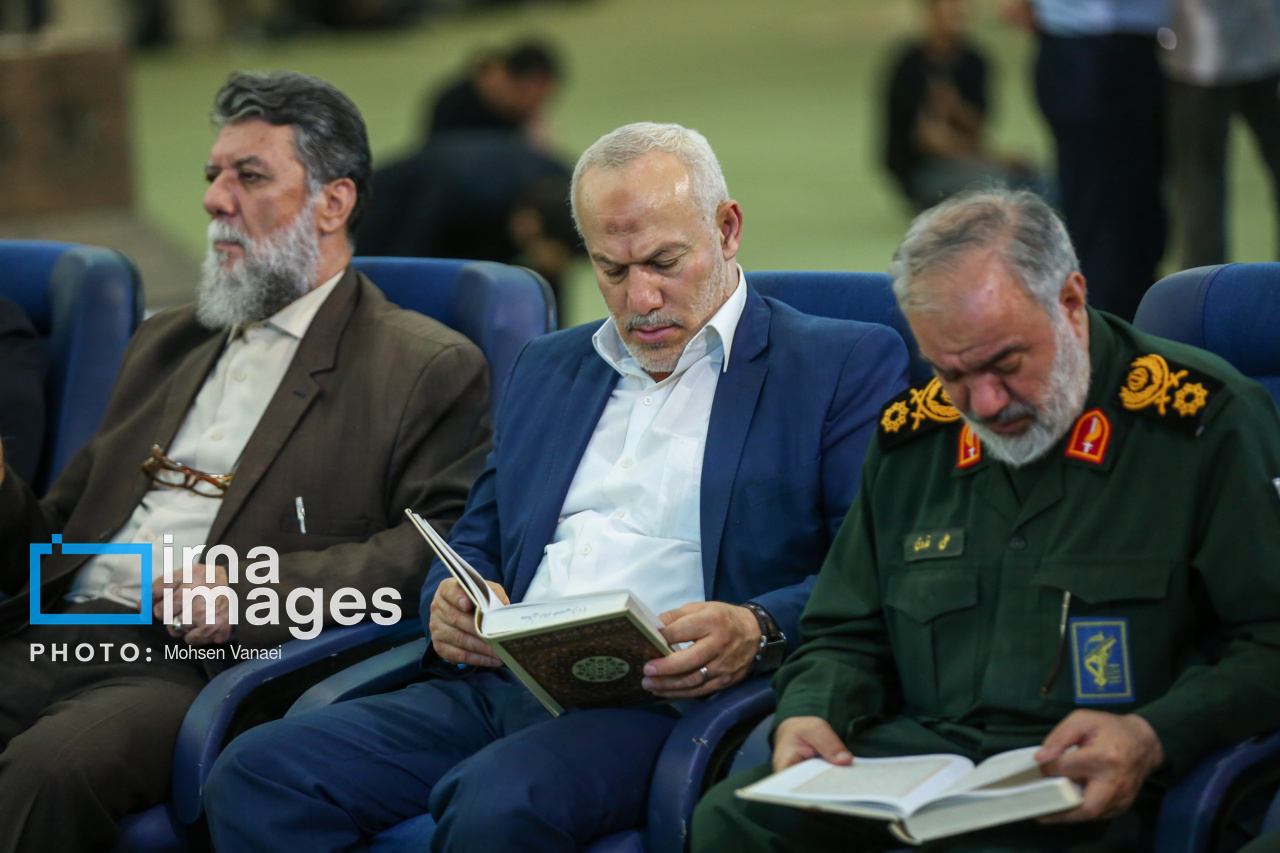
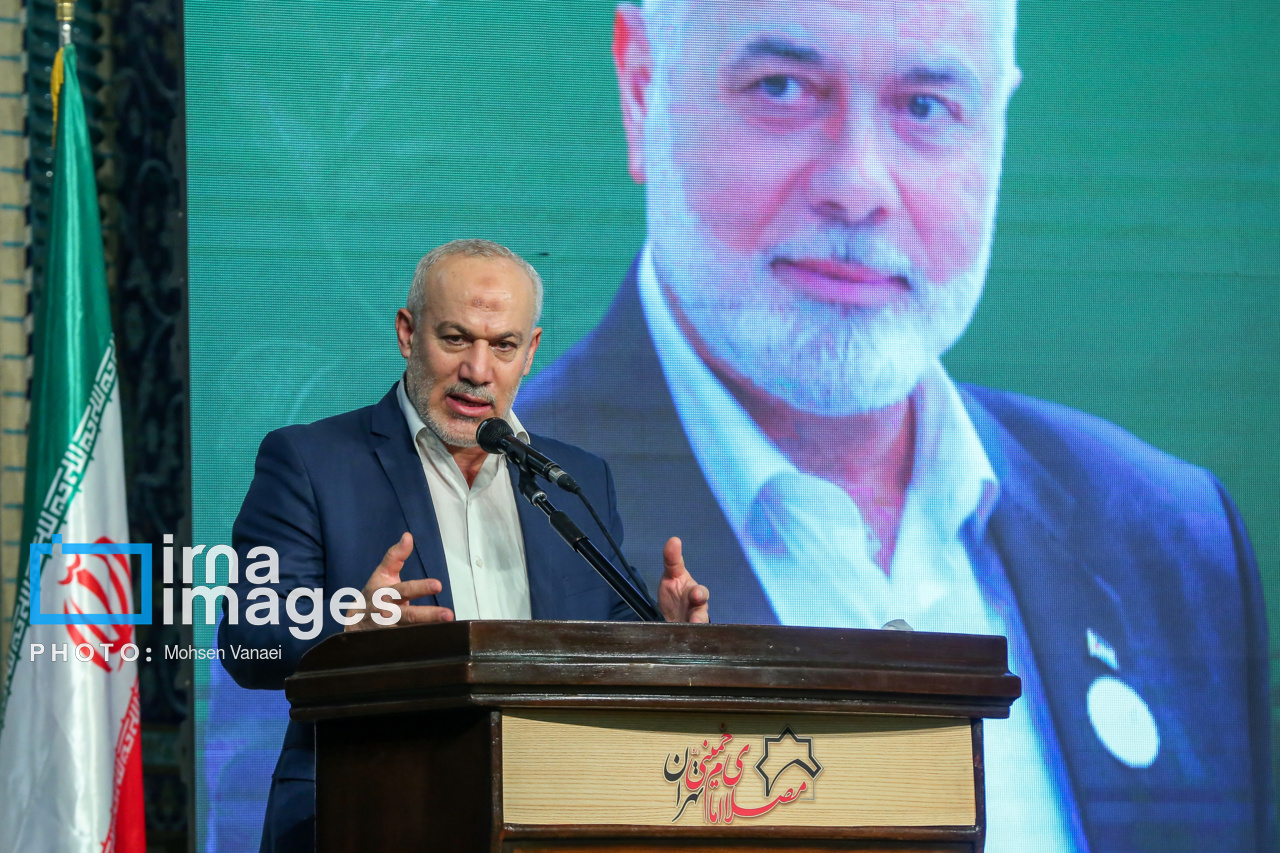
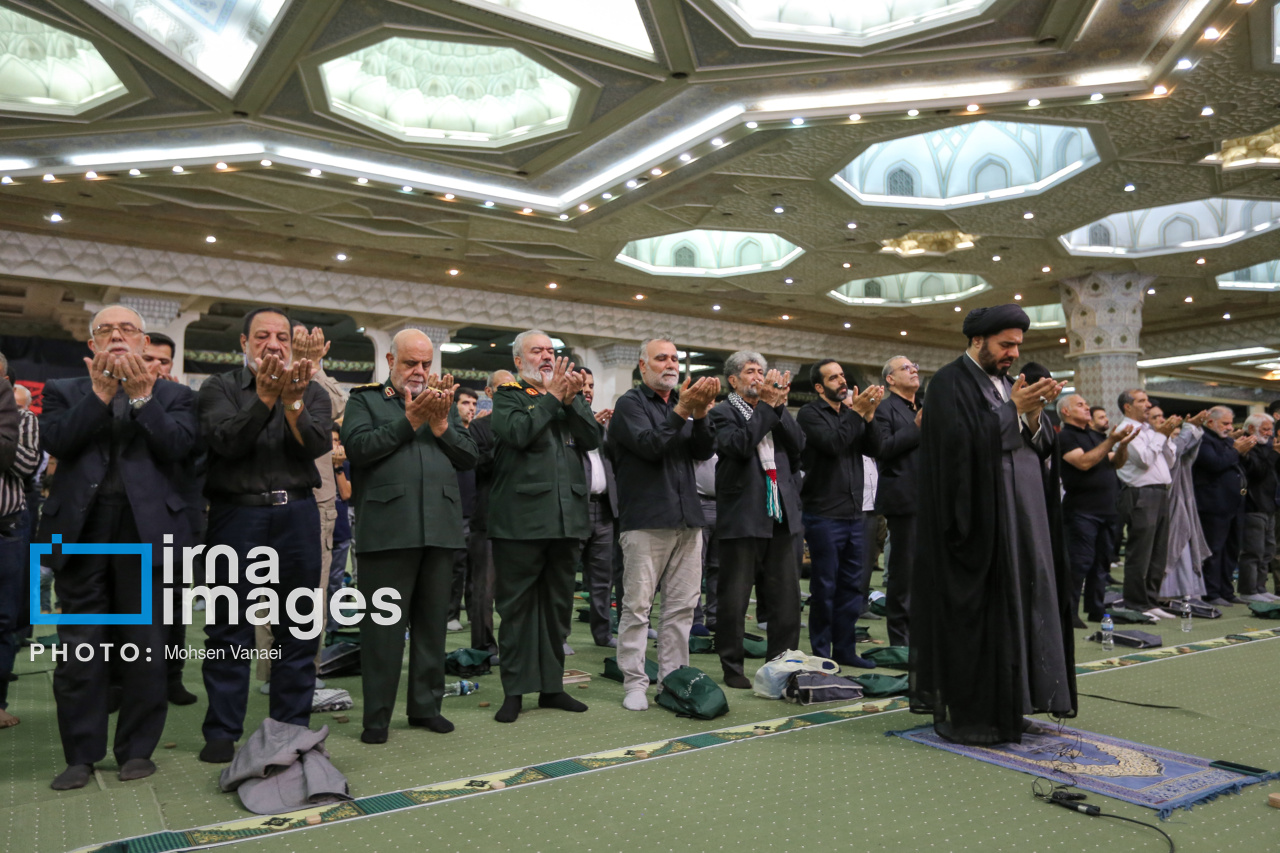
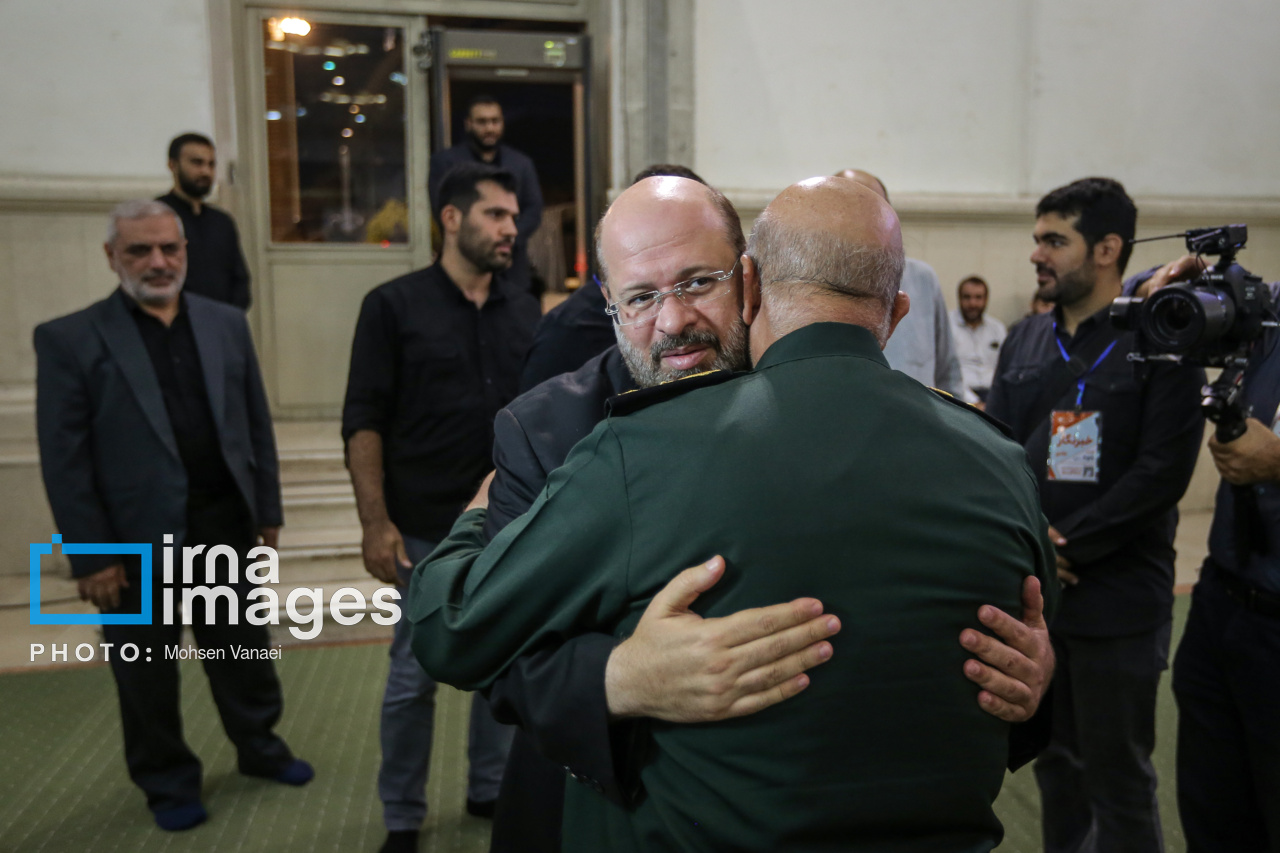
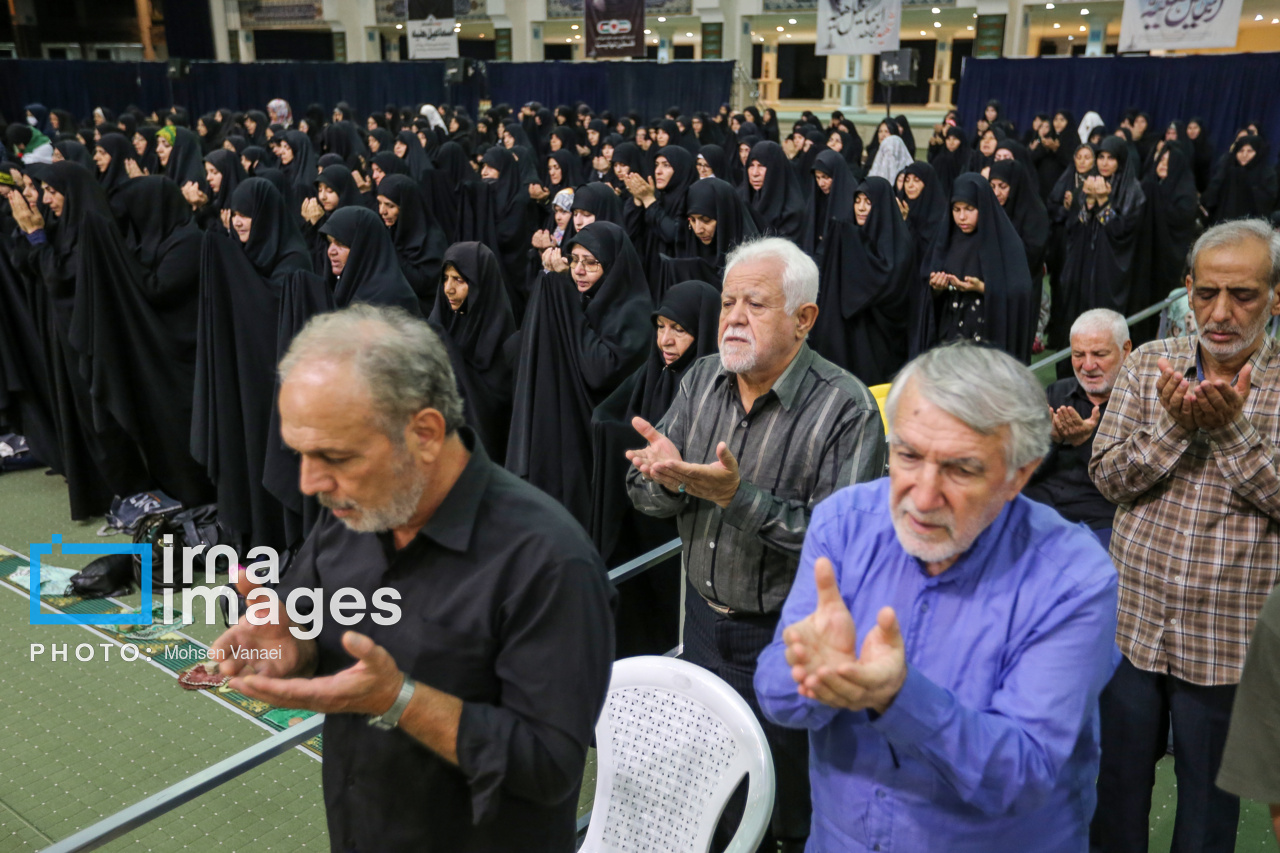
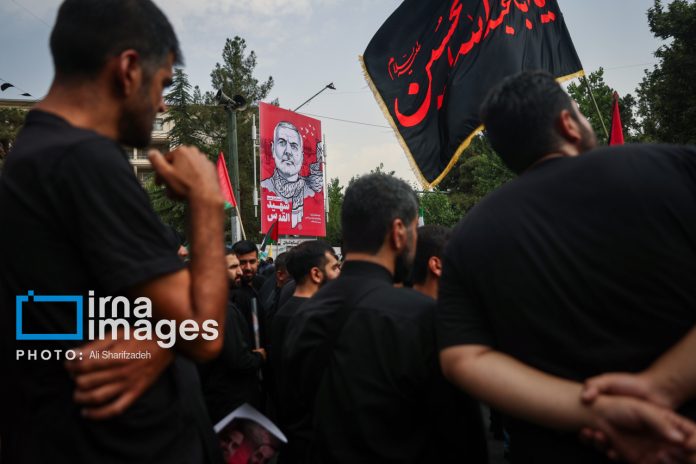
Iran holds commemorative ceremony for martyred Hamas leader

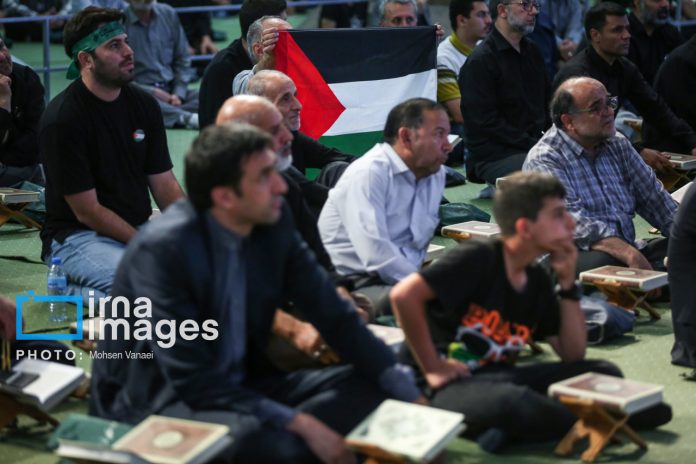
High-ranking Iranian officials, military and political figures as well as ministers, joined the large crowds of participants to honor Haniyeh.

More in pictures:

Nearly %70 of Germans oppose military support for Israel: Survey

Lebanon Hezbollah

Compared to a survey from March, criticism of the military actions of Prime Minister Benjamin Netanyahu’s government in the Middle East is growing among the German population.

Some 57% of those questioned said Israel’s military response to the Hamas attacks on Oct. 7 has now gone too far. That is an increase of seven percentage points.

The number of respondents who consider military action in the Gaza Strip to be appropriate dropped by seven percentage points to merely 21%. Only 4% think it did not go far enough.

According to six out of 10 Germans (61%), Israel is completely or somewhat responsible for the situation in Gaza.

Germany has been a staunch supporter of Israel for decades as a result of its Nazi past. The European country is a significant arms supplier to Israel, with a substantial contribution of €326.5 million ($353.70 million) worth of military equipment and weapons in the past year alone.

In 10 months of subsequent warfare, more than 39,700 Palestinians have been killed in Gaza, hundreds of thousands displaced, and most of the enclave laid to waste as a humanitarian crisis has unfolded.

Israel is accused of genocide at the International Court of Justice for its actions in the coastal enclave.

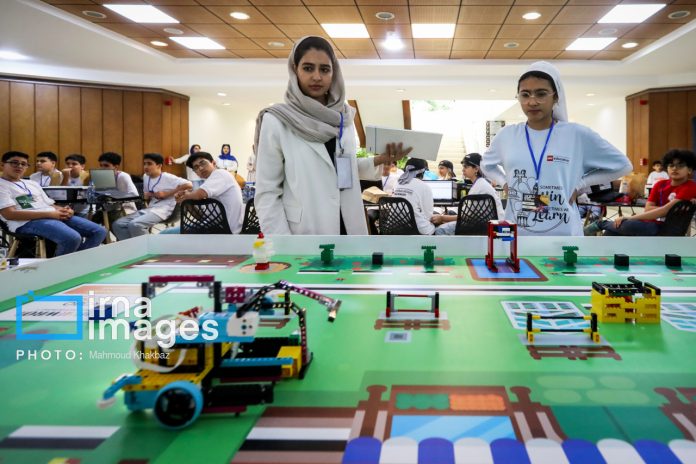
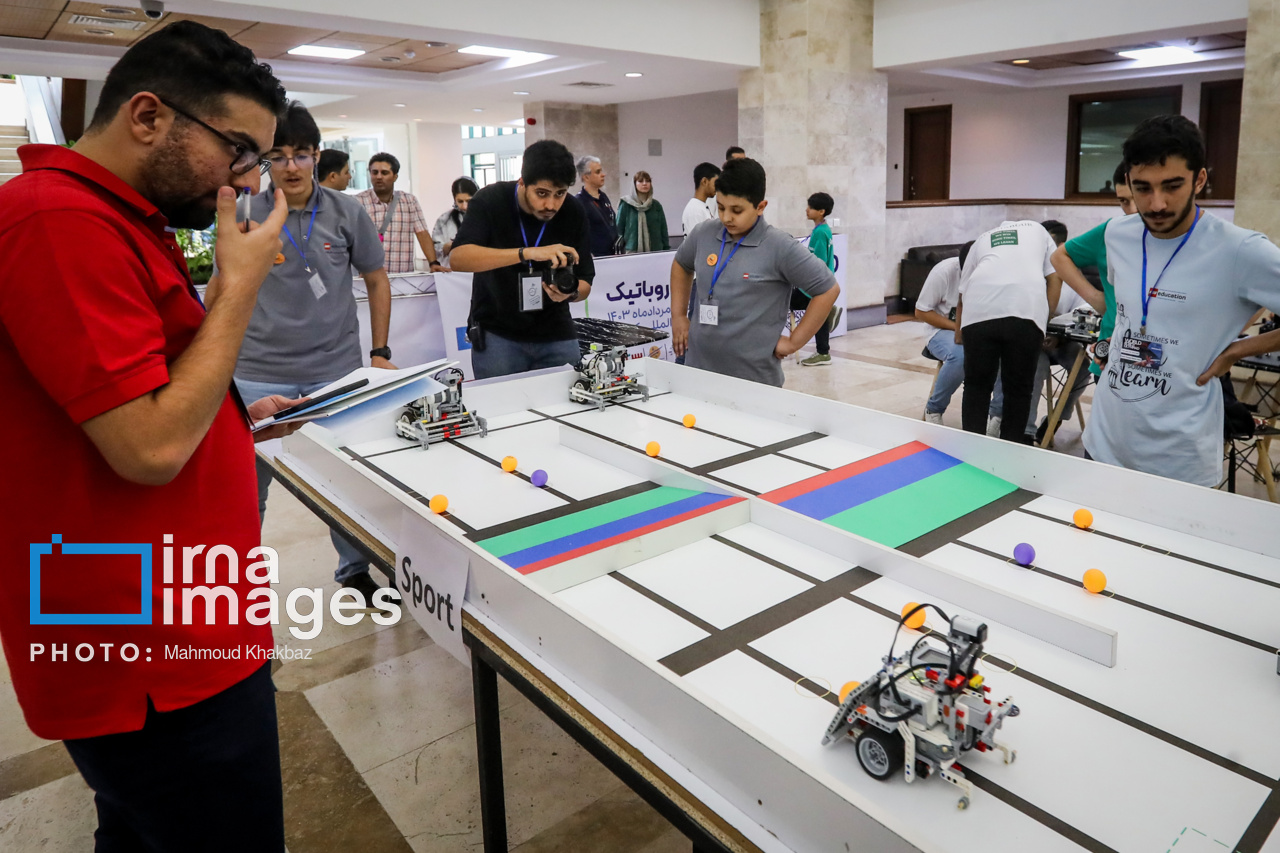
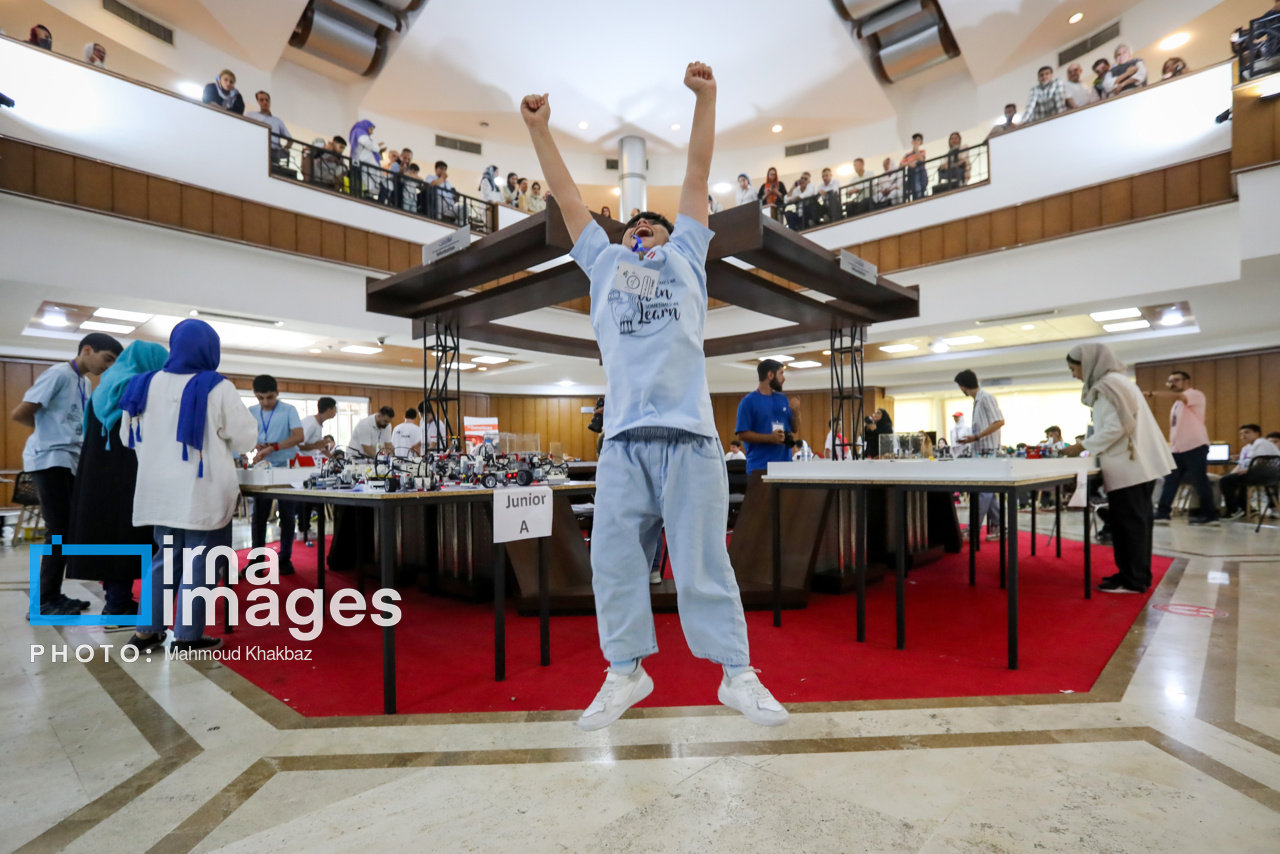
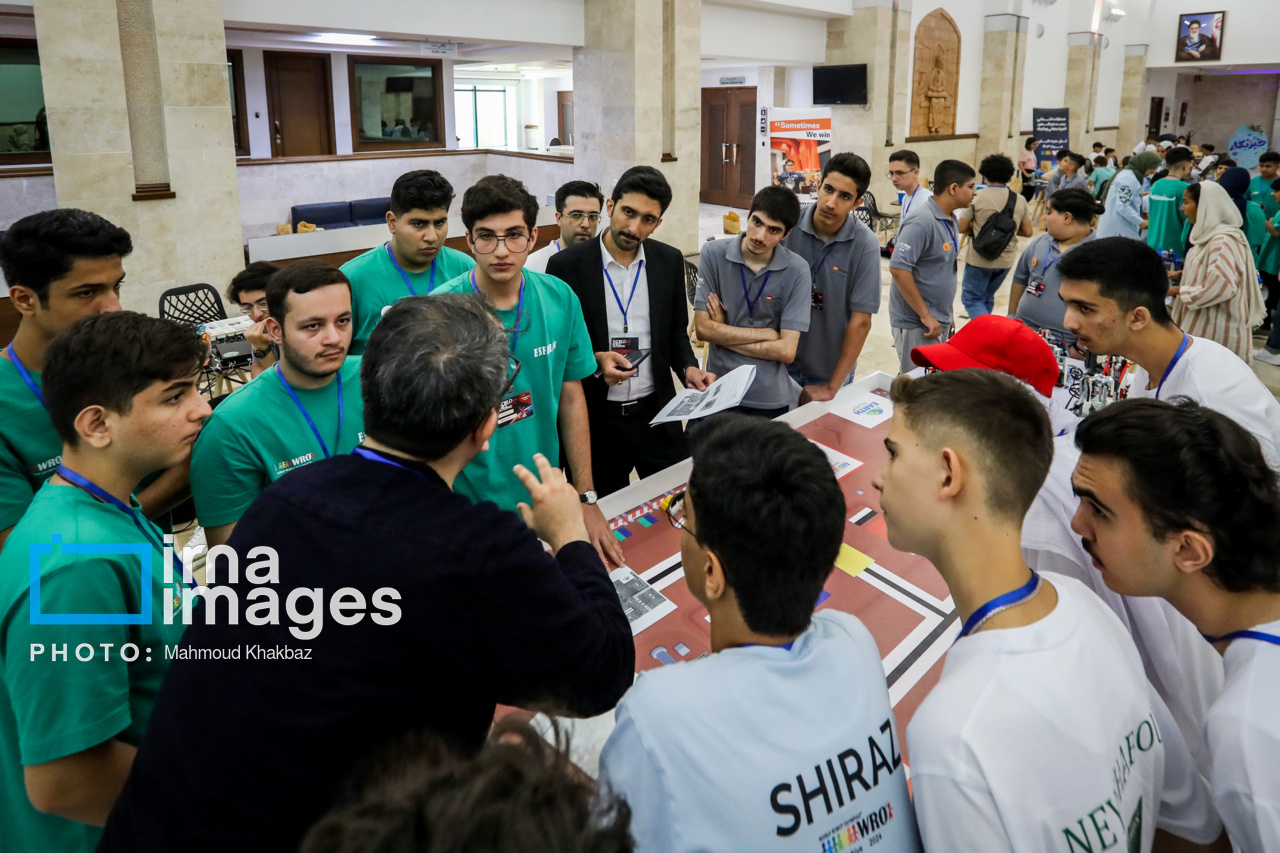
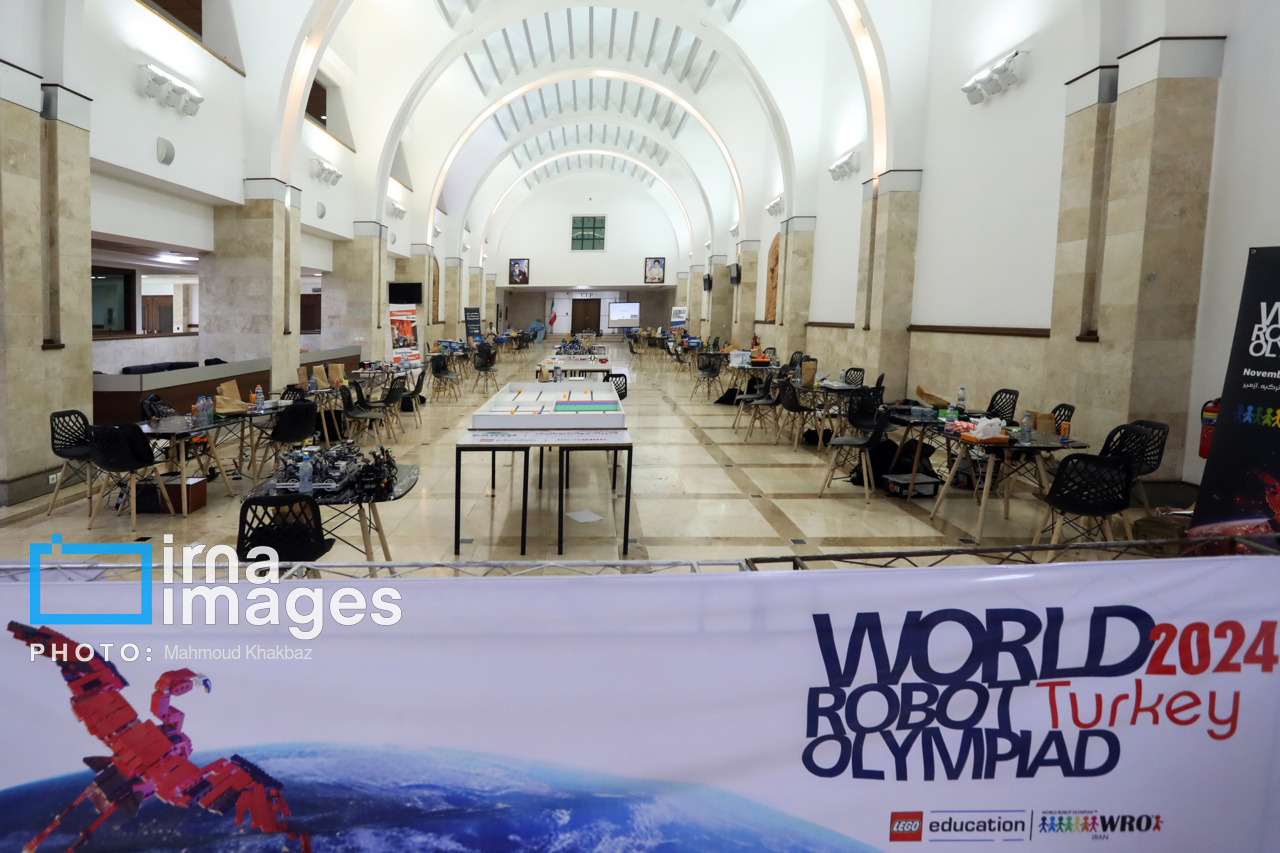
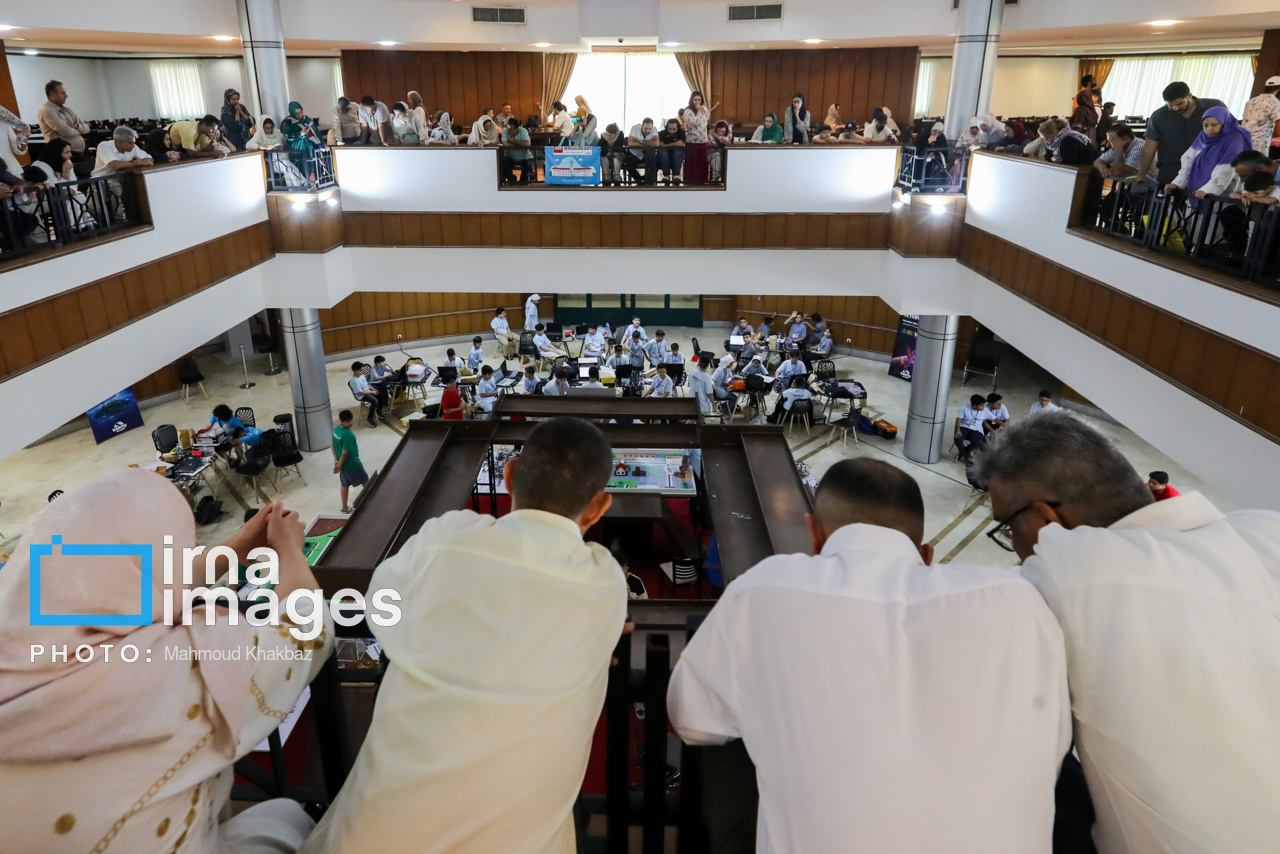
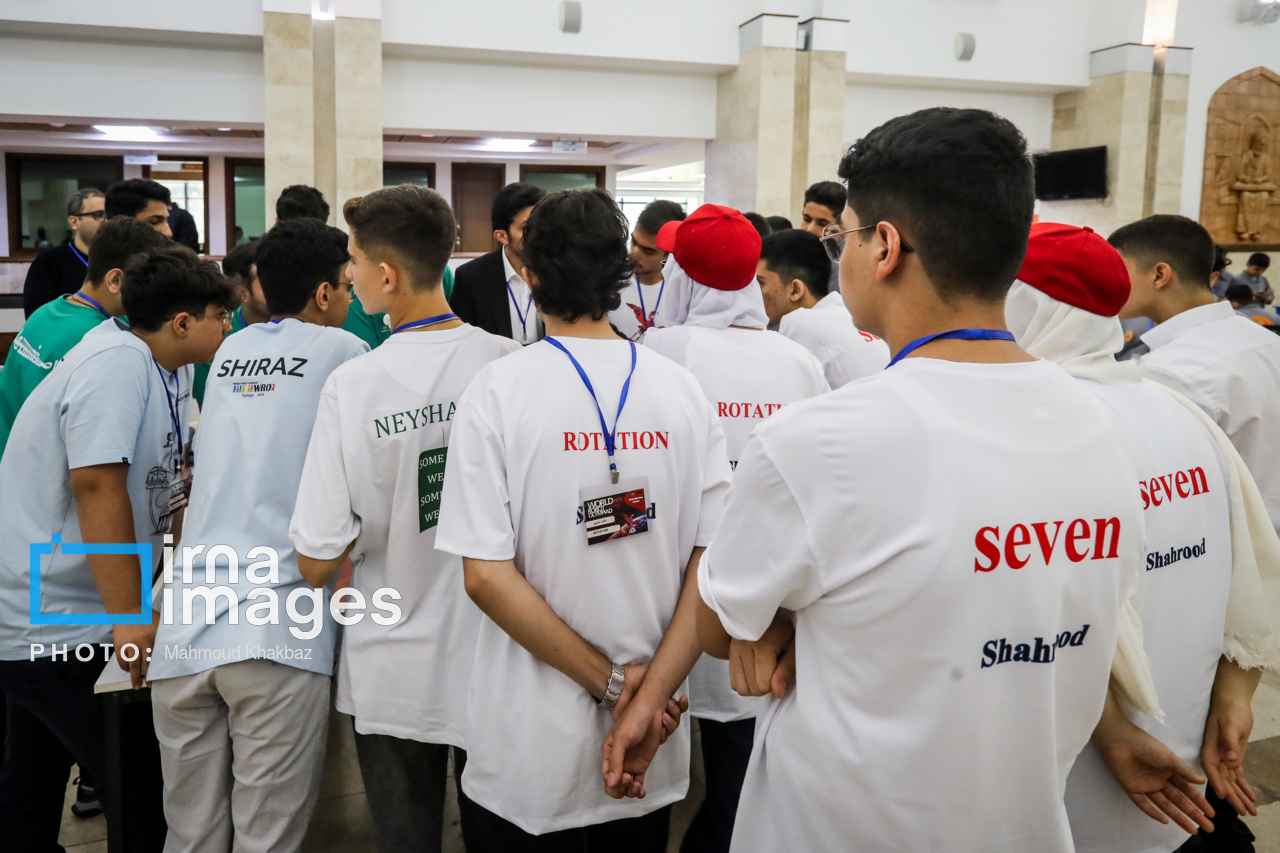
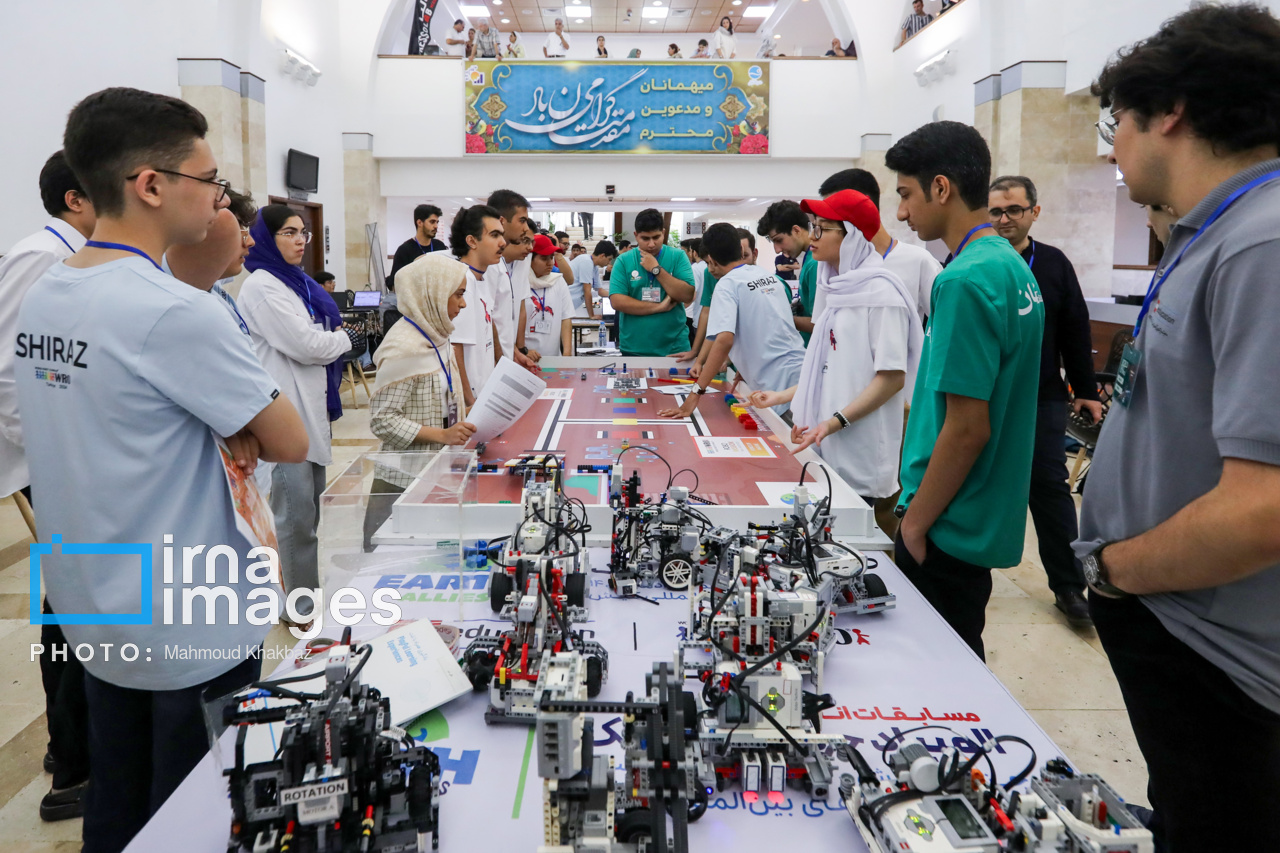
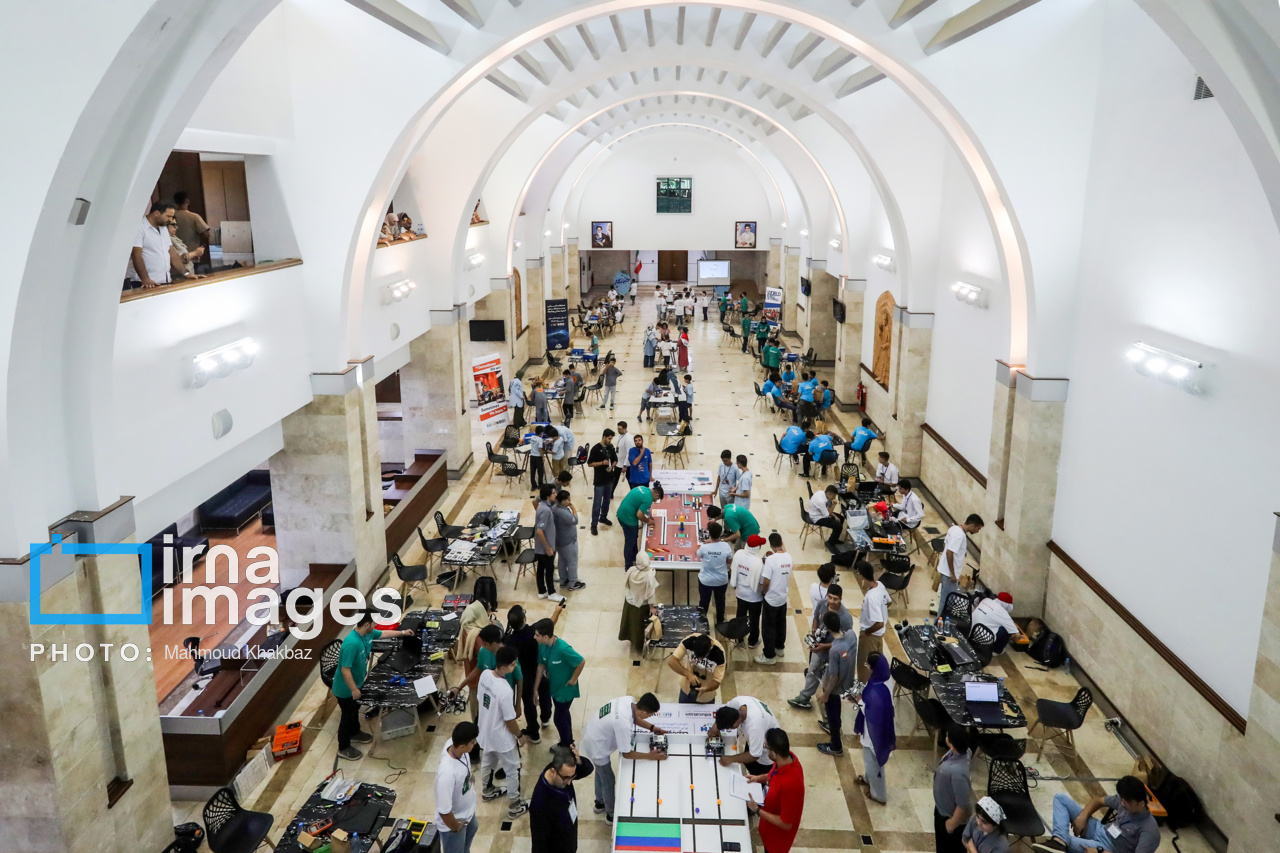
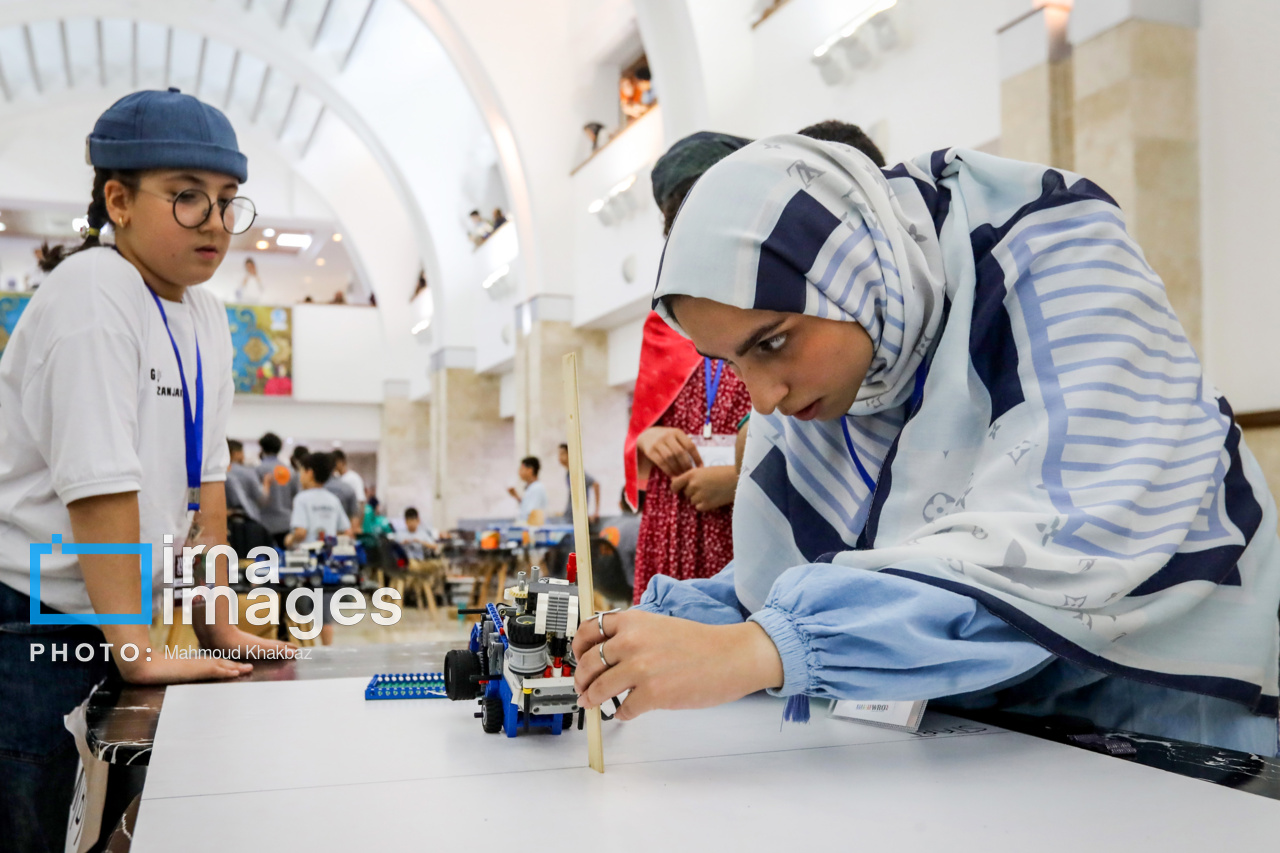
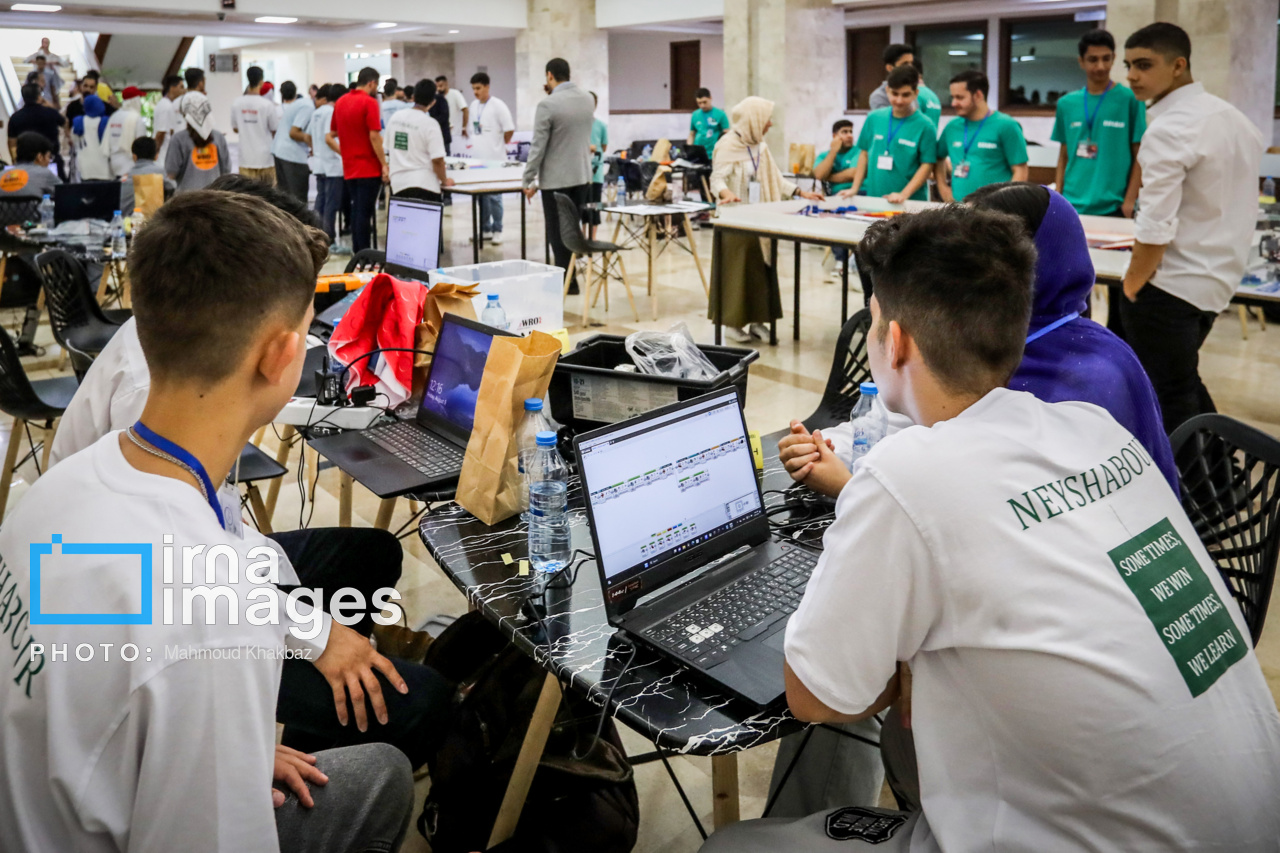
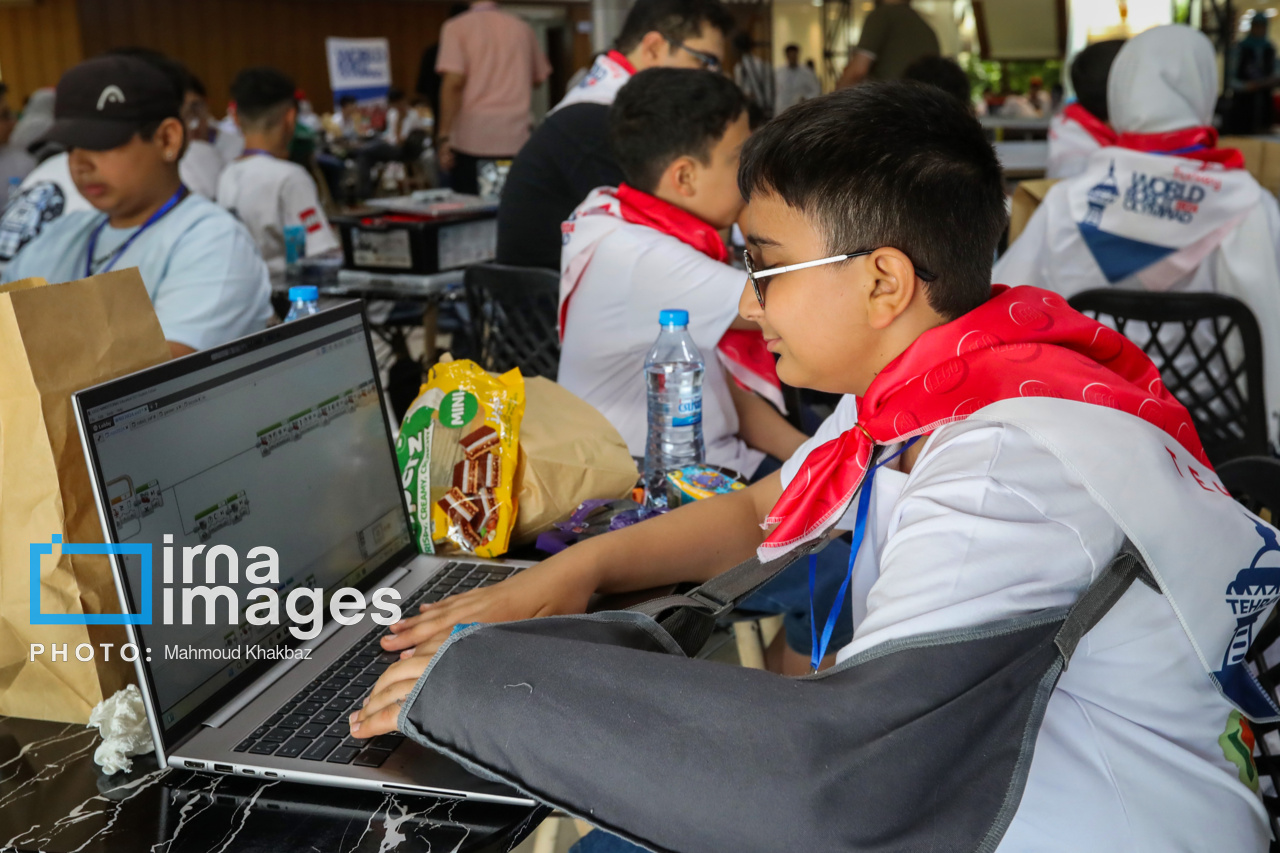
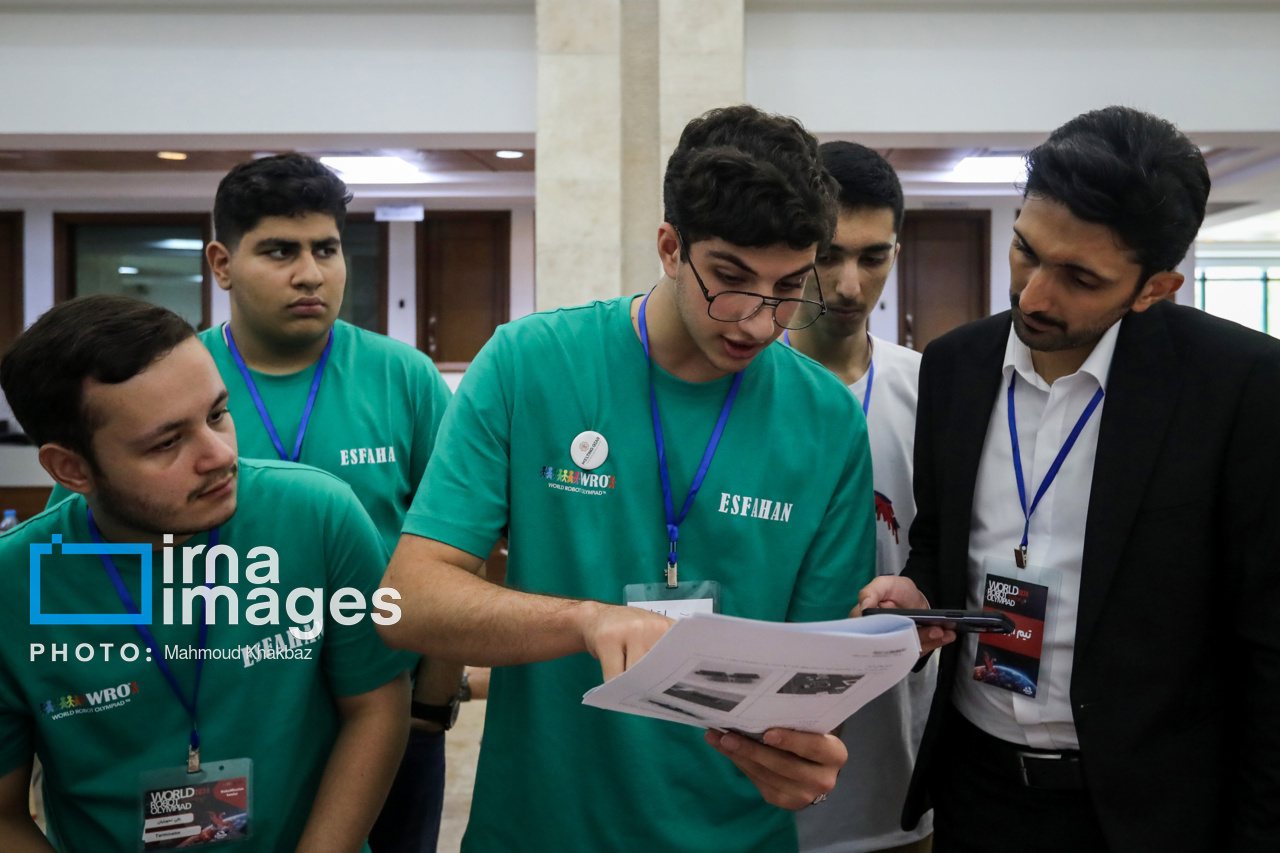
Young Iranian robotic talents race in 2024 qualifying competitions

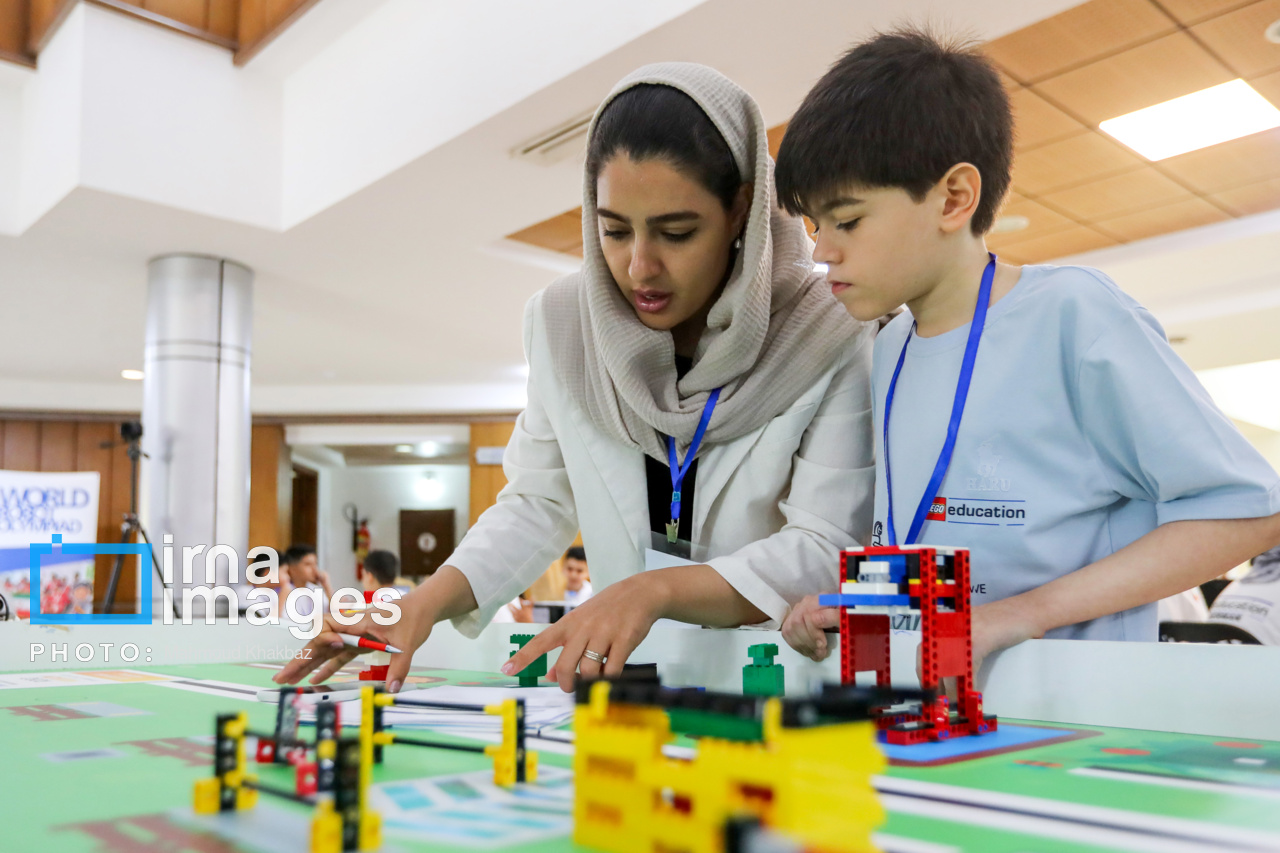
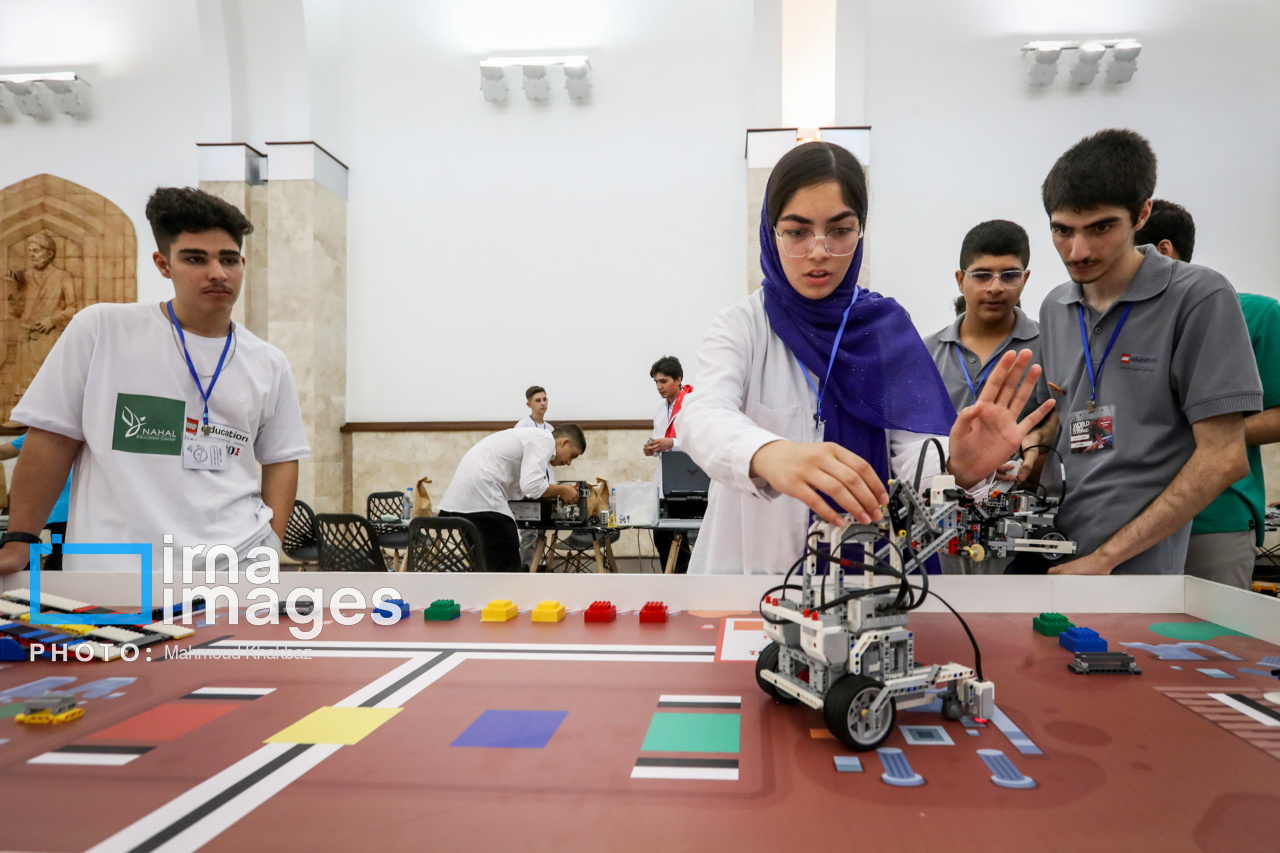
The 2024 Robotics World Olympiad will be hosted by the Turkish city of Izmir from November 28 to 30, when some of the brightest teenagers and young adults from across the world will gather for the competitions.

The WRO theme for 2024 is Earth Allies, which will help the teams learn more about how we humans affect nature and how nature and natural events can affect us.

More in pictures:

At least 100 killed in Israeli strike on Gaza school

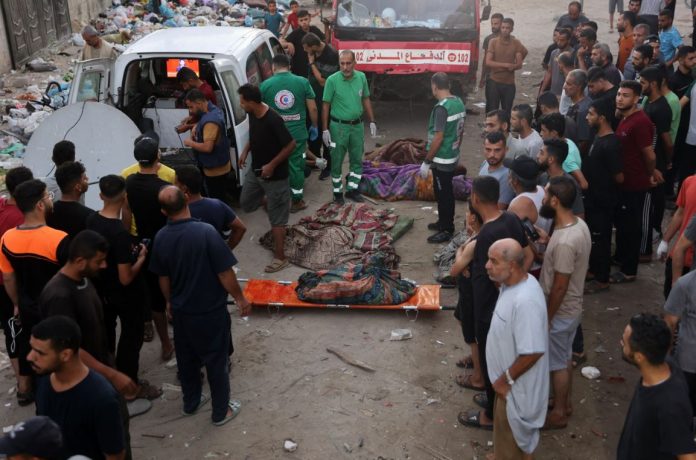
Three Israeli bombs hit the al-Tabin school, located in Daraj district, Gaza’s civil defence agency said of the attack on Saturday which it described as a “horrific massacre”.

Women, children and the elderly are reported to be among the dead and the toll was expected to rise. The attack took place while people were performing morning prayers and triggered a fire that ripped through the building.

Ismail al-Thawabta, the head of Gaza’s Government Media Office, told Al Jazeera that the Israeli army used three bombs weighing 2,000 pounds (907kg) each in its attack.

He added Israel was aware of the presence of displaced people inside the school.

Israeli forces have repeatedly attacked schools used as shelters, claiming they are command centres for Hamas, the Palestinian group that governs Gaza, to hide fighters and manufacture weapons.

Saturday’s attack was the fourth such incident in a week. Israel has not presented evidence to prove its claims that schools are being used by Hamas.

Hamas has denied Israeli accusations that it operates from civilian facilities such as schools and hospitals.

“The occupation army directly bombed the displaced people while they were performing the dawn prayer, and this caused the number of martyrs to rise rapidly,” the Gaza Government Media Office announced in a statement following the attack.

Palestinian journalist Hossam Shabat reported that rescue teams were unable to help those trapped by the flames as the Israeli military cut water access to the area.

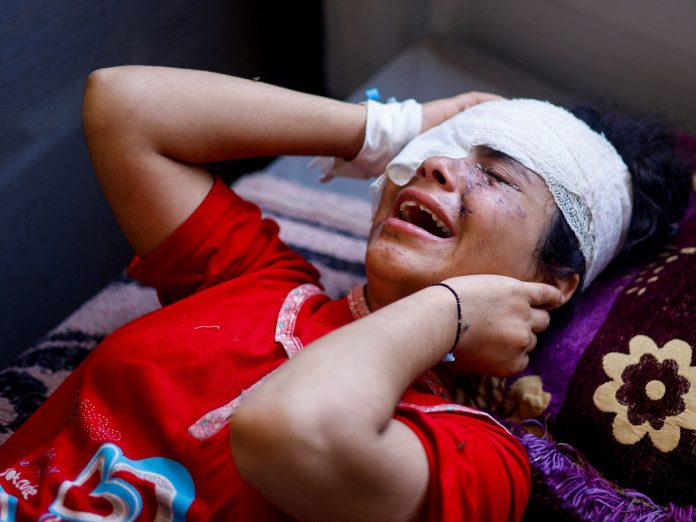
Many of the wounded rushed to the al-Ahli Hospital in Gaza City were in a critical condition.

Some of the bodies were hard to recognise, “so relatives at the hospital searching for their loved ones are struggling to find any way to identify them”.

“The massacre at al-Tabin school in the Daraj neighbourhood in central Gaza City is a horrific crime that constitutes a dangerous escalation,” Hamas announced in a statement.

Izzat al-Rishq, a member of the Palestinian group’s political bureau, stressed there were no armed men at the school.

Israel’s claims of the school being used as the group’s command centre are “excuses to target civilians, schools, hospitals, and refugee tents, all of which are false pretexts and exposed lies to justify its crimes”.

“We call on our Arab and Islamic countries and the international community to fulfill their responsibilities and take urgent action to stop these massacres and halt the escalating Zionist aggression against our people and defenseless citizens,” the statement read.

Fatah, the rival Palestinian faction that last month signed a “national unity” agreement with Hamas, said in a statement the attack was a “heinous bloody massacre” that represents the “peak of terrorism and criminality”.

“Committing these massacres confirms beyond a shadow of a doubt its efforts to exterminate our people through the policy of cumulative killing and mass massacres that make living consciences tremble,” it added.

The attack comes as Qatar, Egypt and the United States have called on Israel and Hamas to resume talks on August 15 to reach a ceasefire.

Gaza’s Ministry of Health says at least 39,699 people have been killed and 91,722 wounded in Israel’s war on the enclave. An estimated 1,139 people were killed in Israel during the Hamas-led attacks on October 7 and more than 200 were taken captive.

Top official: Iran made preparations for harsh punishment of Israel

Hamas Ismail Haniyeh

The political adviser to the Iranian Leader, Rear Admiral Ali Shamkhani, posted a message on his X social media account on Saturday to also censure the Israeli regime’s ongoing onslaught against the Palestinians in the Gaza Strip.

He wrote, “The only goal of the Israeli regime in killing the worshippers of the Al-Tabin school in Gaza and assassinating martyr Ismail Haniyeh in Iran is warmongering and leading ceasefire talks to failure.”

Shamkhani added that Iran has gone through the legal, diplomatic, and media processes for a retaliatory operation and “the preparations for a severe punishment of the regime, that only understands the language of force, have been made.”

Israel assassinated Haniyeh, an official guest of Iran who enjoyed diplomatic immunity, on July 31 in the Iranian capital Tehran by targeting him at his residence.

Iran has vowed a crushing response, warning Israel it would be harsher than the mid-April drone and missile operation that only targeted military and strategic sites inside Israel.
US says to provide $3.5bn more in military aid to Israel amid Gaza war

Israeli Army

A State Department spokesperson said on Friday that the department had notified Congress on Thursday that the Joe Biden administration intended to release billions of dollars worth of foreign military financing to Israel.

US broadcast media first reported on the release of the funds, which comes from a $14.5bn supplemental funding bill for Israel passed by the Congress in April. The supplemental budget comes on top of the more than $3bn in annual US military aid to Israel.
Part of the new financial aid will go to an Israeli military unit, which is accused of carrying out human rights abuses against Palestinians in the occupied West Bank. The State Department announced it had decided against sanctioning the unit – which would have been the first-ever blocking of aid to the Israeli military – saying it was satisfied with Israeli efforts to address “violations by this unit” which have been “effectively remediated”.
While the US has not publicly named the unit, it is believed to be Israel’s Netzah Yehuda battalion, which has historically been based in the occupied West Bank.

The battalion and some of its members have been linked to the abuse of Palestinian civilians, including the death of a 78-year-old Palestinian-American man after his detention by the unit in 2022.

The greenlight given to Netzah Yehuda comes after US Secretary of State Antony Blinken determined in a finding made public in April that an Israeli army battalion committed grave human rights abuses against Palestinians, triggering an investigation under US legislation related to US military aid to foreign forces known as the Leahy Law.

In the face of protests from Republican lawmakers over the findings of abuse related to the battalion, Blinken stated he would allow aid to continue to the unit in order to give Israel time to address the wrongdoing.

News of Blinken’s reversal comes as criticism of Israel mounts amid the killings of tens of thousands of Palestinian civilians in its war on Gaza.

The Israeli military has been accused of numerous human rights violations against Palestinians both in Gaza and the occupied West Bank, including killing civilians indiscriminately in attacks on homes, hospitals and school shelters, torture of prisoners, and depriving hundreds of thousands of displaced Palestinians of water, food and medical supplies.

Most recently, 10 Israeli soldiers were accused of the brutal gang rape of a Palestinian detainee in an Israeli prison camp, which was caught on video.

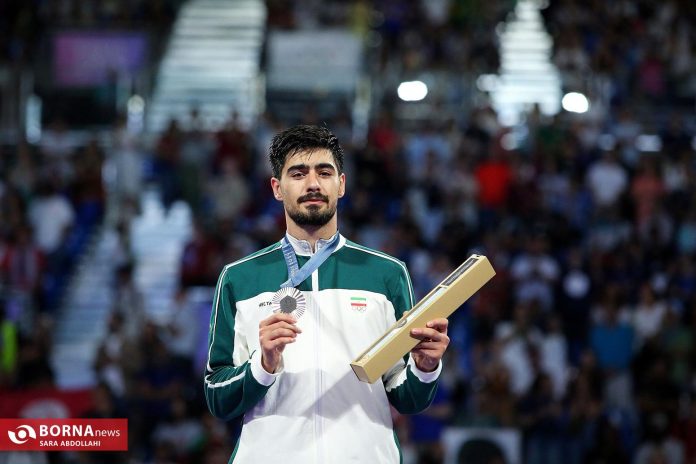
Iran’s Taekwondo athlete takes silver medal in 2024 Olympics

Katoussi defeated Barkhordari 2-0 in the men’s -80kg gold medal contest on Friday, becoming Tunisia’s first Olympic champion in taekwondo.

In the first bronze medal match, Simone Alessio from Italy won 2-0 over CJ Nickolas from the United States, then Denmark’s Edi Hrnic won bronze 2-0 over the Republic of Korea’s Seo Geonwoo.

Iranian female taekwondo athletes Nahid Kiani in the -57kg and Mobina Nematzadeh in the -49kg had won a silver and a bronze medal, respectively.

Permanent Mission to UN: Iran recognizes any deal Hamas accepts

Answering questions by the media, the mission said, “Our priority is to establish a lasting ceasefire in Gaza; any agreement accepted by Hamas will also be recognized by us.”

The permanent mission also lashed out at the Israeli regime for the assassination of the head of the political office of the Palestinian resistance movement Hamas, Ismail Haniyeh, last Wednesday in the Iranian capital Tehran and warned of reprisal against the occupying regime.

It noted, “The Israeli regime has violated our national security and sovereignty through its recent act of terrorism. We have the legitimate right to self-defense – a matter totally unrelated to the Gaza ceasefire.”

The Iranian mission, however, sounded optimistic “that our response will be timed and conducted in a manner not to the detriment of the potential ceasefire.”

The diplomatic mission also touched on discussions between Tehran and Washington, explaining “Direct and intermediary official channels to exchange messages have always existed between Iran and the United States, the details of which both parties prefer to remain untold.”