Wednesday, December 31, 2025
Home Blog Page 592

More regions could be added to Russia: Ex-president

Dmitry Medvedev

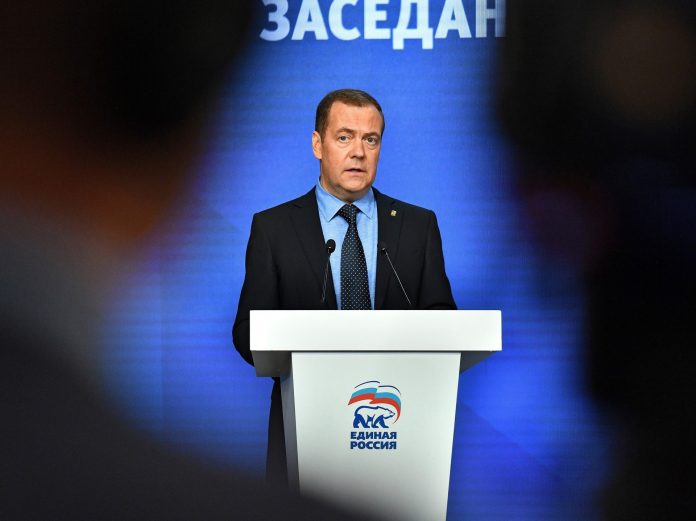
Commenting on the ruling party’s endeavours in helping to incorporate and develop the new regions that have joined the country, Medvedev, who currently serves as the deputy chairman of the nation‘s security council and the head of the United Russia party, suggested that this experience could one day come in handy again.

“This experience may be in demand in the future if new regions very close to us appear in our country, because this is possible,” he noted.

In 2022, four former Ukrainian territories, including the People’s Republics of Donetsk and Lugansk as well as Kherson and Zaporozhye Regions, held public referendums where they decided to break with Kiev and become part of Russia.

Before that, in 2014, the citizens of Crimea, a historically Russian region, had voted to leave Ukraine and return to Moscow.

Ukraine and its Western backers have refused to acknowledge the legitimacy of these referendums; Kiev has continued to claim authority over these territories and vowed to retake all of them.

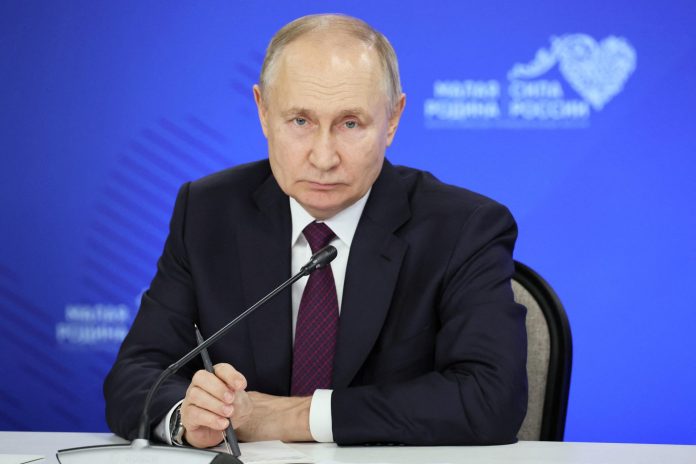
Moscow however, has repeatedly urged Kiev to accept the new realities “on the ground,” with President Vladimir Putin calling the complete withdrawal of all Ukrainian forces from all Russian territories a key prerequisite for peace talks.

Britain calls on G7 to intensify pressure on Russia with sanctions

Vladimir Putin

Talking during a video conference with G7 leaders, Starmer highlighted Putin’s unwillingness to make concessions and argued for bolstered aid to Ukraine to position the country as strongly as possible for the future.

He noted that the international community must increase economic pressure and military assistance to achieve this goal.

The remarks come amid ongoing efforts by G7 nations to finalize a $50 billion aid package for Ukraine using Russian assets, as recently noted by US Secretary of State Antony Blinken.

The UK has recently announced new sanctions targeting the illicit gold trade, which it says finances Russia’s war against Ukraine.

“Russia uses the illicit gold trade to launder money and evade sanctions, in doing so bolstering Putin’s war efforts,” the UK government announced in a press release.

The measures include asset freezes on five individuals, including Anto Joseph, CEO of Paloma Precious, which has reportedly purchased over $300 million worth of Russian gold.

The British government reported in 2023 that gold brought $15.5 billion to the Russian economy in 2021, making it one of the country’s most valuable commodities after energy exports.

Russia to pull back military from northern Syria: Reuters

The ousting of Assad, who along with his late father, former President Hafez al-Assad, had forged a close alliance with Moscow, has thrown the future of Russia’s bases – the Hmeimim airbase in Latakia and the Tartous naval facility – into question.

Satellite footage from Friday shows what appeared to be at least two Antonov AN-124s, among the world’s largest cargo planes, at the Hmeimim base with their nose cones open, apparently preparing to load up.

At least one cargo plane flew out on Saturday for Libya, a Syrian security official stationed outside the facility said.

Syrian military and security sources in contact with the Russians told Reuters that Moscow was pulling back its forces from the front lines and withdrawing some heavy equipment and senior Syrian officers.

But the sources, who spoke on condition of anonymity due to the sensitivity of the situation, said Russia was not pulling out of its two main bases and currently had no intention of doing so.

Some equipment is being shipped back to Moscow as are very senior officers from Assad’s military but the aim at this stage is to regroup and redeploy as dictated by developments on the ground, a senior Syrian army officer in touch with the Russian military told Reuters.

A senior rebel official close to the new interim administration told Reuters the issue of the Russian military presence in Syria and past agreements between the Assad government and Moscow were not under discussion.

“It is a matter for future talks and the Syrian people will have the final say,” stated the official, adding that Moscow had set up communication channels.

“Our forces are also now in close vicinity of the Russian bases in Latakia,” he noted without elaborating.

The Kremlin has announced Russia is in discussions with the new rulers of Syria over the bases. Russia’s defence ministry did not respond to a request for comment on Reuters reporting.

A Russian source who spoke on condition of anonymity said discussions with the new rulers of Syria were ongoing and Russia was not withdrawing from its bases.

Russian President Vladimir Putin, whose 2015 intervention in the Syrian war helped prop up Assad when the West was calling for him to be toppled, granted Assad asylum in Russia after Moscow helped him to flee last Sunday.

Moscow has backed Syria since early in the Cold War, and had recognised its independence in 1944 as Damascus sought to throw off French colonial rule. The West long regarded Syria as a Soviet satellite.

The bases in Syria are an integral part of Russia’s global military presence: the Tartous naval base is Russia’s only Mediterranean repair and resupply hub, with Hmeimim a major staging post for military and mercenary activity in Africa.

Russia also has eavesdropping posts in Syria which were run alongside Syrian signals stations, according to Syrian military and Western intelligence sources.

The Tartous facility dates from 1971, and after Russia intervened in the civil war to help Assad, Moscow was in 2017 granted a free of charge 49-year lease.

Yoruk Isik, a geopolitical analyst based in Istanbul who runs the Bosphorus Observer, stated that Russia was probably sending cargo planes out of Syrian via the Caucasus, and then on to the Al Khadim airbase in Libya.

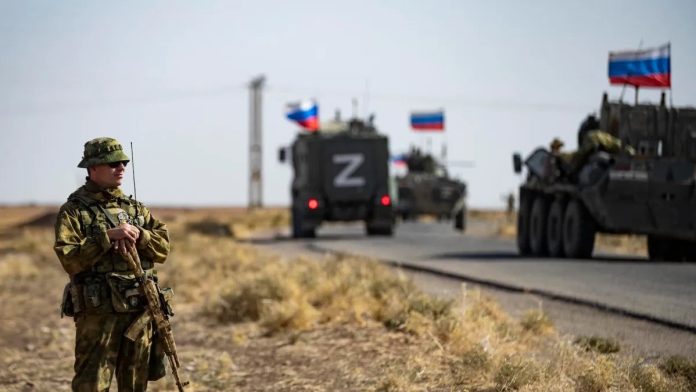
On the highway linking the Hmeimim air base to the base in Tartous, a Russian convoy of infantry fighting vehicles and logistics vehicles could be seen driving toward the air base, a Reuters journalist said.

The convoy had stopped due to a malfunction on one of its vehicles, with soldiers standing by the vehicles and working to repair the issue.

“Whether it’s Russian, Iranian or the previous government who was oppressing us and denying us our rights … we don’t want any intervention from Russia, Iran or any other foreign intervention,” Ali Halloum, who is from Latakia and lives in Jablah, told Reuters.

At Hmeimim, Reuters saw Russian soldiers walking around the base as normal and jets in the hangars.

Satellite imagery taken on Dec. 9 by Planet Labs showed at least three vessels in Russia’s Mediterranean fleet – two guided missile frigates and an oiler – moored around 13 km (8 miles) northwest of Tartous.

Lawyer: Female Iranian singer Parastoo Ahmadi released from detention

Iran Prison

Ahmadi was detained for violating Iran’s laws banning female singers from performing publicly without Hijab.

Panahipour confirmed her release at 3 a.m. to Sharg network.

Ahmadi’s arrest, along with two musicians from her band, Hypothetical Concert, occurred late Saturday.

Initially, Panahipour said he was unaware of the detaining authority. Later, Tasnim News Agency, citing the head of the Intelligence Unit of the Mazandaran Provincial Police Command, reported that Ahmadi was summoned by the Public Security Police due to an unconventional video she posted on social media. She was instructed to refer to the judiciary.

After a briefing session, Ahmadi was released and left the police building with her family.

The release of the video “without adhering to legal and religious regulations” led to a legal case against Ahmadi and her band.

The Iranian Judiciary announced that the video lacked legal authorization and did not comply with the country’s legal and cultural norms.

Since the 1979 Islamic Revolution, Iran has enforced specific regulations on female solo performances and certain genres of music. These rules, based on religious and cultural norms, carry legal consequences for violations.

Iran faces aging crisis: Elderly population to reach 33.4 million in 32 years

Mojgan Rezazadeh noted on Sunday that from 1956 to 2016, the population of Iranians aged 60 and above increased from 1.4 million to 7.4 million.

She stressed that while the elderly population grew slowly over the past six decades, it is expected to increase rapidly, reaching 33.4 million by 2056. Similarly, those aged 65 and above will rise from 5 million to 23 million.

Despite the growing elderly population, the issue of aging has not been addressed in the country’s development plan, Rezazadeh regretted and urged for the inclusion of a budget for the aging population in next year’s budget proposal to address the social issue.

She emphasized that effective management and planning can provide opportunities to utilize the experience of the elderly and ensure equal and dignified conditions for them.

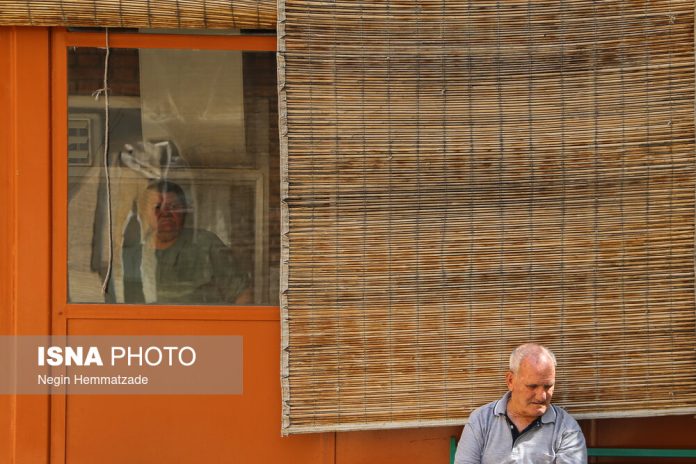
Currently, 9.866 million elderly individuals in Iran, 52.27% women and 47.73% men, make up the total population of about 85 million in the country.

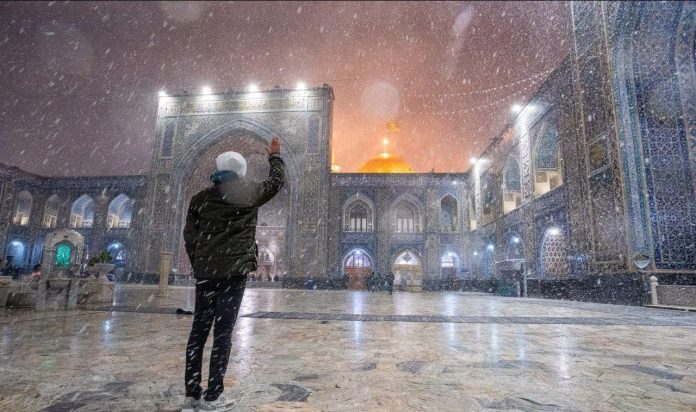
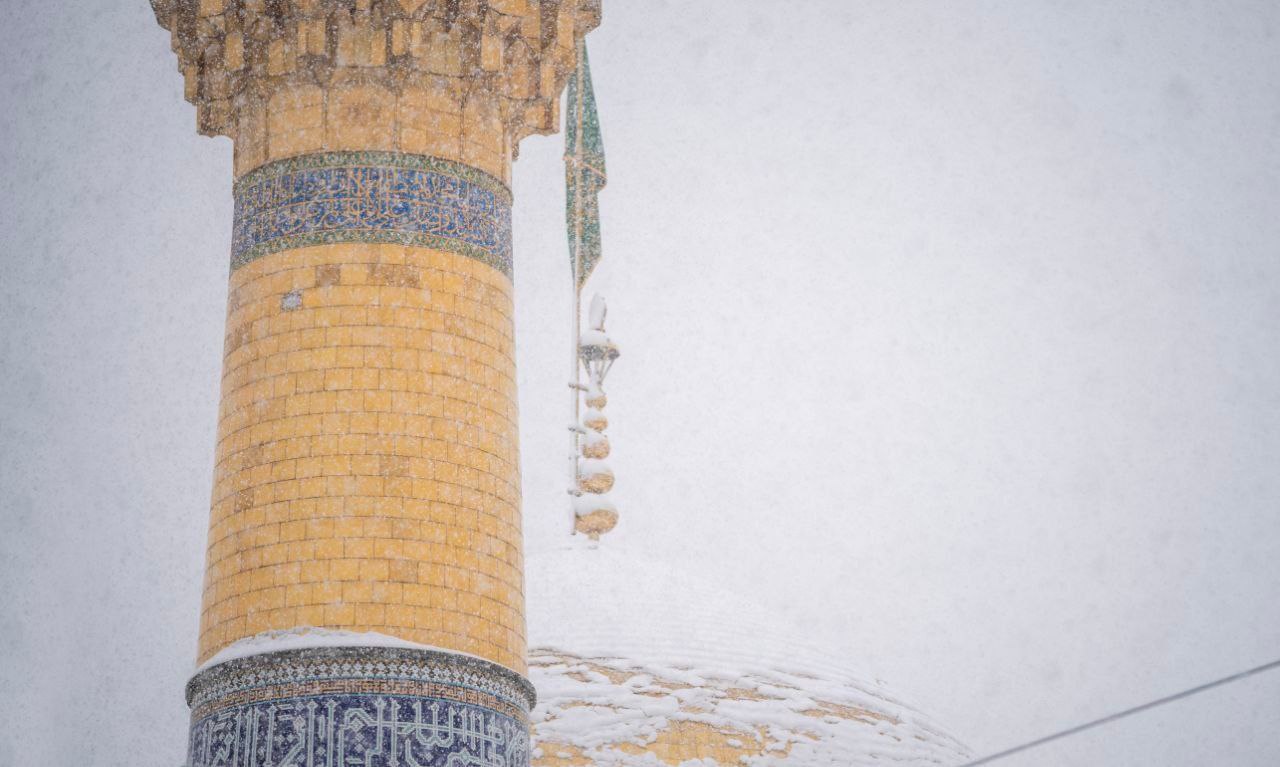
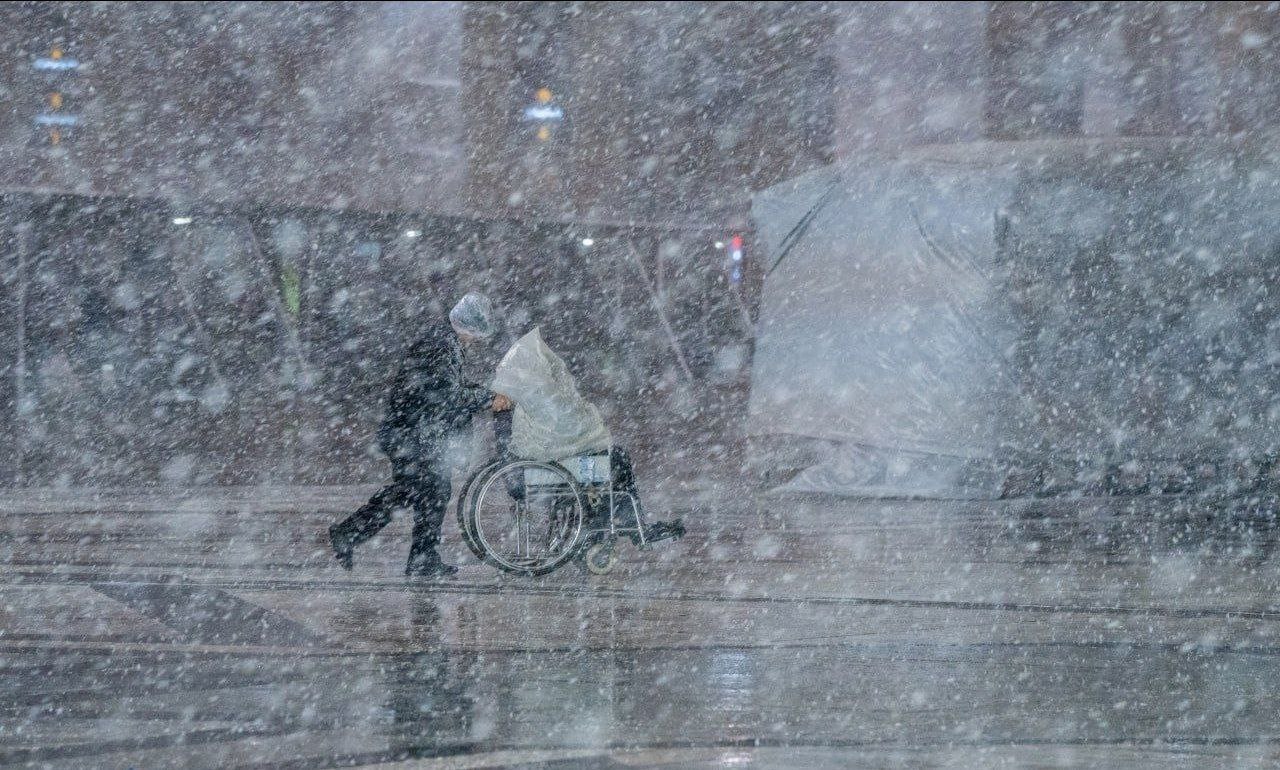
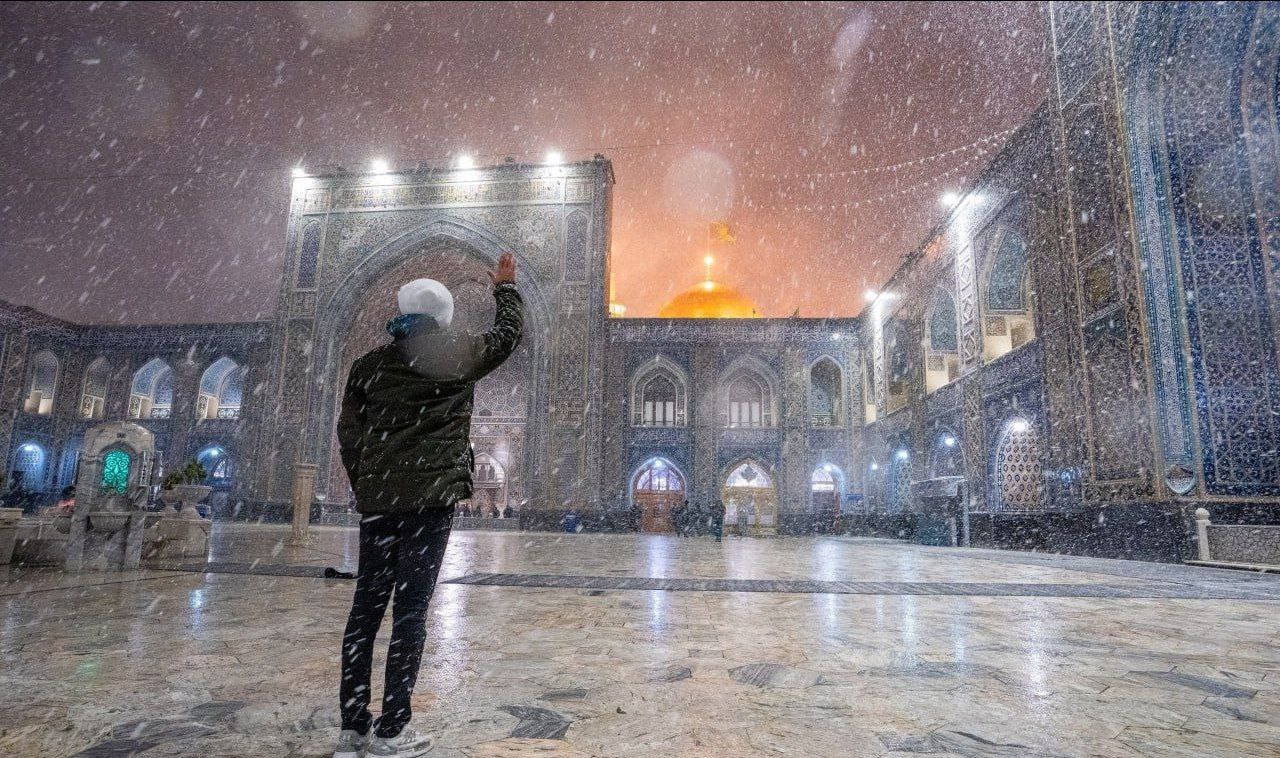
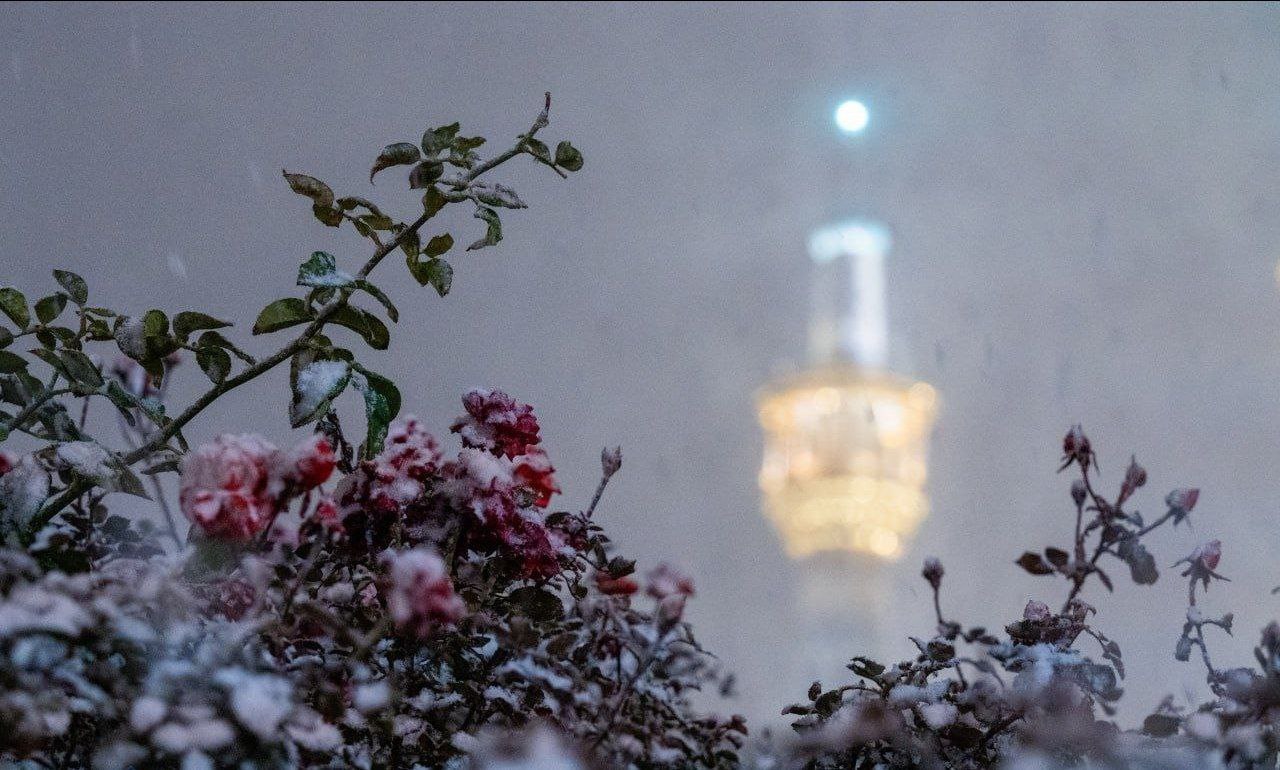
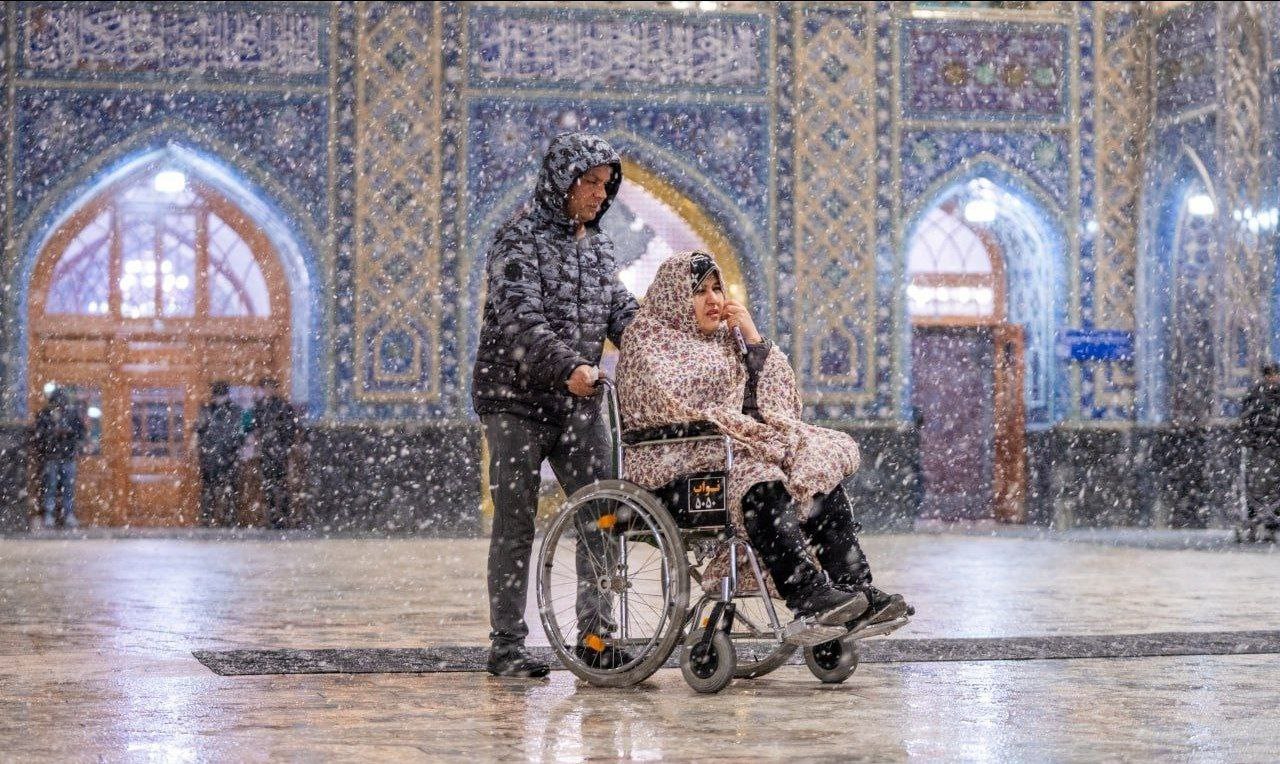
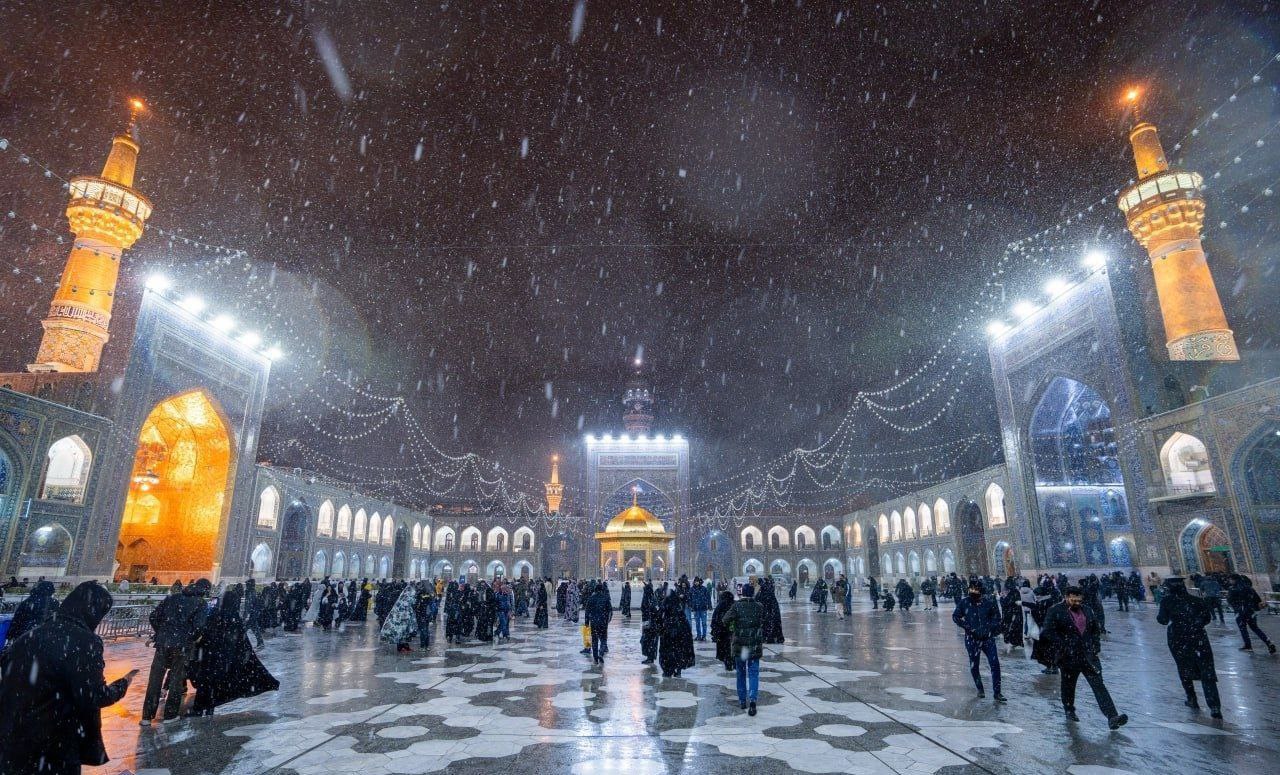
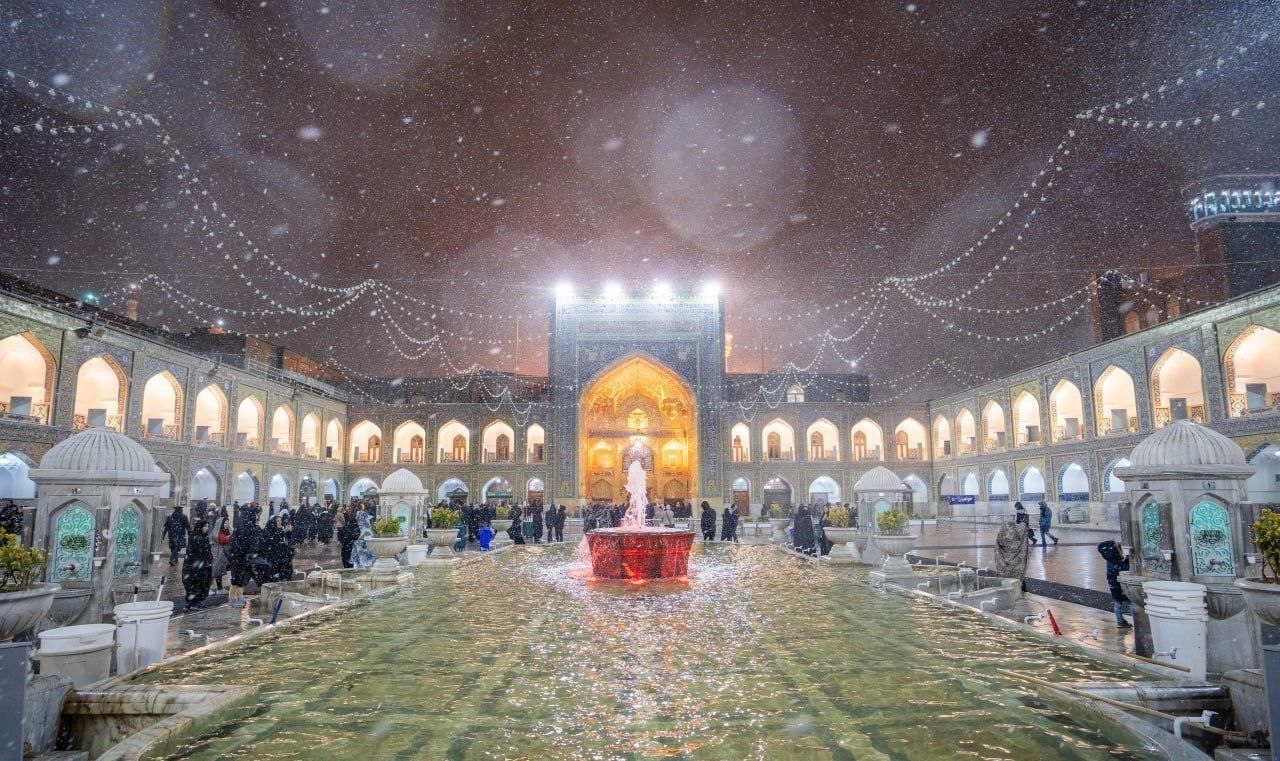
Pictures: A serene dance of snow at Imam Reza’s shrine

Below you can find the images of the snowfall at the holy shrine of Imam Reza:

Eight Arab states vow to support ‘peaceful transition process’ in Syria

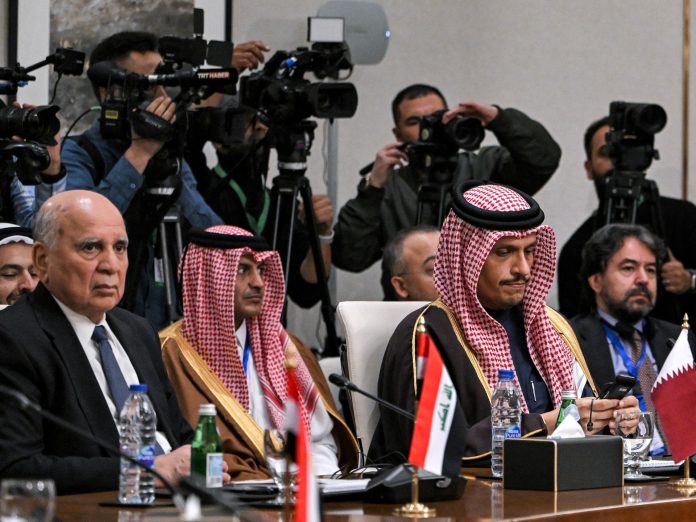
Foreign ministers from Jordan, Saudi Arabia, Iraq, Lebanon, Egypt, the UAE, Bahrain and Qatar issued a joint statement on Saturday after they met in the Jordanian Red Sea port of Aqaba.

They said “all political and social forces” must be represented in the new Syrian government and warned against “any ethnic, sectarian or religious discrimination” and called for “justice and equality for all citizens”.

The political process in Syria should be supported by “the United Nations and the Arab League, in accordance with the principles of Security Council Resolution 2254”, a resolution in 2015 which set out a roadmap for a negotiated settlement, the statement added.

The Arab diplomats also attended a separate meeting in Aqaba that included US Secretary of State Antony Blinken, UN Special Envoy for Syria Geir Pederson and EU foreign policy chief Kaja Kallas, and Turkish Foreign Minister Hakan Fidan.

That meeting also called for an inclusive and representative government that respects the rights of minorities and does not offer “a base for terrorist groups”, according to Blinken, who spoke at a news conference.

“Today’s agreement sends a unified message to the new interim authority and parties in Syria on the principles crucial to securing much-needed support and recognition,” he stated.

The talks come following the fall of al-Assad after a lightning offensive by the opposition group Hayat Tahrir al-Sham (HTS) last week.

According to their statement, the Arab ministers stated state institutions must be preserved to stop Syria from “slipping into chaos”, also calling to boost joint “efforts to combat terrorism … as it poses a threat to Syria and to the security of the region and the world”.

They also condemned “Israel’s incursion into the buffer zone with Syria”, its air strikes in Syria, and demanded “the withdrawal of Israeli forces” from Syrian territory.

Following al-Assad’s removal, a transitional government installed by the rebel forces has insisted the rights of all Syrians will be protected, as will the rule of law.

White Helmets pledges to hold Assad accountable for “his crimes”

In a video posted on X, Raed al-Saleh, head of the White Helmets, addressed the victims’ families and survivors outside the Palace of Justice in Damascus, reiterating his commitment to justice.

“Today, I promise you from in front of the Palace of Justice, not from anywhere else, to work with all legal institutions to hold the head of the regime accountable after all these violations,” Saleh declared.

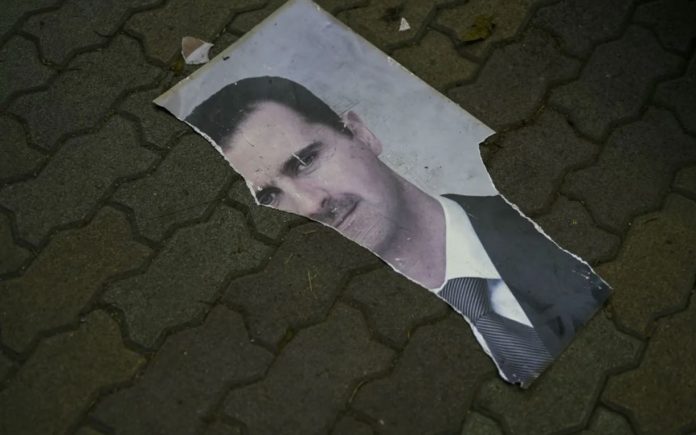
Assad, now in Russia after fleeing Syria amid advancing opposition forces, has faced widespread condemnation for his government’s brutal actions.

A week after al-Assad’s government was overthrown, one of Syria’s top human rights workers has a sobering message: 100,000 missing people are almost certainly dead.

Fadel Abdulghany, director of the Syrian Network for Human Rights (SNHR), has been working for years with a team of 21 people within Syria to record everyone who was captured or simply vanished without a trace.

As rebel forces bore down on Damascus, seizing city after city, the SNHR visited every prison and detention centre as they fell, documenting as many detainees freed from their cells as they could.

“Our records show that approximately 136,000 people were either being arrested or had been forcibly disappeared by the Assad regime,” Abdulghany told Middle East Eye.

The figure includes more than 5,000 children.

“But we have only recorded a maximum estimate of 31,000 people released over the past few days.”

The only conclusion, Abdulghany believes, is that most were killed under torture.

“There is no secret detention centre to be discovered. There are no secret floors under prisons, or heavy doors that haven’t been opened,” he said, adding, “When people share false information, it plays with the families of the victims.”

Sednaya, Syria’s most infamous prison, had a capacity of 10,000 people, Abdulghany stated.

“But approximately 1,600 prisoners were released,” he noted, far fewer than has been reported on social media, where many Syrians get their news.

The main commander of the Syrian fighters who toppled al-Assad has warned that anyone involved in the torture or killing of prisoners during the deposed president’s rule would be hunted down and pardons were out of the question.

“We will pursue them in Syria, and we ask countries to hand over those who fled so we can achieve justice,” Hayat Tahrir al-Sham (HTS) leader Ahmed al-Sharaa, also known as Abu Mohammed al-Julani, said in a statement published on the Syrian state TV’s Telegram channel on Wednesday.

His comments came after thousands of detainees were released and families hoped to find others who disappeared in the country’s notorious jails, including the Sednaya Prison.

He urged countries “to hand over any of those criminals who may have fled so they can be brought to justice”.

Hamas says Israeli military deliberately bombed site to kill captives inside

Hamas Israel Hostages

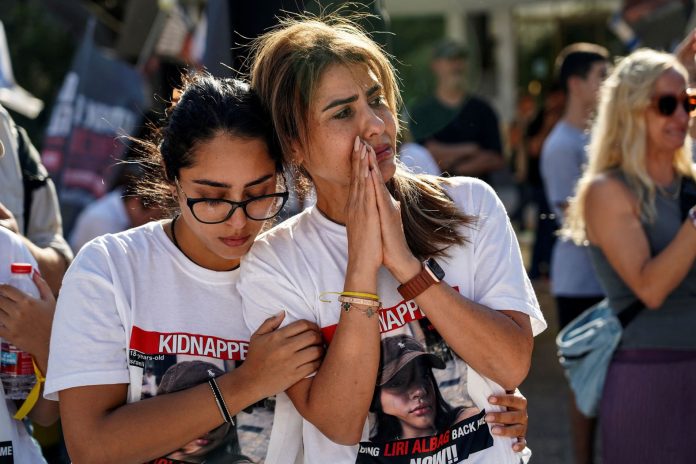
Abu Obaida, the spokesperson for the group, said on Telegram: “The occupation army recently bombed a location where some enemy prisoners were present and repeated the bombing to ensure their death.”

“We have intelligence confirming that the enemy deliberately bombed the location with the aim of killing the prisoners and their guards,” Obaida noted.

He added: “Our fighters attempted to rescue the enemy prisoners and succeeded in retrieving one of them, whose fate remains unknown.”

Obaida held Israeli Prime Minister Benjamin Netanyahu, his government, and the Israeli army “fully responsible for this event and the lives of their prisoners.”

A video released by al-Qassam Brigades showed the bombed location and a person without clarifying whether they were killed or injured, with no facial features shown.

The video included a statement: “Netanyahu and [Chief of General Staff Herzi] Halevi seek to get rid of their prisoners in Gaza by all means.”

Israel estimates that there are currently 101 Israeli prisoners held in Gaza.

Mediation efforts led by the US, Egypt, and Qatar to reach a cease-fire and prisoner swap agreement between Israel and Hamas have failed due to Netanyahu’s refusal to halt the ongoing conflict.

Israel has launched a genocidal war on the Gaza Strip that has killed nearly 45,000 victims, mostly women and children, since an attack by the Palestinian resistance group, Hamas, on Oct. 7, 2023.

The second year of genocide in Gaza has drawn growing international condemnation, with officials and institutions labeling the attacks and the blocking of aid deliveries as a deliberate attempt to destroy a population.

The International Criminal Court issued arrest warrants last month for Israeli Prime Minister Benjamin Netanyahu and his former defense chief Yoav Gallant for war crimes and crimes against humanity in Gaza.

Israel also faces a genocide case at the International Court of Justice for its war on Gaza.

Schools, universities, offices closed in several Iranian provinces due to cold spell, air pollution

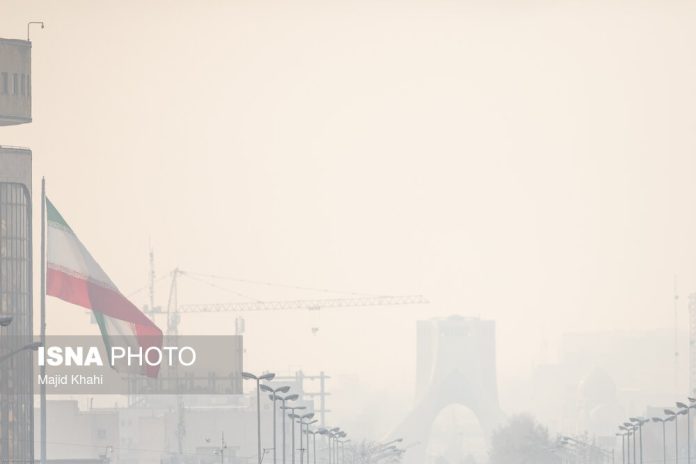
Tehran’s Governor, Mohammad Sadegh Mo’tamedian, announced on Saturday evening that all government and non-government offices, organizations, ministries, and public institutions, except service and medical centers, will be closed on Sunday.

Moreover, traffic restrictions are be implemented to reduce the air pollution.

Several other provinces mostly in northern part of the country, plus Khuzestan in the south, are also closed due the snowfall and air pollution.

The head of the National Forecast and Crisis Management Center announced on Sunday that in the past 24 hours, the coldest weather stations were at Ardabil Airport, Khalkhal, and Takht-e Soleyman, recording temperatures of -27°C, -25°C, and -24°C, respectively.

Tehran’s temperature reached -4.5°C on Saturday night.