Friday, April 24, 2026
Home Blog Page 4872

Iran, Kuwait stress confronting Takfiri terrorist groups

zarif4

Iran’s Foreign Minister Mohammad Javad Zarif and his Kuwaiti counterpart have stressed the necessity of confronting Takfiri terrorist groups in the Middle East.

Zarif and Kuwaiti First Deputy Prime Minister and Minister of Foreign Affairs Sheikh Sabah al-Khalid al-Sabah made the call while discussing regional issues in a meeting in Kuwait on Tuesday.

Iran’s foreign minister is in Kuwait to take part in the 42nd Session of the Council of Foreign Ministers of the Organization of Islamic Cooperation.

Unconditional Syrian-Syrian and Yemeni-Yemeni talks are required in order to solve the ongoing crises in these countries, said Zarif.

The Kuwaiti official called for supporting Iraqi Prime Minister Haider al-Abadi’s government in its fight against ISIL.

[…]

Referring to a final nuclear deal between Iran and the P5+1 countries, the Kuwaiti foreign minister said “This agreement is crucial to stability and security and furthering cooperation in the region.”

It came as a fresh round of talks between representatives from Iran and P5+1 kicked off in theAustrian capital of Vienna Tuesday. The talks are aimed at drafting the text of a final agreement over the Islamic Republic’s nuclear program.

Iran condemns Israeli court hearing against Palestinian speaker

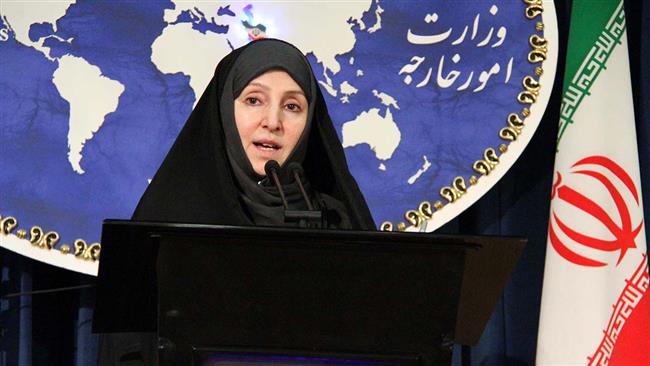
Afkham

Foreign Ministry Spokeswoman Marzieh Afkham on Tuesday denounced an Israeli court hearing against Speaker of the Palestinian Parliament Aziz al-Duwaik as gross violation of the International Law and the Palestinian sovereignty rights enshrined by the UN Charter.

Afkham described the condition of thousands of Palestinians imprisoned in Israeli jails as gross violation of the International Humanitarian Law.

The foreign ministry spokeswoman said that the continuous holding of the legitimate representatives of Palestinian nation and sentencing them to prison terms under baseless excuses are blatant violation of the International Law and futile attempt by the Zionist regime to silence their right-seeking voice.

Afkham urged the legal and international organizations to step in and react to this issue and push the Zionist regime to stop its criminal acts against Palestinian inmates and respect national sovereignty of the Palestinian government.


IRGC Testing Military Boats with 110 Knots Speed: Commander

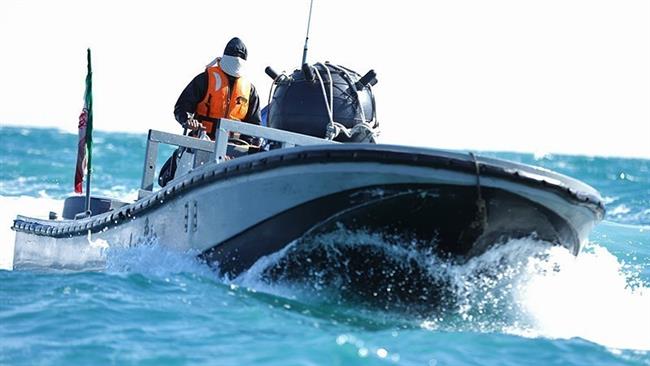
IRGC speedboat

The Islamic Revolution Guards Corps (IRGC) is testing military speed boats with the breakneck speed of 110 knots (203 km/h), a senior commander announced Tuesday.

IRGC Navy Commander Rear Admiral Ali Fadavi said in a scientific conference in Tehran that local experts at Imam Hussein (AS) University can now design and test military boats with speeds of up to 120 knots in a naval research laboratory with a test basin.

In the past, he said, Iran had to carry out tests on the speed boats abroad.

The commander also noted that according to plans, IRGC is going to manufacture new types of high speed boats with the velocity of 80 knots that are also armed with missiles with a range of 100 kilometers.

“That means the vessels that nobody can catch,” he explained.

Fadavi also said that the IRGC naval strategy in the Persian Gulf has made Americans admit to the vulnerability of their aircraft carriers in the face of the Iranian speed boats.

Iran foils US cyber-attack on oil ministry

hackers

Iran has foiled a hacking attack on its Ministry of Petroleum, which originated from the US, head of the Iranian Cyber Police said.

The website of Cyber Police quoted Gen. Kamal Hadianfar as saying that the hackers launched their attack during holidays in Iran.

“We managed to stop the ports of cyber-attacks and react to hackers and finally their attacks were neutralized,” he said.

“The IP used by the hackers originated from America which we have announced to (the Americans) in a formal letter. We have also submitted an international court order which is being followed by the Ministry of Foreign Affairs,” Hadianfar added.

The worst cyber-attack against Iran, carried out jointly by the US and Israel, was discovered in June 2010.

In the attack, Iran’s nuclear facility in Natanz was the target of the Stuxnet virus which surreptitiously made centrifuges spin out of control.

The attack is known as the most serious case of state cyber-terrorism because of its complexity and sabotage of very sensitive properties.

Iran’s Ministry of Petroleum came under a cyber-attack first in April 2012 in which the computer and communication systems were targeted.

The ministry had to cut internet links to its oil terminal on the strategic Kharq Island which exports about 80% of Iran’s crude oil.

Iran’s nuclear talks on course to making US show commitment

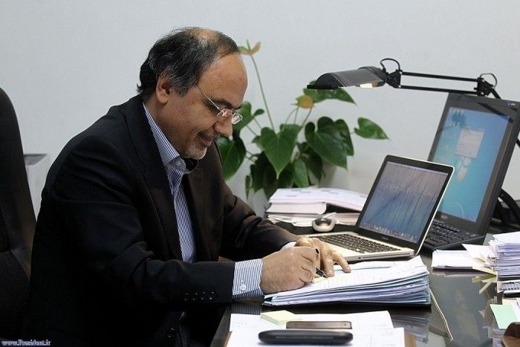
hamid-aboutalebi

President Rouhani’s deputy chief of staff for political affairs has said that a [possible] nuclear agreement is on course to securing full US commitment.

Hamid Aboutalebi made the statement on his Twitter page, adding now that President Obama, after lengthy heated debates, has signed a congressional bill [which gives Congress the power to review and potentially reject a nuclear deal with Iran] into law, the political and legal realism has taken a big step toward the kind of integrity which is needed for clinching a [nuclear] deal with Iran.

The following is the translation of a report by Khabaronline.ir on May 24 on Aboutalebi’s tweet:

This means: A) Nuclear agreement with Iran has landed on course to securing the full commitment of the US; B) Interaction with Iran will secure bipartisan approval in the US; and C) Iran’s regional power to solve the existing [regional and global] problems has won national approval in the US and around the world, he said.

The legal and political realism is the prevailing school of thought in the US which gives shape to the country’s legal-legislative mindset and political decision-making, he said, adding the totality of the political structure follows [the outlines of] such realism.

“The US was not ready to accept Iran as a big power which is valid enough to sign an international deal at this level. Although it was tough for the Americans to resign themselves to this fact, the signature of Congress Review of Iran Nuclear Deal Bill has turned the tide.

“What matters now is the fact that both Congress and the US administration should sign the agreement with this big power [Iran]; this is the other side of the coin in this diplomatic dispute [a reference to nuclear talks with Iran]”, he wrote.

Aboutalebi went on to conclude that Iran now lies at the core of US politics, both domestically and internationally.

“Unwittingly, the US Congress and Obama pursue the same objectives, and all their efforts – congressional bills, Camp David summit of Arab nations, bolstering [US] agreements, and bringing allies on board … – are organized to that end”.

He further said this is what the US used to do before signing other international pacts in order to convince Europe and its allies that the pact in question served the interests of all. This agreement [nuclear deal with Iran] becomes Obama’s legacy.

“When an agreement between Iran and P5+1 goes before Congress, it means national and international approval is around the corner for the agreement – like other valid pacts, albeit under a different name,” he added.

The world’s public opinion and the American people will not let Congress do anything other than approve [the deal], he said, adding that failure to pass the [Iran] deal will lead to US isolation on the world stage and spawn domestic problems for Washington, he said.

“The agreement will spark off a debate on what matters more: the national path (the US administration and Congress) the agreements go through to be approved or the name these agreements carry?

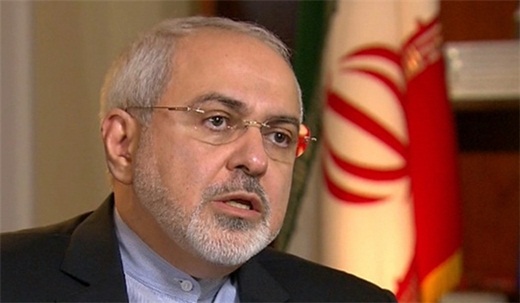
Hamid-Aboutalebi-1Hamid Aboutalebi was a former ambassador of Iran to Australia, the European Union, Belgium and Italy, and the political director general at Iran’s Ministry of Foreign Affairs. He was part of Iran’s UN delegation in New York in the 1990s.

Iran, Oman ink maritime boundary agreement

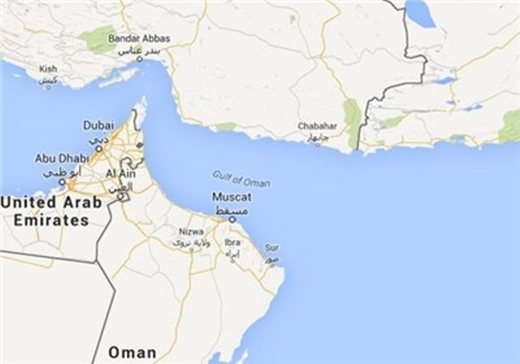
Iran-Oman-Map

Tehran and Muscat on Tuesday signed an agreement to set the maritime boundary between the two countries in the Sea of Oman.

Iranian Foreign Minister Mohammad Javad Zarif and Oman’s Minister of Interior Hamoud Bin Faisal al-Busaidi signed the maritime boundary agreement in the Omani capital Muscat.

The agreement, which is the first of its kind since Iran’s 1979 Revolution, was signed after 10 rounds of technical and legal negotiations between Iranian and Omani experts.
Zarif, who arrived in Oman on Tuesday, is visiting Persian Gulf littoral state for talks on regional developments.
He is expected to hold meetings with senior Omani officials on a range of issues, including ways to put an end to the Saudi aggression on Yemen and facilitate the shipment of humanitarian aid to the oppressed and defenseless Yemeni people, who have been under the brutal attacks of the Saudi regime for two months.

Zarif will then leave Oman for Kuwait to attend the 42nd Foreign Ministerial Meeting of the Organization of the Islamic Cooperation (OIC) which is slated for May 27-28 in Kuwait City.

Organized under the theme “Common Vision to Strengthen Tolerance and Ban Terrorism,” the meeting will examine major developments in the region, especially the situation in Palestine, Yemen and Syria.

Envoy Describes Germany as Iran’s Biggest European Trade Partner

German Ambassador to Tehran

German Ambassador to Tehran Michael Freiherr von Ungern-Sternberg described his country as Iran’s biggest economic and trade partner.

“Germany is the biggest European partner of Iran in the field of economy,” the German envoy said in a meeting with Khorasan Razavi governor general in the city of Mashhad on Tuesday.

He noted that Germany is seriously monitoring the economic and industrial activities in Iran, and said, “The German embassy in Tehran has good relations with the chamber of commerce; we have a joint Iran-Germany Chamber of Commerce that I think is the only independent chamber in Iran.”

Ungern-Sternberg voiced his country’s willingness to help the city of Mashhad launch its underground system, and said, “A German metro operating firm which has a representative office in Tehran can help Mashhad launch its underground system… .”

In November, Iran’s Ambassador to Germany Ali Majedi vowed to do his best to pave the way for the rapid growth of Tehran-Berlin economic relations to turn the European nation into Iran’s top economic partner.

[…]

Iran committed to resolving problems through negotiations: President

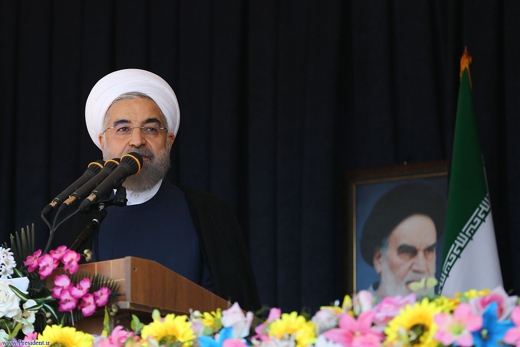
Rouhani

Iran is committed to resolving its problems with the world through negotiations, President Hassan Rouhani said on Tuesday.

Speaking in a western suburb of Tehran, the president noted that Iran’s strong negotiating team would continue its step-by-step realization of the nation’s rights.

Despite opposition by a group which is in minority, the majority of Iranians support government’s constructive and interactive foreign policy towards the world, the President said.

Rouhani added that his administration would continue its moderate policy under the support of nation, adding that the government is duty bound to follow the guidelines of the Supreme Leader of the Islamic Revolution Ayatollah Seyyed Ali Khamenei.

Criticizing the hard-line political groups in the country, he called for solidarity among Muslims as well as the Iranian nation as a precondition to resolution of socio-economic problems.

The president cautioned the Muslim world and Iranians against enemies’ divisive plots which aim to spread unrest in the region.

Iran wants to have peaceful coexistence with its neighbors and all countries in the world and it is committed to resolving its problems in the international community through logical talks, Rouhani added.

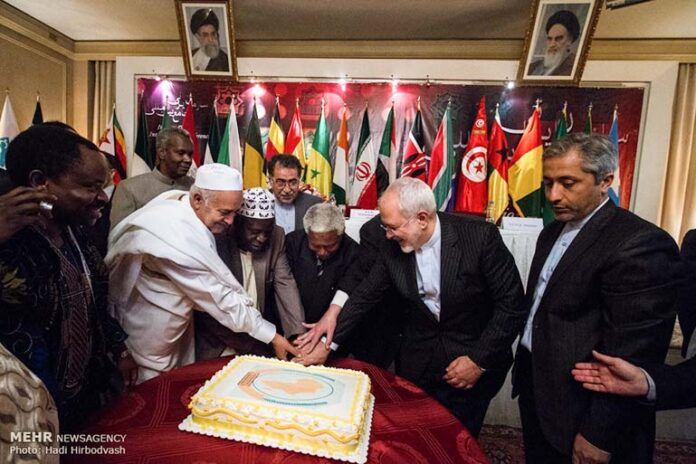
Africa Day celebrated in Iran (PHOTOS)

Africa Day

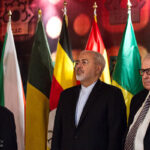
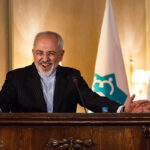
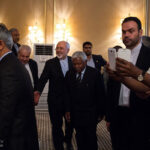
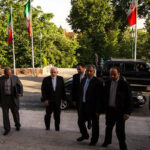
A ceremony was held in the Foreign Ministry Monday night to mark Africa Day [May 25]. Iran’s top diplomat Mohammad Javad Zarif and heads of Tehran-based foreign missions as well as a number of guests from African countries took part in the ceremony.

The following pictures have been released by Mehr News Agency of the ceremony:

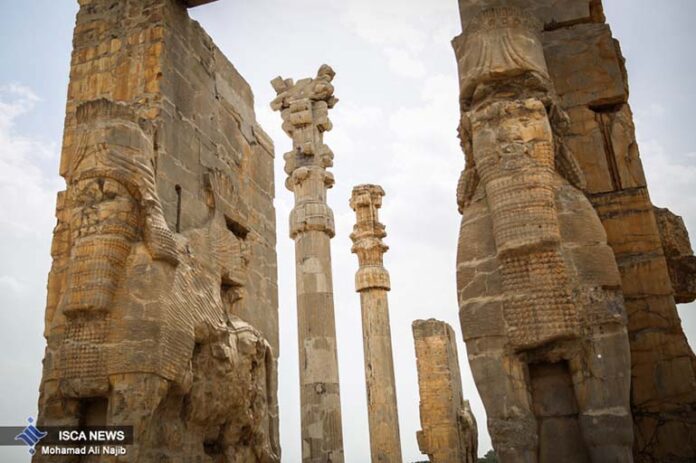
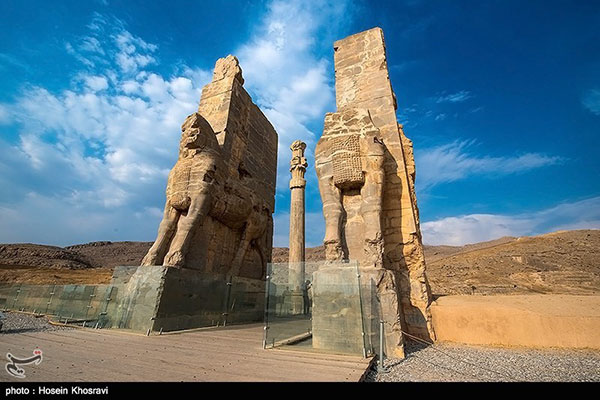
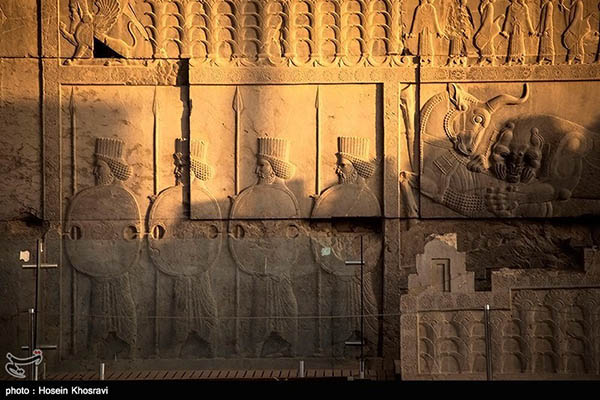
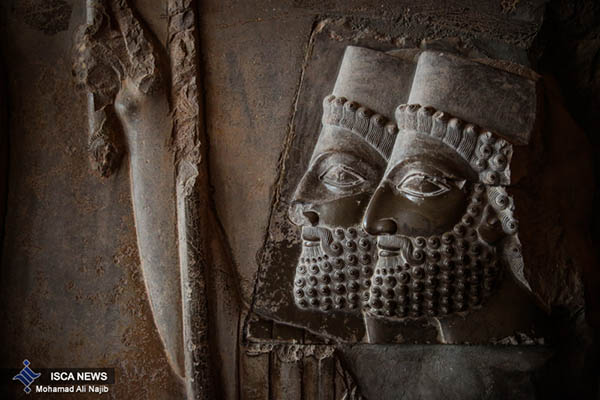
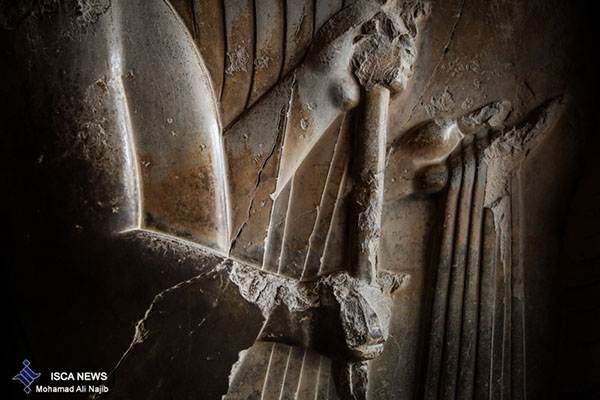
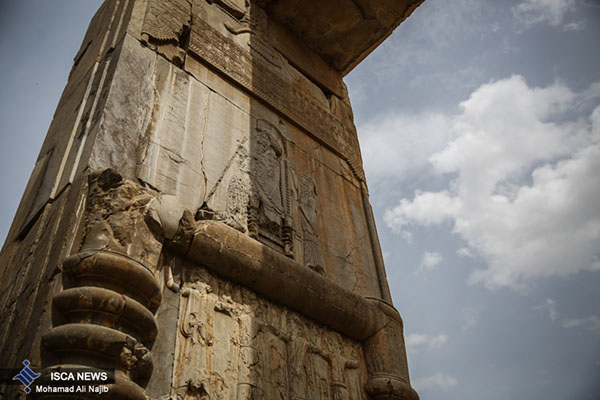
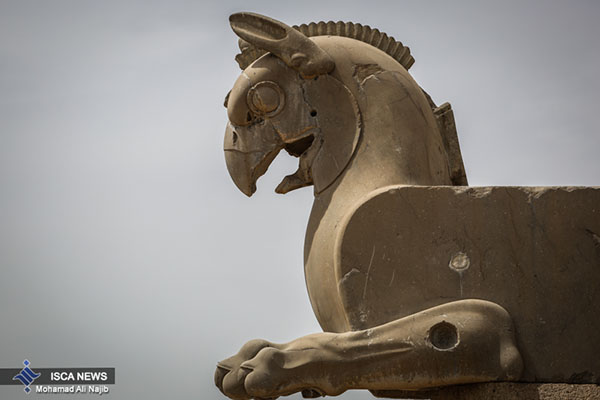
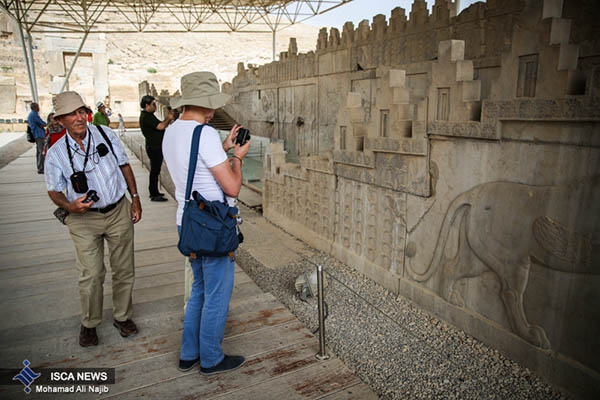
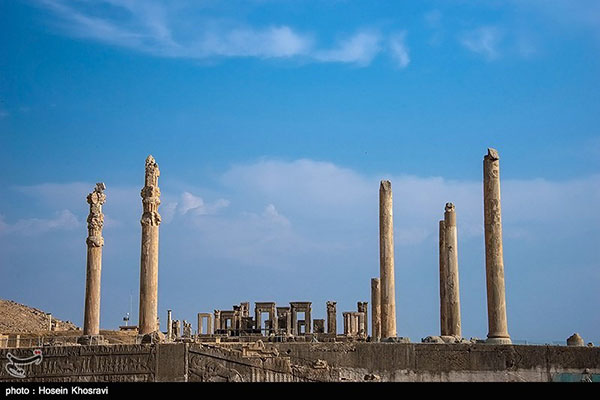
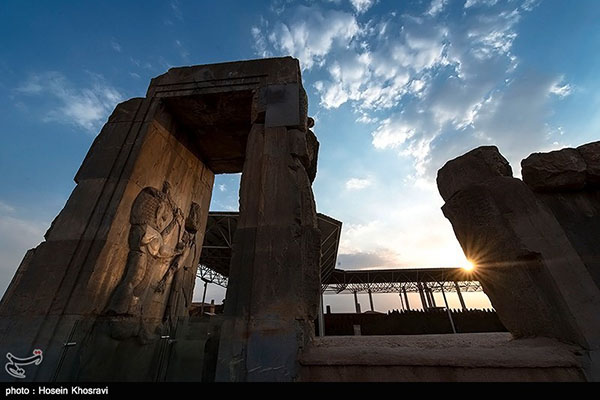
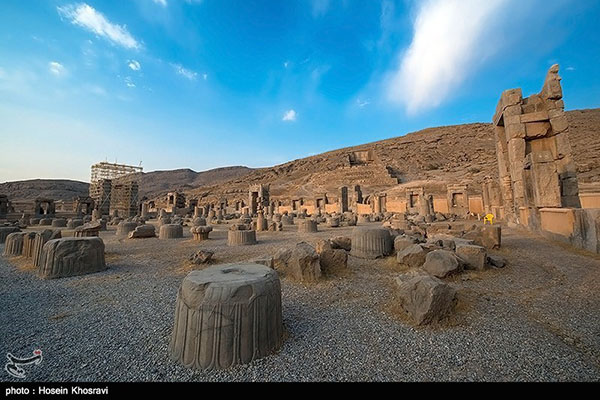
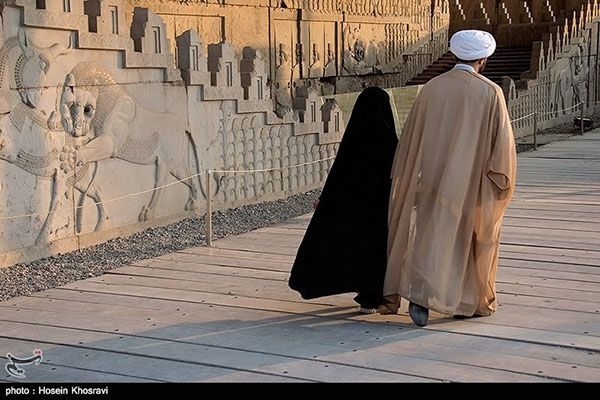
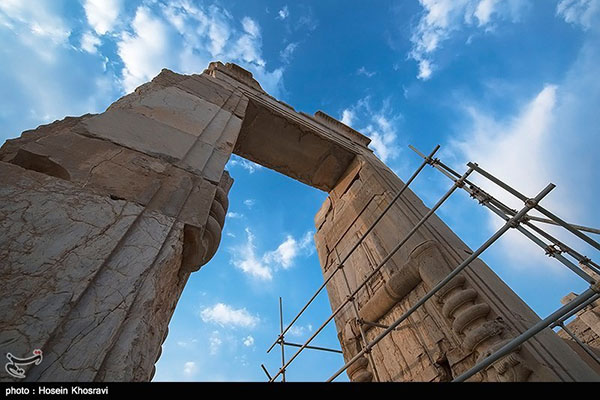
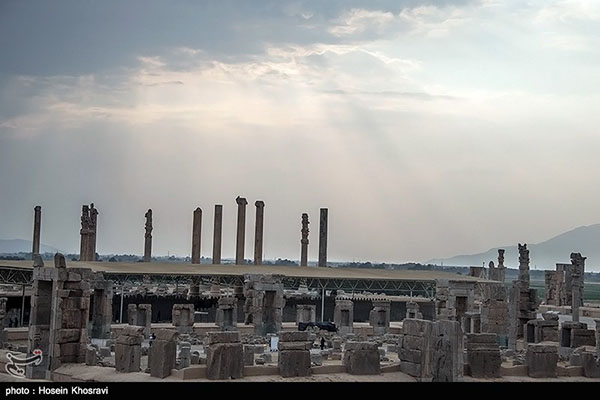
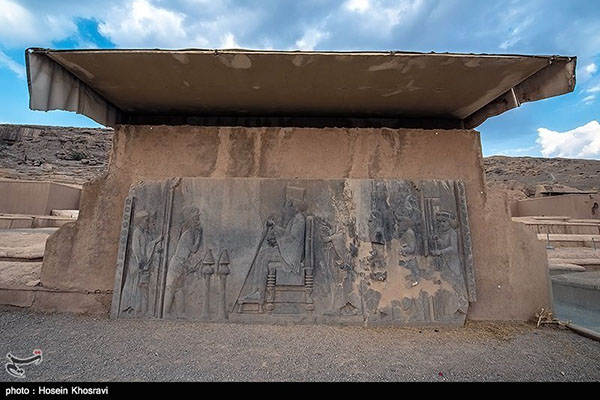
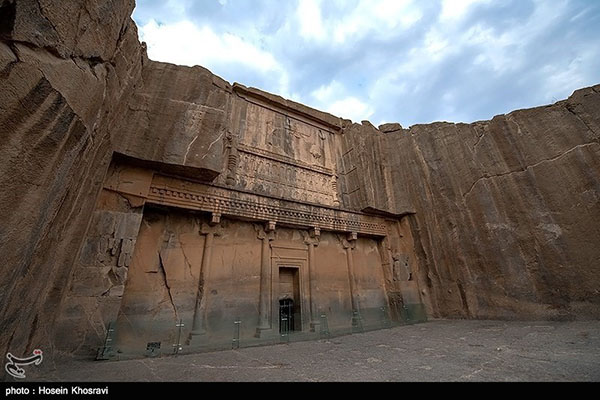
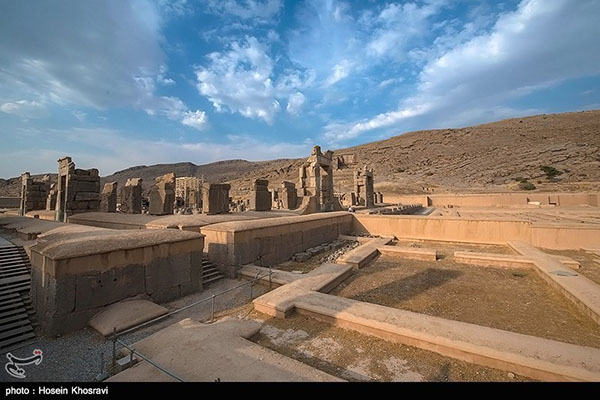
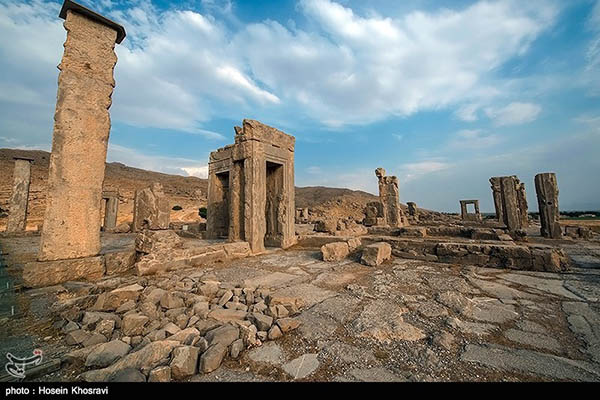
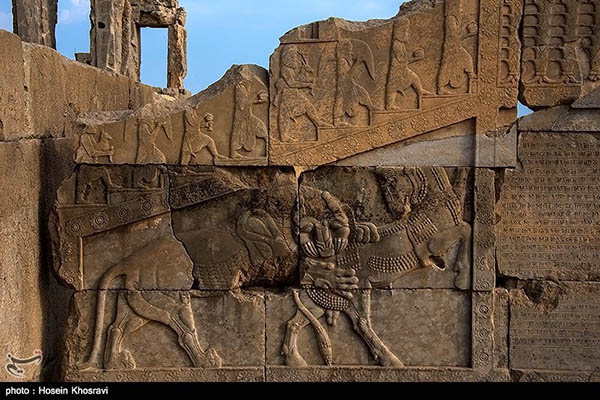
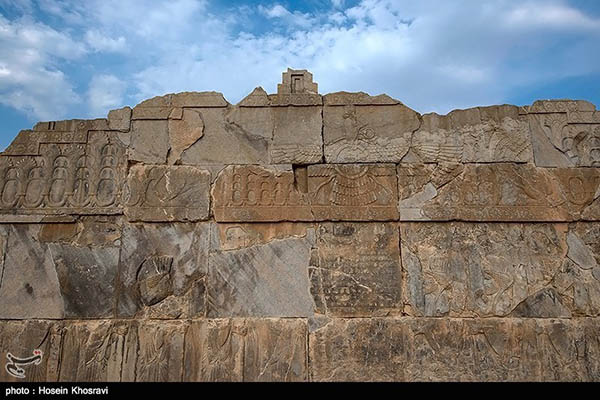
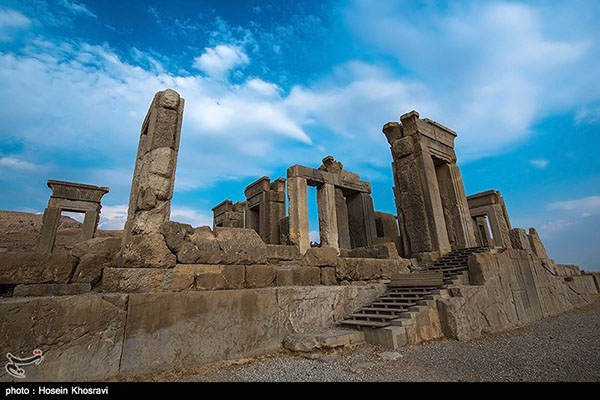
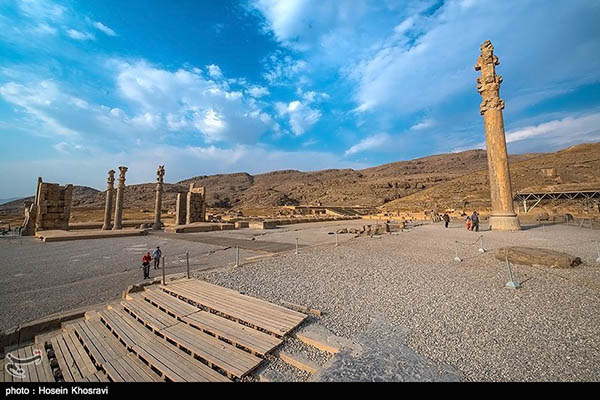
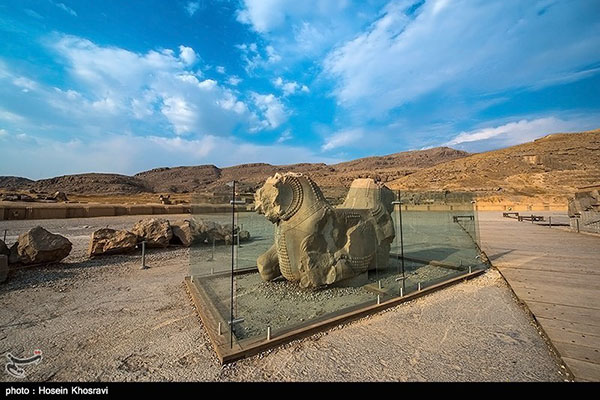
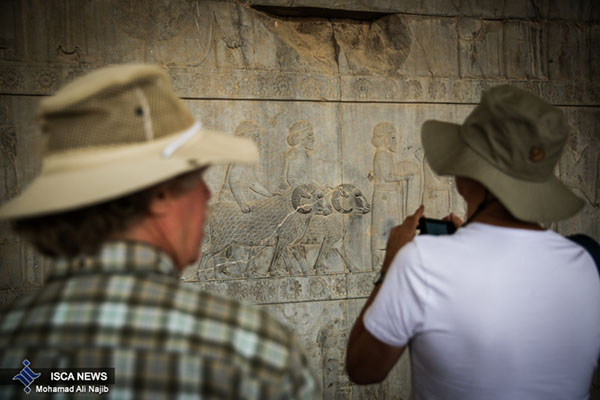
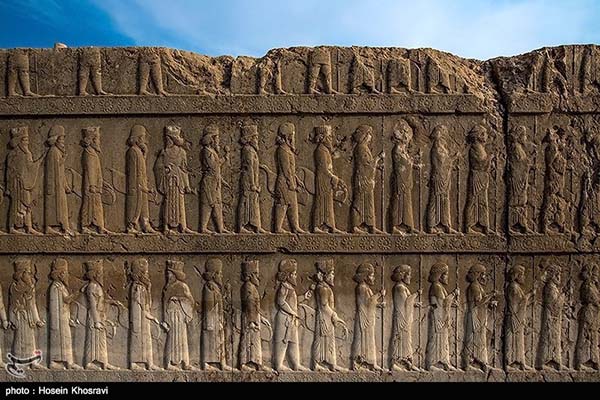
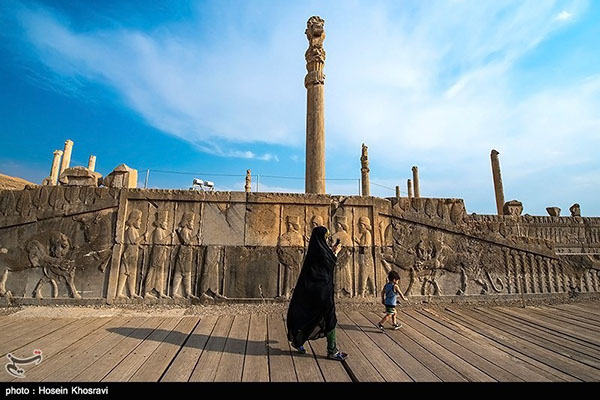
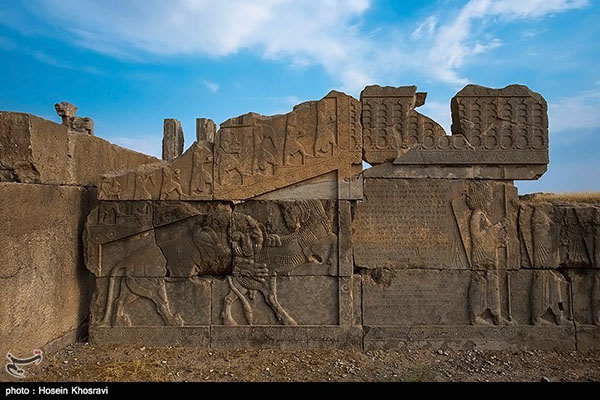
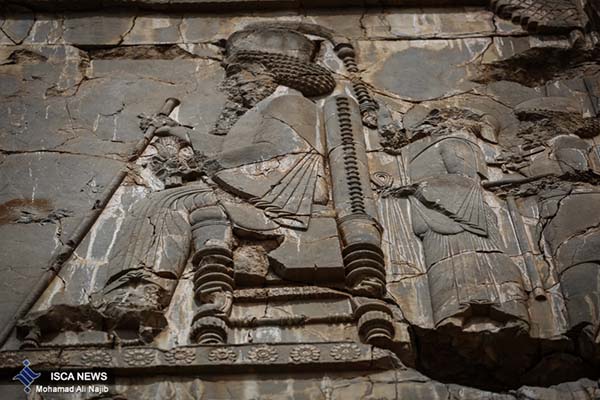
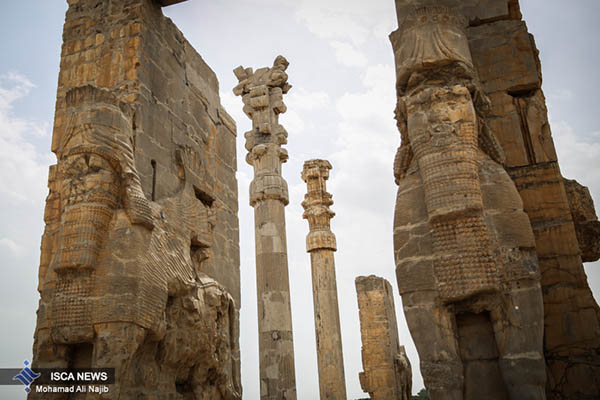
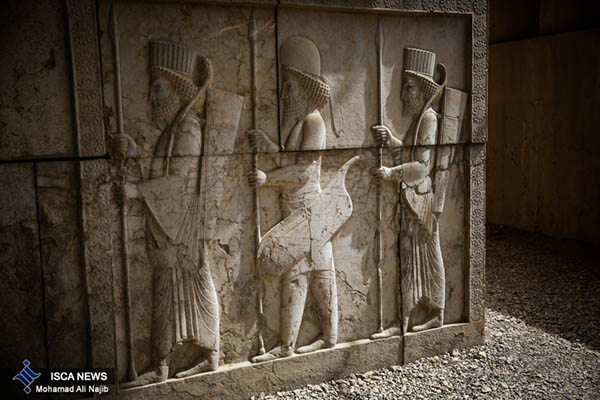
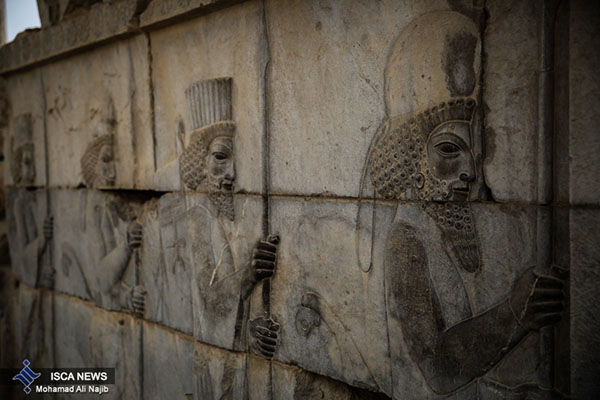
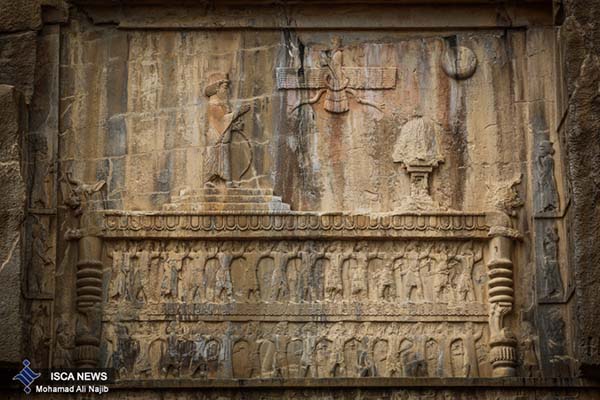
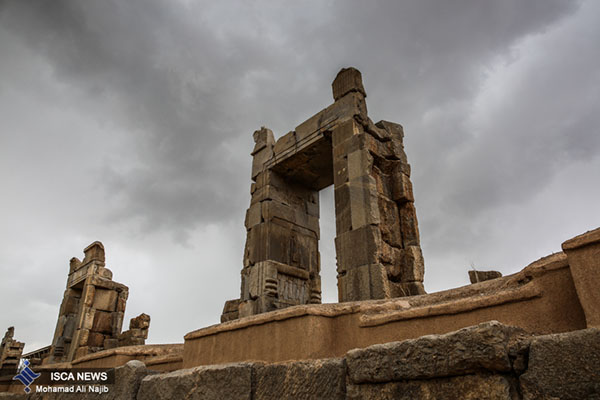
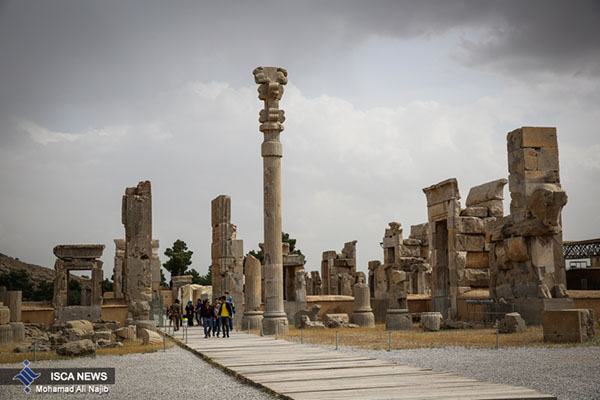
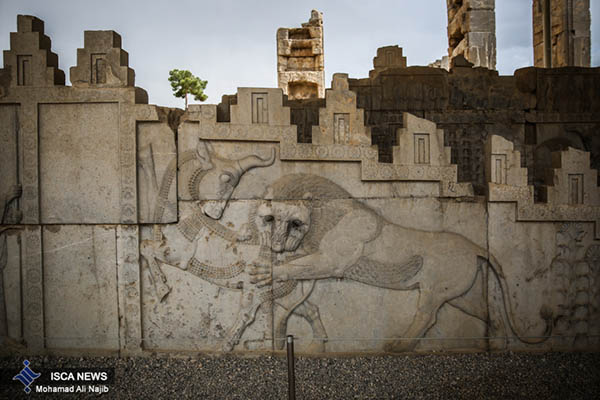
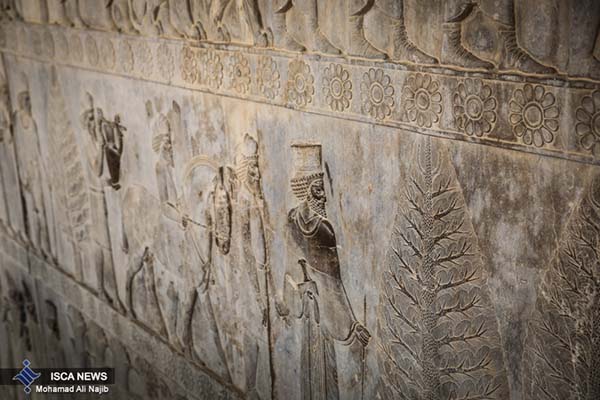
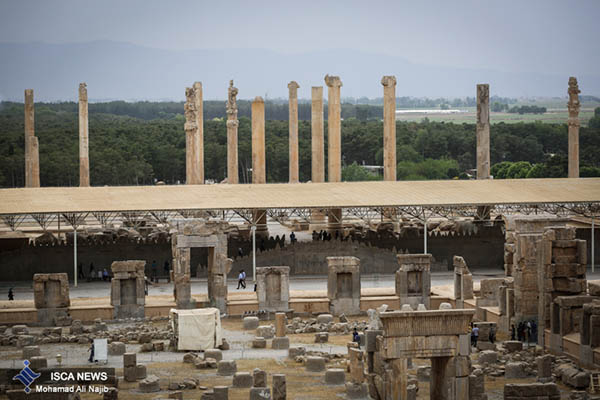
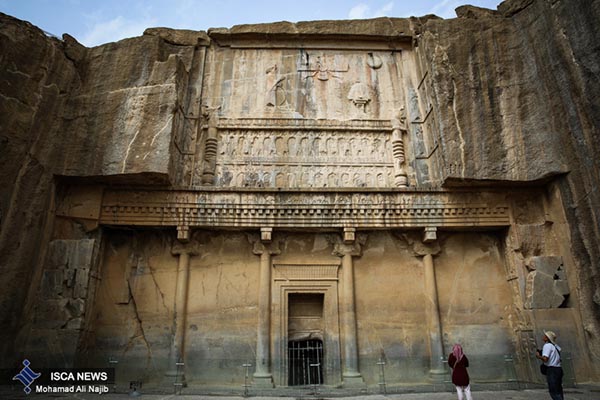
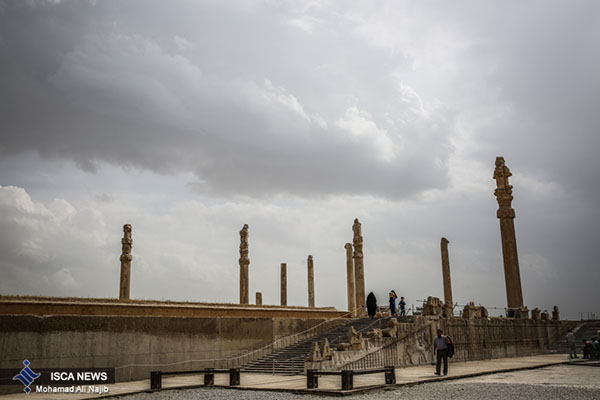
Takht-e Jamshid, a look at Iran’s colorful past (PHOTOS)

Takht-e Jamshid033

Takht-e Jamshid, also known as Persepolis [literally meaning “the city of Persians”] was the ceremonial capital of the Achaemenid Empire (ca. 550–330 BCE).

Persepolis is situated 70 km northeast of Shiraz in Fars Province. The earliest remains of Persepolis date back to 515 BCE. UNESCO declared the ruins of Persepolis a World Heritage Site in 1979.

The following are pictures of the historical site released by different news agencies: