Thursday, April 23, 2026
Home Blog Page 4337

UN Calls for Iran’s Help on Syria Conflict

rouhani-ban-ki-moon

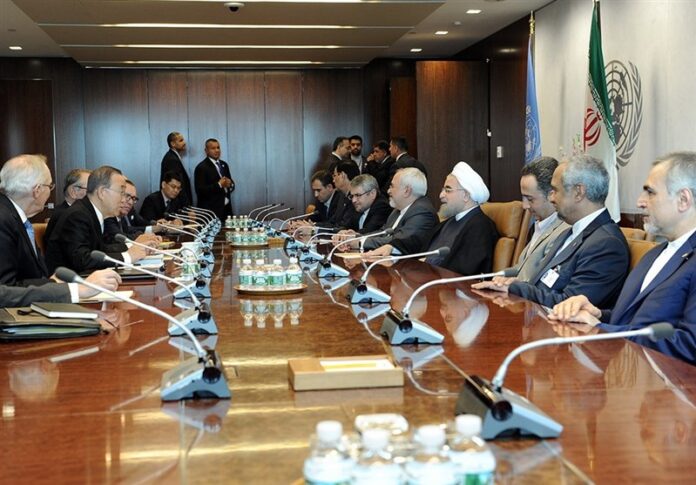
Ban made the request during a meeting with Iranian President Hassan Rouhani held on the sidelines of the 71st session of the United Nations General Assembly in New York on Wednesday.

During the brief meeting, Ban requested that Rouhani use his influence towards reviving the peace process in the two Arab countries.

Ban also stressed the importance of the full implementation of the Joint Comprehensive Plan of Action (JCPOA) by all related parties.

The July 2015 deal, struck between Iran and the P5+1 countries, namely Britain, China, France, Germany, Russia and the United States, envisaged Tehran scaling back its nuclear program in return for the lifting of all nuclear-related sanctions on the Islamic Republic.
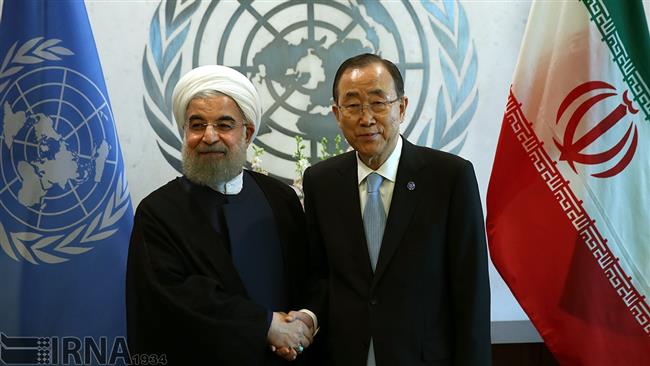
ban-ki-moon-rouhani
Iranian President Hassan Rouhani (L) shakes hands with UN Secretary General Ban Ki-moon at the UN headquarters in New York on September 21, 2016.

For his part, Rouhani expressed deep concerns over Saudi Arabia’s incessant military attacks and war crimes against the people.

Despite pressures, the United Nations should not “give up its responsibilities concerning the basic principles of human rights in Yemen,” he said.     

Meanwhile, Rouhani called for a peaceful solution to the Syrian conflict ravaging the country for the past five years.

“What is of utmost importance is to understand that Syria doesn’t have a military solution,” he said during an interview with NBC, adding, “And the Syrians’ problems must certainly be resolved politically. Only politically.”

He also rejected calls made earlier by US Secretary of State John Kerry, who demanded that Syria and Russia ground all aircraft in Syria’s northern regions.

Rouhani stressed that such actions would only benefit the terrorist groups operating in the region.
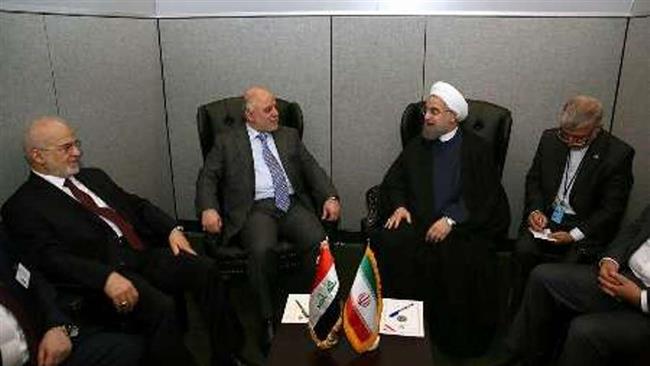
Iranian President Hassan Rouhani (2nd, R) meets with Iraqi Prime Minister Haider al-Abadi (2nd, L) in New York on September 21, 2016.

The Iranian president also met with Iraqi Prime Minister Haider al-Abadi for discussions over regional issues.

Iran has always supported the Iraqi people and government, especially in the challenges that the country has been facing over the last few months, and will continue to do so, Rouhani said.

He also voiced hopes that the two countries would adopt visa-free travel for their citizens in the near future.

For his part, Abadi noted that Tehran-Baghdad relations were strategic and beneficial to the two countries and the region.
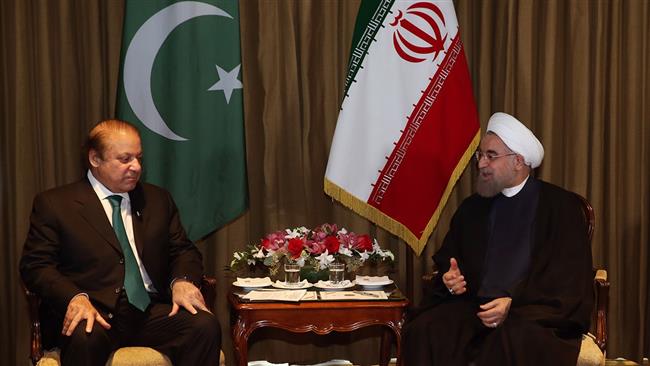
Iranian President Hassan Rouhani (R) meets with Pakistan's Prime Minister Nawaz Sharif in New York on September 21, 2016.
Iranian President Hassan Rouhani (R) meets with Pakistan’s Prime Minister Nawaz Sharif in New York on September 21, 2016.

During a separate meeting with Pakistan’s Prime Minister Nawaz Sharif, Rouhani expressed hopes that the economic ties between both countries would strengthen.

Iran has always tried to keep “a border of security and friendship with Pakistan, and a lot of progress has been in this regard,” Rouhani said.

Sharif, for his part, noted that he deems Pakistan and Iran as one nation.

“Our culture, tradition and economy complement each other, and Pakistan is seeking to increase the level of its cooperation with Tehran,” said Sharif.

In a separate meeting with Norwegian Prime Minster Erna Solberg, Rouhani noted that the two countries should use the opportunities opened up in the post-JCPOA era and increase mutual cooperation.
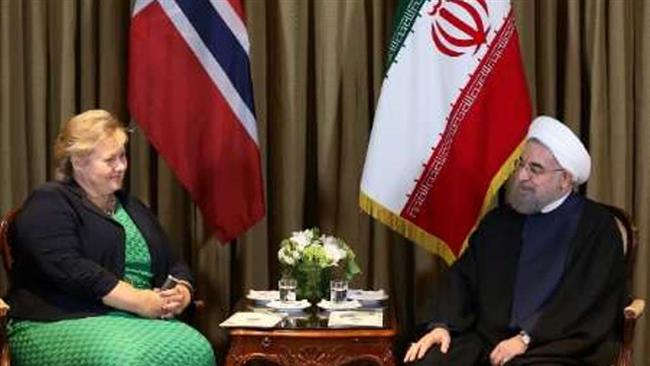
Iranian President Hassan Rouhani (R) meets with Norwegian Prime Minster Erna Solberg in New York on September 21, 2016.

He noted the Iran would welcome cooperation with Norwegian companies in the energy sector among other fields.

Rouhani also held separate meetings Japanese Prime Minister Shinzo Abe as well as his Slovenian, Bulgarian, and Swiss counterparts.
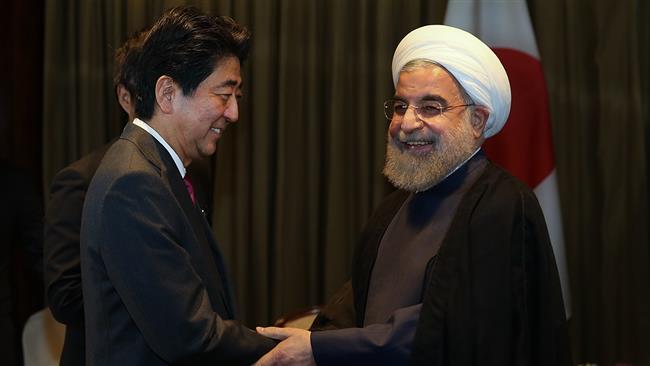
Iranian President Hassan Rouhani (R) meets with Japanese Prime Minister Shinzo Abe New York on September 21, 2016.

Iran Ready to Cooperate with Europe against Terrorism: President

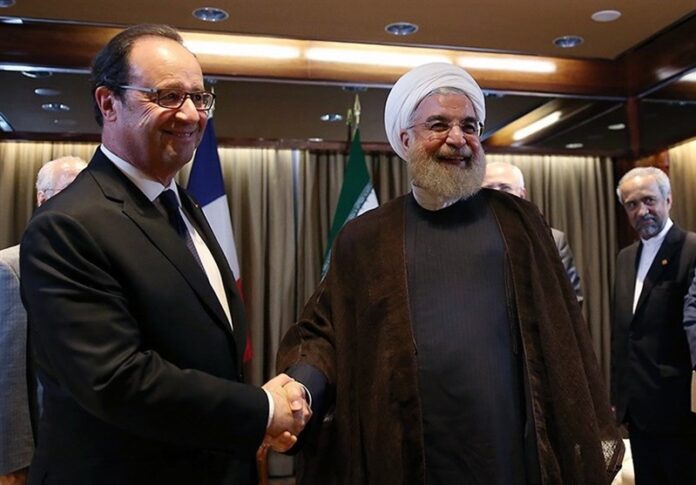
rouhani-hollande

“The violent and merciless terrorists who have rendered our region insecure can make other parts of the world insecure as well,” Rouhani said in a meeting in New York with his French counterpart Francois Hollande on Wednesday.

The Islamic Iran, as one of the main victims of terrorism, has responded positively to regional governments’ demands for cooperation in the battle against the phenomenon, he stated.

The president added that Iran is ready for more cooperation with Europe, especially France, in the battle against terrorism and extremism and in settlement of regional issues.

He further referred to the developments in Syria and said the crisis in the Arab country should be resolved solely through political means.

The Iranian chief executive also referred to fighting terrorism, sustainable ceasefire, return of refugees, and delivery of humanitarian aid as the major priorities in Syria.

Hollande, for his part, stressed the need for swift measures against terrorism and said Paris is willing to cooperate with Tehran in this regard given the Islamic Republic’s effective role in the region.

President Rouhani is in New York to attend the 71st annual session of the United Nations General Assembly.

The 71st session of the General Assembly is facing serious issues, including violence, terrorism, refugee crisis, climate change and nuclear proliferation.

Among the important topics on the agenda is Syria’s five-year foreign-backed militancy, which has so far claimed the lives of at least 400,000 people.

The worst refugee crisis in 70 years is also among the challenges that the UN members hope to tackle.

Israel Nukes Threat to World Peace: Iran

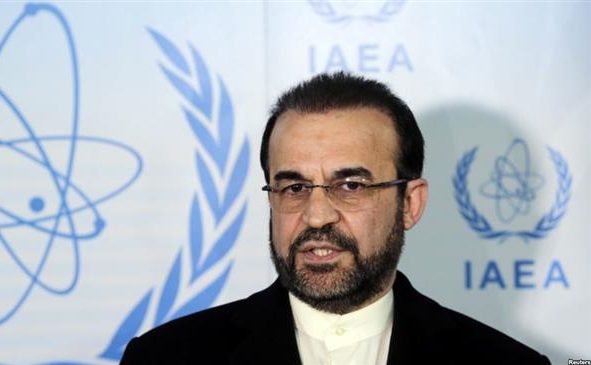
Reza Najafi, the Iranian ambassador to the International Atomic Energy Agency (IAEA)

Referring to a recent revelation by former US Secretary of State Colin Powell that Israel has 200 nuclear warheads, Reza Najafi made the remarks while addressing an IAEA Board of Governors meeting on Wednesday.

He stressed that Israel’s procession of nuclear weapons must be extremely worrying for the international community, because the regime has neither joined the international conventions banning weapons of mass destruction nor granted IAEA inspectors access to its secret nuclear facilities.

Powell’s revelation came last week in the form of a leaked 2015 email, in which he discussed Israeli Prime Minister Benjamin Netanyahu’s warnings about a nuclear deal with Iran.

Najafi also stressed that despite Tehran’s full commitment to its nuclear agreement with the world powers, the Western countries party to the deal, known as the Joint Comprehensive Plan of Action (JCPOA), have not demonstrated a “satisfactory” commitment.

The July 2015 deal, struck between Iran and the P5+1 countries, namely Britain, China, France, Germany, Russia and the United States, envisaged Tehran scaling back its nuclear program in return for the lifting of all nuclear-related sanctions on the Islamic Republic.

Economic and trade relations “should be pursued vigorously, otherwise the future of the agreement would be at stake,” he noted.

The Iranian official also said that certain countries seem not to trust the IAEA as they request secret information concerning Iran’s nuclear activities despite the agency confirming Iran’s commitment to the nuclear deal.

On Monday, IAEA Director General Yukiya Amano once again confirmed Iran’s commitment to the landmark nuclear agreement.

“Iran continues to implement its nuclear-related commitments under the Joint Comprehensive Plan of Action,” he said.

Also in a September 8 quarterly report on Iran, the IAEA reaffirmed Iran’s commitment to the nuclear agreement.

Ahmadinejad Won’t Run for Presidential Elections Next Year

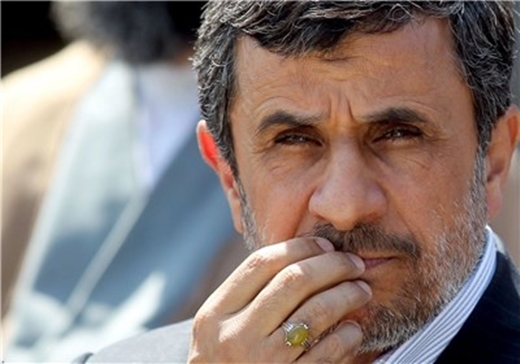
According to a report by Alef, as translated by IFP, Seyyed Mohammad Hosseini, the former minister of culture in Ahmadinejad’s cabinet, believes that the ex-president will not run for presidency in next year’s elections.

He has yet to announce his candidacy for 2017 Presidential elections and his recent speeches and lectures are not considered as part of a campaign, he said.

“Ahmadinejad has rejected the rumours [about his campaigns for elections] and said that he is just explaining the discourse of Revolution, Imam Khomeini, and the Leadership after consultations with Ayatollah [Seyyed Ali] Khamenei,” Hosseini said.

“Apparently, Mr. Ahmadinejad has conferred with the country’s high-ranking officials on his candidacy, and they have deemed it [his candidacy] to be against the country’s interests as we are in special conditions. Ahmadinejad’s presence would make domestic and foreign elements united and expose the Islamic Establishment to serious damage as the conflicts and differences would rise and the country would become polarized [if he becomes president].”

Therefore, he added, it is wise to prevent such an adverse event from happening.

“Mr. Ahmadinejad would basically prefer national interests to individual and partisan ones, and would not let the creation of a new sedition because of him,” he noted, adding that such sedition would cause crisis not only in Iran but also in regional resistance movements.

“Mr. Ahmadinejad is thus prepared to accept this wise advice and will consider the fact that one should not just be a president and there are other ways to serve the nation and Revolution as well.”

Hosseini compared Ahmadinejad’s possible withdrawal from presidential elections with General Qassem Soleimani’s “epic statement” which “ended the rumours of his candidacy in the presidential votes”.

Now we should wait and see whether Ahmadinejad will do what his advisers say and what he has been reportedly advised to do or not.

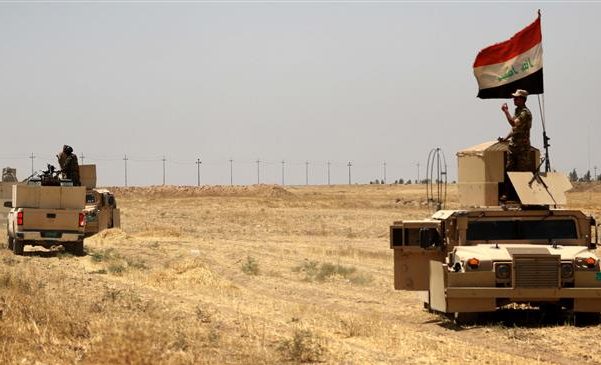
Iraqi Forces Retake Haditha Island from ISIS

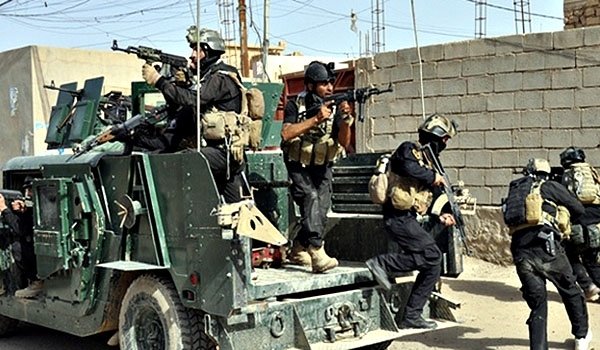
Iraqi Army-Musol
Iraqi Forces Make Fresh Progress in Fight against ISIS, Arrive at Gate of Mosul

“Our forces have liberated the island, 160 kilometres west of the Anbar province,” Major General Qassim al-Mohammadi told Anadolu Agency.

The move came one day after Iraqi forces launched a military offensive to liberate the northern Shirqat district and two other areas in the western Anbar province from ISIS.

“Our forces and allied tribal fighters are now moving to liberate al-Baghdadi Island from ISIS group,” al-Mohammadi said.

According to the military commander, Iraqi forces have defused scores of explosive devices and destroyed rocket launchers in Haditha Island.

According to regional media reports, as covered by Fars, clearing the island from ISIS extremists “will diminish the danger posed by the extremist group on Haditha city and al-Baghdadi district,” he said.

Iraq’s security situation has deteriorated markedly since mid-2014, when ISIS captured Mosul — the country’s second largest city — along with vast swathes of territory in the country’s northern and western regions.

In recent months, the Iraqi army — backed by US-led coalition airstrikes and local allies on the ground — has since managed to retake much territory. Nevertheless, the extremist group remains in firm control of several parts of the country, including Mosul.
Iraqi officials have repeatedly vowed to recapture Mosul by the end of the year.

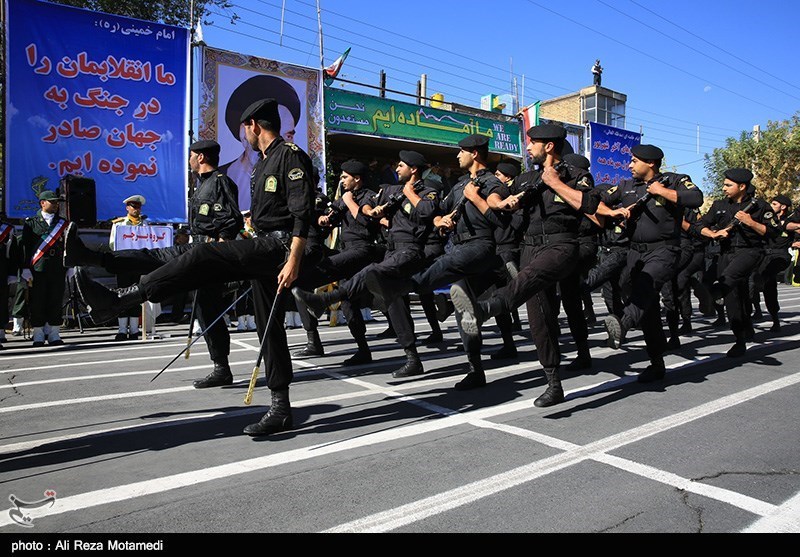
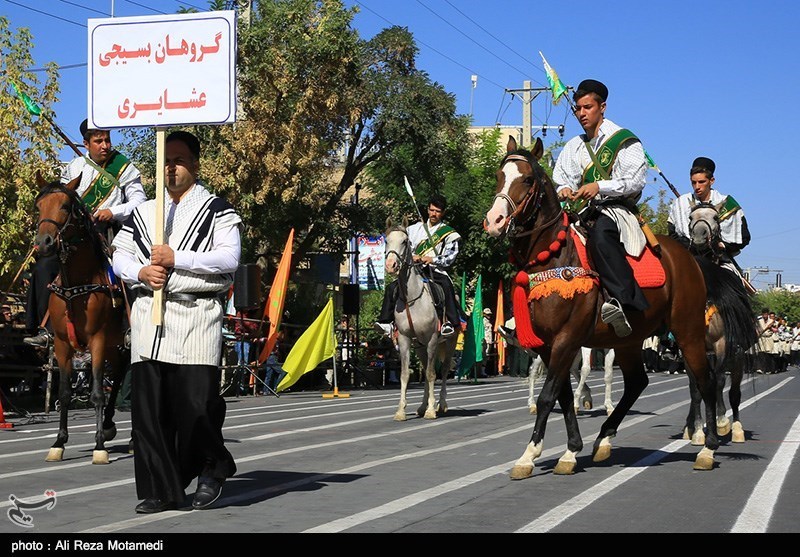
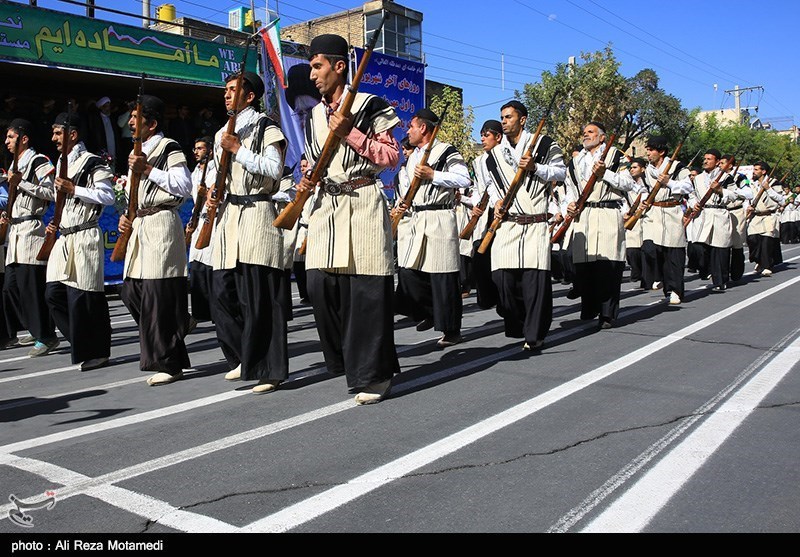
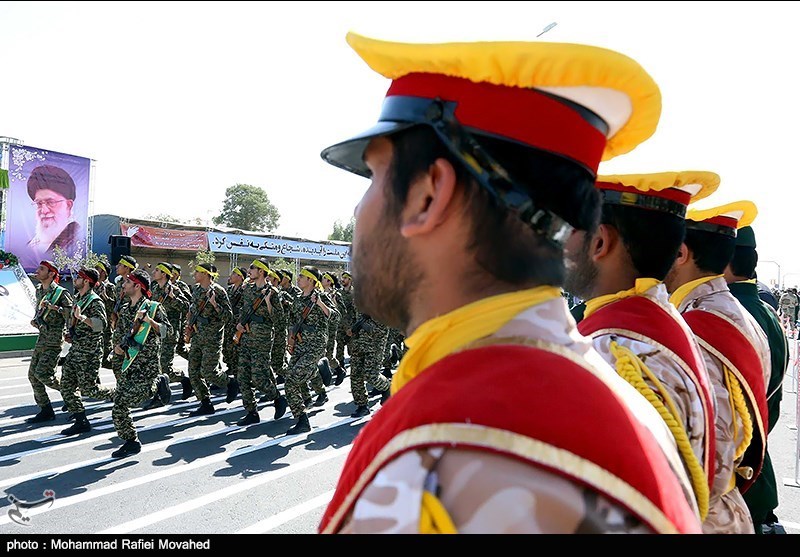
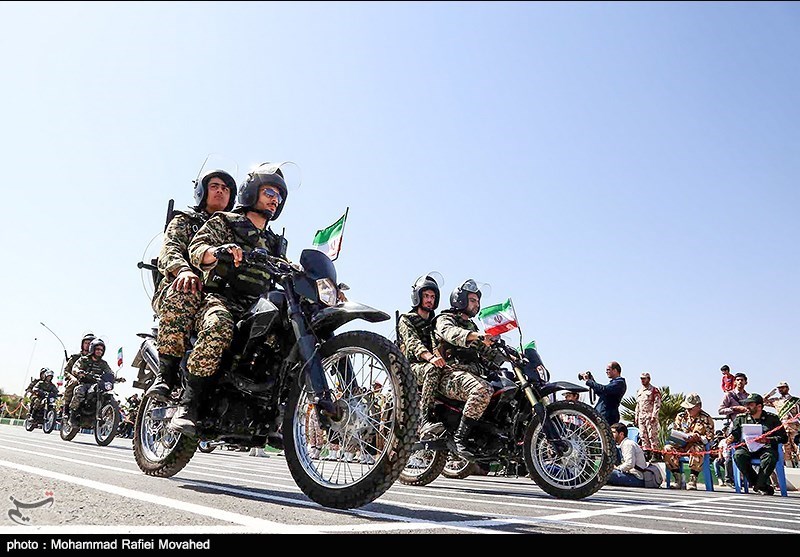
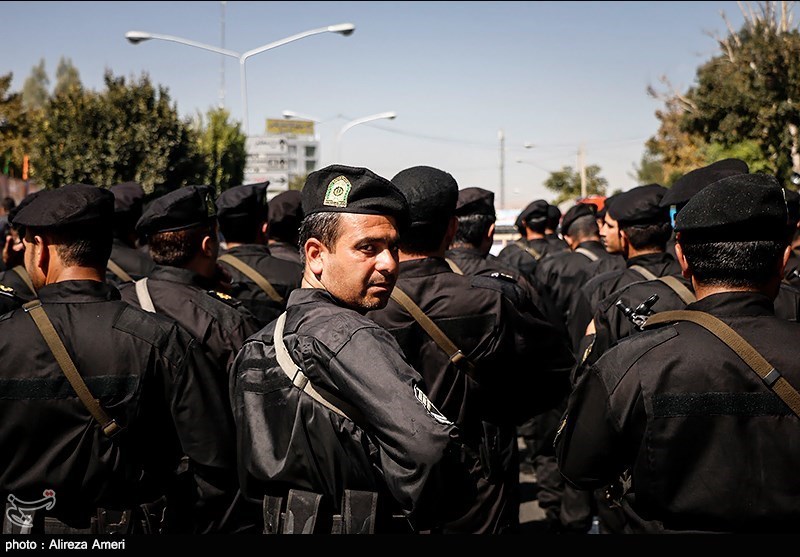
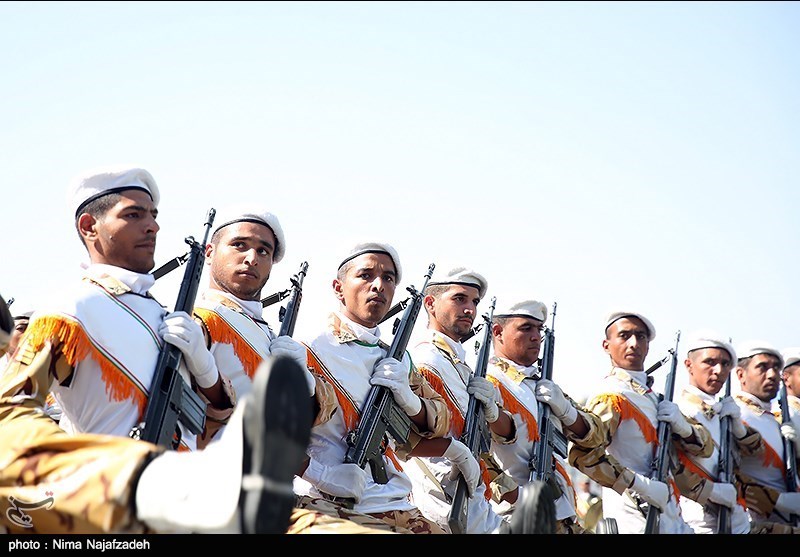
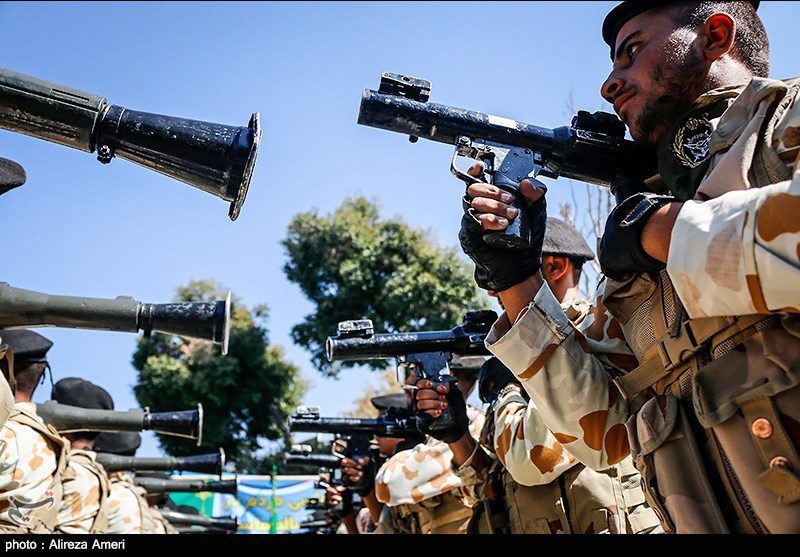
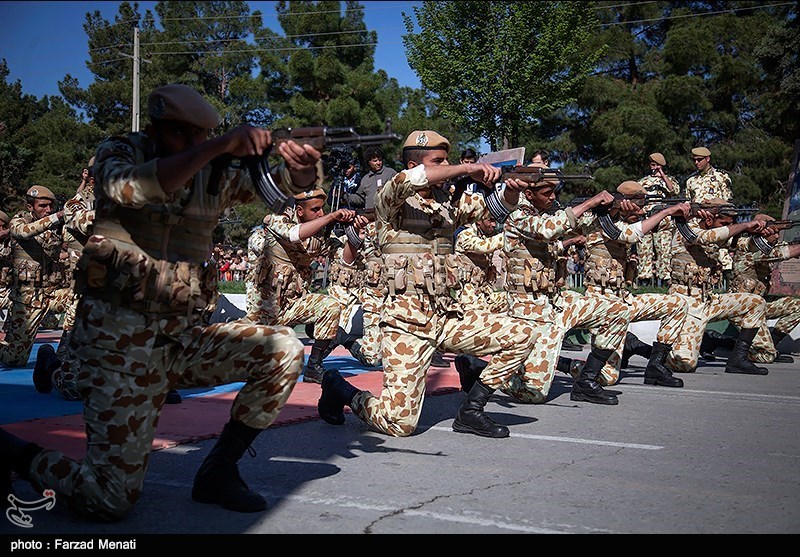
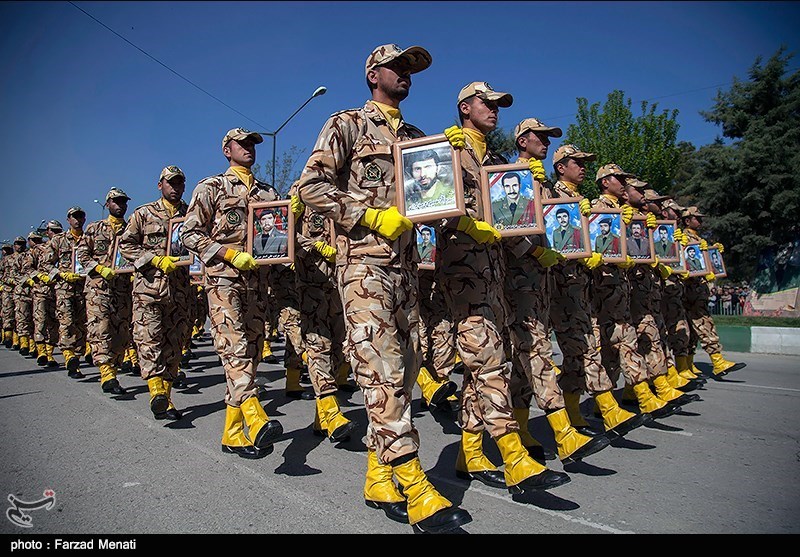
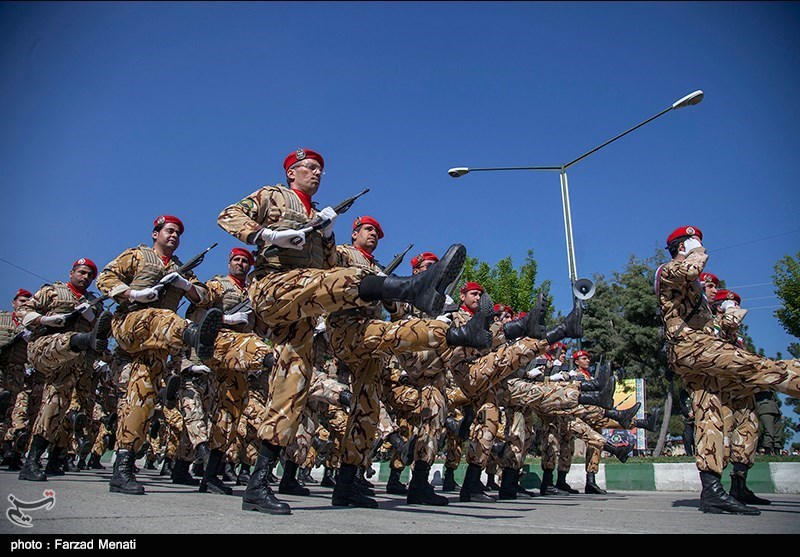
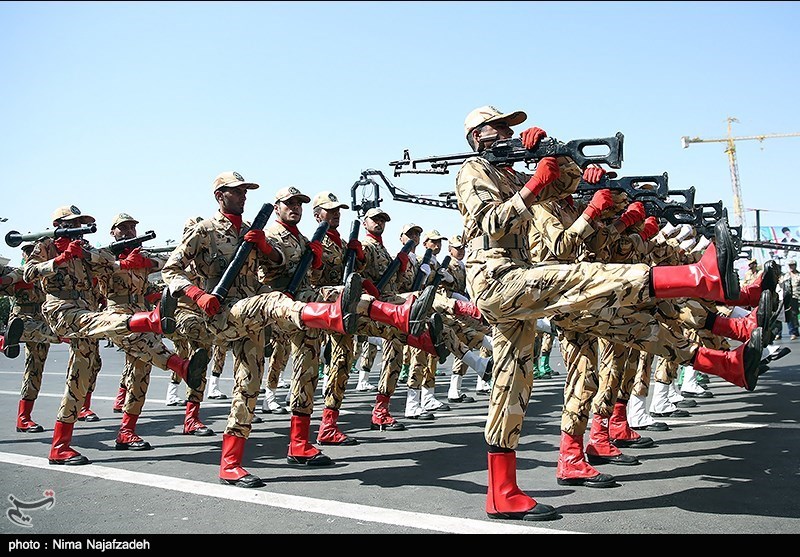
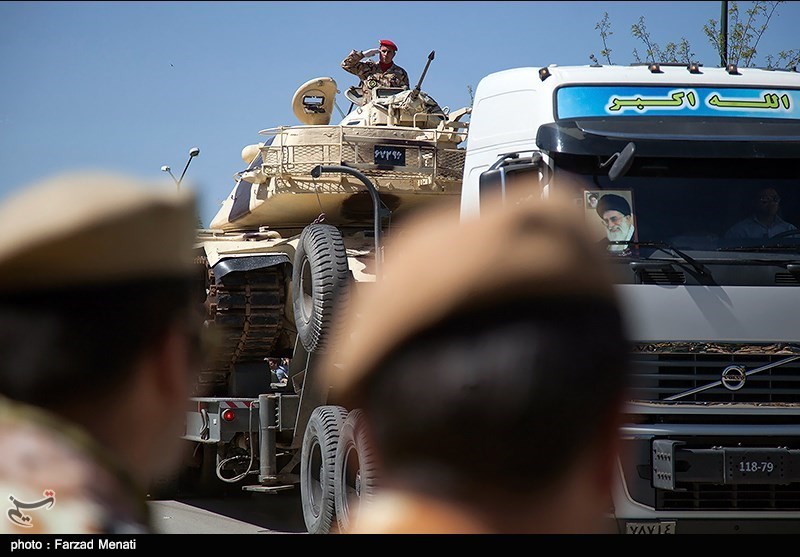
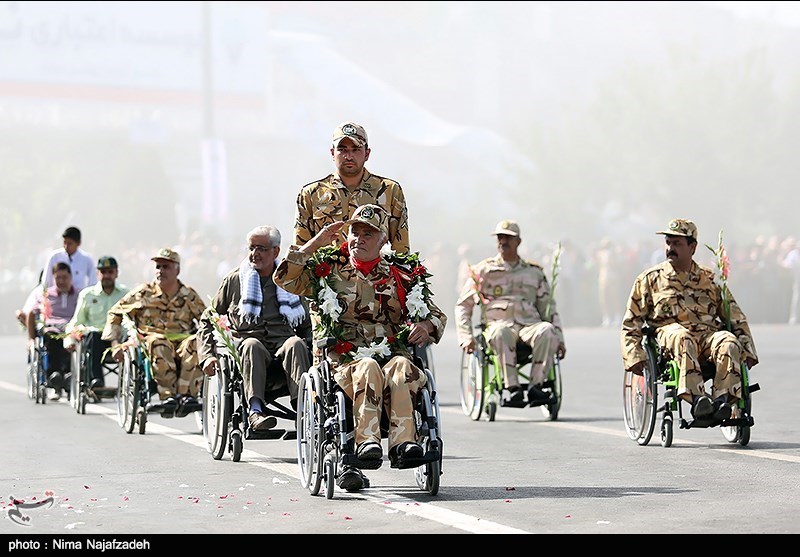
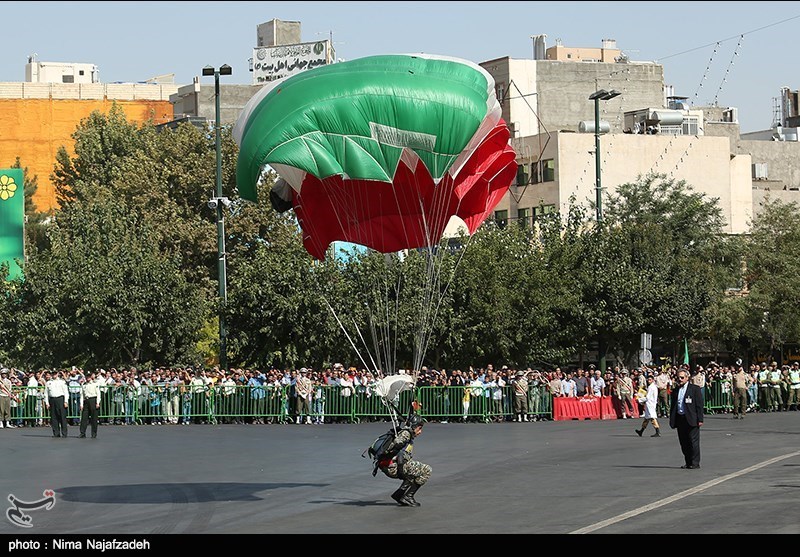
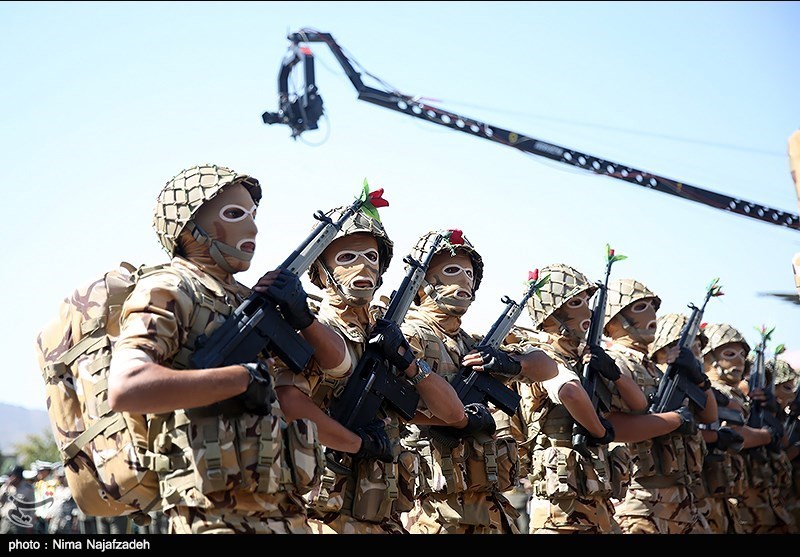
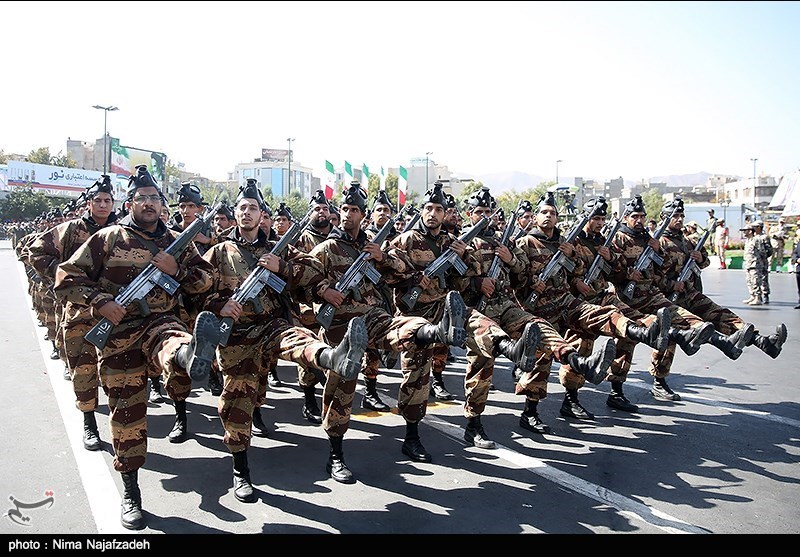
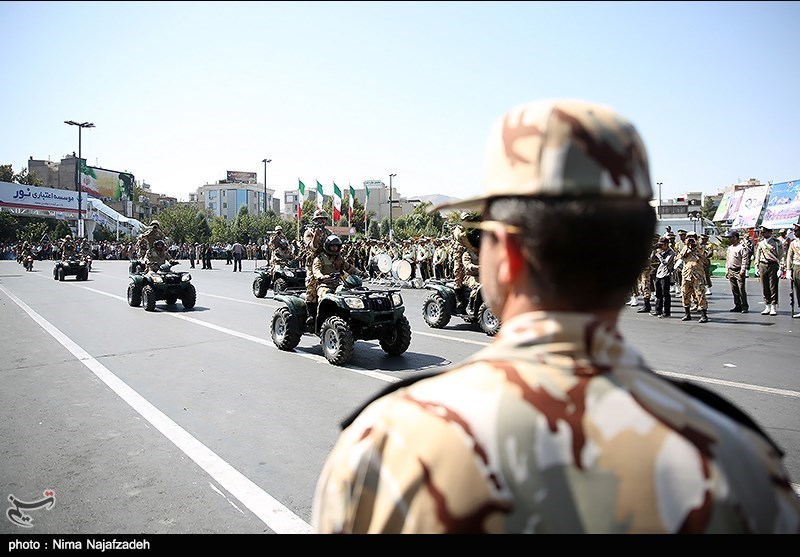
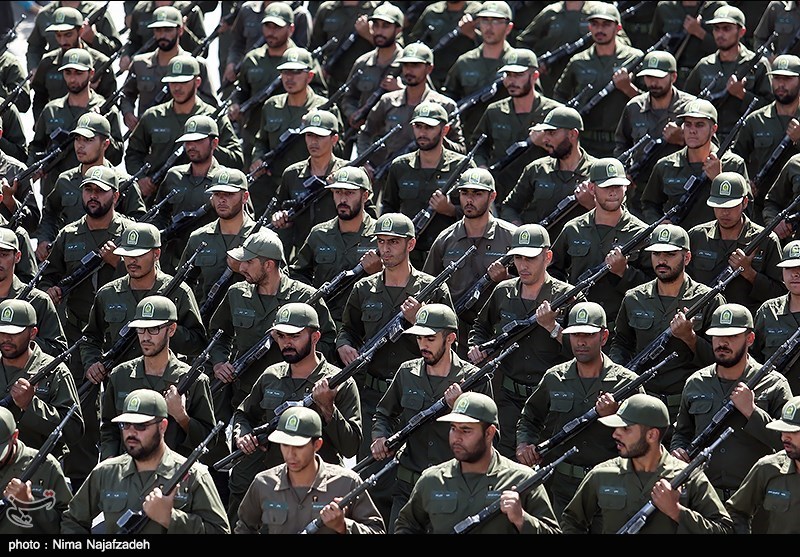
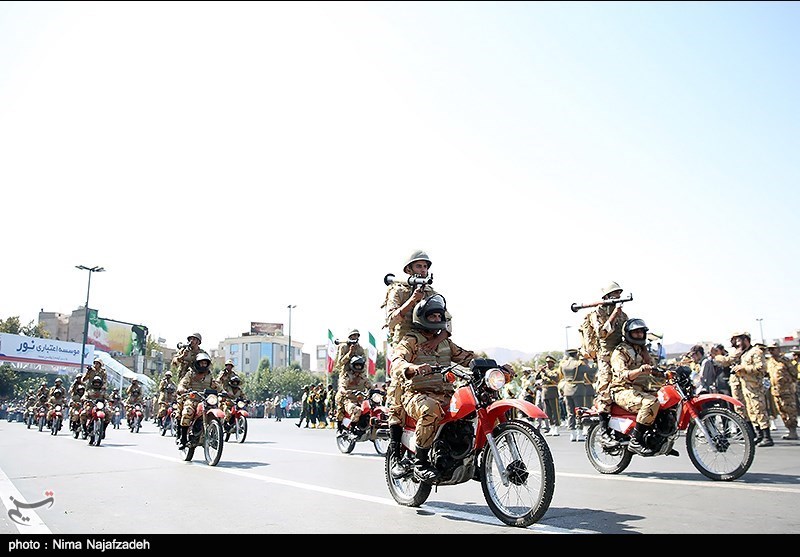
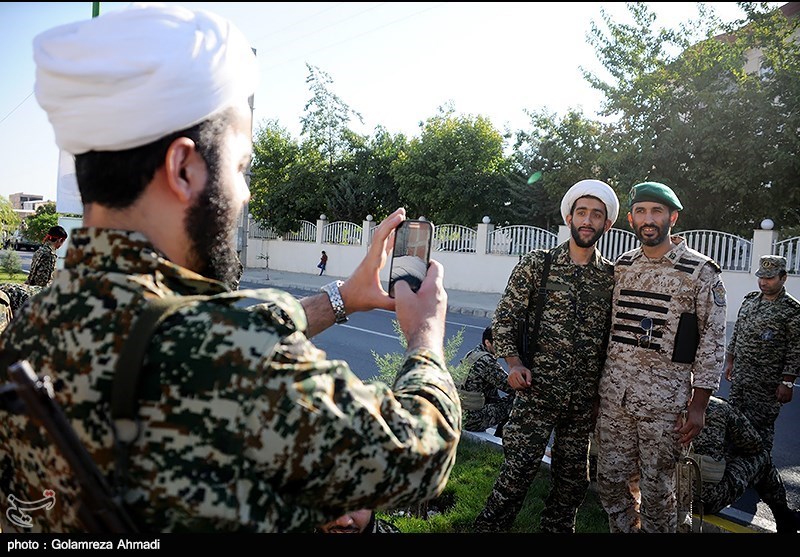
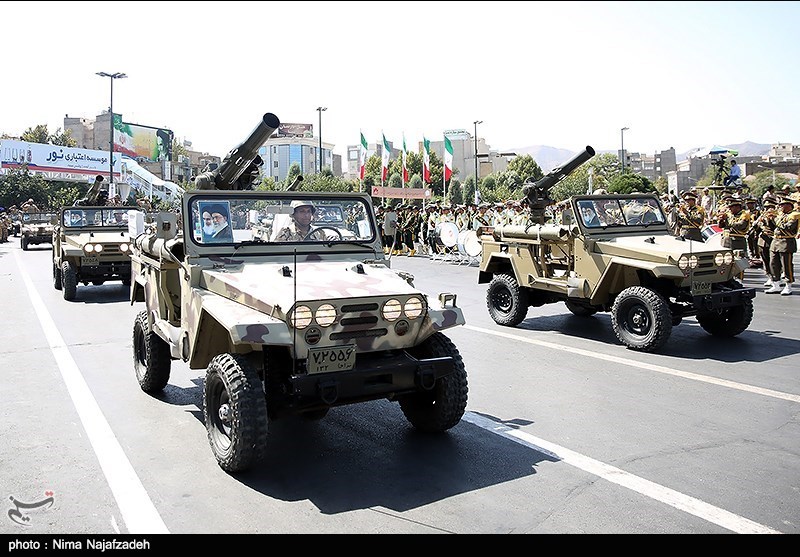
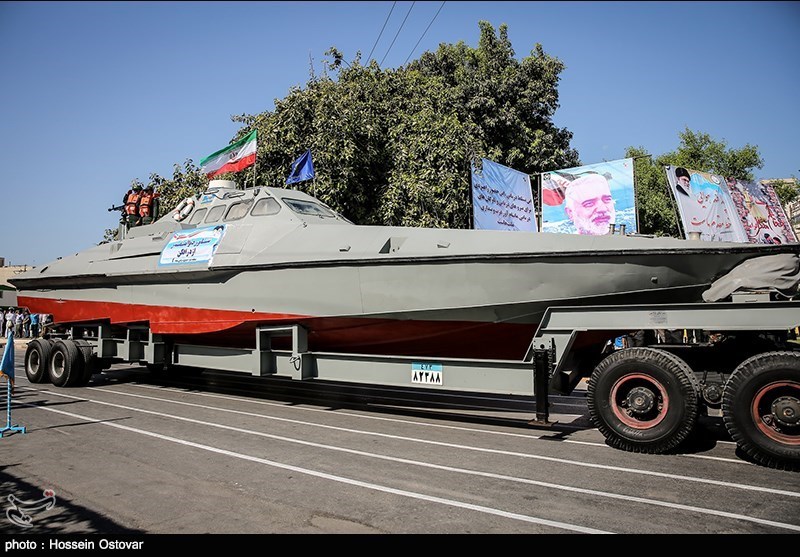
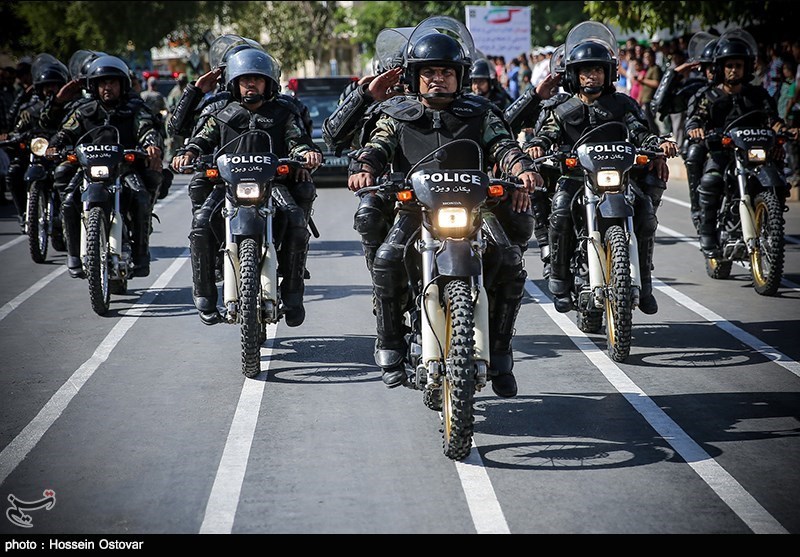
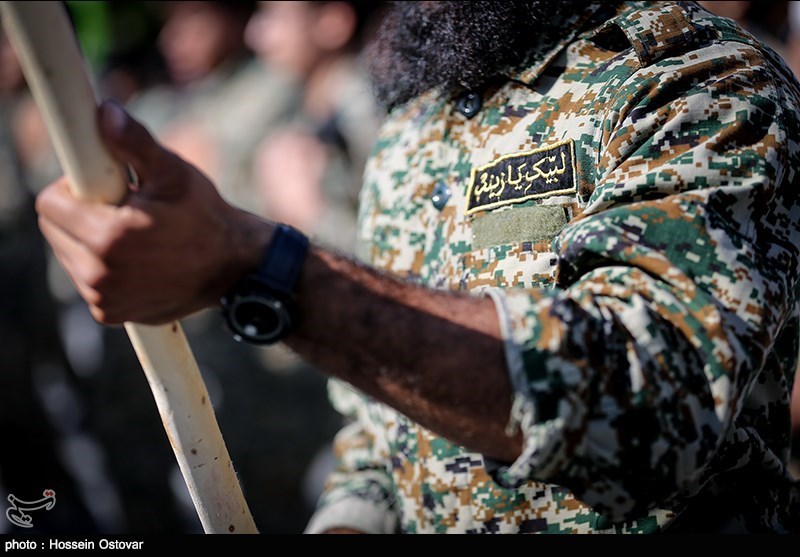
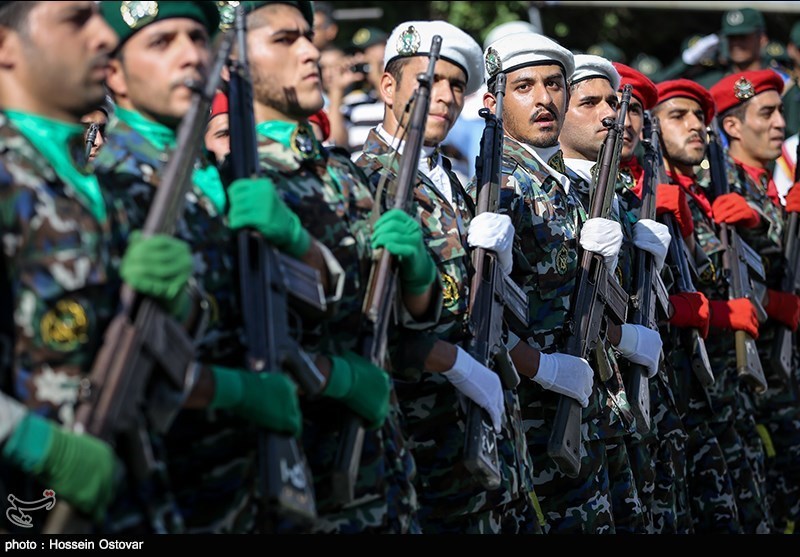
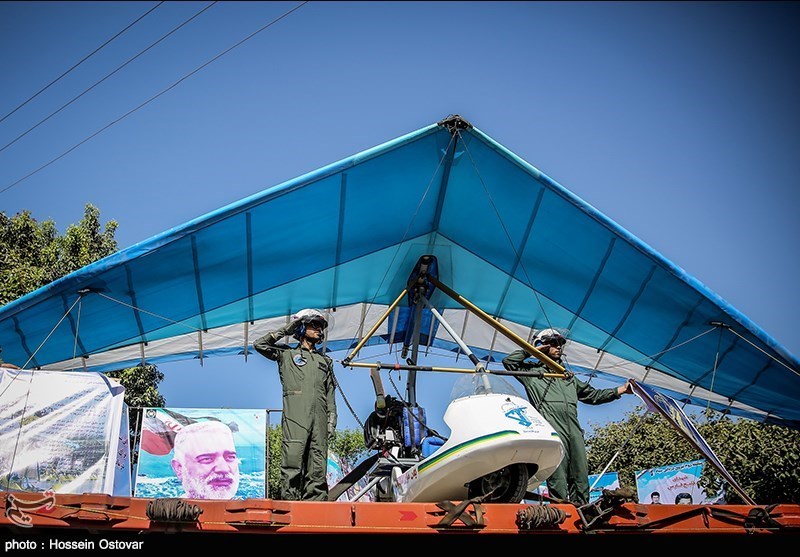
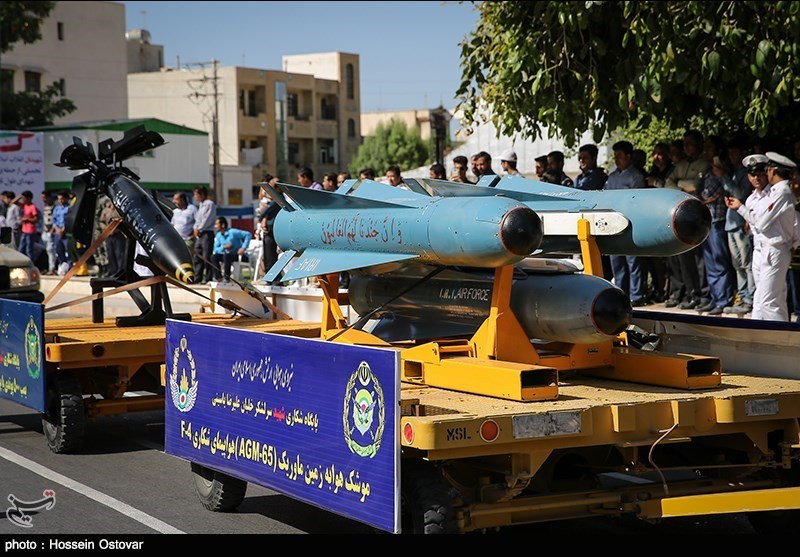
Iran Displays Latest Military Achievements in Nationwide Parades (+Photos)

139506311254449588712724

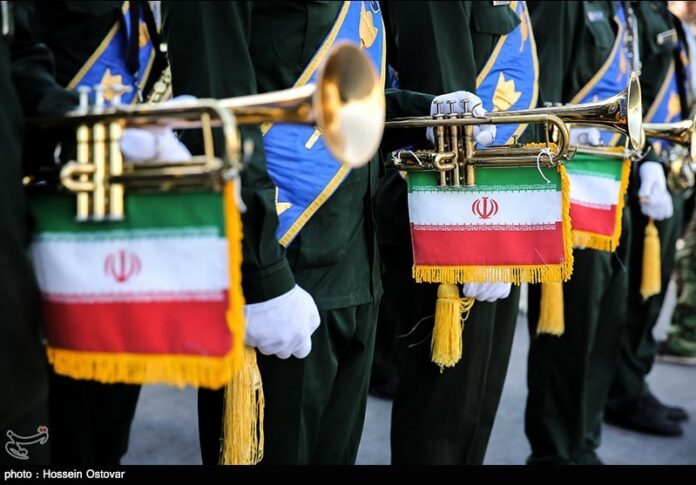
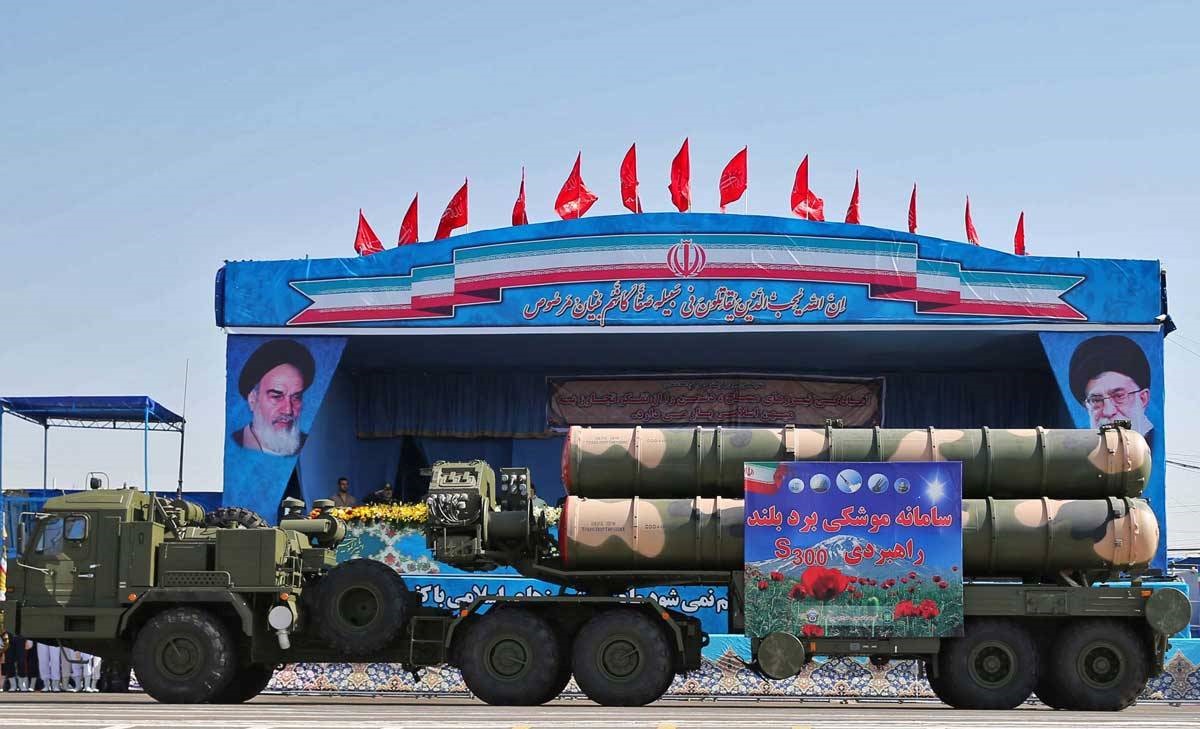
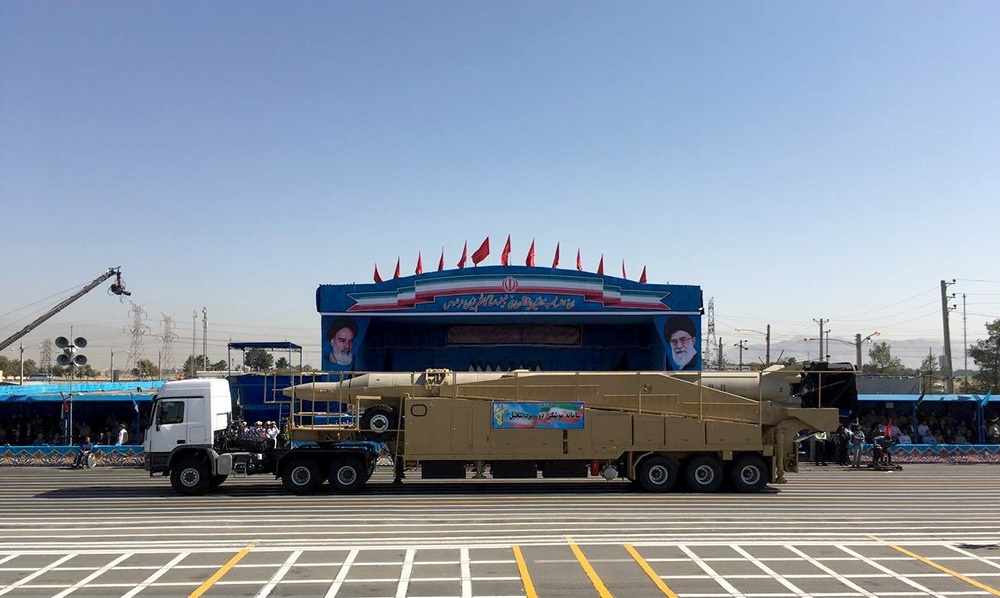
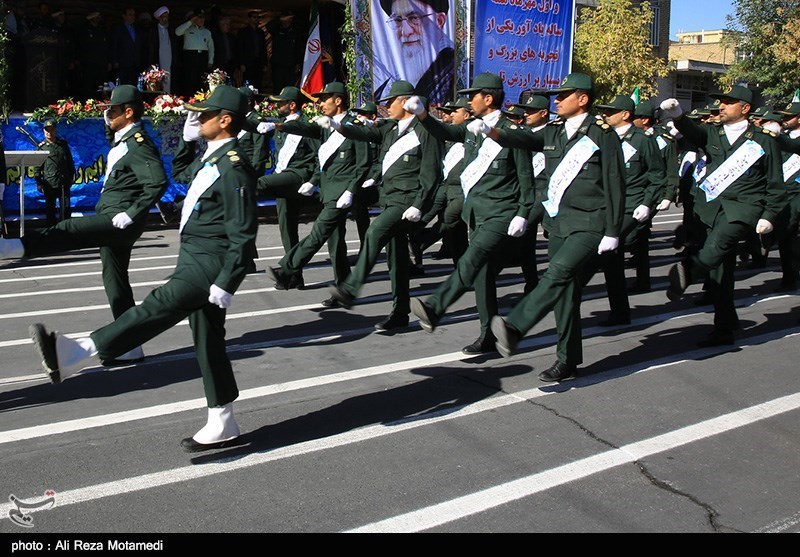
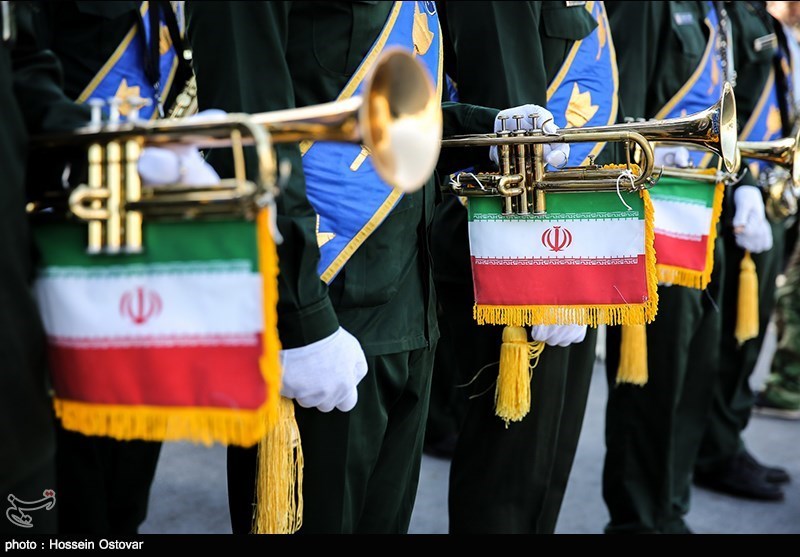
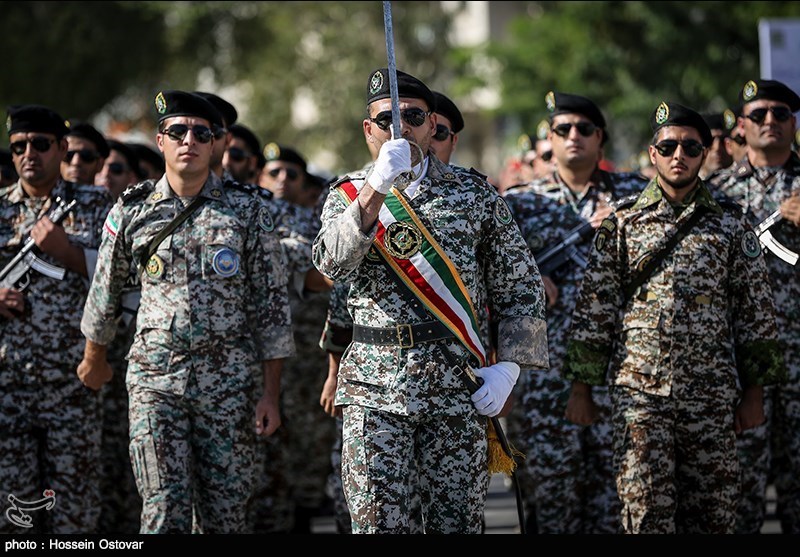
Iranian Armed Forces held massive military parades across the country on Wednesday morning to commemorate the Sacred Defence Week, which marks the onset of the Iraqi imposed war on Iran 36 years ago.

The country’s latest military equipment and capabilities including the S-300 missile defence system were also put in display during the parades.

Here are Iranian media’s photos of the ceremonies:

Iranian President Calls on Muslim Nations to Present Islam’s True Image

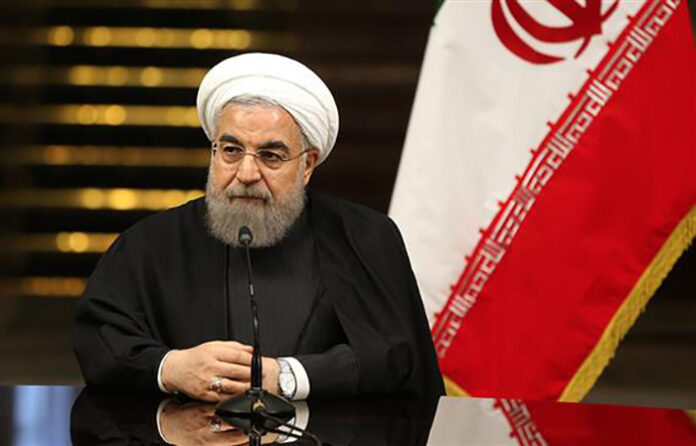
President Rouhani

Speaking at a meeting with leaders of the US Islamic community in New York on Tuesday evening, President Rouhani highlighted the problems facing the Muslim world, including the emergence of extremist groups acting in the name of Islam.

“Islam and Muslims have been faced with a lot of problems over the past decades,” he said, noting however, that in all historical periods, Muslim intellectuals and true warriors have been able to safeguard Islam and the Islamic culture.

Today, the fundamental duty of all Muslim governments and intellectuals is to protect and present the true image of Islam, he said, adding that in order to protect their interests, Muslims should focus on the commonalities, which are the holy Quran and the life of the Prophet (PBUH).

“Unfortunately, some Islamic governments are not fulfilling their duties to address the current crises and some of them are influenced by hegemonic powers and this has complicated the problems,” the Iranian president went on to say.

In recent years, some parts of the Muslim world have been plagued with conflicts, violence and terrorism due to a lack of unity as well as plots hatched by the enemies of Islam.

Takfiri terrorist groups like Daesh (also known as ISIS or ISIL) have emerged in the Middle East, which are believed to have been created and supported by the West and some regional Arab countries.

The terrorist groups, which claim to be Islamic but whose actions are anything but, have been committing heinous crimes not only against non-Muslims, but mostly against Muslims in the region.

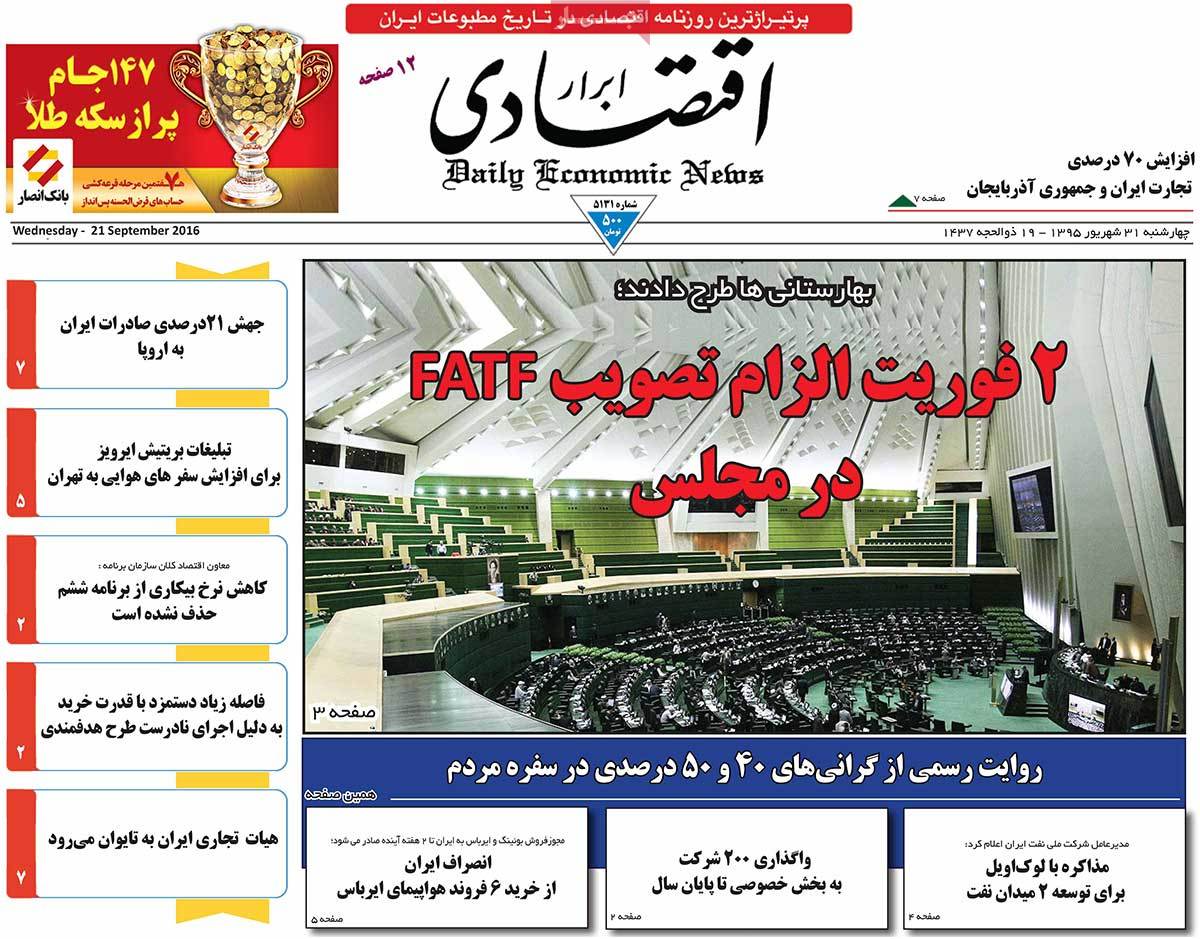
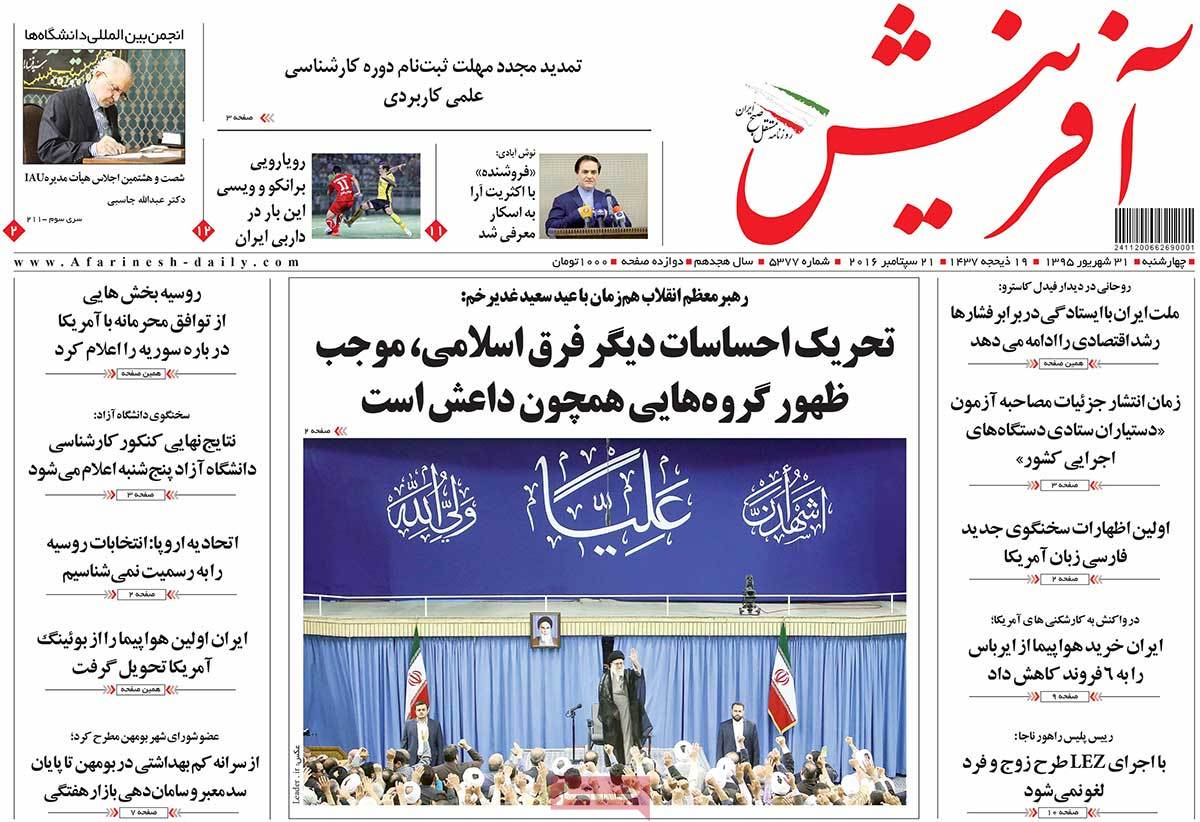
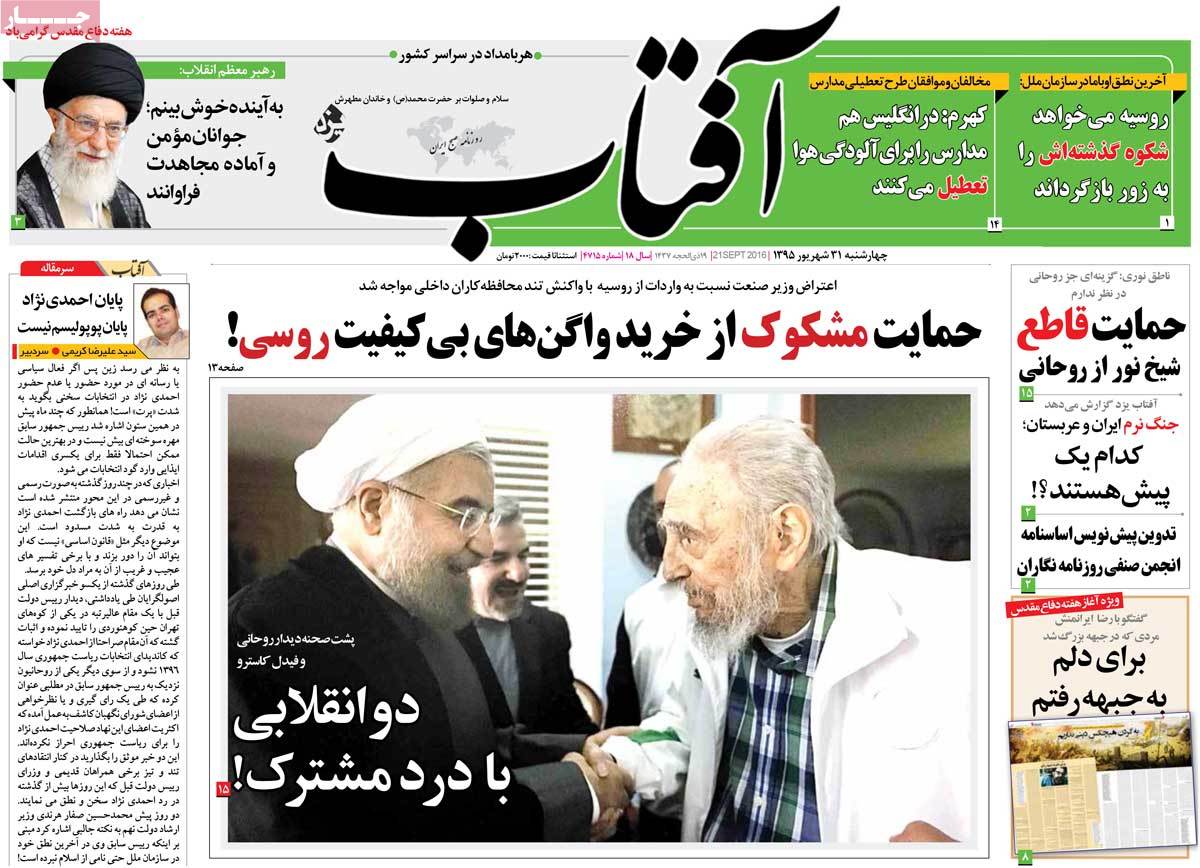
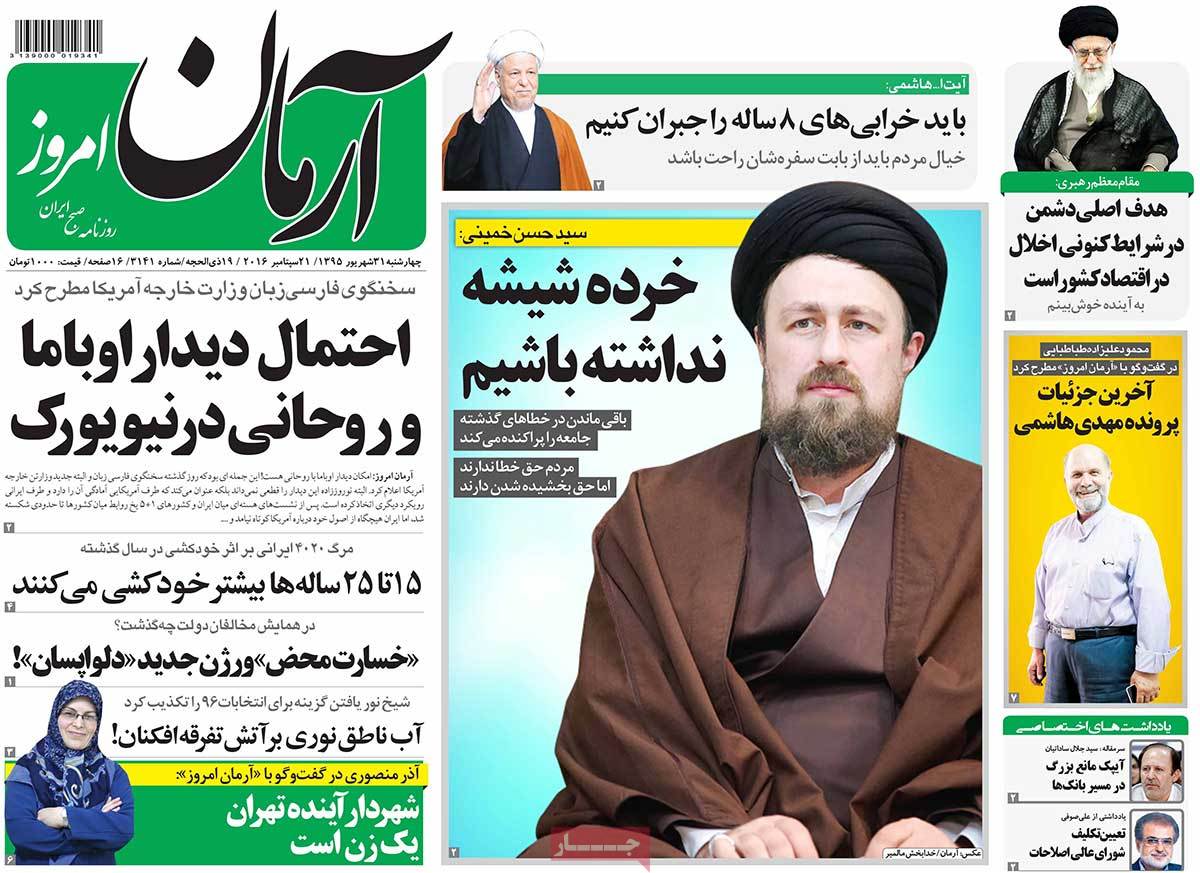
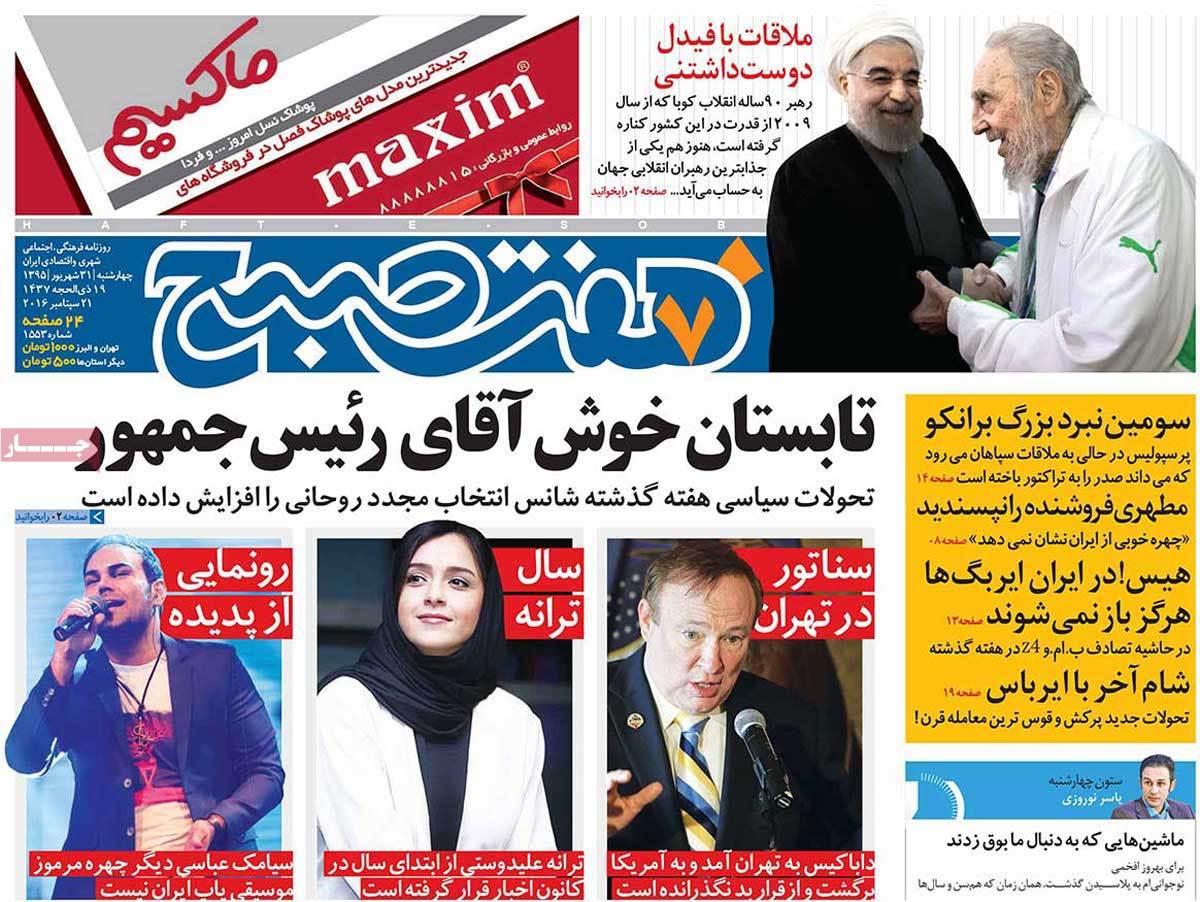
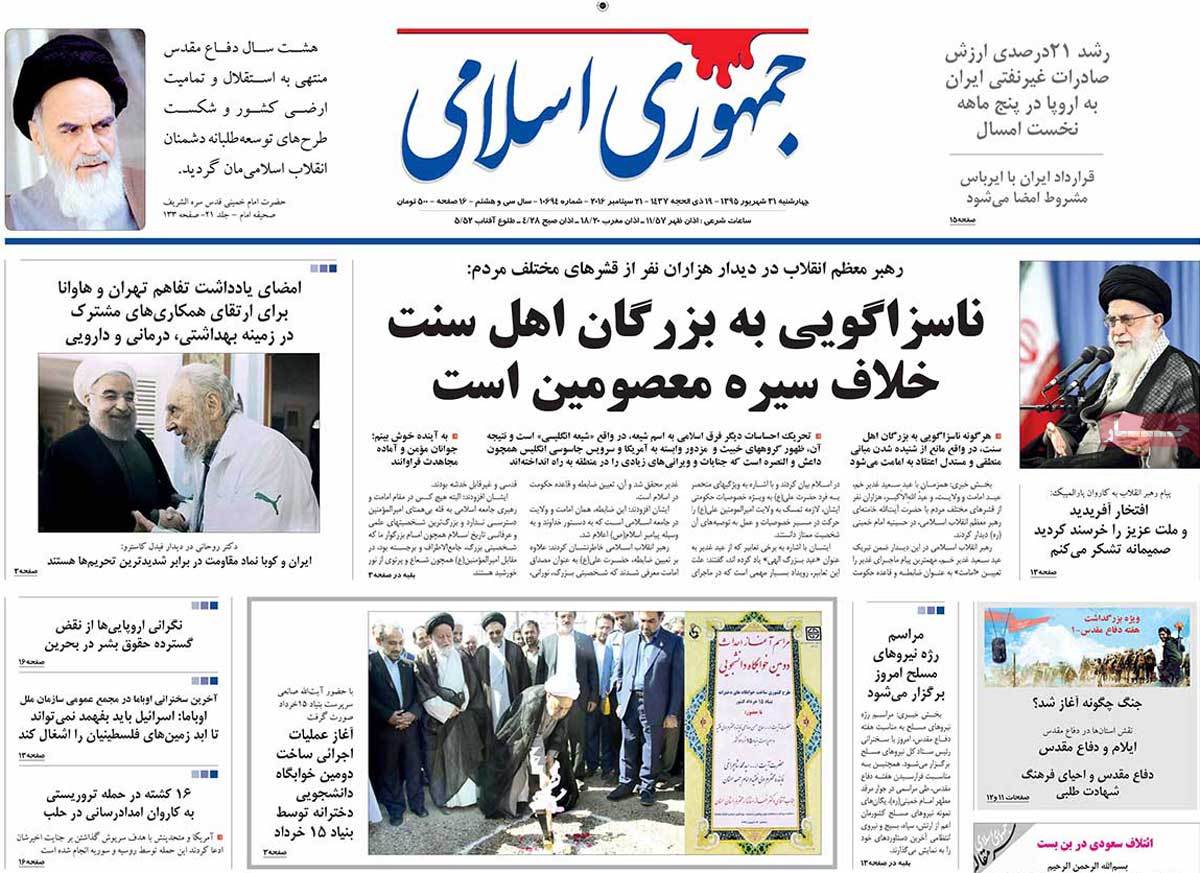
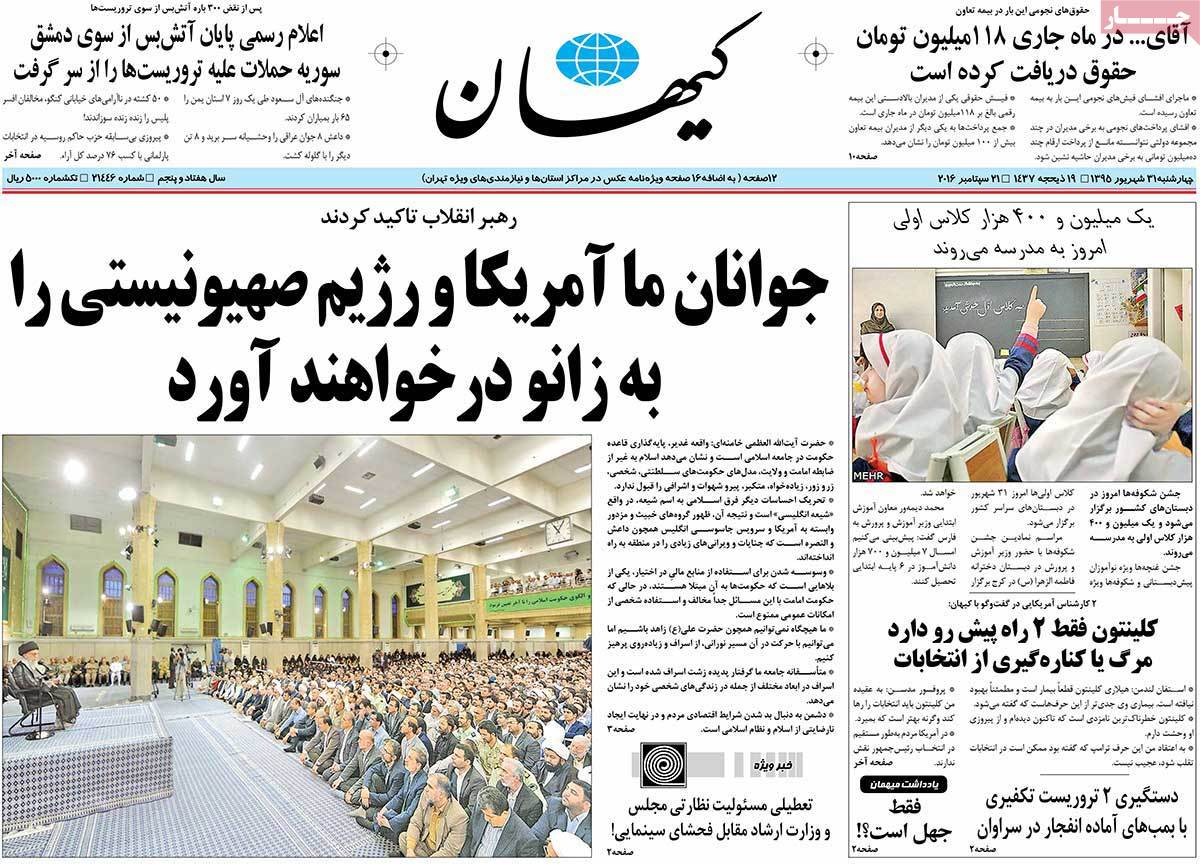
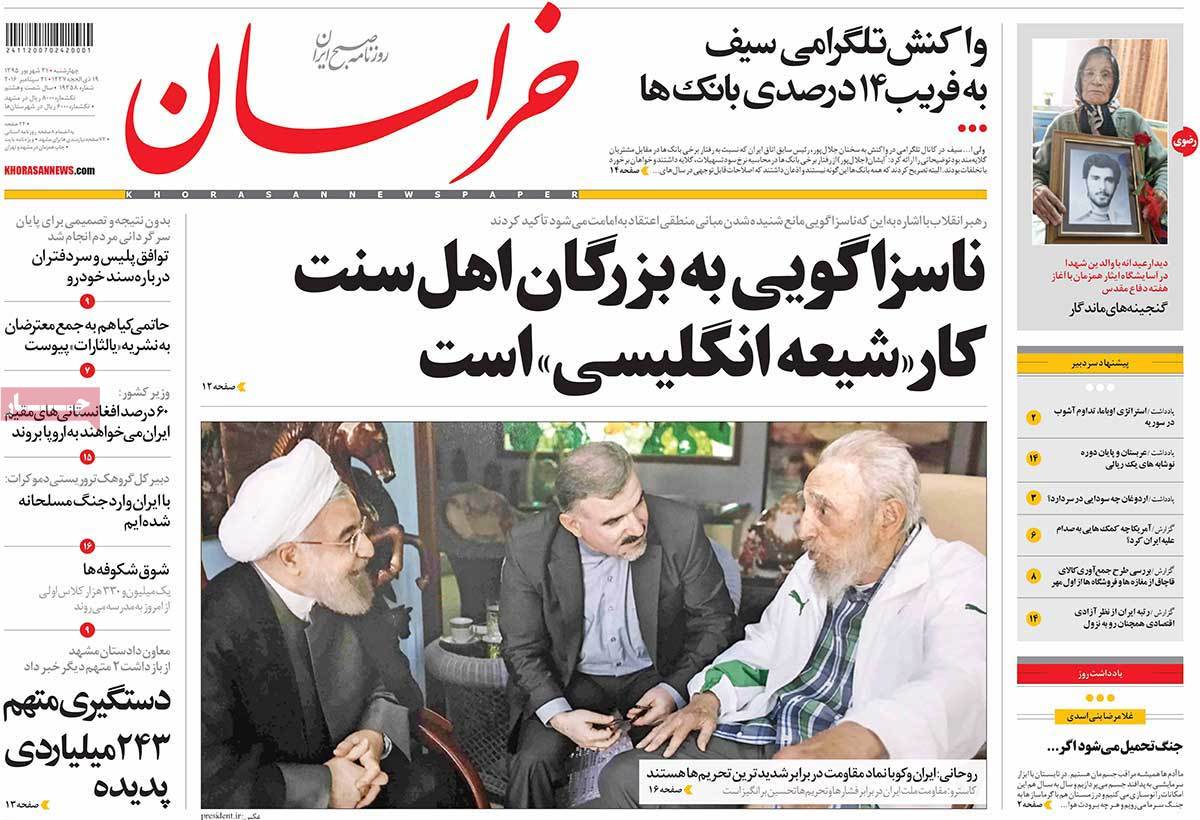
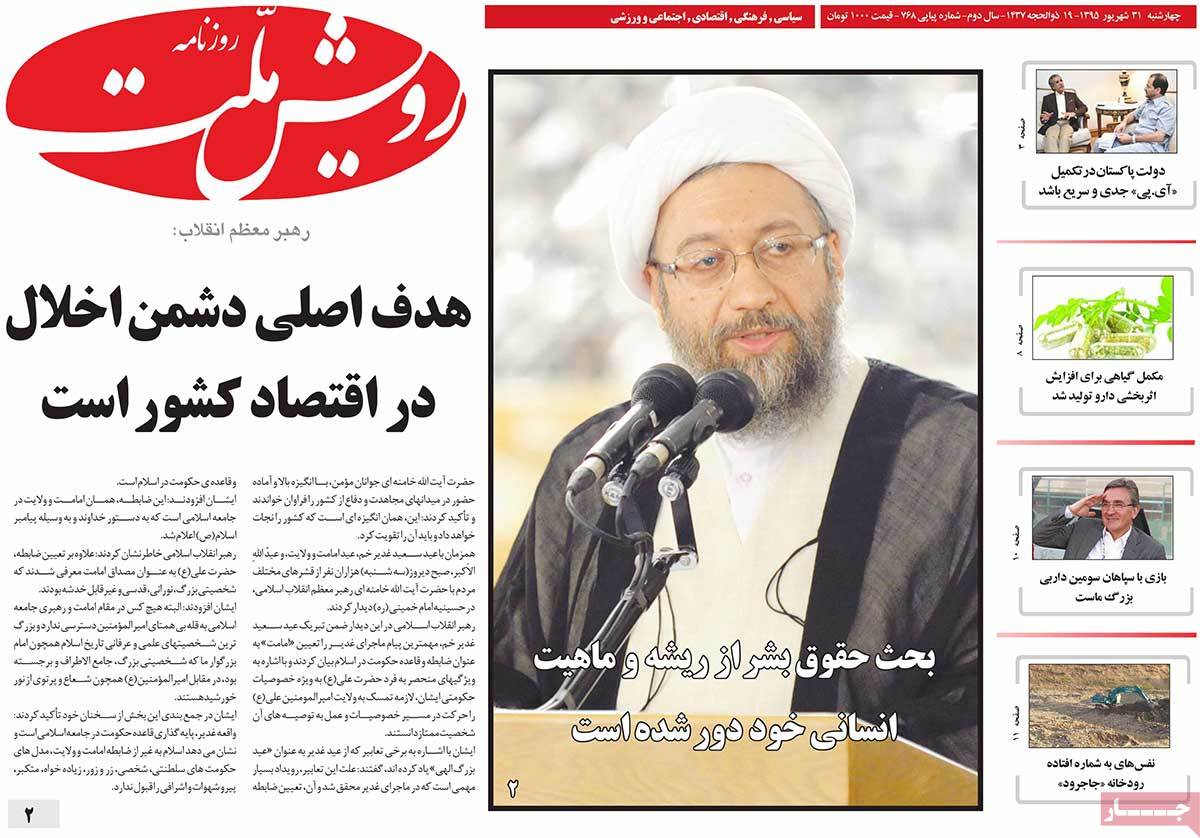
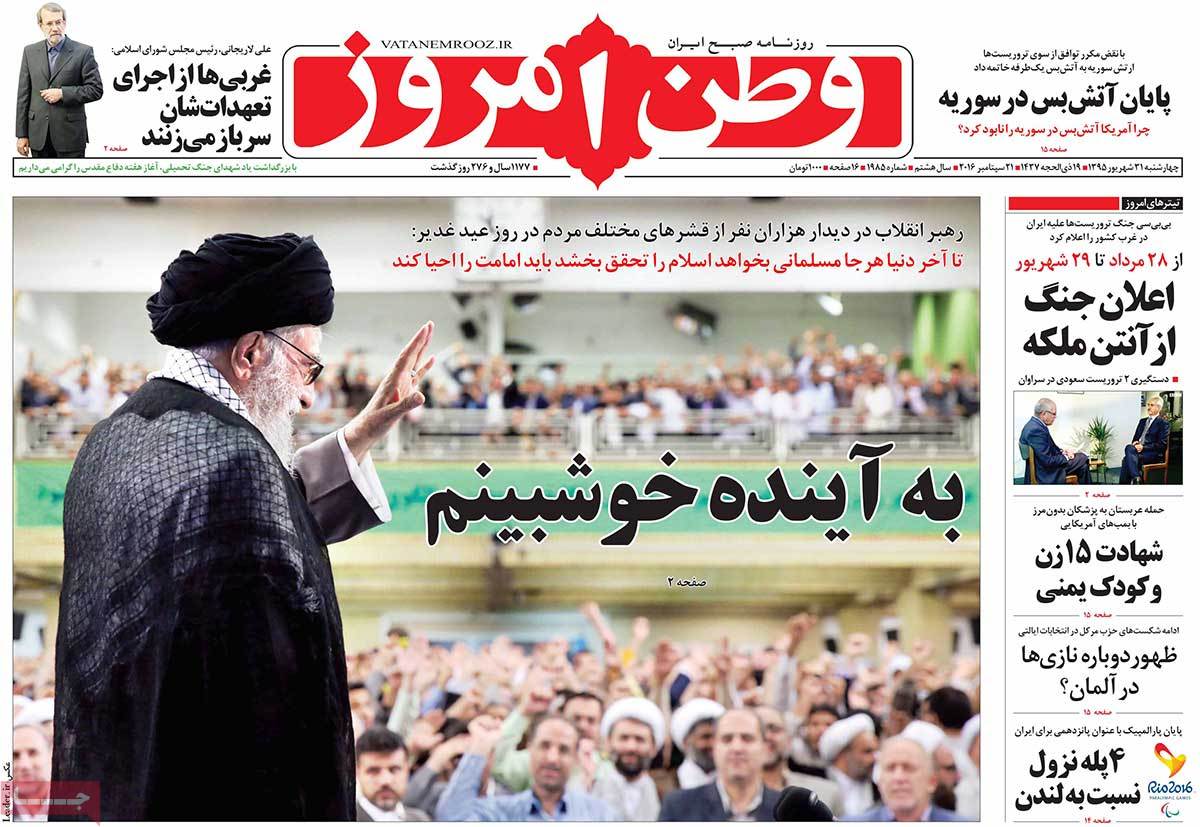
A Look at Iranian Newspaper Front Pages on September 21

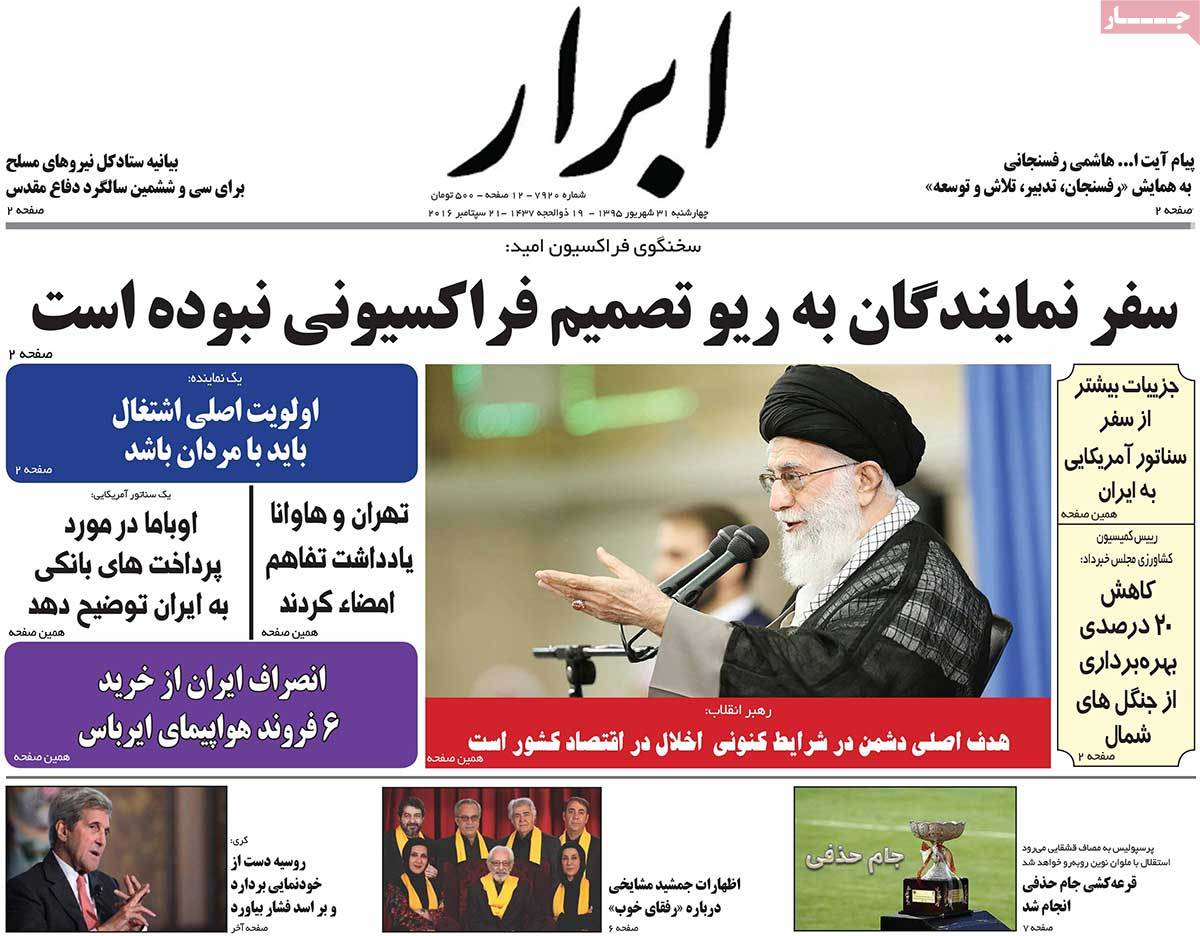
Iran Newspaper front pages

Newspapers on Wednesday covered the remarks made by Ayatollah Seyyed Ali Khamneei, the Leader of the Islamic Revolution, in a meeting with people from all walks of life.

They also pointed to President Hassan Rouhani’s ongoing visit to New York City, and also raised the possibility of a meeting between Rouhani and his US counterpart Barack Obama on the sidelines of the United Nations General Assembly.

A ban on smoking in public places, due to be enforced as of today, also received great coverage.

The above issues, as well as many more, are highlighted in the following headlines:


Abrar:

1- Tehran and Havana Sign MoU

2- Tehran Withdraws from Buying 6 Airbus Planes

A Look at Iranian Newspaper Front Pages on September 21


Abrar-e Eqtesadi:

1- 70% Increase in Iran-Azerbaijan Trade

2- 21% Jump in Iran’s Exports to Europe

3- British Airways’ Advertisement to Promote Air Trips to Tehran

4- Iranian Trade Delegation to Visit Thailand

5- Talks with Lukoil for Development of 2 Oil Fields

A Look at Iranian Newspaper Front Pages on September 21


Afarinesh:

1- Leader: Provoking the Emotions of Other Islamic Religions Leads to Emergence of Such Groups as ISIS

A Look at Iranian Newspaper Front Pages on September 21


Aftab-e Yazd:

1- Suspicious Support for Purchase of Low-Quality Russian Wagons: Trade Minister’s Objection to Imports from Russia Receives Harsh Reaction by Iranian Conservatives

2- Two Revolutionaries with Common Pains: Behind the Scenes of Meeting between Rouhani and Castro

3- Obama in UNGA Address: Russia Wants to Restore Its Glory Days by Force

4- Opponents and Proponents of a Plan to Shut Down Schools in Polluted Days: Schools Are Closed for Air Pollution in UK as Well

A Look at Iranian Newspaper Front Pages on September 21


Arman-e Emrooz:

1- Leader: Enemy’s Main Objective under Current Circumstances Is to Disrupt the Country’s Economy

2- US State Department’s Persian-Speaking Spokeswoman: Obama and Rouhani May Meet in New York

A Look at Iranian Newspaper Front Pages on September 21


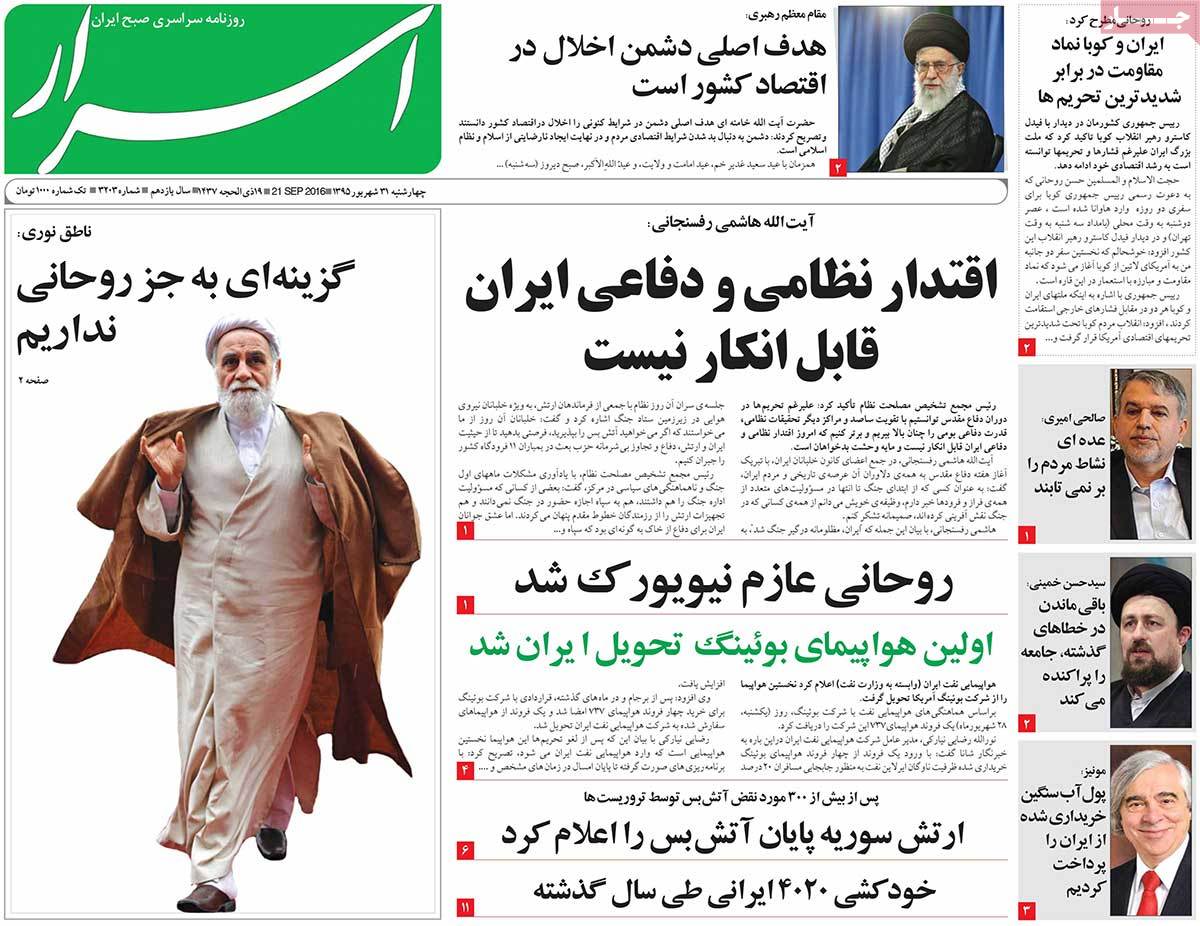
Asrar:

1- Ayatollah Rafsanjani: Iran’s Defensive and Military Might Is Not Deniable

2- Senior Cleric Nateq Noori: Rouhani Is Our Only Choice

3- Iran Receives First Boeing Aircraft

4- Rouhani: Iran and Cuba Are Symbols of Resistance to Most Severe Sanctions

A Look at Iranian Newspaper Front Pages on September 21


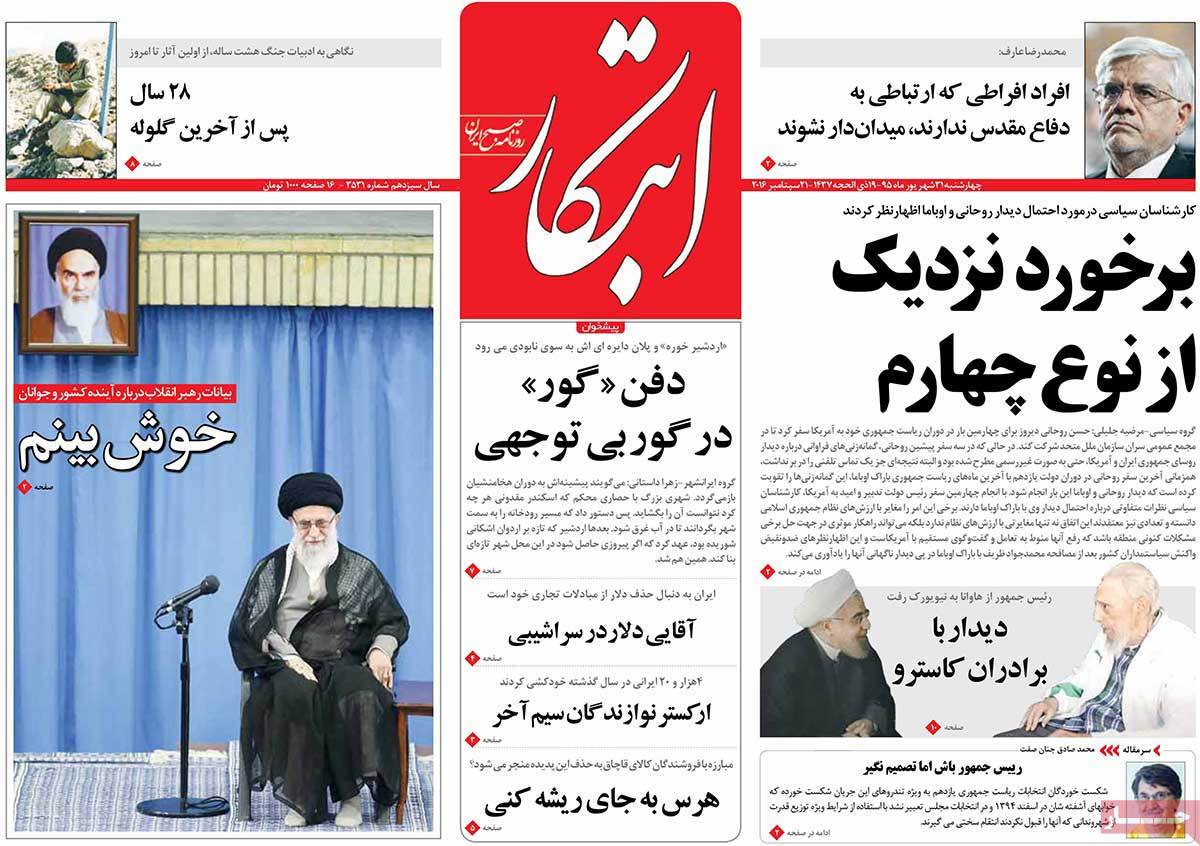
Ebtekar:

1- Close Encounter of the Fourth Kind: Political Experts Talk about Rouhani’s Possible Meeting with Obama

2- Golden Age of Dollar Getting Over

3- Rouhani’s Meeting with Castro Brothers

A Look at Iranian Newspaper Front Pages on September 21


Emtiaz:

1- Ban on Smoking in Public Places

2- $44m Income through Export of Chocolate

3- Biggest Smuggler of Wild Birds Arrested

4- 15,000 Foreign Nationals Covered by Insurance in Iran

A Look at Iranian Newspaper Front Pages on September 21


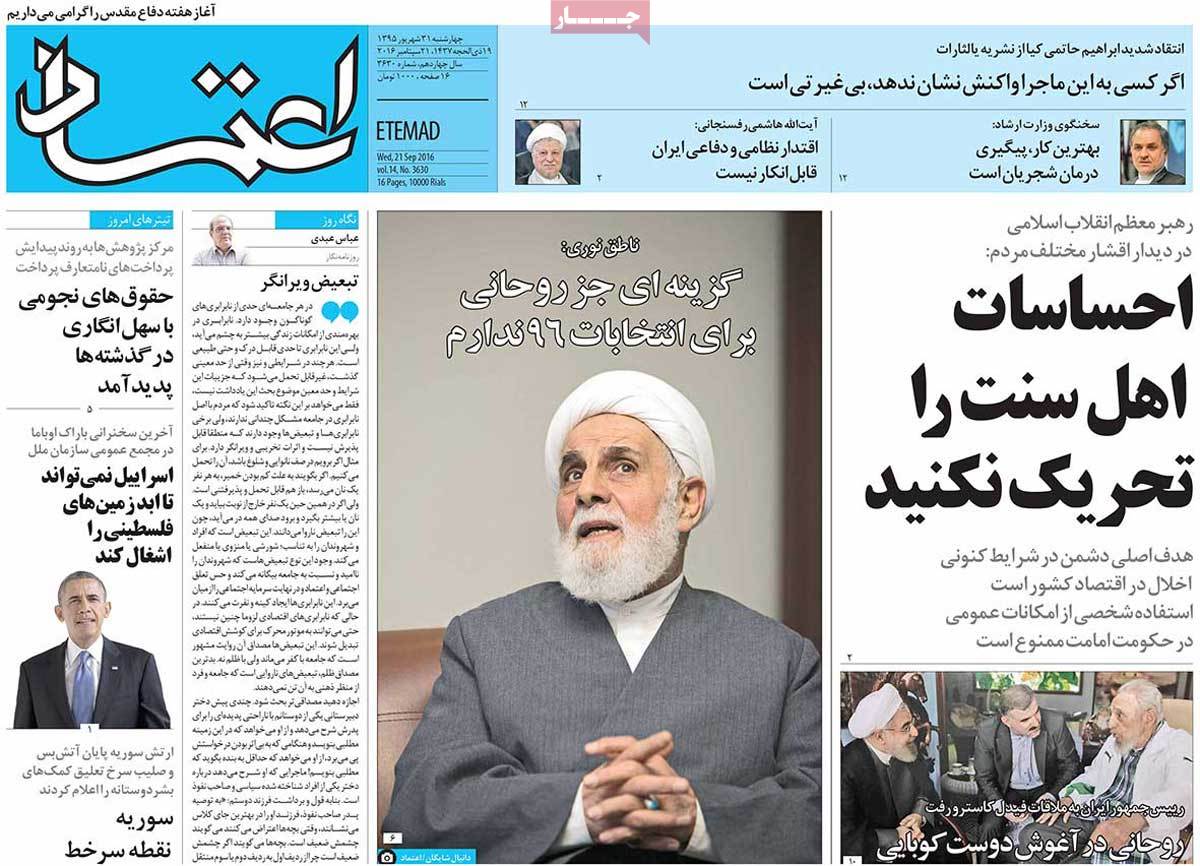
Etemad:

1- Leader: Don’t Provoke Emotions of Sunnis

2- Israel Cannot Continue Occupying Palestinian Territories Forever: Obama

A Look at Iranian Newspaper Front Pages on September 21


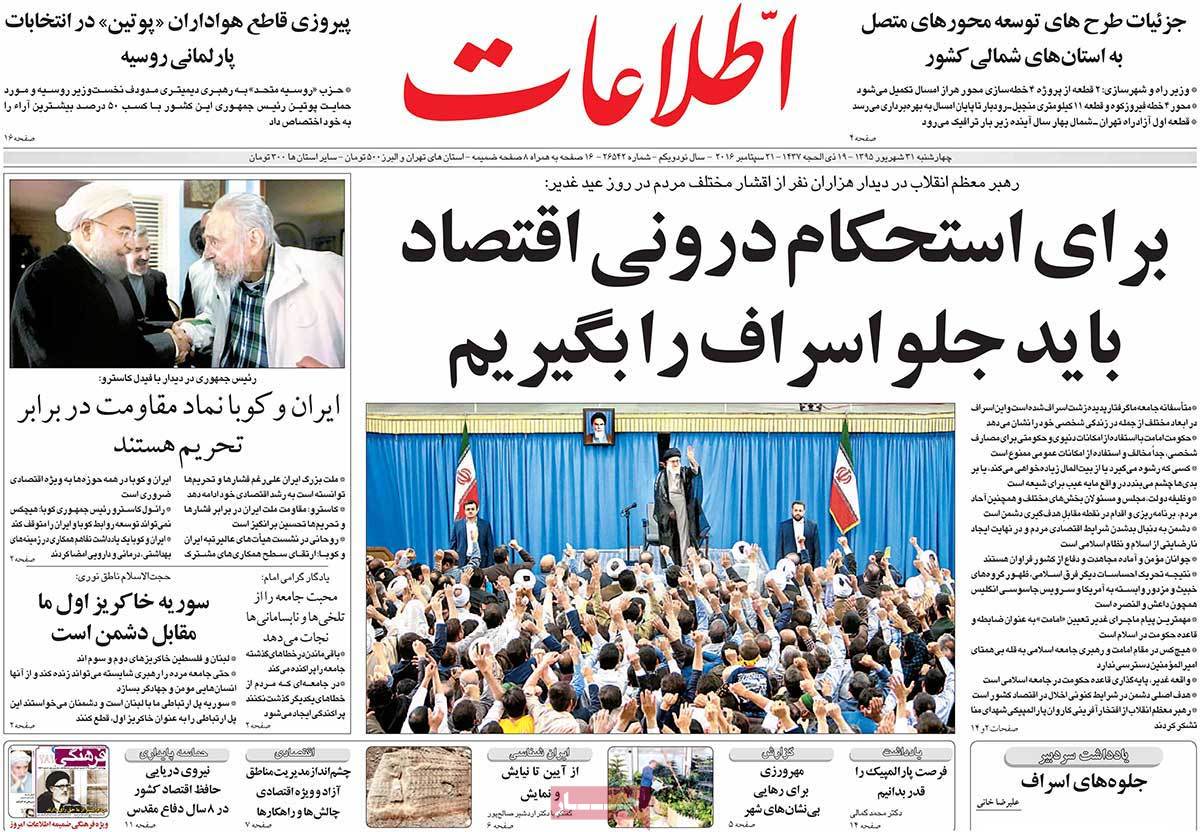
Ettela’at:

1- Leader: Wasting Should Be Avoided to Strengthen Iran’s Economy from Inside

2- Putin Supporters Landslide Victory in Russian Parliamentary Polls

3- Nateq Noori: Syria Is Iran’s First Bulwark against Enemies

A Look at Iranian Newspaper Front Pages on September 21


Haft-e Sobh:

1- Meeting the Lovely Fidel: Cuba’s 90-Year-Old Leader Is Still One of the Most Interesting Revolutionary Leaders

2- Mr. President’s Happy Summer: Recent Developments Have Increased Rouhani’s Re-Election Chance

3- Senator in Iran: Dabakis Visits Tehran and Returns to US; He Seems to Have Had a Good Time!

A Look at Iranian Newspaper Front Pages on September 21


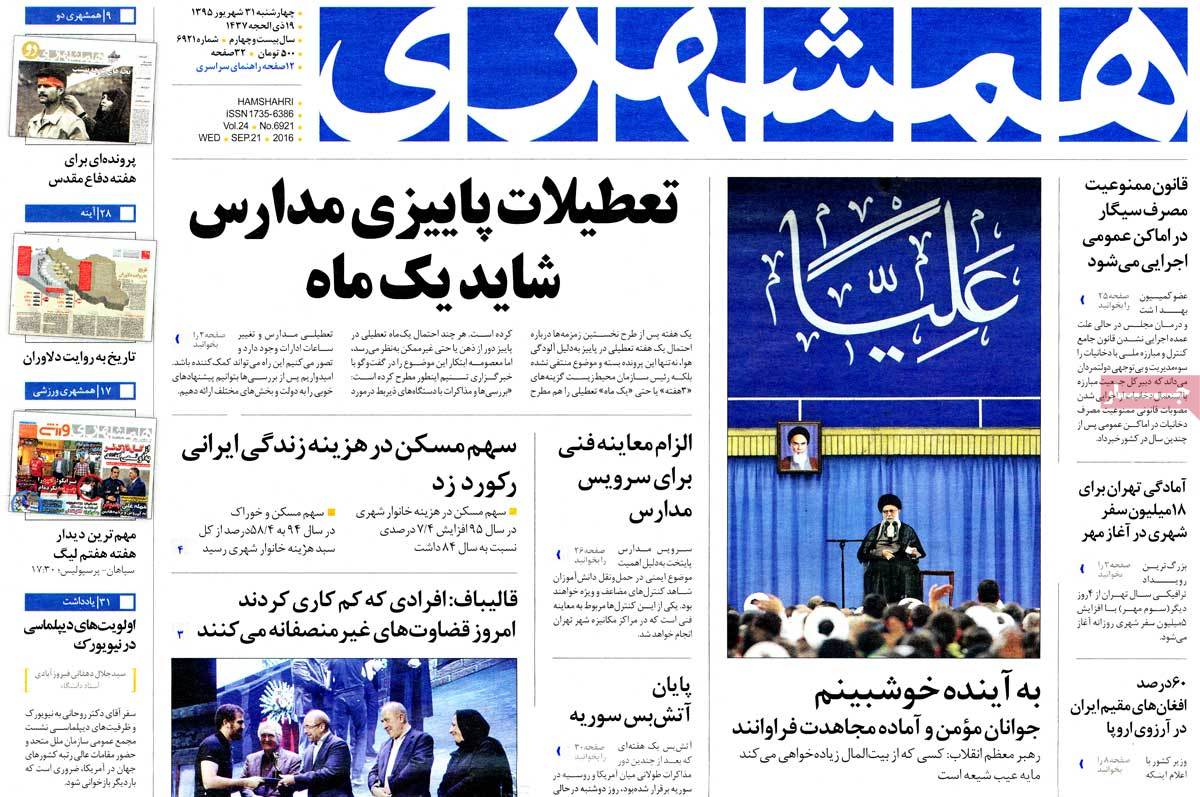
Hamshahri:

1- Autumn Vacation of Schools, Maybe One Month

2- 60% of Afghans Living in Iran Dream of Going to Europe

3- Law to Be Implemented to Ban Smoking in Public Places

4- Diplomacy Priorities in New York
A Look at Iranian Newspaper Front Pages on September 21


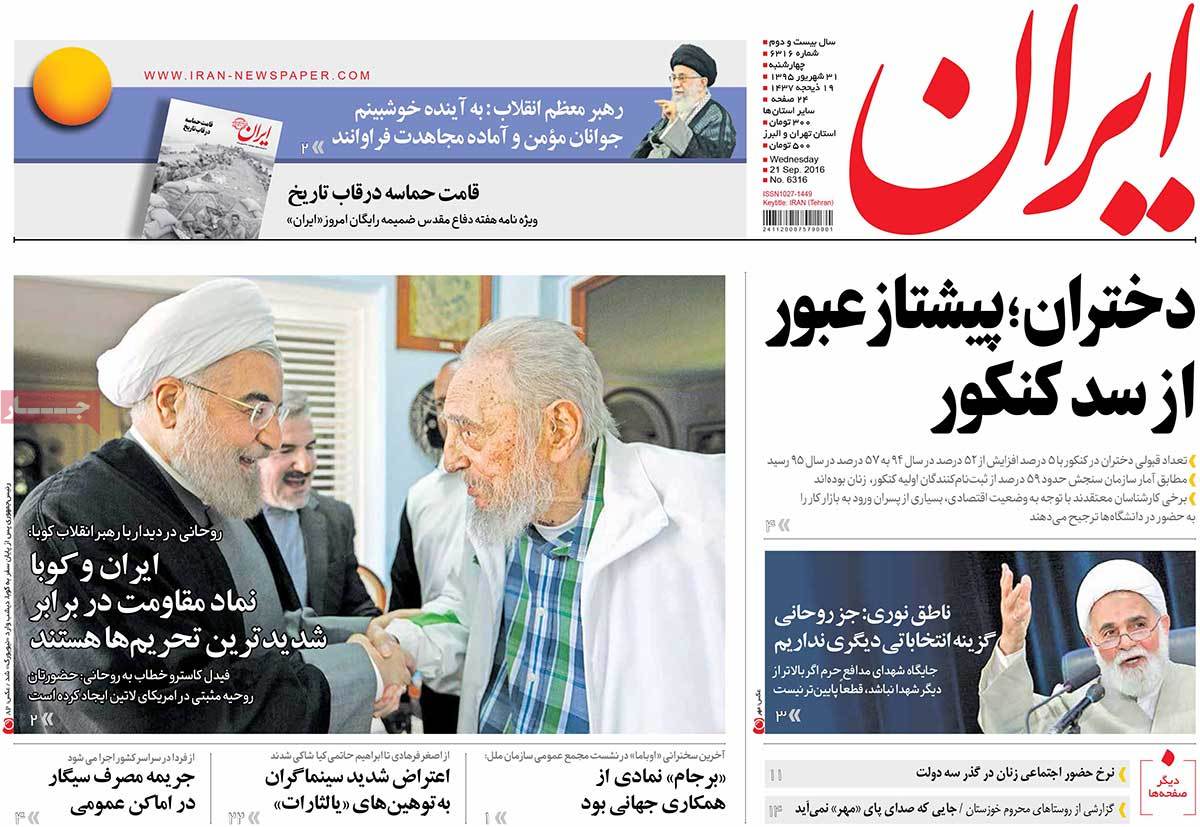
Iran:

1- Girls Pioneers in Overcoming the University Entrance Exam in Iran

2- JCPOA a Symbol of Global Cooperation: Obama in Last UNGA Address

A Look at Iranian Newspaper Front Pages on September 21


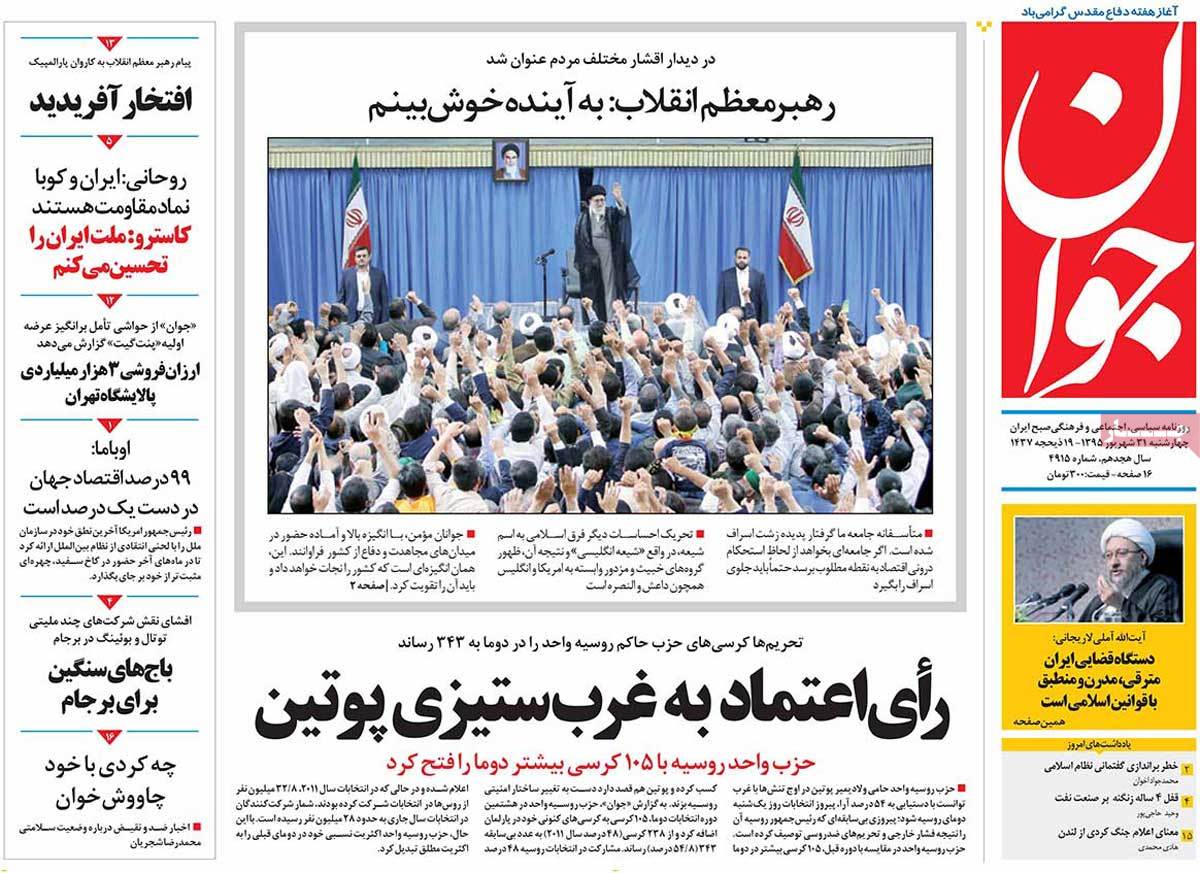
Javan:

1- Leader: I’m Optimistic about the Future

2- Ayatollah Khamenei’s Message to Paralympic Team: You Brought Honour

3- Castro: I Admire Iranian Nation

4- 99% of World’s Economy Possessed by 1%: Obama

5- Vote of Confidence to Putin’s Anti-West Policies

A Look at Iranian Newspaper Front Pages on September 21


Jomhouri Eslami:

1- It’s against the Infallibles’ Way of Life to Insult Respectable Sunni Figures

2- Europeans Concerned about Widespread Violation of Human Rights in Bahrain

3- 16 Killed in Terrorist Attack on Aid Convoy in Aleppo

4- 21% Growth in Value of Iran’s Non-Oil Exports to Europe in Past 5 Months

A Look at Iranian Newspaper Front Pages on September 21


Kayhan:

1- Iranian Youths Will Bring US and Zionist Regime [Israel] to Their Knees: Leader

2- 1.4m First-Graders in Iran Go to School Today

3- Clinton Has Just Two Options, To Die or to Withdraw from Elections: American Experts Told Kayhan

4- Official Declaration of End of Ceasefire by Damascus: Syria Continue Attacks against Terrorists

A Look at Iranian Newspaper Front Pages on September 21


Khorasan:

1- Leader: Insulting Senior Sunni Figures Is What Shiites of British Type [a deviated form] Do

2- Interior Minister: 60% of Afghans Living in Iran Long to Leave for Europe

A Look at Iranian Newspaper Front Pages on September 21


Rooyesh-e Mellat:

1- Issue of Human Rights Has Moved Far Away from Its Humanitarian Nature and Roots

A Look at Iranian Newspaper Front Pages on September 21


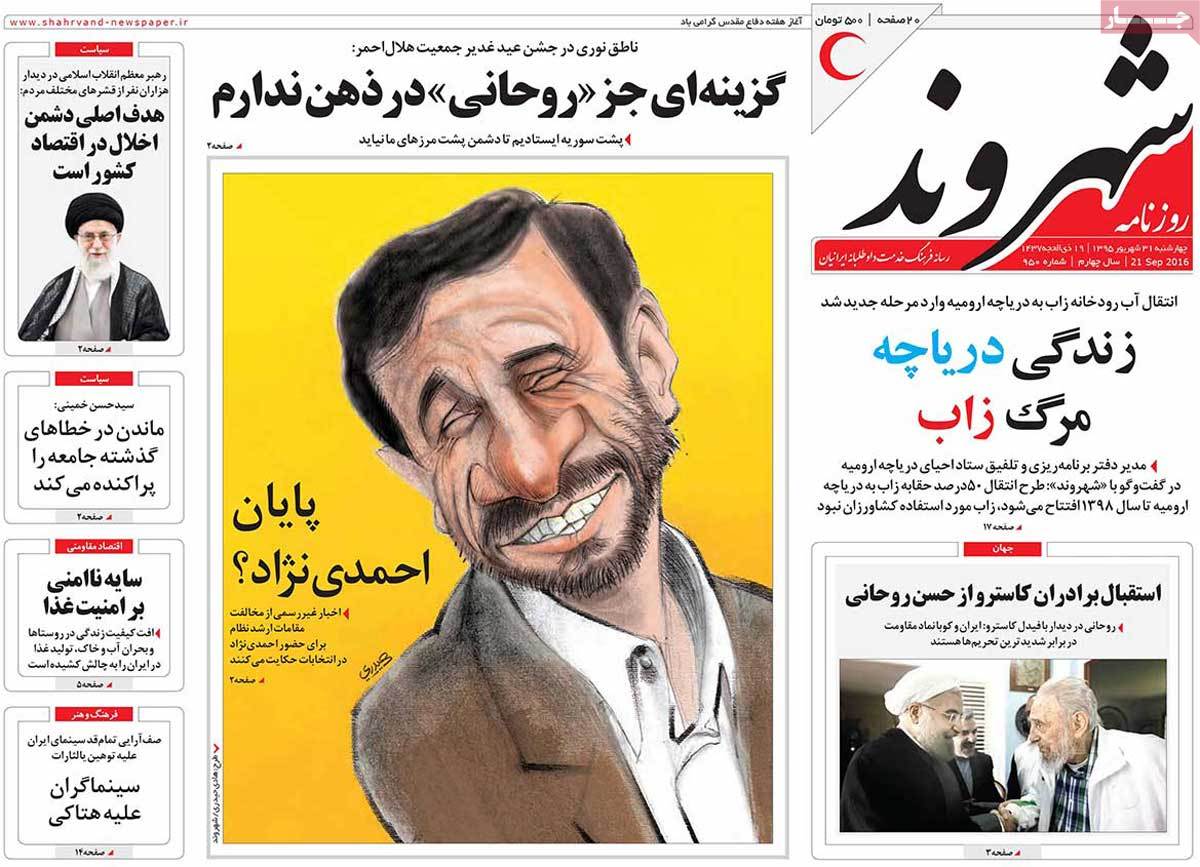
Shahrvand:

1- End of Ahmadinejad?

A Look at Iranian Newspaper Front Pages on September 21


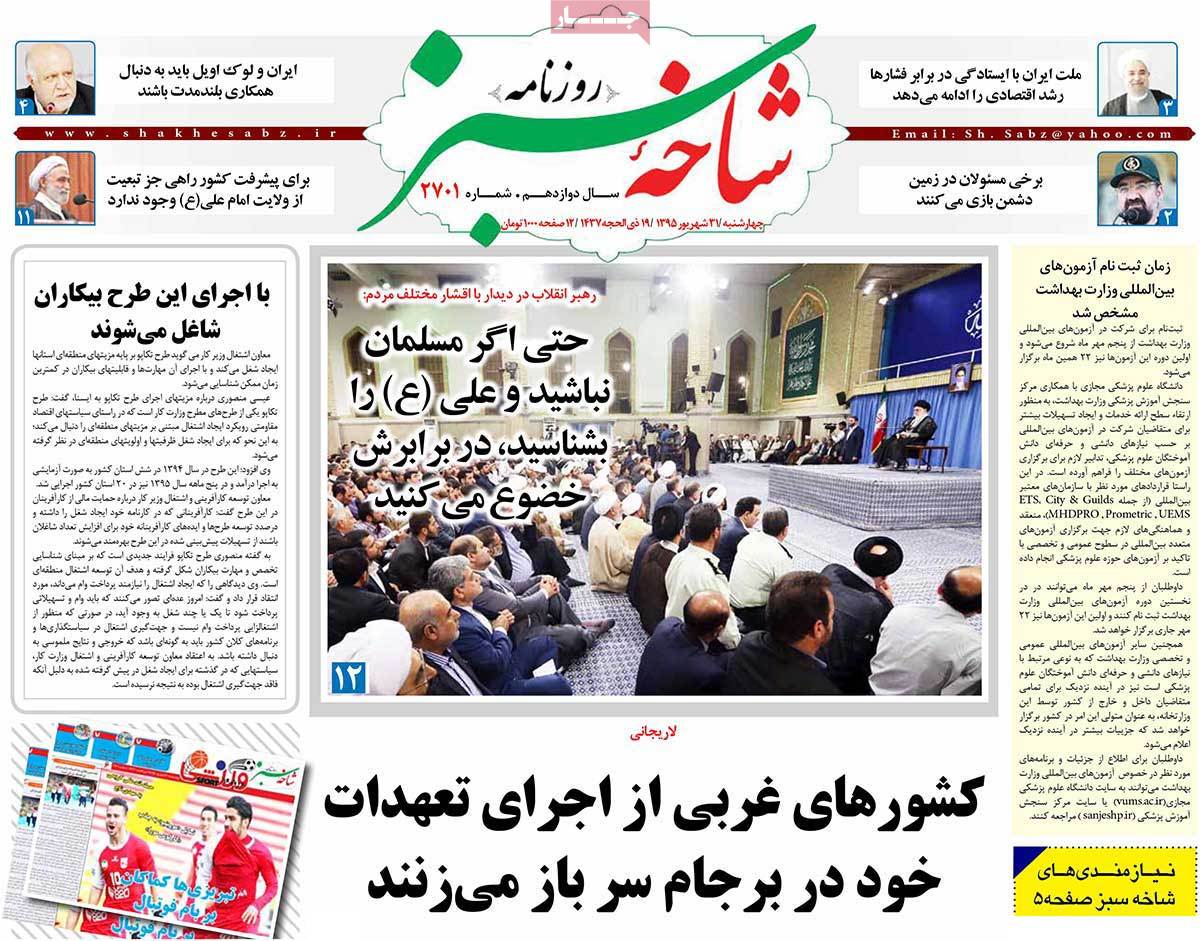
Shakheh Sabz:

1- Leader: If You Know Imam Ali, You Would Respect Him Even If You’re Not a Muslim

2- Larijani: Western Countries Refraining from Fulfilling Their JCPOA Commitments

A Look at Iranian Newspaper Front Pages on September 21


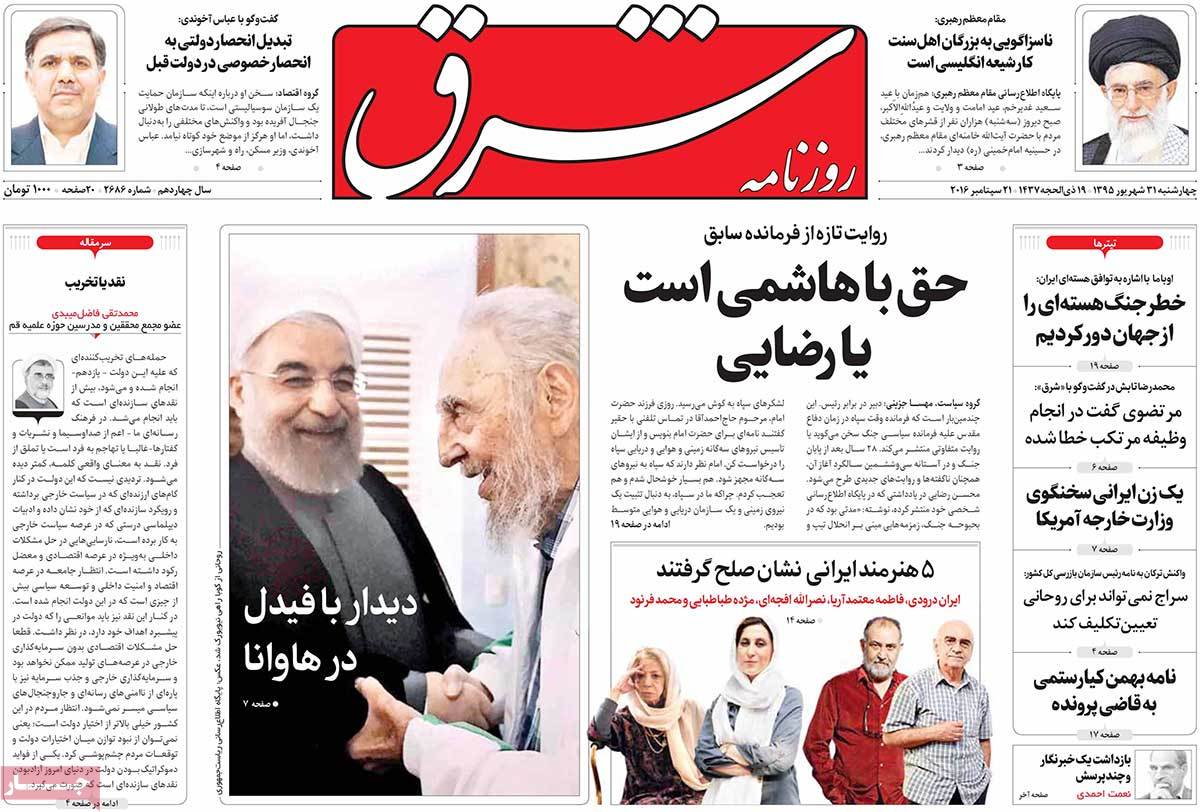
Shargh:

1- Five Iranian Artists Receive Peace Medals

2- An Iranian Woman Becomes US State Dept. Spokesperson

A Look at Iranian Newspaper Front Pages on September 21


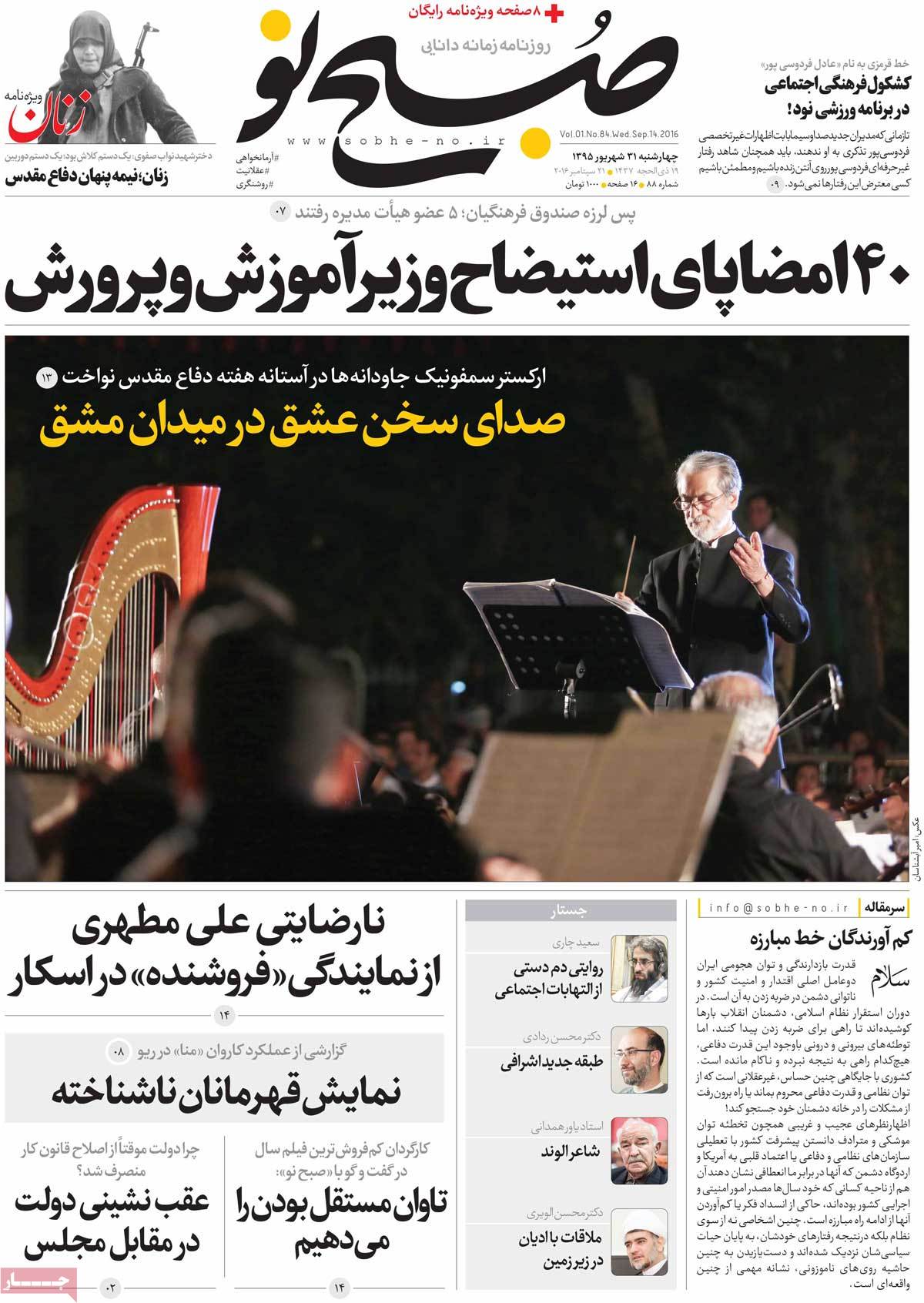
Sobh-e Now:

1- Vice-Speaker Motahari Dissatisfied with Selection of Asghar Farhadi’s ‘The Salesman’ as Iran’s Submission to Academy Awards

A Look at Iranian Newspaper Front Pages on September 21


Vatan-e Emrooz:

1- Why US Destroyed Ceasefire in Syria?

2- Re-Emergence of Nazis in Germany?

A Look at Iranian Newspaper Front Pages on September 21

Iraqi forces, tribal fighters liberate strategic district in Anbar

iraqi-army

A high-ranking military source, speaking on condition of anonymity, told Arabic-language al-Sumaria television network on Wednesday that government forces and their allies had taken control of the Jazira al-Haditha region, which lies east of the city of Haditha and about 240 kilometers northwest of the capital, Baghdad.

There are reports that Iraqi forces are advancing towards the Jazirah al-Baghdadi area in an operation to drive out Daesh Takfiris from the region.

Additionally, 15 Daesh members were killed in al-Kasiriyat as 11 Daesh rocket launching pads were struck in the village.

The developments came a day after army troops and allied paramilitary tribal fighters managed to free the villages of Jirnaf, Eitha, Ba’ajah, Khanouga and Jmesah on the outskirts of the northern town of Shirqat.

They later entered the village of Houriyah on the northern edge of Shirqat, and freed the village of Jumaila on the western flank of Shirqat.

Late on Tuesday, Iraqi air force fighter jets targeted a Daesh convoy of nine vehicles traveling along a road in al-Rashad district, located 55 kilometers southwest of Kirkuk, killing 10 Takfiris in the process.

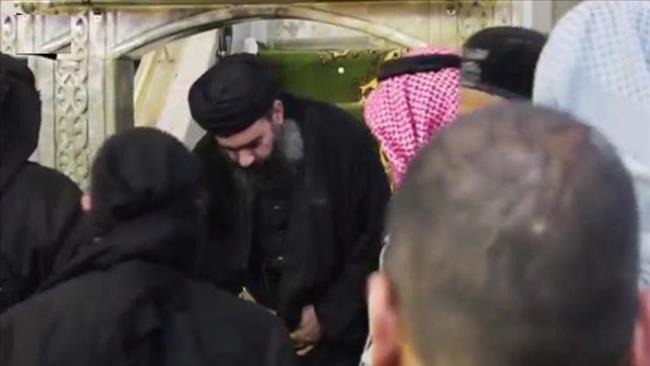
Meanwhile, there are reports that Daesh ringleader Ibrahim al-Samarrai aka Abu Bakr al-Baghdadi has shown up in the western al-Risalah neighborhood of the militant-held city of Mosul.

A photo released by Iraq’s al-Sumaria TV shows Daesh ringleader Ibrahim al-Samarrai aka Abu Bakr al-Baghdadi in a Mosul neighborhood.

An unnamed source in Iraq’s northern province of Nineveh told al-Sumaria television network that al-Baghdadi emerged in the area on board a white sport utility vehicle.

Masked and heavily-armed men dressed in black clothes were guarding his convoy of four vehicles.

The source noted that Daesh has placed most of Mosul neighborhoods under curfew, and that the presence of gunmen has been beefed up near state organizations and offices.

Mosul, which is the second largest city in Iraq, has been under Daesh control for more than two years.

Gruesome violence has plagued the northern and western parts of Iraq ever since Daesh Takfiris launched an offensive in the country in June 2014, and took control of portions of Iraqi territory.

Iraqi army soldiers and fighters from allied Popular Mobilization Units are seeking to win back militant-held regions in joint operations.

Iran, G5+1 FMs to Meet for 1st Time after JCPOA Implementation: Deputy FM

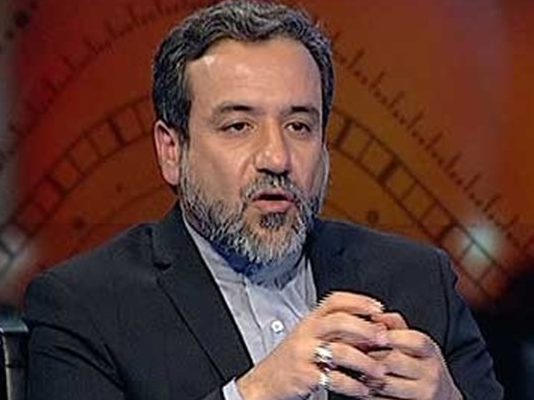
abbas-araqchi

Iran’s Deputy Foreign Minister for Legal and International Affairs Seyed Abbas Araqchi said the joint commission will be convened at the level of foreign ministers for the first time since the implementation of the nuclear agreement, known as the Joint Comprehensive Plan of Action (JCPOA), on January 16, 2015.

It will be held on Thursday in New York on the sidelines of the 71st regular session of the UN General Assembly.

Araqchi, who also heads Iranian Foreign Ministry’s committee following up on the implementation of the JCPOA, further said that the meeting will be held upon a request by Iran, adding, “(It will be a) good opportunity to review and discuss the other side’s shortcomings and hesitations (in implementing the deal), particularly in the banking sector, eight months after the JCPOA came into force.”

He went on to say that the joint commission will also hold its fifth meeting at the level of deputy foreign ministers in the US city on Wednesday morning local time.

The first meeting of the commission at the deputy foreign ministers level was held last October in the Austrian city of Vienna, during which it was agreed that the commission reconvene every three months.[:fa]Iran’s Deputy Foreign Minister for Legal and International Affairs Seyed Abbas Araqchi said the joint commission will be convened at the level of foreign ministers for the first time since the implementation of the nuclear agreement, known as the Joint Comprehensive Plan of Action (JCPOA), on January 16, 2015.

It will be held on Thursday in New York on the sidelines of the 71st regular session of the UN General Assembly.

Araqchi, who also heads Iranian Foreign Ministry’s committee following up on the implementation of the JCPOA, further said that the meeting will be held upon a request by Iran, adding, “(It will be a) good opportunity to review and discuss the other side’s shortcomings and hesitations (in implementing the deal), particularly in the banking sector, eight months after the JCPOA came into force.”

He went on to say that the joint commission will also hold its fifth meeting at the level of deputy foreign ministers in the US city on Wednesday morning local time.

The first meeting of the commission at the deputy foreign ministers level was held last October in the Austrian city of Vienna, during which it was agreed that the commission reconvene every three months.