Monday, May 4, 2026
Home Blog Page 432

US says Russia open to Ukraine peace deal

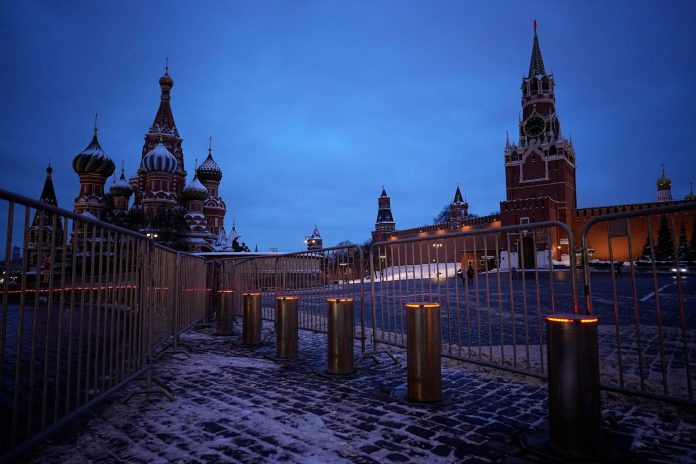
Kremlin

President Donald Trump’s envoy made the claim in a TV interview late on Monday, following “compelling” talks with Putin in Saint Petersburg last week. However, Russian Foreign Minister Sergey Lavrov warned that agreeing terms on a deal is “not easy”, while Ukraine and its European allies have called on Washington not to be deceived by Moscow’s delay tactics regarding a ceasefire.

“I think we might be on the verge of something that would be very, very important for the world at large,” Witkoff told Fox News in an interview following his meeting with the Russian leader on Friday, acknowledging that “it took a while for us to get to this place” but that he saw a deal “emerging” after five hours of talks.

He also noted a potential to “reshape” the Russian-United States relationship through “commercial opportunities” that would bring stability to the region.

Friday’s meeting was the third between Russia and the US since Trump returned to the White House in January, claiming he could solve the conflict within 24 hours.

Despite the flurry of diplomacy, there has been little meaningful progress on achieving a ceasefire, despite Ukraine agreeing to US proposals.

Russia, however, has offered no key concessions, while continuing to bombard its neighbour. On Sunday, it launched one of the deadliest attacks of the war on the Ukrainian city of Sumy – a move Trump called a “mistake”, without elaborating.

Both sides have accused each other of breaching a US-brokered agreement to pause attacks on each other’s energy facilities.

Despite Witkoff’s optimistic report, Lavrov said in an interview with the Kommersant newspaper published on Monday that it is “not easy” to agree on “key components” of a peace deal.

He did, however, concede that the Trump administration is trying to understand the “root cause” of the conflict, which he stated was triggered by “the actions of Washington and Brussels” in having “brought the current regime to power in Ukraine”.

Trump, who has alarmed Ukraine by taking on many points of Russia’s agenda regarding the war, supported that viewpoint on Monday as he told reporters that Ukrainian President Volodymyr Zelensky and former US President Joe Biden were responsible for starting the conflict, alongside Putin, whose forces invaded Ukraine in February 2022.

Trump said there were “millions of people dead because of three people”.

“Let’s say Putin number one, but let’s say Biden, who had no idea what the hell he was doing, number two, and Zelensky,” he added, going on to dismiss the Ukrainian leader’s attempts to defend his country by obtaining missiles.

“When you start a war, you got to know that you can win the war,” Trump continued, stating, “You don’t start a war against somebody that’s 20 times your size, and then hope that people give you some missiles.”

Relations between Trump and Zelensky have been tense since the US president stunned the world by opening talks with Russia in February – a move critics say gave the Kremlin an edge on terms.

Negotiations on a deal that would give the US priority access to lucrative minerals in Ukraine got off to a rocky start after Trump and Zelenskyy had a blazing argument in the Oval Office six weeks ago.

Ukraine has been alarmed by its omission from the talks between the US and Russia.

“Please, before any kind of decisions, any kind of forms of negotiations, come to see people, civilians, warriors, hospitals, churches, children destroyed or dead,” Zelensky said in an interview for CBS’s 60 Minutes programme broadcast on Sunday.

Kyiv’s European allies have urged Trump and his team not to be taken in by Russia’s delay tactics in the ceasefire talks.
Iran warns Israel seeks eradication of Palestine, urges UN Security Council intervention

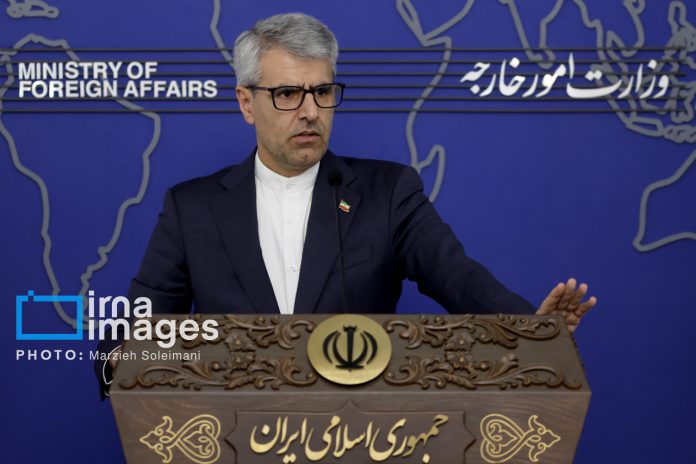
Esmail Baghaei

Baqaei cited numerous recent and well-documented reports issued by international organizations—including the UN Special Rapporteur on the Situation of Human Rights in the Palestinian Territories, the UN Independent International Commission of Inquiry, Médecins Sans Frontières (MSF), FAO, UNICEF, and UNRWA.

He then asserted that Israel’s deliberate and systematic killing of Palestinians, destruction of vital infrastructure, annihilation of health and medical facilities, obstruction of humanitarian aid and essential supplies, as well as the complete blockade of Gaza and the cutting off of water, electricity, and fuel, constitute clear instances of genocide, war crimes, and crimes against humanity.

Baqaei emphasized that the officials and policymakers of the Zionist regime must be prosecuted and held accountable for these heinous crimes.

Referring to the recent remarks by the UN Secretary-General regarding the catastrophic humanitarian situation in Gaza, the Foreign Ministry spokesperson underscored that the defenseless population—particularly women and children—are subjected daily to intense bombardments, widespread starvation, disease, forced displacement, and, in essence, systematic eradication.

He noted that such acts are being perpetrated with an explicit intent of ethnic cleansing and the annihilation of the Palestinian nation.

Baqaei further stressed that the deliberate targeting and killing of aid workers and journalists by the Zionist regime in an organized manner aims to silence the voices exposing the suffering of the people of Gaza.

He also called upon all governments, nations, international organizations, and human rights bodies—particularly the United Nations Security Council—to take decisive and urgent action to halt the ongoing genocide and mass killings in Gaza and the West Bank, and to ensure that the perpetrators of these horrifying crimes are prosecuted and brought to justice.

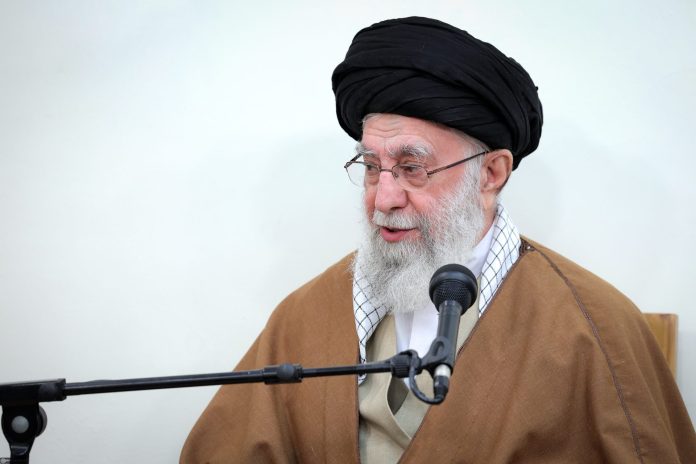
Iran Leader says national issues must not be tied to Oman talks, highlights distrust of US

On Tuesday, during a meeting with senior officials of Iran’s three branches of government, Ayatollah Khamenei stressed: “The mistake made during the JCPOA (Iran nuclear deal), where everything in the country was made contingent on the progress of negotiations, must not be repeated.”

He stated that the country’s activities to achieve its goals in all fields must continue with greater momentum, and nothing should be made dependent on the outcome of negotiations. “The talks may or may not yield results. We are neither overly optimistic nor overly pessimistic about these discussions, though we are very distrustful of the other side. But we are confident in our capabilities.”

He added: “The initial decision to enter negotiations was well-considered, and from now on, we must proceed carefully, keeping in mind that the red lines for both us and the opposing side are completely clear.”

Ayatollah Khamenei also addressed the unprecedented crimes of the Zionist regime, referring to its deliberate attacks on patients, journalists, ambulances, hospitals, and the oppressed children and women of Gaza. He stated: “These atrocities require an extraordinary level of brutality, which this criminal occupying group possesses.”

He further emphasized that investment in production is the key to resolving many of the country’s challenges, adding that if domestic investment flourishes, foreign investors will also become eager to engage in Iran.

The Leader described investment in production as the best way to counter sanctions, saying: “Lifting sanctions is not in our hands, but neutralizing them is. There are many ways and ample domestic capacities to achieve this. If this goal is realized, the country will become invulnerable to sanctions.”

IRGC: Iran’s defense capabilities ‘non-negotiable’

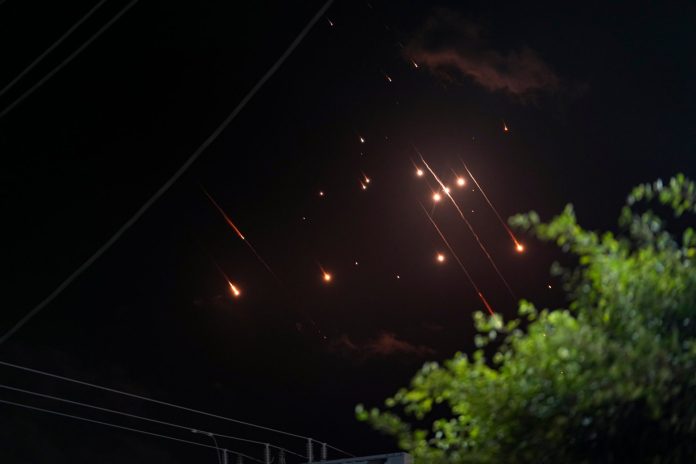
Iran Missile Attack Israel

“National security and defense and military power are among the red lines of the Islamic Republic of Iran, which cannot be discussed or negotiated under any circumstances,” Brigadier General Ali Mohammad Naeini said on Tuesday ahead of the second round of indirect talks between Iran and the United States in Oman.

He was speaking during a press conference marking the first anniversary of Iran’s first anti-Israel operation in April 2024 that involved the firing of more than 300 drones and missiles at military bases in the occupied territories.

Dubbed True Promise I, the operation came less than two weeks after a terrorist Israeli strike killed seven IRGC members at Iran’s consulate in the Syrian capital of Damascus.

Naeini hailed the retaliatory attack as the world’s largest drone operation, with a flight radius of more than 1,000 kilometers.

The operation “displayed Iran’s initiative and asymmetric offensive capability to strike the Zionist enemy and was the first direct and public military confrontation between the Islamic Republic and the Zionist regime,” he added.

The IRGC spokesman also noted that True Promise I also demonstrated Iran’s firm will to respond decisively to Israel, as well as the Armed Forces’ power to confront the terrorist regime.

The anti-Israel raid, he emphasized, was a completely legitimate operation that was carried based on Article 51 of the UN Charter.

It exposed Israel’s weak security foundation, proved Iran’s offensive capabilities as a missile and drone power in the region and the world, and instilled a sense of hope in the resilient Palestinian nation and the oppressed people of Gaza, Naeini noted.

In October 2024, Iran launched a second anti-Israel operation in retaliation for the regime’s assassination of resistance commanders.

Later that month, Israeli warplanes used the space available to the US military in Iraq to fire missiles at military installations in Iran in flagrant violation of the international law and the UN Charter.

The Israeli act of aggression was successfully intercepted and countered by Iran’s air defense system. Iran has vowed a third anti-Israel operation in response to the assault.

US says approved sale of Eitan PowerPack engines to Israel

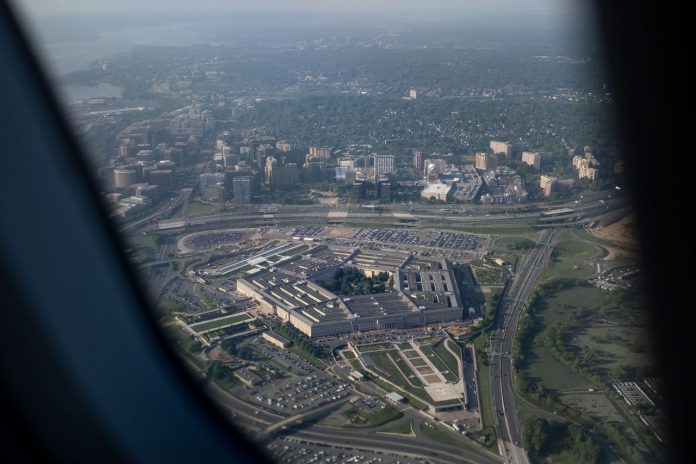
Pentagon

“The United States is committed to the security of Israel, and it is vital to U.S. national interests to assist Israel to develop and maintain a strong and ready self-defense capability,” the Pentagon said in a statement, adding the proposed sale will enhance Israel’s capability to meet “current and future” threats.

The estimated cost of the sale is $180 million.

The principal contractor will be Rolls-Royce Solutions America, Inc. in Novi, Michigan, it said.

The US has long been criticized for providing support to Israel in its war in the Gaza Strip, where more than 51,000 victims, mostly women and children, have been killed since Oct. 7, 2023.

Several American lawmakers, including Sen. Bernie Sanders, frequently demand that the US government stop supplying weapons to Israel and being complicit in Israel’s war in Gaza.

European energy giants consider restoring gas supplies from Russia’s Gazprom: Reuters

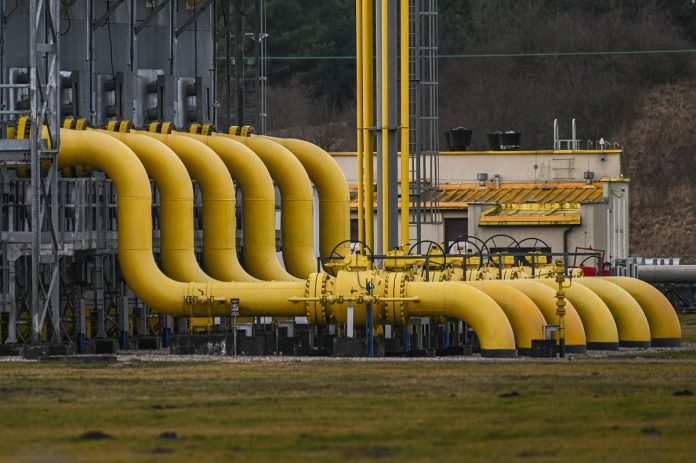
Gas station Europe

Following the outbreak of the full-scale war in 2022, the European Union has restricted energy imports from Russia, profits from which fuelled Moscow’s ability to wage the war against Ukraine.

The U.S. increased its supplies to Europe to cover the deficit. Under the Trump administration, however, European relations with the U.S. have soured and European businesses began to be wary of dependency on Washington and began to look for other options.

Europe has few options, as negotiations with Qatar to increase liquefied natural gas (LNG) volumes have reached a deadlock. Although the deployment of renewable energy sources has accelerated, the pace is not fast enough to allow the EU to feel secure, according to Reuters.

“If there is a reasonable peace in Ukraine, we could go back to flows of 60 billion cubic meters (of Russian gas), maybe 70, annually, including LNG,” Didier Holleaux, executive vice president at France’s Engie, told Reuters in an interview.

France’s Engie is partially state-owned and was one of the largest buyers of Russian gas before the all-out war in Ukraine. Holleaux added that Russia could supply around 20-25% of EU needs, down from 40% before the war.

Patrick Pouyanne, the head of the French oil company TotalEnergies, highlighted another concern: Europe should not over-rely on U.S. gas. TotalEnergies is a large U.S. LNG exporter and sells Russian LNG from the private firm Novatek.

“We need to diversify, many routes, not over-rely on one or two,” Pouyanne told Reuters.

“Europe will never go back to importing 150 billion cubic meters from Russia like before the war … but I would bet maybe 70 bcm.”

Germany, which relied heavily on cheap Russian gas before Russia’s large-scale invasion, is now also considering at least partial resumption of supplies.

Several companies that are residents of the Leuna Chemical Park, one of Germany’s largest chemical clusters hosting plants of Dow Chemical and Shell, among others, emphasized the need to resume Russian supplies.

“We need Russian gas; we need cheap energy — no matter where it comes from,” said Klaus Paur, managing director of Leuna-Harze, a mid-sized petrochemical maker at the Leuna Park.

“We need Nord Stream 2 because we have to keep energy costs in check.”

“We are in a severe crisis and can’t wait,” stated Christof Guenther, managing director of InfraLeuna, the park operator.

He added the German chemical industry has cut jobs for five quarters in a row, something not seen for decades.

“Reopening pipelines would reduce prices more than any current subsidy programs,” Guenther continued.

Despite attempts to maintain its presence in Europe, Gazprom’s gas exports to the EU remained low.

Gazprom’s financial woes stem largely from the EU’s decision to reduce reliance on Russian energy following the full-scale invasion of Ukraine.

Compounding its troubles, Russia’s direct pipeline gas supplies to the EU have ceased completely after Ukraine refused to extend its transit agreement with Gazprom beyond Dec. 31, 2024.

Iranian teacher suspended over alleged student corporal punishment

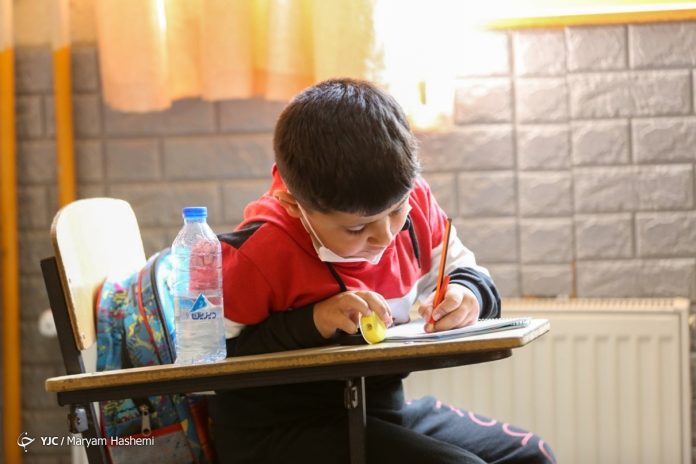
Schools in Iran COVID

Hashem Nazemi-Jalal, Kordestan’s Education Director General, confirmed that the accused teacher was suspended pending a final ruling by the provincial disciplinary committee.

“Given the sensitivity of the case, an emergency session of the administrative violations board was convened at 9 PM last night to expedite proceedings,” he stated on Tuesday.

Nazemi-Jalal noted that while a fair review may take time, the ministry has approved invoking Article 13 of Iran’s Civil Servants Disciplinary Code, authorizing a three-month suspension during the investigation.

Local parents’ groups have demanded stricter oversight, while teachers’ associations emphasize due process for the accused educator.

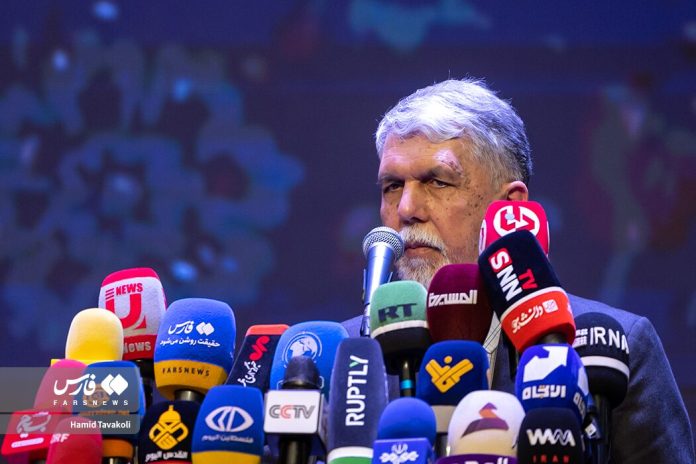
Iran’s culture minister: Decline of domestic media authority poses national security threat

Speaking at the closing ceremony of a media festival in Tehran, Salehi emphasized the critical role of media in shaping Iran’s “soft power” and preserving social cohesion.

The minister highlighted a troubling shift in Iran’s media landscape: while state television was the primary news source for 82% of Iranians in 2000, its dominance has sharply declined due to the rise of foreign-based digital and satellite platforms.

“If domestic media lose their authority, and foreign outlets like the BBC fill that void, it’s akin to handing over our strategic weapons to outsiders,” he asserted.

Salehi outlined how media, alongside culture, art, and diplomacy, forms the backbone of a nation’s soft power – “capturing hearts and minds rather than territory.”

He warned that outsourcing the influence to foreign actors undermines Iran’s ability to project its narrative globally, citing how Palestinian media have recently shifted global perceptions through strategic storytelling.

Salehi urged reforms to restore trust in domestic journalism through professionalization, regulatory evolution, and cultural appeal.

He explained the media must balance criticism with national interests, adding the governance should adapt to allow “constructive dissent” while safeguarding sovereignty.

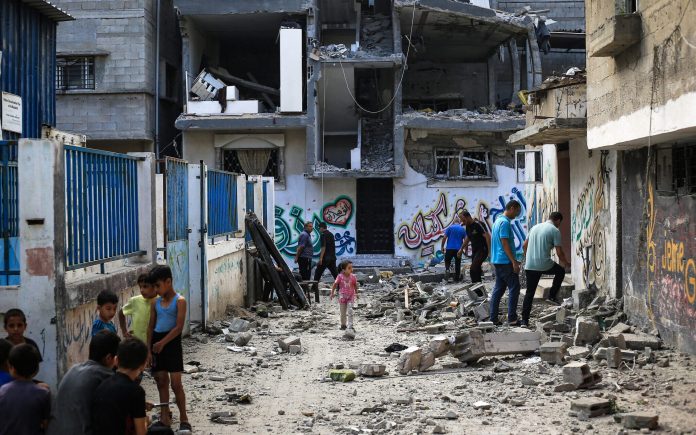
Over 70% of Gaza schools directly hit by Israel: UN

Gaza War

“About 88% of schools in Gaza require reconstruction or major rehabilitation,” the UN agency said in a statement.

“This includes 162 UNRWA schools that once served hundreds of thousands of boys and girls.”

The refugee agency lamented that the Israeli war on Gaza has displaced, traumatised, and deprived Palestinian children of education.

“Education in Gaza is a casualty of war,” it added.

The Israeli army renewed a deadly assault on Gaza on March 18, shattering a ceasefire and prisoner exchange agreement that took hold in January.

Nearly 51,000 Palestinians, most of them women and children, have been killed in Gaza in a brutal Israeli onslaught since October 2023.

The International Criminal Court issued arrest warrants last November for Israeli Prime Minister Benjamin Netanyahu and his former Defense Minister Yoav Gallant for war crimes and crimes against humanity in Gaza.

Israel also faces a genocide case at the International Court of Justice for its war on the enclave.

Thousands of Israeli academics, teachers, medics sign petitions to release hostages in Gaza

Israel Hostages

According to the Haaretz newspaper, approximately 3,500 academics signed a petition supporting a previous letter from Israeli Air Force reservists demanding the return of the hostages and the end of the war.

“We, members of the academic staff in higher education institutions, join the call of the Air Force soldiers and demand the immediate return of the hostages, even if it requires halting the war at once,” the petition stated.

The academics argued that “the war primarily serves political and personal interests. Its continuation will lead to the deaths of hostages, soldiers, and innocent civilians and will drain the reserve forces.”

They added that “as shown in the past, only a negotiated agreement can ensure the safe return of the abducted to Israel.”

In a similar petition, over 3,000 teachers emphasized that “this is not a call to refuse military service, but a plea to save lives,” the daily added.

About 1,000 parents also signed a separate letter, stating: “For the sake of our children’s future, we refuse to raise them in an endless war, and we will not turn a blind eye to the killing of children.”

“We reject the dangerous idea that there are no innocents in Gaza. We refuse to abandon the hostages or dehumanize others,” the parents wrote.

Meanwhile, nearly 3,000 Israeli medical professionals, alongside three Nobel laureates, signed another petition calling on the government to free hostages held in Gaza by halting the ongoing war, Yedioth Ahronoth reported.

About 150 former Israeli soldiers who served in the Golani Brigade, an elite infantry unit, signed a petition Monday for the government to secure the release of the hostages by ending the war, Israel Army Radio said.

Earlier Monday, former Israeli Prime Minister Ehud Barak and former Chief of Staff Dan Halutz signed a petition signed by 1,525 Armored Corps soldiers urging the release of hostages, even if it meant ending the war.

The same day, the Yedioth Ahronoth newspaper said in another report that more than 1,600 veterans from the Paratroopers and Infantry Brigades also signed a letter urging the government to bring back all hostages, even if it meant stopping the war.

About 170 graduates of the elite “Talpiot” military intelligence program signed a letter demanding the hostages’ release through the end of the war, while emphasizing that they were not calling on reservists to refuse service.

In their letter, the graduates of the army’s Talpiot Academy voiced support for several calls by soldiers and veterans denouncing the government’s war policy as serving “political and personal interest” rather than security needs, according to the Army Radio.

“The continuation of the war does not contribute to any of its stated goals,” said the letter, warning that continuing the war would only lead to more deaths, including captives, army soldiers, and innocent civilians.

The petitions are part of a wider wave of public appeals from current and former Israeli military personnel, all demanding the return of hostages and an end to the war.

Since Thursday, soldiers have signed nearly 10 petitions demanding an end to the Gaza war, according to an Anadolu count.

Prime Minister Benjamin Netanyahu has threatened to dismiss active-duty soldiers who signed the petitions.

The Israeli army renewed its assault on Gaza on March 18, shattering a Jan. 19 ceasefire and prisoner exchange agreement.

Nearly 51,000 Palestinians, most of them women and children, have been killed in Gaza in a brutal Israeli onslaught since October 2023.

The International Criminal Court issued arrest warrants last November for Netanyahu and his former Defense Minister Yoav Gallant for war crimes and crimes against humanity in Gaza.

Israel also faces a genocide case at the International Court of Justice for its war on the enclave.