Monday, December 22, 2025
Home Blog Page 4287

Iran Rejects UN Chief’s Human Rights Report as Fundamentally Flawed

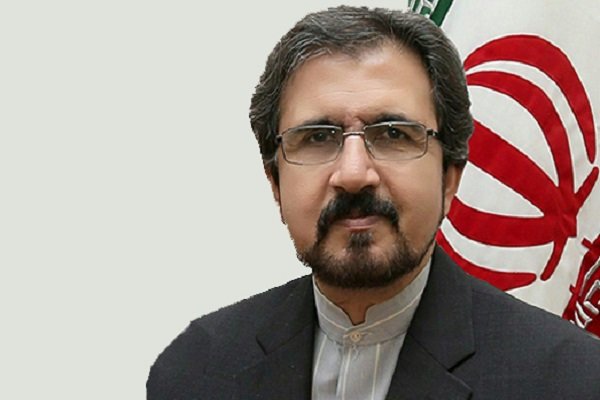
Bahram Ghasemi

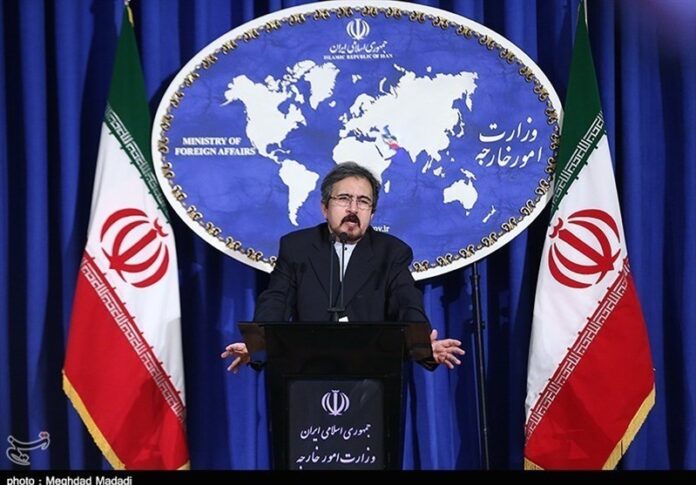
“Such reports have fundamental flaws in essence and that is why they lack validity from Iran’s viewpoint,” Foreign Ministry Spokesman Bahram Qassemi said on Wednesday, after the UN chief gave a negative assessment of human rights in Iran in a 19-page report, released this week.

Ban has said he remains “deeply troubled” by what he called accounts “of executions, floggings, arbitrary arrests and detentions, unfair trials, denial of access to medical care and possible torture and ill-treatment” in Iran.

In response, Qassemi said the report lacks credibility since it has been prepared on the basis of “cruel, unfair and politically-motivated resolutions” with the purpose of exerting pressure on Iran.

What casts more doubt on the credibility of the report is that it has used unclear and unreliable sources, he added.

“The report makes an unfair, one-sided and incorrect judgement on Iran’s human rights situation and has missed the opportunity for an evenhanded and fair assessment based on facts,” the spokesman added.

Highlighting Iran’s efforts to promote human rights and protect civil rights under the Constitution, Qassemi said Ban’s report has ignored the Islamic Republic’s struggle against major challenges, such as the fight against narcotics trafficking and dealing with cruel sanctions.

The spokesman finally warned of erosion of trust in the United Nations as a result of continued politicization of issues, adoption of double standards on human rights and turning a blind eye to the killing of women and children in Yemen.

Such a poor performance dashes hopes about the UN’s role in promoting the human rights situation in the world, he deplored.

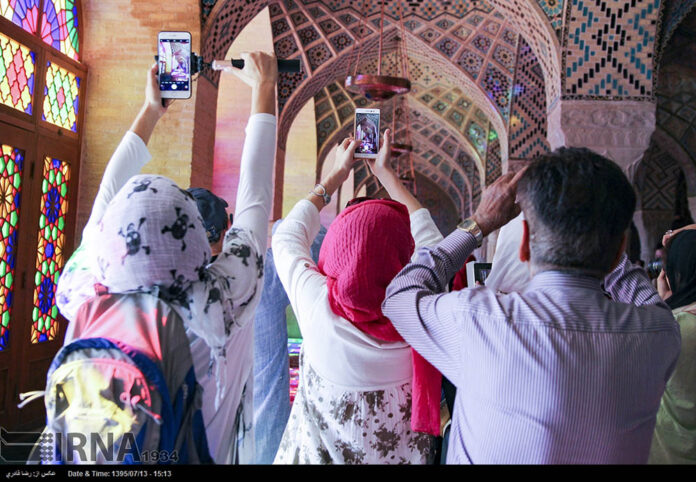
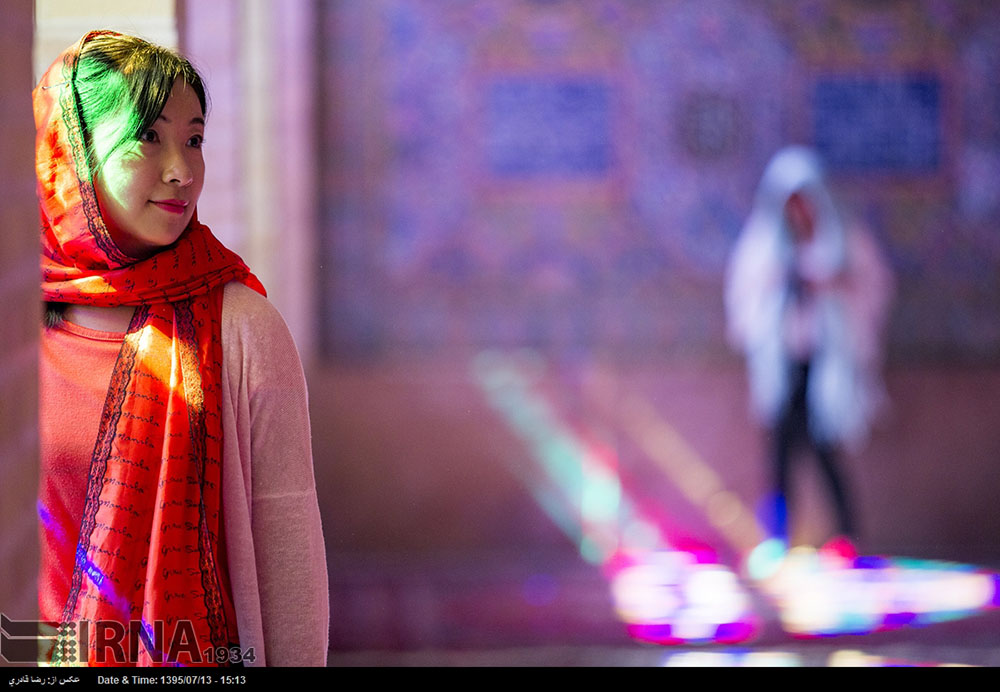
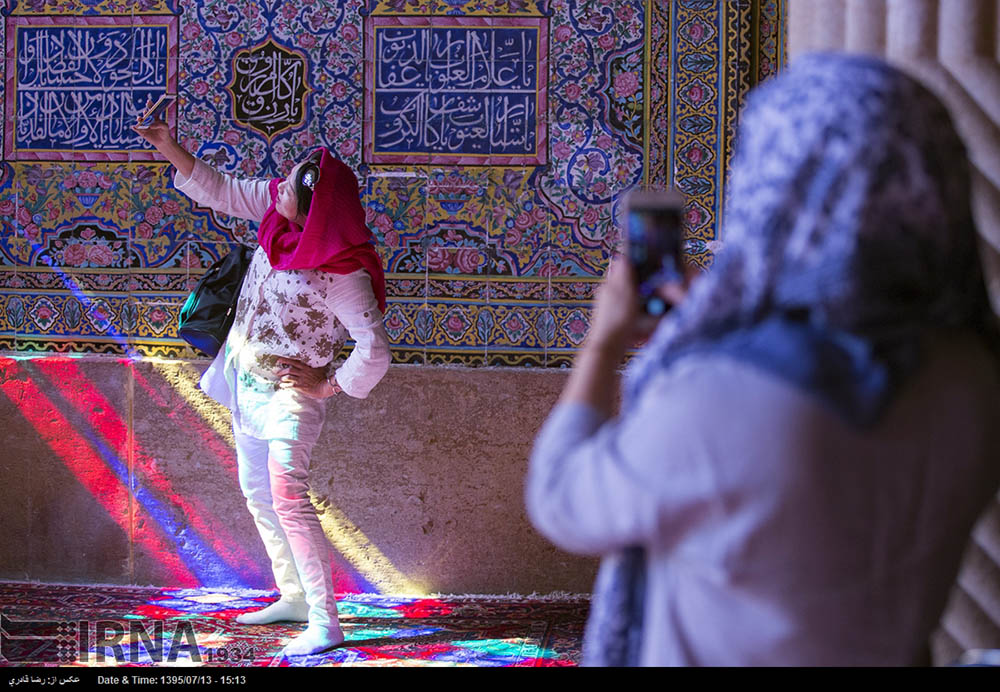
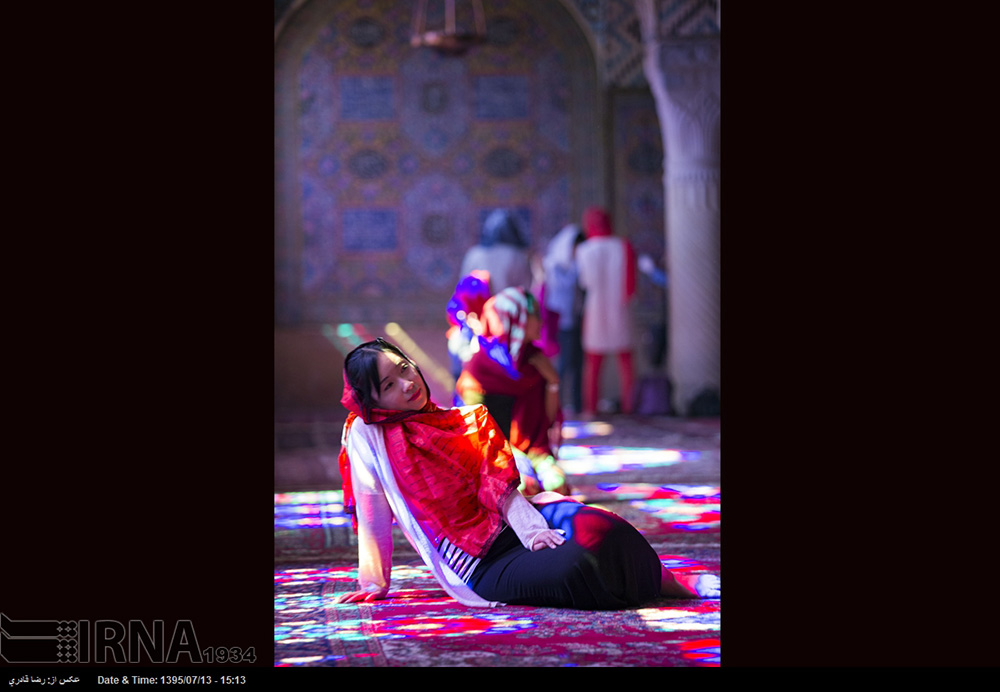
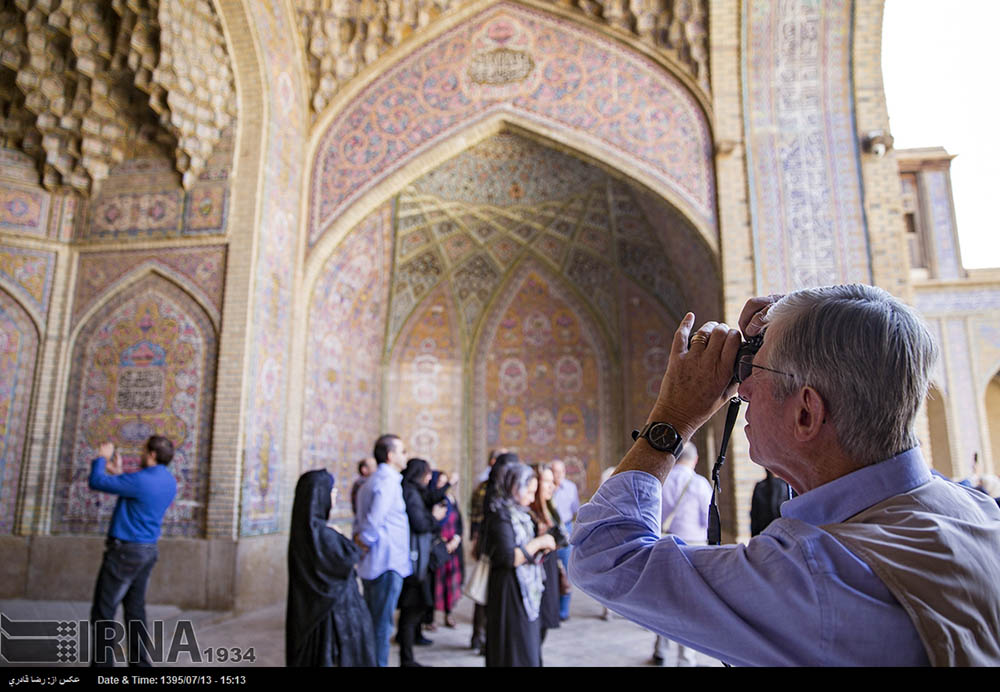
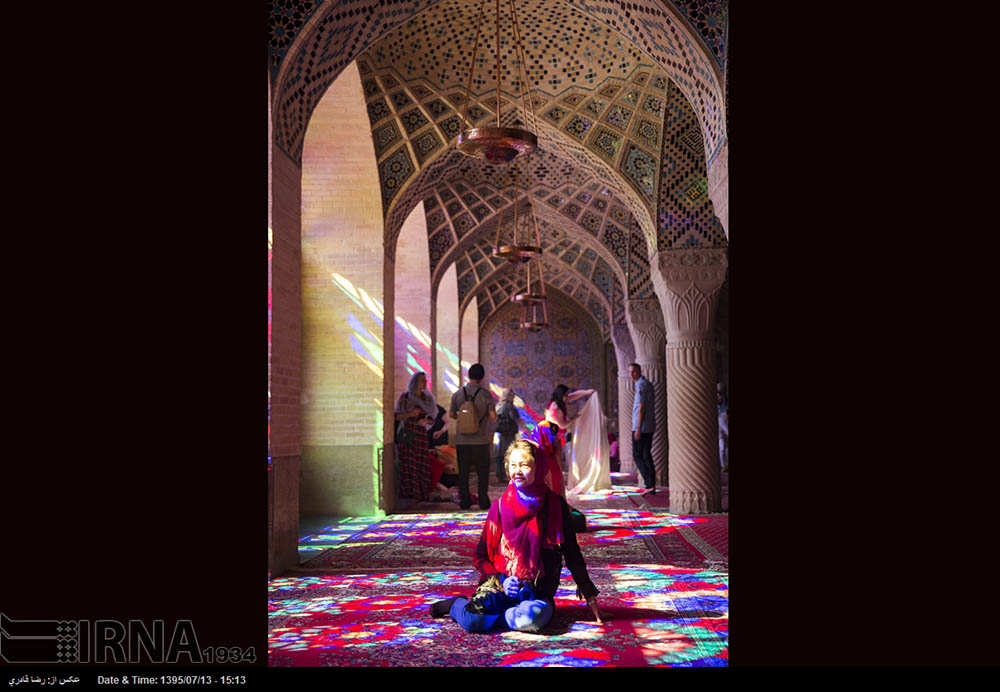
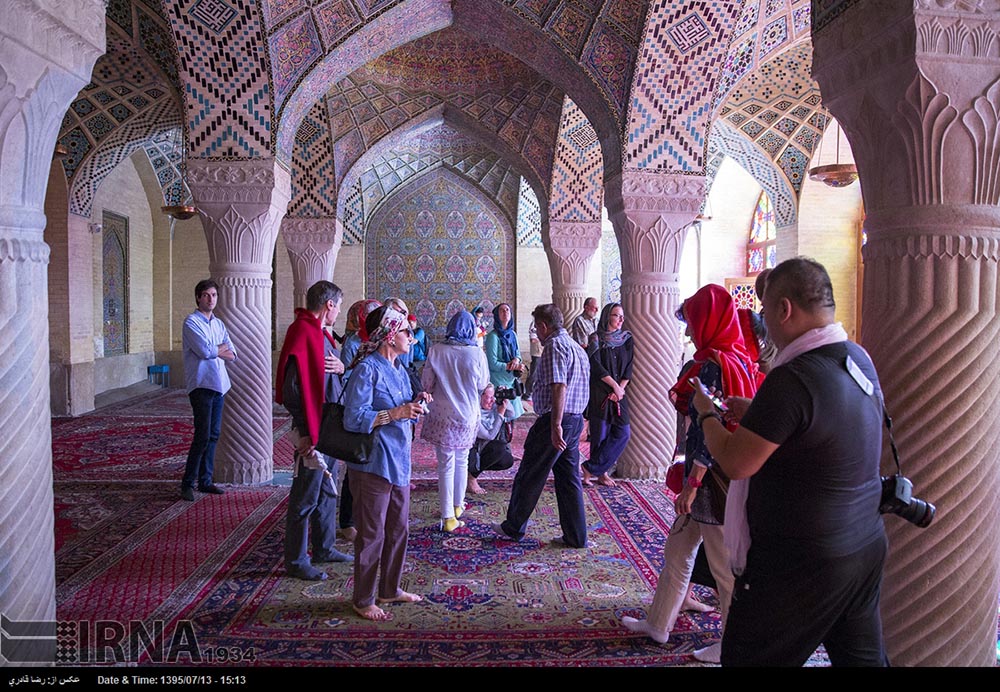
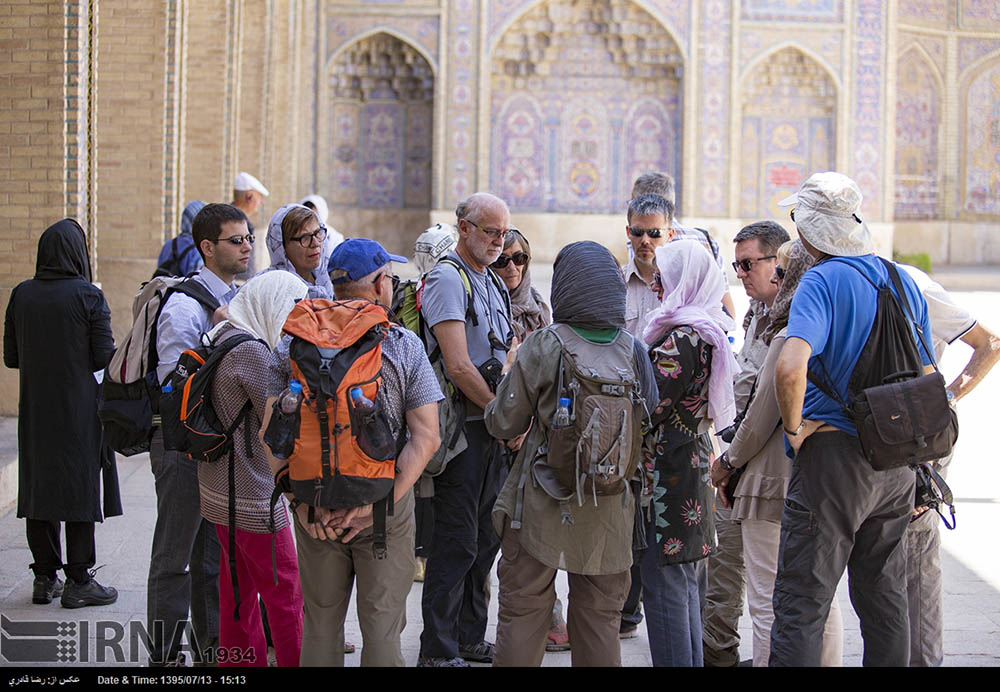
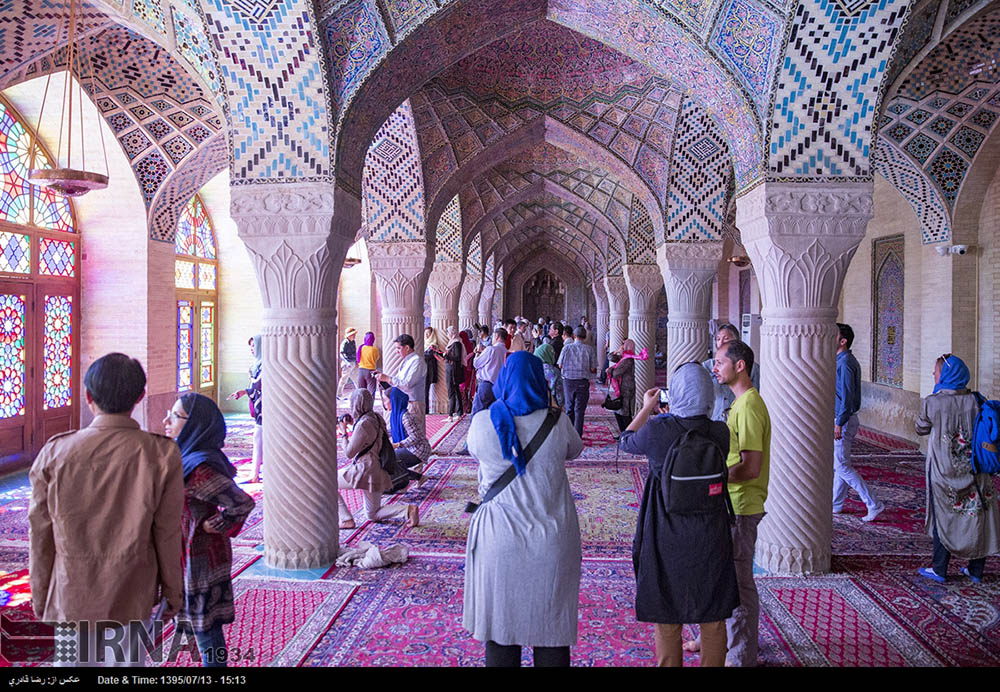
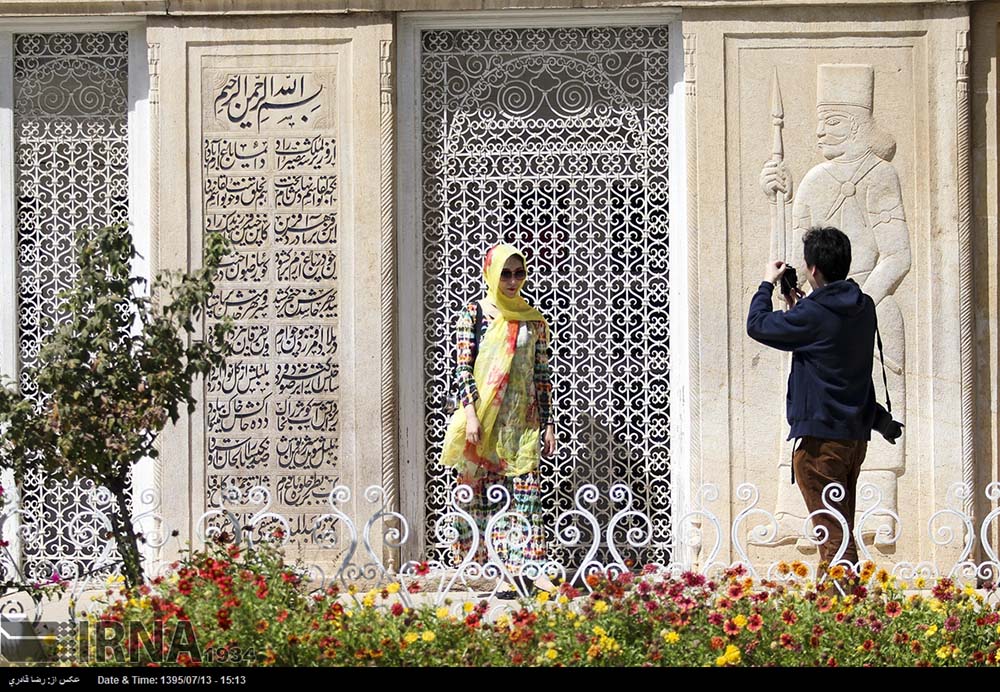
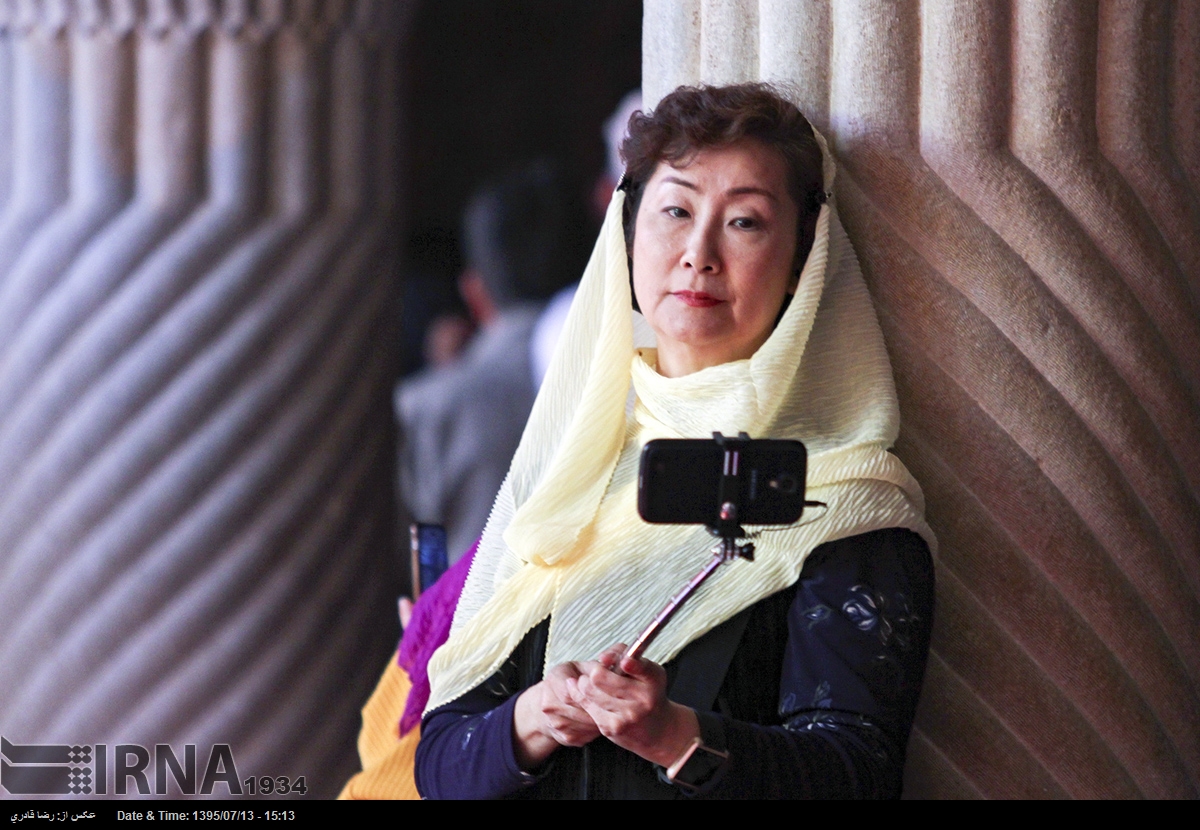
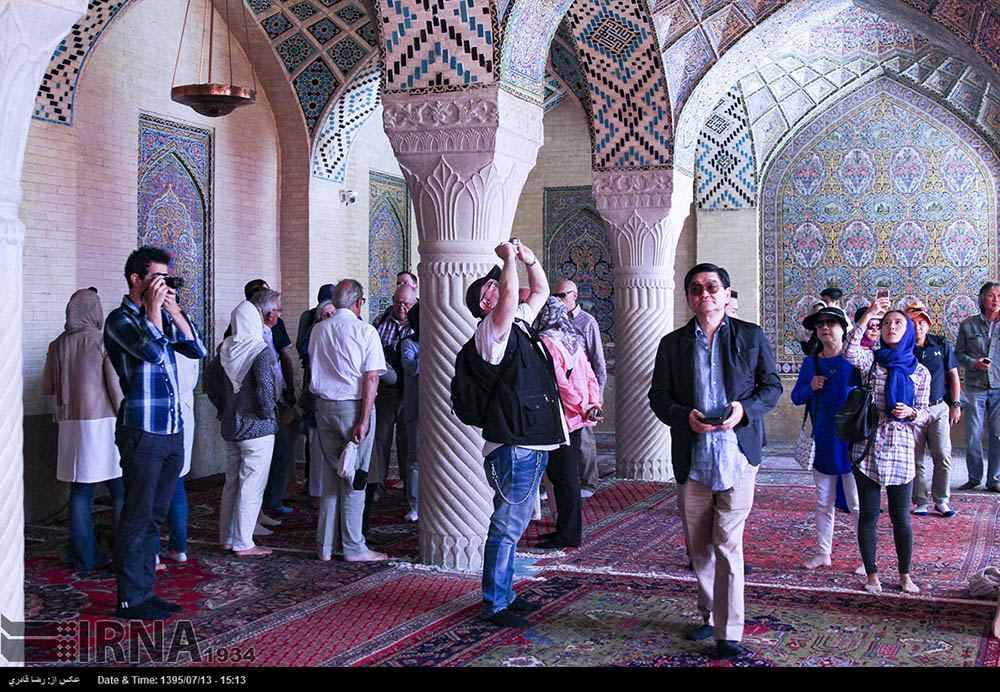
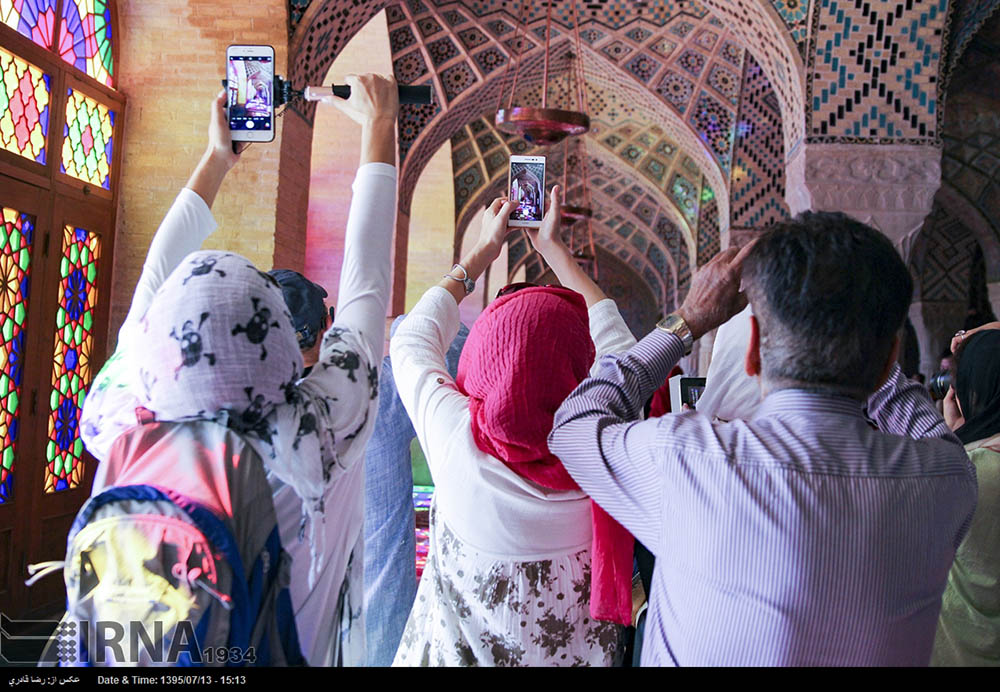
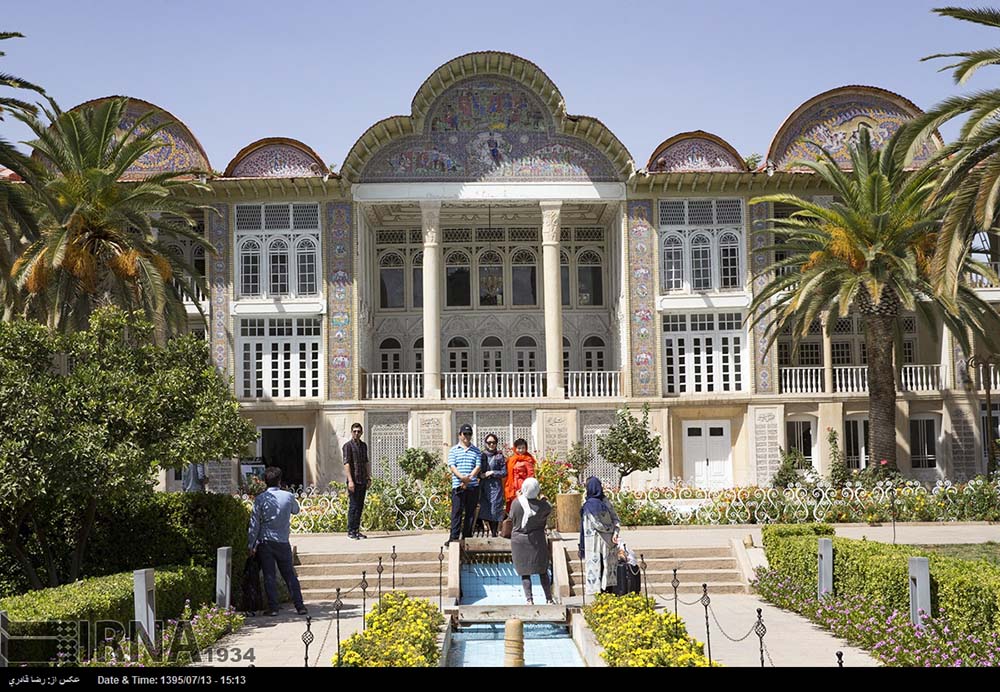
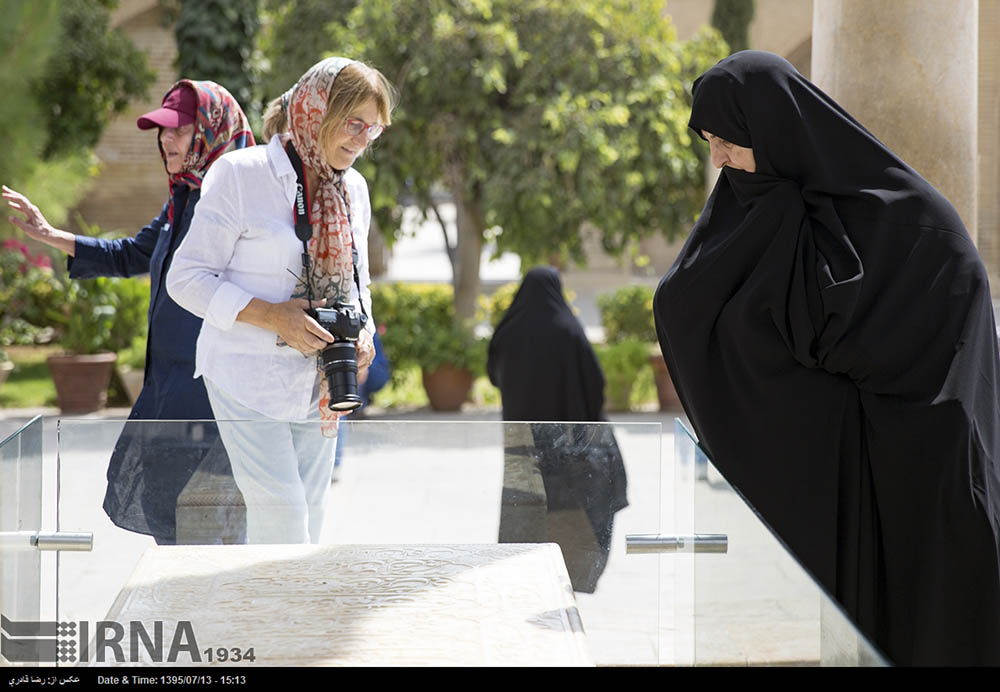
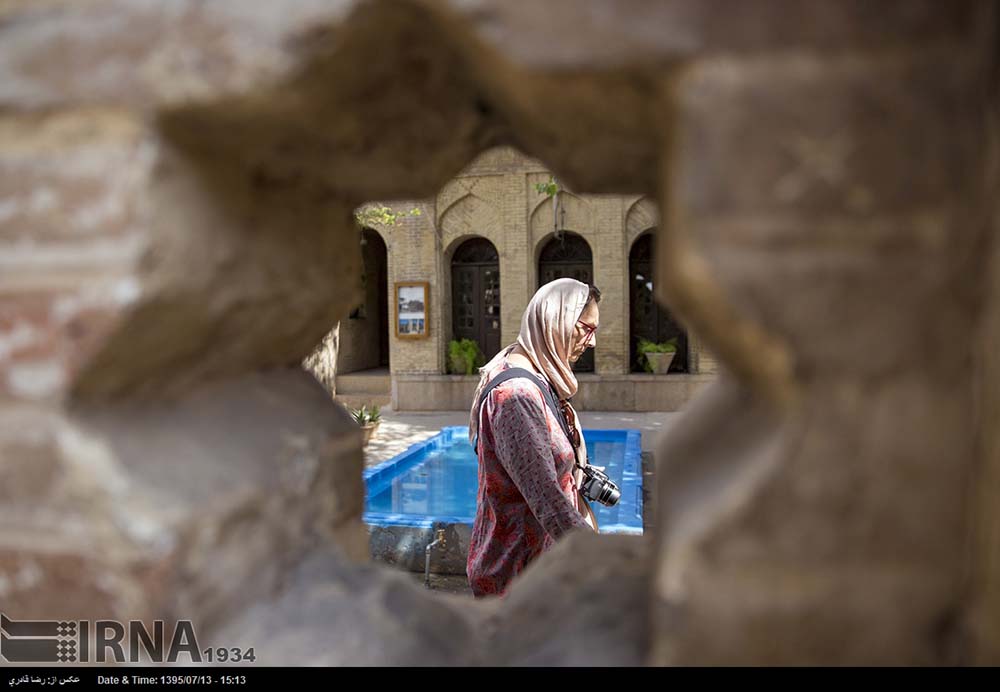
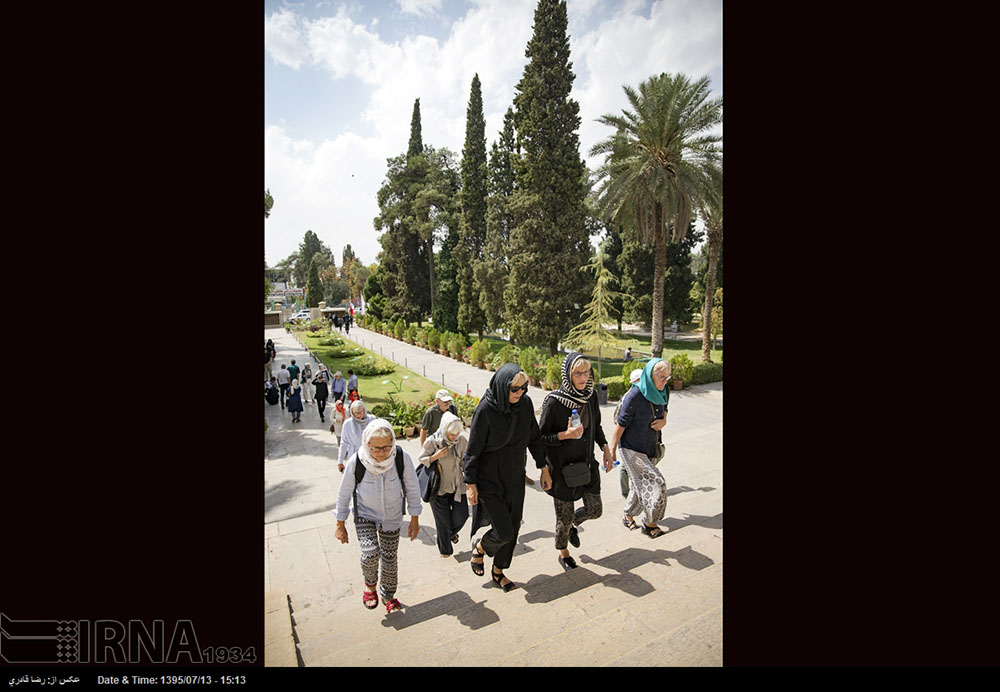
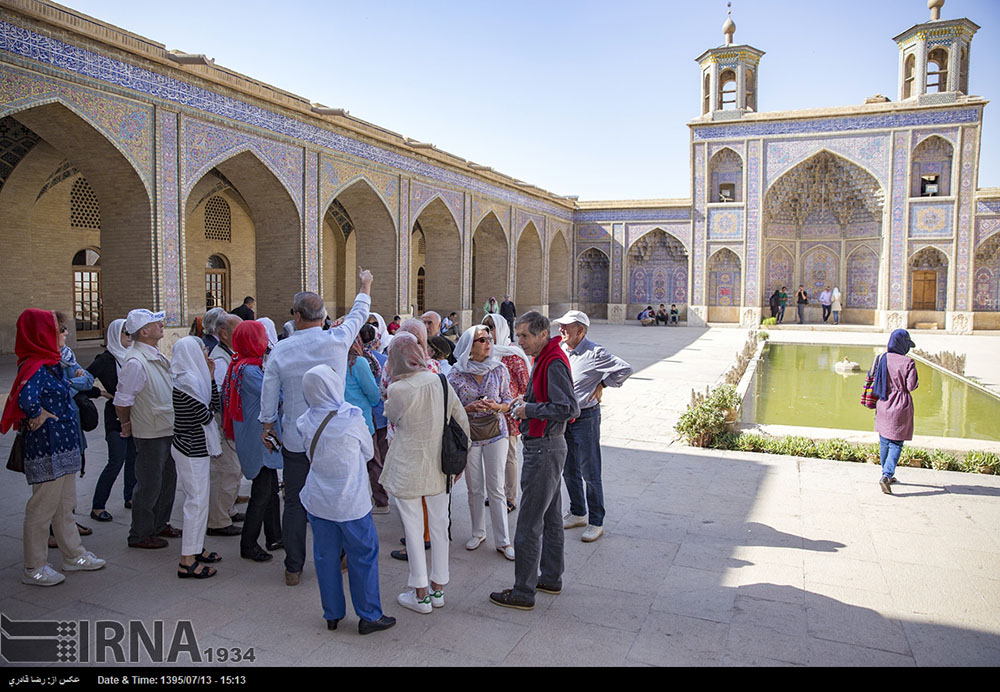
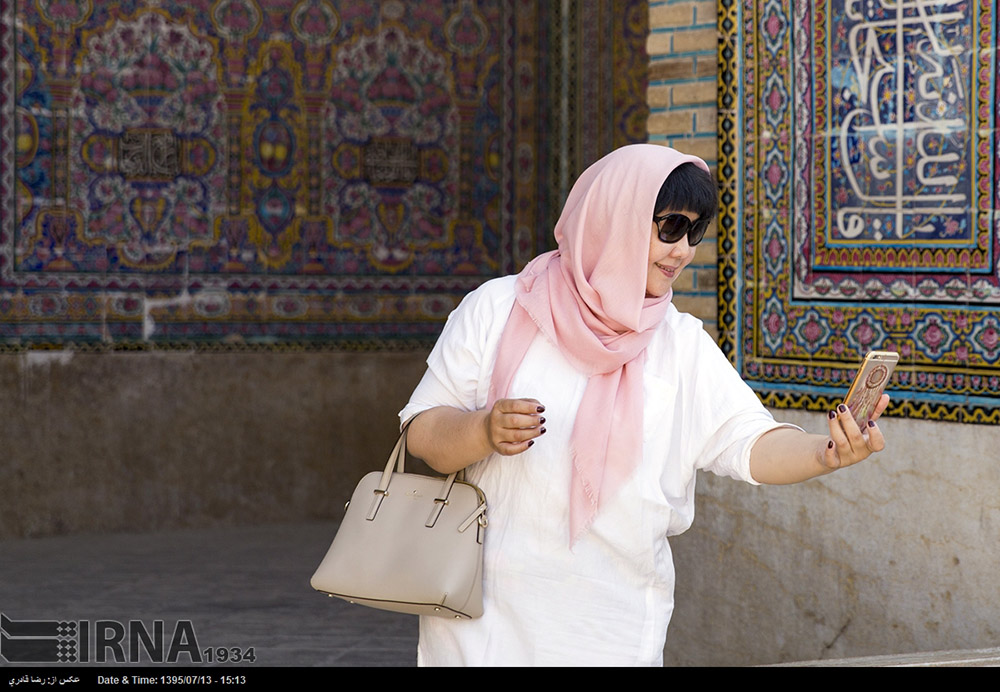
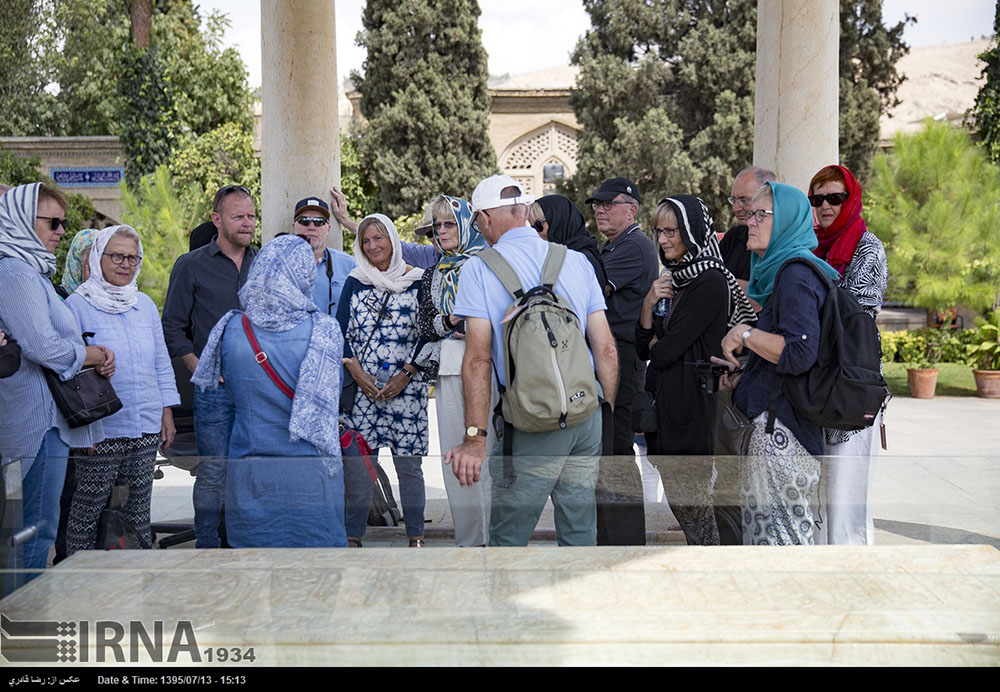
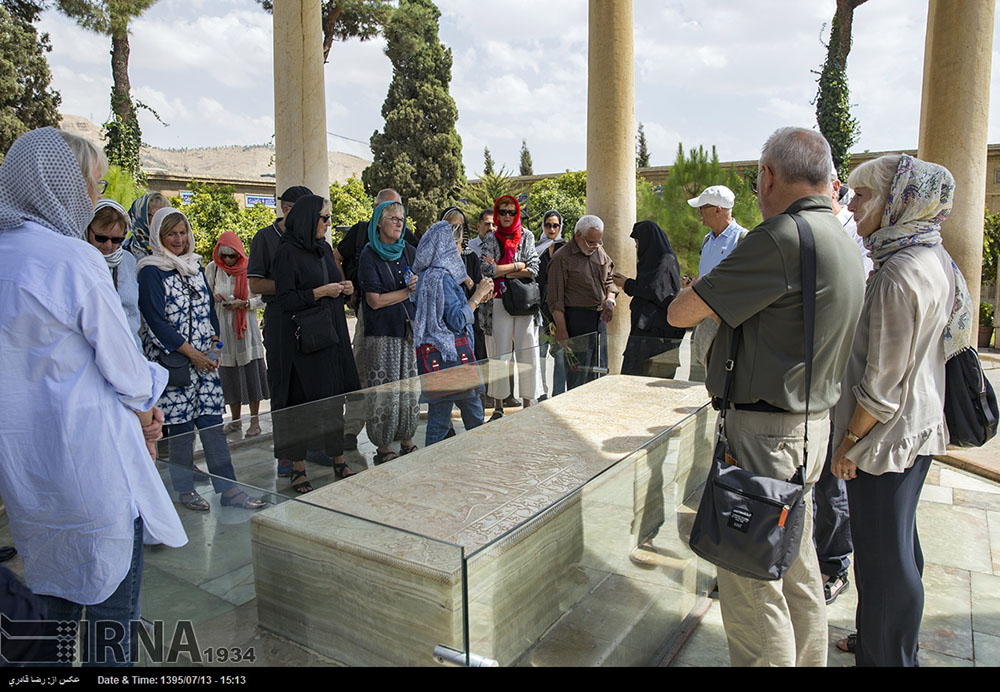
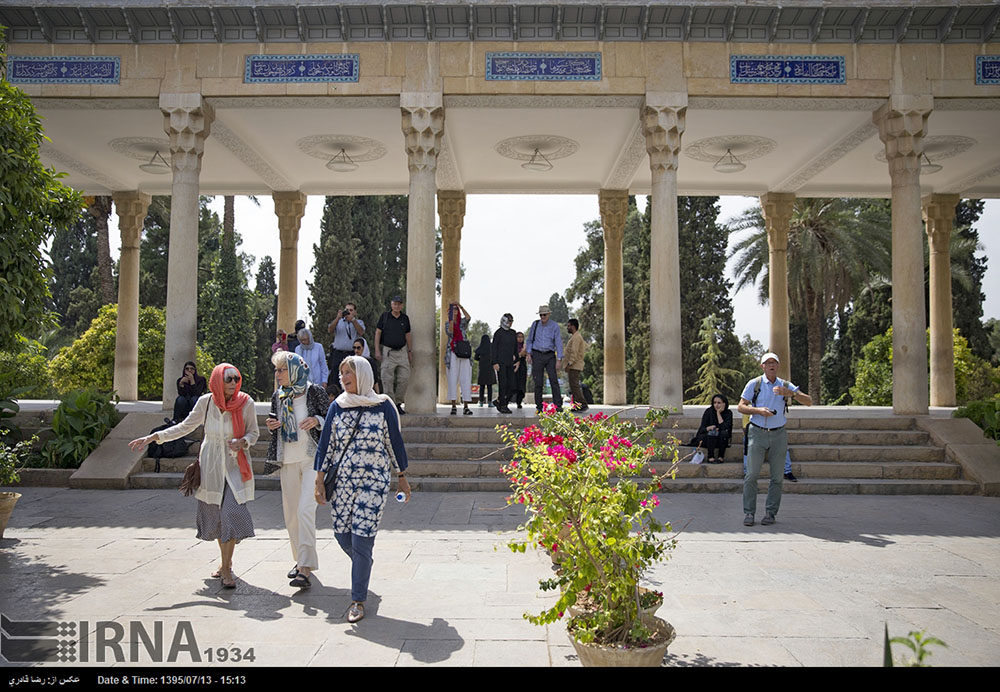
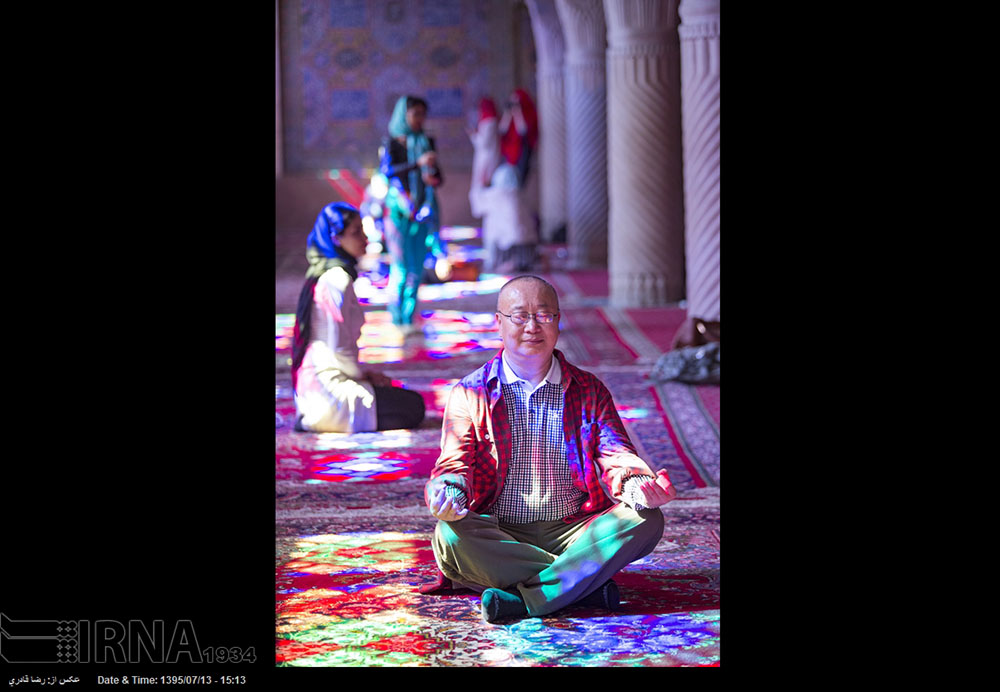
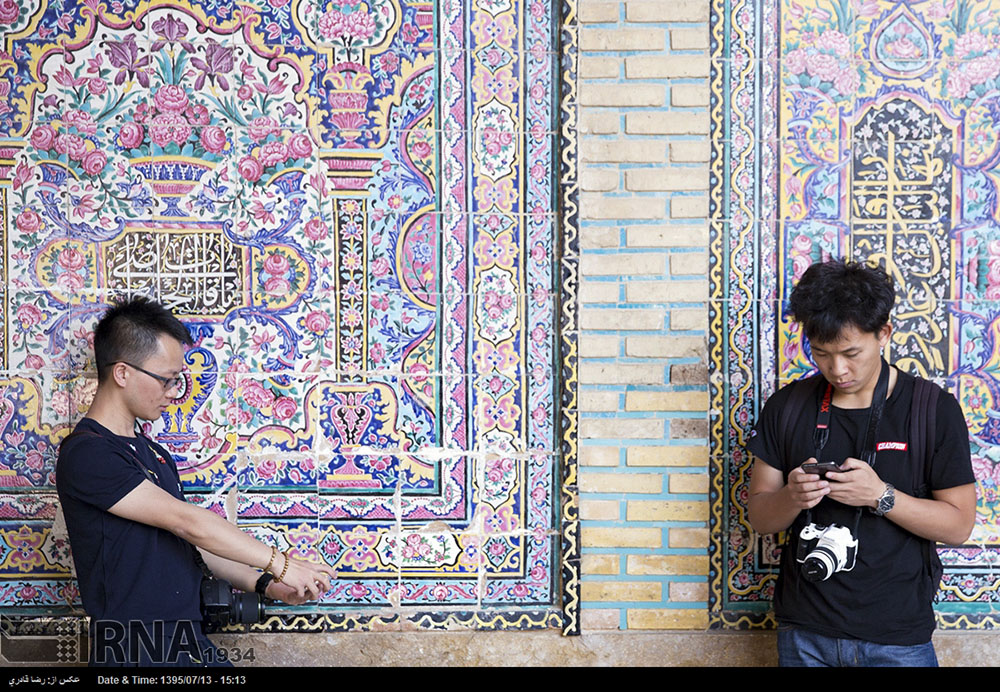
Foreign Tourists Enjoying Beauty of Iran’s Shiraz

In recent months, the number of tourists visiting different parts of Iran has considerably grown thanks to the good atmosphere created after the implementation of a nuclear deal between Tehran and world powers.

The city of Shiraz in southern Iran has always been one of the top destinations for foreign tourists.

Here are IRNA’s photos of tourists, mostly from East Asian countries, enjoying the beauty of different sites in Shiraz, particularly Nasir-ul-Molk Mosque, Hafez Mausoleum, and Eram Garden:


Iran’s Larijani: US, Israel Fanning Flames of Takfiri Crisis in Region

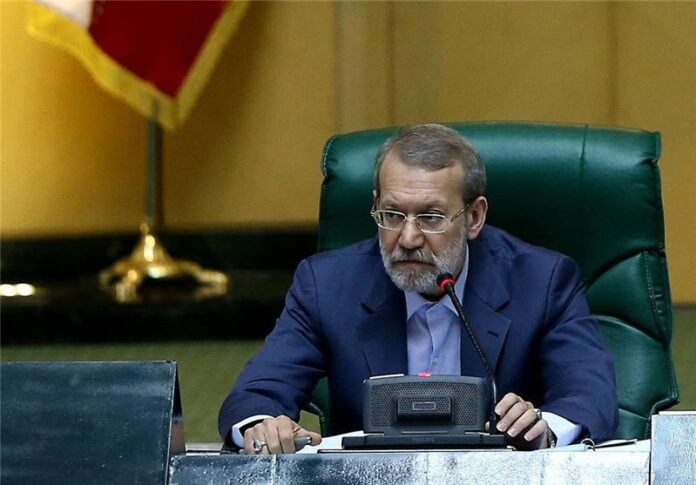
Ali Larijani Iran's Speaker

Speaking at an open session of the parliament on Wednesday morning, Larijani said the US and the “evil” Zionist regime (Israel) jubilantly support Takfiri terrorism.

He added that in a recent speech at the Herzliya Conference, a US official said that today Israel is enjoying best security conditions because other countries in the region are engulfed in security crises and the worst scenario for Tel Aviv is when the terrorists are crushed by Iran and Hezbollah.

Such remarks prove that the US and Israeli regimes have no determination to combat terrorism despite their “false” claims, he went on to say.

In recent years, some parts of the Muslim world have been plagued with conflicts, violence and terrorism due to a lack of unity as well as plots hatched by the enemies of Islam.

Takfiri terrorist groups like Daesh have emerged in the Middle East, which are believed to have been created and supported by the West and some regional Arab countries.

The terrorist groups, which claim to be Islamic but whose actions are anything but, have been committing heinous crimes not only against non-Muslims, but mostly against Muslims in the region.

President Rouhani Kicks Off Southeast Asia Tour

rouhani

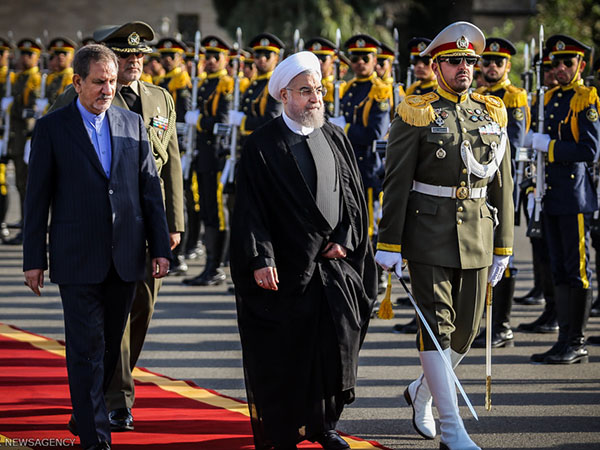
President Rouhani and his entourage, a high-ranking delegation of political and economic officials, left Tehran for Vietnam on Wednesday morning.

The Iranian president is scheduled to meet with his Vietnamese counterpart during a two-day stop at Hanoi, while the two sides will also sign a number of bilateral agreements.

Speaking to reporters at Tehran’s Mehrabad Airport on Wednesday morning,President Rouhani said Iran eyes the export of technical and engineering services to Vietnam.

President Rouhani will travel to Malaysia on Friday, where high-profile meetings will take place as well.

As regards the trip to Kuala Lumpur, the president said he aims to restore and expand relations with Malaysia, which have not been thriving in recent years.

The latest developments in the Islamic world and in the region will be discussed in Malaysia as well, he told reporters.

And on the final leg of the tour, the Iranian delegation will go to Thailand to attend the 2nd Asia Cooperation Dialogue (ACD) Summit in Bangkok.

A speech at the summit and meetings with senior officials on the sidelines of the conference will be on the agenda of President Rouhani’s trip to Thailand.

The president told reporters that Iran, which has been a member of ACD for 12 years, is pursuing stronger cooperation among the Asian countries to consolidate Asia’s position as a major trade partner among the other economic powers.

The summit, entitled “One Asia, Diverse Strength”, will be held on October 8-10. Currently, ACD comprises 34 countries, including Iran, China, India, Japan, Russia and Turkey.

Iran and the US: New Partners in Space?

Iran, Azerbaijan Discuss Space Cooperation

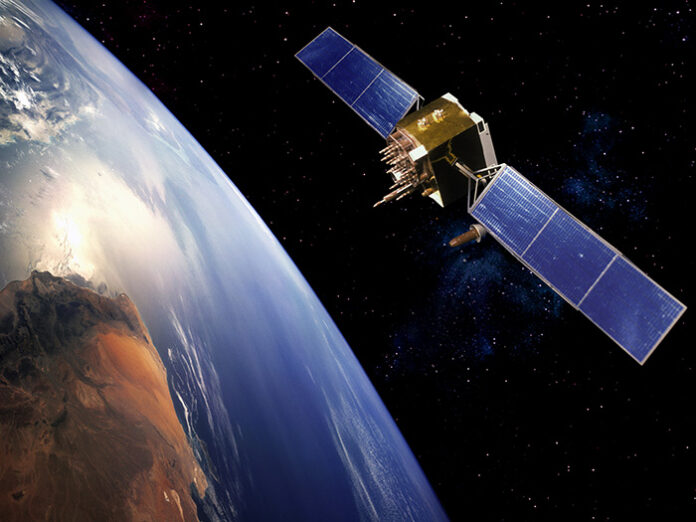
The head of Iran’s space program announced Tuesday that the nation is interested in cooperating with NASA, a partnership that could spur international collaboration, as reported by Christian Science Monitor, and covered by Fars.

But some wonder if such a move would make the US more vulnerable to attacks rather than mending relations and jumpstarting the sharing of valuable information between the two countries.

“Many in the world look at NASA’s programs,” Mohsen Bahrami told reporters at World Space Week. “We are interested in having cooperation, naturally. When you are in orbit, there is no country and race.”

The collaboration would require leaders of both the US and Iran to come to an agreement. Bahrami noted that Iran’s civil space program is both powerful and peaceful, making a cooperation possibly mutually beneficial.

“We have capabilities and we are part of an international scene,” he said.

This isn’t the first time Iran has reached out to foreign space agencies. Bahrami said that the nation has entered into negotiations with agencies in European countries, as well as Russia, China, and Japan. While they have discussed technical cooperation, Bahrami did not provide further details of what such talks or possible agreements entail.

While Iran’s past experience with space is limited, the nation has become more active recently. In the past 10 years, Iran has experimented with dummy satellites by sending them into orbit, and sent a monkey to space in 2013. The nation also created a tracking centre to monitor objects as they passed through orbit above the country.

The next planned step will be to send three domestically-made mini satellites into a low orbit before 2018, Bahrami said.

While some of Iran’s technology is rudimentary, it has made space innovation a high priority.

Iran says that sending its satellites into orbit is a matter of safety. The nation, which is prone to destructive earthquakes, has a vital interest in improving telecommunications and monitoring natural disasters.

But doing so would also allow Iran to expand its military surveillance techniques, and the US and its allies have argued that the technology could pose a security threat by empowering Iran to build long-range missiles.

“There is evidence, however, that Iran is looking at rudimentary counter-space capabilities, such as electronic jammers against communications satellites, that could potentially deny the United States and its allies/ use of space for short periods of time in and around Iran in the event of a conflict,” John B. Sheldon, the chairman and president of Swiss-based consulting company ThorGroup GmbH, a Swiss-based consulting company and publisher and editor of SpaceWatch Middle East, told World Politics Review last week.

In response, Iran has stressed its goals to cooperate, denying any desire to use the technology to create more weapons. The nation has also said it would share scientific discoveries and data culled by the satellites with other countries.

It’s not clear that the US Congress would welcome NASA partnering with Iran. In 2011, China was barred from joining the International Space Station when Congress passed a law prohibiting official American contact with the Chinese space program due to concerns about national security.


The report was covered by Fars News Agency with the title “Iran’s Establishment of Space Observatory Centre over Its Territory Has Made the US Worried: CSM’s Report of Iran’s Space Innovations”.

No ‘Effective’ Step Taken by West on JCPOA Implementation: CBI Chief

Valiollah Seif

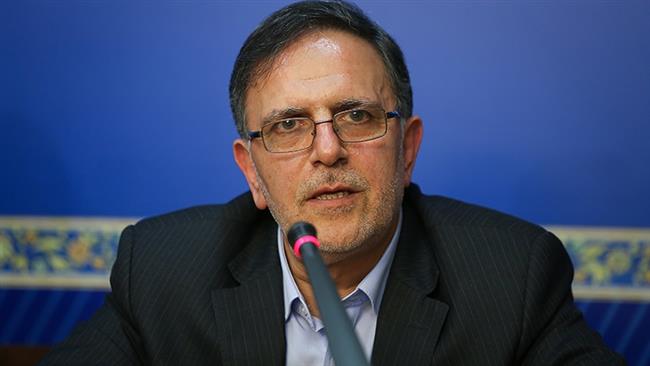
Speaking in a meeting in Tehran with Brigitte Zypries, the parliamentary state secretary at the German Federal Ministry for Economic Affairs and Energy, Seif highlighted the banking problems hampering Iran’s foreign trade after the JCPOA, saying that in the nuclear talks, it was agreed that the grounds be provided for Iran’s return to pre-sanctions conditions.

“Unfortunately, nearly 9 months after the coming into force of the JCPOA, no effective step has been taken by the Western side to fulfil its undertakings,” he regretted.

This is while the Iranian side has fulfilled all its commitments under the nuclear agreement, he went on to say.

While the JCPOA, the nuclear agreement between Iran and the Group 5+1 (Russia, China, the US, Britain, France and Germany), came into force in January, some Iranian officials complain about the US failure to fully implement the accord.

Leader of the Islamic Revolution Ayatollah Seyed Ali Khamenei in a speech in March said Americans have yet to fulfill what they were supposed to do as per the nuclear deal.

Iran still has problems in its banking transactions or in restoring its frozen assets, because Western countries and those involved in such processes are afraid of Americans, the Leader said at the time, criticizing the US for its moves to prevent Iran from taking advantage of the sanctions removal.

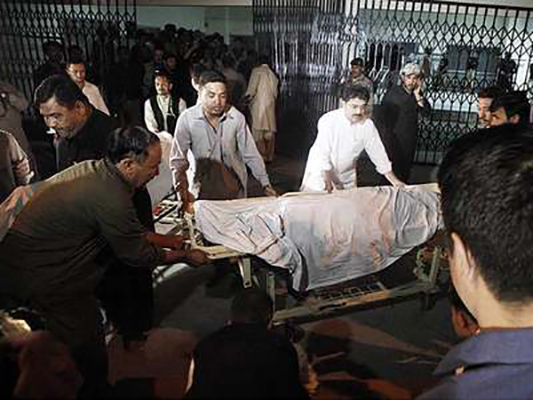
Attack on Bus Carrying Shiites in Pakistan Kills 4 Women

Attack on Bus

Pakistani police say gunmen have killed four women in an attack on a bus carrying members of the country’s Shiite minority in the southwestern city of Quetta.

Police spokesman Shahzada Farhat says another woman and a man were wounded in Tuesday’s attack. Farhat says the attackers fled the scene on motorcycles and that police have launched a search operation.

No one claimed the attack, but the Lashker-e-Jhangvi group has claimed similar attacks on Shiites in the past, The Associated Press reported.

Officials say they suspect the attack was of a hate nature and that an investigation was launched into the incident.

“This attack on Hazaras’ bus could be sectarian but we are still investigating it,” Qambar Dashti, Quetta city’s commissioner, said.

Shiites in Pakistan have been the subject of numerous attacks, with the Pakistani faction of the Taliban carrying out most of such assaults in the past. The community accounts for some 20 percent of Pakistan’s 200-million population and is mostly based in Baluchistan, an area which borders Iran and Afghanistan and has oil and gas resources. However, security has been a main issue for the Shiites as thousands of them have been killed as a result of militancy and hate attacks over the past decade.

According to a report by Press TV, other areas of Pakistan have seen similar attacks against the Shiites. In one case, 43 members of the country’s Shiite Ismaili minority were killed in the southern port city of Karachi in May last year when their bus was stopped and sprayed with bullets. Terrorists loyal to ISIS, the Takfiri group based in Iraq and Syria, claimed the attack.

Iran Rejects US Claim over Houthi Missile

Bahram Ghasemi

Rejecting the US claim over Iran’s supply of missiles to Yemen, Bahram Qassemi noted on Tuesday that the US should take a look at its own heavy dossier concerning the supply of arms and weapons to those attacking civilians in Yemen instead of projecting the blame on others.

Qassemi noted that the accusation has been made as US planes and weapons have been used and are still being used to kill thousands of Yemeni women and children, and destroy hospitals and schools in Yemen.

On Saturday, Yemeni forces targeted and destroyed the Emirati military vessel in a rocket attack near the Red Sea port city of Mokha, as reported by Press TV.

Yemen has been under Saudi military strikes since late March 2015. The war was launched in a bid to reinstate Abd Rabbuh Mansur Hadi, who has stepped down as president but is now seeking to grab power by force. The United Nations puts the death toll from the military aggression at about 10,000.

Houthi Ansarullah fighters, allied with Yemeni army factions, and forces loyal to Yemen’s former president Ali Abdullah Saleh have united and are fighting back the Saudi invaders.

Smugglers Hide Ammo inside Living Cow to Supply Terrorists in Damascus

Cow

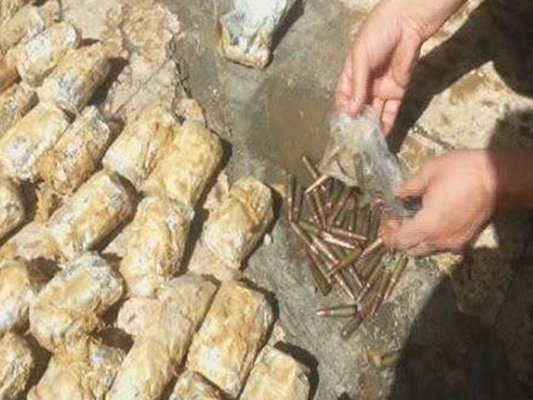
Syrian soldiers have intercepted a shipment of ammo allegedly originally destined for sleeper terrorist cells in Damascus. The cache of ammunition was hidden inside a carved up and poorly stitched cow, which was used by the terrorist as a smuggling vessel.

terrorists and cow in syriaThe weapons-stuffed animal was discovered at an army checkpoint on the outskirts of the Syrian capital, Damascus when security forces pulled over a KIA truck earlier this week, Arabic-language news outlets reported, as covered by ABNA.


Checking the live cargo, the soldiers discovered a 25cm long cut in the side of the cow that had been badly stitched up. Suspecting foul play, authorities authorized the slaughter of the cow.

Inside the belly of the dead animal, the soldiers found dozens of small boxes of medium and light-calibre ammo for machine guns, ABNA 24 reported.

A source in the Syrian military told Sputnik that the militants were apparently attempting to smuggle weapons from Daraa to Damascus to help militants in the capital carry out terror attacks against multiple targets.

The driver of the truck was immediately arrested after its discovery and subsequently confessed that the ammo was sent by Daraa militants to sleeper cells in Damascus.

Iran and France Start New Era of Partnership in Car Industry

renault

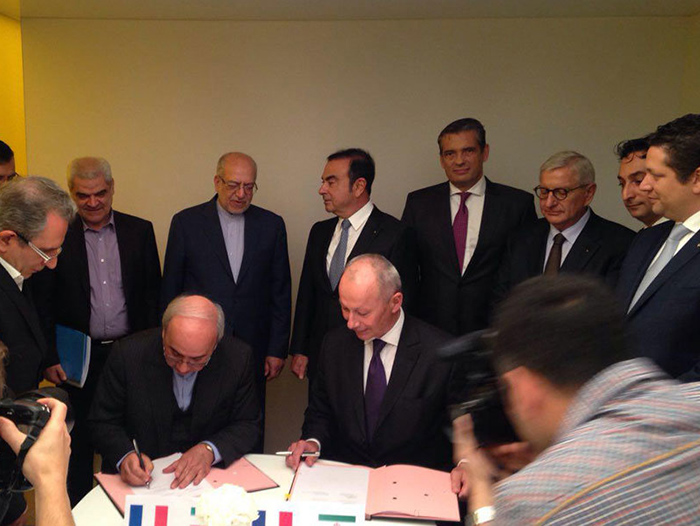
According to a report by IRNA, as translated by IFP, Iran has opened a new chapter in cooperation with France’s automotive industry as Industrial Development and Renovation Organization of Iran (IDRO) inked an agreement with the French auto-maker Renault in 2016 Paris Motor Show.

The agreement was signed as Iran’s Minister of Industries, Mines, and Trade Mohammad-Reza Nematzadeh and Carlos Ghosn, the CEO of France-based Renault, were attending the show.

Based on the deal, Renault is supposed to build a factory in Iran with the capacity of manufacturing 150,000 vehicles per year.

The deal came after PSA Group, the French rival of Renault, on June 21 signed the final agreement with its “historic partner”, the Iranian auto-maker Iran Khodro Company, to produce Peugeot cars.


renault

Europe 1 online radio website also reflected Iran’s agreement with the French car giant Renault, “For the first time in its history, Renault is to develop its distribution line and after-sales services with its own standards in Iran.”

Europe 1 added that “Renault will be the major shareholder of partnership with IDRO; since many years ago, this country has been a strategic market for the French automaker.”

Car Industry has grown considerably in Iran after the lifting of international sanctions following the nuclear deal between Tehran and world powers.

After the landmark nuclear deal in July 14, 2015, known as JCPOA, and before its implementation, authorities from around 100 French companies travelled to Iran in the first visit by the French Business confederation, commonly known as MEDEF, in August last year.

The United States Senate saw France as “the main loser due to sanctions against Iran” and announced that the trade turnover between the two countries has dropped from €4bn in 2004 to €500m in 2013. Therefore, France’s share of Iran’s market suffered a major decline from 7 to 1 percent.