Sunday, April 12, 2026
Home Blog Page 4148

Iran Offers Help to Afghanistan after Deadly Avalanches

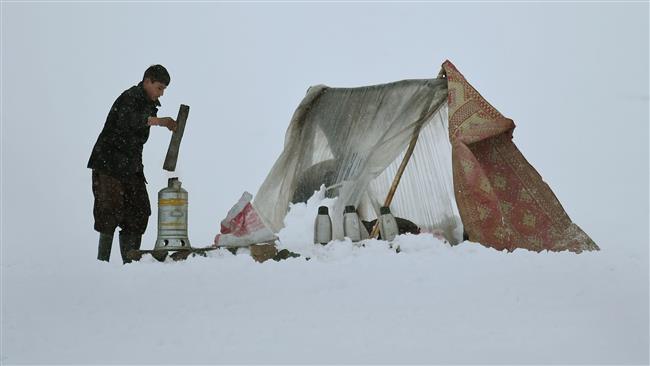
An Afghan tea vendor, 15, prepares tea for customers on a hillside during snowfall near Qargha Lake on the outskirts of Kabul on February 4, 2017. (Photo by AFP)

Iranian Foreign Ministry Spokesman Bahram Qassemi on Monday expressed sympathy with the Afghan government and nation over the death of people hit by cold spell.

At least 119 people lost their lives following avalanches in Afghanistan triggered by heavy snowfall across the country in recent days.

Afghanistan’s state minister for disaster management and humanitarian affairs Wais Ahmad Barmak said that at least 89 people had also been injured and 190 homes destroyed by avalanches in multiple provinces.

Those figures were expected to rise as rescue teams made their way through isolated snow-blocked roads to afflicted areas where it is feared more people are trapped beneath the snow.

The Afghan government, on Sunday, declared a public holiday due to the heavy snowfall across the country.

Last month, heavy snowfall and freezing cold claimed the lives of 27 children, all under the age of five, in the remote district of Darzab in the northern province of Jawzjan.

Back in 2015, some 300 people lost their lives after they were buried under avalanches across the Asian country, most of them in the eastern mountainous province of Panjshir, north of the capital, Kabul.

Each winter, heavy snowfall and avalanches kill scores of people in Afghanistan, where inadequate emergency equipment does not match the scope of natural disasters.

Unbelievable but True: One Person Develops Diabetes Every 5 Seconds

Diabetes statistics

Sugar or glucose is the most important source of energy for the cells in human body. If the level of glucose in one’s blood decreases, it can lead to a loss of consciousness, coma, and finally death in a few hours. However, the excessive increase of glucose in human body is more common. The excess glucose in the blood should be rapidly turned to glycogen through the secretion of a hormone called insulin. If a person’s body loses the ability to regulate the amount of blood sugar, that person suffers from diabetes.

Every 30 seconds, a leg is amputated due to diabetes.

Diabetes is the most costly endocrine disease in the world.

Diabetes is the costliest gland disorder in the world to treat.

According to global statistics, about 346 million people suffer from diabetes worldwide.

Every 10 seconds, two people develop diabetes in the world.

Diabetes kills one person in the world every 8 seconds.

Diabetic ulcer is the main cause of one million amputations per annum worldwide. This means one leg is lost every 30 seconds.

On the whole, 90 percent of the patients suffering from diabetes, have diabetes mellitus type 2.

A total of 50 percent of the people suffering from diabetes are ignorant of their disorder and do not know they have developed it.

Some 80 percent of the deaths and limb amputations caused by diabetes across the world, take place in low and middle-income countries.

According to the World Health Organization’s forecast, the number of people suffering from diabetes will double by 2030.

China and India rank first and second worldwide, respectively, in terms of having the largest number of patients suffering from diabetes.

Cardiovascular diseases are the main cause of 50 percent of the deaths in patients suffering from diabetes.

New Herbal Medicine for Diabetic Ulcer Treatment

After 15 years of having the disorder, 2 percent of the patients lose their eyesight and 10 percent suffer from eye problems.

About 10 percent-20 percent of the patients suffering from diabetes die from renal (kidney) diseases.

A total of 50 percent of the people suffering from diabetes develop neurological disorders.

At present, some 4 million people in Iran suffer from diabetes. This is while, half of them are ignorant of their disease – do not know they have developed it.

The average age of diabetes mellitus type 2 diagnosis in the world is between 55 and 65; whereas, it ranges between 45 and 50 in Iran.

Thus, on average, Iranians are diagnosed with diabetes, 10-15 years younger than the people in developed countries.

The treatment cost of diabetes mellitus type 1, after it causes damages to the body, is 12 times higher than the expenses involved in treating the same type of the disorder before it inflicts any damages on the body.

Likewise, the treatment cost of diabetes mellitus type 2, after it causes damages to the body, is 24 times higher than the expenses involved in treating the same type of the disorder before it inflicts any damages on the body.

Latest studies have shown that 7.8 percent of Iran’s population, aged between 25 and 60, are suffering from diabetes.

Diabetes is the leading cause of visual impairment and blindness in Iran.

Unbelievable but True: One Person Develops Diabetes Every 5 Seconds

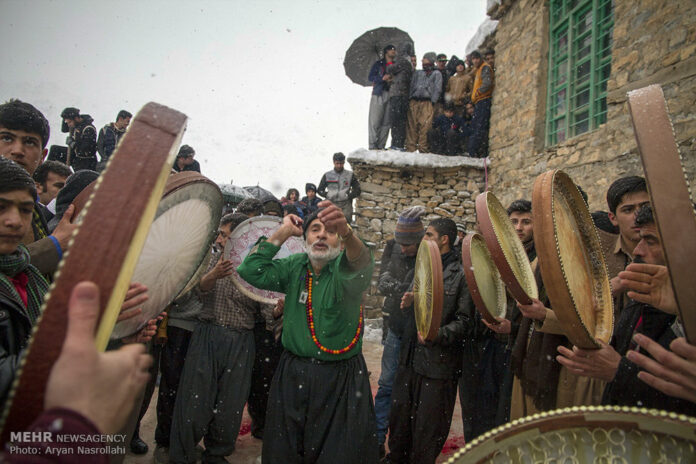
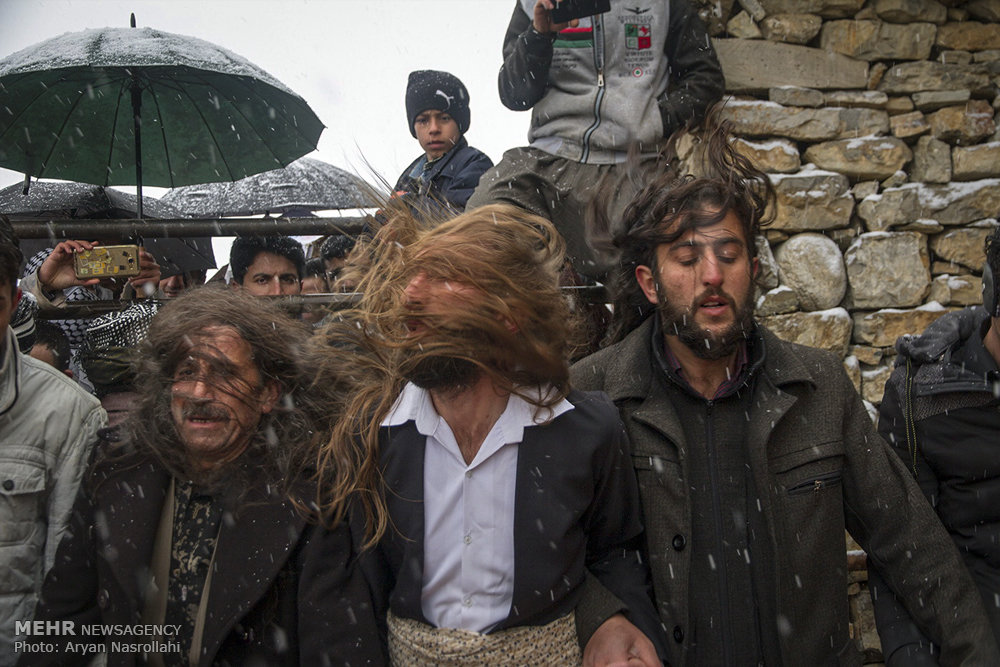
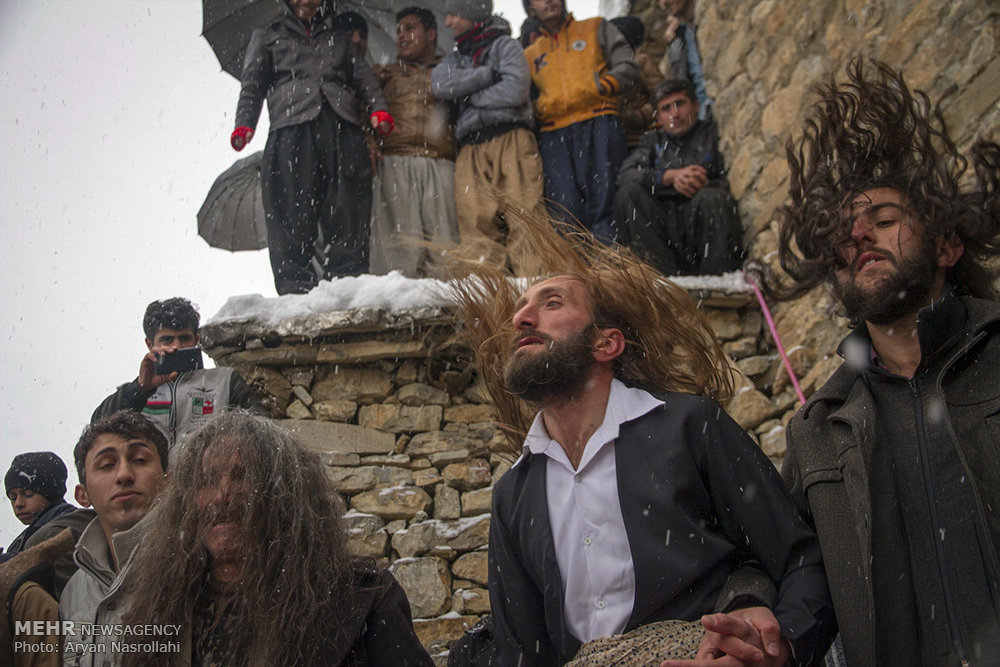
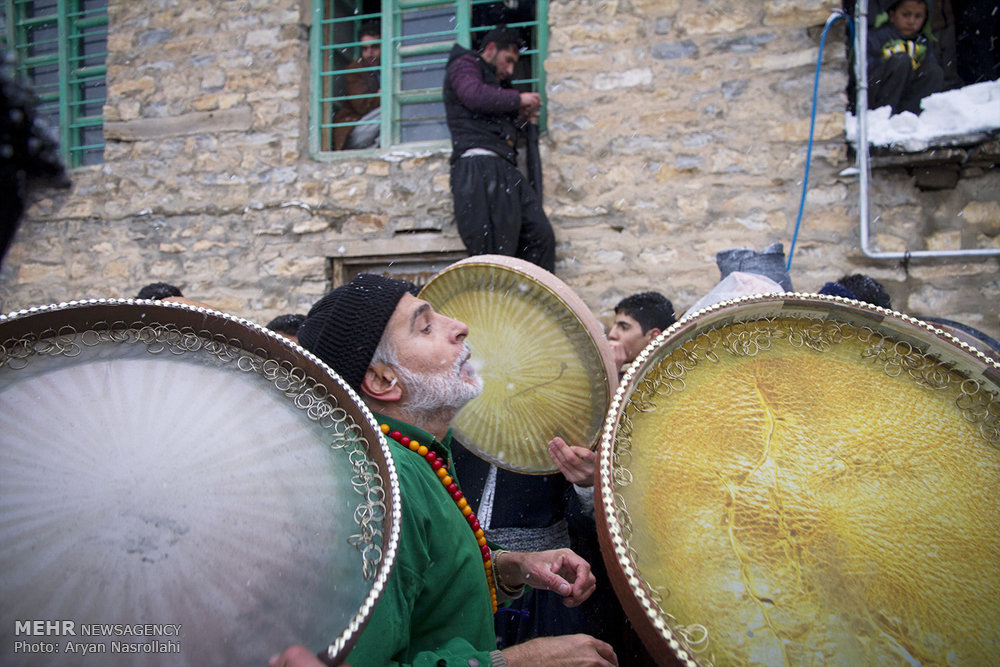
Mystic Dance in Ancient Iranian Mid-Winter Ceremony

Pir Shalyar

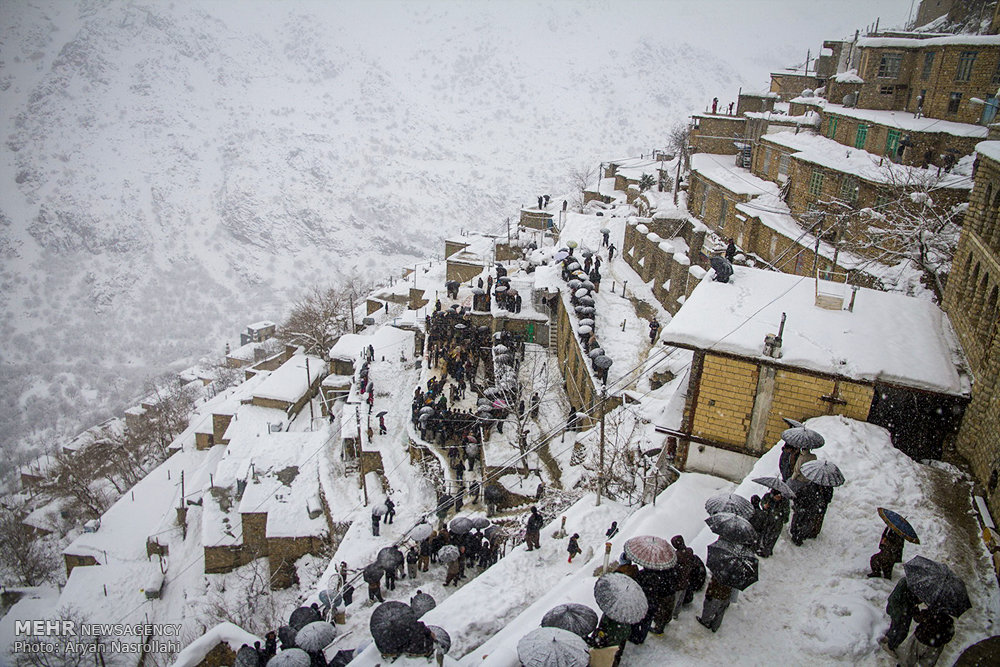
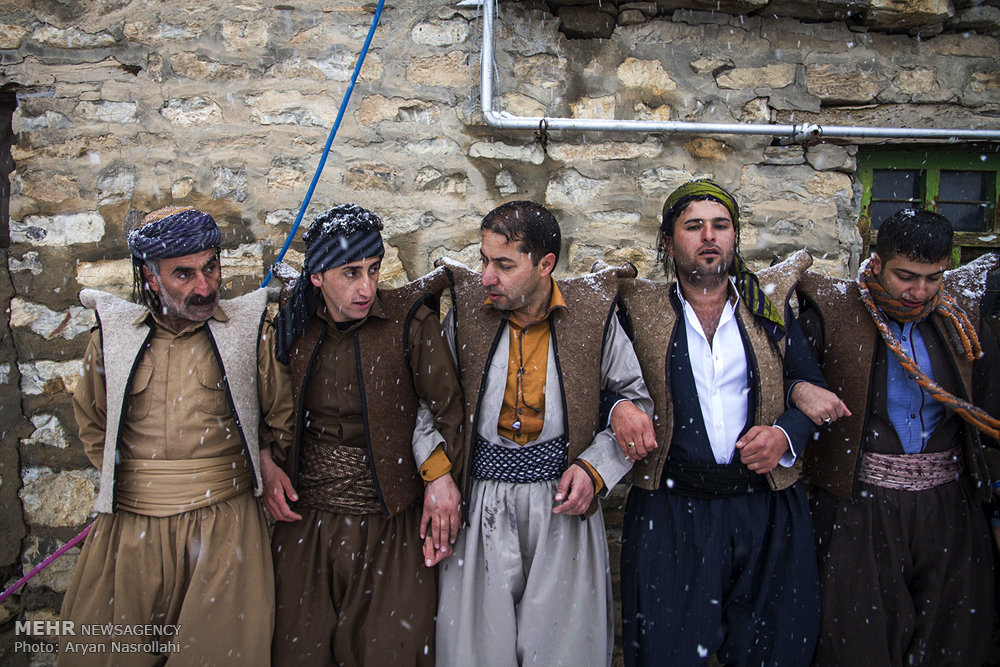
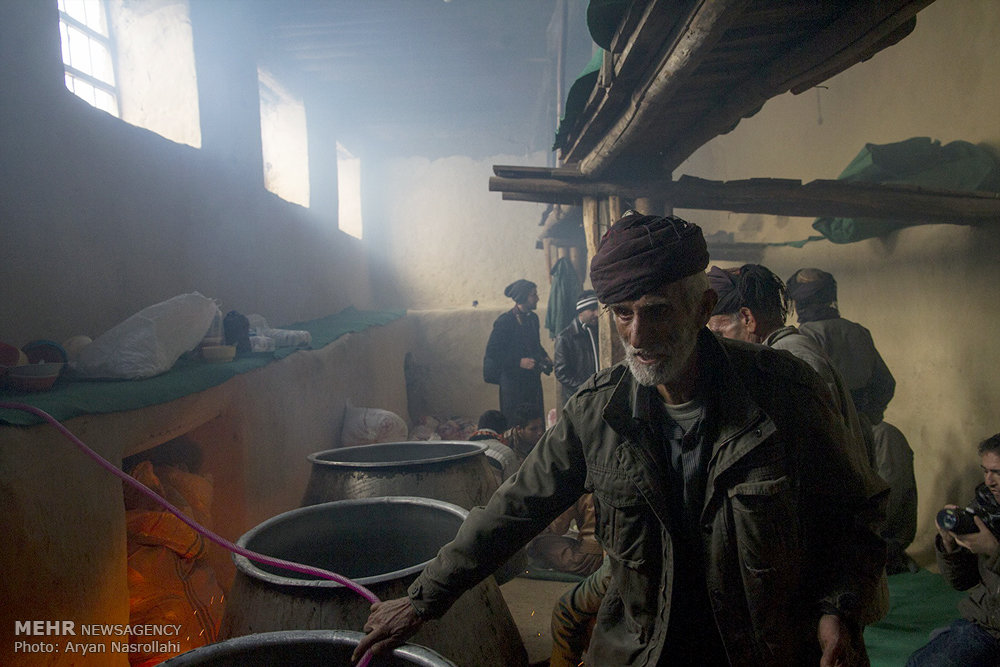
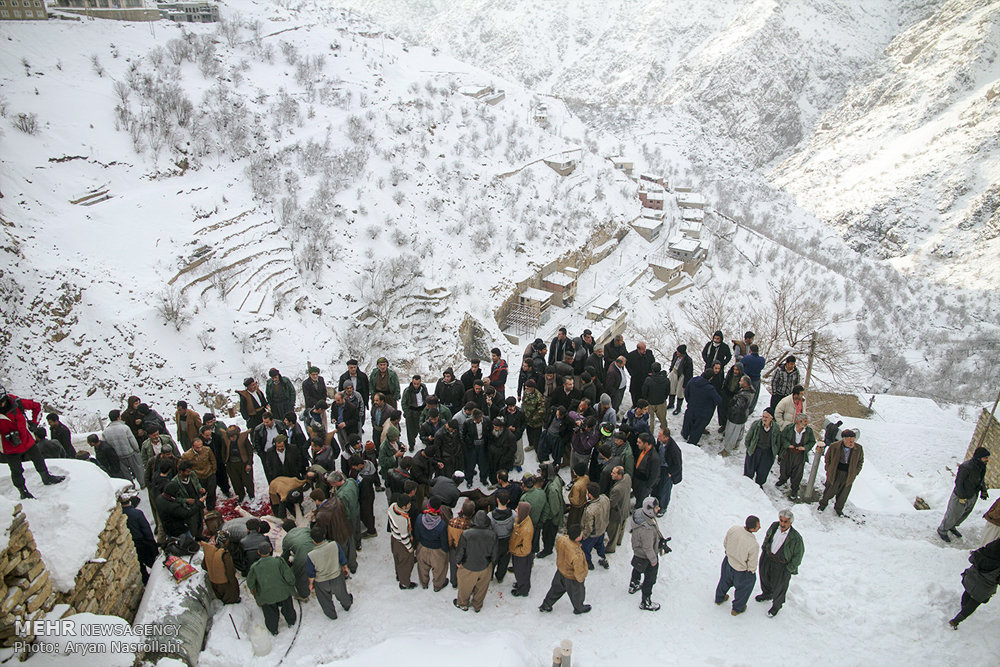
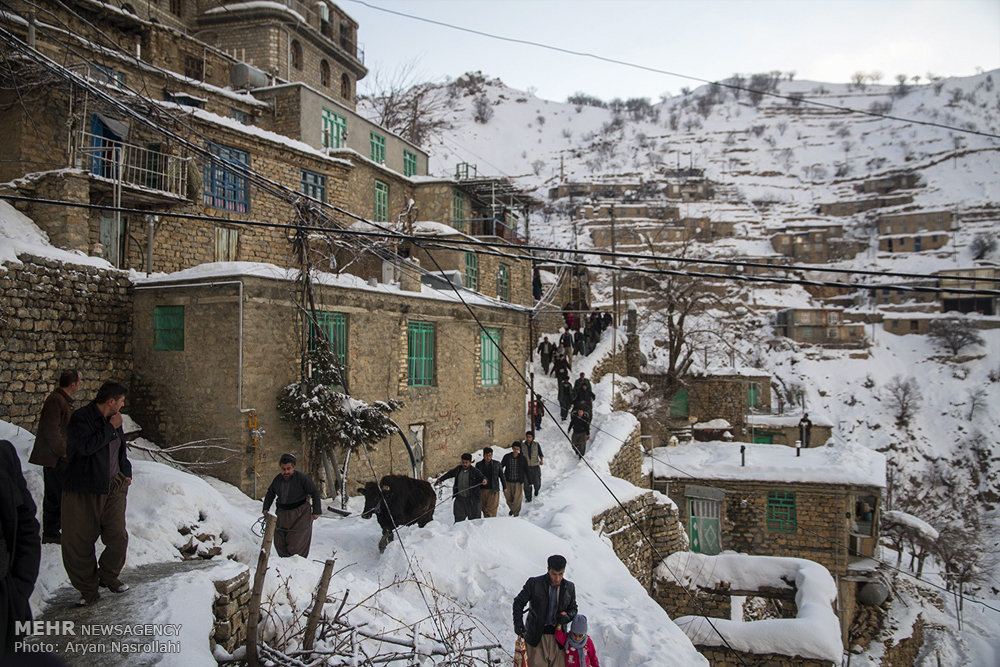
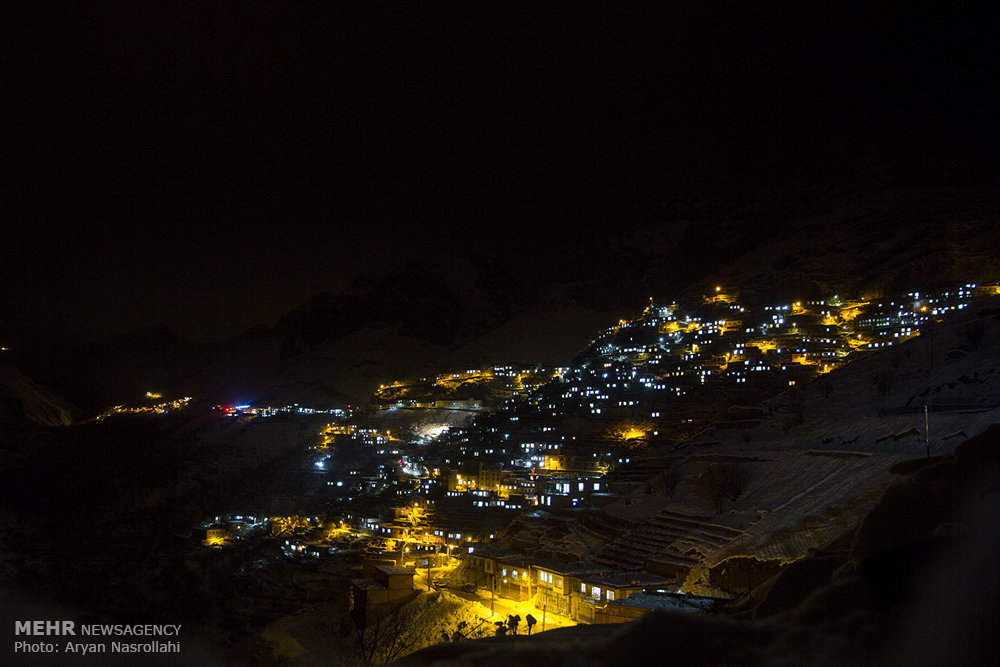
Ouraman Takht, a small town with a population of 2,000, lies near the city of Sarvabad in Iran’s Kordestan Province. It is known for its history, and for its Pir Shalyar ceremonies.

Ouraman seems to be as old as time itself – documented sources show it dates back to more than 1,300 years ago.

Based on locals’ claims, the ceremony has been performed for nearly 900 years. Every year in February, on the last Wednesday before the half-moon, the marriage of Pir Shalyar is re-enacted.

This ceremony is one of the oldest traditional celebrations in Iran, and has its roots in mythological beliefs and ancient religions.

In the legends of the Ouraman people, there was a mythical character called Pir Shalyar, who had achieved special abilities through spiritual greatness. One of these, as told in a legend, was him curing Shah Bahar Khatun, the daughter of the king of Bukhara.

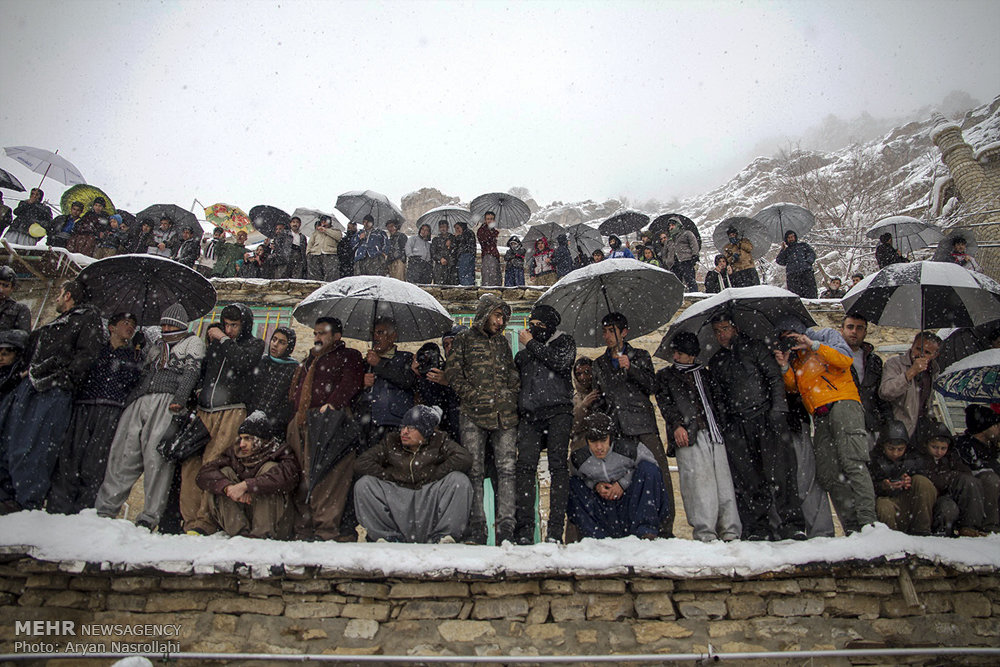
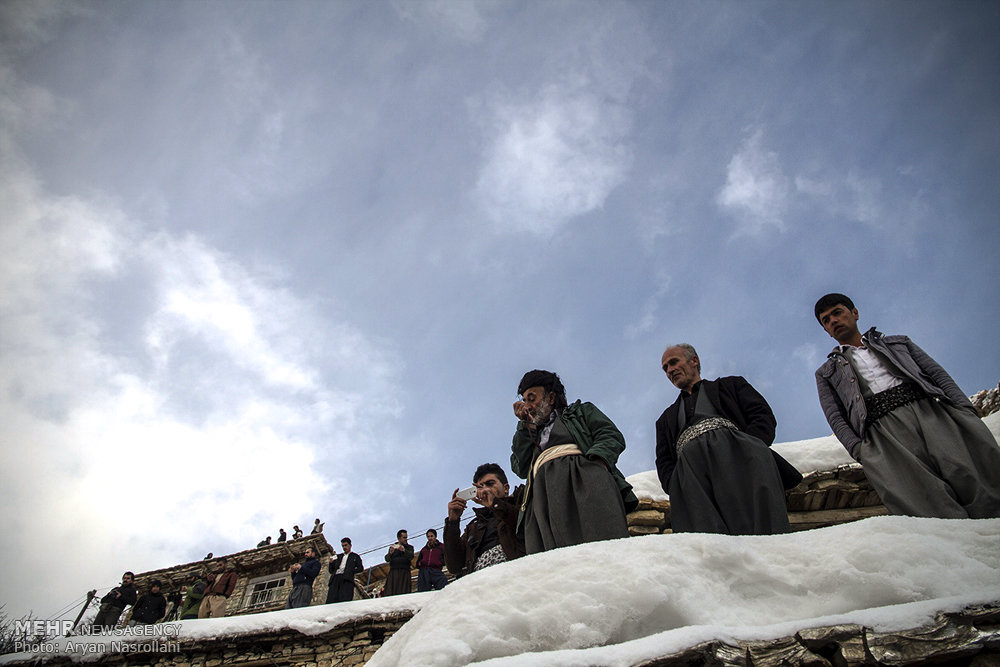
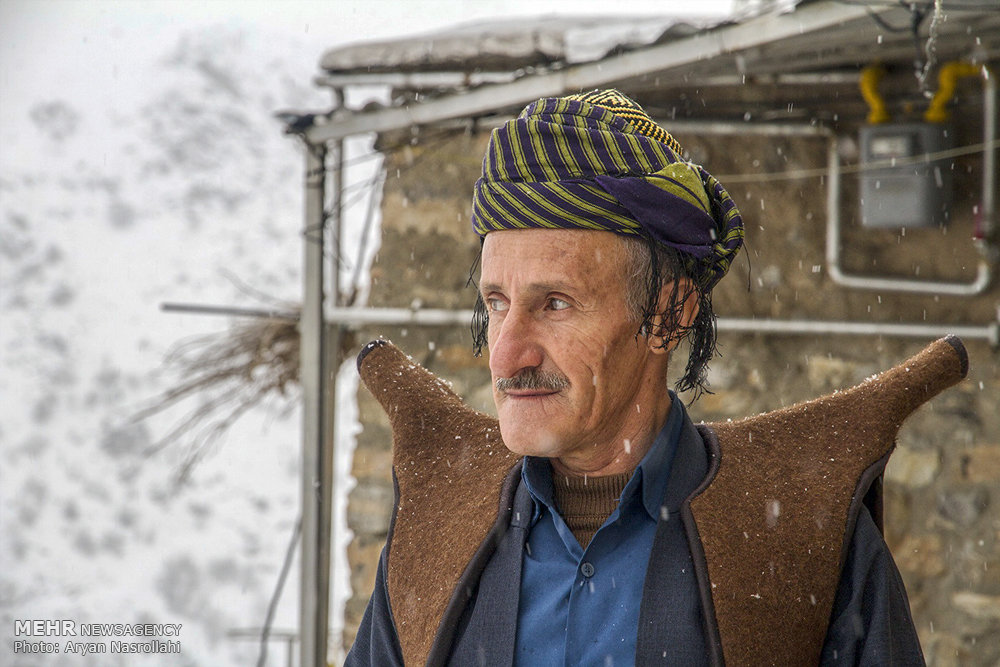
Attending the ancient ceremony is of great significance, and many tourists from Iran and abroad make their way to the city each year. Domestic and international photographers are on hand to capture the event.

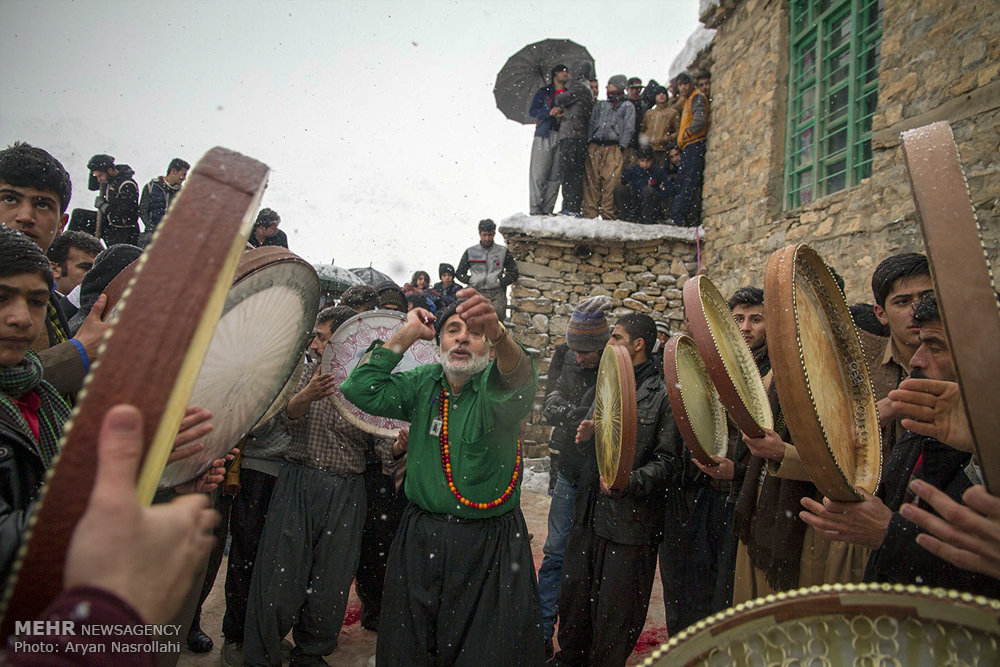
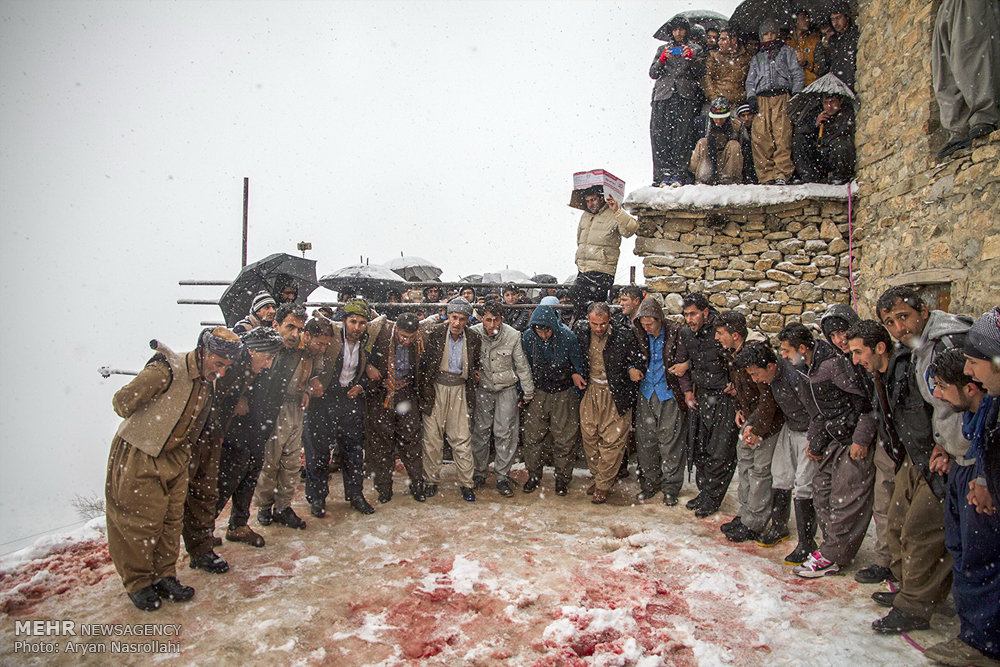
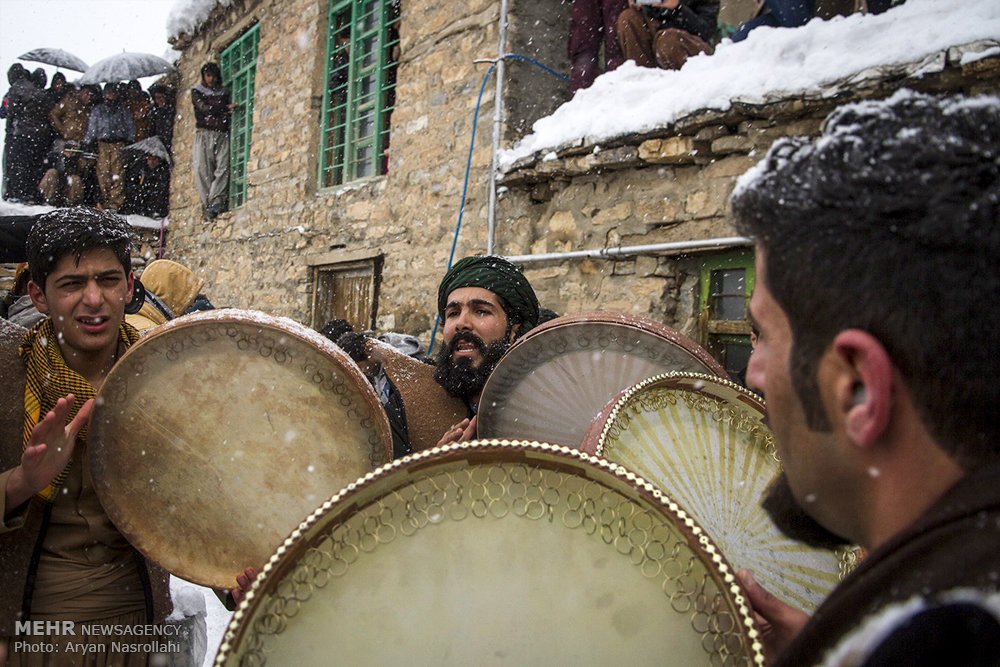
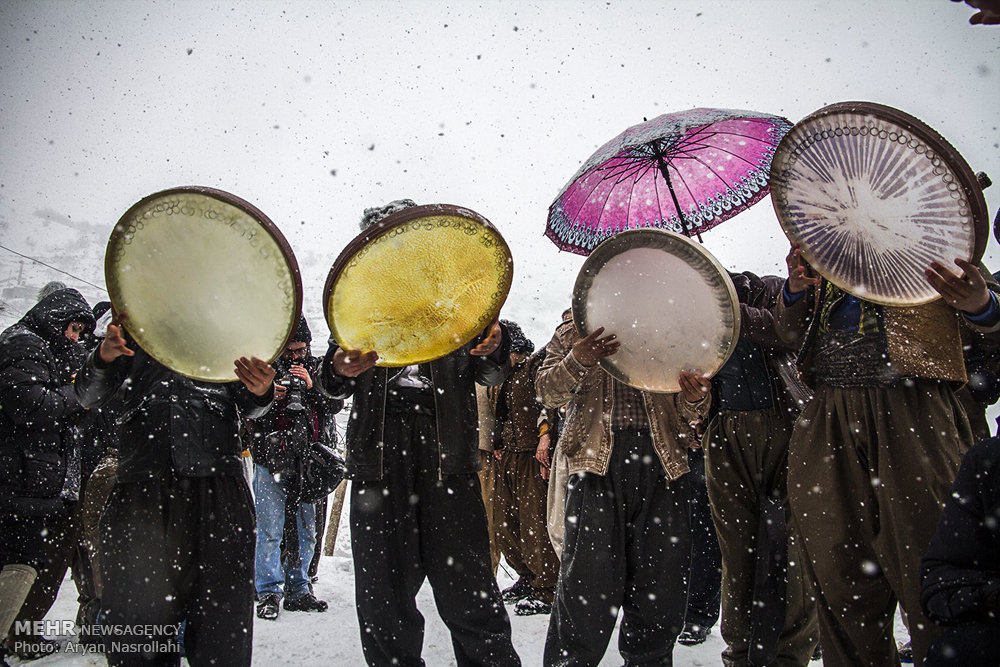
The ceremony includes the sacrificing of sheep, playing the daf [a tambourine-like drum], special dancing, eating Ash [a traditional stew], then reading poetry and praying during an overnight vigil.

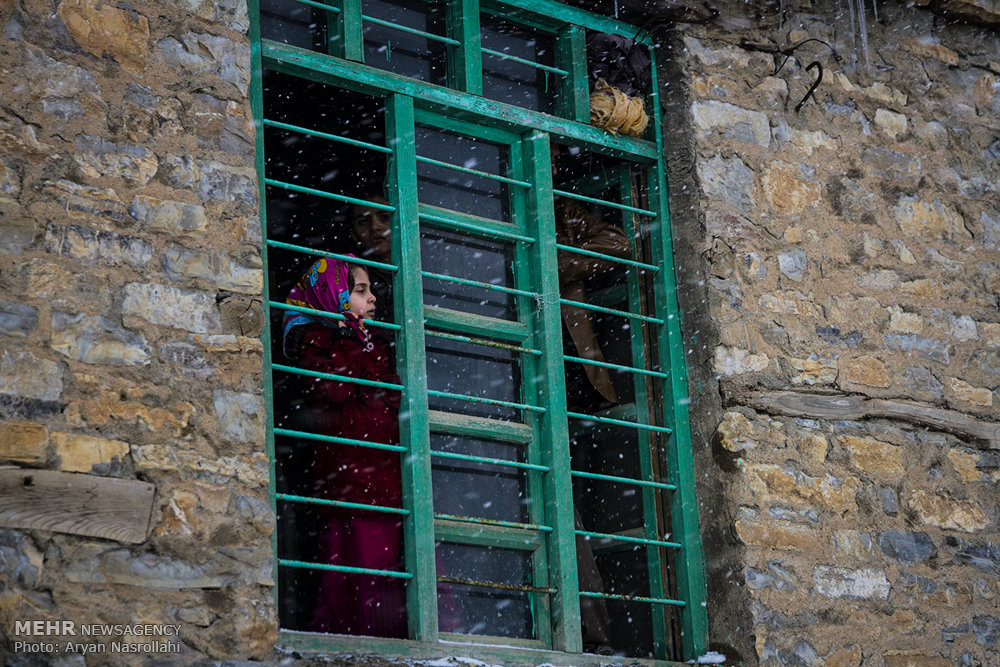
Here are Mehr’s photos of this year’s ceremony:

Iran to Defeat US in Int’l Lawsuit Filed at ICJ

Reading of ICJ Advisory Opinion upon IFAD’s request , on 1 February 2012 / Lecture de l’avis consultatif de la Cour sur la demande du FIDA, le 1er février 2012

Iranian lawmaker Hossein Naqavi Hosseini elaborated on the dimensions of Iran’s lawsuit against Washington in a Farsi interview with ICANA.

Iran’s case against the White House has been filed at the Hague-based International Court of Justice (ICJ), said Naqavi Hosseini, a spokesman for the Parliament’s National Security and Foreign Policy Commission.

He said Washington’s seizure of $2 billion worth of Iranian assets runs counter to the United States’ international obligations and contravenes Tehran-Washington political agreements.

The legislator noted that when a political accord such as the nuclear deal between Iran and six world powers, which include the US, is signed, the Western states are expected to give up their hostile behaviour.

However, he added, Washington seized Iran’s assets in violation of the deal.

The US withdrawal of $2 billion in Iranian assets can be pursued through legal and political channels, and that is why Iran filed a lawsuit with the International Court of Justice against the US.

He said the US will indubitably be found guilty in the case if The Hague adopts an independent approach.

Based on the lawsuit, Iran has demanded compensation from the US over its non-compliance with its commitments. This is very important because US actions have created problems for Iran, he added.

The registration of Iran’s lawsuit against the US at the International Court of Justice was yet another key step toward returning Iran’s assets.

MPs Optimistic about Oman’s Release of Iran’s Frozen Money

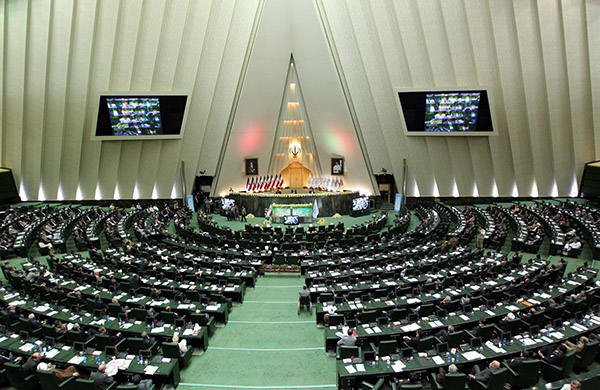
Iran's Parliament

According to a Farsi report by ICANA, Iranian parliamentarians maintain that given close relations between Oman and Iran, Muscat would repay Iran’s money — some $5 billion — which had been transferred to the country freely on a monthly basis, but, then, was blocked there on the pretext of the target state’s inability to reimburse it.

Earlier, referring to cordial relations between Tehran and Muscat, Iranian Foreign Ministry Spokesman Bahram Qassemi said in an interview, “At the time of Western sanctions, Iran failed to tap the monetary resources it had deposited in a number of foreign banks as an advance payment for its future purchases, due to the problems the domestic economy was confronted with as well as its banking and financial bottlenecks. Now that the time has come to receive some of those assets, occurrence of minor disagreements would be likely which, of course, could be resolved through negotiations.”

Commenting on the same issue, Governor of the Central Bank of Iran (CBI) Valiollah Seif said earlier these payments are being made steadily.

This comes as, under the terms of the Joint Comprehensive Plan of Action (JCPOA) — signed between Tehran and P5+1 — Iran has transferred its enriched uranium resources to Oman, to be sold by the country. Thus, concerns are voiced by some in Iran over the reimbursement of the money Muscat receives for selling Iran’s uranium.

Iranian parliamentarians believe that although relations between Iran and Oman are established based on mutual trust, Tehran is required to devise a mechanism to dispel any doubt about Muscat’s repayment of Iran’s surplus uranium’s money as soon as possible.

Elaborating on this issue, Abolfazl Aboutorabi, an Iranian MP, said Oman has always had friendly and brotherly ties with Iran, adding, Oman’s ruler Sultan Qaboos bin Said Al Said has always been a faithful companion to Iran in different regional issues.

“The two countries have a good understanding of each other’s concerns and situation which makes us anticipate that both sides would fulfil each other’s expectations.”

Expounding on this issue, another Iranian lawmaker, Ezzatollah Yousefian, stressed that Iran needs no third country for receiving its surplus uranium’s money from Oman.

Referring to Iran’s 5-billion-dollar assets currently frozen by Omani banks, he added in the pre-JCPOA era Muscat announced that it is not financially capable to pay the amount.

“Iran had not lent the money to Oman to expect their excuse about not being able to repay it. Nevertheless, given the two countries’ friendly ties, it is highly anticipated that efforts by Iran’s foreign ministry and CBI would lead to the reimbursement of the monetary assets.”

In addition, Farhad Falahati, an Iranian parliamentarian, stressed that Iran had transferred the money to Oman in the course of its nuclear negotiations with the West and currently, in the post-sanctions era, expects Muscat to honour its commitments on the Iranian assets.

“Although Iran has close ties with Oman, it is required to take precautions for the time when, though highly unlikely, their relations would be subject to damages. Reports by the Iranian Foreign Ministry say apparently, we have no problem for receiving the money from Oman.”

Ali Bakhtiar, another Iranian parliament member, said Oman has always had friendly relations with Iran at the time of sanctions and in the post-JCPOA era, adding, however, to demonstrate its commitment to the Iranian nation, it is required to observe international law.

“In case Iran signs a memorandum of understanding with Oman as soon as possible, we will be extremely upbeat that the money would be reimbursed by Muscat. This is highly likely in view of the two countries’ close relations.”

MP Rejects Third Country’s Involvement in Issuing Hajj Visa for Iranians

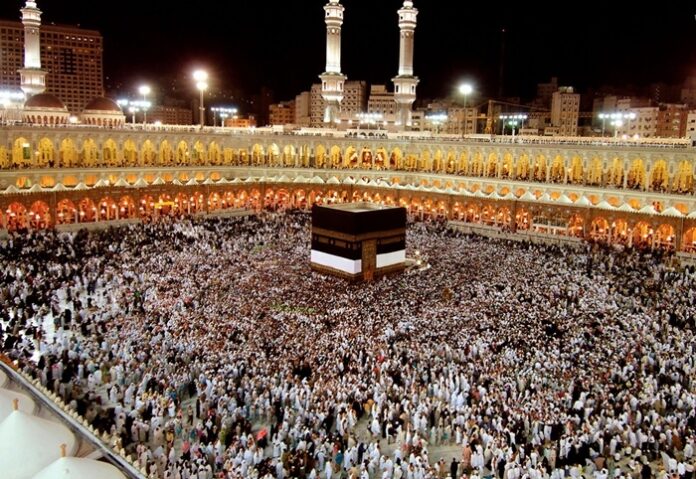
Iran Officially Declares Cancellation of This Year's Hajj Pilgrimage

Iranian lawmaker Kamal Dehqani Firouzabadi said the Riyadh government is required to resolve the problems it has caused for Iranian Hajj pilgrims and know that Iran never accepts a third country to grant its nationals Hajj visa.

According to a Farsi report by ICANA, he referred to the negotiations between Iran and Saudi Arabia on issues pertaining to Hajj pilgrimage, and said on unreasonable excuses, Riyadh has unilaterally severed its diplomatic ties with Tehran.

“Iran has never boycotted Hajj pilgrimage,” he noted.

“Since diplomatic relations between Iran and Saudi Arabia have been cut due to Al Saud’s conspiracies and refusal to cooperate, the Saudi government is required to draw up new plans for the participation of Iranian pilgrims in Hajj rituals and devise a mechanism to give them visa respectfully.”

He stressed that it is not a sign of politeness if a host invites its guests but refrains from doing adequate preparation to welcome them.

In the absence of proper preparation, the invitation would be an act of hypocrisy aimed at winning greater [regional] acceptance, he noted.

“In case the Riyadh government is sincerely willing to consent to Iranian nationals’ presence in Hajj rituals, it will have to agree to their ceremonies and treat them with dignity.”

He added Saudi Arabia is required to provide Iranians with all the facilities in the most appropriate manner and preserve their dignity, otherwise, the upcoming talks would fail to produce favourable results.

“Saudi Arabia is required to adopt a suitable visa-issuance procedure towards Iranian pilgrims and know that Iran’s officials will never consent to a third country’s involvement in this process,” he went on to say.

Iran’s Moderate Approach to West Always Responded by Threat: IRGC General

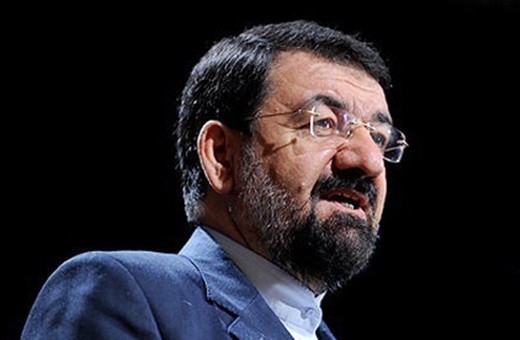
Mohsen Rezai

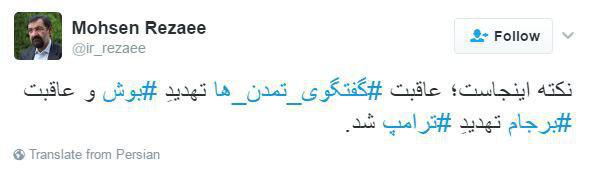
“The point is that the result of ‘Dialogue among Civilisations’ was [George W.] Bush’s threat, and the result of JCPOA [nuclear deal between Tehran and world powers] was [Donald] Trump’s threat,” Mohsen Rezaei, the secretary of Iran’s Expediency Council and the ex-commander of IRGC, said in a post in his Twitter account.

Dialogue among Civilisations was the idea introduced by former Iranian president Mohammad Khatami as a response to Samuel P. Huntington’s theory of a Clash of Civilisations.

The idea was well received in the world and the United Nations, but the US administration of George W. Bush responded to Iran’s moderate policies at that time by putting the Islamic Republic in the so-called Axis of Evil.

Rezaei says the same thing is now happening, with Trump using a threatening language against Iran after the moderate policies adopted by President Hassan Rouhani, which led to the nuclear deal.

photo_2017-02-06_17-16-39

Gas Pipeline Explosion in Southeastern Iran Kills 2

20655f31-2615-49cc-8d7d-6563a0988800

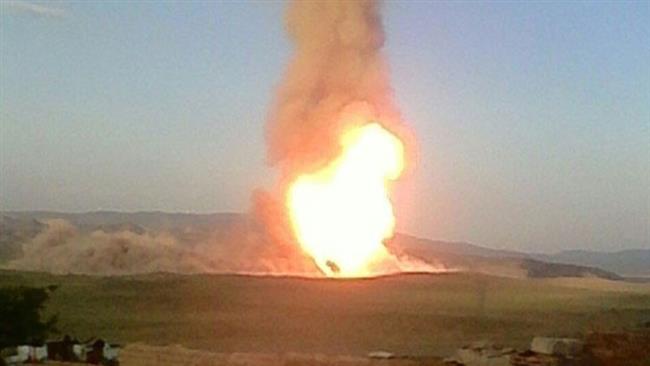
The pipeline between the cities of Bazman and Zahedan in Sistan and Baluchestan province exploded on Monday as workers tried to test it, Fars quoted managing director of the province’s gas company Mohmmad Hassan Tehrani-Moqaddam as saying.

Water was being used for the test at the time of the explosion, the official said, adding the “depth of the disaster would have been far larger which would have created many problems” if there had been gas in the pipeline.

The main pipeline in the region is the one which is intended to take Iranian gas to Pakistan.

Iran built the 900 km length of the pipeline on its territory in 2013, pending Pakistan’s completion of its section to start the gas flow. Islamabad has fallen behind the target to take gas deliveries in the winter of 2014.

Pakistan has dragged its feet under apparent pressure from the US which is supporting an alternative pipeline called TAPI. It is much costlier than the Iranian route and has to cross the volatile Afghanistan in order to take Turkmenistan’s gas to South Asia.

Al Jazeera Anchor Blasts US over Inability to Attack Iran

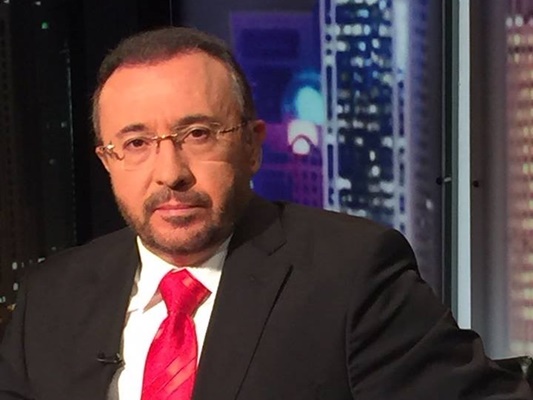
Faisal al-Kassim

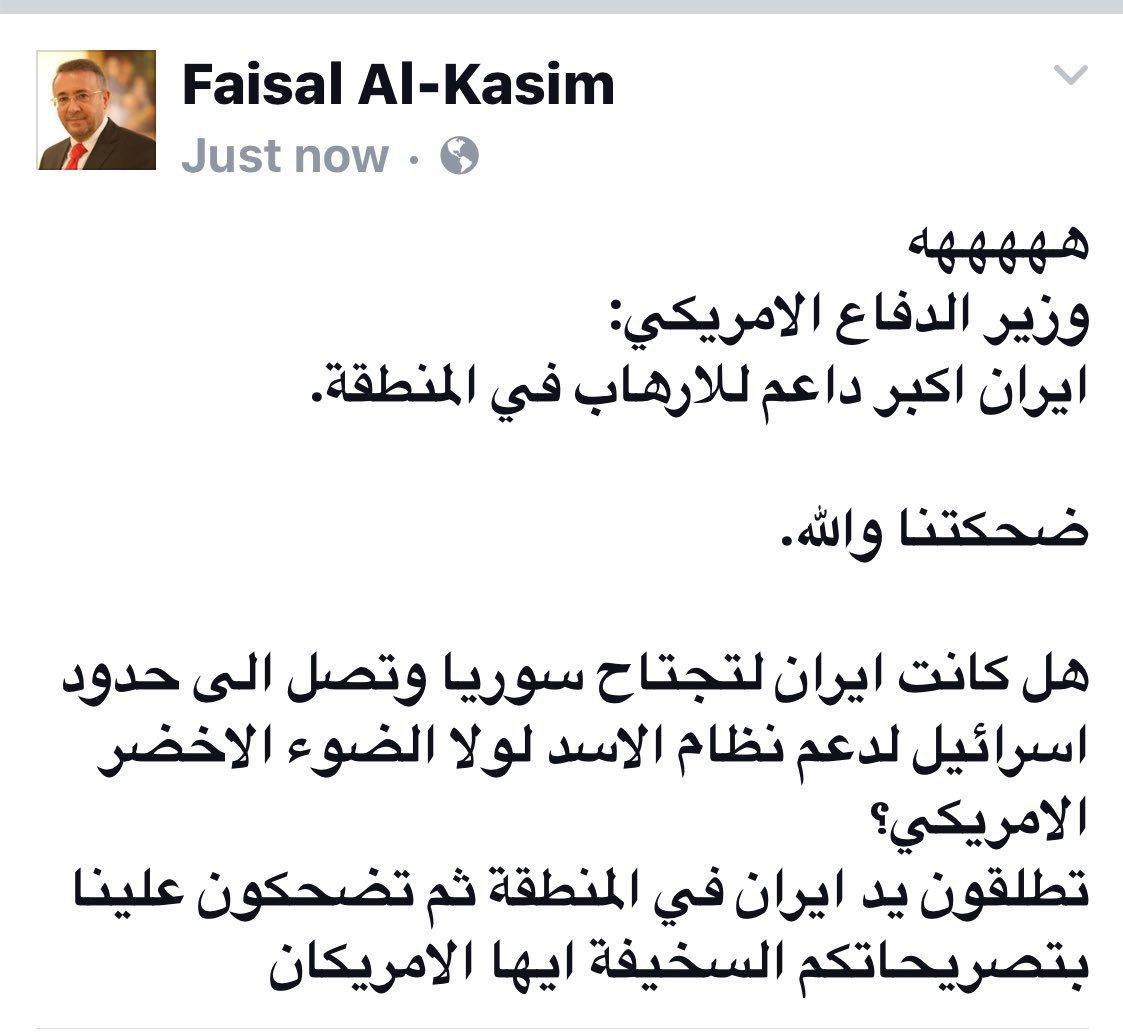
Faisal al-Kasim, the British-Syrian host of a talk show on the Qatari news channel Al Jazeera, in a post on his Twitter account reacted to the remarks made by the new US Defence Secretary James Mattis, who had called Iran “the single biggest state sponsor of terrorism in the world” earlier on the same day, slamming the US for its failure to carry out its threat of invading Iran.

According to a report by IFP, Kasim, who was listed by Arabian Business Magazine as one of the top most influential Arab personalities for the year 2007, wrote, “Hey you Americans, you give Iran enough elbow room to do whatever it wants in the region and then deride us with your snide and absurd remarks.”

In another post, he said, “The US defence secretary calls Iran “the single biggest state sponsor of terrorism in the world” yet he refrains from hiking the number of his forces in the Middle East.”

He also mocked the US presidents for repeating the “all options are on the table” expression, and said all previous US presidents said they would use the military option against Iran, but none of them dared to.

Kassim has the history of supporting terrorist groups in Syria and inviting them to his TV show in his background, and this is not the first time that he uses his position in the Doha-based state-funded broadcaster — owned by the Al Jazeera Media Network — to back terrorists and militants.

Earlier, as the Syrian pro-government forces were recapturing Aleppo, he published a message calling on the militant groups active in the Syrian southwestern city of Dara’a and Damascus suburb to go to the aid of their counterparts in Aleppo.

Also, earlier, in one of the episodes of his talk show in 2015, al-Kassim discussed the possibility of annihilating Shiites in Syria and, giving a pep-talk, did his outmost to persuade other Islamic sects in the country to take part in the massacre.

He shouted “you want to liberate Syria? Go to the … Shiite colonies in the heart of Sunni areas”, adding “Kefraya and al-Fu’ah (both in the Syrian northwestern province of Idlib), they’re sitting right there in the middle of you. Why don’t you go and forcibly expel them? Why don’t you go there and [annihilate] them?”

Prior to that, al-Kasim had called Yemeni people “drunk” or “addicted” in his remarks which were met with the sharp reaction of the Arab world’s public opinion, demanding him an apology to Yemenis.

photo_2017-02-06_16-36-51

When Trump Fights War against Press

trump

Having been harshly criticized by the mainstream media during his electoral campaign, Trump continues to battle them in his Twitter page from the White House!

According to a report by IFP, Trump has never been the favourite candidate of the elite, particularly in the mainstream media. That said, many experts were sure that he would be defeated by Hillary Clinton who had the support of the American elite and celebrities.

They had forgotten about the recent trends in public opinion, though: Trump won the US presidential elections and started to struggle against the mainstream media, calling them “Fake News”.

The new US President also uses his Twitter to respond to media attacks. Every day a new Twitter message by Trump provokes controversy alongside his other actions. So there is no surprise that the majority of the Internet is today occupied by Tramp and his actions and counteractions.

Now take a look at some creative cover pictures of important international press on Trump, published in recent days:

“The Week” was one of the first journals to raise the subject of Trump’s Twitter war against the media. The cover of this magazine’s past week issue was headlined “The Twitter presidency: Trump’s war on the press, the EU, and NATO, and ethical norms.”

The cover picture shows a man, as the symbol of press, running away in the rain of the White House tweets.

twitter

As the controversy went on over Trump’s Twitter war, the next issue of “The Week”’ also ran his cover: We see Trump who rules the White House wearing the virtual glasses!

the week

The latest issue of the English weekly “The Economist” also brought up the subject of Trump and his radical acts on its cover, which is headlined “An insurgent in the White House”, accompanied by a picture of Trump throwing Molotov cocktail: the new US President strives to disrupt the established order of American political apparatus.

trump

Another notable cover picture was one of “Der Spiegel” German weekly, showing Trump beheading the Statue of Liberty, symbol of Democracy in the United States, in the way the ISIS terrorists do.

spiegel

Finally, a Polish media has won lots of attention by headlining the struggle of Trump with Iran. Talking about Iranian officials’ response to the US threats by insisting on this country’s defence power, this website wrote “Iran rubbed Trump’s nose in the dirt!”

trump