Thursday, January 15, 2026
Home Blog Page 4126

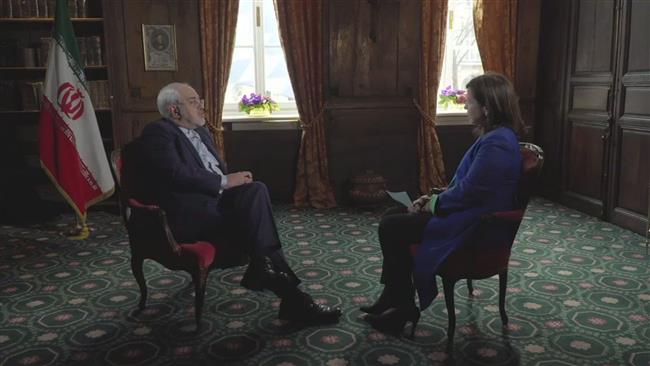
FM Zarif Tells BBC Iran’s Missiles Serve Self-Defence Purposes

801558de-3689-4f06-8039-ea5bab6d8f04

“Missiles are our defensive means,” he told the BBC’s chief international correspondent Lyse Doucet in an interview aired on Monday, adding, “We’re a sovereign state. [The projectiles are] for our defence and for being ready to defend ourselves.”

Late last month, Washington’s UN envoy Nikki Haley slammed a missile test by Iran as “absolutely unacceptable.” US President Donald Trump’s former National Security Advisor Michael Flynn also said following the January 29 test that Washington was “officially putting Iran on notice,” claiming that the launch was “in defiance of UN Security Council Resolution 2231.”

The Islamic Republic has, on numerous occasions, asserted that its missiles are not designed to be capable of carrying nuclear warheads, and that it is not involved in such missile work, which is prohibited by the Resolution.

The US, however, also imposed new sanctions against Iran in early February as part of bids to ratchet up pressure on the country, chiefly over Tehran’s missile program.

Further supporting Iran’s defensive work, Zarif recalled the foreign-backed war imposed on Iran by the former Iraqi regime in 1980s, “when everybody in the international system, including the United States” was backing the Arab country under former dictator Saddam Hussein against the Islamic Republic.

“Our people do not forget the fact that they were being bombarded. Everybody was providing assistance to the aggressor and no one, absolutely no one, gave us even the rudimentary means of defence,” he added.

‘Iran not an easy target’

The Iranian top diplomat was then asked for comments on the US, Israel, and Saudi Arabia’s threats of military action against the Islamic Republic.

“First of all, we’re not talking about the law of the jungle. We’re talking about the international law, and according to international law, those options are a violation of international law, and I advise them not only to respect the international law, but to be prudent enough not to get themselves in serious trouble,” he stated.

“I certainly hope that prudence will prevail because Iran is not an easy target. We’re not going to provoke anybody. We’re not going to instigate any hostility. We’ve never started hostility, and we’re not planning to do it,” said Zarif.

FM Zarif Tells BBC Iran's Missiles Serve Self-Defence Purposes


He added, however, that “we will defend ourselves. I do not believe that people looking at our history, people looking at our capabilities will ever make the decision to engage in that misadventure.”

Iran deal ‘Washington’s last resort’

Elsewhere, Zarif addressed the issue of Iran’s 2015 nuclear deal with six world countries, including the US, saying Washington opted to sign the accord “because it didn’t have any choice.”

The US, he said, had already exhausted the means of applying pressure on the Islamic Republic, including sanctions.

“Those sanctions produced the exact opposite political outcome. They put economic pressure on Iran, but the Iranian people resisted. The Iranian people stood up against those pressures,” said the top Iranian diplomat.

He described the deal, known as the Joint Comprehensive Plan of Action, as a “reasonable agreement,” saying it “is not everything that they wanted, nor was it everything we wanted. But it’s a reasonable middle ground, and I believe if the previous administration had other options, it would have exercised them.”

Read more:

Trump has adopted a harsh language towards Iran, threatening to “tear up” the nuclear deal, calling Iran “terrorist state number one,” and imposing new sanctions against the Islamic Republic.

 ‘US never been friendly’

He also dismissed the idea that the new US administration’s attitude towards Tehran was a major departure from its predecessors, saying Washington’s hostile approach towards the Islamic Republic has remained unchanged over the

So, it’s not as if we’re moving from very friendly relations into hostile relations. The United States policy towards Iran has never been friendly for the past 38 years. It has always been hostile, and our people have shown that hostility doesn’t receive a positive response from the Iranian people.”
Iran’s Esteghlal Khuzestan Edges Al-Fateh SC in AFC Champions League

esteghlal

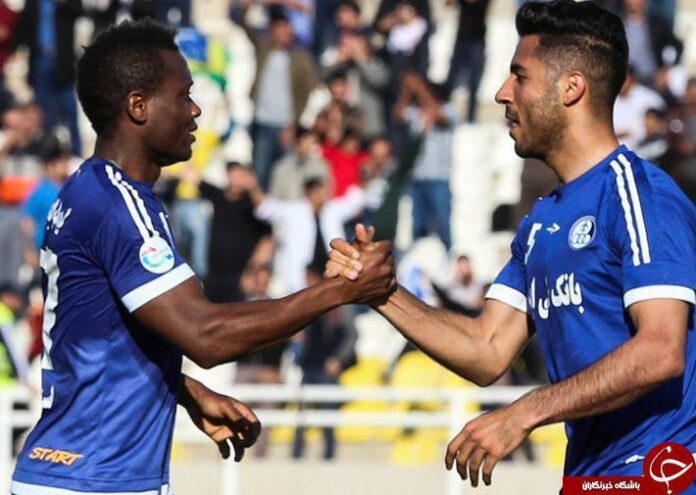
Abolfazl Alaii’s goal in the 80th minute of the game was enough for Esteghal Khuzestan to start its 2017 AFC Champions League campaign with a 1-0 win over the Saudi side in Oman’s Sultan Qaboos Sports Complex.

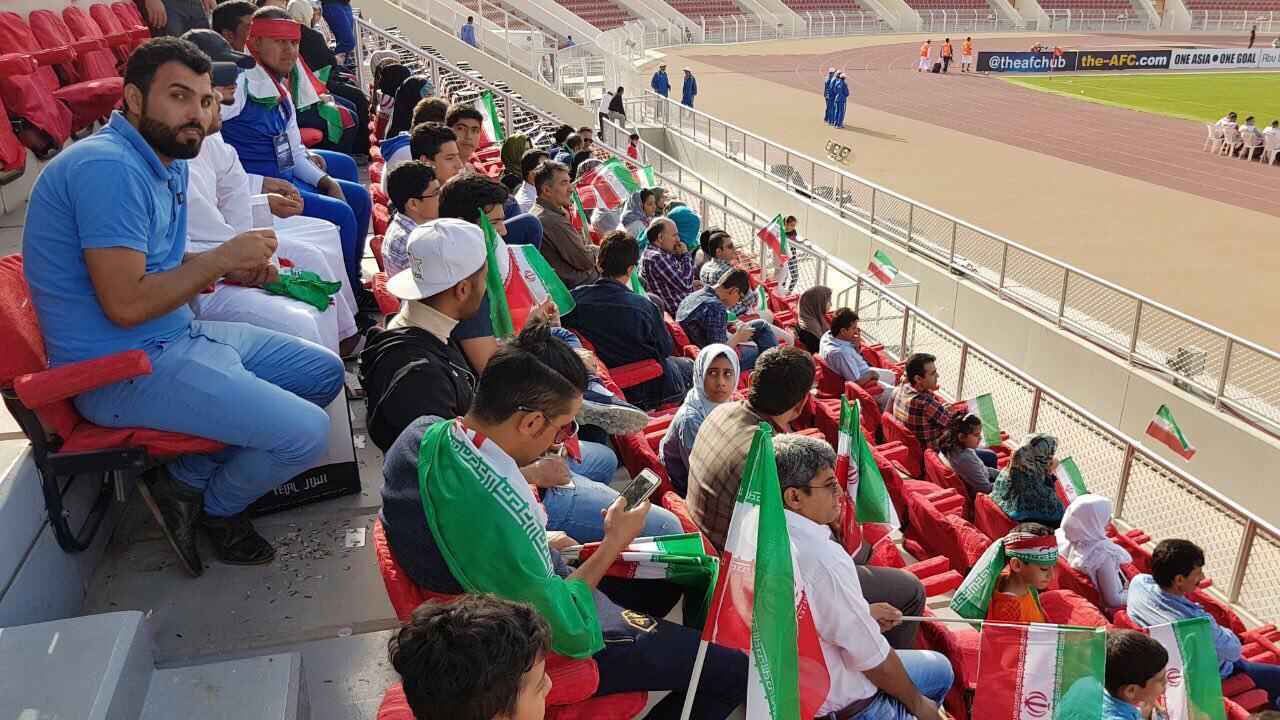
According to a report by IFP, Iran was the host of this match, but it was deprived of its right to play inside the country due to the AFC’s decision that matches between Iranian and Saudi teams should be held in a neutral venue.

Oman’s Muscat is the city chosen by Iranian teams for their matches against Saudi rivals. In its match against Al-Fateh SC, only 200 Esteghlal Khuzestan fans watched the game and cheered the Iranian side, while the number could be as high as 10,000 inside the Islamic Republic.

Later on Monday, the other Iranian team Esteghlal Tehran FC will face Al Ahli FC in Dubai in Group B.

esteghlal

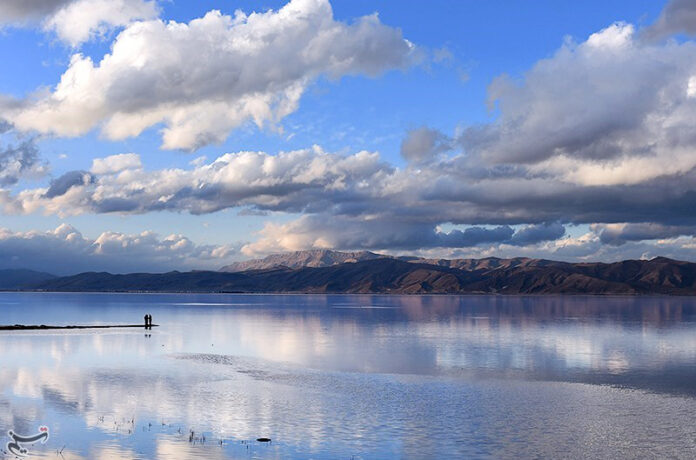
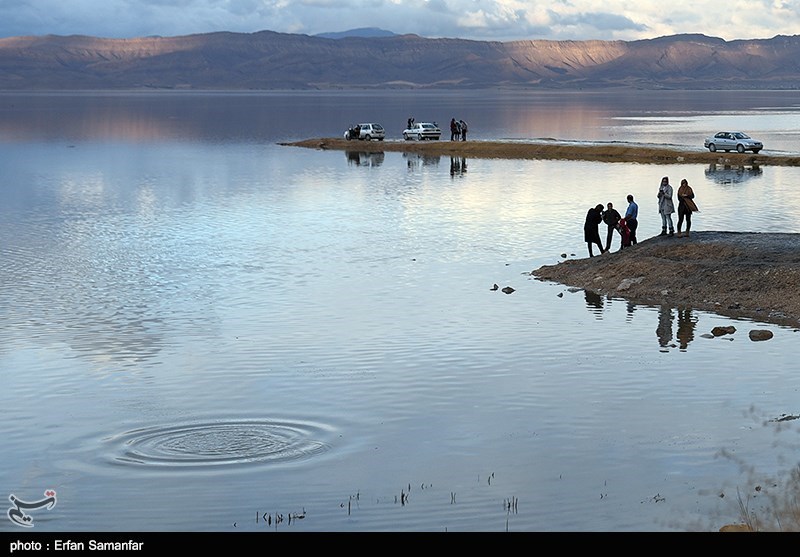
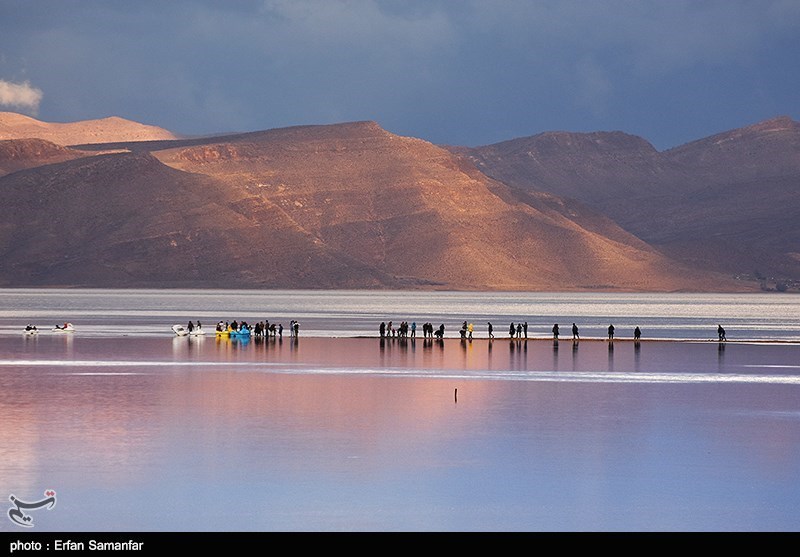
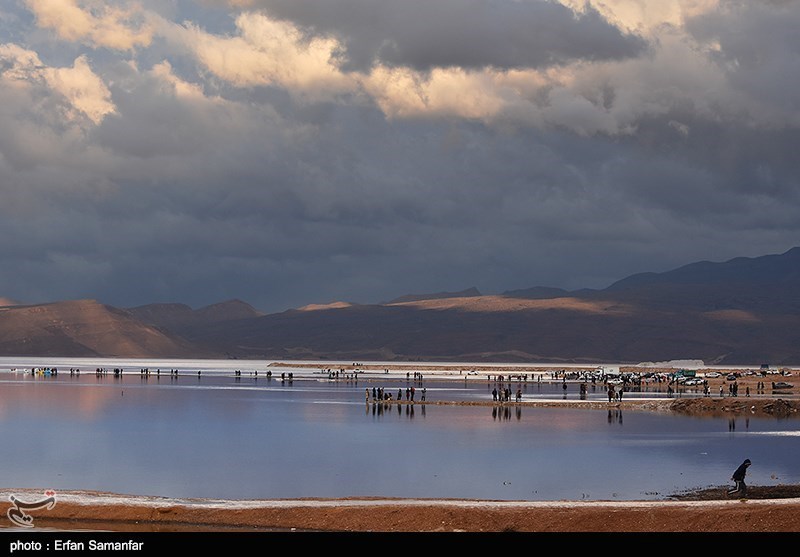
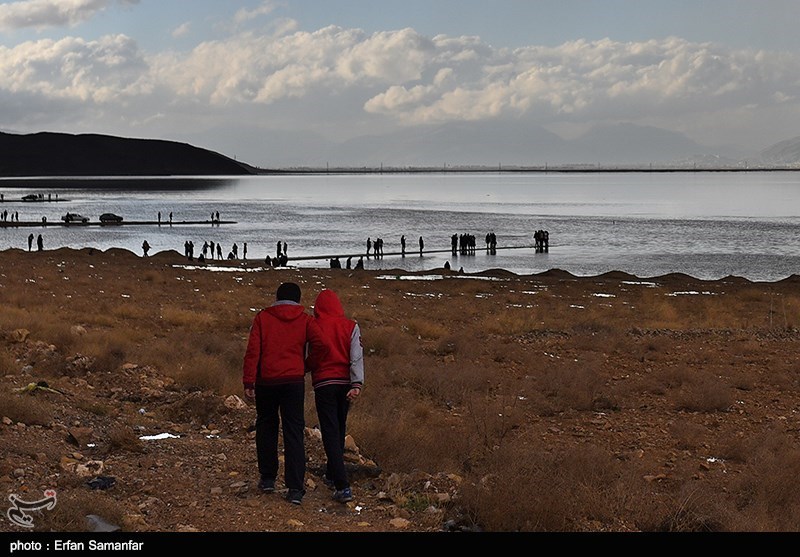
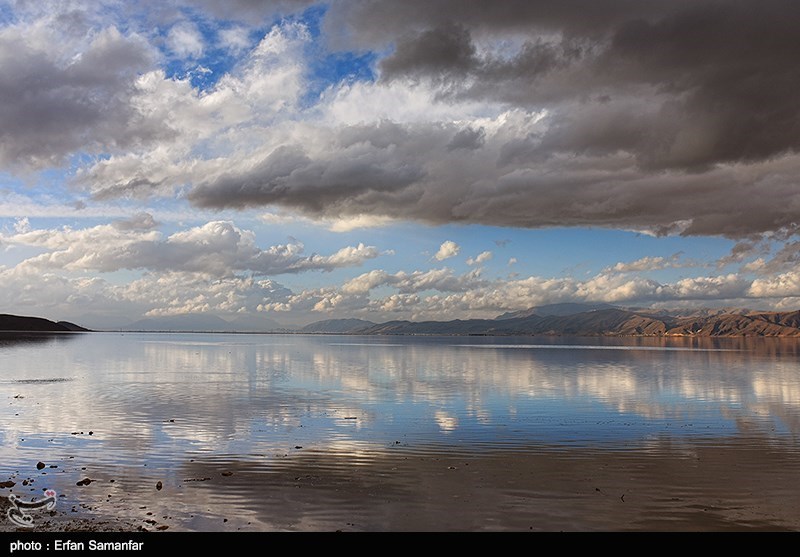
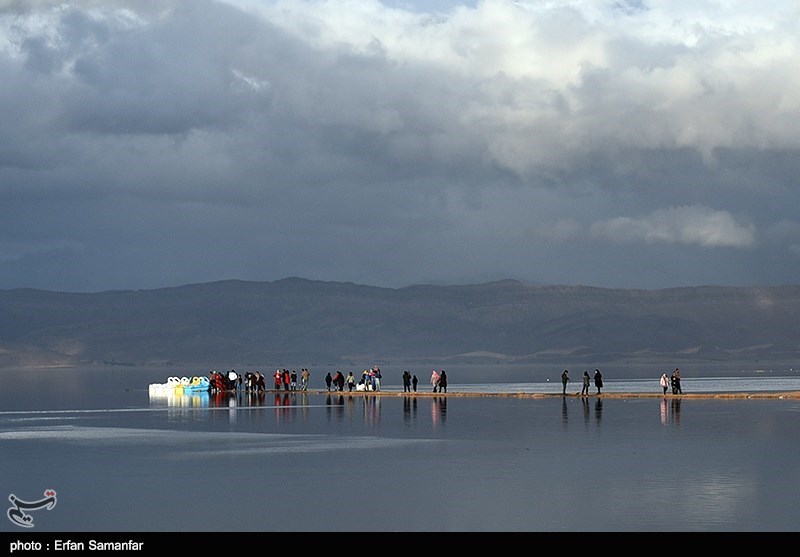
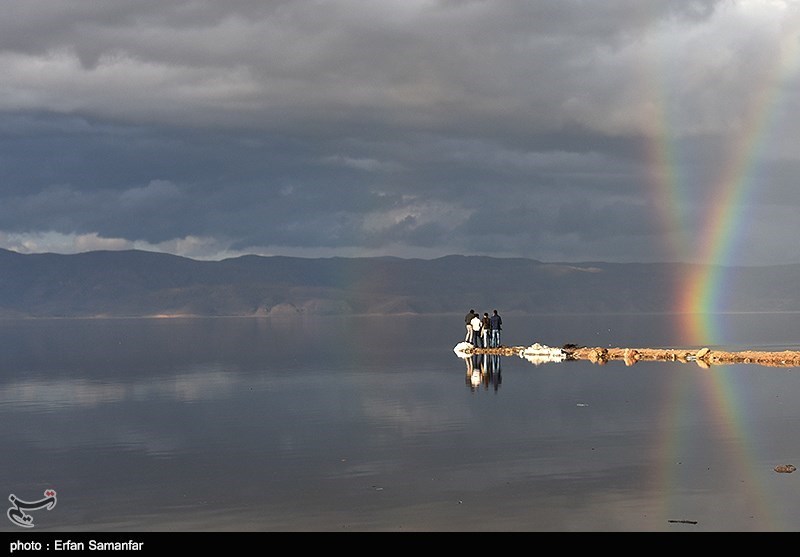
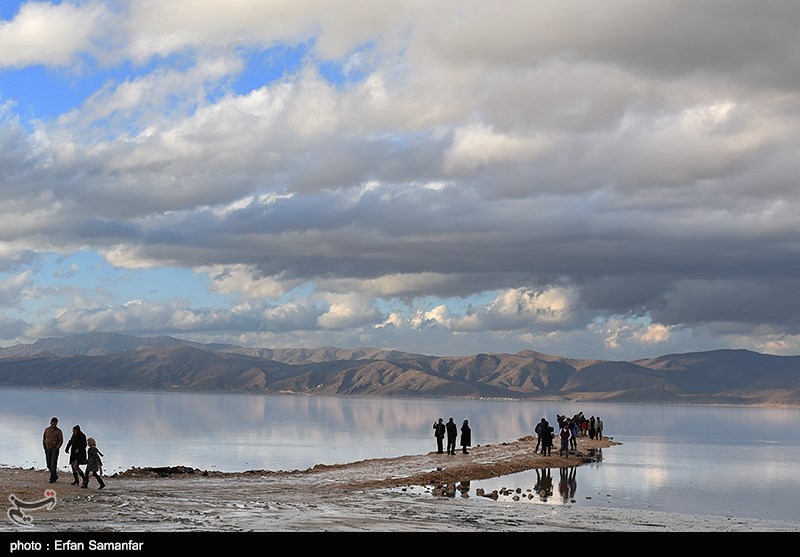
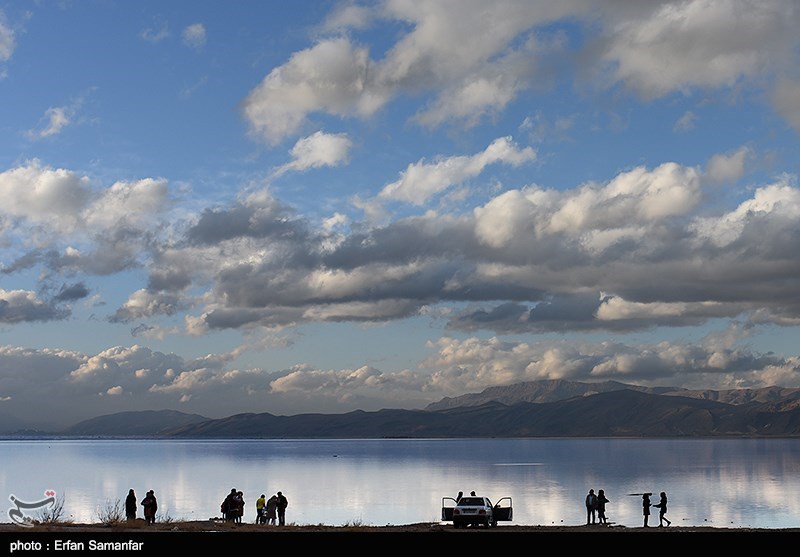
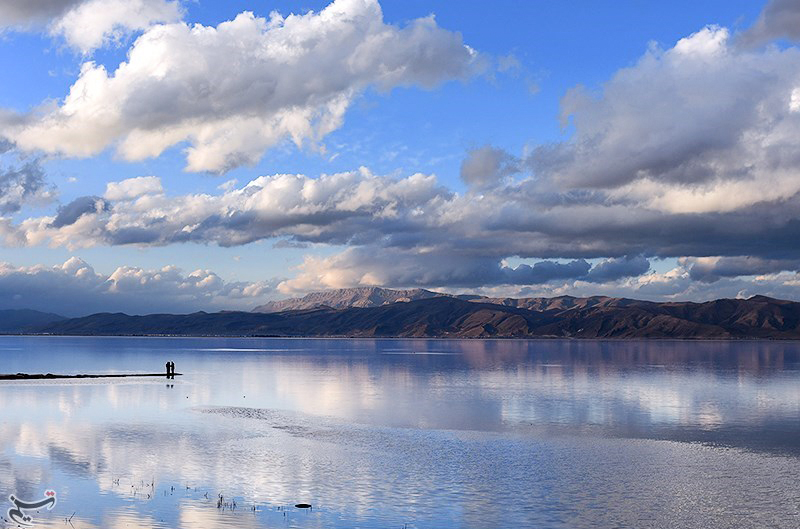
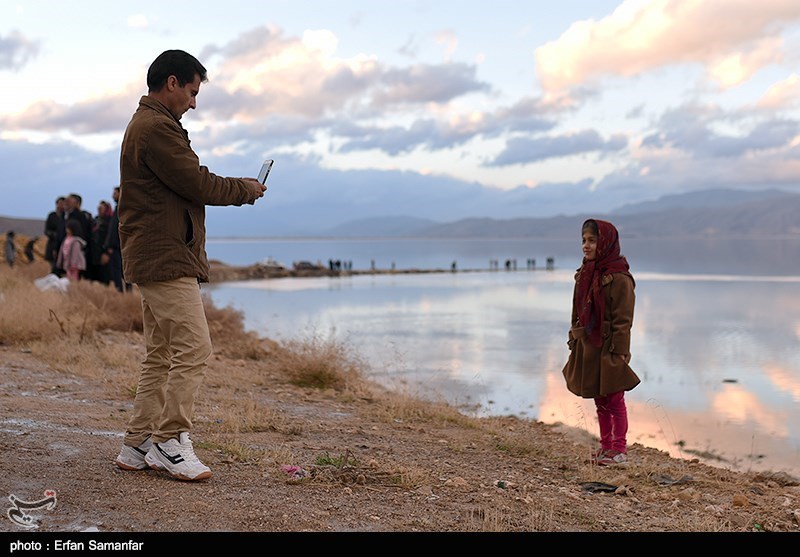
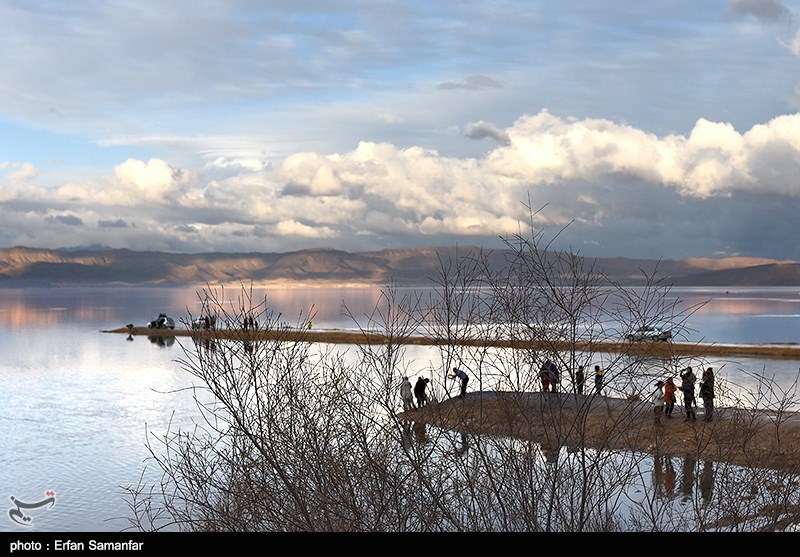
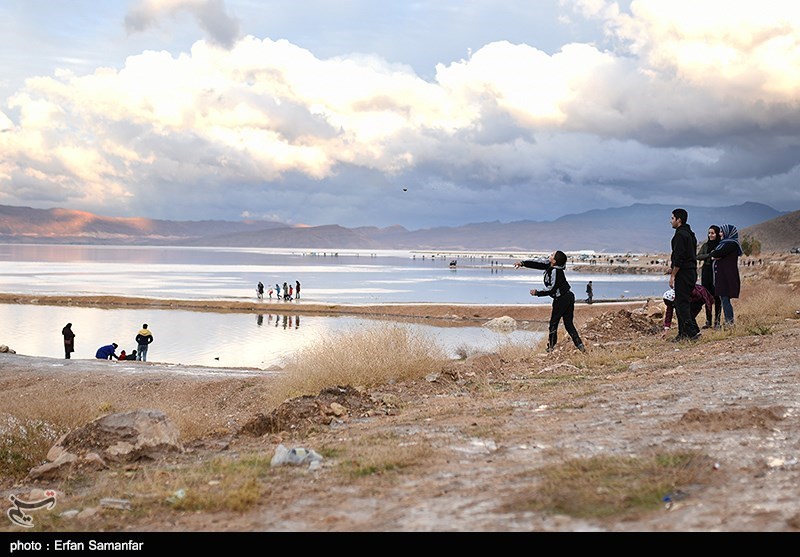
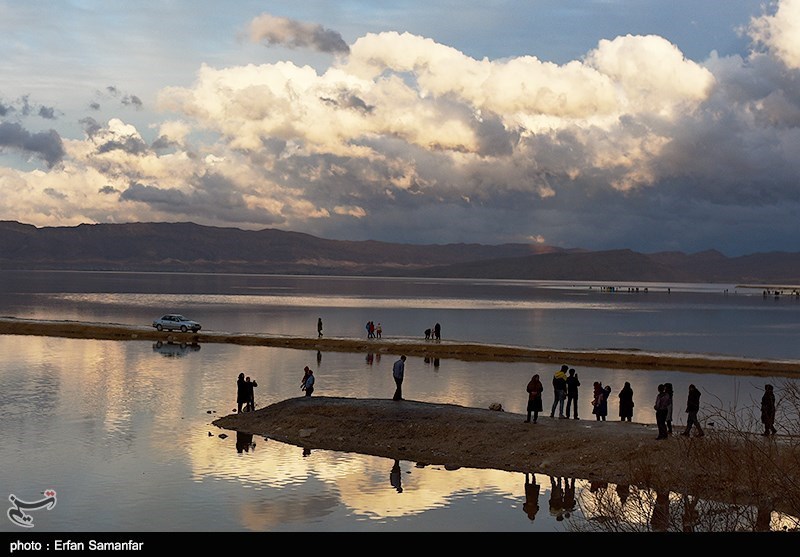
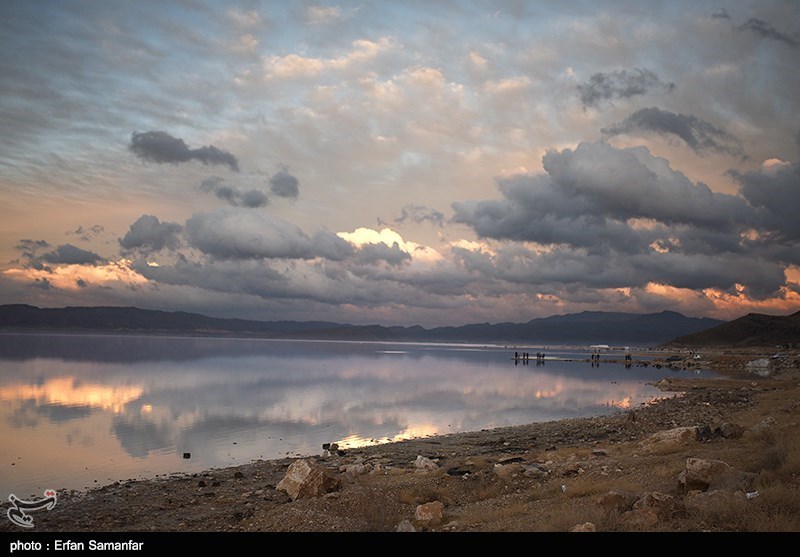
Heavy Rain in Southern Iran Breathes New Life into Maharloo Lake

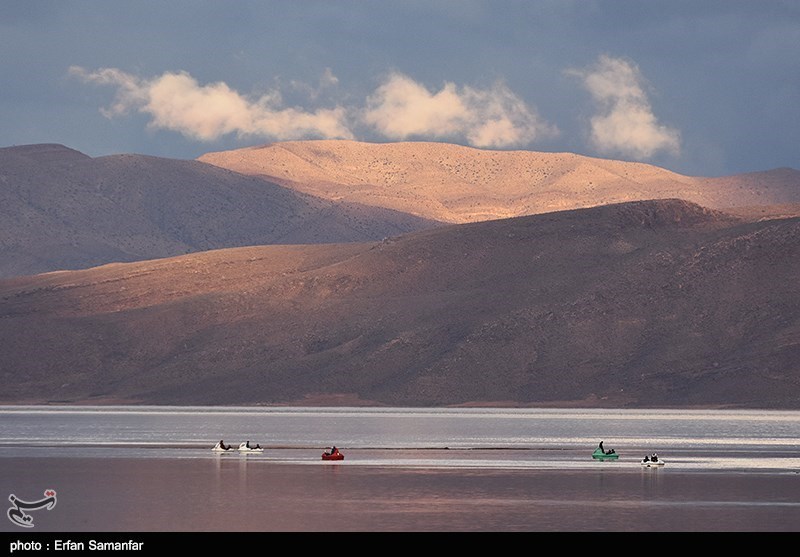
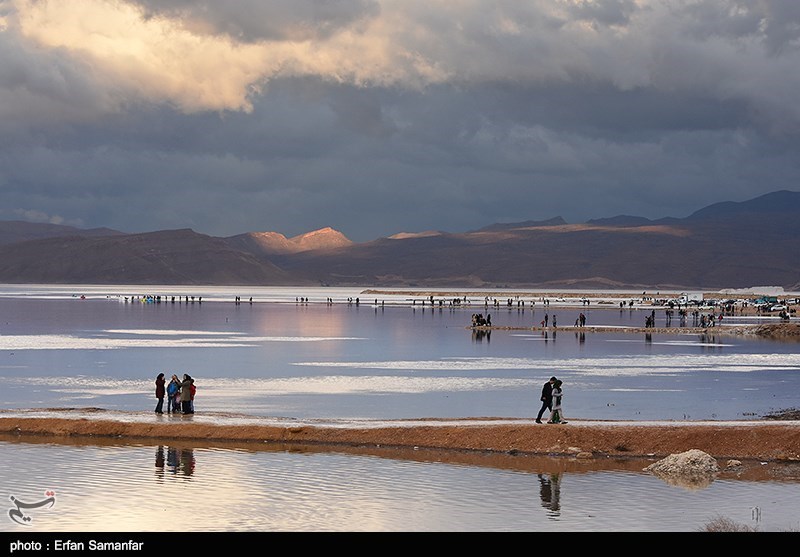
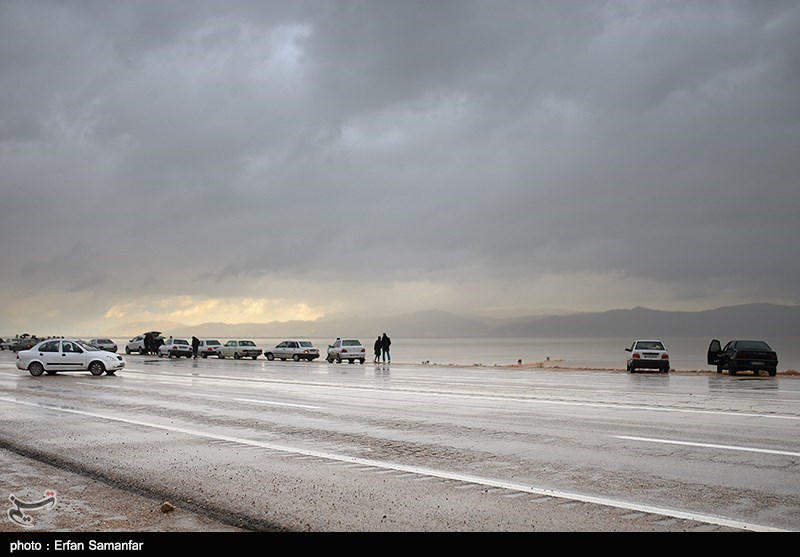
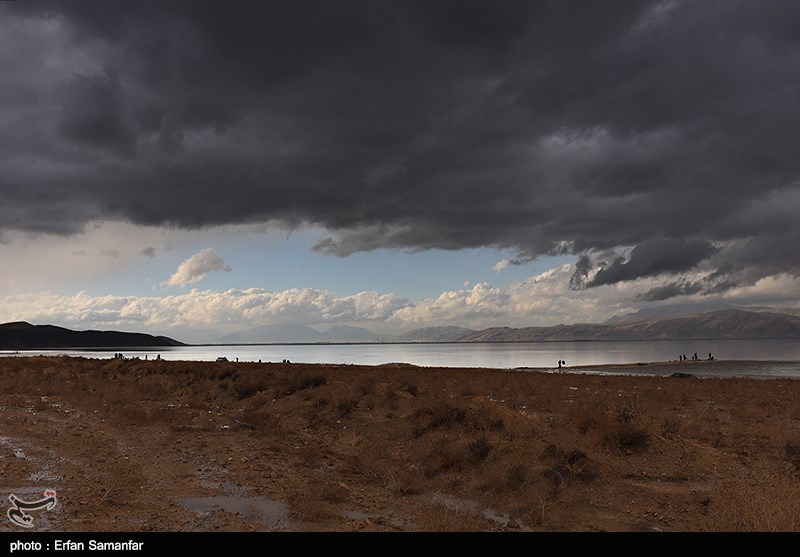
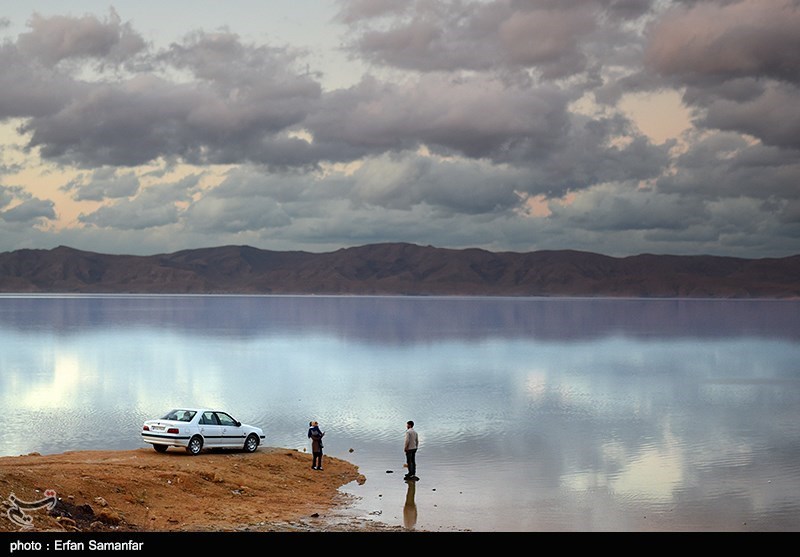
Although the heavy rainfall in recent days have led to serious flooding in many cities and towns in southern Iran, dried-up wetlands and lakes including Maharloo Lake in Fars province, near the city of Shiraz, have been revived.

Here are Tasnim’s photos of Maharloo Lake after the precipitations:

Iran’s Kashan, One of Most Memorable Cities to Visit: UN Envoy

Kashan

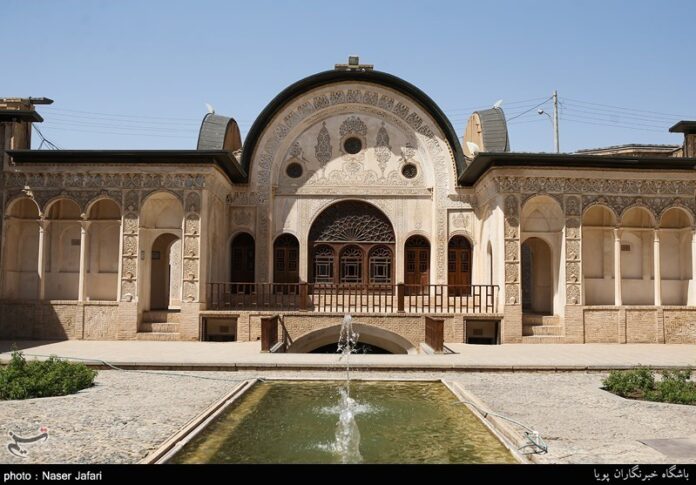
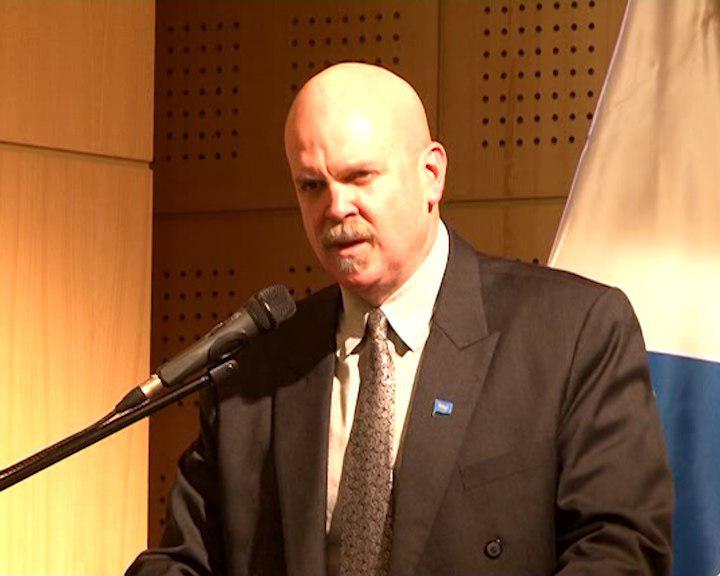
Addressing the closing ceremony of A French Week in Kashan, held from February 11 to 17 in Kashan, Lewis hailed the beauties and cultural richness of Kashan, and described it as one of the most memorable places to visit.

photo_2017-02-20_15-31-22“As you travel to Kashan, visit the ancient Tepe Sialk, take the clay pots with long handles in your hands, and watch the images of animals and geometrical shapes on them, you observe the culture and art,” the UNDP representative noted.
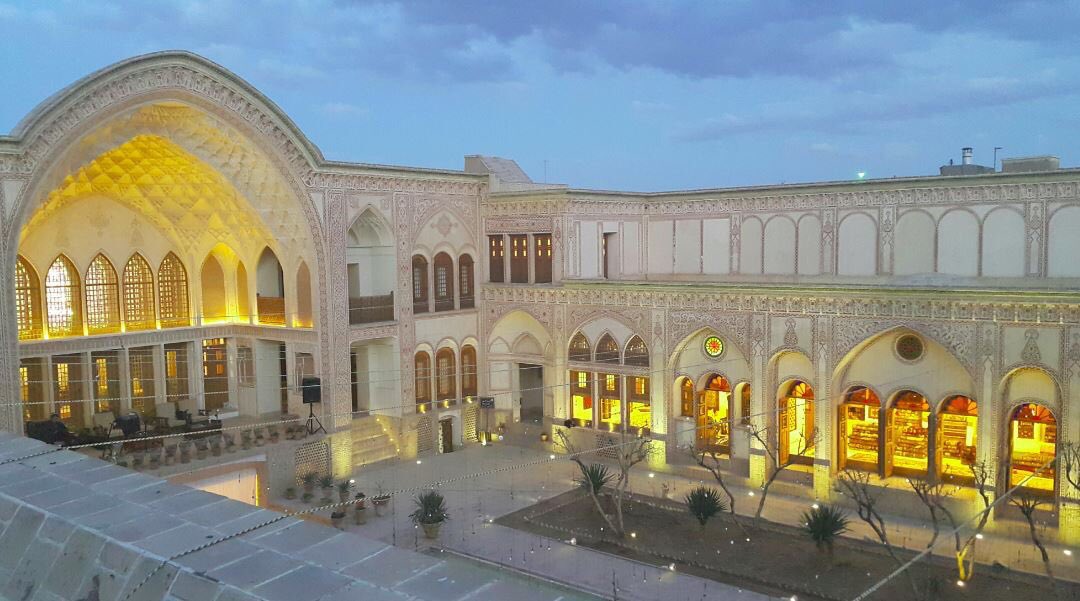
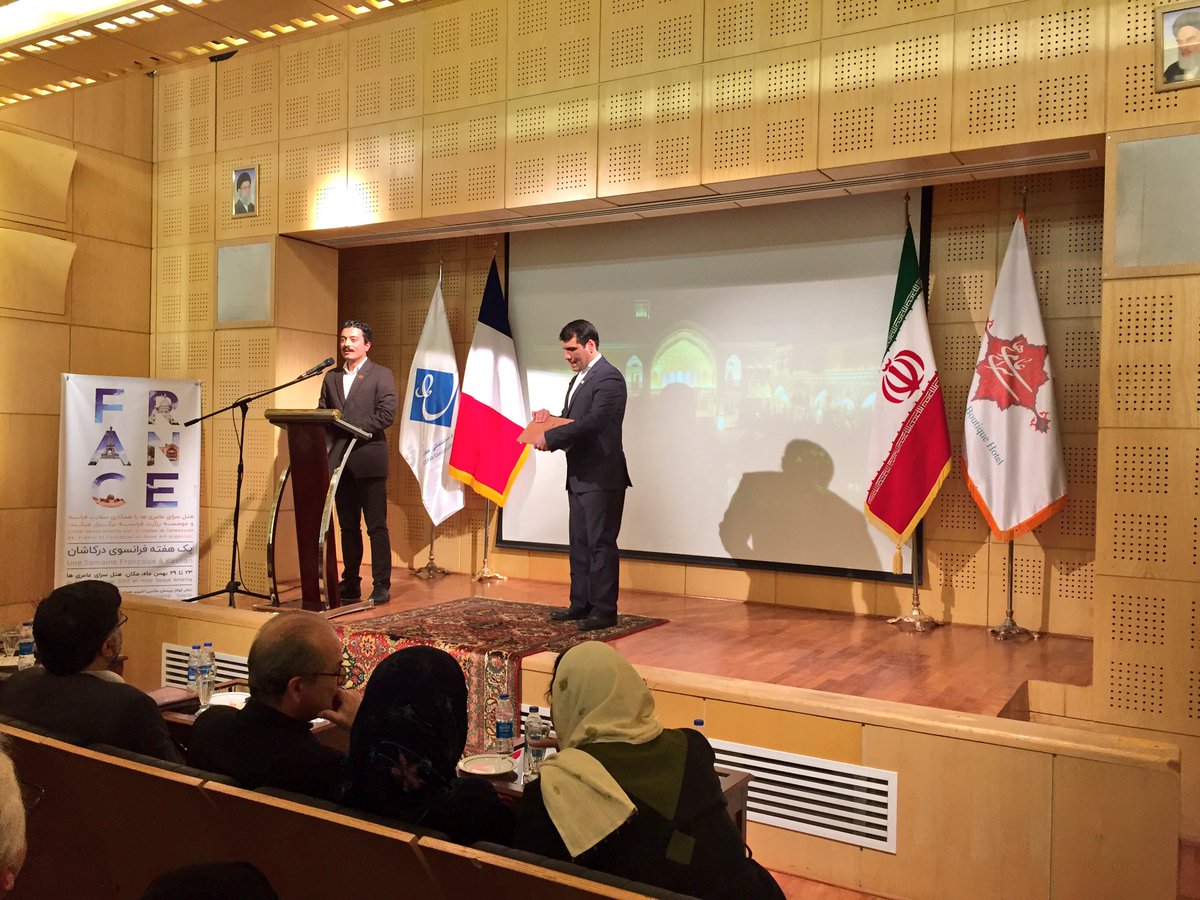
According to a Farsi report by ISNA, he then pointed to Kashan’s 5,000-year-old civilization, and its monuments and relics dating back to Sassanid, Seljuq, Safavid, and Qajar eras.

“I hope that our French friends have had the chance to visit all the monuments, including the Borujerdi and Tabatabaei houses.”

 “French artists visited Kashan near Tehran, Qom, Yazd, and Isfahan; Kashan is a city with a much richer culture than Isfahan.”

 “I have many friends in Isfahan. I hope no one would inform them about my comment!” he joked.

C419pdrUkAEfwWg

“After coming back to France, French artists will talk to people who have no idea of Iran to change their opinions.”

“During four years of residence in Iran, it is the eighth time I am travelling to Kashan with my wife,” he pointed out.

“Having travelled to 39 Iranian towns, I can say that Kashan is my second memorable place to visit. I would always love to visit here.”

Lewis said he believes that Iranians are hospitable, intelligent, cheerful, and proud of their culture and history.

“I consider a country’s culture as its history. Tourism is the link between cultures, which can be reinforced by tourist guides,” he commented.

C49ZP2fWAAAgbuEElsewhere in his remarks, he noted that a better future can be built for different cultures if their friendship goes beyond national symbols.
“This cultural event promoted two major UN mentalities: creating peace and thoughtfulness, and economic opportunities,” Lewis said.

He went on to say that such events help different cultures get closer to each other. “Before this event, I always wondered what can be reached by encountering other cultures.”

“During A French Week in Kashan, different cultures got closer to each other through art workshops of theatre, photography, cooking and collage.”

He then addressed the French Embassy members who were attending the ceremony, and said, “You are the ambassadors of friendship and a better future with regards to humanity, beyond national emblems and flags.”

Lewis invited people to hold each other’s hands and build bridges instead of walls.

“Some verses by Iranian poet Saadi Shirazi are written on the walls of United Nations Headquarters in New York City, to say that all human beings are like the organs of a single body: it is why we should seek the peace and not the war.”

US Defence Secretary Arrives in Iraq on Unannounced Visit

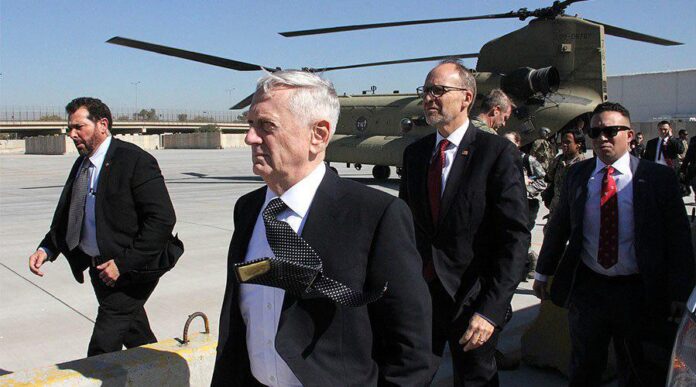
“I think all of us here in this room, all of us in America, have generally paid for our gas and oil all along and I’m sure that we will continue to do so in the future,” Mattis told a small group of reporters traveling with him, while discussing his top objectives for the trip, Reuters reports.

“We’re not in Iraq to seize anybody’s oil,” he stressed.

Iran May Be Allowed to Develop Nukes If Stops Supporting Palestine

Sheikh  Hassoun

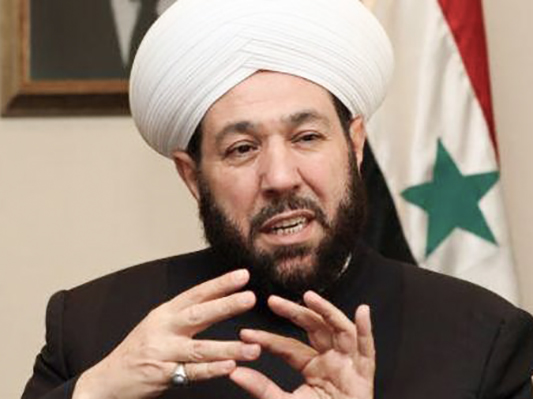
“If Iran abandoned the Palestinian cause, the West would have allowed it to manufacture nuclear weapons,” Syrian Grand Mufti Sheikh Ahmad Badr al-Din Hassoun said, according to a Farsi report by Bultan News.

He then criticized other Islamic countries for not supporting Palestine, saying, “We are witnessing in the Arab and Islamic countries that they have forgotten the Palestinian cause.”

Ayatollah Khamenei Calls for Action on Dust Pollution, Flood in Southern Iran

Leader

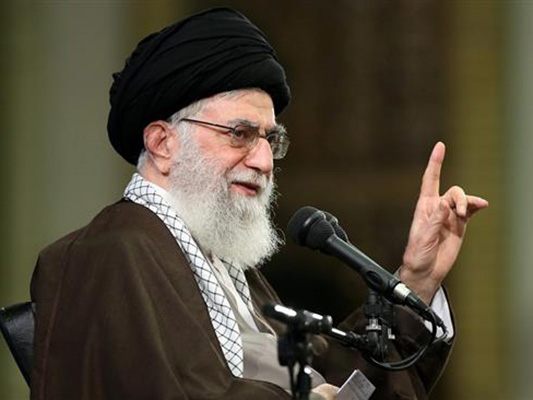
Addressing a group of his seminary students on Monday, Ayatollah Khamenei referred to the recent natural crises, namely the dust pollution in the southwest and the flood in southern and southeastern Iran.

“These tragedies are really heartbreaking,” the Leader said, urging the Iranian authorities to cope with the problems and find definitive solutions for them.

Referring to his experiences of devastating floods and their impact on people’s lives, the Leader said, “Flood is a massive disaster which damages people and families. It is an obligation to help the affected people in southern Iran.”

Ayatollah Khamenei then referred to the cut of power, water and communication lines in Khuzestan, southwestern Iran, as another severe difficulty.

“If someone is concerned about Iranians, he cannot neglect the crisis in Khuzestan. Iranian governments have a definite, immediate, and permanent duty to care about their nation.”

Ayatollah Khamenei also criticized the officials who shirk their responsibility towards the dust crisis instead of dealing with it.

“I accept that some problems need long-term solutions, but it is neither acceptable nor useful to say that the current conditions are the result of the past authorities’ negligence.”

“After a while, our successors will judge us too, asking why we did nothing to resolve the nation’s problems.”

“We must touch the problems people face in their lives,” he stressed. “And we must think, work, and strive to sort these issues out, sympathizing with people,” the Leader added.

Iran Slams Ontario Court’s ‘Unacceptable’ Ruling

Bahram Qassemi

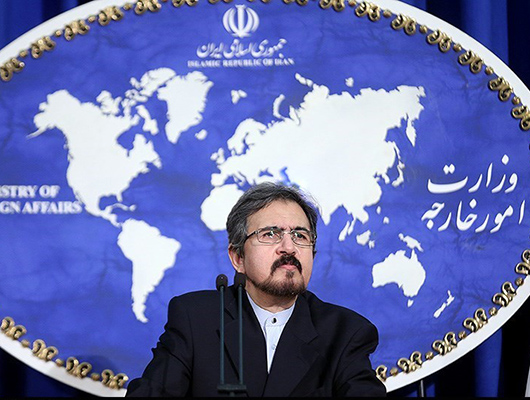
Qassemi on Sunday denounced the Ontario court ruling as unacceptable, saying it runs counter to “the plain principles of international law on the impunity of states and their assets.”

His comments came after Justice Glenn Hainey ruled that Iran should pay the $300,000 legal bills of the victims who had sought compensation in the Ontario court under the Justice for Victims of Terrorism Act.

The Iranian spokesman deplored the Canadian judge’s decision for neglecting international regulations and equality of states.

Iran has already lodged an official protest against the ruling, Qassemi noted, adding that the country reserves the right to follow up with political and legal measures in this regard.

Spokesman Rejects Turkish FM’s ‘Unconstructive’ Claims against Iran

Bahram Qassemi

“Those who have carried out meddlesome, illegal and illegitimate measures, supported terrorist groups and caused bloodshed and escalation of tensions and instability in the region cannot evade liability for such moves by playing a blame game,” Iranian Foreign Ministry Spokesman Bahram Qassemi said on Sunday.

They cannot free themselves from their self-imposed quagmire by leveling accusations against others, he added.

“The Islamic Republic of Iran’s regional policy has always been and will be based on maintaining the stability and security of all countries and neighbors,” the Iranian spokesperson said.

Qassemi emphasized that many fair governments and nations in the region and across the world have acknowledged such a policy pursued by Iran and welcome it.

Speaking at the Munich Security Conference on Sunday, the Turkish foreign minister criticized what he called an Iranian “sectarian policy” aimed at undermining Bahrain and Saudi Arabia, saying, “Turkey is very much against any kind of division, religious or sectarian.”

Turkish minister’s remarks came despite the fact that his country is widely known as a staunch supporter of militants wreaking havoc in Syria, providing them with money and arms as well as free passage through Turkish soil to Syria.

Iran’s Roads Minister Survives Impeachment

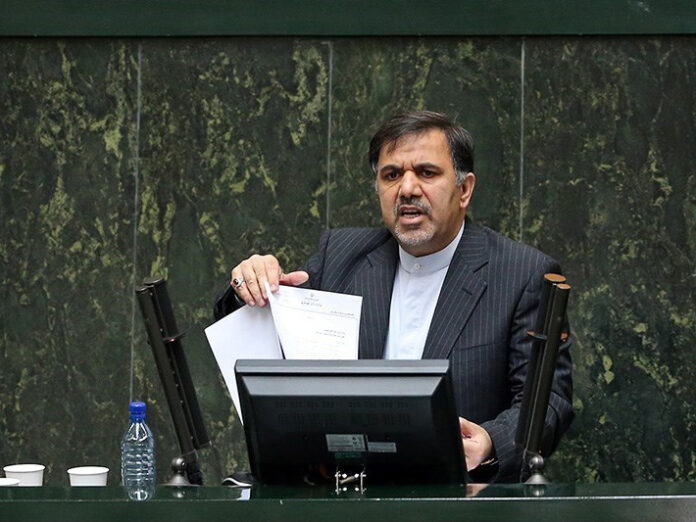
Abbas Akhoundi attended an open session of Iranian Parliament on Sunday for the second time since he took the helm in August 2013. He had already survived an impeachment session in October 2015.

In the Sunday session, Akhoundi secured a vote of confidence as 176 lawmakers out of a total of 255 voted in favour of his reinstatement while 74 voted against and 5 abstained.

The embattled minister was being grilled over a number of issues including a train collision that killed nearly 50 people in north central Iran on November 25, 2016. Some lawmakers blamed Akhoundi’s mismanagement for the deadly crash.