Thursday, April 23, 2026
Home Blog Page 3967

‘Colourful Dream of Silk Road’ at Beijing Int’l Book Fair

The 24th Beijing International Book Fair will be held from August 23 to 27 and the Islamic Republic of Iran, with the slogan “Iran: The Colourful Dream of Silk Road”, will participate as a special guest at the exhibition, the Managing Director of Iran’s Cultural Fairs Institute, Amir Massoud Shahramnia, was quoted as saying in a Farsi report by ISNA.

Shahramnia also said that a poster has been designed and prepared for Iran’s pavilion “based on geometric designs in Islamic art.”

He went on saying that Iran’s pavilion covers an area of 500-square metres.

“Six authors and 12 publishers will take part independently while books by 10 publishers would be presented indirectly at the exhibition.”

He continued that the Iranian literary agents will be very active at the Islamic Republic’s pavilion.

“The Iranian books translated into Chinese will be introduced there. Likewise, some selected works by Iranian publishers in areas like Iranistics, child and adolescent, contemporary Iranian literature, and books winning domestic awards next to Iranian books printed abroad would also be put on show,” he mentioned.

According to Shahramnia, a book named ‘Chinese Iranologists’, which focuses on cultural relations between Iran and China, besides a bibliography of Iranian and Chinese books will be introduced at Iran’s corner.

He said supportive projects, such as the project to support Iranian books in the global markets (Grant), and the week of the Iranian films would also be presented to the visitors.

“Live music performance, dramatic story-telling, and experts’ forum are among the other activities to be held at the Iranian pavilion in this fair,” he concluded.

Iran’s Arvand River Key to Iraq’s Integrity

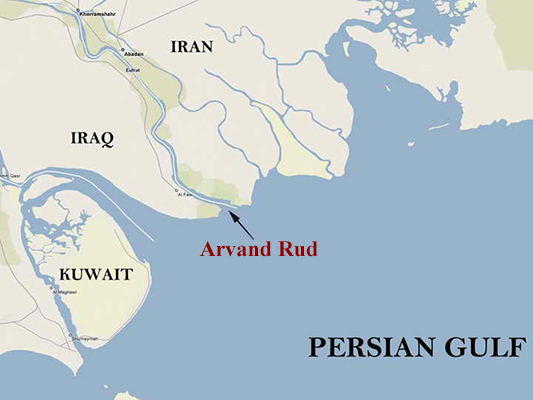
Arvand Rud
Mahmoud Askarieh
Mahmoud Askarieh –
IFP Managing Editor

Iraq’s efforts to hold talks and settle its border disputes with Iran and to facilitate its access to the Persian Gulf not only show Baghdad’s close relationship with Tehran, but are regarded as an initiative to increase the costs of attempts by separatists in Iraq’s Kurdistan Region.

The new round of meetings of the Iran-Iraq Joint Legal-Technical Committee was held in Baghdad on Sunday, July 23, with top officials and relevant experts from both countries in attendance. The meetings are co-chaired by Iranian Deputy Foreign Minister for Arab and African Affairs Hossein Jaberi Ansari and Iraqi Deputy Foreign Minister Nizar Khairallah, and will continue until Monday. Delegations from both countries comprising political, legal, military, surveying, and ports and shipping experts are present at the talks.

The negotiations are held on a rotating basis in Tehran and Baghdad. On the agenda is the latest situation of the Arvad Rud (known as Shatt al-Arab by Arabs), the river which lies on the two countries’ common border. Ways of boosting cooperation in order to utilize the waterway to boost economic growth in both countries is also a topic of discussion.

The fresh round of border talks between Iran and Iraq is being held in the wake of the ISIS terrorist group’s defeat amid reports that there are certain elements seeking to hold a referendum for independence of the Iraqi Kurdistan region. This shows the Iraqi central government is determined to safeguard its territorial integrity and is trying to improve its economic situation by easing access to the Persian Gulf waters.

Iraq is not capable of efficiently utilizing its oil reserves because it is a land-locked country and has very limited access to the Persian Gulf. This has triggered border disputes between Iran and Iraq. After all, before Baghdad launched its eight-year war on Iran in the 1980s, former Iraqi strongman Saddam Hussein tore up the 1975 Algiers Accord between the two countries and tried to occupy Arvand Rud’s bank on Iranian soil.

However, the situation is different now. The Iranian and Iraqi governments have very close and cordial relations and, by the admission of Iraqi officials and people, Iran was the only country to stand by Iraqis (including Arabs, Kurds, Shiites and Sunnis) to help rid the nation of ISIS terrorists. Now after the defeat of terrorists, there are fears that the sweet taste of victory over ISIS might be soured by threats to Iraq’s territorial integrity. Under such circumstances, the Iraqi government seeks to take advantage of its friendly relations with Iran and, through dialogue and diplomacy, draw Iran’s cooperation to help stabilize its territorial integrity. Joint efforts to revive and dredge Arvand Rud will not only give fresh impetus to the transportation of cargo and passengers, but can also facilitate access to the Persian Gulf and to get Iraq connected to the high seas, a great advantage that would make the horizon ahead of Iraq brighter.

In addition to having positive economic effects, and at a time when the hostile policies of the Israeli regime and other enemies of Iraq are targeting the country’s territorial integrity, the beginning of expert talks in order to settle a historic border dispute based on international relations amounts to the consolidation of friendship and strategic alliance between Iran and Iraq. It seems negotiations between Tehran and Baghdad at this juncture in order to revive the geopolitical role of Arvand Rud is a clear and strong message to all by the Iraqi central government. The message is that Baghdad will not succumb to efforts by some elements to separate Kurdistan from Iraq, and that Kurdistan’s separation from Iraq will jeopardize Kurds’ medium-term and long-term interests as well.

If Iraq’s access to the Persian Gulf is facilitated, that will definitely make the situation more difficult for local elements and foreign governments that urge Iraqi Kurds to separate from Iraq. The establishment of a landlocked country under the pretext of seceding from a country with access to the high seas is irrational enough for Iraqi Kurds to rethink their calls for separation.

Iran, Iraq Agree to Boost Military Cooperation

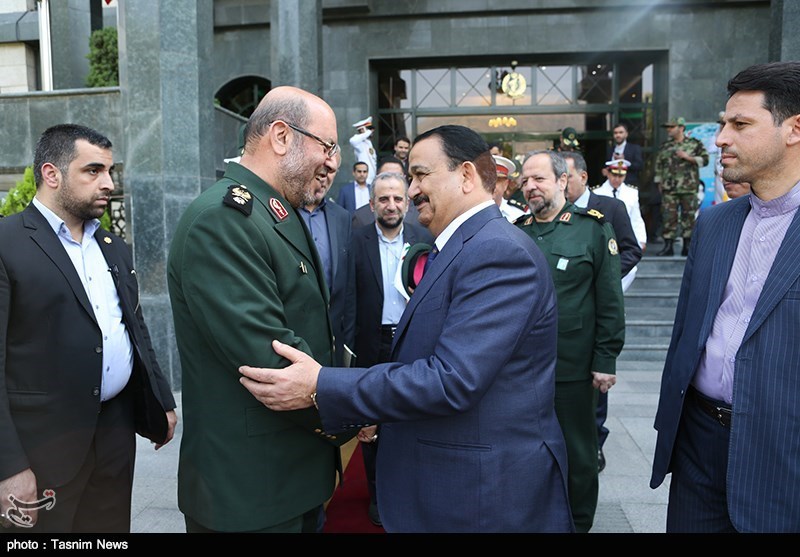
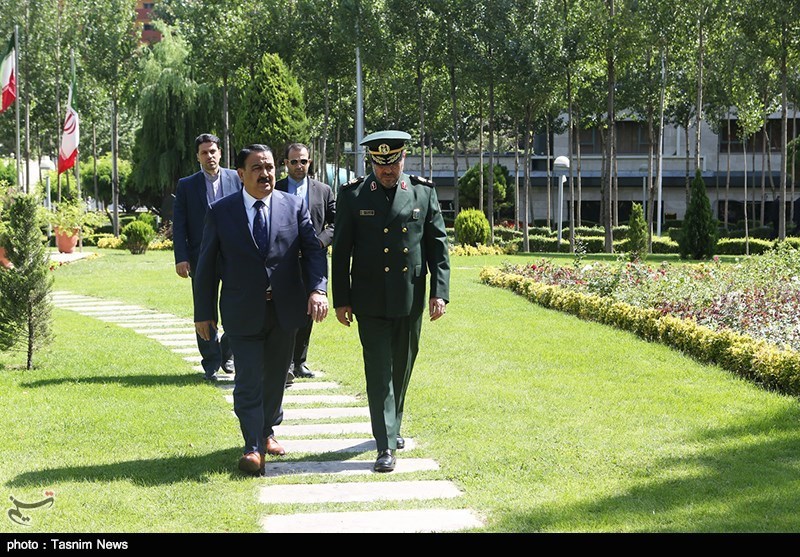
In a ceremony in Tehran on Sunday, Iranian Defense Minister Brigadier General Hossein Dehqan and his visiting Iraqi counterpart Erfan Mahmoud al-Hayali signed a memorandum of understanding on cooperation in a range of military spheres.

Based on the deal, Tehran and Baghdad will promote interaction and share experiences in the fight against terrorism and extremism, work together to ensure border security, and provide each other with training and logistical, technical and military support.

Speaking to reporters after signing the document, the two ministers expressed the hope that it would result in deeper and more serious military cooperation between the two countries.

Heading a military delegation, Hayali arrived in Tehran on Saturday for an official visit.

Iran, Iraq Agree to Boost Military Cooperationmi

Iran, Iraq Agree to Boost Military Cooperation

In December 2014, Iraq’s then defense minister Khalid al-Obeidi paid a visit to Iran and signed a defense cooperation agreement with Iran.

Iraq has been facing the threat of terrorism in recent years, mainly posed by the Daesh (ISIL) terrorist group.

Amid tensions in Iraq, Iran is known as the first country to help the Arab nation and has always voiced support for Iraq’s territorial integrity and prosperity.

Divisive Approaches in Iraq to Increase Insecurity, Instability: Iran

In a meeting with Iraqi Defense Minister Erfan al-Hiyali in Tehran on Sunday, Secretary of Iran’s Supreme National Security Council (SNSC) Ali Shamkhani said national unity and integrity in Iraq would guarantee the country’s stability and security and serve the interests of Iraqis regardless of their ethnic and religious backgrounds.

He hailed the resistance of the Iraqi people, army and popular forces against terrorist groups’ threats and said, “Close cooperation among countries which have been victims of terrorism in the region is an unavoidable necessity for military, security and cultural confrontation with terrorism.”

“It will also prevent the reemergence of terrorism and military intervention of foreigners under the pretext of fighting them,” he added.

Divisive Approaches in Iraq to Increase Insecurity, Instability: Iran

The SNSC secretary emphasized that the Islamic Republic would continue to support Iraq’s armed forces and cooperate with the war-stricken country to establish full security and peace and deter all terrorist threats.

Iran’s support plays leading role in the fight against Daesh

Hiyali, for his part, said relentless support by the Iranian government, people and Armed Forces for Iraq in its campaign against terrorism played a determining role in the Iraqi nation’s victory against the Daesh Takfiris.

The Iraqi defense minister stressed the importance of strengthening bilateral cooperation in various fields given the two sides’ common objectives.

He said the Iraqi army had managed to independently thwart any act of aggression against the country and would never make way for new plots and illegal moves, which are aimed at disintegrating Iraq.

Heading a delegation, Hiyali arrived in Tehran on Saturday at the official invitation of Iranian Defense Minister Brigadier General Hossein Dehqan. Later in the day, the two defense chiefs held talks on different issues.

Hiyali and Dehqan on Sunday signed a memorandum of understanding to boost defense and military cooperation in a variety of fields.

According to the MoU, Tehran and Baghdad will strengthen cooperation, exchange experience in the fight against terrorism and extremism, improve border security, and provide the two countries’ military forces with training, logistical, technical and military support.

Iranian Diplomat Holds Talks with Iraqi Speaker

Iranian Deputy Foreign Minister for Arab and African Affairs Hossein Jaberi Ansari sat down with Iraqi Parliament Speaker Salim al-Jabouri.

In the meeting held on Sunday, July 23, the two sides exchanged views on regional developments as well as issues that Iraq is facing at this juncture, especially the importance of maintaining the country’s territorial integrity, national solidarity and unity among different constituents of the Iraqi society.

The two sides highlighted the need for an all-out campaign against terrorism and extremism and stressed the significance of Iraq’s upcoming parliamentary elections.

In the meeting, Jaberi Ansari conveyed Iranian Parliament Speaker Ali Larijani’s warm greetings to his Iraqi counterpart, and invited him to attend the forthcoming swearing-in ceremony for Iranian President Hassan Rouhani.

The top Iranian diplomat also presented a report on the meetings of the Iran-Iraq Joint Political Committee as well as the Legal-Technical Committee.

Al-Jabouri, in turn, offered his greetings to the Iranian parliament speaker and said he will accept Larijani’s invitation and take part in Rouhani’s swearing-in ceremony.

He also noted that the Iraqi government welcomes efforts by both countries to enhance mutual cooperation on all fronts and solve problems surrounding reciprocal ties.

Iranian Diplomat Holds Talks with Iraqi Speaker


Joint Political Committee’s Meeting

Jaberi Ansari, who is in Baghdad on a two-day visit, earlier on Sunday co-chaired a meeting of the Iran-Iraq Joint Political Committee along with his Iraqi counterpart Nizar Khairallah.

During the meeting, the two sides discussed the issues of mutual interest within the framework of the Joint Political Committee.

At the beginning, the Iranian and Iraqi Chairs of the Joint Legal and Technical Committee gave a report on their meetings and existing agreements and disputes.

Then Jaberi Ansari and Khairallah expressed their views on the report and the methods to solve the existing disputes.

At the end of this part of the meeting, the two sides agreed to hold a sum-up session to review the remaining issues of the Legal and Technical Committee on Monday, July 24.

In the second part of the meeting, the parties discussed the process of mutual cooperation, especially in the economic area. They also exchanged views on the obstacles to expansion of bilateral economic ties.

Jaberi Ansari highlighted the need to resolve the problems of Iranian businessmen and companies and the need to introduce regulations to facilitate economic relations.

Issues related to strategic cooperation in the fields of energy and transportation, banking interactions, customs tariffs, dust pollution, and business and citizen visas were also reviewed. Preparing the grounds for Arba’een pilgrimage and also the exchange of prisoner were among the other issues discussed by the two sides.

The next meeting of the joint political committee will be held Sunday night in the form of a business dinner with the presence of Deputy Foreign Ministers of the two countries Jaberi Ansari and Khairallah. The parties will exchange views on political and regional issues.

Iranian Diplomat Holds Talks with Iraqi Speaker

Iraq President Invited to Attend Rouhani’s Swearing-in Ceremony

During the meeting, the Iranian diplomat congratulated the Iraqi president on the latest victories achieved by the Iraqi army as well as the Popular Mobilization Units in their fight against terrorism, including the liberation of Mosul.

He also extended the Iranian president’s warm regards to Masum and invited him to take part in President Hassan Rouhani’s swearing-in ceremony, which is planned to be held in Tehran in two weeks.

Jaberi Ansari also briefed the Iraqi president on the issues discussed during the legal and technical meetings of the Iran-Iraq Joint Political Commission in Baghdad.

The Iraqi president, for his part, delivered his warm regards to his Iranian counterpart and praised the Islamic Republic for holding a free and fair presidential election in May.

He also voiced his country’s readiness to expand cooperation and bilateral relations with Iran in all fields and remove the current obstacles in the way of further expansion of ties.

Jaberi Ansari is visiting the Arab country to attend the fresh round of Iran-Iraq Joint Political Commission’s meetings on the legal and technical aspects of the 1975 Algiers Accord, which was kicked off earlier in the day.

The first meeting of the Joint Commission was attended by top officials and experts from the two sides. It was presided over by Jaberi Ansari and his Iraqi counterpart Nizar Kherallah.

The meeting is set to last until Monday. Iran and Iraq are participating in the meetings with full teams of political, legal, military, mapping, and shipping experts.

The Joint Political Commission holds regular meetings in Iran and Iraq. During the ongoing meetings in Baghdad, the two sides are slated to discuss the latest conditions of the joint border river Arvand Rud within the 1975 Algiers Accord.

Discussions on other issues like the shipping regulations in Arvand Rud and various ways to expand mutual cooperation between the two sides with the aim of taking economic advantage of the border river are also high on the agenda.

During his two-day visit to Baghdad, Jaberi Ansari plans to hold talks with other senior Iraqi officials on the regional developments as well as bilateral relations.

Yemen Hits Saudi Oil Refinery with Long-Range Ballistic Missile (+Video)

According to the Arabic-language al-Masirah television network on Saturday, Yemeni forces used a Scud-type Borkan-2 (Volcano-2) in the attack on the Saudi refinery.

Here is the video Yemeni forces released to prove their claim:

Yemen’s popular forces have long been working on developing their own long-range ballistic missiles called the Borkan H-2 aka “Volcano H-2” which has a range of nearly 900 miles.

Yemen’s resistance has launched other long-range missiles at military targets deep inside Saudi Arabia before. In May, a Yemeni missile targeted Riyadh as a “welcome gift” for Donald Trump’s visit that same day.

Yemen Hits Saudi Oil Refinery with Long-Range Ballistic Missile (+Video)Yemeni forces have also successfully struck coalition fighter jets en route to drop bombs and several coalition warships.

The attack on the Saudi oil refinery was carried out at night as to avoid any civilian casualties, according to the Geopolitics Alert website.

In the past 850 days, Saudi Arabia has completely destroyed nearly all civilian infrastructure, massacred thousands of civilians, and triggered a cholera epidemic the likes of which the world has never seen.

Saudi Arabia has been leading the campaign against Yemen to reinstate the former government and crush the Houthi Ansarullah movement.

The campaign has seriously damaged the country’s infrastructure. Local Yemeni sources have put the death toll from the Saudi war at over 12,000, including many women and children.

Israel Main Source of State Terrorism in Region: Iran

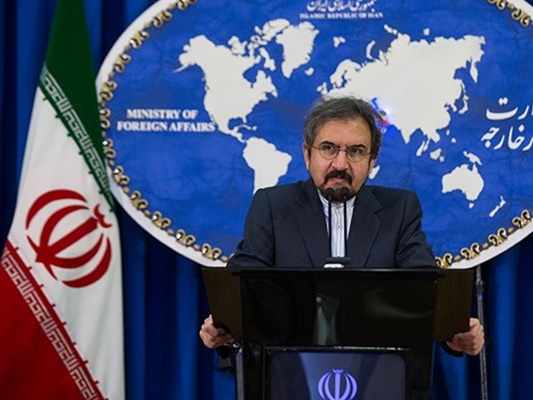
In a statement released on Sunday, Foreign Ministry Spokesman Bahram Qassemi vehemently condemned Israel’s aggression as well as brutal crackdown against the oppressed nation of Palestine carried out under the pretext of preventing the Palestinian worshipers from entering al-Aqsa Mosque to say their prayers.

He also called on the free-thinking media, nations and states of the world to voice their support for the oppressed nation of Palestine and stand firmly against the aggressions as well as inhumane movements of the Zionist occupiers.

The holy Quds and al-Aqsa Mosque, as the first Qibla of Muslims, belong to all Muslim people around the world forever, he noted, adding that the Palestinians are the real owners of the occupied territories.

“The Zionist occupiers’ continued crackdown against the Palestinians as well as the Israeli regime’s violation of Palestinians’ basic rights, particularly their religious freedoms and access to the holy sites in al-Quds, reveal the fact that the oppressed nation of Palestine remains the top issue of the Muslim World, and that the Zionist regime of Israel is the main symbol and source of state terrorism and scaremongering in the region,” he said.

Qassemi slammed certain regional states who proclaim themselves as the leaders of the Islamic world for remaining silent towards the Zionists’ aggressions against the Palestinians.

“We call on the international community, especially the United Nations, to address the recent regretful developments in the occupied lands and to stand firmly against the religiously and racially discriminatory policies of the Zionists against the Palestinians.”

“We also call on the human rights organizations including the United Nations Human Rights Council and the UN Educational, Scientific, and Cultural Organization (UNESCO) to fulfil their commitments (as UN organizations) by seriously condemning and putting an end to the anti-human and anti-cultural policies of the Zionist regime, which seriously violate the principles of human rights,” he added.

A Look at Iranian Newspaper Front Pages on July 23

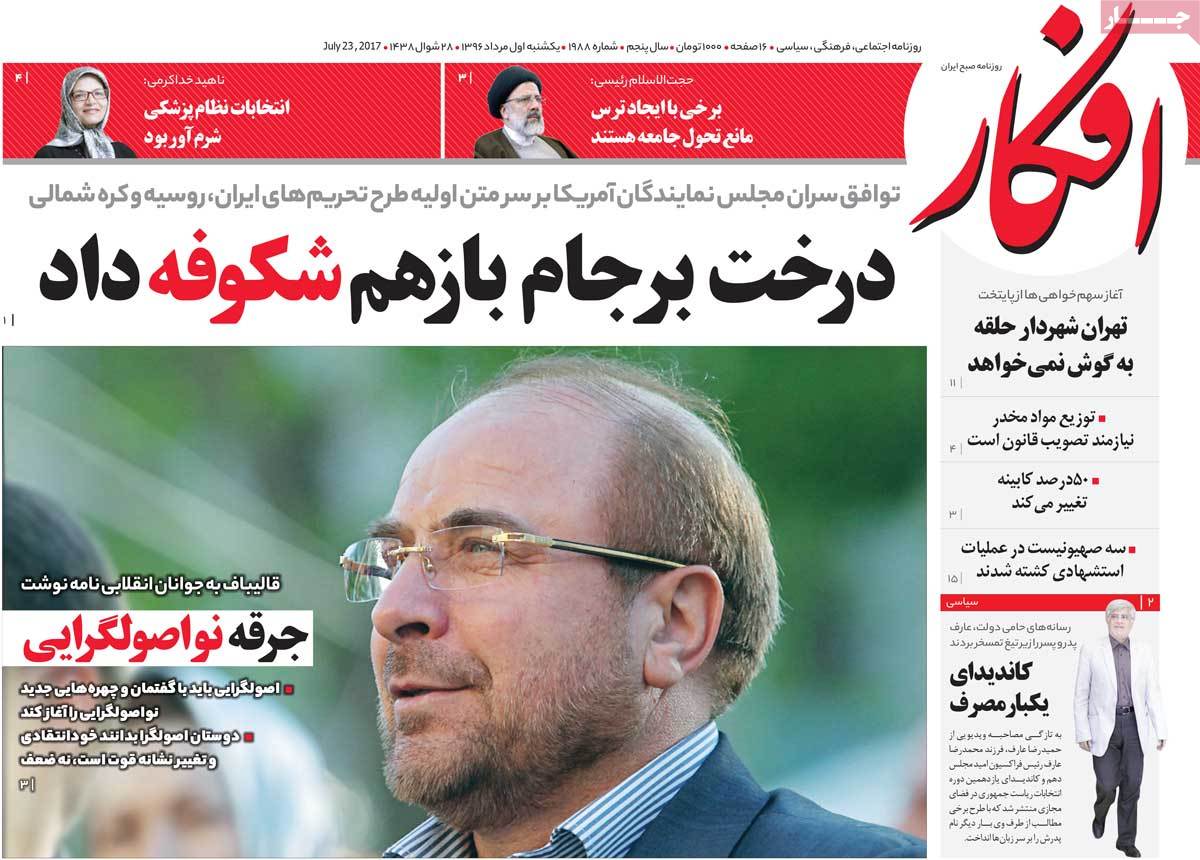
Newspapers today widely covered a letter penned by the conservative mayor of Tehran Mohammad Baqer Qalibaf in criticism of his fellow right-wingers for their mistakes. In his letter addressed to young ‘revolutionaries’, Qalibaf raised the issue of starting ‘neo-conservatism’ in Iran.

Another top story was the remarks made by Iranian Deputy Foreign Minister Seyyed Abbas Araqchi in response to the White House’s statement on US prisoners. Araqchi urged Washington to immediately release Iranian prisoners held in the US.

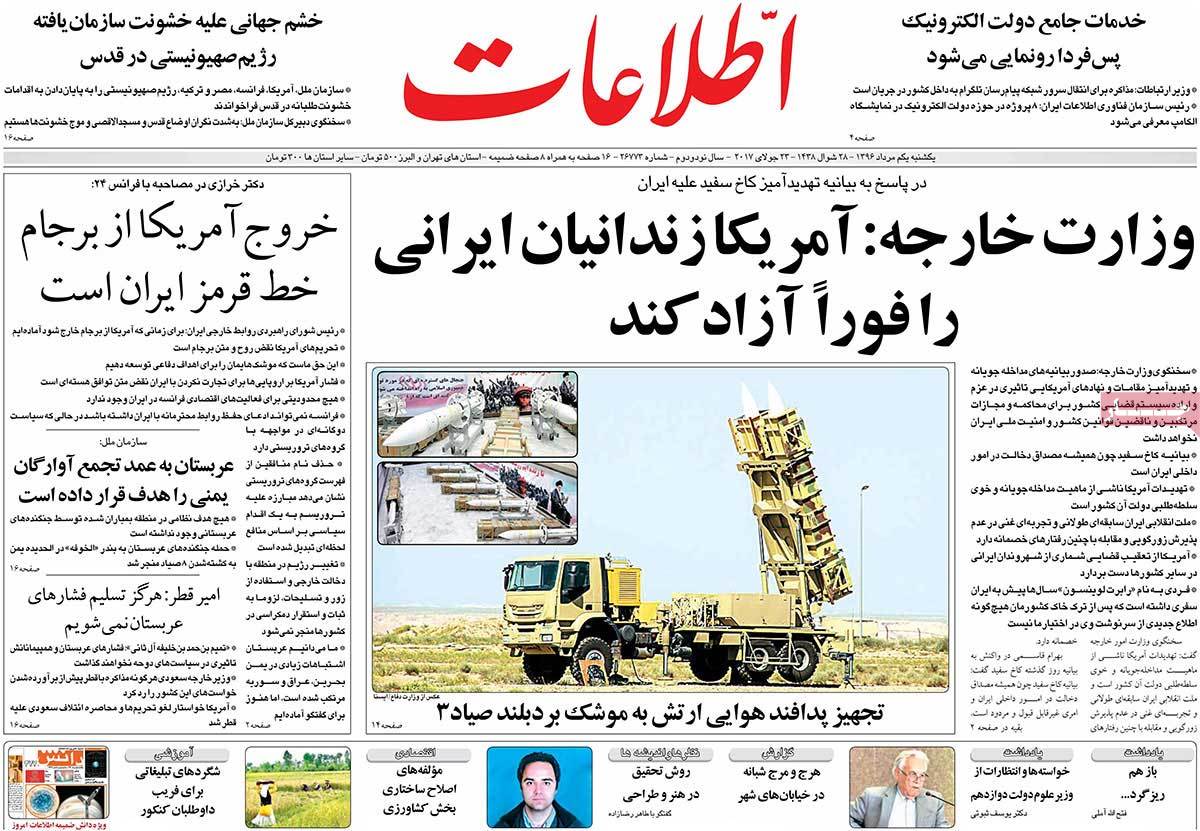
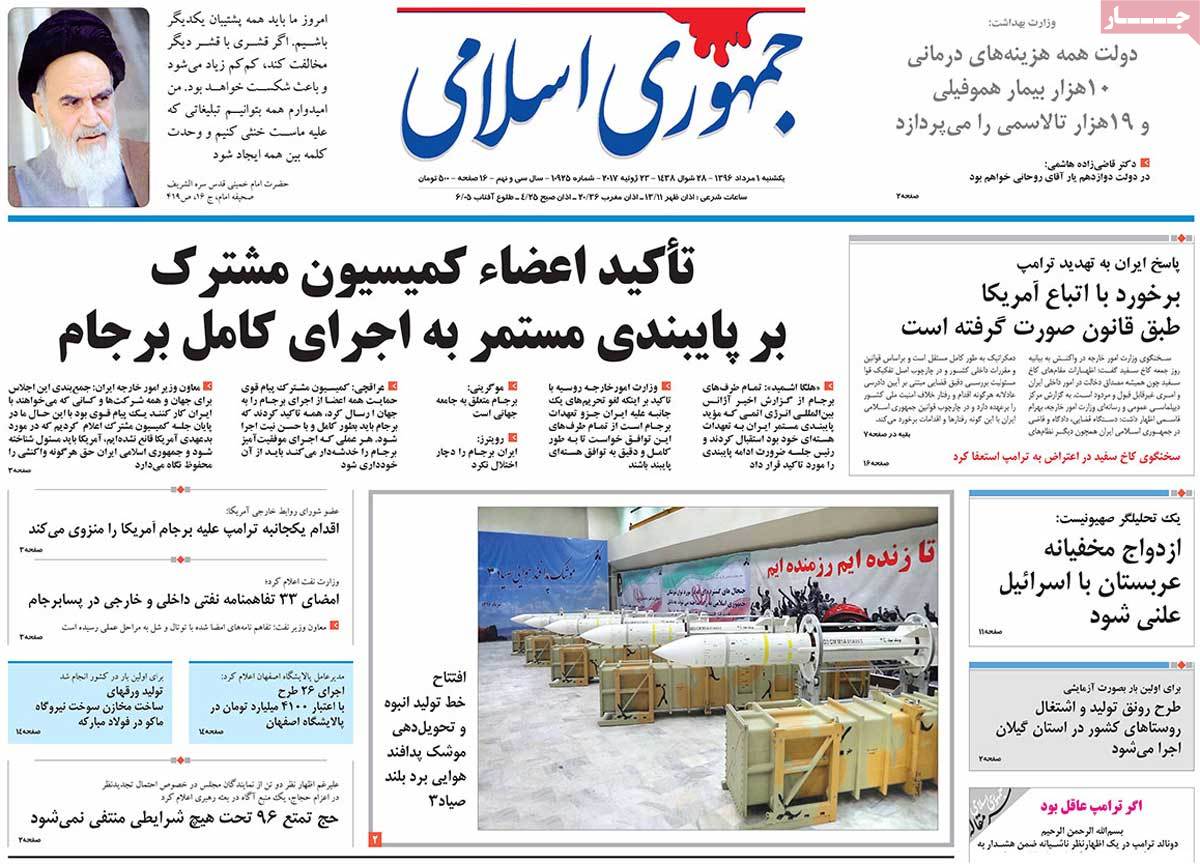
Iranian papers also highlighted the country’s launch of a line for mass production of a long-range air defence missile named Sayyad 3.

The above issues, as well as many more, are highlighted in the following headlines and top stories:


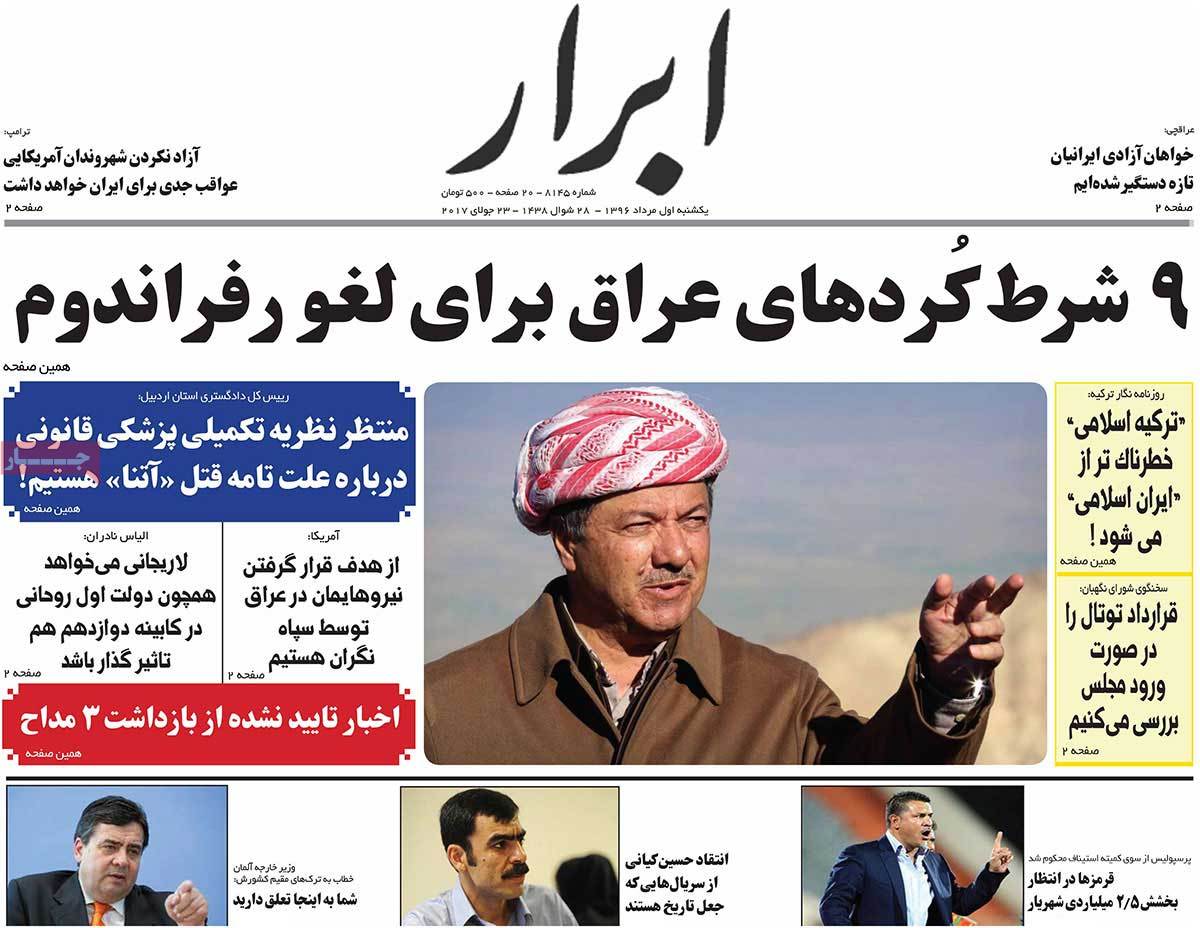
Abrar:

1- Iraqi Kurds Set 9 Preconditions for Cancelling Their Referendum

2- ‘Islamic Turkey’ to Get More Dangerous than ‘Islamic Iran’!
A Look at Iranian Newspaper Front Pages on July 23


Afkar:

1- Qalibaf: Conservatives Should Start Neo-Conservatism in Iran
 

A Look at Iranian Newspaper Front Pages on July 23


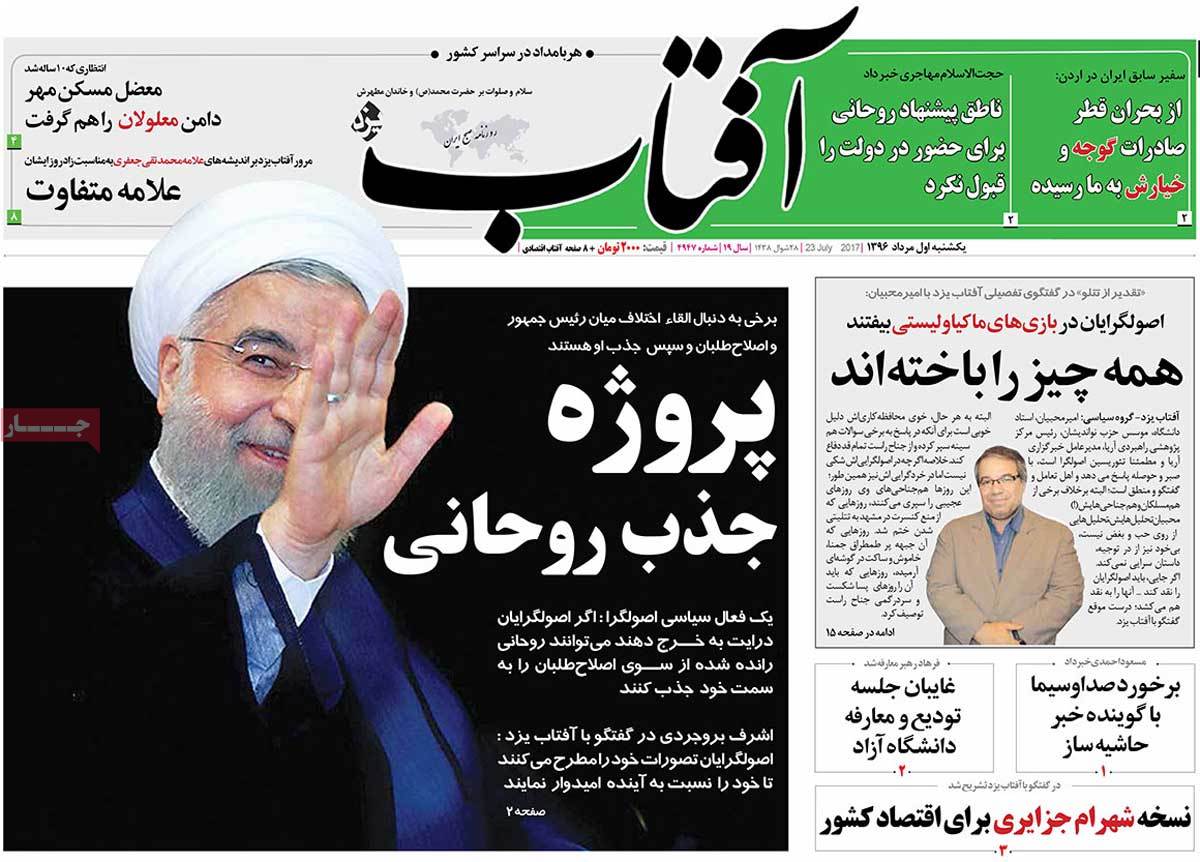
Aftab-e Yazd:

1- Plots Underway to Imply Rouhani Has Conflict with Reformists

2- Conservative: Right-Wingers Can Bring Rouhani to Their Own Camp If They’re Smart
 

A Look at Iranian Newspaper Front Pages on July 23


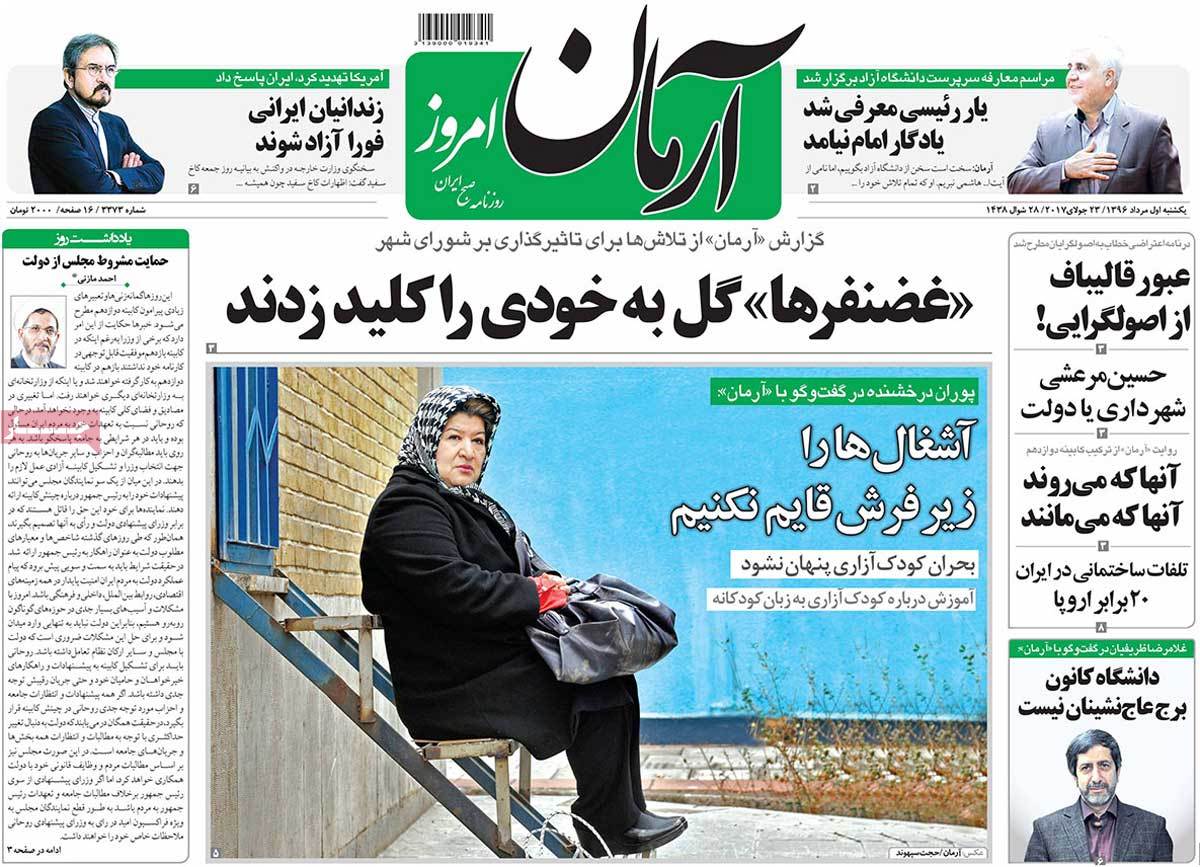
Arman-e Emrooz:

1- Renowned Filmmaker: We Shouldn’t Hide Child Abuse Crisis

2- Iran Responds to US Threat: Iranian Prisoners Should Be Released Immediately
 

A Look at Iranian Newspaper Front Pages on July 23


Asrar:

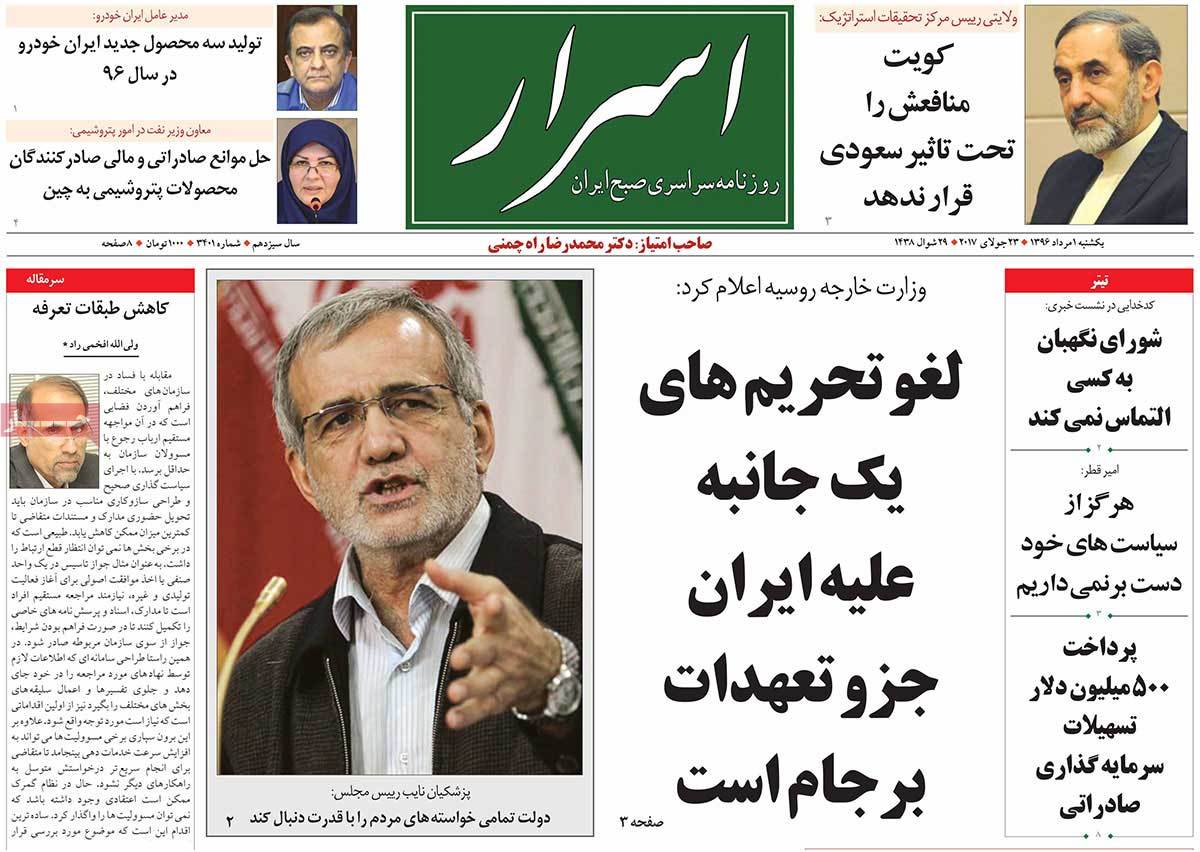
1- Russia: Removal of Unilateral Anti-Iran Sanctions Part of JCPOA Commitments

2- Deputy Oil Minister: Barriers to Export of Petchem Products to China Removed

3- Velayati Advises Kuwait against Putting Its Interests under Saudi Influence
 

A Look at Iranian Newspaper Front Pages on July 23


Emtiaz:

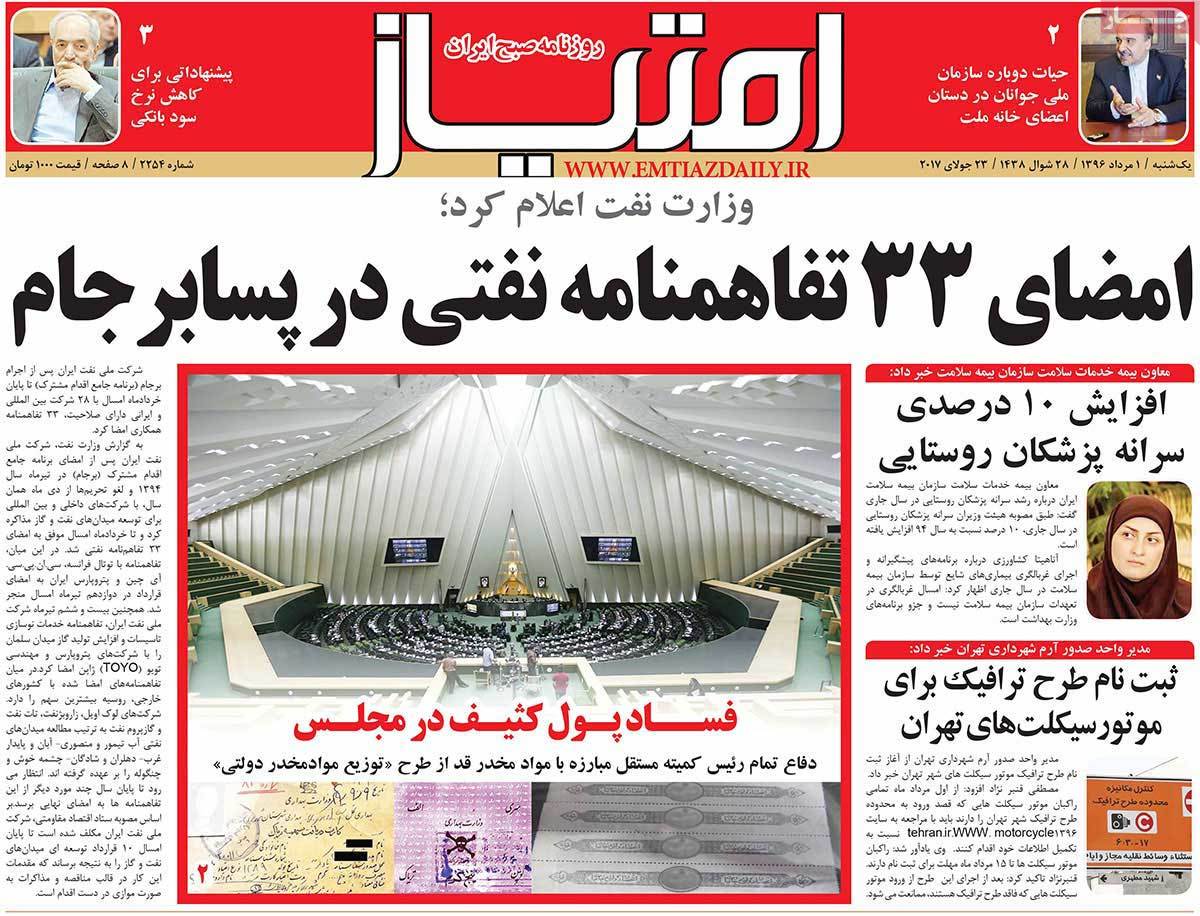
1- Oil Minister: 33 MoUs Signed after JCPOA
 

A Look at Iranian Newspaper Front Pages on July 23


Etemad:

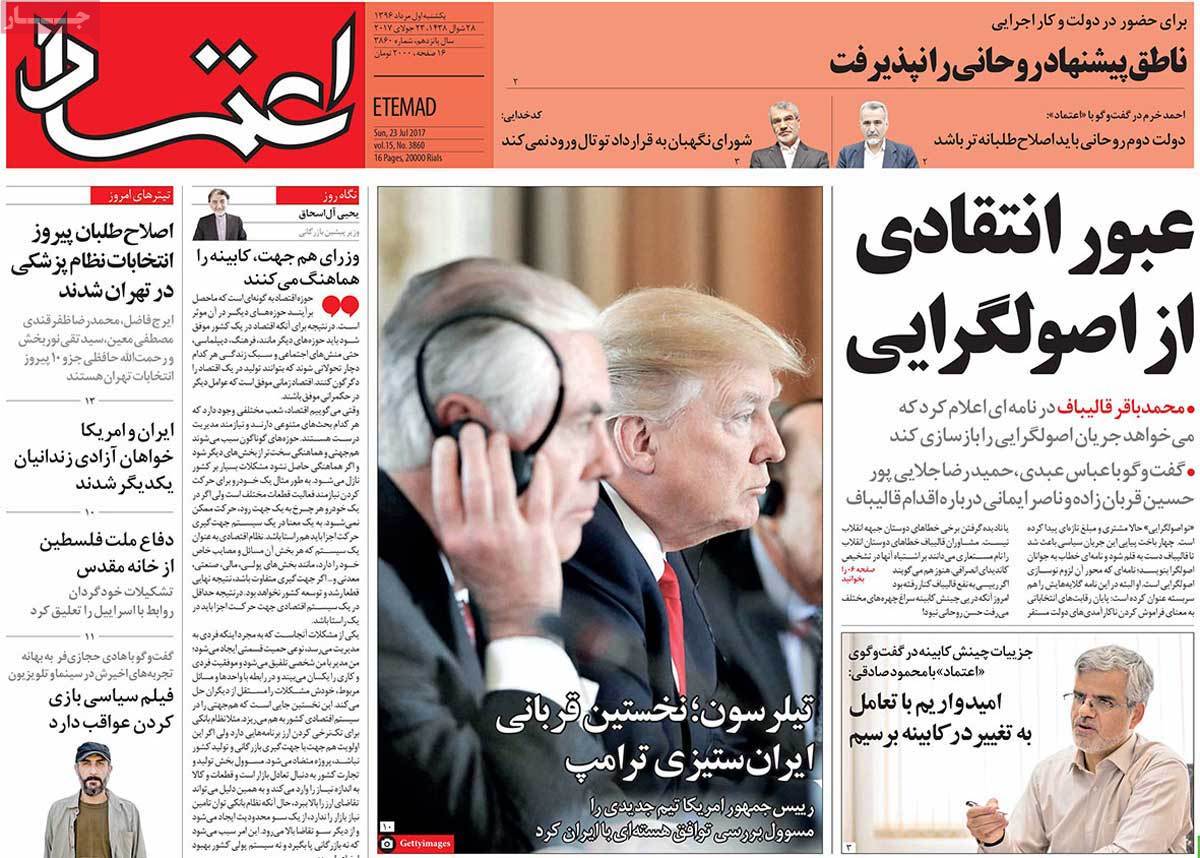
1- Tillerson, First Victim of Trump’s Anti-Iran Policies

  • US President Assign New Team to Review Iran Nuclear Deal

2- Qalibaf Says He Wants to Reconstruct Conservatism
 

A Look at Iranian Newspaper Front Pages on July 23


Ettela’at:

1- Foreign Ministry Urges US to Immediately Release Iran Prisoners

2- Iranian Army’s Air Defence Equipped with Long-Range Missile Sayyad 3

3- Iran Ex-FM: US Withdrawal from JCPOA Iran’s Redline

4- Qatari Emir: We’ll Never Give in to Saudi Pressures
A Look at Iranian Newspaper Front Pages on July 23


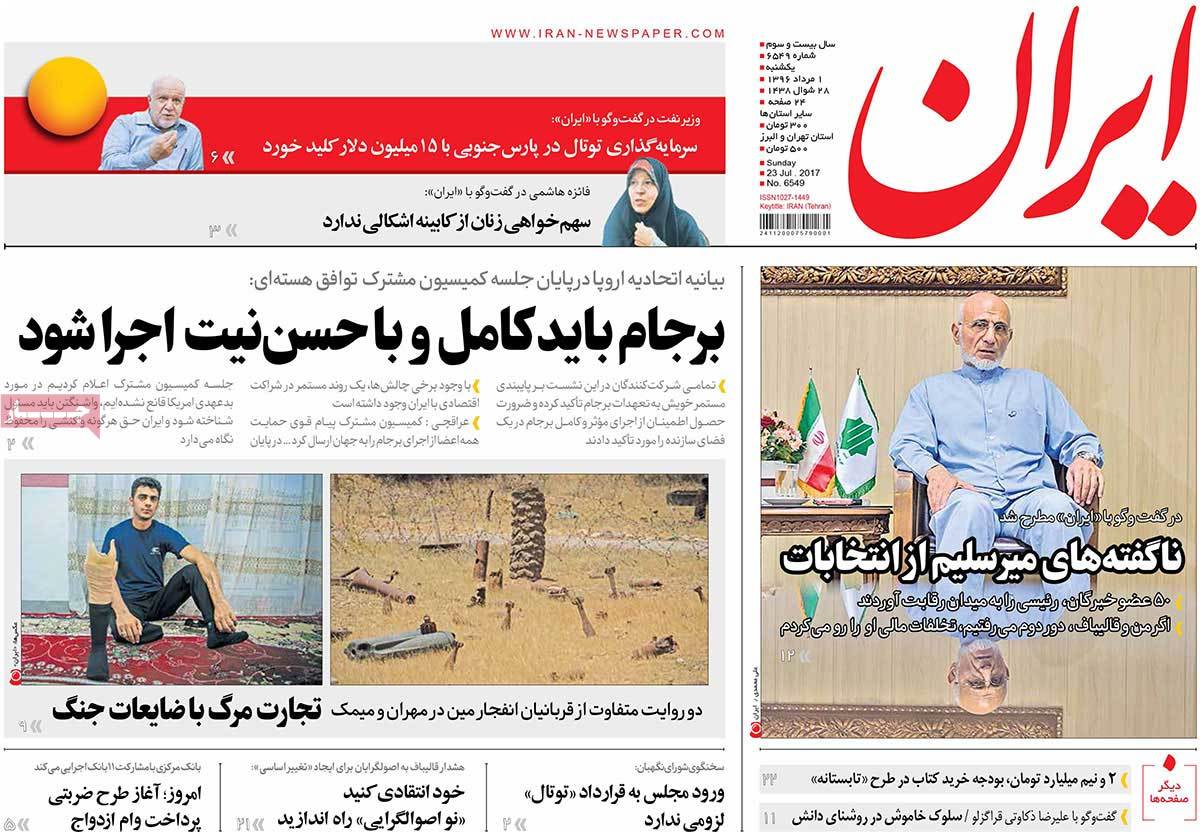
Iran:

1- EU: Iran Nuclear Deal Should Be Implemented in Full, with Goodwill

2- Mirsalim’s Untold Accounts of Recent Elections

  • 50 Members of Assembly of Experts Convinced Raisi to Run for President
  • I’d Disclose Qalibaf’s Financial Corruption in Run-Off

3- Total Starts Financing South Pars Development by Making $15m Investment: Minister
A Look at Iranian Newspaper Front Pages on July 23


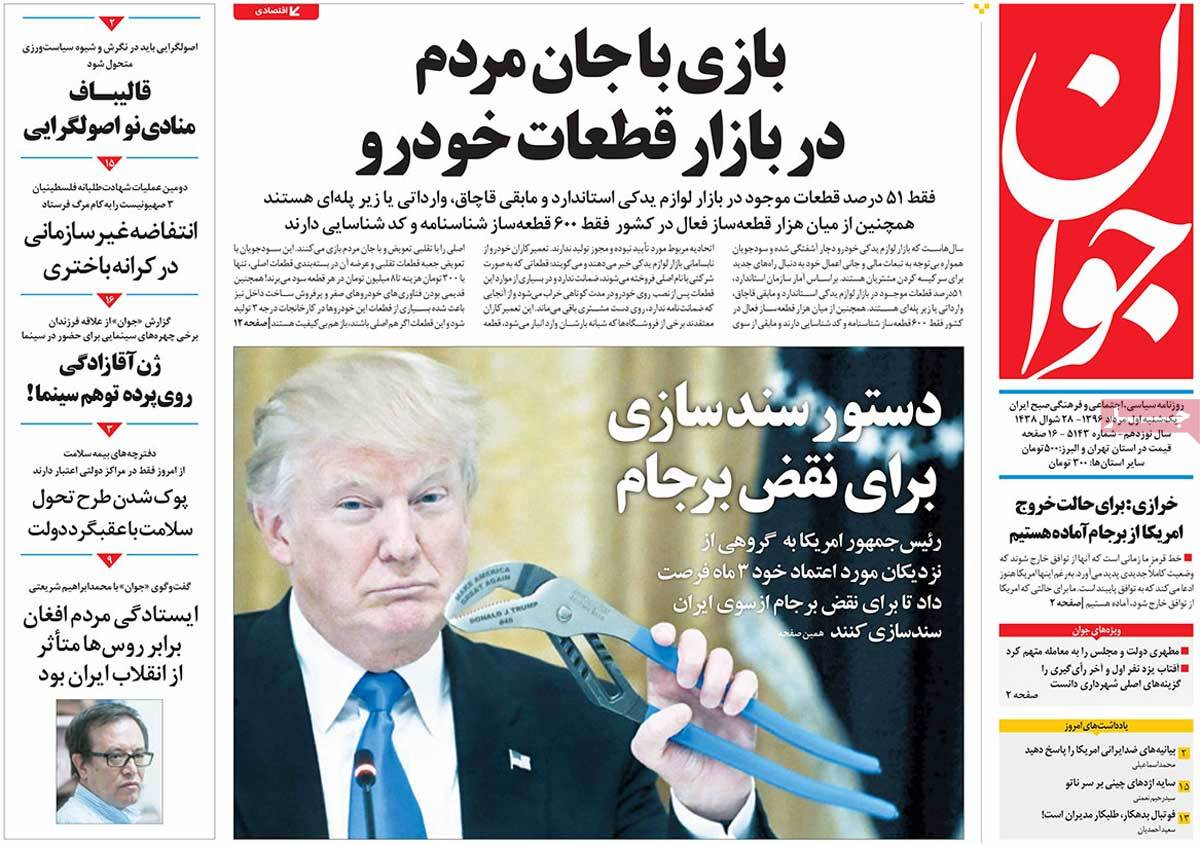
Javan:

1- US President Orders Aides to Forge Documents on Iran’s Violation of JCPOA

2- Ex-FM: Iran Ready for US Withdrawal from Nuclear Deal
A Look at Iranian Newspaper Front Pages on July 23


Jomhouri Eslami:

1- Iran Starts Mass Production of Sayyad 3 Air Defence Missile

2- JCPOA Joint Commission Confirms Iran’s Commitment to Its Implementation

3- Trump’s Unilateral Move against JCPOA to Isolate US

4- Zionist Analyst: Saudi Arabia, Israel Should Publicize Their Secret Marriage
A Look at Iranian Newspaper Front Pages on July 23


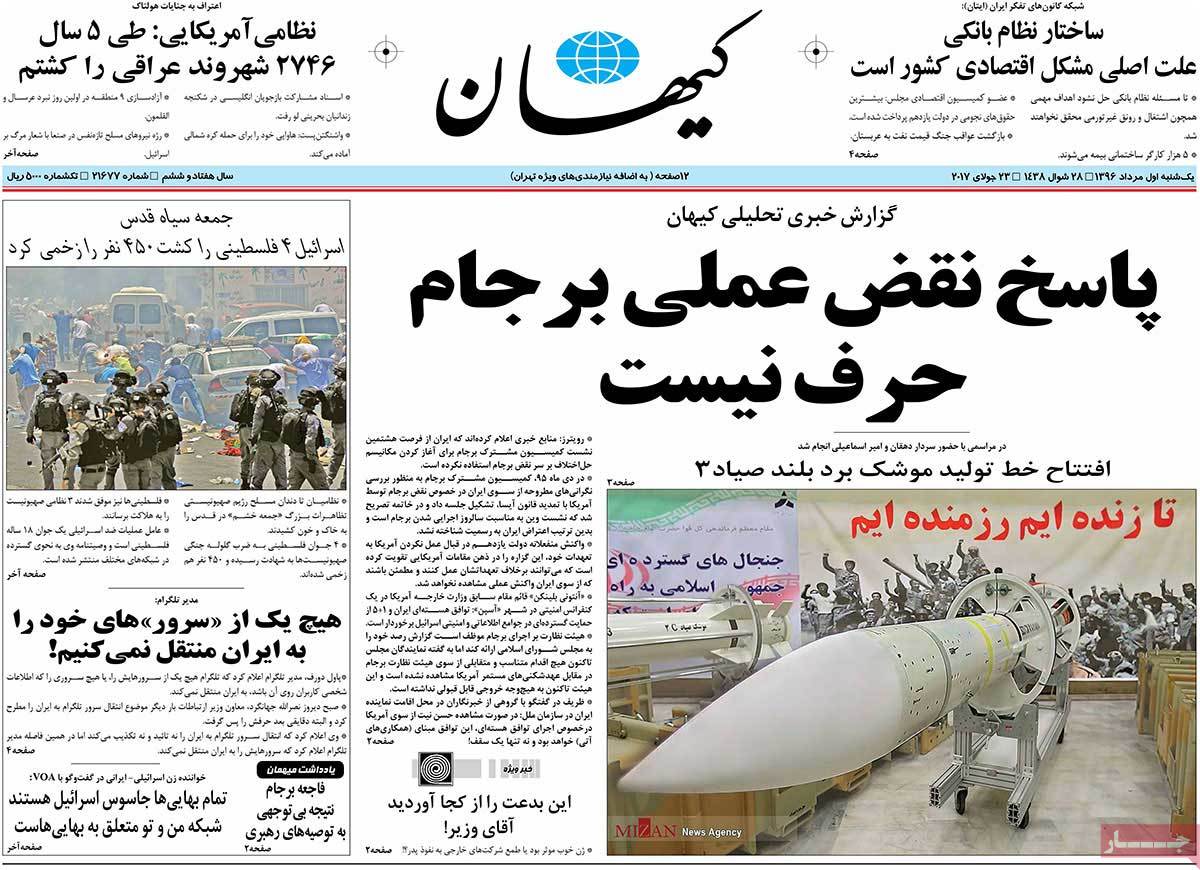
Kayhan:

1- Words Not Good Response to Practical Violation of JCPOA

2- Telegram: We Won’t Transfer Any of Our Servers to Iran!

3- Horrible Confession; US Soldier: I Killed 2,746 Iraqis in 5 Years

4- Iran’s Banking System Main Source of Economic Problems: Think Tank
 

A Look at Iranian Newspaper Front Pages on July 23


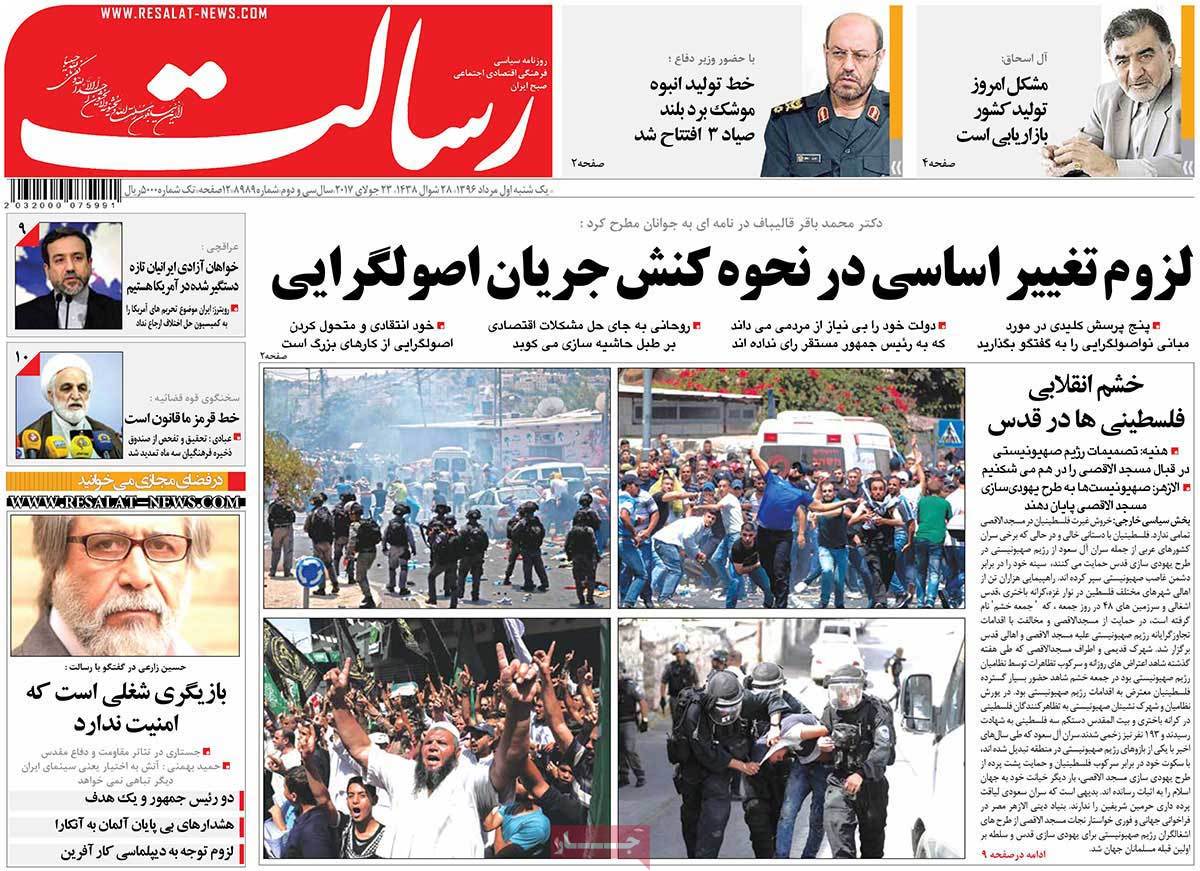
Resalat:

1- Qalibaf Highlights Need for Changes in Conservatism in Iran

2- Judiciary Spokesman: Law Is Our Redline

3- Palestinians’ Revolutionary Outrage in Quds

4- Hamas Chief: We’ll Defy Zionist Regime’s Decisions about Aqsa Mosque

5- Al-Azhar University: Zionists Should End Judaizing Aqsa Mosque
 

A Look at Iranian Newspaper Front Pages on July 23


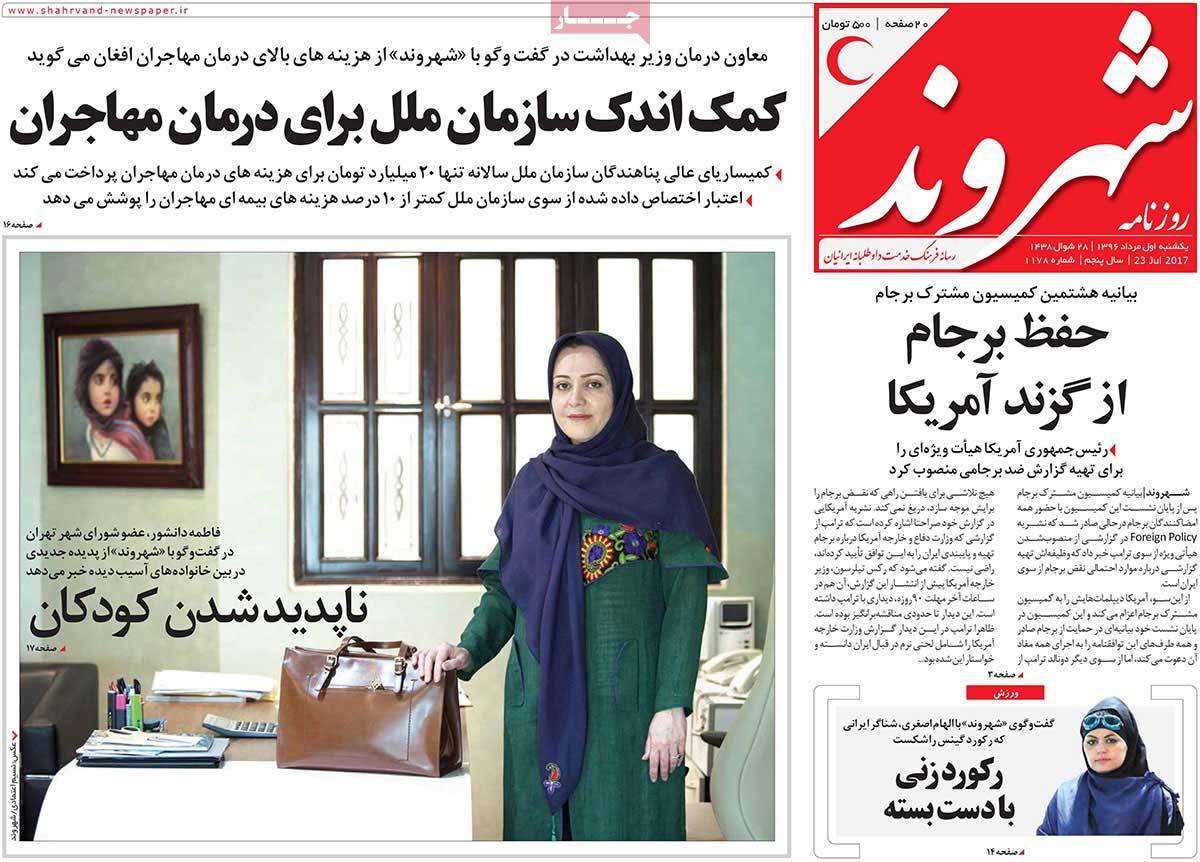
Shahrvand:

1- UN’s Little Help for Treatment of Immigrants: Deputy Health Minister

2- Iranian Female Swimmer Breaks Guinness Record with Handcuffed Hands
 

A Look at Iranian Newspaper Front Pages on July 23


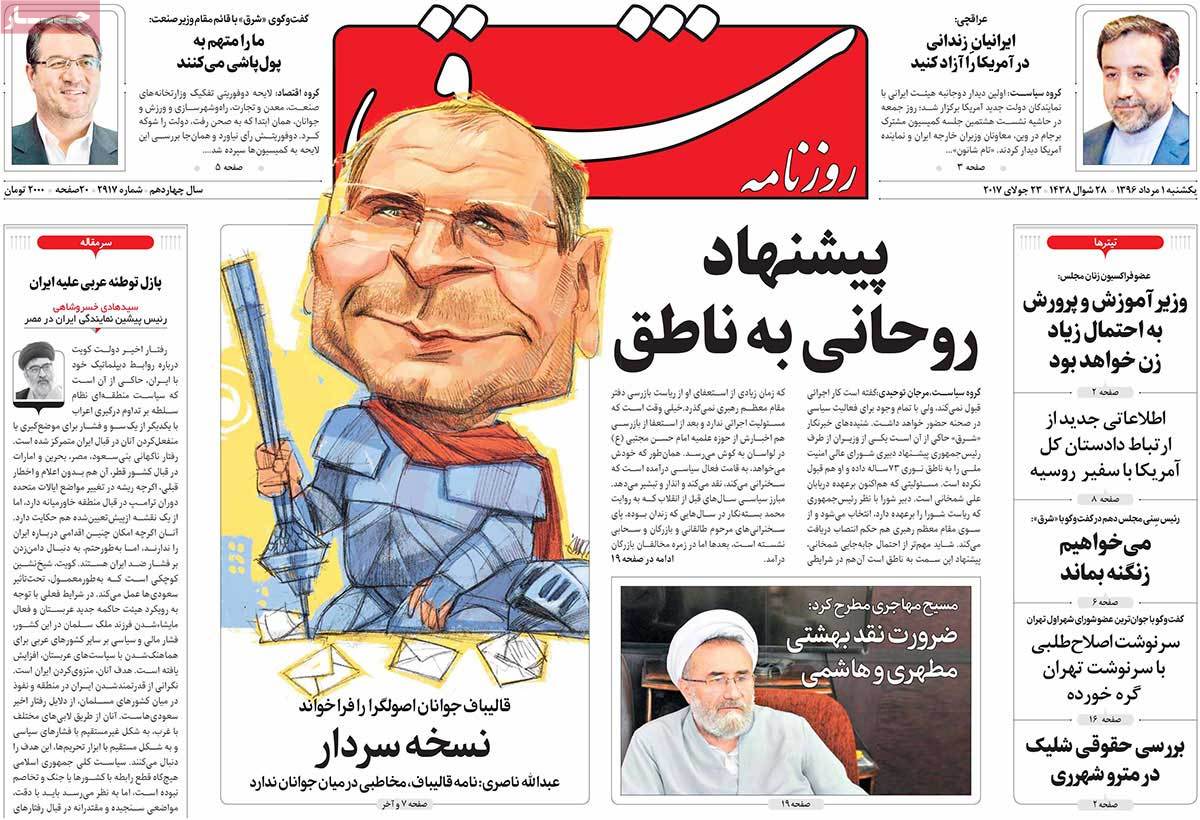
Shargh:

1- Deputy FM Araqchi: US Should Release Iranian Prisoners

2- Education Minister Will Be Most Probably a Woman: MP

3- General’s Prescription Qalibaf Pens Letter to Young Conservatives

4- Analyst: No Young Iranian Will Listen to Qalibaf’s Words
A Look at Iranian Newspaper Front Pages on July 23


Iran May Reconsider Decision to Send Pilgrims to Hajj

Chairman of the Iranian Parliament’s National Security and Foreign Policy Commission Alaeddin Boroujerdi has expressed misgivings over the circumstances surrounding the upcoming Hajj rituals in Saudi Arabia.

In a Farsi interview with ICANA, the top legislator voiced concern over the issue “given that Iran and Saudi Arabia don’t have formal relations at the moment, and all of Iran’s ties with the Saudi government are handled by a third country which safeguards the interests [of both sides].”

“When relations are in a normal state, it falls upon the Iranian embassy in Riyadh or Iran’s Consulate in Jeddah to contact the Saudi government and different institutions of the country to discuss the provision of Iranian pilgrims’ security and other issues related to the Hajj and Iranian pilgrims,” said Boroujerdi.

However, he added, Iran does not have a consulate general or an embassy in Saudi Arabia right now.

Riyadh’s Agreement to Receive Iranian Diplomats

“Under an agreement reached two months ago with the head of the [Iranian] Hajj and Pilgrimage Organization, it was decided that ten diplomats from the Iranian Foreign Ministry with diplomatic immunity be sent to Saudi Arabia,” he said.

Boroujerdi said they were scheduled to receive VIP access cards and hold talks after getting settled down.

No Visas Yet for Iranian Diplomats

He said one month has passed now since the agreement was reached.

“Saudi Arabia was supposed to issue visas to the ten diplomats in late June, by they haven’t been issued with visas, yet. While the first flight taking Hajj pilgrims to Saudi Arabia will leave in ten days’ time, no diplomatic delegation has departed for Saudi Arabia yet.”

“This is while, under the already reached agreement, the diplomatic team should get settled down in Saudi Arabia first. But at the moment, we have no people in Saudi Arabia to defend our pilgrims,” he added.

“Security and policy issues concerning the Saudi government are handled through diplomatic channels, but as Iran does not have an embassy and consulate general [in Saudi Arabia], such issues should be handled through the 10-strong [diplomatic] team that haven’t been issued with visas, yet.”

Riyadh Responsible for Any Possible Problems

He also said Riyadh will be accountable for any future problems regarding the Hajj rituals.

“If the Saudi government and Hajj Ministry do not make good on their commitments, as they haven’t lived up to their obligations completely so far, Riyadh should be taken to task for any problems which might occur concerning the Hajj issue.”

Iran’s Hajj Authority Should Pursue Saudi Deal

Boroujerdi urged the Iranian Ministry of Hajj and Pilgrimage to follow up on the implementation of the agreement signed with Saudi Arabia.

“We wish to have the best and most decent Hajj rituals this year, but the requirements for that have not been fulfilled yet.”