Friday, December 26, 2025
Home Blog Page 3801

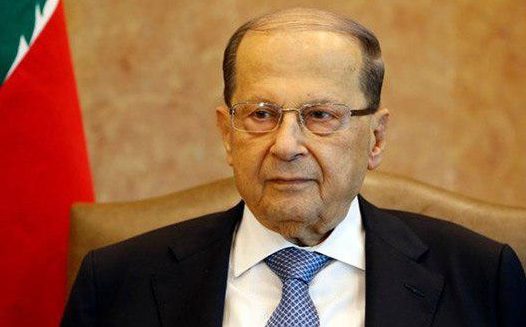
Lebanon President Says PM Hariri under Arrest in Saudi Arabia

Lebanese President Michel Aoun

“We consider Prime Minister Saad Hariri as being detained in Saudi Arabia and this is an act of aggression against Lebanon,” Aoun said in a meeting with the Lebanese Audio Visual Council on Wednesday.

Aoun said nothing justified Hariri’s continued stay in Saudi Arabia for 12 days.

“This contradicts the Vienna Treaty and human rights,” he was quoted as saying by the President’s Twitter account.

“Don’t be scared, economically, financially or security-wise. The country is safe and national unity supports safety,” Aoun added, according to Al-Ahed News.

“We cannot prolong waiting and losing time, because state affairs cannot be stopped.”

Reiterating his previous comments on Hariri’s resignation, Aoun said that it wasn’t possible to complete the resignation that was presented “from abroad.”

“He needs to return to Lebanon to submit his resignation or withdraw it, or to discuss reasons for it and solutions to it.”

Tehran-Moscow Ties to Benefit Mideast Security: Iran’s Zarif

Tehran-Moscow Ties to Benefit Mideast Security: Iran's Zarif

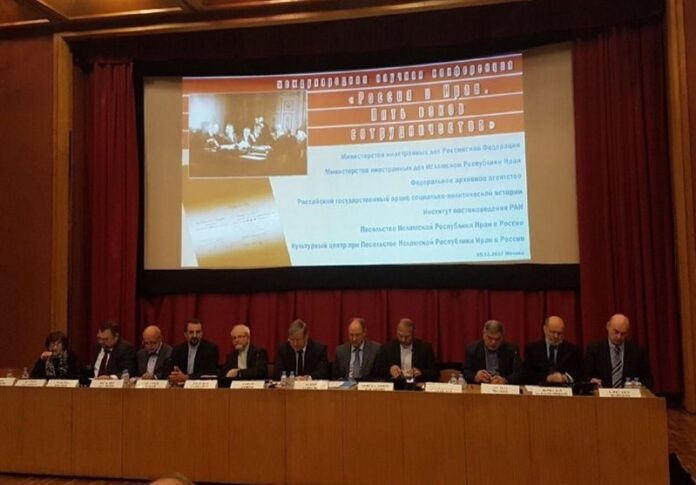
In a message to the opening of a conference marking five centuries of ties between Iran and Russia, held in Moscow on Wednesday, Zarif said a review of the long history of relations between Iran and Russia suggests that the two neighbors need to broaden and diversify their interaction.

Enhancement of Tehran-Moscow relations would not only serve the interests of the two nations, but also play a major role in ensuring security, stability and development in Central Asia and the Middle East, Zarif added.

He also expressed confidence that academic meetings as well as scientific and cultural cooperation between the two countries would contribute to cultural diplomacy and stronger relations.

The conference, “Iran, Russia, Five Centuries of Cooperation”, opened in the Russian State Archive of Socio-Political History (RGASPI) in Moscow on Wednesday.

Back in January, Iranian Foreign Ministry’s Center for International Research and Education held a conference in Tehran to mark 515 years of bilateral political relations.

Since coming into force in January 2016 of the Joint Comprehensive Plan of Action (JCPOA), a nuclear deal between Iran and the Group 5+1 (Russia, China, the US, Britain, France and Germany), Tehran and Moscow have ramped up efforts to boost their bilateral ties.

Iran and Russia have also formed a strong alliance in recent years, with both supporting the Syrian government against foreign-backed militancy.

Iran Lambasts Saudi Arabia for Asking Israel to Attack Lebanon

Speaking in a cabinet session on Wednesday, Rouhani slammed Saudi Arabia’s clear interference in the affairs of an independent country like Lebanon.

It is a very unprecedented event in the history that a country asks the prime minister of another country to resign and then introduces someone else as his replacement, the Iranian president added.

“In what position do you think you [Saudis] are? Why do you think you have the right to say a party should not be part of another country’s government? How far do you think money can work?”

“It is very embarrassing and shameful that a Muslim country in the region asks the Zionist regime of Israel and begs it to bomb the Lebanese people,” he added.

“Not a single Muslim country has ever made such moves,” Rouhani said, adding that such measures show the new rulers of Saudi Arabia are immature.

He also pointed to Saudi aggression on Yemen, and said, “Is there anyone who thinks about the people of Yemen and shows some humanity?”

“The defenceless people of Yemen have been suffering from various problems caused by disease, poverty, and continued bombardment within the past years,” he said.

“For what reason does a Muslim country, which claims to be the custodian of most sacred Muslim sites, put the innocent and Muslim people of Yemen under pressure and is still continuing its aggression?

He also rapped the Western powers for supporting Saudis and the UN for keeping silent over the atrocities and failing to take any decisive and binding stance towards the issue.

A Look at Iranian Newspaper Front Pages on November 15

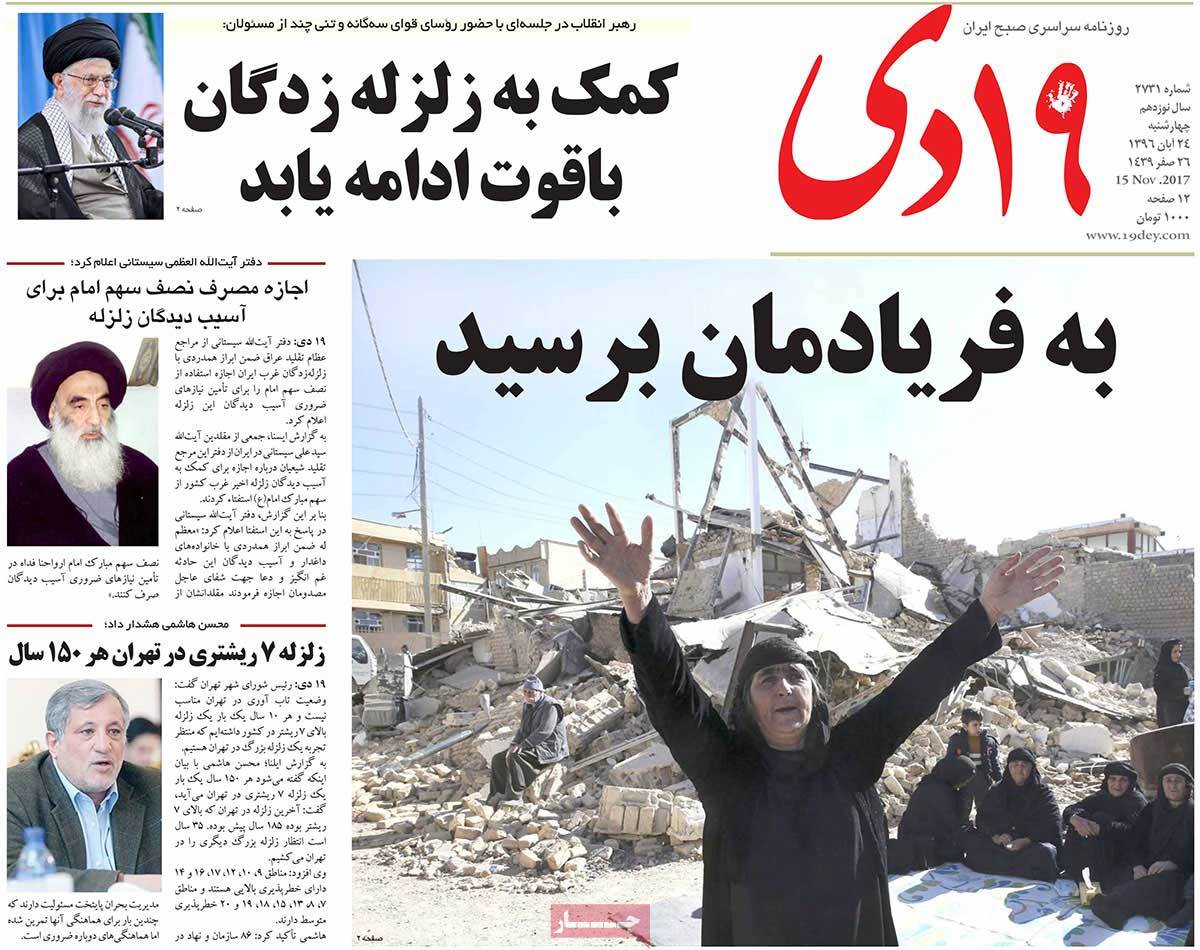
The top story in all newspapers today was the deadly 7.3-magnitude earthquake that struck western Iran on Sunday night and has so far claimed 435 lives and wounded over 9,000 people.

Several papers covered the remarks made by the Leader of Iran’s Islamic Revolution Ayatollah Seyyed Ali Khamenei in a meeting with the heads of the trio branches of the Iranian government about the earthquake and the need for acceleration of efforts to help the quake-hit people.

Also a top story was the latest report by the International Atomic Energy Agency (IAEA), which once again complied Iran’s compliance with its commitments under the Joint Comprehensive Plan of Action (JCPOA).

The above issues, as well as many more, are highlighted in the following headlines and top stories:

19 Dey:

1- Iran Leader Urges Officials to Strongly Continue Helping Quake-Hit People

2- Magnitude 7 Earthquake Hits Tehran Once in Every 150 Years: Official Warns
A Look at Iranian Newspaper Front Pages on November 15


Abrar:

1- MP: Prosecutor Should Take Action against Those behind ‘Mehr’ Mass Housing Project

2- Rouhani: Gov’t to Give Grants, Loans for Reconstruction of Quake-Stricken Houses

3- Zarif: Iran Capable of Managing Earthquake Crisis Using Domestic Resources
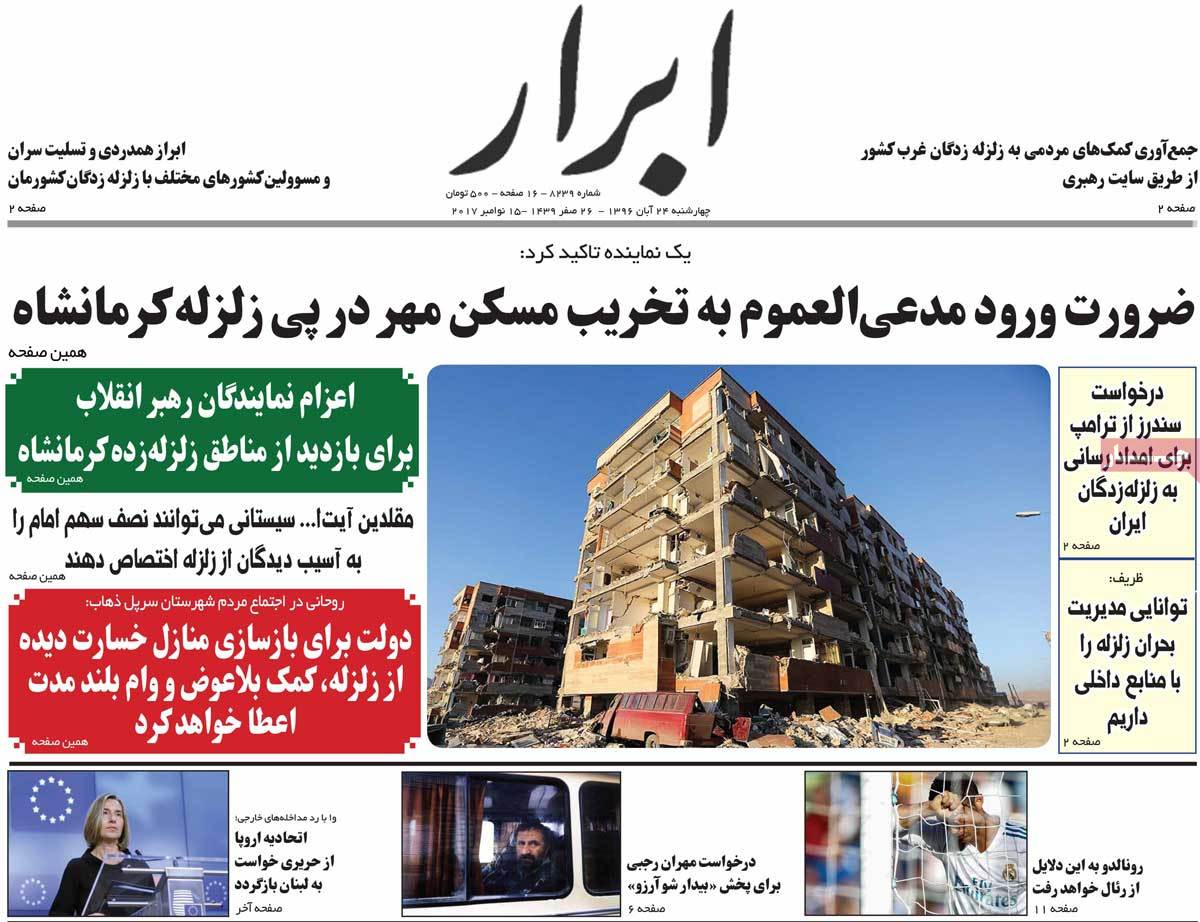
A Look at Iranian Newspaper Front Pages on November 15


Arman-e Emrooz:

1- Gov’t Takes Immediate Action for Reconstruction Grants

2- 300 Surgeries Performed in 24 Hours on Quake-Hit People
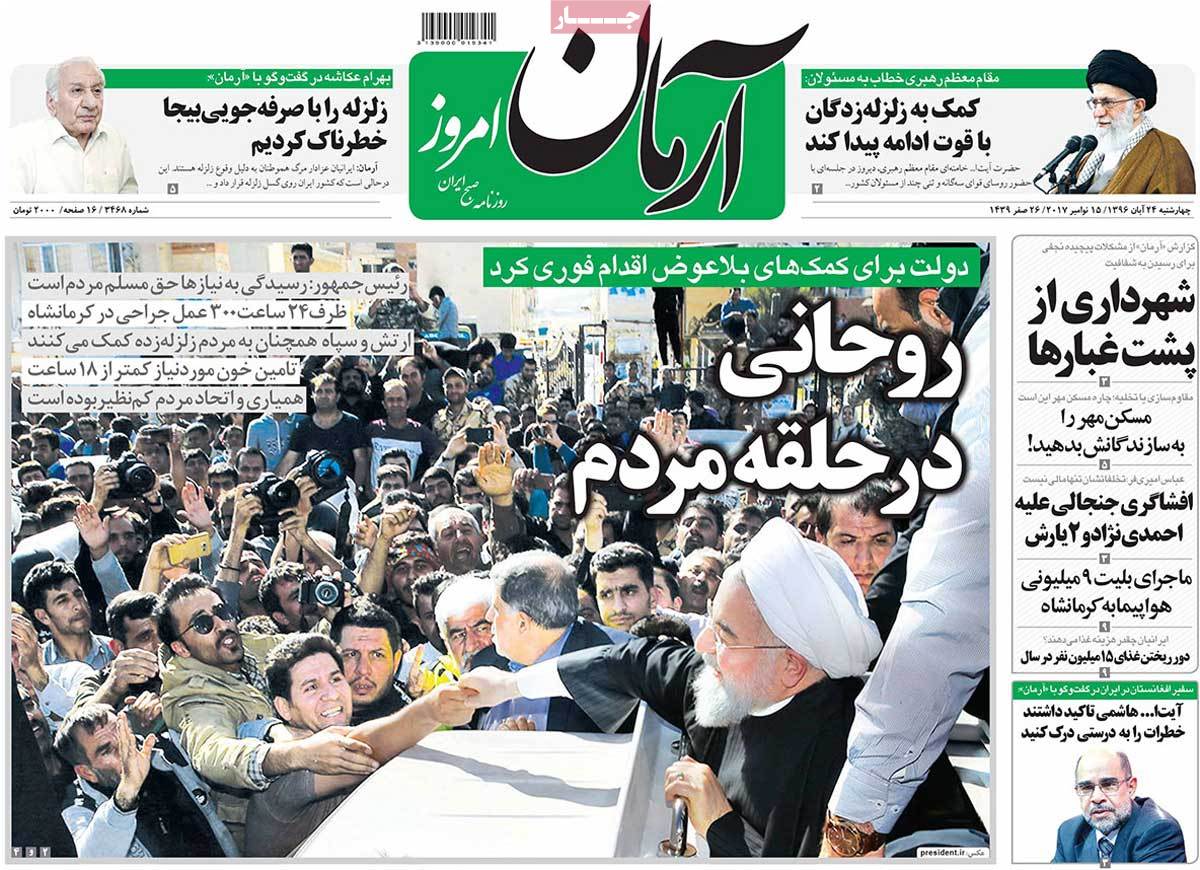
A Look at Iranian Newspaper Front Pages on November 15


Ebtekar:

1- Iran Leader Calls for Continuation of Rescue Efforts amid Quake

2- Rouhani in Visit to Quake-Hit Areas: Today’s Day of Unity among Gov’t, People
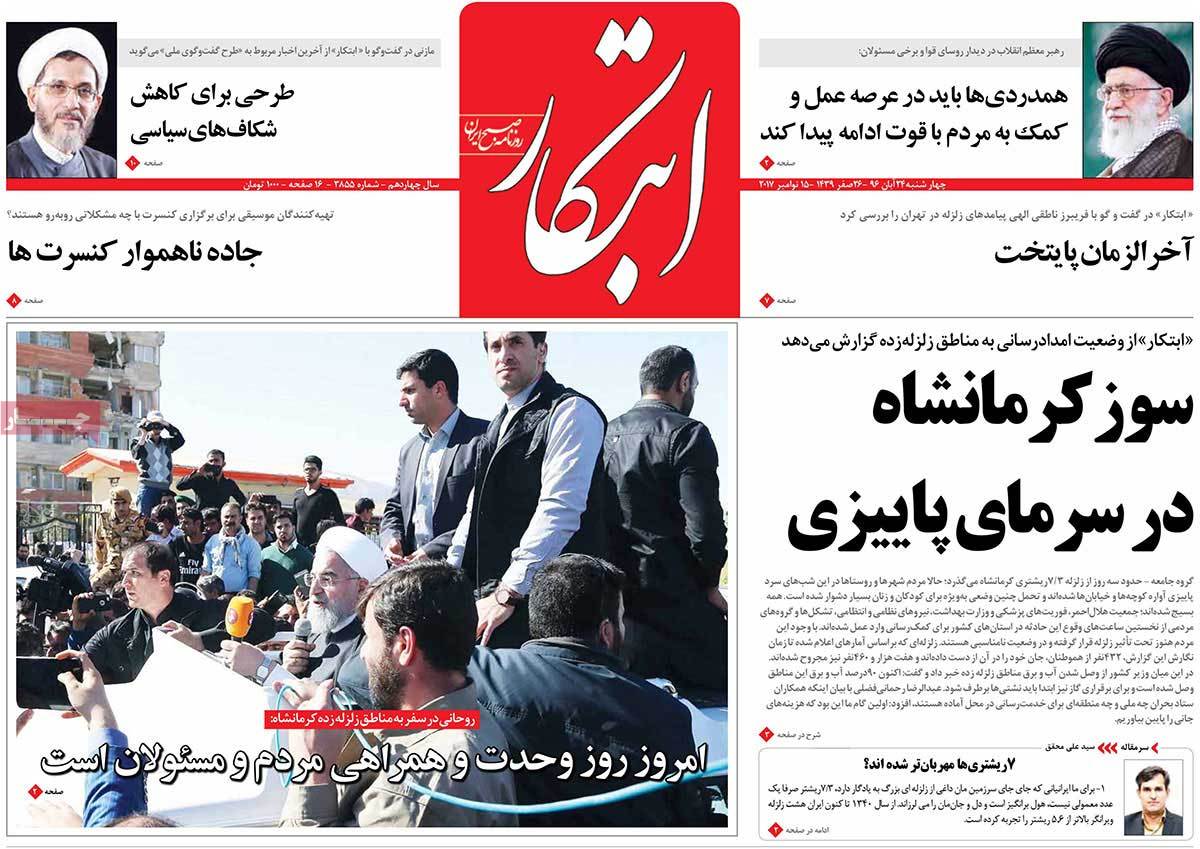
A Look at Iranian Newspaper Front Pages on November 15


Etemad:

1- Sound of Hope: Second Baby Born after Earthquake in Kermanshah
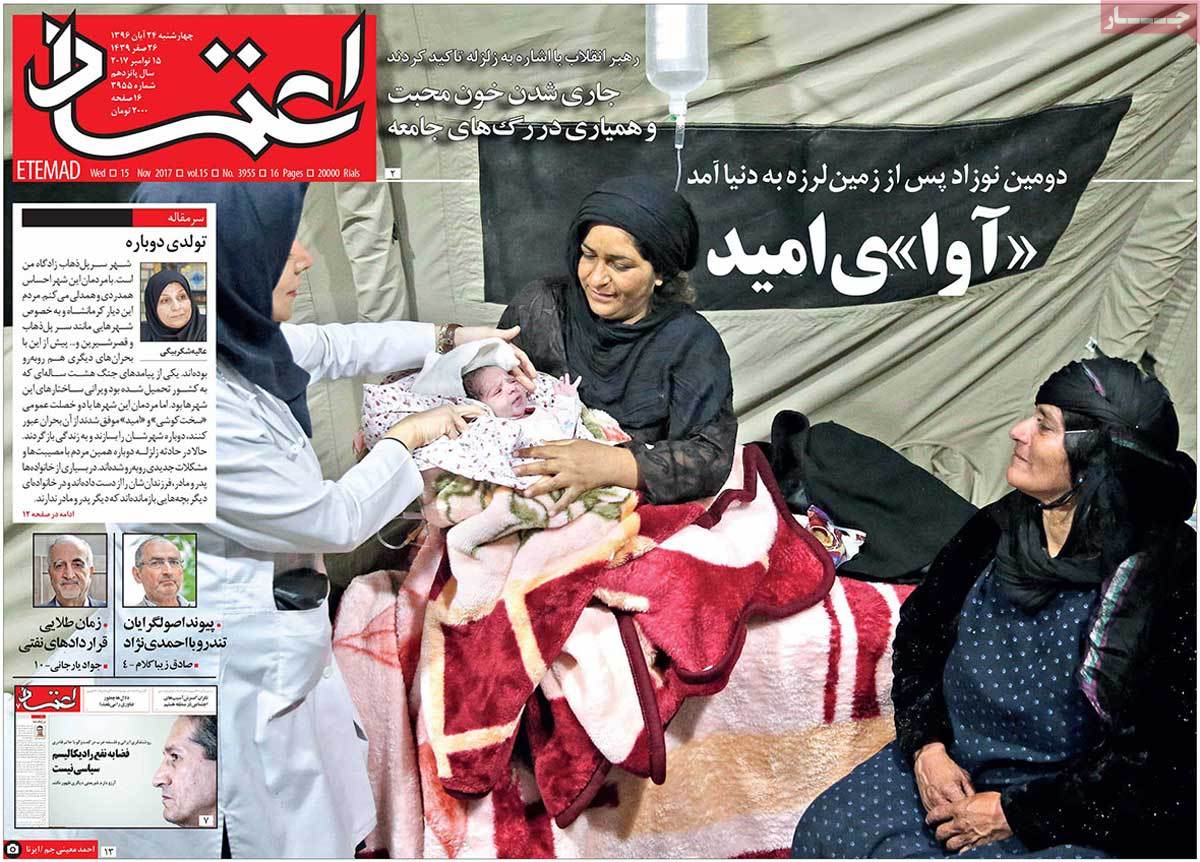
A Look at Iranian Newspaper Front Pages on November 15


Ettela’at:

1- Iran Leader: Earthquake Divine Trial for Officials to Perform Duties

2- IAEA: Iran’s Activities Comply with JCPOA

3- BBC Reveals Washington’s Secret Deal for Safe Exit of ISIS Terrorists from Raqqa

4- Zarif in Letter to UN Chief: Stop Saudi Arabia’s Slaughter of Yemenis
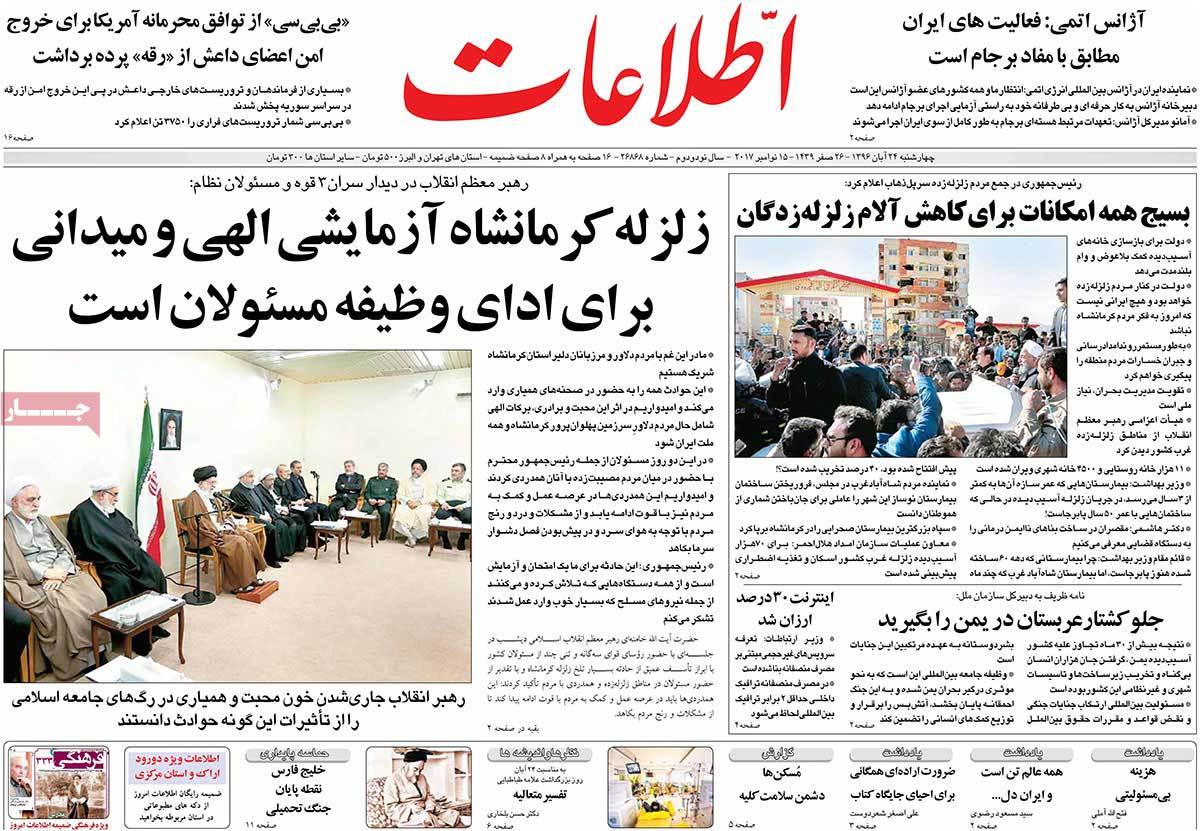
A Look at Iranian Newspaper Front Pages on November 15


Farhikhtegan:

1- Velayati: Hariri’s Remarks Made under Influence of Saudis
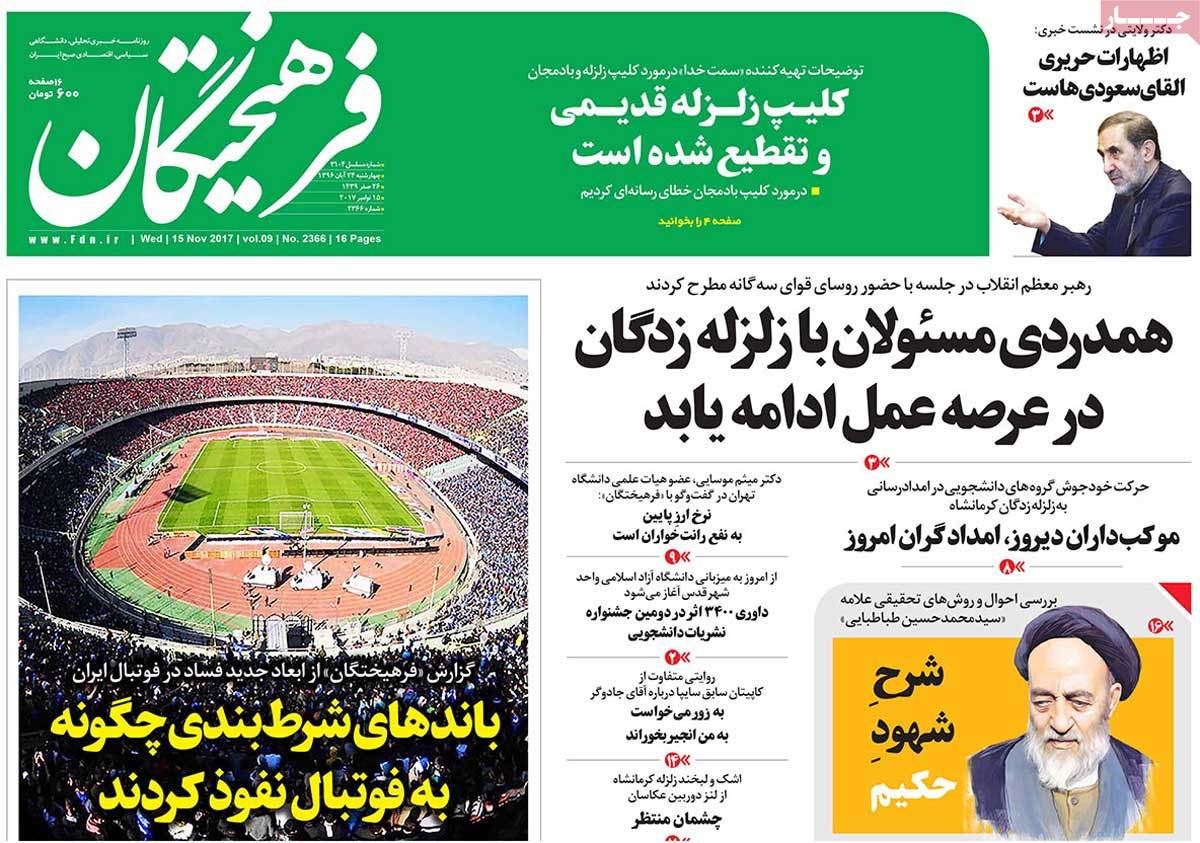
A Look at Iranian Newspaper Front Pages on November 15


Iran:

1- Rouhani in Kermanshah: Gov’t to Stand by Quake-Hit People

2- Armed Forces Remedy for Quake-Struck People’s Wounds
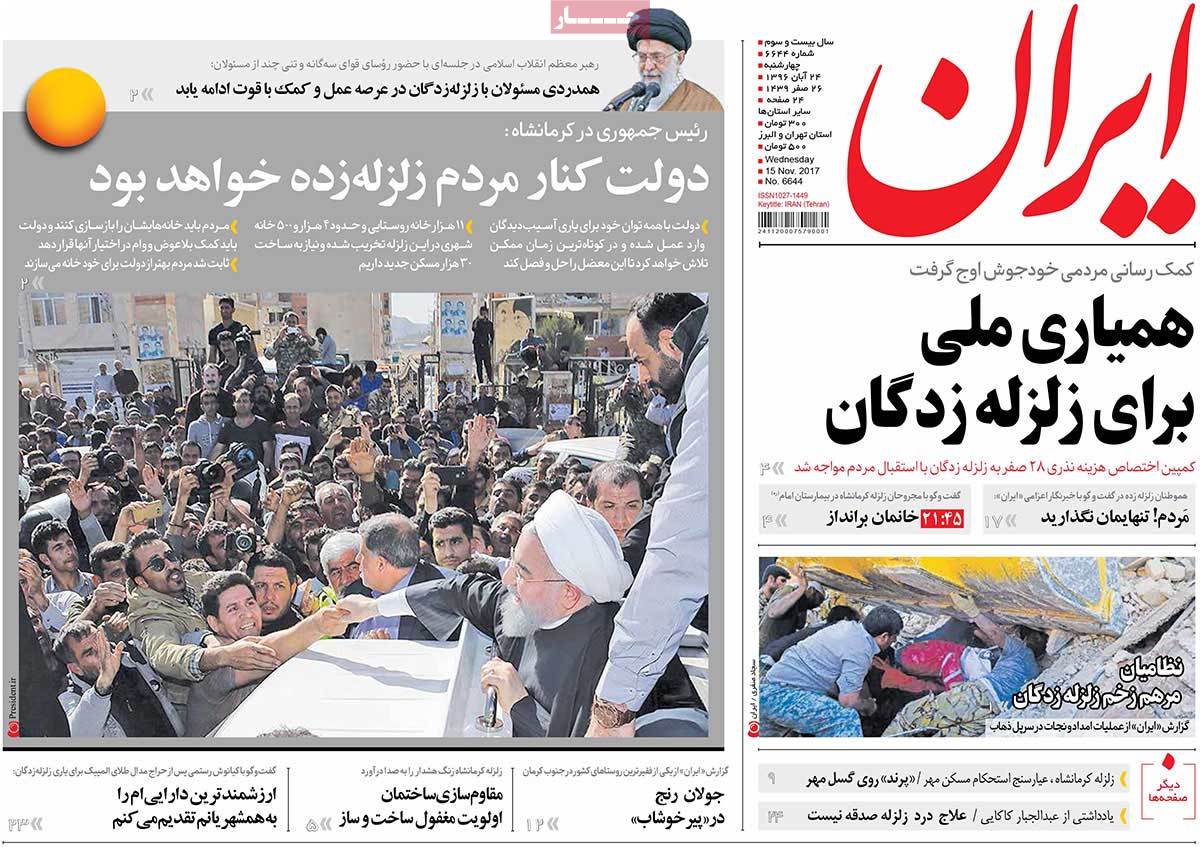
A Look at Iranian Newspaper Front Pages on November 15


Javan:

1- People Outpace Officials in Relief and Rescue

  • MPs, Ministers Complain about Deficiencies in Relief, Rescue

2- Lavrov: Putin Had No Deal with Trump on Iran
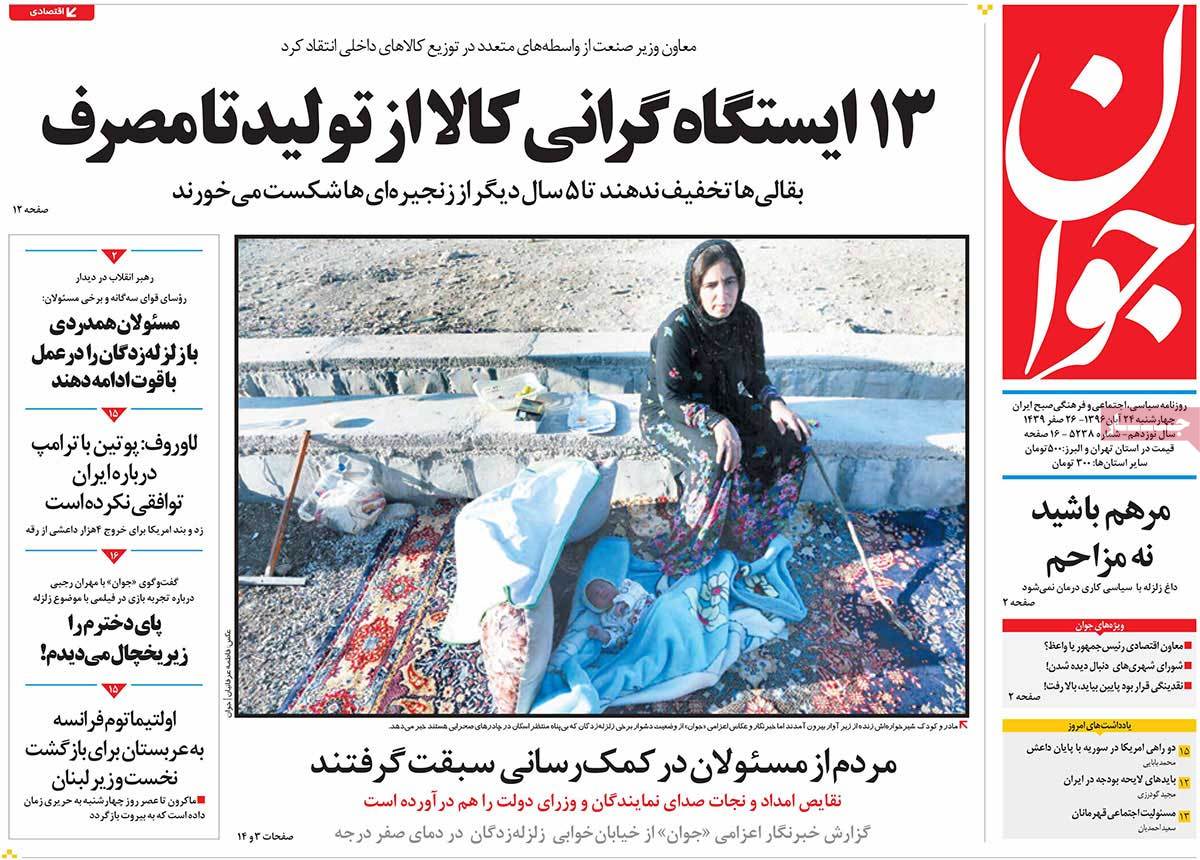
A Look at Iranian Newspaper Front Pages on November 15


Jomhouri Eslami:

1- New IAEA Report Shows US Claims Were Wrong: Iran Envoy

2- ATR CEO: 8 New Planes to Be Delivered to Iran in 2 Months

3- IAEA Once Again Confirms Iran’s Compliance with Nuclear Deal

4- Mogherini Rejects US Request for Putting Iran under Pressure

  • EU Has No Plan to Impose New Sanctions on Iran
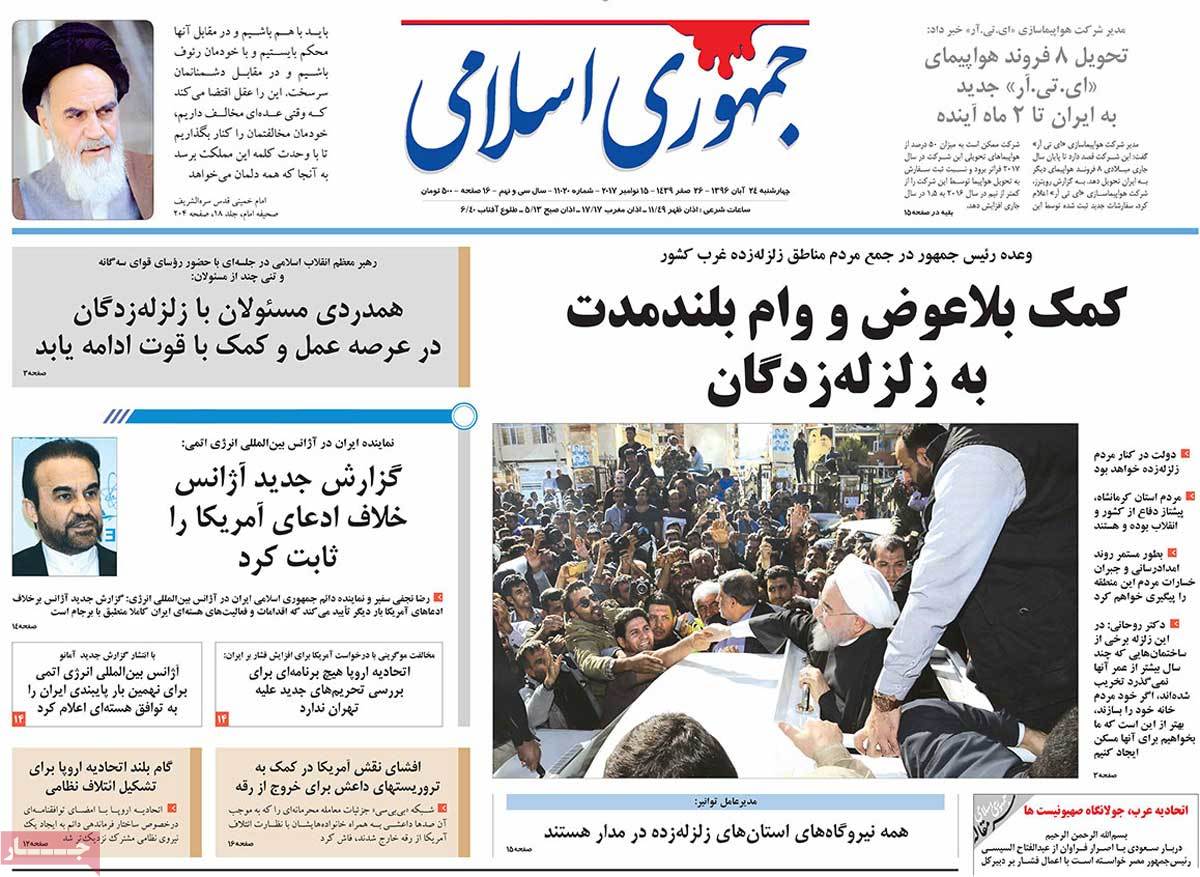
A Look at Iranian Newspaper Front Pages on November 15


Kayhan:

1- Ruins of Lie Heavier than Ruins of Disaster

  • Iran First VP: Majority of Destruction in ‘Mehr’ Mass Housing Project
  • House Official in Kermanshah: Only 2 People Died in ‘Mehr’ Buildings

2- Velayati: Hariri’s Resignation Plotted by Saudis

3- European Journalist: Myanmar Atrocities More Horrible than ISIS Crimes
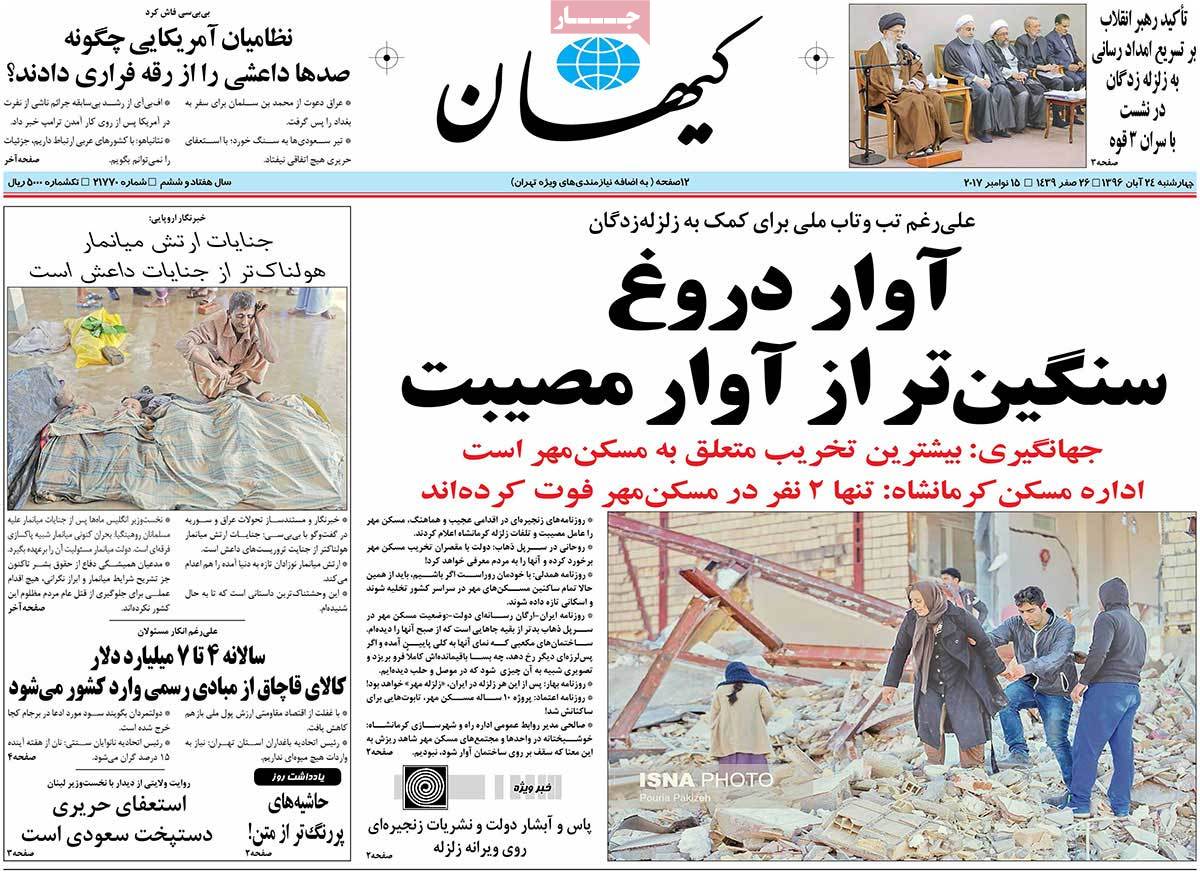
A Look at Iranian Newspaper Front Pages on November 15


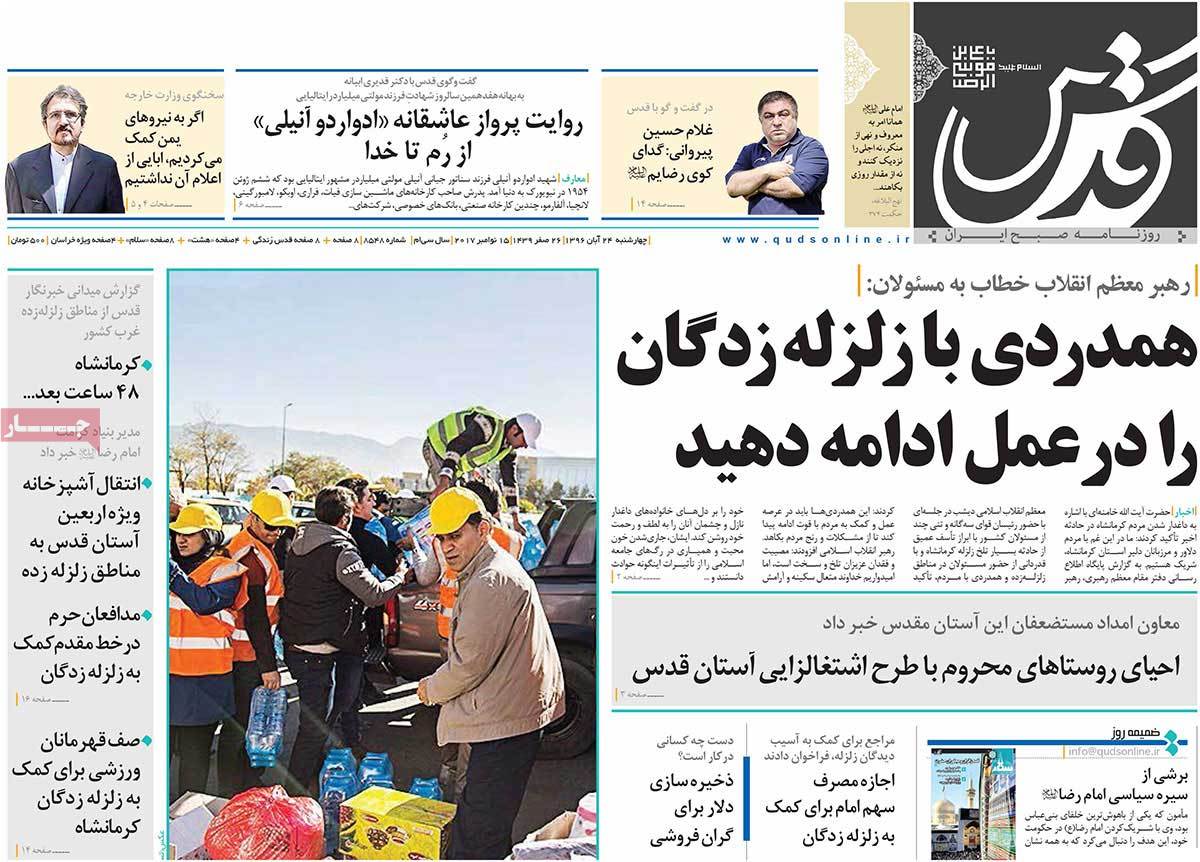
Quds:

1- Iran Foreign Ministry Spokesman: If We Were Helping Yemeni Forces, We’d Have Declared ItA Look at Iranian Newspaper Front Pages on November 15


Resalat:

1- Iran Mourning Quake Victims

2- 12,000 Houses Totally Destroyed by Earthquake

3- Judiciary Chief: We’re Opposed to Presence of UN Human Rights Special Rapporteur in Iran

4- Zarif: Int’l Community Should Put an End to Stupid War in Yemen
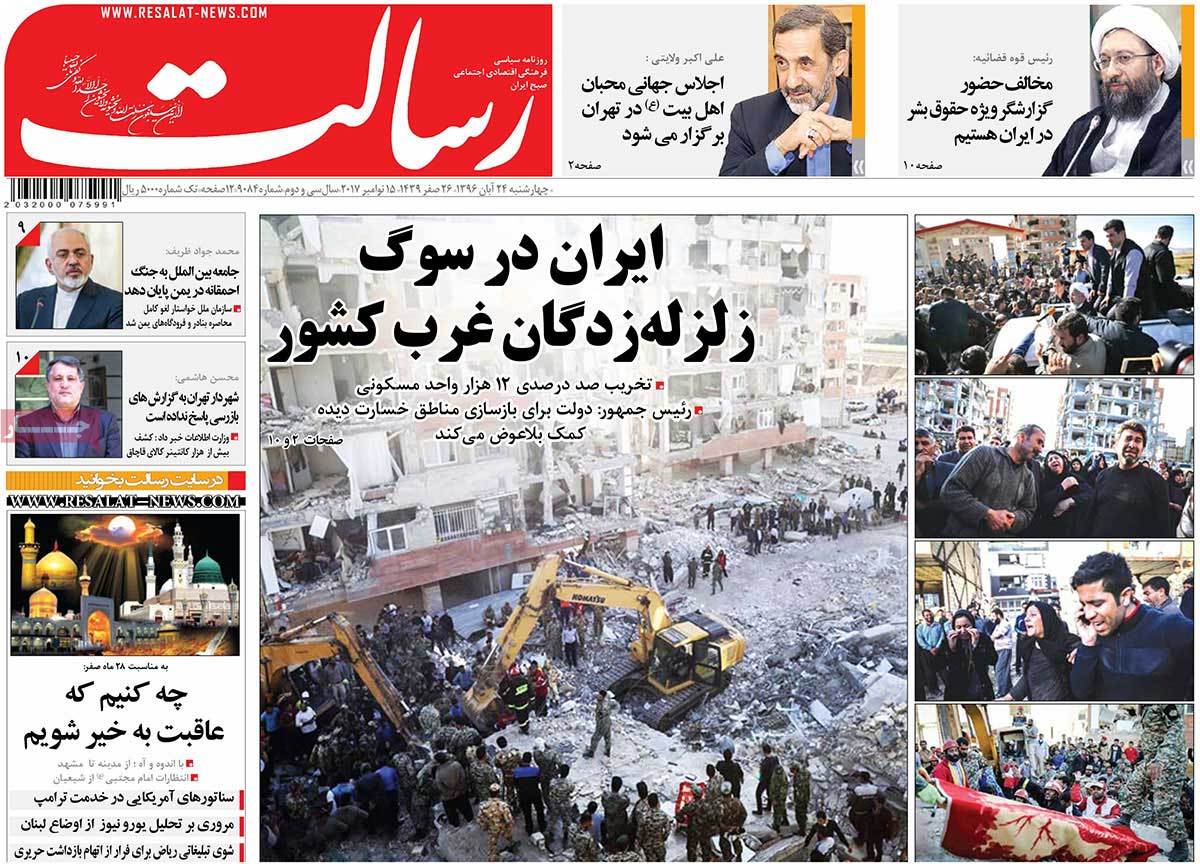
A Look at Iranian Newspaper Front Pages on November 15


Shargh:

1- Velayati: My Talks with Hariri Not Harsh, Tough

2- Hariri’s Office to Velayati: He Wasn’t Offered to Mediate
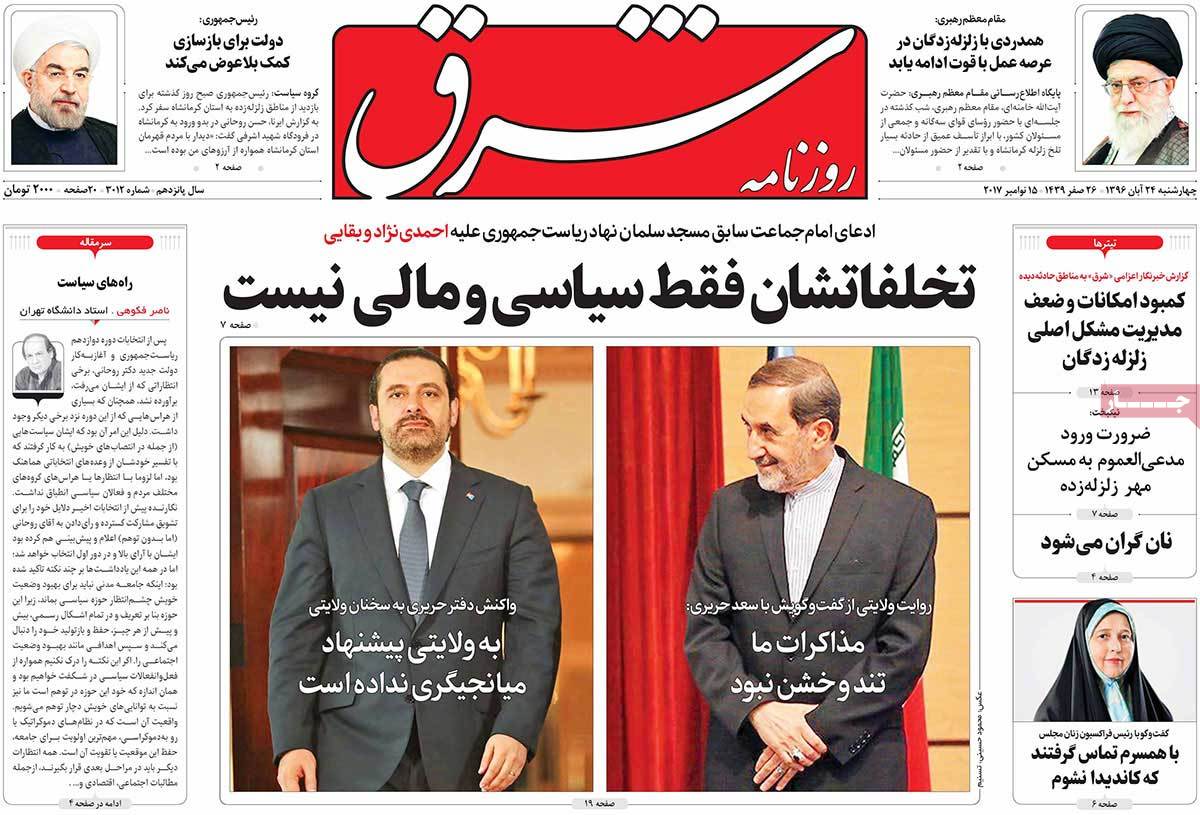
A Look at Iranian Newspaper Front Pages on November 15


Iran Blasts Canada for Double-Standard Policies on Human Rights

Iran Blasts Canada for Double-Standard Policies on Human Rights

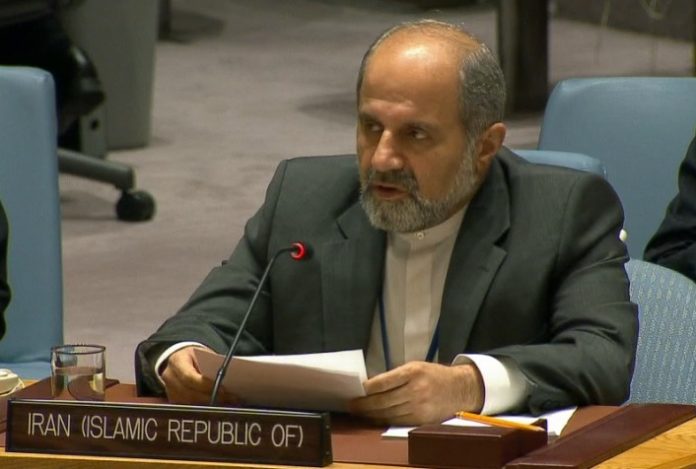
Iran’s Deputy Permanent Representative to the UN Es’haq Al-e Habib was reacting to a Canada-drafted human rights resolution, which was adopted Tuesday against Iran by the Third Committee of UN General Assembly with 83 votes in favor, 30 against and 68 abstentions.

Speaking during the session, Al-e Habib rejected the document as “politically-motivated” and said “double standards are an integral part of Canada’s foreign policy.”

“We regret that few unscrupulous Governments continue challenging integrity and credibility of the United Nations through pushing for this politically-motivated resolution that only underscores how selective, irrelevant and subjective UN decisions could sometimes become,” he added.

He pointed to some examples of Canada’s non-compliance by its international human rights obligations, including Ottawa’s discriminatory policies against indigenous people and its support for the Israeli regime.

“Ottawa along with very few others in the whole world have consistently and unconditionally supported Israel despite all the gross, abhorrent and systematic violations of human rights committed by that regime. This level of hypocrisy and double standard is mind-boggling,” the Iranian envoy pointed out.

Al-e Habib also referred to Canada’s discriminatory policies against its own indigenous people, adding, “While police brutality, forced disappearances and murder of the indigenous people are well documented, indigenous women and girls continue to suffer from the institutionalized discrimination and violence.”

Iran Blasts Canada for Double-Standard Policies on Human Rights

“Canada should have realized thus far that such a pointless and futile exercise is a disservice to the human rights cause, a harmful measure against the UN human rights mechanisms and a disrespect to the wisdom of the people who closely monitor Canada’s selective stances on human rights situations,” the Iranian envoy said.

Saudi Arabia rights violations

During the session, Al-e Habib also lashed out at Saudi Arabia for supporting the Canada-drafted resolution against Iran, while Riyadh itself has been blatantly violating human rights both at home and in different parts of the world.

The Iranian envoy noted that Saudi Arabia kills more children in Yemen than al-Qaeda, Daesh and al-Nusra put together around the globe, adding, “Saudi regime being a partner in the global fight against terrorism and intolerance is blatant mockery of humanity, human rights, justice and peace.”

“Spending billions of dollars buying beautiful arms and Western public relation corporations cannot hide the real face of Saudi, whose money also fuels sectarianism in the Persian Gulf, Middle East and the world,” he said.

Iran Blasts Canada for Double-Standard Policies on Human Rights

Al-e Habib went on to enumerate some instances of rights violations by Saudi Arabia, including Riyadh’s crackdown on all forms of dissent across the country, particularly in the eastern city of Awamiyah, mainly populated by minority Shia Muslims.

He highlighted the slavery of hundreds of thousands of female migrant workers inside Saudi Arabia, the systemic violation of human rights of minorities there.

The Iranian official also drew attention to the Saudi massacre of thousands of Yemeni civilians during its military campaign against the impoverished country as well as the number of the kingdom’s nationals, who have joined Takfiri terror outfits such as al-Qaeda, Daesh and al-Nusra Front.

Japan Offering Artificial Intelligence Course to Iranian Researchers

Japan Offering Artificial Intelligence Course to Iranian Researchers

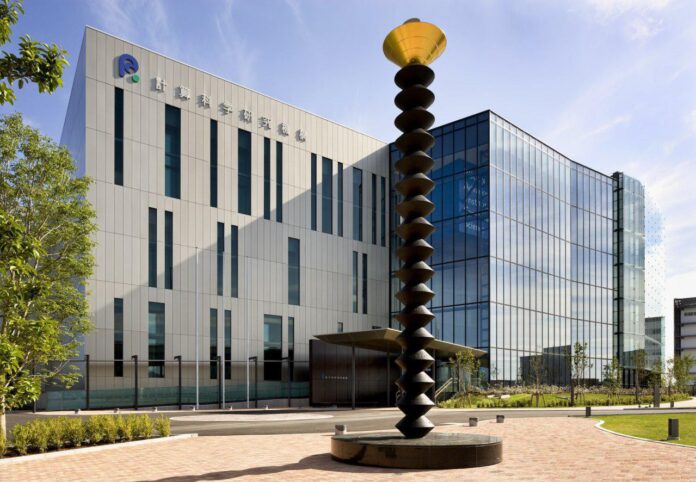
RIKEN institute is offering a training-research course held in Japan for Iranian Ph.D. students working in the field of artificial intelligence (AI).

According to a Farsi report by Mehr News Agency, the three-month course is organized for students doing research in the domain of AI, and can be extended.

The RIKEN institute headquartered in the Japanese capital, Tokyo, is one of the country’s largest stem cell research institutes.

Kurdistan Says to Respect Iraqi Supreme Court’s Verdict

Kurdistan-Iraq

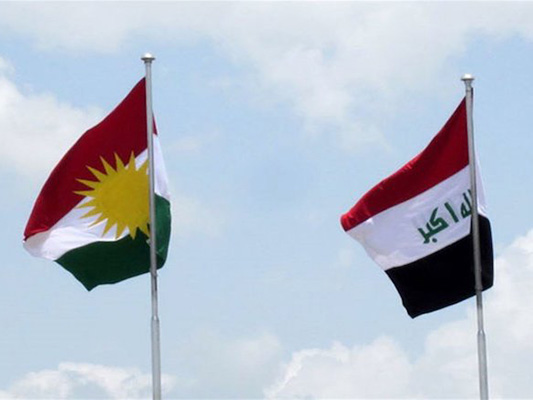
In a statement on Tuesday, the KRG reacted to the Supreme Court’s verdict on the First Article of the Iraqi Constitution saying it respects the verdict and expresses hope that the court ruling paves the way for comprehensive talks between Erbil and Baghdad on differences over the interpretation and implementation of the Iraqi Constitution.

According to a Farsi report by Mehr News Agency, the statement also said the government of the Kurdistan Region accepts the verdict of the Federal Supreme Court because it has always remained committed to finding a solution to the current differences with the federal government in Baghdad through legal mechanisms.

“We have always welcomed any initiative set forth to resolve the differences by Iraqi figures including the top Shiite cleric Ayatollah Sistani as well as neighbouring states’ officials calling for sticking to Iraqi Constitution to tackle the problems.”

Iraq’s Supreme Court issued its verdict on the First Article of Iraqi Constitution on November 6 requiring all Iraqi federal officials to respect the sovereignty of the country.

The court also emphasized that there is no article in the constitution allowing any Iraqi ethnic group to announce independence from the country.

Iranian Scientists Find New Treatment for NB Cancer

Iranian Scientists Find New Treatment for NB Cancer

The new method has been developed by a group of Iranian scientists including students and professors of Tehran University of Medical Sciences, a Farsi report by the Iranian government’s official website said.

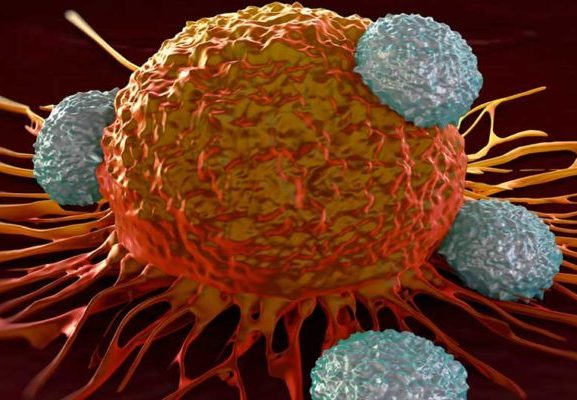
Funded by the government, the scientists have managed to treat the NB cancer in an animal by killing a large number of cancer cells through activating its immune cells.

“Immune cells make up the first defence line of our body against cancer cells but the cancer cells usually survive the attacks by the immune cells through a complicated mechanism. They also thwart the immune cells’ attacks and begin to multiply,” said Alireza Shoa-Hassani, the head of the scientists group.

“In our body, various cells can merge together by using some secretions known as exesome. During our research in the laboratory, we managed to extract the exesome of the cancer cells when they merge with the neuroblastoma tumour cells,” he added.

He went on to say that the extracted exesome can fight and kill the nuroblastoma cells in large numbers.

According to Shoa-Hassani, the scientists have published their findings on the exesome in an article titled Nexosome.

“Neuroblastoma is a type of cancer mostly common among the children who have to undergo chemical treatments. But some of these patients don’t get treated even by the chemical surgeries and the cancer cells begin to spread in their bodies. So these patients have no way but to have hematopoietic stem cell transplantation,” said a member of the scientists group, Amir-Ali Hamidieh.

He went on to say that unfortunately sometimes even Hematopoietic Stem Cell Transplantation does not work. “We have found a new treatment for these patients and our findings are very promising,” he added.

Iran, Italy to Enhance Cooperation in Culture, Art

Iran, Italy to Enhance Cooperation in Culture, Art

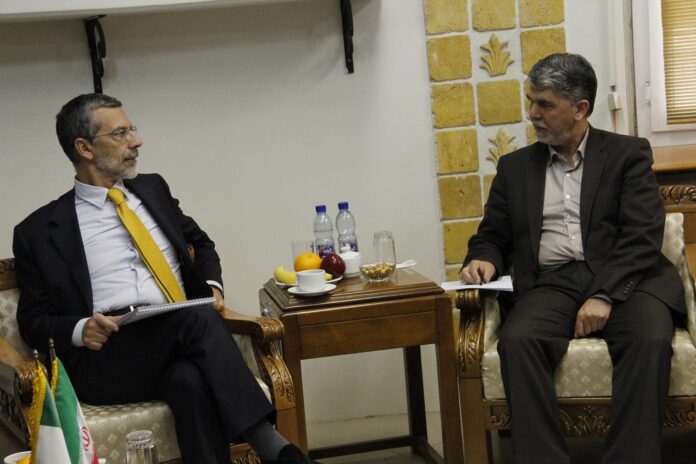
Iran’s Minister of Culture and Islamic Guidance Abbas Salehi says Tehran and Rome have great potential to enhance mutual relations in the fields of art and culture, reports the Persian-language Shabestan News Agency.

“Iran and Italy have many commonalities in the domains of civilization and culture, and I hope relations between the two countries will further expand, said the Iranian minister in a meeting with Italian Ambassador to Tehran Mauro Conciatori.

Salehi said the two countries have taken good joint measures, which will create good opportunities for the two sides to forge closer cooperation in the fields of culture and art.

He touched upon Italy’s presence at Tehran’s international book fair, saying Iran and Italy’s participating in book fairs held in the two countries will set the stage for writers and publishers of both sides to further expand their cooperation.

He also said written works should be translated into Persian and Italian.

The top Italian diplomat, in turn, said Tehran and Rome have a long history of cooperation in the fields of cultural and artistic activities.

He then touched upon Italy’s Cultural Week to be held in Tehran, adding Rome plans to conduct numerous cultural and artistic activities during the event.

Who Is Real Winner of Recent Mideast Developments?

Senior political analyst Yadollah Javani has, in an article published by Basirat news website, weighed in on the most recent developments in West Asia. The full text of the analytical piece follows:

At this juncture, West Asia could be regarded as the world’s most strategic region due to different reasons. Indubitably, the power controlling this region will be a major player in international equations in the third millennium. Bloody battles in the region over the past 15 years began with the deployment of US military troops and the occupation of Afghanistan and Iraq. The US tried to gain a foothold in the region as a precursor to securing domination over the world. The Islamic Revolution of Iran not only freed Iran, as the most strategic country in the region, from the clutches of the US and the West, but challenged the West’s centuries-old domination over the Middle East. Over the past 15 years, the West led by the US has tried its utmost to maintain its domination over the region. Among the measures adopted by the West to achieve this objective were the invasion of Afghanistan and Iraq, the Israeli attacks on Lebanon and Gaza and the outbreak of the 33-day, 22-day, 8-day and 51-day wars, waging wars inside the Muslim world and triggering religious tensions by creating and equipping Takfiri terrorist groups such as ISIS, and the Saudi aggression against Yemen.

In these bloody conflicts as well as war of words and strategic standoffs, two forces are facing off and each one wants to overcome the other. On the one side of this front stand the elements of a triangle comprising the US, Israel and the Al-Saud dynasty receiving strategic advice from the old colonialist power, the UK. However, on the other side of the front stand the regional nations which, inspired by Iran and modeling their struggles after the Islamic Revolution of Iran, are engaged in a serious campaign to regain their identities and self-esteem and to extricate themselves from the clutches of the West, diabolical powers and corrupt, autocratic and puppet governments. In fact, the major confrontation in the region is unfolding between tyrants and the oppressed. Of course, in this war of words and strategic standoff, the Russians have come to the conclusion that standing by the regional nations will serve their interests. Popular forces in the region are organized around the axis of resistance in which Iran plays the main role. Now the question regarding this conflict and strategic standoff is that “Who will be the ultimate winner?”

Will the US, Israel and Al Saud be the final winners of this battle? Or will the regional nations be the winners? Reviewing the trend of the developments in West Asia over the past four decades and figuring out the key and determining processes will give us a definitive answer. In these trends, the following points could determine the future for both fronts.

Tyrants’ Front

  1. Over the past four decades and especially in the recent 15 years, the Americans have suffered strategic defeats in the region. As their power has declined, they have lost their ability as a player to achieve their objectives. Over the past years, they have sustained heavy costs and have inflicted damage, but have failed to gain what they wanted. The Americans have been seeking to form a new Middle East with features they desired. The full extent of the Americans’ failure to achieve this objective can be figured out by reviewing Trump’s words at different junctures throughout his election campaign where he said that Washington had spent $6 billion on Middle East wars without gaining any achievements. The United States is the real loser of the developments in Iraq, Syria, Lebanon, the occupied territories and other developments.
  2. Although the Zionist regime of Israel had enjoyed security in recent years thanks to the tensions triggered by terrorist groups in the region, Tel Aviv is now extremely worried about its future following the defeat of the ISIS and other terrorist groups in the region as well as an increase in the power of the resistance front due to its strategic triumphs. During Israel’s wars against Lebanon and Gaza, uncertainty grew over the Tel Aviv regime’s power.

Now, the bellicose Israeli regime does not dare launch military attacks on other countries as it used to. The victory of the resistance front over ISIS, the decline of the US power in the region and the Islamic Awakening current gaining strength have all put the Israeli regime in a strategic bind.

  1. The defeats of the United States and Israeli regime in the Middle East region can be regarded as the failures of the Al Saud regime. The Saudi regime has lost its influence in Iraq and Syria altogether and is seriously concerned about its influence in Lebanon. The Saudis are trying to create a crisis in Lebanon by making Saad Hariri resign as Lebanese president, hoping to put an end to Iran and Hezbollah’s influence in Lebanon. Riyadh’s resorting to the Israeli regime to attack Hezbollah indicates Saudi rulers’ growing concern over losing their leverage in Lebanon. The Al Saud rulers have been overcome by the oppressed and poor Yemeni people, and are now on the defensive in a war that it started itself. Yemen’s possession of the technology to develop missiles capable of striking Riyadh has extremely horrified Saudi Arabia. A turf war among Saudi princes as well as the extensive and unusual arrests shows what the situation of the Al Saud dynasty is like. Currently, many Western analysts believe Saudi rulers’ behaviour are similar to the behaviour of the Shah [former Iranian dictator] before the downfall of the Pahlavi regime (the former Iranian regime led by the Shah).

Therefore, the tyrants’ front in the region is heading toward annihilation and will never be able to escape this fate.

Front of the Oppressed

The front of the oppressed also known as the front of nations led by the Islamic Republic of Iran has turned into a very strong front in the region. Now, Iran’s strategic influence in the region coupled with its scientific and military strength has tipped the balance of power in the region in favour of nations. Iran’s strategic influence in the region is the major concern for the West, especially the US. Western nations are worried because this influence is based on the support of people, people who have been organized in the regional countries and are developing their power in a targeted manner. The Lebanese Hezbollah, Yemen’s Ansarullah, Iraq’ Popular Mobilization Unites and popular forces in Syria are prime examples of organized people. Incontrovertibly, this people-based front will form the future of the region. After several years, order will return to the Middle East on the back of efforts by the regional nations. So, there is no doubt that the main winner of the developments in West Asia is the regional nations led by Iran.