Wednesday, May 6, 2026
Home Blog Page 3742

Baquer Namazi Not Released from Jail: Iran Judiciary

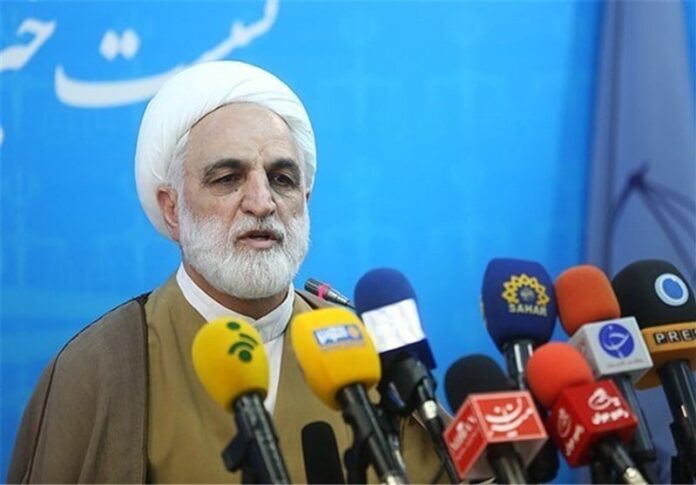
“The individual has not been released,” Gholam Hossein Mohseni Ejei said in a weekly press conference on Sunday.

“Like many other prisoners, he has gone on leave,” he added.

Namazi had applied to leave the prison only for three days, Ejei further said, adding that it was later extended over his health condition.

His remarks came after a US State Department official said recently that the 81-year-old dual national was temporarily released from prison over health concerns after the US and Iran conducted backchannel discussions about releasing American prisoners.

State Department spokeswoman Heather Nauert took to Twitter, saying, “We welcome the release of Baquer Namazi given his deteriorating health, but we note that his release is only temporary. We call for the immediate and full release of the Namazi family, including his son Siamek, as well as other Americans unjustly held by the Iranian government”.

Namazi was imprisoned in February 2016, after traveling to Tehran to secure the release of his son Siamak, an American-Iranian businessman, who was detained in October 2015. They were both charged with espionage and collaborating with a foreign government and sentenced to 10 years in prison.
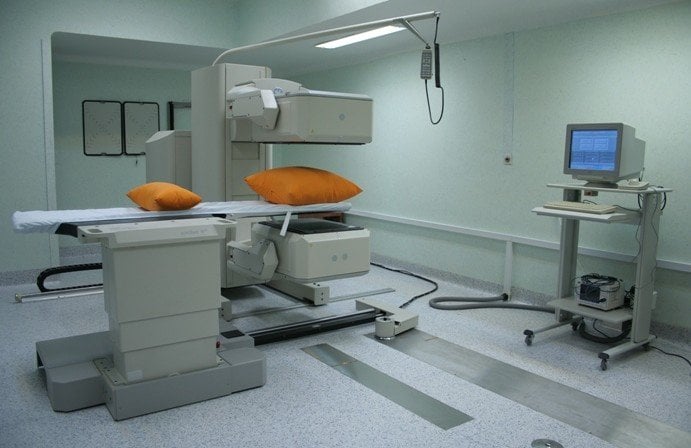
Austria to Allocate €200m for Iran’s First Nuclear Hospital

The Atomic Energy Organization of Iran (AEOI) says Austrian banks have allocated €200 million for the procurement of the equipment required for a nuclear hospital in Tehran.

“One of the most important phases in the construction of the hospital is the provision of equipment on which negotiations have been held with an Austrian company,” said AEOI Spokesman Behrouz Kamalvandi as quoted by the Persian-language Islamic Republic News Agency (IRNA).

He said a considerable amount of time has been spent on the conclusion of the contract.

“The Austrian side has undertaken to provide the funding. One bank will provide the financing, and another will guarantee the funds granted. The process has been fruitful with the help of the Central Bank and Investment Organization,” the spokesman noted.

He said the €200 million provided by Austrian banks will be repaid from the revenues of the hospital once it becomes operational.

The contract on the construction of Iran’s first nuclear hospital was signed in 2015 in a ceremony attended by the AEOI chief and health minister.

Security Forces Seize 2.9-Tonne Drug Haul in SE Iran

Following a sensitive round-the-clock operation, the intelligence forces managed to seize a 2,869-kilogram haul of illicit drugs in the province.

The illicit drugs loaded onto two Toyota pickup trucks were smuggled into Sistan and Baluchestan province, a Farsi report by Fars News Agency said.

This is largest haul of illicit drugs seized by Iranian intelligence forces over the past years.

With its 900-kilometre common border with Afghanistan, Iran has always been used by the smugglers as the main conduit for transferring Afghan drugs to narcotics kingpins in Europe.

Iran has been fighting drug-trafficking over the past three decades paying a heavy economic and human price.

Nearly 4,000 Iranian police forces have lost their lives during the fight in the past four decades.  Meanwhile, Iran has spent over $700 million on sealing its borders and preventing the transit of narcotics destined for European, Arab and Central Asian countries.

Fire at Iraqi Hotel Kills Two Iranian Pilgrims (+Video)

The fire started at Al-Nasir Hotel, located in Najaf’s Old City quarter, which was accommodating Iranian pilgrims.

A Farsi report by the IRIB News Agency  quoted an official with Iran’s Hajj and Pilgrimage Organization as saying that two women died as the result of smoke inhalation in the blaze and another woman has been transferred to hospital for treatment.

Earlier, Najaf police had announced that no one has been killed in the incident.

Initial reports said over a hundred pilgrims suffered from smoke inhalation.

The fire was caused by burning of a curtain close to a heater in one of the rooms in the third floor of the hotel.

In December 2017, in a similar incident that broke out inside al-Qabtan Hotel in the city of Najaf, dozens of people were wounded, including several Iranian pilgrims.

Governmental offices and business centres in Baghdad and several other provinces experience similar problems every now and then.

Najaf hosts the shrine of the First Shiite Imam, Imam Ali (PBUH), and is frequented by thousands of Iranians each year.

“Iran to Export 3m Barrels of Oil to Russia Monthly”

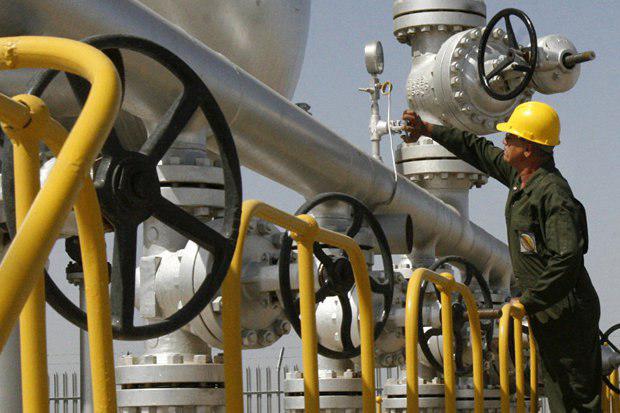
Iran’s Oil Minister Bijan Namdar Zanganeh says Tehran has signed a contract with Moscow under which the country will export three million barrels of crude oil to Russia on a monthly basis.

Speaking in a press conference on Sunday, the oil minister noted that Iran’s crude exports in the ten months to January 2018 rose by 60,000 barrels year on year.

“Also, production and exports of oil have increased by more than one million barrels following the [conclusion of the] Iran nuclear deal,” the minister noted.

He further said construction of supply lines to take Iran’s crude to Iraq have been completed.

Elsewhere in his remarks, Zanganeh said production of natural gas at the South Pars Oil and Gas Field stood at 285 million cubic metres in 2012, adding the figure reached 553 million cubic meters last month.

The oil minister underlined that the contracts signed with France’s energy giant Total, the China National Petroleum Corporation (CNPC) and Iran’s Petropars are going according to schedule.

Zanganeh further said Trump wants to create the impression that the situation for foreign investors in Iran is unstable.

“Trump is suspending the Iran nuclear deal every four months, which somehow causes instability. We cannot say Trump’s decisions have no impact on the decisions made by Total and other companies, but we will go ahead with what we’re doing,” the minister said.

He also said OPEC is to meet in June to decide on whether or not to curtail its output.

Iran FM, Philippine Official Call for Expansion of Ties

During the Sunday meeting held in Tehran, the two sides underlined the reinforcement and promotion of bilateral ties between Tehran and Manila, particularly in the fields of economy, energy, and petrochemistry.

De Venecia, who is also the Chairman of International Conference of Asian Political Parties (ICAPP), also conferred with Zarif on the development of cooperation between Asian political parties.

Diplomatic relations between Tehran and Manila started on January 22, 1964.

As of February 2016, Iran has been one of the six nations with which the Philippines has a Joint Economic Commission at a ministerial level.

There is a community of thousands of Iranians in the Philippines including many international students drawn by the country’s low-cost English education.

On the other hand, many Filipino maritime labourers are working in Iran, particularly in the Persian Gulf island of Kish. The two sides have agreed to ensure better labour conditions for these workers. Manila has also expressed its preparedness to open a consulate in Kish considering the huge number of its nationals working in the island.

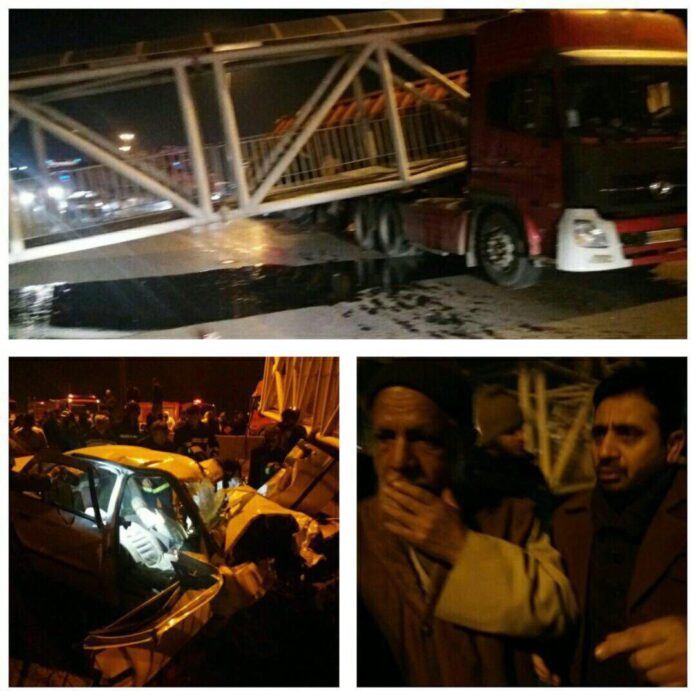
Five Killed, Wounded after Collapse of Pedestrian Bridge in Tehran (+Video)

The lorry driver whose car crashed with the bridge and caused its collapse is now under arrest, according to the prosecutor of Pakdasht.

The rare incident took place on Saturday night, and temporarily blocked the road connecting Pakdasht to Tehran.

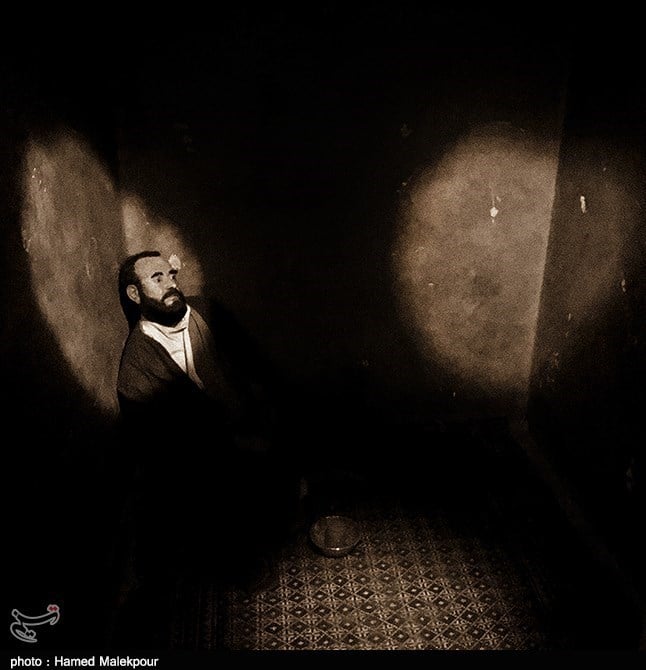
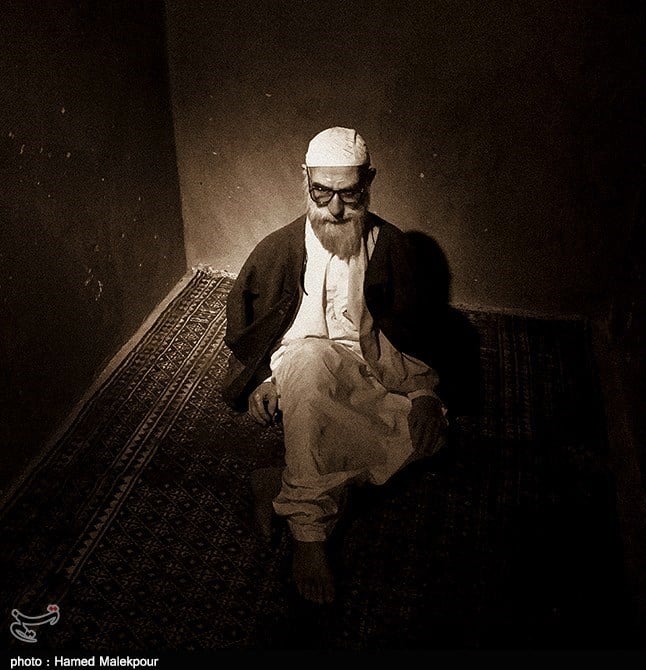
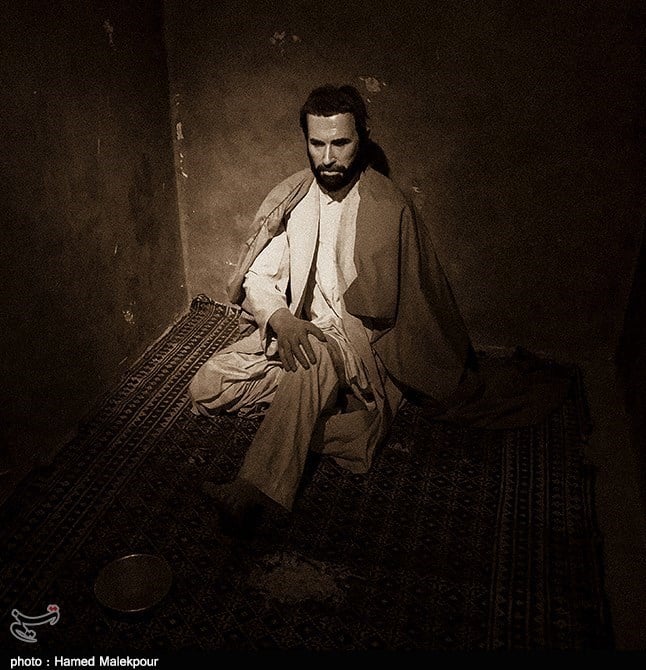
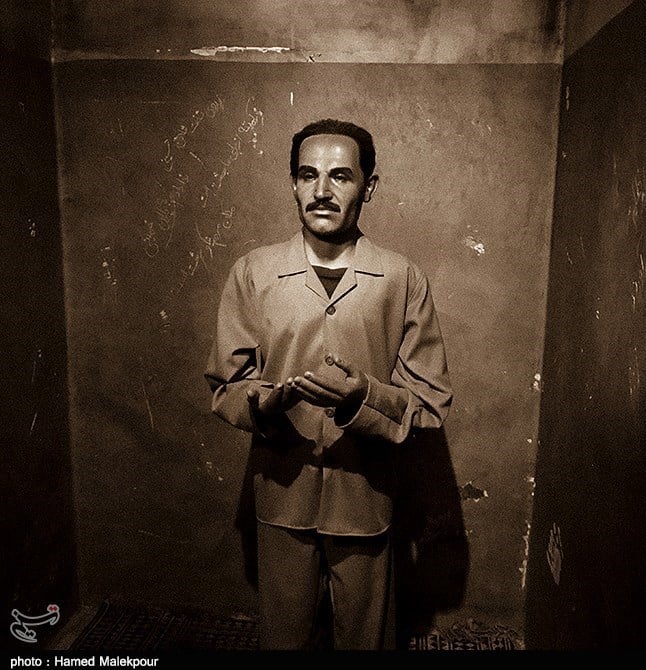
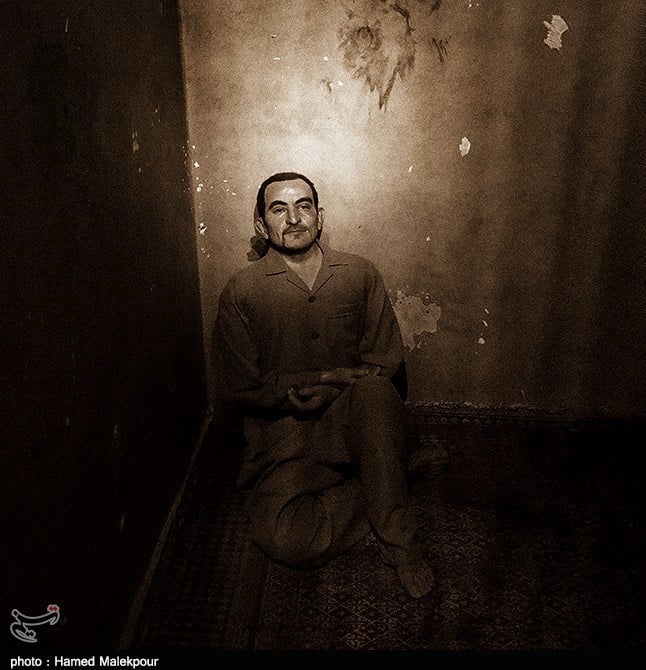
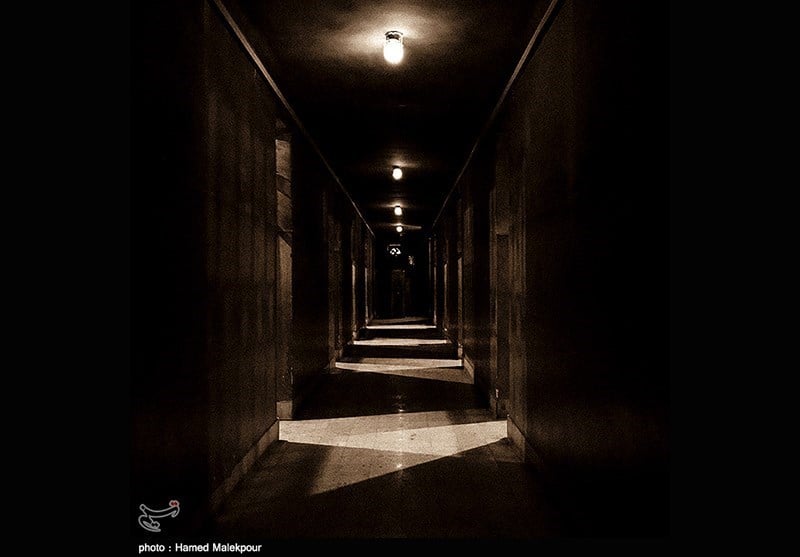
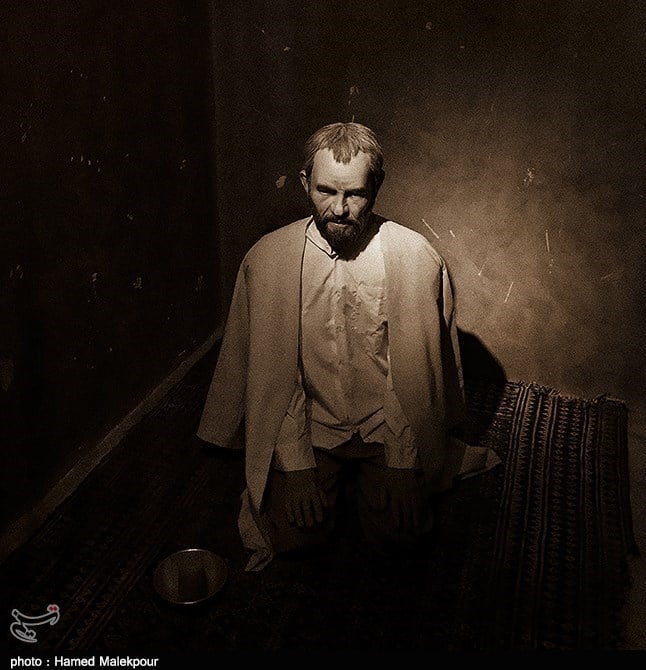
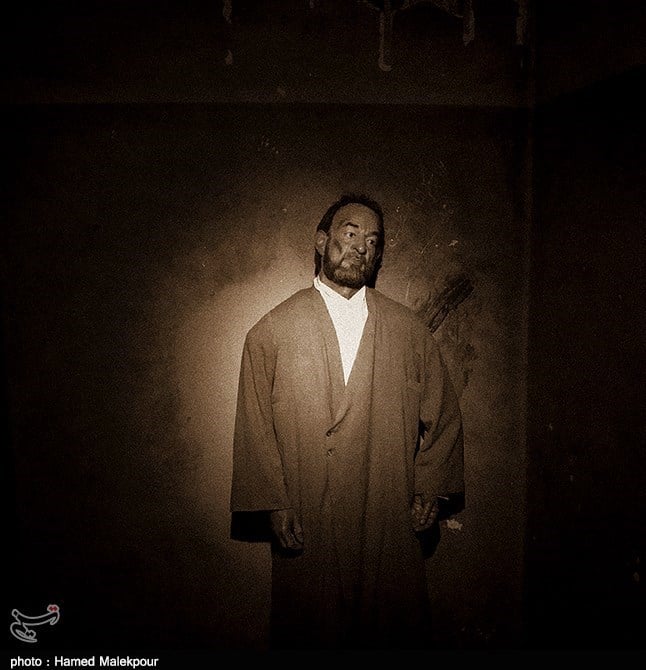
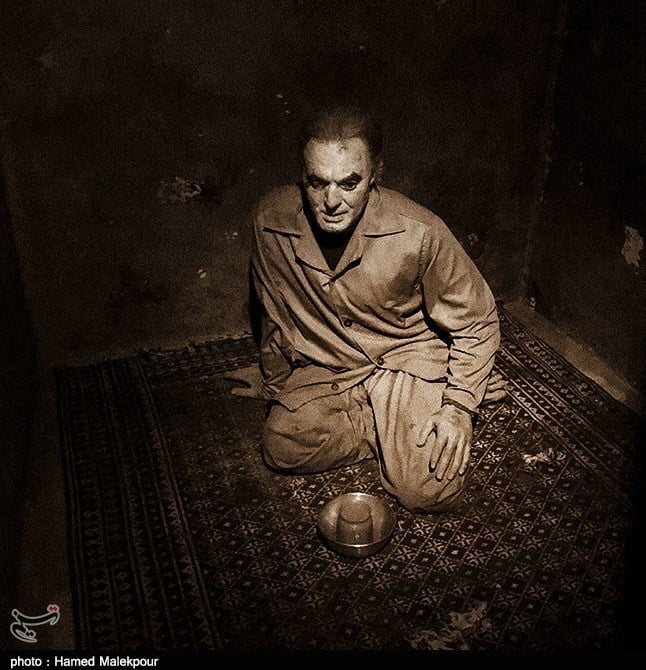
Tehran’s Ebrat Museum: A Reconstruction of Pre-Revolution Cruelties

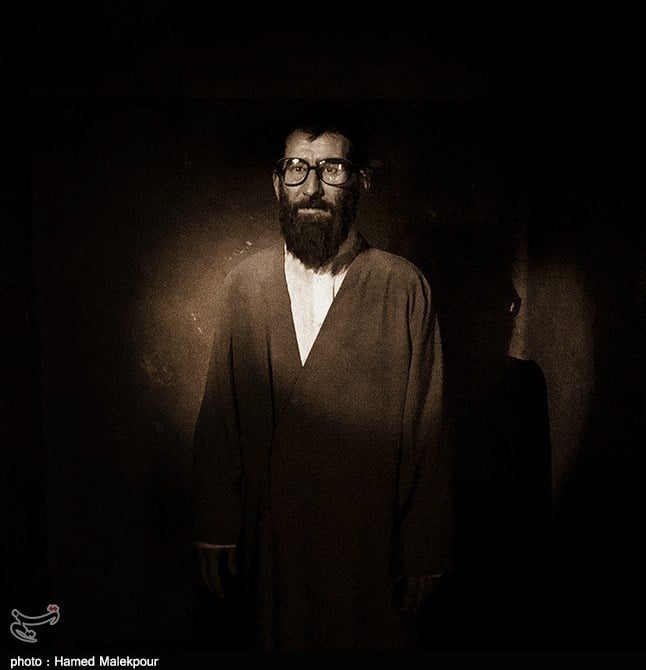
Martyr Ayatollah Seyyed Mohammad-Reza Saeedi Khorasani

The Tehran-based Anti-Sabotage Joint Committee was operated by the notorious intelligence agency SAVAK under the Shah of Iran and worked against political opponents.

SAVAK was the secret police, domestic security and intelligence service of the Pahlavi monarchy. It was established by Iran’s Mohammad Reza Shah with the help of the US Central Intelligence Agency (CIA) and the Israeli Mossad.

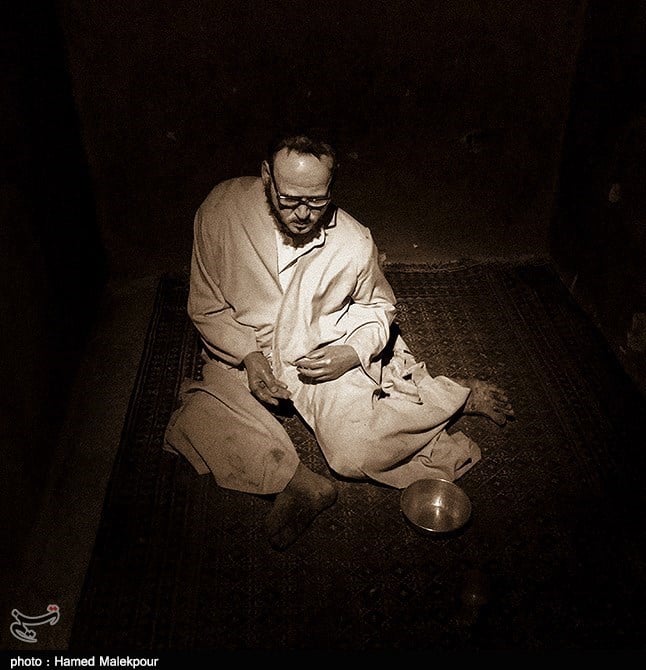
The joint committee’s building has now turned into a museum called Ebrat Museum (Edification Museum) of Tehran, putting abuses under the Shah on display.

The leading people, who played a key role in the victory of the 1979 Islamic Revolution of Iran, were imprisoned in this place. The museum displays their cells and the tortures they suffered.

Here are the photos of the museum retrieved from the Tasnim News Agency:

Iranian, Afghan DMs Discuss US Presence in Afghanistan

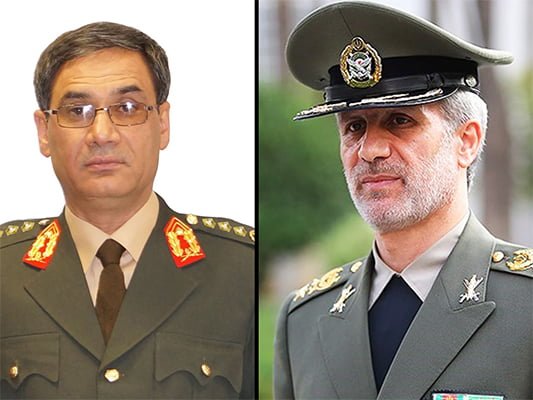
Iran’s Defence Minister Brigadier General Amir Hatami says the US seeks to relocate ISIS terrorists to Afghanistan to justify its presence in the country.

General Hatami made the comments in a phone conversation with his Afghan opposite number Major General Tariq Shah Bahrami, as quoted by the Persian-language Iranian Students News Agency (ISNA).

The Iranian defence chief said it was Washington that created the ISIS terrorist group in order to manage it in Syria and Iraq. However, he noted, the US tried to save the terrorists from the maelstroms of Iraq and Syria after they were defeated in the two countries, and transfer them to Afghanistan.

General Hatami further said the US is pursuing the policy of increasing its troop numbers in Afghanistan,

“The Americans have proven that they are enemies of Muslims, and the declaration of holy Quds [Jerusalem] as the capital of the Zionist regime of Israel showed the world another layer of the United States’ hypocritical face and animosity toward Muslims,” said the top general.

He said only through the positive approach of the regional countries will it be possible to establish security in Afghanistan.

“In this path, the common potential of all regional countries should be utilized to counter terrorism and establish tranquility in Afghanistan,” said General Hatami.

He also offered condolences to the Afghan people, government and Armed Forces over the numerous deadly terrorist attacks which hit the country recently.

The Afghan defence minister, in turn, said more than 20 terror groups are operating in Afghanistan, and added regional security will be jeopardized if the terrorists are left to their own devices.

He highlighted that Iran and Afghanistan as well as other regional countries should not ignore their common enemy, and should keep working together closely in fighting terrorism.

Iran to Boost Defence Power as Long as Threats Exist: Rouhani

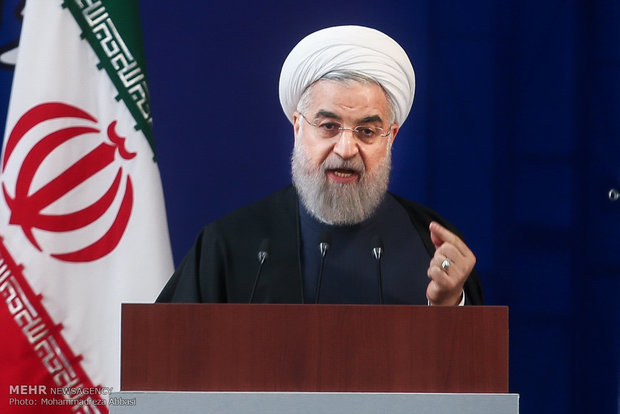
In an address to a ceremony on Sunday, Rouhani once again underlined that Iran’s defence power is absolutely non-negotiable.

“To strengthen their defence capabilities, the Iranian government and nation have never held and will never hold any talks with any state. On this issue, our stance is resolute and crushing,” he noted.

“As said, we press ahead with our defence capabilities only within the fatwa (Religious Decree) of the Leader of the Islamic Revolution. And we have announced repeatedly that Iran is not after weapons of mass destruction (WMD) because our religion bans us from producing and using such weapons,” he was quoted as saying in a Farsi report by the Iranian president’s official website.

Elsewhere in his address, President Rouhani said today all states across the world are threatening each other with new weapons. “Amid such conditions, foreseeing a future with no threats seems impossible,” he underlined.

“In a world in which all states are against the WMD, the US officials shamelessly threaten Russia with new nuclear weapons. So, it seems the issue of WMD is still important in the world. Amid such a condition, can anyone talk of peace and coexistence and conclude that we don’t need any defence power? Today, even those countries which condemn WMD as a weapon against humanity are taking these weapons seriously,” he noted.

The Iranian president noted that national power is not a partisan issue, adding all parties in economic, political, cultural and defence fields should work together regardless of their affiliations to promote Iran’s national power.

He went on to say Iran has achieved self-sufficiency to a large extent in arms production and added, “If we need a special weapon which is not produced inside, we have to purchase it immediately from other states and become so powerful that the enemies would not dare to threaten us. The enemies must realize the fact that any invasion of Iran would have dire consequences for them.”

He then described strengthening of national power as a pre-emptive measure for permanent peace and said the Iranian government needs to remain vigilant under any condition against the enemies’ new threats endangering its people.