Thursday, December 25, 2025
Home Blog Page 3662

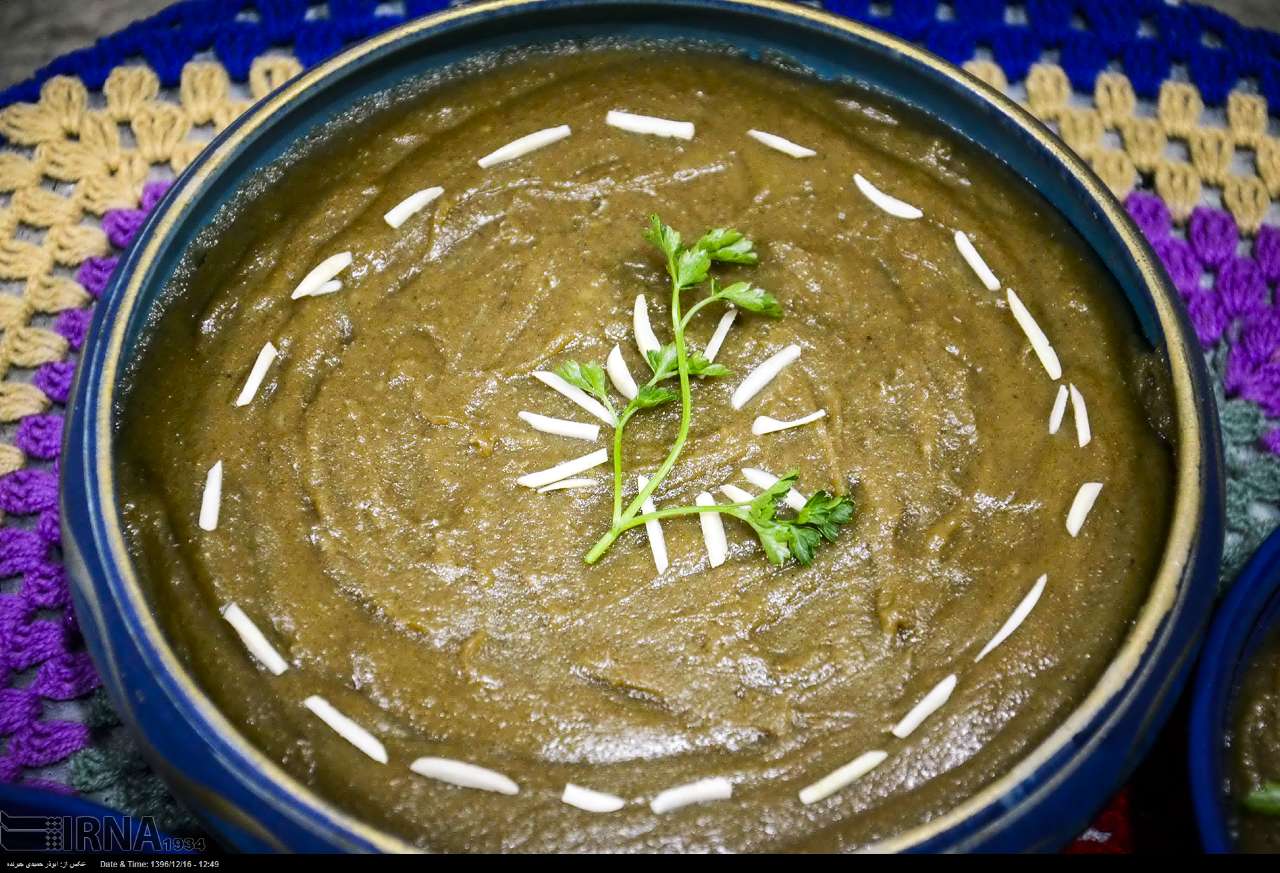
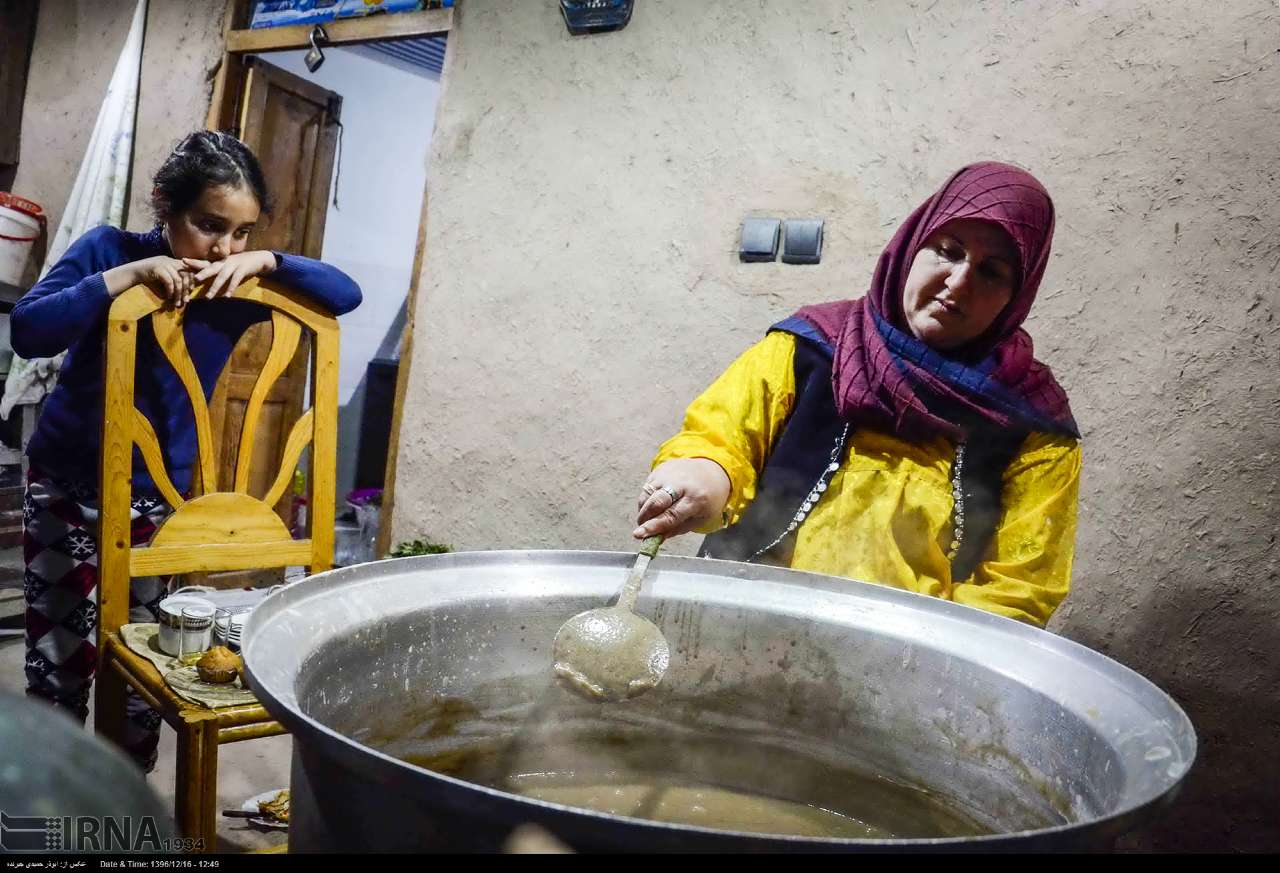
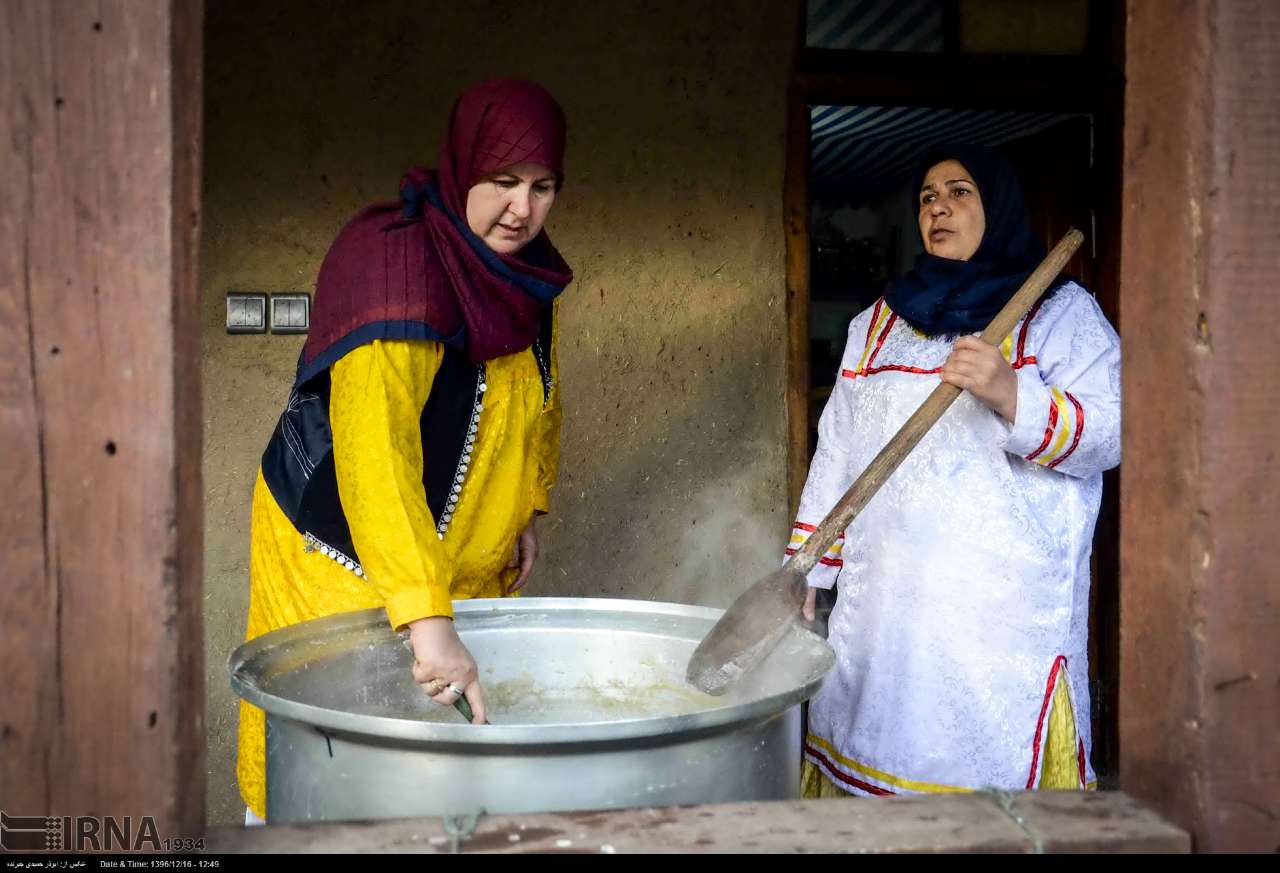
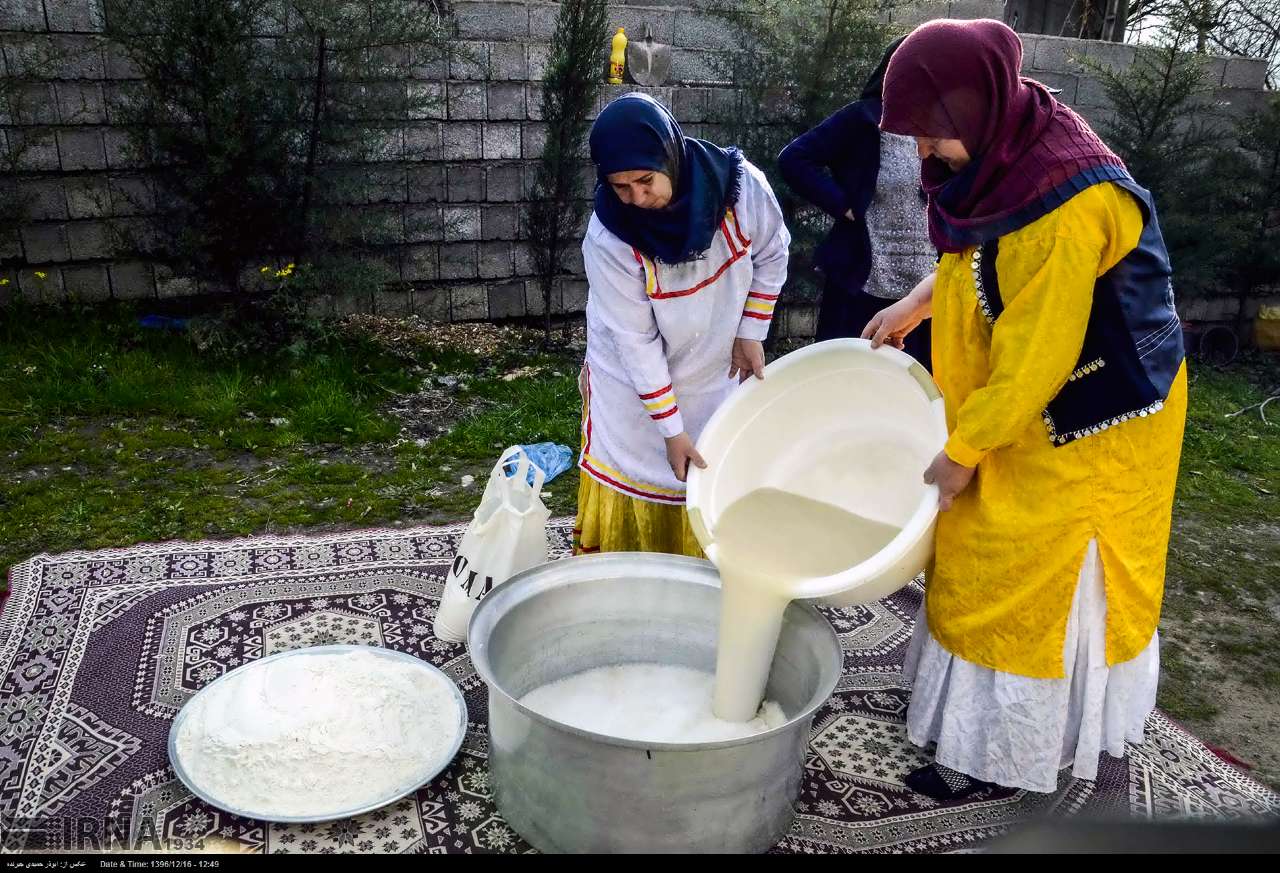
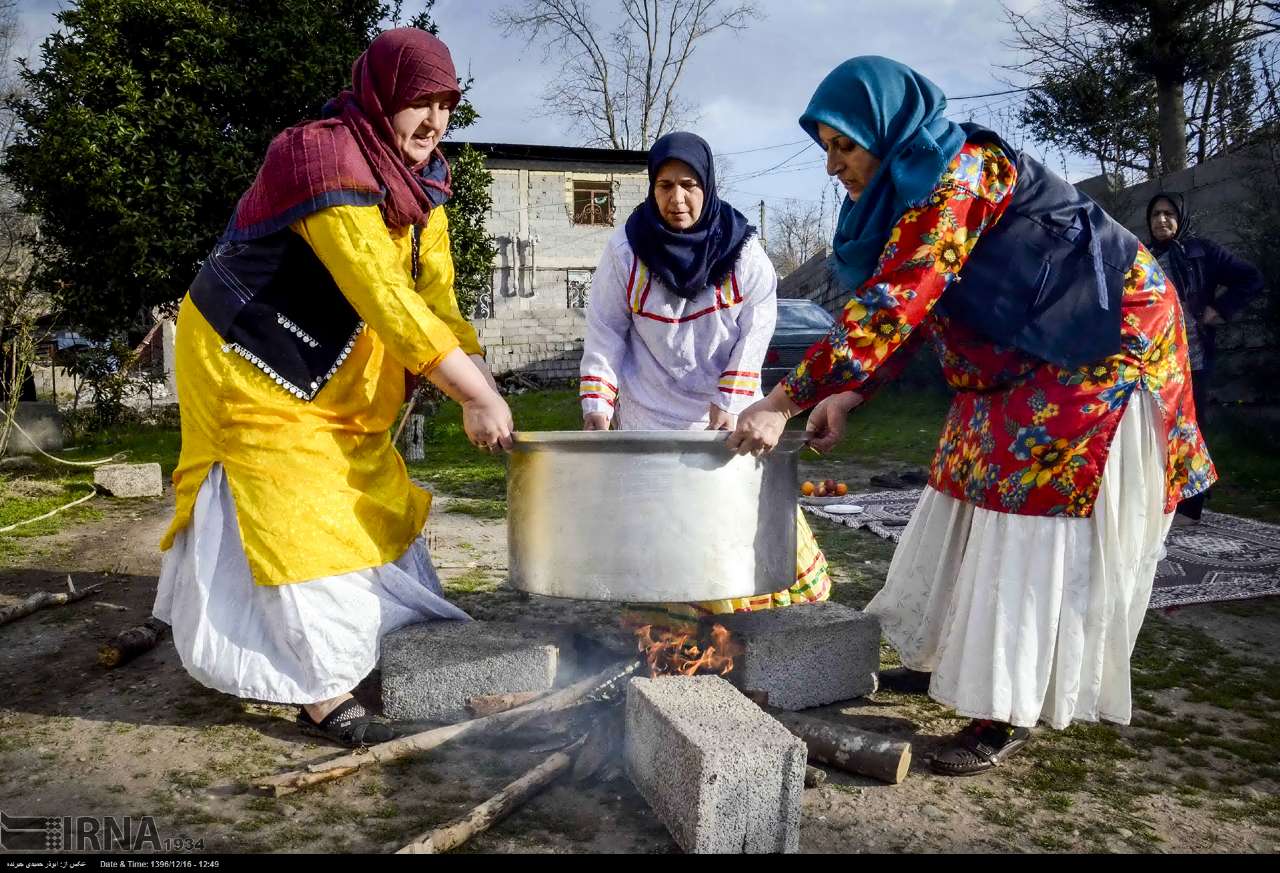
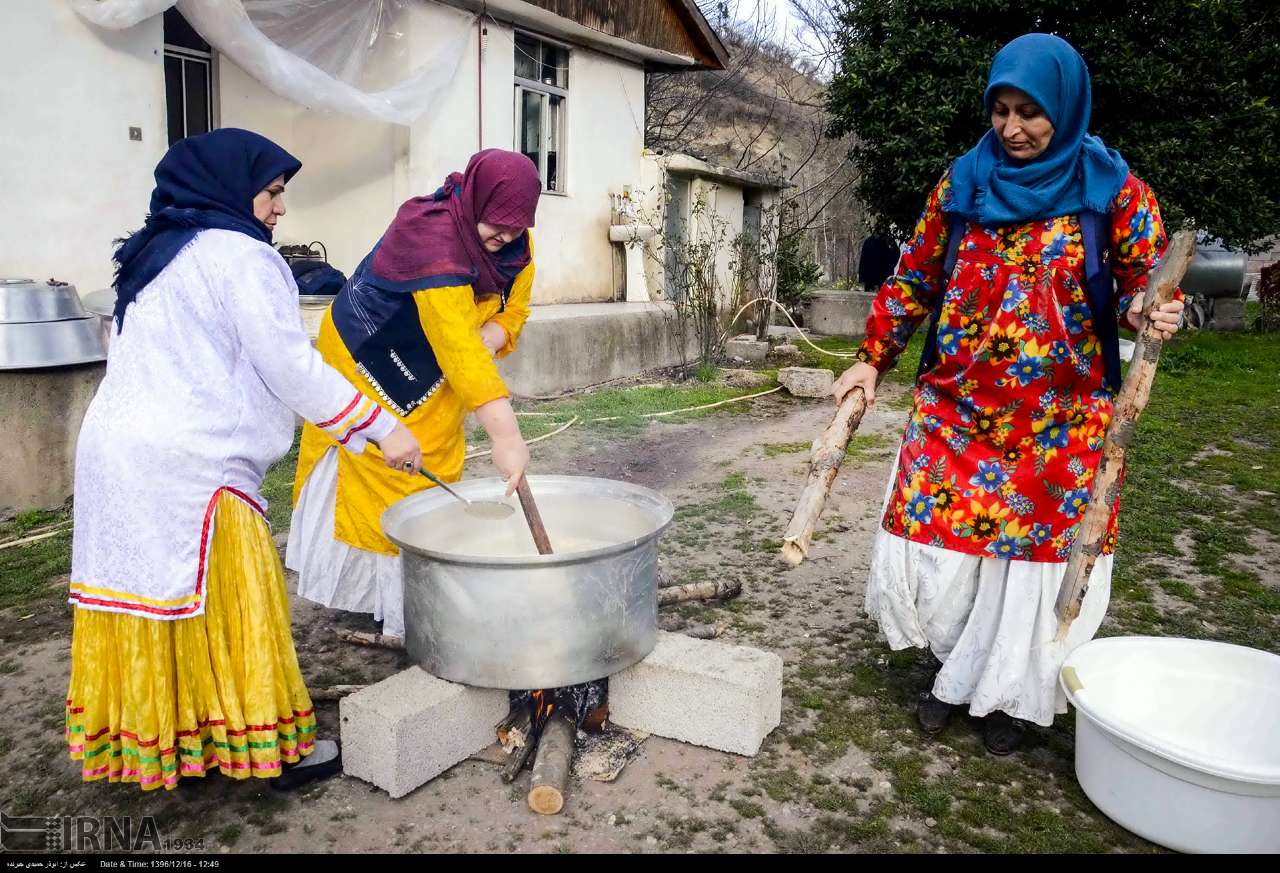
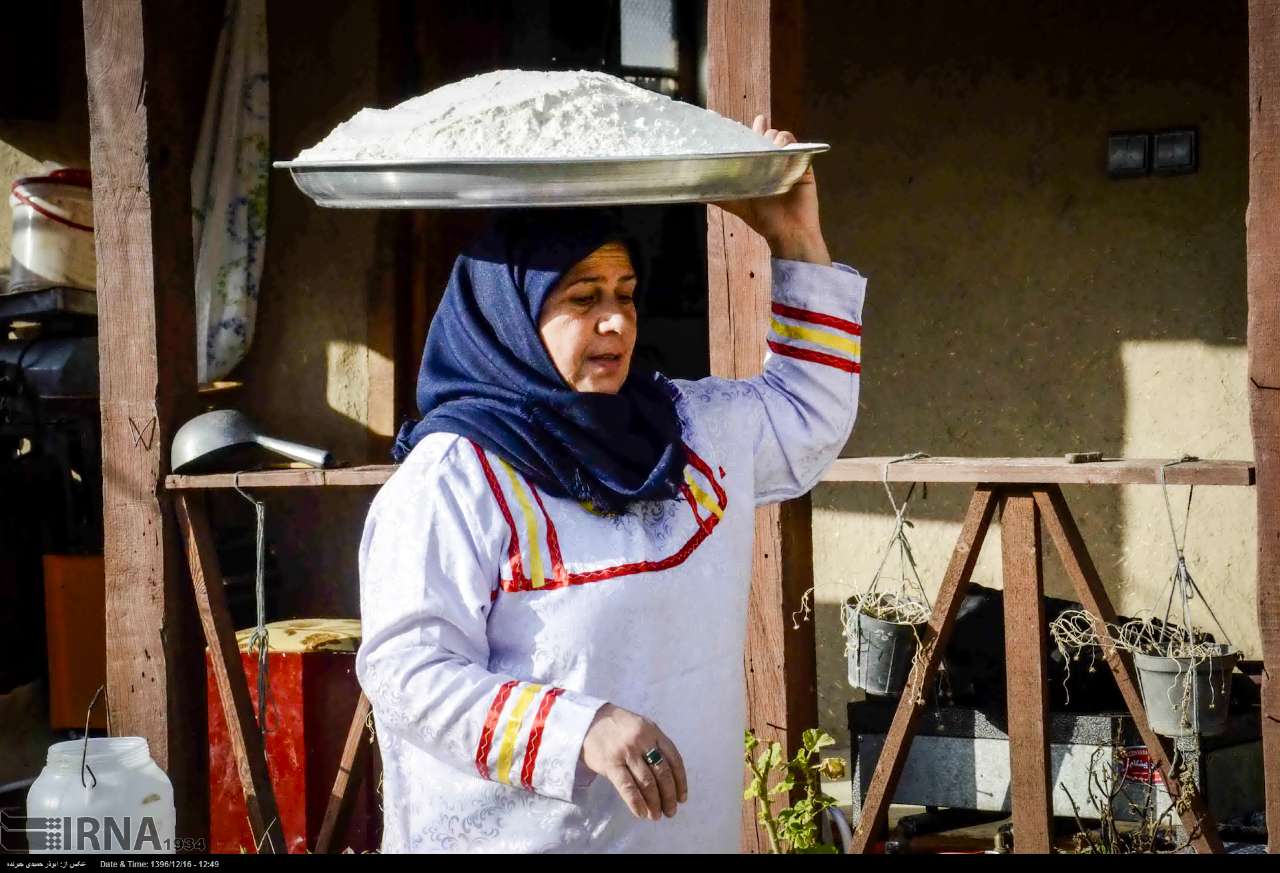
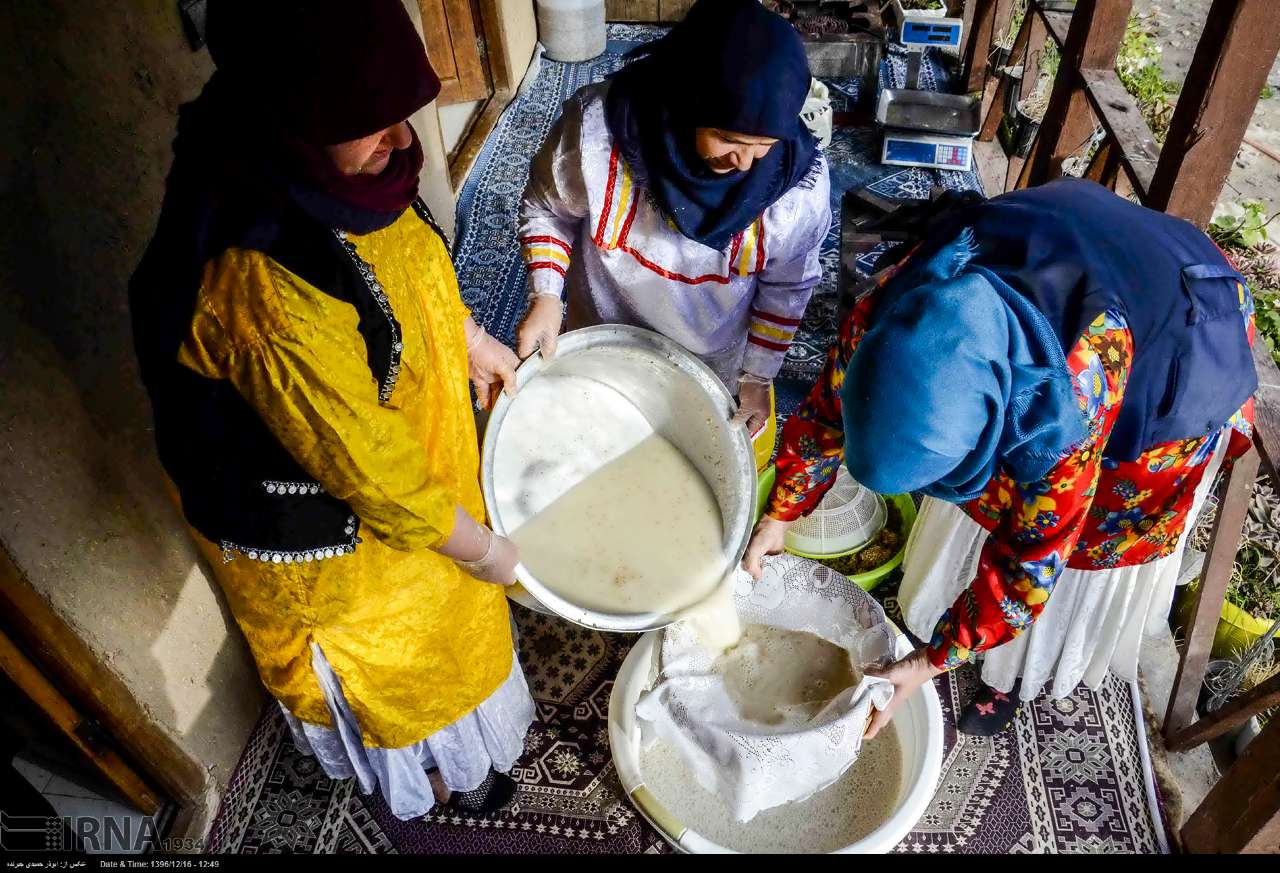
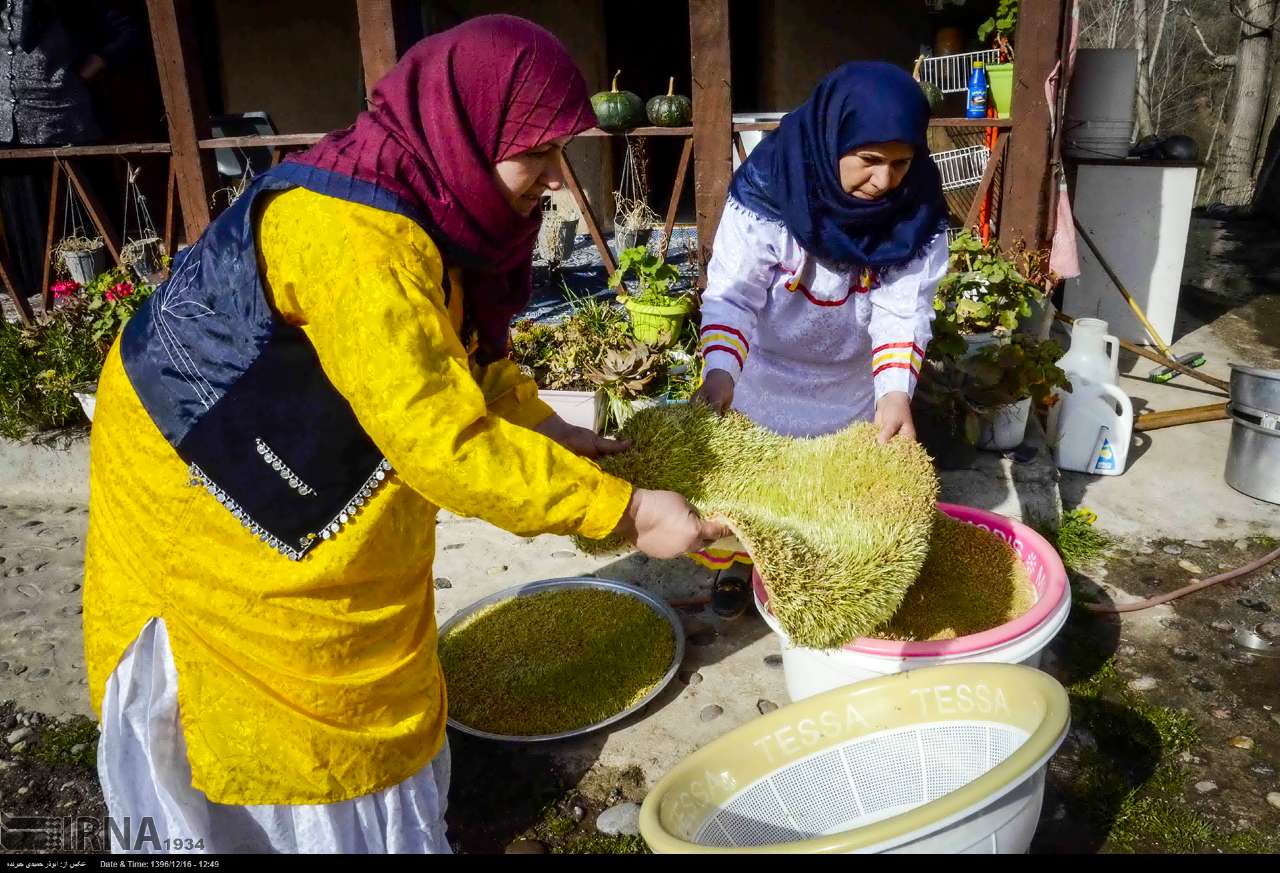
Cooking Samanu, Ancient Tradition in Northern Iran

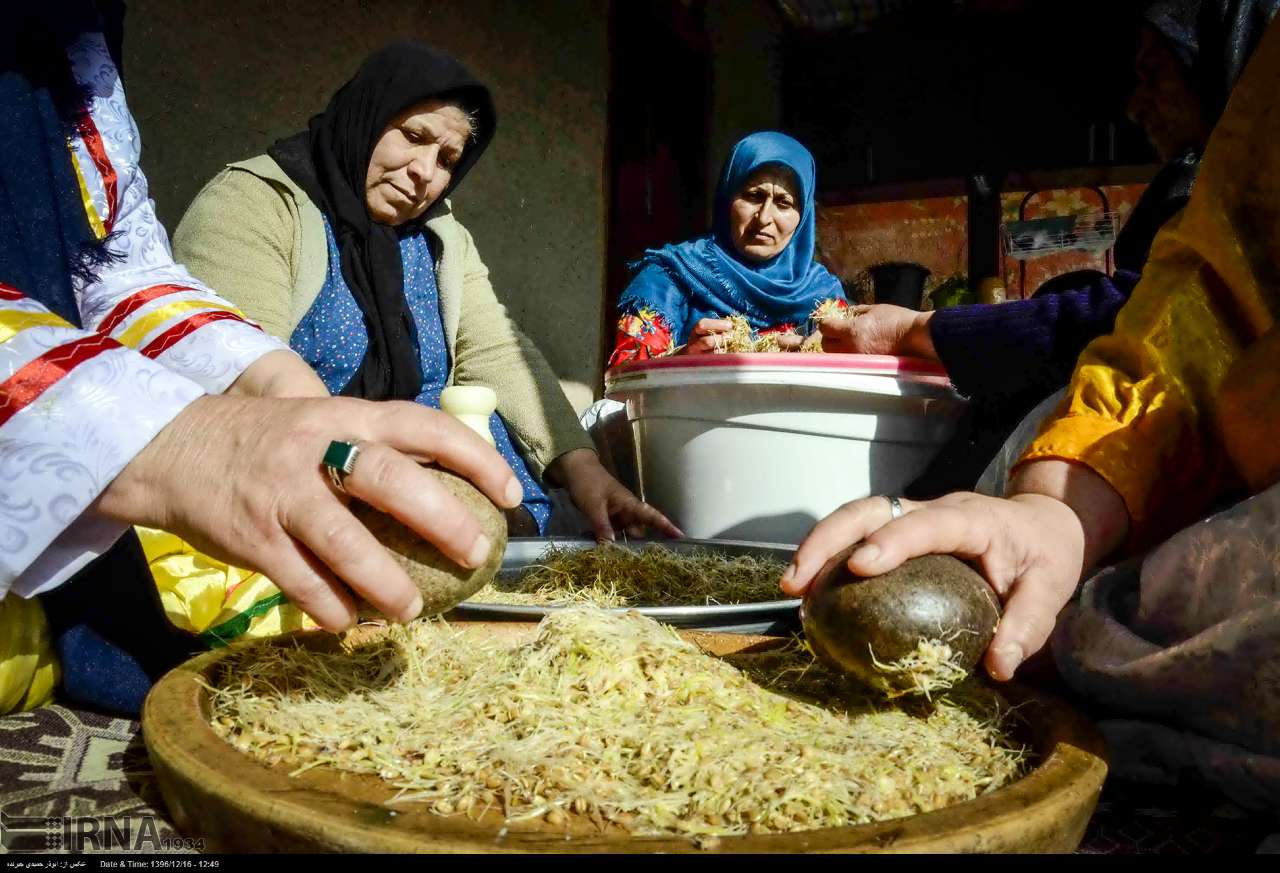
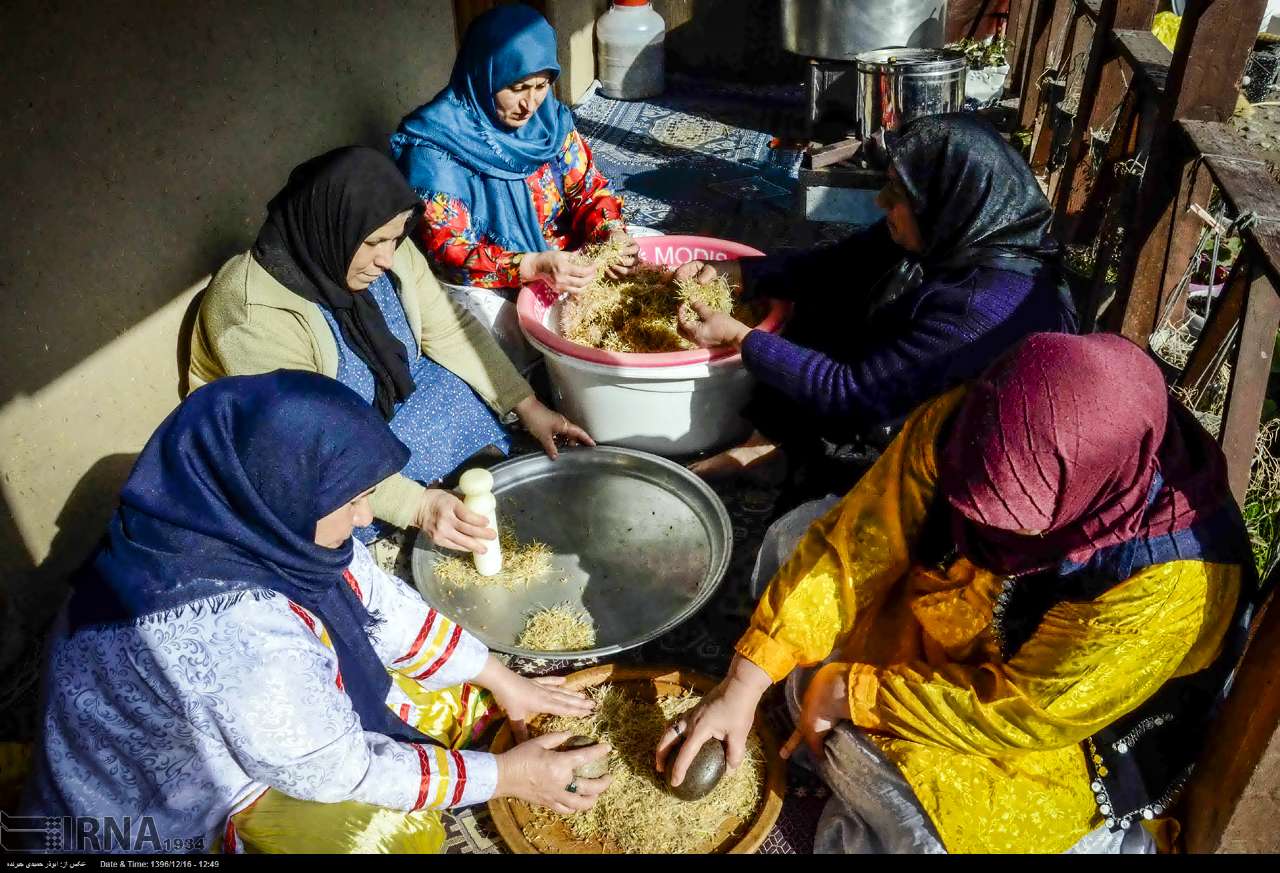
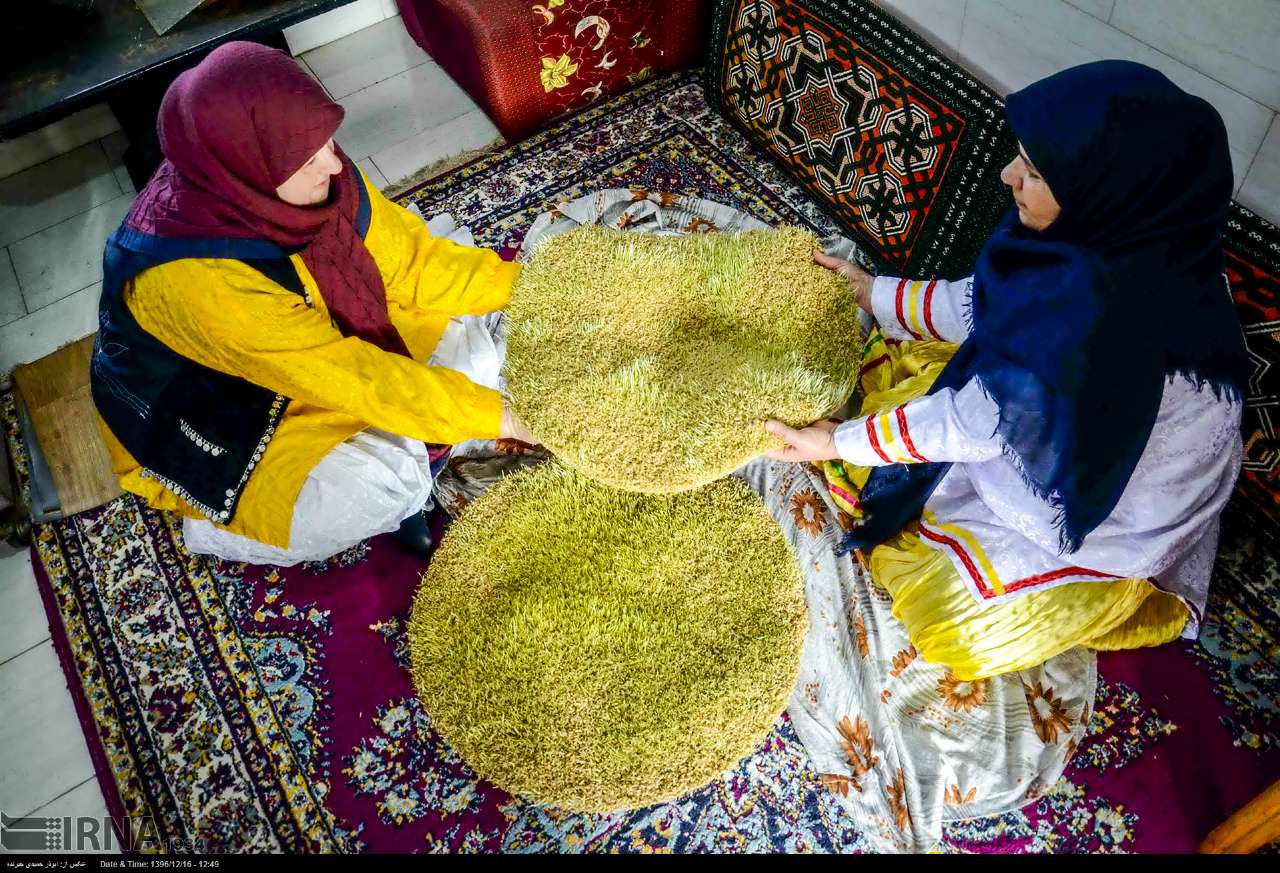
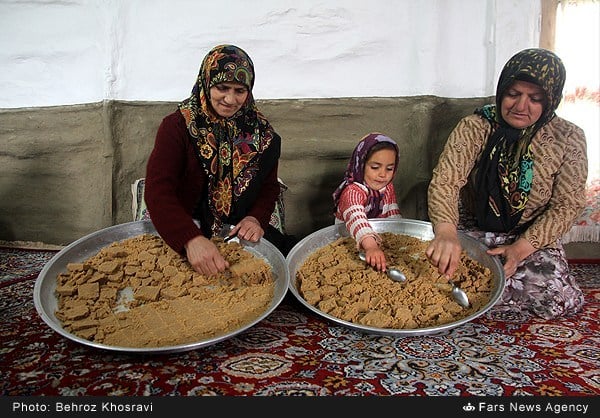
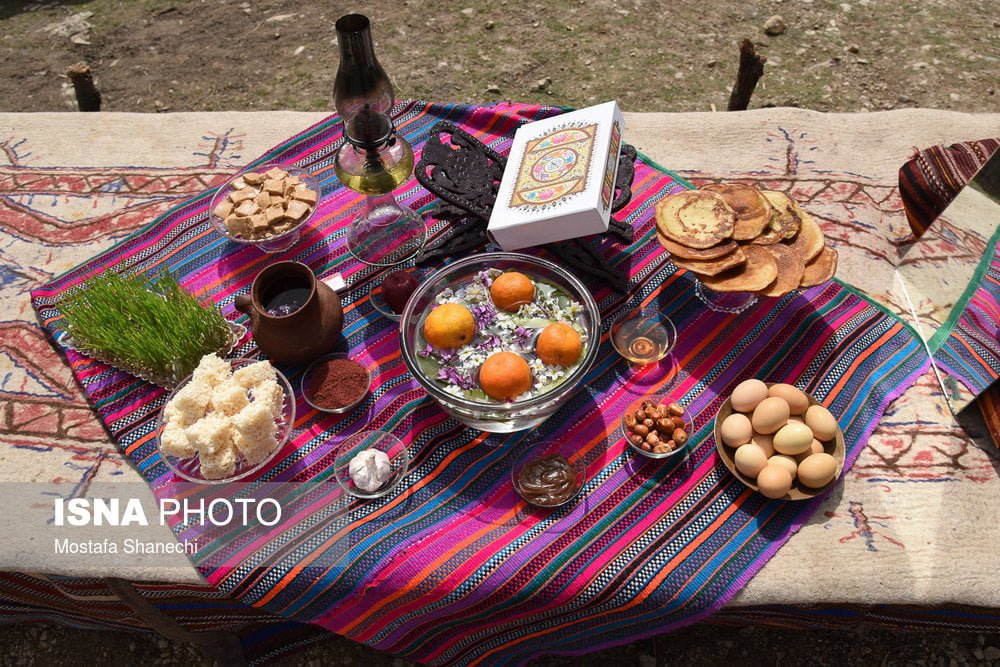
Cooking samanu is one of the oldest traditions still maintained in many parts of Iran ahead of Nowruz (Iranian New Year).

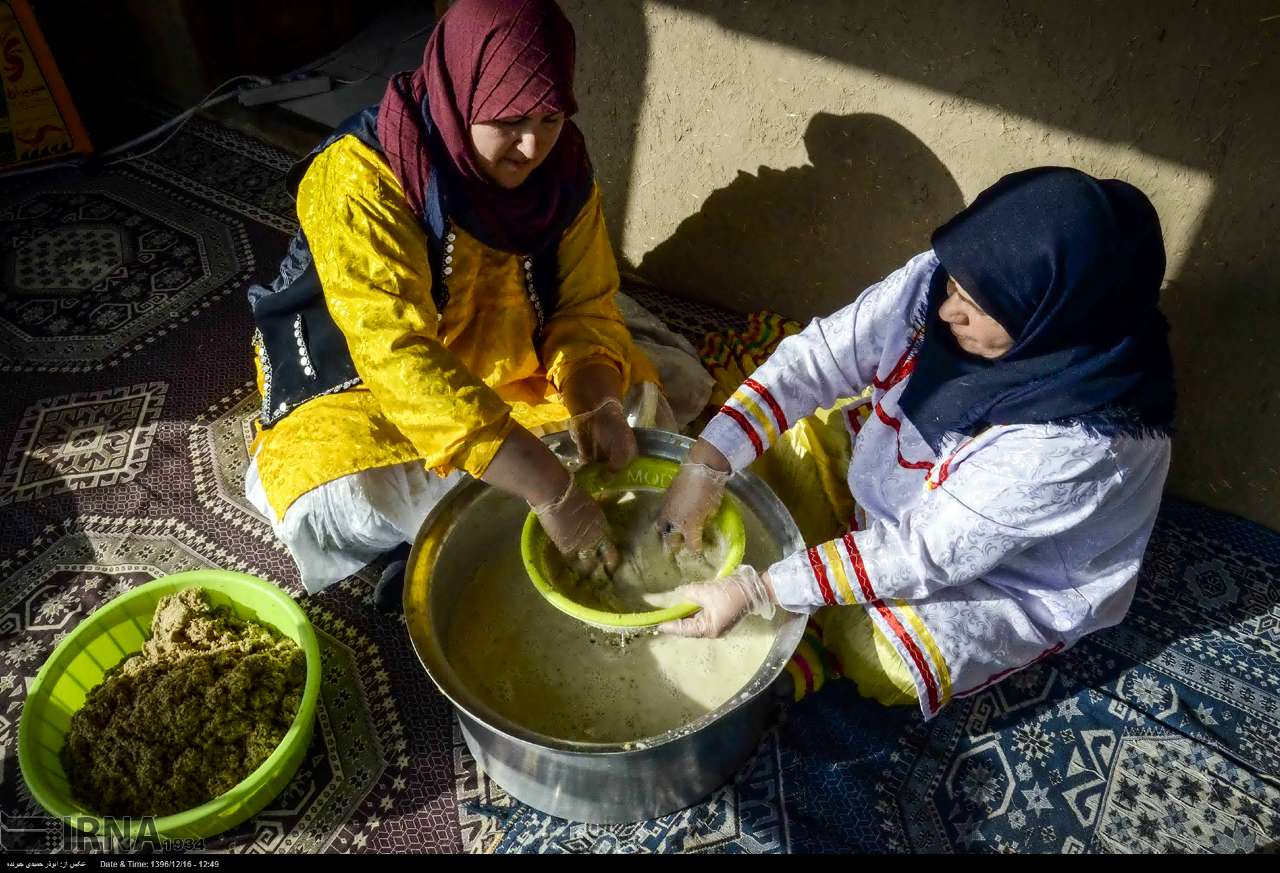
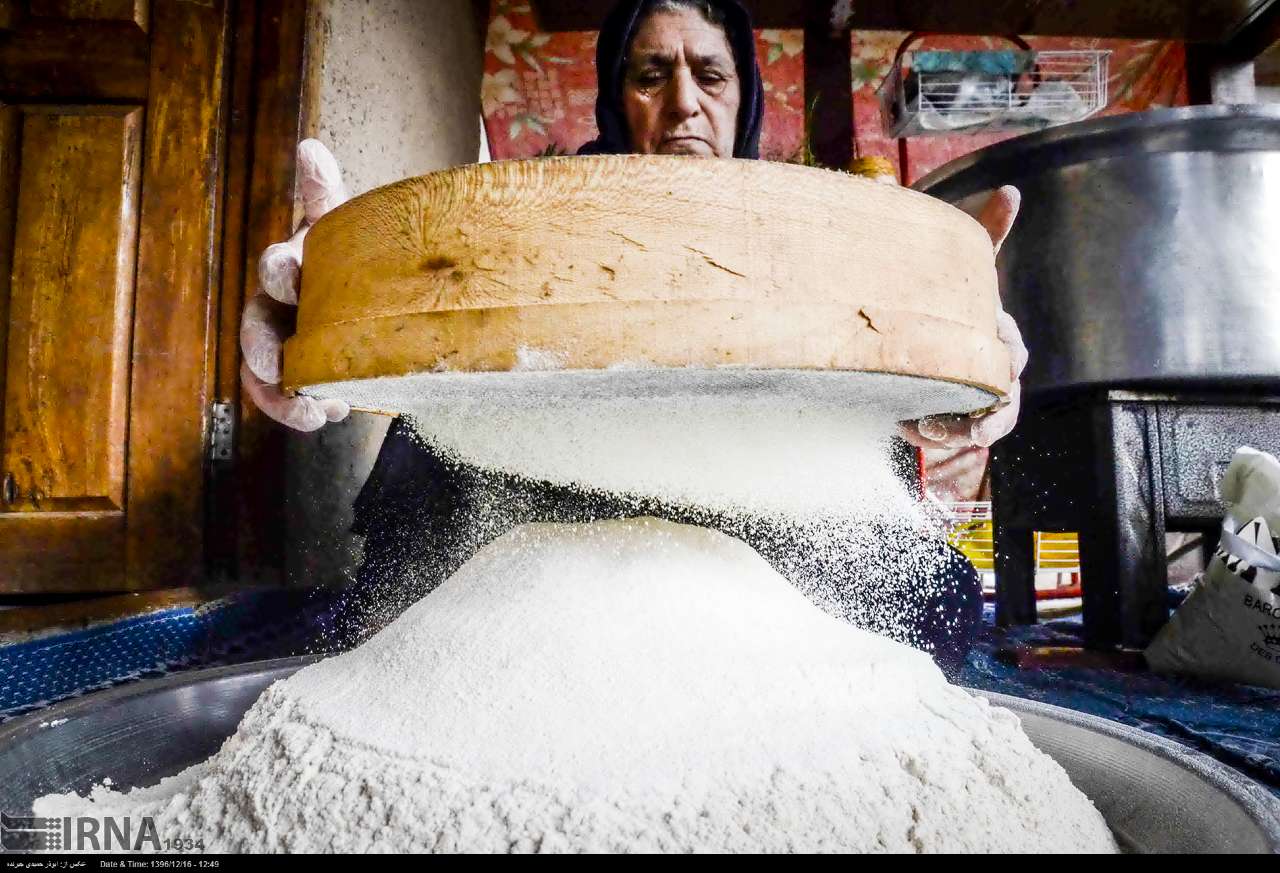
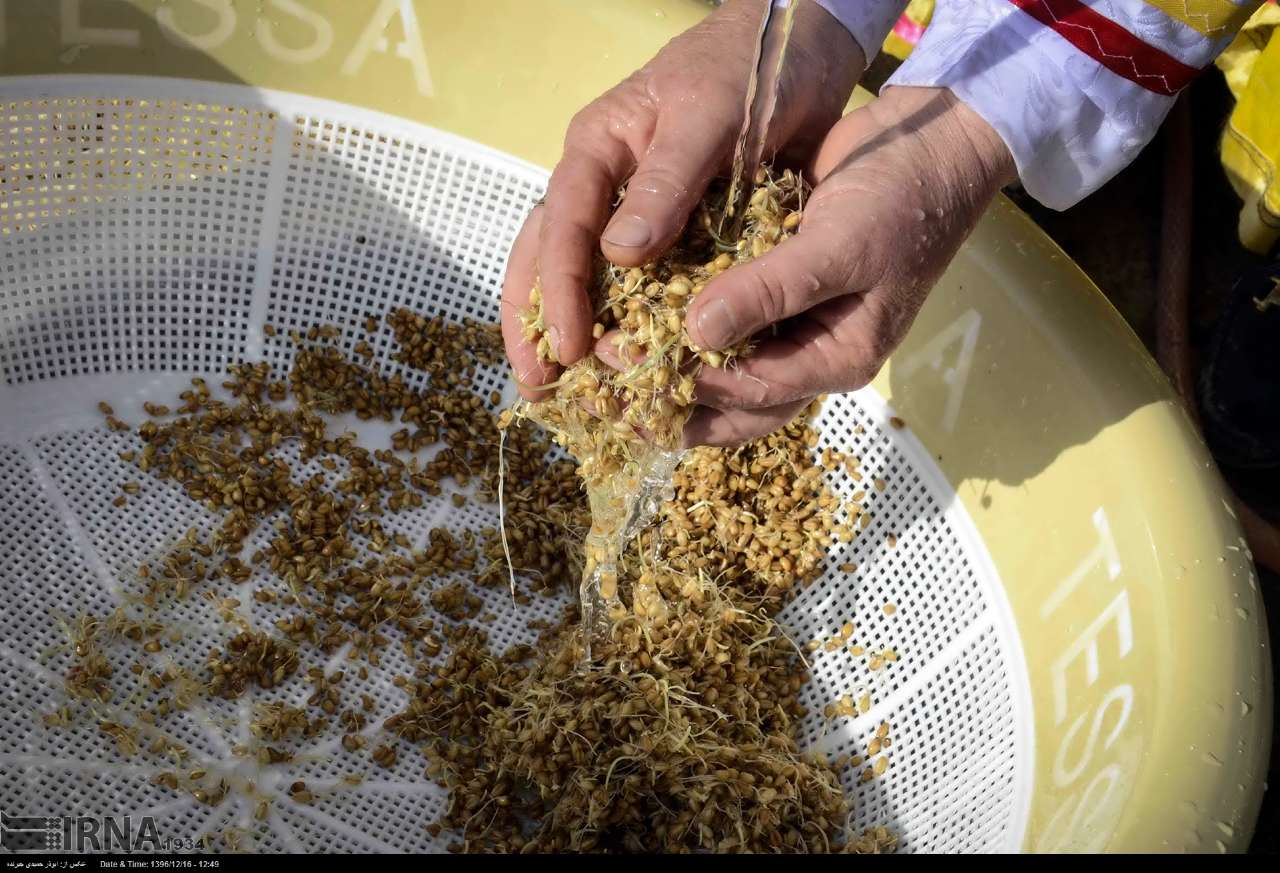
Traditional samanu is made entirely of germinated wheat and water (no other ingredients). Nowadays, it is common to add a bit of flour to speed up the thickening process, although this makes the paste taste somewhat bitter and less sweet.

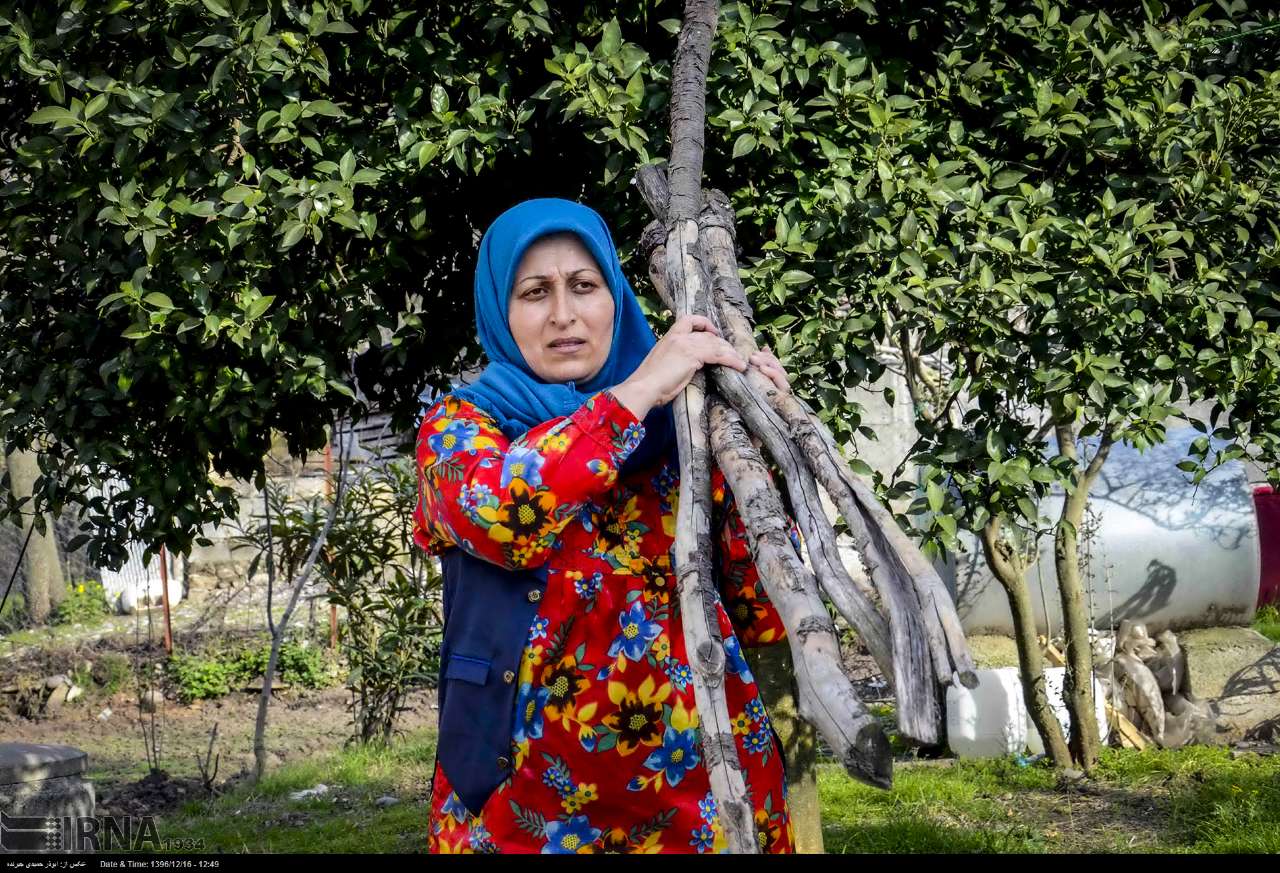
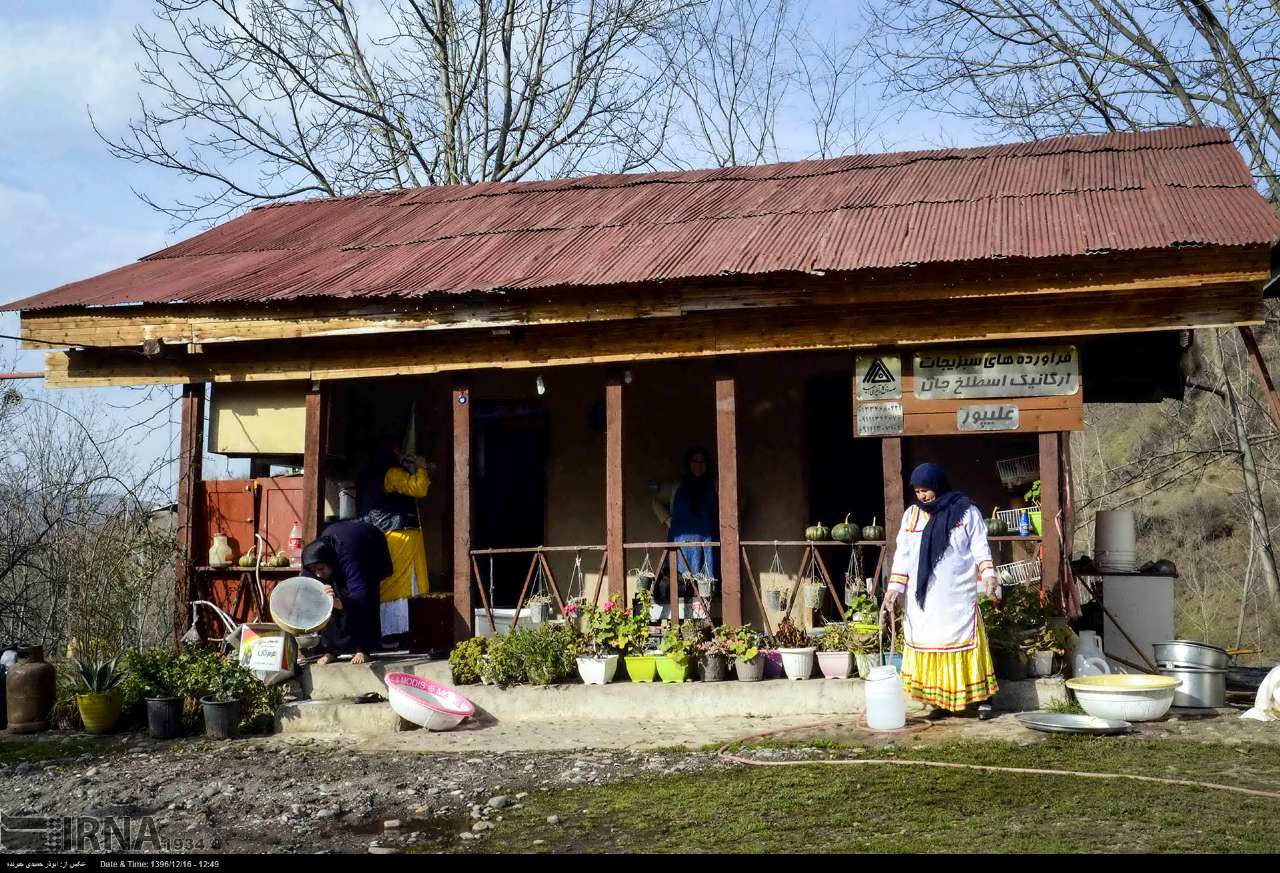
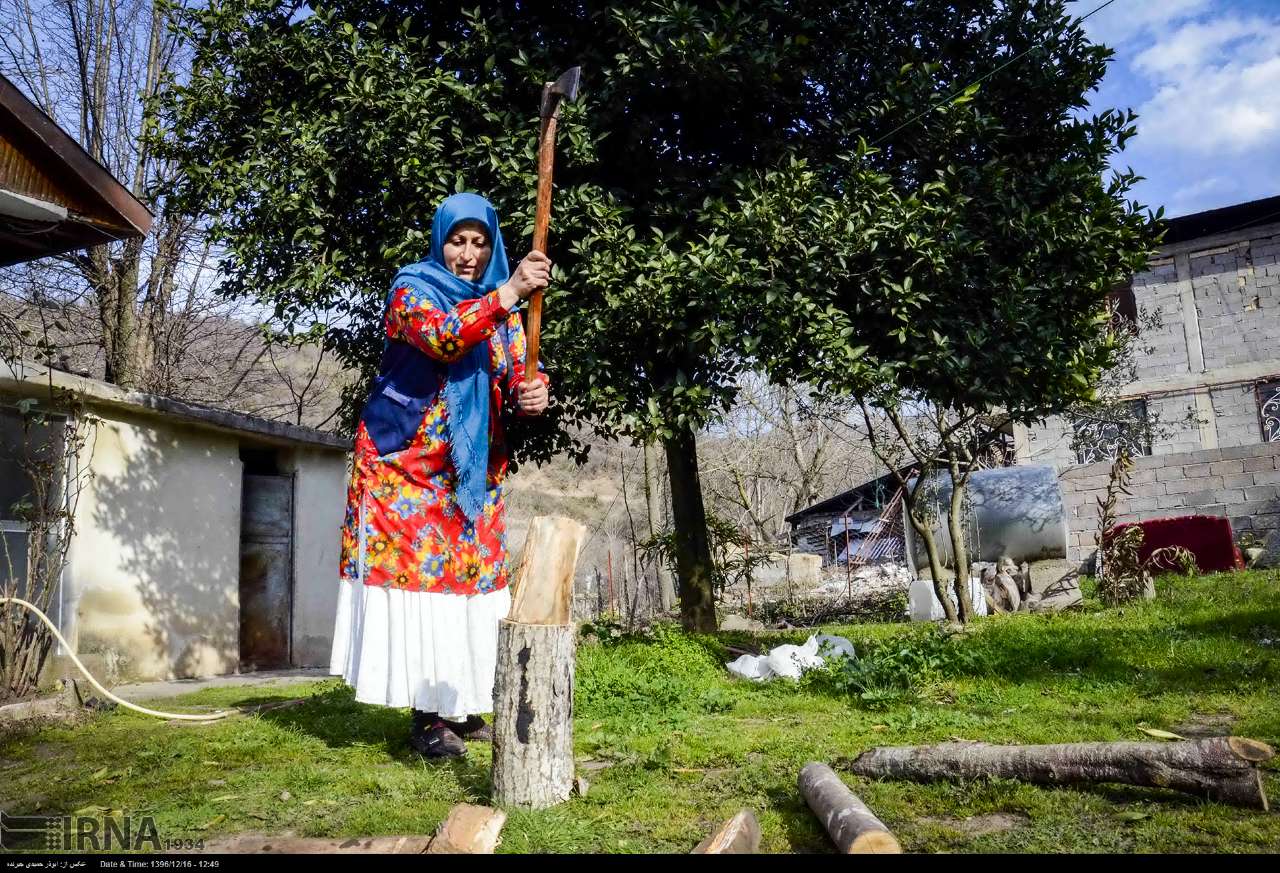
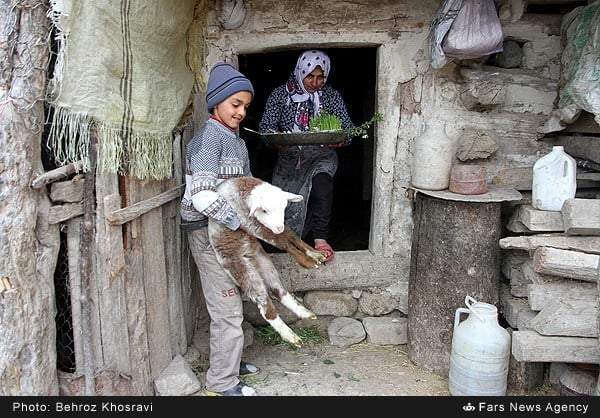
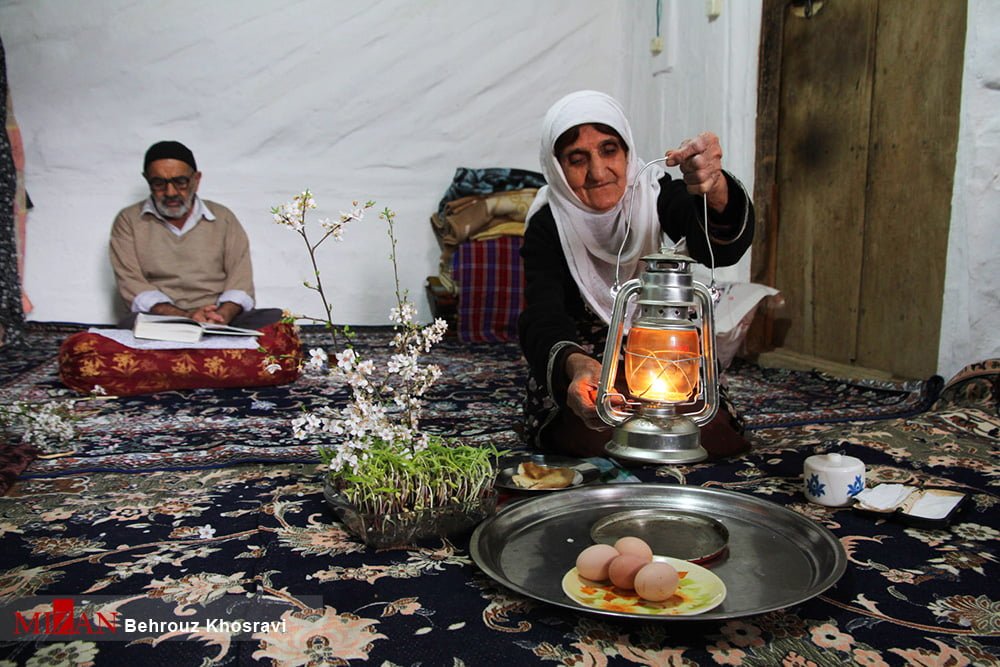
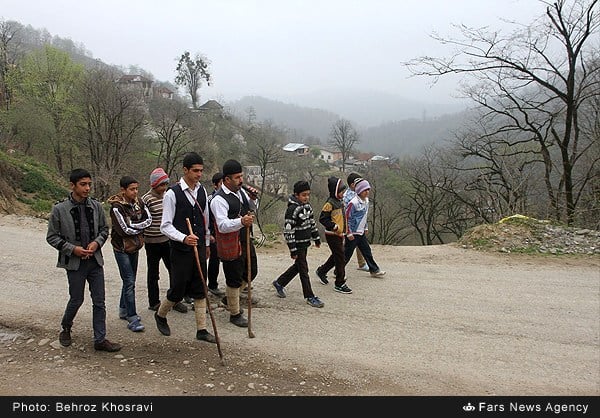
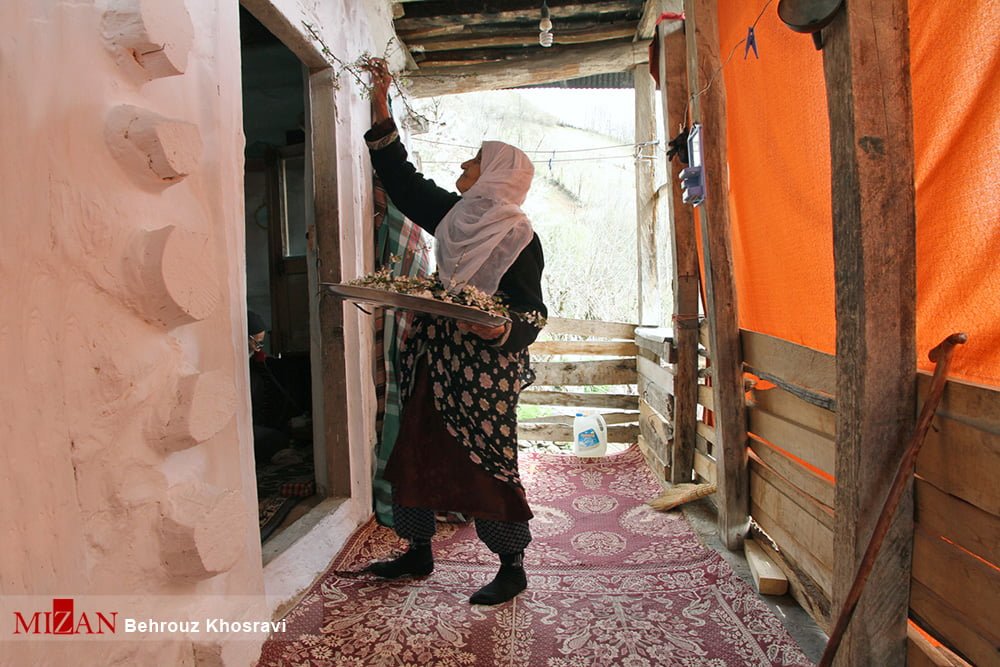
What follows are IRNA’s photos of samanu making in Estalkhjan village in Gilan province.

Located 20km away from Roudbar County, Estalkhjan village is one of the main tourist attractions of Gilan province.

Samanu is still cooked in the village about one week before Nowruz.

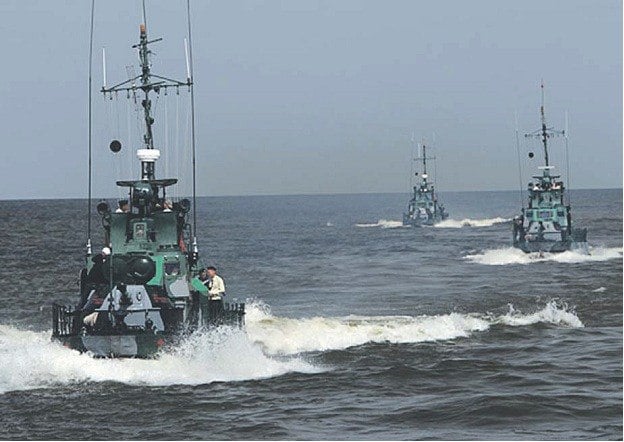
Tehran Objects to Turkmen Border Guards’ Shooting at Iranian Fishermen

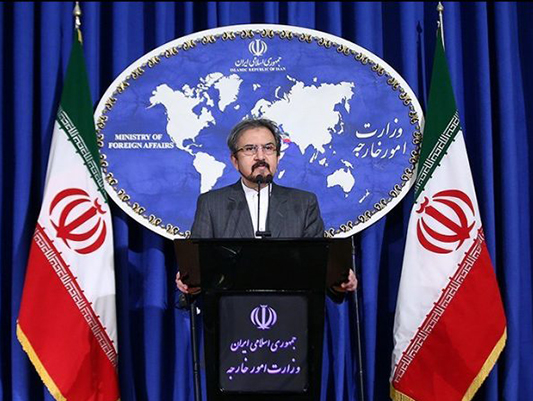
Bahram Qassemi’s remarks came in reaction to the sad news that Turkmen sea border guards fired at Iranian fishermen, resulting in two deaths and two arrests.

“Immediately after the incident happened and the tragic news was published, the Islamic Republic of Iran’s Foreign Ministry and its embassy in that country (Turkmenistan) contacted Turkmen authorities and seriously followed up on the issue.”

“In an official note, we called on the government of that country to provide explanation about the incident, and we continue pursuing the matter,” said the spokesman.

“We have a strong objection to the injudicious move by the Turkmen border guards who shot at a civilian fishing boat because even if Iranian fishermen approach the Turkmen waters, border guards can, based on international norms, [only] warn the fishermen off that country’s territorial waters,” he added.

“So, we are demanding an immediate and official explanation from relevant officials in Turkmenistan and we hope the circumstances surrounding the incident will come to light given the friendly relations between the two countries and through the cooperation of pertinent authorities of that government,” he said, highlighting the cordial relations between the two countries.

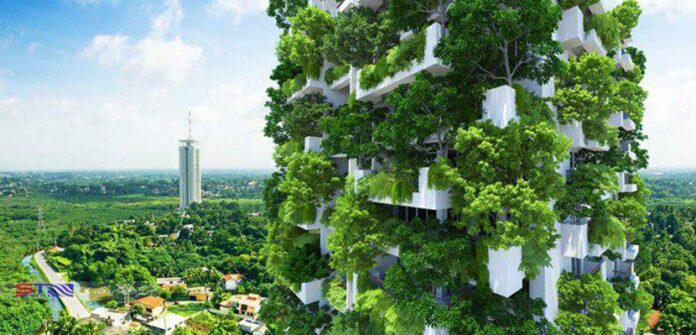
First Vertical Garden of Mideast Being Built in Iran’s Shiraz (+Video)

Hydroponics is a method of growing plants without soil, using mineral nutrient solutions in a water solvent. Terrestrial plants may be grown with only their roots exposed to the mineral solution, or the roots may be supported by an inert medium, such as perlite or gravel. The nutrients in hydroponics can come from an array of different sources.

According to a Farsi report by Science and Technology News (stnews.ir), 600 pre-fabricated units of this tower façade are going to be built with high-tech technology in Shiraz which is a historic city in Southwestern Fars Province. These units get mounted on the façade of the tower and will create a sustainable, vertical three-acre garden.

The project’s architects say you will have a natural smell of Shiraz’s plants in this garden.

Iran’s first hydroponic greenhouse is already under construction in Markazi Province. The first phase of the project with an area of 15 hectares became operational in Zarandiyeh County.

Iran has more than 12,000 hectares under greenhouse cultivation. The Agriculture Ministry aims to reach 48,000 hectares by the end of the 20-Year Vision Plan (2005-25).

The ministry plans to transfer all vegetable farms to greenhouses within 10 years.

Iran Condemns Kabul Terrorist Attack

In a statement on Wednesday, Qassemi expressed sympathy with the Afghan nation and government and the bereaved families of the victims of the attack, which left dozens of people killed and wounded.

Afghan officials say a suicide attack outside a Shiite mosque in Kabul killed at least 29 people and wounded dozens, as people in the capital celebrated the new year holiday Nowruz. .

“Unfortunately, 29 Afghan citizens lost their lives and 52 others were wounded in this incident,” Health Ministry Wahidullah Majrooh said.

Nusrat Rahimi, a deputy spokesman for the Interior Ministry, told RFE/RL that most of the victims of the attack claimed by the extremist group ISIS were civilians.

Iran President Joins ‘No to Road Accidents’ Campaign

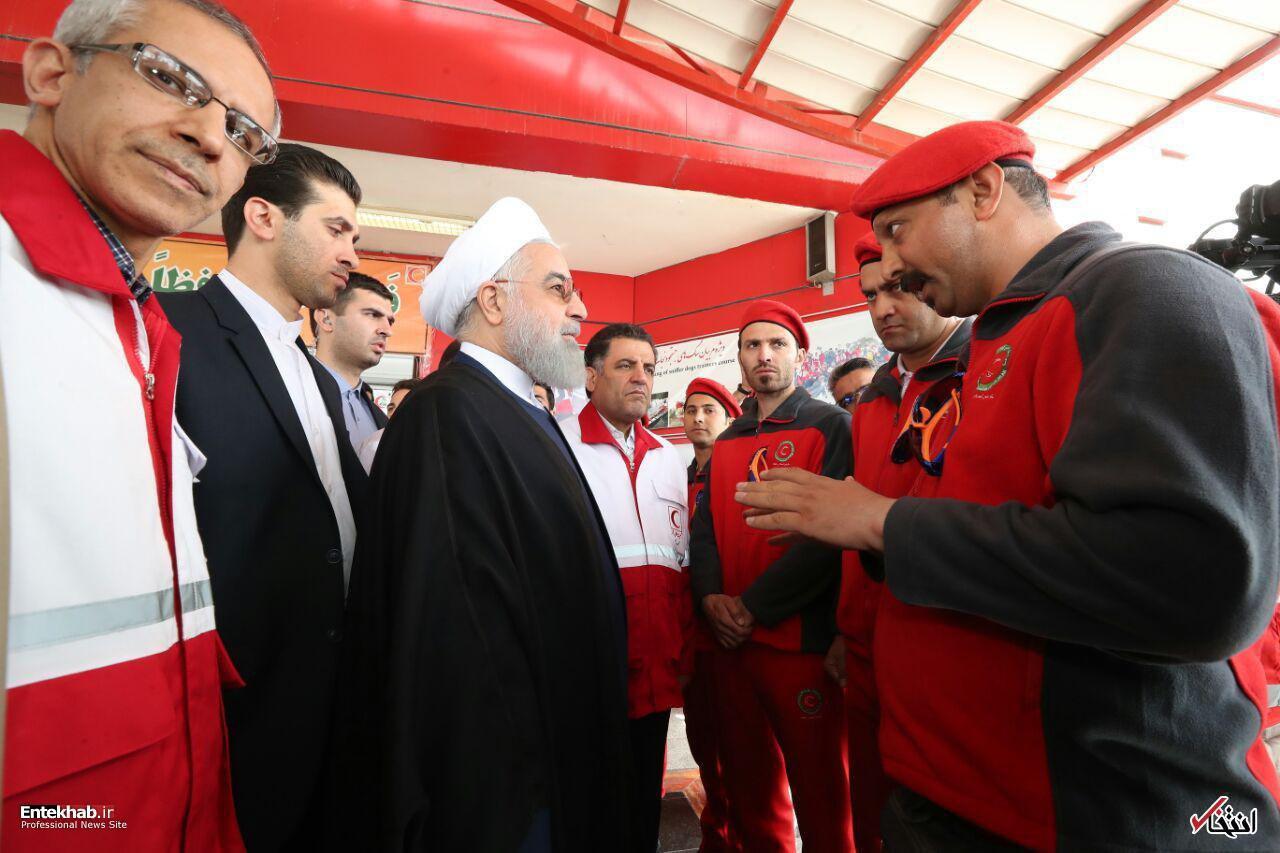
During his Wednesday unannounced visit to the Centre of Emergency Medical Services on Tehran-Karaj Highway as well as Chitgar Relief Centre, Rouhani congratulated the staff of the two centres on Nowruz and thanked them for their round-the-clock services.

“President Rouhani was briefed by the head of Centre of Emergency Medical Services on Tehran-Karaj Highway on the pre-planned measures for offering emergency services to the Nowruz travellers,”.

President Rouhani also joined the ‘No to Road Accidents’ campaign by signing its manifesto.
The campaign has been launched by the Iranian Red Crescent Society volunteers to address the alarming rate across the country and encourage travellers to drive more carefully during Nowruz holidays.

According to the United Nations Children’s Emergency Fund (UNICEF), the rate of road accidents in Iran is twenty times more than the world’s average and traffic accidents on the country’s roads cause thousands of deaths and injuries every year, as well as costing the country’s economy billions of dollars.

While road traffics accidents kill 1.2 million people every year and leave 20-50 million people injured and disabled in the world, road traffic crashes kill nearly 28,000 people only in Iran, and injure or disable 300,000

Iran President Joins 'No to Road Accidents' Campaign

Iran Hails Kuwait’s “Positive” Stance on Arab-Iranian Ties

Bahram Qassemi

He described as positive the latest remarks by Kuwaiti Deputy Prime Minister and Defence Minister Sheikh Sabah Khaled Al-Hamad during the opening ceremony of an investment forum in Kuwait.

“The Islamic Republic of Iran has always put establishment of [good] relations with its neighbours on top of its foreign policy agenda,” he told IRNA.

He added Iran maintains that a safe, strong and developed region is possible only through cooperation and partnership among all regional states.

“In today’s interconnected world, prosperity, development and economic progress of the region can be achieved only by adopting collective mechanisms and tackling problems through dialogue and partnership among all regional states.”

“The Islamic Republic of Iran has always been prepared to tread on this path,” he concluded.

Qassemi’s remarks came after the Kuwaiti official described Iran and Iraq as two important countries in the region, and said having normal relations between them and [P]GCC member states is a component of security and stability in the region.

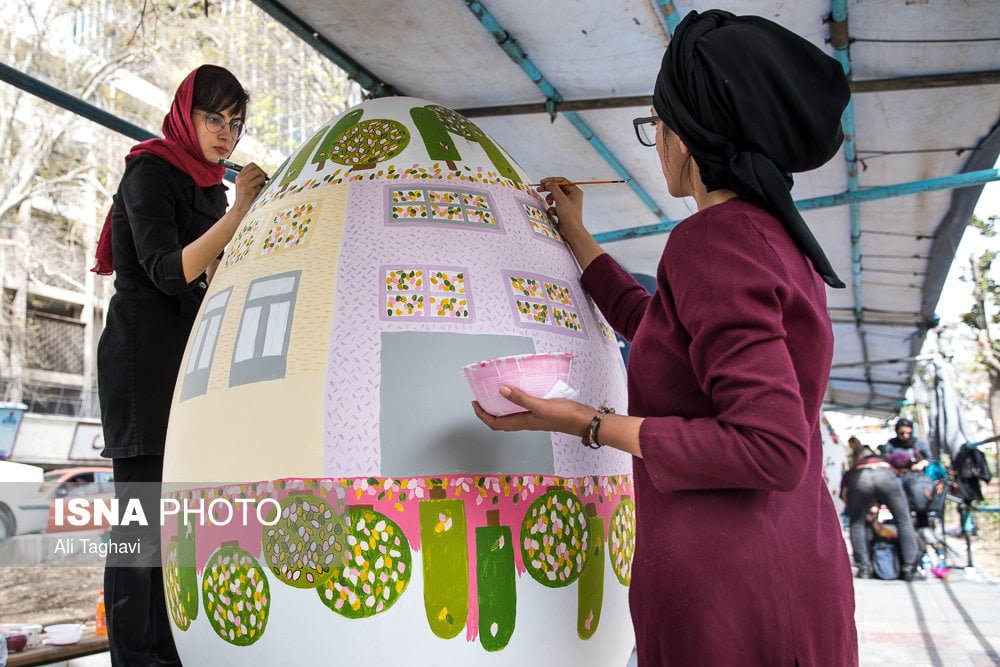
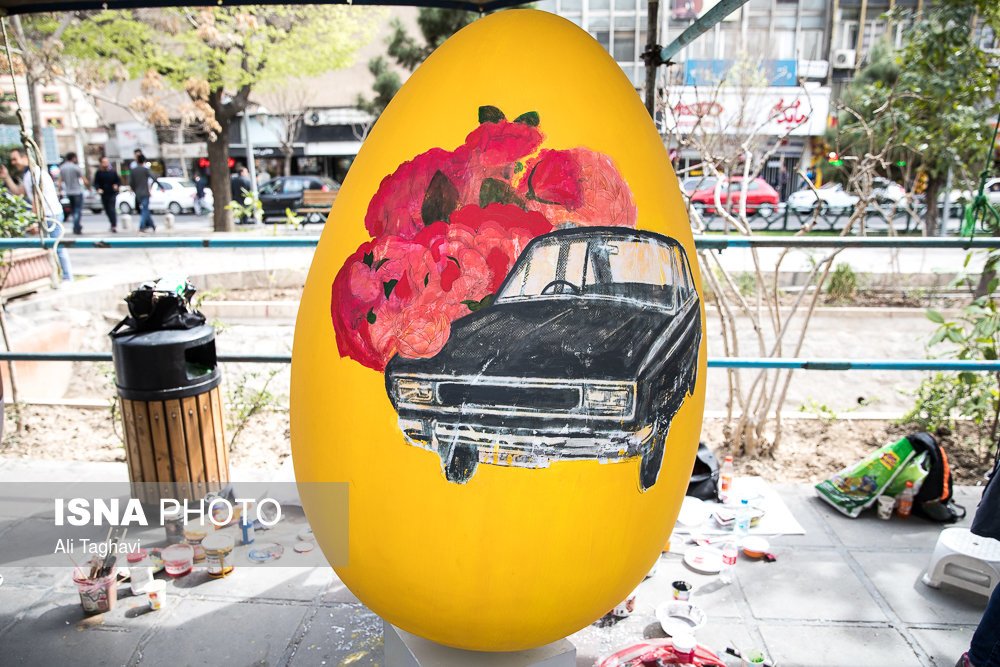
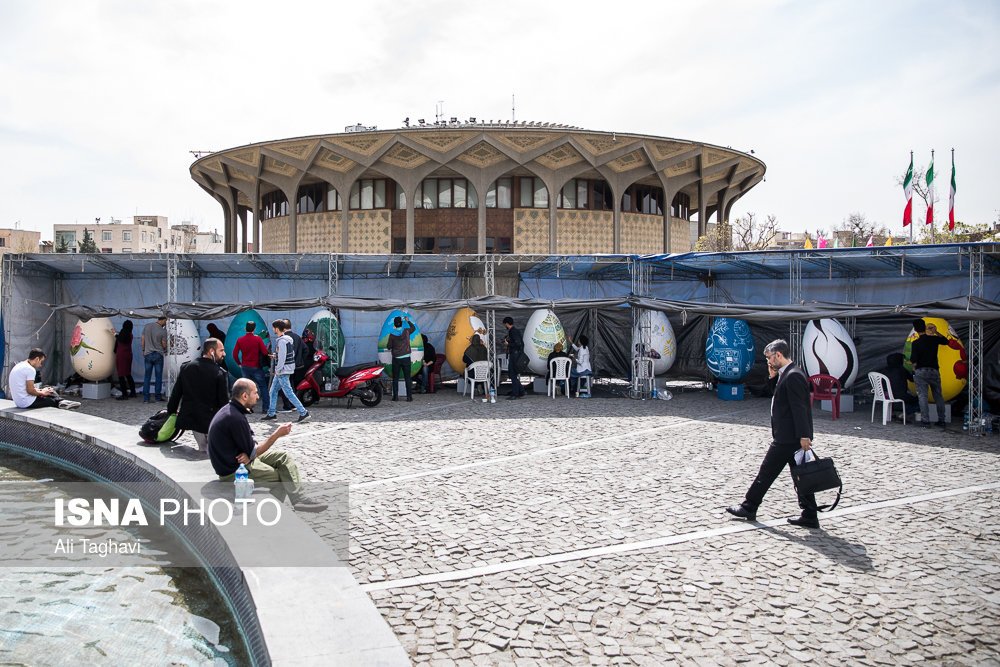
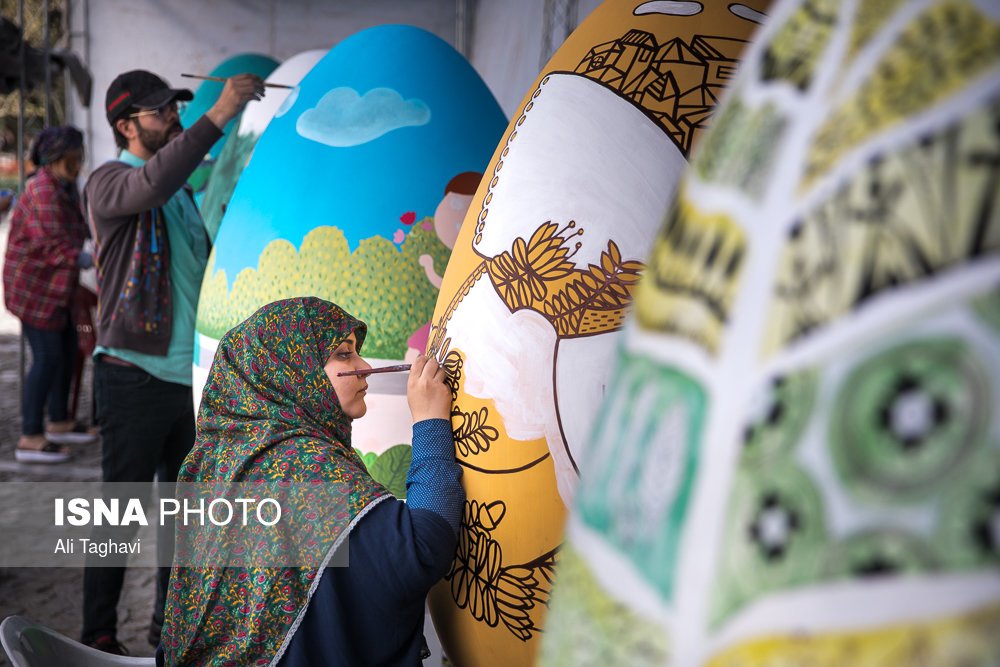
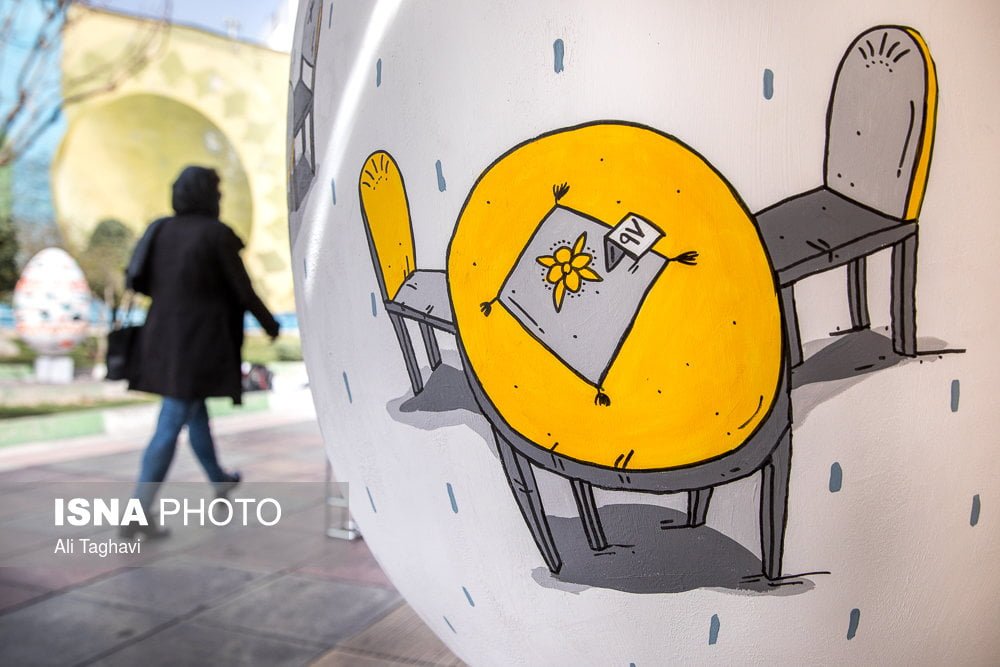
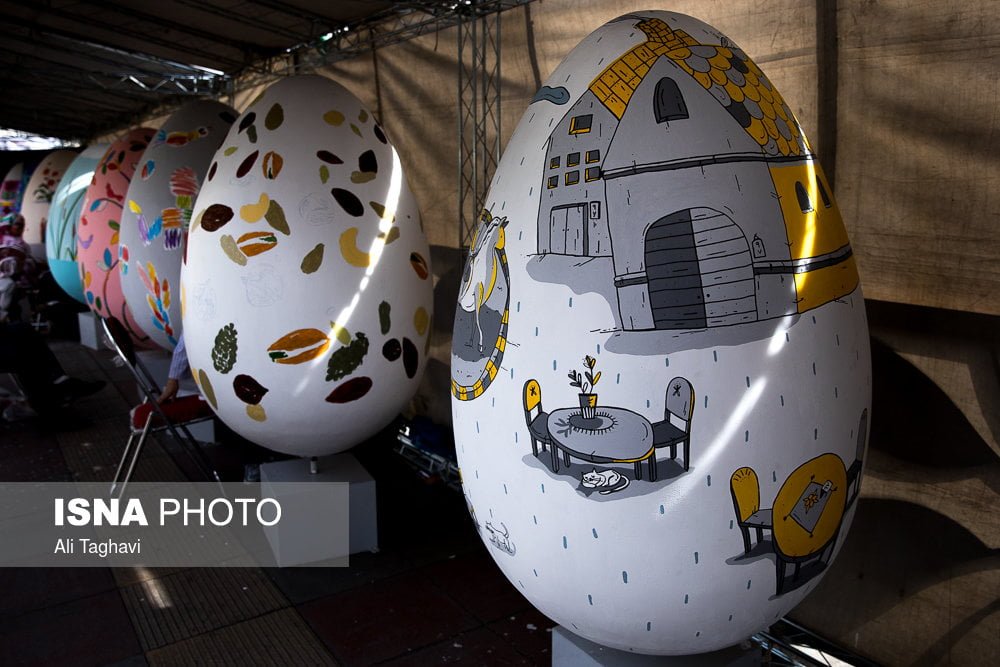
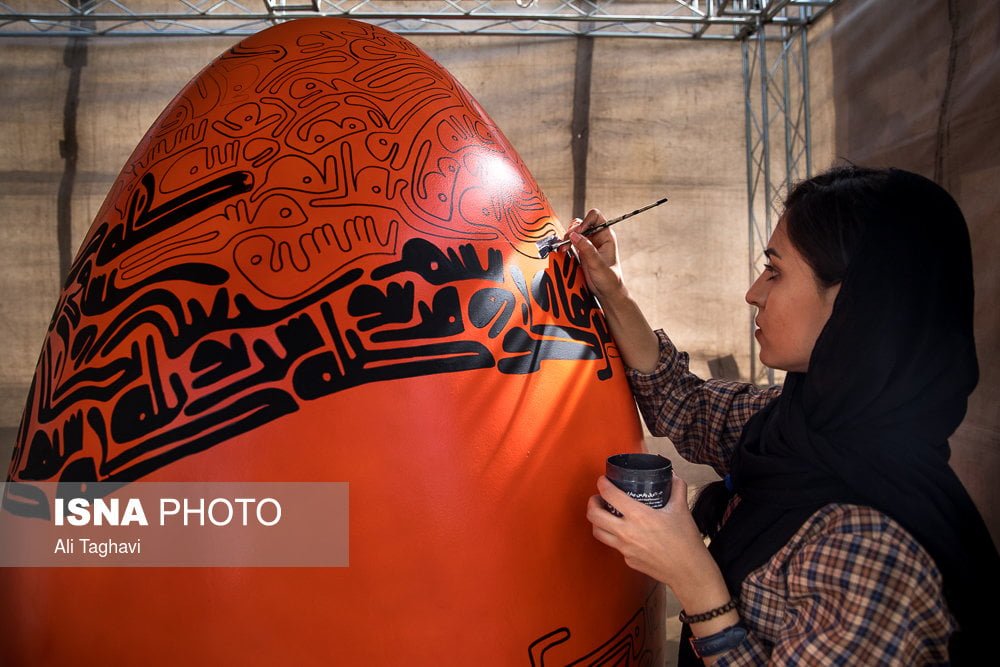
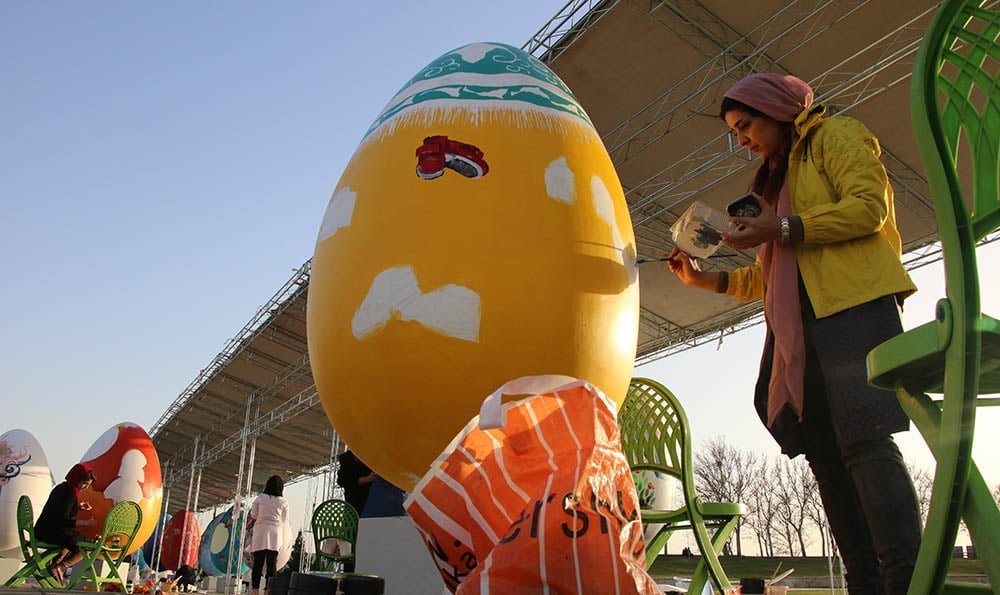
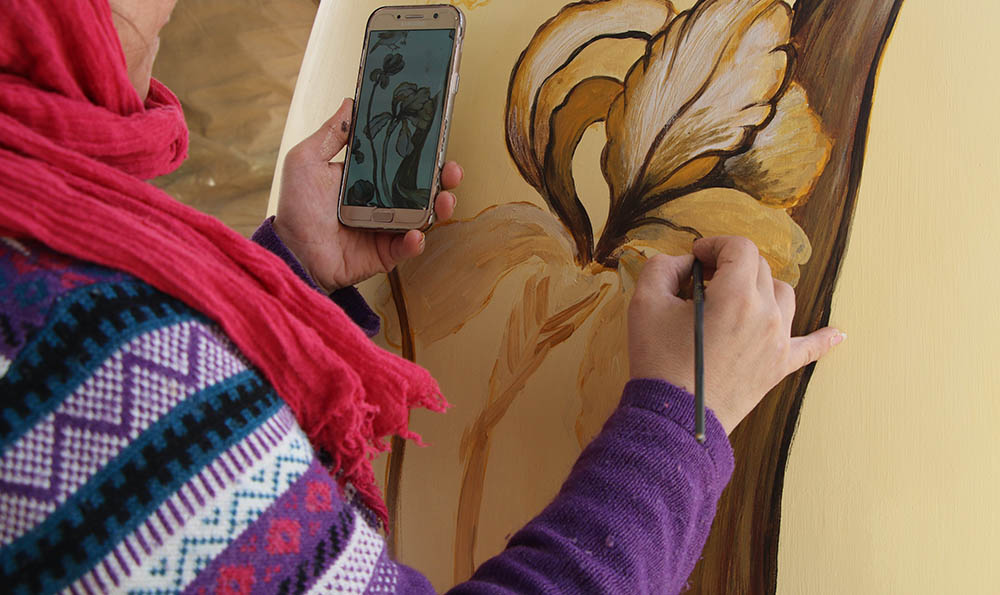
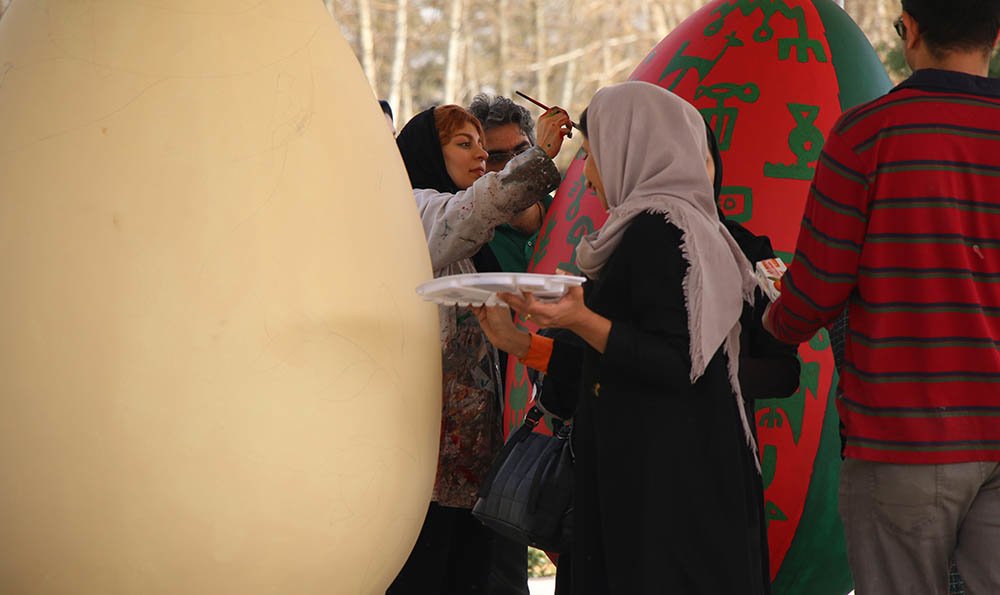
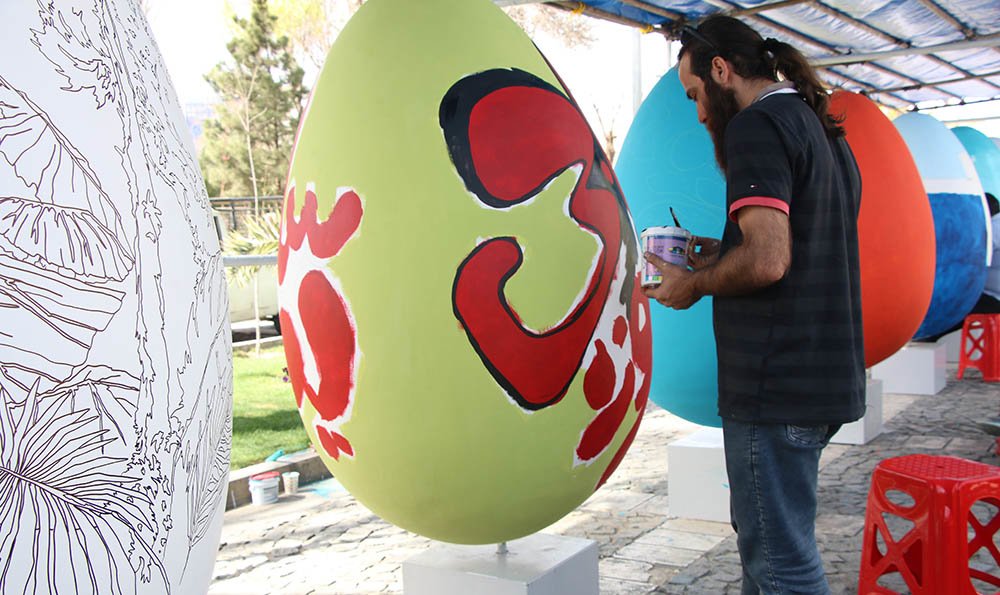
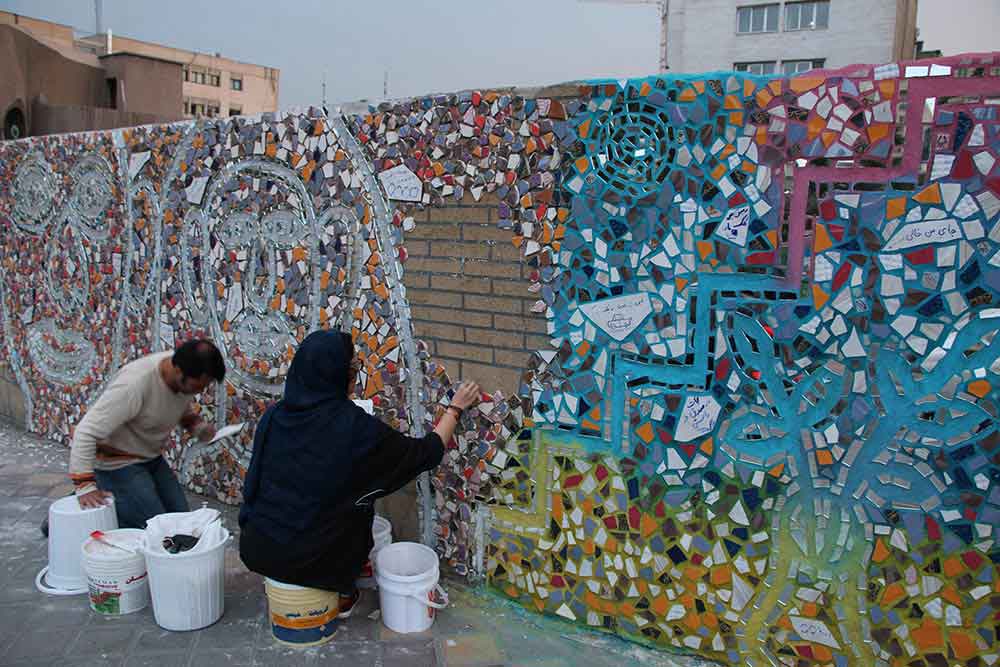
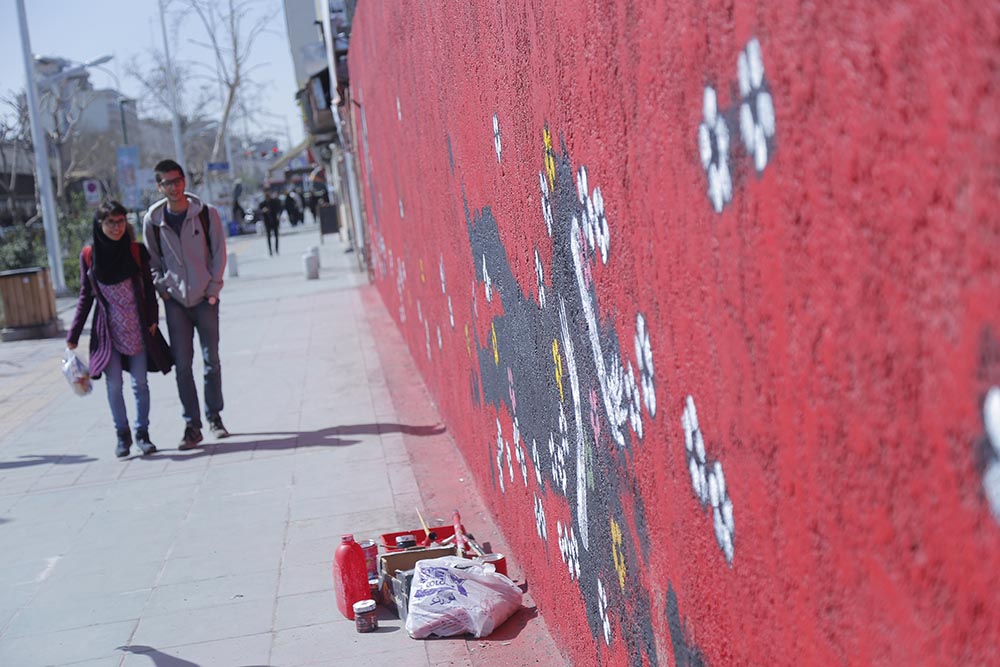
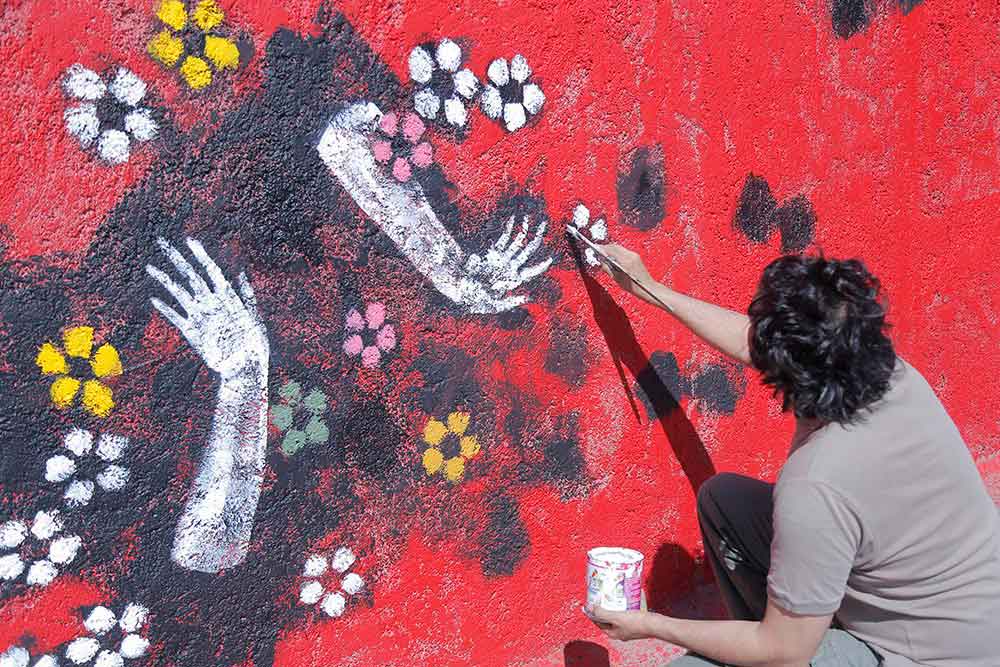
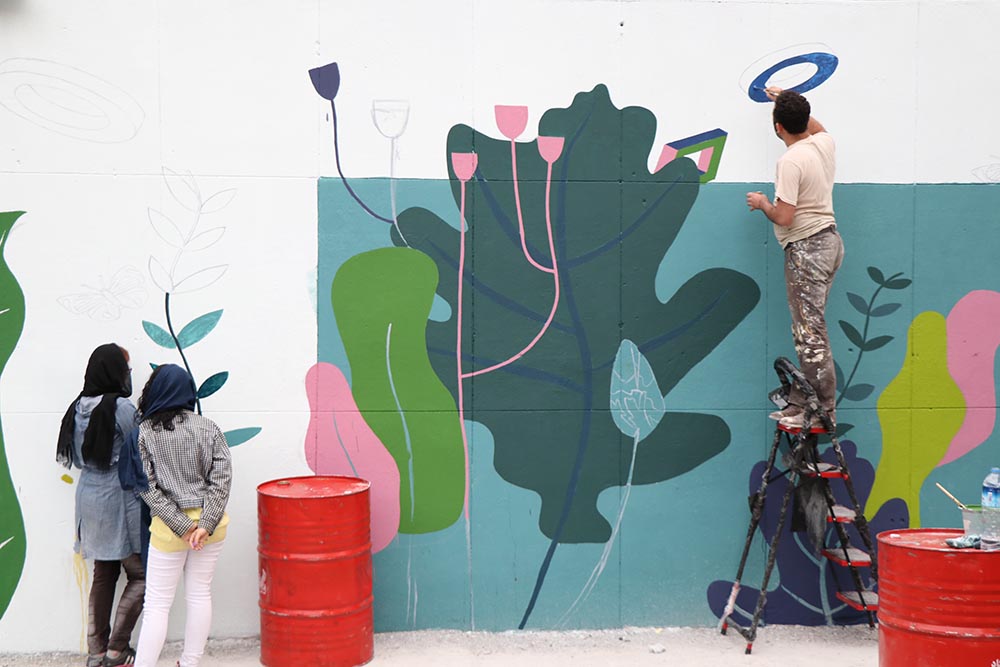
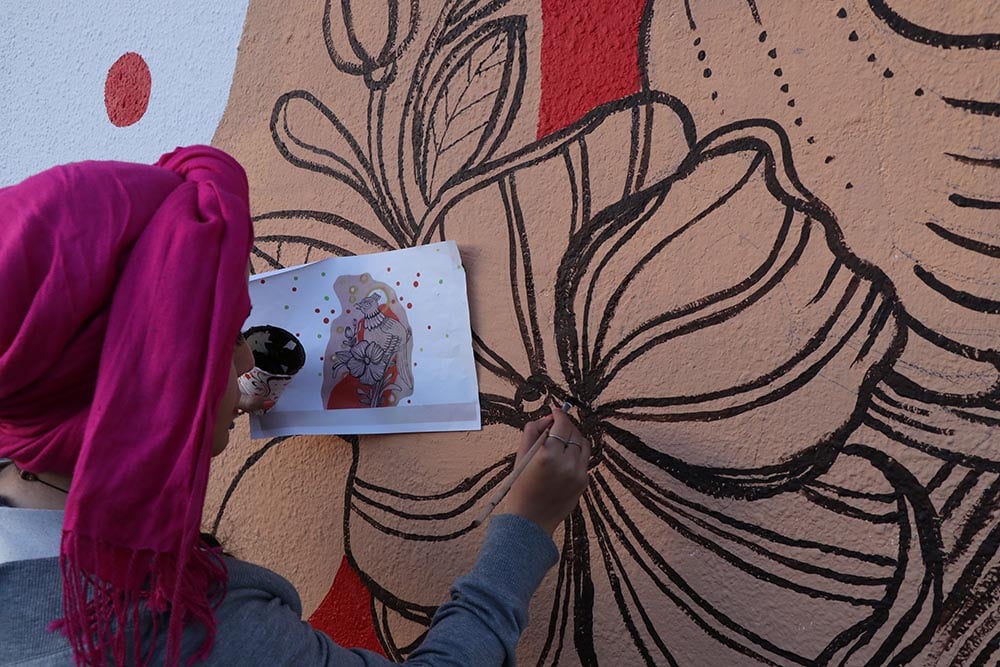
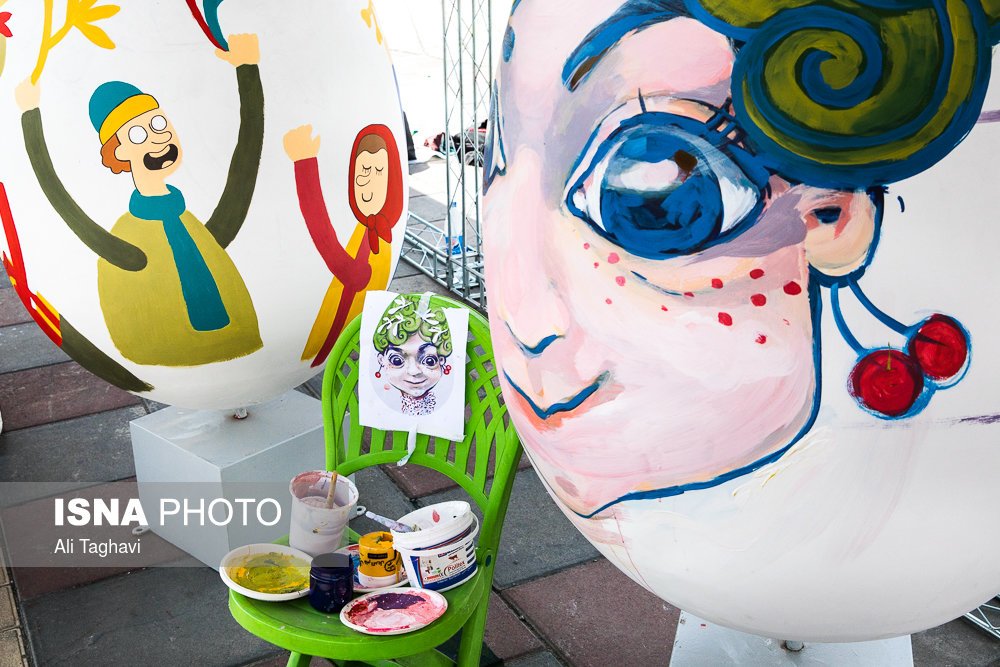
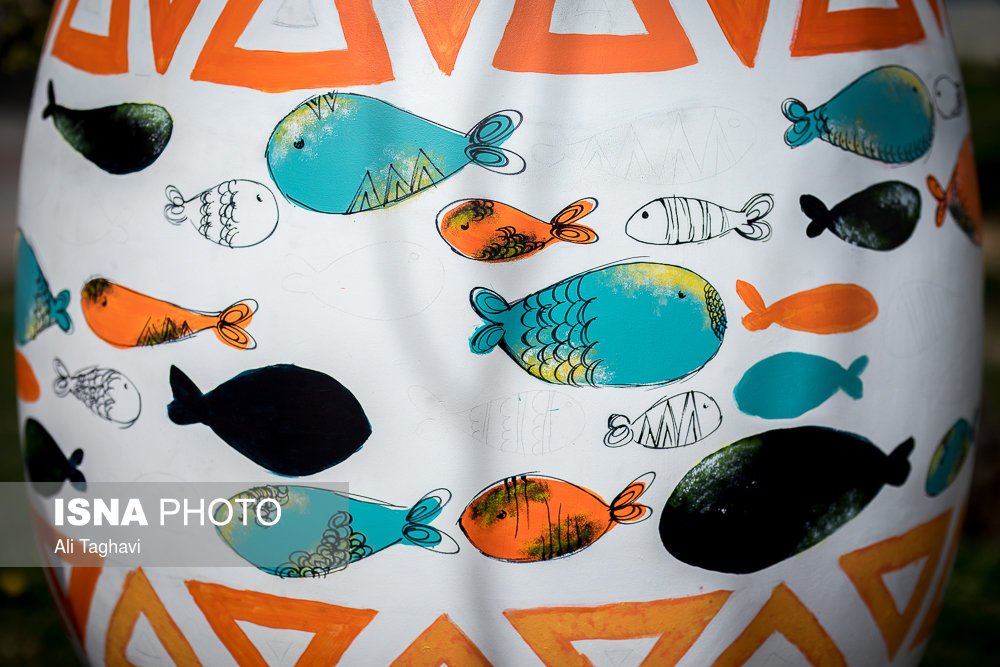
Tehran Preparing for Nowruz with Colourful Street Arts

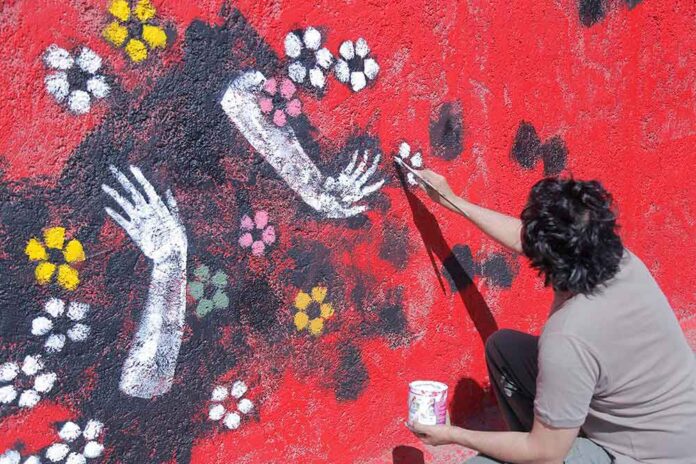
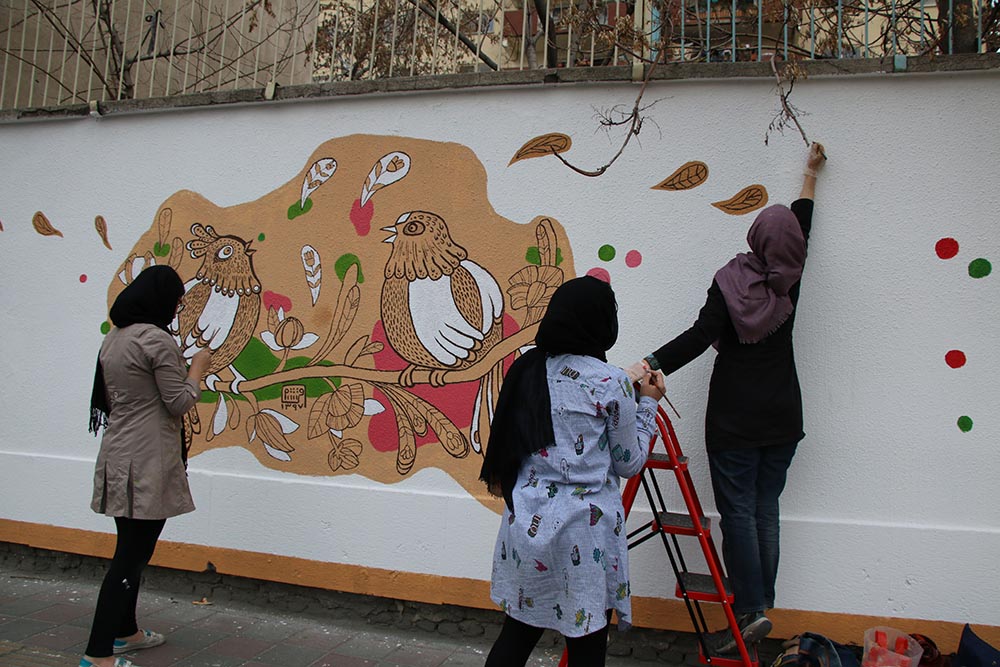
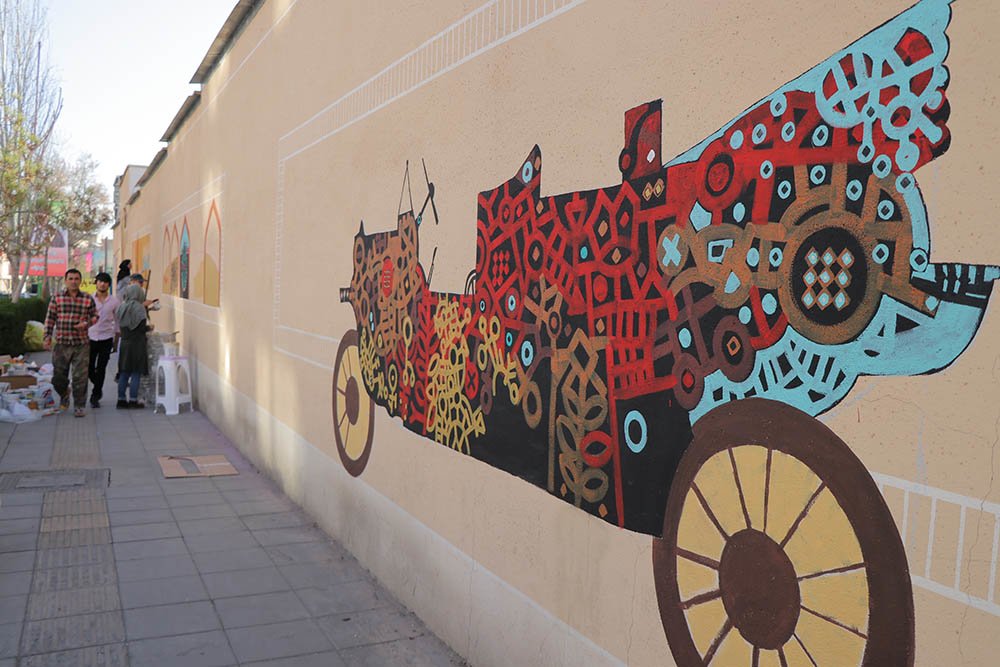
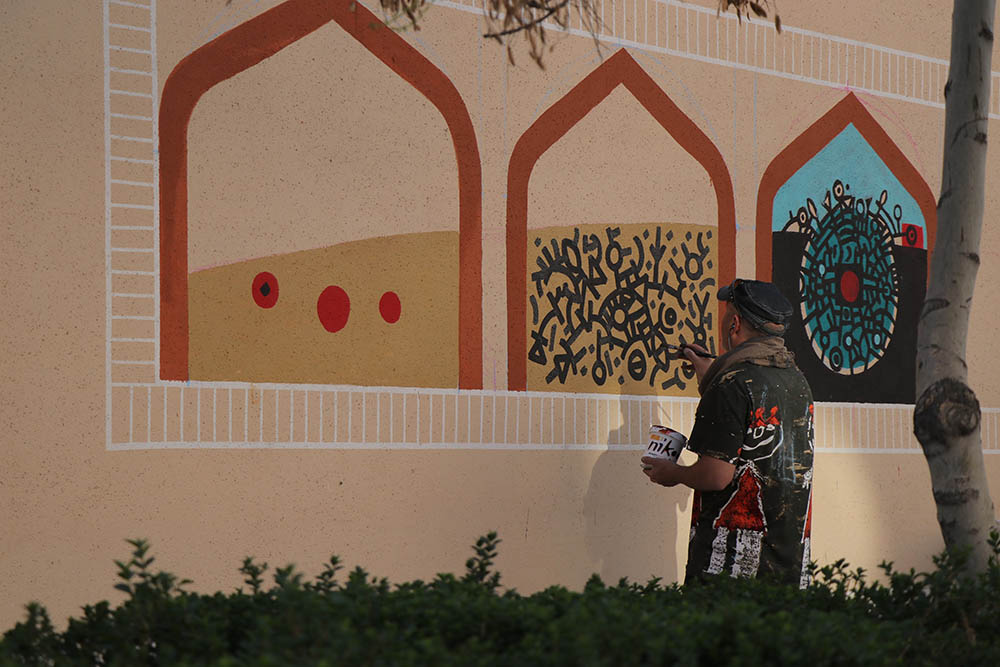
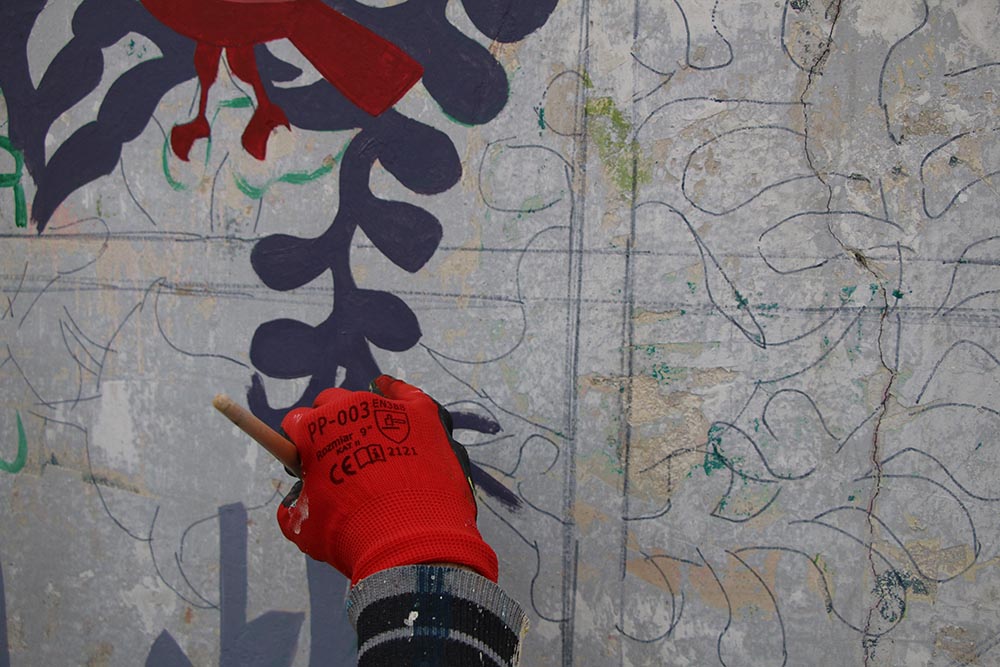
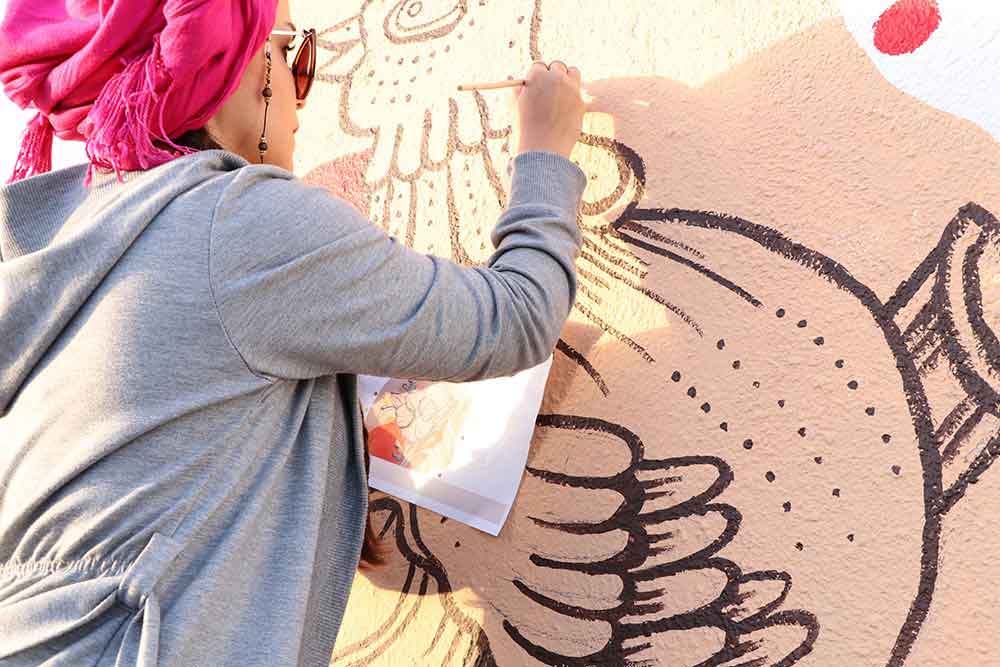
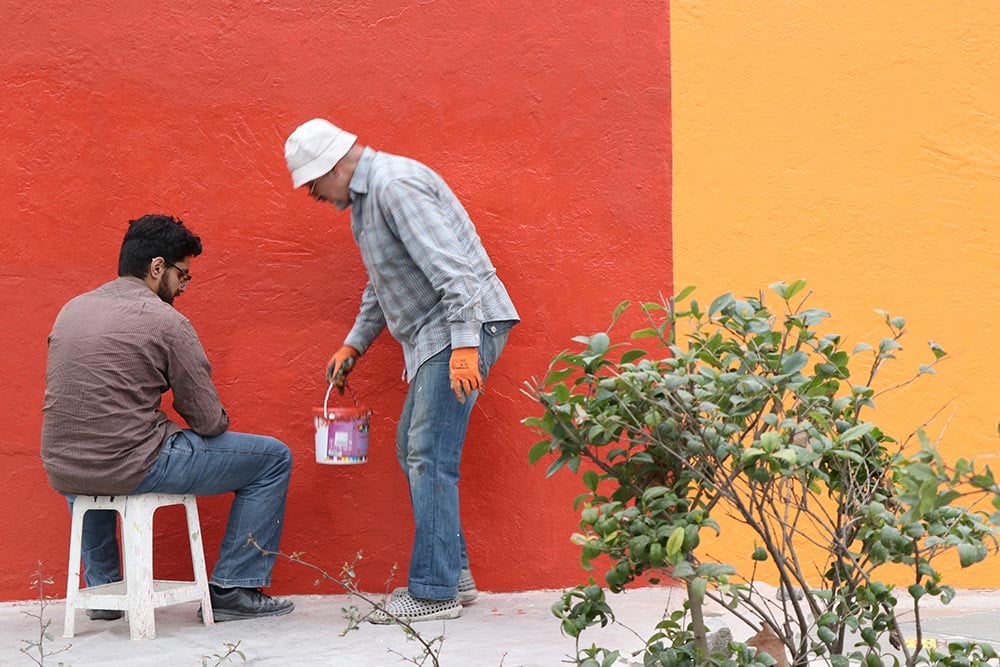
Several conceptual artists and ordinary citizens are currently working on their street artworks as part of the annual festival, which intends to prepare the grounds for creating new designs and experiences and decorating the city a few days before the advent of spring.

The event provides creative artists with the opportunity to use the language of art to convert their ideas into reality, and creates a social interaction between artists and other citizen.

The organizers plan to promote Iranian and Islamic culture, customs, and rituals ahead of the Persian New Year and the arrival of spring.

The “Baharestan” event is being held in the four sections of “Environmental Arts and Creative Decorations”, “Derakhtestan” (Land of Trees), “Small Walls of My City”, and “Eggs for Nowruz”.

What follows are photos of the event retrieved from the Municipality’s website:

Marmeh, First Spring Ritual in Northern Iran

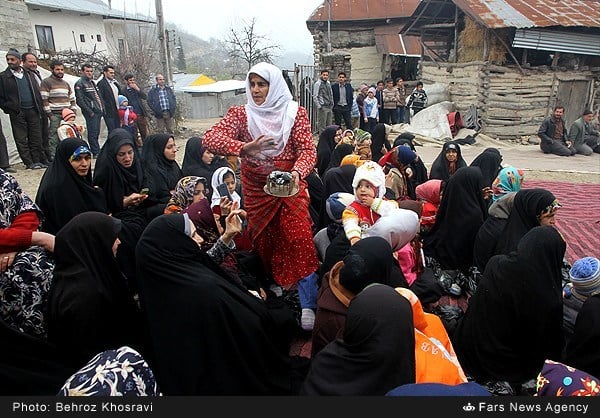
Although its prevalence has gradually decreased throughout history, Marmeh is still one of the main rituals to celebrate Nowruz (Iranian New Year) in Mazandaran. People of the province attach great importance to the ritual.

As the first spring ritual in the region, Marmeh is usually performed by an auspicious person to bring about lasting happiness for their own and the region’s people.

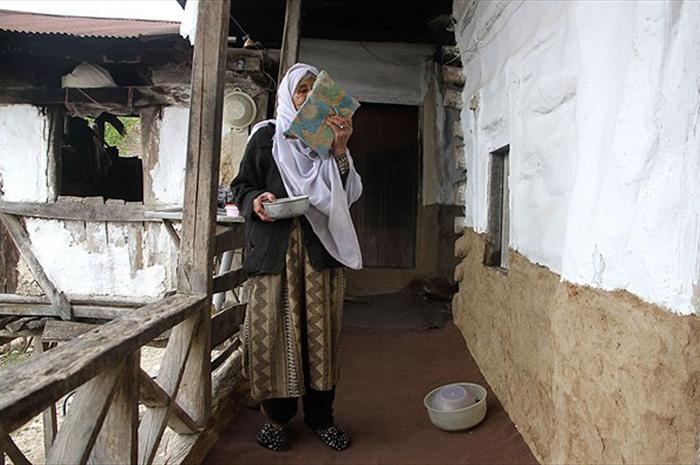
Just minutes before the beginning of the New Year, a baby girl or boy or an elderly man or woman who is viewed by the regional people as a lucky person is asked to knock on their doors and enter their homes with a Quran on a tray in hand. Upon their entrance into a home, the auspicious person says Happy Nowruz, wishing for a year of prosperity and happiness.

It is widely believed that the ritual brings happiness and luck for the people through the coming year. In return the residents of the homes give the guest gifts for their being auspicious and bringing happiness.

Marmeh means good in Mazandarani dialect. The ancient ritual is still performed seriously in the province.

The ritual used to be performed on the early days of each month of Caspian calendar but its performance on the first day of Farvardin (the first month of Iranian year) was common across the province. Like other calendars, the Caspian calendar has 12 months with 30 days for each. So, the overall number of days in each Caspian year stands at 360.

Among other rituals celebrating Nowruz in Mazandaran province, one can also refer to cooking local sweets and dishes.

Iran’s Economy Can Be Improved by Supporting Iranian Products: Leader
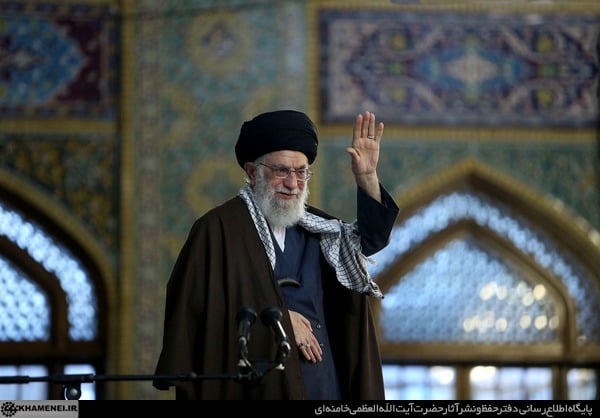
“Shoppers should sell Iranian products. Costumers ought to buy Iranian products. Officials must assist Iranian producers and prevent imports and the smuggling [of goods],” said Ayatollah Seyyed Ali Khamenei in an Iranian New Year speech broadcast live on state TV on Wednesday.

Addressing a huge crowd in northeastern city of Mashhad, the Leader said officials would do well not to pin hope on foreign countries to help them settle economic problems, as the solution to all issues could be found inside the country.

In his New Year message on Tuesday, the Iranian Leader named the Iranian calendar year 1397 “Support for Iranian Products”, saying boosting domestic production could settle many of the country’s economic and social woes.

Increasing domestic production is a key principle of Resistance Economy, an economic concept aimed at curbing dependence on oil export revenues to boost Iran’s national power and make the economy immune to economic wars waged by foreign powers.

In recent years the Leader has frequently advocated Resistance Economy, which was first raised by himself in 2011, amid the tightening of international sanctions on Iran over its nuclear work.

The Leader designated last Iranian year, 1396, as “Resistance Economy: Production and Employment”.
Before that, the Leader had also named 1395 as the year of “Resistance Economy: Action and Implementation”.
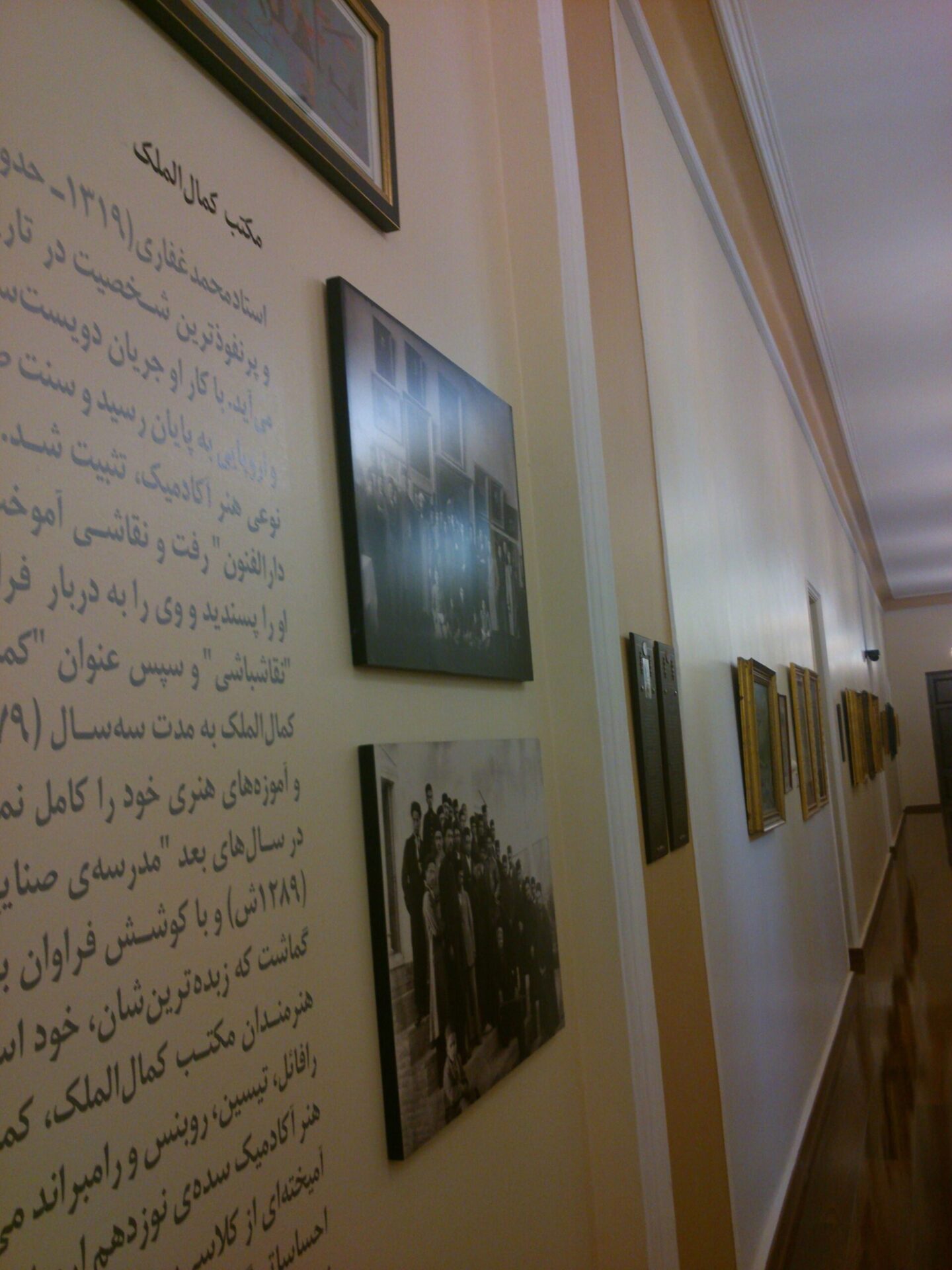
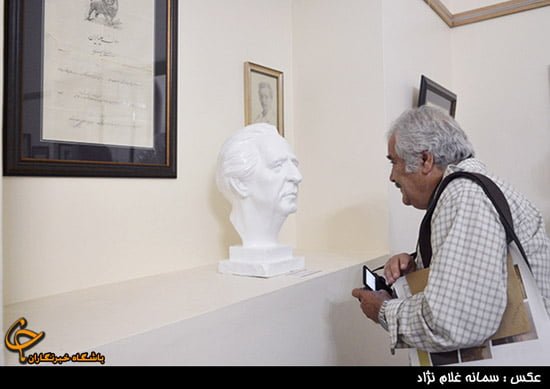
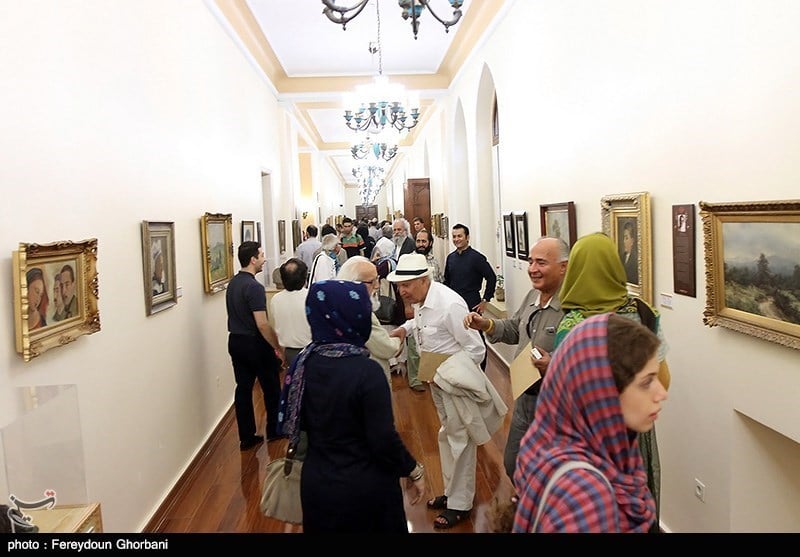
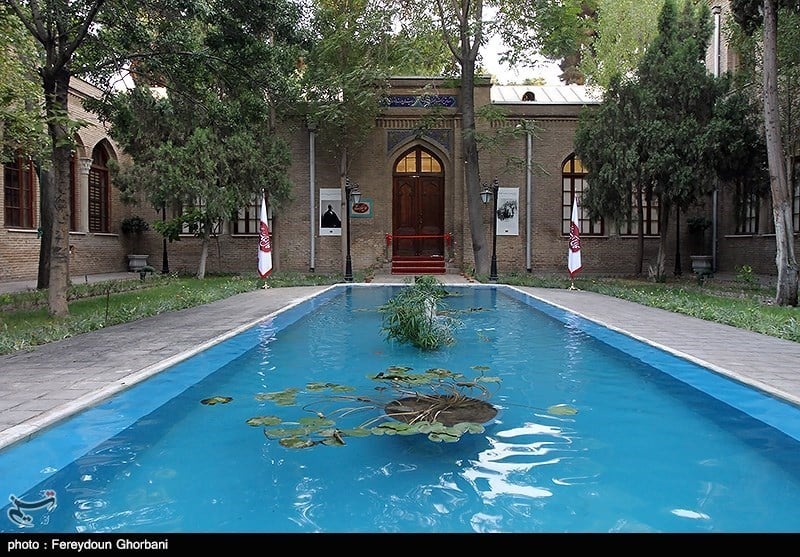
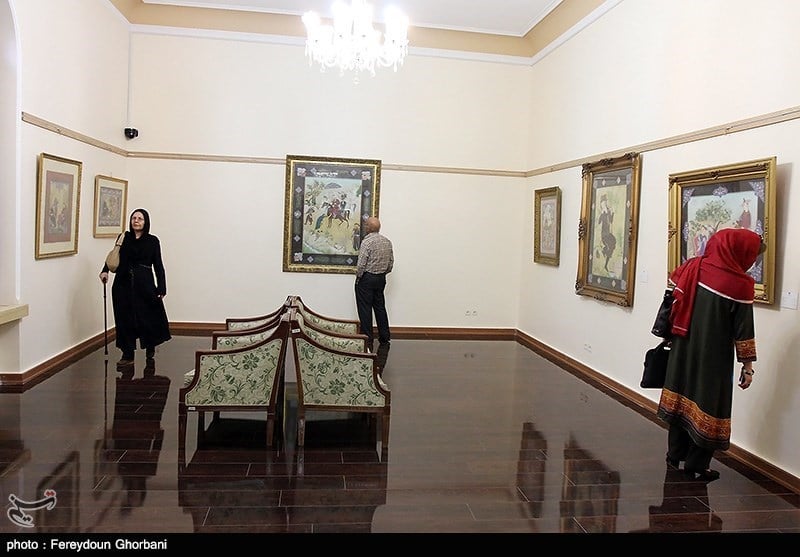
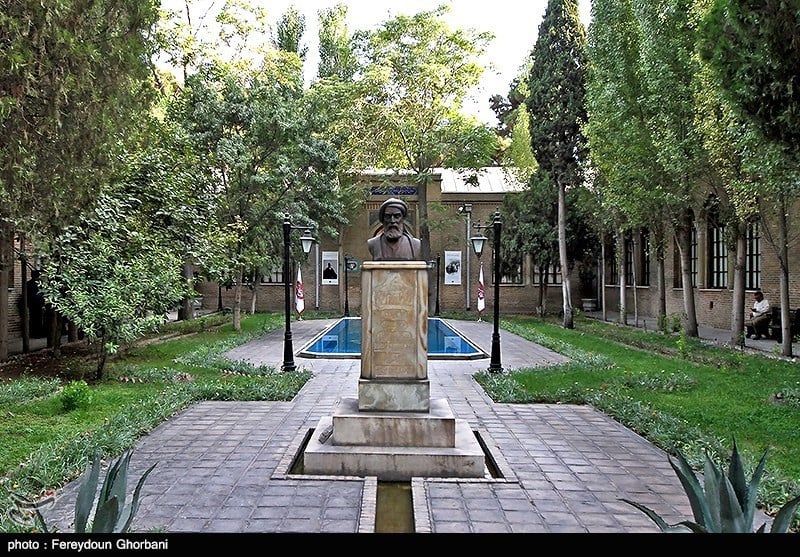
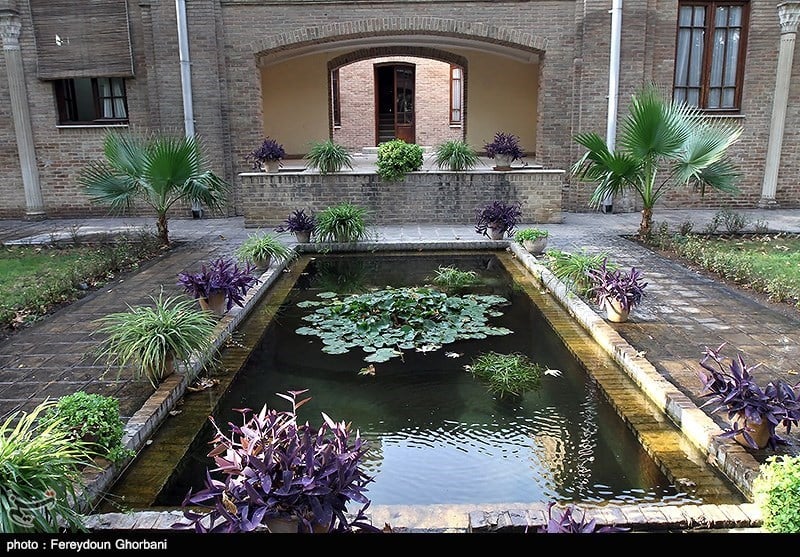
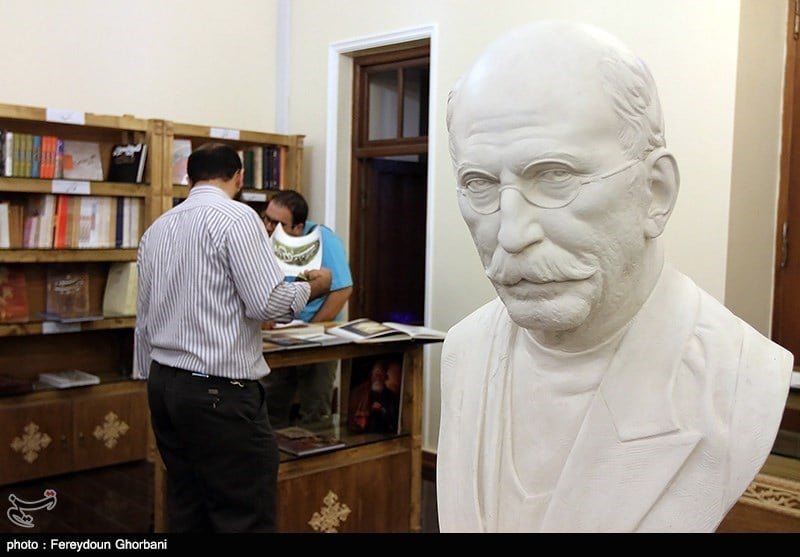
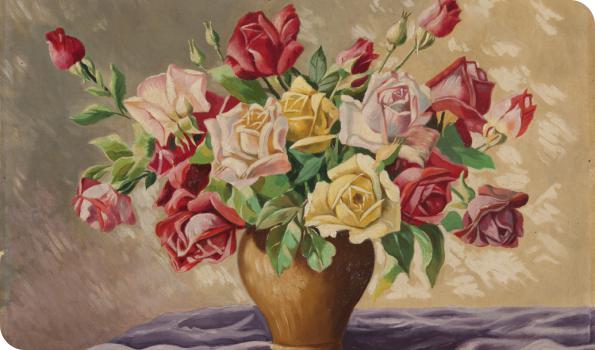
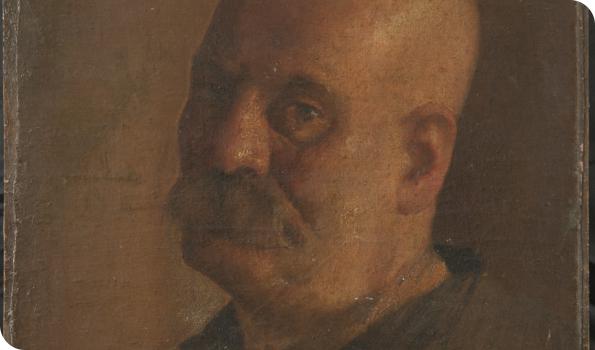
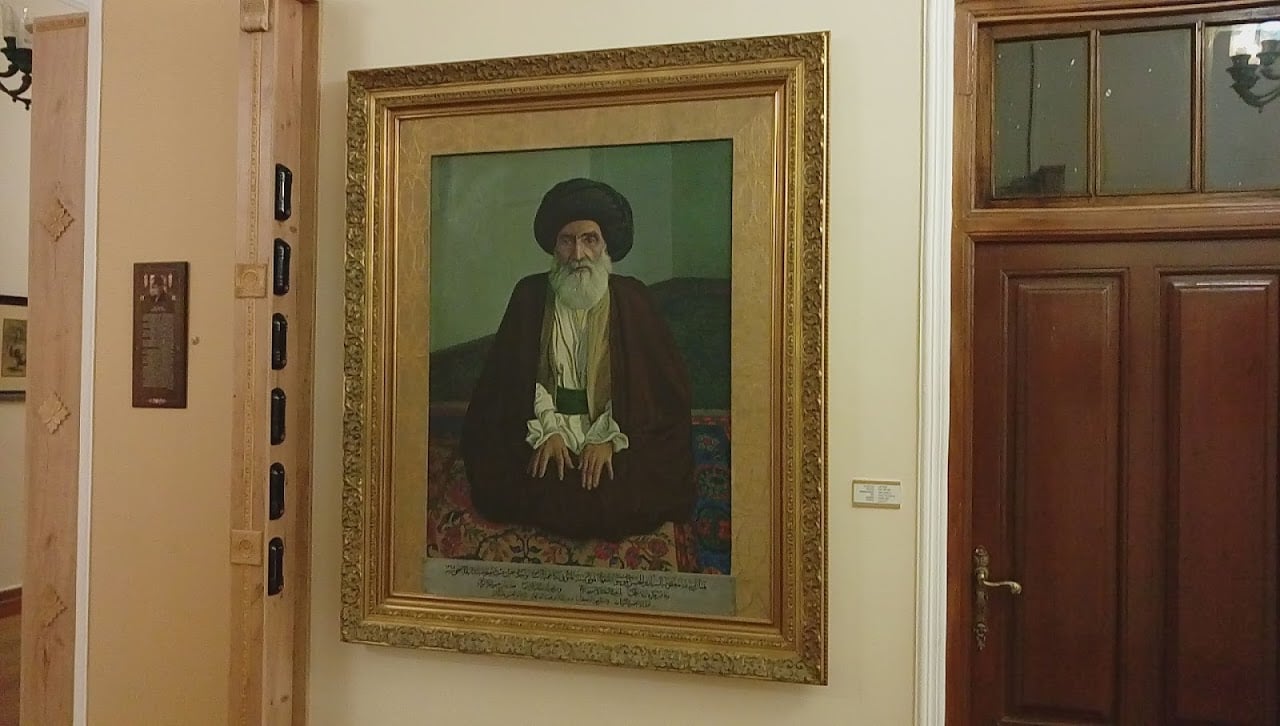
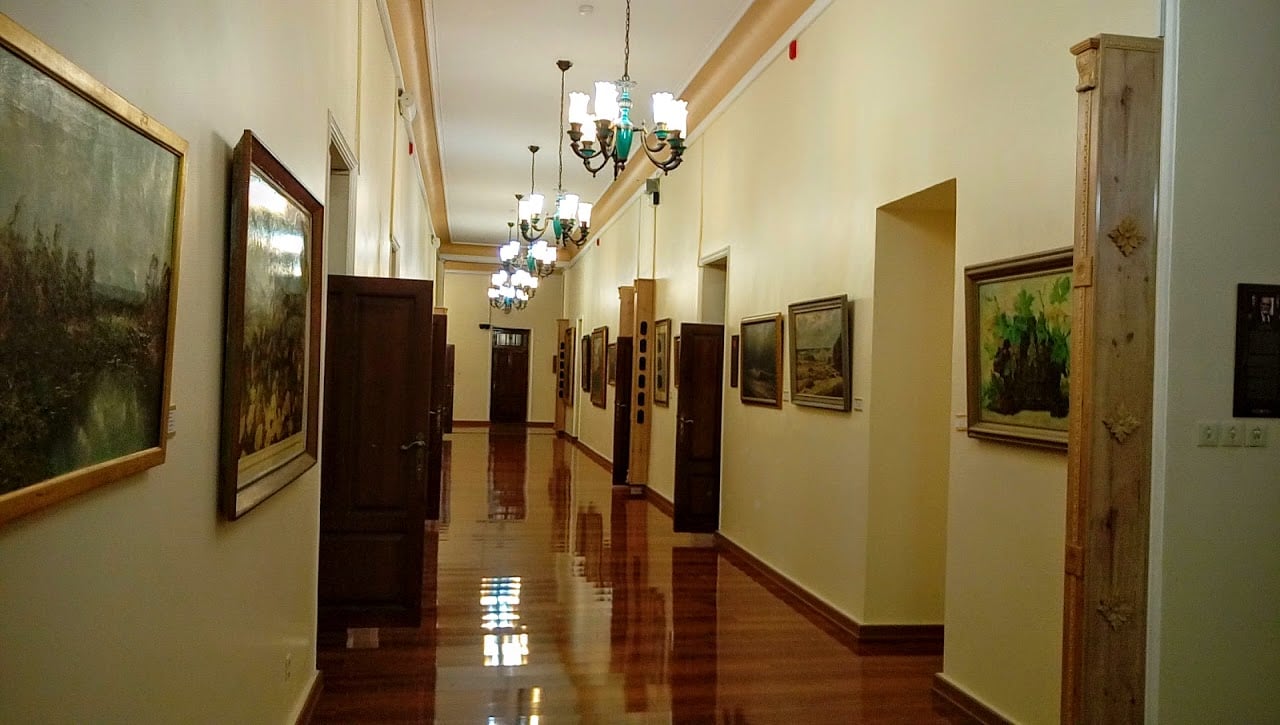
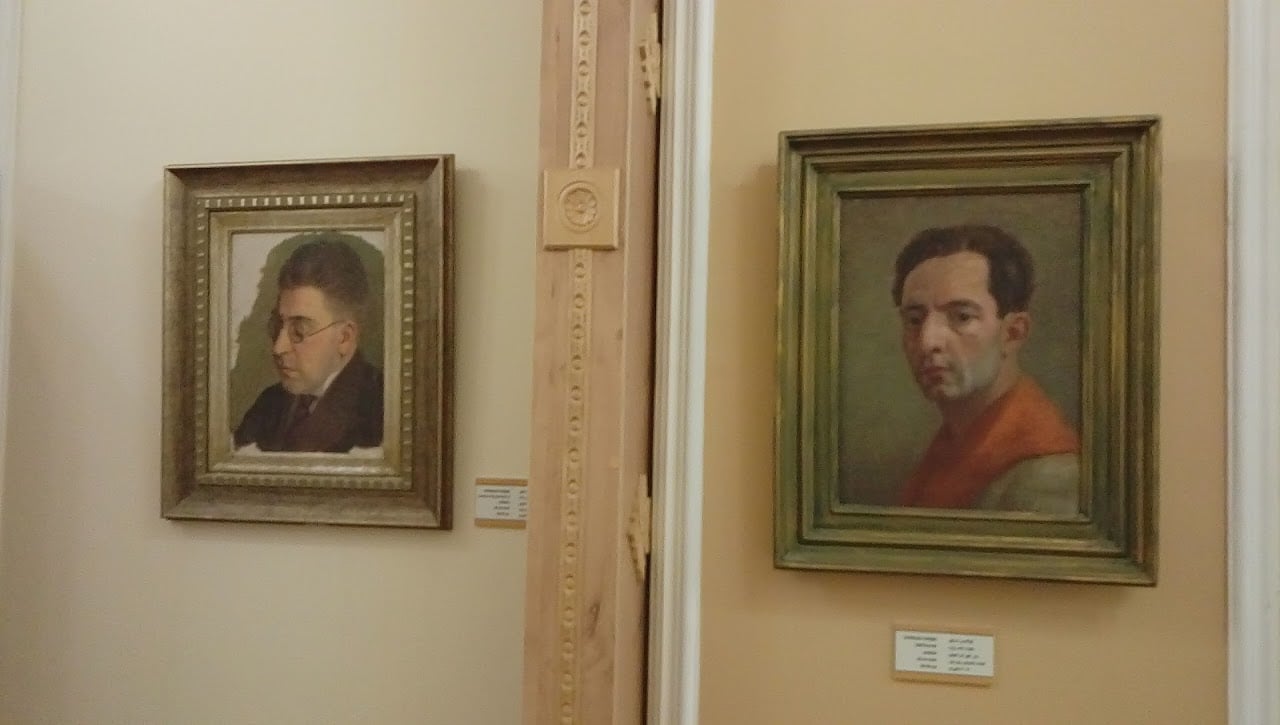
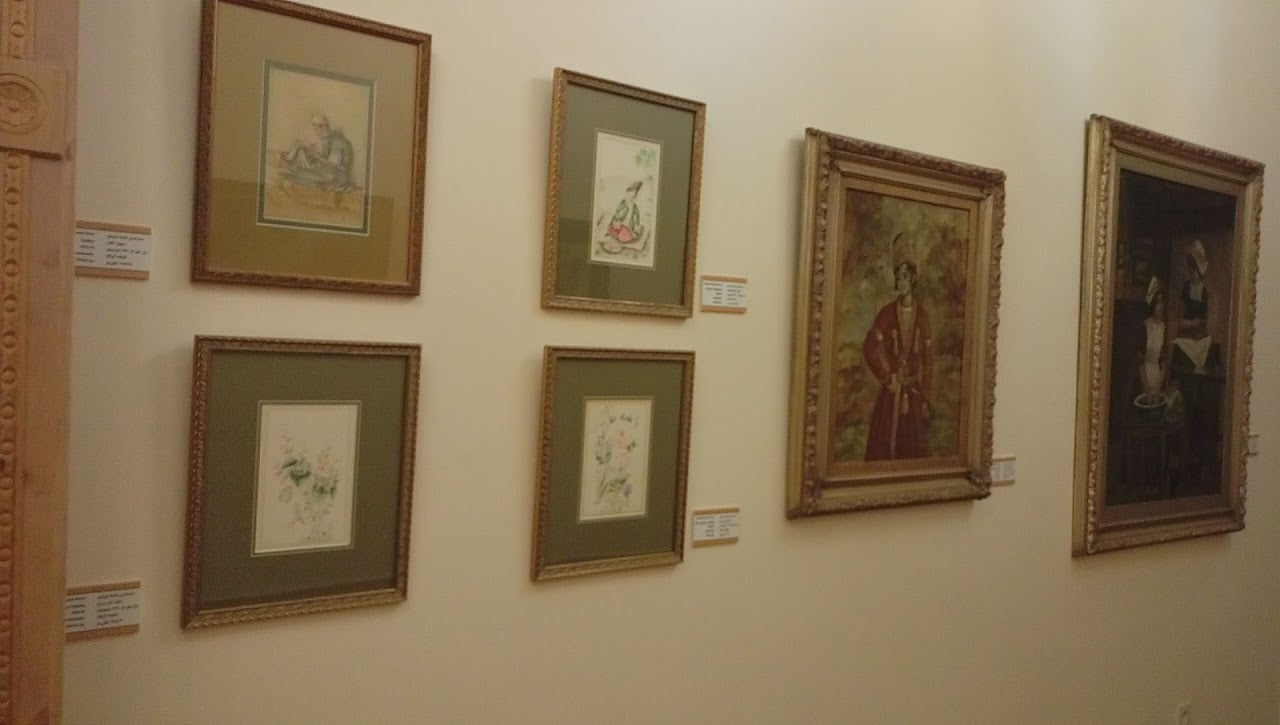
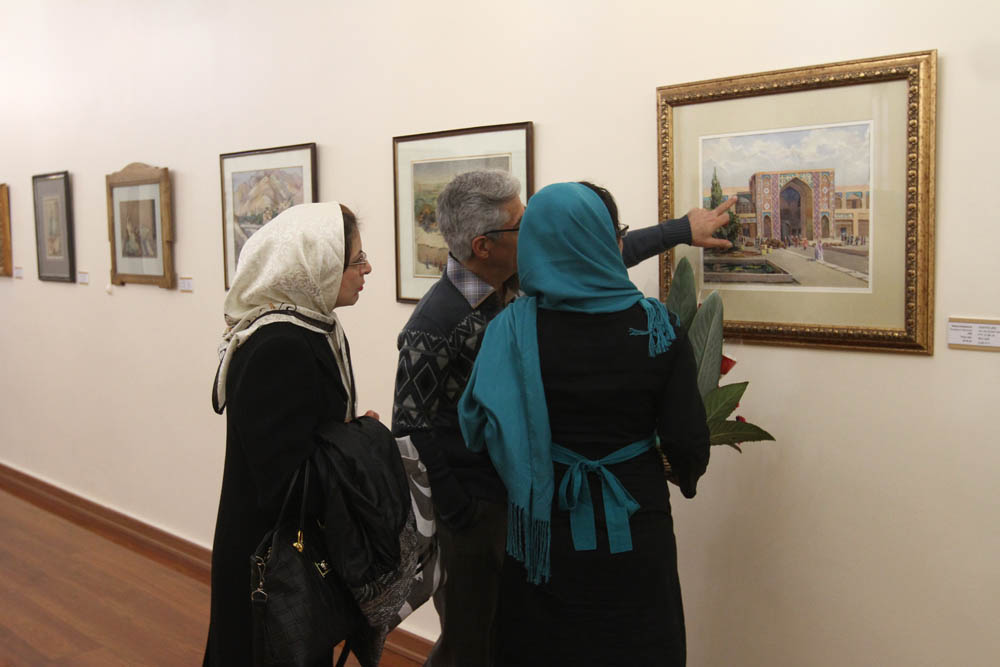
Kamal-ol-Molk School; Museum of Qajar Art in Downtown Tehran

Kamal-ol-Molk School in Tehran

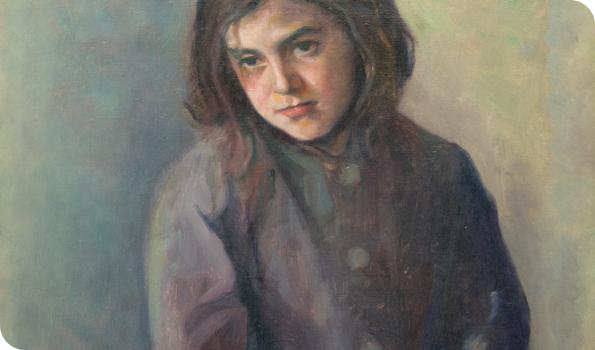
Ghaffari (1847-1940), better known as Kamal-ol-Molk, was born in Kashan into a family greatly attached to art. He is undoubtedly one of the most eminent artists in Iran’s history, and has trained many students who followed his painting style.

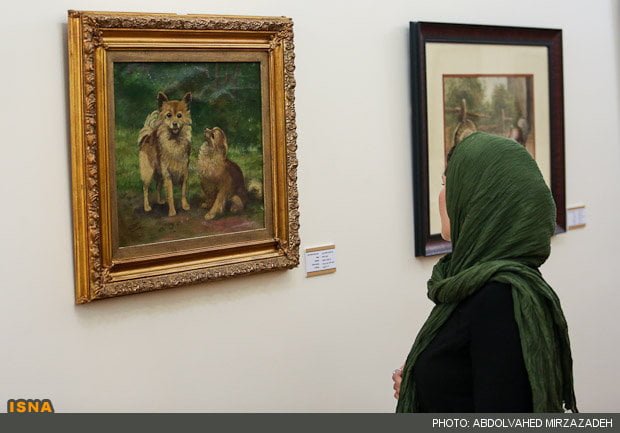
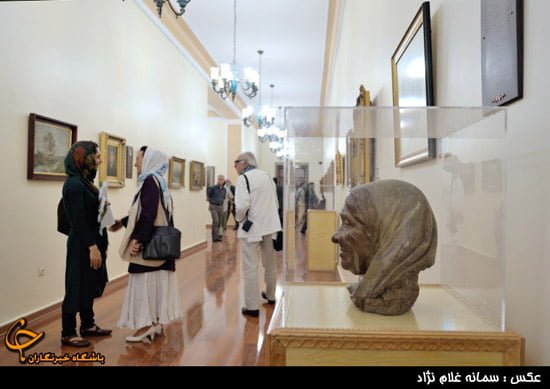
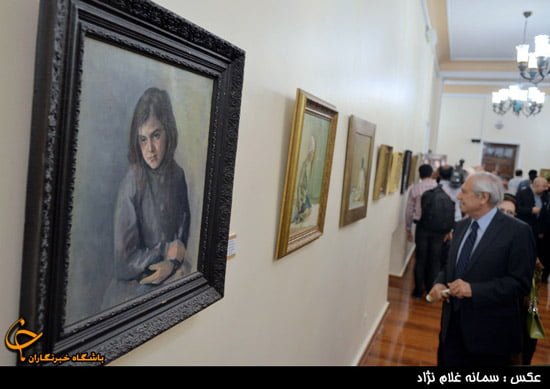
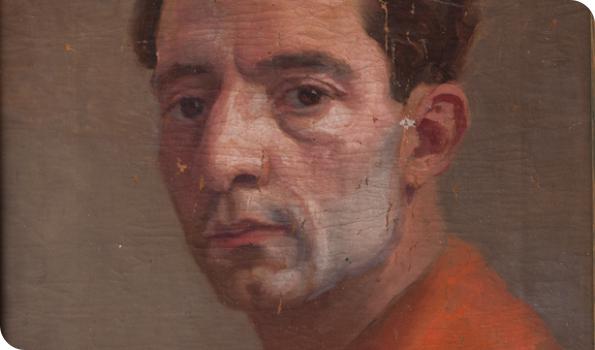
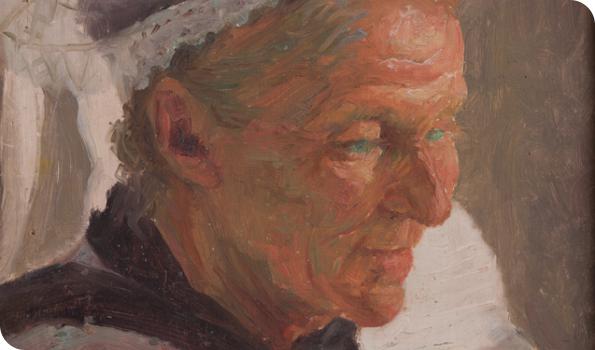
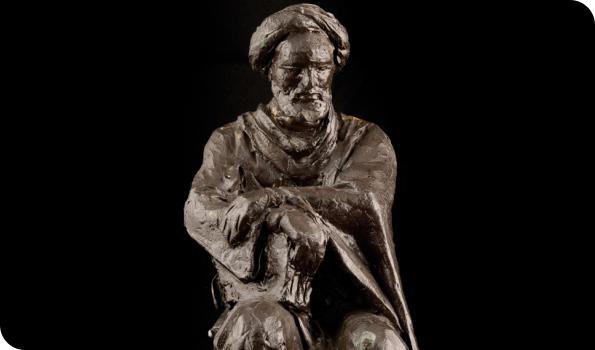
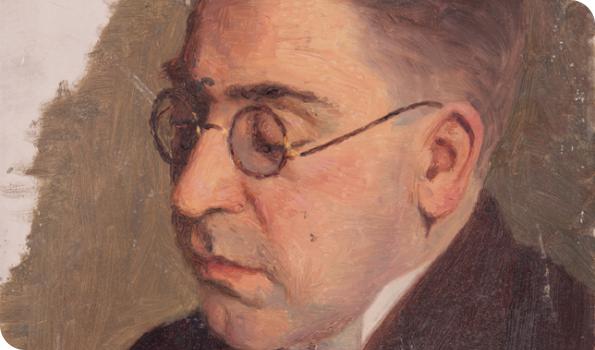
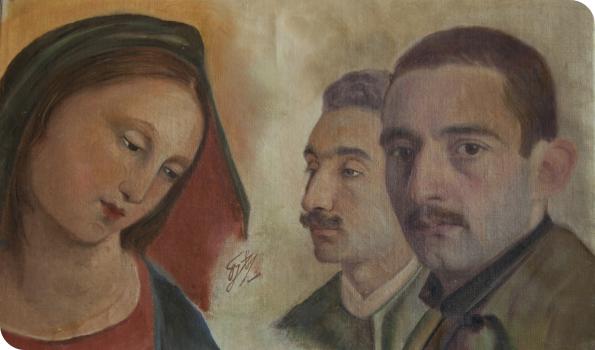
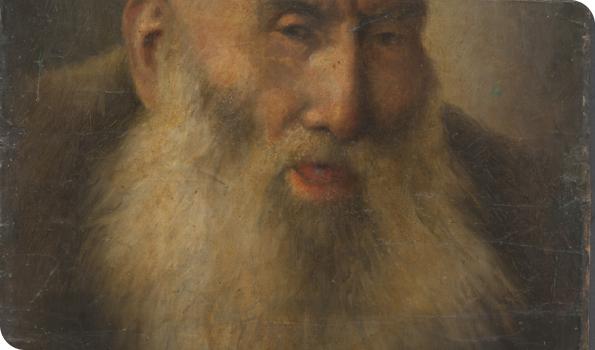
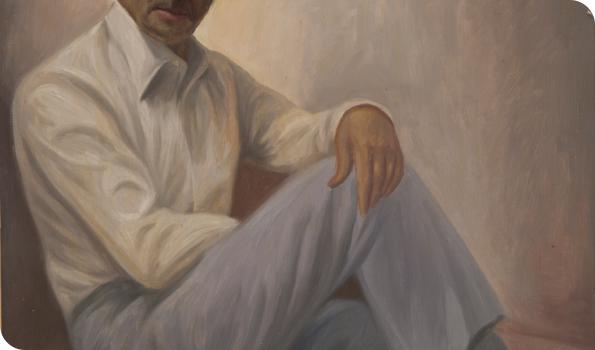
A museum of the works painted by him and his students opened in July 2013 with the cooperation of Tehran Beautification Organisation and Cultural Department of Tehran University at the historic Negarestan Garden- Museum in Tehran.

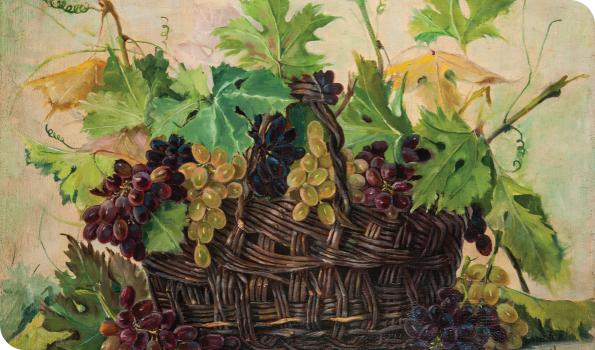
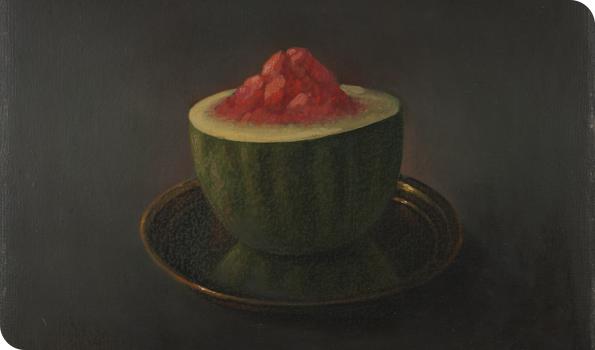
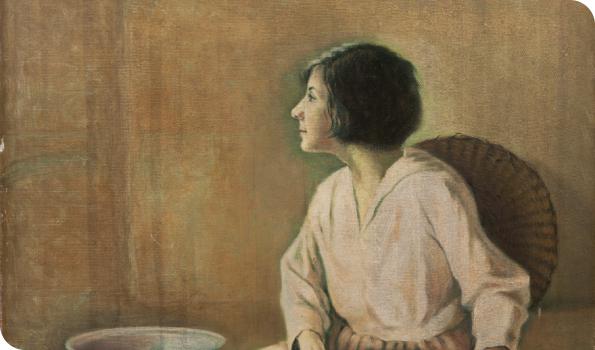
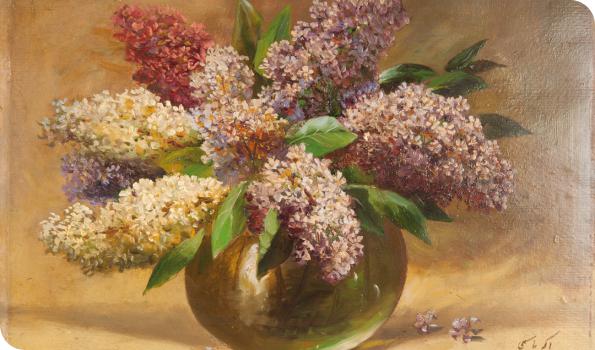
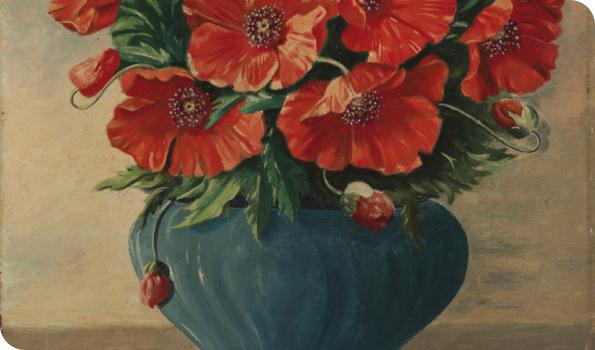
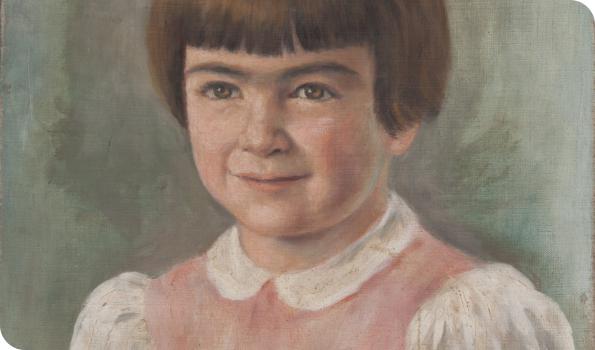
In the museum, which surveys the school of Kamal-ol-Molk, 120 works created by the renowned Iranian artist and a number of his students who graduated from Tehran School of Fine Arts have been put on display.

The School of Fine Arts, established by Kamal-ol Molk back in 1911 at the current location of Negarestan Garden, was effective in revival and promulgation of arts such as painting, sculpturing, etc.

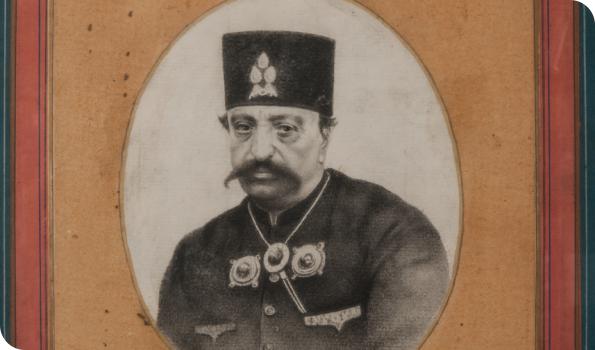
The genius works of the Iranian painter, a fan of the European academic style who lived during the late Qajar and early Pahlavi periods, attracted the attention of Nasereddin Shah Qajar.

It was Nasereddin Shah who gave him the title Kamal-ol-Molk, literally meaning “Perfection on Land”, and invited him to the royal court to enable the master to create his masterpieces.

The paintings he did during the years he stayed at the Nasereddin Shah’s court, which lasted up until the assassination of Nasereddin Shah (1896), were portraits of important people, landscapes, paintings of royal camps and hunting grounds, and various parts of royal palaces.

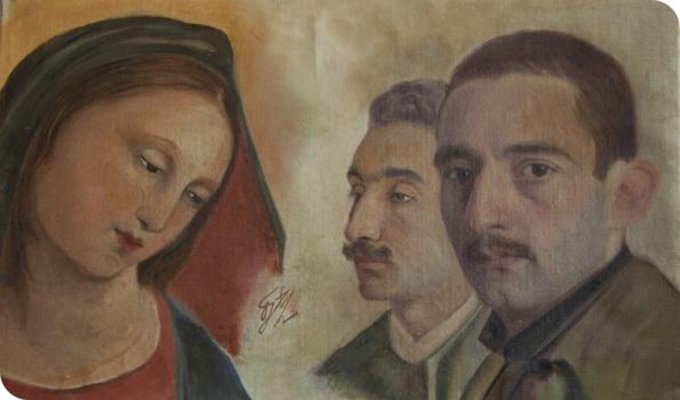
What follows are photos of the museum retrieved from various sources: