Thursday, December 25, 2025
Home Blog Page 3652

Iran Ready to React to Any Aggression in Persian Gulf: Commander

Iran Warns US, Allies against Adventurism, Provocative Moves in Region

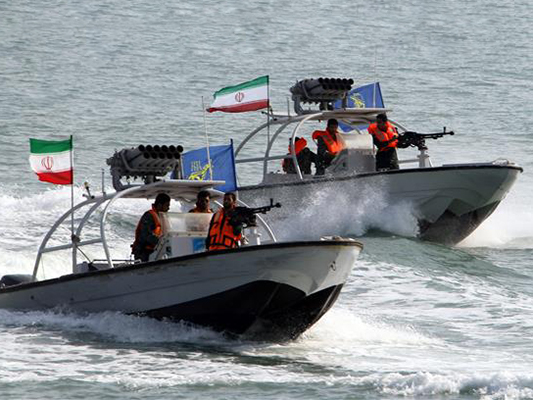
Major General Gholam-Ali Rashid, the Commander of IRGC’s Khatam al-Anbiya Central Headquarters, has highlighted the special position of the Persian Gulf region and the Oman Sea in the defence policy of the Islamic Republic of Iran.

“Given such a significant position, while incidents and developments should be monitored and managed altogether, we should also be ready to deal with unpredictable events and their impact on the spread of confrontations,” he added, according to a Farsi report by the Fars News Agency.

Speaking on the sidelines of his visit to Makran coasts in south-eastern Iran, he further stressed that Iran’s policy in the Persian Gulf and Oman Sea is “defensive-deterrent” through “immersive and active presence.”

“The Islamic Republic of Iran’s policy in the Persian Gulf region is governed by three main principles: active engagement with neighbours, defending the security and stability of the region, and a firm response to the intrusion of trans-regional powers in the region,” noted Rashid.

The top general also emphasised that the Armed Forces of the Islamic Republic of Iran will defend their interests in the region with authority and will deal with all the provocative and destabilizing behaviours in the region with determination and vigilance.

Khatam al-Anbiya Central Headquarters is the unified combatant command headquarters of Iranian Armed Forces, under direct command of its General Staff. The strategic headquarters is tasked with planning and coordinating joint military operations within the Iranian forces.

Top Iranian, Venezuelan Diplomats Discuss Closer Economic Ties

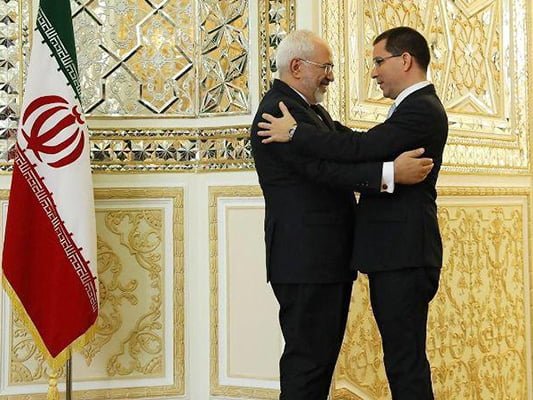
In a Saturday meeting in Tehran, Zarif and Arreaza discussed the conditions of the global oil market and latest Latin America and Middle East developments of mutual concern.

The two top diplomats also discussed the US interventions in the affairs of independent countries, particularly Venezuela.

Venezuela has been Iran’s top Latin America friend in recent years, mainly due to the fact they share opposition to the US hegemony across the globe and both are targets of strict US sanctions.

Caracas’ relations with Washington, which have been contentious in the last 20 years, have become increasingly cold in recent months.

Venezuela accuses Washington of fomenting violence and fuelling an economic crisis in the country to weaken the rule of the anti-US establishment.

Exhibit of Iranian Antiquities to Open in Netherlands

The exhibit titled “Iran, The Cradle of Civilization” will be held in the Dutch city of Assen in June, 2018.

“The number of the items which are going to be put on show at the exhibition is not clear yet, but the figure will not be fewer than 1,200 antiquities,” Director General for Iranian Museums’ Affairs Mohammad-Reza Kargar told the Persian-language Mehr News Agency.

“The items belong to pre-history, historical and Islamic eras selected from the National Museum of Iran. We have suggested those items, but final agreement needs to be reached on the items to be chosen,” he noted.

The National Museum of Iran and the museum in Assen had already signed a memorandum of understanding on holding an exhibit of Iranian historic items in the Netherlands, said the official.

The head of the Iranian Cultural Heritage Organisation had met with Dutch museum authorities in early 2018 and given his consent to such an event being held.

The event in Assen will start shortly after the end of an exhibition of Iranian historical items in the French city of Lens, which is expected to wrap up on June 7, 2018.

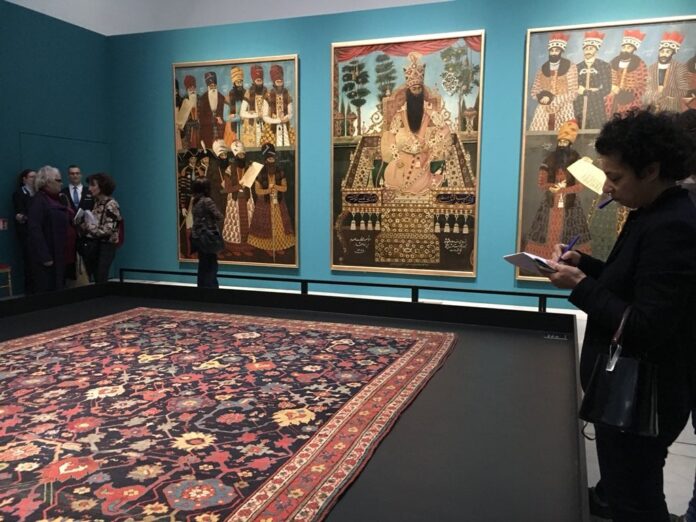
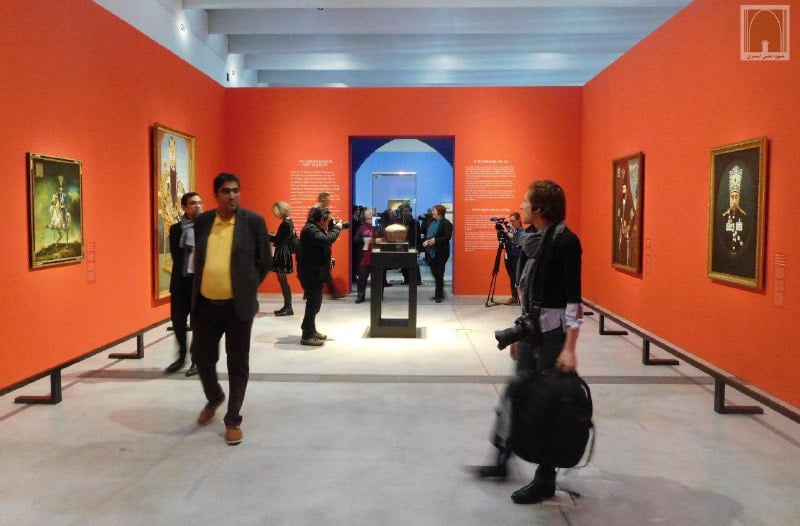
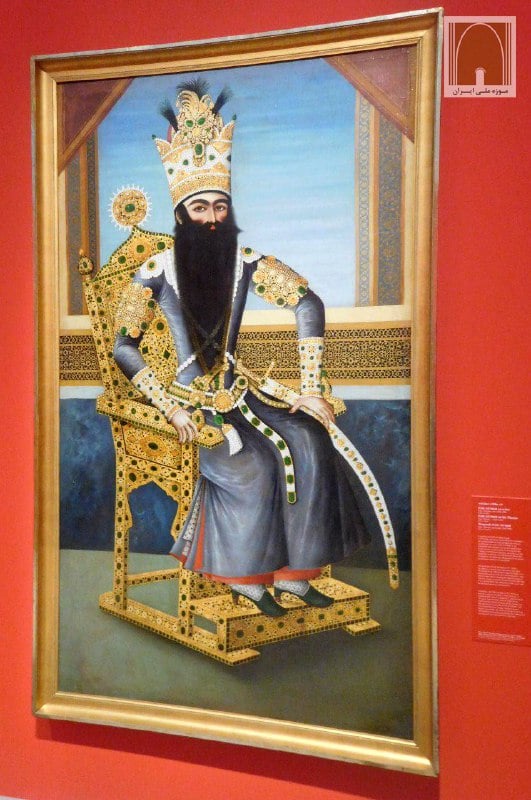
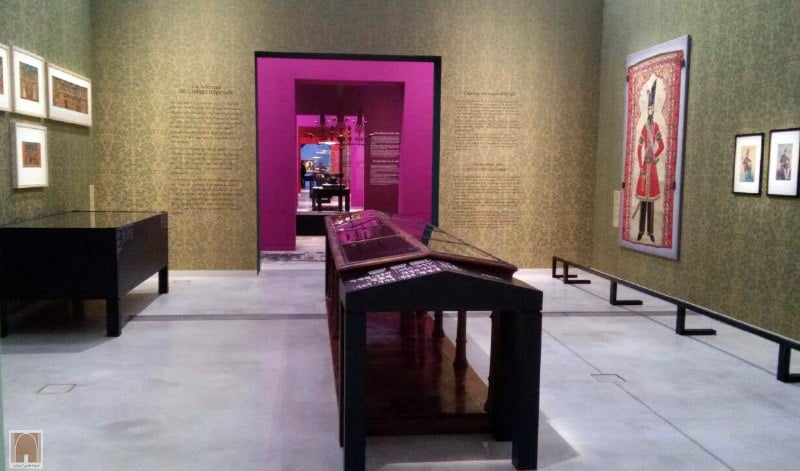
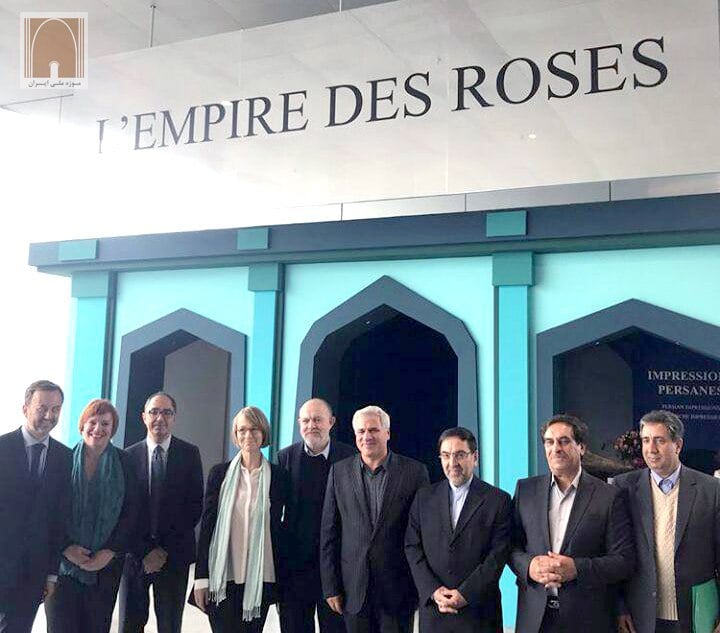
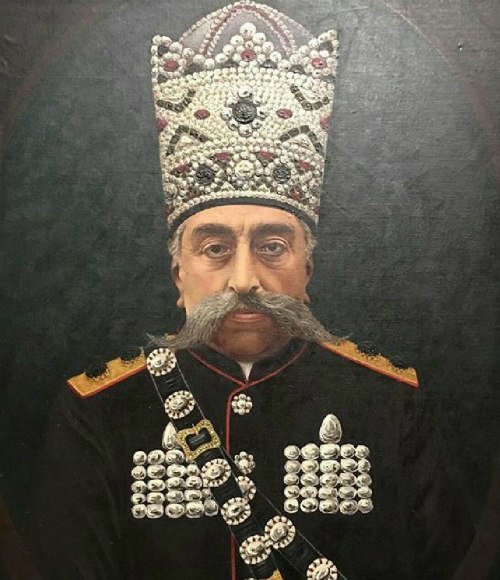
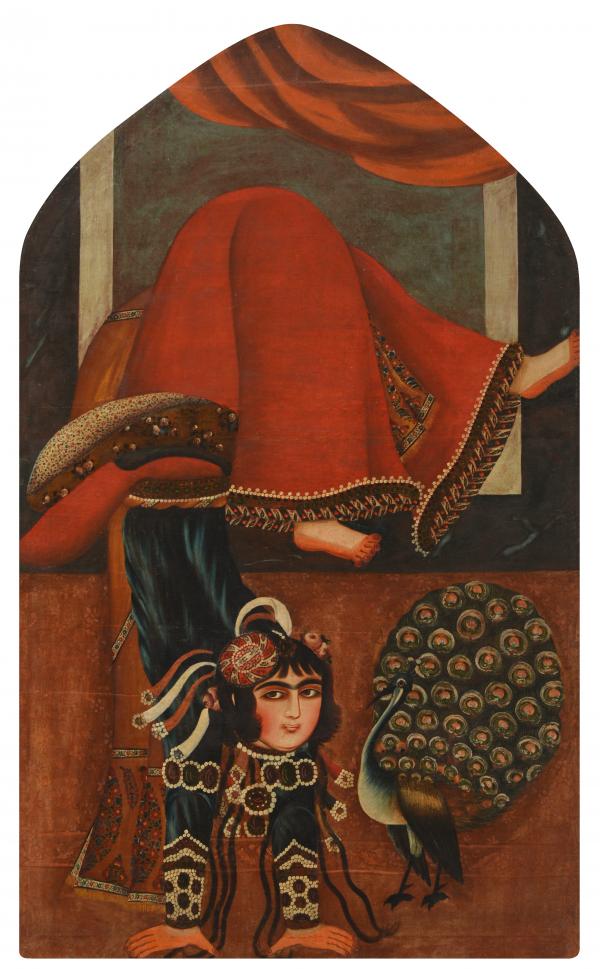
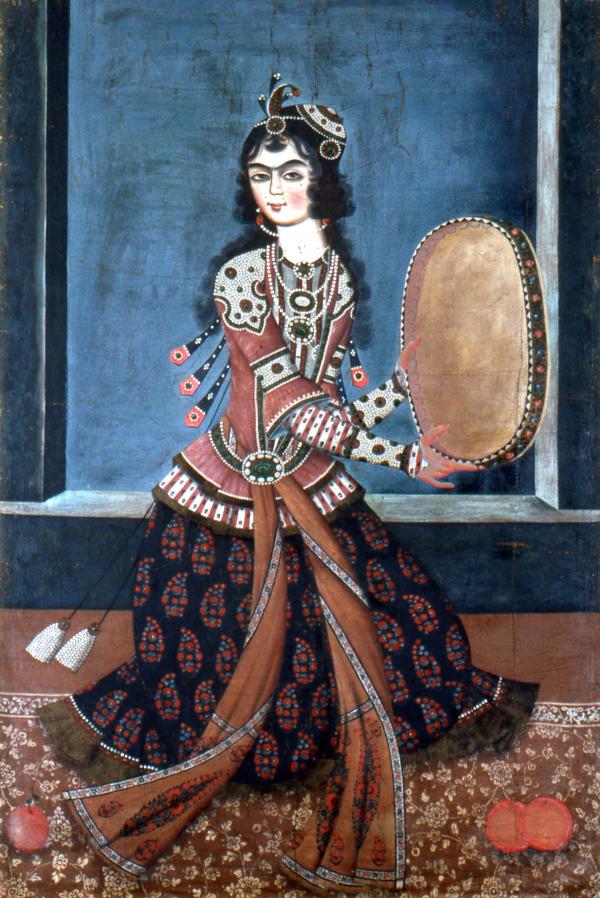
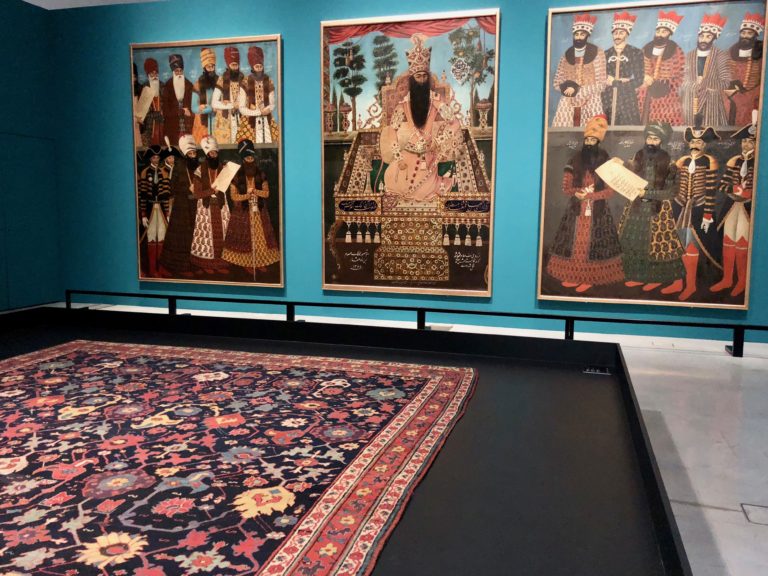
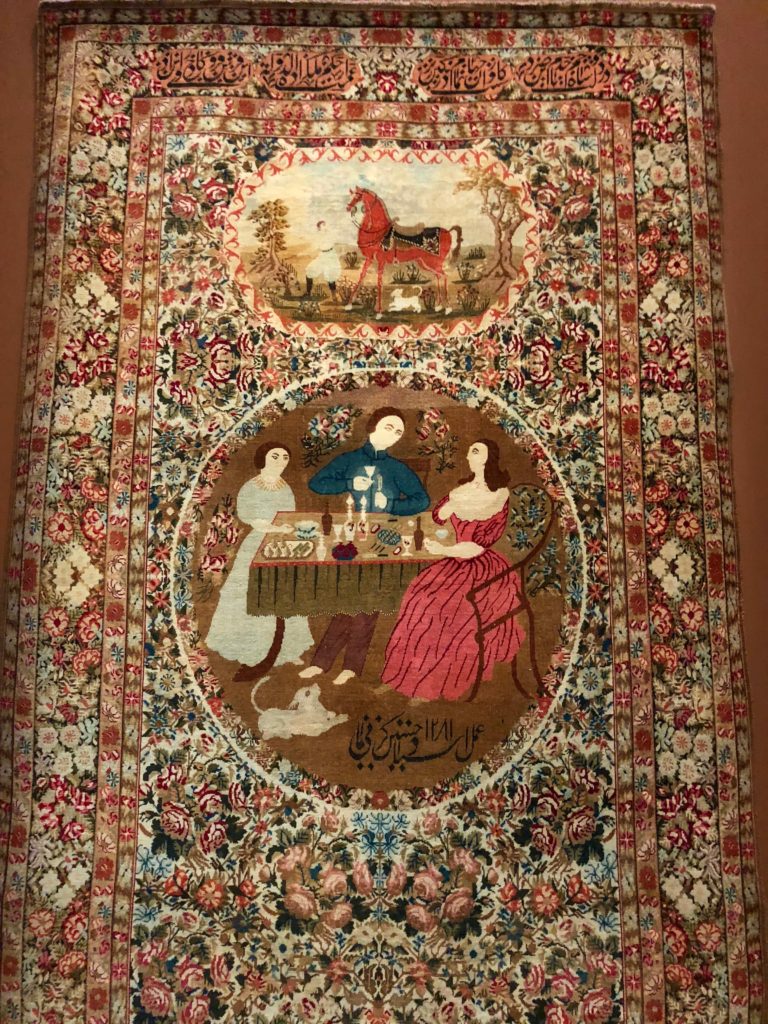
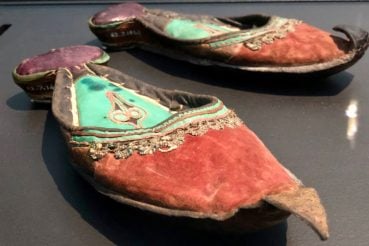
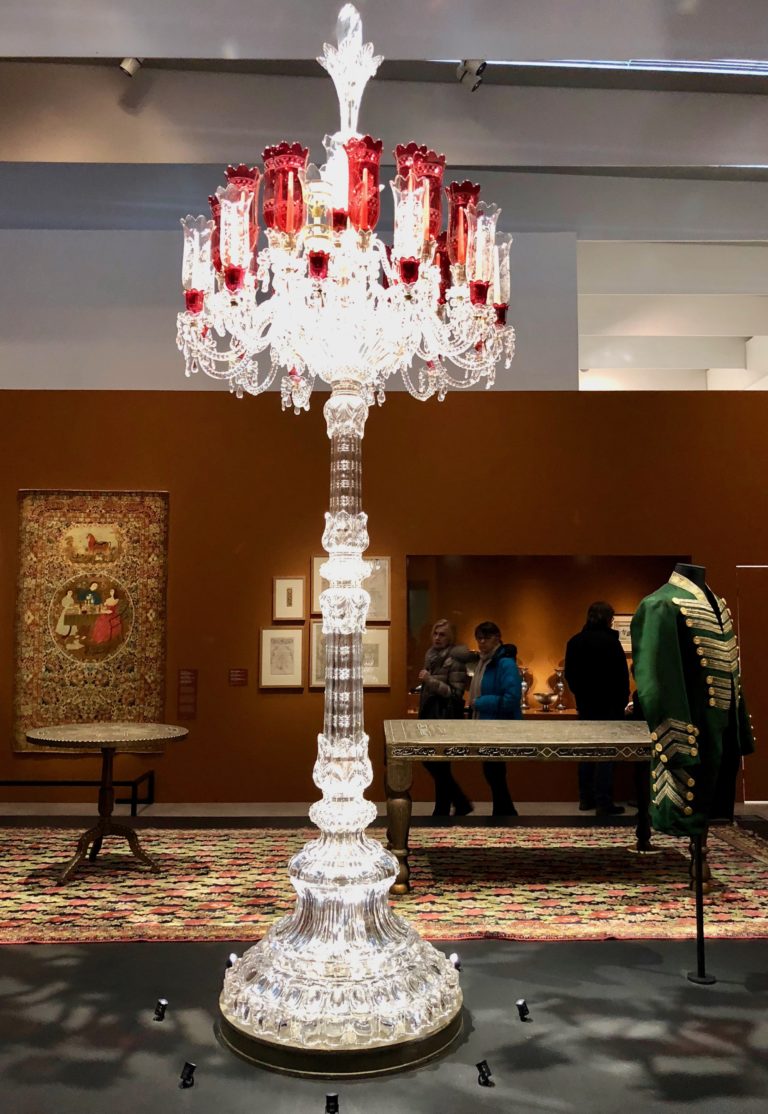
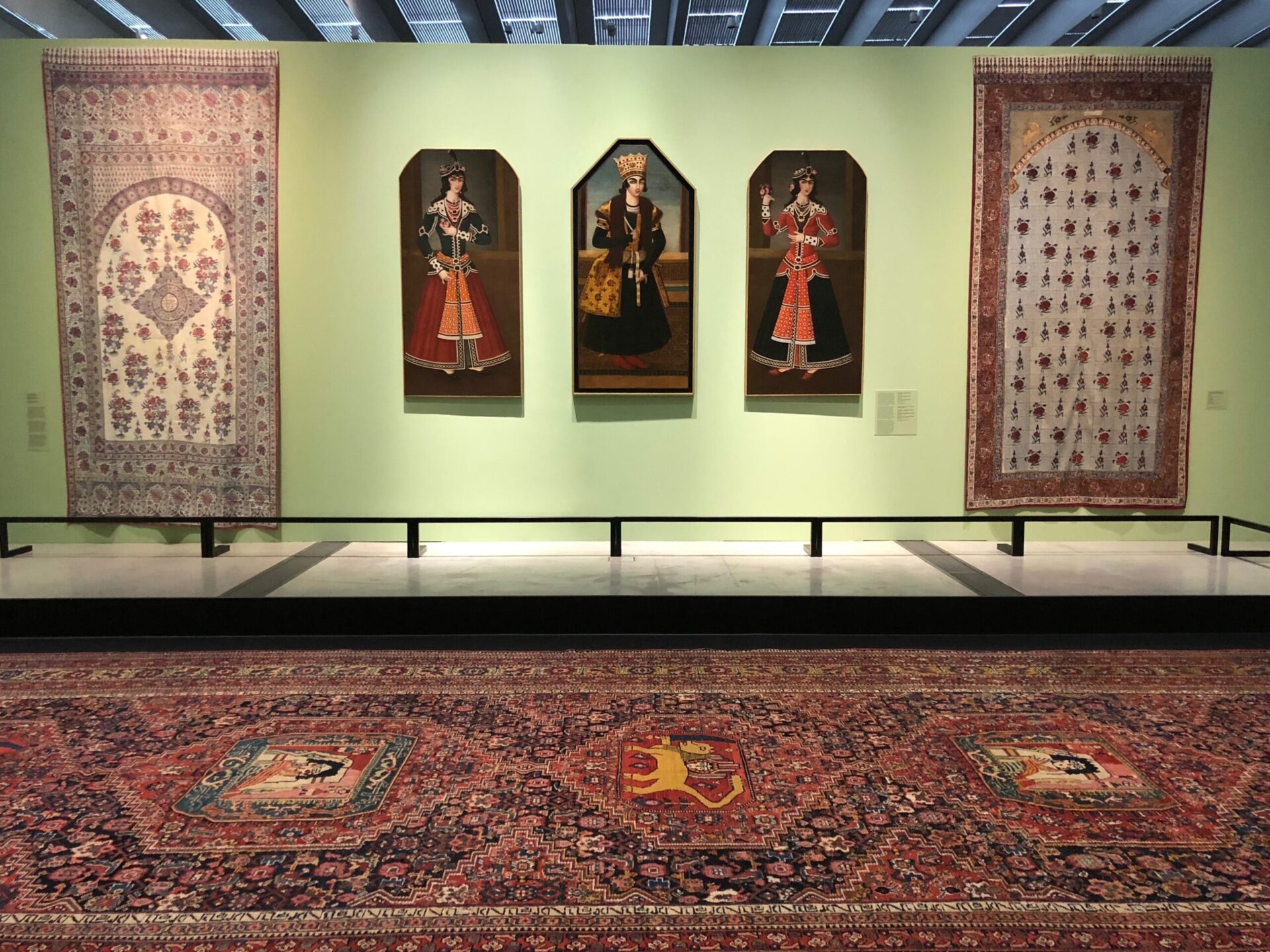
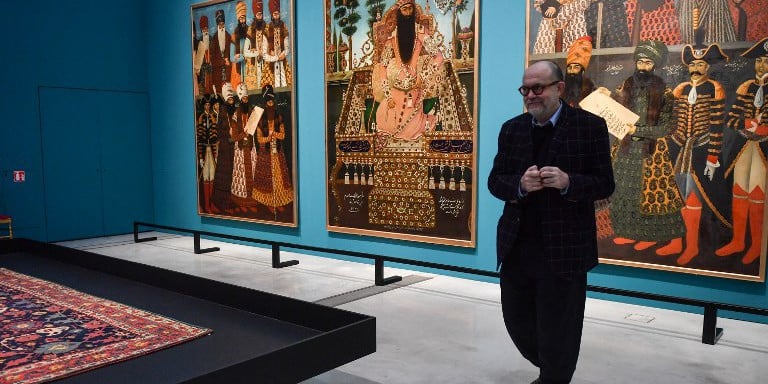
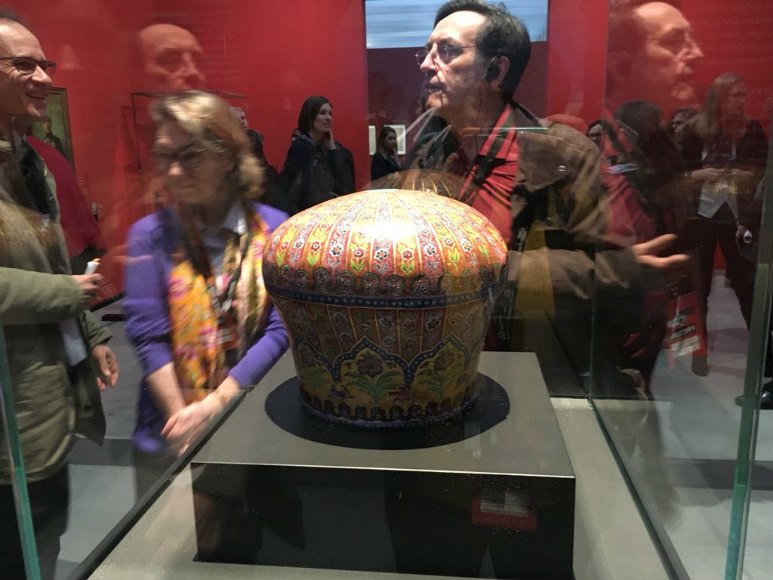
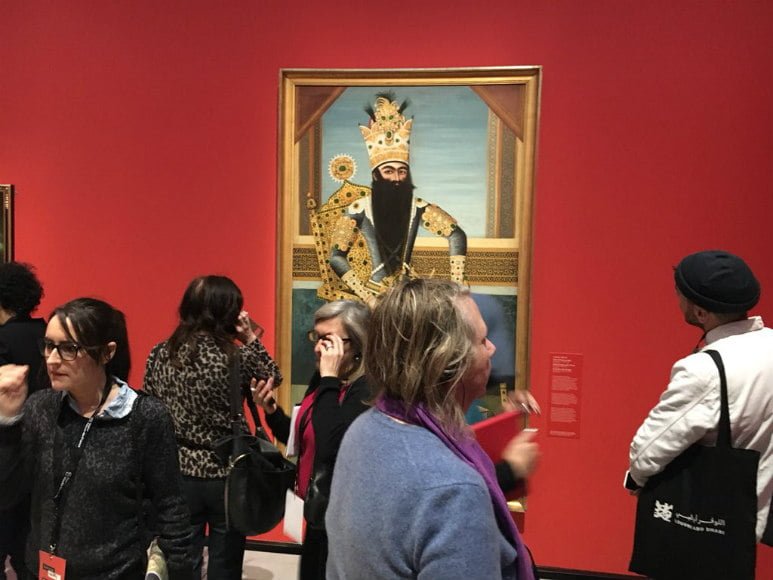
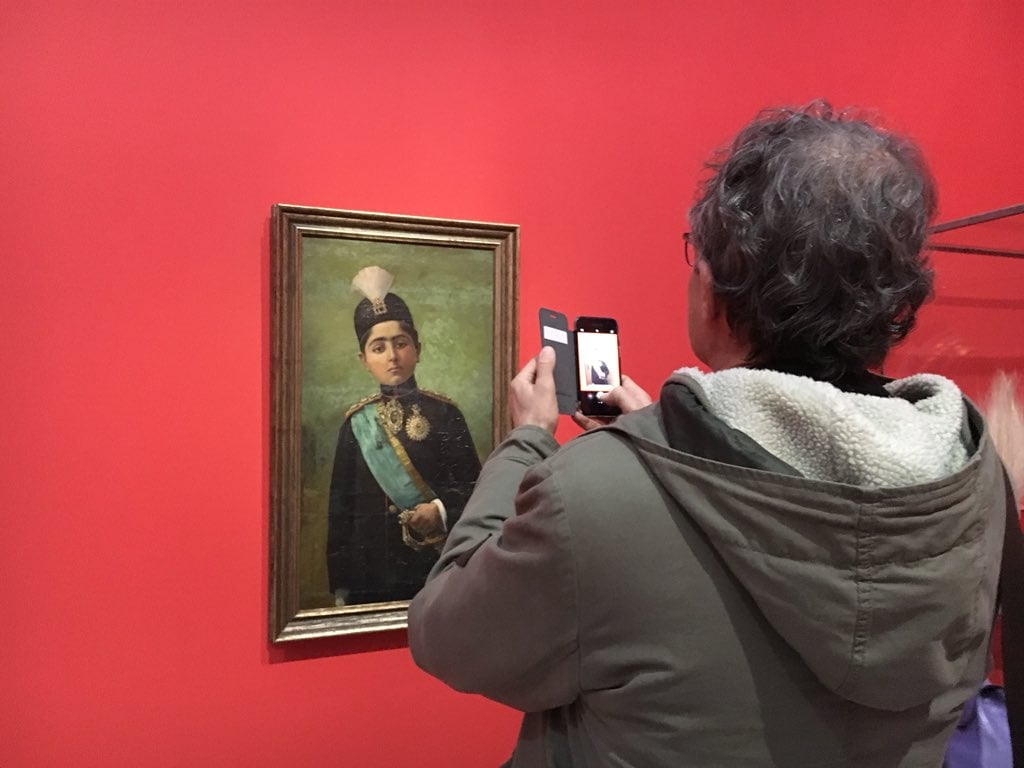
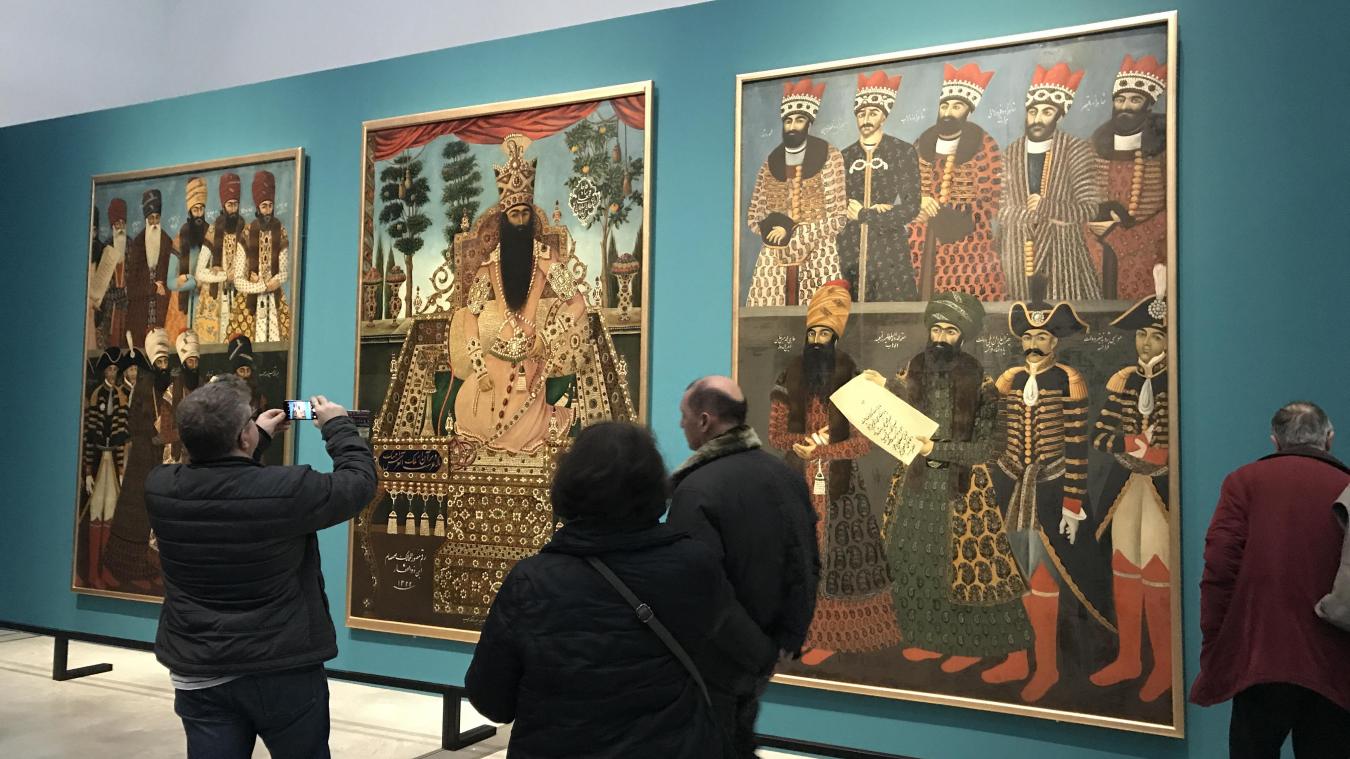
What follows are photos of the exhibition of Qajar era items in Lens, which is called “The Empire of Roses”:

Iranian Lawmakers to Hold Meeting on Blocking Telegram

Rahim Zare, the spokesman for the Parliament’s Economic Commission, said the lawmakers will weigh up the pros and cons of Telegram, particularly its threats to the Iranian economy and the economic opportunities it offers to the nation.

The meeting, which is to be held on Monday, will also debate concerns about the security of personal information of users of domestic messaging services, Zare told the Persian-language ICANA on Saturday.

The meeting will be attended by Minister of Communications and Information Technology Mohammad Javad Azari Jahromi and Secretary of Supreme Council of Cyberspace Abolhasan Firouzabadi, the spokesman said.

The fate of Telegram in Iran has become a hot subject in political circles, after the head of the national security commission Alaeddin Boroujerdi said last week a decision has been made “at the highest levels” to permanently ban Telegram.

Boroujerdi cited “national security” concerns as the reason the messaging service will no longer be accessible.

Iranian officials have also expressed concern about the potential threats posed by Telegram’s new project to the Iranian economy.

Telegram plans to launch what it calls the Telegram Open Network, which prepares the ground for creation of its own crypto-currency.

Firouzabadi said earlier this week that the project allows Telegram to pull out of the country the assets of millions of Iranians and eliminate thousands of jobs in Iran.

“JCPOA Termination: Disaster for US, Golden Opportunity for Iran”

shariatmadari3

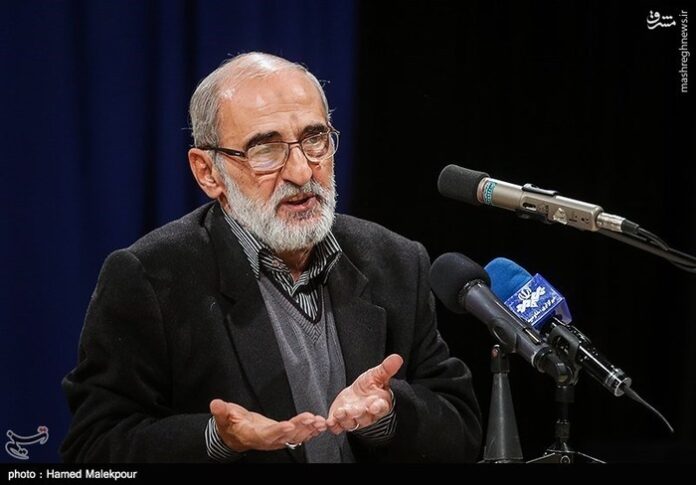
Chief of the conservative Kayhan newspaper has, in a Farsi editorial published in the daily, weighed in on the latest developments regarding the nuclear deal Iran signed with six world powers back in March 2015 known as the Joint Comprehensive Plan of Action (JCPOA).

Shariatmadari first underlines the significance of resolving the country’s economic woes, and then refers to the JCPOA as one of the main barriers to the Islamic Republic’s economic prosperity, stressing the need for the government to pull out of it.

The full text of the analytical piece follows.

1- Supporting Iranian products, if coupled with measures stressed by Leader of the Islamic Revolution Ayatollah Seyyed Ali Khamenei, can definitely solve many of the economic problems facing the country. The measures include utilizing untapped domestic potential, seriously dealing with uncontrolled import of goods, countering the smuggling of commodities from borders to points of sale – not only at borders, of course – restructuring the Iranian Standards Organization in such a way that it changes from a “neutral and impartial monitor” to a strict organization to prevent the production of low-quality items, getting the Judiciary not to remain passive and deal with economic corruption and launch a tough campaign to counter large-scale bribery, removing the bureaucracy and red tape facing entrepreneurs and producers, reducing the rate of interest on deposits in banks and channeling the flow of the cash worth over Rls. 14 trillion into production. Let’s not forget that many banks are involved in the disastrous job of running enterprises using this huge amount of cash, and the number of banks and branches of banks d0ing he same job is increasing day by day. It is worth mentioning that based on the figures by the World Bank, the number of bank branches in Iran per capita is more than the figure in countries such as Germany, Britain, Norway, Austria, etc.

It goes without saying that if these measures and dozens of other urgent actions are not adopted, the motto of supporting Iranian products which is supposed to be the outcome of these measures will not get off the ground. Moreover, there is another factor at play here, which can, and has, so far, been able to function as a brake on economic development and has had a destructive role in that regard. Read on!

  1. Maybe in the first glance, the perception that the JCPOA is one of the key hurdles to economic progress seems funny. Nevertheless, there is plenty of evidence that shows the issue is not the nuclear case as it may seem so. The point is that the JCPOA was drawn up with the aim of paralyzing the Islamic Republic of Iran before it was imposed on the people and the establishment. As long as the JCPOA is used as a lever by the rival, Iran will face numerous problems on the path to economic development. Therefore, the enemy should be stripped of this dangerous tool in order for us to weather economic problems and realize the motto which was prudently chosen by the Leader as the motto of the current Iranian Year. And now that Washington has not lived up to its commitments and breached the agreement on numerous occasions, it is the best time and opportunity to withdraw from the JCPOA and put an end to the costly disaster imposed on Iran and its people.

The JCPOA is a golden opportunity for the US. The Americans would not even dream of seeing Iran sign the disastrous document. Contrary to the exaggeration by some Iranian statesmen, the nuclear deal has brought the country almost nothing, but disaster and loss. Therefore, the Americans will never pull out of the JCPOA and easily lose the numerous advantages they have gained.

I wish the respected president and some other authorities involved in the nuclear agreement would, instead of praising the JCPOA so much, explain in a few words what they have got, except a bunch of future promises, in return for the concessions they generously gave the other side?! And what the JCPOA brought the country except pure loss? If they know of any achievements that the deal has brought the country, well, why don’t they tell us? And if the result of using the facilities and capacities of the country over the past four years has been “almost none,” which has been so, indeed, then why do they insist that they should continue to move on the same path? Maybe no one expect them to apologize to the Iranian nation, but people’s logical expectation is that those involved in the JCPOA rectify their wrong approach and change their path.

  1. Trump’s back-to-back threats that he will pull out of the JCPOA is just a bluff aimed at gaining more concessions. The point is that this “lunatic-looking” man knows well that they have given us no concessions in exchange for the many concessions they have received under the agreement. Not only have they not lifted the sanctions, which were the main objective of the nuclear talks, but they have added dozens of news sanctions to the previous ones. Moreover, they put forward a new issue ever now and then, and demand new concessions.

It is worth mentioning that the snapback mechanism, that the Americans have skillfully incorporated into the JCPOA and will use as the Achilles heel of Iran, is not only limited to Articles 36 and 37 of the JCPOA which concern “the settlement of differences.” Rather, our friends on Iran’s nuclear team have accepted a law – INARA – under which the “suspension of sanctions” must be extended by the US president every four months or the suspended sanctions can be reinstated! Our friends may tell us that the INARA law is an act passed by US Congress and has nothing to do with the JCPOA! In response, we should say that the law concerns Iran sanctions, and our nuclear team could have demanded the law be annulled as a precondition for the JCPOA, but unfortunately they did not!

In addition to the golden advantages that the US has gained from the JCPOA, the US uses the INARA law of the jungle to exert economic pressure on Iran. How? Read on!

  1. Almost one or two months before the four-month deadline expires, Trump threatens not to waive the sanctions unless Iran accepts the conditions he demands. And following that:
  2. The forex market falls into disarray and the greenback rallies over Trump’s possible refusal to extend the suspension of sanctions. After the sanctions are suspended once again – and we know that sanctions have always been waived so far and will be waived given the great benefit that the JCPOA has for Washington – the value of the dollar does not drop as much as it had increased. And since the exchange rate for the dollar has, unfortunately, turned into a yardstick against which to set the prices of goods and services, we witness a wave of price hikes and public discontent every four months.
  3. Whether sanctions will continue to be suspended or not depends on Trump’s decision every four months, so it is obvious that no foreign investor would accept the risk of sanctions possibly not being suspended.
  4. European officials get involved with a “good cop” role (!), and recommend Iranian officials accept the conditions desired by the US in order to protect the JCPOA. One of those conditions is that Iran stops its missile activities! (i.e., we will turn into an easy prey for the Western-Hebrew-Arab Triangle)! Or stop supporting the resistance front (i.e., allow Takfiri terrorists to make their way into Iran and massacre our people)! And what is ridiculous is that the EU says it slaps sanctions on Iran in order to meet Trump’s demand and convince him to stay in the JCPOA.
  5. Liberals inside the country – some of whom have the stigma of treason during the post-election US-Israeli chaos in 2009 in Iran – blame Washington’s possible withdrawal from the nuclear deal on Iran’s missile industries and Tehran’s support for the resistance front! And they pretend to have forgotten that if it weren’t for Iran’s missiles and backing for the resistance front, Putin would be brushing the shoes of ISIS terrorists now!
  6. To put it in a nutshell, when the JCPOA is a disaster for us and a golden document for the US, common sense says that Trump has no intention of pulling out of the JCPOA. With that in mind and given the conclusive and documented evidence which was mentioned above and which is acknowledged by many statesmen today, we can easily draw the conclusion that pulling out of the JCPOA would be a catastrophe for the US and a golden opportunity for us and will remove one of the key impediments to the realization of this year’s motto and the adoption of the measures associated with it. Our withdrawal from the JCPOA will turn Trump’s roars into begging.

Farhadi’s “Everybody Knows” to Open Cannes 2018

Everybody Knows

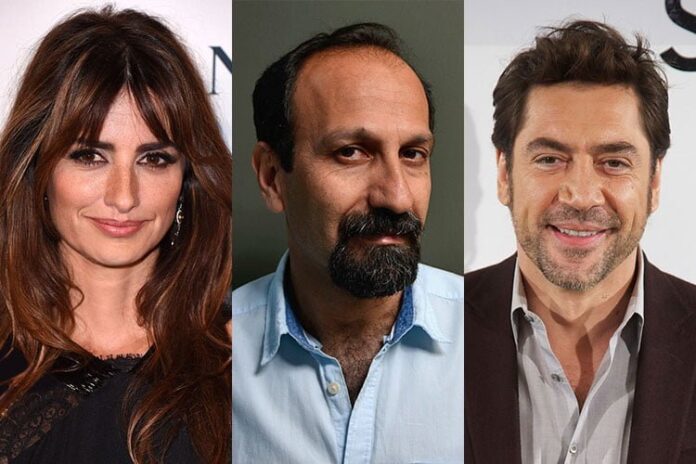
The movie, written and directed by Farhadi, is a psychological thriller shot in Spain starring Spanish actors Penelope Cruz and Javier Bardem.

“Everybody Knows”, which also features the Argentine star Ricardo Darin, tells the story of a woman played by Cruz who returns from Buenos Aires to her native village in Spain with her husband and children for a celebration.

The family’s trip is plagued by unexpected events that threaten to tear the loved ones apart.

Farhadi, 45, one of Iran’s most renowned directors, has made a name for himself across the globe with tense and carefully crafted stories.

Farhadi gained international recognition after his 2011 drama “A Separation” brought him an Oscar, a Golden Globe Award, and the Golden Bear at Berlin.

The director has attended the Cannes festival two times so far, with “The Past” (2013), for which he bagged the Prize of the Ecumenical Jury, and “The Salesman” (2016), for which he received the Best Screenplay award.

The 71st Cannes Film Festival runs May 8-19.

The film will be released in France on May 9, the day after the 11-day festival begins.

10 Palestinians Killed, Hundreds Wounded by Israeli Troops in Gaza Protests

Palestine
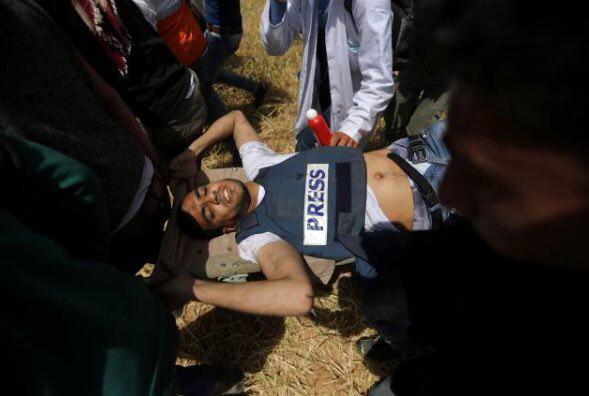
Palestinian video journalist Yaser Mortaga was shot in stomach by Israeli troops during yesterday’s protests in Gaza, and later succumbed to wounds

In a statement on Friday, the Palestinian health ministry in Gaza said over 1,350 were also injured by the Israeli army during the protests.

The mass protests were held on the second consecutive Friday, after 21 people were killed last week.

On March 30, Palestinians marched to the fence separating Gaza from the occupied territories at the start of a six-week protest, dubbed “The Great March of Return,” demanding the right to return for those driven out of their homeland.

The demonstrations turned violent after Israeli forces used tear gas and live ammunition against the protesters.

The Palestinian protesters burned tires and threw stones at Israeli soldiers.

An estimated 20,000 demonstrators rallied at the border this week, down from some 40,000 last week.

The Return rallies are expected to culminate on May 15, the anniversary of the creation of the Israeli regime in 1948, when hundreds of thousands of Palestinians fled or were driven out of their homes.

On Friday, the US blocked a United Nations Security Council statement calling for an investigation into Israel’s killing of the Gazans and supporting the Palestinians’ right to demonstrate peacefully, AP reported.

The statement brought by Kuwait to the UNSC was similar to the one it submitted last week. It was also blocked by Washington.

The Palestinian territories have remained tense since last December, when US President Donald Trump recognised Jerusalem al-Quds as Israel’s capital, drawing widespread condemnation from across the world.

In the almost three months since, Palestinians in the West Bank and the blockaded Gaza Strip have frequently held rallies to protest the controversial US decision.

The US administration plans to officially move its Israel embassy from Tel Aviv to Jerusalem in mid-May.

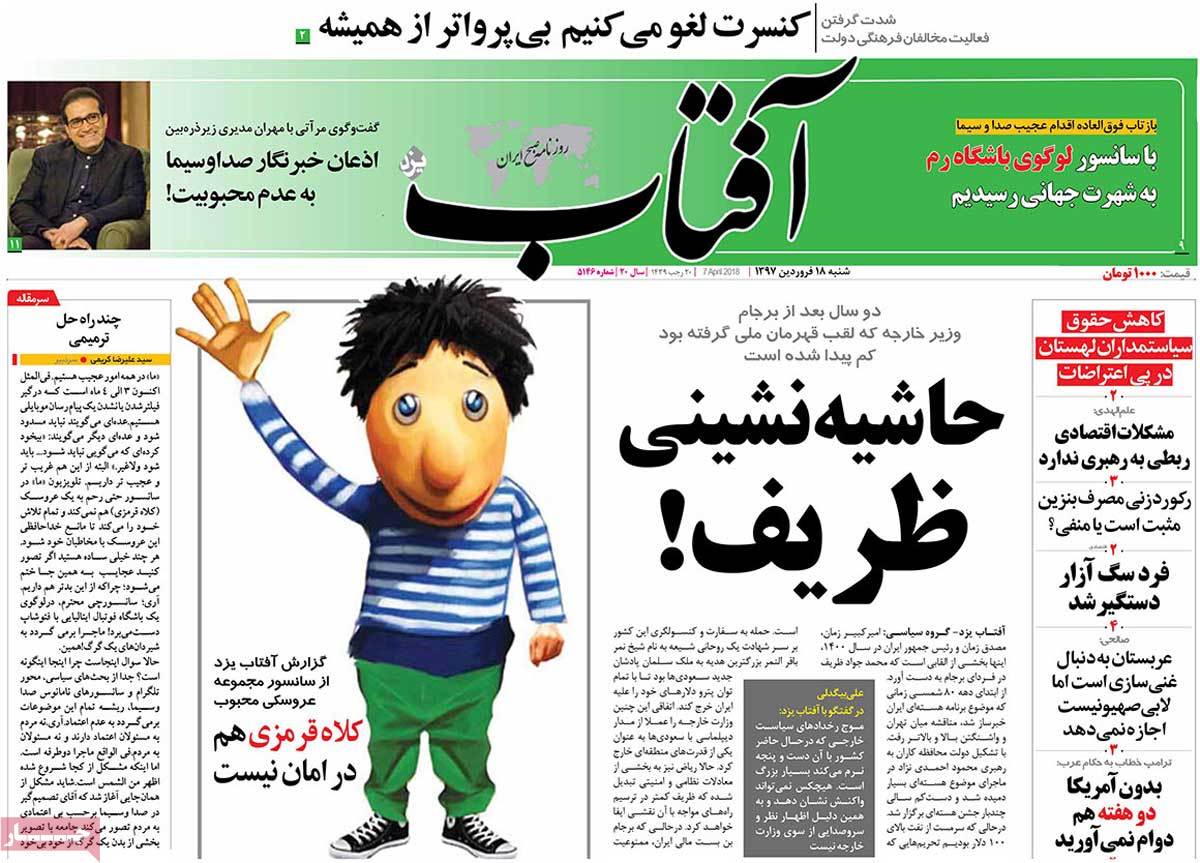
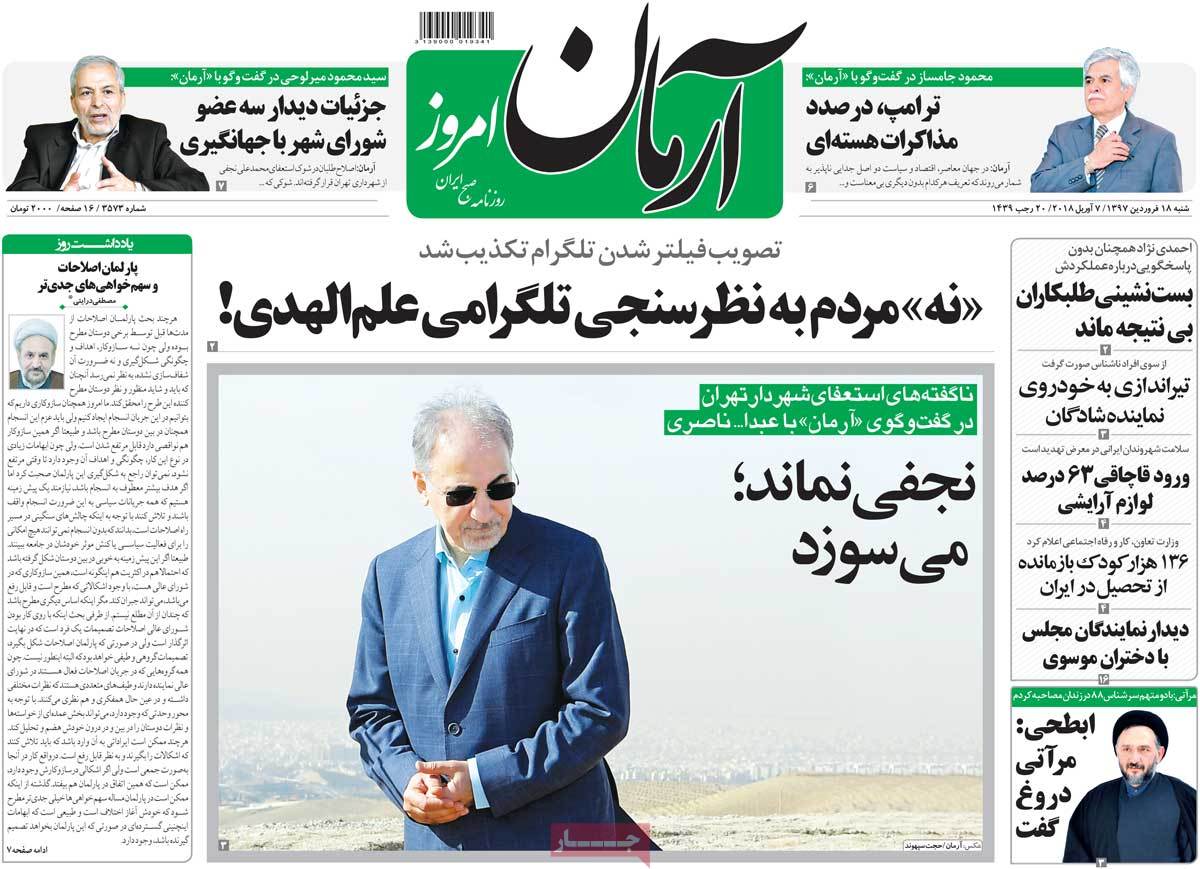
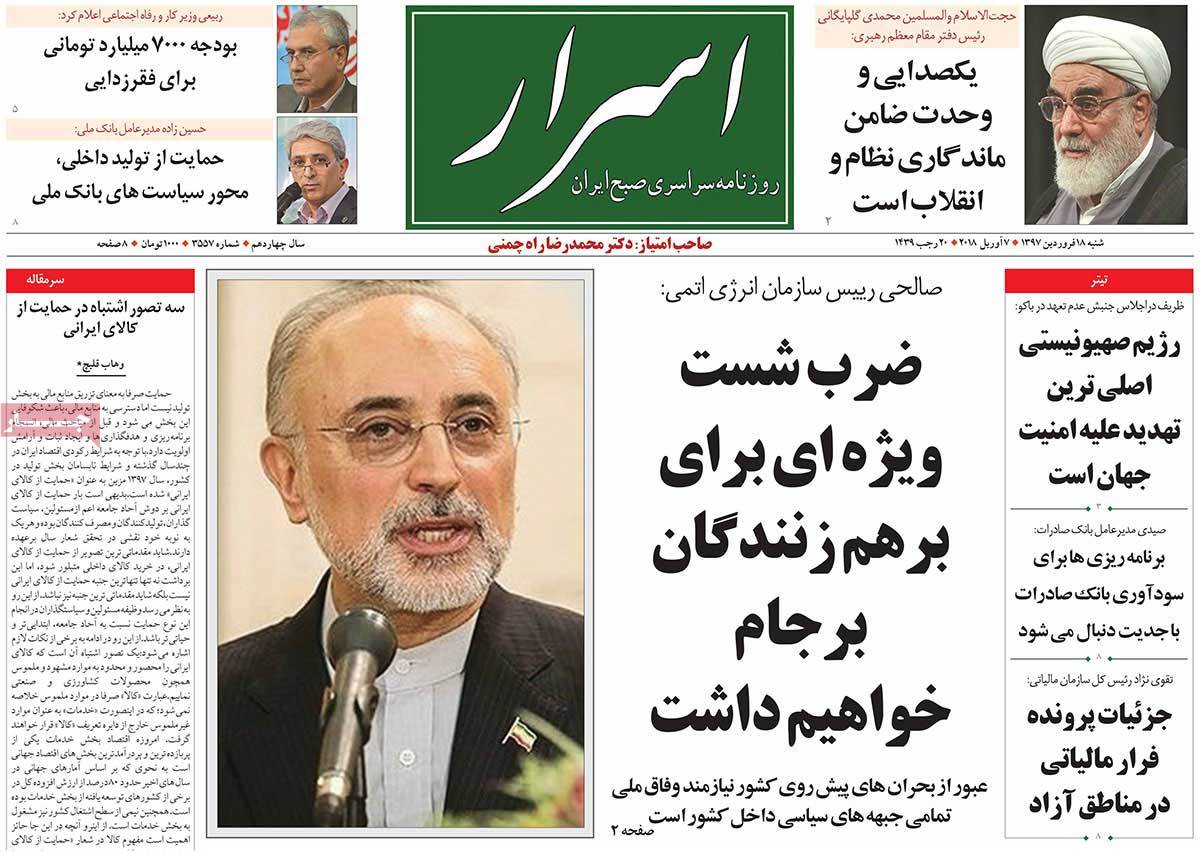
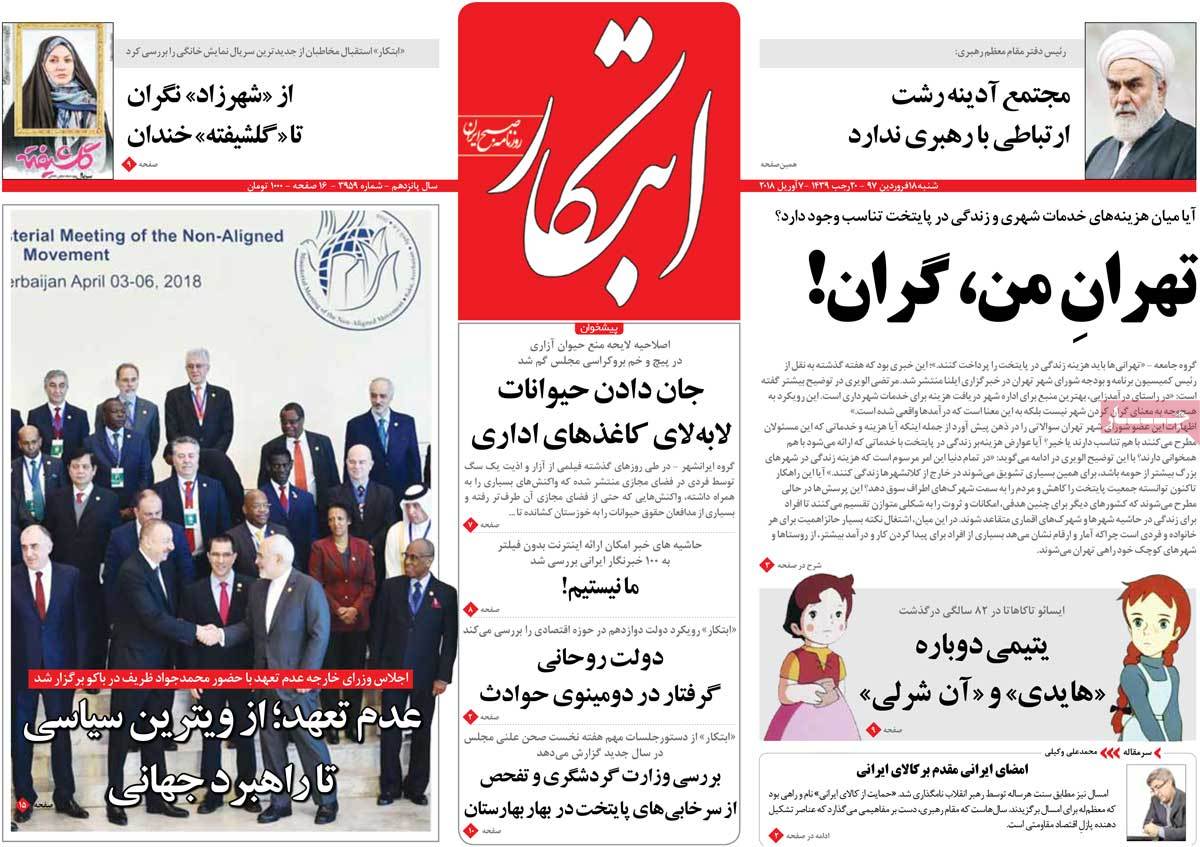
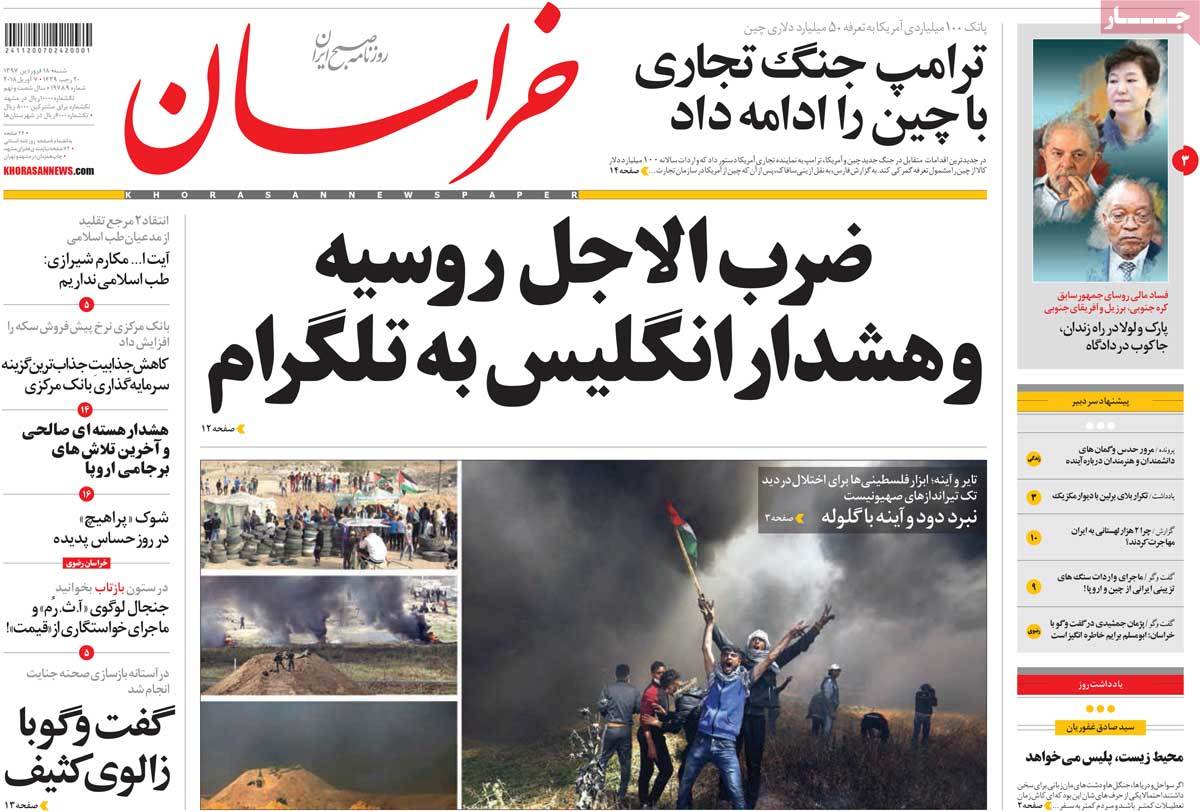
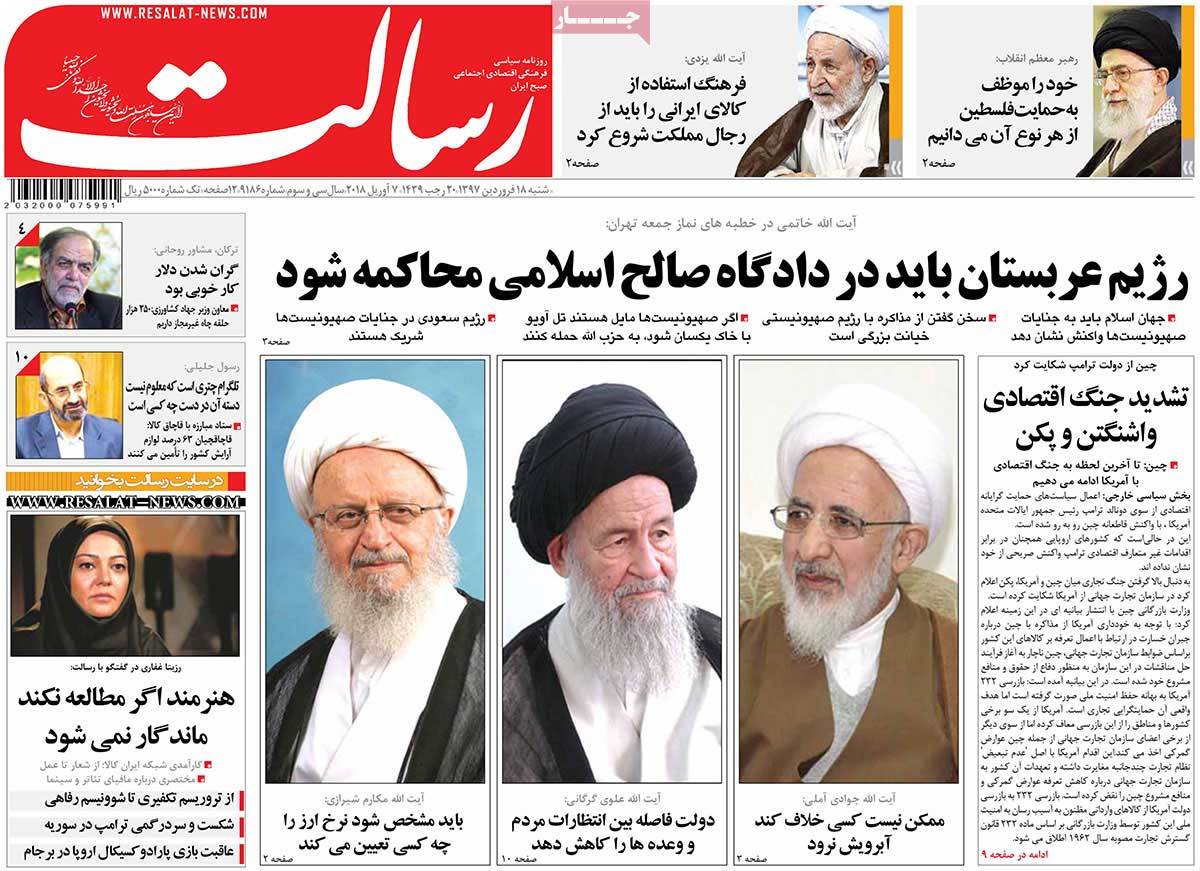
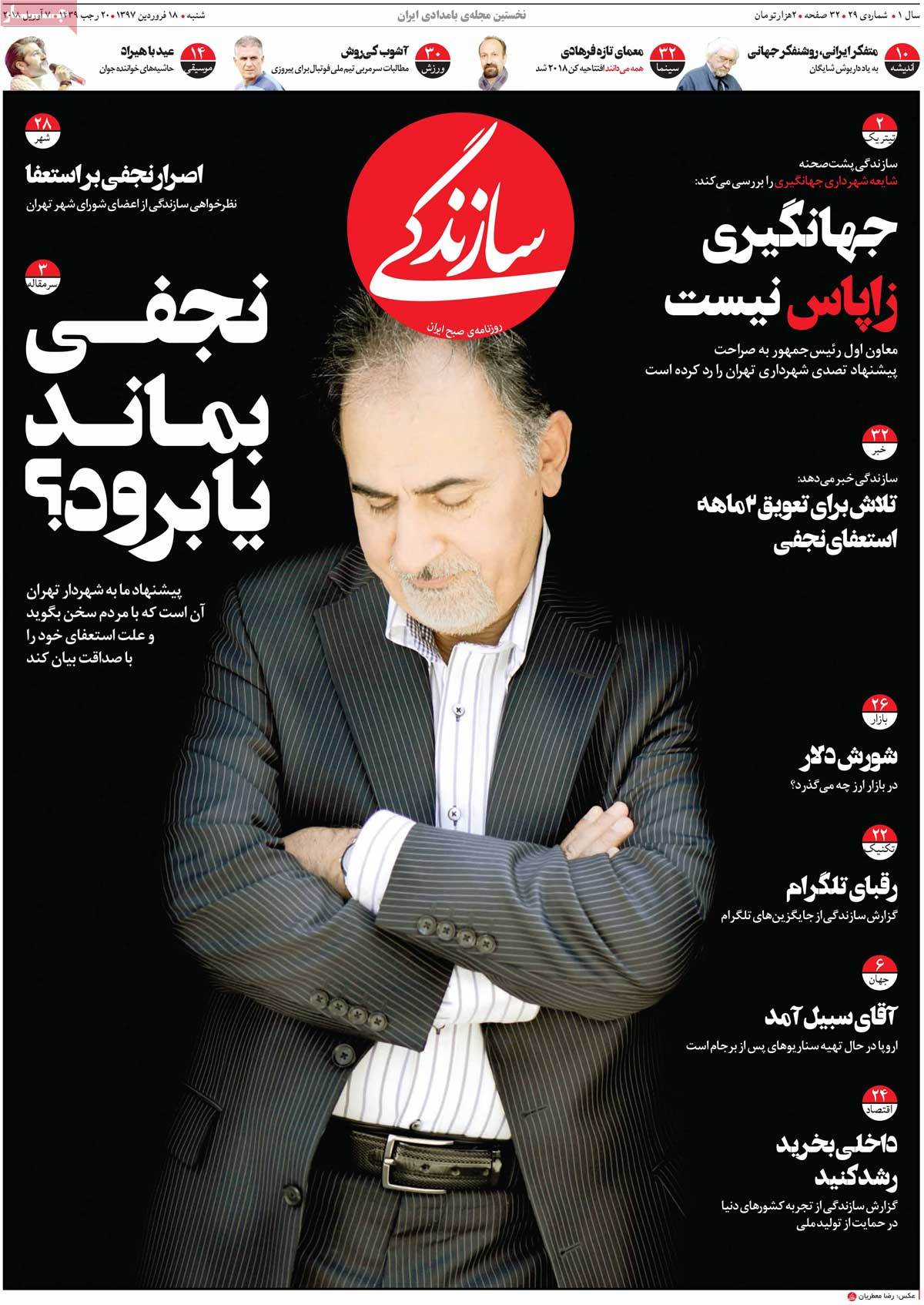
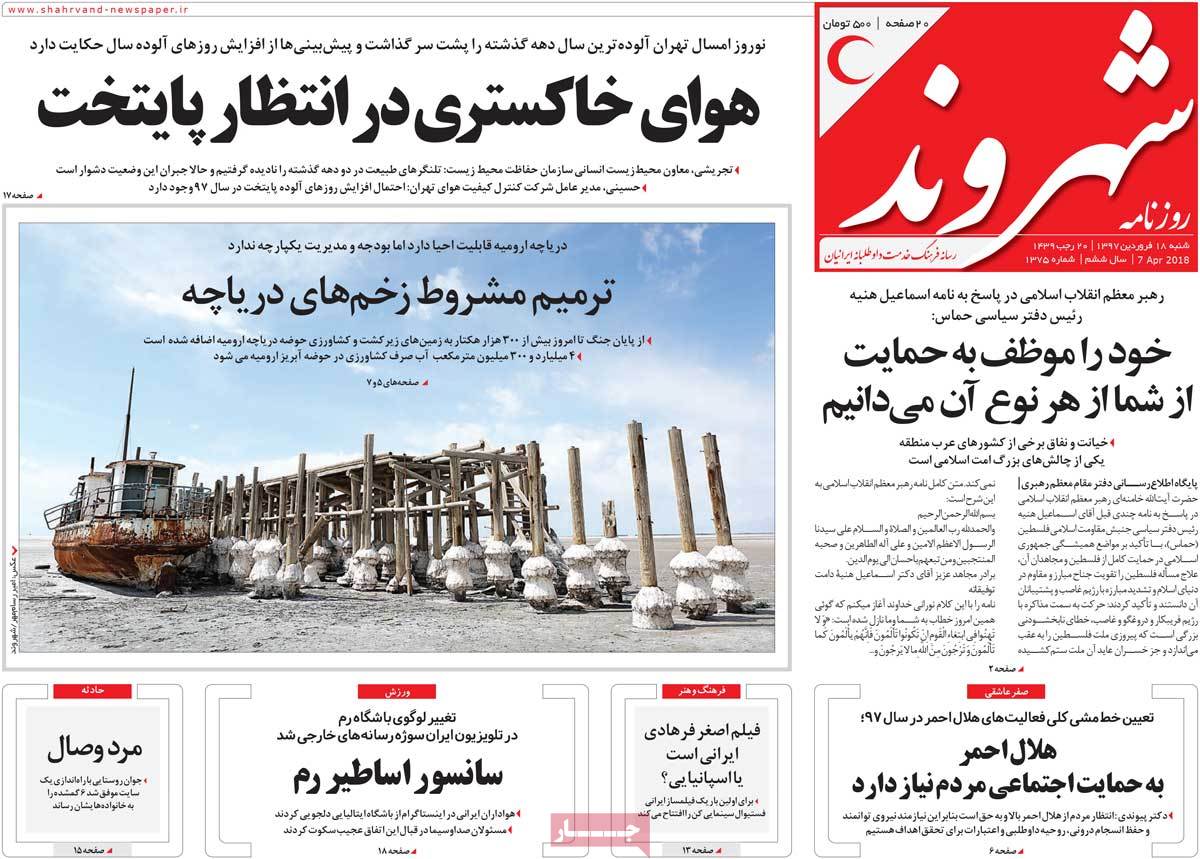
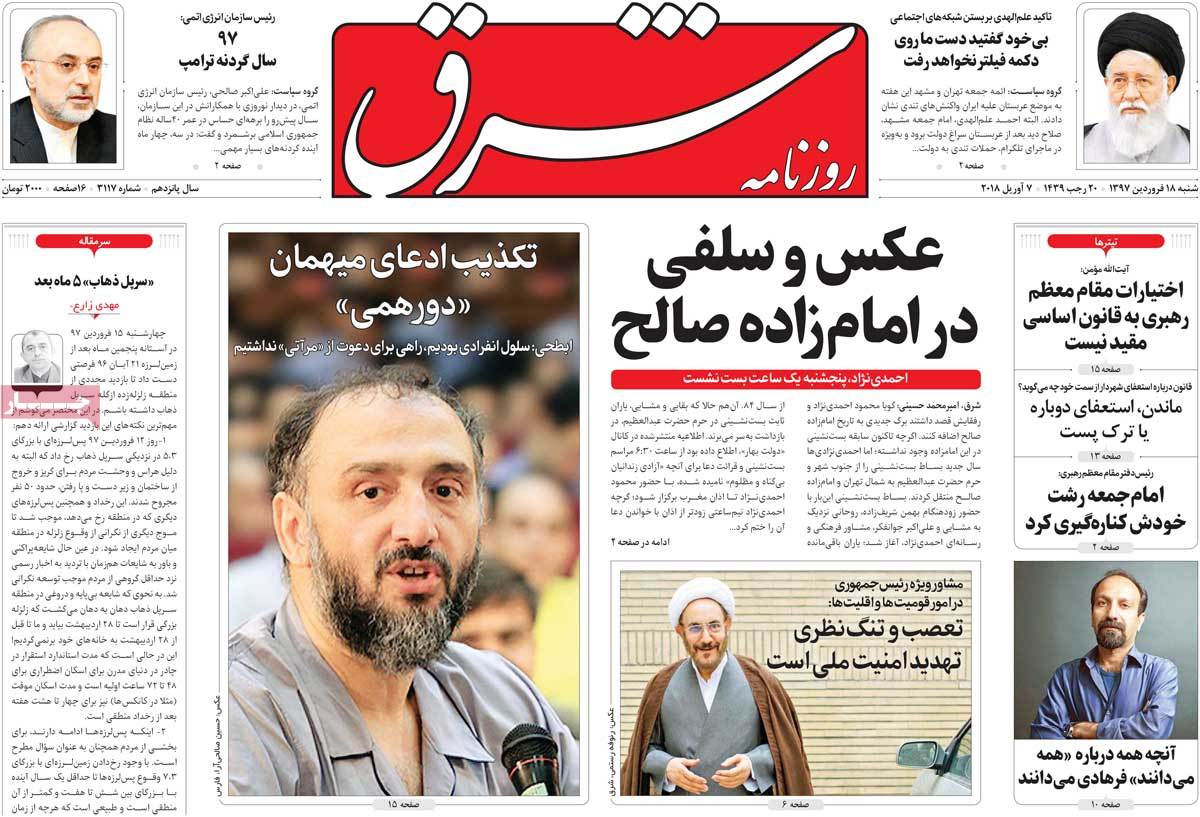
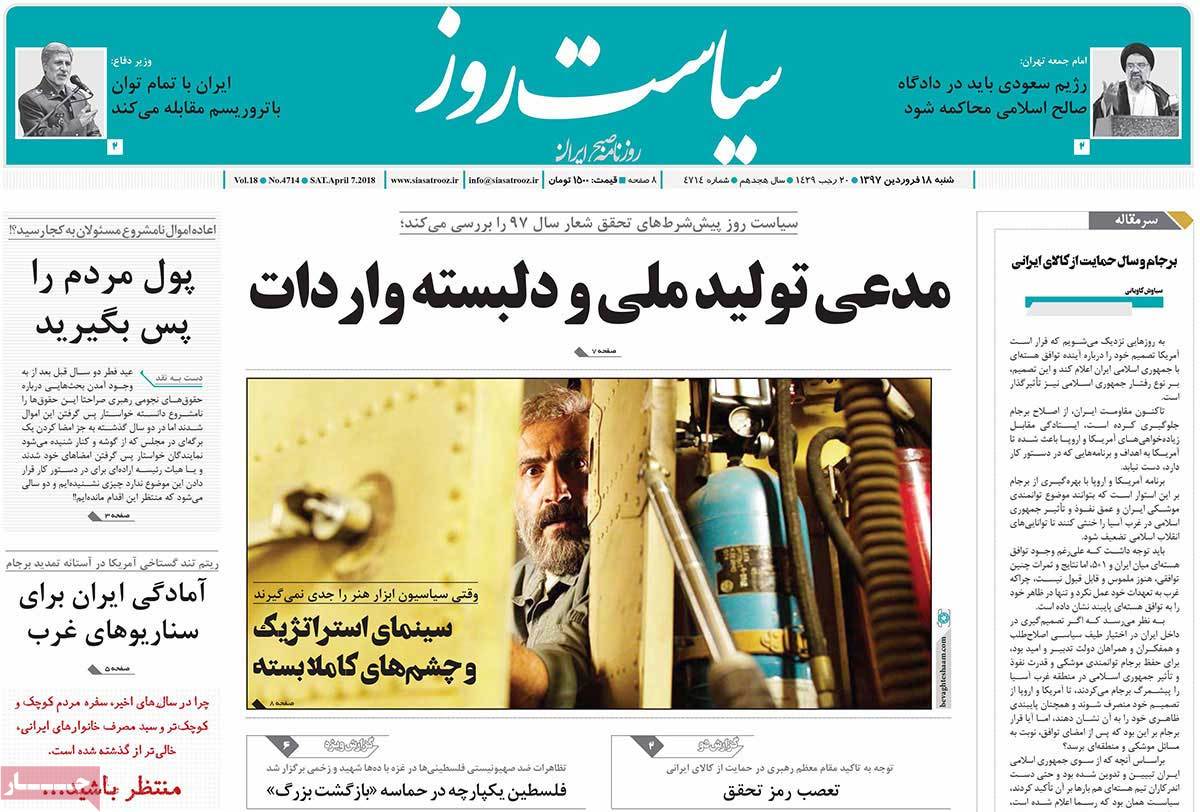
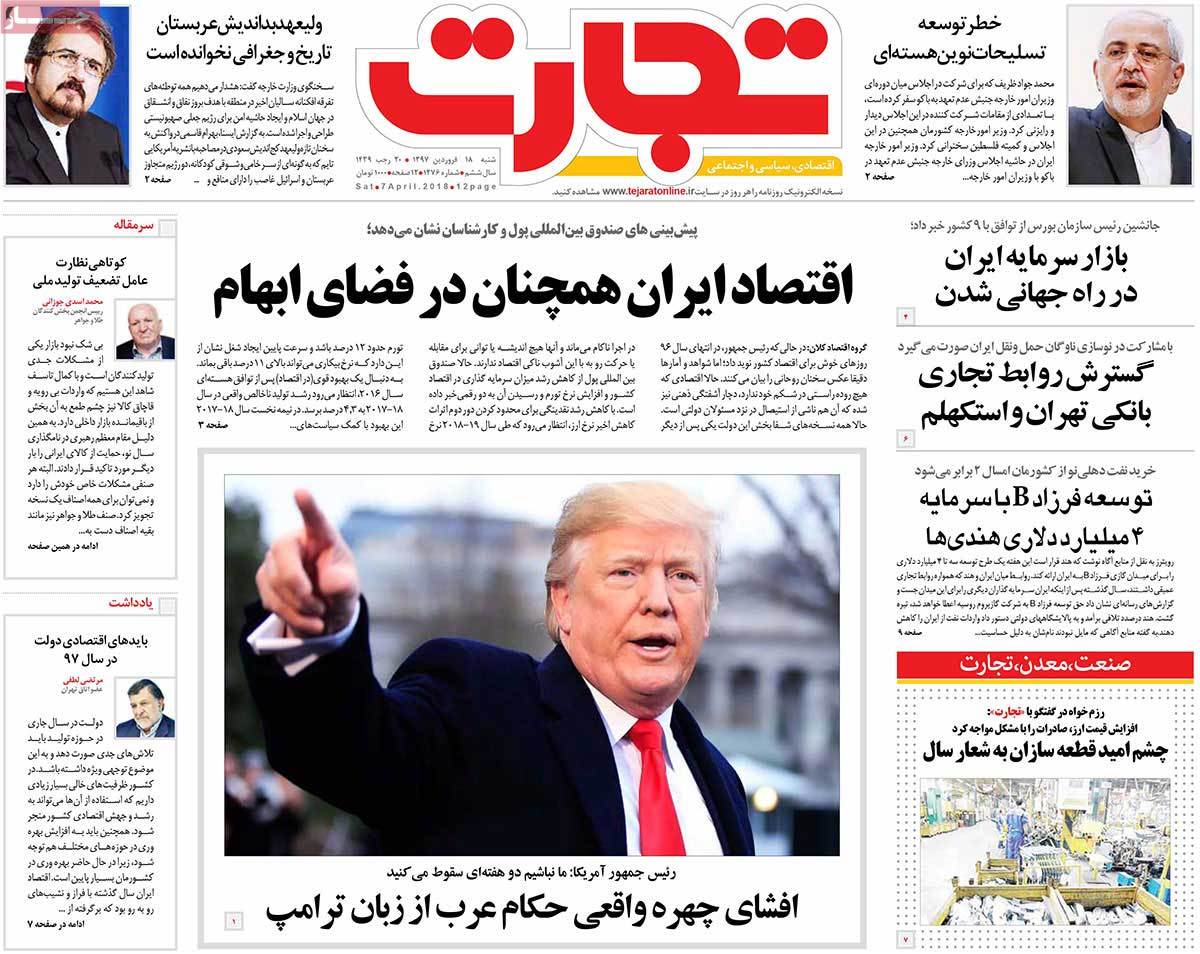
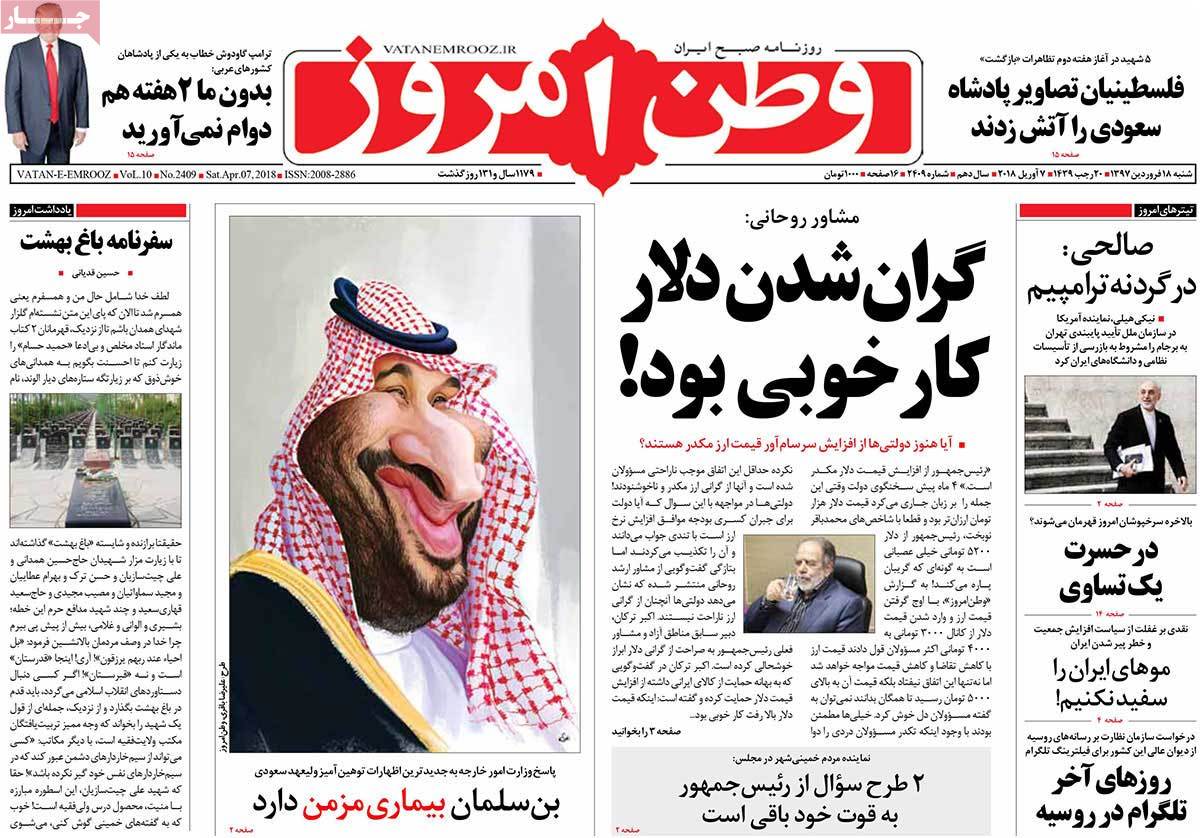
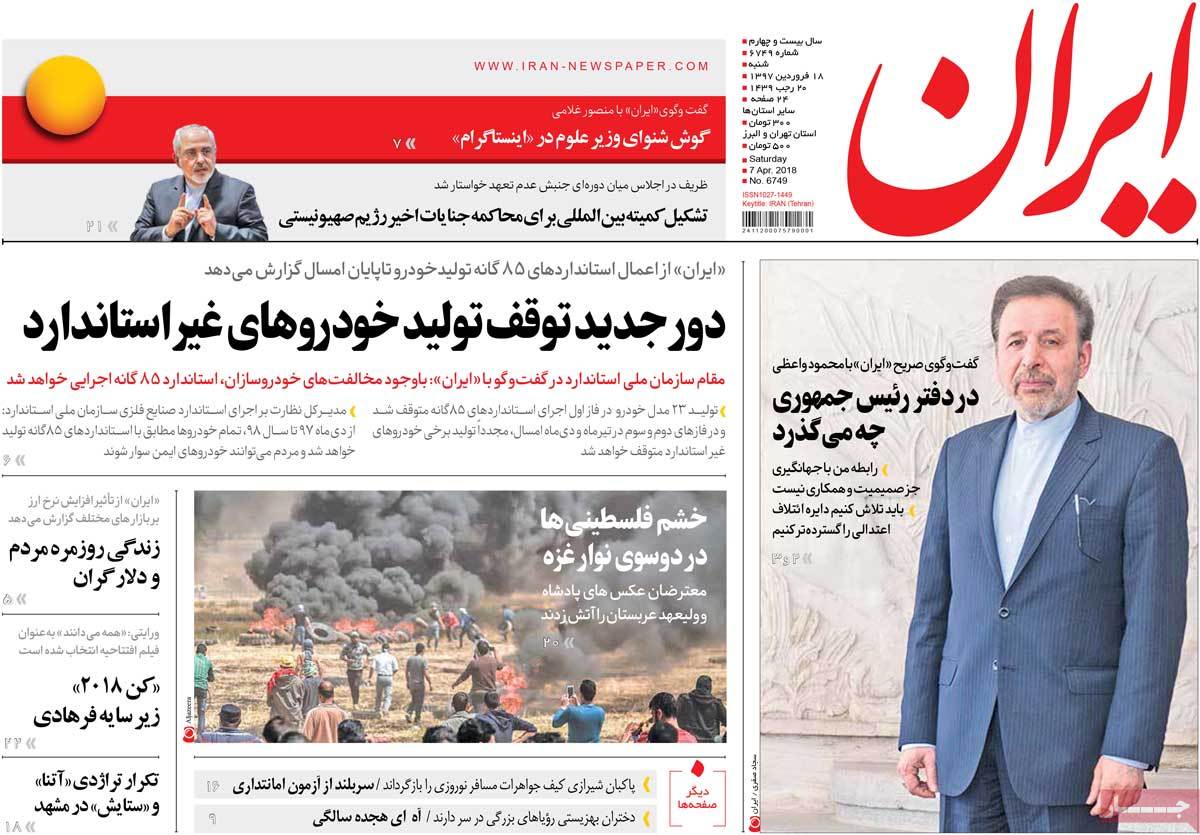
A Look at Iranian Newspaper Front Pages on April 7

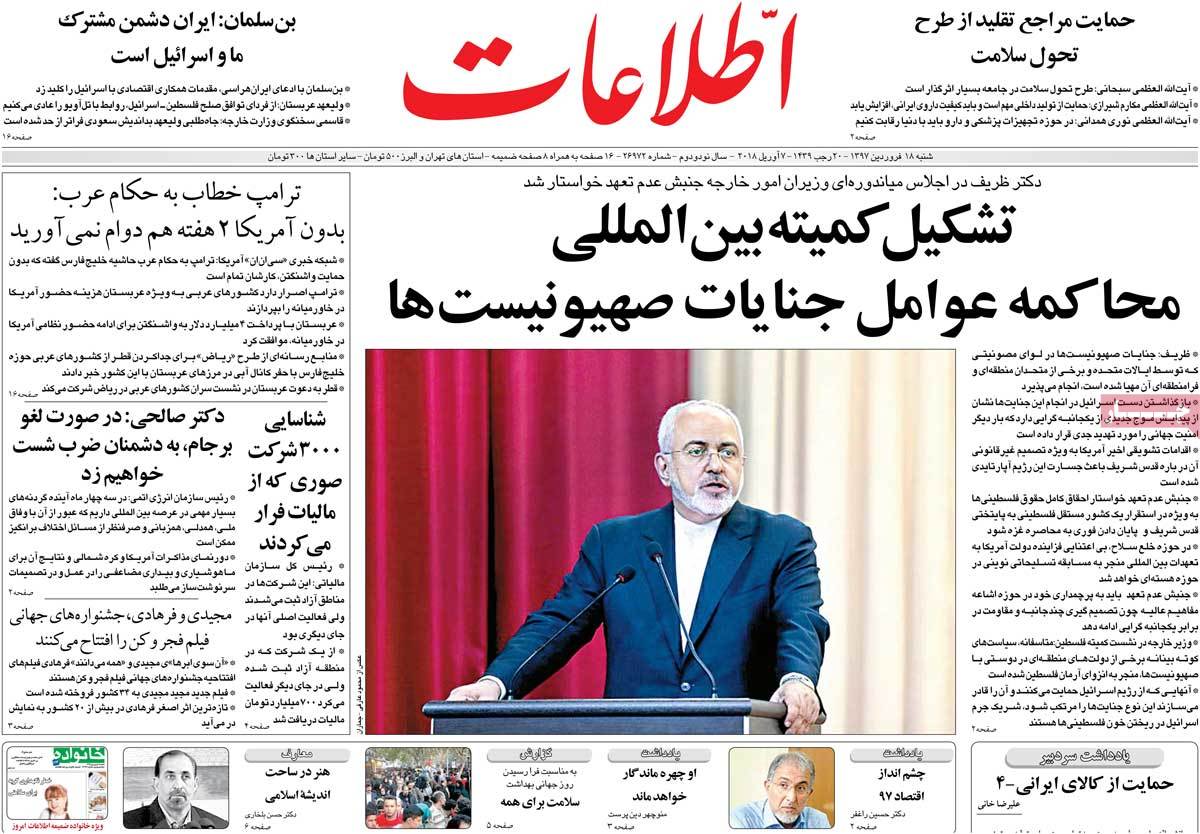
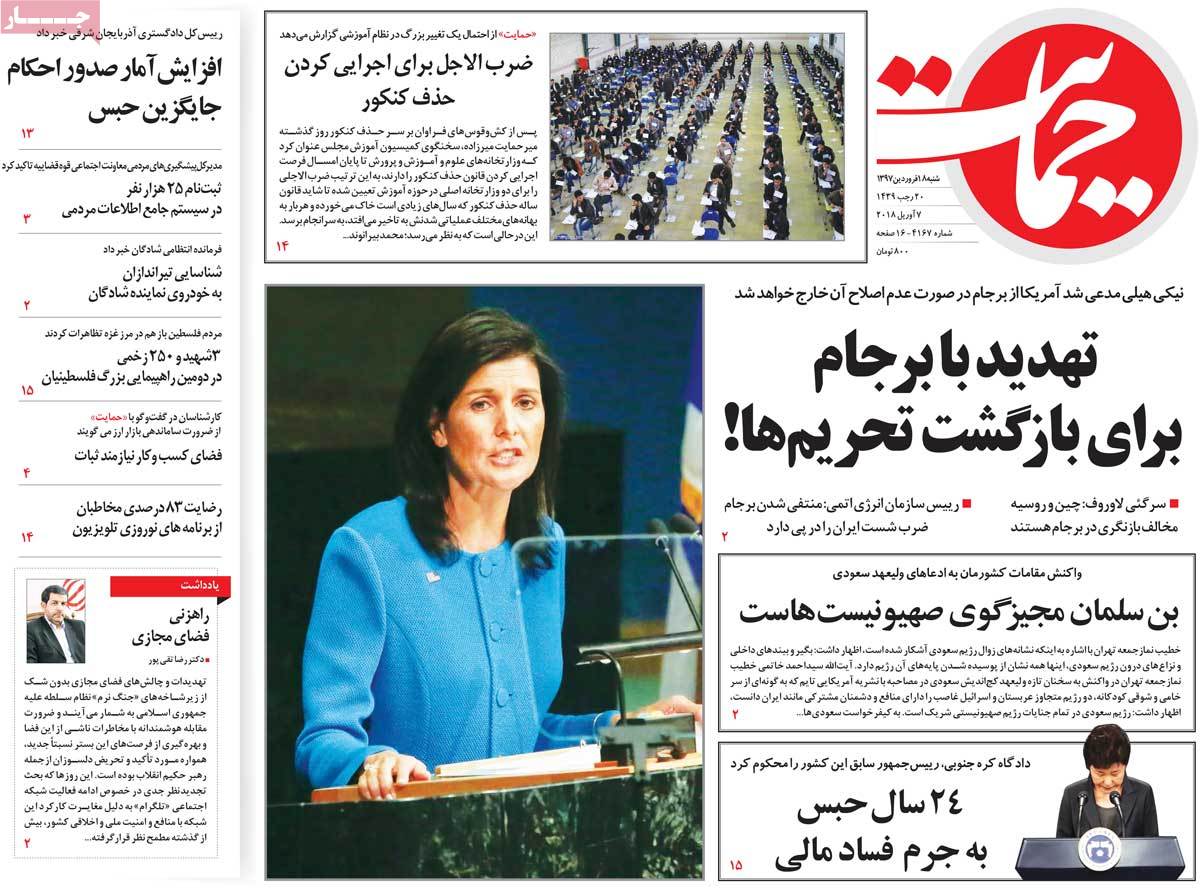
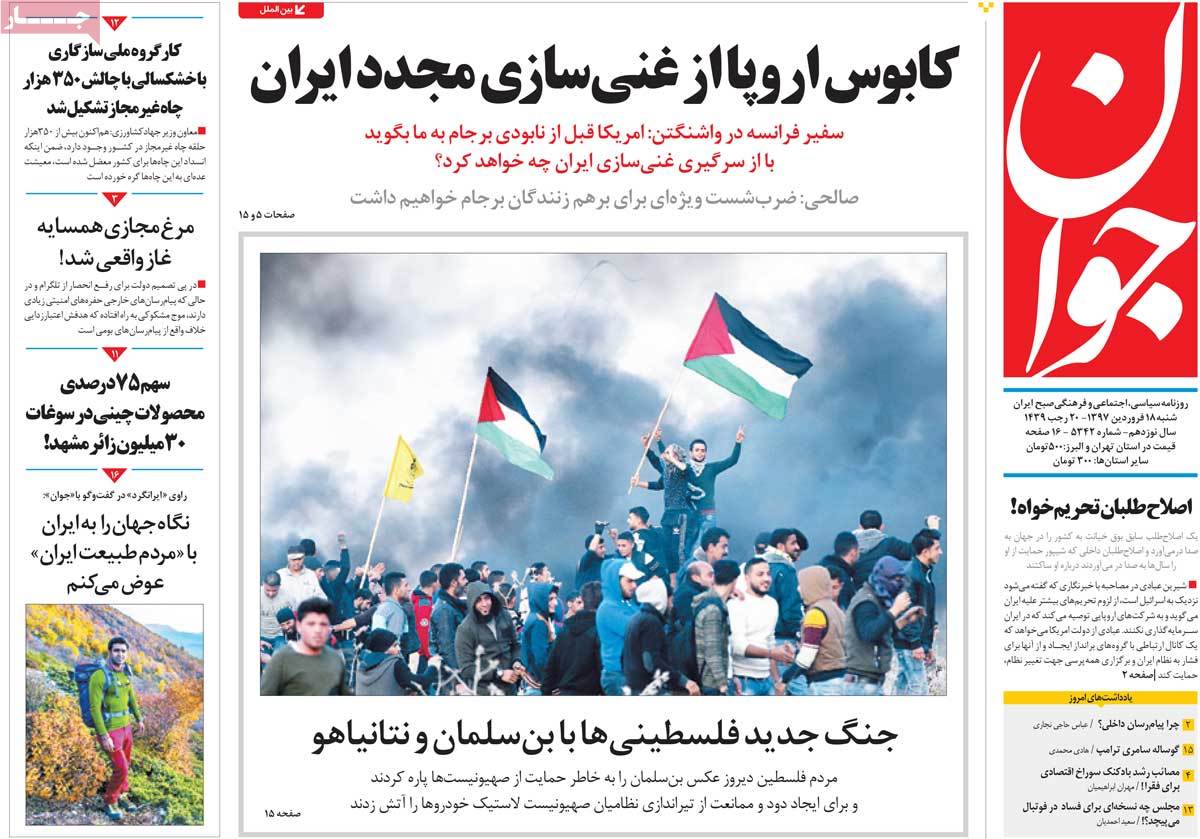
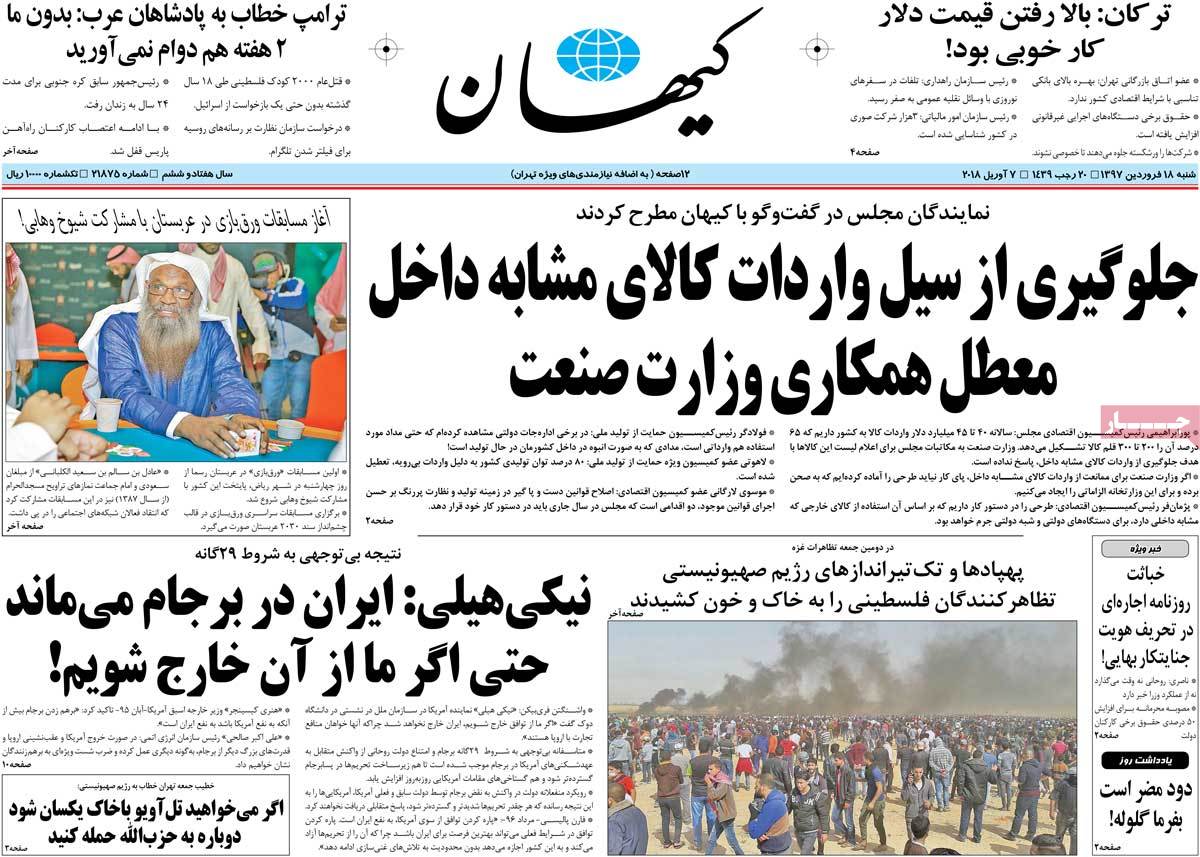
A Look at Iranian Newspaper Front Pages on November 18

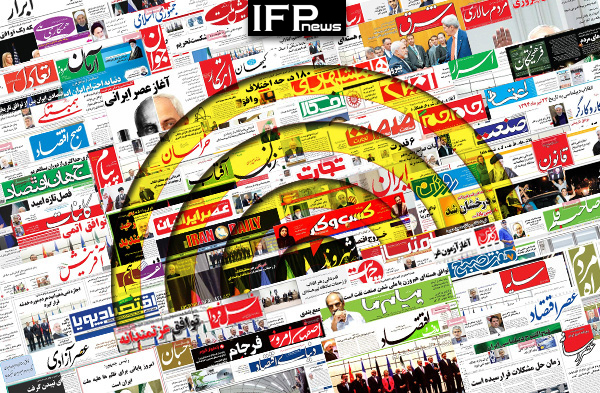
Several papers today covered the latest escalation of tension in the Gaza Strip, especially after the Israeli troopers opened fire on Palestinian protesters, killing 10 and wounding hundreds of people.

Also a top story was Iranian Foreign Minister Mohammad Javad Zarif’s participation in the mid-term ministerial meeting of the Non-Aligned Movement (NAM) in the Azeri capital of Baku.

Saudi Crown Prince Mohammed bin Salman’s latest anti-Iran allegations, and Tehran’s response to the “baseless” claims, also received great coverage today.

The above issues, as well as many more, are highlighted in the following headlines and top stories:


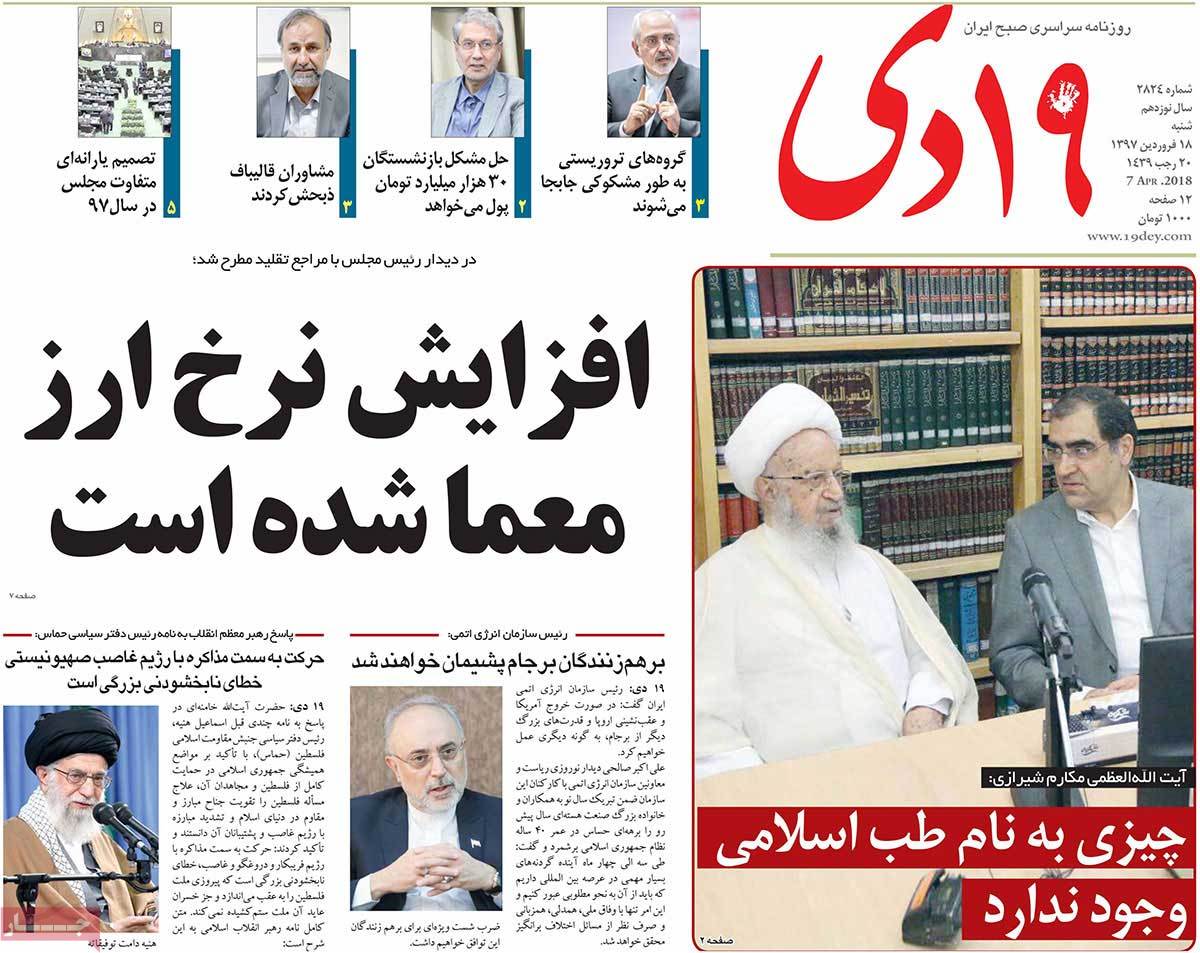
19 Dey:

  • Increase in Forex Rates Turned into Mystery
  • Zarif: Terrorist Groups Suspiciously Moved

A Look at Iranian Newspaper Front Pages on April 7


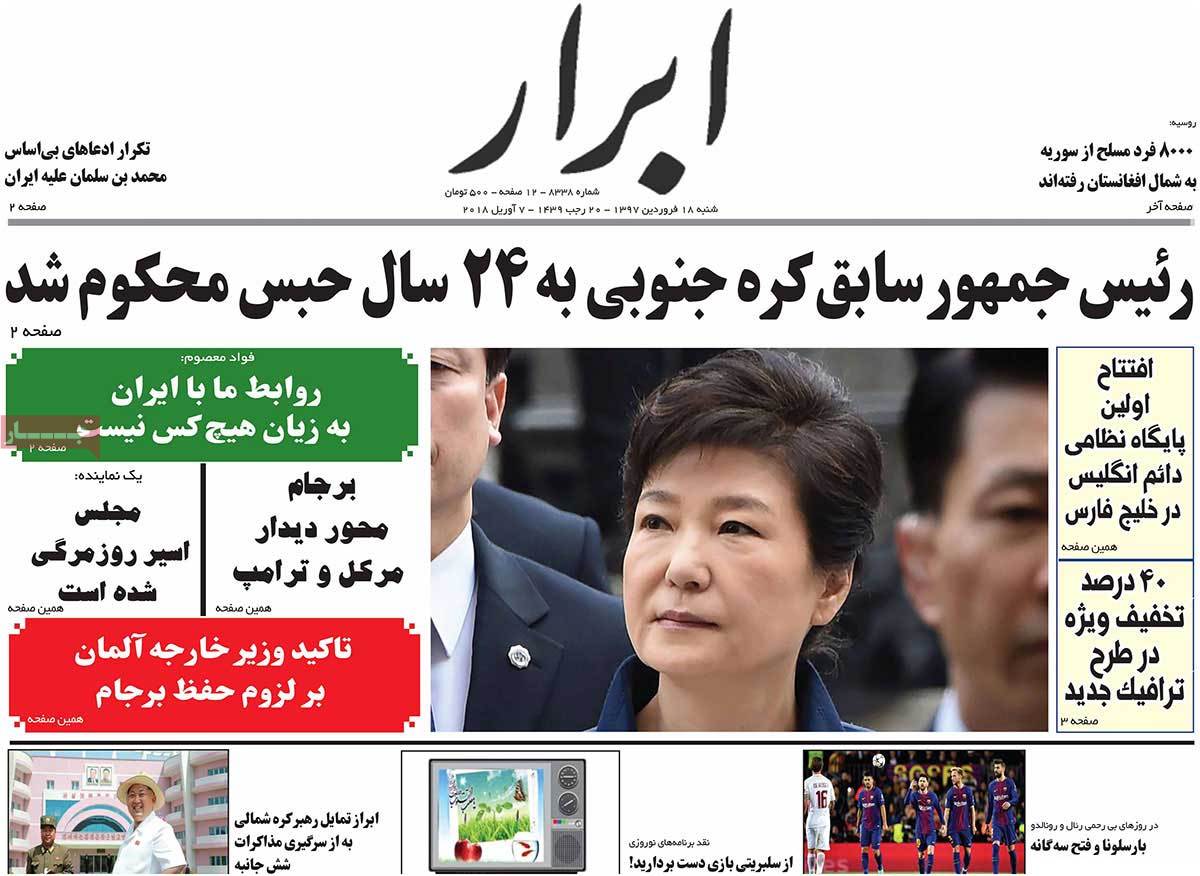
Abrar:

  • Former Korean President Sentenced to 24 Years in Prison
  • Iraqi President: Our Ties with Iran Not Detrimental to Anyone
  • Bin Salman Repeats Baseless Allegations against Iran
  • UK Opens First Permanent Military Base in Persian Gulf

A Look at Iranian Newspaper Front Pages on April 7


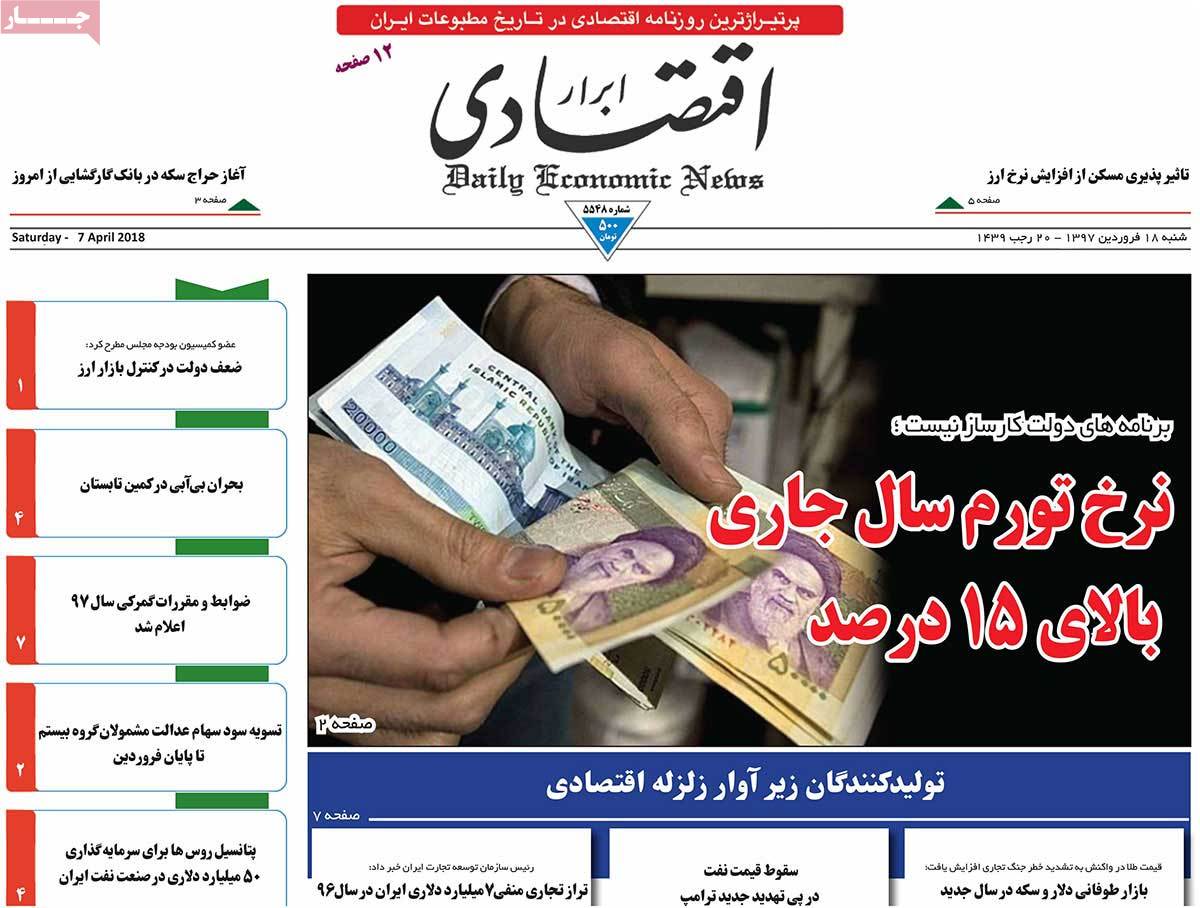
Abrar-e Eqtesadi:

  • Decline in Oil Price after Trump’s New Threat

A Look at Iranian Newspaper Front Pages on April 7


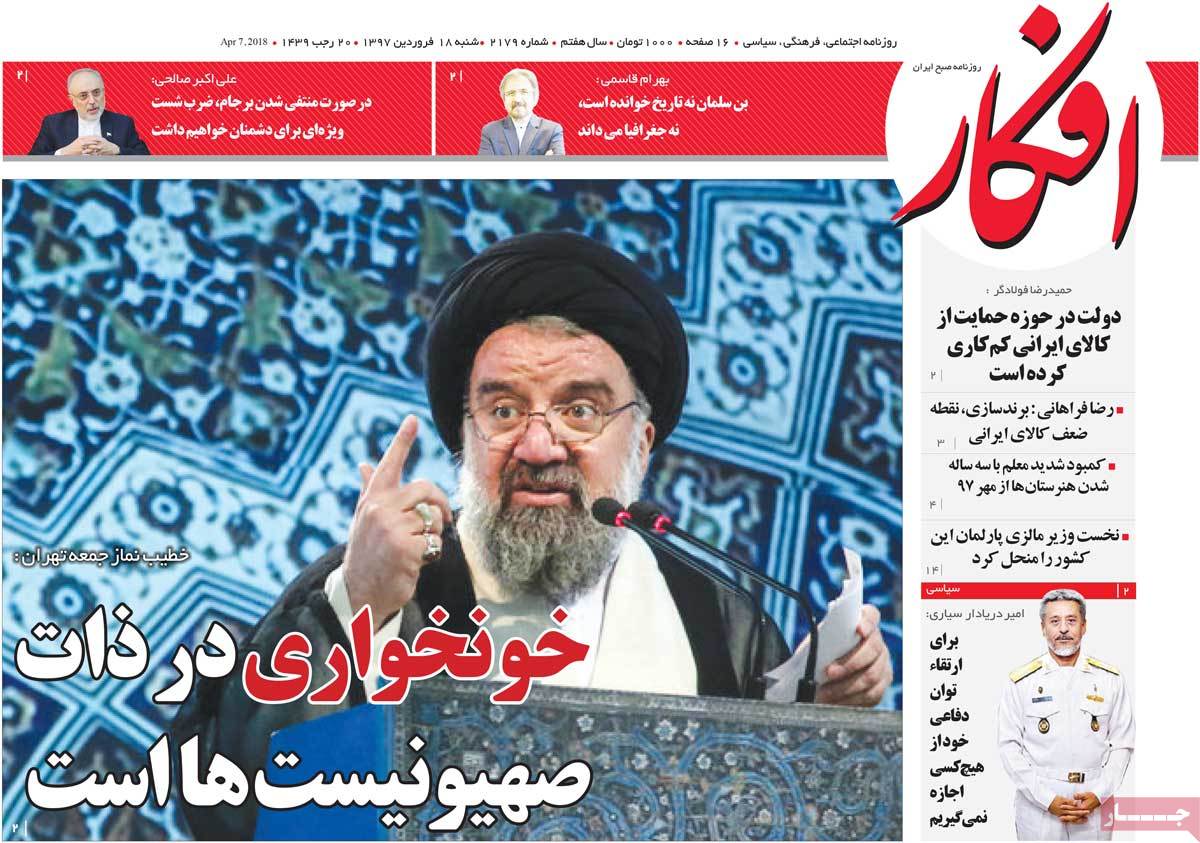
Afkar:

  • Savagery in DNA of Zionists: Iranian Cleric

A Look at Iranian Newspaper Front Pages on April 7


Aftab-e Yazd:

  • Zarif Side-lined Two Years after Being Called National Hero for Iran Deal
  • Iran Nuclear Chief: Riyadh Seeking Enrichment, but Zionist Lobby Won’t Allow It
  • Trump to Arab Rulers: You Won’t Survive More than Two Weeks without US

A Look at Iranian Newspaper Front Pages on April 7


Arman-e Emrooz:

  • Labour Minister: 136,000 Children Deprived of Education in Iran

A Look at Iranian Newspaper Front Pages on April 7


Asrar:

  • We Will Have Special Surprise for Those Violating Iran Nuclear Deal: Salehi

A Look at Iranian Newspaper Front Pages on April 7


Ebtekar

  • Iran FM Attends NAM Ministerial Meeting in Baku
  • Rouhani’s Gov’t Engaged in Domino of Incidents
  • A Report on Administration’s Economic Approach

A Look at Iranian Newspaper Front Pages on April 7


Etemad:

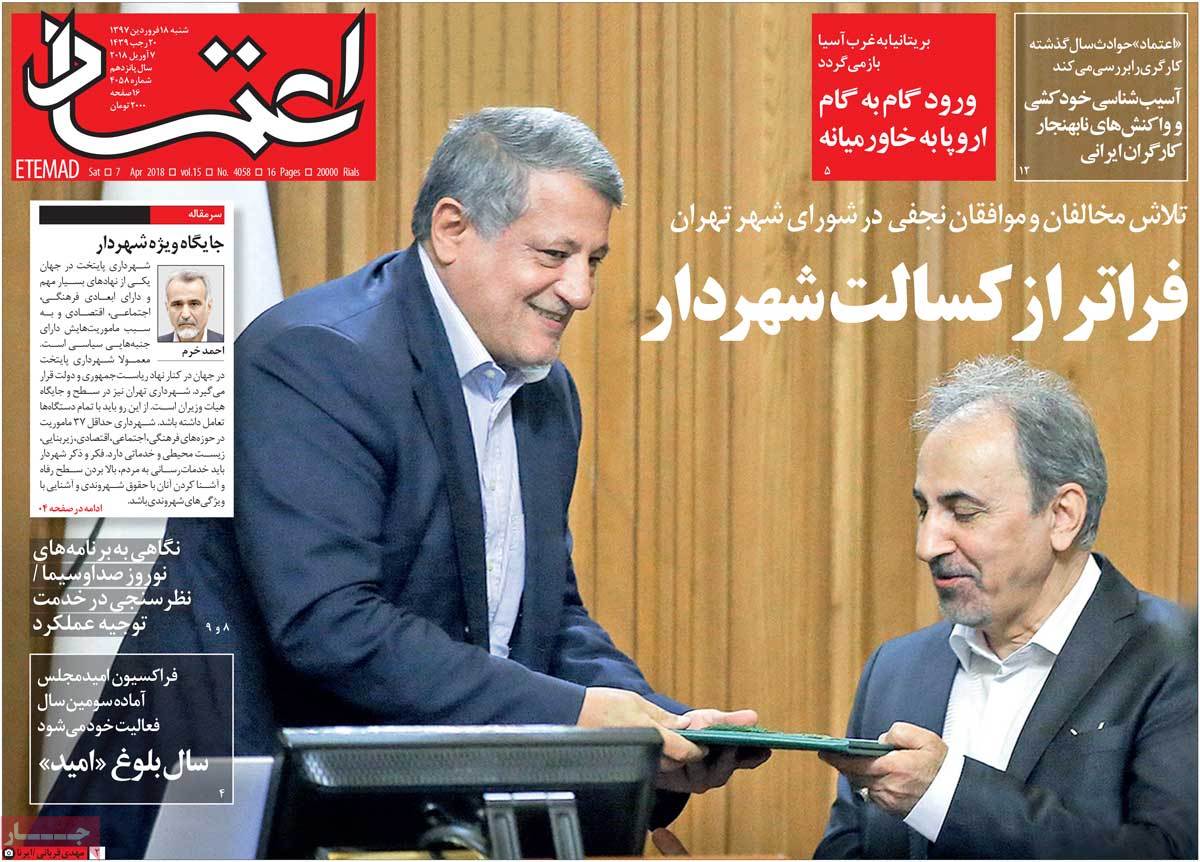
  • Europe’s Step-by-Step Arrival in Middle East: Britain to Return to West Asia

A Look at Iranian Newspaper Front Pages on April 7


Ettela’at:

  • Zarif Calls for Int’l Prosecution of Israeli Criminals at NAM Summit
  • Iran Is Common Enemy of Saudi Arabia, Israel: Bin Salman

A Look at Iranian Newspaper Front Pages on April 7


Hemayat:

  • US Threatens Iran with Return of Sanctions!
  • Haley Says US to Withdraw from Iran Nuclear Deal If It Is Not Revised

A Look at Iranian Newspaper Front Pages on April 7


Iran:

  • Palestine Outraged in Both Sides of Gaza Strip
  • Protesters Set Fire on Photos of King, Crown Prince of Saudi Arabia

A Look at Iranian Newspaper Front Pages on April 7


Javan:

  • Iran’s Uranium Enrichment Resumption Turned into Europe’s Nightmare
  • France: Before Scrapping JCPOA, US Must Say What It’d Do with Enrichment Resumption
  • Palestinians’ New War against Bin Salman, Netanyahu

A Look at Iranian Newspaper Front Pages on April 7


Kayhan:

  • Haley: Iran to Stay in JCPOA Even If US Withdraws from It!

A Look at Iranian Newspaper Front Pages on April 7


Khorasan:

  • Russia Gives Ultimatum, Britain Issues Warning to Telegram
  • Trump Continues Trade War against China
  • Ayatollah Makarem Shirazi: We Have No Such Thing as Islamic Medicine
  • Two Top Clerics Slam Those Who Advocate So-Called Islamic Medicine

A Look at Iranian Newspaper Front Pages on April 7


Resalat:

  • Iran Leader: We Feel Duty-Bound to Support Palestine
  • Tehran Friday Prayers Leader: Saudi Regime Must Be Tried at Islamic Court

A Look at Iranian Newspaper Front Pages on April 7


Sazandegi:

  • Rise of US Dollar: What’s Going on in Forex Market?

A Look at Iranian Newspaper Front Pages on April 7


Shahrvand:

  • Roman Mythical Figures Censored in Iran
  • Iran State TV’s Move to Censor AS Rome’s Logo Mocked by Foreign Media

A Look at Iranian Newspaper Front Pages on April 7


Shargh:

  • Rouhani’s Aide: Prejudice, Intolerance Threats to National Security

A Look at Iranian Newspaper Front Pages on April 7


Siasat-e Rooz:

  • DM: Iran to Fight against Terrorism with All Its Might

A Look at Iranian Newspaper Front Pages on April 7


Tejarat:

  • Iran to Cooperate with 9 Countries in Stock Exchange
  • Iran’s Stock Exchange Market to Be Globalised

A Look at Iranian Newspaper Front Pages on April 7


Vatan-e Emrooz:

  • Iran Foreign Ministry Blasts Saudi Crown Prince’s Insulting Remarks
  • Bin Salman Has Chronic Disease

A Look at Iranian Newspaper Front Pages on April 7


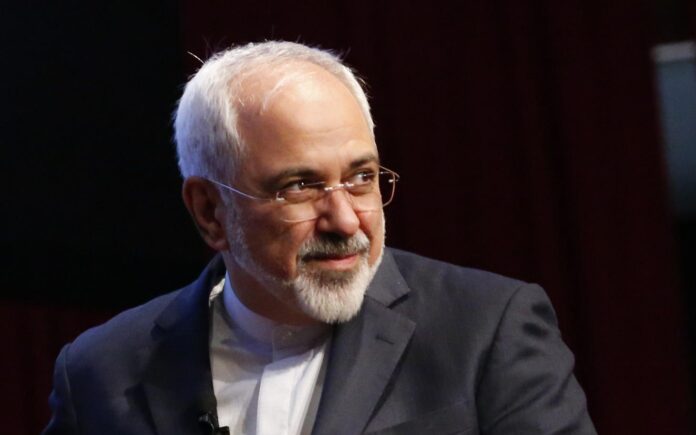
FM Zarif to Discuss Future of Iran Nuclear Deal in New York

Mohammad Javad Zarif
Iranian Foreign Minister

According to the CFR’s website, Zarif is going to discuss US-Iran relations, regional politics in the Middle East, and the future of the Joint Comprehensive Plan of Action.

The session, which will be chaired by Stephen J. Hadley, is due to be held on April 23 at 6:00 pm EDT.

US President Donald Trump has been a vociferous critic of the nuclear accord signed between Tehran and six world powers in 2015. He has called the JCPOA the “worst deal ever” and even threatened to tear it up.

In January, he decided to stick with JCPOA for now, but gave the European signatories a May 12 deadline to “fix the terrible flaws” of the accord or he will refuse to extend US sanctions relief on Iran.

Late last month, White House principal deputy press secretary Raj Shah said that Trump is “prepared to potentially withdraw” from the Iran deal if changes to the agreement are not made.

Iran maintains that it will not renegotiate JCPOA, an international document endorsed by the Security Council Resolution 2231.

Other parties to the agreement, namely Russia, China, Britain, Germany and France, have all criticized Trump’s hostile views, saying the deal is sound and has proven to be functioning.
The International Atomic Energy Agency (IAEA), which is tasked with monitoring Iran’s nuclear activities, has repeatedly verified Tehran’s full commitment to its side of the bargain.
Iranian Databases Target of Attacks Caused by Cisco Switch Flaw

Reports say that important Iranian services and websites have become out of reach due to a problem in the datacentres of major internet service providers Afranet, Shatel, Sabanet, etc.

According to a security report from the Cisco Talos team as many as 168,000 systems in the world may be affected by the flaw.

A blog post by Cisco’s Talos security unit says the cyber-attacks are exploiting what Cisco officials are calling a “protocol misuse” situation in Cisco’s Smart Install Client, which is designed to enable the no-touch installation and deployment of new Cisco hardware, in particular Cisco switches.

Attackers have targeted a protocol issue with the Cisco Smart Install Client. If a user does not configure or turn off the Cisco Smart Install, it will hang out in the background waiting for commands on what to do.

For a brief review of Iran’s achievements in various fields of science and technology, check the book “Science and Technology in Iran: A Brief Review

Some reports indicate that some issues in the datacentres have created problems in using some of the popular sites, apps, and messengers in Iran as well many other countries. This has been caused by a disruption or potential attack on the communications infrastructure network in the past few hours.

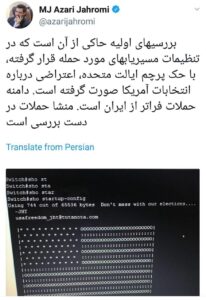
Iran’s Communication and Information Technology Minister Mohammad Javad Azari-Jahromi has confirmed the attack on the country’s datacentres in a tweet.

Iranian Databases Target of Attacks Caused by Cisco Switch FlawThe Iranian minister has also said that initial investigations indicate the settings of switching software have been attacked. A picture posted by Azari Jahromi shows the United States’ flag being in the background and a sentence that reads “don’t mess with our (US) elections.” Azari Jahromi has stressed that the attacks are not limited to Iran noting in another tweet that so far, more than 95 percent of switches have resumed their service.

Cisco has issued a warning and urged Smart Install client users to patch and securely configure the software.

Attackers are exploiting a “protocol misuse” issue in Cisco’s Smart Install Client to gain entry to critical infrastructure providers, according to researchers at Cisco’s Talos Intelligence group.

Cisco’s warning over the Smart Install client, a tool for rapidly deploying new switches, comes a week after it released a patch for a critical remote code execution flaw affecting the software.

On March 29, Cisco had warned that at least 8.5 million switches are open to attack.

Researchers have found that millions of Cisco network devices have been left vulnerable by an open TCP 4786 port.

Cisco has also seen a huge uptick in traffic to the TCP 4786 port that began around November 2017 and then spiked in April 2018.

According to Cisco, organizations can determine if a device is impacted by the Smart Install issues by running the command “show vstack config,” which will show if the Smart Install Client is active.

The easiest way to mitigate the issue is to run the command “no vstack” on the affected device. If this isn’t possible, the best option is to restrict access through an access control list for the interface.

Cisco in February 2017 issued an alert after discovering a rise in the number of internet scans for systems where the Smart Install Client was not turned off or configured with the property security controls. Without the right security controls, hackers can send new commands to the switches running Cisco’s IOS or IOS XE network operating system.