Sunday, May 3, 2026
Home Blog Page 3638

A Look at Iranian Newspaper Front Pages on May 6

A Look at Iranian Newspaper Front Pages on November 19

Newspapers today widely covered the controversy over the blocking of Telegram messaging app and the reactions to the issue.

The upcoming elections in Lebanon, Iraq, and Turkey also received great coverage in Iranian papers today.

Also a top story was the result of investigations into the Sanchi oil tanker tragedy, which said a human error by the Chinese ship caused the incident.

The above issues, as well as many more, are highlighted in the following headlines and top stories:


Abrar:

  • Demirtaş: It’s Not Possible to Hold Fair Elections in Turkey
  • Macron: Trump’s Possible Move to Pull Out of JCPOA Means Beginning of War
  • Iran, Oman to Hold Joint Maritime Drill

A Look at Iranian Newspaper Front Pages on May 6


Abrar-e Eqtesadi:

  • Europe Ready to Continue Cooperation with Iran after JCPOA

A Look at Iranian Newspaper Front Pages on May 6


Afkar:

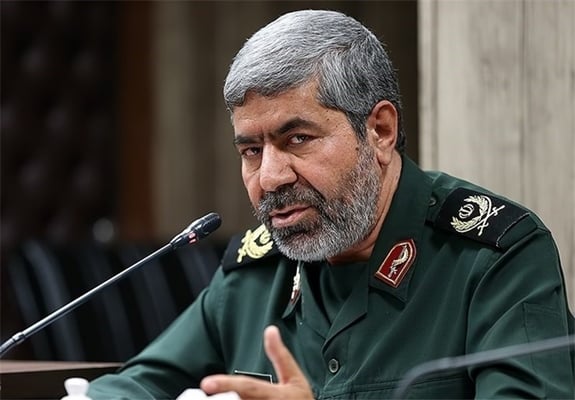
  • IRGC Spokesman: Israeli Regime in Worst Defensive, Psychological Situation

A Look at Iranian Newspaper Front Pages on May 6


Aftab-e Yazd:

  • A Report on Environmental Problems of Oil-Rich Cities
  • Sardar Azmoun: I’m Going to Russia to Score Goals in FIFA World Cup

A Look at Iranian Newspaper Front Pages on May 6


Arman-e Emrooz:

  • Disagreement over Main Perpetrator of Sanchi Oil Tanker Tragedy

A Look at Iranian Newspaper Front Pages on May 6


Ebtekar:

  • Human Error in Chinese Ship Main Cause of Sanchi Tragedy
  • Several Months of Investigations Over

A Look at Iranian Newspaper Front Pages on May 6


Etemad:

  • MPs Say Parliament against Filtering
  • Beijing-Washington Military Challenge in Africa
  • China, US Once Again against Each Other

A Look at Iranian Newspaper Front Pages on May 6


Ettela’at:

  • Rouhani: Telegram’s Filtering Not Approved by Gov’t
  • US Sends Military Warfare to Syria’s Kurds
  • Harvard Professor: US Withdrawal from JCPOA ‘Strategic Mistake’

A Look at Iranian Newspaper Front Pages on May 6


Hamshahri:

  • Iraq’s Parliamentary Elections in Tehran’s Dowlatabad Neighbourhood
  • A Report on Iraqi Diaspora in Tehran

A Look at Iranian Newspaper Front Pages on May 6


Iran:

  • MP: Parliament to Discuss Issue of Blocking Telegram Messenger
  • Lebanon on Path of Change
  • Lebanese People to Participate in Parliamentary Elections

A Look at Iranian Newspaper Front Pages on May 6


Jahan-e San’at:

  • Government’s New Masterpiece!
  • Unprecedented Hike in Gold Coin, US Dollar Rates

A Look at Iranian Newspaper Front Pages on May 6


Javan:

  • Trump’s Heavy Sarcasm after Disclosure of Zarif-Kerry Secret Meeting
  • Secrets of Those Worried about Futile Nuclear Deal

A Look at Iranian Newspaper Front Pages on May 6


Jomhouri Eslami:

  • Red Cross: Yemen Dying of Hunger
  • Confidential Document Reveals Saudi Arabia’s Interference in Lebanese Elections

A Look at Iranian Newspaper Front Pages on May 6


Kayhan:

  • US National Security Agency Breaks Record of Spying on another Nation!
  • 534 Million Eavesdropping Only in One Year!
  • US Plotting a Forex Coup, Iran Gov’t Busy Playing with Telegram!
  • Three Disastrous Bills on Agenda of MPs Today
  • A Day to Test Parliamentarians

A Look at Iranian Newspaper Front Pages on May 6


Kelid:

  • Medical Tourism Association Chief: Iran’s Capacity in This Field Is $7 Billion

A Look at Iranian Newspaper Front Pages on May 6


Khorasan:

  • MP: $2.5 Billion Taken Out of Iran through Crypto-Currencies

A Look at Iranian Newspaper Front Pages on May 6


Resalat:

  • Ayatollah Javadi Amoli: It’s A Great Jihad to Refuse to Support Corrupt Politicians
  • UNESCO’s 2030 Document Targeting Religious Principles of Future Generation

A Look at Iranian Newspaper Front Pages on May 6


Rooyesh-e Mellat:

  • Shamkhani Rules Out Possibility of Any War on Iran

A Look at Iranian Newspaper Front Pages on May 6


Setareh Sobh:

  • Putin under Fire of Protesters
  • Putin Not Our Caesar: Leader of Opposition

A Look at Iranian Newspaper Front Pages on May 6


Vatan-e Emrooz:

  • Unaccountable Government
  • While Rouhani Denies Having Role in Telegram’s Blocking, MP Says He Was OK with It

A Look at Iranian Newspaper Front Pages on May 6


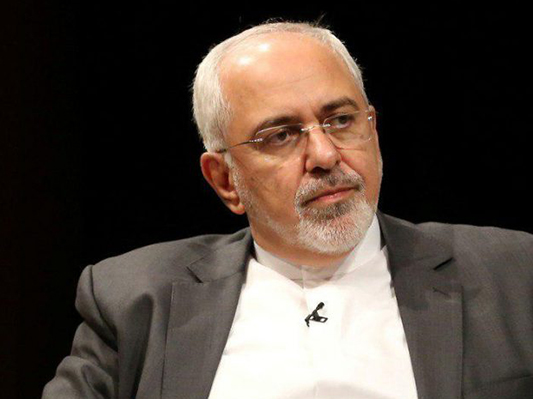
Afghanistan Has Pledged to Supply Iran’s Water Share: Zarif

The Afghan government has promised to provide Iran with the share of water from the Hirmand River and has also pledged to supply the water for Hamoon wetlands, the top Iranian diplomat said at a parliamentary session on Sunday.

He also unveiled plans for the legal regime of the Hari (Heray) Rud River, saying the two neighbors have for the first time reached agreements on the river.

Although there are various options to receive Iran’s share of water for Hamoon -such as adopting strict policies towards Afghanistan in certain areas- the relations between Tehran and Kabul are always brotherly and friendly, the top diplomat added.

Highlighting the efforts by Iran’s Foreign Ministry to protect the country’s right to the share of water from Hirmand and Hamoon, Zarif said the two neighbors have agreed to set up five committees to handle various bilateral issues, including disputes over the water share.

The Foreign Ministry sent two protest letters to Afghanistan in March and April to remind Kabul of Iran’s rights under a 1973 treaty, Zarif went on to say, noting that the Afghan ambassador to Tehran has been also informed of Iran’s stances.

Iran and Afghanistan have a disagreement over allocation of water from the Hirmand River, as both sides suffer from droughts and climate change.

In a move in violation of a 1973 treaty with Iran, Afghanistan has refused to supply its neighbor with share of water from Hirmand, which rises in Afghanistan and flows through eastern parts of Iran, according to Iran’s Energy Ministry.

According to the treaty, Afghanistan is committed to share waters of the Hirmand River with Iran and supply it with 26 cubic meters of Hirmand water per second or 850 million cubic meters per annum.

The annual 850 million cubic meters of water for Iran has been initially allocated for drinking and irrigation of farmlands, which falls far short of the minimum flow required to feed Hamoon wetlands, which straddle Iran-Afghan common border and are fed by the Hirmand River.

In the last two decades, the fertile wetlands have substantially dried up. The Taliban government closed the sluices to the Kajaki dam on Hirmand until 2002. This compounded the impact of the worst drought the region has experienced in many decades, caused in part by climate change and warming temperatures.

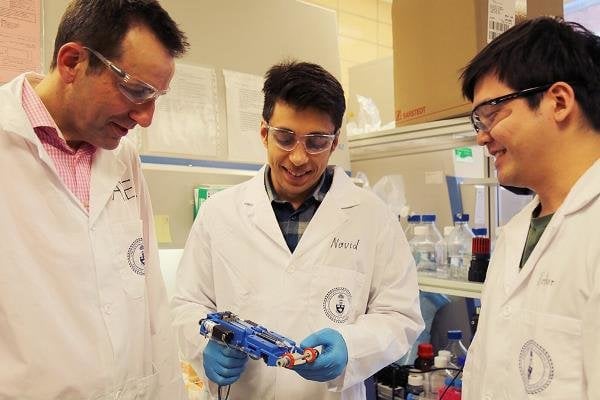
Iranian Researcher Develops Gadget to Print Skin on Wounds

Iranian Researcher Develops Gadget to Print Skin on Wounds

The printer was made by an Iranian PhD student at the University of Toronto in cooperation with a team of researchers he was leading.

The hand-held apparatus can directly print skin on deep wounds, a report by the Persian-language Mehr News Agency said.

The gadget is similar to the device producing glue. But instead of glue, the printer rolls out layers of alginate (a kind of brown algae). Under each layer are rows of natural ink containing bio-materials such as skin cells and collagen. These materials along with fibrin (a protein instrumental in healing wounds) are the most frequently found components in the skin.

The printer weighs less than one kilogram and is very easy to use. This device makes redundant the process of washing and incubation (which are done in ordinary printers) and covers the wound with skin in one or two minutes. The method has been tested on mice and pigs, so far.

The researchers say the printer is able to produce skin tissue for special patients and in accordance with the type of their wounds.

For a brief review of Iran’s achievements in various fields of science and technology, check the book “Science and Technology in Iran: A Brief Review

The same team of researchers had, four years ago, developed a 3-D printer as big as a microwave oven that was able to print layers of skin to heal burns. The new device is seen as an improvement on their previous achievement.

“Trump’s Decision on JCPOA Not to Affect Iranians’ Lives”

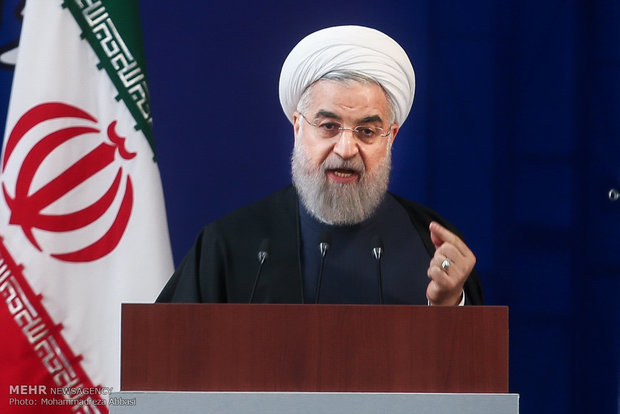
In an address to a huge crowd of people in the northeastern city of Sabzevar on Sunday, Rouhani said the great nation of Iran should know that our lives will not undergo any changes regardless of whatever decision Trump makes next week.

“We are ready to counter any decision by Trump,” he noted, as quoted in a report by the president’s official website.

Rouhani said Iranian bodies, including the country’s Atomic Energy Organisation, have prepared their options since months ago.

He further strongly blasted the propaganda campaigns launched by the US and the Zionist regime against the great nation of Iran.

“The US and the Zionist regime should come to the sense that the great nation of Iran is not afraid of any plots and will remain united and continue its own way under the brave leadership of the Islamic Revolution’s Leader,” he said.

President Rouhani also directly addressed the US and its European allies to elaborate two points for them.

“The first point is that, our nation remains faithful to its treaty (the nuclear deal), but explicitly states that our defence and weaponry capabilities are not negotiable.”

“We will produce and store as many weapons as we need for our self-defence and it is not any other country’s business how many weapons we produce and what decision we make for our self-defence. We never negotiate our defence capabilities.”

On the second point, he underlined that the Islamic Republic wants to hold talks with the world to create a safe region.

“Right now, we are involved in talks with Russia and Turkey over Syria. We are holding talks with various countries on Yemen. But we tell the world that we fight the terrorists wherever in the region and will not allow any country to create ISIS in the region and wage war against other regional nations. We are after peace and security in the region.”

The Iranian president also said the Iranian nation is not looking for war or tensions but resolutely defends its national interests against any plot.

US President Donald Trump has set a May 12 deadline for European signatories to the deal to “fix” it. He has threatened to withdraw if the changes he seeks are not made.

“Saudi Arabia Incites Morocco to Sever Ties with Iran”

Saudi Arabia Incites Morocco to Sever Ties with Iran
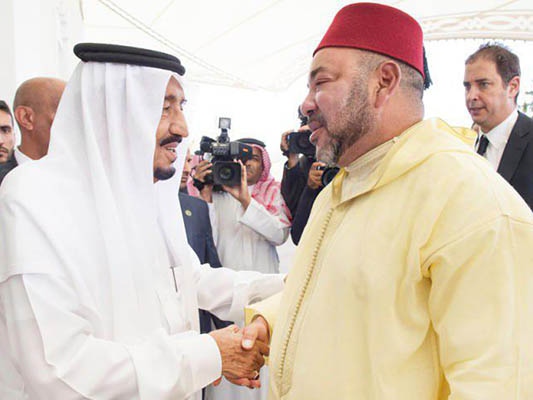
King Salman of Saudi Arabia meeting King Mohammed VI of Morocco

Sabah Zangneh, who is also a senior political commentator, has, in an interview with the Persian-language Arman-e Emrooz daily, weighed in on the recent decision by Morocco to sever its ties with Iran. Highlights of the interview follow.

sabah zanganehArman: Morocco’s foreign minister recently announced his country has severed its diplomatic ties with Tehran over Iran’s alleged support for the Polisario Front. Given that Morocco also broke its relations with Iran under baseless pretexts in the past, and its ties with Iran remained broken for some time, what is your evaluation of Morocco’s justification for its severance of ties with Tehran?
Zanganeh: The Polisario Front fought in the desert belonging to its rivals, and the disputes between the front and Mauritania were followed by a compromise between the two sides. Morocco annexed part of the desert to its territory, which led to divisions between Morocco and two of its neighbours, namely Mauritania and Algeria. The Polisario Front is not headquartered in Iran, but in Algeria. Unfortunately, Morocco is looking at untrue information which has nothing to do with reality and is unfounded. After the victory of the 1979 Islamic Revolution, Iran had allowed the front to open an office in the country, but the office was closed three decades ago. Iran and Morocco have had very normal and growing relations ever since. Of course, Morocco had severed its relations with Iran once again before under the pretext of promoting Shiism. The mission of Iran’s ambassador to Rabat ended two weeks ago, and the Iranian Foreign Ministry was looking for a new ambassador. So, Iran’s ex-ambassador is not present in Rabat now; he is in Iran.

Arman: With what degree of certainty can we say that Saudi Arabia is behind Morocco’s severance of ties with Iran?

Zanganeh: Both this time and the previous time that Morocco broke its relations with Iran, Saudi Arabia was behind it all. Riyadh led by Washington seeks to create a negative atmosphere against Iran. The Moroccan government, too, was entrapped by the Saudi net in some cases, but got to realize the reality after some time and restored its relations with Iran. King Hassan always said Saudi Arabia has no conflict of interests with Iran because Riyadh has neither harmed Iran, nor does it have differences with Tehran. Therefore, Saudi Arabia does not want negative relations with Iran by any means. This general policy can hold. But the young Saudi crown prince and other Saudi officials are unfortunately seeking to sow discord and promote Iranophobia in the region. They are moving on the path of US and Israeli policies against Iran, so much so that bin Salman travelled to Paris in recent weeks and sat down with Saad Hariri as well as King Mohammad VI. Some experts on regional issues regard the meeting as an effort by bin Salman to mobilise countries in order to affect relations with Iran. So, it is not unlikely that Arab countries, provoked by Saudi Arabia, follow Morocco’s lead and sever their relations with Iran under some pretext.

Arman: Anyway, Saudi Arabia continues to promote the policy of Iranophobia. What is the best measure to be taken in the face of such policies in order to stem the expansion of an anti-Iran atmosphere?

Zanganeh: Iran needs to explain the realities to its friends, the region and the world, especially Morocco. Moreover, most of the people, parties and NGOs of Morocco favour positive relations with Iran. Even royal authorities of Morocco, who are considered to be noblemen, are very interested in Iran’s culture as well as its moral and historical principles. Iran and Morocco should invest in the positive and constructive principles of both countries and not allow tensions to emerge between the two sides. Also, events related to Iran, the Middle East region and other countries should be relayed to respective authorities via the Foreign Ministry. Finally, given the current circumstances in the region and obstructionist moves by Saudi Arabia and the United States, Iran should keep negative sentiments from flaring up and boost its relations with friendly states. In other words, given the current situation in Iran, the country should not allow the atmosphere in the region to become tense and grow against Tehran.

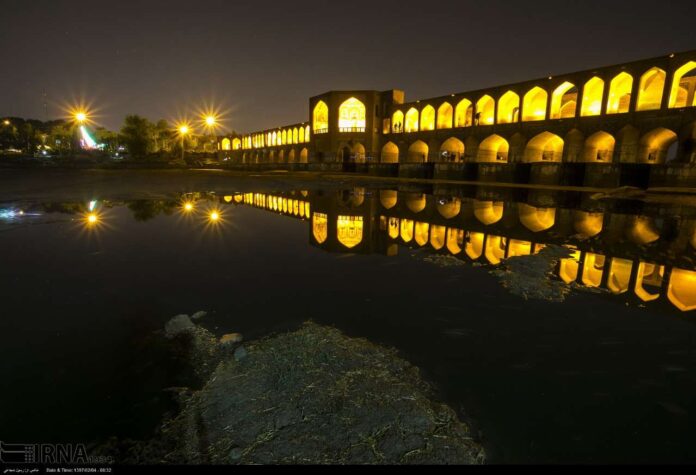
Iran’s Zayanderud River Refreshed by Spring Rainfall

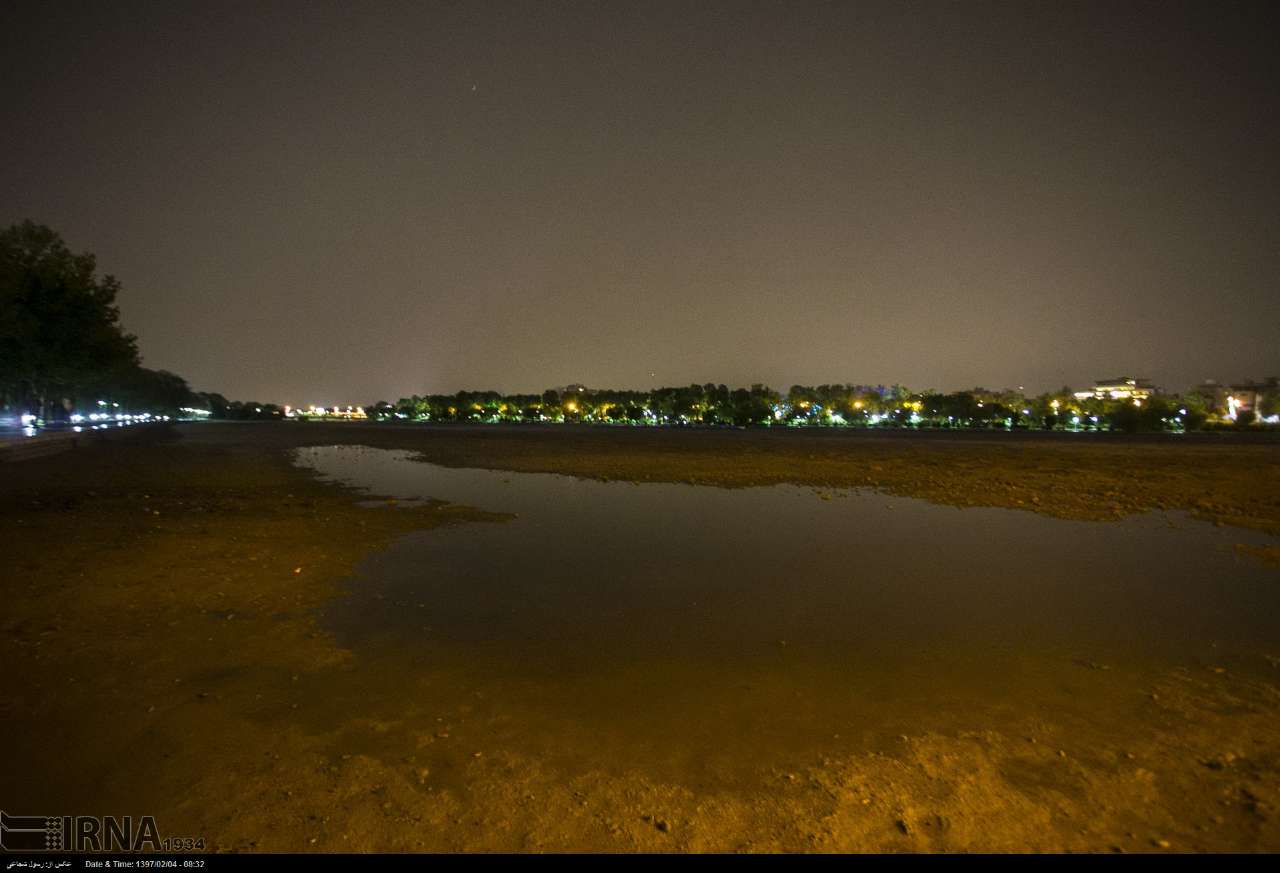
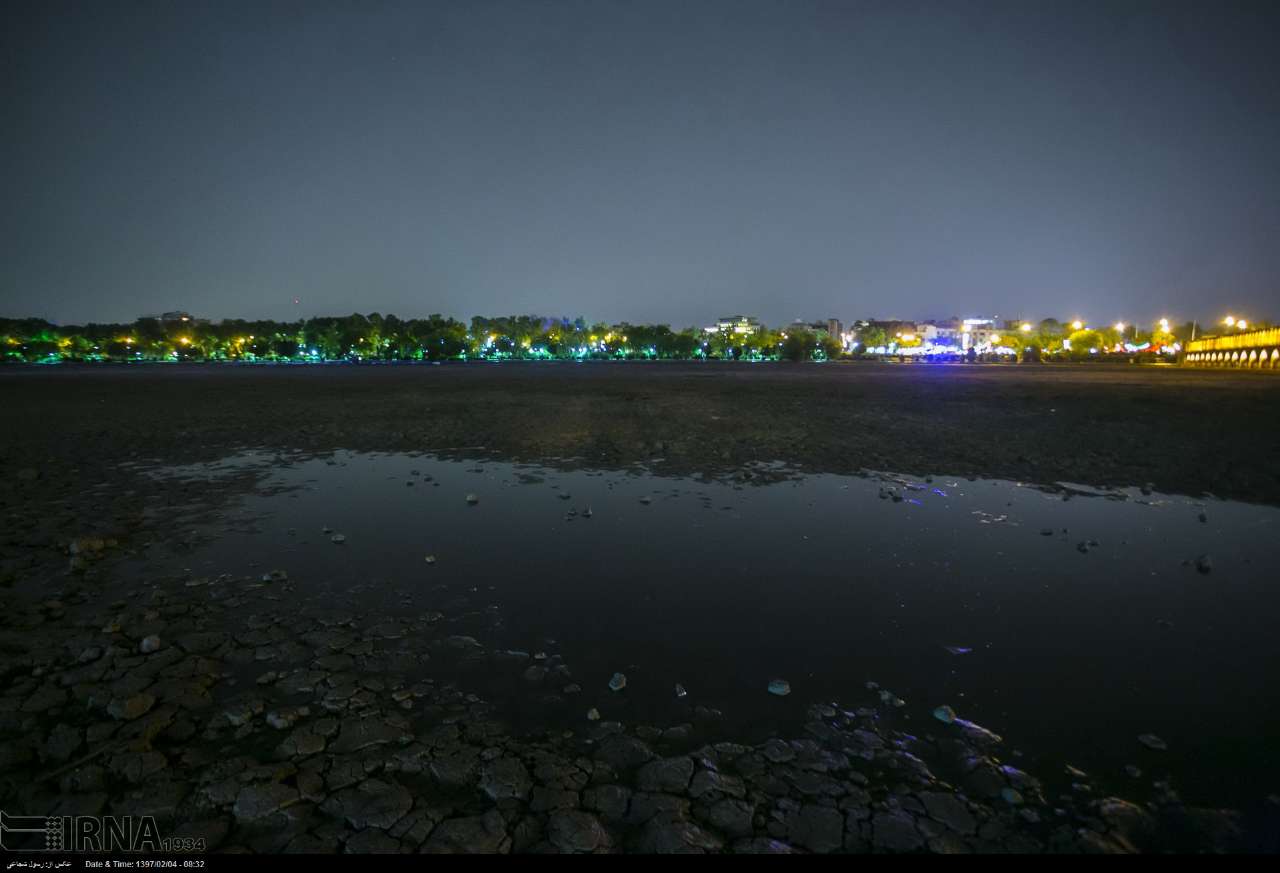
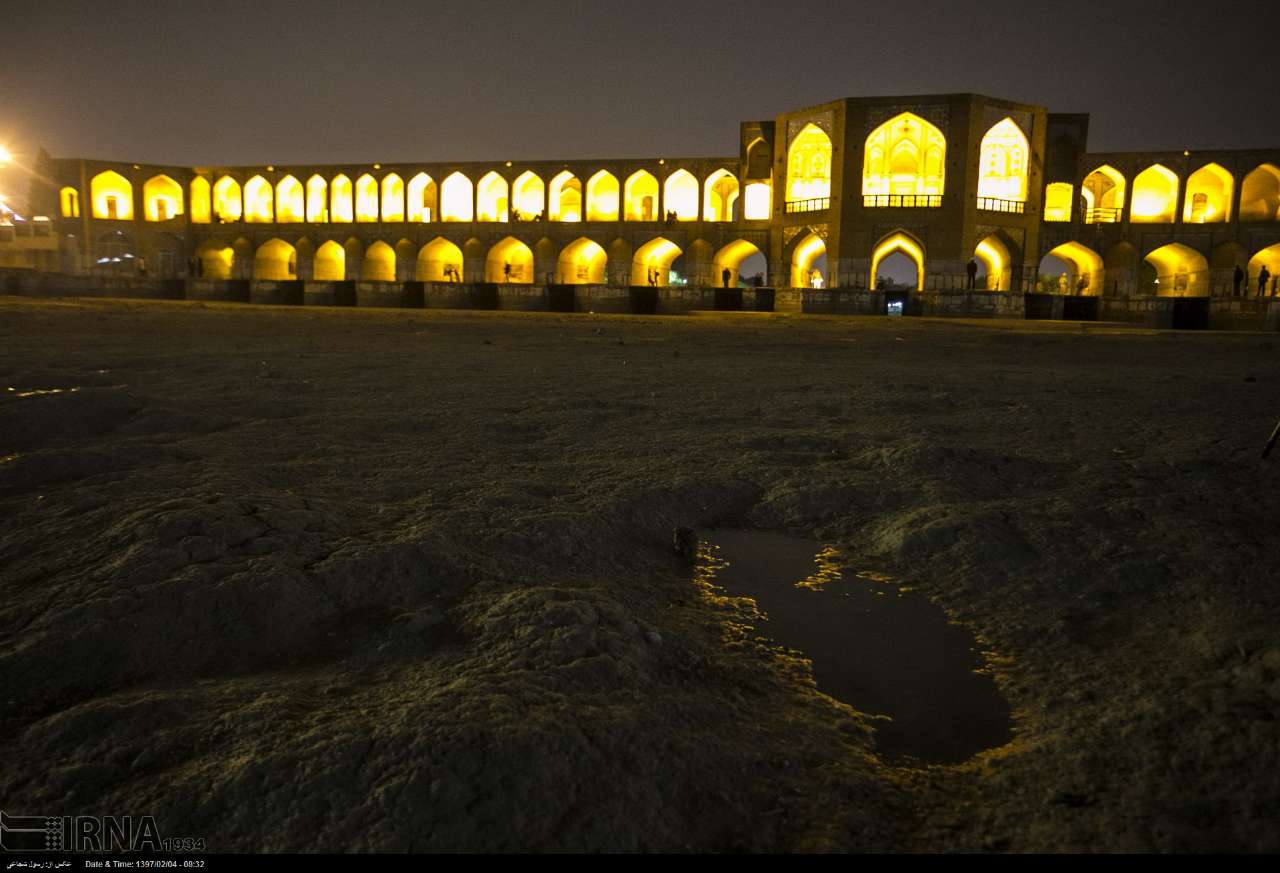
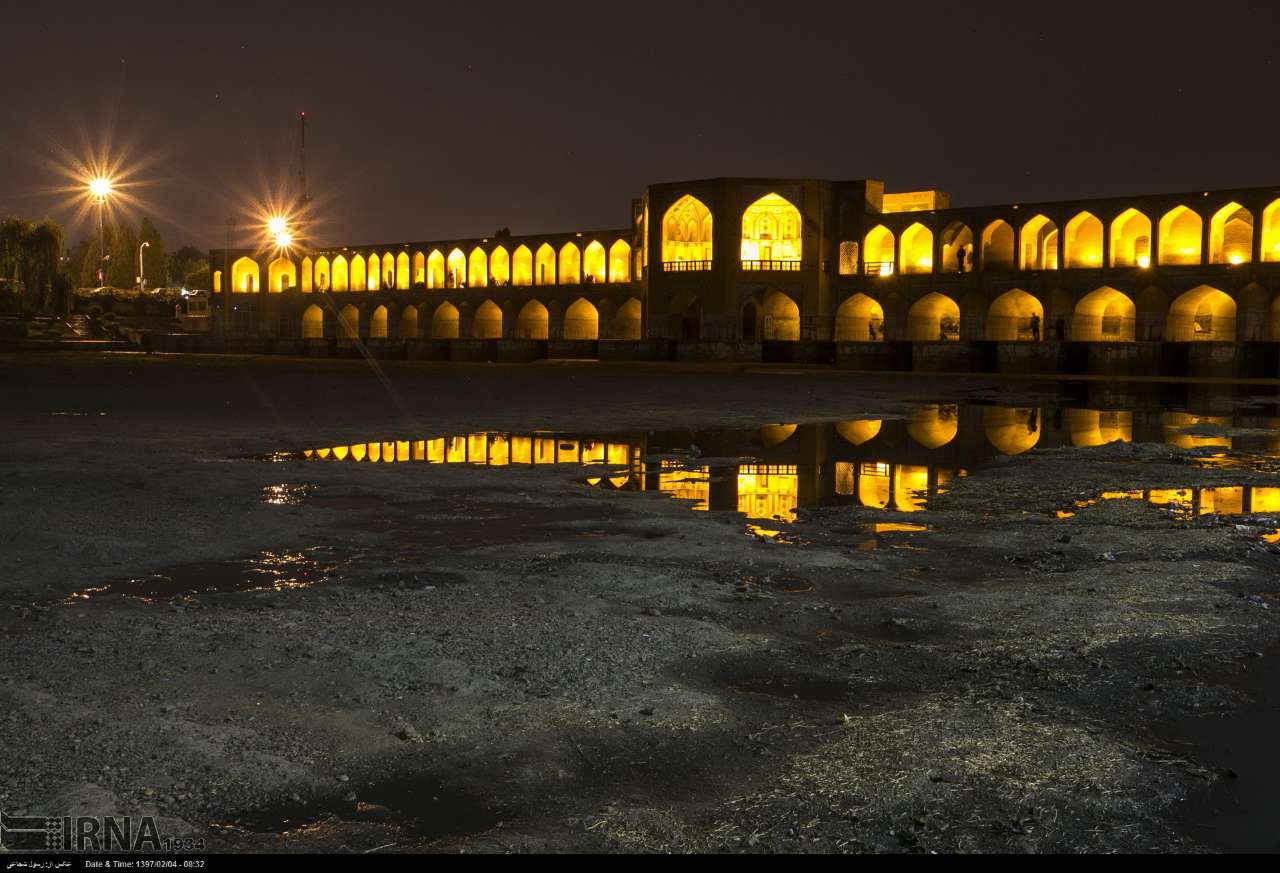
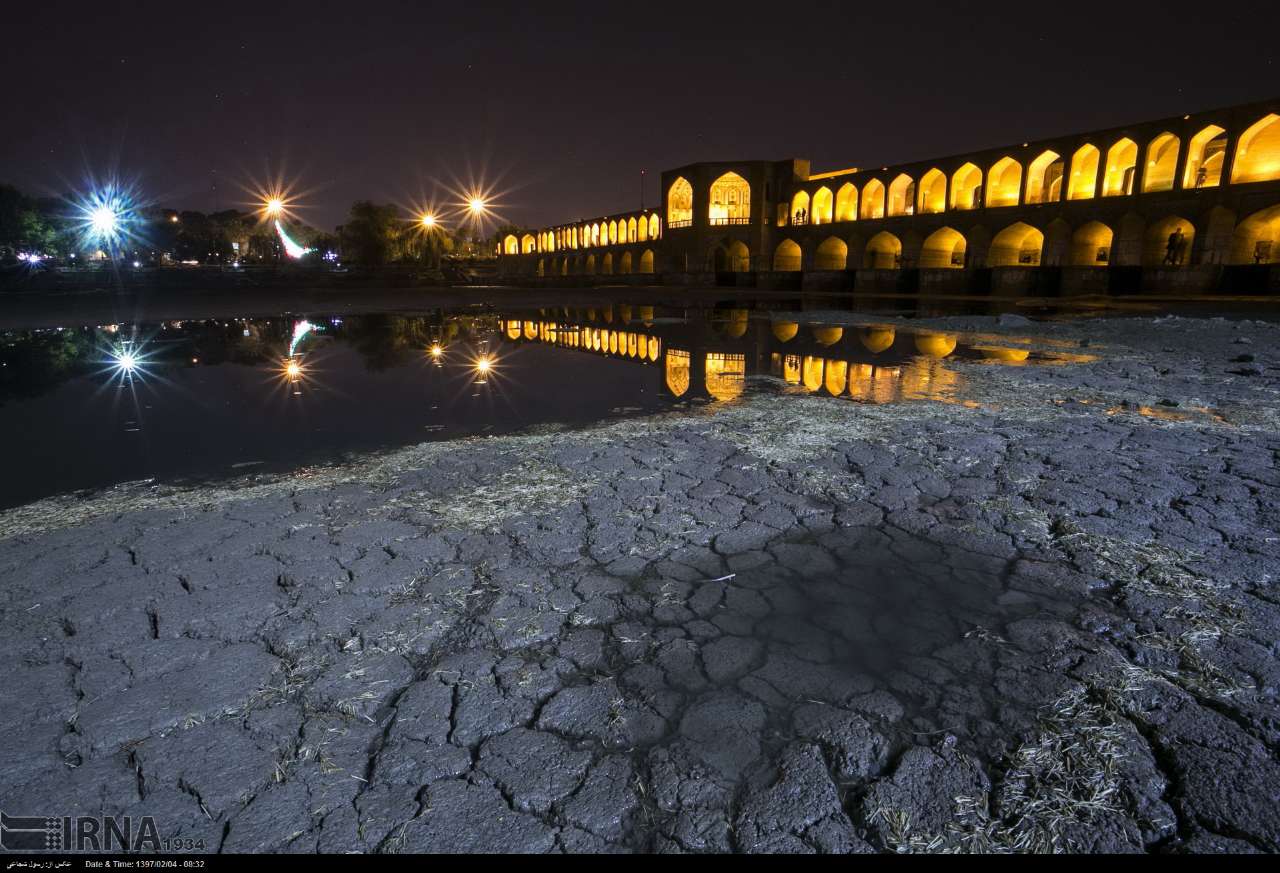
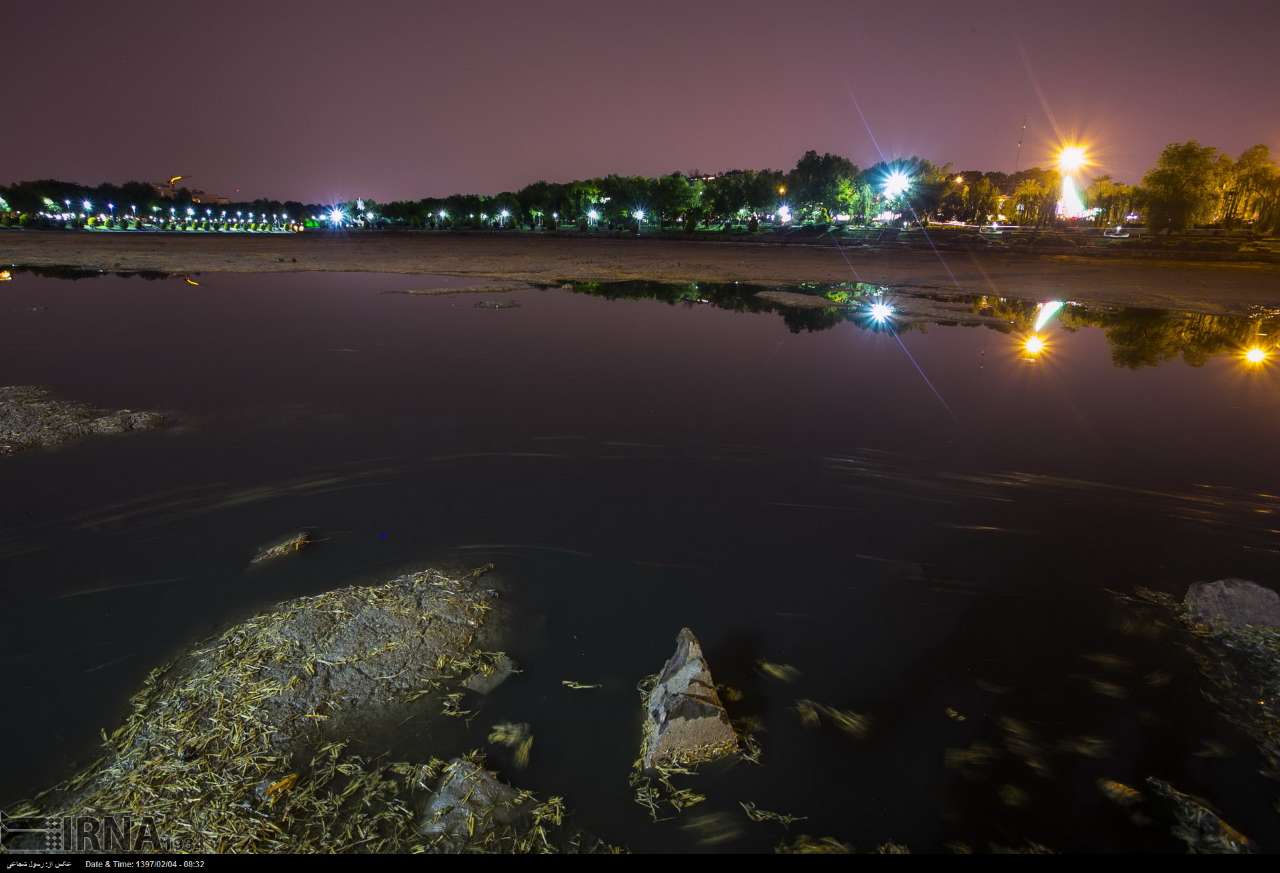
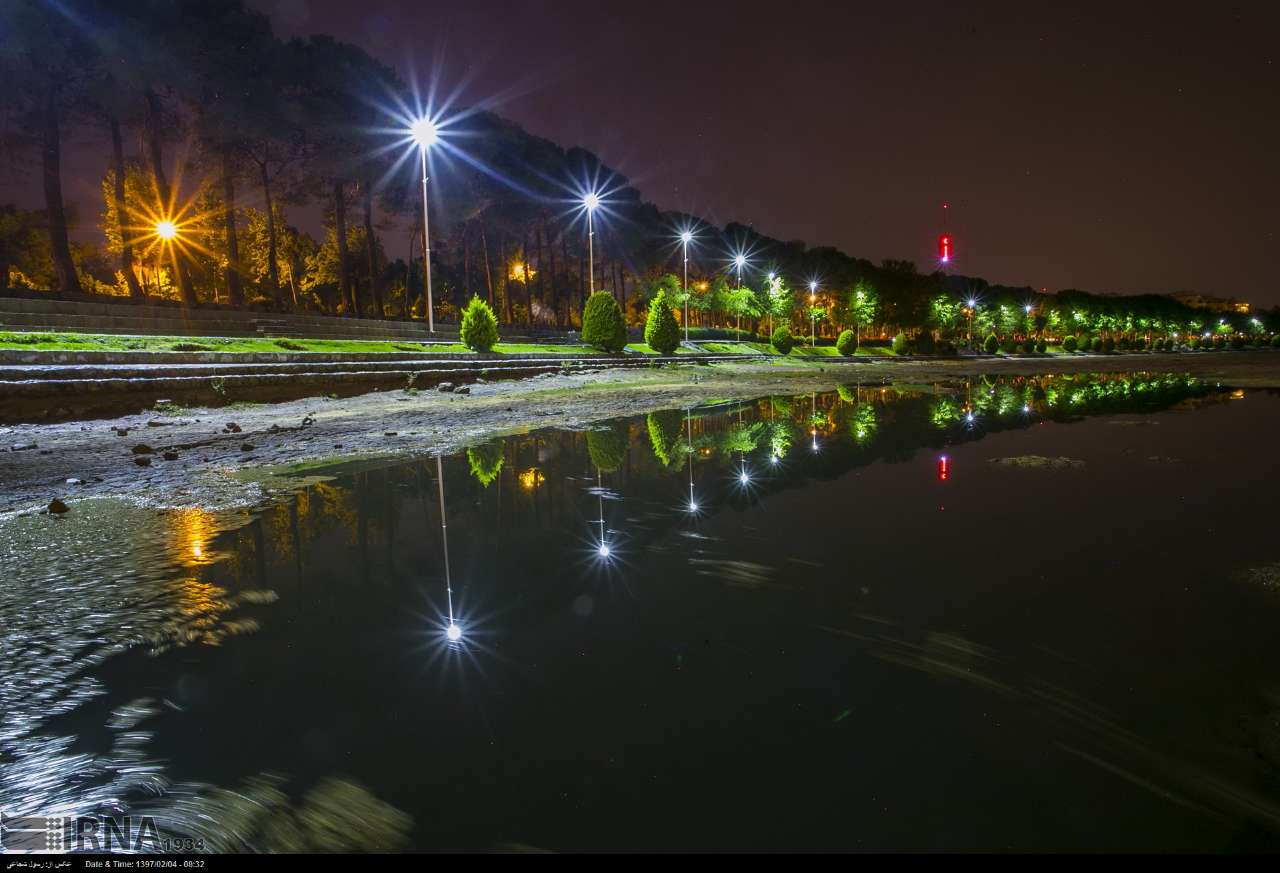
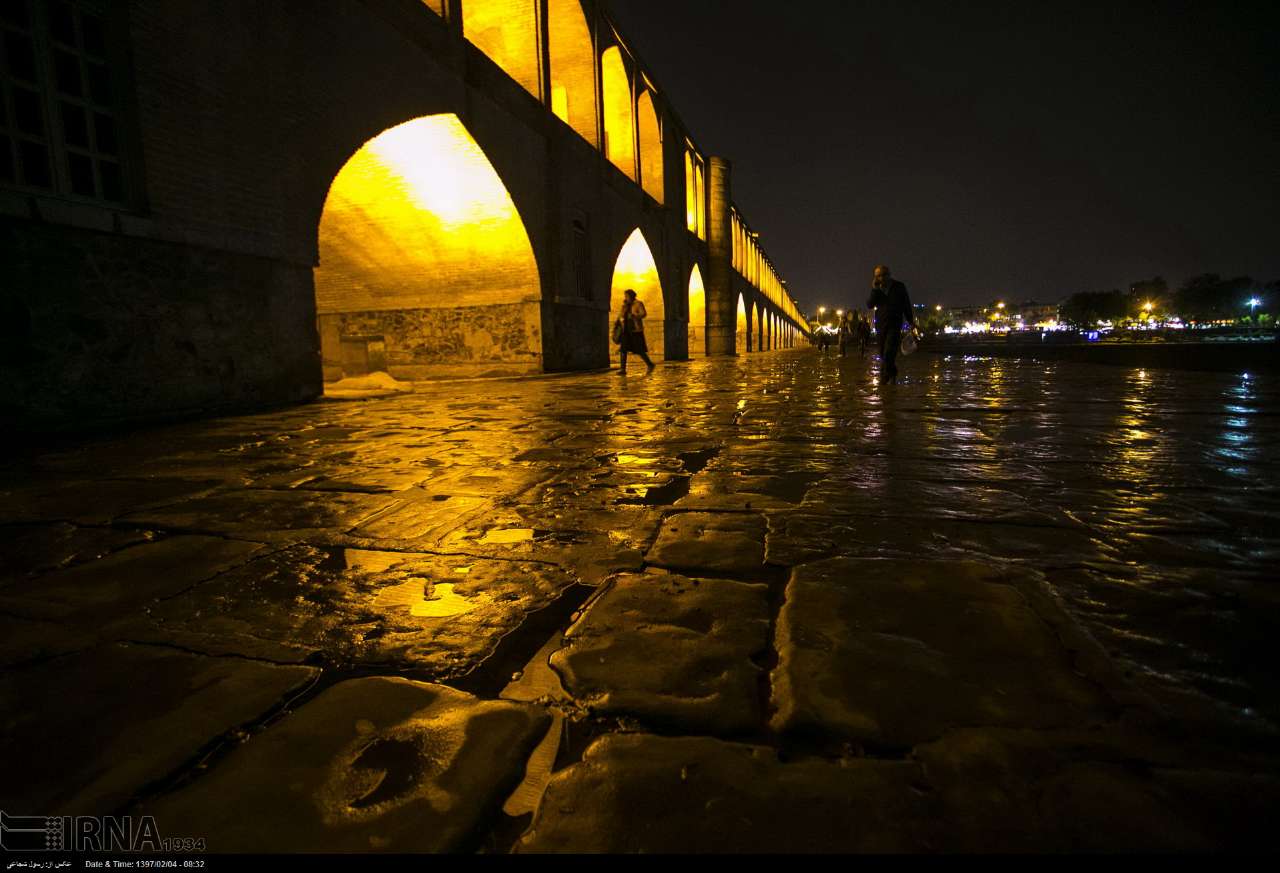
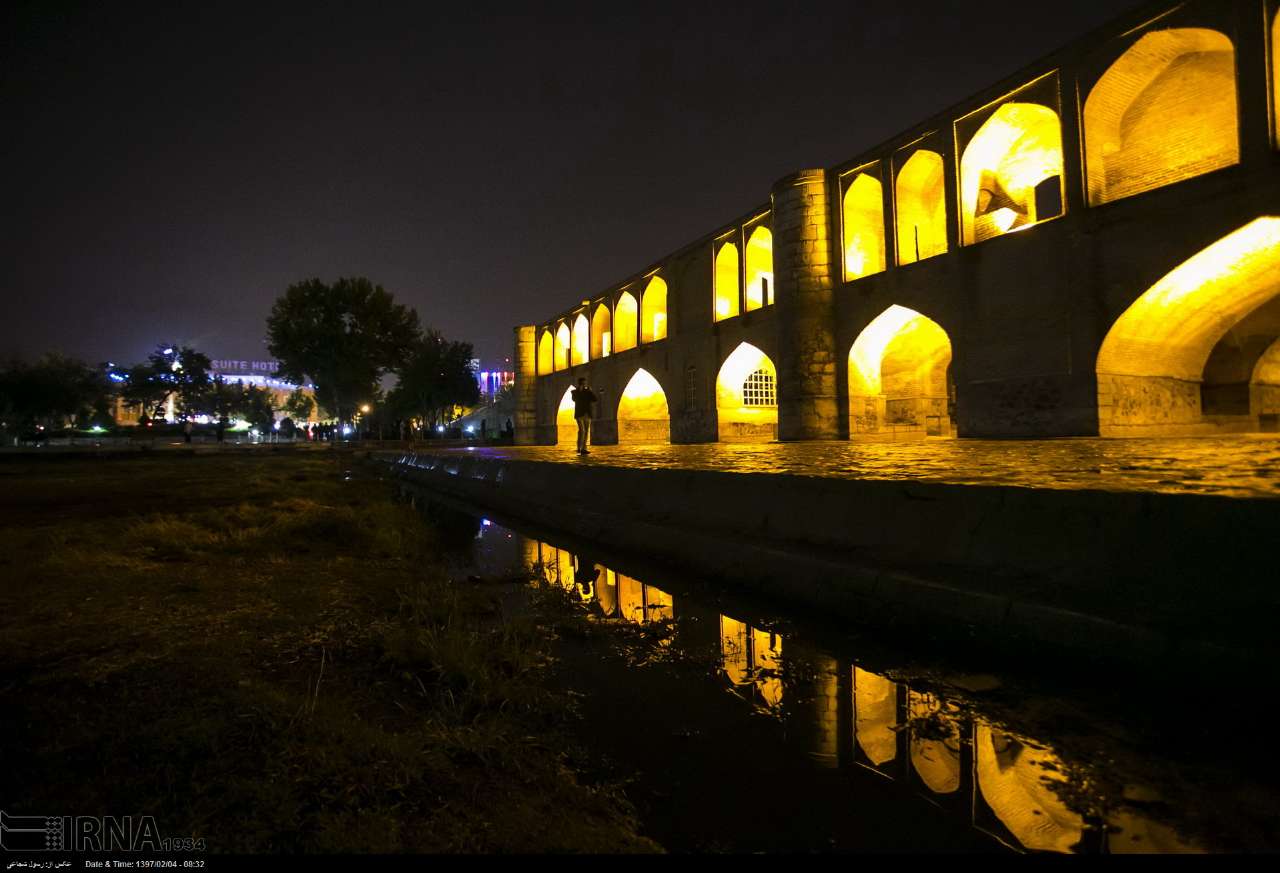
Zayandehrud starts in the Zard-Kuh sub-range of the Zagros Mountains in Chaharmahal and Bakhtiari Province. It flows 400 kilometres eastward before ending in the Gavkhouni swamp, a seasonal salt lake southeast of Isfahan.

Zayandehrud used to have significant flow all year long, unlike many of Iran’s rivers which are seasonal, but today it runs dry due to water extraction before reaching the city of Isfahan. In the early 2010s, the lower reaches of the river dried out completely after several years of seasonal dry-outs.

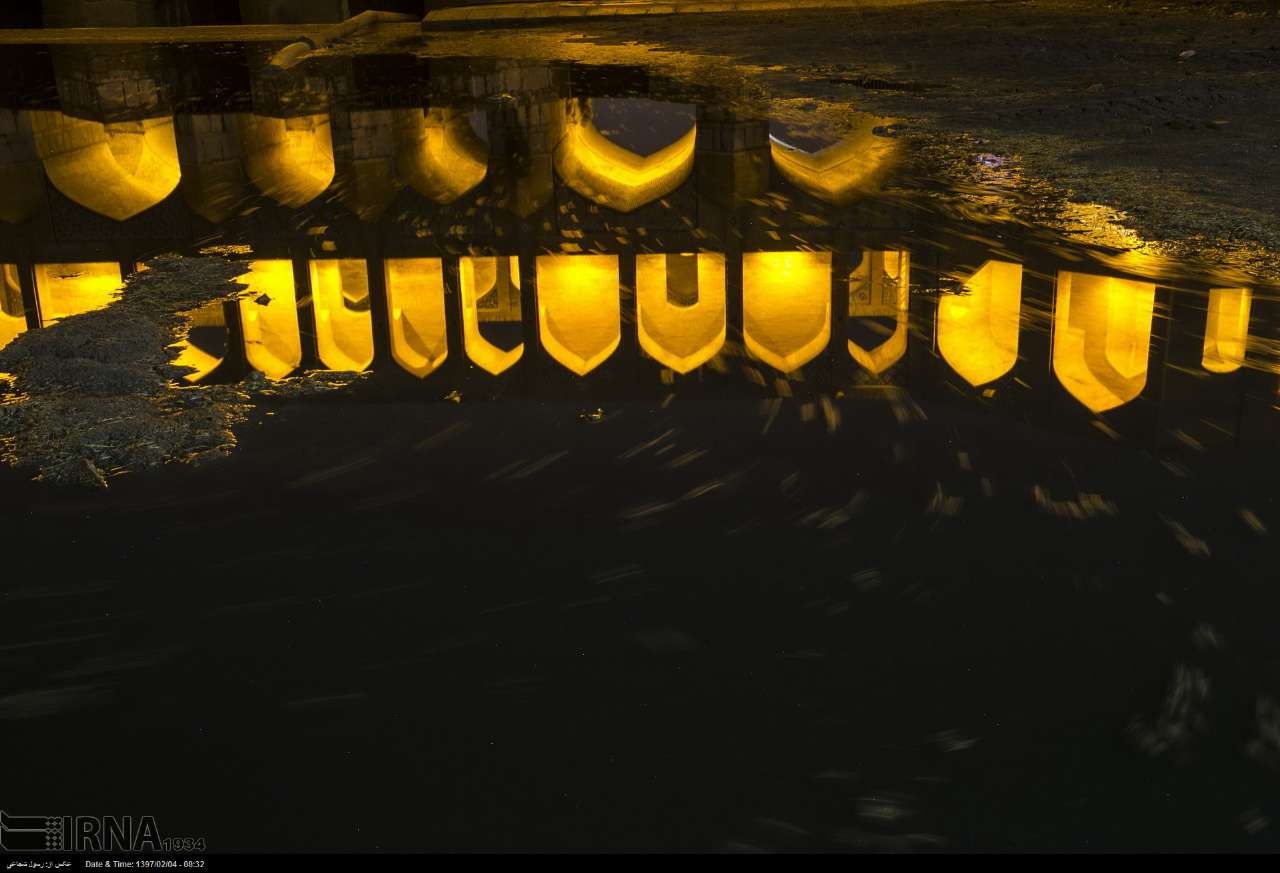
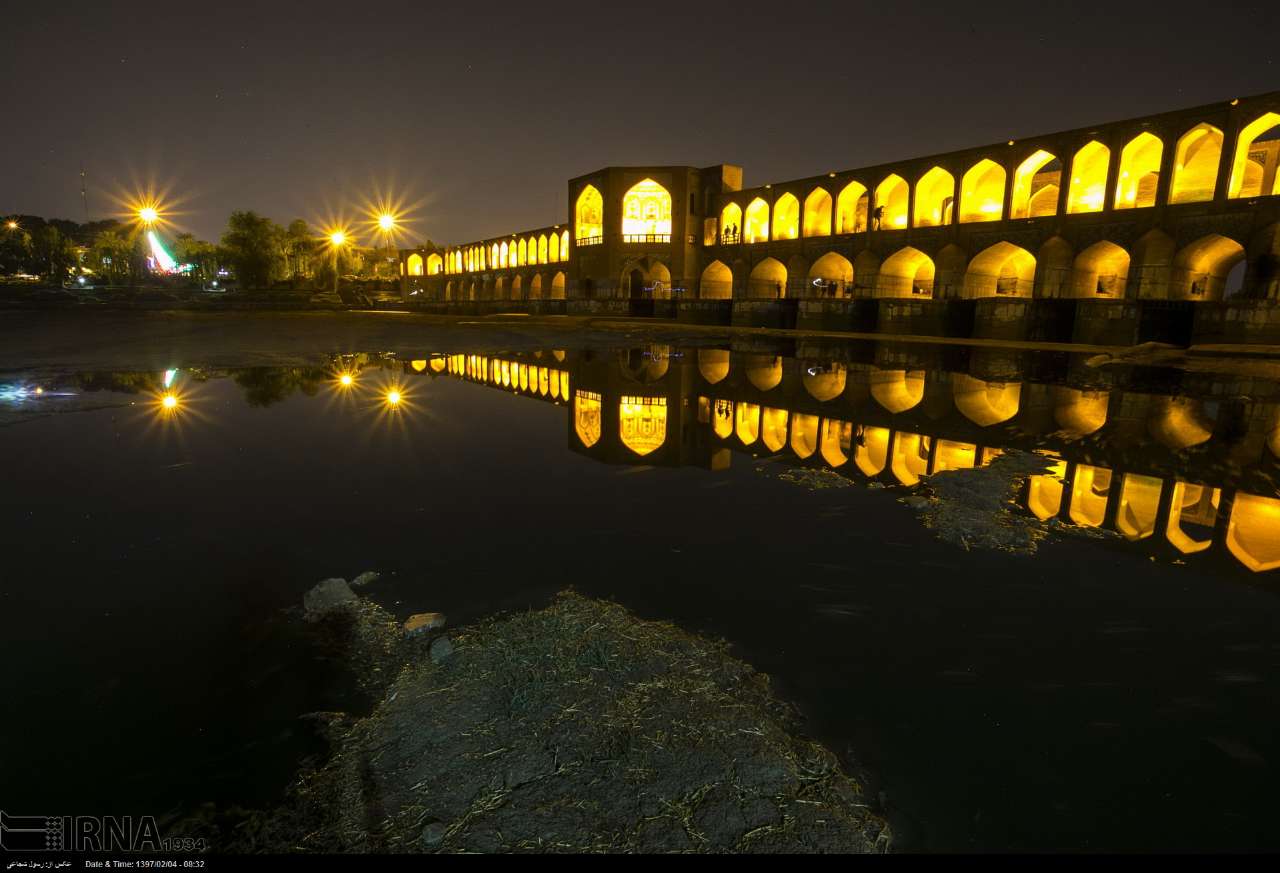
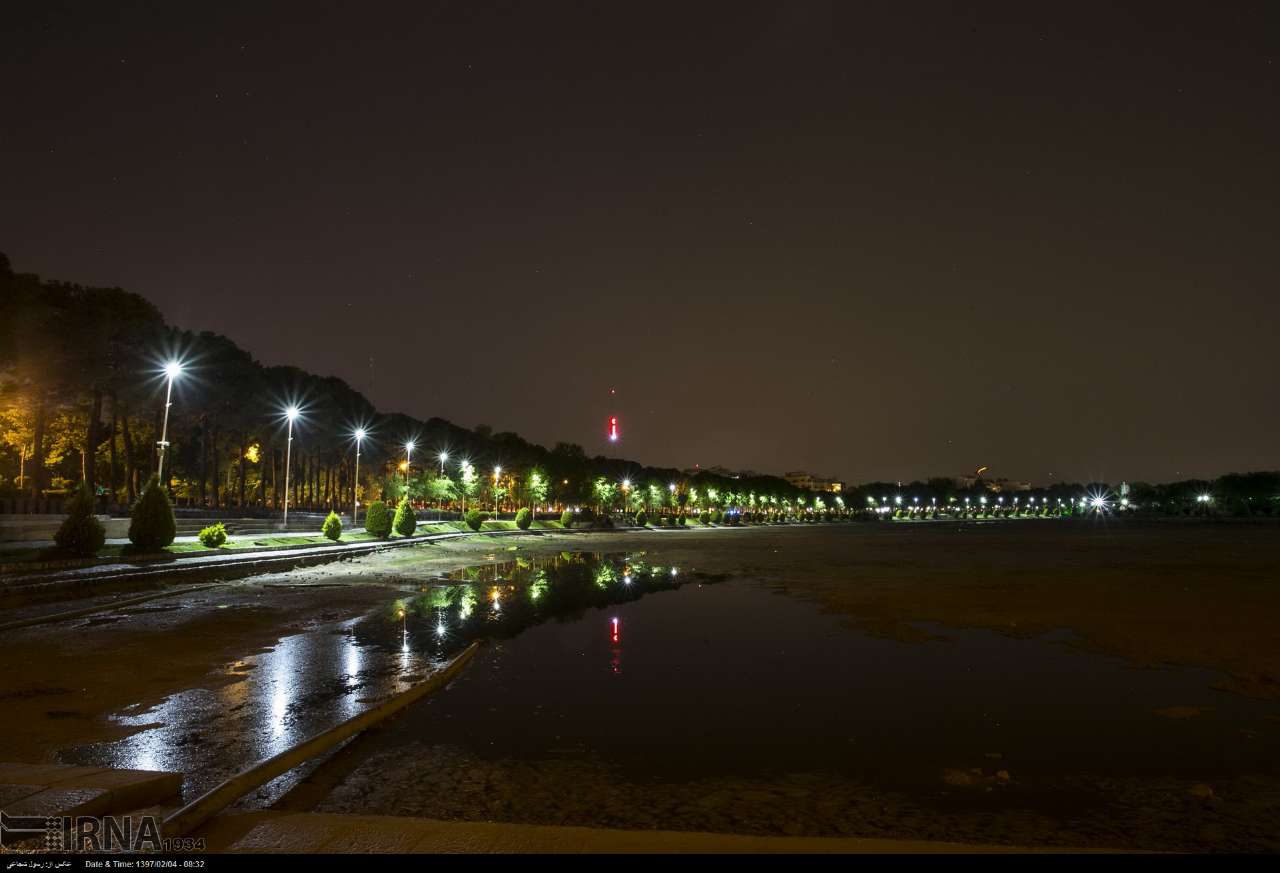
Here are photos of the river after the recent rainfall retrieved from IRNA:

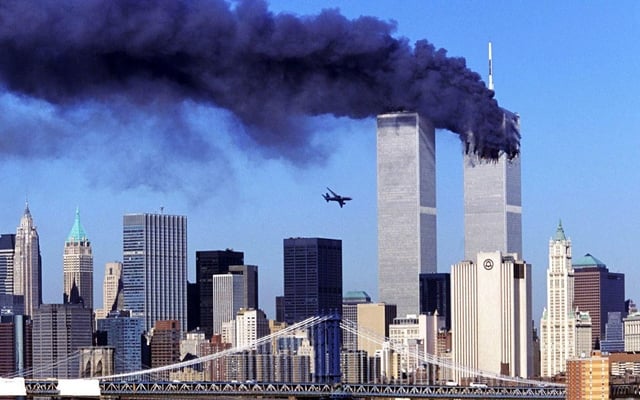
“US Court Ruling against Iran Mocks Survivors, Families of 9/11 Victims”

In a Sunday statement, Qassemi accused the US court of issuing a politically-motivated ruling in absentia without any solid evidence or findings on the Iranian government or nationals’ involvement in the 9/11 attacks back in 2001.

He also reiterated Iran’s strong protest against such baseless rulings issued against Iran over the past years.

“Issuing such an absurd and unacceptable verdict mocks not only the international legal system but also the survivors and families of the victims of September 11 attacks,” he said.

The spokesman went on to say that the designers of this political game are seeking in vain to distort realities and change the result of legal proceedings in order to alter the final verdict in a stupid way.

He said such efforts are aimed at hiding the role of the main culprits behind the terrorist attacks and revising the history as they wish but all to no avail.

Qassemi underlined that the verdict stands in stark contradiction with all acceptable norms of international law which call for judicial impunity for all sates in the world.

“The Islamic Republic of Iran preserves the right to respond to the illegal procedures,” he concluded.

The statement came after a US federal judge in New York ordered Iran on Wednesday to pay about $6 billion to victims of the September 11, 2001 terror attacks in Manhattan, despite a lack of evidence that Iran had anything to do with them.

The ruling finds the Islamic Republic of Iran, the Islamic Revolution Guards Corps, and the Central Bank of the Islamic Republic of Iran liable for the nearly 3,000 deaths that resulted from the attacks. The court alleges that Iran was engaged in training and assisting Al-Qaeda hijackers.

The 9/11 Commission – the organization tasked to investigate the attacks – has said there is no evidence indicating direct Iranian involvement. The only known connection is that several hijackers travelled through Iran on their way to Afghanistan.

Meanwhile, none of the hijackers were Iranian. Fifteen of the nineteen were Saudi, with the others coming from Egypt, the United Arab Emirates, and Lebanon.

Israel in Worst Defence Situation: IRGC

In an address on Saturday, General Sharif said today the Middle East is undergoing a very sensitive situation due to the latest developments unfolding in the occupied lands.

“On the one hand, the US and its major ally in the region, Israel is pressing ahead with their plot to relocate the US embassy from Tel Aviv to Jerusalem al-Quds and on the other hand, the victories achieved by the Resistance Front in the region as well as the heavy defeat of ISIS and its sponsors have put the Zionist regime in its worst defence and psychological situation,” he was quoted as saying by Persian-language Khabar Online website.

Elsewhere in his remarks, the IRGC spokesman said the western and Zionist media emperors have sought to distract the world’s public opinion from the violence underway in the occupied lands.

The International Quds Day provides Muslim states with a good opportunity each year to remind the world of the crimes committed by the Zionist regime against the oppressed nation of Palestine, he added.

International Quds day held annually on the last Friday of the holy month of Ramadan in Islamic calendar year was initiated by the Islamic Republic of Iran back in 1979 to express support for the Palestinians.

The IRGC spokesman also said the Palestinian fight against the Zionist regime has gained momentum with the emergence of the third and fourth generations of Palestinians.

He blasted some regional states for putting their weight behind the US interferences in the regional developments and said such states have created divisions in the Muslim world.

“The Islamic Republic has been under pressure from the US and its regional allies for its leading role in fight against terrorism in the region. So, the country deems strengthening its defence capabilities as a deterrent measure against the pressure,” he noted.

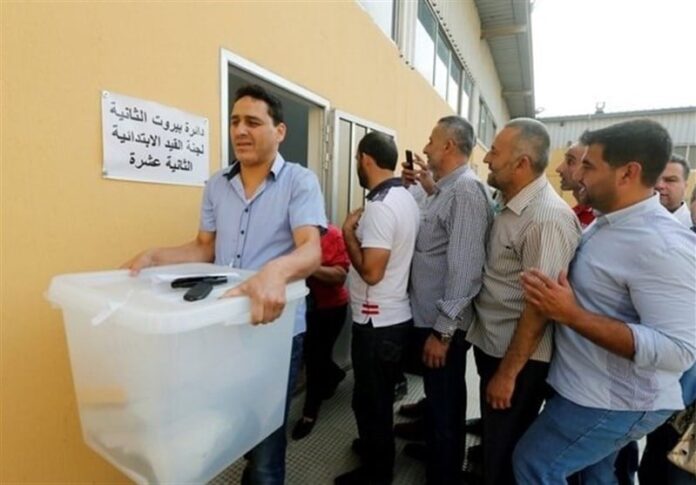
Voting Begins in Lebanon in First General Election in 9 Years

Voting started at 7 a.m. (0400 GMT) and is scheduled to last until 7 p.m. (1600 GMT), with unofficial results expected to start coming in overnight and a formal tally announced in the coming days, Reuters reported.

Whatever the result, a new coalition government including most of the major parties is likely to be formed after the election, analysts have said.

Getting a new government in place quickly would reassure investors of Lebanon’s economic stability after donors pledged $11 billion in soft loans for a capital investment program last month, in return for fiscal and other reforms.

Lebanese are closely watching the performance of Prime Minister Sa’ad al-Hariri’s Future Movement party and the Arab country’s Hezbollah resistance movement.

“War on Iran Unlikely Given Islamic Republic’s Prowess”

Secretary of Iran’s Supreme National Security Council (SNSC) Ali Shamkhani made the remarks on Saturday amid some reports about Israel’s preparation for military action against Iran with US support.

“As the official in charge of the country’s national security body, I am explicitly and confidently announcing that the possibility of a war [against Iran] is ruled out because of enemies’ assessment of the Islamic Republic’s political strength, its military and security preparedness in domestic and foreign aspects as well as their lack of determination, coherence and operational capability,” Shamkhani added.

He also pointed to US President Donald Trump’s comments about a landmark nuclear agreement signed between Iran and the P5+1 group of countries in 2015 and said any possible success or failure of the deal, officially known as the Joint Comprehensive Plan of Action (JCPOA), which is a political and security agreement endorsed by the United Nations Security Council, would be a “historic test to evaluate the effectiveness of the logic of dialogue instead of conflict.”

It would also test the efficiency of international bodies to solve various conflicts in the world through peaceful approaches, the senior Iranian official added.

“If the current US president does not accept the previous administration’s agreement and commitments, no other country will ever be willing to negotiate or reach an agreement with the US because it is likely that next administrations will also refuse the current administration’s promises,” the SNSC secretary said.

Trump, a long-time critic of the JCPOA, faces a May 12 deadline to decide whether to pull out of the agreement. Trump has repeatedly warned that he might ultimately terminate the agreement reached under his predecessor Barack Obama.

He said on January 12 that he wanted America’s European allies to use the 120-day period before sanctions relief again came up for renewal to agree to tougher measures and new conditions; otherwise Washington would pull out of the deal.

Under the multilateral nuclear agreement, Iran undertook to put limits on its nuclear program in exchange for the removal of nuclear-related sanctions imposed against Tehran.

Trump’s threats against the JCPOA come as the other parties to the agreement have all criticized the US president’s hostile views and said the deal is sound and has proven to be functioning.

French President Emmanuel Macron has warned that a possible US withdrawal from the Iran nuclear deal could lead to a war.

In an interview with Der Spiegel, Macron pointed to the US president’s threats to abandon the nuclear agreement and said, “That would mean opening Pandora’s box, it could mean war.”

A senior Iranian lawmaker said on Saturday that any violation of the multilateral nuclear deal would further undermine America’s standing in the world.

“Any violation of or threat to violate the JCPOA by the US will practically tarnish the country’s international credibility and will prove that the US cannot be trusted in the international scene,” Chairman of the Iranian Parliament’s Committee on National Security and Foreign Policy Alaeddin Boroujerdi said.