Thursday, April 9, 2026
Home Blog Page 3403

Birthmark; Harmless Disorder That Can Be Cured

Birthmark refers to congenitally benign and non-cancerous macules. Birthmarks could become bolder or go pale gradually after birth. They have various types. We see them in various colours and structurally they are straight or curved.

Almost none of such congenital macules poses any serious threat to our health. If you and one of your family members have developed such a skin disorder, it’s better to visit a dermatologist to make sure about their latest conditions.

Genetic disorders during subcutaneous vascular development is usually diagnosed as the major cause of such diseases. The parents of a person, who has developed such disorders, may lack any similar symptom. Medically speaking, there is no connection necessarily between parents with such symptoms and their children’s macules.

Birthmark; Harmless Disorder That Can Be Cured

Since long time ago, people from various cultures and sericites enlisted a number of imaginary causes for the birthmark. Today, however, the scientific progress has refuted the superstitious hypotheses about them.

For a brief review of Iran’s achievements in various fields of science and technology, check the book “Science and Technology in Iran: A Brief Review

The disorders negatively affect our face, but other parts of our body is potentially prone to develop them.

Meanwhile, the disorder can even affect our lip and gum. If developed on face, the macules can gradually get thicker and larger. This, in turn, enlarges some bones of the face and makes teething to happen sooner in childhood. In some cases, the disorder can affect our hands and feet.

It goes without saying that local creams or medications are of no use and cannot remove the macules at all. Fortunately, new scientific developments have cherished hopes about removing the disorders forever.

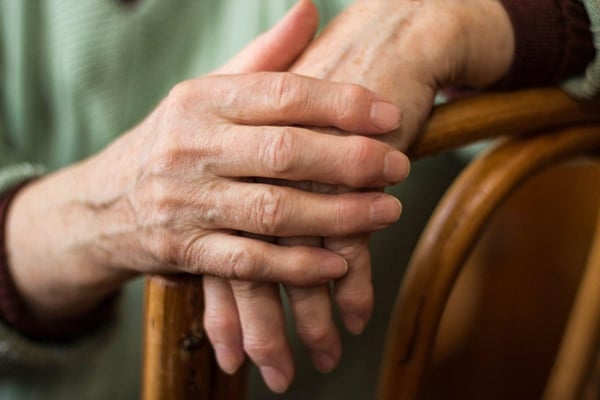
Arthritis; Most Prevalent Pain in World

One of the most common symptoms of Osteoarthritis is eruption of awful pain in the affected joints. Other symptoms are swelling, decreased range of motion and stiffness.

Osteoarthritis is a type of arthritis which comes after the breakdown of joint cartilage in one or more joints.

Cartilage is the glass-like protein serving as a guard among bones of each joint. Osteoarthritis is the most common one among over 100 types of arthritis.

Osteoarthritis usually comes with old age. Men and women develop Osteoarthritis respectively before 45 and 55. All races in the US equally suffer from the disorder. Japan has the highest number of people suffering from Osteoarthritis in the world. This comes as, compared with others, the black in South Africa, Indians and residents of southern China suffer less from the disorder. Osteoarthritis is usually recognized as degenerative joint disease.

Arthritis; Most Prevalent Pain in World

Osteoarthritis affects hands, feet, spinal cord as well as the joints bearing the total weight of body like knees and thighs. It has no known causes. The disorder is called First Osteoarthritis when its cause is not clear, but when the cause is clear (crash or disease), it is called secondary Osteoarthritis. Keeping weight at an appropriate level, doing exercise and good nutrition can prevent the disorder.

For a brief review of Iran’s achievements in various fields of science and technology, check the book “Science and Technology in Iran: A Brief Review

Among the main measures to stop rubbing of joints, one can refer to changing lifestyle, doing exercises, losing weight, using auxiliary equipment, keeping warm the painful areas and using anti-swelling and pain killers.

In case the pain does not ease with the above-mentioned treatments, the person should undergo a surgery. Today, relying on the progress made in the scientific area, most doctors seek to treat Osteoarthritis through stem cells injection.

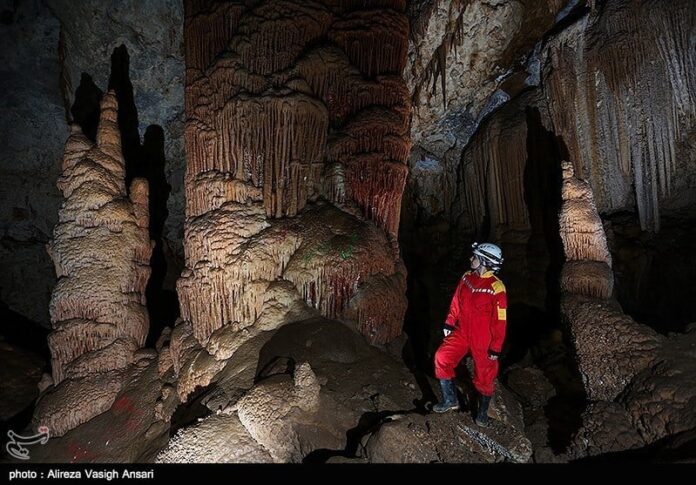
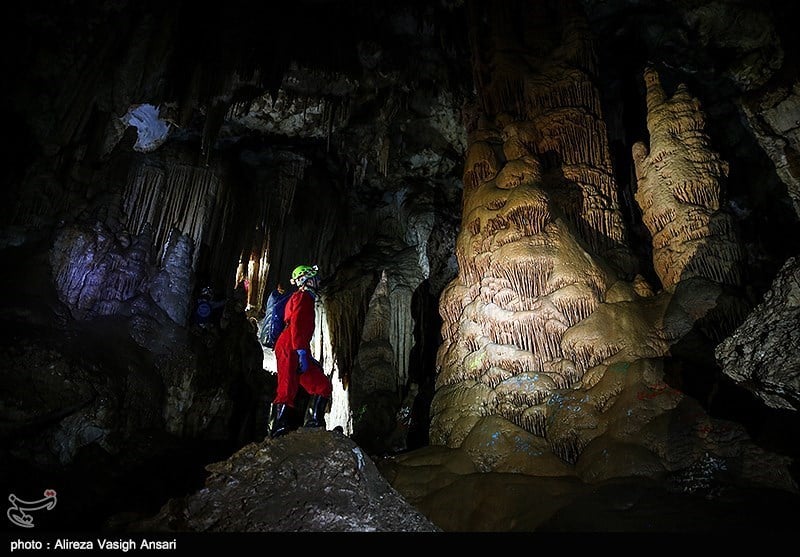
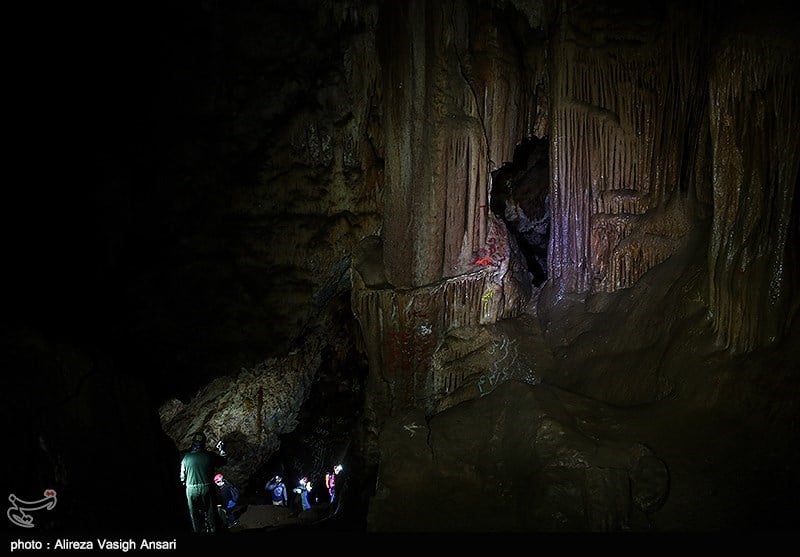
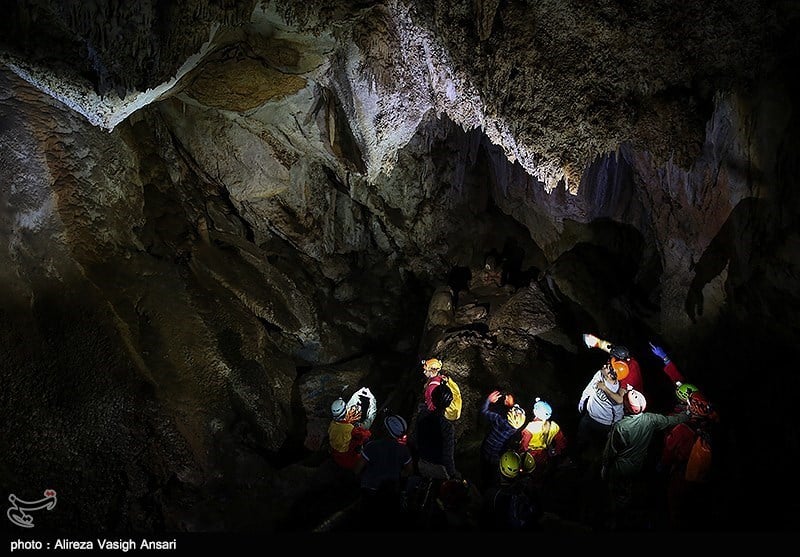
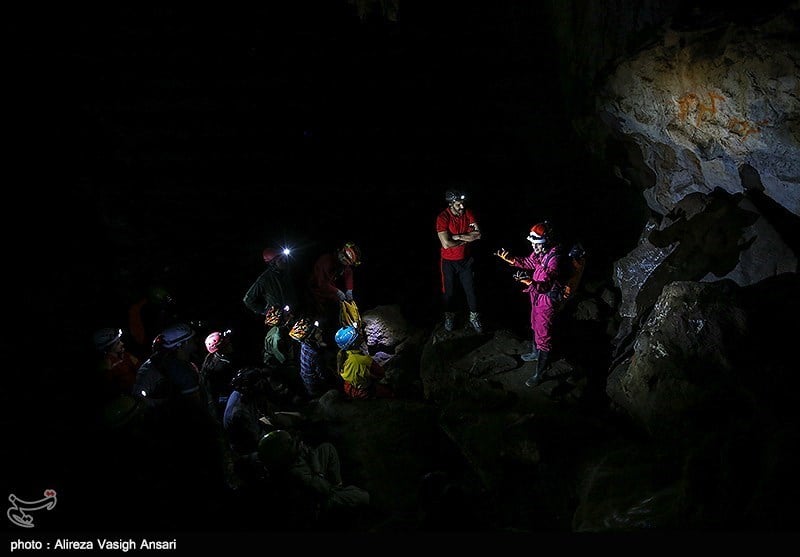
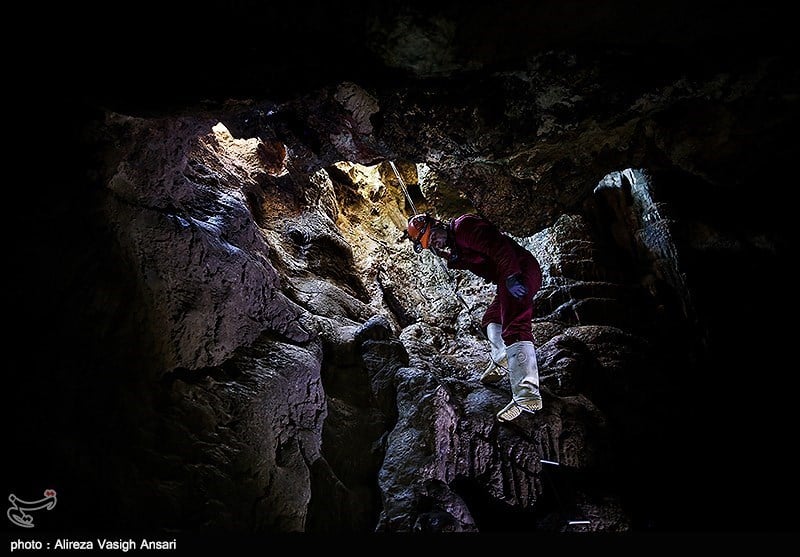
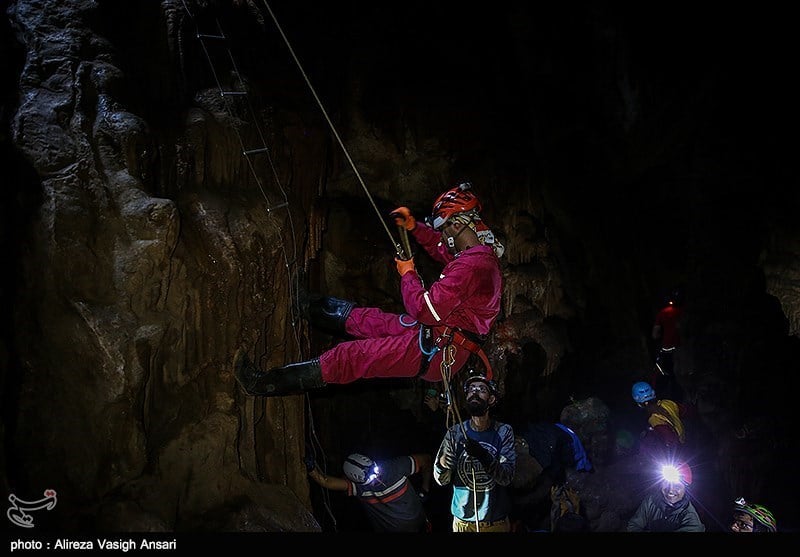
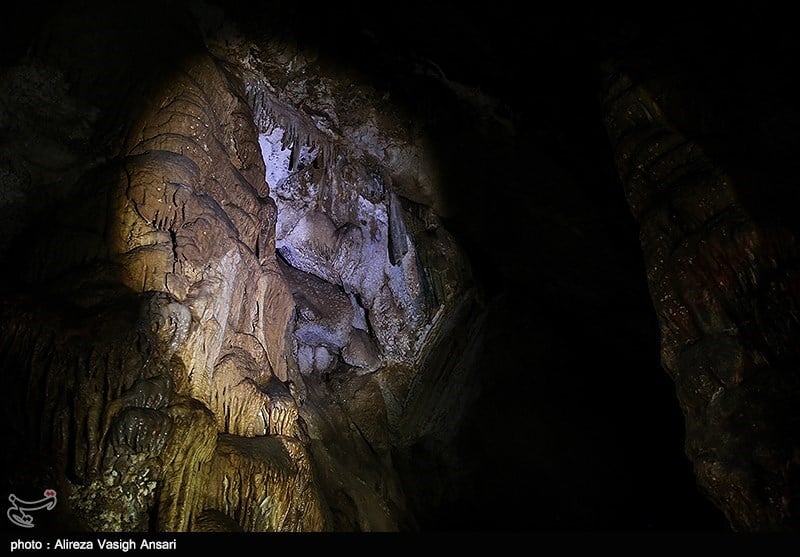
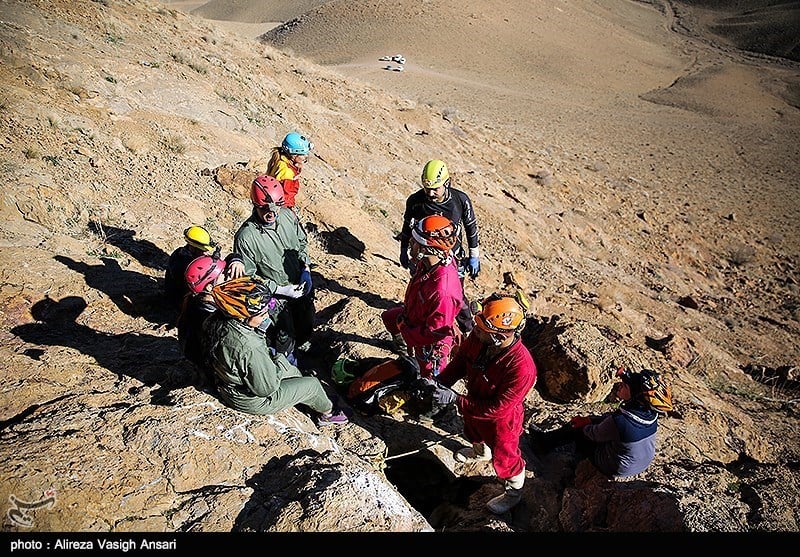
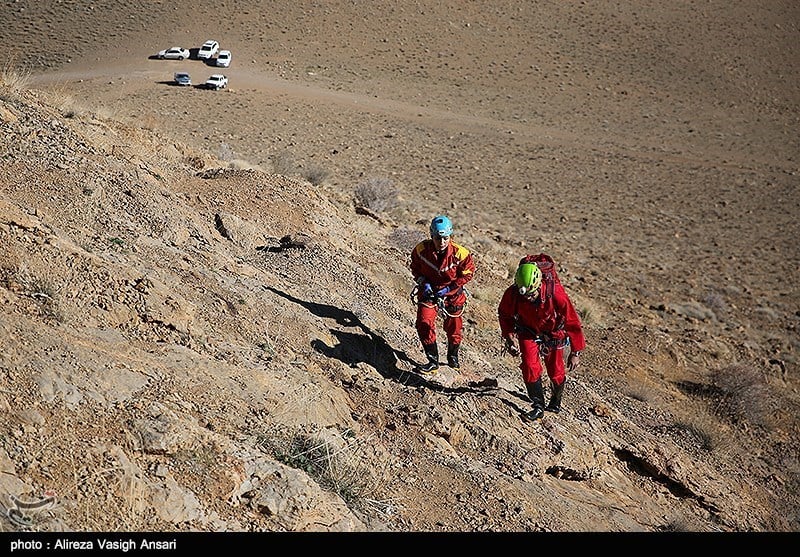
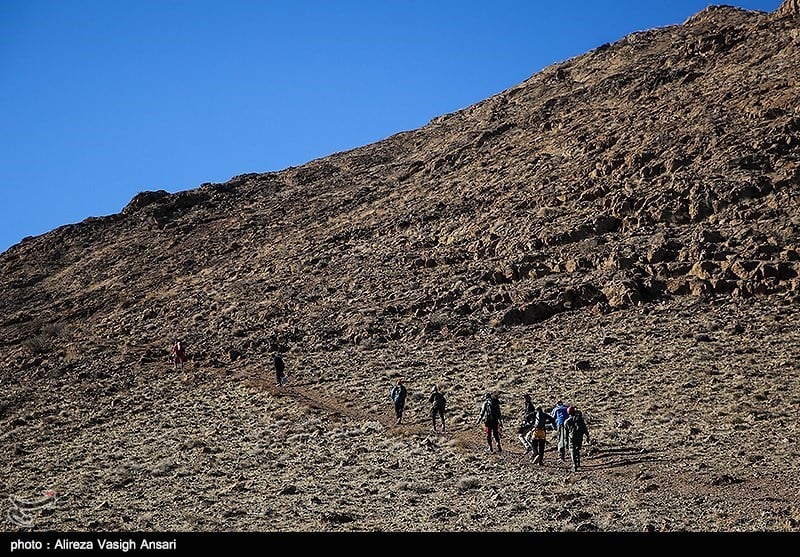
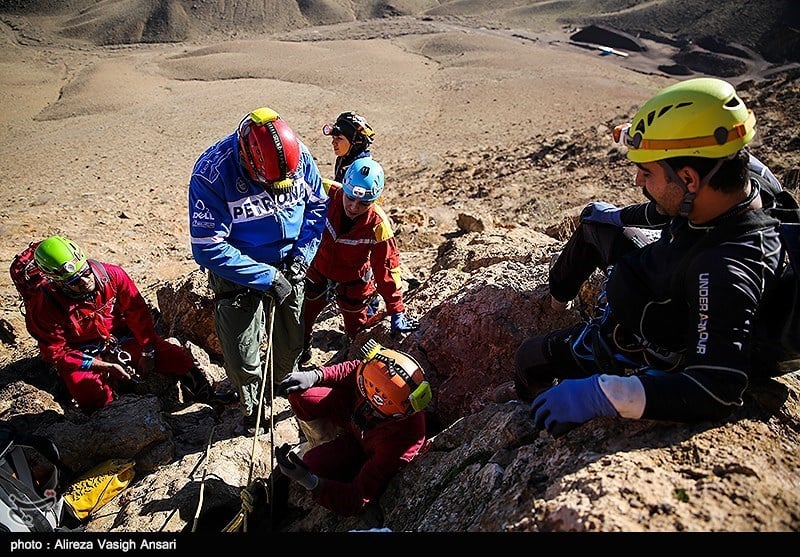
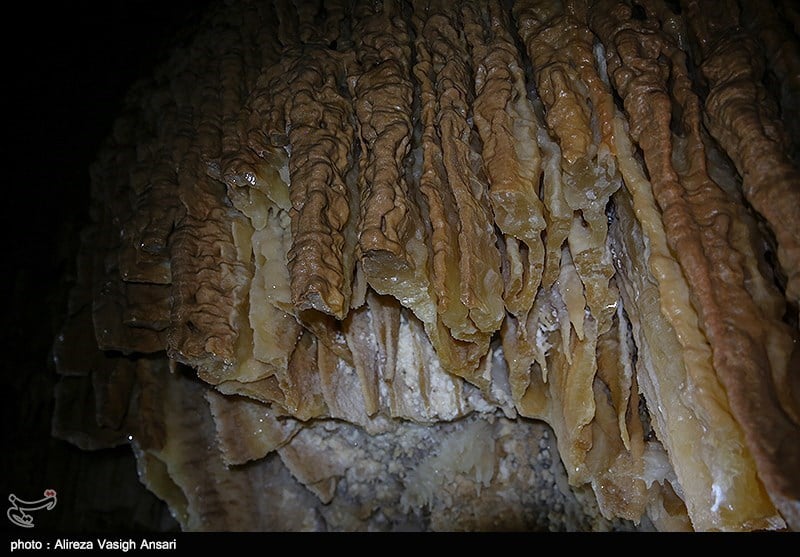
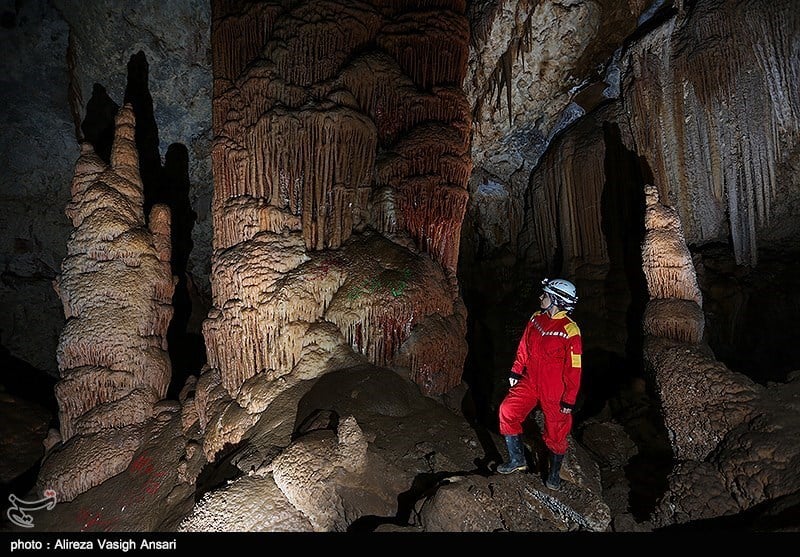
Kahak Cave: Ideal Choice for Adventurous Cavers

This cave is located to the east of the Kahak Village near Delijan, lying between the Markazi and Qom provinces.

The entrance of the cave is a circle 70 centimeters in diameter, located eight meters above the ground on a hill.

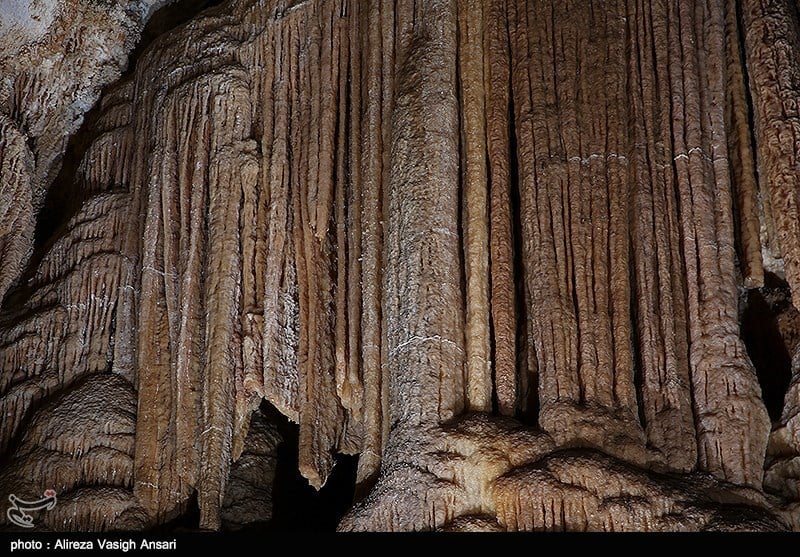
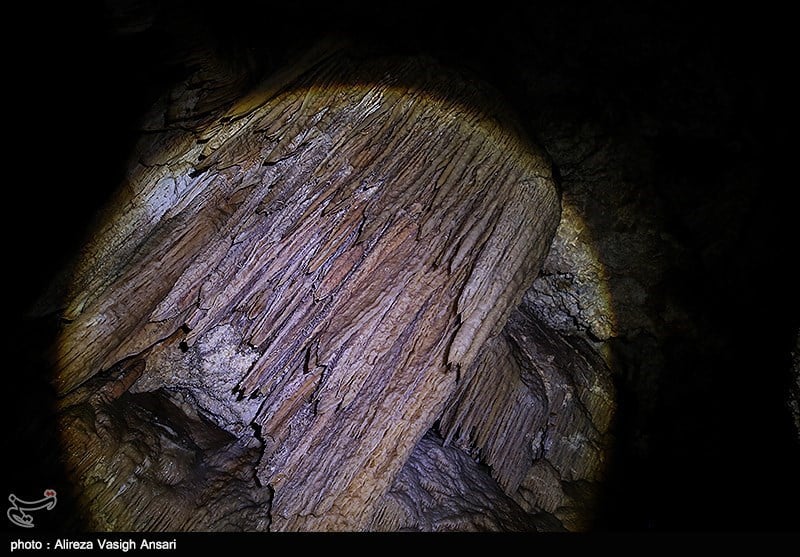
The following are photos from inside the cave published by Tasnim News Agency:

India Continues to Buy Oil from Iran: Envoy

About the latest oil dealings between the two countries and creation of a channel for financial transactions, Saurabh Kumar said a rupee mechanism will be used for this purpose.

“India’s oil purchase from Iran has not been cut off to this day, and we have bought an average of 1.25 million tonnes per month which will certainly be continued,” noted the Indian envoy.

“We will work with UCO Bank for this and the mechanism will be developed within the next two weeks,” highlighted Saurabh Kumar.

India recently announced it has come up with a scheme to buffer Iran’s oil money against US sanctions after securing a waiver from Washington to continue oil imports from the Islamic Republic.

People familiar with the matter told Bloomberg on Wednesday that India will deposit payments for crude oil imported from Iran into escrow accounts of five of their banks held with state-run UCO Bank Ltd.

“Payment into multiple escrow accounts will reduce the risks of Iranian bank accounts being frozen in case the US brings new banks under sanctions,” they said.

India bought $9 billion of crude oil from Iran in the financial year that ended March 31, during which the south Asian nation took in 450,000 barrels a day.

Iran’s exports to India averaged 540,000 barrels per day this year, but they should not exceed 300,000 barrels under the exemptions given by the US last month.

Larijani: Zionists’ Atrocities Should Be Exposed to World

“This regime’s criminal measures should be exposed to the world. Making issues clear would help boost support for the Palestinian cause,” Ali Larijani said, speaking in a Saturday meeting with a delegation of Palestinian lawmakers in Tehran.

Larijani stressed Iran’s continued support for Palestine, saying it’s the duty of every honourable human to lend a helping hand to the oppressed Palestinians.

“I hope all countries in the region and the globe would strengthen their support for Palestine, so this movement become stronger,” he said.

Mahmoud al-Zahar, the head of the Palestinian delegation, said in turn the Palestine conflict is a pivot for the world’s freedom fighters.

Al-Zahar thanked Iran for its nonstop backing for Palestinians, saying Iran’s efforts to prevent the passing of anti-Palestinian resolutions is admirable.

Iran Protests Albania’s Expulsion of Diplomats, but Can’t Reciprocate

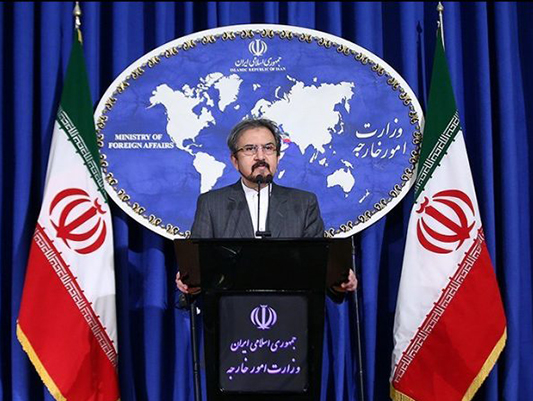
Bahram Qassemi

In response to a question by IRNA correspondent, Foreign Ministry Spokesman Bahram Qassemi said “as they do not have an embassy in Iran, we did not have the possibility of summoning or expelling the Albanian ambassador or envoy.”

Qassemi’s remarks came after IRNA’s correspondent asked him why the foreign ministry has not adopted a reciprocal measure to expel Albanian diplomats after the Iranian diplomats were expelled from the European country.

The Iranian diplomat noted that Tehran has voiced its objection through other channels.

“Since the 1990s, after the domestic developments in Albania, the Islamic Republic of Iran launched its embassy in the country, but for economic reasons Albania was not able to run an embassy inside Iran,” highlighted Qassemi.

The spokesperson added that countries consider different issues, including financial and economic ones, in setting up their embassies or other consular or economic offices.

Albania’s Foreign Ministry said on Wednesday that it had expelled two Iranian diplomats suspected of “involvement in activities that harm the country’s security.”

Iran condemned the move, saying the Balkan country fell prey to a scenario fabricated by the US and Israel.

‘Iran to Keep Developing Defence Power’

The remark was made by Brigadier General Hossein Salami, the lieutenant commander of Iran’s Islamic Revolution Guards Corps (IRGC).

“The IRGC’s plan is to not stop the [further] development of defence power,” said the top General as quoted by Khabar Online.

He further lashed out at the enemies for promoting insecurity in the region.

“The enemies feel that their interests are contingent upon fueling the flames [of insecurity] in the region, and always affect this geographical area by pursuing the dangerous policy of sending weapons to the region,” general Salami noted.

“The enemies threaten us and at the same time want us to reduce our defence power, which is not logical,” he further said.

The top general underlined that power always takes shape due to threats.

“If we are threatened, we will build power, and it would be insane to disarm ourselves and leave ourselves at the enemy’s mercy when we are constantly being threatened,” he said.

General Salami said the Iranian military draws on its past experience to hone its skills in the domain of defence.

“Definitely, the experience from the fight against Takfiris, especially for the IRGC’s ground forces, has contributed heavily to the progress and improvement of the performance of our troops, and led our forces to develop a creative tactical sphere. We also changed our defence doctrine with regards to a change in the form of wars on a technical and operational basis,” he noted.

Elsewhere in his remarks, the top commander touched upon the situation in Yemen.

“Any interference will intensify the peace process in Yemen, and Iran has always sought to settle the issue of Yemen through political dialogue and the participation of Yemeni people,” he said.

He also denounced foreign meddling in Yemen, saying the presence of foreign forces in Yemen will only further fuel the flames of war.

“With their policies, they promote insecurity, and through their actions, they have established a route for [sending] arms, and they will definitely be unable to ensure security in the region by continuing this trend,” he said.

US Media Reports Encounter between US Carrier, IRGC Vessels

Iran's IRGC Says Following Americans in Persian Gulf 'Like A Falcon'

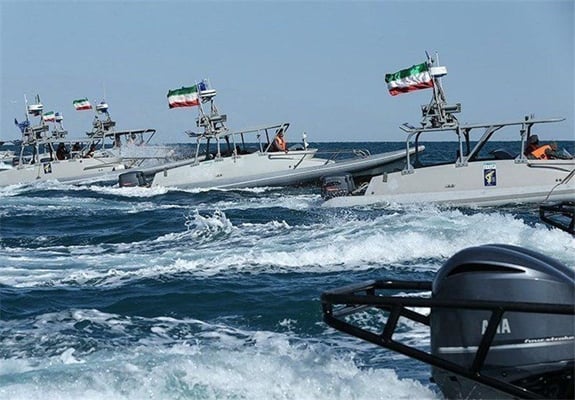
The encounter happened when the Nimitz-class nuclear-powered supercarrier USS John C. Stennis and its strike group were returning to the Persian Gulf, breaking the longest US carrier absence in the region since at least 9/11.

Some 30 IRGC vessels reportedly followed the carrier and its accompanying warships, at one point launching rockets nearby, Associated Press reported.

A commercial-grade drone was also said to have flown by, and one Iranian ship could be seen with photographers and journalists observing the aircraft carrier, the report said.

There was no immediate reaction to the report by Iranian authorities.

The encounter came right before the start of massive war games across Iran’s south on Saturday.

The military exercise is held on Qeshm Island, located off the coast of Iran’s Hormozgan province and near the Strait of Hormuz, where about one-third of the global oil shipments passes through.

Tensions between Iran and the US have escalated since early 2017, when Donald Trump came to power in the US to harden Washington’s line on Iran.

Iran Denies It Fired Missiles at US Flotilla in Persian Gulf


Azerbaijan’s Top Lawmaker to Travel to Iran

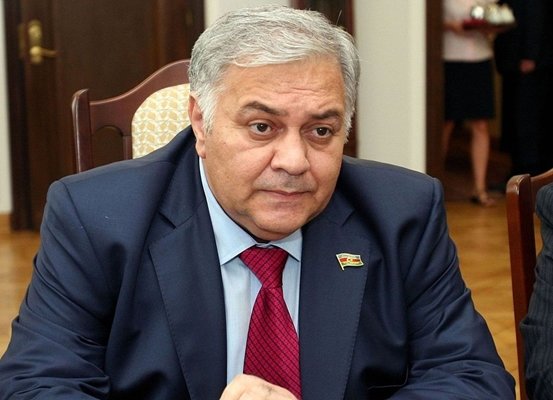
The trip starts this Tuesday, upon an invitation by Iran’s Parliament Speaker Ali Larijani.

During his stay, Asadov will also meet with Iran’s President Hassan Rouhani, Secretary of Supreme National Security Council Ali Shamkhani and Foreign Minister Mohammad Javad Zarif, IRNA reported.

Asadov is also set to visit Urmia, the capital of the West Azerbaijan province, to hold talks with senior officials of the northwestern Iranian city.

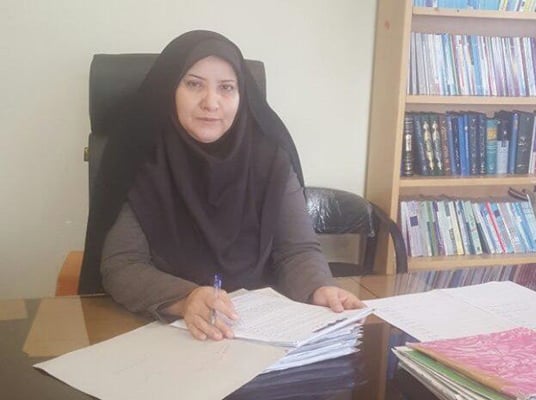
Iran’s First Female Judge Talks of Her Experiences

Mina Torabi, the first female judge in Iran and Lorestan province says the rising trend of women’s working in the judiciary over the past few years has been remarkable, and their sensitivity in dealing with some cases has been useful.

We all have repeatedly heard that women cannot be good judges, and we have sometimes even agreed with it because we believe women are emotional and this may affect their judgment.

Ms Torabi is the first lady appointed as a judge in Lorestan province. She has been working at a court of justice for 23 years and has served in various positions. She has also been the deputy prosecutor of the provincial capital since 2004.

What follows is IFP’s summary of Fars News Agency’s interview with Torabi:

Q: Can women be appointed as a judge? As there is a common belief among people that women cannot be a judge.

A: Yes, they can be appointed at low courts, but not at high courts. In general, judges deal with cases in low and high courts. The initial stages of the case are handled by prosecutors, including the prosecutor and assistant prosecutor, etc. Currently,I am serving in the position of deputy prosecutor and I work as a judge.

Q: What do you think of the sentence that says “judging is not well-matched with the mentality of women?”

A: I do not believe in such a thing. This is the result of cultural weakness in society. What is important in judging is the detection of criminal offenses. Therefore, both men and women can delve into the rulesof law and make the right decision. It is worth noting that in family cases an emotional comprehension can help greatly. In some of the current posts of the judiciary, female judges can play a very effective role.

Q: I read somewhere that you are the first female judge of the country and Lorestan province after the 1979 Revolution. Is that right?

A: Yes, in 1995, after the adoption of the law on recruiting women in the judiciary, I took the entrance test. Along with another womanfrom the north, we passed the test. After six months of training, we beganourjobas the first women in the post-revolution judiciary. Meanwhile, since 2004, I have been working as the deputy prosecutor. No woman had served in this post before me.

Q: Given your long experience in dealing with different cases, what crimes have been on the rise over the recent years?

A: Insults, threats, scams and theft in the cyberspace (among youths) are among the cases seen at courts very often these days. Unfortunately, these crimes are on the rise.

Q: Has there been any casesto emotionally affect you so that you cry for the criminal?

A: We are judges and we have to control our feelings and make wisely decisions. Sometimes, I feel for some defendants, but I have not cried for them because this may change our minds.

Q: What is your best and worst memory of your judging job?

A: I remember a case of murdering a woman by her husband. He had hidden her body in the bed stuff. I was thinking of it for a couple of days. Although it was very difficult for me, many times, I asked for a pardon. Ultimately, the legal guardians of the victim called for Qisas and revenged. A good memory was when a civil dispossession order was issued. The judge had made a mistake and I found it out before the execution. I asked the Supreme Court to drop the ruling, and the Supreme Court accepted.

Q: Would you choose judging again if you return to the past?

A: Of course. Because I feel that the legislator has given me an authority that I canprotect someone’s right. This gives me a pleasant feeling when I defend the right of someone.