Monday, December 29, 2025
Home Blog Page 3302

Iran’s Beauties in Photos: Ramsar Boulevard

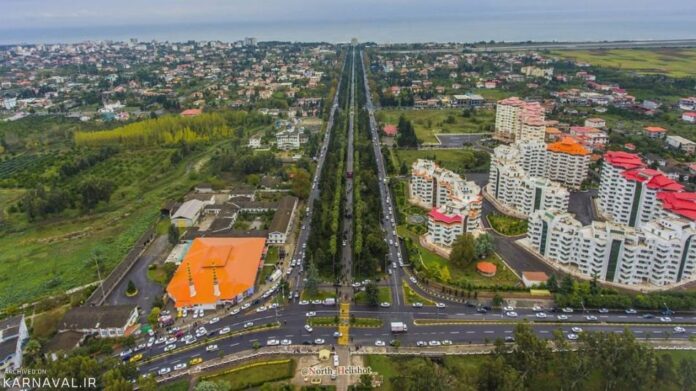
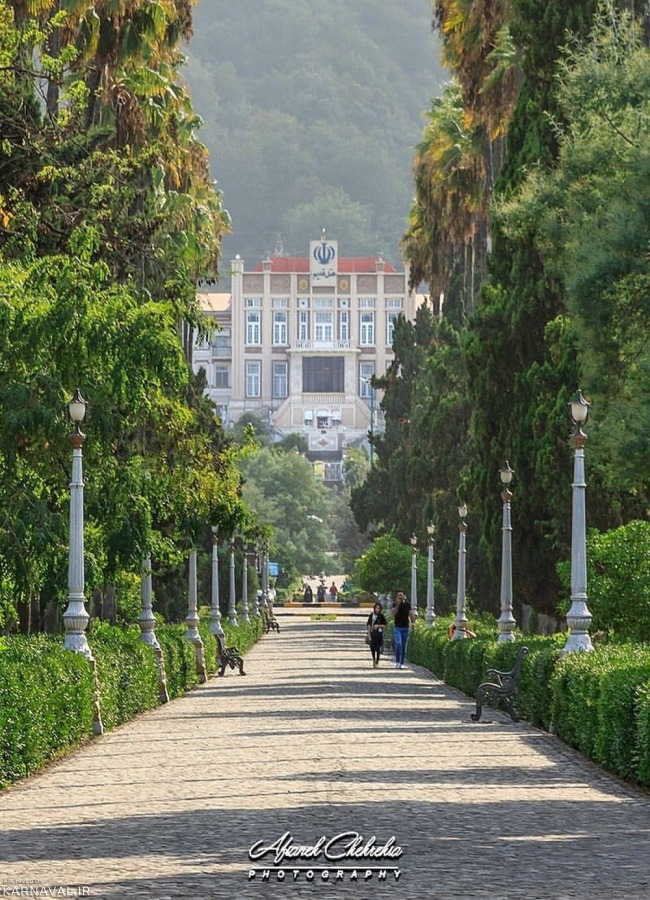
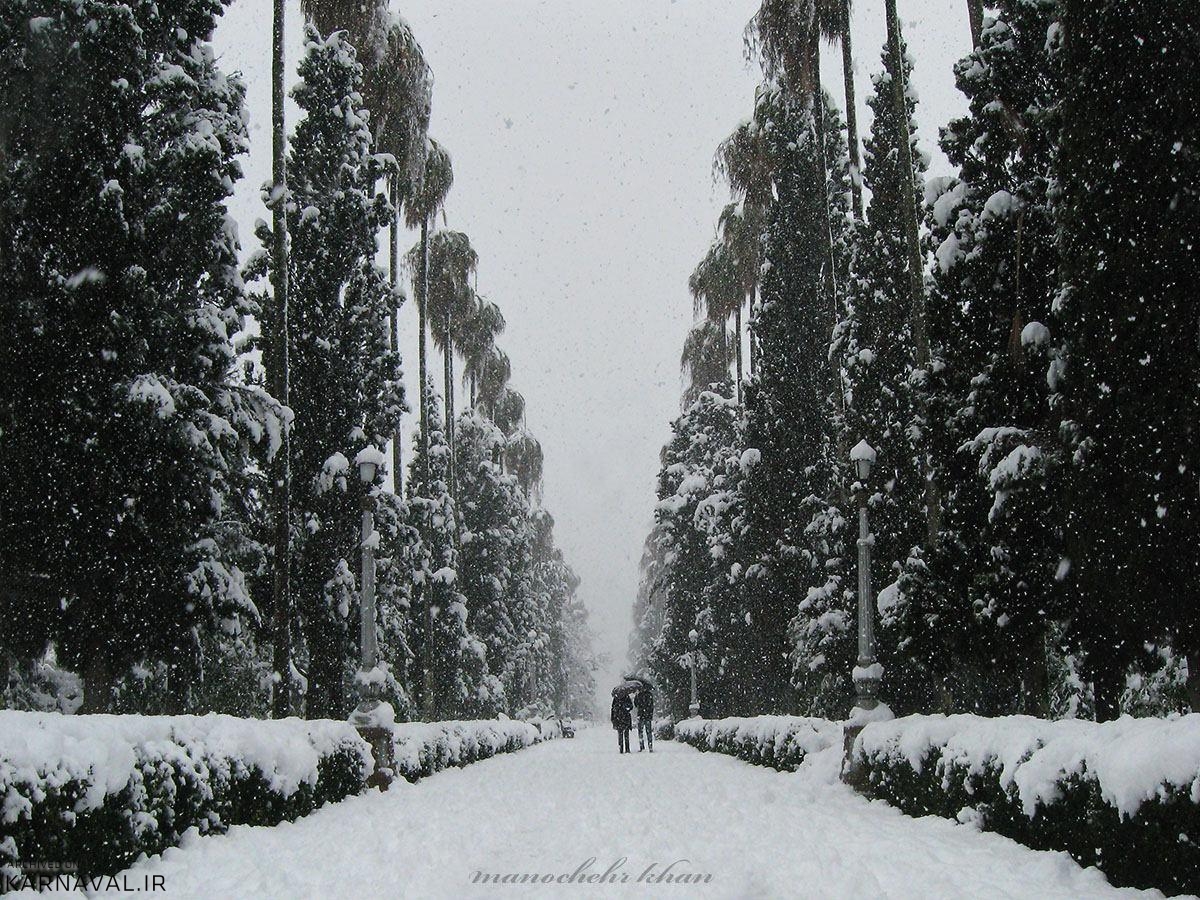
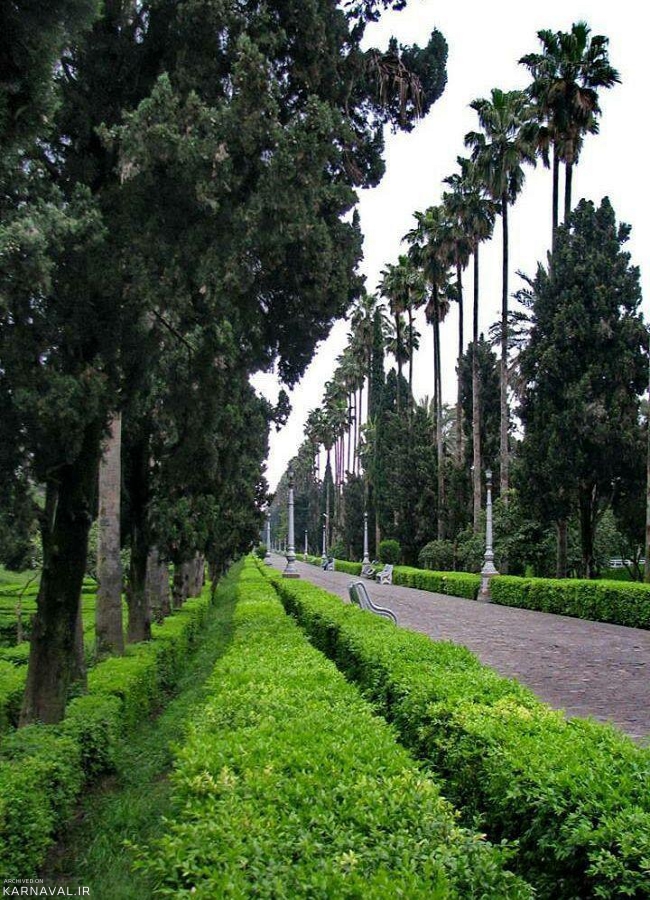
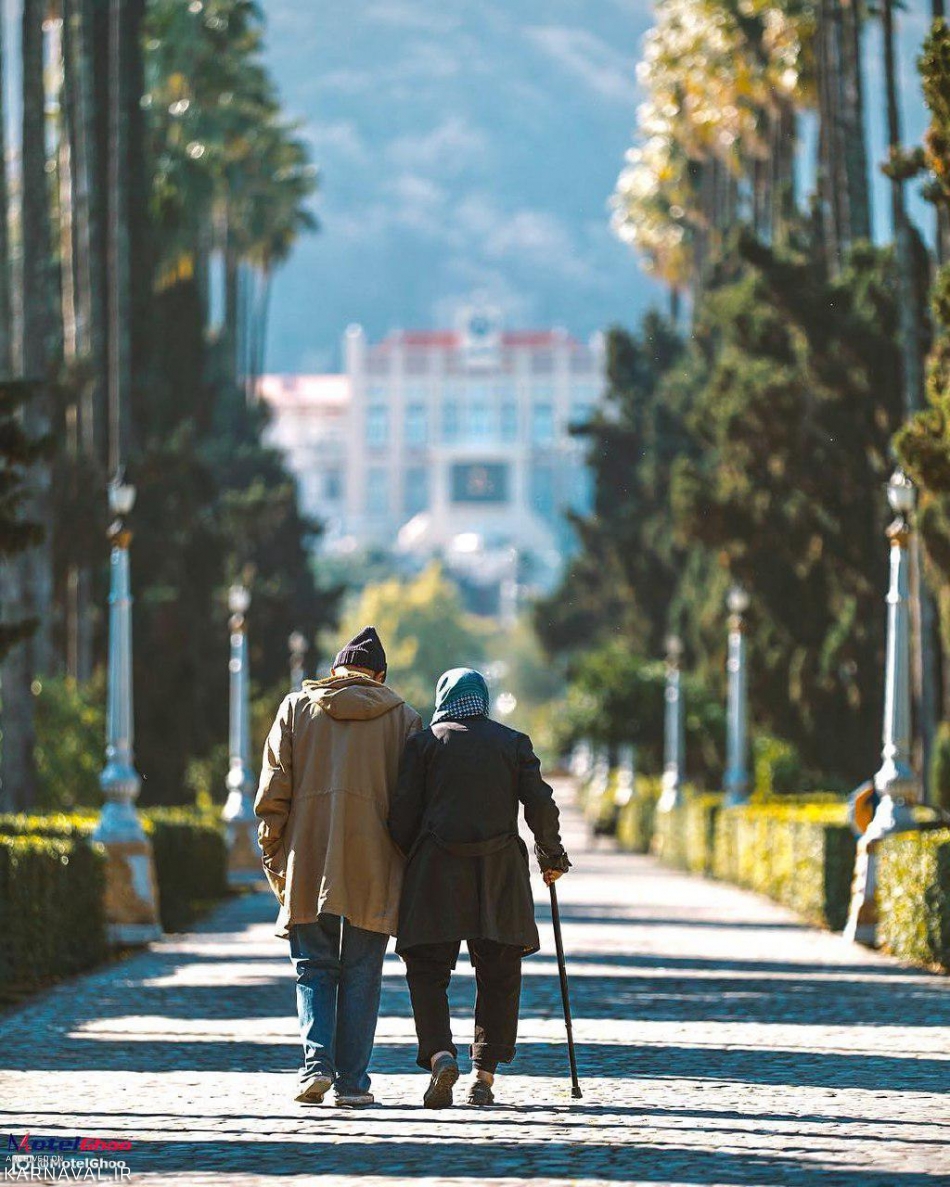
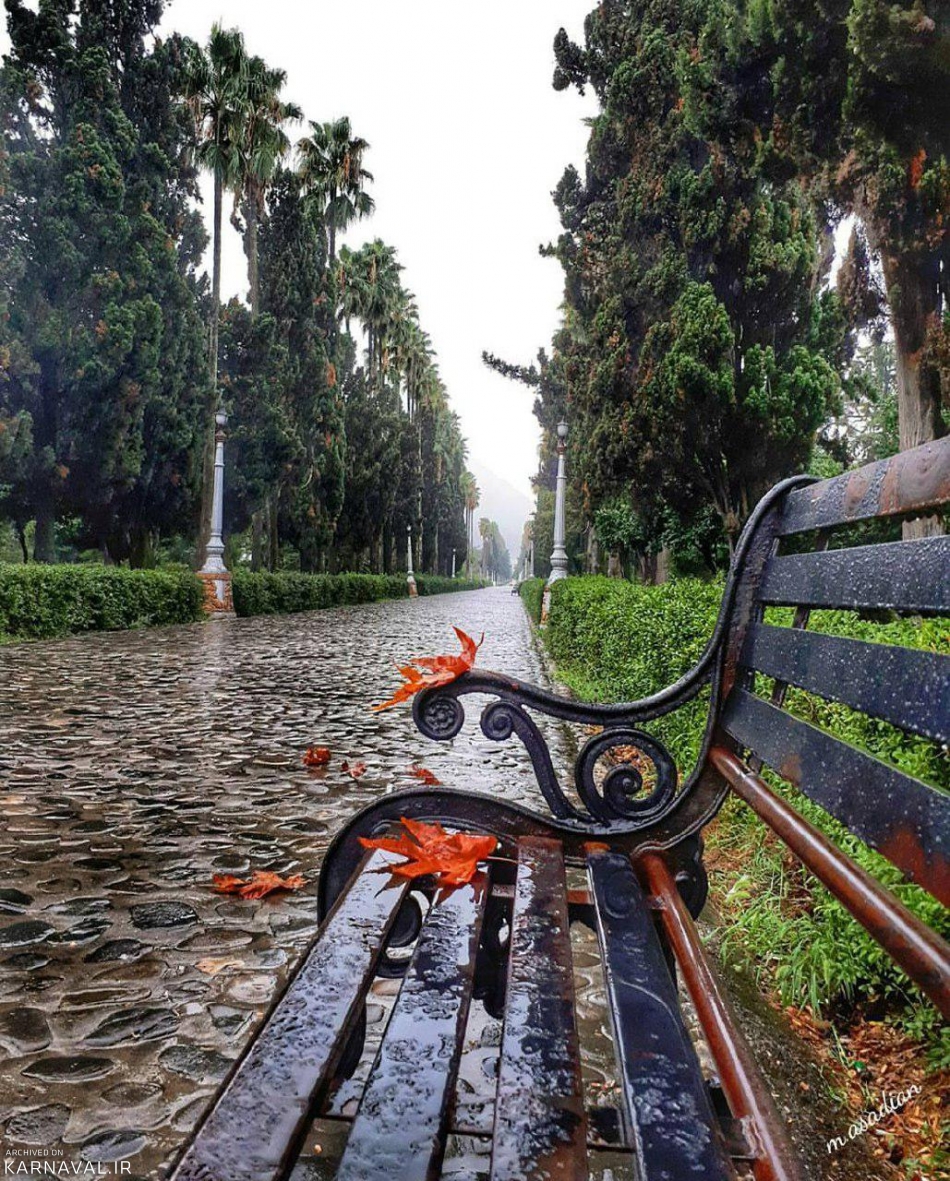
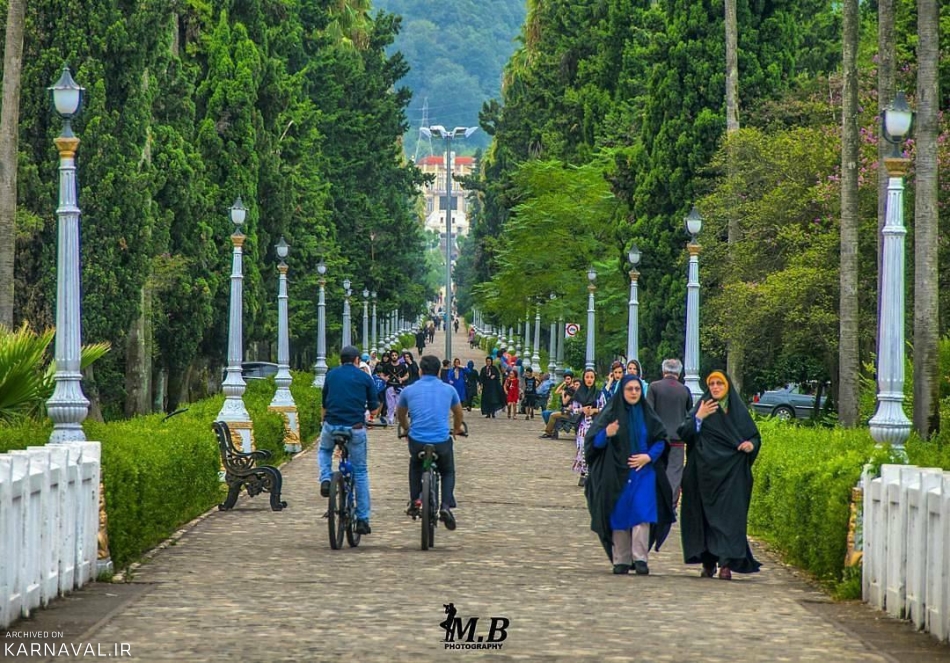
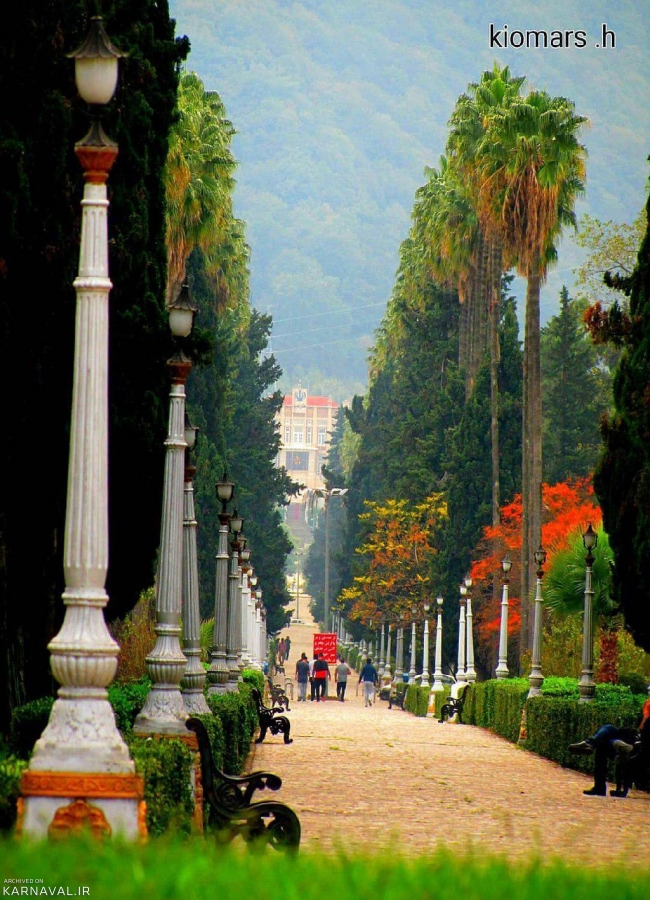
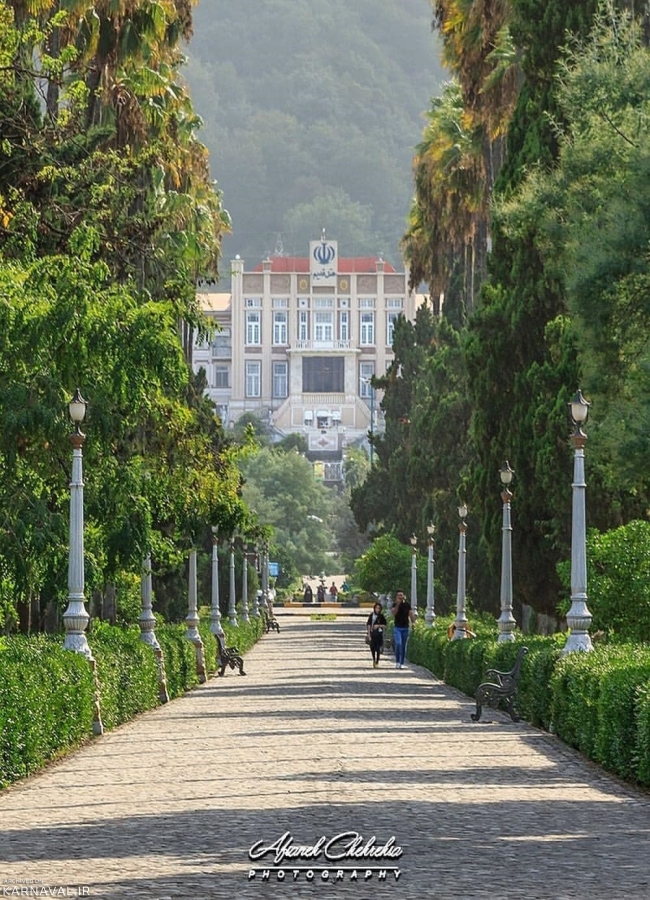
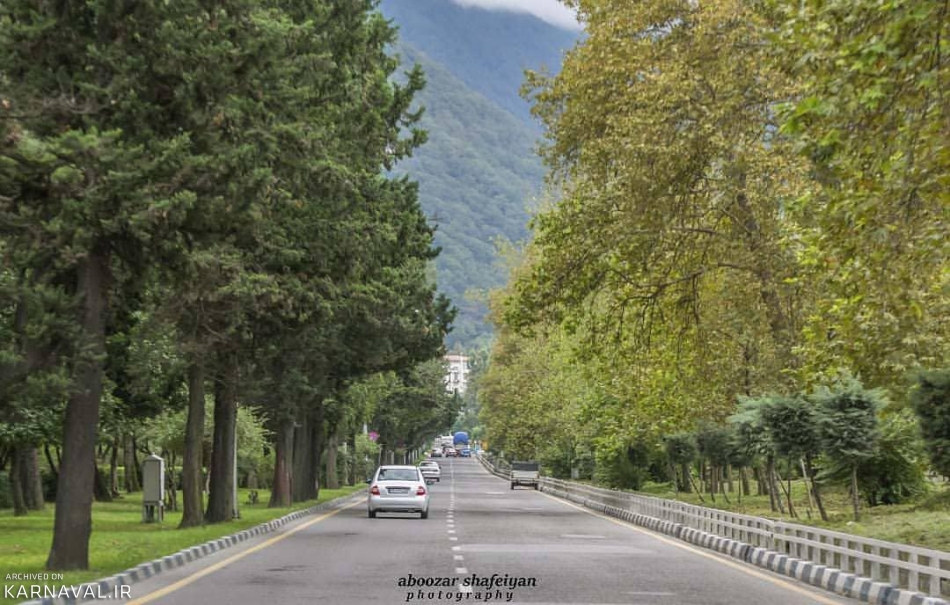
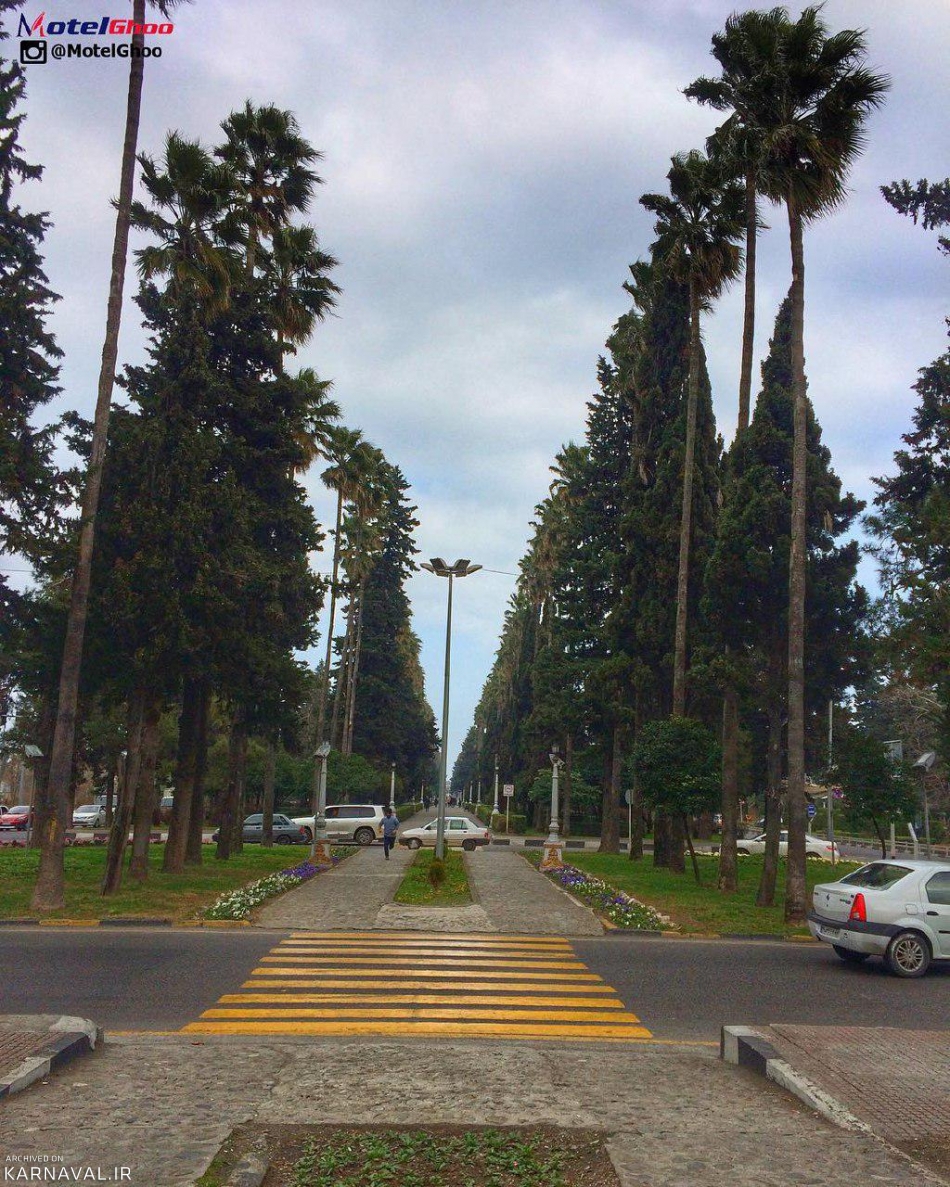
The construction of the boulevard dates back to the first Pahlavi era. With a quite unique design, the boulevard is one of the few streets registered in the list of national heritage of Iran.

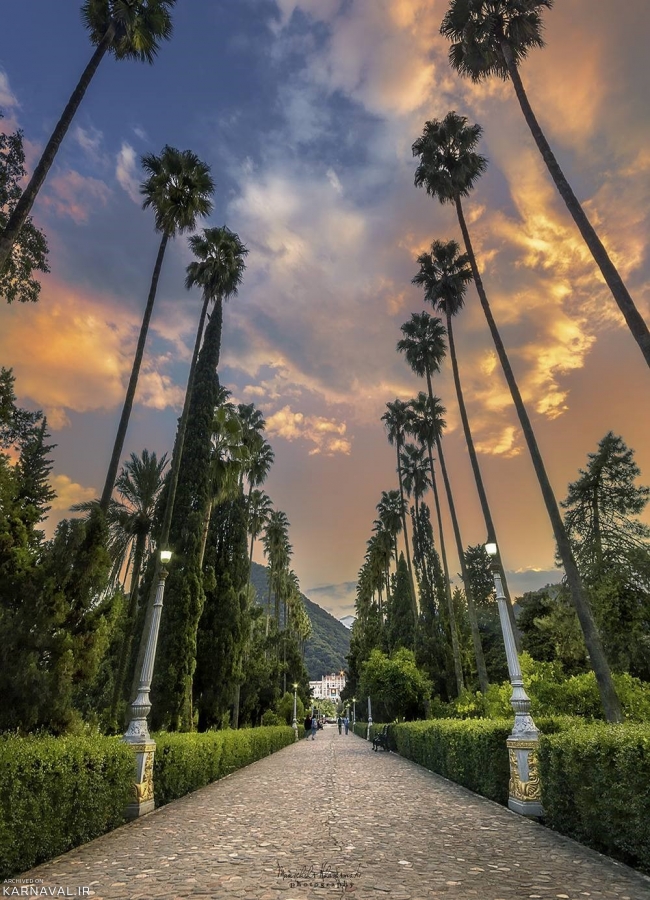
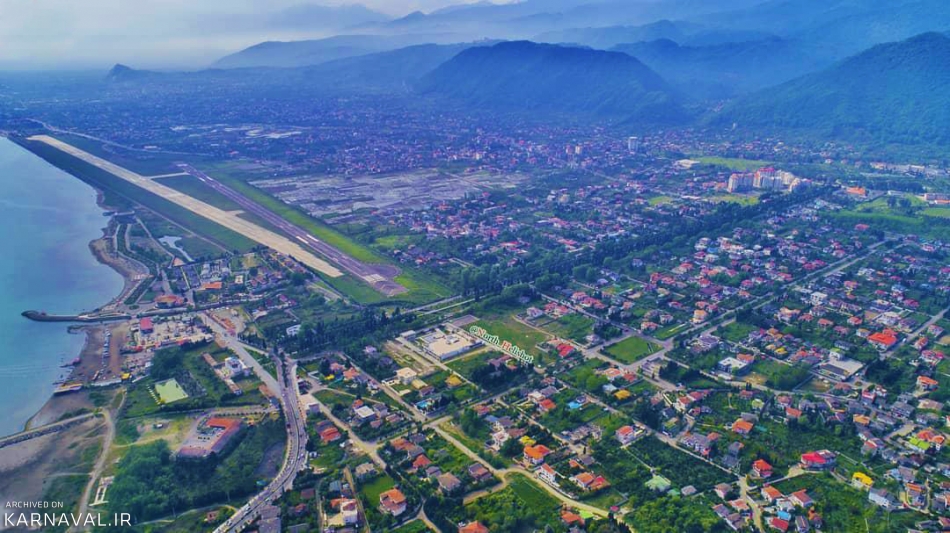
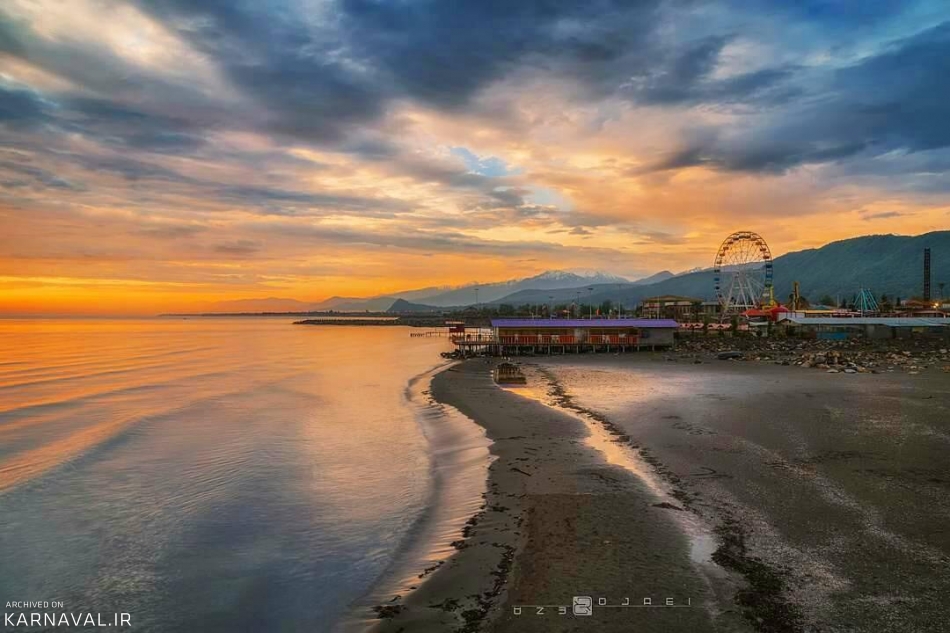
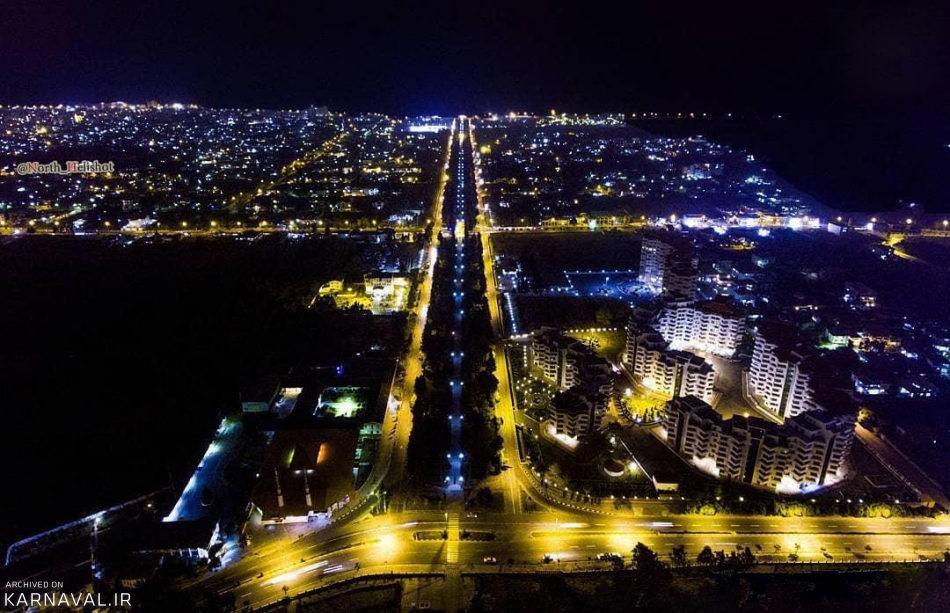
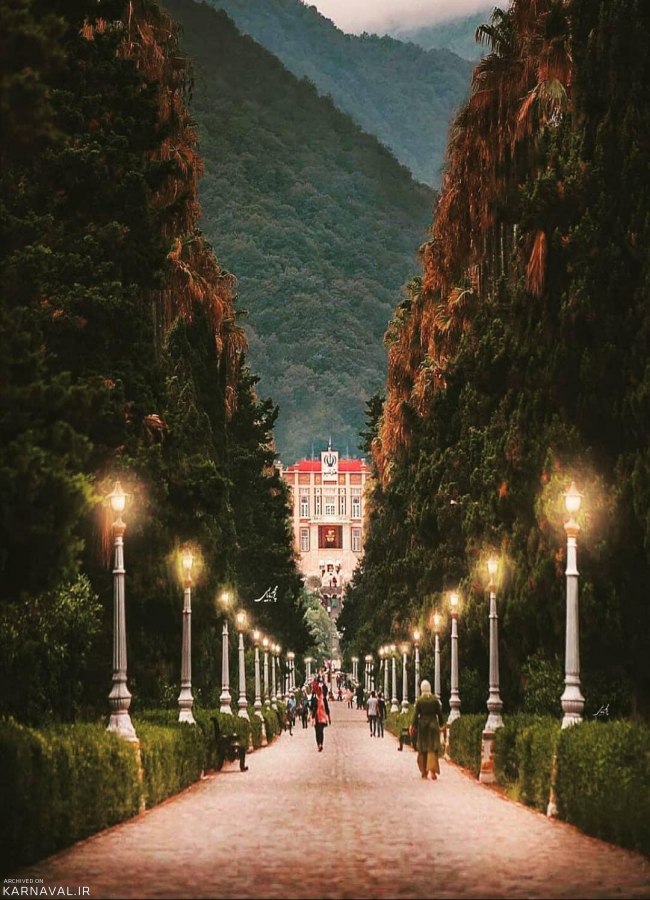
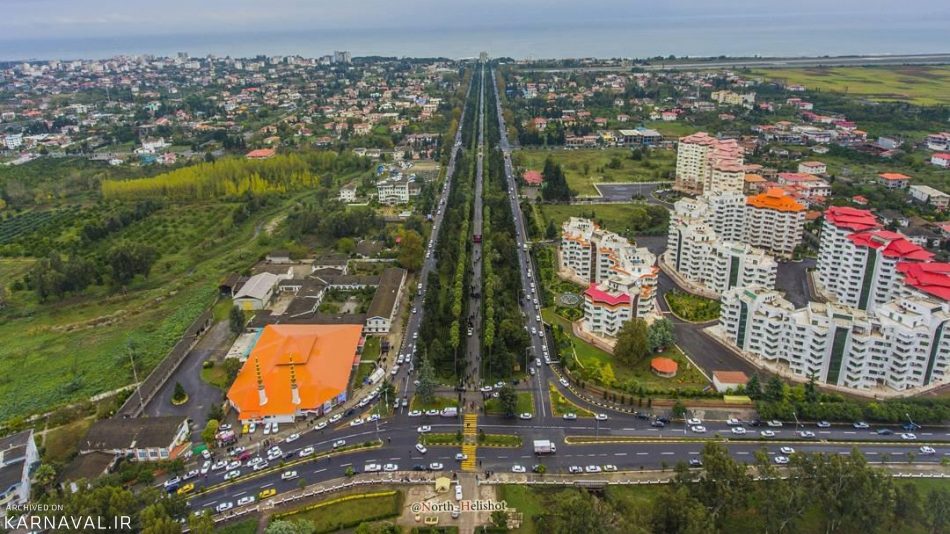
The boulevard is a 2-kilometre path that reaches the Caspian Sea. On both sides of the pathway, one can see the one-way streets of Moallem (Teacher) Boulevard which are surrounded by palm and alder trees and boxwoods. It is one of the most popular car ride paths in Ramsar.

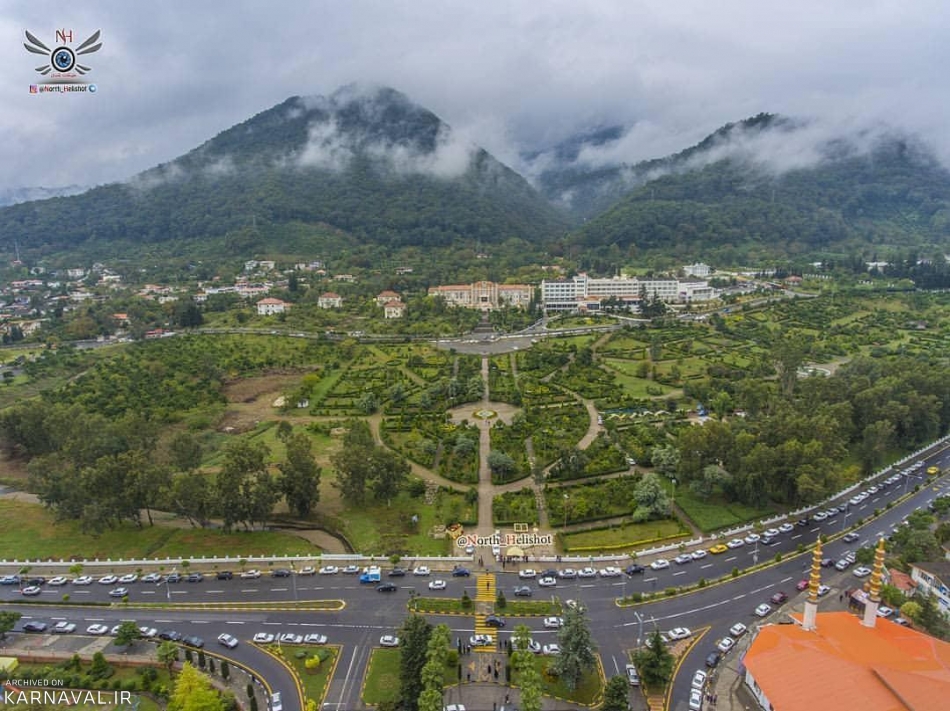
Excursion on Moallem Boulevard, however, does not end when the paved road reaches its end. At the end of the boulevard, there is an old blue building, which in the old days was the location of the casino of the city, and today has turned into a traditional restaurant.

A little further away, there is the entrance to the beach and Touska funfair which ultimately leads us to the Caspian Sea.

The playground, cafe, restaurant, and a local market for souvenirs and handicrafts have made the tour more fascinating along the route.

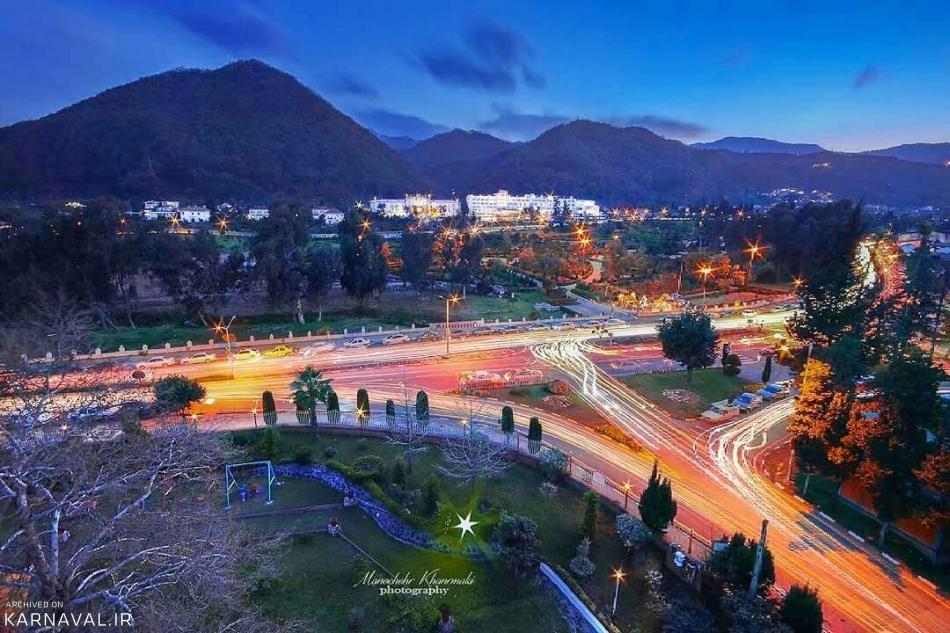
Here you can see photos of Ramsar Boulevard retrieved from various sources:

Iran President Congratulates Leaders of Several States on Nowruz

Iran Hopes for Expansion of Ties with Brunei

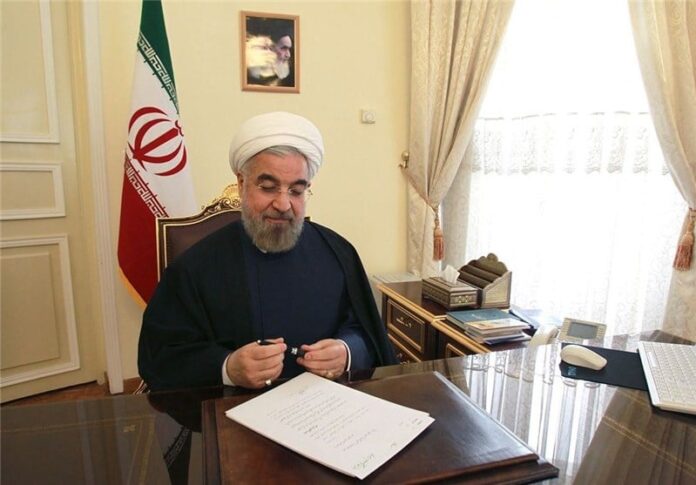
Hassan Rouhani expressed congratulations to leaders of Afghanistan, Tajikistan, Pakistan, the Azerbaijan Republic, Turkmenistan, Armenia, Turkey, Kazakhstan, Kyrgyzstan, Iraq and Uzbekistan.

“The joyful song of Nowruz being sung, blossoms blooming, Mother Nature going green and spring swallows chirping, they all are signs of God Almighty’s inexhaustible power,” said the president.
“They are signs of forgetting the cold of winter and the renewal of beauty and kindness,” the president added.

In his messages, the president expressed hope that with the Earth becoming warm and the nature coming alive, humans’ attitudes and thoughts will become new like the nature and the year.

He expressed hope human beings will love each other more than before and begin a year replete with tranquility and love.

“I hope we statesmen, too, …, will set the stage for peace and unbreakable unity among nations, and bring more welfare and prosperity upon our peoples,” said the president.

President Rouhani also wished people in the Middle East a year full of hope, joy and prosperity.

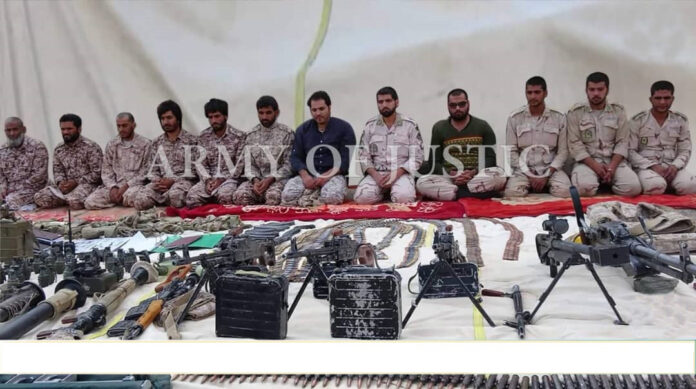
‘4 Abducted Iranian Border Guards Released’

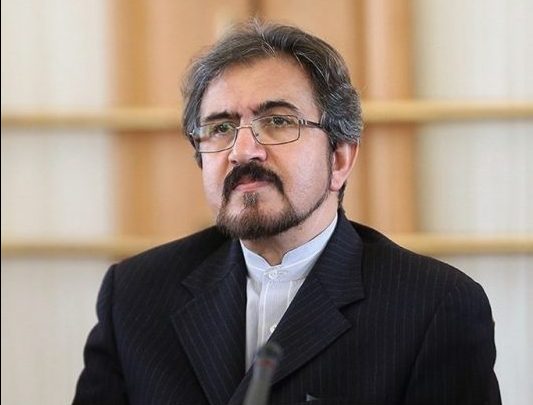
In a statement on Wednesday, Bahram Qassemi said 4 other border guards taken hostage on October 15, 2018 by terrorists on the Iran-Pakistan border in Mirjaveh in the southeastern Iranian province of Sistan and Baluchestan have been freed.

He thanked the Pakistani army and government for the successful operation which led to the release of the border guards.

He expressed hope the remaining border guards will be freed as soon as possible and return to the country safe.

Qassemi once again stressed the Islamic Republic of Iran and Pakistan’s determination to tackle the scourge of terrorism and continue mutual intelligence and security cooperation.

As many as 12 Iranian border guards were abducted by the so-called Jaish ul-Adl terror group near the Pakistan-Iran border on October 15, 2018 and were taken across the border to Pakistan.

On November 22, 2018 five of them returned home through the efforts by, and cooperation between Iran and the Pakistani side.

Iran Leader Names 1398 ‘Year of Boosting Production’

In a message released shortly after the start of the New Year, the Leader called on all officials to put more efforts into the issue.

What follows is the full text of the message:

In the Name of Allah, the Beneficent, the Merciful

O’ the Conqueror of hearts and sights

O’ the Planner of night and day

O’ the Transformer of power and conditions

Transform our condition to the best of conditions!

I thank God for ordaining that I may congratulate the dear Iranian nation on this year’s Nowruz, which coincides with the auspicious birth anniversary of the Commander of the Faithful and Imam of the Pious (a.s.).

Dear compatriots, may this eid be an auspicious one for you. I hope that all of you will pass this year with happiness, with physical health, with joyful hearts and with increasing worldly and spiritual achievements, God willing.

I especially wish to congratulate the esteemed families of the martyrs, the dear disabled war veterans and their families. And I would like to send abundant greetings to the immaculate soul of our magnanimous Imam [Khomeini] and to the pure souls of the martyrs.

We experienced an eventful year. In the year that passed, the Iranian nation shone brightly in the true sense of the word. The enemies devised many plans. They had many plots for the Iranian nation. However, the solidity and insight of the nation and the determination of the youth foiled their plans. In the face of the harsh and – according to their own words – ‘unprecedented’ sanctions imposed by the United States and Europe, the Iranian nation gave a solid and powerful response both in the arena of politics and in the arena of the economy.

In the arena of politics, the manifestation of that response was the great 22nd of Bahman rally [February 11] and the people’s positions throughout the year. As for the people’s position in the economic confrontation, it was manifested through an increase in scientific and technical innovations, a substantial increase in the number of knowledge-based companies and an increase in infrastructural and fundamental products of the country, an example of which is the inauguration of different phases of the South Pars gas field just a few days ago and before that, the inauguration of the large Bandar Abbas Refinery and other such tasks.

Therefore, the people managed to show their power, their grandeur and their greatness in the face of the enmity and malevolence of the enemies and thereby – thank God – increase the reputation of our nation, our Revolution and our Islamic Republic.

The main problem of the country continues to be economic problems. Especially in recent months, people’s livelihood problems have increased. Part of these problems is related to inefficient management in the area of economic matters, which should definitely be compensated for. Certain plans and measures have been devised. By Allah’s favor, these measures should be implemented throughout this year – the year that begins from this moment: the year 1398 – and the people should feel the impact.

What I would like to mention in this regard is that the country’s urgent and serious matter and its priority in the present time is the issue of the economy.  Regarding the economy, the issues that we have are many: the issue of the decrease in the value of the national currency is an important matter. The same is true of people’s purchasing power. The same condition exists regarding factories, their lowered capacity and the closing down of some of them. These are the problems. Based on research and having benefitted from the viewpoints of experts, one concludes that the key to all these problems is the expansion of national production.

I named the year 1397, “The Year of Support for Iranian Products”. I cannot say that this slogan was fully implemented, but what I can say is that it was well received to a great extent, and in many cases, the people welcomed and acted on it. This will certainly exert its influence. This year, the issue of production is of great importance. I would like to make the issue of production the pivot of our activities. By Allah’s favor, in my new year’s speech, I will explain what I mean by ‘production’. If production is boosted, it can solve livelihood problems, it can ensure the country’s independence from foreigners and from the enemies, it can eliminate unemployment and it can solve the problems related to the decrease in the value of the national currency to a great extent.

That is why I believe that the issue of production is a pivotal issue this year. Therefore, the slogan I have chosen for this year is: “The Year of Boosting Production”. Everyone should try to do what they can to boost production in the country. By Allah’s favor, from the beginning to the end of the year, this notion should be completely tangible in the country. If this happens, we hope that the solution to economic problems will be achieved, God willing.

I wish to send my heartfelt peace and greetings to the Imam of the Time (may our souls be sacrificed for his sake). I plead for the prayers of that noble personality for you dear people and I ask Allah the Exalted to bestow happiness and bliss on the Iranian nation and all those nations who celebrate Nowruz.

Greetings be upon you and Allah’s mercy and blessings!

Nowruz Is Here: Iran Celebrates Beginning of Persian New Year

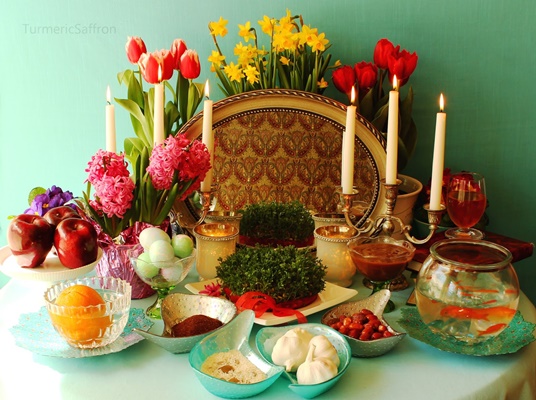
Nowruz is celebrated worldwide by various ethno-linguistic groups. Despite its Iranian and Zoroastrian origins, Nowruz has been celebrated by diverse communities. It has been celebrated for over 3,000 years in Western Asia, Central Asia, the Caucasus, the Black Sea Basin, and the Balkans.

Nowruz is the day of the vernal equinox, and marks the beginning of spring in the Northern Hemisphere. It marks the first day of the first month (Farvardin) of the Iranian calendar.

It usually occurs on March 21 or the previous or following day, depending on where it is observed.

The moment the Sun crosses the celestial equator and equalizes night and day is calculated exactly every year, and families gather together to observe the rituals.

Iran Hails Transition of Power in Kazakhstan

“The current changes and developments in the Republic of Kazakhstan as well as transition of power have taken place within the framework of the country’s Constitution, and, hence, we support them,” Bahram Qassemi said in a Wednesday statement.

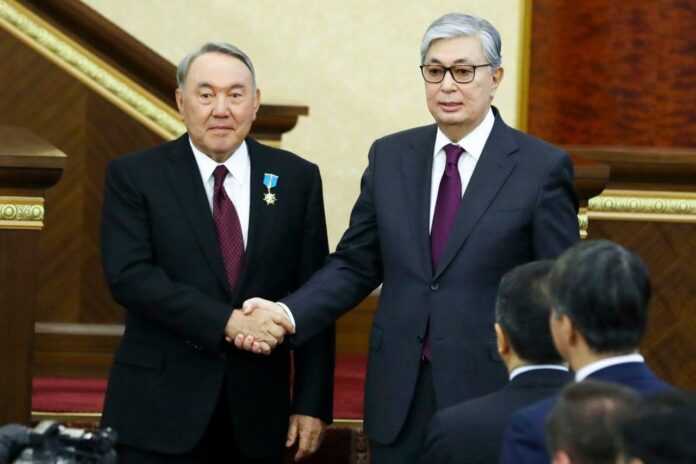
He also reacted to the Kazakh president’s resignation, saying, “Mr Nazarbayev is a prominent, influential and prudent politician in the Republic of Kazakhstan, and Iran-Kazakhstan relations always remained cordial and growing during his presidency.”

“We also offer congratulations to and wish success for Mr Kassym-Jomart Tokayev who will take over the responsibilities and duties of the Kazakh president after the resignation of Mr Nazarbayev and until the next elections,” he said.

“We are confident that friendship and fraternity between the Iranian and Kazakh nations and governments will continue like before,” said Qassemi.

The Foreign Ministry spokesman also congratulated the Kazakh government and nation on the arrival of Nowruz.

“Like many regional countries, the people of Kazakhstan celebrate Nowruz, too, and it is part of this country’s culture and customs and traditions; therefore, I take as good omen the coincidence of Mr Nazarbayev’s decision [to step down] with the arrival of Nowruz, which marks a change in nature, and I wish the Kazakh nation and government further prosperity, peace and welfare,” said Qassemi.

Tokayev was sworn in as Kazakhstan’s president following the unexpected resignation of veteran leader Nursultan Nazarbayev. Tokayev will serve as the country’s interim president for the rest of the term which ends in April 20-20. In his inauguration speech, Tokayev promised to continue the policies of Nazarbayev. He said Nazarbayev’s opinion will have priority in making strategic decisions. The former prime minister also proposed that the capital, Astana would be renamed to Nursultan. Nazarbayev, resigned late on Tuesday after three decades of holding the office.

Home-Made Nowruz Cookies Most Popular in Tehran

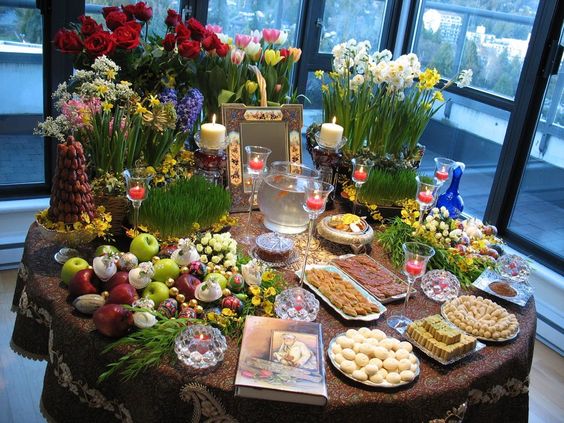
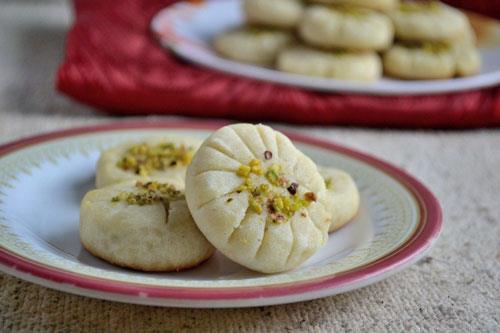
Home-Made Nowruz Cookies Most Popular in TehranThe cookies are usually made by Iranian women ahead of Nowurz to be served along with other main elements of the Haft Seen table. Iranians eat the cookies in the early minutes of the new Persian New Year to have a sweet taste in their mouth.
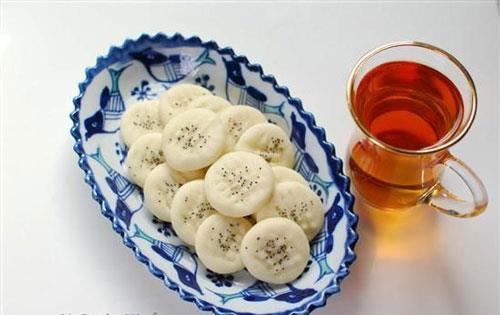
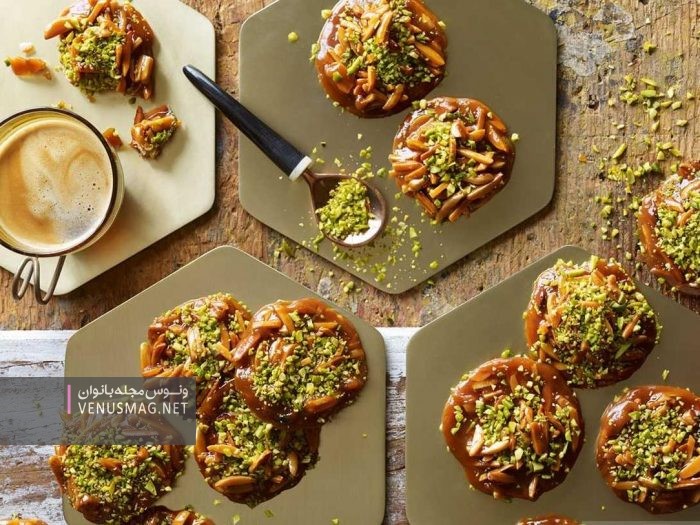
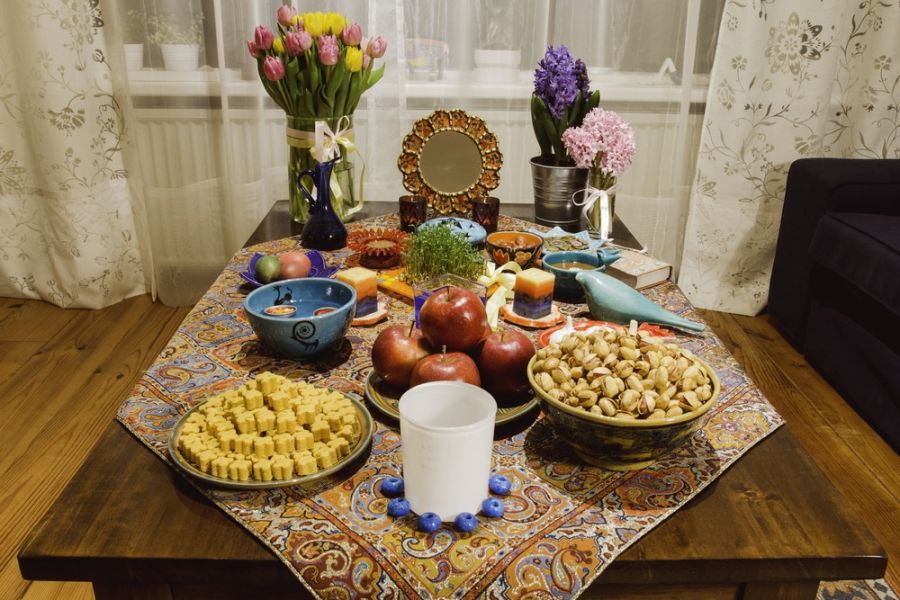
People in each part of Iran make their own unique cookies. In Tehran at least four types of cookies are made and served during Nowruz. These cookies are made in small and thumbnail sizes.

Chickpea Cookie: Made of chickpea, the cookie is usually in circle or four-petal flower shapes and garnished by pistachio slices.

Rice Cookie: Made of cooked rice flour, the cookie is in circle or other small shapes like moon and star and garnished by pistachio slices.

Sohan Asali: The sweet is made of honey and vegetable oil and filled with almond slices.

Walnut Cookie: It is made of flour or chickpea powder and filled with walnut slices. The cookie is usually served in one or separate dishes on the Haft-Seen Table.

‘Zionist Officials Accustomed to Spreading Lies about Iran’

“Out of their hostility and malice [towards Iran] and [as part of] their bid to promote Iranophobia, the Zionist regime and US officials are exerting what they call ‘maximum pressure’ on Iran in various forms,” Qassemi said Tuesday.

“Through this psychological war which is doomed to failure from the start, they are seeking to achieve their goals by fabricating various forms of irrelevant statements to create a psychological atmosphere against our country,” he added.

The spokesman said in addition to spreading lies, the US and Zionist regime try to resort to any propaganda mechanisms to amateurishly link Iran to any development in the world.

“Doubtlessly, Iranians, relying on their youths, enjoy unique and unimaginable capabilities in various technological areas. But the capabilities are merely used to meet our domestic needs, promote the scientific status of our country and decrease or cut our scientific and technological reliance on others,” he noted.

Qassemi also rejected any report on Iran’s role in hacking Australia’s parliament systems and said it goes without saying that the lies are another part of the same psychological war against Iran’s legitimate capabilities in the technological area.

“The lies are spread to portray our capabilities as a threat and hamper the progress and development of our scientific and indigenous capabilities.”

However, he added, that’s just a  delusion and an unachievable dream which will only make them more outraged and angry again.

Israel’s intelligence agency Shin Bet claimed some days ago that Iranian hackers got hold of election hopeful Benny Gantz’s personal data and sensitive material from his mobile phone.

Meanwhile, Australian top-level sources alleges that a cyber attack on Australia’s political parties and Parliament has been made likely by hackers in Iran.

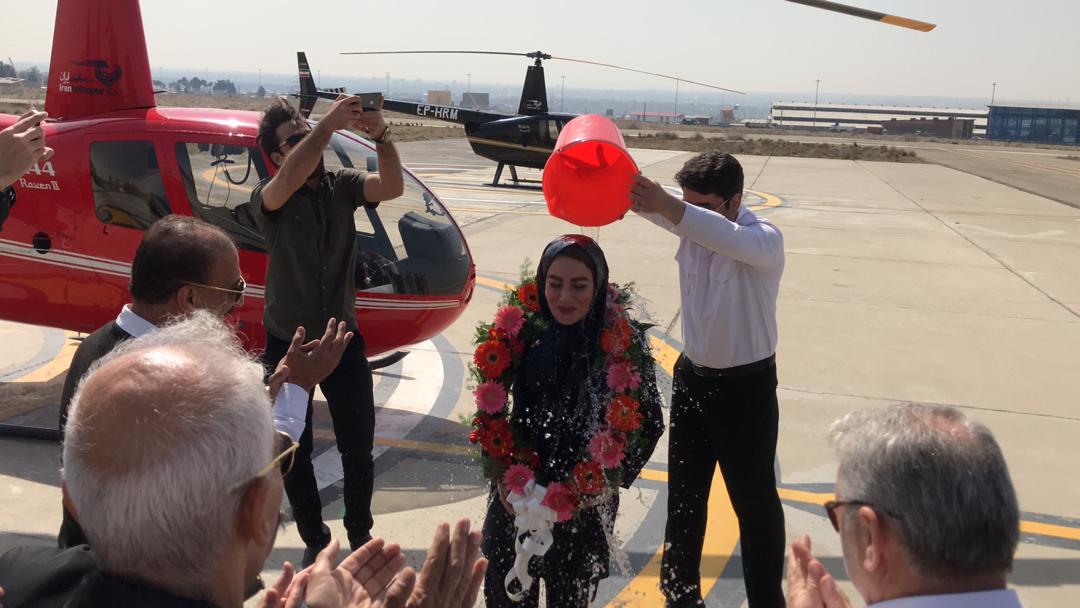
Iran’s First Woman Chopper Pilot Praised by Veteran Captains

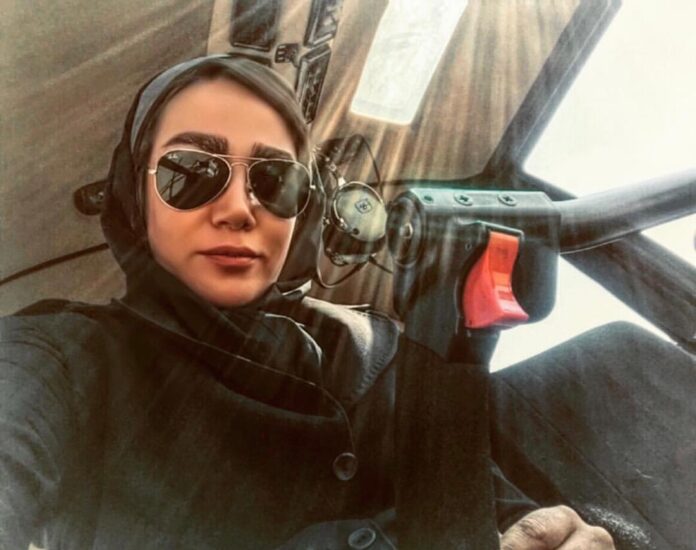
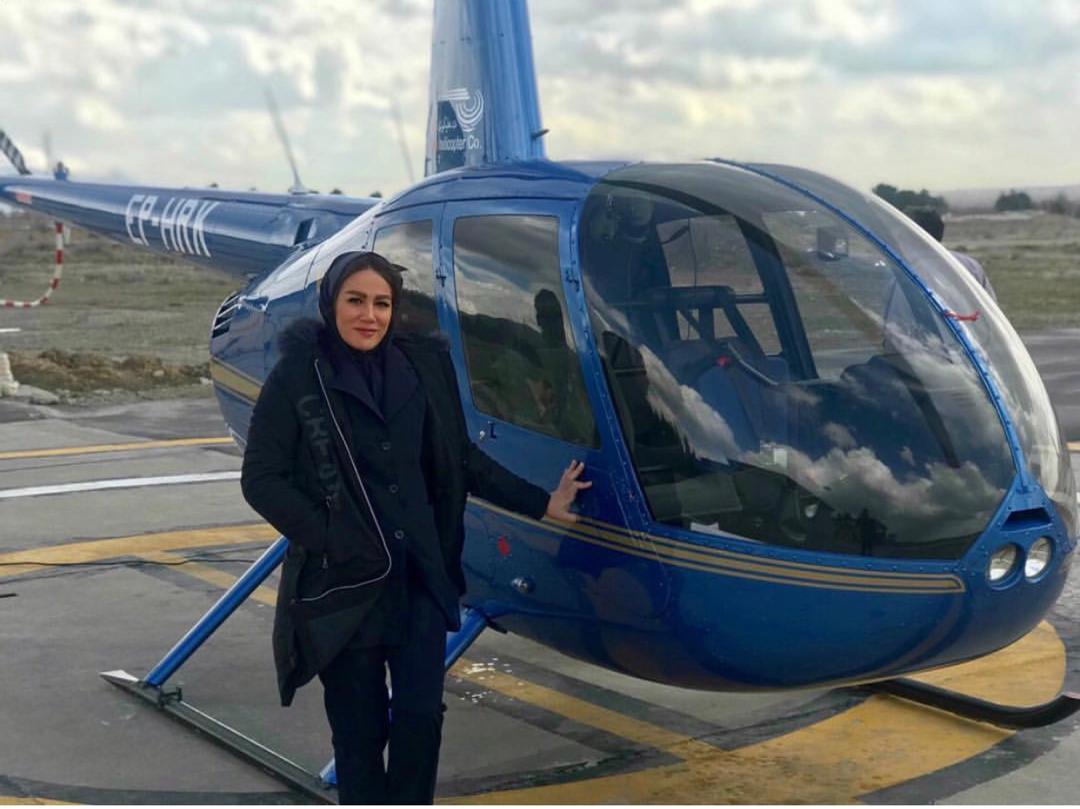
In an interview with Borna News Agency, she has spoken about her first solo flight and the impact of her gender on her profession as a pilot. Excerpts from the interview follow.

– How old are you Ms. Shabani?

I was born in Shahr-e Kord in 1986. I grew up in Ahvaz. But we returned to Shahr-e Kord a few years ago and have been living there ever since. My father has passed away. My mother cannot read or write and is a housewife. I’m the youngest child in the family.

– How old were you when you began flying?

I was admitted to university in the field of aviation in [the academic year] 2005-2006. I have loved flying since then. When I entered university, I was sure that I would study piloting.

Iran’s First Woman Chopper Pilot Praised by Veteran Captains– Why are you so much interested in the sky and flying?

My father was very much keen on warplanes. Maybe that was because we lived in the city of Ahvaz and we were war-stricken. Anyway, he was the first person to make me interested in the sky and flying.

“I wish you would be able to become a warplane pilot,” he would always tell me.

So, I decided to make my father’s dream come true. Of course, I think all children like to become pilots.

– How effective were the captains and instructors who trained you?

Over the past several years, Captain Orgasi, Captain Rajabi and Captain Moradian have trained around 500 pilots for their first solo flights.

“I don’t want to see you as a girl from now on because I become worried,” said Capitan Orgasi when he was accompanying me during flight.

“You are so smart and clever,” he told me after a few flights.

He told me that he treated me that way because he wanted me to set aside my femininity while flying as “flying is no joke.”

Iran’s First Woman Chopper Pilot Praised by Veteran CaptainsSometimes while hovering (holding the helicopter still in the sky), the pilot may lose control, causing the chopper to begin spinning around! I was in such a situation once, and Captain Orgasi was on the helicopter as well. I was so stressed out that I told him, “I can’t. Help me.” Then he shouted at me and said, “I won’t help you. Either control it yourself or kill yourself.” After we landed, he told me, “You have stepped into this arena and you should behave like male pilots as of tomorrow and you shouldn’t be timid; or you should give up this job forever.” And I let go of the phobia of flight and of everything that might happen in the sky.

– How did you feel when you were able to fly the helicopter in a solo flight?

When you are flying a helicopter, your both legs and arms should work in coordination with one another. This coordination is so hard that you cannot think of anything else. In those moments, I was not even able to think about my 3-year-old son who I love. But on the same day that I was hovering, after I landed, I began screaming and Captain Orgasi gave me a big hand and started encouraging me.

When my instructors saw how determined I was to learn, and how much effort I putting into improving my performance, they would call me “Mr. Shabani! or Mr. Samira!” and they said I was fighting like a man in order to learn.

– Do you intend to become a helicopter pilot in the future?

Hundred percent. I’m going to stay in the domain of helicopter piloting. Choppers are used in different sectors such as nuclear, relief operations, etc., and I will probably begin working in one of these fields.


Nowruz Customs in Various Cities of Iran

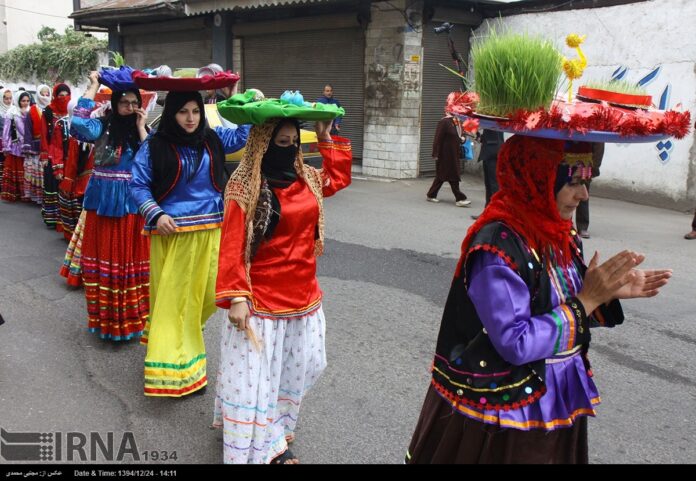
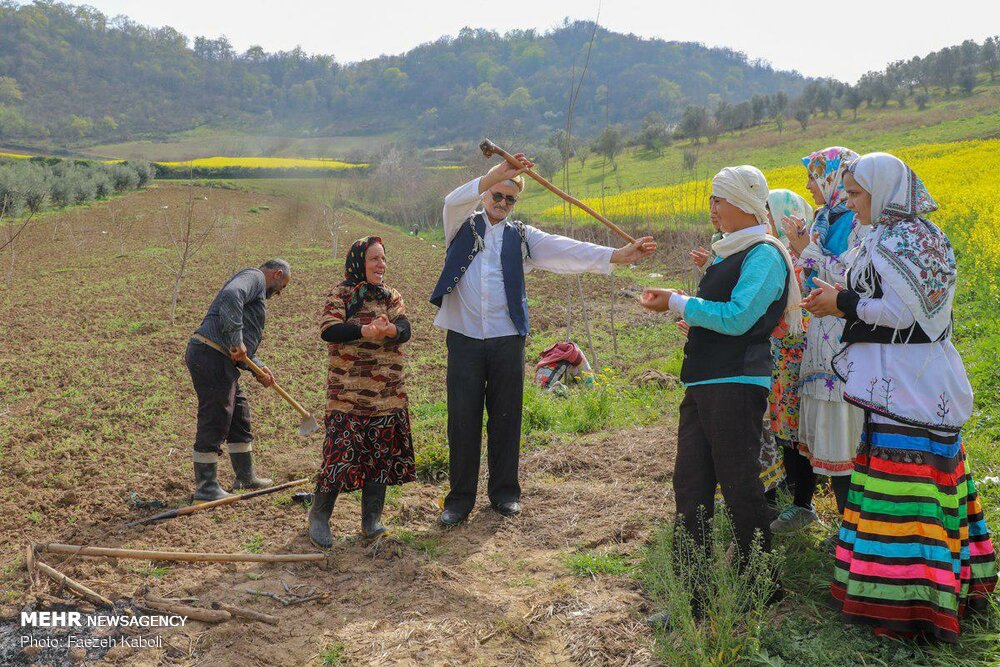
Women in Northern Iran Celebrating Persian New Year
‘Nowruz Khani’, Tradition to Show Gratitude towards Spring’s Arrival
Nowruz Customs in Various Cities of Iran
Pre-Nowruz Rituals; What All Iranians Do before New Year

Chaharshanbeh Soori fireworks on the eve of the last Wednesday of the year, cleaning homes before the New Year, the Haft Seen table, visiting relatives, going to the graves of the lost loved ones, wearing new clothes during Nowruz and going to the nature on the 13th day of the New Year are the same for all Iranians.

However, the dishes of the first day of the New Year and the thirteenth day vary slightly in different cities. In some cities people eat their own special food in the New Year. There are also some customs and traditions that are observed in some cities.

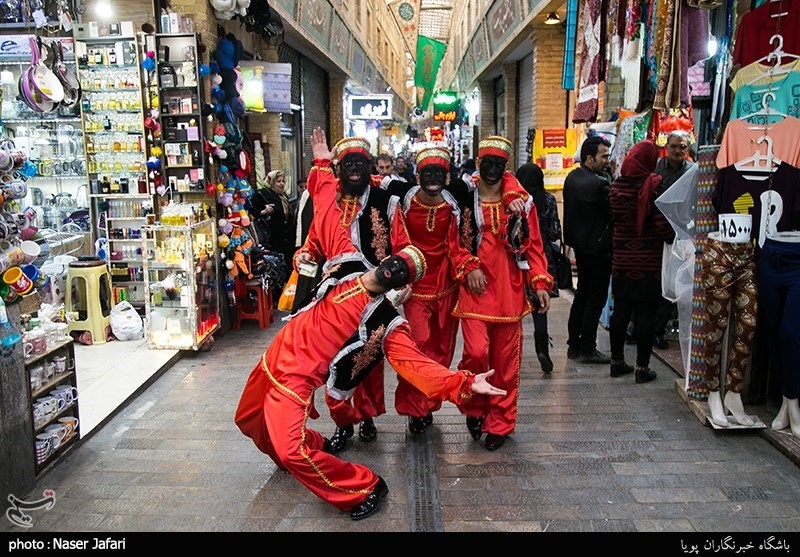
Hajji Firuz in Tehran

One of the oldest customs observed in Tehran during Nowruz is the dancing of Hajji Firuz throughout the city in late March. He is a fictional character in the Iranian folklore who appears in the streets ahead of the New Year. His face is covered in soot, and he is clad in bright red clothes and a felt hat. He dances through the streets while singing and playing a tambourine.

Nowruz Customs in Various Cities of Iran

Nowruz Customs in Various Cities of Iran
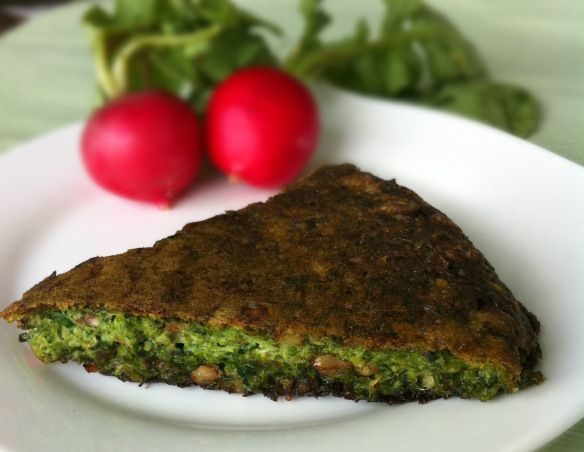
Recipe for Kuku Sabzi

Eating Kuku

A vegetarian dish made with whipped eggs folded with various ingredients and Ash (soup) on the thirteenth day of Nowruz, is one of the Iranian New Year’s customs that most Tehrani people adhere to.


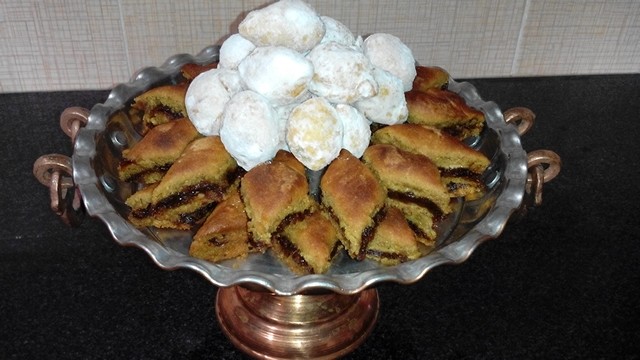
Kermani Sweets

The eating habits of Nowruz are different for people in Kerman. Kermanis prepare Komach Sehen, Qawoot, and Qottab which are their own special sweets. Some Kermanis believe that they should not travel on the 13th day of Nowruz as they believe 13 is an unlucky number.

Nowruz Customs in Various Cities of Iran

Cooking Nowruz Cookies in North Khorasan

It is customary to cook special cookies in North Khorasan province. They are cooked with the help of all members of the family, and the process is a usual custom for families in North Khorasan.

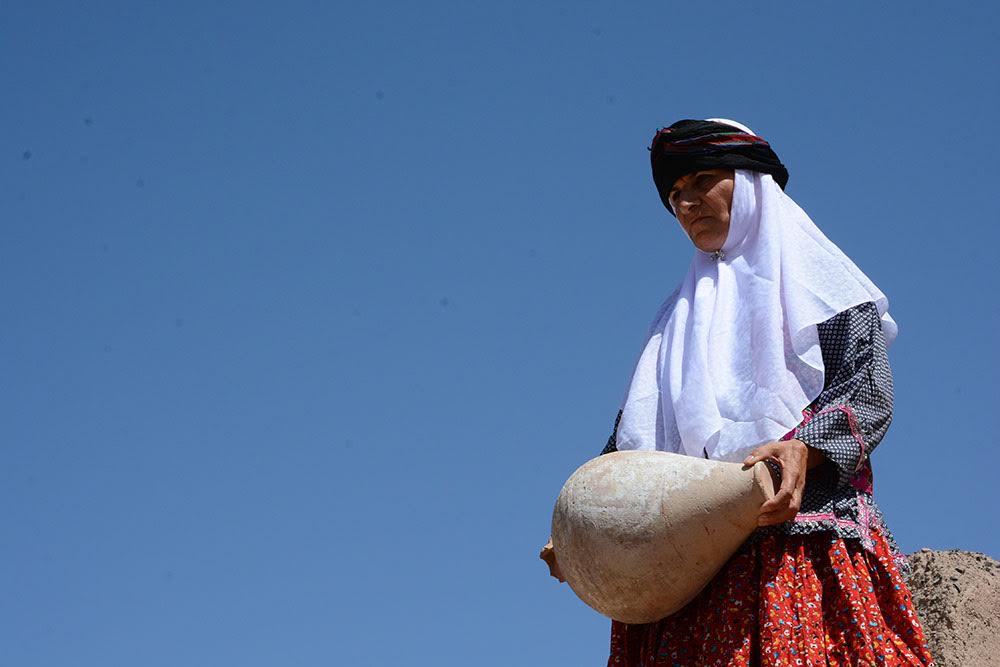
Jar Breaking in South Khorasan

Breaking clay jars during the final days of the year and after Chaharshanbeh Soori is a significant custom of Iranians in South Khorasan. They throw a jar with some water from the highest point of the house to the yard to symbolically remove the dirt and grieves of the past year.

They celebrate the New Year by growing grains, dying their hands with henna and helping the needy. They wear new red and green clothes, and set seven items starting with “S” sound at a table. The only difference is that they put Siah Daneh (fennel flower) at this sufra.

Nowruz Customs in Various Cities of Iran

Gilan

Among the Gilak rituals one can refer to New Year’s greetings. Nowruz Khani is a tradition in which well-voiced artists sing songs to herald and welcome Nowruz and spring. They go to different neighbourhoods and homes as the couriers of spring.

Also, another ancient Nowruz ritual, which is now outdated, is throwing the mirror. A few days before Nowruz, a number of youths decorate a rectangular mirror with flowers and attach it to a long string, and after eating dinner, place the mirrors inside the room of the neighbours. In return for the mirror, they get coins, eggs and some halva.

Nowruz Customs in Various Cities of IranQazvin

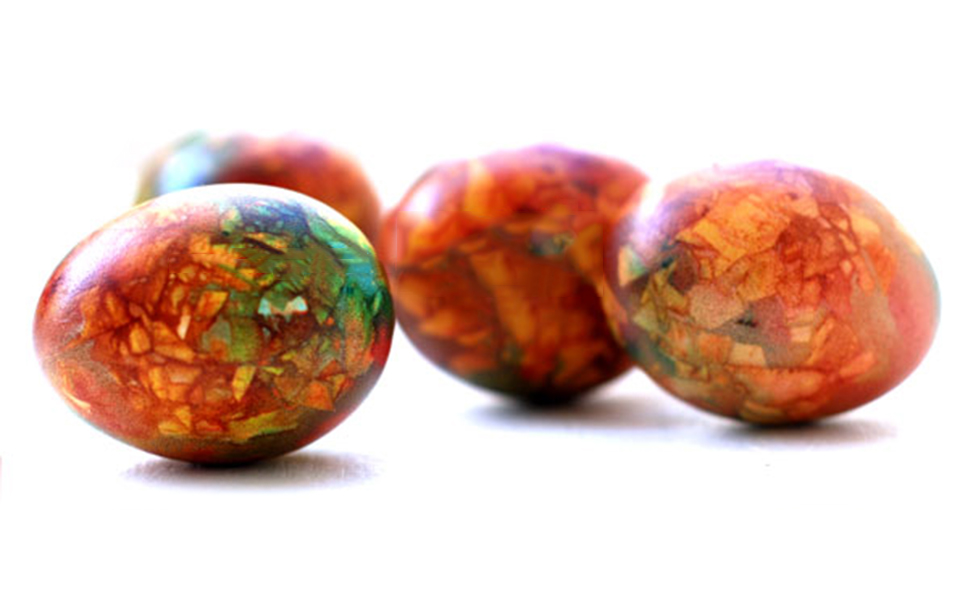
The people of Qazvin welcome their guests with coloured dishes of homemade sweets, made with pistachio powder, almonds, sour cherries, figs, peas, raisins and berries. They also give their guests coloured eggs as gifts.

Nowruz Customs in Various Cities of Iran

Semnan

In Semnan province, people put daffodils, garlic and hyacinth on the Haft Seen sufra. Local games and songs are also popular while eating foods such as Sabzi Polo (herbed rice), Tahchin (rice cake), Ash-e Reshteh (stripped dough stew) and pomegranate stew.

Sistan and Baluchestan

The people of Sistan and Baluchestan province in south-eastern Iran go to the Mount Khajeh on the first day of the New Year, dancing and celebrating Nowruz. In Nowruz, they begin the new year in peace, reconciliation and amity. It means that they seek reconciliation at the same ceremony.

Nowruz Customs in Various Cities of IranHormozgan

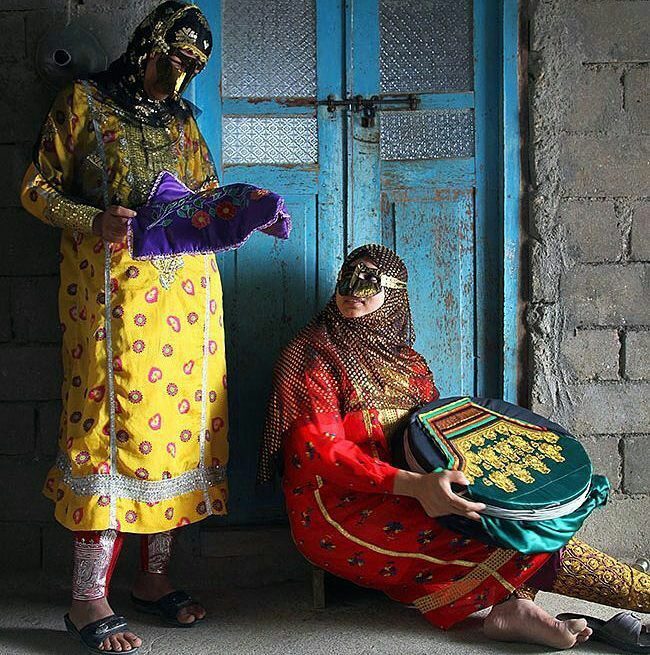
In Hormozgan province near the Persian Gulf, if someone has ordered a piece of clothes, s/he must take it from the tailor and dressmaker on Chaharshanbeh Soori. They should also give charity to a poor person in the form of dates, sugar or rice. On the same day, they must break a clay jug so that the spells are kept away. Hormozgani people celebrate Nowruz with local songs, games and dances.

Nowruz Customs in Various Cities of IranChaharmahal and Bakhtiari

On the first Saturday of the New Year women and children get out of the house, and combat the evil by cutting newly-grown edible plants. They call it “Saturdays Excursion”. This custom is not family-based and daily food is not taken out of the home. It is specifically held by women and children.

Nowruz Customs in Various Cities of Iran