Sunday, December 28, 2025
Home Blog Page 3292

Iraqi PM to Visit Iran Saturday

The first official visit of Abdel Mahdi to Iran will come on Saturday at an official invitation by Iranian President Hassan Rouhani.

During the two-day visit to Iran, the Iraqi prime minister is expected to discuss the issue of trade outside the framework of the US sanctions on Iran and the rapprochement and the convergence of views between Iran and Arab countries, an Iraqi official was quoted as saying by AFP.

Iran is the second-largest supplier of imported goods to Iraq. Iran played a key role in Iraq’s victory in fight against ISIS.

Back in March, Iranian President Hassan Rouhani made a historic visit to Iraq, which was described by experts as Iran’s response to US President Donald Trump’s snap trip to Iraq in December.

Trump slipped into Iraq on Christmas. He spent most of his short visit outlining how he wanted to keep US troops in Iraq to “watch” Iran with which the Arab country shares a 1,400-kilometer-long border.

Earlier, Abdel Mahdi said he was planning trips to Saudi Arabia, Turkey and the US. He made his first foreign visit in late March to Egypt.

Diplomatic trips between Iran and Iraq have been expanding as of late. This, experts say reveals a strong resolve to expand the existing ties by the two sides.

Iran is currently Iraq’s top trade partner, with an annual turnover of about $13 billion. The two sides hope the figure increases to $20 billion. Some 5 million religious tourists generate nearly $5 billion a year as Iraqis and Iranians visit Shiite holy sites in both countries.

Heavy Rainfall Revives 40 Iranian Wetlands in Two Weeks

urmia

Ardakanian says with the recent heavy rain across the country, today, Iran has enough water for various uses now.

Thanks to the rainfall which started on March 18 in Iran, “we have already an additional five billion cubic metres of fresh water in 172 storage dams across the country,” he noted.

To provide five billion cubic metres of fresh water, the government needed to desalinate sea water in a process costing $2.5 billion in days before the floods hit the country, he added.

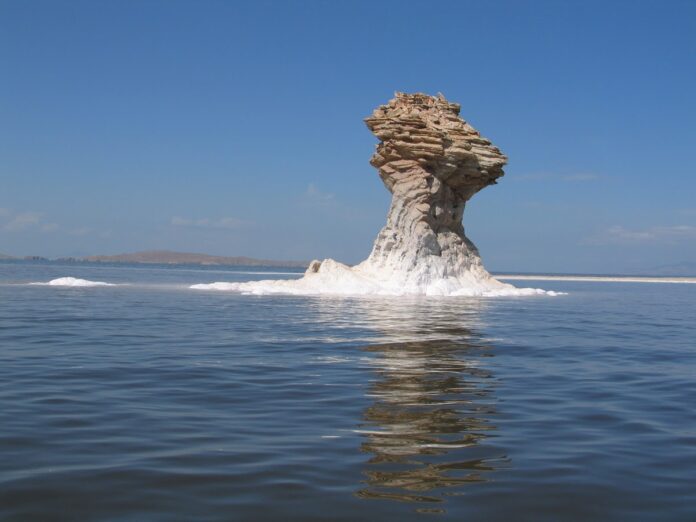
“At least 40 wetlands have been refilled and the level of Lake Urmia, in particular, has experienced a significant increase.”

Ardakanian said evacuation of homes exposed to floods is one of the main ways to decrease possible damages as much as possible.

“We won’t receive any casualty reports if people take seriously the warnings and keep distant from the rivers. I hope the situation gets back to normal in the coming days,” he noted.

He then referred to the latest relief operations in the southern province of Khuzestan and said due to the latest deluges in Lorestan province, a floodwater with over 8,000 cubic meter in volume entered Karkheh River which is now subsiding gradually.

The Iranian minister also underlined that accurate calculations are made on a daily basis to prevent dams from bursting in the coming days.

Khoos Doozi; A Beautiful Pricey Handicraft (+Video)

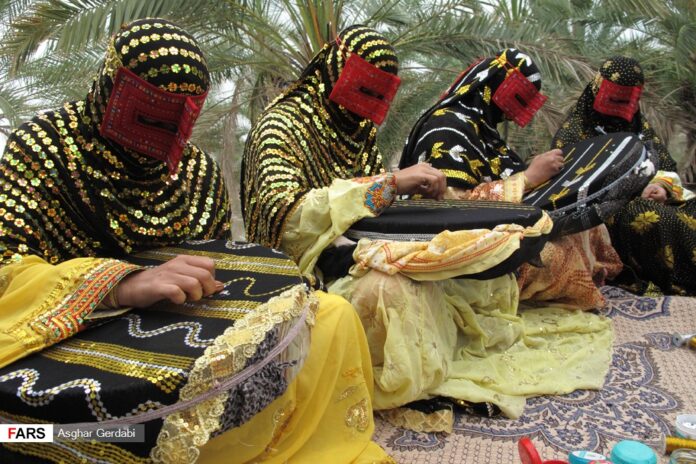
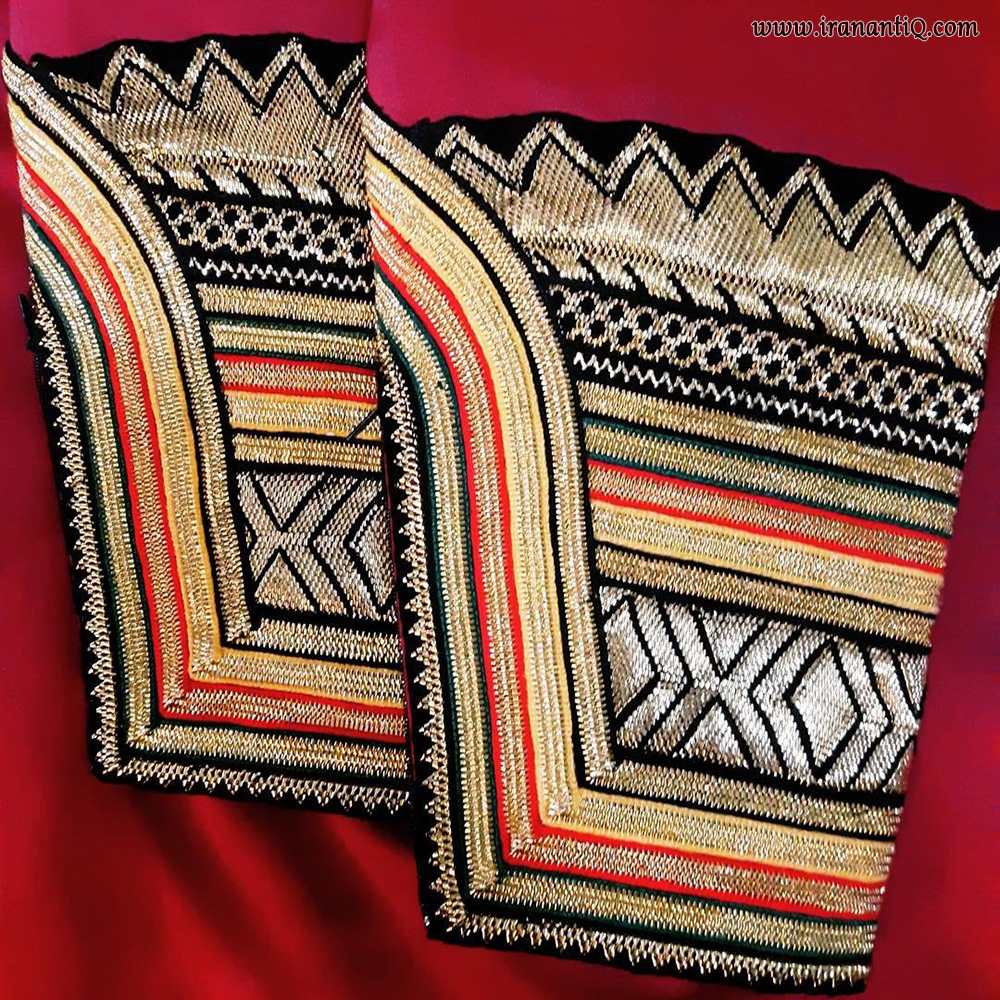
Golden and silver strips are most popular among Khoos Doozi artists. Meanwhile, the thread used in Khoos Doozi used to be made of silver.

There is no reliable written history of the art but it is for sure that the art was widespread during the Safavid dynasty in the south-eastern province of Sistan and Baluchestan and the southern port city of Bandar Abbas.

Khoos Doozi; A Beautiful Pricey Handicraft (+Video)The plastic strip (Khous) is sewn on lace and velvet fabrics. For sewing Khous on velvet, we should use a special needle named chenille.

The eye-catching art is used to decorate scarfs, lace chadors (usually dark and black), bride dresses, pants, counterpanes, cushion covers, hats, female shirts, vests and so on.

The designs used in the art are mainly Nine Bricks pattern, Beehive pattern, Six Hearts pattern, Bricks into Bricks pattern, Polygon Star pattern, Fig Leaf’s Margin pattern, Flower pattern, Swirl Flower pattern, Butterfly pattern, Crab pattern, and Cup pattern.

Khoos Doozi can also be blended with sequins and braid to create memorable and eye-catching pieces.

The art is still widespread in Hormozgan, Sistan and Baluchestan, Fars, Bushehr and Kurdistan provinces.

Back in November, the Khoos Doozi art of Bushehr in southern Iran received UNESCO’s Seal of Excellence in Handicrafts.

Iran’s Leader Urges Closer Cooperation to Help Flood Victims

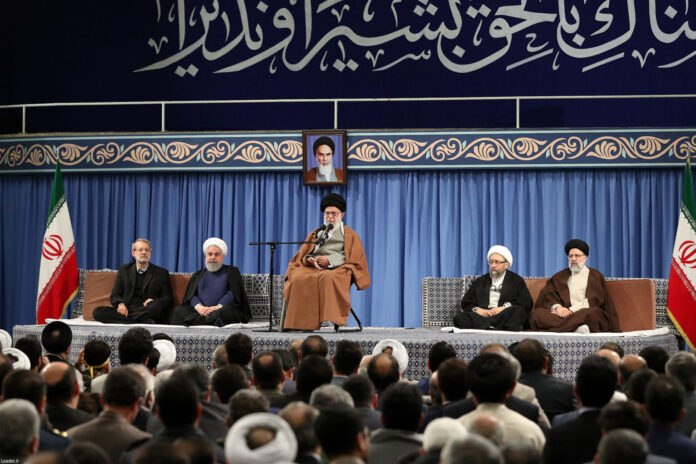
Ayatollah Seyyed Ali Khamenei made the call in a meeting with a host of officials, ambassadors of Islamic countries and people from all walks of life.

The Leader said the Iranian people have always volunteered to help their compatriots at times of natural disasters. Ayatollah Khamenei said people’s participation could further encourage the government to press ahead with relief operations.

The Leader said the damage inflicted to homes and agricultural fields should be repaired and compensated for.

However, he said, much remains to be done in flood-hit areas, which can be handled through the cooperation of people and authorities.

Elsewhere in his remarks, the Leader said the animosity towards the Islamic Republic emanates from hostility to Islam and monotheism.

Ayatollah Khamenei said the United States and its cronies such as the Al Saud regime will not settle for anything less than giving up the path for monotheism. He said if the Iranian nation continues to move on its current path, it will definitely defeat the enemies such as the U-S and its puppets.

The Leader said confrontation between “monotheism and tyranny” is inevitable. He said God Almighty has ordained that good win over evil.

Strange Story of ‘Demon Prison’ in NW Iran

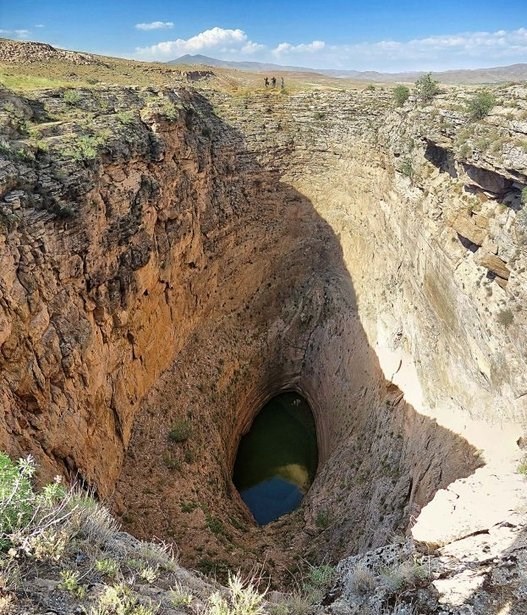
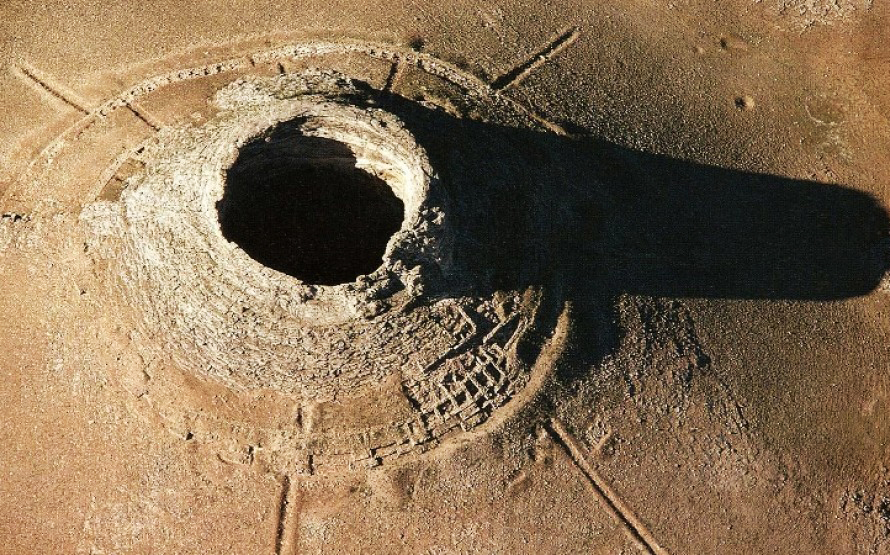
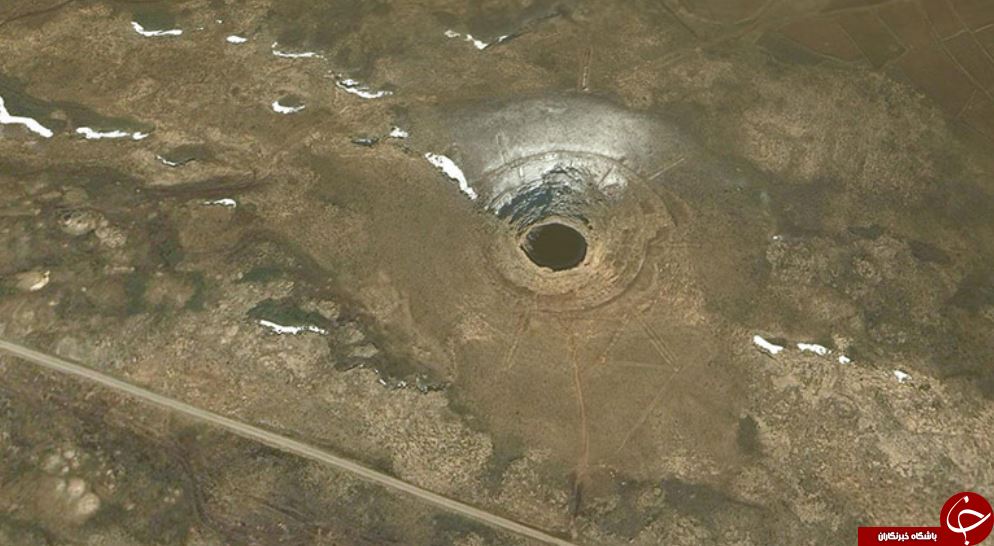
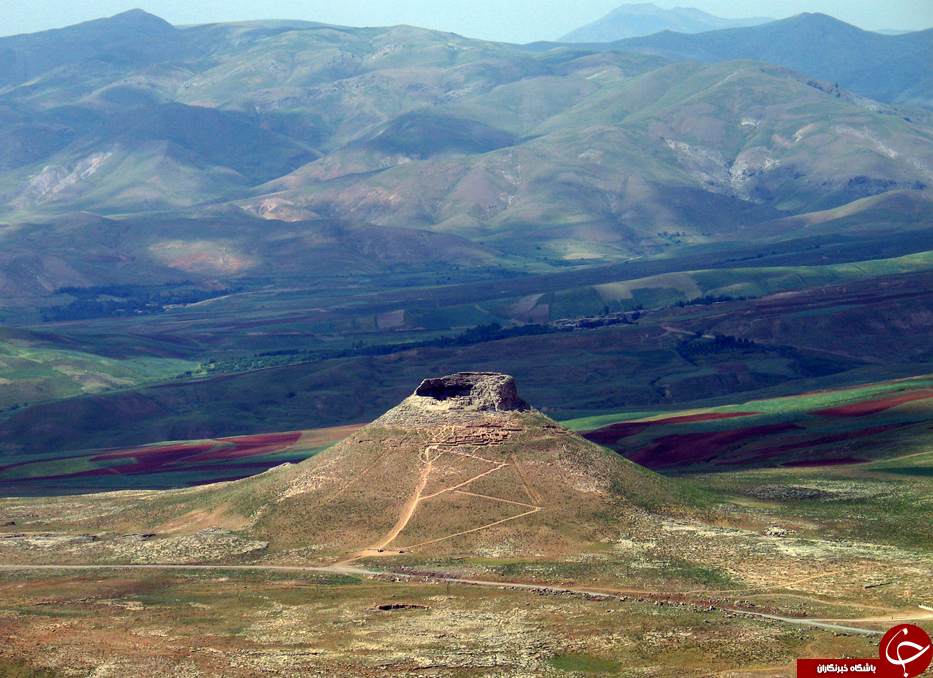
Strange Story of ‘Demon Prison’ in NW Iran

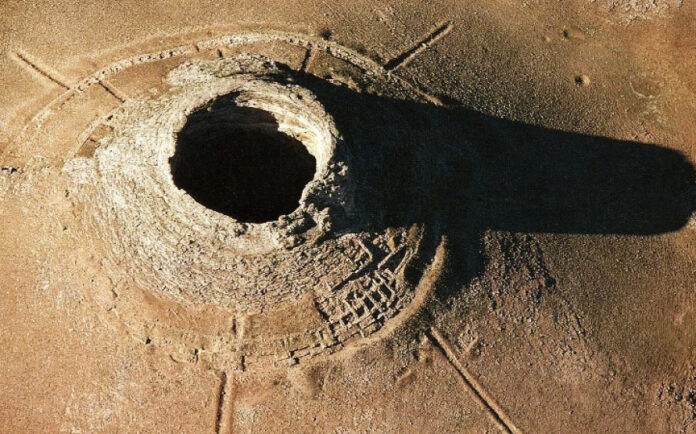
Built during the Sassanid dynasty (between 224 and 651 AD), the cone-shaped prison used to be the scene of sacrifices made and prayers said by the Zoroastrian priests. It is three kilometers west of Takht-e Soleymān in West Azarbaijan.

The hill has been shaped over thousands of years by sediment layers of mineral stones of an ancient lake. It used to be a temple between 830 and 660 BCE with several sulphur hot springs around it for medical treatment.

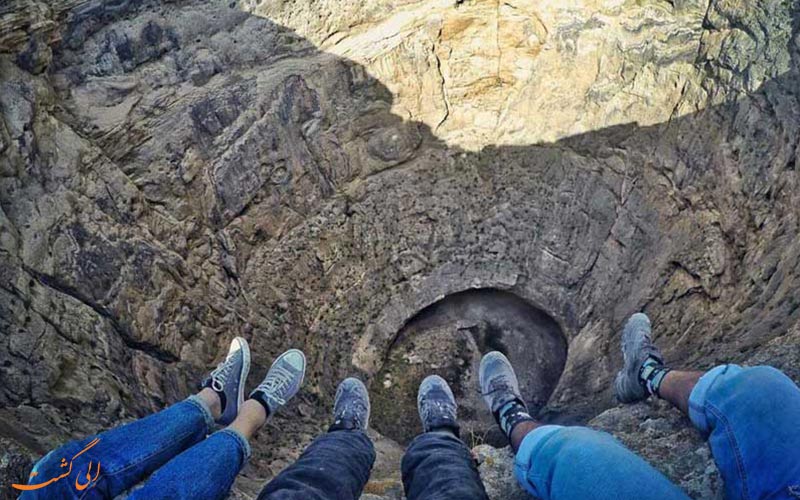
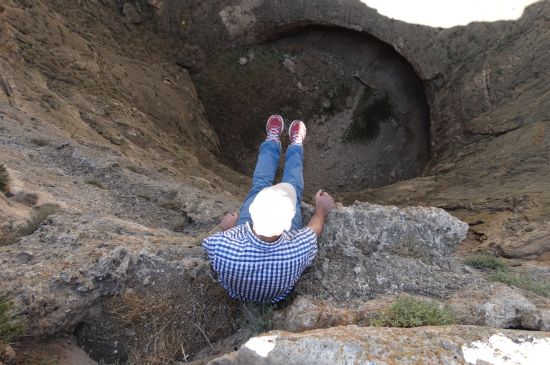
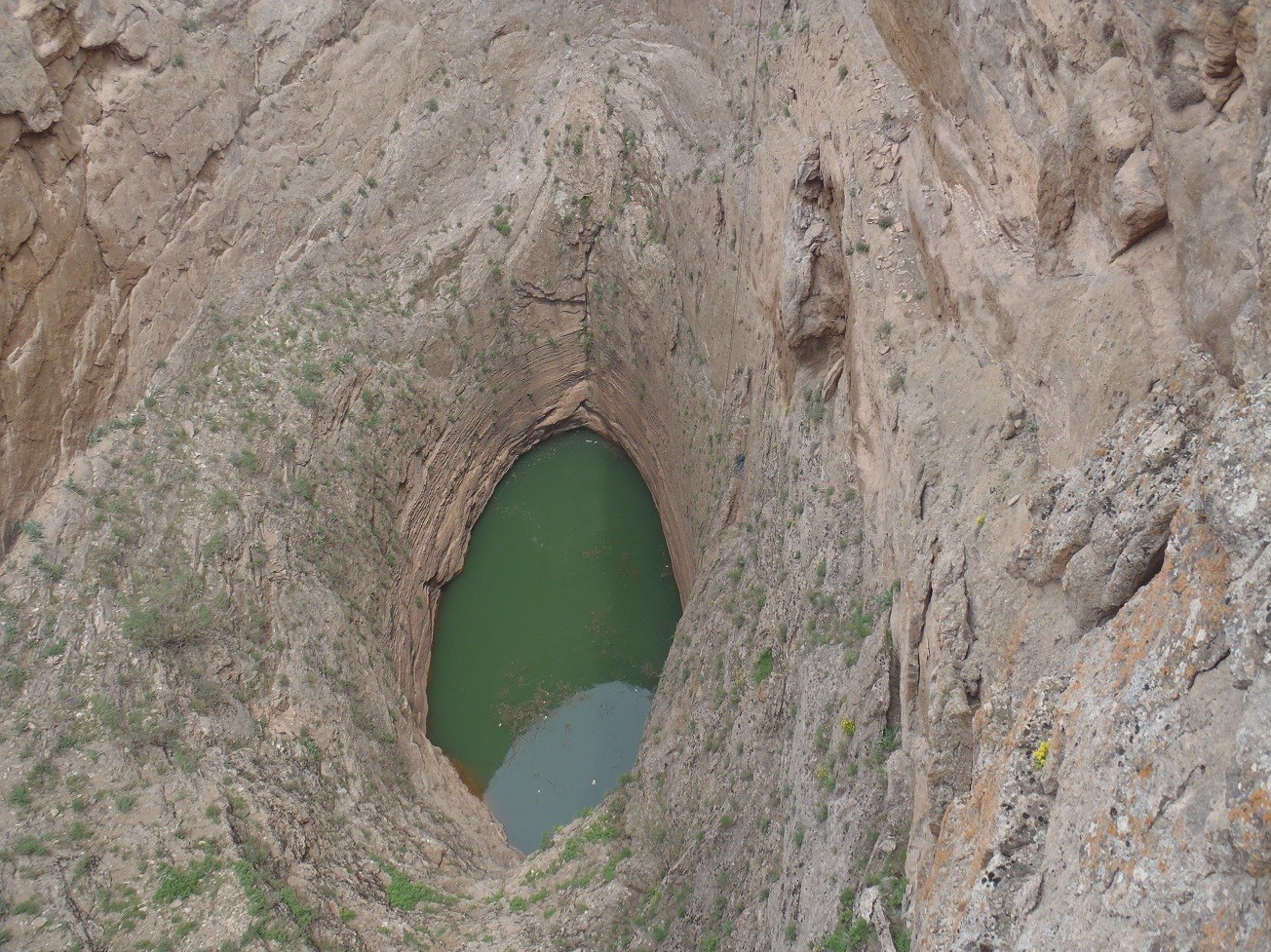
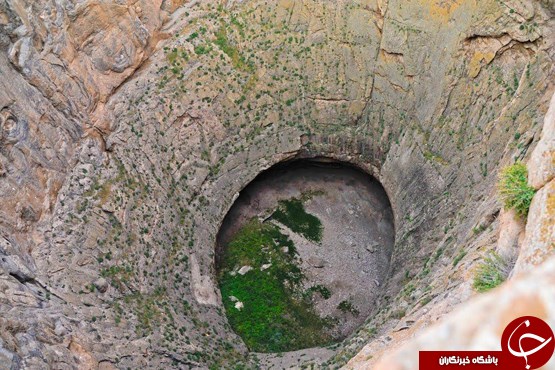
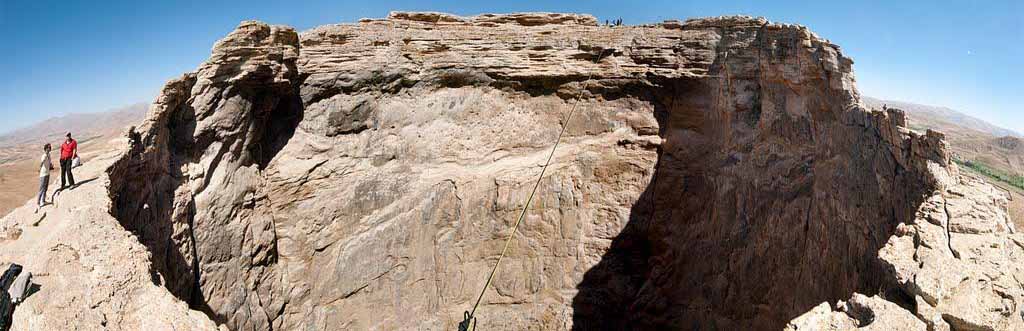
Unlike other volcanos, the Demon Prison hill is made of sediment layers of mineral stones. There used to be a spring in the region which turned into a lake over time. Its water was filled with salts and sulphur. Through time, the salts resided at the bottom of the lake becoming solid sediment layers. Now, after thousands of years, the layers have shaped a hill with a hole inside. Gradually the lake dried out but its remnants are still visible.

The site is now among one of the most beautiful natural attractions for mountaineers.

What’s Story of Demon Prison?

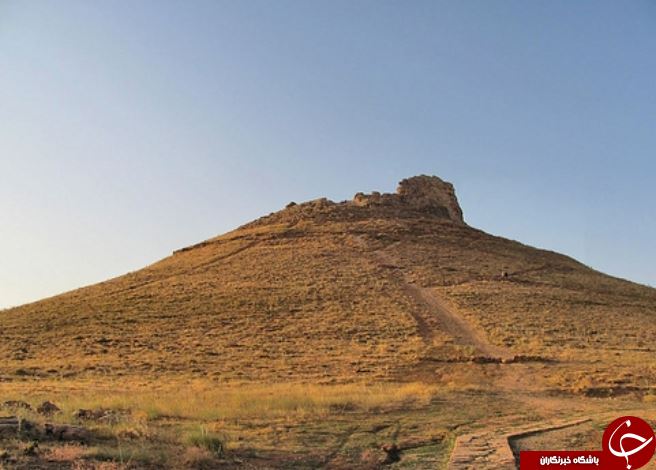
The Demon Prison or Solomon Prison is a hill with a horrible hole inside and a strange story.

If you climb the hill, you will see a stone building made by Sarooj mortar standing at its top. The building has hidden a black hole inside with no way out and if somebody sets foot inside, he/she will definitely die.

Locals believe that Solomon jailed a demon who defied him into the hill’s black hole; then tightened its black hole by setting up a building above it.

The demon in the black hole is the same devil who stole a special ring inscribed by the lord’s names from Solomon. The demon is believed to be a very dangerous and furious creature releasing toxic gas from its mouth. Anybody daring to set foot into the black hole will be murdered by the demon, locals believe. That’s why, it is named the Demon Prison.

The fortified site is the first attraction of West Azarbaijan recognized as a World Heritage site in July 2003.

Below you can see photos of Demon Prison:

US Blocks Humanitarian Aid to Flood-Hit People: Iran

bahram

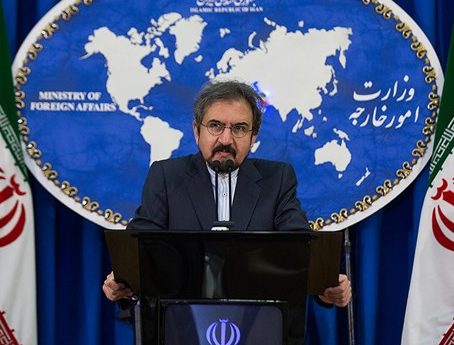
In a Tuesday interview with IRNA, Qassemi said the US move, adopted on the anniversary of Washington’s withdrawal from the Iran nuclear deal, reveals the anti-people nature of the American officials’ approach towards Iranians and counters their hollow and ridiculous claims that the sanctions don’t target Iranians and serve their interests.

The spokesman said usually, even in difficult and emergency conditions, not all banking systems are blocked and the dispatch of humanitarian aid is possible through bodies such as the International Committee of the Red Cross.

“However, in an inhumane and brutal move, the US has decided to block all channels for delivering aid to the flood-hit people of Iran,” he noted.

Qassemi also said aid bodies like the Red Cross Committee and the Red Crescent Society have announced over the past days that they are incapable of dispatching their aid to Iran’s Red Crescent.

“It seems that the US is seeking to block humanitarian aid to the flood-hit Iranians,” he underlined.

The spokesman also said the world community and international aid bodies should stand against the brutal move of the US.

He then referred to the huge damages inflicted on the flood-hit people in various provinces and added domestic aid bodies as well as Iranian people are seeking to alleviate the inflicted damages but no tangible foreign aid has been received yet as there is no channel to dispatch them.

Qassemi underlined that it is up to the international bodies to adopt an immediate measure in this regard particularly amid the current emergency situation in which there are some tangible shortcoming in terms of rescue helicopters and technical means.

He said the US should be held accountable for the consequences of its move to block aid to the flood-hit areas in Iran.

He also noted that the brave and selfless Iranians will survive such incidents and their damages through their philanthropic spirit and by establishing cooperation among themselves and with the government.

Qassemi underlined that the world and time will judge on those who have misused people’s lives as a political leverage to achieve their unholy goals.

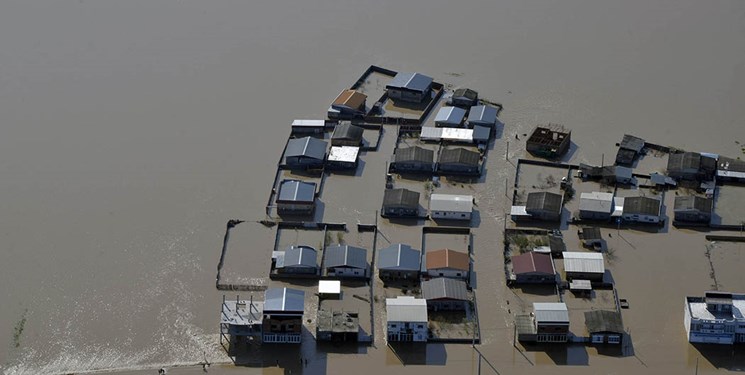
Weeks of heavy rainfall and flooding have caused devastation in many provinces of Iran over the past two weeks. The situation is critical in the west central province of Lorestan, which received record precipitation. Conditions are similar in several other provinces, including Khuzestan, Kermanshah, and Ilam.

Officials are on high alert as more floods are predicted in coming days, largely because of dams’ overflowing and rivers bursting. Authorities in Khuzestan have ordered the evacuation of seventy villages that are close to the Dez and Kharkheh Rivers.

The floods in Iran have once again resurfaced the discussions on the US brutal sanctions on the Islamic Republic. The Iranian foreign minister says Washington’s anti-Iran sanctions are hampering delivery of much-needed relief equipment to flood-hit areas in Iran.

In a tweet, Mohammad Javad Zarif accused the United States of flouting the UN Security Council Resolution 2231. Zarif condemned the US blocking of the Iranian Red Crescent Society’s aid efforts as financial terrorism. The United Nations Office for the Coordination of Humanitarian Affairs has also said that challenges caused by Washington’s unilateral sanctions will affect its relief support to Iran.

Meanwhile, Iran’s top diplomat reacted to the latest remarks by Secretary of State Mike Pompeo who claimed the US is ready to assist delivery of aid to Iranians hit by floods. He labelled the remarks as “Fake News”, saying as the ICRC president in the UN Security Council said neutral and impartial humanitarian action is hindered by elaborate sanctions regimes.

According to Zarif, “Iran’s Red Crescent has announced that international organizations are aware about the impact of US sanctions on Iran’s ability to combat disasters.”

Meanwhile, Iran’s Ambassador to the UK, Hamid Baeidinejad, accused the US’ Pompeo of hypocrisy.

“The US official in his interference attributes the current floods in Iran to mismanagement in urban planning and in emergency preparedness. This is while his own government is criticized for the continuing devastation caused by floods across the US Midwest,” he tweeted.

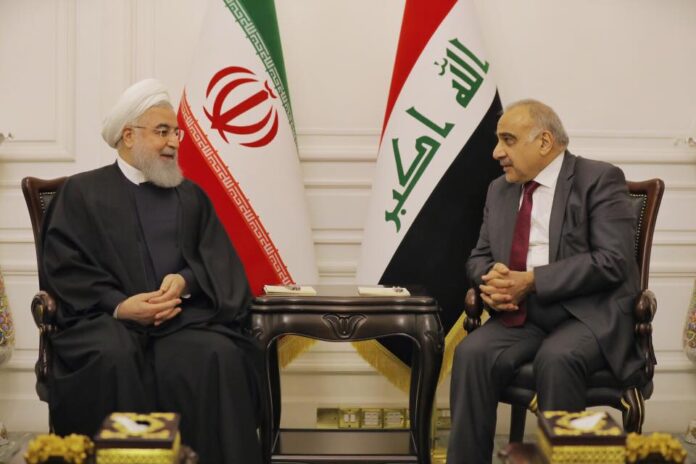
 

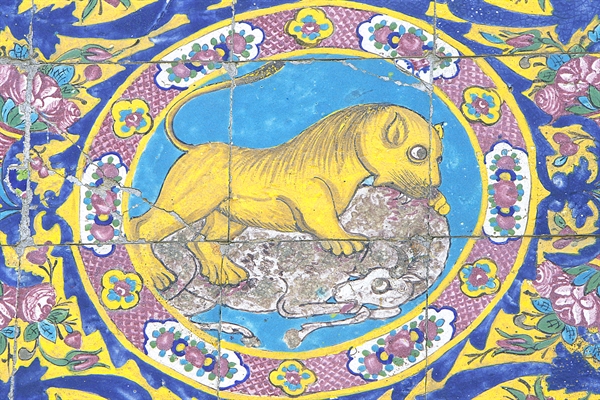
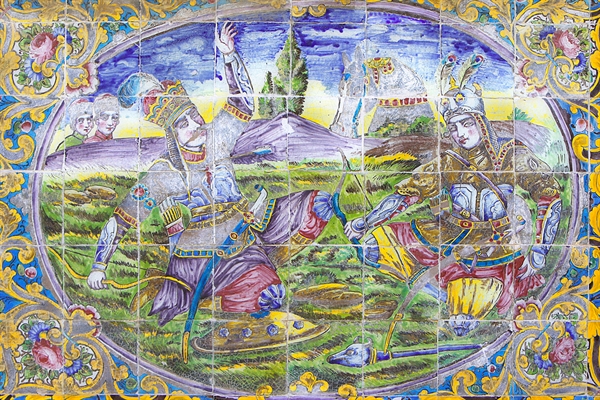
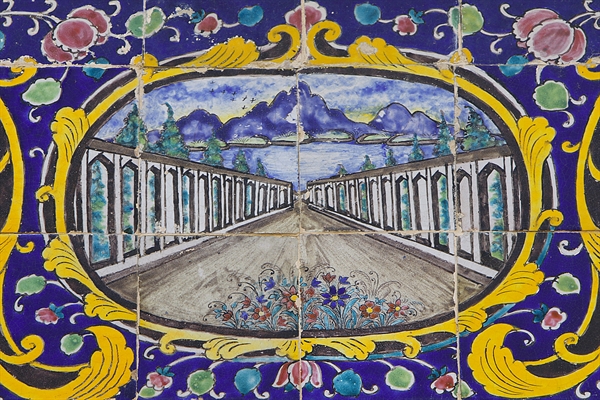
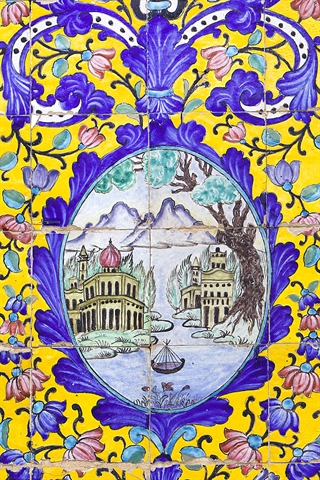
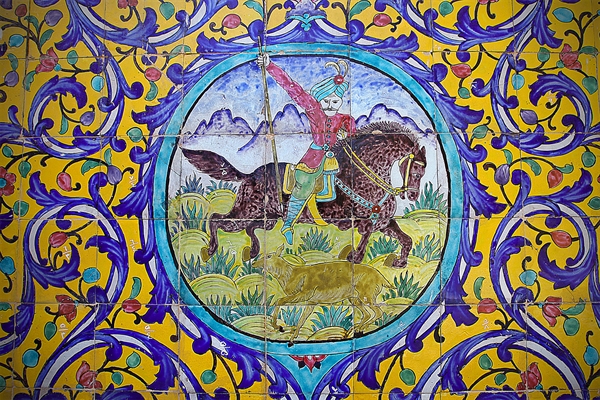
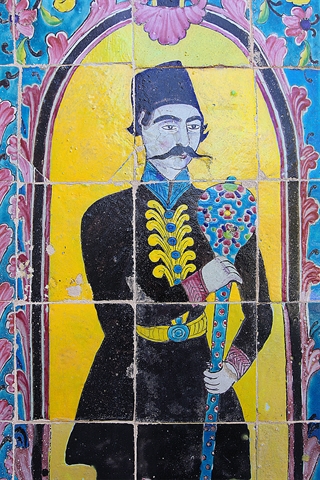
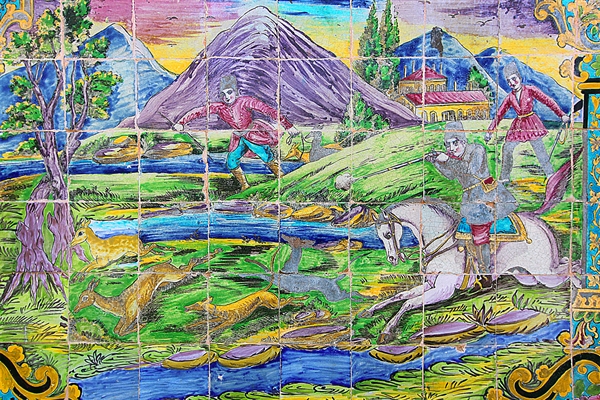
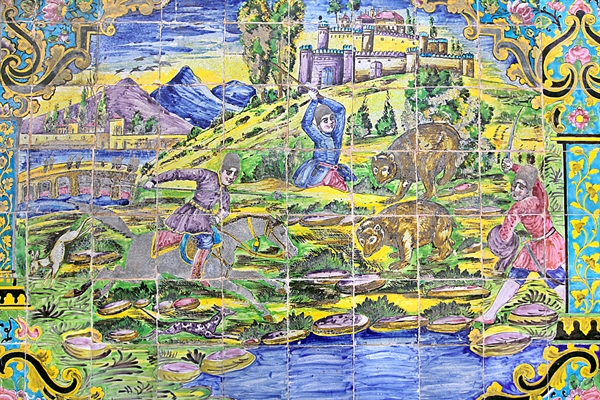
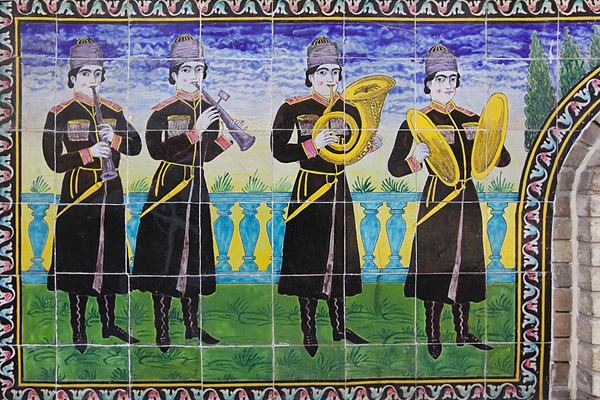
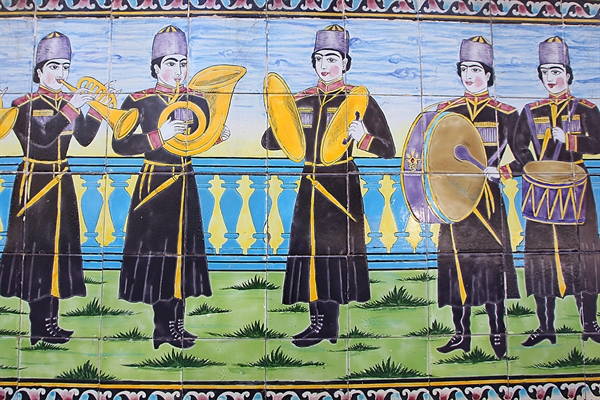
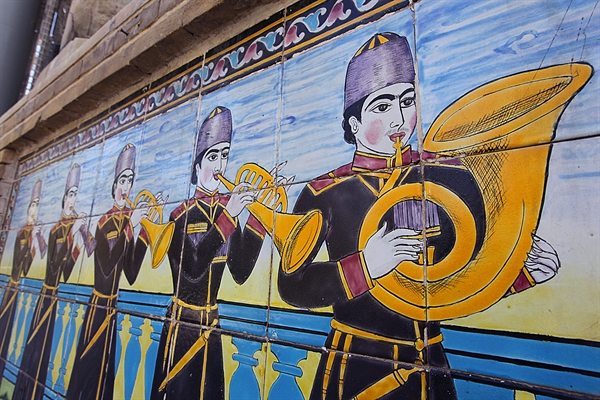
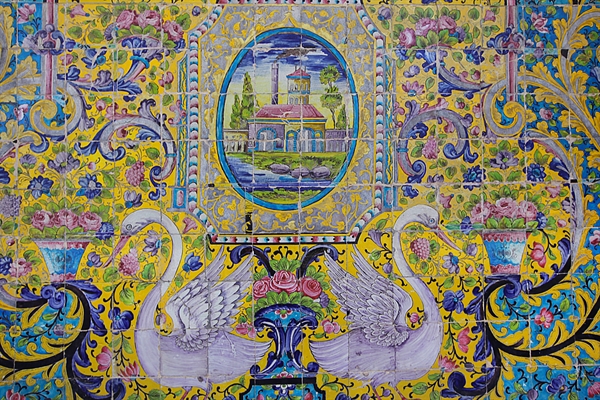
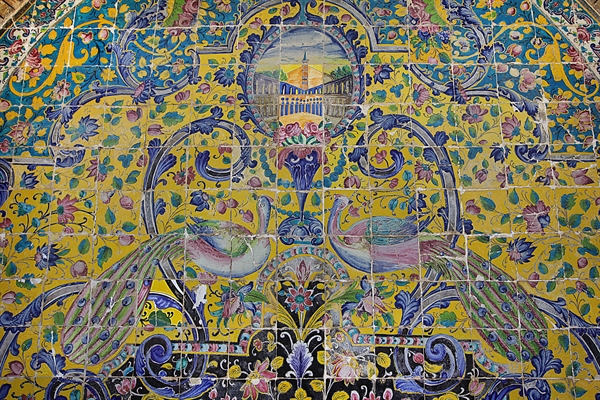
Persian Architecture in Photos: Tiling of Golestan Palace

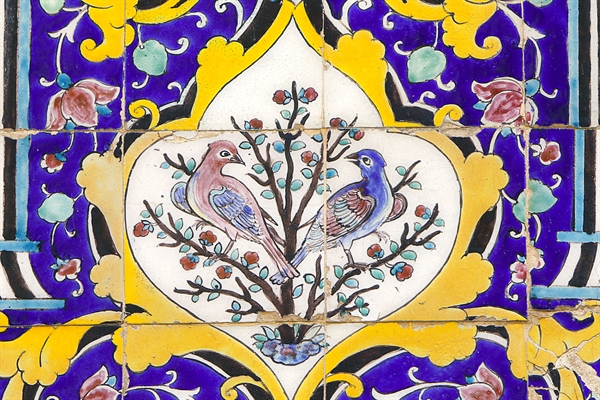
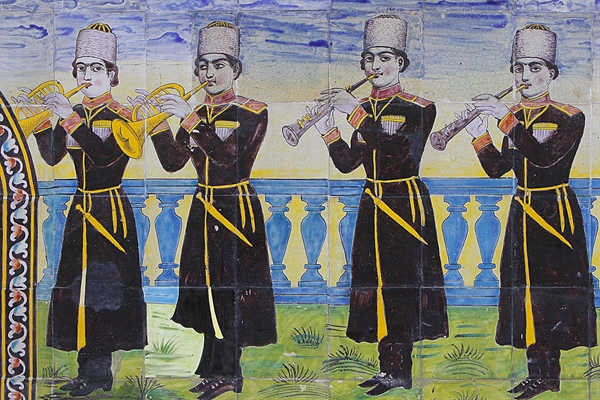
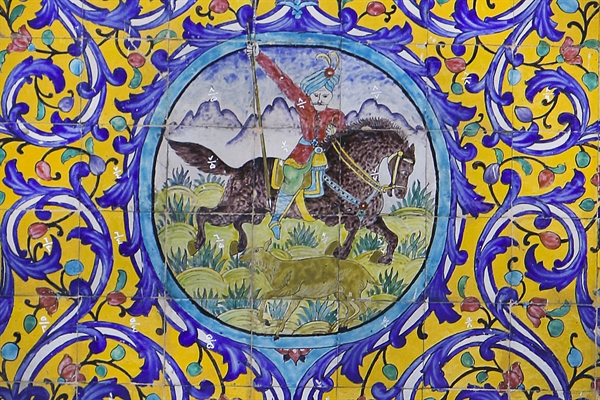
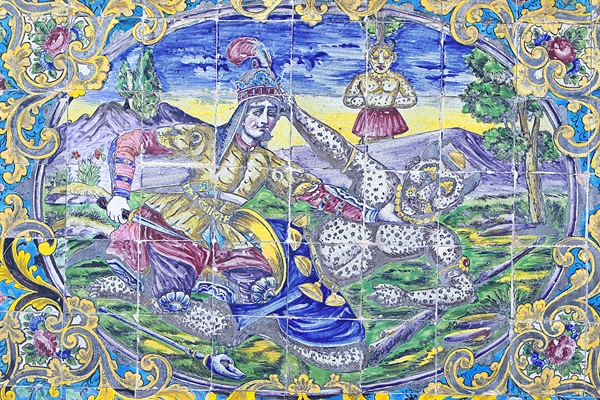
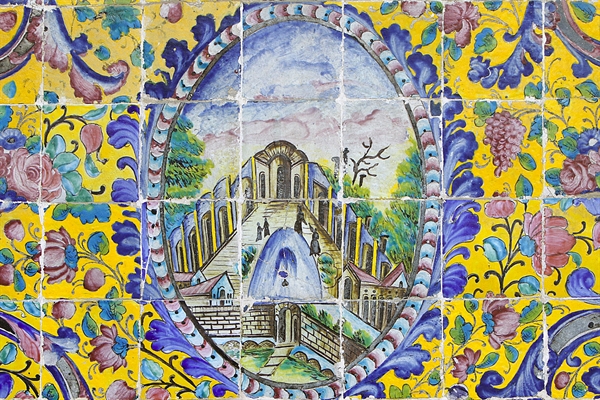
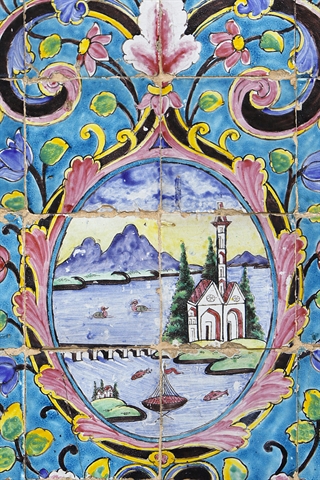
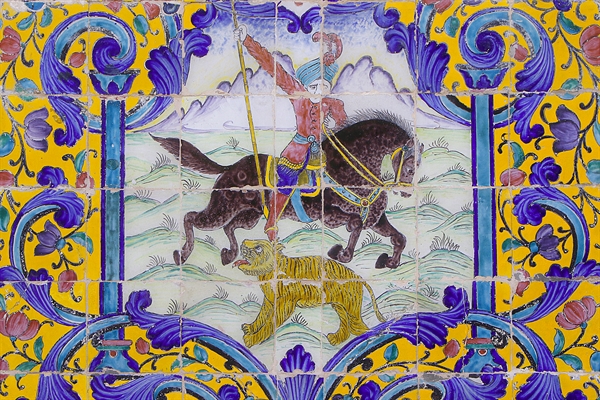
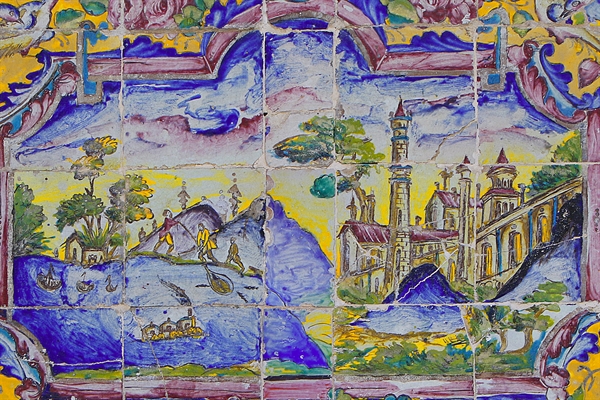
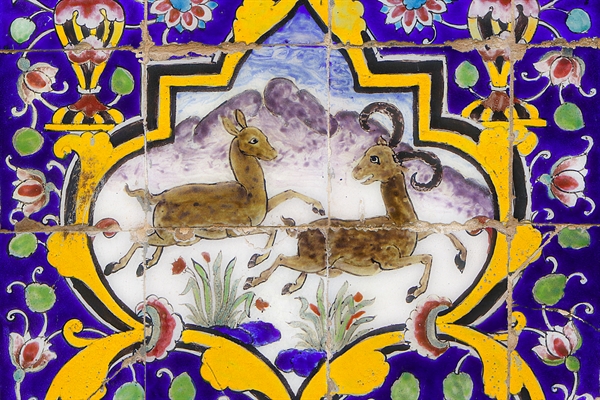
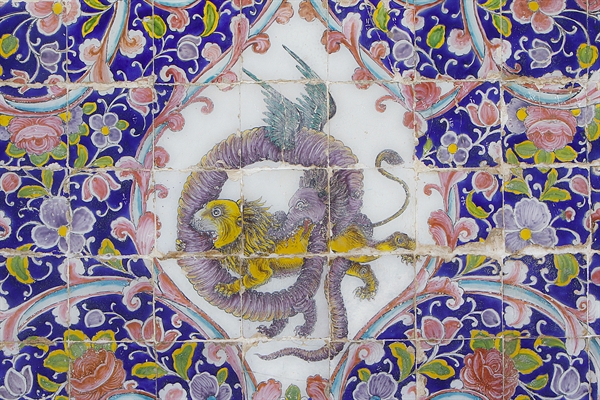
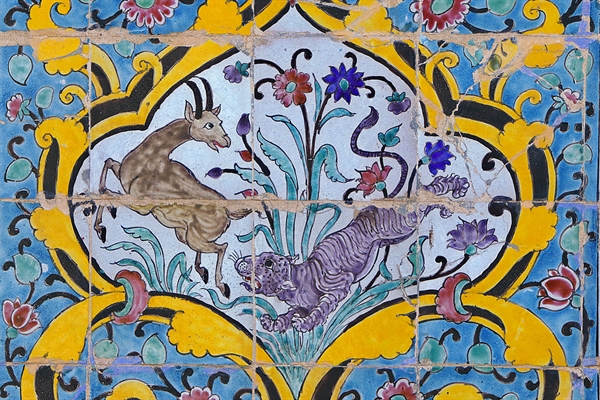
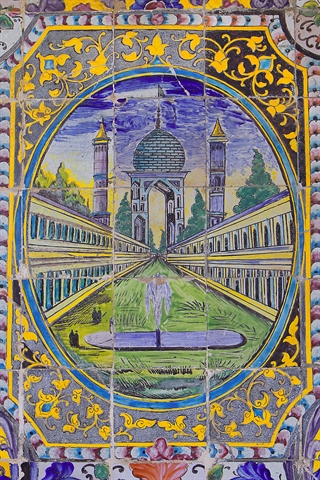
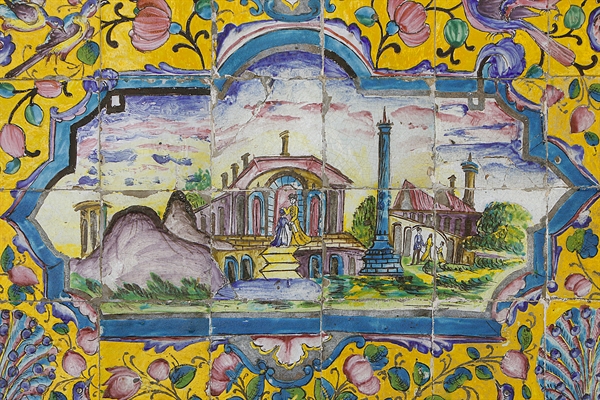
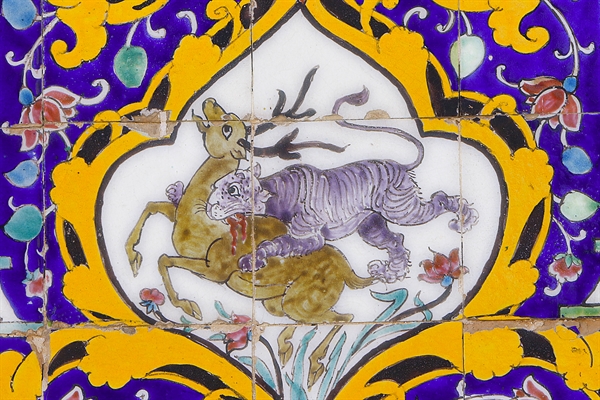
Various decorative elements have been used to ornament the splendid palace, but the tiles stand out. Tiling is a Persian decorative art which had been popular in the country in the 16th to 18th century.

The tiling of the palace serves as a tour guide leading the visitors through history, making them familiar with the personal artistic preferences of the kings of Qajar dynasty especially Nassereddin Shah.

It bears traces from European styles like those of the Renaissance and Baroque eras which were introduced to Iran by leading artists like Kamal-ol-Molk and Sani-ol-Molk; however, these styles gradually overshadowed the traditional Persian painting styles.

The dominance of yellow and orange colours in the decorative tiles is among the main features of Persian architecture during the Qajar dynasty. The architects of the era had traditional or western tastes and mainly used warm colours in their pieces when painting such patterns as flower and bird, lion and the sun or martial music bands.

Seven-coloured tile was a new innovation introduced during Qajar dynasty. Use of red or purple colours in the seven-coloured tiles was among the main features of tiling art of the era.

Golestan Palace is the oldest historical monument in the capital Tehran.

Aid Operations Start in Iranian City Most Affected by Flood

Head of the Red Crescent Society in Lorestan province, Sarem Rezaee, said the operations have already started in the city by distributing basic goods among the citizens of the city.

“At least six rescue helicopters from Gilan, Kermanshah, Kurdistan, Markazi, Kohgiluyeh and Boyer-Ahmad and Tehran provinces have been dispatched to the city to conduct aid operations in the city,” he was quoted as saying in an interview with Fars news agency.

Saremi went on to say that some makeshift camps have already been set up to provide contemporary shelter for the affected people of the city.

Army choppers and boats as well as the IRGC’s drones and helicopters have been deployed in the flood-hit areas for help.

The devastating flood in Lorestan has had no casualties so far.

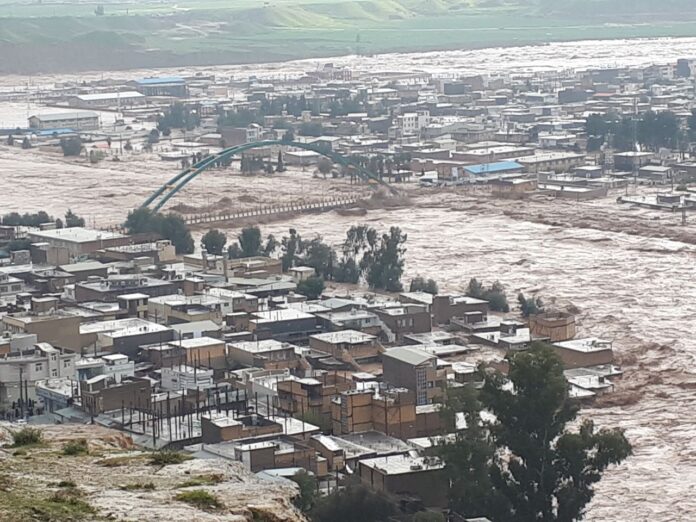
Aid Operations Start in Iranian City Most Affected by FloodHowever, at least five thousands residential buildings in Pole- Dokhtar have submerged following the Monday flood of Kashkan River.

The fresh floods of the past two days also cut all communication paths to the city leaving the flood-hit people in a completely desperate situation.

All roads leading to Pole-Dokhtar were closed and the heavy floods hit the whole town with people totally besieged by waters.

Following the fresh floods over the past days, all communication paths to Pole-Dokhtar were cut and conducting aid operations became possible only by rescue helicopters. At the earlier hours of the disaster, there were only three helicopters operating in the city and the shortcoming sparked criticisms from the flood-hit people waiting to receive immediate help from the officials.

Reports say, the floods have completely besieged the western and eastern parts of Pole-Dokhtar and people remain desperate to find a way out of the plight.

The disaster came after the Kaskhan River burst banks leading to the submergence of at least five thousand residential units. Meanwhile, over 100 villages in the vicinity of the town are now besieged by the floods requiring immediate extra-provincial services by the central government. Reports say, Pole-Dokhtar people are still deprived of basic goods amid harsh situation.

Some experts warn that if no immediate measure was adopted immediately, the city could have faced a humanitarian crisis.

Iran has been hit with three major floods over the past two weeks which coincided with the beginning of the New Persian Year.  The highest level of alert has already been declared in Lorestan province. “In Khorramabad the water has risen by as much as three meters in parts,” the Islamic Republic of Iran Broadcasting (IRIB) reported.
The first flood hit the northeast of Iran on March 19 and the second one struck the west and southwest on March 25, with a combined reported death toll of 45 people.

23 of Iran’s 31 provinces are affected by the floods and they also may face serious troubles.

Researchers Use Silkworm Cocoon to Store Blood at High Temperatures

Blood is made up of special connective tissues with its cells floating in a liquid called Plasma. The average adult has about 5 litres of blood. Blood clots outside the body and its solution called Plasma separates as yellow liquid. Plasma contains over 120 types of proteins which if processed, each can be used as a derivate for producing medicines.

Blood can be stored for three weeks in a refrigerator but it should be blended with an additional material called Sodium Citrate to prevent possible clots. 55 percent of blood is made up of Plasma and the rest of blood cells. In addition to saving most of seriously-ill patients, Plasma also serves as a raw material for producing medicines including coagulation factor, Plasma combinations and immunity elements.

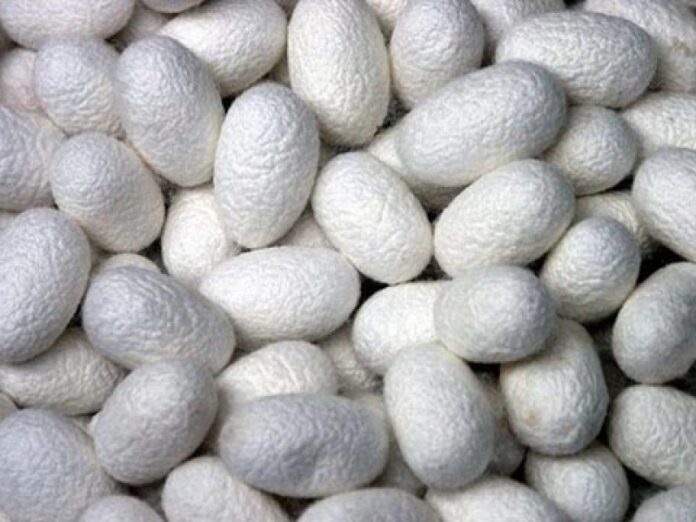
Researchers have recently found out that in addition to the current method to store blood and plasma by cutting-edge cooling technologies, they can also store blood samples for a longer time in high temperatures by using the protein available in the silkworm cocoon. The discovery, reports say, can contribute to healthcare measures in places suffering from lack of cooling technologies.

Scientists in Tufts University have discovered a new protein in silkworm cocoon called Fibroin which is highly helpful in storing blood in blood banks. They added Fibroin to a blood sample, evacuated its air and then kept it at 22 to 45 centigrade. According to the Science Daily, through dissolving the protein in water, they can easily restore the blood sample and use it in their research.

Researchers Use Silkworm Cocoon to Store Blood at High Temperatures

Based on the latest scientific finding, the protein in silkworm cocoon makes the least changes to the essence of the samples and highly contributes to the current methods to dry the blood samples or store them on a paper.

The new initiative also removes possible problems for samples like those emerging during cooling process. The samples stored by the new method can be used for analysis for 84 days and kept at 45 centigrade.

Iran Armed Forces Ordered to Make Aid Operations in Flood-Hit Areas

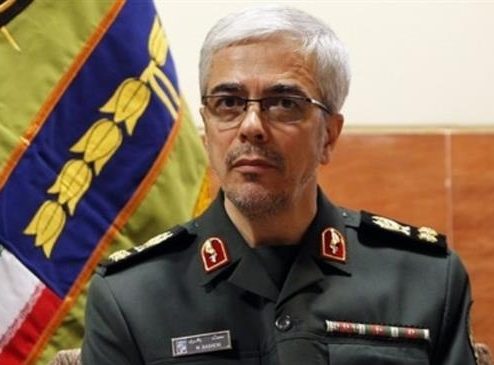
General Mohammad Hossein Baqeri

The order came following an earlier order by Leader of the Islamic Revolution who also serves as the commander in chief of Iran’s armed forces to Major General Mohammad Hossein Baqeri to offer help to flood-hit people of Iran.

The general ordered all armed forces including the Army, the Islamic Revolution Guards Corps and the Law Enforcement Force as well as the Defence Ministry to rush to offer services to the affected areas by mobilizing human resources and technical means and dispatching rescue helicopters to them, a report by Fars news agency said.

He also underlined that the armed forces should remain in the area till stability is completely restored to them.

Iran is struggling with floods in a number of provinces. New warnings have been issued in some cities as more floods are anticipated.
Some 400 towns and cities have been affected by the floods since last week. According to official figures, over 25 thousand houses have been ruined and 45 people have lost their lives since then. Aid and relief operations are in full swing in the affected areas.