Saturday, December 27, 2025
Home Blog Page 3133

Highest Number of Female Executives in Iran’s Most Underdeveloped Region

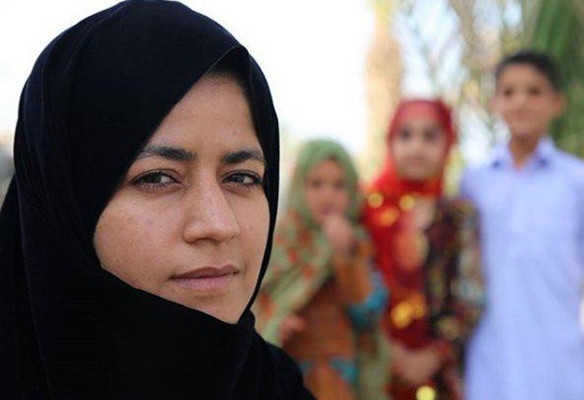
Sediqeh Yarmohammad-Zahi, a 29-year-old woman working as a local councillor in Sistan and Baluchestan

Sistan and Baluchestan has the largest number of people deprived from education. According to education officials, the largest population of these deprived people are girls who are denied access to education due to early marriage and cultural issues.

However, a great number of women in this underprivileged province have managed to gain top government positions, which means a new attitude and a great step forward.

According to a decree by President Hassan Rouhani, the executive bodies of the country are obliged to allocate 30% of the managerial posts of the relevant bodies to women as part of the country’s Sixth Development Plan.

Sistan and Baluchestan was the province with the first female governor and deputy governor, who took the positions during Rouhani’s term.

Other women in the province are also working as deputy governor, director general, deputy director general, university president, director general’s advisor, governor’s advisor, mayor, etc.

Since the beginning of the Rouhani administration, i.e. from 2015 until now, 237 women have held senior managerial posts in various ranks, including governor, director general, adviser and mayor in this province.

According to Iran’s Vice President for Women and Family Affairs, in President Rouhani’s second term, Sistan and Baluchestan with 20 senior and middle managers has the highest number of female managers among Iranian provinces.

As the government started to put more trust in women, the traditional and religious people of the province also changed their views and embraced the new approach to women in managerial positions.

Homeyra Rigi was the first Baloch woman to hold the post of governor in Qasr-e-qand, south of Sistan and Baluchestan since 2007. The successful experience of using a Sunni woman as the governor showed that women can play a greater role.

Rigi was later appointed the third female ambassador in Iran’s history and the first female Sunni ambassador.

Before that, Marzieh Afkham and Parvin Farshchi had been chosen as the first female Iranian ambassadors to Malaysia and Finland, respectively.

Despite some oppositions, Homeyra Rigi was finally appointed as Iran’s ambassador to Brunei upon the suggestion of the foreign minister and with the agreement of the president.

Iran Says Not to Return to Nuclear Talks with Trump’s Pressures

In an interview with NBC News, Shamkhani, who rarely speaks to the Western press, said that there were people in Iran who felt that signing the 2015 nuclear pact, known as the JCPOA, was a mistake.

Asked if he was one of those people, Shamkhani said, “Yes. … I’m just following the viewpoints of my nation, the people of Iran.”

In the interview with “NBC Nightly News” from Tehran on Monday, Shamkhani painted the US as the aggressor and prime source of tension in the region and warned the US to “act with wisdom.”

He said the Trump administration’s “maximum pressure” campaign against Iran would not bring Iran to heel or bring it back to the nuclear negotiating table.

“The sanctions campaign is not for negotiation, it’s for making us surrender,” said Shamkhani. “As long as this approach is taken by the United States, Iran will never ever seek negotiations.”

“We had a case of successful negotiations with the JCPOA. How come the United States departed from it?”

Shamkhani said the Iranian public has long dealt with international sanctions and proof of the failure of Trump administration policy was obvious in the mood on the street.

“Just walk the streets of Tehran and see how energetic our people are and you will realize that (what the US has) been trying to achieve has not materialized.”

According to Shamkhani, Iran is a stabilizing force, whose “martyrs” sacrificed their lives and defeated terrorist groups like al Qaeda and Daesh (ISIS or ISIL). He emphasized Iran’s role as a guarantor of security in the region.

He denied Iran is seeking nuclear weapons, since he said they are forbidden under Islam and have not provided security to those who have them, like Israel. He also denied that he had a “military wish” for Israel’s destruction, saying the Palestinian people would decide Israel’s fate.

“I believe that the one that is seeking the destruction of Israel is the country that does not see the realities on the ground,” said Shamkhani, taking a swipe at the Trump team’s Israel policies and Trump adviser Jared Kushner’s Middle East peace initiative. “They declare al Quds, or Jerusalem, as the capital of Israel. They pursue the ‘Deal of the Century’ project.”

To the Iranians, said Shamkhani, Trump seems to want the same things as all his predecessors as US president, which is to diminish Iran’s influence.

But Trump, said Shamkhani, managed to forfeit the “achievement ” of “neutralizing Iranian nuclear technology” by gutting the JCPOA.

Iran, said Shamkhani, is not basing its decisions on US policy on who is president, or on the possibility that Trump will not serve a second term. But he said that he thinks Trump’s “maximum pressure” campaign is failing because the US public and Western allies are “questioning” his leadership.

Trump’s recent decision not to attack Iran after the downing of a US drone, said Shamkhani, was driven by a “calculation of cost and benefits.”

Should the US and Iran become engaged in an open military conflict, Shamkhani said that Iran has “multiple instruments at hand, including the proxy war,” but he did not specify who those proxies might be. Iran is a long-time supporter of Hezbollah, Hamas and Yemen’s Houthi movement.
Both the US and its regional allies would be in “a terrible situation” in the event of war, said Shamkhani.

“There is no doubt that the already tarnished image of the United States will be even further destroyed in the region and the whole world. Why do they basically threaten to launch a war against us?” he added.

Iranian Oil Tanker Runs into Technical Problem in Red Sea

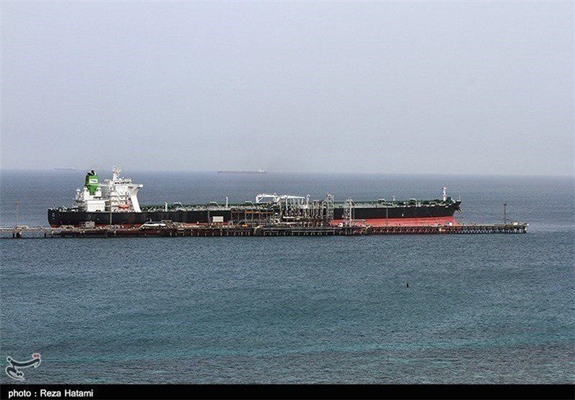
The HELM oil tanker ran into technical problems at 6:30 a.m. on Tuesday, August 20, 2019, (Tehran time), 75 miles north of the Yanbu port.

“The staff on the oil tanker are working to solve the problem, and the vessel is a stable condition in terms of safety,” said Akbar Jabal-Ameli, the NITC technical director.

“Fortunately, the personnel on the ship are safe,” he added.

He said all the necessary arrangements are being made to remove the technical fault.

“The staff on the ship are in a state of full preparedness and working to solve the problem,” he noted.

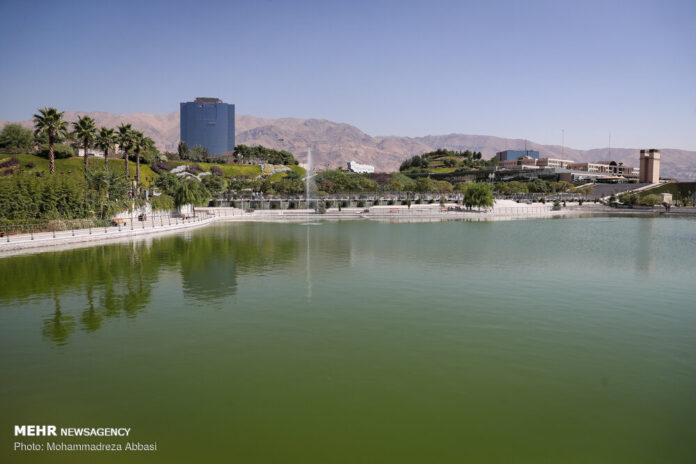
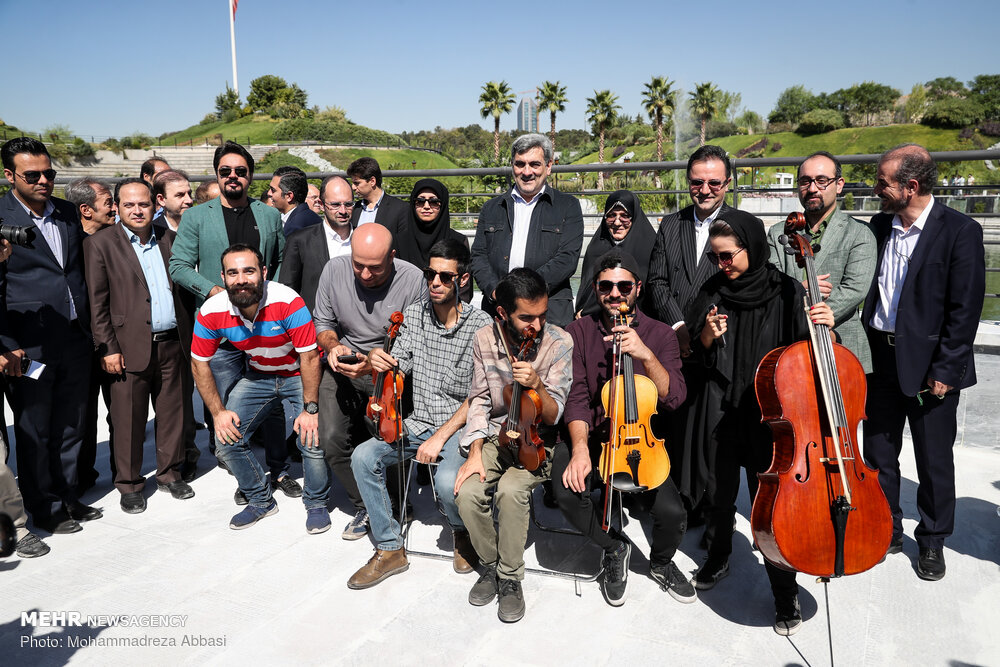
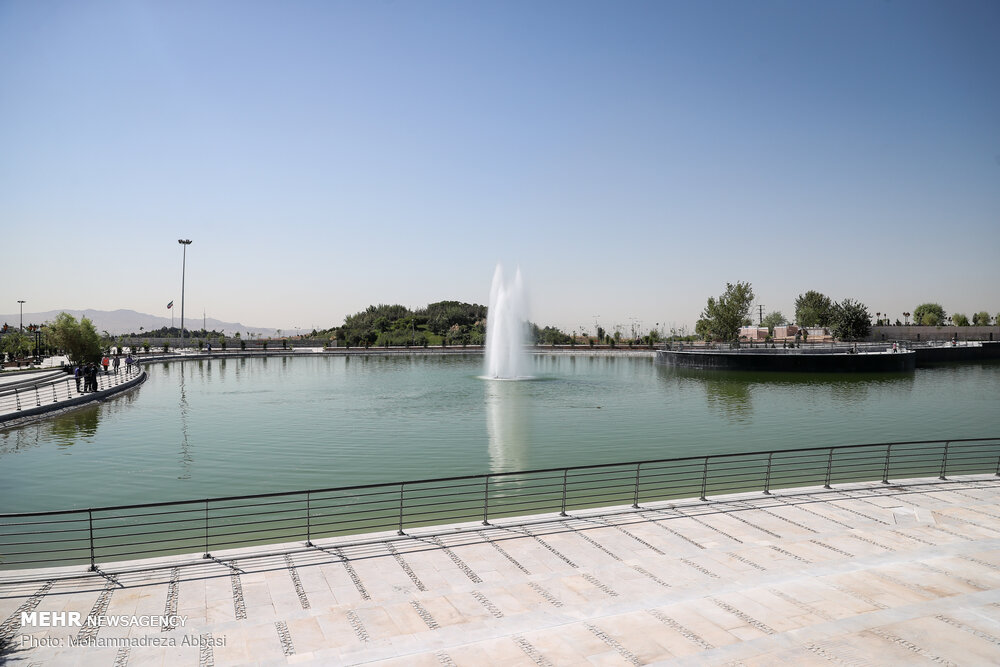
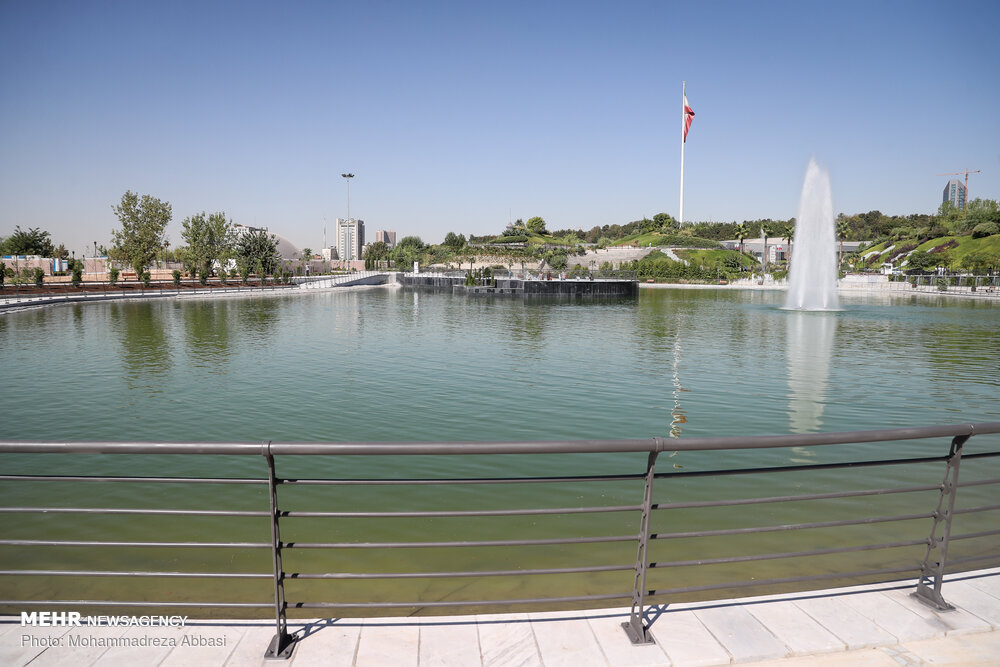
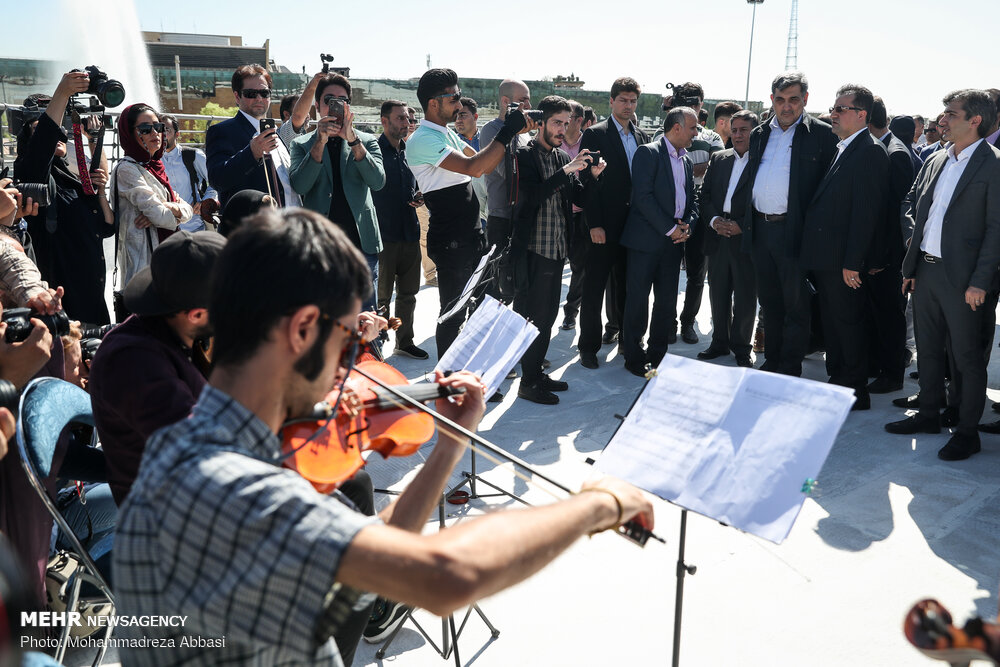
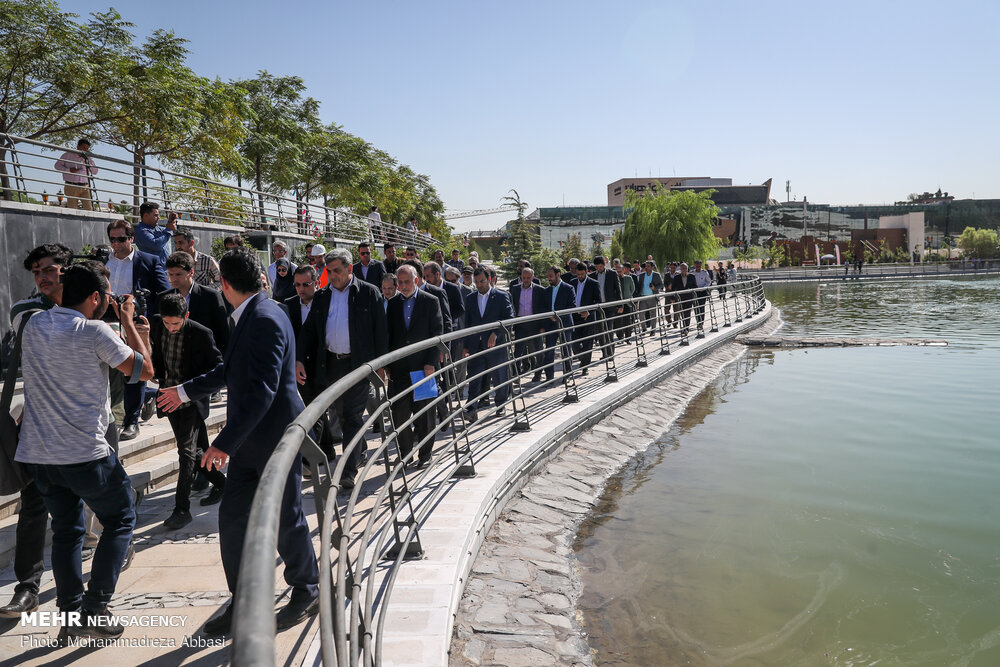
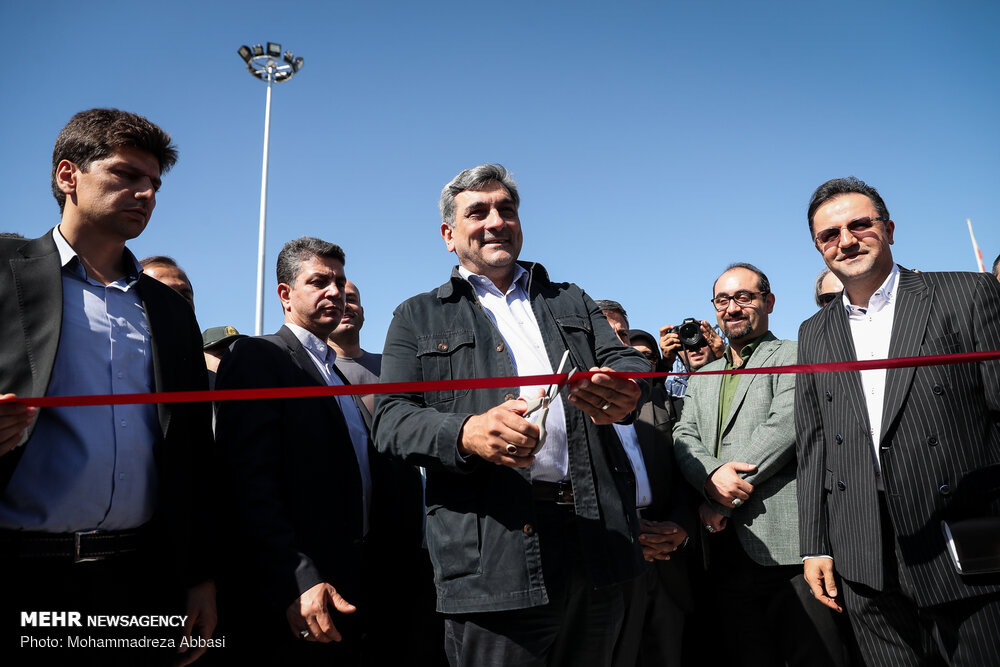
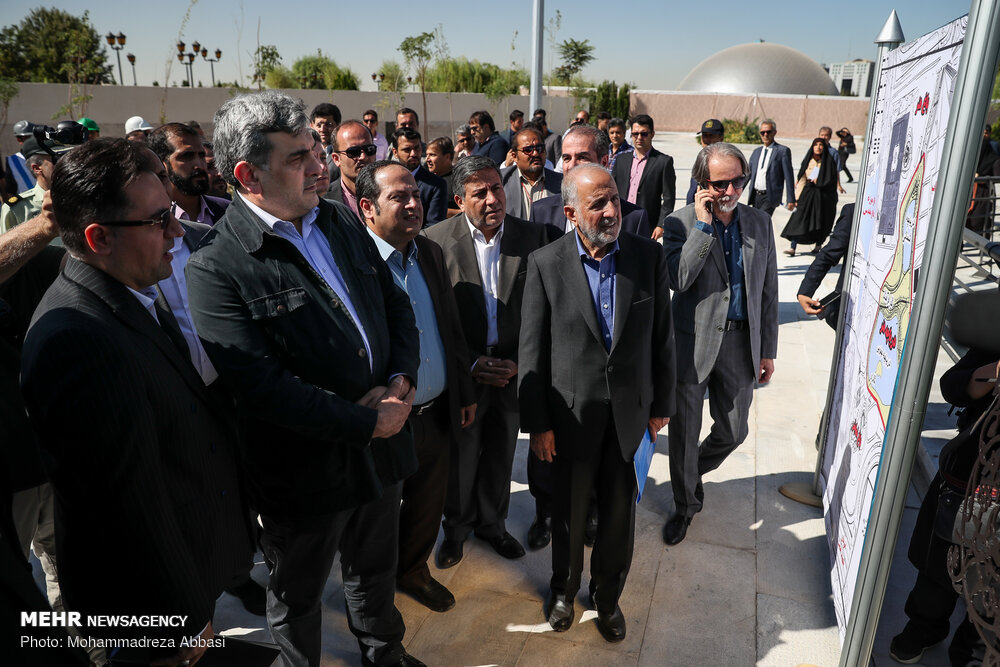
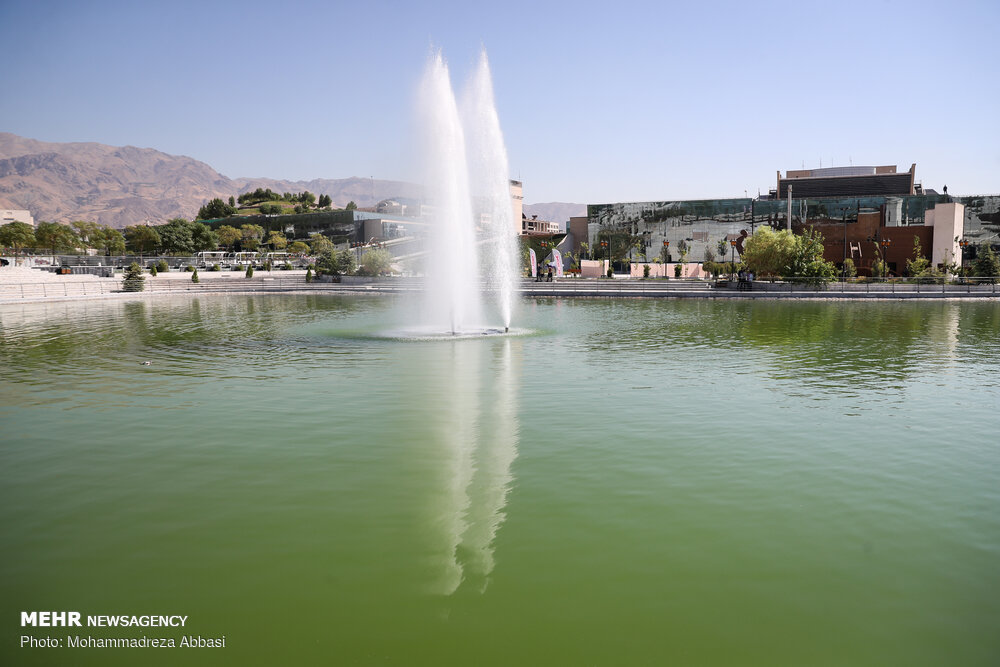
Art Garden Opens in Tehran with Vast Artificial Lake

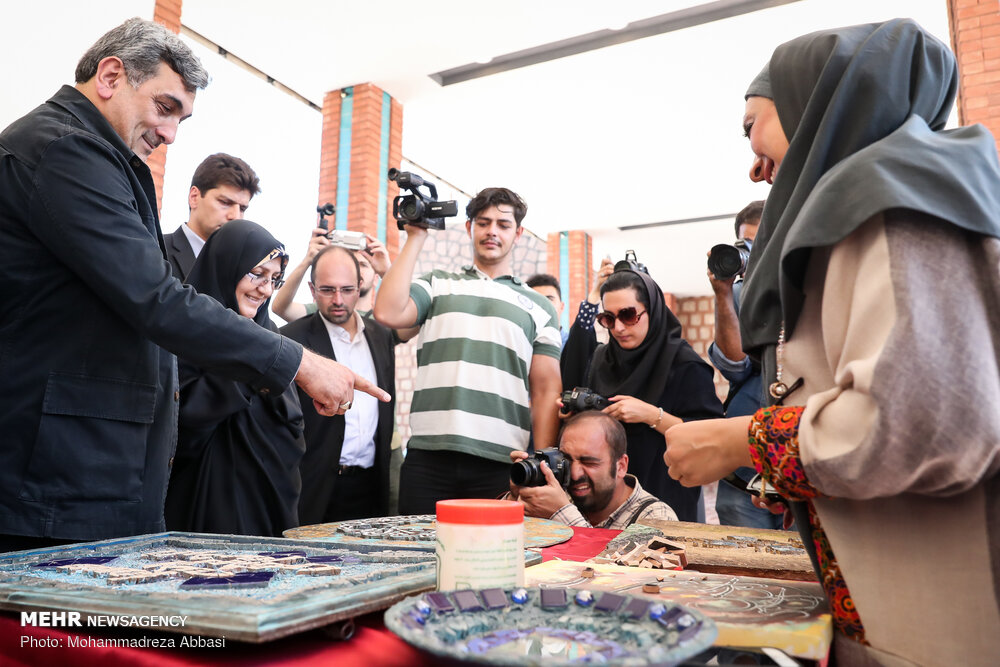
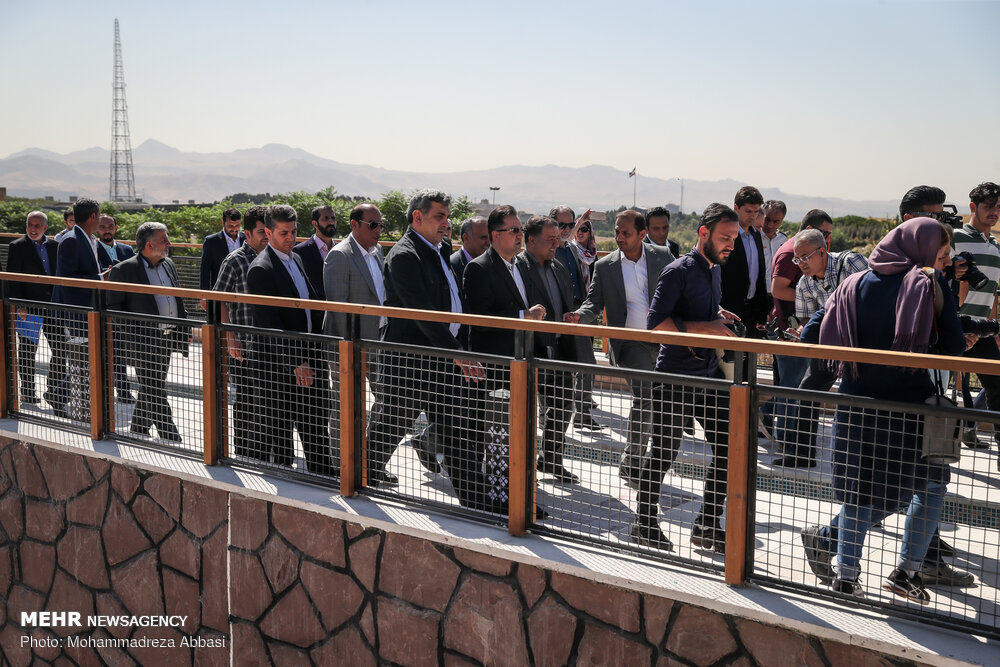
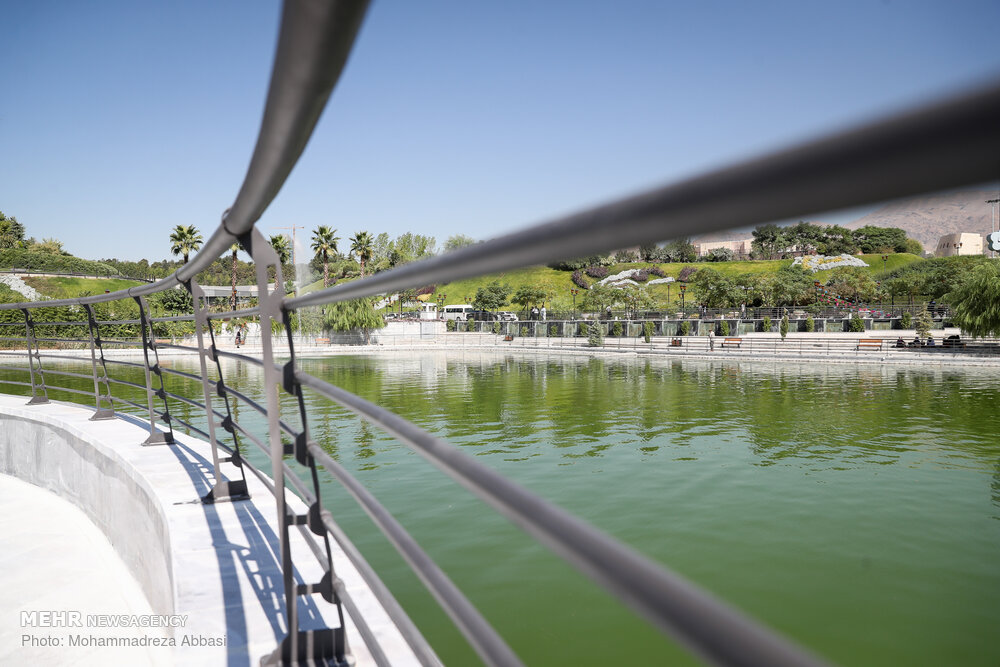
The lake and garden, measuring 25,000 and 5,000 square kilometres respectively, are regarded as the largest art project in Tehran.

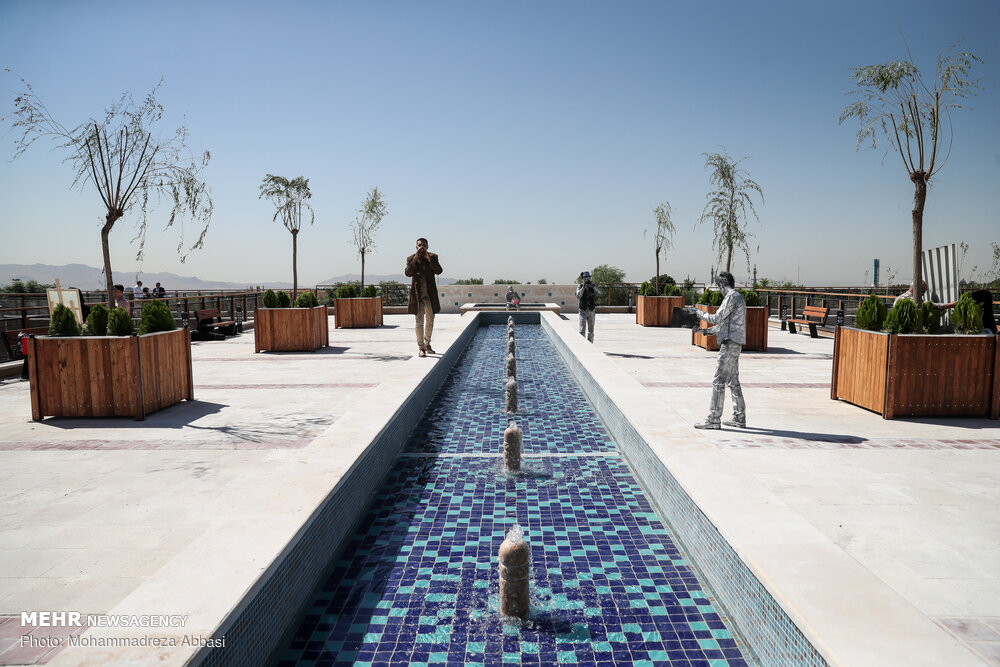
The garden has been designed to create an atmosphere to present arts such as music, visual arts, poetry and literature, with the focus being on the Central Mansion and establishment of a close bond between the artist and the audience and the promotion of the society’s artistic understanding of Iranian art.

This garden aims to help people experience the Iranian art and culture while being inspired by the Iranian architecture pattern.

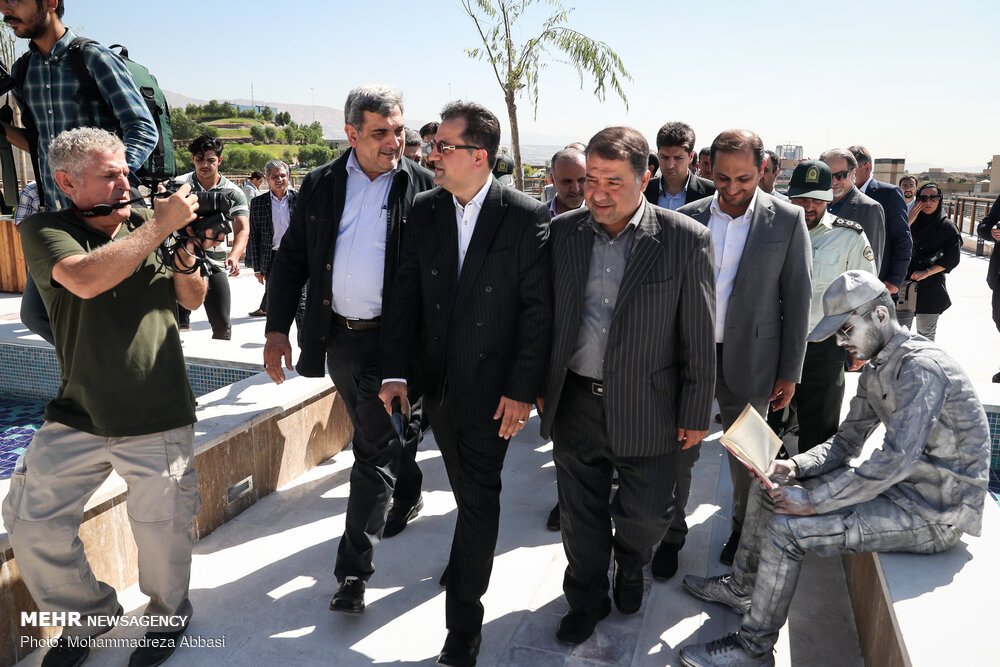
The garden grounds include a lake, four buildings and a porch. Two buildings named “The House of Poetry and Literature” and “The House of Pattern” opened in phase one of the project in 2012-2013. The lake and the garden area are inaugurated in phase two.

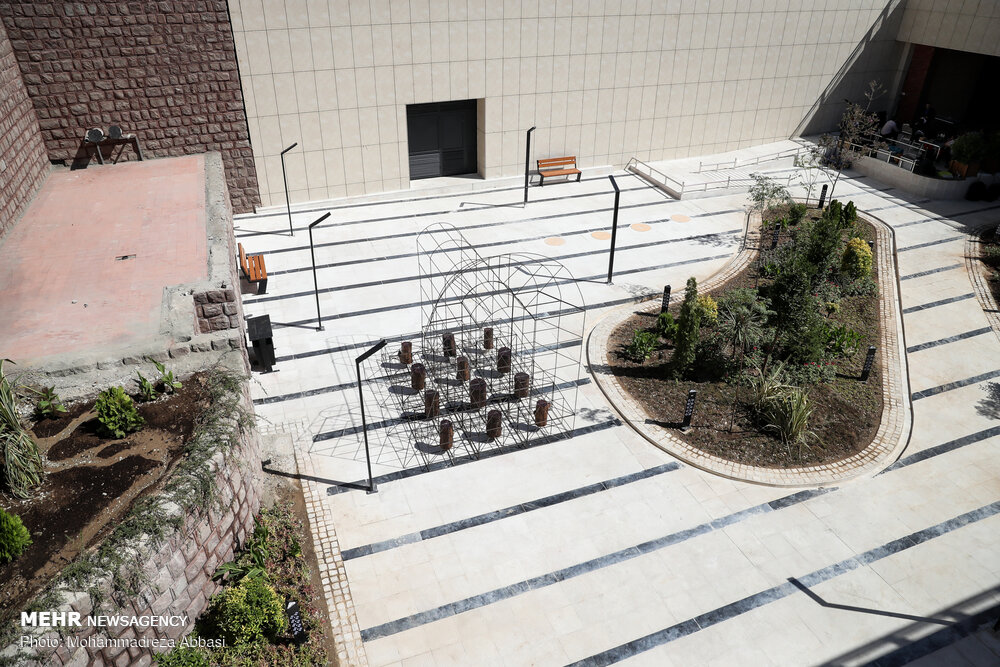
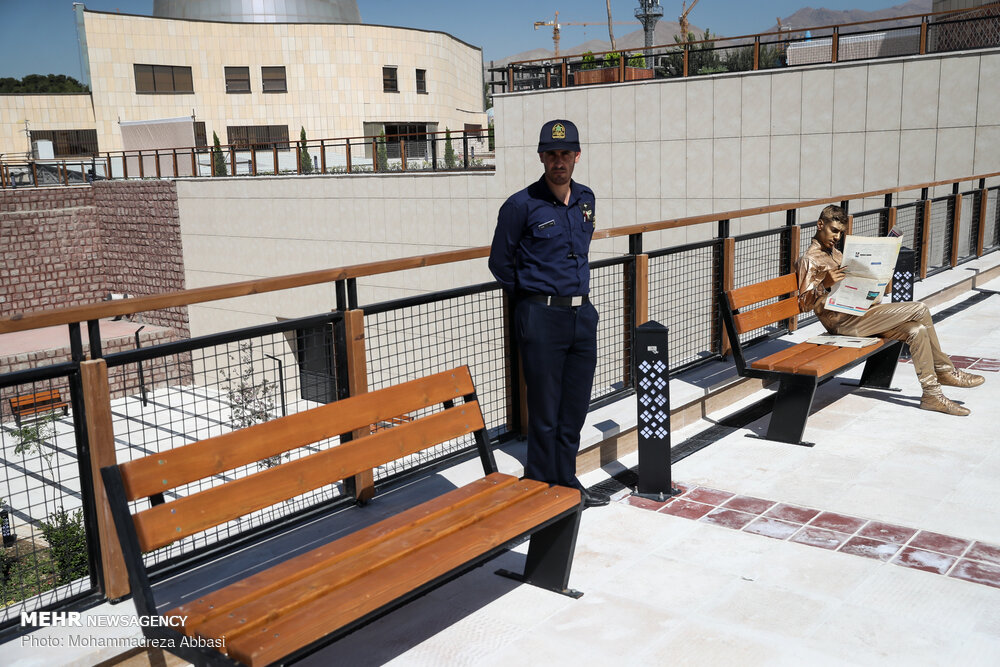
The garden also contains amphitheatres for conferences and specialized meetings, conference halls, outdoor amphitheatres, coffee shops, restaurants and galleries where works of art by renowned artists and students can be displayed. Part of the premises are already operations, and the remaining parts will be put into service after the Central Mansion and the House of Music are completed. The two building are slated to enter service in mid-2020.

Programs are also underway to host international artists at the complex.

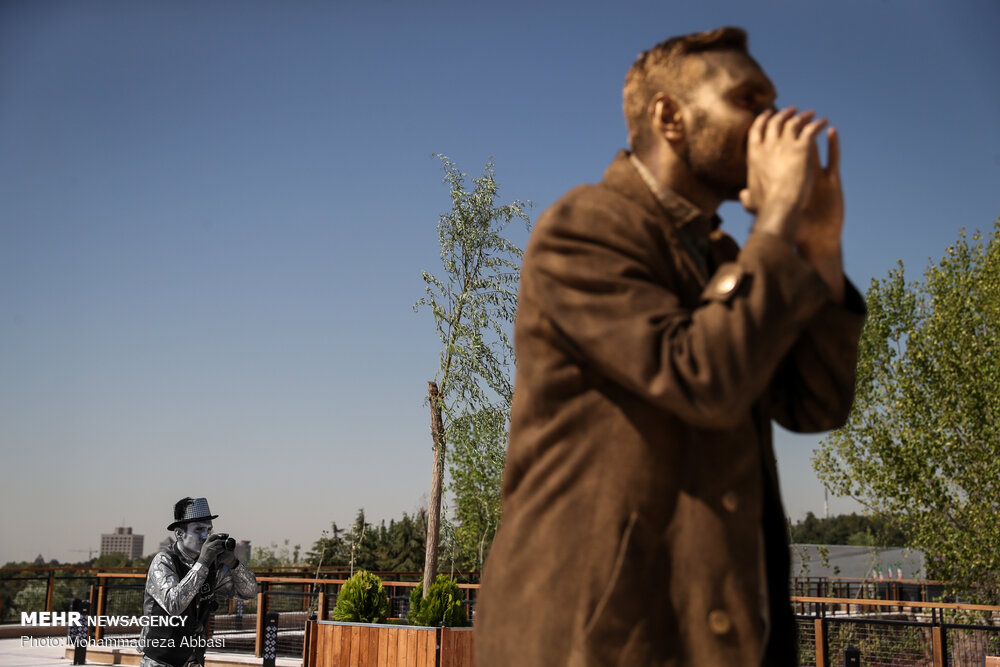
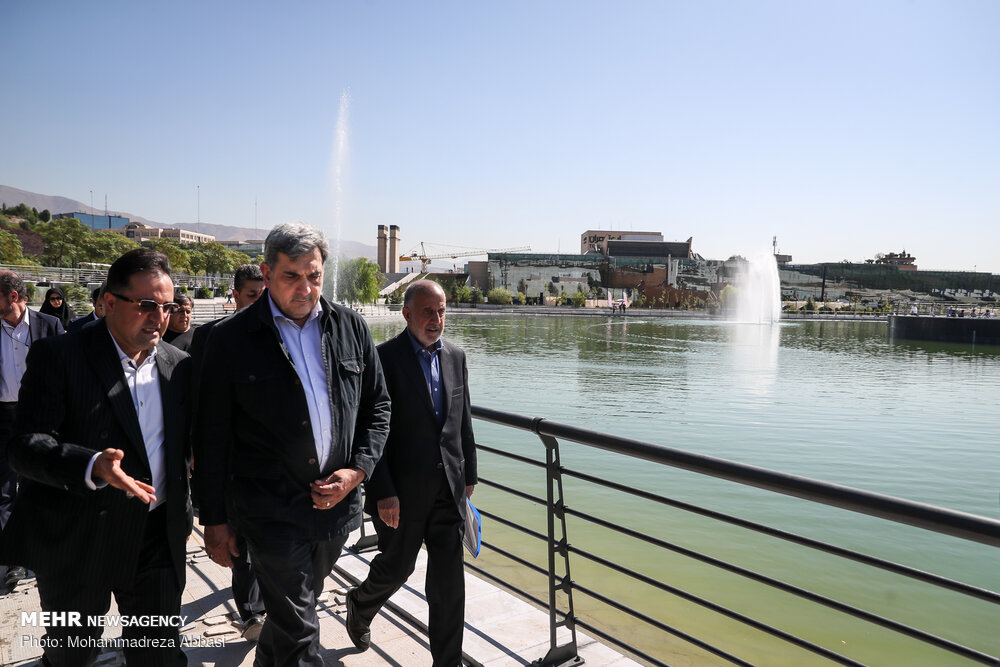
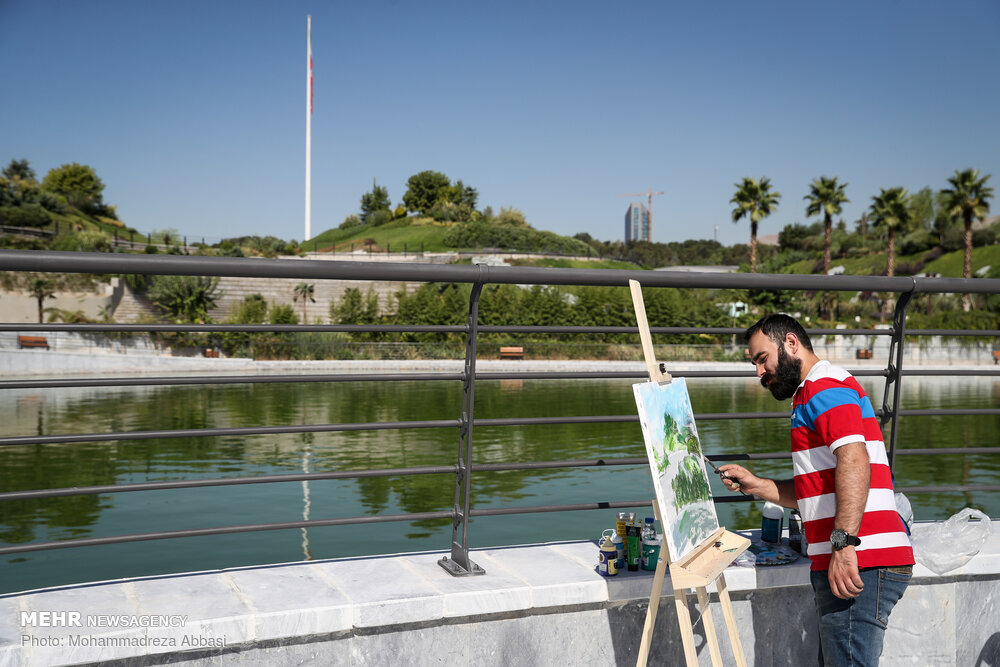
The following are pictures of the garden courtesy of Mehr News Agency.

500,000 Foreign Students Going to School in Iran

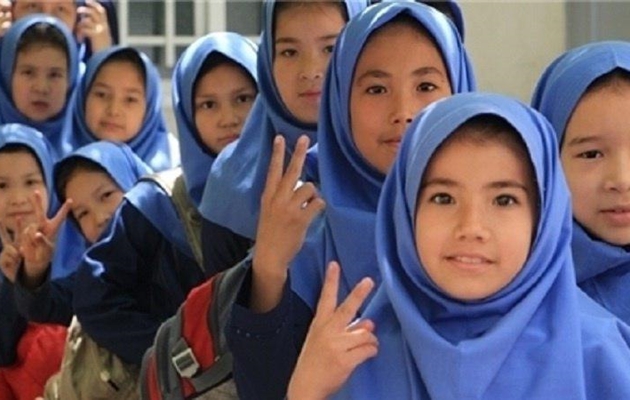
Rezvan Hakimzadeh, a deputy minister for Primary Education, made the remarks in a ceremony to inaugurate a preschool centre for Afghan children in the south-eastern Iranian city of Mehmanshahr, Rafsanjan.

“I give this day the name of educational justice and children’s right because the Iranian and foreign newcomers are gathered here in a beautiful day of equality and brotherhood, compliant with Islamic ideas,” she said.

“Despite the cruel sanctions imposed on our country, we share what we have with our guests,” she added. “We in the International Department of Education have made it possible for about half a million foreign students to go to school in Iran with a main focus on pre-schoolers.”

“Iran has made it possible for foreign nationals to acquire science and knowledge without any international assistance,” Hakimzadeh noted, highlighting the Iranian Leader’s emphasises on the need for equality of educational opportunities for children from other countries, Afghan nationals living in Iran in particular, with the natives.

“About 10,000 teachers are required in the country’s educational system to educate 500,000 foreign students,” she said.

Hakimzadeh said the international organizations and the Afghan government need to pay more attention to this issue.

“All the Afghan officials I have met during recent years stated that Iran has created this precious opportunity for Afghan children without any propaganda or claims,” she added, declaring her discontent over the media silence.

According to the data collected by E’temad daily newspaper using the 2016 census and other sources, 1,583,979 Afghan migrants live in Iran, accounting for two percent of Iran’s population. Almost 11,000 are studying in Iranian universities and 360,000 go to Iranian schools.

The majority of these migrants (516,000) live in Tehran province. 220,000 live in Khorasan Razavi (which shares border with Afghanistan), 183,000 in Isfahan, 125,000 in Kerman, and 109,000 in Fars province.

Cryptocurrency: The New Oil and Spice in Middle East

bitcoin

Trade, and especially the understanding of trade in the Middle East have been the reasons why mineral wealth and spices have become such valuable commodities and perhaps next on the list could be cryptocurrencies.

Oil Controls the World

The prices of oil are monitored closely as are the exchange rates that buy and sell this precious liquid. Monitoring and controlling the price of oil is something that has had to be mastered and is fundamental to the survival of many Middle Eastern states. Oil priced in dollars relies on the strength or weakness of the dollar to maintain its price and be sold and purchased. The region dominates the oil market globally, even impacting the value of the dollars that buy it, but as cyber currency emerges as a tool of trade the Middle East could begin impacting the value of these currencies too.

Cryptocurrency Trading

There has been a rise in people all over the world now trading in, or at least dabbling in cryptocurrency. Growing numbers of people are looking to get in on the rewarding truth about cryptocurrency trading as stats from people searching for the best crypto bots on https://top10cryptobots.com/ will prove. This trend has made cryptocurrency become more prevalent as a strong trading currency that could outstrip the value and even dominance of the Green Back in time to come. Cryptocurrency trading on a grand scale could become big business for oil-producing states as purchases of the black gold begin to be made in currencies other than conventional foreign money.

The Value of Cryptocurrency

When things like Bitcoin first emerged, they were laughed at and many were skeptical. It is understandable because people and business around the world were and are so used to conventional Dollars, Pounds, Euros, and Yen. However, small cryptocurrencies soon disrupted the way the world started to see money, value, and worth. Yes, cryptocurrencies could take over the world if you believe what some experts are saying. With this in mind and with the dominance of the oil production industry in the Middle East trading in oil is cyber currencies could easily spark the beginning of cyber currency trading domination. The first-ever purchase with a cyber-currency was a pizza and this proved that the strings of ones and zeros had value in the real world. Because of this cryptocurrency can theoretically be used to purchase anything, including oil and spice. If these currencies became the preferred trade mechanism and with the global oil dominance the Middle East could soon find itself the dominant player in the cyber currency world. This could be a very real possibility.

5 Things You Must Check Before Starting a Tour

Check Passport

Most countries require that your passport be valid for six months from the date of your return. The Department of Foreign Affairs recommends that you renew your passport less than nine months before the expiry date because I will make easy your tour and there will be no problem for you. Now check your passport expiration date, and if you need to renew, make it renew and then start your tour after renew. And if your passport is up to date then you have no problem and you no need to renew it but you must make a copy of it for local issues and when it require originally by any official then show it, other wise use copy. You can check more secrets about tour just click on it www.touristsecrets.com.

Pack Properly

In addition to essential electronics, do not bring valuables with you. Expensive jewelry can attract thieves who specialize in targeting tourists. If you bring valuables, always carry them with you, and keep them locked in the hotel because on road or on public places there are many chances that the thieves attract to you which cause disturbance for you, and may be cause for loss. Before leaving, empty your wallet of unnecessary items, such as credit cards that you do not intend to use in your travels. If you have a bag with you that contain a costly thing, put the bag close your table when you stay at any palace for food or any purpose. Buy locks approved by the Transportation Security Administration, and keep your belongings locked at all times. Check to see if you can ship your locked bags on overseas flights. TSA locks may not be recognized. And can be cut to inspect your bag. Never store valuables in your checked luggage and check carefully after security arrangements to make sure all your valuables are still in your luggage.

Take exchanged currency

Every country has its own and unique currency, so it is not possible that your homeland currency work in local market. It is why, when you are ready to start your tour must conform that you have exchanged the currency to the related country you want to visit. There are two ways to exchange, one is that you can exchange it from your own country and second is you can exchange to toured country. But the essential thing is that you must exchange your money before start tour.

Check hotel detail to stay

When all things done about your tour, don’t miss to check the hotels at the place you have target to stay. As there are lots of hotels on every visiting places but they have different categories, so you should must select a hotel according to your requirements, because when you reach at the place the very first thing is that you will want to take some rest, so if it is possible to book in advance online you should book your room in advance.

 Target Visiting Place

All things are done and you are full ready to visit, you must select the places you will visit. As there are many purpose of tour, it may be about enjoy of places, may be for business purposes so you should make a sketch of your whole visit, also make a time sketch.

Iran, Sweden Discuss Persian Gulf Security

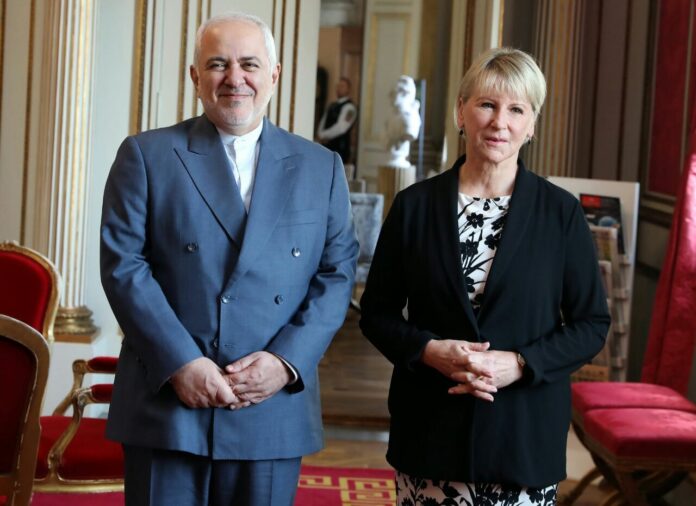
Iranian Foreign Minister Mohammad Javad Zarif on Tuesday held a meeting with his Swedish counterpart Margot Wallström in Stockholm, the second leg of his Scandinavian tour.

The two ministers discussed a broad range of subjects in the meeting, including the bilateral, regional and international issues.

They also exchanged views on the security of the Persian Gulf region, as well as the situation in Yemen and Afghanistan.

Moreover, Zarif and Wallström stressed the need to expedite the implementation of INSTEX (Instrument in Support of Trade Exchanges), a financial mechanism that the three European parties to the 2015 Iran nuclear deal have developed to maintain trade with Tehran.

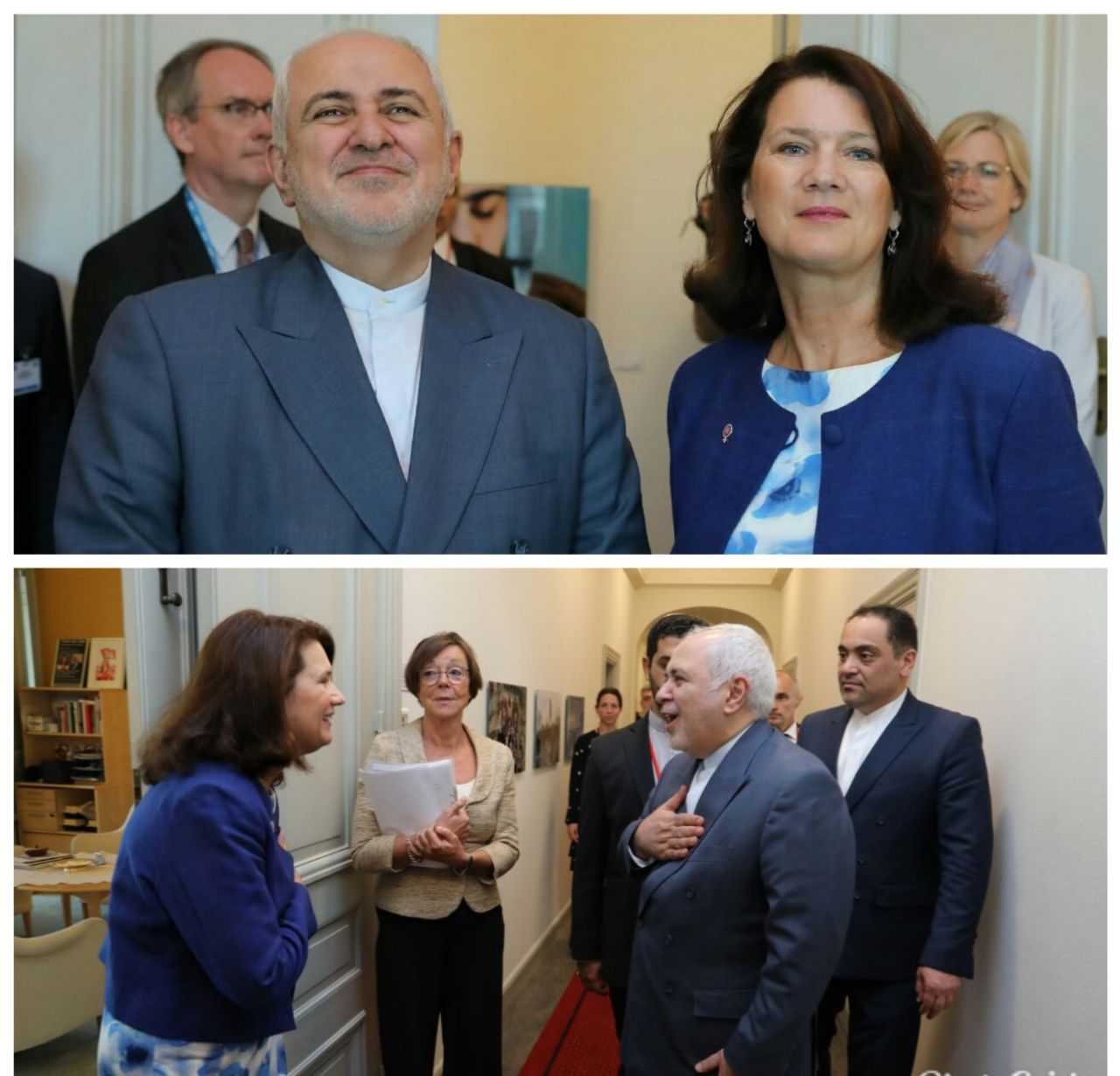
The top Iranian diplomat further held a meeting with Sweden’s Minister for Foreign Trade Ann Linde, who is in charge of Iran-Sweden joint economic commission.

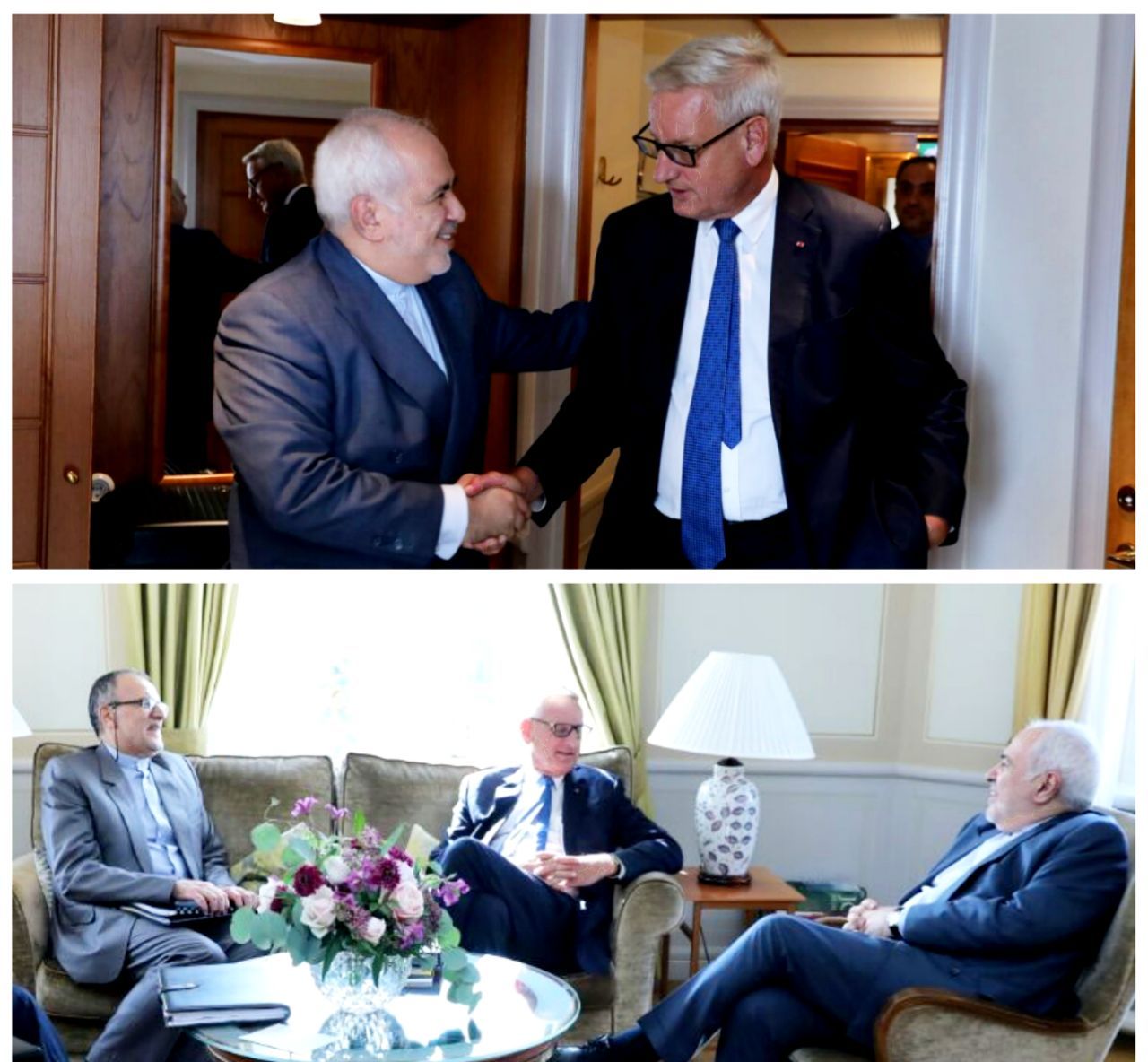
Iran, Sweden Discuss Persian Gulf SecurityZarif also had another meeting with former Swedish prime minister, Carl Bildt, known as an influential European figure.

The Iranian foreign minister arrived in Stockholm on Monday night in the second leg of a tour of Scandinavia that took him earlier to Finland. He is scheduled to visit Norway afterwards.

Iran, Sweden Discuss Persian Gulf Security

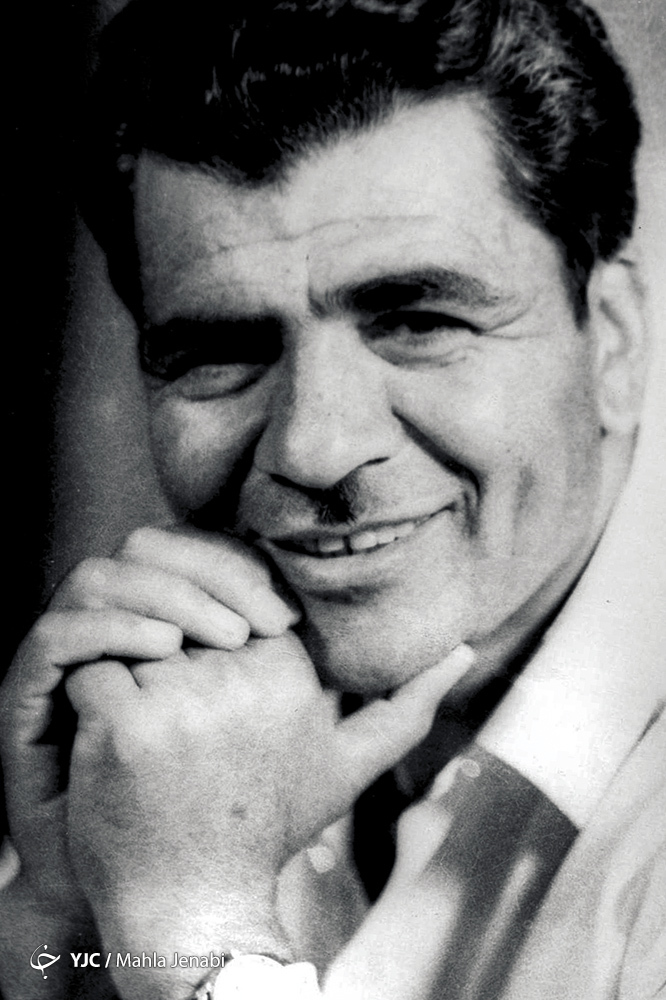
In Memory of Ali Golshan: An Iconic Iranian Photographer

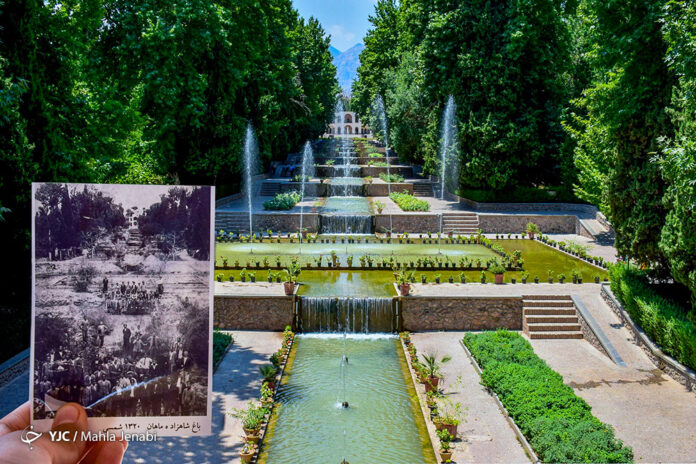
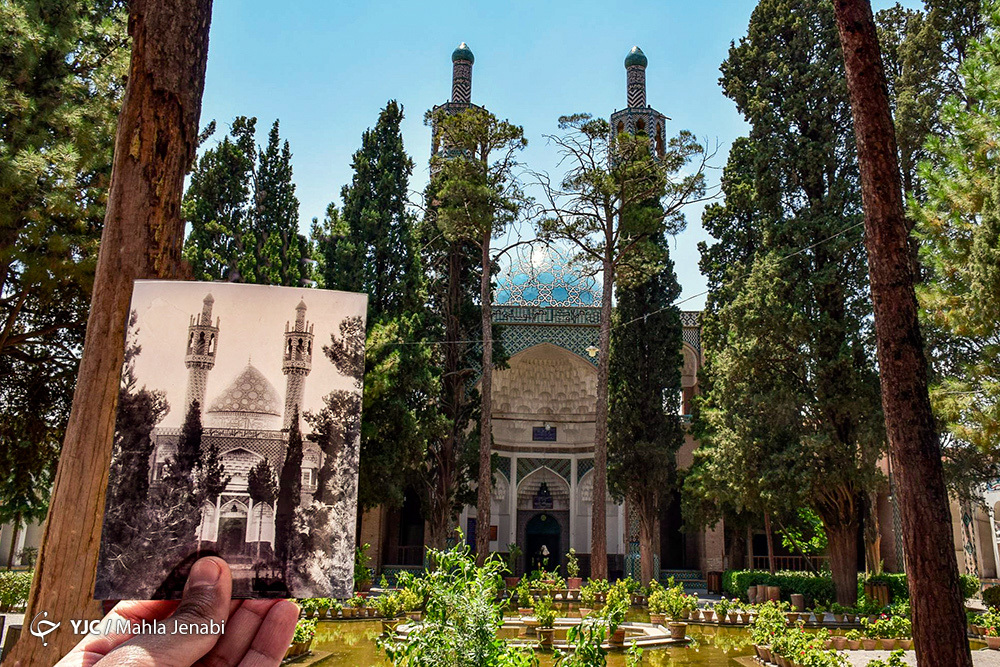
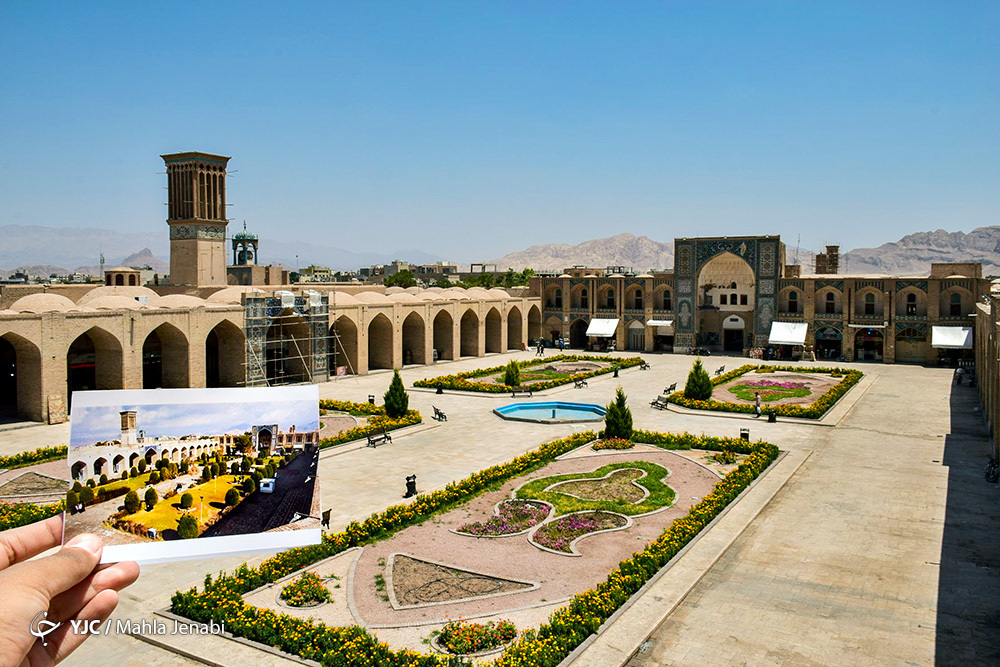
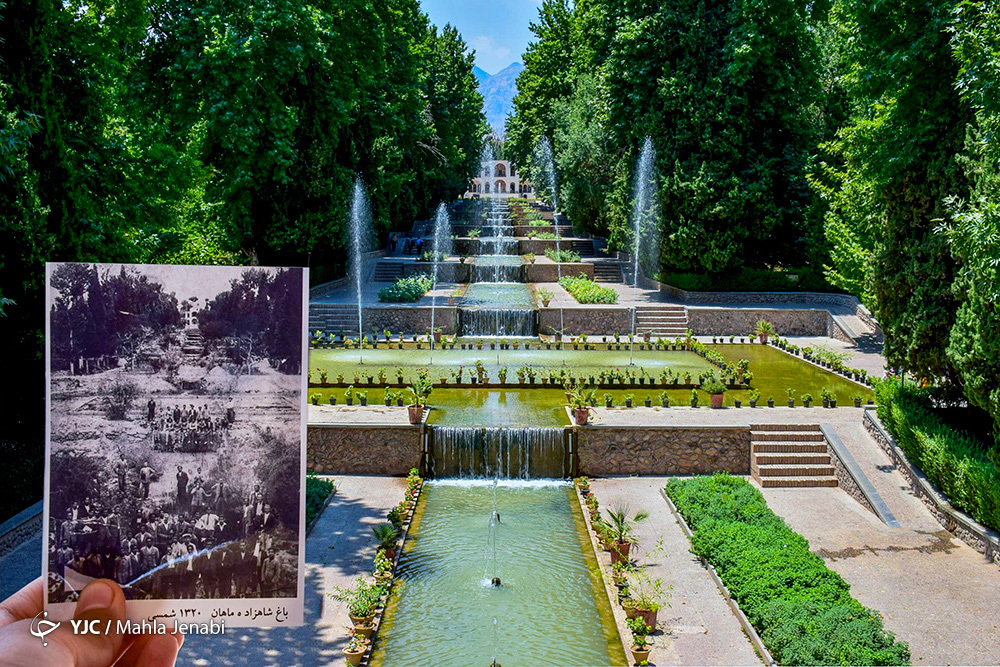
• A photo of the main mansion of Shazdeh Mahan Garden taken by Ali Golshan in 1941 and a new photo of the building taken in 2019

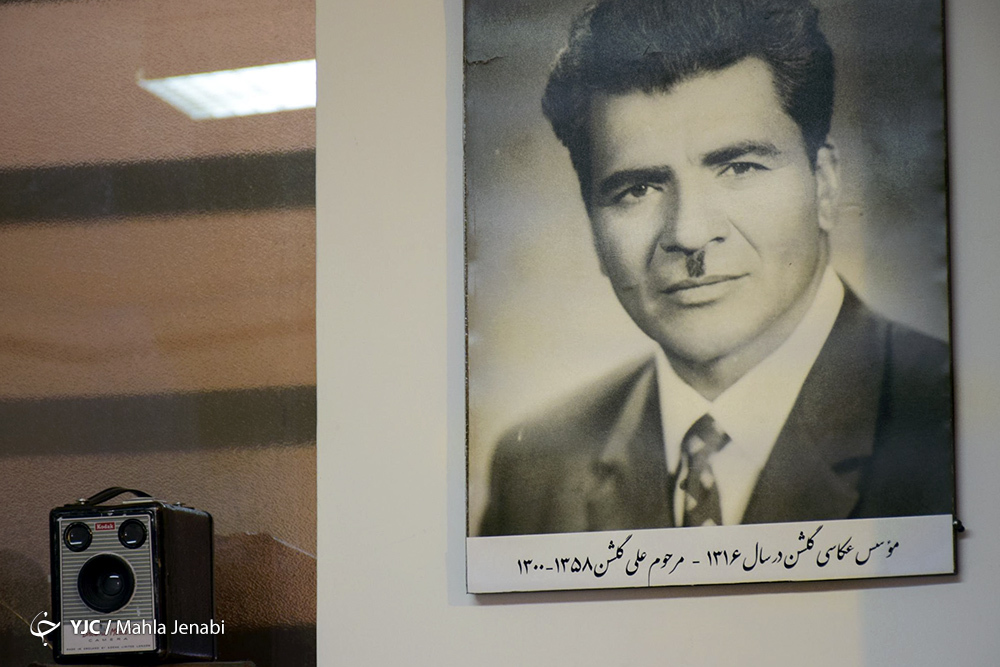
Ali Golshan was born in the city of Kerman in south-central Iranian Kerman province in 1921.

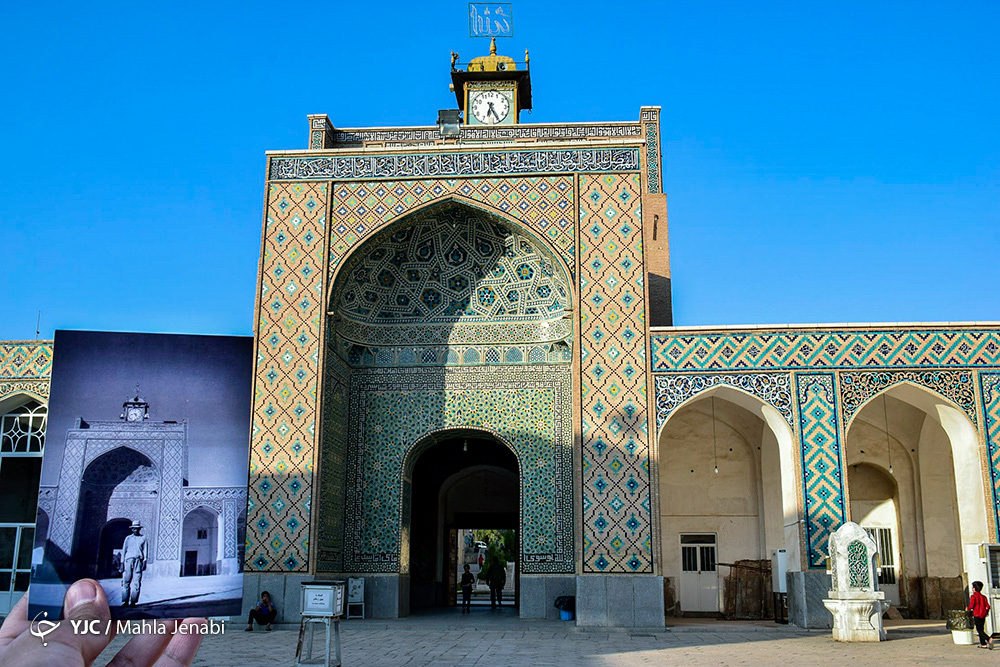
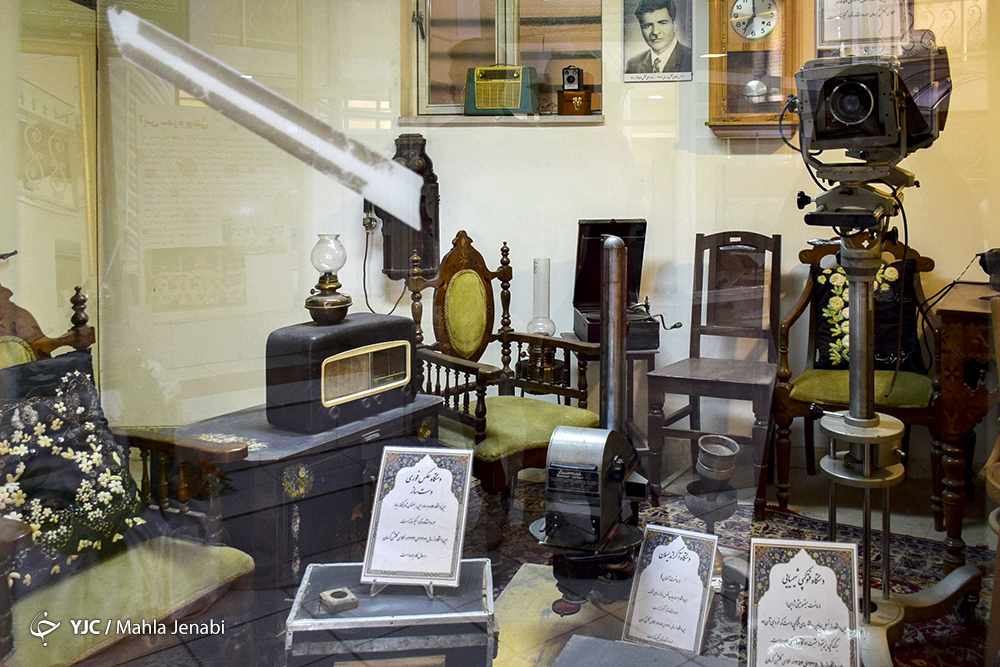
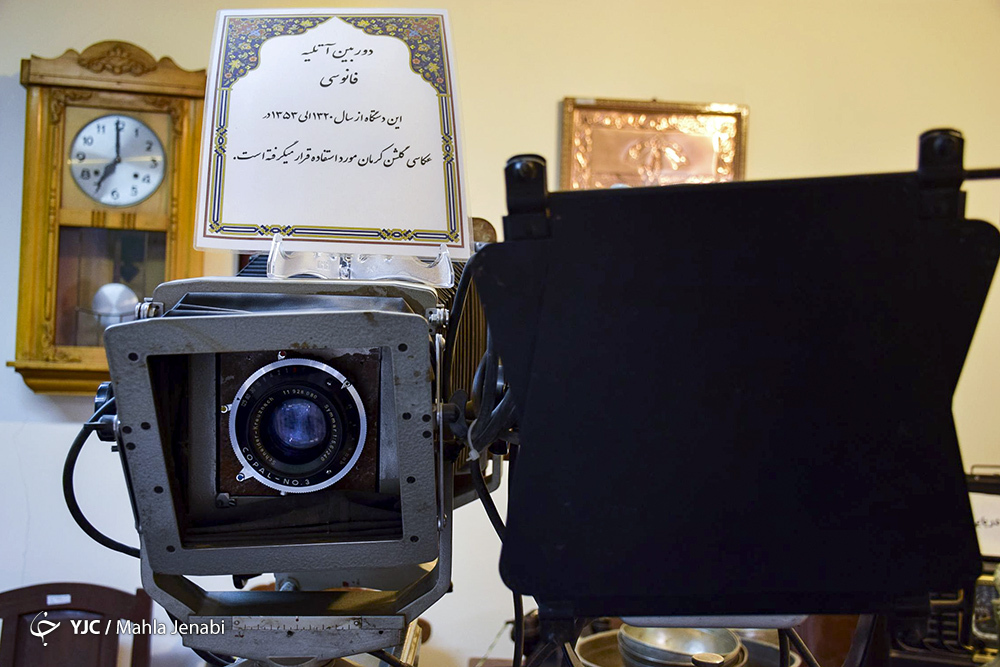
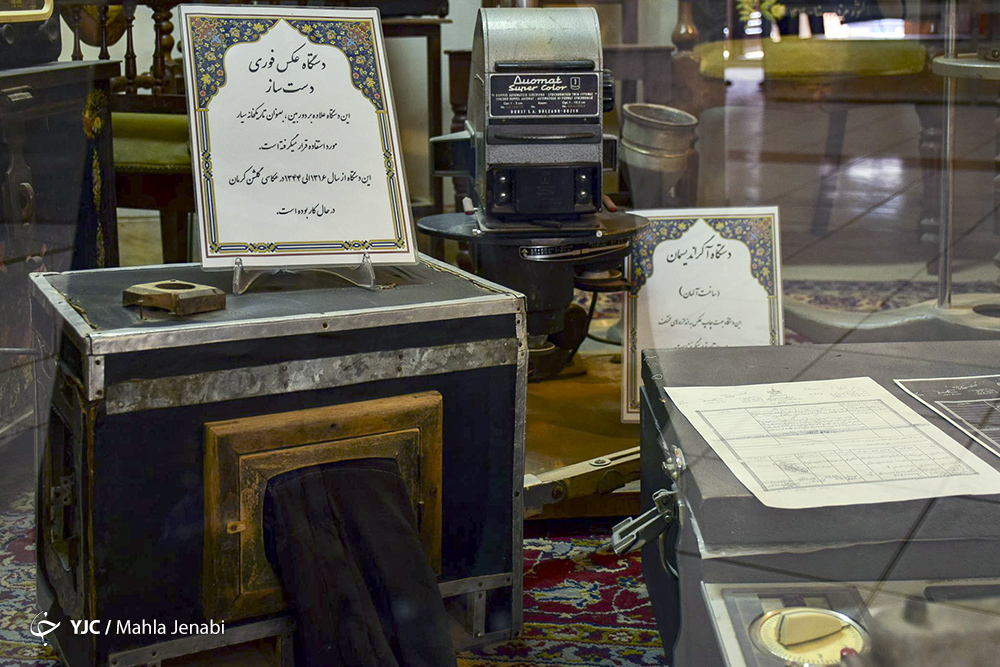
He established the Golshan photography shop in 1937. The photos taken by him and left behind show he would use a certain method in preparing photography chemicals in order to get the best results. To develop better-quality pictures, Ali Golshan would always use the latest equipment such as the first chemical photocopier, the first printer, and the first automatic photo developing machine in the atelier of his photography shop. He also had many photography students.

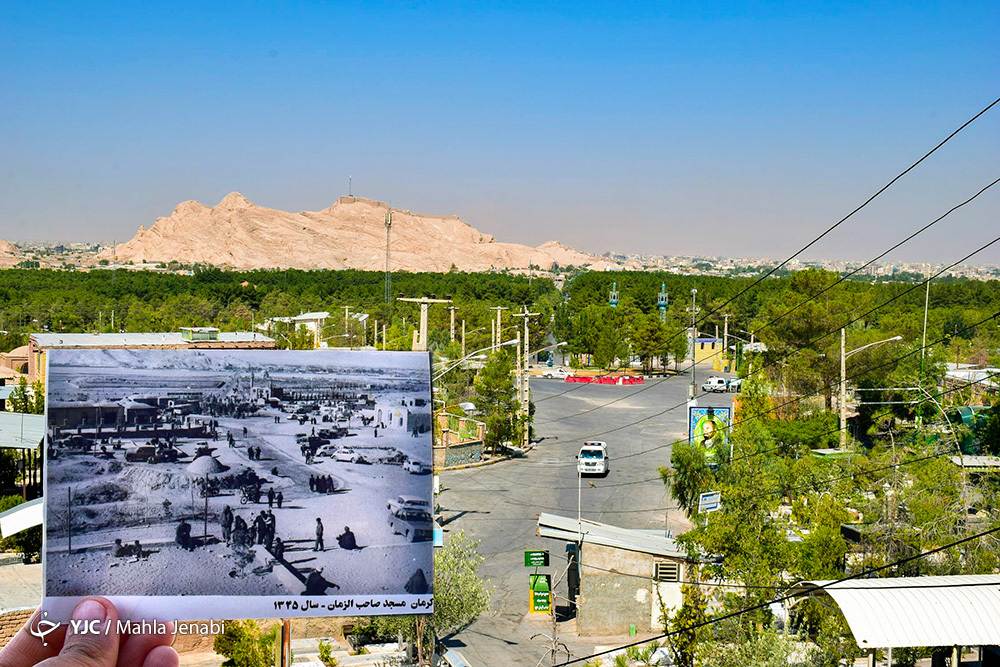
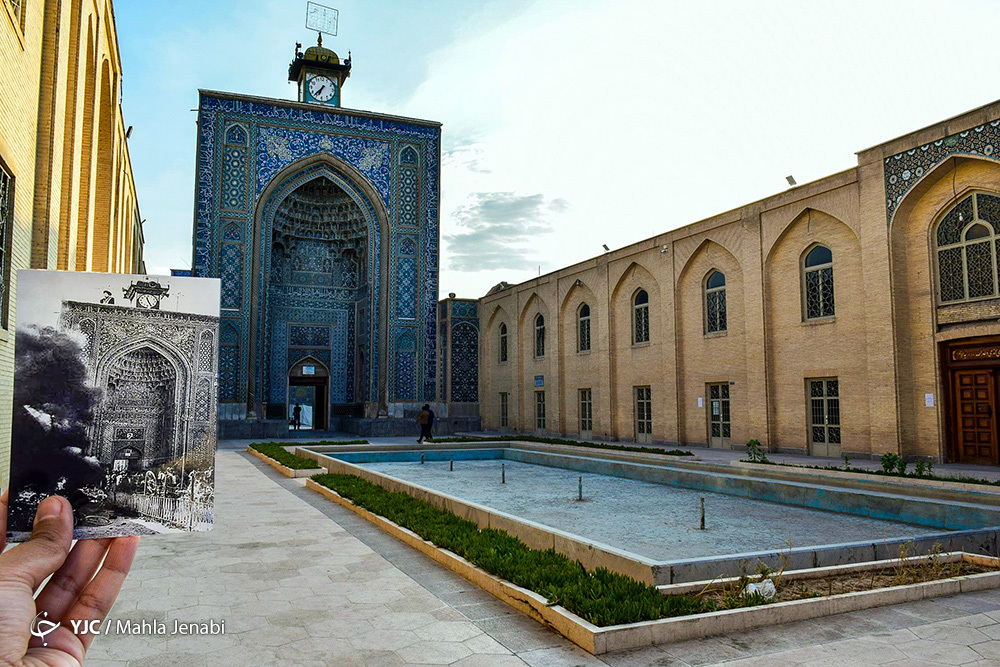
He died of cancer in 1979 after years of offering services and taking memorable photos of people, urban locations and historical monuments of Kerman. Some of the photos he took during his lifetime are published below in remembrance of the late veteran photographer, also marking World Photography Day (August 19).

Many Iranian Students Studying Abroad Back Home: VP

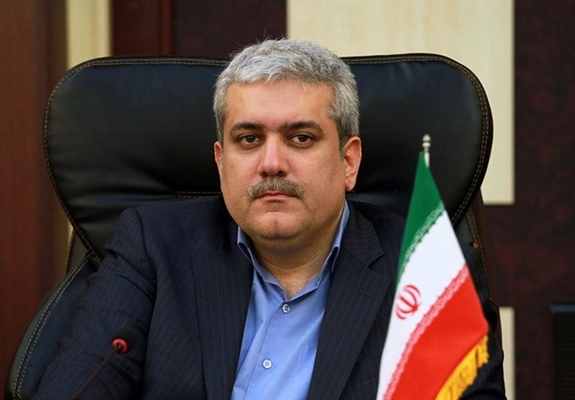
Over 5,300 Iranian Knowledge-Based Firms Opened in 6 Years: VP

Vice President for Science and Technology Sorena Sattari made the comment while criticizing some figures about the brain drain in Iran and the migration of the elite from the country.

“We are trying to base the country’s economy on manpower. Accordingly, [it is noteworthy that] more than 130 Iranian students studying at 100 top universities around the world returned home in the four months to August, 2019, and it is estimated that more than a thousand such individuals will return home by late March, 2020,” the vice president told ISNA.

He said the fact that some elite Iranian students are studying abroad should be regarded as “brain circulation,” not brain drain.

“Only 50,000 out of 4 million Iranian students are studying abroad,” he said, adding the figure amounts to 1.1 percent of the whole Iranian students while the global average for the percentage of students in other countries studying overseas is 3 percent.
“More than 30 percent of students of Arab countries in the region are studying abroad,” he added.
He further denied statistics allegedly published by the International Monetary Fund (IMF) which put Iran in the first rank in 2009 as far as brain drain is concerned.

“These statistics have been published while there is no such report at all,” he said.

Sattari then said around 12,000 Iranian students are currently studying in the United States.

“On websites, there are some statistics about the migration of elite individuals. I’m not a pessimistic person, but wrong figures are published in this regard with certain intentions,” he added.

The official also said 25 percent of the Iranian students who have returned from abroad have been employed at universities as faculty members or at other scientific circles.

“The remaining 75 percent either began to work at companies or started their own business by establishing start-ups or knowledge-based companies,” he said.