Saturday, December 27, 2025
Home Blog Page 3130

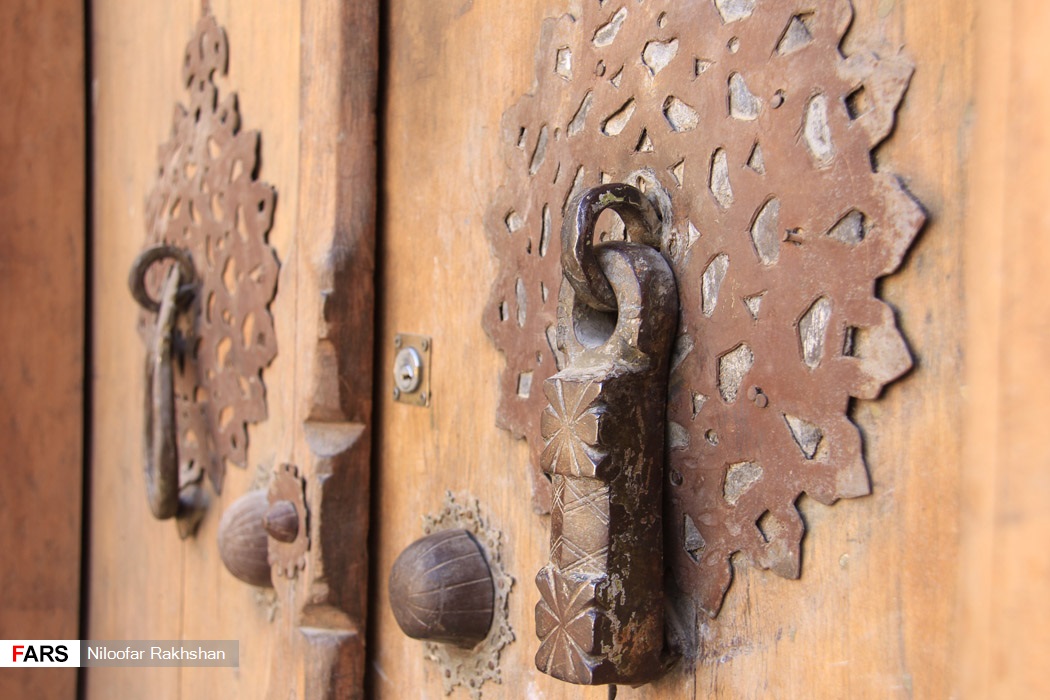
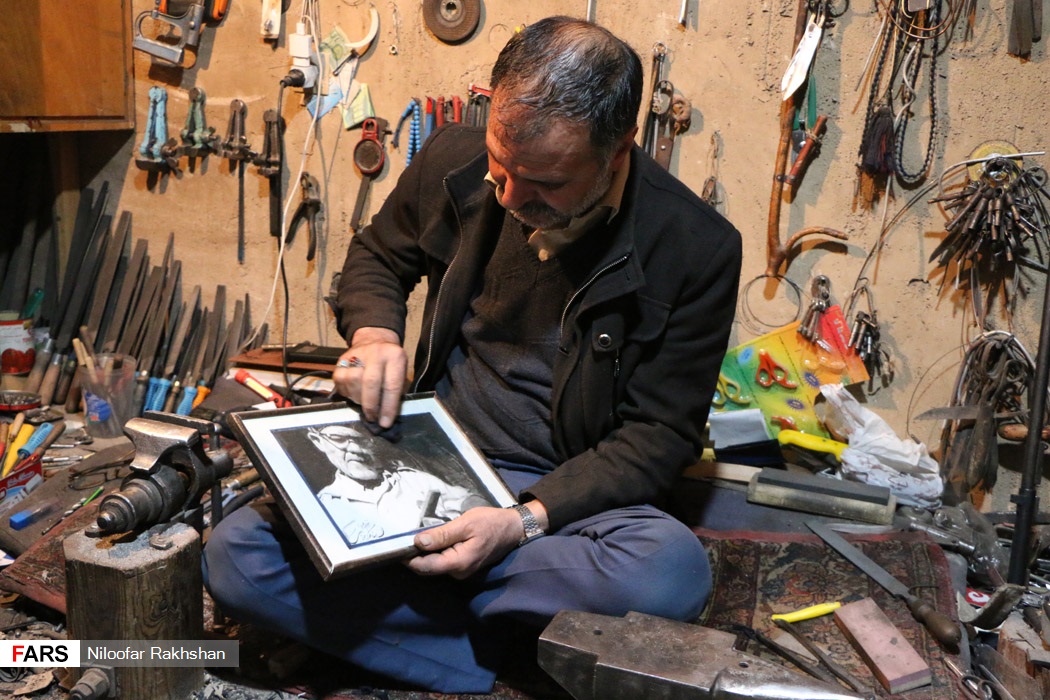
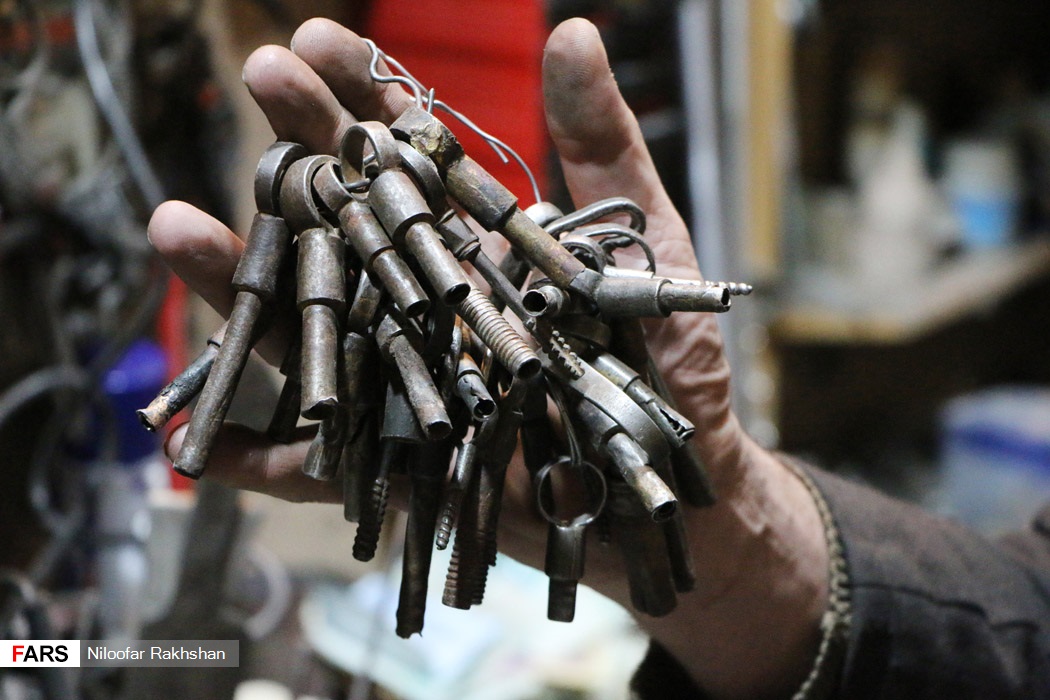
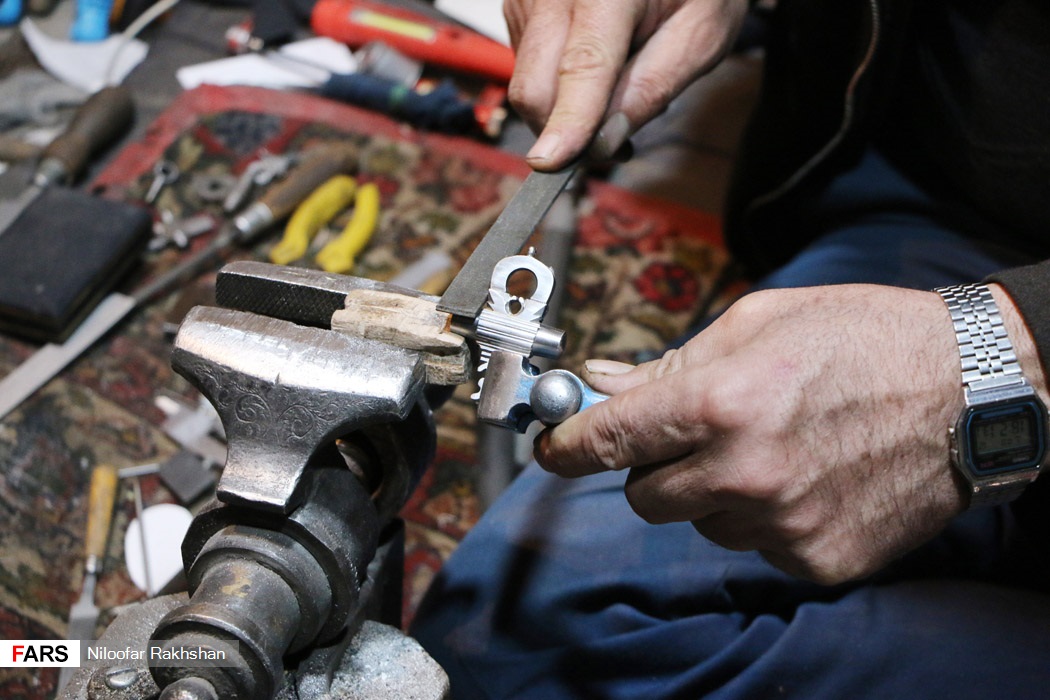
Chaleshtor; A Village Where Lock Isn’t Just a Thing

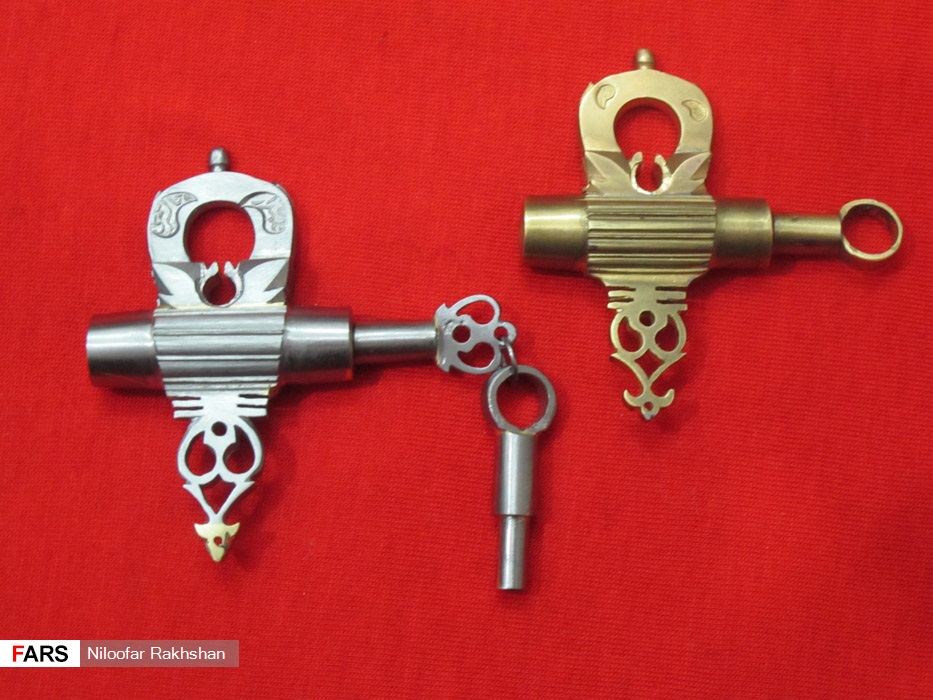
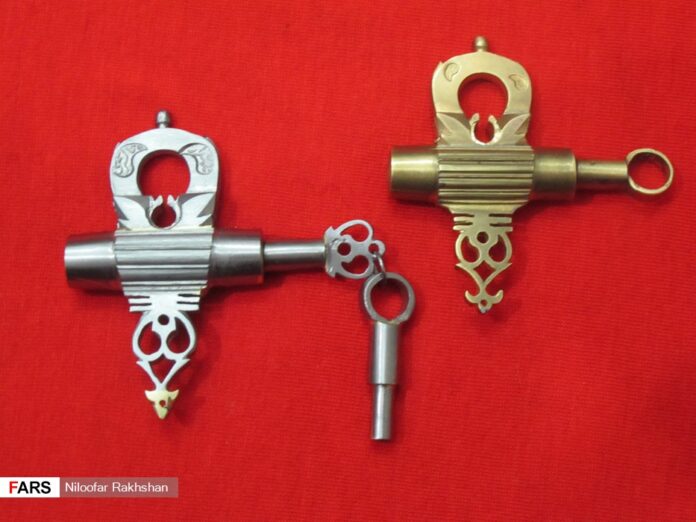
People in Iran view lock as a symbol of relief and solutions to problems. So, they use locks in religious and sacred sites asking for God’s grace.

One of the golden locks of Kaaba (The House of God in Mecca) was made by an Iranian artisan named Abdollah Riahi Chaleshtori, who made the lock in the Qajar era during his annual Hajj pilgrimage.

While making the lock, he spent a year in the holy city of Mecca and settled near the holy site. The lock is now held in a museum in Saudi Arabia.

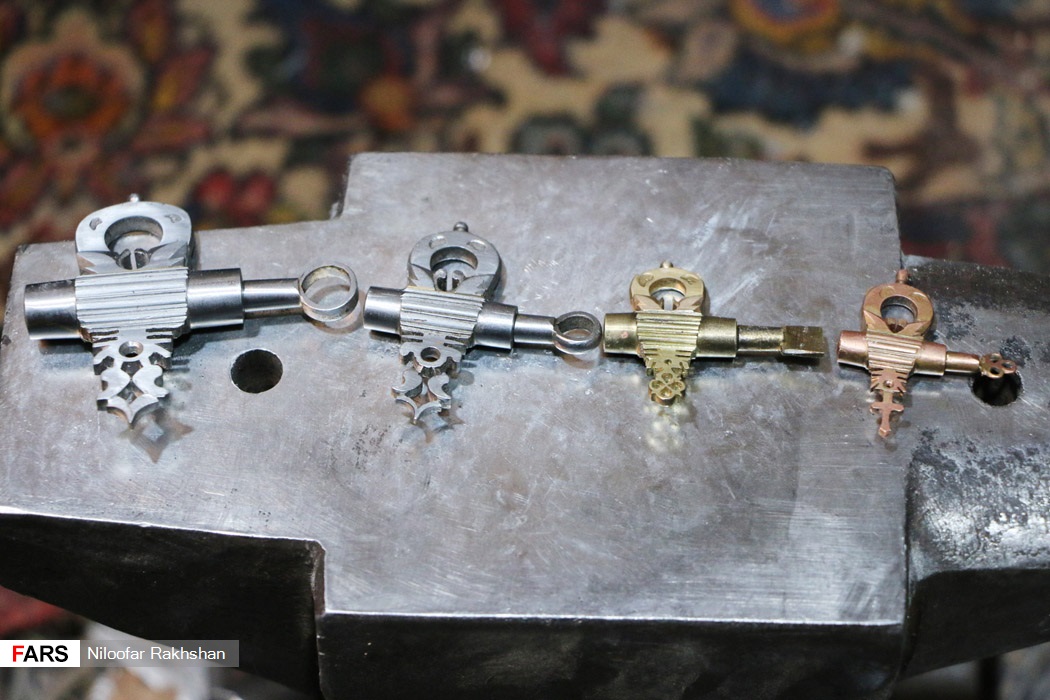
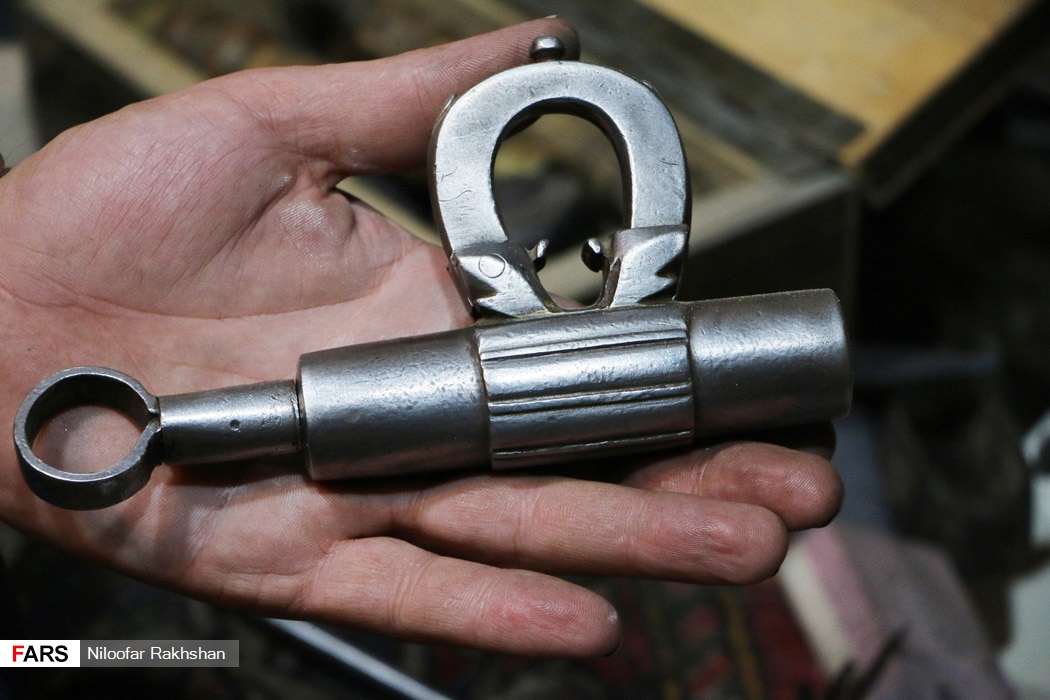
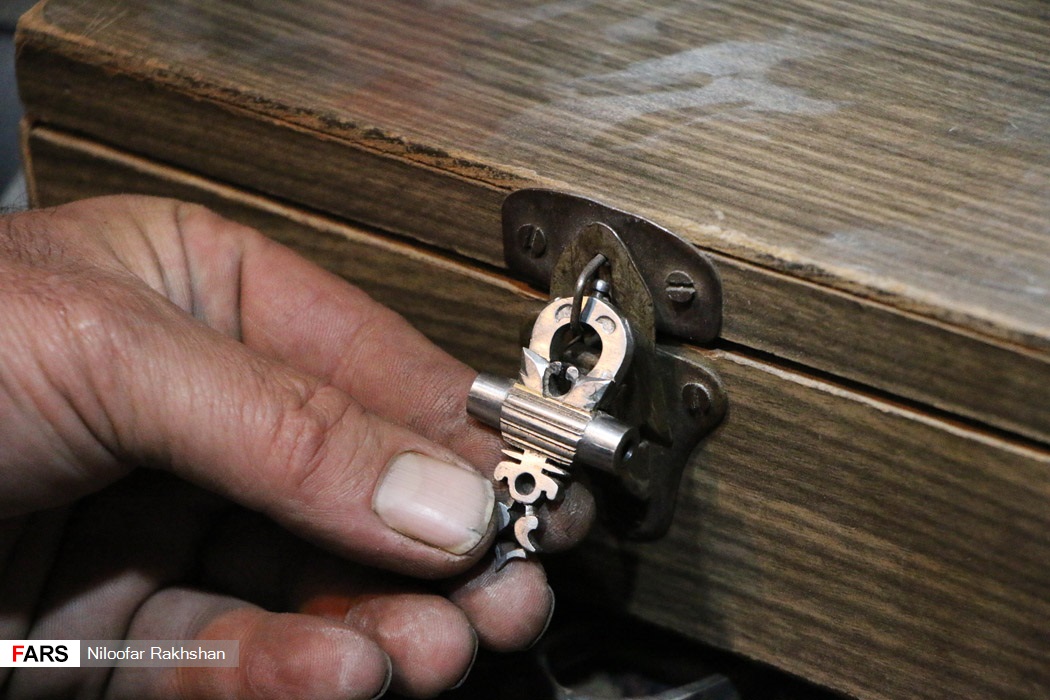
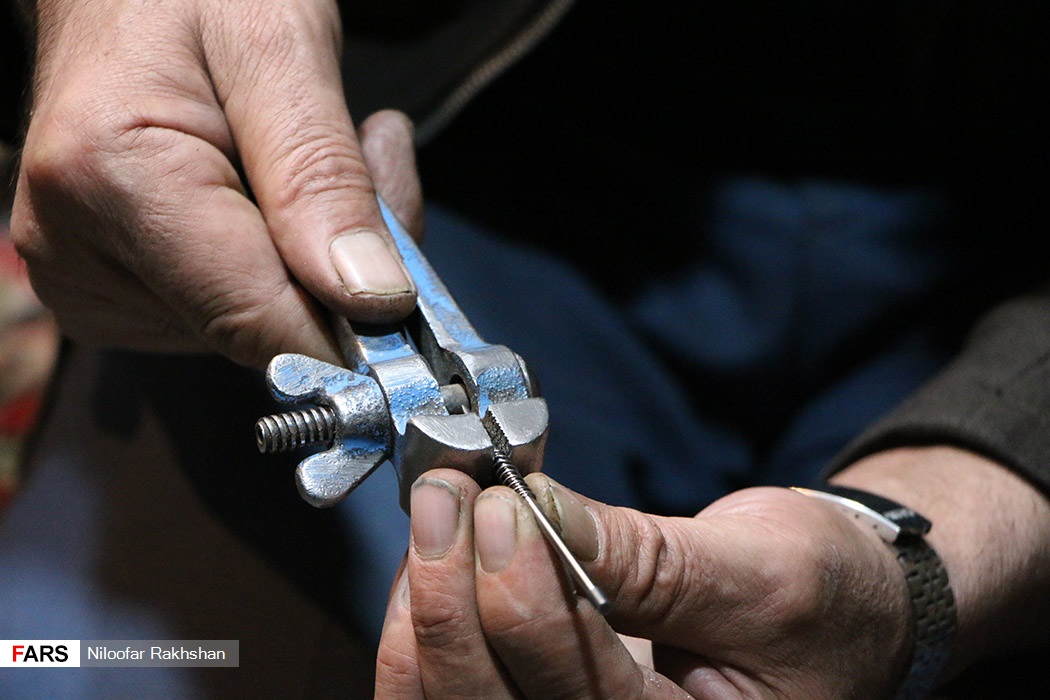
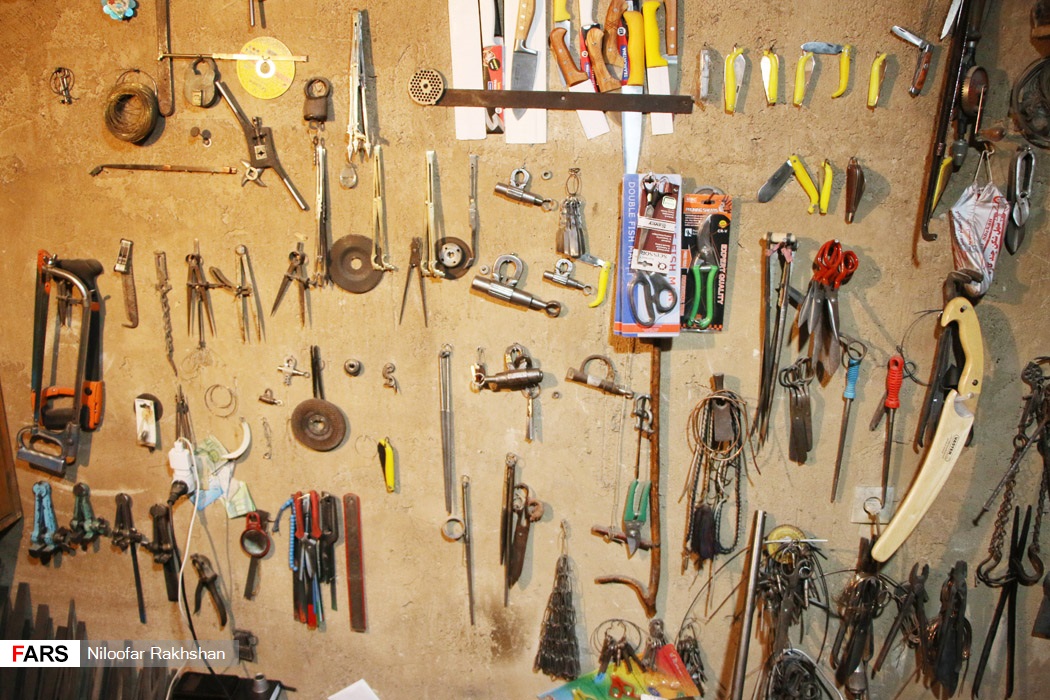
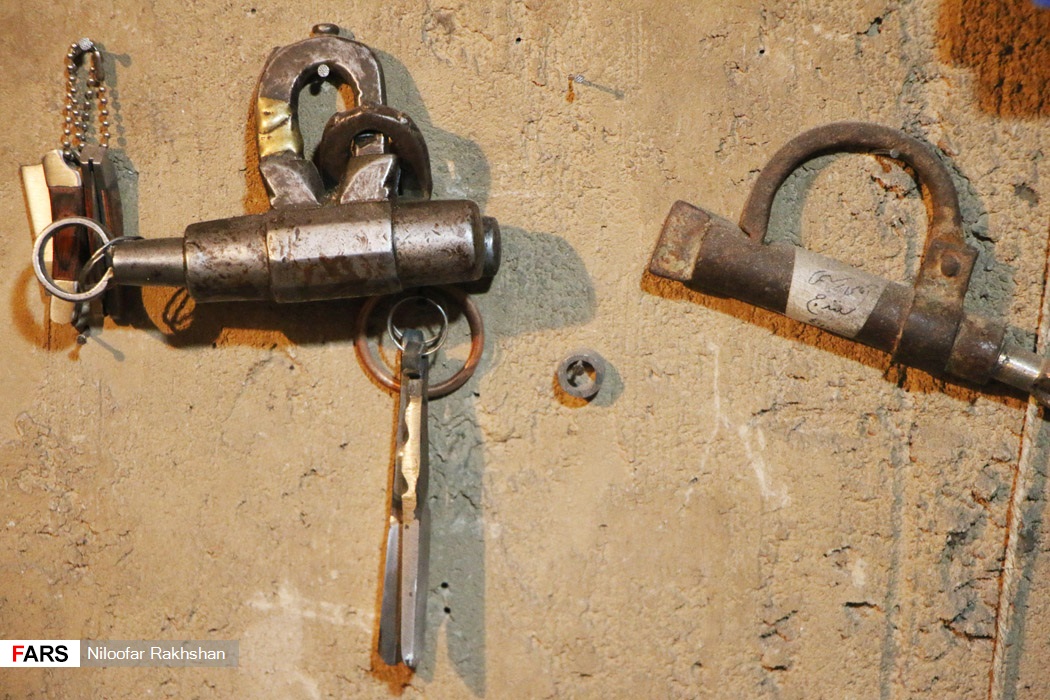
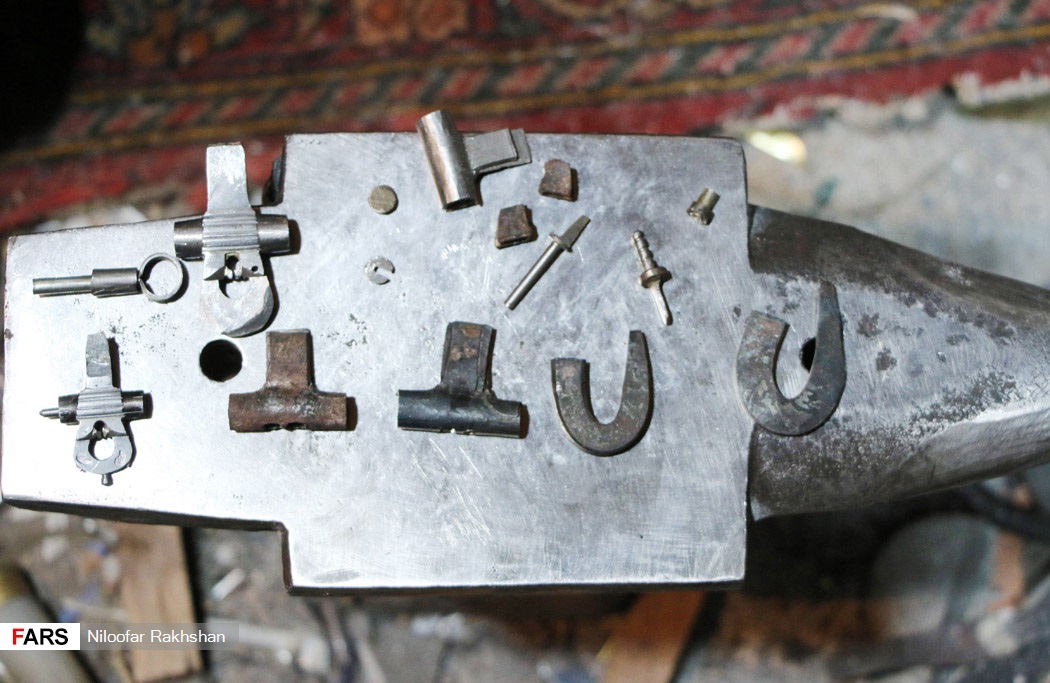
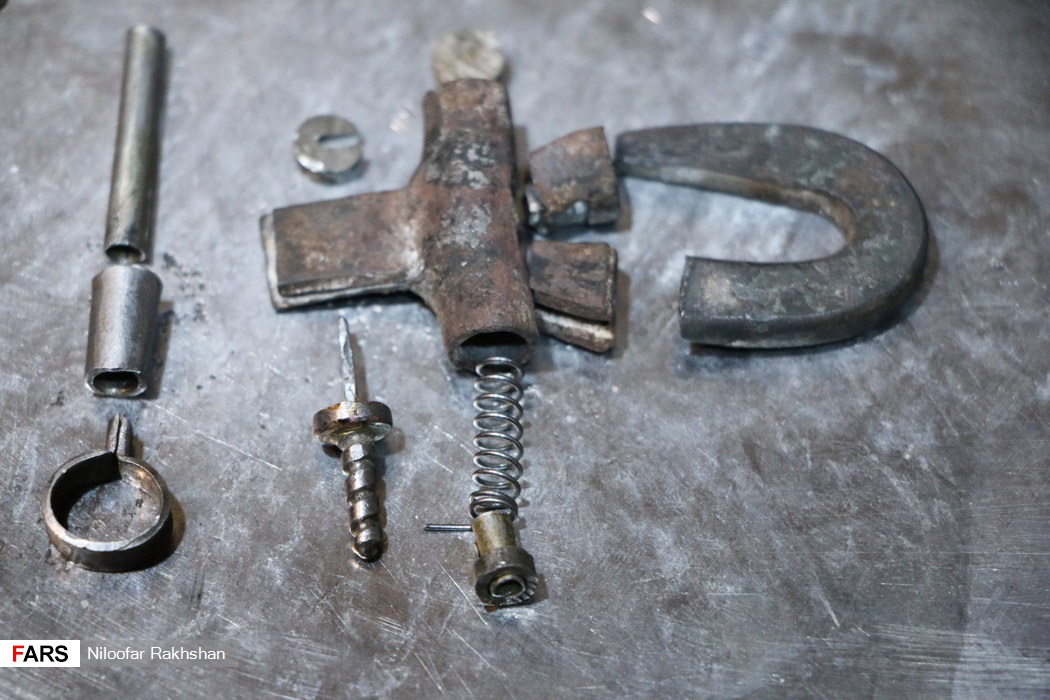
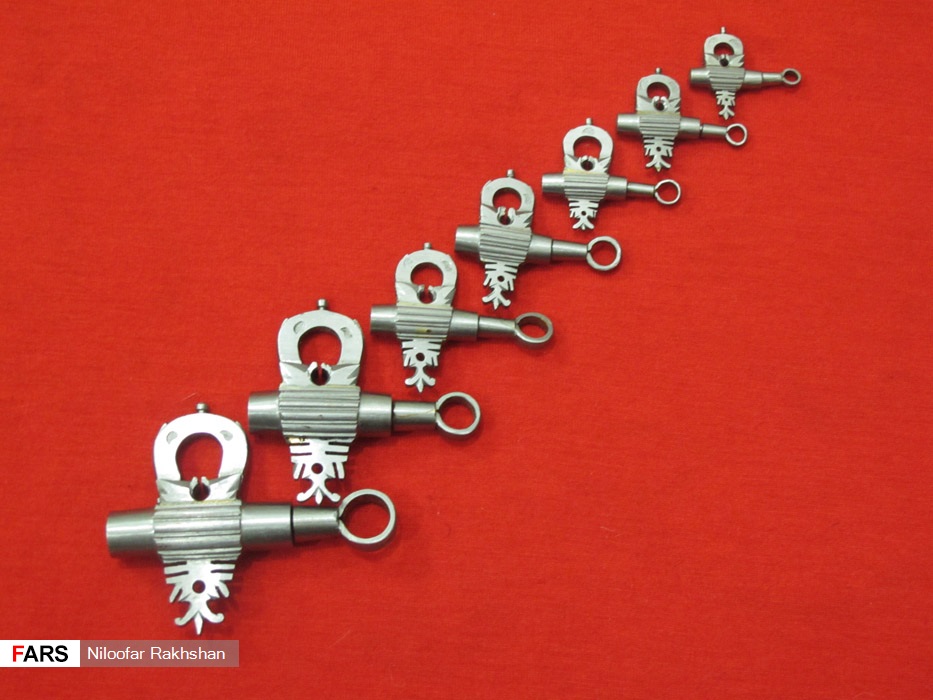
Chaleshtor is an ancient region in the southwestern province of Chaharmahal and Bakhtiari Province. Since the Safavid era, Chaleshtor’s locks have been famous at the international level. Even today, the golden lock of Kaaba is made in Chaleshtor with its authenticity officially approved by the United Nations Educational, Scientific and Cultural Organization (UNESCO).

Lock-making has been a common industry in Iran since the Sassanid Empire ruling Iran from 224 to 651 CE. The industry continued to blossom even during the post-Islam era in Iran and reached its climax in the Safavid era.

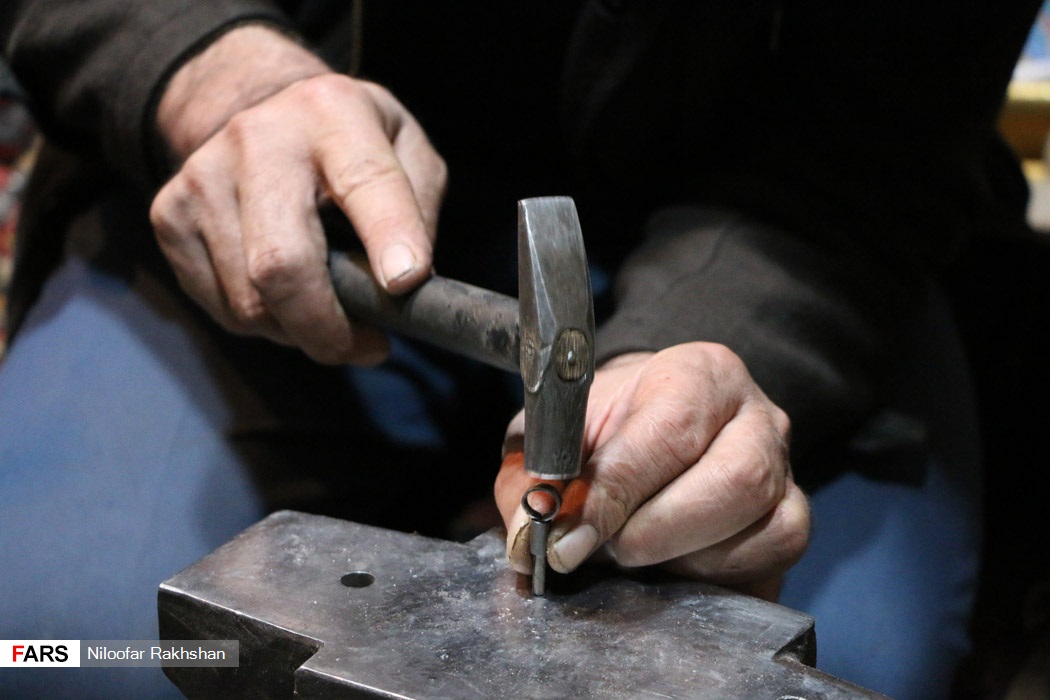
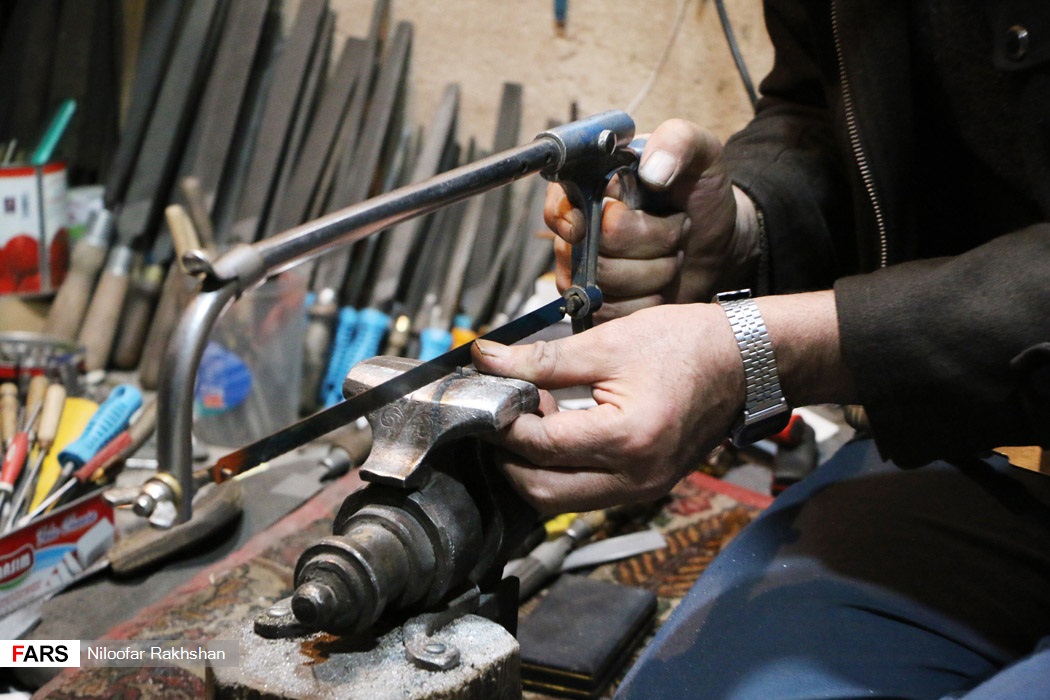
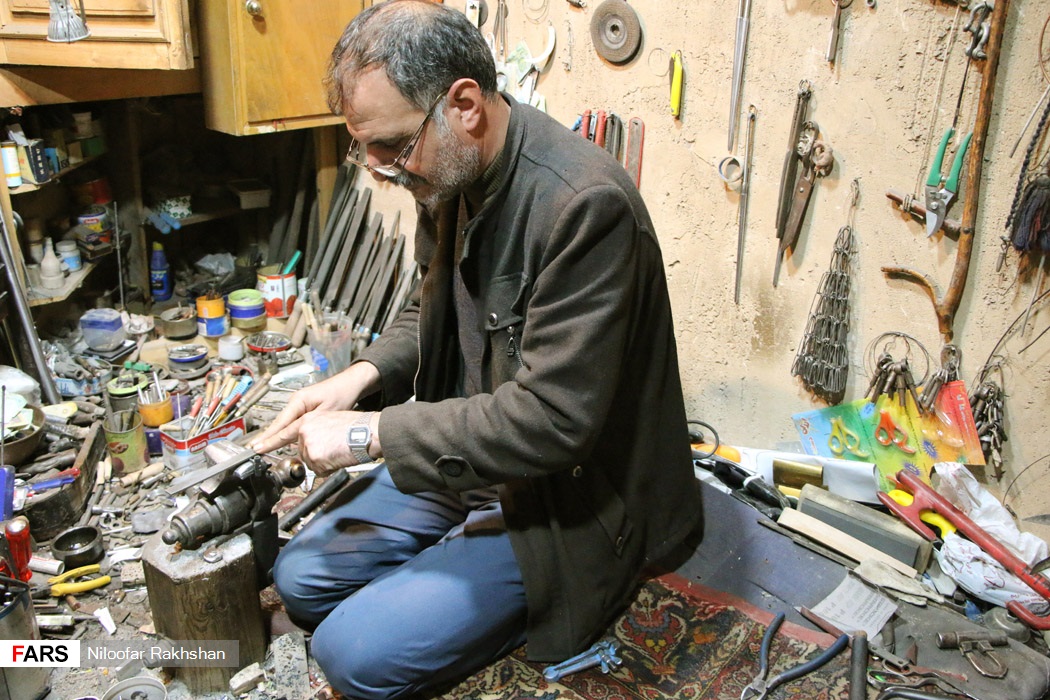
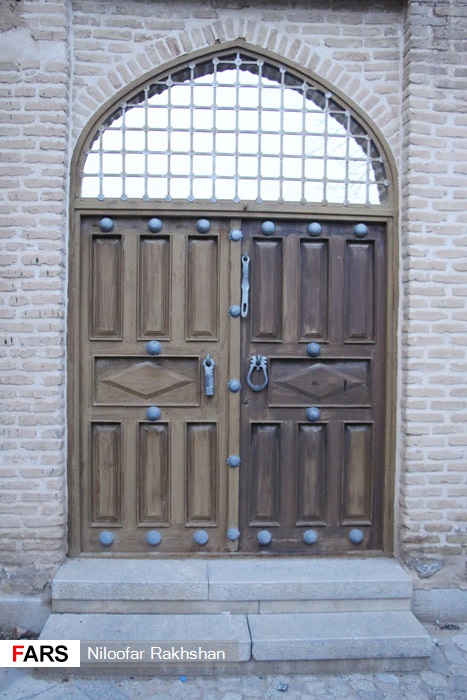
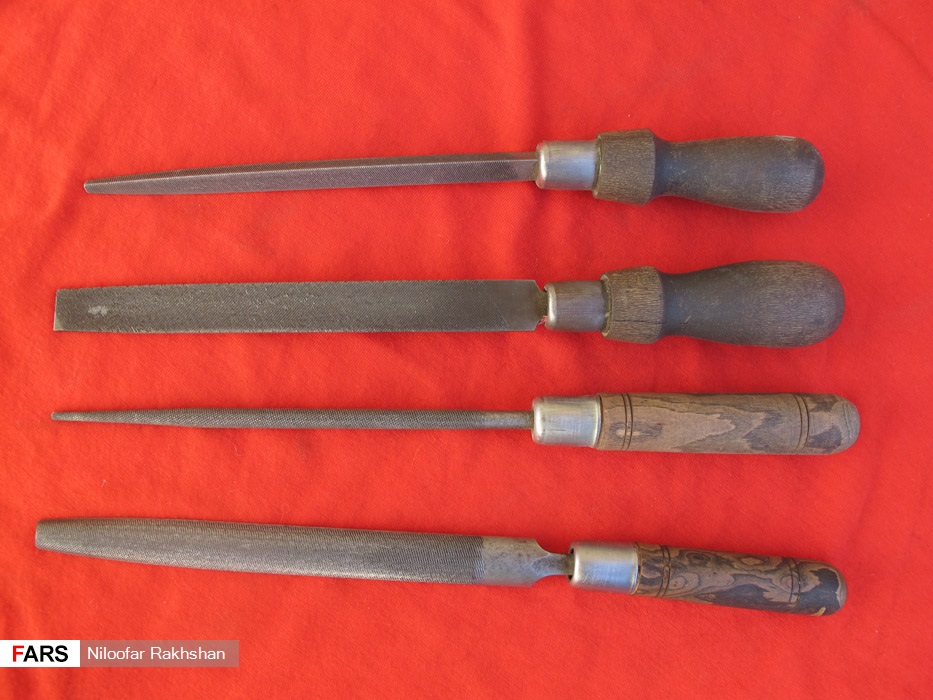
What follows are Fars News Agency’s photos of lock-making in Chaleshtor:
Market Stability Shows Trump’s Pressure Campaign Failed: Iran

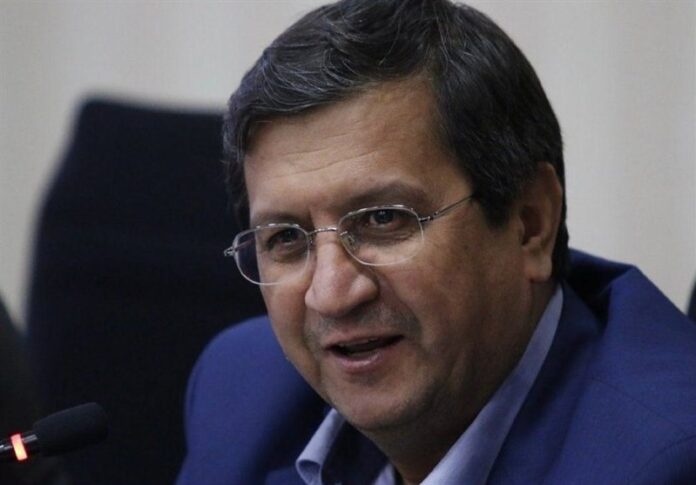
“Stabilizing the (Iranian) market certainly does not mean stopping (inflation) or lowering prices and relieving economic pressure on the middle and lower income classes but merely indicates the US failure to achieve its goals behind the maximum pressure (campaign on Iran),” Hemmati said on social media on Saturday.

“Therefore, support for people on low and fixed incomes should be seriously pursued,” he added.

The top banking official further said efforts are underway to increase the country’s revenues from the exports of oil and non-oil products in various ways.

The remarks came against the backdrop of increased tensions between Iran and the US with Washington imposing new sanctions against the Islamic Republic.

The US has ratcheted up pressure on Iran since last year after withdrawing from the 2015 nuclear deal, known as the Joint Comprehensive Plan of Action (JCPOA).

Since then, the administration of US President Donald Trump is trying to reduce Iran’s oil exports to “zero,” and has sent an aircraft carrier strike group, a bomber squad, an amphibious assault ship, and a Patriot missile battery to the Middle East to try to stack up pressure on Tehran.

Iranian officials, however, have dismissed such moves as psychological warfare, saying the country has its own ways of circumventing the American bans and selling crude oil.

In comments on April 24, Leader of the Islamic Revolution Ayatollah Seyed Ali Khamenei said the US’ attempts to block the export of Iranian oil will get nowhere as Tehran will be exporting any amount of crude it needs and wants.

New Herbal Medicine Developed to Control Alzheimer’s Disease

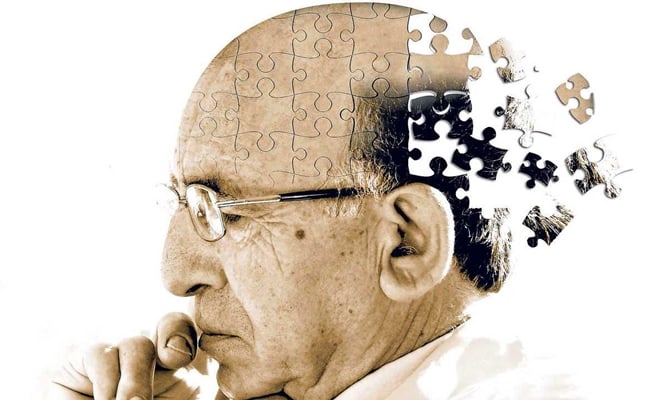
Alzheimer’s is a neurodegenerative disease that disrupts and damages the fundamental brain functions. The most critical and dangerous symptom is memory loss, which poses serious risks to patients. It is therefore absolutely necessary to prevent and control the disease.

There are currently four chemical drugs for controlling the disease, but they may have side effects. For example, Memantine slows down the brain cell death and controls AD, but it has also side effects, including headache, constipation, dizziness, and confusion. Another widely-used drug, Donepezil, may result in indigestion, articular pain, insomnia or sleepiness, dizziness, and nightmares.

After 12 years of research, the Iranian scientists have developed an herbal medicine to prevent and control Alzheimer’s disease: Melitropic.

Studies show that two behavioral symptoms, anxiety and irritability, were remarkably reduced in the patients that took the Iranian herbal capsule, compared to the chemical therapy. Clinical trials have also verified the therapeutic effectiveness of the herbal medicine. The medicine, mainly containing lemon balm (Melissa officinalis), reduces the destructive effects of the toxic beta-amyloid protein and slows the progression of Alzheimer’s disease. The Iranian herbal medicine costs nearly one-tenth the price of similar chemical drugs.

For a brief review of Iran’s achievements in various fields of science and technology, check the book “Science and Technology in Iran: A Brief Review – 2019

A study was carried out on 42 patients with mild to moderate Alzheimer’s, aged between 65 and 80, to compare Melitropic’s efficacy with placebo. The 4-month study evaluated amnesia, cognitive activities and the side effects. The results indicate that the development of Alzheimer’s disease and the symptoms of anxiety and irritability were significantly controlled in the patients that received Melitropic therapy, compared to the placebo. Moreover, major scientific and research centres in foreign countries, such as the UK universities, have evaluated the herbal medicine and authenticated its effectiveness in controlling Alzheimer’s.

Saffron: A Miraculous Plant with Anti-Cancer, Anti-Alzheimer’s Properties

Another herbal product for treatment of Alzheimer’s disease, made in Iran after 10 years of research, is “SaffroTin” capsule, which contains saffron extract. Several studies have proven that saffron is effective in controlling Alzheimer’s. The evidence and documents verifying SaffroTin’s efficacy have been published in more than 50 scholarly articles in scientific journals. The Iranian medicine has been also approved by European Pharmacopoeia.

Iran to Open Pavilion at Iraq Health Expo

Iran is planned to have a pavilion in the Iraq Health Expo, slated for September 2-4 in Baghdad’s international fairground.

The upcoming exhibition in Baghdad, expected to include 17,000 attendees, will be held with supports from Iraq’s Ministry of Health and Environment in order to attract health professionals and manufacturers from around the world and provide an opportunity to exhibit the latest medical achievements and health technologies.

Iraq Health Expo 2019 will be the second official event that offers a real prospect of the Arab country’s health system and investment opportunities.

The expo also seeks to support Iraq’s health system by establishing effective partnership and cooperation between the state-run institutions and private sector and opening the door to the international markets.

According to the exhibition’s website, Iraq Health Expo is a platform for the expansion of investment opportunities and consolidation of partnerships, given that Iraq plans to reform its health system.

The participants can put on display their products for more than 500 representatives of national and private hospitals, and thousands of specialists in the health sector.

The Iranian delegation will be attending the expo under the auspices of the Iranian Vice-Presidency for Science and Technology and of the Iranian Health Ministry.

Iran Blacklists Foundation for Defence of Democracies

The Foreign Ministry made the announcement in a statement released on Saturday, August 24, 2019.

The following is the text of the Foreign Ministry’s statement on blacklisting the FDD and its direct Mark Dubowitz, released on August 24, 2019.

In the Name of God, the Compassionate, the Merciful
1) Considering that the unilateral and illegal economic terrorism (or the so-called economic sanctions) imposed by the ruling regime in the United States of America – which has been plotted and enforced with the objective of bringing about regime change in the Islamic Republic of Iran or affecting the Iranian government’s policies, decisions and measures, or even worse, harming Iran’s national and public security and damaging its independence, territorial integrity and national sovereignty – have had practical consequences in many cases, such as endangering the lives, health, and freedom of people, including freedom of legitimate domestic and foreign business activities, damaging public property and facilities, causing serious harm to the environment, posing risks to aerial security, and threatening safety of maritime navigation, among others, in an extensive and dire manner, and has reached the brink of a full-fledged economic war and terrorism against people of Iran;

2) And considering that the American institution with the deceitful name of “the Foundation for Defence of Democracies” – particularly its CEO Mark Dubowitz – have been and are effectively involved, in a conscious and intentional manner, in designing, imposing and intensifying the impacts of economic terrorism against Iran, and have been seriously and actively trying to harm the Iranian people’s security and vital interests through measures such as fabricating and spreading lies, encouraging, providing consultations, lobbying, and launching a smear campaign;
The Ministry of Foreign Affairs of the Islamic Republic of Iran, in carrying out the obligations under Note (1) of Article 4 and Note (1) of Article 5 of the “Law on Countering the Violation of Human Rights and Adventurous and Terrorist Activities of the United States in the Region” passed on August 13, 2017, and after coordination with the relevant authorities, hereby adds this institution and its CEO “Mark Dubowitz” to the sanctions list specified by the aforementioned law. Therefore, those in the list will be subject to legal consequences enumerated in Articles 6 to 8 of the law.
Needless to say, this measure will be without prejudice to any further legal measures that the other administrative, judicial or security institutions and organizations may take in order to counter, prosecute or punish the abovementioned persons or their other Iranian and non-Iranian collaborators and accomplices for their actions and measures against the Iranian government and people’s national security and interests.

A Look at Iranian Newspaper Front Pages on August 24

A Look at Iranian Newspaper Front Pages on November 5

19 Dey:

1- Zarif: I Had Constructive Talks with Macron on JCPOA
2- Rouhani: Trump Will Leave Office While Islamic Republic Remains Stronger than Ever

A Look at Iranian Newspaper Front Pages on August 24


Abrar:

1- Hook: We Expect Sanctions to Bring Iran Back to Negotiating Table
2- National Interest Says Iran Seeks to Buy Jet Fighter from Russia, China

A Look at Iranian Newspaper Front Pages on August 24


Aftab-e Yazd:

1- European Official: Trump Won’t Be in Office in 3 Months!
2- Rouhani: You Can Call Us Three Months Later
3- Europe Trying to Buy Time: A Report on Macron-Zarif Important Meeting in Paris

A Look at Iranian Newspaper Front Pages on August 24


Asrar:

1- Rouhani: Bavar-373 Missile System Stronger than S-300
2- Zarif: US Cannot Make Persian Gulf Insecure

A Look at Iranian Newspaper Front Pages on August 24


Ebtekar:

1- Intelligence Minister: Israel Today Cannot Confront Iran
2- Saving JCPOA in Paris: Will Macron’s Package Convince Iran?

A Look at Iranian Newspaper Front Pages on August 24


Etemad:

1- We’re Ready for Defence, Friendship: Rouhani
* Iran Unveils Homegrown Bavar-373 Missile Defence System
2- JCPOA with or without US: Focus of Talks in Paris
* Zarif Holds Talks with French President, FM

A Look at Iranian Newspaper Front Pages on August 24


Ettela’at:

1- Bavar-373’s Mission to Defend Iran’s Airspace
2- Iran, France Exchange Offers on How to Implement JCPOA

A Look at Iranian Newspaper Front Pages on August 24


Honarmand:

1- Sand Woman Chosen as Top Talent of Iran
* Iranian ‘Got Talent’ Show Ends: ‘Painting with Sand’ Artist Fatemeh Ebadi Wins with over 6m Votes

A Look at Iranian Newspaper Front Pages on August 24


Javan:

1- Iraq, Yemen’s New Front against Tel Aviv
2- Bad Cop’s New Game: Zarif Meets French President in Paris
3- Iranian Bavar [Faith] Successfully Test-Fired

A Look at Iranian Newspaper Front Pages on August 24


Jomhouri Eslami:

1- Bavar-373 Missile Defence System Unveiled
2- Zarif: I Had Constructive Talks with Macron; Iran-France Consultations to Continue

A Look at Iranian Newspaper Front Pages on August 24


Kayhan:

1- No One Immune from Sword of Justice: Two MPs Arrested for Disrupting Car Market

A Look at Iranian Newspaper Front Pages on August 24


Sazandegi:

1- Opening the Package in Paris

A Look at Iranian Newspaper Front Pages on August 24


Setareh Sobh:

1- JCPOA Consultations in Paris

A Look at Iranian Newspaper Front Pages on August 24


Shargh:

1- How Much World Leaders Are Paid?
* Leaders of 7 Countries Declared Their Officials’ Salaries
* Iran, Turkey, China, Russia Did Not Respond to Shargh’s Email
2- French Test: Macron, Zarif Hold First Meeting in Paris
3- Iran’s Former Ambassador to Beijing: We Can Be Hopeful about France’s Role

A Look at Iranian Newspaper Front Pages on August 24

Iran Says ‘Concerned’ about US’ Missile Test

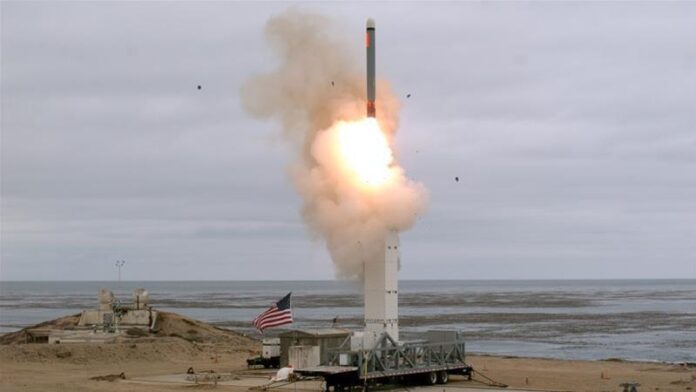
The US said on Monday it had tested a conventionally configured ground-launched cruise missile in California / Photo by US Department of Defence/Reuters

In a statement on Saturday, Mousavi denounced and condemned the US’ insistence on unilateralism, withdrawal from international treaties, and undermining the international law, principles, and norms.

“The US’ move may lead to an arms race at the global level, which will not only exacerbate instability and threaten the international peace and security, but will also inflict heavy economic costs on other countries, the result of which will be a decrease in the level of the economic welfare of the people of the world,” he noted.

He also called on the international community and all countries to show an appropriate reaction to the US’ destabilizing measures and its withdrawal from international treaties, which is a step backwards in international relations.

On Monday, the United States defence department announced that it had tested a conventionally configured cruise missile that hit its target after more than 500km of flight, the first such test since the US pulled out of Cold War-era Intermediate-Range Nuclear Forces (INF) Treaty.

US Defence Secretary Mark Esper was asked in an interview on Fox News on Wednesday whether the test was aimed at sending a message to China, Russia or North Korea and indicated that the main concern was China.

Moscow accused the US of “escalating military tensions”.

Russia and China also asked the United Nations Security Council to meet over “statements by US officials on their plans to develop and deploy medium-range missiles”.

Moscow and Beijing want to convene the 15-member council under the agenda item “threats to international peace and security” and have requested that UN disarmament affairs chief Izumi Nakamitsu brief the body, according to a request obtained by Reuters news agency.

They also warned of “threats to international peace and security” after latest US test of its new cruise missile.

The US withdrew from the Intermediate-Range Nuclear Forces (INF) Treaty on 2 August after accusing Russia of violating it – a claim Moscow denies.

Iran President Raps US’ ‘Amateur’ Administration

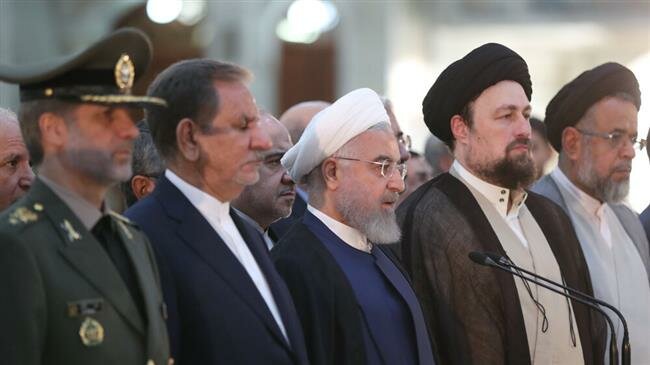
Iranian President Hassan Rouhani (C) takes part at a ceremony paying respect to Imam Khomeini, the founder of the Islamic Republic of Iran, at his mausoleum south of the capital Tehran on August 24, 2019. (Photo by Presidential Office)

“Without doubt we will get through this historic chapter through unity between the government and the people,” Rouhani said on Saturday.

The president made the speech on the advent of Iran’s “Government Week”, attending a ceremony along with his cabinet to pay respects to Imam Khomeini, the late founder of the Islamic Republic, at his mausoleum south of the capital Tehran.

Every year starting on August 23, Iran marks Government Week commemorating the late President Mohammad Ali Rajaei and Prime Minister Mohammad Javad Bahonar along with other government officials who lost their lives in a terrorist MKO bombing in the capital on August 30, 1981.

Speaking at the ceremony, Rouhani stressed that Iran’s enemies will cease attempting to undermine the country once they lose hope in their ambitions.

“The enemy’s loss of hope is our great objective. For our nation to gain hope in its future is, however, another and more important goal. As long as this hope endures, this path will also be carried on,” he said.

Referring to anti-Iran sanctions imposed by Washington after the Trump administration withdrew from the multilateral 2015 Iran nuclear deal last year, Rouhani stressed that “unity, endeavor and resistance is what will render the enemy hopeless.”

Rouhani said Iran has striven to achieve good relations with countries of the “east and west”, yet Trump’s “amateur” government has created much trouble for the people of Iran, the region and the US.

The president added that despite Washington’s “increased pressure targeting the Iranian population over the past year”, he believes the country’s situation is showing signs of improvement.

“A recent bimonthly report along with statistics released yesterday by the Statistical Center of Iran reported that monthly inflation has decreased compared to previous months,” he said.

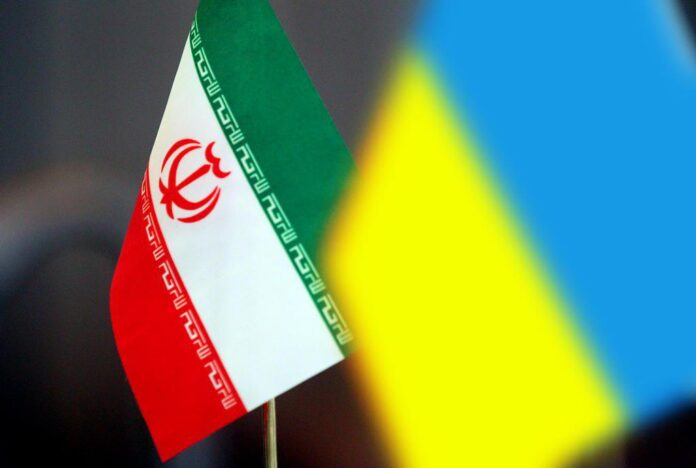
Iran Says Ready to Expand Relations with Ukraine

In a message to his Ukrainian counterpart, Rouhani offered his “sincerest congratulations” to Volodymyr Oleksandrovych Zelensky and the people of that country on the Independence Day of Ukraine.

“Given the strong, friendly relations between the two countries, I hope ties will further deepen in bilateral and international fields to serve both nations’ interests,” he noted.

He also wished health and success for Zelensky and prosperity and felicity for the Ukrainian nation.

With the collapse of the Soviet Union in 1991, Ukraine became an independent state, formalised with a referendum in December 1991.

On 21 January 1990, over 300,000 Ukrainians organized a human chain for Ukrainian independence between Kiev and Lviv.

Ukraine officially declared itself an independent state on 24 August 1991, when the communist Supreme Soviet (parliament) of Ukraine proclaimed that Ukraine would no longer follow the laws of USSR and only the laws of the Ukrainian SSR, de facto declaring Ukraine’s independence from the Soviet Union.

On 1 December, voters approved a referendum formalizing independence from the Soviet Union. Over 90% of Ukrainian citizens voted for independence, with majorities in every region, including 56% in Crimea.

The Soviet Union formally ceased to exist on 26 December, when the presidents of Ukraine, Belarus and Russia (the founding members of the USSR) met in Białowieża Forest to formally dissolve the Union in accordance with the Soviet Constitution.

With this Ukraine’s independence was formalized de jure and recognized by the international community.

Negotiation Not Solution to Iran’s Problems: IRGC Chief

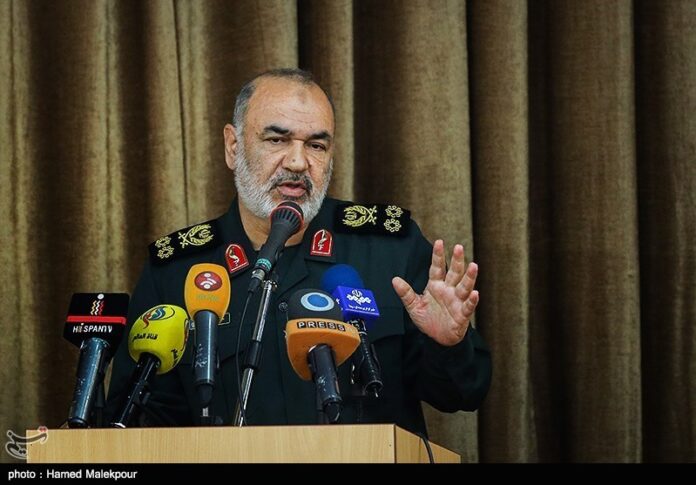
General Hossein Salami

Addressing a gathering in Mashhad on Saturday, Major General Hossein Salami said it is a sign of weakness if Iran abandon its policy of resistance and sit for talks.

“The enemy increases its pressure when it sees we are in a weak position. Therefore, negotiation and compromise is not at all a solution to our problems, and won’t resolve any issue for us,” he added.

He said it is wishful thinking to pin our hopes on the enemies for the resolution of problems.

“We should only rely on God, because the enemy will never give in to our demands in negotiation,” the top general said.

General Salami said the country has passed the hardships of sanctions, and has learned how to live without being impacted by the bans.

“The enemy today has reached a sanctions saturation, and has no more power,” he added.

He also noted that Europe is unable and the US is unwilling to lift the anti-Iran sanctions.

“Therefore, we should adopt the policy of neutralizing the impact of sanctions. Sanctions are indeed an opportunity, and we have managed to achieve such progress in science and technology when we were under sanctions,” the IRGC commander said.