Wednesday, April 22, 2026
Home Blog Page 2704

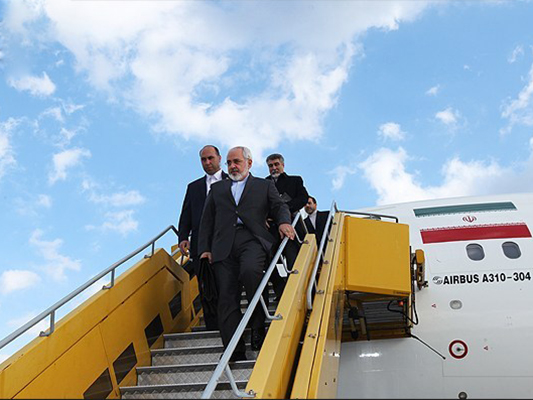
Iran FM to Visit Turkey, Azerbaijan, Nakhchivan

In a statement on Monday, Bahram Qassemi said Zarif will travel to Turkey’s capital Ankara on Tuesday to discuss the Syria conflict and the Astana peace process.

“In Ankara, the foreign minister and his Turkish and Russian counterparts will attend a ministerial meeting on Syria. Exploring the latest developments in Syria and following up on the agreements made in Astana will be topics of discussions among the three foreign ministers,” he said.

Qassemi said Zarif will also accompany President Hassan Rouhani in a meeting of heads of governments of Iran, Turkey and Russia.

“During the [ministerial] meeting, the agenda of the meeting of the three presidents will be discussed,” Qassemi said.

On Thursday and Friday, Zarif will be in Azerbaijan’s capital of Baku to attend a mid-term ministerial conference of members of the Non-Aligned Movement, Qassemi said.

On Friday afternoon, the foreign minister will make a trip to the Nakhchivan Autonomous Republic upon the official invitation of the region, headded.

During his stay, the spokesman said, Zarif will meet with high-ranking officials of Nakhchivan.

Iran Calls for Restraint in Latest Kashmir Escalation

In a Monday statement, Bahram Qassemi called for restraint and said Iran is ready to help ease tensions in Kashmir.

“The Islamic Republic of Iran supports every move in line with the interests of the Kashmiris and is ready to take effective steps to reduce tensions, if the sides make a request,” he said.

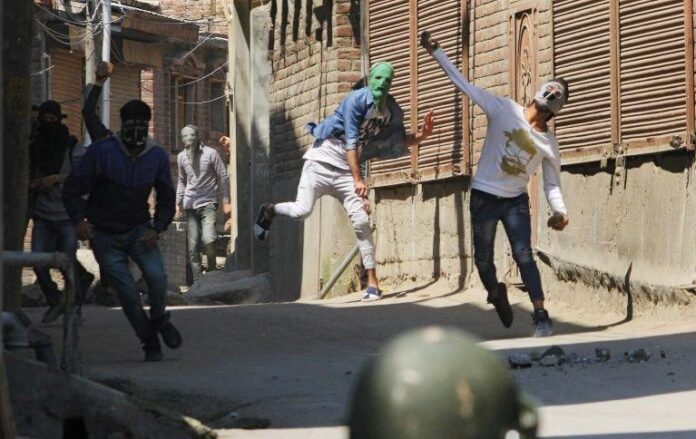
Fierce gun battles between Indian forces and suspected separatist militants in the Indian-controlled Kashmir has in recent days left 20 people dead.

People staged a strike in the region on Monday, after deadly anti-New Delhi protests and clashes between the army and pro-independence militants.

In recent years, the people of Kashmir have been faced with a massive crackdown by hundreds of thousands of Indian military and paramilitary troops deployed to the region to stifle dissent.

The Himalayan region is divided between India and Pakistan. Most Kashmiris on the Indian side want either independence or a merger with Pakistan.

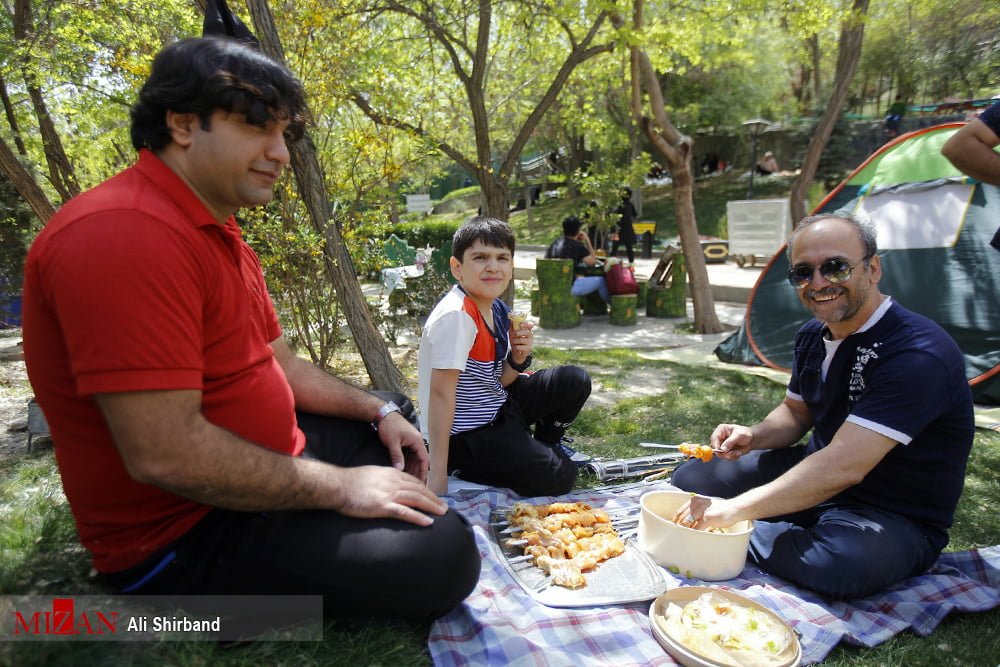
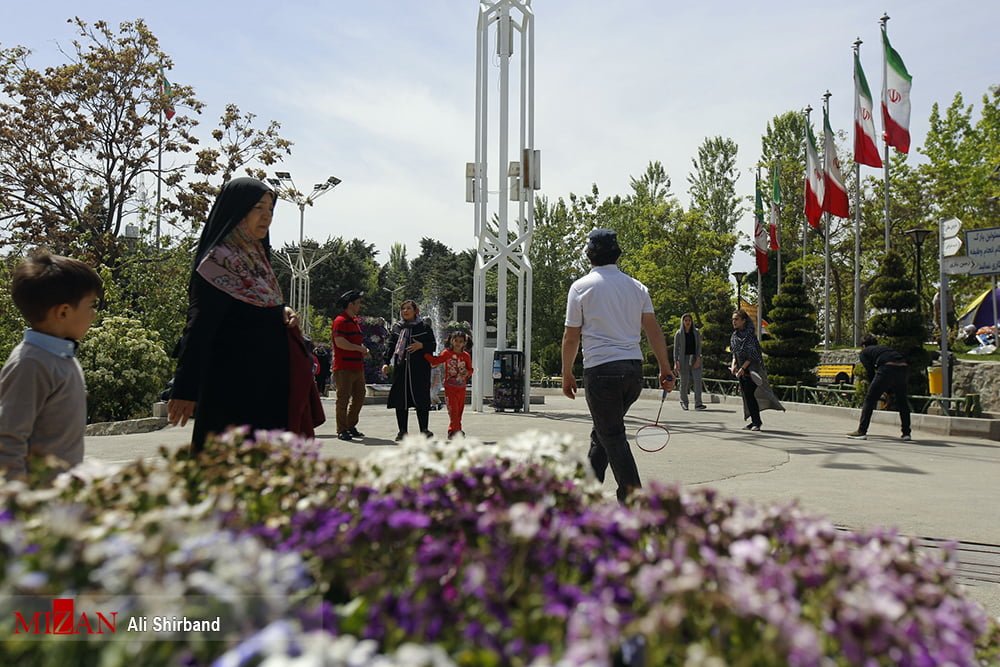
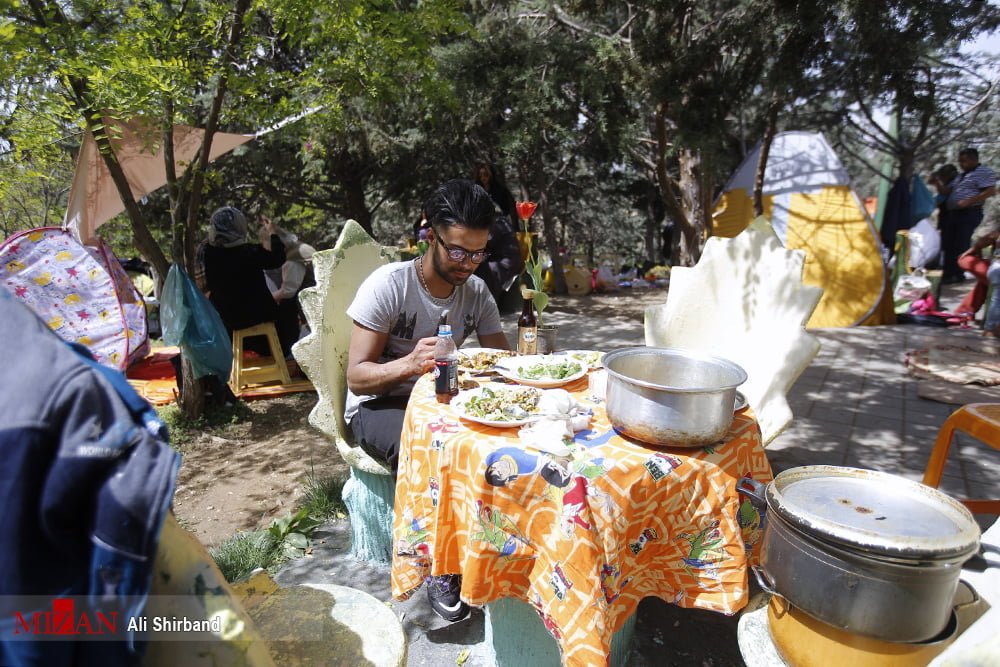
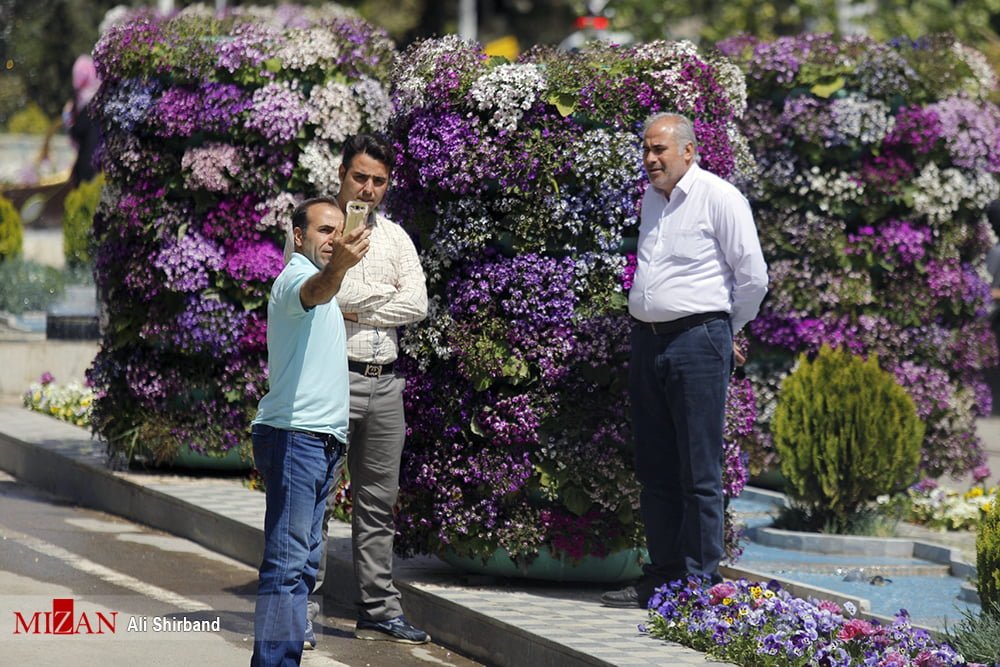
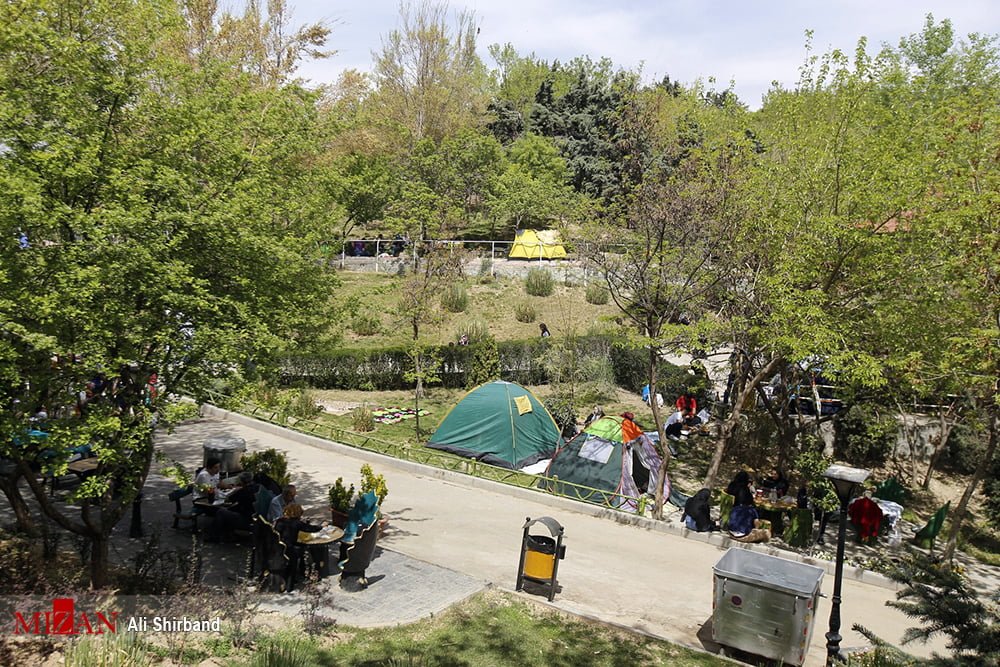
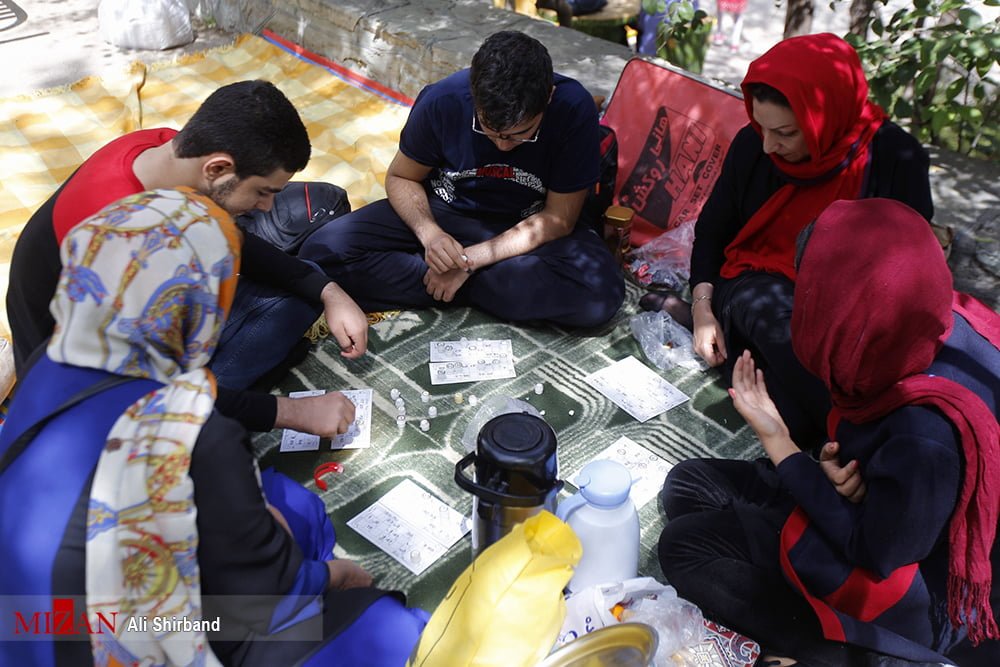
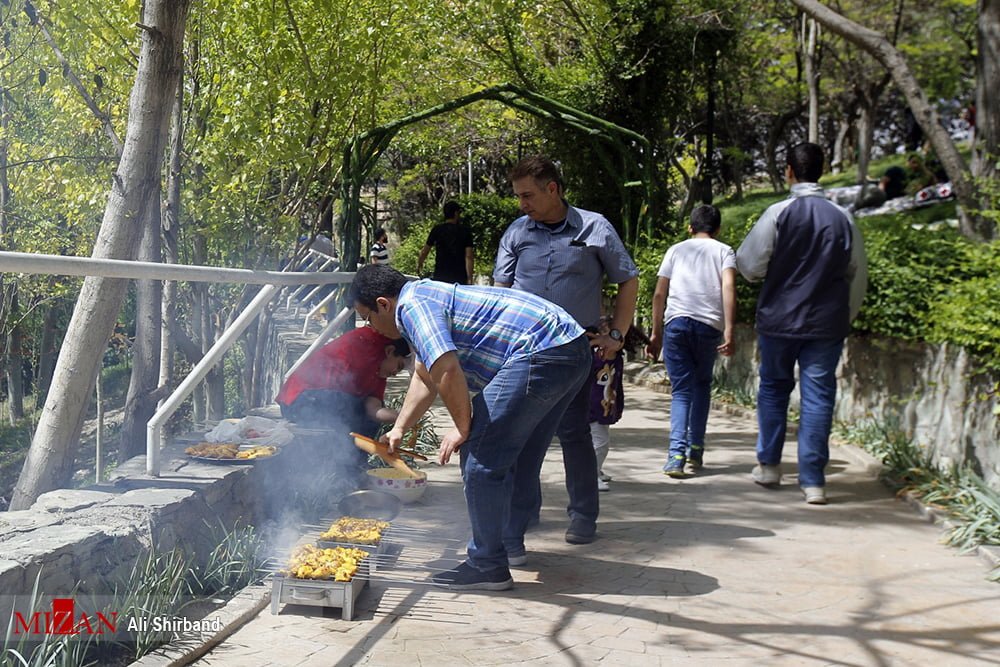
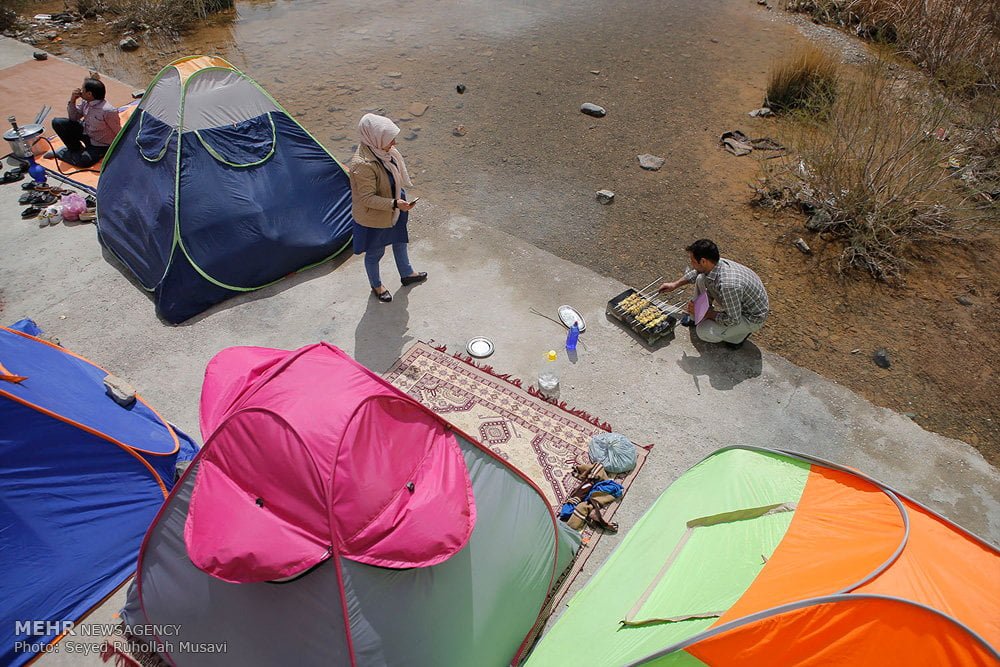
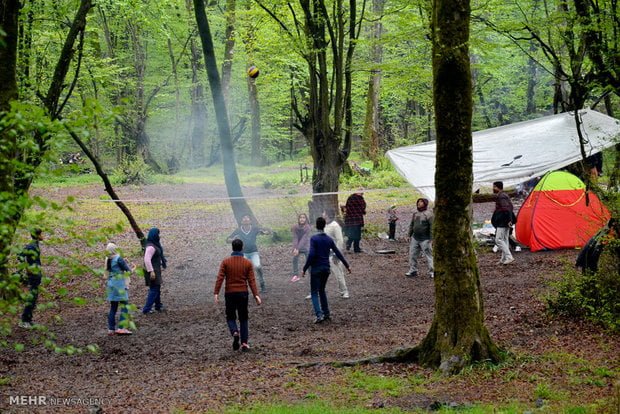
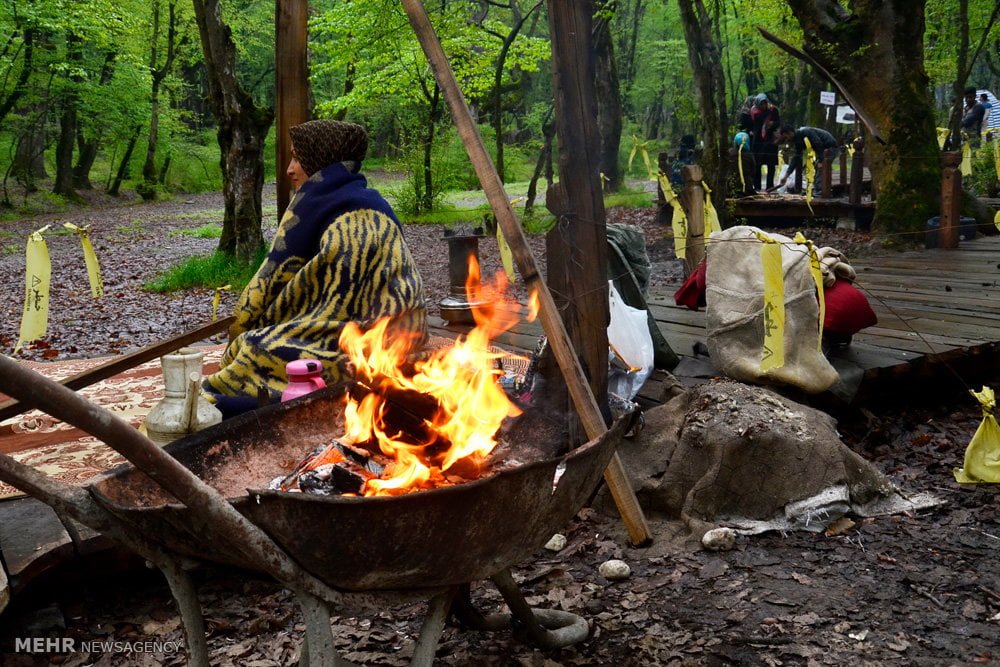
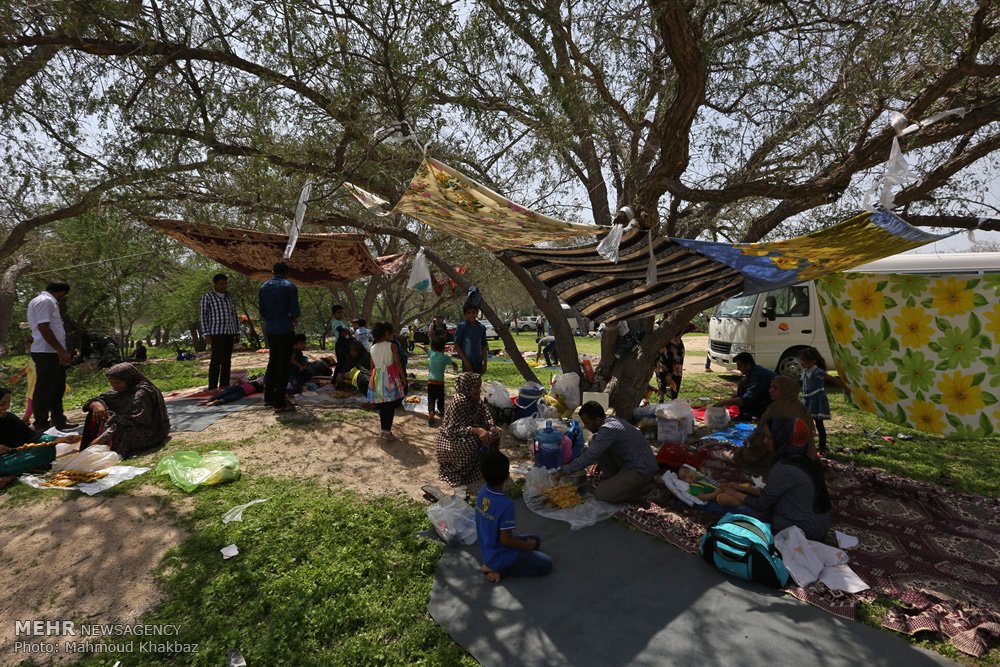
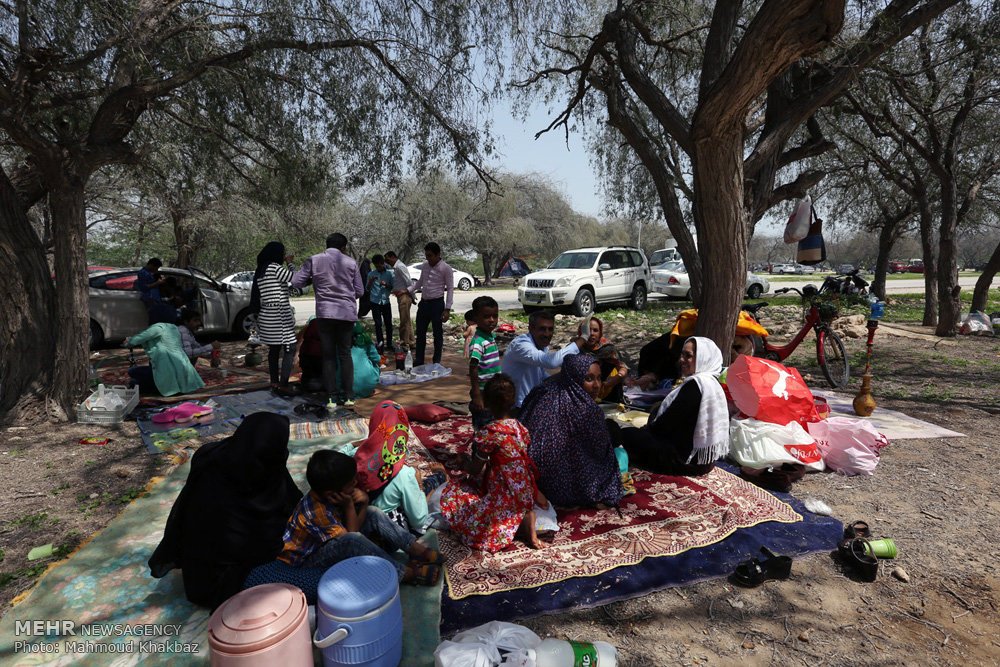
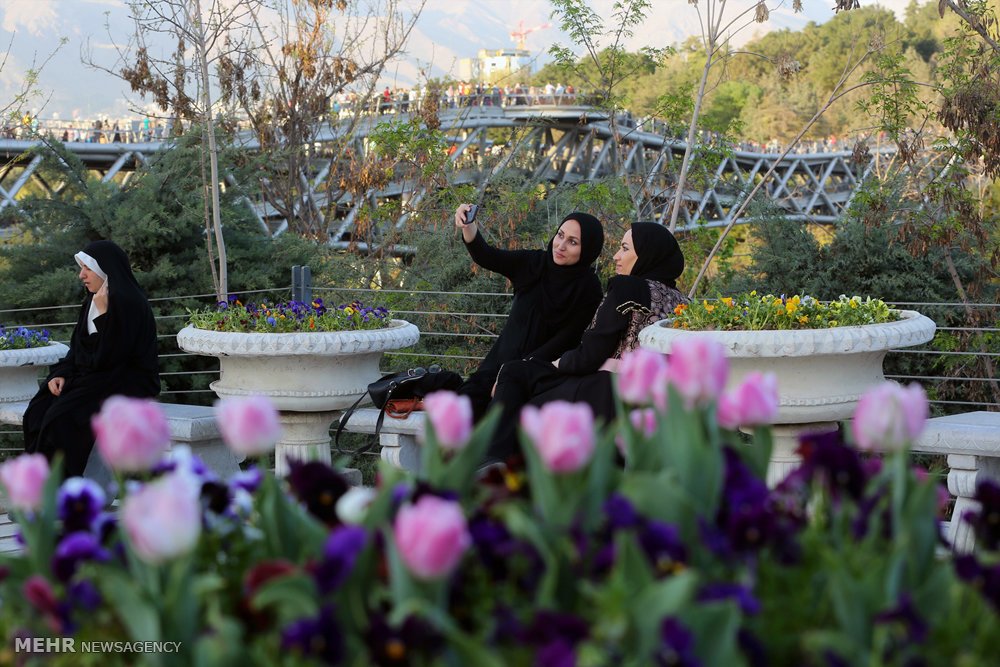
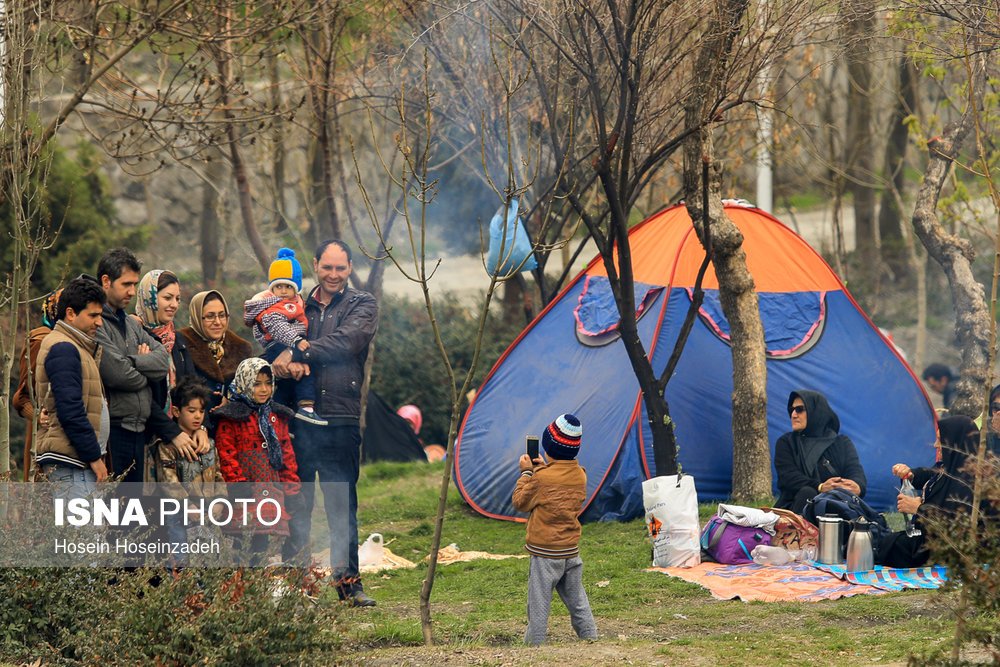
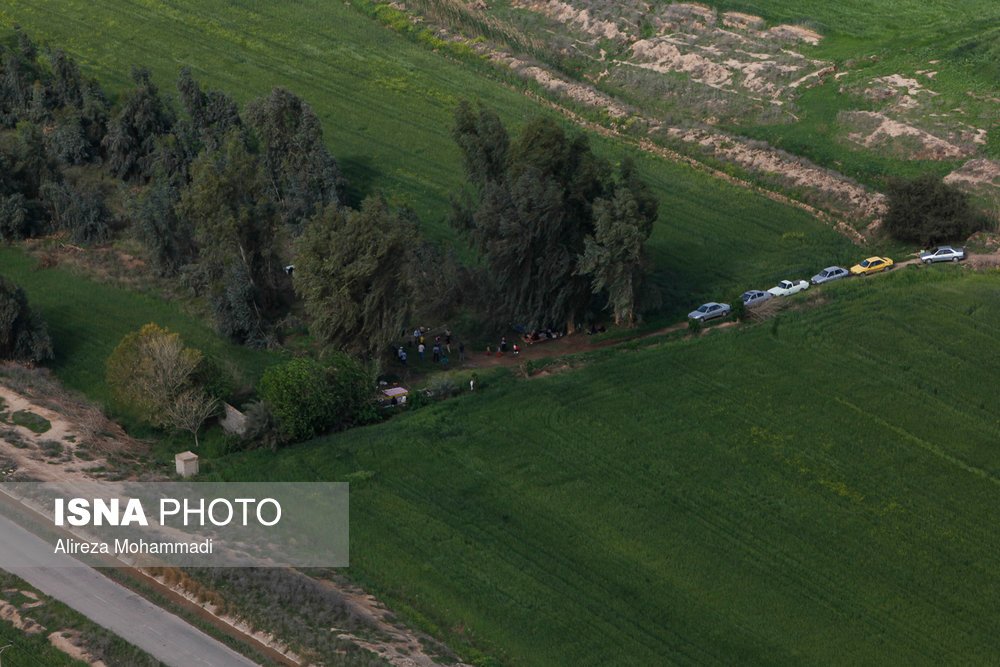
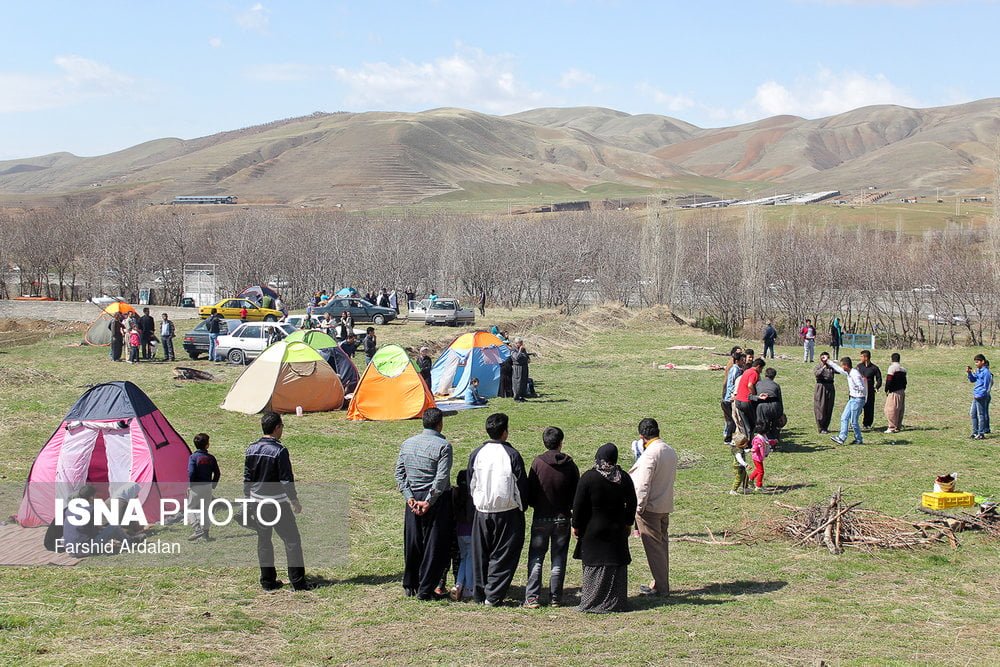
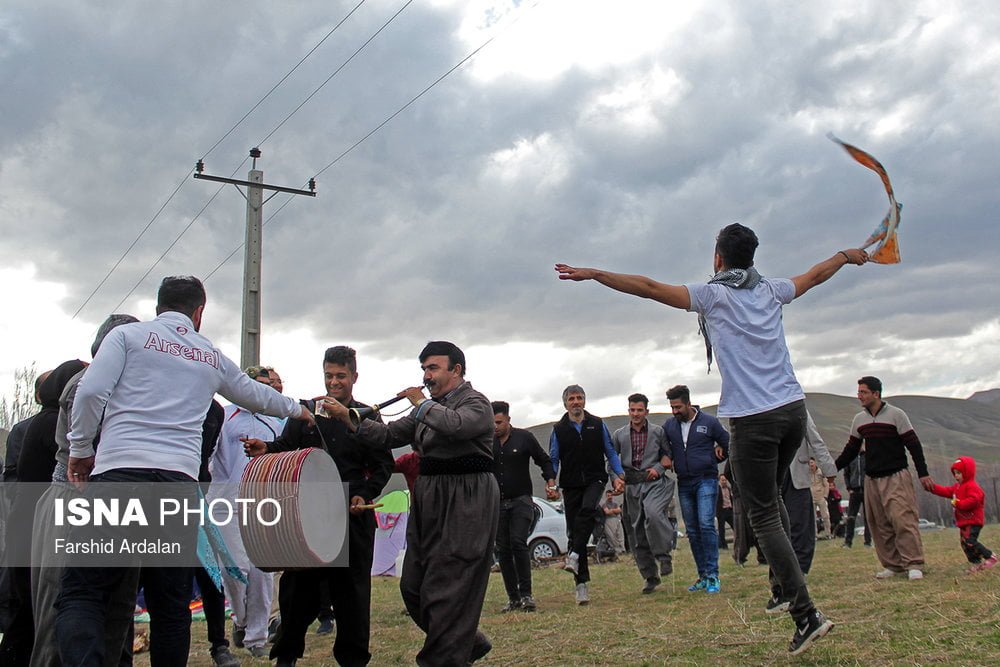
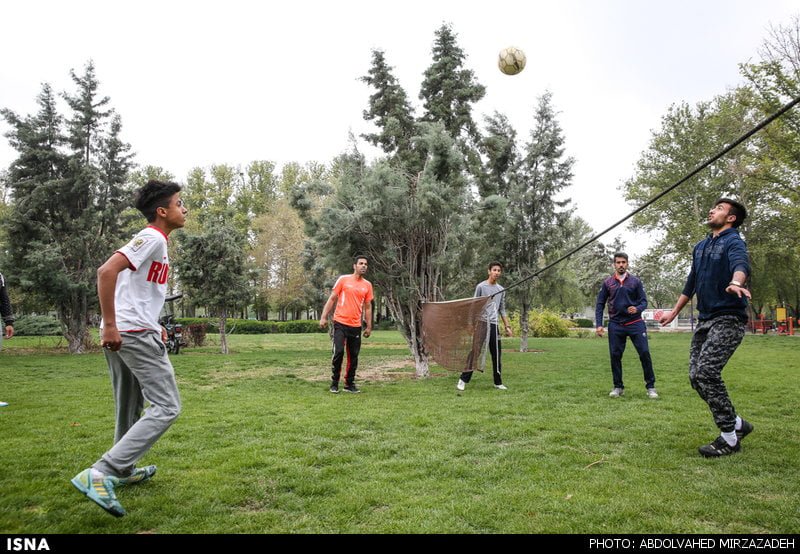
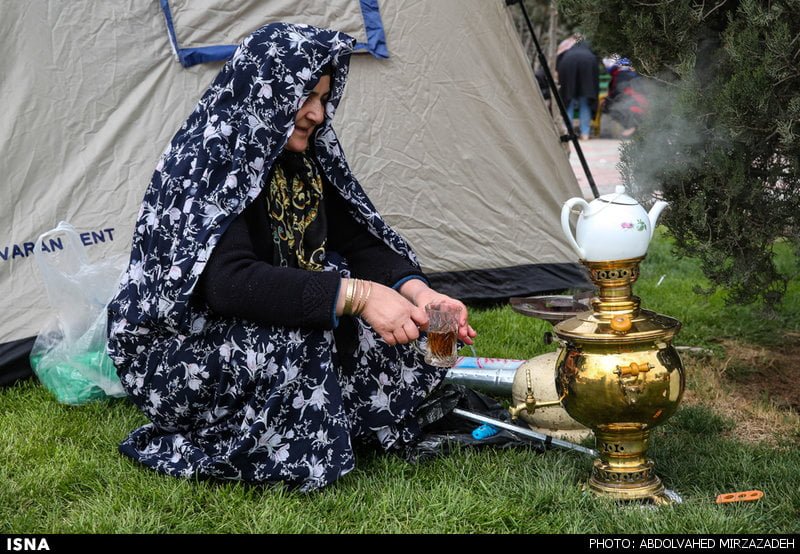
Iranians Go on Outdoor Picnics to Celebrate Nature Day

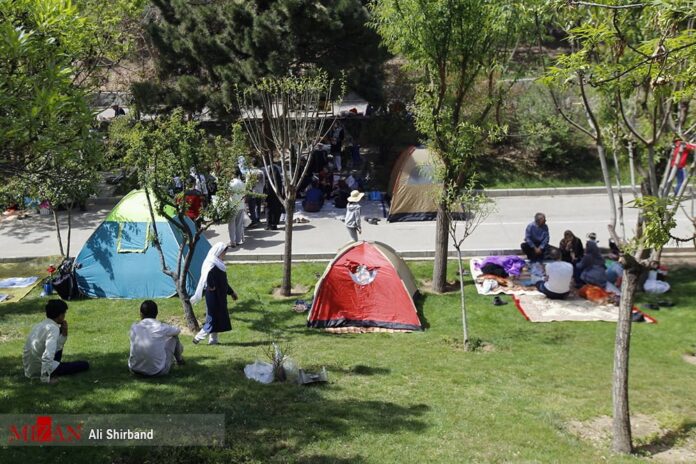
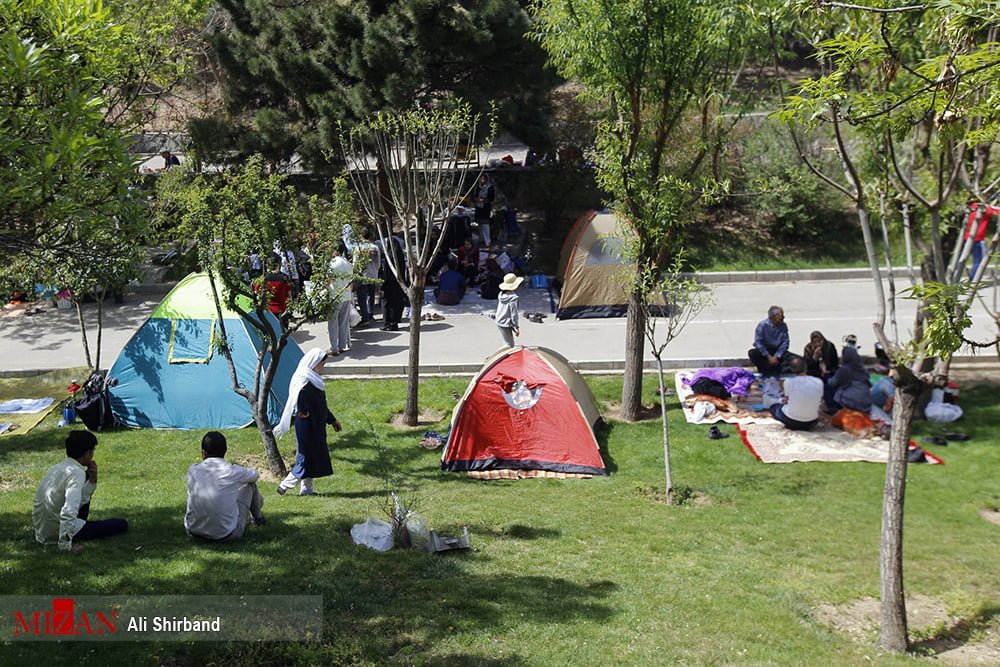
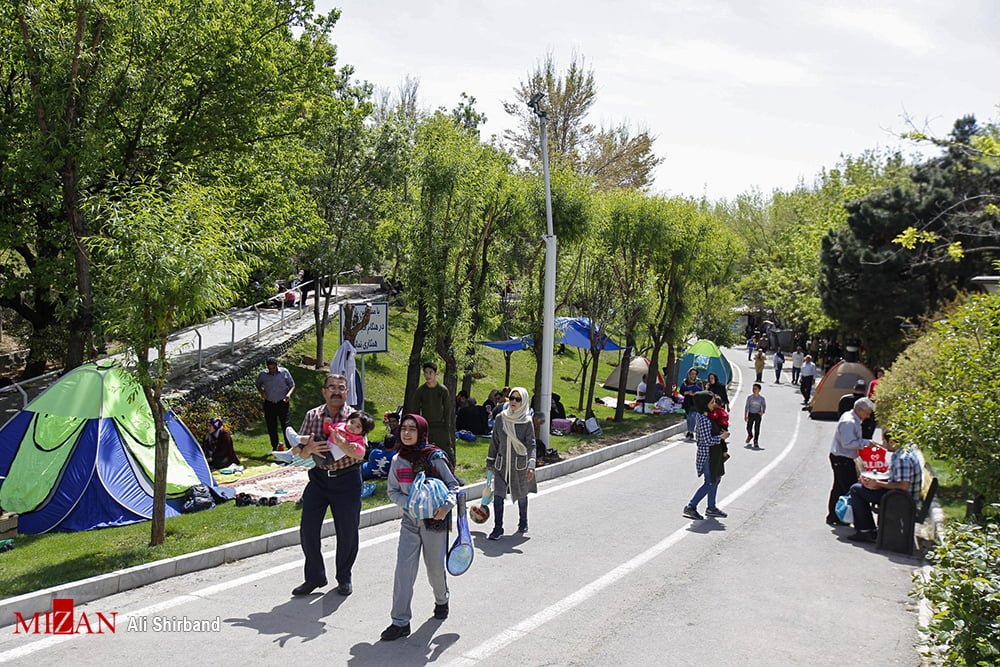
Iranians uphold the long-standing tradition on the thirteenth day of Nowruz by spending the day outdoors.

‘Sizdah’ means thirteen, and ‘bedar’ means to get rid of, bearing the meaning of ‘getting rid of thirteen’. Sizdah-bedar also marks the end of Nowruz celebrations, which begin on the first day of spring.

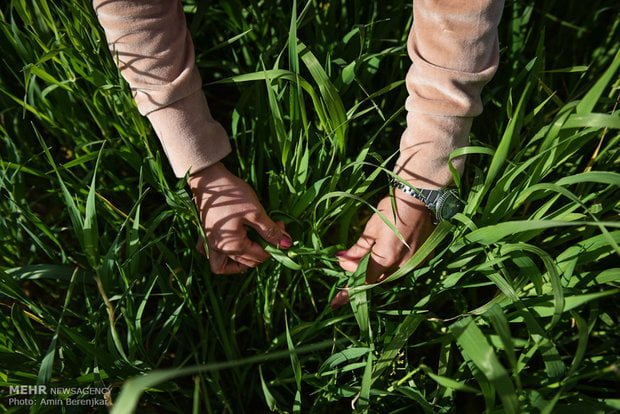
A ritual performed at the end of the picnic day is to throw away the “sabzeh” (Sprout) from the Nowruz’s “Haft-Seen table”. The sabzeh is supposed to have collected all the sickness, pain and ill fate hiding on the path of the family throughout the coming year.

Touching someone else’s greenery on this day or bringing it back home is considered a bad omen.

Preserving the environment is also an integral part of what Iranians do on Sizdah-bedar.

It is also customary for young single people, especially young girls, to tie the leaves of the greenery before discarding it, expressing a wish to find a partner.

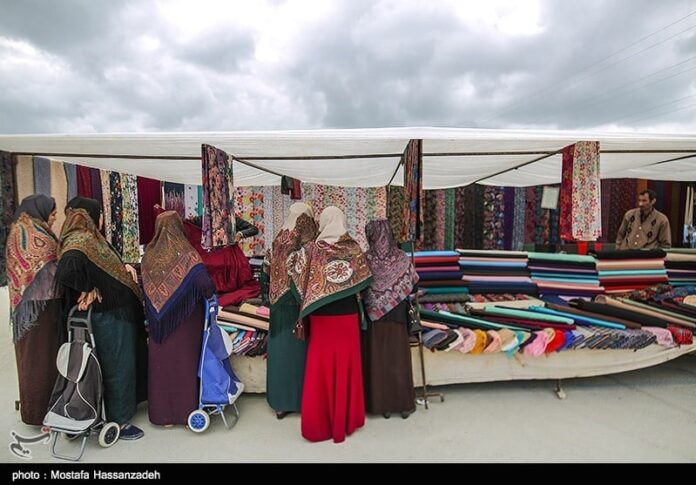
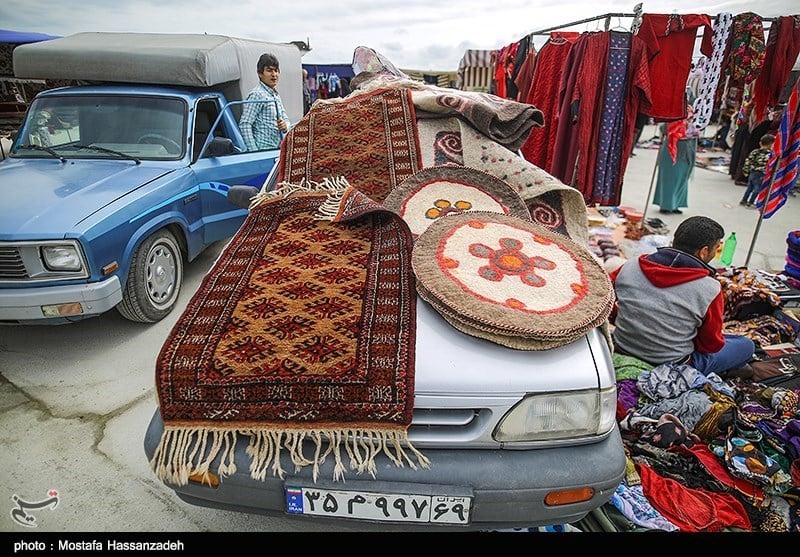
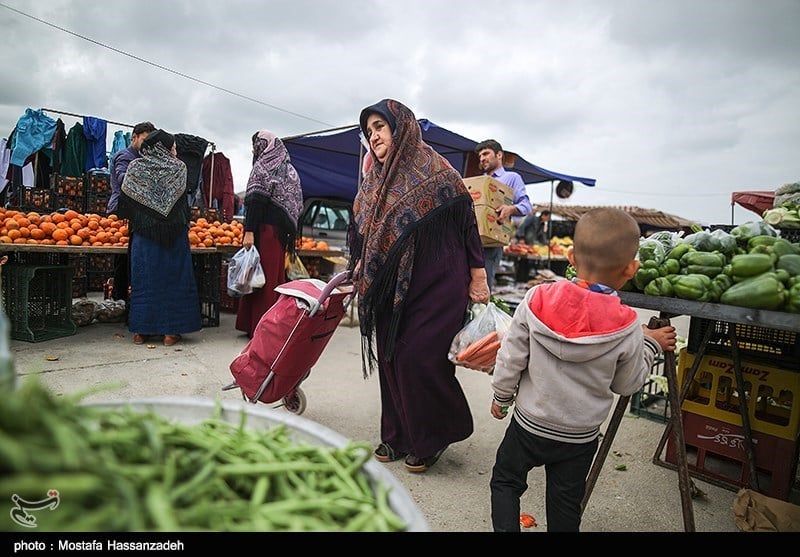
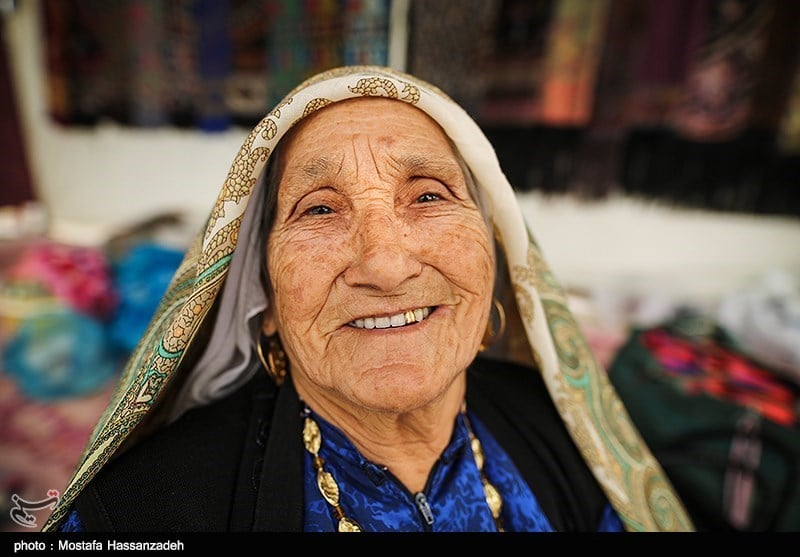
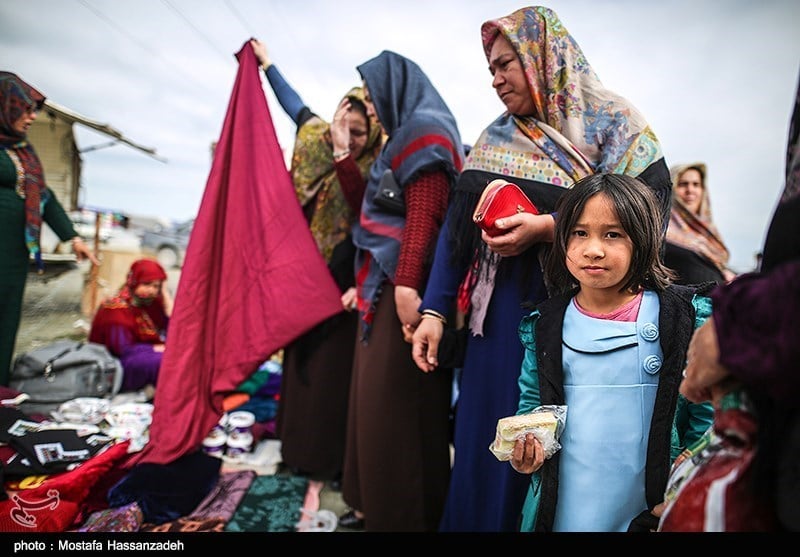
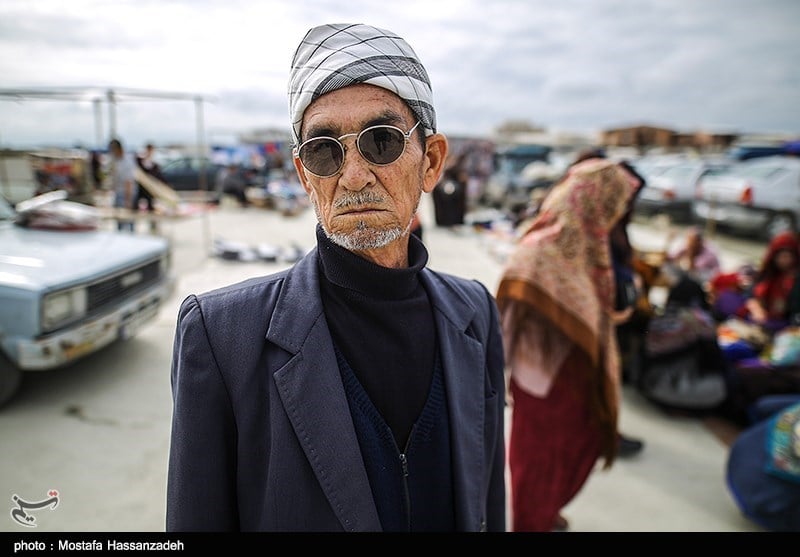
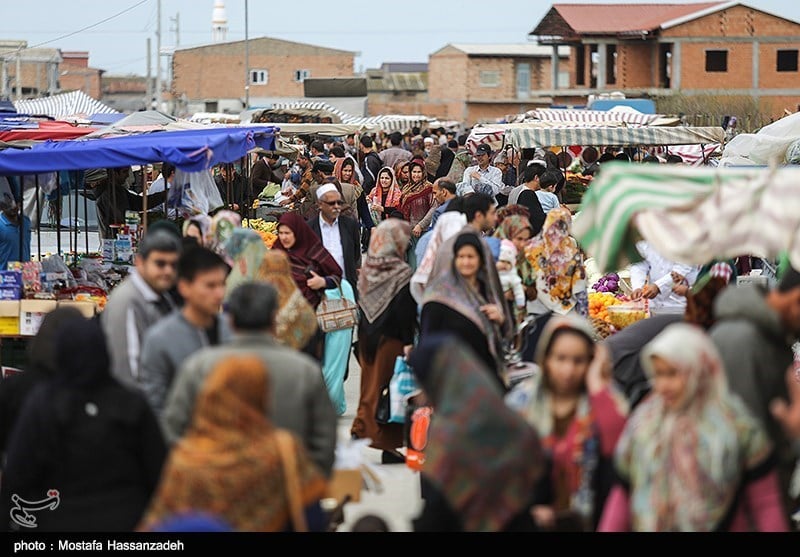
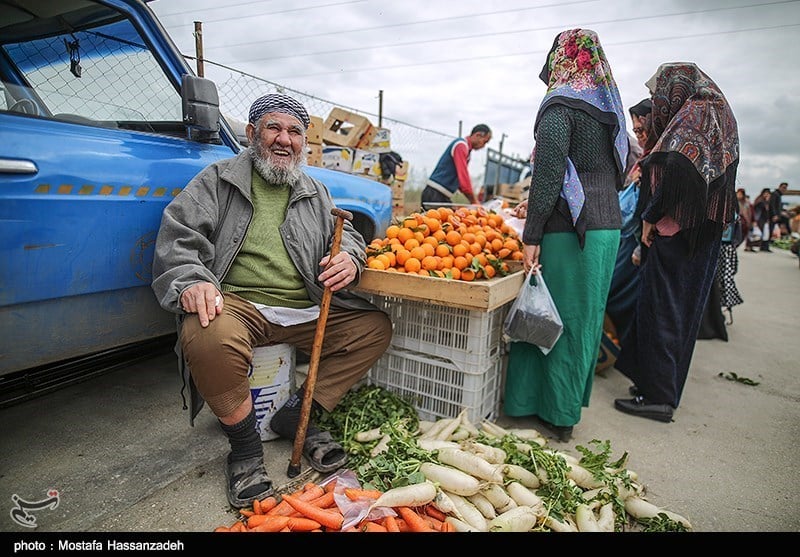
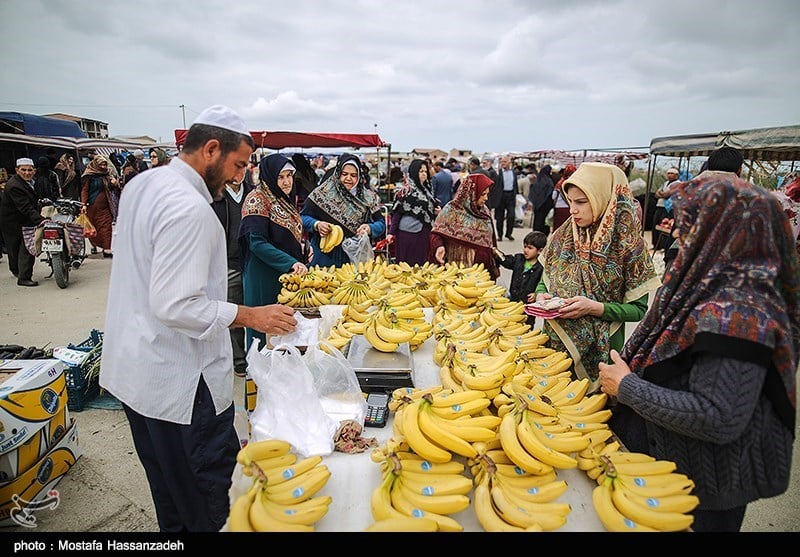
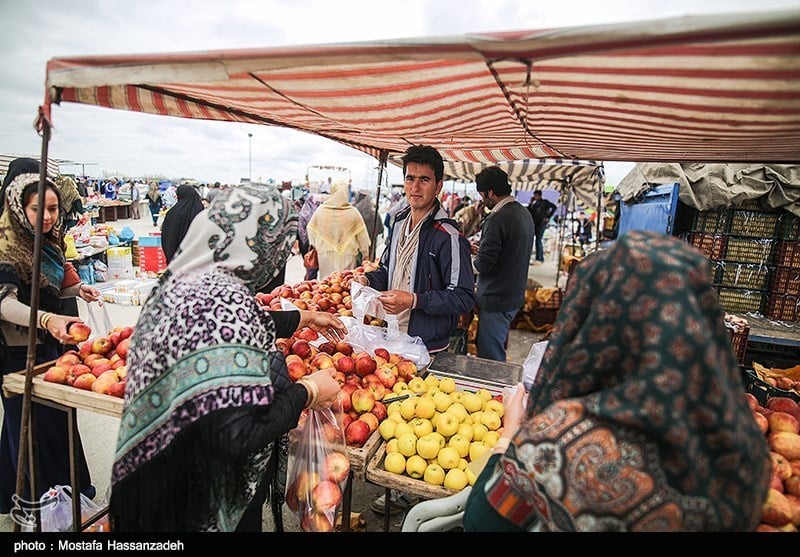
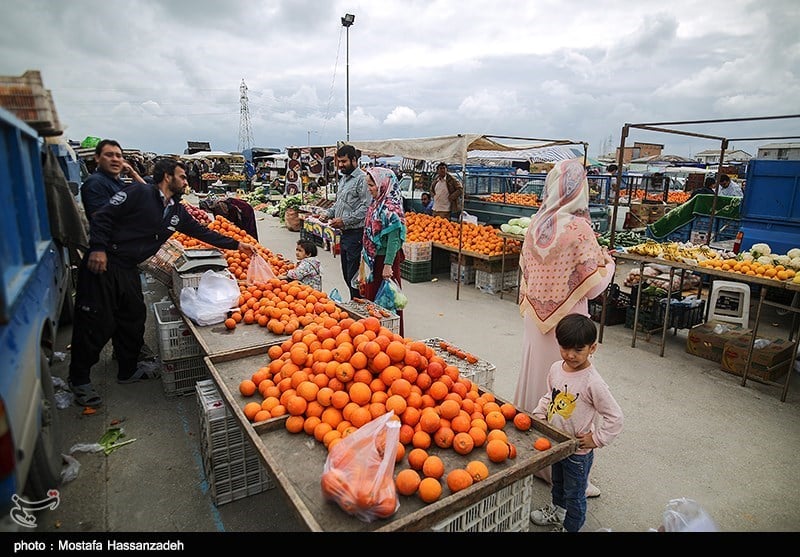
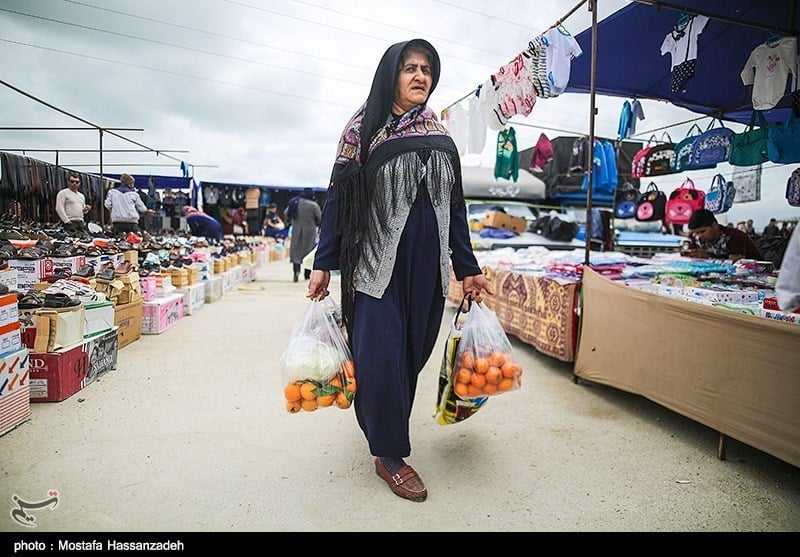
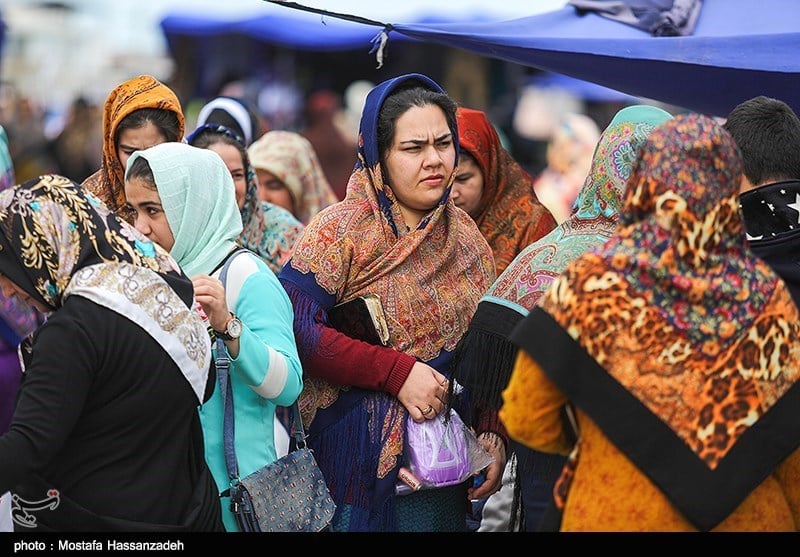
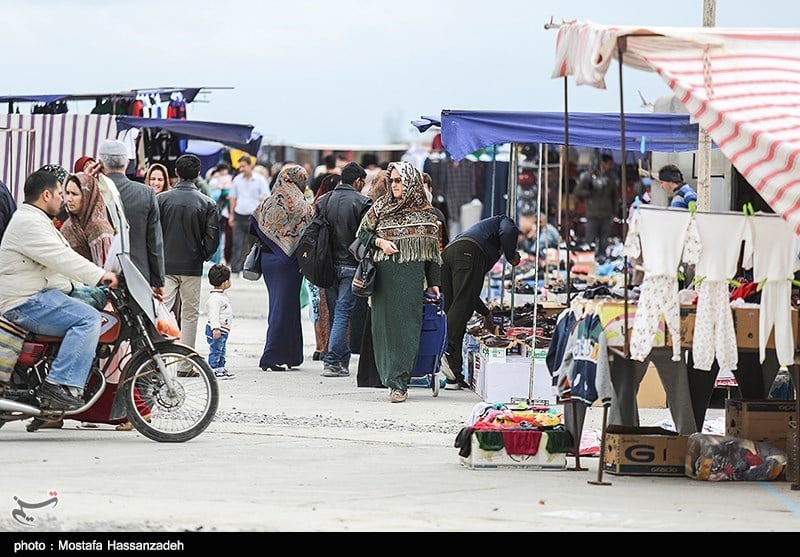
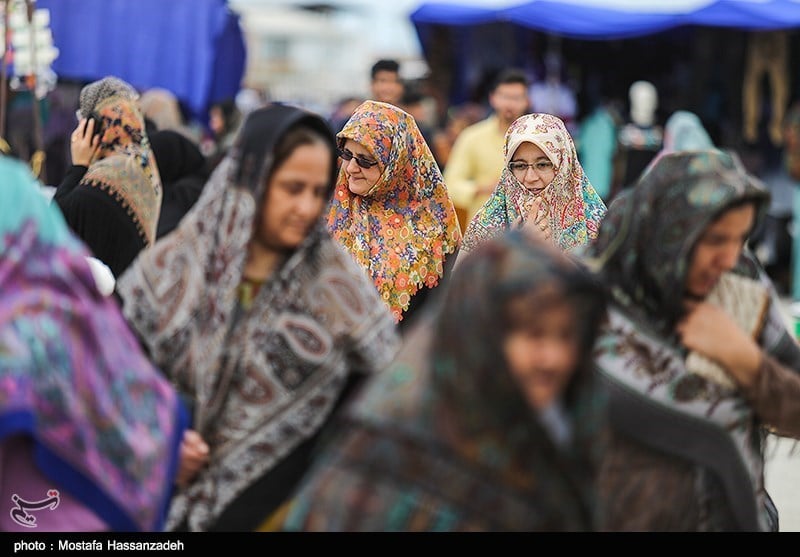
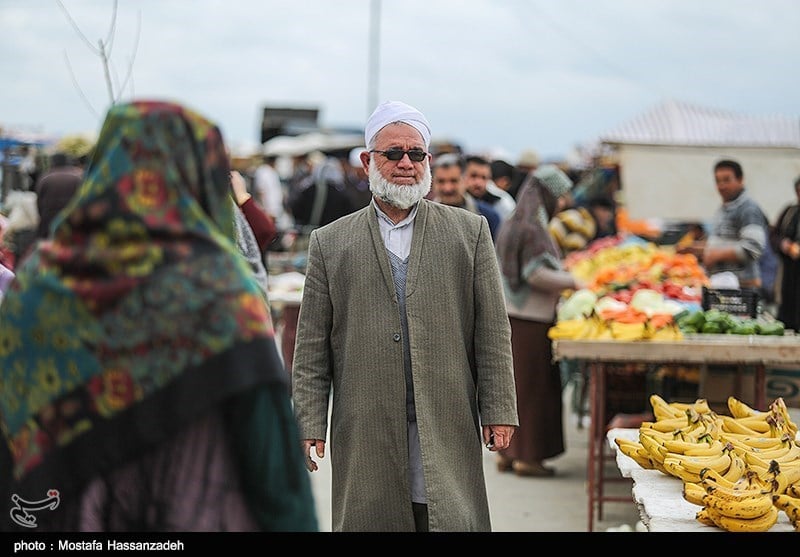
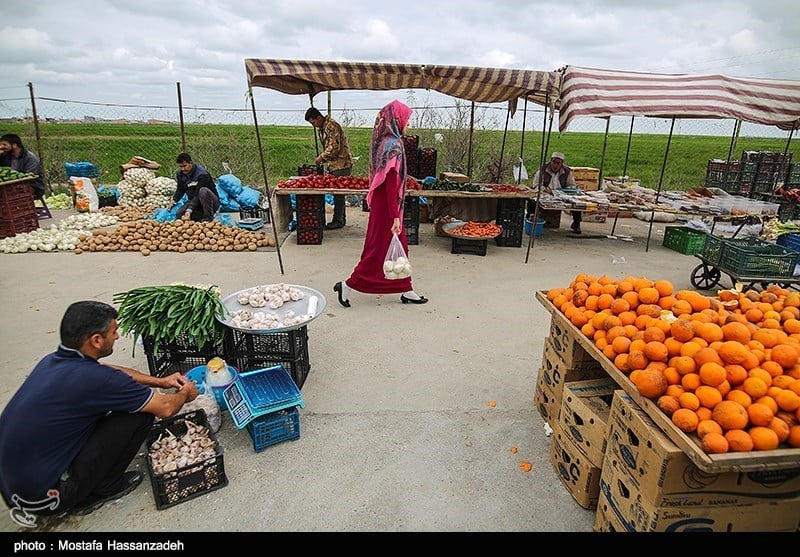
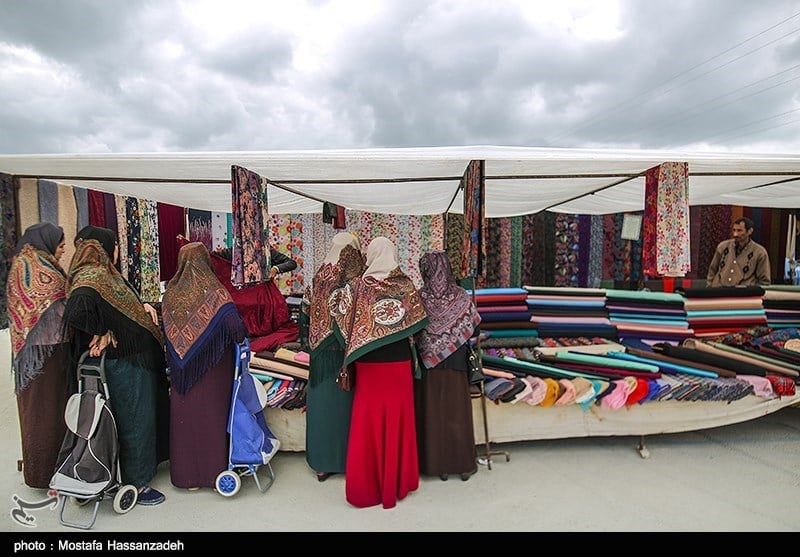
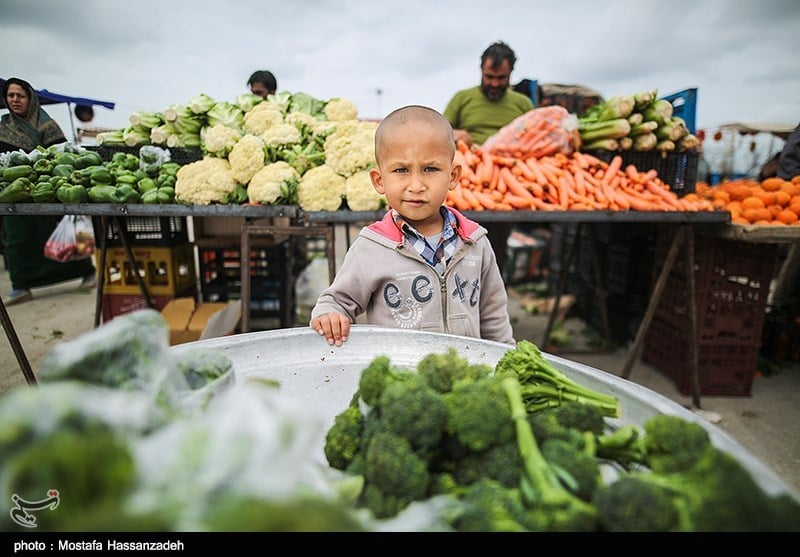
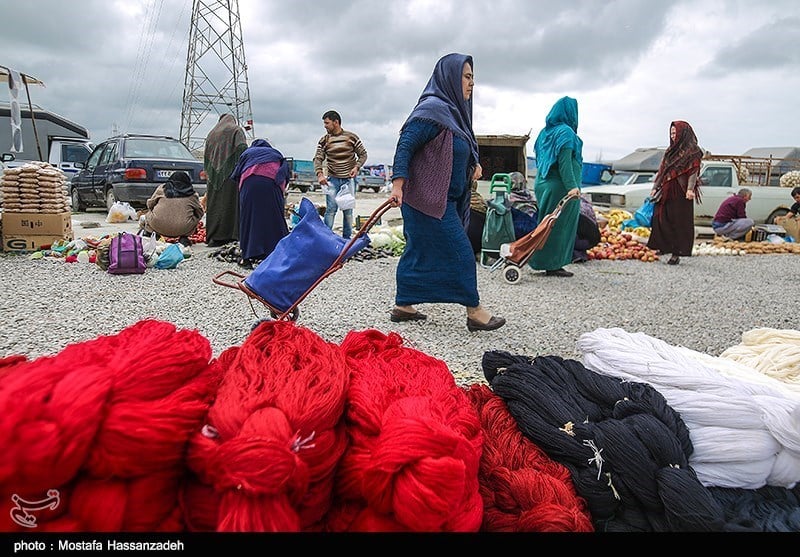
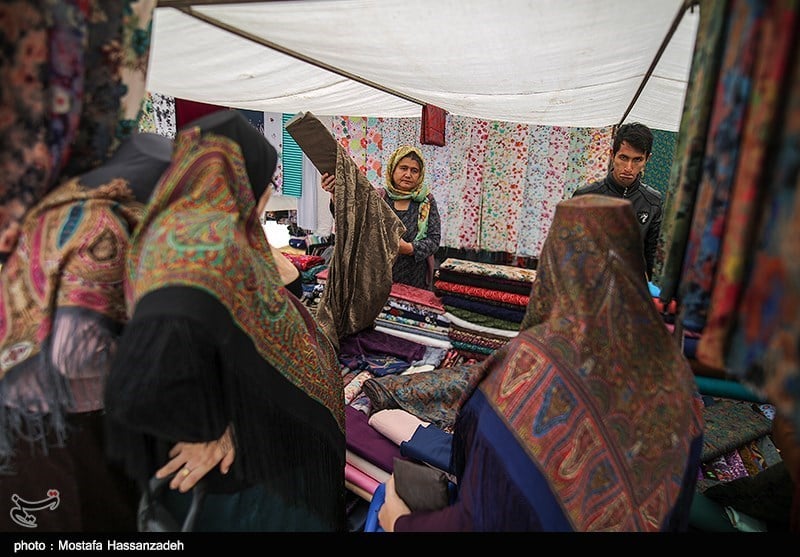
Iran’s Beauties in Photos: Handicrafts Market in Bandar Torkaman

What follows are Tasnim’s photos of the local market visited by hundreds of tourists and local people every Monday:

“Tel Aviv Terrorists Know No Language but Aggression”

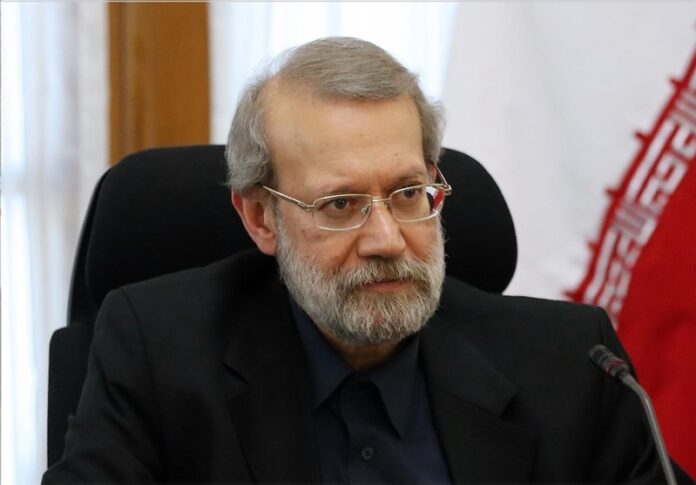
larijani

Larijani on Sunday condemned the “criminal and inhuman” move by the “illegitimate and occupying regime of Israel” against the peaceful protest by the Palestinians known as “Great March of Return” held on the Gaza border.

“The killing of the peaceful Palestinian protesters is the last in the series of Israeli crimes carried out under the patronage of the US,” he was quoted as saying in a Farsi report by Tasnim News Agency.

Larijani also described the Zionists’ policy to create regional tensions and crises as well as the US president’s move to transfer the US embassy from Tel Aviv to Jerusalem al-Quds as “dangerous”, saying the measures have already threatened the stability and security of the region.

The Iranian parliament speaker then said the terrorists in Tel Aviv understand no language other than aggression and added resistance is the most significant mechanism in fight against the vicious goals of the Zionist regime.

He urged the parliaments of the Islamic and non-Islamic states in the world to defend the legitimate rights of the Palestinians and stop the provocative policies of the Zionists through adopting some appropriate mechanisms and condemning them.

Back on Friday, at least 17 Palestinians lost their lives and more than a thousand others sustained injuries when Israeli military forces opened fire on thousands of protesters, who had flocked to a sit-in near the border fence between the Gaza Strip and occupied Palestinian territories.

The move sparked harsh criticisms by many rights groups across the world including Amnesty International.

The protest marked the 42nd anniversary of Land Day on March 30, 1976. Protesters said the main message of the march was to call for the right of return for Palestinian refugees. Tents were also set up on five different points along the border, a move kicking off six weeks of a sit-in demonstration leading up to the 70th anniversary of the Nakba on May 15.

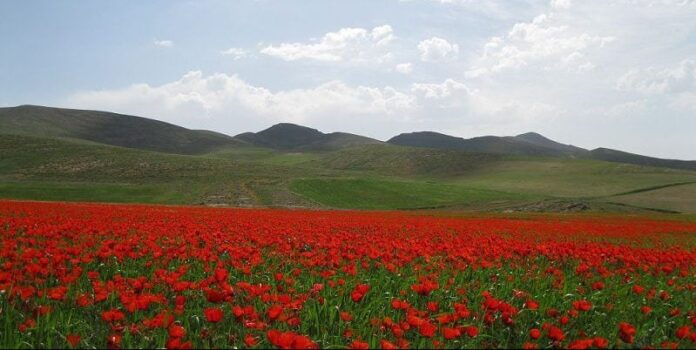
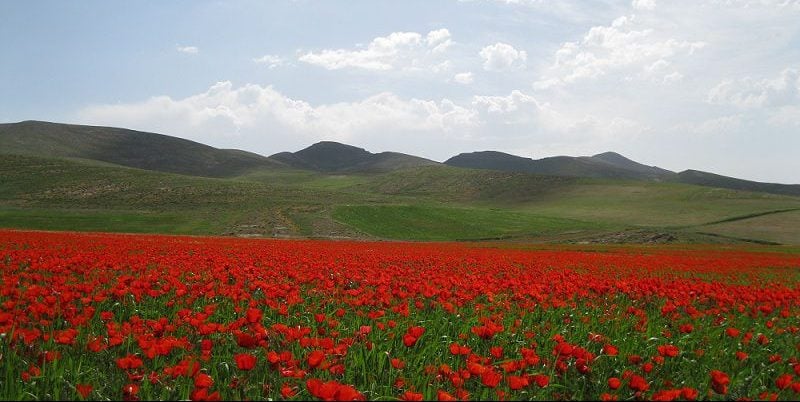
Bajgiran Border Town; The Land of Poppies

Bajgiran, the capital of Bajgiran District in Quchan County, serves as a zero point border crossing between Iran and Turkmenistan.

The distance between Bajgiran and the city of Mashhad is about 200 km, or about a two-hour drive. The border town is about 55 km away from Ashgabat, the capital city of Turkmenistan.

Bajrian is highly significant in historical term. Due to its proximity to one of the oldest customs in the region, the border town is home to some historic storehouses belonging to the Bajgiran customs office. The storehouses are registered as national heritage.

Even the name of the city is tied with the region’s customs office. Under Qajar dynasty, the privilege of the region’s customs was given to the Belgian government. To strengthen their grip on the customs, the Belgians had hired a number of armed bullies (in Persian, Bajgiran) to gather the customs duties.

In addition to the customs storehouses, there are other historical sites in the region including a historic crypt in the Rahvard village about 500m away from the town and the Shrine of Crown Prince Sultan Mahmoud in Dowlatkhaneh rural district near the same village.

The region of Bajgiran is also well-known for its natural attractions. It is home to a large number of plant species which are used in alternative medicine.

On the other hand, there is a no-hunt zone, about two kilometres northeast of Bajgiran. Among other natural attractions of the city, one can refer to Aq Kamar, Qater Darvish, Aslemeh and Darbam Valley.

Anemone Plain is also located in the region which is widely known as one of the greatest natural attractions of Iran.

What follows are photos of the region retrieved from Chamedan website:

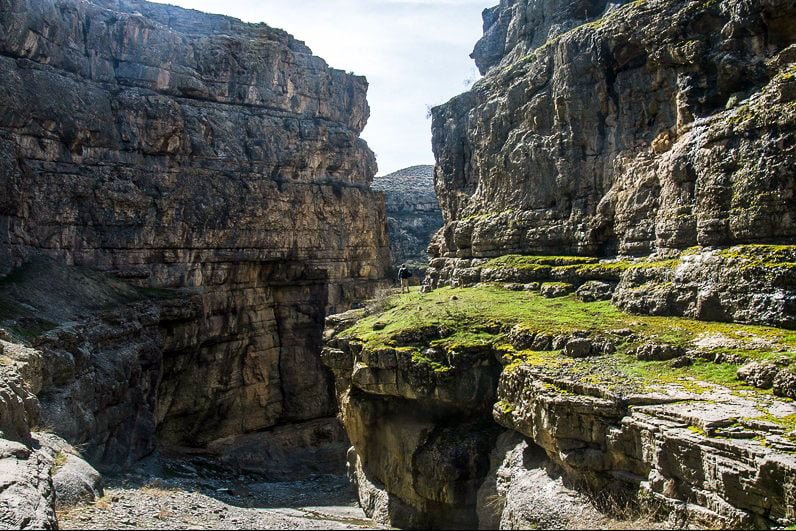
Iran’s Beauties in Photos: Ancient Castle of Seb

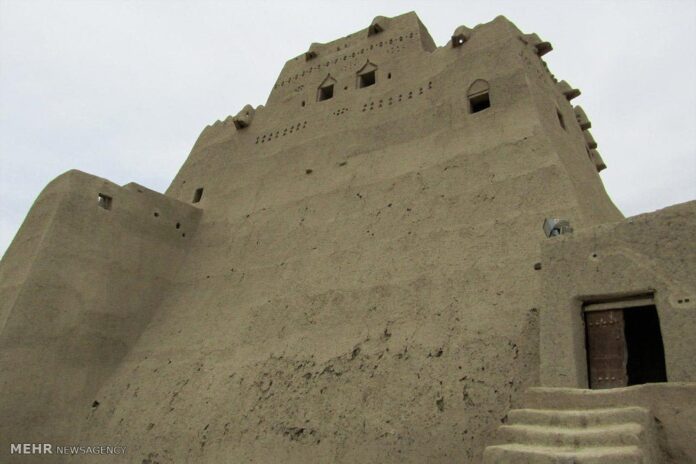
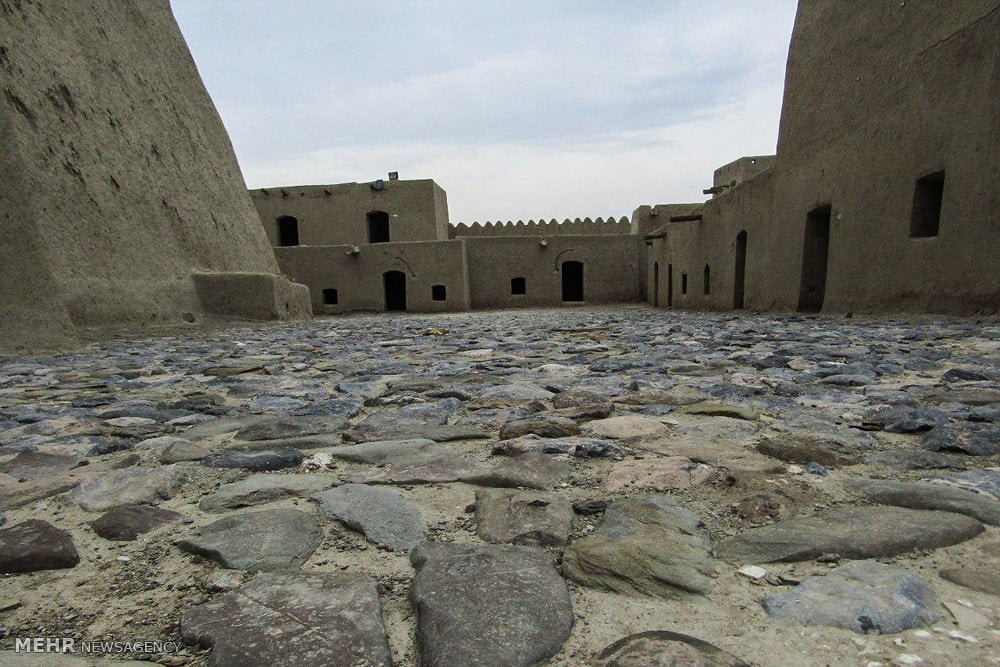
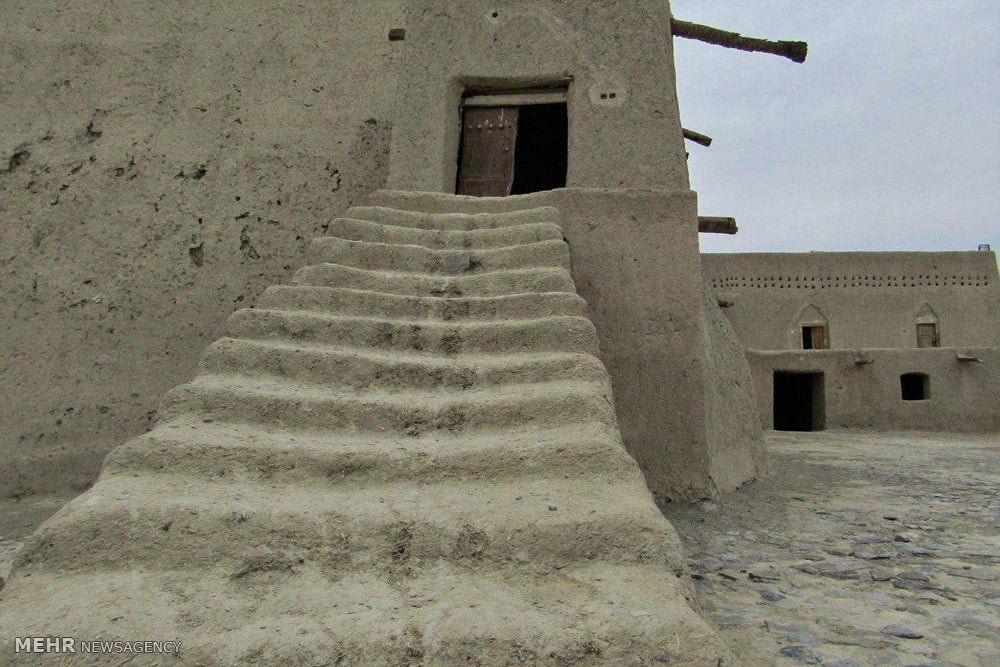
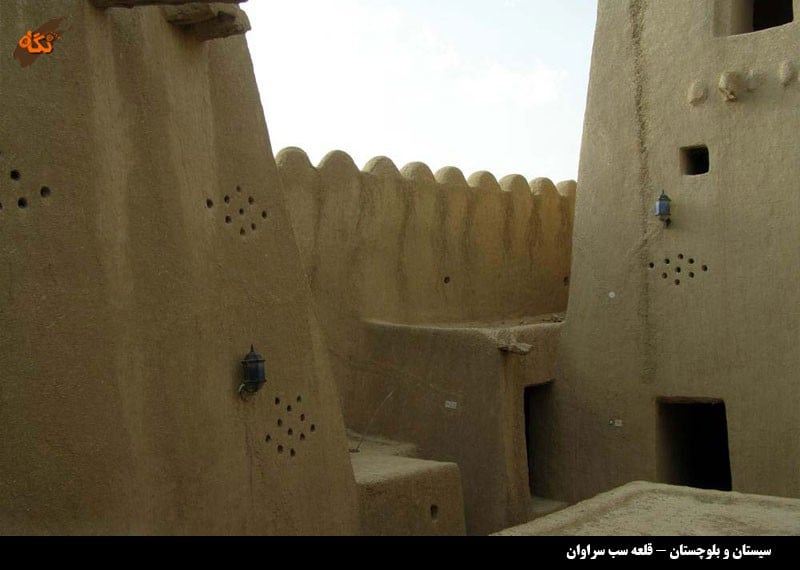
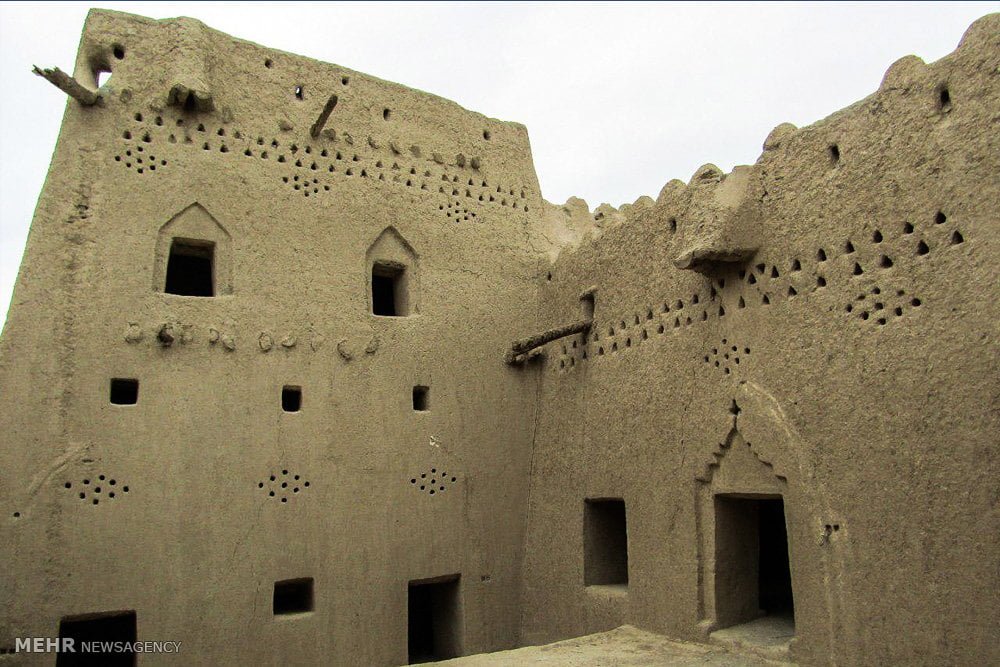
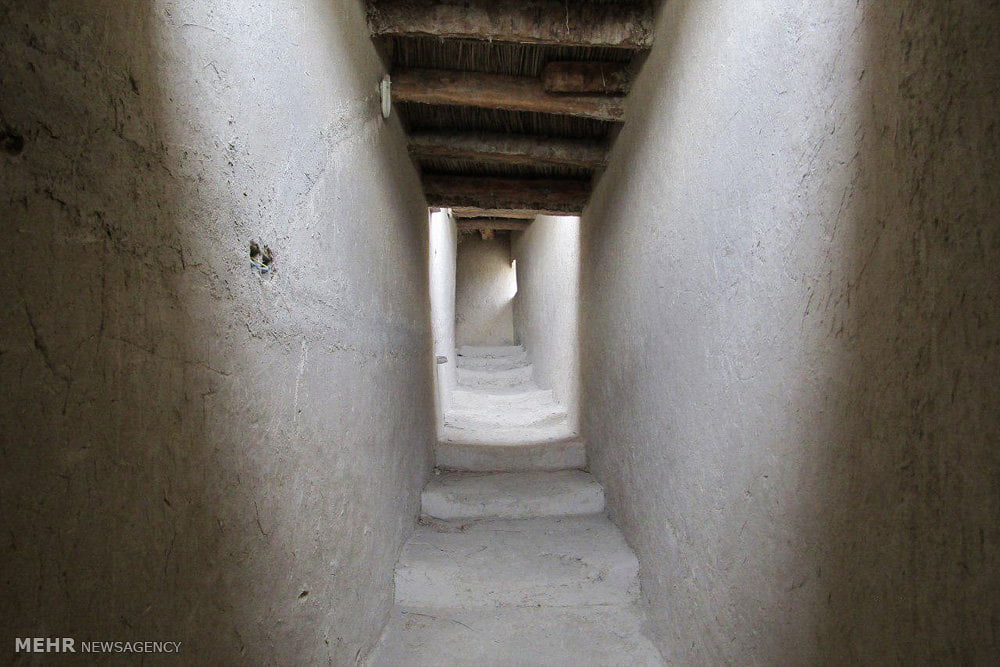
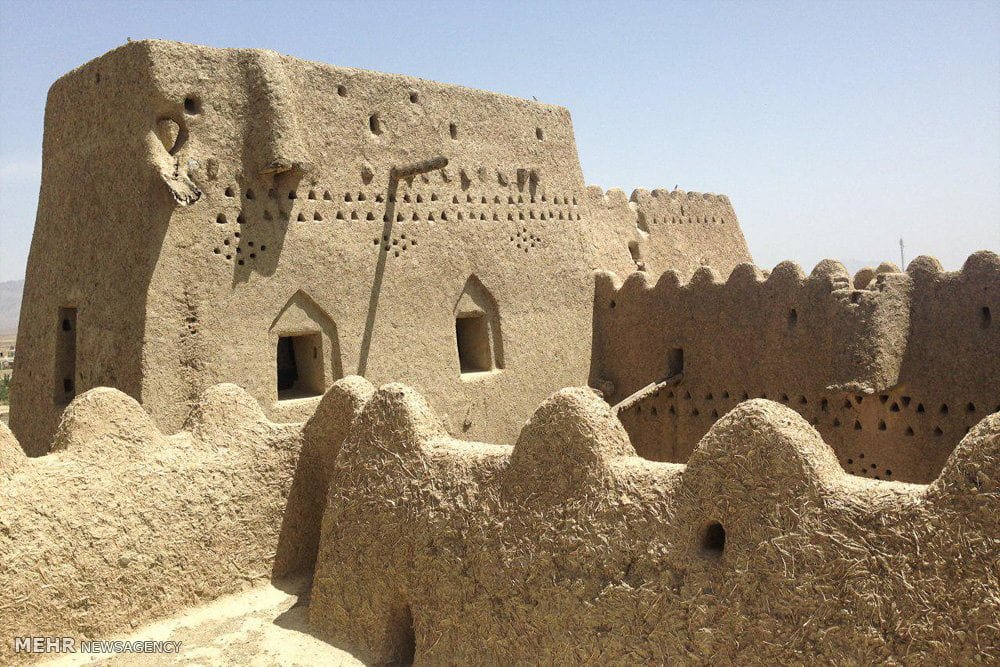
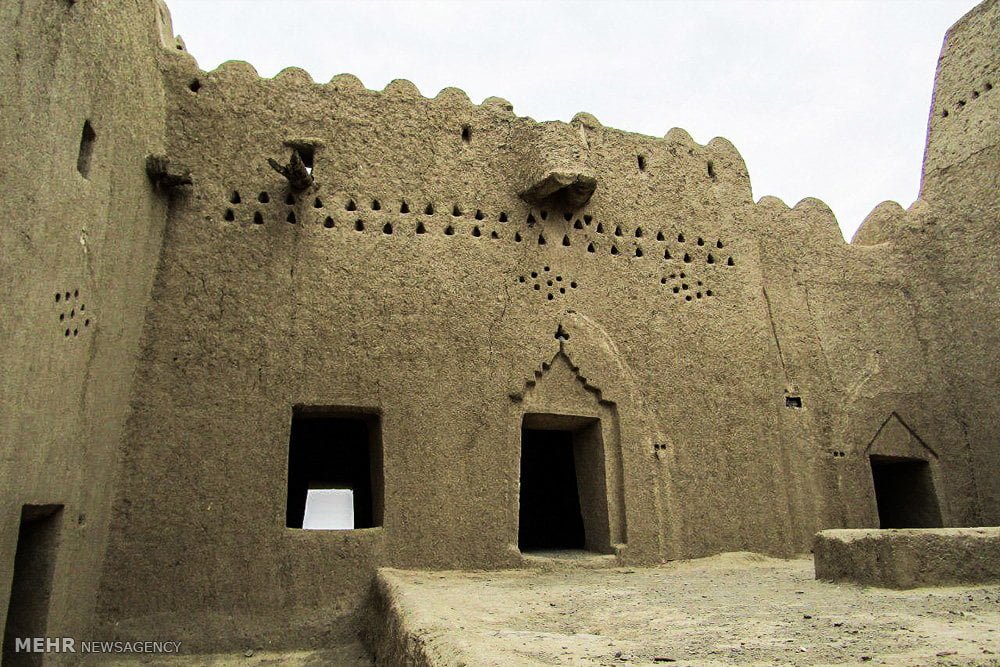
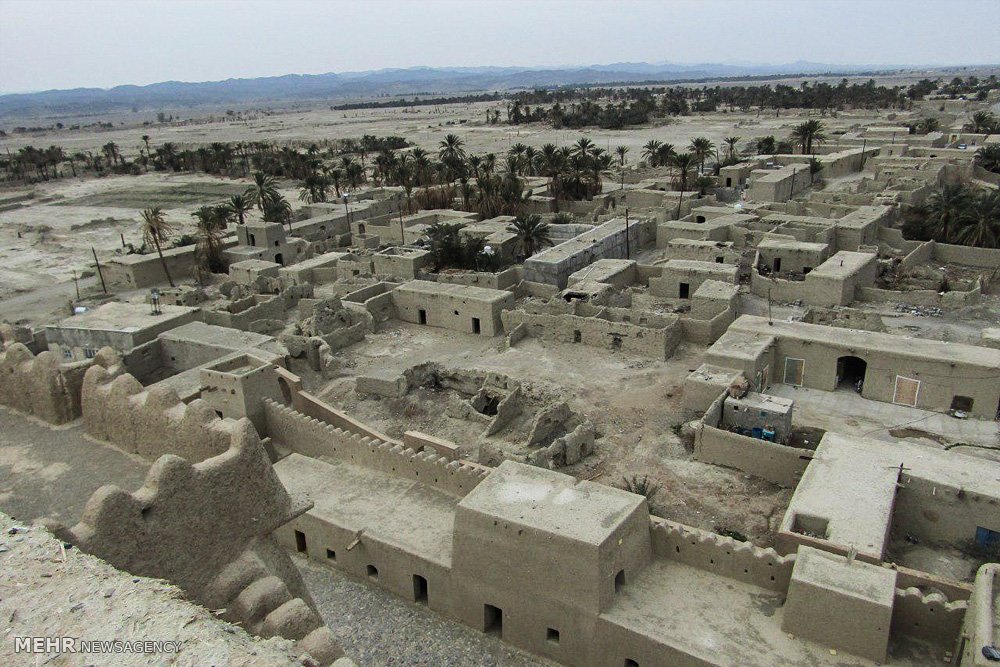
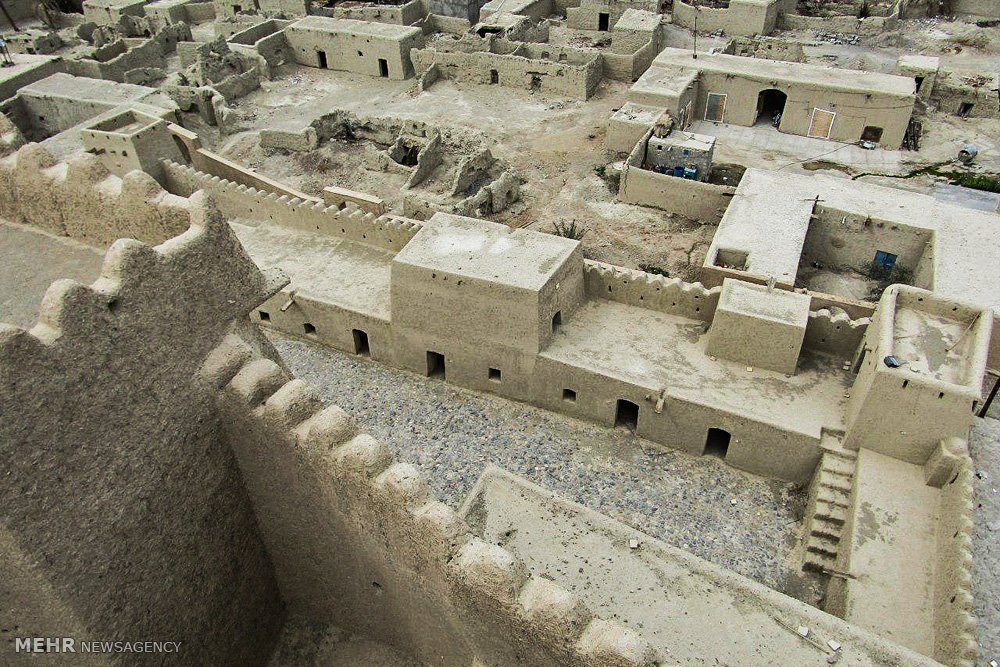
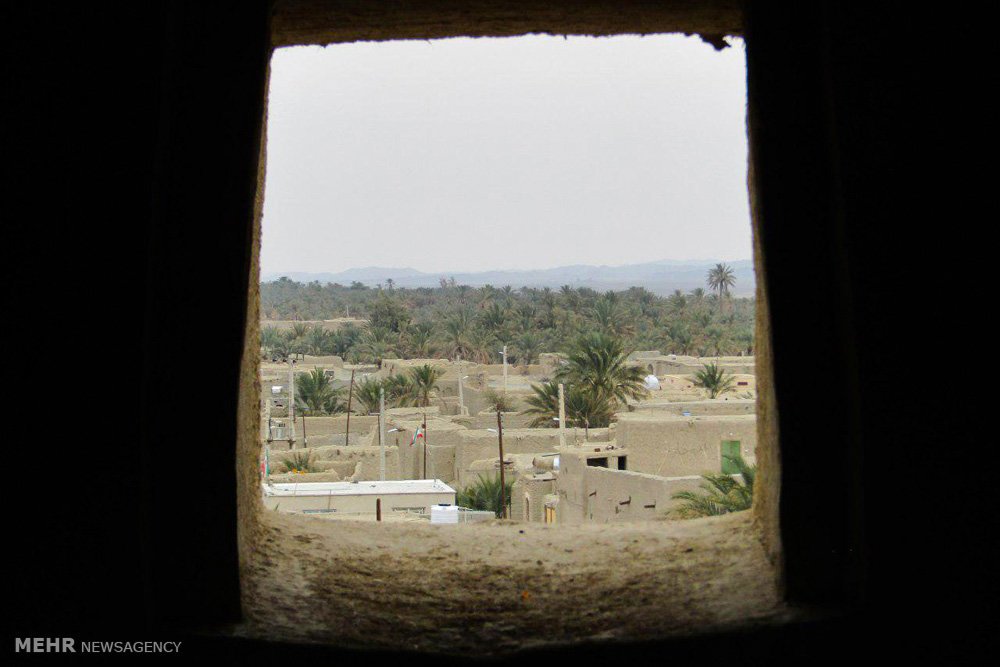
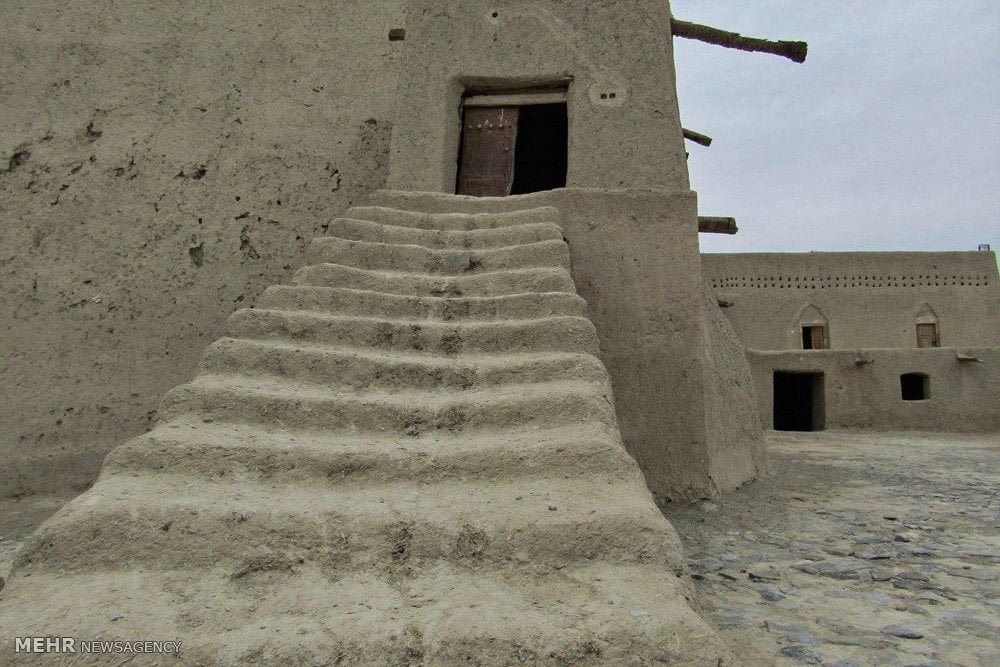
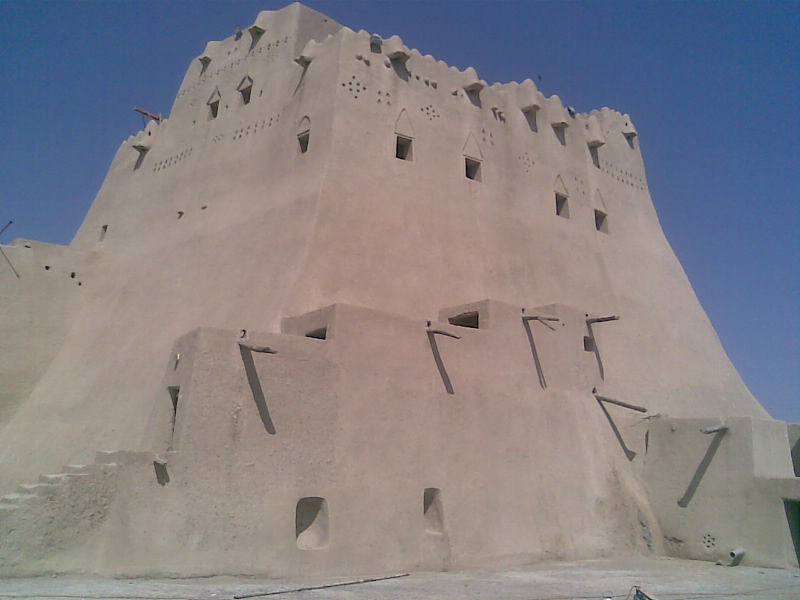
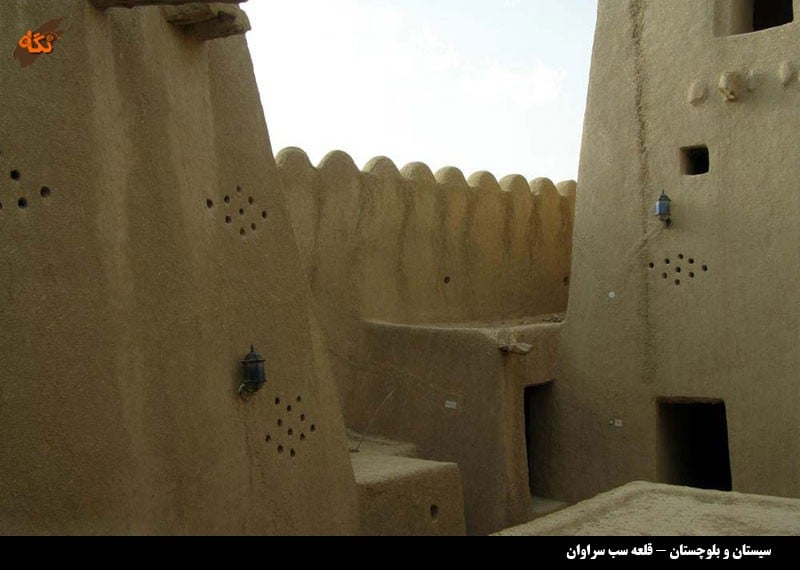
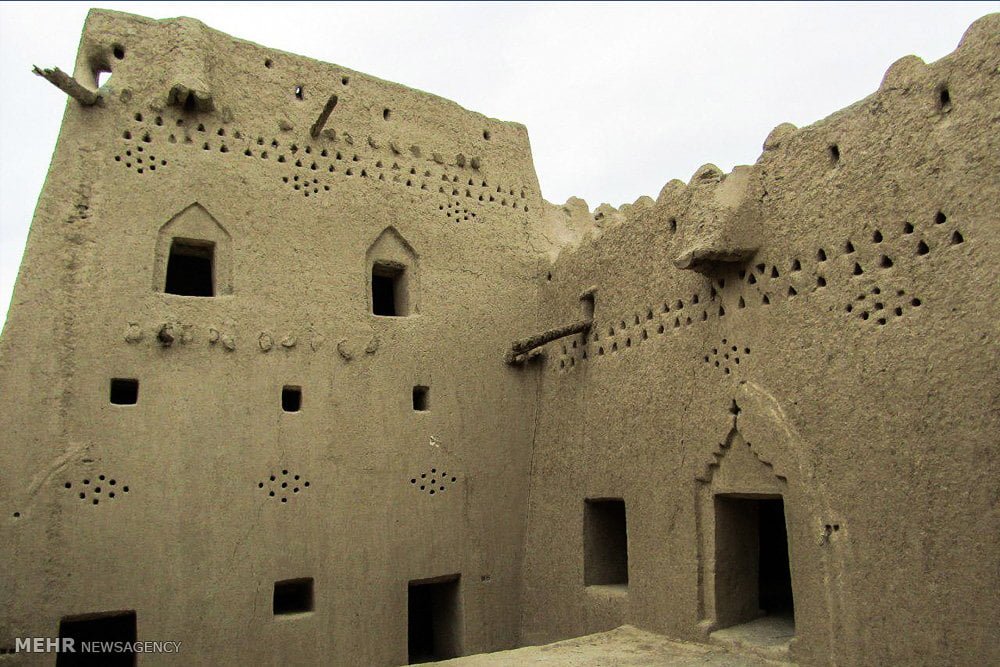
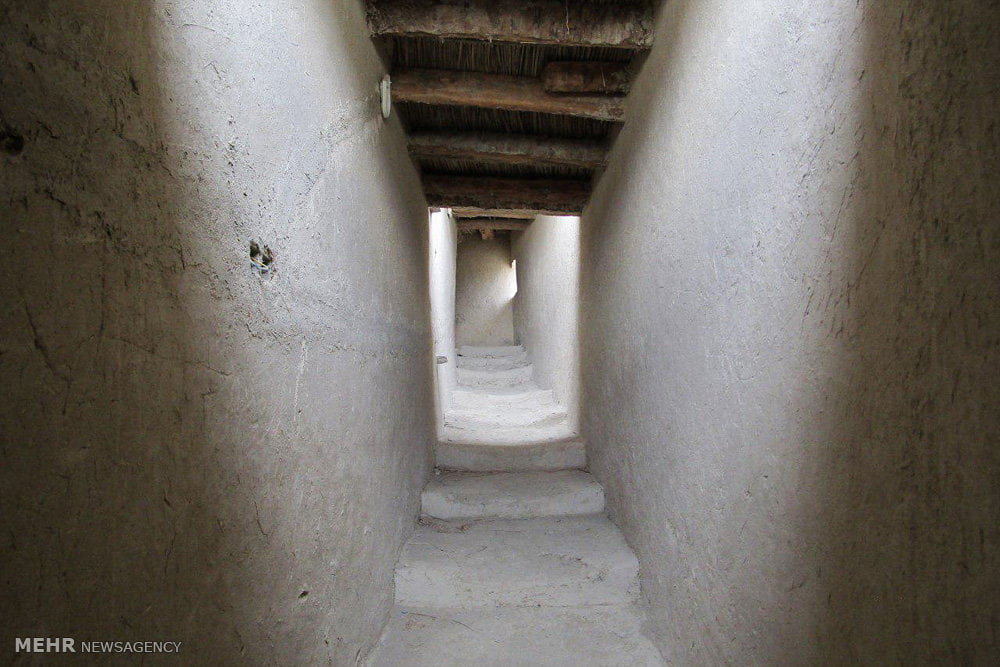
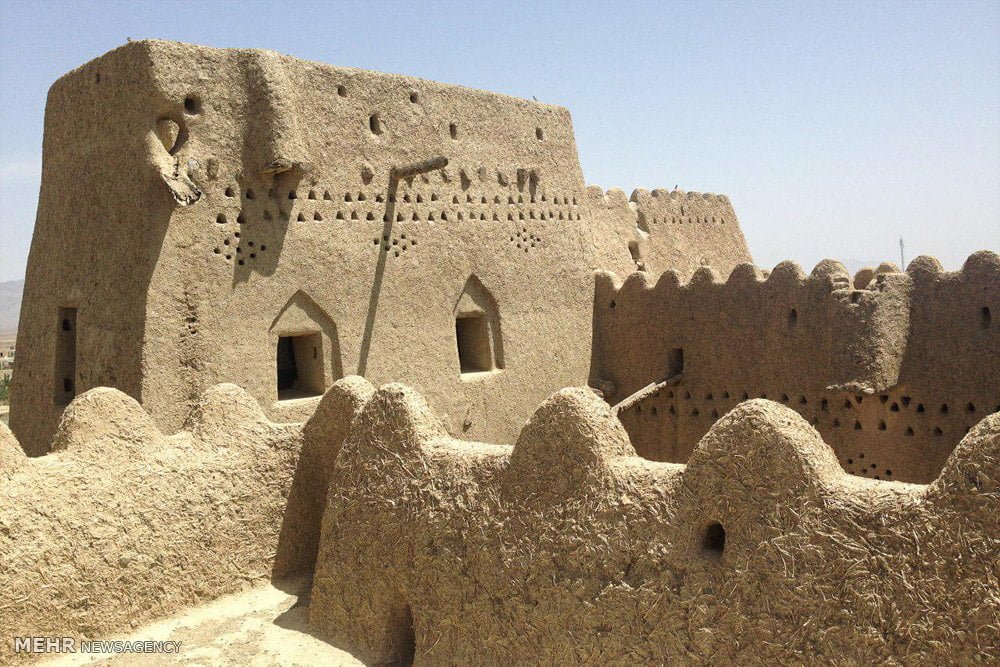
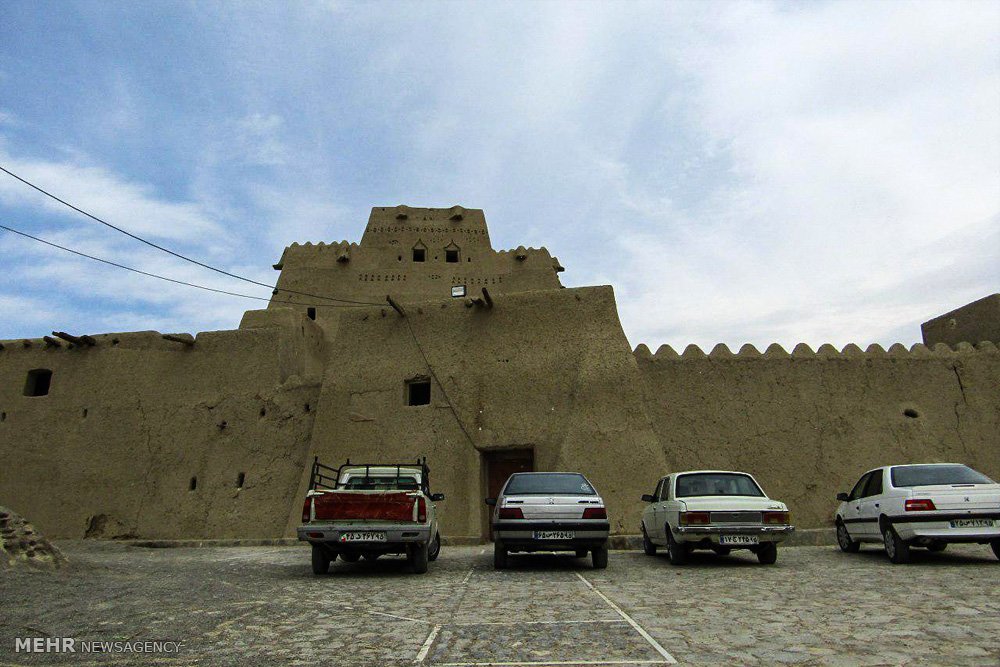
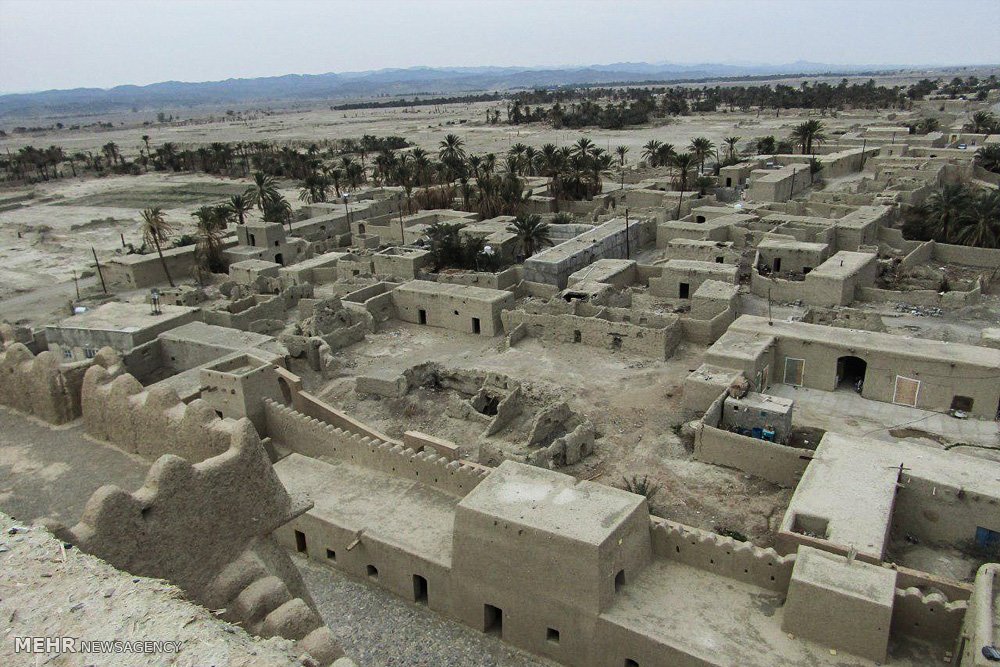
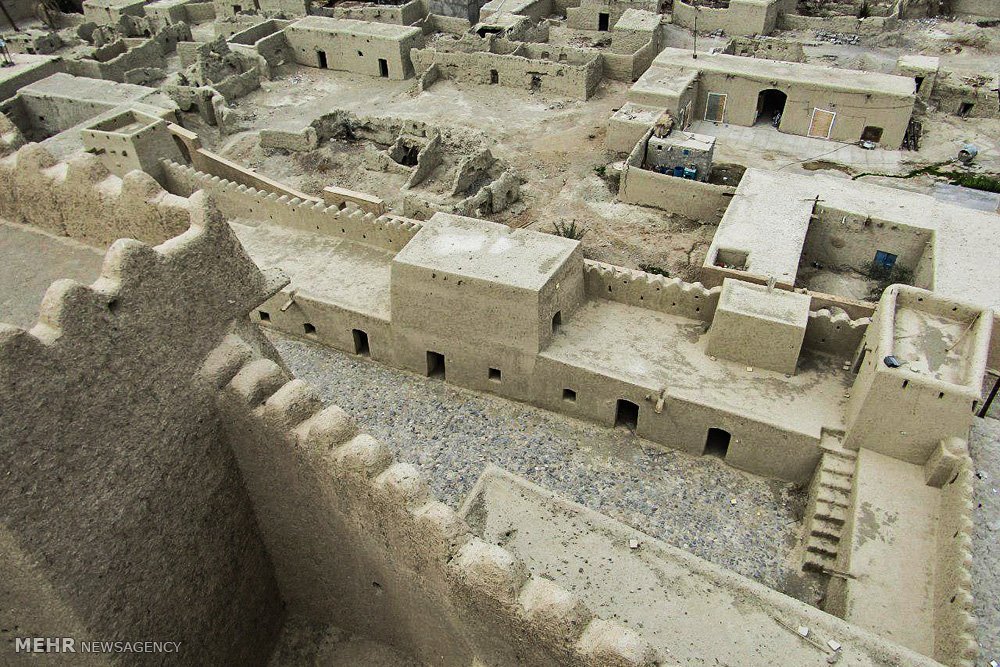
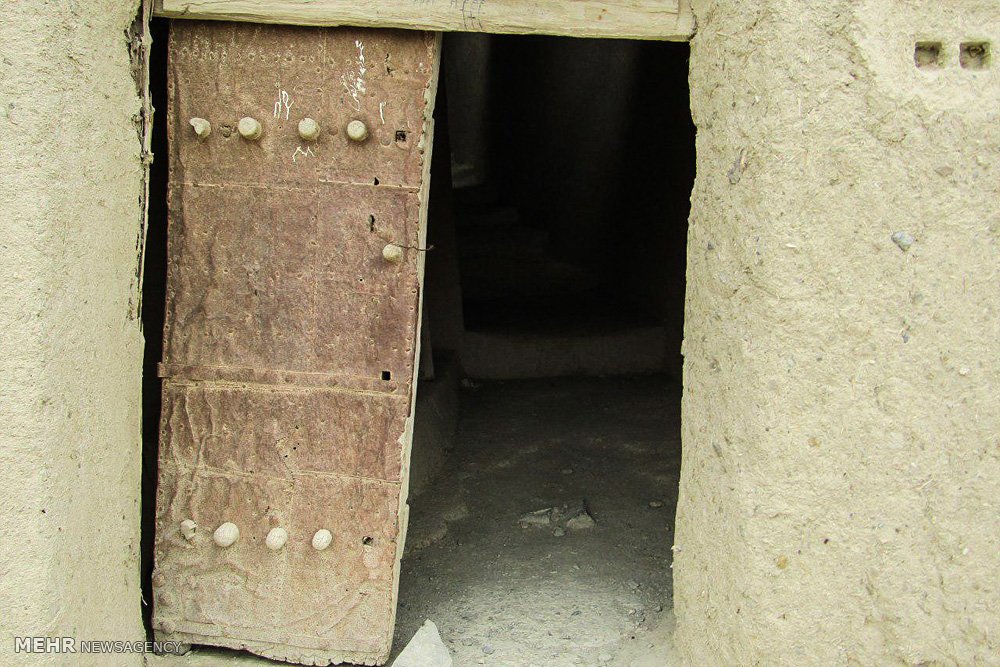
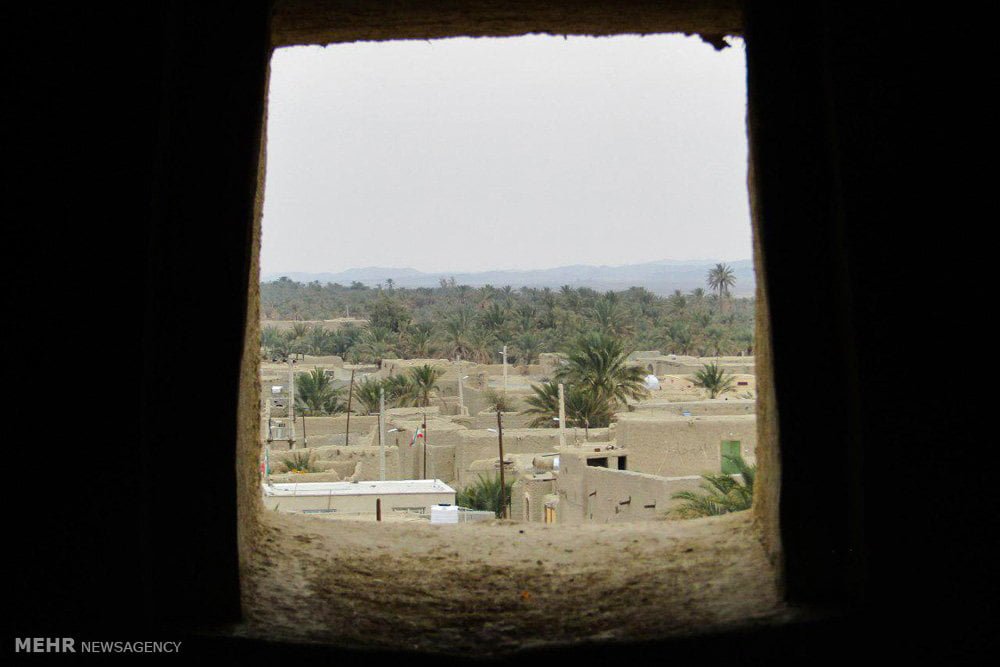
The ancient castle of Seb, which lies in a village with the same name located 25 kilometres southwest of the city of Saravan, is a work of human hands and is considered as a sign of identity, life and history of Baluchestan. The word Seb- the castle’s name- means a place with many springs.

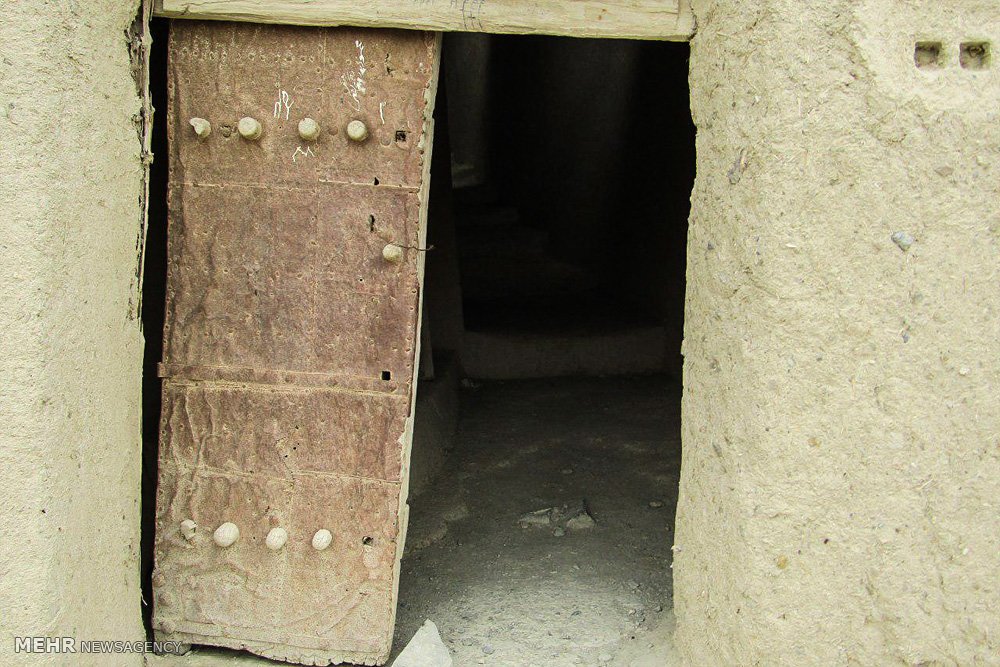
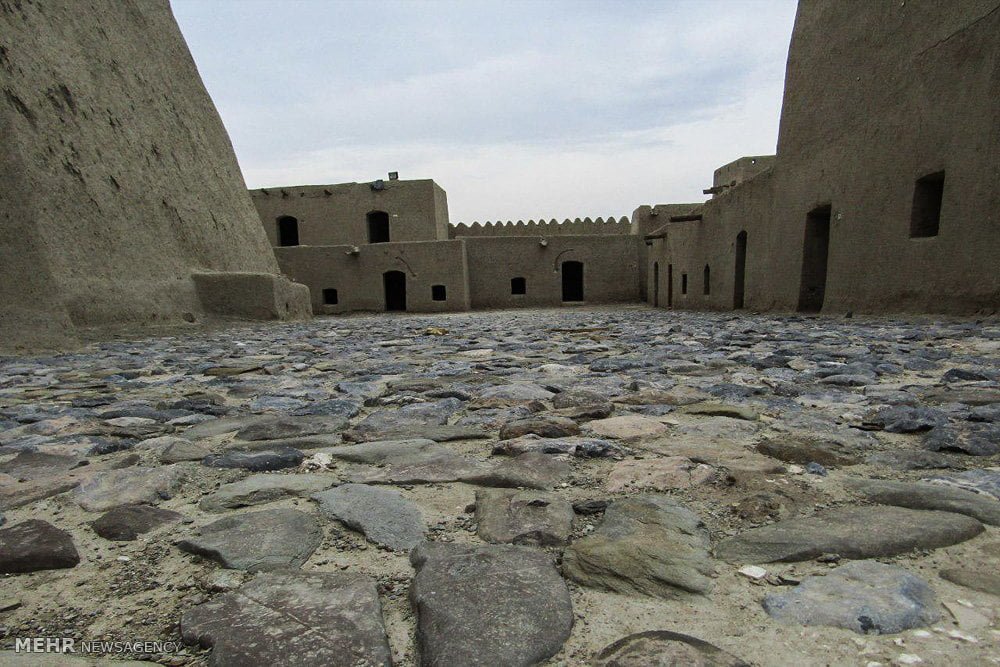
Standing on a natural platform of rock, the castle was built of clay and mortar in two floors. To build the roof of the structure, palm tree, mat and ropes have been used. Its wall is 30m in height and 7m in width. Seb castle belongs to the Islamic era and is about a thousand years old.

This castle, which mirrors the entire history of the Safavid rulers, is among 27 historic monuments in the province that are still in place.

Currently, the castle’s structure is under the protection of Iran’s Cultural Heritage, Handcrafts and Tourism Organization and has been inscribed on the national heritage list.

What follows are photos of the ancient castle of Seb retrieved from various sources:

Iran President to Attend Syria Peace Talks in Turkey

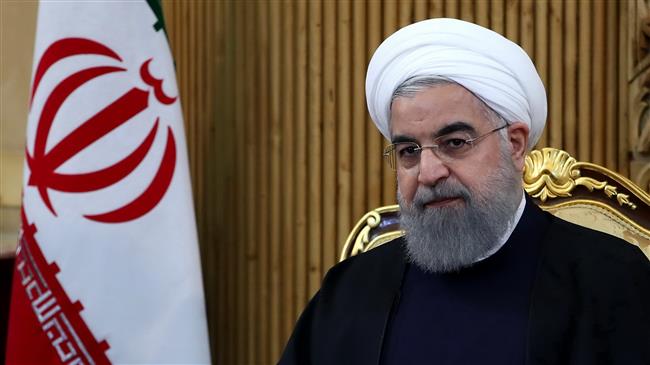
Rouhani will leave Tehran for Ankara on Tuesday at the invitation of Turkish President Recep Tayyip Erdogan, Iranian president’s deputy chief of staff for communications and information, Parviz Esmaeili, said on Saturday.

He added that the Iranian president would deliver a speech at the trilateral summit and hold separate meetings with Erdogan and his Russian counterpart Vladimir Putin to discuss ways to develop regional and international cooperation.

The Iranian, Russian and Turkish presidents held a trilateral meeting on the Syrian crisis in the Black Sea resort of Sochi in November 2017.

Rouhani lauded the defeat of the Daesh terror group in Iraq and Syria, but underlined the need for continued battle against terrorism until the eradication of all Takfiri terrorist outfits in Syria.

Iranian Foreign Minister Mohammad Javad Zarif and his Russian and Turkish counterparts, Sergei Lavrov and Mevlut Cavusoglu, convened in the Kazakh capital of Astana earlier this month and discussed the situation in Syria.

They reaffirmed the three countries’ strong commitment to Syria’s sovereignty and territorial integrity.

The Astana peace talks, which have usually involved delegations from the Syrian government and opposition, began in January 2017 with the mediation of Russia and Iran, two Syria’s allies, as well as Turkey, which backs several armed opposition groups operating against Damascus. Together, the three countries have been acting as guarantor states for the peace process.

The Astana process came after the guarantor states helped bring a ceasefire to Syria’s second city of Aleppo, and then to the entire Arab country, which has been witnessing foreign-backed militancy since 2011.

It resulted in the establishment of four de-escalation zones across Syria in mid-September last year, and was hailed by the United Nations for its contribution to a parallel process, which the world body has been mediating between Damascus and the opposition in Geneva.

Meanwhile, US President Donald Trump announced on Thursday that the United States would withdraw from Syria “very soon,” just hours after the Pentagon highlighted the need for American troops to remain in the war-torn country.

“We will be coming out of Syria, like, very soon. Let the other people take care of it now,” Trump said during a speech on infrastructure spending in the state of Ohio.

The US has reportedly more than 2,000 troops stationed in eastern Syria, in addition to several thousand others in the Arab country’s north.

The US and its allies have been bombarding what they call Daesh positions inside Syria since September 2014 without any authorization from the Damascus government or a UN mandate.

Trump’s remarks came on the same day that Russia said the counter-terrorism operation in Syria’s Eastern Ghouta was coming to an end as government forces and allied fighters advanced against foreign-backed militants in the suburban region near Damascus.

“The counter-terrorism operation in East Ghouta is over, only the city of Douma remains under the control of militants,” Russian Foreign Ministry spokeswoman Maria Zakharova told a briefing in Moscow.

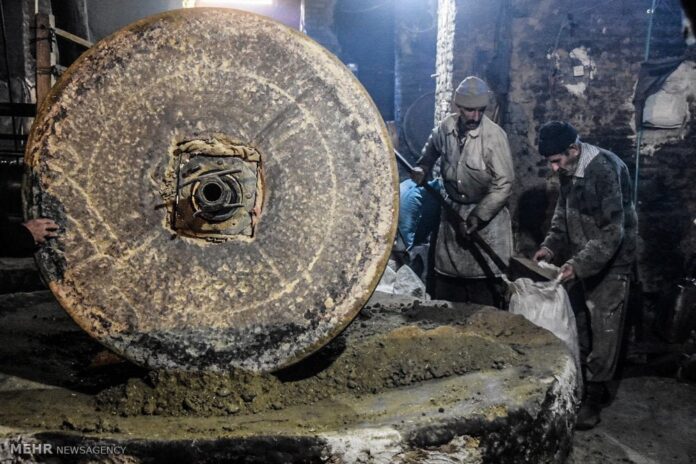
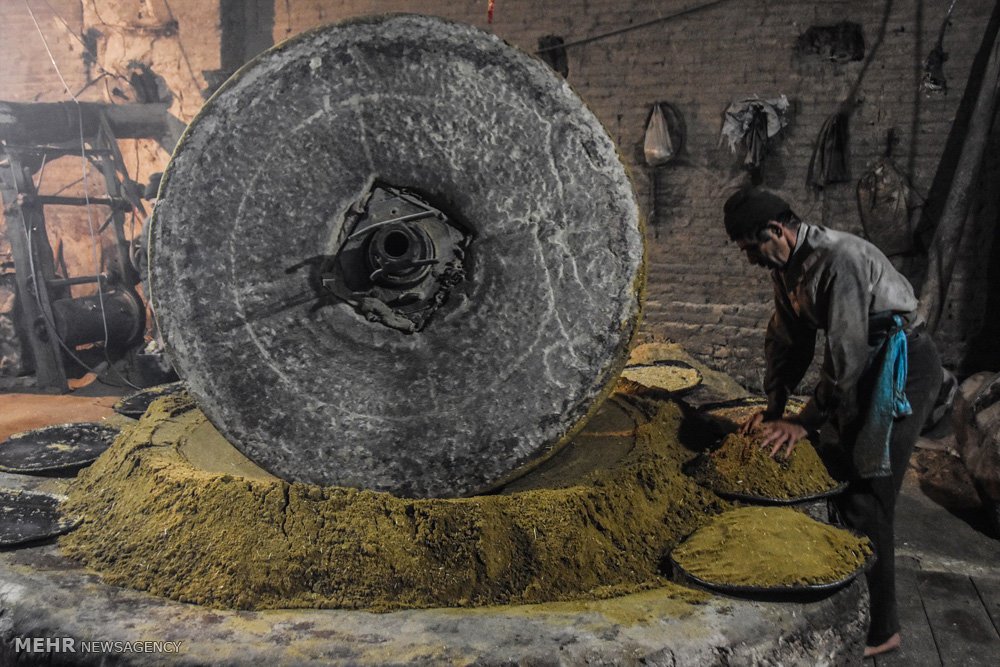
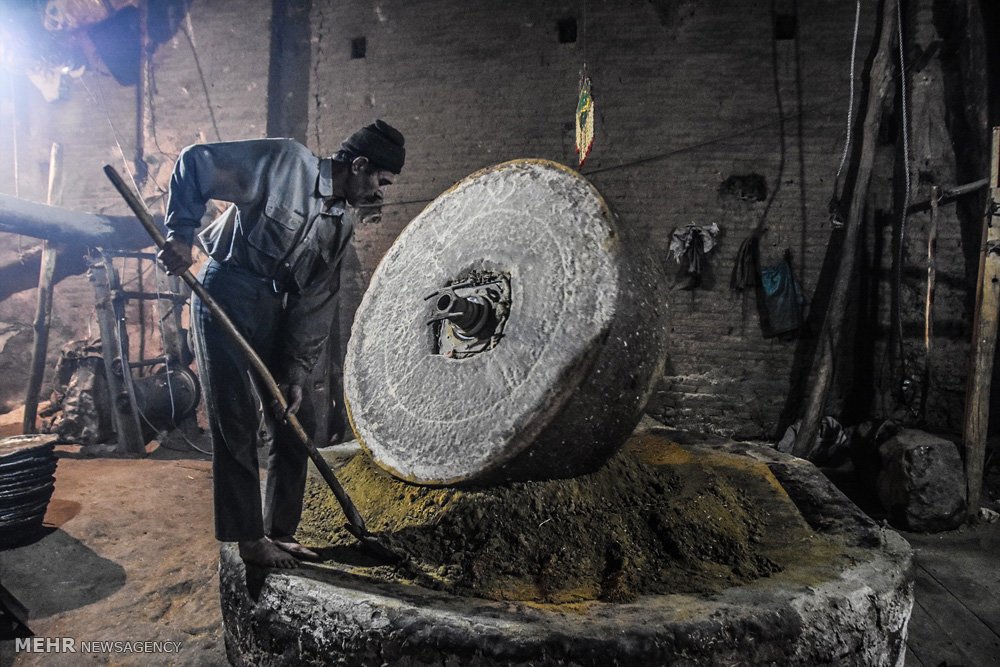
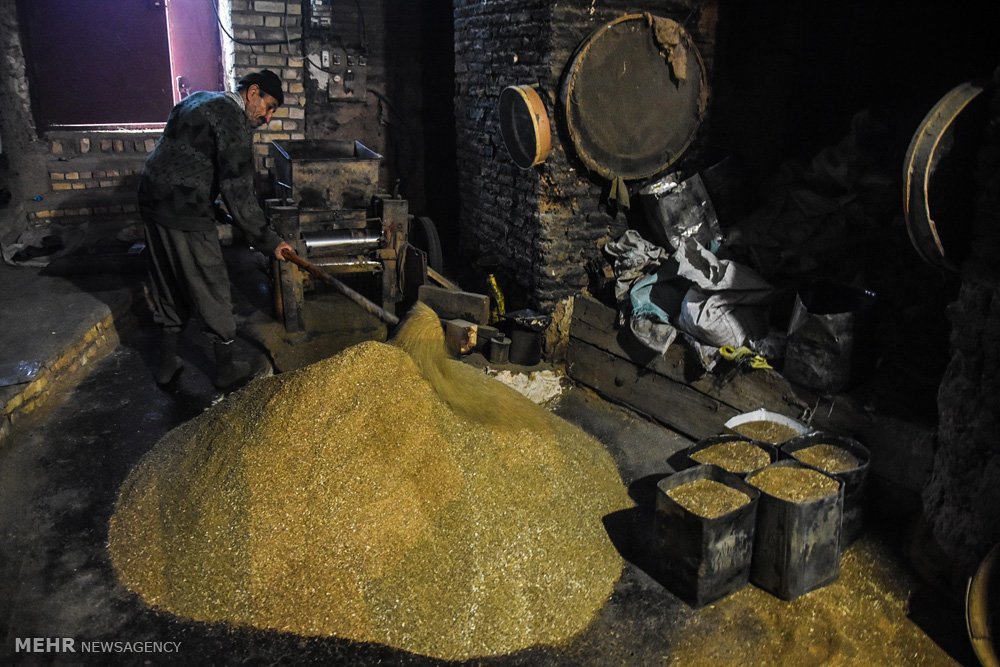
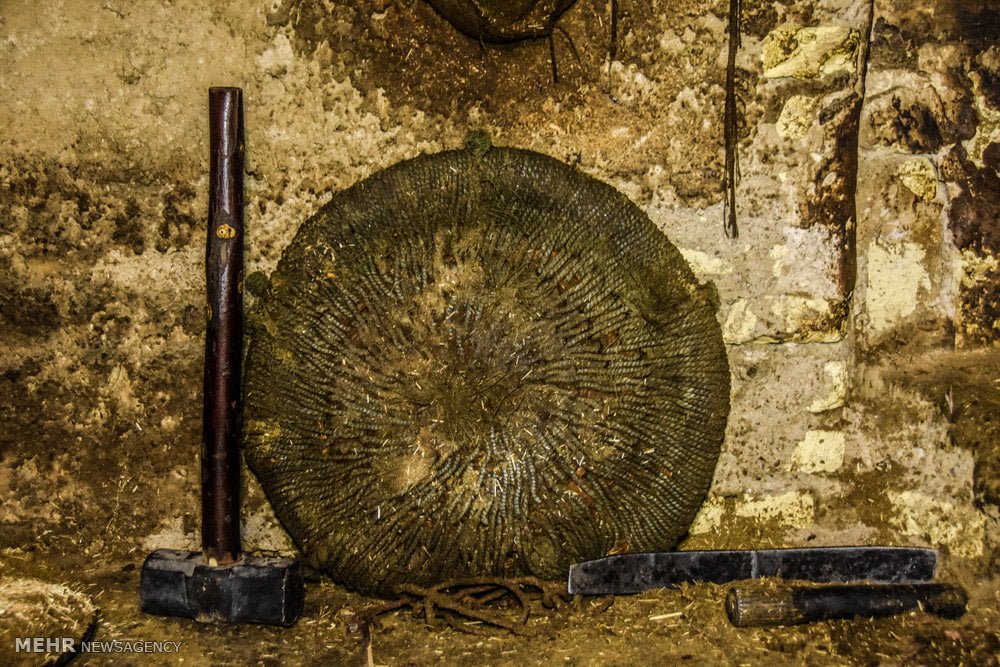
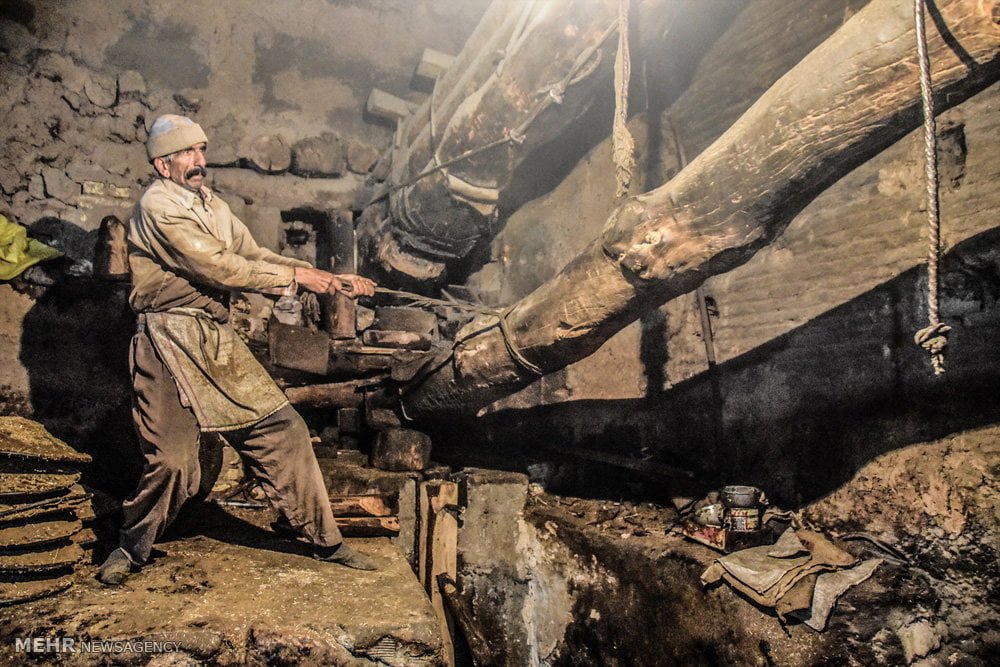
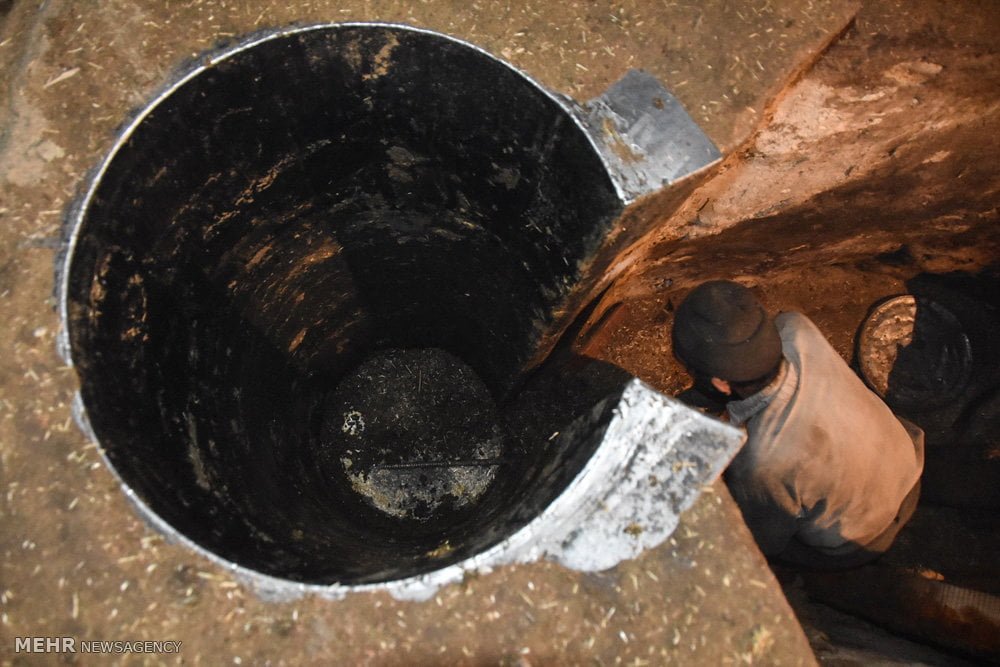
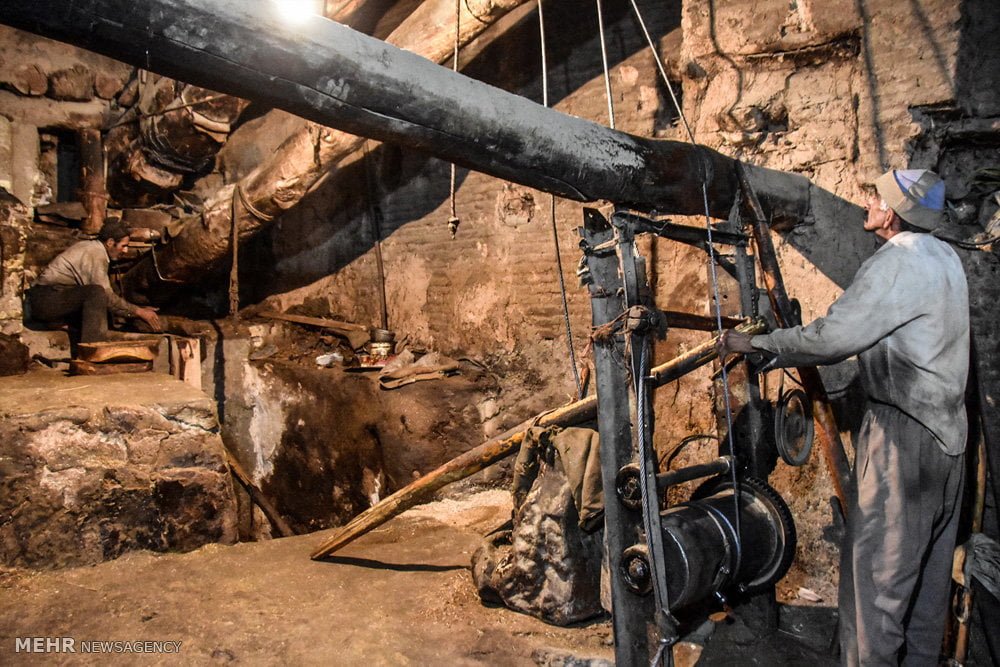
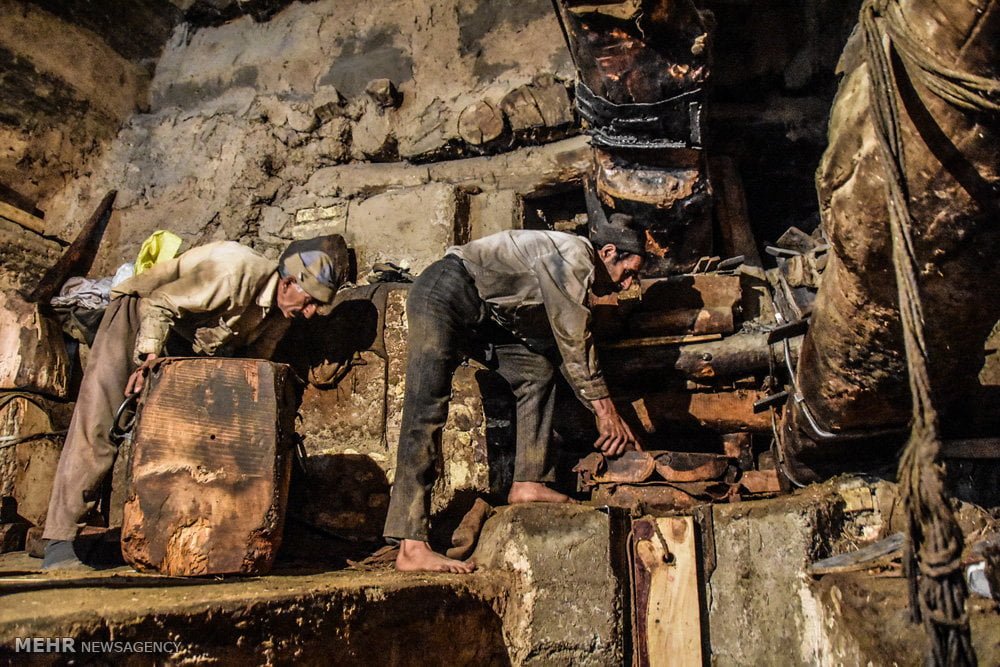
Oil Extraction’s Traditional Method in Iran’s Shahreza

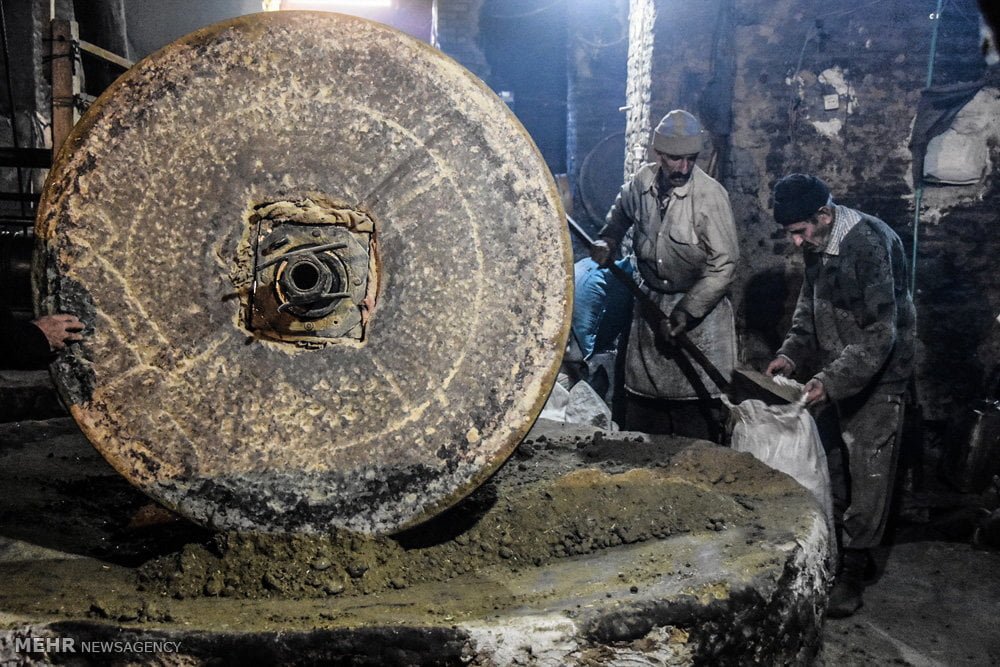
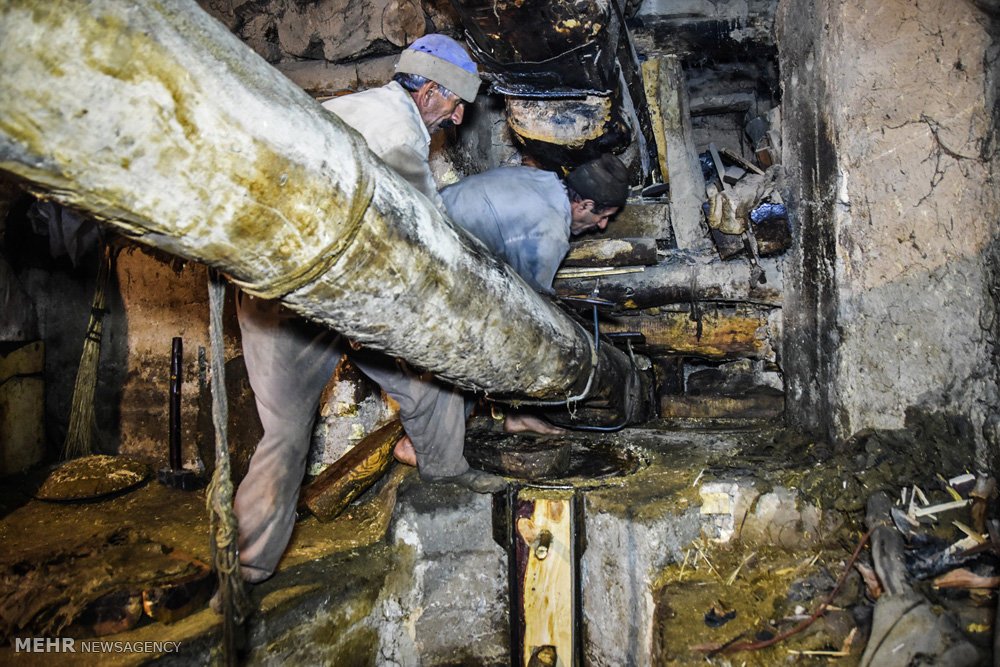
The oil extraction workshop is constructed in a 700-sqm area, with a built-up area of 500 square metres. It is located next to the 900-year-old bazaar of Shahreza.
“Assari” in Persian means extracting the essence from a substance. The person doing this is called an “Assar,” and the place where seed oil is extracted is called “Assarkhaneh.”

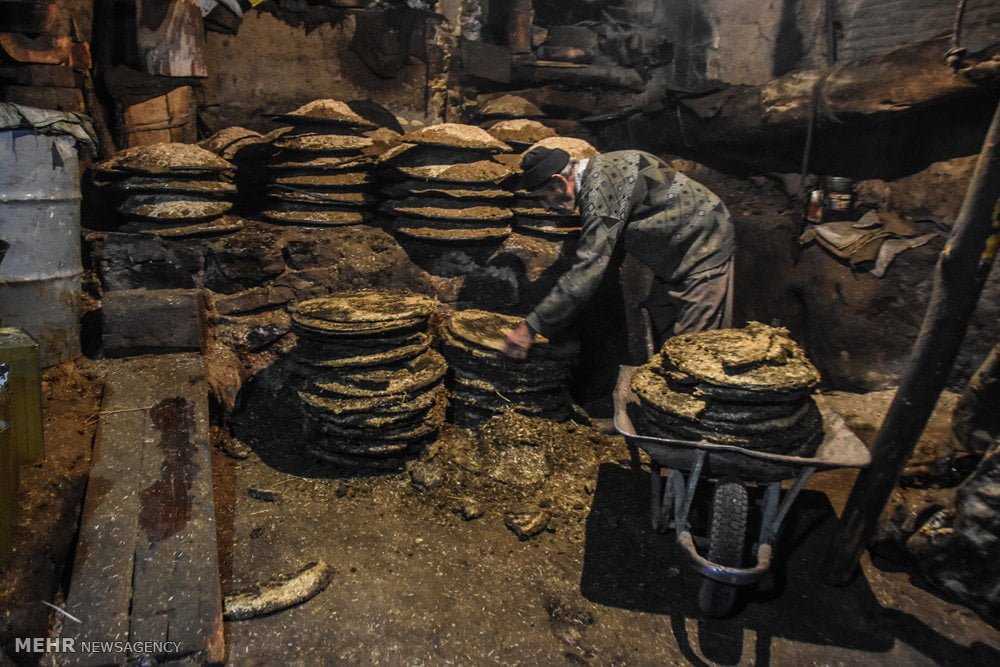
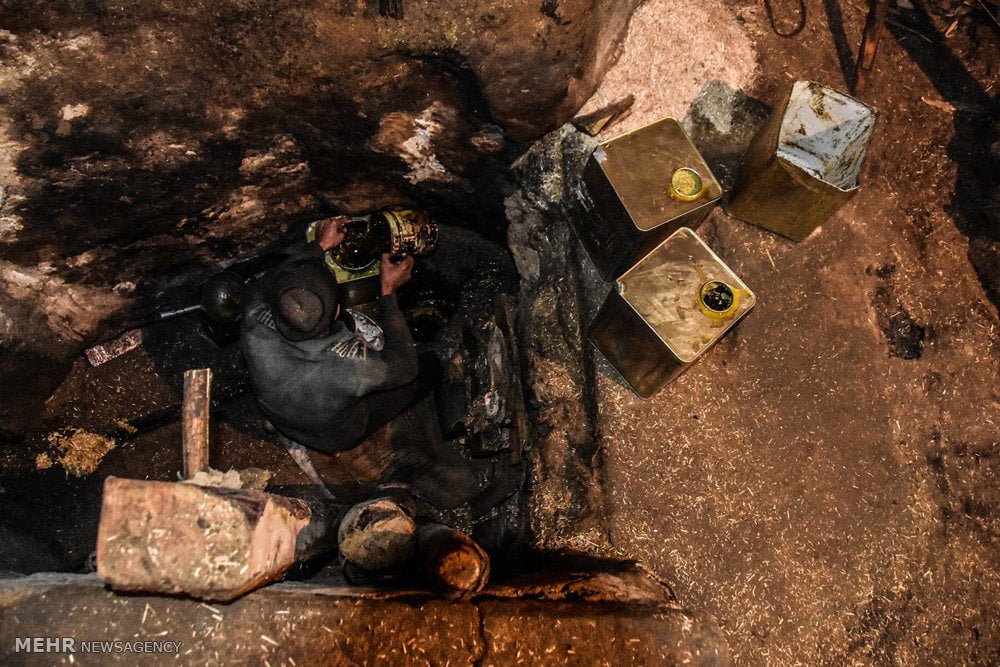
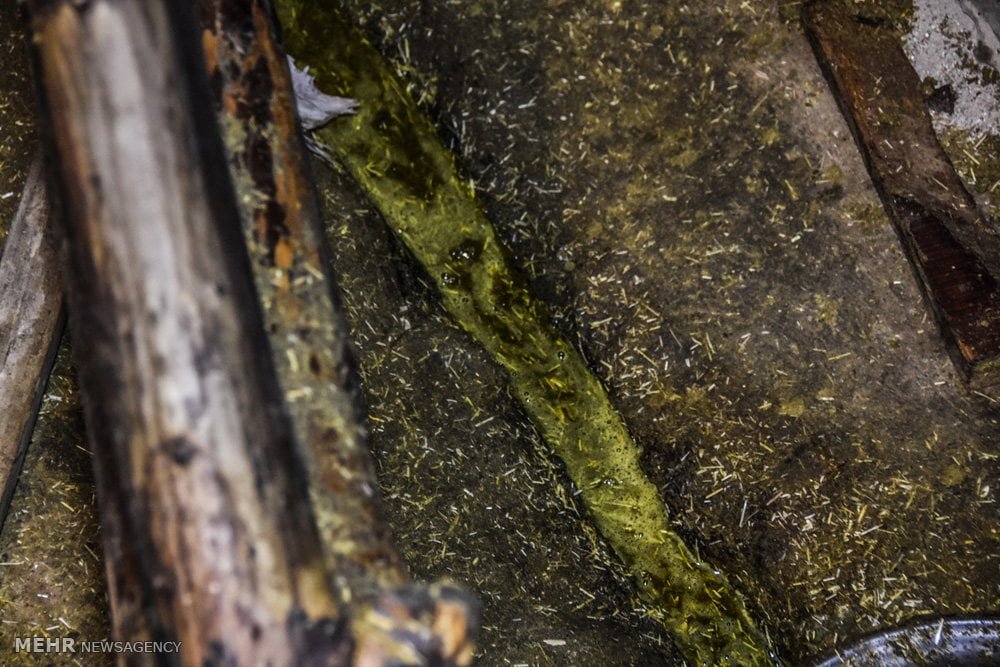
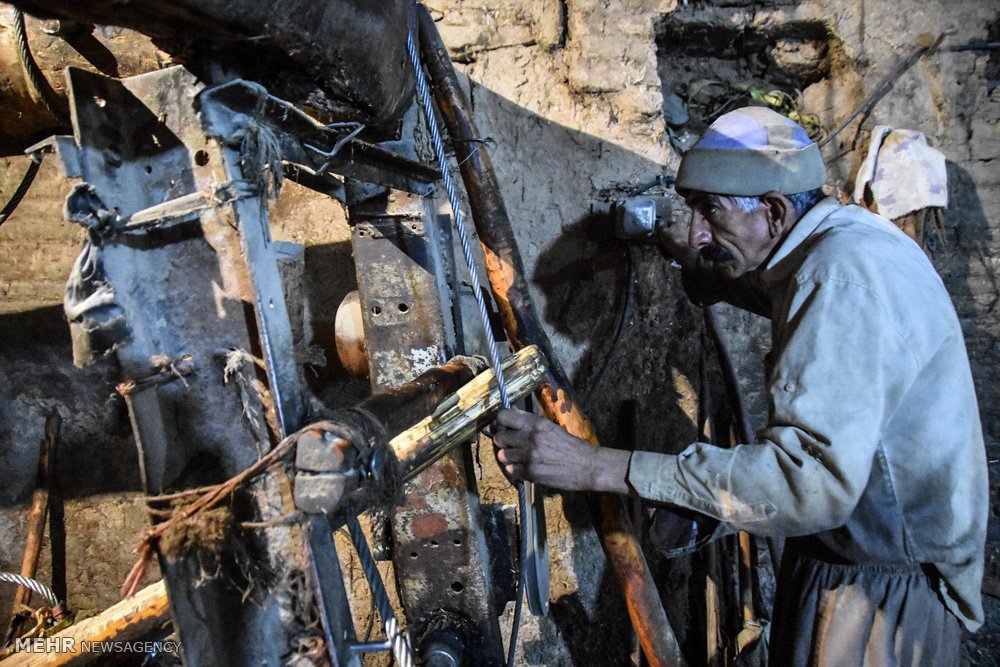
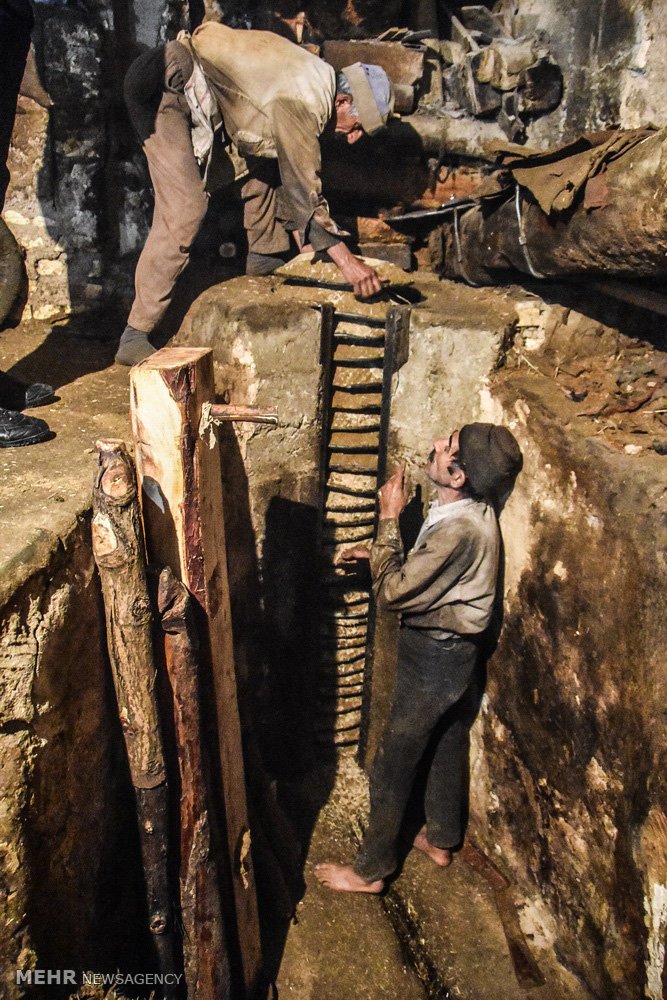
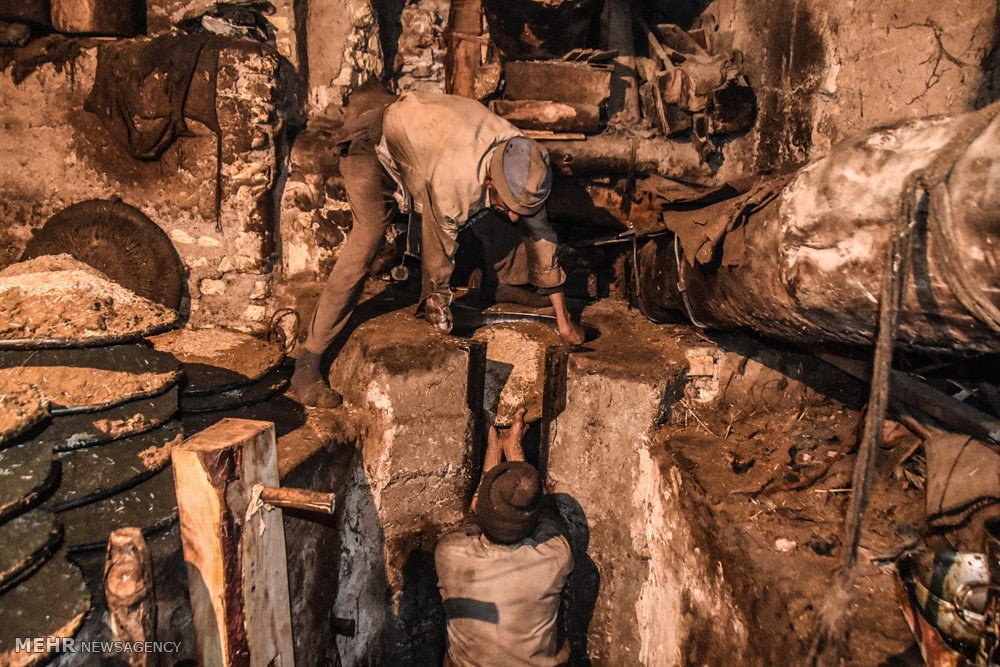
After plant seeds are ground, they are made into paste which is then be placed in a pit using special moulds. Then the paste is pressed with a large piece of wood to extract the seeds’ oil. The extracted oil is then put into clay pots to be used as fuel for oil-burning lamps for lighting. The seeds’ waste is collected and sold as fertilizer.

Today, this type of oil is used to preserve camel hide and dye rug yarn.

The following are Mehr’s photos of Shahreza’s Assarkhaneh- oil extraction workshop:

IRGC to Spare No Effort to Help Palestinians Fight Israel

The IRGC, in a statement, denounced the brutal crackdown on Palestinians by Israeli troops in Friday’s rallies which left a large number of Palestinians dead.

The IRGC said efforts by the US and its European and regional allies to ensure the security of the fabricated and child-killing Israeli regime are doomed to failure.

“The occupying and racist Zionist regime [of Israel]’s slaughtering of more than 1400 Palestinians in the peaceful ‘Great March of Return’ by Gaza residents which came about on the back of support by the US as well as the White House’s European and regional allies showed once again that Zionists are extremely scared of a new Intifada taking shape and of the potentialities of Palestine’s Islamic resistance,” read part of the statement.

“The brutal crimes of merciless Israelis in the Gaza Strip reveals that the wicked dealing between the treacherous leaders of some reactionary and puppet Arab countries in establishing covert links with the occupiers of the holy Palestinian territories are doomed to fail and will get nowhere despite the US ruling elite and “unwise” President Donald Trump’s constant, covert and overt support, and will only strengthen the popular movement and Palestinians’ Islamic resistance and expedite the trend of wiping out the cancerous tumour of Israel from the region,” read the statement.

The statement said the international community and the real sympathizers of human rights are now facing a new historic test, highlighting the need to take immediate and firm action to decry the Israeli crimes. The statement also urged them to take practical steps to help restore Palestinians’ rights.

“The oppressed and defenceless people of Palestine need more action and practical steps than the conventional and diplomatic condemnations [of Israeli crimes] in order to be supported and to put an end to the Zionists’ crimes and occupation of their territories,” part of the statement read.

The statement described as unachievable the dream of stabilizing Israel and ensuring security for the usurper regime.

“Incontrovertibly, now that the Islamic community, given the collapse of the ISIS terror group, regards the final defeat of Takfiri terrorists as a prelude to focusing its attention on the issue of Palestine, and given that Palestinians sent a message to the whole world in their latest move that they are in the lead on this path, the IRGC serving as the powerful arm of the Iranian nation will spare no effort to help Muslim Palestinian people and will further tap into its potential to restore the rights of dear Palestinians,” the statement said.