Thursday, April 23, 2026
Home Blog Page 2589

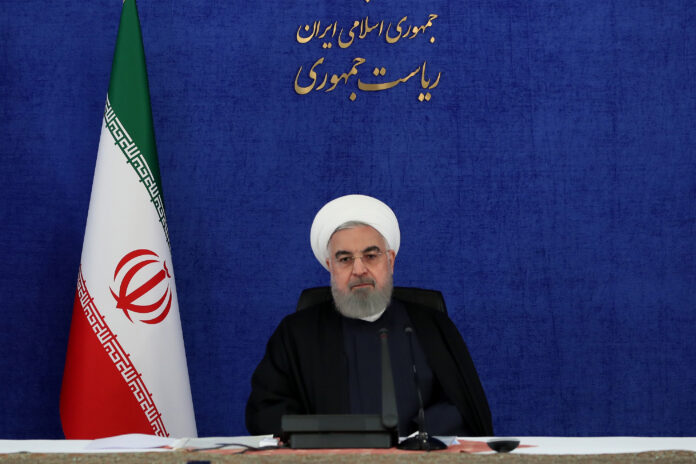
Trump’s Prevention of COVID-19 Vaccine Export to Iran ‘A Crime’: Rouhani

In comments on Saturday, President Hassan Rouhani said the major difference between Iran and other countries in countering the coronavirus pandemic is that Iran began to fight the disease at a time when it was targeted by the United States’ economic war.

“Our country was alone in the fight against the coronavirus and we had special restrictions and problems,” he noted. “Even today, we have problems procuring foreign vaccines.”

He then thanked domestic companies for producing medical equipment such as face masks and gloves needed to contain the spread of coronavirus in the wake of foreign sanctions.

He said some Iranian cities hit by the virus are now in a “normal” state.

Nevertheless, he warned against possible laxity in observing health protocols, and added it would be “very dangerous” to believe the situation is back to normal as far as the COVID-19 pandemic is concerned.

“If health protocols and instructions are not observed fully, we will have to impose and tighten restrictions,” he said.

He also thanked medical personnel for their efforts to contain the deadly virus.

“We do insist on adopting measures, during these two months, to prevent a fourth surge in the disease, so that people’s health and businesses will not be affected,” he said.

The president said most of the services people need today are now being provided by the cyberspace, internet providers and electronic shops, and that makes it easier to stay at home.

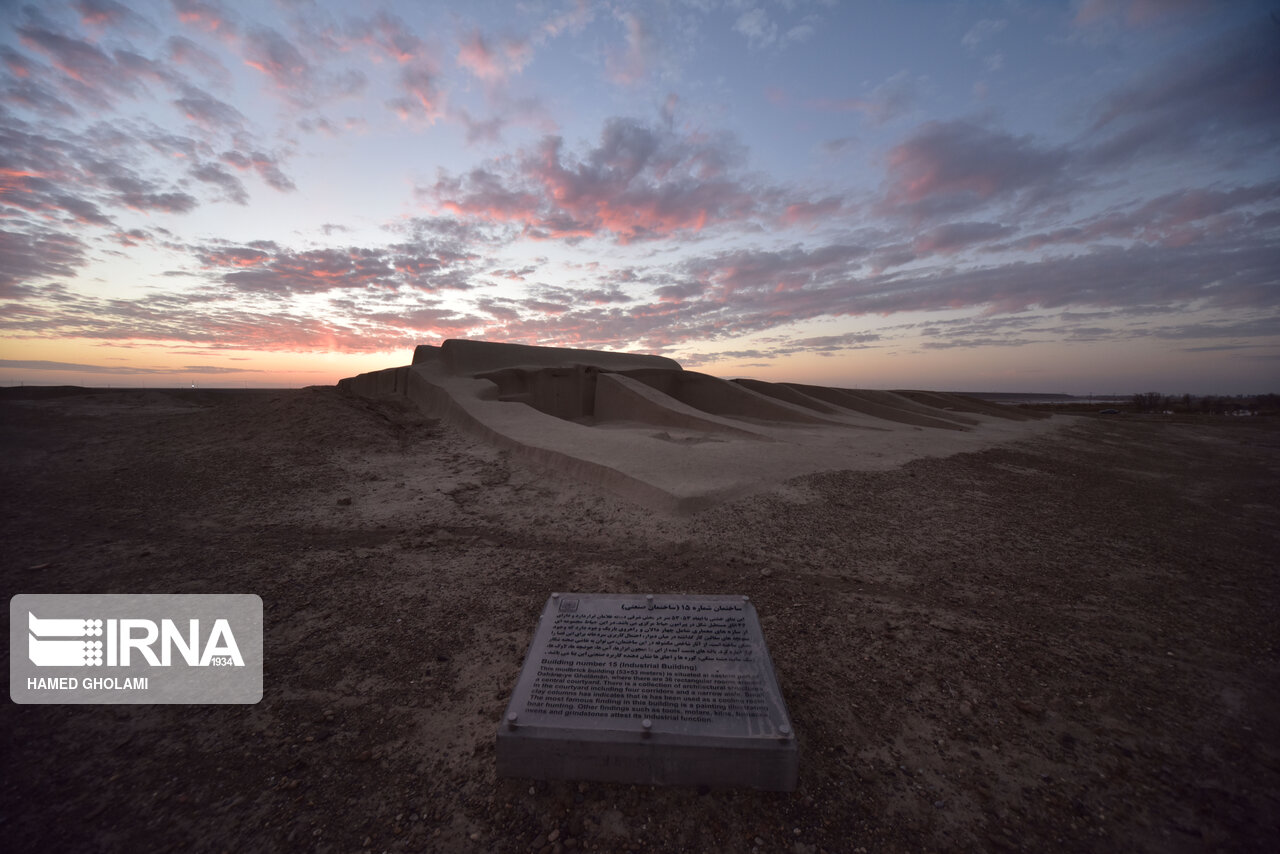
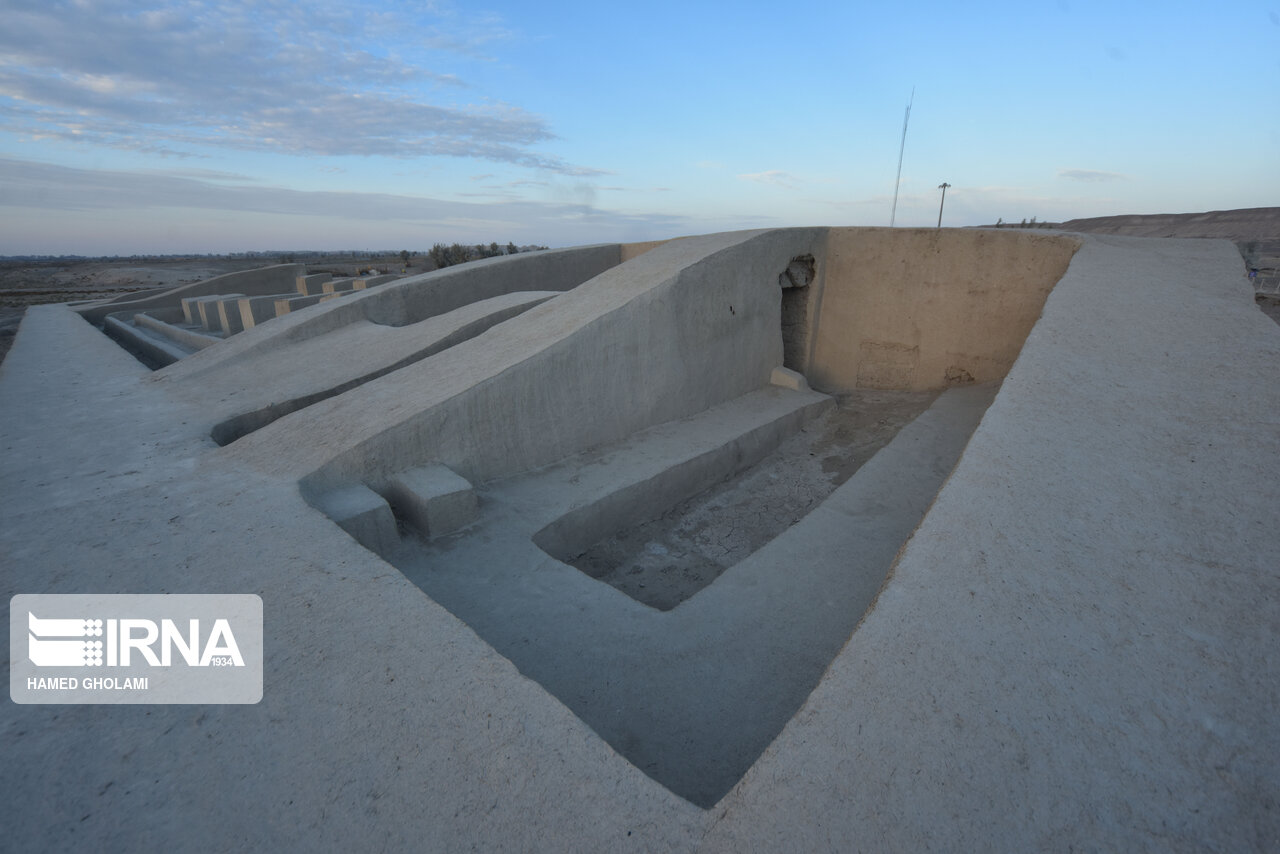
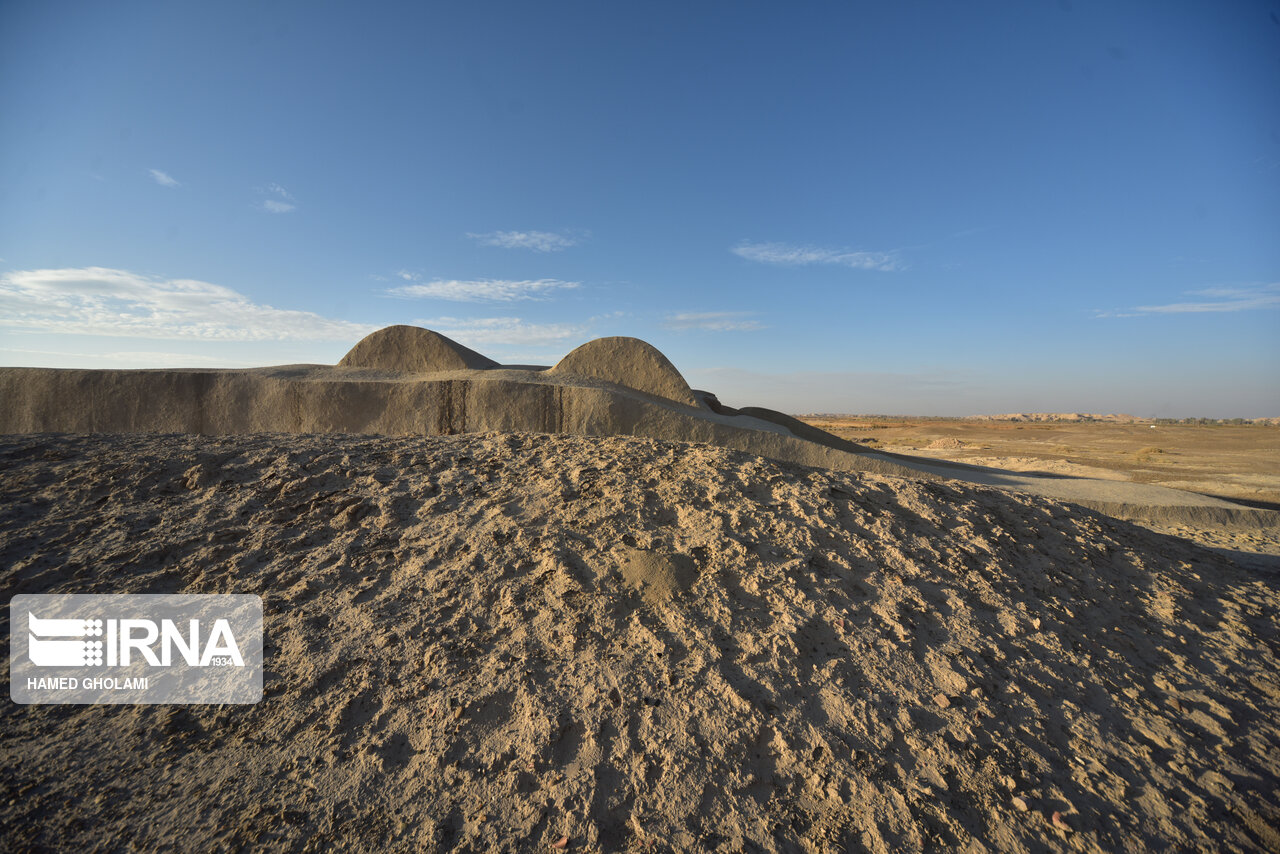
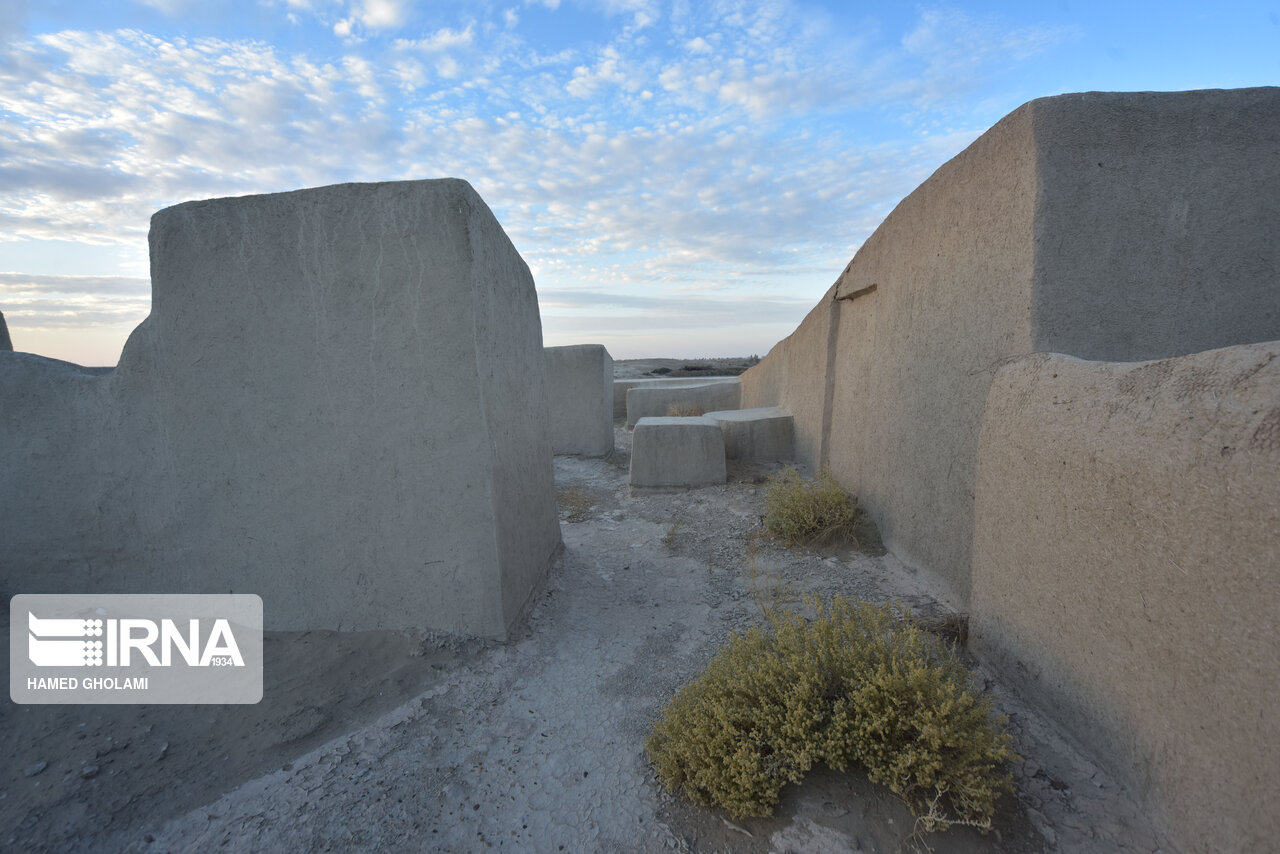
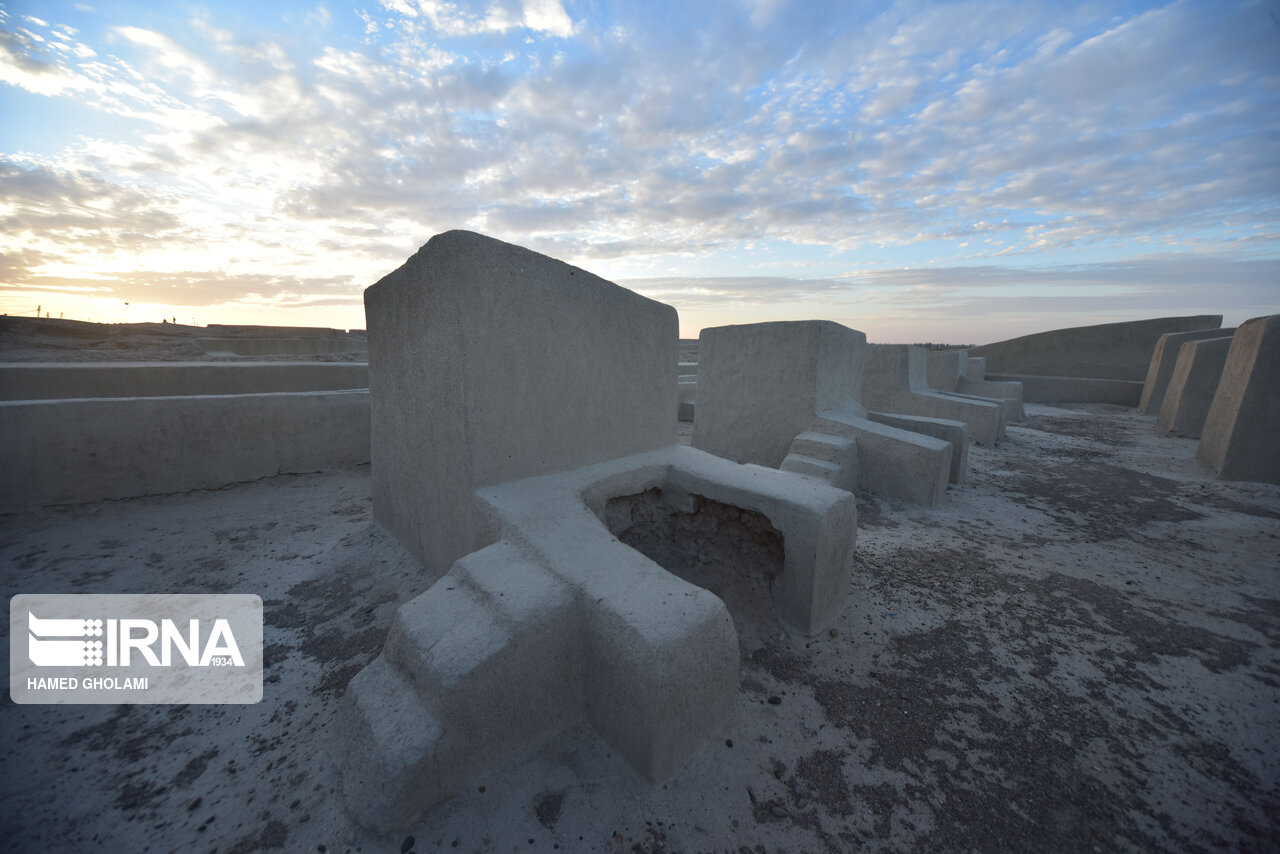
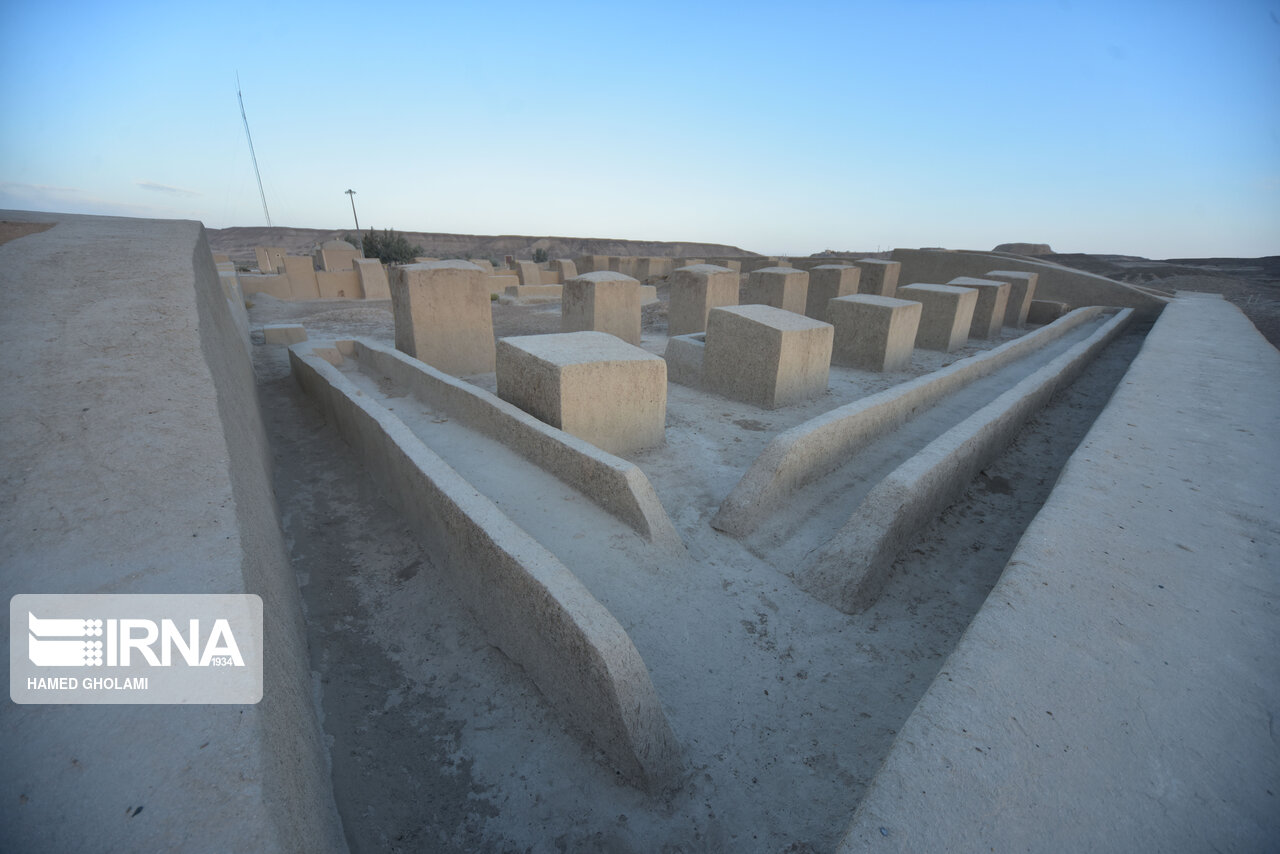
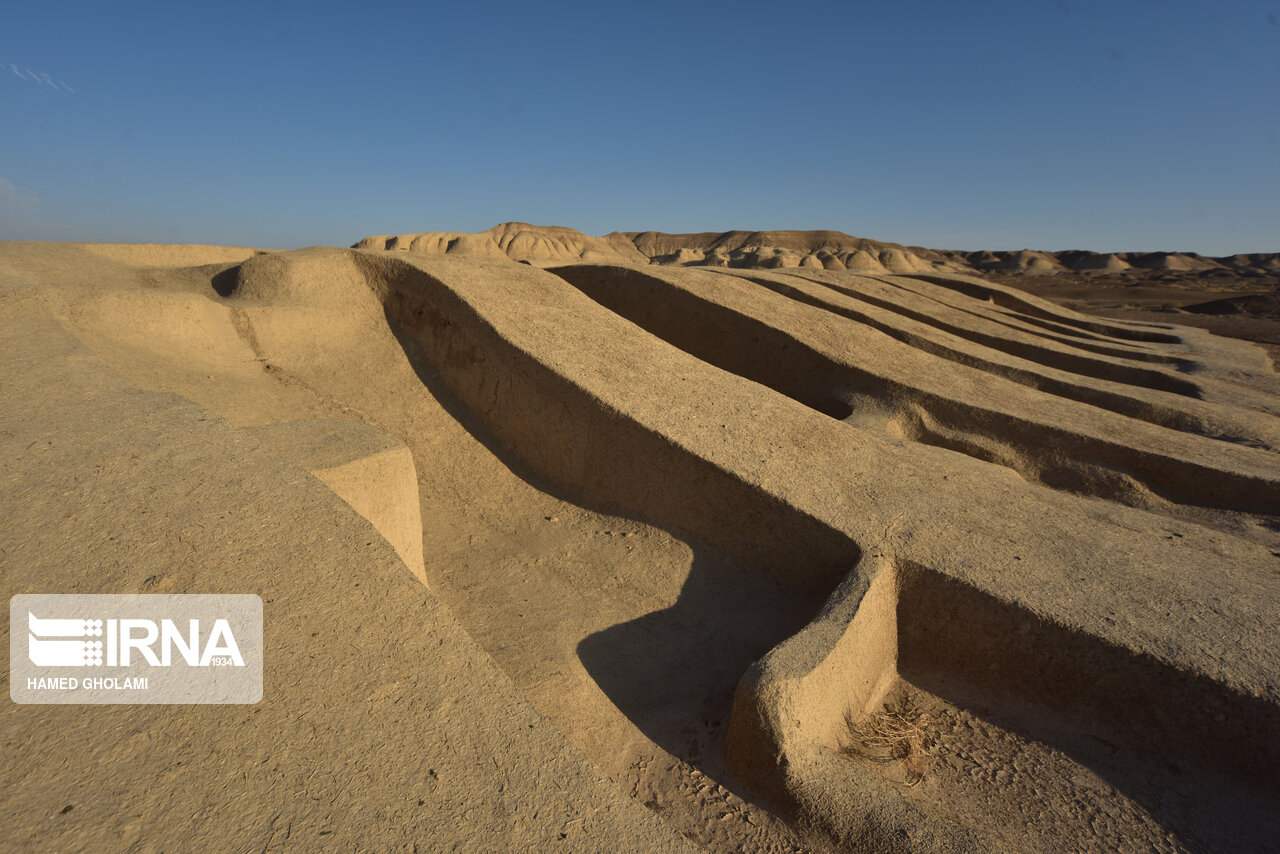
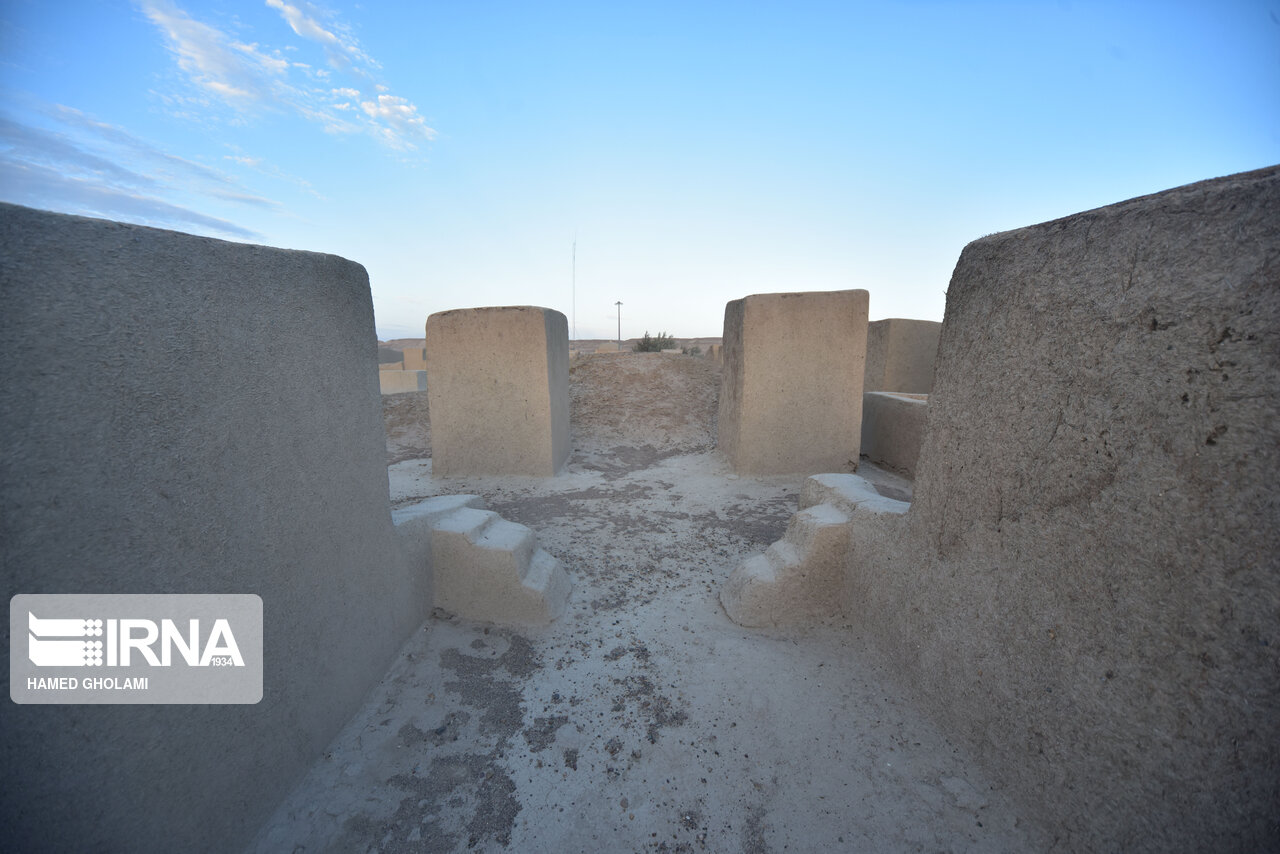
Ancient Iranian City Built on Natural Terrace

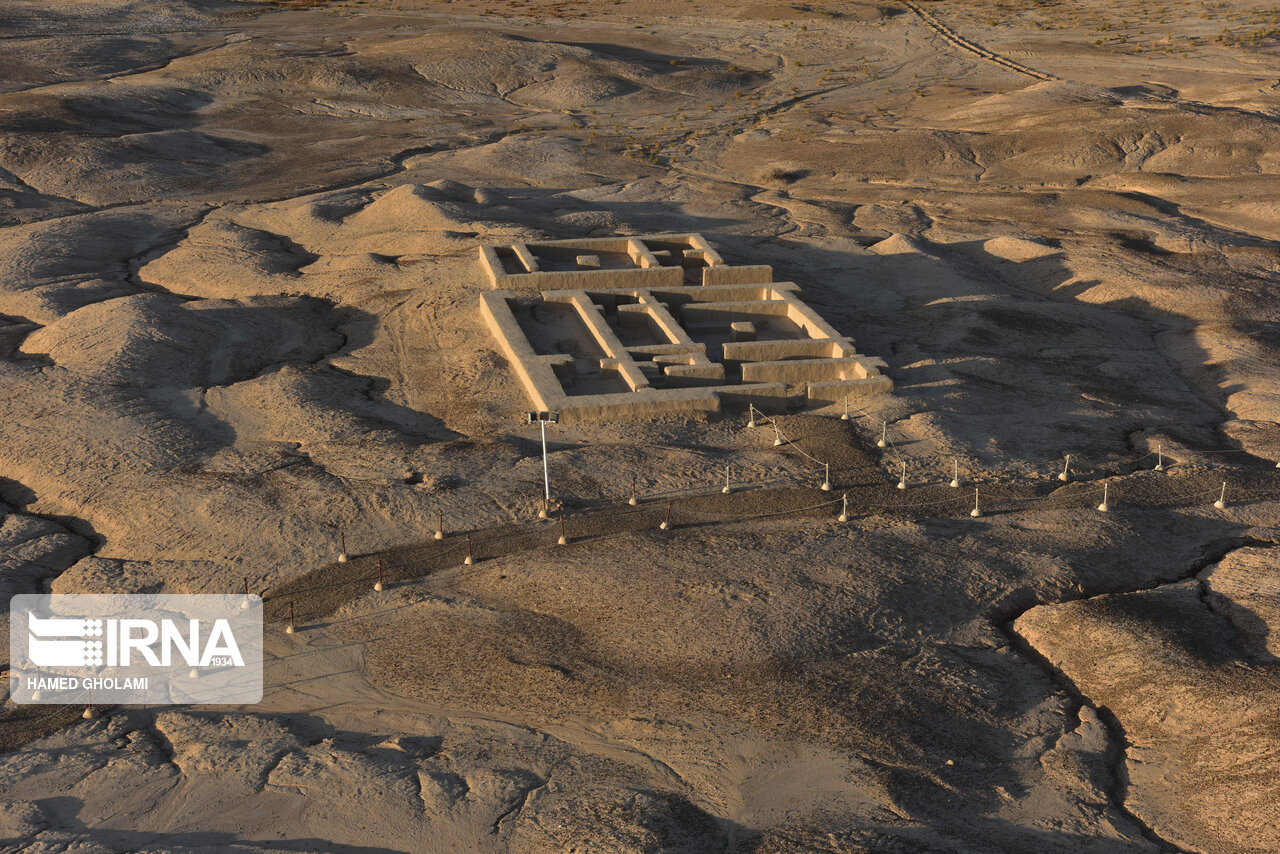
The town lies 10 kilometres from the Ghale-No village of the Zahak town and 57 kilometres from the city of Zabul in Sistan and Baluchestan province.

The name “Dahaneh-Gholaman” literally means “The Strait of Slaves.” In fact, the town was named after a natural strait through which slavers brought African slaves into Iran to sell them.

The town of Dahaneh-Gholaman dates back to the Achaemenid era, and is the only ancient sites where remains of homes have also been found in addition to traces of public and religious buildings.
The central part of the town measures around 88 hectares, and the entire town is estimated to be 100 hectares.

Of the 27 buildings available, eight are very important from an archaeological standpoint. These buildings, including three in the eastern part and five in the western part, used to have social, administrative and religious applications.

The buildings in the town have been constructed on a natural terrace.

Remains of buildings show the city was evacuated quickly, but calmly after 150 to 200 years.

Several factors, including war and fire, contributed to the town being abandoned. However, the sudden drying up of the Helmand river was the key contributing factor.

Historical Qanat in Central Iran Revived

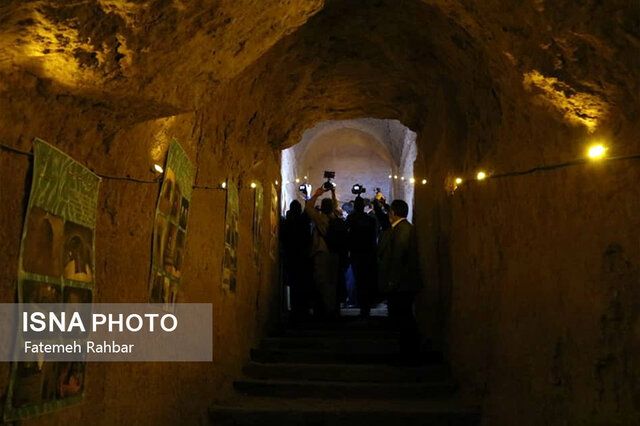
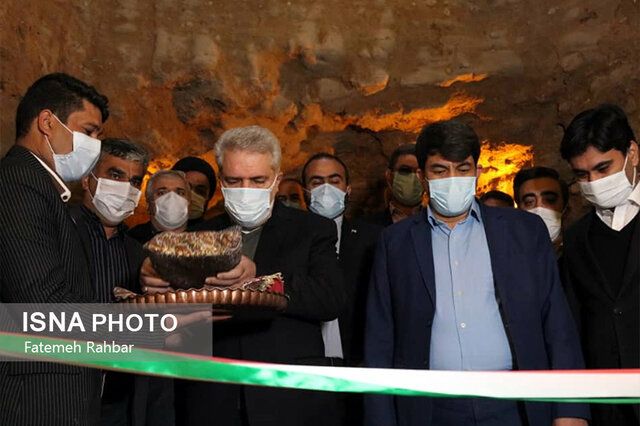
The major project to bring the ancient qanat in the city of Yazd back to life saw the 90-km subterranean aqueduct dredged all along.

Some 270 sources of sewage flowing into the qanat were also blocked and eight riffles on this underground water channel were cleaned and emptied as well.

Historical Qanat in Central Iran RevivedThe project came with a price tag of more than Rls. 10 billion jointly bankrolled by the Ministry of Cultural Heritage, Handicrafts and Tourism, the Agriculture Ministry and the Yazd Municipality.
The blocking of sewage inlets has helped marine creatures living in the qanat to stay alive.

Zarch; Longest Qanat of Iran, World

”Pointless to Say Iran Should Return to JCPOA as It Never Left”

Iran Says New US Sanctions Show Trump’s Desperation

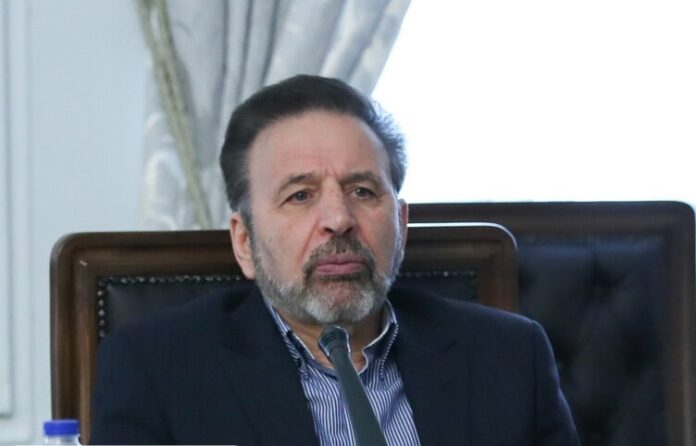
Chief of Staff of the President’s Office Mahmoud Vaezi made the comment in response to remarks by US Secretary of State Antony Blinken, who had called on Iran to return to the JCPOA first before Washington does so.

“We haven’t pulled out of the JCPOA, so there is no point saying we should return to it, and we will live up to our commitments under the JCPOA only when we make sure that Europe and the US keep their side of the bargain under the deal,” said Vaezi.
“We held negotiations once and the case was closed on talks about the JCPOA,” he added.

“Our stance on the JCPOA has been clear from the very beginning, and today we have the same stance,” said the official.

“One of the demands of [former US President Donald] Trump was to reopen the case on the JCPOA. It makes no difference to us whether the Trump administration is in power or that of Biden. As we have insisted on our position in the past, our stance will not change this time, either,” he said.

“As the president [of Iran Hassan Rouhani] has said time and again, we will deliver on our commitments when they (the US and Europe) fulfill their obligations,” he said.

Siren Heard in Western Tehran Not Related to Any Security Issue: Official

The deputy governor general of Tehran province for security affairs told Tasnim News Agency that the siren was caused by a malfunction in the alarm system of an “organization” in Azmayesh neighbourhood, west of Tehran.

Hamid Reza Goudarzi said a “leak caused by heavy rainfall” triggered the security alarm.

His comments came after several residents posted videos of a long and nonstop siren ringing out in west of the capital.

Minutes later, data by Flightradar24 indicated that a Turkish Airlines’ Istanbul-Tehran flight was flying around Tehran, raising speculations about a security problem.

The public relations of Imam Khomeini International Airport said the Turkish flight noticed dangerous Cumulonimbus clouds when he wanted to land in Tehran, and decided to divert the plane northward. He has told Imam Khomeini Airport he will get back once the weather improves.

Flightradar24 data shows the flight has flown toward Baku, the capital of Azerbaijan, and apparently landed there.

The Iranian airport officials said the weather condition in Tehran is back to normal now, as two Iran Air and Mahan Air flights just landed.

Iran’s Zarif, Turkey’s Erdogan Discuss Bilateral Ties, Regional Issues

In this meeting, which was also attended by the Turkish foreign minister, issues of mutual interest including the 3+3 format for Caucasus were discussed.

Agreement on pursuing issues in bilateral ties and expression of interest in restoring bilateral trade to the previous track, agreement on increasing railway lines between the two countries, agreement on cooperation in Iraq and Syria and trilateral cooperation with Afghanistan as well as agreement on supporting the rights of Palestinian people were among other issues discussed by Foreign Minister Zarif and the high-ranking Turkish officials.

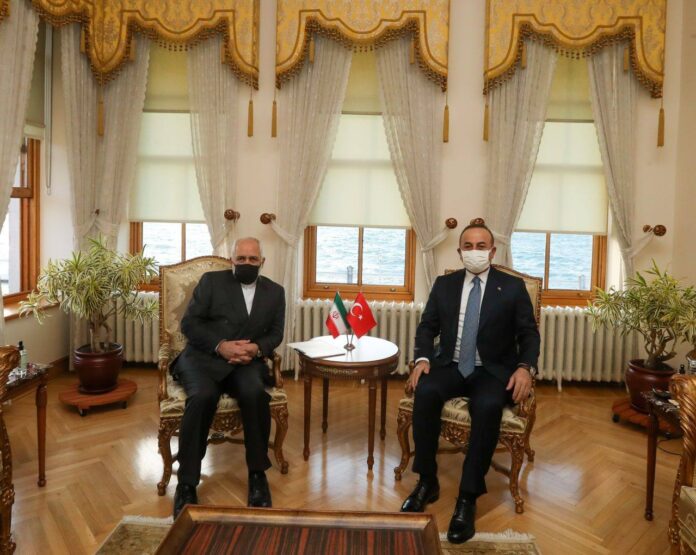
Iranian, Turkish Foreign Ministers Hold Talks in Istanbul

In this meeting, the two sides conferred on bilateral relations, regional developments, and international issues.

On bilateral issues, Zarif said relations between the two countries and their benefits are very important for the people of Iran and Turkey.

He also discussed Iran-Turkey cooperation in the fields of transit, business, energy and mutual efforts to resolve the problems of the companies and economic player of both countries.

On regional issues, Foreign Minister Zarif referred to the discussions he had during his visits to four regional capitals, and elaborated on the Islamic Republic’s view in the wake of cessation of clashes in Karabakh and the need for tapping into the existing opportunity for continued calm and stability in the region while developing collaborations especially in the economic fields.

Cavusoglu, in turn, highlighted the importance of relations between Tehran and Ankara, and underlined the significance of implementing the two countries’ earlier agreements in the fields of transport, business and energy.

He also referred to the eighth meeting of Iran-Turkey Joint Economic Commission, which is to be held in Tehran in the near future, and said the two countries will expand their collaborations in the time ahead.

The strategic bilateral meetings, the leaders’ summit of Astana Process, the trilateral meeting of Iran, Turkey and Azerbaijan Republic, the issues related to Syria and the recent meeting in Geneva on the country’s Constitution, the trilateral collaborations between Iran, Turkey and Afghanistan, and the two countries’ cooperation on Coronavirus and its vaccine were among other issues dicussed by the Iranian and Turkish foreign ministers in this meeting.

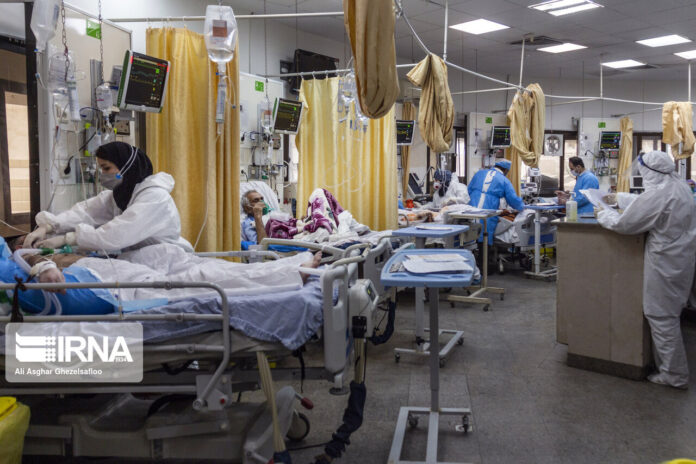
Total Cases of COVID-19 Infection in Iran Hit 1.4 Million: Ministry

In a press briefing on Friday, Sima-Sadat Lari said the virus has killed 71 patients since Thursday noon, raising the overall death toll to 57,807.

So far, Lari added, 1,196,374 patients have recovered from the disease or been discharged from the hospital.

Lari said 3,990 patients are also in critical conditions caused by more severe infection.
The spokeswoman noted that 9,176,899 COVID-19 tests have been taken across the country so far.

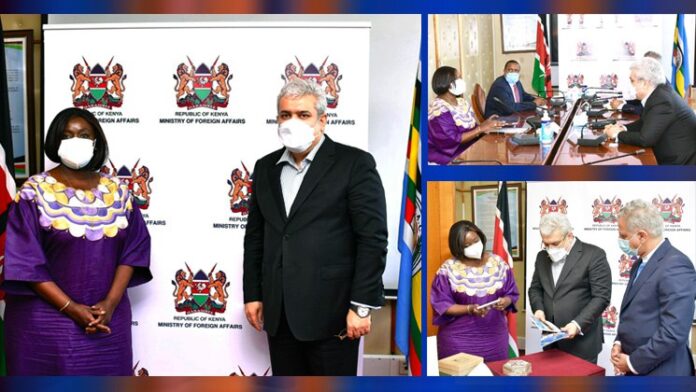
Iran’s Vice-President, Kenyan Foreign Minister Meet in Nairobi

In the Thursday meeting, the top Iranian official presented a report on the trend of Iran’s scientific and technological development over the past 40 decades.

“A long time has passed since the [1979 Iran’s Islamic] Revolution and we are on the threshold of the anniversary of the victory of the Revolution. During these 40 years, Iran has been under cruel sanctions by global superpowers,” he explained.

“These sanctions were a good omen for Iran and helped us reach self-sufficiency in meeting our needs. That means we domestically developed all the technologies possessed by developed countries,” said Sattari.

He said a clear example of that achievement was the production of necessary medical equipment by Iranian firms to counter the coronavirus pandemic.

He said Iran has fulfilled its pledges, including the establishment of the Iran House of Innovation and Technology (IHIT) in Kenya and cooperation between Iranian and Kenyan knowledge-based companies.

He said Tehran is keen to enhance its technological relations with Nairobi and run joint projects on technology transfer.

The top Kenyan diplomat, in turn, thanked Iran’s activities in Kenya and added Nairobi would like to draw on Iran’s experience in establishing start-ups and knowledge-based companies and linking universities to the industry.