Friday, April 24, 2026
Home Blog Page 2393

Warsaw, Munich Summits Result in Further Isolation for US: Iran

US Vice President Mike Pence speaks at the Bavarian regional parliament on the sidelines of the 55th Munich Security Conference (MSC) in Munich, southern Germany, on February 15, 2019. / Photo by AFP

In an interview with the Lebanese TV channel, Al-Manar, Zarif underlined that the US failed to achieve its anti-Iran goals during the two international conferences.

“Nearly all states are seeking to avoid the US’ stance towards Iran so that they are not forced to violate the international law,” he was quoted as saying in a report by IRNA.

Zarif made the comments on the sidelines of the Munich Security Conference in Germany, where European states rejected an earlier call by US Vice-President Mike Pence for the E3’s withdrawal from the Iran nuclear deal. The call had been made earlier in the anti-Iran Warsaw Conference, which experts believe was a total failure for its organizer, the US.

The 55th edition of Munich Security Conference also kicked off on Friday with over 600 delegates from various political, commercial and civil backgrounds in attendance. The three-day conference discussed the current crises as well as future challenges facing the world.

The Munich Security Conference is an annual event on international security policy that has taken place in Munich, Bavaria since 1963.  Over the past four decades the conference has become the most important independent forum for the exchange of views by international security policy decision-makers.

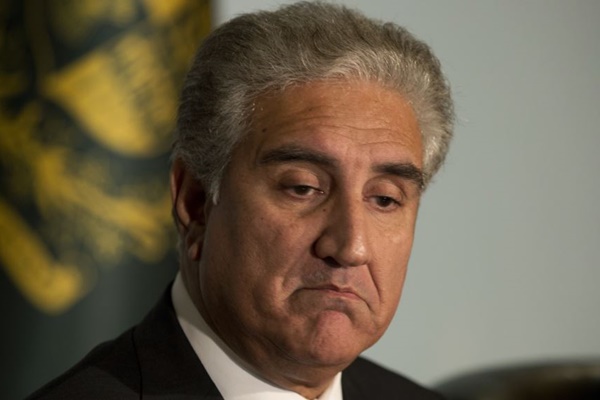
Pakistan Says Ready for Joint Fight with Iran against Terror

During the phone conversation, Qureshi said a specialized Pakistani delegation will be sent to Iran later in the day to hold talks with Iranian officials.

“Pakistan is ready for any cooperation [with Iran] to probe into the regrettable incident, and for joint fight against terrorist groups,” the Pakistani FM said.

Qureshi made the phone call after top Iranian officials, including the president, the IRGC chief, and foreign ministry officials strongly protested Islamabad’s failure to counter the terrorists operating inside its territory.

IRGC Chief-Commander Major General Mohammad Ali Jafari and President Hassan Rouhani both suggested that Iran may launch operations inside the Pakistani territory if Islamabad fails to identify and punish the Jaish al-Adl terrorists who killed 27 and wounded 13 Iranian border guards in their Wednesday attack.

Earlier in the day, Iran summoned the Pakistani ambassador to express its strong protest over the terror attack on a bus carrying IRGC border guards in Iran’s Sistan and Baluchestan province.

Foreign Ministry Spokesman Bahram Qassemi said the Islamic Republic conveyed its strong protest to the Pakistani diplomat during the meeting.

‘Iran Not to Allow Foreign-Backed Terrorists Escape Revenge’

'Iran Not to Allow Foreign-Backed Terrorists Escape Revenge'

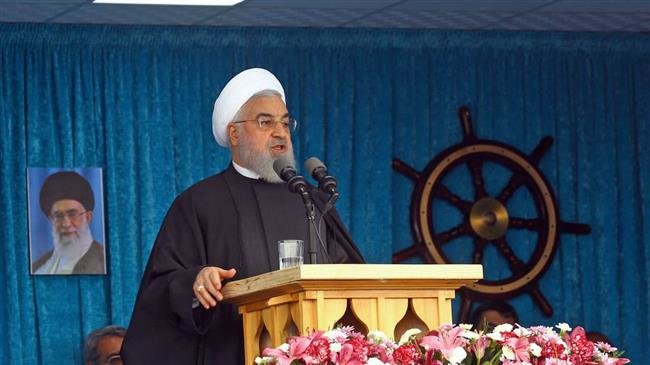
He made the remarks on Sunday in an address to a large crowd of people in the port city of Bandar-e Lengeh, in southern Hormozgan Province.

“Terrorists,” President Rouhani said, “should know that our nation will undoubtedly avenge the blood of these dear martyrs.”

An explosives-laden car rammed into a bus carrying IRGC personnel in Sistan-and-Baluchestan Province earlier this week, killing 27 of them and wounding 13 others. The so-called Jaish ul-Adl terrorist group, which is linked to al-Qaeda, claimed responsibility for the assault.

“We do not and will not allow the criminal mercenaries, who are armed and funded by outsiders and who killed our dear IRGC forces and brave border guards, to escape revenge,” President Rouhani stressed.

Various civilian and military Iranian officials have in the wake of the Wednesday terrorist attack used unprecedented rhetoric against the government in Islamabad for harboring terrorists, who routinely stage attacks against Iran from inside Pakistan and then retreat into Pakistani territory.

President Rouhani said, however, that Iran sought brotherly and cordial relations with all countries, adding that Iran had never initiated any aggression.

Elsewhere in his remarks, the Iranian president said those regional governments that believe the United States and the Israeli regime can bring them security are “terribly wrong.”

He also denounced attempts by certain powers to sow discord among various ethnicities, religions, and nations in the Middle East.

The president said the region did not need US presence, saying the sooner foreign forces pulled out of the region, the greater stability and security would follow.

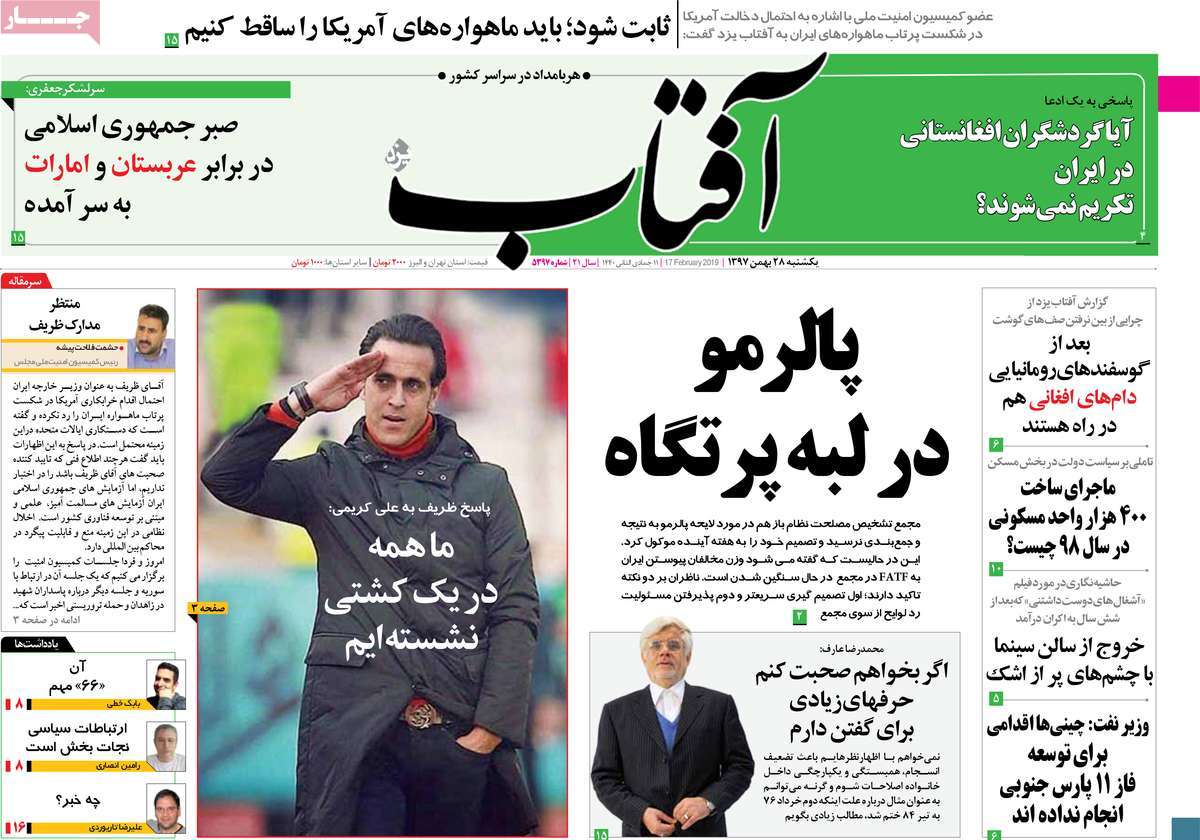
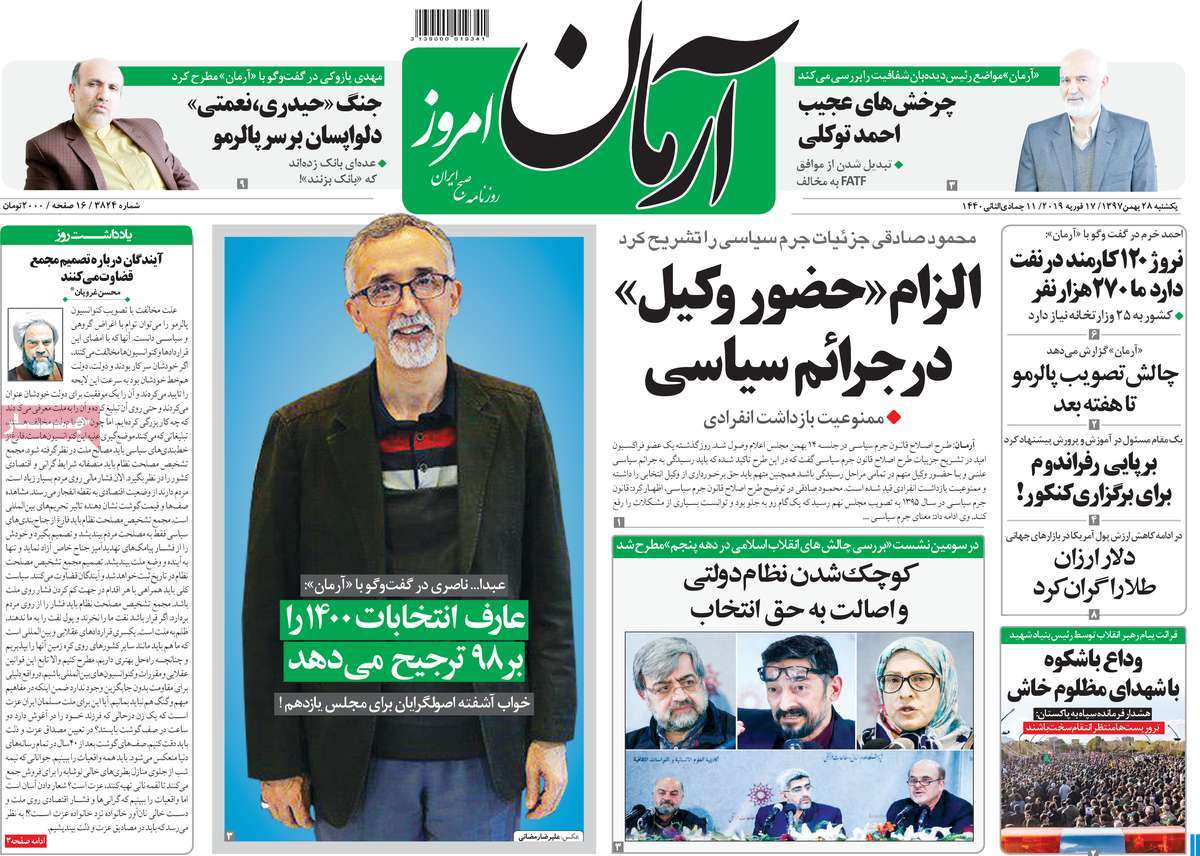
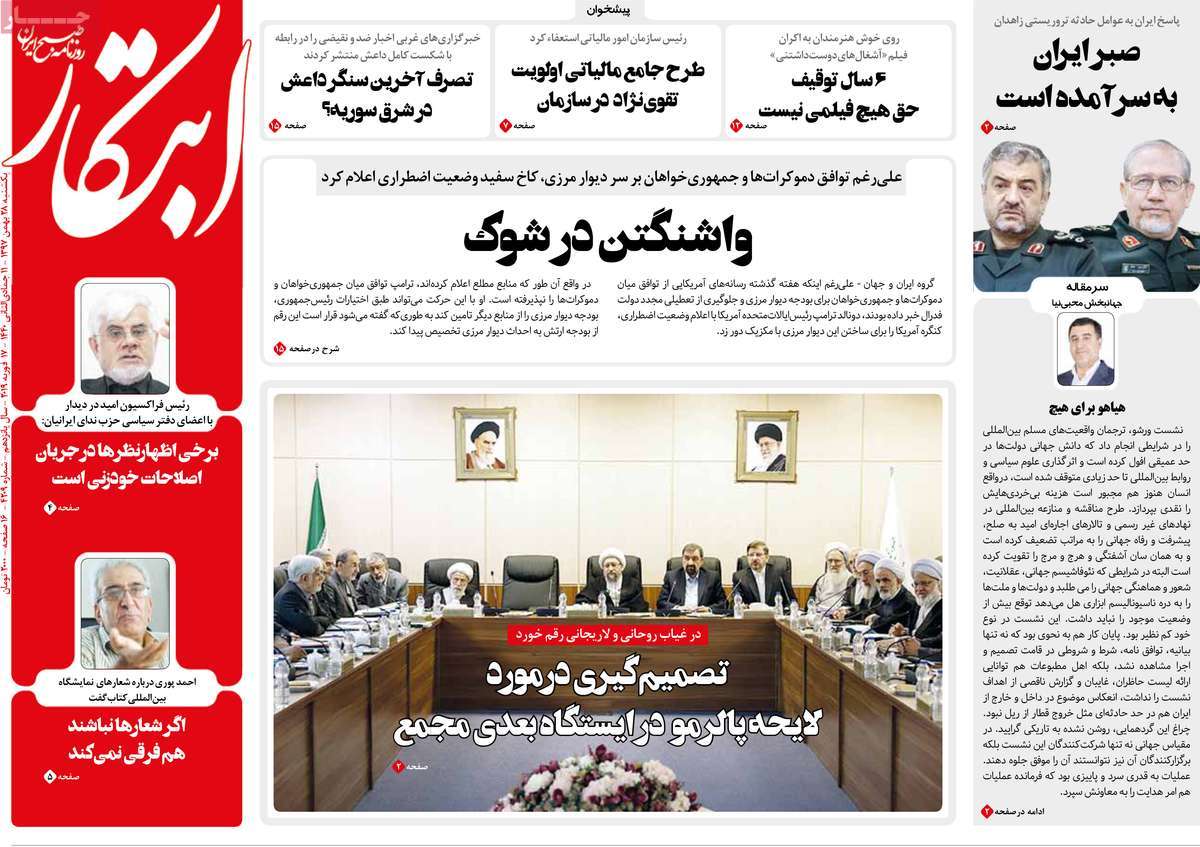
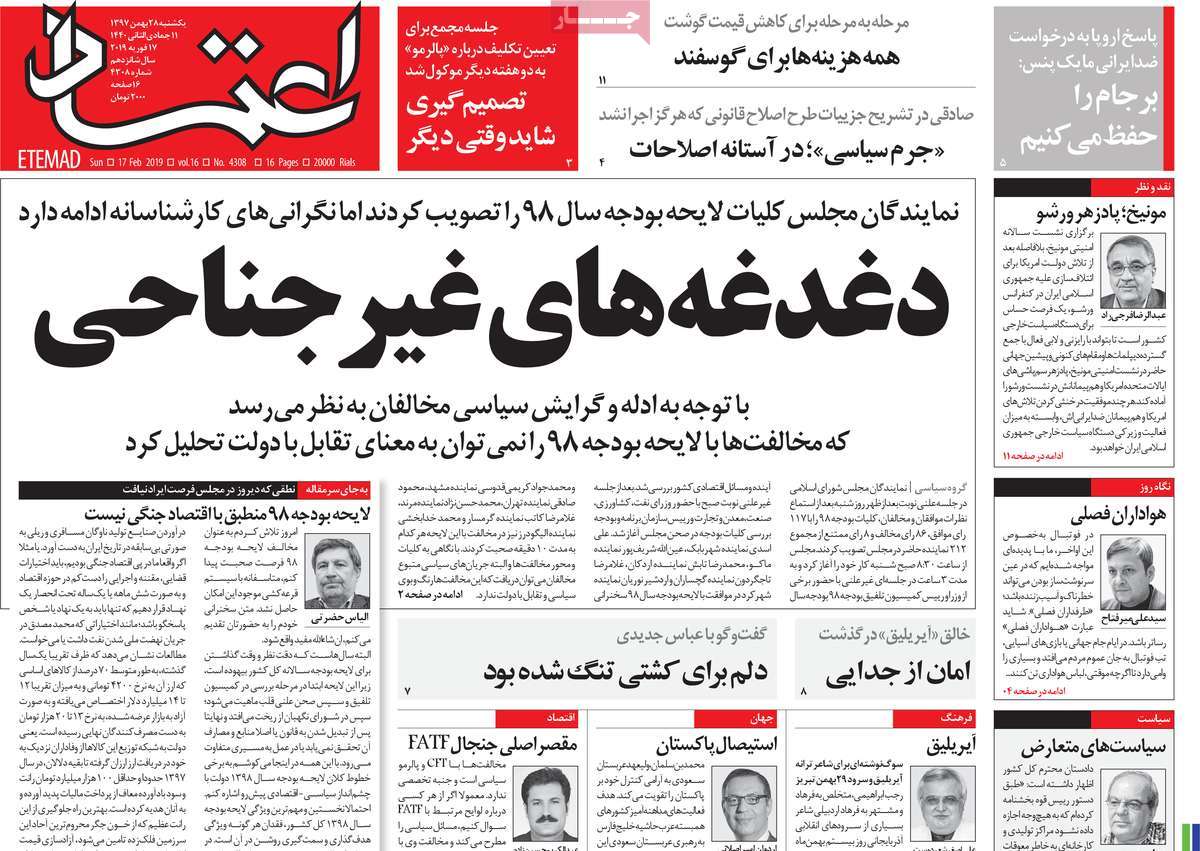
A Look at Iranian Newspaper Front Pages on February 17

A Look at Iranian Newspaper Front Pages on November 19

Reactions to the Wednesday terrorist attack in south-eastern Iran, which killed 27 and wounded 13 IRGC forces, remained a top story today, with several papers covering Iran’s warning to Pakistan over its failure to counter the terrorists along the Iranian border.

Also a top story today was the Expediency Council’s failure to reach a consensus over a bill on Iran’s accession to the Palermo Convention, which has been proposed by the government to get Iran out of the blacklist of the Financial Action Task Force (FATF). The Council has postponed the voting to its next meeting two weeks later.

Europe’s rejection of the US’ call for withdrawing from the Iran nuclear deal also received great coverage today.

The above issues, as well as many more, are highlighted in the following headlines and top stories:


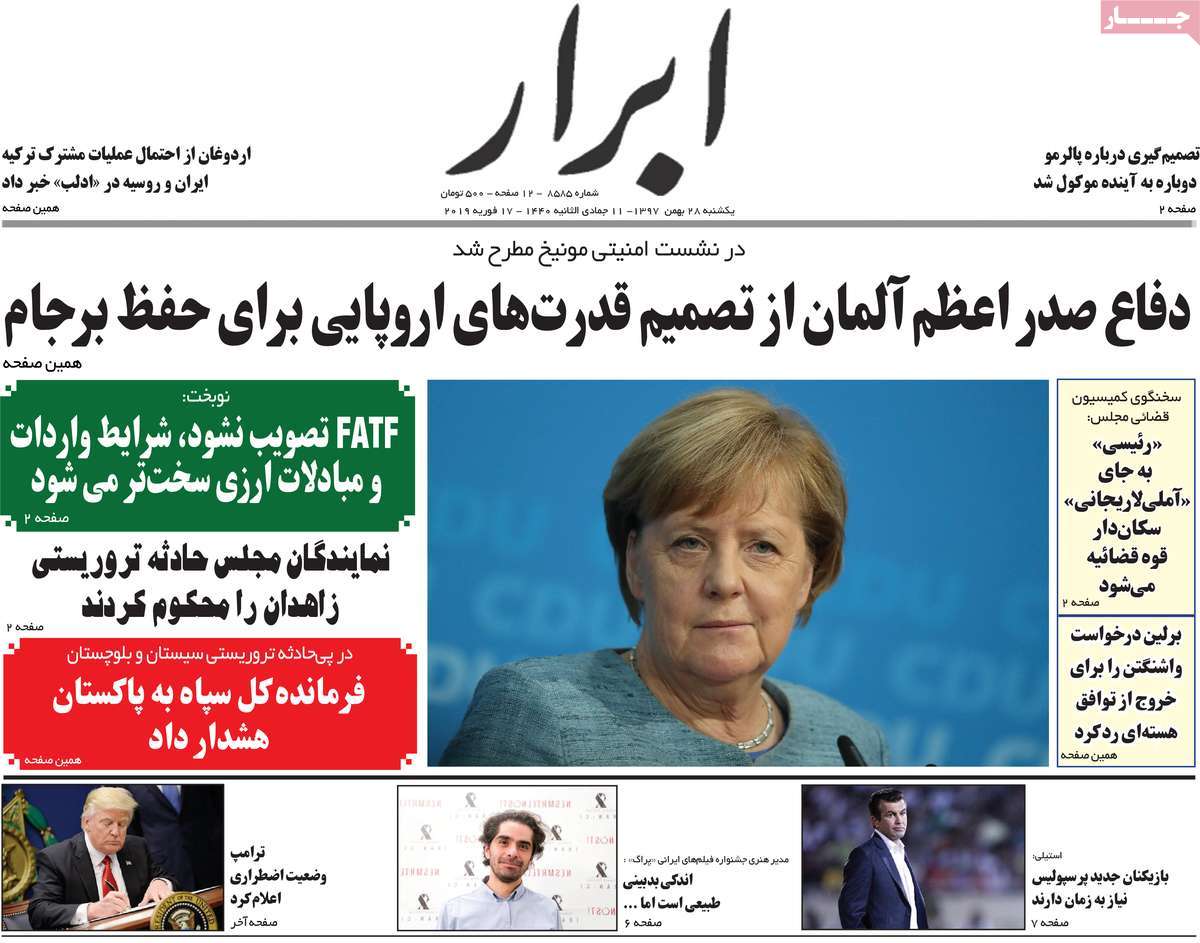
Abrar:

1- German Chancellor Defends European Powers’ Decision to Save JCPOA

2- Erdogan Says Turkey, Iran, Russia May Launch Joint Operation in Idlib

3- Berlin Rejects Washington’s Call for Withdrawing from JCPOA

A Look at Iranian Newspaper Front Pages on February 17


Aftab-e Yazd:

1- IRGC Chief-Commander: Iran’s Patience towards Saudi, UAE Over

2- Oil Minister: China Has Done Nothing to Develop 11th Phase of South Pars

A Look at Iranian Newspaper Front Pages on February 17


Arman-e Emrooz:

1- Challenge of Approving Palermo Convention Postponed to Next Week

A Look at Iranian Newspaper Front Pages on February 17


Ebtekar:

1- Washington in Shock

  • Trump Declares National Emergency despite Deal between Dems, GOP

2- Last ISIS Stronghold Conquered in Eastern Syria?

  • Conflicting Reports of ISIS’ Total Defeat

3- Iran’s Patience over: Tehran’s Response to Zahedan Terror Attack

A Look at Iranian Newspaper Front Pages on February 17


Etemad:

1- Expediency Council Postpones Voting on Palermo Convention

2- We’ll Maintain Iran Nuclear Deal: Europe’s Response to Pence’s Request

A Look at Iranian Newspaper Front Pages on February 17


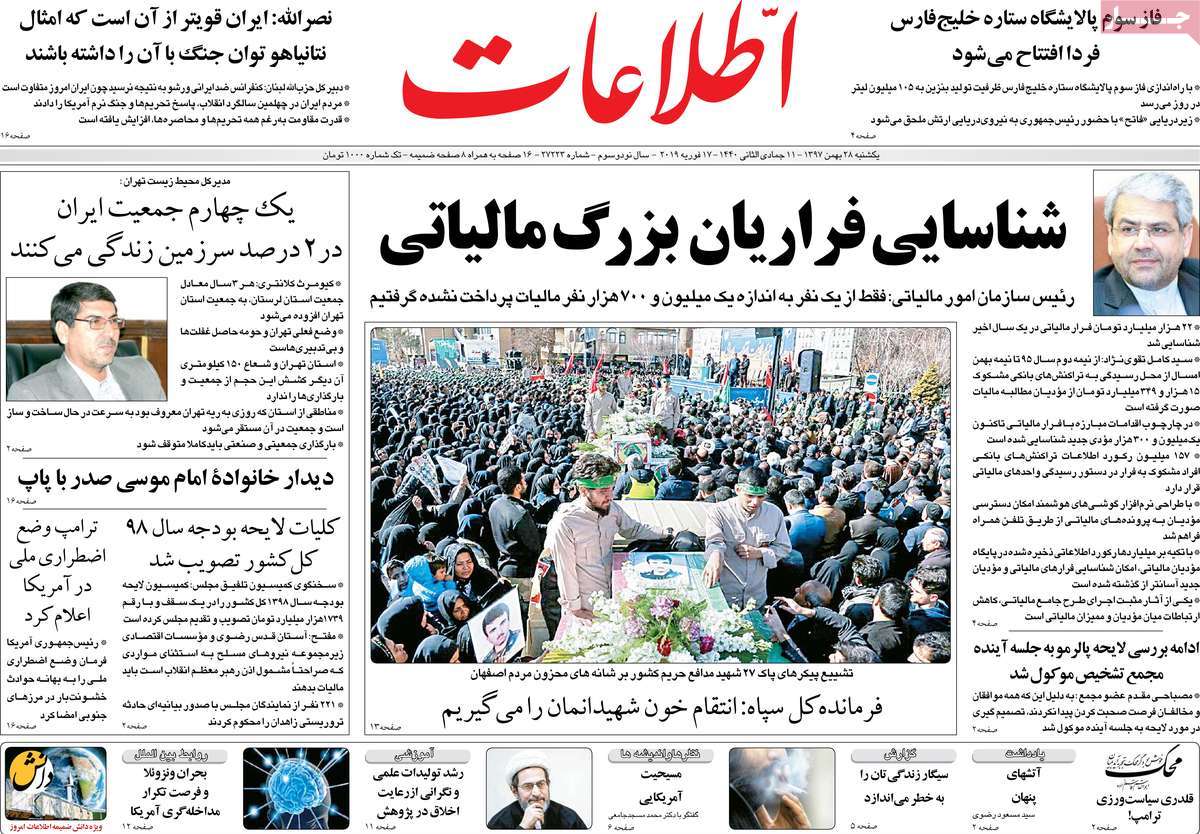
Ettela’at:

1- Third Phase of Persian Gulf Star Refinery to Be Unveiled Tomorrow

2- Nasrallah: Iran Too Strong that Likes of Netanyahu Cannot Wage War against It

3- Trump Declares National Emergency in US

A Look at Iranian Newspaper Front Pages on February 17


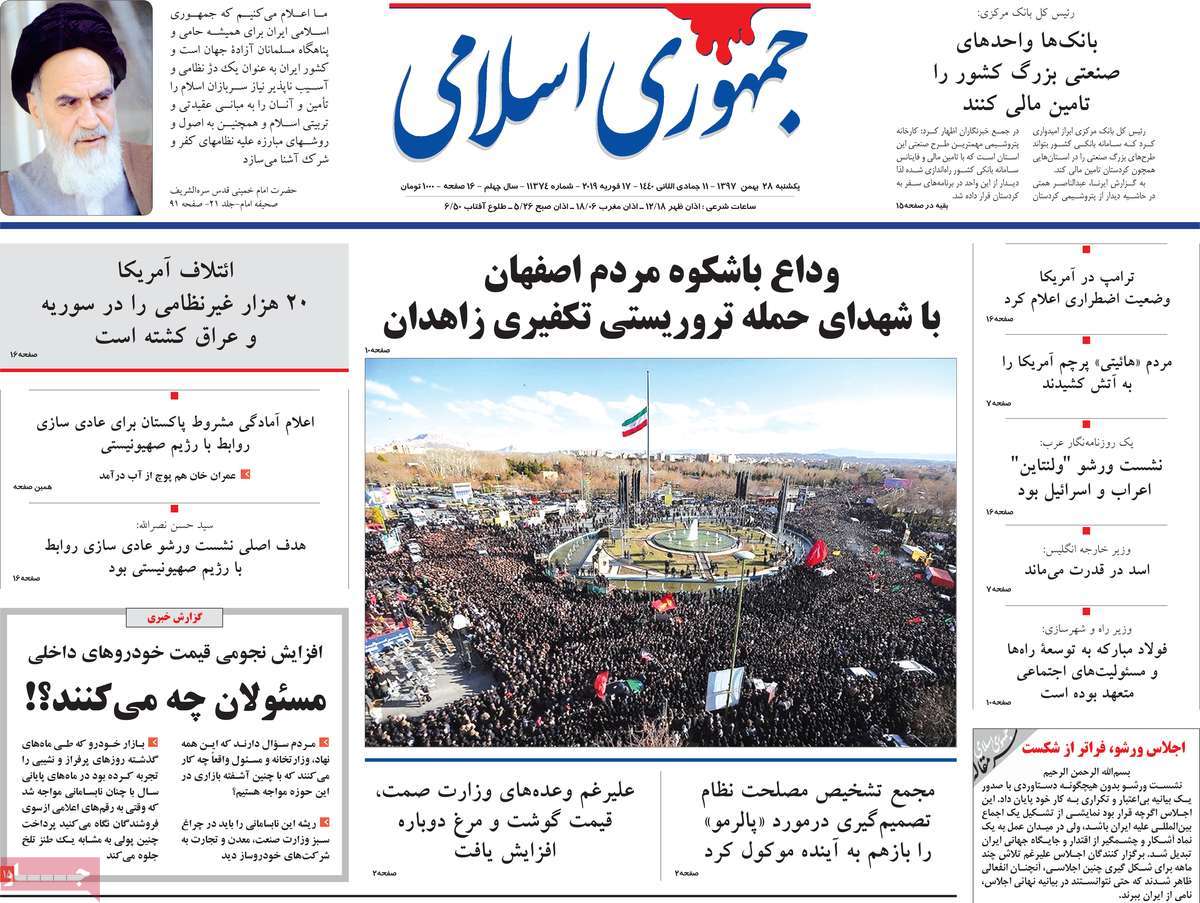
Jomhouri Eslami:

1- Central Bank Governor: Banks Financing Iran’s Big Industrial Units

2- People of Isfahan Bid Glorious Farewell to Martyrs of Zahedan Terror Attack

3- Pakistan Sets Conditions for Normalization of Ties with Israel

4- UK Foreign Secretary: Assad to Stay in Power

5- US-led Coalition Kills 20,000 Civilians in Syria, Iraq

A Look at Iranian Newspaper Front Pages on February 17


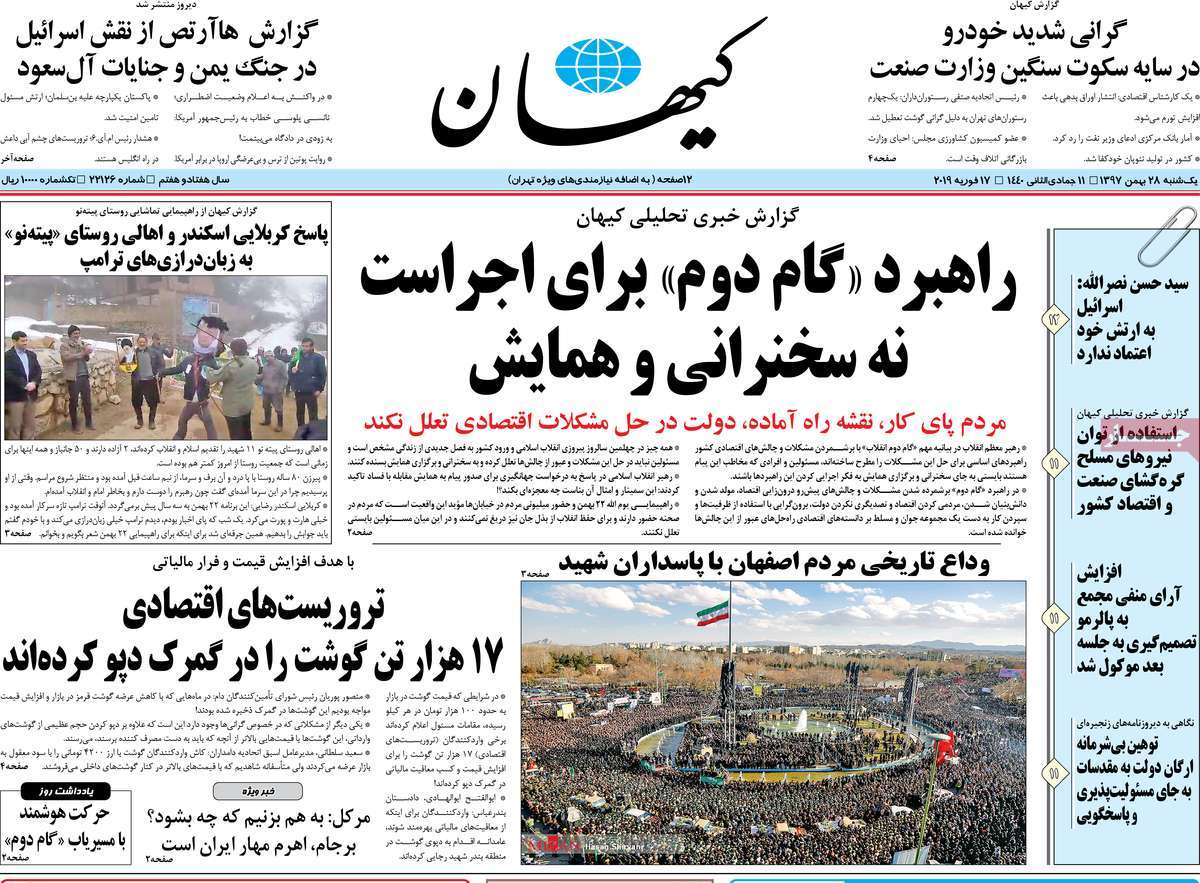
Kayhan:

1- Haaretz’ Report of Israel’s Role in Yemen War, Al Saud Crimes

2- Economic Terrorists Store 17,000 Tonnes of Meat in Customs

3- Merkel: Why Should We Tear Apart JCPOA; It’s a Means to Control Iran

A Look at Iranian Newspaper Front Pages on February 17


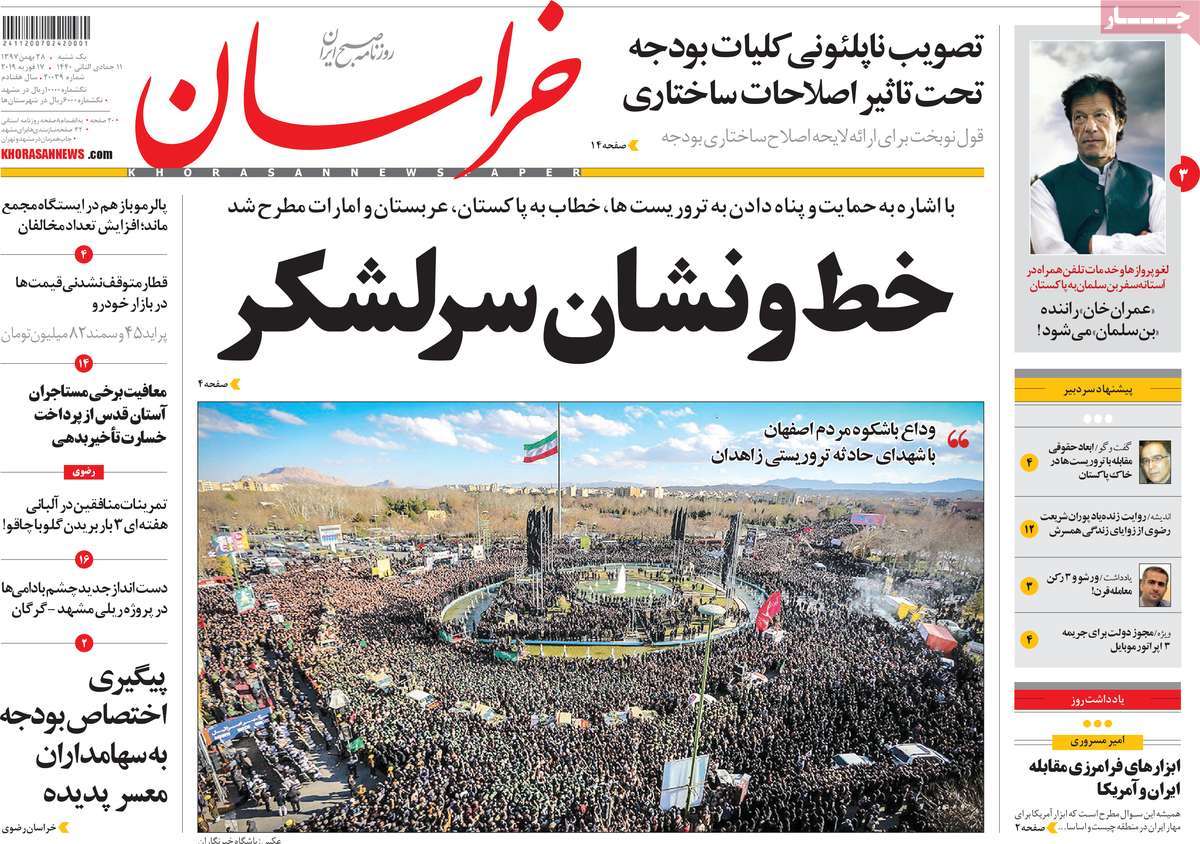
Khorasan:

1- IRGC Top General Warns Pakistan, Saudi, UAE over Terror Attack

2- Imran Khan to Drive Bin Salman’s Car!

  • Flight Cancelled, Phone Services Disrupted amid bin Salman’s Visit

A Look at Iranian Newspaper Front Pages on February 17


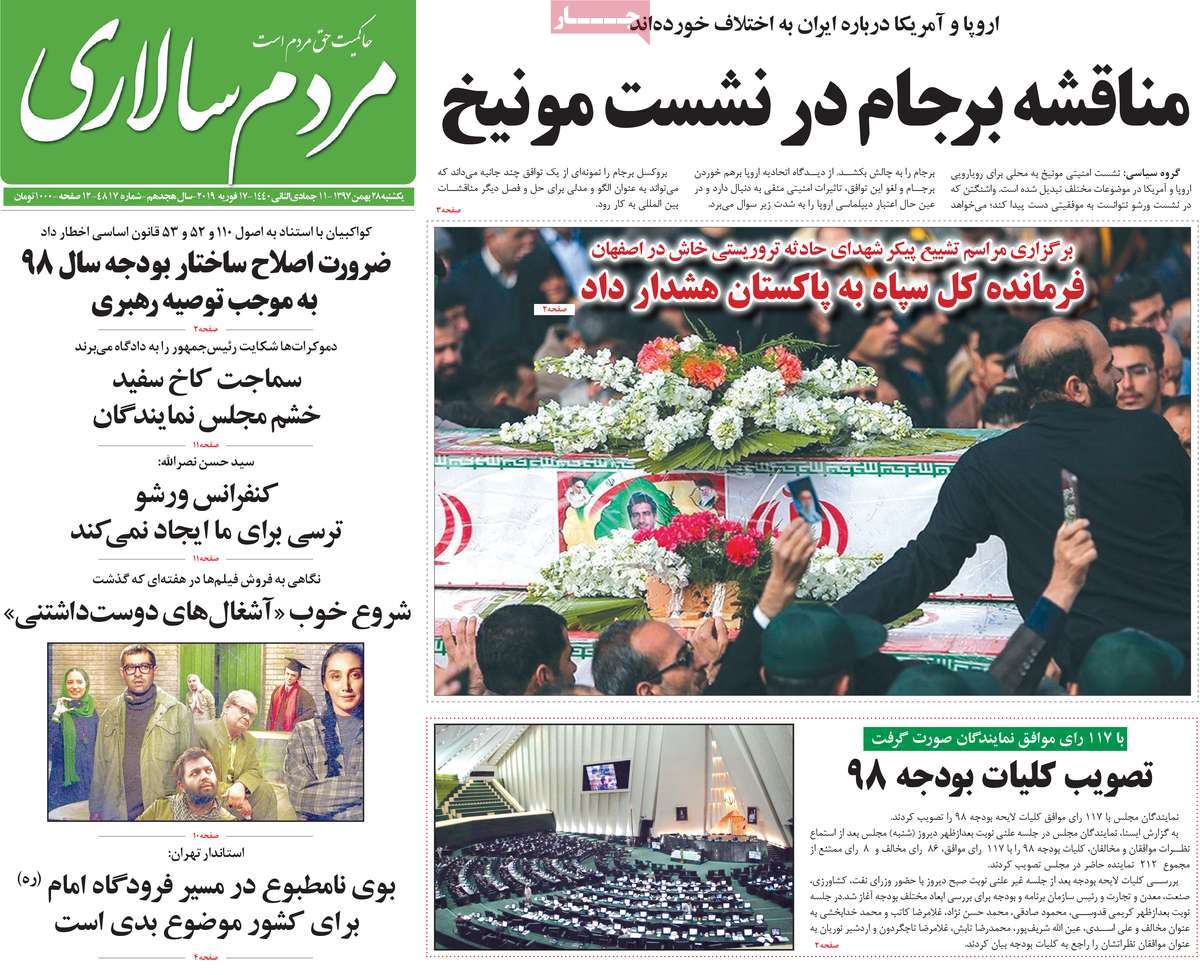
Mardom Salari:

1- Controversy over JCPOA in Munich Conference: Europe, US Disagree over Iran

2- Congressmen Outraged by White House’s Insistence on Border Wall

  • Democrats to Sue President Trump

A Look at Iranian Newspaper Front Pages on February 17


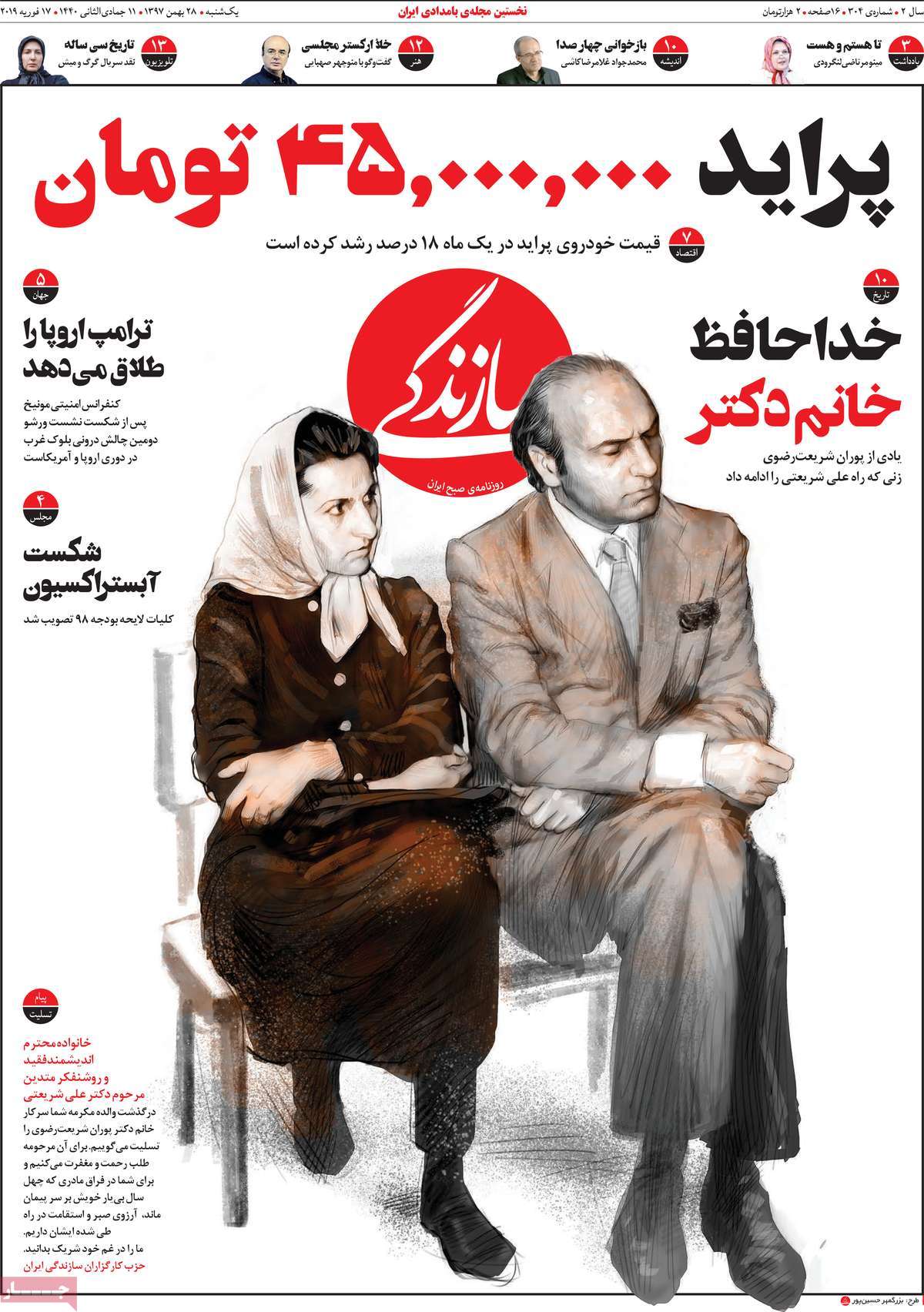
Sazandegi:

1- Trump to Get Divorce from Europe

  • Munich Security Conference Turns into Second Failure for US after Warsaw

A Look at Iranian Newspaper Front Pages on February 17


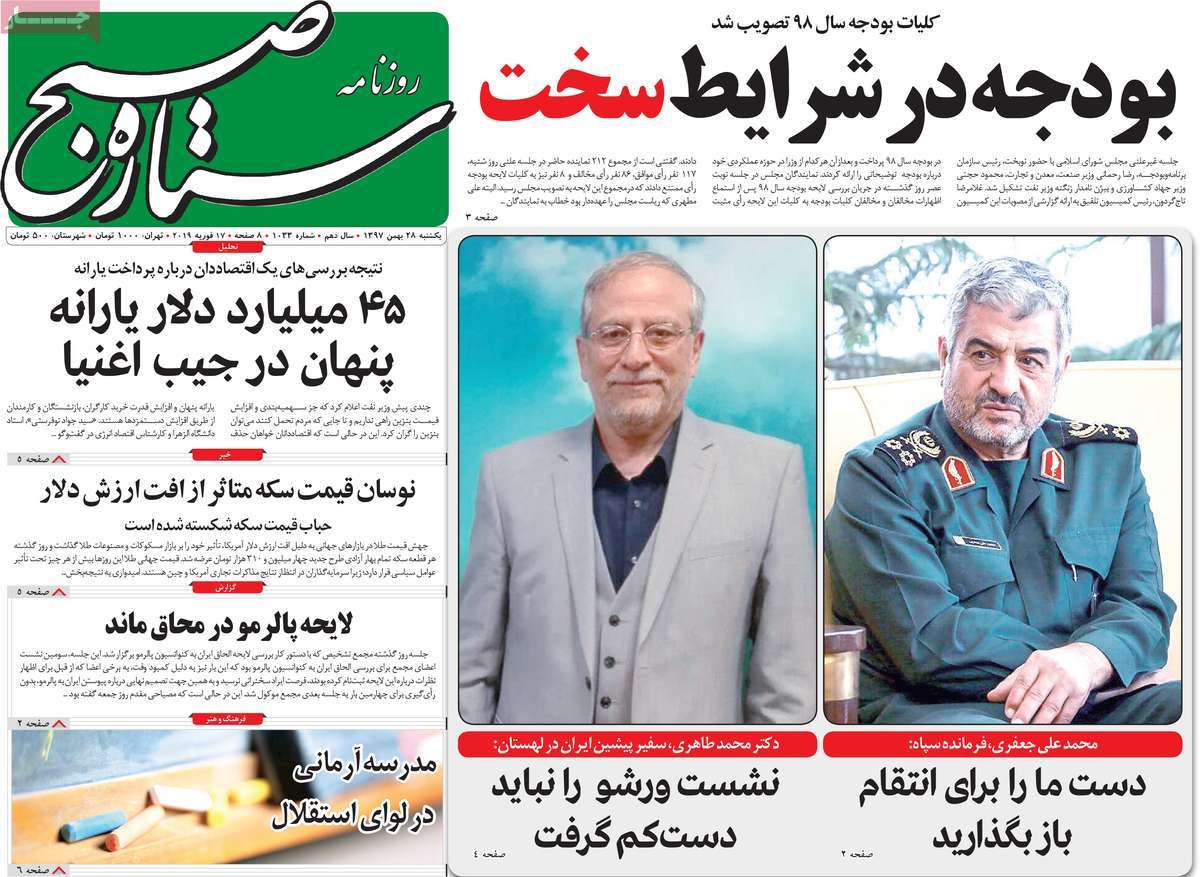
Setareh Sobh:

1- IRGC Chief-Commander: Give Us More Authority for Getting Revenge

2- Warsaw Summit Shouldn’t Be Underestimated: Ex-Diplomat

A Look at Iranian Newspaper Front Pages on February 17


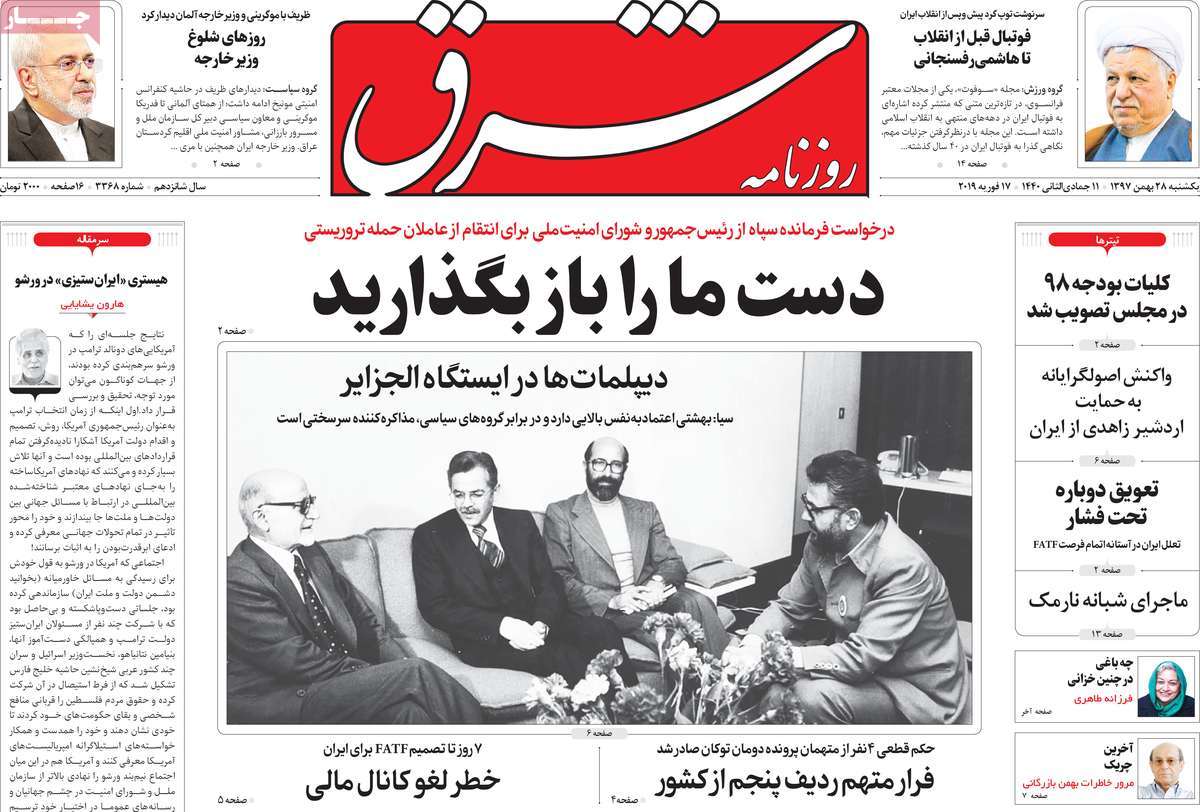
Shargh:

1- Busy Days of Foreign Minister: Zarif Meets Mogherini, German FM

2- Europe’s Financial Channel May Be Cancelled If Iran Fails to Ratify FATF

3- Hysteria of Iranophobia in Warsaw [Editorial]

A Look at Iranian Newspaper Front Pages on February 17


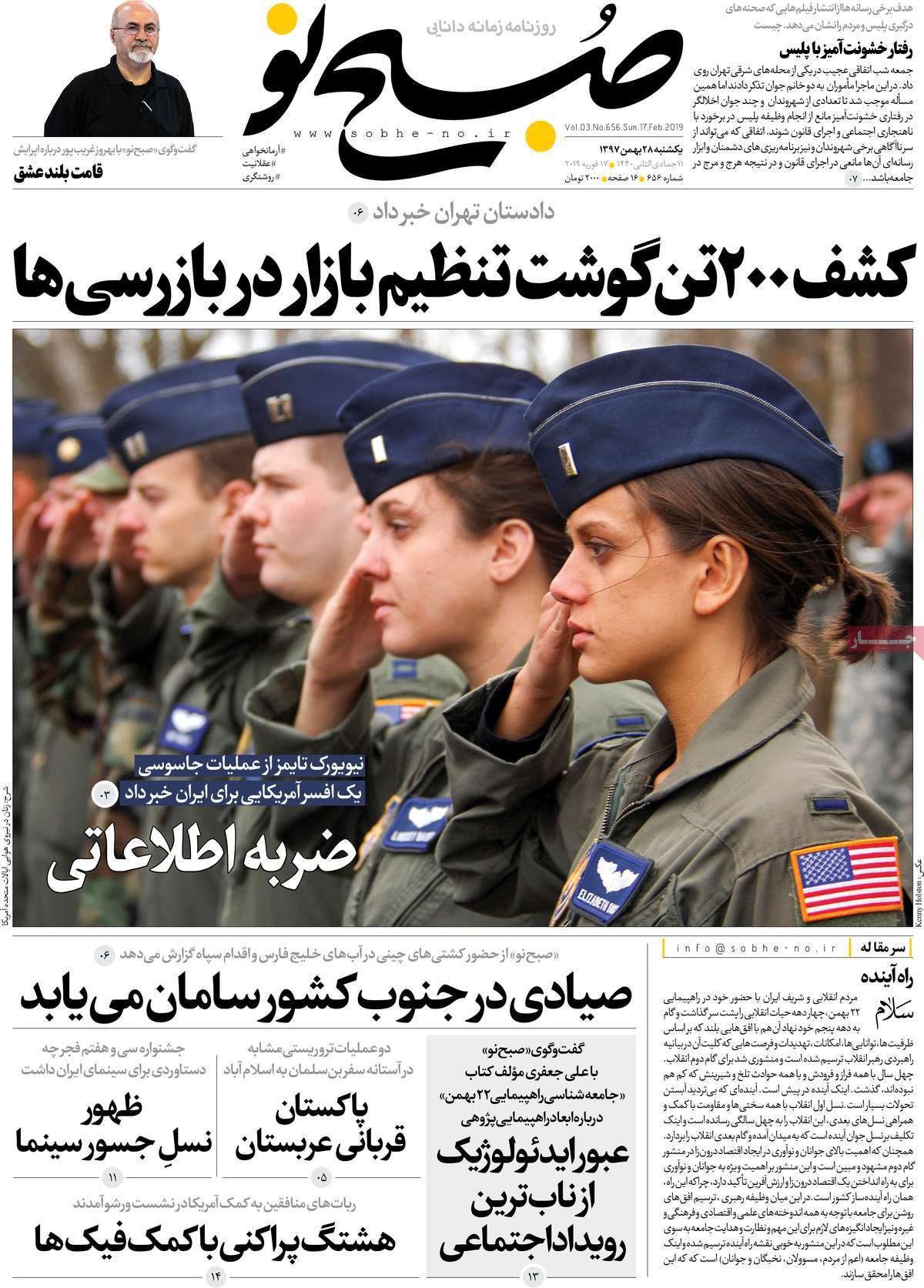
Sobh-e Now:

1- Pakistan Victim of Saudi Arabia: Two Similar Terror Attacks on Verge of Bin Salman’s Pakistan Visit

2- Intelligence Blow: New York Times Says American Officer Spied for Iran

A Look at Iranian Newspaper Front Pages on February 17

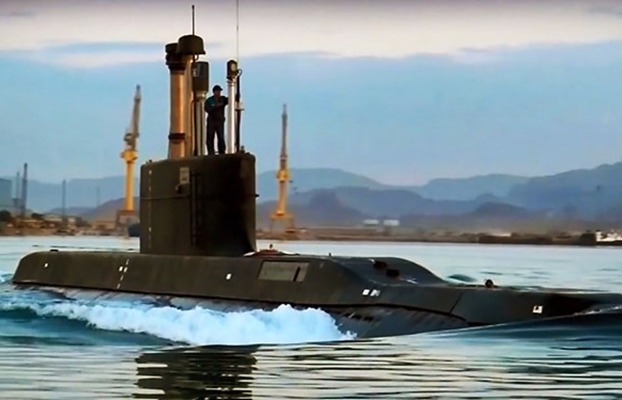
Iran President Unveils New Submarine Equipped with Cruise Missile

Iran President Unveils New Submarine Equipped with Cruise Missile

The new submarine, named Fateh (Conqueror), was unveiled in a ceremony in the southern Iranian province of Hormozgan, attended by President Hassan Rouhani.

Earlier on Satrday, Iranian Defence Minister Brigadier General Amir Hatami said the submarine has been developed by Iranian experts and enjoys state-of-the-art technologies.

“The Fateh submarine is completely homegrown and has been designed and developed by capable experts of the Marine Industries [Organization] of the Defence Ministry and enjoys world’s modern technologies,” Tasnim News Agency quoted him as saying.

The submarine is capable of firing cruise missiles, is equipped with an advanced sonic radar system and uses a missile defence system, among other features, he said.

Iran’s Navy deployed its first submarine some two decades ago and has succeeded in acquiring advanced technology in this sector despite all the sanctions imposed against the country.

Iran has so far launched different classes of domestically-built advanced submarines including Ghadir, Qaem, Nahang, Tareq and Sina.

The 600-ton Fateh is among semi-heavy submarines and is equipped with state-of-the-art weaponry such as torpedoes and naval mines.

It can operate more than 200 meters below the sea surface for near five weeks.

Iran Summons Pakistan Envoy over Terrorist Attack

Iran Appoints Female Ambassador to Denmark

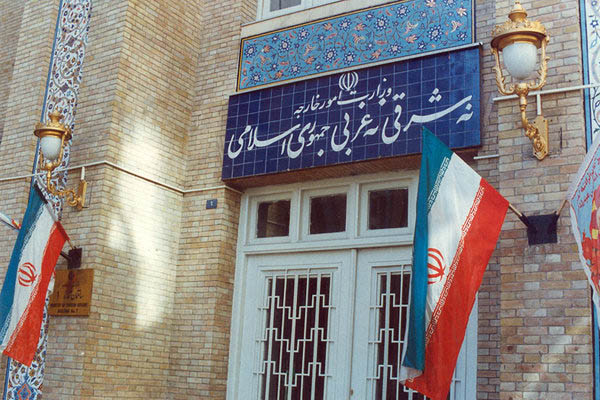
Foreign Ministry Spokesman Bahram Qassemi said the Islamic Republic conveyed its strong protest to the Pakistani diplomat during the meeting.

In a Sunday statement, Qassemi said following the Wednesday terrorist attack (Feb. 13) in Zahedan-Khash road in Sistan and Baluchestan, Pakistan’s ambassador to Iran Riffat Masood was summoned by the director general of the Iranian Foreign Ministry’s Western Asia Department.

During the meeting, the Iranian diplomat referred to the growing number of terrorist attacks designed in and led from Pakistan including the latest terrorist attack in Zahedan-Khash road, and conveyed Iran’s protest, Qassemi said.

“The Iranian official explicitly underlined that the Islamic Republic expects the government and army of Pakistan to seriously and resolutely deal with the developments and deployment of the terrorist cells and their bases in the border region between the two sides and not to allow the terrorists to create further insecurity and instability in the region and mistrust between the two sides through their terrorist and inhumane measures.”

Iran also called on the Pakistani government to adopt immediate and appropriate measures to identify and arrest the terrorists behind the deadly attack in Zahedan-Khash road, Qassemi added.

For her part, the Pakistani envoy announced that she would convey Iran’s protest to her respective government in Pakistan.

A bus carrying members of the Islamic Revolution Guards Corps (IRGC) was travelling between the cities of Zahedan and Khash when it was targeted in a suicide car bomb attack. 27 were killed and 13 others injured in the attack.

‘Pakistan Should Be Held Accountable for Iran Terror Attack’

Iran Warns E3 Will Get Response for Triggering Dispute Mechanism

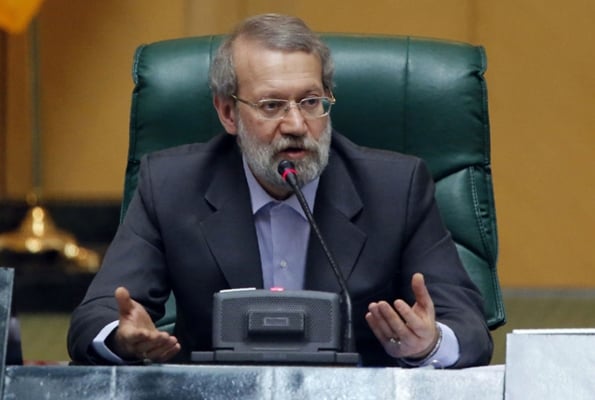
In an open session of the parliament on Sunday, Larijani urged the Iranian Foreign Ministry and Security forces to follow up the terrorist attack seriously.

“The Pakistani government should be held accountable because the terrorist group behind the attack has designed and carried it out from Pakistan’s soil,’ he was quoted as saying in a report by IRNA.

He offered condolences to the families of the victims of the terrorist attacks and underlined that Pakistan should not behave irresponsibly.

“With all due respect for the neighbouring Pakistan, we maintain that such irresponsible behaviors could hamper the development of mutual ties in various fields,” he said.

27 members of the Islamic Revolution Guards Corps (IRGC) forces were killed in a terrorist attack in southeastern Iran. The IRGC personnel were traveling between the cities of Zahedan and Khash, in Sistan and Baluchestan province on Wednesday, when their bus was targeted in a suicide car bomb attack.


US Left Warsaw Empty Handed

The parliament speaker then referred to the recent anti-Iran conference co-organized by the US and Poland in Warsaw and said the hasty move of the US and the Israeli regime in Warsaw reveals their empty hand when it comes to Iran.

“The much-hyped conference was reduced to some hollow and repeated speeches. It shows that the US is a plaything at the hand of a terrorist group. Instead of turning the tables on Iran, the US and Israel are humiliating themselves at the international arenas,” he said.

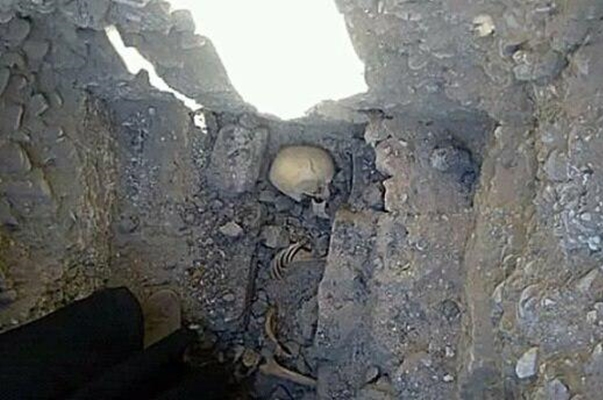
5,000-Year-Old Skeleton Unearthed in Northern Iran

The remains were dug out at a historical site in the city of Babol in Mazandaran province, said Mohammad Fazeli, the head of the archaeological team.

The skeleton belongs to a girl, around 13-14 years of age.

An awl was also discovered next to her. A necklace made of seashells, stone and tar was around her neck. Studies show the skeleton is between 3,000 and 5,000 years old.

According to Fazeli, historical sites in Babol are the target of raids and theft.

He said between 400 and 500 illegal excavations have been conducted in the area, highlighting the need to establish security there.

World Must Tell US We’re Not Living in Jungle: Iran

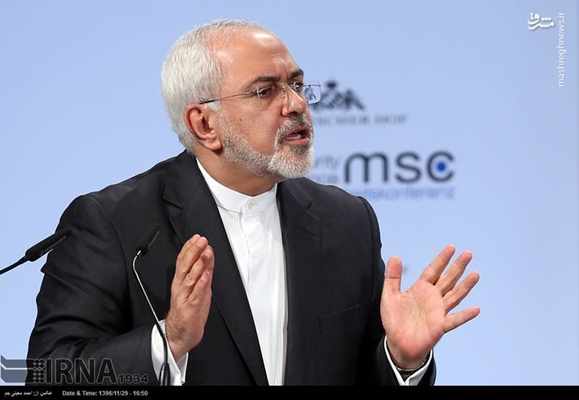
Zarif made the comments in a Q&A session following his speech at the 55th Munich Security Conference in Germany.

His comments came in response to a question about Iran’s attempt to launch a satellite last month that failed to reach orbit, Zarif said it was possible the failure was due to Washington’s sabotage campaign as suggested by a New York Times report this week.

He added that Iran had already been investigating these failures but was now “looking into the specifics” after the story in The Times.

“It’s quite possible. We don’t know yet. We need to look into it very carefully,” the Iranian foreign minister said.

The New York Times reported on Wednesday that the Trump administration had reportedly revived a secret plan to sabotage Iran’s ballistic missiles as part of its broader plan to weaken the Islamic Republic’s military might and harm its economy.

It cited current and former administration officials and reported that the clandestine operation has been ongoing for some time now but it was practically impossible to determine whether it has been successful and if yes, to what extent.

Iran launched a scientific satellite into space to collect environmental information to boost the country’s forecasting system. However, technical problems that occurred during the final stage of the launch prevented the spacecraft from reaching orbit.

Iran’s Minister of Information and Communications Technology Mohammad Javad Azari Jahromi tweeted on January 15, “The Payam (Message) satellite was successfully launched this morning aboard the satellite carrier. But the satellite unfortunately failed to be placed in orbit in the final stage.”

He, however, stressed that Iran was preparing to launch another satellite, named Doosti (friendship).

What follows is the full text of Zarif’s speech at the MSC 2019:


In the name of God, the Compassionate, the Merciful

Ladies and Gentlemen,

This past Monday, millions of Iranians gathered for mass rallies to mark the 40th anniversary of the Islamic revolution; an earthquake that collapsed a pillar of US domination in West Asia.

We’ve never been forgiven by the United States for having exercised our right to self-determination. As a result, we have long been the target of an unhealthy fixation—an obsession—which continues to this very day.

The demonization of my country has been a convenient cross for seven consecutive American presidents to bear—and a smokescreen for America’s regional clients to hide behind. It is long overdue for the United States to dismantle this malign institution, for it has today morphed into one of the greatest threats to even its own interests—and of course international peace and security.

In the past two years, the US has taken its animus towards Iran to a new extreme, as epitomized by its unlawful and unilateral abrogation of its commitments under the painstakingly-negotiated Joint Comprehensive Plan of Action, which was unanimously endorsed by the UN Security Council. To gain accomplices in its lawlessness, the US is now even labouring to force others to violate that Resolution, which explicitly calls for normalization of economic relations with Iran.

At the recent meeting of “the unwilling” and “the openly-coerced” in Warsaw, the US Vice President and the Secretary of State both blasted Europe for even attempting—albeit without much practical success—to abide by its obligations under the JCPOA and Security Council Resolution 2231. Yesterday – right here in Munich – Vice President Pence repeated this farce when he arrogantly demanded that Europe must join the US in breaking its commitments while undermining its own security. His hateful accusations against Iran—including his ignorant allegation of anti-Semitism against the heirs of a man described as ‘Messiah’ in the Torah for saving Jews – is both ridiculous and dangerous.

This malign obsession with Iran is imposing costs on others—and especially in our region, which has for 40 years suffered the consequences of US insistence on making wrong choices.

Driven by its pathological obsession with Iran, America has long encouraged reckless and destructive adventurism on the part of its clients: from arming Saddam Hussein in his attack against Iran to supporting the propagation of extremism; from aiding and abetting the ruining of Syria and bombing of innocents in Yemen to whitewashing the incarceration of a Prime Minister and dismemberment of a journalist. In parallel, the US has systematically shielded Israel’s constant aggression against Palestinians, while insulating its severe violations of the sovereignty of Lebanon and Syria.

And all in the name of “containing” Iran.

Ladies and Gentlemen,

The US claims—and some blindly parrot its accusation—that it is Iran which is interfering in the region. But has it ever been asked whose region? Just glimpse at a map. The US military has travelled 10,000 kilometres to dot all our borders with bases. Meanwhile, it has milked the region of its resources through vast arms sales. According to the most conservative estimate, the GCC’s military spending alone will reach a record high of $100 billion this year—almost seven times that of Iran.

So, who is really exporting insecurity to our region?

What is it that threatens the region more?

The unfathomable arsenals used to terrorize the people of Yemen? Or Iran’s defensive missiles, which have only ever been used against ISIS terror in self-defence?

Is it Iran that threatens the annihilation of others—or is it Mr Netanyahu—Israel’s wolf-crier-in-chief—who openly threatens my country’s obliteration while standing next to his nuclear bomb factory?

No theatrics here—including the show put on by Vice President Pence—can obscure these realities.

Indeed, more and more nations are becoming explicit about the fact that the United States is now the single biggest source of destabilization in our neighbourhood. As we speak, Iraqi lawmakers are demanding the withdrawal of US forces from their land. And after more than 17 years of failure in Afghanistan, the US is now negotiating with the Taliban to withdraw the American military.

In contrast, our standing with the peoples of Iraq and Syria to counter terrorism has put ISIS on the verge of extinction, with both countries enjoying levels of peace and stability not seen in years.

I arrived here in Munich from Sochi, where President Rouhani continued his dialogue with his Russian and Turkish counterparts on how to further promote peace in Syria. Prior to that, I visited Lebanon and Iraq for 7 days of discussions with government officials, as well as with political, community and business leaders on how to work together to strengthen stability and advance mutual economic opportunity in our region.

But the reckless US obsession with Iran is threatening these hard-won victories.

On another front, Iran’s continued full implementation of the JCPOA—despite the US’ abrogation—has played a major role in decreasing tension and promoting regional and global stability. But Iran cannot foot the entire bill for vital global security achievements – whether it is the nuclear accord, or the combatting of drug and human trafficking to Europe.  Europe needs to invest too. Many around the world—and particularly on this content—speak eloquently about multilateralism. But they also need to walk the walk. For instance, INSTEX falls short of the commitments by the E3 to “save” the JCPOA. Europe needs to be willing to get wet if it wants to swim against the dangerous tide of US unilateralism.

While we have shown our desire for engagement, we don’t depend on others for our security, stability, prosperity and progress. We solely depend on our own people. That is why 40 years of so-called “maximum pressure”—namely demonization, war, sanctions and terror—including the heinous foreign-sponsored terrorist bombing in my country on Wednesday—has failed to “bring Iran to its knees”; nor has it affected our people’s decision-making calculus.

Distinguished Friends,

Iran’s foreign policy is designed to further the goal of creating a strong region that precludes the emergence of hegemonic aspirations by any power – regional or global.

A strong region simply means more confidence, more trade and more interaction between and among the countries in the region, than with external powers.

It requires home-grown political and territorial stability; reliance on the populace as the source of legitimacy, security and prosperity; harmonization of national identities and regional citizenship; participation of all in ensuring peace; and the exercising of strategic self-restraint.

Ladies and Gentlemen

In spite of all the ignorant hate-speech by American officials, let me remind you that we Iranians are proud to be the inheritors of a great civilization. The entirety of humanity is today riding in the same boat and we either sail together; or sink together. Our renowned poet, Sa’adi, testified to this truth over 900 years ago:

All human beings are members of one frame

Since all, at first, from the same essence came.

When time afflicts one limb with pain

The other limbs cannot at rest remain.

I thank you for your attention.

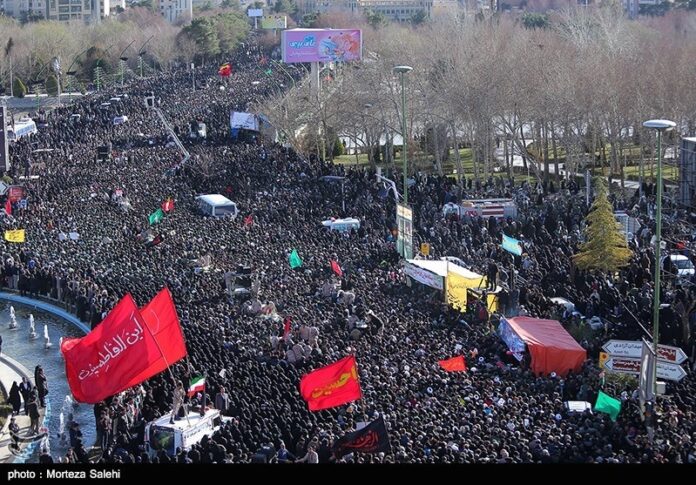
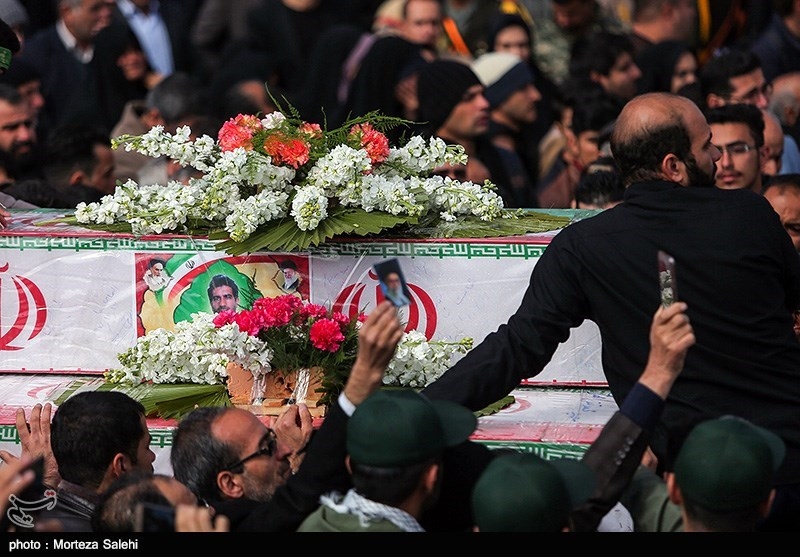
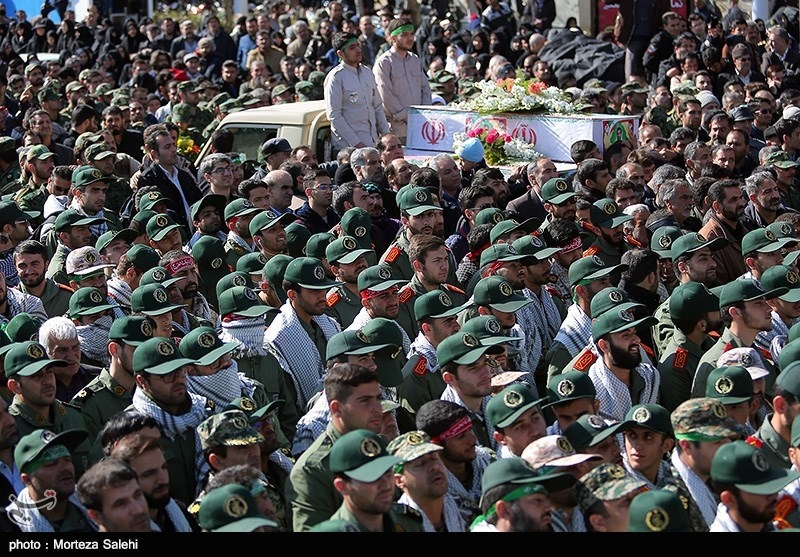
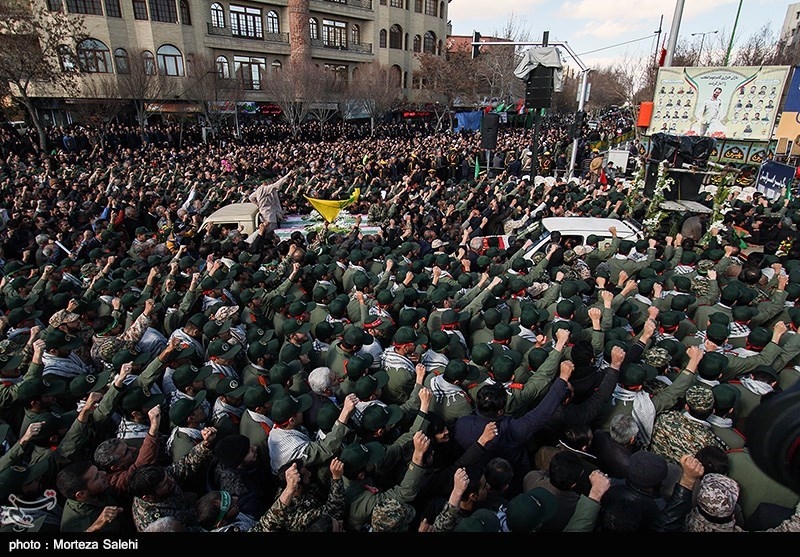
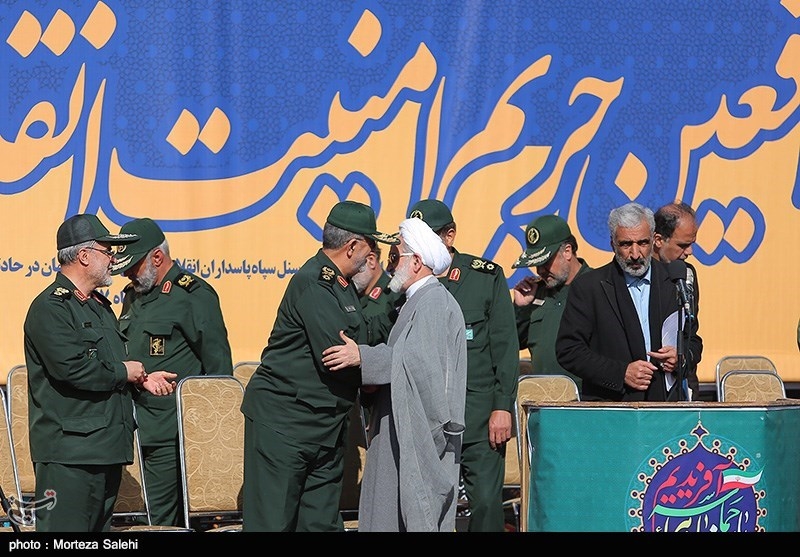
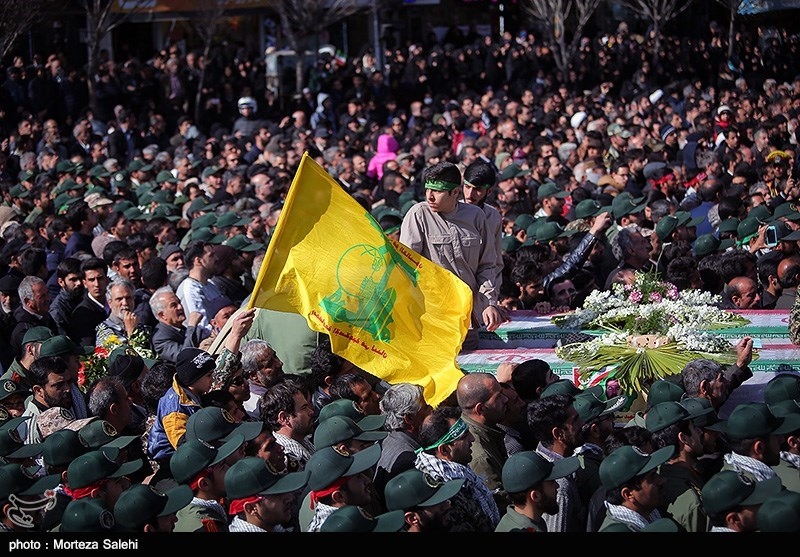
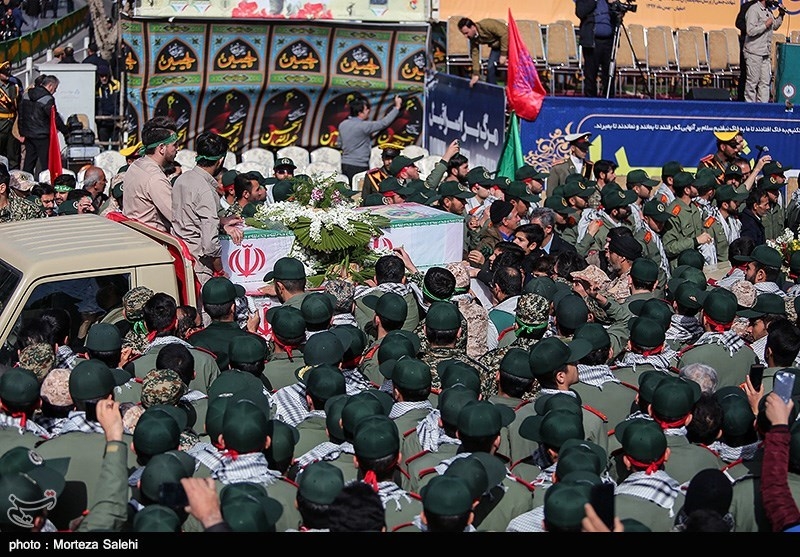
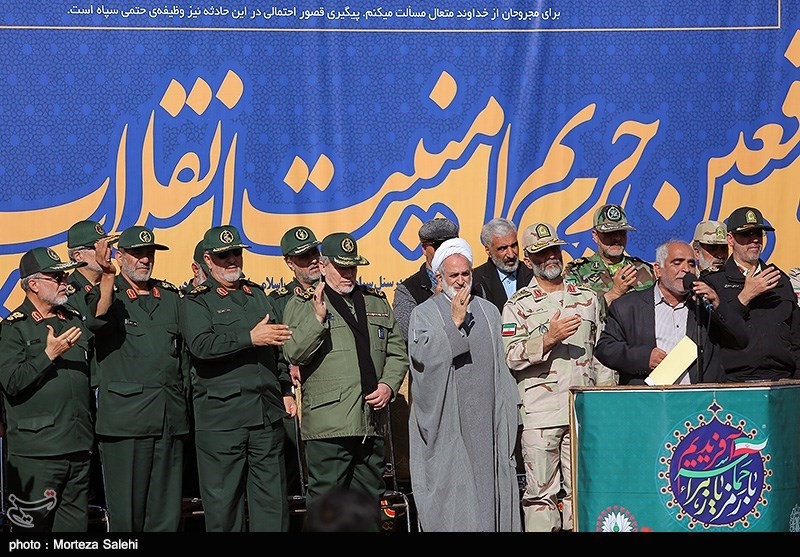
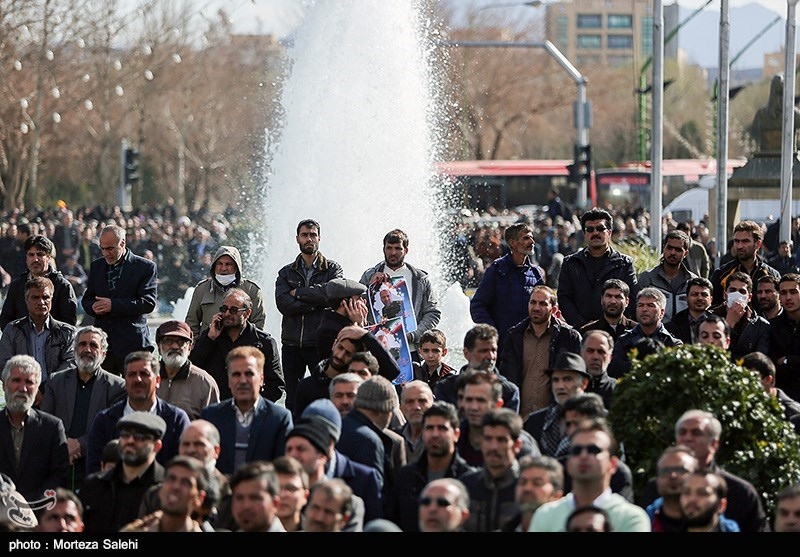
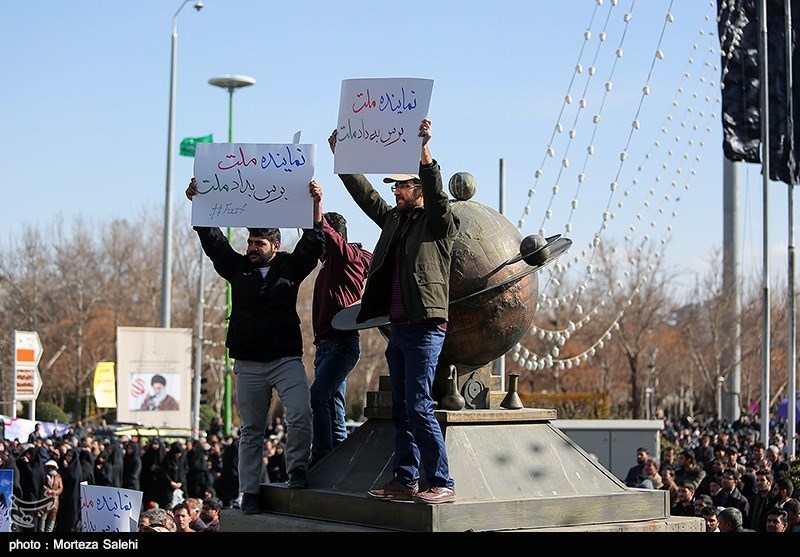
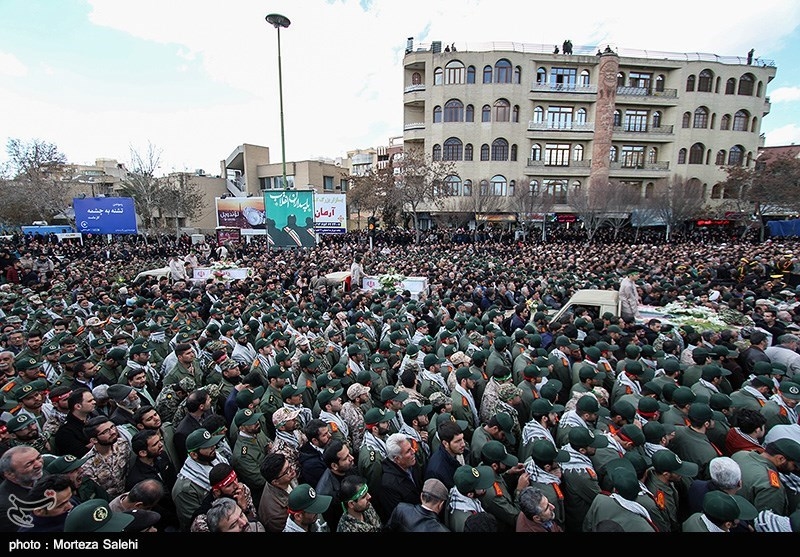
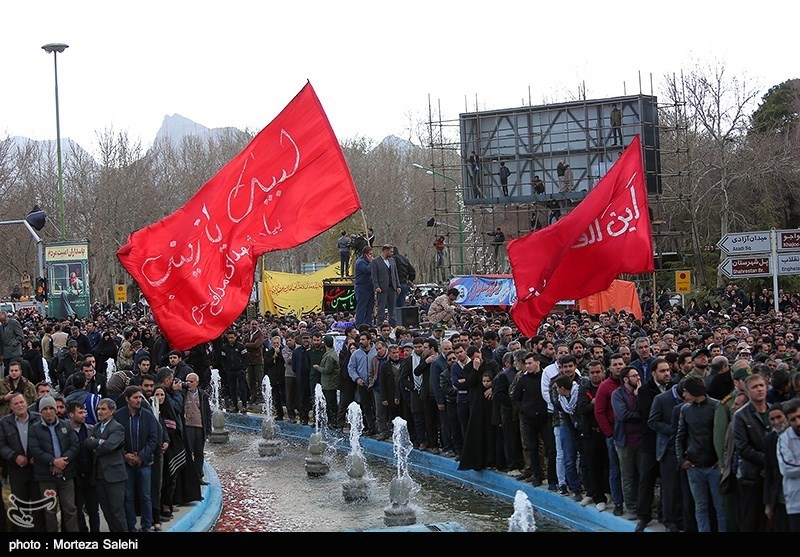
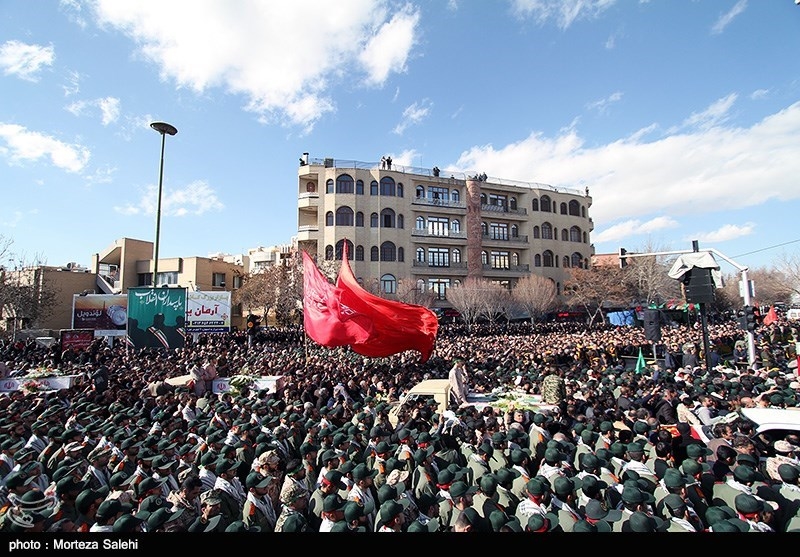
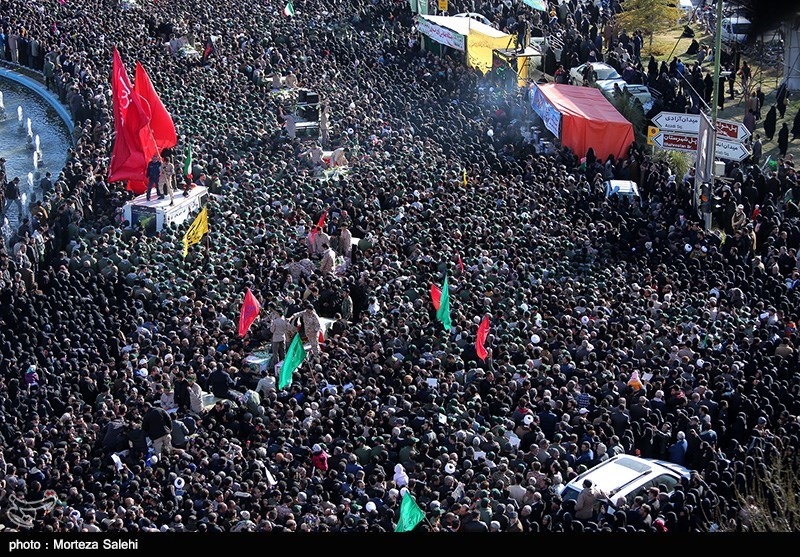
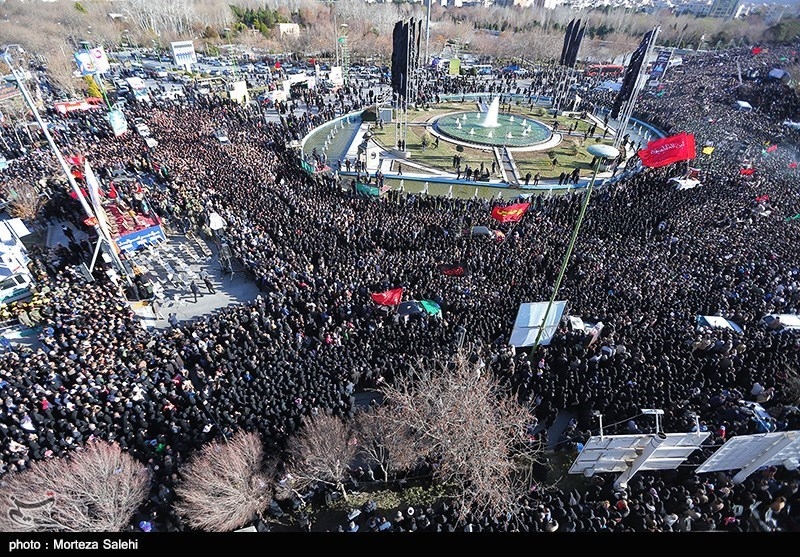
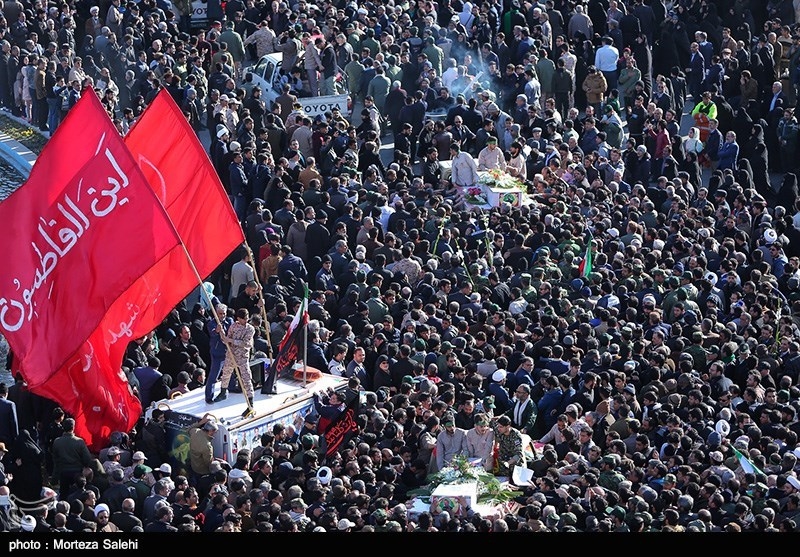
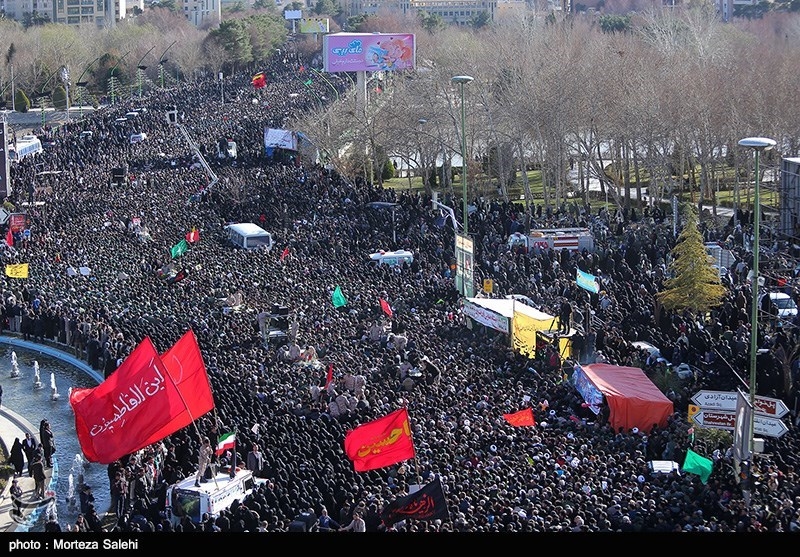
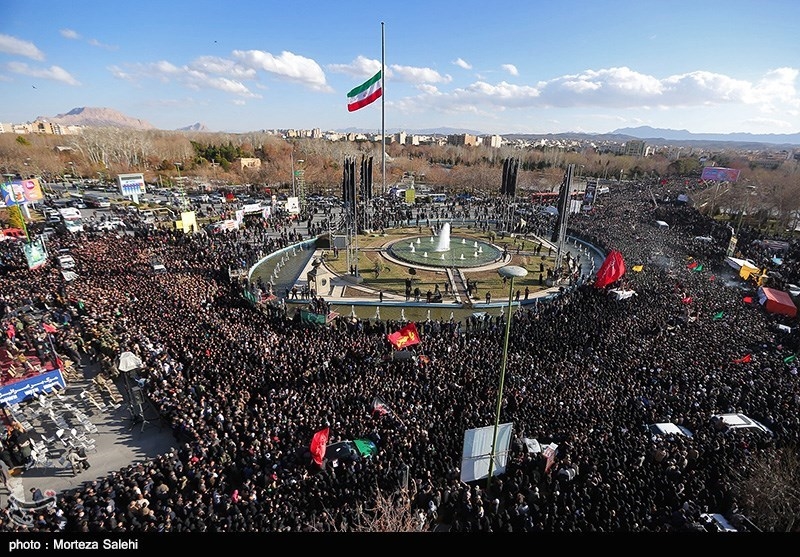
Thousands Attend Funeral of IRGC Forces in Isfahan

The terrorist attack, claimed by the Pakistan-based Jaish al-Adl terrorist group, claimed the lives of 27 and wounded 13 others on Wednesday night.

The majority of those killed in the attack were young soldiers from Isfahan province.

What follows are photos of the funeral retrieved from Tasnim News Agency: