Friday, January 16, 2026
Home Blog Page 2172

Iran Tourism Minister visits historical sites in Yazd

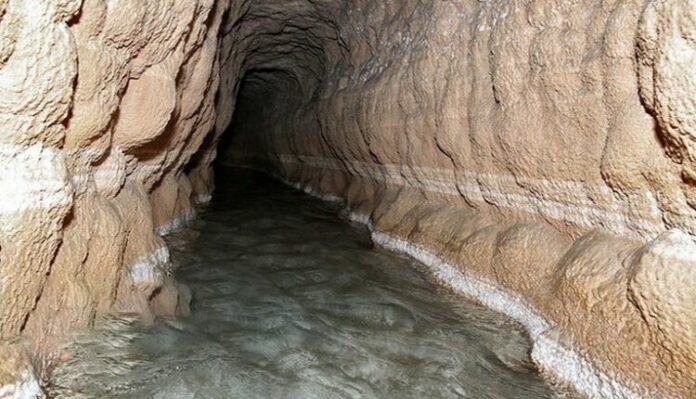
Iran’s minister of Cultural Heritage, Tourism and Handicrafts paid a visit to Rig Mosque and the historical texture in Ashkezar, as well as the qanat in Zarach District, and a number of tourism projects in central Yazd Province.

Ezatollah Zarghami, the minister of Cultural Heritage, Tourism and Handicrafts visited Rig Mosque and the historical texture in Ashkezar, as well as the qanat in Zarach District, and a number of tourism projects.

It is noteworthy that Zarghami is the administration’s representative in the president’s 12th provincial trip and has been tasked with visiting the cities of Ashkezar and Yazd to handle their affairs.


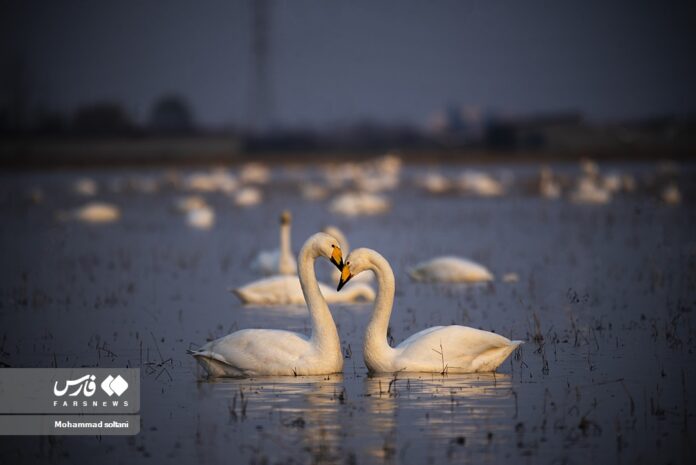
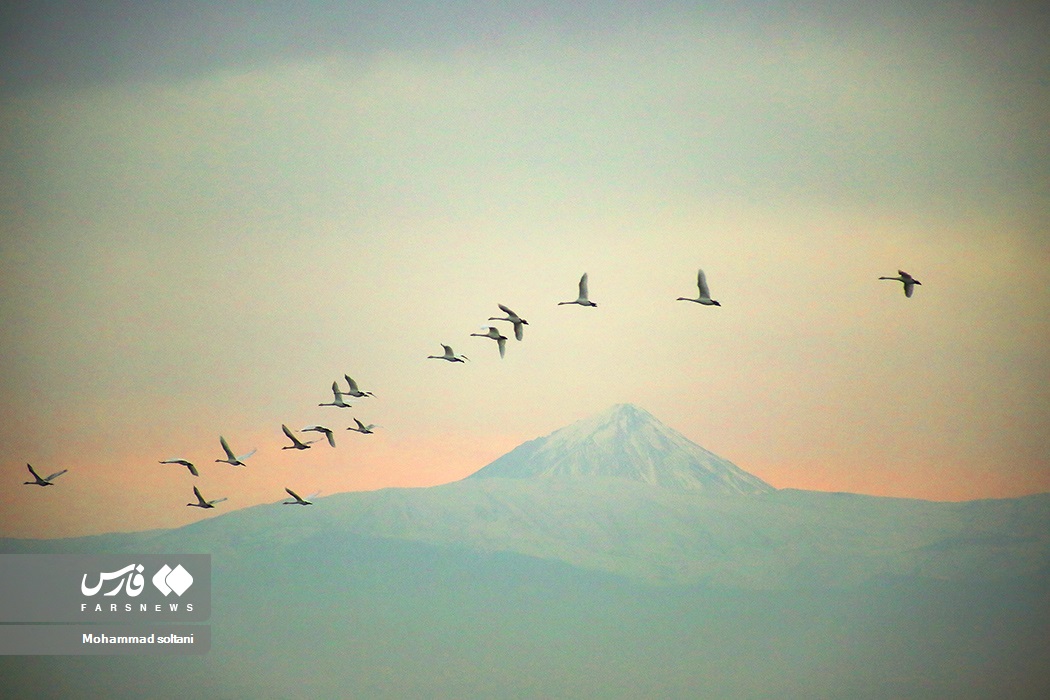
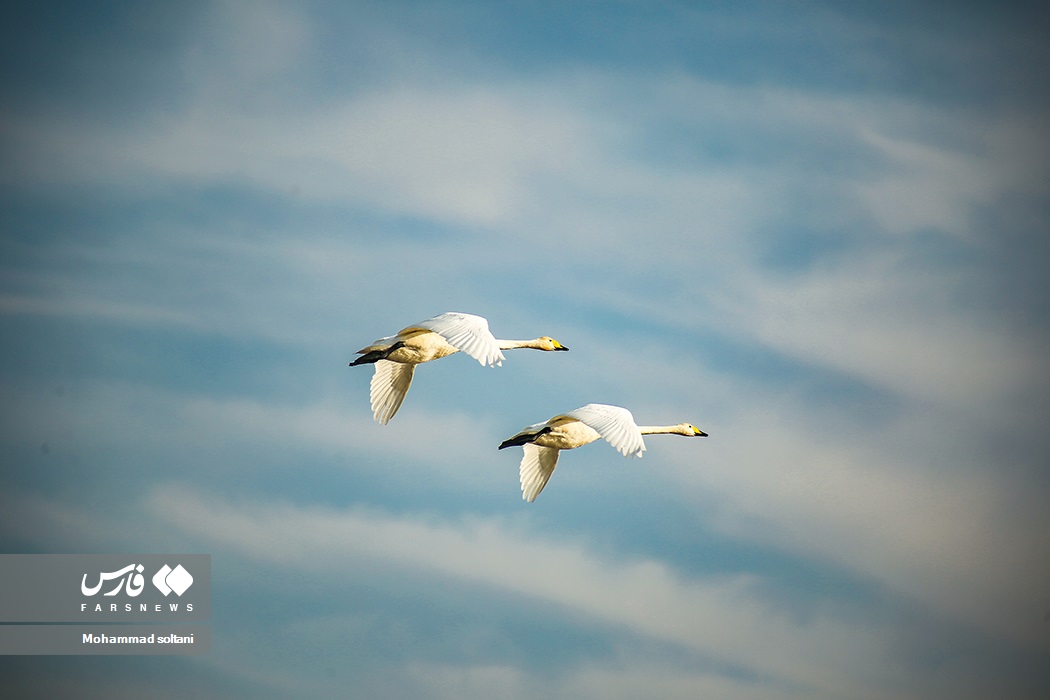
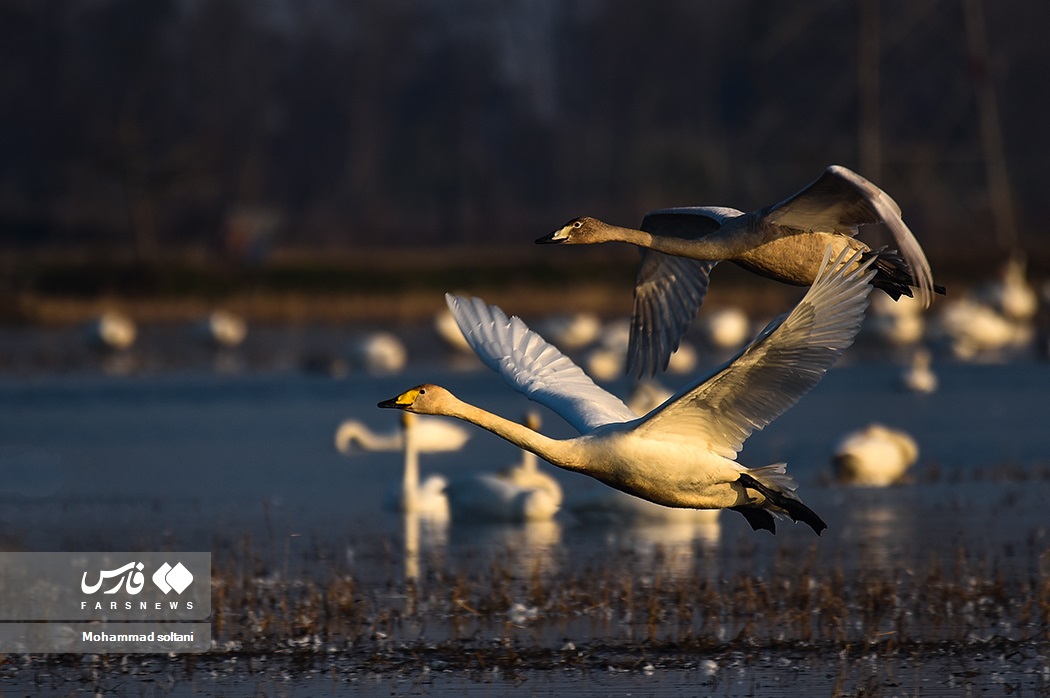
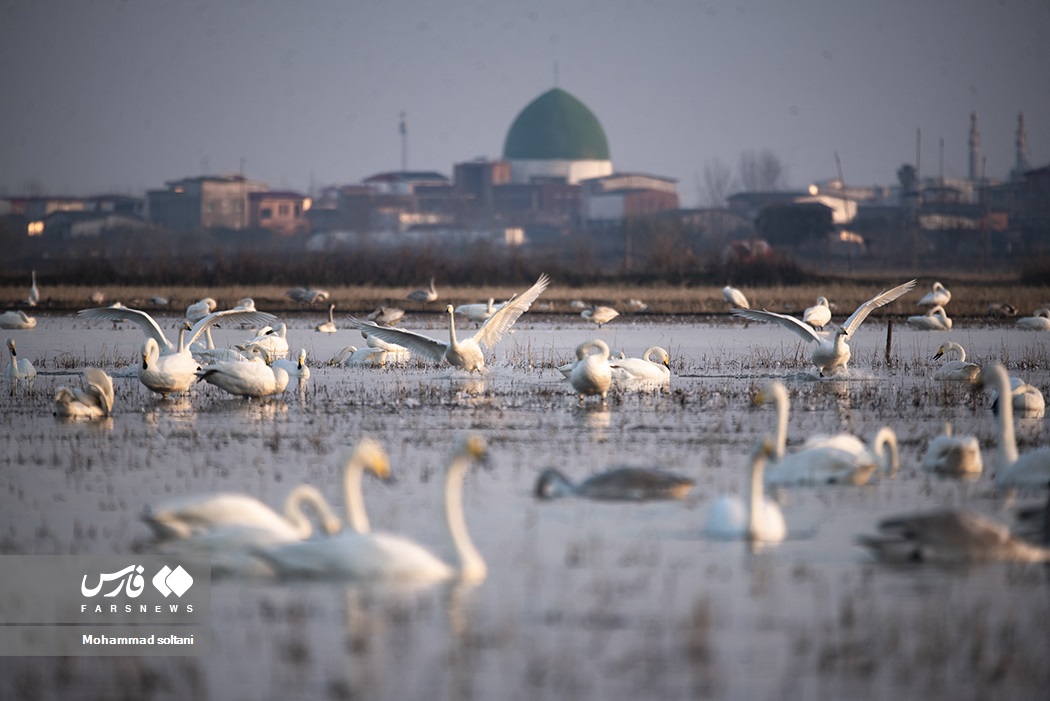
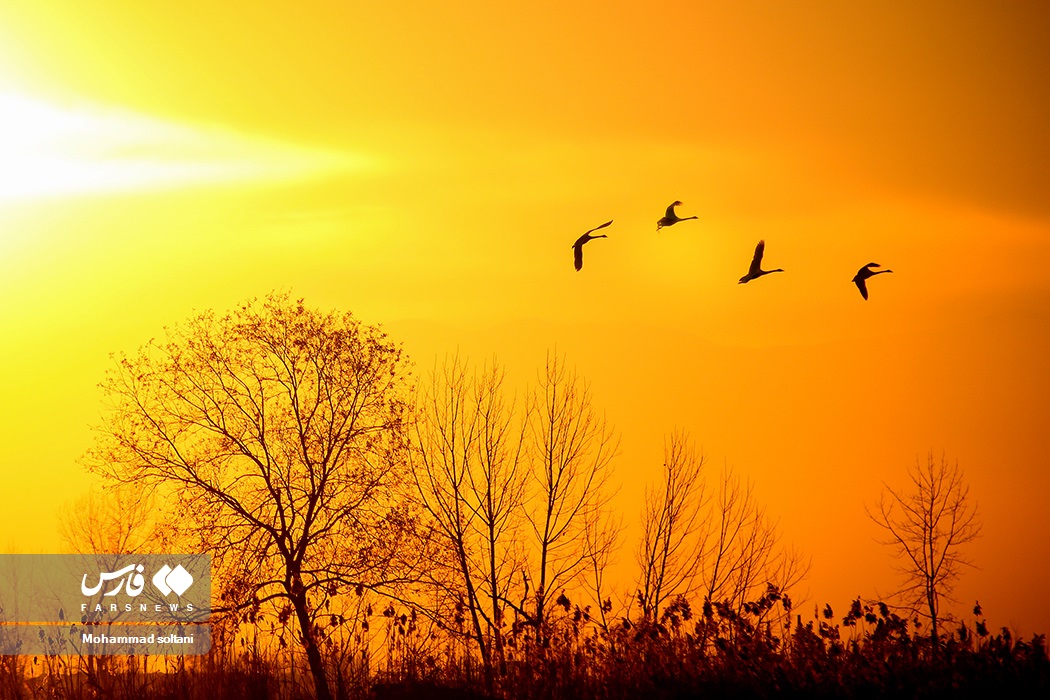
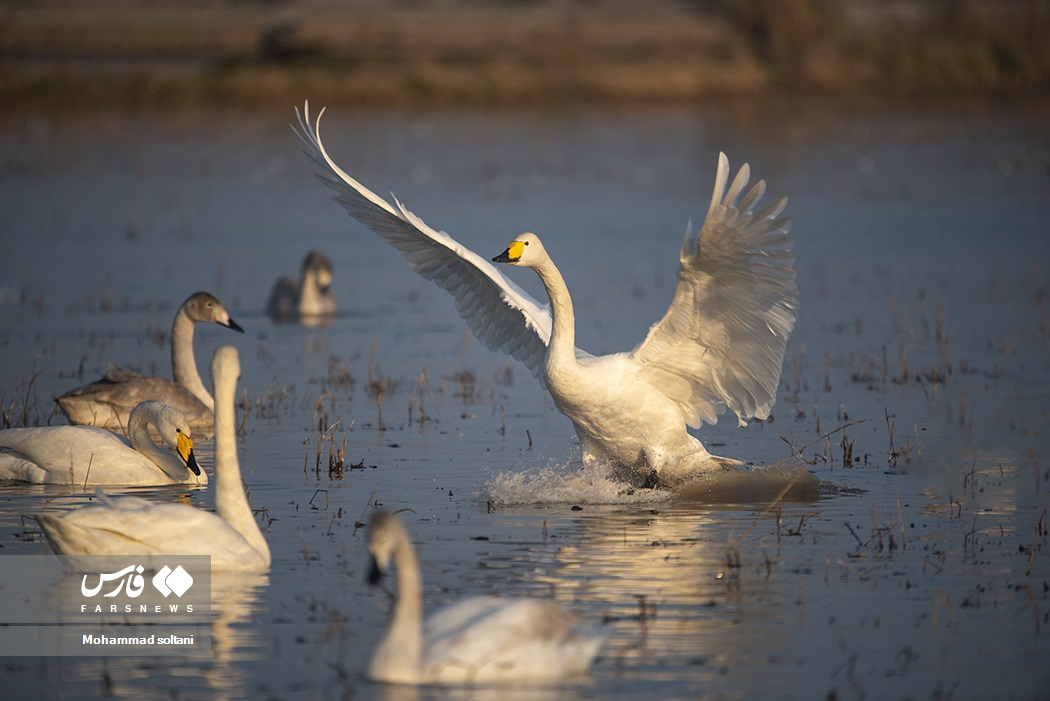
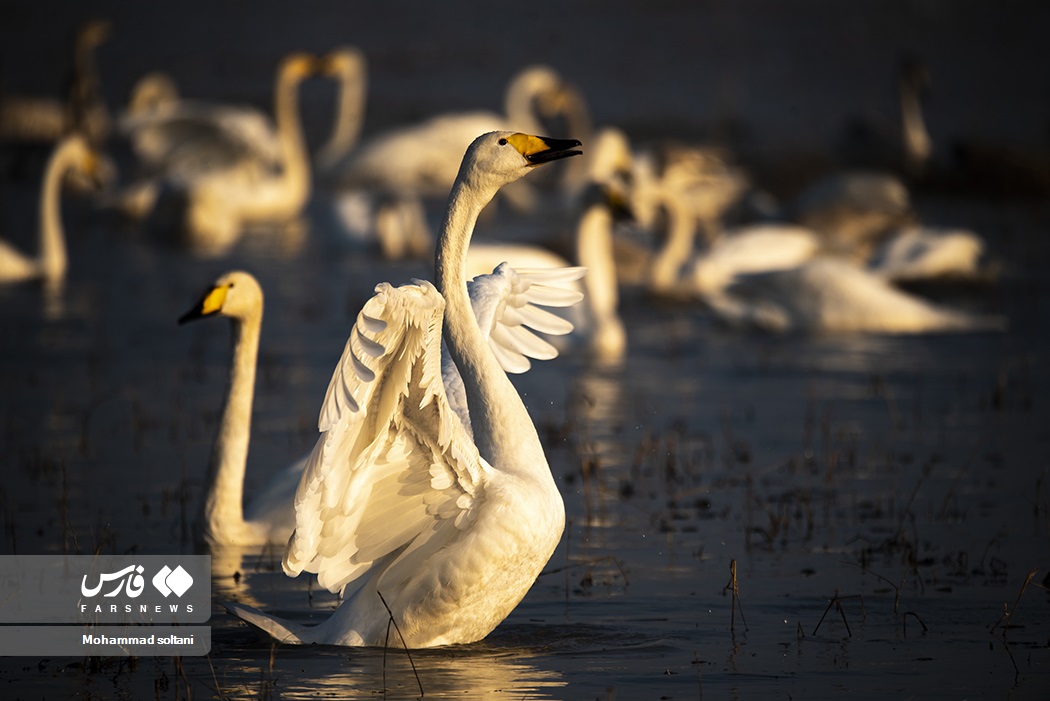
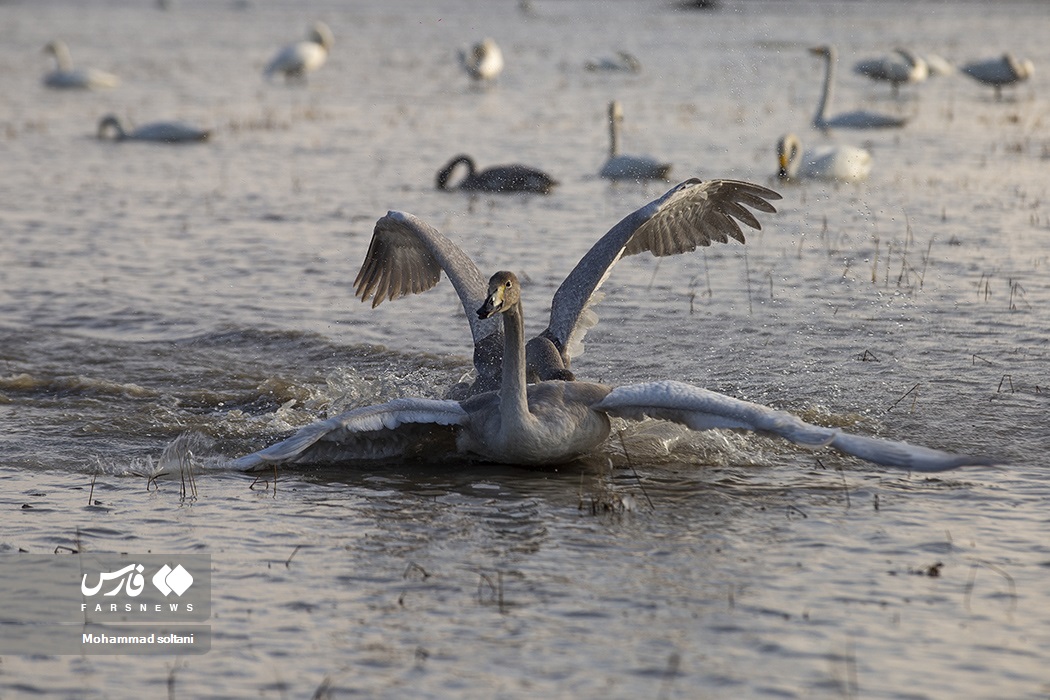
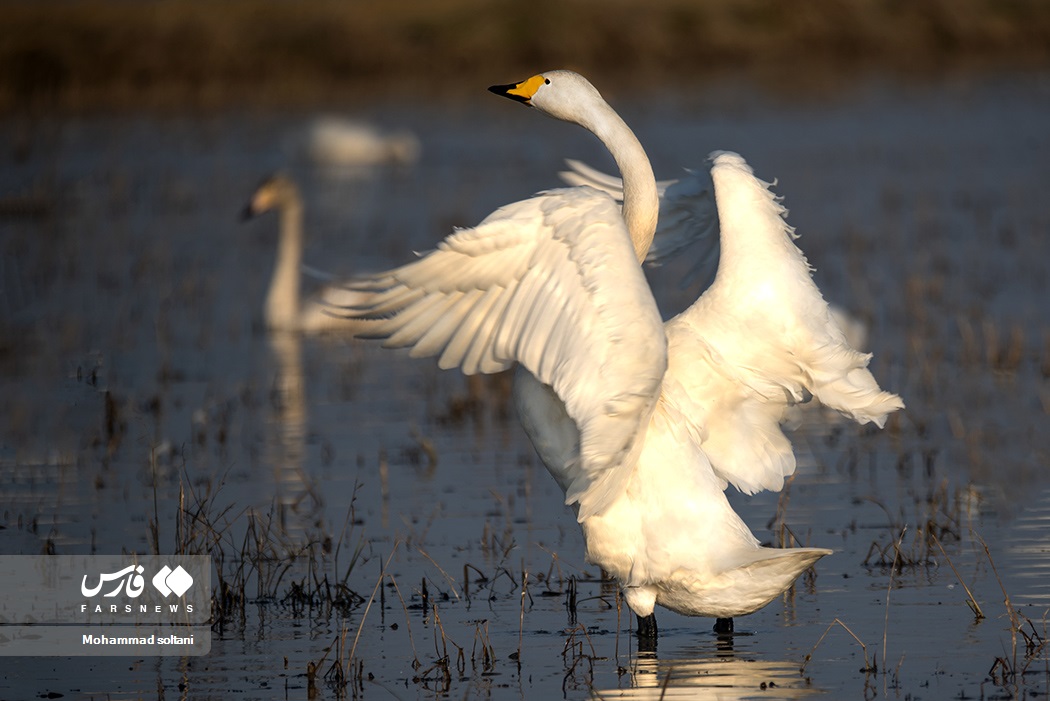
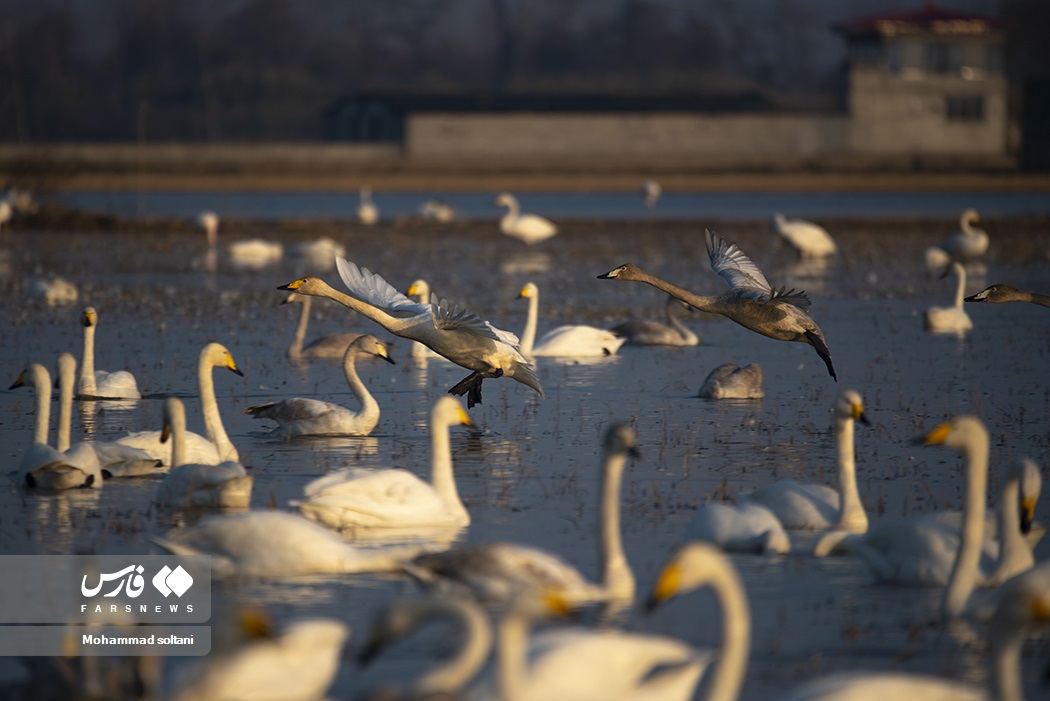
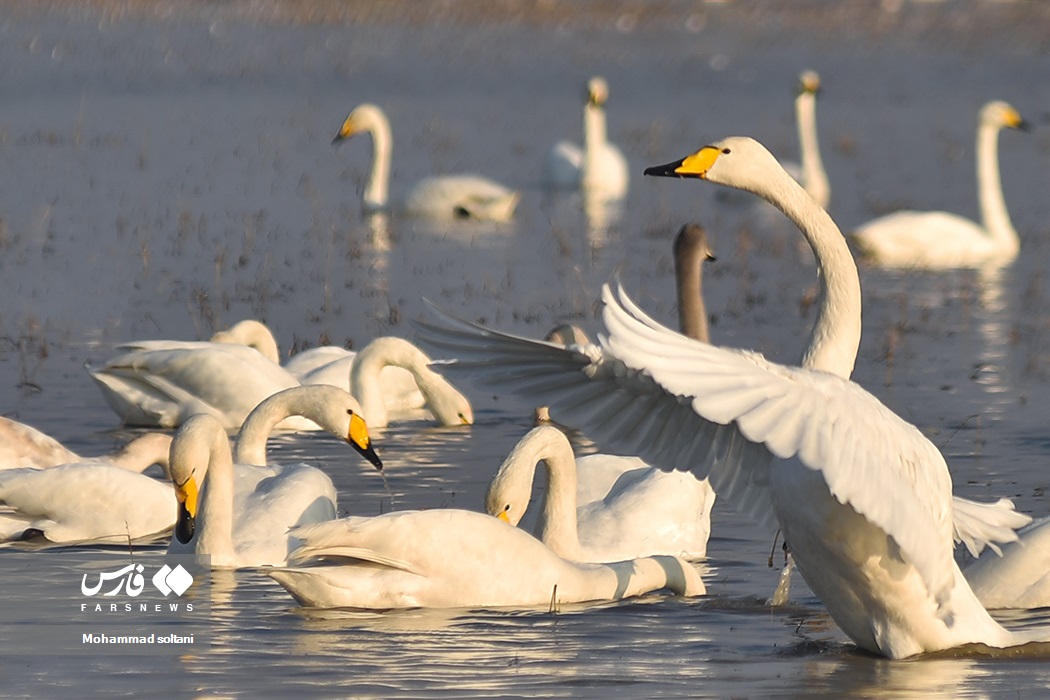
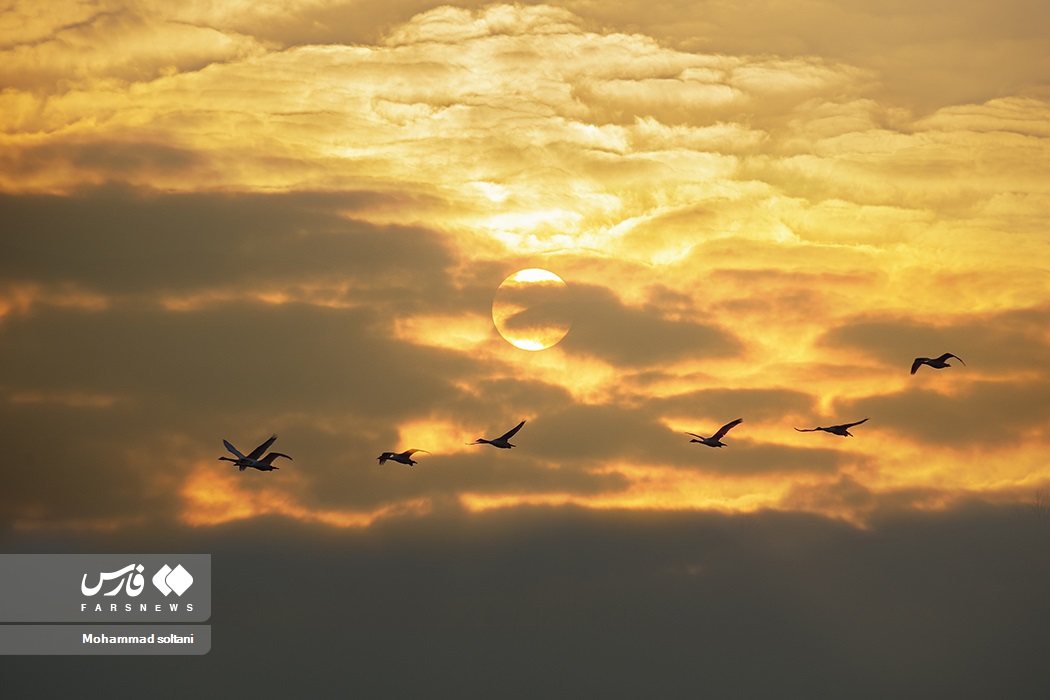
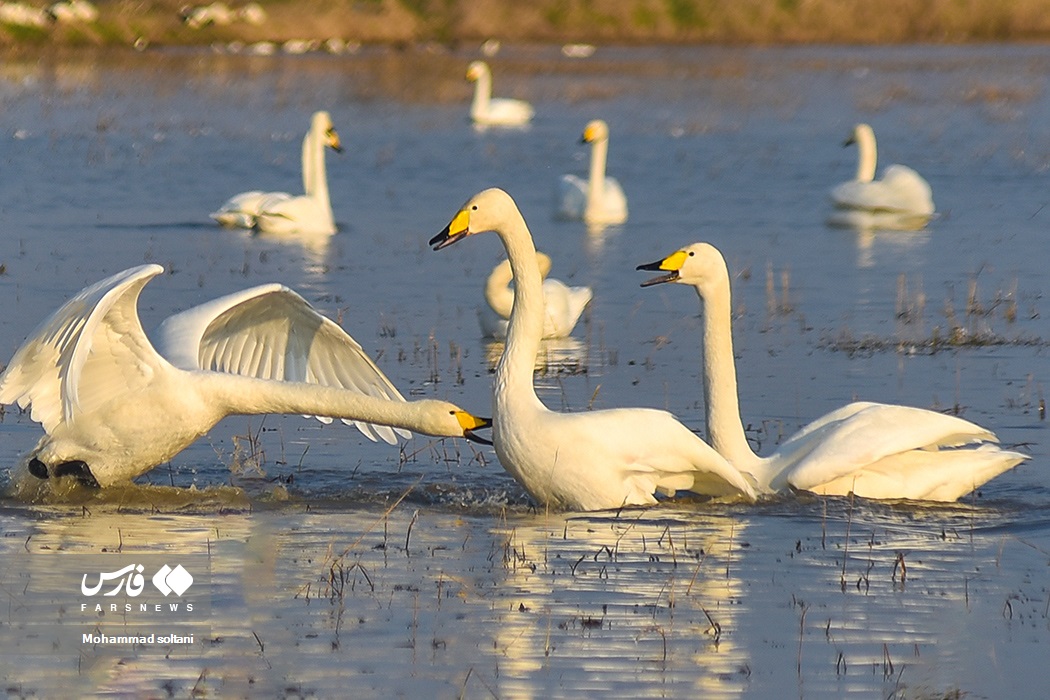
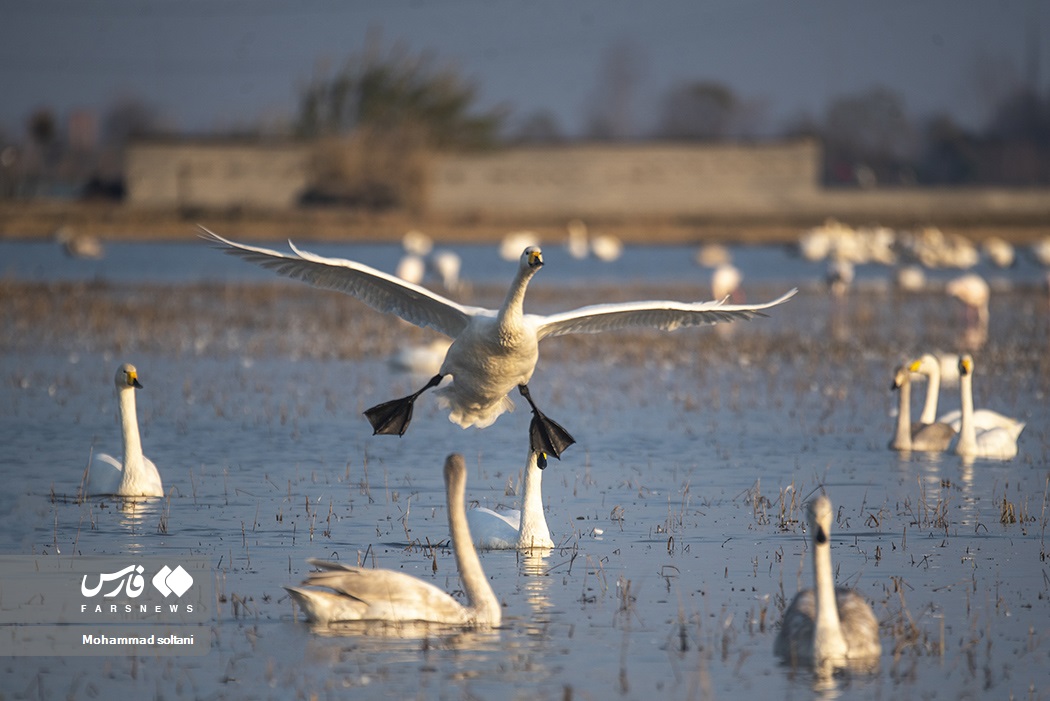
Swan Flying Symphony

Most of the swans enter Mazandaran Province’s wetlands in late December.

In February, when temperatures gradually increase, the swans begin migrating back to Siberia after three months of wintering.

The average number of swans migrating to the wetlands of Mazandaran Province, in recent years was estimated at 2,000 to 2,500. So far this year, about 500 swans have entered Sorkhrud Wetland, and this number is likely to increase in the coming days.

Annually, 1.5 million domestic and foreign migratory birds migrate to the wetlands and reservoirs of the province in northern Iran.

Erdogan: US supporting terrorists in Syria

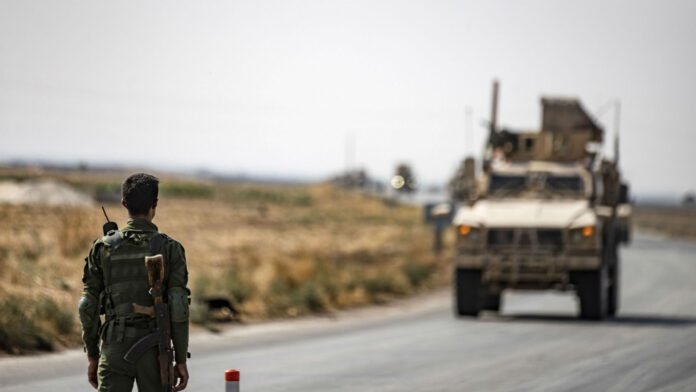
Commenting on the presence of the United States and Russia in war-torn Syria, Erdogan drew attention to the fact that both countries have military bases in the country.

He also criticized Washington’s support for terrorist organizations, referring to the PKK’s Syrian wing, the YPG.

He underlined that the US continued support for the YPG cannot be ignored and that it was a topic in his talks with US President Joe Biden.

“They have significantly supported terrorist organizations in our south, the northeast of Syria, through thousands of trucks of arms and ammunition,” the president added.

The US has primarily partnered with the YPG in northern Syria to fight Daesh. Turkey strongly opposes the YPG’s presence in northern Syria, a major sticking point in strained Ankara-Washington relations. The US has provided military training and truckloads of weaponry to the YPG, despite its NATO ally’s security concerns.

The president noted that the US claims it is withdrawing from the country and not supporting terrorist groups, but stressed that this is not true.

“Similarly, Russia is also not withdrawing. If Russia had withdrawn support for Syria, (Bashar) Assad would not be standing now,” he continued.

Russia joined Syria’s now 10-year conflict in September 2015. Moscow has since helped tip the balance of power in favor of Assad, whose forces now control much of the country. Hundreds of Russian troops are deployed across Syria, and they also have a military air base along Syria’s Mediterranean coast.

Russia is the main ally of the Syrian government, while Turkey supports groups that have fought to unseat Assad.

Russia is helping Damascus’s legitimate government eliminate terrorists and is encouraging the Syrian sides to establish political dialogue. Unlike Russia, the United States and Turkey are present in Syria with no invitation from that country’s government.

Syrian officials have urged the US and Turkey to immediately withdraw its forces from the Arab country.

On Tuesday, deputy head of the Russian Center for the Reconciliation of Warring Parties in Syria said terrorists from the Idlib de-escalation zone are planning, according to the Syrian authorities, terrorist attacks in the ports of Tartus and Latakia.

“According to information from the Syrian security authorities, sabotage and terrorist groups of radical gangs from the Idlib de-escalation zone are planning terrorist attacks in the ports of Tartus and Latakia,” Rear Adm. Oleg Zhuravlev noted.

He added that in accordance with the appeal of the Syrian authorities, the command of Russian airbase Hmeimim organized round-the-clock patrols. Military police units patrol the seaport and the adjacent territory of the city of Latakia. He specified that the police use Patrul and Tigr armored vehicles.

According to Zhuravlev, the movement of units from the air is controlled by unmanned aerial vehicles of the Russian Aerospace Forces.

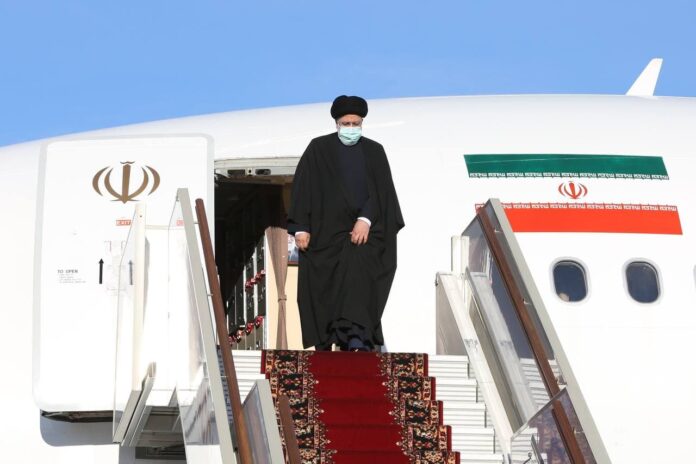
Iranian president arrives in Moscow for talks with Putin

Iran President Ebrahim Raisi

Upon his arrival at Moscow’s airport, Raisi was welcomed by Russia’s Minister of Energy Minister Nikolai Shulginov. Raisi is due to meet Putin in a few hours.

He’s accompanied by the Iranian Ministers of Foreign Affairs, Oil and Economic Affairs, Hossein Amir Abdollahian, Javad Ouji and Ehsan Khandouzi.

The visit is in line with the Raisi administration’s policy to prioritize relations with neighbors.

Iranian president arrives in Moscow for talks with Putin

Speaking at Tehran’s Mehrabad International Airport on Wednesday morning, the Iranian president said, “Without any doubt, our relations with all neighbors, especially Russia, are good, and given the political, economic and commercial relations between the two countries, this trip could be a turning point for bolstering our ties with Russia.”

“We have shared interests with Russia and these interactions and common interests will definitely build security in the region and counter unilateralism there,” Raisi said. “Mutual cooperation can be highly effective in the current regional and international circumstances.”
He said both Iran and Russia are powerful and influential in the region and thus dialog between such states can boost regional economic cooperation.

Iran gets delivery of AstraZeneca vaccines from Spain

The Health Ministry said the batch, which consists of 2.2 million doses of AstraZeneca vaccines, arrived at Tehran’s Imam Khomeini Airport on Wednesday morning.

Mohammad Hashemi, head of the ministry’s public relations office, said the delivery — worth $10 million — is mainly aimed at vaccinating the Afghan nationals in Iran.

Iran hosts up to four million Afghan refugees, with the number being on rise. So far, the Afghan nationals have received four million doses of COVID-19 vaccines.

The vaccination campaign is in full swing in Iran as the country is facing a new wave of infections with Omicron, a new variant of the coronavirus.

The country has been administering both domestically-developed and imported shots to people. 

Over 126 million doses of vaccine have so far been administered in the country with the number of boosters crossing the 13 million mark.

Iran among world’s top 14 power plant constructors

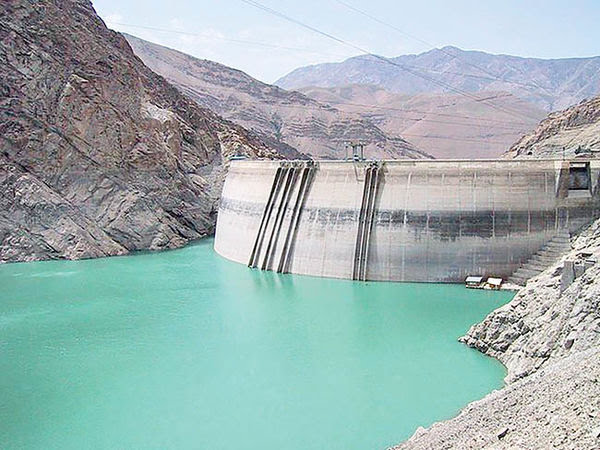
The deputy energy minister for research and human resources said the Iranian experts have taken major strides toward developing the country’s power grid.

Reza Anjom-Shoa added the installed power plants are generating over 86,000 megawatts, continuing that the length of the country’s power transmission networks stands at 54,800 kilometers that supply some 30 million subscribers with electricity.

The government of President Seyyed Ebrahim Raisi pays special attention to the water and power sectors, said the official, adding that the Ministry of Energy having 200 affiliated and subsidiary companies is making every effort to render various services to people.

He underlined that state-of-the-art technology plays a key role in the water and power projects and these two sectors are required to upgrade their services by applying the latest technical know-how.

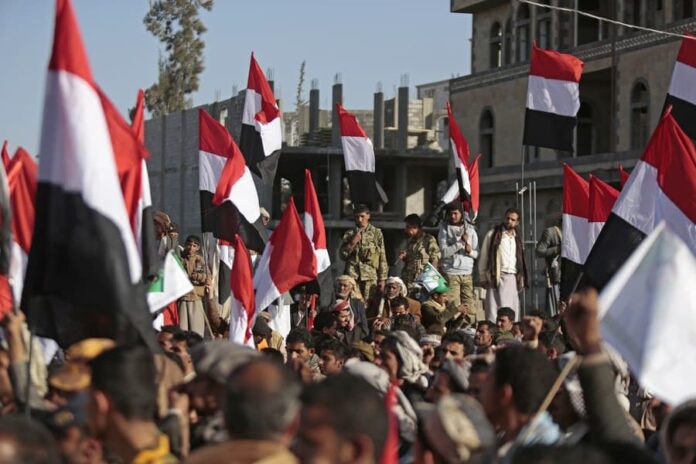
WSJ: Yemeni forces can strike targets lying 1,000 miles away

The report came a day after the war-torn country’s defense forces staged their latest bout of retaliatory strikes against Abu Dhabi and parts of Saudi Arabia.

The Yemeni forces “have hit the UAE before, but this was the first time the Emiratis acknowledged it”, wrote the daily.

The strike showed how the Yemeni forces have become emboldened in striking members of the Saudi-led coalition after emerging stronger from years of Saudi war, The Journal added.

With its strikes on Abu Dhabi’s airport and a state-owned oil facility, the Yemenis were ostensibly retaliating for the UAE’s intensified role supporting the Saudi-led coalition in the Yemen war.

The Yemeni counterstrikes was a display of the military advancements made by forces “that less than a decade ago relied on machineguns and rocket launchers.”

Now, they could hit targets lying “1,000 miles (1,600 kilometers) away from their Yemeni mountain strongholds”, the paper said.

The Saudi kingdom and several of its allies, most notably the Emirates, have been attacking the Arab world’s already poorest nation since March 2015 in an unsuccessful bid to change its ruling structure in favor of its former Riyadh-aligned officials.

At the beginning of the war, the WSJ said, the Yemeni forces were only equipped with light weaponry, such as rocket and grenade launchers.

According to a confidential report by the United Nations Security Council, seen by The Journal, they “have developed the ability to build drones, short-range missiles, and other weapons using materials such as engines and electronics that they buy locally….”

Describing the Monday counteroffensive in further detail, The Journal cited a preliminary Emirati investigation as saying that the counterblow had involved “drones, cruise missiles, and ballistic missiles”, and also quoted Saudi officials as saying that the Yemeni forces had targeted the kingdom with “nine drones”.

Spokesman for the Yemeni Armed Forces Brigadier General Yahya Saree has stated the targets in the UAE were attacked by five ballistic and cruise missiles and a large number of drones.

The death toll of the Yemen war, now in its seventh year, will reach an estimated 377,000 by the end of 2021, according to a recent report from the UN’s Development Programme.

The fighting has seen some 80 percent of the population, or 24 million people, relying on aid and assistance, including 14.3 million who are in acute need.

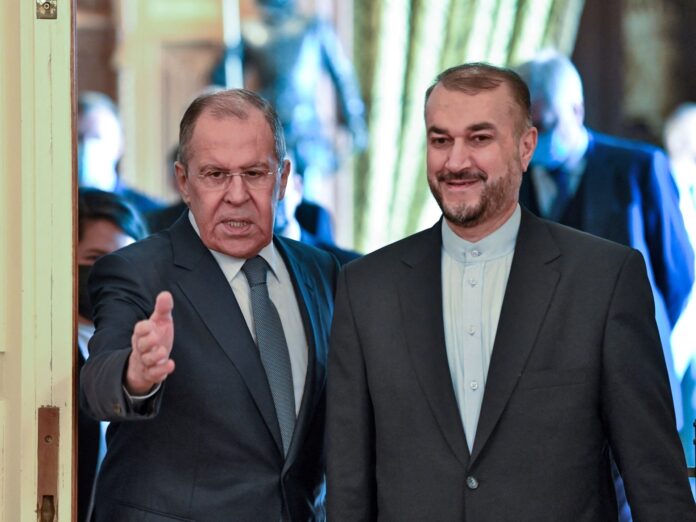
Amir Abdolahian: Iran, Russia redoubling efforts to nullify US sanctions

In an interview with Iran’s Nour News published on Tuesday night, Hossein Amir Abdollahian said there is a strong desire on the part of the private and public sectors in Iran and Russia to cement their trade ties, despite the restrictions created by Washington’s unilateral sanctions against Tehran.

“High on the agenda are the development of trade cooperation between the two countries, the expansion of long-term cooperation, and the removal of some obstacles, including infrastructural weaknesses, financial and investment resources, as well as efforts to neutralize international sanctions against the two countries,” he added.

The remarks came ahead of Iranian President Ebrahim Raeisi’s Wednesday departure of Tehran for Moscow.

Raeisi is scheduled to meet with his Russian counterpart, Vladimir Putin, and address the plenary session of the Duma, the lower house of the Russian parliament.

According to the Kremlin, Raeisi and Putin will discuss all issues related to bilateral cooperation, including the implementation of joint projects in economic and trade fields, as well as important international and regional developments.

Amir Abdollahian explained that there are a variety of issues over Tehran-Moscow relations that need to be addressed.

“We regard Putin’s Russia as different from the Soviet Union,” he stated, noting that the two countries’ strategic view of foreign relations is a foundation to build on.

“Syria has been a successful model of regional cooperation between the two countries in recent years,” he continued.

The Iranian foreign minister further noted that Iran’s principled stand is that regional security must be provided only by the region’s countries.

“The Islamic Republic of Iran has always emphasized its principled policy of strengthening good neighborliness, building trust, and holding dialog with its neighbors and deems lasting security possible only through cooperation, partnership and peace,” he stated.

Elsewhere during the interview, Amir Abdollahian described the Raeisi administration’s foreign policy as balanced, dynamic, and smart.

He named the administration’s three top priorities as “a neighbor-centered policy, an Asia-centered policy with a focus on looking to the East, and an economy-centered diplomacy.”

“Dr. Raeisi’s visit to Russia is a turning point in the policy of good neighborliness and looking to the East,” he added.

According to the chief Iranian diplomat, Tehran has succeeded to resolve issues with neighboring countries such as Turkmenistan and Iraq and is making diplomatic overtures to Persian Gulf countries, including Oman, Qatar, Kuwait, the UAE, and also Saudi Arabia.

“Finally, I shall point out that initiatives, endeavors, actions, and policies in the field of foreign policy are a process and bear fruit when given enough time. Therefore, the results of these political actions will emerge in the medium- and long-term,” he said.

Iran oil, economy ministers discuss ties with Russian counterparts

iran-russia flag

Their meetings were held as Iran’s President Seyyed Ebrahim Raisi left Tehran for the Russian capital on Wednesday morning to start a landmark visit to the neighboring state.

Javad Owji, the Iranian oil minister and the head of Iran-Russia Joint Economic Commission, held separate talks with Russian Energy Minister Nikolay Shulginov and also the Russian chief of the commission, as well as with Russian Deputy Prime Minister Alexander Novak. 

Owji and the top Russian officials discussed the ways to expand economic relations, particularly cooperation in the energy sector, remove obstacles to banking transactions, boost customs exchanges, and strengthen the two countries’ cooperation in the infrastructure field.

Their energy talks also included oil and gas cooperation, the OPEC+ agreement, and transfer of technology.

In addition, Owji talked about options for shipping Iranian natural gas to Pakistan and India with the participation of Russian companies, and manufacturing of oil industry equipment.

“The two sides also discussed preparation and the agenda for the next meeting of the Russian-Iranian government commission on trade and economic cooperation,” the Russian Energy Ministry said in its statement on the energy talks. 

In the meantime, Iranian Minister of Economic Affairs and Finance Seyyed Ehsan Khandouzi met with Russian Finance Minister Anton Siluanov in an effort to cement the two countries’ economic relations.

Khandouzi described Russia as an important partner for Iran, saying President Raisi’s trip to Moscow is a turning point in the two countries’ ties.

The minister earlier had a meeting the Iranian businessmen in Moscow, discussing the economic, banking and customs obstacles.